



Key Takeaways
Discover creative softball awards ideas for every position and achievement level. Learn how to recognize players through performance awards, character recognition, and modern digital displays that celebrate athletic excellence.
Recognizing softball players effectively requires more than generic participation trophies or predictable MVP awards. Coaches, athletic directors, and program administrators face an important challenge: how to acknowledge diverse contributions across different positions, skill levels, and team roles while creating recognition that genuinely motivates athletes and builds positive program culture.
This comprehensive guide presents creative softball awards ideas spanning offensive achievement, defensive excellence, leadership qualities, position-specific honors, and character development. Whether you coach youth recreational leagues, high school varsity programs, travel teams, or college softball, these award concepts help celebrate players meaningfully while fostering team cultures where every position and contribution receives appropriate recognition.
Understanding Softball Recognition Needs
Before implementing specific awards, understanding what makes softball recognition effective provides the foundation for creating meaningful programs that resonate with players and support team development.
Why Softball-Specific Recognition Matters
Softball presents unique recognition challenges that distinguish it from other sports. The sport requires specialized skills across dramatically different positions—pitchers dominate games statistically, outfielders may have limited action, catchers work exhaustingly behind the plate without accumulating impressive statistics, and infielders make plays that prevent runs rather than create offensive production.
Generic sports awards often fail to capture softball’s position-specific contributions. A center fielder might play flawlessly all season but record only a dozen putouts because quality pitching means few balls reach the outfield. Meanwhile, a struggling pitcher faces constant action with corresponding statistics reflecting both success and struggle. Position-appropriate recognition ensures all roles receive validation regardless of statistical visibility.
Team Dynamics Considerations: Softball teams function through complementary roles requiring different athletic qualities. Recognition programs should acknowledge this diversity—celebrating power hitters alongside slap hitters who get on base differently, defensive specialists who prevent runs alongside offensive producers who create them, and vocal leaders who build team culture alongside quiet performers who lead through example.
Developmental Goals: Recognition shapes what players value and pursue. When programs only reward offensive statistics, defensive excellence becomes undervalued. When only starters receive recognition, bench players feel invisible despite important contributions. Thoughtful award structures communicate program values while motivating well-rounded development.
Balancing Individual and Team Recognition
Softball emphasizes team success more than many sports—individual excellence matters less when runs don’t score or defensive lapses allow opponents to win. Recognition programs must balance individual acknowledgment with collective celebration:
Individual Achievement Awards recognize specific player accomplishments, creating targeted motivation and validating personal improvement. These awards give athletes concrete goals to pursue and acknowledge standout contributions deserving special recognition.
Team-Based Recognition celebrates collective achievements—championship seasons, defensive streaks, team statistical milestones. Team awards reinforce that softball success requires coordinated contributions rather than individual heroics.
Position Group Awards acknowledge units working together—infield defense, outfield coverage, battery combinations (pitcher-catcher partnerships). These awards validate collaboration within position groups while creating smaller team units within larger rosters.
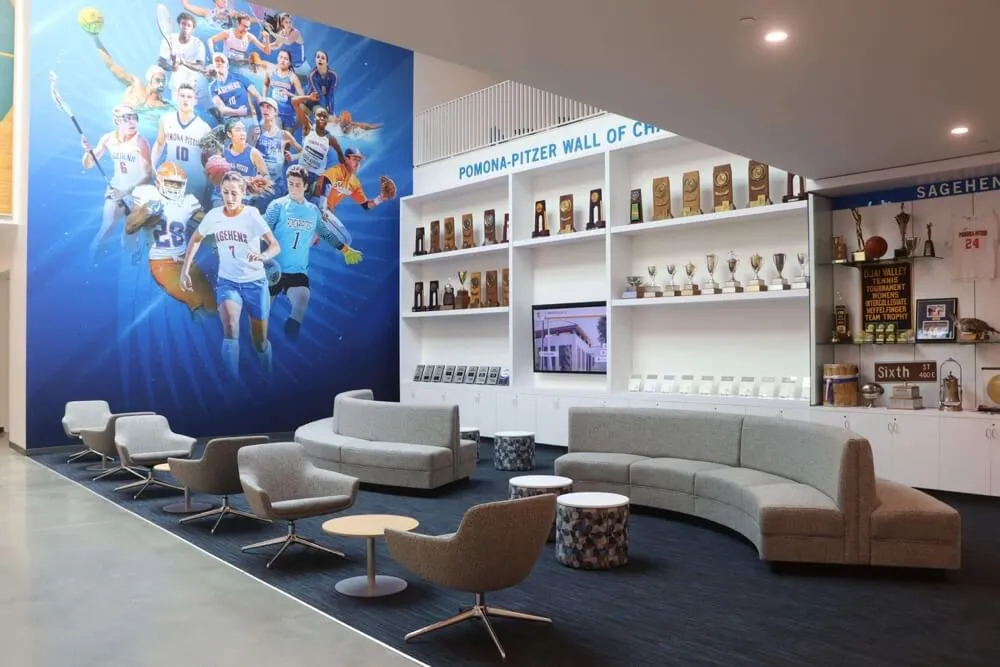
Effective programs implement all three recognition types, ensuring players understand that individual excellence serves team goals while personal contributions still receive appropriate acknowledgment. Organizations developing comprehensive recognition systems often find that showcasing athletic achievement digitally allows unlimited award categories without physical space constraints.
Offensive Achievement Awards
Offensive awards recognize hitting production, base running, and run creation—the statistically visible aspects of softball that most easily lend themselves to objective measurement.
Batting Excellence Awards
Batting Average Leader: Highest batting average across the season. Batting average provides fundamental measurement of hitting consistency and remains the most recognized hitting statistic. This award validates players who consistently put the ball in play and reach base through hits.
Home Run Leader: Most home runs hit during the season. Power hitting deserves recognition even when home runs don’t define softball success the way they might in baseball. This award celebrates players providing extra-base production and run-generating capability.
RBI Leader: Most runs batted in. RBI recognition acknowledges clutch hitting and ability to drive in teammates. While situation-dependent, RBI totals measure offensive production in high-leverage moments.
On-Base Percentage Leader: Highest on-base percentage through hits, walks, and hit-by-pitch. On-base percentage provides more comprehensive offensive value measurement than batting average alone, rewarding plate discipline and ability to reach base through any means.
Slugging Percentage Leader: Highest slugging percentage measuring total bases per at-bat. Slugging percentage differentiates between singles and extra-base hits, rewarding power production and extra-base capability.
Most Hits: Total hit leader regardless of batting average. Hit totals reward consistent playing time and sustained production across full seasons, acknowledging cumulative contribution.
Situational Hitting Awards
Clutch Hitter Award: Best performance in high-pressure situations—close games, runners in scoring position, playoff contests. Clutch recognition validates ability to perform when stakes are highest, a quality statistics may not fully capture.
Two-Out RBI Leader: Most RBIs with two outs. Two-out production represents particularly valuable offense since innings end without extending at-bats. This specialized award recognizes ability to produce before innings close.
Pinch Hit Award: Best pinch-hitting performance or most successful pinch-hit at-bats. Pinch hitters face unique pressure coming off the bench in specific situations. This award validates specialized role players who don’t accumulate traditional statistics through regular playing time.
Lead-Off Hitter Award: Excellence in the lead-off role—getting on base, setting table, aggressive base running. Lead-off hitters serve specific functions regardless of personal statistics, and this award acknowledges that specialized contribution.
Base Running and Speed Awards
Stolen Base Leader: Most stolen bases or highest stolen base success rate. Speed and base running aggression deserve recognition beyond just hitting statistics, validating a dimension of offense requiring specific athletic skills.
Most Runs Scored: Player crossing home plate most frequently. Run scoring reflects combination of getting on base and advancing on teammate hits, validating overall offensive contribution and smart base running.
Fastest Player Award: Recognition for pure speed based on timed sprints, base running, or coach evaluation. Speed represents athletic attribute valuable across multiple aspects of softball, from base running to defensive range.
Aggressive Base Runner Award: Smart, aggressive base running—taking extra bases, stretching singles to doubles, scoring from second on singles. This award celebrates instincts and baseball IQ that create offensive advantages beyond hitting statistics.
Defensive Excellence Awards
Defensive awards acknowledge the run prevention that wins close games and championships. Since defense receives less attention than offense despite equal importance, these awards prove particularly valuable for maintaining balanced recognition.
Overall Defensive Awards
Gold Glove Award (Defensive MVP): Overall defensive excellence regardless of position. Adapted from baseball’s prestigious award, this recognition celebrates the season’s best defender, establishing defense as equally valuable as offensive achievement.
Fielding Percentage Leader: Highest fielding percentage with minimum chances. Fielding percentage measures reliability—the percentage of defensive opportunities handled successfully without errors. This objective statistic rewards consistent, error-free defense.
Most Putouts: Player recording most putouts. First basemen and catchers naturally accumulate putouts through their positions, but this award still validates consistent involvement in recording outs.
Most Assists: Player recording most assists, typically infielders and catchers. Assists measure defensive range and ability to make plays on balls in play, rewarding active defenders who consistently make difficult plays.

Position-Specific Defensive Awards
Best Pitcher: Overall pitching excellence based on comprehensive evaluation—earned run average, strikeouts, innings pitched, win-loss record. Pitching dominates softball more than most sports, and pitcher excellence deserves prominent recognition.
Strikeout Leader: Most strikeouts recorded. Strikeout totals measure a pitcher’s ability to overpower batters and prevent balls in play, representing pitching dominance at its most visible.
Lowest ERA (Earned Run Average): Best earned run average with minimum innings pitched. ERA provides the most comprehensive single pitching statistic, measuring run prevention while accounting for defensive errors.
Most Innings Pitched: Pitcher accumulating most innings. Innings totals measure durability, reliability, and coach trust—pitchers earning most innings demonstrate consistent performance and ability to handle workload.
Best Catcher: Overall catching excellence including game calling, pitch framing, blocking, throwing out runners, and leadership. Catchers contribute enormously without accumulating impressive statistics, and position-specific recognition acknowledges their comprehensive impact. Similar to how programs recognize specialized roles, coaches deserve appreciation for developing these skills.
Caught Stealing Leader: Catcher with most runners thrown out stealing. This specific metric validates arm strength, release time, and game awareness in preventing stolen bases.
Best First Baseman: Excellence at first base—scooping low throws, stretching for errant throws, footwork, and receiving. First base requires specialized skills often taken for granted, and position recognition validates these contributions.
Best Infield Defense: Recognition for best overall infielder—range, arm strength, double play execution, and consistency. Infield defense requires quick reactions and consistent fundamentals deserving specialized acknowledgment.
Best Outfield Defense: Outstanding outfield play—tracking fly balls, reading batted balls, arm strength, and preventing extra bases. Outfielders may have limited opportunities, making recognition for excellent play particularly important.
Best Infield Duo: Recognition for best double-play combination or keystone duo (second baseman and shortstop). Double-play partnerships require chemistry and coordination, and joint recognition validates that partnership.
Character and Leadership Awards
Character awards acknowledge personal qualities, team contribution, and leadership that build positive program cultures regardless of statistical production. These awards communicate that softball programs value athletes as people, not just performers.
Leadership and Influence Awards
Leadership Award: Overall leadership demonstrated through communication, example-setting, and positive influence on teammates. Leadership manifests differently—vocal captains, lead-by-example veterans, encouraging teammates—and this award acknowledges however leadership appears.
Captain’s Award: Recognition specifically for team captains honoring their leadership role and responsibility. Captain-specific awards validate the extra commitment captains make to team culture and communication.
Best Teammate Award: Most supportive, encouraging, and positive influence on teammates. Being an outstanding teammate requires consistent effort, selflessness, and emotional investment in others’ success.
Vocal Leader Award: Outstanding verbal communication, on-field direction, and team encouragement. Vocal leadership keeps teams energized and coordinated, a contribution not reflected in box scores but crucial for team function.
Lead by Example Award: Leadership through performance, work ethic, and conduct rather than verbal communication. Not all leaders are vocal, and this award validates quiet leadership through consistent positive example.
Mentor Award: Veteran player effectively mentoring younger or newer teammates. Mentor recognition acknowledges leadership expressed through developing others rather than just personal excellence.
Work Ethic and Attitude Awards
Most Improved Player: Greatest improvement from season start to finish or year over year. Improvement awards motivate continued effort while validating growth regardless of absolute performance level reached.
Hardest Worker Award: Consistent maximum effort in practices, games, and conditioning. Hard work recognition reinforces that effort matters even when natural ability varies and reminds teams that work ethic represents a choice everyone controls.
Practice Player of the Year: Outstanding practice performance, preparation, and training commitment. Practice awards validate that preparation matters as much as game performance while recognizing players who may not see extensive playing time but train excellently.
Hustle Award: Relentless effort, consistent intensity, and maximum energy in every situation. Hustle represents controllable effort all players can demonstrate regardless of skill level.
Dedication Award: Unwavering commitment through challenges, setbacks, or difficult circumstances. Dedication recognition celebrates perseverance and long-term commitment that sustain programs through inevitable difficult periods.
Never Quit Award: Perseverance through adversity and refusal to give up regardless of score, situation, or personal struggle. This award celebrates resilience particularly important during softball’s inevitable challenging moments.
Sportsmanship and Character Awards
Sportsmanship Award: Exemplary conduct, respect for opponents, and positive attitude in victory and defeat. Sportsmanship recognition reinforces values central to youth athletics and educational missions.
Respect Award: Consistently respectful toward coaches, officials, opponents, and teammates. Respect represents fundamental program values that recognition programs should systematically reinforce.
Team Spirit Award: Most enthusiastic supporter, positive attitude, and encouragement of teammates. Spirit awards celebrate athletes who lift team morale regardless of playing time or personal performance.
Positive Attitude Award: Maintains optimistic, constructive attitude through challenges and setbacks. Positive attitude awards validate emotional maturity and resilience that strengthen team cultures.
Coachable Player Award: Most receptive to coaching, implements feedback effectively, and maintains positive response to correction. Coachability determines improvement trajectory, and recognition reinforces its importance.
Character Award: Overall character demonstration through integrity, responsibility, and positive influence. Character recognition connects athletic participation to broader life skill development beyond softball-specific achievement. Programs building positive cultures often implement comprehensive recognition systems that celebrate character consistently.
Team Achievement Awards
Team awards celebrate collective accomplishments, reinforcing that softball success requires coordinated contributions rather than just individual excellence.
Season Performance Awards
Championship Award: Recognition for tournament, conference, or league championship. Championship recognition celebrates season-defining achievements representing ultimate team success.
Best Record Award: Team with best win-loss record. Record recognition acknowledges consistent performance across full seasons rather than just tournament results.
Playoff Team Recognition: Acknowledgment for reaching playoffs or tournament qualification. Playoff qualification represents significant achievement in competitive conferences deserving recognition beyond just winning championships.
Undefeated Season Award: Recognition for perfect seasons without losses. Undefeated seasons represent rare accomplishments warranting special celebration.
Defensive Team Awards
Fewest Runs Allowed: Best team defensive performance measured by runs allowed per game. Collective run prevention demonstrates coordinated defensive excellence across all positions.
Most Shutouts: Team recording most shutout victories. Shutouts require excellent pitching and flawless defense, representing complete team defensive performance.
Best Team Fielding Percentage: Highest team fielding percentage across the season. Team fielding percentage measures collective defensive reliability and fundamental execution.
Defensive Streak Award: Recognition for consecutive innings, games, or longest period without allowing runs. Defensive streaks demonstrate sustained excellence deserving special acknowledgment.
Offensive Team Awards
Most Runs Scored: Highest-scoring team offense. Collective run production demonstrates coordinated offensive capability across the lineup.
Most Team Hits: Team accumulating most hits. Hit totals measure overall offensive activity and ability to put balls in play consistently.
Best Team Batting Average: Highest team batting average. Team batting average demonstrates lineup depth and comprehensive hitting ability beyond just a few top performers.
Comeback Team Award: Recognition for season turnaround or overcoming adversity. Comeback stories represent resilience and program development deserving celebration.
Specialized Recognition Categories
Beyond traditional performance and character awards, specialized categories acknowledge unique contributions, milestone achievements, and specific team roles.
Role Player Recognition
Sixth Player Award: Best non-starter or most valuable reserve player. Sixth player recognition validates contributions from athletes who provide essential depth without starting regularly.
Utility Player Award: Excellence playing multiple positions. Versatility benefits teams enormously, and utility recognition validates flexibility and willingness to fill various roles.
Pinch Runner Award: Best pinch running performance. Specialized speed off the bench serves specific strategic purposes, and recognition validates this focused contribution.
Designated Player Award: Best designated player or offensive specialist role. In leagues allowing designated players, this specialized role deserves position-specific recognition.
Milestone and Achievement Awards
1,000 Career Strikeout Award: Recognition for reaching career strikeout milestones. Career milestones acknowledge sustained excellence across multiple seasons and establish program historical records.
Career Hit Milestones: Recognition for reaching 100, 200, or higher career hit totals. Hit milestones celebrate offensive production accumulated across entire careers with programs.
Perfect Game Recognition: Special acknowledgment for pitchers throwing perfect games. Perfect games represent softball’s rarest and most impressive individual achievements.
Cycle Award: Recognition for hitting for the cycle (single, double, triple, home run in one game). Cycles demonstrate complete offensive capability in single games.
Walk-Off Win Award: Player delivering game-winning hits in walk-off situations. Walk-off moments create memorable team experiences deserving special recognition.
Special Recognition
Newcomer of the Year: Best first-year player in program. Newcomer awards encourage talented new players while acknowledging the challenge of entering established programs and making immediate impact.
Breakout Player Award: Athlete showing dramatic performance improvement or unexpectedly strong season. Breakout recognition celebrates emergence of previously unheralded contributors.
Comeback Player Award: Outstanding return from injury, personal challenge, or previous struggle. Comeback recognition celebrates resilience through difficult circumstances.
Inspiration Award: Athlete whose story, attitude, or journey inspires teammates and community. Inspiration awards acknowledge athletes who positively impact others beyond athletic contribution.
Heart Award: Playing with maximum passion and emotional investment. Heart recognition celebrates intangible qualities coaches value but statistics cannot measure. Programs often display these meaningful recognitions alongside performance awards on digital athletic displays that preserve team history permanently.
Implementing Effective Softball Recognition Programs
Having comprehensive award ideas provides options, but effective recognition requires thoughtful program design ensuring awards maintain meaning while supporting team culture and developmental goals.
Designing Balanced Award Systems
Programs should implement recognition structures balancing several important considerations:
Award Quantity: How many awards should programs offer? Too few awards mean most players never receive recognition, potentially discouraging participation. Too many awards risk making recognition feel meaningless when nearly everyone receives multiple honors regardless of merit.
Consider tiered approaches: core awards for clear excellence (batting champion, MVP, Gold Glove), developmental awards recognizing improvement and character (most improved, sportsmanship, hardest worker), and broader participation recognition ensuring all athletes receive some acknowledgment (academic achievement, perfect attendance, commitment awards). This structure maintains meaningful distinction between different achievement levels while ensuring all players experience validation.
Position-Appropriate Recognition: Softball’s position specialization requires recognition systems acknowledging different contributions. Pitchers dominate traditional statistics but shouldn’t monopolize all awards. Create position-specific categories ensuring catchers, infielders, and outfielders receive recognition appropriate to their roles.
Competitive Level Considerations: Adjust recognition emphasis based on program competitive level. Youth recreational programs should emphasize participation, enjoyment, and character development more heavily than elite travel teams where competitive excellence becomes more central. High school programs balance both dimensions—recognizing superior performance while validating character development and team contribution.
Clear Criteria and Fair Selection
Recognition maintains credibility through transparent criteria and fair selection processes:
Defined Standards: Each award needs clear criteria. What qualifies someone for MVP versus Offensive Player of the Year? How is Most Improved determined? When standards remain vague, players perceive recognition as arbitrary favoritism rather than earned acknowledgment.
Document criteria in writing, communicate standards at season start, and apply criteria consistently. Transparency prevents confusion and ensures players understand what they’re working toward.
Selection Methods: Different selection approaches offer different advantages:
- Statistical Selection: Objective statistics remove perception of favoritism for performance awards with clear metrics (batting average leader, strikeout leader, fielding percentage leader).
- Coach Selection: Coaches observe practices and games comprehensively, understanding effort and contribution beyond statistics. Coach selection proves appropriate for character awards and comprehensive evaluation.
- Peer Voting: Teammate votes validate that team recognition matters and provide perspective on daily interactions coaches may not fully observe.
- Combination Approaches: Hybrid methods—coaches select finalists, teammates vote from finalists—balance different perspectives effectively.
Avoiding Politics: Recognition loses impact when players perceive favoritism or predetermined outcomes based on playing time, parental pressure, or personal relationships. Selection processes must be demonstrably fair and based on observable evidence rather than politics.
Award Presentation Best Practices
How recognition is presented determines whether awards create memorable impact or feel perfunctory:
Dedicated Award Ceremonies: Formal banquets or ceremonies create special occasions focused entirely on recognition. Dedicated events allow families to attend, create anticipation, and demonstrate that recognition deserves focused attention rather than rushed acknowledgment between other activities.
Meaningful Descriptions: When presenting awards, explain why recipients earned recognition with specific examples rather than just announcing names. Detailed explanations make recognition feel personal and genuine: “Sarah wins Most Improved Player—her batting average improved from .220 to .340, she mastered the slap-bunt technique, and she became our most consistent lead-off hitter through dedication to extra hitting sessions three times weekly.”
Public Celebration: Present awards publicly whenever possible—during team events, in front of teammates and families, or at school assemblies. Public presentation makes recognition memorable while communicating program values to broader audiences.
Physical Award Elements: Even when using digital recognition as primary documentation, provide physical components—certificates, plaques, medals, or customized items—players can keep. Physical awards create tangible reminders holding sentimental value years later.
Family Involvement: Include families in recognition moments whenever possible. Family attendance amplifies celebration, creates shared memories, and demonstrates programs value family partnership in athletic development.
Modern Recognition: Digital Displays and Permanent Documentation
While physical trophies retain value, contemporary softball recognition should incorporate digital platforms creating deeper impact, broader visibility, and permanent accessibility that traditional approaches cannot match.
Digital Recognition Advantages for Softball Programs
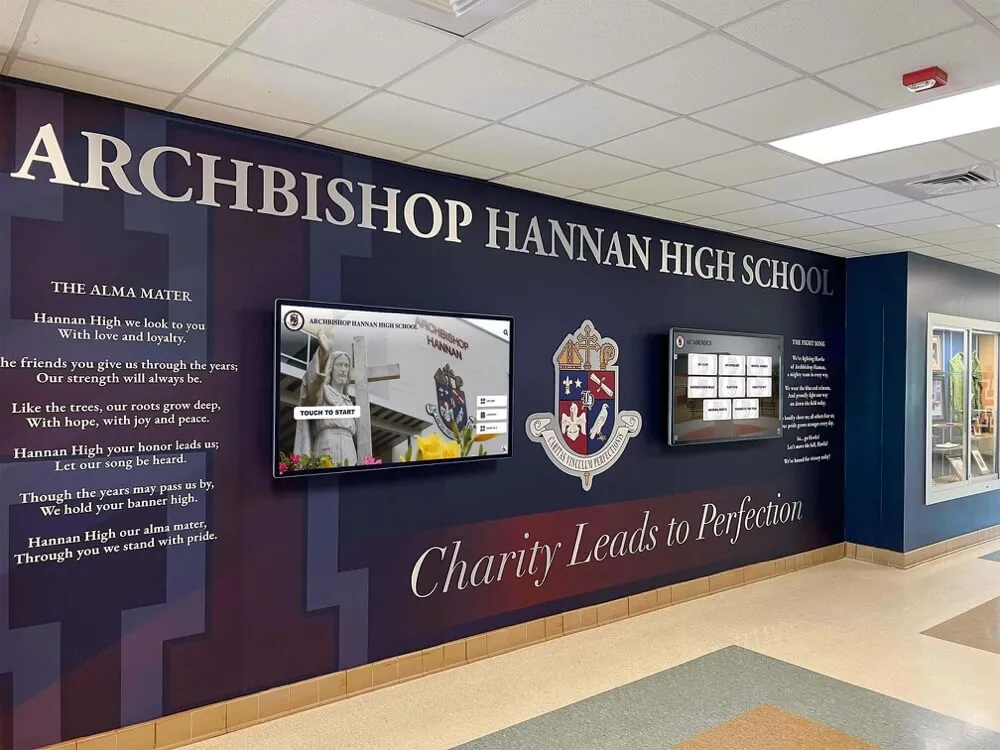
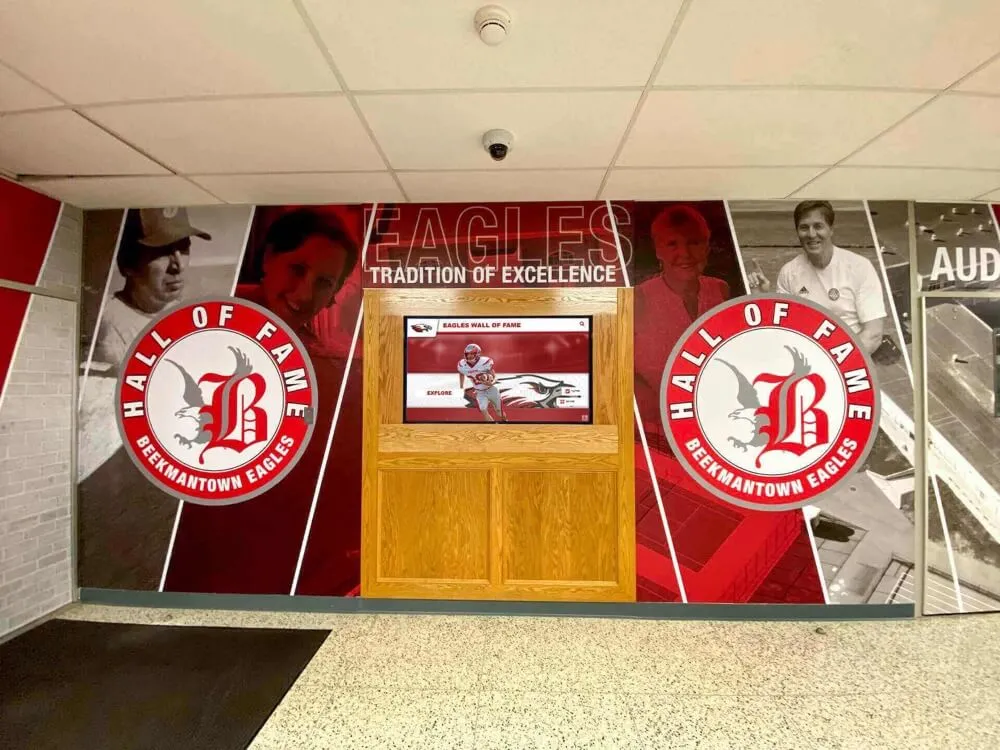
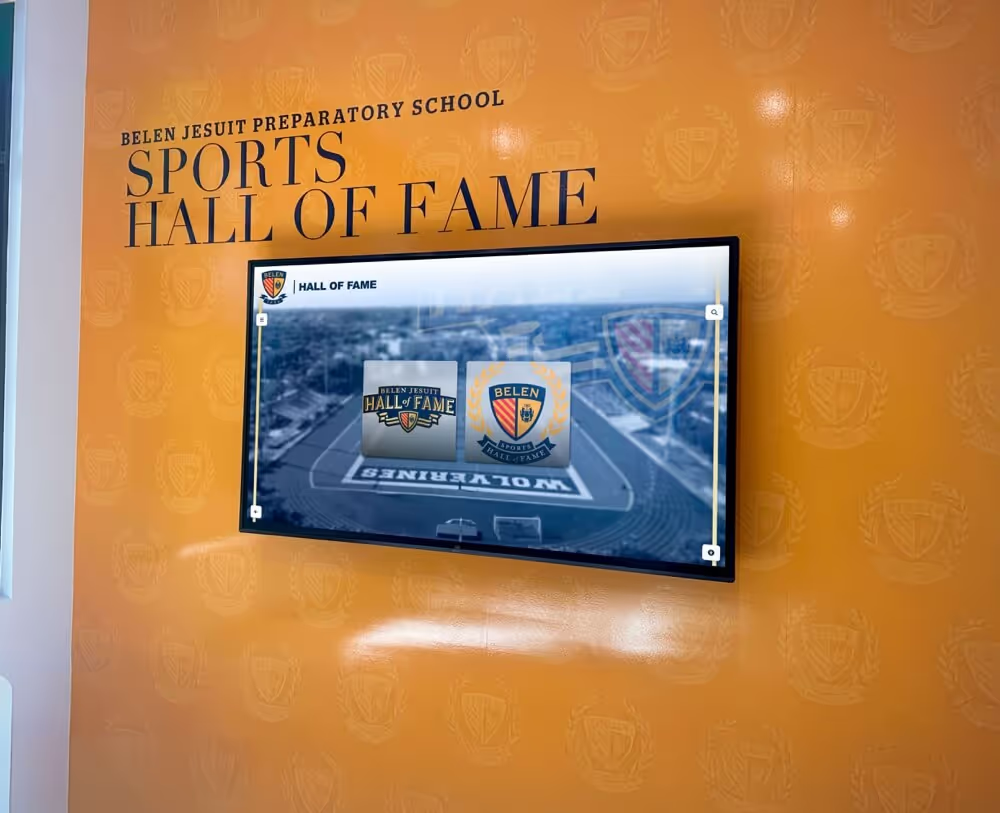
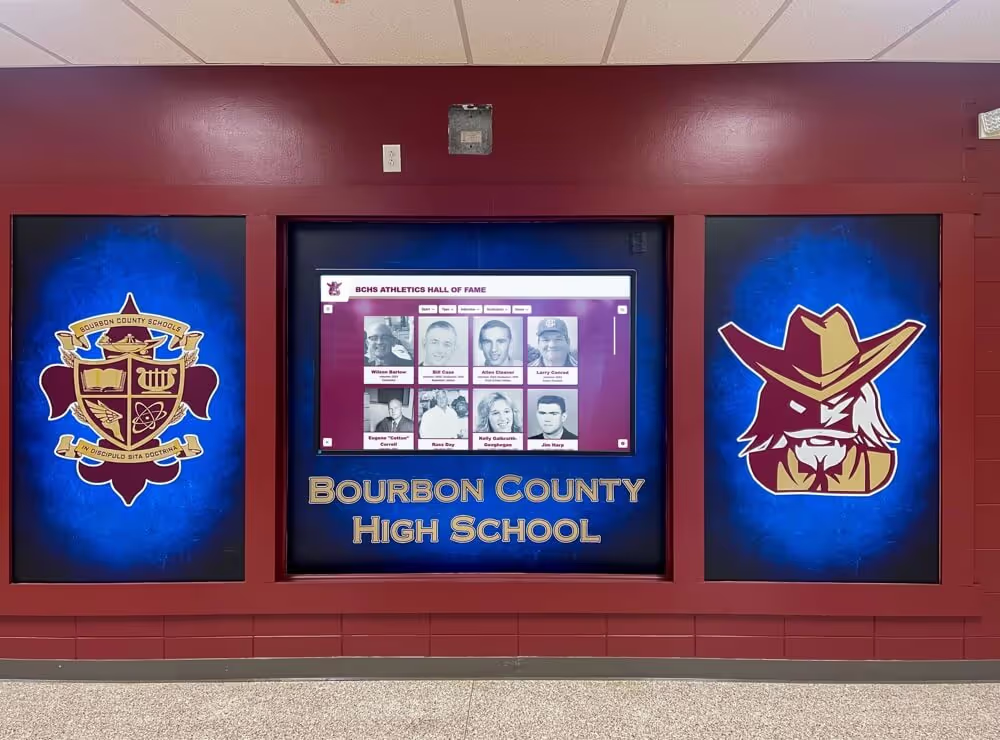
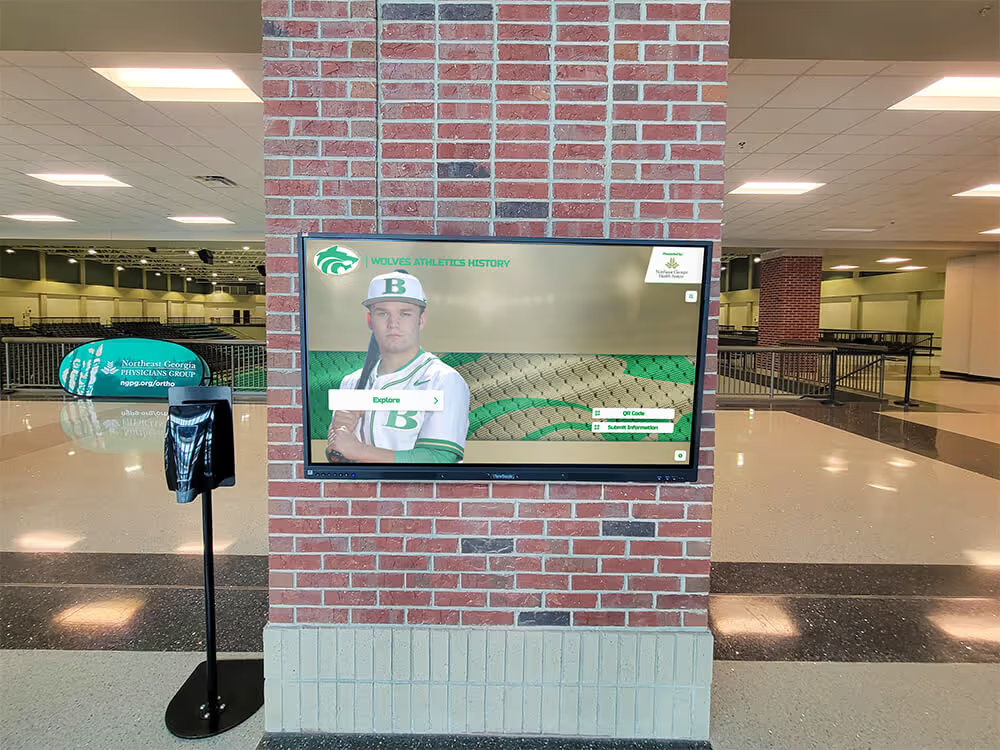
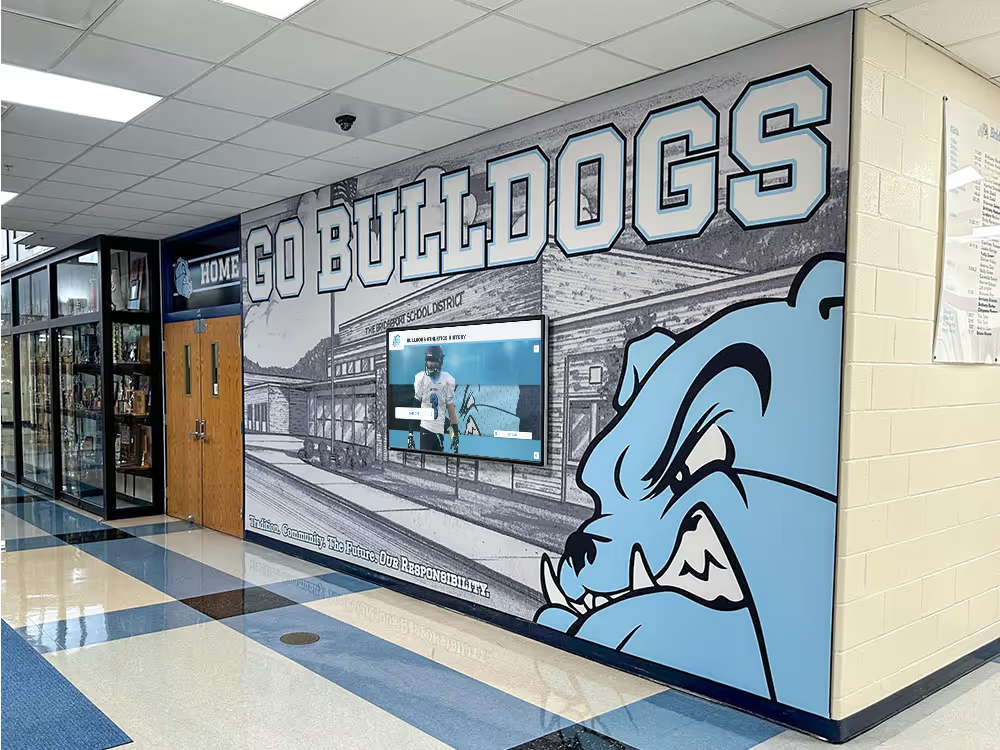
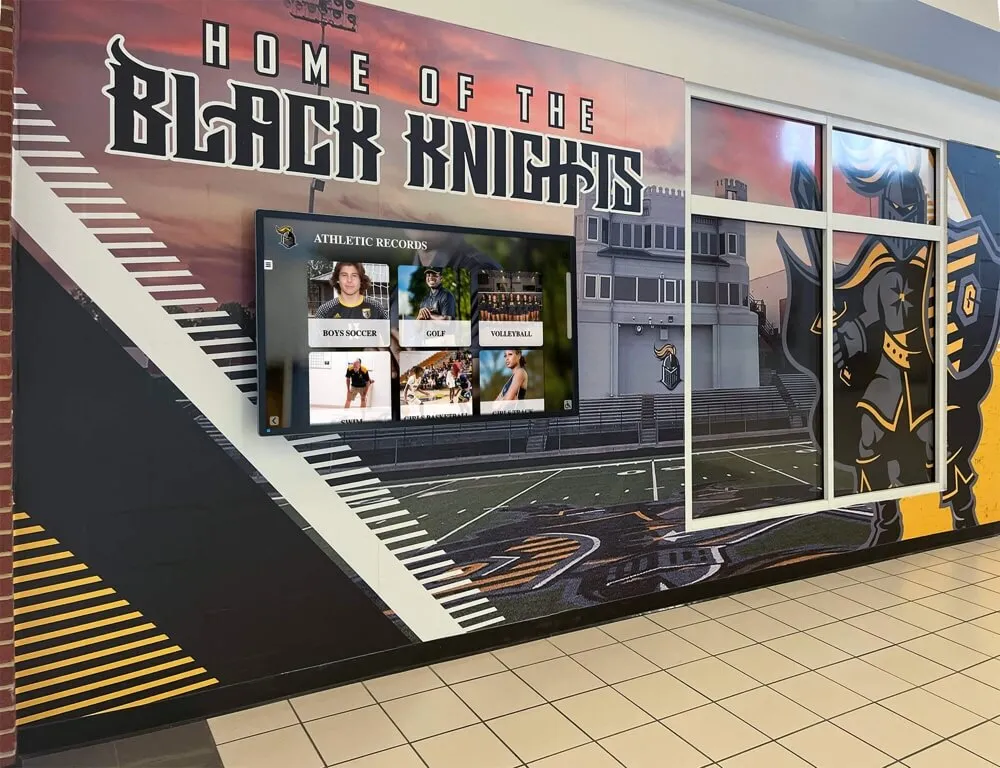
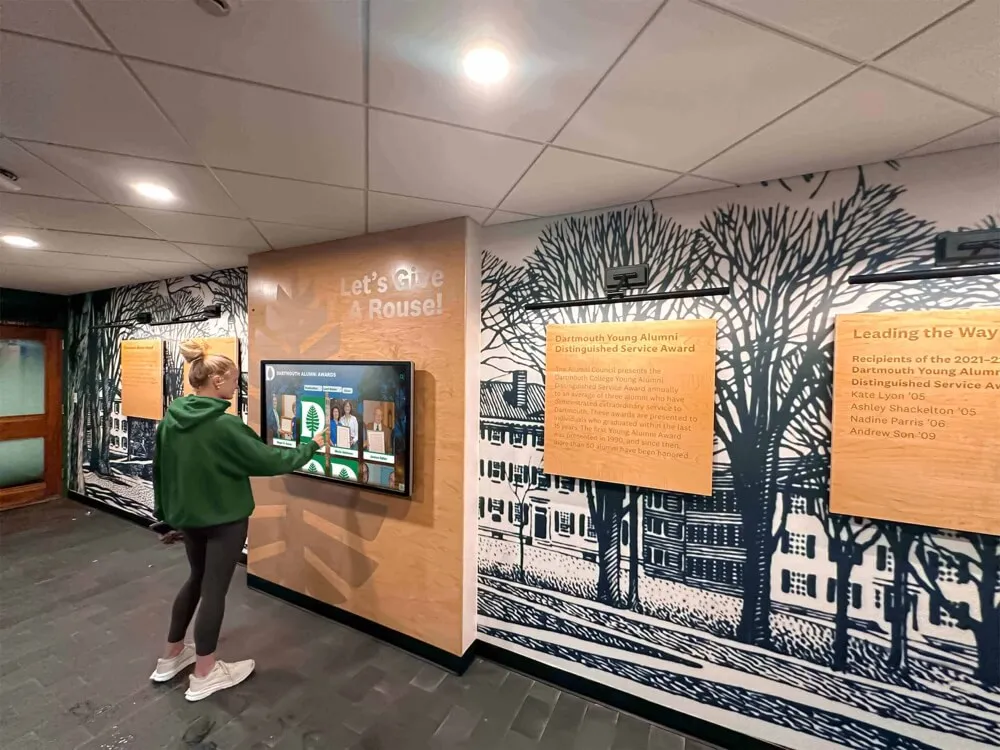
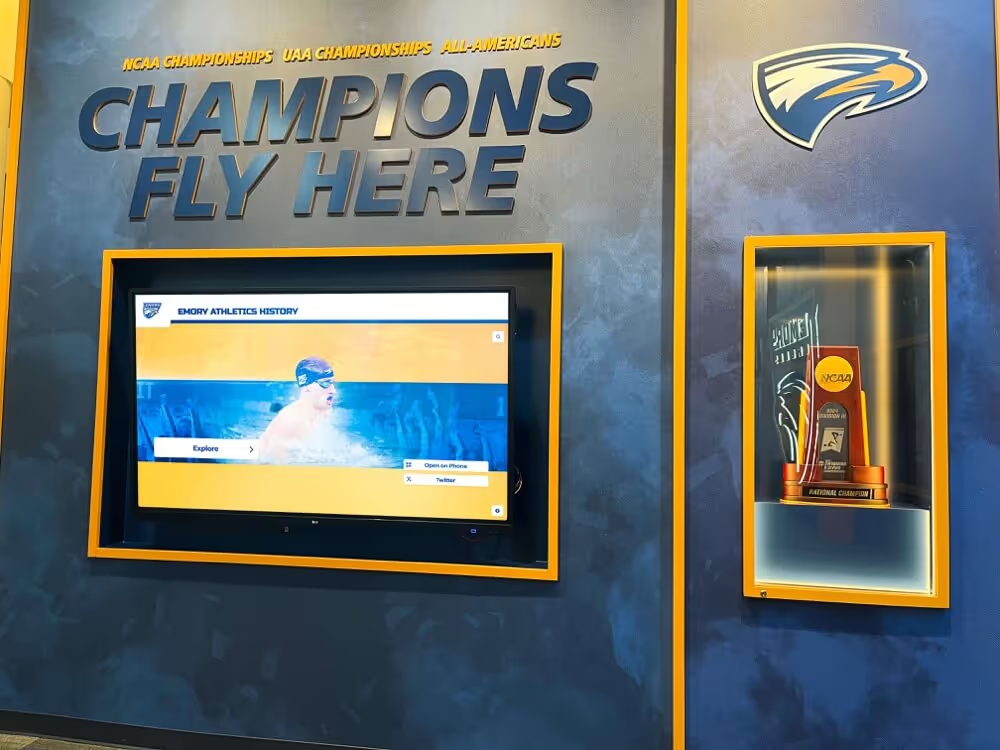
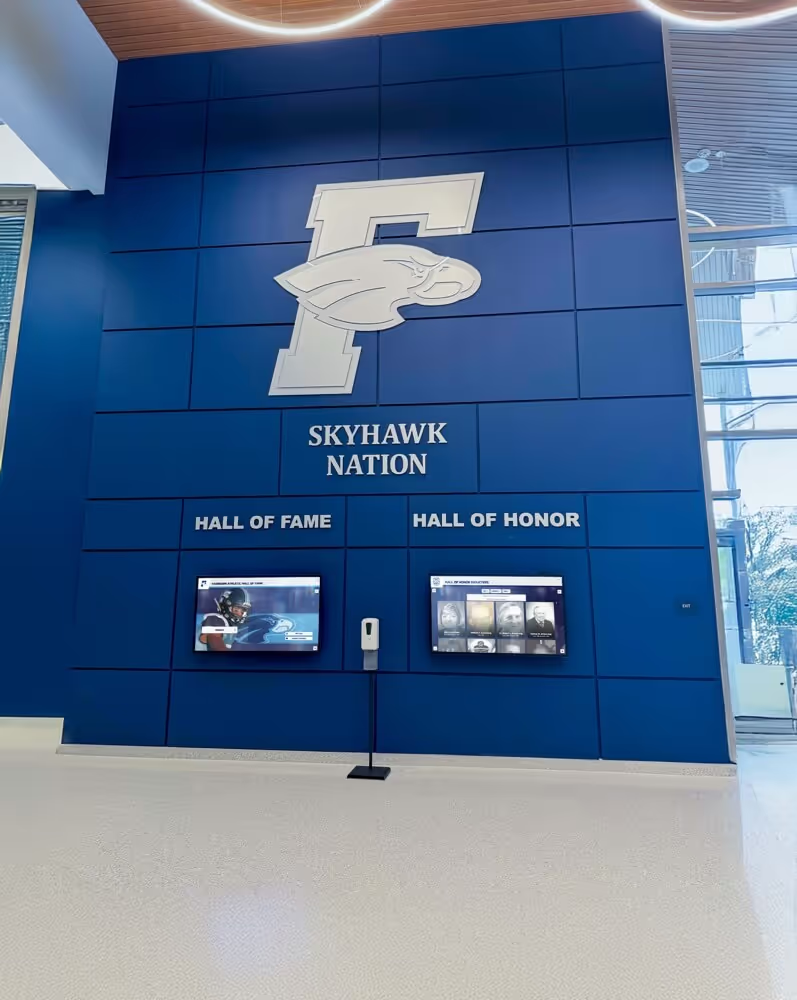
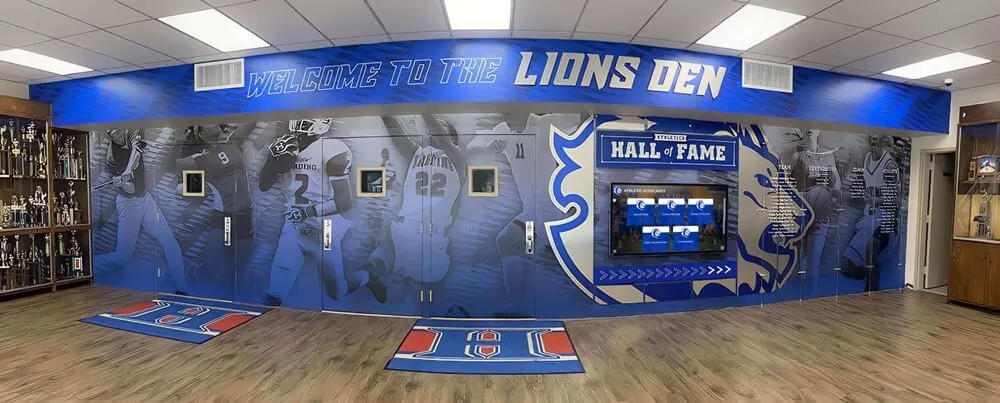
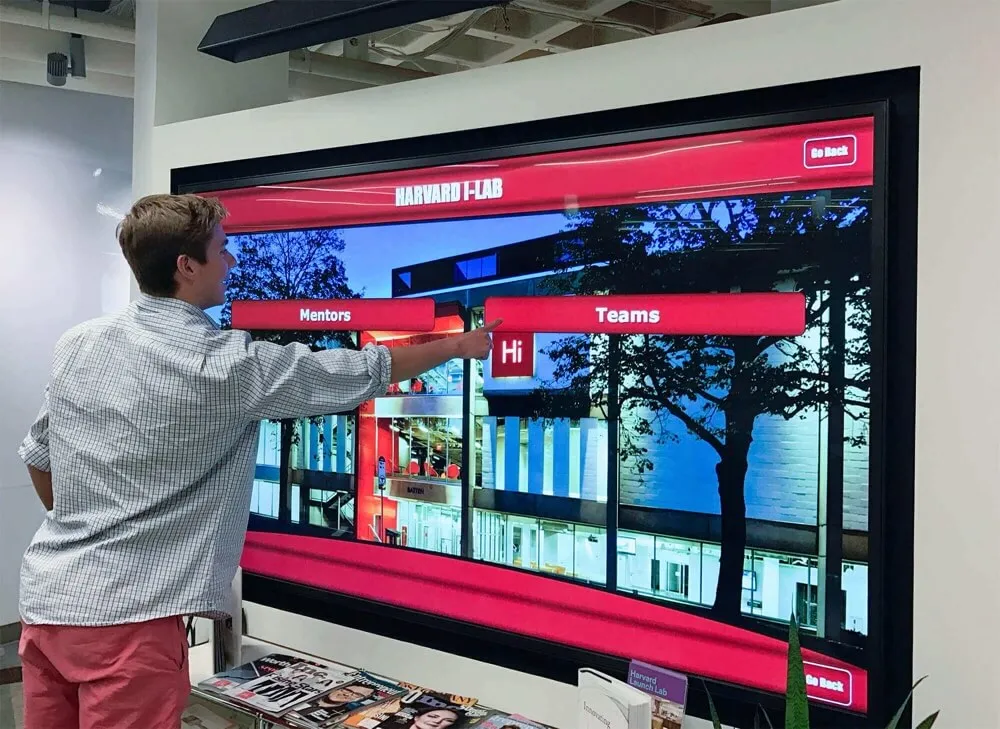
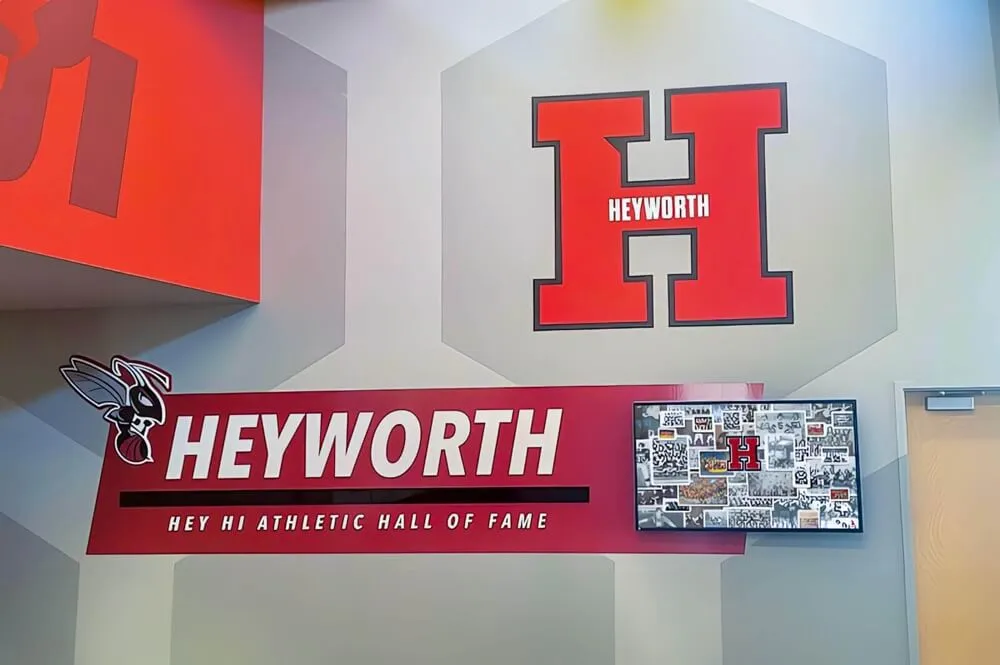
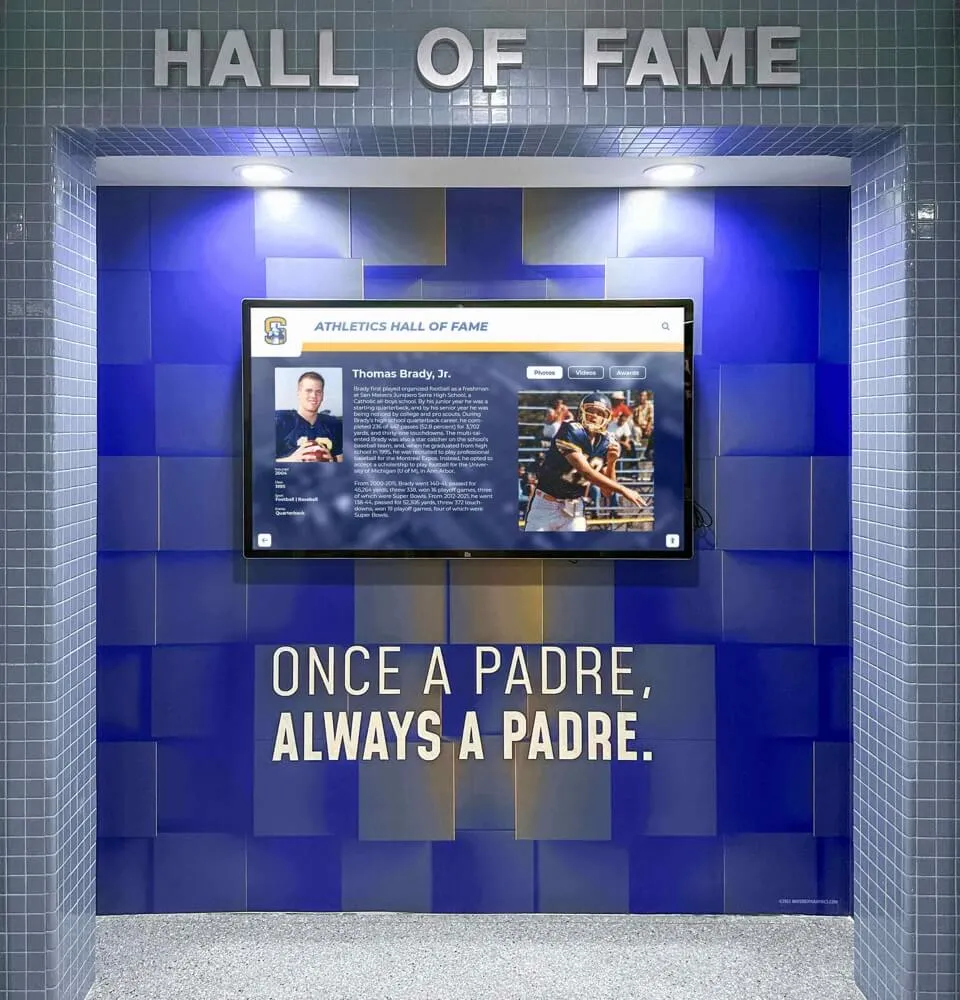
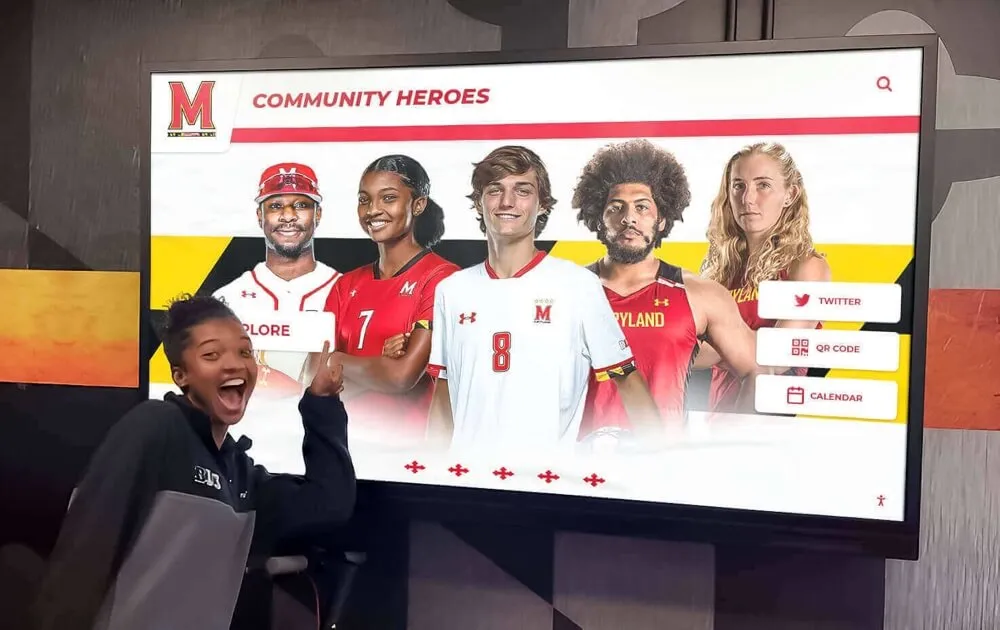
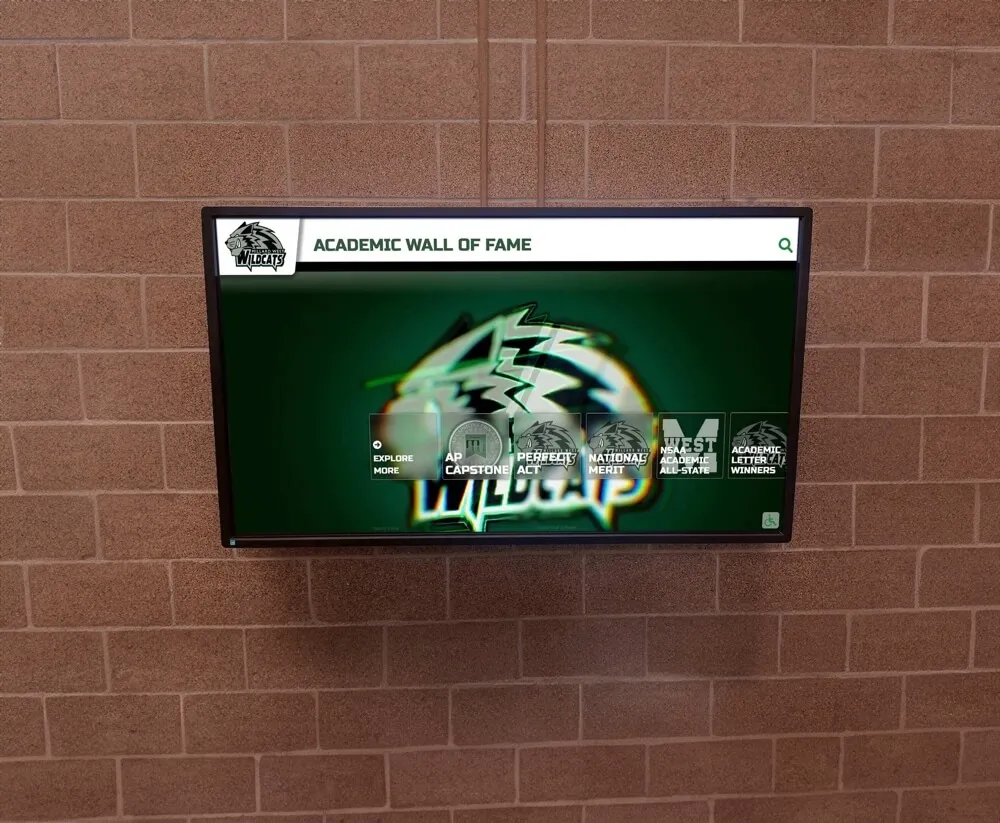
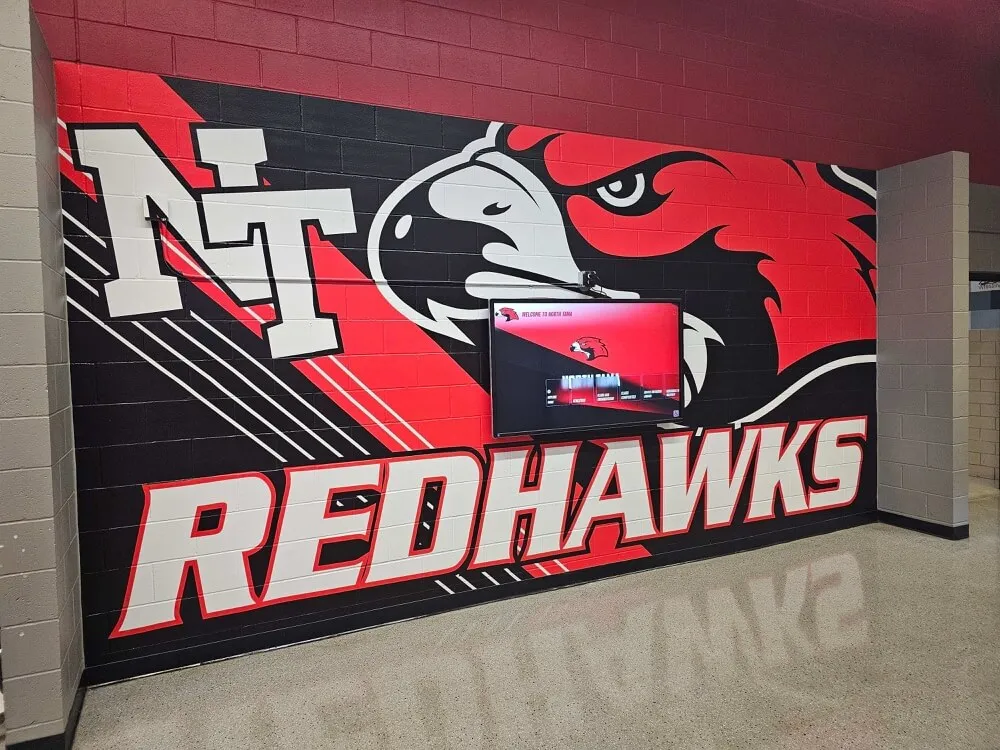
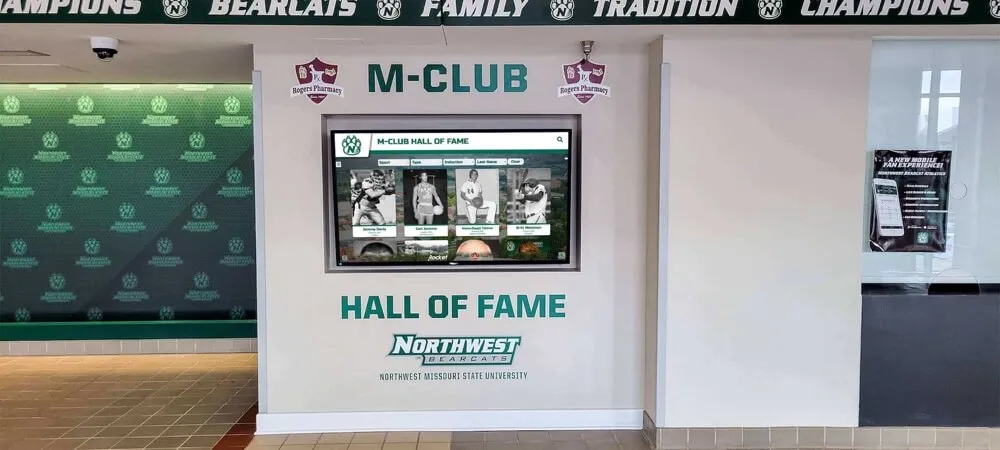
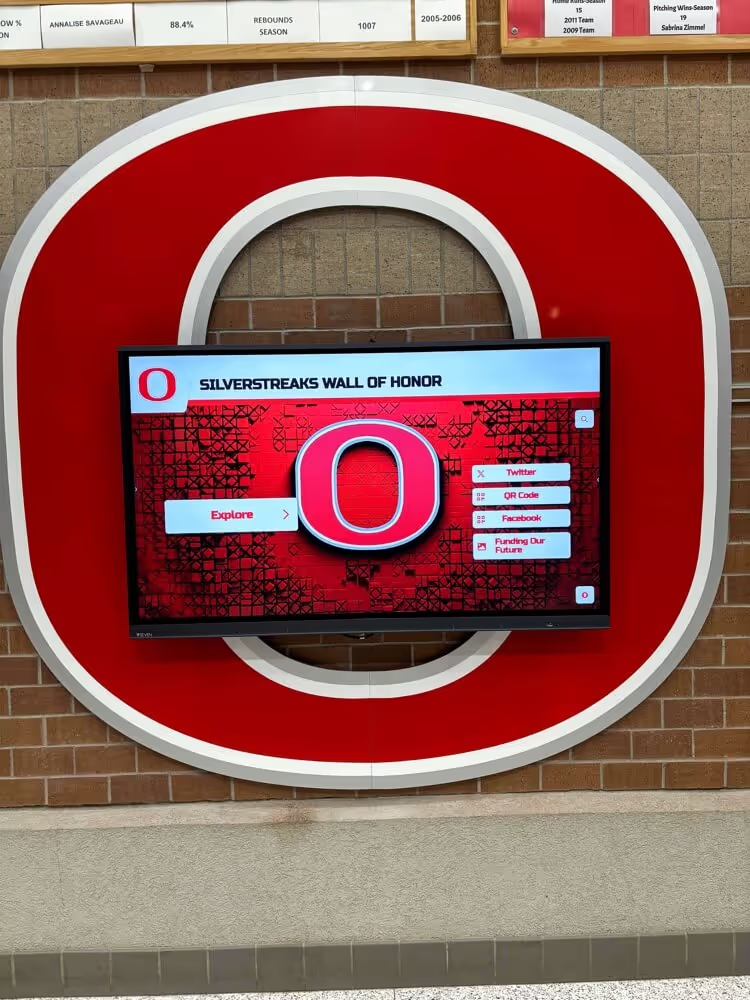
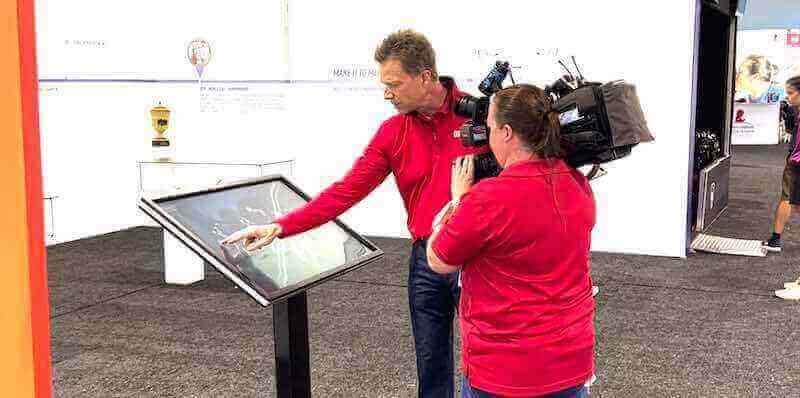
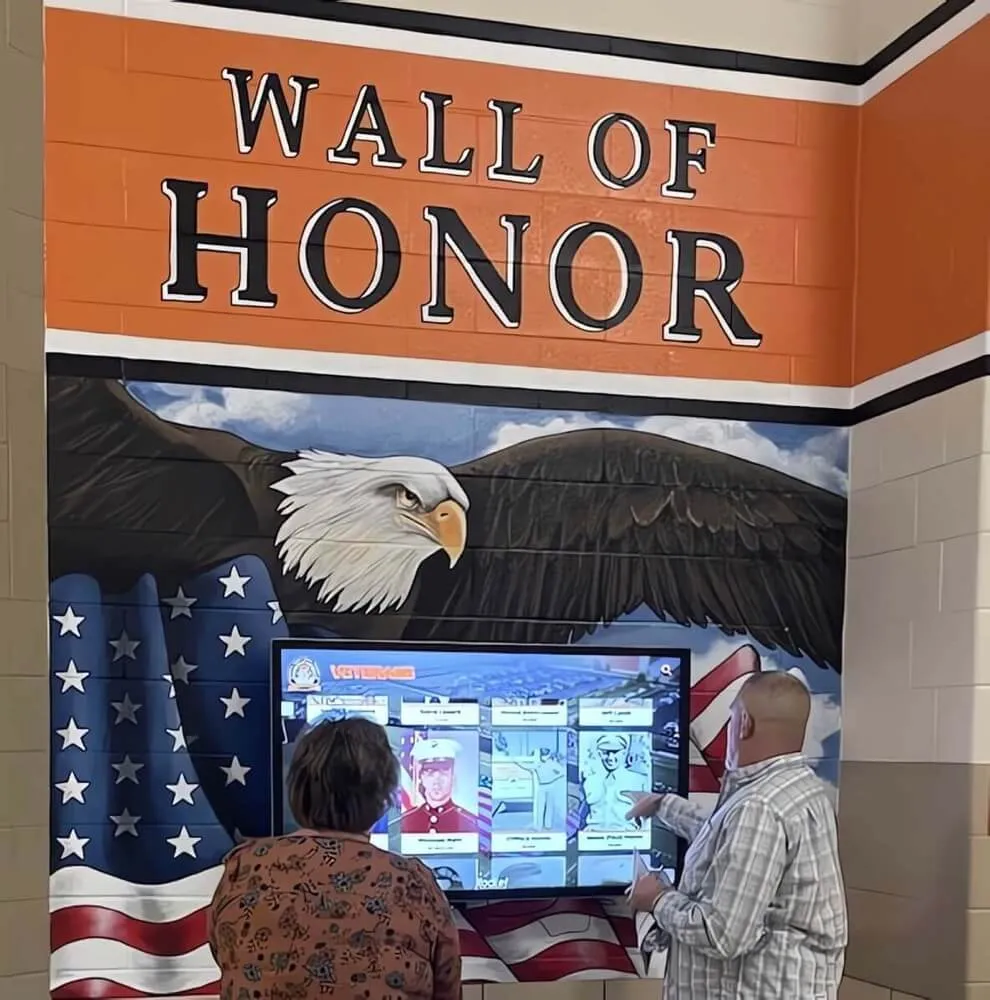
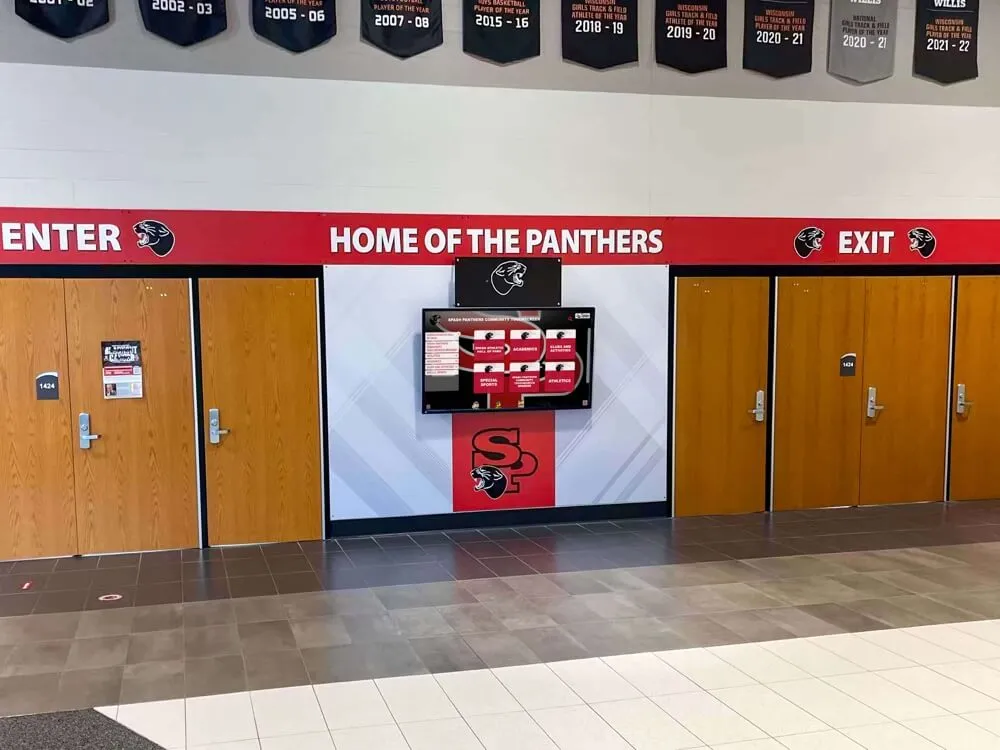
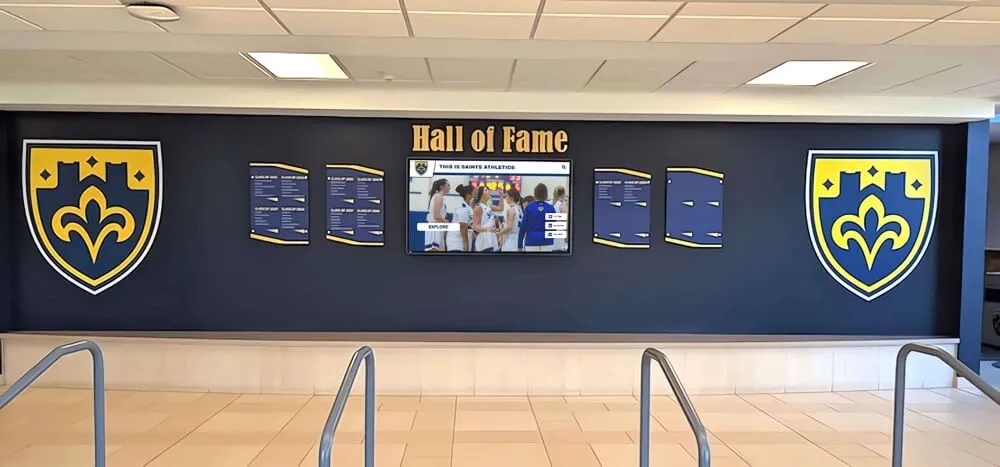
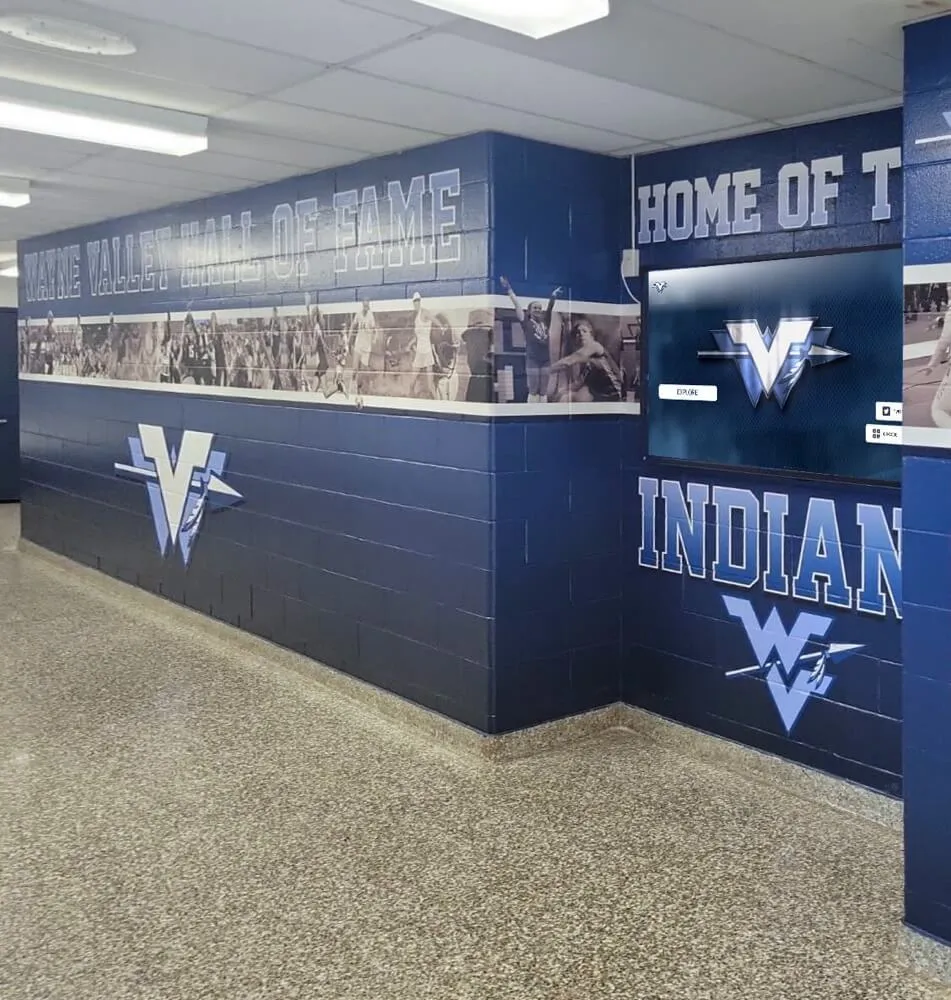
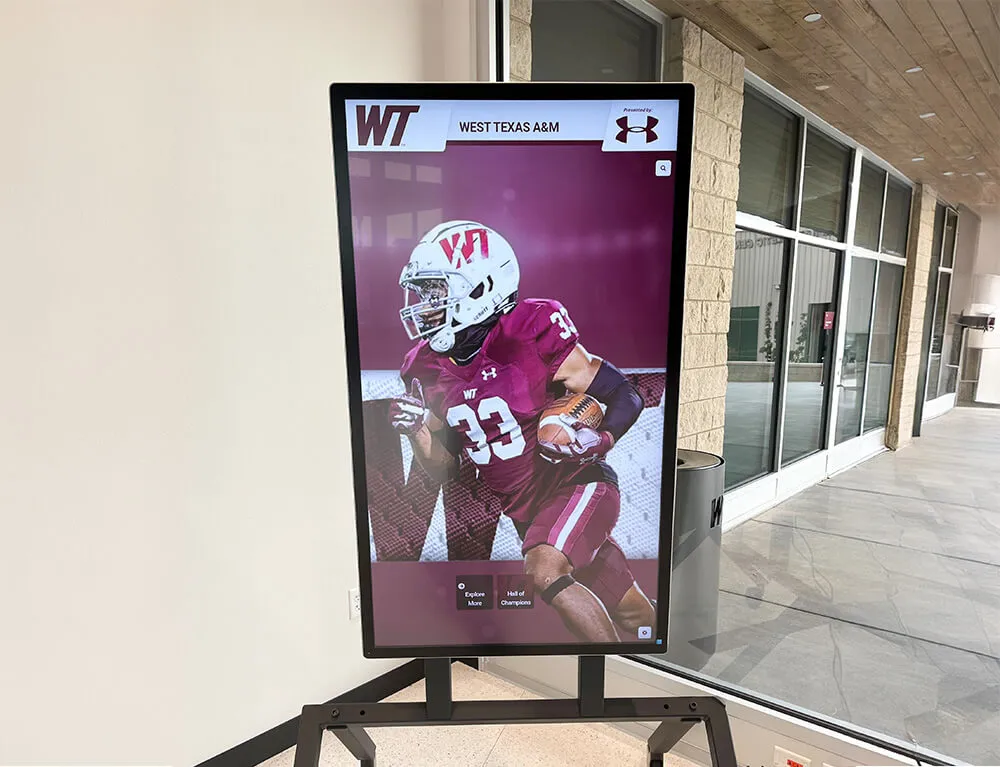
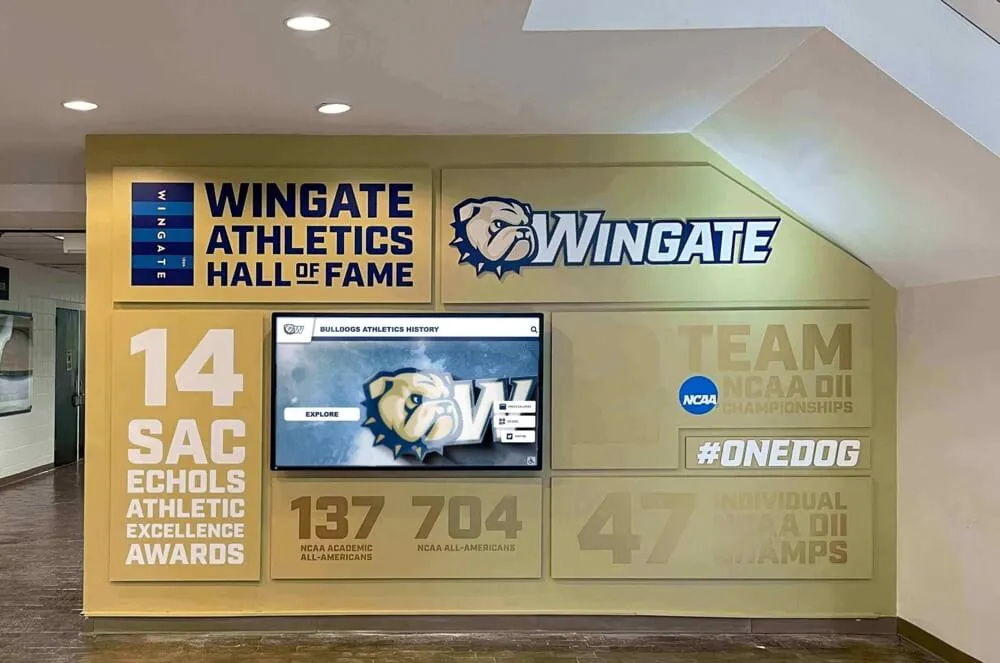

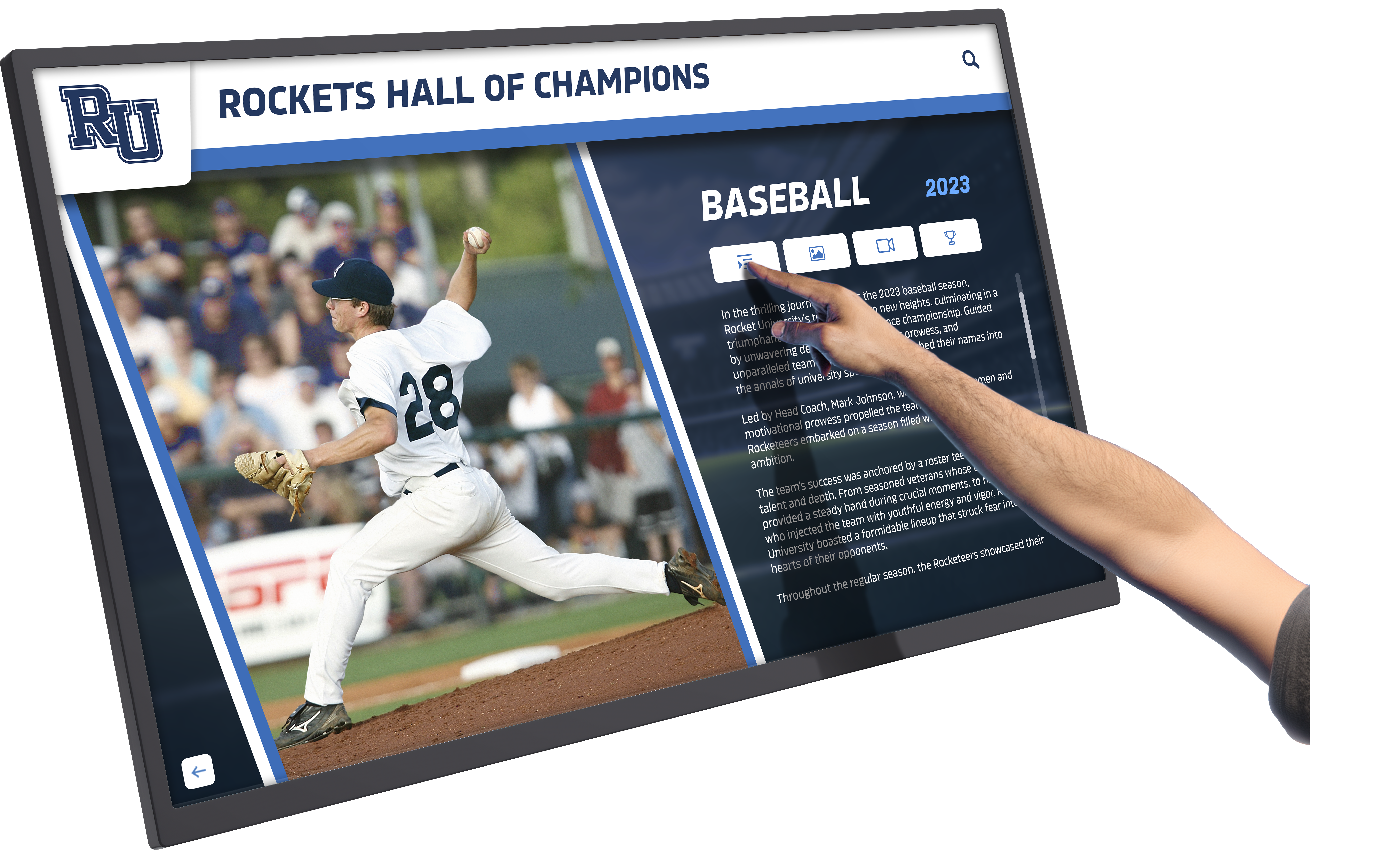
Interactive touchscreen displays transform softball recognition from transient acknowledgment into permanent, engaging documentation accessible to broader communities:
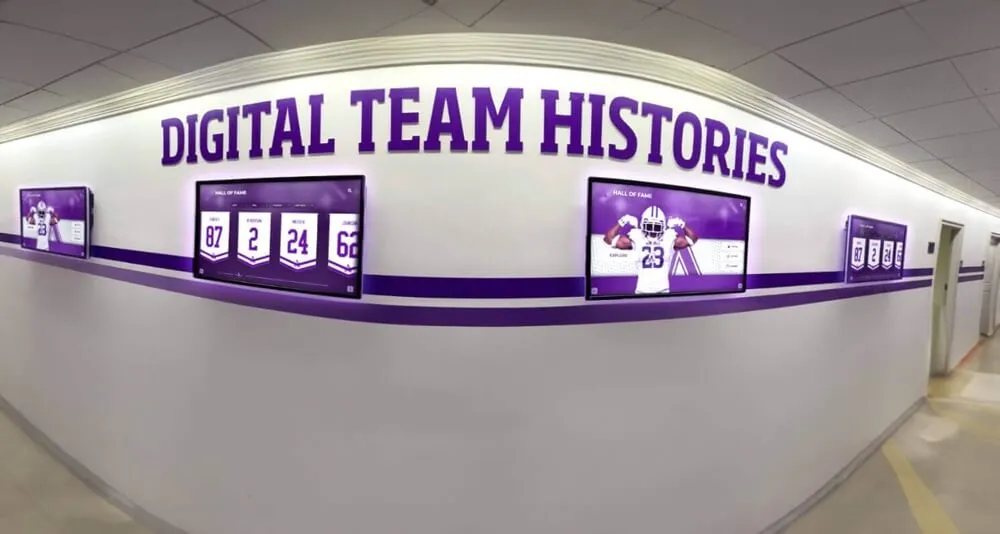
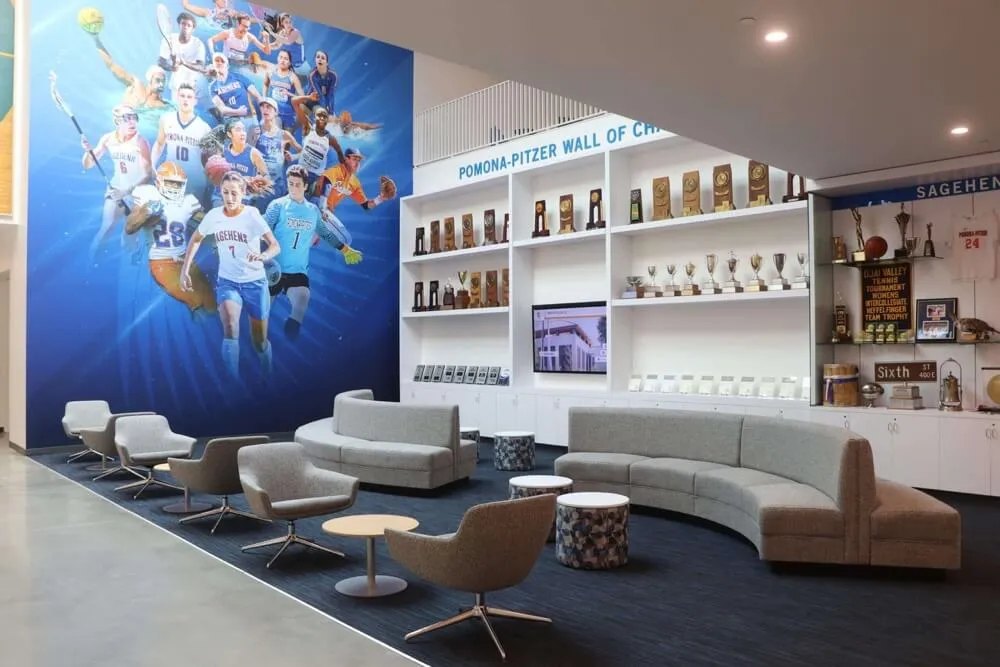
Unlimited Award Capacity: Traditional trophy cases face space limitations, restricting how many awards receive display. Digital platforms eliminate capacity constraints entirely—a single display can showcase hundreds of award recipients, team accomplishments, and individual honors across multiple years, positions, and categories.
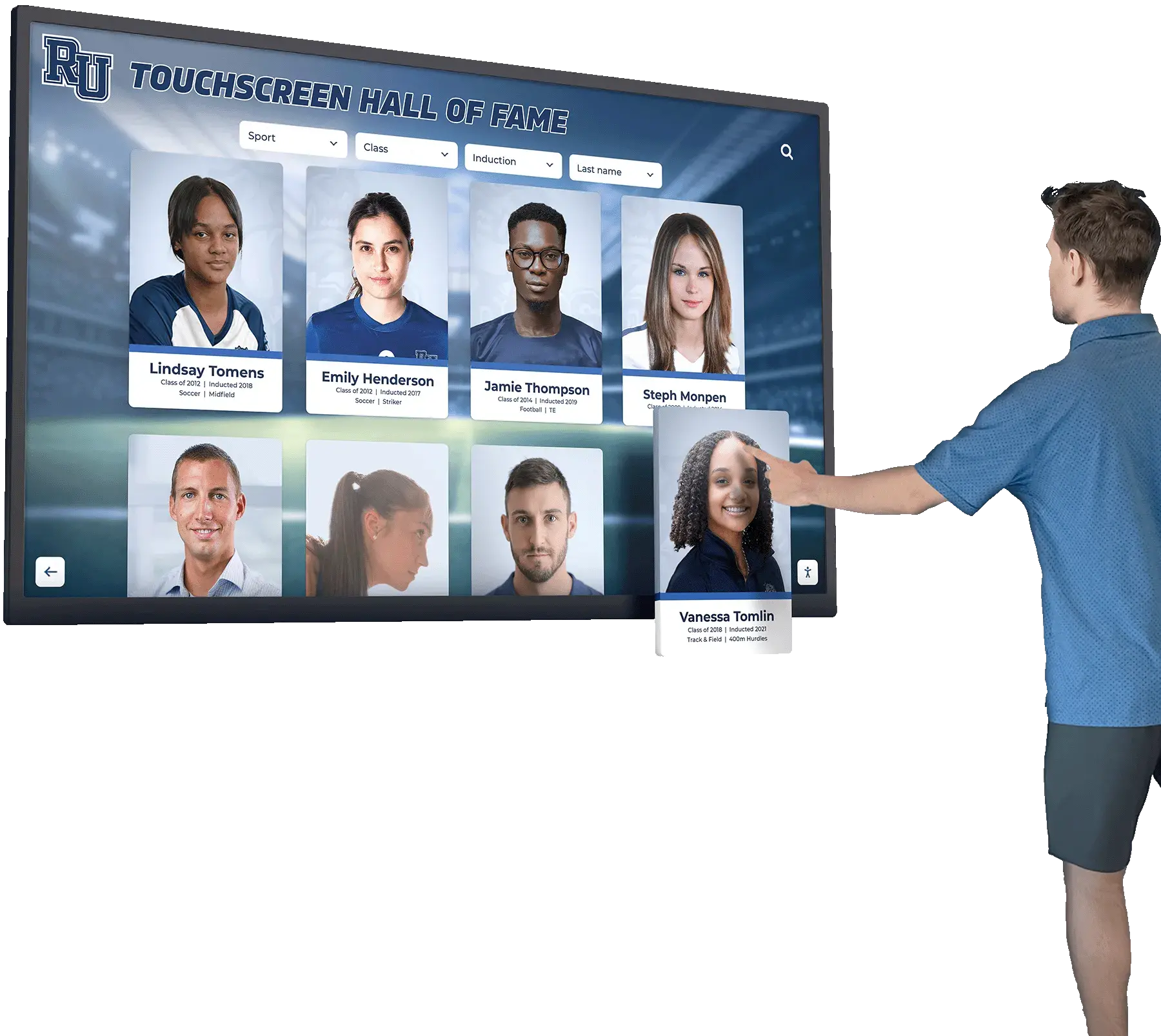
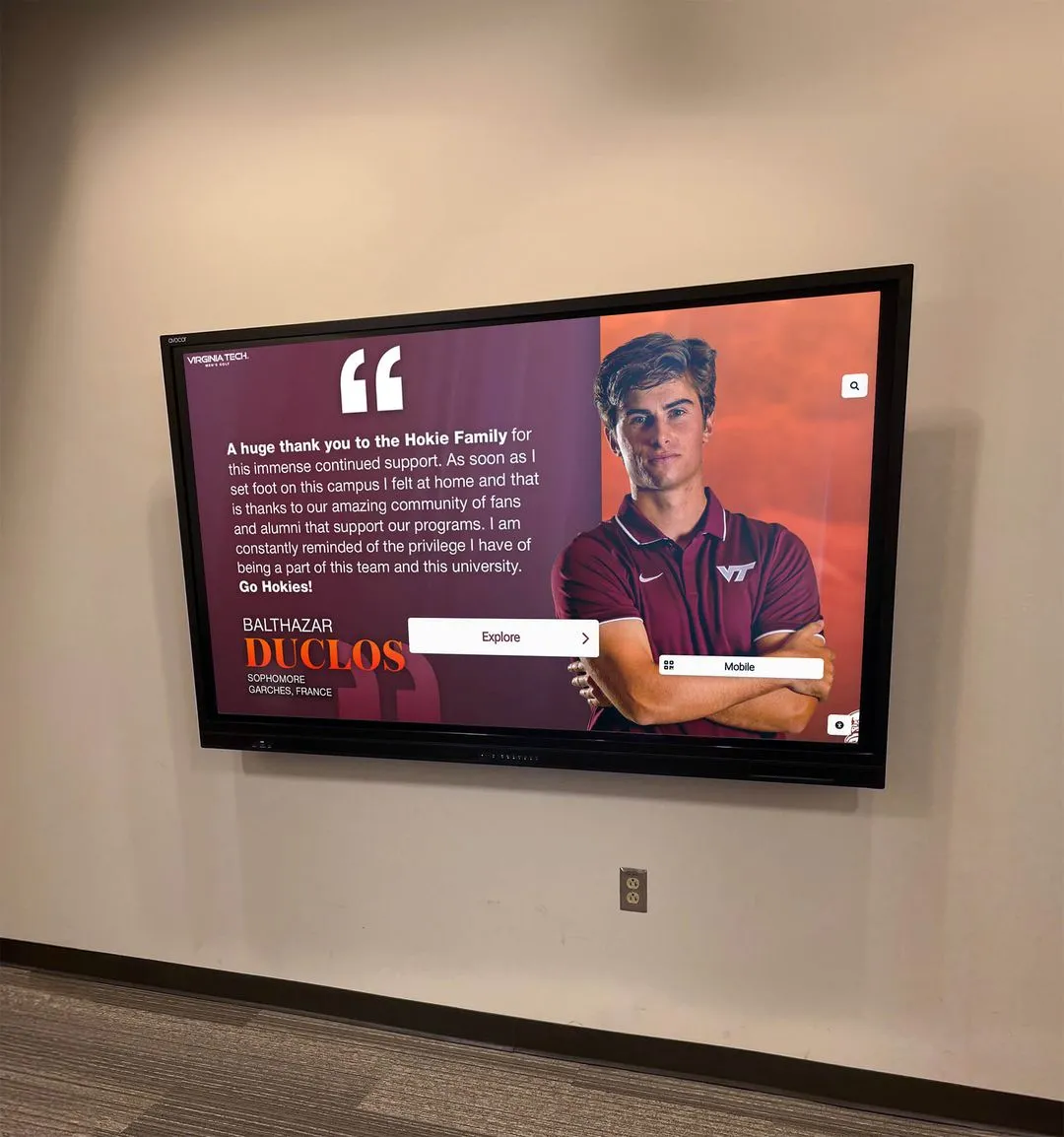
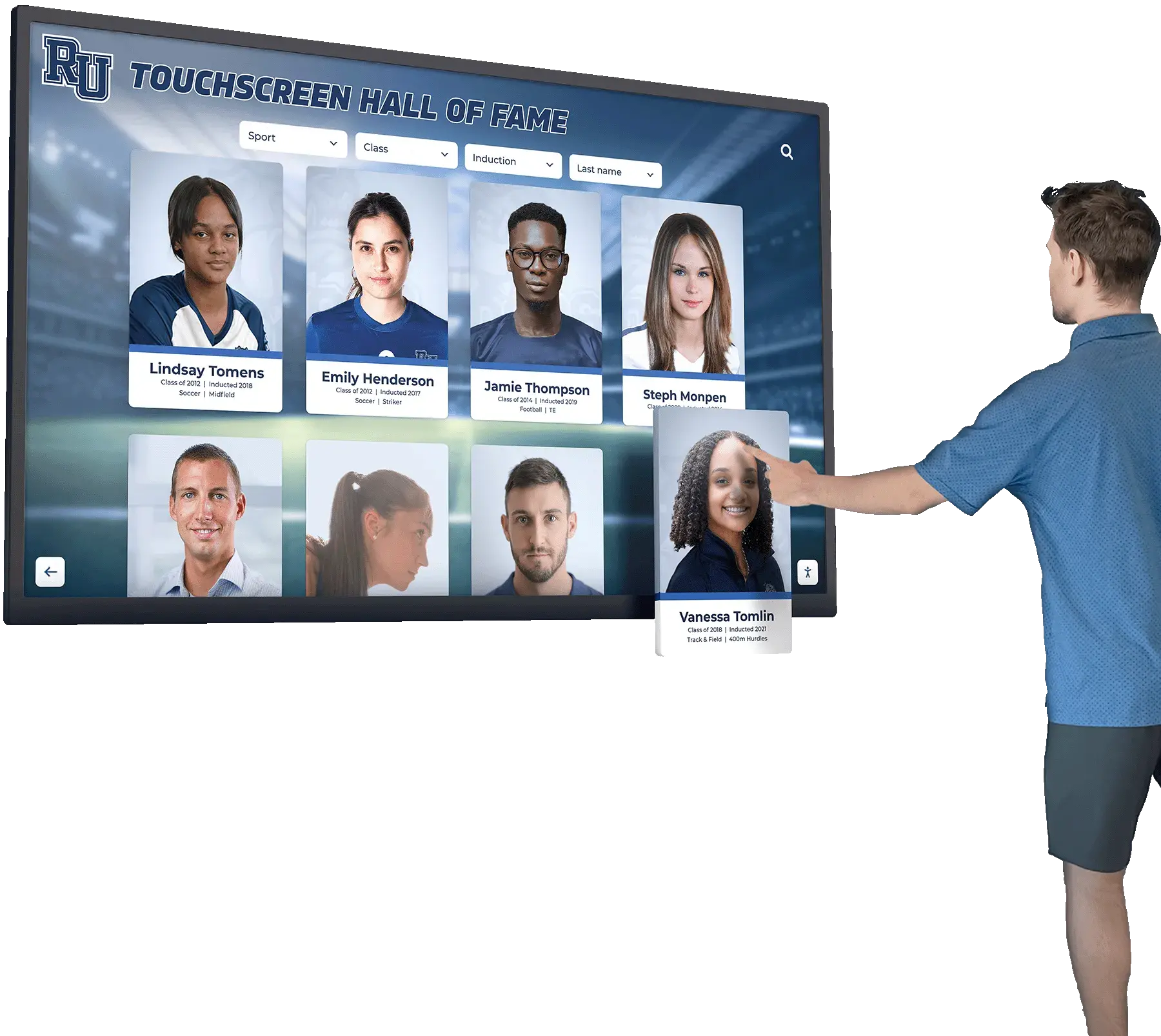
Rich Athlete Profiles: Digital systems allow comprehensive profiles including player photos, action shots, detailed statistics, career summaries, and multiple awards earned. Rather than just names engraved on plaques, digital recognition tells complete stories about athletes and their contributions.
Position-Specific Recognition: Create separate sections for pitchers, catchers, infielders, outfielders, and team awards. Digital organization allows intuitive navigation where athletes browse position-specific honors while parents and visitors explore different categories based on their interests.
Historical Archives: Digital platforms automatically maintain searchable databases of all awards across program history. Alumni can return years later to find their recognition, creating lasting connections between former players and programs.
Easy Updates: Cloud-based content management allows coaches to update awards immediately after seasons end rather than waiting for physical engraving or plaque production. Real-time updates keep recognition current and allow mid-season acknowledgment when appropriate.
Broader Accessibility: Web-accessible recognition extends visibility beyond those who can physically visit facilities. Families can share digital recognition content with distant relatives, recruits can explore program culture before committing, and players can access their honors from anywhere. Schools implementing digital recognition systems find that accessibility significantly enhances recognition impact.
Implementing Digital Recognition Systems
Organizations implementing digital recognition for softball programs typically follow several steps:
Content Planning: Determine what information to include for each award and athlete—photos, statistics, award descriptions, team achievements, career highlights. Comprehensive planning before implementation ensures consistent, complete profiles.
Image Collection: Gather quality action photos and team photos for all players. Professional photography or quality smartphone images work effectively. Consistent image quality creates professional displays that honor athletes appropriately.
Data Organization: Structure award information systematically—by year, position, award category, team. Logical organization enables intuitive navigation and easy content updates as new seasons add more honorees.
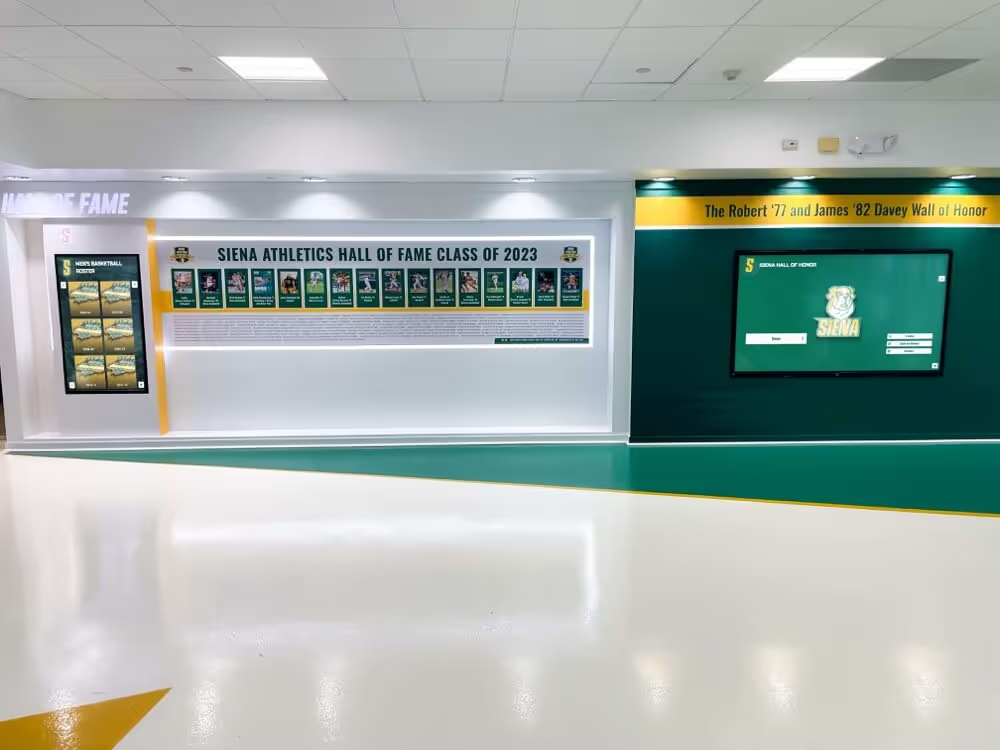
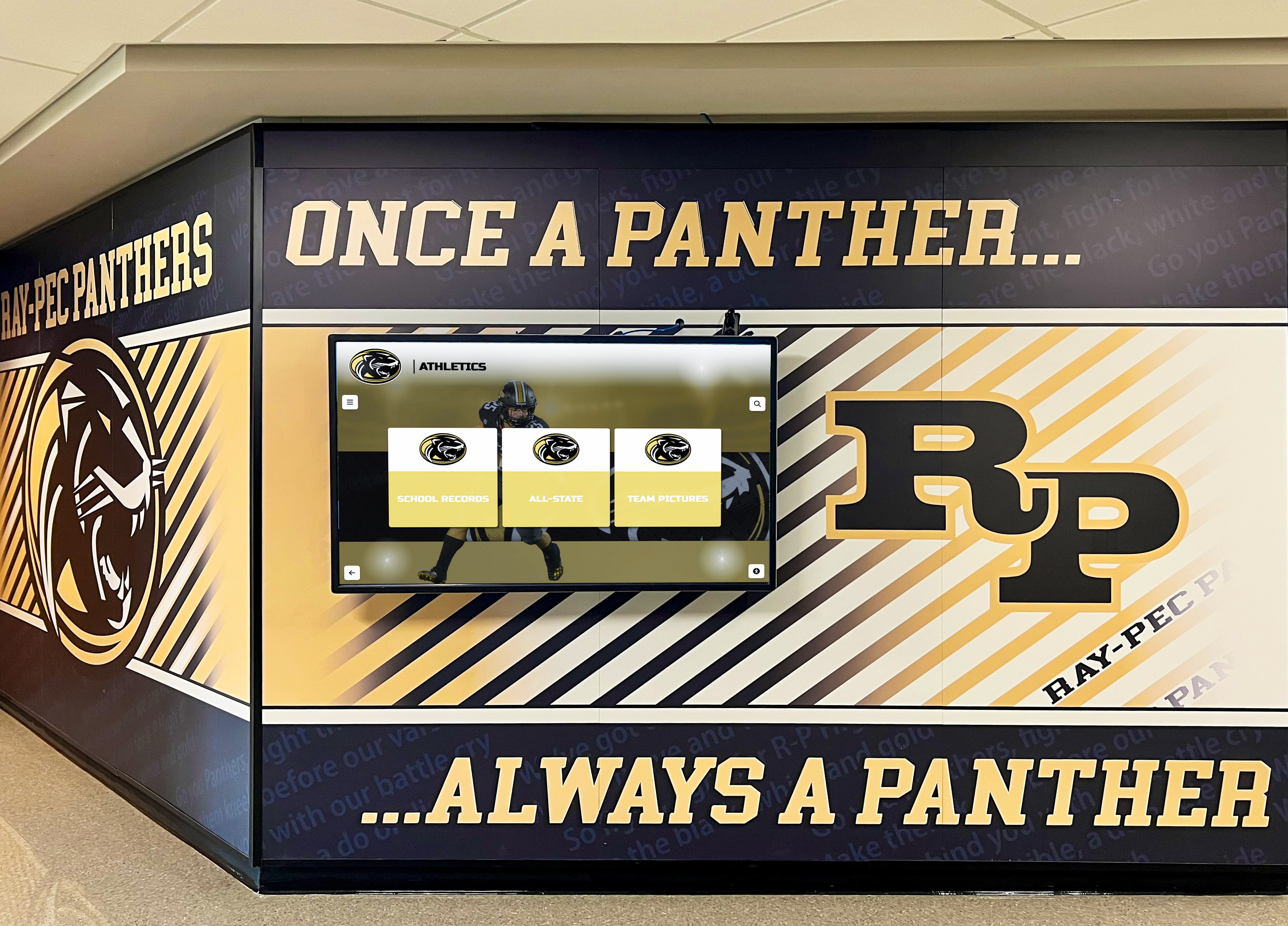
Display Installation: Position interactive displays prominently in high-traffic areas—main hallways, athletic facilities, locker room entrances. Visible placement ensures maximum engagement from athletes, families, and visitors.
Ongoing Management: Designate staff members responsible for updating content after each season. Cloud-based systems make updates straightforward, but clear responsibility assignment ensures recognition stays current without delays.
Athletic departments implementing comprehensive digital recognition platforms report increased athlete motivation, enhanced family engagement, and stronger program culture through visible, permanent recognition accessible to entire communities.
Integration with Traditional Recognition
Digital recognition complements rather than replaces traditional approaches. Most effective programs implement both:
Physical Awards + Digital Documentation: Players receive physical trophies, medals, or certificates during banquets while their achievements simultaneously appear on digital displays. Physical awards provide immediate tangible rewards, while digital documentation ensures lasting visibility beyond items stored in closets.
Trophy Cases + Interactive Displays: Maintain traditional trophy cases for championship hardware while adding interactive displays that tell complete stories about teams, seasons, and individual contributors. Physical trophies symbolize championships, while digital content explains the context, key players, and memorable moments.
Banquet Recognition + Permanent Archives: Annual banquets create important recognition moments and team celebration, while digital archives ensure those moments remain accessible years later rather than existing only in memory and dusty photo albums.
Creating Softball Recognition Cultures
Beyond individual awards, effective recognition creates broader program cultures where acknowledgment becomes systematic rather than occasional, where diverse contributions receive validation, and where recognition strengthens team bonds rather than creating jealousy or division.
Year-Round Recognition Strategies
While major awards happen at season’s end, recognition impact increases through systematic acknowledgment throughout seasons and years:
Weekly/Game Recognition: Implement regular acknowledgment through player-of-the-game awards, weekly standout recognition, or practice player acknowledgment. Frequent recognition provides motivation throughout seasons rather than only at conclusions.
Mid-Season Awards: Consider mid-season recognition for sustained excellence or improvement during first halves of seasons. Mid-season awards maintain motivation rather than waiting months for acknowledgment.
Off-Season Recognition: Acknowledge off-season training commitment, strength gains, skill development camps, or leadership during off-season team activities. Off-season recognition reinforces that athletic development continues year-round.
Academic Integration: Recognize academic achievement alongside athletic performance, celebrating scholar-athletes earning academic honors. Academic recognition programs integrated with athletic awards communicate that programs value well-rounded development.
Building Inclusive Recognition Systems
Recognition should validate contributions across all roster positions, playing time levels, and team roles:
Starters and Reserves: Ensure recognition systems acknowledge bench players contributing through practice performance, pinch-hitting, defensive replacements, and team support roles—not just starters accumulating most statistics.
Statistical and Non-Statistical Contributors: Balance awards recognizing measurable performance with character awards acknowledging leadership, attitude, improvement, and team-building contributions not captured in box scores.
Position Diversity: Create enough position-specific awards ensuring pitchers don’t monopolize recognition while infielders, outfielders, and catchers receive appropriate acknowledgment for their specialized contributions.
Experience Levels: Implement awards for veterans, newcomers, and players at different developmental stages rather than focusing exclusively on most talented or experienced athletes.
Inclusive recognition systems create team cultures where all players feel valued for their contributions, strengthening cohesion and motivation across entire rosters. Programs developing comprehensive recognition approaches report enhanced team chemistry and increased athlete engagement.
Conclusion: Recognition That Builds Winning Programs
Softball recognition programs represent far more than awards acknowledging past achievement. When implemented thoughtfully, recognition shapes program culture, communicates values, motivates continued excellence, builds team cohesion, validates diverse contributions, and creates lasting connections between athletes and programs that endure decades beyond playing careers.
The softball awards ideas presented in this guide provide frameworks programs can adapt based on their competitive levels, roster sizes, budgets, and developmental priorities. Programs need not implement every category—thoughtful selection of awards addressing specific goals and team needs proves more effective than overwhelming systems with excessive categories.
Effective softball recognition programs share common characteristics regardless of specific awards chosen:
- Position-appropriate recognition acknowledging specialized contributions across all roles
- Balance between statistical performance and character development
- Clear, fair criteria consistently applied
- Inclusive systems validating contributions across roster depth charts
- Meaningful presentation creating memorable experiences
- Physical and digital elements providing lasting documentation
- Integration throughout seasons rather than only end-of-year acknowledgment
- Family engagement amplifying recognition impact
- Historical continuity connecting current athletes to program traditions
Modern solutions like Rocket Alumni Solutions provide comprehensive platforms designed specifically for athletic recognition, offering intuitive content management, engaging interactive displays, unlimited award capacity, professional presentation quality, and proven approaches that help softball programs build the recognition cultures athletes deserve.
Ready to transform how your softball program recognizes achievement? Comprehensive digital recognition solutions honor athletic excellence while building program cultures where diverse contributions receive acknowledgment, all players feel genuinely valued, and achievements remain accessible to communities for generations. Your softball players accomplish remarkable things every season—effective recognition programs ensure those accomplishments receive celebration that motivates continued excellence and creates memories lasting lifetimes.
Explore recognition solutions for your softball program to discover how digital platforms make honoring athletic achievement easier, more engaging, and more meaningful than traditional approaches while preserving team history permanently for current players, future recruits, and alumni revisiting their accomplishments years later.