



Key Takeaways
Discover 50+ creative softball award ideas for recognizing players, coaches, and teams. From traditional performance awards to fun categories and modern digital displays, build a recognition program that motivates and celebrates your team.
Spring softball season brings months of dedication—early morning practices, afternoon doubleheaders, weekend tournaments, and countless hours perfecting swings, refining pitches, and building defensive chemistry. When seasons conclude, whether with championship celebrations or lessons learned through adversity, recognizing player contributions becomes essential for honoring effort, motivating continued improvement, building lasting memories, and strengthening team culture for future seasons.
Effective softball recognition extends beyond simply naming an MVP and calling it done. Comprehensive award programs celebrate diverse contributions spanning offensive prowess and defensive excellence, acknowledge character qualities like leadership and perseverance, honor specialized skills from pitching mastery to baserunning intelligence, and create team culture awards that strengthen bonds and traditions. This guide presents 50+ creative softball award ideas across multiple categories, providing coaches, athletic directors, and softball program administrators with frameworks for building recognition systems where all players feel valued while excellence receives meaningful celebration.
Traditional Performance Awards
Performance-based softball awards acknowledge measurable athletic achievement through statistics, outcomes, and objective on-field contributions. These awards motivate competitive excellence while providing clear targets players pursue throughout seasons.
Offensive Excellence Awards
Most Valuable Player (MVP): Overall most impactful player considering offensive production, defensive contribution, leadership, and comprehensive season performance. MVP recognition typically requires excellence across multiple dimensions rather than single-category statistical leadership. Selection criteria should balance objective statistics with subjective assessment of game impact, clutch performance, and leadership contribution.
Offensive Player of the Year: Top offensive producer based on batting average, on-base percentage, slugging percentage, RBIs, runs scored, and overall plate discipline. Offensive awards celebrate scoring production and hitting consistency that drives team success. Consider whether offensive awards should include pitchers who contribute offensively or recognize position players exclusively, depending on program philosophy.
Batting Champion: Highest batting average meeting minimum at-bat thresholds. Batting average awards provide pure hitting recognition based on contact consistency, though combining with on-base percentage creates more complete offensive assessment accounting for walks and plate discipline.
Power Hitter Award: Most home runs, highest slugging percentage, or most extra-base hits. Power recognition celebrates athletes capable of changing games with single swings while driving in multiple runs. Programs competing at levels where home runs are rare might adjust to extra-base hit criteria ensuring award remains achievable.
RBI Leader: Most runs batted in across full season. RBI recognition validates clutch hitting and productive plate appearances in scoring situations. While RBIs depend partly on teammates reaching base, they directly measure offensive production translating to scoreboard impact.
On-Base Percentage Leader: Highest on-base percentage reflecting all methods of reaching base including hits, walks, and hit-by-pitches. OBP awards recognize comprehensive offensive contribution beyond just batting average, valuing plate discipline and ability to extend innings through any means of reaching base safely.
Base Stealing Champion: Most stolen bases or highest success rate for players meeting minimum attempt thresholds. Speed awards celebrate aggressive baserunning and ability to create scoring opportunities through stolen bases and taking extra bases on hits.
Defensive and Pitching Excellence
Golden Glove Award: Outstanding defensive performance measured through fielding percentage, errors avoided, and defensive plays made. Defensive recognition should account for position difficulty—comparing middle infielders to first basemen directly proves unfair given vastly different play difficulty. Position-specific defensive awards or adjustment formulas ensure fair recognition across different defensive roles.
Defensive Player of the Year: Comprehensive defensive excellence considering fielding statistics, range, arm strength, double plays turned, and overall defensive impact. Defensive awards validate that championship teams require elite defense even when offensive statistics receive more attention. Programs can review approaches from sport end of year awards guides for balancing offensive and defensive recognition.
Pitcher of the Year: Top pitching performance based on earned run average (ERA), strikeouts, wins, innings pitched, and overall dominance. Pitching awards honor athletes shouldering significant responsibility for team defensive success. Recognition criteria should consider opponent quality and context, not just raw statistics.
Ace Award: Recognized starting pitcher or pitcher with most quality starts and consistent excellence. Ace recognition acknowledges reliability of pitchers teams can count on in crucial games or championship scenarios.
Strikeout Leader: Most strikeouts across full season. Strikeout awards celebrate power pitching and ability to generate swings and misses rather than relying on defense for outs.
Lowest ERA Award: Minimum innings requirement with lowest earned run average. ERA recognition provides objective measure of run prevention effectiveness, though should be contextualized by opponent strength and defensive support quality.
Shutdown Relief Pitcher: Most saves, holds, or best performance in relief appearances. Relief recognition acknowledges specialized skill of entering games in high-pressure situations and securing leads, a different challenge than starting pitching.
Game and Season Achievement Awards
Game MVP Awards: Best performer in individual games, either selected by coaches or through objective performance criteria. Regular game-by-game recognition provides frequent acknowledgment opportunities throughout seasons rather than only season-ending awards, keeping motivation high across long competitive schedules.
Tournament MVP: Outstanding performance across weekend tournament or multi-game competitions. Tournament recognition celebrates ability to sustain excellence through consecutive games under physically and mentally demanding circumstances.
Conference/League Champion: Recognition for conference championships or league titles. Championship awards celebrate team accomplishments while individual contributions to collective success receive acknowledgment.
Perfect Game Award: Pitcher achieving perfect game—no baserunners allowed through any means. Perfect game recognition celebrates historically rare pitching excellence worthy of special commemoration.
Cycle Award: Player hitting single, double, triple, and home run in single game. Cycle recognition honors rare offensive achievement requiring power, speed, and consistent contact across multiple plate appearances.
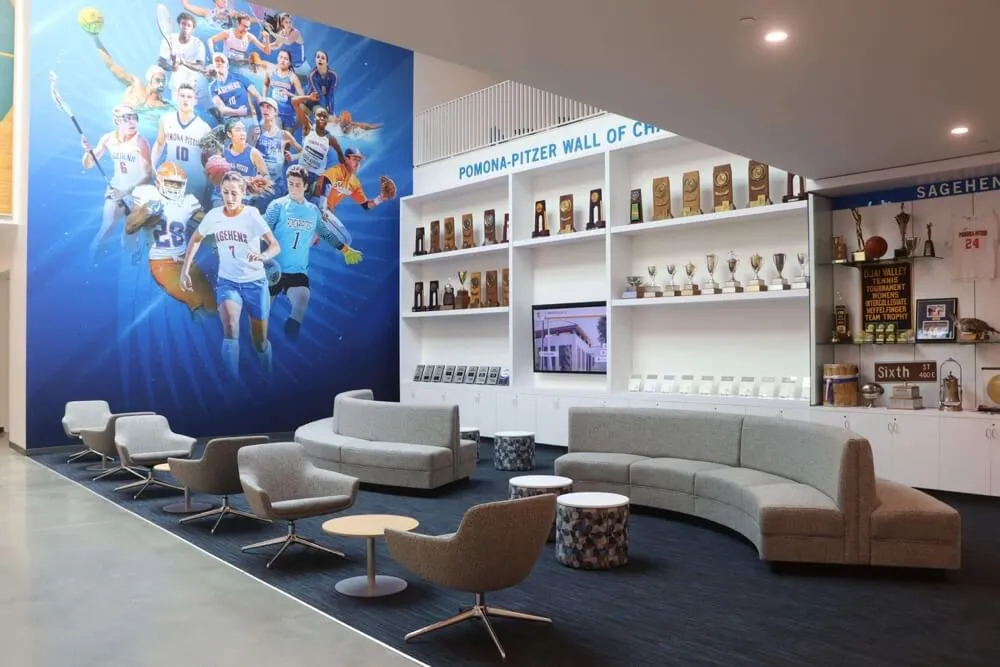
Unbreakable Record: Recognition for setting team or program records in any statistical category. Record-breaking awards create historical documentation and motivation for future players pursuing legacy achievements. Many programs showcase record holders through trophy display case ideas that preserve achievement recognition permanently.
Character and Leadership Awards
Character awards acknowledge personal qualities, behaviors, and attitudes contributing to positive team cultures regardless of performance outcomes. These awards validate developmental aspects of softball participation beyond competitive statistics.
Work Ethic and Improvement
Most Improved Player: Greatest improvement from season start to finish or year-over-year progression. Improvement awards motivate continued effort while validating growth regardless of absolute performance level. Selection should consider both statistical improvement and qualitative advancement in skills, confidence, and game understanding.
Hardest Worker Award: Consistent maximum effort in practices, training, and games. Hard work recognition reinforces that effort matters even when natural ability varies across rosters. Coaches observe practice habits and preparation commitment that statistics may not capture but prove critical for team success.
Practice Player of the Year: Outstanding practice performance, preparation quality, and training commitment. Practice awards validate that how athletes train determines game readiness, reinforcing that meaningful improvement happens primarily through practice rather than just competition.
Dedication Award: Unwavering commitment demonstrated through attendance, punctuality, offseason training, and overcoming obstacles. Dedication recognition celebrates perseverance through injuries, academic challenges, or personal circumstances that might discourage less committed athletes.
Iron Player Award: Most innings played, games started, or highest participation rate. Iron player recognition acknowledges durability, reliability, and consistent availability across full seasons. These athletes rarely miss games and can be counted on for sustained contribution.
Leadership and Team Culture
Captain’s Leadership Award: Exemplary leadership demonstrated by team captains or emerging leaders. Leadership awards acknowledge influence through communication, example-setting, and teammate motivation that extends beyond athletic performance metrics.
Heart of the Team Award: Player embodying team spirit, values, and culture most completely. Heart awards celebrate intangible qualities that define team identity and inspire teammates through personality, passion, and commitment to collective success.
Best Teammate Award: Most supportive, encouraging, and positive influence on teammates. Teammate awards recognize that being good teammates matters as much as being talented players for championship cultures. Selection often includes peer voting, validating that teammate perspective matters for this recognition.
Unselfish Player Award: Consistently prioritizing team success over individual statistics or recognition. Unselfish recognition validates team-first mentality essential for championship programs where role acceptance and sacrifice for collective goals determine success more than individual statistics.
Vocal Leader Award: Outstanding on-field communication directing defense, encouraging teammates, and providing constant positive energy. Vocal leadership awards acknowledge that effective teams require communication connecting players and coordinating defensive positioning, offensive strategy, and emotional support.
Rookie Mentor Award: Veteran player effectively mentoring freshmen or younger teammates. Mentor recognition validates leadership through supporting teammate development, accelerating learning curves for younger players, and building multi-year program continuity.
Character and Sportsmanship
Sportsmanship Award: Exemplary conduct, respect for opponents and officials, and positive attitude in victory and defeat. Sportsmanship recognition reinforces values central to athletic participation beyond wins and losses. Selection should consider behavior across full seasons rather than isolated incidents.
Student-Athlete Excellence: Outstanding academic performance alongside athletic participation. Academic awards reinforce that student-athletes must succeed in classroom and competition, creating recognition for athletes maintaining honor roll status while meeting athletic demands. Schools can learn from high school end of year awards programs balancing academic and athletic recognition.
Class Act Award: Representing program values consistently on and off field through conduct, citizenship, and character. Class act recognition validates that programs care about developing quality people, not just skilled athletes, and that behavior matters across all contexts not just competition.
Perseverance Award: Overcoming adversity, obstacles, or challenges to contribute meaningfully. Perseverance recognition celebrates resilience particularly meaningful for athletes returning from injury, managing personal challenges, or developing skills despite initial struggles.
Positive Attitude Award: Maintaining optimistic, constructive attitude through challenges, slumps, and setbacks. Positive attitude awards validate emotional maturity and team-supportive mindset even during difficult stretches when frustration might undermine team chemistry.
Specialized Skill and Position Awards
Specialized awards recognize position-specific excellence or particular skill mastery within softball. These awards validate diverse athletic contributions beyond general performance categories.
Position-Specific Excellence
Best Catcher Award: Outstanding catching performance including defense, game calling, baserunner management, and leadership. Catcher recognition acknowledges demanding position requirements spanning defensive skill, mental acuity, physical toughness, and pitching staff leadership. Catchers rarely receive statistical recognition proportional to their comprehensive game impact.
Best Infielder Award: Defensive excellence at infield positions including range, arm strength, double play proficiency, and situational awareness. Infield awards can be position-specific (best shortstop, second baseman) or general infield excellence depending on program size.
Best Outfielder Award: Outstanding outfield defense including tracking fly balls, arm strength, baserunner management, and positioning intelligence. Outfield recognition validates defensive contributions that may not generate statistical attention equivalent to offensive production but prove critical for run prevention.
Ace Pitcher Award: Beyond general pitching awards, recognizing specific pitcher as team’s most reliable and dominant starting pitcher. Ace recognition celebrates pitchers who shoulder significant innings loads and provide dependable excellence in crucial games.
Utility Player Award: Excelling across multiple positions demonstrating versatility and team-first willingness to fill various roles as needed. Utility recognition validates flexibility and comprehensive skill development enabling coaches to deploy players wherever team needs dictate.
Specialized Skill Recognition
Best Baserunner: Outstanding baserunning instincts, speed, and decision-making beyond just stolen bases. Baserunning awards recognize intelligence in taking extra bases on hits, advancing on wild pitches or passed balls, and avoiding baserunning mistakes that kill innings.
Clutch Performer Award: Consistently delivering in high-pressure situations including close games, playoff competitions, or moments with runners in scoring position. Clutch recognition celebrates psychological resilience and ability to perform when stakes are highest, a quality that separates good from great competitors.
Contact Hitter Award: Exceptional bat control, minimal strikeouts, and consistent contact even when not hitting for power. Contact recognition validates hitting approach focused on putting balls in play and manufacturing runs rather than relying on power hitting.
Power and Speed Combination: Demonstrating both offensive power (extra-base hits) and speed (stolen bases, triples). Combination awards celebrate rare complete offensive skill sets that create multiple ways to impact games both in batter’s box and on basepaths.
Best Bunter: Mastery of sacrifice bunts, drag bunts, and situational bunting. Bunting recognition validates underappreciated skill critical for manufacturing runs in close games and moving runners into scoring position when power hitting isn’t productive.
Best Defensive Play of the Season: Single most impressive or important defensive play across full season. Highlight awards create focused celebration of peak moments that fans remember years later, honoring exceptional plays worthy of special recognition beyond season-long statistical accumulation.
Fun and Team Culture Awards
Fun awards build team chemistry, celebrate personalities, and create memorable recognition moments that strengthen team bonds beyond serious athletic achievement acknowledgment.
Best Walkup Song: Most creative, intimidating, or entertaining walkup music selection. Walkup song awards embrace individual personality expression while creating lighthearted recognition everyone on team can compete for regardless of playing time or statistics.
Best Celebration: Most enthusiastic, creative, or memorable celebration following big plays or wins. Celebration recognition validates that enthusiasm and emotional investment matter for team energy and culture, rewarding players who lift team spirit through authentic excitement.
Team Cheerleader: Most enthusiastic dugout support and constant teammate encouragement. Cheerleader awards honor athletes who may not log significant playing time but contribute essential positive energy and vocal support that championship teams require.
Best Dugout Dance Moves: Creative and entertaining dugout celebrations and rally routines. Dance awards create lighthearted recognition opportunities while building team traditions and inside jokes that strengthen bond across roster.
Funniest Teammate: Player providing most laughter, levity, and team entertainment through personality and humor. Humor recognition validates that team chemistry requires personalities who keep atmosphere positive during long seasons and relieve pressure during stressful stretches.
Most Likely to Slide into First: Playful recognition for overly aggressive or perhaps misguided baserunning enthusiasm. Lighthearted awards about quirks or memorable moments create inside jokes and team legends that players remember fondly years later.
Best Pre-Game Ritual: Most elaborate, superstitious, or entertaining pre-game routine. Ritual recognition embraces individual athlete superstitions and routines that become team lore and talking points strengthening shared experiences.
Rookie of the Year: Best freshman or first-year player performance. Rookie awards encourage talented newcomers while acknowledging difficulty of entering established programs and immediate contributions from young athletes.
Most Infectious Smile: Player whose positive demeanor and constant smile lifts team atmosphere. Smile awards celebrate emotional leadership through consistent positivity that proves contagious across rosters during both winning streaks and challenging periods.
Modern Recognition: Digital Displays and Permanent Archives
While physical awards like trophies, plaques, and certificates remain meaningful, contemporary softball recognition should incorporate multiple formats creating deeper impact and broader visibility. Modern approaches extend recognition beyond brief banquet moments into permanent documentation accessible to broader communities.
Digital Recognition Platforms Transform Team Acknowledgment
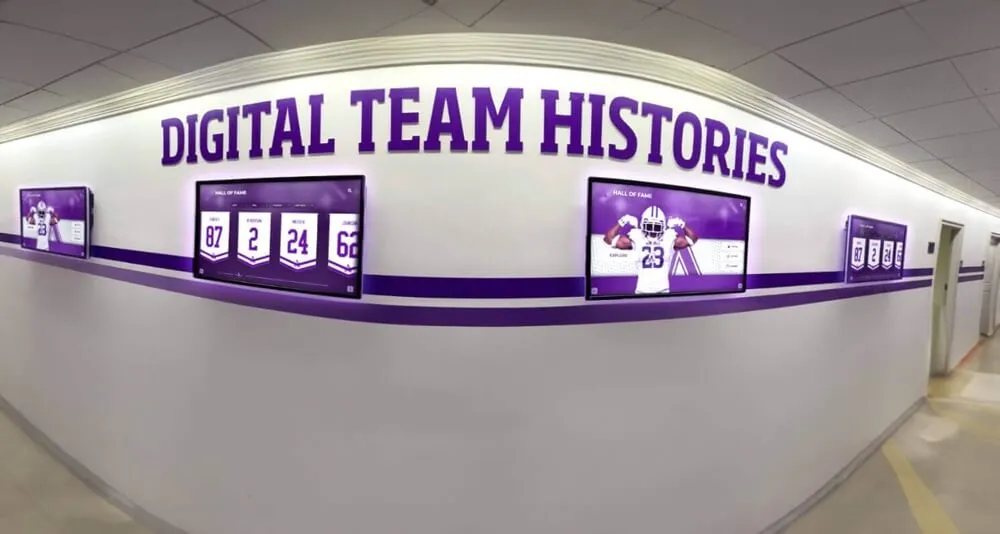
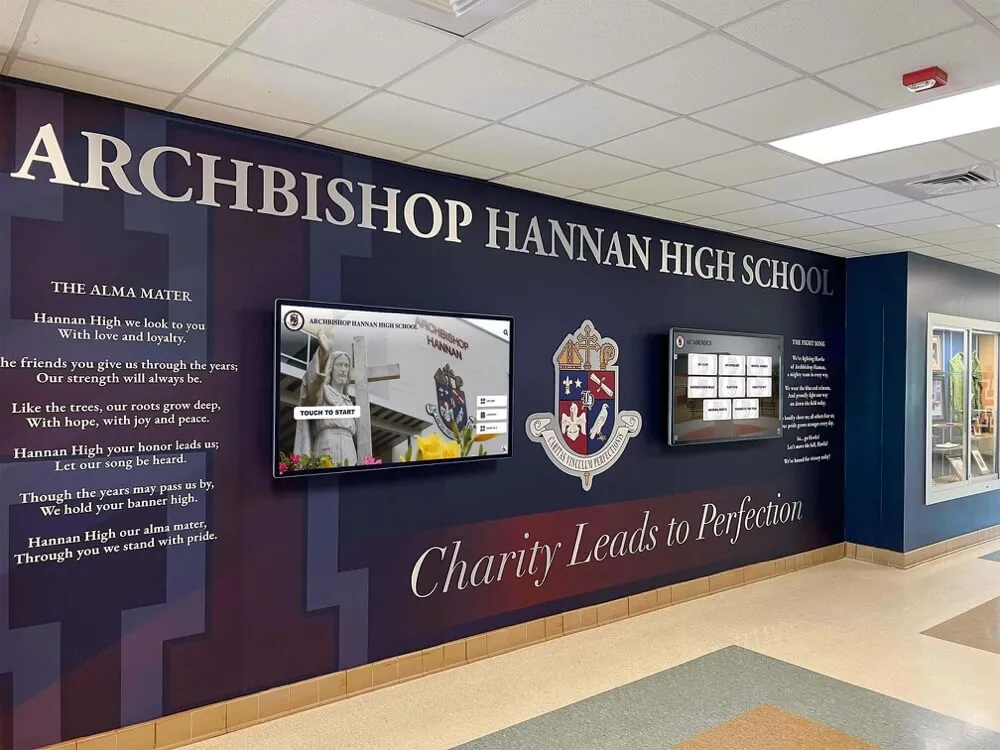
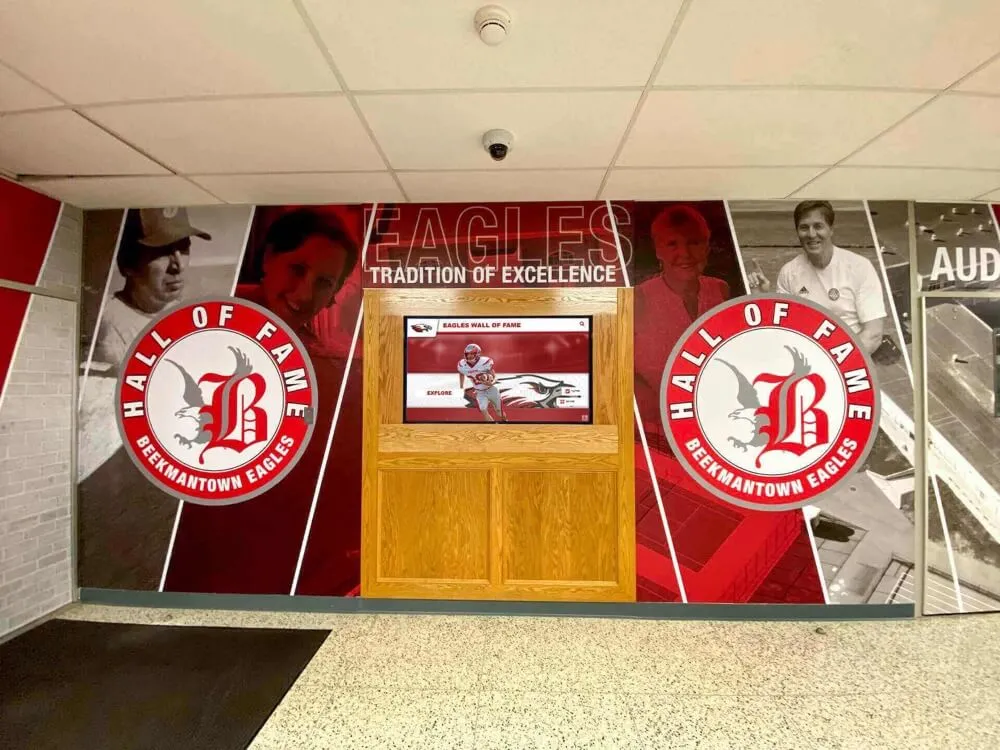
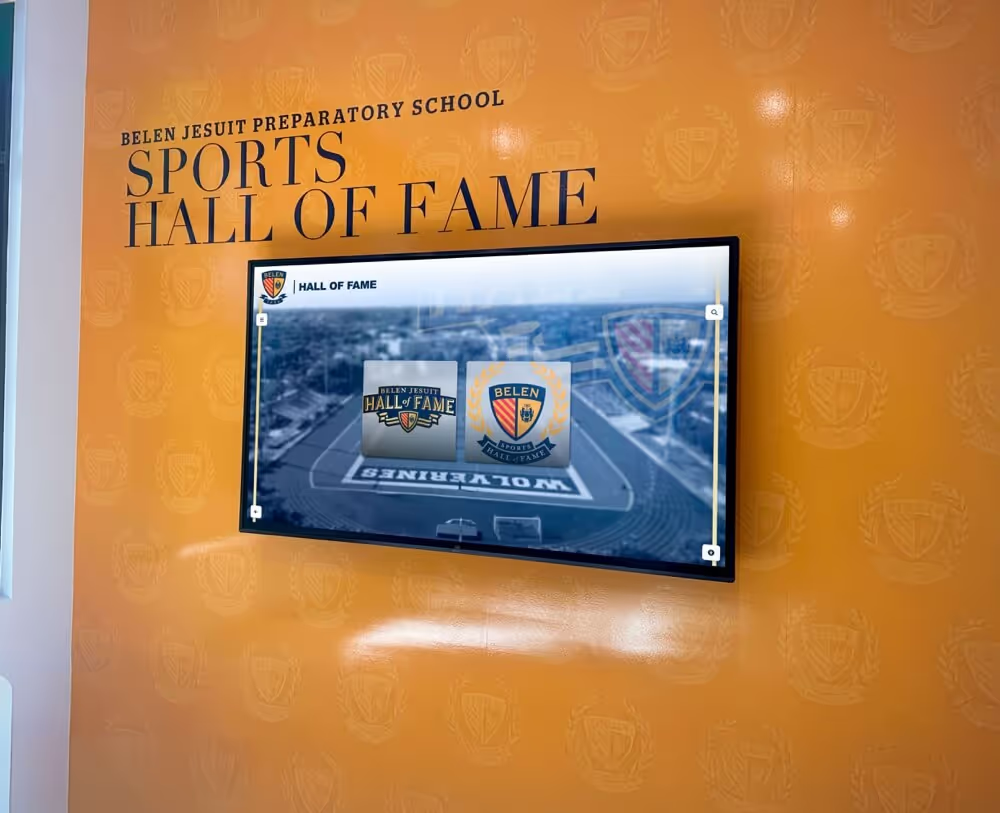
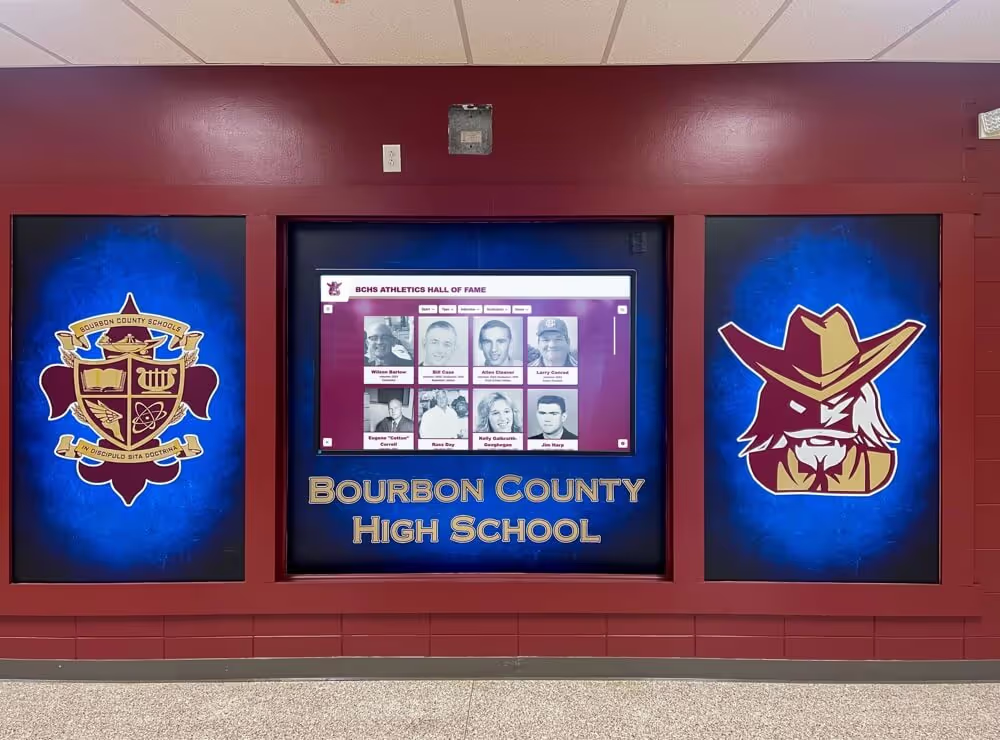
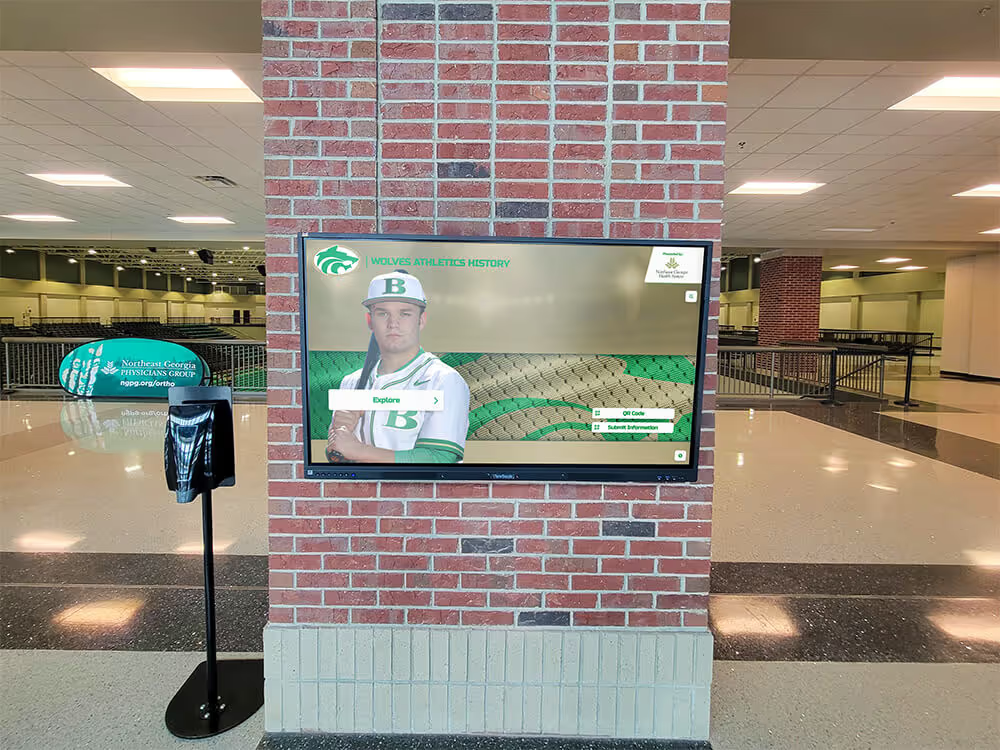
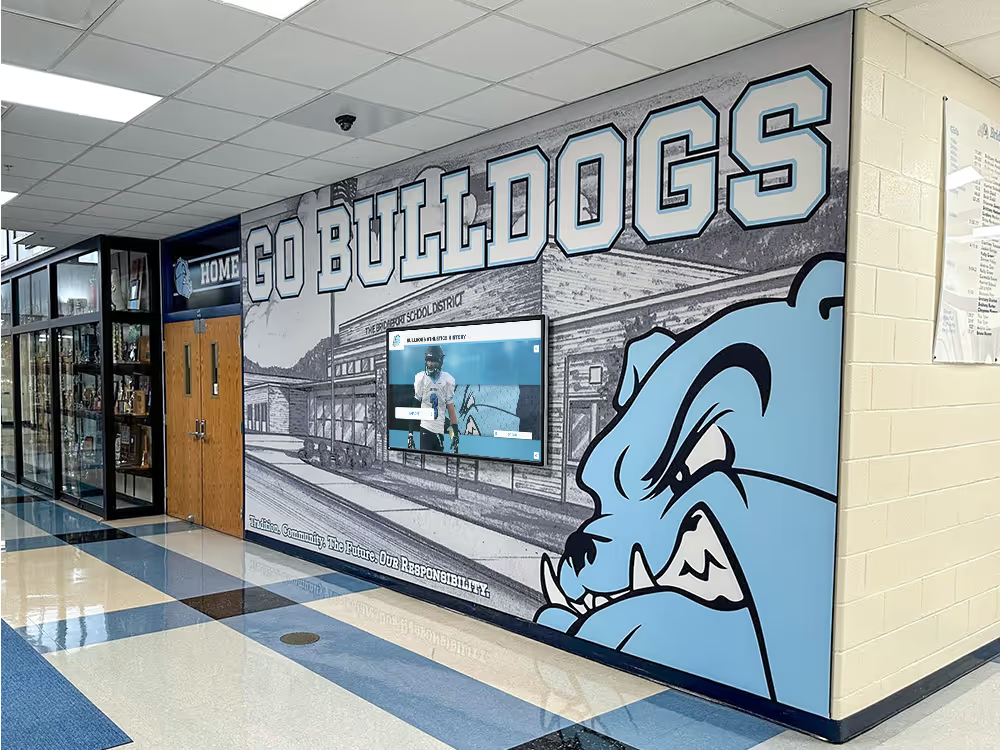
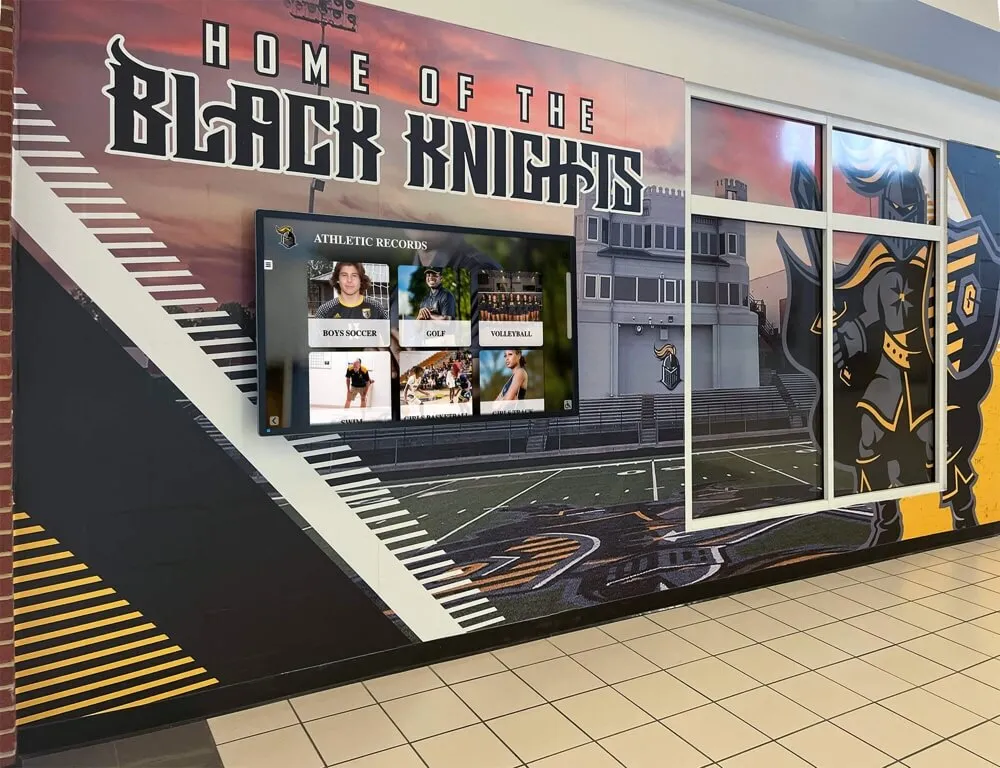
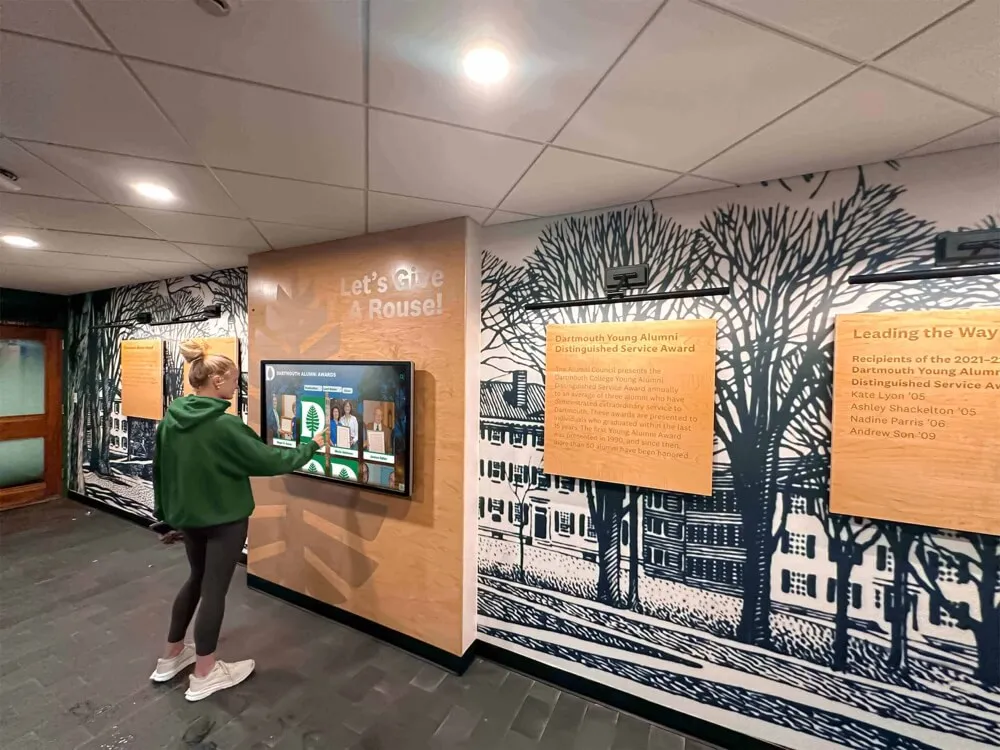
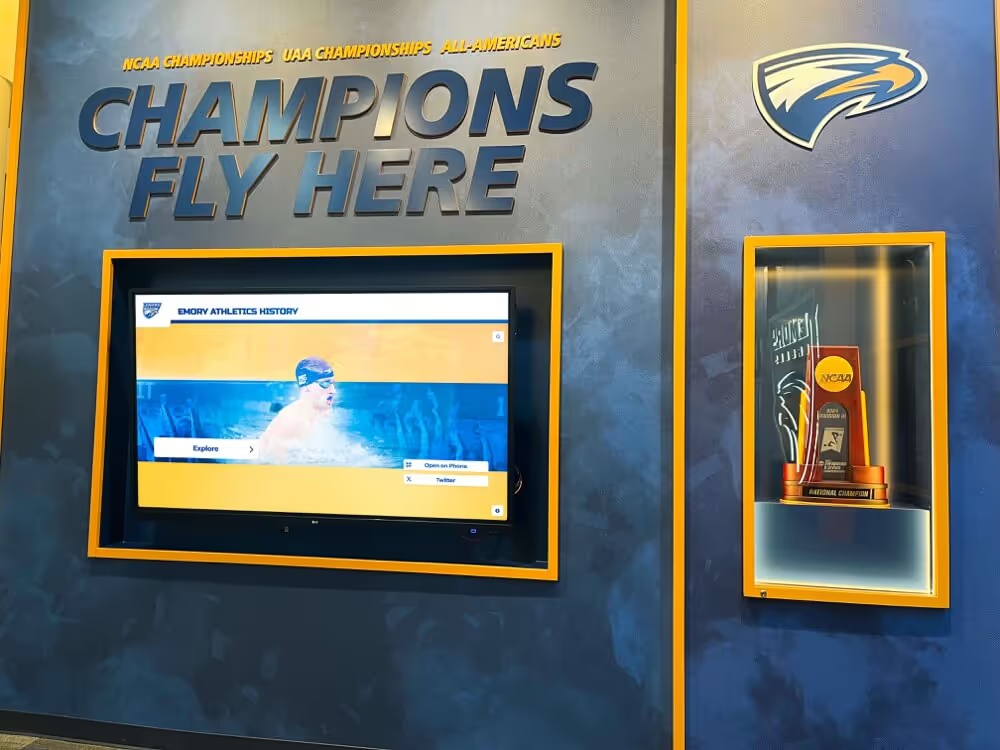
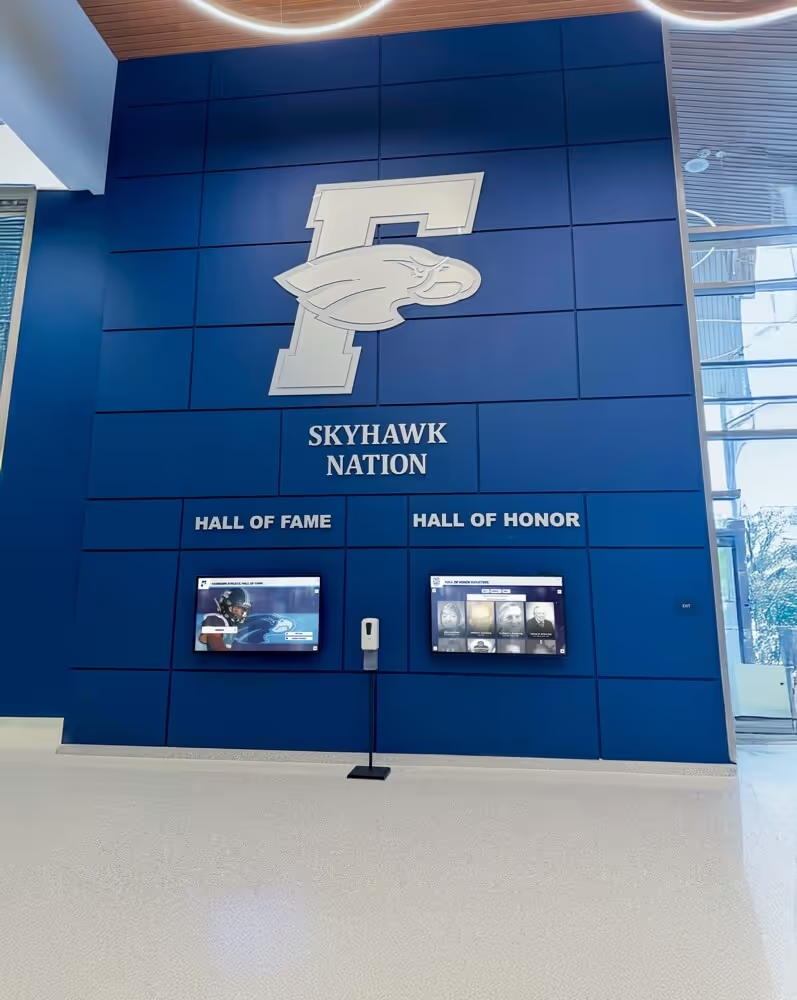
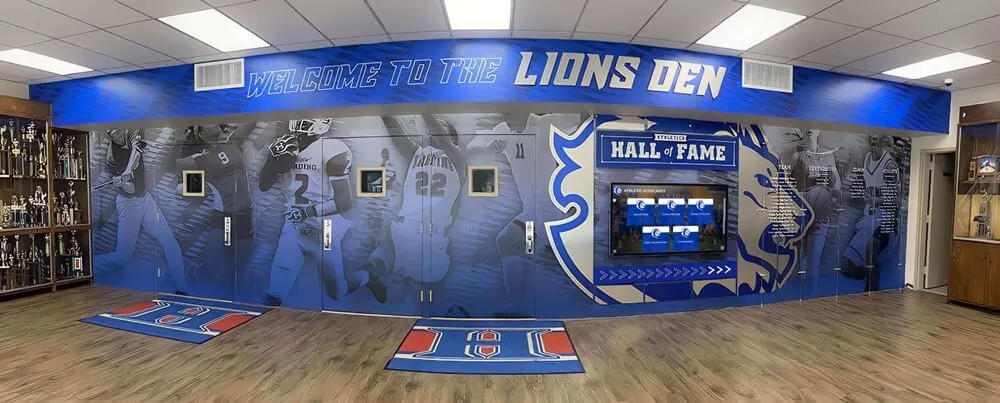
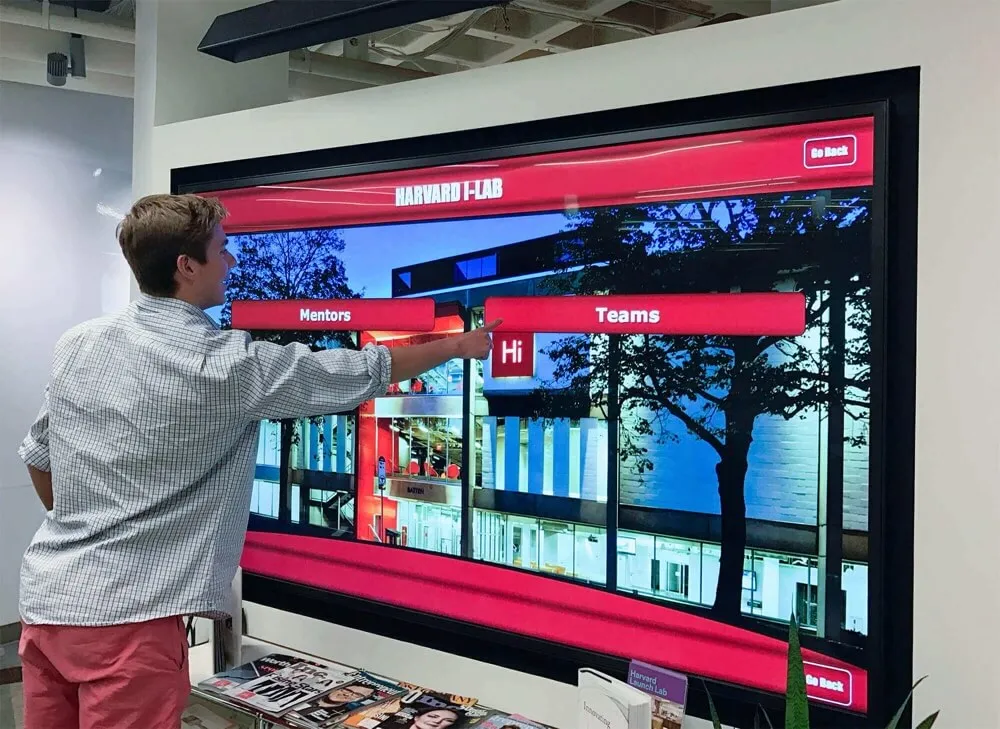
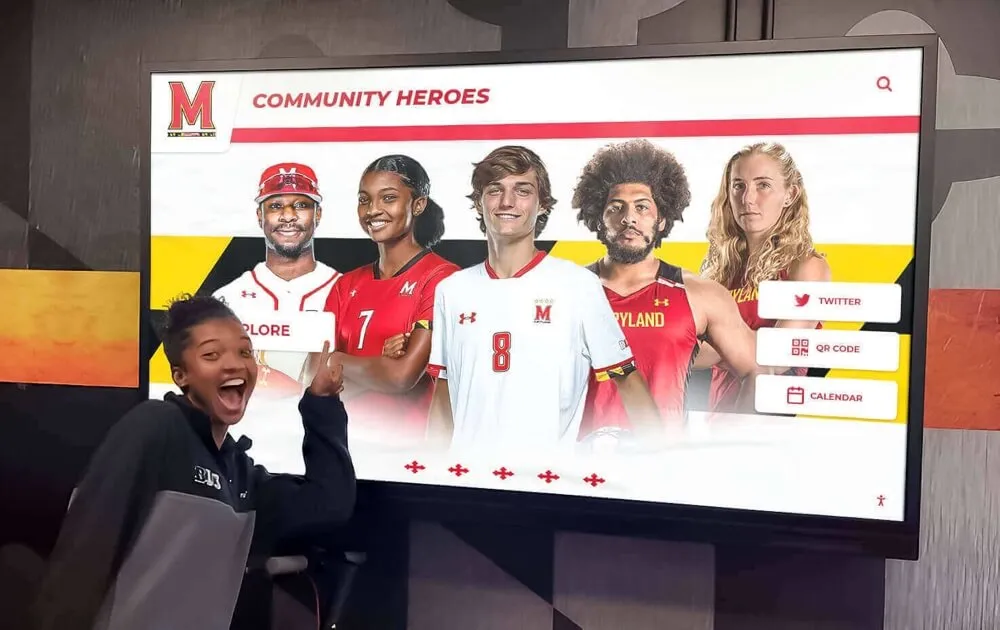
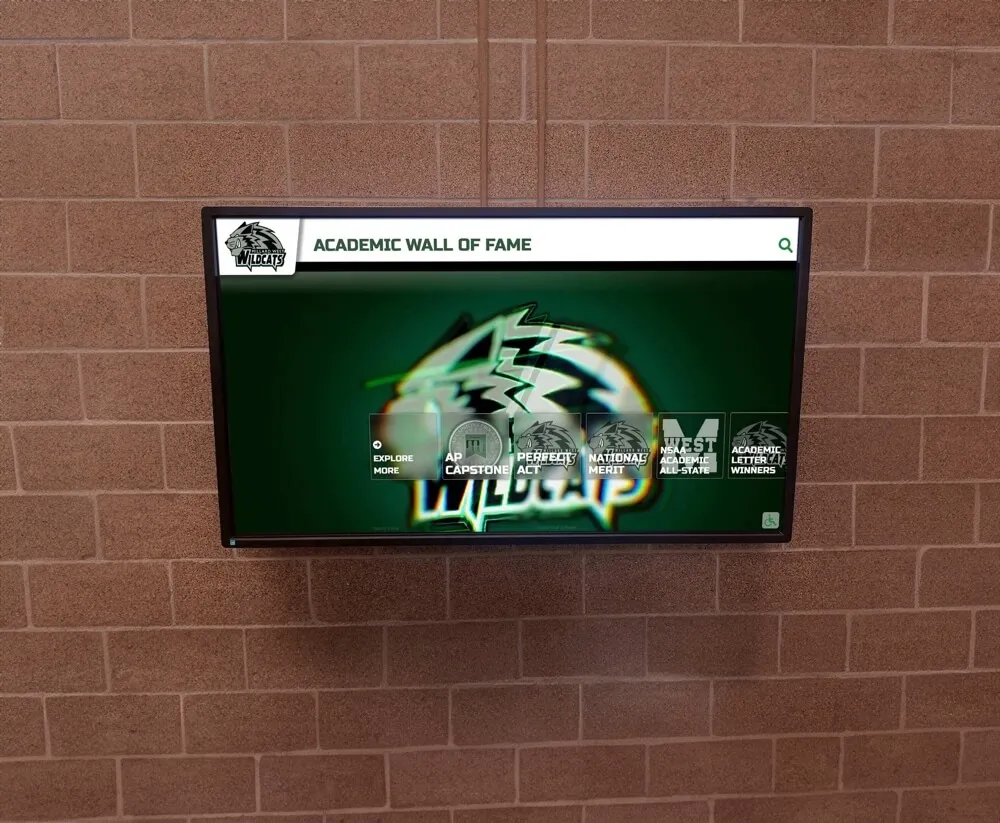
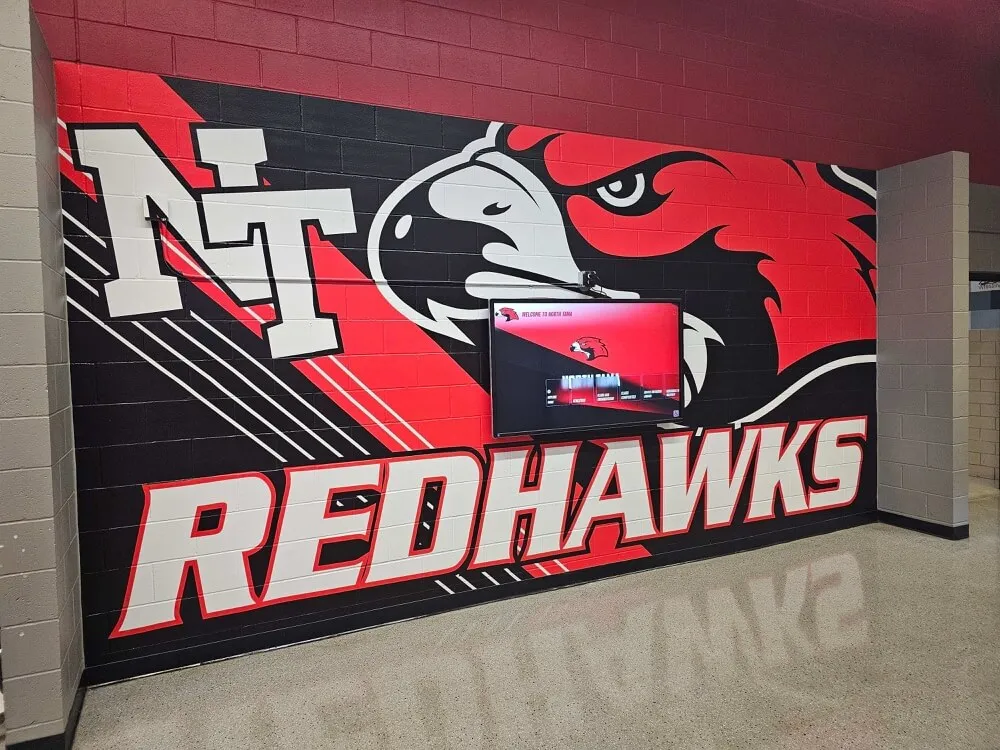
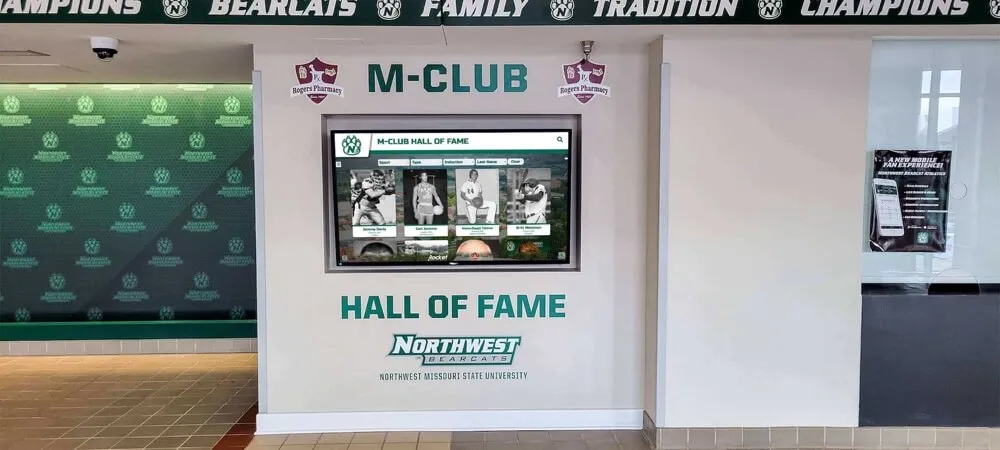
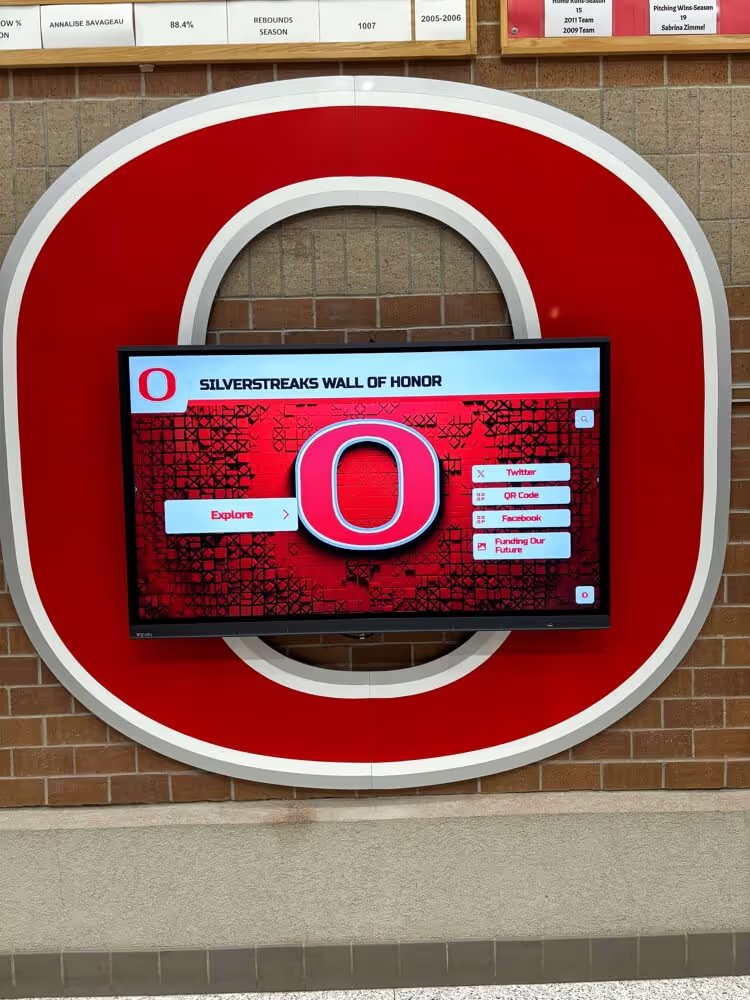
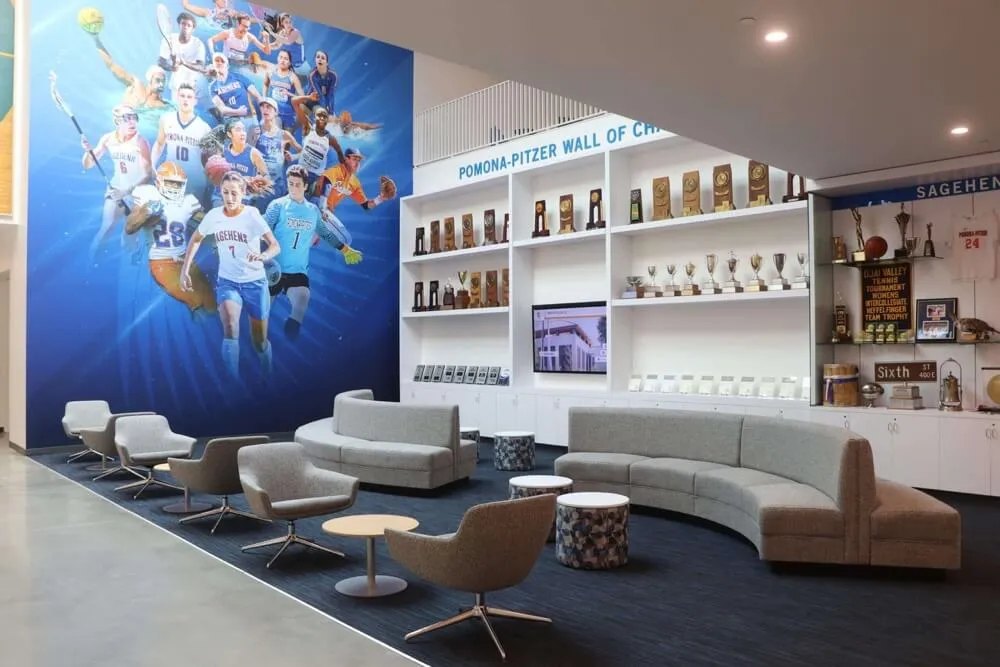
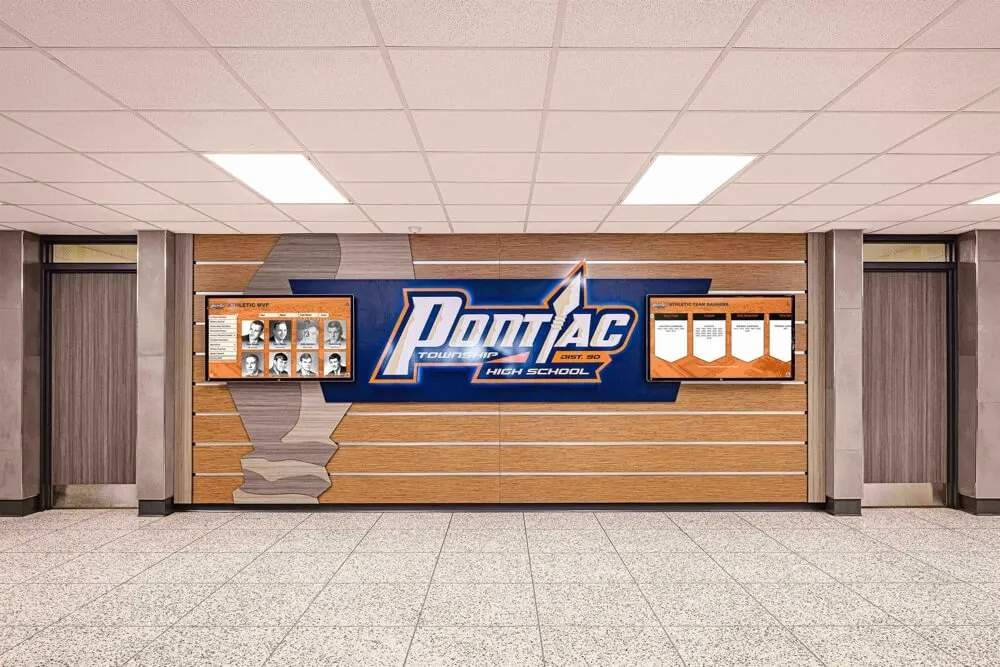
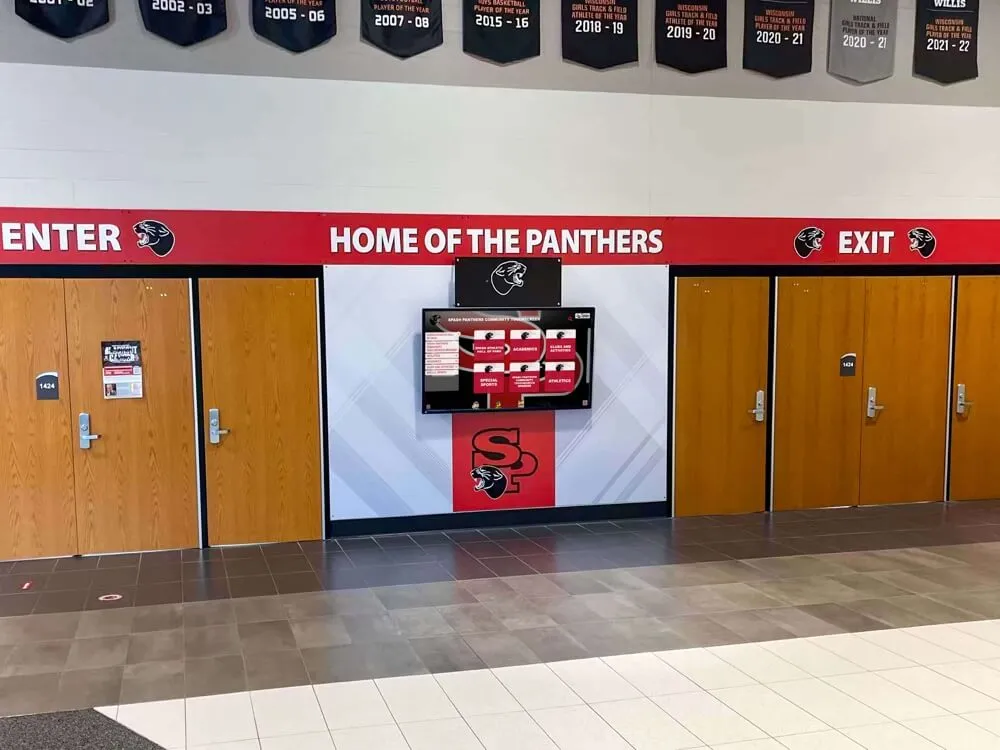
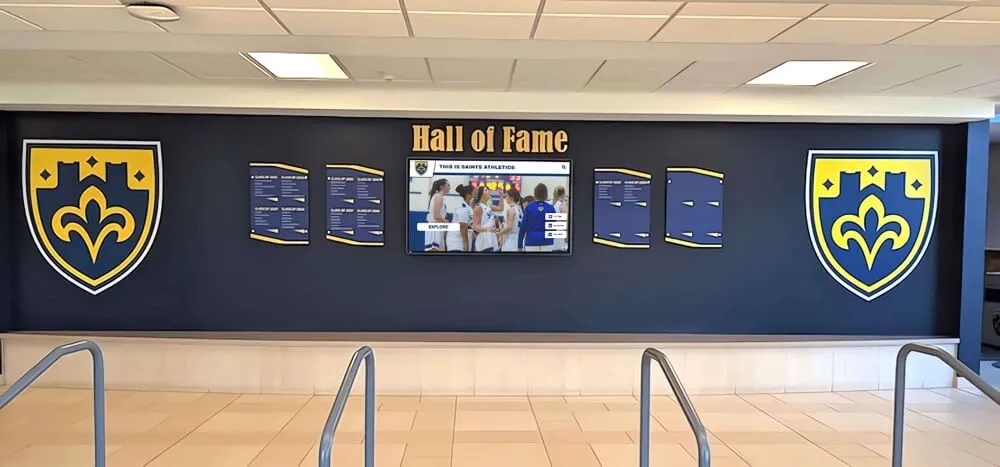
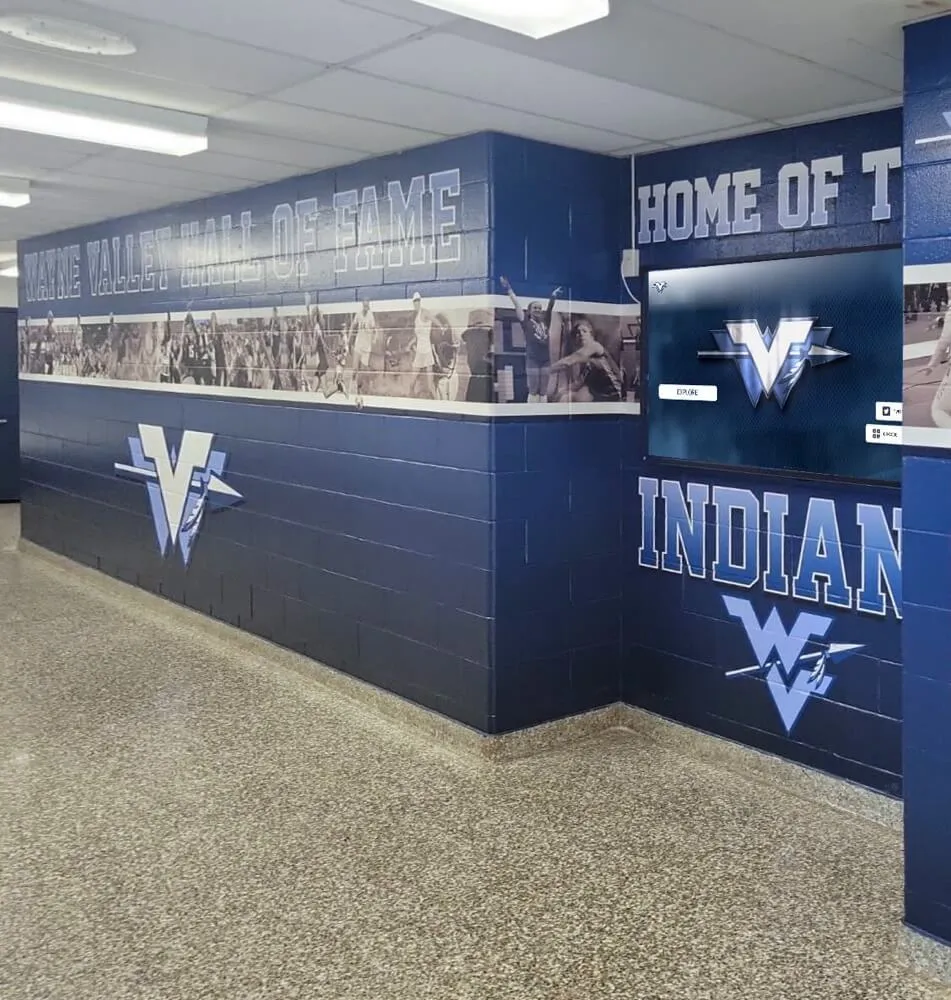
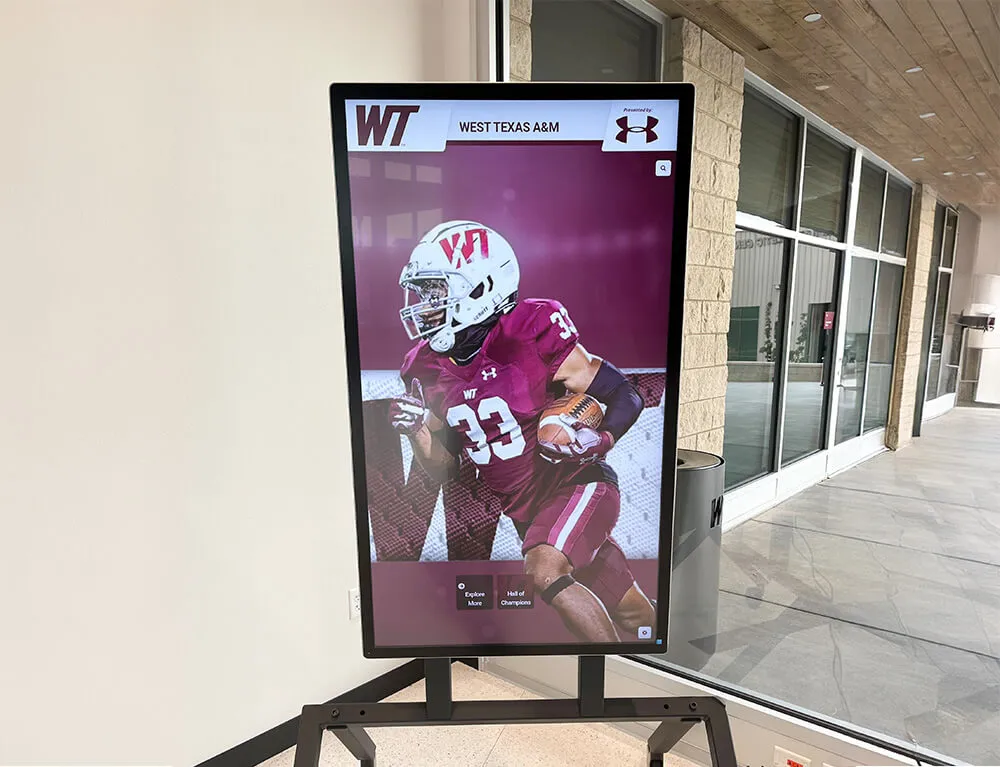
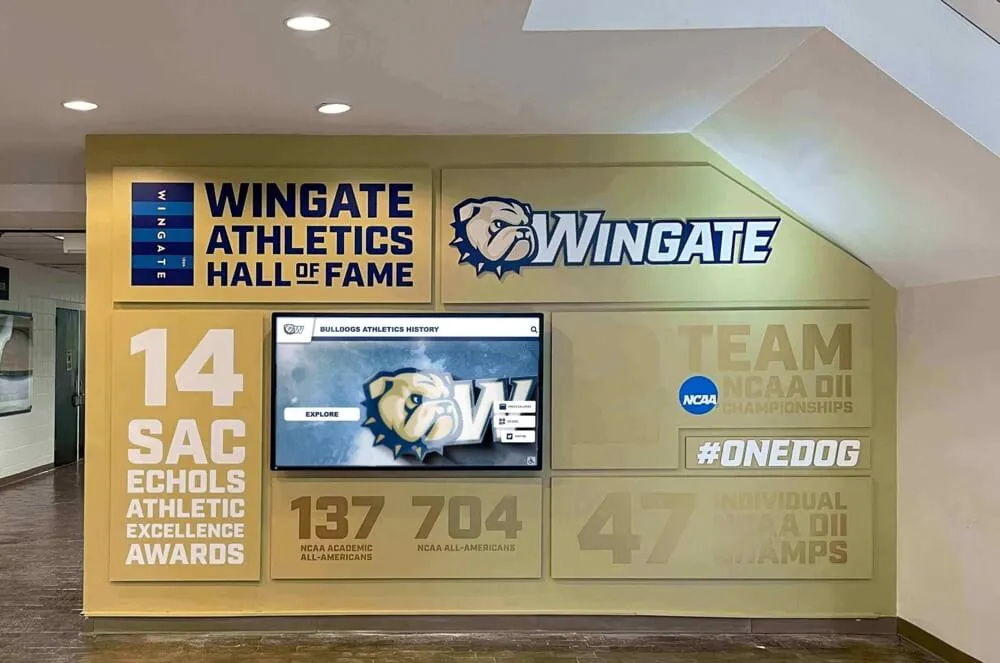
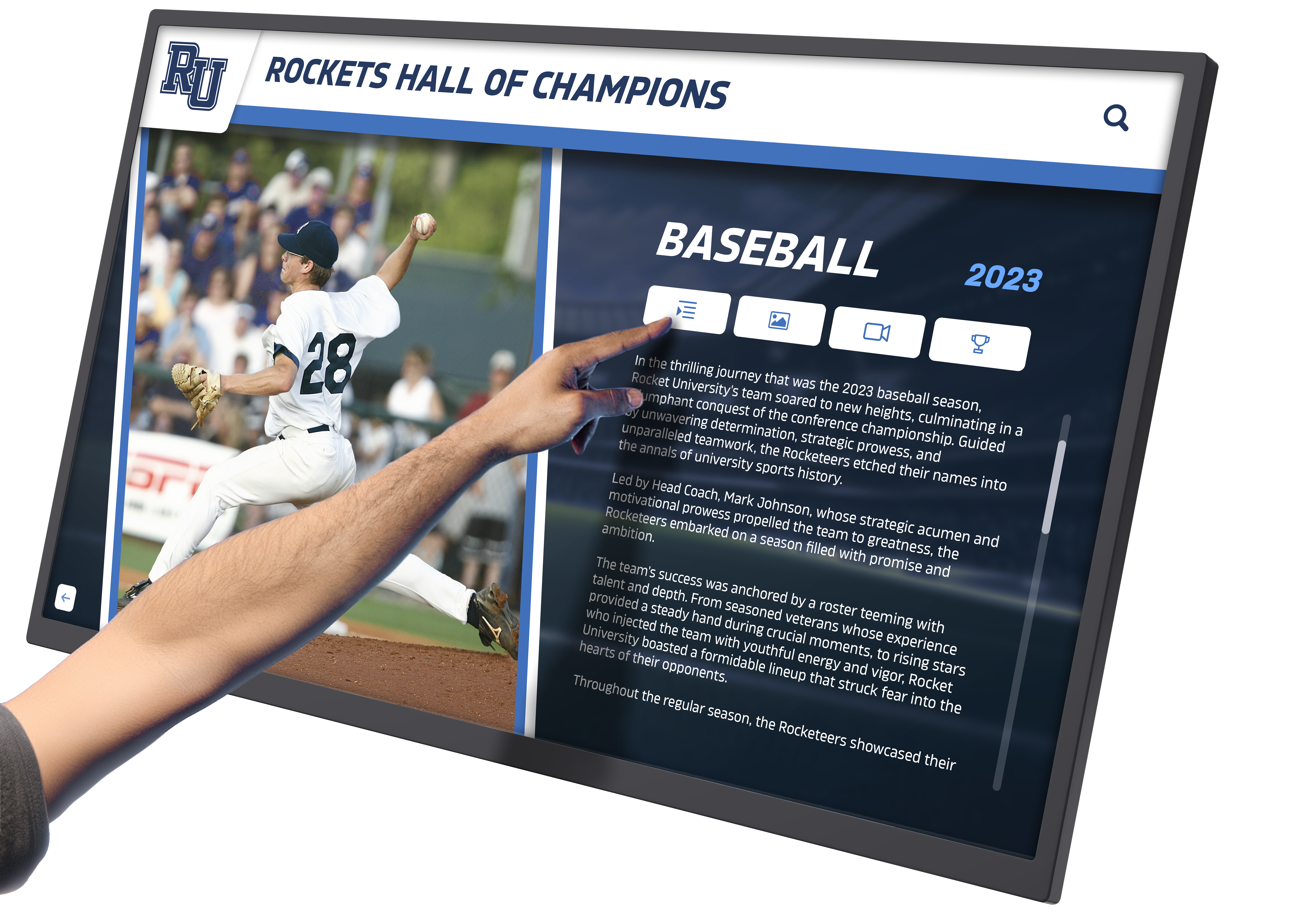
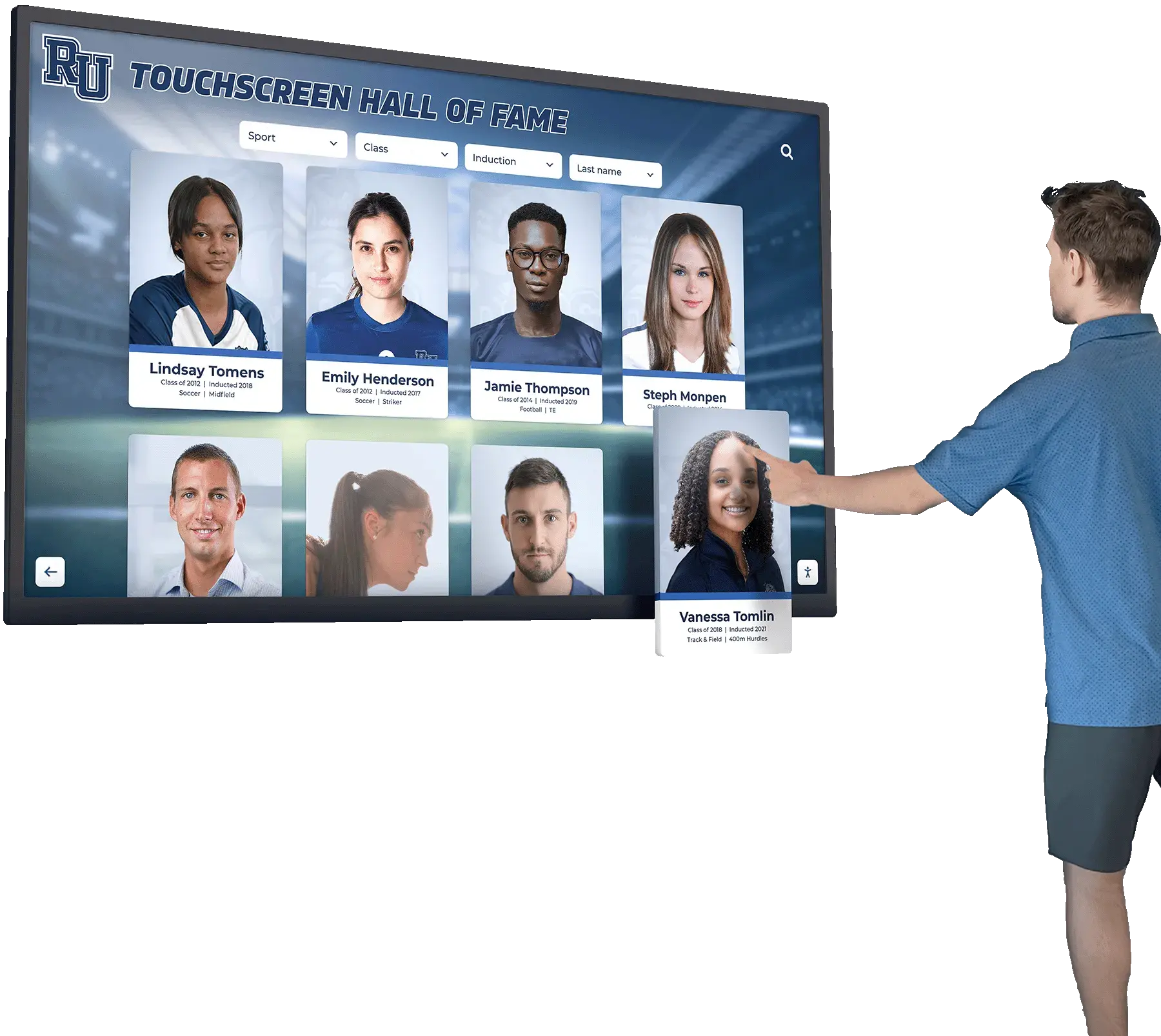
Interactive digital displays revolutionize how softball programs document and celebrate achievement. Traditional trophy cases face severe space limitations—only so many physical plaques fit on walls before expansion requires costly construction or recognition becomes invisible in overcrowded displays. Digital platforms eliminate capacity constraints entirely, showcasing hundreds of award recipients, championship teams, and individual honors across decades in single installations.
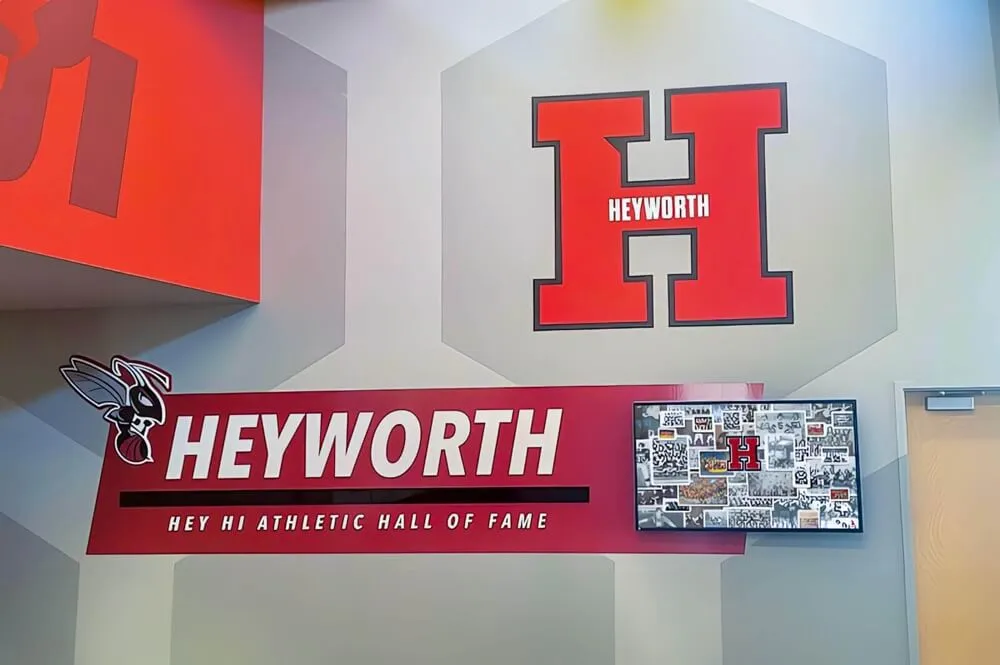
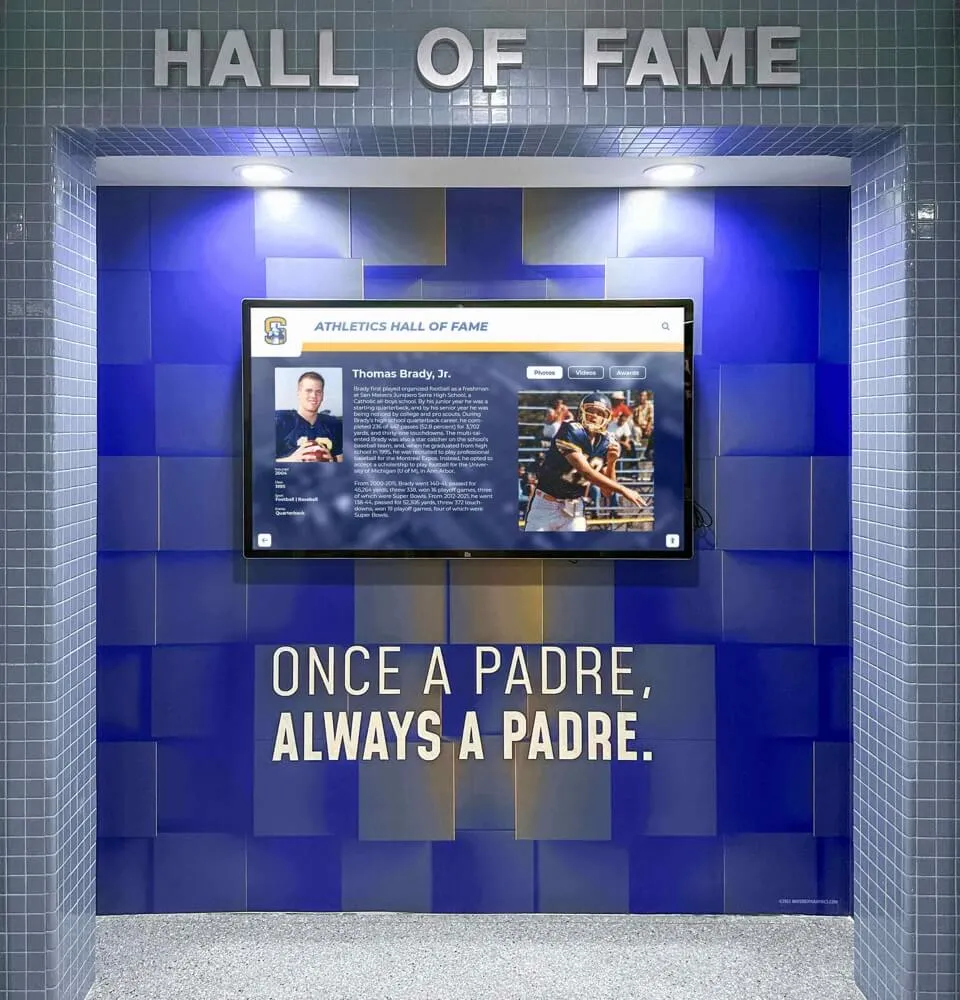
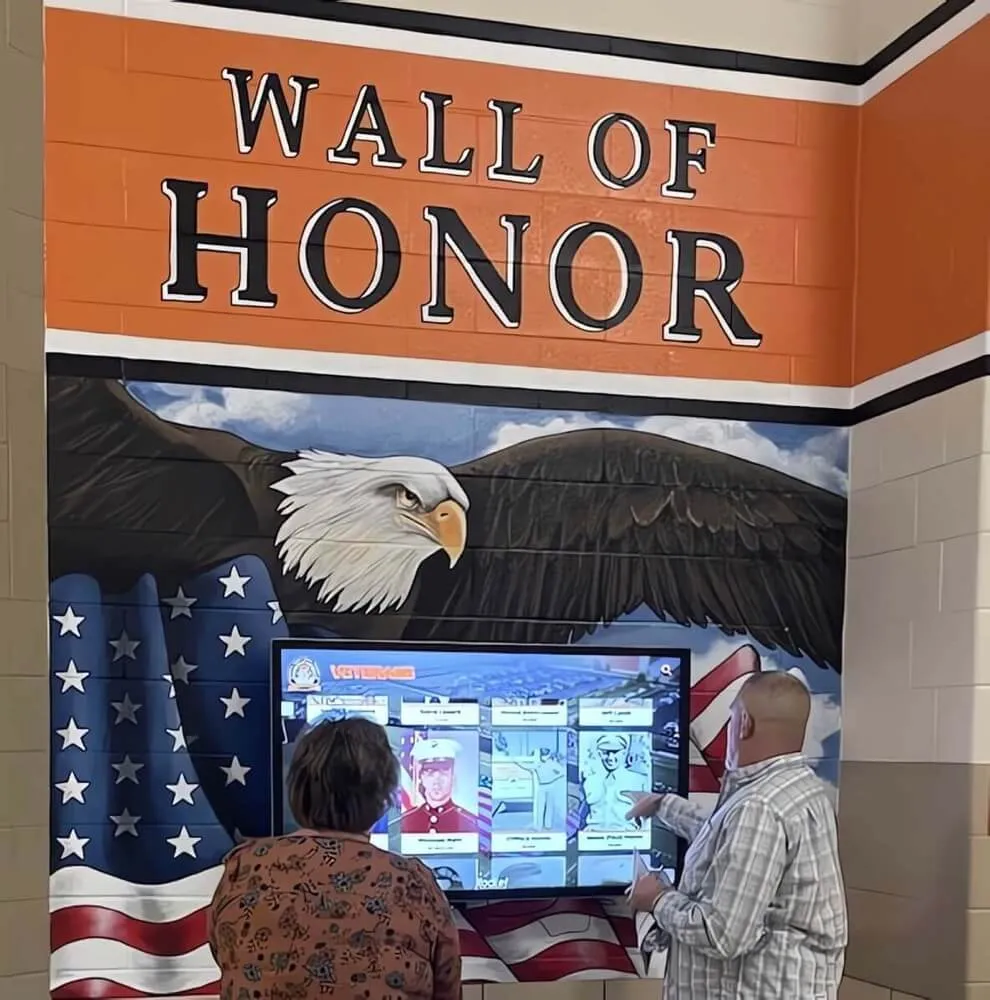
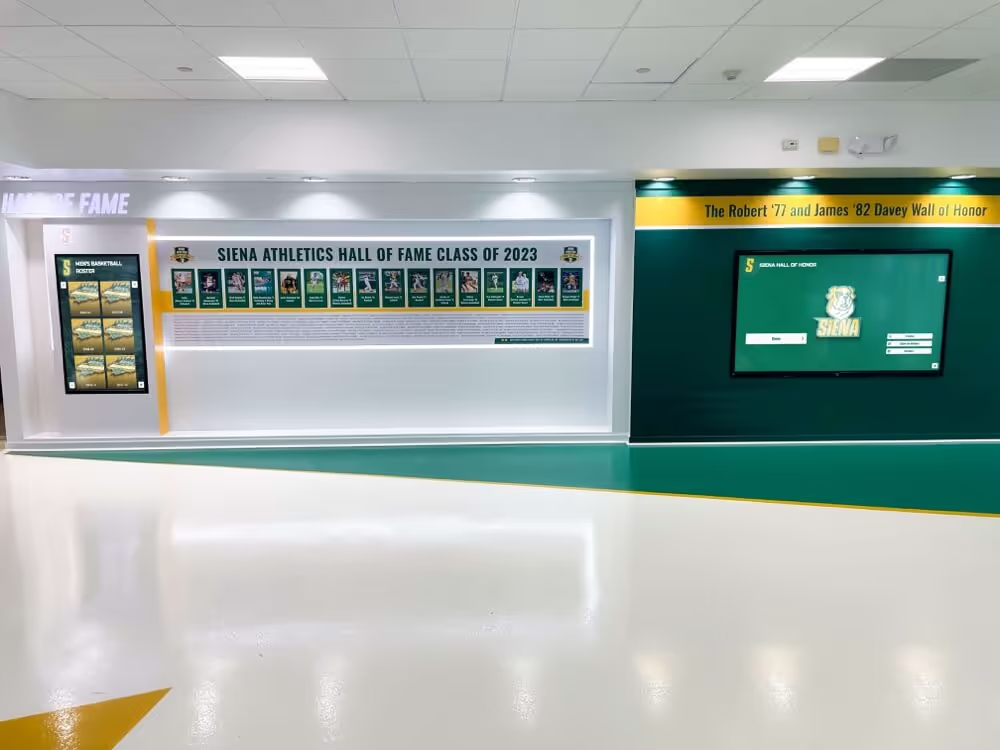
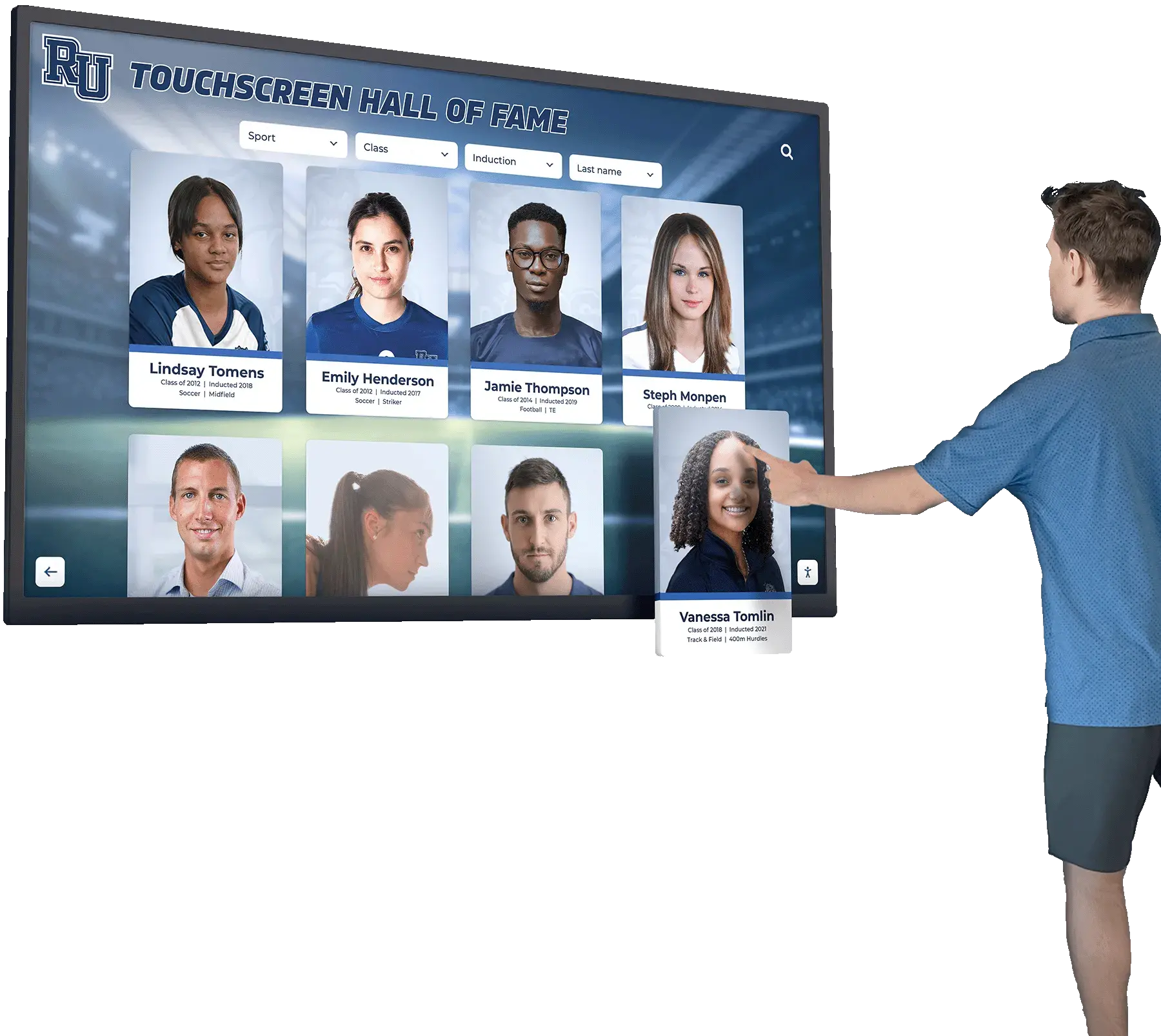

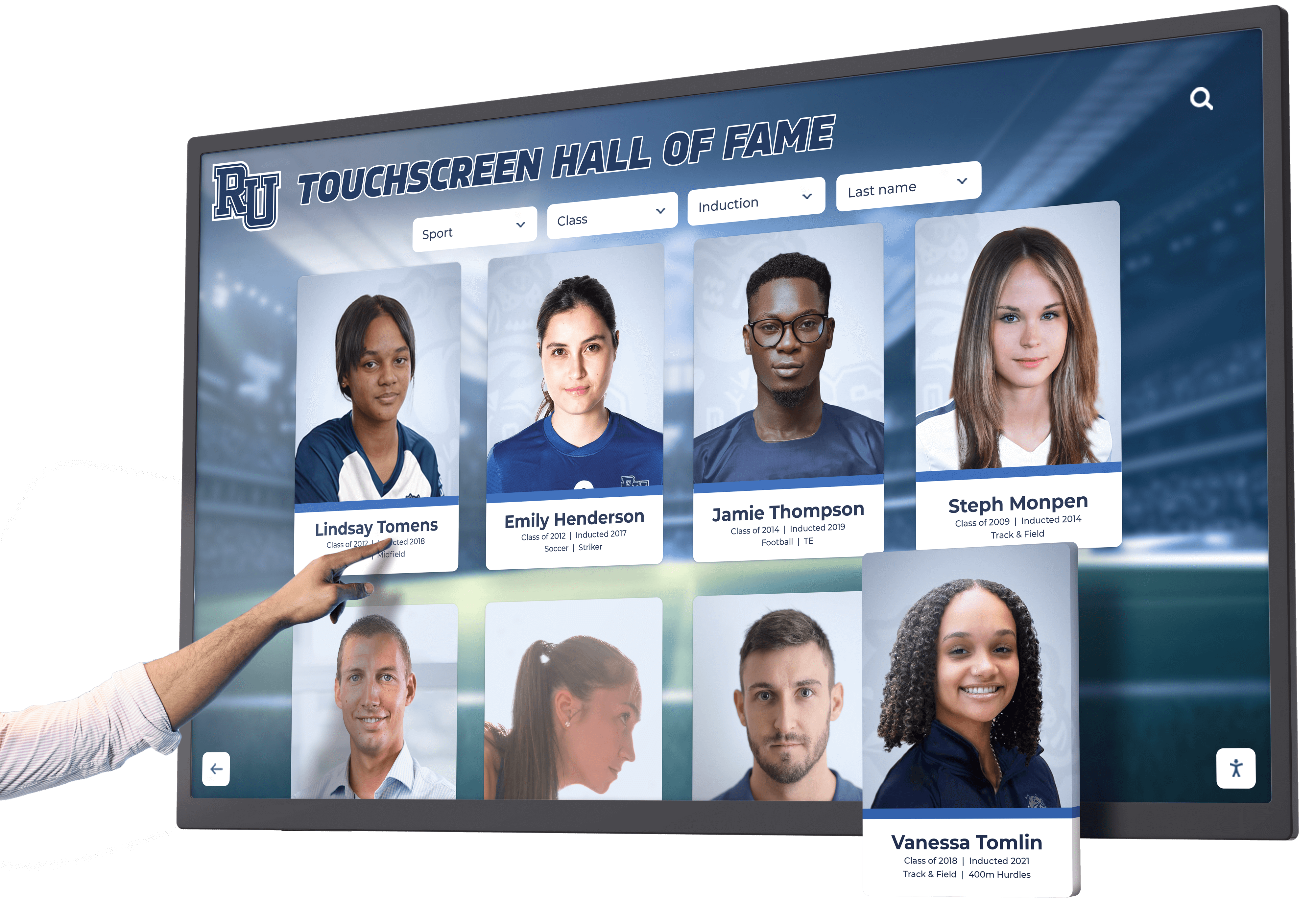
Solutions like digital recognition displays designed for athletic programs provide searchable databases where players explore complete award histories, view detailed statistics and career summaries alongside recognition, access content from anywhere enabling family sharing beyond those who can physically visit facilities, and maintain permanent archives preserving accomplishments accessible even decades after graduation. Organizations implementing digital hall of fame tools for athletics find technology significantly extends recognition visibility while reducing maintenance compared to physical displays requiring constant updating.
Advantages of Comprehensive Digital Recognition Systems
Digital platforms designed for athletic recognition offer multiple advantages over traditional approaches:
Unlimited Recognition Capacity: Create unlimited specialized awards without worrying about physical space constraints or trophy production costs. Programs can recognize 20+ award categories annually without physical display limitations forcing difficult choices about which honors receive visible recognition.
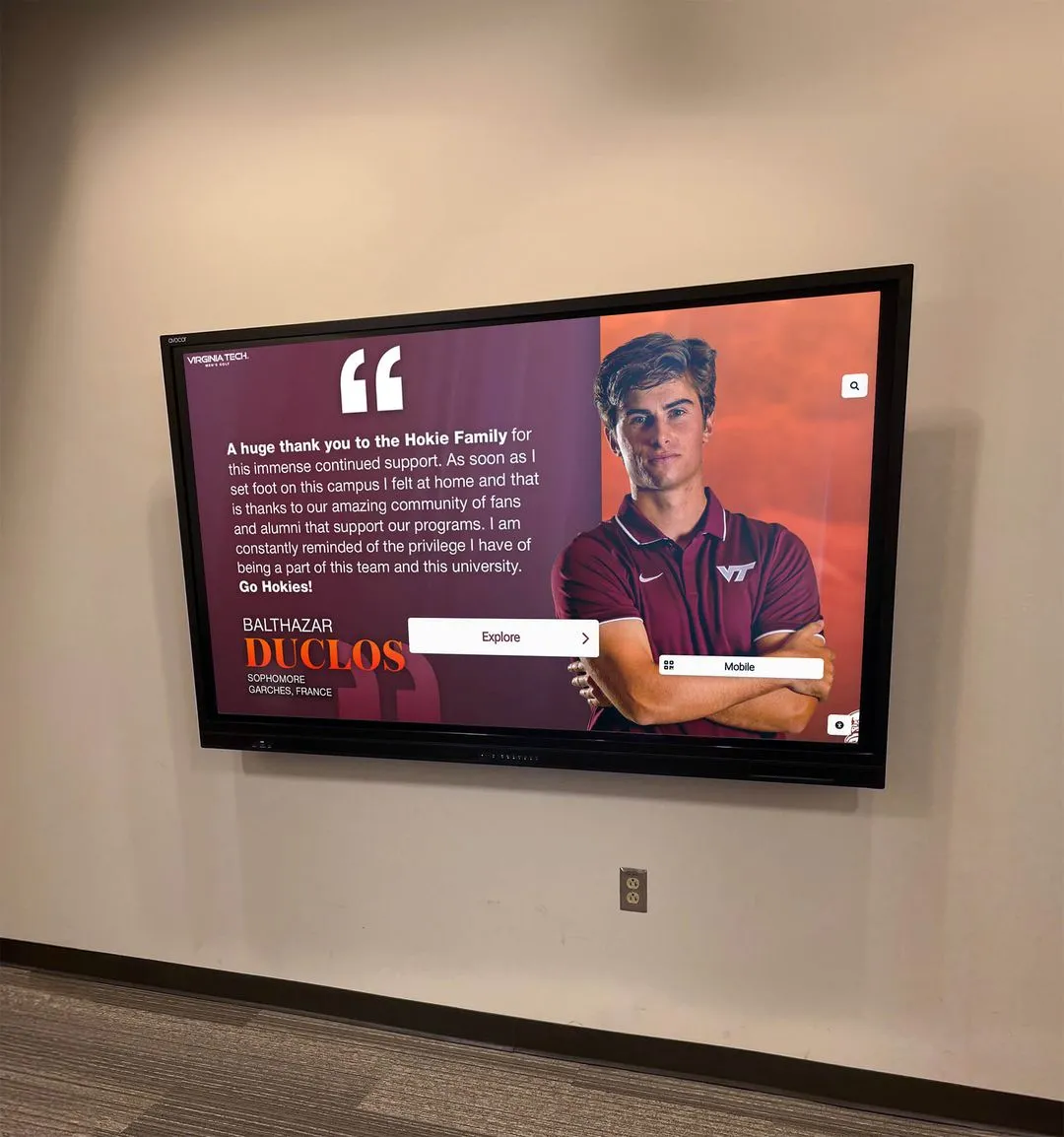
Rich Multimedia Profiles: Include action photos from games, video highlights of key plays, detailed statistics tracking season progressions, written narratives explaining why recognition was earned, and social media content capturing memorable moments. Multimedia storytelling creates substantially richer recognition than names engraved on plaques.
Easy Content Updates: Cloud-based content management allows coaches or administrators to update awards immediately after season-ending banquets without waiting for trophy production, engraving, and physical installation. Annual recognition updates require minutes rather than weeks of lead time and coordination.
Historical Archives: Automatically maintain searchable databases documenting all awards across program history. Alumni return years later to find their recognition alongside current team achievements, creating lasting connections between former athletes and programs. This historical continuity proves particularly valuable for programs celebrating milestone anniversaries or traditions.
Engagement Analytics: Digital systems track visitor interactions showing which content generates most interest, informing future recognition strategies and content development. Analytics demonstrate recognition program value through quantifiable engagement metrics useful for justifying program investments.
Accessibility and Sharing: Web-accessible recognition extends visibility beyond facility visitors. Families share digital profiles with relatives nationwide, recruits research program cultures before commitments, and college coaches explore player accomplishments during recruitment evaluations.
Athletic programs implementing comprehensive youth sports awards recognition through digital platforms report increased family engagement, enhanced player motivation, and stronger program cultures through accessible, multimedia-rich acknowledgment systems.
Implementing Effective Softball Recognition Programs
Having 50+ award ideas provides options, but effective recognition requires thoughtful program design ensuring awards maintain meaning, motivate appropriately, and support team development goals.
Designing Balanced Recognition Systems
Programs should implement award structures balancing several considerations:
Recognition Quantity Management: How many awards should programs offer? Too few awards mean most players never receive recognition, potentially discouraging participation and creating perception that coaches only value statistical leaders. Too many awards risk making recognition feel meaningless when everyone receives multiple honors regardless of merit.
Consider tiered approaches: core awards for clear excellence (MVP, statistical leaders, championship honors), developmental awards recognizing improvement and character (most improved, sportsmanship, dedication), and team culture awards ensuring broader acknowledgment (best teammate, positive attitude, team cheerleader). This structure maintains meaningful distinction between achievement levels while ensuring most players experience some validation.
Age-Appropriate Recognition: Youth softball programs (ages 8-14) benefit from recognition emphasizing participation, effort, skill development, and enjoyment. Competitive distinctions matter less when primary goals involve fundamental skill acquisition and love of sport. High school and college programs can implement more competitive recognition as developmental goals shift toward excellence and preparation for higher competition levels.
Adjust award emphasis based on competitive context: recreational leagues emphasize character and improvement more heavily, while elite travel and high school programs increasingly incorporate performance-based recognition as athletes mature and competitive aspirations develop.
Clear Criteria and Transparent Selection: Each award should have defined criteria preventing perception of arbitrary favoritism. What qualifies someone for MVP versus Offensive Player of the Year? How is Most Improved determined—statistical progression, skill advancement, or both? When standards remain vague, athletes perceive recognition as subjective preferences rather than earned acknowledgment.
Document criteria in writing, communicate standards at season start through team meetings or parent communications, and apply criteria consistently across seasons. Transparency prevents confusion while ensuring players understand targets they’re pursuing. Programs can adapt approaches from sports banquet planning guides for communicating recognition programs effectively.
Selection Processes and Decision Making
Who determines award recipients affects program credibility:
Coach Selection: Coaching staffs observe practices and games comprehensively, understanding effort and contribution beyond visible statistics. Coach selection proves appropriate for character awards, improvement recognition, and comprehensive evaluation where subjective judgment matters. Clear coach discussion and voting prevents individual coach biases determining outcomes.
Statistical Selection: Objective statistics remove perception of favoritism for performance awards with clear quantifiable metrics. Batting average, ERA, fielding percentage, and similar measurements provide transparent recognition bases. Statistical awards work best when criteria and minimum thresholds are pre-established.
Peer Voting: Teammate votes validate that team recognition matters and provide perspective on daily interactions coaches may not fully observe. Peer selection works particularly well for teammate awards, leadership recognition, and culture honors where player perspective proves especially relevant.
Combination Approaches: Hybrid methods balance different perspectives—coaches select finalists based on comprehensive observation, teammates vote from finalist pools to determine final recipients. Combinations leverage coach expertise while incorporating peer validation.
Parent and Fan Input: Some fun awards (best celebration, walkup song) can incorporate parent or fan voting through social media polls or banquet ballots, engaging broader communities in recognition process while reserving serious awards for coach and player determination.
Ceremony and Presentation Best Practices
Award presentation significantly impacts whether recognition creates lasting memories or feels perfunctory:
Season-Ending Banquets: Formal award ceremonies create special occasions focused entirely on recognition. Dedicated events allow families to attend, create anticipation through weeks of speculation about recipients, and demonstrate that recognition deserves focused attention rather than rushed acknowledgment. Banquet formats enable storytelling about why awards were earned rather than just announcing names. Programs can explore effective senior night recognition ideas for honoring graduating players.
Meaningful Award Descriptions: When presenting awards, explain why recipients earned recognition with specific examples, statistics, or memorable moments rather than generic statements. Detailed explanations make recognition feel personal and genuine rather than formulaic.
Physical Award Components: Even when using digital recognition as primary documentation, consider physical elements—trophies, personalized softballs, framed certificates, or customized items—athletes can keep. Physical awards create tangible reminders holding sentimental value years after softball careers end.
Public Recognition Moments: Present awards in front of teammates, families, and program community whenever possible. Public presentation makes recognition memorable while communicating to others what programs value. Recognition ceremonies strengthen program culture by collectively celebrating achievement.
Social Media Amplification: Share award recipients through team social media accounts with photos and accomplishment summaries. Social media extends recognition visibility beyond ceremony attendees while creating shareable content families can distribute to their networks.
Sustaining Recognition Impact Beyond Awards Night
Recognition should create lasting visibility rather than brief acknowledgment followed by awards gathering dust in closets. Several strategies extend recognition impact:
Permanent Facility Displays: Position recognition displays prominently in facilities where athletes see them regularly—locker rooms, training areas, competition venues. Regular visibility reinforces that programs honor achievement consistently across generations while motivating current athletes through connection to tradition.
Social Media Recognition Series: Throughout offseasons, feature past award recipients with “Throwback Thursday” posts or “Where Are They Now” features maintaining recognition visibility beyond single ceremony nights. Ongoing content keeps alumni engaged while showcasing program history to prospective players.
Alumni Connection Through Recognition Archives: Maintain accessible recognition archives allowing former players to find their awards during facility visits, reunions, or online browsing. These connections reinforce lasting bonds between athletes and programs while demonstrating institutional commitment to honoring achievement across time. Programs developing comprehensive athletic hall of fame systems find that accessible historical recognition significantly strengthens alumni engagement.
Annual Recognition Traditions: Establish consistent recognition traditions—annual banquet formats, signature awards with unique trophies, ceremony elements repeated yearly—creating predictable structures athletes and families anticipate. Traditions build program culture and create continuity across coaching changes or roster turnover.
Recruiting and Marketing Value: Recognition archives demonstrate program cultures to prospective players evaluating where to compete. Comprehensive award systems signal that programs value diverse contributions beyond just winning, appealing to athletes seeking environments where varied strengths receive acknowledgment.
Conclusion: Building Softball Recognition Cultures That Inspire Excellence
Softball awards represent far more than trophies acknowledging statistical leaders. When implemented thoughtfully, recognition programs create systematic validation of athletic achievement, character development, and diverse contributions. Effective recognition motivates continued effort, communicates program values clearly, builds team chemistry, creates lasting memories, connects athletes across generations, and demonstrates that programs genuinely notice what players accomplish.
The 50+ award ideas presented in this guide provide frameworks softball programs can adapt based on their competitive levels, team sizes, and developmental priorities. Programs need not implement all categories—thoughtful selection of awards addressing specific goals and team populations proves more effective than overwhelming systems with excessive recognition categories that dilute meaning.
Effective softball recognition programs share common characteristics regardless of specific awards chosen:
- Clear, fair criteria consistently applied across all players
- Multiple recognition categories celebrating various contributions beyond just statistics
- Balance between performance recognition and character acknowledgment
- Age and competition-appropriate emphasis matching developmental stages
- Meaningful presentation creating memorable experiences for recipients and families
- Transparent selection processes maintaining program credibility
- Physical and digital elements providing immediate and lasting documentation
- Integration into program traditions building cultural continuity
- Accessibility enabling family sharing and alumni connection
Modern solutions like Rocket Alumni Solutions provide comprehensive platforms designed specifically for athletic recognition, offering intuitive content management, engaging interactive displays, unlimited award capacity, rich multimedia profiles, and proven approaches that help softball programs build the recognition cultures players deserve. Whether implementing traditional trophy programs, digital recognition displays, or comprehensive integrated systems, thoughtful technology enables programs to celebrate athletic achievement more meaningfully than ever before.
Ready to transform how your softball program recognizes achievement? Comprehensive digital recognition solutions honor athletic excellence while building sports cultures where diverse contributions receive acknowledgment and all participants feel genuinely valued. Your players accomplish remarkable things every season—effective recognition programs ensure those accomplishments receive celebration that motivates continued excellence and creates memories lasting lifetimes.
Book a demo to explore comprehensive recognition solutions designed for softball programs that make honoring player achievement easier, more engaging, and more meaningful than traditional approaches.