



Key Takeaways
Discover creative soccer awards ideas for youth and high school programs. From traditional performance awards to character recognition and digital displays, learn how to celebrate your team's achievements meaningfully.
Planning end-of-season recognition for your soccer program involves more than just ordering a few trophies. Coaches face an important challenge: how do you celebrate athletic achievement, acknowledge diverse contributions, build team culture, and create meaningful memories that motivate continued excellence? The awards you choose and how you present them shape how players perceive their soccer experience and whether they return next season with renewed commitment.
This comprehensive guide explores practical soccer awards ideas spanning traditional performance recognition, character acknowledgment, specialized skill honors, and modern digital display options that extend recognition beyond brief ceremony moments. Whether you coach recreational youth leagues, competitive travel teams, or high school varsity programs, these frameworks help you recognize soccer excellence appropriately while building cultures where all participants feel genuinely valued.
Understanding Soccer-Specific Recognition
Before exploring specific award categories, consider what makes soccer recognition unique and how effective awards contribute to broader program goals beyond simply acknowledging winners.
The Unique Nature of Soccer Achievement
Soccer presents distinct recognition challenges compared to many sports. Unlike basketball where individual scoring dominates statistics, or baseball where position-specific metrics measure most contributions clearly, soccer involves constant fluid movement where assists, defensive positioning, off-ball runs, and tactical discipline often prove as valuable as goals scored yet receive less obvious measurement and acknowledgment.
Why Soccer Recognition Requires Thoughtful Approaches:
Effective soccer awards must validate diverse contribution types across positions requiring vastly different skills. Strikers naturally accumulate goal-scoring statistics providing clear quantitative achievement measures. Midfielders contribute through possession, passing, and transitional play that statistics poorly capture. Defenders and goalkeepers succeed when opponents don’t score—inherently less visible than offensive production despite equal importance for team success. Recognition systems acknowledging only goals and assists systematically undervalue half the positions on the field.
Quality soccer recognition also celebrates both individual excellence and collective team identity. Soccer represents the ultimate team sport where individual brilliance means nothing without cohesive unit performance. Awards should honor standout performers while reinforcing that winning requires eleven players functioning as integrated systems rather than collections of individuals.
Building Team Culture Through Recognition
Soccer awards shape team culture profoundly when implemented thoughtfully. Recognition programs that celebrate only goal scorers create cultures where players prioritize personal statistics over team success. Systems acknowledging defensive excellence, work rate, leadership, and character development alongside offensive production build more balanced team values.
What Effective Soccer Recognition Accomplishes:
Beyond acknowledging winners, thoughtful recognition programs serve multiple development functions essential for youth and school soccer programs. Awards create specific aspirational targets players can pursue throughout seasons—Most Improved Player, Defensive MVP, Leadership Award—providing concrete goals beyond vague intentions to “play well.” When coaches communicate award criteria clearly, players develop specific objectives enhancing motivation and focus.
Recognition also reinforces behaviors and qualities programs value most. When hustle, teamwork, sportsmanship, and tactical discipline receive consistent acknowledgment alongside goal-scoring ability, players understand that coaches value comprehensive player development over just winning statistics. This behavioral reinforcement proves particularly important during formative years when young players develop attitudes toward competition, teamwork, and personal improvement that influence their approach to challenges throughout life.
Performance-Based Soccer Awards
Performance awards acknowledge measurable achievement based on statistics, outcomes, and objective metrics. These awards motivate competitive excellence while providing clear targets soccer players can pursue throughout seasons.
Offensive Achievement Awards
Most Valuable Player (MVP): The program’s most impactful player based on comprehensive contribution to team success. MVP recognition typically considers goals, assists, leadership, consistency, tactical execution, and overall game impact across full seasons. This represents the highest individual honor demonstrating complete excellence across all aspects of soccer performance.
Golden Boot/Leading Goal Scorer: Top goal producer or highest scoring total. Golden Boot awards recognize finishing ability and offensive production through objective statistical measurement. This award celebrates strikers and attacking players who consistently convert scoring opportunities, providing clear quantitative achievement recognition particularly motivating for offensive-minded players.
Assist Leader/Playmaker Award: Most assists or highest assist total demonstrating exceptional vision and playmaking ability. Assist recognition validates players who create opportunities for teammates rather than seeking personal glory. This acknowledges that goal-scoring requires both finishers and creators, honoring players whose passing, vision, and unselfish play enable team offensive success.
Offensive Player of the Year: Most productive offensive contributor considering goals, assists, shot creation, and attacking threat. This broader offensive recognition acknowledges players who may not lead single statistical categories but demonstrate comprehensive offensive excellence across multiple dimensions, accounting for quality chances created even when teammates don’t convert final shots.
Hat Trick Award: Recognition for players scoring three or more goals in single games. Hat trick accomplishments represent individual offensive dominance worthy of special acknowledgment, celebrating breakout performances where single players take over games offensively.
Defensive Excellence Awards
Defensive Player of the Year: Top defender or defensive unit MVP demonstrating consistent excellence in preventing opponent scoring opportunities. Defensive awards validate contributions receiving less attention than goal-scoring but proving equally essential for team success. This recognition honors players who sacrifice personal statistics to fulfill defensive responsibilities expertly.
Goalkeeper of the Year: Outstanding goalkeeper performance measured through saves, clean sheets, and shot-stopping excellence. Goalkeeper recognition acknowledges the specialized nature of this position requiring unique skills distinct from field players, celebrating athletes who master soccer’s most isolated yet critical role.
Clean Sheet Award: Recognition for defenders and goalkeepers maintaining opponent scoreless performances. Clean sheet acknowledgment validates the defensive unit’s collective effort, emphasizing that preventing goals requires coordinated team defense rather than just individual brilliance.
Best Tackler: Most successful tackles or highest tackle success rate demonstrating technical defensive skill. Tackling awards recognize players who win possession consistently through proper technique and timing, acknowledging the defensive art of dispossessing opponents without fouling.
Best Marker/Shutdown Defender: Ability to limit opponent’s most dangerous attackers through tight marking and positional discipline. Shutdown defender recognition celebrates specialists excelling at neutralizing threats, acknowledging players whose positioning intelligence and disciplined marking prevent opponents from operating effectively.
Midfield and All-Around Excellence
Midfielder of the Year: Outstanding midfield performance linking defense and attack while controlling game tempo. Midfielder recognition validates the versatility and two-way contribution required from players operating in soccer’s most demanding roles, honoring athletes who excel at both defensive work and offensive creation.
Captain’s Award: Recognition of leadership, communication, and on-field direction demonstrating exemplary captaincy. This award honors players who lead by example, organize teammates, maintain composure under pressure, and embody program values both on and off the field.
Iron Player Award: Most minutes played, games started, or highest participation rate. Iron player recognition acknowledges durability, reliability, and consistent availability, celebrating athletes who remain healthy and prepared to compete week after week throughout demanding seasons.
Best Technical Player: Superior ball control, first touch, dribbling ability, and technical skill mastery. Technical awards recognize players with exceptional individual skill even if team results or statistics don’t fully reflect their ability, acknowledging that soccer technique represents valuable craft worth celebrating independently.
Most Versatile Player: Ability to excel in multiple positions or tactical roles. Versatility recognition validates adaptability and comprehensive skill development, honoring players who master multiple positions enabling coaches tactical flexibility while demonstrating well-rounded soccer understanding.
Character and Development Awards
Character awards acknowledge personal qualities, attitudes, and developmental progress contributing to positive team cultures regardless of performance outcomes. These awards validate soccer’s developmental aspects beyond just competitive achievement.
Sportsmanship and Leadership
Sportsmanship Award: Exemplary conduct, respect for opponents, officials, and teammates, plus positive attitude in victory and defeat. Sportsmanship recognition reinforces values central to youth sports missions, celebrating players who compete fiercely while maintaining integrity and respect. This award demonstrates that how you play matters as much as whether you win.
Leadership Award: Demonstrated leadership through communication, example-setting, or mentoring younger players. Leadership recognition acknowledges influence beyond athletic performance, honoring players who elevate teammates through encouragement, accountability, and positive example regardless of whether they wear captain’s armbands.
Team Spirit Award: Most enthusiastic supporter, positive attitude, and encouragement of teammates regardless of playing time or performance. Spirit awards celebrate players who lift team morale through infectious enthusiasm, acknowledging that positive team culture requires contributors beyond just starting eleven players.
Best Teammate Award: Supportive, encouraging, and positive influence on teammates demonstrating what being great teammates means. Teammate awards recognize that being good teammates matters as much as being good players, validating athletes who prioritize collective success and others’ development over personal recognition.
Respect Award: Consistently respectful toward coaches, officials, opponents, and teammates in all circumstances. Respect recognition validates fundamental values programs want to instill, acknowledging players who treat everyone with dignity regardless of competitive circumstances or personal frustrations.
Work Ethic and Improvement
Most Improved Player: Greatest improvement from season start to finish or year over year across technical, tactical, physical, or mental dimensions. Improvement awards motivate continued effort while validating growth regardless of absolute performance level, celebrating players who maximize their potential through dedicated work even if they don’t reach elite performance levels.
Hardest Worker Award: Consistent maximum effort in practices and games regardless of playing time or role. Hard work recognition reinforces that effort matters even when natural ability varies, honoring players who bring intensity and commitment daily rather than coasting on talent alone.
Practice Player of the Year: Outstanding practice performance, preparation quality, and training commitment. Practice awards validate that how players train matters as much as game performance, celebrating athletes who approach every training session with professionalism and intensity rather than saving effort for match days.
Dedication Award: Unwavering commitment through challenges, setbacks, injuries, or difficult circumstances. Dedication recognition celebrates perseverance and long-term commitment, honoring players who remain invested in programs through adversity rather than quitting when situations become difficult.
Hustle Award: Relentless effort, consistent intensity, maximum energy, and willingness to pursue every ball regardless of game situation. Hustle awards acknowledge effort qualities all players can control regardless of natural ability level, celebrating those who compete for every possession rather than taking plays off.
Mental and Emotional Qualities
Coachable Player Award: Most receptive to coaching feedback, implements instruction effectively, maintains positive response to correction. Coachability recognition reinforces that attitude toward coaching determines improvement potential more than raw ability, honoring players who eagerly embrace instruction rather than resisting critique.
Positive Attitude Award: Maintains optimistic, constructive attitude through challenges, setbacks, limited playing time, or disappointing results. Positive attitude awards validate emotional maturity and resilience, celebrating players who remain encouraging and engaged regardless of personal or team circumstances.
Mental Toughness Award: Emotional control, focus under pressure, psychological resilience during adversity. Mental toughness recognition acknowledges psychological aspects of athletic performance, honoring players who maintain composure and performance quality when games become difficult or pressure intensifies.
Competitive Spirit Award: Fierce competitive drive, will to win, maximum intensity, and refusal to accept defeat. Competitive spirit recognition validates passion and desire that fuel athletic achievement, celebrating players whose intensity and determination inspire teammates and opponents to elevate their own performance.
Never Quit Award: Perseverance through adversity, refusal to give up regardless of score, circumstances, or fatigue. Never quit recognition celebrates resilience particularly important during youth development, honoring players who compete fully until final whistles regardless of whether their teams are winning or losing.
Specialized Soccer Awards
Specialized awards recognize position-specific excellence, tactical understanding, or particular skill mastery within soccer contexts. These awards validate diverse contributions beyond general performance categories.
Position-Specific Recognition
Best Goalkeeper Save: Single most impressive or important save of the season. Best save recognition creates highlight-focused awards celebrating memorable moments, acknowledging spectacular athleticism or clutch saves in critical game situations that single-handedly preserve victories or prevent defeats.
Best Center Back: Outstanding central defensive performance combining tackling, positioning, aerial dominance, and leadership. Center back recognition honors players anchoring defenses, acknowledging the position requiring physical dominance, tactical intelligence, and organizational leadership simultaneously.
Best Outside Back/Fullback: Excellent wide defensive performance balancing defensive responsibility with attacking support. Fullback awards recognize the unique demands of outside defensive positions requiring both defensive discipline and offensive contribution, celebrating complete players excelling at this tactically complex role.
Best Holding Midfielder: Defensive midfield excellence protecting back line while distributing possession. Holding midfielder recognition validates players fulfilling vital but often underappreciated roles, acknowledging athletes whose positional discipline and tactical awareness enable teammates to attack freely.
Best Attacking Midfielder: Creative offensive midfield playmaking linking midfield and attack. Attacking midfielder awards celebrate players operating in soccer’s most creative spaces, honoring vision, passing range, and ability to unlock defenses through individual skill or tactical awareness.
Best Winger: Wide attacking excellence combining speed, crossing ability, and offensive threat from flanks. Winger recognition acknowledges specialists providing width and pace threatening defenses from outside channels, celebrating players whose speed and skill stretch defenses creating space for teammates.

Skill-Specific Recognition
Best First Touch: Exceptional ball control receiving passes under pressure. First touch awards recognize fundamental technical quality separating elite players from competent ones, acknowledging that controlling difficult passes cleanly enables everything else in soccer.
Best Passer/Passing Accuracy: Most accurate passer or best passing completion rate demonstrating distribution excellence. Passing recognition validates players who maintain possession through intelligent distribution, honoring those whose technical accuracy and decision-making keep teams in control.
Fastest Player: Speed and quickness measurement through timed sprints or reputation. Speed awards acknowledge athletic attributes valuable across positions, celebrating players whose pace creates attacking opportunities and prevents opponent attacks through pure athleticism.
Best Header: Aerial ability and heading accuracy on both offensive and defensive set pieces. Heading recognition honors players dominating aerial duels, acknowledging the physical and technical skill required to win balls in the air consistently.
Best Free Kick Taker: Set piece excellence converting free kicks into scoring opportunities or goals. Free kick awards celebrate specialists mastering soccer’s most technical skills, honoring players whose dead-ball expertise provides crucial competitive advantages.
Best Corner Kick Service: Quality corner kick delivery creating scoring chances. Corner kick recognition validates service quality from set pieces, acknowledging that creating dangerous situations from corners requires precision, technique, and tactical understanding.
Best Dribbler: Superior dribbling ability, close control, and ability to beat defenders one-on-one. Dribbling awards recognize players who create advantages through individual skill, celebrating those whose technical ability enables them to advance play by beating opponents rather than just passing around pressure.
Team-Oriented and Cultural Awards
Team culture awards recognize contributions to positive team environments, leadership qualities, and community building extending beyond individual soccer performance.
Team Culture Recognition
Unselfish Player Award: Prioritizing team success over personal statistics, recognition, or playing time preferences. Unselfish recognition validates team-first mentality programs want to encourage, celebrating players who accept any role and make decisions benefiting collective rather than personal success.
Role Player Award: Excelling in specialized or supportive role without requiring star status or maximum playing time. Role player acknowledgment validates that every position and role matters regardless of glamour, honoring athletes who embrace their specific responsibilities rather than sulking about limited opportunities.
Best Communicator: Effective on-field communication directing teammates and maintaining tactical organization. Communication recognition acknowledges that winning soccer requires constant verbal coordination, celebrating players who organize defenses, trigger presses, and keep teammates positioned properly through excellent communication.
Best Encourager: Consistently supporting, encouraging, and lifting teammates through positive reinforcement. Encourager awards honor players who lift others through enthusiastic support, acknowledging that maintaining confidence and morale requires teammates who actively celebrate others’ successes and encourage through struggles.
Accountability Award: Holding self and teammates to high standards through personal example and honest feedback. Accountability recognition validates leadership through expectation-setting, honoring players who demand excellence from themselves and others rather than accepting mediocrity or inconsistent effort.
Pride Award: Representing program with pride, maintaining high personal standards, upholding program reputation and traditions. Pride recognition reinforces importance of program representation, celebrating players who understand they embody something larger than just themselves when wearing team jerseys.
Ambassador Award: Best representing program in school, community, and external settings beyond just competition. Ambassador recognition validates that athletes represent programs in all contexts, honoring those who conduct themselves with class whether at games, in classrooms, or throughout communities.
Special Team Recognition
Comeback Player Award: Outstanding return from injury, personal challenge, or previous struggle demonstrating resilience. Comeback recognition celebrates determination through difficult circumstances, honoring players who overcome adversity to return to competition at high levels after setbacks that might have ended others’ seasons.
Rookie of the Year: Best first-year player demonstrating immediate impact despite limited experience. Rookie awards encourage talented newcomers while acknowledging the challenge of entering established programs, celebrating players who excel despite being youngest or least experienced on rosters.
Breakout Player Award: Athlete showing dramatic performance improvement or unexpectedly strong season. Breakout recognition celebrates emergence of previously unheralded contributors, honoring players whose development exceeds expectations and creates pleasant surprises for coaches and teammates.
Heart Award: Playing with maximum heart, passion, and emotional investment regardless of circumstances. Heart recognition celebrates intangible qualities coaches value deeply but statistics may not capture, acknowledging players whose emotional commitment and passion inspire everyone around them.
Inspiration Award: Athlete whose story, attitude, or journey inspires teammates and community beyond soccer contribution. Inspiration awards acknowledge players who positively impact others through their example, celebrating those whose influence extends beyond what happens on fields.
Modern Recognition: Digital Soccer Halls of Fame
While physical trophies and certificates retain value, contemporary soccer recognition should incorporate digital formats creating deeper impact and broader visibility. Modern approaches extend recognition beyond brief ceremony moments into permanent documentation players can revisit years later.
Digital Recognition Display Advantages
Traditional trophy cases and bulletin boards face physical space limitations restricting how many athletes receive visible recognition. Awards from years past get removed to make room for current achievements, and detailed information about player accomplishments often gets reduced to names and dates on plaques. Digital platforms fundamentally transform these constraints.
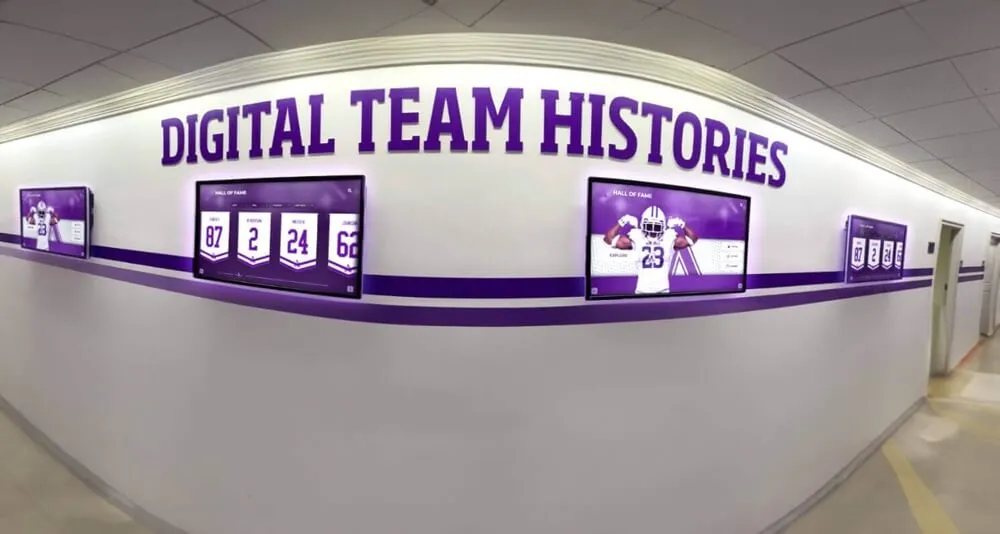
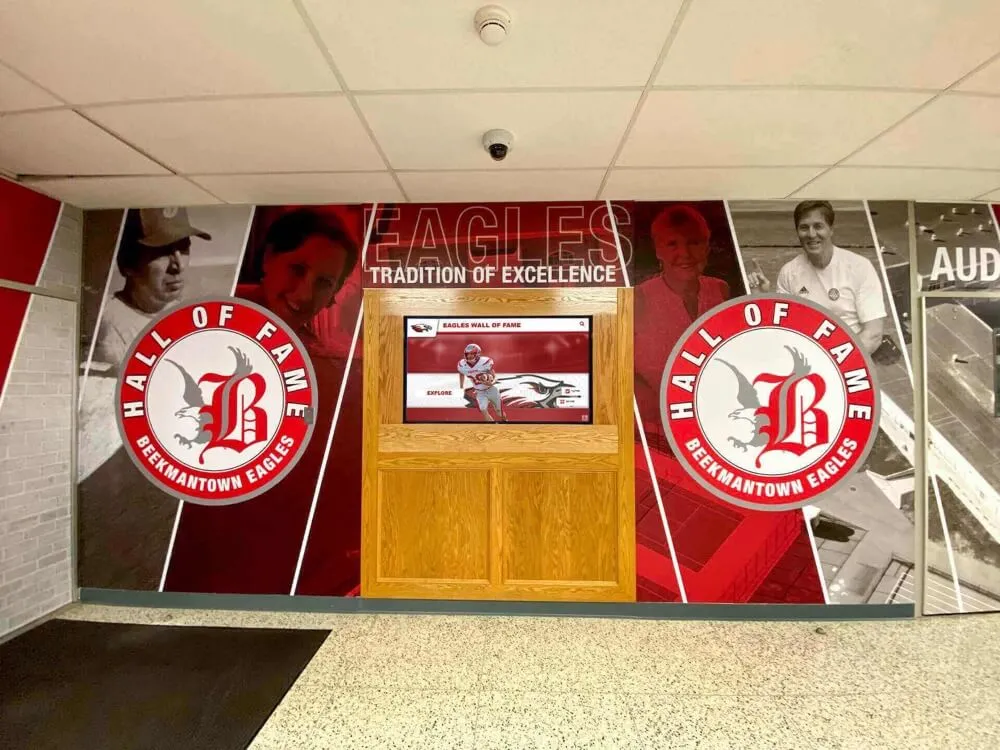
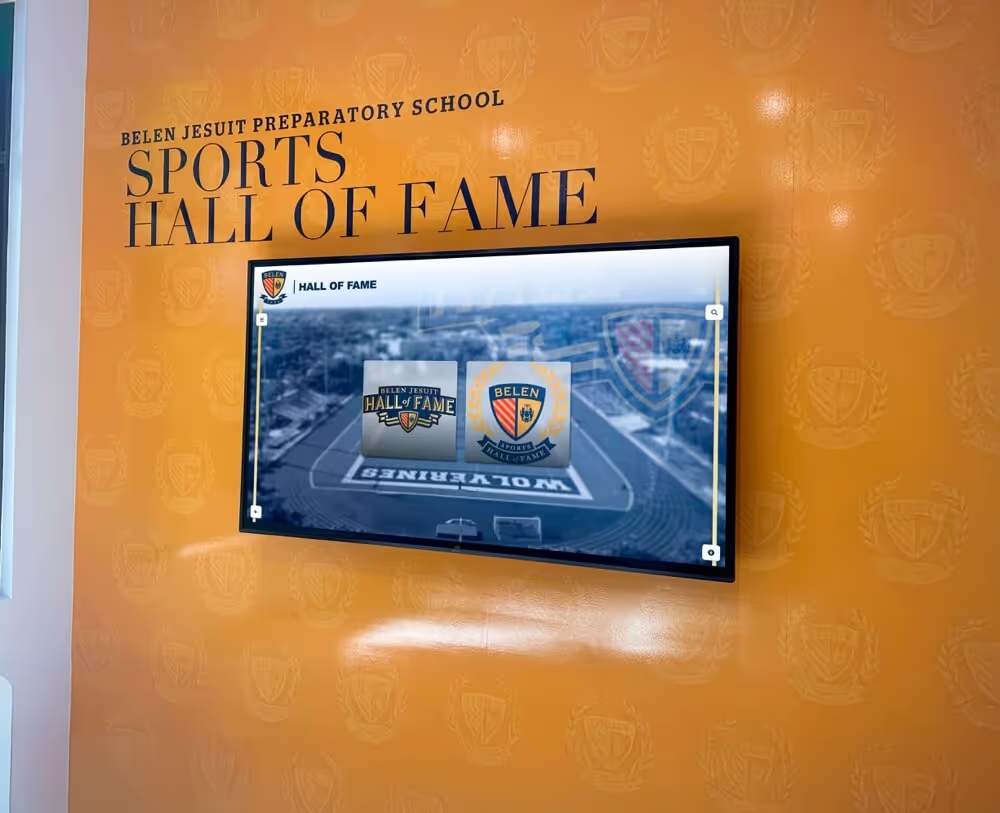
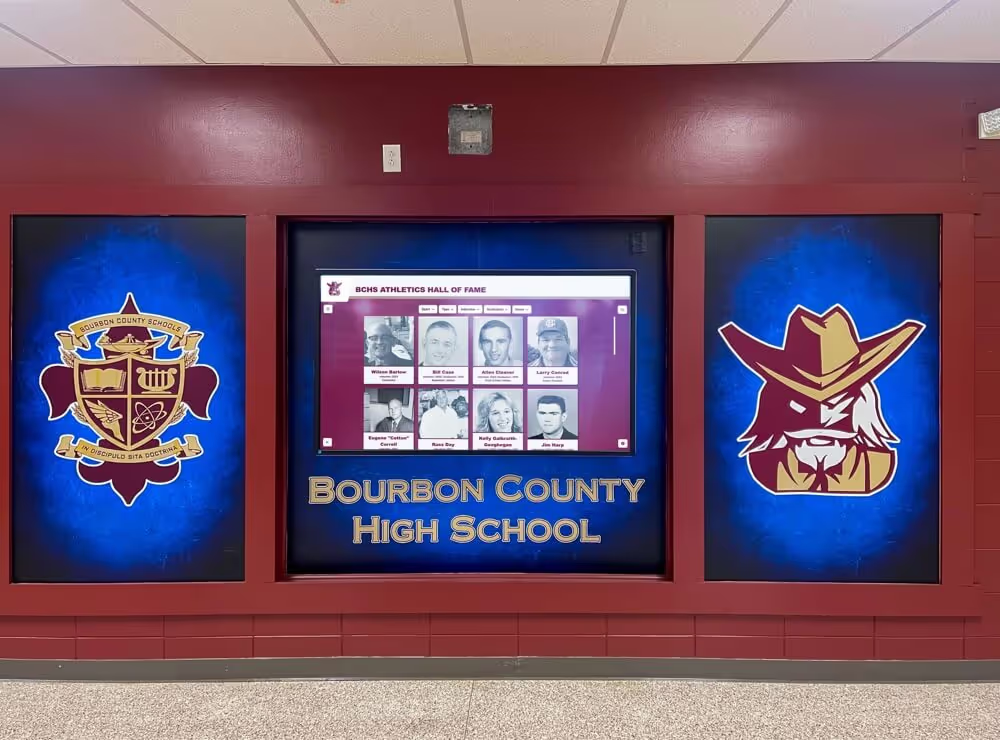
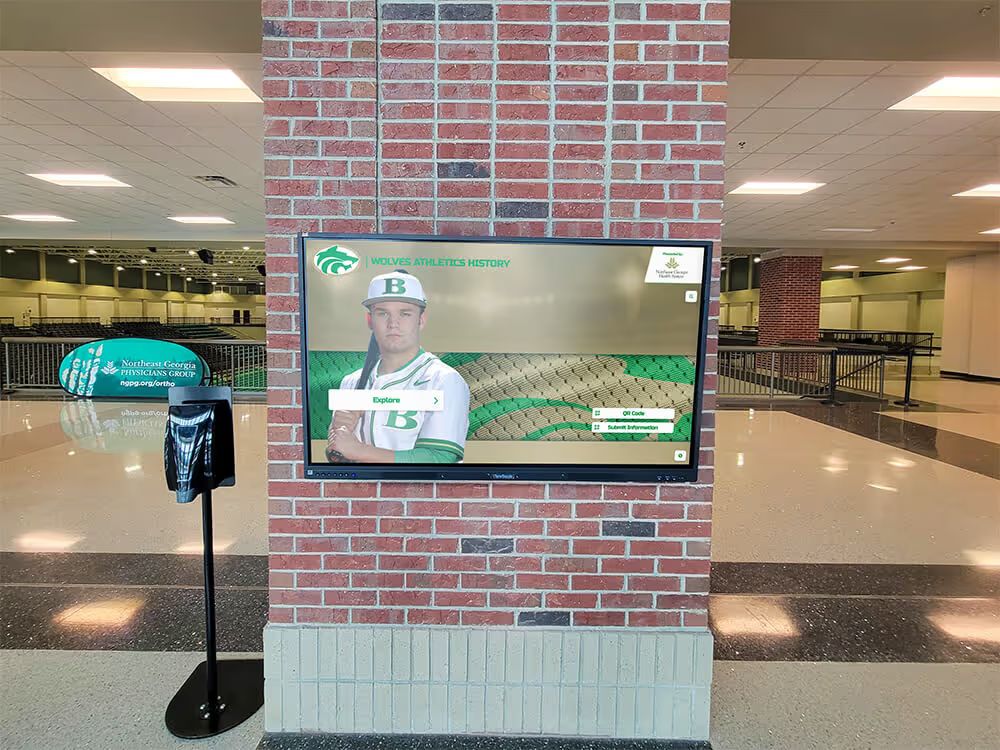
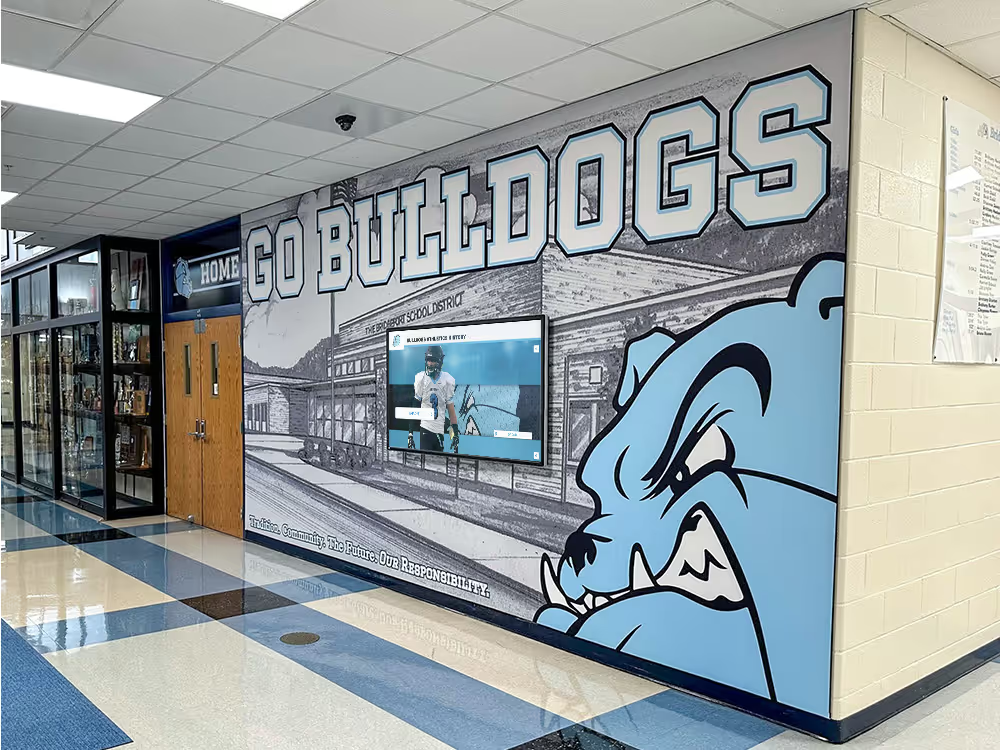
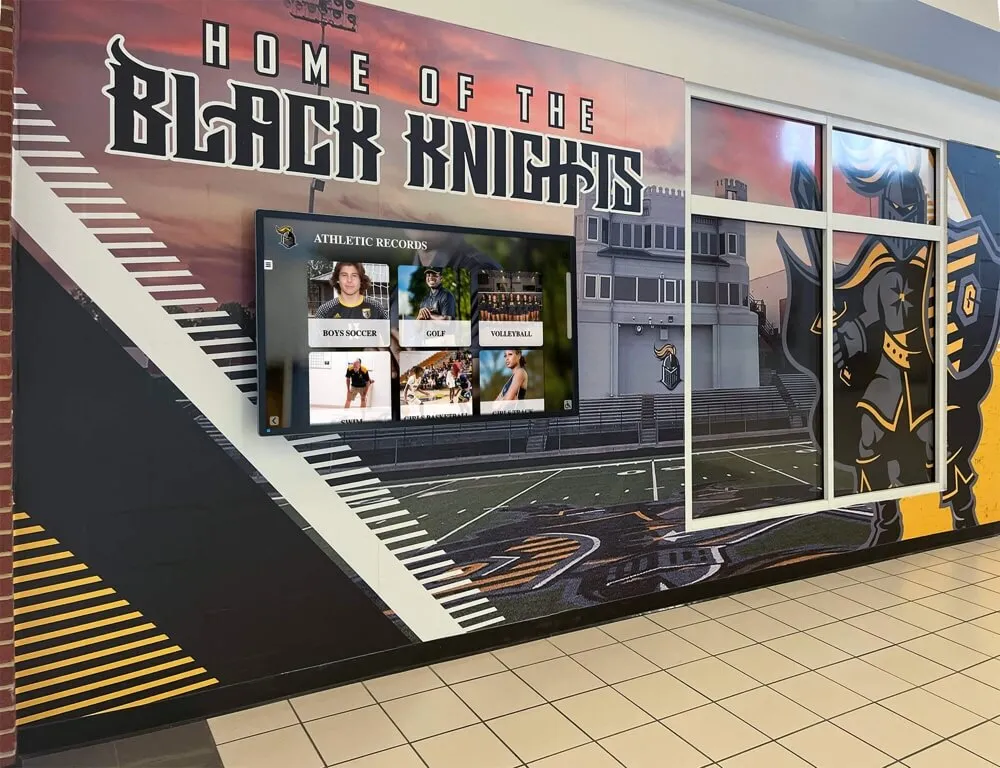
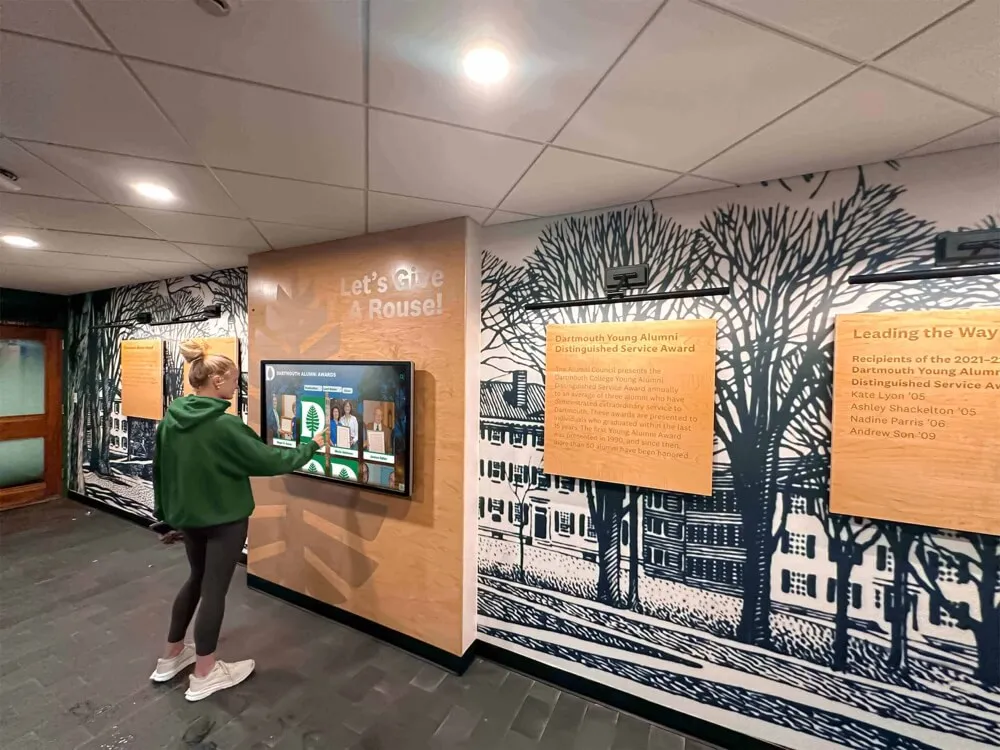
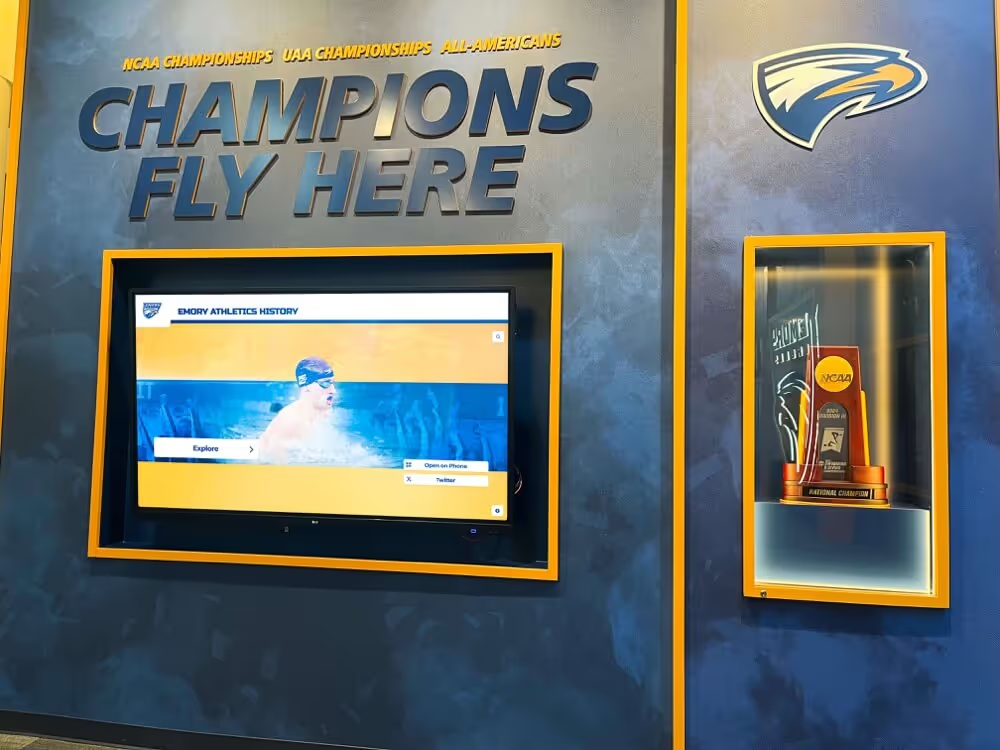
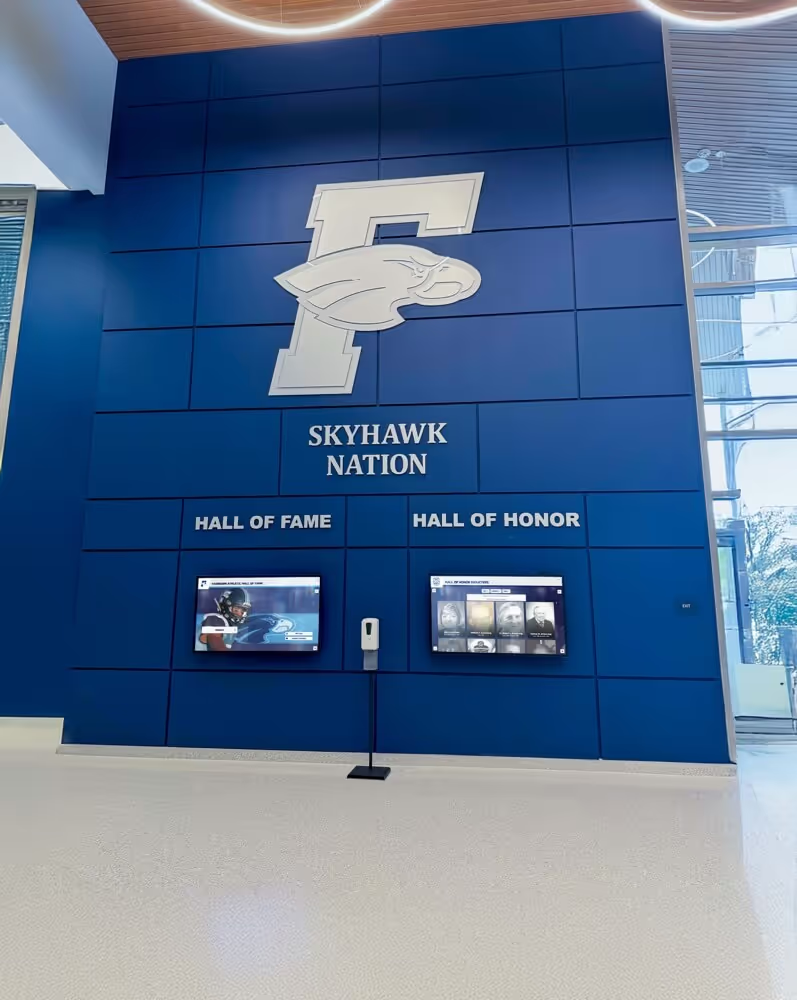
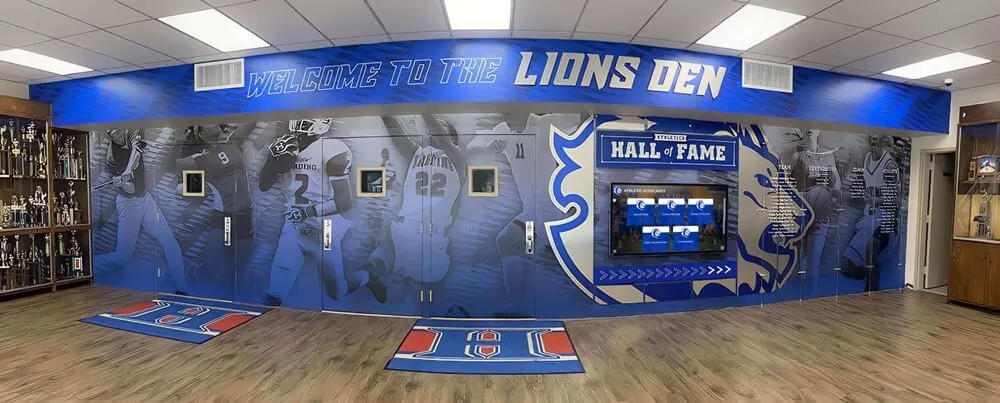
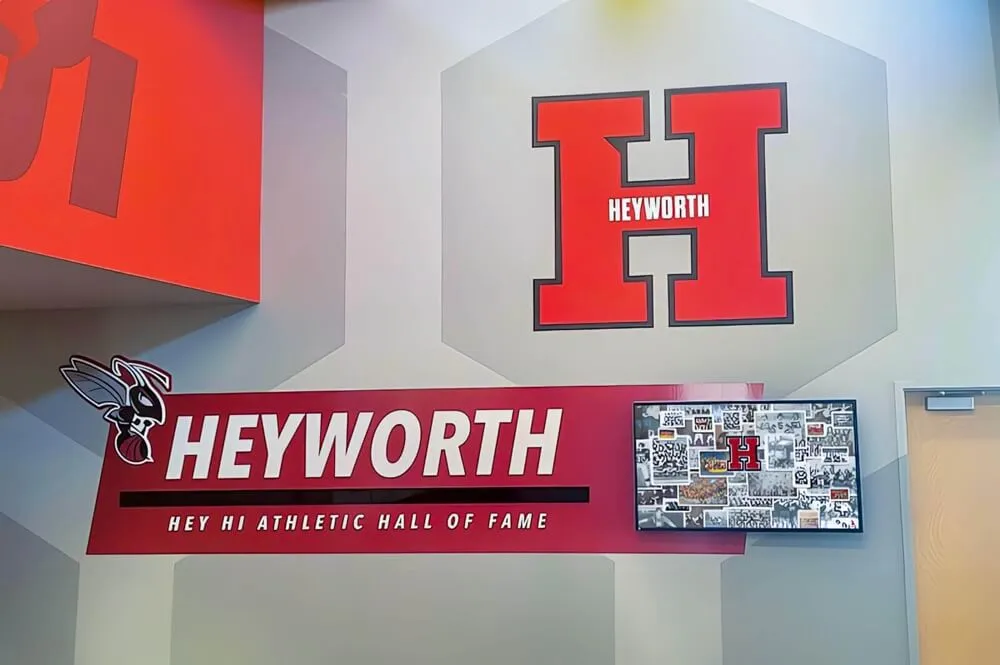
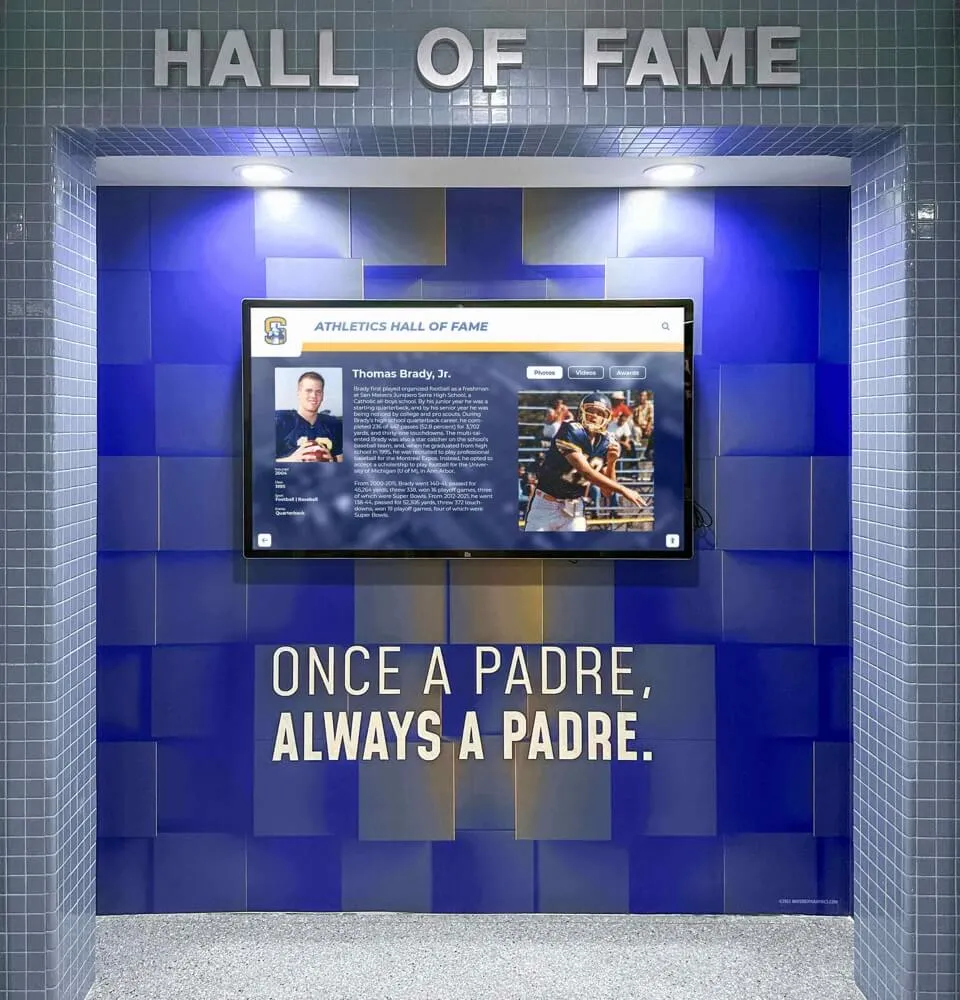
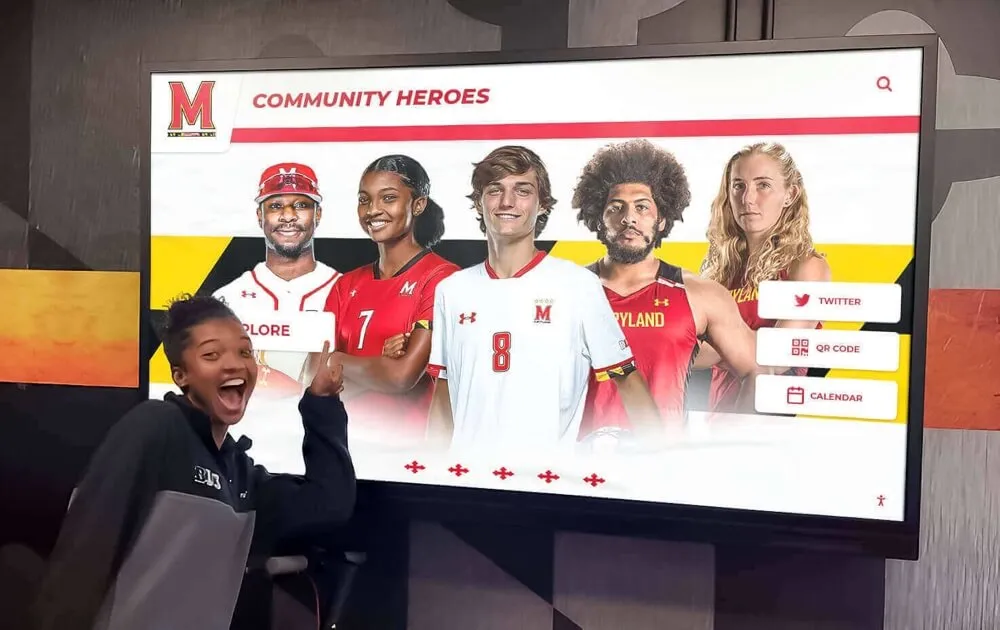
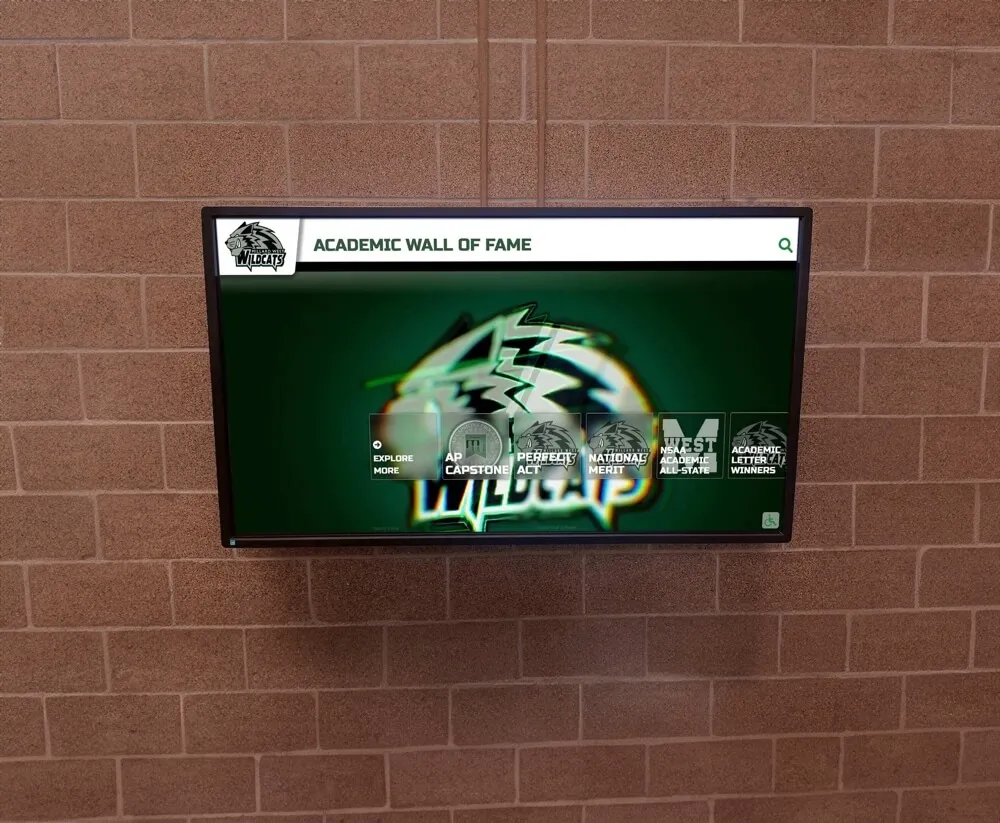
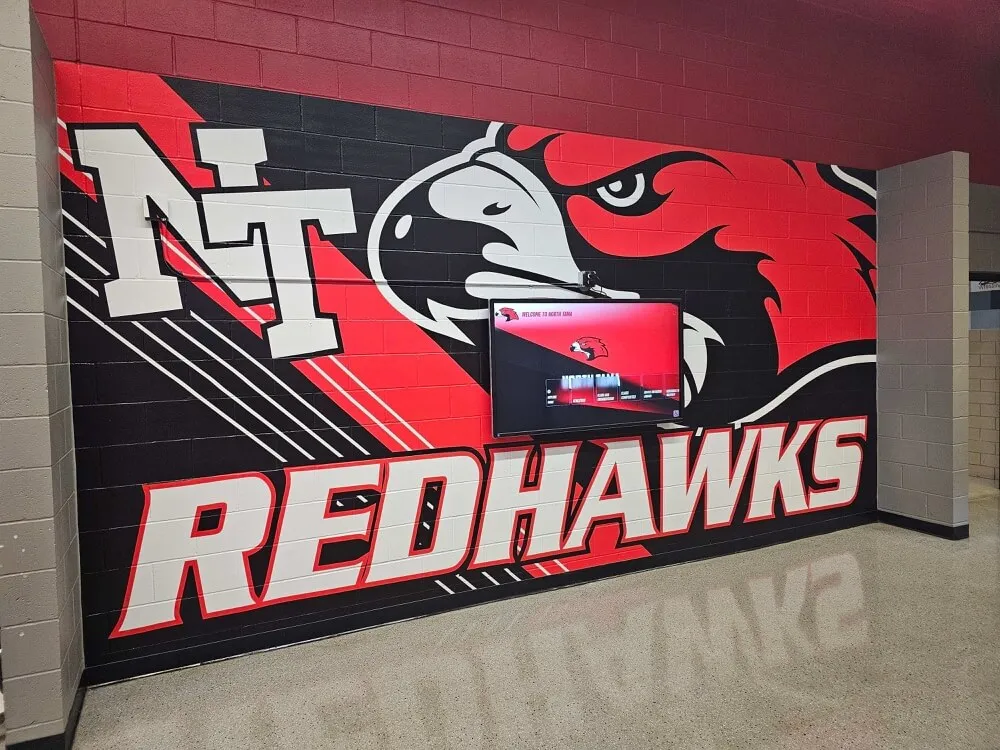
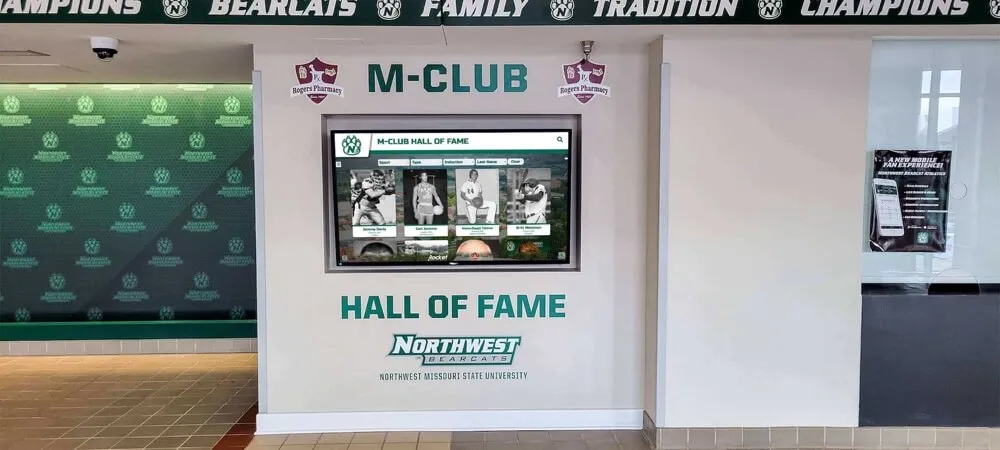
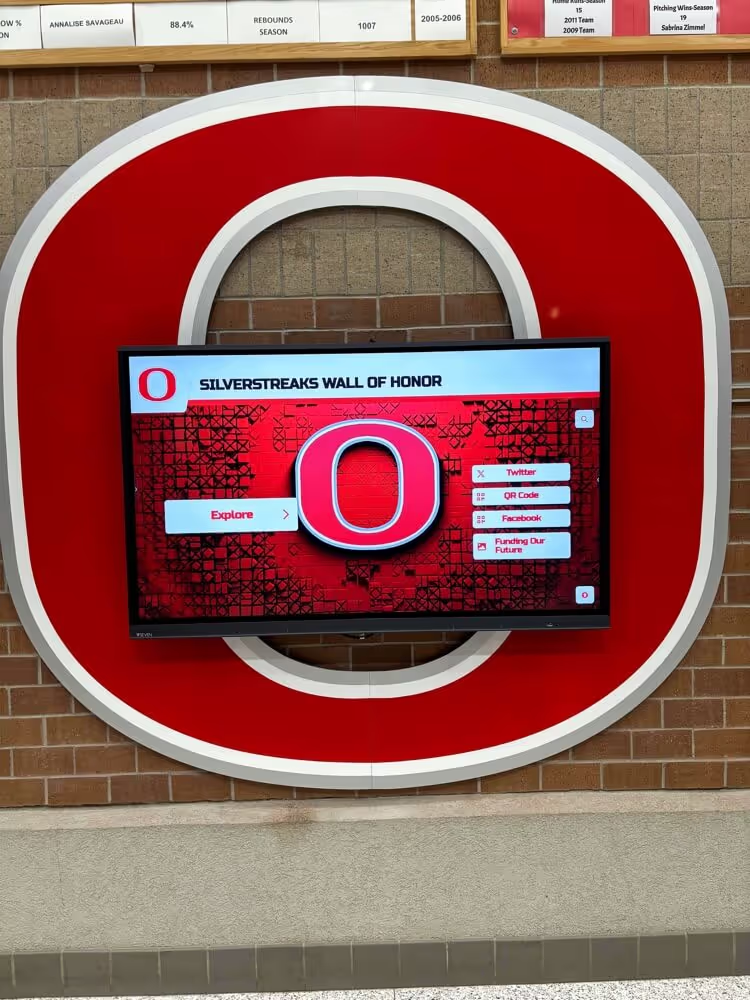
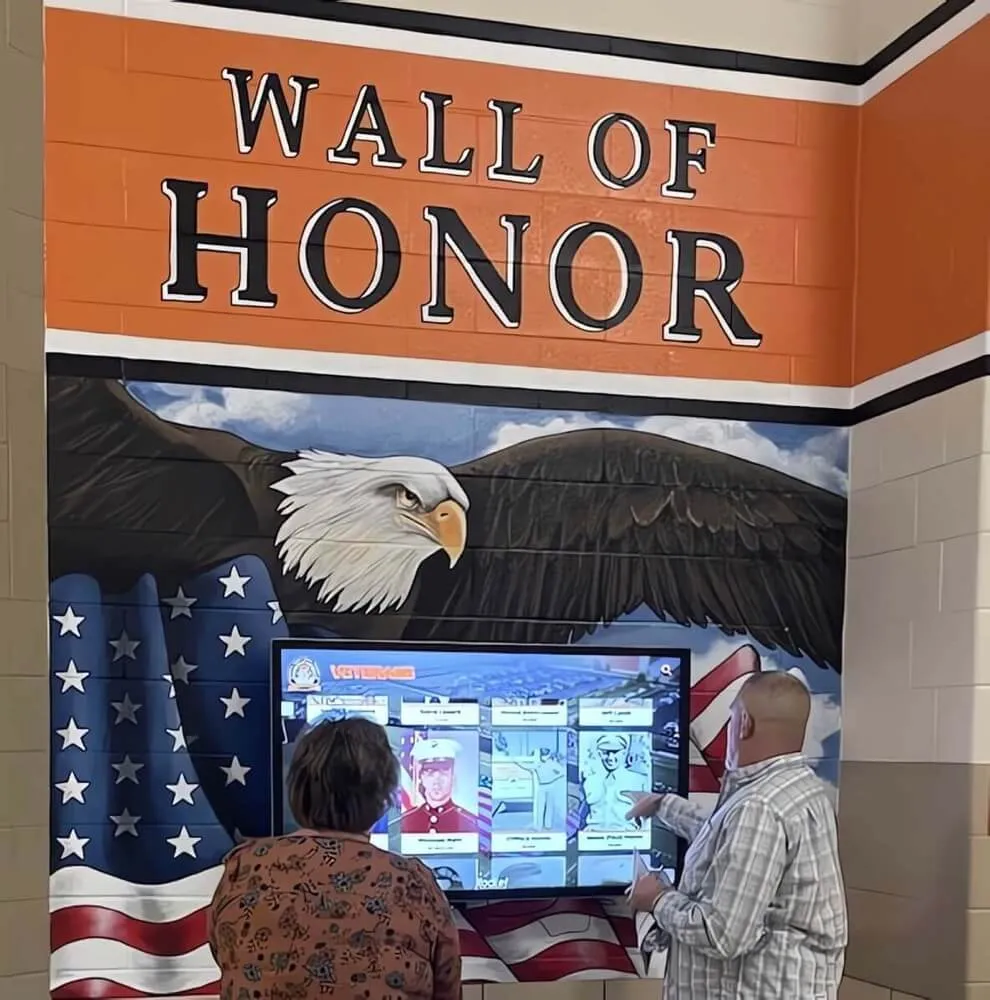
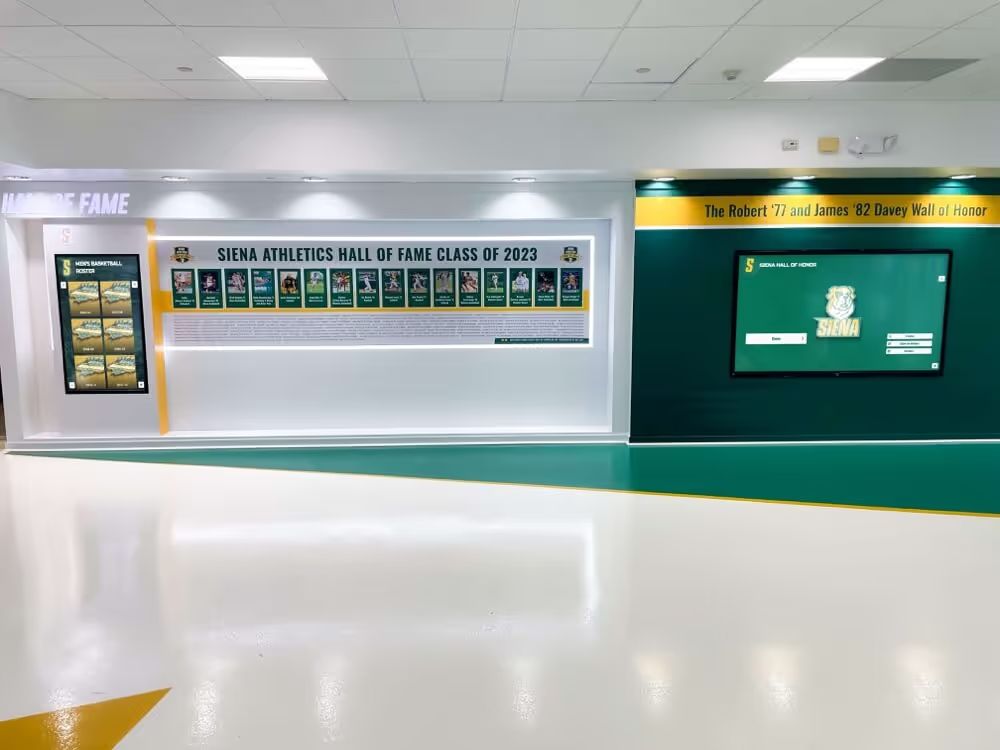
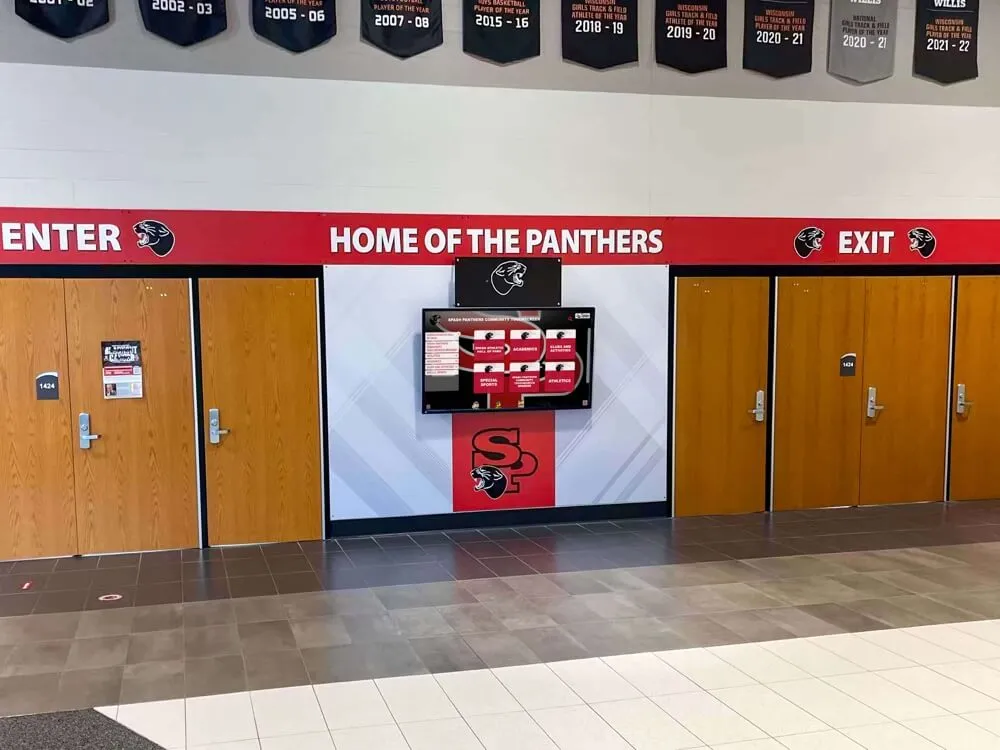
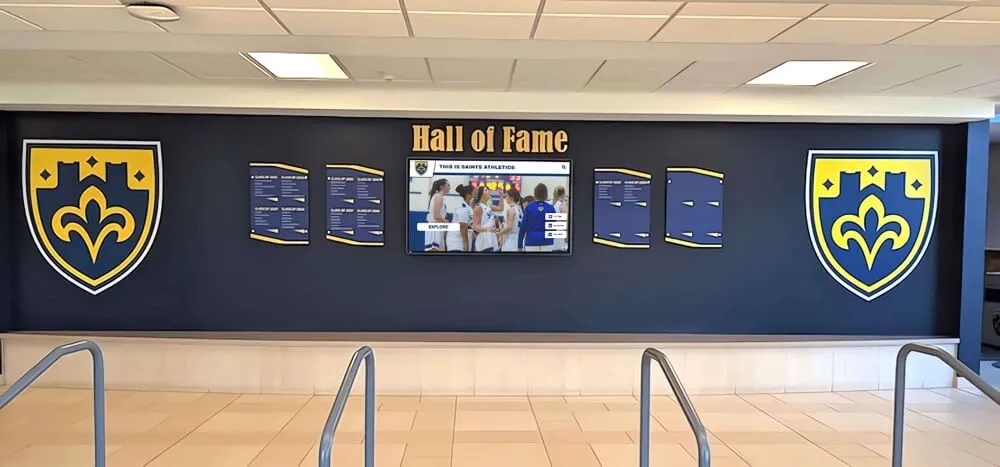
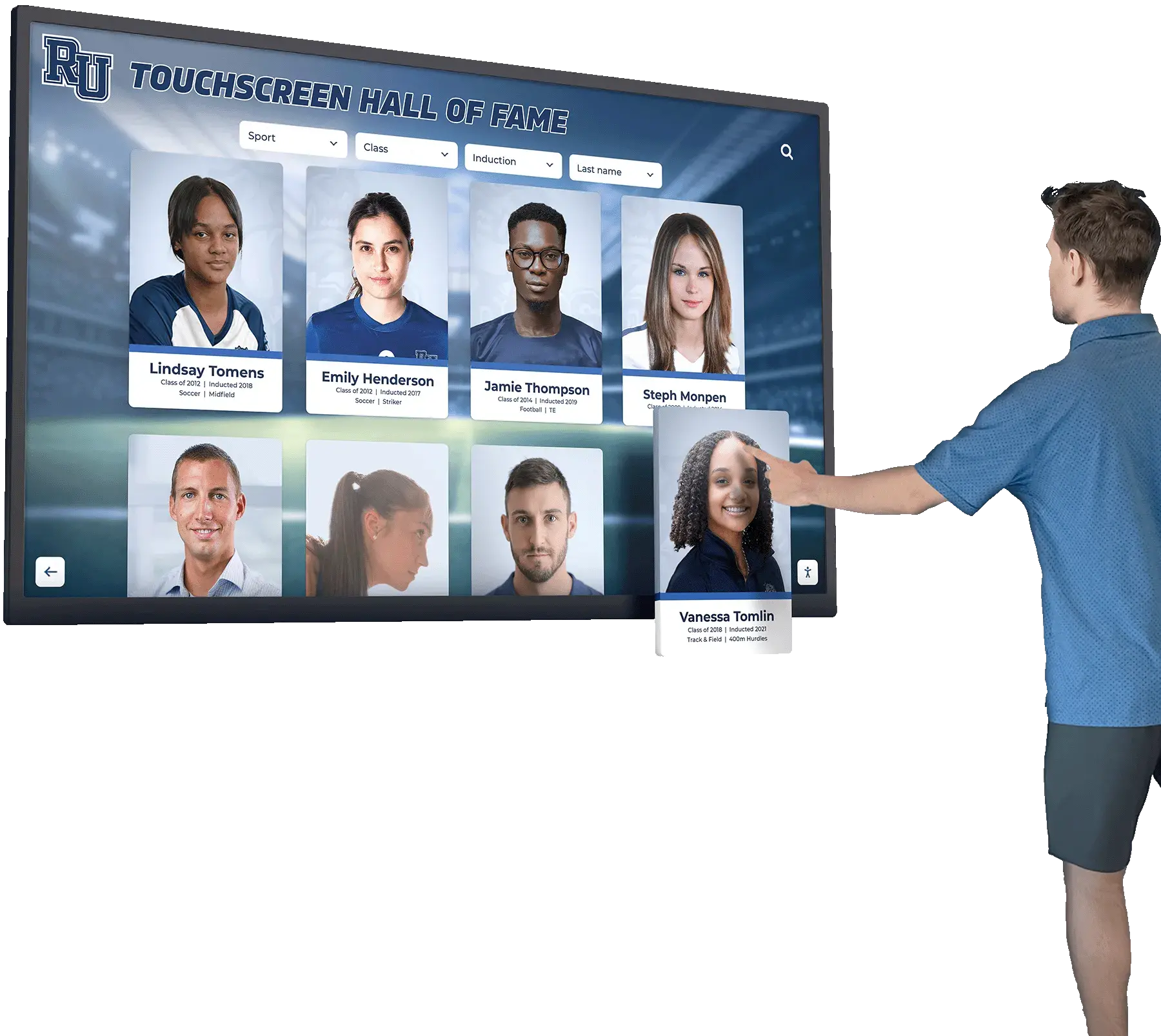
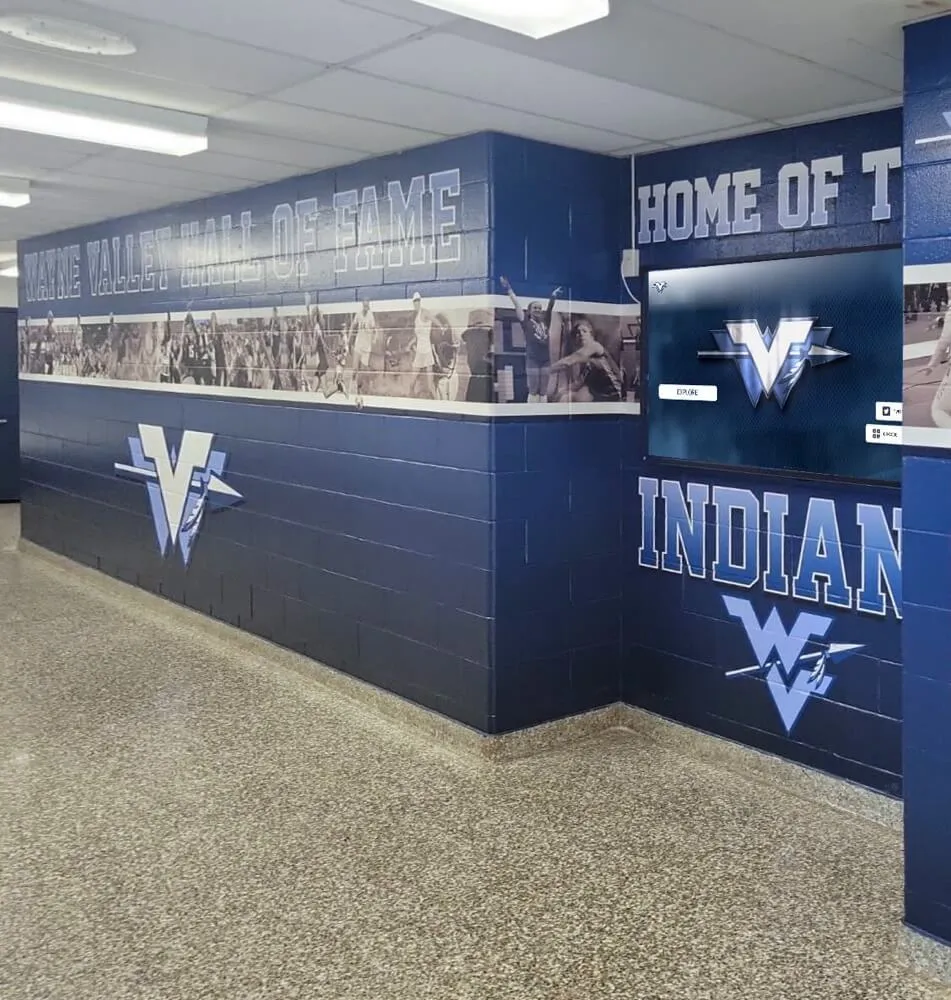
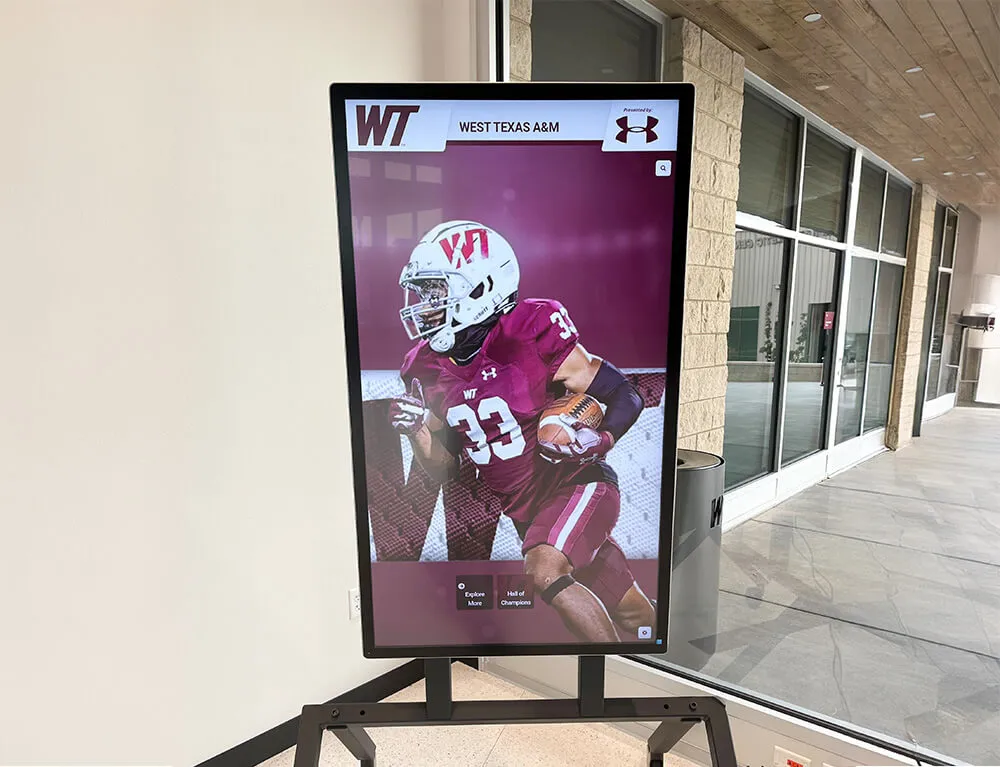
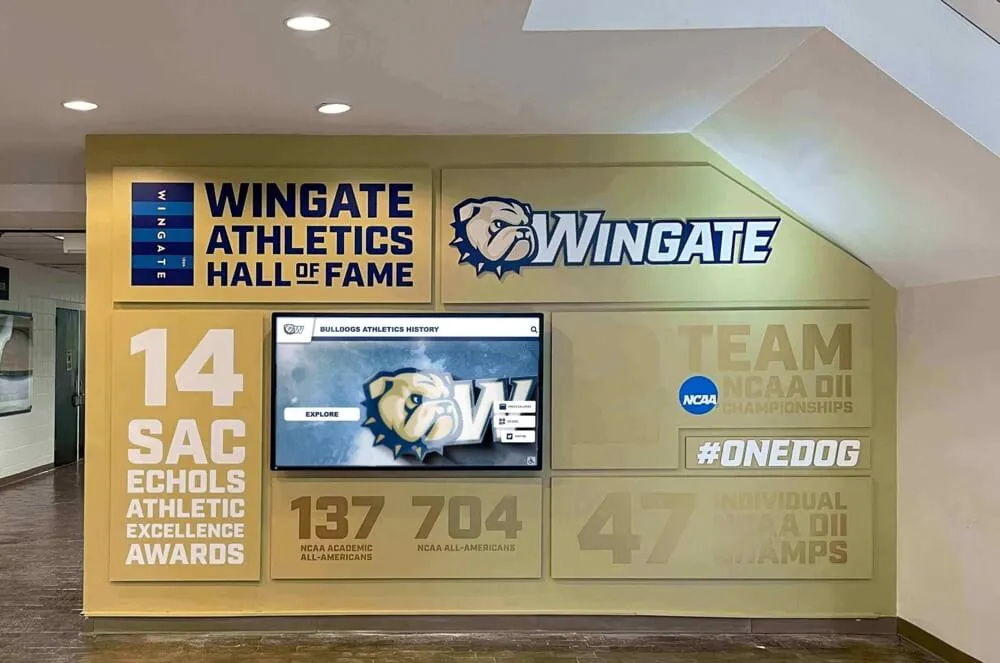
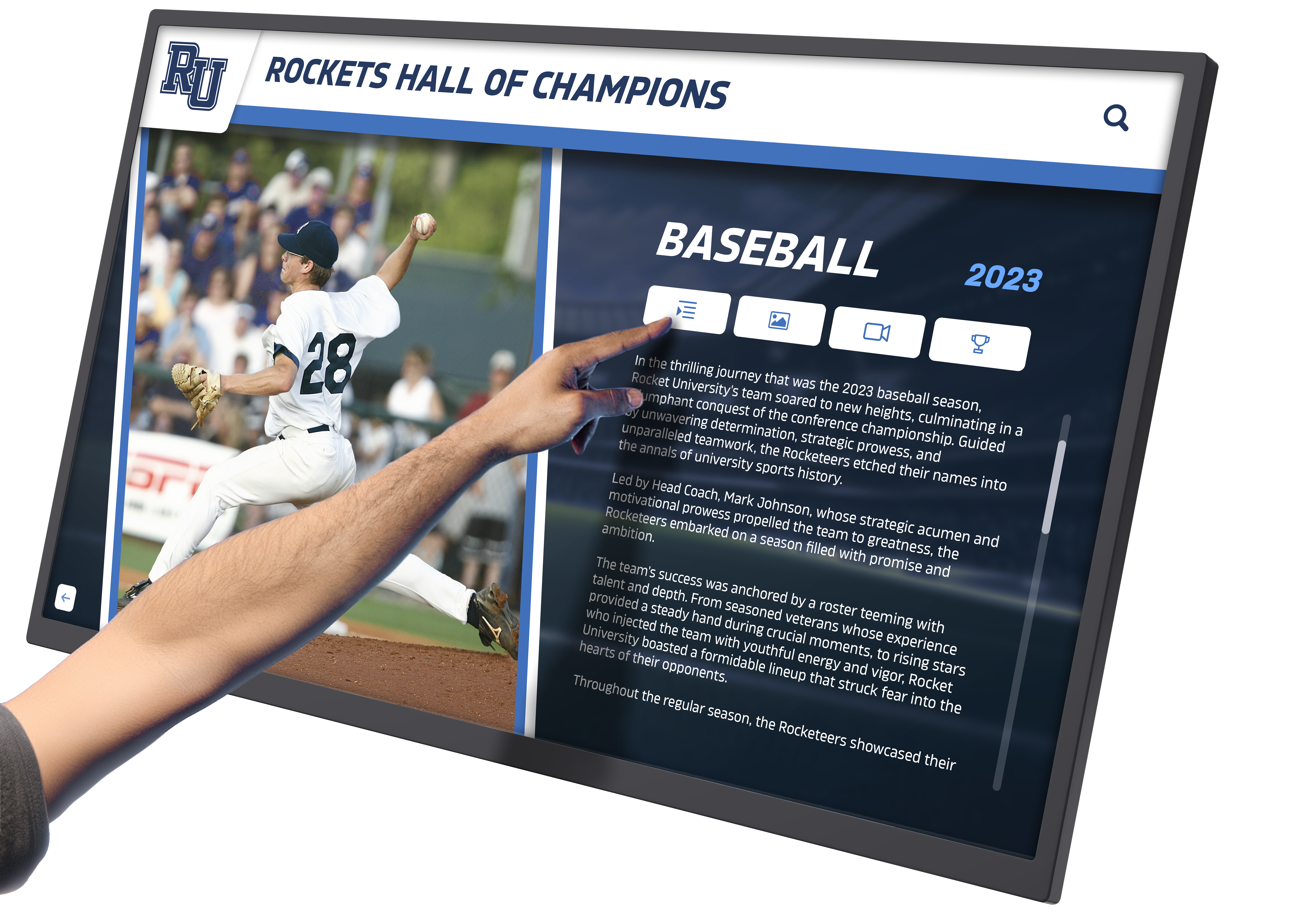
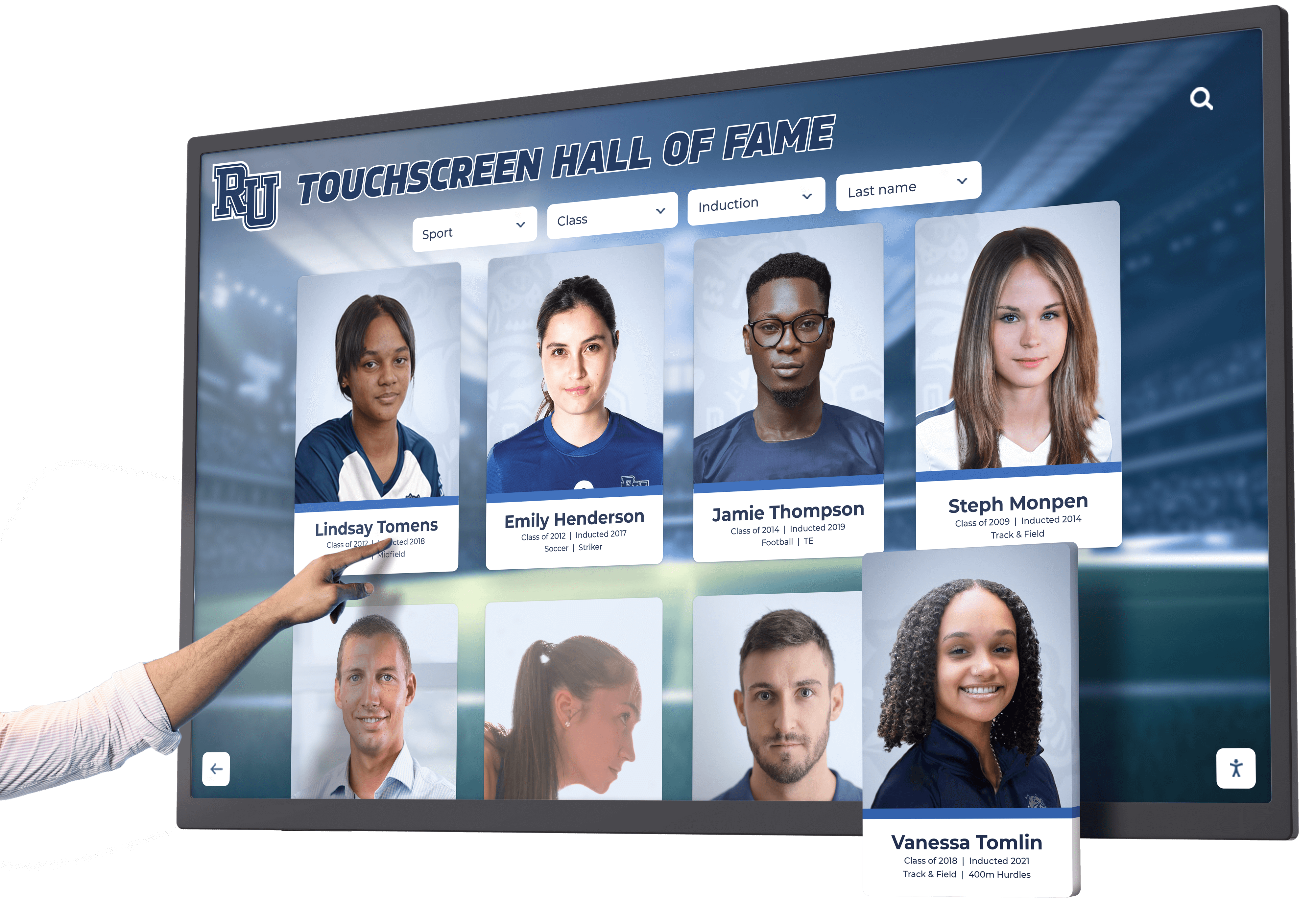
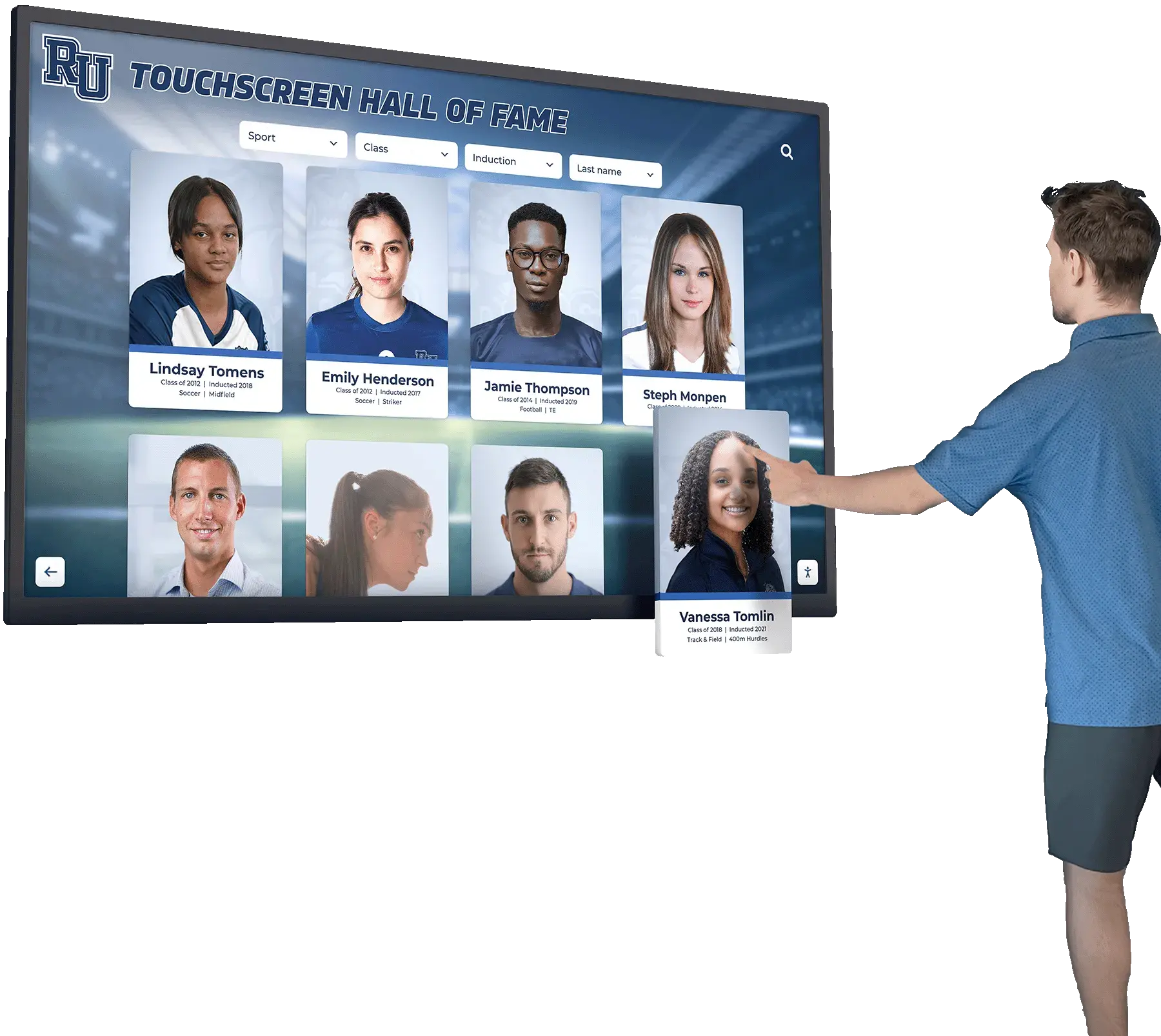
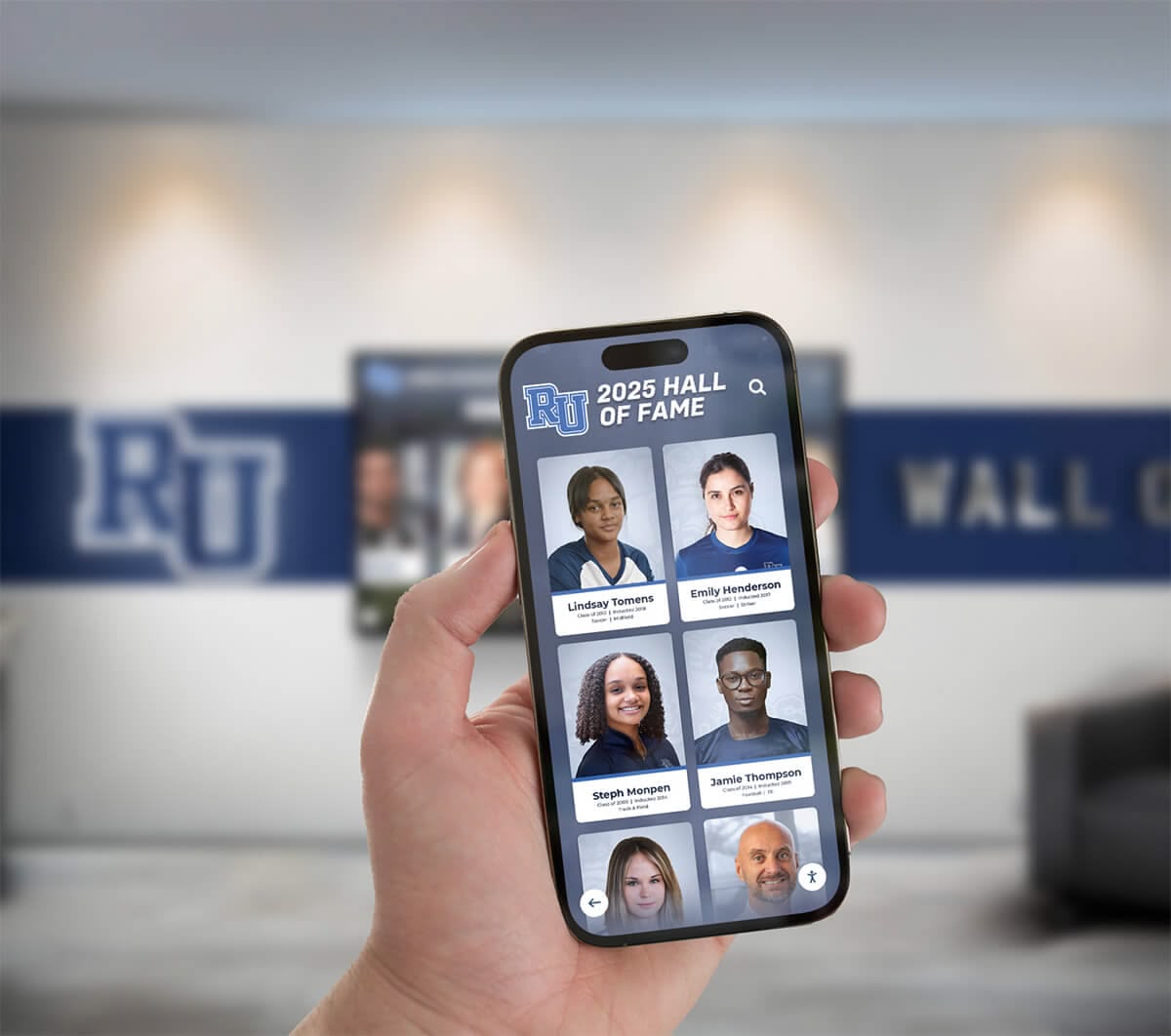
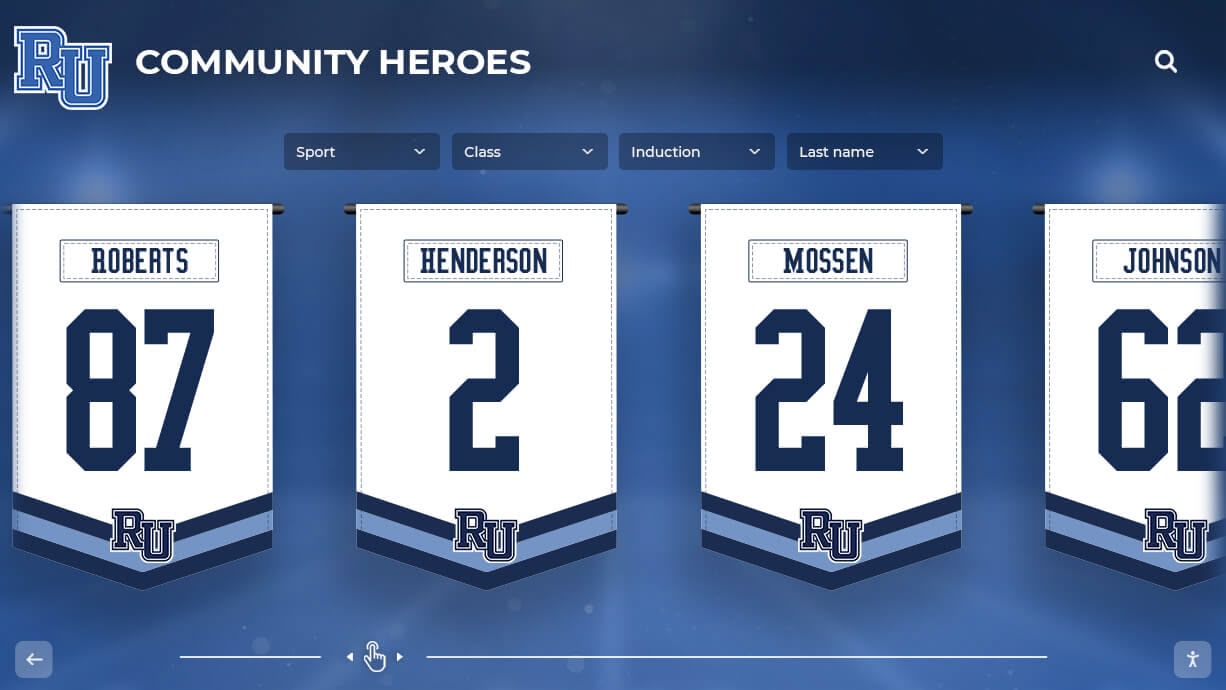
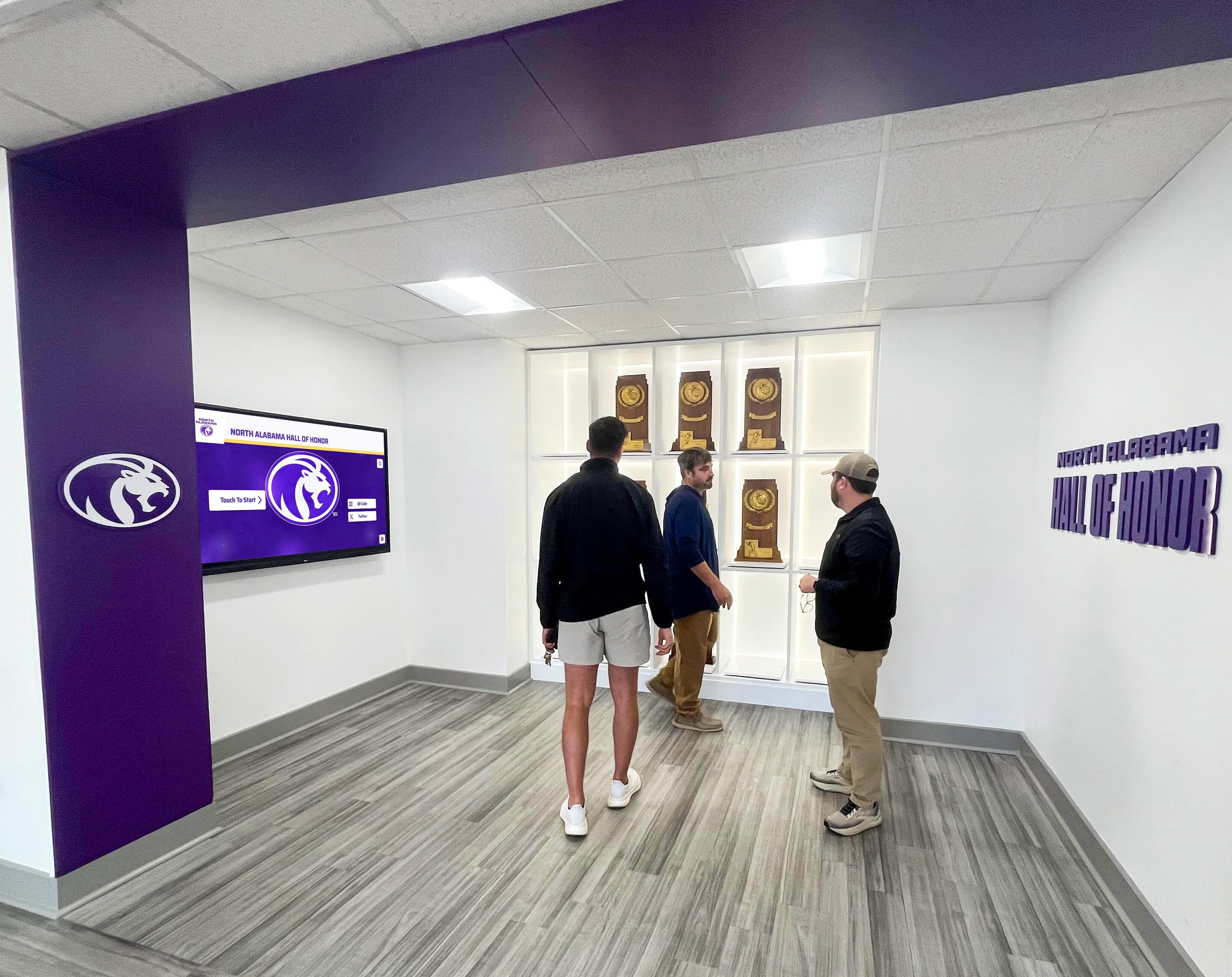
Solutions like Rocket Alumni Solutions provide digital recognition displays designed specifically for athletic programs, enabling comprehensive soccer achievement documentation without space limitations. A single touchscreen display can showcase hundreds of award recipients, player profiles with statistics and photos, team accomplishments across decades, and complete program histories. These systems create searchable archives preserving athletic recognition permanently rather than storing trophies in closets after brief display periods.
What Digital Soccer Recognition Enables:
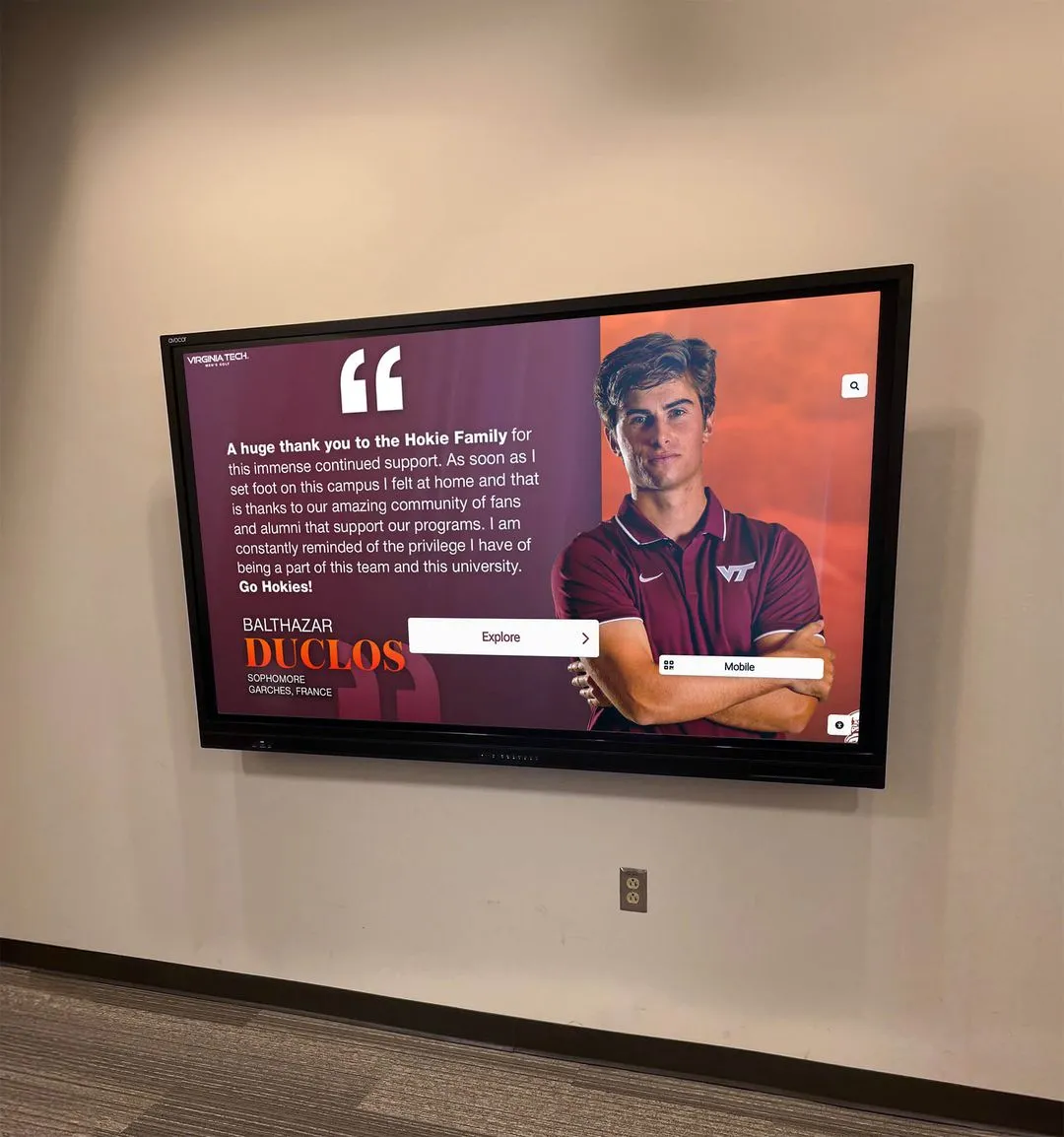
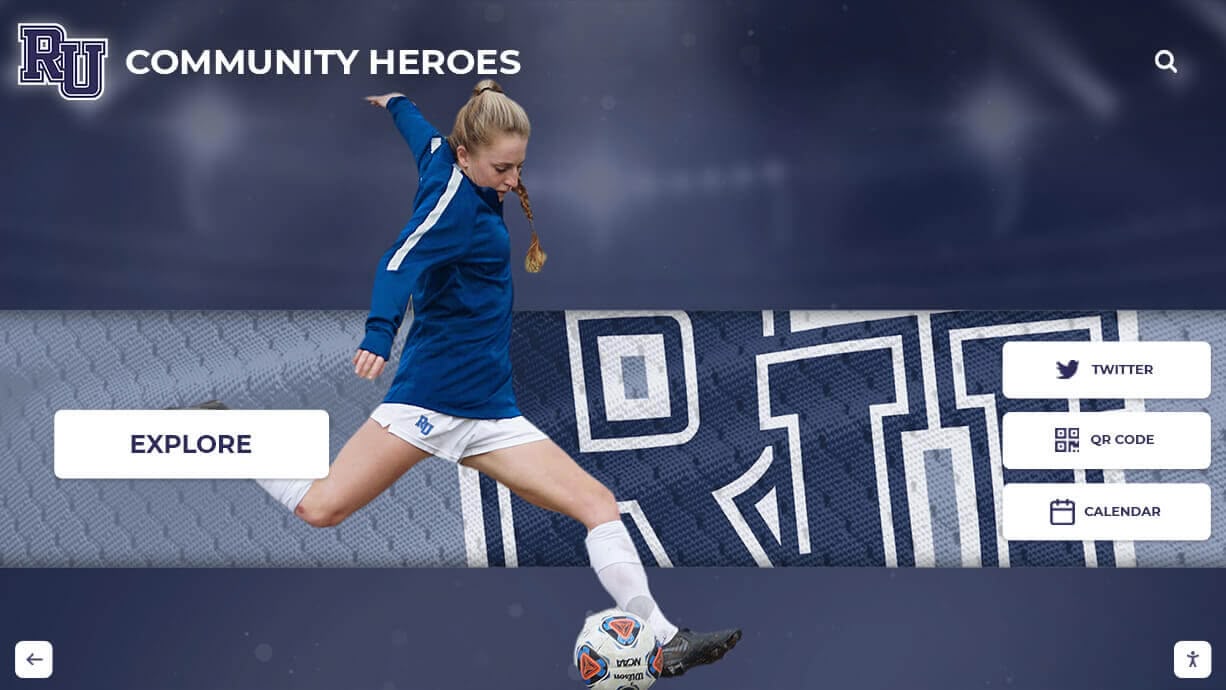
Digital platforms allow programs to include rich multimedia content impossible with traditional physical displays. Player profiles can feature action photos showing athletes in competition, detailed career statistics tracking goals, assists, games played, and other metrics, video highlight clips of memorable goals or saves, biographical narratives describing players’ journeys and accomplishments beyond statistics, and team photos documenting championship squads with complete roster identification.
This comprehensive documentation creates recognition depth that physical plaques cannot match. Twenty years later, alumni can return and find not just their names on lists but complete profiles celebrating their contributions with photos, statistics, and stories preserving memories that would otherwise fade or get lost as teams move forward.
Programs implementing digital sports recognition displays find that interactive technology significantly extends recognition impact while reducing maintenance compared to physical displays requiring constant updating. Content management occurs through cloud-based systems enabling authorized coaches to update awards immediately after seasons end rather than waiting weeks or months for trophy production and engraving.
Extending Recognition Beyond Facilities
Digital recognition platforms also enable accessibility beyond physical locations where displays exist. Web-based components allow players, families, and alumni to explore soccer achievements from anywhere rather than requiring facility visits during limited hours when buildings remain open.
This geographic extension proves particularly valuable for alumni who relocate after graduation but maintain connections to programs that shaped their athletic development. Former players living across the country or internationally can browse their achievements, find teammates, and explore how programs evolved since their playing days, maintaining bonds with soccer programs despite physical distance.
Social media integration amplifies recognition further by enabling players to share individual profiles across personal networks. When programs post player spotlights, award announcements, or team accomplishments on Facebook, Instagram, or Twitter, athletes can share content with extended family and friends, multiplying recognition visibility exponentially compared to displays only visible to those physically visiting athletic facilities.
Organizations exploring comprehensive athletic recognition programs discover that integrated digital approaches combining physical displays with web access and social amplification deliver recognition impact far exceeding traditional trophy case approaches while requiring less ongoing maintenance and cost than constantly producing new physical plaques and awards.
Implementation Considerations for Digital Soccer Recognition
Transitioning from traditional physical awards to digital recognition requires thoughtful planning ensuring successful implementations that genuinely serve players rather than creating technical complications or disappointments. Several factors determine whether digital recognition systems deliver promised value or become expensive mistakes.
Content Development Requirements:
The most common digital recognition implementation failure involves launching impressive technology with minimal content. Beautiful displays showcasing only handful of recent players fail to demonstrate comprehensive recognition’s potential value. Converting years or decades of soccer program history into digital profiles requires substantial effort coaches should anticipate during planning.
Consider phased approaches launching with recent years while systematically expanding historical coverage rather than attempting impossible perfect completeness preventing timely deployment. Better to launch with excellent 5-10 year foundation and expand progressively than delay indefinitely pursuing comprehensive documentation requiring hundreds of hours nobody has available immediately.
Platform Selection Criteria:
Not all digital recognition systems deliver equal capabilities or value. When evaluating vendors, prioritize purpose-built athletic recognition platforms like Rocket Alumni Solutions designed specifically for sports achievement showcasing over generic digital signage companies treating athletics as minor use cases requiring extensive customization.
Essential capabilities every soccer recognition platform should include are intuitive content management enabling coaches to add awards without technical expertise or vendor assistance, unlimited capacity for athletes and achievements without additional charges per profile, mobile-responsive web access alongside physical displays serving both on-site and remote audiences, powerful search and filtering enabling anyone to find specific players instantly, photo and video support showcasing soccer action and team celebrations, and complete data export in standard formats ensuring portability if you ever change vendors.
Schools considering digital hall of fame investments should evaluate vendors systematically against consistent criteria preventing impressive sales presentations from overshadowing practical considerations like content management ease or long-term total cost of ownership.
Implementing Effective Soccer Award Programs
Having comprehensive award ideas provides options, but effective recognition requires thoughtful program design ensuring awards maintain meaning, motivate players appropriately, and support developmental goals coaches establish for soccer programs.
Designing Balanced Recognition Systems
Programs should implement award structures balancing several competing considerations determining whether recognition feels meaningful or perfunctory. How many awards should soccer programs offer? Too few means most players never receive recognition, potentially discouraging continued participation, particularly among less naturally talented athletes contributing through effort and character despite limited playing time. Too many awards risk making recognition feel meaningless when everyone receives multiple honors regardless of actual merit or distinctive contribution.
Tiered Recognition Approaches:
Consider implementing tiered structures creating multiple recognition levels serving different purposes. Core awards acknowledge clear excellence through categories like MVP, Golden Boot, Defensive Player of the Year, and Goalkeeper of the Year. These prestigious honors recognize standout performers demonstrating sustained excellence throughout seasons.
Developmental awards recognize improvement and character through categories like Most Improved Player, Hardest Worker, Sportsmanship Award, and Leadership Award. These awards celebrate progress and qualities programs want to encourage regardless of whether players reach elite performance levels yet.
Participation recognition ensures all players receive some acknowledgment through categories like Perfect Attendance, Team Spirit, or Commitment Awards. While maintaining lower prestige than performance awards, participation recognition validates that showing up, working hard, and remaining invested in programs matters even when playing time or performance remains limited.
This three-tiered approach maintains meaningful distinction between different achievement levels while ensuring all players experience some validation, preventing situations where half the team receives nothing while select stars collect multiple awards creating resentment rather than motivation.
Age-Appropriate Recognition Philosophy
Youth soccer programs serving elementary age players should emphasize recognition focused on participation, effort, and enjoyment rather than competitive distinctions. At these ages, primary developmental goals involve skill acquisition, love of sport, and positive athletic identity formation rather than winning. Awards acknowledging improvement, effort, sportsmanship, and team contribution prove more appropriate than primarily honoring statistical leaders since young players develop at dramatically different rates making performance comparisons potentially discouraging.
As players mature into middle school and high school ages, programs can incorporate increasingly competitive recognition as developmental goals shift toward excellence and preparation for higher competition levels. Older players can handle awards distinguishing performance levels more clearly since competitive aspirations develop and players self-select into programs matching their commitment and ability levels.
Adjust award emphasis based on age: younger programs emphasize character and effort awards more heavily, older programs increasingly incorporate performance-based recognition, and high school programs can implement sophisticated recognition acknowledging both elite performance and comprehensive character development appropriate for college-bound athletes.
Clear Criteria and Transparent Selection
Recognition programs maintain credibility through clear criteria and transparent selection processes preventing perceptions of favoritism or arbitrary decision-making. Each award should have defined standards communicated at season start so players understand what they’re working toward rather than discovering criteria only when winners get announced.
Selection Method Options:
Different selection approaches offer different advantages appropriate for various award types. Coach selection proves appropriate for comprehensive evaluation awards like MVP or Most Improved where coaches observe full practices and games understanding effort and contribution beyond just public performances. Statistical selection removes perception of favoritism for performance awards with objective metrics like Golden Boot or Assist Leader where numbers tell clear stories.
Peer voting validates teammate recognition for awards like Best Teammate or Team Spirit where daily interactions matter more than what coaches observe. Teammates see aspects of player character and contribution coaches may miss, making peer perspective valuable for awards emphasizing relationships and team culture.
Combination approaches balance different perspectives through methods like coaches selecting finalists and teammates voting final winners from shortened lists, or statistical leaders automatically receiving nominations with final selections considering additional factors beyond pure numbers.
Avoiding Favoritism Perceptions:
Recognition loses impact when players perceive favoritism or predetermined outcomes regardless of performance or contribution. Selection processes should be demonstrably fair, based on observable evidence rather than relationships or politics, and free from bias based on playing time, parental pressure, or personal relationships between coaches and certain players or families.
When coaches explain award decisions with specific examples of why winners earned recognition, transparency demonstrates fairness while also teaching players what excellence looks like concretely. This detailed explanation makes recognition feel personal and earned rather than generic or arbitrary.
Ceremony and Presentation Best Practices
How recognition is presented determines whether awards create memorable impact or feel rushed and perfunctory. Presentation quality matters as much as award selection for creating meaningful recognition experiences players remember years later.
Event Format Options:
Formal award ceremonies or team banquets create special occasions focused entirely on recognition where families can attend, anticipation builds, and programs demonstrate that recognition deserves dedicated attention. Banquets allow extended celebration with video highlights, coach speeches, player presentations, and social time creating comprehensive celebration events rather than brief acknowledgments squeezed into regular practice time.
Some programs prefer integrating award presentations into final team meals, concluding practices, or community celebrations. These approaches create less formal but still meaningful recognition while requiring less planning than full banquet events. The best format depends on program resources, team size, community expectations, and coach preferences.
Regardless of format, public presentation proves important whenever possible. Presenting awards in front of teammates, families, or communities makes recognition memorable while communicating to others what programs value through which achievements receive celebration and emphasis.
Physical Award Elements:
Even when using digital recognition as primary documentation platform, consider providing physical components players can keep permanently. Certificates, small trophies, medals, custom t-shirts, or framed photos create tangible reminders with sentimental value persisting long after ceremonies end. Physical items allow players to display recognition in bedrooms or homes, creating ongoing visible reminders of achievements and program membership.
Many programs implement comprehensive recognition approaches combining physical certificates or trophies with digital documentation preserving achievements permanently in searchable online databases. This dual approach provides both immediate tangible recognition and long-term accessible documentation, delivering maximum impact across multiple recognition formats players value differently.
Budget-Friendly Soccer Award Ideas
Not all programs command large budgets for elaborate award systems. Effective recognition remains possible regardless of financial constraints through creative approaches prioritizing meaning over expensive materials.
Cost-Effective Physical Awards
Certificates: Custom-designed certificates printed on quality paper cost dollars per player while providing professional-looking recognition suitable for framing. Templates available through design tools like Canva enable coaches without graphic design expertise to create attractive certificates quickly. Include program logos, player names, specific award descriptions, signatures, and dates creating personalized documents more meaningful than generic certificates.
Team-Made Awards: Involve players in creating awards through art projects making recognition special through personal touches rather than purchased expense. Paint or decorate soccer balls, create custom plaques using craft store materials, design team t-shirts celebrating achievements, or assemble memory books with photos and teammate messages. These handmade awards often carry more sentimental value than expensive trophies because teammates created them specifically for award recipients.
Digital-Only Recognition: Web-based player profiles with photos, statistics, and accomplishment descriptions cost nothing beyond time required for content creation. Post recognition on team websites, share through social media, or create simple Google Sites documenting achievements. While lacking physical presence of trophies, digital documentation persists permanently and reaches broader audiences than physical awards visible only to those visiting specific locations.
Repurposed Materials: Game-worn equipment like signed balls or jerseys, printed action photos from season games, or laminated highlight statistics create meaningful recognition from resources programs already possess. These items carry authentic connection to actual competition creating sentimental value exceeding generic purchased awards.
Free or Low-Cost Recognition Events
Team Pizza Parties: Combine award presentations with team meals requiring minimal cost beyond food. Pizza parties create celebratory atmosphere appropriate for recognition while remaining affordable for programs with tight budgets. Present awards during meals, show season highlight videos, and create casual social environment where players celebrate together.
Park Gatherings: Host recognition picnics at public parks eliminating facility rental costs while enabling families to attend. Outdoor settings work particularly well for informal recognition approaches where ceremony formality matters less than team togetherness and celebration.
Season-Ending Practice Events: Dedicate final practices to recognition, skills challenges, and fun scrimmages combining awards with celebratory activities players enjoy. This approach requires zero additional cost while creating meaningful closure to seasons in contexts players find comfortable and enjoyable.
Virtual Recognition Events: If in-person gatherings prove difficult, consider video call recognition events enabling families to participate regardless of location while eliminating venue costs entirely. Share screen presentations showing highlight videos, announce awards with brief explanations, and create digital certificates distributed via email after events.
Programs implementing end-of-season recognition on limited budgets discover that meaning comes from thoughtful acknowledgment and genuine appreciation rather than expensive trophies or elaborate events. Focus limited resources on creating personal, specific recognition communicating genuine appreciation for players’ contributions rather than trying to match wealthier programs’ trophy displays.
Conclusion: Creating Soccer Recognition That Matters
Soccer awards represent far more than trophies acknowledging seasonal performance. When implemented thoughtfully, recognition programs create systematic validation of athletic achievement, character development, and diverse contributions across positions requiring vastly different skills. Effective recognition motivates continued effort, communicates program values clearly, builds positive team culture, creates lasting memories, and demonstrates that coaches genuinely notice and appreciate what players accomplish and how they conduct themselves.
The award ideas presented throughout this guide provide frameworks soccer programs can adapt based on their contexts, competitive levels, age groups, and developmental priorities. Programs need not implement every category discussed—thoughtful selection of awards addressing specific program goals and player populations proves more effective than overwhelming systems with excessive categories nobody can track meaningfully.
Effective soccer recognition programs share common characteristics regardless of specific awards chosen: clear fair criteria consistently applied across all players, multiple recognition categories celebrating various contributions beyond just goal-scoring, balance between performance recognition and character acknowledgment, age-appropriate emphasis matching developmental stages, meaningful presentation creating memorable experiences, transparent selection processes maintaining credibility, accessible documentation providing lasting visibility, and integration of families and communities amplifying recognition impact.
Modern solutions like Rocket Alumni Solutions provide comprehensive platforms designed specifically for athletic recognition, offering intuitive content management, engaging interactive displays, unlimited award capacity, web and mobile access, and proven approaches helping soccer programs build the recognition cultures young athletes deserve. Whether implementing traditional trophy programs, digital recognition displays, or comprehensive integrated systems combining both approaches, thoughtful planning ensures recognition serves developmental goals appropriately while honoring achievement meaningfully.
Ready to transform how your soccer program recognizes player achievement? Comprehensive digital recognition solutions honor athletic excellence while building sports cultures where diverse contributions receive acknowledgment and all participants feel genuinely valued. Your players accomplish remarkable things every season—effective recognition programs ensure those accomplishments receive celebration motivating continued excellence and creating memories lasting lifetimes.
Explore recognition solutions designed specifically for soccer programs that make honoring athletic achievement easier, more engaging, and more meaningful than traditional approaches while building team cultures where every player feels valued for their unique contributions to team success.