



Key Takeaways
Learn how to create impactful service award programs that truly recognize dedication. Discover best practices for honoring employees, volunteers, faculty, and staff with meaningful recognition.
Service awards represent far more than commemorative plaques gathering dust on office shelves. When implemented thoughtfully, recognition programs celebrating years of service create cultures where dedication receives genuine appreciation, loyalty becomes valued rather than expected, and long-term commitment inspires others throughout the organization. Yet many institutions—from schools and universities to nonprofits and businesses—struggle to move beyond perfunctory recognition that feels obligatory rather than meaningful.
The difference between service awards that genuinely impact organizational culture and those that become forgettable formalities lies not in budget or elaborate gifts, but in intentional program design that prioritizes authentic recognition over bureaucratic box-checking. This comprehensive guide explores how educational institutions, nonprofits, and organizations can create service award programs that employees, volunteers, faculty, and staff truly value—recognition that strengthens workplace culture while celebrating the individuals whose sustained dedication makes institutional missions possible.
Understanding Service Awards and Their Strategic Value
Service awards acknowledge and celebrate individuals who have dedicated significant time to an organization. Unlike performance-based recognition celebrating specific achievements, service awards honor commitment, longevity, and the sustained contributions employees and volunteers make year after year.
What Service Awards Recognize
Traditional service award programs typically acknowledge milestone anniversaries—5, 10, 15, 20, 25, 30, and 40+ years of service. These milestones provide natural recognition opportunities while creating predictable program structures that organizations can plan and budget for in advance.
However, the most effective programs extend beyond simple tenure tracking. Meaningful service recognition acknowledges:
Institutional Knowledge and Continuity - Long-serving employees and volunteers carry organizational history, understanding how systems evolved, why policies exist, and where institutional strengths and challenges originated. This knowledge provides invaluable context for decision-making and mentorship.
Cultural Stewardship - Those who remain with organizations across years and decades often become cultural guardians—preserving traditions, modeling values, and creating continuity that helps newer members understand “how we do things here” beyond what appears in handbooks.
Relationship Networks - Service tenure builds deep relationship networks connecting departments, programs, and stakeholder groups. These relationships often make complex initiatives possible by enabling collaboration that transcends formal organizational structures.
Mentorship and Knowledge Transfer - Experienced team members provide formal and informal mentorship that accelerates newer employees’ development while transferring institutional knowledge that can’t be captured in documentation alone.
Why Service Recognition Matters More Than Ever
Contemporary workplace dynamics make thoughtful service recognition increasingly critical. With younger workers changing jobs more frequently and remote work reducing spontaneous connection opportunities, organizations that want to retain talent must demonstrate that loyalty receives genuine appreciation rather than being taken for granted.
Service award programs address multiple organizational objectives simultaneously when designed well:
Retention and Loyalty - Public recognition of long-serving team members signals that the organization values sustained commitment. This acknowledgment reinforces current employees’ decisions to remain while attracting candidates seeking stable, appreciative work environments.
Morale and Engagement - Celebrating milestones creates positive moments that break routine work patterns while demonstrating that leadership notices and values individual contributions. These celebrations strengthen emotional connections to organizational missions.
Knowledge Preservation - Formal recognition creates opportunities to document expertise, capture institutional memory, and facilitate knowledge transfer from experienced members to newer team members before expertise walks out the door at retirement.
Cultural Modeling - How organizations honor service communicates values more powerfully than mission statements. Recognition programs that genuinely celebrate people demonstrate cultures that prioritize relationships, appreciate dedication, and value individuals beyond their immediate productivity.
Designing Effective Service Award Programs
Generic, one-size-fits-all recognition rarely resonates deeply with recipients or creates lasting cultural impact. Effective programs require intentional design aligned with organizational values, team member preferences, and authentic appreciation rather than performative gestures.
Establishing Program Foundations
Before selecting awards or planning ceremonies, establishing clear foundations ensures your program serves meaningful purposes rather than becoming rote bureaucracy.
Define Recognition Philosophy and Values
Clarify what your organization wants service recognition to communicate. Are you celebrating stability and institutional knowledge? Emphasizing dedication to mission? Acknowledging sacrifice and commitment? Honoring relationships built across years? Your recognition philosophy shapes every subsequent program decision from award selection to ceremony tone.
Schools and universities often emphasize legacy and impact on student lives. Nonprofits may focus on mission dedication and community transformation. Businesses might highlight innovation sustained across tenure or customer relationships deepened over time. Define what service means in your specific context rather than importing generic frameworks.
Identify All Eligible Groups
Comprehensive programs recognize every contributor category rather than creating perceived hierarchies through selective recognition. Consider which groups deserve service milestone celebration:
- Full-time employees across all departments and roles
- Part-time employees meeting minimum service thresholds
- Volunteers contributing sustained service hours
- Faculty and adjunct instructors in educational settings
- Board members providing governance service
- Contractors or partners with long-term relationships
Some organizations set different milestone intervals or award types for different groups while ensuring all contributors receive some form of recognition when reaching significant service markers.
Determine Milestone Intervals
Traditional five-year increments work for many organizations, but consider whether more frequent early recognition better serves your context. Some effective approaches include:
- Accelerated early milestones: 1, 3, 5, then five-year intervals afterward
- Traditional intervals: 5, 10, 15, 20, 25, 30, 40+ years
- Decade focus: Major celebrations at 10, 20, 30, 40 years with smaller recognition at mid-decade points
- Custom intervals: Aligned with organizational history or sector norms
Educational institutions might align recognition with accreditation cycles or academic program durations. Nonprofits could connect milestones to campaign phases or strategic planning periods.
Establish Sustainable Budgets
Effective recognition requires consistent funding rather than budget-dependent year-to-year variations that create inequality between cohorts. Project costs by estimating:
- Number of employees/volunteers reaching each milestone annually
- Average award costs per milestone level
- Ceremony and celebration expenses
- Communication and promotion costs
- Administrative time investment
Build sustainability into budgets from inception rather than launching ambitious programs that become financial burdens requiring cutting later—nothing communicates insincerity faster than obviously downgraded recognition when budgets tighten.
Selecting Meaningful Recognition Elements
Service award impact depends less on gift value than on thoughtfulness demonstrating genuine appreciation for individuals’ specific contributions and preferences.
Award Options That Resonate
The most meaningful awards offer personalization, choice, and lasting value rather than generic items recipients don’t want. Effective approaches include:
Personalized Recognition Items - Custom awards incorporating recipients’ names, service dates, and organizational symbols create keepsakes recipients actually display. Crystal, metal, wood, or acrylic pieces with quality engraving provide lasting mementos. Avoid cheaply-produced items that communicate minimal investment in recognition.
Choice-Based Award Catalogs - Allowing recipients to select preferred items from curated catalogs ensures awards match personal interests and needs. Quality programs offer choices ranging from electronics and jewelry to experiences, home goods, or charitable donations made in recipients’ names.
Experience Awards - Offering experiences rather than objects creates memorable celebrations while accommodating varied interests. Options might include:
- Travel vouchers or hotel packages
- Restaurant gift certificates for celebratory dinners
- Event tickets (concerts, sports, theater)
- Recreational experiences (spa days, golf outings, adventure activities)
- Professional development opportunities (conferences, courses, certifications)
Flexible Compensation - Some organizations offer additional paid time off, bonus compensation, or retirement account contributions at major milestones. While less personal than curated awards, financial recognition demonstrates tangible investment in employees’ wellbeing.
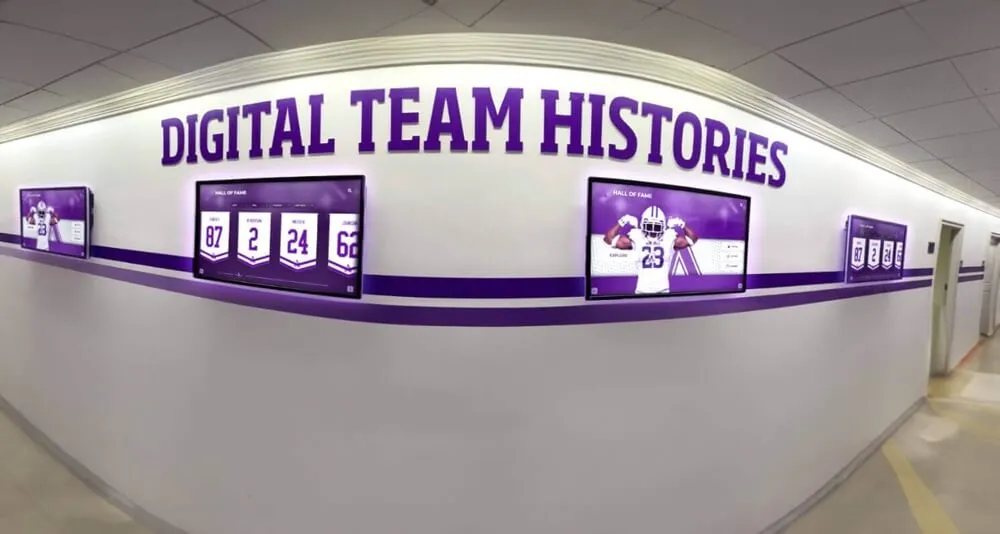
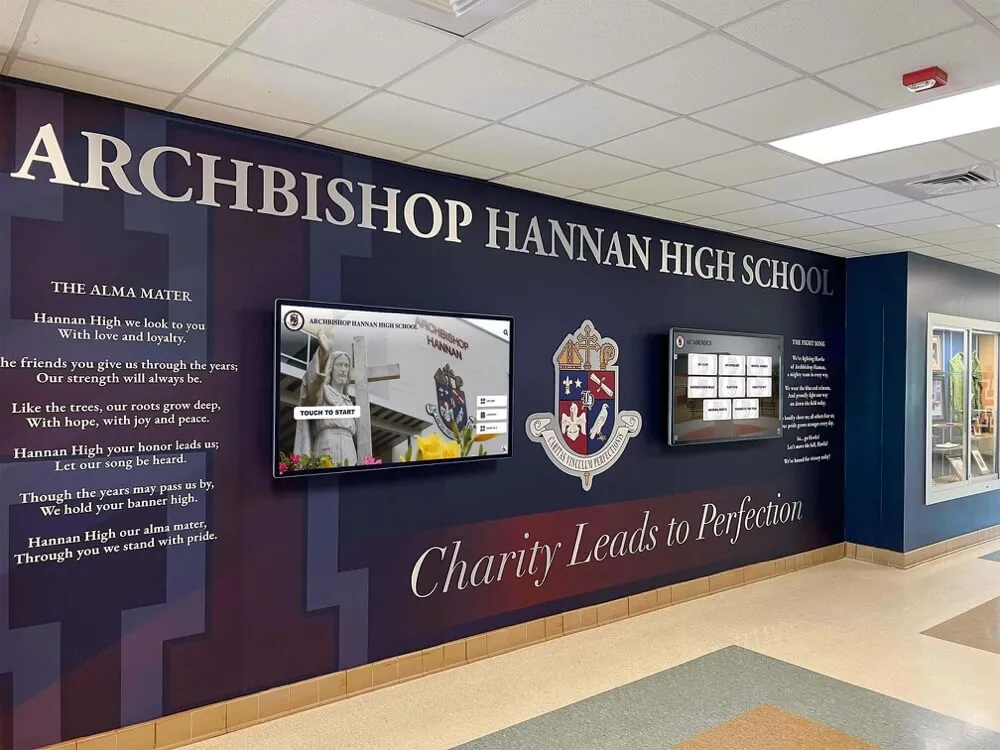
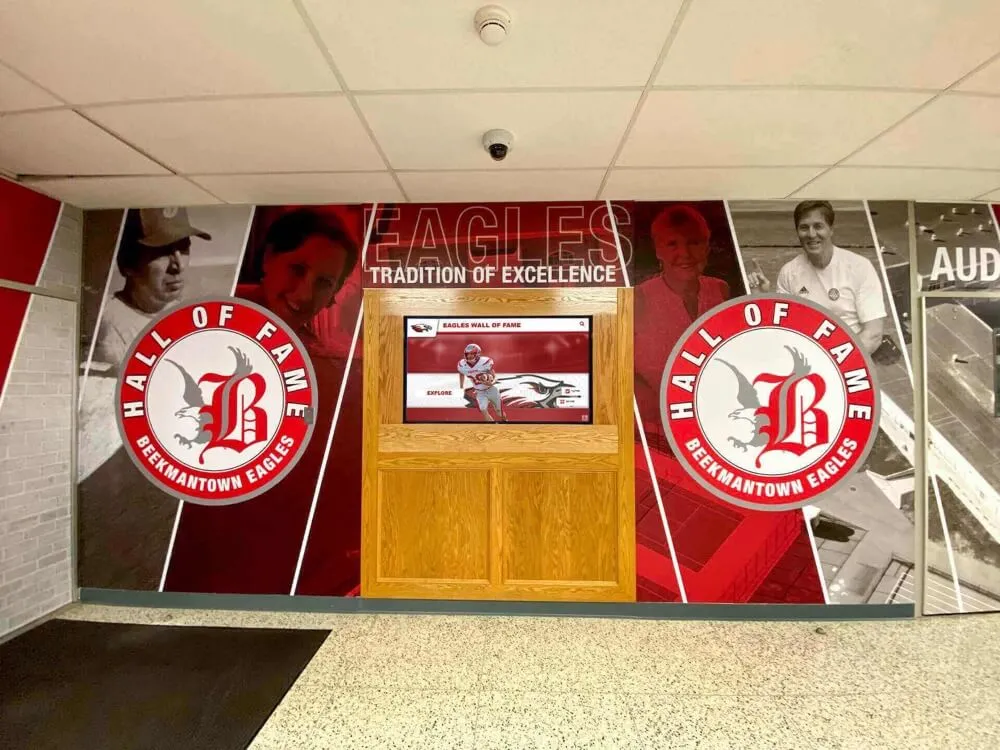
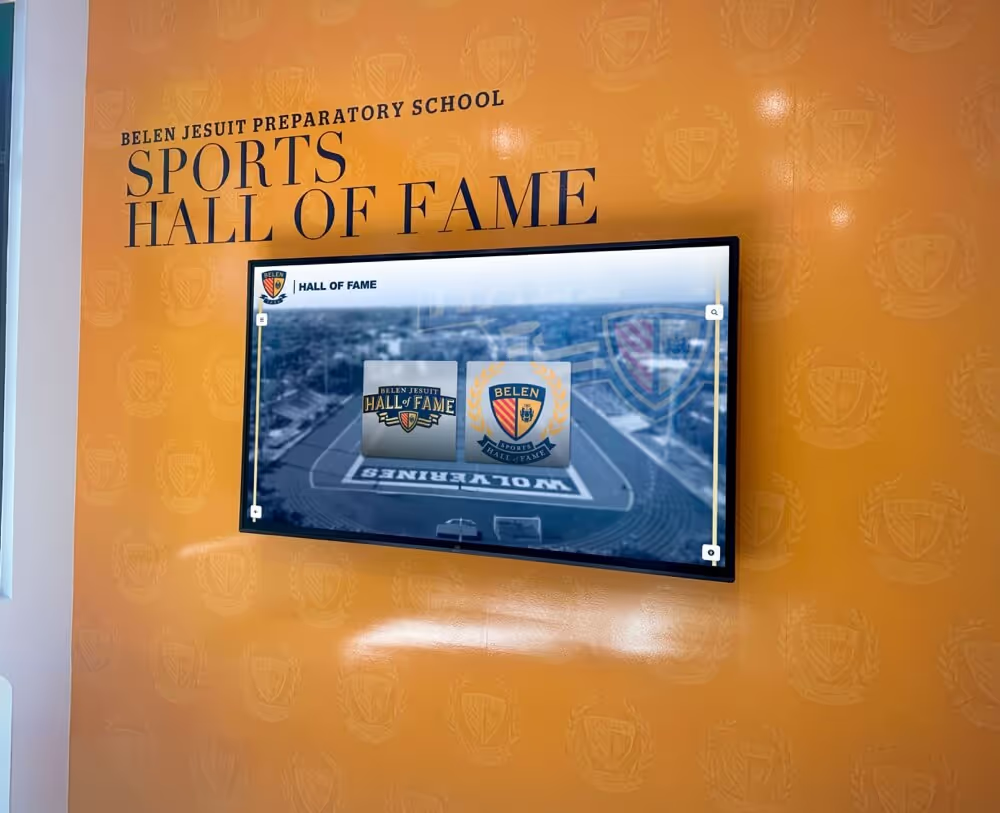
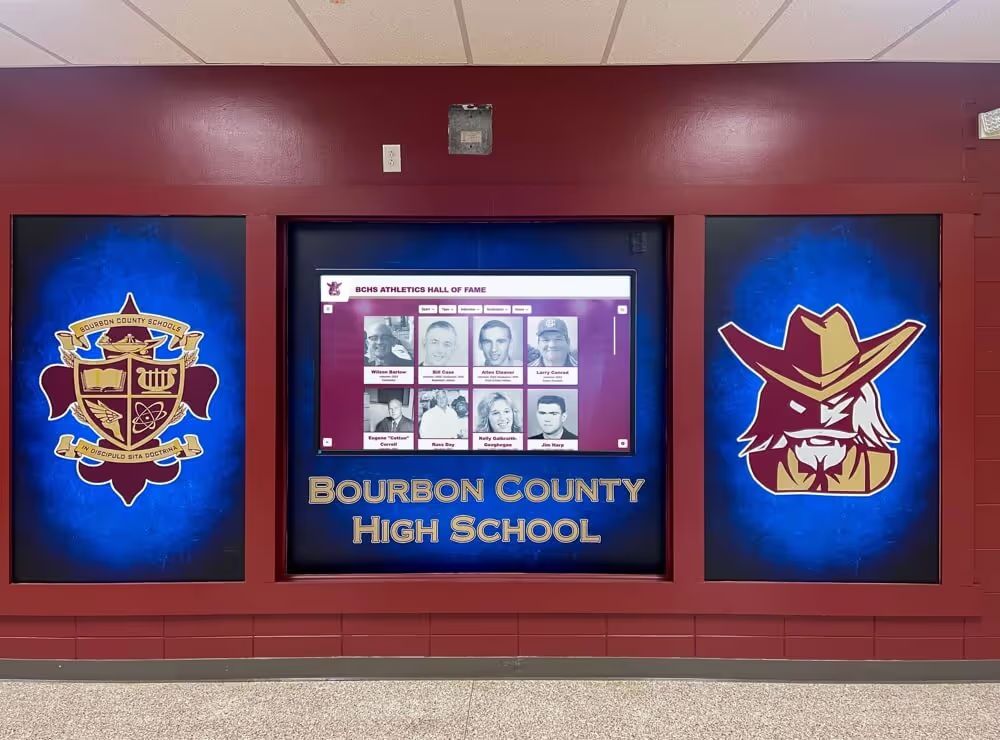
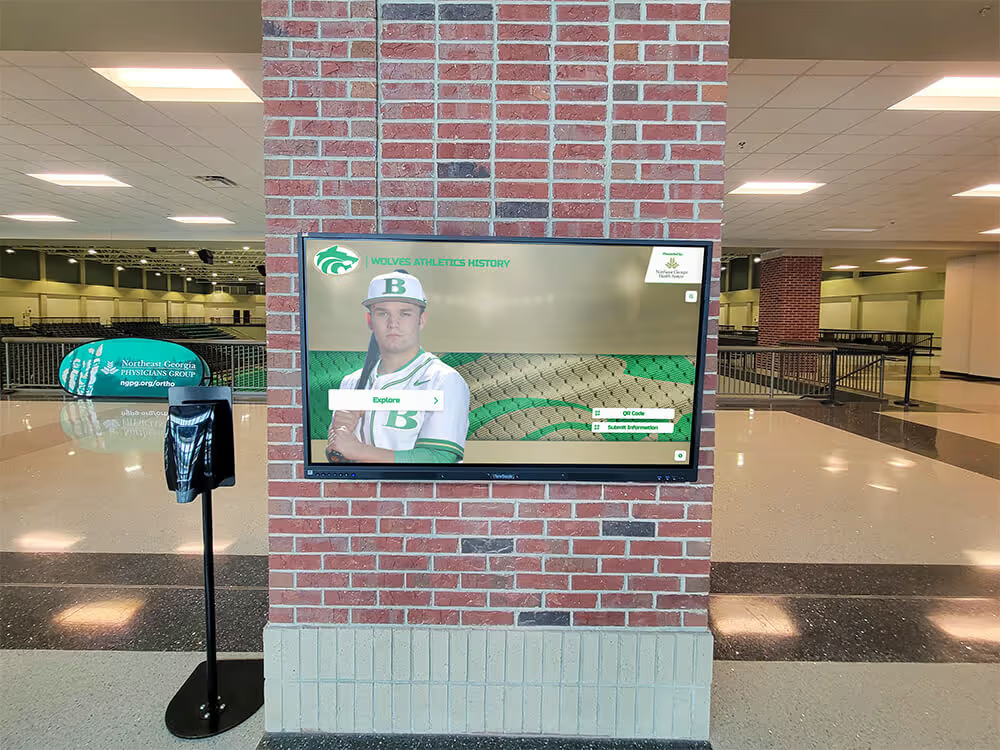
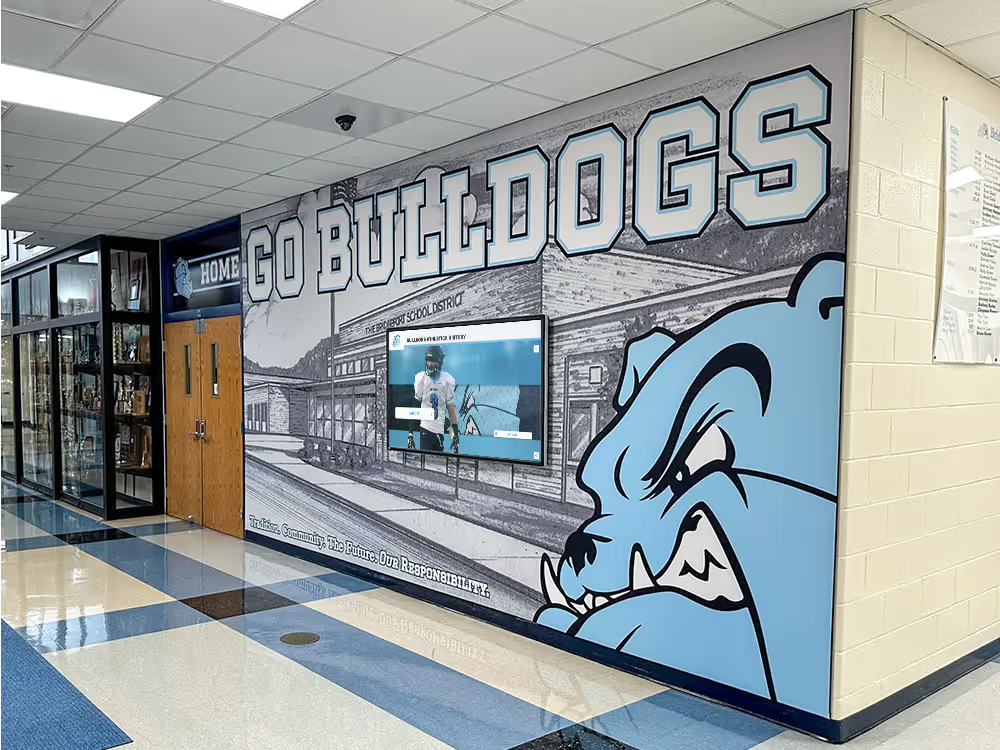
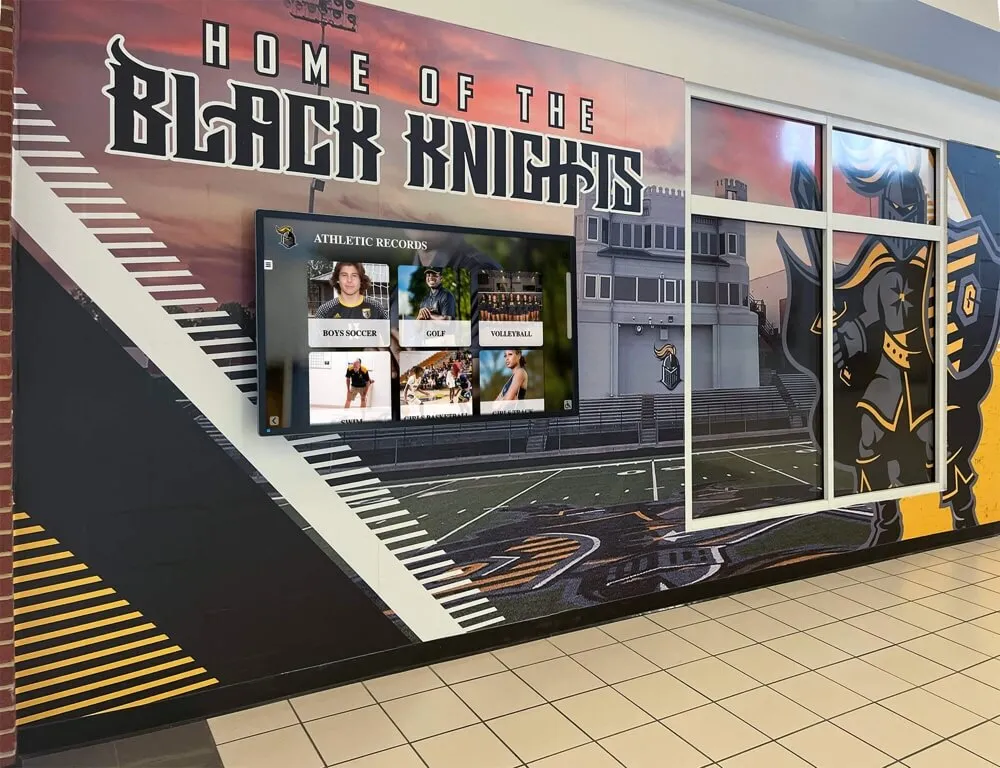
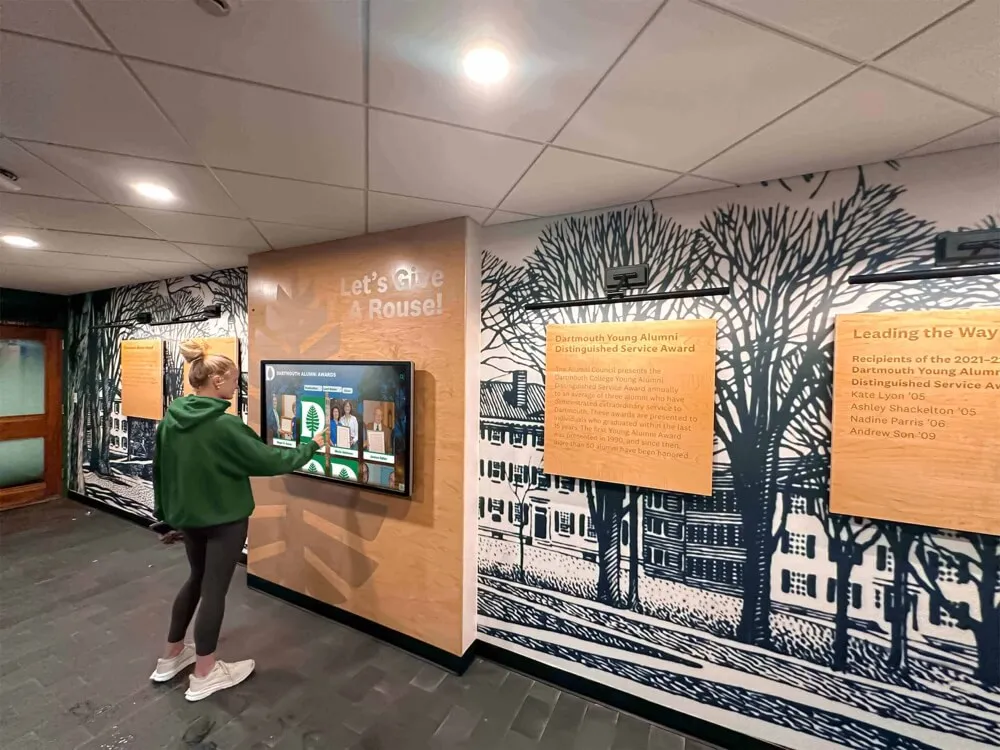
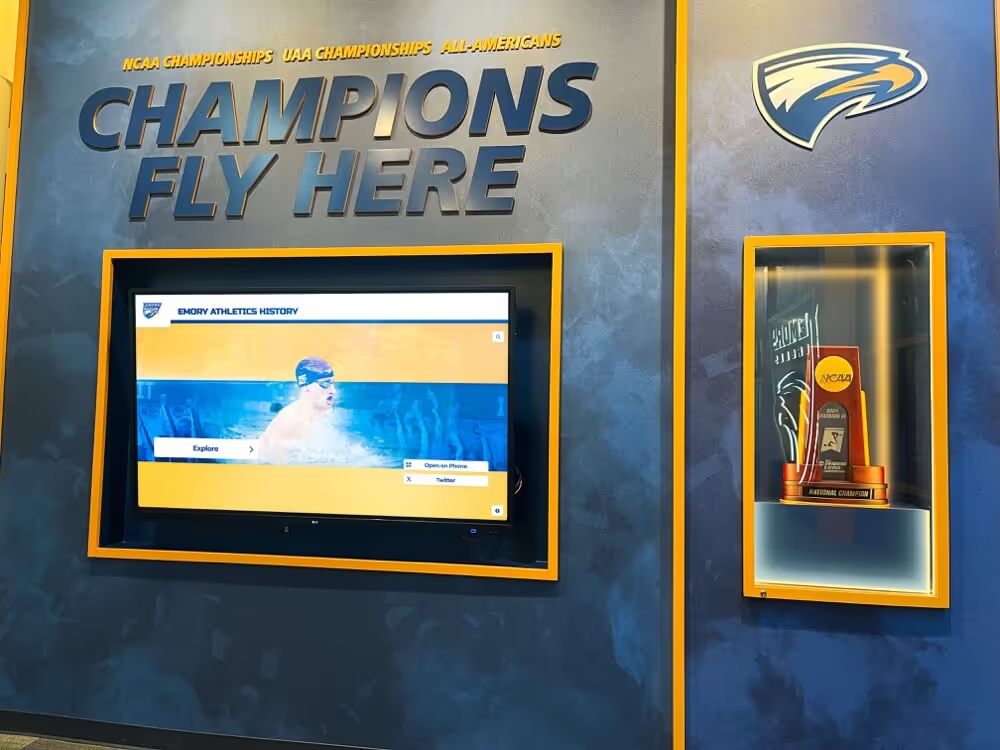
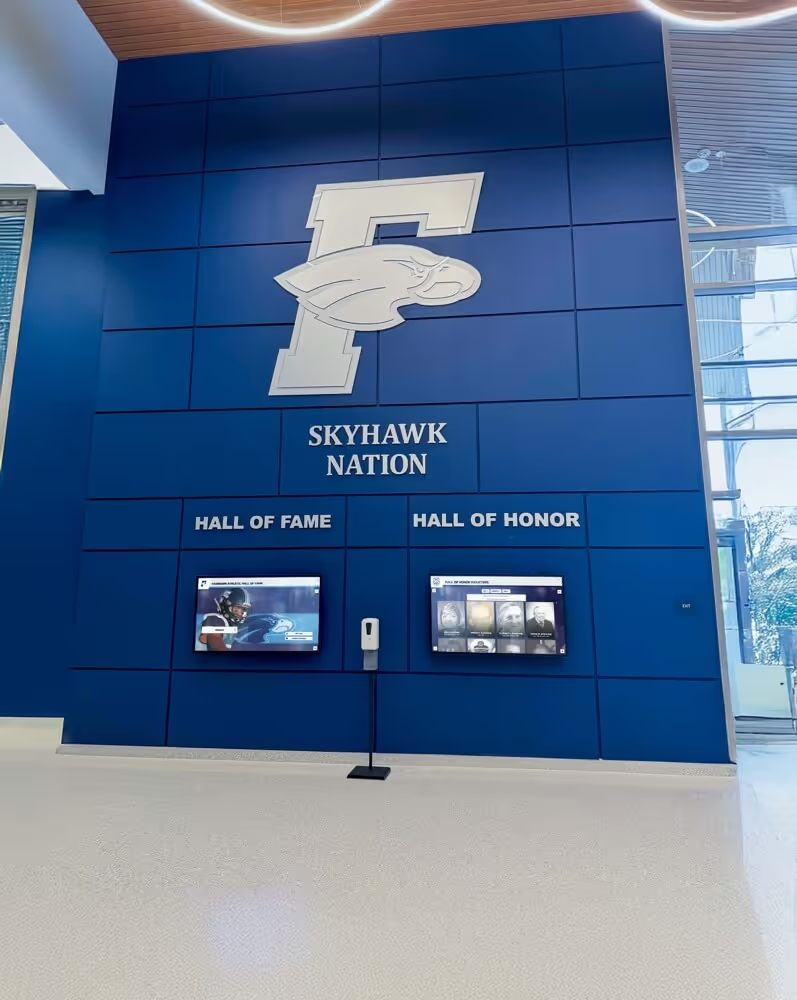
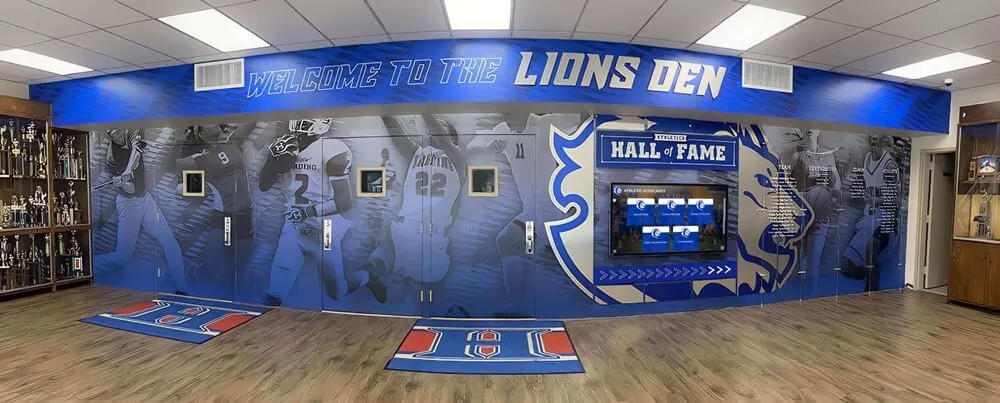
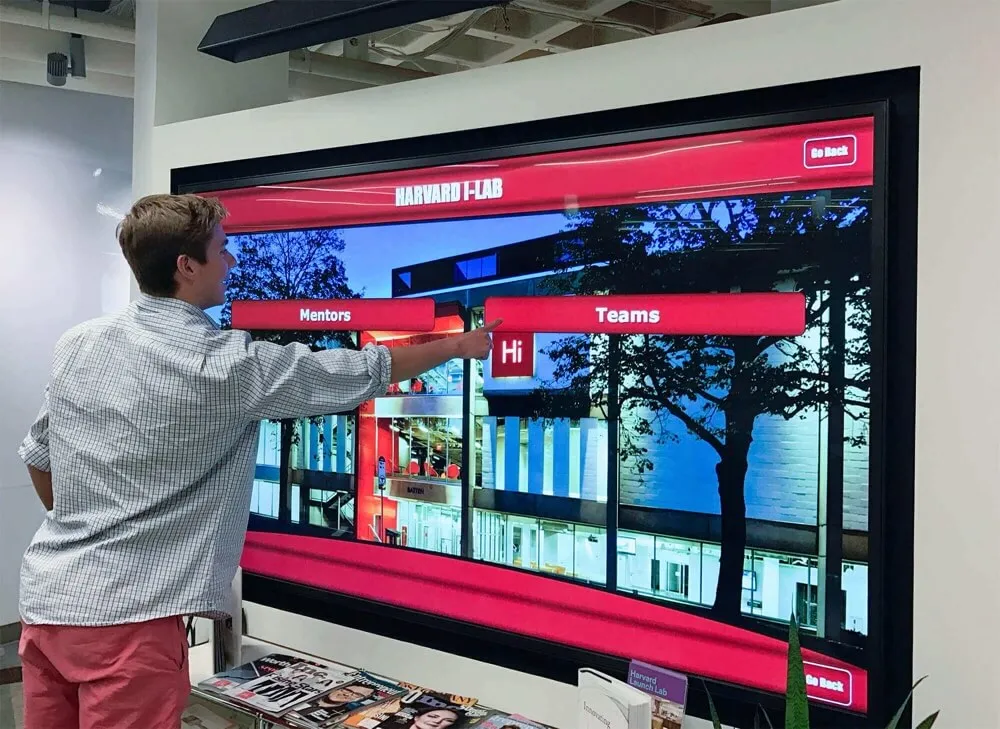
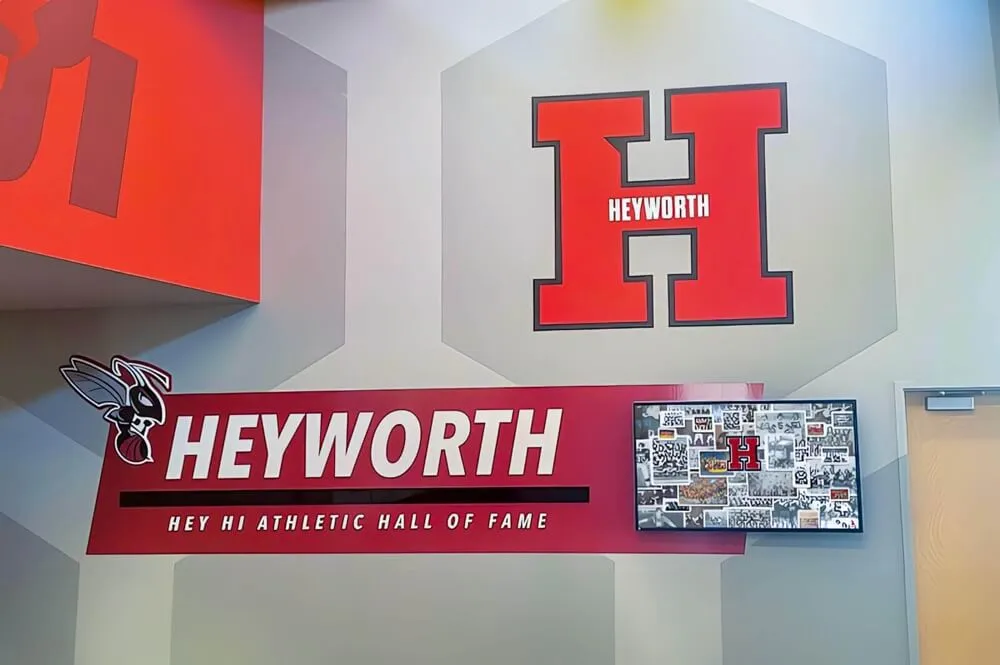
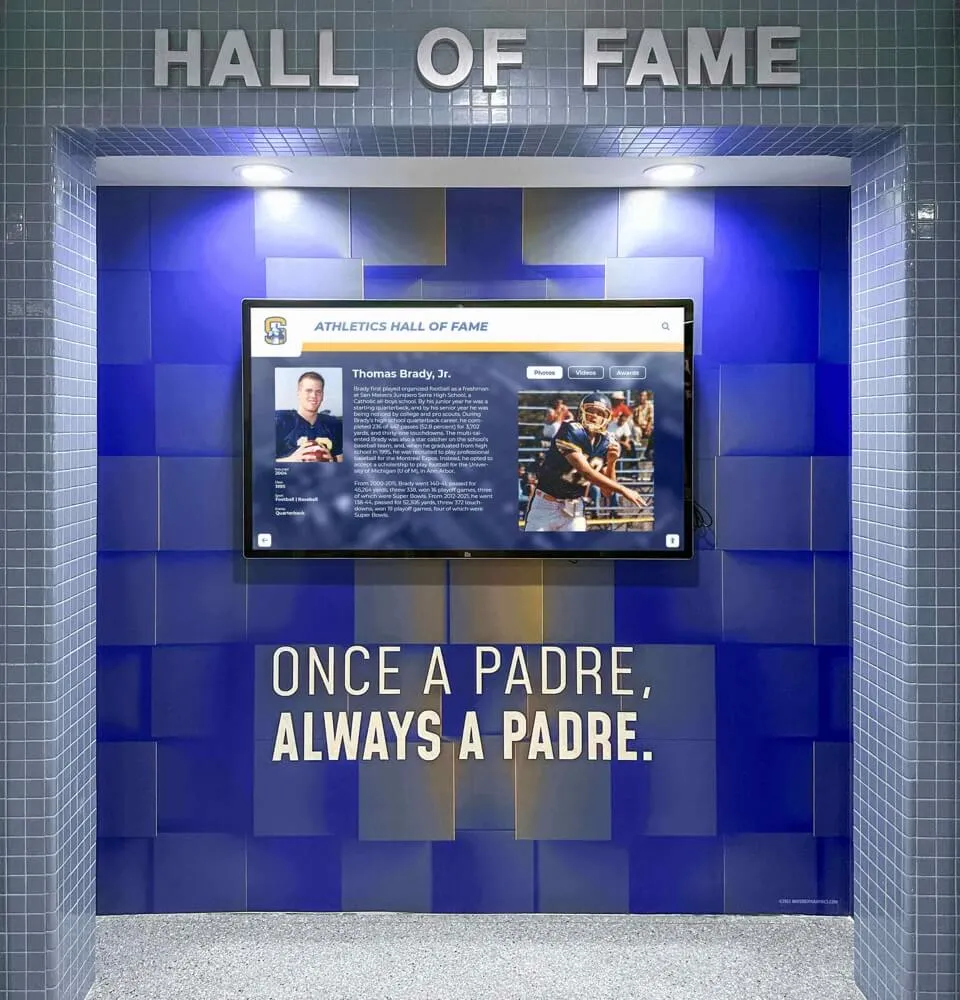
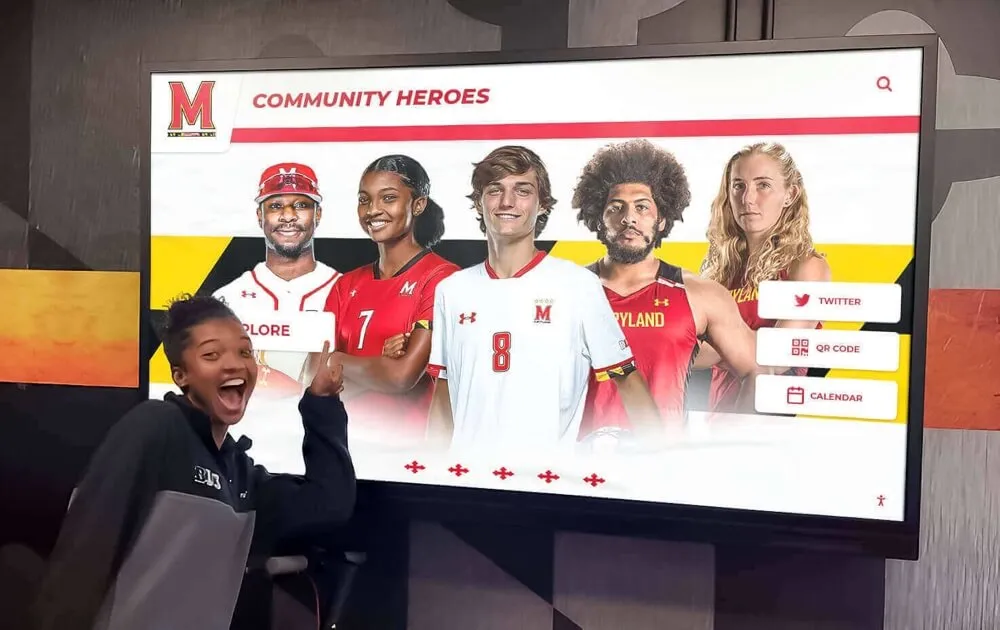
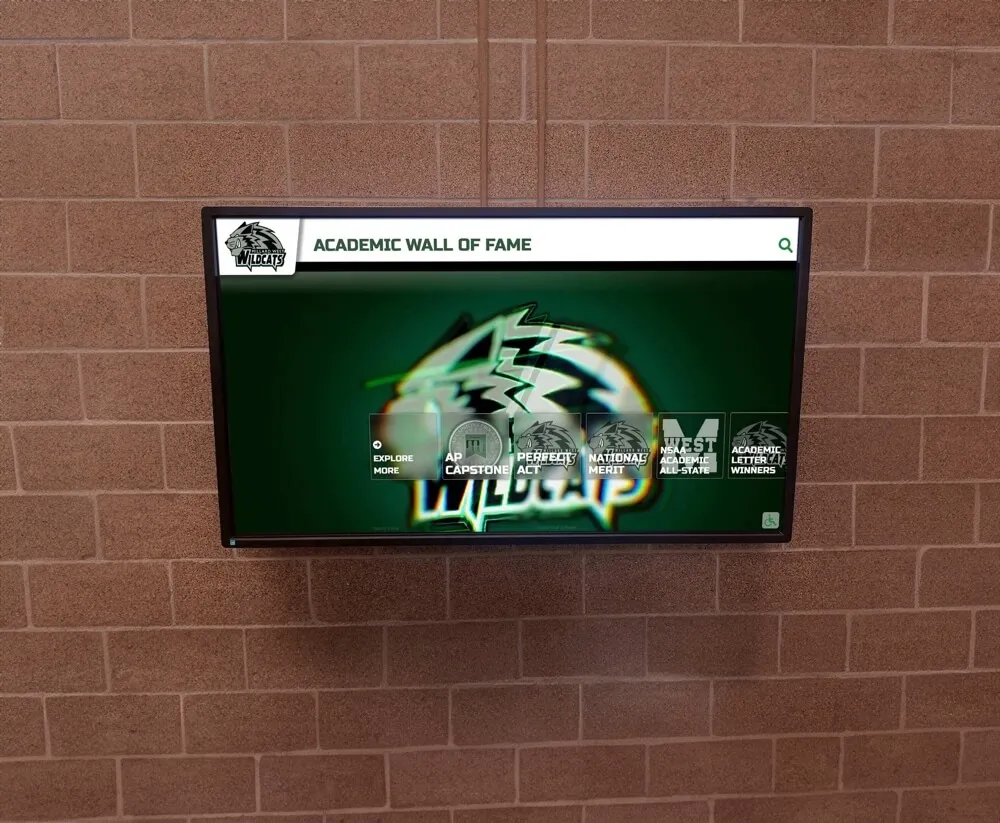
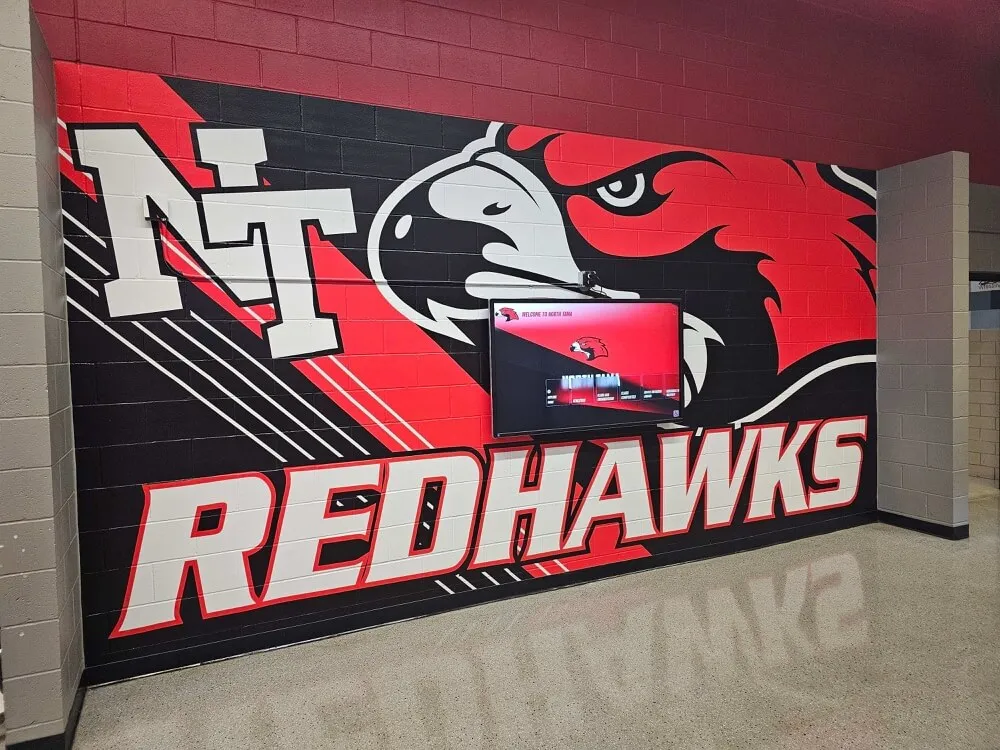
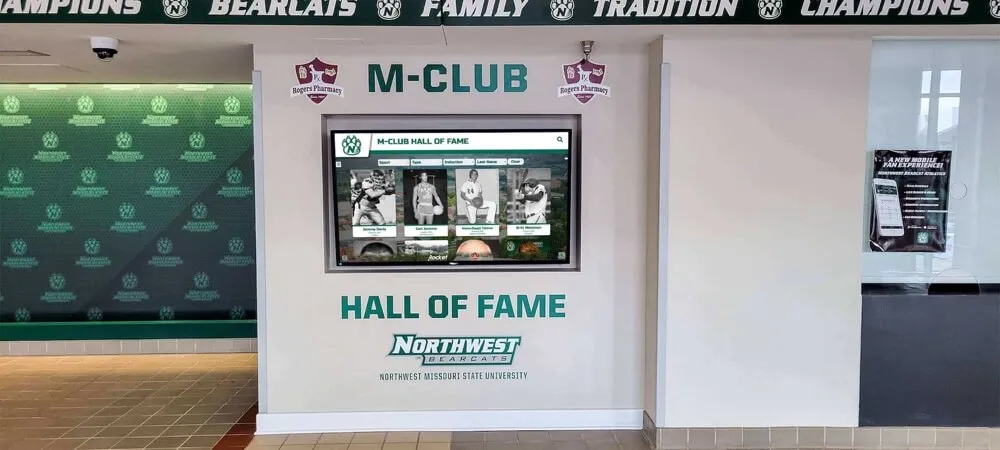
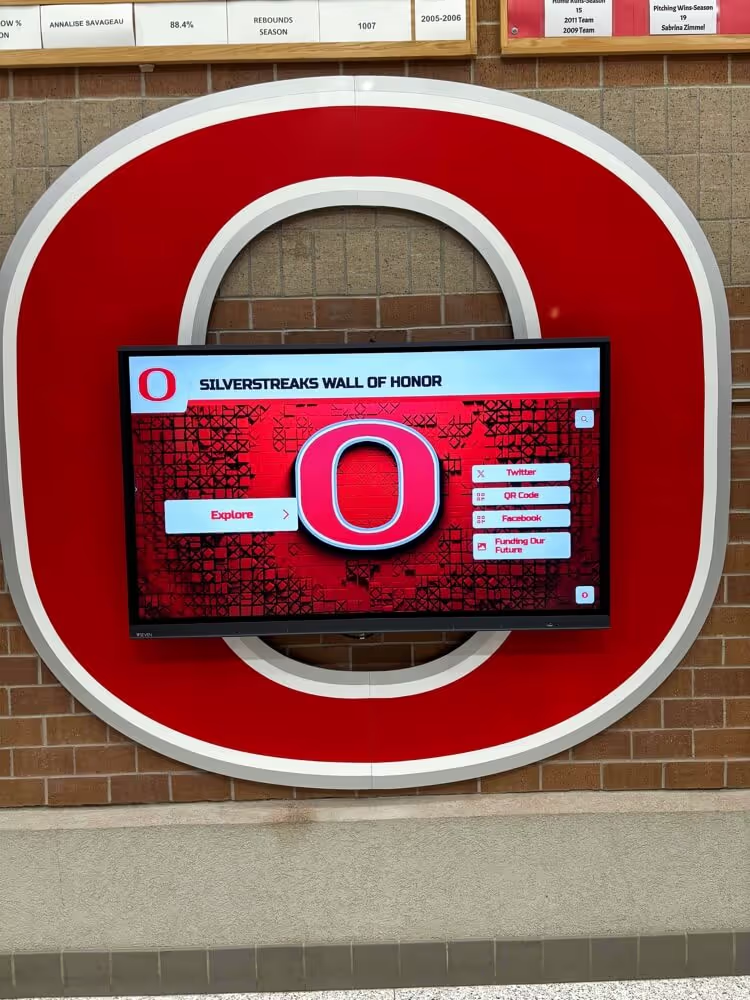
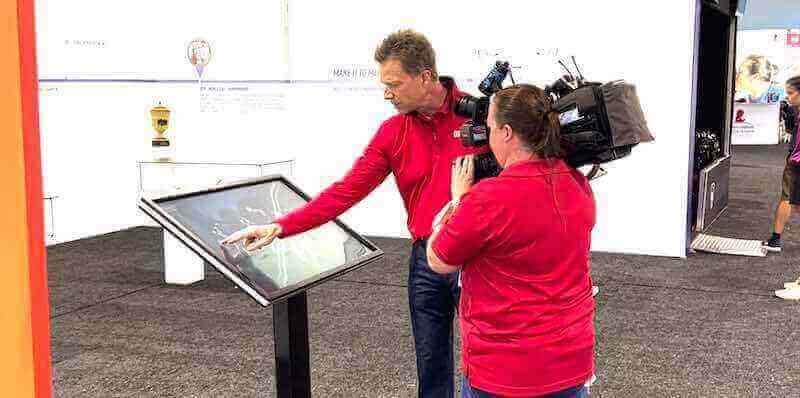
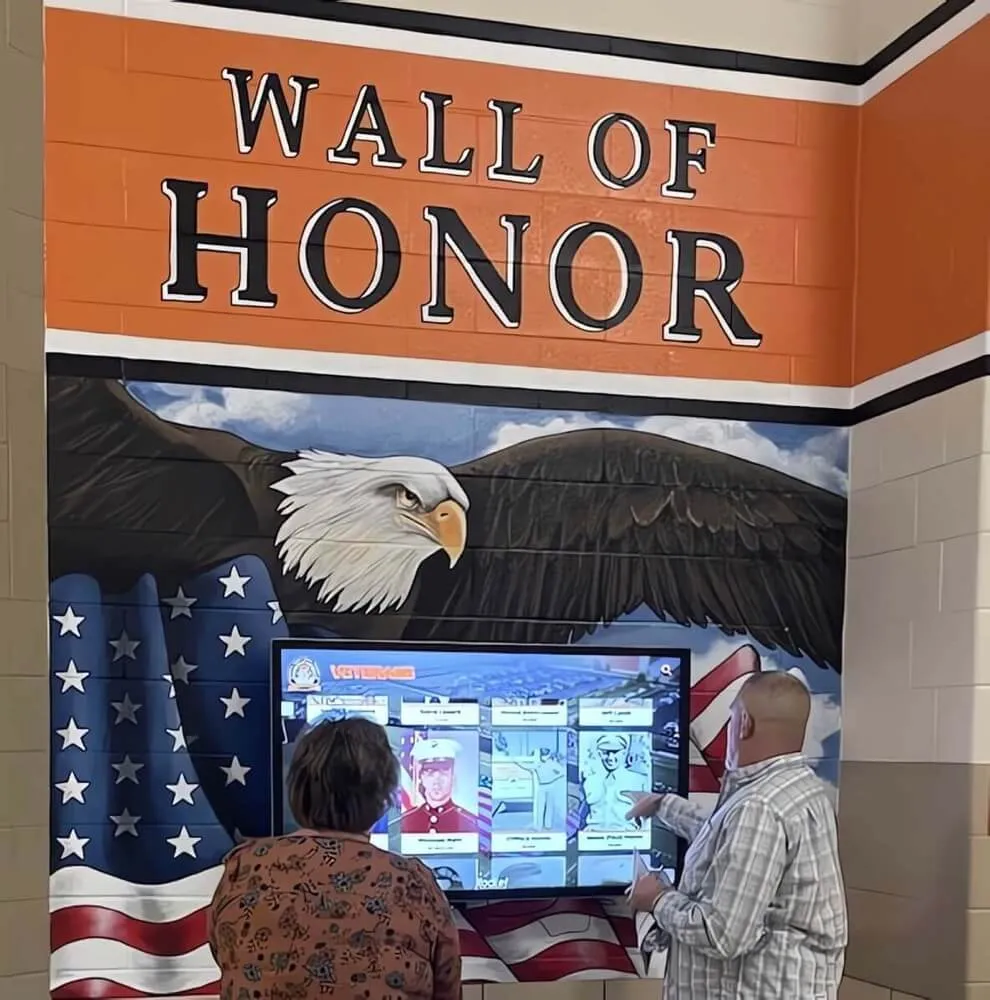
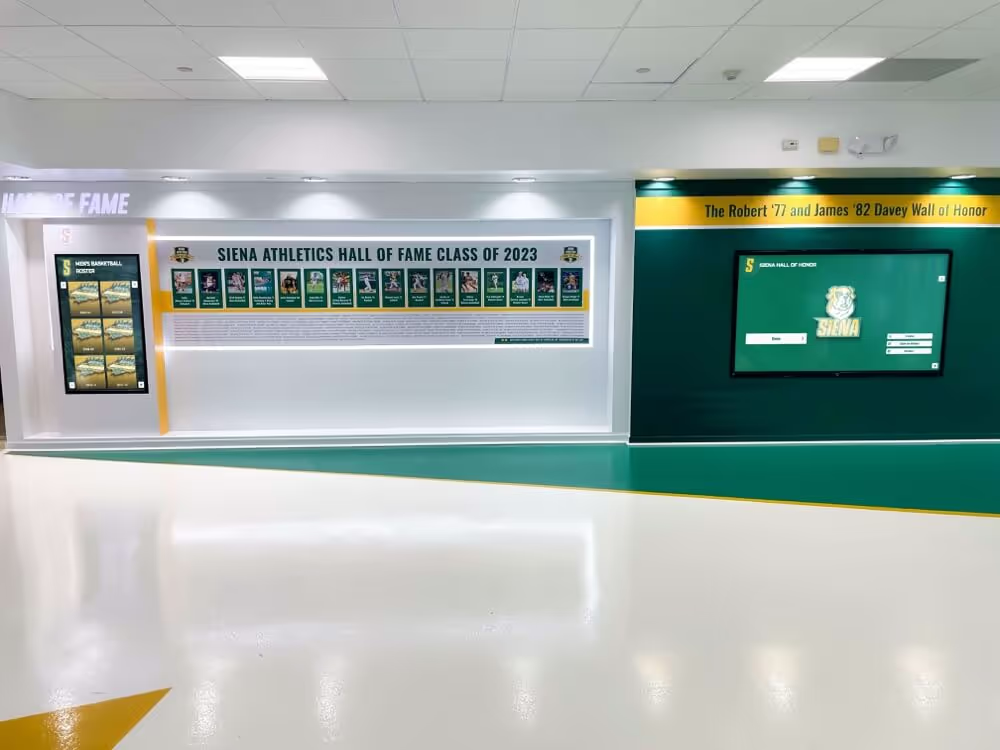
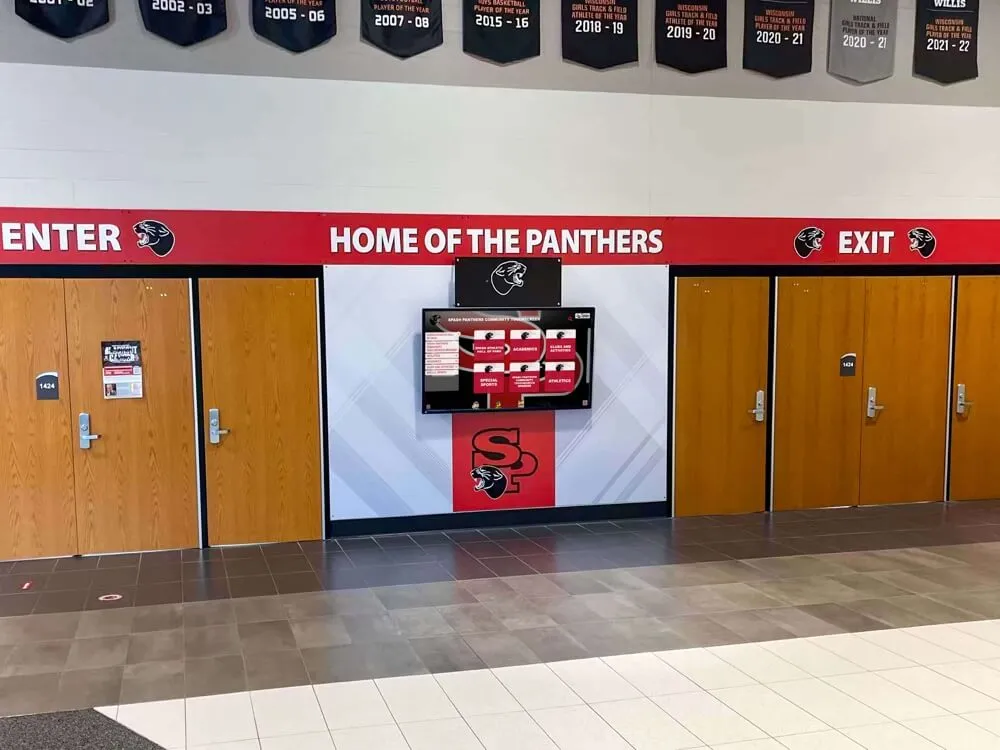
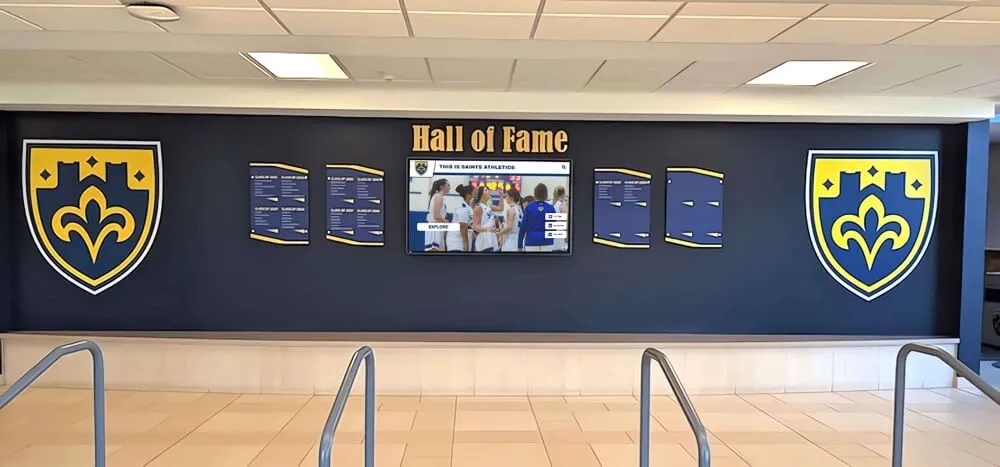
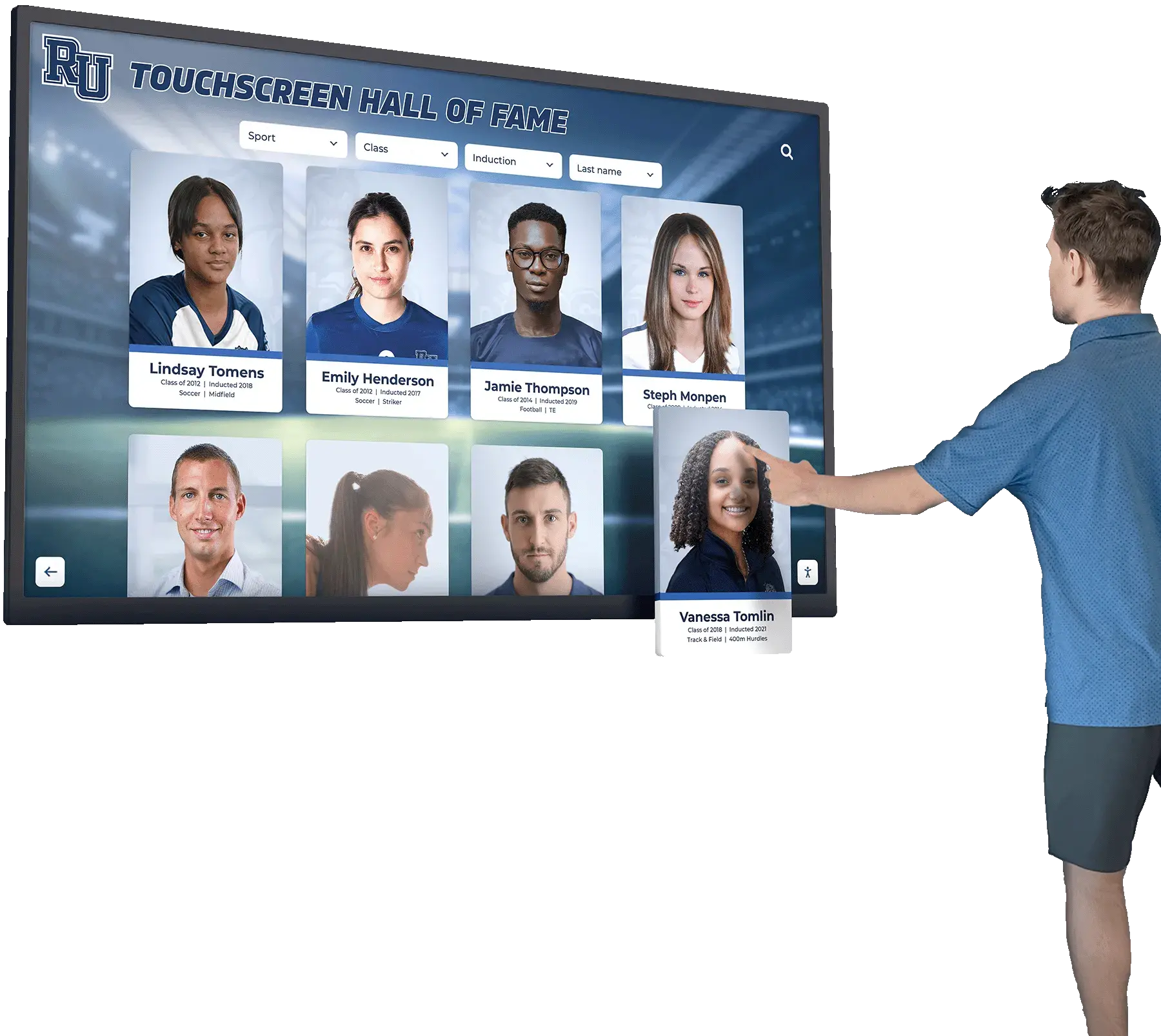
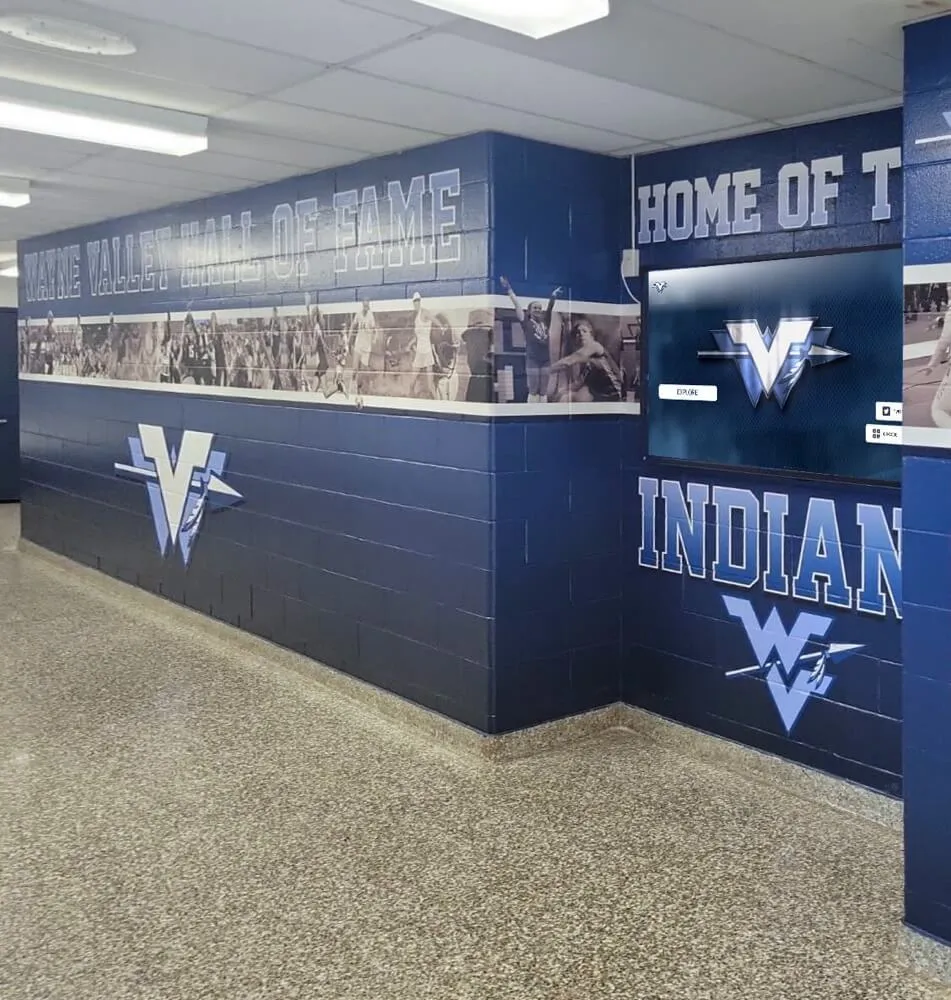
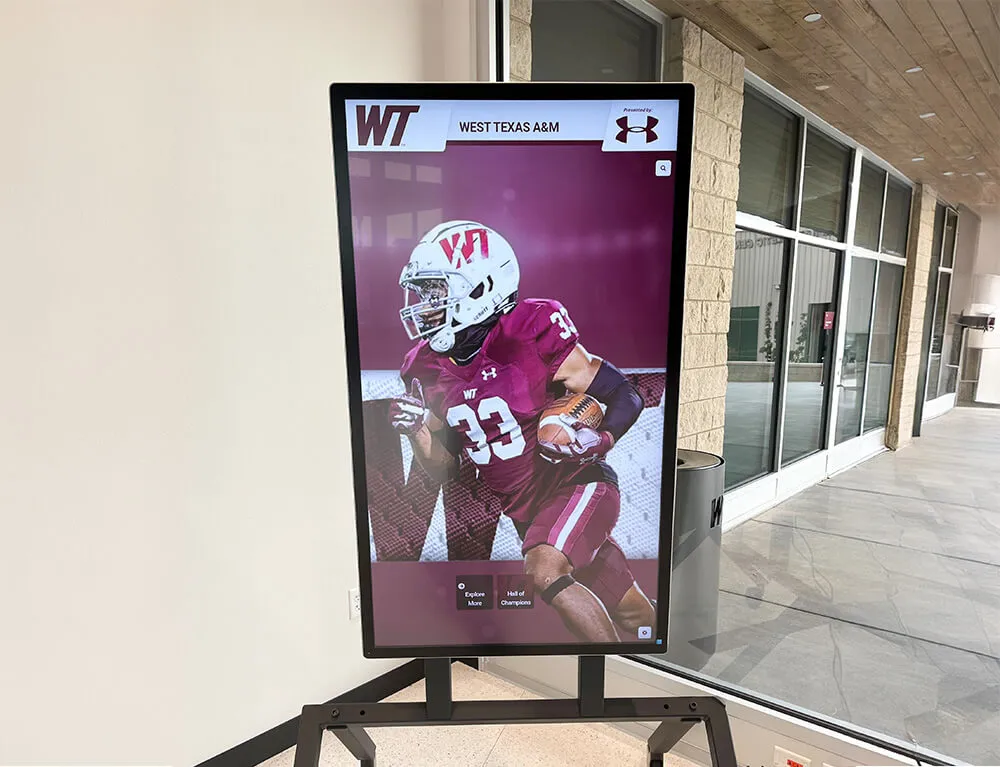
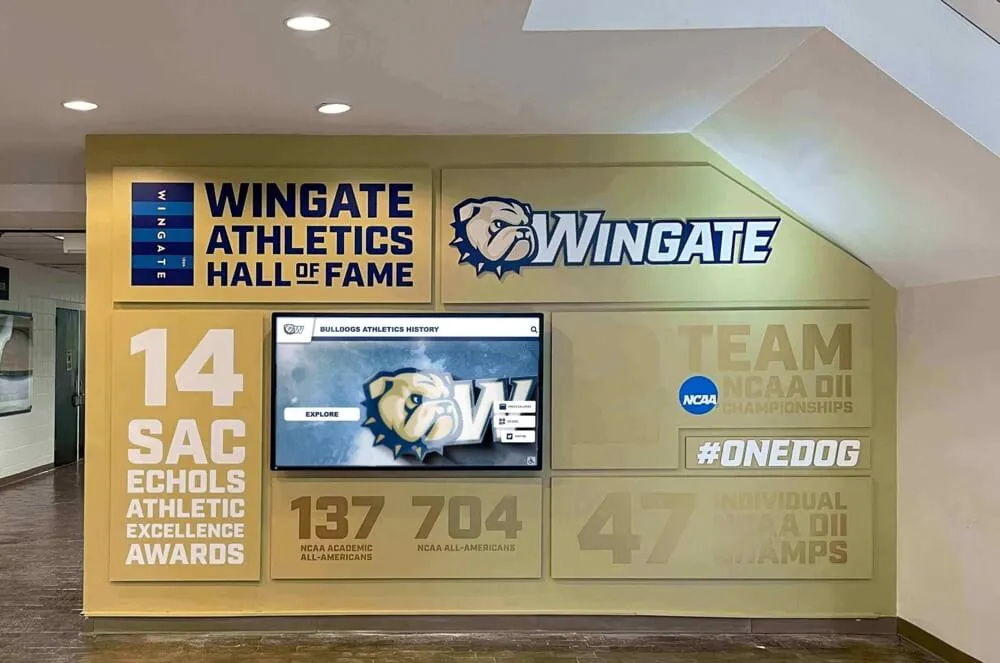
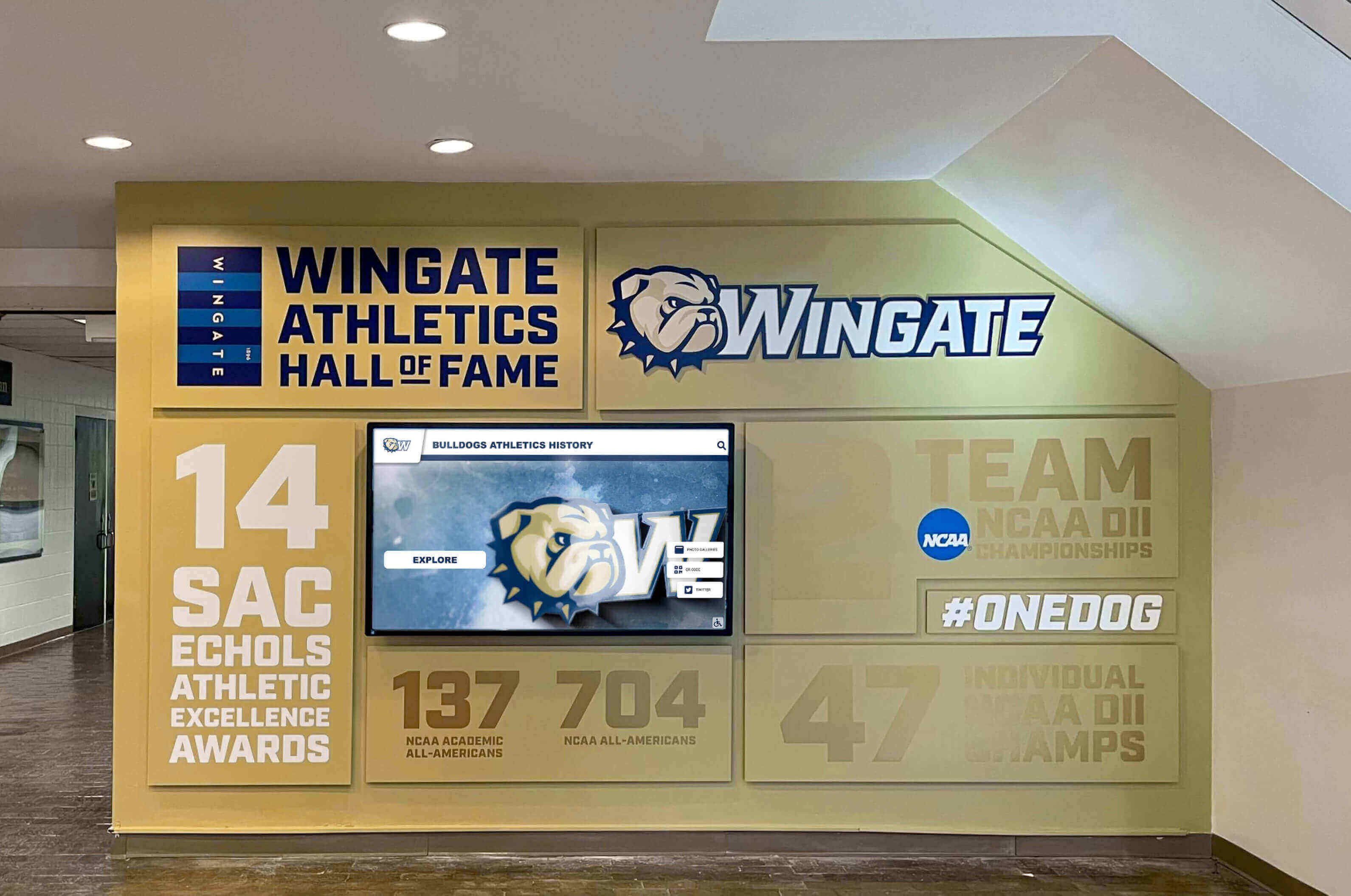
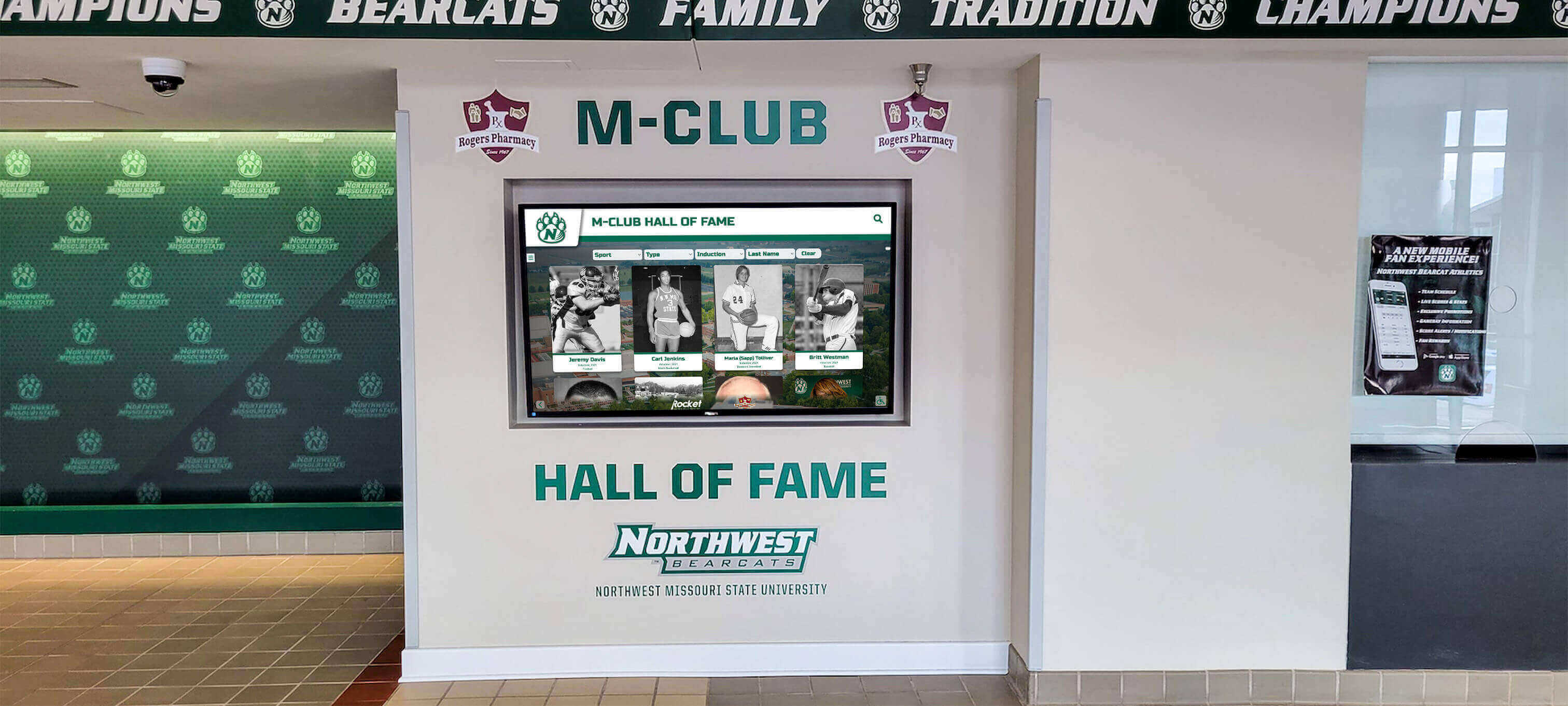
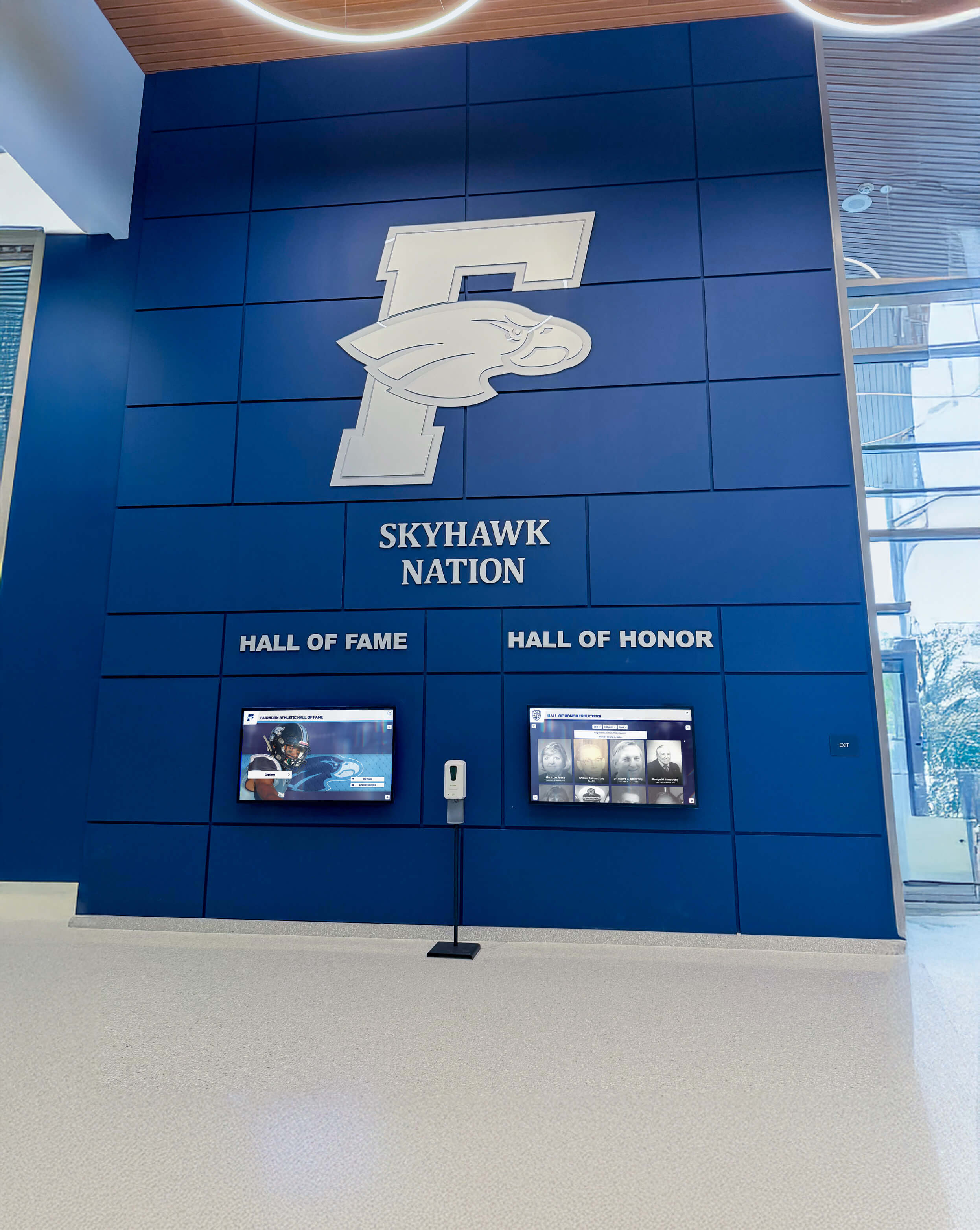
Digital Recognition Displays - Modern recognition extends beyond physical awards to include permanent digital showcases that honor service in high-visibility spaces. Schools might use interactive touchscreen displays in main lobbies where students, visitors, and community members can explore profiles of long-serving faculty and staff. These digital solutions provide ongoing visibility that individual plaques can’t match while creating easily updated recognition that grows with the organization.
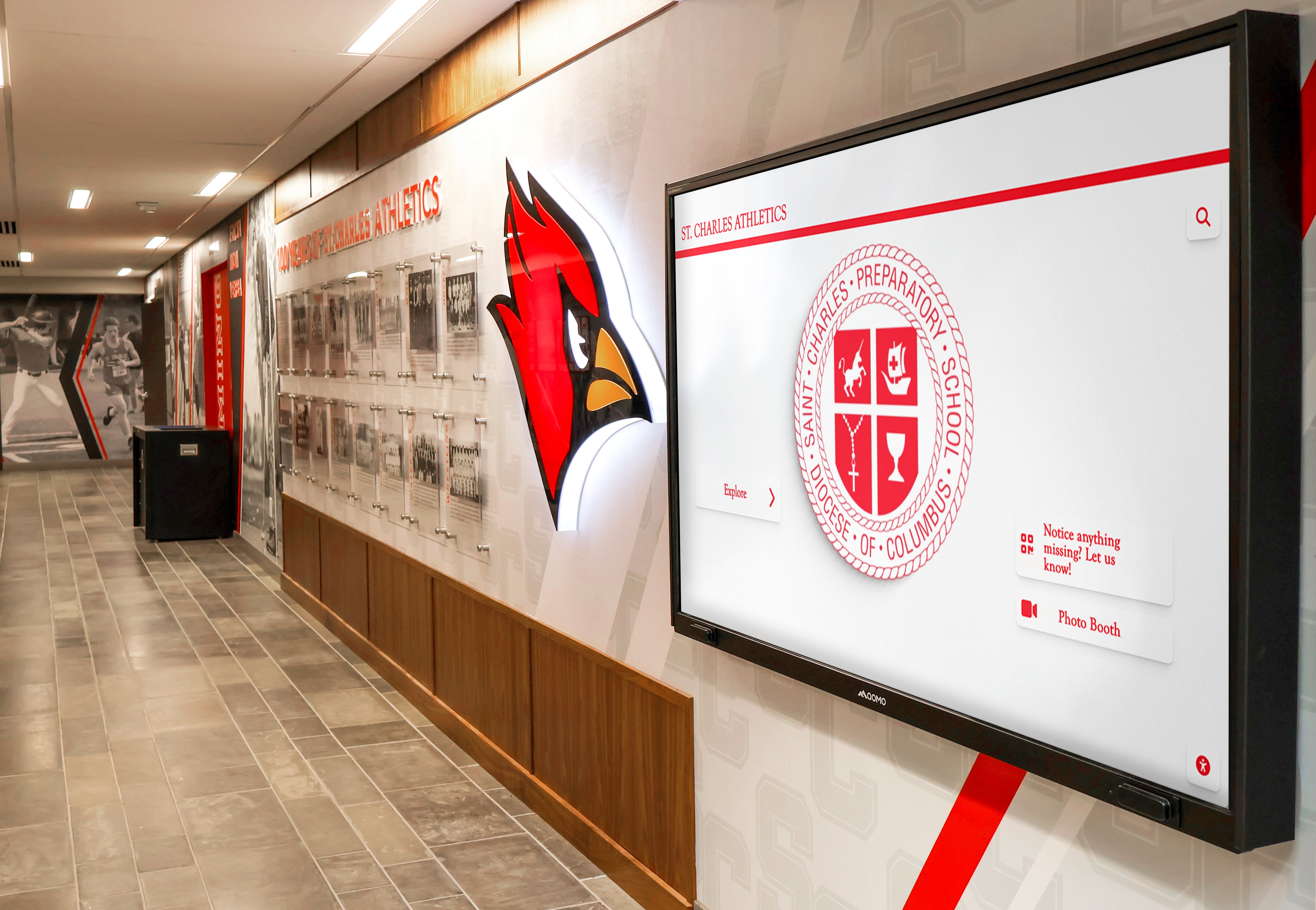
Organizations increasingly combine traditional awards with digital recognition, giving recipients both personal keepsakes and permanent public acknowledgment that extends recognition beyond single ceremony moments.
Creating Memorable Recognition Ceremonies
How service awards are presented often matters more than what is presented. Thoughtful ceremonies demonstrate authentic appreciation while creating positive experiences recipients remember long after gifts are unwrapped.
Ceremony Format Options
Different organizational cultures and recipient preferences call for varied ceremony approaches:
Annual Recognition Events - Dedicated events celebrating all service milestone recipients together create community while giving recognition appropriate formality. Annual dinners, receptions, or programs allow extended celebration with colleagues, family members, and organizational leaders. This format works particularly well for larger organizations with multiple milestone recipients annually.
Department or Team Celebrations - Recognizing individuals within their immediate work contexts creates intimate celebrations among closest colleagues. Department meetings, team lunches, or unit-specific events allow personalized recognition reflecting specific contributions to that team’s success. This approach works well for organizations with strong departmental identities or geographically distributed teams.
All-Staff Meetings or Assemblies - Public recognition during regular gatherings where entire organizations assemble demonstrates that service deserves whole-community acknowledgment. School assemblies, faculty meetings, or all-hands gatherings provide built-in audiences while avoiding additional scheduling challenges. However, ensure adequate time for meaningful recognition rather than perfunctory name-reading that minimizes significance.
Individual Recognition Meetings - For milestone recipients preferring private acknowledgment, individual meetings with leadership provide personalized appreciation without public attention some find uncomfortable. This approach allows deeper conversation about contributions, impact, and future aspirations while demonstrating leadership investment in relationship.
Hybrid Approaches - Many effective programs combine public and private elements—formal awards presented at public ceremonies followed by private meetings with leadership exploring career development, or small team celebrations complemented by organization-wide announcements.
Regardless of format, effective recognition programs share common elements that elevate ceremonies beyond transactional award distribution.
Essential Ceremony Components
Meaningful ceremonies incorporate:
Personal Narrative and Impact Stories - Generic praise feels hollow compared to specific stories illustrating individual contributions, memorable moments, relationships built, challenges overcome, and legacy created. Collect anecdotes from colleagues, supervisors, students, or community members who can speak to recipients’ specific impact. Three-minute stories about actual contributions resonate far more powerfully than formal speeches listing generic qualities.
Leadership Presence and Participation - Recognition from senior leadership signals that service receives appreciation at the highest organizational levels. Presidents, superintendents, executive directors, or board chairs presenting awards demonstrates that recognition is organizational priority rather than HR formality. Leadership should invest time learning recipients’ contributions rather than reading generic scripts.
Colleague and Peer Acknowledgment - Recognition from colleagues who work alongside recipients daily often means more than formal leadership acknowledgment. Inviting team members to share appreciation, present awards, or contribute to recognition videos creates peer validation while strengthening team bonds.
Family Inclusion - Service milestones represent family commitments too—years of schedule flexibility, dinner conversations about workplace challenges, and shared pride in organizational accomplishments. Inviting spouses, partners, children, or parents to ceremonies acknowledges that sustained service requires family support worth celebrating together.
Visual Documentation - Professional photography or video documentation creates lasting records while providing content for organizational communications. Visual documentation also enables recognition beyond ceremony attendees through digital displays in common spaces where broader communities encounter service award recipients’ stories throughout the year.
Implementing and Sustaining Recognition Programs
Well-designed programs fail without systematic implementation ensuring consistent execution, equitable access, and continuous improvement based on participant feedback.
Operational Systems and Processes
Sustainable programs require infrastructure supporting reliable identification, timely recognition, and quality experiences regardless of organizational transitions or personnel changes.
Service Tracking and Milestone Identification
Establish systems ensuring no eligible recipient falls through administrative cracks:
- Maintain accurate service date records in HR databases with hire dates, continuous service calculations, and milestone forecasts
- Generate quarterly or monthly reports identifying upcoming milestones with sufficient lead time for planning
- Account for service interruptions, leaves, or rehires according to defined policies
- Track recognition history preventing duplicate recognition or missed milestones
- Include all eligible groups (employees, volunteers, board members) in tracking systems
Automated systems reduce administrative burden while improving accuracy, but require initial setup investment and ongoing data quality maintenance.
Communication and Promotion
Recognition programs strengthen culture only when people know they exist and understand how they work. Comprehensive communication strategies include:
Program Launch Communications - Announce programs through multiple channels—email announcements, staff meetings, newsletter features, and intranet postings. Explain philosophy, eligibility criteria, milestone intervals, award options, and upcoming recipient celebrations.
Ongoing Visibility - Maintain program awareness through regular recognition announcements, recipient spotlight features, ceremony invitations, and digital displays showcasing honorees. Consistent visibility ensures programs remain front-of-mind rather than being forgotten between personal milestone experiences.
Anniversary Notifications - Contact milestone recipients weeks in advance explaining recognition process, ceremony details, award selection procedures, and opportunities to involve family members. Advance notice allows recipients to prepare, invite guests, and feel appropriately honored rather than surprised.
Public Recognition - Share service award stories through organizational newsletters, social media, website features, and physical displays. Public acknowledgment extends recognition impact while modeling appreciation culture. However, confirm recipients’ comfort with public recognition before sharing personal information or photos externally.
Special Considerations for Educational Institutions
Schools, colleges, and universities face unique service recognition dynamics requiring specialized approaches beyond corporate models.
Faculty and Staff Recognition Balance
Educational institutions employ diverse roles from faculty to facilities staff, administrators to cafeteria workers, coaches to counselors. Effective programs ensure all roles receive equitable recognition rather than privileging certain positions.
Consider creating unified programs recognizing all employees through common frameworks while allowing role-specific recognition elements. Faculty might receive teaching legacy documentation or student testimonials alongside standard awards. Facilities staff might receive recognition in spaces they maintain. Athletic staff could be honored during sporting events they support.
The key is ensuring every role receives thoughtful recognition matching their specific contributions rather than generic one-size-fits-all approaches that feel impersonal to diverse employee populations.
Volunteer Recognition in Educational Settings
Schools depend heavily on parent volunteers, booster club members, alumni volunteers, and community supporters whose sustained service deserves formal recognition alongside paid employees. However, volunteer service tracking presents challenges since involvement may span multiple years with varying intensity.
Effective volunteer recognition might include:
- Hour-based milestones (100, 250, 500, 1000+ volunteer hours) tracked through sign-in systems
- Year-based recognition for sustained involvement across multiple academic years
- Role-specific acknowledgment for major positions like booster presidents, PTA officers, or alumni board members
- Special recognition at events volunteers support—athletic banquets, performing arts celebrations, or gala events
Multi-Generational Service Recognition
Educational institutions sometimes employ multiple family members across generations or celebrate families with sustained institutional connections spanning decades. Consider special recognition for:
- Family legacy service when multiple generations work for the institution
- Alumni who return as employees, combining student and service history
- Families with continuous involvement through student attendance, volunteer service, and employment
These special recognition opportunities create powerful connection stories while honoring unique relationships between individuals and institutions.
Volunteer-Specific Recognition Best Practices
Nonprofit organizations and schools depend on volunteer dedication requiring recognition approaches respecting that volunteers donate time without compensation while having different motivations than paid employees.
Understanding Volunteer Recognition Motivations
Volunteers serve for varied reasons—personal mission alignment, community connection, skill development, social engagement, or giving back to causes that helped them. Effective recognition acknowledges these diverse motivations rather than treating all volunteers identically.
Mission Impact Emphasis
Many volunteers care less about personal recognition than understanding their contributions’ impact on organizational missions. Recognition emphasizing how their service advanced specific outcomes—students mentored, funds raised, programs delivered, lives changed—often resonates more powerfully than generic service acknowledgment.
Share specific impact metrics: “Your 500 volunteer hours enabled us to serve 200 additional families this year” carries more meaning than “Thank you for your dedication.” Connect service hours to tangible outcomes volunteers can see resulted from their investment.
Community and Belonging
For volunteers motivated primarily by social connection, recognition emphasizing community appreciation and relationship building matters most. Group celebrations, volunteer appreciation events, and opportunities connecting with other committed volunteers provide meaningful recognition beyond individual awards.
Skill Development and Experience
Some volunteers serve to build experience, develop skills, or explore career possibilities. For these contributors, recognition might include:
- Letters of recommendation or reference
- Skill certification or training completion acknowledgment
- Resume-building documentation of responsibilities and achievements
- Opportunities to present at conferences or organizational events
- Invitations to participate in strategic planning or leadership development
Flexibility and Personal Touch
Unlike employees expecting consistent workplace protocols, volunteers appreciate recognition tailored to individual preferences and circumstances. Some prefer public celebration while others want private acknowledgment. Some value gifts while others prefer charitable donations made in their honor. Offering choices demonstrates respect for volunteers’ individuality.
Volunteer Award Program Structures
Effective volunteer recognition programs often use different milestone structures than employee programs since volunteer engagement patterns vary more significantly.
Hour-Based Milestones - Track cumulative volunteer hours rather than years of service:
- Bronze level: 50-100 hours
- Silver level: 100-250 hours
- Gold level: 250-500 hours
- Platinum level: 500-1000 hours
- Diamond/Legacy level: 1000+ hours
This approach recognizes intensive short-term volunteers equally with long-term consistent contributors.
Role-Based Recognition - Acknowledge volunteers in leadership positions separately from general volunteers:
- Committee chairs and board members
- Event coordinators and program leaders
- Mentors and direct service providers
- Administrative and operational support volunteers
Different recognition levels acknowledge the varied commitment and responsibility across volunteer roles.
Impact-Based Awards - Some organizations create special recognition for volunteers whose contributions generated exceptional impact regardless of hours served:
- Innovation awards for volunteers creating new programs
- Leadership awards for volunteers who recruited or mentored other volunteers
- Mission champion awards for volunteers whose advocacy advanced organizational causes
- Breakthrough awards for volunteers who solved persistent challenges
Extending Recognition Through Digital and Physical Displays
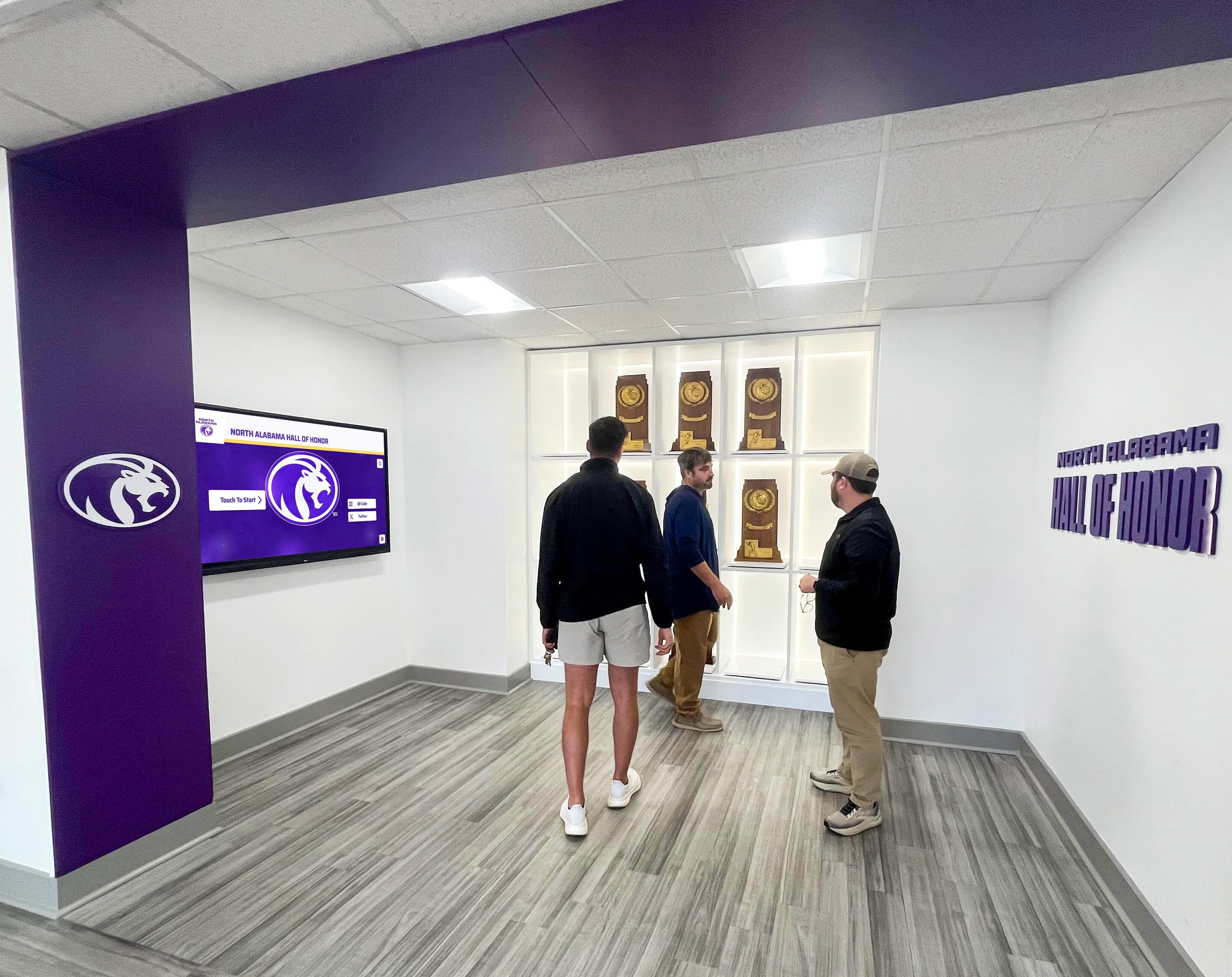
While ceremonies and individual awards create important recognition moments, permanent displays in high-visibility spaces provide ongoing acknowledgment that extends impact beyond single events.
Digital Recognition Display Benefits
Modern interactive displays offer distinct advantages for service recognition:
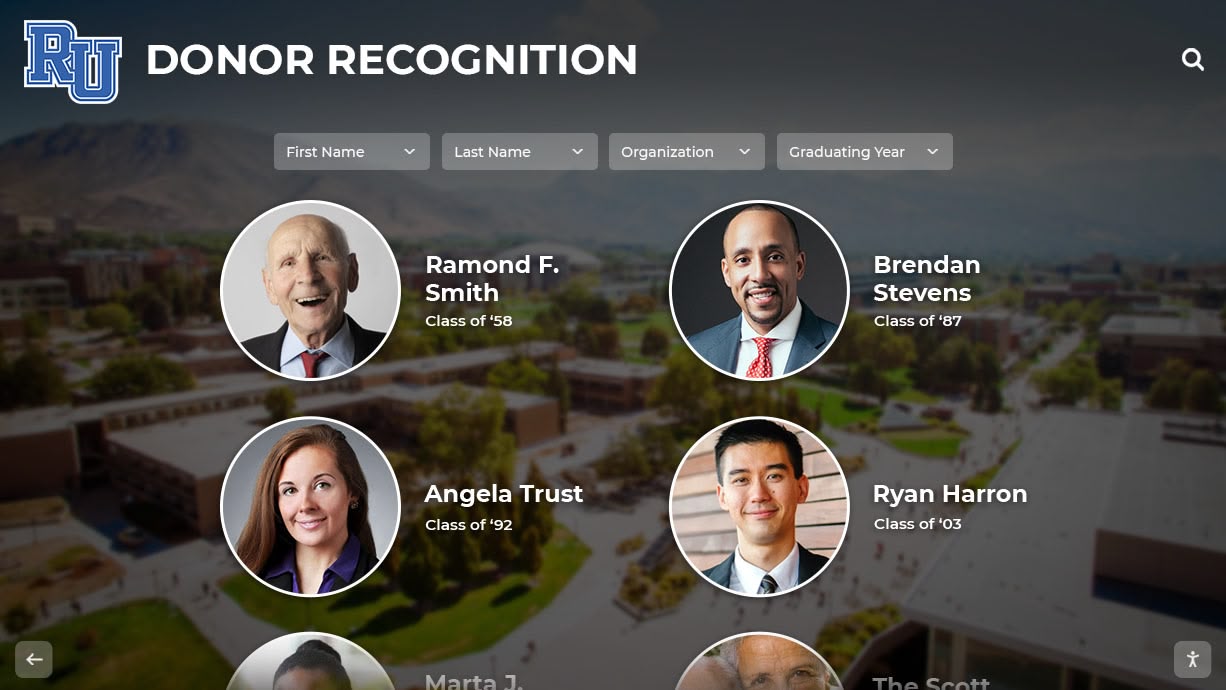
Searchable and Comprehensive - Digital platforms can showcase unlimited honorees without space constraints limiting physical plaques. Visitors can search by name, department, milestone year, or service length finding specific individuals or browsing entire recognition histories.
Updatable and Sustainable - Adding new milestone recipients to digital displays requires no construction, avoiding costs and sustainability concerns of constantly expanding physical walls. Content updates happen remotely without facilities work.
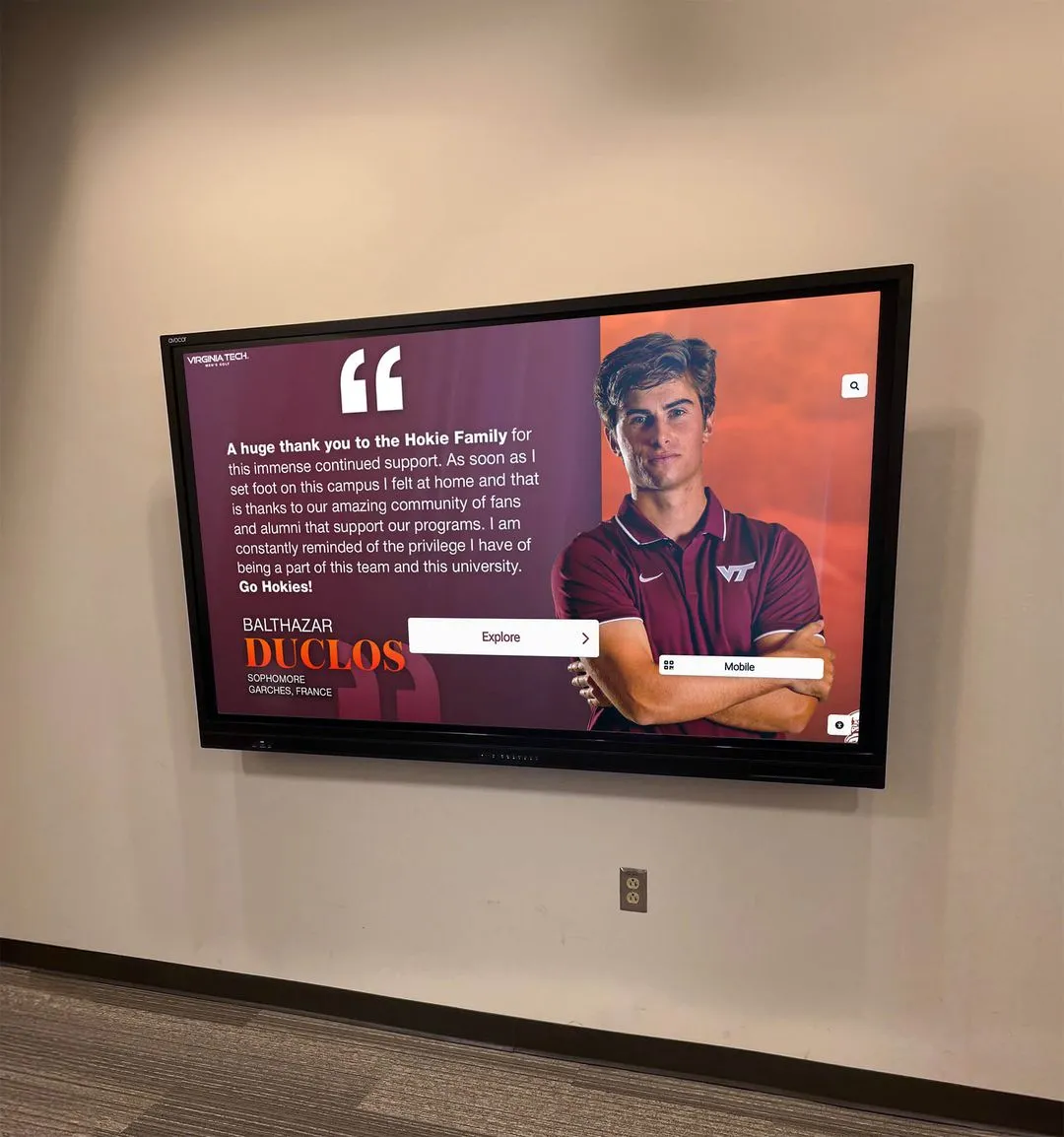
Rich Storytelling - Digital formats accommodate photos, biographical narratives, video messages, career timelines, and impact stories impossible with name-and-date plaques. This depth allows authentic storytelling celebrating whole careers rather than reducing decades to metal engravings.
Accessible and Engaging - Touchscreen interaction creates engaging experiences where people actively explore recognition content rather than passively viewing static walls. Accessibility features ensure all community members can engage with recognition content regardless of abilities.
Schools implementing digital recognition displays in main lobbies create year-round visibility for service award recipients while providing flexible platforms accommodating growing recognition programs without constant facilities renovations.
Combining Physical and Digital Recognition
The most effective approaches combine traditional physical awards with modern digital displays, leveraging each format’s strengths:
Physical Awards - Recipients receive personal keepsakes—engraved crystal, framed certificates, custom jewelry, or other tangible items they control and display in personal spaces. Physical awards provide private recognition and lasting mementos independent of organizational systems.
Digital Displays - Organizations maintain public recognition in shared spaces where broader communities encounter honorees’ stories. Digital platforms provide scalable, updateable, rich-media recognition complementing personal awards.
This combination ensures recipients receive both personal acknowledgment they own and public honor they share with organizational communities—meeting different recognition needs through appropriate formats.
Measuring Program Effectiveness and Continuous Improvement
Recognition programs should evolve based on participant feedback and measurable outcomes rather than running unchanged year after year regardless of impact.
Assessment Methods
Regular evaluation ensures programs achieve intended purposes:
Recipient Feedback Surveys - Ask service award recipients directly about their experience:
- Did recognition feel genuine and meaningful?
- Were ceremony formats appropriate and comfortable?
- Did award options match preferences and values?
- What aspects of recognition were most appreciated?
- What could be improved in future years?
Anonymous feedback often yields more honest insights than face-to-face conversations where social pressure encourages positive responses regardless of actual experience.
Organizational Culture Indicators - Monitor whether recognition programs correlate with cultural improvements:
- Employee/volunteer retention rates at different tenure levels
- Engagement survey scores related to appreciation and recognition
- Voluntary turnover patterns and exit interview themes
- Recruitment success citing culture and recognition as attraction factors
While many factors influence these metrics beyond recognition alone, sustained improvement suggests programs contribute to positive cultural development.
Participation and Engagement Metrics - Track program participation and recognition visibility:
- Ceremony attendance rates and trends
- Digital display interaction analytics showing how many people engage with recognition content
- Social media engagement on service recognition posts
- Nomination participation for special impact or leadership awards
Growing participation suggests increasing program value and cultural integration.
Continuous Improvement Strategies
Use assessment insights to refine programs over time:
Award Option Expansion - If recipients consistently request certain award types, expand catalogs incorporating frequently-requested items while retiring options no one selects.
Format Refinement - Adjust ceremony formats, communication approaches, or nomination processes based on what participants report working well versus creating friction or discomfort.
Technology Integration - Modern platforms enable recognition innovations like video messages from colleagues, digital scrapbooks collecting career memories, or interactive directories connecting current employees with organizational history. Explore how technology can enhance recognition without losing personal authenticity.
Equity Audits - Periodically review recognition data ensuring programs serve all employee groups equitably. Check for patterns suggesting certain departments, roles, demographics, or locations receive less recognition despite similar tenure, then address systemic barriers preventing equitable acknowledgment.
Common Service Award Program Mistakes and How to Avoid Them
Learning from frequent missteps helps organizations implement recognition programs effectively from the start rather than course-correcting after damaging early experiences.
Mistake 1: Treating Recognition as Administrative Formality
The Problem - Programs designed purely to check HR boxes rather than authentically appreciate people feel hollow. Generic certificates, impersonal ceremonies, and leadership no-shows communicate that recognition is bureaucratic requirement rather than genuine gratitude.
The Solution - Design programs prioritizing authentic appreciation over efficient processing. Invest time gathering specific impact stories, personalizing recognition, and ensuring leadership demonstrates genuine engagement. If time constraints prevent authentic recognition, scale program ambitions to match available investment rather than offering perfunctory gestures that insult more than honor.
Mistake 2: Inconsistent Implementation Creating Inequity
The Problem - Recognition quality varying significantly between cohorts based on budget availability, leadership changes, or administrative inconsistency creates perceived unfairness eroding program credibility. Employees reaching 20-year milestones during budget cuts who receive minimal recognition while prior cohorts enjoyed elaborate celebrations feel penalized for arbitrary timing.
The Solution - Establish sustainable program parameters with consistent funding and execution standards regardless of external circumstances. If economic conditions necessitate changes, adjust programs transparently for all future recipients rather than creating year-to-year variations that feel arbitrary. Consider endowment funding for recognition ensuring consistency across economic cycles.
Mistake 3: One-Size-Fits-All Approaches Ignoring Individual Preferences
The Problem - Assuming all employees want identical recognition ignores personality and cultural differences. Extroverted employees may love public ceremonies while introverted colleagues find large gatherings uncomfortable. Some cultures emphasize group harmony over individual recognition, making Western-style spotlight moments feel inappropriate.
The Solution - Offer recognition format choices respecting different comfort levels and preferences. Allow recipients to choose between public ceremonies or private acknowledgment, group celebrations or individual meetings, physical awards or charitable donations. Choice demonstrates respect for individual autonomy while ensuring recognition feels genuinely appreciative rather than obligatory.
Mistake 4: Forgetting About Volunteer Recognition
The Problem - Many organizations develop comprehensive employee recognition programs while neglecting volunteer contributors whose unpaid dedication deserves equal appreciation. This oversight suggests organizations value paid work more than volunteer service, damaging volunteer relationships and retention.
The Solution - Design inclusive recognition frameworks accommodating both employees and volunteers through unified programs or parallel structures ensuring both groups receive appropriate acknowledgment. Track volunteer hours and involvement as systematically as employee tenure, creating reliable processes that don’t depend on memory or individual manager initiative.
Mistake 5: Choosing Awards That Don’t Match Recipients’ Values
The Problem - Well-intentioned awards that don’t align with recipients’ interests, lifestyles, or values feel wasteful rather than appreciative. Elaborate gifts for minimalist employees, alcohol-focused experiences for non-drinkers, or luxury items for those who prefer charitable giving miss the recognition mark.
The Solution - Offer award choices allowing recipients to select options matching personal values and circumstances. Include diverse award categories—tangible gifts, experiences, professional development, charitable donations, additional leave time—ensuring every recipient finds meaningful options. Survey employees and volunteers periodically to ensure award offerings evolve with changing preferences.
Building Service Award Programs That Matter
Service awards succeed when they become authentic expressions of organizational gratitude rather than perfunctory HR programs that everyone tolerates but no one values. The difference lies not in budget extravagance but in thoughtful design prioritizing genuine appreciation, individual recognition, and sustained cultural commitment to honoring those who dedicate years to institutional missions.
Whether recognizing long-serving faculty members who shaped thousands of students’ lives, volunteers who donated countless hours to community causes, or staff whose quiet dedication kept operations running across decades, meaningful service recognition communicates that loyalty and commitment receive more than taken-for-granted assumptions. It says: “We notice. We appreciate. We celebrate your decision to invest your professional life in this shared mission.”
Organizations ready to transform recognition from bureaucratic formality into genuine cultural cornerstone should start by understanding what current employees and volunteers actually value, designing programs matching those authentic preferences rather than importing generic corporate frameworks, and committing to sustainable implementation that treats recognition as ongoing cultural investment rather than optional budget line item eliminated during financial challenges.
For schools and educational institutions looking to modernize recognition through technology while maintaining personal authenticity, explore how interactive recognition solutions can create permanent, visible, engaging celebrations of service that honor recipients long beyond single ceremony moments—combining traditional personal awards with modern digital platforms that bring recognition into daily institutional life where entire communities encounter and appreciate the dedicated individuals who make organizational excellence possible.