



Key Takeaways
Learn how to write meaningful senior night speeches for teammates with prompts, short examples, and a story-capture workflow that turns ceremony moments into lasting athletic profiles and digital recognition.
Teammate speeches are the most emotionally honest part of a senior night ceremony. When a junior point guard stands at the microphone and describes the time a graduating senior stayed late every Thursday for four months helping her shoot free throws, that specific story captures something no jersey number or win-loss record can—the person behind the athlete. The challenge for athletic departments is that these moments vanish. Families applaud, the ceremony moves on, and those details disappear with the echo: details that would have made a compelling digital profile, a hallway display panel, or a permanent hall-of-fame entry.
This guide gives coaches, athletic directors, and student-athletes a practical workflow for treating senior night speeches as story-capture opportunities. It includes prompts to help teammates write better speeches, short examples they can adapt, and a straightforward process for turning ceremony content into lasting recognition content.
Why Teammate Speeches Carry a Different Weight
Senior athletes, coaches, and parents all speak at senior nights, but the teammate voice is uniquely convincing. Coaches offer institutional perspective. Parents offer love. A teammate offers peer credibility—the witness account of someone who ran the same drills, sat on the same bus, and watched the honored athlete perform under pressure without an audience.
That credibility is what makes teammate speeches the best raw material for building authentic athlete profiles. A stat line proves what happened. A teammate’s story explains who made it happen.
For programs interested in capturing recognition content that goes beyond the ceremony itself, the senior night tradition is already producing that material—it just needs a capture system. Resources like senior night planning guides for honoring athletes focus on ceremony experience, but the story-capture opportunity those ceremonies represent deserves equal attention.

Building a Speech Story-Capture Framework
The goal is to extract three to five specific story details from each teammate speech and attach them to a structured athlete profile. The workflow has four steps.
Step 1 — Distribute prompts two weeks before the ceremony. Give speech-givers a one-page prompt sheet (see the section below) and a three-sentence structure they can follow. Ask them to submit a draft, written or voice-recorded, to the coach or athletic director by a set deadline.
Step 2 — Review drafts for story details. A staff member reads each draft and highlights concrete details: names of games, specific actions, direct quotes from the senior, turning-point moments. Vague adjectives (“she was amazing”) get flagged for follow-up. Specific scenes (“she took a charge with two seconds left in our regional semifinal”) get saved.
Step 3 — Record or transcribe on ceremony day. Even a phone recording captures what was actually said at the microphone, which often differs from the submitted draft. Short transcripts or key phrases can be pulled within 48 hours while memory is fresh.
Step 4 — Add story content to athlete profiles. Feed the captured story details into each senior’s profile alongside their own questionnaire responses, stats, and photos. The result is a multi-voice portrait suitable for a digital display, yearbook feature, or permanent wall-of-fame entry.
This framework pairs naturally with broader senior night planning across different sports. For ideas on how other programs structure ceremony formats, the 25 creative senior night ideas guide covers recognition formats that can incorporate teammate speech moments.
Prompts That Pull Out the Right Stories
Generic prompts produce generic speeches. These prompts are designed to bypass adjectives and draw out the concrete details that make recognition content memorable.
For shared team moments:
- “Describe one moment in a game or practice that you will always associate with this person—what happened, what did they do, and what did you learn from watching it?”
- “Tell us about a time this season when things got hard and this person’s reaction changed the energy for the rest of the team.”
For character and leadership:
- “Finish this sentence: The thing about [Name] that nobody outside our locker room knows is…”
- “What did they do the week after a tough loss that showed you who they really are away from the highlights?”
For personal influence:
- “Describe one thing this person taught you—not about the sport, but about competing or handling people.”
- “What will you tell your own kids or future teammates about what it was like to play alongside them?”
For ceremony pacing (one-sentence closer):
- “Sum up in one sentence what you hope they carry from this program into whatever they do next.”
Schools coordinating more formal senior recognition programs—including organized student-government-led celebrations—sometimes adapt these prompts into structured peer-recognition formats. The SGA senior recognition night planning guide shows how student-led programs can formalize peer tribute content in ways that produce both ceremony impact and archivable material.
Short Teammate Speech Examples
These examples are intentionally brief—60 to 90 seconds when read aloud. They model the prompt-based structure above and are formatted so a teammate can adapt them in under 20 minutes.
Example 1 — Basketball teammate speech (point guard honoring a shooting guard):
“Playing alongside Maya for three years taught me something I didn’t expect: preparation looks different on everyone. Maya’s preparation looked like showing up 45 minutes early, picking a spot behind the three-point line, and not leaving until she’d made 25 in a row from that spot. Every single home game. I can’t count how many times her fourth-quarter shooting bailed us out, but I can tell you every one of those shots came from something nobody in the stands ever saw. Maya, I’ll miss the games, but what I’ll actually miss is watching someone work that hard without anyone asking them to. Whatever you do next, that habit goes with you.”
Example 2 — Soccer teammate speech (defender honoring a midfielder):
“Jordan and I have probably argued about twenty defensive positioning calls over three years, and Jordan was right about nineteen of them—which I will not say again after tonight. But what I want the families here to understand is that Jordan never once made it about being right. Every argument ended the same way: ‘figure it out on the field.’ That’s leadership—not the kind that sounds good in a speech, but the kind that keeps a team functioning in the middle of a game when there are no timeouts left. Jordan, the team behind you for the next four years is lucky, even if they don’t know it yet.”
Example 3 — Volleyball teammate speech (setter honoring a libero):
“Senior night for Morgan is the moment I’ve been dreading since sophomore year, because it means I have to play every serve-receive situation next season without her next to me telling me where it’s going before it gets there. Morgan reads the game faster than anyone I’ve ever seen. But she also makes it her job to read people—and in three years, she never let a teammate walk off the court after a rough rotation without pulling them aside and resetting them. I don’t know if composure is a stat category, but if it were, Morgan would hold the school record. Thank you for making our whole team better at staying in it.”
These examples follow the same structure: one specific scene or behavior, the quality it revealed, its impact on the team, and a brief closing wish. Programs can share these examples with speech-givers as models before the ceremony. For sport-specific ceremony planning that incorporates speech components, both lacrosse senior night ceremony ideas and soccer senior night recognition guides offer ceremony frameworks that can accommodate structured teammate tributes.
Turning Speech Content into Athlete Profiles
Once story details are captured, the next step is enriching each senior’s recognition profile. A strong digital profile for a senior athlete typically includes:
- Basic biographical info: name, sport, position, years in the program, graduation year
- Career highlights: statistics, awards, championships, team records
- Senior questionnaire responses: the athlete’s own reflections
- Teammate story additions: specific scenes, character moments, and quotes captured from speeches
- Family acknowledgment: parents’ names, family messages
Teammate speech content belongs in a dedicated “teammate tributes” field or section within the profile. This distinguishes peer-reported stories from the athlete’s self-reported reflections and adds a layer of social proof that resonates with future visitors—alumni, recruits, current athletes—who encounter the profile months or years later.
Schools that publish senior recognition in yearbooks, alumni programs, or digital channels can cross-reference this captured content. Senior recognition content in yearbooks and lasting tributes illustrates how multi-channel recognition programs benefit from having rich, story-driven source material rather than relying on statistics alone.
For dance teams, cheer squads, and performing athletic groups that also participate in senior night ceremonies, the same profile structure applies. Dance team senior night lobby display ideas show how story-capture and profile-building workflows transfer to non-traditional athletic programs with equal effectiveness.
Profile Data Follow-Up After the Event
The 48 hours following senior night are the highest-value window for capturing and completing profile data. Memory is freshest, emotion is still present, and families are actively sharing content on social media—making it an ideal moment to solicit photos, corrections, and additional detail.
A simple post-event follow-up checklist for athletic staff:
- Transcribe any speeches recorded at the ceremony. Even rough notes capture usable story details before they fade.
- Email seniors directly. Ask them to confirm parent names, future plans, and any achievements that may have been missed in the ceremony introduction.
- Ask coaches for one-sentence characterizations. “Tell me one thing about this athlete that won’t appear in any box score.” These become compelling profile bio lines that statistics cannot replicate.
- Request family photos. Candid ceremony photos—seniors with parents, teammates embracing—often have more warmth than posed headshots and give profiles human texture that formal photography alone cannot.
- Confirm consent for public display. If your program plans to display speech content on hallway panels or digital systems, confirm with both the speech-giver and the honored senior that they approve the specific language being used.
For programs with larger senior cohorts, structured post-event follow-up becomes especially important for completeness and consistency. Volleyball senior night planning resources address ceremony scale and logistics that affect how post-event capture workflows need to be organized.
Using Captured Stories for Hallway Displays and Lobby Recognition
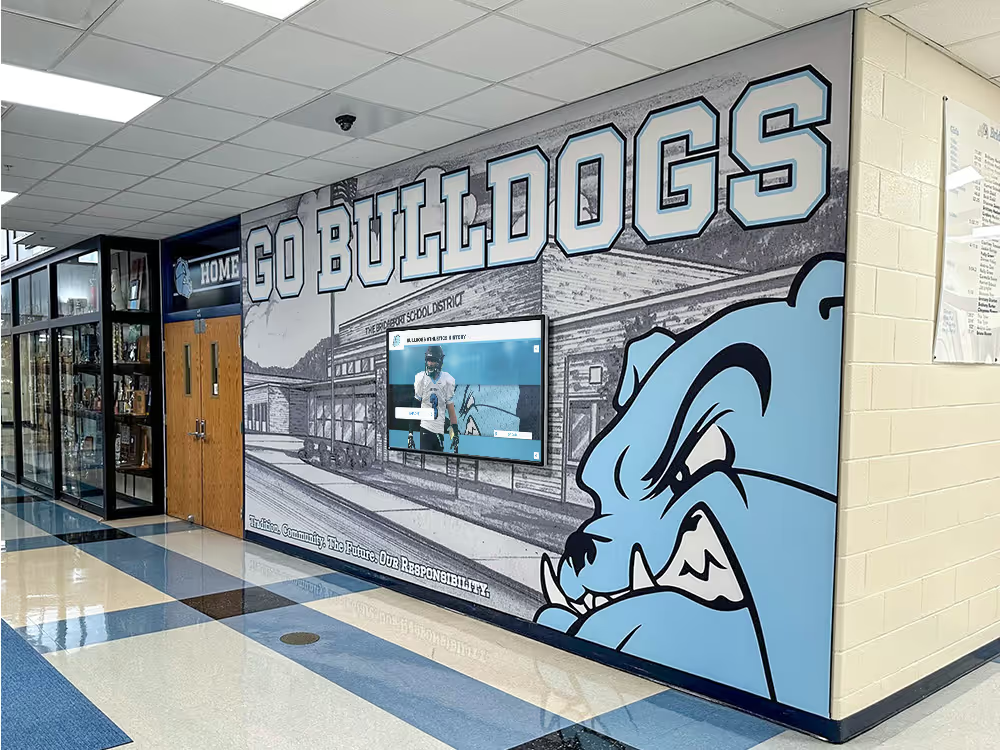
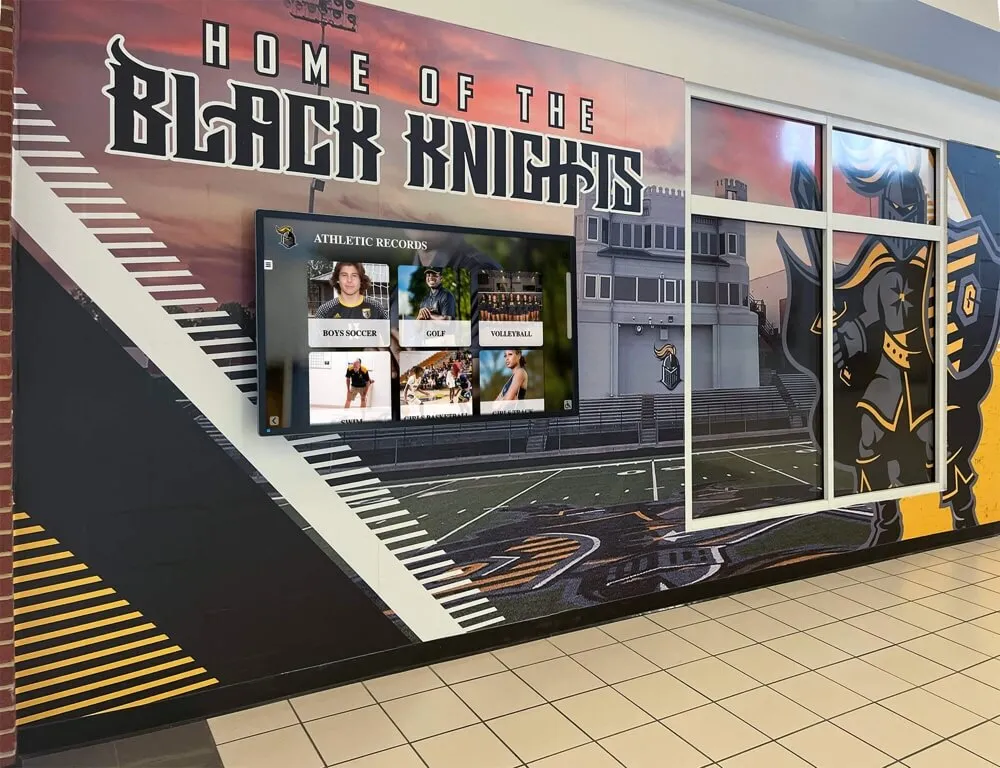
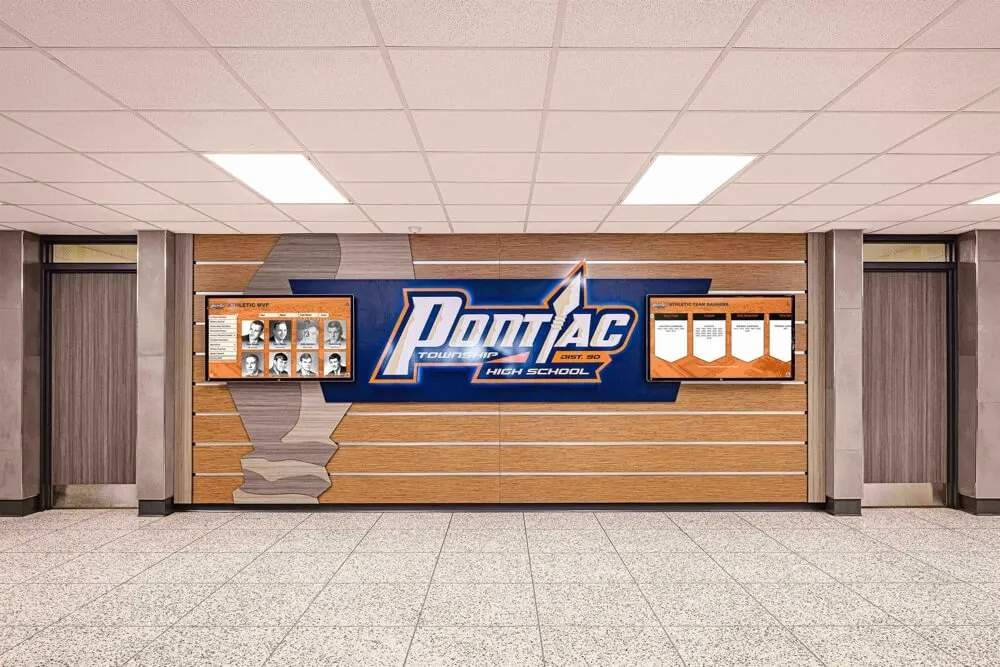
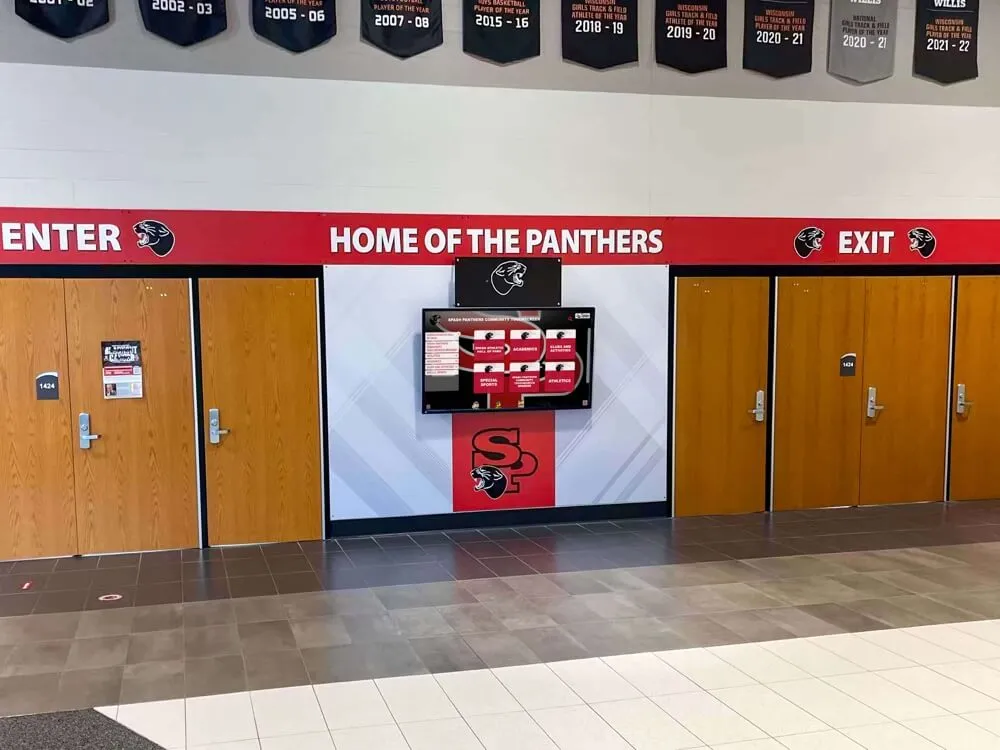
The story details from teammate speeches—one or two sentences per athlete—translate directly into hallway display captions, lobby panel text, and digital recognition content. A display panel reading:
“She never let a teammate walk off the court after a rough rotation without pulling them aside and resetting them.” — Senior Night teammate tribute, Volleyball
is more compelling than a caption reading “Three-year varsity starter. All-conference honorable mention.”
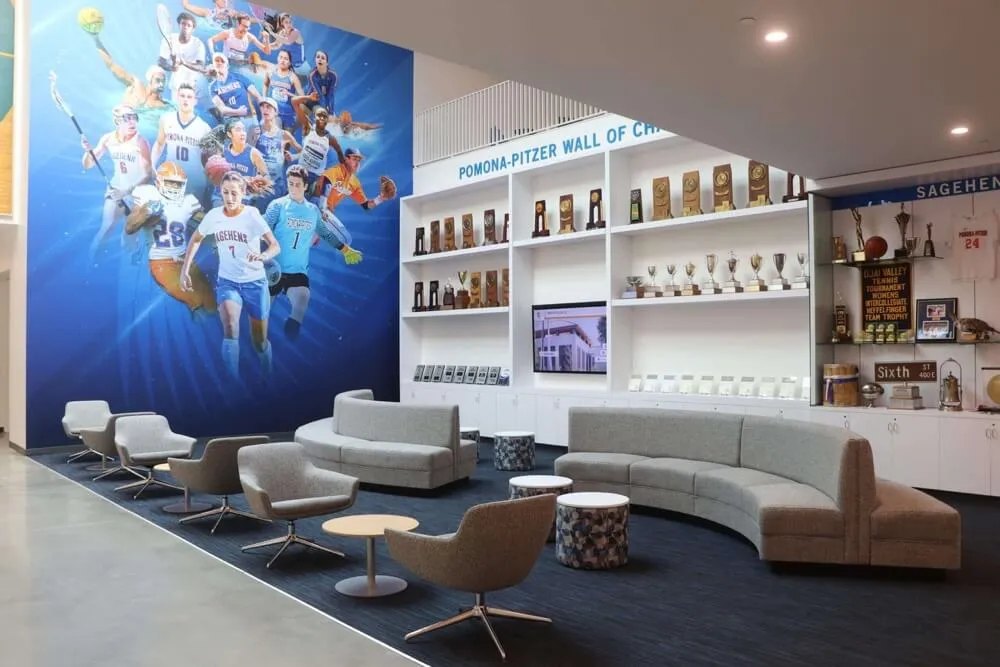
Both pieces of information belong in the profile. But the teammate quote is what stops someone walking through a hallway. It is the detail that makes a passing parent ask, “Which one is she?” It makes recognition human in a way statistics cannot. For seniors receiving physical recognition gifts alongside display-based recognition, meaningful senior recognition gift ideas offer practical pairings for programs running both ceremony and permanent display components.
Integrating Teammate Stories into a Digital Hall of Fame
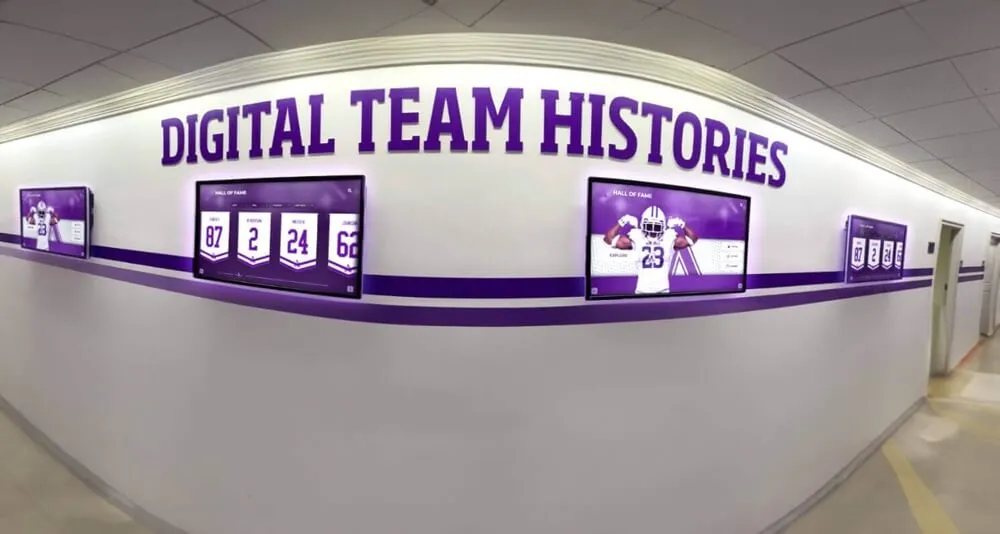
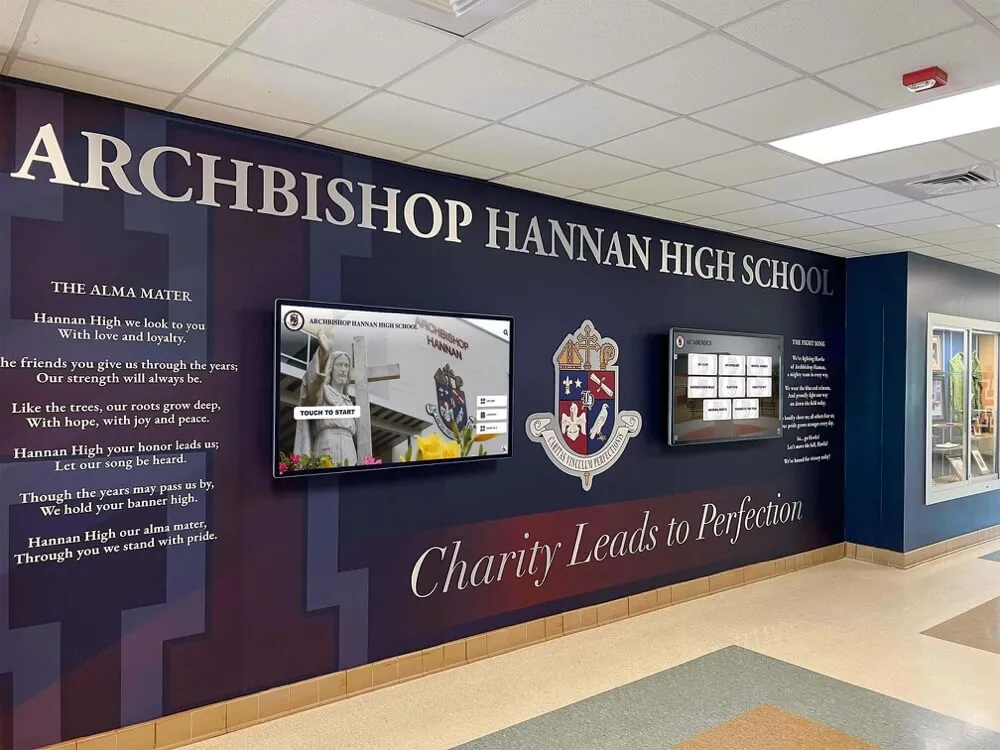
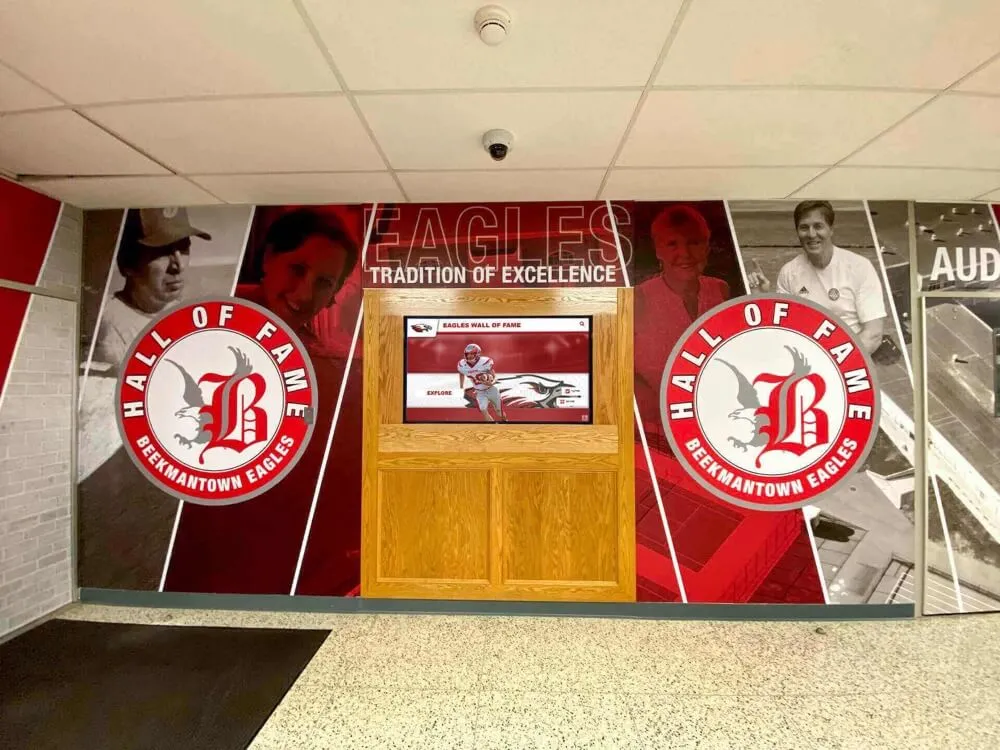
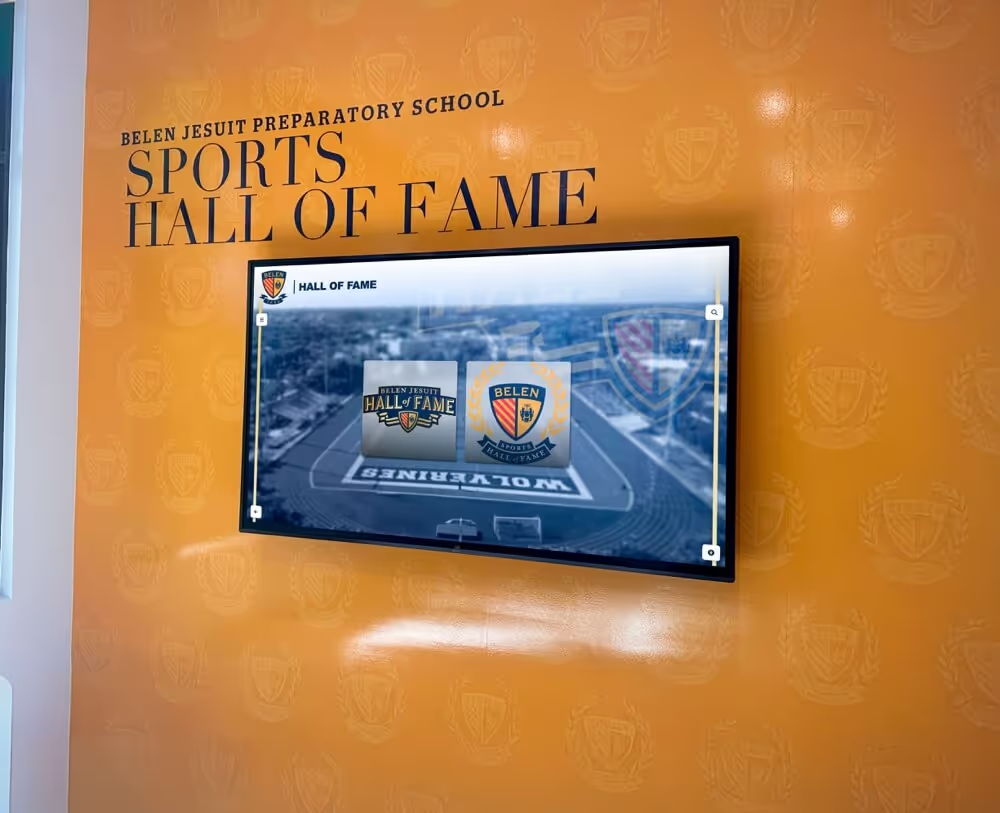
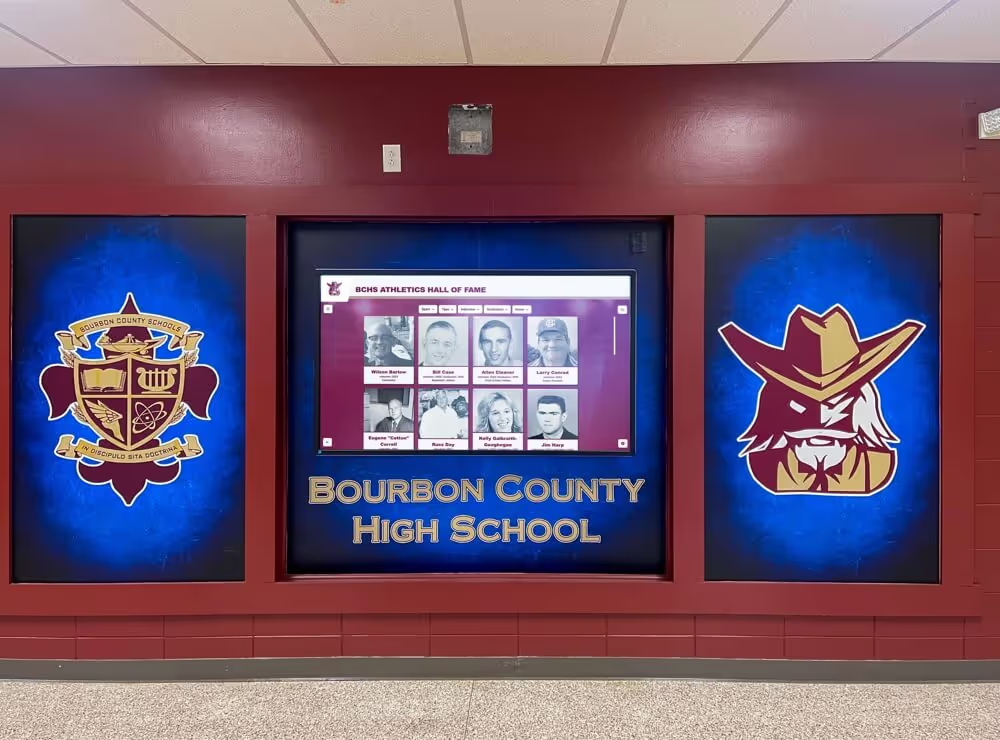
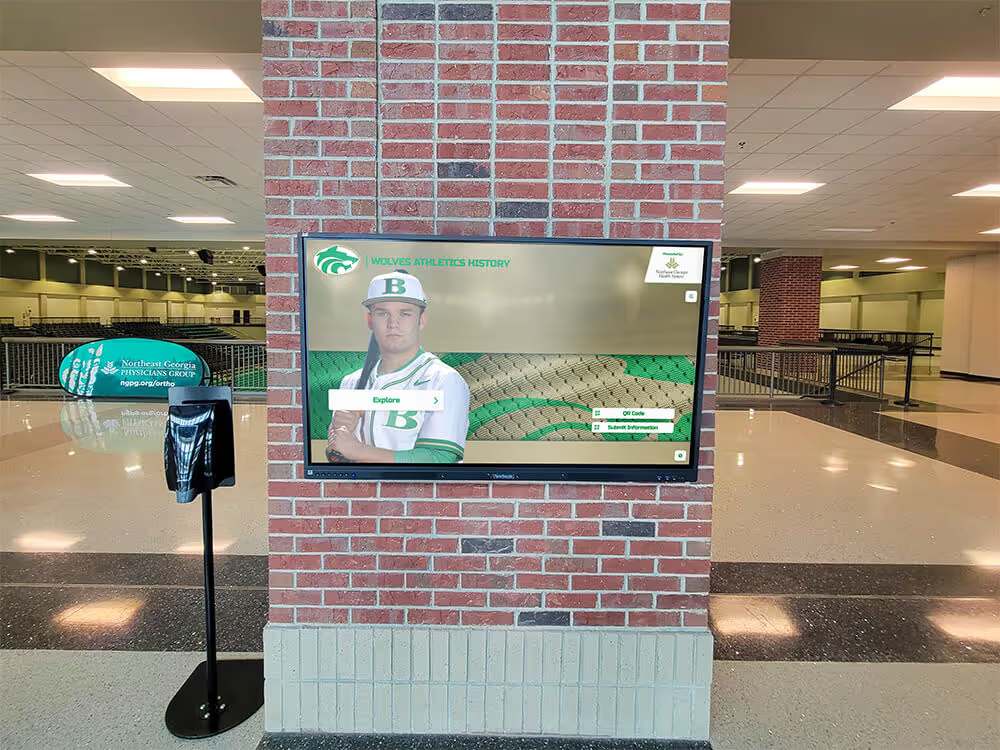
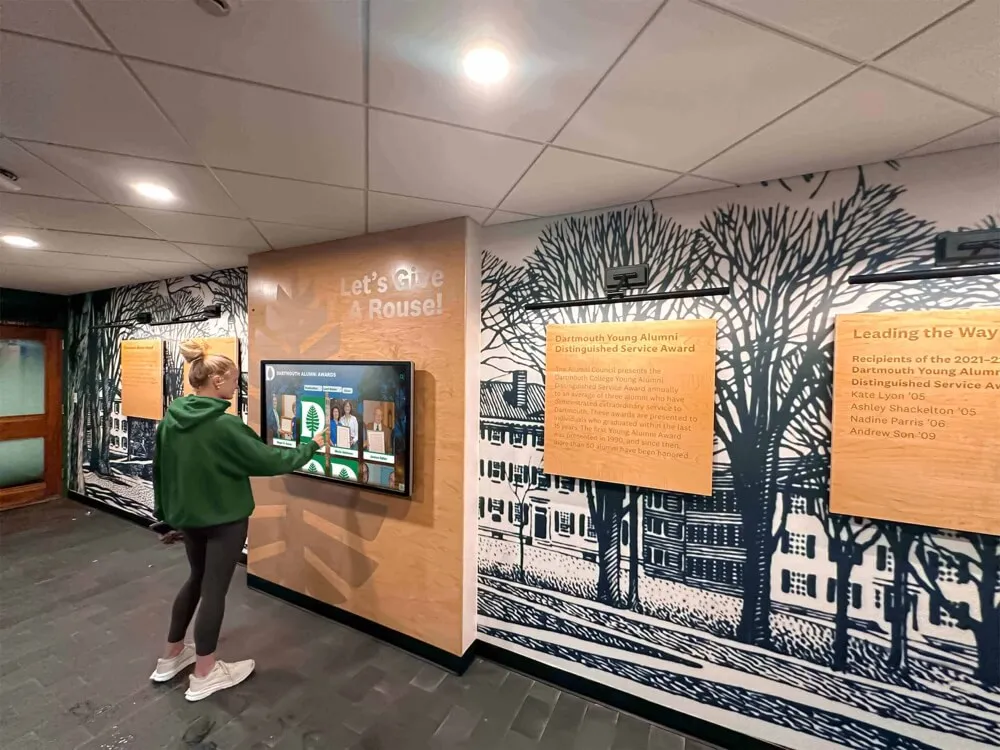
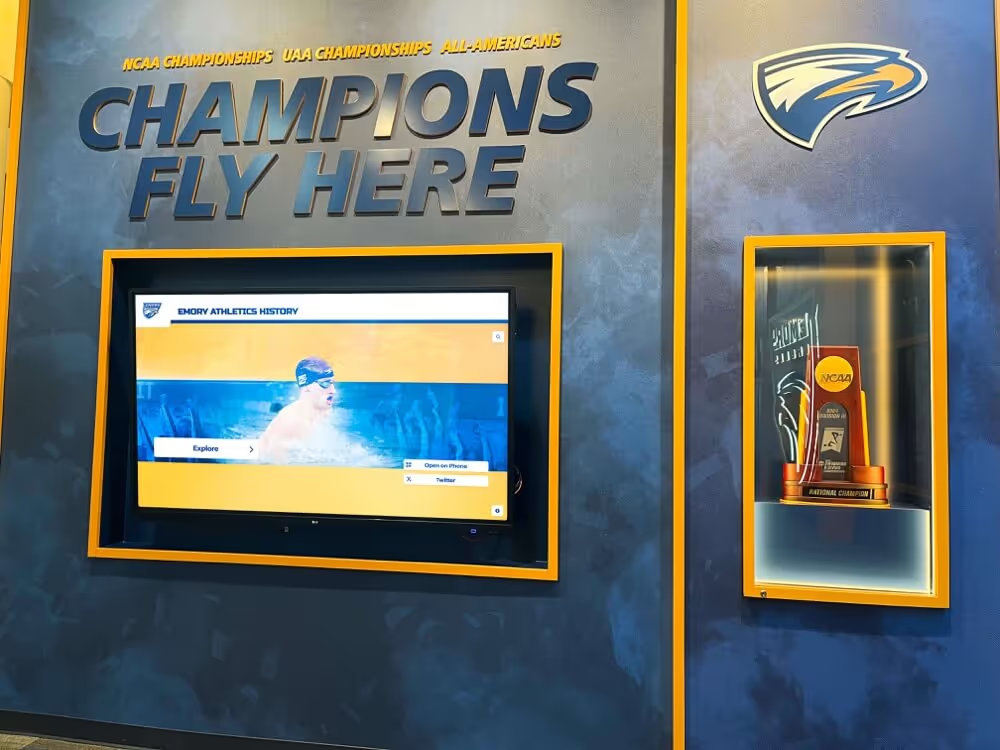
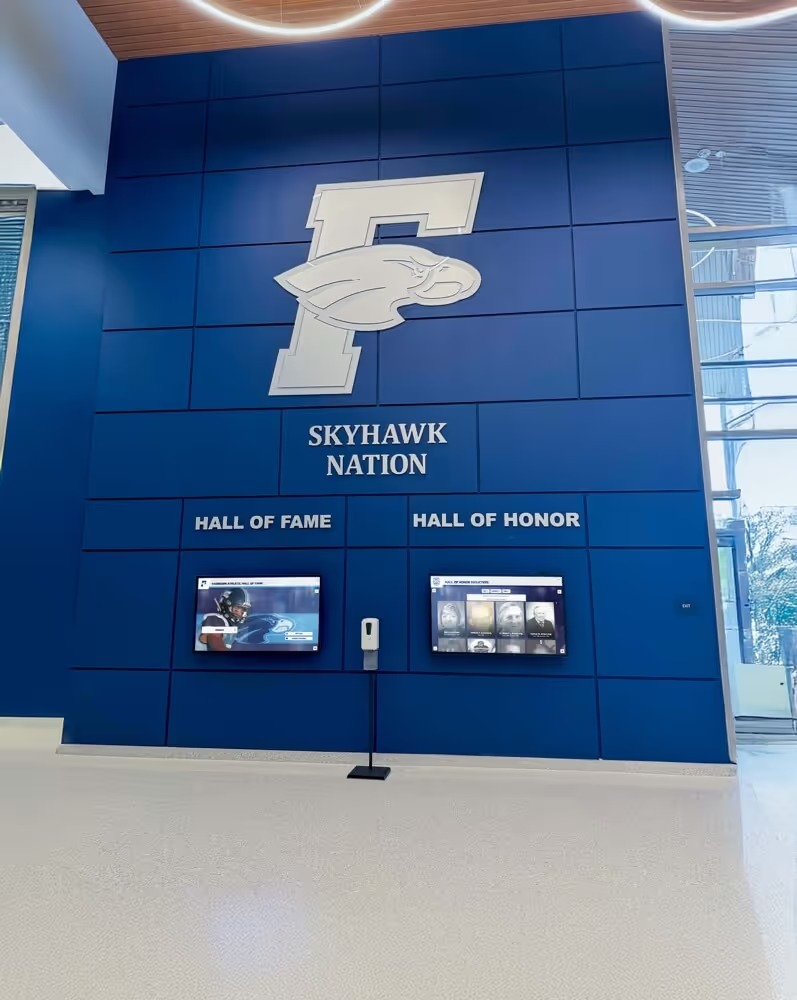
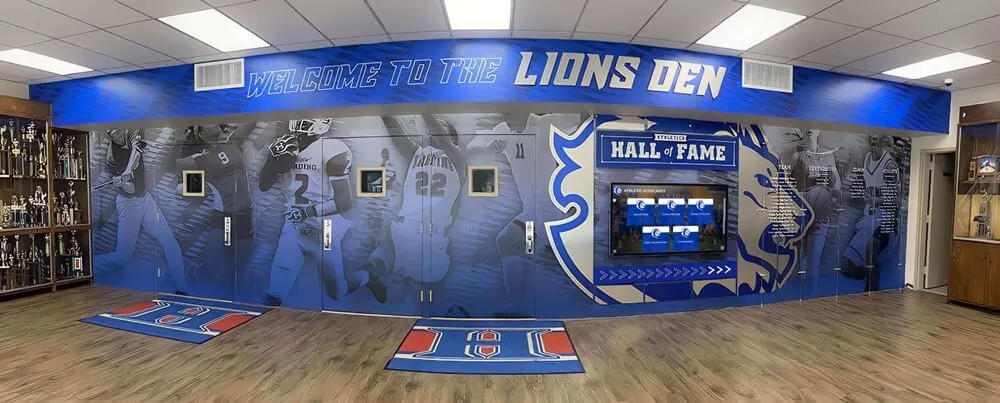
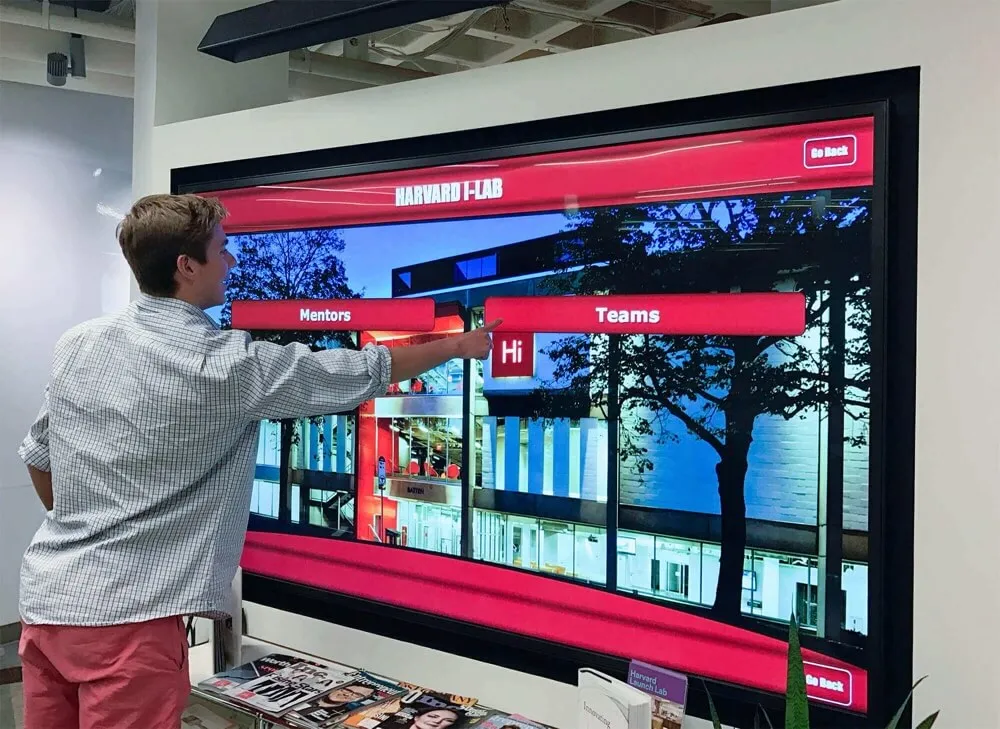
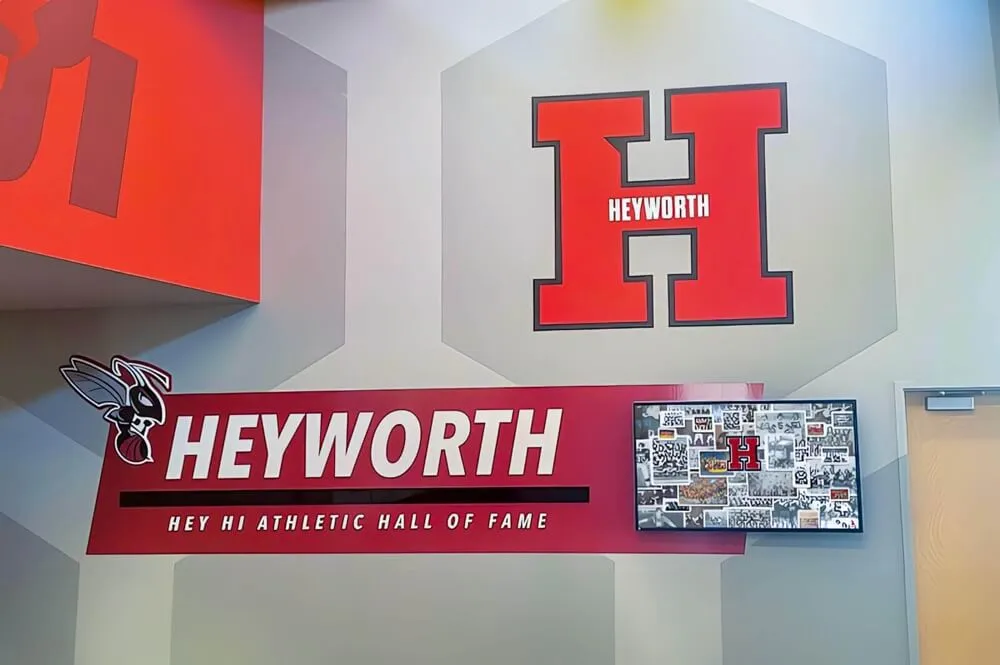
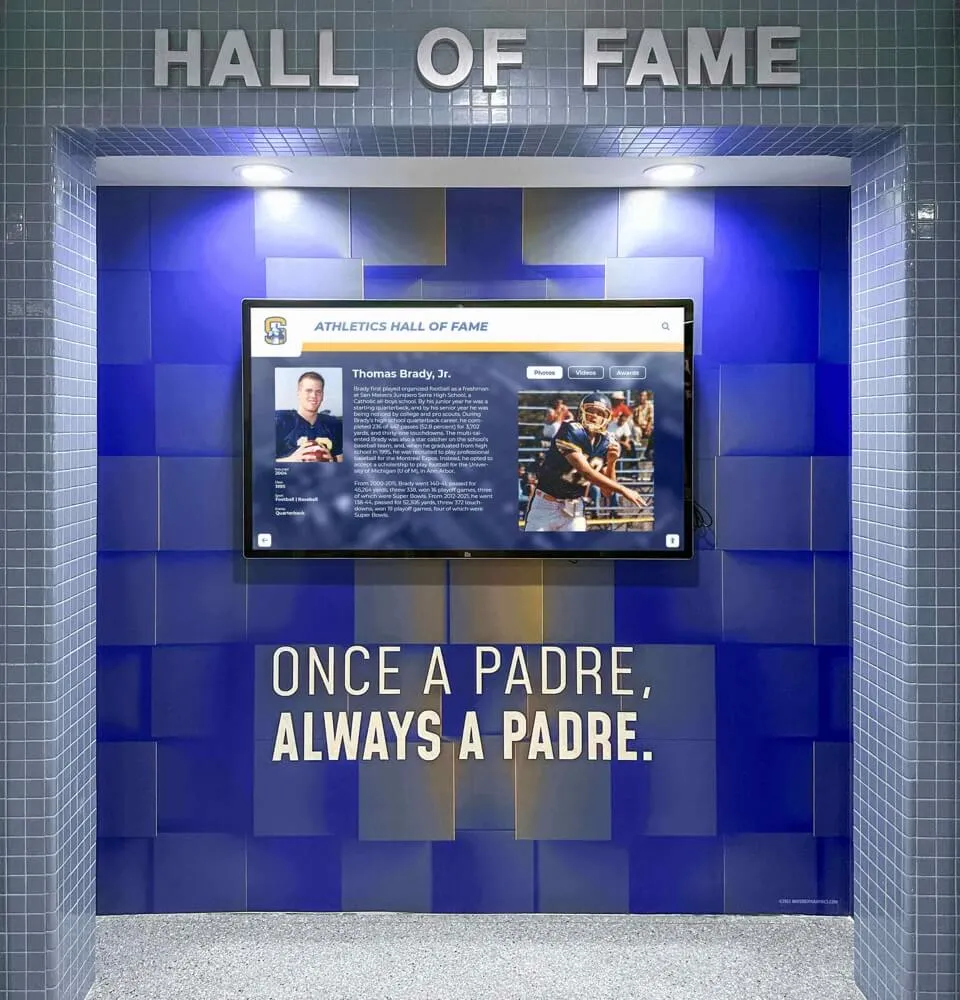
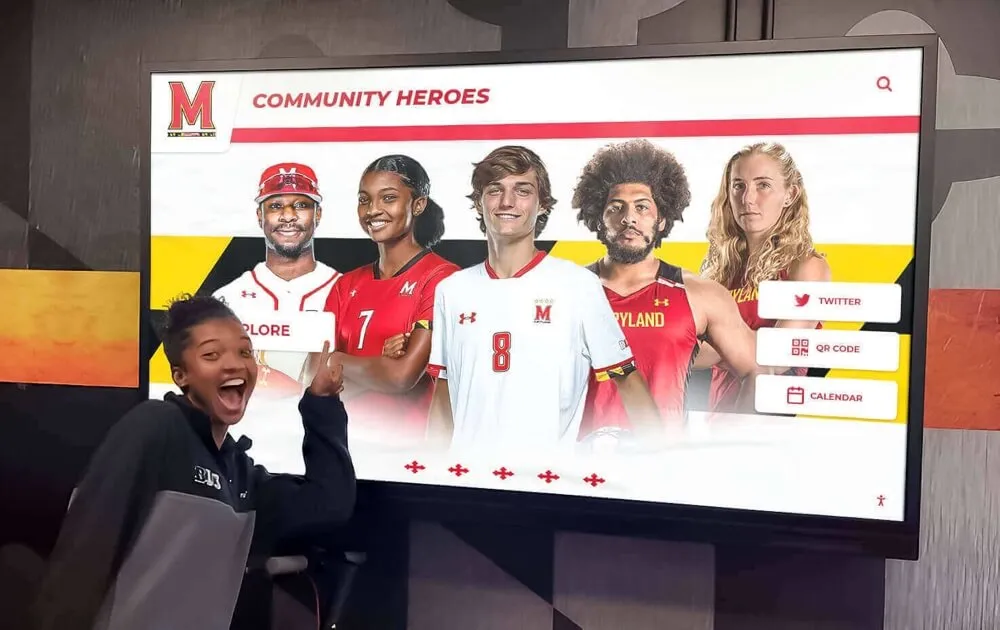
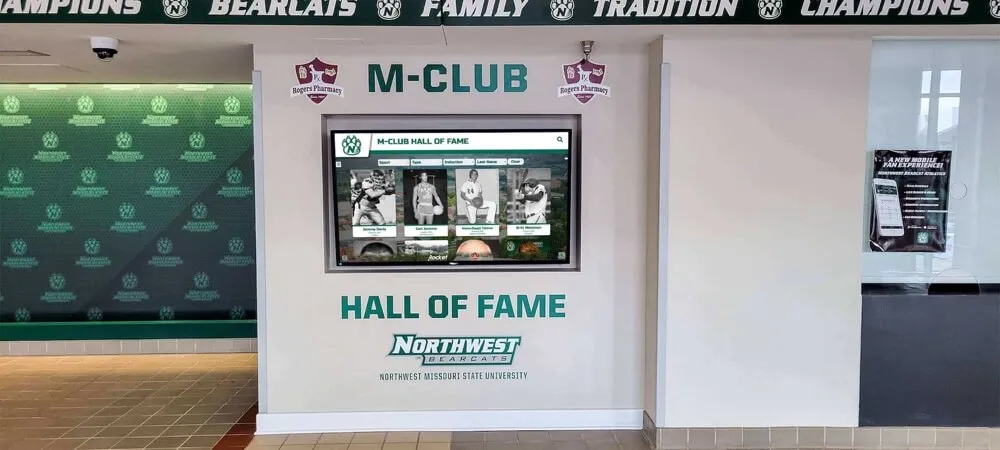
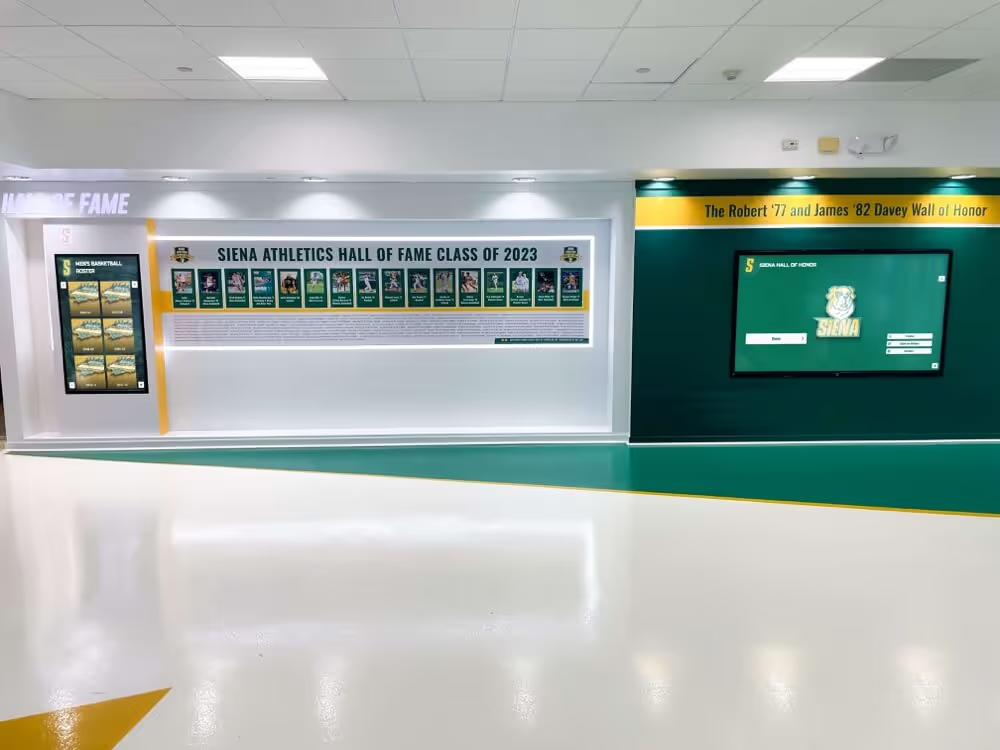
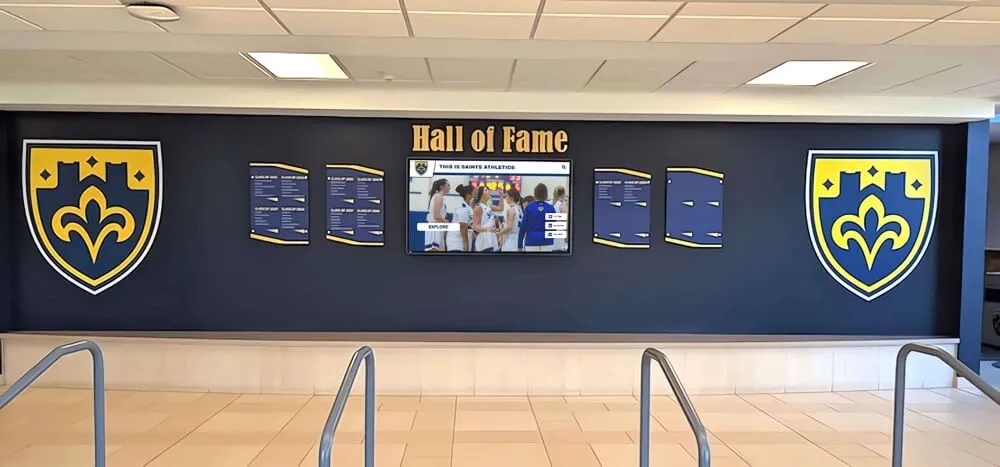
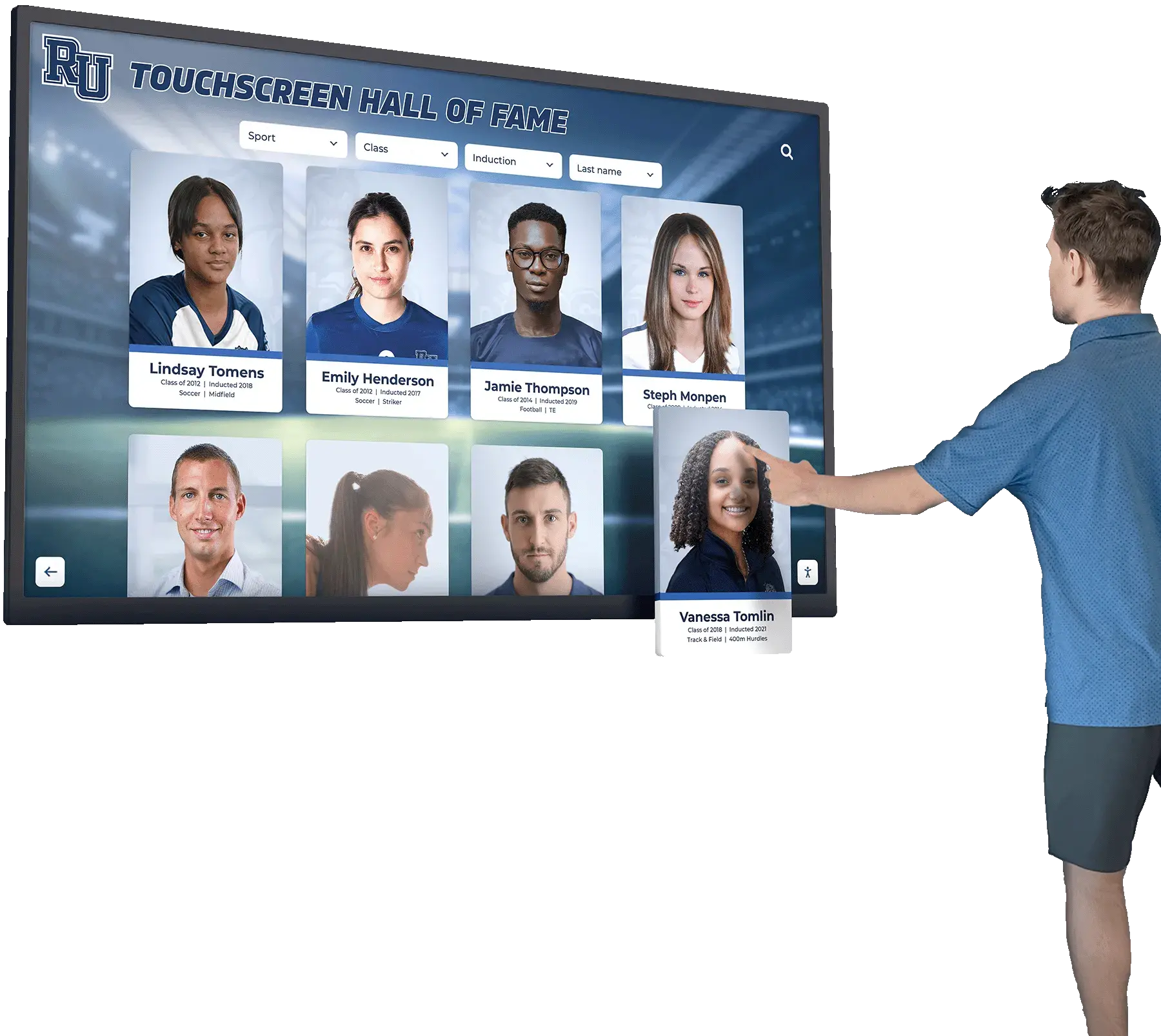
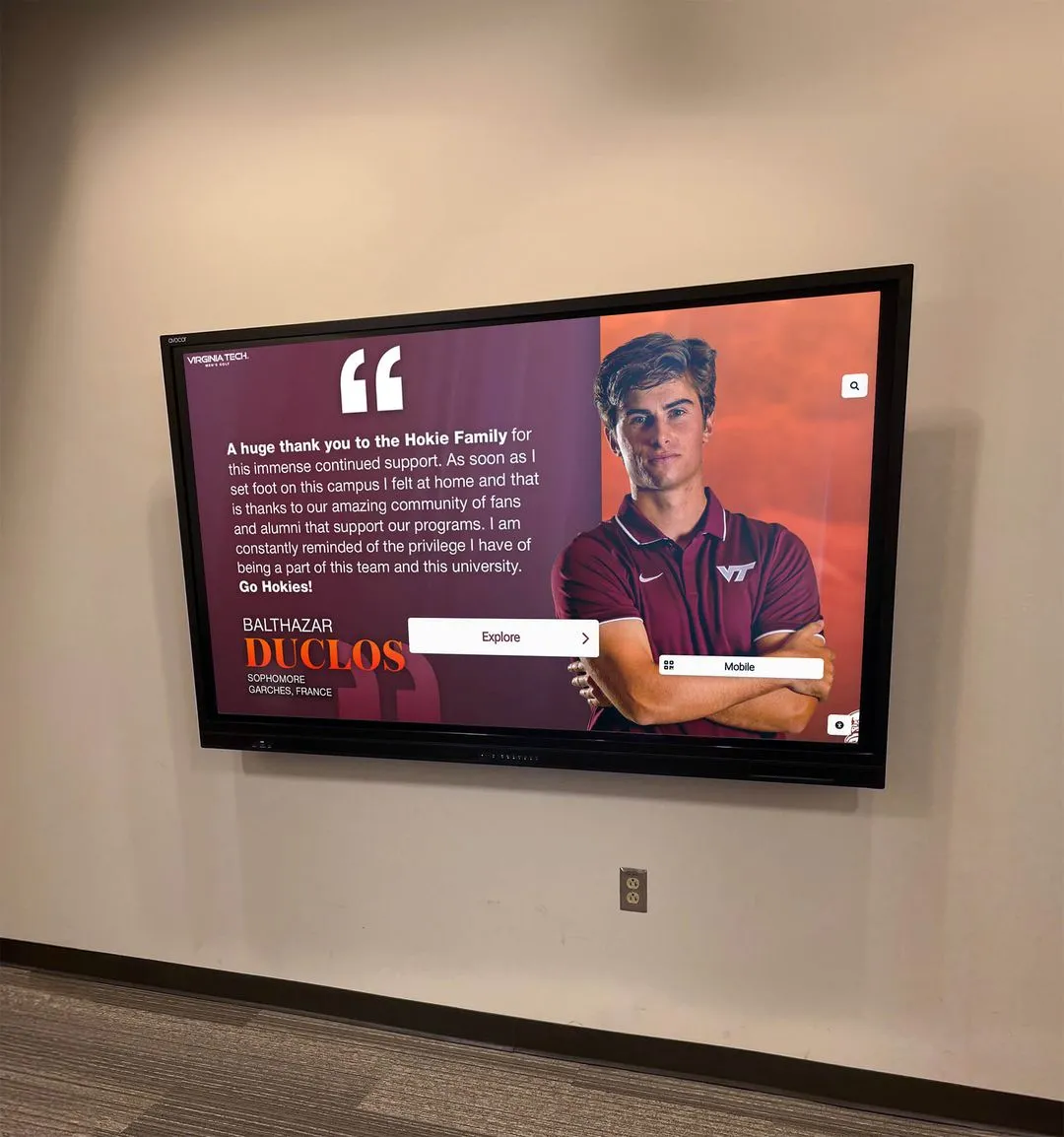
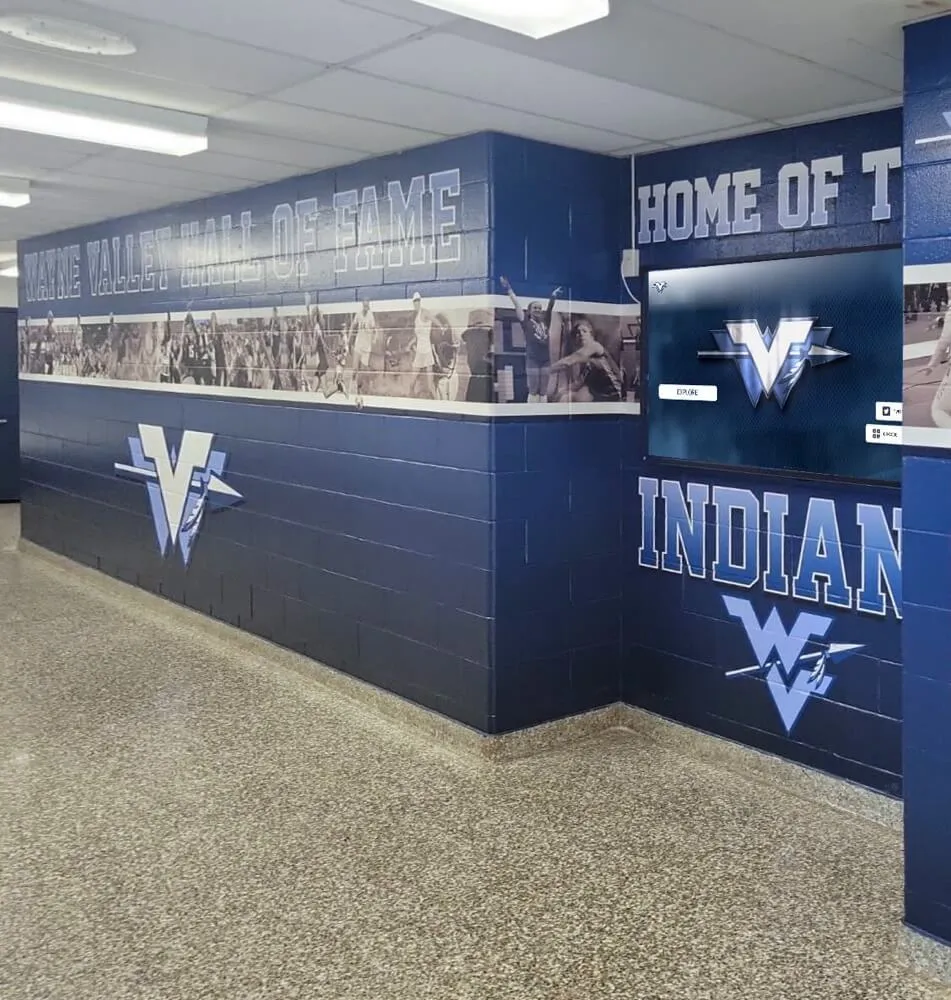
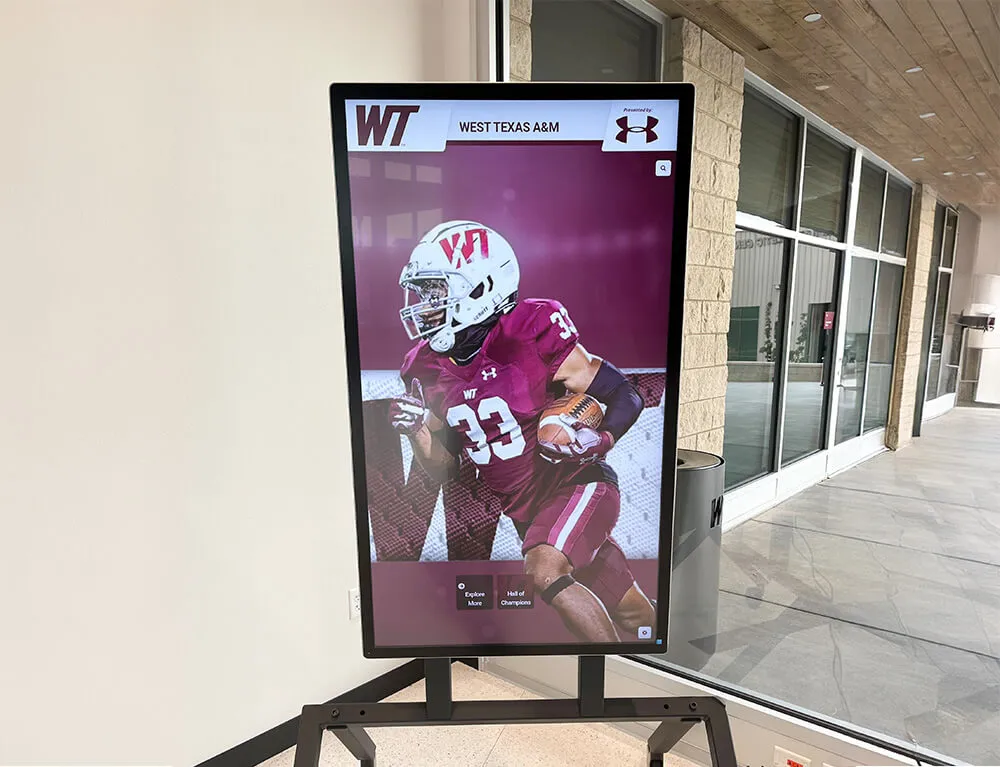
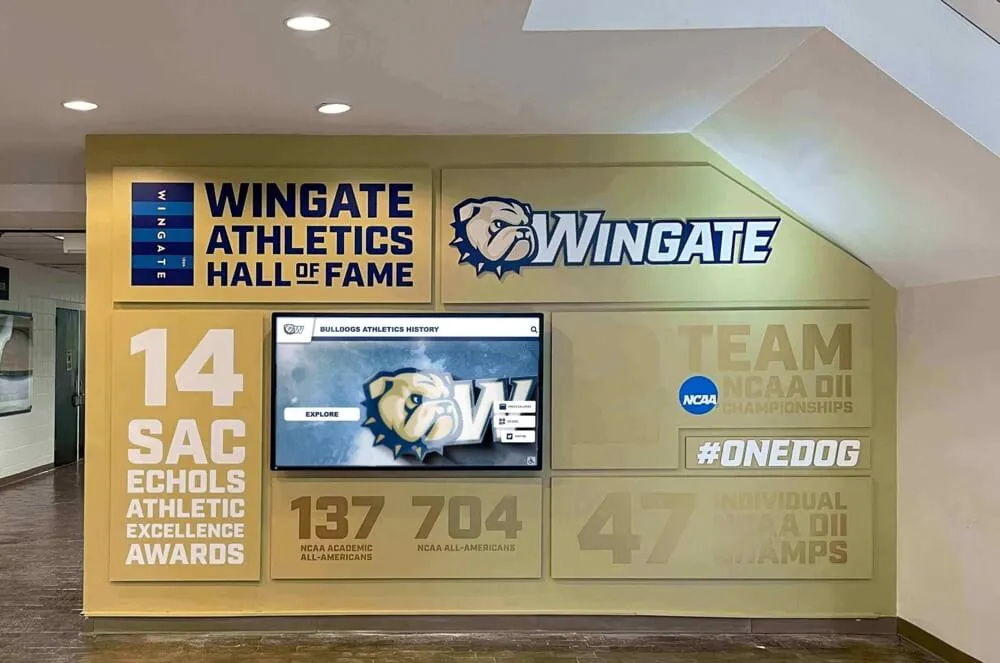
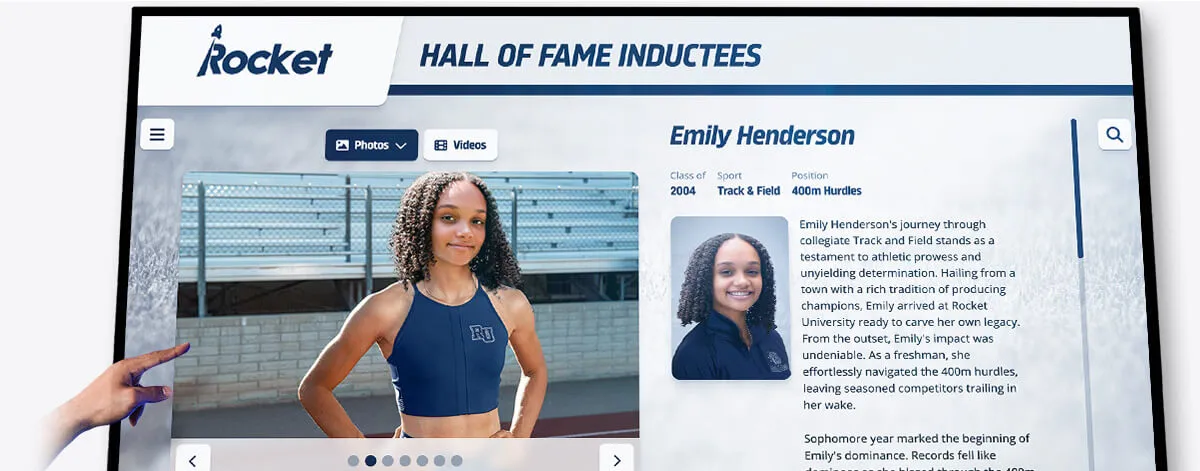
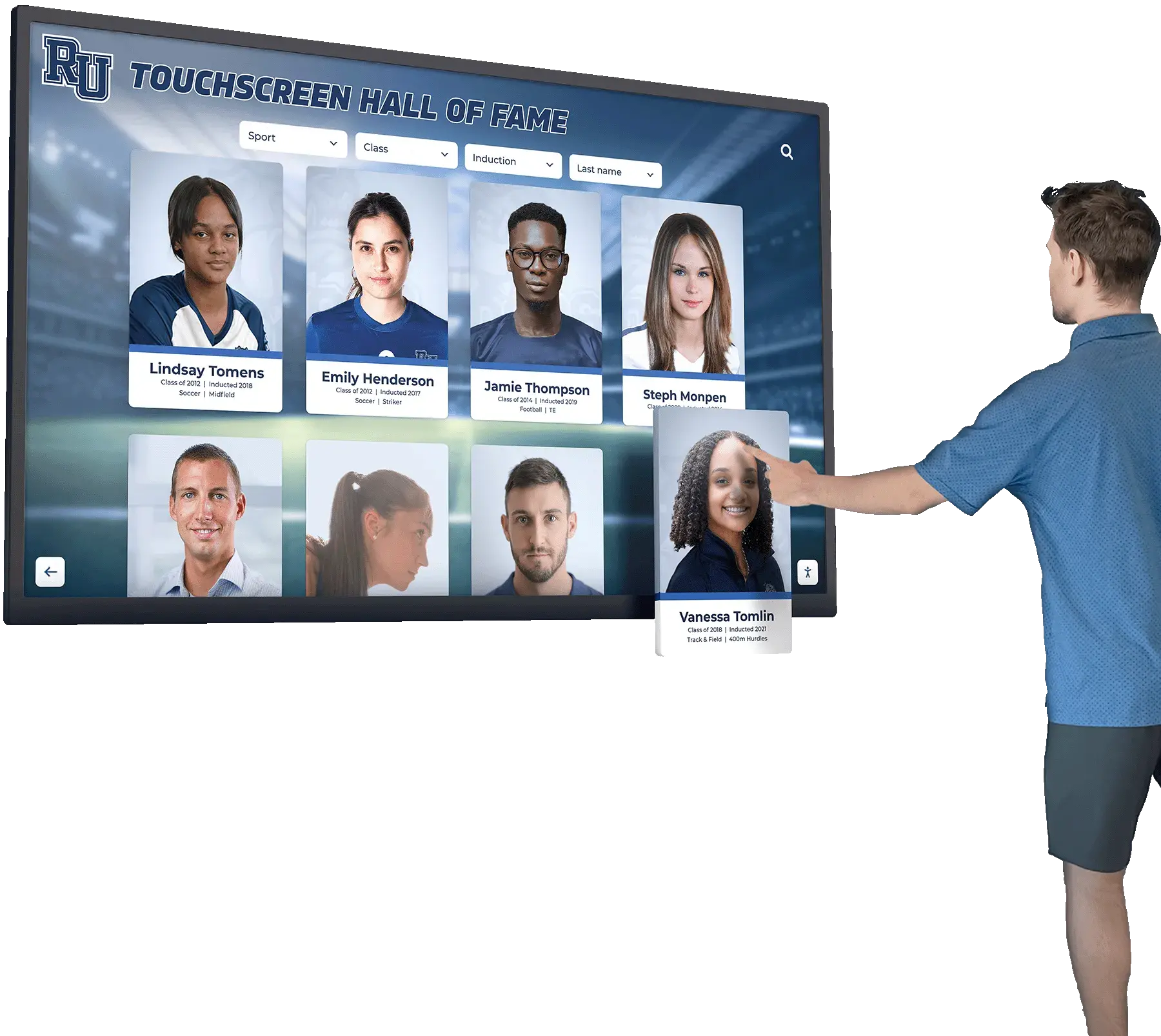
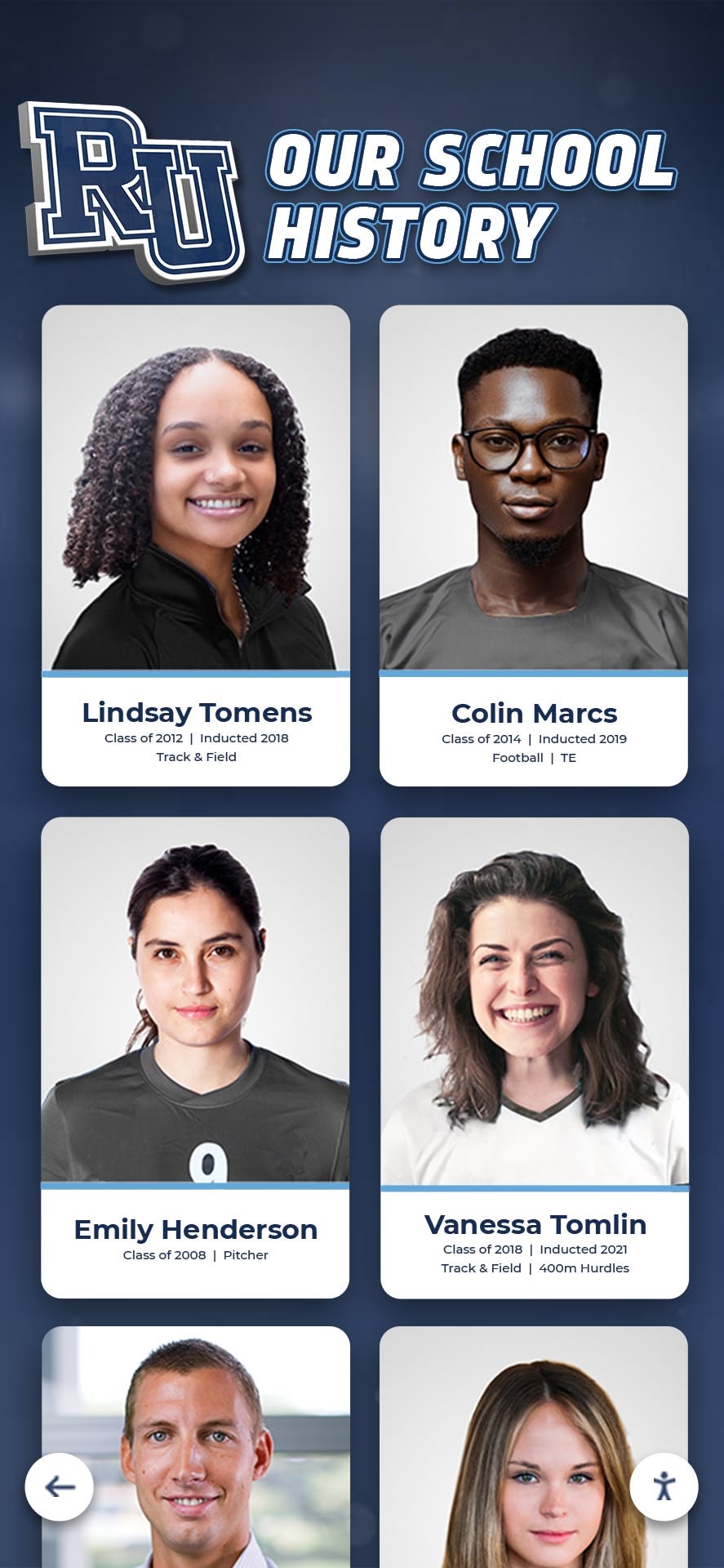
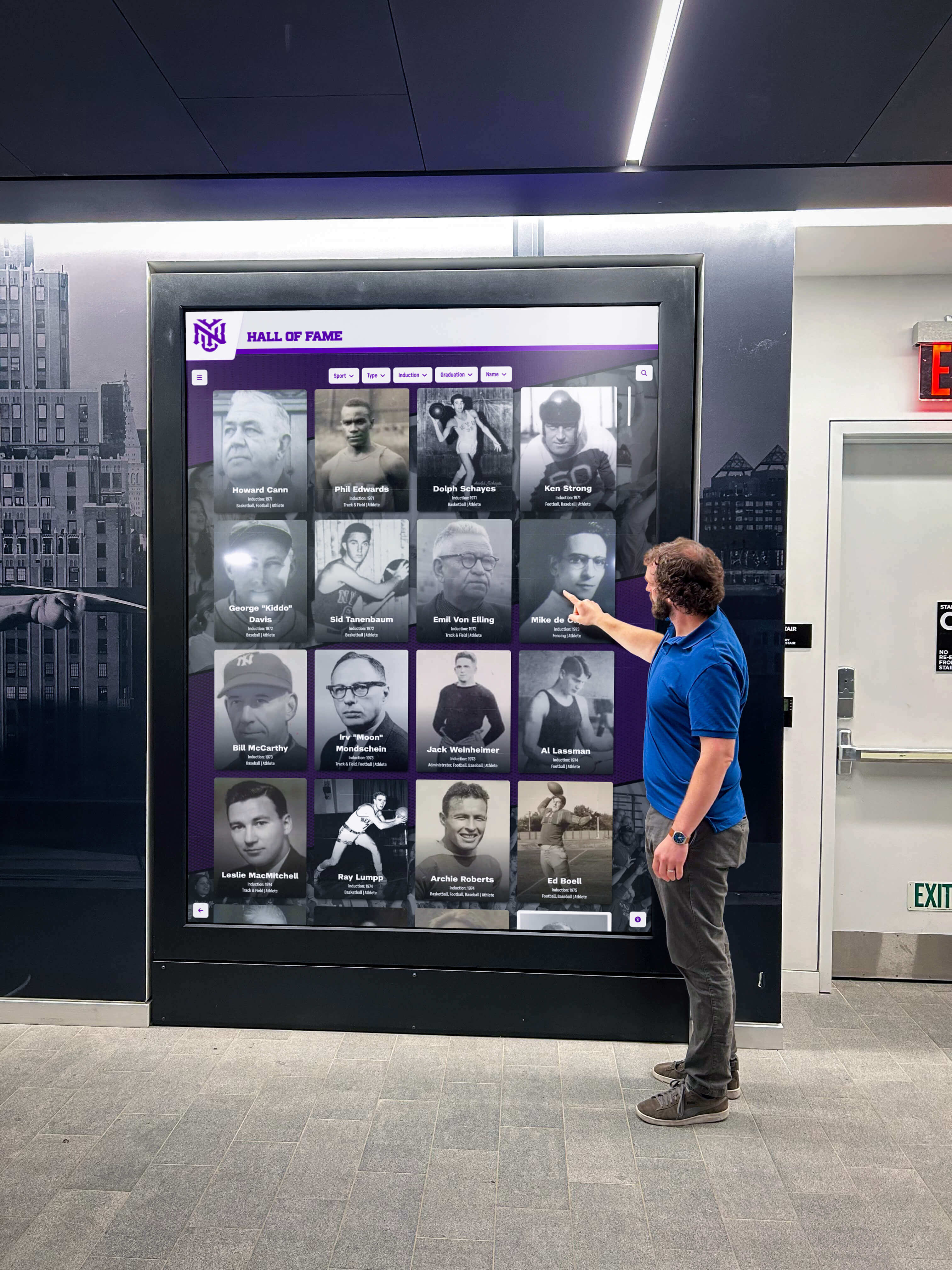
The full value of the story-capture workflow becomes visible when senior profiles are stored in a platform that makes them searchable, displayable, and persistently accessible. A digital hall-of-fame system allows schools to:
- Surface teammate tribute quotes alongside stat lines and award histories
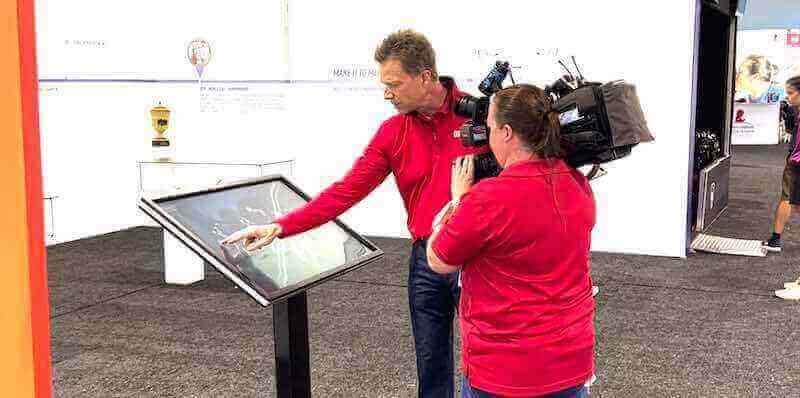
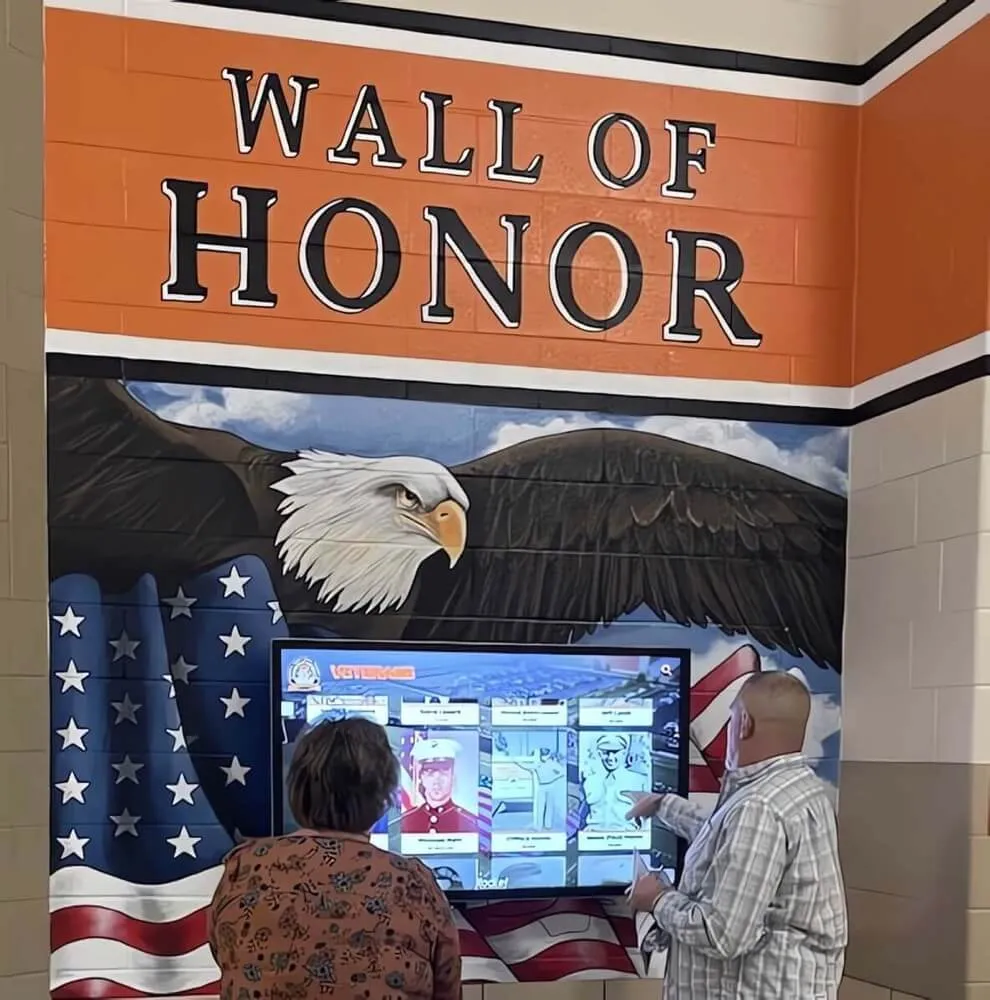
- Allow touchscreen visitors to browse profiles by sport, graduation year, or position
- Update profiles over time as alumni achieve things post-graduation
- Embed content in school websites and social channels for ongoing alumni engagement
- Give remote family members access to full profiles they could not see during an in-person ceremony
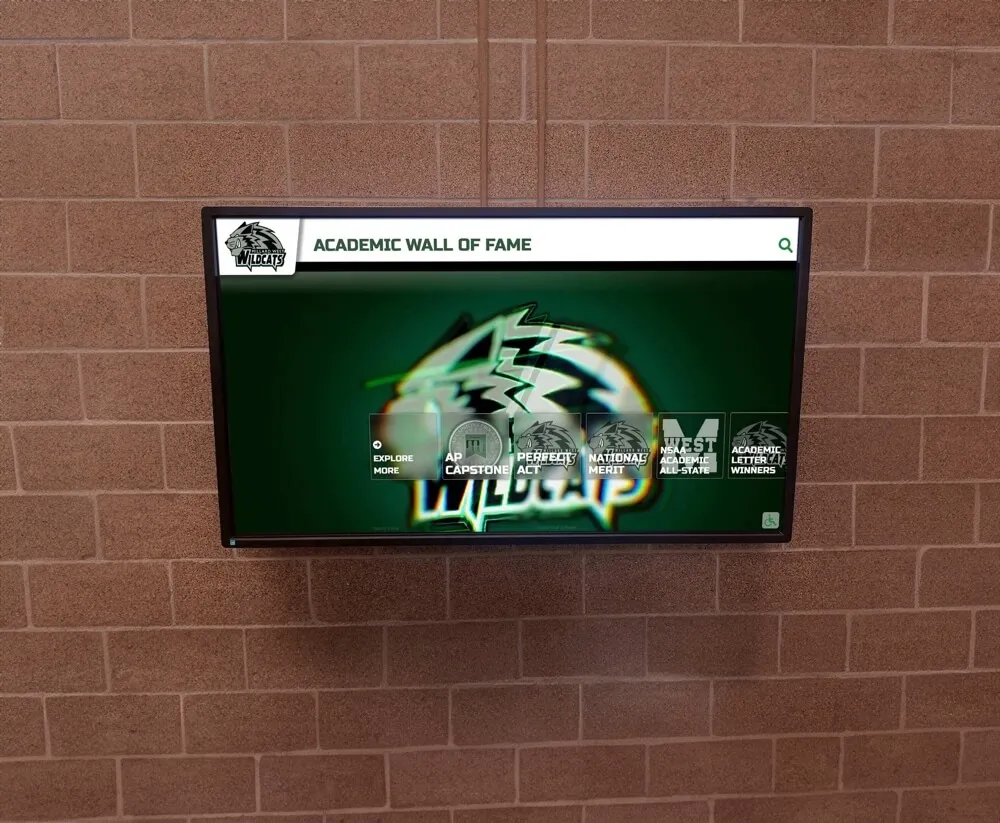
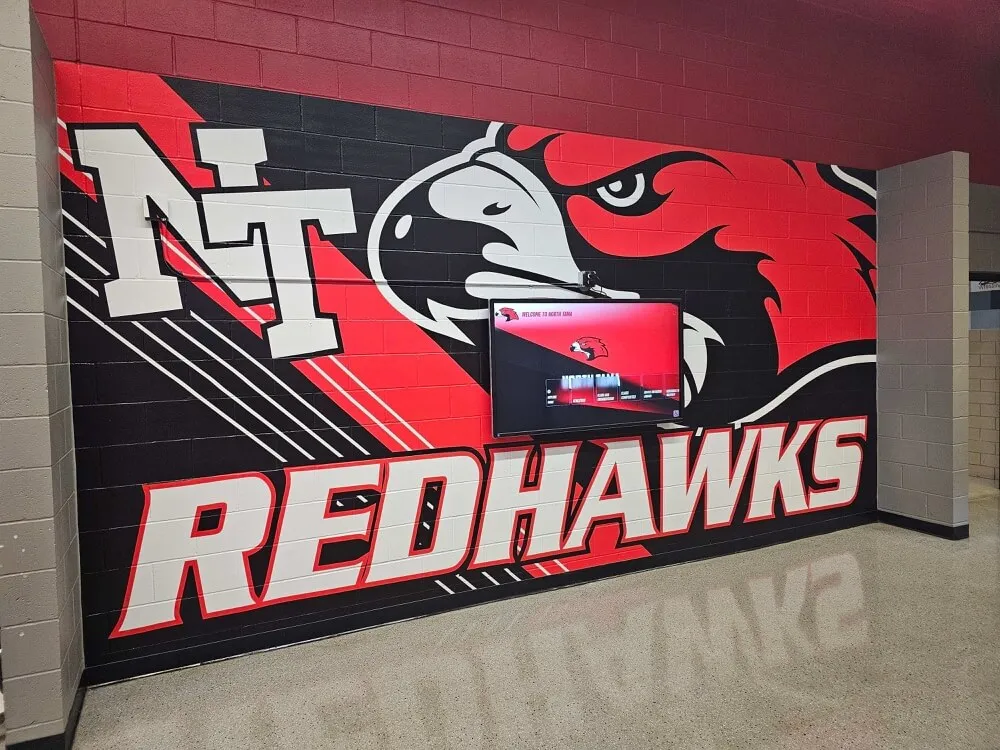
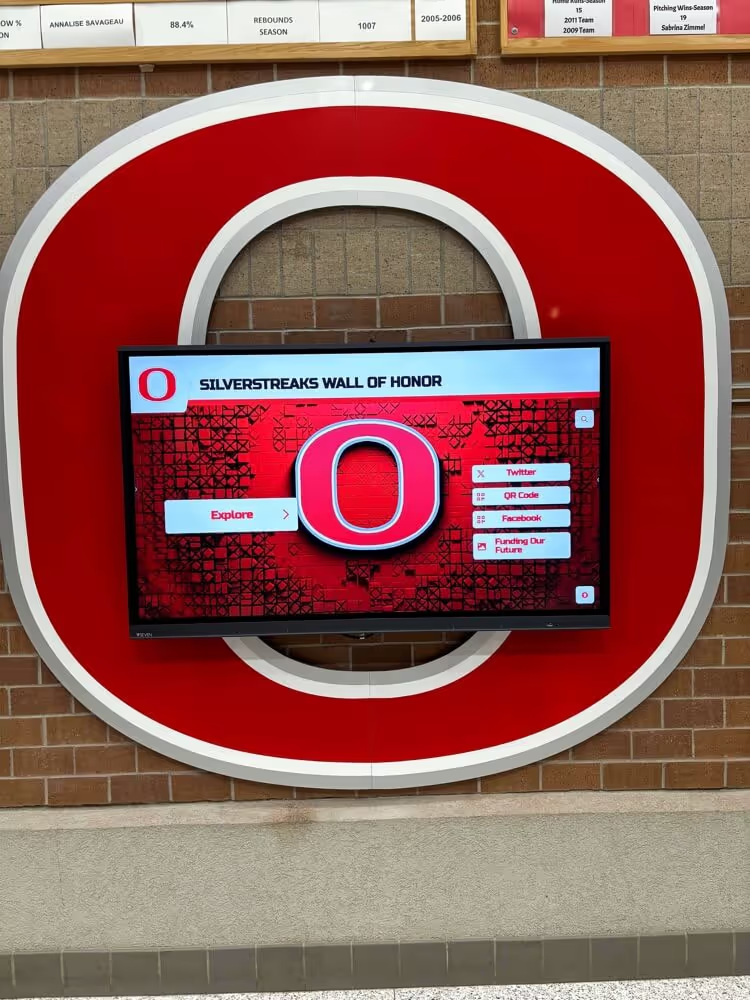
Rocket Alumni Solutions builds digital recognition platforms specifically for this kind of long-form athlete profile management—from touchscreen walls in athletic hallways to recognition systems that connect alumni giving histories to their athletic careers. The teammate speech story-capture workflow described here integrates naturally with these platforms because the content is structured around the same fields the platforms already support: name, sport, year, career highlights, personal tributes, family acknowledgment.
The result is a senior night ceremony that does two jobs simultaneously: it gives graduating athletes the recognition moment they have earned, and it seeds the institution’s recognition archive with the kind of authentic, story-driven content that no database pull can generate on its own.
Conclusion: Speeches as the Starting Point, Not the Ending
Senior night speeches for teammates are brief by design. Ceremonies have schedules, seniors have emotions, and parents have cameras. But what gets said at that microphone—the specific play, the character shown under pressure, the thing nobody in the stands knew about—is some of the best recognition content a school will ever have access to. The only question is whether it disappears when the gym lights go off or whether it becomes part of a lasting record.
The prompts, examples, and capture workflow in this guide give athletic programs a practical way to answer that question. Distribute prompts early. Pull the story details. Complete the profiles in the 48 hours after the ceremony. Put that content somewhere permanent.
The speeches last 90 seconds. The recognition should last much longer.
Build Senior Profiles That Last Beyond Senior Night
Rocket Alumni Solutions provides digital recognition platforms that turn teammate speech content, questionnaire responses, and career highlights into permanent hall-of-fame profiles visible on touchscreen walls, lobby displays, and school websites.
See a Demo of Rocket Alumni Solutions