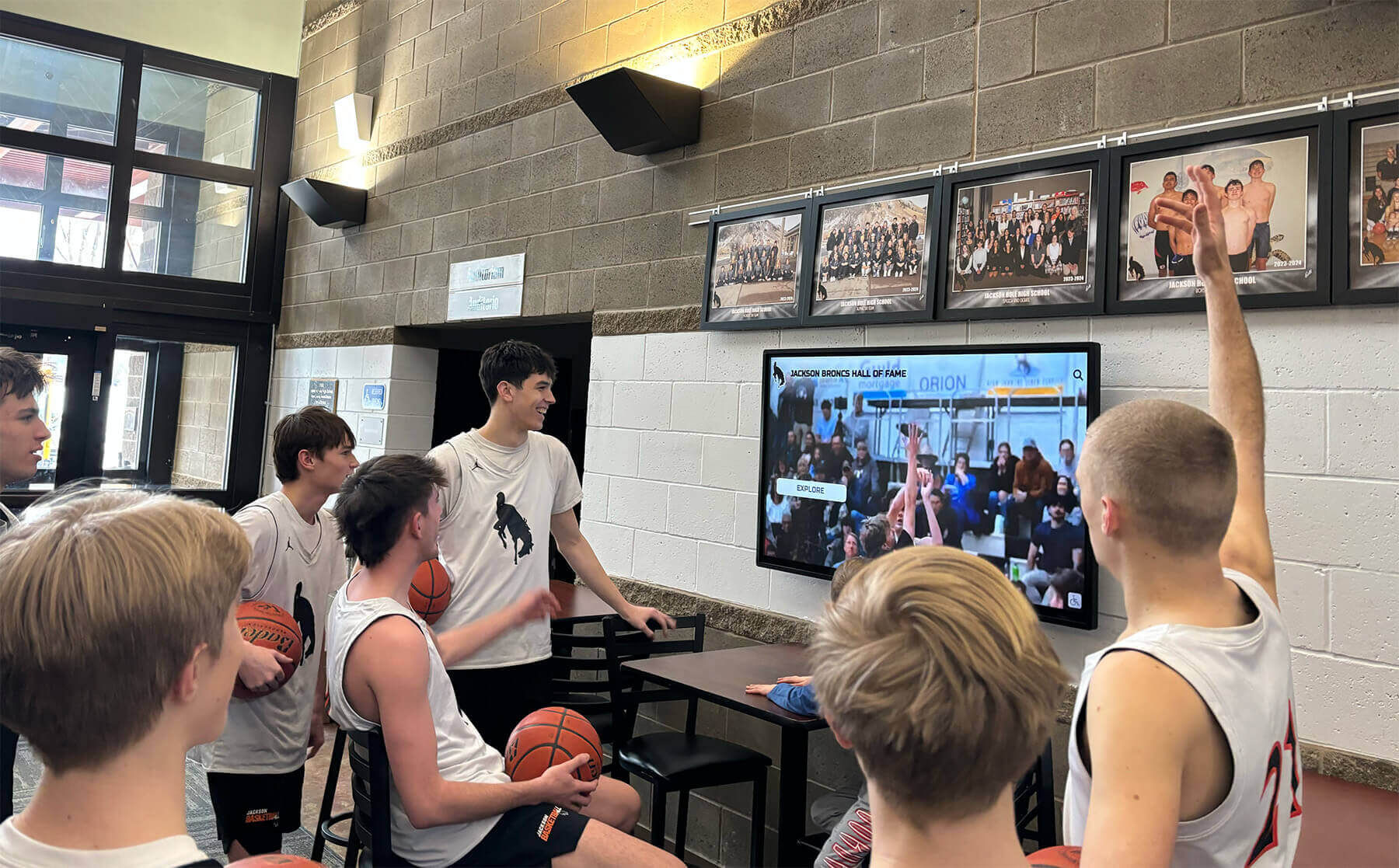




Key Takeaways
Complete guide to senior night questionnaires with 50+ thoughtful questions for athletes, coaches, and parents. Learn how to create meaningful recognition programs celebrating graduating seniors with digital displays and lasting tributes.
Senior night represents one of high school athletics’ most emotional and meaningful traditions—the final home game ceremony honoring graduating athletes who dedicated years to representing their schools, teammates, and communities. While the ceremony itself creates powerful memories, the senior night questionnaire serves as the foundation for personalization, transforming generic recognition into heartfelt tributes that celebrate each athlete’s unique journey, personality, and impact.
The questions you ask senior athletes shape not only the ceremony announcements but also programs, digital displays, yearbook content, and permanent recognition that preserves their legacies long after graduation. Thoughtful questionnaires capture the voices, humor, dreams, and gratitude of young athletes at a pivotal life moment, creating authentic portraits that resonate with audiences while providing keepsakes families treasure forever.
This comprehensive guide provides 50+ proven senior night questionnaire questions organized by category, practical distribution and collection strategies, creative ways to use responses during ceremonies and beyond, and modern digital recognition solutions that transform questionnaire content into engaging displays honoring graduating athletes throughout their final season and for years to come.
Why Senior Night Questionnaires Matter Beyond the Ceremony
Senior night questionnaires serve multiple crucial functions in athletic recognition programs, extending far beyond simple data collection for ceremony announcements.
Creating Personal Connections With Audiences
Generic senior night announcements that simply list names, jersey numbers, and parents fail to help audiences understand who these athletes truly are as individuals. Questionnaire responses transform abstract recognition into personal storytelling that engages spectators emotionally.
When announcers share that a senior’s favorite memory was making varsity as a sophomore after recovering from injury, or that their biggest influence was a youth coach who believed in them when no one else did, audiences connect with authentic human experiences rather than statistics. These personal details create emotional resonance that elevates ceremony impact.
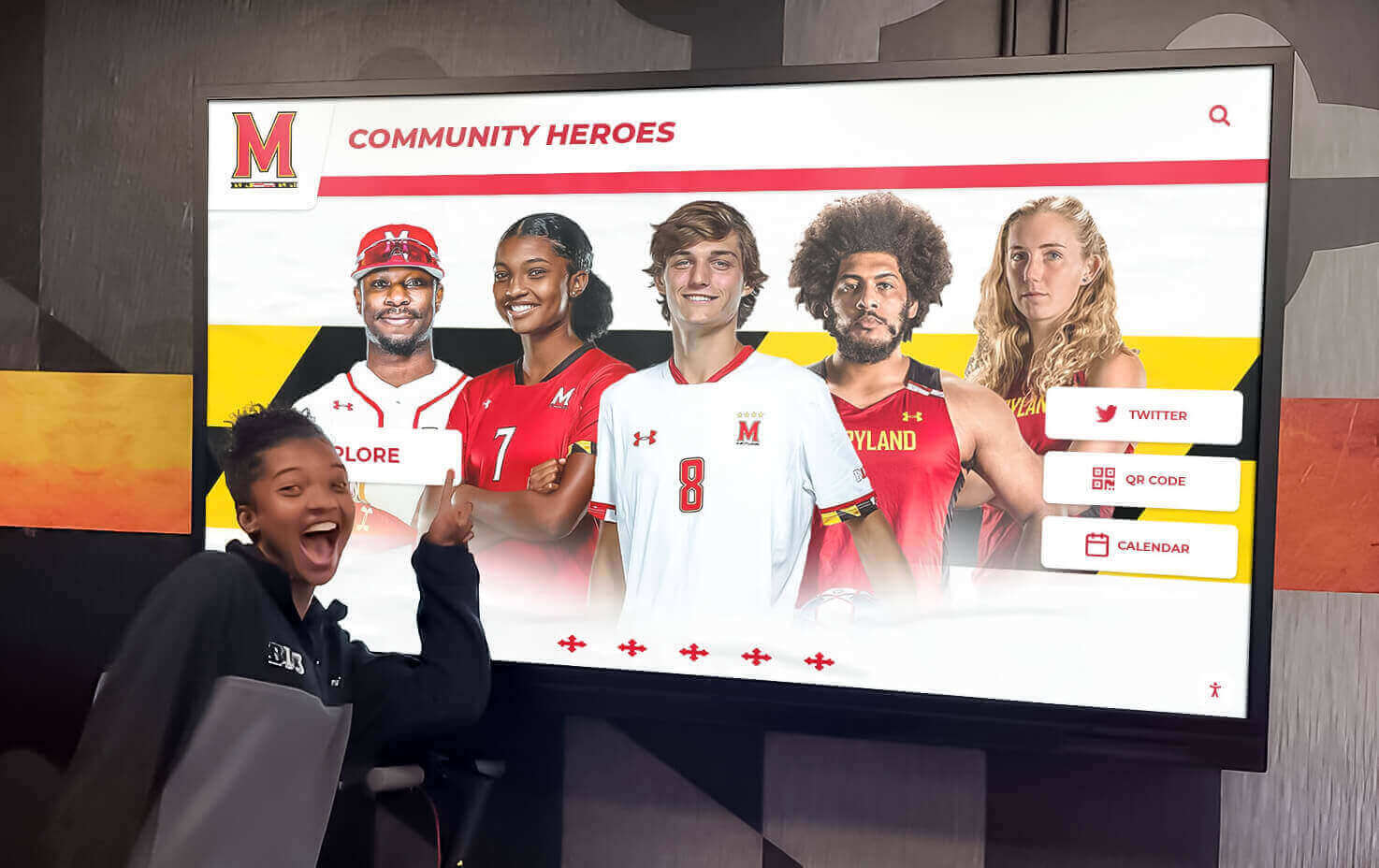
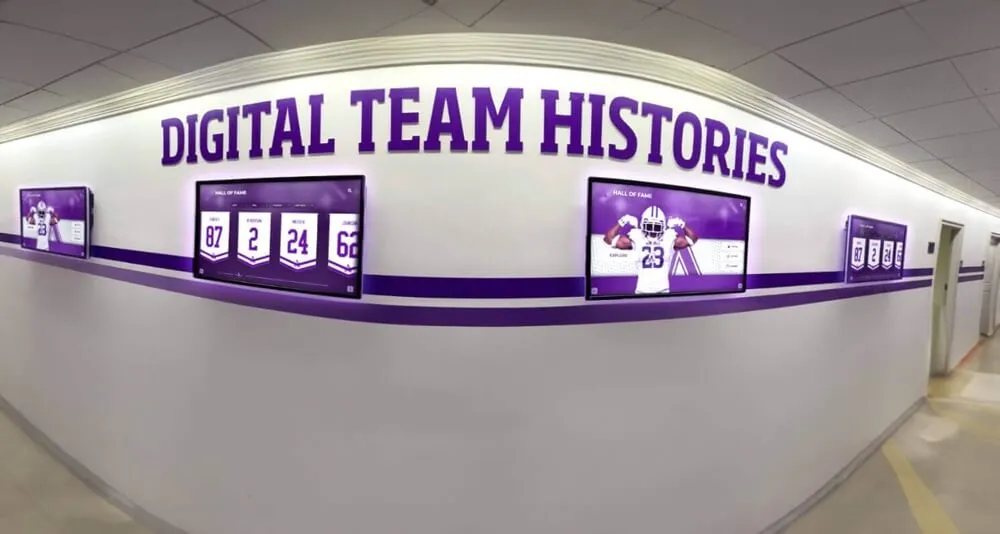
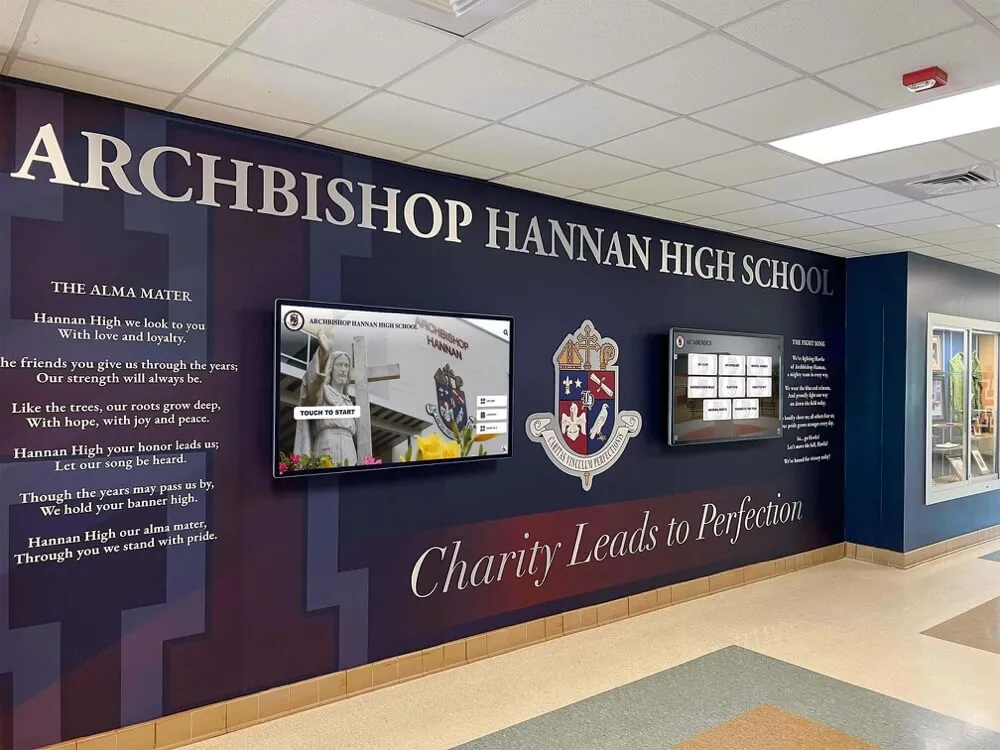
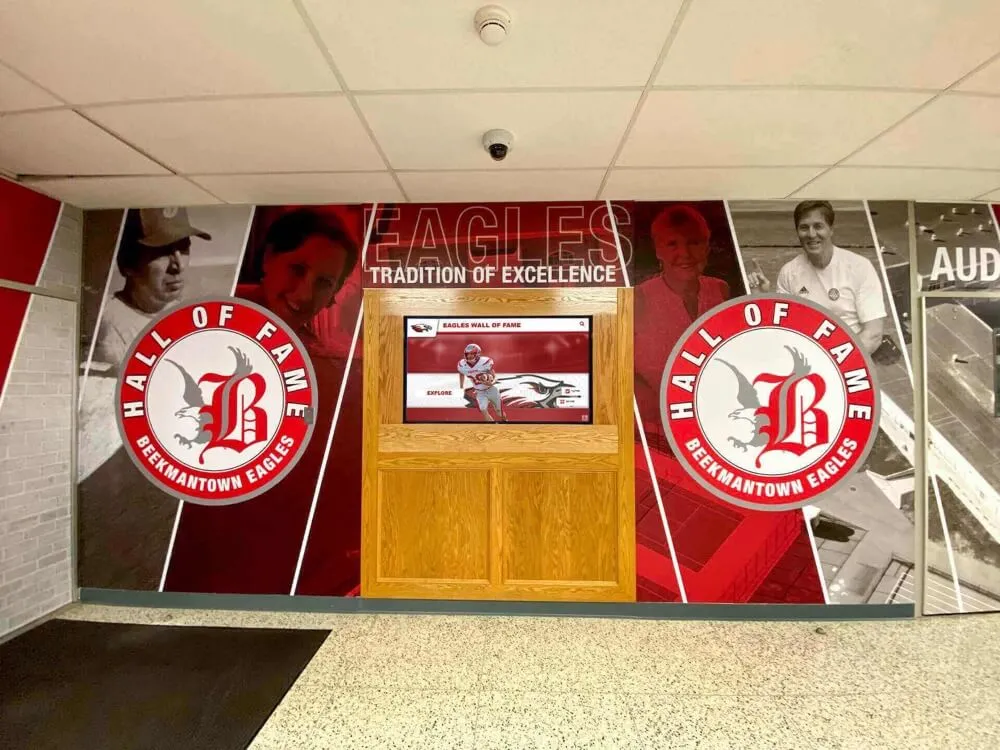
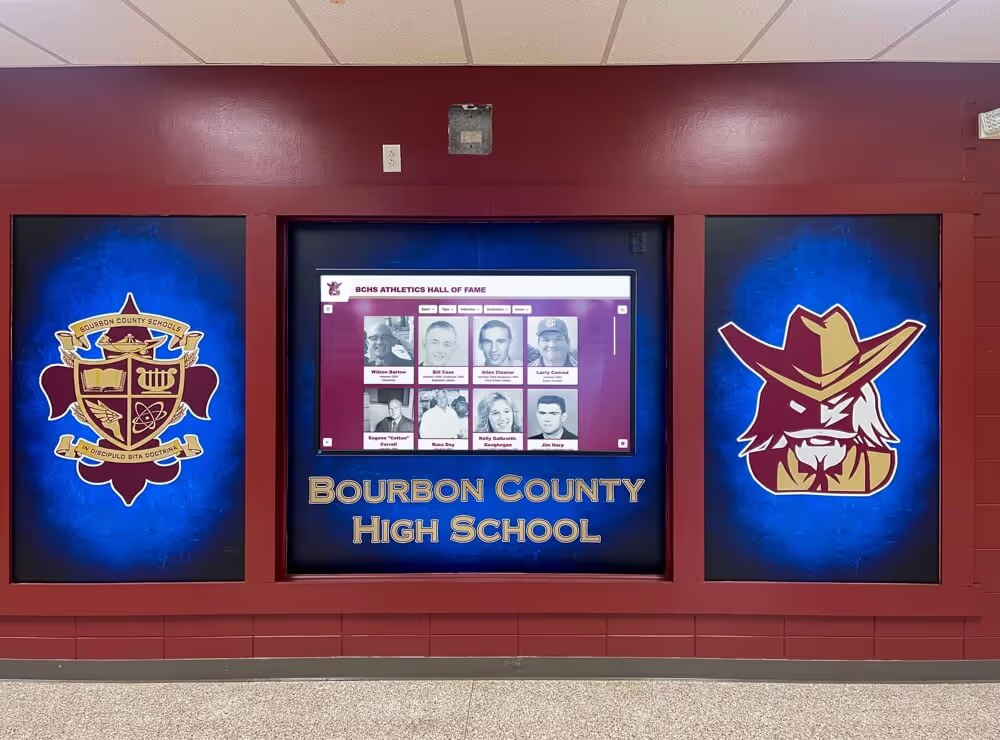
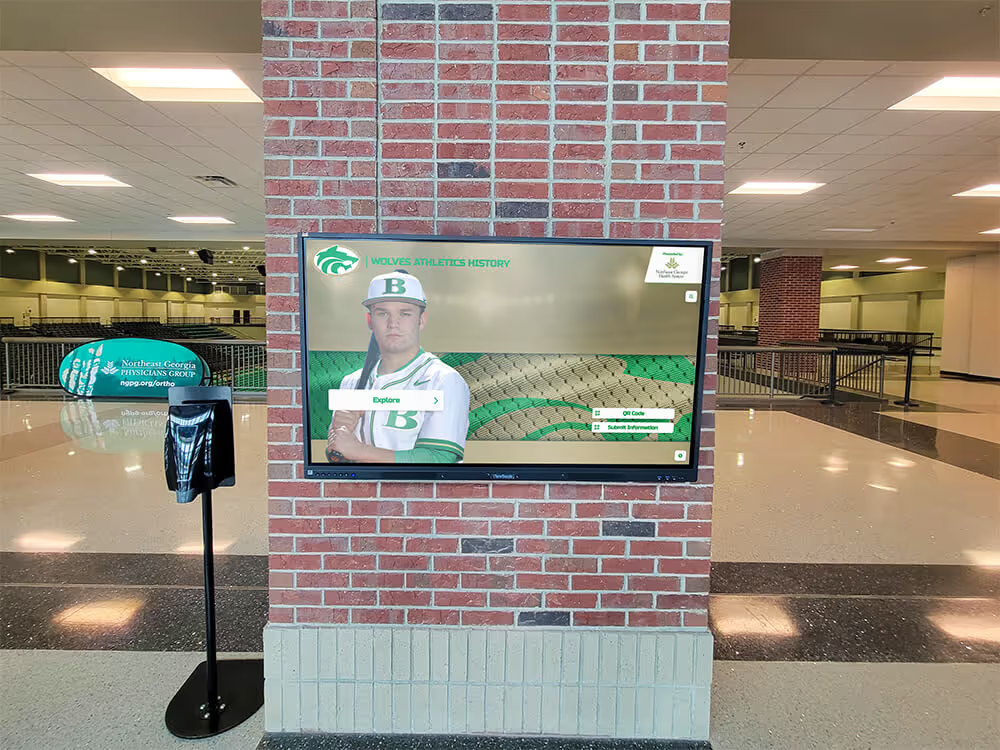
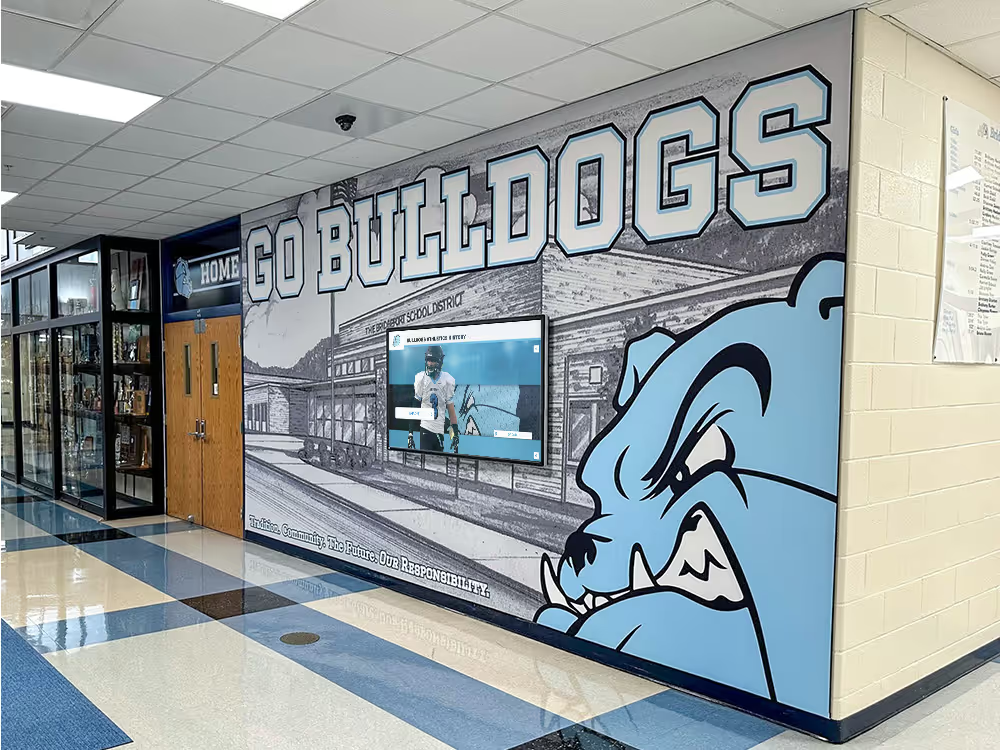
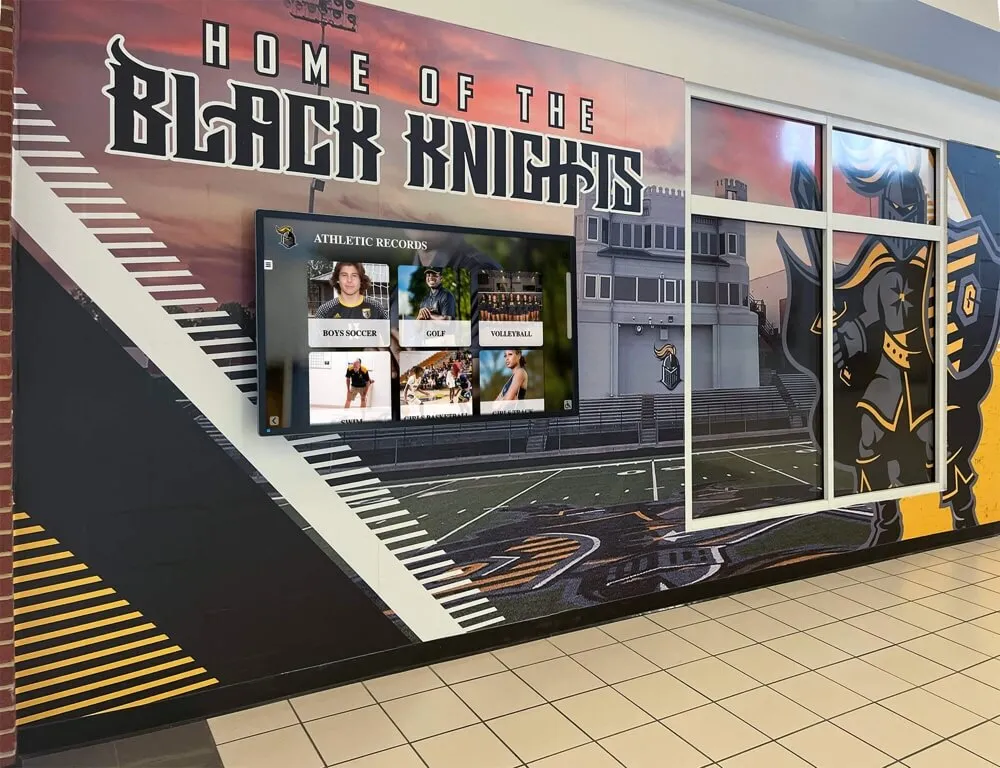
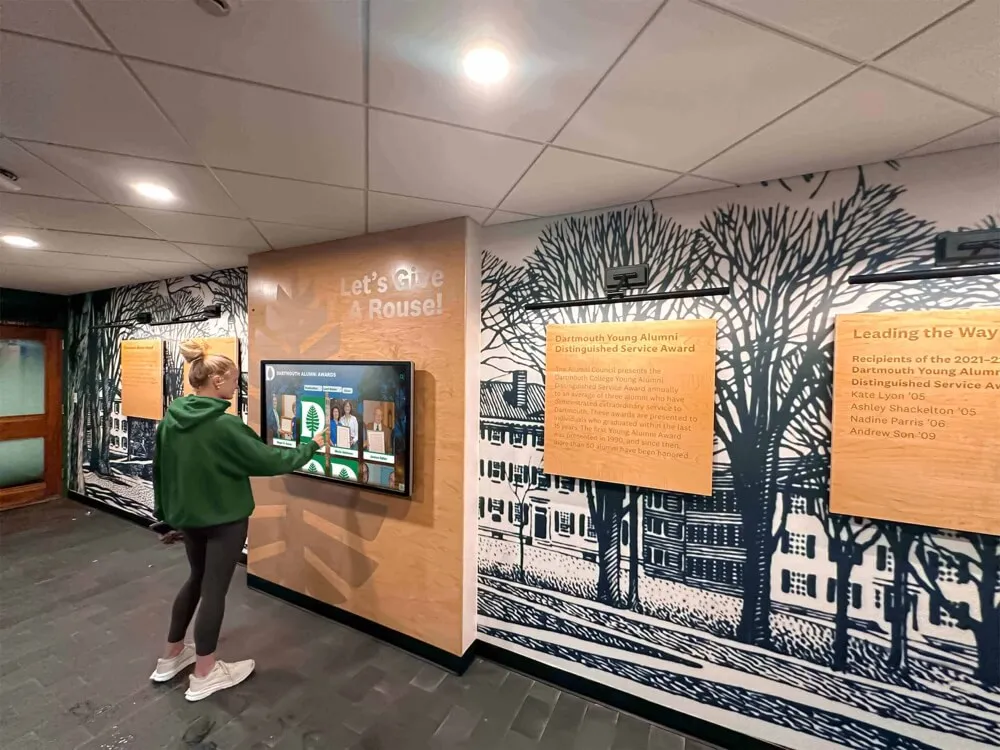
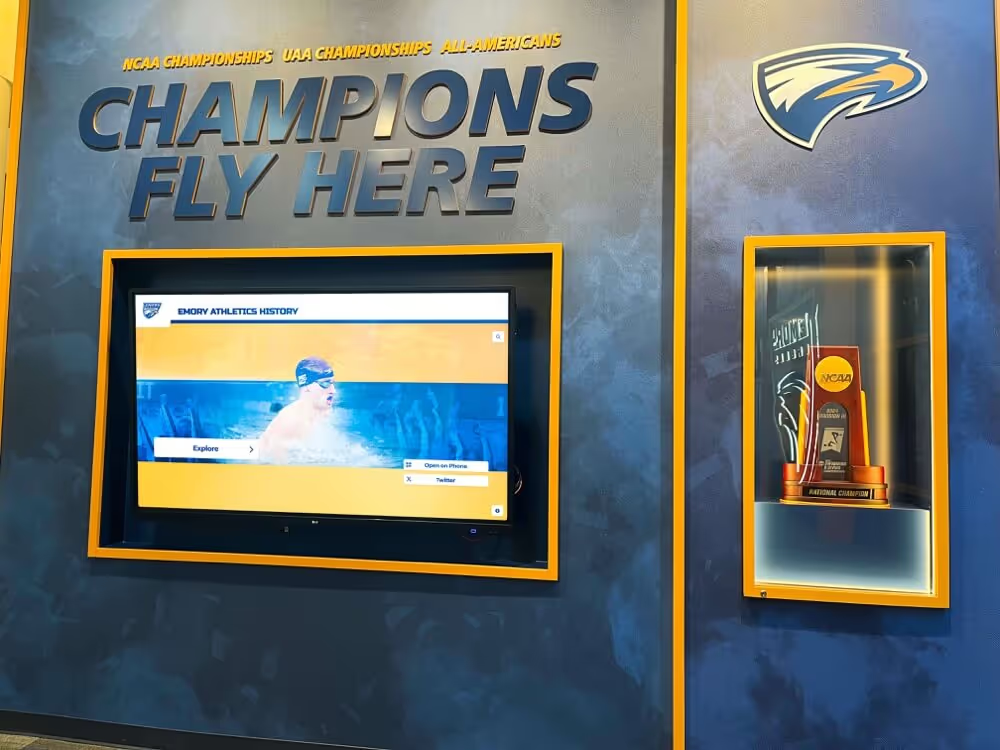
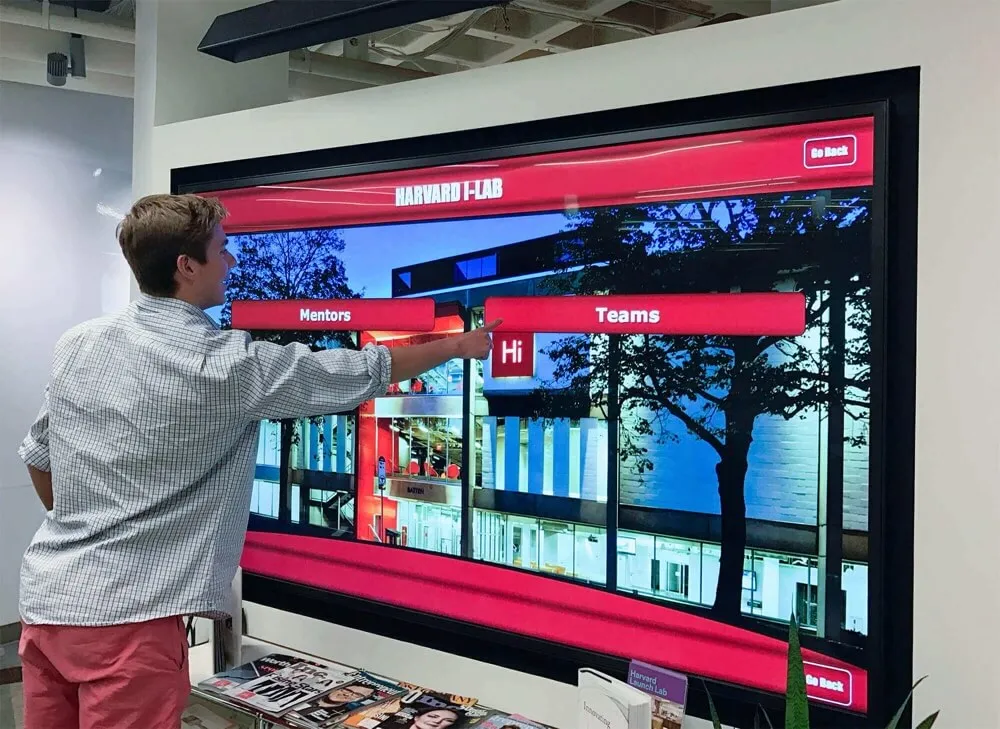
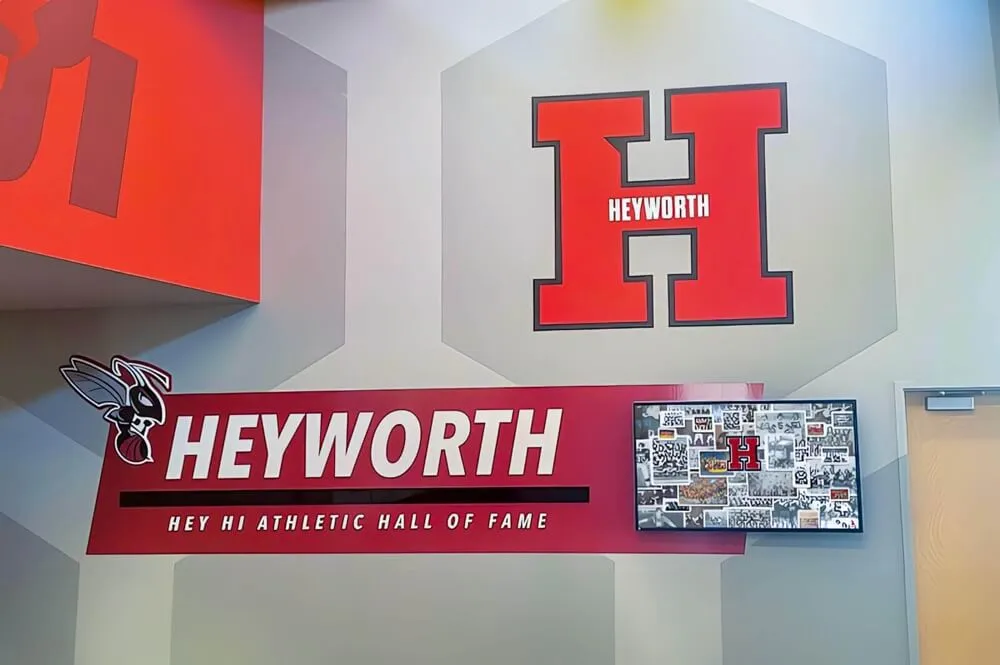
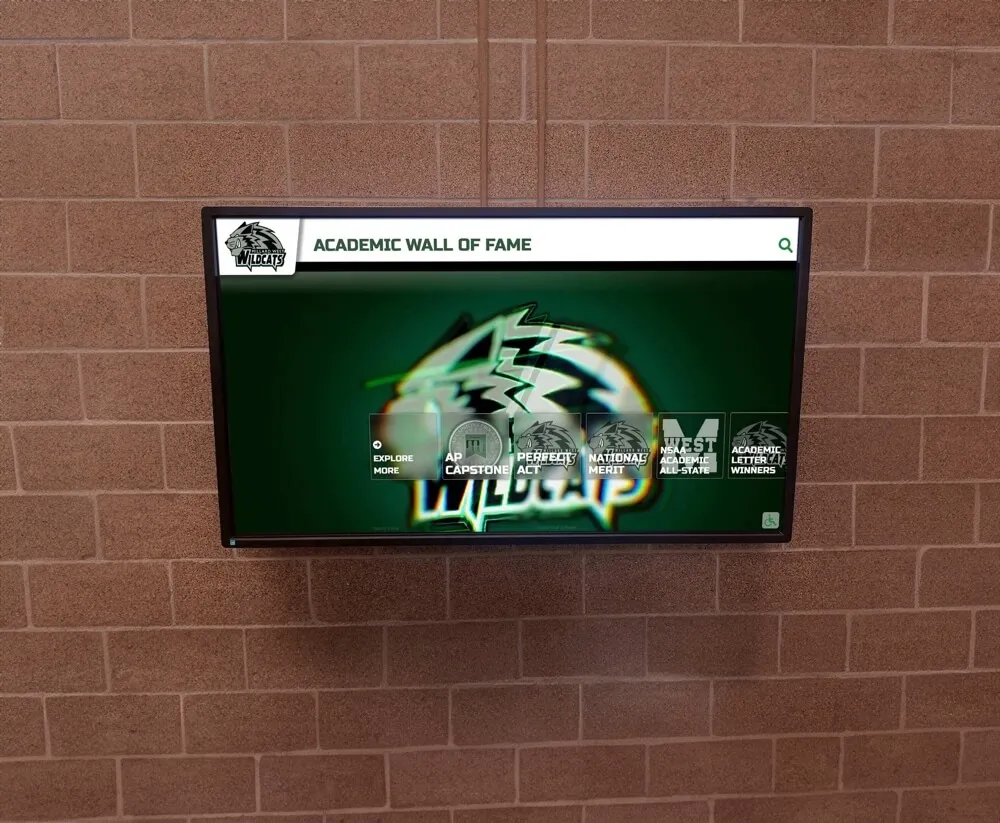
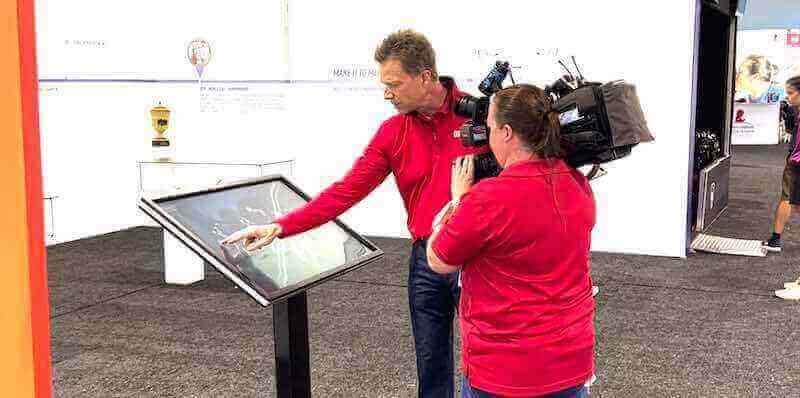
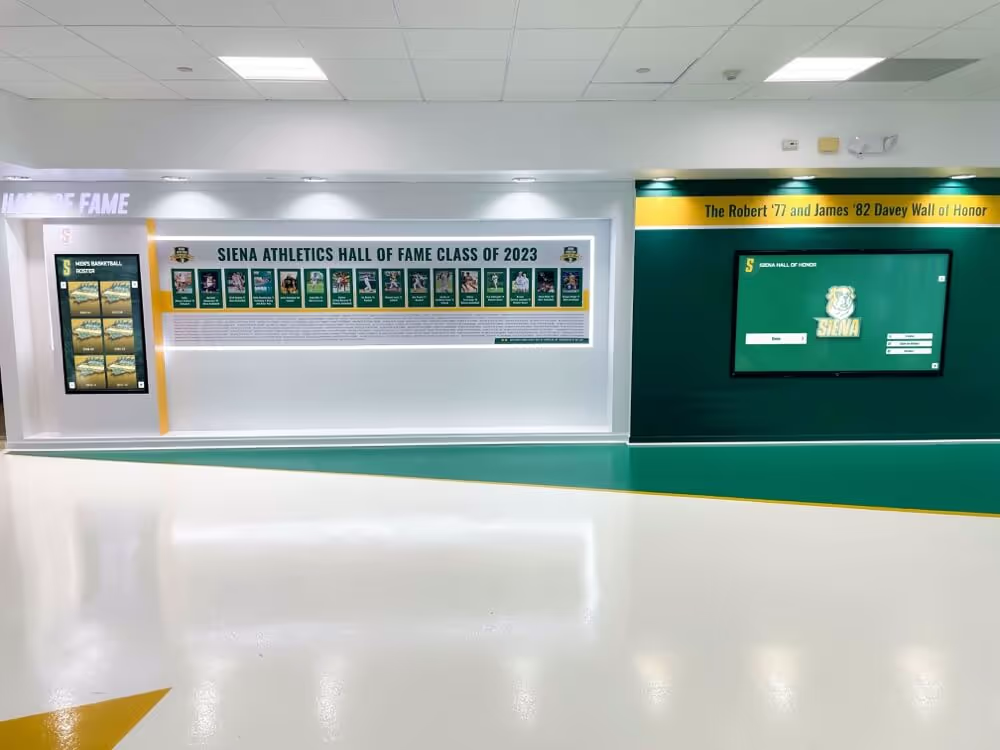
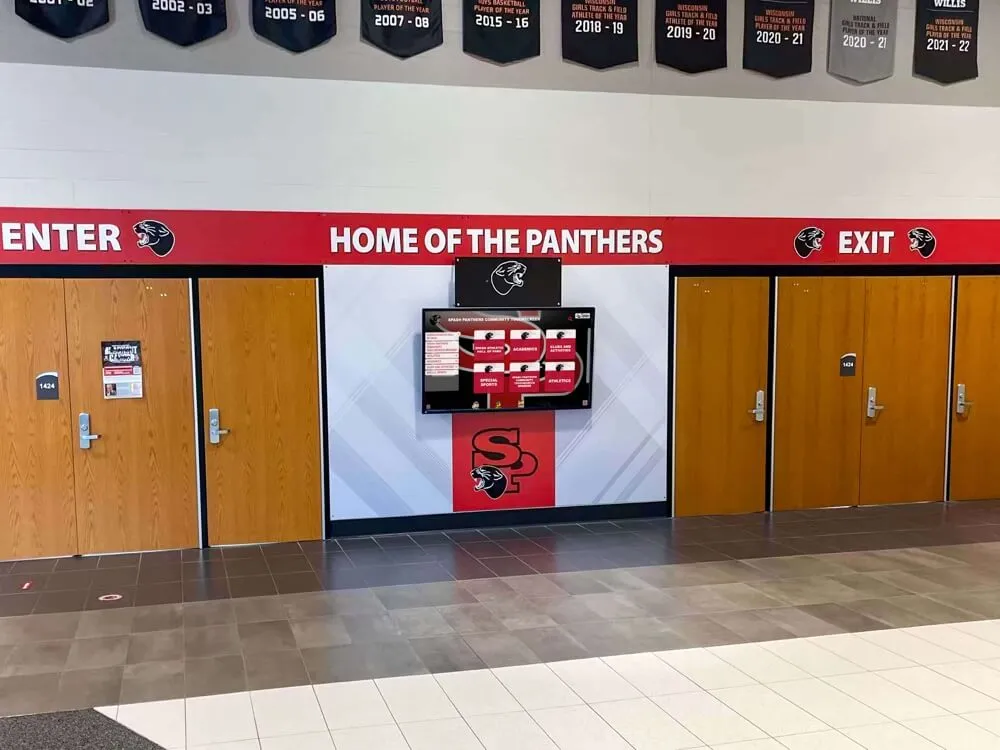
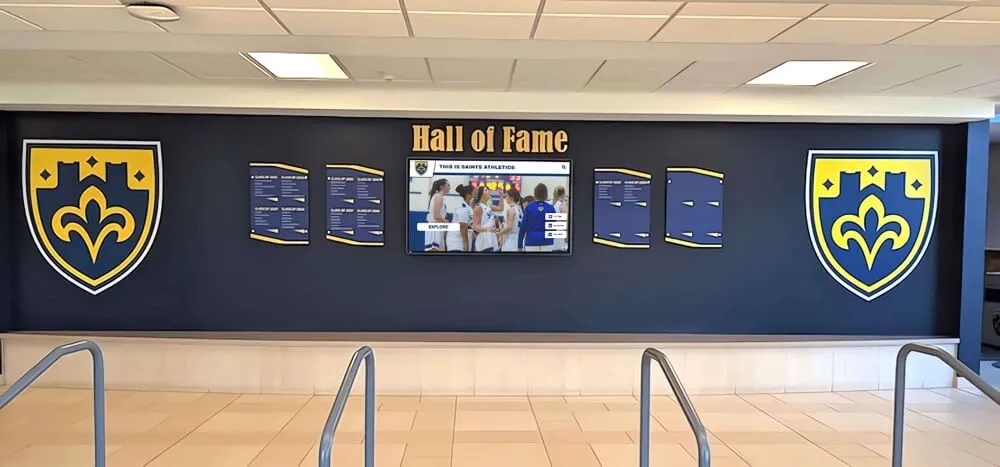
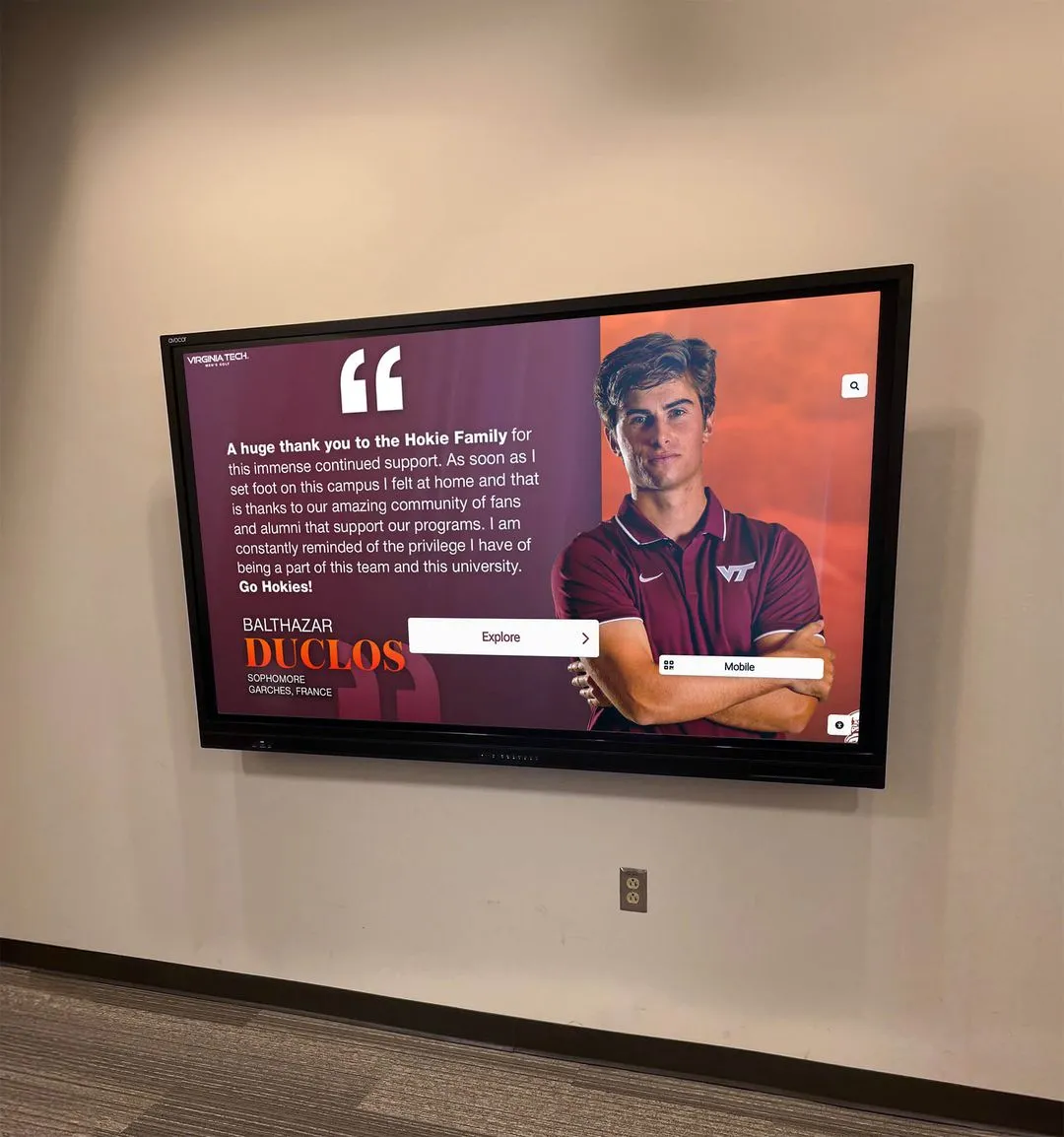
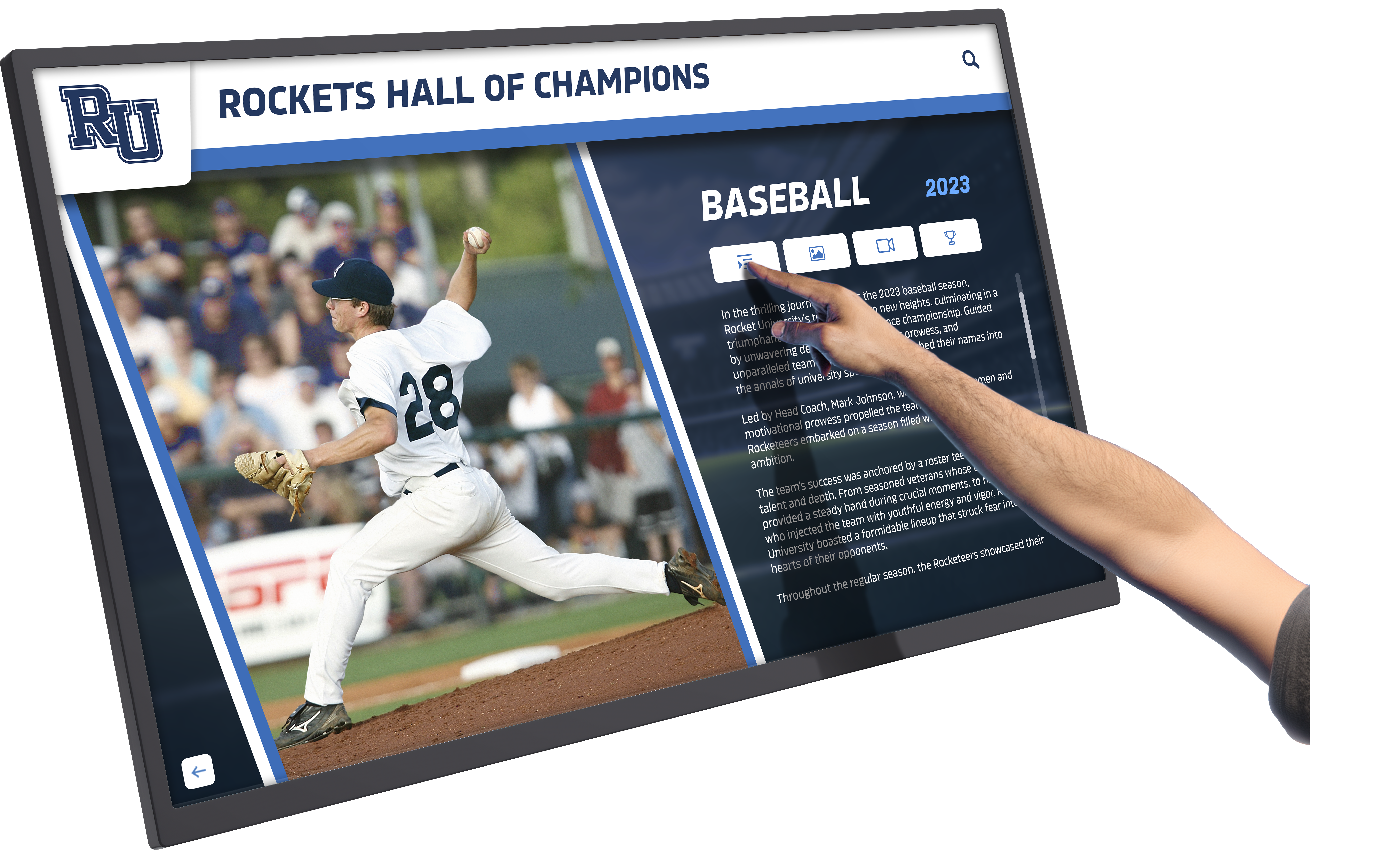
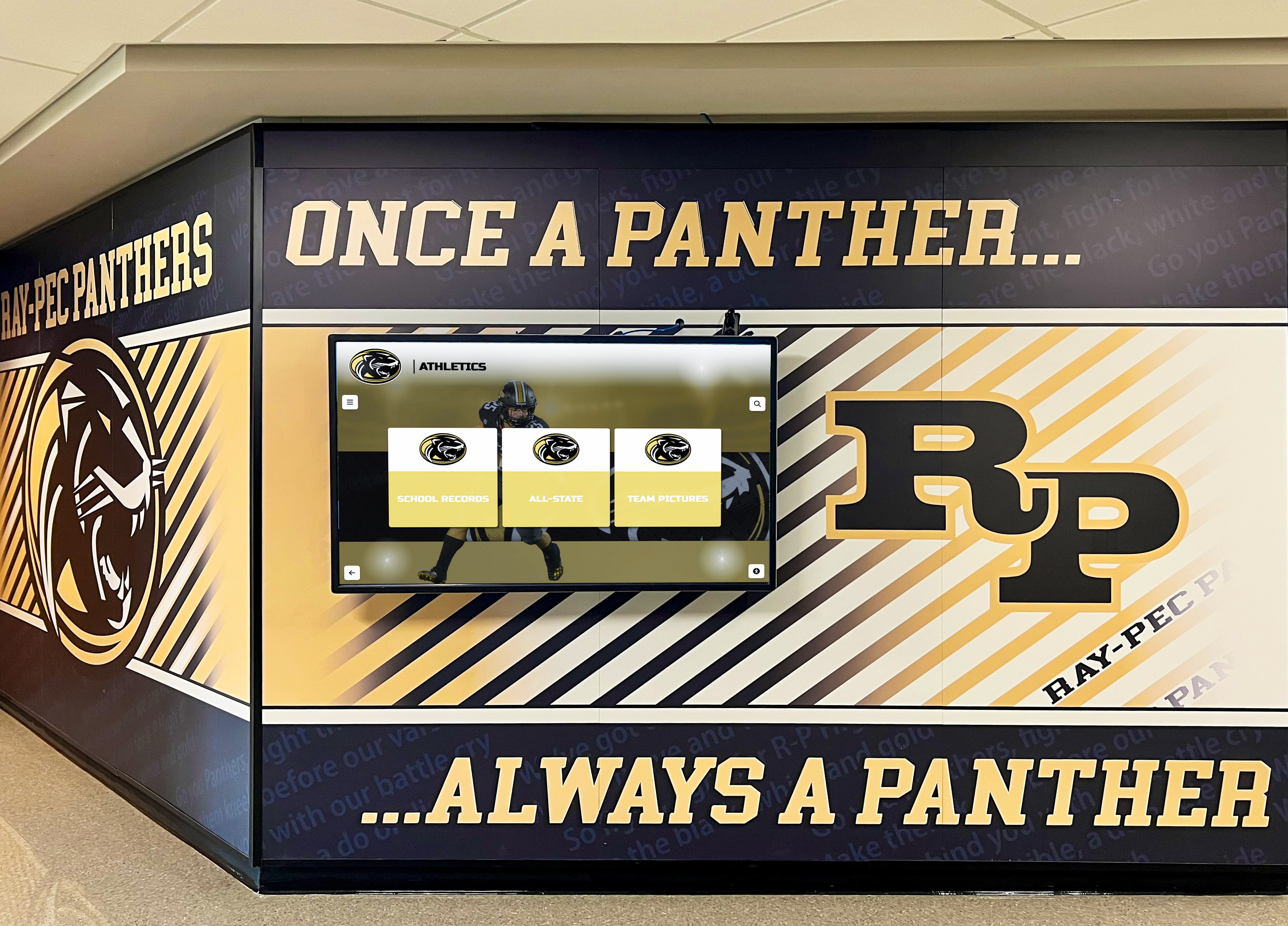
Digital recognition platforms particularly benefit from rich questionnaire content, enabling schools to showcase comprehensive senior profiles with photos, quotes, memories, and personality insights that visitors explore interactively. Solutions like digital senior athlete displays transform questionnaire responses into permanent recognition that families revisit and share for years.
Preserving Athlete Voices at Pivotal Life Moments
High school seniors stand at remarkable transition points—old enough to reflect on their athletic journeys with perspective but still young enough that the experience feels immediate and visceral. Their questionnaire responses capture authentic voices at this unique moment before college, careers, and adult responsibilities reshape their perspectives.
Years later, these preserved reflections become treasured artifacts. A college graduate reading their 17-year-old self’s response about what basketball meant to them, or a parent discovering their child’s heartfelt thank-you message they never knew existed—these moments derive their power from capturing genuine expression at a specific life stage.
Schools implementing digital archival systems preserve questionnaire content permanently alongside photos and statistics, creating comprehensive biographical records that honor athletes as complete individuals rather than reducing them to performance statistics.
Engaging Families in Recognition Programs
Parents, guardians, and family members often feel relegated to audience roles during senior night ceremonies—present but not truly participating in recognition. Questionnaires that include family-focused questions create opportunities for deeper engagement.
Questions asking seniors to acknowledge specific family members, share what parental support meant to them, or describe favorite family memories related to their sport invite families into the recognition narrative. When these responses are read during ceremonies or displayed on digital screens, families become integral to storytelling rather than passive observers.
Some programs even include companion parent questionnaires asking guardians to share their favorite memories, proudest moments, and messages to their senior athletes, creating reciprocal recognition that honors both athletes and the families who supported their journeys.
Building Content for Multiple Recognition Channels
Senior night questionnaires don’t serve single purposes—their content feeds multiple recognition channels throughout final seasons and beyond:
Ceremony Announcements: Live readings during senior night presentations providing biographical context and personality insights that help audiences connect with each athlete individually.
Printed Programs: Detailed senior profiles in commemorative programs that families keep as keepsakes documenting athletic careers and recognition moments.
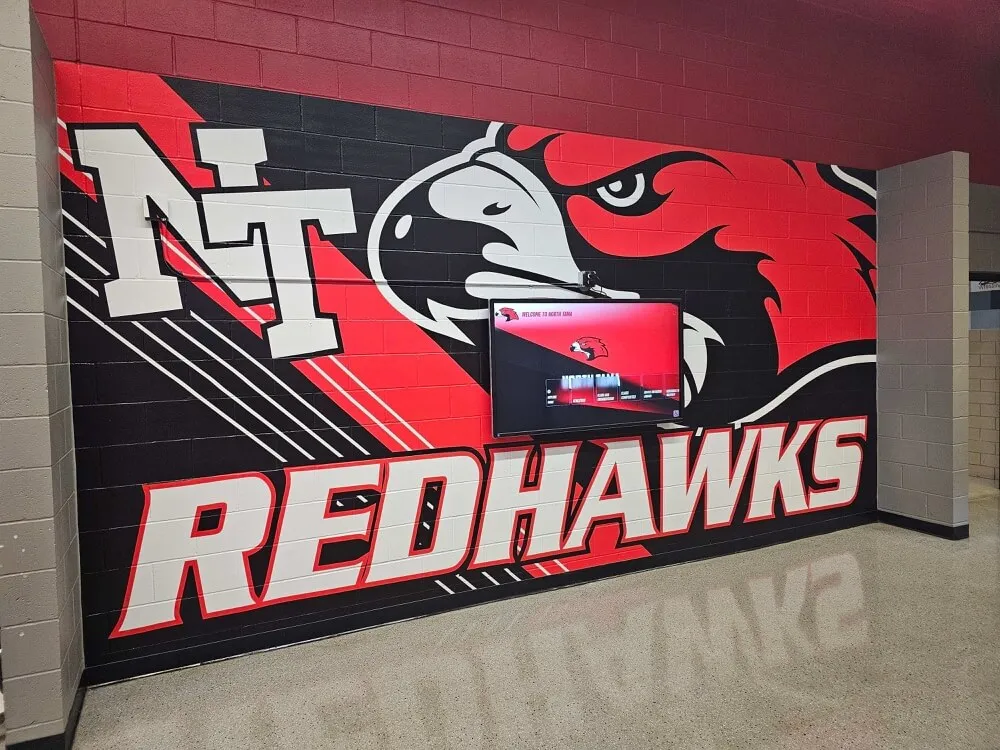
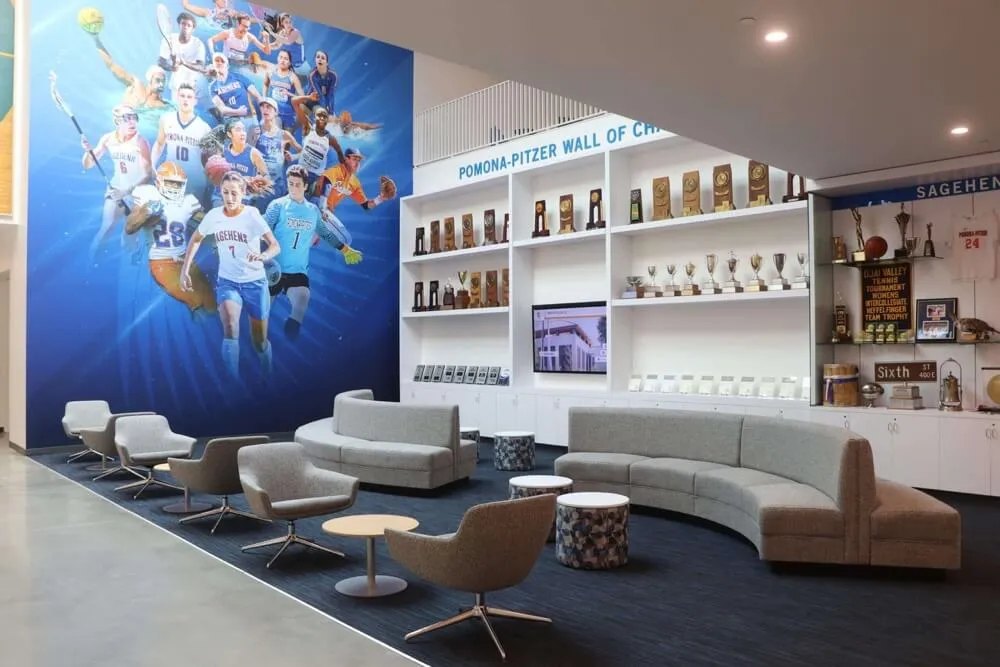
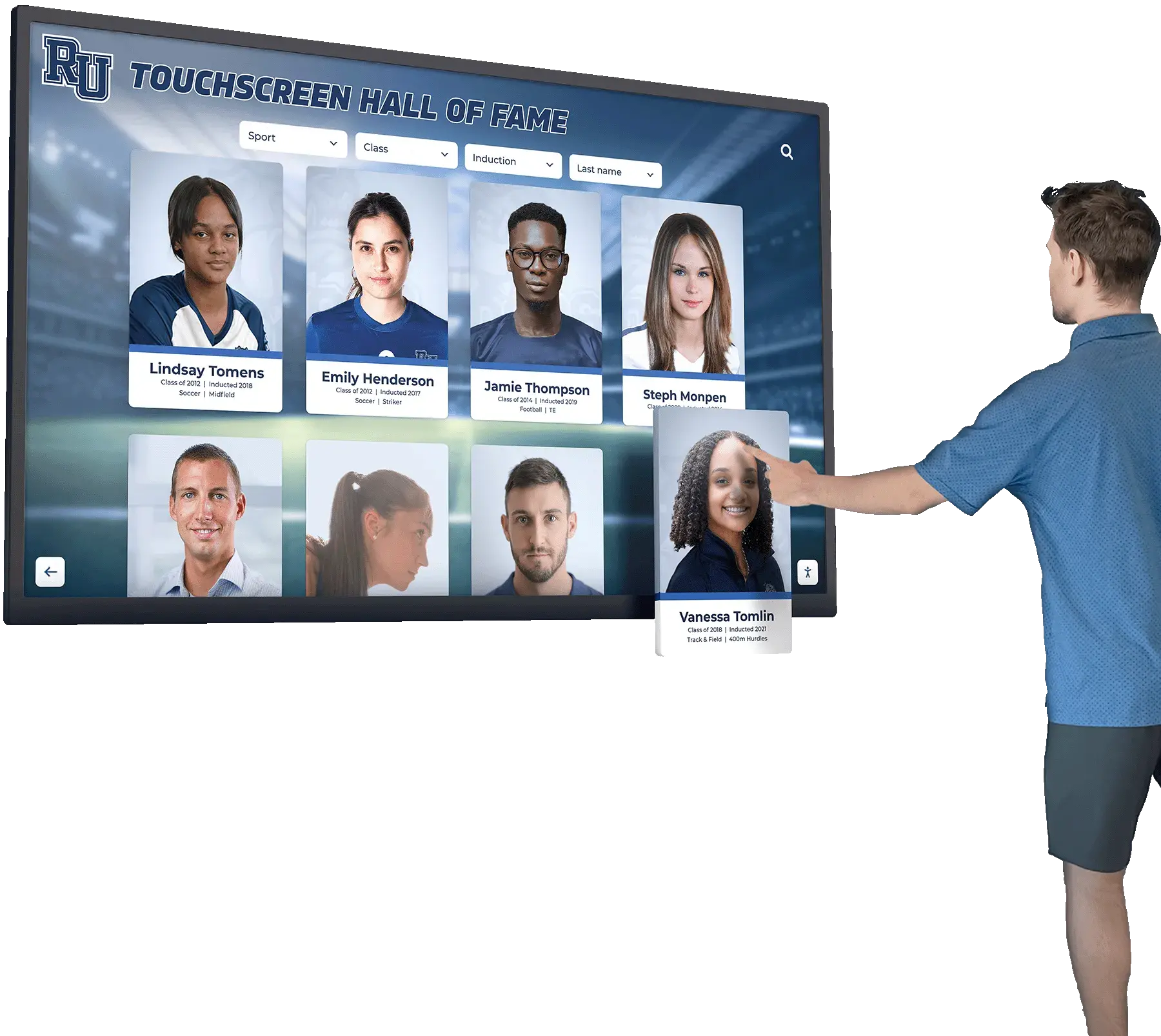
Digital Recognition Displays: Permanent installations in school facilities showcasing comprehensive senior profiles with photos, questionnaire responses, statistics, and achievements that visitors explore interactively. Modern basketball senior night displays transform questionnaire content into engaging year-round recognition.
Social Media Content: Shareable senior spotlights featuring questionnaire highlights paired with photos create content that celebrates athletes while engaging broader communities on platforms families use to share accomplishments.
Yearbook Entries: Athletic section content drawing from questionnaire responses to create comprehensive senior athlete features beyond basic statistics.
Team Websites and Newsletters: Content for ongoing season communications celebrating seniors and building anticipation for recognition ceremonies.
Essential Senior Night Questionnaire Questions: Comprehensive Categories
Effective questionnaires balance multiple question types—some seeking factual information, others inviting reflection, and some designed purely to reveal personality and humor that makes recognition memorable.
Personal Background and Athletic Journey
These foundational questions establish basic biographical context while inviting reflection on athletic experiences:
1. Full Name and Preferred Nickname Ensures correct name pronunciation and identifies how athletes prefer to be addressed during announcements.
2. Jersey Number(s) and Position(s) Documents primary positions while acknowledging versatility for multi-position athletes.
3. Years on Varsity Recognizes tenure and progression through program levels.
4. Previous Sports or Activities Highlights multi-sport athletes and provides context for athletic development across disciplines.
5. How did you first get involved with this sport? Origin stories ranging from family traditions to childhood experiences to peer influence reveal diverse pathways into athletics.
6. What has been your favorite memory from your time in this program? This open-ended question consistently yields the most emotional and memorable responses—championship victories, bus trip moments, practice inside jokes, individual breakthrough performances, and team bonding experiences that defined careers.
7. What has been your proudest athletic accomplishment? Allows athletes to self-identify their most meaningful achievements, which often differ from coaches’ or statisticians’ assessments. Some cite statistics or championships while others highlight personal growth, overcoming adversity, or being role models for younger athletes.
8. Describe a challenging moment or obstacle you overcame. Invites vulnerability and resilience storytelling that humanizes athletes while demonstrating character growth through adversity.
9. What will you miss most about this program? Responses typically focus on relationships rather than competition—teammates, coaching relationships, locker room culture, pre-game traditions—revealing what truly mattered in athletic experience.
10. What advice would you give to younger athletes in this program? Creates leadership opportunities for seniors to pass wisdom forward while revealing values they developed through athletic participation.
Recognition and Gratitude
Questions focused on acknowledgment and appreciation ensure families, coaches, and influential figures receive recognition during ceremonies:
11. Parents/Guardians Names Essential for proper recognition during ceremony introductions when athletes walk with family members.
12. Special family members or supporters you’d like to acknowledge Extends recognition beyond parents to include grandparents, siblings, extended family, or other significant support figures.
13. Who has been your biggest influence in this sport? Responses range from parents and coaches to professional athletes, former teammates, or community mentors who inspired athletic participation and development.
14. What coaches (past or present) have impacted you most, and why? Provides opportunities to honor coaching influence with specific acknowledgment during ceremonies while revealing meaningful mentorship relationships.
15. Is there a teammate you’d particularly like to thank? Recognizes peer relationships that often prove as influential as coaching, highlighting leadership from fellow athletes, senior-to-underclassman mentorship, or special friendships forged through shared experience.
16. What has this sport taught you about life beyond athletics? Invites reflection on transferable lessons—resilience, teamwork, time management, handling failure, goal-setting—demonstrating how athletic participation contributes to broader personal development.
17. What message would you like to share with your parents/guardians? Creates powerful ceremony moments when athletes publicly express gratitude, often revealing appreciation they struggle to communicate directly in everyday family interactions.
Future Plans and Aspirations
Questions about post-graduation plans celebrate next chapters while providing closure to high school athletic careers:
18. What are your plans after graduation? (College, military, career, gap year, etc.) Documents immediate next steps with appropriate level of detail for each athlete’s situation.
19. Will you continue playing this sport? If so, where? Recognizes athletes continuing athletic careers at collegiate or other competitive levels while respecting those concluding competitive participation.
20. What will you study or pursue as a career? Connects athletic identity to broader life aspirations, celebrating student-athletes as complete individuals with diverse interests and goals.
21. What are you most excited about for the future? Balances nostalgia for concluding high school careers with optimistic forward-looking perspectives on upcoming opportunities and experiences.
22. Where do you see yourself in ten years? Invites aspirational thinking while creating time-capsule content that becomes increasingly interesting when alumni revisit responses years later and compare their imagined futures with actual life trajectories.
Personality and Fun Questions
These lighter questions reveal personality, humor, and human dimensions that make recognition entertaining and memorable:
23. What is your pre-game ritual or superstition? Athletes’ amusing routines—specific sock-wearing patterns, particular music, exact warm-up sequences, lucky items—reveal personality while creating relatable entertainment.
24. What is your favorite pump-up or walk-out song? Music choices reflect personality and generation while potentially inspiring actual playlist use during senior night entrances or video montages.
25. If you could have any superhero power for athletics, what would it be? Creative responses ranging from practical (never getting injured) to fantastic (flying for spectacular dunks) showcase imagination and humor.
26. What is your favorite food or pre-game meal? Food preferences are surprisingly revealing and create lighthearted content while sometimes illuminating game-day traditions or family cultural backgrounds.
27. What is your go-to celebration move after scoring/winning? Signature celebrations often become defining characteristics that teammates and fans associate with specific athletes, creating visual memories.
28. What nickname do teammates call you, and what’s the story behind it? Team nicknames often carry inside-joke origins that reveal personality, memorable moments, or locker-room culture.
29. What is the most embarrassing thing that happened to you during your athletic career? Athletes’ willingness to share amusing mishaps—spectacular falls, equipment malfunctions, memorable mistakes—demonstrates good humor and provides entertaining ceremony content.
30. If you could play any other sport professionally, what would it be and why? Reveals athletes’ interests beyond their primary sport while inviting imagination about alternative athletic paths.
31. What TV show or movie character would you want on your team? Creative responses demonstrate personality while creating conversation pieces during ceremonies.
32. What is your favorite sports team or athlete to watch? Professional sports fandom reveals influences and aspirations while creating common ground with audience members who share team allegiances.
Team Culture and Memories
Questions exploring team dynamics and shared experiences celebrate collective culture alongside individual recognition:
33. What team tradition will you remember most? Pre-game routines, post-game celebrations, bus trip customs, or unique program traditions that created shared identity and bonding.
34. What is your favorite inside joke or moment that only your teammates would understand? Inside jokes reflect team intimacy while creating knowing laughter among current teammates even when broader audiences don’t understand full context.
35. Describe your relationship with this team in one word. Forced brevity creates surprising emotional impact—words like “family,” “brotherhood,” “sisterhood,” or “unbreakable” capture essence of team bonds.
36. What opponent or rivalry game will you never forget? Memorable competitive moments, intense rivalries, and particular opponents that pushed athletes to peak performances.
37. What was the toughest practice or conditioning session you experienced? Shared suffering from difficult practices often creates stronger team bonds than victories, with grueling conditioning sessions becoming legendary in team lore.
38. What funny or unexpected thing happened during a game that fans might not know about? Behind-the-scenes moments, communication mishaps, or amusing incidents create entertaining storytelling during ceremonies.
Reflections on Growth and Development
Deeper questions inviting meaningful reflection on personal growth through athletic participation:
39. How has this sport changed you as a person? Invites introspection about character development, confidence building, resilience cultivation, and personal transformation through athletic participation beyond skill development.
40. What was the hardest lesson you learned through athletics? Responses often focus on handling failure, accepting roles, managing ego, valuing team over individual glory—difficult lessons that proved formative.
41. If you could relive one moment from your athletic career, what would it be? Reveals what experiences athletes valued most—sometimes championship victories but often smaller moments of connection, breakthrough performances, or meaningful team experiences.
42. What are you proudest of that might not show up in statistics or awards? Acknowledges leadership, mentorship, team culture contribution, overcoming injury, consistent work ethic, or character dimensions that formal recognition often misses.
43. How did being a student-athlete prepare you for life after high school? Connects athletic experience to broader life preparedness, highlighting transferable skills and character qualities developed through sport.
44. What do you want people to remember about you as an athlete? Allows athletes to define their own legacies, often emphasizing character, leadership, and team contribution over individual statistical achievements.
Coach-Specific Questions (Optional Separate Section)
Some programs include questions specifically about coaching relationships to honor those influences:
45. What is your favorite coach quote or saying that stuck with you? Memorable coaching wisdom that athletes internalized, often revealing program values and coaching philosophy.
46. What is the funniest thing a coach has said or done? Lighter moments that humanize coaches while celebrating personality and humor alongside more serious mentorship.
47. What will you remember most about your coaches? Invites appreciation for coaching impact, often highlighting individual attention, belief in athletes’ potential, or specific supportive moments during challenging times.
Family Involvement Questions (Optional)
Programs emphasizing family recognition can include additional questions or separate brief parent questionnaires:
48. What sacrifices have your family made to support your athletic participation? Acknowledges time, financial, and logistical commitments families make, creating public appreciation for often-invisible support systems.
49. What family traditions or support meant the most to you? Celebrating specific family involvement patterns—parents attending every game, grandparents providing transportation, siblings supporting from sidelines, family post-game dinners—that made athletic experience special.
50. What do you want to say to your family that you might not have expressed before? Creates opportunity for heartfelt public gratitude that athletes sometimes struggle to communicate directly, often producing emotional ceremony moments.
Questionnaire Design and Distribution Best Practices
Effective questionnaire implementation requires thoughtful design, clear communication, and strategic timing to maximize participation and response quality.
Design Principles for Maximum Response Quality
Question Quantity Balance: While comprehensive lists above provide 50+ options, actual questionnaires should be curated based on intended use. Ceremony announcements require 8-12 key questions yielding 3-5 minute presentations per athlete. Digital displays and printed programs can accommodate 15-20 questions providing richer content. Overwhelming athletes with excessive questions reduces response quality and completion rates.
Mix Question Types: Balance factual questions (names, positions, years), reflective questions (favorite memories, biggest influences), and fun personality questions (superstitions, favorite foods) to maintain engagement while gathering diverse content that reveals multiple athlete dimensions.
Clear Instructions: Provide specific guidance about response length expectations—brief one-sentence answers versus paragraph-length reflections. Include examples of strong responses to illustrate desired detail level and tone.
Optional Sensitivity: Mark emotionally complex questions (challenges overcome, family sacrifices) as optional, respecting that some athletes may not wish to publicly share certain experiences or that some questions may not apply to all family situations.
Format Accessibility: Offer both digital and paper format options accommodating different athlete preferences and technological access. Google Forms, Microsoft Forms, or similar platforms provide easy digital collection while paper copies ensure universal accessibility.
Distribution and Collection Timeline
Optimal Distribution Timing: Send questionnaires 3-4 weeks before senior night ceremonies, providing adequate time for thoughtful responses while ensuring sufficient lead time for content creation once forms are collected.
Clear Deadline Communication: Establish firm deadlines 10-14 days before ceremonies, allowing buffer time for processing responses, correcting errors, creating programs or displays, and handling inevitable late submissions.
Multi-Channel Distribution: Share questionnaires through multiple channels—direct email to athletes and parents, team communication apps, coach distribution during practice, and announcements at team meetings—maximizing visibility and accessibility.
Reminder System: Send reminder notifications at the 2-week and 1-week marks before deadlines, particularly targeting athletes who haven’t yet submitted. Personal coach follow-up proves most effective for final stragglers.
Parent Communication: Notify parents about questionnaires separately, explaining their importance for ceremony quality and encouraging them to support completion. Some programs include parent/guardian signature requirements ensuring family awareness and involvement.
Collection and Verification: Immediately review submitted responses for completeness, appropriateness, clarity, and spelling accuracy. Follow up quickly with athletes to clarify ambiguous responses, gather missing information, or correct errors while details remain fresh.
Managing Sensitive Content and Privacy
Content Review Process: Establish clear review procedures ensuring questionnaire responses are appropriate for public sharing during ceremonies, in printed materials, and on permanent displays. Designate specific staff members responsible for review and approval.
Privacy Respect: Some athletes share vulnerable information about family situations, personal challenges, or sensitive experiences. Honor their trust by thoughtfully determining what should be shared publicly versus kept private, always erring toward athlete comfort and dignity.
Family Situation Sensitivity: Recognize diverse family structures when asking questions about parents or guardians. Use inclusive language like “family members” alongside specific parent questions, and make family-focused questions optional to accommodate complex situations respectfully.
Editing for Clarity vs. Authenticity: Light editing for grammar, spelling, and clarity maintains professionalism while preserving athlete voice. Avoid heavy rewriting that alters meaning or replaces genuine expression with adult language that doesn’t sound authentic.
Approval Before Public Use: For particularly personal or potentially sensitive responses athletes share, confirm directly with them that they’re comfortable with public inclusion during ceremonies or in permanent displays.
Creative Uses for Questionnaire Responses During and Beyond Senior Night
Thoughtful questionnaire content serves multiple purposes across recognition channels and throughout senior seasons rather than limiting use to single ceremony moments.
Enhanced Senior Night Ceremony Presentations
Structured Announcement Format: Develop consistent announcement templates incorporating questionnaire responses smoothly. A typical structure might include: athlete name and position, years on varsity, parents/guardians names, favorite memory, biggest influence, future plans, and heartfelt closing about what the athlete meant to the program. This structure typically yields 3-5 minute presentations per senior that engage audiences while maintaining ceremony flow.
Incorporating Personality Elements: Weave entertaining questionnaire responses—pre-game superstitions, embarrassing moments, favorite foods—throughout more serious biographical content, creating emotional balance that keeps audiences engaged while honoring accomplishment and sacrifice alongside humor and personality.
Coach and Teammate Additions: Supplement questionnaire content with brief coach or teammate remarks reinforcing athlete responses or adding outside perspectives. When an athlete’s questionnaire mentions a teammate who influenced them, having that teammate make brief remarks during the presentation adds meaningful dimension.
Video Montages: Create highlight video packages for each senior featuring photos and game footage while displaying questionnaire responses as text overlays or voiceovers. These videos provide visual engagement during ceremony presentations while preserving comprehensive recognition that families treasure permanently.
Family Involvement Moments: Structure presentations to include family participation beyond simply walking on court or field. Some programs have parents read their senior’s message to them aloud, creating powerful reciprocal recognition moments. Others display parent questionnaire responses if separate family forms were collected.
Printed Programs and Commemorative Materials
Comprehensive Senior Profiles: Dedicate 1-2 pages per senior in commemorative programs, featuring professional photos, career statistics, timeline of achievements, and selected questionnaire responses providing personality context and biographical depth.
Quote Pull-Outs: Design visual elements highlighting particularly meaningful or entertaining questionnaire responses—powerful gratitude messages, amusing superstitions, inspirational advice to younger athletes—as graphical quote boxes throughout programs.
Team Unity Sections: Compile responses to team culture questions (inside jokes, favorite traditions, team description words) into collective sections celebrating shared experiences and team identity beyond individual profiles.
Family Recognition Pages: If parent questionnaires were collected, include dedicated sections featuring family messages, favorite memories from parents’ perspectives, and reciprocal acknowledgments creating comprehensive recognition of support systems.
Social Media Content Series
Senior Spotlight Posts: Create consistent social media series throughout final seasons featuring different seniors each week. Pair professional photos with selected questionnaire responses—favorite memories, advice to younger athletes, future plans—generating shareable content that celebrates individuals while building ceremony anticipation.
Countdown to Senior Night: Daily or weekly countdown posts in the 10-14 days before ceremonies featuring rotating questionnaire highlights from each senior, building excitement and ensuring every athlete receives individual digital recognition beyond ceremony day.
Video Interview Format: Transform written questionnaire responses into brief video interviews where athletes answer questions on camera. These videos provide more engaging social content while capturing athlete voices and personalities that text alone cannot convey. Schools can utilize digital signage strategies to display this multimedia content throughout facilities.
Shareable Graphics: Design template graphics featuring senior photos, jersey numbers, and key questionnaire responses (favorite memories, future colleges, inspirational quotes) that families easily share on their personal social media, amplifying reach while celebrating individual athletes.
Digital Recognition Displays for Permanent Legacy
Modern digital recognition platforms transform questionnaire content into permanent, interactive displays that honor seniors throughout their final seasons and preserve their legacies for years after graduation.
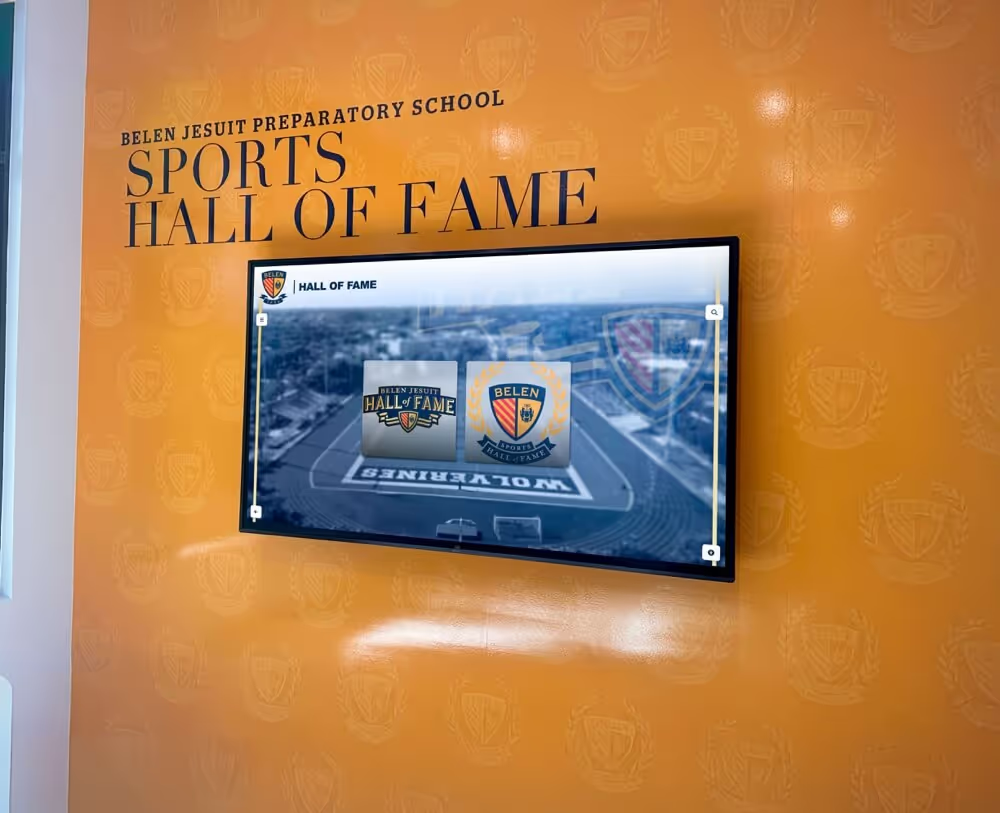
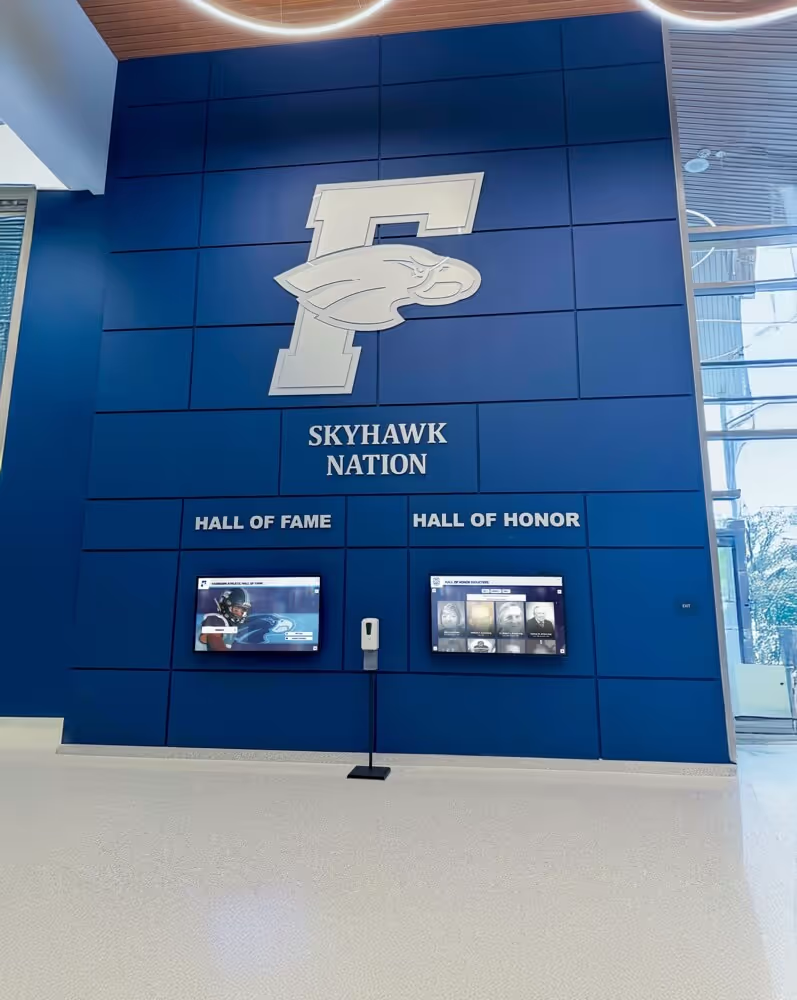
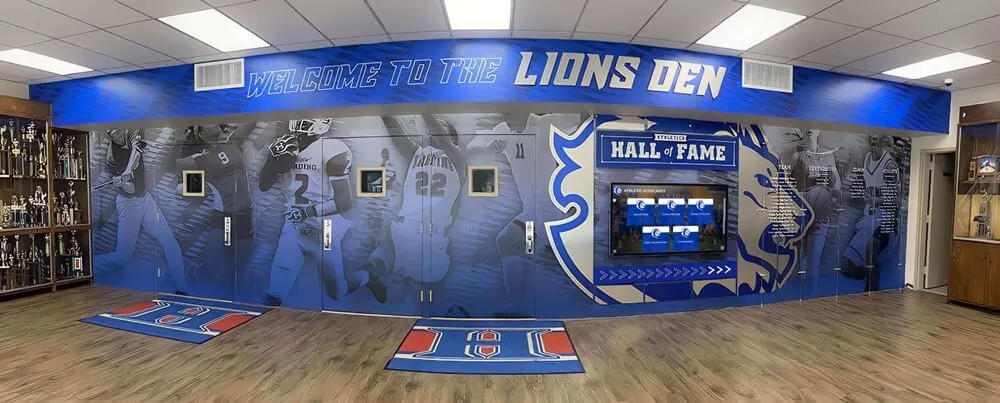
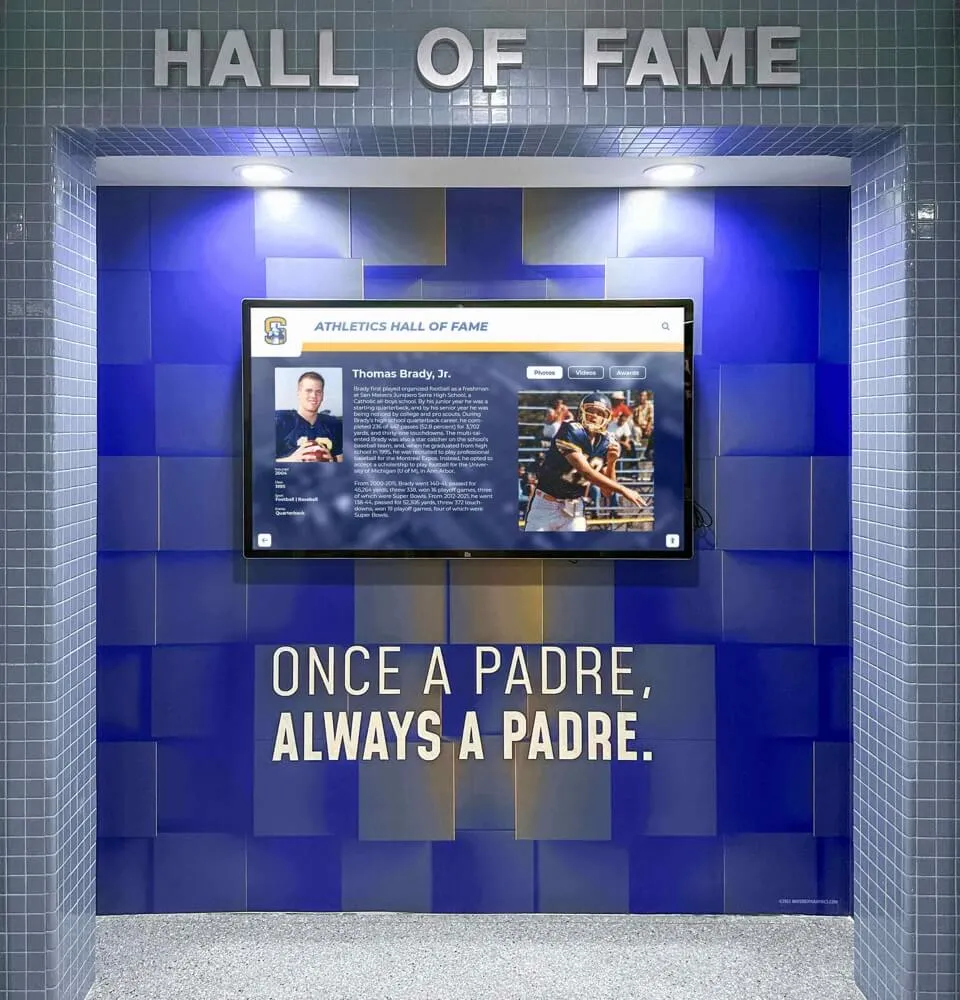
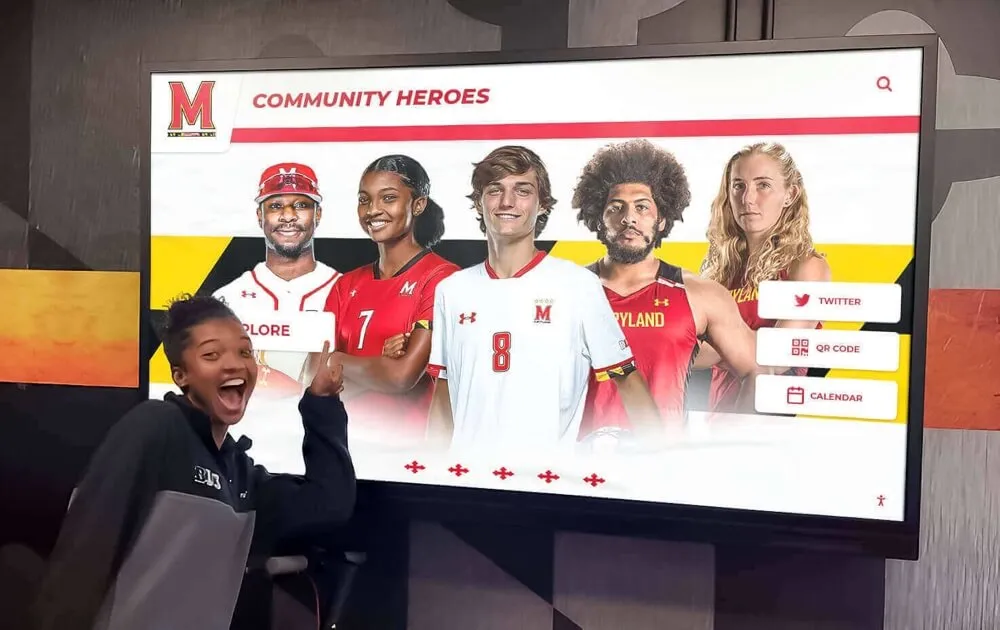
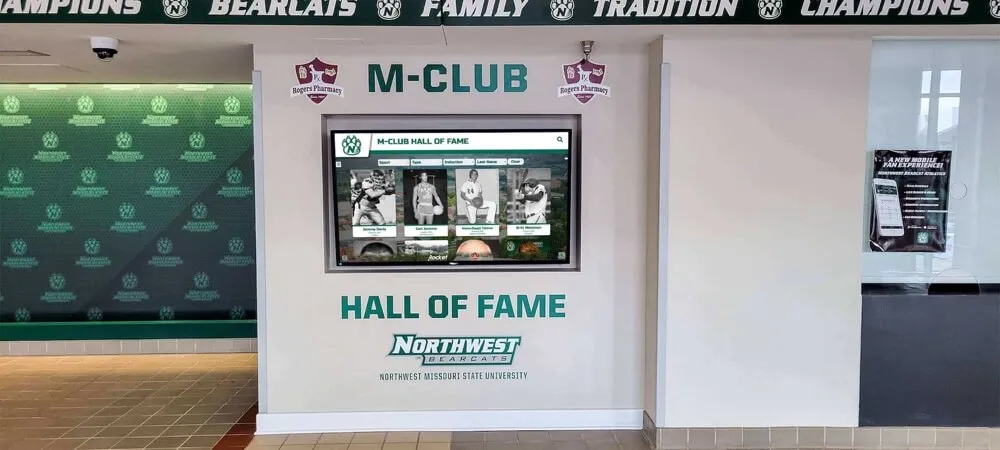
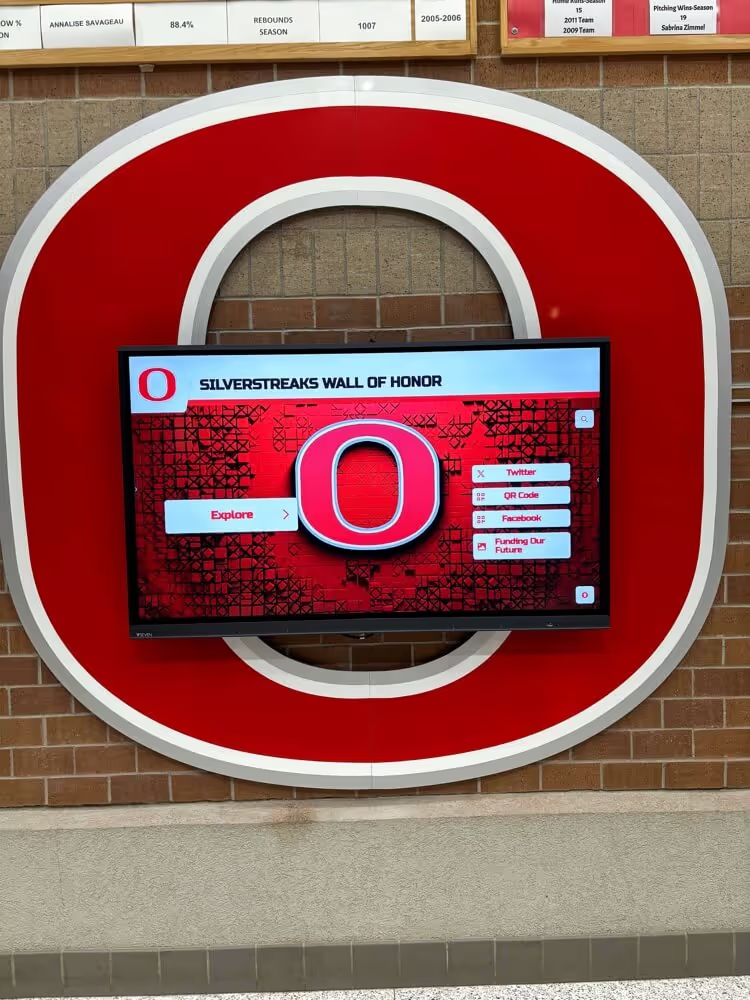
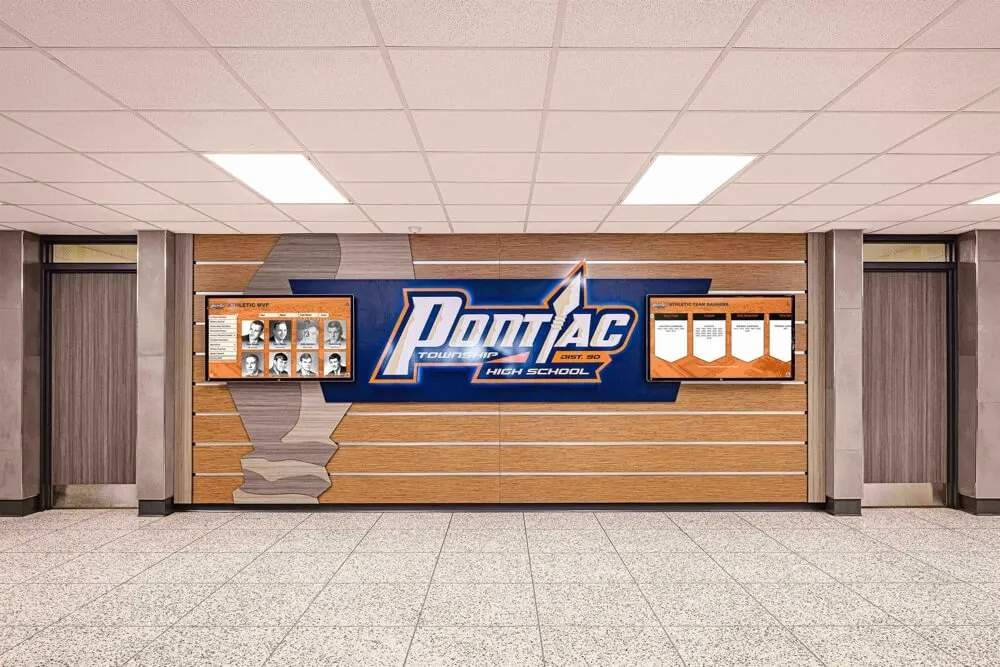
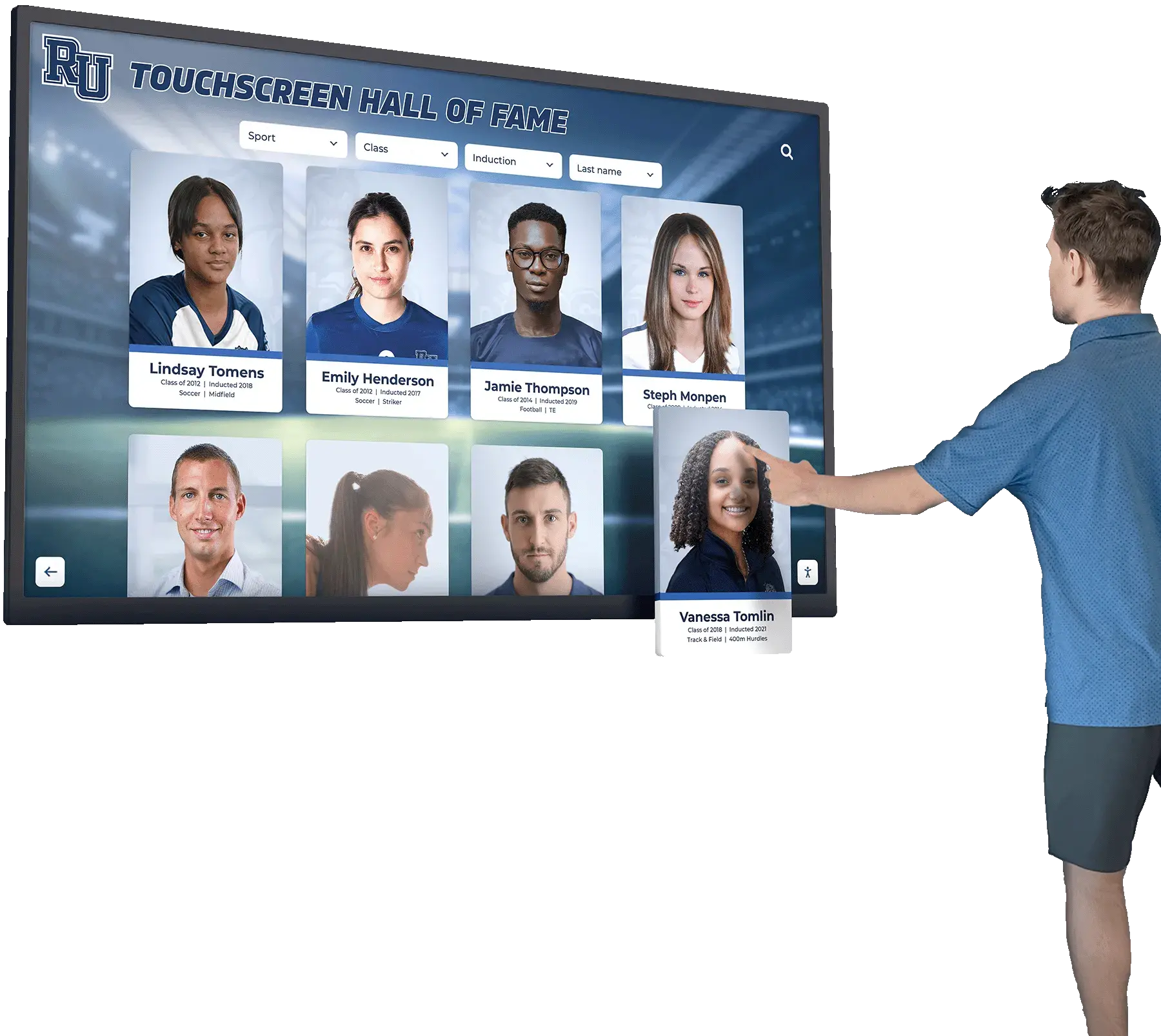
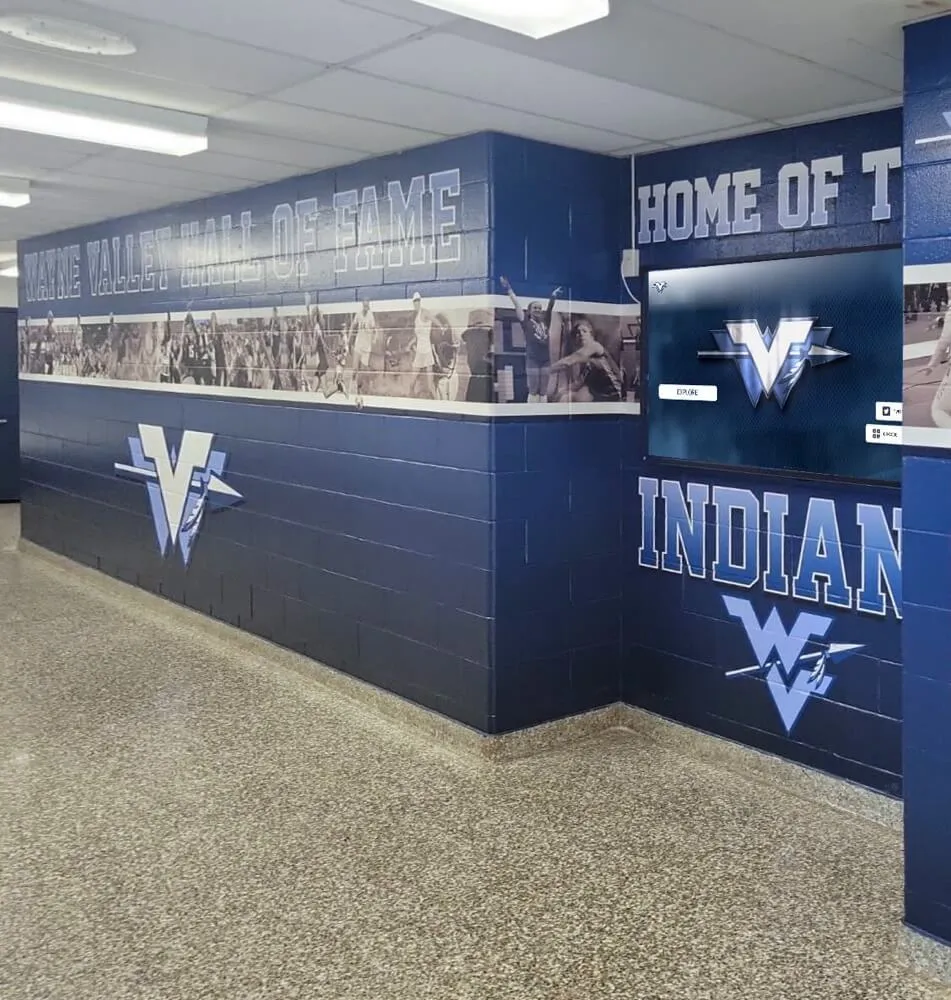
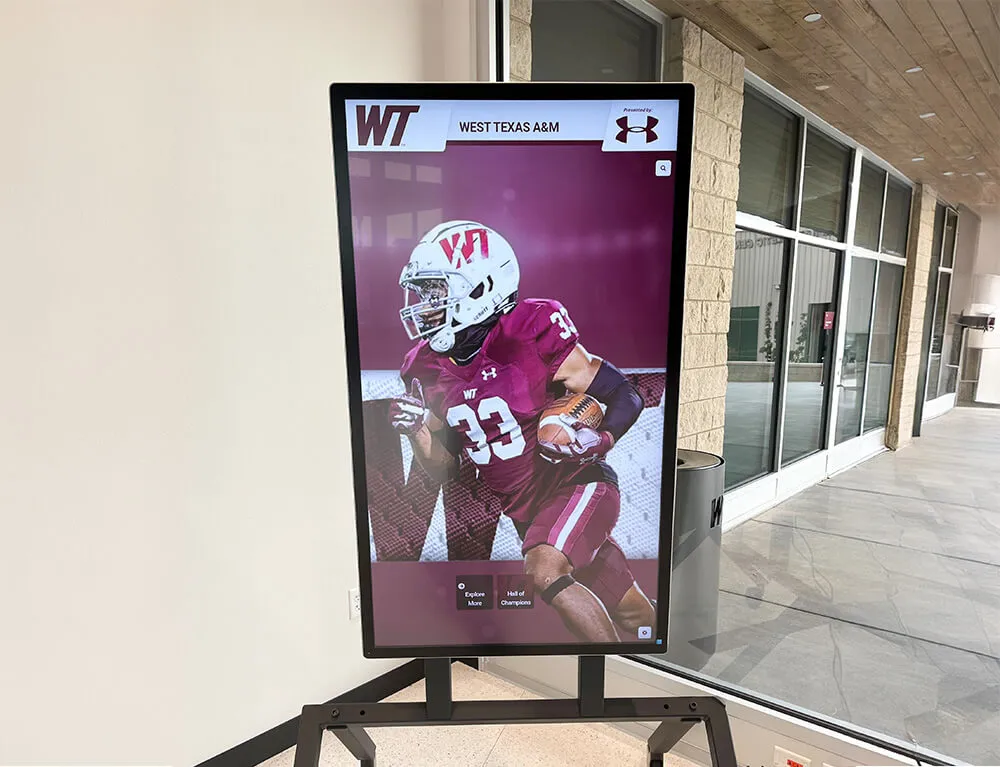
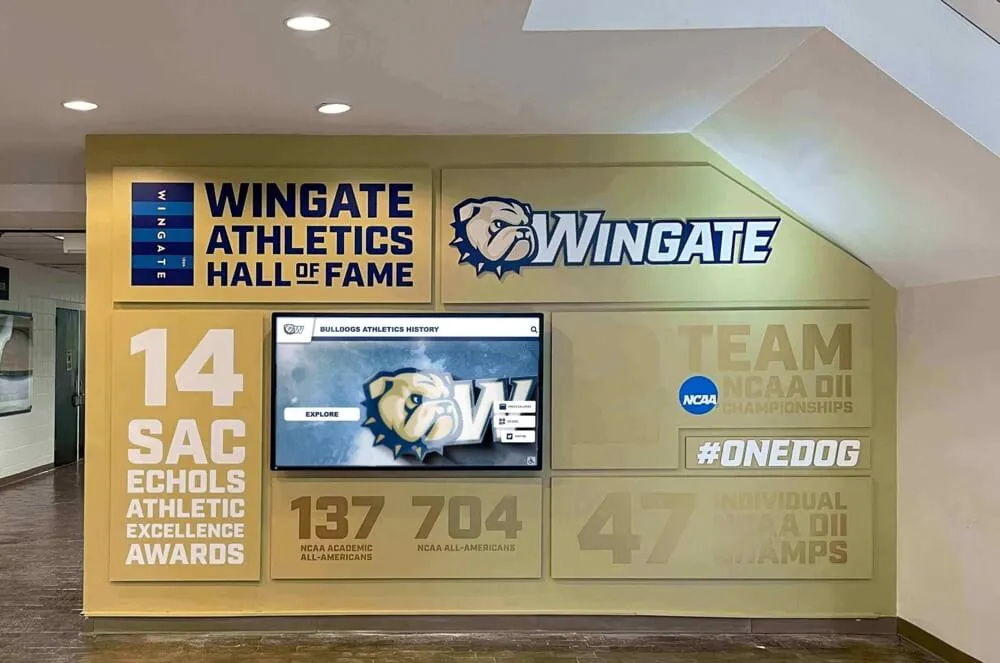
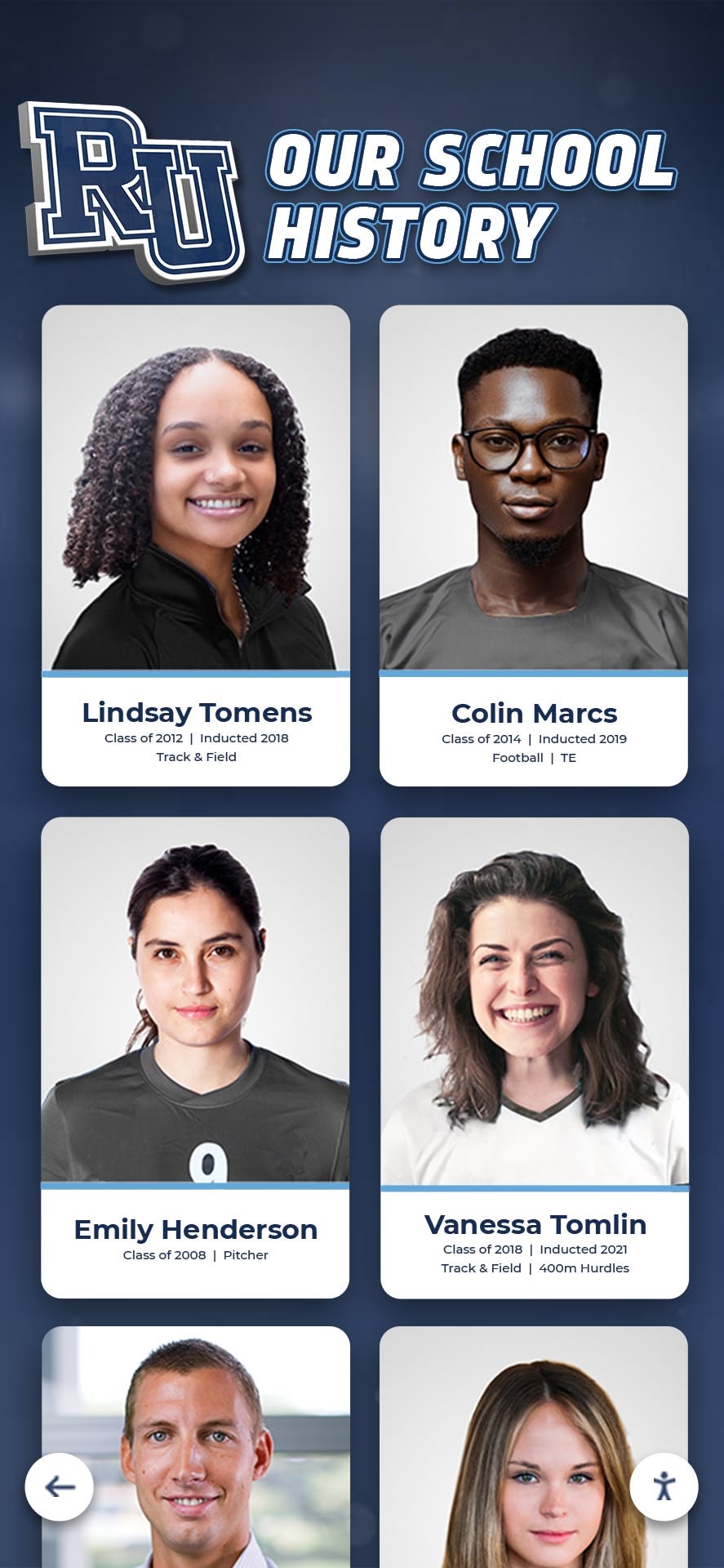
Comprehensive Digital Profiles: Platforms like Rocket Alumni Solutions enable schools to create rich senior athlete profiles incorporating questionnaire responses alongside photos, statistics, achievements, video highlights, and biographical information that visitors explore through touchscreen interfaces or web access.
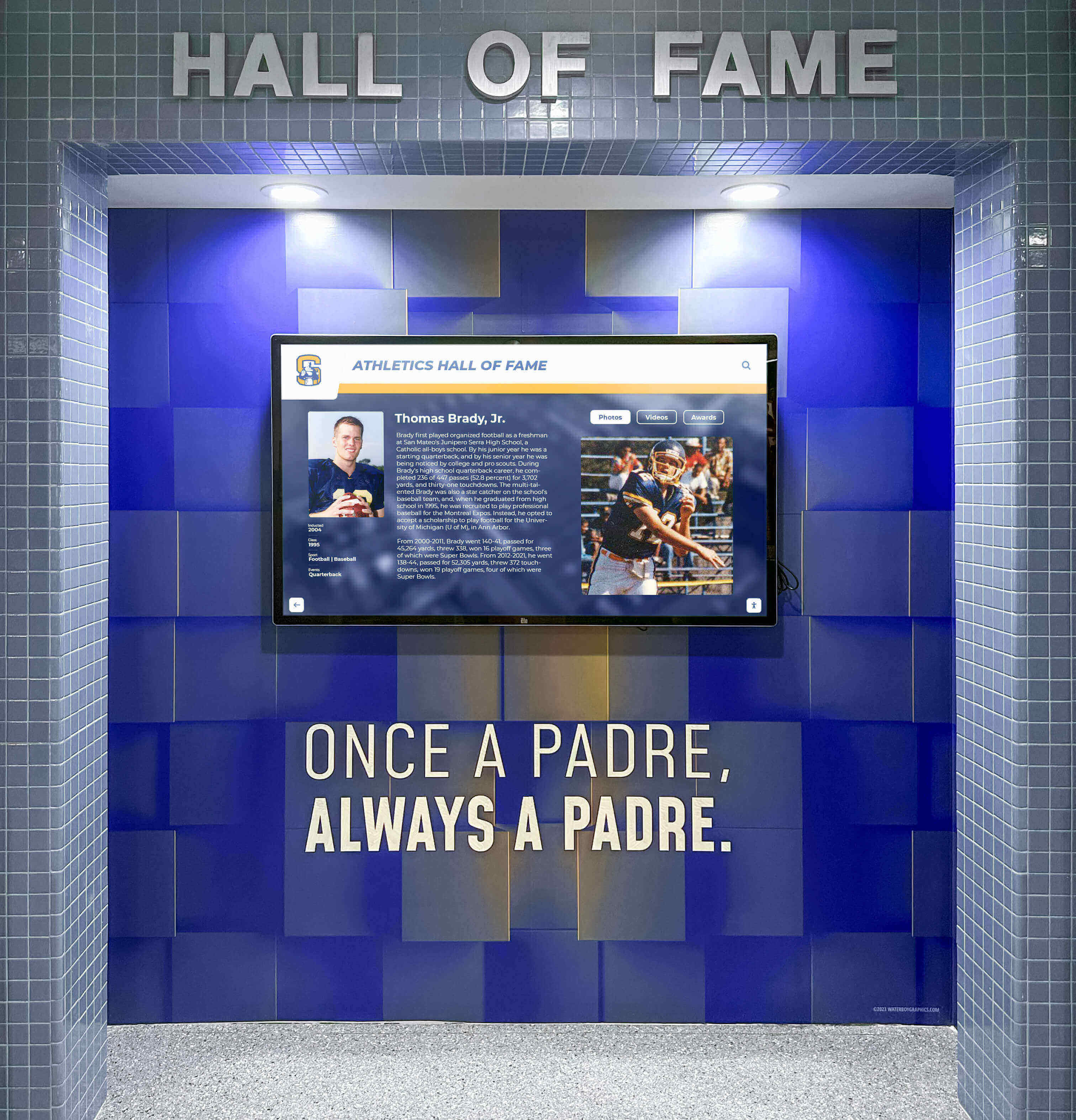
Unlimited Content Capacity: Unlike physical plaques or printed programs constrained by space, digital systems accommodate comprehensive questionnaire content—all responses rather than curated highlights—providing complete portraits of each athlete without limiting expression to fit space constraints.
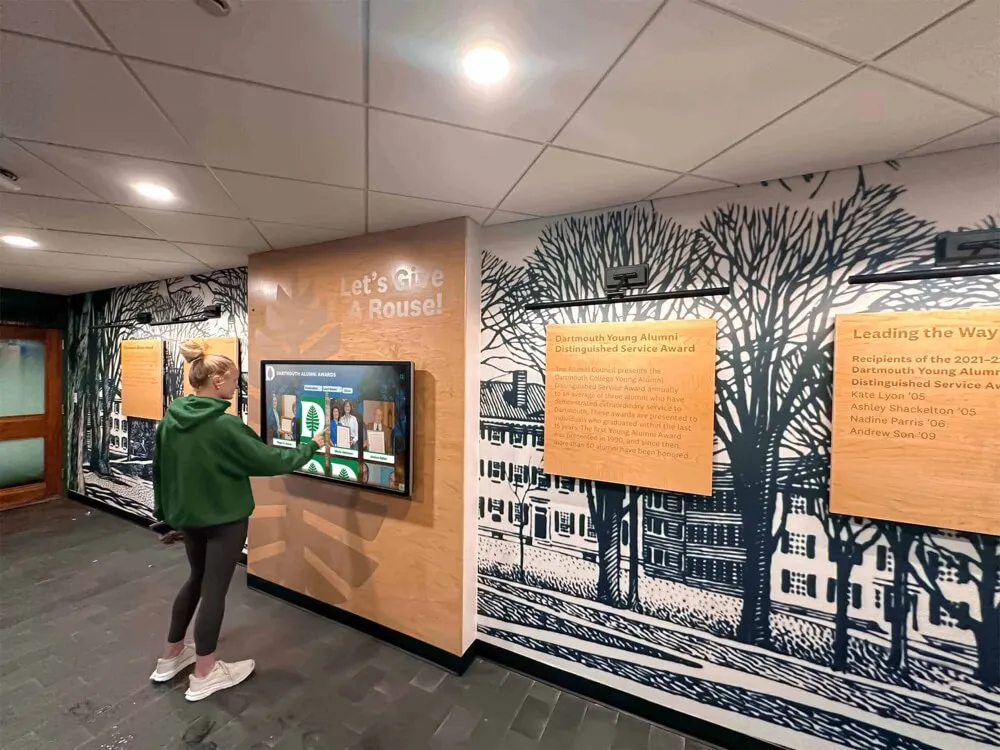
Year-Round Visibility: Senior recognition extends beyond single ceremony nights when questionnaire content powers digital displays visible daily throughout facilities. Current students, visiting alumni, prospective families, and community members engage with senior profiles continuously, maximizing recognition impact and demonstrating program culture. Understanding how digital displays transform school communication helps administrators evaluate comprehensive benefits.
Permanent Legacy Preservation: Digital platforms preserve senior questionnaire responses permanently as part of institutional athletic history. Graduates return years later to show their own children their senior profiles, creating multigenerational connections to programs and demonstrating lasting value of thoughtful recognition.
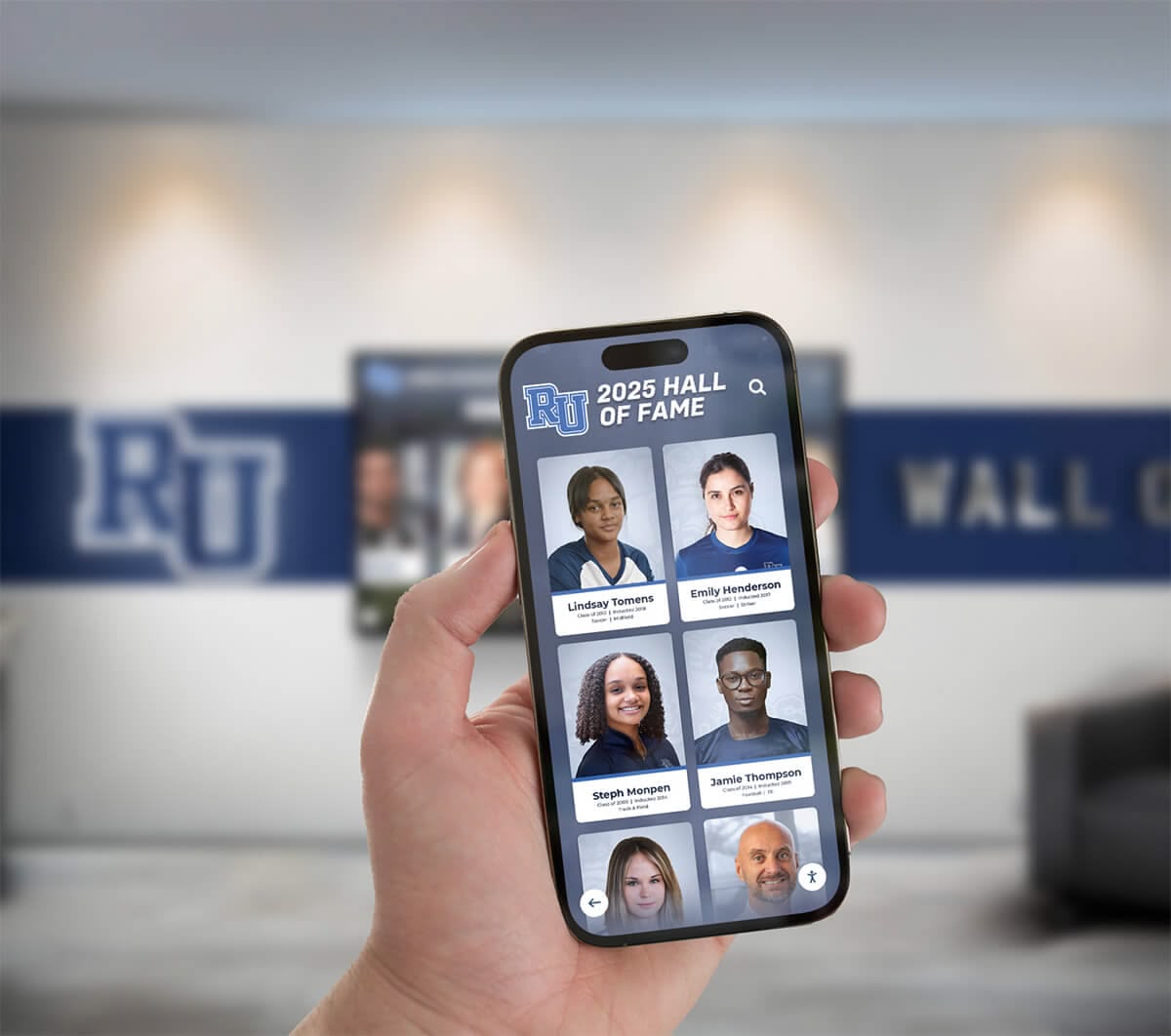
Remote Family Access: Web-based viewing extends senior recognition geographically, allowing grandparents, extended family, and supporters unable to attend physical ceremonies to explore complete senior profiles remotely. This accessibility proves particularly valuable for military families, geographically dispersed relatives, or during situations preventing travel.
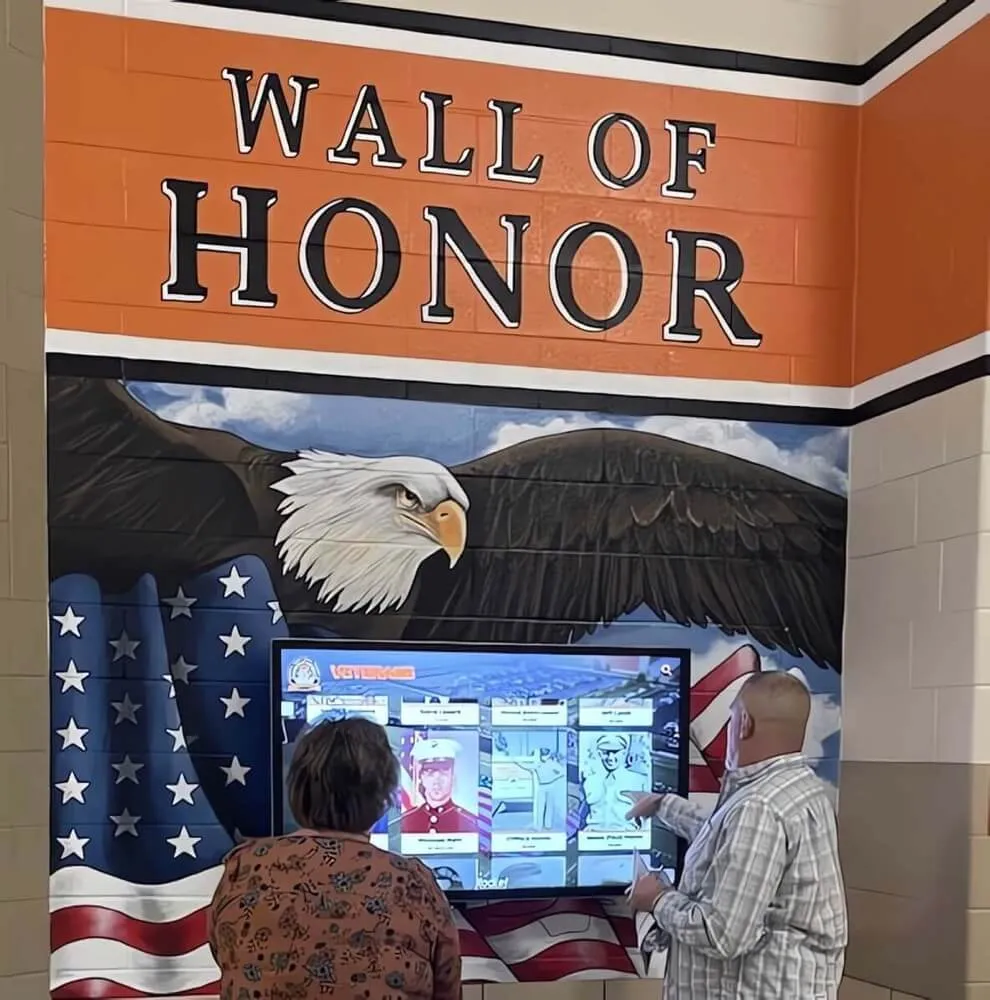
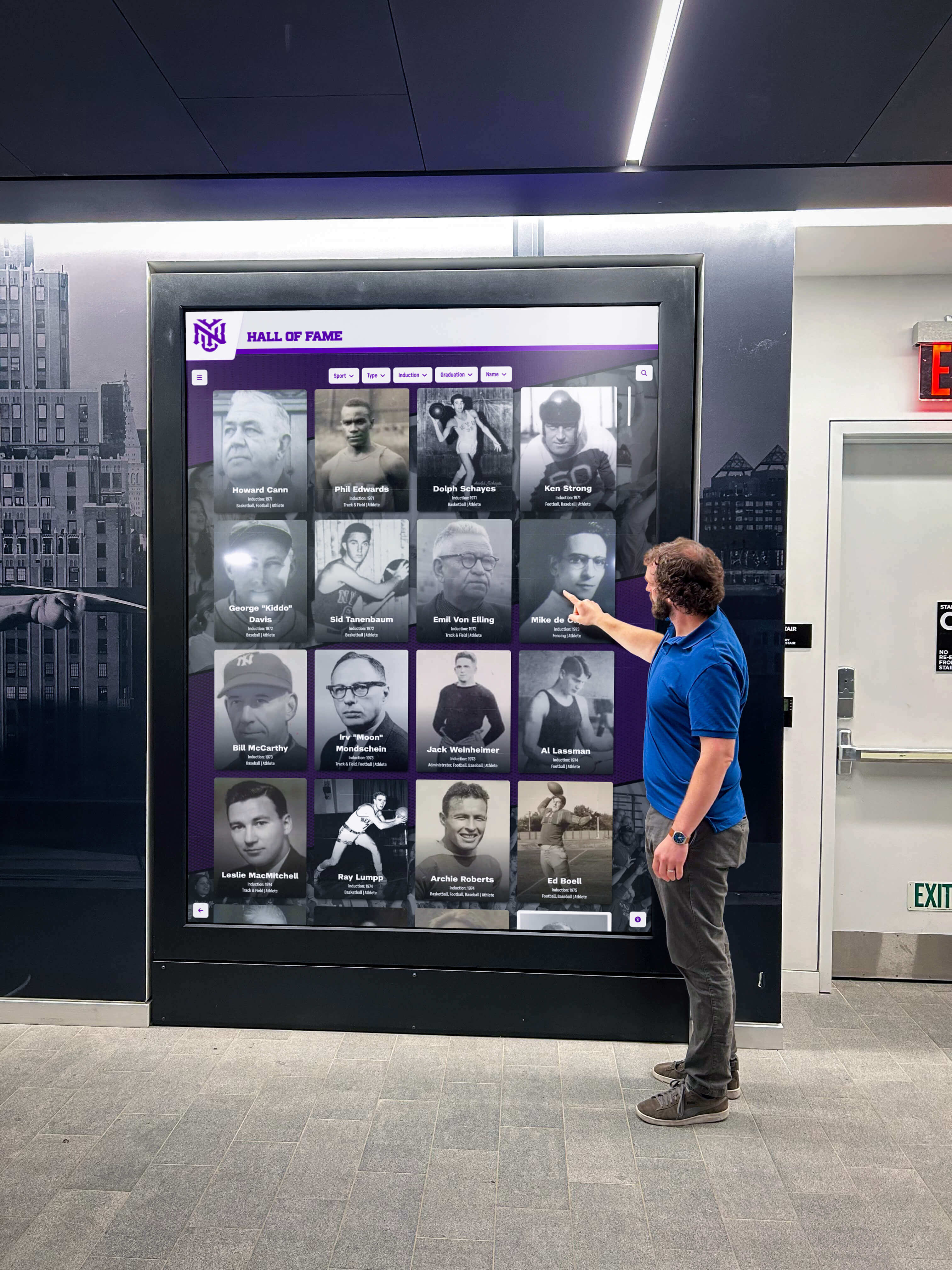
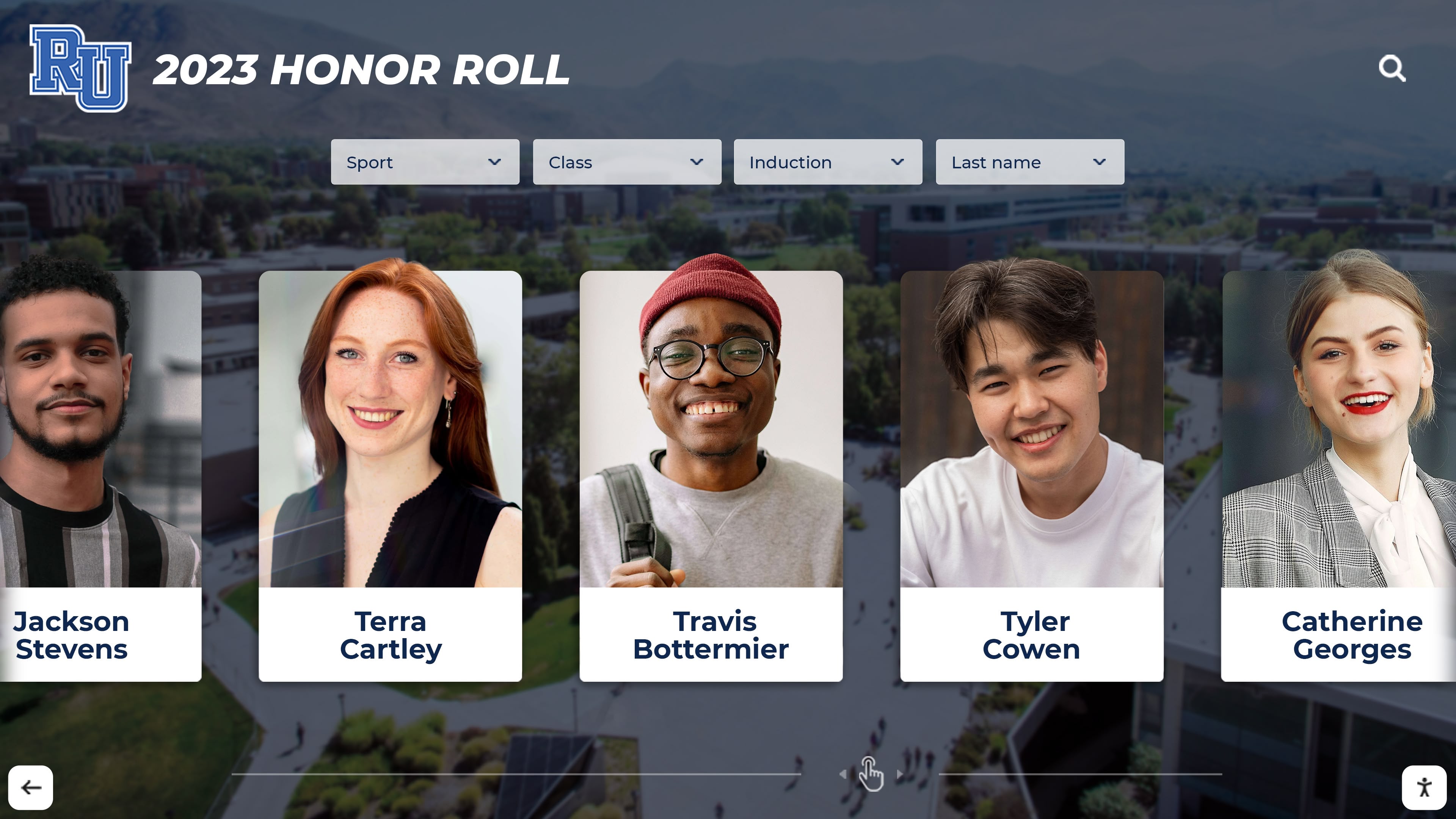
Search and Discovery: Digital systems enable visitors to search seniors by name, year, sport, or achievement, creating intuitive discovery mechanisms that make historical content accessible rather than buried in forgotten yearbooks or fading programs. Schools implementing comprehensive historical archives ensure senior recognition remains permanently discoverable.
Integration with Broader Recognition: The most effective digital systems integrate senior questionnaire content within comprehensive athletic recognition programs celebrating championship teams, statistical record-holders, all-state athletes, and program history. Seniors receive context within broader program narratives rather than isolated annual recognition that lacks connection to institutional traditions.
Sample Senior Night Questionnaire Template
To help athletic programs get started, here’s a practical questionnaire template incorporating essential questions across all categories while maintaining manageable length:
SENIOR NIGHT ATHLETE QUESTIONNAIRE
Name: ___________________________ Preferred Nickname (if different): ___________________________ Jersey Number: _______ Position(s): ___________________________ Years on Varsity: _______
ATHLETIC JOURNEY
What has been your favorite memory from your time in this program?
What has been your proudest athletic accomplishment?
What will you miss most about being part of this team?
What advice would you give to younger athletes in this program?
RECOGNITION & GRATITUDE
Parents/Guardians Names: ___________________________
Who has been your biggest influence in this sport, and why?
What message would you like to share with your coaches?
What message would you like to share with your parents/guardians?
FUTURE PLANS
What are your plans after graduation? (College, career, military, etc.)
Will you continue playing this sport? If so, where?
PERSONALITY & FUN
What is your pre-game ritual or superstition?
What is your favorite pump-up song?
What is your go-to celebration move after scoring/winning?
REFLECTION
How has this sport changed you as a person?
What do you want people to remember about you as an athlete?
This template balances essential biographical information, meaningful reflection, family recognition, and entertaining personality questions while remaining achievable within 20-30 minutes for thoughtful completion.
Programs can customize by adding sport-specific questions (basketball’s favorite game-winning shot, football’s most memorable tackle, volleyball’s best serving streak), team-specific traditions, or regional cultural elements that make questionnaires feel personalized rather than generic.
Integrating Senior Night Recognition with Comprehensive Athletic Programs
The most effective senior recognition doesn’t exist in isolation but connects with broader athletic recognition programs celebrating excellence across all levels and years.
Multi-Level Recognition Systems
Freshman to Senior Progression: Digital recognition platforms enable schools to document complete athletic journeys from freshman year through senior night, showcasing four-year growth, statistical progression, and achievement accumulation. When seniors see their questionnaire responses displayed alongside profiles tracking their entire careers, recognition feels comprehensive rather than limited to final moments.
All-Athlete Recognition: While senior nights focus on graduating athletes, comprehensive programs also celebrate underclassmen achievements, creating cultures where recognition is continuous rather than reserved exclusively for seniors. This broader approach builds program pride while giving younger athletes aspirational models. Programs implementing comprehensive honor roll systems demonstrate similar recognition breadth.
Multi-Sport Integration: Athletes participating in multiple sports receive recognition in each program, with digital systems automatically aggregating their achievements across sports into unified profiles celebrating complete athletic identities rather than fragmenting recognition by individual teams.
Championship Team and Record Holder Recognition
Contextualizing Senior Achievements: When senior athletes are also members of championship teams or hold program records, integrating these distinctions with questionnaire-based biographical content creates complete portraits celebrating both statistical excellence and personal dimensions.
Team Legacy Connection: Seniors from particularly successful classes connect their individual recognition with team achievements in questionnaires, emphasizing collective success alongside personal growth. Questions about favorite team memories and inside jokes strengthen these connections.
Historical Program Context: Digital displays place current seniors within broader program history, showing how their achievements compare to previous generations while honoring historical record-holders. This context demonstrates tradition while celebrating contemporary excellence.
Academic Recognition Integration
Scholar-Athlete Honor: The most holistic programs integrate academic and athletic recognition, celebrating GPAs and academic honors alongside athletic statistics. Senior questionnaires can include questions about balancing academics with athletics, favorite academic achievements, or how athletic participation influenced academic success. Schools can learn from comprehensive academic recognition programs when designing integrated approaches.
College Signing Recognition: For seniors continuing athletic careers collegiately, connecting senior night recognition with signing day ceremonies creates comprehensive transition acknowledgment. Questionnaire responses about future plans gain particular significance when athletes have committed to collegiate programs.
Character and Leadership Awards: Beyond statistics and wins, recognizing character qualities, leadership contributions, sportsmanship, and team culture impact ensures senior recognition celebrates complete athlete identities rather than reducing individuals to performance metrics alone.
Common Senior Night Questionnaire Challenges and Solutions
Athletic directors and coaches implementing questionnaire-based recognition programs encounter predictable challenges with established solutions:
Challenge: Athletes Submitting Incomplete or Late Responses
Solution: Establish clear deadlines with consequences while providing multiple reminders through diverse channels. Consider making questionnaire completion a requirement for ceremony participation, which typically ensures compliance. For chronically late or incomplete submissions, have coaches work one-on-one with athletes during practice time to complete forms together, ensuring participation while respecting that some athletes struggle with written expression or time management.
Challenge: Responses That Are Too Brief or Generic
Solution: Provide examples of strong responses in questionnaire instructions, illustrating the level of detail and specificity desired. Include minimum length guidance (50-100 words for reflective questions) preventing one-word answers. When brief responses are submitted, follow up directly requesting expansion: “Tell me more about why that was your favorite memory” or “What specifically did that coach do that impacted you?” Personal coach engagement typically yields richer content than generic reminders.
Challenge: Inappropriate or Questionable Content
Solution: Establish clear submission guidelines about appropriate content for public ceremonies and family audiences. Review all responses promptly after submission, immediately following up with athletes about any concerns. Most inappropriate responses stem from athletes not considering audience rather than intentional disrespect. Explain context (“This will be read aloud with your parents and grandparents present”) and request alternative responses, which athletes almost always provide cooperatively.
Challenge: Emotional Sensitivity and Vulnerable Sharing
Solution: While deep emotional vulnerability creates powerful recognition, some athletes share trauma, family difficulties, or personal struggles requiring careful handling. Thank athletes for their trust and discuss together what portions they’re comfortable being public versus what should remain private. Often athletes appreciate having someone help them think through boundaries. Always prioritize athlete comfort and dignity over ceremony content needs.
Challenge: Maintaining Consistent Quality Across Large Senior Classes
Solution: For programs with 20+ seniors, managing questionnaire collection, review, and incorporation becomes substantial work. Designate specific staff or volunteer team members responsible for the process with clear role divisions—one person managing collection and reminders, another handling review and editing, a third creating programs or digital content. Spread work across multiple people preventing individual burnout while ensuring quality remains consistent.
Challenge: Preserving Recognition Beyond Single Ceremony Nights
Solution: The primary limitation of traditional senior night approaches is that recognition happens once and then fades. Digital recognition platforms solve this fundamentally by preserving questionnaire content permanently in accessible formats. Schools exploring modern recognition solutions discover that initial questionnaire development work yields ongoing value rather than single-use content. Understanding digital hall of fame fundamentals helps programs evaluate permanent recognition options.
Building Sustainable Senior Recognition Programs That Compound Impact
The most valuable senior night questionnaires aren’t isolated annual projects but foundational components of sustainable recognition programs that improve continuously while building institutional traditions.
Creating Reusable Questionnaire Frameworks
Template Development: After initial questionnaire creation and testing, formalize proven question sets into templates that subsequent years adapt rather than recreating from scratch. Maintain core questions ensuring consistency across years while allowing flexibility for program-specific or culture-specific additions.
Documentation System: Create clear guides documenting questionnaire distribution processes, timeline recommendations, review procedures, and lessons learned. This institutional knowledge prevents process deterioration across coach or athletic director transitions.
Question Bank Resources: Maintain comprehensive question banks with 50+ proven options organized by category. Each year’s questionnaire selects appropriate questions based on intended use (ceremony announcements versus comprehensive digital profiles) rather than developing questions anew.
Building Year-Over-Year Content Libraries
Cumulative Digital Archives: When questionnaire content feeds digital recognition systems, schools build comprehensive historical archives showcasing every senior class. Current seniors see themselves as part of continuing traditions connecting them with alumni who preceded them and athletes who will follow.
Pattern Recognition and Improvement: Multi-year questionnaire data reveals patterns informing program improvement. If multiple seniors identify particular practices, traditions, or coach behaviors as most impactful, programs can intentionally strengthen those elements. If certain questions consistently yield generic responses, they can be refined or replaced.
Alumni Engagement Opportunities: Preserved senior questionnaire responses create natural alumni engagement tools. Reunion planning committees use historical questionnaires to create “remember when” content. Development staff leverage questionnaire responses to personalize donor cultivation appeals. Preserved digital content creates ongoing touchpoints maintaining alumni connections rather than single graduation moments.
Measuring Recognition Program Impact
Athlete Satisfaction Assessment: Survey seniors after ceremonies about questionnaire and recognition experiences, asking what felt most meaningful, what could improve, and whether recognition met their hopes and expectations. This feedback drives continuous improvement.
Family Engagement Metrics: Track family attendance at senior nights, engagement with digital recognition platforms, and feedback from parents about recognition quality. High family satisfaction indicates effective program design while concerns signal areas needing attention.
Cultural Impact Observation: Coaches observe whether younger athletes reference senior recognition in setting personal goals, whether team culture discussions include awareness of eventual senior night recognition, and whether recruit families inquire about recognition traditions during visits.
Digital Platform Analytics: When questionnaire content feeds digital displays, analytics reveal engagement—profile views, time spent exploring content, search patterns, and most-viewed seniors. These metrics demonstrate recognition value while justifying continued investment.
Conclusion: Transforming Senior Night Through Thoughtful Questionnaire Design
Senior night questionnaires represent far more than administrative data collection—they’re opportunities to capture authentic athlete voices at pivotal life moments, create meaningful recognition connecting personally with audiences, honor families whose support made athletic participation possible, and preserve legacies extending beyond fleeting ceremony moments.
The difference between generic senior night recognition and deeply meaningful celebration lies primarily in questionnaire quality. Generic forms requesting only names, numbers, and parents produce forgettable announcements audiences endure politely. Thoughtful questionnaires balancing biographical information, reflective questions, personality exploration, and gratitude expression yield rich content that engages audiences emotionally while creating keepsakes athletes and families treasure permanently.
Modern digital recognition platforms particularly benefit from comprehensive questionnaire content, transforming responses into interactive displays that celebrate seniors continuously rather than limiting recognition to single nights. When questionnaire answers feed digital systems providing year-round visibility, web accessibility for remote family, permanent preservation, and integration with broader athletic history, initial content development work compounds value exponentially.
Schools implementing senior night questionnaires as foundational recognition components rather than afterthought administrative requirements discover profound cultural impacts. Athletes feel genuinely seen as complete individuals rather than reduced to statistics. Families receive public acknowledgment of their sacrifices and support. Younger athletes internalize that their programs value character and relationships alongside competitive excellence. Alumni maintain stronger program connections when their high school experiences received thoughtful recognition that honored who they were as individuals.
Whether conducting intimate senior nights recognizing five graduating athletes or managing elaborate ceremonies celebrating 30+ seniors across multiple sports, questionnaire quality determines recognition impact. The 50+ questions provided in this guide offer starting frameworks that programs customize based on team cultures, time constraints, and intended uses while maintaining proven question categories that consistently yield meaningful responses.
For athletic programs ready to transform senior recognition from basic ceremony obligation into comprehensive celebration honoring athlete journeys, character, and relationships, solutions like Rocket Alumni Solutions provide purpose-built platforms designed specifically for preserving questionnaire content permanently within engaging digital experiences. These specialized systems enable schools to showcase senior athletes comprehensively while integrating their recognition within broader programs celebrating athletic excellence, academic achievement, and program traditions that define institutional identities.
Senior night ceremonies honor remarkable young people who dedicated years to representing schools, teammates, and communities through athletic participation. They deserve recognition that truly sees them—not just what they accomplished but who they are, who influenced them, what they overcame, what made them laugh, what they’ll carry forward, and how they want to be remembered. Thoughtful questionnaires make that depth of recognition possible, transforming senior nights from generic ceremonies into genuinely meaningful celebrations honoring athletes as the complete, complex, remarkable individuals they are.
Transform Your Senior Night Recognition Into Lasting Digital Tributes
Discover how digital recognition platforms preserve senior athlete questionnaire responses permanently while creating year-round visibility that honors graduating athletes beyond single ceremony nights.
Explore Rocket Alumni Solutions for Athletic Recognition