



Key Takeaways
Discover how to implement and celebrate senior mentor programs in high schools. Complete guide covering peer mentorship benefits, program design, recognition strategies, and digital display solutions that highlight student leadership.
Understanding Senior Mentor Programs and Their Impact
Before implementing mentorship initiatives or recognition systems, schools must understand what peer mentoring programs are, how they function, and why they create measurable value for students and institutions.
Defining Senior Mentor Programs in Educational Settings
Senior mentor programs—also called peer mentoring, cross-age mentoring, or near-peer mentoring—systematically pair older students with younger peers to provide guidance, support, and modeling during educational transitions or challenges. These structured relationships differ from informal friendships through intentional design, adult supervision, clear objectives, and formal training that equips mentors with skills for effective support.
Common Senior Mentor Program Models:
Freshman Transition Programs: The most prevalent model pairs juniors or seniors with incoming freshmen during their first year of high school. Mentors help ninth graders navigate campus geography, understand academic expectations, manage time effectively, connect with extracurricular opportunities, and develop relationships that prevent isolation or disconnection.
According to research, educational transitions represent particularly vulnerable periods when students benefit most from mentorship support. The shift from middle school to high school correlates with increased academic struggle, attendance problems, and disengagement that peer mentorship effectively addresses.
Academic Support Mentoring: Some programs focus specifically on academic assistance where high-achieving upperclassmen provide tutoring, study skills coaching, or subject-specific support for younger students facing coursework challenges. Academic mentors help peers develop organizational systems, test-taking strategies, note-taking approaches, and learning techniques while reinforcing concepts from challenging courses.
Social-Emotional Support Programs: Other initiatives emphasize social-emotional dimensions of high school experience. Mentors provide friendship, emotional support, guidance through social challenges, and modeling of positive coping strategies. These programs prove particularly valuable for students experiencing mental health challenges, social anxiety, or difficulty forming peer connections.
Leadership Development Mentoring: Advanced programs position senior mentors as leadership development opportunities rather than solely service experiences. Mentors receive extensive training in communication, conflict resolution, active listening, cultural competence, and developmental psychology. These programs intentionally develop mentor leadership capacity while supporting mentees.
Specialized Population Programs: Targeted initiatives serve specific student populations including first-generation college-bound students paired with seniors navigating college applications, English language learners matched with bilingual upperclassmen, students in special education receiving support from trained peer mentors, or student athletes paired with varsity team members in the same sports.
The Research Foundation: Why Peer Mentoring Works
Substantial research demonstrates that well-implemented peer mentoring programs create measurable benefits for mentees, mentors, and broader school communities. Understanding these evidence-based outcomes helps schools design programs maximizing positive impact.
Benefits for Mentees:
Research consistently documents mentee advantages including improved academic performance measured through higher GPAs and test scores, enhanced attendance rates and reduced chronic absenteeism, smoother transitions with reduced ninth-grade failure rates, increased school connectedness and sense of belonging, improved social skills and peer relationships, reduced behavioral incidents and disciplinary referrals, and enhanced emotional wellbeing with lower reported anxiety and depression.
One study examining teen mentorship programs found that peer mentors effectively inspire their peers to show up for school, with mentored students demonstrating significantly improved attendance compared to non-mentored peers facing similar challenges.
Benefits for Mentors:
Senior mentors experience substantial developmental gains through their service including leadership skill development in communication, problem-solving, and decision-making, enhanced empathy and perspective-taking abilities, improved time management and organizational skills, increased self-confidence and sense of purpose, valuable resume experiences for college applications and job opportunities, deeper understanding of teaching and helping professions, and stronger connections to school communities and institutional pride.
Students who serve as peer mentors frequently report that the experience significantly influenced their personal growth, career interests, and understanding of their own capabilities. The mentoring role creates opportunities for reflection about one’s own high school journey while consolidating learning through teaching others.

Benefits for Schools:
Institutions implementing effective mentorship programs report improved school climate and culture, reduced bullying and peer conflict, stronger cross-grade relationships breaking down social hierarchies, increased student leadership opportunities beyond traditional activities, enhanced parent satisfaction with student support systems, reduced demand on counseling services for routine guidance, and improved recruitment as elementary students and families learn about support systems.
Peer mentoring programs represent cost-effective interventions that leverage existing student capacity rather than requiring extensive additional staffing. When designed thoughtfully, these programs create exponential value by simultaneously supporting multiple students—mentees receiving guidance and mentors developing leadership—through single structured relationships.
Key Components of Successful Senior Mentor Programs
Research and practitioner experience identify essential elements distinguishing effective mentorship programs from those that struggle or fail to achieve intended outcomes.
Clear Program Goals and Structure: Successful programs establish explicit objectives, whether focusing on academic achievement, social-emotional support, transition assistance, or comprehensive guidance. Clear goals enable intentional design of training, activities, and assessment approaches aligned with desired outcomes. Structure includes defined meeting schedules, duration expectations, documentation requirements, and adult supervision protocols.
Rigorous Mentor Selection: Not all seniors make effective mentors. Selection processes should evaluate academic standing, disciplinary records, interpersonal skills, reliability, empathy, and genuine interest in supporting younger students. Applications, teacher recommendations, and interviews help identify candidates likely to succeed while screening out those lacking necessary qualities.
Comprehensive Training: Effective programs provide substantial initial training covering active listening skills, boundary-setting and appropriate relationships, recognizing signs of serious problems requiring adult intervention, cultural competence and working with diverse students, confidentiality and privacy expectations, communication techniques and conversation starters, and developmental understanding of freshman challenges and needs.
Ongoing professional development throughout the year reinforces skills, addresses emerging challenges, and deepens mentor capacity. Solutions like comprehensive student recognition programs help schools document mentor training and celebrate developing expertise.
Adult Supervision and Support: Peer mentors remain adolescents requiring adult guidance despite their leadership roles. Programs need designated faculty coordinators who recruit and select mentors, coordinate training and ongoing development, supervise mentor-mentee interactions, intervene when problems arise, provide mentors with advice and support, and assess program effectiveness continuously.
Meaningful Recognition: Mentors invest significant time and emotional energy supporting younger students. Recognition validates their contributions, builds program prestige that attracts future participants, and provides documentation mentors can leverage for college applications and scholarships. Schools should implement comprehensive recognition including academic credit, transcript notations, certificates and awards, recommendation letters, graduation honors, and permanent documentation through digital displays.
Designing and Implementing Senior Mentor Programs
Schools ready to launch peer mentorship initiatives should follow systematic planning processes addressing multiple design dimensions from recruitment through assessment.
Establishing Program Infrastructure and Governance
Designate Faculty Coordinator: Successful programs require dedicated faculty leadership providing consistent coordination and supervision. Coordinators should understand adolescent development, possess strong interpersonal skills, command student respect, maintain organizational capacity, and demonstrate enthusiasm for mentorship concepts.
Many schools position school counselors, student services staff, or teacher-leaders in coordinator roles. Adequate release time or reduced course loads support the substantial work involved in recruiting, training, matching, supervising, and assessing mentorship programs with dozens of participants.
Form Advisory Committee: Advisory committees representing diverse perspectives strengthen program design and sustainability. Include administrators providing institutional support and resources, counselors offering developmental and intervention expertise, teachers from various departments bringing classroom perspectives, parent representatives ensuring family viewpoints, and student leaders contributing peer insights.
Committees meet regularly during planning phases and periodically during implementation to review progress, address challenges, and recommend improvements.
Secure Institutional Support: Administrative buy-in proves essential for program success. Present proposals to building principals and district leadership highlighting research-based benefits, addressing implementation logistics, clarifying resource requirements, explaining assessment approaches, and emphasizing alignment with school improvement goals around climate, attendance, or achievement.
Institutional support manifests through adequate funding for training materials and activities, release time for faculty coordinators, space for training sessions and mentor-mentee meetings, integration with school schedules allowing mentoring time, and public endorsement promoting program visibility and prestige.
Recruiting and Selecting Senior Mentors
Effective selection balances inclusivity that provides leadership opportunities broadly with selectivity ensuring mentors possess qualities necessary for success.
Minimum Eligibility Criteria:
Establish baseline requirements all candidates must meet:
- Academic standing: Minimum GPA (commonly 3.0 or B average) demonstrating solid academic performance
- Disciplinary record: Clean or minimal disciplinary history showing positive behavior patterns
- Attendance: Strong attendance records indicating reliability and commitment
- Teacher recommendation: Endorsement from educators familiar with candidate’s character and capabilities
- Application completion: Written responses demonstrating thoughtfulness and genuine interest
Application and Interview Process:
Multi-step selection helps identify strongest candidates:
Written Application: Request responses to questions like “Why do you want to be a peer mentor?”, “Describe a time you helped someone through a difficult situation,” “What challenges do you think freshmen face, and how could mentors help?”, and “What qualities make someone an effective mentor?”
Applications reveal communication skills, self-awareness, empathy, and genuine commitment versus those seeking resume items without authentic interest in supporting younger students.
Faculty Recommendations: Request recommendations from teachers, counselors, or activity advisors who know candidates well and can assess their suitability objectively. Recommenders should evaluate interpersonal skills, reliability, maturity, leadership potential, and ability to work with diverse students respectfully.
Group and Individual Interviews: Interview processes reveal interpersonal dynamics, communication abilities, problem-solving approaches, and personality fit with mentor roles.
Group interviews allow observing how candidates interact with peers, share airtime, listen to others, and collaborate on activities or discussions. Individual interviews enable deeper exploration of motivations, past leadership experiences, approach to challenges, and specific questions about hypothetical mentoring scenarios.
Interviewers should look for empathy demonstrated through perspective-taking, enthusiasm shown through energy and genuine interest, maturity reflected in thoughtful responses, communication skills including active listening, and reliability indicated through follow-through on application requirements.
Pathway Programs: Some schools create junior-year peer leadership courses serving as prerequisite training and screening for senior mentor roles. Students completing leadership courses with strong performance receive priority consideration for senior mentorships, creating clear pathways while providing extensive preparation.
Training Senior Mentors for Success
Training transforms interested students into effective mentors equipped with skills, knowledge, and confidence to support younger peers appropriately.
Initial Training Components:
Dedicate substantial time—commonly 10-20 hours—before mentors begin working with mentees:
Program Overview: Explain program goals, expectations, time commitments, meeting schedules, documentation requirements, and how success will be assessed. Clarify mentor roles versus what falls outside appropriate peer support requiring adult intervention.
Developmental Understanding: Help mentors understand freshman challenges including academic transitions to harder coursework and increased expectations, social adjustments navigating new peer groups and social hierarchies, emotional changes during early adolescence, identity formation exploring interests and values, and future anxiety about college and career planning.
Understanding developmental context helps mentors provide appropriate support rather than minimizing challenges or imposing senior-year perspectives on freshmen experiencing different developmental stages.
Communication Skills: Practice active listening techniques including maintaining eye contact, asking open-ended questions, paraphrasing to confirm understanding, avoiding judgment or unsolicited advice, and recognizing when to listen versus when to speak.
Role-playing exercises with common scenarios help mentors develop conversational confidence and practice skills in safe environments before working with actual mentees.
Boundary-Setting: Clarify appropriate mentor-mentee relationships including maintaining confidentiality within limits, recognizing red flags requiring adult notification, avoiding romantic or inappropriate relationships, setting healthy emotional boundaries preventing burnout, and understanding when situations exceed peer support capacity.
Many peer mentoring programs emphasize that mentors provide friendship, guidance, and support but are not therapists, disciplinarians, or substitute parents. Clear boundaries protect both mentors and mentees while ensuring appropriate support.
Cultural Competence: Prepare mentors to work respectfully with diverse students across race, ethnicity, socioeconomic status, gender identity, sexual orientation, religion, disability, and family structure. Training should address implicit bias, cultural humility, inclusive language, and approaches for building trust with students from different backgrounds than mentors’ own experiences.
Problem Scenarios: Present realistic situations mentors might encounter:
- Mentee consistently misses scheduled meetings
- Mentee discloses being bullied by peers
- Mentee shares concerning statements about self-harm
- Mentee asks mentor to keep secret something requiring adult knowledge
- Mentor feels overwhelmed by mentee’s problems
- Mentor and mentee have difficulty connecting or finding common ground
Discussing responses as a group helps mentors develop problem-solving skills while clarifying when and how to involve adult coordinators.
Ongoing Development:
Continue training throughout the year through regular mentor meetings, guest speakers on relevant topics, case consultations discussing challenging situations, peer support where mentors advise each other, readings or videos on mentorship topics, and recognition events celebrating successes.
Ongoing development prevents mentor burnout, maintains program quality, addresses emerging challenges, and deepens mentor capacity over time.
Matching Mentors with Mentees
Thoughtful matching significantly influences relationship quality and outcomes.
Matching Criteria:
Consider multiple factors when pairing mentors and mentees:
- Shared interests or activities creating natural connection points
- Personality compatibility based on assessments or coordinator knowledge
- Academic pathways when mentors can provide subject-specific guidance
- Cultural or demographic similarities when appropriate and desired
- Geographic proximity enabling easier meeting logistics
- Schedule compatibility for meeting times
- Explicit preferences expressed by mentors or mentees
Research suggests that shared interests provide stronger foundations than demographic matching alone. Students bond over common passions for sports, arts, academics, or hobbies regardless of other differences.
Matching Processes:
Schools use various approaches including interest inventories where students indicate hobbies, activities, academic interests, and mentor preferences, coordinator discretion where knowledgeable staff make informed pairings, student input allowing mentees to review mentor profiles and indicate preferences, and trial periods enabling relationship changes if initial matches don’t click.
Some programs assign multiple mentees to mentor pairs rather than one-on-one pairings. Partner mentoring provides mentors with peer support, reduces pressure on individual mentors, models healthy relationships for mentees, and creates more flexible scheduling options.
Structuring Mentor-Mentee Interactions
Programs need clear structures defining how, when, and where mentors and mentees interact.
Meeting Frequency and Format:
Common approaches include weekly scheduled meetings during designated class periods or activity times, biweekly meetings balancing consistency with manageable commitment, monthly check-ins for less intensive programs, or flexible scheduling allowing pairs to determine meeting frequency within minimum guidelines.
For-credit programs typically meet during regular class periods providing structure and accountability. Cumberland Regional High School in New Jersey implemented this model where selected freshmen and seniors both receive course credit for participating, creating incentives for commitment while ensuring protected time for meaningful interaction.
Meeting Activities:
Structured activities prevent awkward silences while achieving program goals:
- Academic support: homework assistance, study skills coaching, organization strategies
- Social activities: lunch together, campus tours, attending school events
- Goal-setting: discussing academic goals, planning course selections, exploring interests
- Discussion topics: high school challenges, time management, peer relationships, college preparation
- Service projects: collaborative community service building teamwork
- Fun activities: games, creative projects, or recreational activities building rapport
Balance structure with flexibility allowing organic relationship development rather than overly rigid programming that feels contrived.
Documentation and Accountability:
Require mentors to document interactions through brief meeting logs recording dates, activities, topics discussed, and observations about mentee progress, monthly reflection journals where mentors consider what’s working and challenges faced, and periodic check-ins with coordinators discussing relationship development and any concerns.
Documentation serves accountability purposes while providing data for program assessment and helping coordinators identify relationships needing support or intervention.
Recognizing and Celebrating Senior Mentors
Mentors invest substantial time, emotional energy, and care supporting younger students. Meaningful recognition validates contributions, builds program prestige attracting future participants, and provides documentation mentors leverage for college applications and future opportunities.
Formal Recognition Strategies
Academic Credit and Transcript Recognition:
Many effective programs provide academic credit for mentoring, elevating the experience from voluntary activity to formal coursework. Credit-bearing programs typically require mentor enrollment in peer leadership or mentorship courses that include training, regular meetings, documented interactions with mentees, reflective assignments, and assessment of mentor performance.
Transcript notations such as “Peer Mentor,” “Student Leadership,” or “Mentorship Program” provide permanent documentation visible to colleges and employers. Some schools designate mentors as “Peer Educators” or similar titles carrying academic weight.
Certificates, Awards, and Letters of Recognition:
Tangible documentation proves valuable for college applications and employment:
- Program completion certificates from administration documenting participation dates and hours
- Excellence awards recognizing exceptional mentors who exceeded expectations
- Letters of recommendation from program coordinators detailing specific mentor contributions
- Character reference letters highlighting leadership qualities demonstrated through mentoring
- Service hour documentation for scholarship applications requiring community service verification
These materials should specify concrete examples of mentor contributions, skills developed, and impact on mentees rather than generic praise lacking substance.
Appreciation Events and Ceremonies:
Dedicated events celebrate mentor contributions while building program culture:
- End-of-year recognition ceremonies with certificates, awards, and guest speakers
- Mentor appreciation breakfasts or lunches hosted by administration
- Integration into existing recognition programs like academic awards nights
- Graduation recognition with special cords, stoles, or acknowledgments during commencement
- Mentor-mentee celebrations bringing pairs together for final activities and reflections
Events demonstrate institutional appreciation while creating memorable experiences that mentors remember long after high school. Consider inviting school board members, superintendent, or community leaders to recognition events elevating mentor prestige.
Graduation and Commencement Recognition:
Incorporate mentor recognition into graduation ceremonies through special mention during commencement addresses or programs, distinctive cords, stoles, or medallions identifying mentors during processional, recognition in graduation programs listing senior mentors, and special seating sections honoring mentor contributions.
Graduation recognition provides ultimate validation in front of families and communities while inspiring underclassmen attending ceremonies who may aspire to similar leadership roles.
Digital Recognition Displays and Permanent Documentation
Modern recognition technology transforms mentorship acknowledgment from transient ceremonies into permanent, engaging documentation celebrating leadership long-term.
Interactive Touchscreen Recognition Displays:
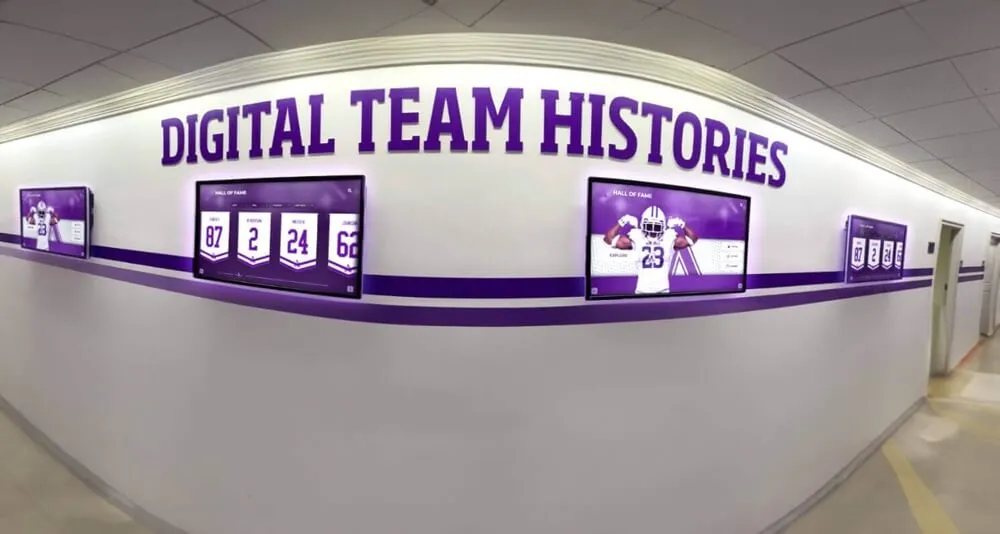
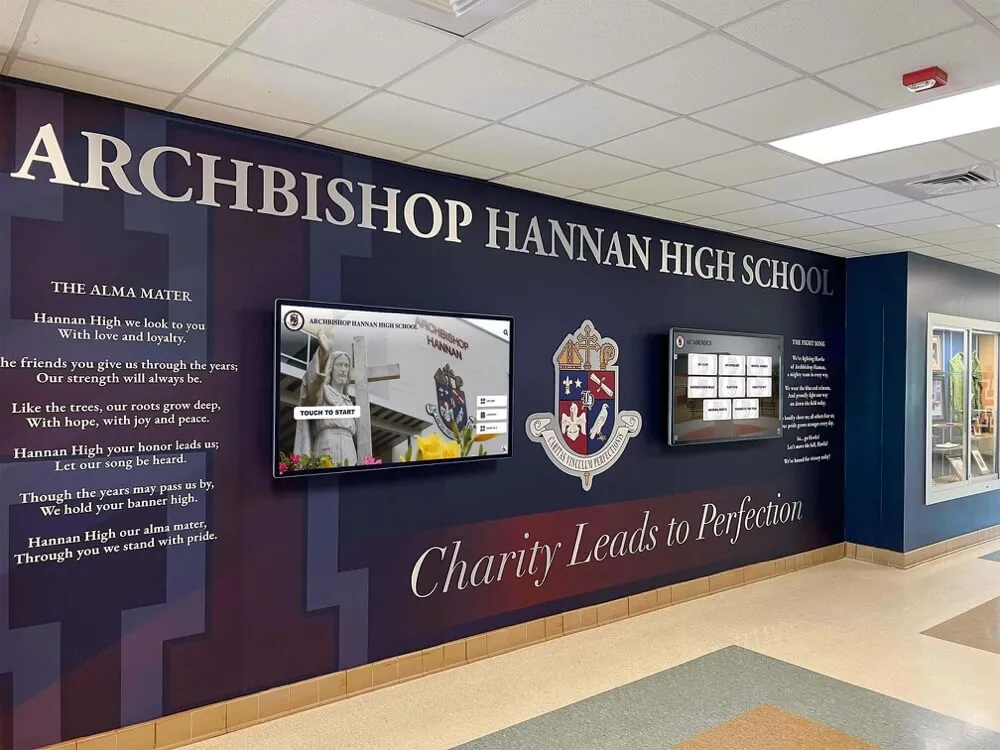
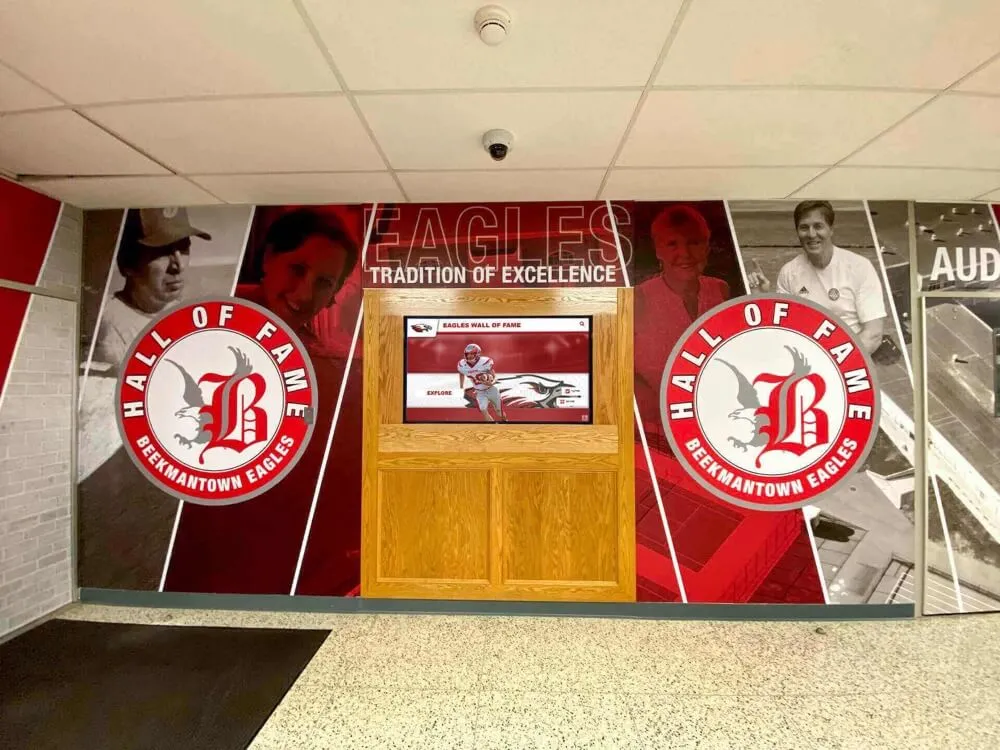
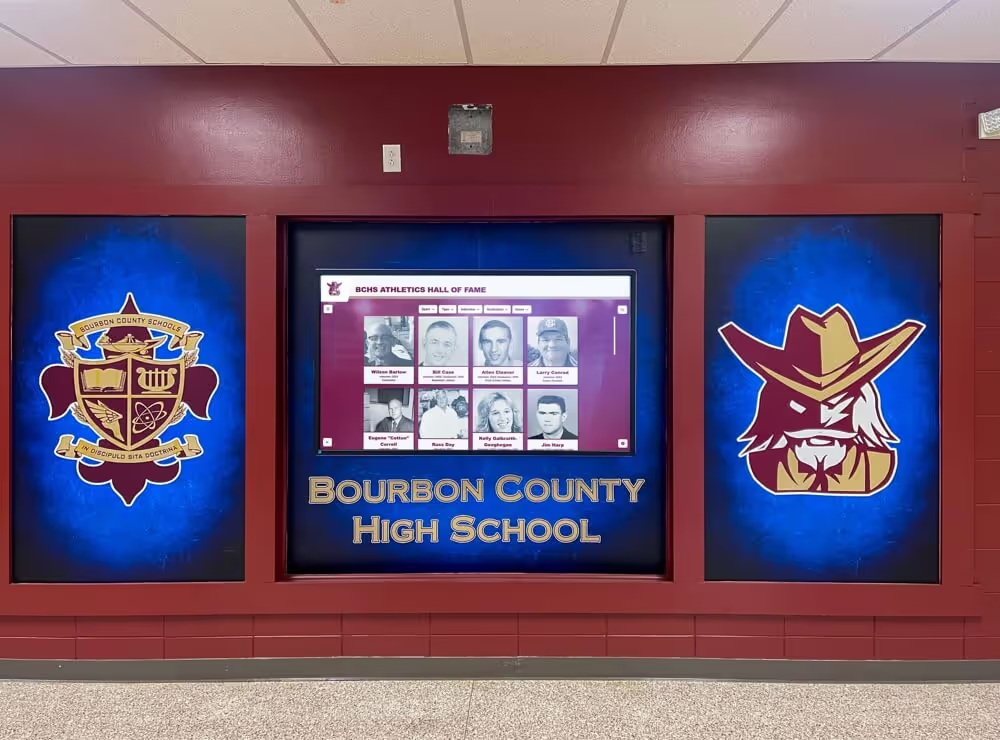
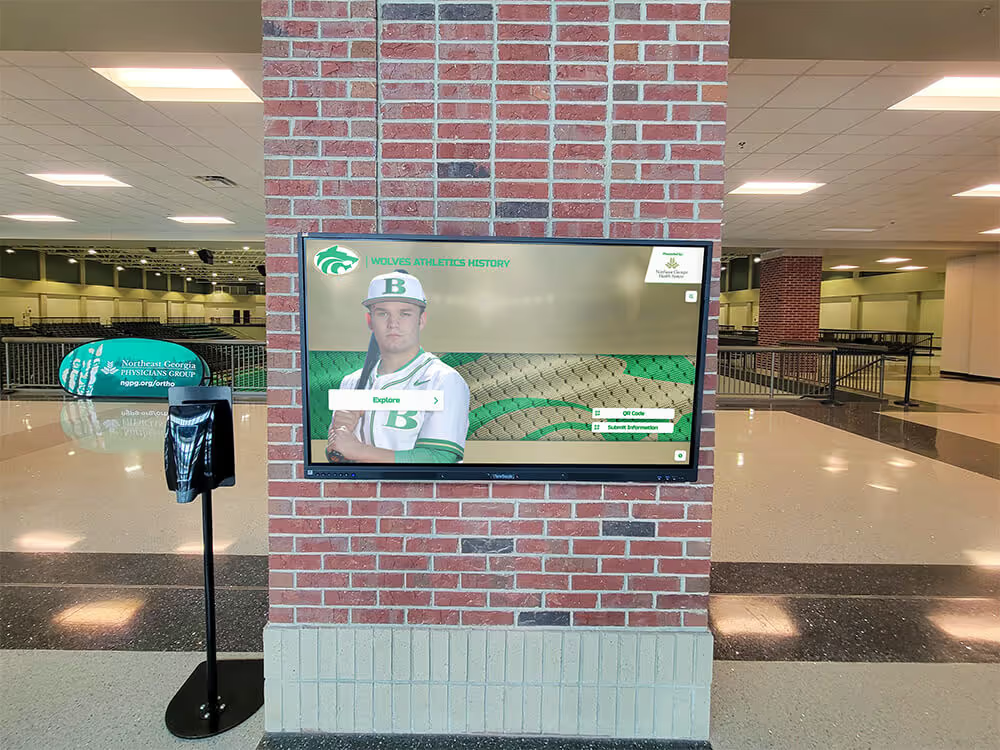
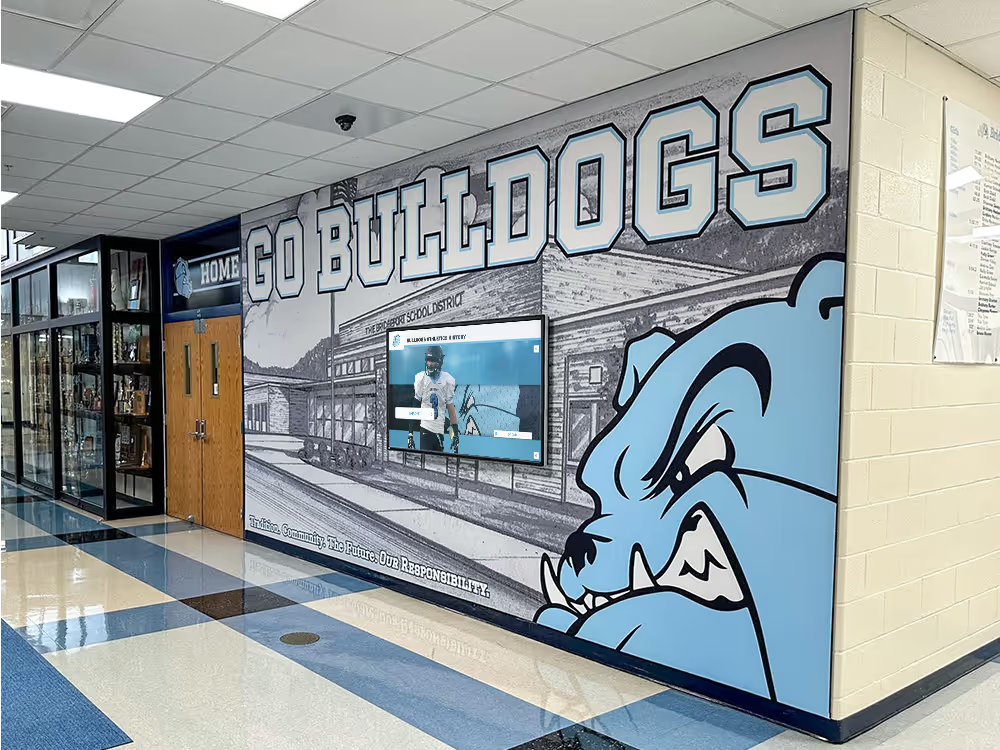
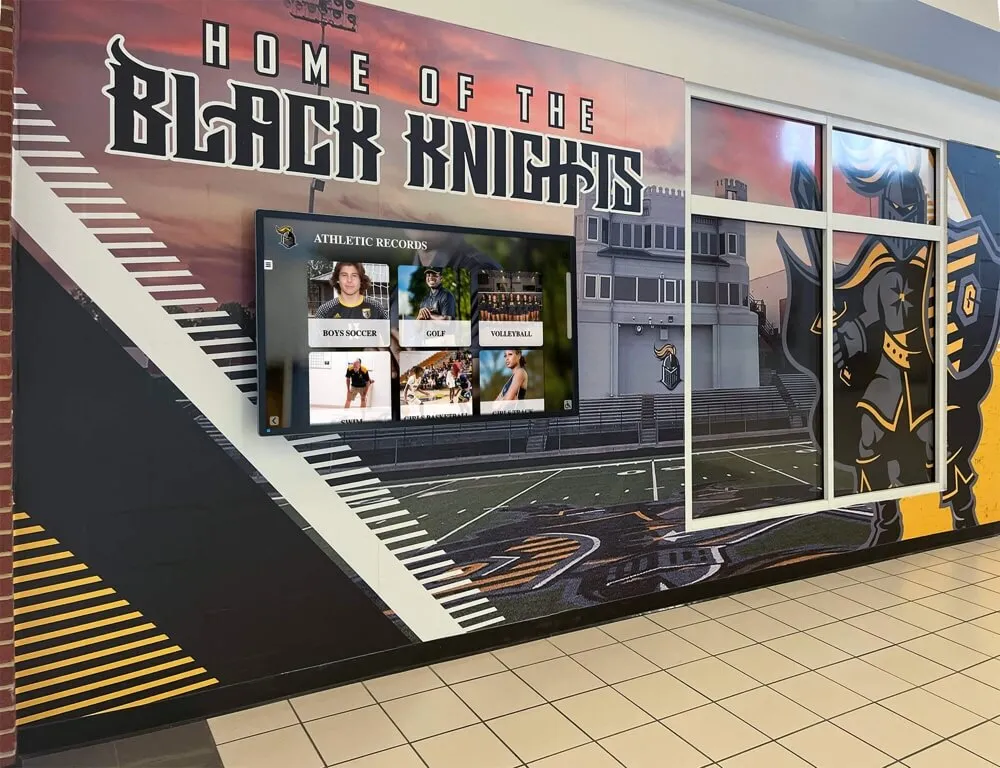
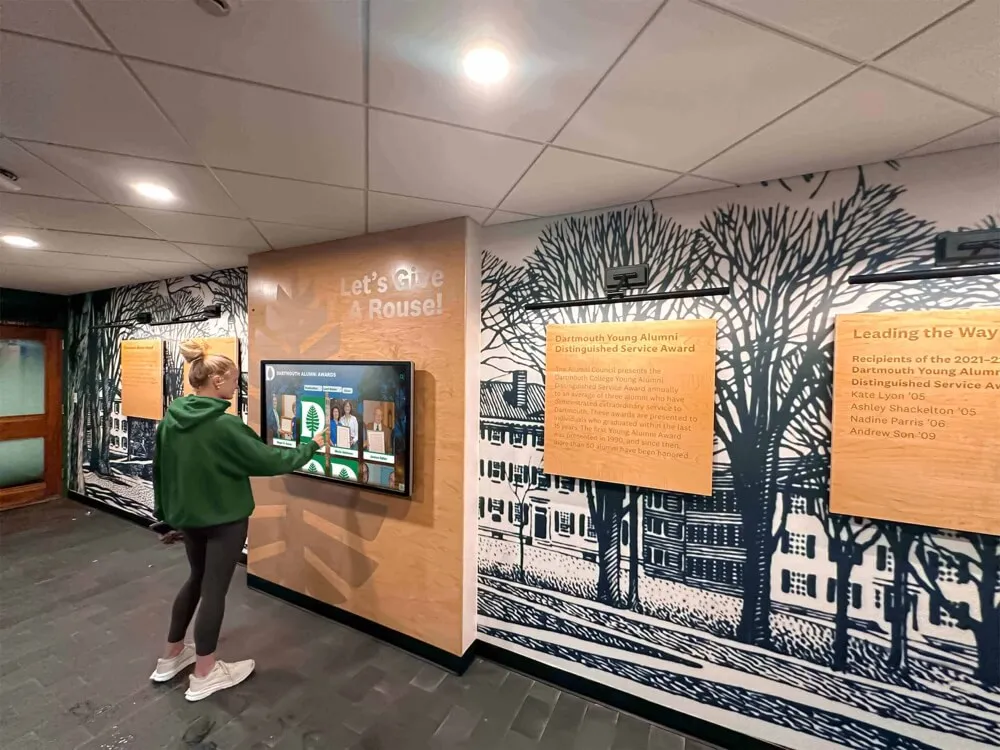
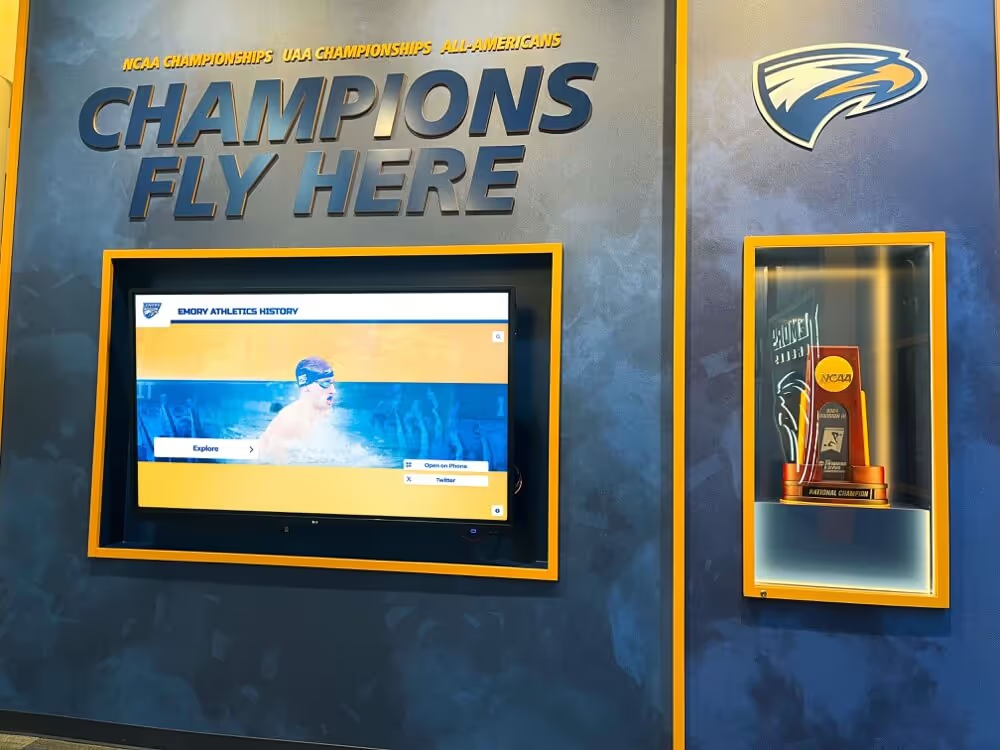
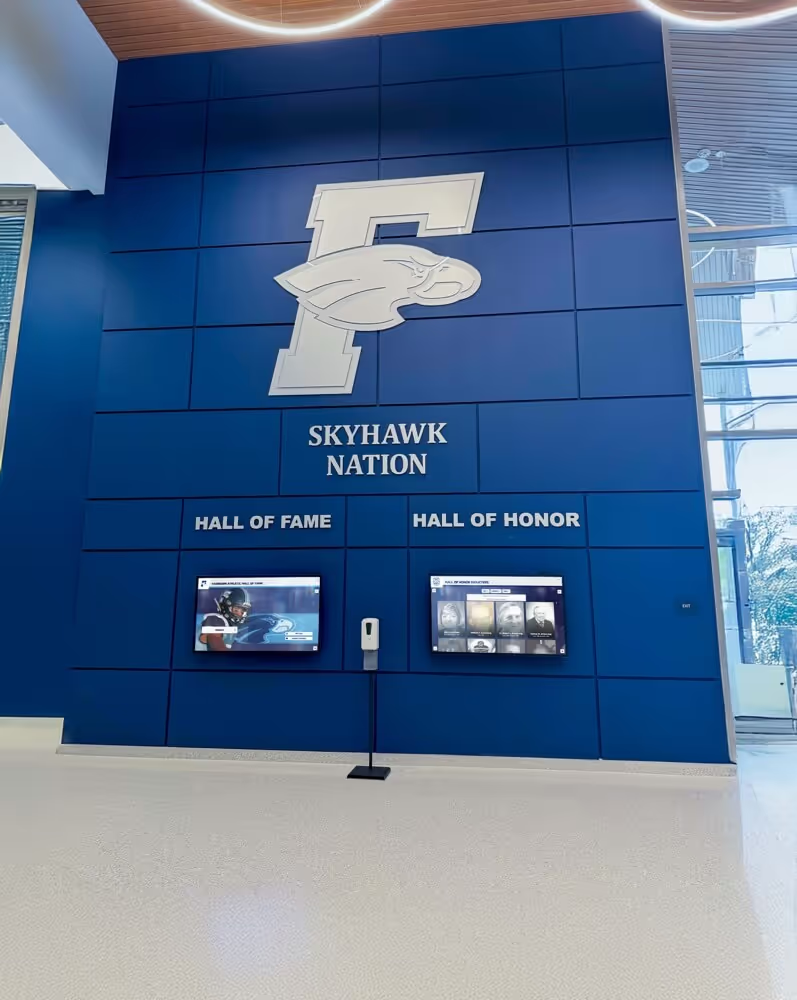
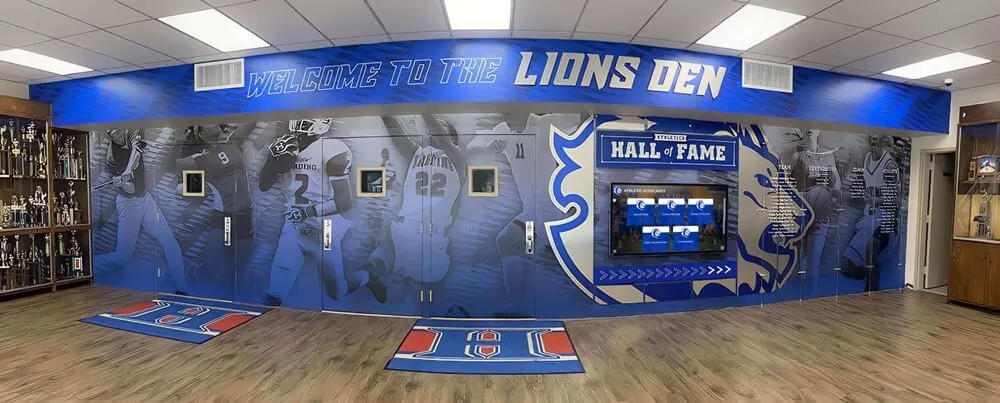
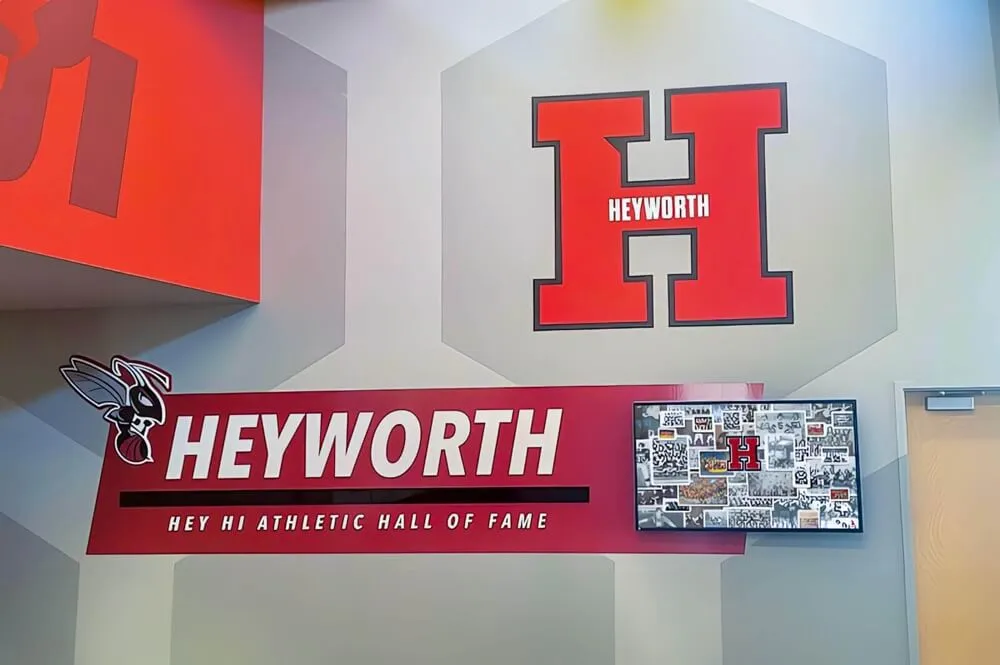
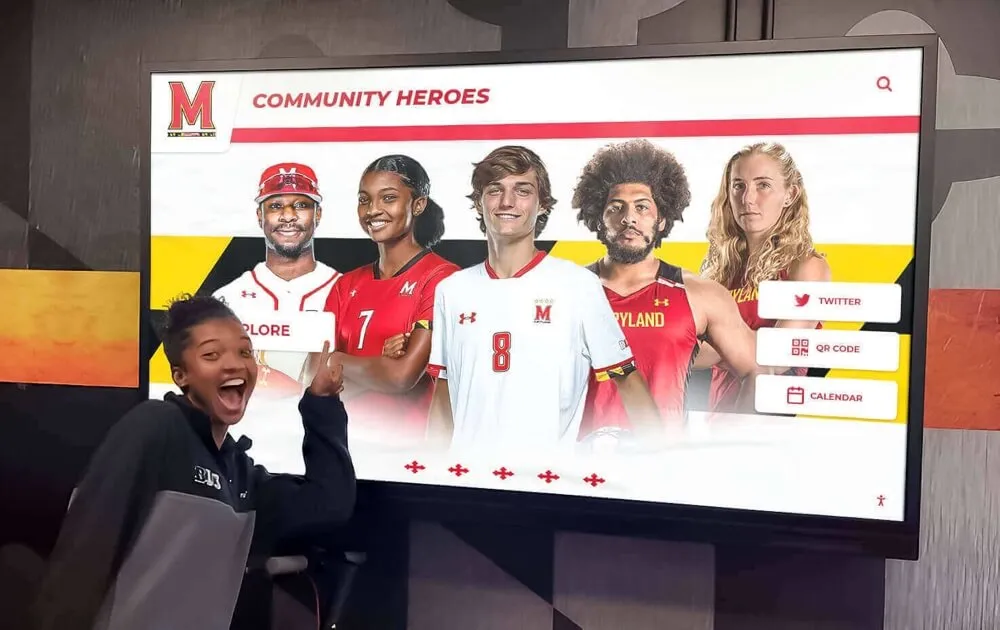
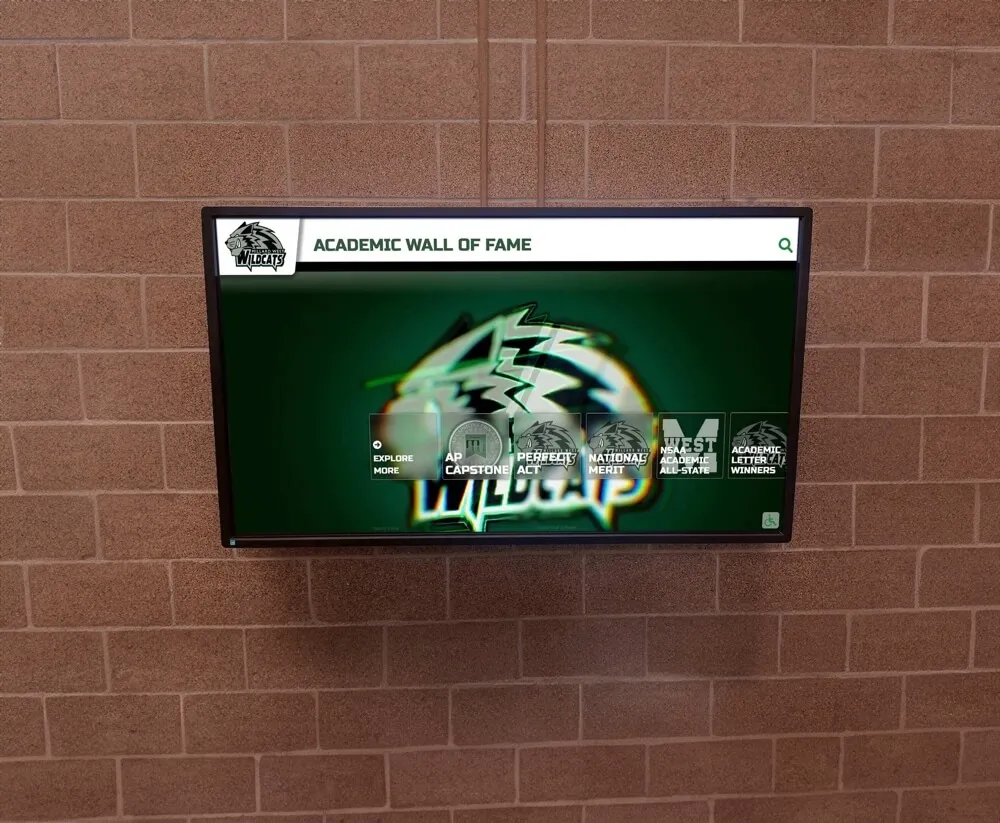
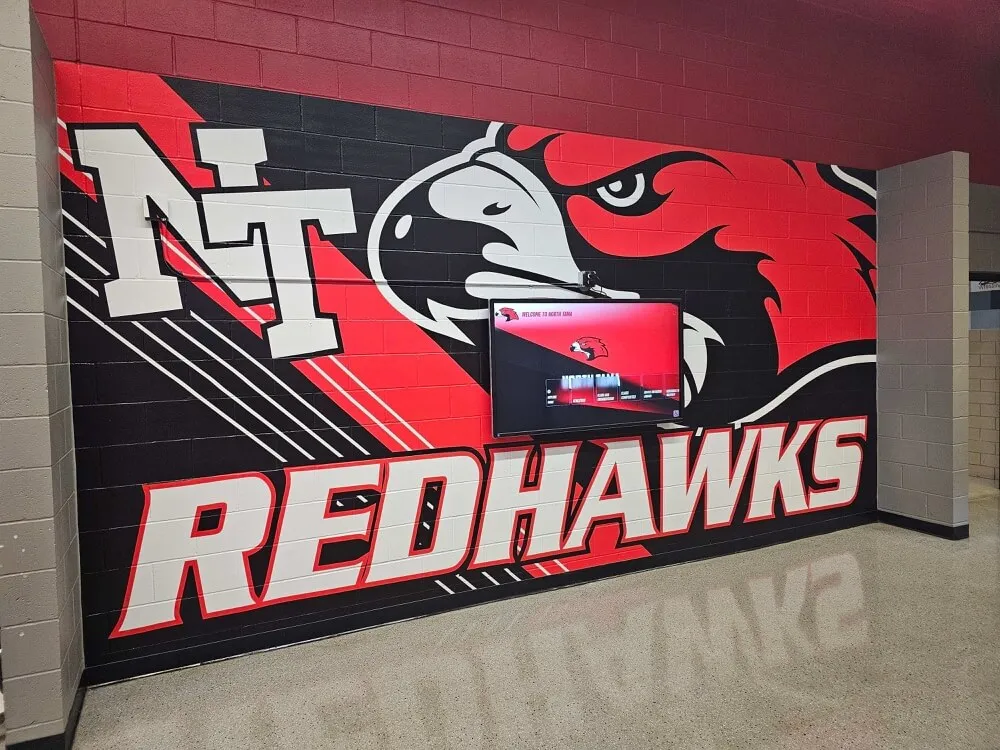
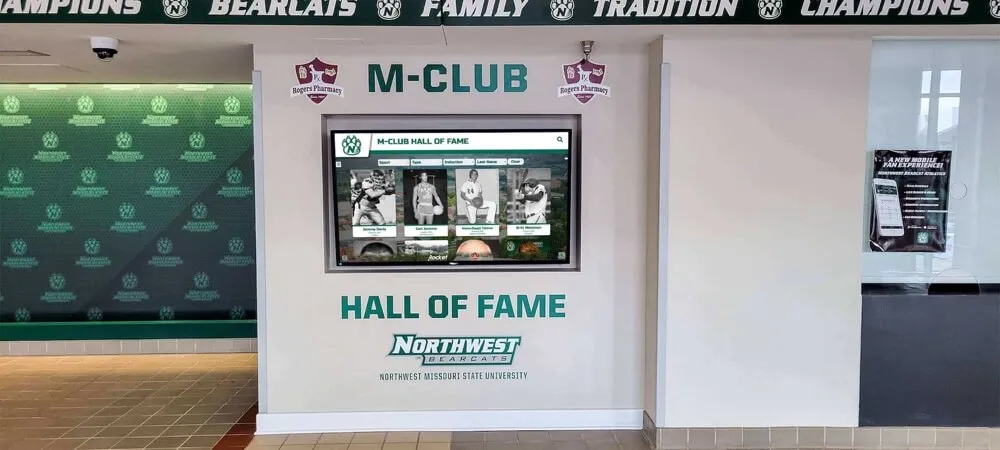
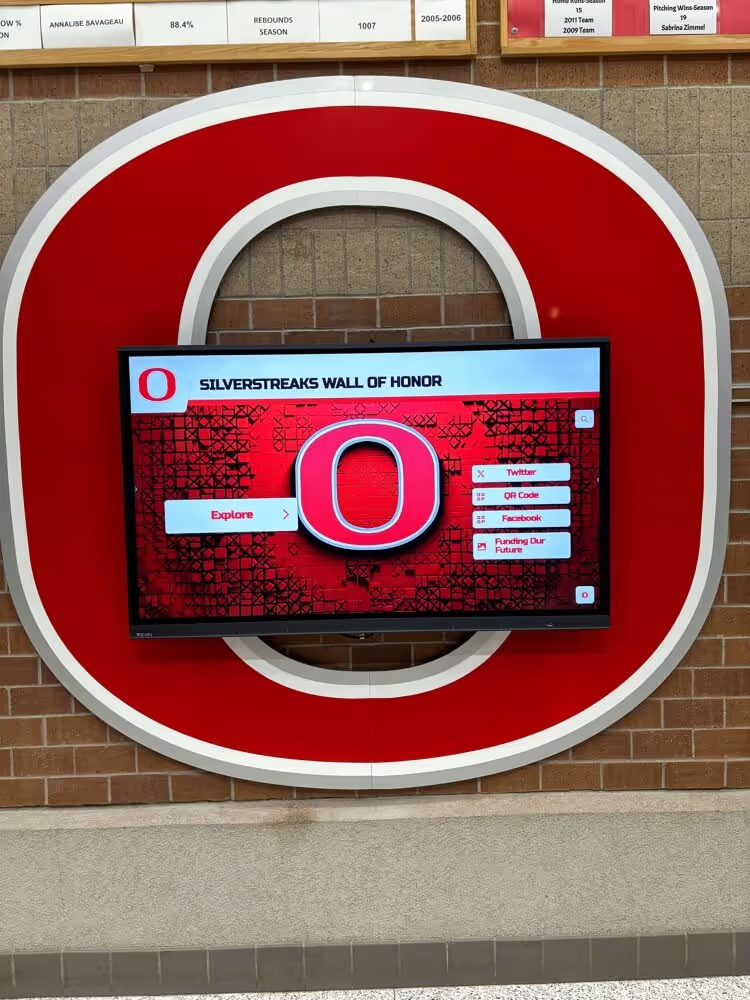
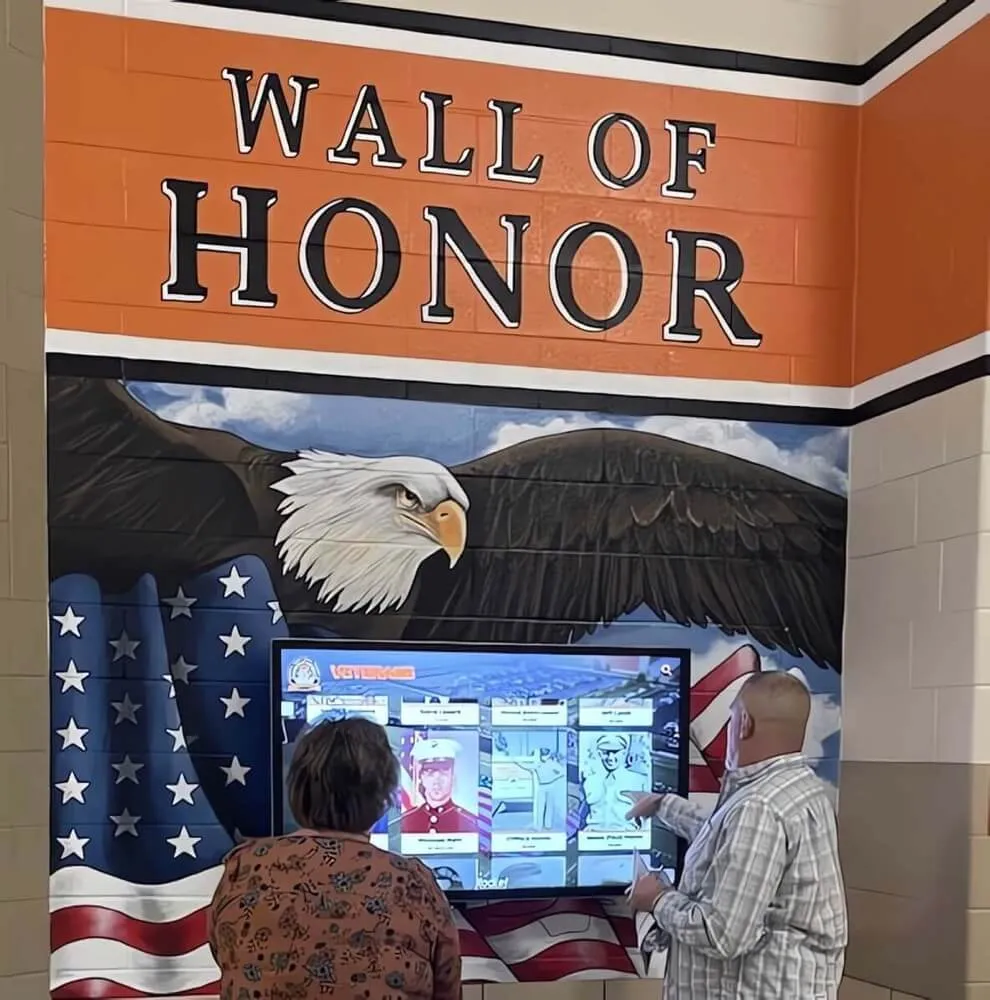
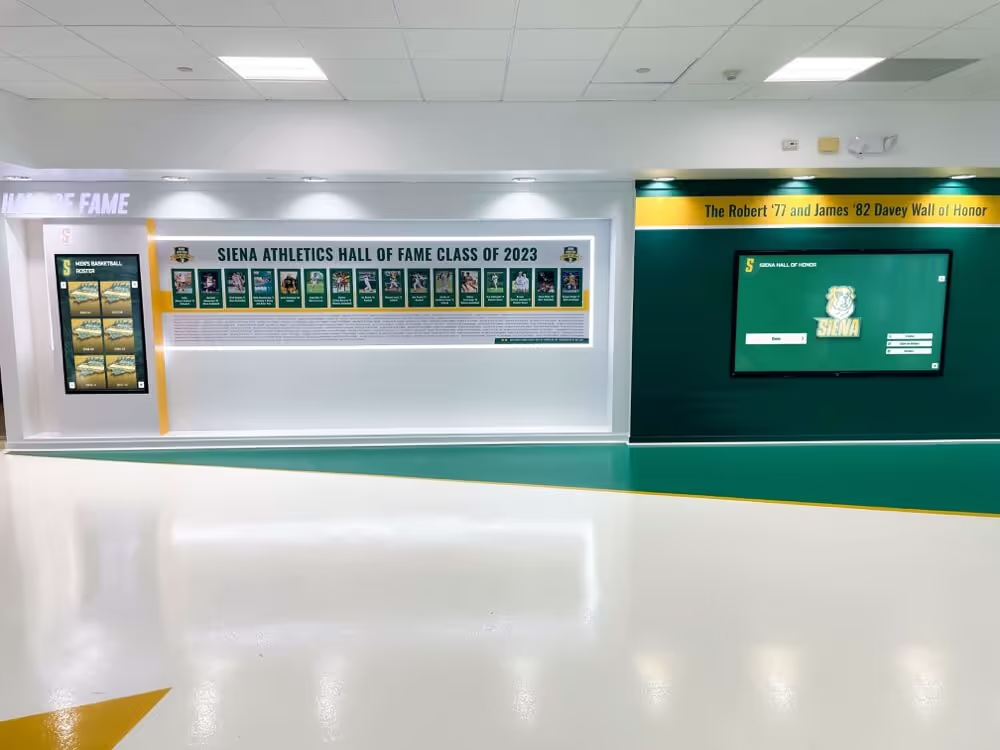
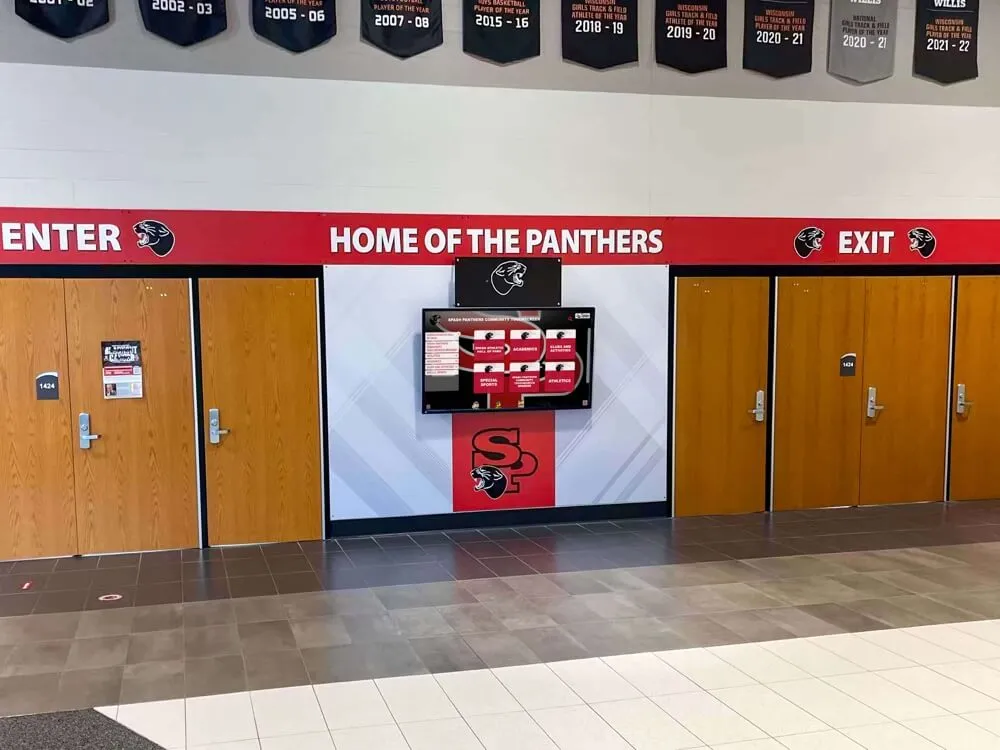
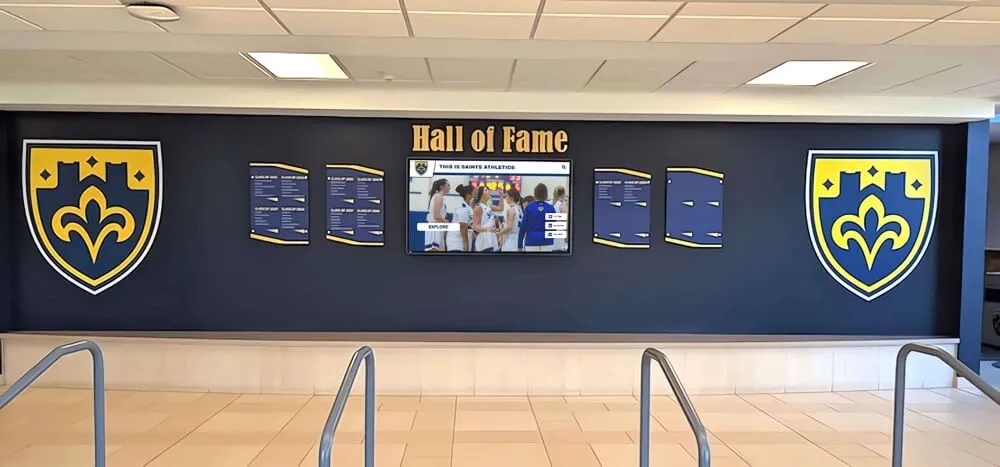
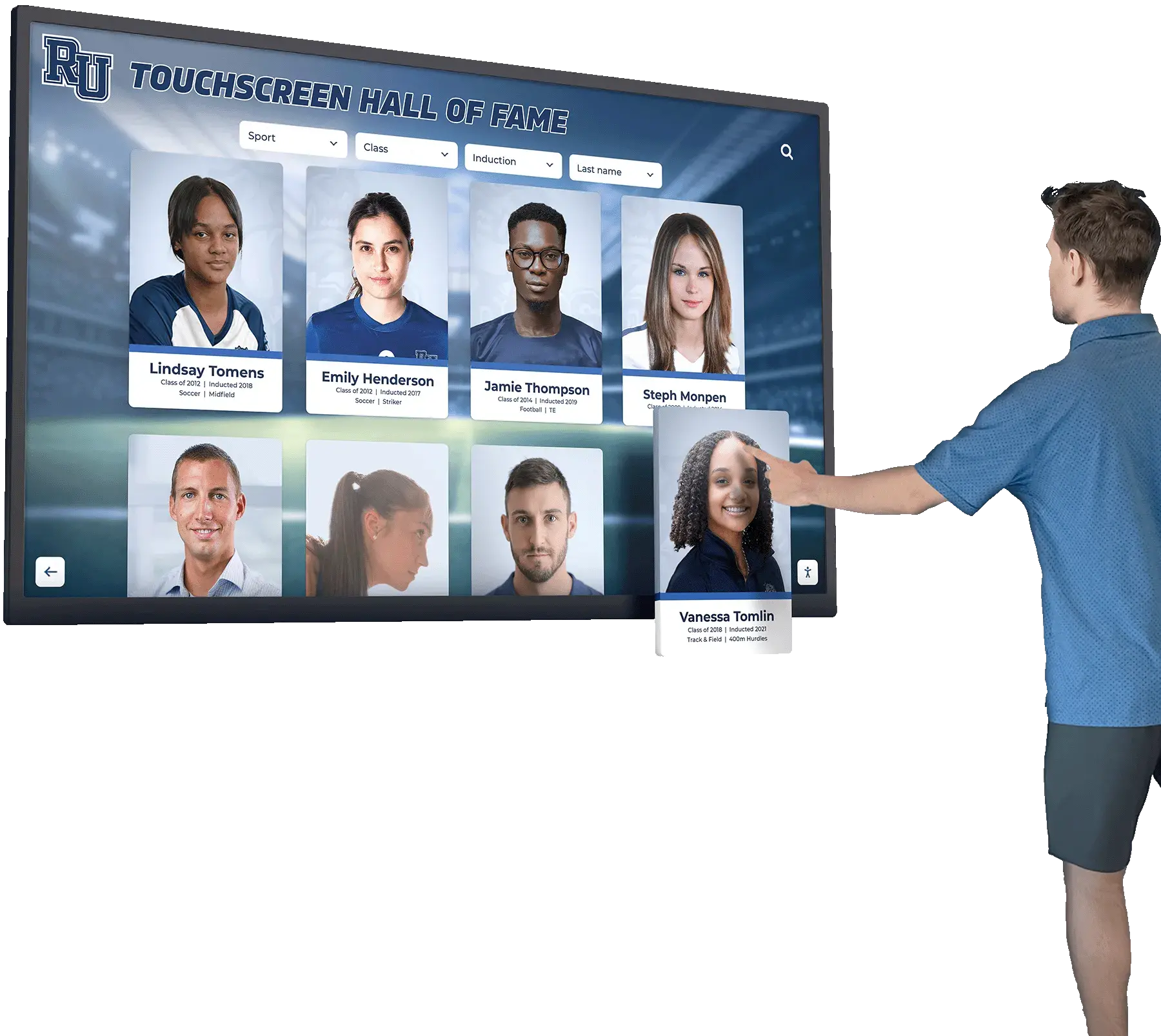
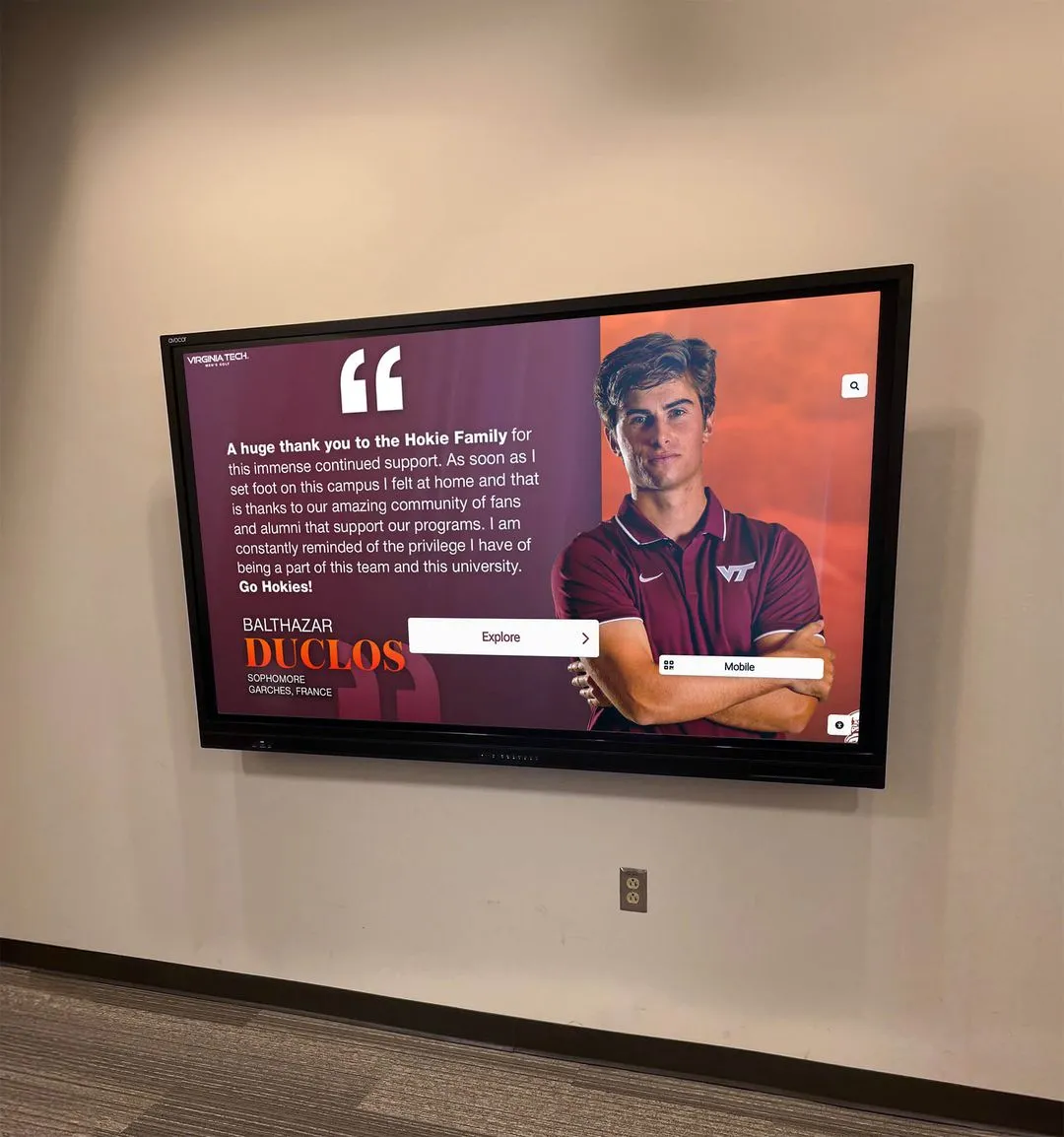
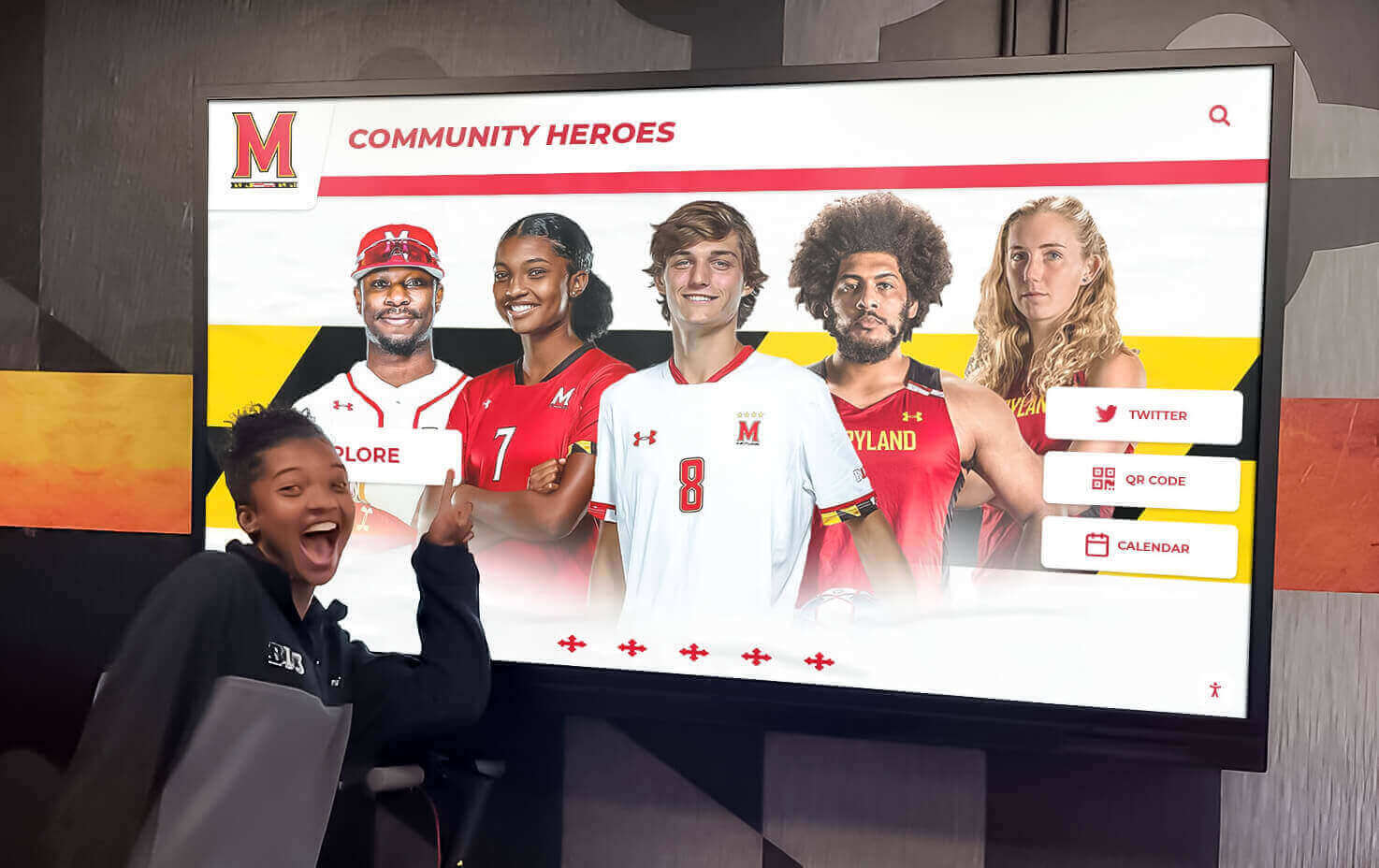
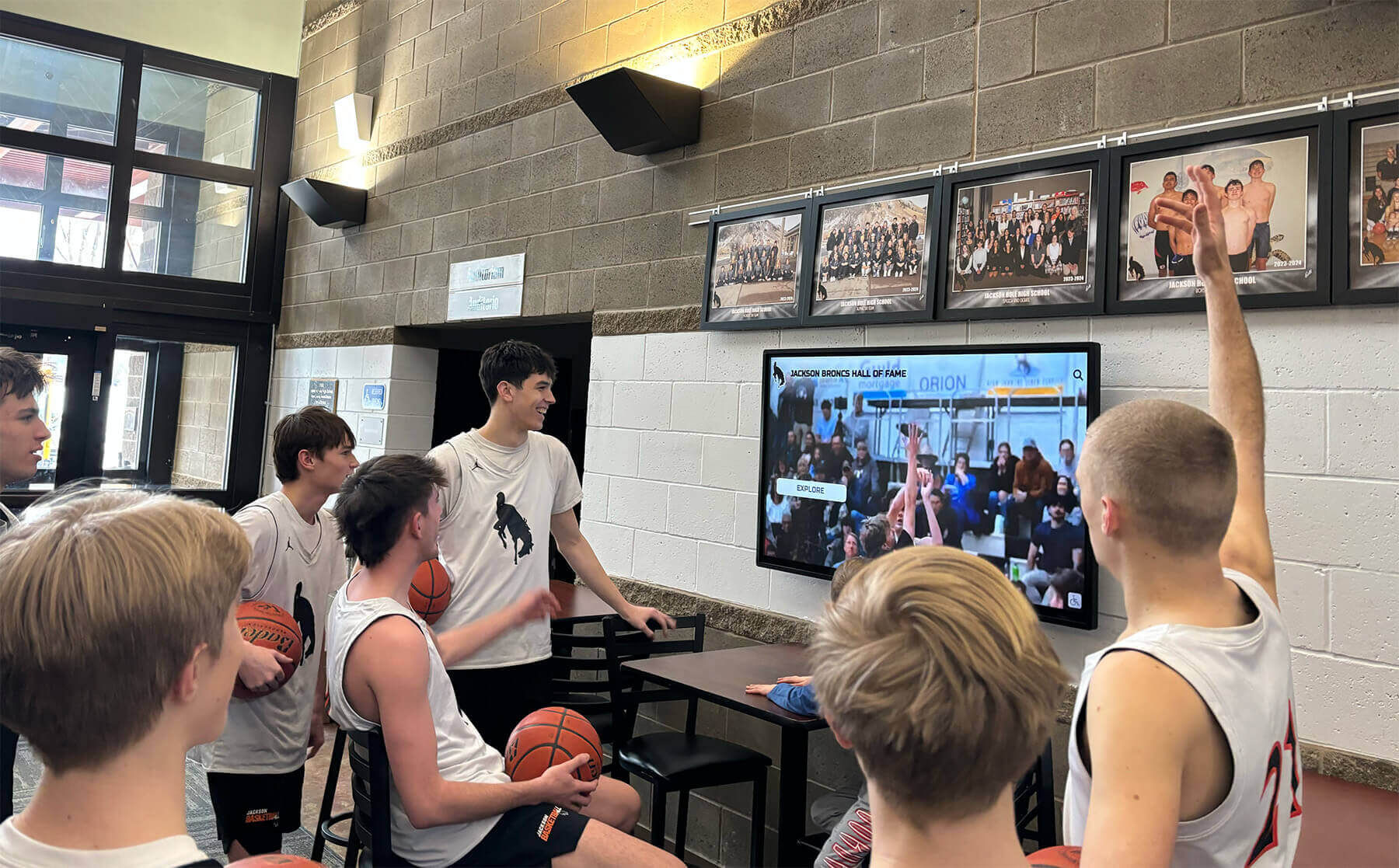
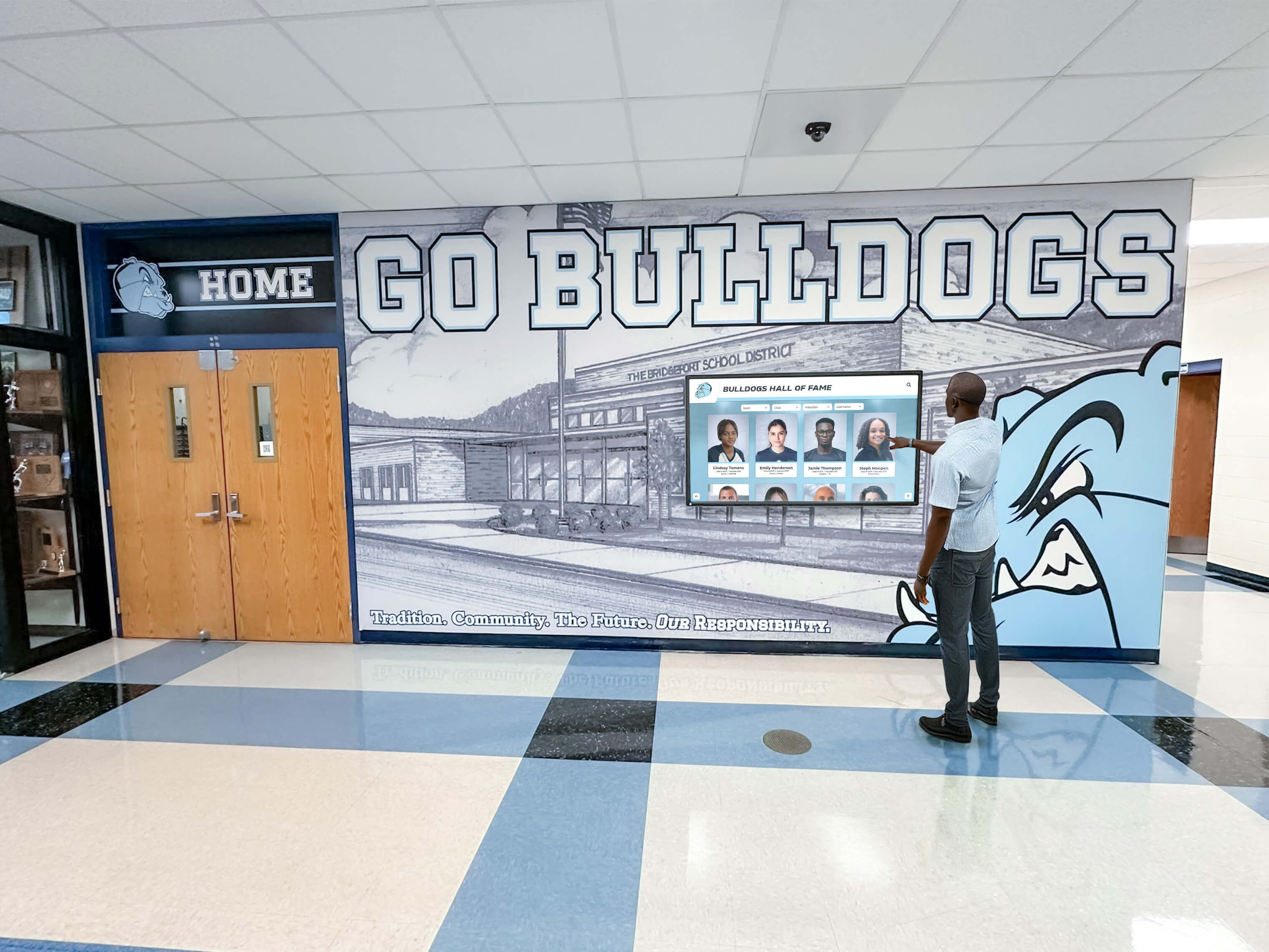
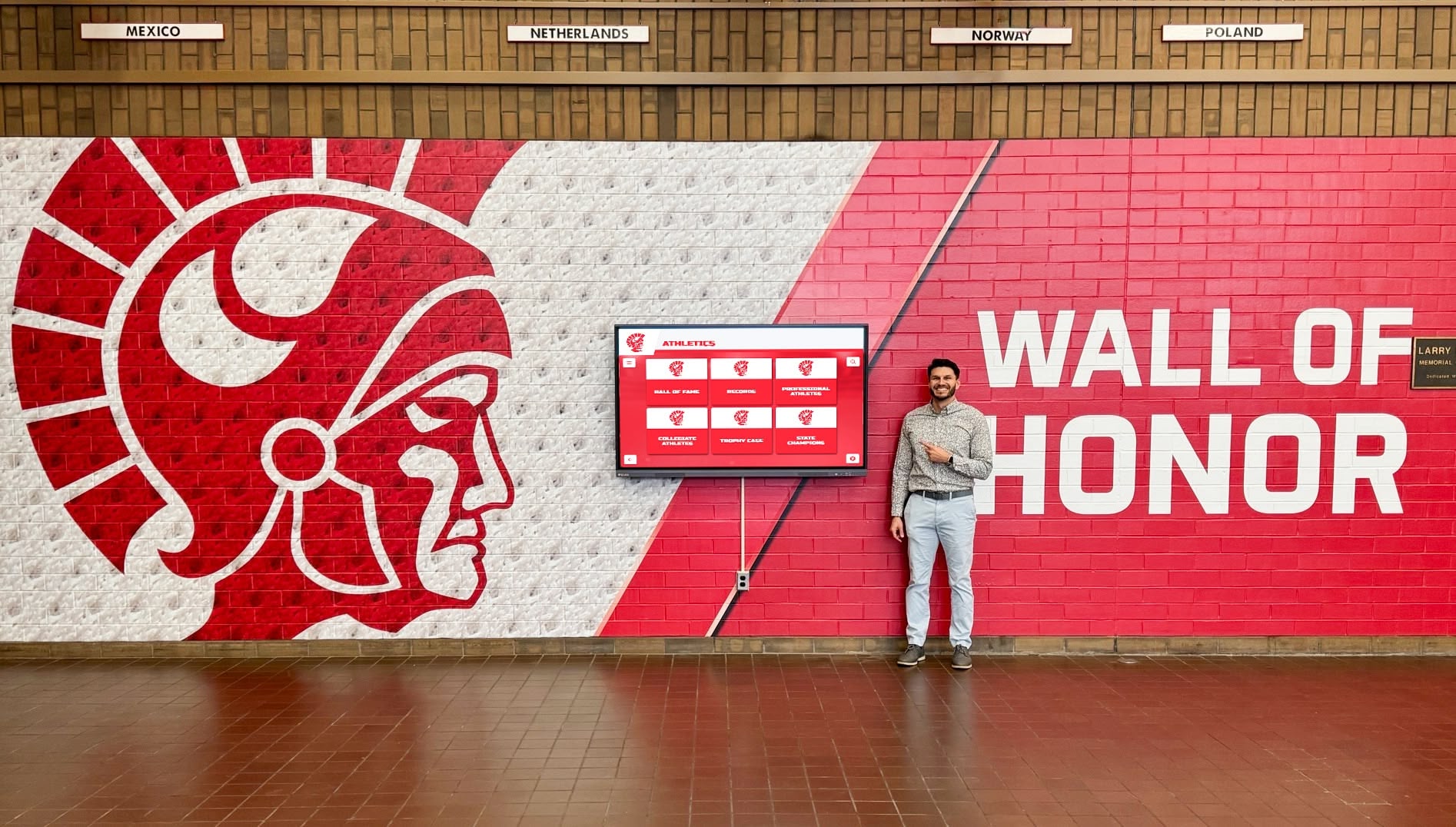
Digital displays installed in high-traffic areas like main lobbies or student centers provide ongoing visibility for mentor programs through mentor profiles including photos, bios, and mentorship focus areas, program descriptions explaining what mentors do and how to become involved, testimonials from mentees describing mentor impact, achievement metrics showing program reach and outcomes, video content featuring mentor interviews or reflections, and searchable archives preserving all past mentors creating permanent institutional records.
Unlike bulletin boards requiring constant updating and offering limited space, digital platforms provide unlimited capacity for comprehensive recognition while enabling easy content updates throughout school years. Solutions like digital recognition displays designed for schools create engaging presentations that students naturally explore and share.
According to research, 63% of people report that digital signage captures their attention compared to 30% noticing traditional static displays. This enhanced engagement means more students, families, and visitors actually see and appreciate mentor recognition, multiplying program impact and prestige.
Comprehensive Web-Based Recognition:
Complement physical displays with online recognition accessible beyond campus:
- Dedicated mentor program web pages with current mentor profiles
- Searchable databases of all program participants across years
- Photo galleries celebrating mentor activities and achievements
- Video testimonials from mentors and mentees
- Program impact stories highlighting specific successes
- Integration with broader student leadership recognition systems
Web-based recognition proves particularly valuable for college applications where students can share URLs with admissions officers or scholarship committees demonstrating their documented leadership. Parents, community members, and prospective families can access recognition remotely, building awareness and support.
Integrating Mentor Recognition with Broader Student Leadership Programs
Position senior mentors within comprehensive student leadership recognition ecosystems rather than isolated initiatives:
Multi-Dimensional Recognition Platforms: Showcase mentors alongside other student leaders including student government officers, club presidents, athletic captains, performing arts leaders, academic competition participants, and community service coordinators. Integrated recognition demonstrates that schools value diverse leadership forms equally while celebrating the range of student contributions.
Schools implementing comprehensive student recognition programs find that integrated approaches build cultures celebrating achievement broadly rather than narrow excellence definitions.
Alumni Connections: Maintain accessible mentor archives enabling graduates to find their own profiles when visiting campus, attending reunions, or reminiscing online. These connections reinforce lasting institutional bonds while demonstrating that schools honor contributions permanently rather than only during active student years.
Many schools discover that alumni mentor recognition inspires graduates to engage with current mentorship programs through guest speaking, mentee sponsorship, or program financial support. Solutions like alumni recognition boards that connect students with graduates leverage mentor documentation for ongoing community building.
Recruitment and Inspiration: Recognition displays serve dual purposes of honoring past mentors while recruiting future participants. Underclassmen exploring displays learn about mentorship opportunities, see peers they respect involved in programs, understand pathways to leadership roles, and develop aspirations to similar service.
Visible recognition transforms mentoring from obscure programs only insiders know about into prestigious leadership experiences that students actively pursue.
Assessing and Improving Senior Mentor Programs
Systematic assessment demonstrates program value while identifying improvement opportunities ensuring initiatives remain effective and sustainable.
Key Performance Indicators and Data Collection
Mentee Outcome Measures:
Track metrics revealing whether mentorship achieves intended student benefits:
- Academic performance: Compare mentee GPAs, course grades, and test scores before and after program participation
- Attendance patterns: Monitor attendance rates, tardiness, and chronic absenteeism
- Behavioral indicators: Review disciplinary referrals, suspensions, and positive behavioral observations
- Social-emotional measures: Assess school connectedness, sense of belonging, and emotional wellbeing through surveys
- Retention rates: Track mentee advancement to sophomore year versus ninth-grade failure rates
- Graduation outcomes: Follow mentee cohorts through graduation measuring completion rates
When possible, compare mentee outcomes to control groups of similar students not receiving mentorship support, providing clearer evidence of program impact beyond general school-wide trends.
Mentor Development Indicators:
Assess mentor growth across program objectives:
- Leadership skill development: Survey mentors about confidence in communication, problem-solving, and conflict resolution
- Program commitment: Track mentor attendance at training, meetings, and scheduled mentee interactions
- Quality of interactions: Review documentation logs for evidence of meaningful engagement
- Mentor satisfaction: Collect feedback about program experience, challenges faced, and support received
- College outcomes: Follow mentor participants tracking college enrollment, persistence, and career pathways
Mentor development proves equally important as mentee support. Programs primarily benefiting mentees while providing little mentor value become service programs rather than mutual learning experiences.
Program Implementation Measures:
Monitor operational effectiveness:
- Participation rates: Track mentor applications, acceptances, and completion rates
- Match success: Document relationship quality and whether rematch needs arise
- Training effectiveness: Assess whether mentors feel prepared and confident after training
- Coordinator workload: Evaluate time requirements ensuring sustainability
- Resource utilization: Review costs per participant and funding adequacy
Implementation data reveals whether programs operate efficiently and sustainably or require structural modifications before scaling.
Continuous Improvement Through Feedback
Mentor Input: Conduct regular check-ins and end-of-year surveys collecting mentor feedback about training adequacy, support from coordinators, relationship challenges and successes, suggestions for program improvements, and overall satisfaction with experience.
Mentors possess frontline knowledge about what works and what doesn’t. Their insights prove invaluable for refinement.
Mentee Perspectives: Survey mentees about helpfulness of mentor support, comfort level with mentor relationship, specific ways mentors helped them succeed, suggestions for improving program, and whether they’d recommend participation to peers.
Mentee feedback reveals whether programs achieve intended impact or miss mark despite mentor enthusiasm.
Faculty Observations: Gather input from teachers, counselors, and administrators about program visibility and perceived value, mentor behavior and professionalism, mentee changes observed, integration with other support systems, and recommendations for enhancement.
Faculty perspective provides adult assessment complementing student views while identifying institutional improvement opportunities.
Stakeholder Assessment: Periodically review programs with advisory committees, administration, and family representatives examining achievement of original objectives, alignment with current school priorities, resource efficiency and sustainability, and strategic modifications for enhanced impact.
External perspective prevents insular thinking while ensuring programs maintain relevance as institutional contexts evolve.
Overcoming Common Challenges in Mentor Programs
Even well-designed programs encounter predictable challenges requiring proactive strategies and responsive problem-solving.
Maintaining Mentor Commitment and Preventing Burnout
Challenge: Some mentors start enthusiastically but gradually reduce engagement as competing demands arise or initial excitement fades.
Solutions: Provide regular recognition and appreciation reinforcing mentor value, implement peer support systems where mentors encourage each other, set realistic expectations about time commitments during recruitment, create flexible structures accommodating mentor schedules, offer opportunities for mentors to take breaks when necessary, and maintain engaging programming that keeps mentors interested and growing.
Addressing Challenging Mentor-Mentee Matches
Challenge: Not all matches succeed. Personality conflicts, poor chemistry, or incompatible styles sometimes prevent effective relationships despite thoughtful matching.
Solutions: Establish clear processes for requesting rematch without stigma, provide coaching to help pairs work through minor conflicts, conduct regular check-ins catching problems early, maintain flexibility allowing relationship endings when necessary, and learn from unsuccessful matches improving future pairing processes.
Managing Mentors Who Encounter Situations Beyond Their Capacity
Challenge: Mentees sometimes disclose serious problems like abuse, suicidal ideation, or substance use that require professional intervention.
Solutions: Provide comprehensive training on recognizing red flags and intervention procedures, establish clear protocols for reporting concerning disclosures to appropriate adults, maintain open communication channels where mentors can quickly reach coordinators, reassure mentors that involving adults represents responsible action not betrayal, and offer debriefing and emotional support after challenging situations.
Ensuring Program Sustainability Across Leadership Transitions
Challenge: Programs heavily dependent on founding coordinators sometimes collapse when those individuals leave schools.
Solutions: Document all program elements in detailed manuals, develop leadership teams rather than single-person dependence, integrate programs into official school structures with budget allocations, build administrative support ensuring continuation across personnel changes, and cultivate program alumni who advocate for continuation.
Conclusion: Celebrating Senior Mentors Who Build Stronger School Communities
Senior mentor programs represent some of education’s most powerful interventions—creating supportive relationships that ease difficult transitions, developing leadership capacity in those who serve, and building cultures where students actively support each other’s success. When schools implement thoughtful mentorship programs with rigorous selection, comprehensive training, adult supervision, and meaningful recognition, they transform individual peer relationships into institutional assets that benefit entire communities.
The most successful programs share common characteristics: clear goals and structured implementation, selective recruitment identifying students with genuine commitment and capacity, substantial training equipping mentors with necessary skills, ongoing supervision and support from dedicated faculty, comprehensive recognition validating mentor contributions, and systematic assessment driving continuous improvement.
Recognition proves particularly essential. Mentors who invest substantial time and emotional energy deserve acknowledgment that validates their service while providing documentation valuable for college applications and future opportunities. Modern recognition technology transforms acknowledgment from transient ceremonies into permanent, engaging celebrations that honor leadership long-term while inspiring future participants.
Digital recognition platforms from solutions like Rocket Alumni Solutions enable schools to showcase mentor contributions through interactive displays, searchable online databases, multimedia profiles, and comprehensive archives preserving program history across generations. These systems integrate seamlessly with broader student achievement recognition programs celebrating diverse excellence forms while building school cultures where leadership and service receive the celebration they deserve.
Whether launching new mentorship initiatives or enhancing existing programs, the strategies outlined in this guide provide practical frameworks for creating peer support systems that work. Start by recruiting students with genuine commitment to helping younger peers, provide substantial training developing their capacity for effective support, establish structures enabling meaningful interactions, maintain adult supervision ensuring appropriate boundaries, and implement comprehensive recognition celebrating contributions prominently.
Ready to Highlight Your Senior Mentors?
Discover how modern recognition technology can elevate your mentorship program. Learn about comprehensive digital recognition solutions that celebrate student leaders, or explore strategies for honoring student achievement through engaging interactive displays.
Your senior mentors dedicate themselves to helping younger students succeed while developing leadership skills that will serve them throughout life. They deserve recognition that validates their service, documents their contributions, and inspires future generations of student leaders. With thoughtful program design and meaningful celebration, you can build mentorship traditions that strengthen school communities for years to come.
Senior mentors highlighted today become the engaged alumni and community leaders of tomorrow. By investing in their development and celebrating their contributions now, schools create cultures of service and leadership that transform education from competitive individual pursuit into collaborative community endeavor where everyone succeeds together.