



Key Takeaways
Comprehensive guide to senior class awards displays including traditional and digital recognition solutions, award categories, display ideas, and best practices for celebrating graduating seniors.
Understanding Senior Class Awards: Categories and Significance
Before designing display solutions, understanding the full spectrum of senior class awards helps schools create comprehensive recognition programs celebrating diverse student accomplishments.
Traditional Academic Awards and Honors
Academic recognition forms the foundation of most senior awards programs, acknowledging students whose scholarly dedication and intellectual achievement exemplify educational excellence.
Top Scholar Recognition
Valedictorian and salutatorian honors recognize students achieving the highest grade point averages in their graduating class. These prestigious designations typically come with speaking opportunities at graduation ceremonies and special recognition on diplomas and transcripts. Many schools calculate these honors based on cumulative GPA through seven semesters, allowing sufficient time for ceremony planning while recognizing sustained academic excellence.
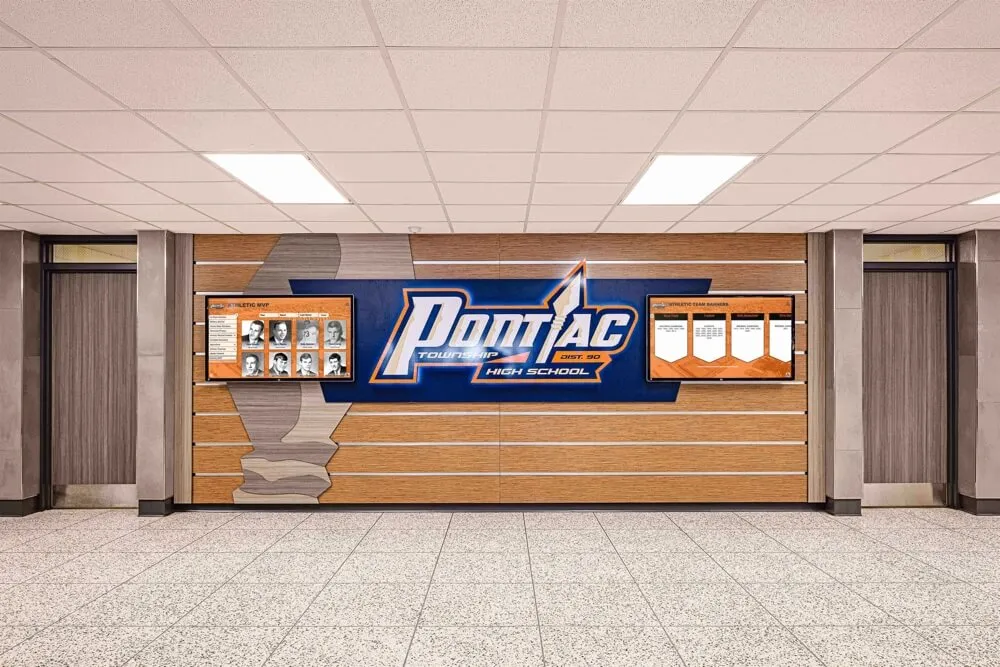
Top 10% recognition expands academic honors beyond the top two students, acknowledging all seniors demonstrating exceptional academic performance. Some schools designate Latin honors (summa cum laude, magna cum laude, cum laude) based on GPA thresholds, providing tiered recognition accessible to more students while maintaining meaningful achievement standards.
Departmental and Subject Excellence Awards
Individual academic departments often present awards to seniors who excelled in specific disciplines and made lasting impressions on teachers. These awards might recognize the outstanding English student, exceptional mathematics scholar, distinguished science researcher, or exemplary foreign language student. Departmental awards celebrate not just grades but genuine passion, intellectual curiosity, and contributions to classroom learning environments that enriched experiences for everyone.
Advanced Placement and Honors Program Recognition
Students completing rigorous Advanced Placement courses, International Baccalaureate programs, or dual enrollment college courses deserve recognition for challenging themselves academically beyond standard requirements. AP Scholar designations awarded by College Board provide formal recognition based on AP exam performance, while schools often create additional honors for students completing specified numbers of advanced courses or achieving exceptional results in challenging academic programs.
Senior Superlatives: Celebrating Personality and Potential
Senior superlatives add lighthearted fun to awards programs while recognizing the unique personalities, talents, and qualities that make each graduate memorable to classmates and teachers.
Classic Superlative Categories
Traditional superlatives include perennial favorites like most likely to succeed, best smile, class clown, most athletic, most artistic, best dressed, and friendliest. These time-tested categories work because they acknowledge diverse qualities beyond academic or athletic achievement—recognizing students whose humor, kindness, style, or spirit made high school experiences more enjoyable for everyone.
Best all-around recognizes well-rounded students excelling across multiple domains, while most changed since freshman year acknowledges personal growth and transformation throughout high school years. Most school spirit celebrates students whose enthusiasm and engagement elevated school culture and community pride.
Modern Creative Superlatives
Contemporary schools expand traditional categories with creative options reflecting modern student culture and values. Categories like most likely to become famous, future entrepreneur, tech genius, social media influencer, or next Nobel Prize winner acknowledge emerging career paths and changing definitions of success.
Environmental champion, social justice advocate, and community service hero recognize students whose values and activism made meaningful differences. Future world traveler, most adventurous, and best life advice acknowledge personality traits and wisdom beyond conventional achievement metrics.
Ensuring Inclusive and Positive Recognition
When implementing superlative programs, schools should ensure categories remain positive and inclusive. Avoid potentially embarrassing or negative categories that might hurt feelings or reinforce stereotypes. Provide sufficient category diversity so students with different strengths and personalities can receive recognition. Consider allowing students to nominate and vote democratically while establishing oversight ensuring results remain appropriate and kind.
According to educational research on recognition programs, superlatives create lasting positive memories when they celebrate genuine qualities students appreciate in one another rather than superficial characteristics or inside jokes with limited meaning beyond immediate peer groups.
Athletic and Extracurricular Achievement Awards
Recognition programs should extend beyond academics to honor excellence in athletics, arts, leadership, and service—acknowledging the diverse paths to achievement that make school communities rich and dynamic.
Athletic Excellence Recognition
All-conference, all-region, and all-state athletic honors recognize exceptional performance in competitive sports. These prestigious designations often result from coach nominations and selection committees evaluating statistics, game film, and competitive impact. Many schools create comprehensive athletic recognition displays celebrating not just individual awards but also championship teams, record-breaking performances, and milestone achievements.
Most Valuable Player awards in specific sports, Scholar-Athlete recognition combining academic and athletic excellence, and team captain leadership acknowledgments round out athletic honors. Schools should celebrate athletic achievement across all sports—not just high-profile football and basketball—ensuring athletes in soccer, swimming, track, volleyball, wrestling, and other programs receive appropriate recognition for their dedication and accomplishments.
Arts and Performance Recognition
Students excelling in band, choir, orchestra, theatre, visual arts, creative writing, and other artistic disciplines deserve recognition equal to that provided for academic and athletic achievement. All-state music honors, superior ratings at performance competitions, lead roles in theatrical productions, and juried art exhibitions represent significant accomplishments requiring years of dedicated practice and natural talent.
Musical and theatre recognition displays can showcase performance highlights, production photos, competition results, and artistic achievements creating comprehensive celebration of creative excellence that often receives less attention than sports despite requiring comparable dedication.
Leadership and Service Awards
Student government officers, club presidents, peer mentors, and other student leaders who contributed countless hours improving school culture and serving their communities deserve formal recognition. Leadership awards acknowledge not just titles but genuine impact—students who organized successful events, mentored younger students, advocated for positive changes, or represented schools exemplifying institutional values.
Service hour milestones, community impact recognition, and volunteer excellence awards celebrate students whose commitment to helping others demonstrates character and citizenship beyond self-interest. According to the National Honor Society, students completing 100+ service hours during high school develop stronger civic engagement lasting throughout adulthood, making service recognition particularly meaningful for encouraging continued community involvement.
Scholarship and Financial Aid Recognition
Acknowledging scholarship recipients celebrates not just academic achievement but also the financial support enabling students to pursue higher education goals.
Merit-Based Scholarship Awards
Local, regional, and national merit scholarships recognize exceptional academic performance, test scores, and achievement. National Merit Scholarship recognition represents particularly prestigious acknowledgment based on PSAT/NMSQT performance and rigorous selection criteria. Many students receive substantial scholarship awards from colleges, universities, community organizations, local businesses, and national foundations—all worthy of recognition demonstrating community investment in student success.
According to data from senior awards ceremonies nationwide, graduating classes collectively earn millions in scholarship funds. For example, one Class of 2025 cohort earned over $2.92 million in scholarships—a staggering figure demonstrating both student achievement and the significant support from institutions and organizations investing in education.
Specialized Program Scholarships
Athletic scholarships recognizing students who will compete collegiately, performing arts scholarships for talented musicians and actors, ROTC scholarships for students entering military service, and specialized program scholarships targeting specific career fields all deserve recognition. These awards acknowledge not just financial support but validation of exceptional talent by selective programs and competitive organizations.
Planning Effective Senior Awards Ceremonies
Formal awards ceremonies provide meaningful venues for celebrating senior achievements while creating memorable experiences for students, families, and communities.
Timeline and Planning Considerations
Optimal Timing for Senior Awards Events
Most high schools schedule comprehensive senior awards ceremonies in late April or early May, 3-4 weeks before graduation. This timing provides several advantages: final semester grades have been calculated enabling accurate cumulative GPA rankings, college scholarship decisions have been finalized allowing complete recognition, families have adequate advance notice to arrange attendance, and sufficient time remains before graduation to incorporate honor cords and special recognition into commencement ceremonies.
Some schools distribute recognition across multiple events throughout senior year including fall semester academic honors ceremonies, winter scholarship announcement celebrations, spring comprehensive awards nights, and graduation day special recognitions. This approach builds sustained celebration throughout the year rather than concentrating all recognition into single overwhelming events.
Planning Committee Formation
Successful awards ceremonies require coordinated planning involving diverse stakeholders. Form committees including administrators providing oversight and budget approval, counselors tracking academic records and managing sensitive information, teachers nominating students and presenting departmental awards, senior class sponsors coordinating with student leadership, and parent volunteers assisting with logistics and hospitality.
Begin planning 8-12 weeks before events, establishing clear responsibilities covering venue arrangement, invitation and program design, award certificate and plaque ordering, photography and videography coordination, and reception or celebration planning following formal recognition.
Ceremony Format and Best Practices
Creating Meaningful Recognition Experiences
Effective senior awards ceremonies balance celebrating significant achievements with maintaining reasonable length and pace preventing audience fatigue. Consider these format elements:
Opening Remarks and Context: Begin with brief welcomes from principals or senior class sponsors explaining the significance of recognition and acknowledging the collective achievement the graduating class represents. Share impressive statistics like total scholarship dollars earned, percentage attending college, students entering military service, or other aggregate accomplishments demonstrating class impact.
Categorized Award Presentation: Organize awards by logical categories—academic honors, athletic recognition, arts and performance, leadership and service, and special awards. This structure helps audiences follow progression while allowing natural applause breaks between categories. For categories with multiple recipients, consider presenting groups together rather than individually reading every name, balancing thoroughness with time constraints.
Featured Speaker or Keynote: Include brief inspirational messages from distinguished alumni, community leaders, or notable figures reinforcing the importance of excellence and encouraging continued achievement. Keep keynotes focused and concise (8-12 minutes maximum) ensuring recognition remains the primary focus rather than lengthy speeches.
Student Participation: Involve student leaders in presenting awards, reading recipient names, or sharing peer tributes adding authentic student voices to proceedings. Peer recognition often resonates more powerfully with students than adult acknowledgments, creating memorable validation from those whose respect means most.
Multimedia Enhancement: Incorporate slideshow presentations showcasing award recipients with photos and brief achievement highlights. Video montages celebrating the senior class journey from freshman year through graduation create emotional connections and memorable moments families treasure. Digital presentation technologies enable professional-quality multimedia recognition impossible with traditional printed programs alone.
Inclusive Recognition Strategies
Ensuring All Students Feel Valued
The most effective recognition programs celebrate diverse achievement types ensuring students with different strengths, interests, and backgrounds receive acknowledgment. Beyond traditional high-profile awards, create opportunities recognizing:
Character and Improvement: Most improved student awards, overcoming adversity recognition, and character awards (kindness, integrity, perseverance) celebrate qualities and growth sometimes overlooked by conventional achievement metrics. These awards often mean more to recipients than students who collect accolades effortlessly.
Behind-the-Scenes Contributors: Recognize stage crew members who make theatre productions possible, team managers supporting athletic programs, tutors helping peers succeed academically, and other students whose contributions enable others to shine while rarely receiving direct recognition themselves.
Specialized Interests and Talents: Create awards for areas like chess club achievement, debate team excellence, STEM competition success, or career and technical education accomplishments ensuring students passionate about diverse fields receive appropriate recognition.
Accessibility and Accommodation: Ensure venues provide wheelchair accessibility and appropriate seating for attendees with mobility needs. Provide assistive listening devices for hearing-impaired guests. Schedule events at times accessible to working parents. Offer livestream or recording options for families unable to attend in person, extending recognition reach beyond those physically present.
Traditional Senior Awards Display Solutions
Understanding conventional display approaches helps schools evaluate whether traditional methods meet their needs or whether modern alternatives provide superior solutions.
Bulletin Board and Hallway Displays
Many schools create dedicated senior recognition spaces in main hallways, lobbies, or common areas where students, staff, and visitors naturally congregate.
Benefits of Traditional Displays
Physical bulletin boards require minimal technology infrastructure or ongoing costs beyond printing and mounting materials. Schools can create attractive displays using large-format color printing, attractive borders and backgrounds, and creative layouts showcasing individual award recipients with photos and achievement descriptions.
Hallway displays provide constant visibility reminding the entire school community of senior achievements throughout the spring semester and graduation period. Physical presence in highly visible locations creates passive recognition even for students and staff not specifically seeking information about awards.
Limitations and Challenges
Space constraints represent the primary limitation of physical displays. Bulletin boards accommodate limited numbers of individuals before becoming cluttered and difficult to read. Schools recognizing dozens of seniors across many award categories struggle to display comprehensive information while maintaining attractive, legible presentation.
Physical displays require manual updating, printing, mounting, and arrangement—time-consuming processes for already busy school staff. Materials deteriorate over time, requiring periodic replacement and maintenance. Outdoor or high-traffic locations experience faster wear requiring more frequent refreshing.
Once the graduating class departs, schools face decisions about physical display content—whether to immediately replace with new class information or maintain recognition for extended periods before updates. Physical constraints prevent maintaining multi-year historical records accessible to future students and returning alumni seeking information about former classmates.
Trophy Cases and Physical Recognition Walls
Schools with dedicated trophy cases or recognition walls in lobbies or athletic facilities create permanent homes for awards, plaques, and achievement artifacts.
Effective Physical Recognition Elements
Well-designed trophy cases combine security protecting valuable awards and artifacts with visibility enabling clear viewing from hallway traffic. Professional-quality engraved plaques, polished trophy displays, and attractive organizational systems create impressive presentations demonstrating institutional pride in achievement.
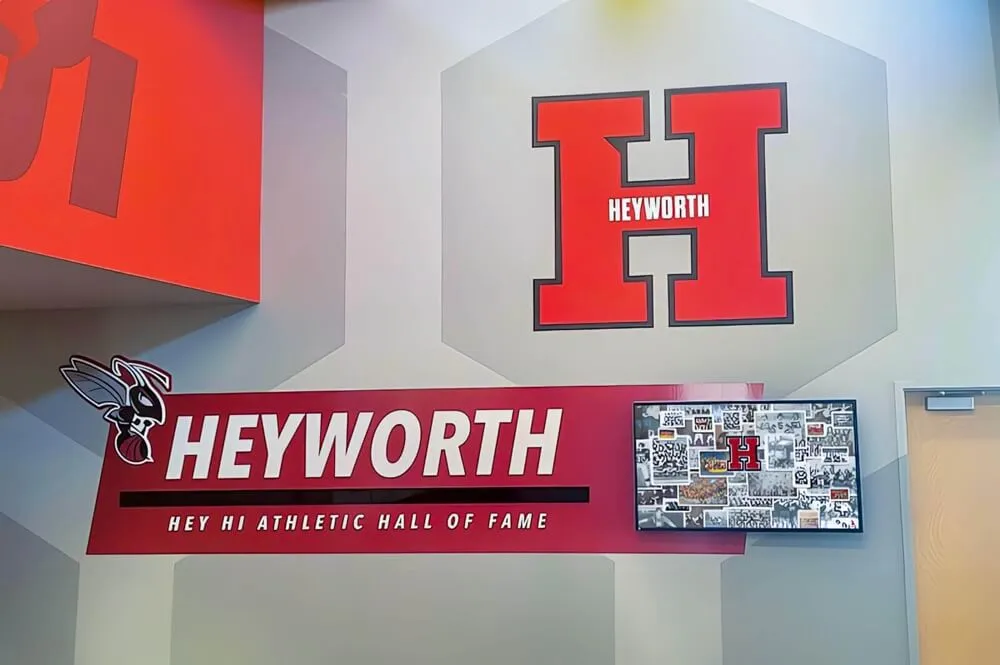
Permanent wall-mounted recognition plaques listing award recipients by year create historical records showing achievement lineage across decades. These installations become institutional landmarks where graduates return to find their names and show family members their lasting place in school history.
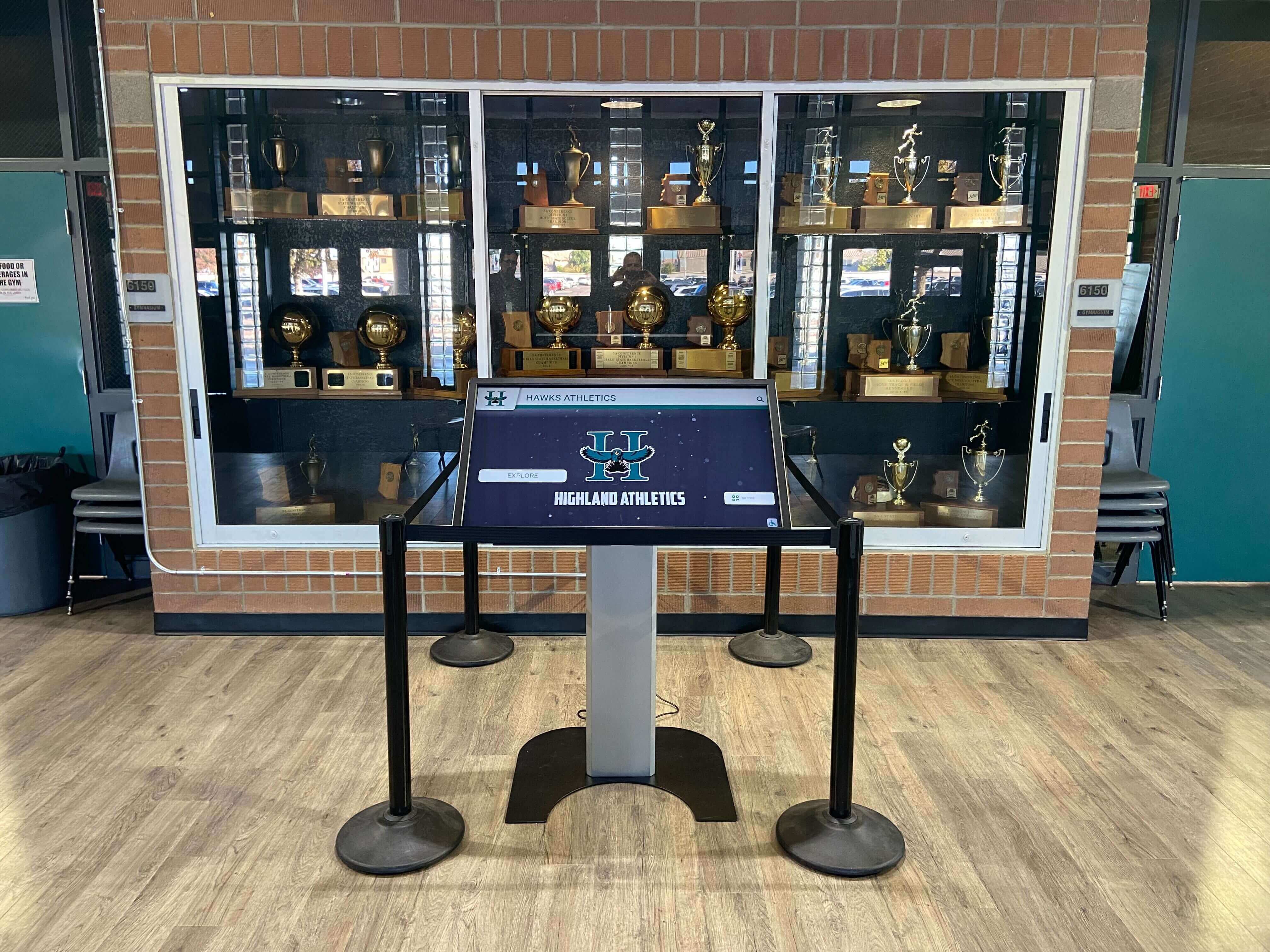
Trophy case limitations become apparent as schools accumulate years of recognition. Physical cases fill completely, forcing difficult decisions about removing older awards to make space for recent achievements—effectively erasing historical recognition to accommodate the present.
Yearbook Recognition
School yearbooks provide another traditional medium for permanently documenting senior awards and superlatives.
Advantages of Yearbook Documentation
Yearbooks create permanent printed records students keep throughout their lives, ensuring recognition remains accessible decades after graduation. Families purchase yearbooks specifically to commemorate senior year, making them widely distributed among graduating classes. Professional yearbook layouts and photography create polished presentations celebrating achievements attractively.
Senior superlatives particularly flourish in yearbooks, where creative photo shoots and clever layouts add personality and humor to recognition. Yearbook spreads dedicated to senior awards provide natural venues for comprehensive documentation including photos, names, and award descriptions in lasting formats.
Limitations for Comprehensive Recognition
Yearbook space constraints limit how many individuals and awards can be featured prominently. Editorial decisions about page allocation often prioritize certain recognition types while minimizing others due to space limitations. Production timelines require finalizing yearbook content weeks or months before graduation, potentially missing late-breaking scholarship awards or end-of-year recognition.
Yearbooks reach only graduating seniors and those who purchase copies—typically missing underclassmen, staff, and community members who might benefit from learning about senior achievements. Distribution happens once annually at year’s end rather than providing ongoing recognition throughout the school year when visibility might motivate continued excellence.
Modern Digital Display Solutions for Senior Awards
Technology transforms senior awards recognition by eliminating physical space limitations, enabling rich multimedia presentation, providing interactive engagement, and extending recognition far beyond school hallways.
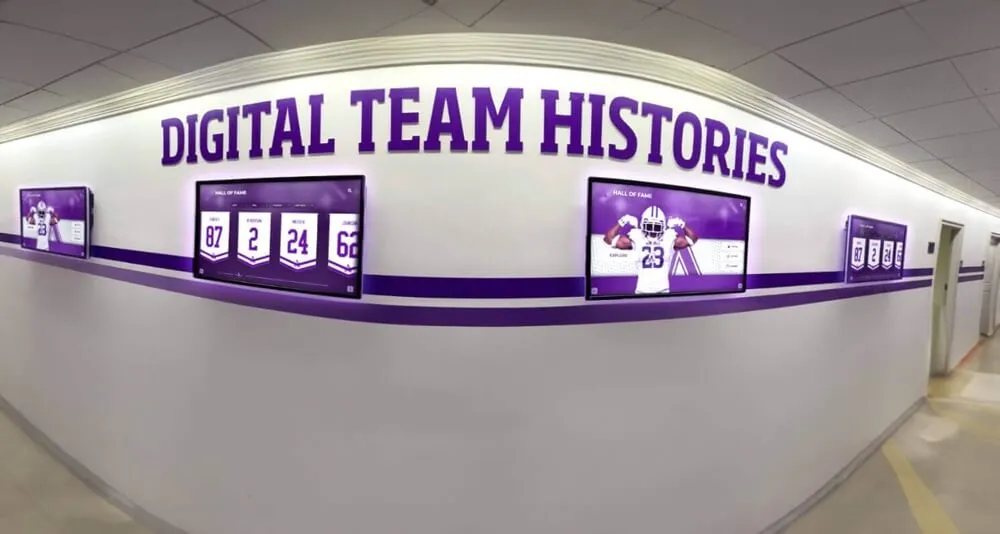
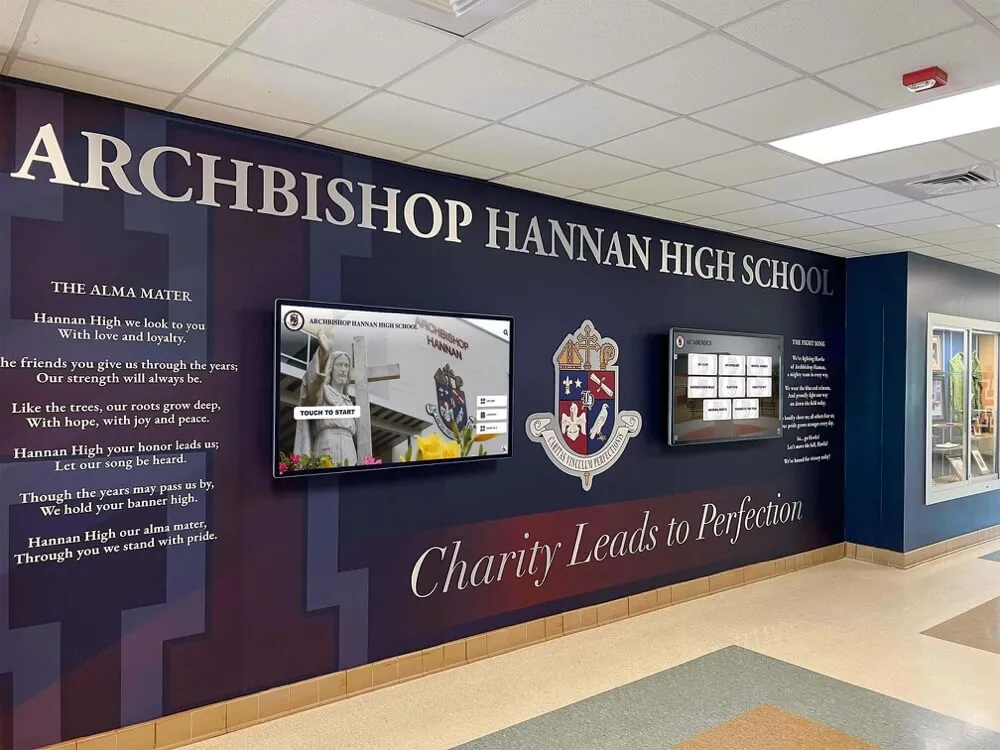
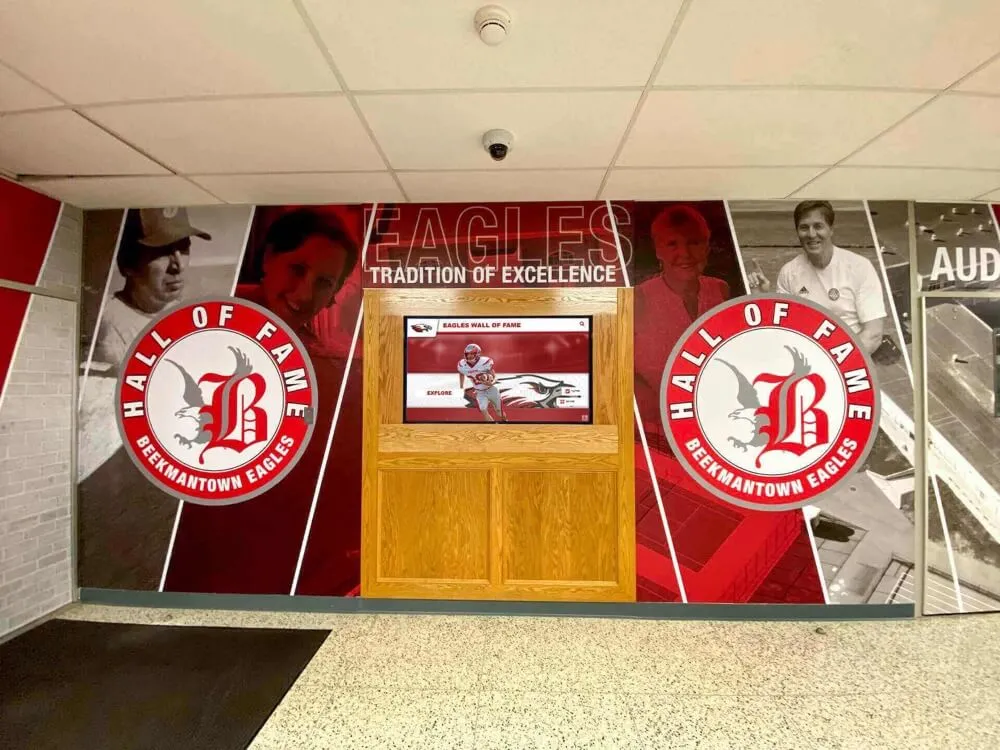
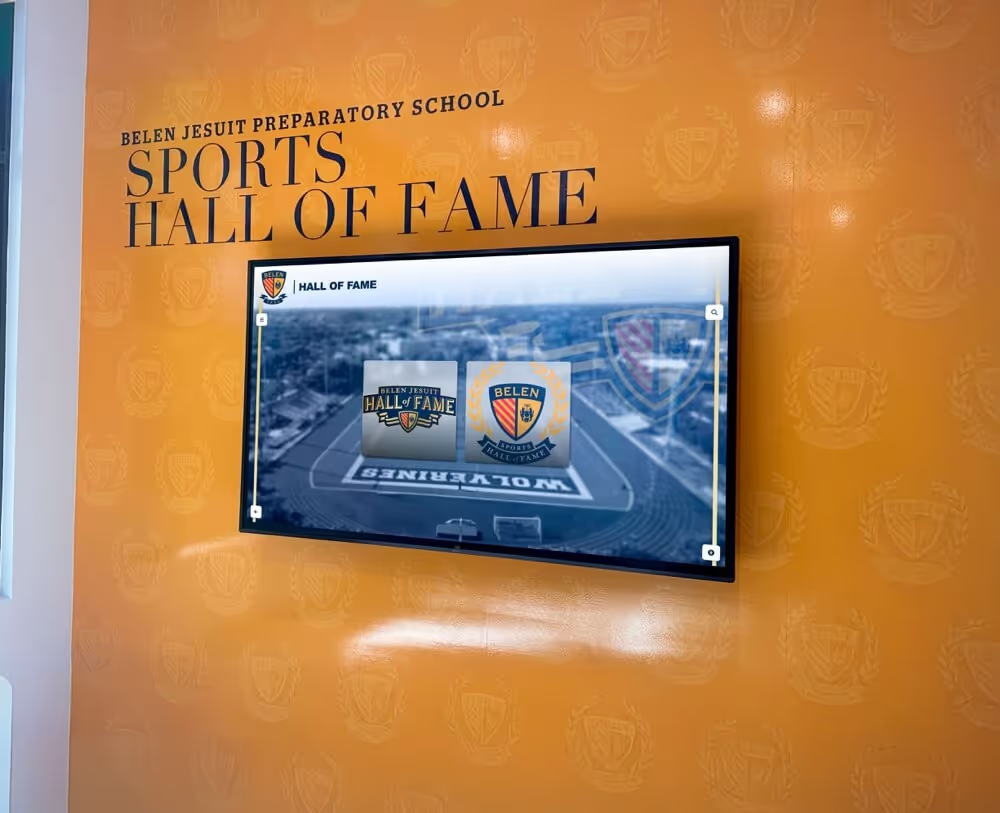
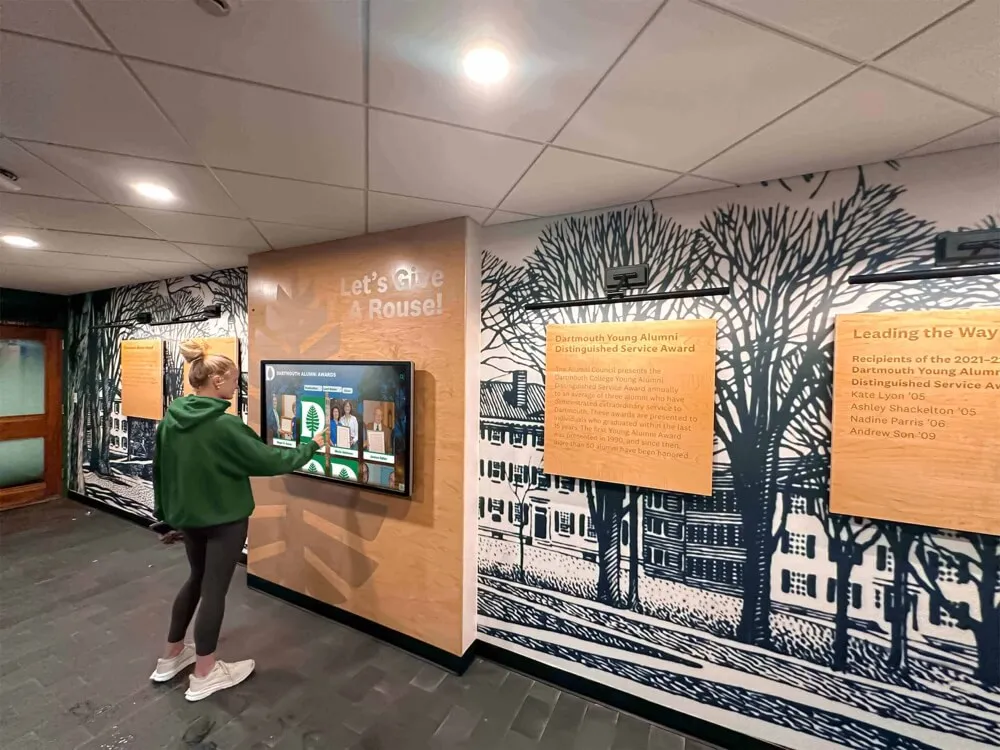
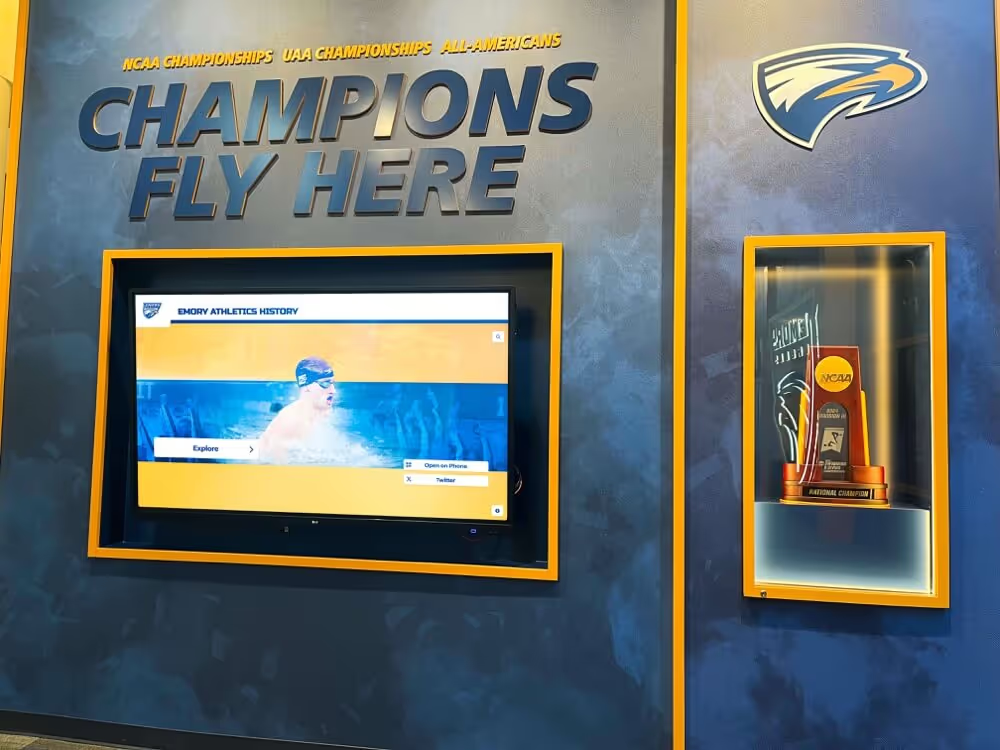
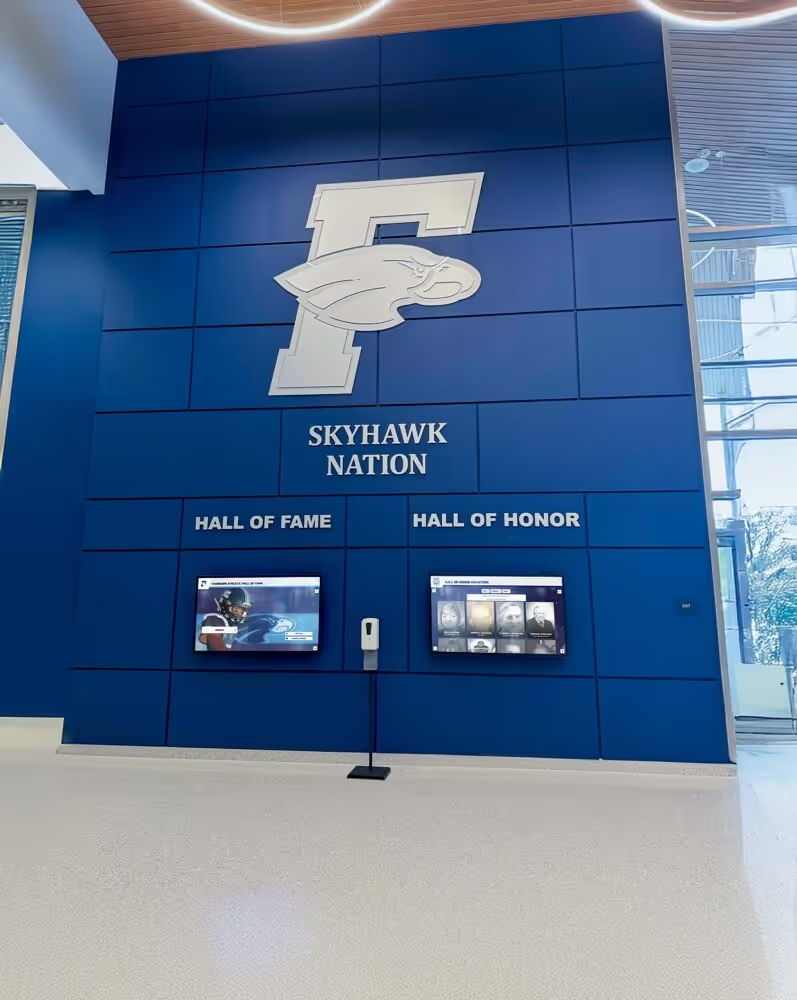
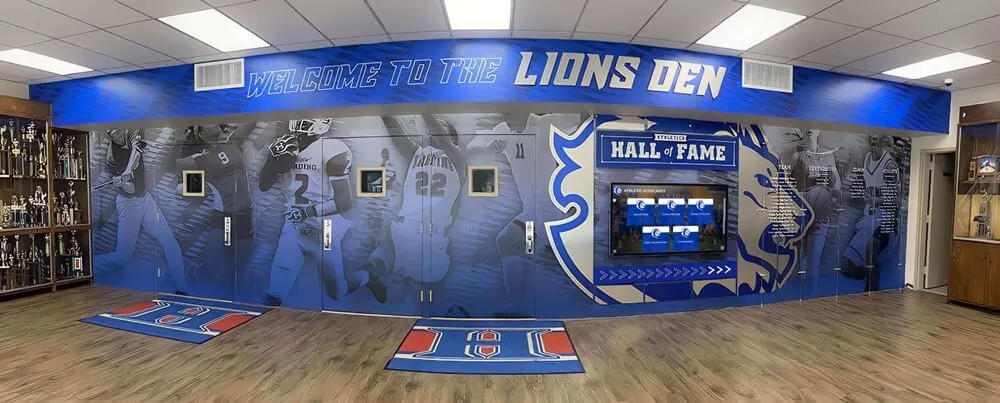
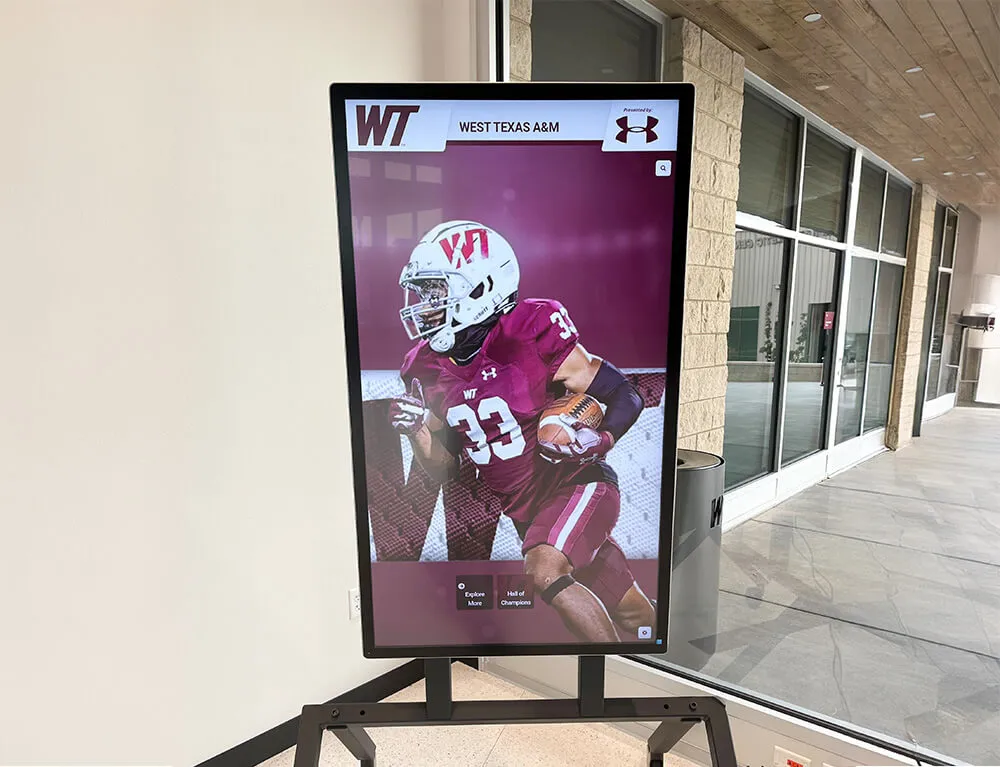
Interactive Touchscreen Recognition Displays
Purpose-built digital recognition platforms designed specifically for educational institutions deliver capabilities impossible with traditional approaches.
Unlimited Recognition Capacity
Digital systems eliminate the fundamental space constraint limiting physical displays. Schools can honor every deserving senior across dozens of award categories without choosing which achievements to feature prominently versus which to exclude or minimize due to limited display space.
Comprehensive databases store unlimited records, photos, achievement descriptions, award criteria, and related information. Students receiving multiple awards across academic, athletic, artistic, and service categories can be featured in every relevant context with complete information rather than forcing schools to select single “primary” recognitions for each individual.
Rich Multimedia Presentations
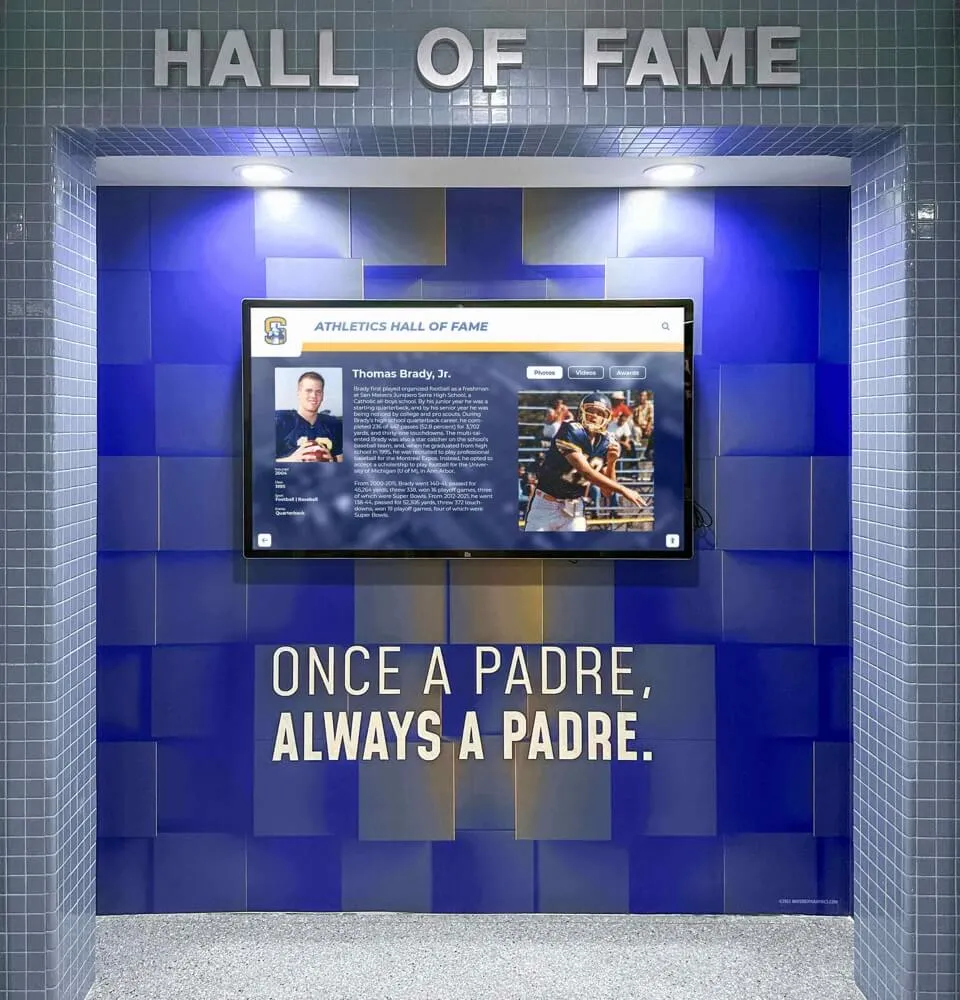
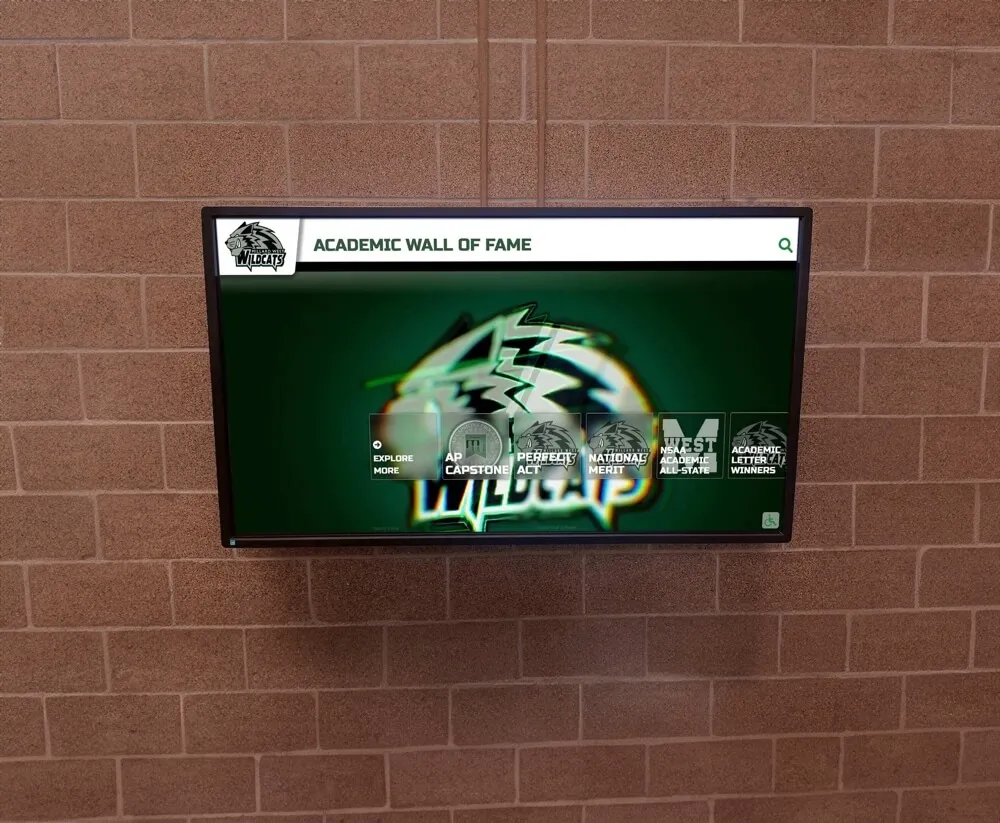
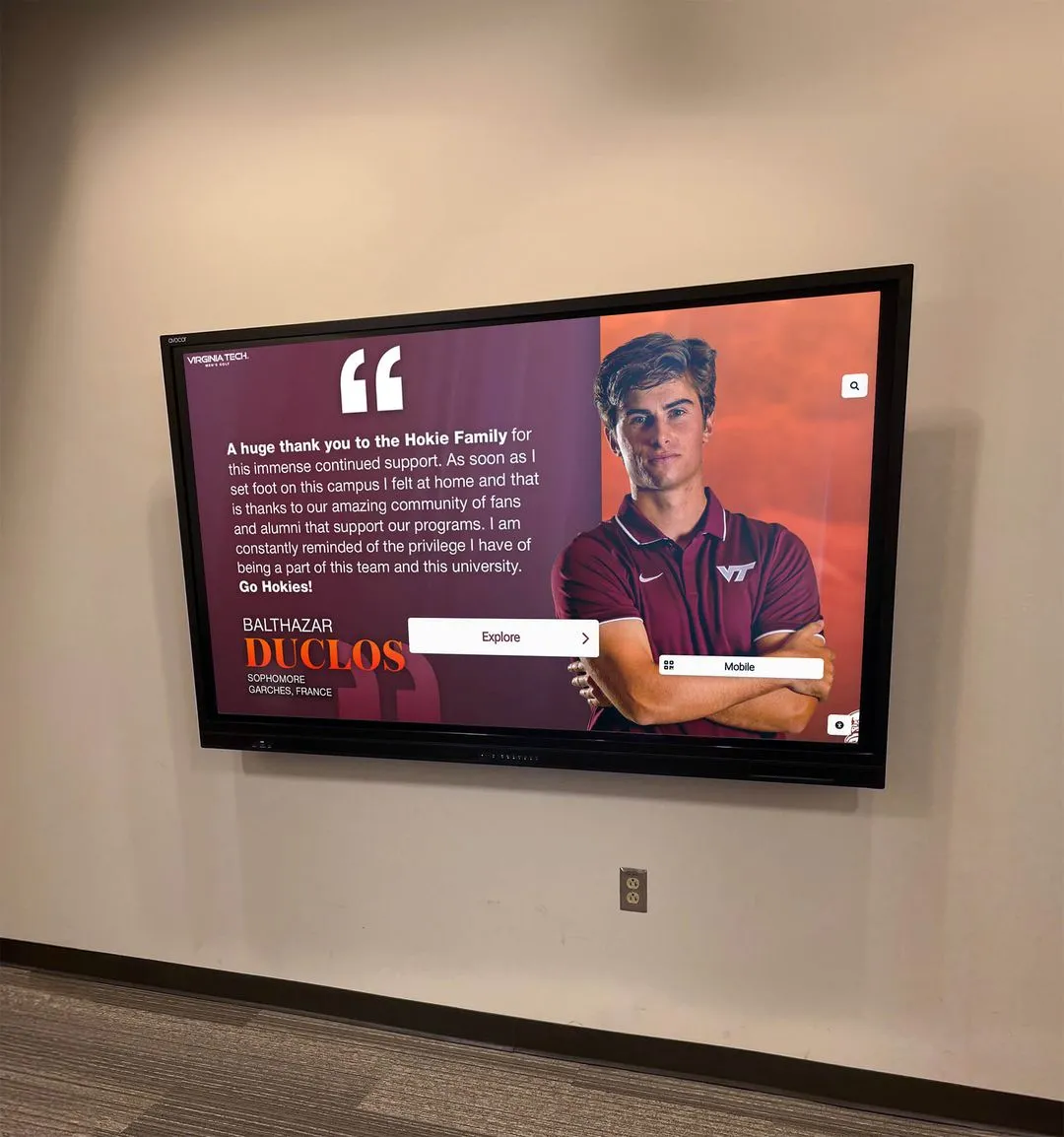
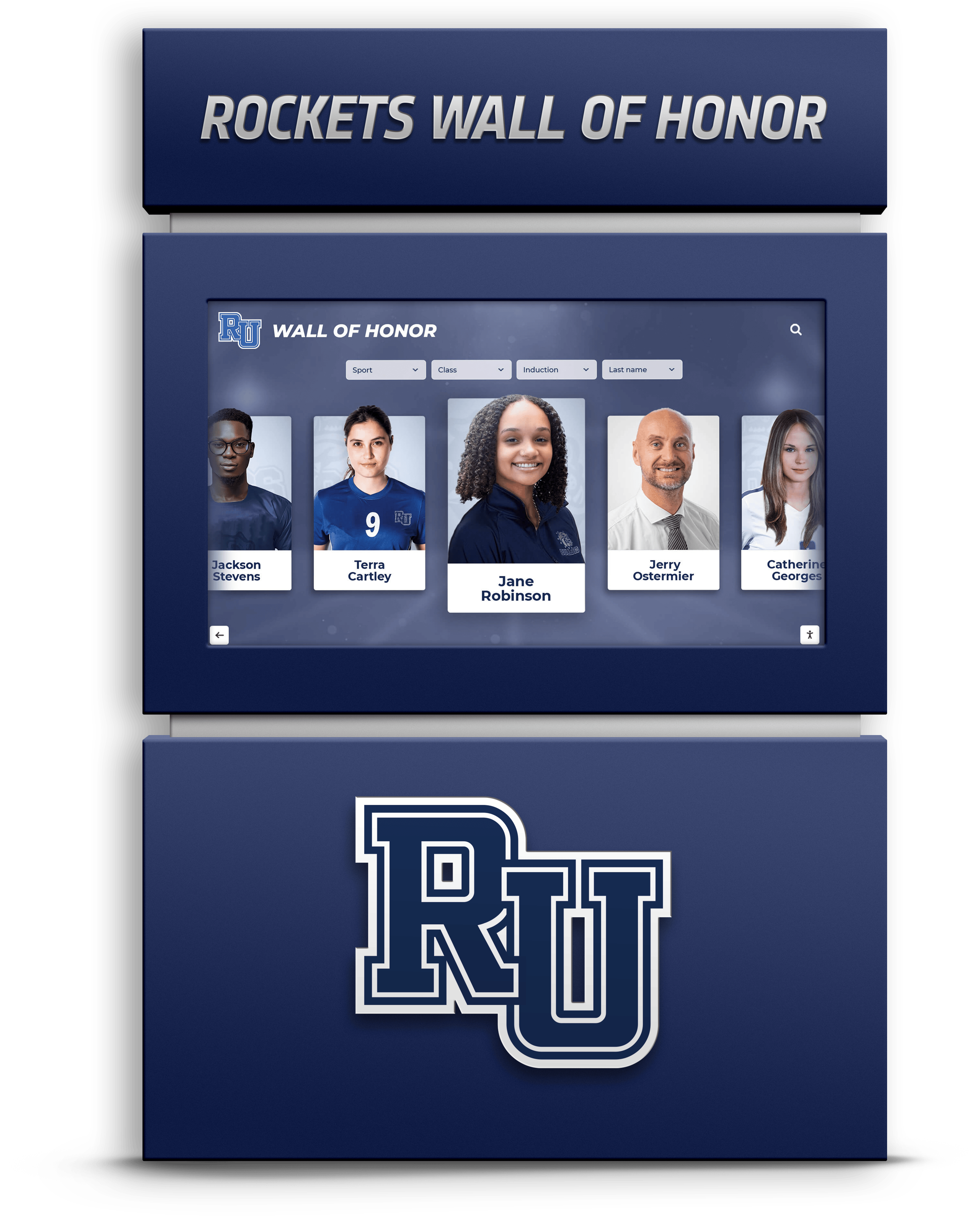
Digital displays showcase seniors through professional photo presentations, achievement statistics and details, biographical information, scholarship amounts and destinations, video clips from performances or competitions, and scanned certificates or awards creating comprehensive multimedia profiles impossible with static displays.
Athletic awards displays can include game highlight videos, career statistics, championship team photos, and progression from freshman to senior year. Arts recognition features performance recordings, portfolio images, competition results, and creative work samples. Academic honors incorporate test scores, coursework details, research presentations, and college destinations with scholarship amounts.
Interactive Search and Exploration
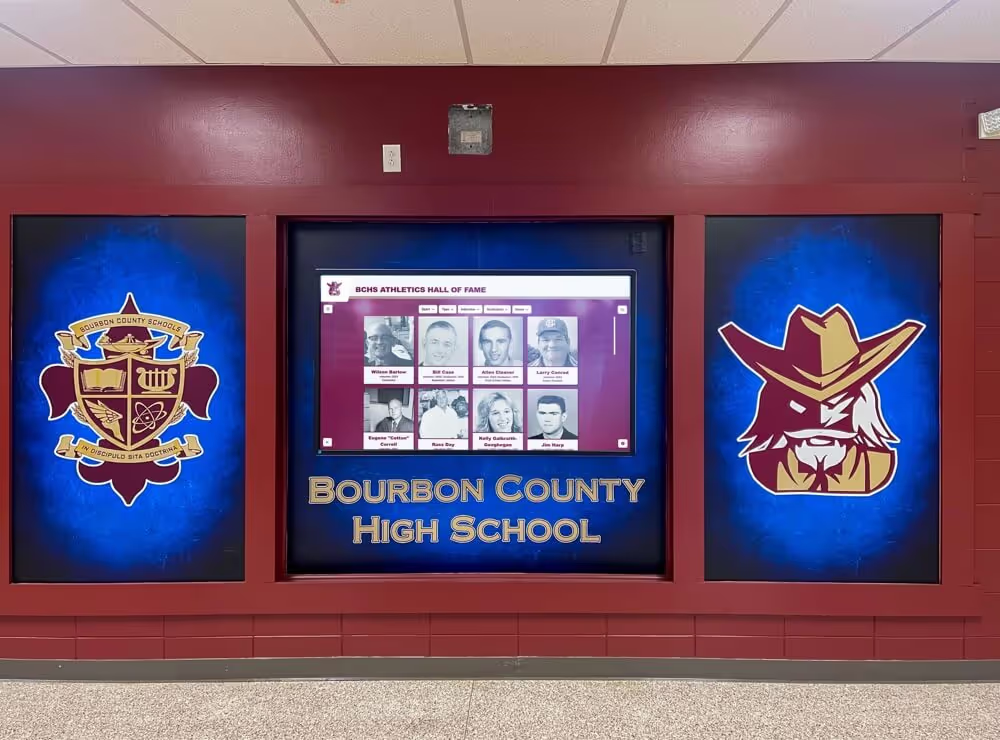
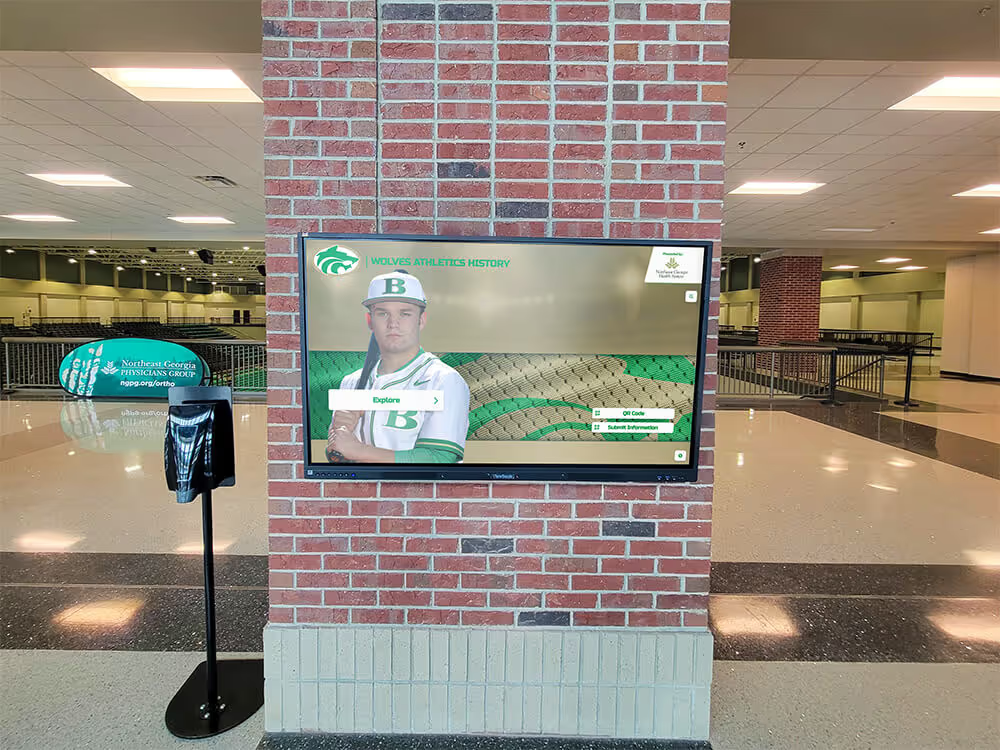
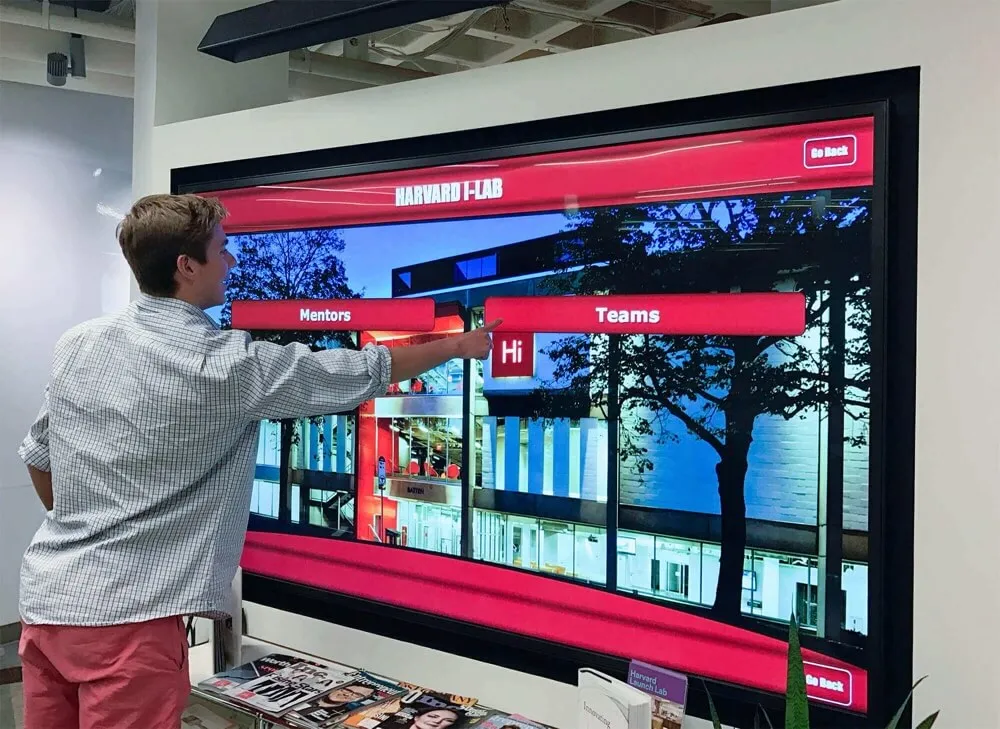
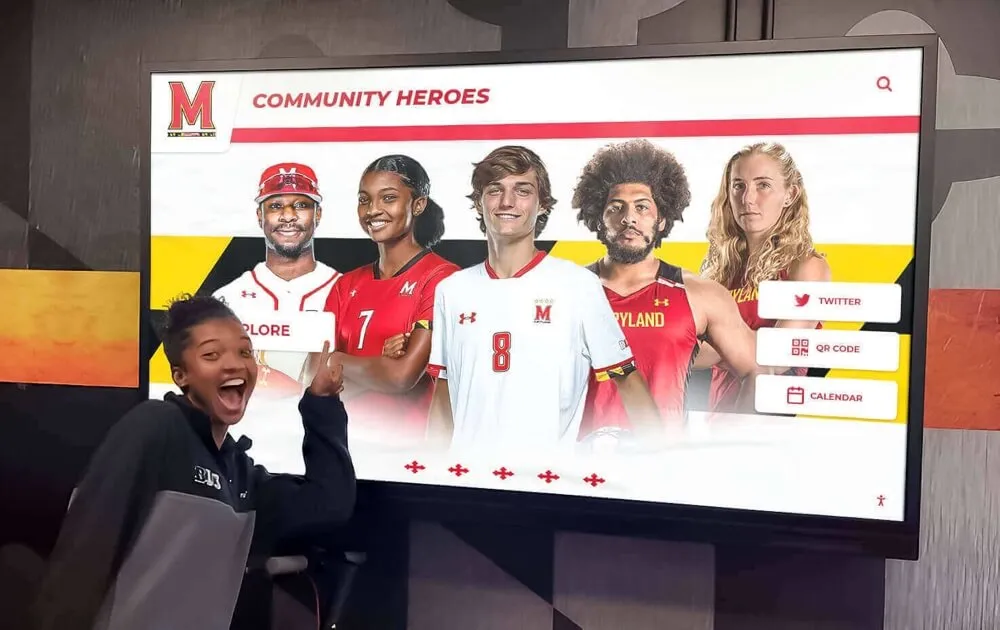
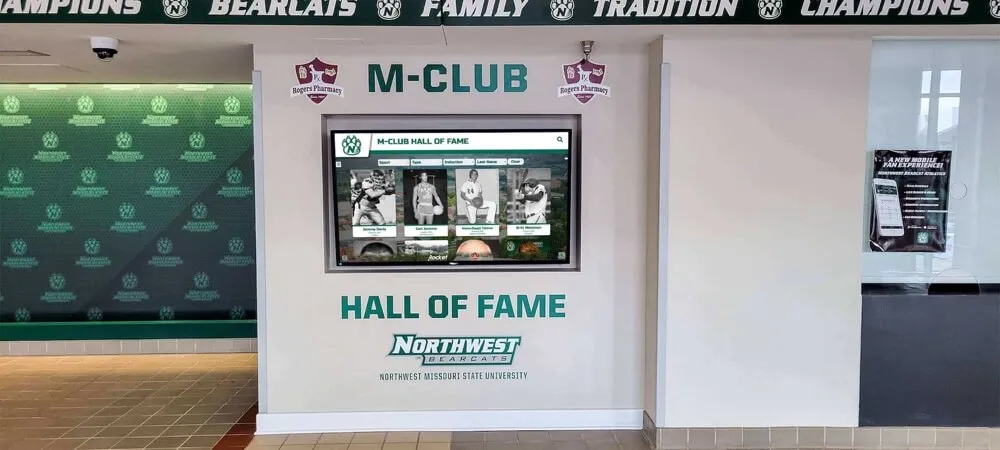
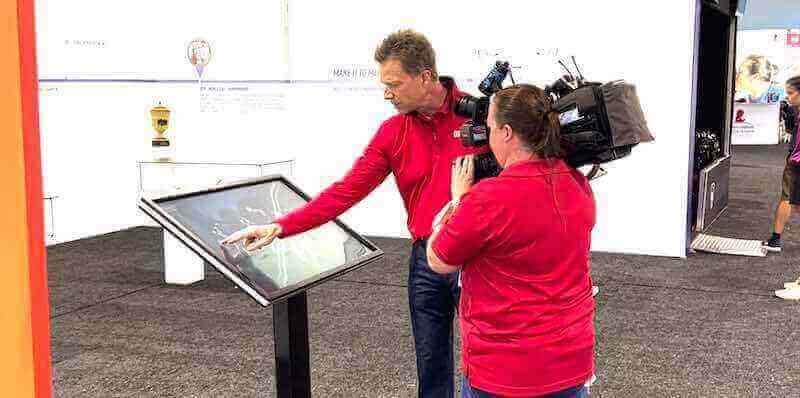
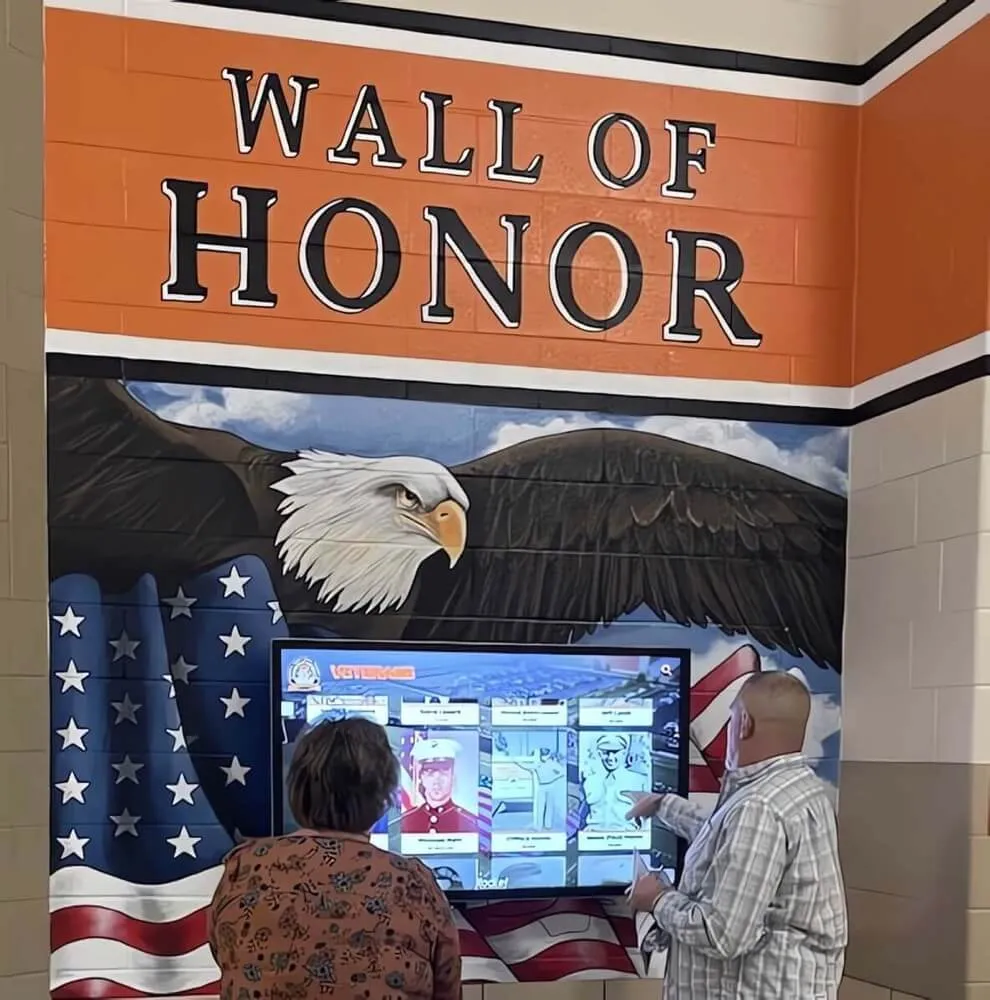
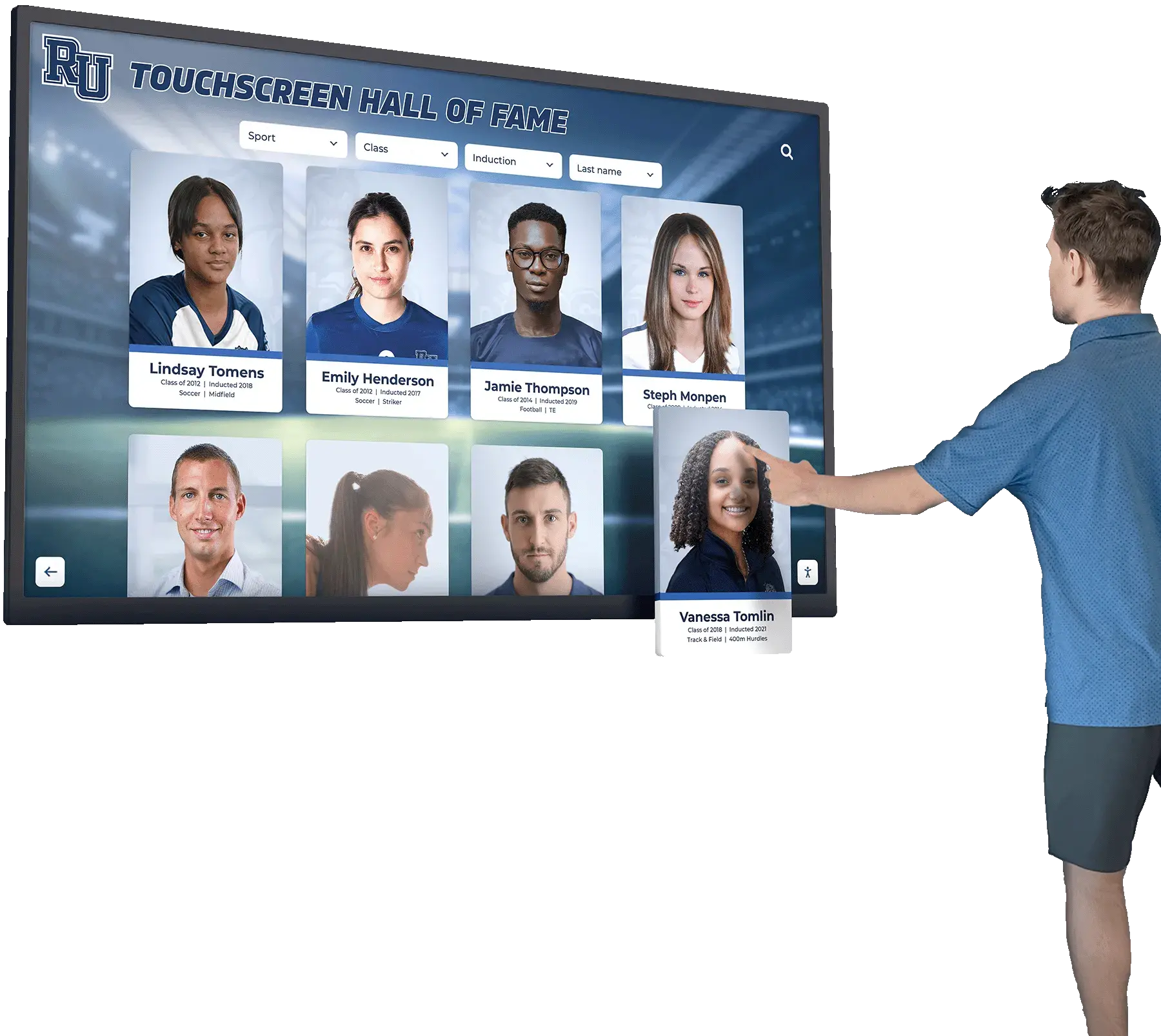
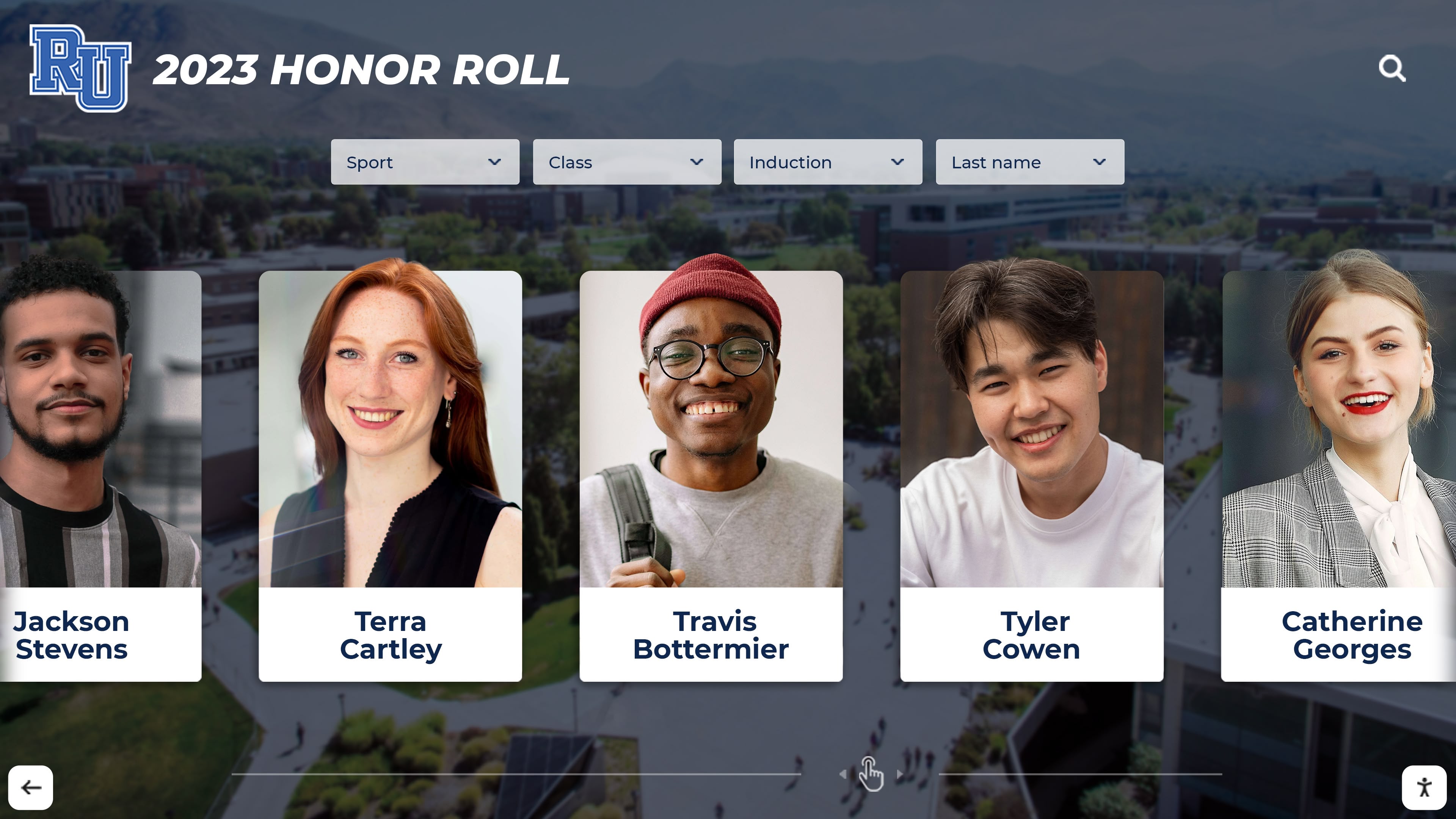
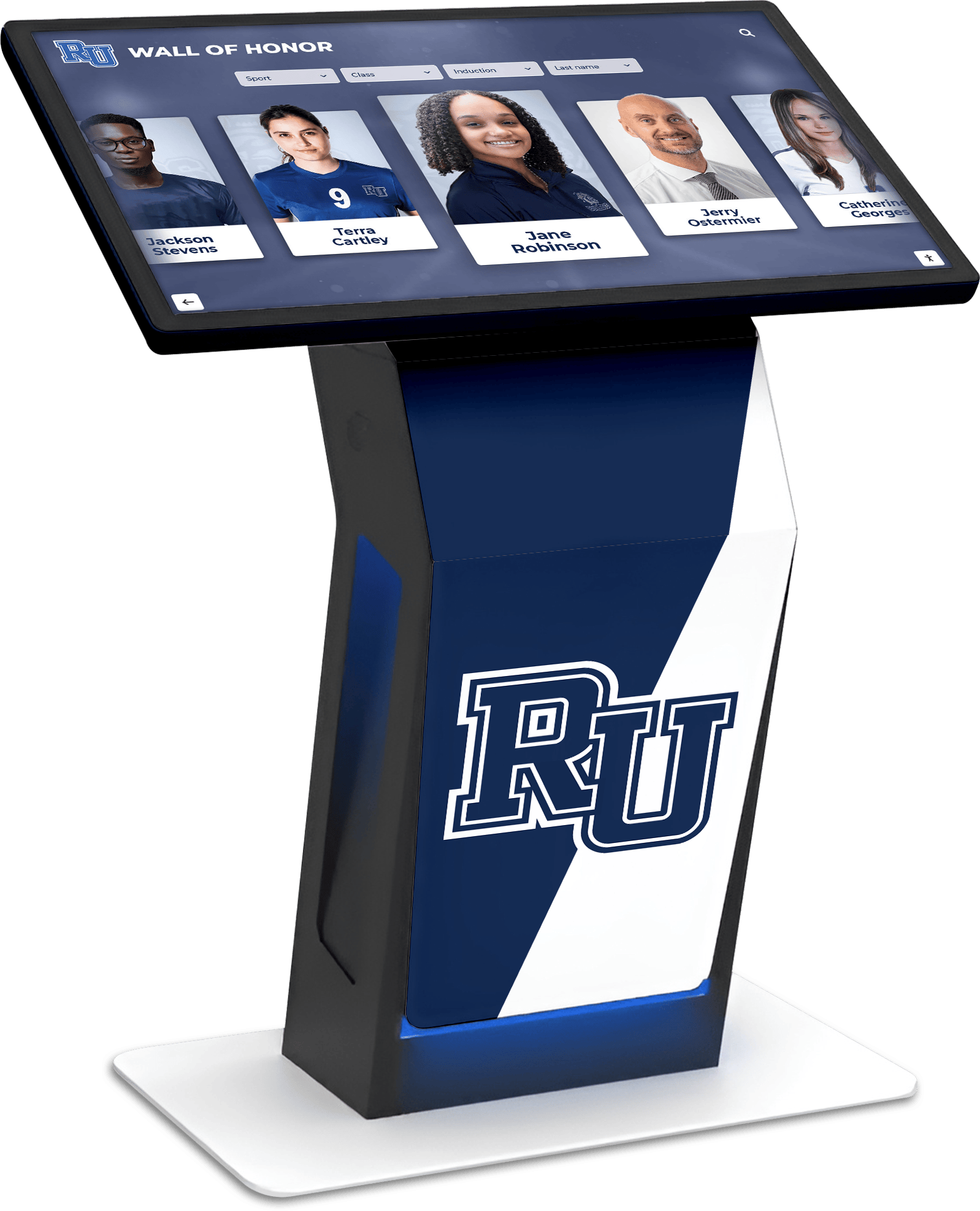
Touchscreen interfaces allow visitors to search for specific individuals by name, browse by award category or type, filter by graduating class year, and discover related content through intelligent recommendations. This interactivity transforms passive viewing into active exploration creating engaging experiences visitors remember.
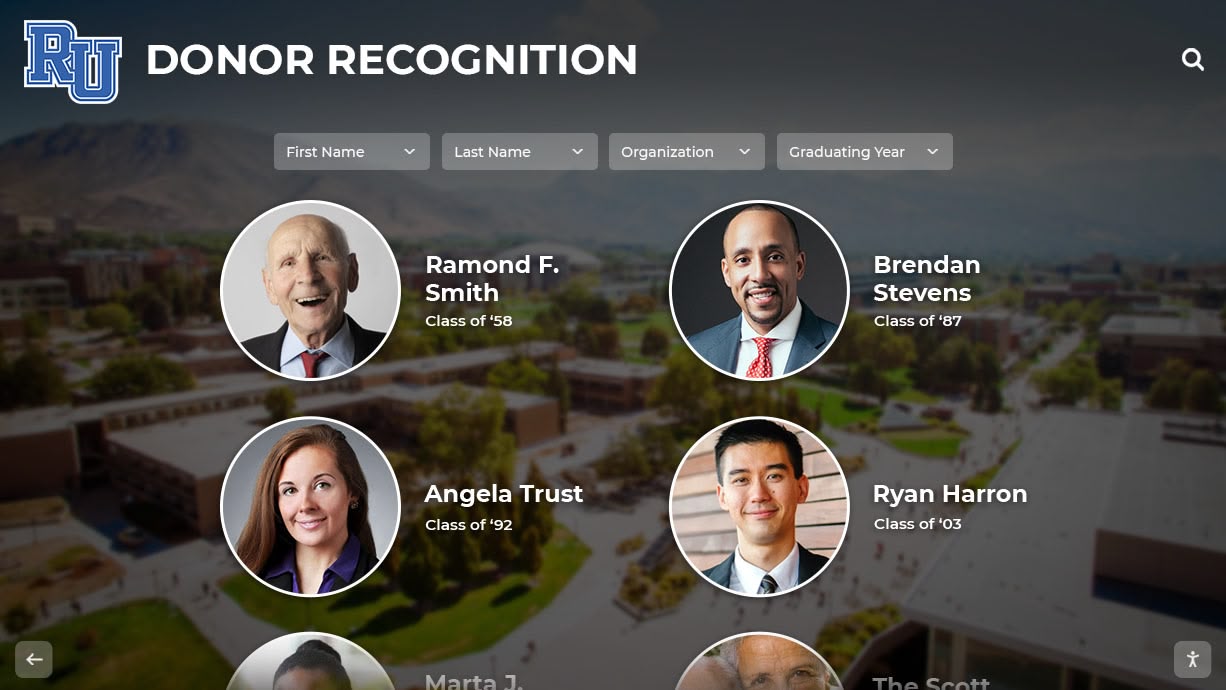
Parents attending awards ceremonies can subsequently visit displays to search for their students and capture photos of digital recognition profiles. Alumni returning for events can search for themselves and former classmates, reliving memories and discovering achievements earned after their own graduation. Prospective families touring schools can explore achievements demonstrating institutional excellence and the types of accomplishments celebrated.
Solutions like Rocket Alumni Solutions provide purpose-built recognition platforms specifically designed for educational institutions, delivering intuitive interfaces, robust content management requiring no technical expertise, and engaging user experiences that honor student achievement appropriately.
Content Management and Update Efficiency
Digital systems transform recognition management from labor-intensive manual processes into streamlined digital workflows.
Simplified Content Addition
Cloud-based management platforms enable authorized staff to add new award recipients, update information, and publish changes from any device with internet access—no need to print, mount, or physically arrange materials. Bulk upload features support adding entire award categories or class rosters simultaneously through CSV files or spreadsheet imports, saving countless hours versus individual entry.
Template-based layouts ensure consistent professional presentation without requiring design expertise. Staff simply enter information into structured fields, upload photos, and publish—the system automatically formats everything attractively according to established visual standards.
Real-Time Updates Throughout the Year
As seniors receive awards throughout the school year, staff can immediately update digital displays ensuring current, accurate information. Fall semester academic honors, winter scholarship announcements, spring athletic all-state selections, and late-breaking graduation awards all get added promptly rather than waiting for opportunities to update physical displays.
This currency ensures recognition remains timely and relevant when students and families most appreciate acknowledgment. Immediate updates following awards ceremonies provide instant gratification and visible celebration versus delays inherent in physical display updates.
Mobile and Online Integration
Modern recognition extends beyond physical displays through integrated mobile applications and online platforms.
Global Access for Alumni and Families
Mobile companion apps and responsive websites make recognition accessible anywhere, anytime. Parents share their students’ achievement profiles with extended family members across the country. Alumni access displays from anywhere in the world, searching for themselves and former classmates years or decades after graduation.
This extended reach amplifies recognition impact exponentially—instead of limiting recognition to those physically walking past school displays, digital systems create visibility among thousands of community members, alumni, and supporters reinforcing institutional excellence and achievement culture.
Social Media Integration
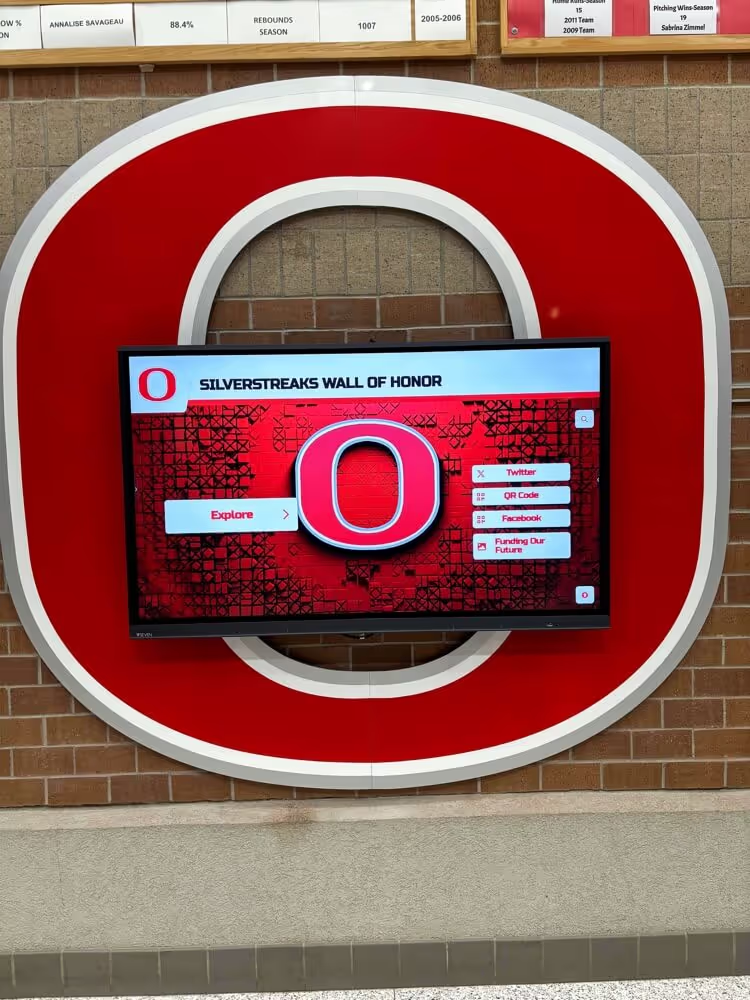
Integrated social sharing features enable students and families to post achievement profiles directly to Facebook, Instagram, Twitter, or other platforms with single clicks. This organic sharing amplifies school recognition among extended networks, creating authentic testimonials and achievement celebrations reaching audiences far beyond traditional school communication channels.
When dozens of seniors share their recognition profiles to social media following awards ceremonies, collective impact creates substantial positive visibility for schools among prospective families researching educational options. Digital trophy cases and recognition displays provide constant content for school social media accounts, supporting ongoing communication strategies celebrating achievement regularly.
Implementing Effective Senior Awards Display Programs
Success requires more than just selecting display solutions—implementation quality, content strategy, and ongoing management determine whether recognition programs achieve their potential impact.
Strategic Placement and Visibility
Optimizing Physical Display Locations
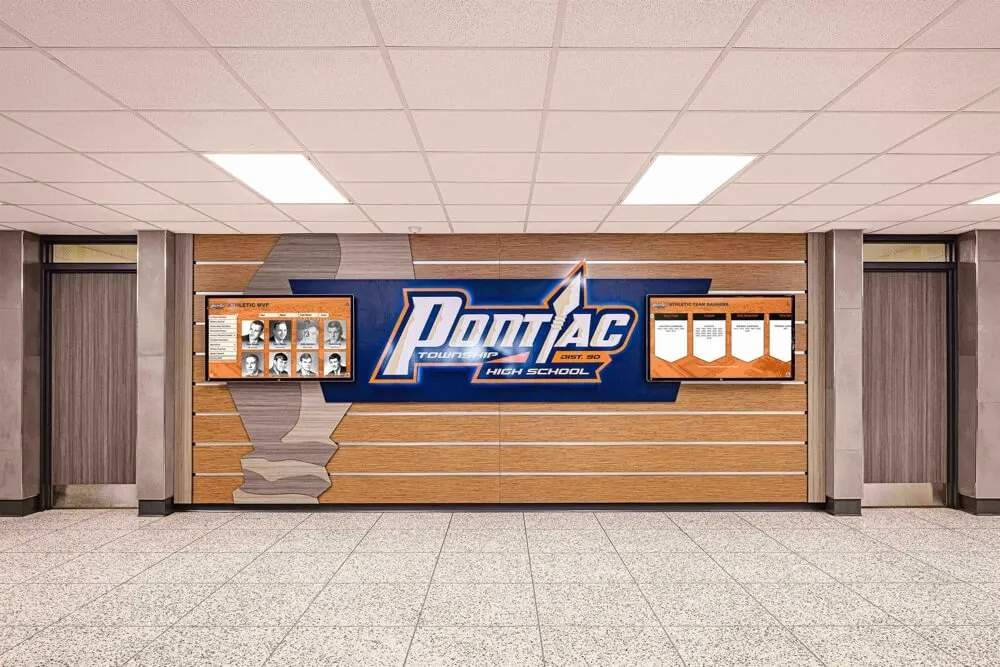
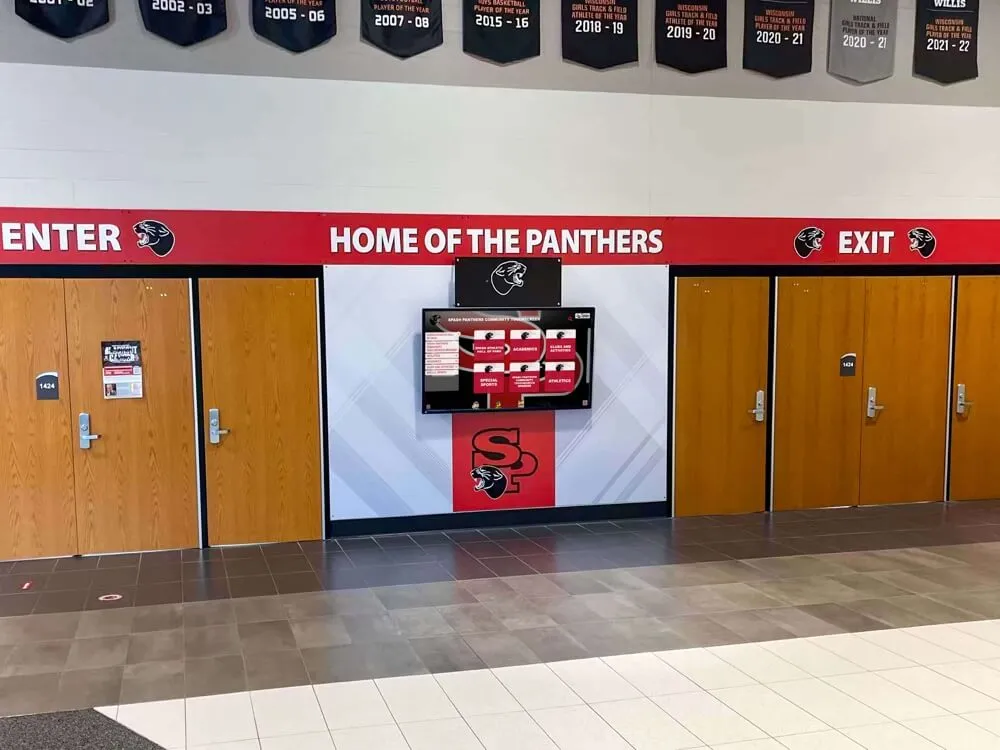
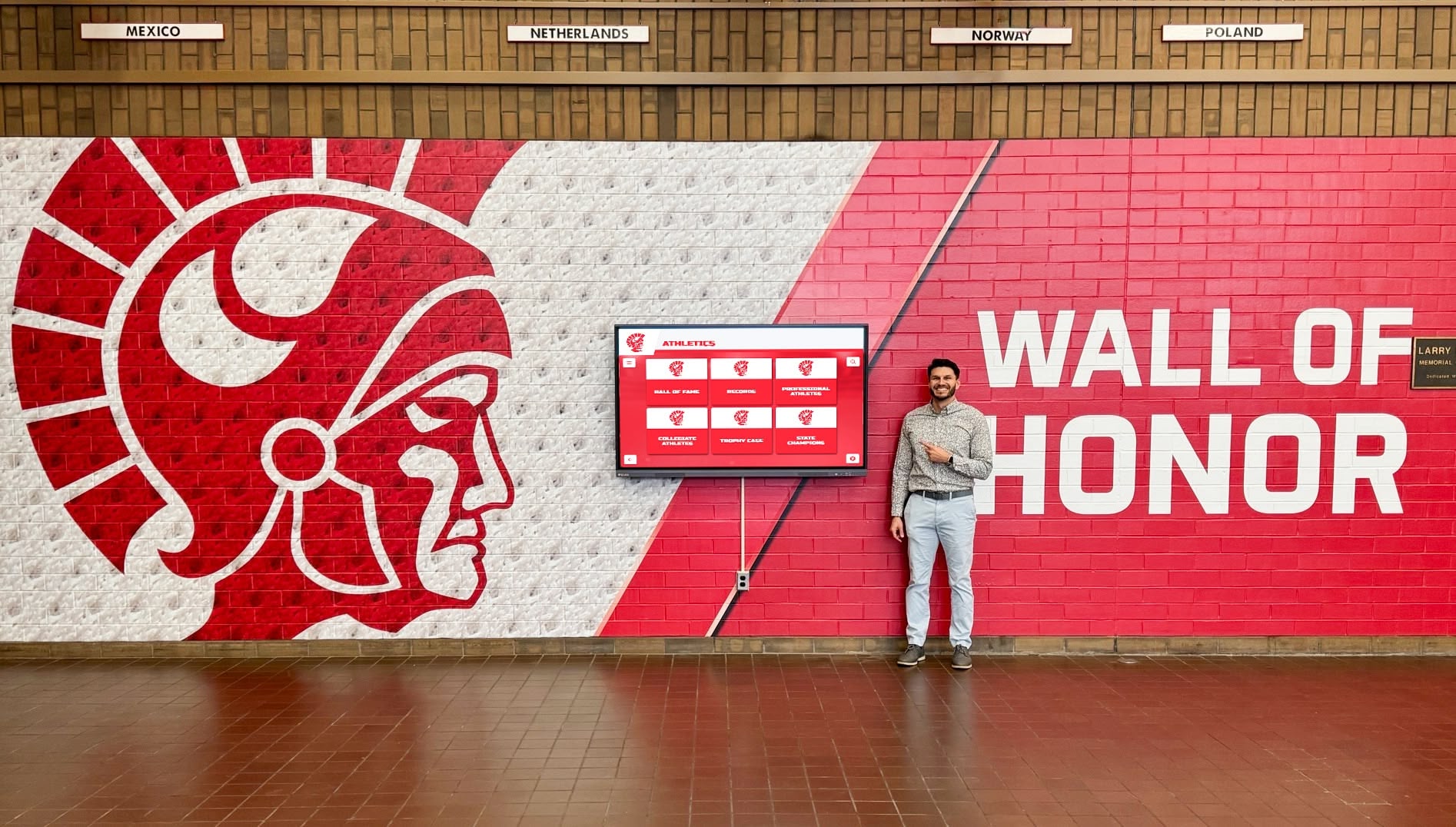
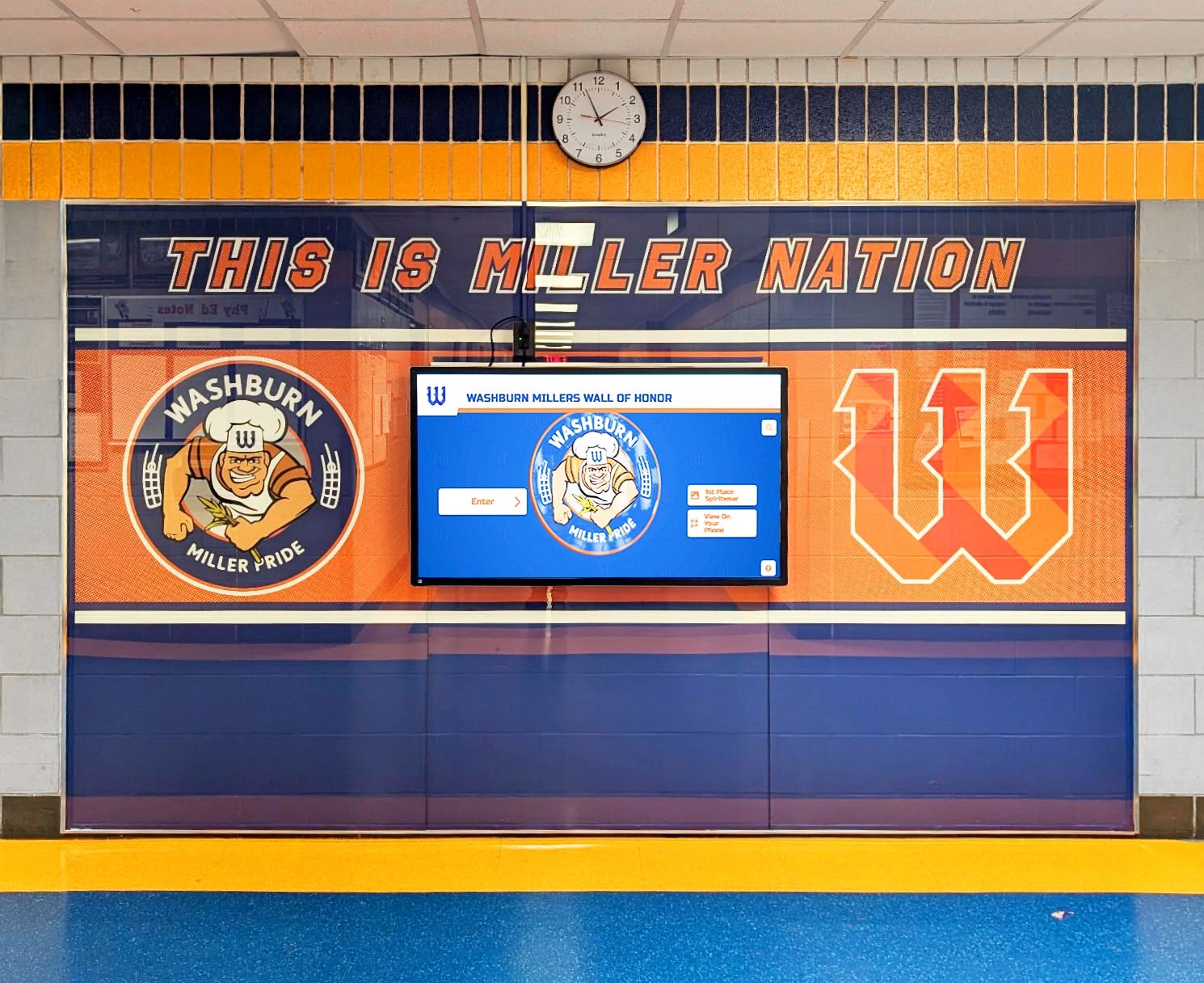
For schools implementing digital recognition displays, location dramatically impacts engagement and value. Prioritize high-traffic areas including main entrance lobbies where all students, staff, and visitors pass daily, cafeterias and commons areas where students gather during breaks, main hallway intersections connecting major school sections, and athletic facility lobbies where game attendees and visitors congregate.
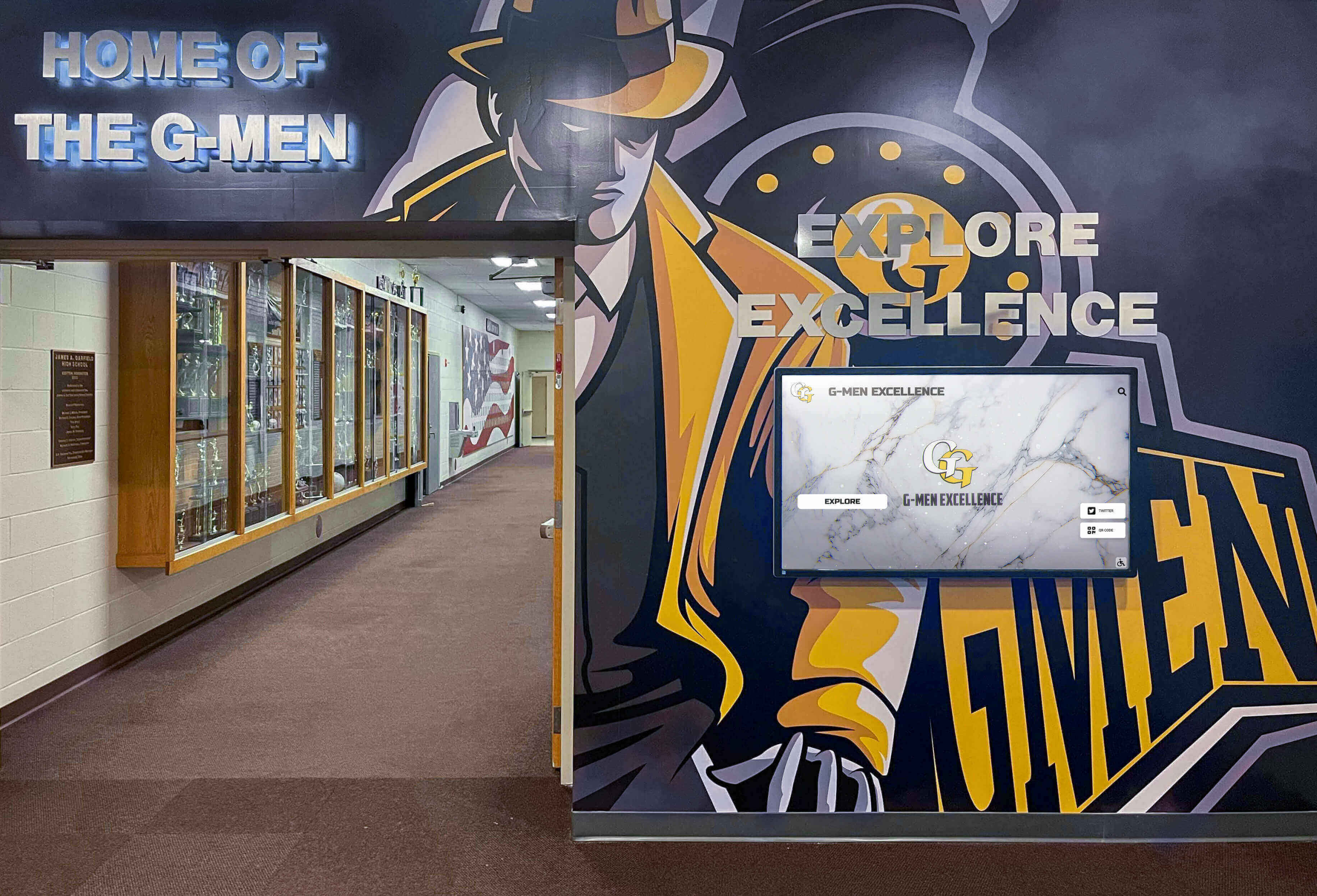
Avoid isolated locations rarely visited by target audiences regardless of how visually impressive displays might look. A beautiful display in the administrative office suite generates minimal engagement compared to more modest installations in student-frequented spaces.
Consider sightlines and viewing distances ensuring screens remain visible and engaging from natural traffic patterns. Position displays at appropriate heights for both standing adults and younger students. Account for lighting conditions avoiding direct sunlight causing screen glare while ensuring adequate ambient light for comfortable viewing.
Creating Recognition Zones and Culture Spaces
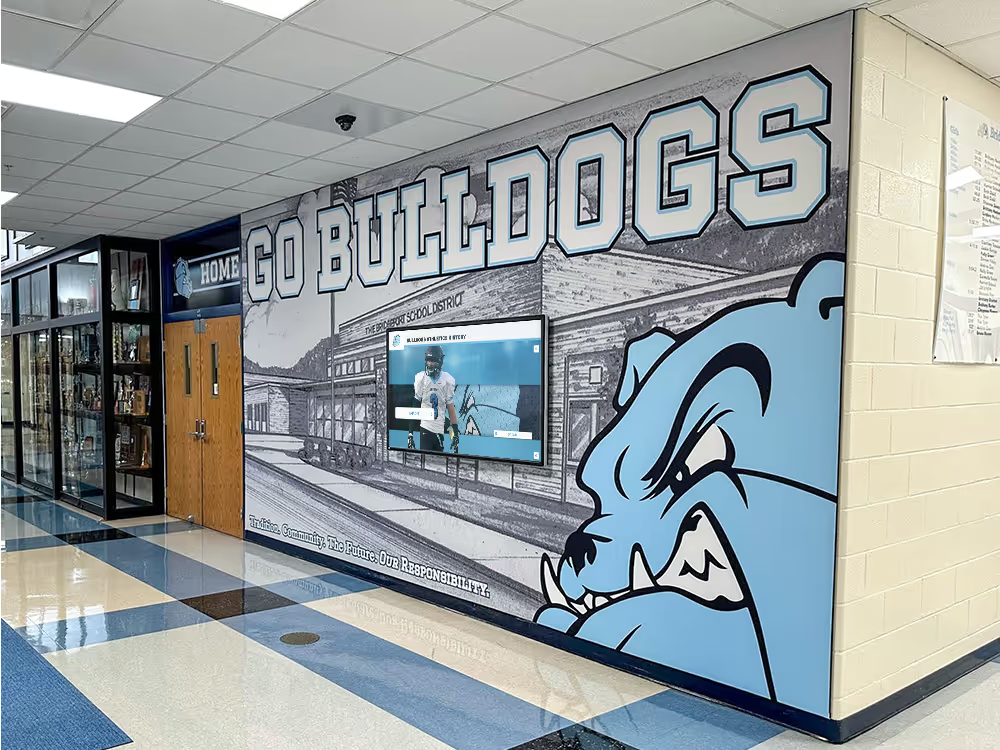
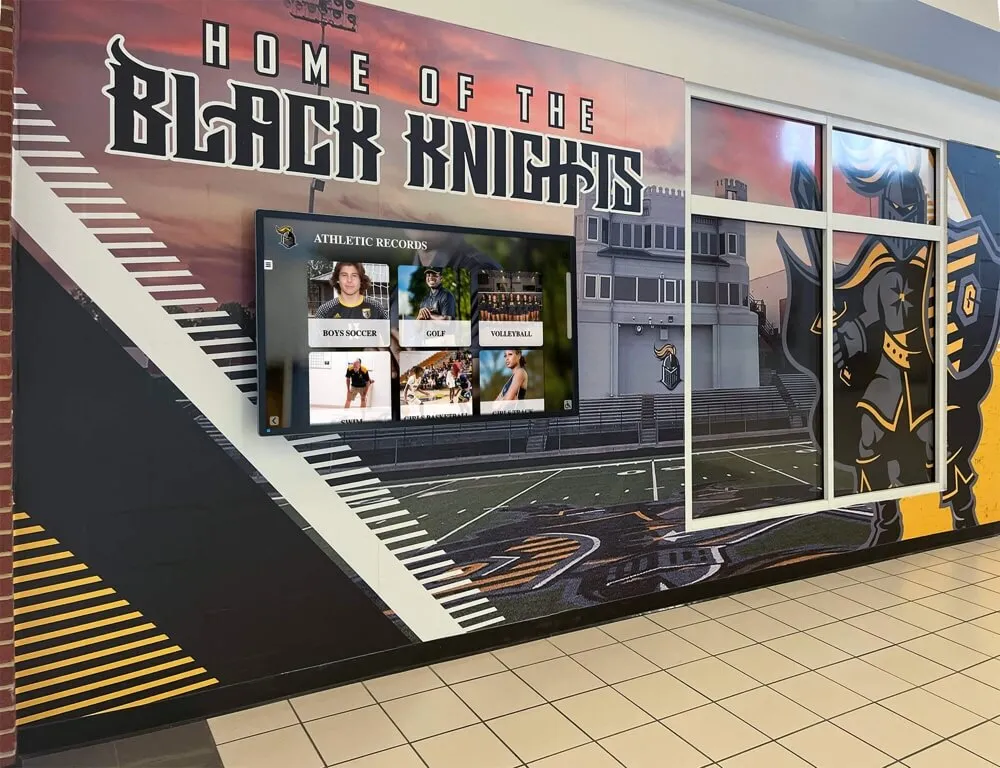
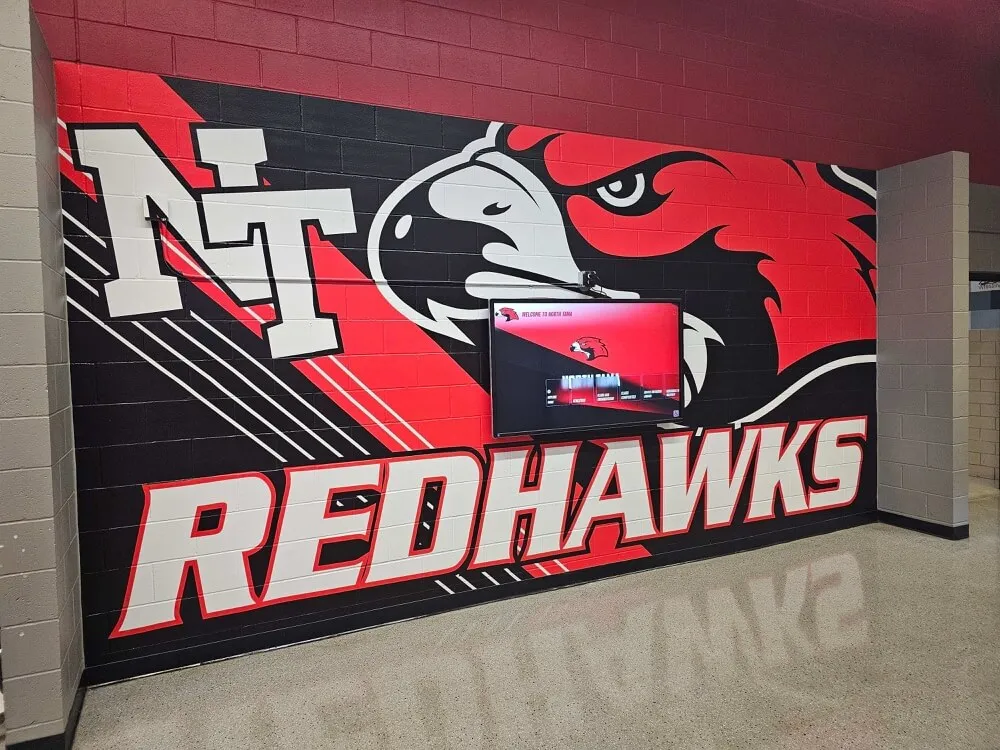
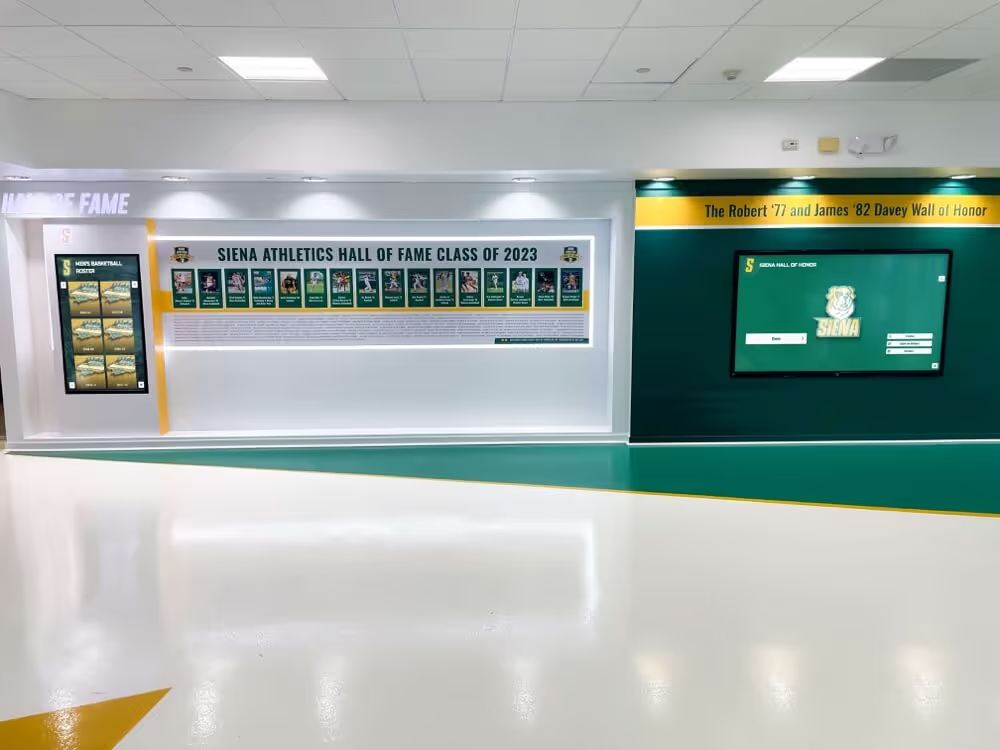
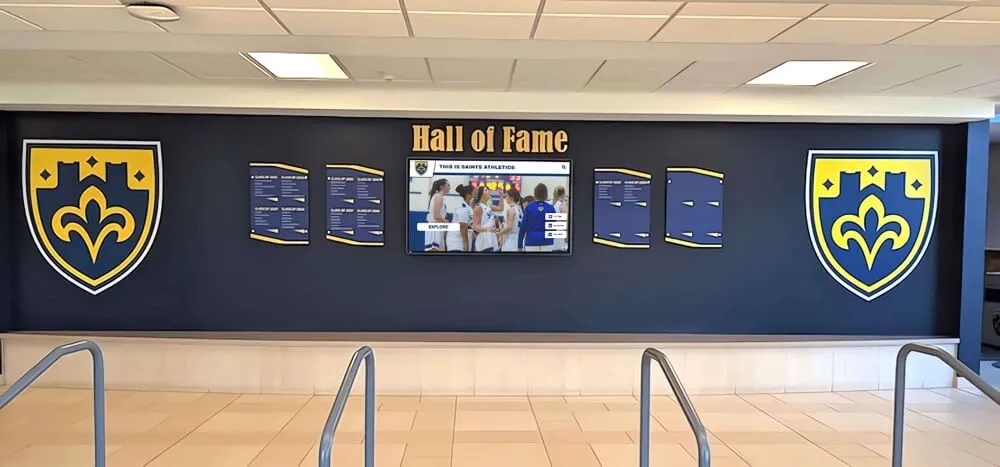
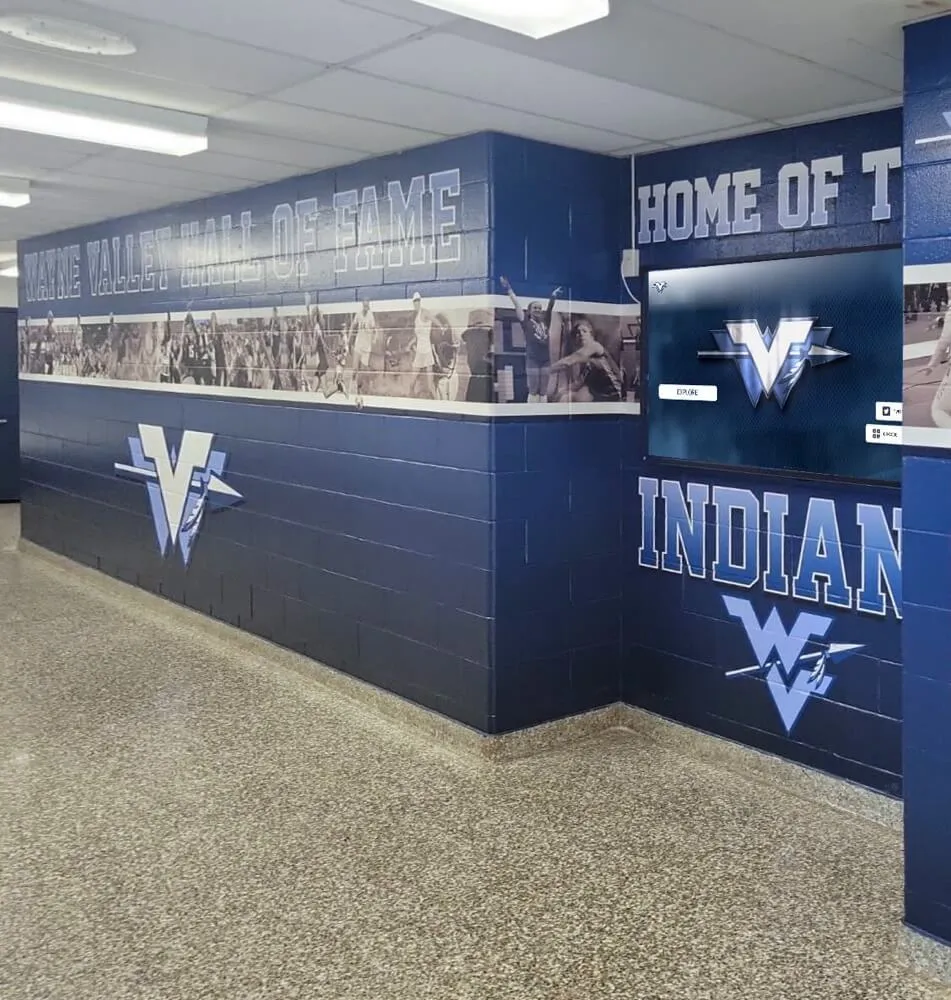
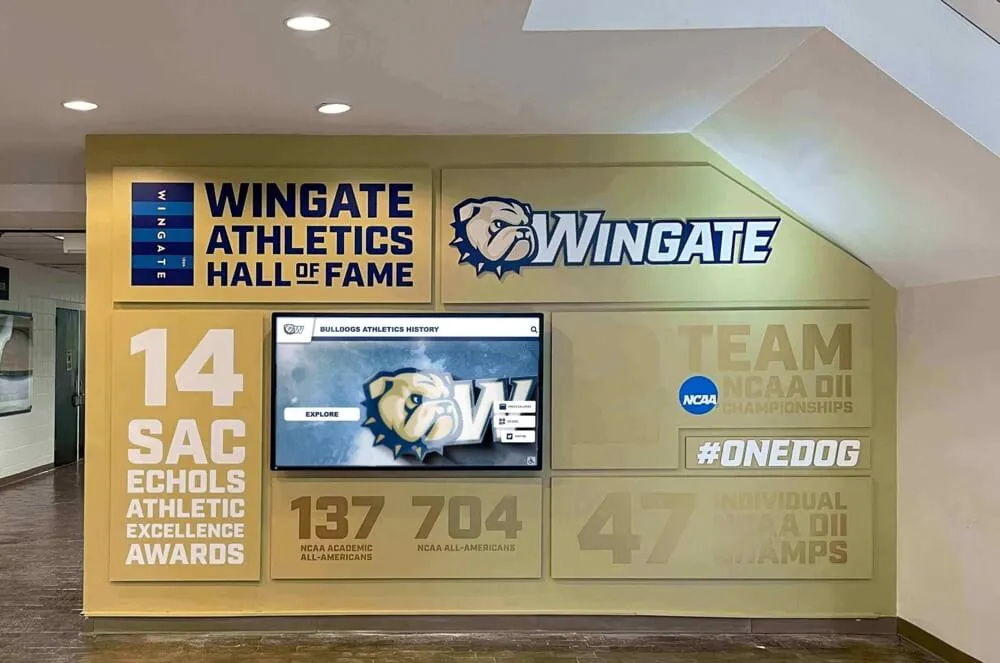
Rather than treating recognition displays as isolated technology installations, consider creating comprehensive recognition zones incorporating digital displays, complementary physical elements, comfortable seating encouraging visitors to linger and explore, and attractive aesthetics reflecting school branding and culture.
These purposefully designed spaces communicate that achievement matters enough to warrant dedicated facilities and thoughtful presentation. The environmental investment reinforces messaging that student accomplishment represents core institutional values worthy of prominent celebration.
Comprehensive Content Strategy
Planning Annual Recognition Cycles
Develop systematic approaches ensuring senior awards content remains current, comprehensive, and engaging throughout school years.
September-October: Update displays with summer achievement news—scholarship recipients beginning college, athletic signing day participants beginning collegiate careers, and other post-graduation success stories. Feature previous year’s senior achievements while preparing for new class recognition.
November-February: Begin adding current senior recognition as first-semester achievements become finalized. Feature early college acceptances, scholarship announcements, fall sport all-conference and all-state honors, and academic semester achievements. Create anticipation for comprehensive spring recognition.
March-May: Peak recognition period when most awards are determined and announced. Update displays immediately following awards ceremonies with complete information about all recognized seniors. Feature countdown to graduation content building excitement for commencement.
June-August: Maintain recent graduate recognition while beginning transition to upcoming year. Feature graduates’ college destinations, scholarship totals, and next-step plans. Prepare system for new senior class while preserving accessible historical records.
Multi-Year Historical Access
One of digital recognition’s greatest advantages involves maintaining accessible historical records spanning decades. Unlike physical displays requiring constant updates removing older content, digital systems preserve every graduating class indefinitely while featuring current students prominently.
Provide easy navigation between class years enabling visitors to explore historical achievement. Alumni returning for events can find their own recognition alongside current students. This historical depth demonstrates institutional achievement longevity and traditions of excellence spanning generations.
Training and Empowering Recognition Managers
Building Internal Capability
Successful digital recognition implementations designate clear ownership and provide adequate training enabling confident content management.
Identifying Recognition Coordinators: Assign specific staff members (counselors, administrative assistants, technology coordinators, or senior class sponsors) responsibility for managing senior awards content. Avoid assuming “someone will handle it”—explicit designation ensures accountability and prevents neglect.
Comprehensive Training Programs: Leverage vendor-provided training resources teaching content addition, photo optimization, search functionality, and troubleshooting common issues. Schedule refresher training annually as staff transitions occur and memories fade regarding infrequent procedures.
Documentation and Workflows: Create written procedures documenting step-by-step processes for common tasks including adding new award recipients, uploading and optimizing photos, creating categories and award types, and publishing content updates. These references enable staff to complete tasks independently without constantly contacting vendors for routine guidance.
Quality Standards and Review: Establish expectations for content quality including professional photo standards, complete biographical information, accuracy verification before publishing, and consistent formatting across entries. Implement review workflows ensuring appropriate oversight before sensitive recognition information becomes publicly visible.
Measuring Success and Continuous Improvement
Assessing senior awards display program effectiveness guides refinement while demonstrating value to stakeholders and leadership.
Key Performance Indicators
Engagement Metrics
For digital displays, track quantitative engagement data including total annual interactions, average session duration, searches performed, most-viewed profiles, and peak usage times. These metrics reveal how actively students, families, and visitors engage with recognition content and which features generate greatest interest.
Compare engagement rates between different display locations identifying high-traffic, high-engagement installations versus lower-performing placements. Use data to inform future installation decisions and content strategy optimizations.
Coverage and Inclusivity Measures
Monitor what percentage of graduating seniors receive recognition across various categories. Track demographic representation ensuring students across different backgrounds, achievement types, and involvement areas receive appropriate acknowledgment. Identify potential gaps where certain student populations or achievement types may be underrepresented in recognition programs.
Satisfaction and Feedback
Gather qualitative feedback from students, families, and community members about recognition programs through post-ceremony surveys, informal conversations, social media sentiment analysis, and direct testimonials. Ask specific questions about whether recognition felt meaningful and appropriate, display accessibility and usability, and suggestions for improvement.
Continuous Program Enhancement
Annual Recognition Program Review
Dedicate time each spring following graduation to systematically review senior awards programs identifying successes to maintain and expand, challenges requiring solutions, feedback themes suggesting needed changes, and emerging opportunities for enhanced recognition.
Involve diverse stakeholders in review processes including administrators, teachers, students, and parents ensuring multiple perspectives inform program evolution. Document decisions and reasoning creating institutional memory that survives staff transitions.
Expanding Recognition Categories
As schools mature recognition programs, consider expanding beyond traditional categories to acknowledge emerging achievement areas and changing student interests. Academic recognition programs can incorporate categories for research accomplishments, competitive academic teams, dual enrollment achievement, and specialized programs.
Consider recognition for STEM competitions, entrepreneurship and innovation, environmental leadership, social justice advocacy, digital media creation, and other contemporary achievement areas reflecting modern student engagement.
Technology Platform Evolution
Digital recognition platforms continuously improve with new features, enhanced capabilities, and refined user experiences. Stay current with platform updates and improvements ensuring schools leverage latest capabilities. Participate in user communities, provide feedback to vendors about needed features, and explore emerging possibilities as recognition technology evolves.
Conclusion: Creating Recognition Programs That Matter
The display methods schools select for celebrating senior awards significantly impact recognition effectiveness and reach. Traditional approaches including bulletin boards, trophy cases, and yearbook pages provide familiar solutions that have served schools for generations. However, physical space limitations, update difficulty, and restricted accessibility constrain traditional displays’ ability to comprehensively honor diverse achievement while creating engaging experiences that resonate with contemporary students and families.
Modern digital recognition platforms transform senior awards displays by eliminating space constraints allowing every deserving student to receive appropriate recognition, enabling rich multimedia presentations impossible with static displays, providing interactive experiences where visitors actively explore rather than passively view, extending access globally through mobile apps and online platforms, and simplifying content management through intuitive digital workflows requiring minimal time and technical expertise.
Solutions like digital recognition displays from Rocket Alumni Solutions provide purpose-built platforms specifically designed for educational institutions, delivering searchable databases honoring unlimited students across countless categories, professional presentation quality that reflects the significance of student achievement, intuitive content management requiring no specialized technical knowledge, mobile companion apps extending recognition beyond physical school locations, and comprehensive support ensuring successful implementation and ongoing value.
Ready to Transform Your Senior Awards Recognition?
Discover how digital recognition displays can elevate senior class awards programs while creating lasting engagement extending far beyond graduation day. Explore Rocket Alumni Solutions to see how schools nationwide use interactive touchscreen technology to honor every graduating senior comprehensively, celebrate diverse achievements across academic, athletic, artistic, and service domains, and create recognition experiences that students, families, and communities genuinely value.
From comprehensive academic recognition to honor roll displays and outstanding student celebrations, the right digital recognition solutions make it easier to implement senior awards programs that build pride, acknowledge diverse excellence, and create traditions worth celebrating for generations to come.