



Key Takeaways
Discover 25+ school spirit day ideas that genuinely engage students and build lasting campus pride. Complete implementation guide with theme ideas, digital recognition strategies, and practical tips for elementary through high school.
Why School Spirit Days Matter More Than Ever
Before exploring specific theme ideas, understanding why spirit days deserve strategic attention reveals their impact on broader school culture objectives that administrators and educators prioritize.
The Connection Between School Spirit and Student Outcomes
Research consistently demonstrates correlations between strong school spirit and improved educational outcomes. Students who feel connected to their school communities show higher attendance rates, better academic performance, reduced disciplinary issues, and increased participation in extracurricular activities.
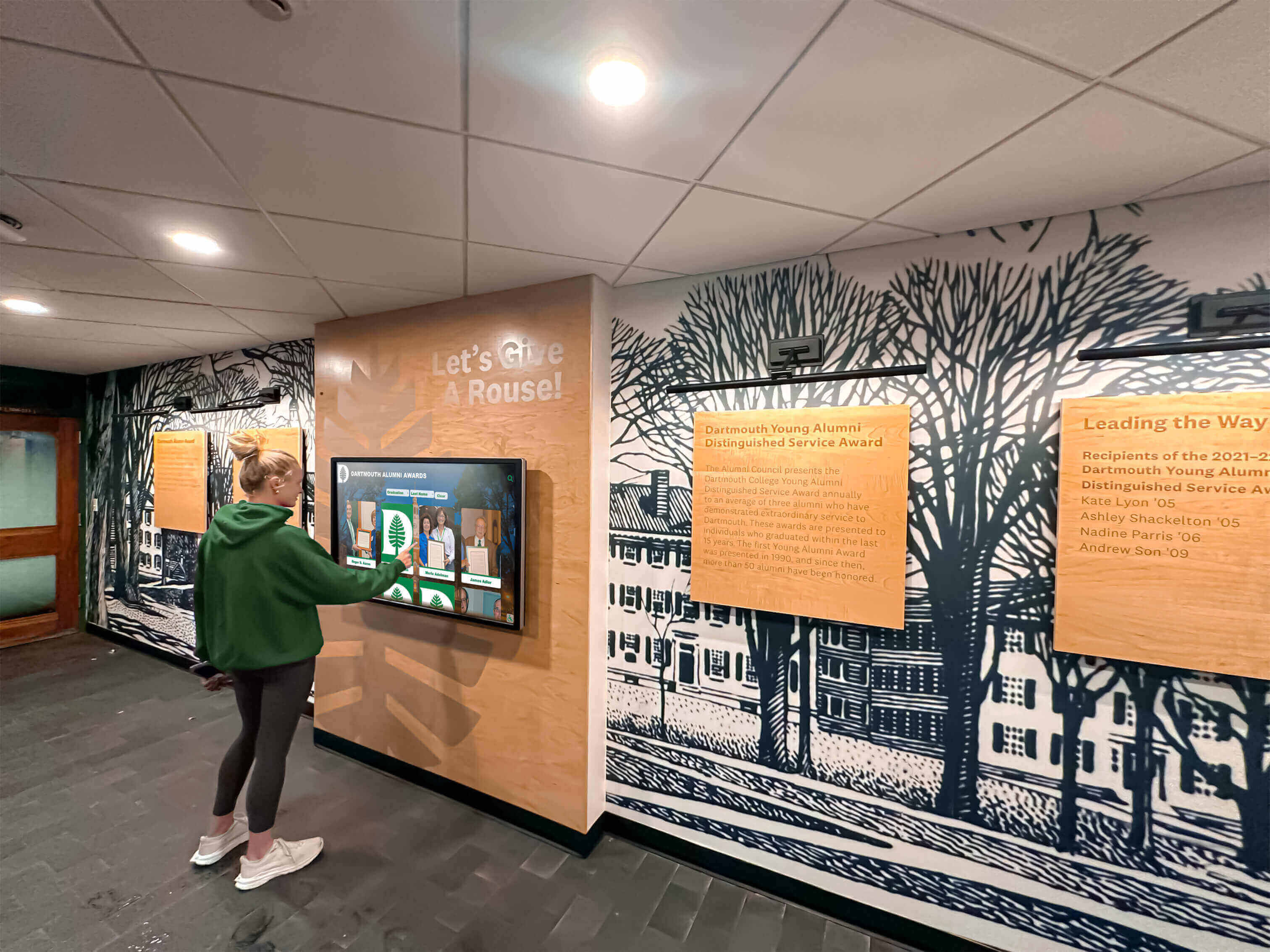
Spirit days create visible expressions of community identity that reinforce students’ emotional connections to their schools. When classmates coordinate costumes, teachers participate enthusiastically, and schools acknowledge participation through recognition displays, students experience belonging that extends beyond individual friend groups to encompass entire school communities.
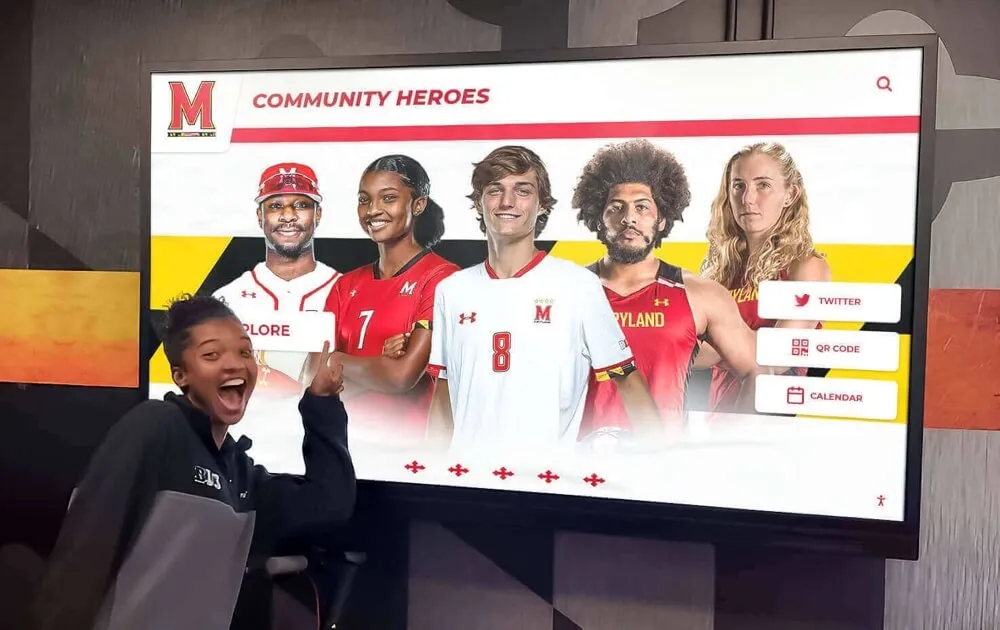
Building Social Capital Through Shared Experience: Spirit days provide low-stakes opportunities for students across different academic levels, social groups, and extracurricular interests to share common experiences. Unlike competitive events that highlight winners and losers, spirit days celebrate inclusive participation where everyone who chooses to engage becomes part of collective school identity expression.
Creating Anticipation and Tradition: Well-executed spirit days become traditions students anticipate annually. Freshmen hear upperclassmen discuss favorite spirit week memories, creating excitement before students ever experience events themselves. This anticipation builds momentum throughout school years as students look forward to participating in traditions they’ve observed from earlier grade levels.
Strengthening Student Voice and Leadership: Planning and executing spirit days provides meaningful leadership opportunities for student councils, class officers, and activity committees. When students drive spirit day planning rather than simply participating in adult-organized events, they develop ownership over school culture initiatives. Schools benefit when students see themselves as culture creators rather than passive recipients of predetermined programs.
The Modern Challenge: Authentic Engagement vs. Forced Participation
Contemporary schools face a fundamental tension between encouraging broad participation and avoiding spirit initiatives that feel mandatory or performative. Effective spirit days generate authentic enthusiasm rather than social pressure or participation expectations that alienate students uncomfortable with public displays.
Inclusive Theme Selection: The most successful spirit days offer multiple participation pathways accommodating diverse comfort levels, interests, and family resources. Themes requiring expensive costumes or elaborate preparation exclude students from families facing financial constraints. Similarly, themes emphasizing appearance, body types, or gender stereotypes create exclusion rather than inclusion.
Consider spirit day themes allowing various participation intensities—from wearing single color items students already own to creating elaborate coordinated outfits for students seeking maximum engagement. This flexibility ensures students can participate meaningfully regardless of resources or comfort with attention.
Essential Planning Principles for Successful Spirit Days
Implementing spirit days that achieve participation rates exceeding 30-40% requires strategic planning addressing common obstacles schools encounter.
Timeline and Communication Strategy
Most successful spirit weeks benefit from 3-4 weeks advance notice providing students and families adequate planning time. Schools should communicate spirit day schedules through multiple channels: announcements, emails to families, social media posts, hallway posters, and morning reminders.
Clear Theme Explanations with Visual Examples: Vague theme descriptions create confusion limiting participation. Rather than announcing “Decades Day” without context, provide specific examples: “Dress from your favorite decade—1950s poodle skirts, 1980s neon, 1990s grunge, or 2000s fashion!” Visual examples posted on social media and school displays help students envision participation possibilities, particularly benefiting younger students or those from families unfamiliar with American cultural references.
Managing Dress Code Balance: Spirit days should celebrate creativity while maintaining appropriate school environments. Establish clear guidelines about what remains unacceptable even during spirit days—no costumes showing excessive skin, no masks obscuring faces for security, no weapons or items that could be mistaken for weapons, and no themes mocking protected characteristics.
Budget-Friendly Participation Options
The most inclusive spirit days emphasize creativity and enthusiasm over expensive purchases. Schools should explicitly communicate that spirit day participation requires no special purchases—students can participate using items they already own or minimal-cost alternatives.
Costume Swap Programs: Some schools establish costume swap programs where families donate outgrown costumes, dress-up clothes, and themed accessories to school collections students can borrow for spirit days. This removes financial barriers while building community through sharing resources.
DIY Theme Options: Prioritize themes students can execute with household materials, construction paper, markers, and creativity rather than requiring specialized purchases. When schools emphasize that handmade, creative interpretations receive equal celebration as expensive costumes, participation broadens significantly across socioeconomic backgrounds.
25+ Creative Spirit Day Ideas Organized by Season and Category
Fall Spirit Day Themes
Color Wars by Grade or House: Assign specific colors to each grade level or house system, challenging students to coordinate all-color outfits. This classic theme works because most students own at least one shirt in any given color, making participation accessible regardless of budget. Consider displaying participation rates by grade level on digital recognition displays to build friendly competition.
Decades Day: Students select their favorite decade from the 1950s through 2000s, dressing in era-specific fashion. This theme accommodates diverse interests—music fans might channel 1970s rock fashion while others embrace 1980s athletic wear or 1990s grunge. Provide visual reference guides helping younger students understand decade-specific fashion elements.
Twin Day or Squad Day: Students coordinate matching or complementary outfits with friends, strengthening social connections while celebrating school community. This theme particularly resonates with middle and high school students building peer relationships. To ensure inclusion, clarify that groups of any size count—from pairs to larger friend groups.
Career Day: Students dress as future career aspirations or professions they admire, creating opportunities to discuss academic and professional goals. Career day connects spirit participation to academic purpose, making it particularly valuable for schools emphasizing college and career readiness. Consider inviting professionals from various careers to participate in displays showcasing different pathways.
Sports Jersey Day: Students wear jerseys from favorite sports teams, school athletic programs, or recreational leagues. This accessible theme requires only items many students already own. Schools can extend recognition by photographing jersey-wearing students and adding their participation to digital signage displays celebrating school spirit throughout the year.
Flannel Friday: Perfect for fall weather, students wear flannel shirts in any color or pattern. This simple theme requires no special purchases while creating visual cohesion across campus when large percentages of students participate.
Harvest or Fall Colors Day: Students wear autumn color palettes—orange, brown, burgundy, gold, and red—celebrating seasonal transitions. This inclusive theme works across all grade levels and requires no specific costume elements beyond color coordination.
Winter Spirit Day Themes
Ugly Sweater Day: The modern classic challenges students to find or create the most outrageous, over-decorated, or intentionally tacky holiday sweater. This theme succeeds because “ugly” sweaters come from various sources—thrift stores, family hand-me-downs, or creative DIY decoration of plain sweaters—making it budget-friendly and creative rather than requiring retail purchases.
Pajama Day: Students wear comfortable pajamas or loungewear to school, creating relaxed, fun atmosphere during stressful exam weeks or cold winter days. Establish clear guidelines ensuring pajamas remain school-appropriate—no revealing sleepwear, bare feet, or overly worn items.
Winter Wonderland White-Out: Everyone wears white, silver, or light blue creating visual winter wonderland effect across campus. Simple color coordination themes like white-outs succeed because most students already own qualifying items.
Cozy Day: Students dress in their coziest, most comfortable winter clothing—oversized hoodies, warm socks, soft sweaters, and fuzzy accessories. This inclusive theme celebrates comfort and warmth during cold months without requiring specific costume elements.
Winter Sports Day: Students represent winter sports through team jerseys, athletic wear, or creative costumes representing skiing, snowboarding, ice hockey, figure skating, or winter Olympic events. This variation on sports jersey day emphasizes seasonal activities.
Spring Spirit Day Themes
Neon or Bright Colors Day: Students wear the brightest, most vibrant neon colors in their wardrobes—creating energetic, visually striking atmosphere perfect for celebrating spring arrival. Neon day photographs beautifully for social media sharing and school recognition displays.
Garden or Floral Day: Students incorporate flower patterns, floral accessories, or nature-inspired outfits celebrating spring blooms and outdoor activities. This theme works particularly well for elementary and middle school students who enjoy creative costume elements.
Beach or Tropical Day: Students channel summer vacation vibes through Hawaiian shirts, beach-themed accessories, sunglasses, and summer colors. This anticipatory theme builds excitement for approaching summer break while maintaining indoor-appropriate clothing standards.
Character Day: Students dress as favorite book characters, movie personalities, historical figures, or pop culture icons. Character day provides virtually unlimited participation options accommodating every interest from superheroes to scientists, fictional characters to real-world role models. Schools can connect character day to literacy initiatives by encouraging book character representations specifically.
College Colors Day: Students wear clothing representing colleges they hope to attend, families have attended, or simply admire. This forward-looking theme particularly resonates with high school students navigating college exploration while creating opportunities to discuss postsecondary planning. Consider coordinating with college and career counseling offices to provide college information alongside spirit day participation.
Superhero Day: Students dress as favorite superheroes or create original hero personas with creative costume elements and accessories. Superhero day accommodates various participation levels from simple cape additions to elaborate coordinated outfits.
Spring Testing Motivation and End-of-Year Celebration Themes
Dress for Success Day: During standardized testing weeks, students dress in professional or semi-formal attire symbolizing academic seriousness and readiness. This theme reinforces that testing matters while providing novelty breaking up intensive assessment schedules.
Class Color Wars: Similar to fall grade-level color coordination but implemented as multi-day competition where each grade level claims specific days for their designated colors. Daily participation tracking displayed on digital screens builds momentum throughout spirit week.
Time Travel Tuesday: Students dress representing past eras, future fantasies, or present-day fashion—creating conversations about historical periods and future possibilities. This creative theme accommodates diverse interests from history enthusiasts to science fiction fans.
Year-Round Flexible Spirit Day Themes
Mismatch or Wacky Wednesday: Students intentionally create mismatched outfits—clashing patterns, inside-out clothes, mismatched shoes, backwards shirts, or intentionally chaotic combinations. This inclusive theme removes pressure to create “good” costumes, instead celebrating creativity through intentional chaos.
Monochrome Monday: Each Monday designates a different color—students wear as much of that single color as possible creating visually cohesive campus atmosphere. Rotating monthly colors keeps the recurring theme fresh throughout school years.
Hat Day: Students wear favorite hats, caps, or creative headwear. This extremely accessible theme succeeds because most students own multiple hats and participation requires minimal planning or resources.
School Colors Day: Students wear official school colors—the foundational spirit day that should anchor every spirit week. School colors day celebrates institutional identity most directly while ensuring every student can participate using items like gym class t-shirts, team uniforms, or simple color-coordinated clothing.
Tie-Dye Day: Students wear tie-dye patterns in any color combination. This artistic theme celebrates creativity and self-expression while offering highly accessible participation through items many students already own or can create inexpensively. Schools might coordinate tie-dye workshops before spirit week creating participatory preparation that builds anticipation.
Favorite Team Day: Similar to sports jersey day but expanded beyond sports to include favorite musical artists, gaming teams, academic competition teams, or any group students support. This inclusive interpretation ensures students without sports interests find meaningful participation pathways.
Generations Day: Students dress representing different generational styles—Baby Boomers, Gen X, Millennials, or Gen Z fashion trends. This creative theme creates conversations about cultural changes and generational identity while accommodating various interpretation approaches.
Advanced Implementation: Spirit Week Competition and Recognition
Moving beyond individual spirit days to coordinate comprehensive spirit weeks amplifies impact through sustained engagement and accumulated momentum. Effective spirit week planning creates narrative arcs building excitement across multiple days culminating in major school events like homecoming, prom reveals, or championship games.
Creating Effective Competition Structures
Many schools enhance spirit week participation through friendly competitions between grade levels, advisory groups, or house systems. Competition frameworks should emphasize participation breadth rather than judging “best” costumes, which can create exclusion or emphasize expensive costumes over creative effort.
Participation Rate Tracking: Award points based on the percentage of students in each grade level or house participating daily. This approach rewards inclusive participation rather than individual costume quality. Display real-time participation rates on digital hallway displays throughout spirit week, creating transparency and friendly rivalry.
Spirit Points Systems: Establish multi-faceted scoring rewarding not just costume participation but also hallway decorating, lunchroom cheering, social media engagement with official spirit week posts, and attendance at associated events like pep rallies or games. Comprehensive points systems ensure various student interests find participation pathways beyond just costume-wearing.
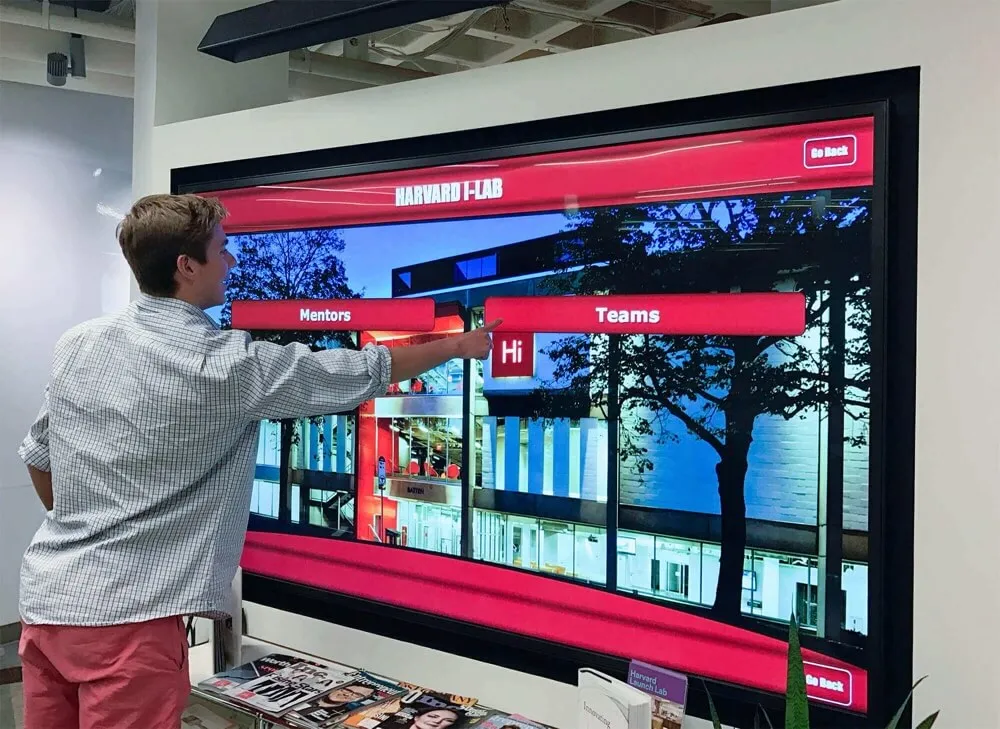
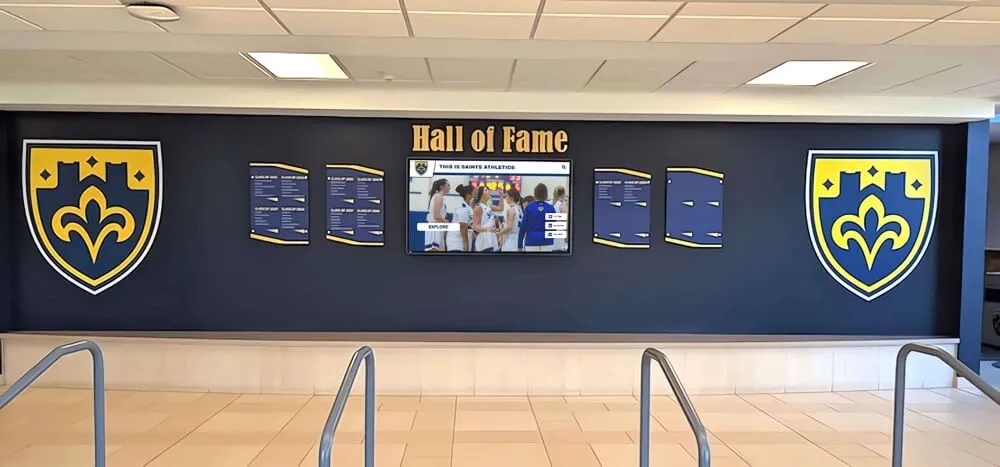
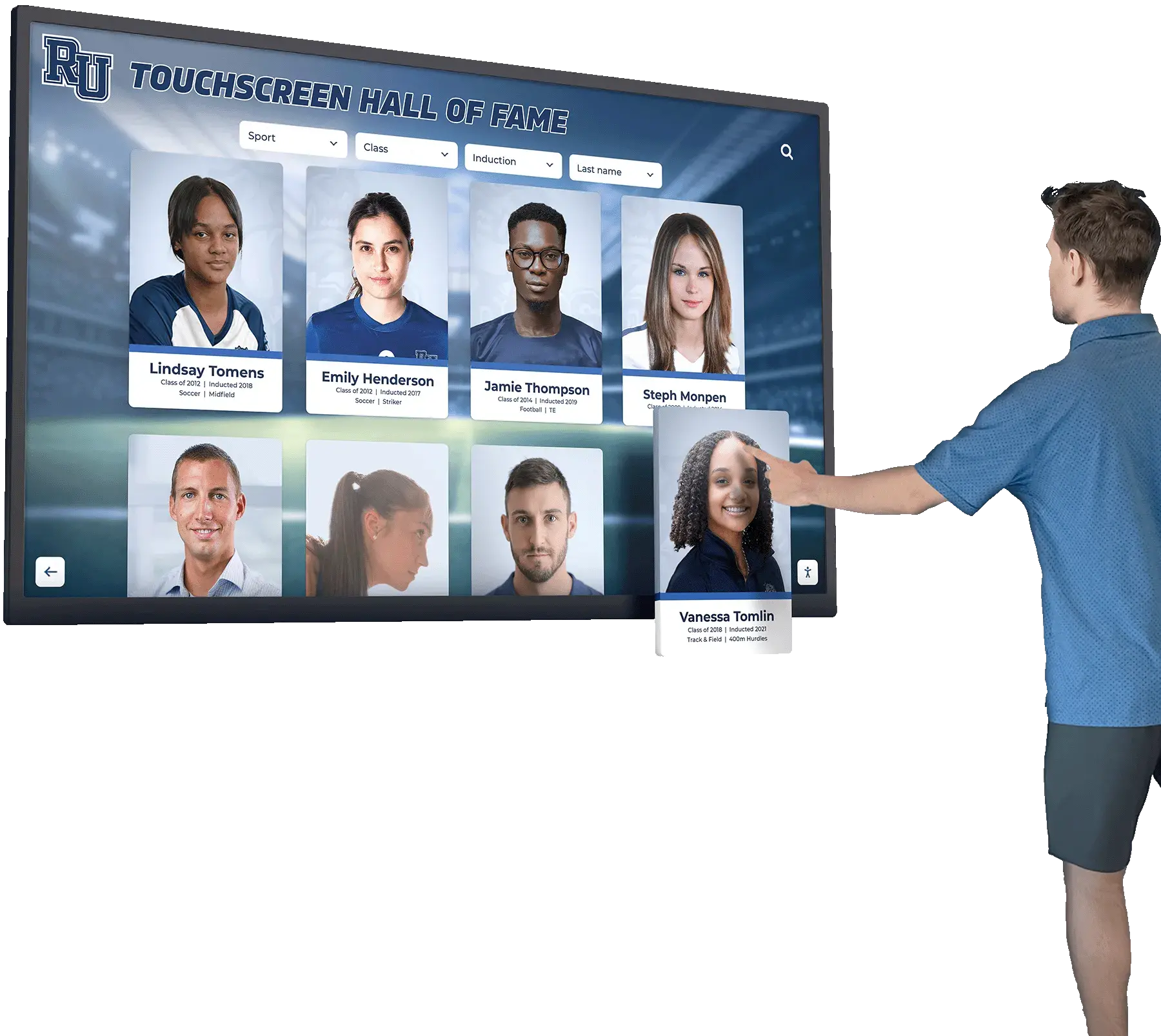
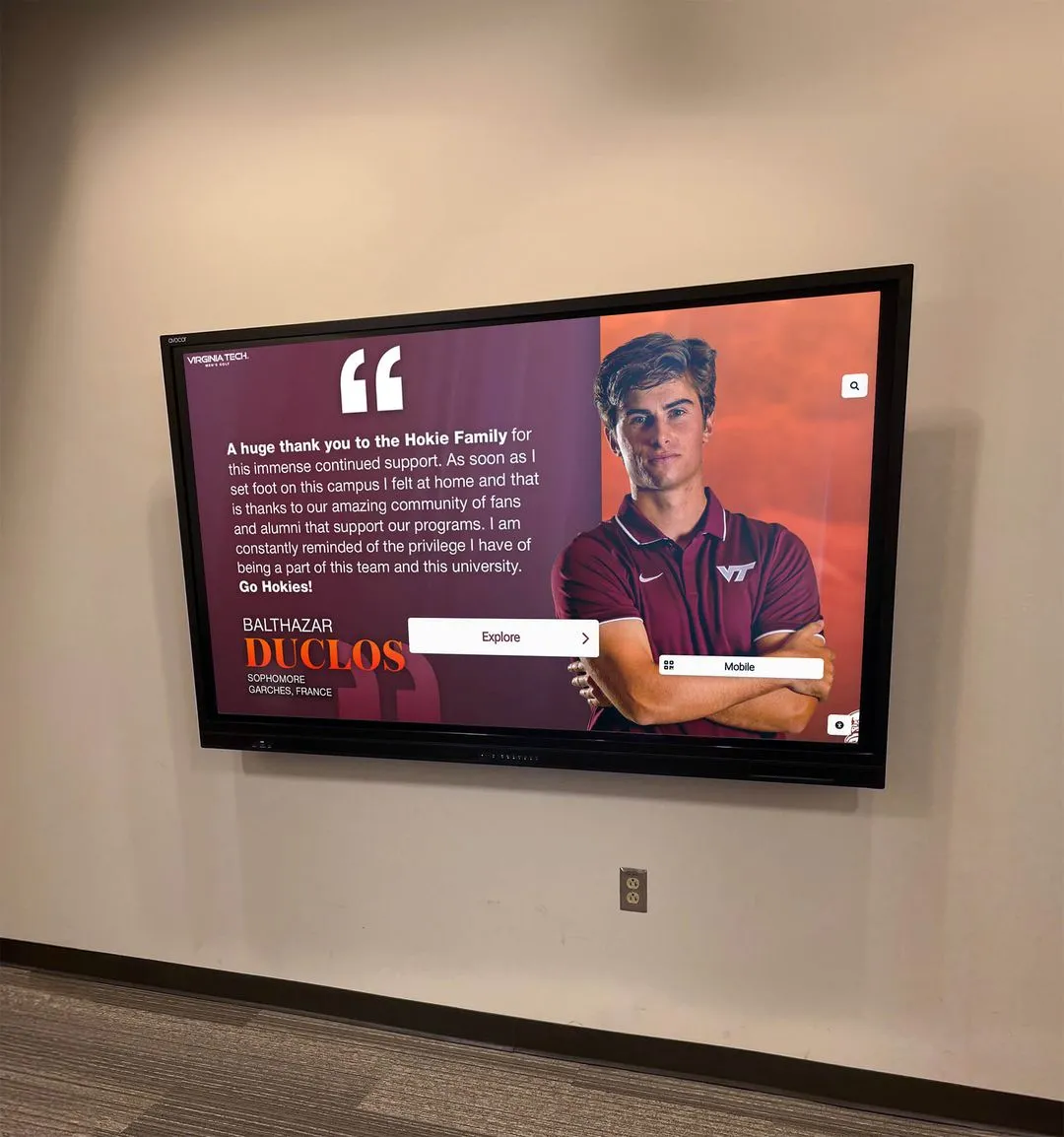
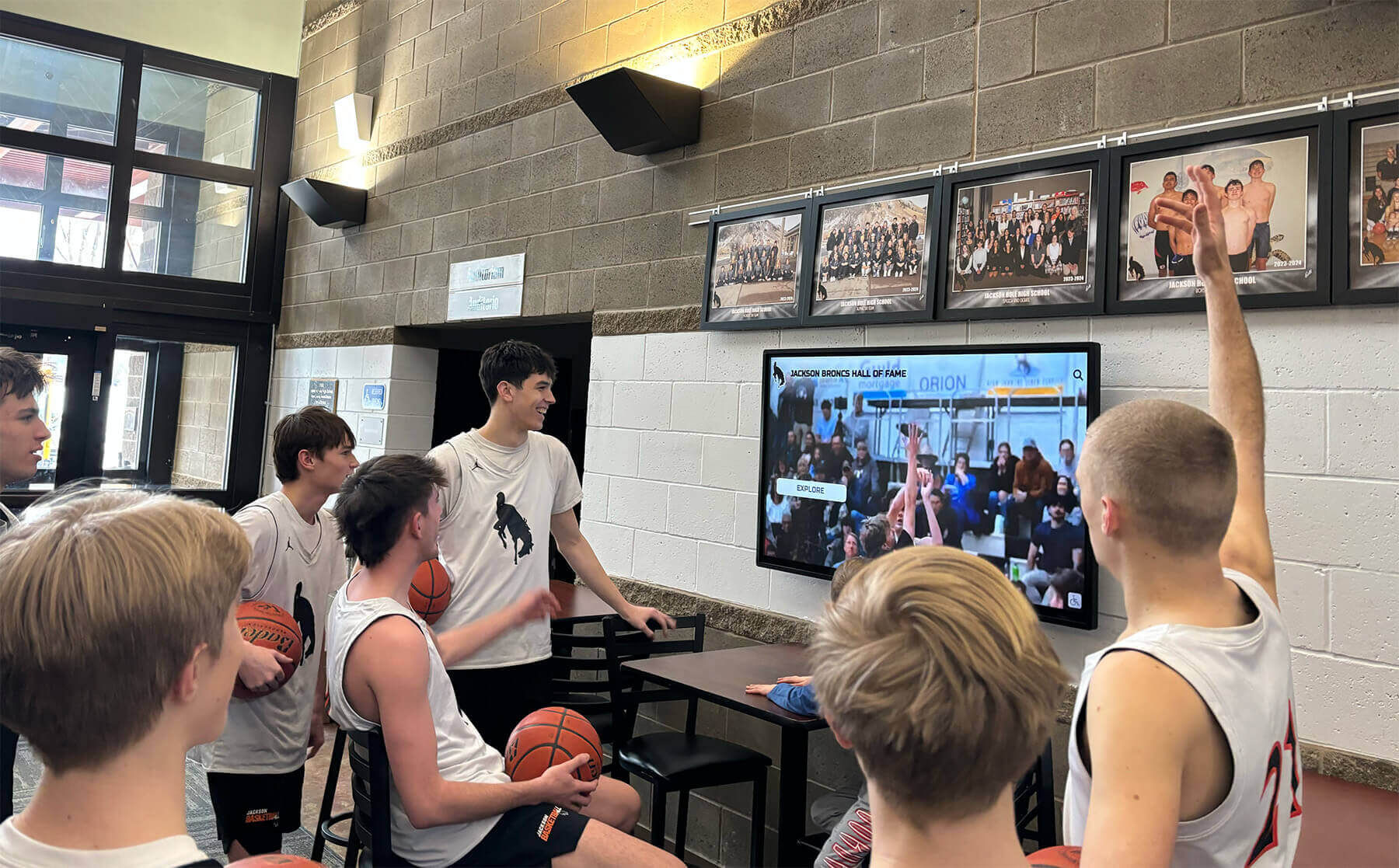
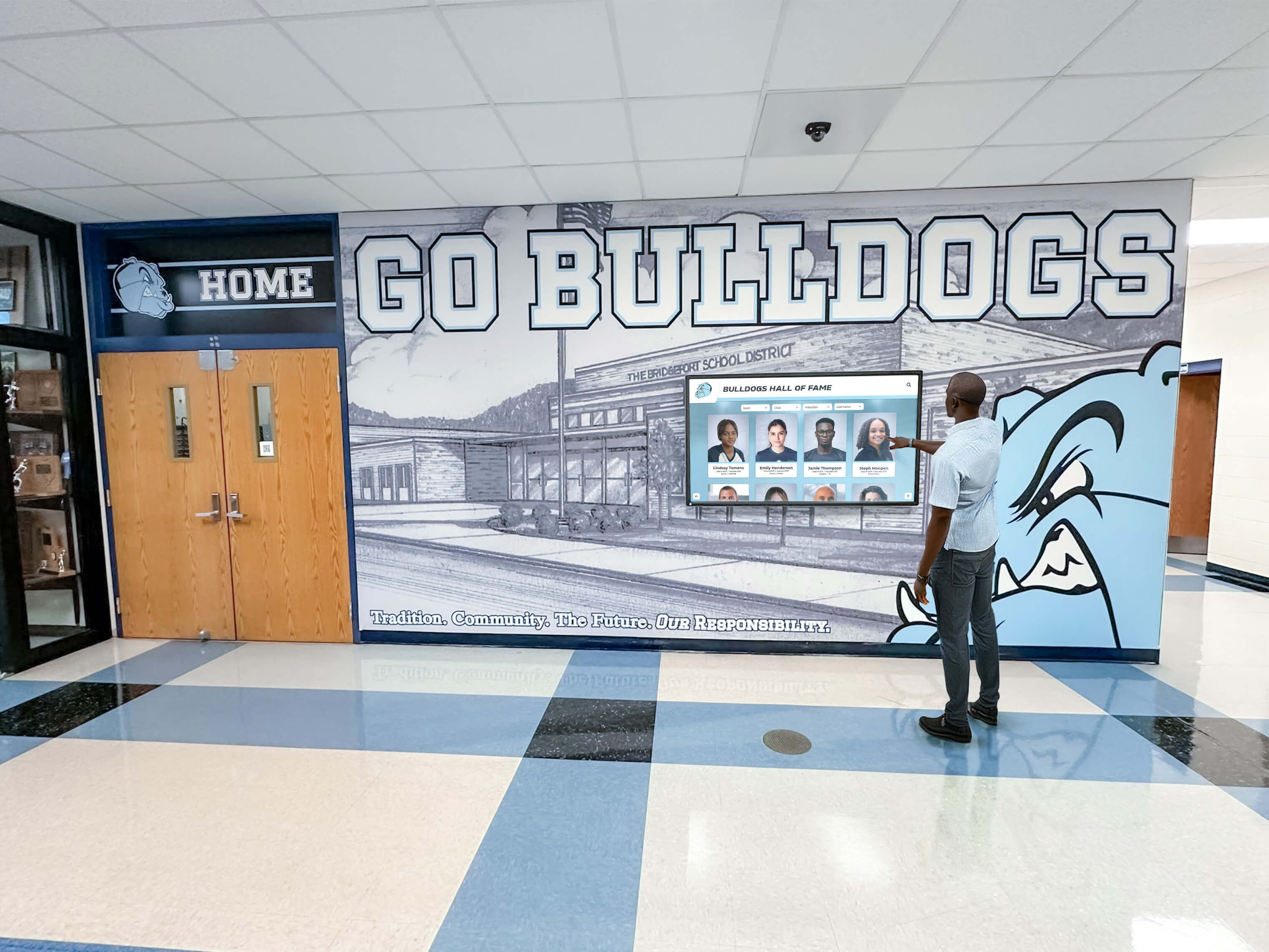
Transparency and Real-Time Updates: The most engaging competition systems provide visible, frequently-updated standings students can track throughout spirit weeks. Solutions like interactive digital displays enable administrators to update spirit points, showcase participation photos, and maintain competition standings visible throughout campus spaces.
Digital Recognition Strategies That Extend Spirit Day Impact
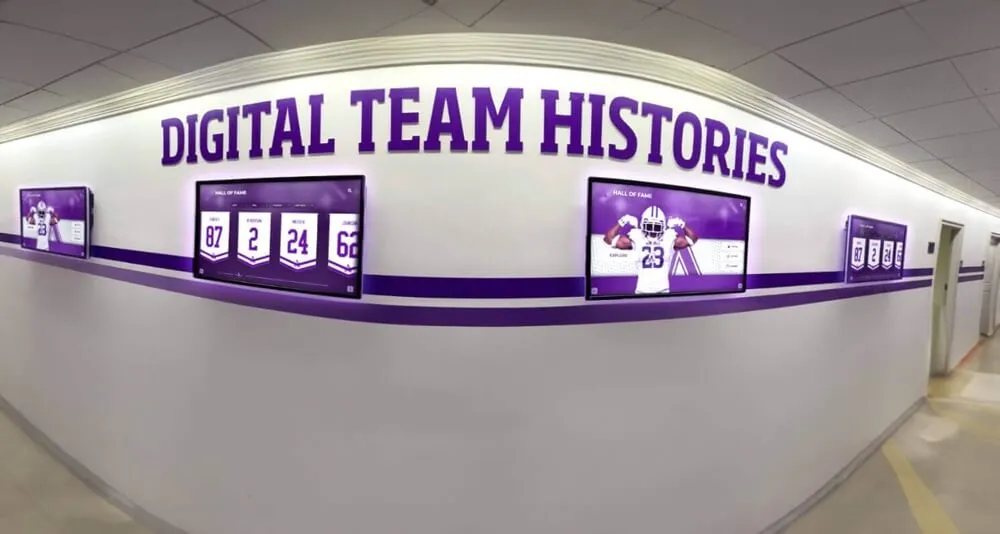
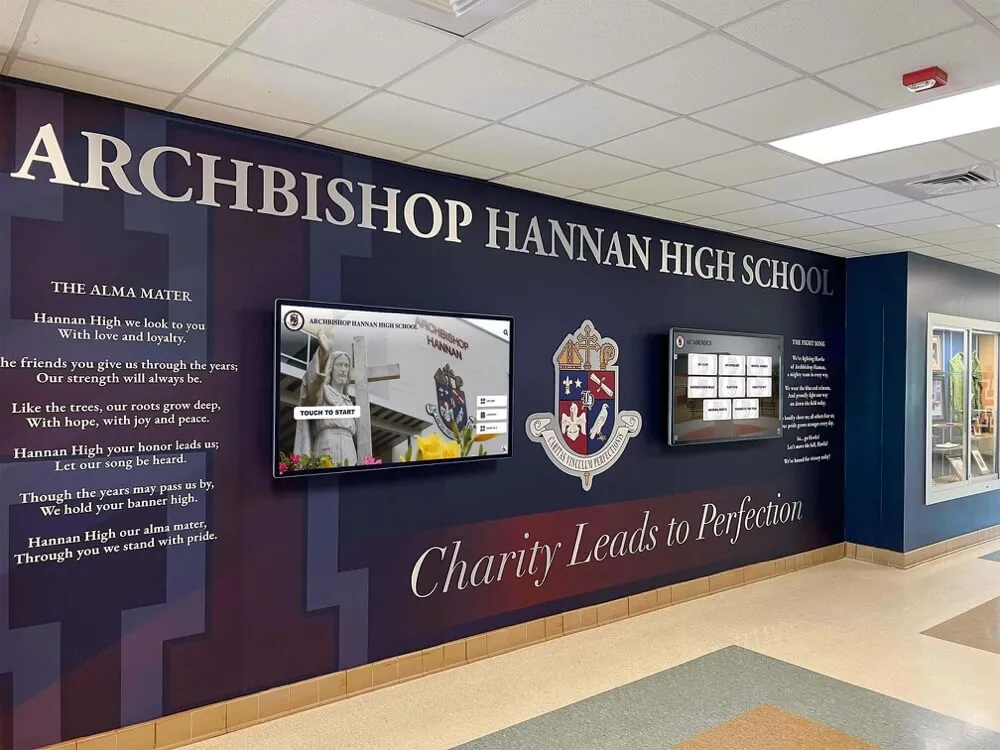
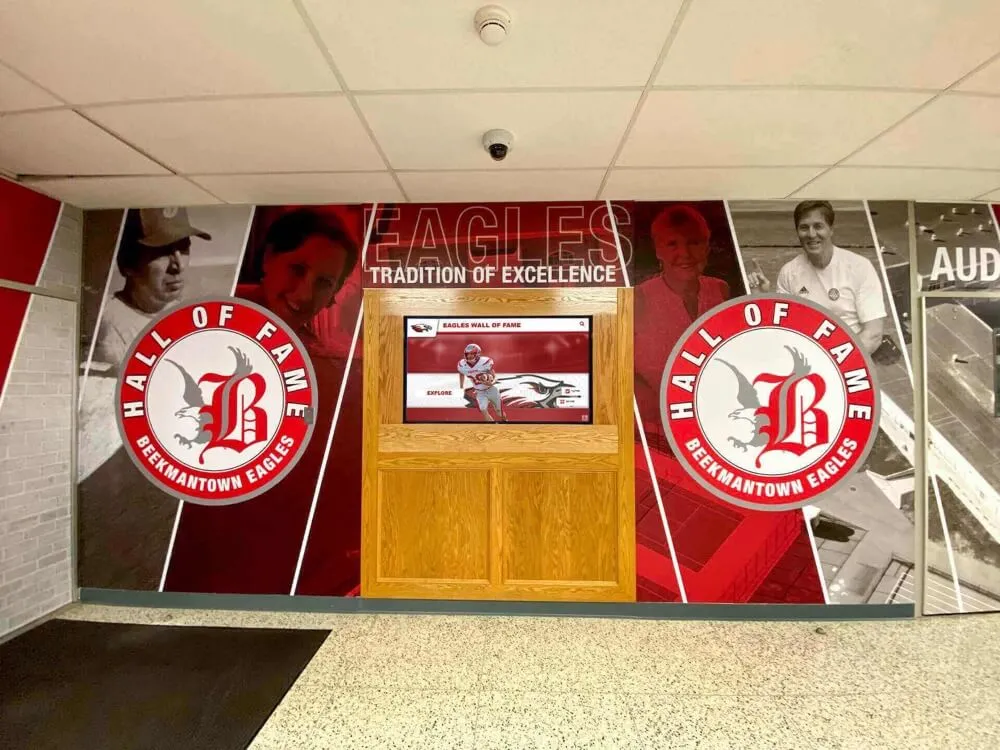
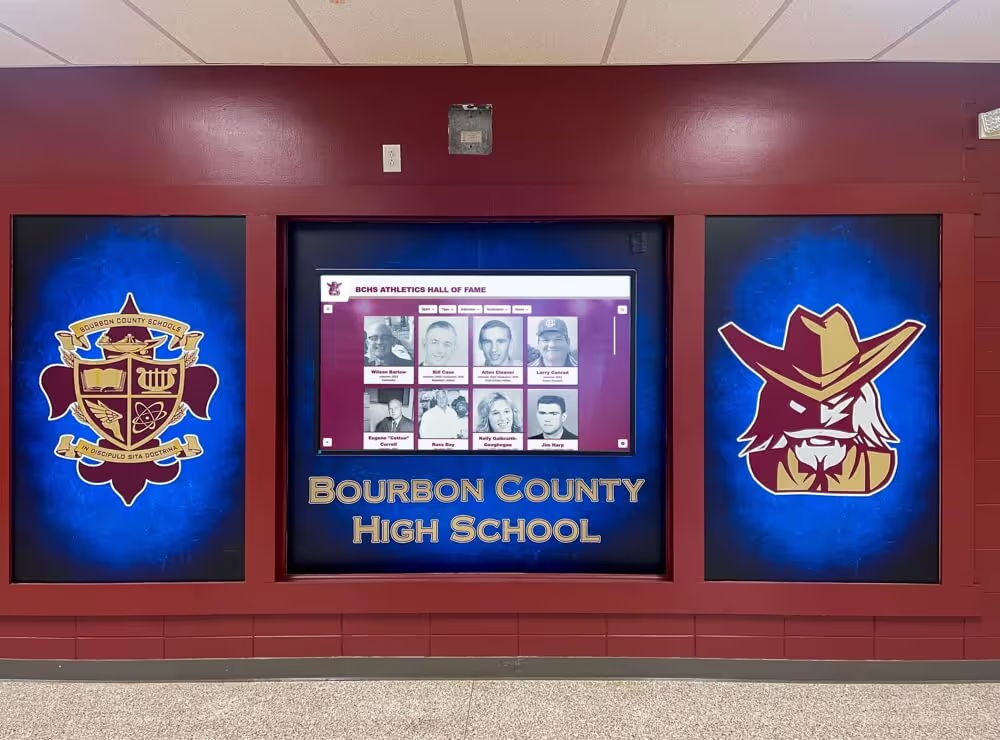
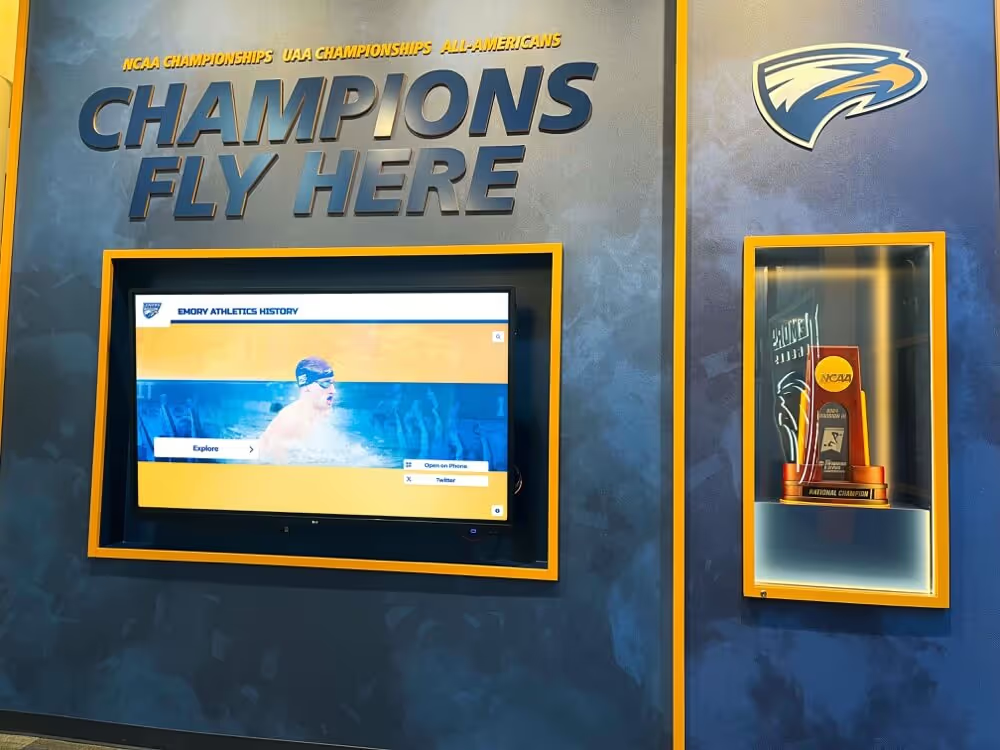
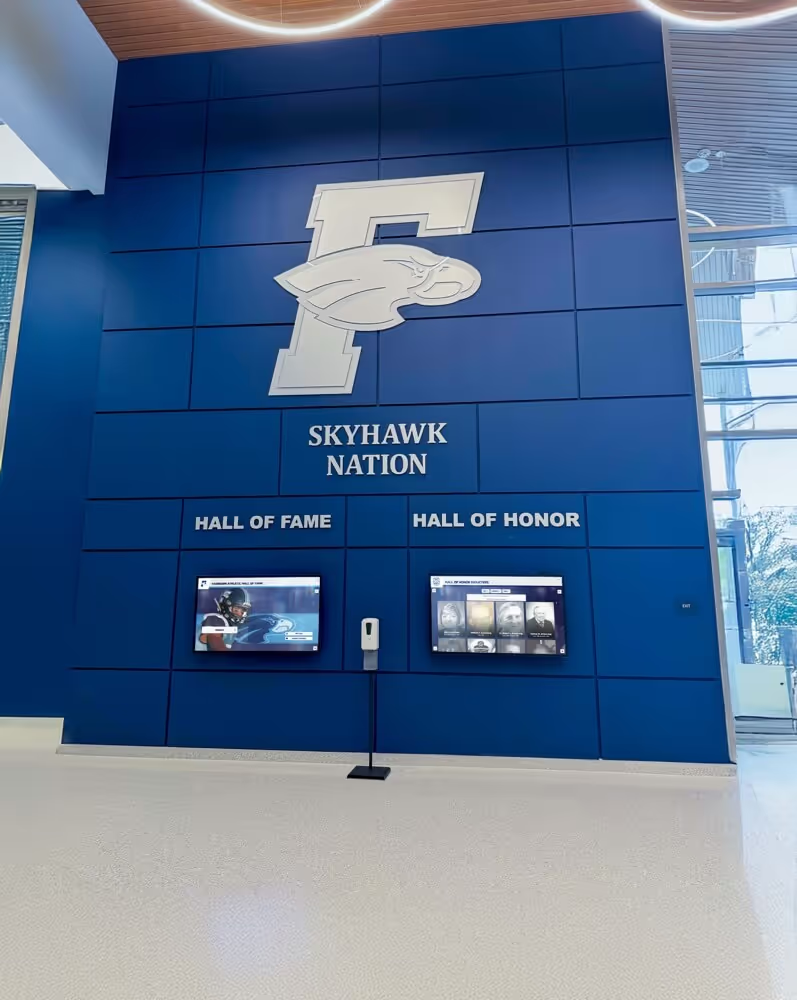
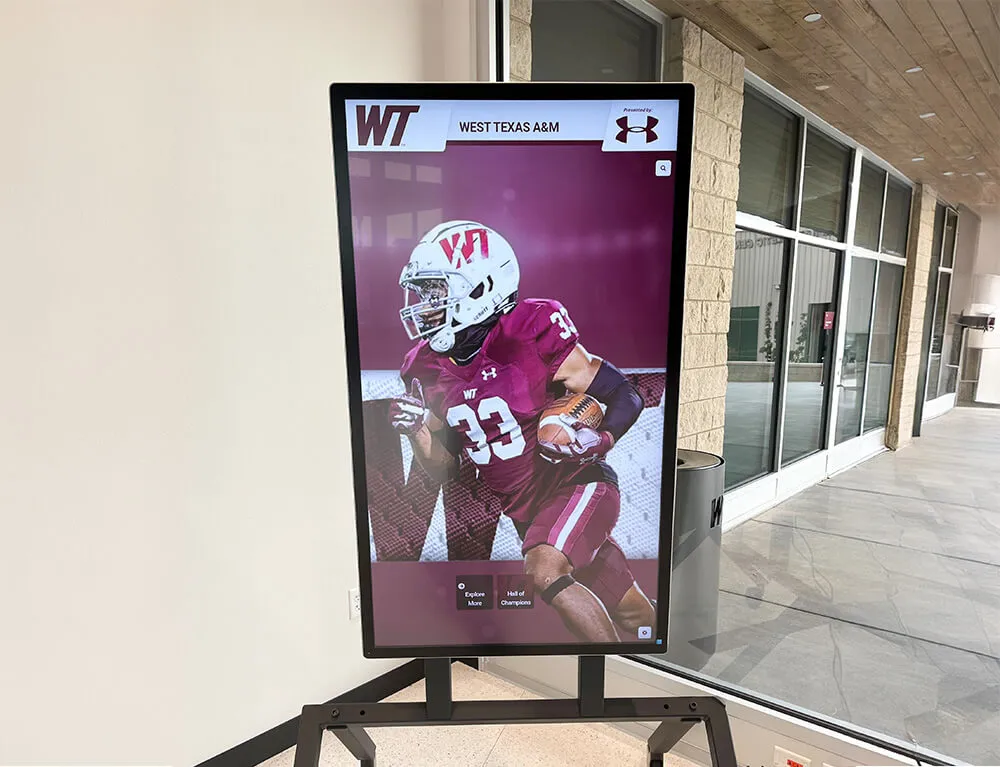
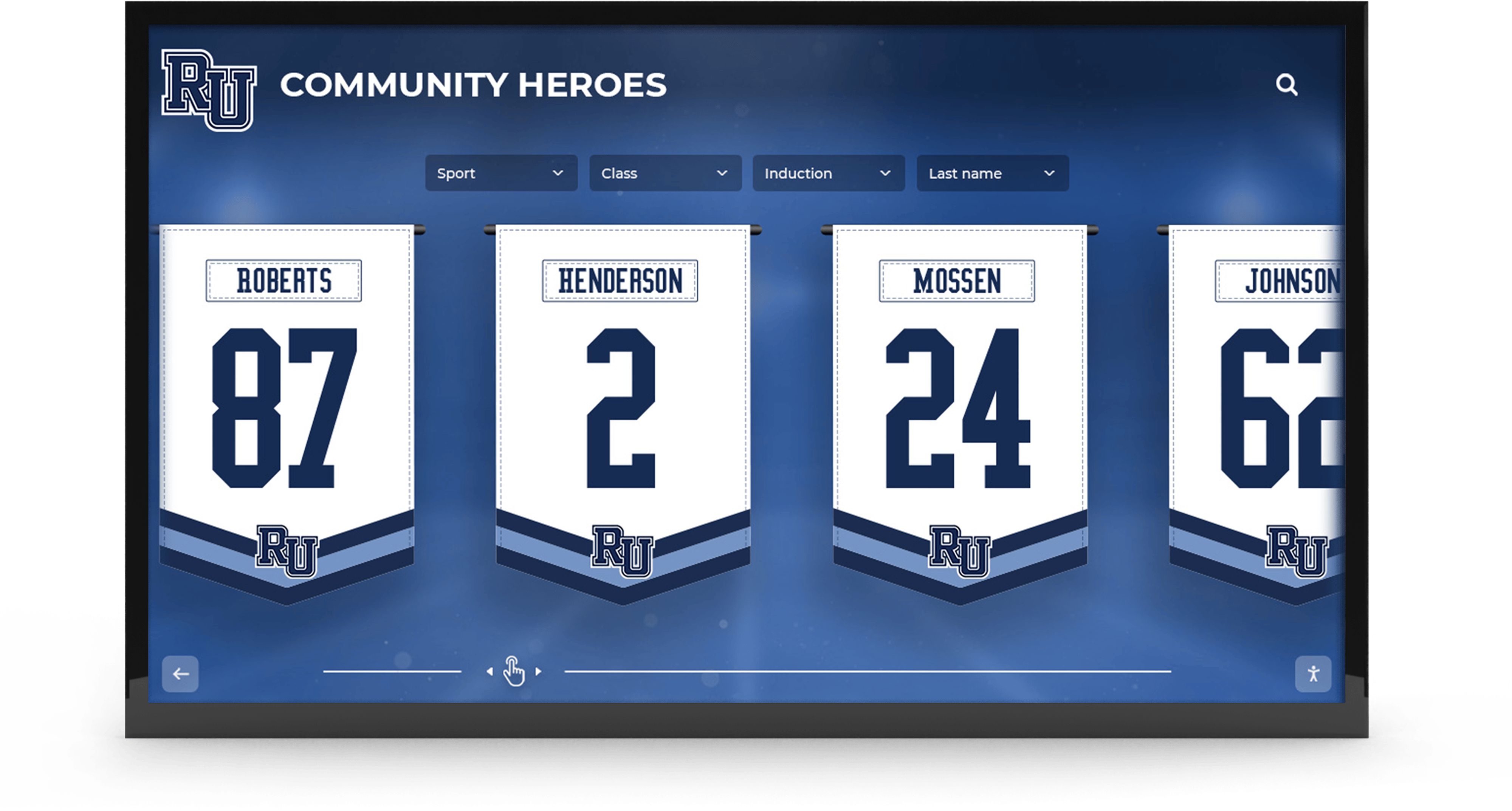
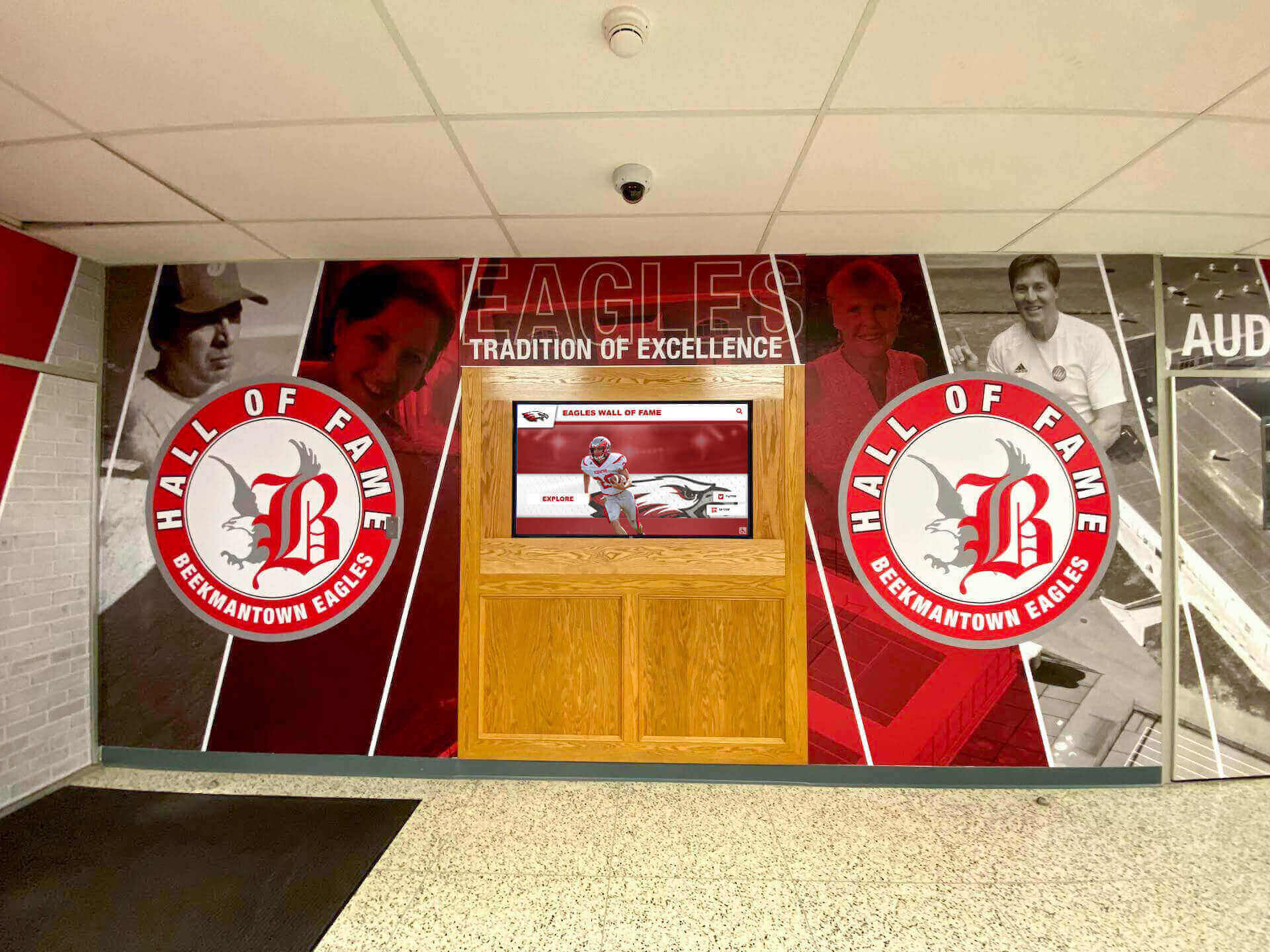
Traditional spirit days end when students change clothes, leaving no lasting recognition of participation or school culture celebration. Modern digital recognition platforms extend spirit day impact by documenting participation, celebrating students who engage enthusiastically, and creating permanent records of school traditions building institutional memory across years.
Photo Documentation and Digital Showcases: Photograph students during spirit days—both individual portraits and large group shots—and display images on digital screens throughout campus. This recognition validates student participation while showcasing school culture for visitors, prospective families, and community members. Students enjoy seeing themselves and classmates on school displays, creating positive associations with school community involvement.
Spirit Day Recognition Galleries: Create dedicated digital galleries celebrating spirit day participation across years. When current students see photos from previous spirit weeks featuring students who have graduated, it reinforces that participation contributes to school traditions larger than individual experiences. This institutional memory building strengthens long-term school culture rather than treating spirit days as isolated annual events.
Social Media Integration: Share spirit day photos through official school social media channels, tagging participating students and encouraging families to share. Social media extension broadens recognition beyond school hours, involving families in celebrating school culture and student engagement. Consider creating unique hashtags for spirit weeks enabling students to share their own photos contributing to collective school spirit narratives.
Connecting Spirit Days to Leadership Recognition: Schools can recognize consistent spirit day participation as part of broader student leadership and engagement tracking. Students demonstrating sustained school spirit across multiple years might receive recognition through digital leadership showcase displays celebrating those who contribute to positive school culture.
Adapting Spirit Days for Different Grade Levels and School Contexts
Effective spirit day implementation varies significantly between elementary, middle, and high school contexts. Understanding developmental differences and social dynamics across grade levels prevents implementing themes that miss age-appropriate participation drivers.
Elementary School Spirit Day Considerations
Elementary students typically participate enthusiastically in spirit days without the self-consciousness that sometimes limits middle and high school engagement. Elementary spirit days should emphasize fun, creativity, and simplicity over complex costume requirements or sophisticated theme interpretations.
Family Involvement: Elementary spirit days often require significant family support for costume preparation and participation encouragement. Clear advance communication to families—including visual examples and budget-friendly alternatives—proves essential for elementary participation rates.
Classroom-Based Encouragement: When elementary teachers participate enthusiastically in spirit days, classroom participation rates increase dramatically. Schools should encourage teacher participation and consider classroom-level recognition celebrating groups with highest participation rates rather than only individual or grade-level competition.
Simple, Clear Themes: Elementary spirit day themes should avoid cultural references or historical periods young students may not understand. Themes like color days, favorite animal day, or character day (with age-appropriate characters) work better than decades day or complex conceptual themes requiring sophisticated interpretation.
Middle School Spirit Day Dynamics
Middle school students navigate complex social dynamics where peer acceptance holds enormous importance while students simultaneously develop individual identities. Middle school spirit days must balance creating participation opportunities students genuinely enjoy against social risks where spirit day participation might be perceived as uncool or childish.
Peer Influence Importance: Middle school spirit participation often moves in clusters—friend groups participate together or not at all. When popular students or influential peer groups participate enthusiastically, participation rates across entire grade levels increase. Student council leadership modeling enthusiastic participation proves particularly important at middle school level.
Avoiding Embarrassment Risk: Middle school themes should avoid anything potentially embarrassing or highlighting physical development, body types, or social status. Themes like “dress as a baby” or requiring tight-fitting clothes create exclusion rather than inclusion at this developmental stage.
Balance Between School-Wide and Grade-Level Themes: Many middle schools implement hybrid approaches where some spirit days are school-wide (all grades participate in same theme) while others assign different themes to each grade level. Grade-level specific themes build grade identity and reduce social risk compared to school-wide participation where students may feel more exposed.
High School Spirit Day Implementation
High school students demonstrate the most variable spirit day participation ranging from extremely enthusiastic involvement (particularly around homecoming or championship events) to complete non-participation by students who view spirit days as childish or socially risky. High school spirit day success requires sophisticated approaches recognizing diverse student perspectives and creating genuinely appealing participation opportunities rather than expecting automatic enthusiasm.
Student Leadership Ownership: High school spirit days succeed most when student councils, class officers, and activity committees drive planning, theme selection, and promotion. Adult-imposed spirit days often fail to generate authentic student buy-in. When students create spirit days reflecting actual student interests and culture, participation increases significantly.
Integration with Major Events: High school spirit weeks work best when coordinated with major school events students already care about—homecoming weeks, championship game leadups, prom season, or graduation celebrations. Standalone spirit days without connection to broader events often generate limited participation.
Sophisticated Theme Options: High school students appreciate clever, creative themes beyond simple color coordination or character dress-up. Themes allowing humor, social commentary, creative interpretation, or connection to student interests (gaming culture, music genres, internet trends) resonate more than themes perceived as childish or elementary-style activities.
Optional Participation Normalization: High schools should normalize that spirit day participation is completely optional and that students choosing not to participate remain fully included in school community. When schools avoid pressuring participation or creating social stigma around non-participation, students who do choose to participate do so from genuine enthusiasm rather than social obligation.
Promoting Spirit Days for Maximum Participation
Even perfectly planned spirit days fail to achieve potential impact without effective promotion building awareness and enthusiasm. Multi-channel communication strategies repeated frequently across several weeks preceding spirit events prove most effective for maximizing participation rates.
Creating Compelling Promotional Materials
Visual Content Over Text-Heavy Announcements: Students respond better to visually appealing graphics showing spirit day themes through example images rather than text descriptions. Social media-style graphics posted in hallways, shared on school Instagram and TikTok accounts, and displayed on digital screens throughout campus create more excitement than traditional typed announcements.
Student-Created Promotional Content: When student leaders create promotional materials using student voice, humor, and cultural references, peers respond more enthusiastically than to adult-created materials. Empower student councils to design posters, create social media content, and record video announcements promoting spirit days in ways that resonate with actual student culture.
Countdown Building Anticipation: Use digital displays to countdown days until spirit week begins, showing theme reminders, participation encouragement, and preview content building anticipation. Solutions like Rocket Alumni Solutions enable schools to easily update countdown content and showcase previous year’s spirit day photos creating excitement for upcoming events.
Leveraging Teacher and Administrator Participation
When teachers and administrators participate enthusiastically in spirit days, students see that school culture matters to entire school community rather than representing just student activity. Administrator participation particularly signals institutional priority and removes some social risk for students worried that participation appears immature.
Staff Participation Incentives: Some schools create friendly staff competitions paralleling student grade-level competition—which academic departments or grade-level teaching teams show highest participation rates? Public recognition of participating staff members validates spirit day importance while modeling engagement for students.
Morning Announcement Humor: Rather than simply reading spirit day reminders, create humorous morning announcement skits, teacher costume reveals, or lighthearted content reinforcing that spirit days celebrate fun and community rather than requiring serious conformity.
Avoiding Common Spirit Day Pitfalls
Despite good intentions, schools frequently make implementation mistakes that reduce participation, create exclusion, or generate backlash from students and families. Understanding common pitfalls enables proactive planning preventing these foreseeable problems.
Cultural Sensitivity and Appropriation Prevention
Spirit day themes must avoid cultural appropriation—particularly problematic examples include “cowboys and Indians” themes, “international day” themes encouraging stereotypical costumes representing other cultures, or religious holiday themes excluding students from families not celebrating those holidays.
Alternative Inclusive Approaches: Rather than themes based on cultural stereotypes, consider “Heritage Celebration Day” where students can share their own cultural backgrounds through clothing, accessories, or symbolic items they choose to represent—never requiring stereotypical costumes representing cultures different from their own. This approach celebrates diversity through authentic representation rather than costume-based cultural appropriation.
Consulting Diverse Perspectives: Before finalizing spirit day themes, student councils should consult with student affinity groups, diversity committees, or cultural organizations ensuring themes don’t inadvertently exclude or offend segments of school community. What seems innocuous to majority students may carry painful associations for students from minority backgrounds.
Managing Competition Intensity
While friendly competition enhances spirit day engagement, excessively intense competition can create negative dynamics overshadowing positive culture-building objectives. Schools should monitor competition structures ensuring they amplify fun rather than creating destructive rivalries.
Setting Appropriate Boundaries: Establish clear expectations that spirit week competition remains good-natured and never involves sabotage, mocking other grade levels beyond lighthearted trash talk, or excluding students based on participation choices. Faculty advisors should actively monitor competition dynamics, intervening if rivalries become mean-spirited.
Emphasizing Participation Over Perfection: Competition scoring systems should consistently reward broad participation rather than costume perfection or elaborate displays requiring significant resources. When scoring emphasizes accessibility and inclusion, competition enhances rather than undermines spirit day objectives.
Extending Spirit Day Impact Through Year-Round Recognition
The most effective spirit day programs don’t exist as isolated events but integrate into comprehensive school culture strategies recognizing students who contribute positively to community throughout entire school years.
Creating Digital Spirit Recognition Displays
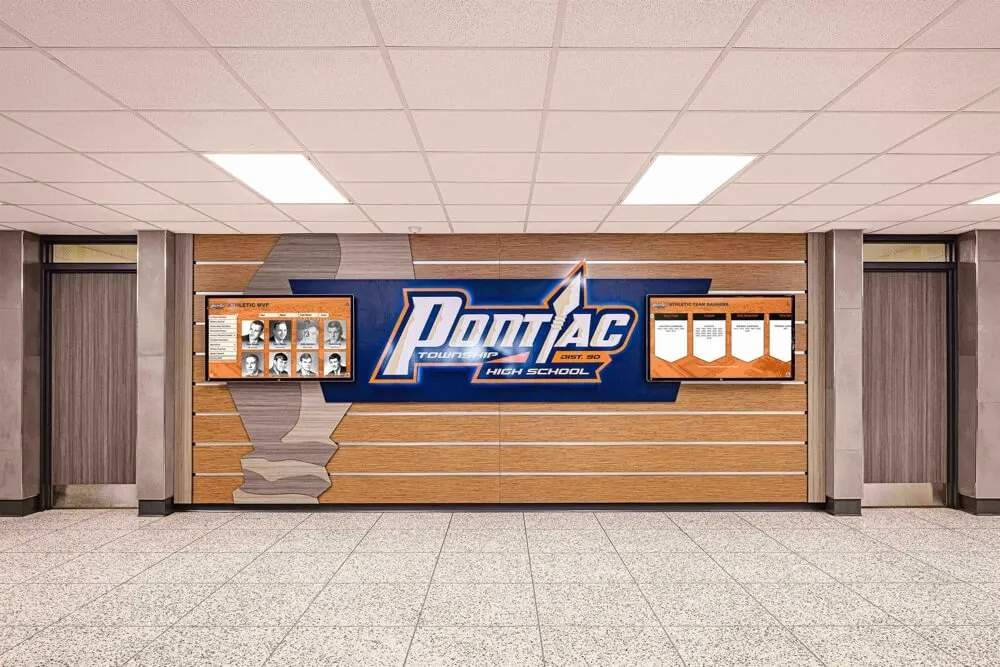
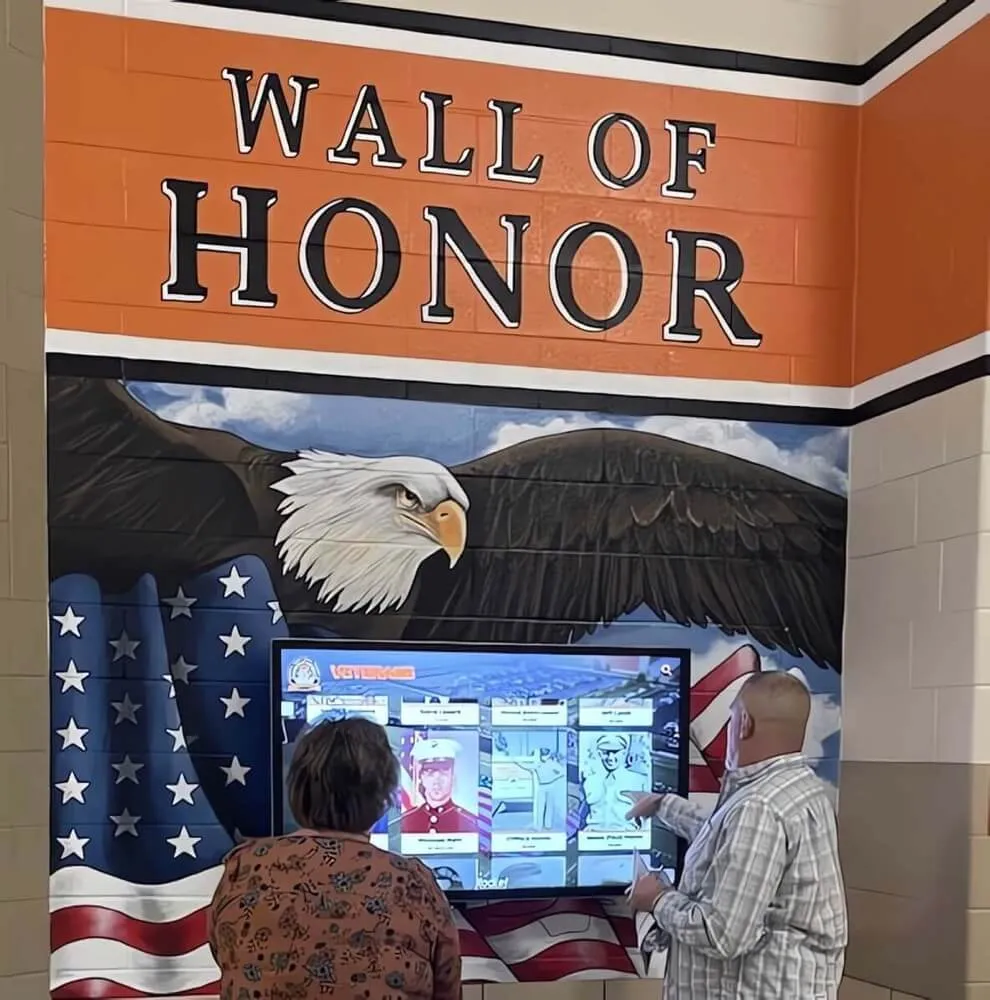
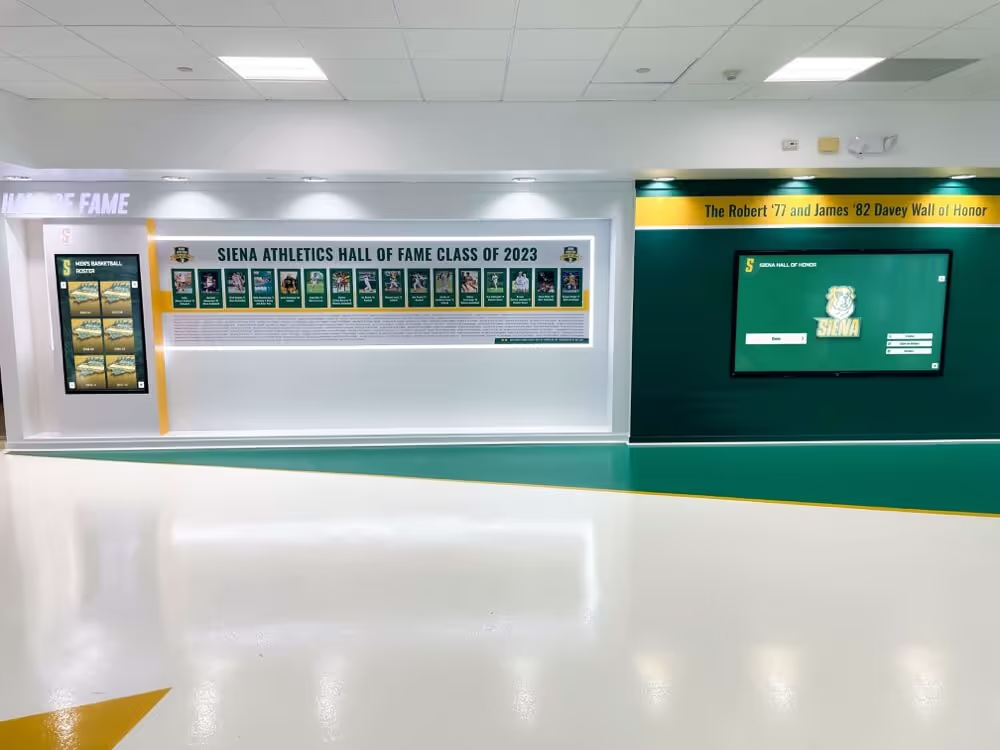
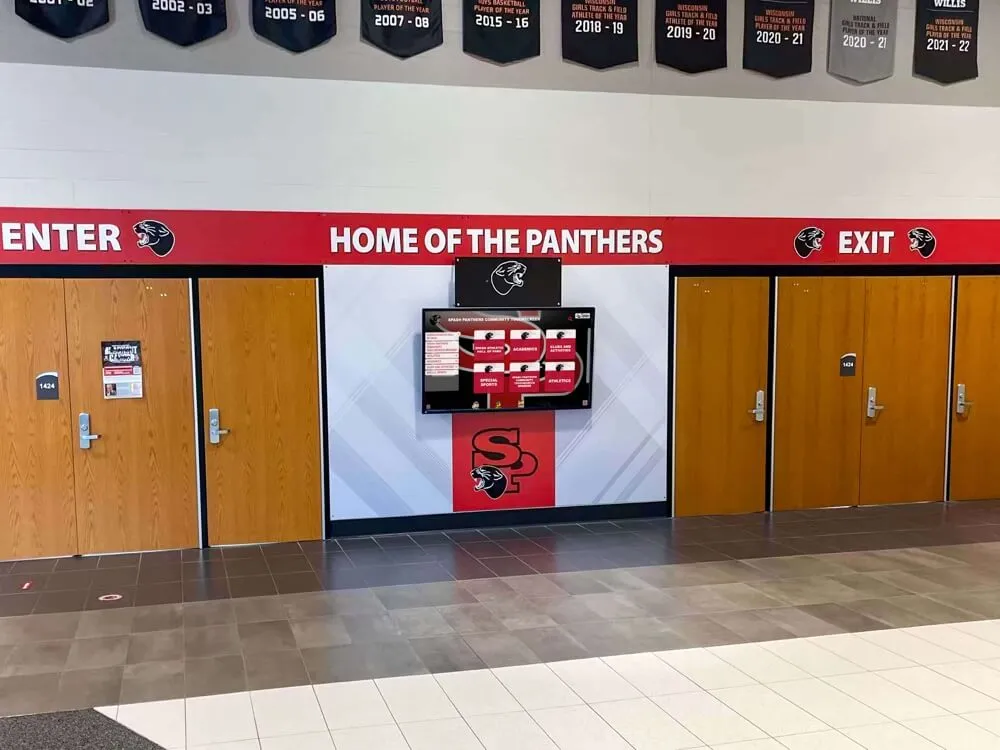
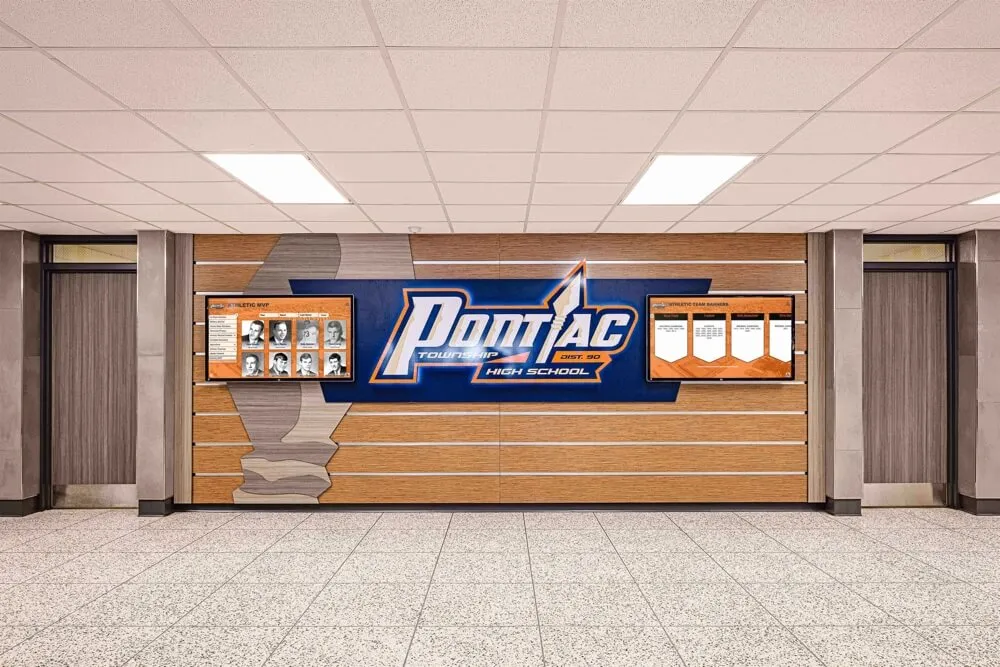
Modern schools increasingly implement digital recognition displays showcasing not just athletic and academic achievements but also students demonstrating strong school spirit, consistent positive behavior, and active community engagement. Integrating spirit day participation into these broader recognition systems transforms one-day events into visible components of long-term school culture priorities.
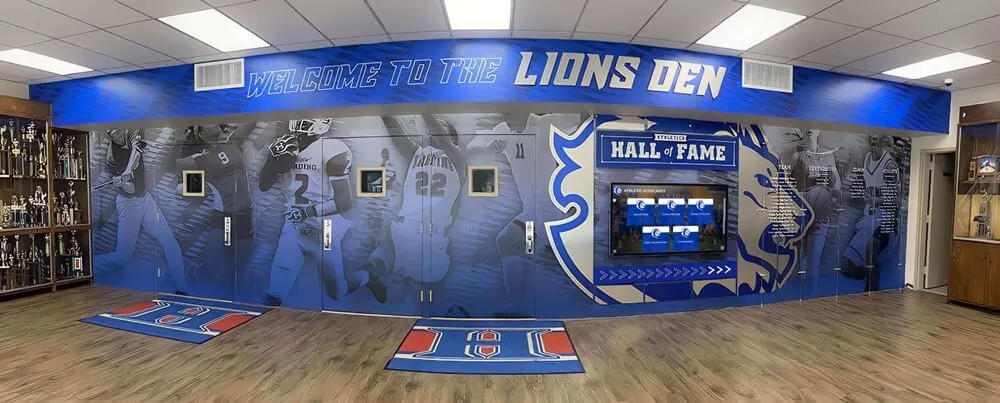
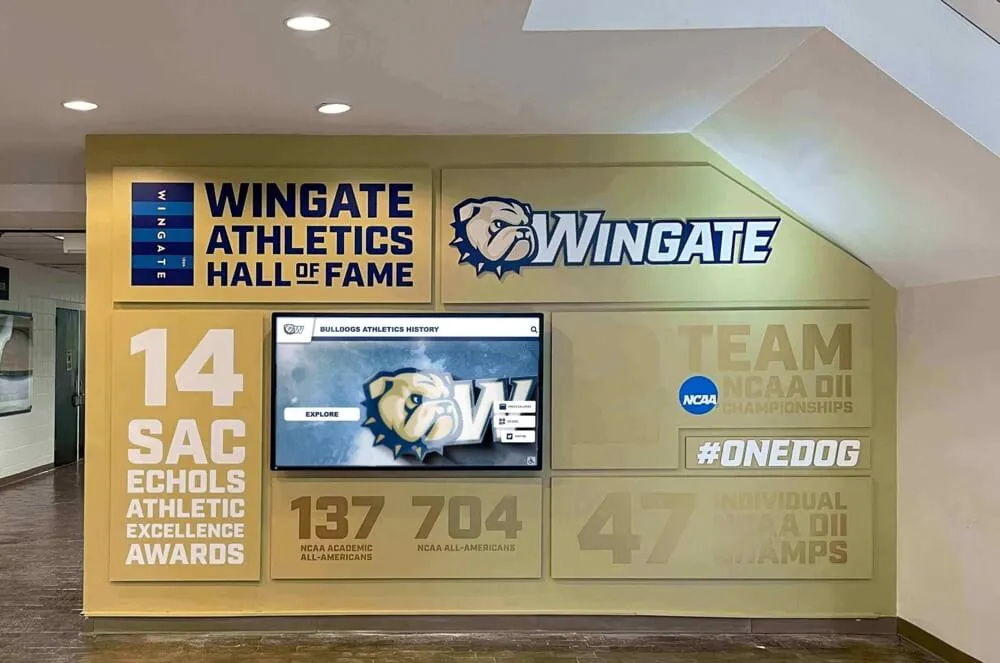
Digital recognition platforms enable schools to maintain permanent galleries of spirit day participation across multiple years. When current students see that past spirit day participants receive ongoing recognition through digital displays in main hallways or common areas, they understand that school spirit represents genuinely valued contribution to school community rather than trivial distraction from academic priorities.
Solutions like Rocket Alumni Solutions provide schools with comprehensive platforms celebrating diverse student achievements including school spirit, leadership, community service, and cultural contributions alongside traditional athletic and academic recognition. This holistic approach reinforces that schools value many forms of excellence rather than only competitive achievement.
Building Multi-Year Spirit Traditions
Schools with strongest spirit cultures create multi-year participation traditions where upperclassmen recall favorite spirit day memories, anticipate annual events they’ve participated in previously, and pass traditions to incoming students who observe upperclassmen enthusiasm before experiencing events themselves.
Documenting Spirit History: Maintain photographic and narrative records of spirit days across multiple years, creating institutional memory banks showing how current traditions evolved. When students see spirit day photos from five or ten years earlier featuring students now graduated but still connected to school community, it reinforces that participation contributes to something larger than individual experience.
Alumni Connection Opportunities: Schools might invite recent alumni back during homecoming spirit weeks to share memories of spirit day participation during their student years, reinforcing how traditions create lasting community connections. Alumni testimonials about seemingly small spirit day memories that became favorite school recollections help current students understand why participation matters beyond immediate fun.
Measuring Spirit Day Success and Continuous Improvement
Effective spirit day programs implement feedback mechanisms enabling continuous improvement rather than repeating same approaches regardless of actual student response and participation patterns.
Quantitative Participation Tracking
Monitor participation rates by grade level, demographic groups, and specific themes. Which themes consistently generate strong participation? Which fall flat despite seeming appealing during planning? This data enables evidence-based refinement eliminating less effective themes while expanding successful approaches.
Digital Participation Documentation: When schools photograph spirit day participants and maintain digital records across years, they create data showing participation trends over time. Do participation rates increase when schools implement specific promotional strategies? Do certain themes consistently outperform others?
Qualitative Feedback Collection
Beyond participation numbers, schools should collect student feedback about which themes students most enjoyed, what obstacles prevented participation, and what themes students suggest for future spirit weeks.
Post-Event Surveys: Simple online surveys distributed to all students following spirit weeks gather valuable feedback. Questions should address: Which themes did you participate in? Which themes did you most enjoy? Which themes would you like to see in future? What prevented you from participating in any themes? What would make you more likely to participate in future spirit days?
Student Council Debriefs: Student leadership groups should conduct structured debriefs following spirit weeks assessing what worked well and what needs improvement. These student perspective debriefs often reveal insights adults miss about why certain themes succeeded or failed from actual student viewpoint.
Creating Lasting Campus Pride Through Strategic Spirit Initiatives
The ultimate spirit day objective extends beyond single-day participation rates to building sustained school pride creating positive culture influencing every aspect of school life. Schools with strongest spirit traditions integrate individual spirit days into comprehensive culture strategies recognizing that campus pride develops through accumulated positive experiences over time rather than isolated events.
When schools implement thoughtfully-planned spirit days providing genuine value to students—creating fun experiences, strengthening social connections, building school identity, and offering meaningful recognition—they contribute to positive culture where students feel proud attending their schools, connected to their communities, and invested in their collective success.
Strategic use of modern recognition technology ensures that spirit day participation receives lasting acknowledgment rather than disappearing when students change clothes. Digital displays showcasing spirit participation photos, maintaining historical tradition galleries, and recognizing consistent school spirit contributors validate that positive culture-building matters to school leadership.
Schools investing in comprehensive recognition platforms can celebrate spirit alongside academics, athletics, arts, service, and leadership—communicating that schools value students who contribute positively to community in any form. This holistic recognition approach builds cultures where diverse students find meaningful belonging and multiple pathways to contribute to school community.
Ready to transform how your school celebrates spirit, tradition, and student engagement? Discover how modern digital recognition solutions help schools build lasting campus pride through comprehensive recognition extending far beyond individual spirit days to celebrate all the ways students make their schools special.