



Key Takeaways
Discover school open house ideas that truly engage alumni and community visitors—from interactive hall of fame displays to digital showcases that make every guest feel connected.
A school open house only has a few hours to leave a lasting impression on the people who matter most to your institution. Alumni return hoping to feel that spark of belonging. Parents of prospective students are quietly deciding whether this place is worthy of their child. Community donors walk the hallways wondering whether their investment is being honored. When a school open house is done right, every visitor leaves feeling seen, proud, and connected. When it falls flat, they leave with a vague sense that nothing much has changed—and nothing much is worth celebrating.
The difference between a forgettable open house and one that generates donations, enrollment inquiries, and lifelong alumni loyalty almost always comes down to the same thing: how deliberately the school has prepared spaces and experiences that give visitors something meaningful to engage with. This guide covers school open house ideas that go beyond name tags and refreshment tables—ideas that create genuine emotional connection and make visitors want to come back.
Start With Clear Goals for Your Open House
Before planning a single activity, it helps to define exactly what success looks like. A school open house can serve multiple audiences with different motivations, and mixing up priorities leads to experiences that feel unfocused.
Prospective family nights prioritize showcasing academic programs, facilities, student life, and outcomes. These visitors need information and inspiration.
Alumni homecoming events prioritize recognition, nostalgia, and community reconnection. These guests want to feel remembered and proud.
Community donor events prioritize transparency, impact, and stewardship. These visitors want evidence that their support matters.
General community open houses serve a broader mix and should balance all three.
Once you know who you’re primarily serving, every space, station, and display can be designed with that visitor’s emotional journey in mind.
Transform Your Lobby Into a Welcome Experience
The first impression begins the moment visitors walk through the door. Most school lobbies default to a sign-in table, a few trophy cases, and some framed photos on the wall. That’s a missed opportunity.

Your lobby should immediately communicate institutional pride and signal to visitors—especially alumni—that this school takes its history and its people seriously. A few practical ways to elevate the entrance experience:
Feature a dedicated alumni welcome station. Display a timeline of graduating classes, notable achievements, and milestone moments that span the school’s history. When alumni see their graduation year represented, the emotional connection activates immediately. Schools that have invested in alumni welcome area design report significantly higher engagement and time-on-campus during open house events.
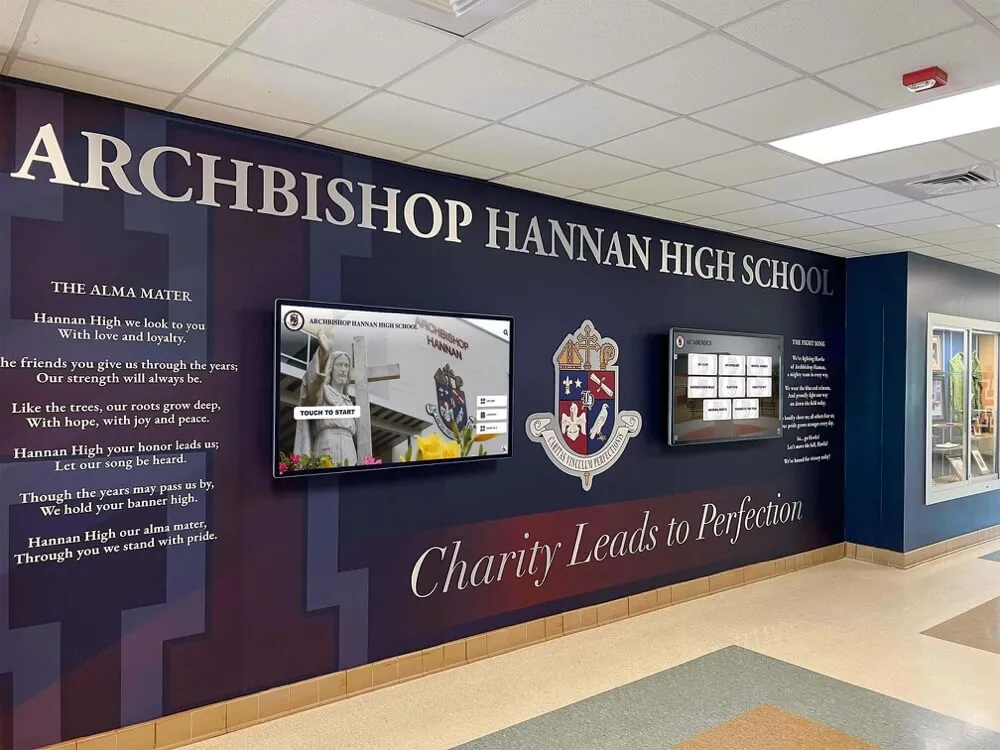
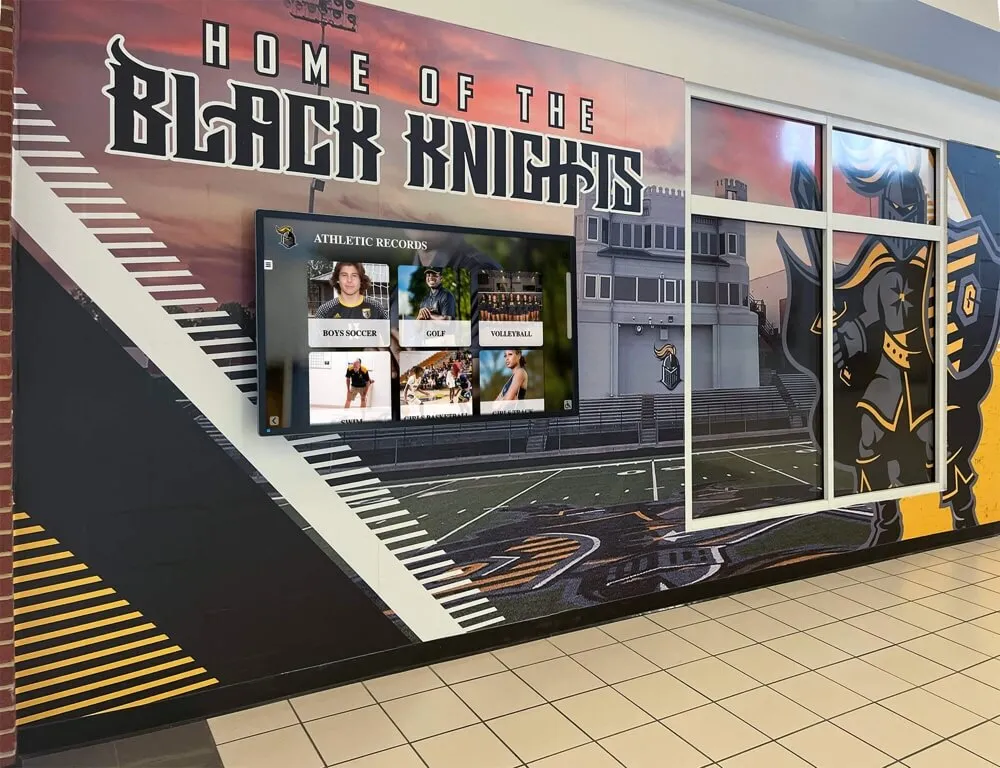
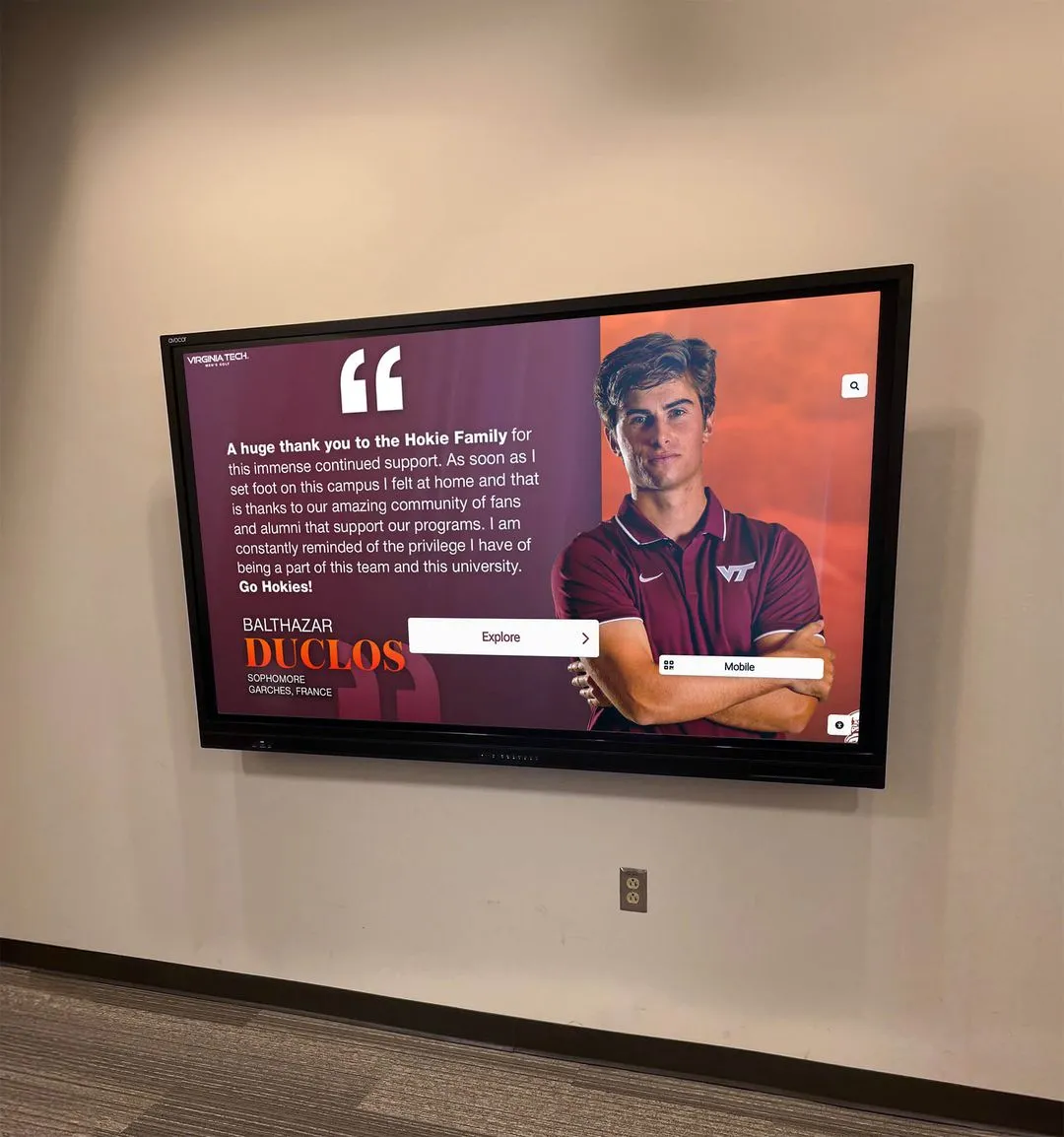
Use digital signage to display real-time content. Rolling slideshows of student achievements, athletic records, academic awards, and alumni spotlights can run continuously throughout the event, giving visitors something dynamic to discover throughout their visit rather than static content to glance at once.
Create a dedicated signing or message station. Invite alumni to leave notes for current students, sign a class memory board, or write their name on an interactive display. These participatory moments break down the observer/institution barrier and make guests feel like contributors rather than spectators.
Build an Interactive Hall of Fame That Visitors Actually Use
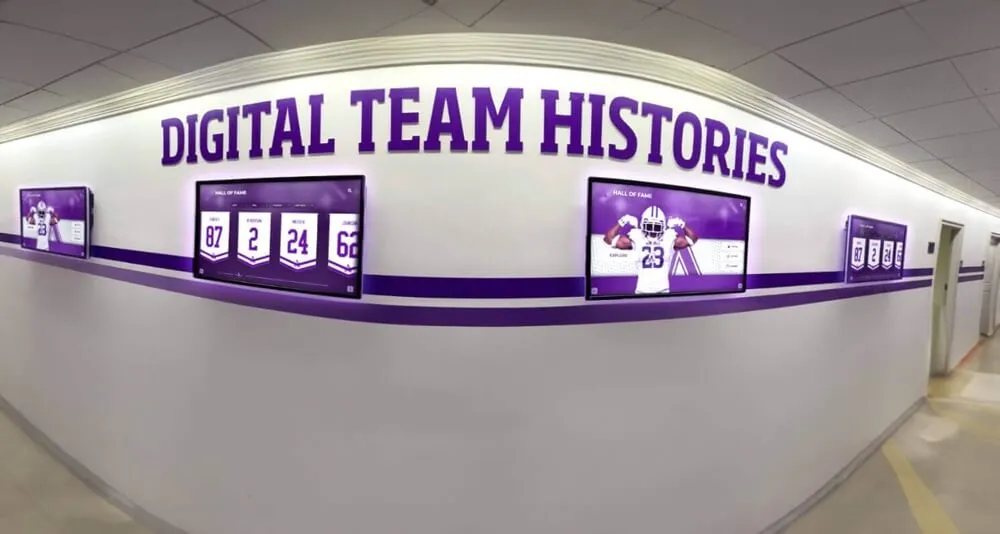
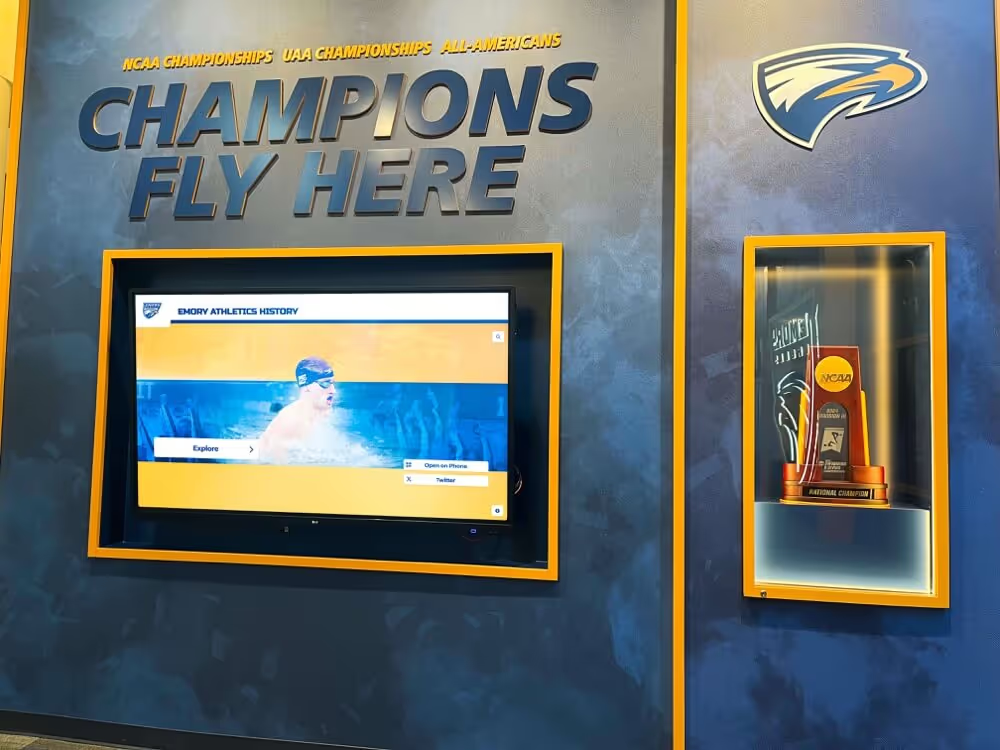
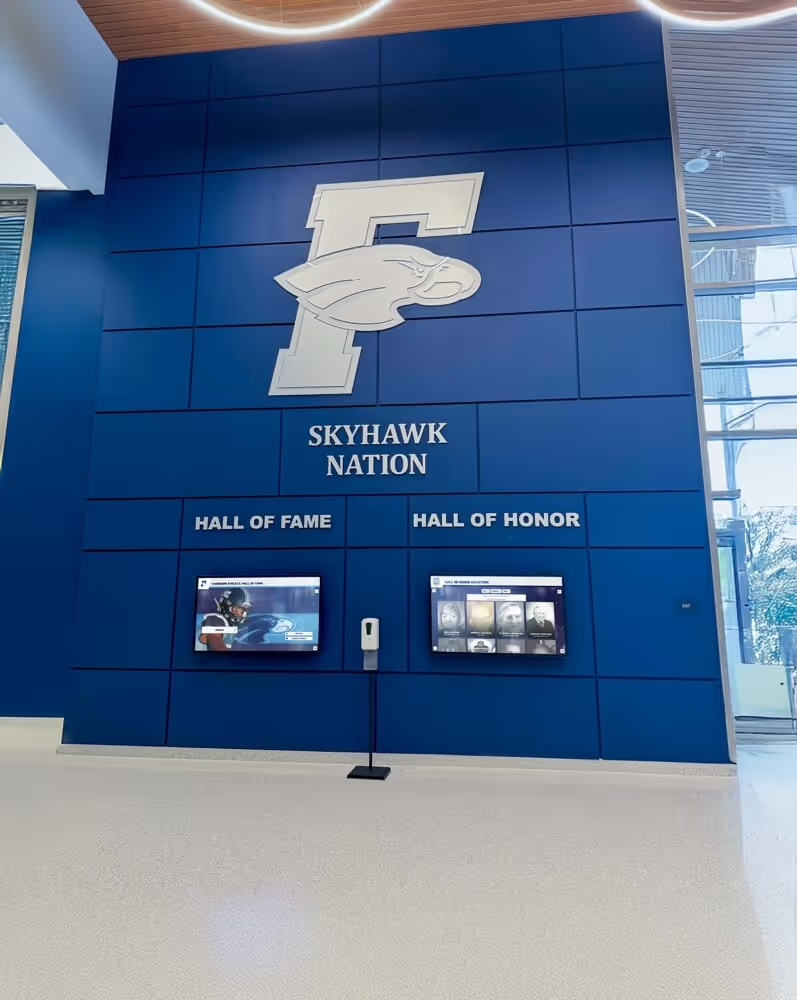
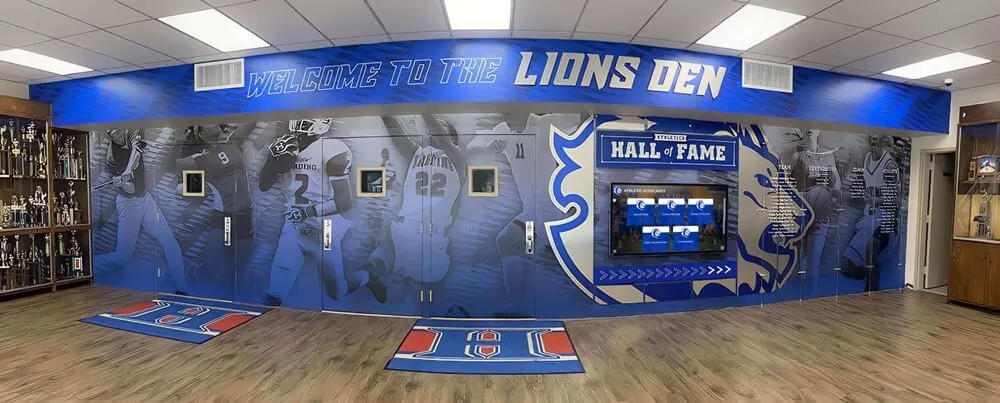
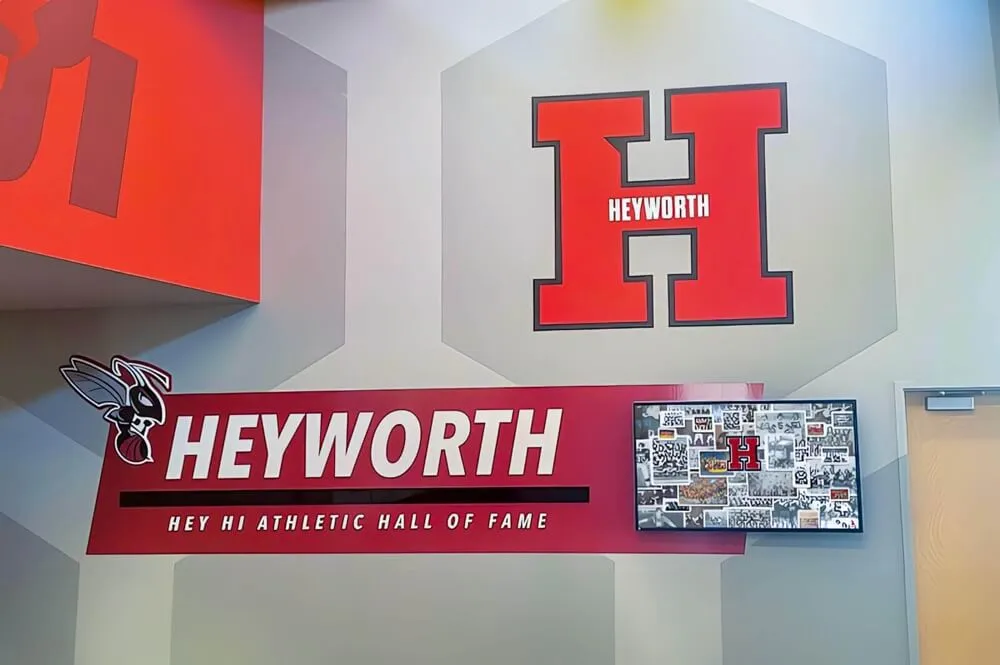
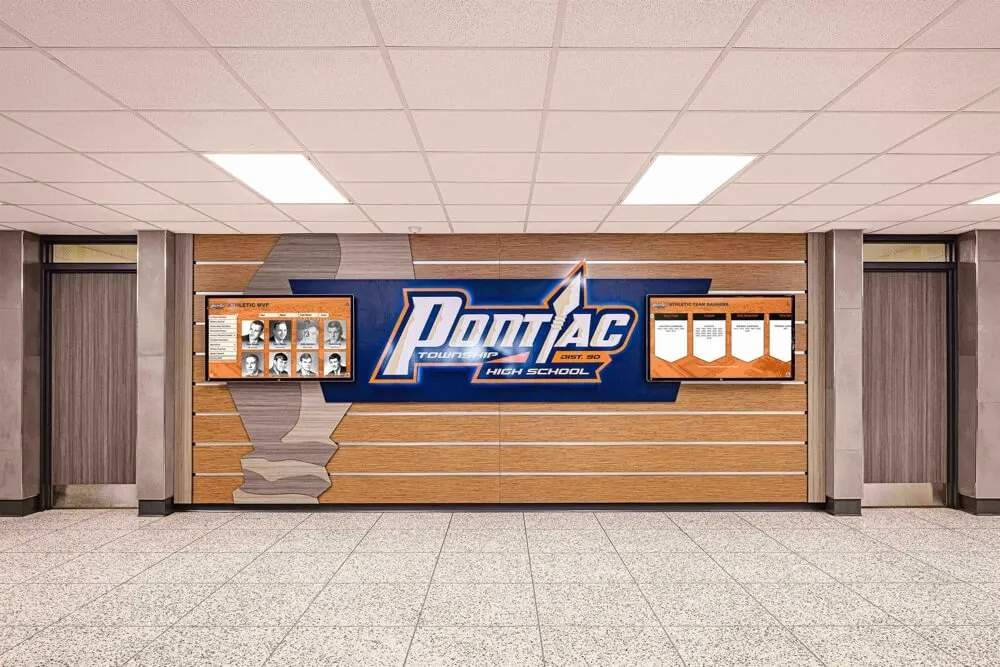
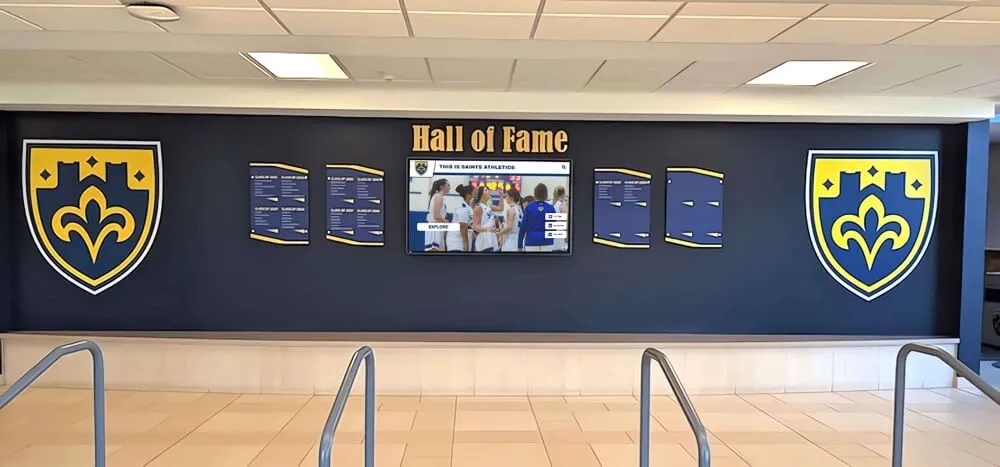
One of the most powerful school open house ideas for alumni engagement is an interactive digital hall of fame display—and it’s also one of the most underutilized. Traditional trophy cases and framed portrait walls do their job, but they don’t invite exploration. Visitors glance at them once and move on.
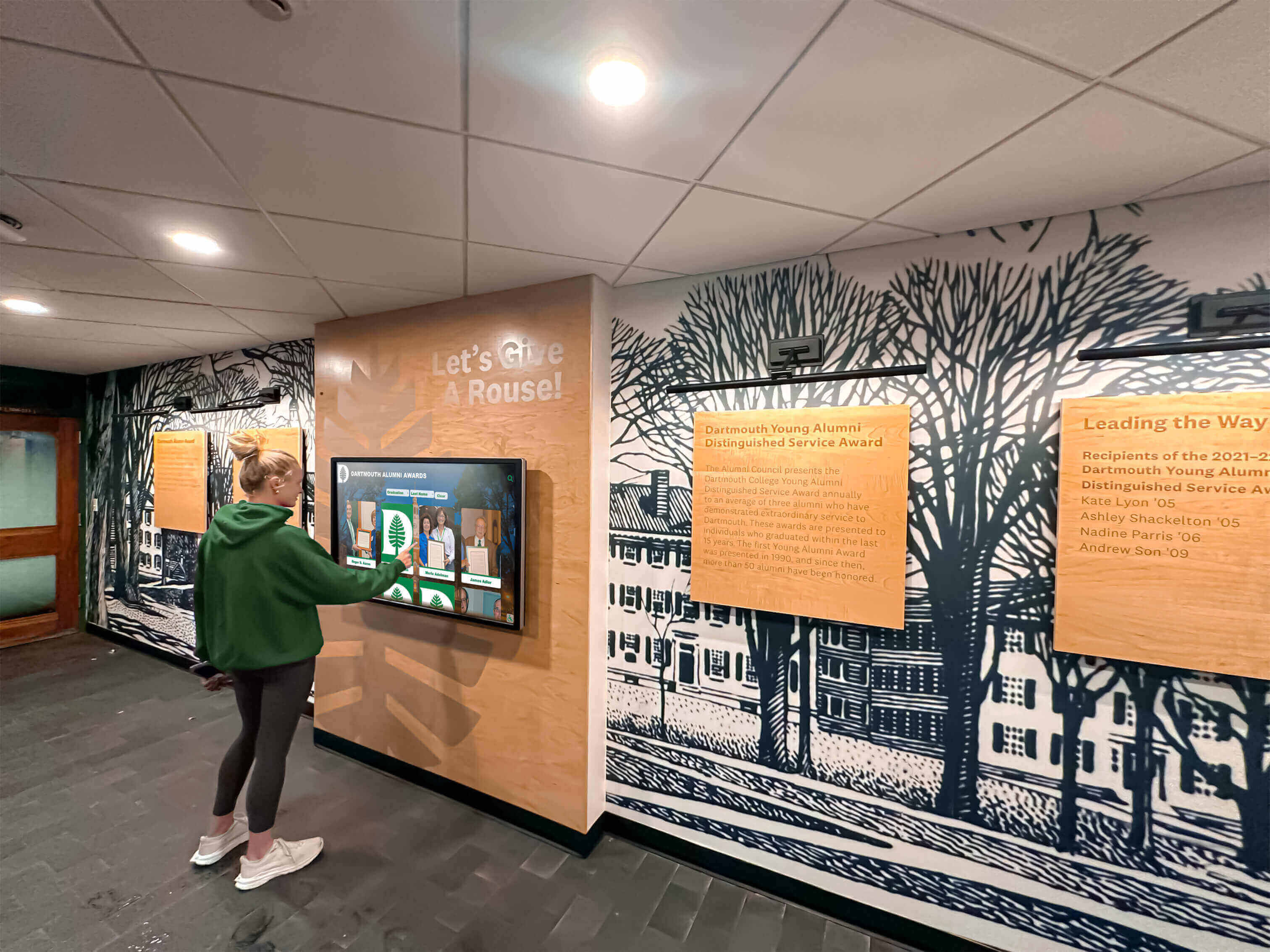
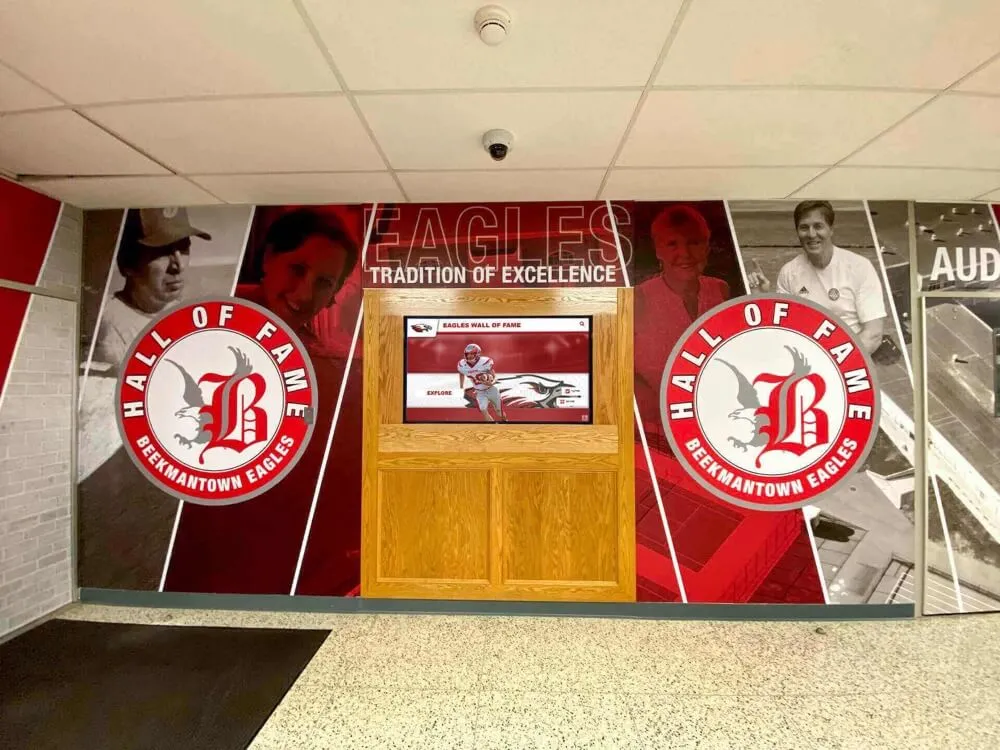
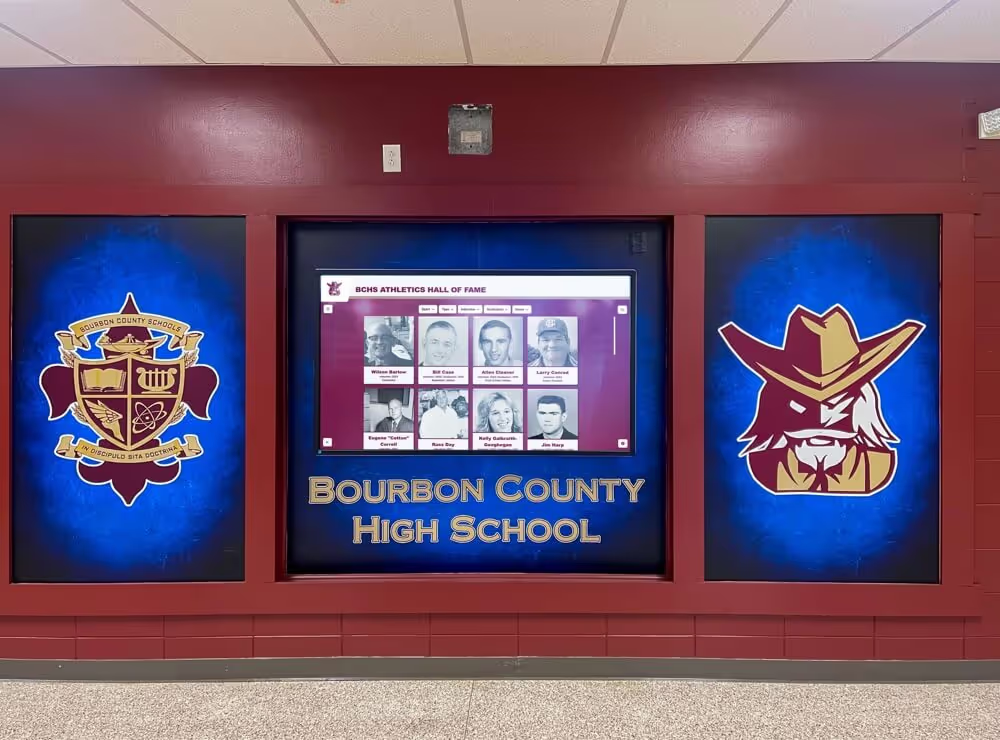
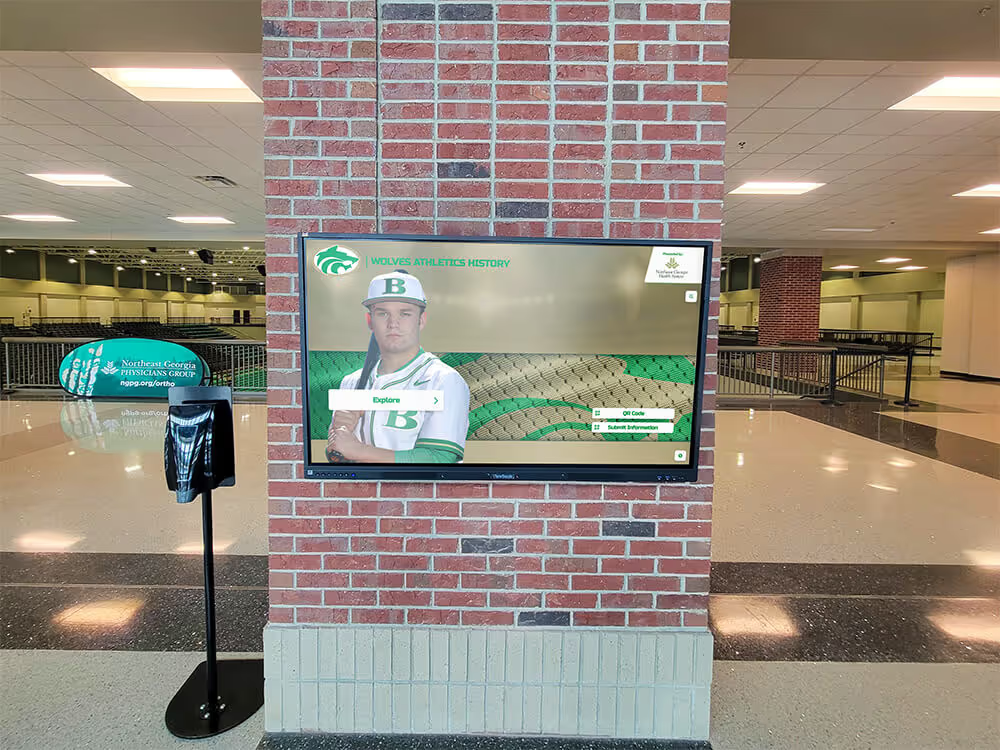
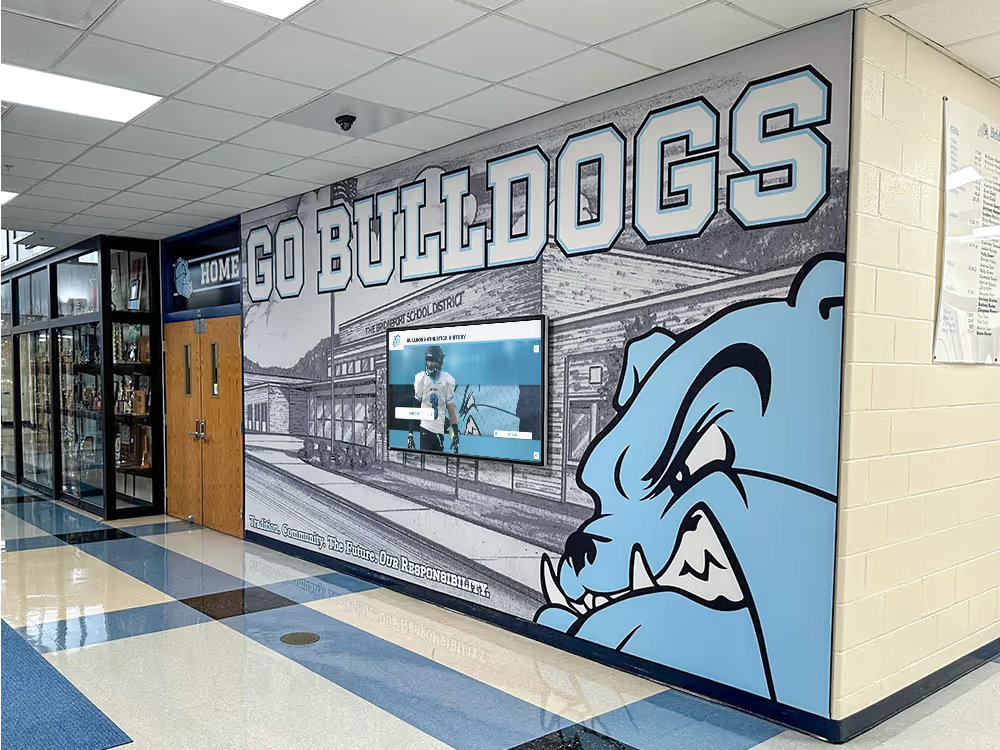
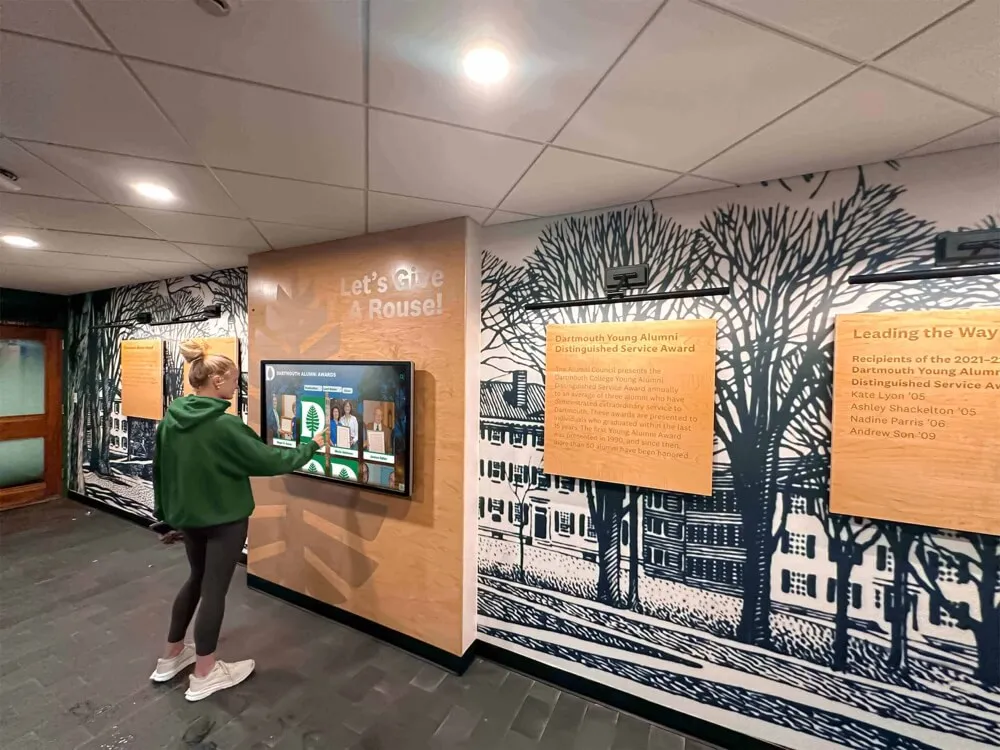
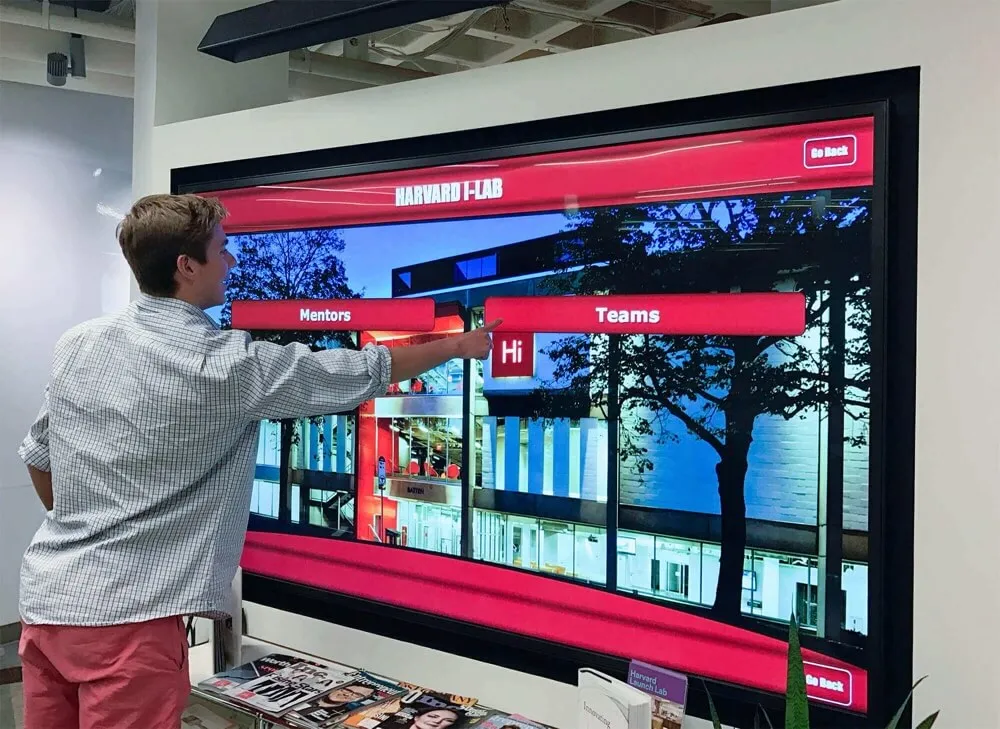
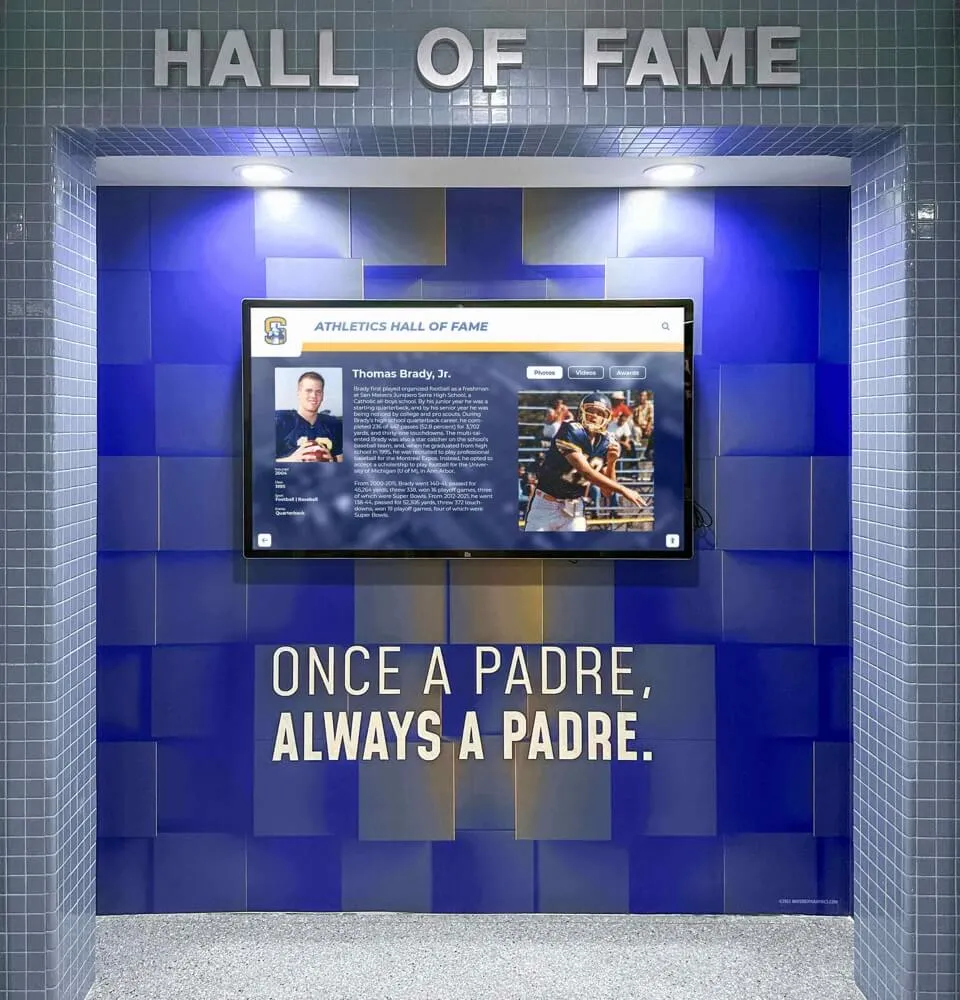
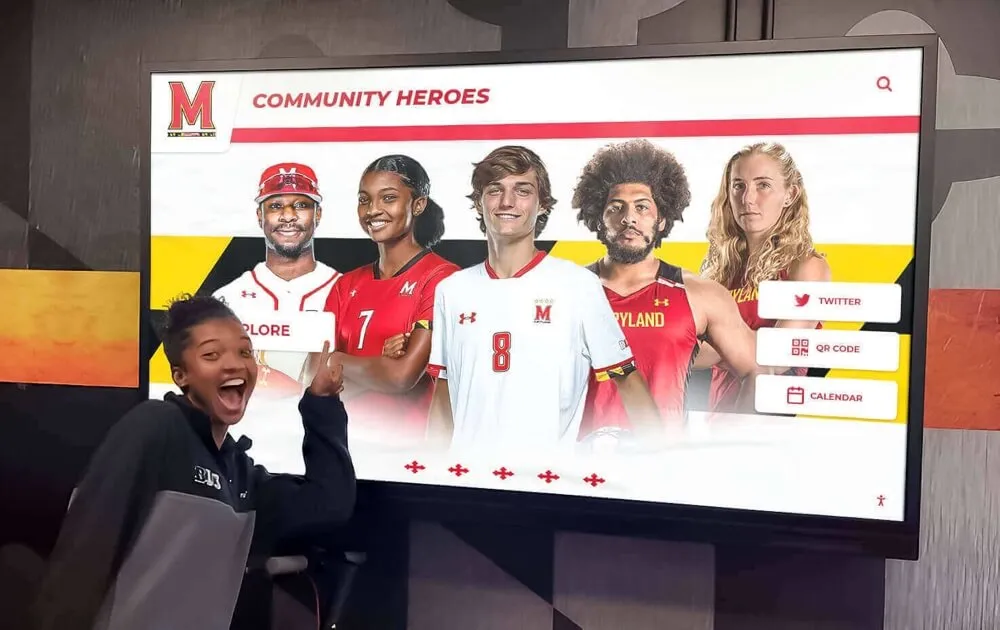
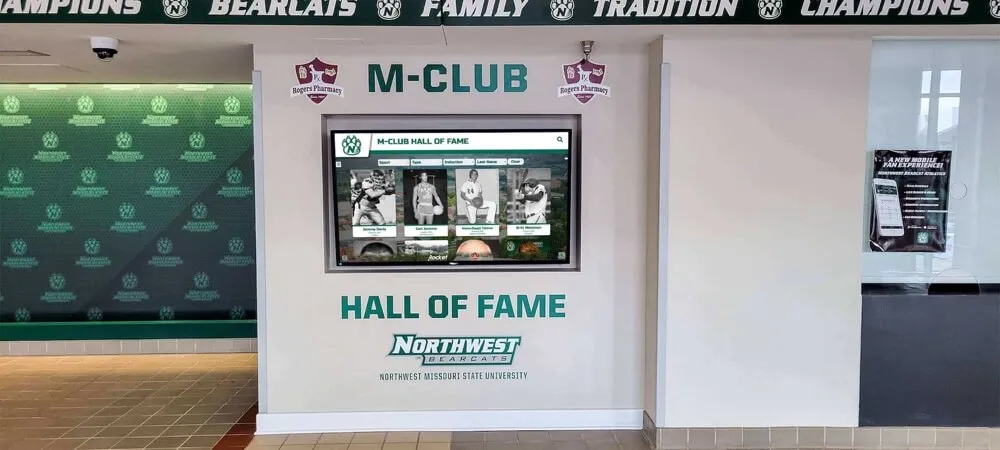
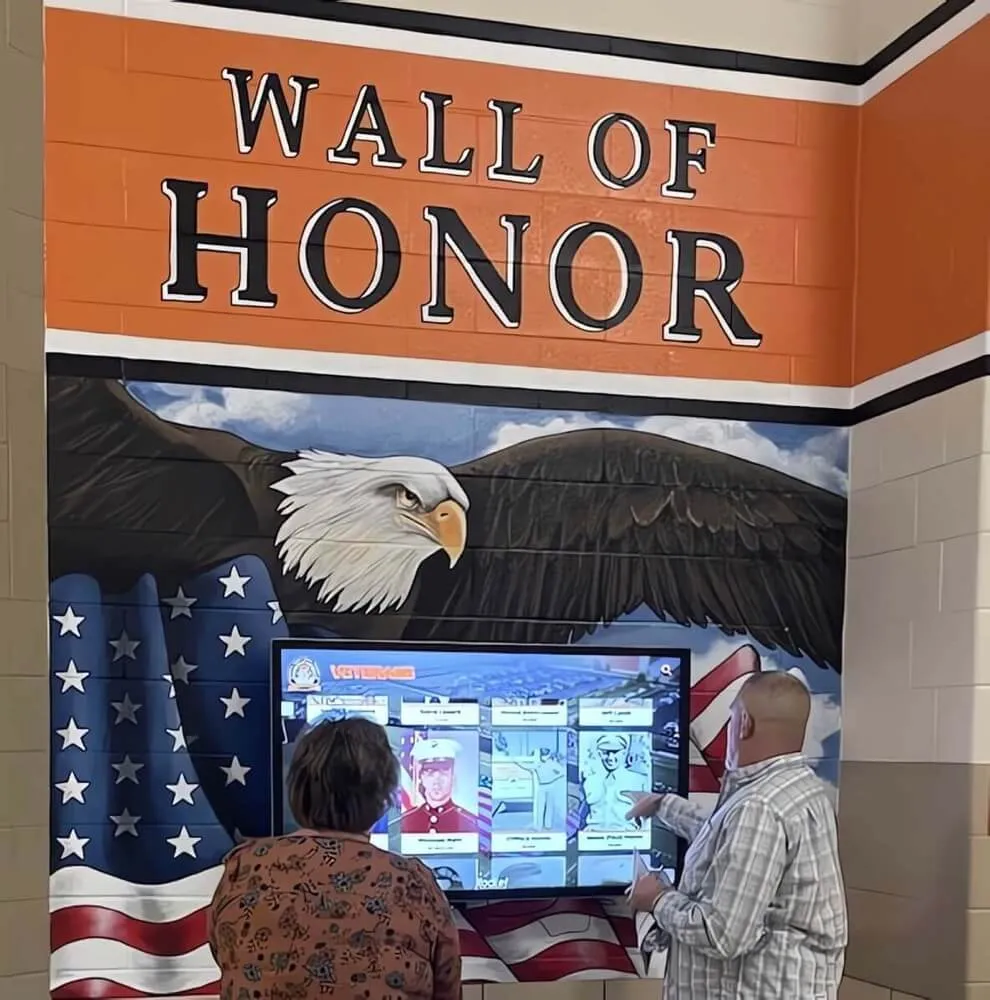
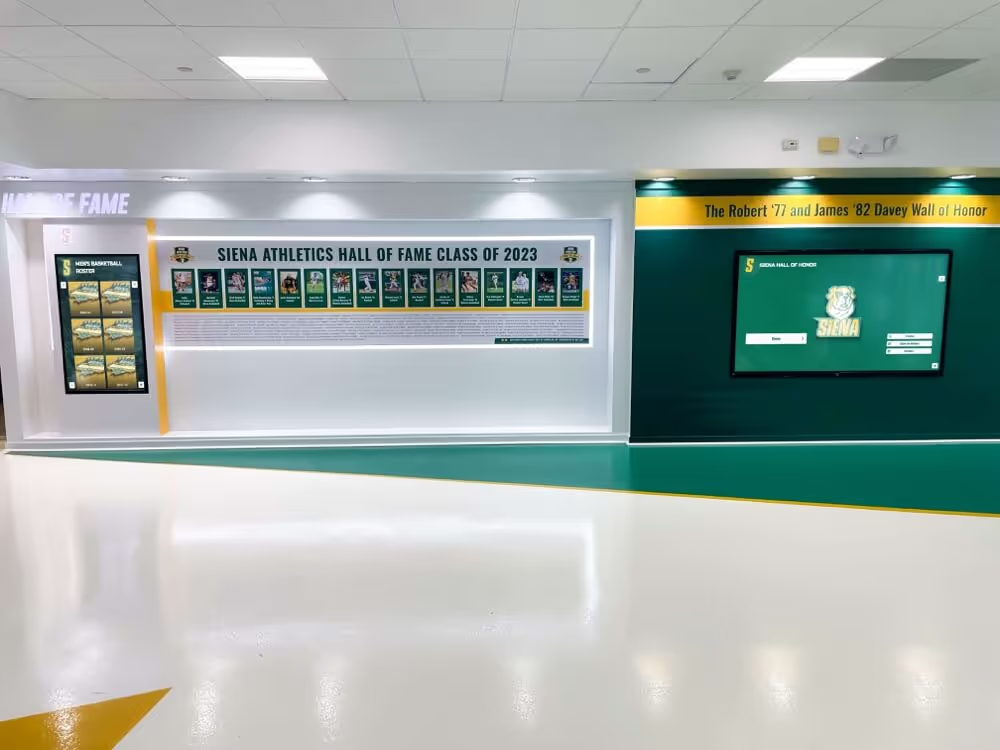
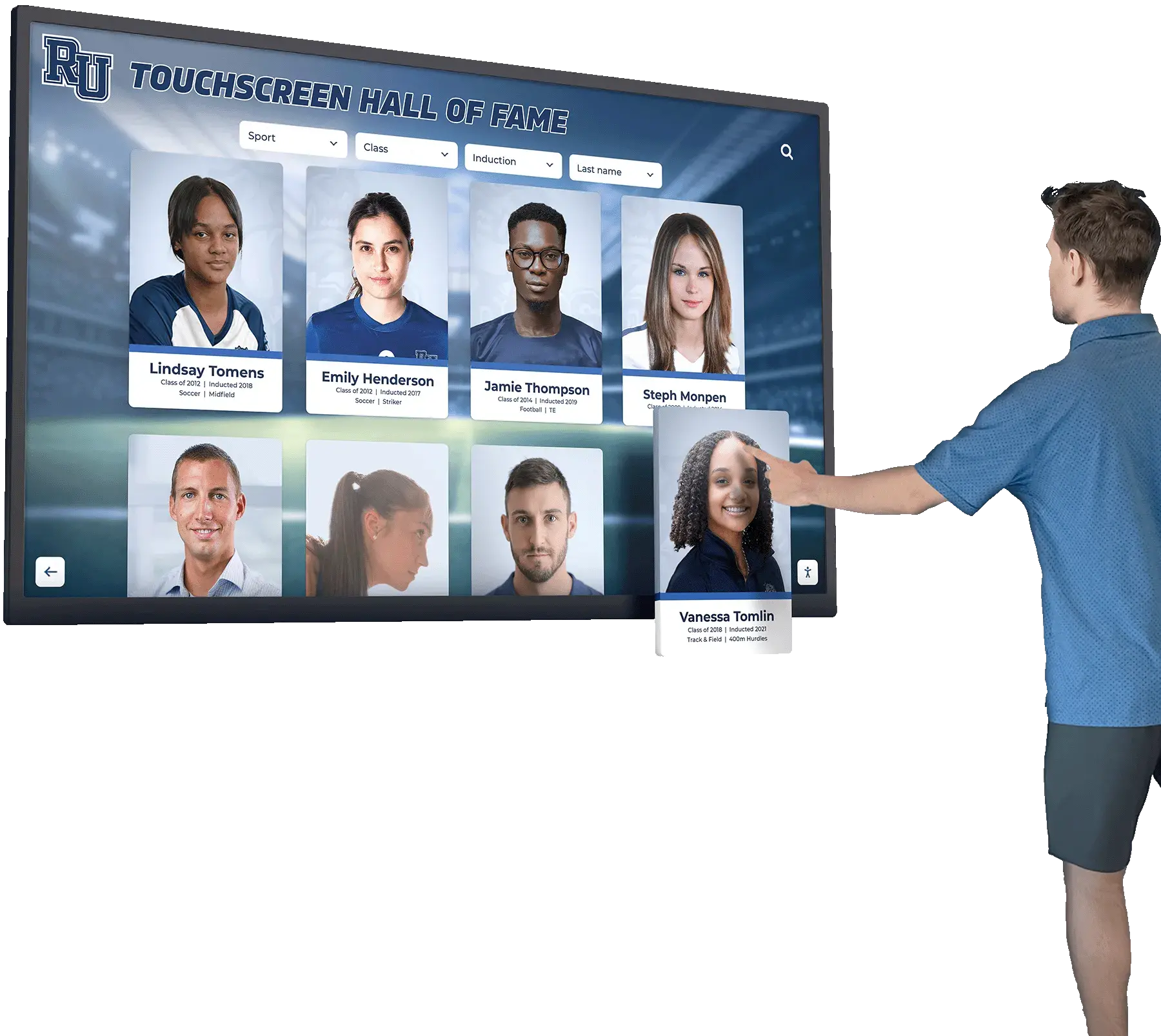
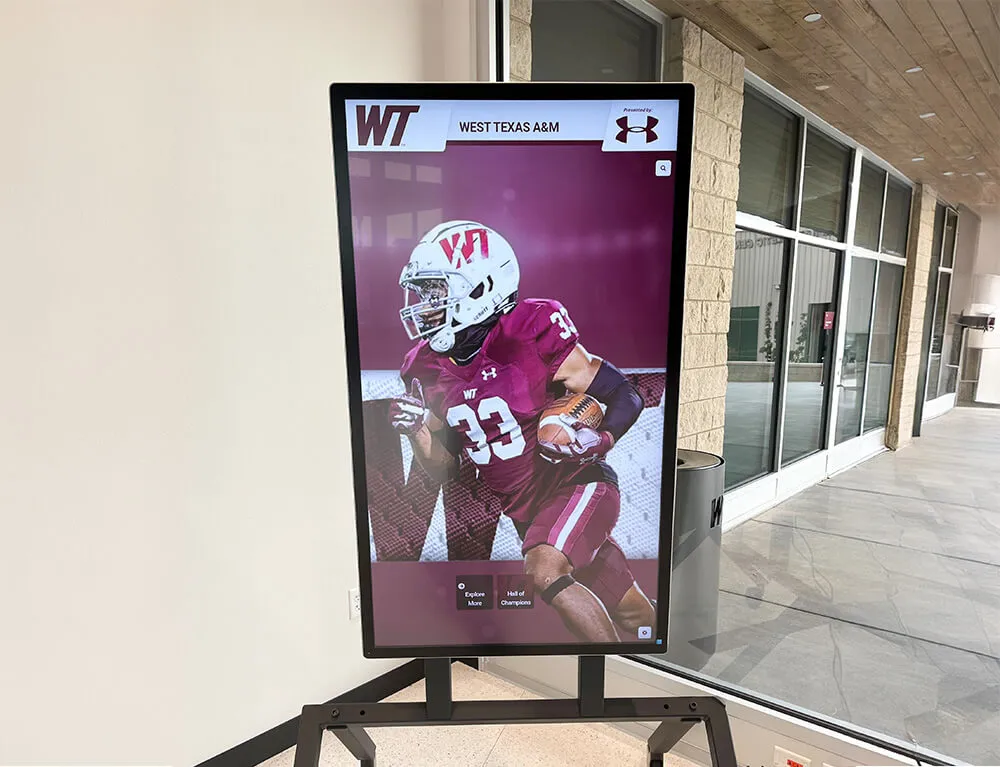
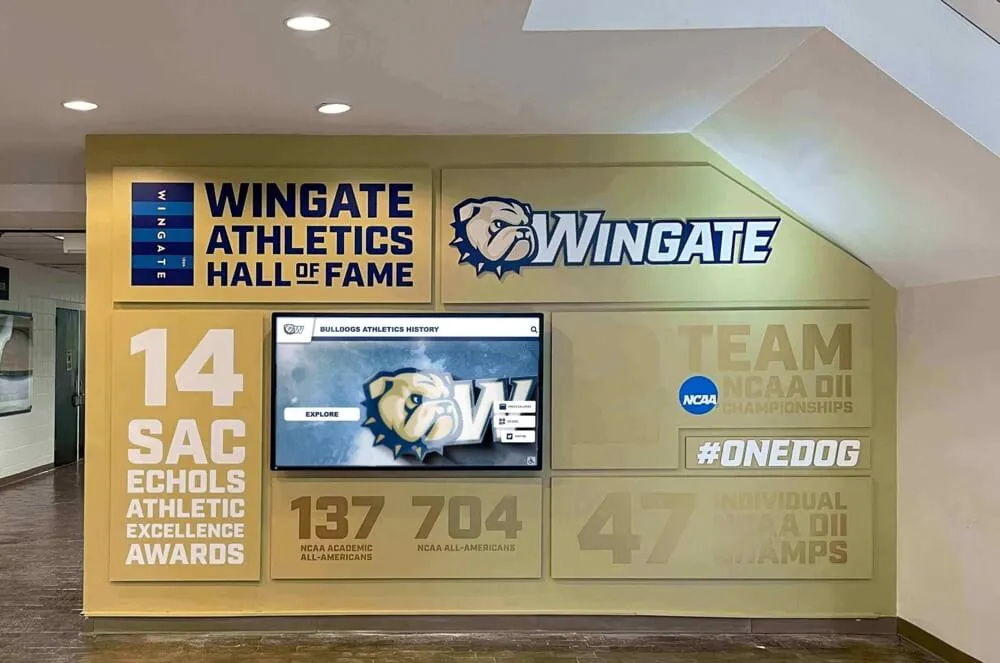
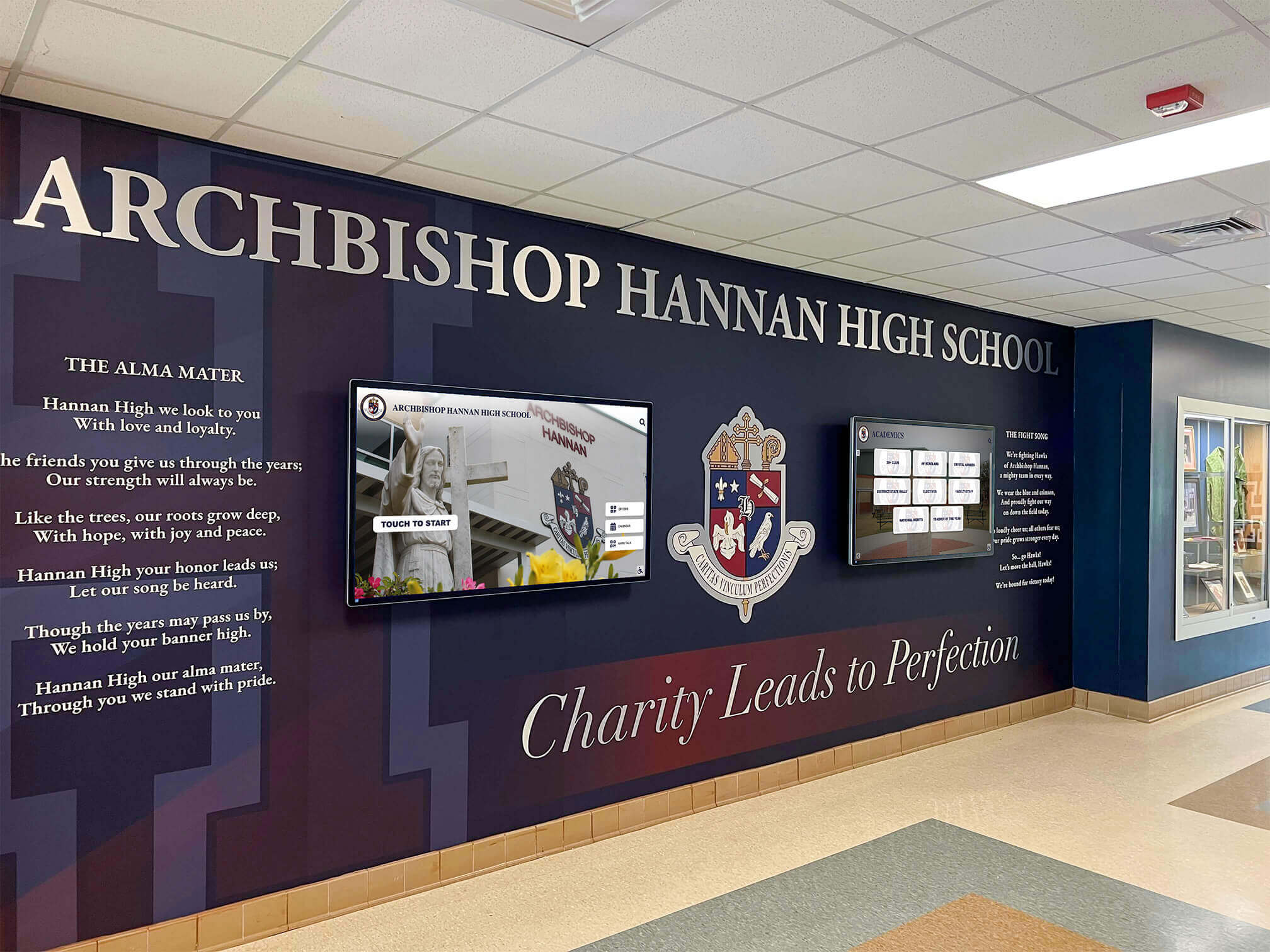
Touchscreen hall of fame systems change that dynamic entirely. Visitors can search for a specific athlete by name, browse inductees by sport or graduation year, watch highlight videos, and explore statistics that place individual achievements in historical context. For alumni specifically, the ability to find their own name—or the names of teammates and classmates—creates an intensely personal experience that no static display can replicate.
When planning your open house, position these interactive displays where natural foot traffic creates organic discovery. Place them near the gymnasium entrance, along athletic hallways, in the main lobby, or near the entrance to a dedicated recognition wing. Avoid tucking them into corners where visitors have to seek them out.
For schools considering upgrading from static plaques to interactive systems, resources like this guide to interactive touchscreen solutions for schools cover what to evaluate when choosing a platform, from content management to hardware installation.
Create a School History Timeline Display
Alumni who graduated decades ago often feel disconnected from the current institution. A school history timeline display bridges that gap by showing the continuous thread between past and present—and making clear that the school’s identity is built on the contributions of every person who has walked its hallways.
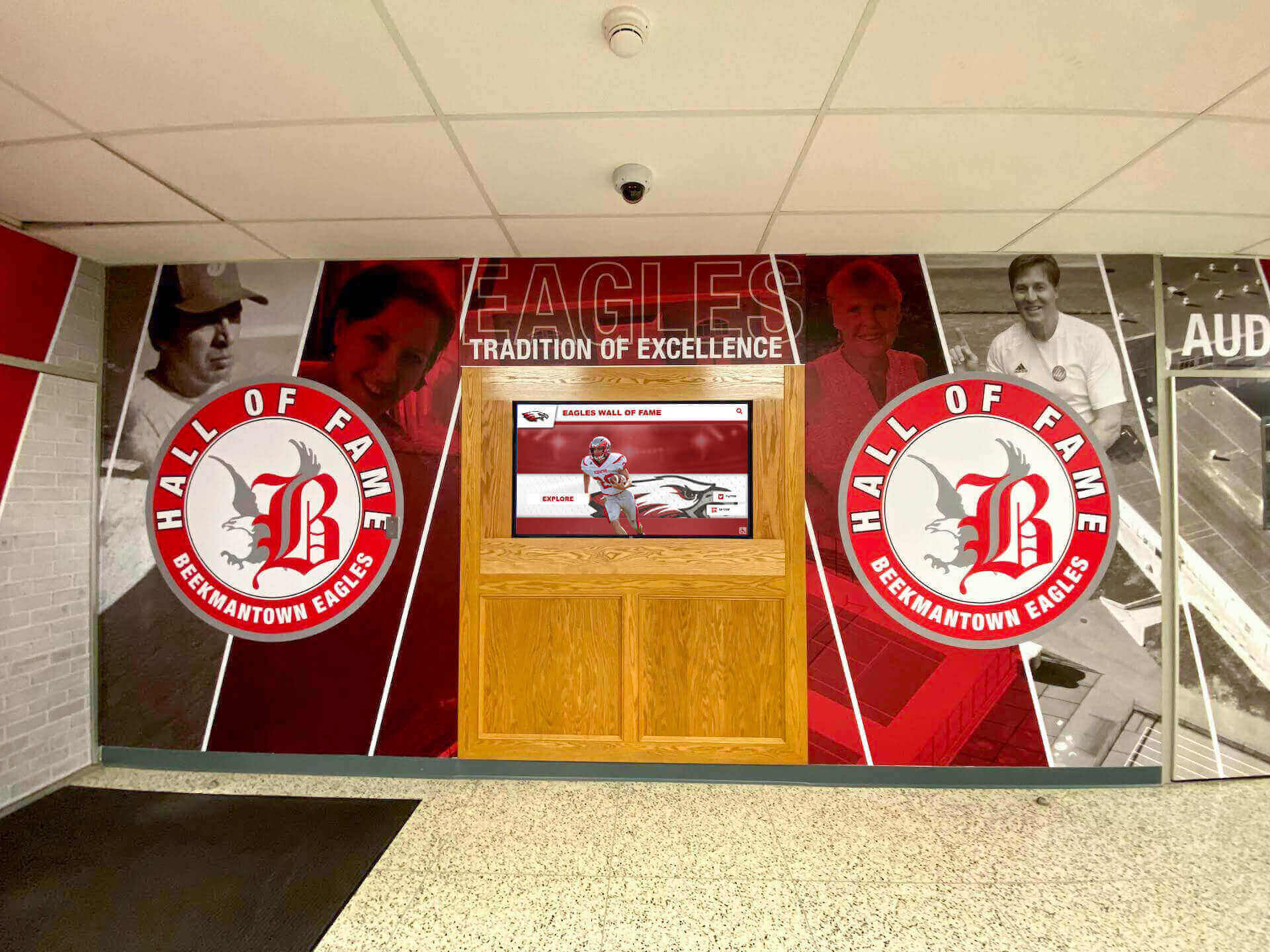
A digital school history timeline works particularly well for open house events because it allows visitors to explore at their own pace. Unlike a static wall display, a digital timeline can include photographs, video clips, newspaper headlines, and documents that bring each era to life. Visitors from the 1980s can explore what the school looked like, who the coaches were, and what championships were won during their years. Those from the 1990s can do the same.
The digital school history timeline approach is especially effective because it builds emotional continuity—alumni leave feeling that their chapter of the school’s story has been preserved and honored, not forgotten.
When designing your timeline display, consider organizing content by decades rather than individual years. This prevents information overload while still allowing visitors to find their era quickly. Include both major milestones (first state championship, school building opening, faculty hall of fame inductees) and smaller moments (yearbook covers, notable class photos, memorable school traditions) that trigger personal memories.
Design Guided Tour Stations That Tell the School’s Story
Rather than letting visitors wander without context, create a structured (but flexible) tour experience with dedicated stations that each tell a different aspect of the school’s story. Each station should have a volunteer or student ambassador who can share context, answer questions, and make personal connections.
Athletic Heritage Station
Showcase championship banners, retired jerseys, and hall of fame inductees. Position interactive displays here so visitors can explore records and athlete profiles in depth.
Academic Achievement Station
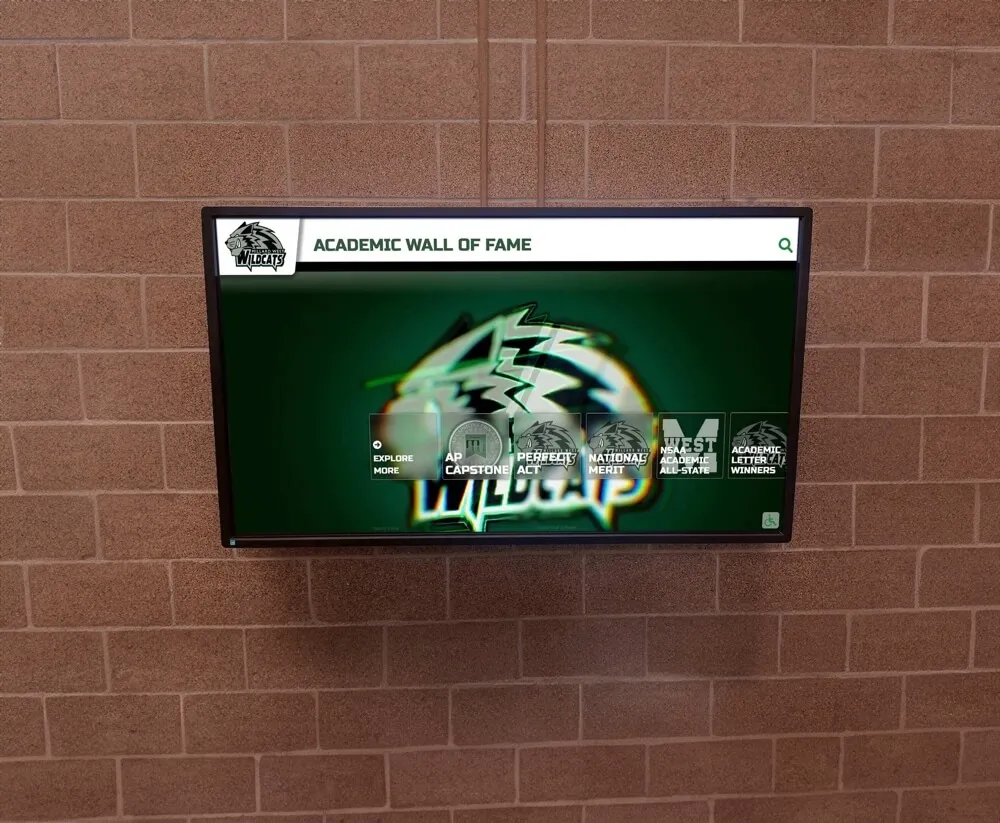
Feature national merit scholars, academic bowl champions, college acceptance highlights, and faculty accomplishments. Include a board showing current student achievements alongside historical context.
Arts and Culture Station
Display student artwork, theater production photos, music ensemble achievements, and creative program highlights. Live student performances during the open house elevate this station significantly.
Alumni Impact Station
Highlight what alumni have done since graduation—careers, community service, and leadership roles. This shows prospective families the outcomes the school produces and gives alumni genuine pride.
Each station should have printed materials and QR codes that visitors can take with them or scan to explore more content digitally after the event.
Use Digital Signage for Wayfinding and Recognition
Large schools can be disorienting for visitors who haven’t been inside in years—or ever. Effective digital wayfinding combines practical navigation assistance with contextual recognition content, so visitors are guided through the campus while being continually exposed to the school’s story.
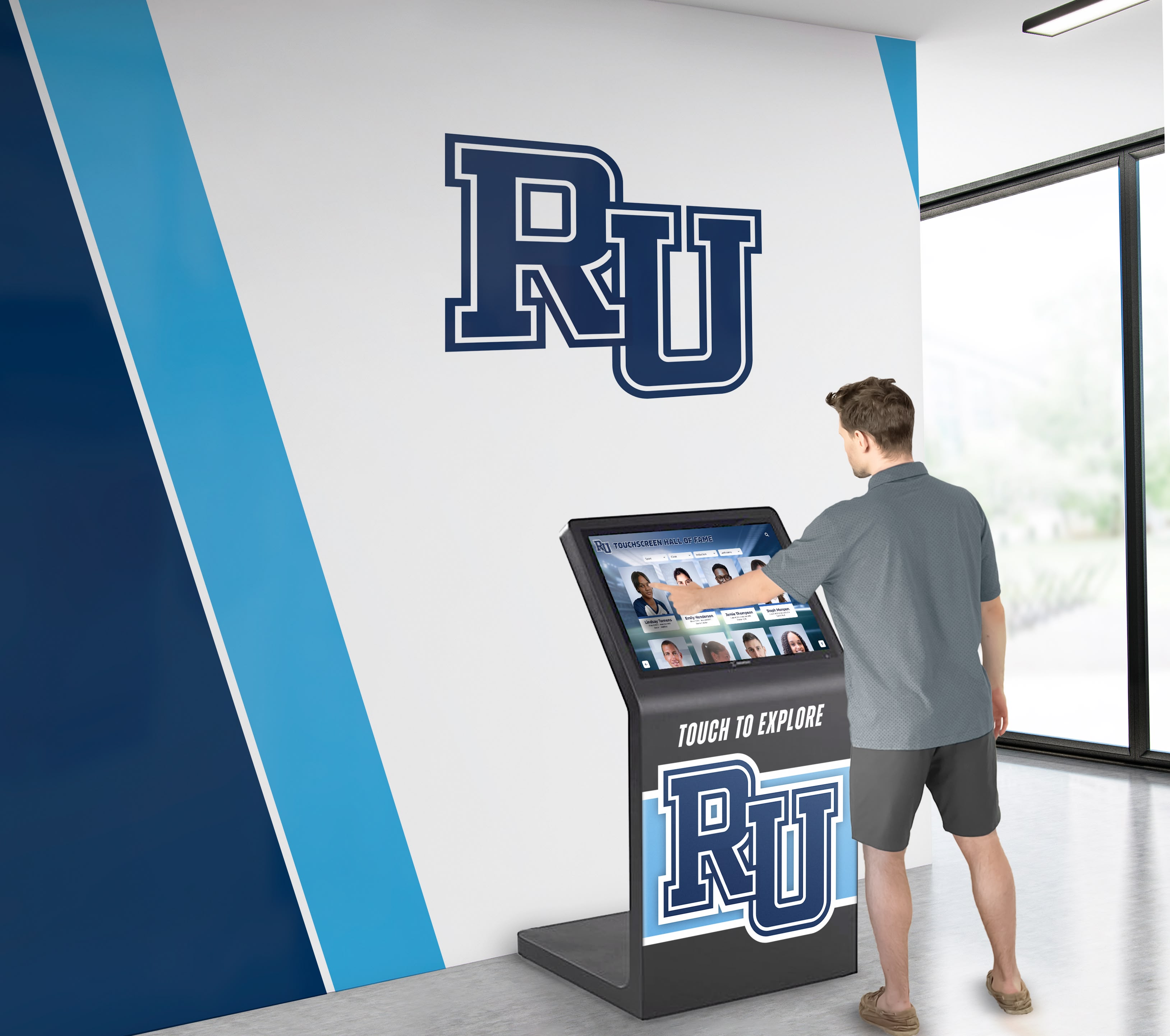
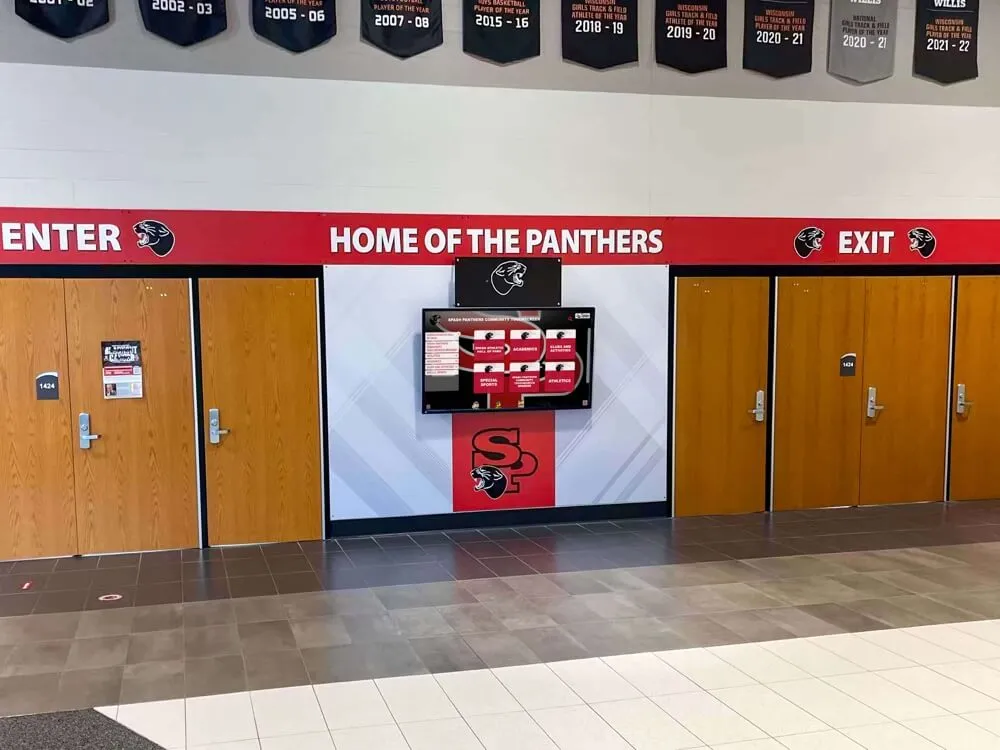
Directory kiosks positioned at key decision points—main entrance, gymnasium lobby, administrative wing, library entrance—allow visitors to find specific rooms, departments, or points of interest without hunting for a staff member to ask. Beyond basic wayfinding, these kiosks can display achievement content, upcoming event information, and alumni spotlights relevant to that section of the building.
For schools with multiple athletic facilities, placing sport-specific recognition content near each venue creates contextual engagement. The swimming wing should feature swim team records and all-state swimmers. The gymnasium should highlight basketball and volleyball hall of famers. Visitors experience recognition content that’s directly relevant to the space they’re standing in, which makes it feel purposeful rather than decorative.
Create Meaningful Alumni Engagement Activities
Open houses that rely solely on walking tours and display cases miss the opportunity to create the kind of active participation that builds lasting connection. Consider layering in structured activities that give alumni a role to play rather than just a space to observe.
Class reunion mini-events within the open house. If your open house coincides with homecoming or a class reunion year, create a dedicated space for each reunion class with photos, memorabilia, and a guest book. Alumni from those years have built-in motivation to attend and built-in conversation starters that make the event feel social rather than ceremonial.
“Where Are They Now” features. Create a display or digital station featuring brief profiles of alumni across different graduating classes and life paths. These profiles don’t need to focus exclusively on the most famous graduates—a diverse mix that includes teachers, entrepreneurs, community volunteers, military veterans, and parents of current students creates broader identification than highlighting only the highest-profile alumni.
Live demonstration of digital recognition systems. If you’re unveiling or showcasing new recognition technology at the open house, have a student or staff member available to walk visitors through how to search for profiles, access historical records, and explore the system. People who interact with technology with a guide engage far more deeply than those left to figure it out alone.
Strategies for alumni engagement that actually works consistently emphasize participation over passive observation—the more alumni contribute to and interact with the open house, the more invested they become in the school’s future.
Recognize Donors and Volunteers Prominently
Community visitors who have supported the school through donations, volunteer hours, or in-kind contributions deserve to see their impact acknowledged—not buried in a footnote or acknowledged only with a small plaque no one finds.
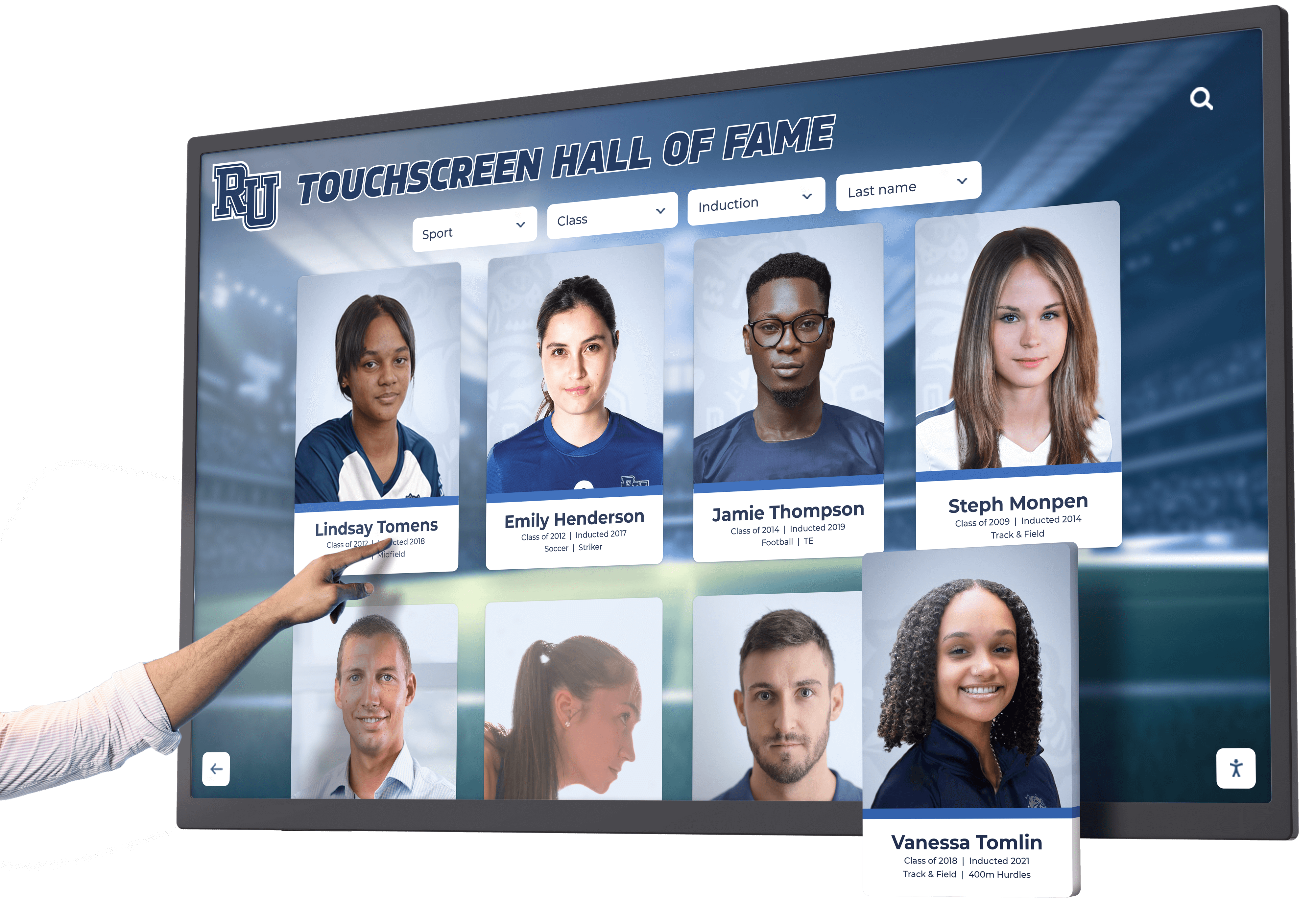
Dedicated donor recognition displays positioned in high-traffic areas show donors that their contribution is genuinely valued and publicly honored. Digital donor walls have a significant advantage over static plaques: they can be updated without physical replacement, allowing schools to add new donors and contributions continuously rather than waiting until the next time they can afford to engrave a new plaque.
For schools planning how to structure recognition for different giving levels, resources on turnkey digital hall of fame and donor wall systems cover how to design recognition systems that scale from small contributions to major gifts without creating awkward hierarchies.
Prepare Your Spaces to Tell Visual Stories
Before any visitor arrives, conduct a walkthrough of every space they’ll encounter and ask honestly: does this space communicate our school’s identity and pride? Common problem areas include:
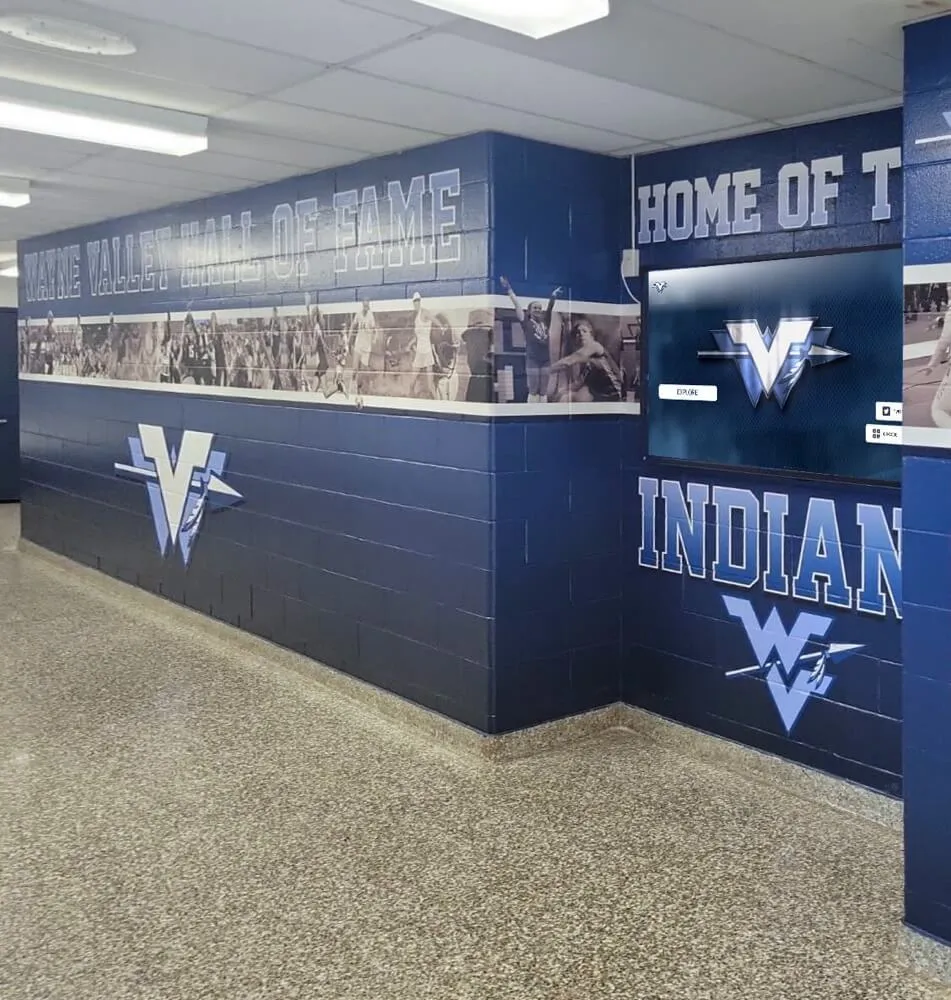
Bare hallways between major destinations. Fill transition hallways with rotating digital content or framed achievement displays so visitors encounter recognition content throughout their journey rather than only at planned stops.
Trophy cases with outdated or incomplete information. If your trophy cases haven’t been updated in years, prioritize refreshing them before the open house. Faded photos and trophies without context labels communicate neglect rather than pride.
Administrative areas that feel institutional rather than welcoming. Your main office and administrative spaces are often the first interior spaces visitors encounter. School colors, branded displays, achievement recognition, and welcoming signage in these areas set the tone for everything that follows.
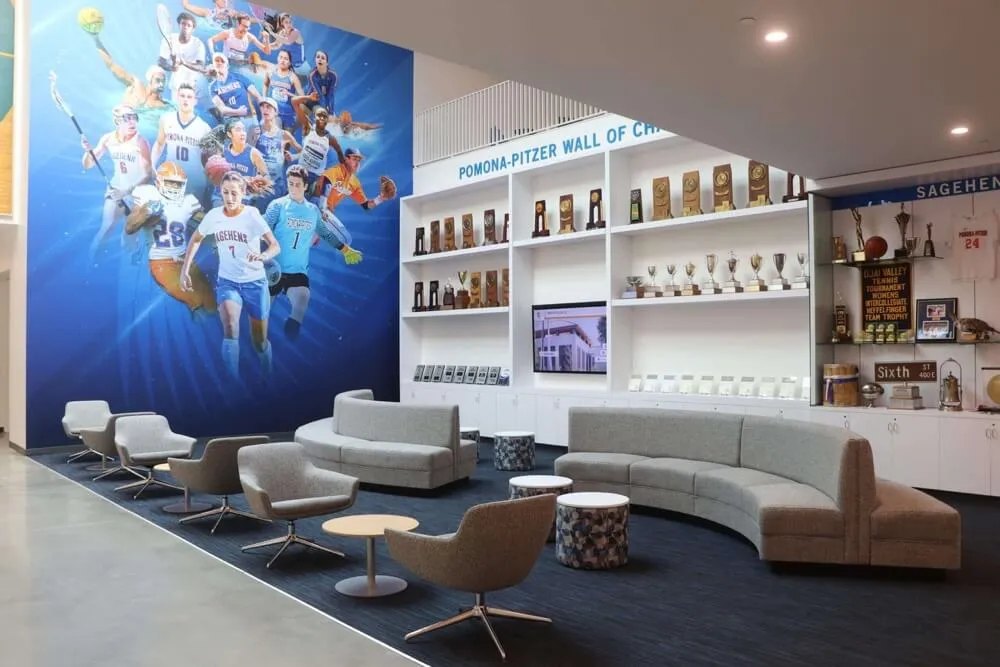
Gymnasium and athletic spaces that feel generic. Athletic spaces that lack team-specific murals, retired jersey displays, or championship recognition feel interchangeable. Visitors who were athletes at this school want to feel that the athletic tradition they contributed to is actively honored.
Plan the Follow-Up Before the Event Begins
The work of a successful school open house doesn’t end when the last visitor leaves. The connections made during the event are only valuable if they’re maintained and built upon afterward.
Collect contact information thoughtfully—sign-in sheets, QR code registrations, or digital kiosk interactions can all capture visitor information with appropriate permission. Plan a follow-up communication that goes out within 48-72 hours, while the emotional resonance of the visit is still fresh.
For alumni specifically, provide pathways to deeper engagement: joining an alumni association, contributing to a specific fund, volunteering for a mentorship program, or nominating a former classmate for a hall of fame induction. Every touchpoint after the open house should be designed to deepen the relationship rather than simply expressing gratitude for attendance.
Schools building comprehensive digital history archives find that sharing access to those archives with alumni after an open house creates ongoing engagement long after the event itself. When alumni can log in to explore historical records, find their own information, or submit memories and photos, the open house becomes the beginning of a longer relationship rather than a one-time event.
The Role of Recognition Technology in Modern Open Houses
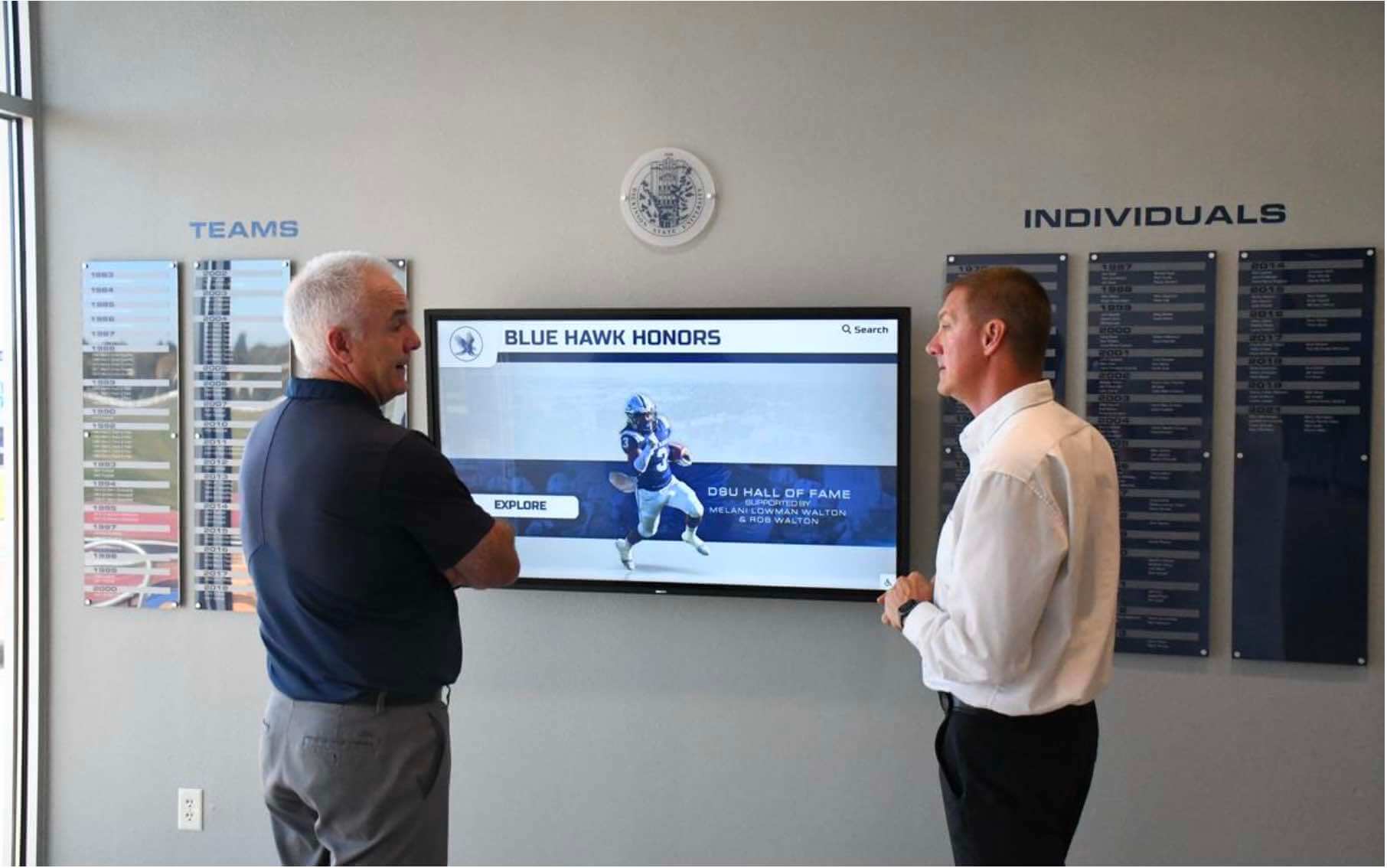
Schools that have invested in digital recognition systems—interactive touchscreen walls, digital hall of fame displays, and web-accessible recognition platforms—have a significant open house advantage. These systems do ongoing work between events, but they shine brightest when there’s an audience.
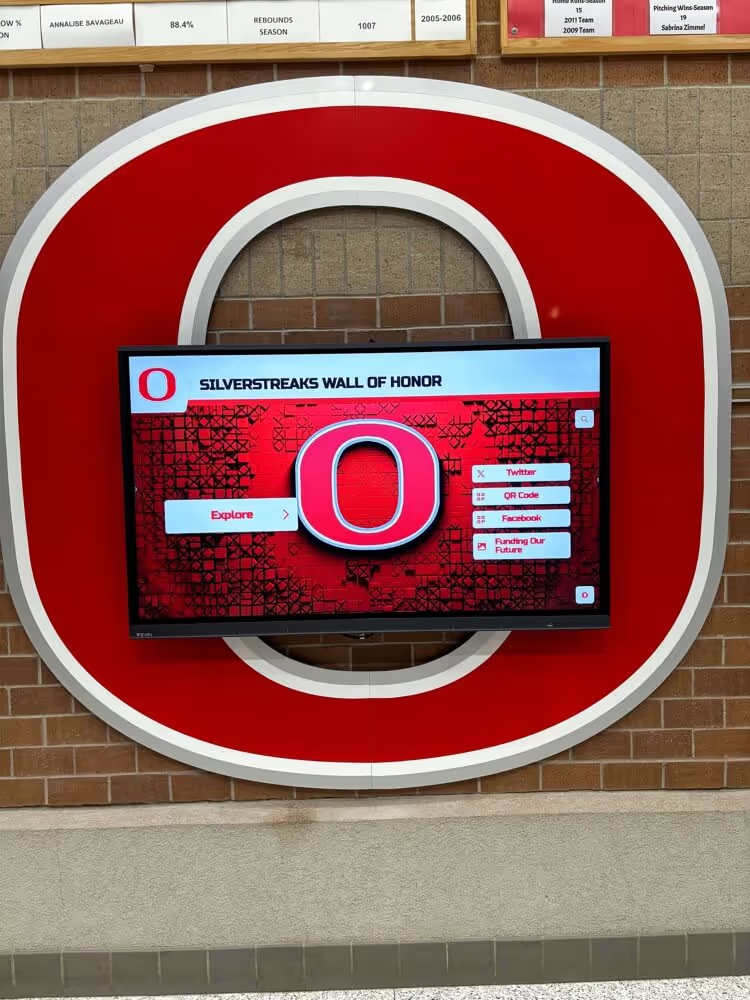
During an open house, a well-designed touchscreen hall of fame becomes a destination rather than a backdrop. Visitors naturally cluster around it, searching for names they know, discovering records they didn’t know existed, and sharing what they find with each other. This organic social engagement is exactly what open house planners are trying to create—and it happens without any staff facilitation once the system is in place.
For schools touring a new building or recently renovated space, understanding timing and planning for touchscreen display installation helps ensure that recognition technology is ready to perform when the open house spotlight is on.
The touchscreen display in a high school gym or lobby at open house events also continues serving the school community throughout the year—in daily hallway traffic, during athletic events, and at every subsequent community gathering. The investment in recognition technology compounds over time rather than depreciating.
Touchscreen hall of fame displays for high school gyms and lobbies are increasingly becoming the centerpiece of open house recognition strategy for schools that want visitors to do more than walk through—they want visitors to discover, interact, and connect.
Putting It All Together
The best school open house ideas share a common thread: they treat visitors not as guests passing through, but as stakeholders who have a personal relationship with the institution. When an alumnus sees their graduation year honored on a digital timeline, when a donor’s name appears prominently on a recognition wall, when a community member discovers a story about a student they once coached—those moments of recognition create the emotional investment that sustains schools for generations.
Physical tours show what the building looks like today. Interactive recognition displays show what the school has meant across decades. That combination—present and past, current students and living alumni, today’s achievements and yesterday’s milestones—is what transforms an open house from a scheduled event into a genuine community experience.
Start with your goals, design each space with your visitors’ emotional journey in mind, invest in interactive recognition that performs long after the open house is over, and plan the follow-up before the first guest arrives. Those steps, applied consistently, turn a school open house into one of the most powerful community-building tools a school has.
Ready to create a hall of fame and recognition display that makes every open house—and every day between them—memorable? Explore how Rocket Alumni Solutions builds interactive touchscreen systems, digital walls of fame, and web-based recognition platforms that give alumni, donors, and community visitors something genuinely worth engaging with.