



Key Takeaways
Discover proven school open house ideas that impress prospective families. Complete guide covering interactive displays, digital recognition systems, engaging activities, and modern technology solutions that showcase your school's excellence.
Open house events represent pivotal moments in the school enrollment journey. Prospective families arrive with high expectations, comparing your institution against multiple alternatives while seeking evidence that your school delivers the quality education they envision for their children. Traditional open house approaches—brief tours through hallways, generic presentations in auditoriums, scattered informational tables—often fail to create the memorable, differentiated experiences that drive enrollment decisions in today’s competitive educational landscape.
This comprehensive guide examines innovative school open house ideas that transform these critical events from routine campus tours into compelling showcases demonstrating your school’s unique value proposition. From leveraging interactive digital displays in lobbies to designing engaging activity stations that reveal educational philosophy in action, these strategies help prospective families envision their children thriving within your school community while positioning your institution as forward-thinking, student-centered, and genuinely exceptional.
Understanding What Prospective Families Really Want
Before designing open house experiences, successful schools deeply understand the decision-making psychology driving prospective families’ evaluation processes and enrollment choices.
The Critical Questions Every Family Asks
Prospective families arrive at open houses with fundamental questions that influence whether they seriously consider your school or eliminate it from contention:
Academic Excellence Evidence: What concrete proof exists that students genuinely learn and achieve at high levels? Families want more than marketing claims—they seek visible, tangible evidence of academic rigor, achievement outcomes, and intellectual engagement.
Cultural Fit Assessment: Will their child feel welcomed, supported, and connected within your school community? Parents evaluate whether they observe students who seem happy, engaged, and comfortable in environments reflecting values aligning with their family’s priorities.
Safety and Wellbeing Indicators: Does the facility feel safe, well-maintained, and thoughtfully designed for student welfare? Families subconsciously assess everything from building cleanliness and security measures to how staff interact with students during unscripted moments.
Return on Investment Justification: For private schools or specialized programs, families scrutinize whether additional tuition investment delivers proportional value through superior outcomes, experiences, or opportunities unavailable elsewhere.
Future Opportunity Preparation: How effectively does your school prepare students for college admission, career success, and life beyond graduation? Parents want visibility into college matriculation outcomes, scholarship awards, alumni trajectories, and programs explicitly building future-ready skills.
Community and Values Alignment: Do they sense genuine community, shared values, and institutional character resonating with their family’s beliefs about education, character development, and what matters most in childhood?
Exceptional open houses systematically address these questions through experiences, displays, interactions, and evidence that build confidence your school delivers what families seek.
First Impressions: The Critical Opening Minutes
Research consistently demonstrates that first impressions form within seconds of arrival and significantly influence subsequent perception, even when contradicted by later evidence. The opening minutes of your open house create disproportionate impact on overall family impressions.
Lobby and Entry Experience Design:
Transform your main entrance into an impressive showcase immediately communicating excellence, innovation, and student achievement. Rather than generic welcome tables with paper handouts, consider these high-impact first impression strategies:
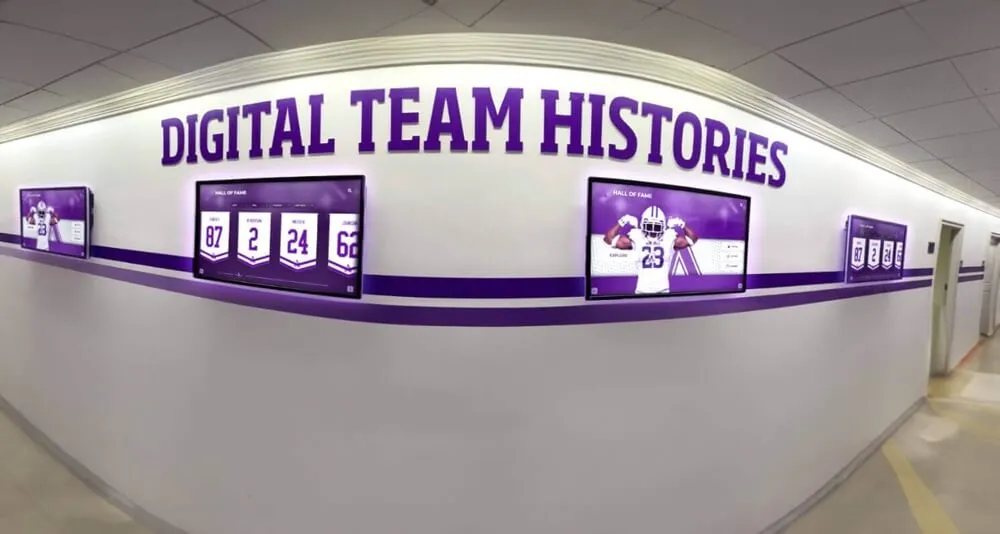
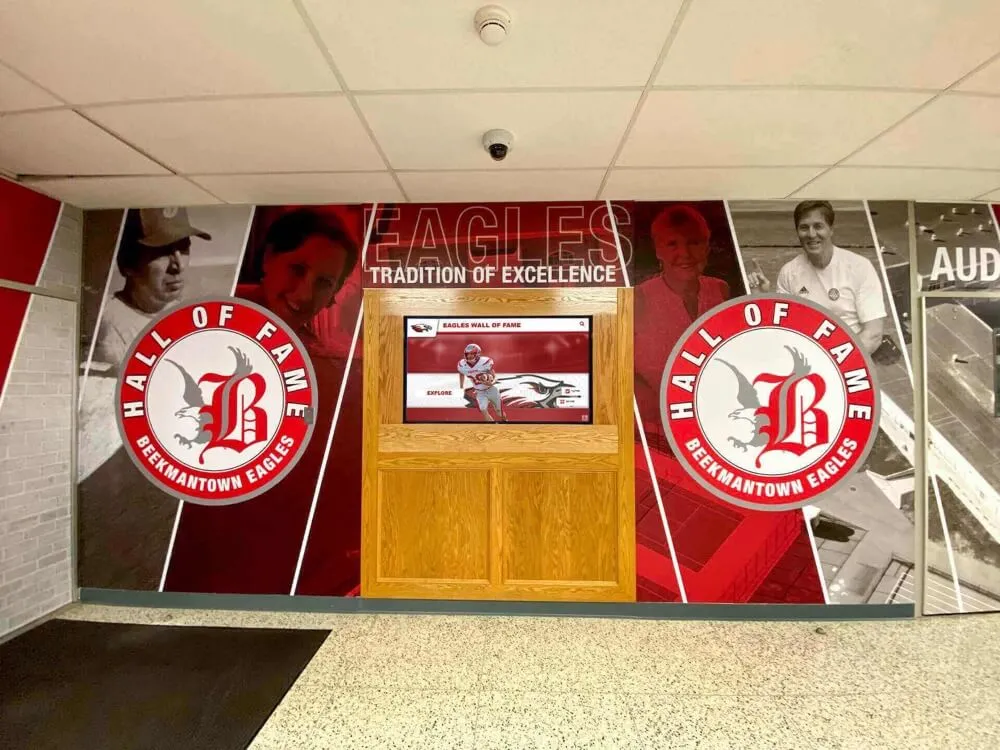
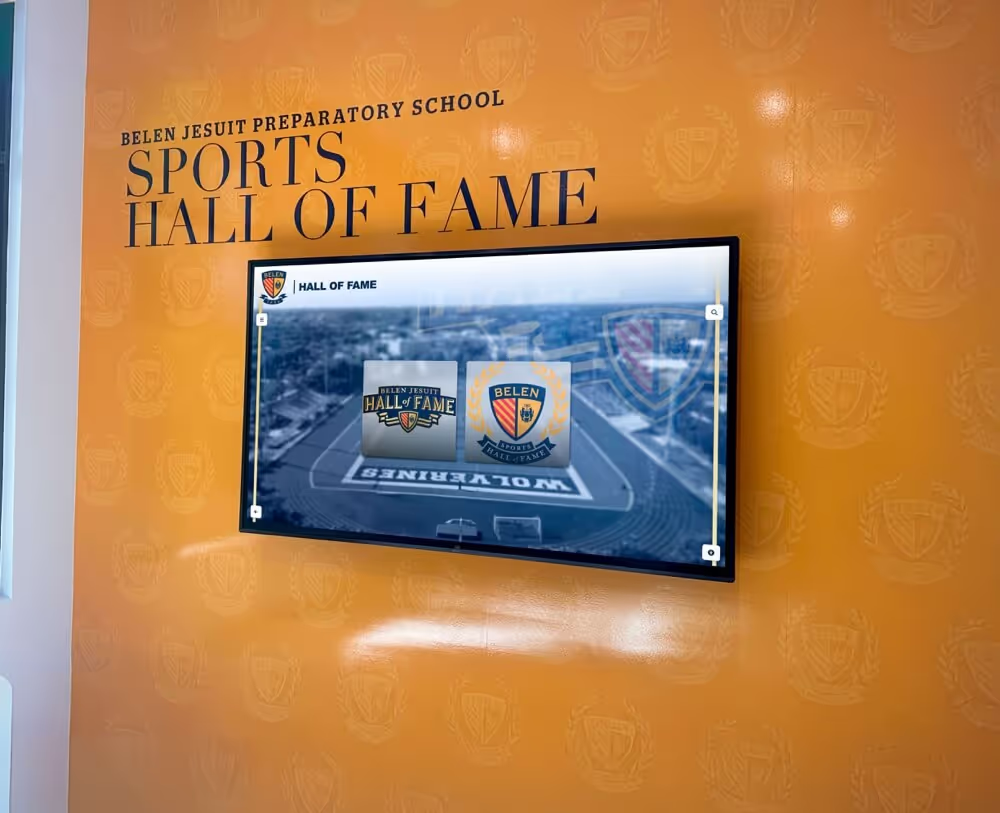
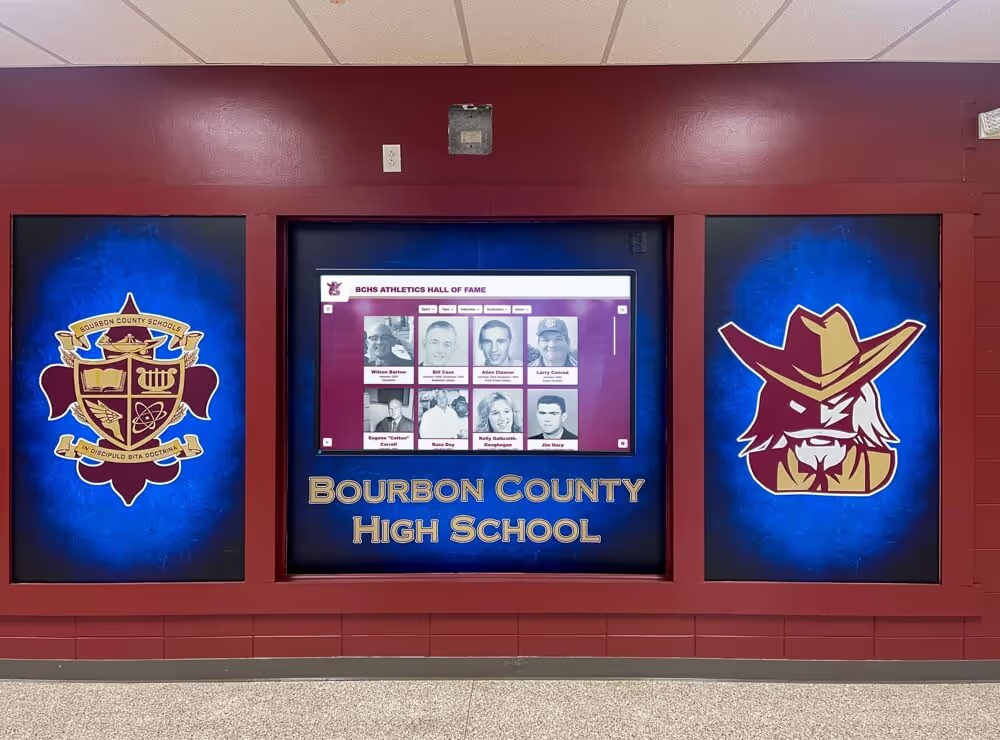
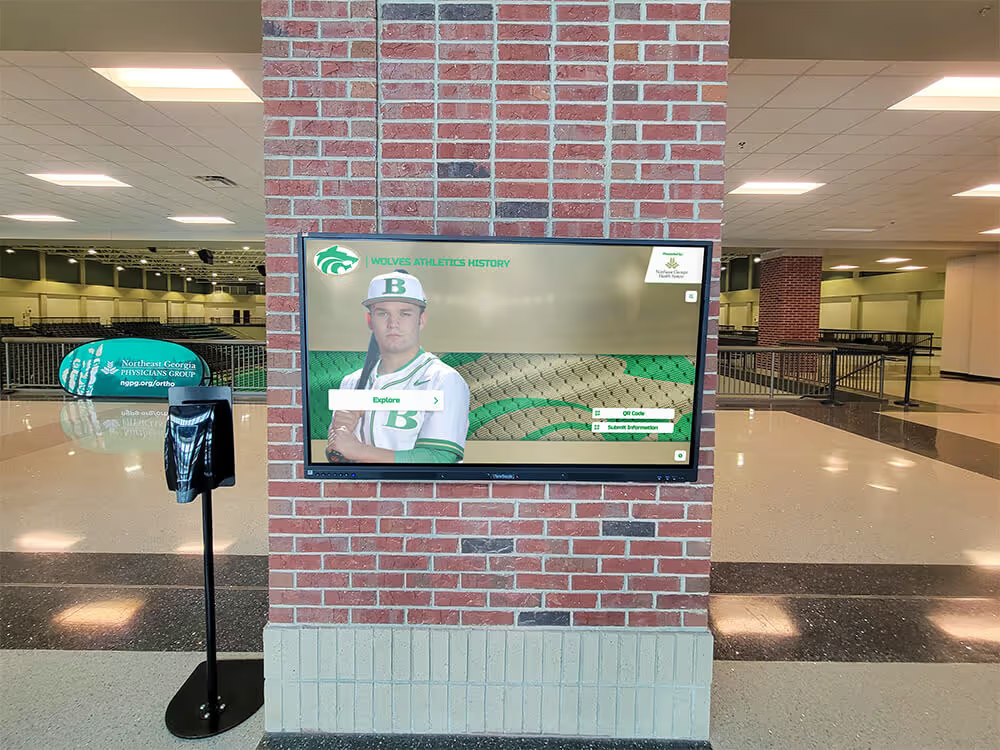
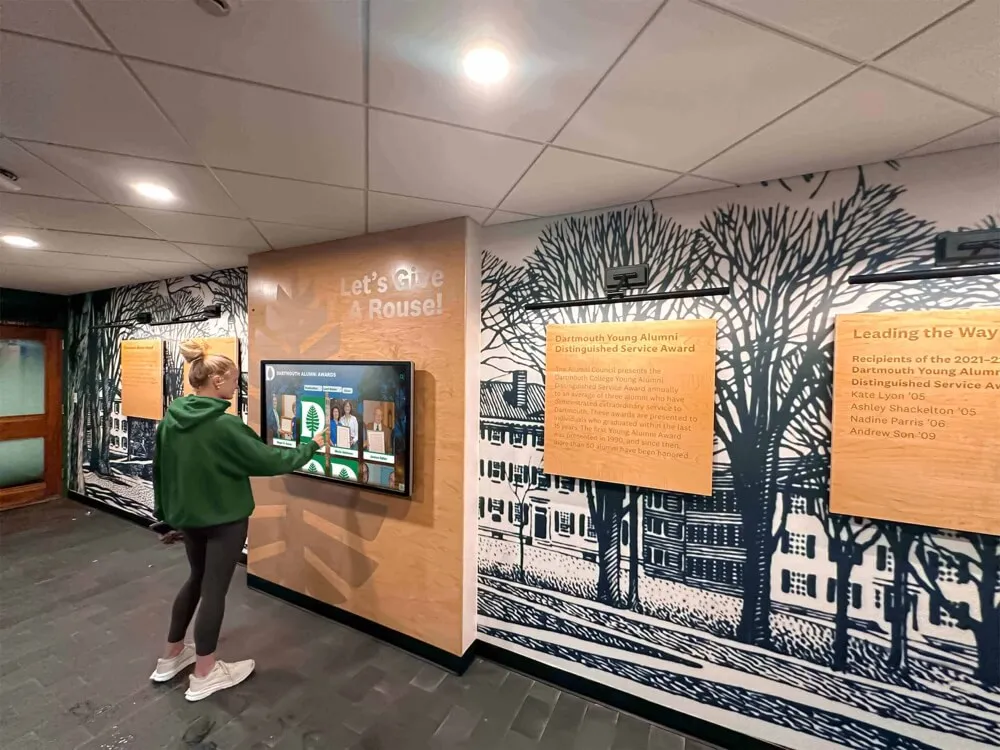
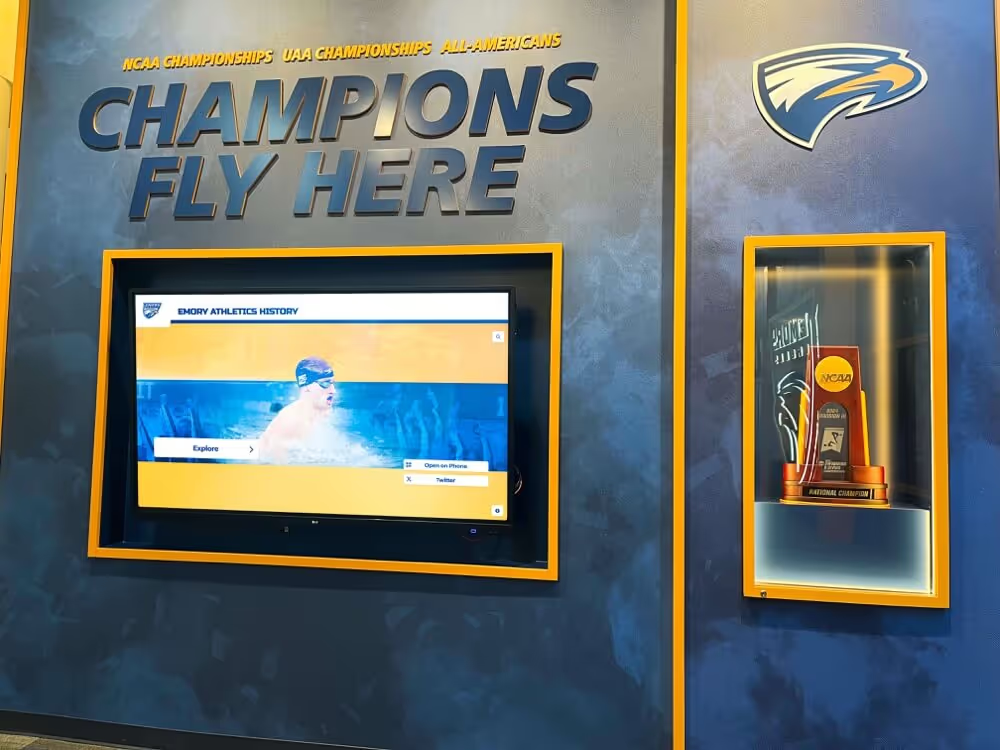
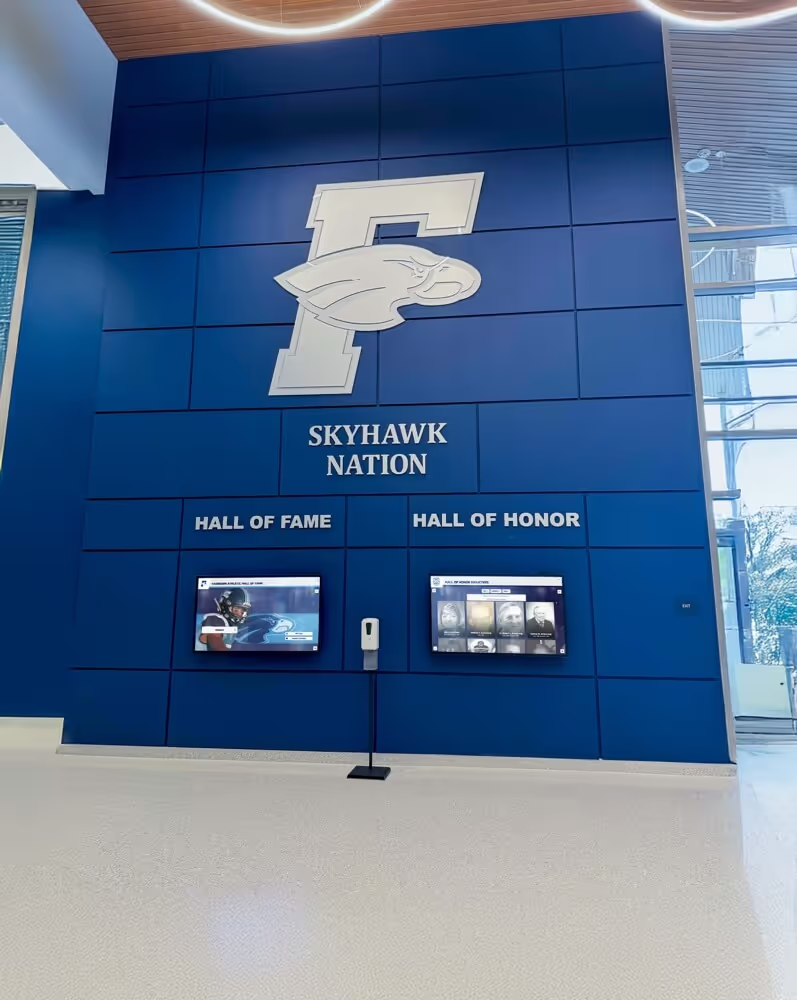
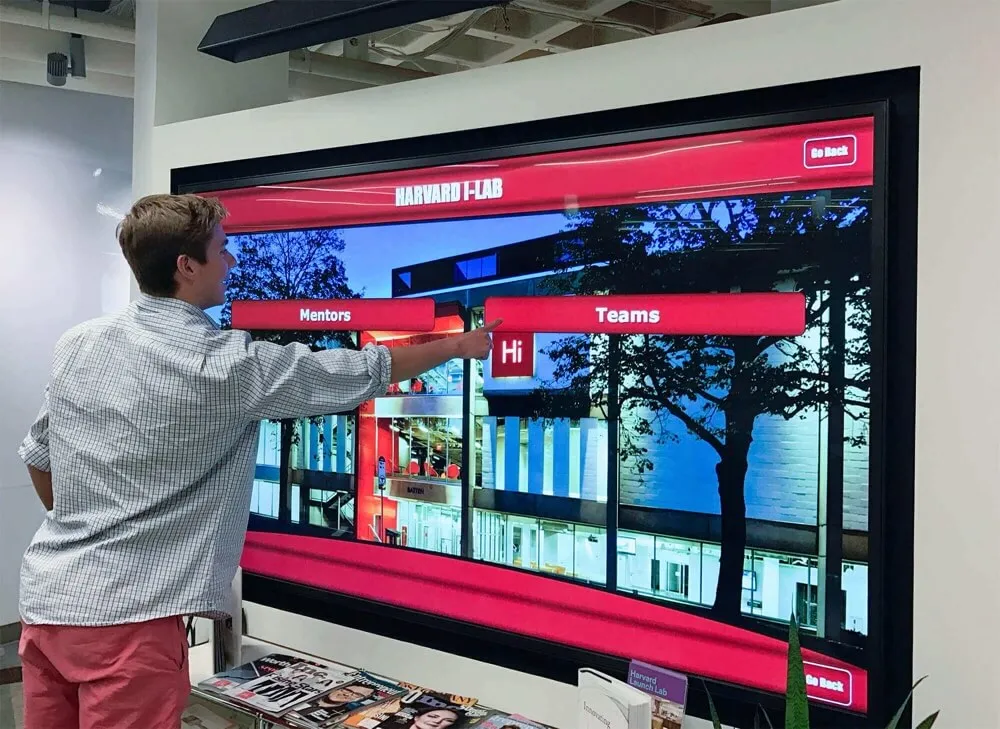
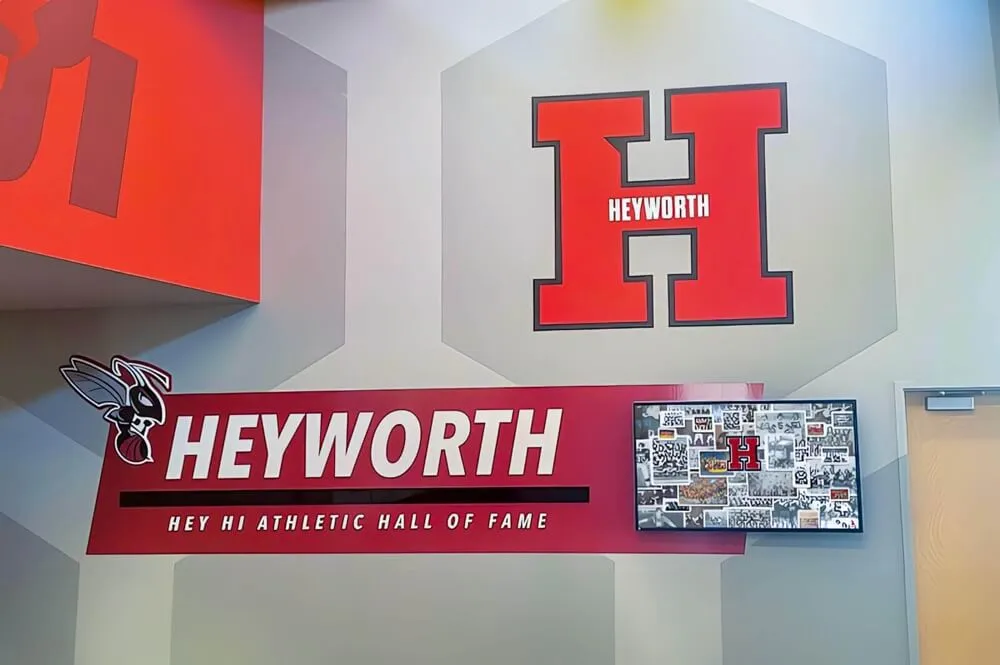
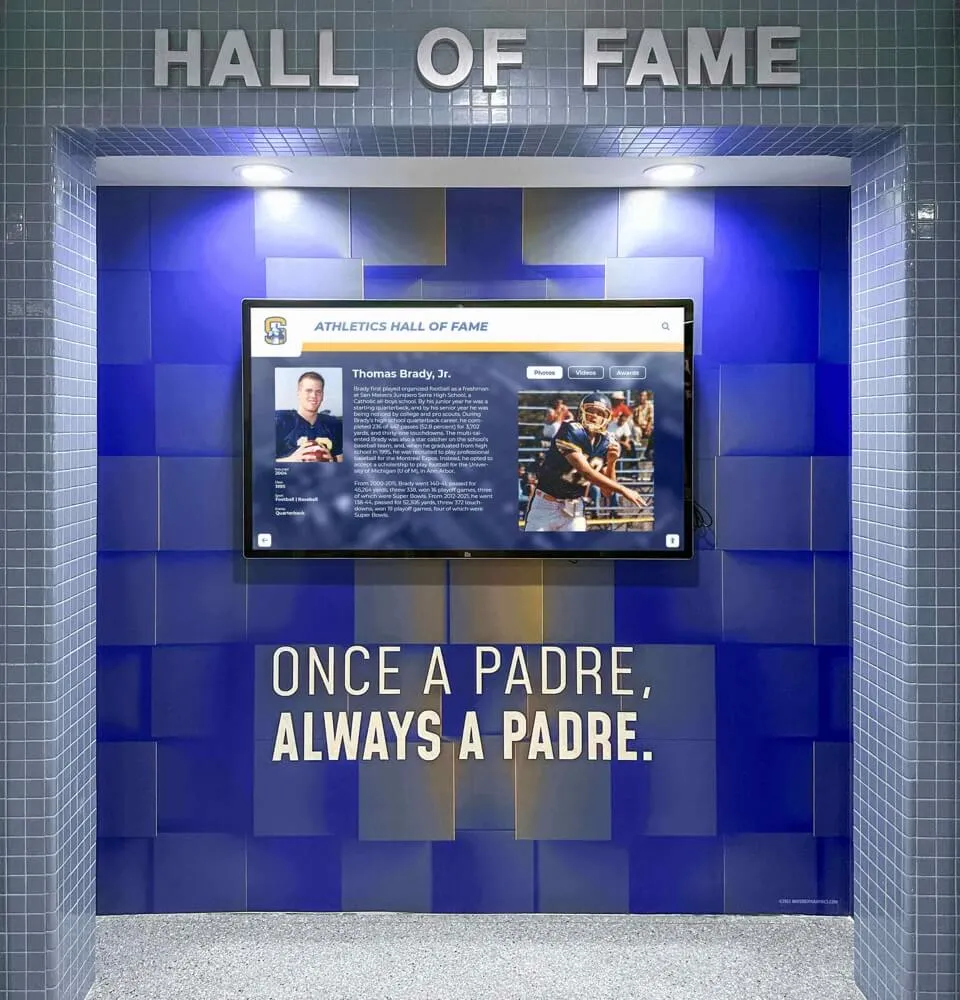
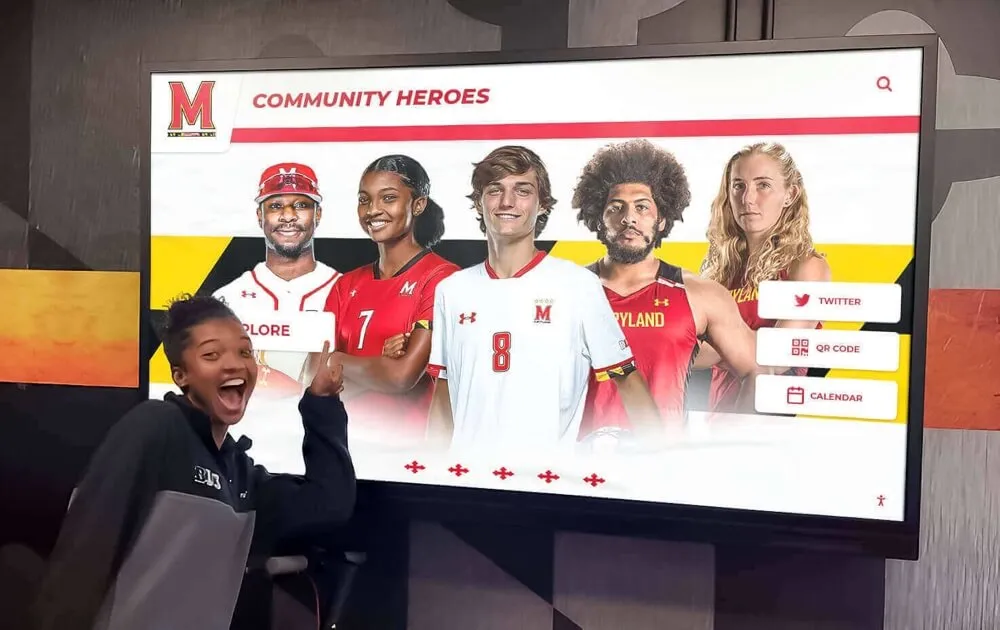
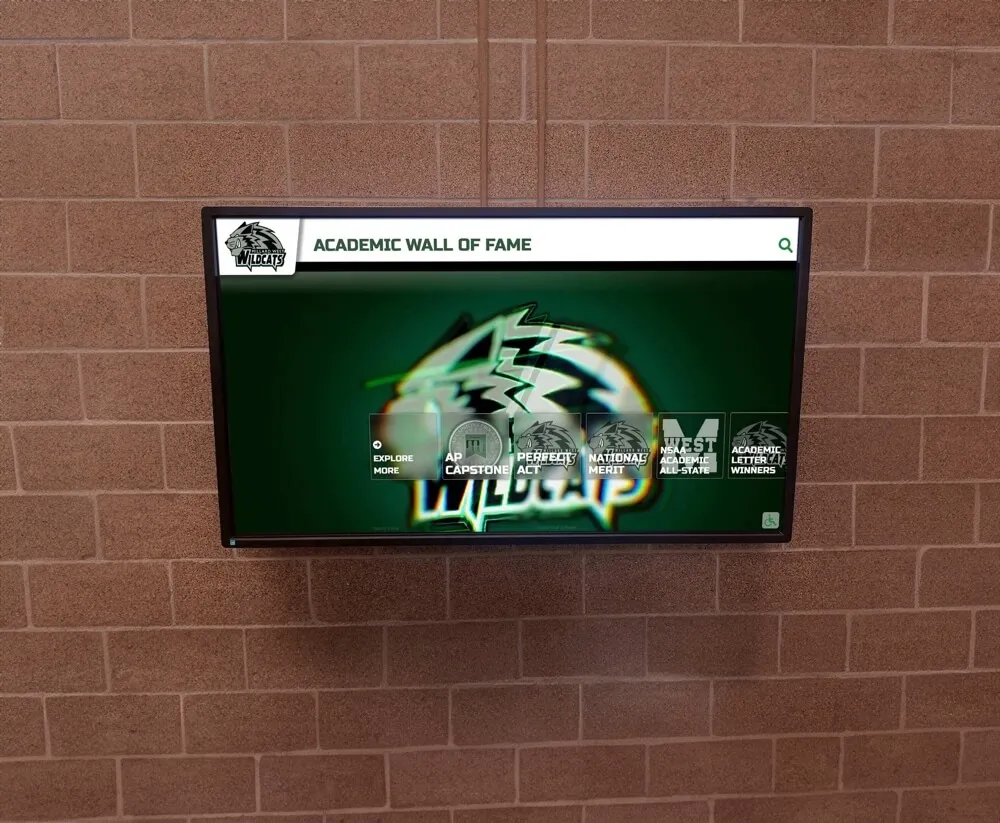
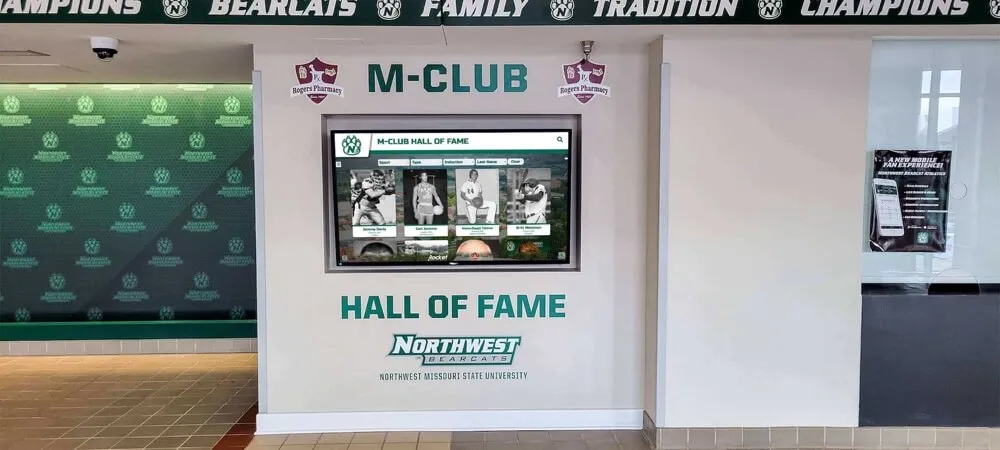
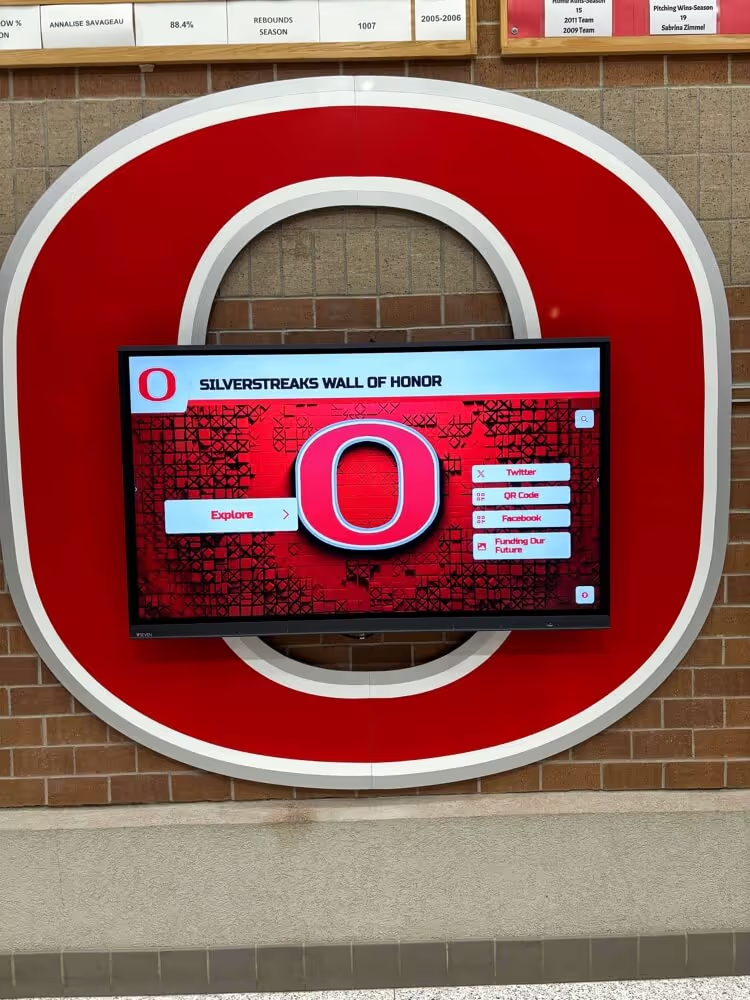
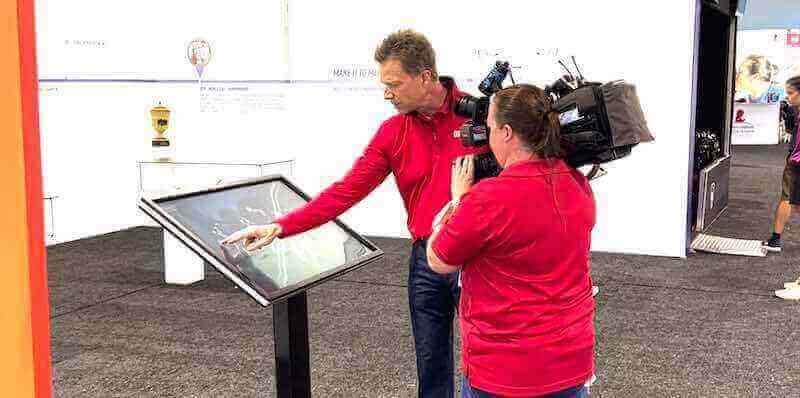
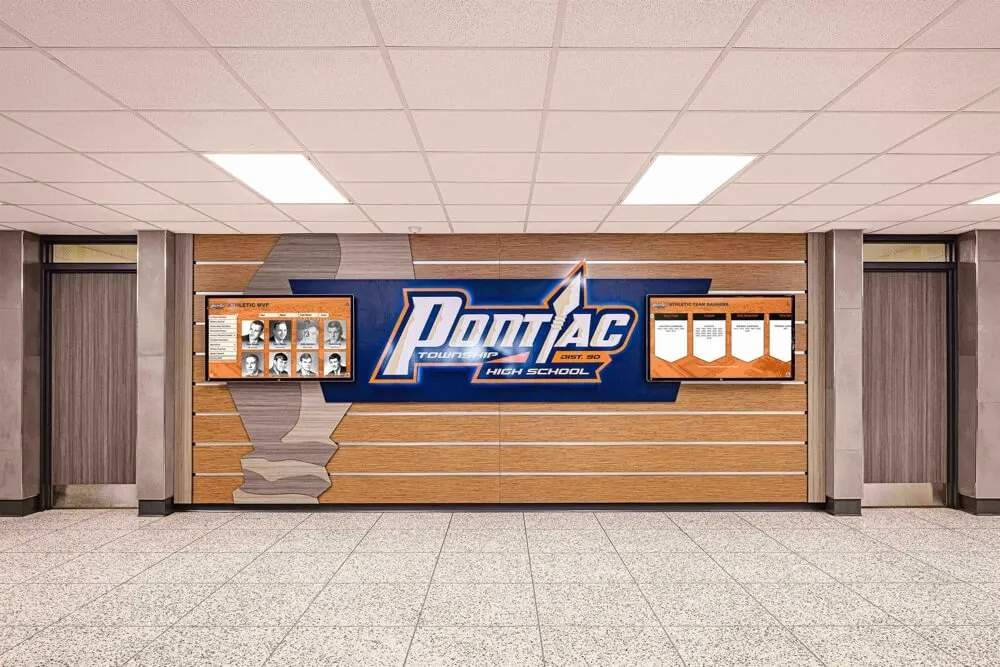
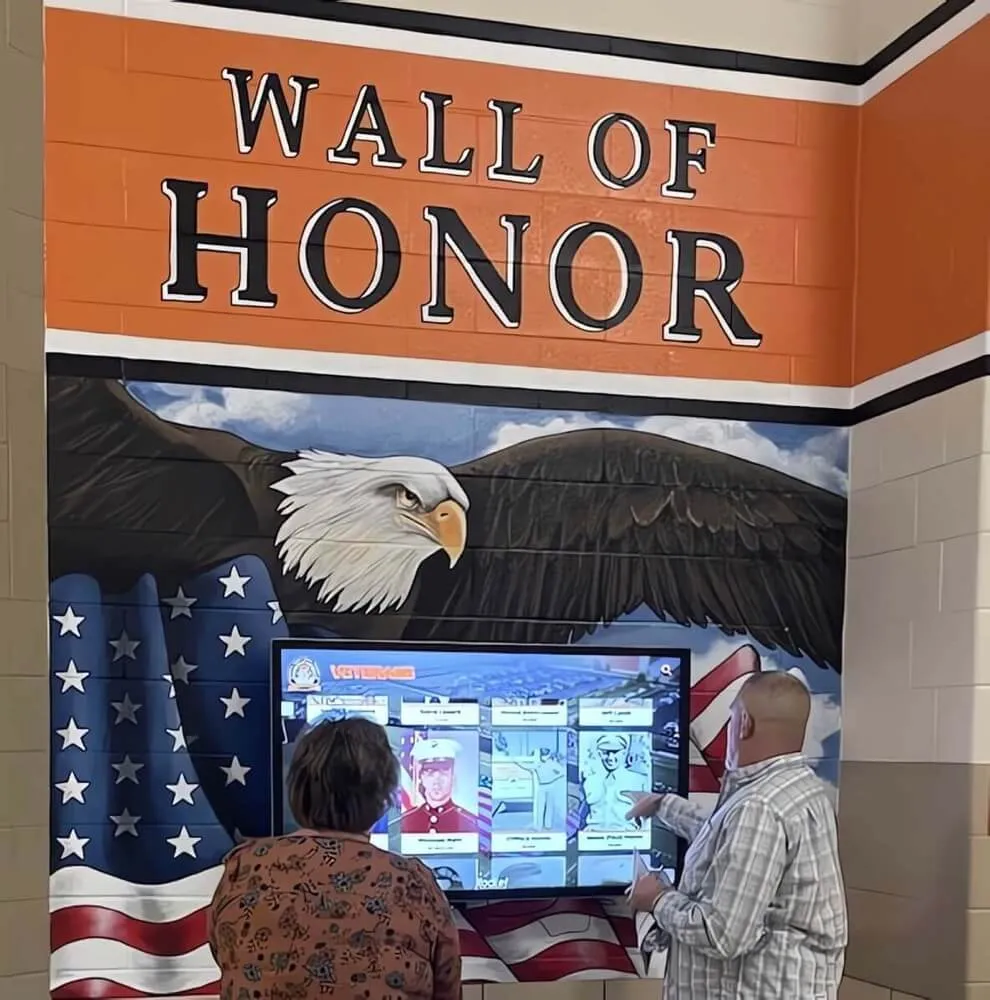
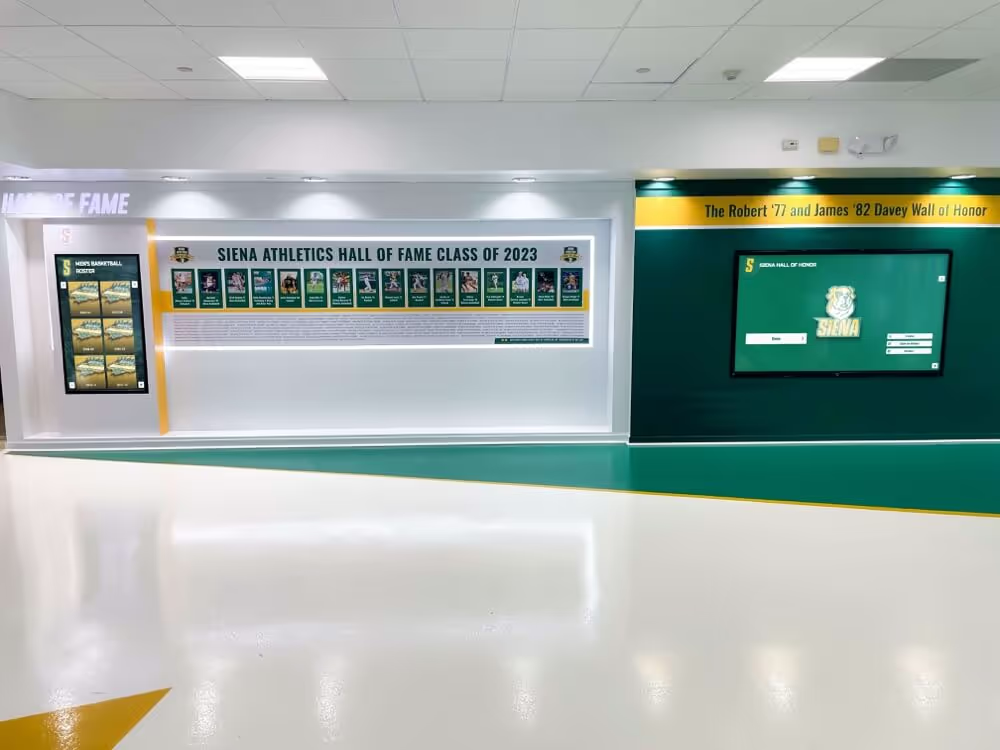
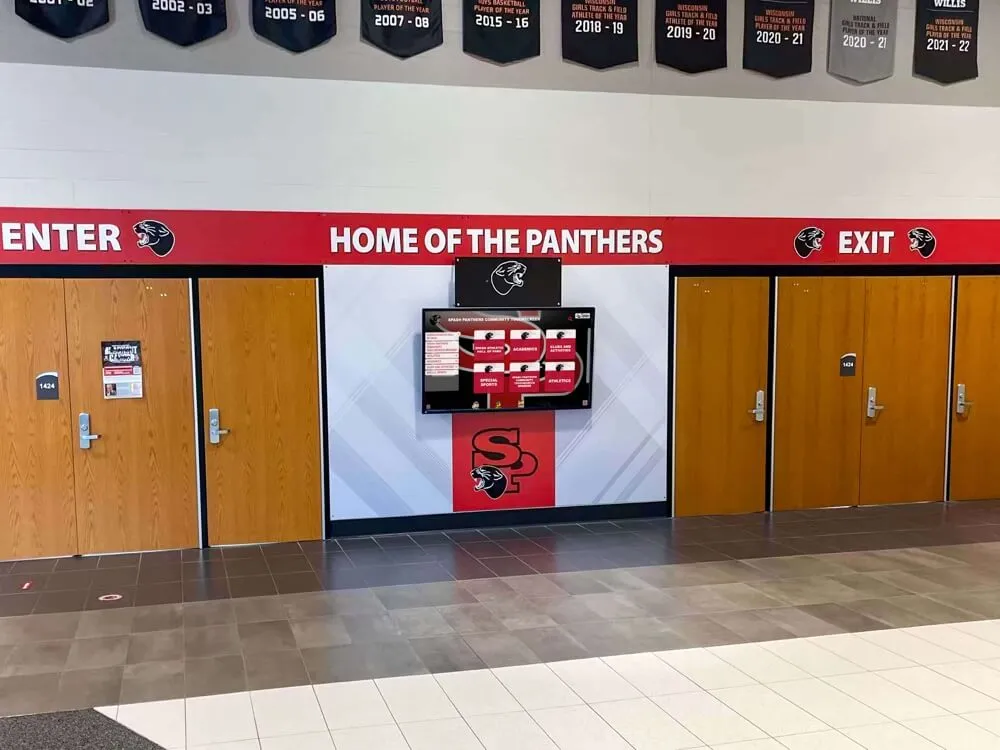
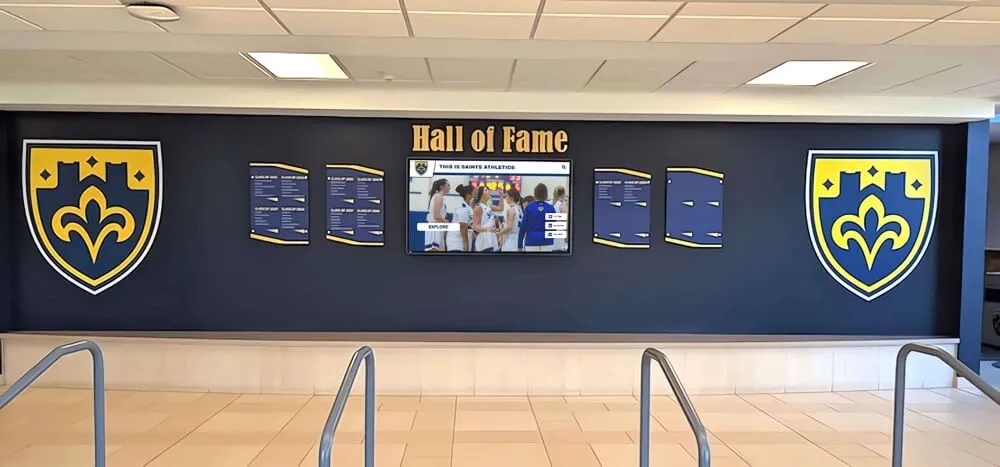
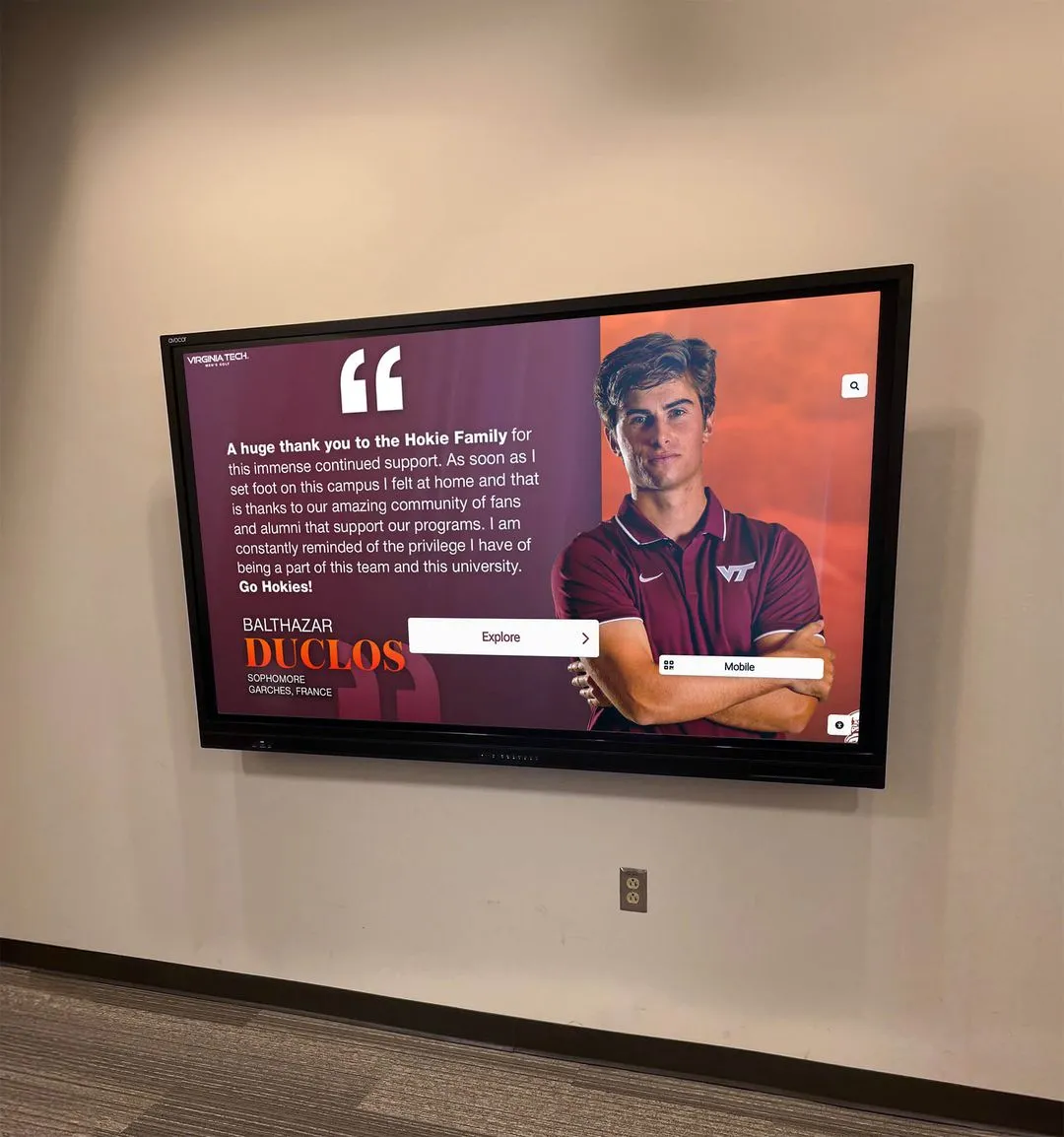
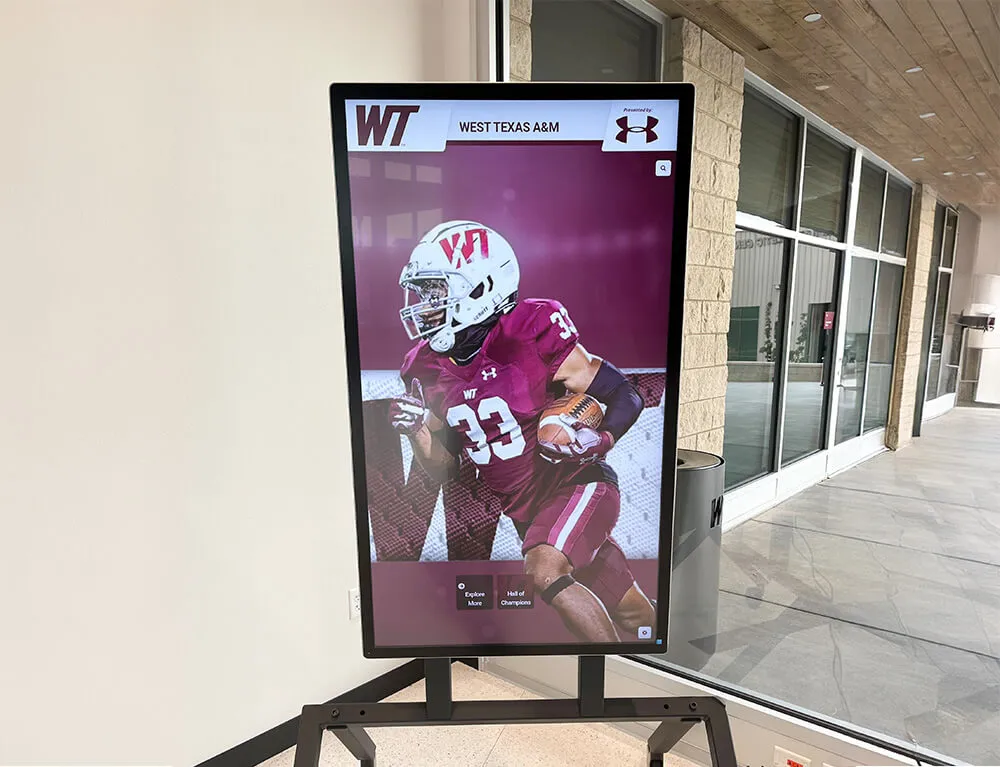
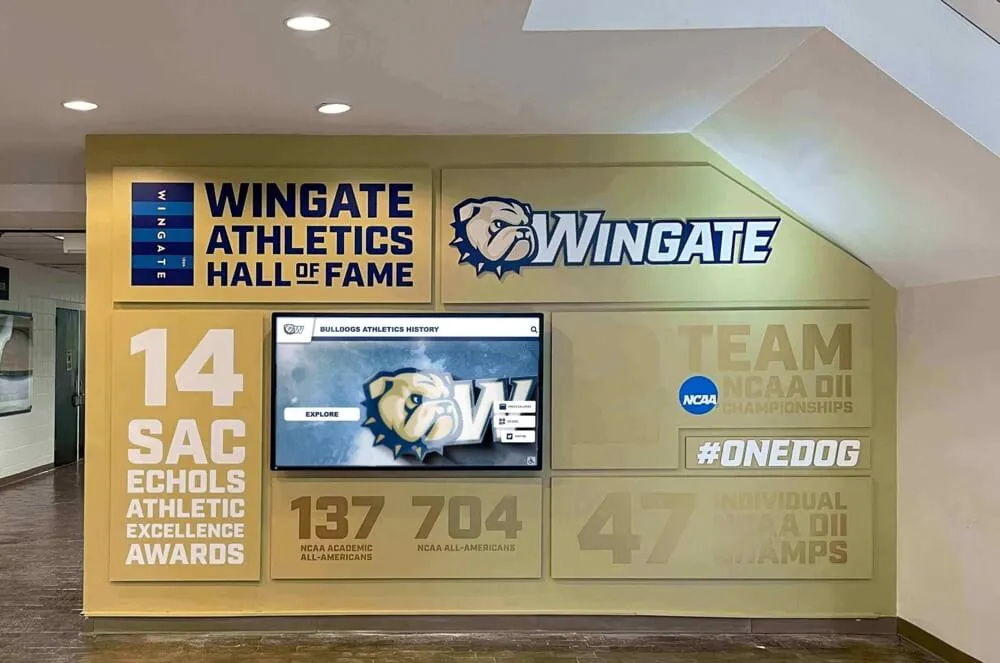
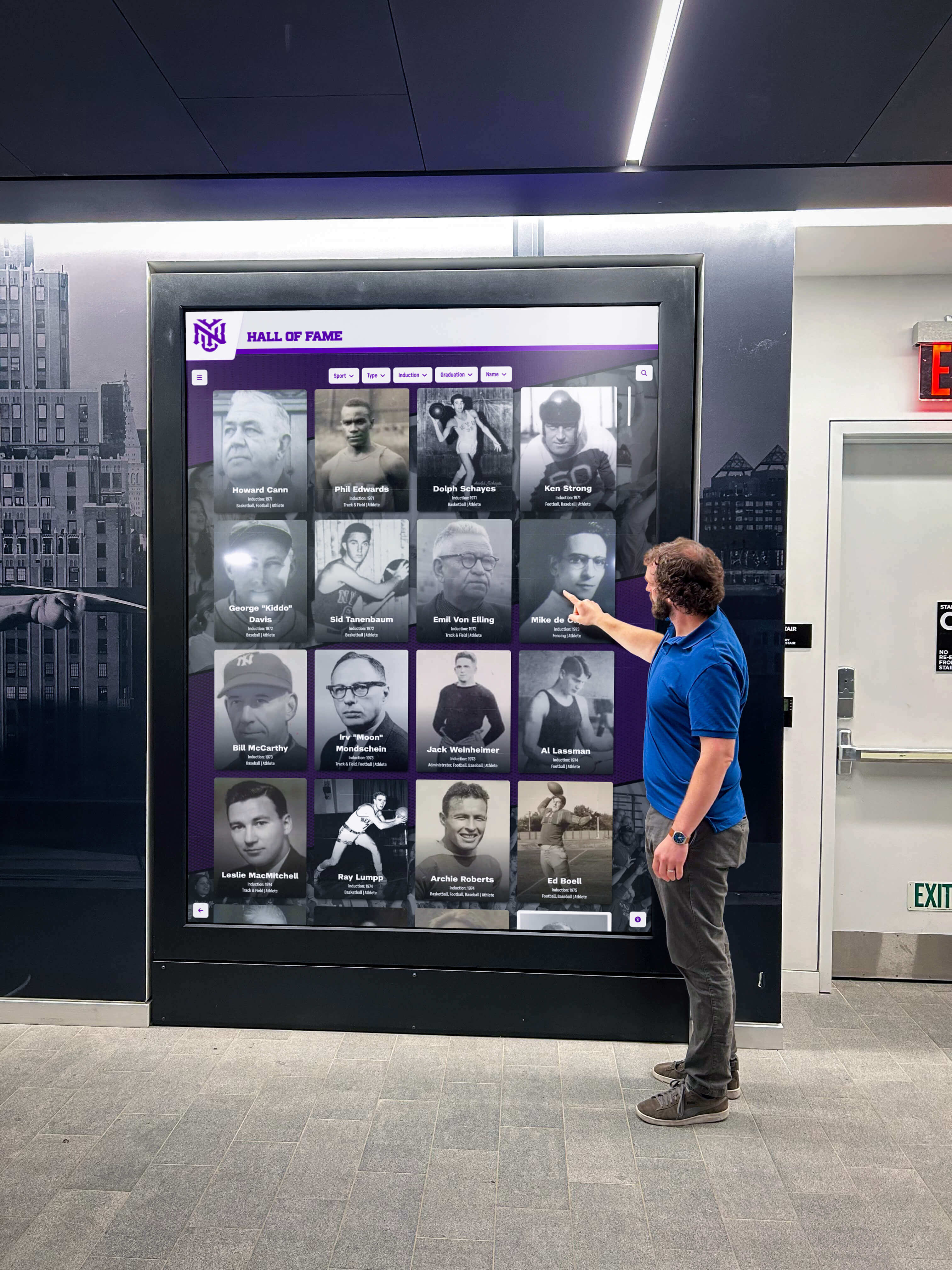
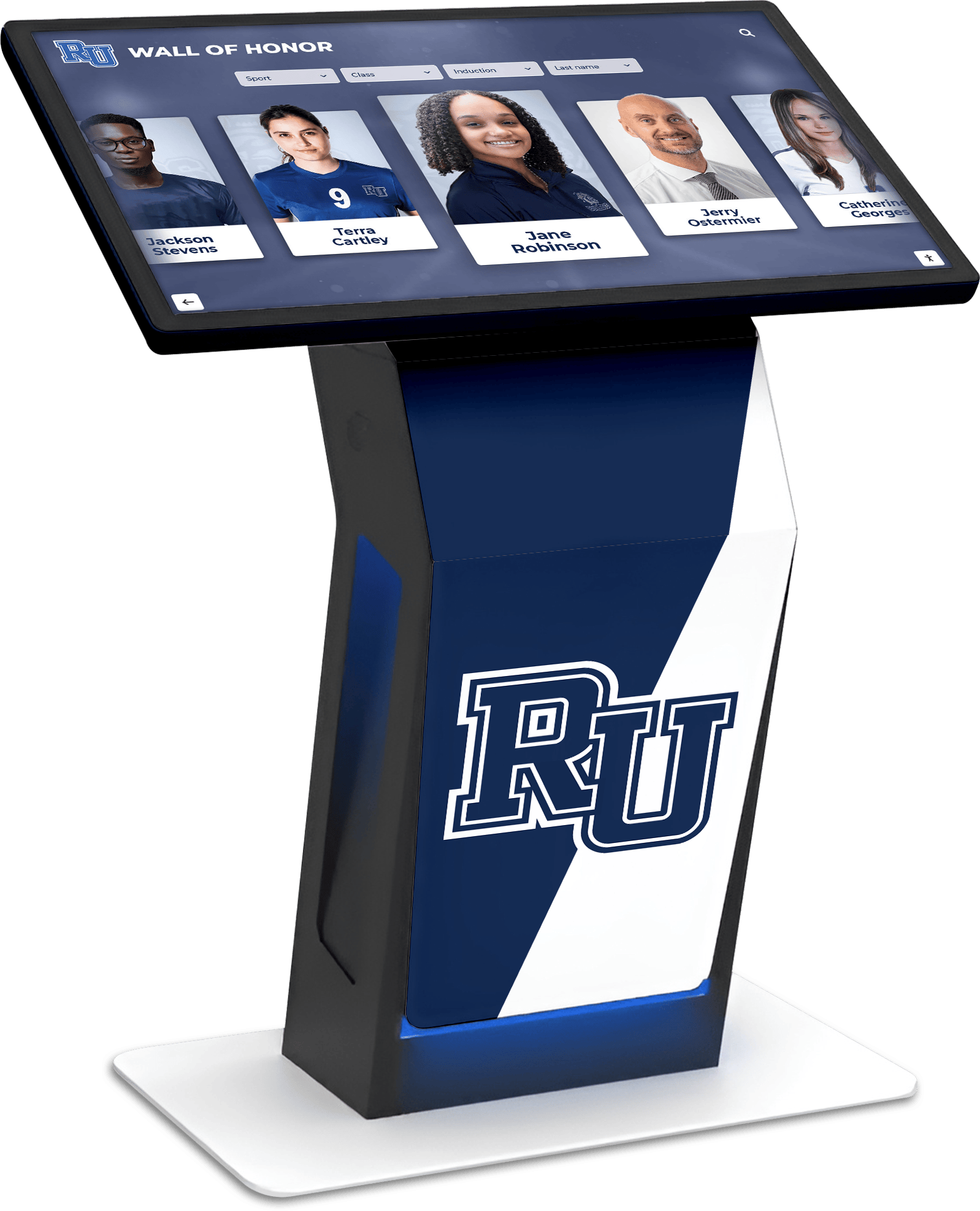
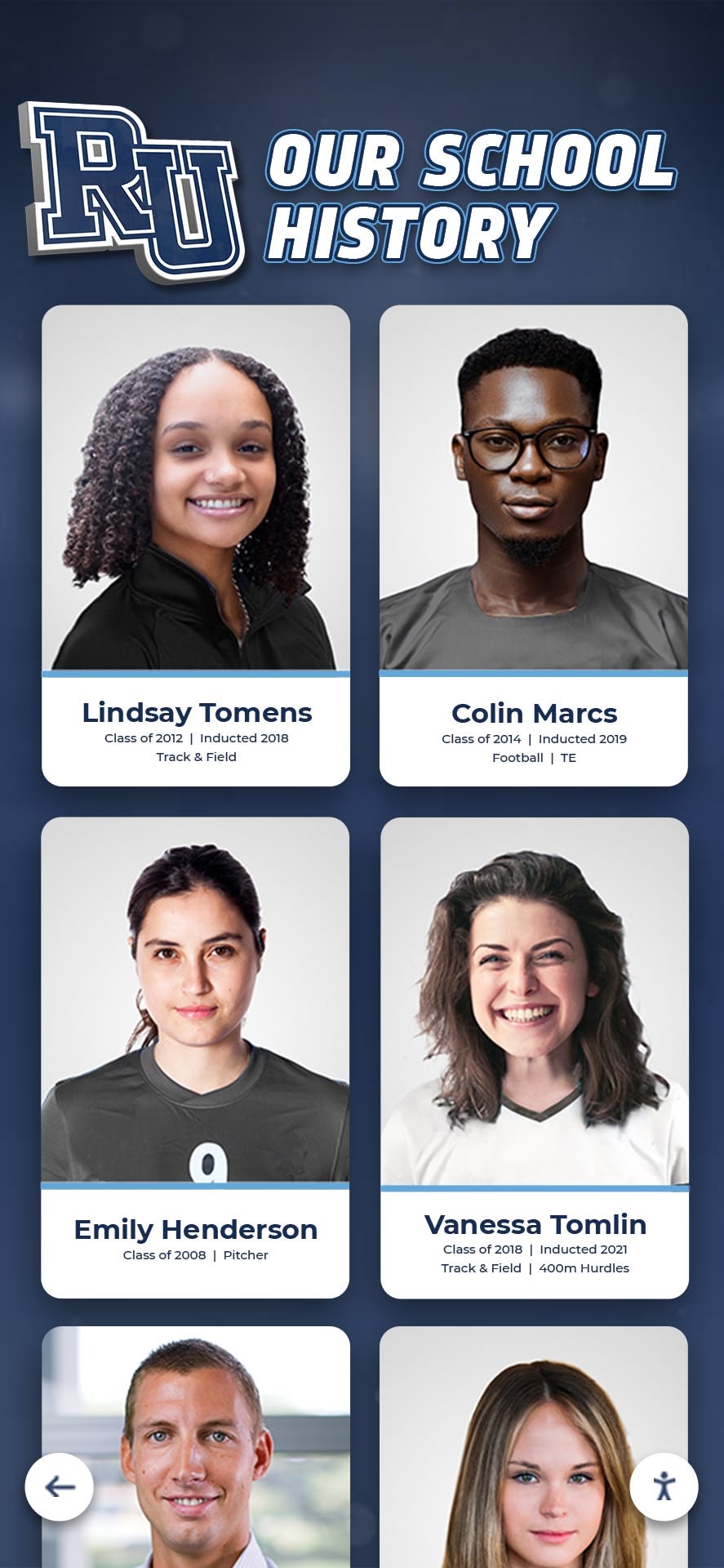
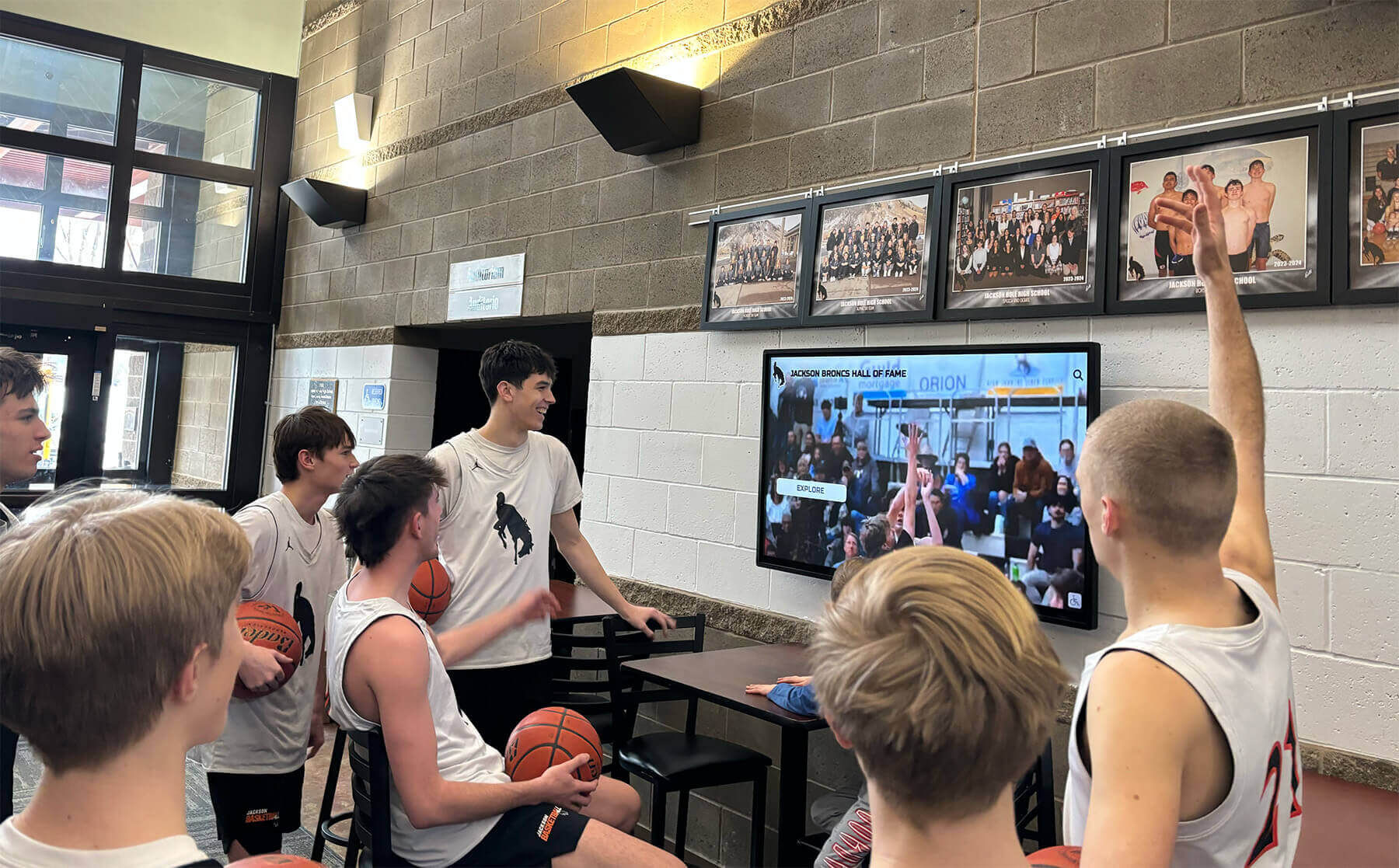
Interactive Digital Recognition Displays: Touchscreen displays showcasing student achievements positioned prominently in lobbies create immediate visual impact while providing substantive evidence of academic excellence, athletic achievement, arts accomplishments, and community engagement. Families arriving early can explore achievement histories while waiting, starting their experience by discovering what your students accomplish rather than reading generic brochures.
Professional Wayfinding and Signage: Clear, attractive directional signage prevents confusion while reinforcing your school’s attention to detail and organization. Digital wayfinding displays add modern sophistication while providing flexible scheduling information that adapts as events progress.
Student Ambassador Welcome Teams: Rather than passive sign-in tables, position enthusiastic current student ambassadors near entrances to greet families personally, answer immediate questions, and share authentic student perspectives. Students represent your school’s most credible and compelling advocates—leveraging their voices from initial contact creates immediate connection.
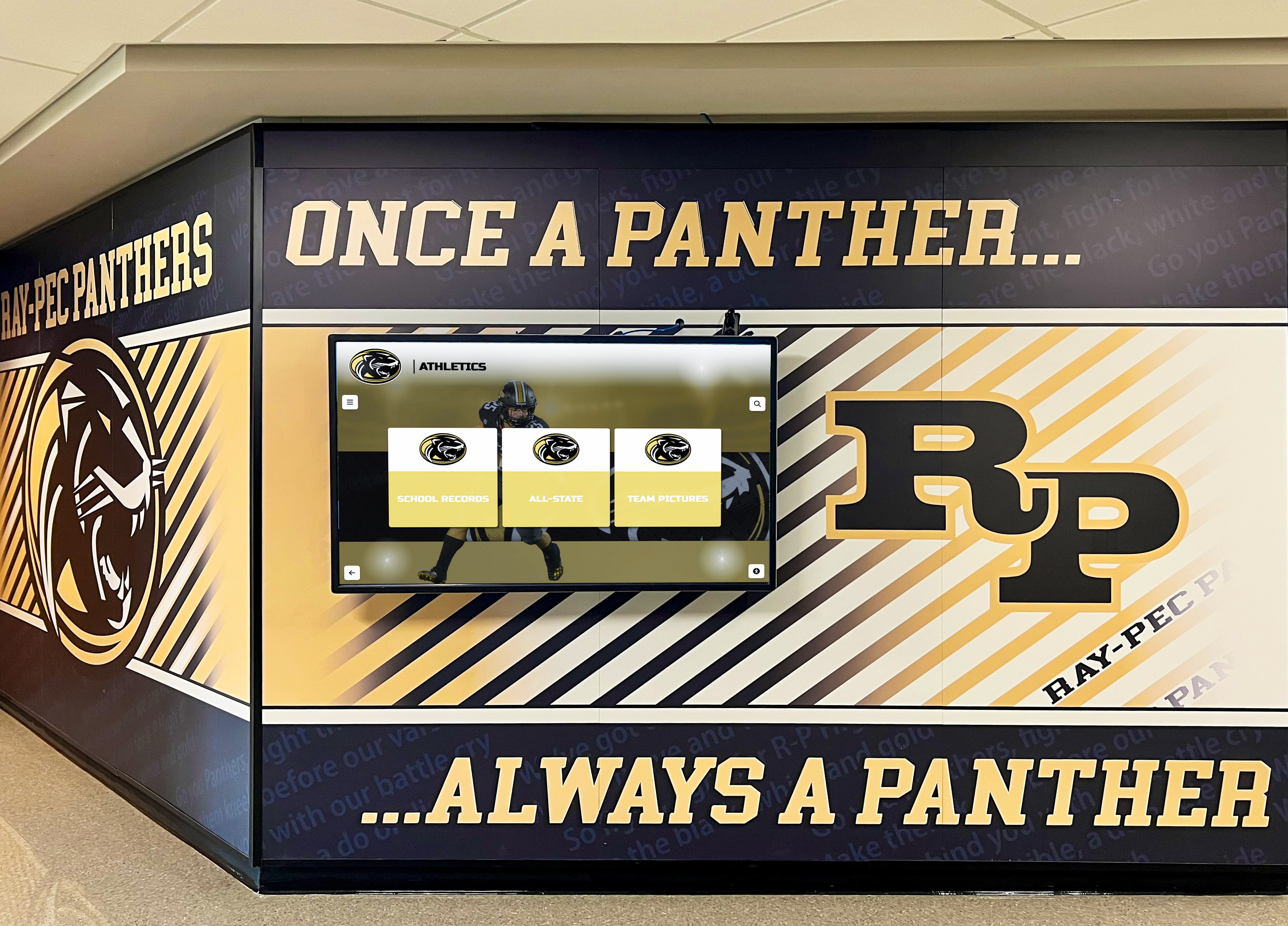
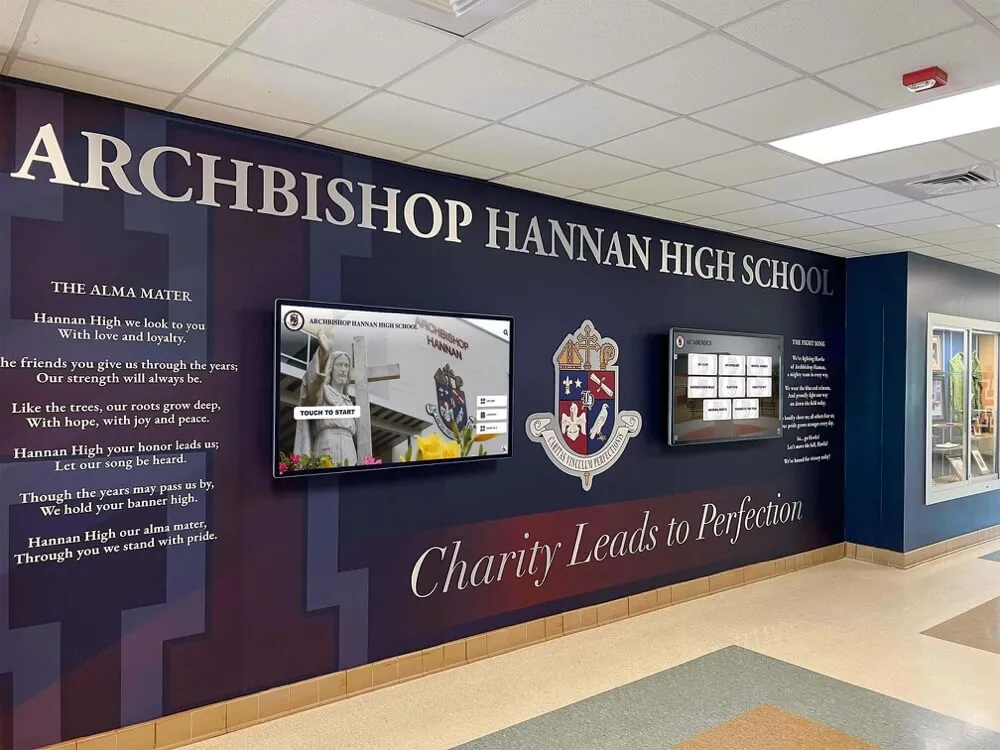
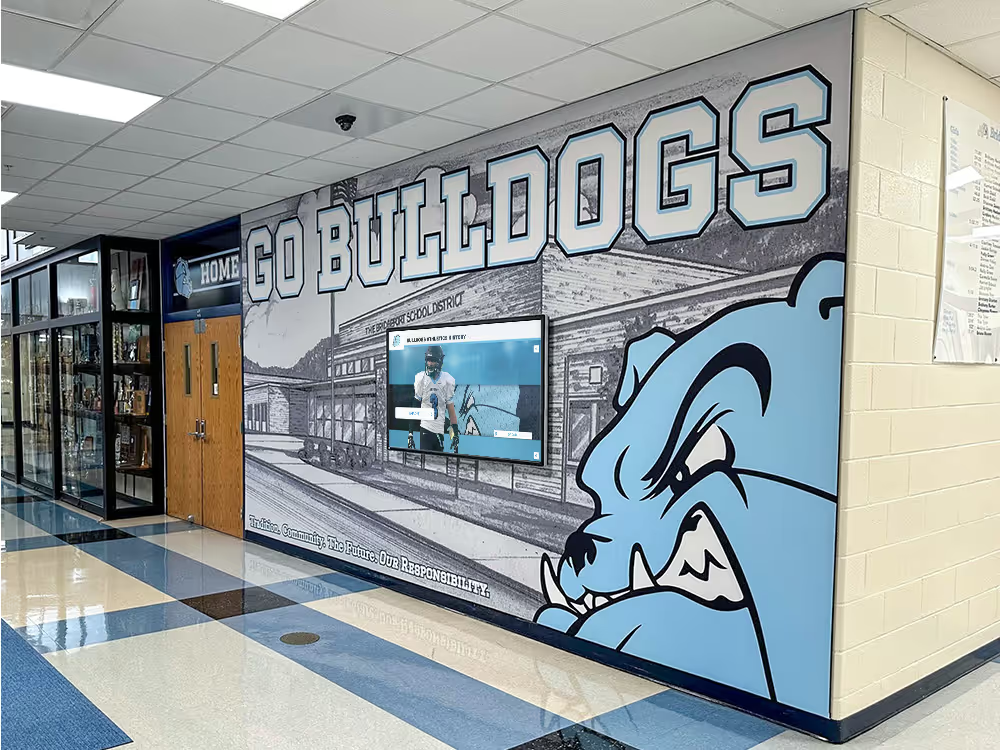
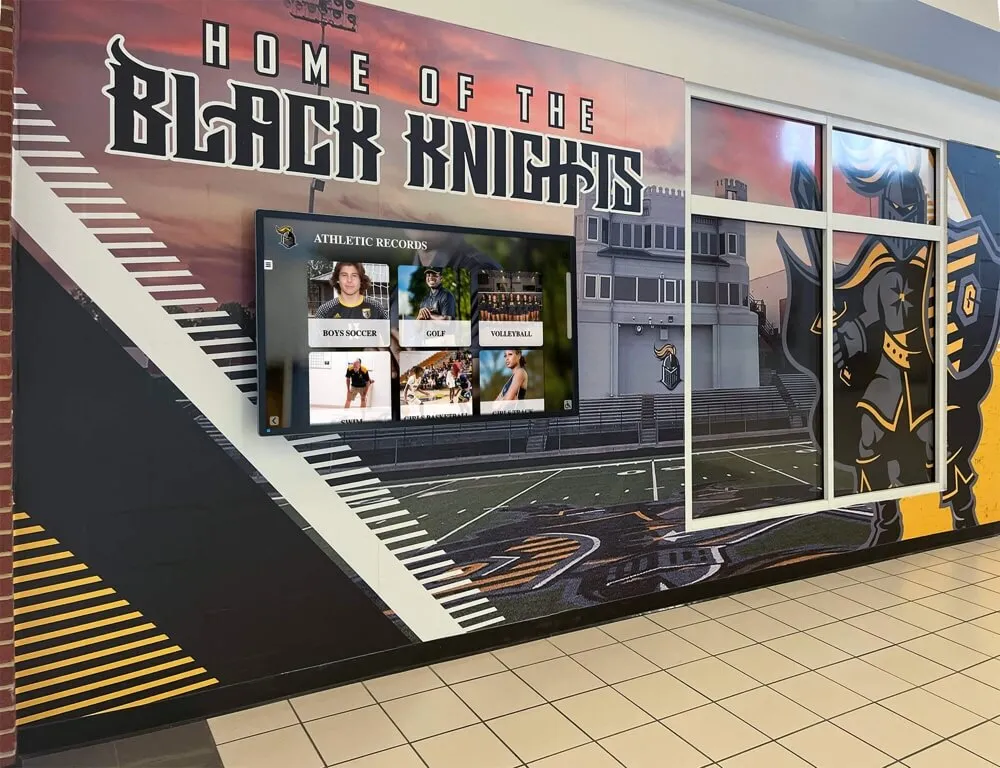
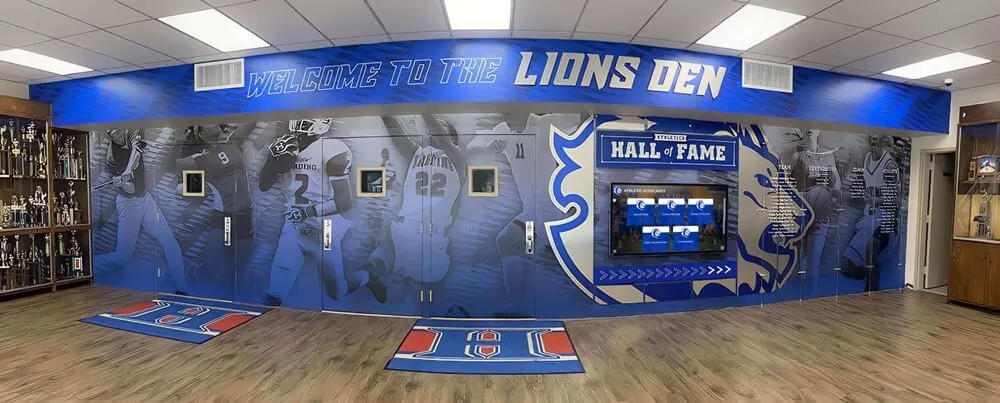
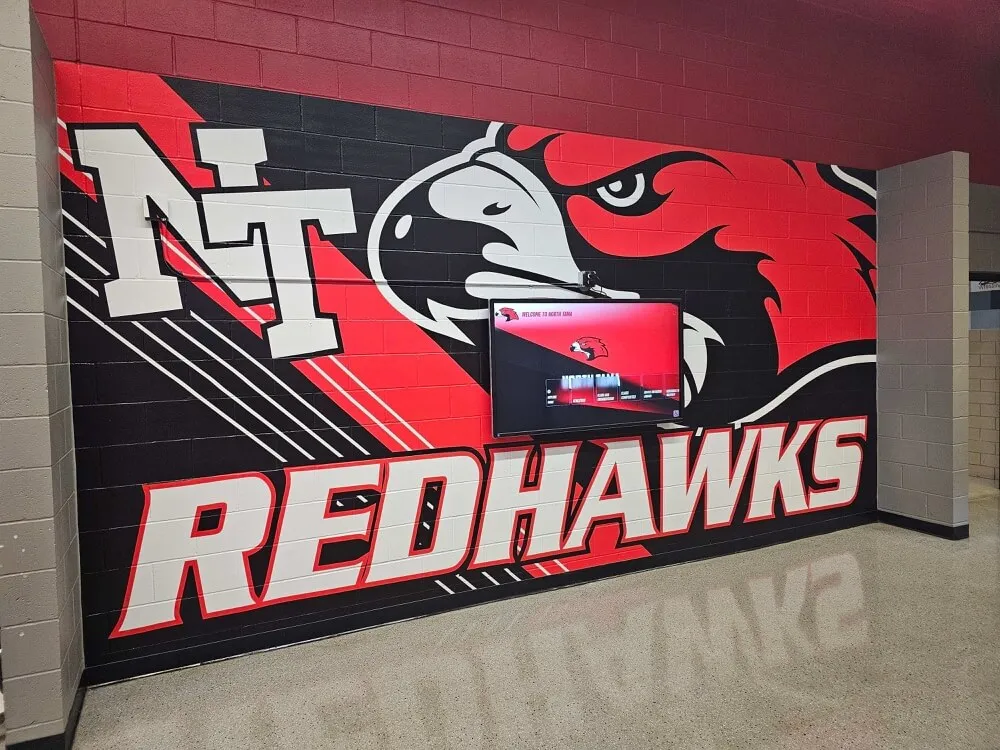
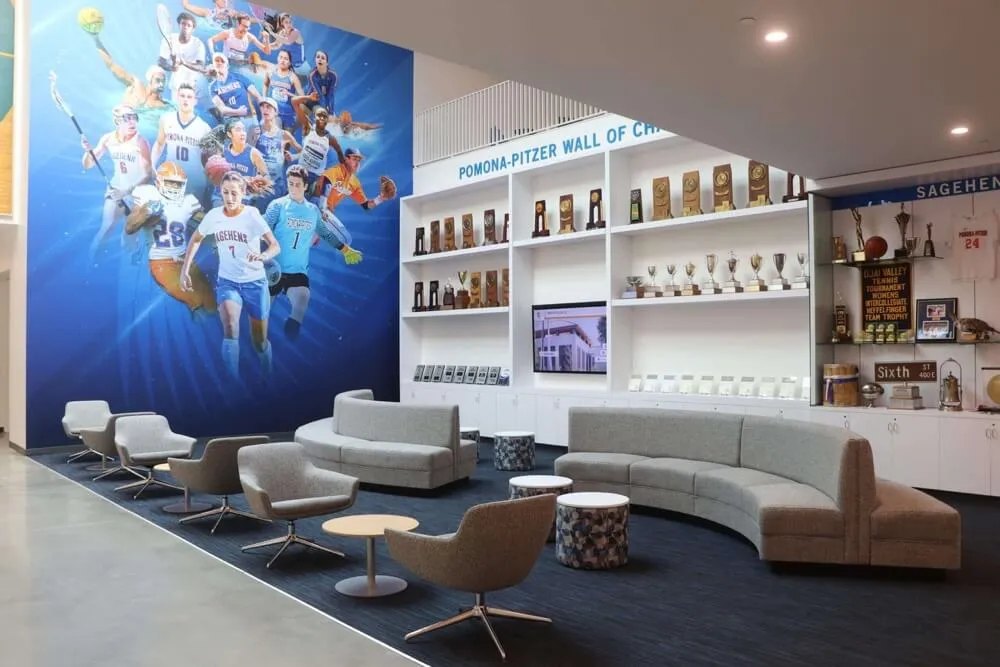
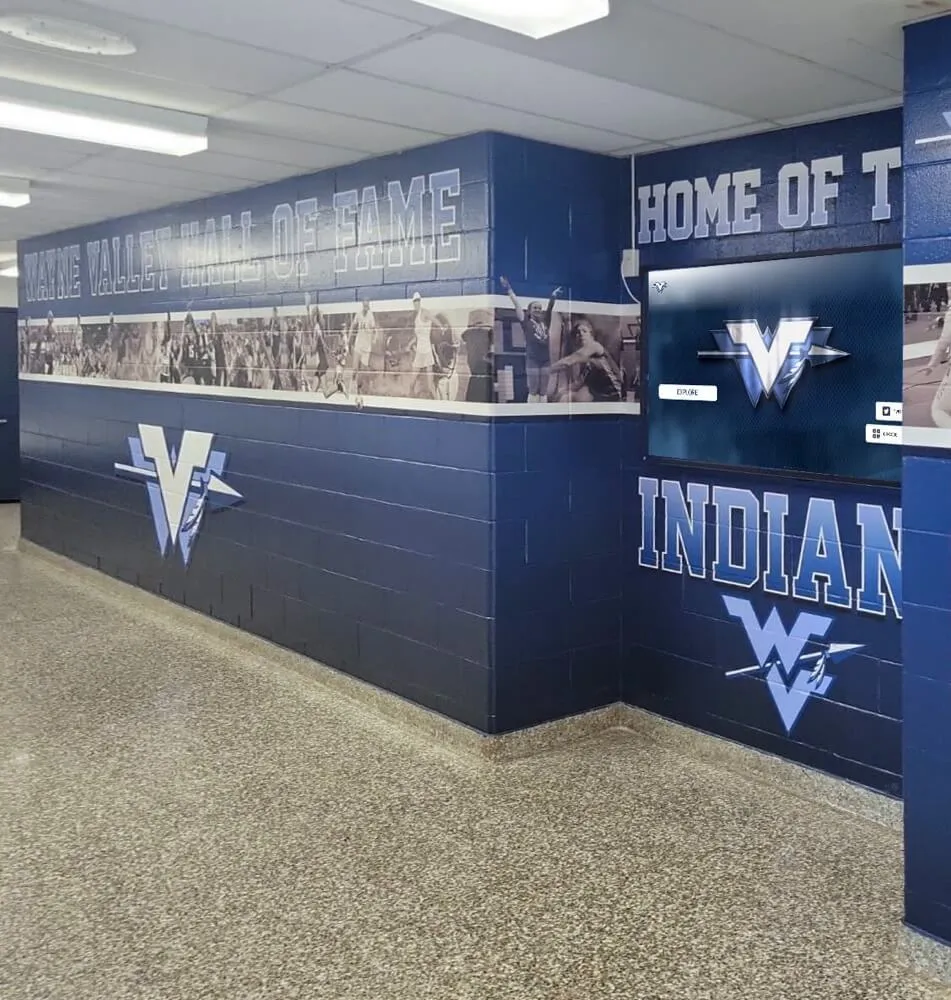
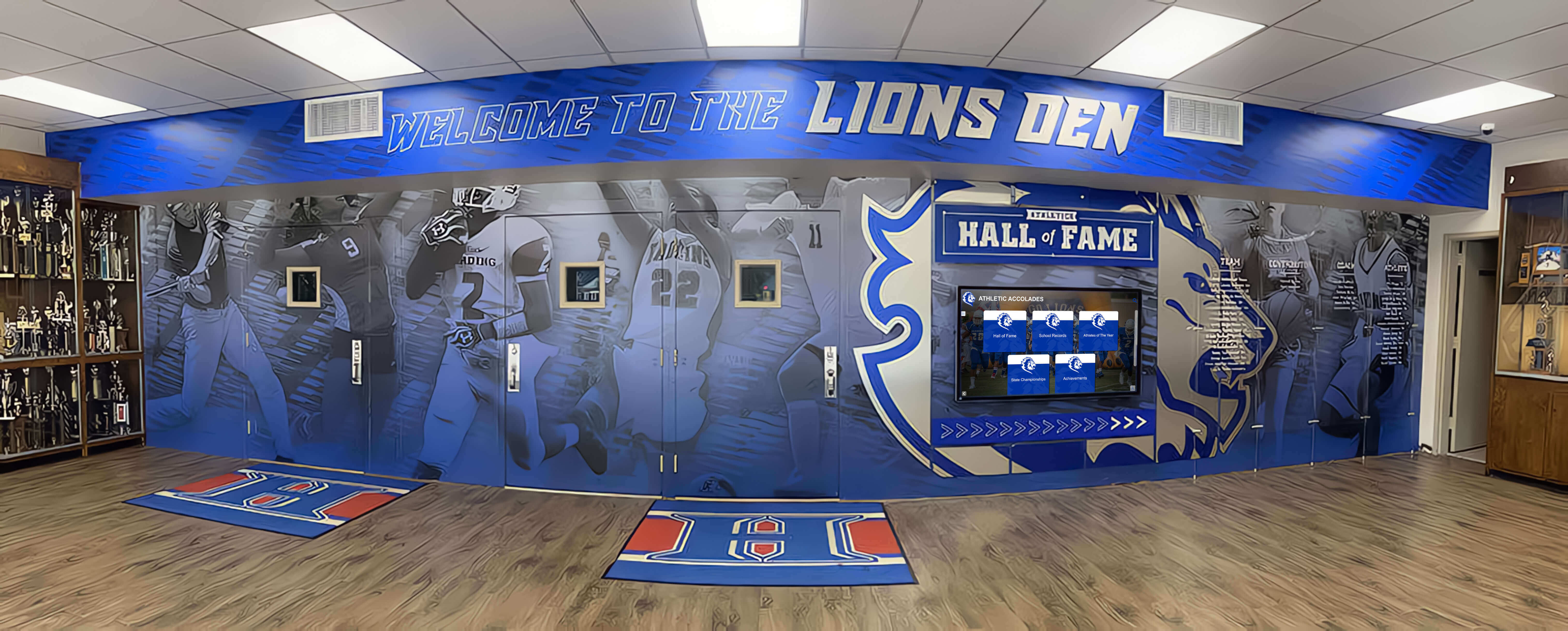
Visual Storytelling Through Environmental Graphics: Professional murals, timeline displays, and environmental graphics transform utilitarian hallways into compelling visual narratives communicating school history, values, and achievement traditions. These permanent installations create impression of institutional pride and investment in creating inspiring environments.
Interactive Technology Solutions That Wow Families
Modern prospective families expect schools embracing technology thoughtfully while demonstrating how digital tools enhance rather than replace traditional learning. Strategic technology integration during open houses positions your institution as innovative and future-focused.
Digital Recognition and Achievement Displays
Traditional trophy cases and static bulletin boards with dated certificates fail to capture the breadth and depth of student accomplishment while communicating that your school remains stuck in past decades. Interactive digital recognition systems fundamentally transform how you showcase student excellence.
Lobby Achievement Showcases:
Position interactive touchscreen displays in high-traffic lobby areas where prospective families naturally congregate while waiting for tours to begin. These systems enable visitors to explore:
- Academic honor roll students and scholarship award recipients across multiple years
- Athletic records, championship teams, and individual athlete accomplishments
- Arts performances, competition results, and creative achievements
- Community service hours, leadership positions, and student organization impacts
- Alumni success stories demonstrating long-term outcomes
- Historical school milestones and tradition preservation
Unlike static displays limited by physical space constraints, digital platforms accommodate unlimited content showcasing comprehensive achievement spanning decades. Prospective families exploring these displays discover evidence of excellence across diverse areas—academics, athletics, arts, service, leadership—demonstrating that your school recognizes and celebrates success in multiple forms.
Searchable Historical Archives:
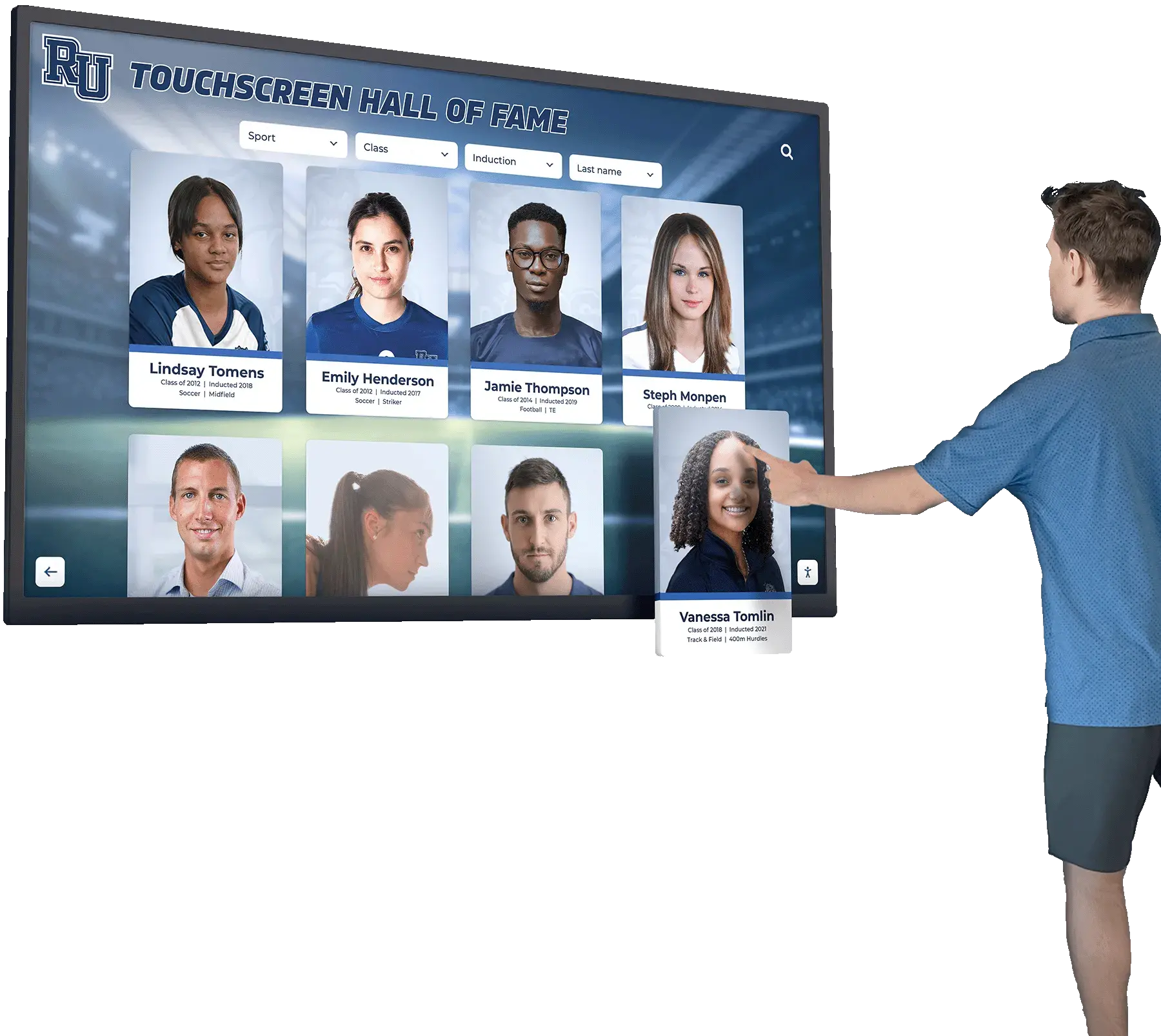
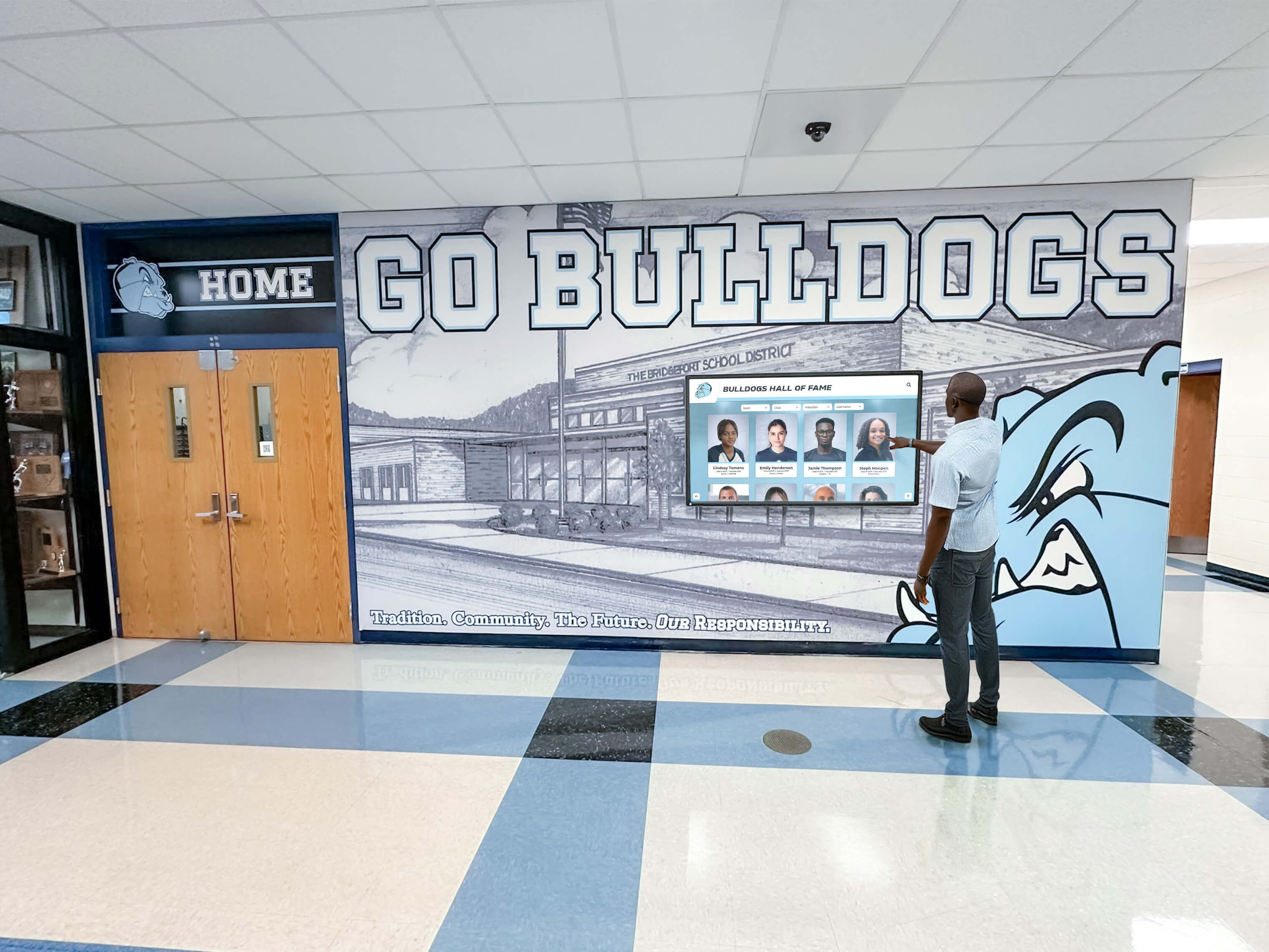
Interactive systems with robust search functionality allow prospective families to explore content relevant to their specific interests. Parents researching your school’s music program can immediately filter achievements to view competition results, performance highlights, and alumni who pursued music professionally. Families prioritizing athletics can examine championship histories, individual records, and college athletic scholarships earned by recent graduates.
This personalized exploration proves far more compelling than passively viewing information chosen by staff. When families actively discover relevant content through self-directed exploration, information feels more credible and personal than delivered presentations.
QR Codes Extending Engagement Beyond Event:
Integrate QR codes linking to web-based versions of achievement content, enabling families to continue exploring school excellence after leaving campus. This extended engagement keeps your school top-of-mind during critical decision-making periods while providing shareable content families can forward to extended family members, spouses unable to attend, or children considering school options.
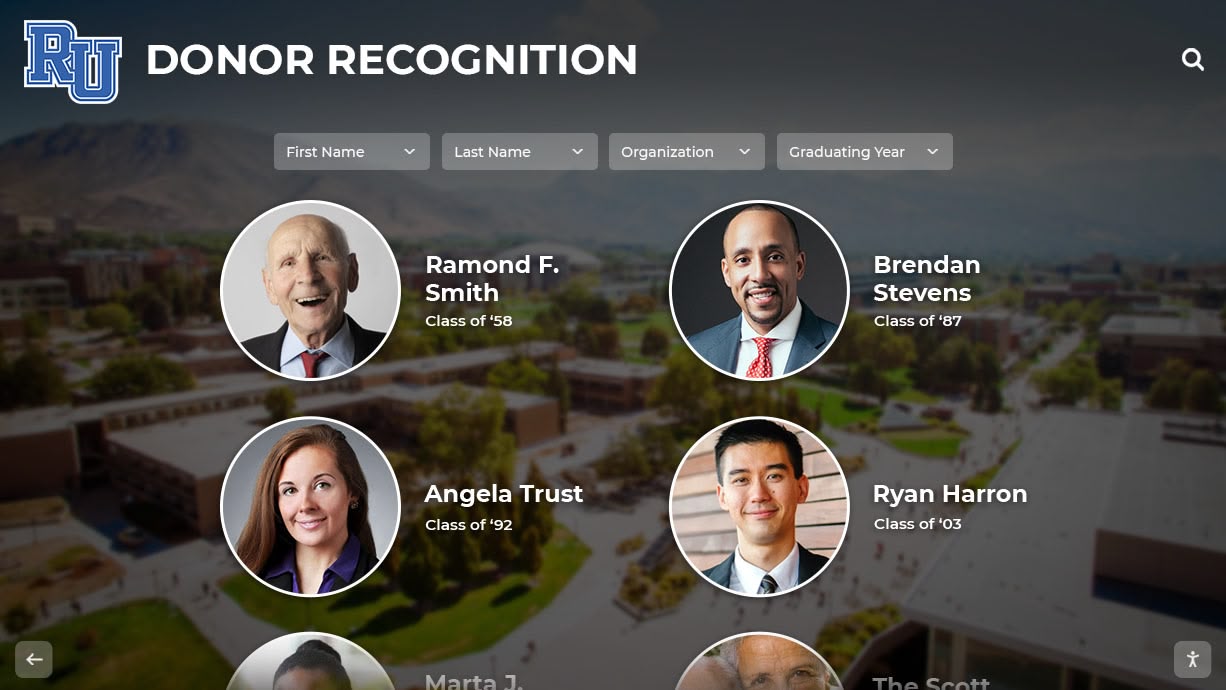
Solutions like Rocket Alumni Solutions provide comprehensive platforms specifically designed for educational recognition, offering both physical touchscreen displays for campus installations and responsive web access extending visibility beyond facility locations. These purpose-built systems eliminate the content management complexity associated with generic digital signage while delivering engaging user experiences that capture prospective family attention.
Virtual Tour Stations and Immersive Technology
Not all prospective families can visit campus during scheduled open houses due to distance, scheduling conflicts, or disability considerations. Virtual tour stations demonstrate inclusivity while providing compelling supplementary experiences for on-campus visitors.
Interactive Virtual Tour Kiosks:
Strategically position touchscreen kiosks with high-quality virtual campus tours allowing families to explore areas not included in standard walking tours. Science labs during active experiments, specialized arts facilities, athletic complexes during practice sessions, or student life spaces when students aren’t present become accessible through professionally produced 360-degree photography or video tours.
These virtual supplements prove particularly valuable when:
- Facility areas are geographically separated from main campus
- Specialized spaces have capacity limitations preventing large group tours
- Weather conditions make outdoor facility tours impractical
- Safety or privacy concerns restrict access during certain time periods
- Families arrive late and miss specific tour components
Classroom Technology Demonstrations:
Designate specific classrooms as technology demonstration spaces where families interact with educational tools students use daily. Rather than describing your school’s technology integration philosophy abstractly, provide hands-on opportunities to:
- Explore digital textbook platforms and adaptive learning software
- View student-created multimedia projects showcasing digital literacy
- Interact with educational robotics or coding platforms
- Experience virtual reality or augmented reality learning tools
- Examine student digital portfolios documenting learning progression
- Review learning management system interfaces facilitating student-teacher-parent communication
This experiential approach proves far more compelling than generic claims about being “tech-forward” or “21st-century ready.” When families directly experience how technology enhances learning at your school, they understand differentiation unavailable at competing institutions.
Engaging Activity Stations Revealing Educational Philosophy
Beyond facility tours and informational presentations, activity-based experiences allow prospective families to witness your educational approach in action while providing memorable interactions that distinguish your school from alternatives.
Subject-Specific Mini-Experiences
Transform classrooms and specialized spaces into activity stations where current students, teachers, or staff guide prospective families through abbreviated versions of actual learning experiences.
Science Demonstration Labs:
Set up hands-on science experiments or demonstrations prospective students can conduct with guidance from current student science club members or teachers. Simple but impressive experiments—extracting DNA from strawberries, exploring chemical reactions creating color changes, observing microorganisms through microscopes, or programming simple robotics—provide concrete evidence of your school’s science program rigor while creating fun, memorable experiences.
These demonstrations work particularly effectively when:
- Current students serve as guides, demonstrating peer teaching and leadership development
- Activities scale to accommodate various age ranges visiting simultaneously
- Experiments produce tangible takeaway items (chromatography artwork, chemical reaction photos, etc.)
- Stations connect to broader curriculum themes rather than isolated tricks
Arts and Music Sampling Sessions:
For schools emphasizing arts programming, brief performance showcases or participatory workshops demonstrate program quality while highlighting facilities. Consider:
- Student musical ensemble performances scheduled periodically throughout open house events
- Quick portrait sketch sessions where art students create simple drawings for prospective student visitors
- Collaborative mural creation where visitors contribute to collective artwork
- Musical instrument “petting zoo” allowing prospective students to try various instruments
- Dance or drama improvisation demonstrations inviting audience participation
These artistic experiences communicate that arts programs aren’t peripheral enrichment activities but core components of educational philosophy, particularly important for families prioritizing creative development alongside academics.
Language and Cultural Immersion Corners:
World language departments can create cultural experience stations demonstrating language program depth:
- Brief conversational exchanges in target languages with current students
- Cultural artifact displays with student-narrated explanations
- Traditional food sampling with recipes and cultural context
- Games, puzzles, or activities conducted in target languages
- Study abroad photos and student reflections on immersion experiences
These stations prove particularly effective for highlighting program differentiation when your school offers less common languages, early language introduction, or extensive immersion opportunities unavailable at competitor schools.
Student Life and Culture Showcases
Academic programming represents only partial picture of school experience. Prospective families also evaluate student life, community culture, and social-emotional environment determining whether their child will thrive.
Student Organization Fair Format:
Dedicate gymnasium or cafeteria space to student organization showcases where clubs, athletic teams, service groups, and activity programs operate informational booths explaining their purposes, achievements, and membership opportunities. This fair format allows prospective families to explore areas matching their children’s interests while current students articulate program value in authentic peer voices far more compelling than adult descriptions.
Maximize this format’s effectiveness by:
- Ensuring diverse organization representation across academics, arts, athletics, service, and special interests
- Providing each organization attractive display materials showcasing recent accomplishments
- Training student representatives on engaging families with varying interest levels
- Creating visual maps or guides helping families navigate numerous options
- Scheduling brief stage presentations where select organizations share highlights
“Day in the Life” Video Presentations:
Produce short documentary-style videos following current students through typical school days, capturing classroom experiences, lunch interactions, extracurricular activities, and candid moments revealing authentic school culture. These videos provide prospective families genuine glimpses into daily student experiences impossible to fully capture during brief tours.
Effective “day in the life” videos include:
- Diverse student perspectives representing various grades, backgrounds, and interest areas
- Unscripted student commentary reflecting authentic voices rather than rehearsed marketing messages
- Classroom footage showing actual instruction and student engagement
- Social interaction moments demonstrating community culture and peer relationships
- Teacher and staff interactions revealing approachability and student rapport
- Facilities and resources shown in active use rather than empty spaces
Loop these videos continuously in waiting areas, common spaces, or designated presentation rooms, providing flexible content families can view on their own schedules rather than requiring attendance at specific presentation times.
Strategic Information Delivery Beyond Generic Presentations
While some information delivery through presentations or printed materials remains necessary, innovative approaches increase engagement while accommodating diverse family learning preferences.
Differentiated Tour Pathways
Rather than one-size-fits-all tours attempting to show everything to everyone, consider offering specialized tour tracks allowing families to select experiences matching their priorities.
Interest-Based Tour Options:
Offer multiple simultaneous tour pathways:
STEM-Focused Tours: Emphasize science laboratories, mathematics programs, technology integration, robotics facilities, and alumni pursuing STEM careers. These tours attract families specifically seeking strong science and technology programming.
Arts-Immersive Tours: Prioritize music facilities, art studios, theater spaces, digital tools bringing creative history to life, and arts program achievements. These tours serve families where children demonstrate particular artistic talents or interests.
Athletics-Centered Tours: Showcase athletic facilities, training resources, coaching staff, recognition displays celebrating athletic achievements, and college athletic placement records. These tours address families prioritizing athletic development alongside academics.
Character and Service Tours: Highlight community service programs, character education initiatives, student leadership development, and partnerships with community organizations. These tours resonate with families emphasizing values-based education and social-emotional learning.
This differentiation demonstrates respect for family time and priorities while allowing deeper exploration of areas most relevant to individual family decision-making criteria. Families appreciate schools recognizing that different students thrive through different pathways rather than forcing uniform experiences.
Digital Information Packets and Follow-Up Resources
Physical brochure packets that families carry through tours become burdensome and often lost. Digital information delivery proves more practical while demonstrating technological sophistication.
QR Code Information Stations:
Position QR codes throughout campus linking to:
- Detailed department program descriptions and course catalogs
- Faculty credentials and educational philosophy statements
- Tuition information and financial aid application processes
- Academic calendar and key dates
- Transportation, lunch, and logistical details
- Contact information for specific departments or questions
Families scan relevant codes collecting comprehensive information on smartphones, eliminating carrying physical materials while ensuring immediate access to content matching their specific questions and interests.
Post-Event Digital Engagement Sequences:
Collect family contact information (email and phone) during check-in, enabling sophisticated follow-up communication sequences:
Immediate Thank You: Send same-day email thanking families for visiting, providing links to virtual tours and additional resources, and reiterating next steps in enrollment processes.
Personalized Content Delivery: Based on tour selections or expressed interests during visit, send targeted content highlighting relevant programs. Families on STEM tours receive science program highlights and alumni STEM success stories. Families expressing financial aid questions receive detailed financial aid guides and scholarship opportunity information.
Application Status Updates: For families who begin application processes, provide progress updates, deadline reminders, and encouragement maintaining momentum toward enrollment.
Invitation to Additional Engagement: Offer opportunities for return visits, shadow days, classroom observations, or meetings with specific staff members addressing remaining questions.
This systematic digital engagement demonstrates organizational professionalism while maintaining relationship momentum during critical decision-making periods between initial campus visits and enrollment decisions.
Physical Environment Optimization for Maximum Impact
Beyond programming and activities, your physical campus environment communicates volumes about institutional culture, priorities, and student experience quality.
Cleanliness and Maintenance Standards
Nothing undermines otherwise impressive programming faster than facility conditions suggesting neglect or insufficient resources. Prior to open house events:
Comprehensive Facility Preparation:
- Professional cleaning of all visible areas including hallways, bathrooms, classrooms, and common spaces
- Minor repair of any damaged walls, doors, fixtures, or furnishings
- Fresh paint touch-ups addressing scuffed or marked surfaces
- Window cleaning ensuring natural light maximizes space appeal
- Landscaping maintenance creating attractive exterior impressions
- Organized storage eliminating cluttered appearances in classrooms and hallways
These preparations require investment but generate substantial returns through enhanced family perceptions of school quality, resource adequacy, and institutional pride.
Visual Communication Through Environmental Design
Beyond cleanliness, intentional design choices communicate institutional values and create memorable visual impressions.
Achievement Recognition Displays:
Prominently display student work, achievement recognition, and success evidence throughout campus rather than limiting recognition to single trophy case or bulletin board. Consider:
- Academic recognition programs featuring honor roll students and scholarship recipients
- Student artwork rotations showcasing creative accomplishments
- Writing portfolio displays highlighting literacy achievement
- Science fair and research project presentations
- Community service impact documentation with photos and narratives
- Athletic championship displays and record boards celebrating team and individual excellence
This comprehensive recognition demonstrates that your school notices, values, and celebrates student achievement across diverse areas, reinforcing commitment to recognizing success in multiple forms rather than privileging narrow definitions of accomplishment.
School History and Tradition Displays:
Prospective families seek schools with established traditions, proven track records, and institutional stability suggesting long-term viability. Historical timeline displays or heritage presentations communicate:
- Founding history and mission evolution
- Significant milestones and institutional achievements
- Notable alumni success stories demonstrating long-term outcomes
- Facility development and physical campus evolution
- Program additions reflecting educational innovation
- Community partnerships and local significance
These historical elements prove particularly important for established schools competing against newer institutions marketing themselves as innovative alternatives. History demonstrates proven success, institutional knowledge, and stable foundation prospective families find reassuring during uncertain times.
Wayfinding and Informational Graphics:
Professional signage systems serve practical navigation functions while reinforcing brand identity and visual sophistication. Beyond basic directional signs, consider:
- Room identification placards with department logos and design consistency
- Digital displays showing daily schedules, special events, or announcements
- Inspirational quotes or school values statements integrated into hallway design
- Floor or wall graphics adding visual interest while guiding traffic flow
- QR code integrations linking physical spaces to digital content
These environmental design elements transform utilitarian spaces into thoughtfully designed environments communicating that your school invests in creating inspiring settings where students spend substantial portions of their formative years.
Parent-Specific Information Sessions
While prospective students experience activity stations and campus tours, concurrent parent-specific programming addresses adult questions regarding logistics, finances, and practical considerations.
Financial Planning and Tuition Workshops
For private schools or specialized programs with tuition costs, financial considerations represent primary enrollment barriers. Rather than treating financial discussions as uncomfortable necessities, proactive financial workshops demonstrate transparency while providing valuable planning assistance.
Financial Aid Overview Sessions:
Conduct detailed financial aid process explanations covering:
- Application requirements and submission deadlines
- Need-based aid calculations and expected family contribution formulas
- Merit scholarship opportunities and qualification criteria
- Payment plan options reducing immediate financial burden
- Tax benefits and educational savings account strategies
- External scholarship resources and application support
One-on-One Financial Consultations:
Offer optional private meetings with financial aid officers allowing families to discuss specific circumstances confidentially. These personalized consultations:
- Address unique family financial situations
- Provide preliminary aid estimates based on family financial information
- Clarify questions about divorce, self-employment, or complex financial circumstances
- Build relationships reducing intimidation factor in subsequent aid applications
- Demonstrate commitment to making education accessible regardless of financial constraints
This transparent financial approach prevents families from prematurely eliminating your school due to sticker price concerns without understanding substantial aid availability potentially making enrollment affordable.
Academic Philosophy and Curriculum Deep Dives
Beyond facility tours showing physical spaces, parents seek substantive understanding of educational philosophy, instructional approaches, and curriculum design differentiating your school from alternatives.
Department Head Presentations:
Schedule brief presentations by academic department leaders explaining:
- Curriculum scope, sequence, and alignment with college readiness standards
- Instructional methodologies and pedagogical approaches
- Assessment philosophies and grading practices
- Technology integration enhancing rather than replacing traditional instruction
- Differentiation strategies serving diverse learning needs
- Advanced course opportunities, honors programs, or specialized tracks
- College counseling support and four-year planning processes
These presentations demonstrate academic leadership depth while providing confidence that thoughtful, experienced educators design and implement programming.
Sample Curriculum Materials Review:
Display actual curriculum materials, student work samples, and assessment examples allowing parents to evaluate rigor and quality firsthand. Seeing actual student writing, mathematics problem-solving, science lab reports, or project-based learning portfolios provides concrete evidence of academic expectations and student achievement quality.
Student Ambassador Programs Maximizing Peer Influence
Current students represent your school’s most credible advocates. Prospective families trust student perspectives more than administrator presentations, making strategic student involvement essential.
Strategic Ambassador Selection and Training
Not all current students make effective ambassadors. Successful programs carefully select and thoroughly train student representatives.
Ambassador Selection Criteria:
Identify students who:
- Genuinely love your school and can articulate specific reasons why
- Represent diverse grades, backgrounds, programs, and interest areas
- Demonstrate strong communication skills and comfort with adults
- Model behavioral expectations and school values
- Can answer common questions knowledgeably
- Maintain positive attitudes even when discussing challenges honestly
Diverse representation ensures prospective families encounter students reflecting various perspectives rather than single narrow viewpoint suggesting limited appeal.
Comprehensive Ambassador Training:
Prepare student ambassadors through training covering:
- Common prospective family questions and effective response strategies
- School history, program highlights, and key facts
- Tour route logistics and time management
- Appropriate topics and boundaries for student discussion
- How to redirect complex questions to administrators or staff
- Engaging quiet or hesitant prospective students in conversation
- Maintaining enthusiasm and energy throughout lengthy events
Well-trained ambassadors confidently represent your school professionally while maintaining authentic student voices that resonate with prospective families.
Structured Interaction Opportunities
Beyond traditional tour guide roles, create diverse opportunities for meaningful current student-prospective student interactions.
Student Panel Discussions:
Organize panel discussions where prospective families ask current students questions in moderated settings. Panel formats work particularly well because:
- Multiple student perspectives emerge preventing unbalanced single viewpoints
- Moderators can ensure comprehensive topic coverage
- Students feel more comfortable responding with peer support present
- Prospective families hear diverse experiences and opinions
- Specific topics can be addressed systematically
Consider themed panels for different audiences (elementary, middle school, high school) or interest areas (athletics, arts, student life, academics).
Peer Buddy Matching:
Pair prospective students with current student buddies sharing similar interests, allowing casual conversation and questions in comfortable peer-to-peer format. These informal interactions often reveal cultural fit information formal programming cannot convey. Current students can honestly discuss daily life experiences, friendship dynamics, teacher relationships, and authentic school culture in ways adults cannot credibly communicate.
Leveraging Digital Recognition Systems as Differentiation
In competitive enrollment environments, schools need compelling differentiation explaining why families should choose your institution over alternatives. Modern digital recognition and display systems provide multiple strategic advantages during open house events.
Creating Wow Factor That Competitors Lack
Most schools still rely on traditional trophy cases, static bulletin boards, and paper certificates for achievement recognition. Implementing interactive digital systems immediately differentiates your school as innovative, forward-thinking, and willing to invest in creating impressive experiences.
Visual Impact Upon Entry:
Large-format touchscreen displays in main lobbies create immediate “wow factor” as families enter your campus. Rather than greeting families with generic welcome tables, impressive technology installations communicate that your school embraces innovation while honoring tradition through comprehensive achievement recognition.
This visual differentiation proves particularly powerful when prospective families tour multiple schools within short timeframes. Your school becomes the one with “that amazing interactive display in the lobby” rather than blending indistinguishably with competitors.
Comprehensive Evidence of Excellence:
Traditional recognition approaches force difficult decisions about what limited physical space can accommodate. Digital platforms eliminate these constraints, enabling recognition of:
- Every honor roll student across multiple years rather than just current semester
- Comprehensive athletic records, not just recent championships
- Performing arts achievements across decades, not single display case
- Community service impacts and leadership development throughout school history
- National recognition programs like National Merit Scholars, AP Scholars, and academic competition results
This comprehensive recognition demonstrates breadth and depth of student achievement impossible to convey through traditional approaches, building prospective family confidence that excellence represents institutional norm rather than occasional occurrence.
Engaging Self-Directed Family Exploration
During open houses, prospective families often experience substantial downtime—waiting for tours to begin, between scheduled activities, or when certain family members attend parent-specific sessions while others explore independently. Interactive recognition displays fill this time productively while providing substantive content families can explore at their own pace.
Personalized Information Discovery:
Rather than passive information consumption, families actively explore content matching their specific interests. Parents prioritizing athletics can search championship histories and college athletic placements. Families emphasizing academics can filter scholarship recipients or academic recognition programs. This self-directed exploration feels more credible than curated presentations highlighting only what schools choose to emphasize.
Extended Engagement Through Web Access:
Modern digital recognition systems like Rocket Alumni Solutions provide both physical touchscreen displays and responsive web platforms accessible after families leave campus. QR codes near physical installations link to web versions enabling families to continue exploring achievement content during decision-making periods, maintaining engagement and keeping your school top-of-mind during critical enrollment windows.
Demonstrating Technology Integration Philosophy
Beyond recognition content itself, the presence of thoughtfully implemented interactive technology demonstrates your school’s approach to educational technology integration—using digital tools to enhance rather than replace traditional experiences.
Families observe that your school:
- Invests in quality hardware and professional installations rather than cheap consumer equipment
- Implements technology with clear purpose supporting institutional goals
- Creates engaging user experiences rather than confusing or frustrating interfaces
- Maintains current, relevant content rather than outdated information
- Integrates multiple technologies (touchscreens, web, mobile) coherently
These observations build confidence that technology integration in classrooms will be similarly thoughtful, purposeful, and effective rather than technology for technology’s sake without meaningful educational value.
Post-Open House Follow-Up Strategies
Open house events represent only beginning of prospective family engagement. Systematic follow-up communication significantly impacts ultimate enrollment decisions.
Immediate Post-Event Communication
Same-Day Thank You Messages:
Send personalized email or text messages within hours of event conclusion:
- Thank families for visiting and investing time in exploring your school
- Provide links to additional digital resources mentioned during visit
- Reiterate key next steps in enrollment process with deadlines
- Offer contact information for specific departments or questions
- Include photos from the day’s event when families can identify themselves or similar attendees
This immediate communication demonstrates organizational efficiency while capturing families when impressions remain fresh and enthusiasm peaks.
Segmented Follow-Up Based on Expressed Interests
Customize subsequent communication based on family interactions during open house visits:
For Families Who Attended Specific Tours: Send detailed information about programs featured in tours they selected (STEM, arts, athletics, etc.)
For Families Who Asked Financial Questions: Provide comprehensive financial aid guides, scholarship information, and invitation to schedule private financial consultations
For Families with Specific Age Students: Tailor content to grade-appropriate programming, transition support, and age-specific considerations
This segmentation prevents generic mass communication while demonstrating attention to individual family circumstances and priorities.
Application Process Support and Momentum Maintenance
Convert open house interest into completed applications through proactive support:
Application Status Tracking: For families who begin applications, send progress updates, deadline reminders, and encouragement
Personal Outreach from Students: Have student ambassadors send handwritten notes to prospective students they interacted with during open house
Invitation to Additional Experiences: Offer shadow days, classroom visits, team practice observations, or meetings with specific teachers addressing remaining questions
Decision Timeline Awareness: Understand competitor school timelines and strategically schedule communications and acceptance notifications optimizing enrollment yield
This sustained engagement maintains relationship momentum, addresses emerging questions, and prevents families from defaulting to alternative schools simply due to inertia or simpler application processes.
Measuring Open House Effectiveness and Continuous Improvement
Successful schools systematically evaluate open house effectiveness, identifying what resonates with prospective families and what requires refinement.
Key Performance Indicators for Open House Success
Attendance Metrics:
- Total families attending compared to registration or invitation numbers
- Demographic composition ensuring diverse family representation
- Attendance trends over time indicating growing or declining interest
Engagement Indicators:
- Tour participation rates by type
- Activity station attendance
- Time spent interacting with digital displays (analytics from touchscreen systems)
- Questions asked during panel discussions or information sessions
- Social media engagement and event-related content sharing
Conversion Outcomes:
- Application submission rates by families attending open house
- Acceptance to enrollment yield for open house attendees
- Comparative conversion rates between families who attended versus those who did not
Qualitative Feedback:
- Post-event surveys assessing family satisfaction
- Specific programming elements families found most valuable
- Suggestions for improvement or additional content desired
- Testimonials and success stories from enrolled families reflecting on open house impact
Continuous Refinement Based on Evidence
Use data systematically to improve subsequent open house events:
Eliminate Low-Value Components: If specific tours or activities show consistently low attendance or poor feedback, replace them with higher-value alternatives
Expand Successful Elements: If particular activities generate exceptional engagement or positive feedback, increase capacity, frequency, or prominence in future events
Address Recurring Questions: If families consistently ask similar questions, incorporate answers proactively into programming or materials
Adapt to Competitive Intelligence: If competitor schools offer compelling programming elements, develop your own versions or differentiated alternatives
Update Content Regularly: Ensure achievement displays, facility showcases, and informational materials remain current and reflect recent accomplishments rather than dated content
Conclusion: Creating Open House Experiences That Drive Enrollment
School open house events represent critical opportunities to differentiate your institution while providing prospective families compelling evidence that your school delivers the quality education they seek for their children. Traditional approaches relying solely on facility tours and generic presentations increasingly fail to create the memorable, distinctive experiences that drive enrollment decisions in today’s competitive educational landscape.
Innovative open house strategies—interactive digital recognition displays showcasing comprehensive achievement, engaging activity stations revealing educational philosophy in action, strategic technology integration demonstrating forward-thinking innovation, student ambassador programs leveraging peer influence, and systematic follow-up communication maintaining momentum—transform these pivotal events from routine campus visits into compelling showcases of institutional excellence.
Modern solutions like Rocket Alumni Solutions provide purpose-built platforms specifically designed for educational institutions, offering intuitive content management, engaging interactive displays, and proven approaches that help schools create the impressive first impressions prospective families deserve. Whether implementing comprehensive digital recognition systems, historical timeline displays, or integrated recognition networks celebrating student achievement, digital technology enables schools to showcase excellence more comprehensively and effectively than ever before.
The investment your school makes in creating exceptional open house experiences pays dividends through increased enrollment, stronger student quality, enhanced community reputation, and competitive positioning distinguishing your institution from alternatives. During critical moments when prospective families evaluate whether your school represents the right fit for their children’s education, exceptional open house experiences ensure those families recognize the genuine excellence your school delivers daily.
Ready to transform your school’s open house events with innovative recognition displays and interactive technology that wow prospective families? Explore comprehensive solutions designed specifically for educational institutions seeking to showcase student achievement, demonstrate institutional excellence, and create the memorable first impressions that drive enrollment success.