



Key Takeaways
Discover innovative school lobby design ideas that transform entrance spaces into engaging, welcoming environments. Explore layout strategies, digital displays, branding elements, and recognition systems for K-12 and higher education lobbies.
Understanding the Strategic Importance of School Lobby Design
Before exploring specific design ideas and implementation strategies, understanding how lobby spaces contribute to broader institutional objectives helps justify investment and inform design decisions that maximize impact.
First Impressions and Institutional Perception
The adage about never getting a second chance to make a first impression applies powerfully to school lobbies. These entrance spaces communicate institutional values and priorities through countless visible and subtle cues that visitors process—often unconsciously—within moments of arrival.
What Lobbies Communicate
Well-designed lobbies signal that institutions value their visitors by investing in spaces specifically designed to welcome and serve them comfortably. Clean, organized, thoughtfully furnished entrances suggest attention to detail and operational excellence extending throughout entire institutions. Conversely, dated, cluttered, or poorly maintained lobbies create negative impressions that visitors may extrapolate to broader judgments about educational quality and institutional priorities.
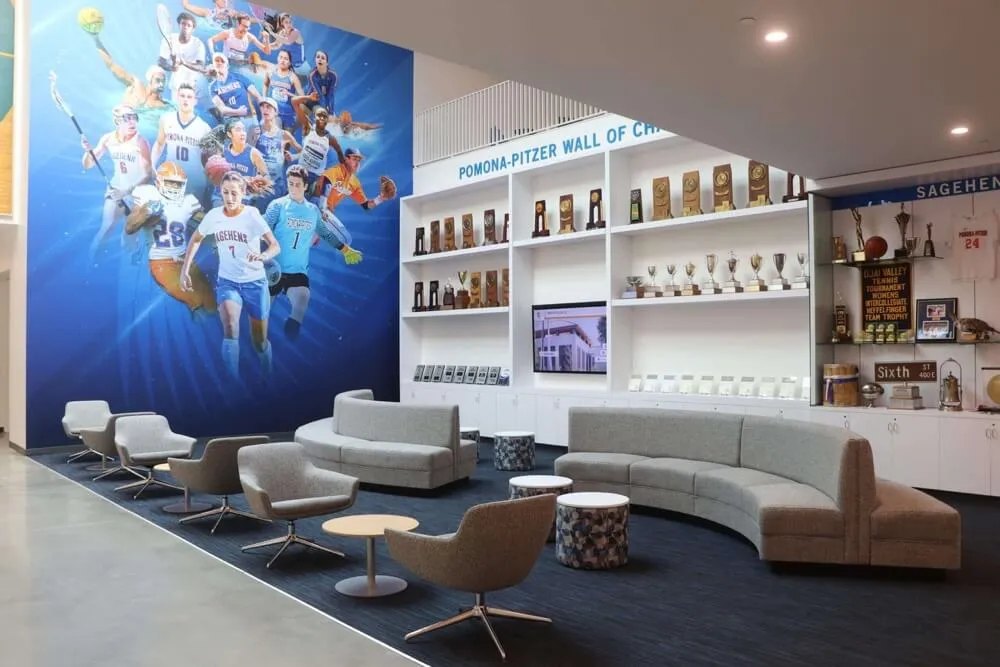
Lobbies also communicate institutional priorities through what they choose to display and emphasize. Schools prominently featuring athletic trophies signal sports program importance. Institutions showcasing academic achievements demonstrate educational excellence commitments. Lobbies highlighting diverse student work and multicultural elements communicate inclusive values. Every design choice—whether intentional or default—sends messages about what institutions consider important.
Impact on Prospective Families
For families evaluating school options, lobby impressions significantly influence enrollment decisions. Research on visitor experience consistently shows that physical environment quality affects perception of service quality even in contexts like education where core value comes from instruction rather than facilities.
Parents assessing schools naturally compare entrance areas, often using lobby quality as proxy for overall institutional investment and excellence. Modern, welcoming lobbies suggest well-resourced schools committed to quality, while dated, uninviting entrances raise questions about institutional priorities and resource availability. These perceptions matter tremendously in competitive enrollment environments where families choose between multiple educational options.
Alumni and Community Connections
Lobbies also shape how alumni and community members relate to institutions. Returning graduates encountering lobbies unchanged for decades may feel nostalgic connection to their own school days, though they may also perceive institutional stagnation. Alumni visiting schools featuring updated lobbies that honor tradition while embracing contemporary design experience institutions that value heritage while demonstrating forward momentum.
Community members attending school events, performances, and activities form impressions based partly on entrance experiences. Lobbies that welcome community visitors warmly and communicate institutional openness strengthen relationships between schools and the broader communities they serve.
Functional Requirements Beyond Aesthetics
While creating positive impressions matters tremendously, lobbies must serve multiple practical functions that effective design addresses thoughtfully.
Wayfinding and Circulation
Lobbies function as navigational hubs where visitors orient themselves and determine routes to destinations within larger buildings. Clear wayfinding systems—through signage, spatial organization, and interactive directories—help visitors find offices, classrooms, auditoriums, and other spaces without frustration or extensive staff assistance.
Circulation patterns guiding foot traffic logically through lobbies toward appropriate destinations prevent congestion during high-volume periods like morning arrival and afternoon dismissal. Thoughtful space planning creates natural pathways that visitors intuitively follow without requiring explicit direction for every movement.
Security and Access Control
Modern school lobbies must balance welcoming atmosphere with security requirements that protect students and staff. Secure vestibule designs with double-door systems create controlled entry points where visitors must check in before accessing interior building areas. Reception desks positioned with clear sightlines to entrances enable staff to monitor who enters and assist visitors appropriately.
Visitor management systems incorporating sign-in procedures, badge printing, and background screening integrate security protocols that schools increasingly require while maintaining welcoming rather than fortress-like atmospheres. The most effective security design incorporates protection naturally into welcoming environments rather than creating obvious barriers that communicate distrust or institutional coldness.
Administrative Functions
Many school lobbies house reception desks and administrative offices handling diverse daily functions from answering questions and providing directions to managing student sign-outs, coordinating visitor access, and responding to parent inquiries. Lobby design must accommodate these operational requirements while preventing administrative functions from dominating spaces or creating institutional rather than welcoming aesthetics.
Gathering and Waiting Areas
Lobbies serve as waiting areas for parents picking up students, visitors awaiting appointments, and community members arriving early for events. Comfortable seating arrangements acknowledging that people will occupy lobbies for extended periods demonstrate respect for visitor time and comfort while preventing lobbies from feeling like institutional holding areas.
During major events—open houses, performances, athletic competitions—lobbies often become gathering spaces where attendees congregate before events, socialize during intermissions, and linger afterward for conversation. Flexible spaces accommodating these varied uses throughout different times and occasions maximize lobby utility and value.
Essential Design Elements for Welcoming School Lobbies
Successful school lobbies incorporate multiple design components that work together creating environments that feel simultaneously professional and welcoming, efficient and comfortable, distinctively branded yet universally accessible.
Strategic Layout and Space Planning
Thoughtful spatial organization creates lobby functionality while guiding visitor experience naturally through entry sequences that orient, welcome, and direct appropriately.
Entry Sequence Design
Consider the visitor journey from the moment they approach exterior doors through their progression into interior building spaces. Effective sequences create clear sight lines from exterior to interior enabling approaching visitors to see reception areas and begin orientation even before entering. Transition zones between exterior and interior—particularly important in climates with temperature extremes—provide buffer spaces preventing weather from affecting interior comfort.
Upon entering, visitors should immediately understand where to proceed. Reception desks positioned prominently within natural sight lines from entrances communicate clear first stops for assistance. Seating areas visible from entries signal that visitors are welcome to wait comfortably. Clear pathways toward interior building areas help visitors who already know destinations proceed efficiently without confusion.
Reception Area Configuration
Reception desks anchor most school lobbies as both functional workspaces and symbolic welcomes. Counter height, desk positioning, and staff visibility all influence whether reception areas feel welcoming or intimidating. Lower counter sections enabling face-to-face conversation create more personal interactions than tall counters creating physical barriers between staff and visitors.
L-shaped or curved reception configurations enable staff to monitor entrances while accommodating administrative tasks requiring desk space and computer access. Adequate storage within or near reception areas keeps supplies organized and accessible without creating clutter visible to visitors.
Many schools position administrative offices adjacent to lobbies enabling reception staff to access colleagues easily while maintaining lobby presence. Conference rooms near entrances facilitate parent meetings and small gatherings without requiring visitors to navigate deeper into buildings.
Seating and Gathering Spaces
Lobby seating requires careful planning balancing adequate capacity with spatial efficiency. Individual chairs, small sofas, and benches provide varied seating options accommodating different visitor needs from brief waits to extended visits. Arrangement matters tremendously—rows of institutional chairs facing walls feel unwelcoming while varied furniture clusters creating small conversation groupings appear more residential and comfortable.
Tables accommodating laptop work serve community members conducting business while waiting. Charging stations with power outlets and USB ports acknowledge that most visitors carry devices requiring periodic charging. These amenities demonstrate attention to visitor needs while creating more functional waiting experiences.
Circulation and Flow
Design lobbies to handle multiple simultaneous activities without creating congestion or conflicting traffic patterns. Separate pathways for visitors entering, students moving between spaces, and staff accessing administrative areas prevent bottlenecks during high-traffic periods.
Consider how lobbies function during different times and circumstances—morning arrival, midday parent visits, afternoon dismissal, evening events. Design accommodating peak usage prevents daily frustration while avoiding overbuilding for occasional circumstances.
Branding and Identity Expression
School lobbies provide ideal opportunities for expressing institutional identity through visual elements that communicate values, celebrate history, and strengthen community connections.
School Colors and Logo Integration
Institutional colors should appear prominently but tastefully throughout lobbies. Accent walls, upholstery, flooring patterns, and architectural details in school colors create visual identity without overwhelming spaces with single-color schemes that feel more like marketing than welcome.
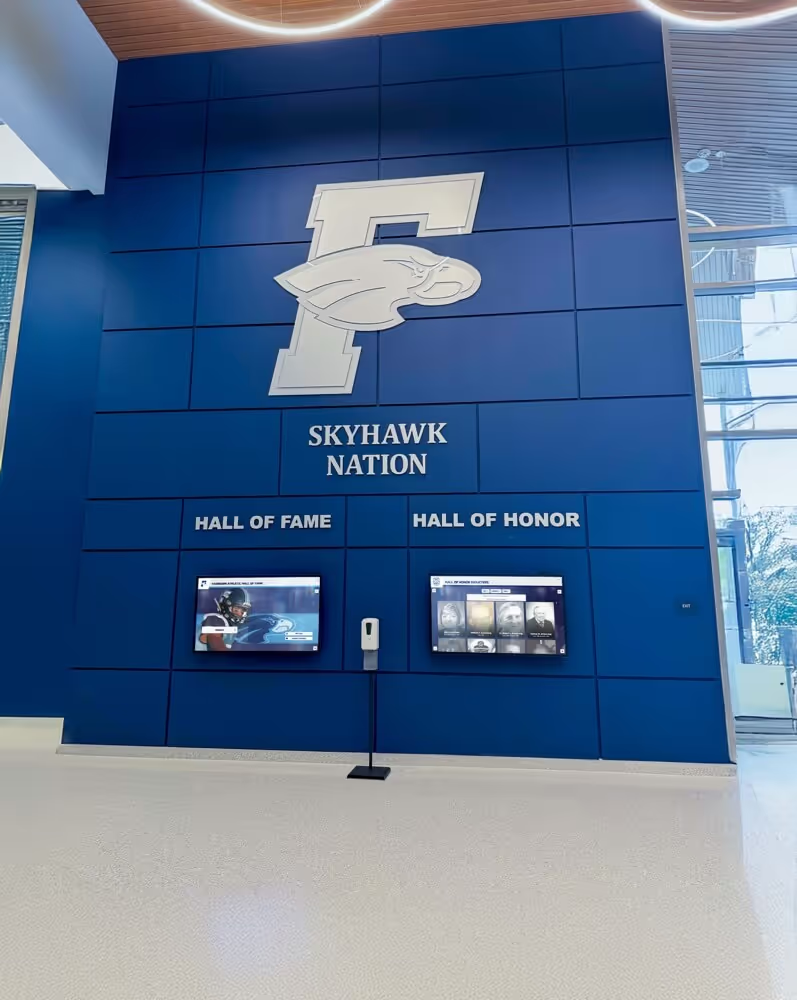
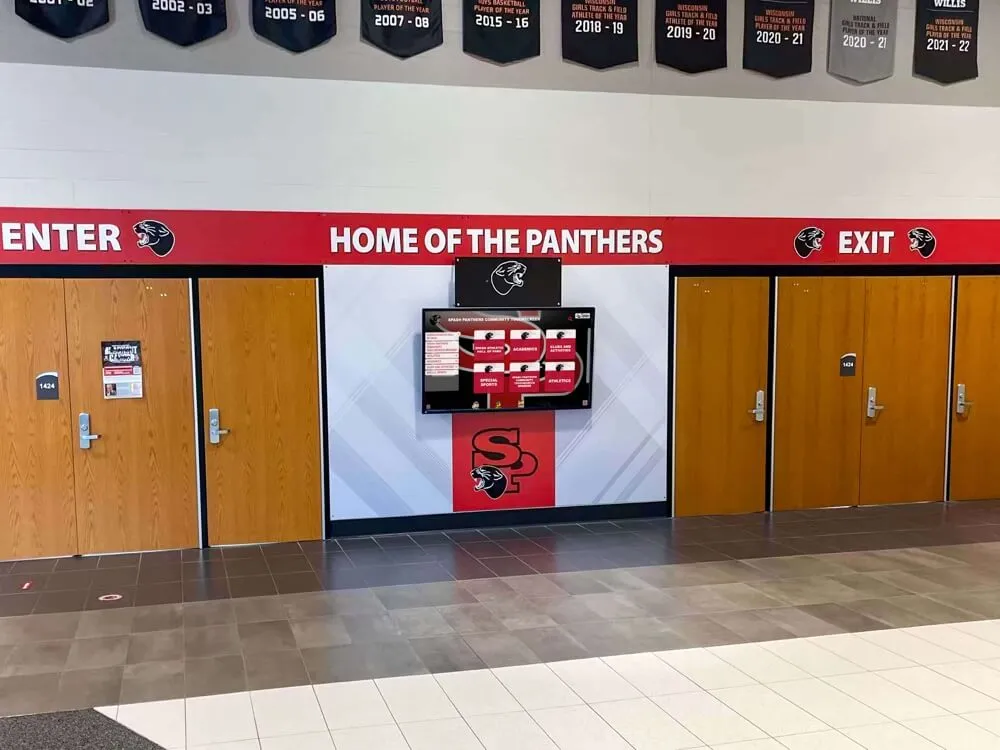
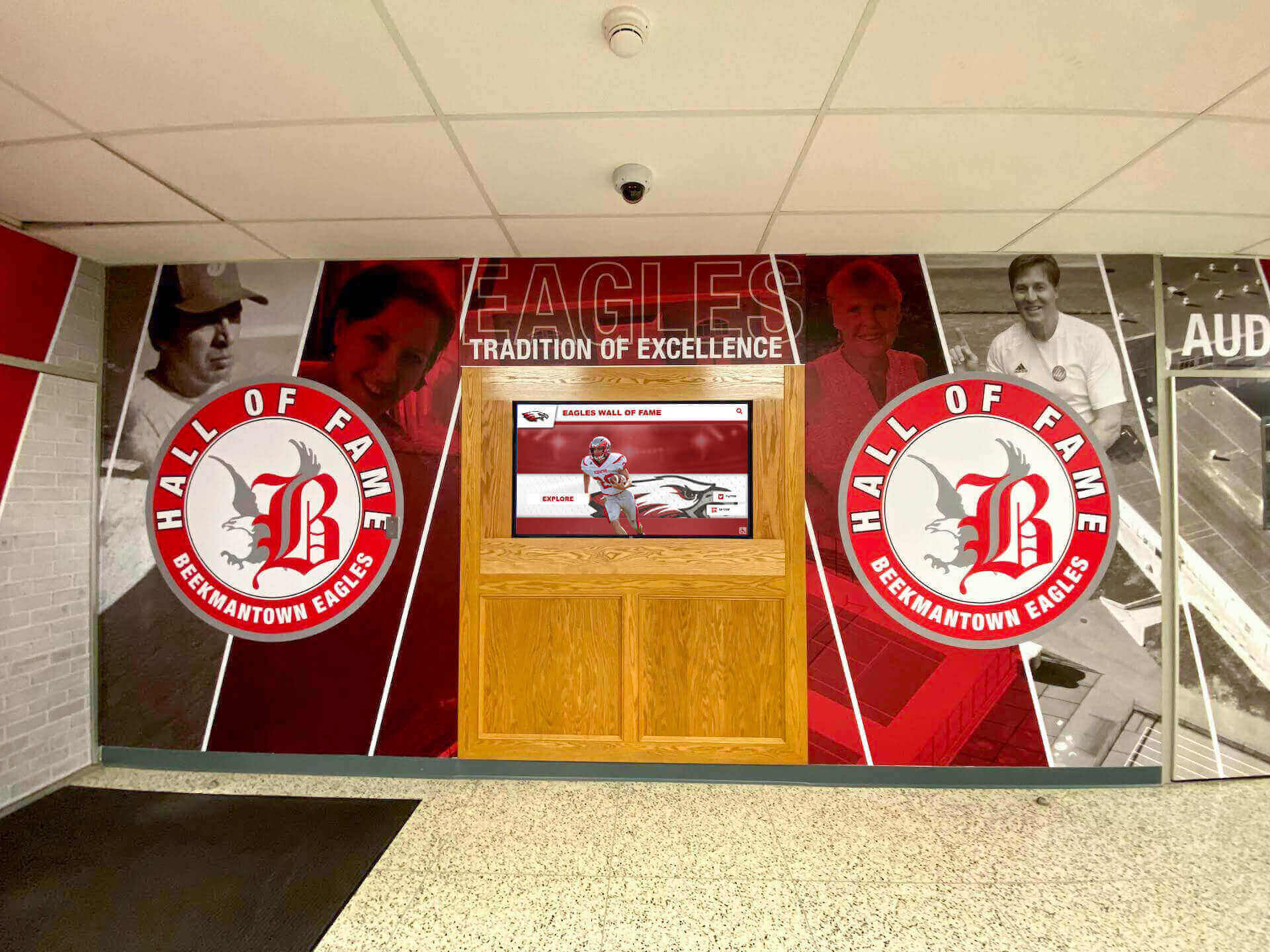
Logos and institutional seals positioned prominently near entries and on feature walls establish identity immediately while creating natural backdrops for photographs that families, students, and visitors share on social media, extending lobby design impact beyond physical visits.
Murals and Environmental Graphics
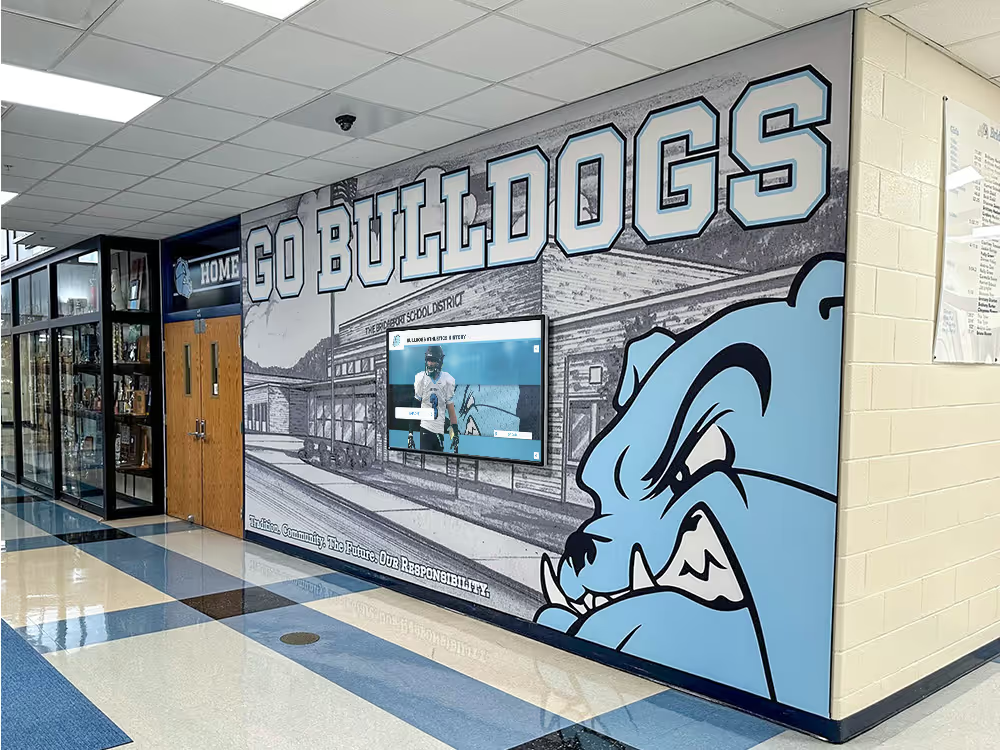
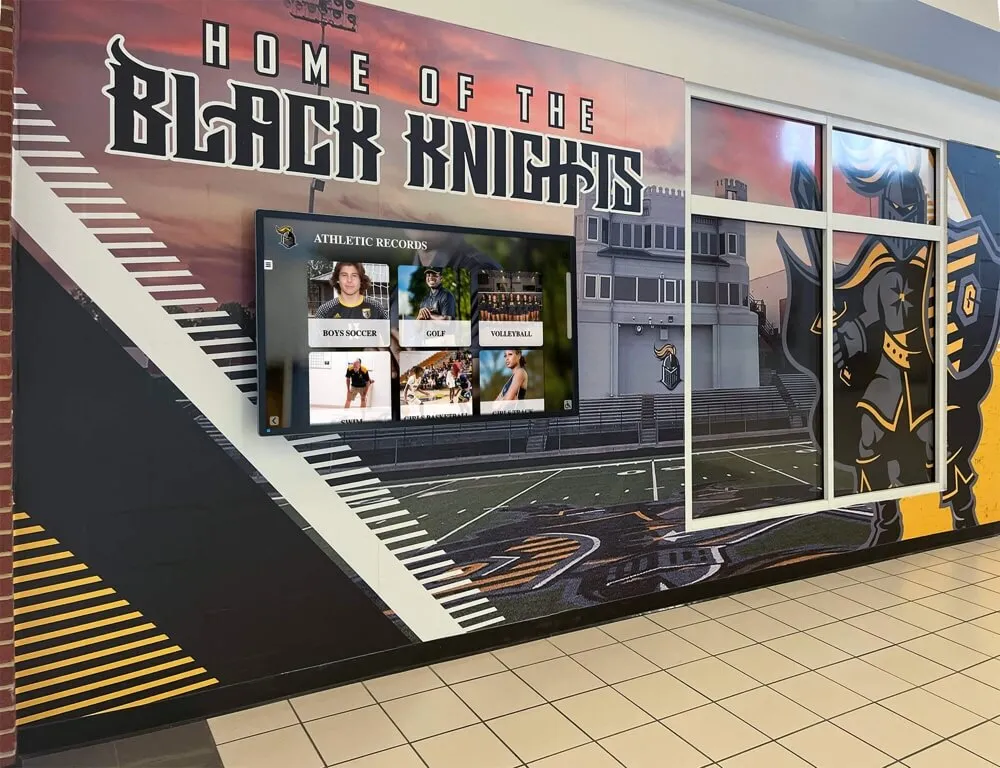
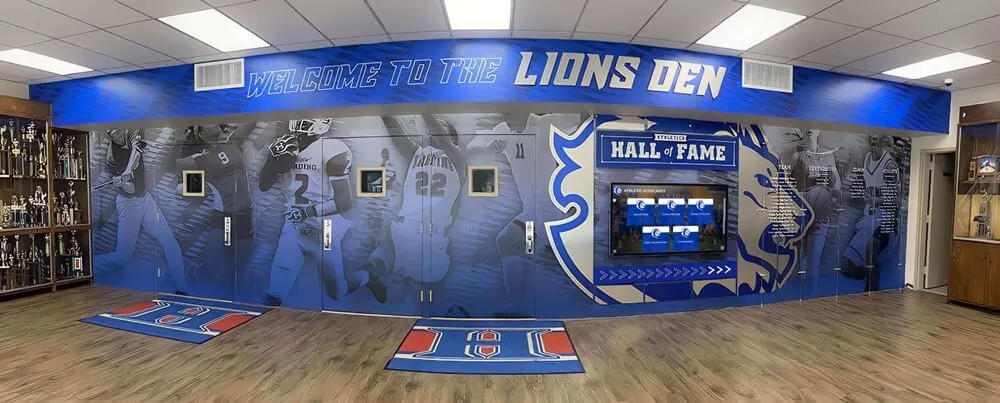
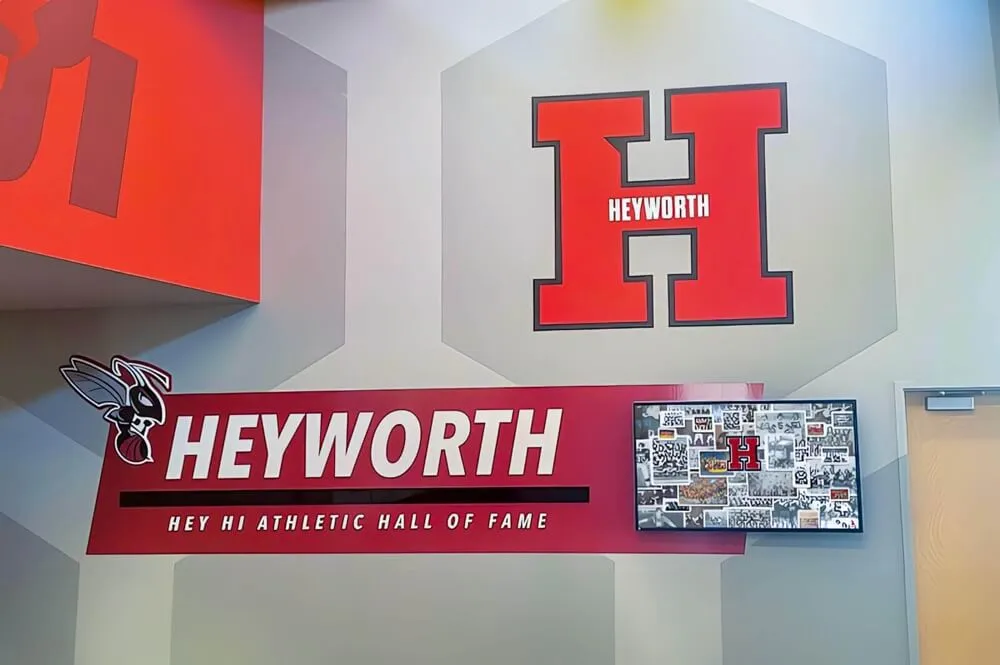
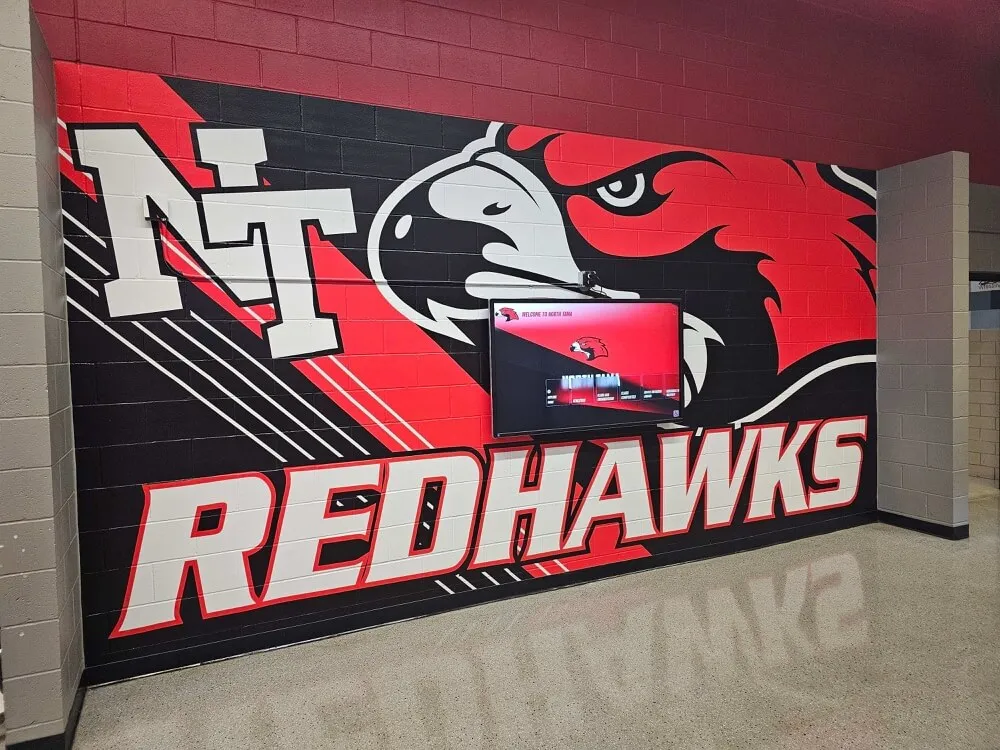
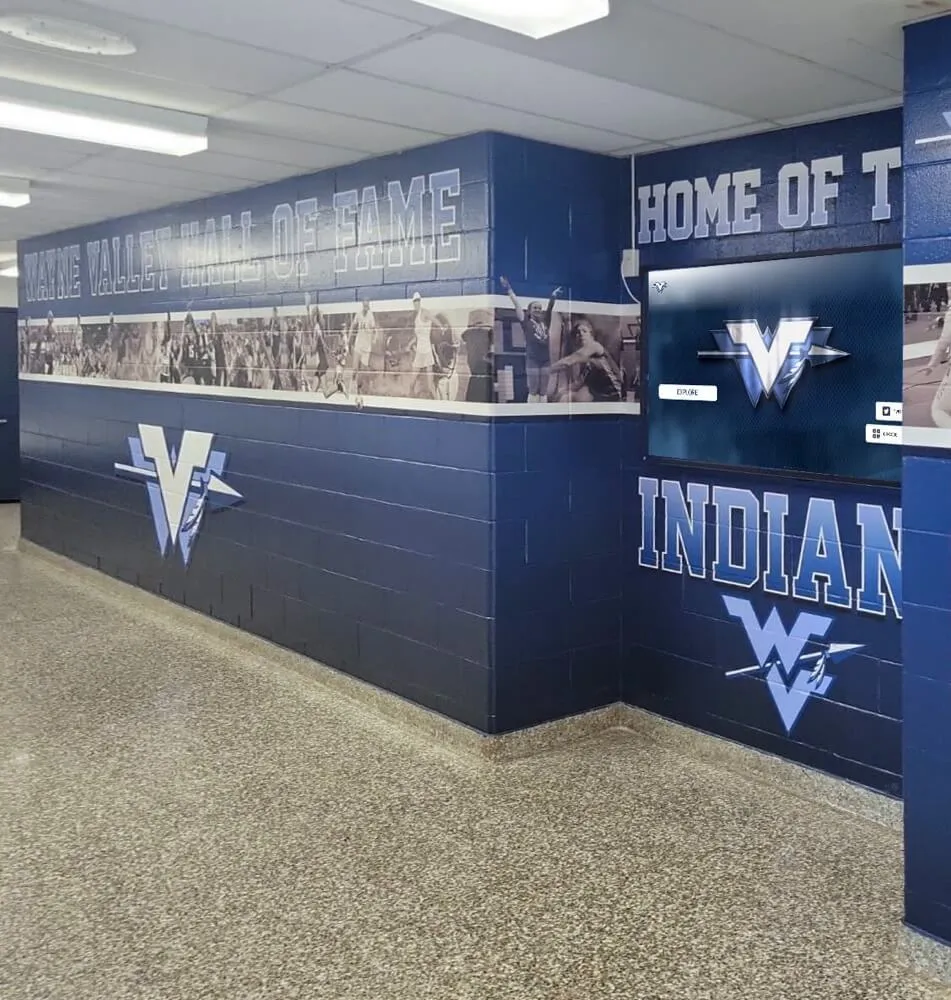
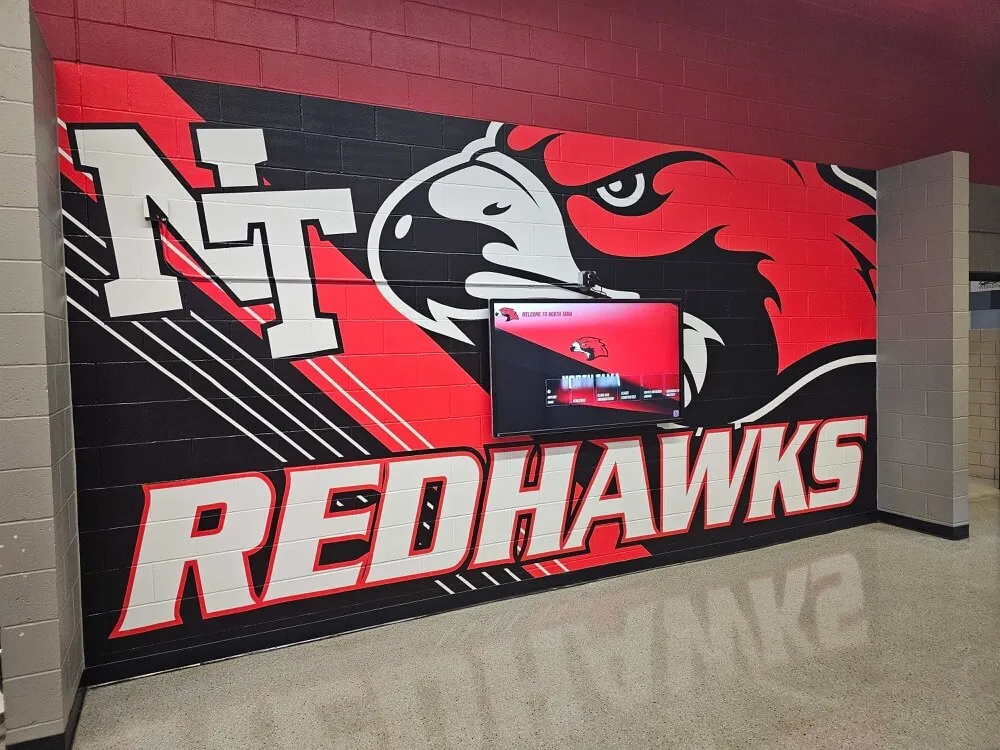
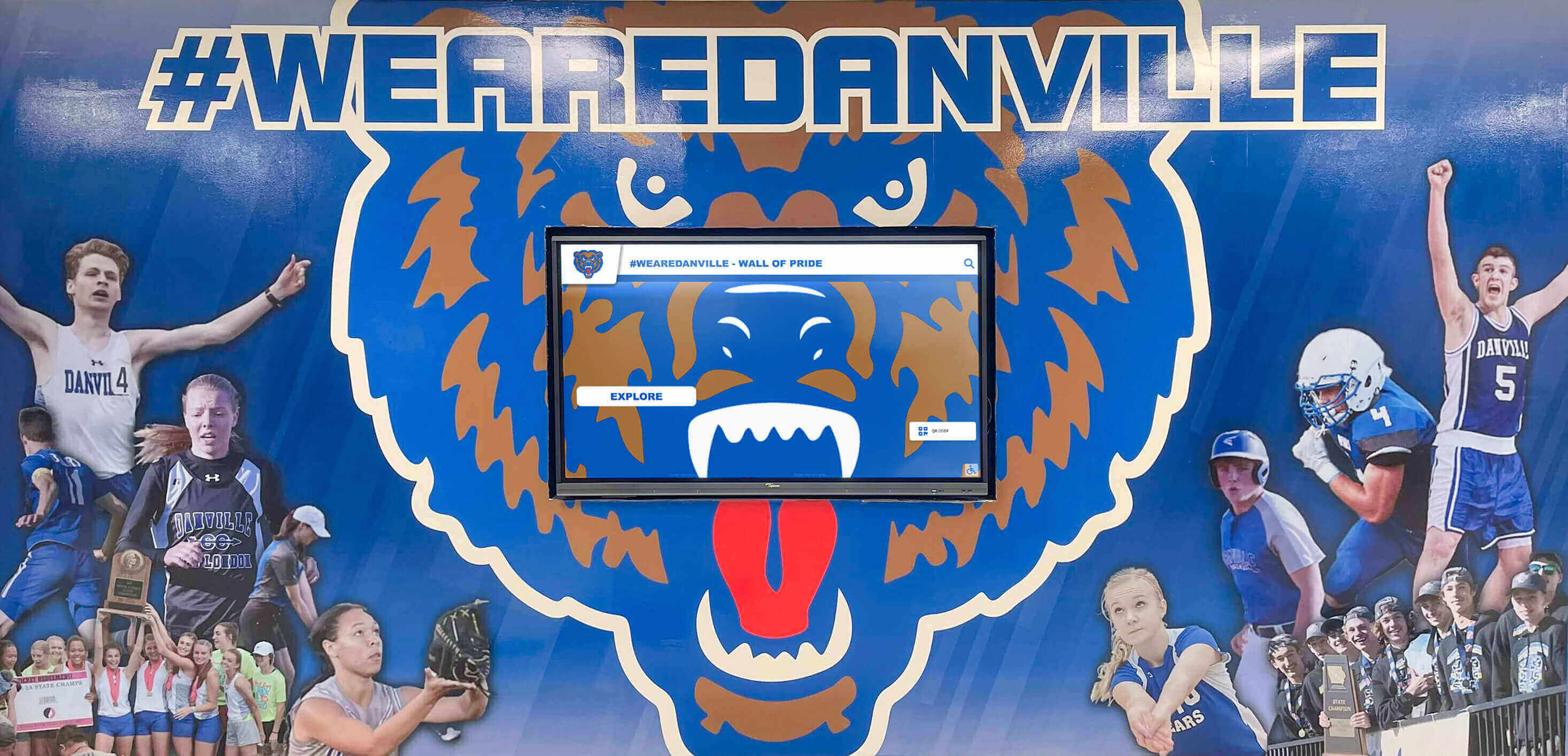
Custom wall murals featuring school mascots, historical imagery, or artistic representations of institutional values create focal points that distinguish lobbies as unique spaces rather than generic institutional entries. Wall graphics and wraps offer cost-effective alternatives to painted murals, enabling sophisticated visual impact at lower costs while allowing updates as branding evolves.
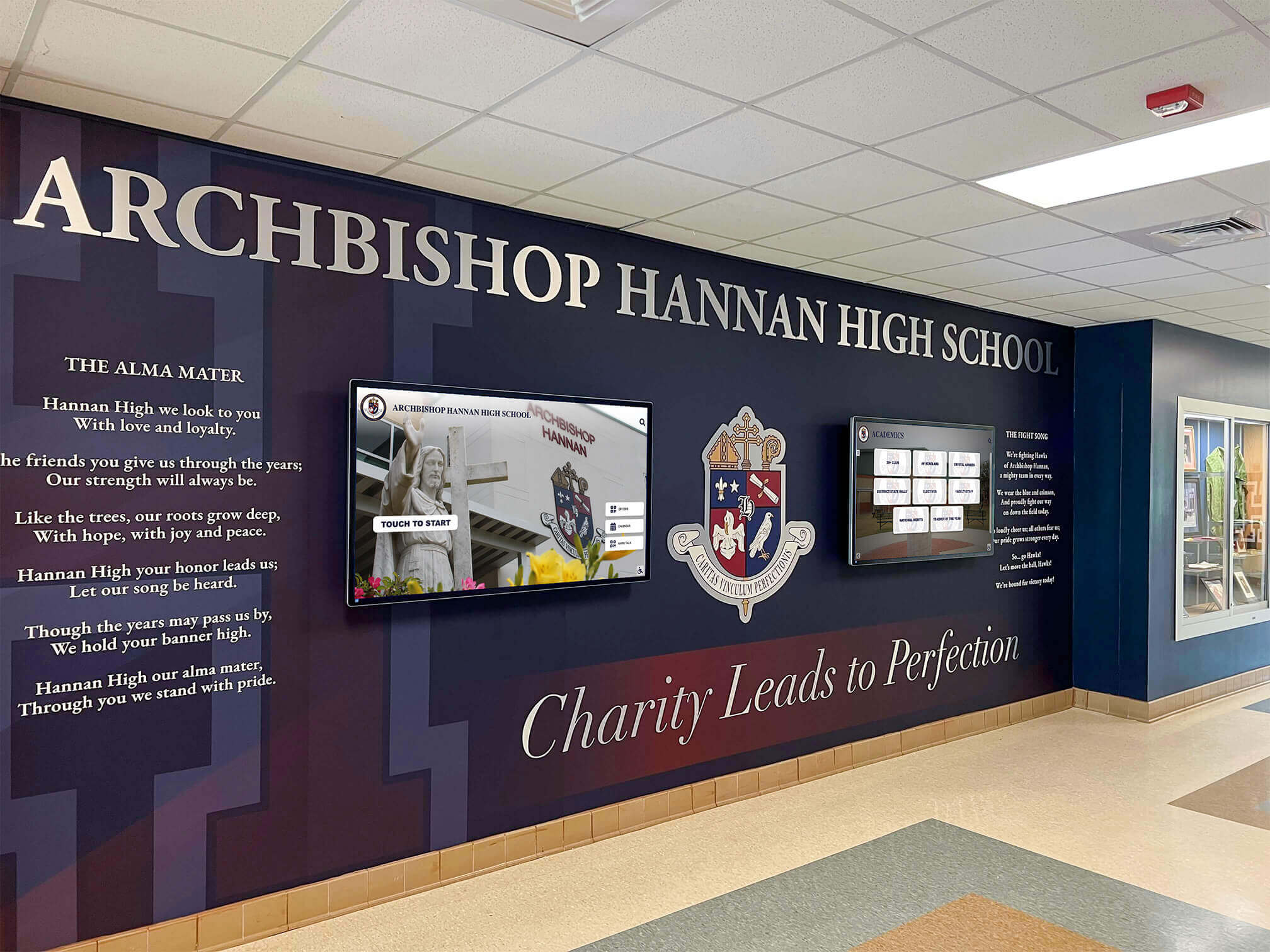
Mission statements, core values, and institutional mottos displayed prominently in lobbies communicate educational priorities while creating talking points for tours and visits. Typography, sizing, and placement determine whether these elements feel inspirational or institutional—thoughtful design creates meaningful impact rather than corporate wall decoration.
Historical Recognition and Timeline Displays
School history provides rich material for lobby displays that educate visitors while strengthening institutional identity. Timeline displays documenting founding dates, facility expansions, landmark achievements, and institutional evolution help visitors understand how schools developed into current institutions.
Historical photographs showing earlier campus buildings, student activities from different eras, and evolution of programs create nostalgia for alumni while demonstrating institutional longevity and stability to prospective families. Digitized yearbooks and archives provide source material for historical displays that celebrate heritage authentically.
Recognition Systems Celebrating Achievement
Recognition displays in school lobbies honor student, faculty, and alumni achievement while inspiring current students and strengthening community pride in institutional excellence.
Digital Recognition Platforms
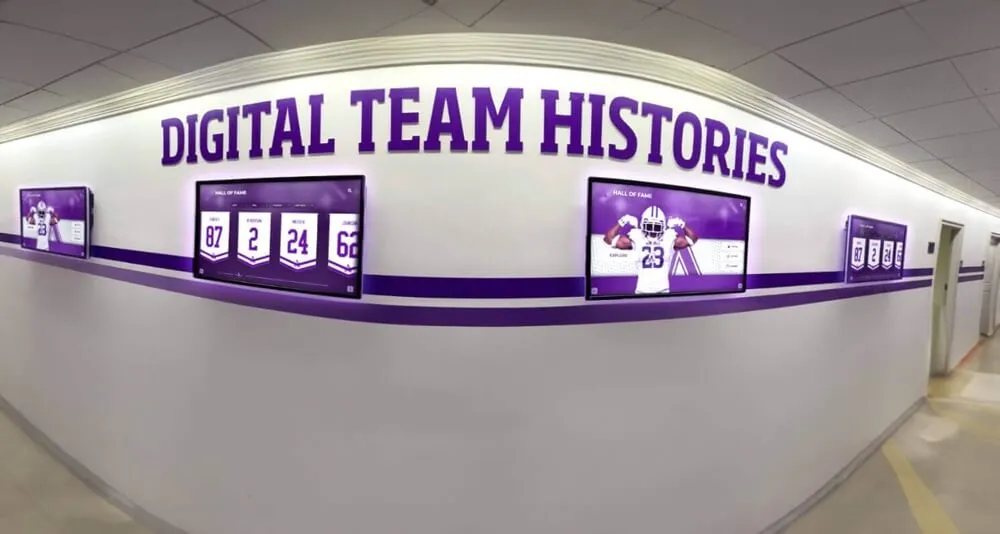
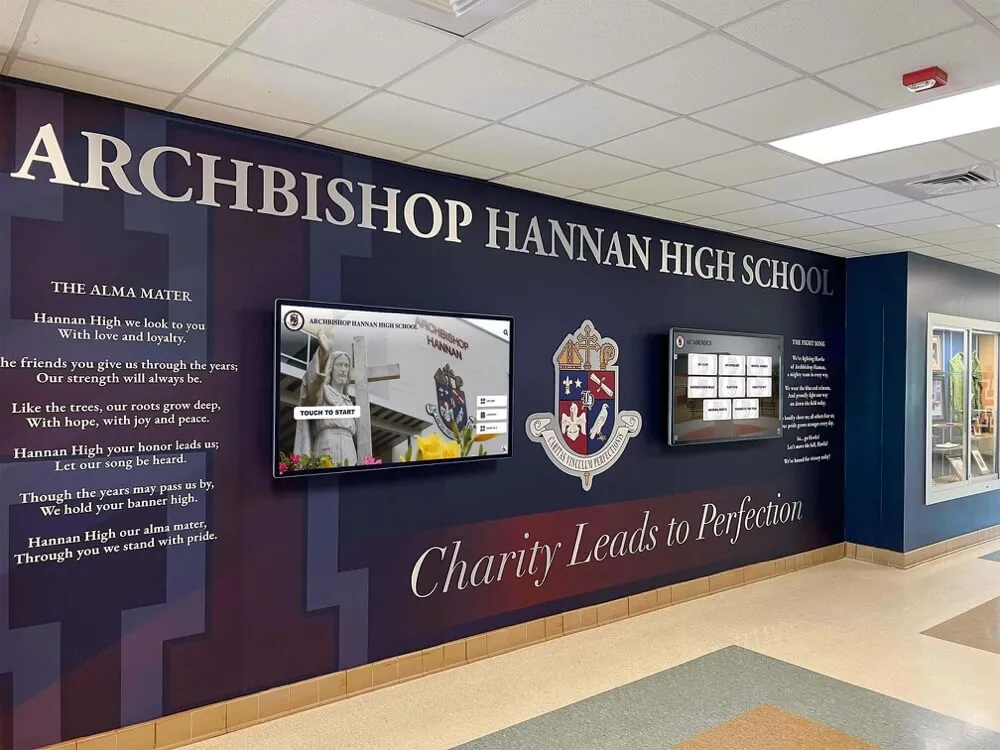
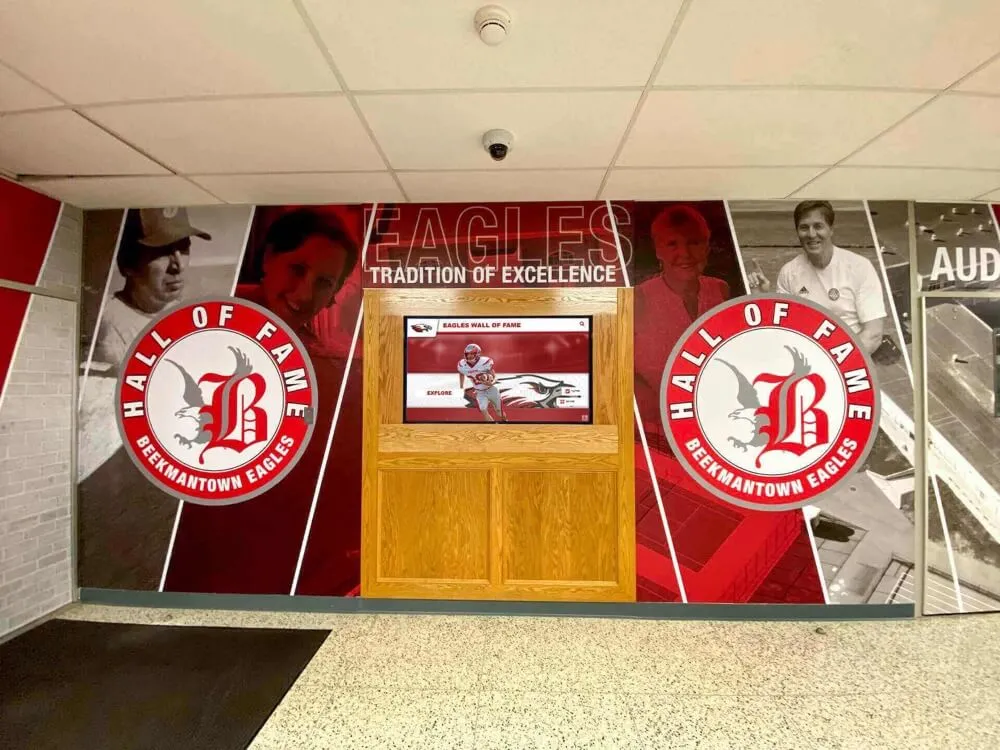
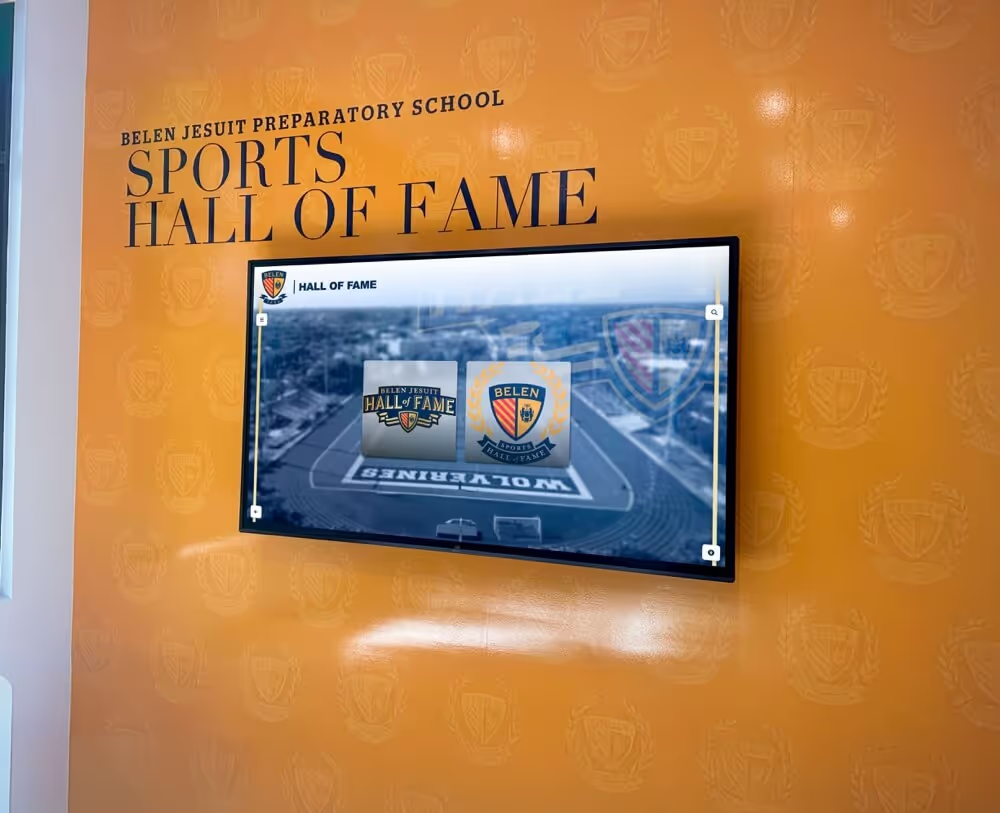
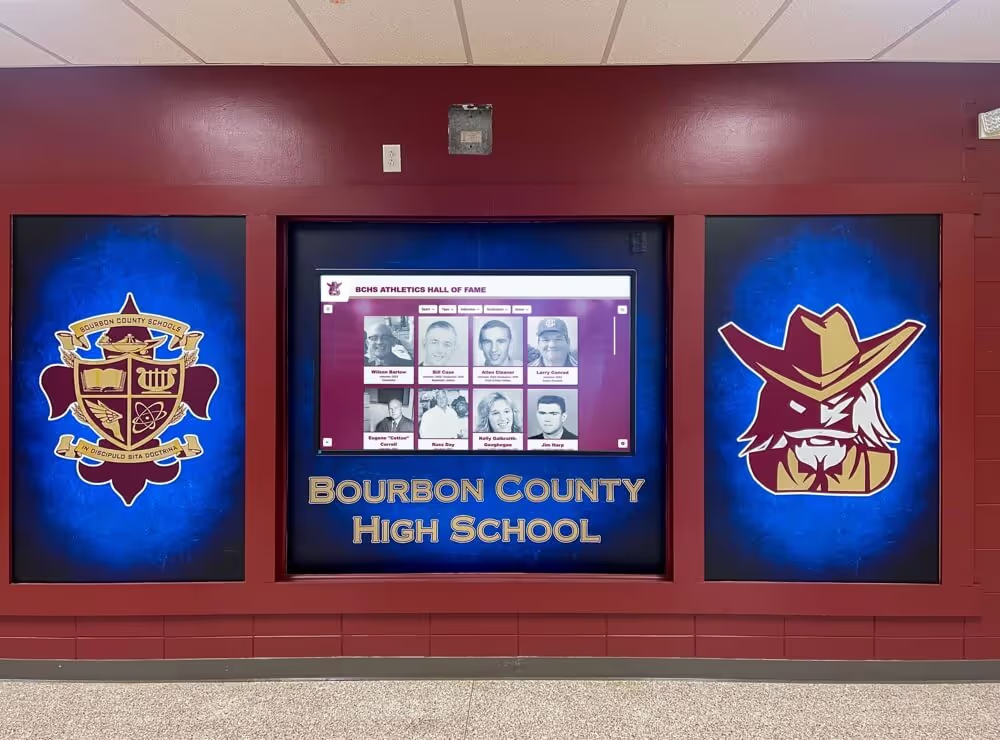
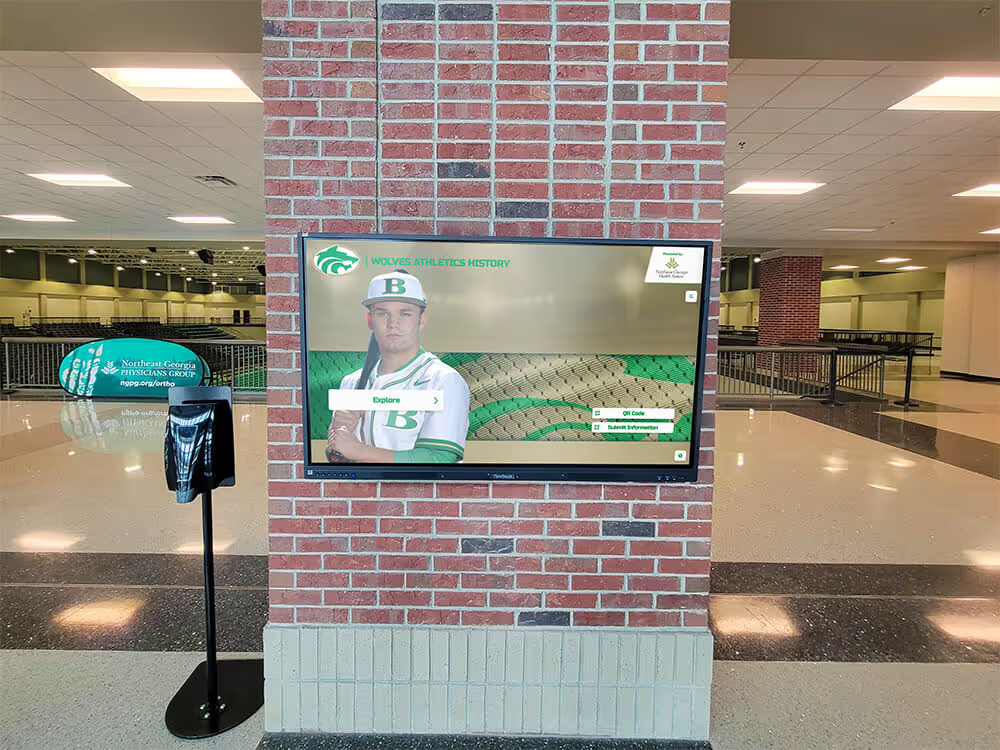
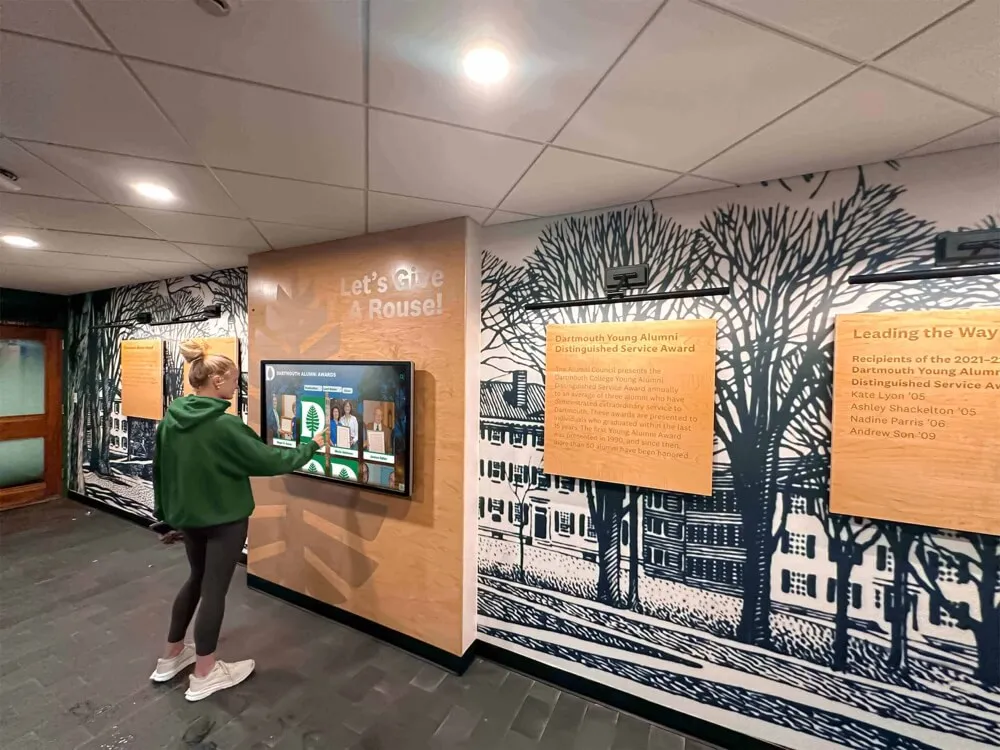
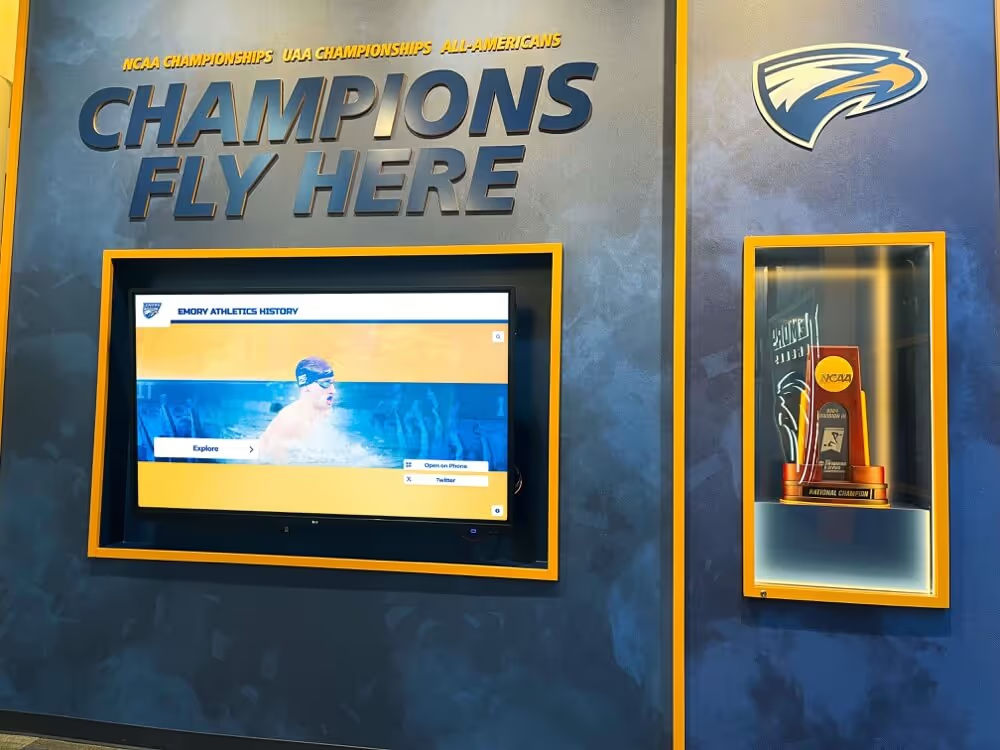
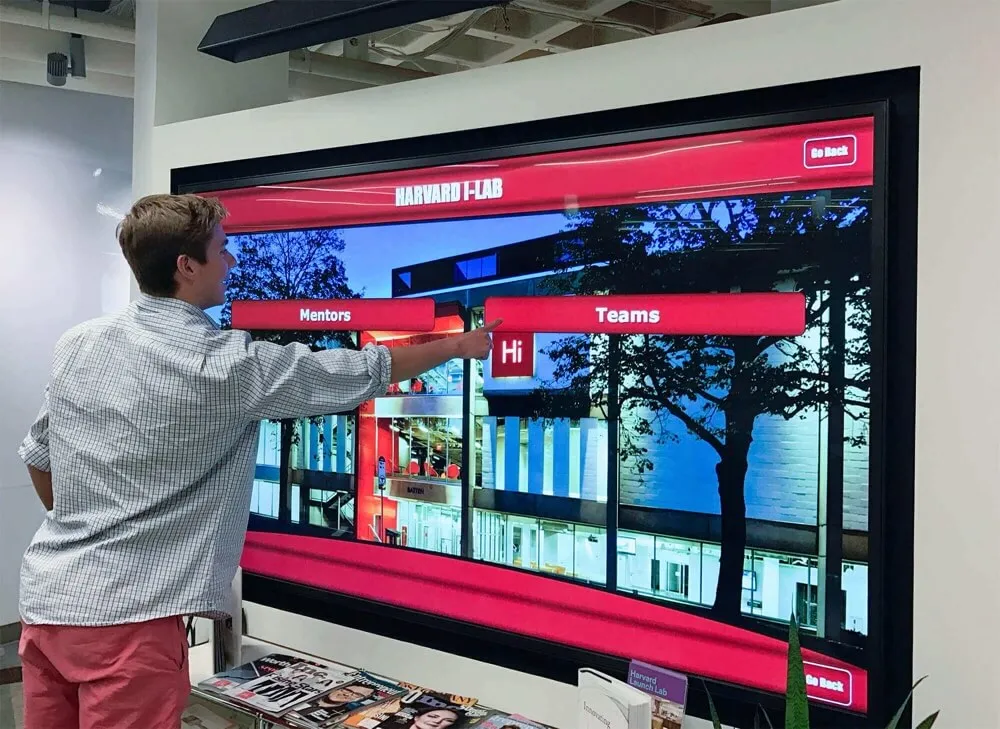
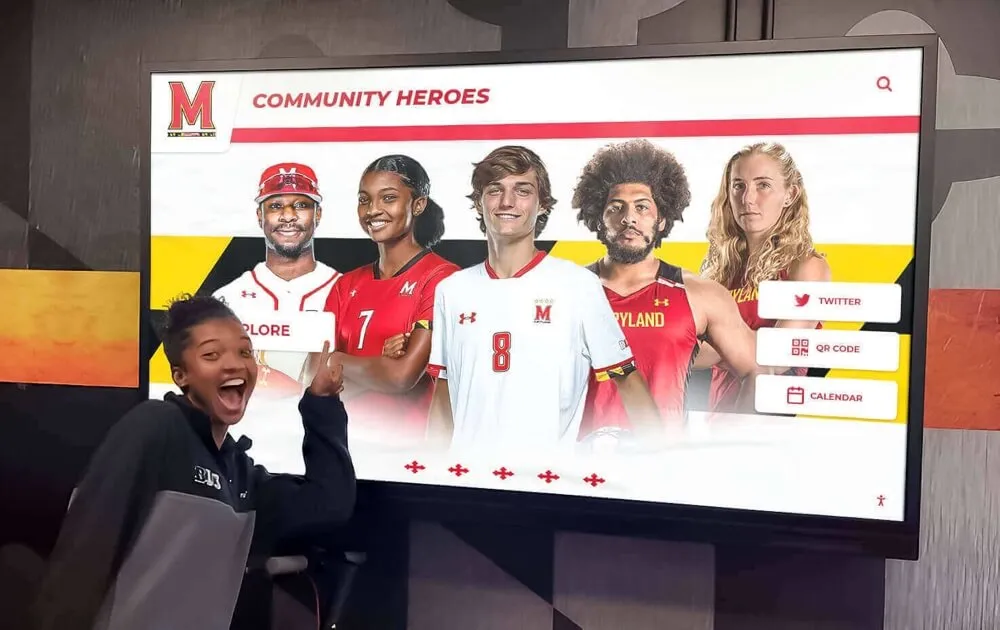
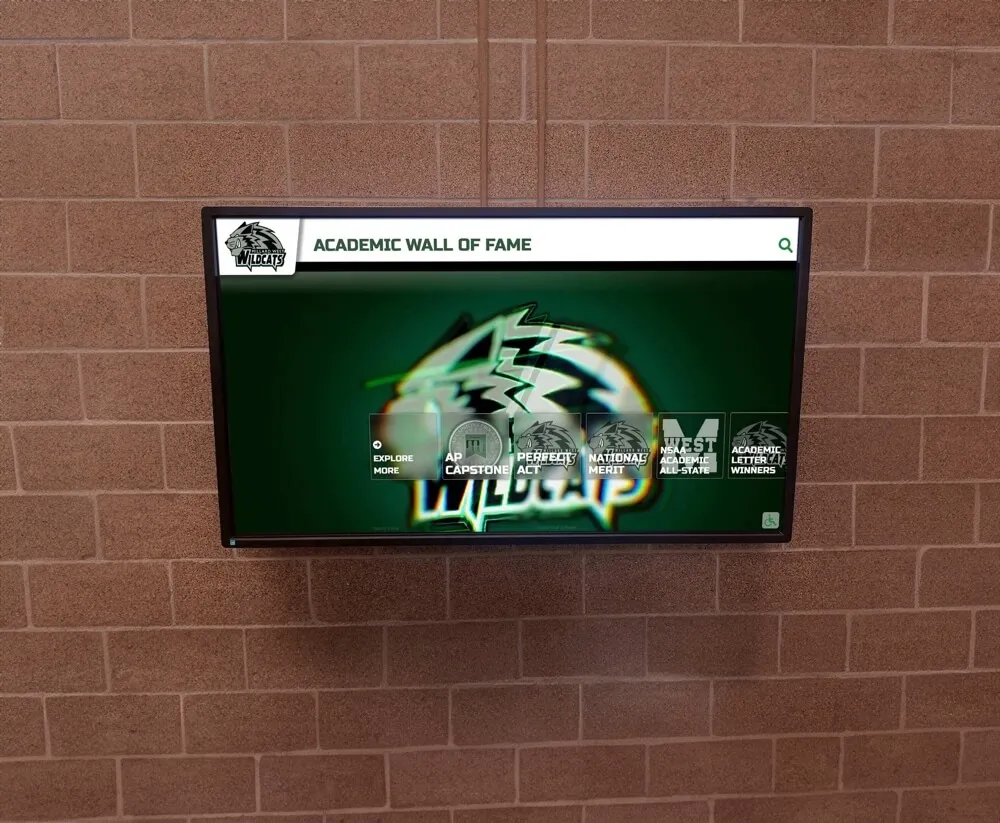
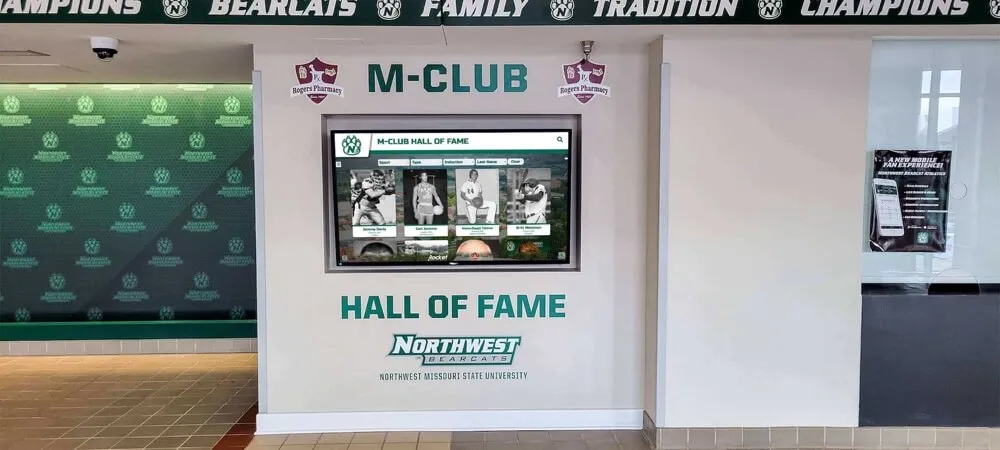
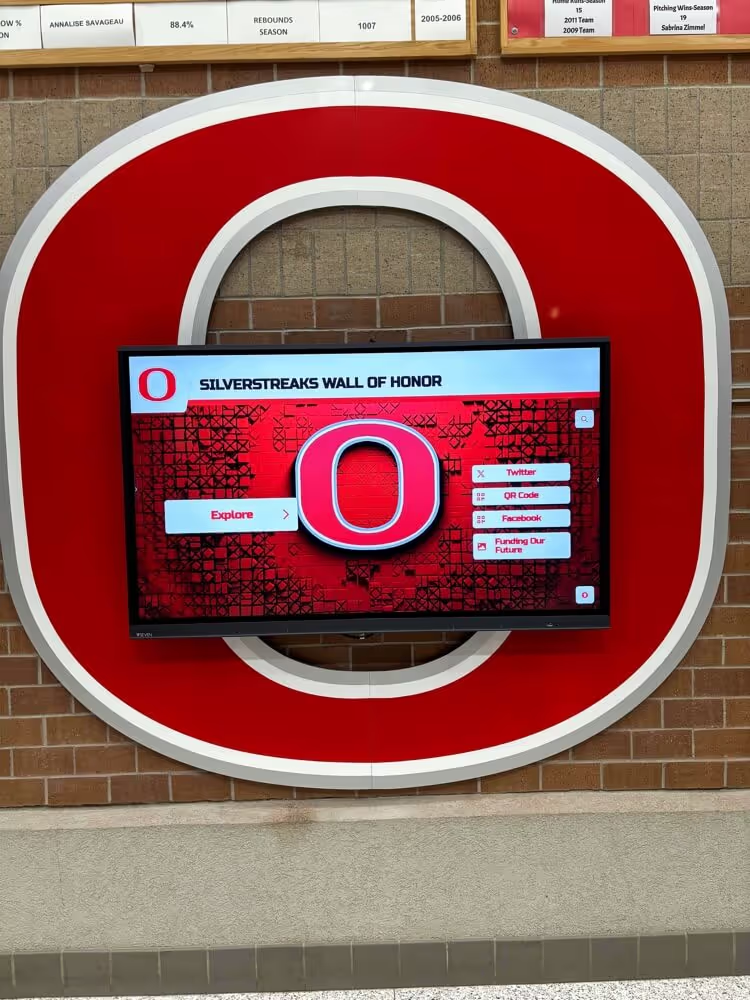
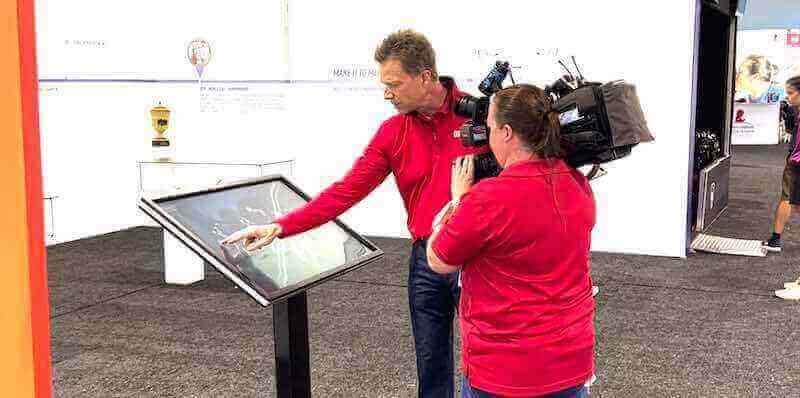
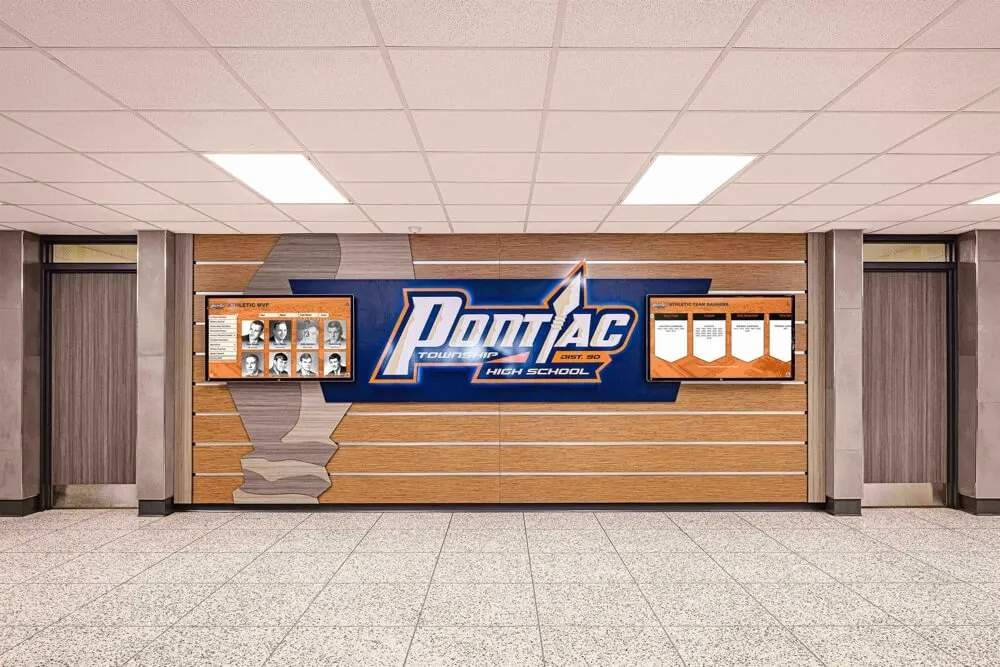
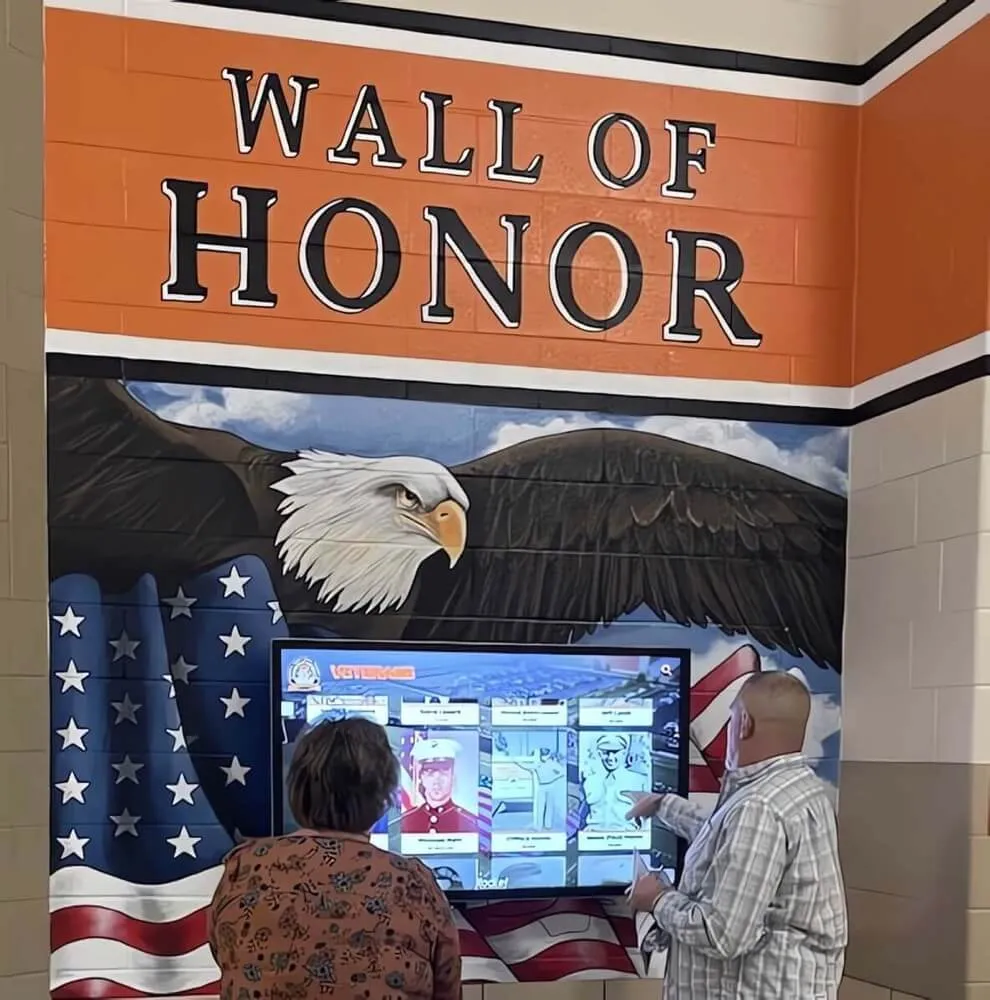
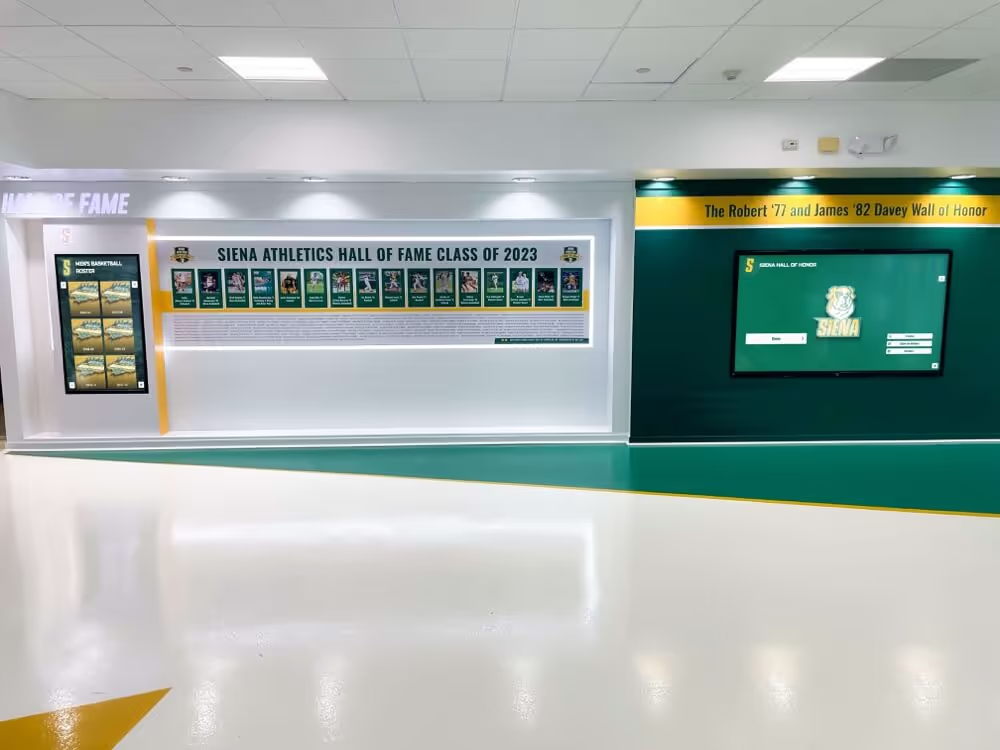
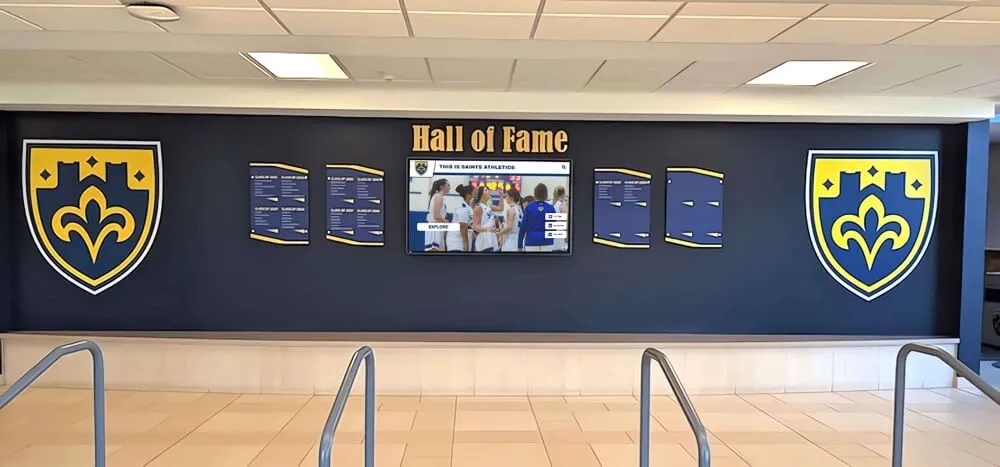
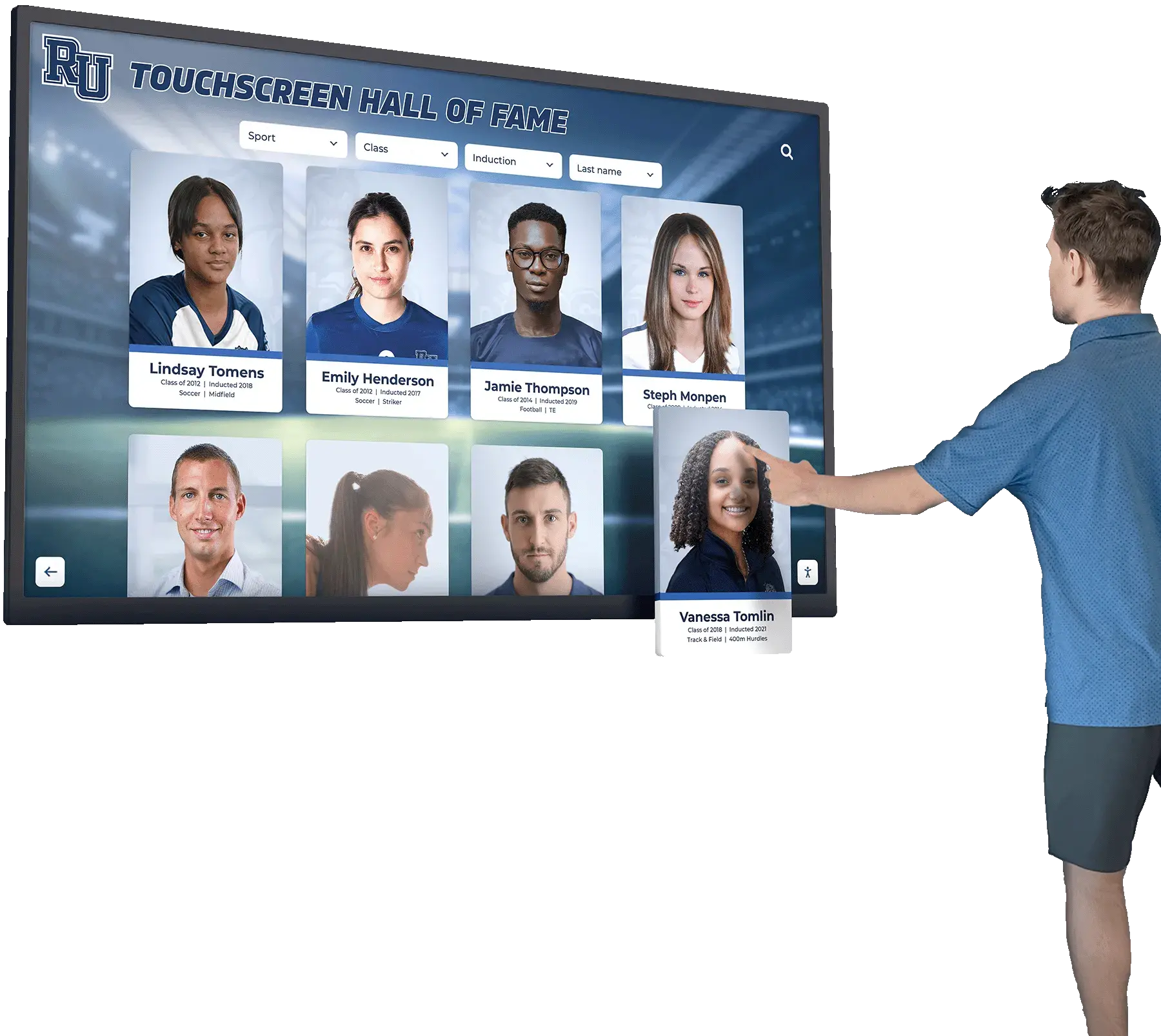
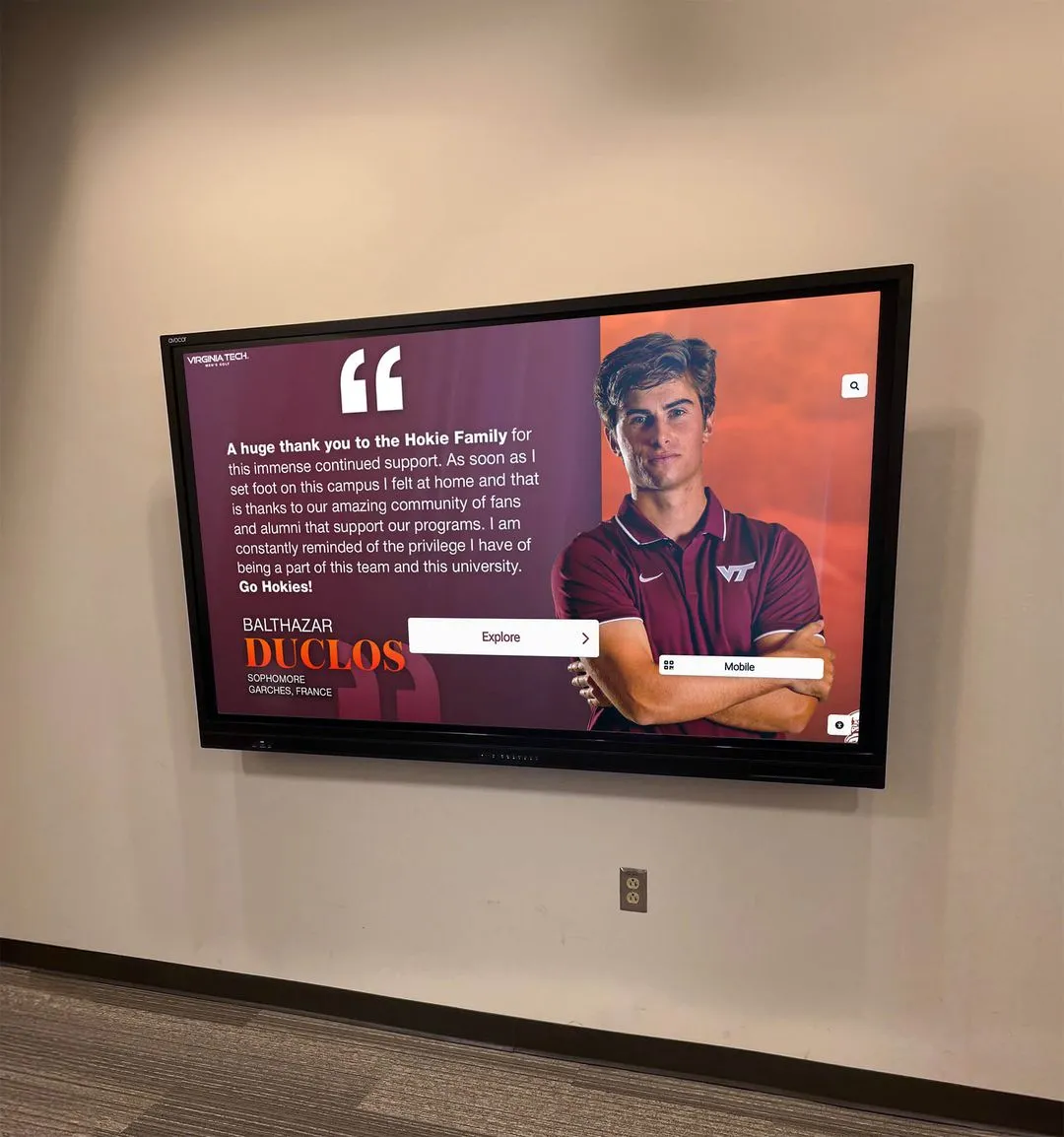
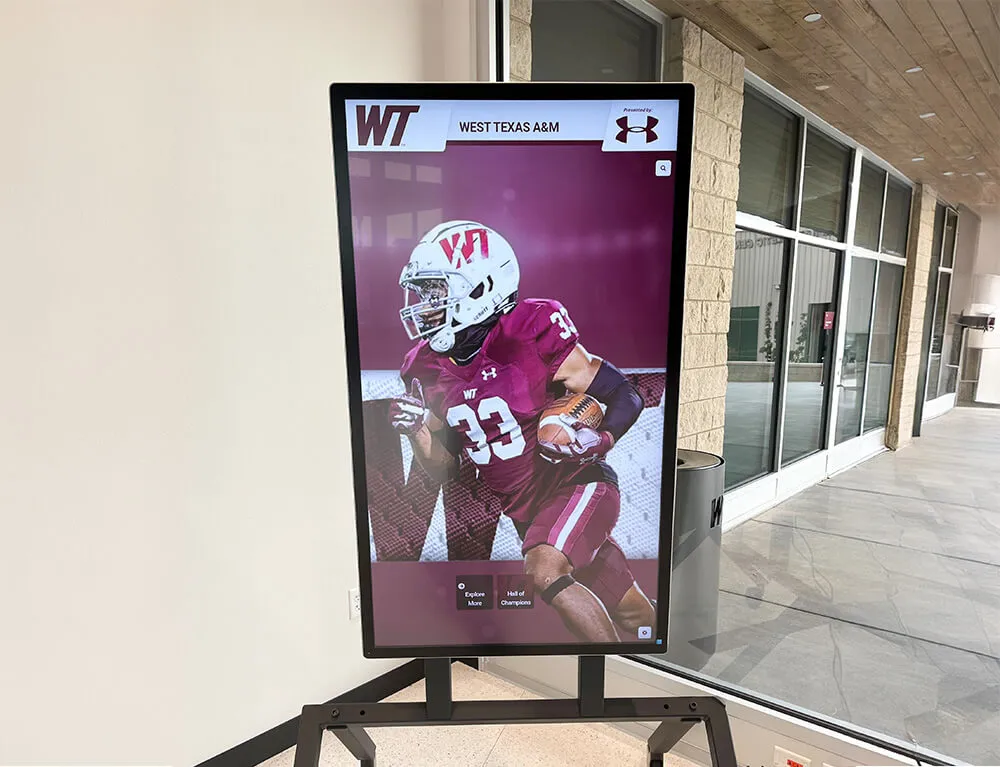
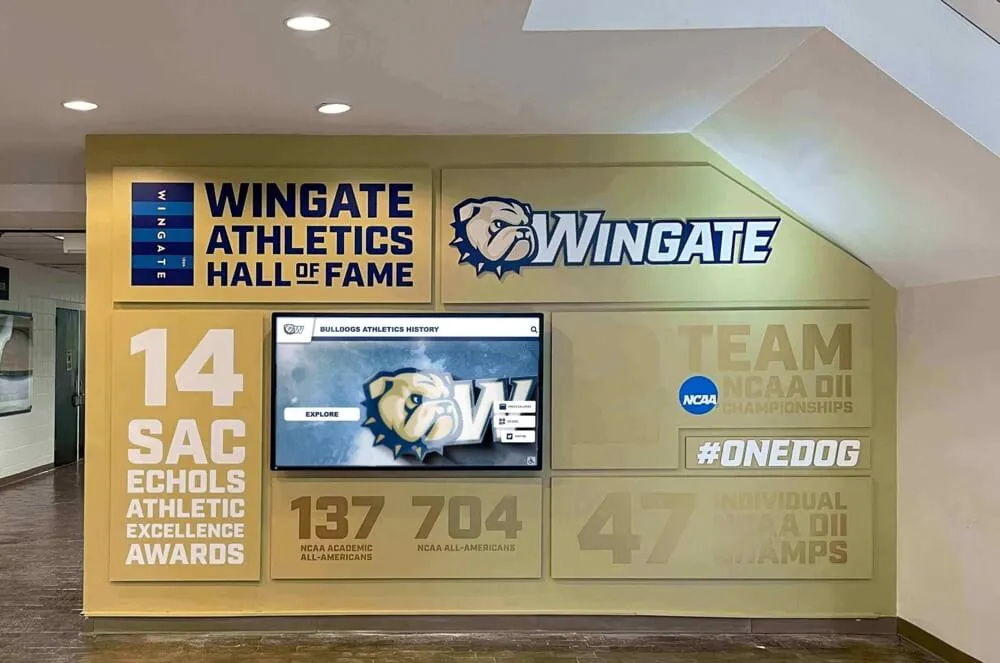
Modern interactive touchscreen systems transform traditional static plaques and trophy cases into engaging exploration experiences that visitors actively enjoy rather than passively observe. Digital platforms enable schools to recognize comprehensive populations without physical space limitations that restrict traditional recognition to only highest achievers or most recent recipients.
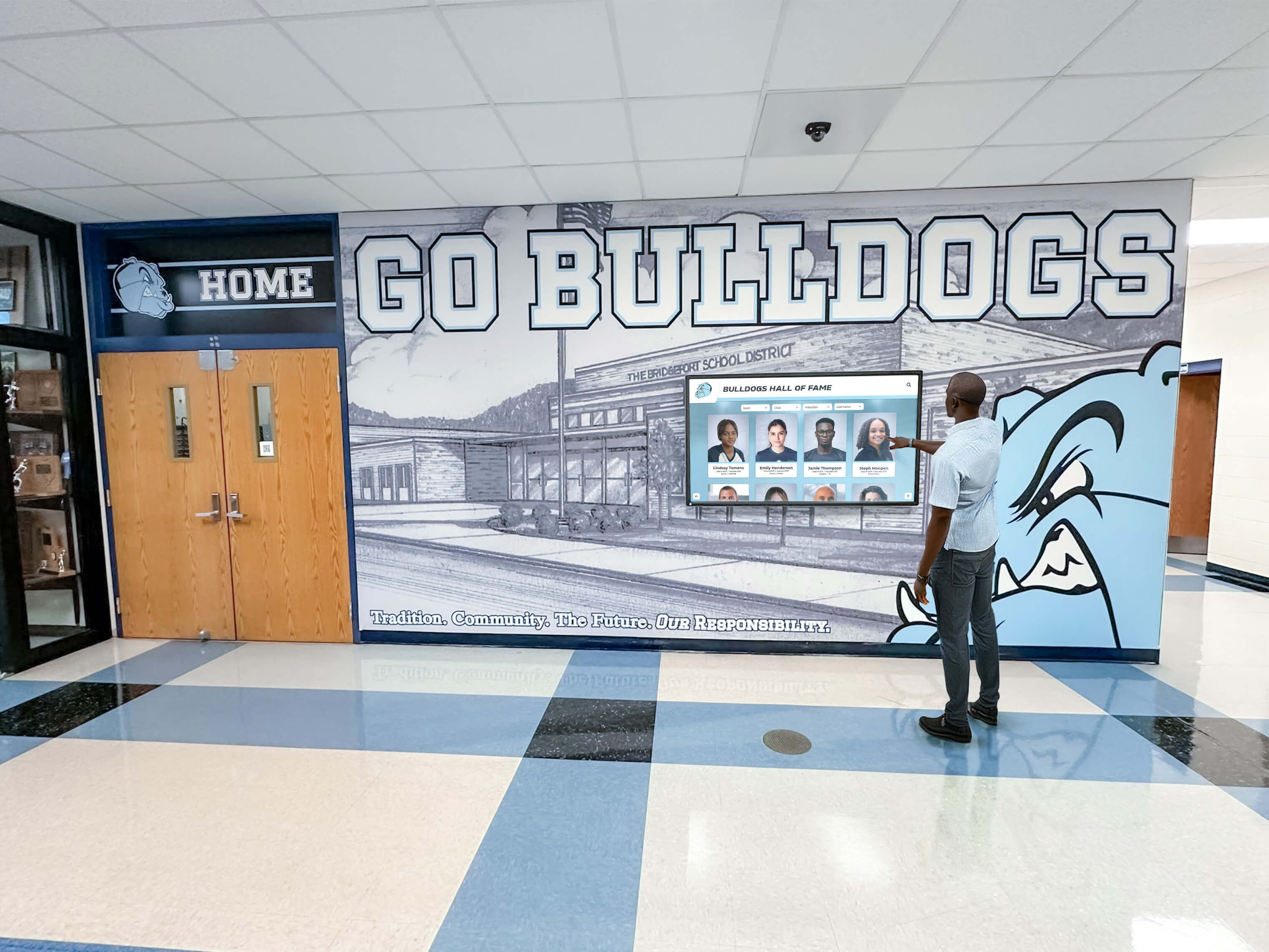
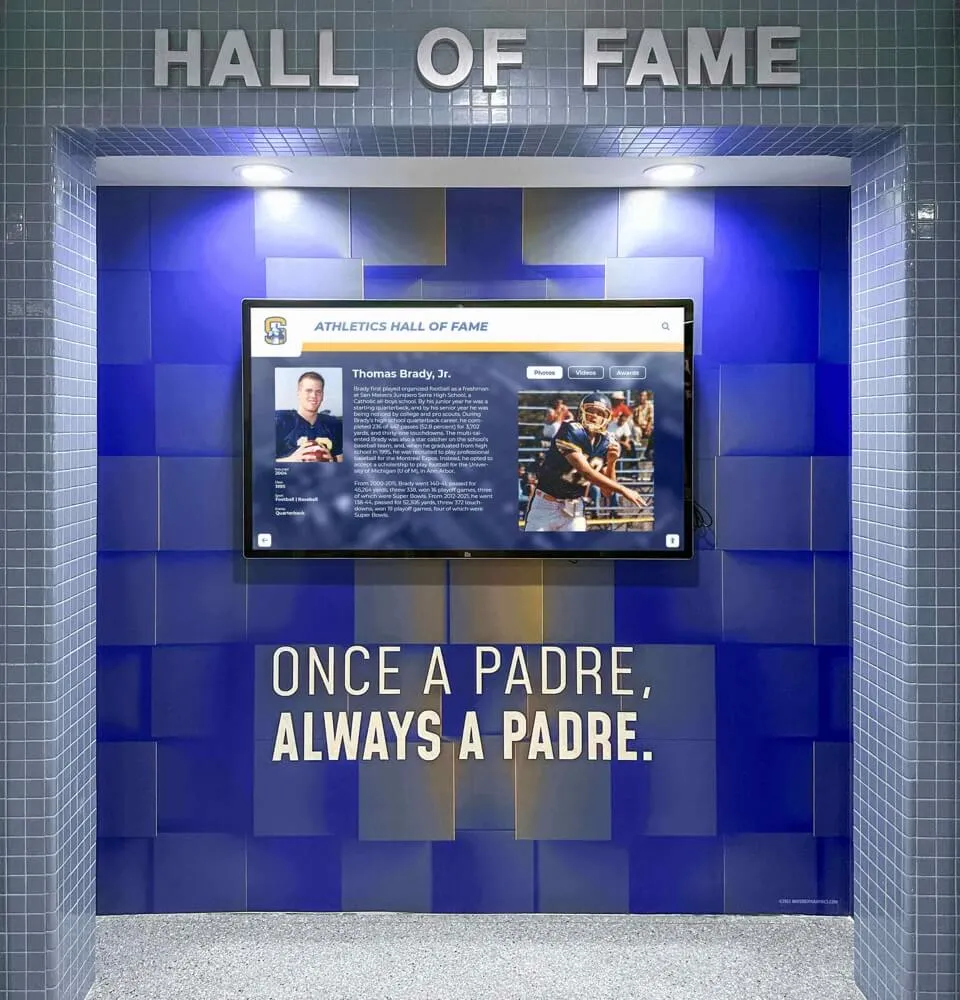
Solutions like Rocket Alumni Solutions provide purpose-built recognition platforms designed specifically for educational institutions, featuring intuitive interfaces enabling visitors to search by name, year, achievement category, or activity. Rich multimedia profiles incorporate photographs, accomplishment descriptions, career trajectories, and biographical details creating compelling stories rather than simple lists.
Digital recognition systems deliver multiple advantages over traditional approaches including unlimited recognition capacity enabling comprehensive rather than selective honor, dynamic content updates adding new achievements without physical reinstallation, multimedia storytelling incorporating video and detailed narratives impossible with plaques, searchable databases helping visitors find specific individuals quickly, and web platform extensions enabling global access beyond physical lobby locations.
Strategic Recognition Categories
Effective recognition systems celebrate diverse achievement types reflecting comprehensive institutional values rather than narrow definitions of success. Academic recognition—honor roll students, National Honor Society inductees, scholarship recipients—demonstrates educational excellence. Athletic recognition through halls of fame and record displays celebrates competitive success while inspiring athletic participation.
Arts recognition showcasing theater performers, musicians, and visual artists demonstrates commitment to creative excellence. Service recognition honoring community volunteers and student leaders communicates values beyond academic and athletic achievement. Distinguished alumni recognition celebrating notable graduates creates aspirational examples while strengthening institutional reputation.
Traditional Recognition Elements
While digital systems offer tremendous advantages, thoughtfully integrated traditional recognition maintains connections to heritage while accommodating preferences for familiar formats. Hybrid approaches combining prominent digital displays for comprehensive databases alongside selective traditional plaques for historically significant individuals or milestone achievements create recognition systems that honor tradition while embracing innovation.
Trophy cases displaying championship hardware, retirement jerseys, and significant artifacts provide tangible recognition that some schools and communities value deeply. Modern case design with appropriate lighting, organized layouts, and clear identification transforms trophy cases from cluttered collections into curated exhibitions celebrating institutional excellence.
Lighting Design Creating Ambiance
Lighting dramatically influences lobby atmosphere, affecting whether spaces feel welcoming or institutional, energizing or calming, modern or dated. Thoughtful lighting design creates appropriate ambiance while ensuring adequate illumination for functionality and safety.
Layered Lighting Strategies
Professional lighting design incorporates multiple layers working together rather than relying on single overhead fixtures. Ambient lighting provides general illumination throughout spaces. Accent lighting highlights specific features like artwork, displays, and architectural details. Task lighting illuminates functional areas like reception desks and seating clusters where visitors read or use devices.
Natural daylight should complement rather than compete with artificial lighting through appropriate window treatments, skylights, and sun control. Lobbies with abundant natural light feel more welcoming than exclusively artificially lit spaces, though appropriate control prevents excessive heat gain, glare, and UV damage to finishes and displays.
Color Temperature and Quality
Light color temperature measured in Kelvin dramatically affects perceived atmosphere. Warm light (2700-3000K) creates residential, intimate feelings appropriate for welcoming lobbies while cooler light (4000-5000K) feels more institutional and energizing. Most school lobbies benefit from warm to neutral temperatures (3000-3500K) balancing welcoming atmosphere with adequate visibility.
Color rendering quality affects how colors and materials appear under artificial light. High color rendering index (CRI) fixtures (90+) render colors naturally while lower quality lighting distorts appearances creating unflattering effects on people and finishes. Quality lighting fixtures with excellent color rendering represent worthwhile investments in spaces where first impressions matter tremendously.
Fixture Selection and Placement
Lighting fixture design influences aesthetic character as much as illumination quality. Contemporary pendant fixtures, chandeliers reflecting institutional style, and architectural lighting integrated into ceilings and architectural features create visual interest while providing illumination. Avoid excessive fixtures creating visual clutter—fewer high-quality fixtures generally create better results than numerous mediocre lights.

Consider how lighting affects recognition displays, artwork, and architectural features. Proper illumination draws attention to elements schools want visitors to notice while preventing shadows or glare that impair visibility or create poor viewing conditions.
Design Ideas by School Type and Size
Different educational institutions require tailored lobby approaches addressing unique needs, populations, and community characteristics while working within varying spatial and financial constraints.
Elementary School Lobbies
Elementary lobbies serve young children, parents, community members, and staff with widely varying needs and perspectives. Design must accommodate this diversity while creating environments that feel appropriate for primary age students without appearing juvenile to adult visitors.
Child-Scaled Elements
Lower display heights enable young children to view recognition boards and information displays independently. Seating options including smaller chairs accommodate young visitors waiting with parents. Lower coat hooks and cubbies positioned in or near lobbies serve practical functions while acknowledging that young children occupy these spaces regularly.
However, avoid creating lobbies that feel exclusively designed for children to the exclusion of adult visitors. Balance child-friendly elements with professional aesthetics ensuring parents evaluating schools perceive serious educational institutions rather than daycare centers.
Safety and Visibility
Elementary lobbies require particularly robust security given young student ages. Clear sight lines from reception desks to all entrance points enable staff to monitor access continuously. Secure vestibule designs prevent students from exiting without staff knowledge while controlling visitor access to interior building areas.
Glass partition walls separating secure vestibules from interior corridors enable visibility while maintaining physical security. Children can see parents arriving for pickup without entering unsecured vestibule areas while staff monitor entrances without leaving secure interior spaces.
Student Work Display
Rotating displays of student artwork, class projects, and academic work celebrate achievement while demonstrating instructional quality to visiting parents and community members. Display systems enabling regular updates keep content fresh and ensure all students receive recognition opportunities throughout school years.
Digital screens can rotate through student work, classroom activities, and school events providing dynamic displays that static bulletin boards cannot match. These displays also function as communication tools keeping parents informed about current learning activities and upcoming events.
Middle School Lobbies
Middle school lobbies must transition from elementary aesthetics while acknowledging that young adolescents remain children requiring appropriate environments. These transition spaces balance more mature design with recognition that middle schoolers still need environments created specifically for their developmental stage.
Adolescent-Appropriate Design
Avoid both juvenile elementary aesthetics and mature high school approaches in favor of transitional design appropriate for young adolescents. Contemporary furniture, modern graphics, and technology integration appeal to tech-savvy middle schoolers while maintaining clear educational context rather than attempting to replicate commercial or entertainment spaces.
Middle school lobbies benefit from interactive technology enabling student engagement. Touchscreen displays featuring student projects, interactive school directories, and recognition systems celebrating diverse achievements create engagement opportunities that passive displays cannot provide.
Identity and Belonging
Middle school years involve identity development and seeking belonging. Lobby displays celebrating diverse achievements—academic clubs, athletic teams, arts programs, service organizations—communicate that multiple pathways to recognition exist and that different talents and interests receive institutional validation.
School clubs and organizations can feature in lobby displays through group photographs, activity highlights, and achievement recognition. This visibility builds program awareness while strengthening student connections to school communities through club and activity participation.
High School Lobbies
High school lobbies often represent institutional showpieces that create powerful impressions on visiting families, college recruiters, athletic scouts, and community members attending events. Design emphasizes sophistication while celebrating the full range of student achievement across academics, athletics, arts, and service.
Sophisticated Aesthetics
High school lobbies should feel more mature and sophisticated than elementary and middle school entries, reflecting that these institutions prepare students for collegiate education and professional careers. Contemporary furniture, professional lighting, sophisticated materials, and refined color palettes create environments that communicate seriousness of purpose and educational excellence.
Architectural features like dramatic ceiling heights, statement staircases, and expansive windows create impressive entries that distinguish high school lobbies from earlier grade levels. These elements require greater square footage and investment, but they deliver impact justifying resource allocation for major institutional entry points.
Comprehensive Recognition Systems
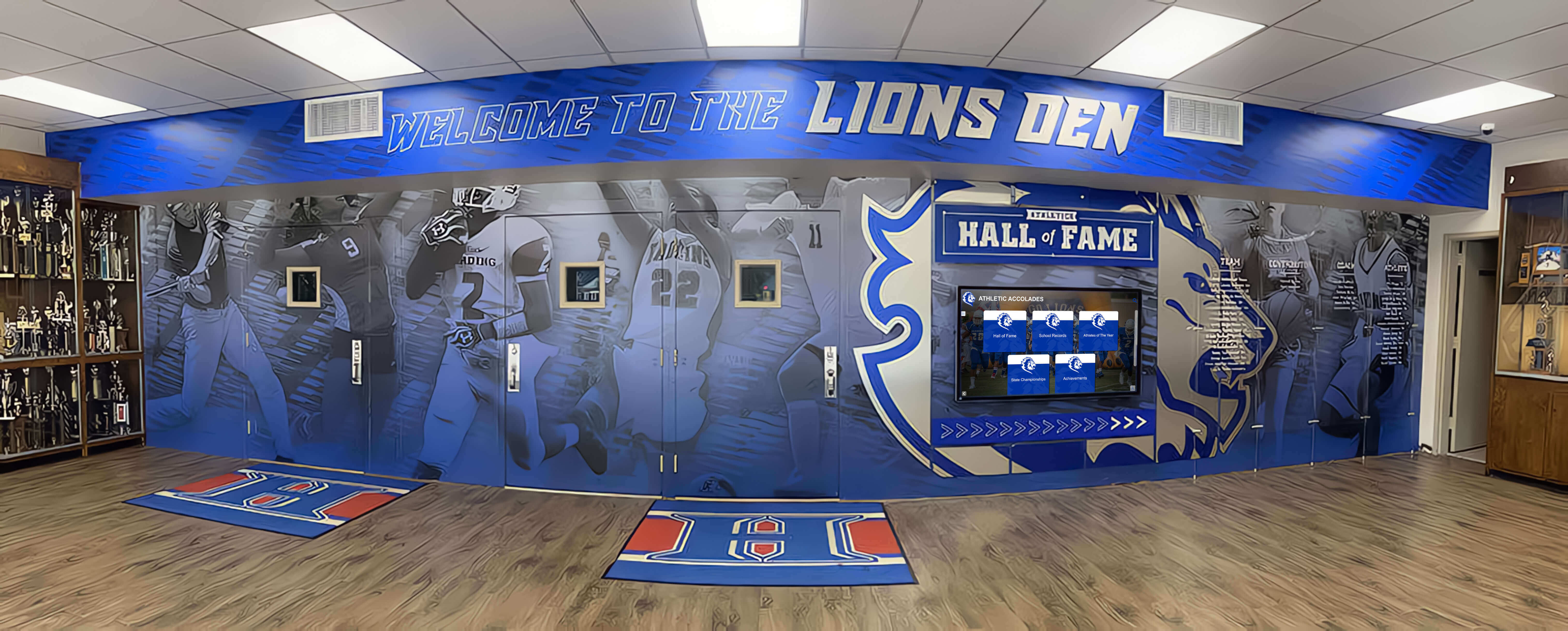
High schools accumulate extensive achievement recognition spanning academics, athletics, arts, activities, and alumni accomplishments. Digital recognition systems address the challenge of displaying this comprehensive recognition without requiring massive physical space for countless plaques and trophy cases.
Digital halls of fame enable high schools to honor all deserving individuals across multiple achievement categories while creating engaging experiences that visitors actively explore rather than briefly glance at while passing. These systems become lobby focal points and natural gathering places during tours, recruiting visits, and events.
College and Career Awareness
High school lobbies can incorporate college commitment displays celebrating students accepting collegiate athletic scholarships or admission to competitive universities. Signing day recognition demonstrates that schools successfully prepare students for next educational steps while creating aspirational examples for younger students.
Career awareness displays featuring alumni professional accomplishments illustrate diverse pathways graduates pursue after high school. These displays provide practical information about career options while demonstrating that institutional education leads to real-world success across varied fields.
College and University Lobbies
Higher education lobbies in administration buildings, academic halls, student centers, and athletic facilities serve diverse populations including current students, prospective students and families, alumni, donors, faculty, and community visitors. Design must accommodate this diversity while expressing distinctive institutional identity and academic excellence.
Academic Character and Tradition
University lobbies often emphasize academic tradition, research accomplishments, and scholarly excellence through design elements that communicate serious intellectual purpose. Architectural details referencing collegiate gothic, classical, or contemporary academic design traditions connect spaces to broader higher education contexts while expressing unique institutional identities.
Libraries, academic journals, and intellectual artifacts displayed in lobbies communicate research missions and scholarly values. Faculty recognition celebrating distinguished professors, endowed chairs, and research accomplishments demonstrates institutional commitment to academic excellence beyond student-focused metrics.
Alumni and Donor Recognition
Digital donor walls featured prominently in university lobbies recognize philanthropic support while demonstrating appropriate stewardship that encourages continued giving. Interactive systems allow donors and visitors to explore comprehensive giving histories, understand campaign progress, and learn about funding impacts that financial support enables.
Alumni recognition in university lobbies celebrates notable graduates while strengthening institutional reputations through association with accomplished alumni. Distinguished alumni profiles create powerful messages about educational quality and institutional impact while providing aspirational examples for current students.
Prospective Student Impressions
University lobbies significantly influence prospective student enrollment decisions, particularly in competitive markets where families evaluate multiple institutions. Impressive lobbies communicating institutional quality, investment, and student success influence perceptions that affect enrollment choices worth millions in tuition revenue over student cohort lifetimes.
Campus tour routes should prominently feature well-designed lobbies that showcase institutional character and student experience. These spaces become natural gathering points where tour guides deliver key messages about institutional mission, values, and distinctive characteristics differentiating institutions from competitors.
Technology Integration in Modern School Lobbies
Contemporary school lobbies increasingly incorporate technology that enhances functionality, creates engagement opportunities, and communicates institutional innovation beyond traditional physical design elements.
Interactive Wayfinding and Information Systems
Digital directories replace static building directories that quickly become outdated and require physical updates whenever office locations or staff assignments change. Touchscreen systems enable visitors to search alphabetically for specific offices, individuals, or departments with maps displaying optimal routes to destinations.
Real-time updates ensure directory accuracy while eliminating manual update labor required by traditional directories. Interactive wayfinding systems can integrate with school information systems automatically reflecting personnel changes, room assignments, and organizational updates without manual intervention.
Beyond simple directories, wayfinding systems can incorporate additional functionality including daily schedules showing room availability and current occupants, event calendars highlighting upcoming activities and programs, emergency information displaying evacuation routes and safety procedures, and multilingual support serving diverse communities through content in multiple languages.
Communication and Announcement Displays
Digital screens positioned prominently in lobbies function as institutional communication channels broadcasting announcements, event information, emergency alerts, and community news. These dynamic displays capture attention more effectively than static bulletin boards while enabling real-time content updates responding to changing circumstances and immediate communication needs.
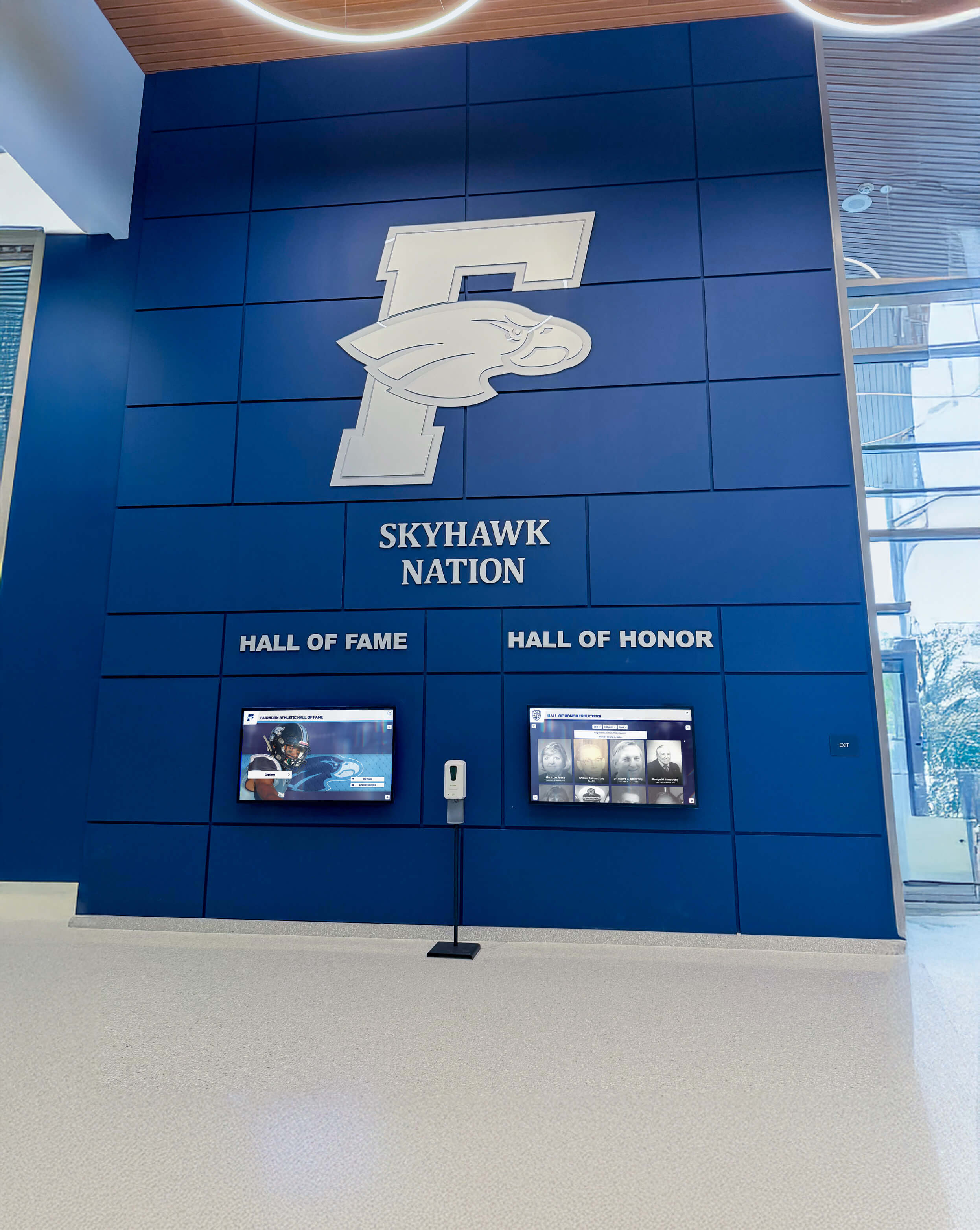
Content management systems enable staff to create, schedule, and display content without requiring technical expertise through browser-based interfaces accessible from any networked computer. Templates, scheduling features, and content libraries streamline announcement creation while maintaining consistent visual branding across displays.
Social media integration can feature school Instagram, Twitter, or Facebook feeds in lobby displays, extending digital engagement into physical spaces while showcasing student activities and institutional vitality to visitors who may not actively follow school social media channels.
Recognition and Engagement Platforms
Interactive recognition systems represent the most engaging technology applications in school lobbies, transforming passive viewing into active exploration that visitors genuinely enjoy. Touchscreen platforms invite interaction through intuitive interfaces that visitors instinctively understand without instruction or guidance.
Solutions like Rocket Alumni Solutions provide comprehensive recognition platforms purpose-built for educational institutions, incorporating features that generic digital signage cannot match. Search functionality optimized for educational recognition enables visitors to find specific individuals, years, activities, or achievement types quickly. Profile templates designed for student and alumni recognition highlight accomplishments, biographical details, and institutional connections clearly and consistently.
Content management designed for non-technical school administrators enables staff to maintain recognition content independently through browser-based systems requiring no specialized technical skills or IT department assistance. Bulk import capabilities allow schools to populate systems with historical data from existing databases, yearbooks, and records without requiring individual manual entry for every recognized individual.
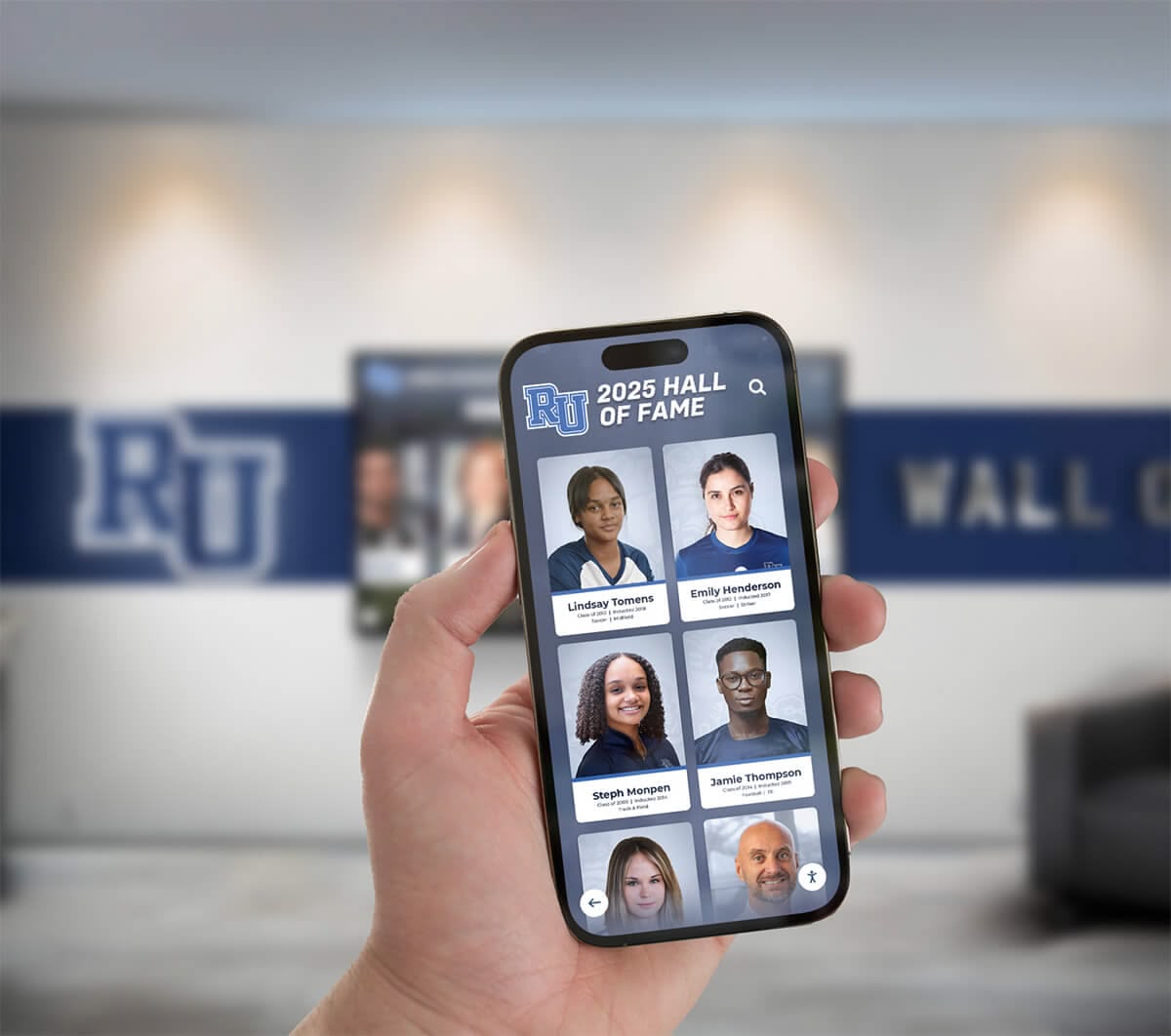
Web platform extensions enable recognition access beyond physical lobby locations through online platforms mirroring touchscreen functionality. Alumni living anywhere globally can explore recognition systems, search for classmates, and share profiles through social media without visiting campus physically. This extended reach amplifies recognition impact far beyond lobby visitors while strengthening alumni engagement with institutions.
Security and Access Systems
Modern visitor management systems integrate technology into reception processes through digital sign-in tablets, automated background screening, badge printing, and access logging. These systems improve security while streamlining visitor processing that previously required manual logbooks and handwritten temporary badges.
Visual verification systems incorporating cameras and monitoring technology enable reception staff to confirm visitor identities and monitor entrance areas remotely. Integration with door access control systems allows staff to grant or restrict building access electronically rather than through traditional key management requiring physical key distribution and retrieval.
Emergency communication integration enables lobby systems to display alerts during crisis situations, broadcasting evacuation instructions, lockdown procedures, or all-clear notifications through displays normally showing general information or recognition content. This dual functionality ensures critical communication infrastructure exists throughout daily operations while serving emergency needs when circumstances require immediate campus-wide communication.
Budget Considerations and Phased Implementation
School lobby transformations range from modest refreshes requiring minimal investment to comprehensive renovations costing hundreds of thousands of dollars. Understanding realistic costs and creative funding approaches makes lobby improvements achievable across varied financial contexts.
Investment Ranges by Project Scope
Modest Refresh (Existing Space Enhancement)
- Fresh paint in school colors: $500-$2,000
- Updated lighting fixtures: $2,000-$10,000
- Vinyl wall graphics and branding: $1,000-$5,000
- New reception furniture and seating: $2,000-$8,000
- Single digital recognition display: $10,000-$25,000
- Minor flooring updates or area rugs: $1,000-$5,000
- Total: $16,500-$55,000
Moderate Renovation (Substantial Improvement)
- Complete paint and finishes: $5,000-$15,000
- Comprehensive lighting system: $10,000-$30,000
- Custom millwork and reception desk: $10,000-$30,000
- Quality furniture throughout space: $8,000-$20,000
- Multiple digital displays and technology: $25,000-$50,000
- Flooring replacement: $8,000-$25,000
- Architectural and design fees: $5,000-$15,000
- Total: $71,000-$185,000
Comprehensive Renovation (Full Transformation)
- Structural modifications and construction: $50,000-$200,000
- Complete electrical and lighting systems: $20,000-$60,000
- Custom architectural millwork: $30,000-$80,000
- Comprehensive furniture packages: $20,000-$50,000
- Complete technology integration: $50,000-$100,000
- Flooring, finishes, and materials: $30,000-$80,000
- Security system integration: $15,000-$40,000
- Professional design services: $15,000-$40,000
- Total: $230,000-$650,000
These ranges provide general guidance though actual costs vary significantly based on geographic location, existing conditions, design complexity, and material selections. Institutions with existing underutilized spaces can achieve significant impact through strategic improvements requiring primarily cosmetic updates rather than structural renovation.
Phased Implementation Strategies
Schools lacking resources for comprehensive lobby transformations can implement improvements incrementally, spreading costs across multiple budget cycles while demonstrating progress that builds support for continued investment.
Phase 1: Foundation (Year 1)
- Paint and basic finishes establishing visual identity
- Entry-level furniture improving comfort and functionality
- Single focal recognition display creating engagement
- Basic wayfinding signage improving navigation
- Organized reception area enhancing professionalism
Phase 2: Enhancement (Year 2)
- Expanded seating and gathering spaces
- Improved lighting systems transforming ambiance
- Additional technology and displays
- Enhanced branding through graphics and murals
- Upgraded flooring in high-traffic zones
Phase 3: Refinement (Year 3)
- Architectural details and custom elements
- Comprehensive technology integration
- Specialized spaces for specific functions
- Advanced security systems
- Professional landscaping and exterior approach
This incremental approach proves value before requesting full investment while creating visible progress maintaining stakeholder enthusiasm and support. Early phases generating positive feedback and measurable outcomes make securing resources for subsequent phases significantly easier than proposing comprehensive projects requiring full funding before any visible results.
Creative Funding Approaches
Naming Opportunities and Major Gifts
Lobby spaces naturally attract naming gift support from alumni, families, and community members seeking meaningful legacy opportunities. Entire lobby naming for major commitments ($50,000-$250,000) creates prominent recognition while funding substantial improvements. Component naming for specific elements—reception areas, seating zones, recognition displays—enables graduated giving opportunities ($5,000-$50,000) accommodating various contribution levels.
Frame naming proposals emphasizing lasting impact—donor names appearing in spaces where thousands of visitors, students, and community members will pass for decades creates enduring visibility while supporting environments serving institutional missions fundamentally.
Alumni Association Support
Alumni associations seeking projects that strengthen connections between institutions and graduates often embrace lobby improvements prominently featuring alumni recognition. Alumni recognition displays become natural fundraising focuses for class reunion campaigns, association operating budgets, or special alumni-funded improvement projects.
Position alumni support requests emphasizing how lobbies featuring comprehensive alumni recognition strengthen institutional reputation while providing gathering spaces where alumni feel welcomed during return visits and institutional events.
Booster Clubs and Parent Organizations
Parent-teacher organizations and athletic booster clubs frequently seek visible improvement projects demonstrating member contributions tangibly. Lobby renovations incorporating recognition systems celebrating student achievements provide perfect alignment between booster priorities and facility needs schools already identified.
Grant Opportunities
State and federal grants supporting facility improvements, technology integration, or security enhancements may fund lobby projects when appropriately framed. Research available grant programs through state education departments, federal agencies, and private foundations supporting educational facility improvement.
Corporate foundation grants from businesses serving education markets may fund technology components like digital displays and communication systems. Local community foundations supporting quality-of-life improvements in their service areas often fund school facility projects benefiting broader communities beyond just students and staff.
Measuring Lobby Design Success
Assess whether lobby improvements achieve intended objectives through quantitative metrics and qualitative feedback revealing impact across multiple dimensions.
Quantitative Performance Indicators
Enrollment Impact
- Prospective family inquiry and application rates
- Campus tour attendance and follow-through
- Enrollment conversion rates for visiting families
- Comparison to previous years and peer institutions
Security and Operations
- Visitor sign-in compliance rates
- Security incident frequency in entry areas
- Reception staff efficiency metrics
- Maintenance and cleaning cost trends
Technology Engagement
- Digital display interaction volumes and durations
- Recognition system search patterns and popular content
- Wayfinding system usage and effectiveness
- Technology reliability and uptime percentages
Qualitative Assessment Approaches
Stakeholder Feedback
- Prospective family impressions during tours
- Parent satisfaction with lobby functionality
- Staff assessment of workspace improvements
- Community member feedback during events
- Alumni reactions during return visits
Observational Evaluation
- Visitor behavior patterns and dwell times
- Technology interaction quality and engagement
- Space utilization during different times and events
- Atmosphere and energy level assessment
- Identification of underutilized areas or features
Comparative Analysis
- Before and after photo documentation
- Pre- and post-renovation satisfaction surveys
- Peer institution lobby comparisons
- Best practice alignment assessment
Regular assessment enables continuous improvement while demonstrating value justifying ongoing investment and future enhancement. Document successes through photography, testimonials, and measurable outcomes that support requests for additional resources addressing any remaining needs or supporting expansion to other building entrances requiring similar attention.
Best Practices and Common Pitfalls
Schools achieving exceptional lobby results share common approaches while avoiding predictable mistakes that undermine investments and limit potential impact.
Design Best Practices
Prioritize Welcome Over Institutional Function
Remember that lobbies exist primarily to welcome visitors rather than serve administrative convenience. When design decisions conflict—reception desk placement that optimizes staff workflow versus visitor welcome, trophy case positioning that utilizes available wall space versus creating engaging focal points—prioritize visitor experience over operational efficiency.
Maintain Rather Than Neglect
Beautiful lobbies rapidly deteriorate without proper maintenance. Establish cleaning protocols, furniture repair procedures, technology update schedules, and display content refresh systems ensuring lobbies remain as impressive months and years after renovation as during initial completion.
Assign responsibility clearly—designate specific staff members responsible for lobby maintenance, recognition content updates, display coordination, and technology management rather than assuming someone will naturally take ownership.
Update Regularly Rather Than Static Forever
Plan for evolution from initial design through regular updates keeping lobbies current and fresh. Rotating displays, seasonal decorating, technology content updates, and periodic refresh projects prevent lobbies from feeling frozen in time and neglected.
Digital recognition systems and communication displays particularly require regular content updates maintaining relevance and demonstrating active management rather than one-time installation followed by stale content that visitors ignore.
Design for Actual Usage Rather Than Idealized Assumptions
Observe how visitors actually use lobbies rather than designing based on assumptions about ideal behavior. If visitors consistently ignore designated waiting areas in favor of standing near reception desks, design may not accommodate natural behavior patterns. If wayfinding signage generates frequent questions despite seeming clear to designers, actual users find systems confusing regardless of designer intentions.
Incorporate feedback loops enabling continuous improvement based on observed usage patterns rather than defending original design decisions that actual experience shows require adjustment.
Common Design Pitfalls to Avoid
Over-Focusing on Aesthetics While Ignoring Functionality
Beautiful lobbies that fail to serve practical needs frustrate users daily regardless of aesthetic success. Ensure design accommodates actual functions—adequate seating for typical waiting volume, reception desks providing sufficient workspace, circulation accommodating peak traffic periods, storage for necessary materials and supplies.
Neglecting Technology Infrastructure
Technology integration requires robust infrastructure often invisible in finished spaces but essential for functionality. Adequate electrical capacity, network connectivity, cable management, equipment cooling, and maintenance access must be designed properly during construction rather than addressed inadequately after completion when retrofits prove difficult and expensive.
Creating High-Maintenance Designs
Specify materials, finishes, and furniture appropriate for heavy-traffic educational environments rather than residential or light-commercial applications. White upholstery, delicate finishes, and complex systems requiring specialized maintenance create ongoing operational burdens that schools typically cannot sustain.
Ignoring Accessibility Requirements
Ensure compliance with ADA and accessibility requirements throughout design and implementation. Reception counter heights, door hardware, circulation pathways, seating options, technology interfaces, and wayfinding systems must accommodate visitors with varied abilities and mobility needs. Accessibility should integrate seamlessly into design rather than appearing as afterthought additions.
Insufficient Budget Reserves for Contingencies
Construction and renovation projects nearly always encounter unexpected conditions, scope changes, or cost overruns. Budget contingency reserves (typically 10-20% of project costs) prevent project compromise or incompletion when challenges arise during implementation.
Conclusion: Creating Lobbies That Make Lasting Impressions
School lobbies represent far more than utilitarian entry spaces—they communicate institutional values, create lasting impressions, facilitate community connections, and serve essential daily functions supporting educational missions. Thoughtfully designed lobbies transform how prospective families perceive institutions, how alumni relate to schools long after graduation, and how communities connect with educational institutions serving local populations.
The design ideas, planning strategies, and implementation approaches explored in this guide demonstrate that impactful lobby improvements prove achievable regardless of institution size, available resources, or physical constraints. Success depends less on enormous budgets or expansive square footage than on genuine commitment to creating environments where all visitors feel authentically welcomed and appropriately honored.
Begin where you are with resources available, whether modest refresh projects or comprehensive renovations. Prioritize improvements delivering greatest visitor impact while addressing any functional deficiencies limiting lobby effectiveness. Incorporate recognition systems celebrating comprehensive achievement across academics, athletics, arts, and service. Integrate technology enhancing engagement while serving practical communication and wayfinding needs. Maintain and update regularly ensuring lobbies remain impressive throughout years following initial completion.
Solutions like digital recognition platforms from Rocket Alumni Solutions enable schools to honor achievement comprehensively while creating engaging experiences that strengthen pride and connection. From initial planning through sustained operation, the right partners and strategic approaches transform school lobbies from simple entries into welcoming environments that strengthen institutional identity and community relationships across generations.
Ready to Transform Your School Lobby?
Discover how interactive recognition displays can anchor compelling lobby environments that celebrate achievement while creating welcoming first impressions. Explore Rocket Alumni Solutions to see how schools nationwide are creating dynamic lobby experiences through purpose-built recognition platforms designed specifically for educational environments.
Your school community deserves lobbies worthy of the achievements and dedication that make your institution special. With thoughtful planning, strategic investment, and the right technology partners, you can create school lobbies that inspire pride, strengthen connections, and leave lasting positive impressions on everyone who enters your doors.