



Key Takeaways
Essential best practices for running effective school board meetings that engage communities, maintain transparency, and make meaningful decisions about facility investments and educational priorities.
School board meetings stand at the intersection of educational governance, community engagement, and institutional decision-making. When conducted effectively, these regular gatherings transform from routine administrative obligations into powerful forums where diverse stakeholders collaborate on decisions shaping student success, facility investments, budget priorities, and the educational vision guiding entire communities. Yet many school boards struggle with meetings that feel disconnected from community concerns, rush through important decisions without meaningful discussion, or fail to engage the very families and taxpayers whose support sustains public education.
Effective school board meetings require intentional design balancing multiple objectives. Boards must fulfill legal governance responsibilities while creating accessible spaces for community input, maintain efficient meeting pacing while allowing thorough consideration of complex issues, project professional credibility while remaining approachable to concerned parents, and make difficult budget decisions while explaining trade-offs transparently. These competing demands create challenges even for experienced boards committed to excellent governance.

This comprehensive guide provides school board members, superintendents, and community leaders with actionable best practices for conducting meetings that engage stakeholders meaningfully, maintain transparency in decision-making, manage meeting efficiency without sacrificing thoroughness, and position boards as effective stewards making informed decisions about educational priorities including critical facility investments that shape learning environments.
Understanding School Board Meeting Fundamentals
Successful meetings begin with clear understanding of fundamental purposes and legal requirements governing board operations.
Legal Requirements and Open Meeting Laws
School boards operate under state-specific open meeting laws ensuring governmental transparency and public access to decision-making processes.
Sunshine Law Compliance:
Most states mandate that school boards conduct business in public meetings except for specific legally-defined closed session topics. Key requirements typically include:
- Public notice of meetings posted with sufficient advance time (commonly 72 hours minimum)
- Detailed agendas describing items for consideration distributed publicly before meetings
- Meetings held in accessible public facilities accommodating expected attendance
- Official minutes documenting discussions, votes, and decisions
- Limited closed sessions only for legally specified topics like personnel matters, litigation strategy, or property negotiations
- Prohibition on serial communications or “walking quorums” where board members discuss board business outside public meetings
Sunshine law violations can invalidate board decisions, expose districts to legal challenges, and undermine public trust. Boards should work closely with district legal counsel ensuring all procedural requirements are met consistently. Understanding these school governance best practices helps administrators maintain proper oversight while fostering transparency.
Required Meeting Frequency:
State law typically mandates minimum meeting frequency—commonly monthly—though many boards meet more often depending on district size and business volume. Regular meeting schedules create predictable community access opportunities while enabling boards to address time-sensitive matters without emergency meetings.
Public Comment Protections:
Most open meeting laws guarantee public right to address boards during designated comment periods. However, boards may establish reasonable time limits, require advance registration, prohibit disruptive behavior, and defer responses to comments that require research. Balancing First Amendment rights with orderly meeting conduct requires thoughtful policies consistently applied.
Core Governance Responsibilities
Effective board meetings focus on governance responsibilities distinguishing board roles from superintendent administrative functions:
Policy Development and Adoption:
Boards establish district-wide policies governing curriculum standards, student discipline procedures, personnel regulations, facility use, budget frameworks, and operational guidelines. Meeting agendas should regularly include policy reviews ensuring regulations remain current, compliant with evolving laws, and aligned with educational priorities.
Policy discussions benefit from structured first and second reading processes allowing initial consideration followed by public input before final adoption. This deliberative approach prevents hasty policy changes while creating opportunities for community feedback before implementation.
Strategic Planning and Priority Setting:
Boards provide institutional direction through multi-year strategic plans articulating educational goals, facility improvement priorities, technology integration objectives, and community engagement strategies. Regular meeting time devoted to strategic planning prevents boards from becoming purely reactive, addressing immediate crises while neglecting long-term institutional development.
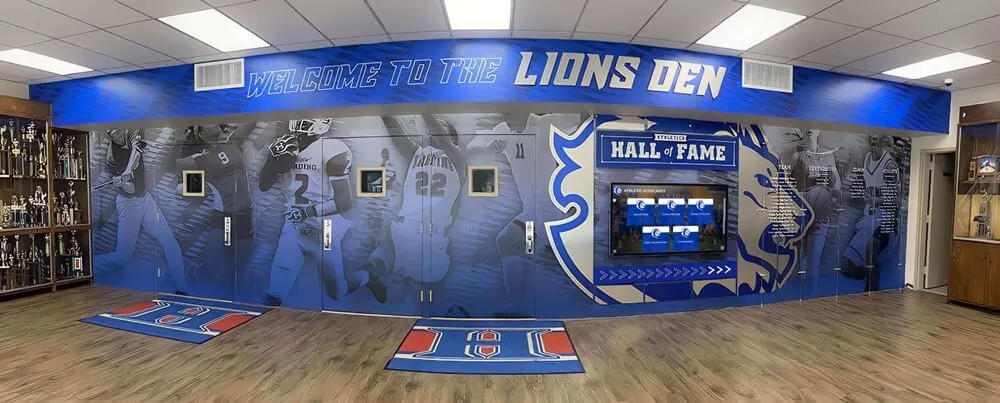
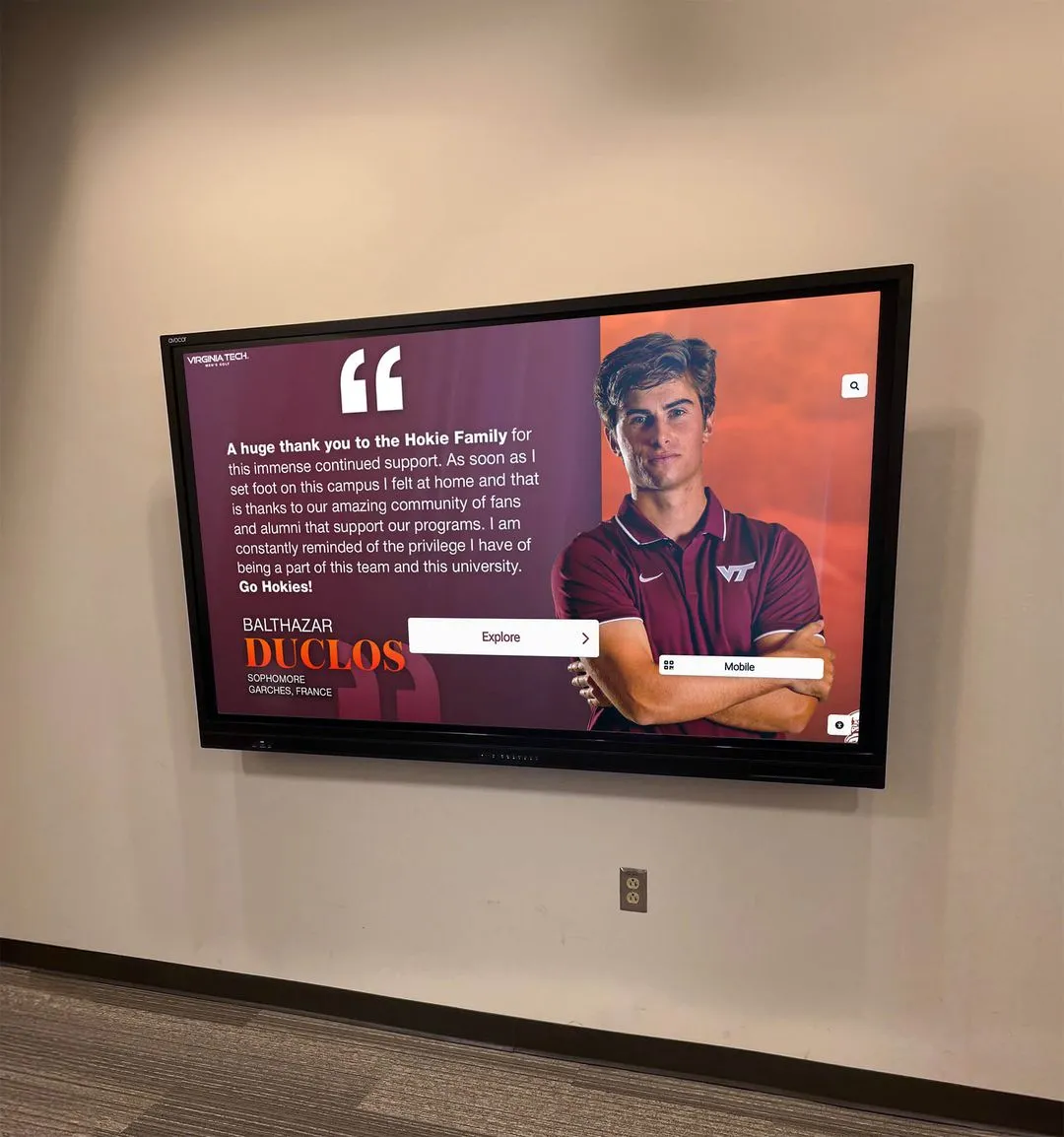
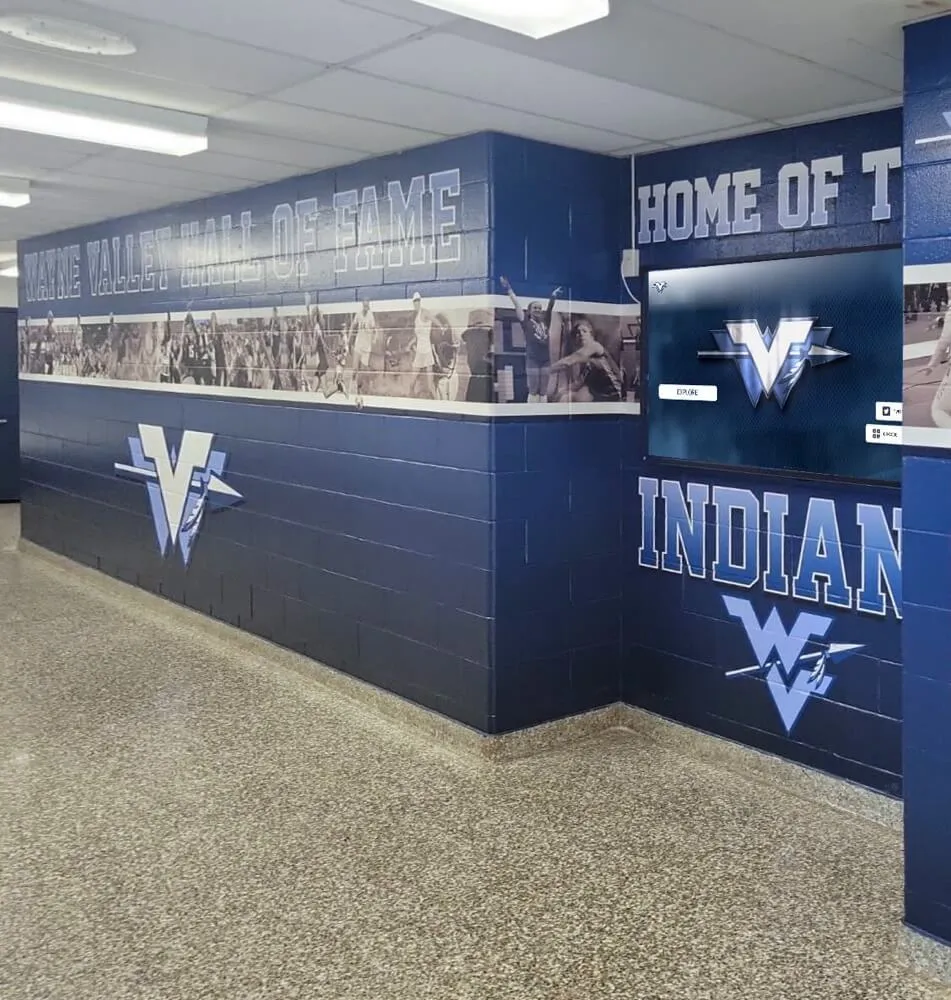
Strategic discussions often involve facility investments recognizing that learning environments significantly impact student achievement. Decisions about school lobby design and community-facing spaces require board approval as capital expenditures while serving important functions welcoming families and celebrating student accomplishment.

Budget Approval and Financial Oversight:
Boards approve annual budgets translating educational priorities into financial allocations, monitor spending throughout fiscal years ensuring fiscal responsibility, and authorize major expenditures exceeding superintendent approval thresholds. Effective budget discussions balance competing needs—competitive staff compensation, modern instructional materials, facility maintenance, extracurricular programs, and recognition systems celebrating student success.
Budget meetings should present information clearly through visual aids, comparison data showing multi-year trends, and plain-language explanations helping non-financial expert board members and community members understand complex fiscal information. Transparency in budget decisions builds community trust essential during challenging economic periods requiring difficult trade-offs.
Superintendent Evaluation and Personnel Decisions:
Boards hire, evaluate, and when necessary terminate district superintendents while approving superintendent recommendations for other personnel actions. Personnel discussions often occur in closed sessions protecting individual privacy rights, though final votes typically happen in public meetings.
Effective superintendent-board relationships distinguish governance from management—boards establish expectations and evaluate results while superintendents manage day-to-day operations implementing board priorities. Blurred lines create dysfunction when boards micromanage operations or superintendents fail to keep boards informed about important developments.
Designing Effective Meeting Agendas
Well-structured agendas provide roadmaps enabling efficient meetings addressing priorities while accommodating community participation.
Agenda Organization and Format
Strategic agenda design prevents common meeting pitfalls including insufficient time for important items, unproductive discussions of minor issues, or disorganized information flow confusing participants:
Recommended Agenda Structure:
Most effective agendas follow predictable patterns helping participants anticipate meeting flow:
- Call to Order and Roll Call: Formal opening establishing quorum enabling official action
- Approval of Agenda: Allowing flexibility for urgent additions or reordering
- Public Recognition and Celebrations: Opening with positive acknowledgment of student, staff, or community achievements
- Public Comment Period: Early placement ensuring community voices are heard
- Consent Agenda: Grouping routine approvals requiring minimal discussion
- Action Items: Matters requiring board votes with full discussion
- Information Items: Updates and reports for future consideration
- Committee Reports: Updates from standing committees
- Superintendent Report: District operational updates
- Board Member Reports: Individual board member updates on external representation
- Closed Session (if needed): Personnel, legal, or property matters
- Adjournment: Formal closing
This structure prioritizes community engagement early in meetings when attendance is highest, clusters similar items for efficient processing, and distinguishes action requiring votes from informational presentations.
Consent Agenda Best Practices:
Consent agendas enable boards to approve multiple routine items through single votes, reserving discussion time for complex or controversial matters. Typical consent agenda items include previous meeting minutes, routine financial reports within expected parameters, standard vendor contracts, field trip approvals, personnel recommendations following established procedures, and facility use permits for community organizations.
Any board member should be able to pull items from consent agendas for separate discussion without explanation. This flexibility ensures consent agendas accelerate routine business without suppressing legitimate questions about any matter regardless of how routine it appears.
Time Allocation and Management:
Effective agendas include approximate time allocations for each item helping boards pace discussions appropriately. Major policy decisions or facility investment proposals might receive 20-30 minutes while routine reports receive 5-10 minutes. Published time estimates manage community expectations about meeting length while creating gentle pressure for focused discussions.
Some boards establish hard time limits for certain agenda categories—public comment totals, individual speaker limits, or maximum discussion periods before requiring votes. While time discipline prevents unproductive meetings, rigid limits sometimes force premature decisions on complex matters deserving additional consideration.
Advance Distribution and Supporting Materials
Agenda quality depends not just on organization but on information provided enabling informed discussion:
Timing Requirements:
Most open meeting laws require public agenda distribution 72 hours minimum before meetings. Best practice suggests earlier distribution—5-7 days—enabling board members to review materials thoroughly, community members to prepare comments on specific agenda items, and media to research context for coverage.
Late agenda distribution disadvantages board members who lack adequate preparation time and community members who can’t provide informed input on matters they learned about shortly before votes. Consistent early distribution demonstrates respect for stakeholders’ time while improving decision quality through better preparation.

Comprehensive Supporting Documentation:
Action items should include background memoranda explaining issues, proposed solutions, alternatives considered, financial implications, implementation timelines, and superintendent recommendations. Supporting documentation enables board members to understand complex issues without lengthy presentations consuming meeting time while creating transparency showing community members the information basis for board decisions.
For significant facility investments—building renovations, technology infrastructure, or recognition display systems—documentation should include project justifications, cost-benefit analyses, financing options, maintenance implications, and alignment with strategic facilities plans. Thorough documentation enables boards to evaluate whether proposed investments genuinely serve educational missions and community engagement objectives.
Digital Agenda Access:
Modern boards distribute agendas digitally through district websites, board management software platforms, and email notifications. Digital distribution reduces printing costs, enables last-minute updates, provides searchable archives, and improves accessibility for community members who might not attend in person but want to stay informed about board deliberations.
Some districts complement digital agendas with limited printed copies available at meetings for community members without digital access. Multiple distribution channels ensure all stakeholders can access information regardless of technological resources.
Creating Engaging Public Comment Opportunities
Meaningful community participation requires intentional structures welcoming diverse voices while maintaining orderly meeting conduct.
Structuring Public Comment Periods
Public comment policies balance First Amendment rights with boards’ needs to conduct business efficiently:
Timing Within Meeting Flow:
Most effective boards schedule public comment early in agendas—after opening formalities but before significant action items. Early placement ensures community voices inform board deliberations rather than merely reacting to decisions already made. It also respects participants’ time by allowing those attending only to comment rather than sitting through entire meetings.
Some boards include both general public comment on any topic and agenda-specific comment before particular action items. This dual approach ensures all community concerns receive airing while enabling focused input on specific pending decisions.
Time Limits and Registration:
Common public comment policies include:
- 3-5 minute individual speaker limits ensuring multiple voices can be heard
- 30-45 minute total public comment periods preventing meetings from being dominated by comment
- Advance registration requirements helping boards anticipate meeting length and topics
- On-site signup immediately before meetings accommodating community members without advance planning
- Prohibitions on yielding time between speakers preventing circumventing individual limits
- Group representation options allowing organizations longer presentation time
Time limits applied consistently prevent perceptions of favoritism while ensuring diverse community segments can participate. However, boards should show flexibility when major controversial issues draw unusually high participation—extending comment periods or scheduling special forums demonstrates respect for community engagement even when inconvenient.
Respectful Comment Guidelines:
Written public comment policies should establish clear expectations including prohibitions on personal attacks toward board members or staff, requirements to address comments to board as whole rather than individual members, restrictions on profanity or overtly disruptive behavior, and reminders that boards typically cannot respond to comments during meetings but will follow up on questions requiring research.
Guidelines protect both community members’ rights to be heard and board members’ ability to conduct meetings without harassment. Consistent enforcement prevents selective application that might silence particular viewpoints while allowing others unrestricted expression.
Responding to Community Input
How boards handle public comment significantly impacts community trust and ongoing engagement:
Active Listening and Acknowledgment:
Board members should demonstrate engaged listening through eye contact, note-taking, and attentive body language. While boards typically don’t respond immediately to public comments, board presidents should acknowledge participants’ contributions and explain what follow-up will occur.
Simple acknowledgments like “Thank you for bringing these concerns to our attention. Superintendent will research this issue and report back at our next meeting” demonstrate that boards value input rather than merely tolerating legally-required comment periods.
Tracking and Following Up:
Effective boards establish systems ensuring community questions and concerns don’t disappear into bureaucratic voids. Staff should track public comment topics, research issues raised, and report findings at subsequent meetings. When community members see their input prompting administrative investigation and board consideration, they develop confidence that participation makes a difference rather than being mere ritual.
Some districts publish written responses to common public comment themes on websites, providing detailed answers to recurring questions about policies, programs, or facility decisions. Written responses demonstrate transparency while creating resources that can be shared with broader community beyond those attending meetings.
Creating Additional Engagement Opportunities:
Regular board meetings alone cannot accommodate comprehensive community engagement on complex issues. Supplementing formal meetings with community forums, parent advisory committees, student representative programs, and online surveys enables broader participation without overwhelming board meeting structures.
When boards consider significant facility investments, additional community engagement becomes particularly important. Decisions about building new facilities or implementing recognition systems deserve extensive stakeholder input ensuring investments align with community priorities and values.
Facilitating Productive Board Discussions
Board deliberations should balance thorough consideration with efficiency, diverse perspectives with ultimate decision-making responsibility.
Board Member Discussion Protocols
Clear protocols prevent common discussion problems including dominance by vocal members, tangential conversations drifting from agenda items, or insufficient perspectives before votes:
Equitable Participation:
Board presidents or facilitators should ensure all members have opportunities to speak before individuals dominate discussions. Techniques include round-robin approaches asking each member to comment before open discussion, direct invitations to quieter members, and gentle intervention when particular voices monopolize time.
Diverse boards bring varied perspectives—different community segments, professional backgrounds, and philosophical approaches to governance. Decisions improve when all perspectives inform deliberations rather than reflexive majority positions suppressing minority viewpoints deserving consideration.
Staying on Topic:
Board discussions sometimes drift into tangential issues or granular operational details better addressed through superintendent management than board governance. Presidents should tactfully redirect wandering discussions: “That’s an important operational question we should refer to the superintendent rather than consuming board meeting time on implementation details.”
This redirection requires balancing thoroughness with efficiency—boards need sufficient information for informed decisions without micromanaging administrative execution of board policies.
Asking Clarifying Questions:
Board members should feel empowered to ask questions ensuring they understand issues before voting. However, distinguishing genuine clarifying questions from rhetorical devices advancing particular positions maintains productive discussion climates.
Presidents can facilitate by asking “Are there clarifying questions about the proposal before we move to discussion?” followed by “Now let’s hear board perspectives on this decision.” This separation prevents question periods from becoming backdoor debate while ensuring legitimate confusion gets resolved.
Decision-Making Processes
Boards employ various approaches to reaching decisions on complex or controversial matters:
Deliberation Models:
Simple issues may require minimal discussion before votes, but complex matters benefit from structured deliberation:
- First and second readings: Policy proposals receive initial consideration followed by public input period before final adoption votes, preventing hasty decisions while creating opportunities for refinement
- Committee recommendations: Standing committees (finance, facilities, curriculum) study issues in depth before bringing recommendations to full boards, enabling thorough analysis without consuming full board meeting time
- Study sessions: Boards schedule special meetings for extended discussion of complex issues without time pressures of regular meetings packed with routine business
- Straw polls: Non-binding votes gauge board sentiment and identify areas needing additional discussion before formal votes
These approaches enable thoughtful consideration without paralyzing decision-making through endless deliberation.
Voting Procedures:
Most board decisions require simple majority votes, though some states mandate supermajority thresholds for particular actions like budget adoptions or bond referendums. Roll call votes publicly recording each member’s position create accountability and transparency compared to voice votes or show-of-hands approaches obscuring individual positions.
Boards should avoid consensus-seeking approaches that pressure dissenting members to support decisions they oppose. Recorded dissenting votes allow minority perspectives to be documented and provide political cover when constituents question decisions even when outvoted members fulfilled governance responsibilities through principled opposition.
Explaining Vote Rationale:
Board members explaining their votes educate communities about decision-making rationales, especially for controversial or complex issues. Brief statements like “I’m supporting this facility investment because our current recognition systems are space-constrained and this digital solution accommodates future growth while celebrating student achievement more comprehensively” help stakeholders understand decision logic even when they disagree with conclusions.
These explanations prove particularly valuable for split votes where reasonable people disagree on appropriate courses of action. Hearing multiple board perspectives demonstrates that thorough consideration occurred rather than predetermined outcomes or political posturing.
Managing Controversial Issues and Difficult Decisions
Boards inevitably face contentious topics where community opinion divides sharply or no option satisfies all stakeholders.
Preparing for Controversial Discussions
Anticipating controversy enables boards to structure discussions minimizing unproductive conflict while ensuring all perspectives receive fair hearing:
Enhanced Public Comment Accommodations:
When boards anticipate high public interest—redistricting decisions, controversial curriculum adoptions, facility closures, or budget cuts eliminating popular programs—expanded public comment accommodations demonstrate respect for community engagement:
- Extended comment periods beyond typical 30-45 minutes
- Special community forums before board votes
- Written comment submission options for those unable to attend
- Online surveys gathering broader community input
- Small group listening sessions with affected stakeholders
- Superintendent presentations addressing common concerns preemptively
These expansions show boards value community voices while managing meeting logistics when dozens of stakeholders wish to speak.
Clear Decision Criteria:
Before controversial discussions, boards should establish and communicate decision criteria guiding deliberations. For significant facility investments, criteria might include educational benefit to students, alignment with strategic facilities master plans, financial sustainability within long-term budgets, community engagement value, and maintenance implications.
Publishing criteria in advance helps community members frame comments around relevant considerations while preventing accusations that boards made arbitrary or politically-motivated decisions. When boards can explain “We evaluated this facility proposal against these five criteria…” community trust increases even when some disagree with ultimate conclusions.

Expert Input and Research:
Controversial decisions benefit from expert perspectives beyond superintendent recommendations. Boards might commission independent studies, consult legal counsel publicly, invite outside experts to present research, or visit other districts facing similar issues. External validation reduces perceptions that boards make decisions based on incomplete information or political considerations.
For facility investments like recognition systems, expert input about best practices for school recognition displays helps boards evaluate options systematically rather than defaulting to familiar approaches that may not serve current needs effectively.
Maintaining Civility and Respect
Controversial topics sometimes generate heated emotions requiring careful facilitation:
Enforcing Conduct Policies:
Board presidents must enforce public comment policies consistently when speakers become disrespectful, use profanity, make personal attacks, or engage in deliberately disruptive behavior. Enforcement should be even-handed regardless of whether comments support or oppose positions board majorities favor.
Warnings before ejection give speakers opportunities to comply while demonstrating boards’ commitment to respectful discourse. However, boards should not tolerate ongoing disruption preventing meetings from functioning even when sympathetic to underlying concerns motivating disruptive behavior.
Responding to Personal Attacks:
Board members sometimes face personal attacks questioning their motives, intelligence, or character rather than disagreeing with policy positions. While board members are public figures accepting higher scrutiny levels than private citizens, persistent harassment crosses lines into intimidation attempting to silence particular voices or perspectives.
Board presidents should intervene when comments become personal: “We welcome disagreement on this policy question, but personal attacks on board members are out of order. Please focus your comments on the issue under consideration.” This intervention protects board members while refocusing discussions on substantive matters.
Self-Restraint by Board Members:
Board members must model civility even when community members express frustration rudely or make accusations board members believe are unfair. Defensive or hostile responses escalate conflicts while undermining boards’ institutional authority.
Training board members in de-escalation techniques, active listening, and emotional regulation helps them respond professionally to difficult interactions. Remembering that community frustration often stems from genuine concerns about children’s education rather than personal animosity toward board members helps maintain constructive orientations during tense exchanges.
Addressing Facility Investment Decisions
Facility investments represent some of boards’ most significant and visible decisions, substantially impacting learning environments and requiring transparent deliberation.
Evaluating Facility Investment Proposals
Comprehensive evaluation frameworks ensure boards consider facility investments systematically rather than through ad-hoc or politically-influenced processes:
Needs Assessment and Strategic Alignment:
Facility investments should address documented needs aligned with district strategic plans rather than responding to squeaky wheel complaints or trendy initiatives lacking educational justification. Needs assessments might identify outdated HVAC systems affecting classroom temperatures and learning, insufficient technology infrastructure for modern instructional approaches, athletic facilities not meeting Title IX equity requirements, or inadequate recognition systems for celebrating student achievement and engaging communities.
When administrators propose facility investments, documentation should clearly connect proposed projects to strategic priorities, demonstrated needs, and expected outcomes rather than presenting projects as isolated capital expenditures without broader context.
Financial Sustainability:
Boards must ensure facility investments fit within long-term financial frameworks without crowding out other priorities. Evaluation questions include:
- What are total project costs including design, construction, installation, and contingency reserves?
- What are annual operating costs for utilities, maintenance, software subscriptions, or service contracts?
- What funding sources are available—capital reserves, bond proceeds, grants, donations, or operating budgets?
- What are opportunity costs of this investment compared to alternative uses of limited capital funds?
- What is expected useful life before replacement or major renovation becomes necessary?
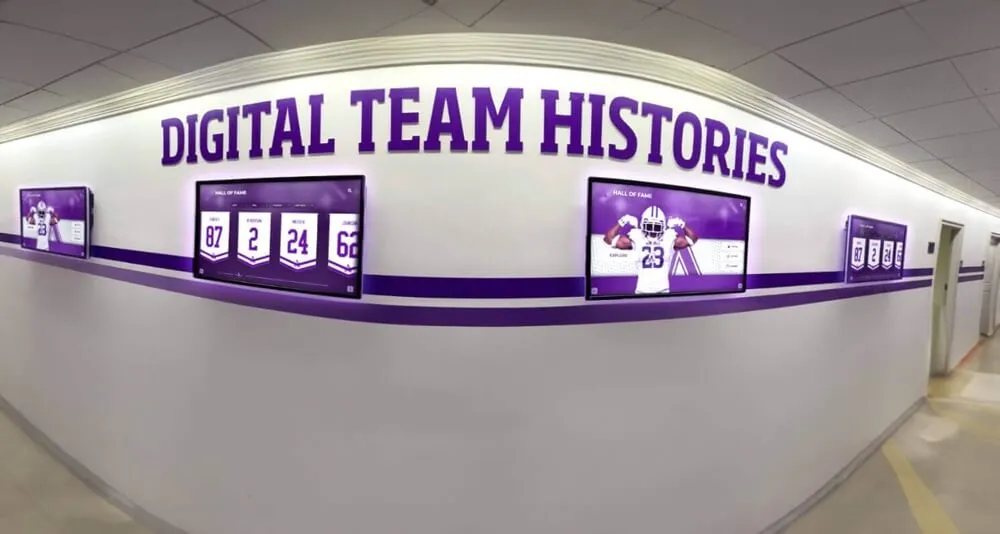
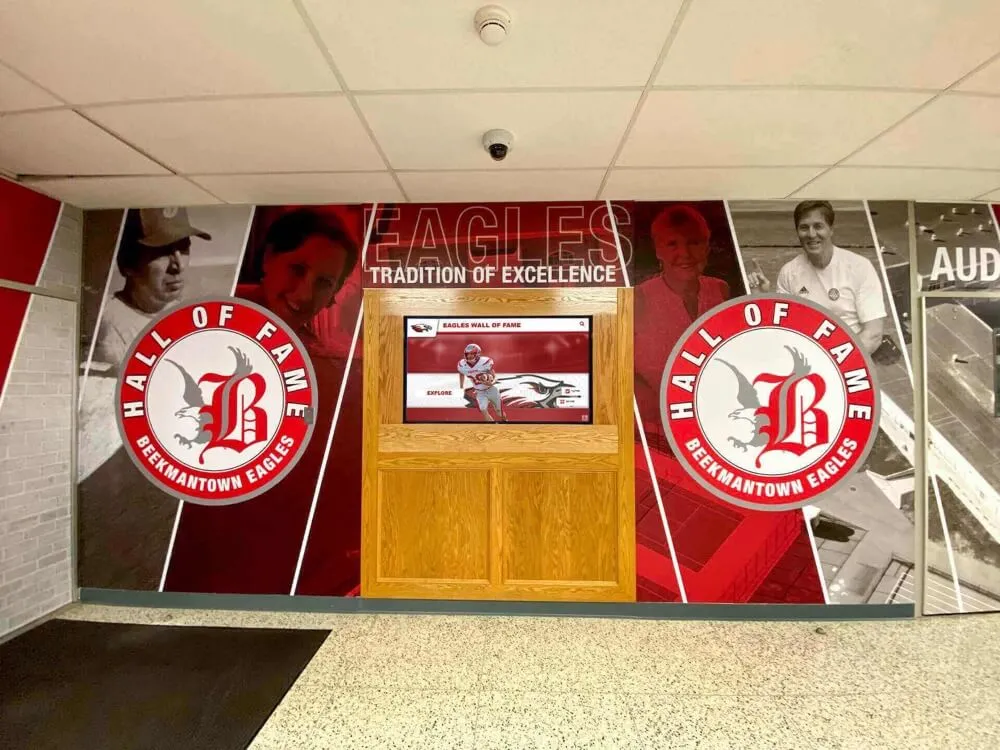
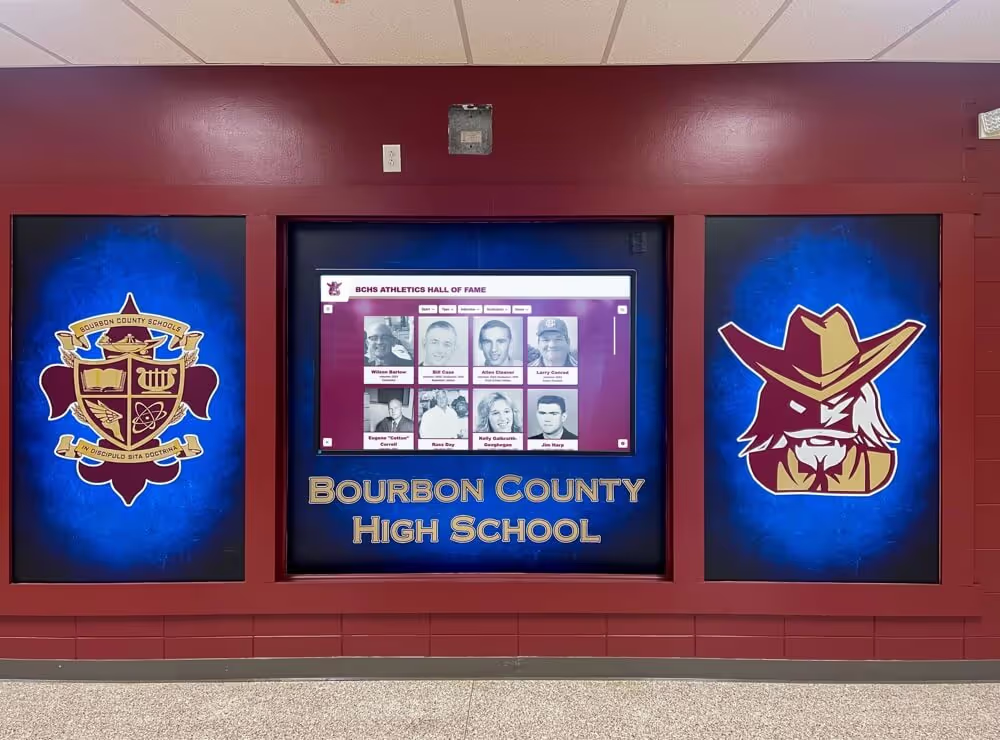
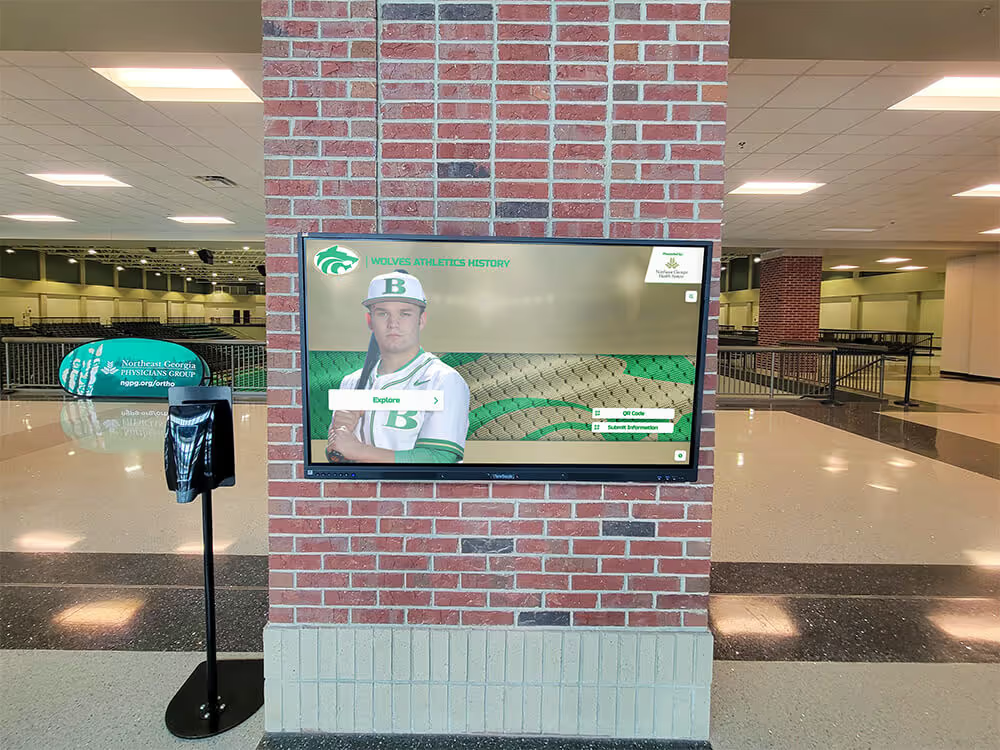
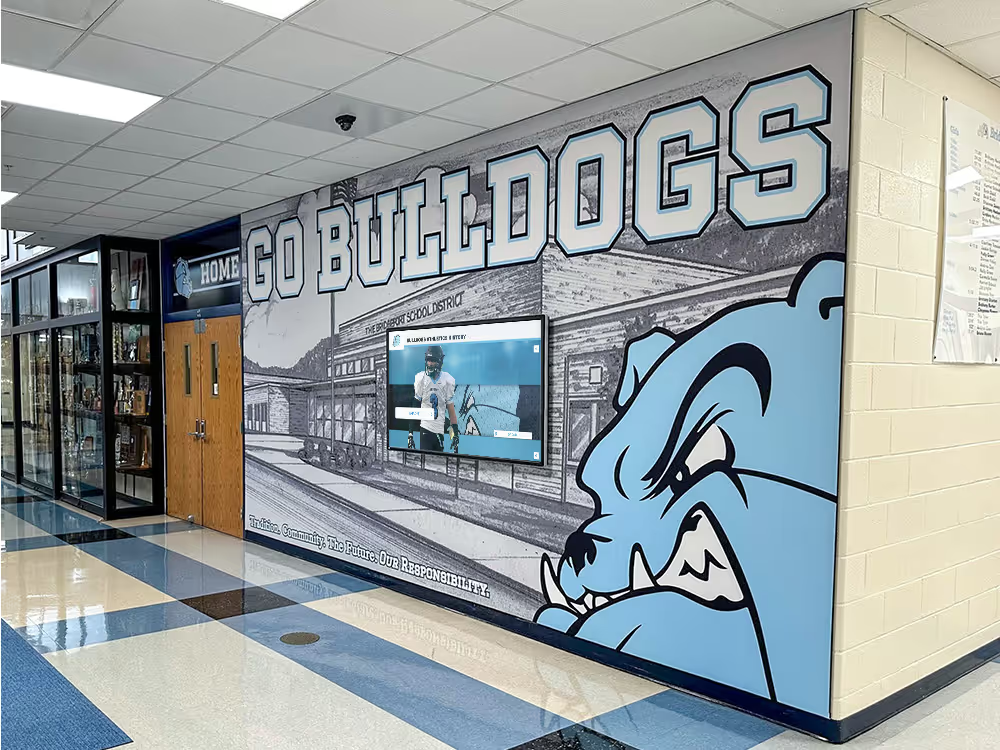
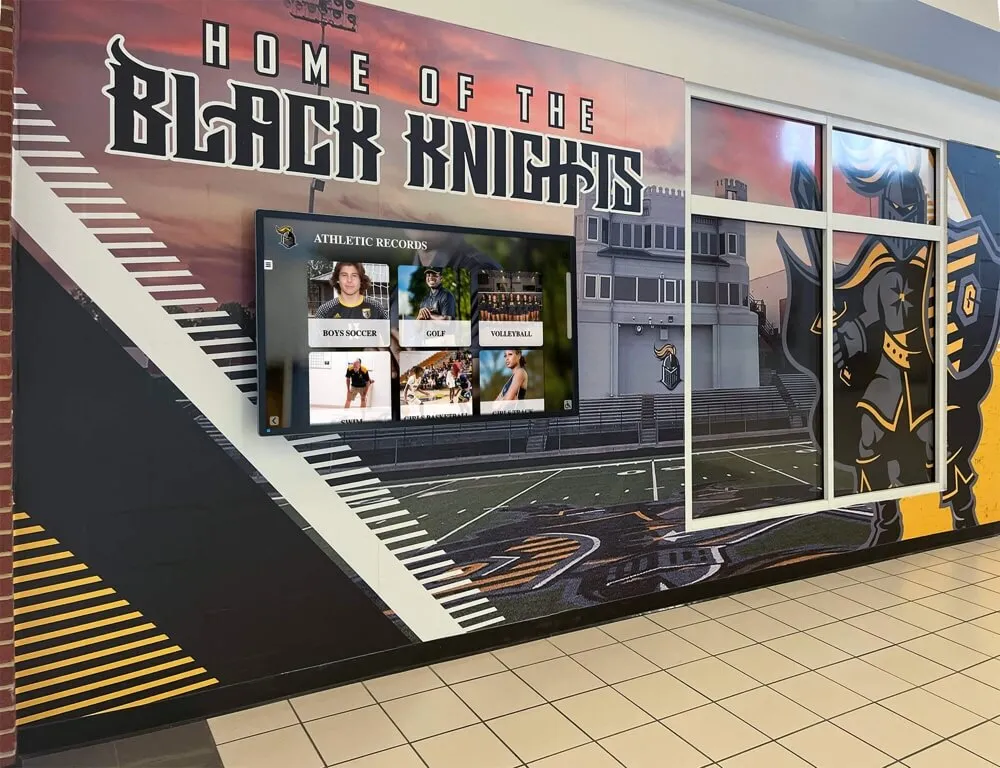
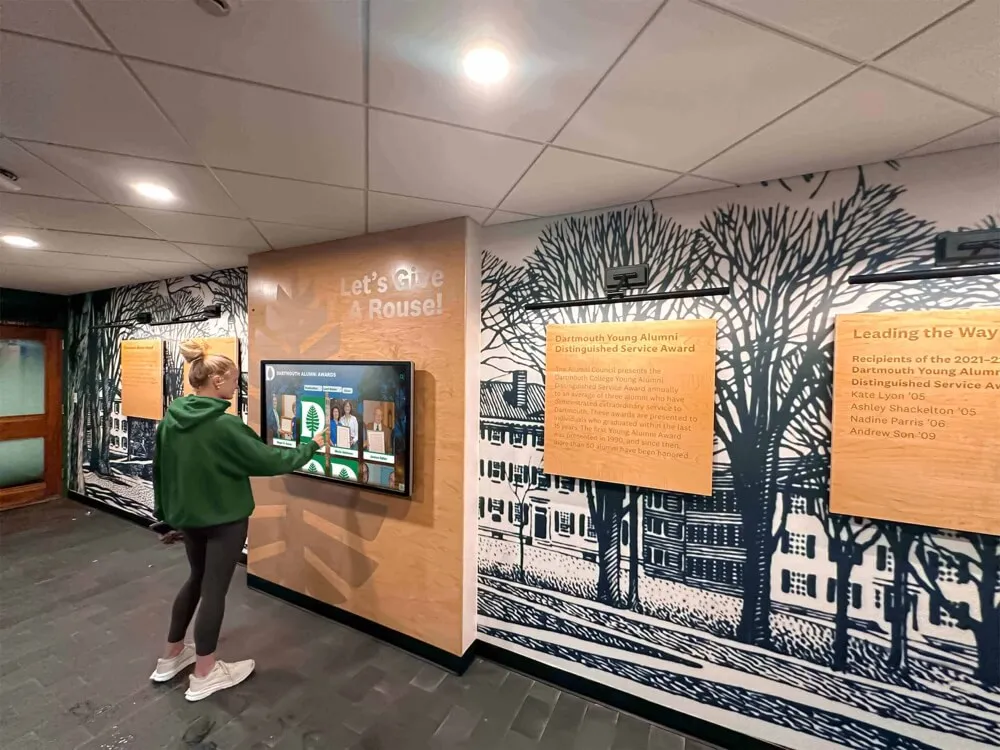
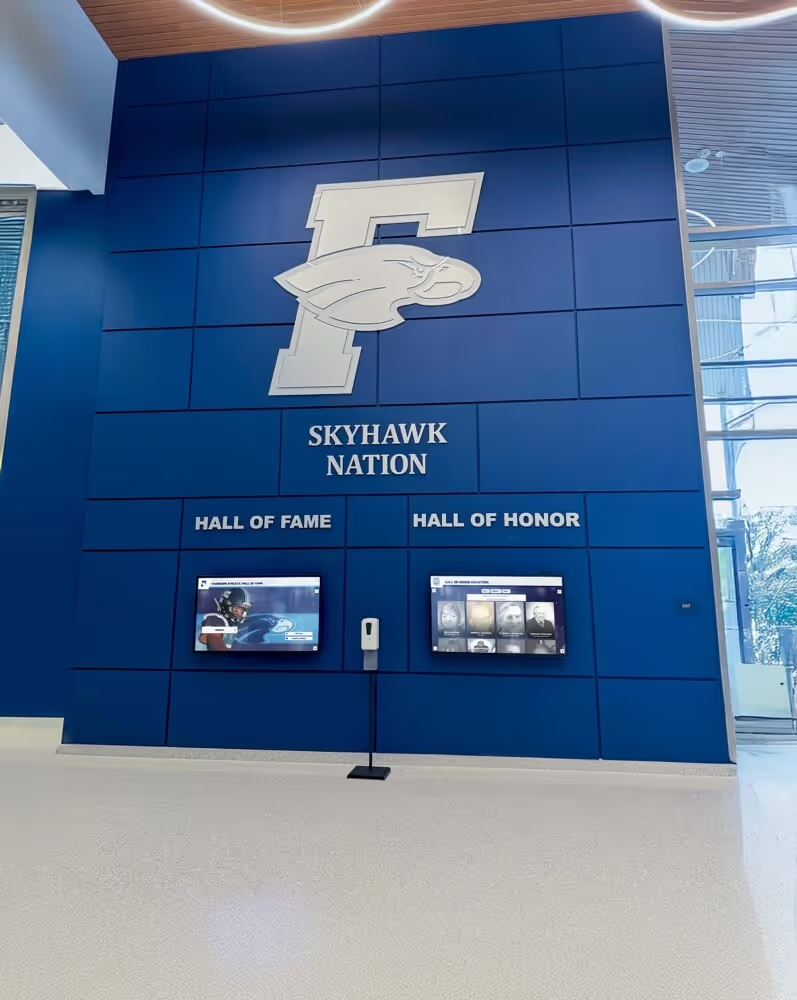
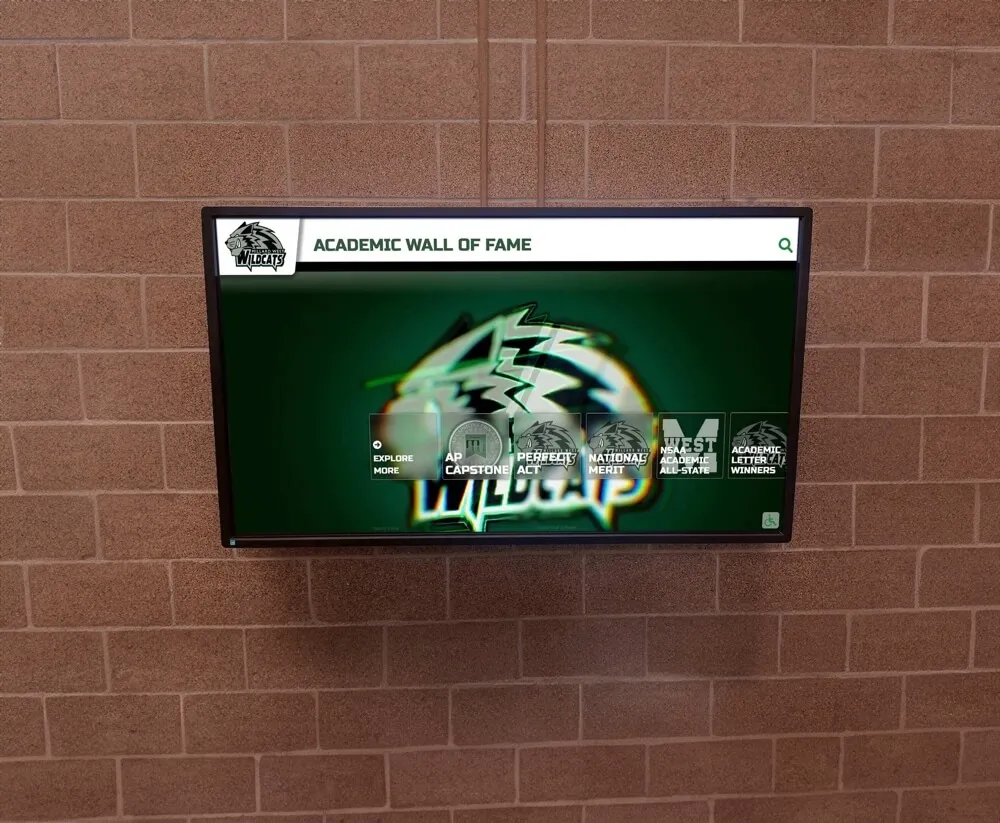
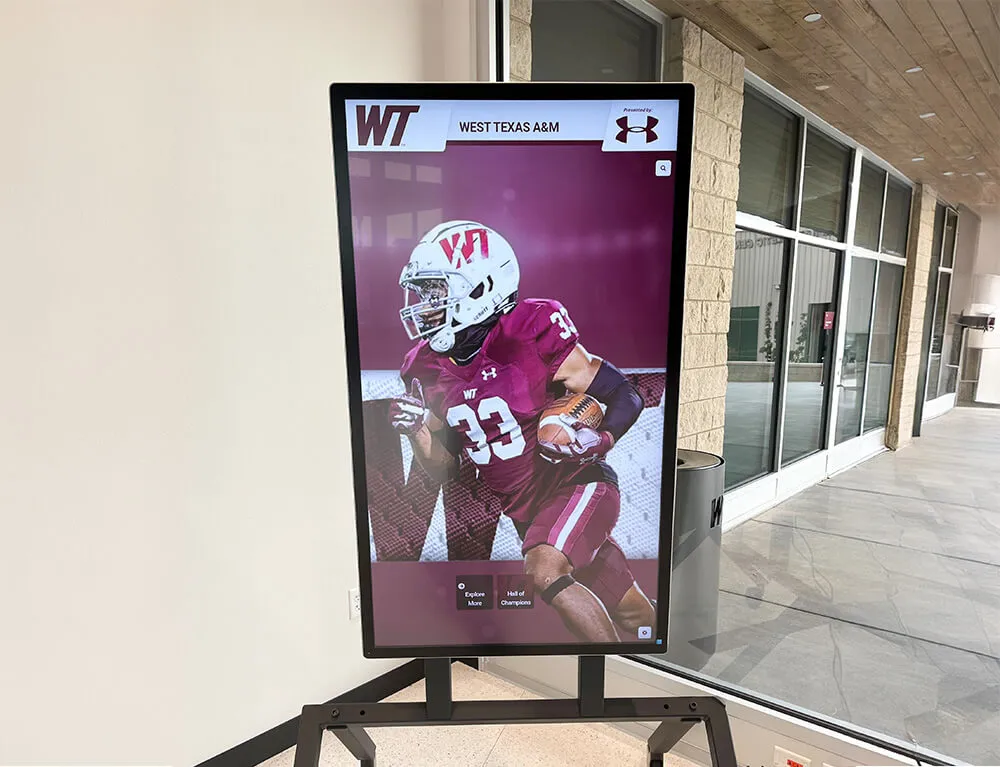
For technology-based facility elements like digital recognition displays, boards should understand total cost of ownership across expected lifespans rather than focusing solely on initial acquisition costs. Solutions like those from Rocket Alumni Solutions offer subscription models spreading costs over time while including ongoing software updates, technical support, and content management platforms reducing long-term total costs compared to one-time purchases requiring separate maintenance contracts.
Educational and Community Engagement Benefits:
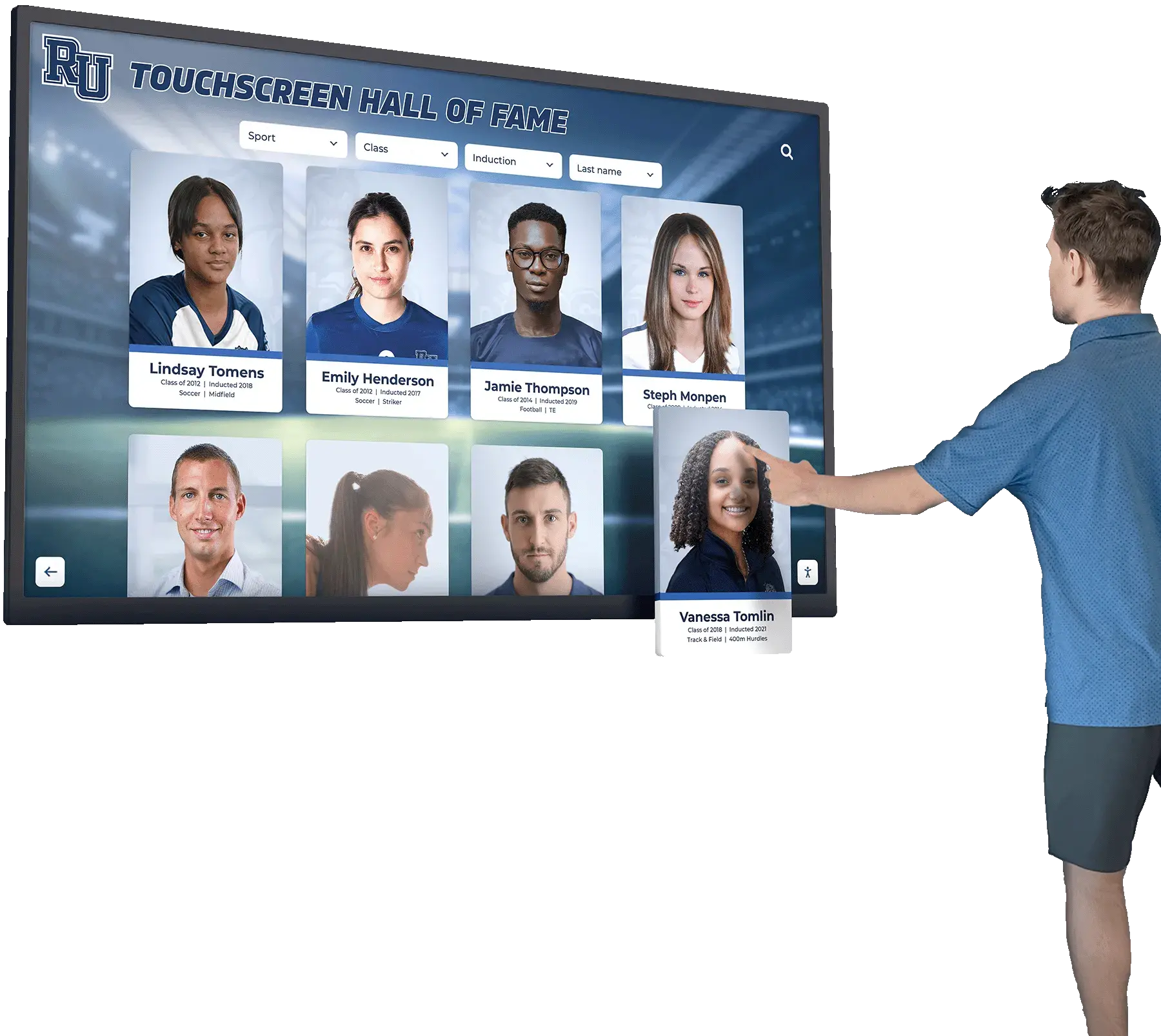
Facility investments should advance educational missions and strengthen school-community connections. Recognition displays celebrating student achievement serve multiple purposes—motivating current students by showcasing peers’ accomplishments, engaging alumni by honoring their contributions to school history, welcoming prospective families by demonstrating institutional commitment to celebrating excellence, and strengthening community pride by documenting institutional heritage.
When evaluating these multifaceted benefits, boards should consider how investments advance priorities beyond simple utilitarian facility needs. The best facility decisions solve immediate practical problems while advancing broader institutional goals around student motivation, community engagement, and organizational culture. Understanding effective approaches to student recognition programs helps boards evaluate recognition system investments.
Transparent Procurement Processes
Facility investment procurement requires careful attention to legal requirements and ethical standards:
Competitive Bidding Requirements:
Most states mandate competitive bidding for facility investments exceeding specified thresholds (commonly $10,000-50,000 depending on jurisdiction and project type). Procurement processes typically include detailed specifications describing project requirements, public solicitation of proposals or bids, objective evaluation criteria weighting factors like cost, quality, timeline, and provider qualifications, and documented selection rationales explaining award decisions.
Transparent procurement demonstrates fiscal responsibility while preventing favoritism, conflicts of interest, or corruption in vendor selections. Boards should receive summary reports showing how many proposals were received, how evaluation criteria were applied, and why particular vendors were selected.
Evaluating Vendor Proposals:
Facility investment decisions require balancing multiple considerations beyond simple low-cost bid acceptance. For recognition displays or other technology-based facilities, evaluation criteria should include:
- Initial costs and long-term total cost of ownership
- Product quality, functionality, and alignment with district needs
- Vendor experience with similar educational institution projects
- Implementation timeline and district operational disruption
- Training and ongoing support availability
- Upgrade paths and system scalability for future growth
- References from similar districts validating vendor capabilities
Systematic evaluation using published criteria enables boards to explain selection decisions transparently while ensuring districts receive best value rather than merely lowest bids that may compromise quality or create unsustainable long-term costs.
Managing Conflicts of Interest:
Board members must recuse themselves from procurement decisions involving businesses where they have financial interests, close family employment, or other conflicts. Even apparent conflicts where no actual impropriety exists can damage public trust when boards fail to manage them transparently.
Written conflict of interest policies establishing disclosure requirements, mandatory recusal procedures, and ethical standards protect both individual board members and institutional integrity. Regular ethics training reminds board members about their fiduciary responsibilities and helps them recognize conflicts requiring disclosure even when relationships seem insignificant.
Leveraging Technology for Meeting Accessibility
Modern boards use technology to expand participation beyond those physically attending meetings.
Hybrid Meeting Formats
Hybrid meetings combining in-person and virtual participation accommodate diverse community needs:
Virtual Attendance Options:
Streaming meetings via YouTube, Zoom, Facebook Live, or dedicated platforms enables community members to observe meetings from home, accommodating those with transportation barriers, child care challenges, work schedule conflicts, or disabilities limiting physical attendance. Virtual access democratizes participation while expanding boards’ reach to stakeholders who might never attend in person but value staying informed about district governance.
Some districts also enable virtual public comment through Zoom, pre-recorded videos, or written submissions read during meetings. These options particularly benefit working parents unable to attend weeknight meetings, non-English speakers who can prepare translated comments, or individuals uncomfortable with in-person public speaking who can participate through alternative formats.
Meeting Archives and On-Demand Access:
Recording and archiving meetings creates permanent records accessible any time. Community members who miss live meetings can watch recordings at convenience, media can review discussions when writing articles, and boards can reference previous deliberations when revisiting ongoing issues.
Searchable archives with timestamps for specific agenda items enable efficient navigation to particular topics without watching entire multi-hour meetings. This functionality makes board proceedings genuinely accessible rather than theoretically available but practically inaccessible to busy community members.
Digital Information Displays:
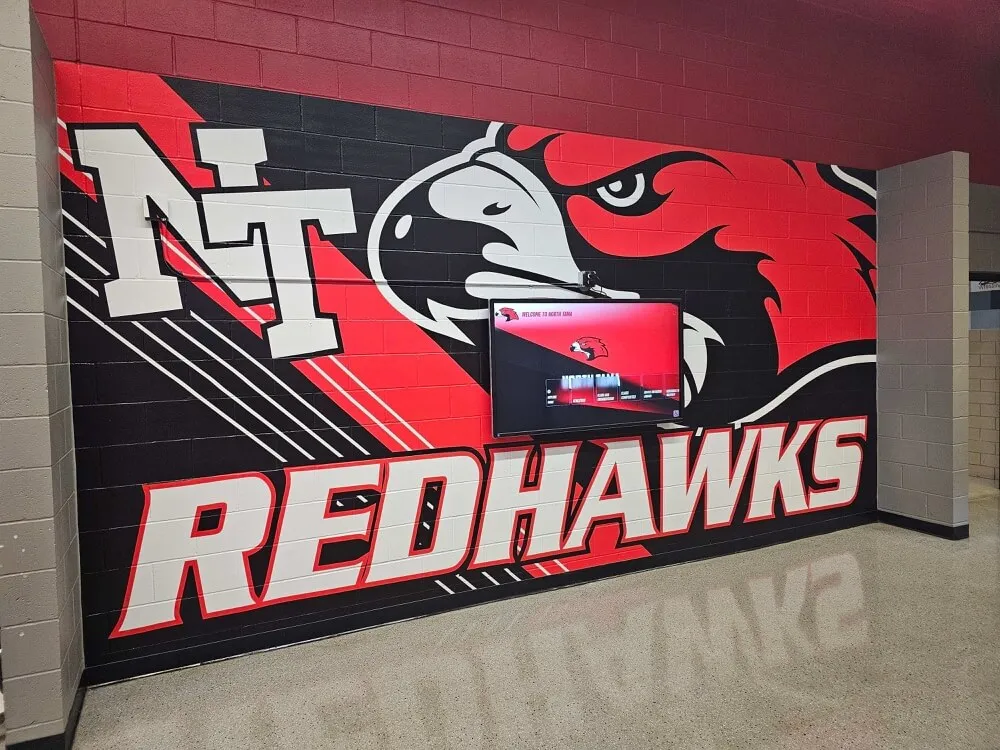
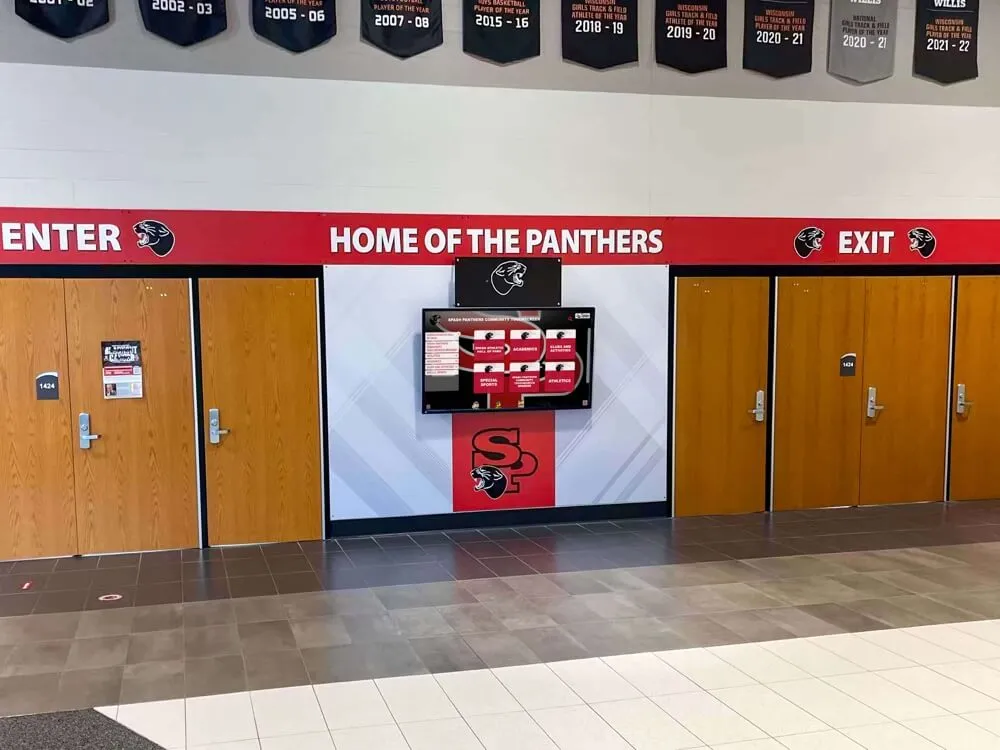
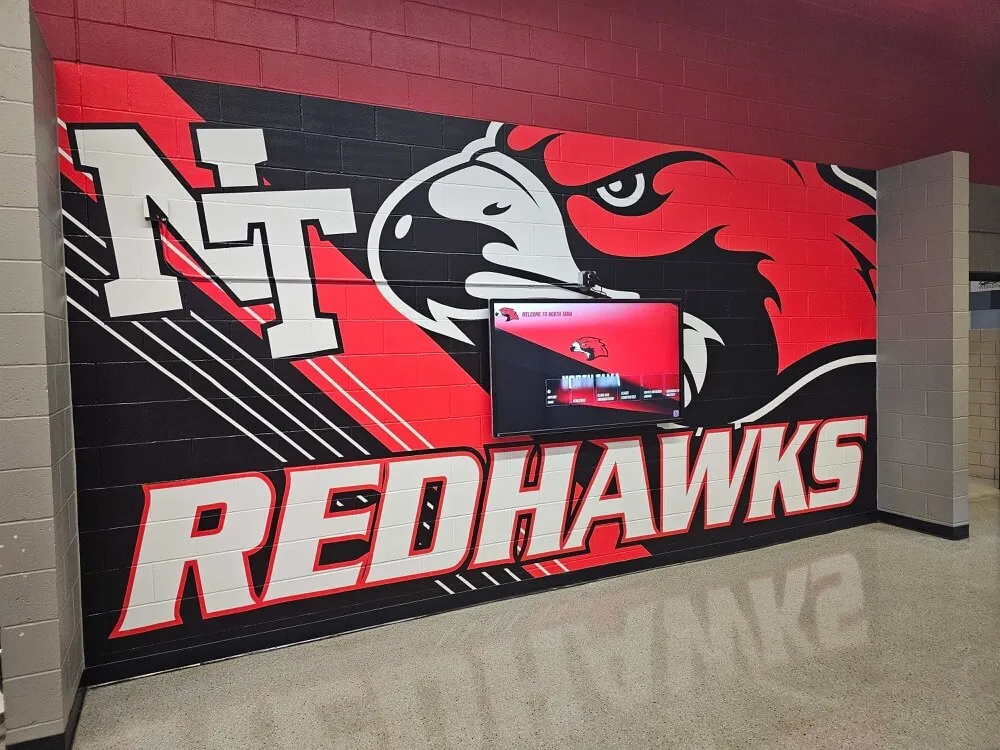
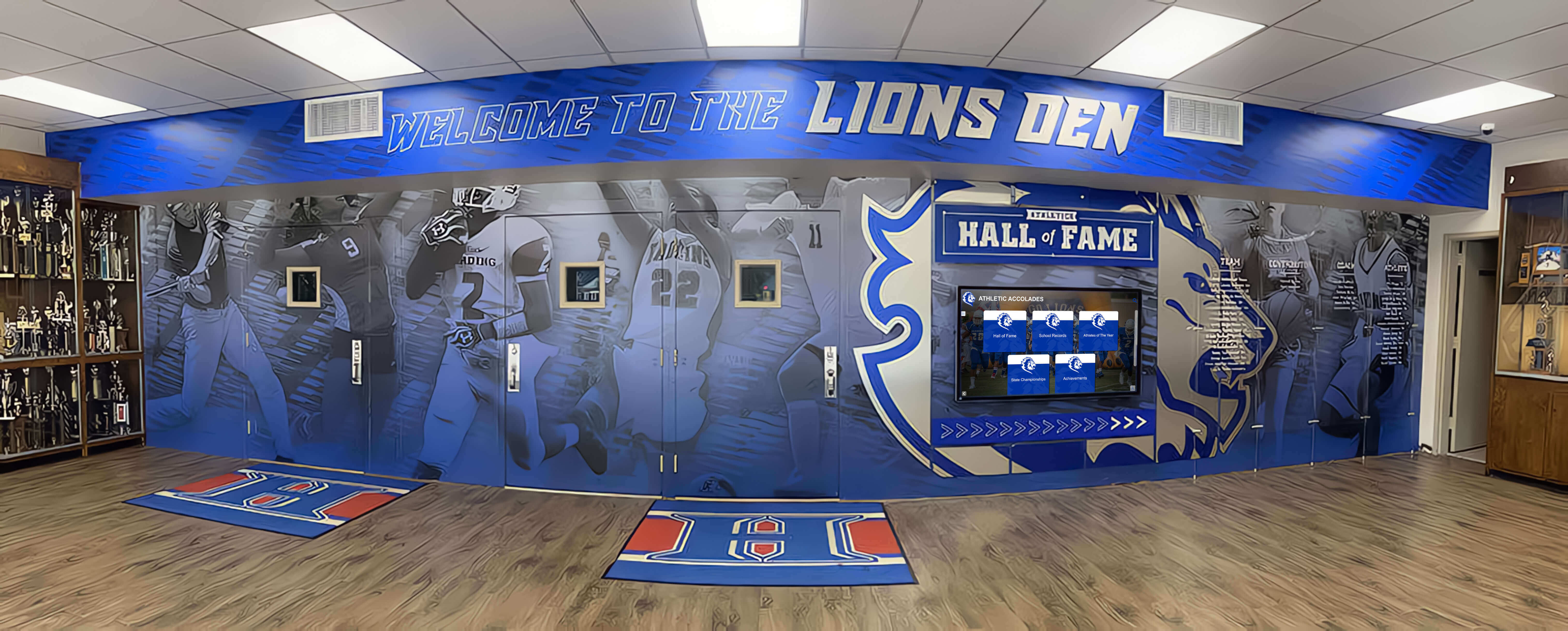
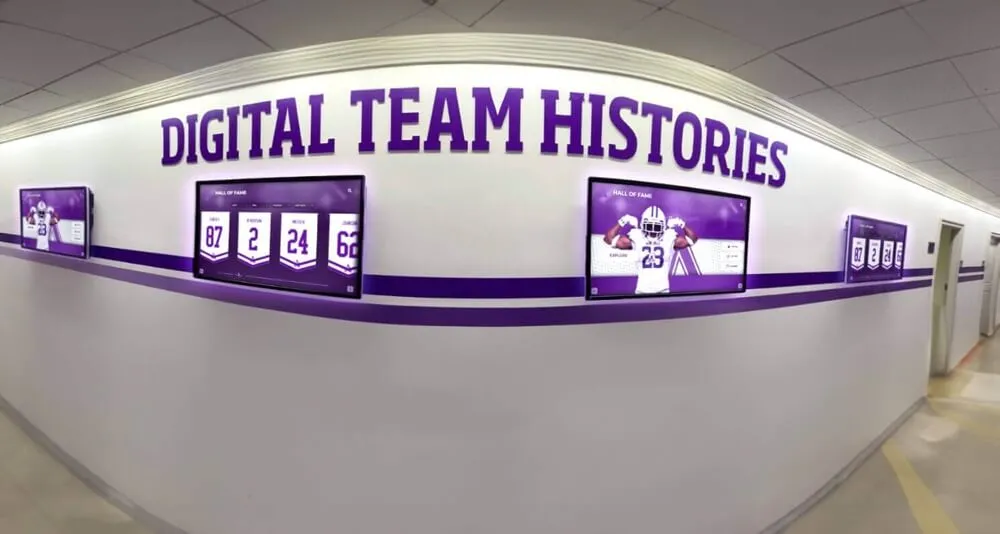
Progressive districts install digital information displays in building lobbies and high-traffic areas showcasing board meeting schedules, agendas, recent decisions, and opportunities for community engagement. These displays catch attention of community members who might not actively seek board information but become interested when seeing accessible summaries about topics affecting their families.
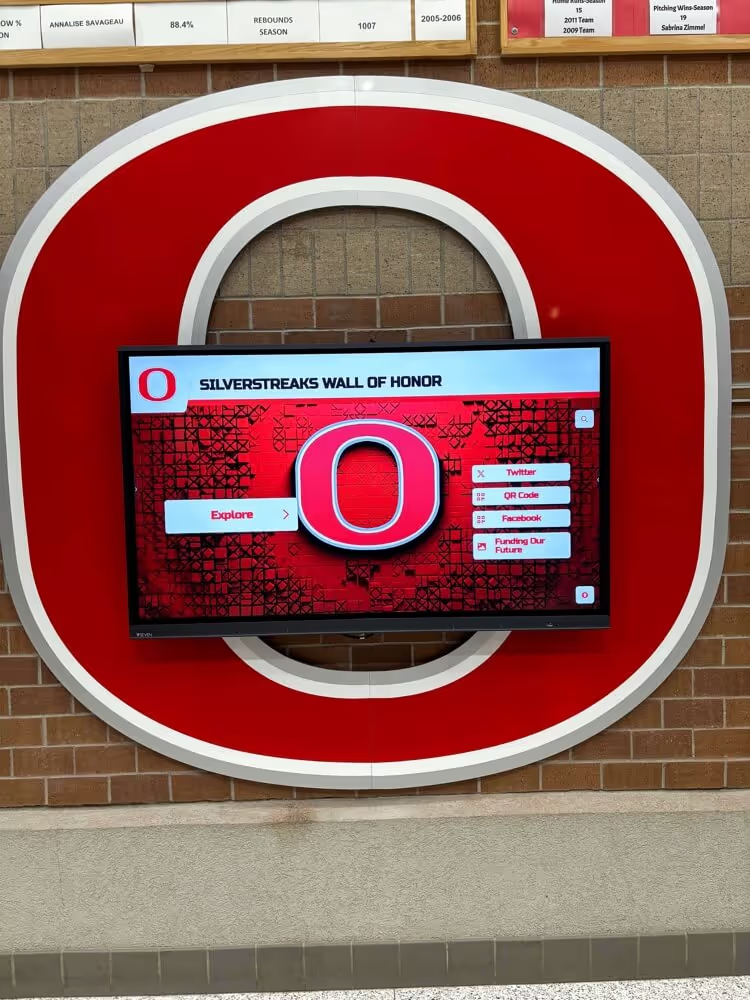
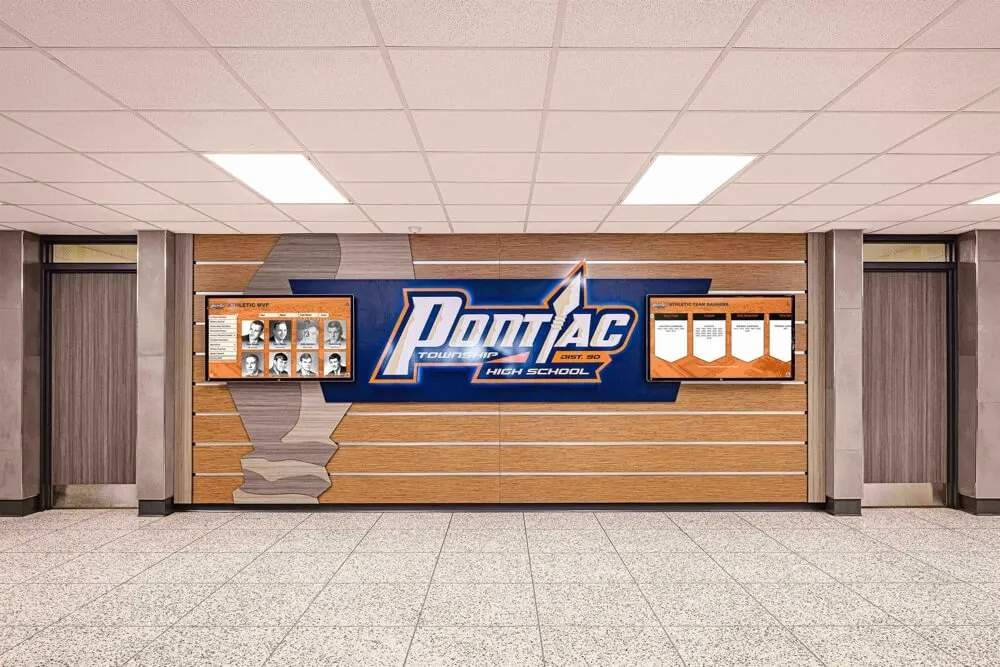
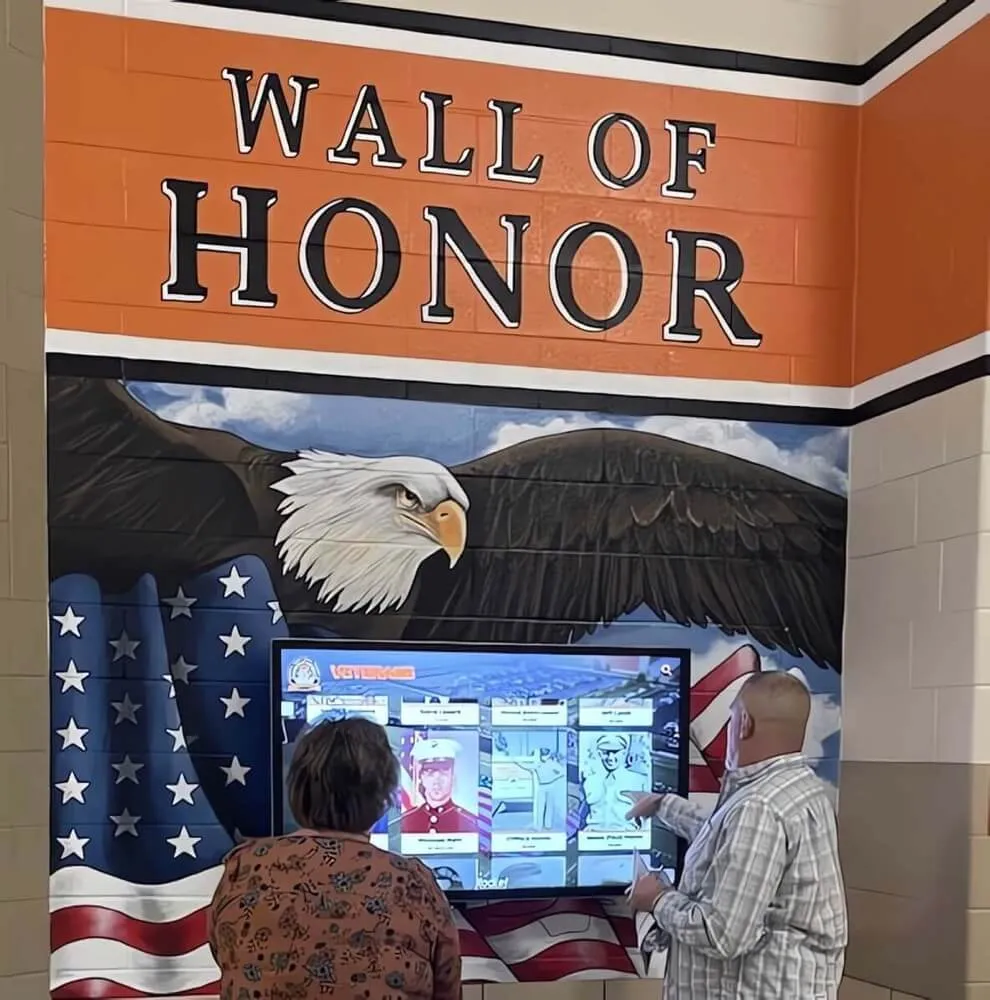
The same technology enabling recognition displays celebrating student achievement can simultaneously communicate board meeting information, creating dual-purpose systems that maximize facility investment value by serving both recognition and communication functions.
Communication Before and After Meetings
Technology enables boards to engage stakeholders beyond formal meetings:
Advance Publicity:
Effective boards publicize meeting dates, agendas, and opportunities for participation through district websites, social media channels, email newsletters, text messaging services, and partnerships with local media outlets. Multiple communication channels ensure diverse community segments receive information through their preferred platforms.
Proactive publicity demonstrates boards’ desire for community engagement rather than merely complying with minimum legal notice requirements. When boards actively invite participation rather than passively posting legally-sufficient notices, community members perceive genuine commitment to transparent governance.
Post-Meeting Summaries:
Board meetings generate important decisions affecting thousands of students and families, yet most community members never attend or watch recordings. Post-meeting summaries distributed through email, social media, and local media provide accessible highlights including major decisions reached, key discussion themes, upcoming decision items, and opportunities for community input on pending matters.
These summaries should use plain language avoiding educational jargon, explaining not just what boards decided but why particular decisions were made and how they advance student success. Transparent communication about decision rationales builds community trust even when some disagree with particular conclusions.
Interactive Online Engagement:
Beyond one-way communication broadcasting board information, interactive platforms enable ongoing dialogue. Online forums, surveys, suggestion boxes, and social media responses create multiple touchpoints strengthening school-community relationships beyond quarterly in-person meetings.
Some districts implement participatory budgeting processes inviting community members to vote on facility improvement priorities or recognition program investments. These engagement strategies transform stakeholders from passive recipients of board decisions into active participants shaping institutional priorities.
Board Member Professional Development
Effective boards commit to ongoing learning improving their governance capabilities:
Essential Training Topics
Comprehensive board development addresses multiple competency domains:
Governance Roles and Responsibilities:
New board members particularly benefit from training clarifying governance versus management distinctions, legal responsibilities and open meeting law compliance, superintendent evaluation and performance management, policy development and adoption processes, and budget oversight and financial stewardship. Understanding these fundamentals prevents common pitfalls where board members either micromanage operations or abdicate governance responsibilities.
Strategic Thinking and Planning:
Beyond reactive problem-solving, effective boards engage in proactive strategic thinking about district futures. Training in strategic planning methodologies, futures forecasting, and systems thinking enables boards to provide institutional direction rather than merely approving superintendent recommendations without adding governance value.
Strategic thinking proves particularly important for long-term facility planning. Rather than reactively addressing immediate facility crises, boards should guide comprehensive facilities master plans anticipating demographic shifts, educational program evolution, technology integration, and community expectations including recognition systems demonstrating institutional commitment to celebrating achievement.
Community Engagement and Communication:
Board members serve as institutional ambassadors requiring skills in active listening, cultural competency for engaging diverse communities, conflict resolution and de-escalation, public speaking and presentation, and social media engagement best practices. These competencies enable board members to represent districts professionally while building community trust through accessible, respectful interactions.
Financial Literacy:
Understanding district finances enables informed budget decisions and financial oversight. Training topics include educational finance fundamentals including funding formulas, budget development and monitoring processes, capital planning and bond financing, audit interpretation, and long-term financial forecasting. Board members need not become accountants but should understand financial reports sufficiently to ask informed questions and evaluate fiscal sustainability.
Board Team Development
Beyond individual member competencies, effective boards function as cohesive teams:
Establishing Board Operating Norms:
High-performing boards establish explicit norms governing internal interactions including disagreement protocols maintaining respect despite policy differences, communication standards including confidentiality expectations, preparation requirements ensuring members review materials before meetings, speaking with one voice after decisions despite individual opposition during deliberations, and appropriate superintendent-board member interactions preventing end-run attempts around board collective action.
Written operating agreements documenting these norms create accountability while orienting new members to board culture and expectations.
Regular Board Self-Assessment:
Periodic board self-evaluation identifies improvement opportunities through structured instruments assessing governance effectiveness, meeting management quality, superintendent-board working relationships, community engagement success, and strategic leadership. These assessments generate action plans addressing identified weaknesses while celebrating governance strengths.
Self-assessment processes should feel developmental rather than punitive, fostering honest reflection about how boards can better serve students and communities. External facilitators sometimes help boards engage in constructive self-examination that might feel uncomfortable when led internally.
Measuring Meeting Effectiveness
Boards should periodically evaluate whether meetings achieve intended purposes:
Key Performance Indicators
Quantifiable metrics provide objective feedback about meeting quality:
Efficiency Metrics:
- Average meeting duration and consistency with published agendas
- Percentage of agenda items completed versus tabled or deferred
- Time from item introduction to final decision (for multi-meeting processes)
- Number of emergency or special meetings indicating agenda management problems
Participation Metrics:
- Public comment participation rates and demographic diversity
- Virtual meeting viewership and archived video access
- Community survey responses about accessibility and engagement opportunities
- Stakeholder awareness of board decisions and upcoming considerations
Decision Quality Indicators:
- Implementation success rates for board decisions
- Frequency of board revisiting recent decisions suggesting inadequate initial deliberation
- Legal challenges or complaints about procedural irregularities
- Superintendent and staff satisfaction with board support and direction
These metrics don’t tell complete stories but provide data points prompting conversations about continuous improvement rather than assuming current practices remain optimal.
Gathering Stakeholder Feedback
Beyond quantitative metrics, qualitative stakeholder perspectives provide valuable insights:
Community Surveys:
Periodic community surveys assess perceptions about board accessibility, meeting conduct, communication effectiveness, decision quality, and responsiveness to community concerns. Survey results identify disconnects between boards’ self-perceptions and community experiences while highlighting improvement priorities.
Board Member Self-Reflection:
Individual board members should regularly reflect on questions like: Do I feel adequately informed to make decisions? Do meetings provide sufficient time for thoughtful deliberation? Do all board perspectives receive fair consideration? Does our board focus appropriately on governance rather than management? These personal reflections inform broader board discussions about governance effectiveness.
Superintendent Input:
Regular superintendent feedback about board effectiveness provides management perspectives on governance quality. Does the superintendent feel clearly directed about board priorities? Are superintendent recommendations receiving appropriate deliberation versus rubber-stamp approval? Do individual board members inappropriately involve themselves in operational management? Honest superintendent input helps boards understand how their governance translates into operational reality.
Conclusion: Building Community Trust Through Effective Board Governance
School board meetings represent democracy in action—diverse community stakeholders collectively shaping educational institutions impacting thousands of students annually. When conducted effectively, these regular gatherings demonstrate transparent governance, enable meaningful community participation, facilitate informed decision-making about complex educational issues, and build trust that boards serve students’ and communities’ best interests rather than narrow political agendas or personal preferences.
Effective meetings require intentional design balancing competing priorities. Boards must remain legally compliant while creating welcoming atmospheres, maintain efficient meeting pacing while allowing thorough deliberation, project professional credibility while remaining accessible to concerned parents, and make difficult budget decisions while explaining trade-offs transparently. These balancing acts challenge even experienced boards but become manageable through commitment to best practices, ongoing professional development, and community-centered governance orientations.
The facility investment decisions boards regularly consider particularly benefit from transparent, thoughtful deliberation. Whether evaluating building renovations, technology infrastructure, athletic facility improvements, or recognition displays celebrating student achievement, boards should assess proposals systematically through documented criteria balancing educational benefits, financial sustainability, community engagement value, and strategic alignment. When boards explain decision rationales clearly rather than merely announcing conclusions, community trust strengthens even when some disagree with particular outcomes.
Modern technology enables boards to expand accessibility beyond traditional in-person meetings through virtual attendance options, archived recordings, digital information displays, and interactive online engagement platforms. These tools democratize participation while demonstrating boards’ commitment to transparent governance reaching all community members regardless of their ability to attend evening meetings physically. The same digital display technology that enables comprehensive student recognition systems can simultaneously communicate board meeting information, maximizing facility investments through dual-purpose implementations.
Ready to enhance your district’s community engagement and student recognition? Explore how Rocket Alumni Solutions can help your school board make informed facility investment decisions with digital recognition displays that celebrate student achievement while creating welcoming spaces strengthening school-community connections essential for strong educational institutions.