



Key Takeaways
Discover engaging school assembly ideas that motivate students and build school culture. From recognition programs to interactive presentations, find proven formats that create memorable experiences.
School assemblies represent valuable opportunities to build culture, recognize achievement, deliver important messages, and unite communities around shared values. Yet many assemblies fail to engage students, becoming routine obligations that students endure rather than experiences that inspire and connect. The difference between forgettable and impactful assemblies lies in thoughtful planning, relevant content, dynamic presentation formats, and genuine understanding of what resonates with today’s students.
Effective school assembly programs require diverse formats addressing different purposes throughout the year. Recognition assemblies celebrate student achievement across academics, athletics, arts, and character development. Informational assemblies deliver essential content about safety, wellness, or academic expectations. Inspirational assemblies feature speakers or performances that motivate students and broaden perspectives. The most successful schools strategically plan assembly calendars ensuring variety, purpose, and appropriate pacing that respects instructional time while leveraging assemblies’ unique power to shape school culture.
Recognition and Achievement Celebration Assemblies
Recognition assemblies acknowledge student accomplishments while reinforcing institutional values about what achievement means and deserves celebration. These assemblies powerfully impact school culture by publicly demonstrating that excellence receives recognition across diverse achievement categories.
Academic Excellence Recognition
Academic achievement assemblies celebrate intellectual accomplishment with the same energy traditionally reserved for athletic events:
Honor Roll and Academic Achievement Recognition:
Traditional honor roll recognition remains meaningful when executed thoughtfully:
- Semester or quarterly honor roll recognition with specific GPA categories
- Perfect attendance acknowledgment for students maintaining excellent participation
- Academic improvement awards highlighting growth, not just absolute performance
- Subject-specific excellence recognition for outstanding achievement in particular disciplines
- National Honor Society or academic honor organization induction ceremonies
- Standardized test achievement including ACT/SAT high scorers or AP Scholar recognition
- Academic competition success such as debate, math team, or science olympiad honors
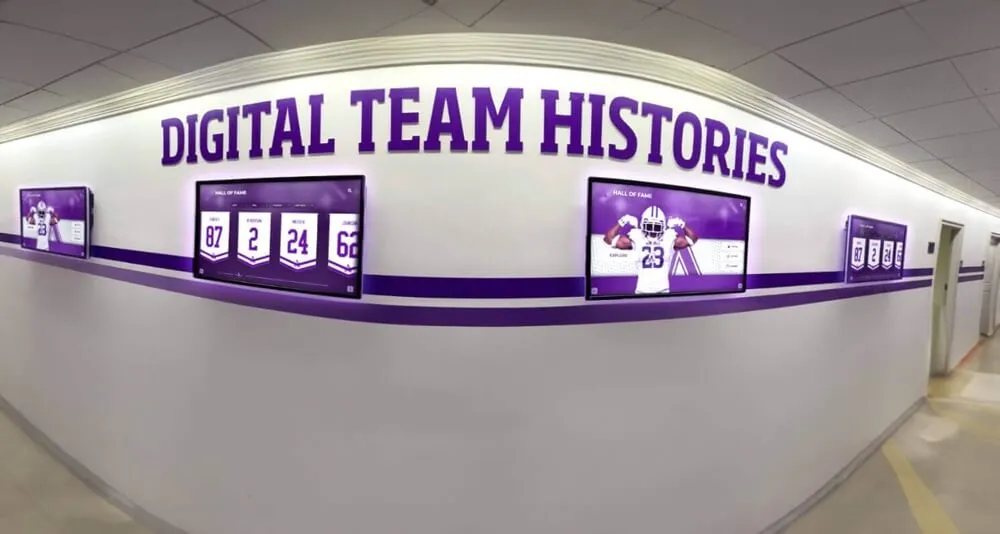
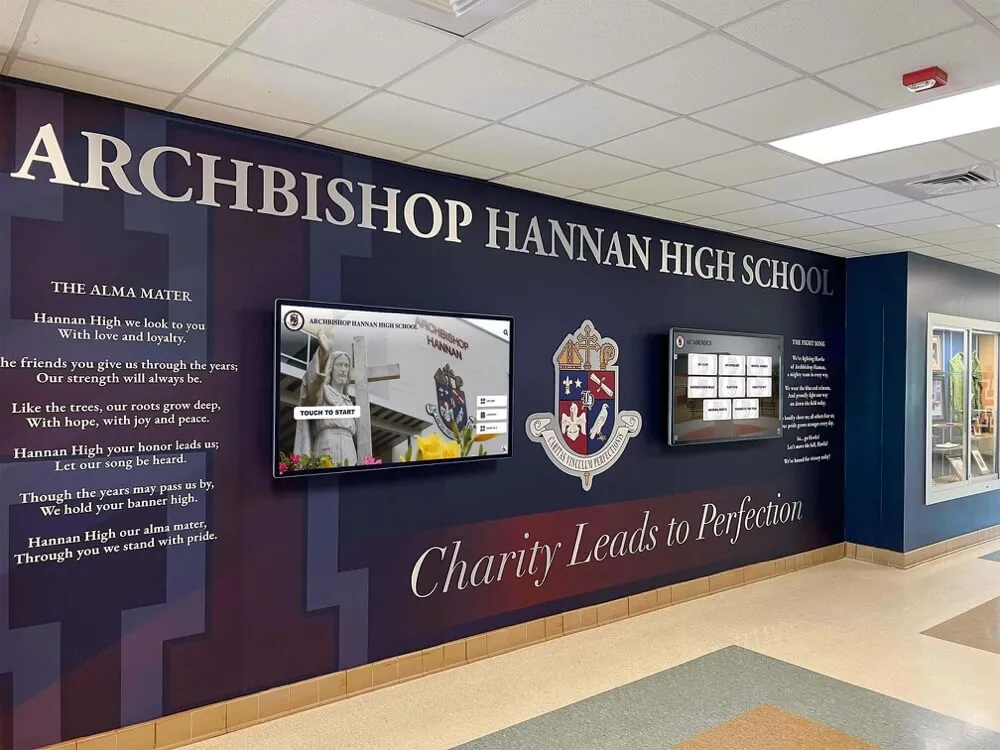
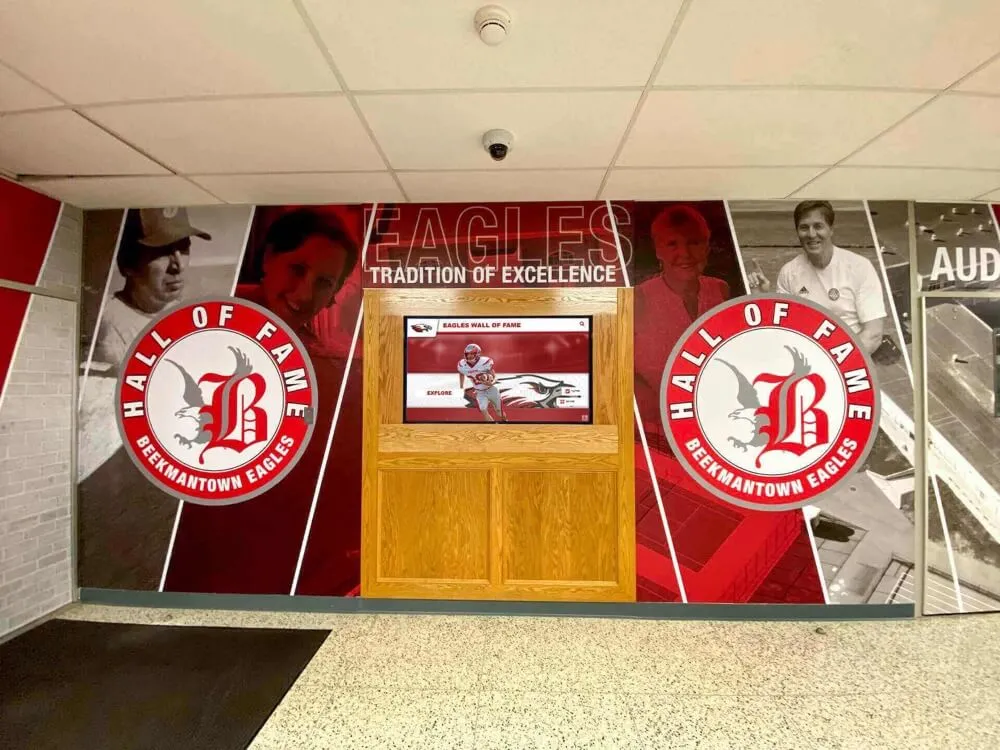
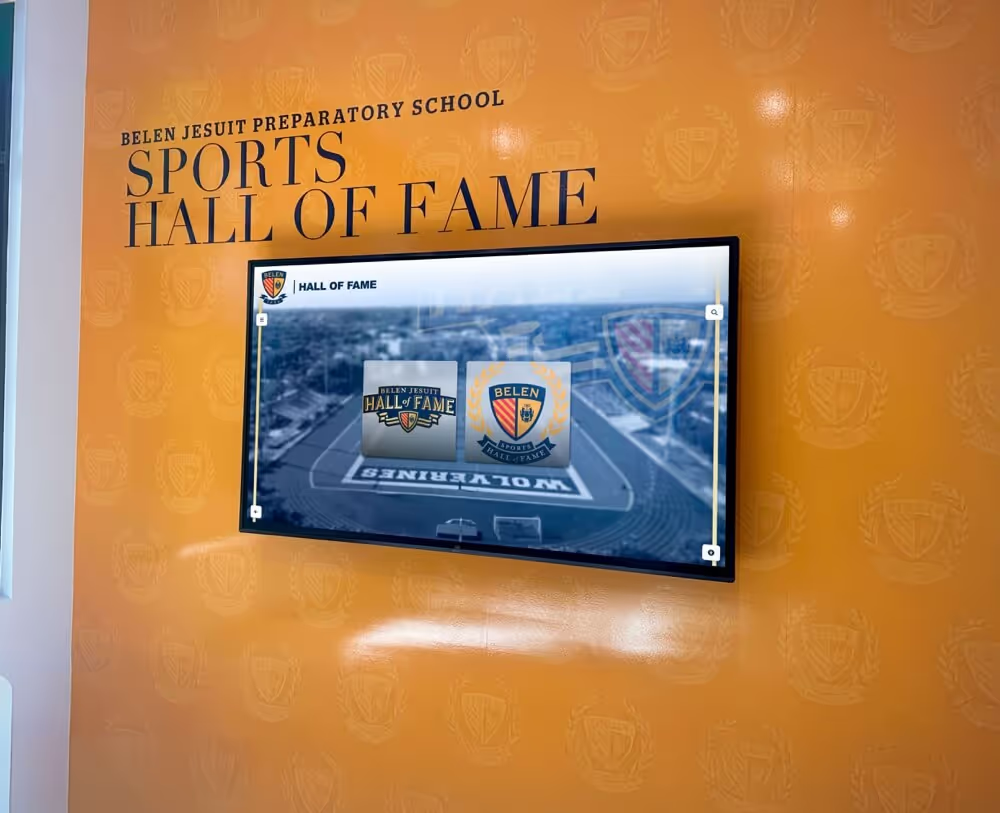
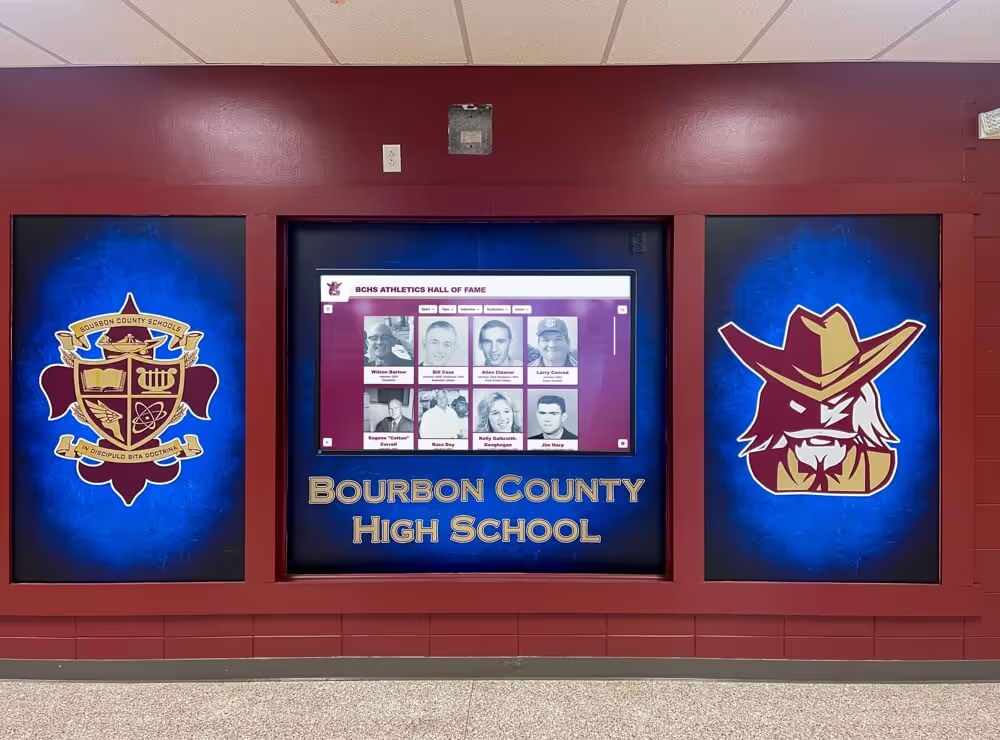
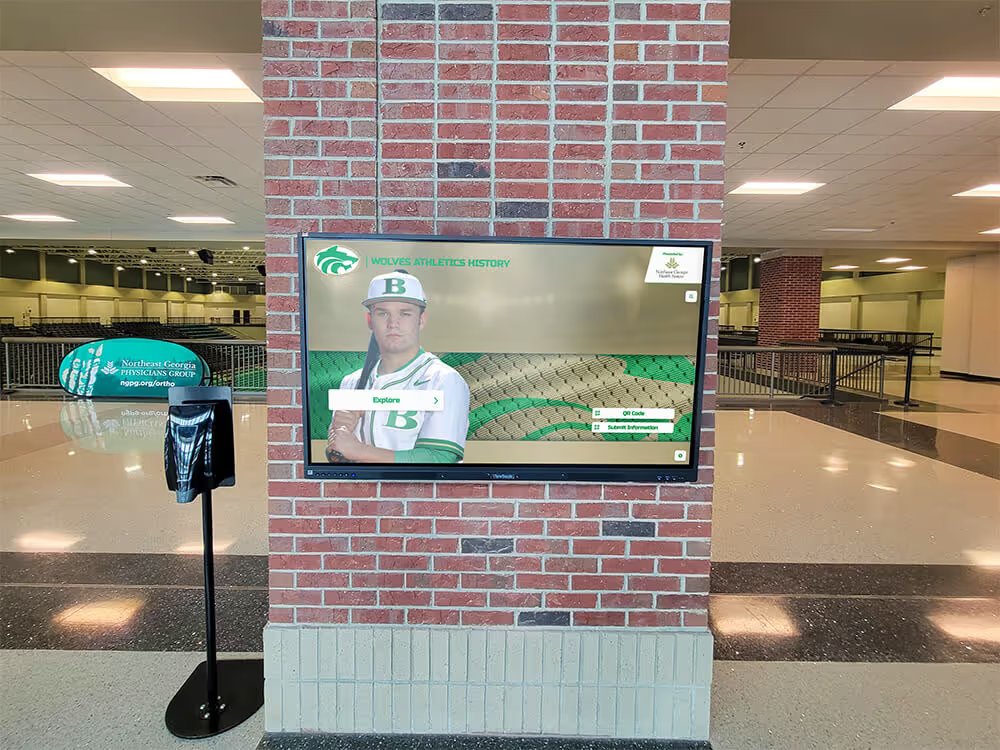
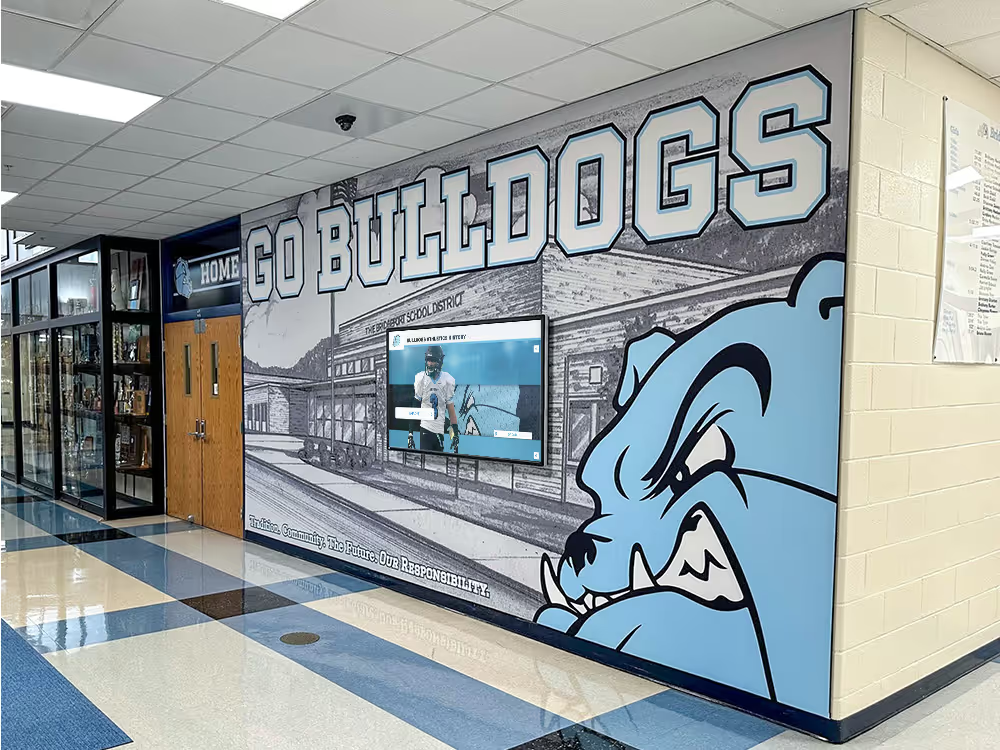
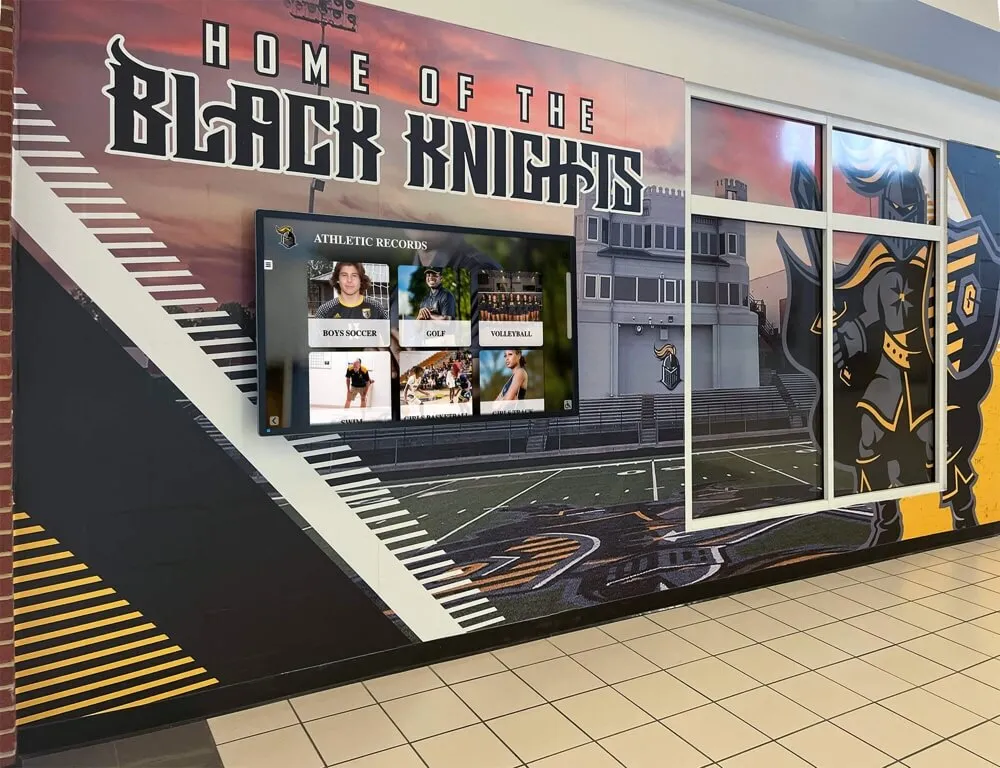
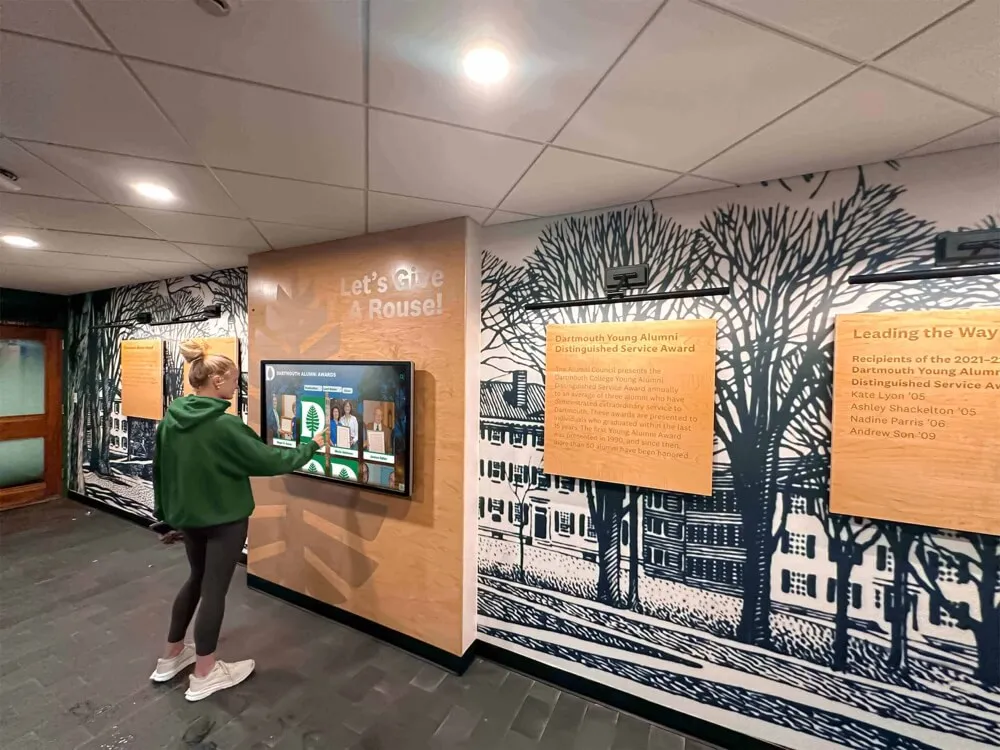
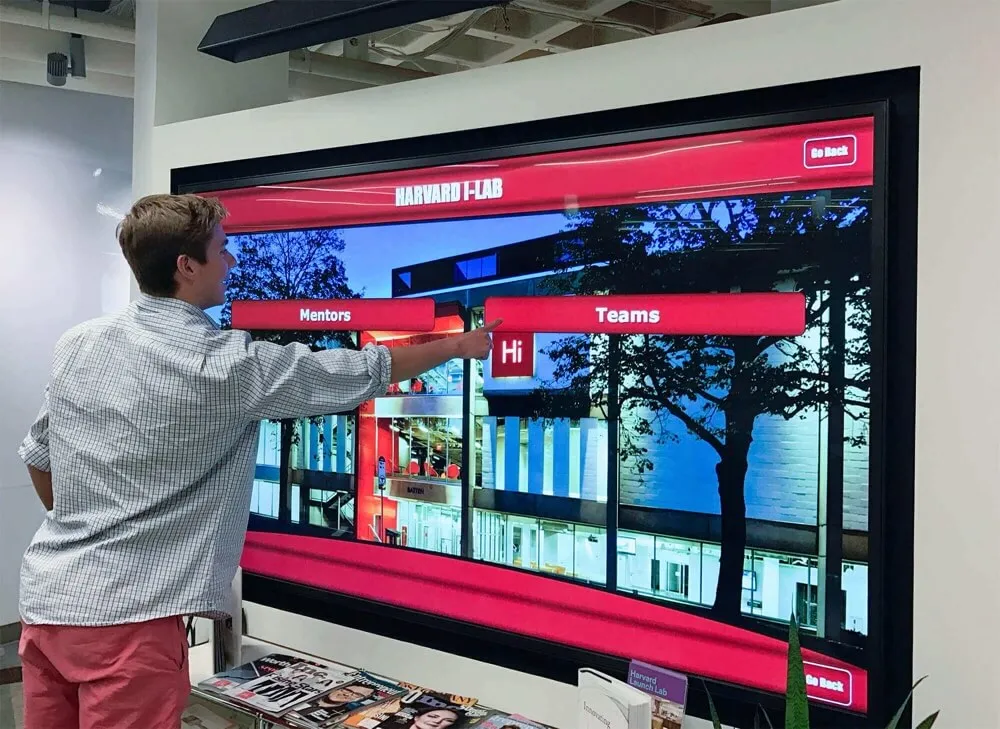
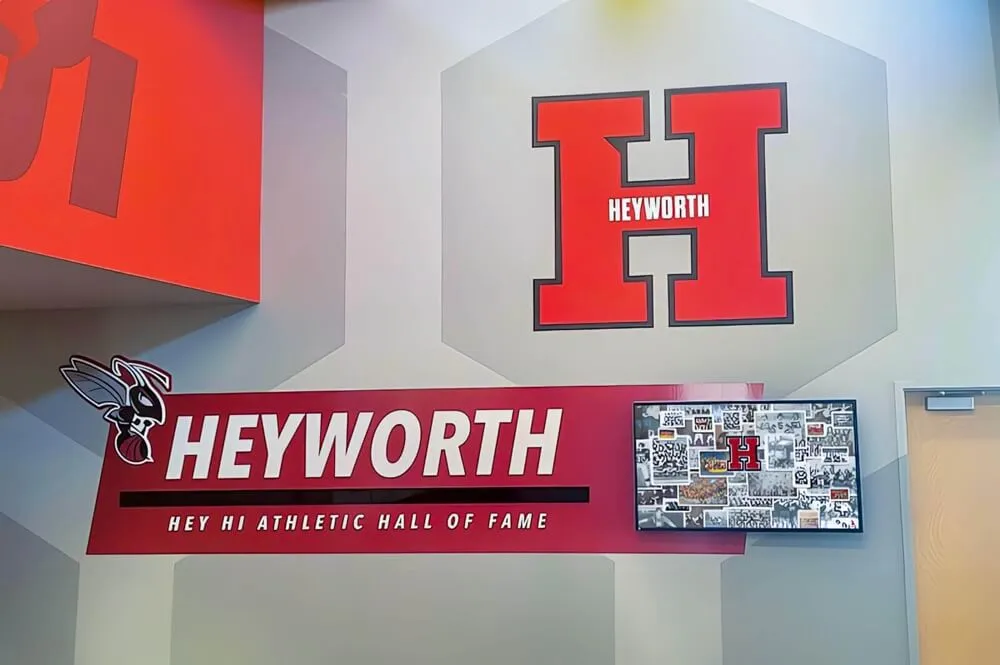
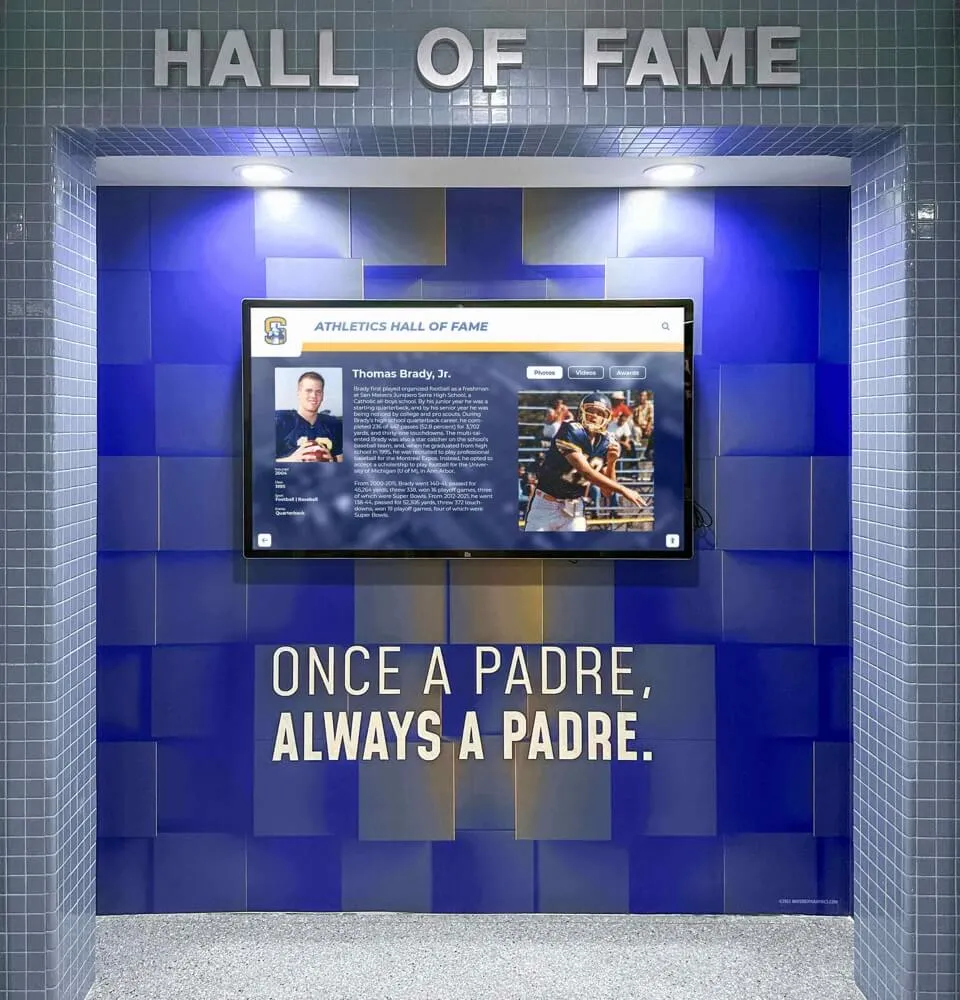
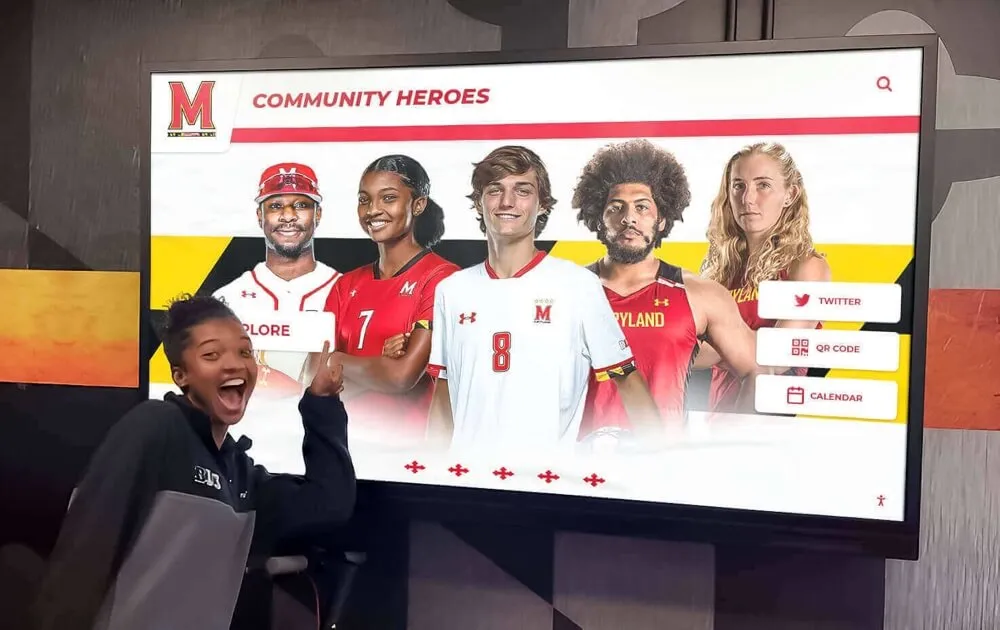
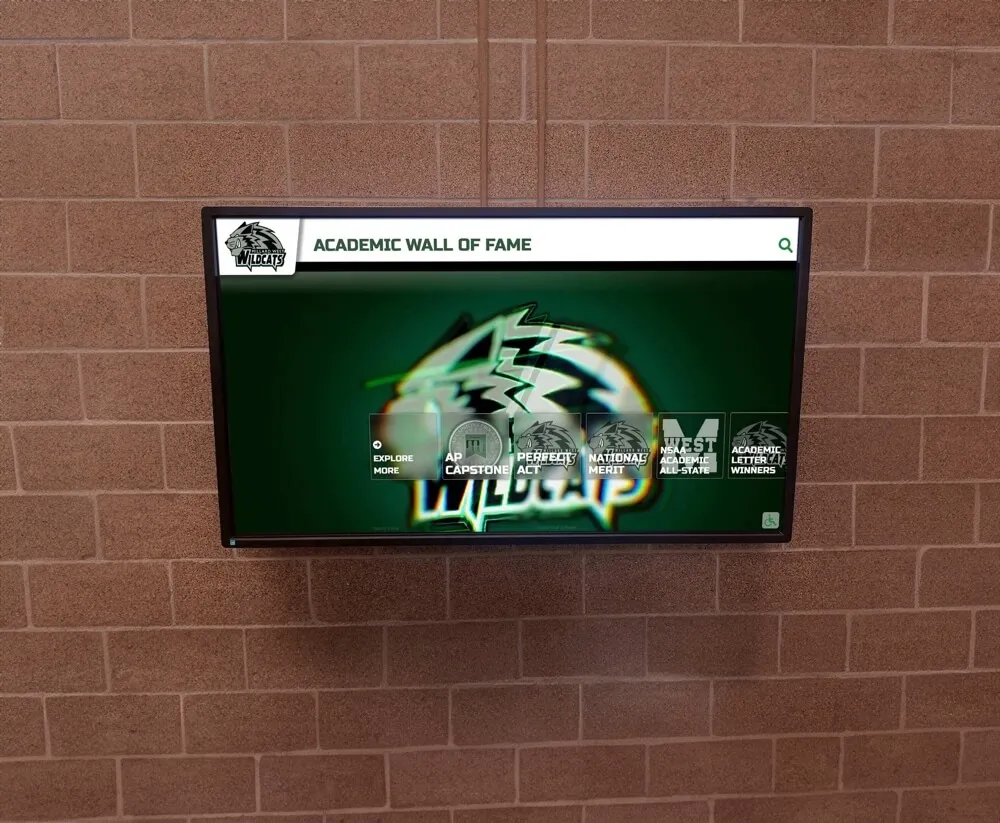
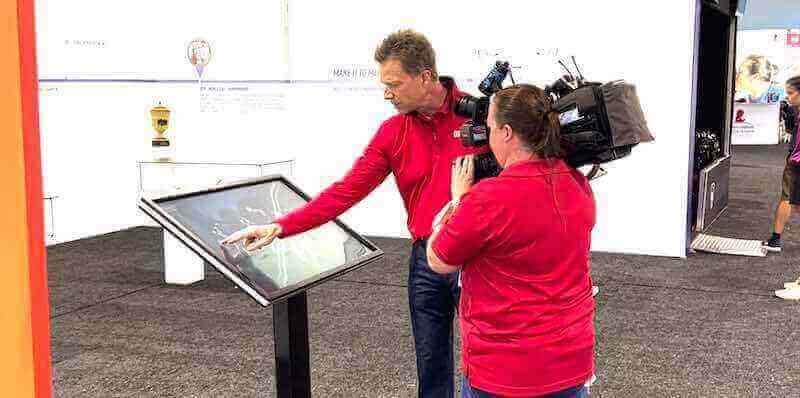
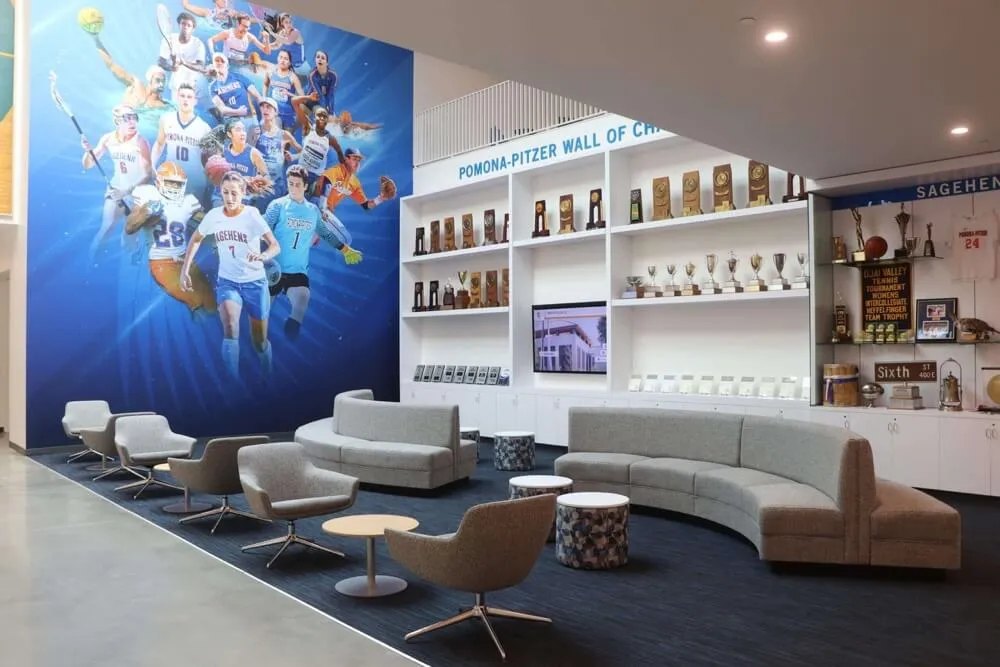
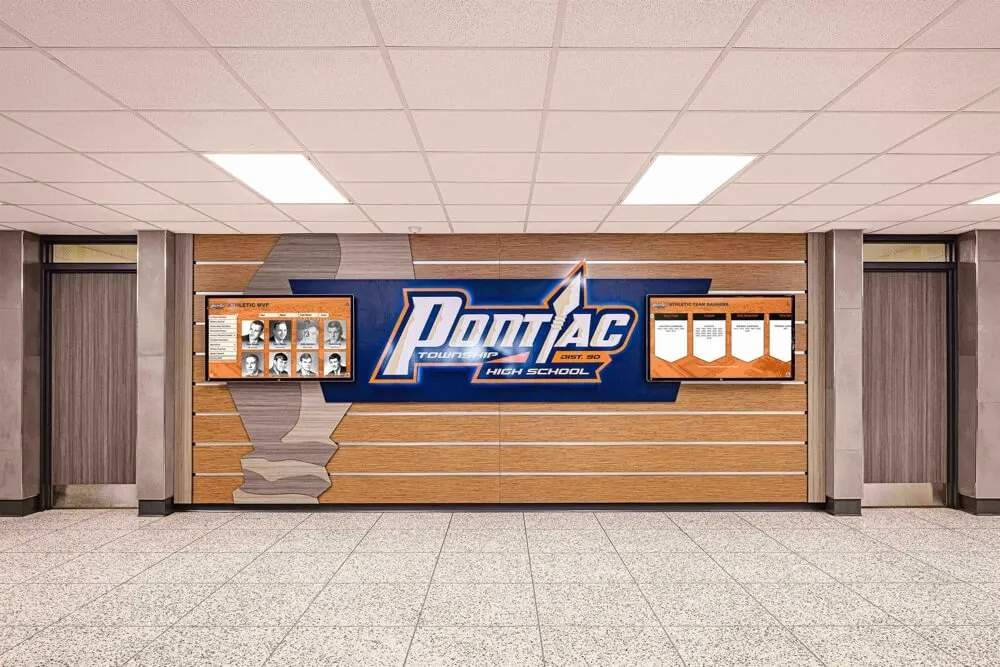
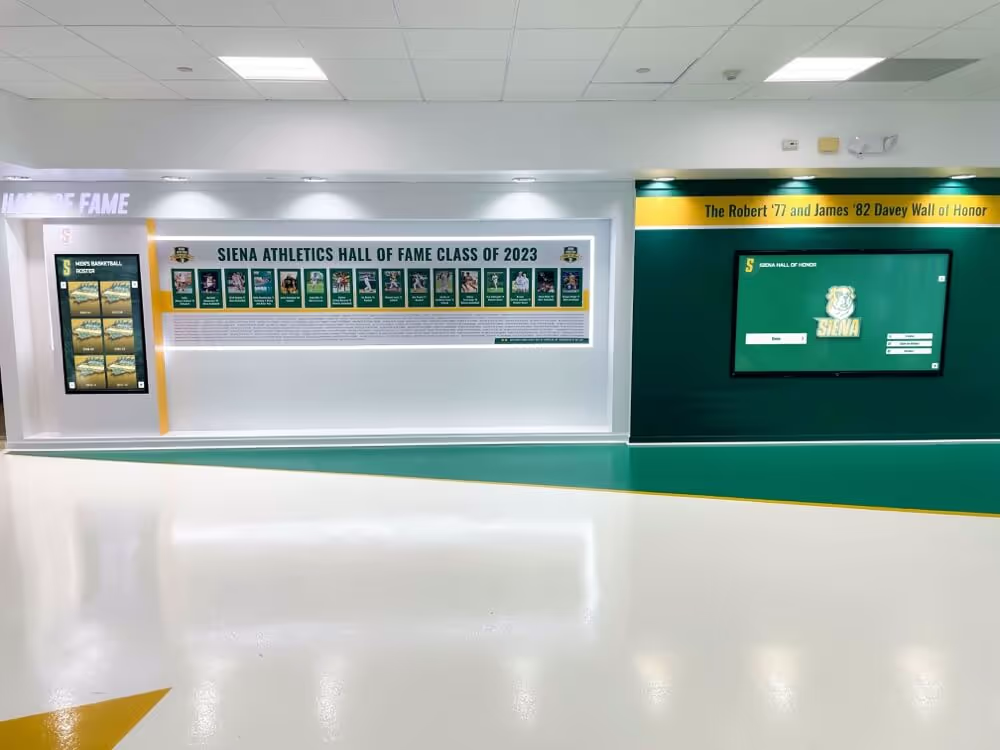
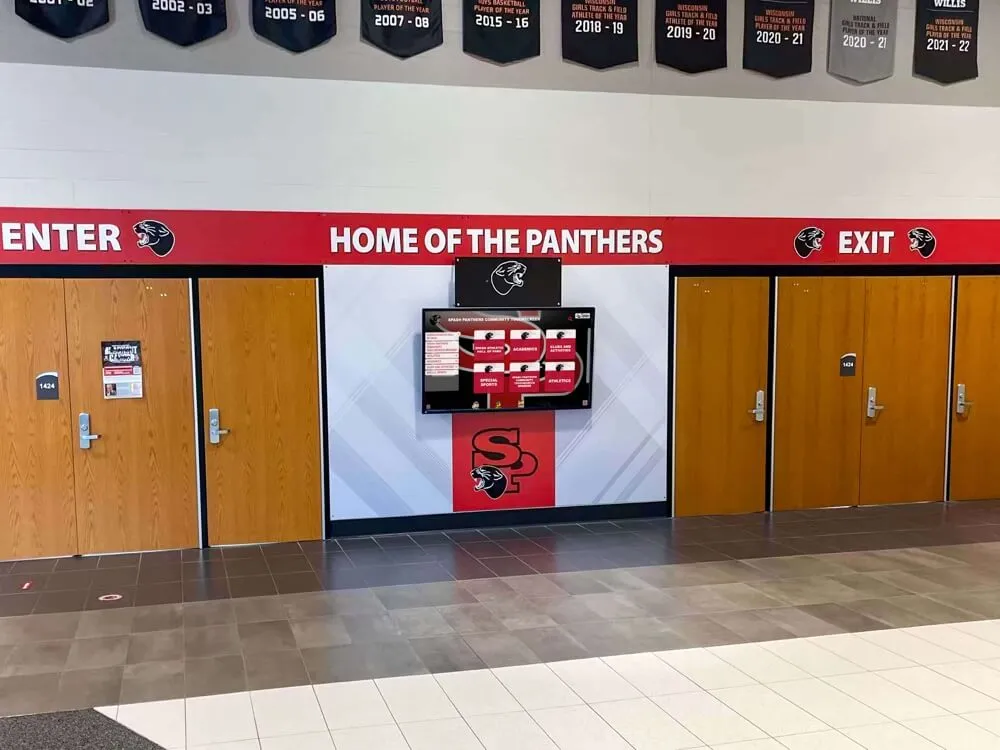
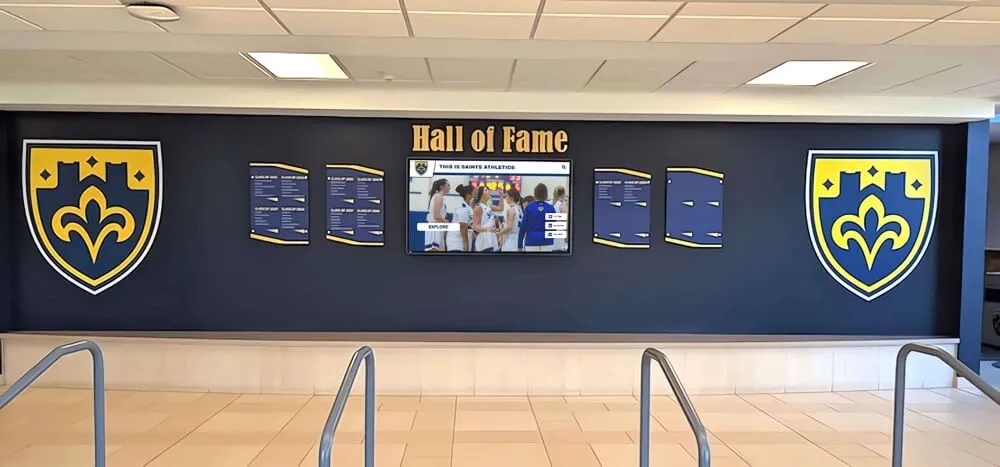
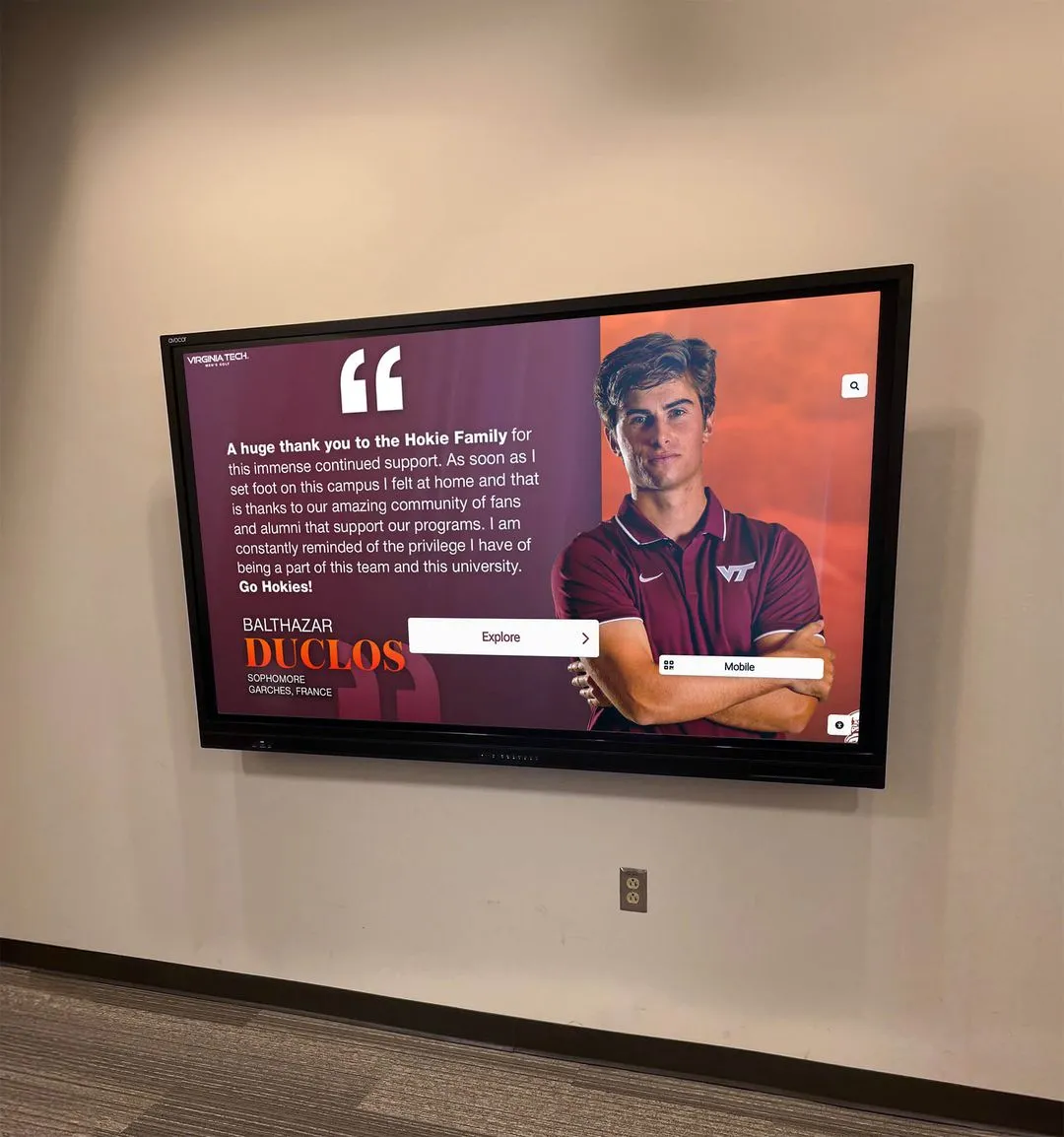
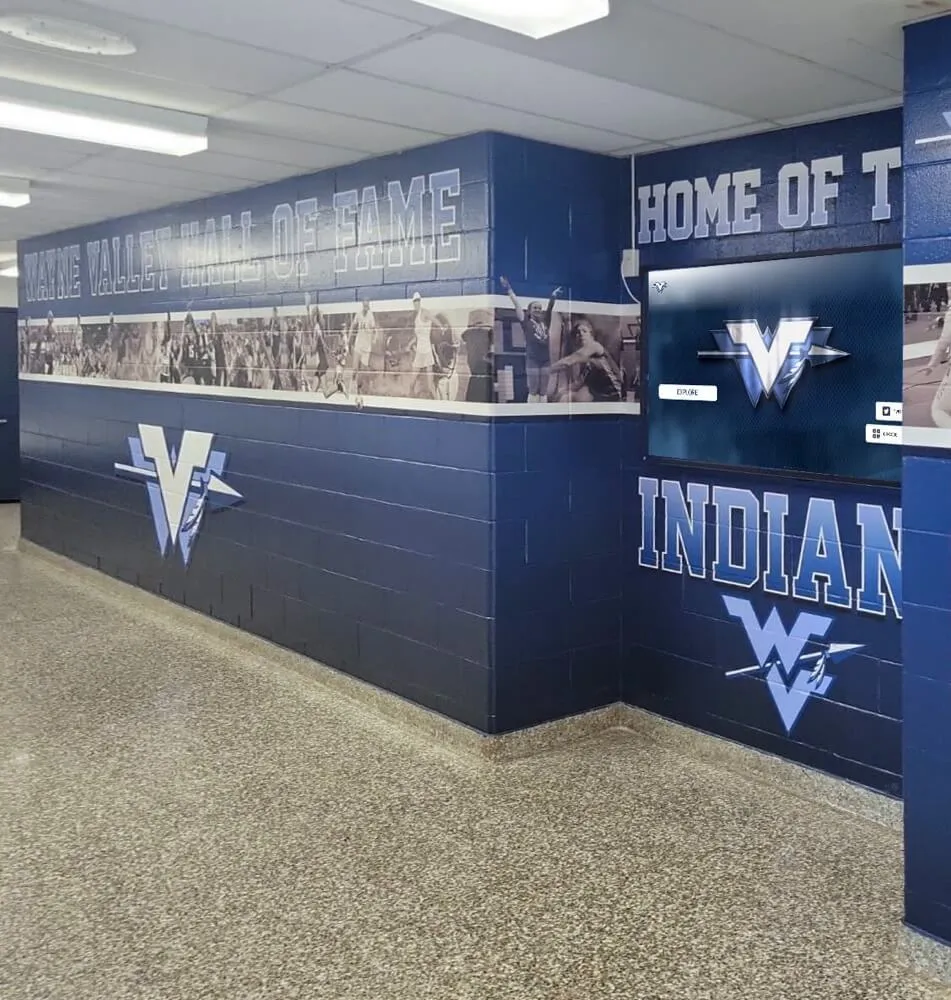
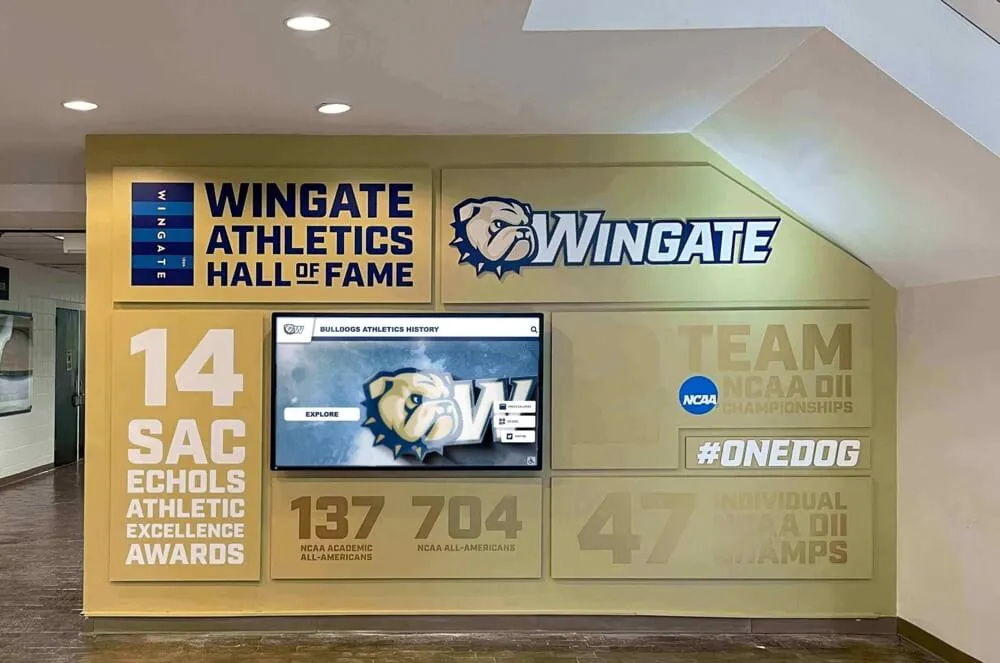
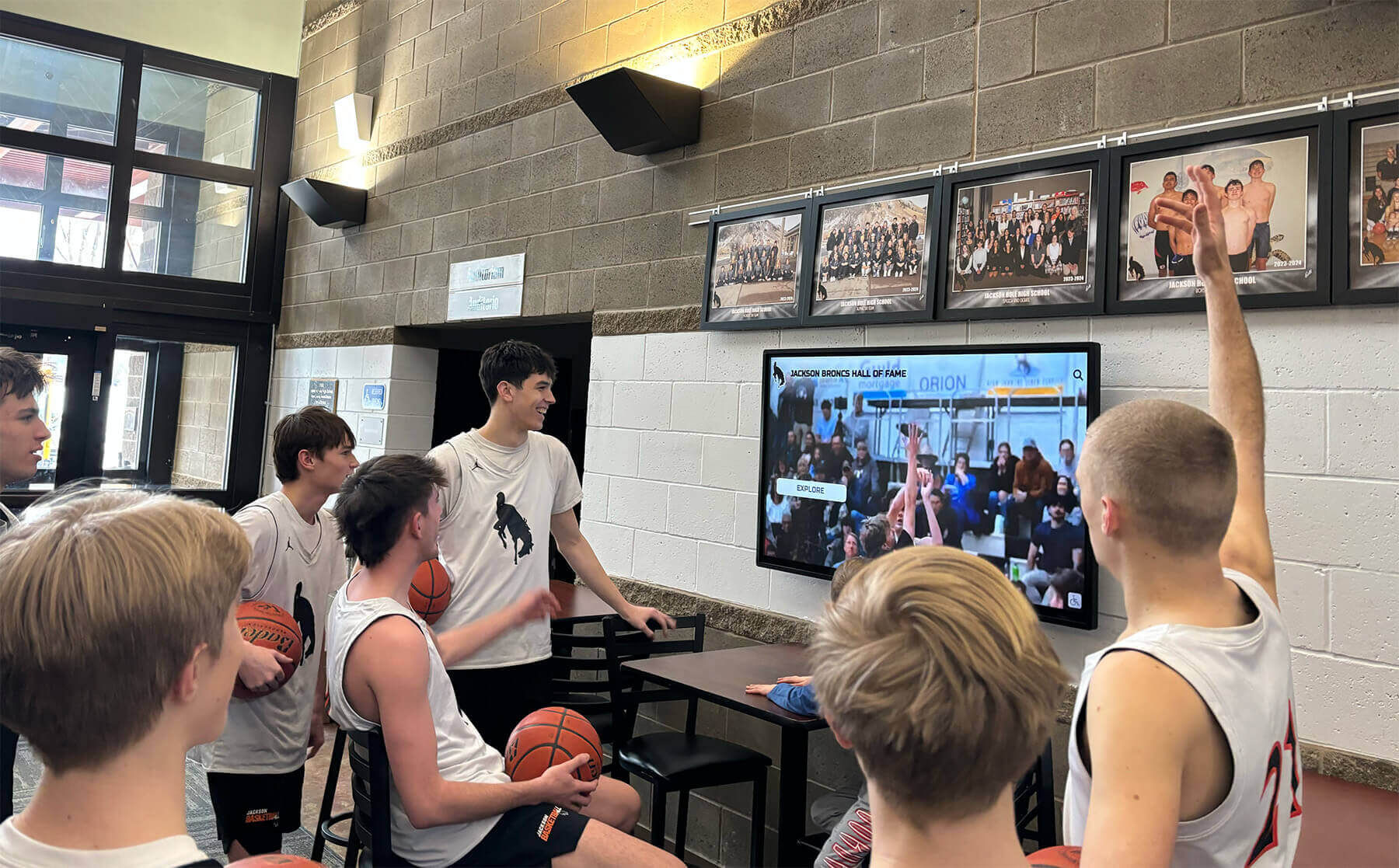
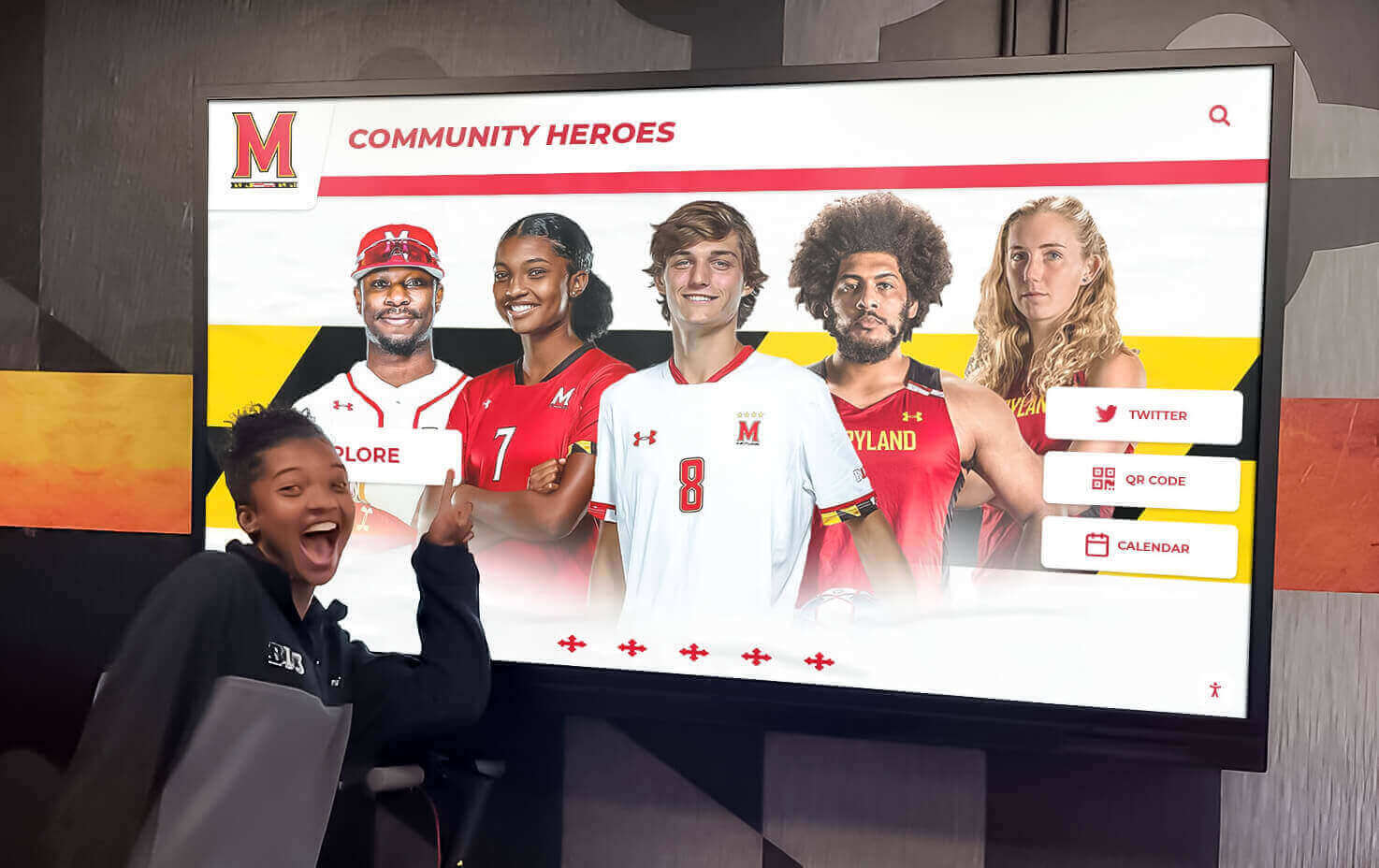
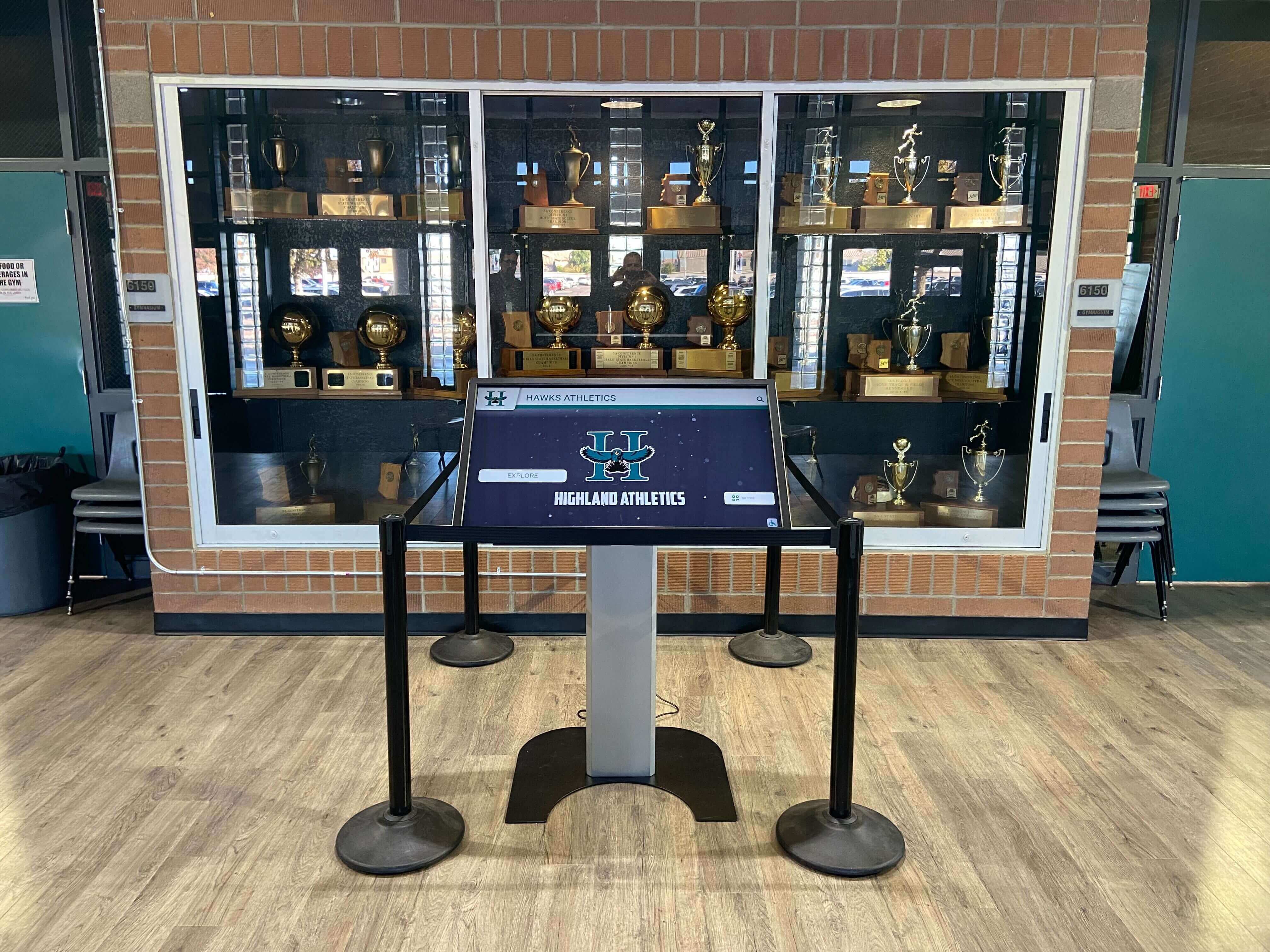
Schools can enhance academic recognition by showcasing achievements on digital recognition displays that provide ongoing visibility beyond assembly events. This approach creates year-round celebration rather than limiting recognition to brief assembly moments.
College Acceptance and Scholarship Recognition:
Senior recognition assemblies celebrate post-graduation plans:
- College acceptance announcements with logos or displays showing acceptances
- Scholarship recipient recognition with award amounts when appropriate
- Military commitment celebration for students entering service
- Career and technical program recognition for students entering workforce
- Early acceptance and early decision celebration acknowledging planning success
- Athletic signing day recognition during National College Signing Day assemblies
These celebrations demonstrate institutional pride in student success while motivating younger students to pursue ambitious post-graduation goals.
Academic Competition and Intellectual Achievement:
Recognizing competitive academic success builds culture valuing intellectual excellence:
- State or national academic competition qualifiers and winners
- Science fair recognition for research excellence
- Writing competition awards and publication acknowledgment
- Math, robotics, or coding competition success
- Foreign language competition honors
- Quiz bowl or academic team championships
- Model UN, mock trial, or civic competition recognition
Celebrating these achievements with equal prominence to athletic championships sends powerful messages about institutional values and what constitutes recognized excellence.
Athletic Achievement Assemblies
Athletic recognition assemblies remain assembly staples but work best when executed with intentionality beyond mere schedule announcements:
Championship and Tournament Success Celebration:
Team accomplishments deserve formal recognition:
- Conference, district, or state championship celebrations
- Tournament advancement and final four appearances
- Record-breaking seasons or historic program achievements
- Multi-sport athlete recognition celebrating versatility
- Sports banquet previews building excitement for season-ending celebrations
- Undefeated season recognition for exceptional competitive runs
- Comeback season celebrations acknowledging program rebuilding
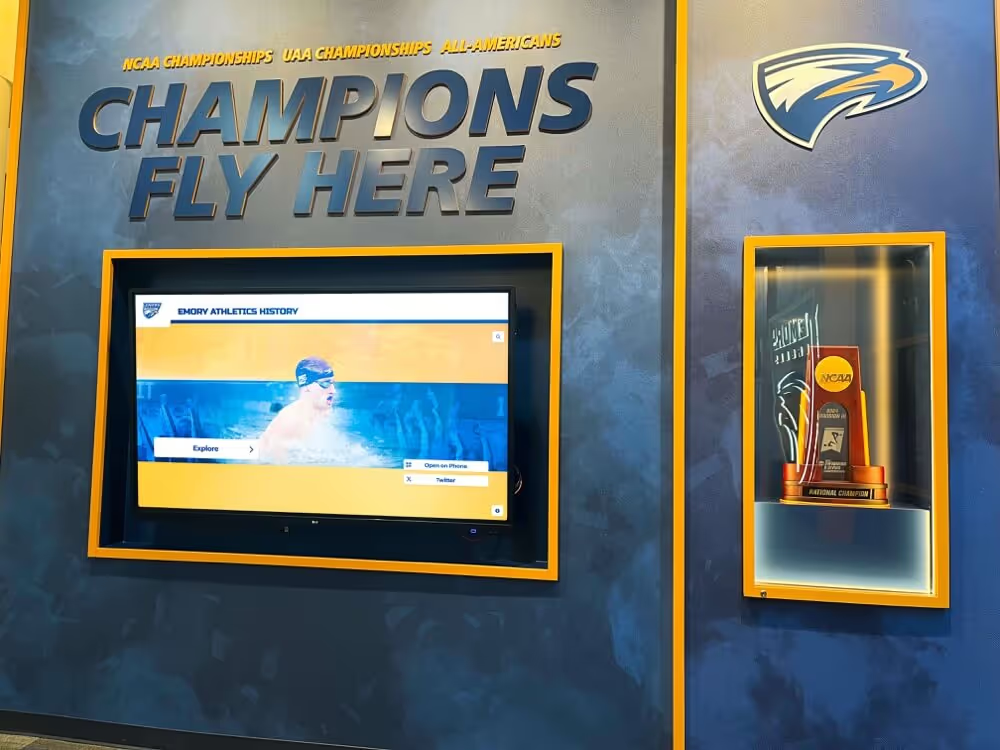
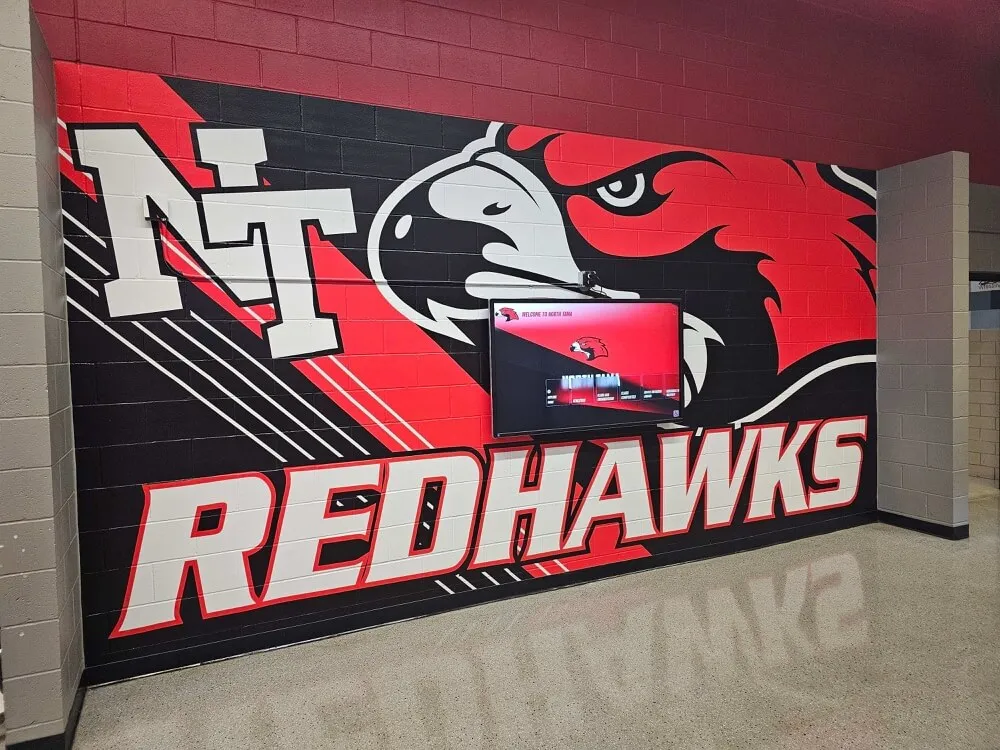
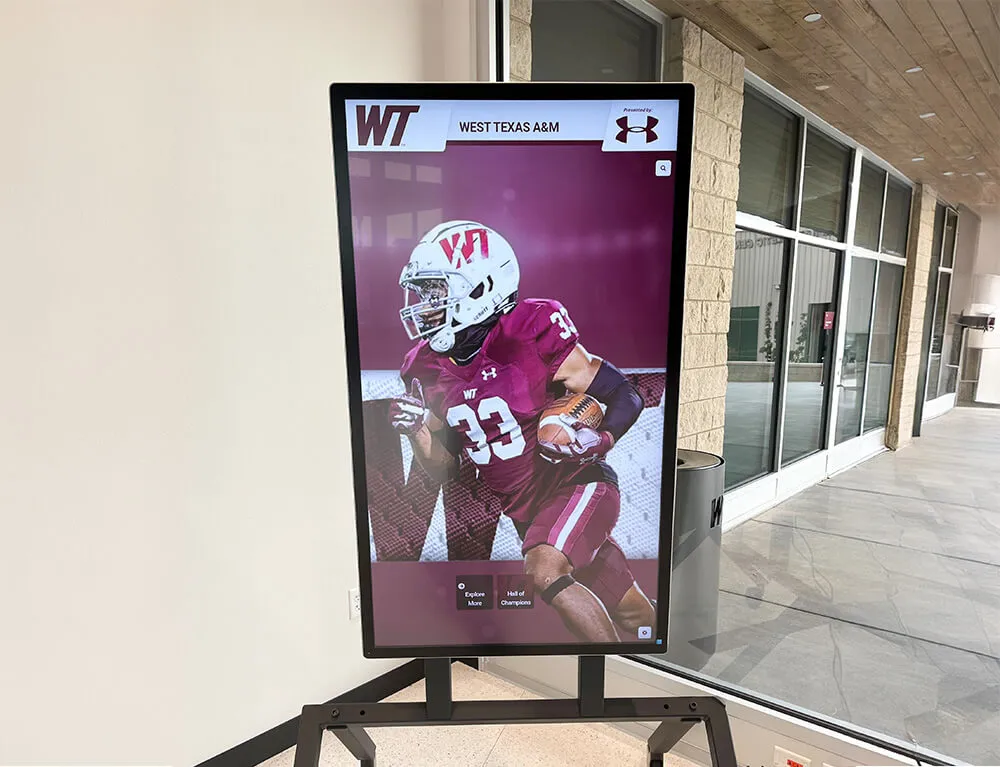
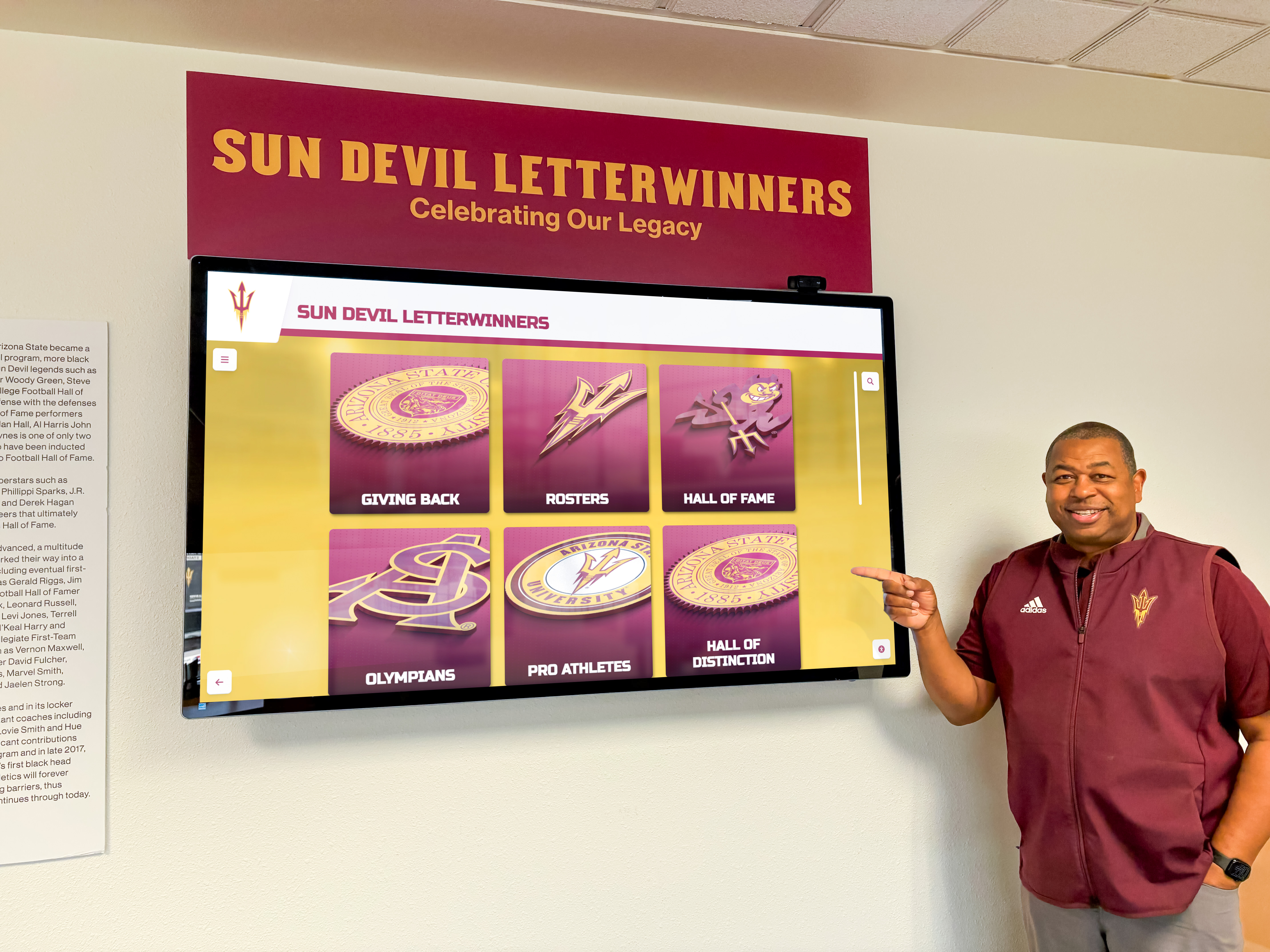
Schools using digital displays can showcase team achievements dynamically during assemblies with video highlights, statistics, and roster information creating more engaging presentations than simple verbal recognition.
Individual Athletic Excellence:
Individual athlete accomplishments merit specific recognition:
- All-state, all-conference, or all-district selection announcements
- Individual state champions in track, swimming, wrestling, or individual sports
- Record-breaking performances for school or program records
- College athletic commitment recognition
- Student-athlete academic achievement combining athletics with educational excellence
- Senior night recognition celebrating departing athletes’ contributions
- Multiple-season or multi-year participation recognition
Individual recognition works best when providing context about achievement significance rather than simply reading names, helping non-athlete students appreciate accomplishment.
Team Spirit and Participation Recognition:
Not all athletic recognition focuses on winning:
- Participation recognition for all team members, not just starters
- Spirit awards for supportive teammates and positive attitudes
- Coaches’ awards highlighting character and contribution beyond statistics
- Improvement awards acknowledging growth throughout seasons
- Athletic training and support staff recognition for program contribution
- Student section or fan group recognition for exceptional support
- Intramural championship recognition including non-varsity participants
Inclusive recognition approaches ensure athletic assemblies celebrate broad participation rather than exclusively highlighting elite performers, making assemblies more engaging for general student populations.
Arts, Performance, and Creative Excellence
Arts recognition assemblies address frequent oversight of creative achievement in school recognition systems:
Performing Arts Recognition:
Theater, music, and dance achievements deserve celebration:
- Theater production cast and crew recognition for recent performances
- Solo and ensemble music competition honors
- All-state band, choir, or orchestra selection recognition
- Dance competition or performance recognition
- Technical theater and stage crew acknowledgment for behind-scenes contribution
- Musical or performing arts achievement in school or community productions
- Audition success for prestigious programs or summer intensives
Many schools successfully integrate arts recognition into broader assemblies rather than hosting separate arts-only events, ensuring whole-school awareness of creative excellence. Learn more about effective approaches to recognition programs that celebrate diverse achievements.
Visual Arts and Creative Competition Success:
Visual arts achievements often receive insufficient recognition:
- Art competition awards and exhibition selections
- Scholastic Art & Writing Awards recognition for regional or national honors
- Photography, film, or digital media competition success
- Portfolio development recognition for advanced placement or college submission
- Public art installation or mural project acknowledgment
- Gallery exhibition opportunities or juried show acceptance
- Yearbook, newspaper, or publication design excellence
Displaying student artwork during assemblies or using student-created graphics in presentation materials reinforces arts program value while showcasing talent.
Creative Writing and Journalism Excellence:
Written creative achievement merits specific recognition:
- Writing competition success at local, state, or national levels
- Publication in literary magazines, journals, or anthologies
- School newspaper or journalism awards and recognition
- Poetry slam or creative reading event acknowledgment
- Scholastic writing awards for essays, short stories, or poetry
- Yearbook editorial leadership and publication excellence
- Blog, podcast, or digital media content creation recognition
Reading brief excerpts from award-winning work during assemblies provides authentic demonstration of excellence while engaging audiences more effectively than simple name reading.
Character, Service, and Citizenship Recognition
Character-focused assemblies reinforce institutional values while recognizing non-traditional achievement categories:
Community Service and Volunteer Recognition:
Service learning and volunteer contributions deserve formal acknowledgment:
- Total service hour milestones for individual students or classes
- Significant community project completion or impact recognition
- Booster club and volunteer organization appreciation
- Partnership acknowledgment with community organizations benefiting from student service
- Ongoing service commitment recognition for sustained engagement
- Service trip participation or leadership acknowledgment
- Teacher appreciation assemblies recognizing educator contributions
Service recognition assemblies work well when highlighting specific project impacts rather than abstract hour totals, helping students understand real community effects of volunteer work.
Character and Citizenship Awards:
Formal character recognition programs celebrate non-academic excellence:
- Monthly or quarterly character award recipients for demonstrating school values
- Anti-bullying or inclusion leadership recognition
- Peer mediation or conflict resolution acknowledgment
- Positive school culture contribution awards
- Citizenship recognition for civic engagement or democratic participation
- Kindness or compassion awards highlighting empathetic behavior
- Leadership development program completion or certification
Character awards maintain credibility when selection involves specific criteria and diverse input sources rather than simple teacher favoritism, ensuring recipients genuinely exemplify celebrated characteristics.
Attendance and Persistence Recognition:
Attendance and perseverance deserve acknowledgment:
- Perfect attendance recognition for semester or year
- Most improved attendance awards acknowledging progress
- Persistence awards for students overcoming significant obstacles
- Credit recovery or academic comeback recognition
- Returning student recognition after extended absence
- Re-engagement program success for students returning to academic track
- Graduation pathway progress for students on non-traditional timelines
These recognition categories acknowledge that showing up represents real achievement for students facing significant barriers, validating efforts often invisible to general school populations.
Educational and Informational Assemblies
Beyond recognition, assemblies deliver important content addressing safety, wellness, academic preparation, or institutional priorities requiring whole-school communication.
Mental Health and Wellness Assemblies
Mental health assemblies address urgent student needs while reducing stigma around seeking help:
Mental Health Awareness and Resources:
Comprehensive mental health assemblies include:
- Mental health basics including common conditions and symptoms
- Stress management and coping strategy instruction
- School counseling and mental health resource information
- Crisis hotline and external support service awareness
- Stigma reduction messaging normalizing mental health challenges
- Peer support program introduction and participation information
- Warning sign recognition enabling students to help struggling peers
Effective mental health assemblies balance information delivery with interactive elements, avoiding lecture-style presentations that lose student attention. Guest speakers including mental health professionals or individuals sharing recovery stories often resonate more than school-staff-only presentations.
Substance Use Prevention and Awareness:
Substance use assemblies address urgent safety concerns:
- Evidence-based information about substance effects and risks
- Decision-making skill development for peer pressure situations
- School policy clarity around substance use consequences
- Treatment and recovery resource information for struggling students
- Community impact messaging beyond individual health risks
- Parent communication resources supporting family conversations
- Student assistance program introduction for confidential support
These assemblies work best when avoiding purely scare-tactic approaches, instead respecting student intelligence while providing honest information enabling informed decision-making.
Social-Emotional Learning and Relationship Skills:
SEL-focused assemblies build interpersonal competencies:
- Emotional regulation and self-awareness skill development
- Conflict resolution and communication skill instruction
- Healthy relationship characteristics and boundary setting
- Empathy and perspective-taking skill building
- Growth mindset and resilience development
- Goal-setting and planning skill instruction
- Social awareness and community responsibility development
Interactive SEL assemblies using role-play, small group discussion, or experiential activities engage students more effectively than passive information delivery alone.
Safety, Awareness, and Civic Responsibility Assemblies
Critical safety and civic topics require dedicated assembly time:
School Safety and Emergency Preparedness:
Safety assemblies ensure students understand emergency protocols:
- Lockdown procedure review with clear behavioral expectations
- Fire drill and evacuation procedure reinforcement
- Severe weather response protocols for tornado or hurricane zones
- Earthquake or region-specific natural disaster preparedness
- Medical emergency response including AED location awareness
- Anonymous reporting system introduction for threats or concerns
- Visitor policy and security measure explanation building understanding
These assemblies balance thorough information with appropriate tone avoiding unnecessary fear while ensuring students take protocols seriously.
Digital Citizenship and Online Safety:
Technology-focused assemblies address contemporary challenges:
- Social media privacy and digital footprint awareness
- Cyberbullying recognition, reporting, and response strategies
- Online safety including predator awareness and safe communication
- Digital reputation management for college and career readiness
- Misinformation and media literacy skill development
- Copyright, plagiarism, and digital ethics understanding
- Responsible AI and technology use as tools advance
Digital citizenship assemblies maintain relevance by addressing current platforms and challenges students actually encounter rather than outdated technology references, often benefiting from student input on real online challenges.
Diversity, Equity, and Inclusion Education:
DEI assemblies build inclusive school culture:
- Diversity celebration highlighting community demographic richness
- Bias and stereotype awareness education
- Microaggression recognition and impact understanding
- Allyship skill development for supporting marginalized peers
- Cultural competency building through education and experience
- Inclusive language and pronoun respect education
- Discrimination reporting procedures and resources
These assemblies work best when student voices prominently feature, including student panels, performances, or presentations ensuring peer-to-peer education rather than exclusively adult-driven messaging.
College and Career Readiness Assemblies
Future-focused assemblies prepare students for post-graduation success:
College Application and Financial Aid Information:
Practical college preparation assemblies include:
- College application timeline and requirement overview
- Financial aid and FAFSA completion guidance
- Scholarship search strategy and application tips
- College essay writing instruction and expectations
- Campus visit planning and admission interview preparation
- Early decision and early action strategy explanation
- Gap year and alternative pathway information
These assemblies serve juniors and seniors most directly but benefit sophomores as preview for upcoming processes, ideally scheduled early in academic year providing maximum planning time.
Career Exploration and Pathway Information:
Career-focused assemblies broaden student awareness:
- Career pathway overview for key industries or sectors
- Technical and vocational program information for non-four-year options
- Military service information including ROTC and academy options
- Apprenticeship and earn-while-learning opportunity awareness
- Entrepreneurship and small business pathway information
- Industry certification and credential program overview
- Labor market information about growing fields and compensation ranges
Career assemblies engage students most when incorporating alumni, community professionals, or individuals working in fields students express interest in exploring.
Test Preparation and Academic Planning:
Academic preparation assemblies support student success:
- SAT/ACT test overview including format, timing, and strategy
- AP or dual enrollment course information and registration
- Study skill and time management instruction
- Academic planning for graduation requirement completion
- Summer academic opportunity awareness including programs and enrichment
- Course selection guidance for upcoming year planning
- Academic support resource awareness for tutoring and assistance
These assemblies work best when timed to natural academic calendar moments like course selection periods or registration windows.
Inspirational and Motivational Assemblies
Assemblies that inspire and motivate students address emotional and aspirational dimensions beyond information delivery or recognition.
Guest Speaker Assemblies
Carefully selected guest speakers provide external perspectives inspiring students in ways familiar school staff cannot:
Alumni Success Stories:
Returning alumni speakers create powerful connections:
- Recent graduates sharing college transition experiences
- Career professionals demonstrating post-graduation pathways
- Entrepreneurs or business leaders sharing journey stories
- Creative professionals in arts, entertainment, or media
- Public service professionals including teachers, healthcare workers, or first responders
- Alumni advice about overcoming challenges and finding direction
- Multi-generational panels showing career evolution
Alumni speakers work particularly well because shared school experience creates immediate credibility and connection with current students understanding speakers once sat in same seats.
Motivational Speakers and Performers:
Professional speakers bring specialized expertise:
- Overcoming adversity stories from individuals facing significant challenges
- Peak performance and mental toughness instruction from athletes or coaches
- Creativity and innovation speakers from artists or inventors
- Leadership development speakers with specific skill instruction
- Anti-bullying advocates with personal experience and prevention strategies
- Environmental or social issue advocates inspiring civic engagement
- Cultural performers sharing heritage through music, dance, or storytelling
The most effective motivational speakers balance inspiration with practical takeaways, providing specific strategies students can implement rather than exclusively emotional appeals.
Community Leader and Professional Panels:
Local professionals provide accessible inspiration:
- Career panels with diverse professionals answering student questions
- Community leader discussions about civic engagement and local issues
- Industry-specific panels for in-demand career fields
- Question-and-answer formats enabling student-driven conversation
- Small group breakout sessions by career interest area
- Speed-networking formats rotating students through brief professional interactions
- Virtual panels when in-person attendance proves logistically challenging
Panel formats work well by showcasing diverse pathways and perspectives rather than single-narrative presentations, helping students see multiple options for success.
Student-Led and Performance Assemblies
Student-driven assemblies often engage peers more effectively than adult-led alternatives:
Student Talent Showcases:
Performance assemblies highlight student creativity:
- Variety show formats with musical, dance, and comedy performances
- Battle of the bands or musical group competitions
- Poetry slam or spoken word performance events
- Comedy and improv performance showcases
- Dance team or step team performances
- Cultural celebration performances sharing diverse heritages
- Student film festival screenings with filmmaker discussions
Talent showcases work best when open auditions or democratic selection processes prevent perception of administrator favoritism determining performers.
Student Leadership and Advocacy Presentations:
Student voice assemblies empower student-led messaging:
- Student council presentations about initiatives or school improvements
- Awareness campaign launches for important causes
- Student-led diversity and inclusion education
- Environmental club presentations about sustainability initiatives
- Student-organized fundraiser launches for community causes
- Peer leadership program presentations and recruitment
- Student survey results sharing student perspective on school experience
These assemblies demonstrate authentic student agency while building leadership skills for presenting students, creating more credible peer-to-peer messaging than adult-delivered content on same topics.
Competition and Interactive Game Assemblies:
Game-show-style assemblies create high energy engagement:
- Teacher versus student competitions in academic or physical challenges
- Class competition formats building grade-level spirit and rivalry
- Trivia competitions testing school history or general knowledge
- Physical challenge competitions showcasing skills or athleticism
- Creative problem-solving competitions with teams collaborating
- Audience participation elements keeping whole assembly engaged
- Prize incentives motivating participation and attention
These assemblies work best when carefully planned with clear rules, appropriate challenge levels, and inclusive formats enabling broad participation rather than exclusively featuring elite performers or strongest students.
Seasonal and Milestone Assemblies
Certain assemblies connect to calendar moments or institutional milestones creating natural gathering reasons:
Opening and Closing Year Assemblies
Bookend assemblies mark important transitions:
Welcome Back and Opening Year Assemblies:
Year-opening assemblies set tone and expectations:
- Administrative welcome and introduction of new staff
- School year theme or focus introduction
- Expectation review for behavior, academics, and community standards
- Schedule or policy change announcements requiring explanation
- Spirit-building activities welcoming students back
- Goal-setting activities for academic year
- Team-building exercises creating positive year start
Opening assemblies balance practical information delivery with enthusiasm building, avoiding overwhelming students with excessive rules or information while ensuring critical policies receive attention.
End-of-Year Celebration and Closing Assemblies:
Year-ending assemblies celebrate accomplishments:
- Year-in-review highlights showcasing memorable moments
- Final recognition for awards, honors, and achievements
- Senior class special recognition and farewell
- Summer program opportunity reminders
- Return date and next-year preview information
- Gratitude expression for community contributions
- Tradition-based closing rituals marking year end
Closing assemblies work well when incorporating multimedia year-in-review presentations showing photos or videos from throughout year, creating nostalgic celebration of shared experiences.
Homecoming and School Spirit Assemblies
Tradition-based assemblies build school culture and community pride:
Homecoming Pep Rallies and Spirit Assemblies:
High-energy spirit assemblies create enthusiasm:
- Athletic team introductions building excitement for upcoming games
- Cheerleader, dance team, and spirit squad performances
- Class competition elements building grade-level rivalry
- Pep band or school band performances
- Mascot appearances and crowd engagement
- Homecoming court introduction and recognition
- School chant or song performances uniting community
Spirit assemblies succeed through careful pacing balancing performances with audience engagement, avoiding excessive length that diminishes rather than builds energy.
Prom and Special Event Assemblies:
Event-specific assemblies build anticipation:
- Prom theme announcement and ticket information
- School dance or social event promotion
- Fundraiser launch assemblies for major school initiatives
- Special guest or event announcement creating surprise or excitement
- Tradition introduction for new school rituals or activities
- Anniversary or milestone celebration for significant school history moments
- Community event promotion connecting school to broader community
These assemblies work best when brief and focused, providing necessary information while maintaining energy and excitement rather than becoming lengthy business meetings.
Best Practices for Assembly Planning and Execution
Successful assemblies require thoughtful planning addressing logistics, content quality, and audience engagement:
Planning and Preparation
Advance preparation determines assembly quality:
Assembly Calendar Development:
Strategic scheduling prevents overuse while ensuring purpose:
- Annual assembly calendar created before school year begins
- Balance among recognition, informational, and inspirational assemblies
- Coordination with academic calendar avoiding testing periods or major deadlines
- Frequency appropriate for school size and student population
- Grade-level assemblies enabling age-appropriate content and smaller audiences
- Flexibility for timely topics requiring responsive assembly scheduling
- Clear purpose articulation for each scheduled assembly
Calendar planning also enables advance communication with staff about instructional time loss, reducing resistance by demonstrating intentional, purposeful assembly use.
Student and Staff Involvement:
Broad input improves assembly relevance:
- Student advisory committees providing input on assembly topics and formats
- Staff feedback on timing, logistics, and content appropriateness
- Student performers or speakers recruited through transparent processes
- Teacher involvement in assembly content when appropriate to curriculum
- Student survey feedback about previous assembly effectiveness
- Staff debriefs identifying improvement opportunities
- Administrative support ensuring resources and logistics enable quality execution
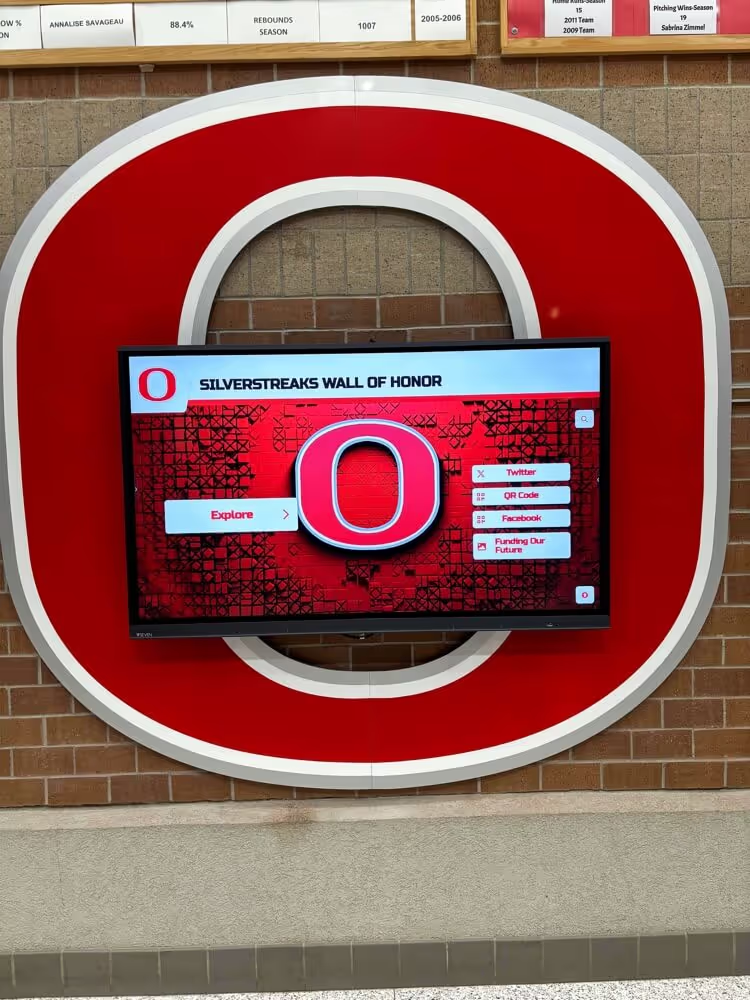
Involvement builds buy-in while providing valuable perspectives on what will engage audiences and serve institutional goals effectively. Solutions like Rocket Alumni Solutions can support assembly recognition programs with digital displays showcasing achievements year-round, extending assembly impact beyond single events.
Assembly Execution and Presentation
Strong execution brings planning to life:
Engaging Presentation Techniques:
Dynamic delivery maintains student attention:
- Multimedia presentations incorporating video, music, and graphics
- Varied pacing alternating information delivery with performances or activities
- Appropriate humor connecting with student audiences
- Interactive elements including audience participation or response
- Professional audio-visual setup ensuring clear sight lines and sound
- Student emcees or hosts creating peer-to-peer connection
- Surprise elements maintaining interest and attention
Assemblies respecting student intelligence and time constraints while delivering value create positive associations rather than viewing assemblies as wasted instructional time.
Behavior Management and Logistics:
Clear expectations enable smooth execution:
- Entry and exit procedures preventing chaos during transitions
- Assigned seating or clear seating expectations by grade or class
- Behavior expectations communicated in advance to students and staff
- Staff supervision ensuring respectful audience behavior
- Consequence systems for serious disruption without constant interruption
- Appropriate assembly length for age groups (30-45 minutes maximum for high school)
- Backup plans for technical difficulties or scheduling disruptions
Well-managed assemblies demonstrate organizational competence while ensuring positive experiences for students genuinely engaged with content.
Leveraging Technology to Enhance Assembly Impact
Modern technology extends assembly impact while creating more engaging experiences:
Digital Recognition Integration
Technology enables more comprehensive recognition:
Assembly-Connected Recognition Displays:
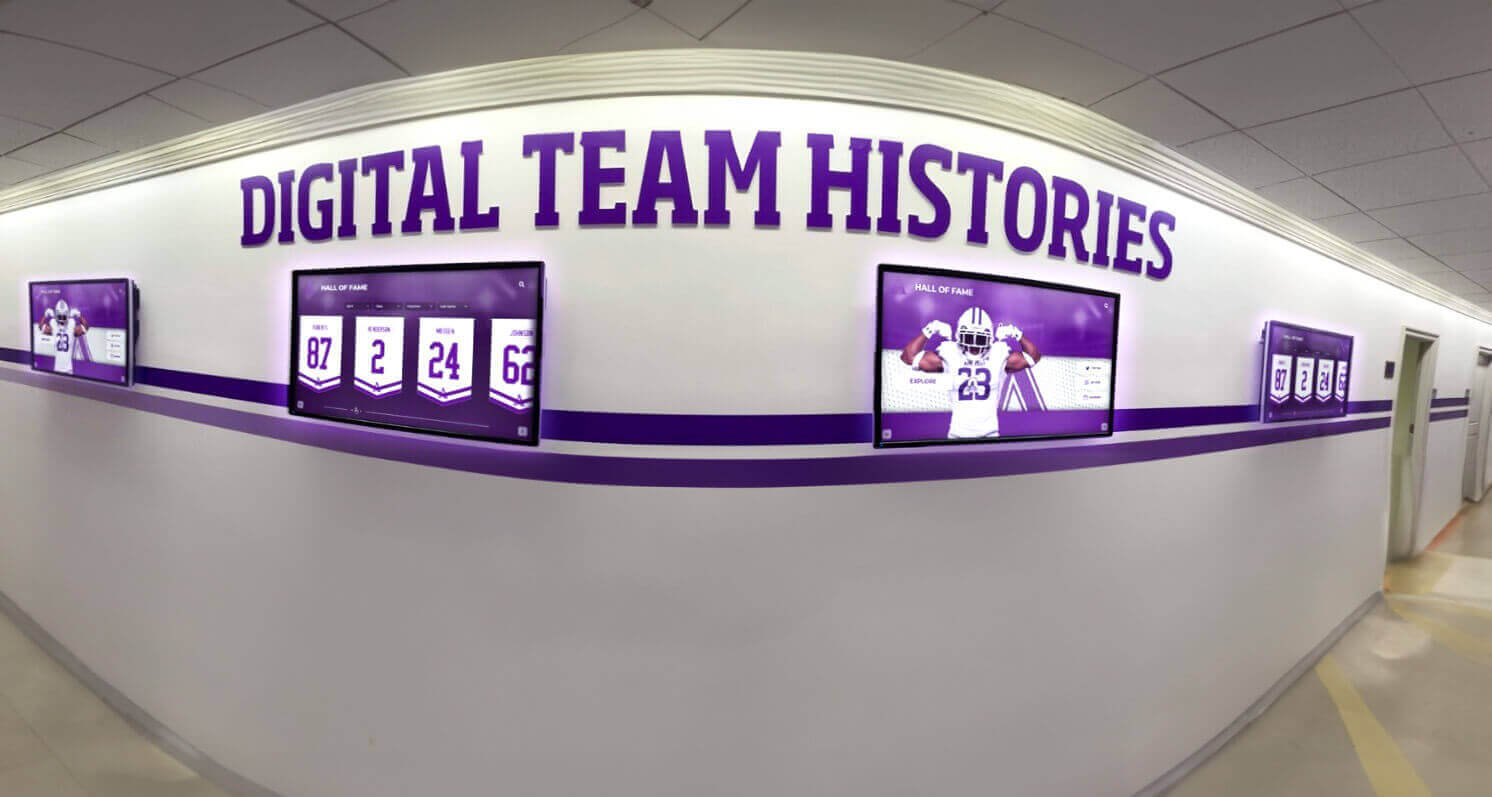
Digital displays extend assembly recognition:
- Pre-assembly displays showing achievements to be recognized during event
- Live assembly content displayed on screens throughout venue
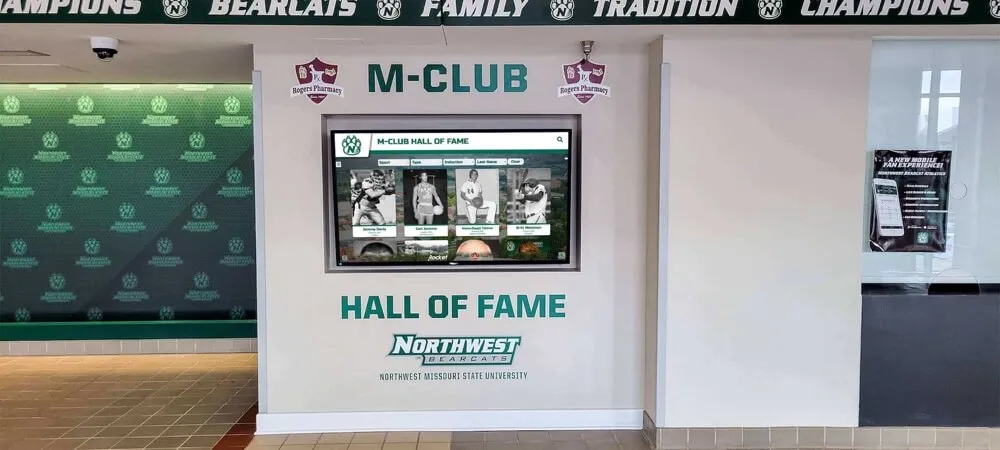
- Post-assembly recognition displays showcasing honorees for ongoing visibility
- QR codes enabling audience members to view detailed achievement information
- Social media integration allowing real-time sharing and engagement
- Photo galleries capturing assembly moments for later viewing
- Archive systems preserving historical assembly content and recognition
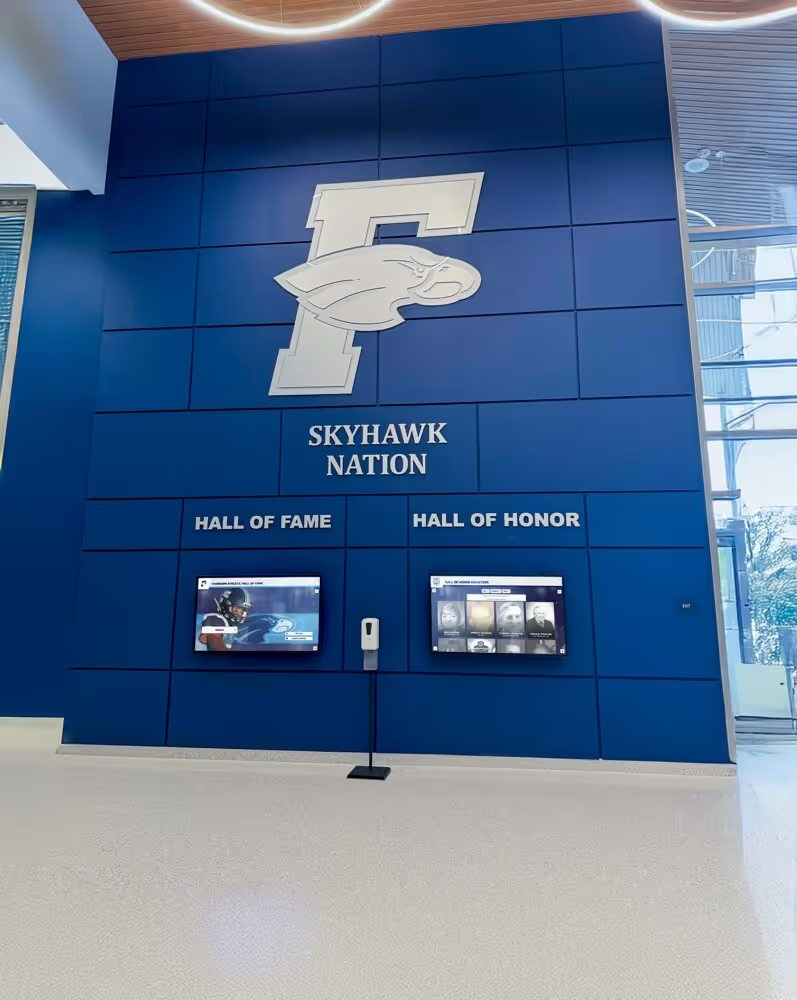
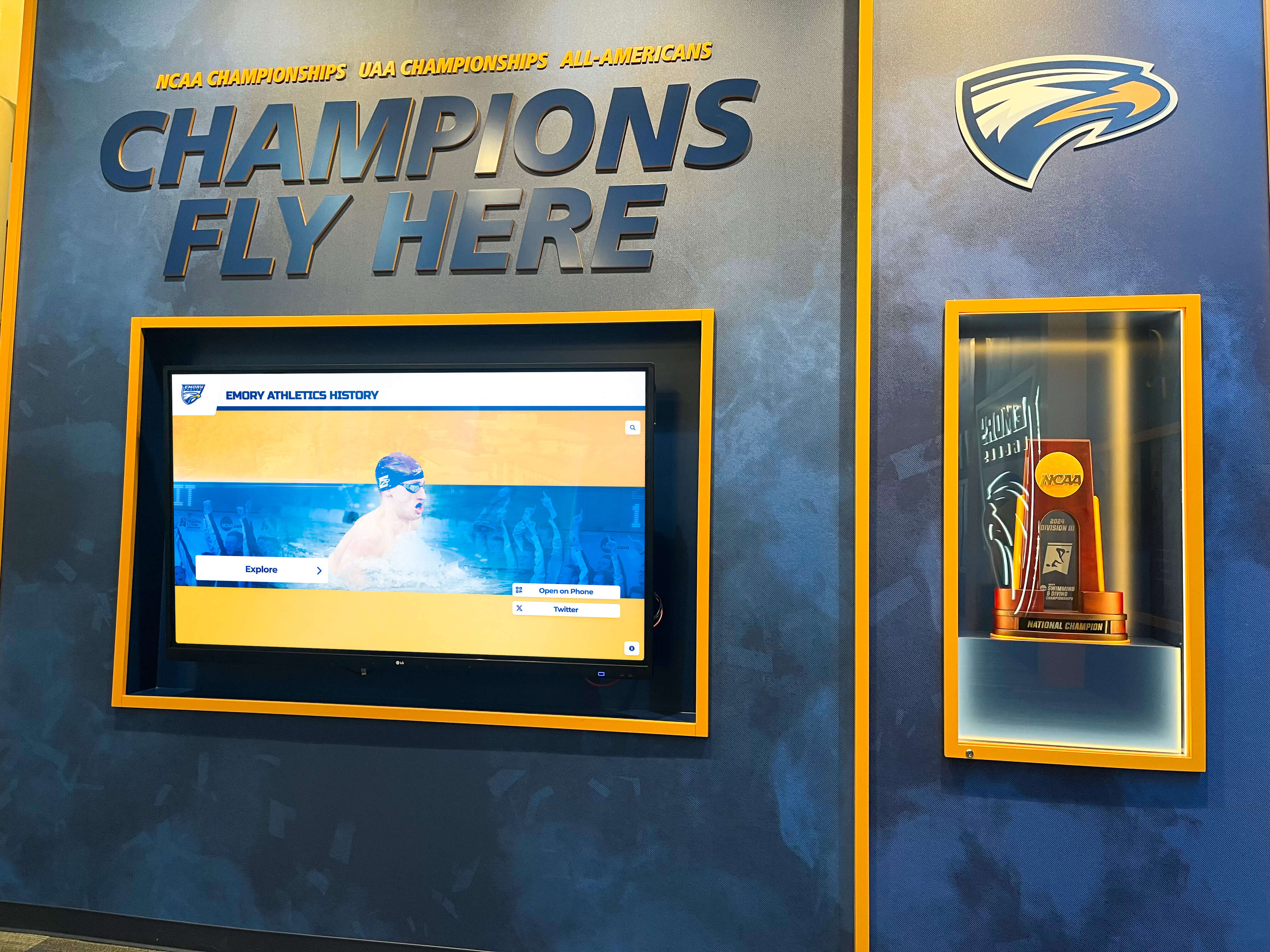
Digital recognition solutions allow schools to celebrate more students than time permits during assemblies themselves, providing thorough recognition without extending assembly length inappropriately.
Interactive Display Integration:
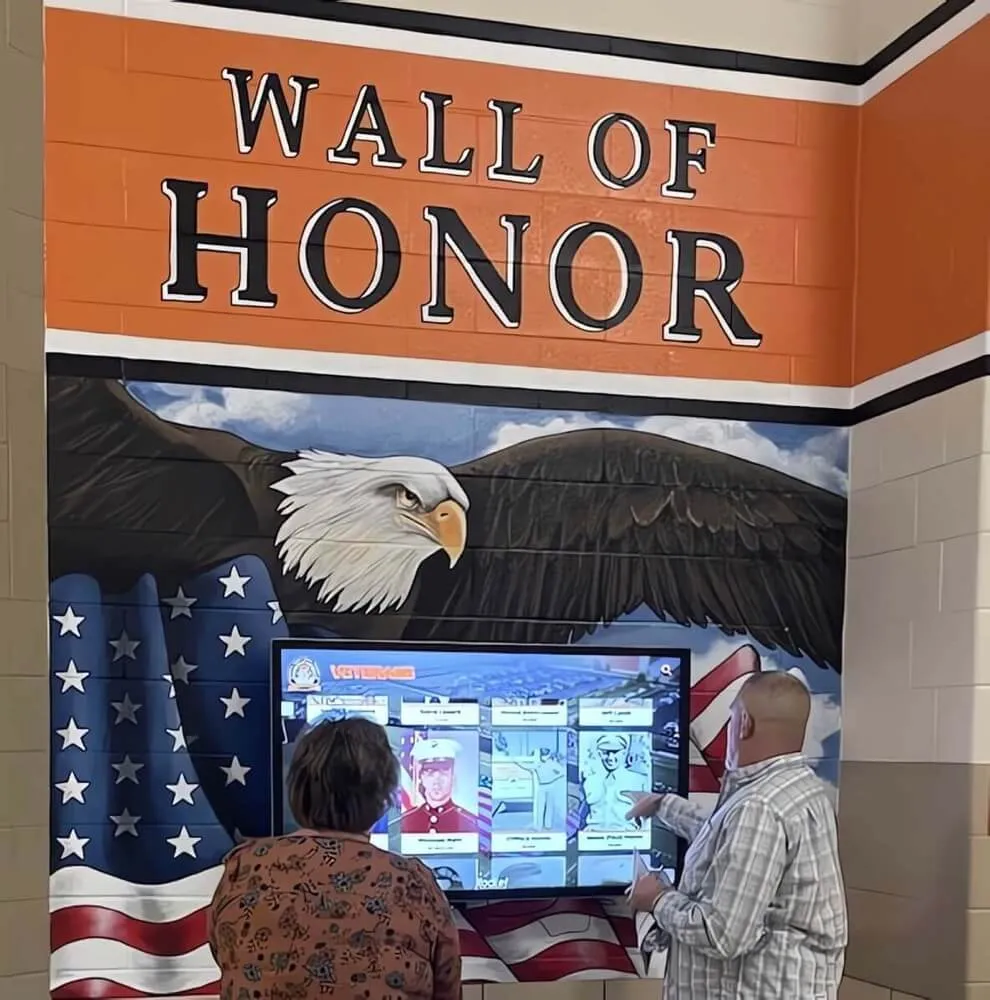
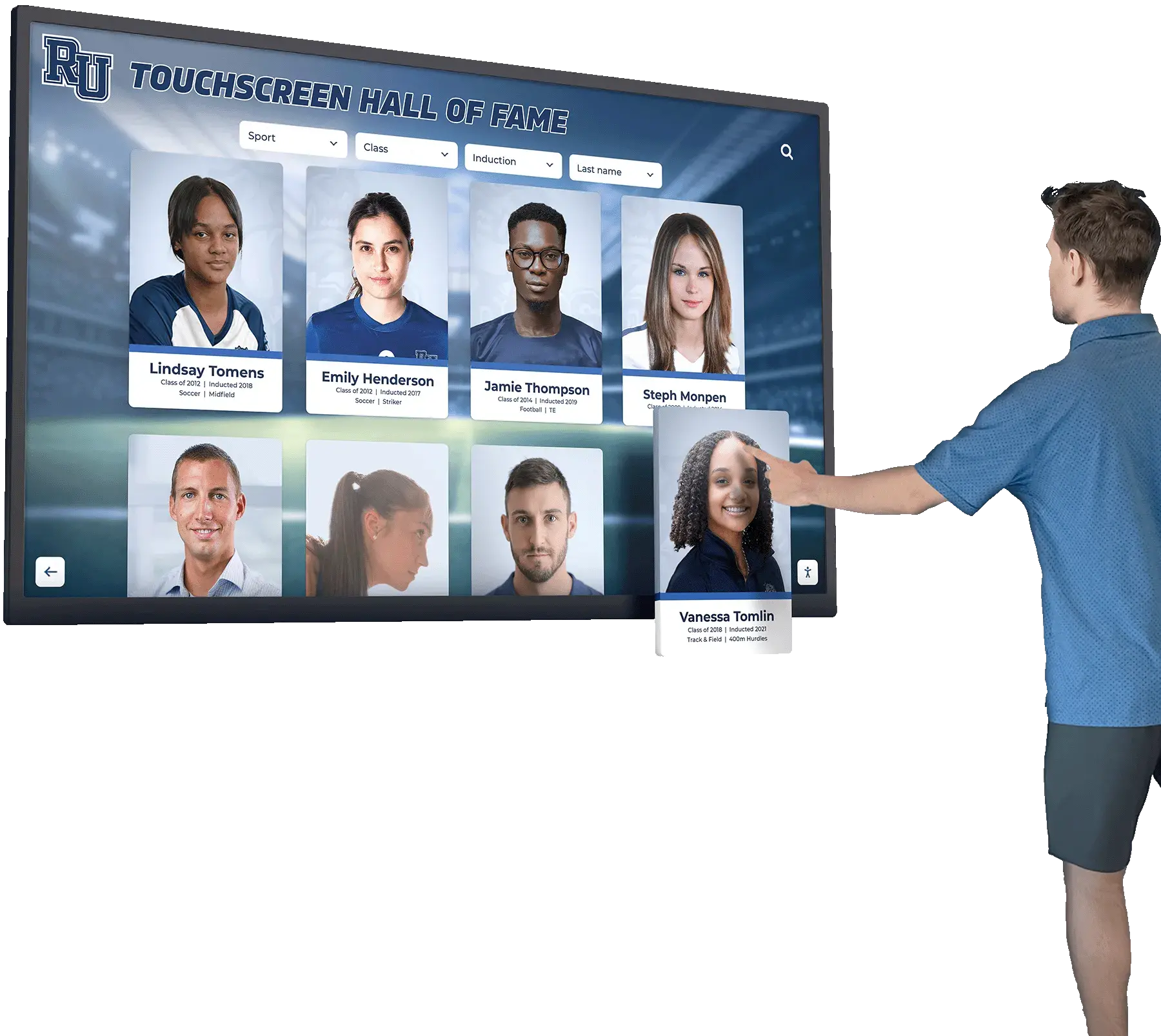
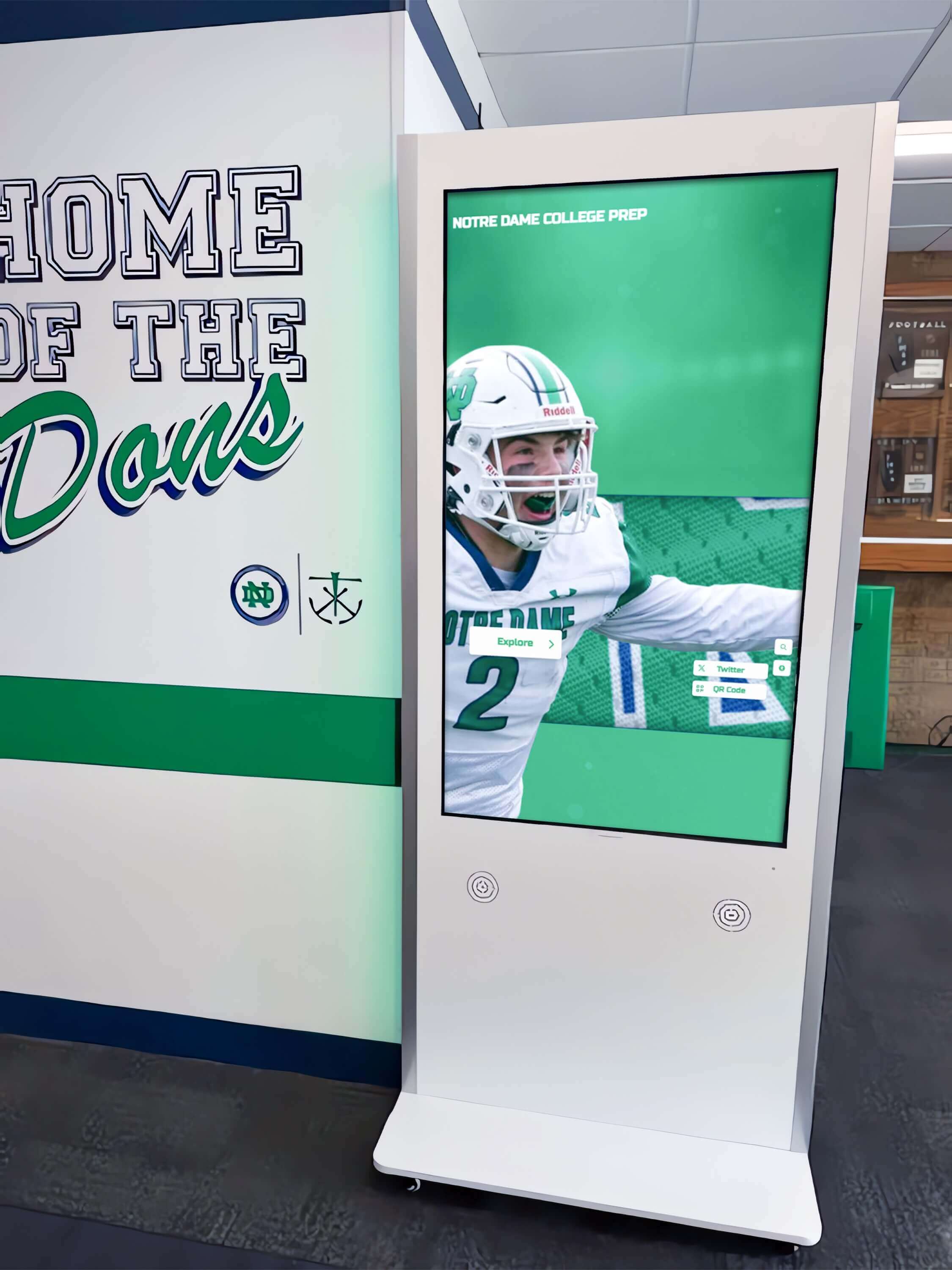
Touchscreen technology creates engagement opportunities:
- Pre-assembly interactive displays engaging arriving students
- Student achievement databases students can explore independently
- Trophy display integration showcasing championship history
- Voting or polling integration for assembly competitions or selections
- Information kiosks providing details about assembly topics or resources
- Student of the Month displays highlighting ongoing recognition programs
- Digital signage coordinating with assembly messaging
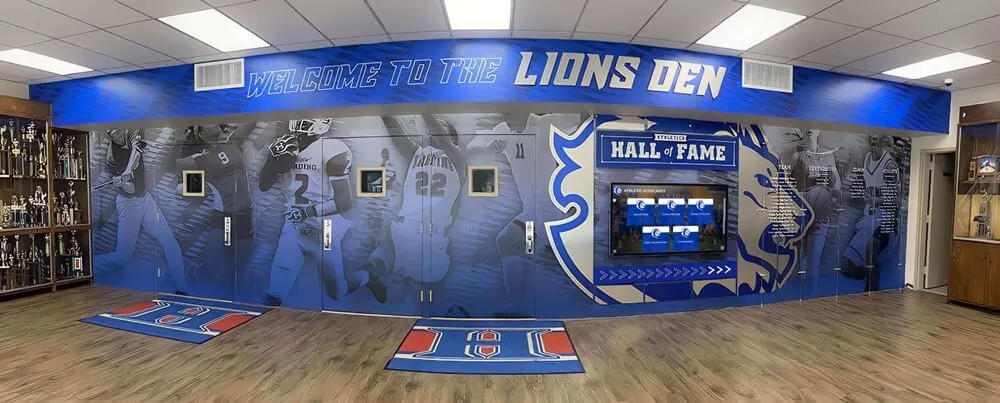
Interactive displays transform passive assembly attendance into active engagement opportunities before, during, and after formal assembly programs.
Conclusion: Creating Assembly Programs That Matter
School assemblies represent significant investment of instructional time and institutional resources, requiring strategic planning ensuring meaningful impact rather than routine obligation. The most effective assembly programs serve clear purposes including recognition that builds culture and motivation, information delivery that shapes behavior and understanding, and inspiration that broadens perspective and possibility.
Successful assemblies share common characteristics: relevant content addressing genuine student interests and needs, engaging presentation formats respecting student intelligence and time, inclusive approaches celebrating diverse achievement and participation, appropriate frequency balancing impact with instructional time protection, and strategic planning connecting individual assemblies to broader institutional goals and culture-building efforts.
Schools evaluating assembly programs should assess whether current assemblies genuinely engage students or represent perfunctory exercises completing traditional obligations, examine balance among recognition, informational, and inspirational assemblies ensuring program diversity, solicit honest student and staff feedback about assembly effectiveness and impact, evaluate whether assembly content aligns with stated institutional values and priorities, consider whether technology could enhance recognition capacity or engagement, and ensure assemblies honor student time through professional planning and execution.
By approaching assemblies strategically as culture-building opportunities rather than routine obligations, schools create programs that students genuinely value while advancing institutional goals around achievement, community, and shared values. Recognition technology like digital displays from Rocket Alumni Solutions can amplify assembly impact by extending recognition beyond brief assembly moments, creating year-round celebration of student achievement that supports the culture-building work assemblies begin.
Ready to Enhance Your School Assembly Recognition Programs?
Discover how comprehensive digital recognition solutions can extend assembly impact by showcasing student achievements year-round. Explore Rocket Alumni Solutions to learn how schools nationwide use interactive touchscreen displays to celebrate diverse student accomplishments in engaging ways that build lasting school pride and culture. From academic recognition to athletic achievements and arts excellence, the right recognition technology ensures every student’s success receives the visibility and celebration it deserves.