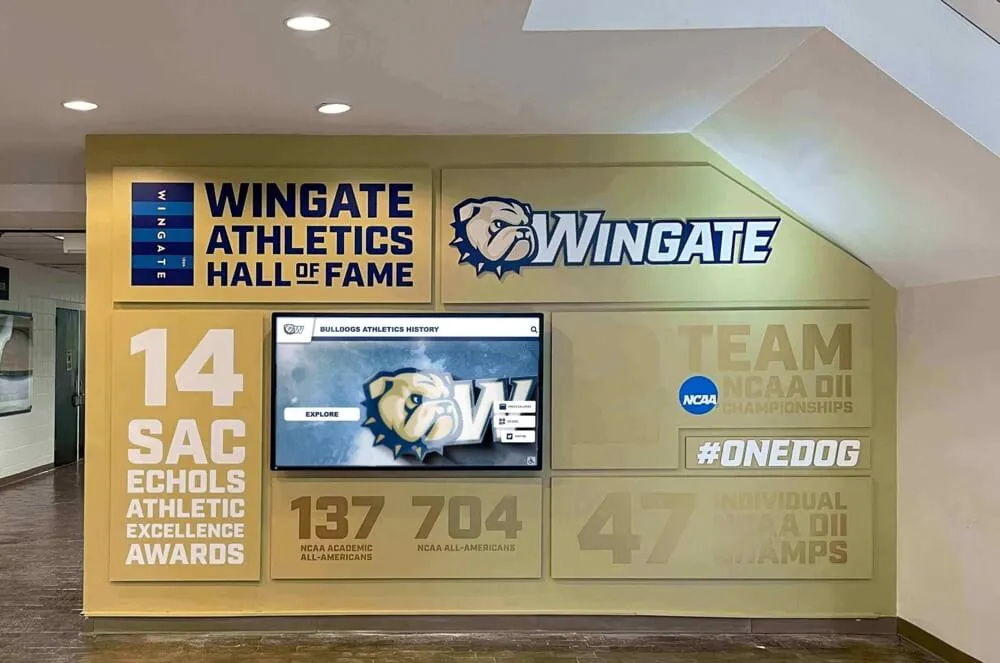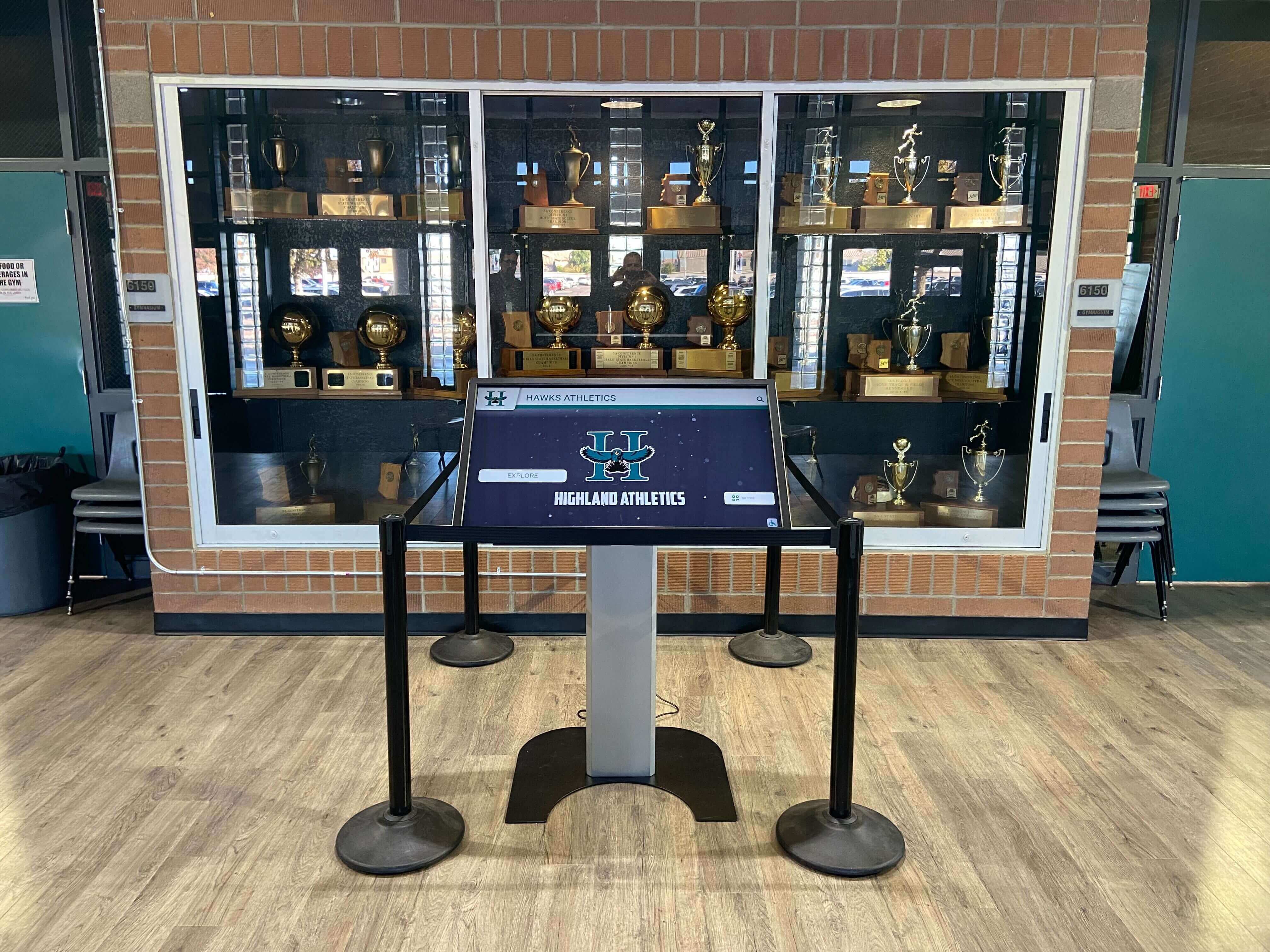




Key Takeaways
Comprehensive guide to scholar athlete awards and recognition programs. Learn how to honor students excelling in both academics and athletics through modern digital displays, ceremonies, and lasting recognition systems.
Understanding Scholar Athlete Recognition
Before implementing or improving scholar athlete programs, schools must understand what these awards represent, why they matter, and how they fit within broader recognition systems celebrating student achievement.
Defining Scholar Athlete Achievement
Scholar athlete awards recognize students who achieve excellence in both academics and athletics simultaneously—a demanding combination requiring commitment far beyond either pursuit alone. Unlike academic honor rolls that focus solely on grades or athletic awards recognizing only sports performance, scholar athlete programs validate students managing both successfully.
Essential Components of Scholar Athlete Definition:
Most scholar athlete programs require three fundamental elements:
Academic Achievement: Minimum GPA thresholds typically ranging from 3.0 to 3.5 on a 4.0 scale. Some programs establish multiple recognition tiers—perhaps 3.0-3.49 for Scholar Athlete honors and 3.5+ for Distinguished Scholar Athlete recognition. The academic component ensures students maintain genuine scholarly achievement rather than merely passing courses while focusing primarily on athletics.

Active Athletic Participation: Membership on one or more varsity athletic teams during the recognition period. Most programs require athletes to complete full seasons in good standing rather than simply appearing on rosters. This athletic requirement distinguishes scholar athletes from general honor roll students by acknowledging the significant time commitment competitive sports demand.
Sustained Achievement: Recognition based on semester or year-long performance rather than single marking periods. This duration requirement ensures students demonstrate consistent excellence rather than brief achievement bursts. Sustained dual success reveals genuine capability managing competing demands over extended periods.
Why Scholar Athlete Recognition Matters
Recognition programs celebrating dual academic and athletic achievement serve multiple important purposes beyond simply acknowledging individual students:
Validates Challenging Commitments: Students balancing demanding athletic schedules with rigorous academics face challenges their peers focusing solely on one area never encounter. Early morning practices, afternoon competitions, weekend tournaments, travel schedules, and physical exhaustion from training create obstacles to academic achievement that non-athletes don’t face. Scholar athlete recognition validates these students’ extra effort and success despite added difficulties.
Promotes Well-Rounded Development: Schools increasingly recognize that narrow specialization in either academics or athletics often produces less successful adults than balanced development across multiple domains. Scholar athlete recognition communicates institutional values about developing well-rounded individuals who can excel across different contexts rather than just within single areas of strength.
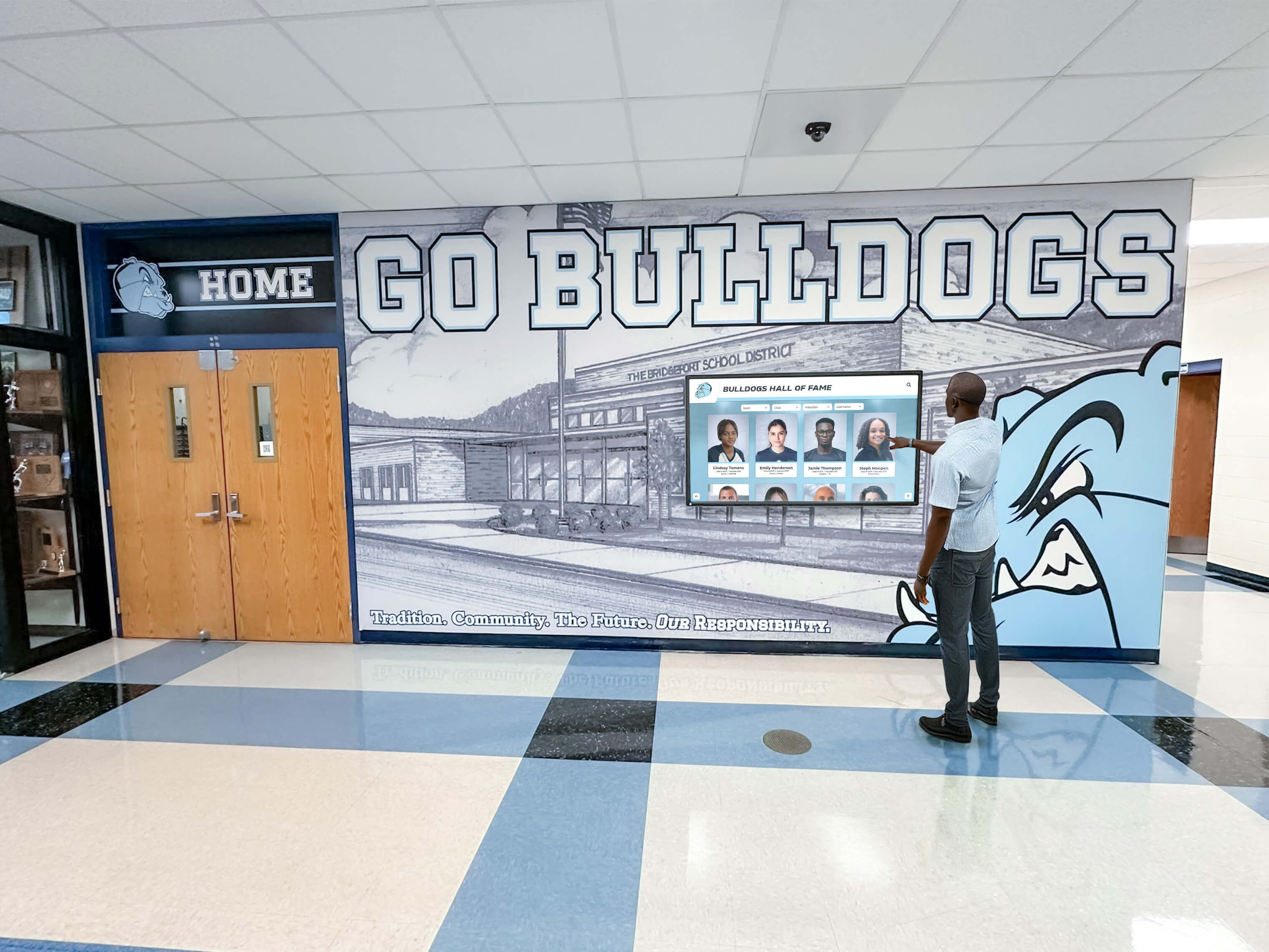
Supports College Applications and Recruitment: College admissions increasingly emphasize applicants who demonstrate sustained excellence across multiple demanding areas. Scholar athlete awards provide tangible evidence of time management, dedication, academic capability despite competing commitments, and the character to maintain high standards when convenient options exist to focus narrowly. For student athletes pursuing college athletics, scholar athlete recognition signals academic readiness alongside athletic talent.
Creates Positive Peer Influence: Visible scholar athlete recognition influences school culture by establishing expectations that athletic participation shouldn’t compromise academic achievement. When top athletes consistently appear on scholar athlete lists, peers understand that excellence in one domain doesn’t excuse mediocrity in others. This cultural influence extends beyond recognized individuals to shape broader student attitudes about balancing commitments.
Prepares Students for Future Demands: Adult life consistently requires managing competing priorities—career demands alongside family responsibilities, professional development while maintaining personal health, financial goals balanced with quality of life considerations. Students who successfully navigate athletic and academic demands simultaneously develop critical life skills transferring far beyond high school sports and classroom work.
Designing Effective Scholar Athlete Programs
Creating meaningful scholar athlete recognition requires thoughtful program design addressing numerous decisions about criteria, frequency, communication, and celebration approaches.
Establishing Appropriate Academic Criteria
The academic standards qualifying students for scholar athlete recognition fundamentally shape who receives acknowledgment and whether programs motivate achievement or create discouragement.
GPA Threshold Decisions:
Most scholar athlete programs use GPA minimums as primary academic criteria, but determining appropriate thresholds requires balancing several factors:
Common GPA Thresholds:
- 3.0 GPA (B Average): Accessible standard enabling significant participation while still requiring solid academic performance. This threshold recognizes that students devoting 15-20 hours weekly to athletics maintain respectable grades despite limited study time.
- 3.25-3.5 GPA: More selective standard identifying students achieving strong academic performance alongside athletic commitments. This range often works well for "Distinguished Scholar Athlete" tiers above baseline recognition.
- 3.5-3.75+ GPA: Highly selective threshold celebrating exceptional academic achievement despite athletic demands. These standards identify truly elite dual achievers whose academic excellence rivals non-athletes with far more available study time.
Weighted vs. Unweighted GPA Considerations:
Schools using weighted GPAs that award extra points for honors, AP, or advanced courses face additional decisions. Should scholar athlete criteria use weighted or unweighted calculations?
Weighted GPA Arguments: Weighted systems reward students challenging themselves with rigorous coursework rather than selecting easier classes to maintain high grades while playing sports. Student athletes in advanced courses demonstrate superior academic commitment compared to peers choosing simple schedules to preserve time and energy for athletics.
Unweighted GPA Arguments: Unweighted calculations ensure students in standard college-prep courses remain eligible for recognition. Some athletes lack access to advanced courses due to scheduling conflicts, prerequisite requirements, or counselor guidance suggesting lighter loads during heavy athletic seasons. Unweighted standards prevent disadvantaging students whose academic circumstances differ from peers in honors programs.
Dual Criteria Solution: Consider dual recognition using both weighted and unweighted thresholds or separate categories for standard and advanced curriculum scholar athletes. This approach honors achievement across different academic programs while avoiding implicit hierarchies suggesting some scholar athletes deserve more recognition than others.
Athletic Participation Requirements
Beyond academic standards, programs must define what constitutes appropriate athletic participation qualifying students for scholar athlete consideration.
Varsity vs. All-Level Recognition:
Most scholar athlete programs focus on varsity athletics, but schools should consider whether recognizing junior varsity or freshman team athletes makes sense:
Varsity-Only Approach: Emphasizes the highest competitive level where athletes face most demanding schedules with regular practices, extensive game schedules, and intense competition. Varsity focus creates selective recognition celebrating students managing the most challenging athletic commitments alongside academics.
All-Level Recognition: Acknowledges that JV and freshman athletes often commit equivalent time and effort to varsity counterparts while gaining experience before varsity promotion. Multi-level recognition validates dedication across athletic program development levels while encouraging continued commitment from underclassmen not yet varsity-ready.
Multi-Sport Considerations: Some athletes participate in multiple sports annually. Recognition systems should decide whether:
- Multi-sport athletes can earn scholar athlete recognition multiple times per year (once per sport season)
- Programs grant annual cumulative recognition regardless of sport count
- Special designation acknowledges multi-sport scholar athletes separately
Participation Duration Standards: Define whether students must:
- Complete entire seasons in good standing
- Simply appear on rosters when grades are calculated
- Maintain specific minimum playing time or competition participation
- Avoid disciplinary issues or academic ineligibility during seasons
Clear participation standards prevent confusion about eligibility while ensuring recognition honors genuine athletic commitment rather than nominal team membership.
Recognition Frequency and Timing
How often schools calculate and announce scholar athlete recognition significantly impacts program effectiveness and administrative burden.
Semester-Based Recognition: Most high schools calculate scholar athlete status each semester, providing two annual recognition opportunities while allowing sufficient time for consistent academic performance evaluation. Semester frequency balances meaningful duration with manageable calculation cycles and timely feedback.
Quarterly Recognition: Some schools, particularly middle schools or athletic departments emphasizing consistent motivation, recognize scholar athletes quarterly. More frequent recognition provides regular feedback and multiple annual acknowledgment opportunities but increases administrative workload.
Annual Cumulative Recognition: Programs can supplement semester recognition with special year-end honors for students maintaining scholar athlete status throughout entire academic years. Annual recognition celebrates sustained excellence over extended periods while creating additional motivation to maintain standards consistently.
Seasonal Recognition: Alternative approaches recognize scholar athletes by sports season—fall, winter, and spring. This seasonal model aligns recognition timing with athletic seasons when achievement feels most relevant to participants.
Most successful programs find semester recognition balances frequency providing multiple annual opportunities with duration ensuring meaningful sustained achievement rather than brief performance spikes.
Creating Compelling Scholar Athlete Recognition Experiences
Beyond establishing criteria and calculation frequency, how schools communicate and celebrate scholar athlete achievement determines whether recognition creates genuine motivational impact or feels perfunctory.
Comprehensive Digital Recognition Systems
Modern technology enables schools to transform scholar athlete recognition from transient announcements into permanent, engaging documentation honoring dual achievement comprehensively.
Advantages of Digital Scholar Athlete Recognition:
Digital platforms fundamentally change what’s possible in scholar athlete recognition compared to traditional certificates and static displays:
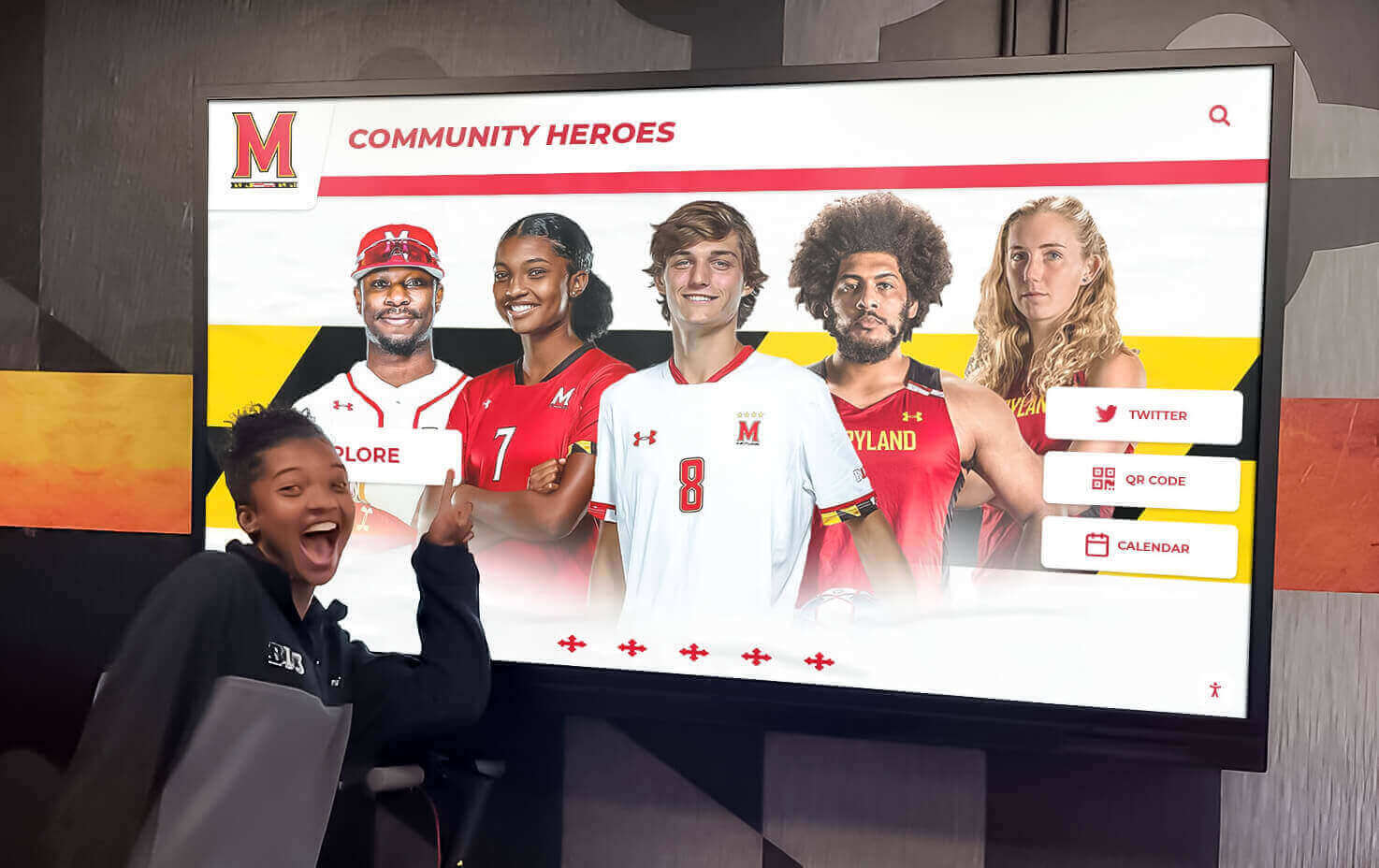
Unlimited Recognition Capacity: Digital systems accommodate every scholar athlete throughout school history without space limitations forcing difficult decisions about what receives acknowledgment. Schools can recognize hundreds of dual achievers across all sports and years, creating complete historical records impossible with physical displays constrained by finite space.
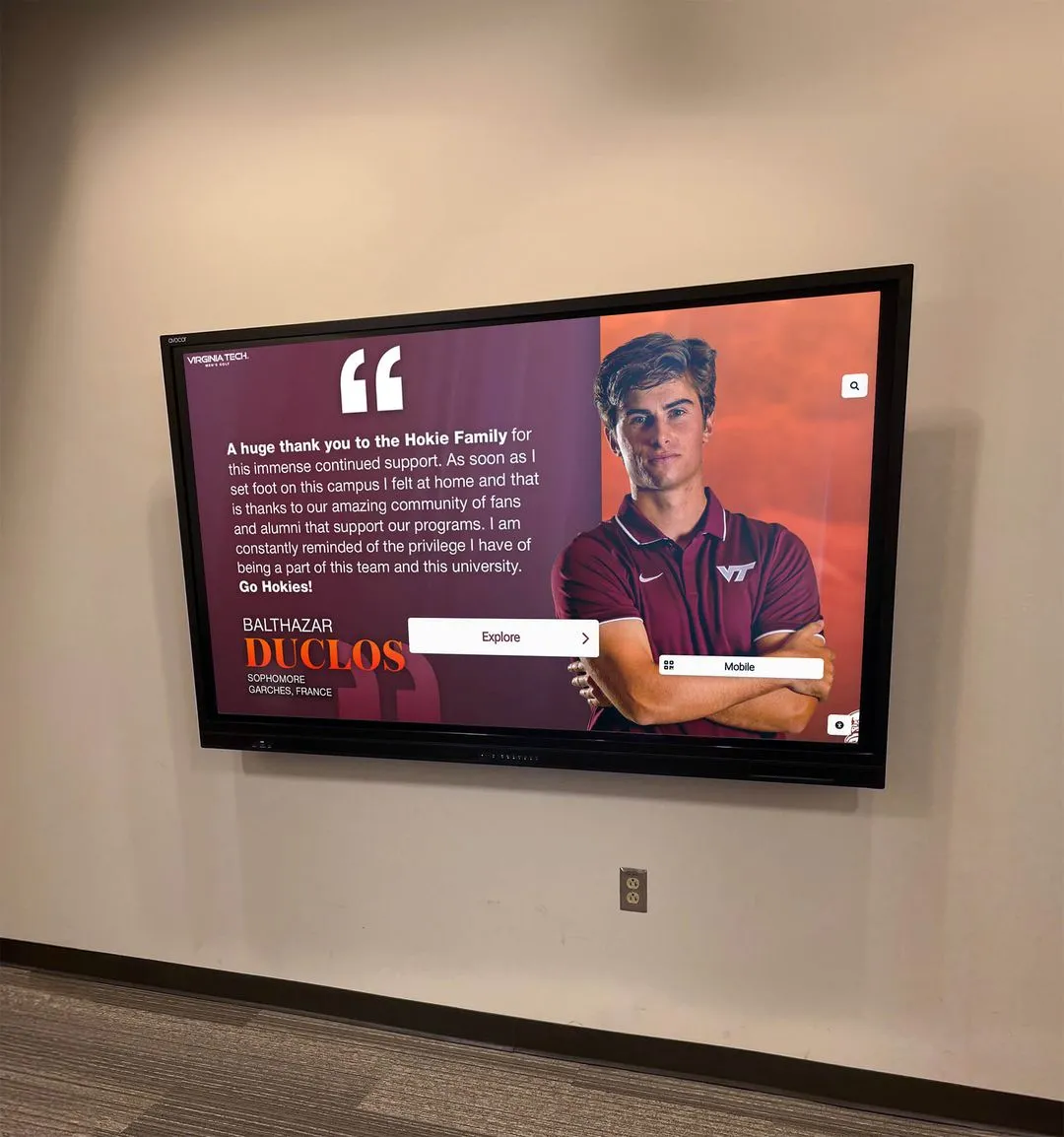
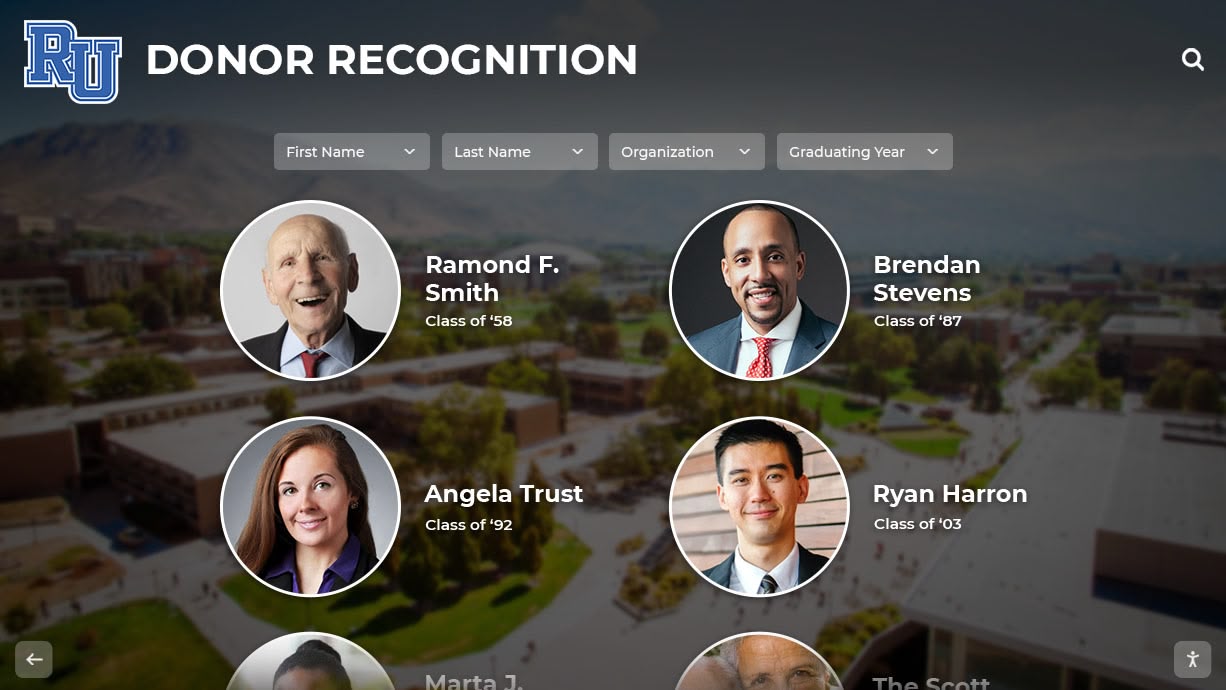
Rich Multimedia Profiles: Digital recognition enables detailed athlete profiles far beyond name and GPA listings. Systems can include professional photographs, specific academic and athletic achievements, biographical information about students’ journeys balancing commitments, sport and position details, graduation years, and even athlete reflections about managing dual demands. This depth creates meaningful recognition honoring complete student stories rather than reducing achievements to data points.
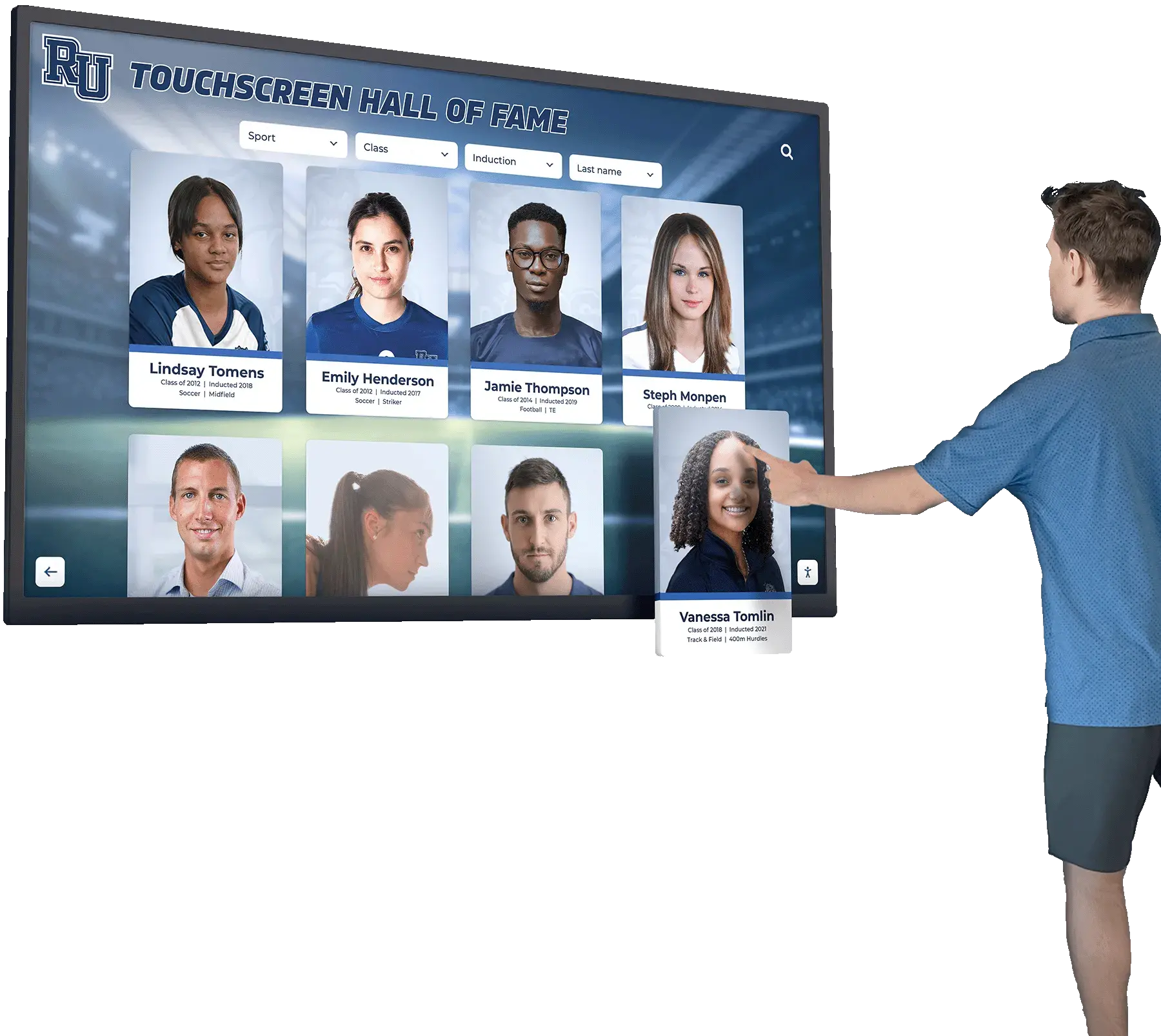
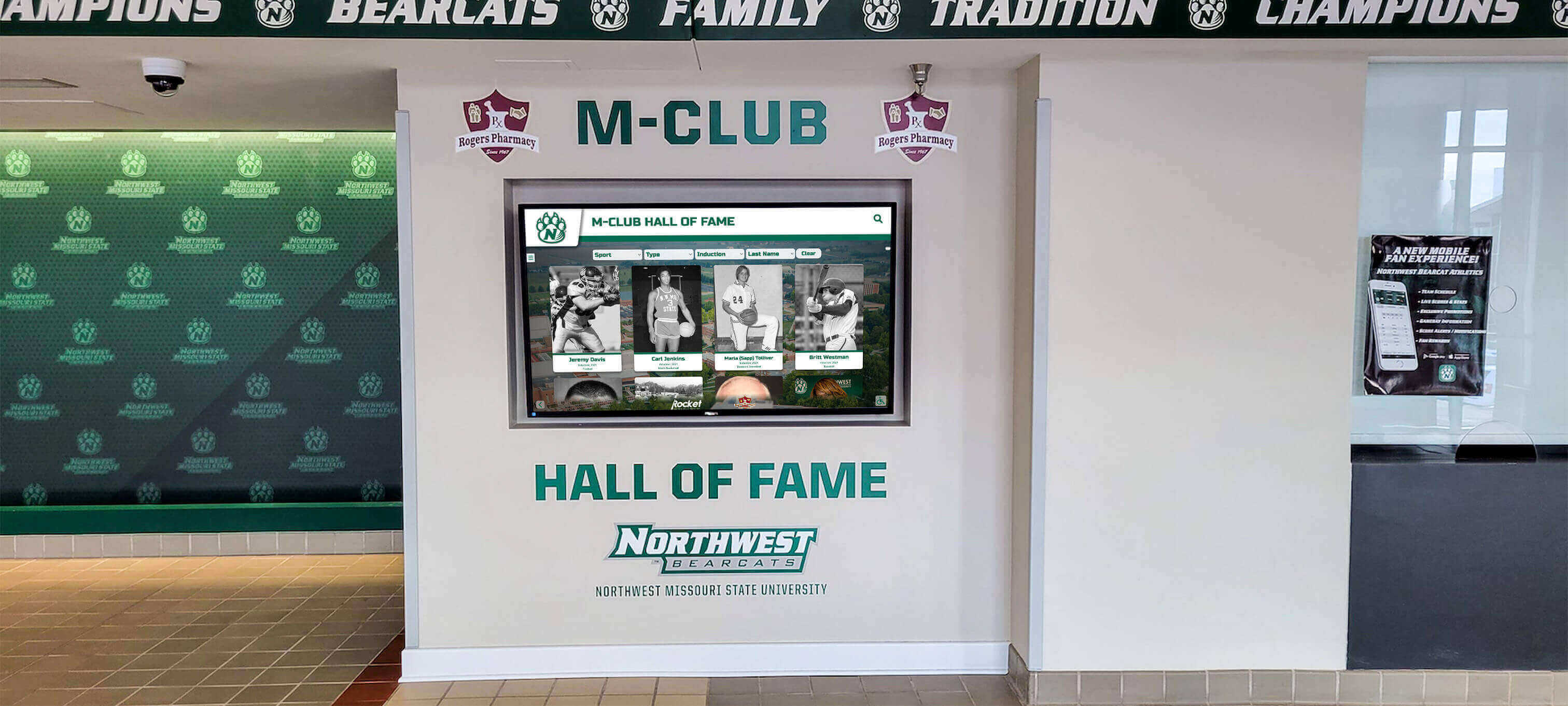
Dynamic Search and Filtering: Interactive systems enable visitors to find specific athletes by name, browse by sport, filter by graduation year, or view scholar athletes meeting specific GPA thresholds. These capabilities create engaging exploration experiences where current students, families, and alumni discover recognition relevant to their interests rather than passively viewing static lists.
Instant Updates and Currency: Cloud-based content management allows authorized staff to add newly recognized scholar athletes immediately rather than waiting for annual plaque orders or display modifications. After each grading period, athletic directors or administrators can update scholar athlete recognition within minutes, ensuring acknowledgment remains current and timely.
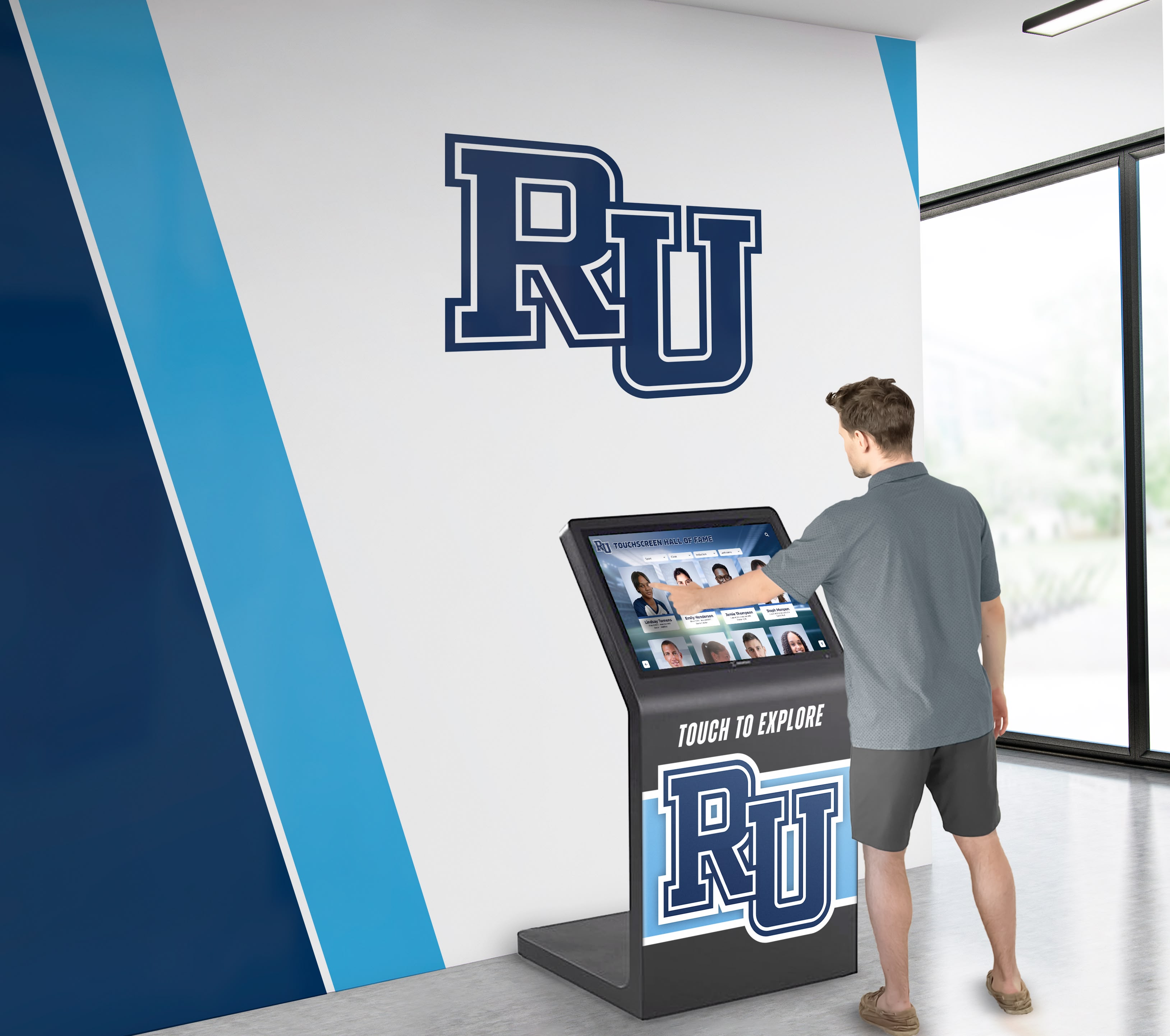
Web and Mobile Access: Integrated platforms extend recognition beyond physical installations to web-based interfaces accessible from any device. Scholar athletes share achievements with extended family networks, college recruiters research prospects’ academic credentials, and alumni explore their historical recognition from anywhere. This extended reach amplifies recognition impact far beyond students passing physical displays in school hallways.
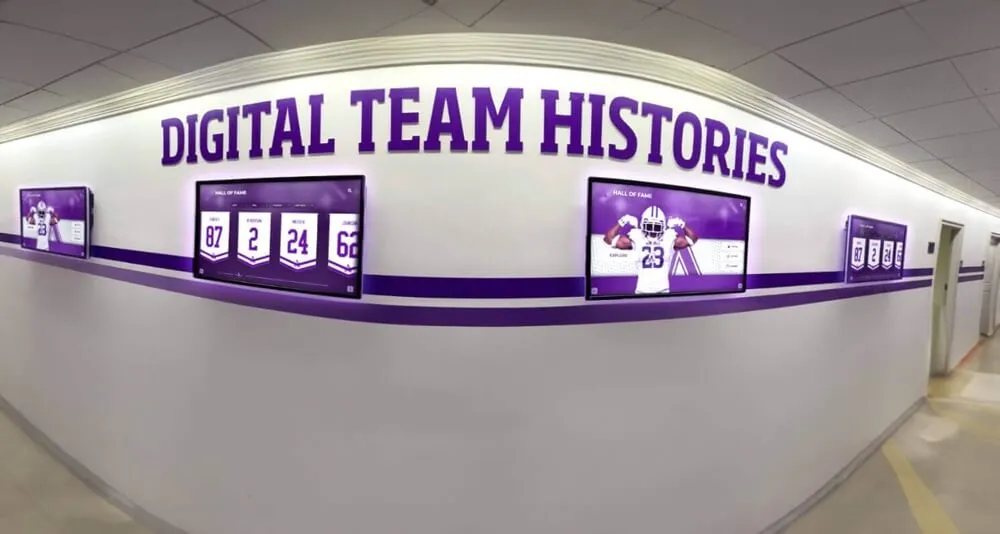
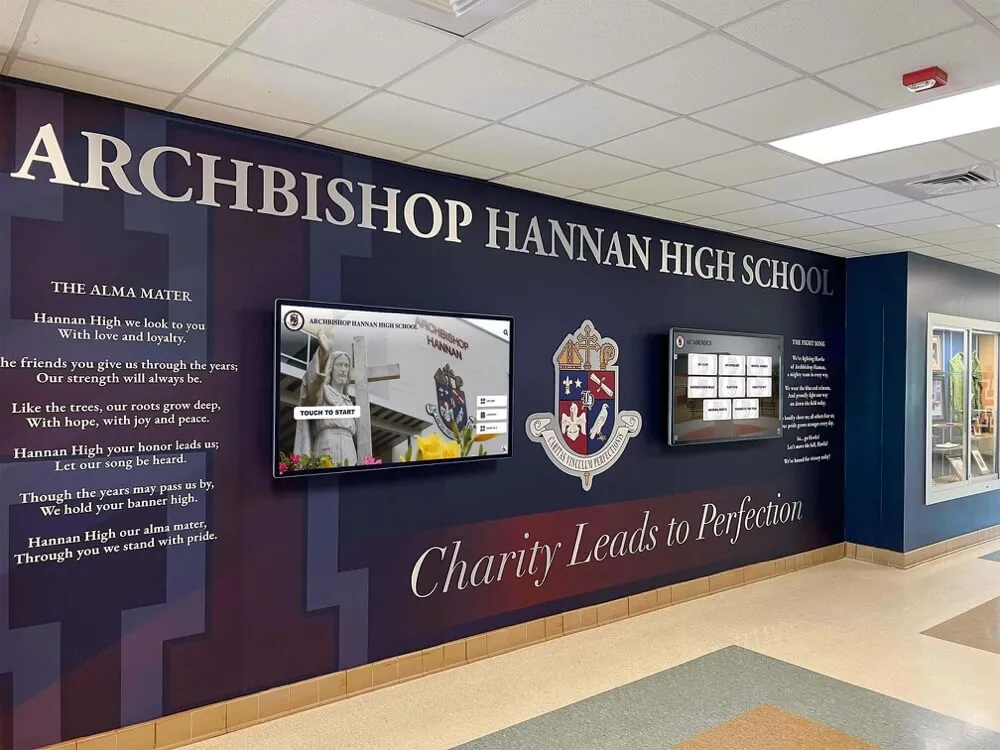
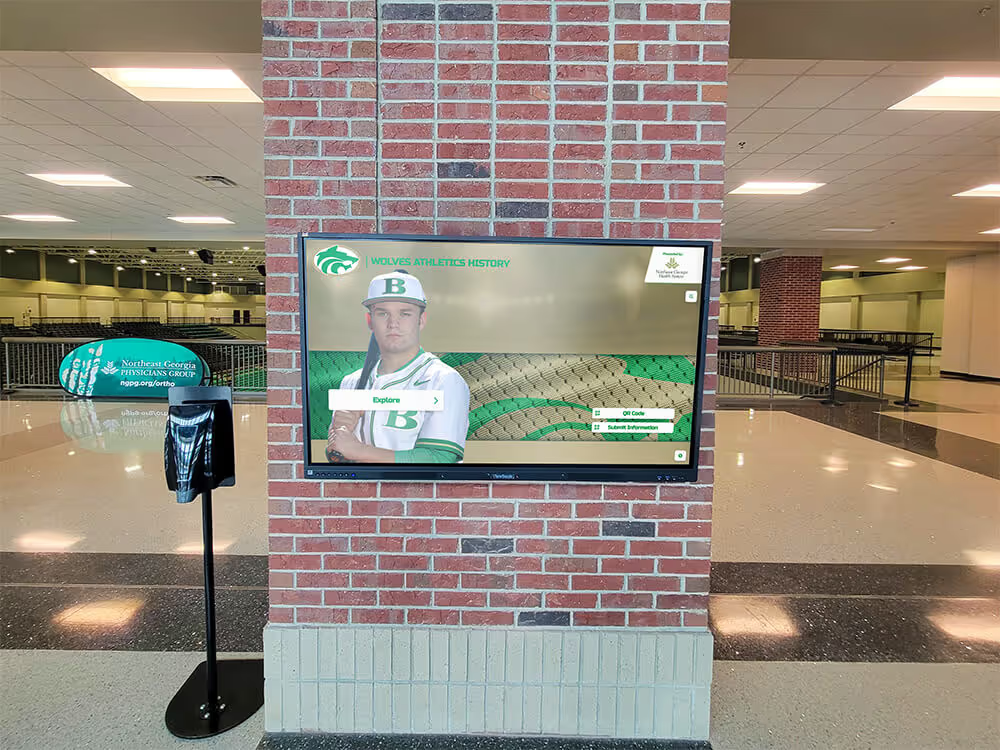
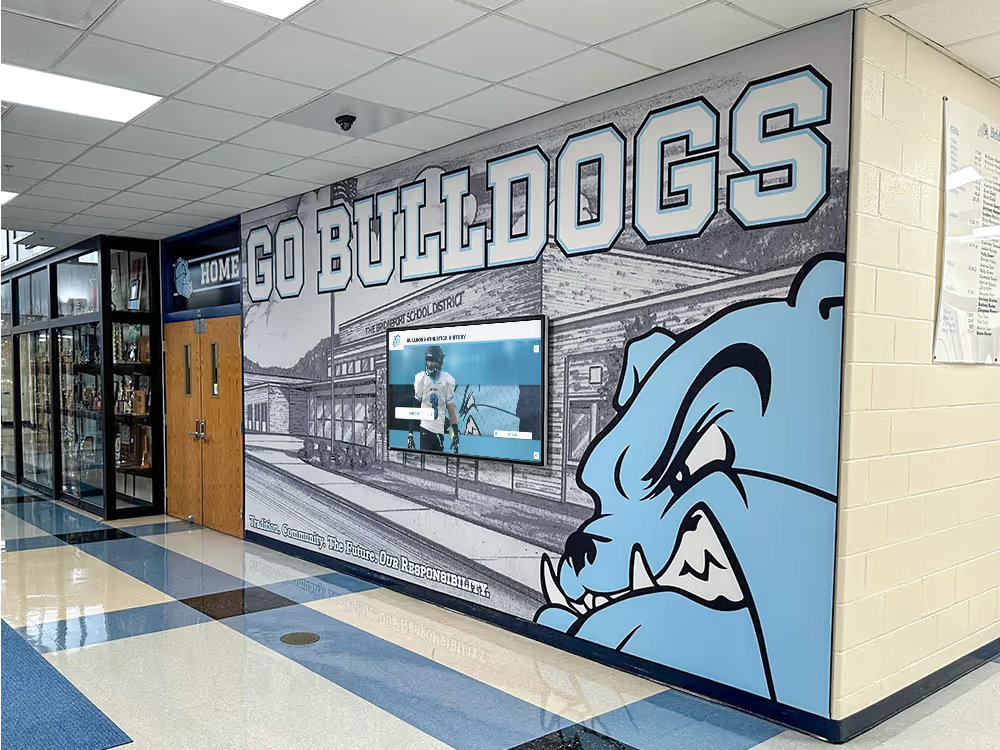
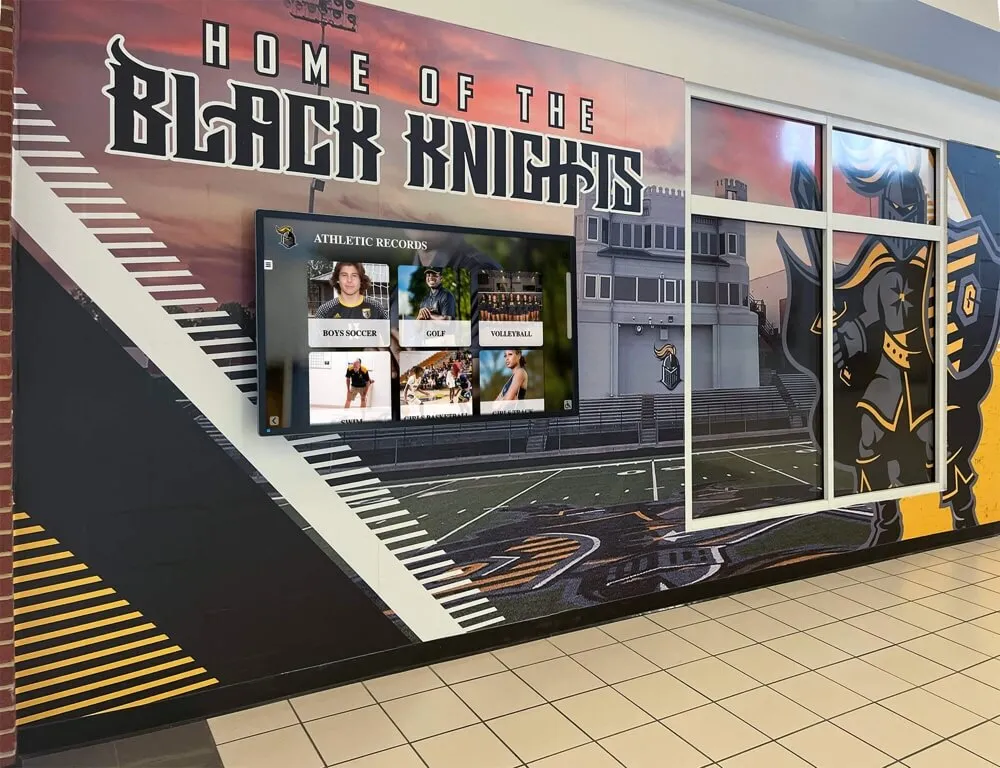
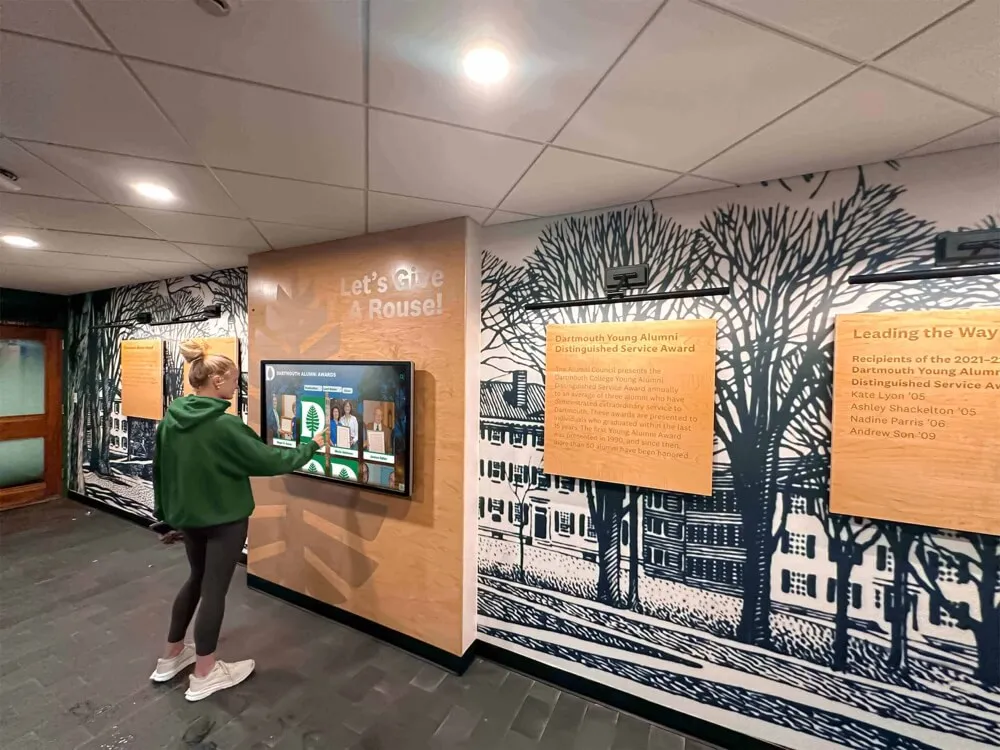
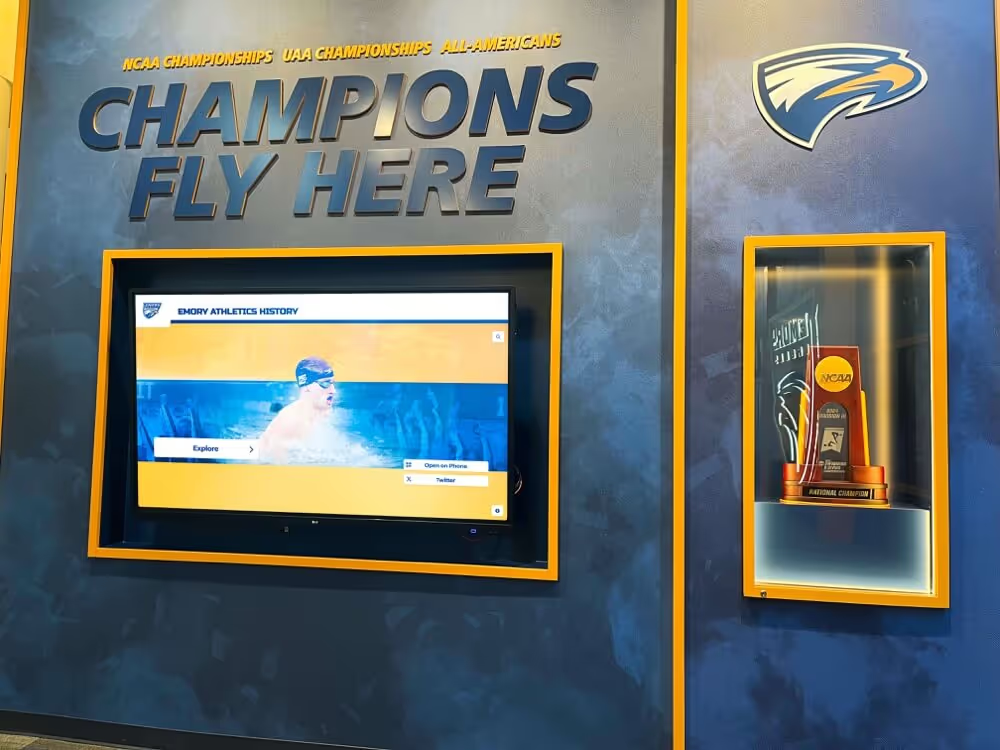
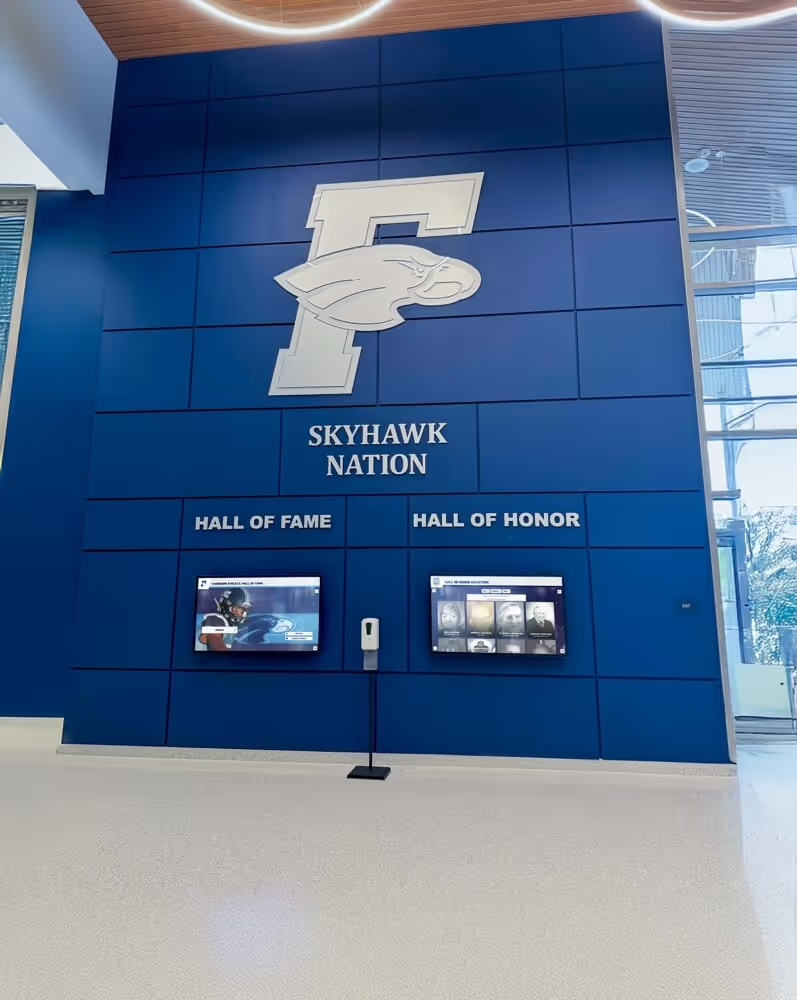
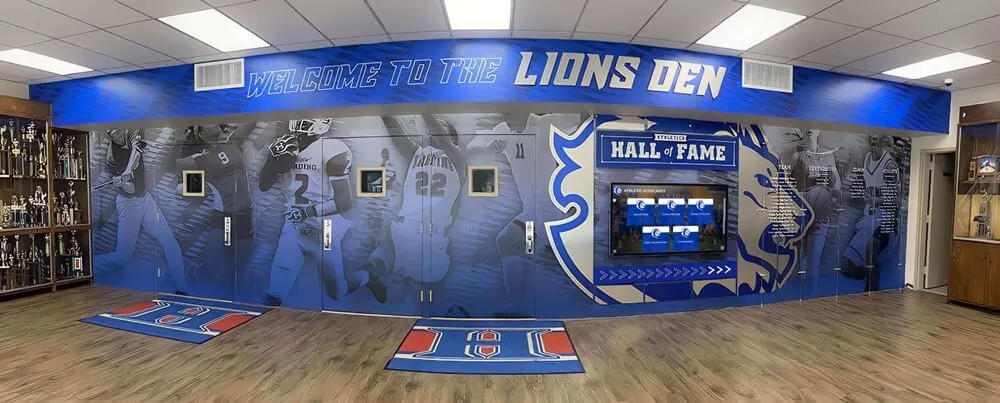
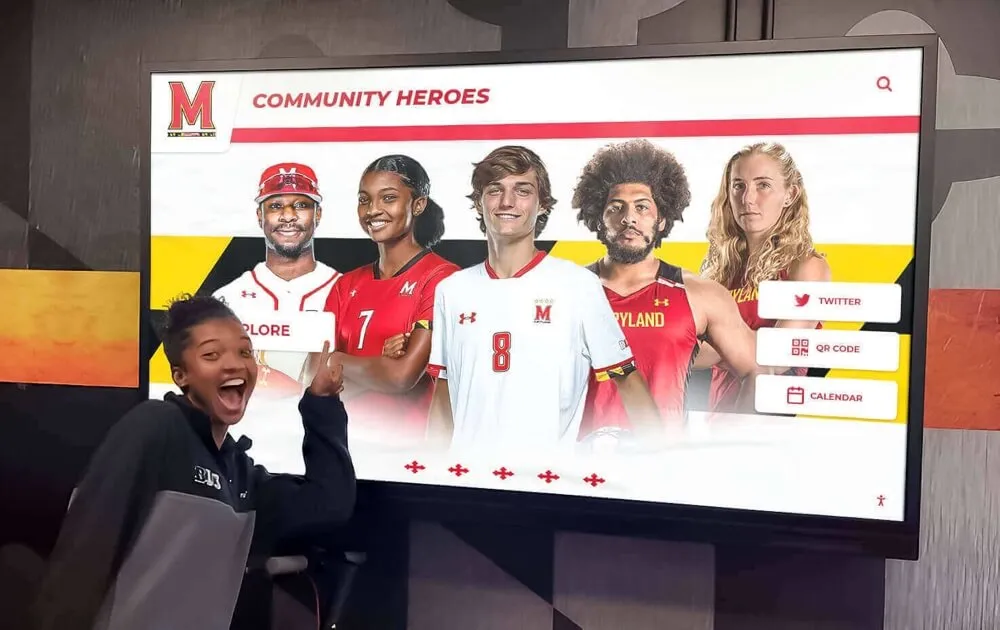
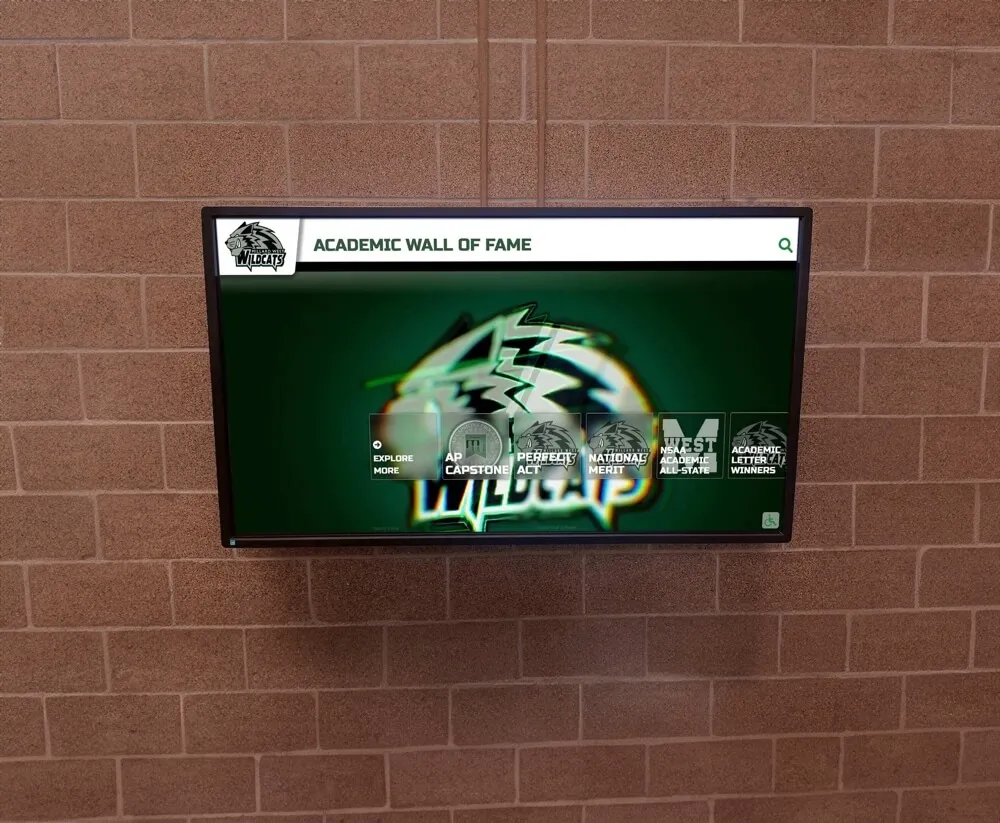
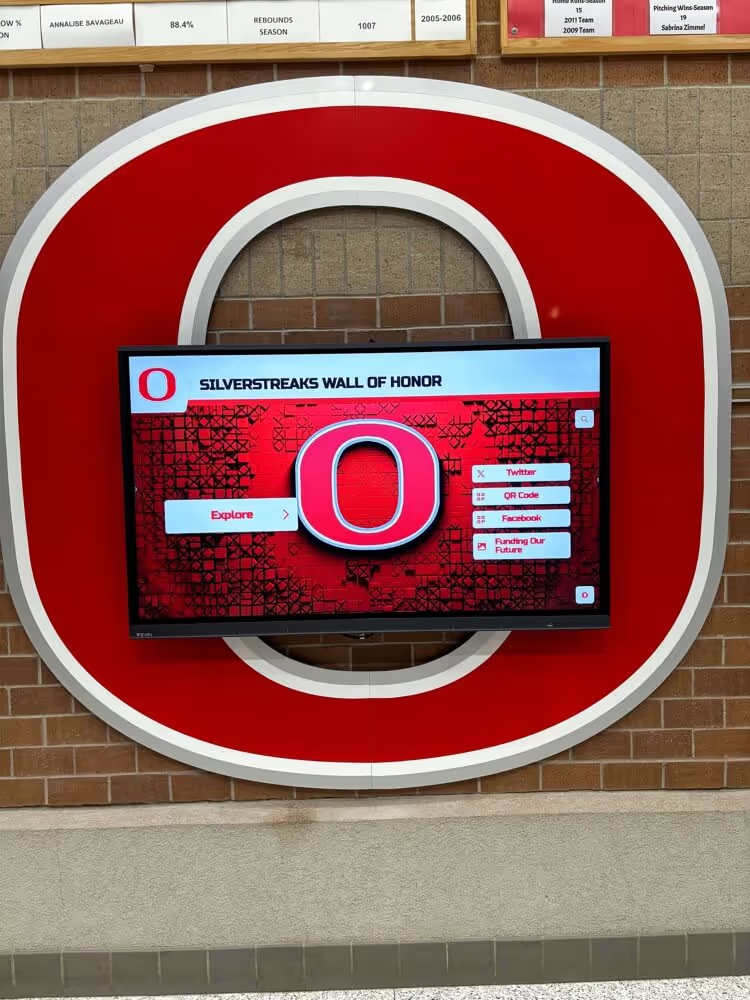
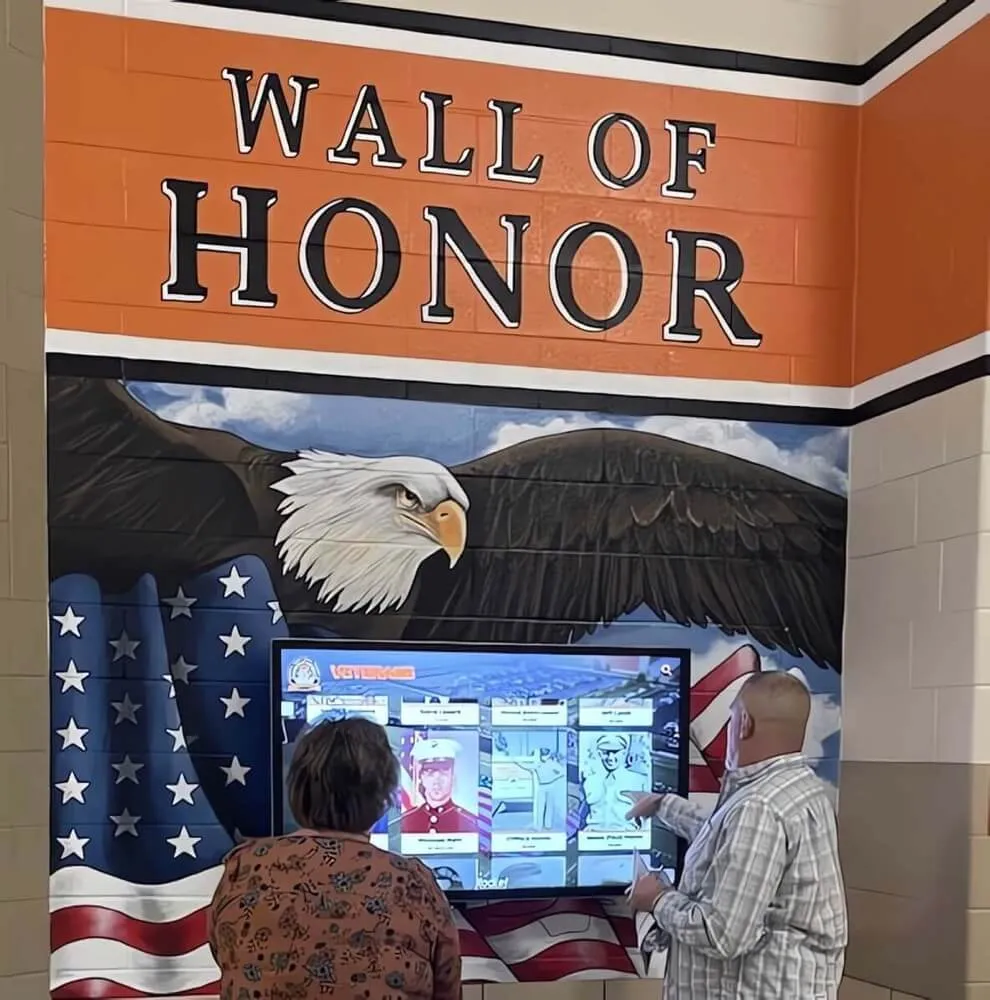
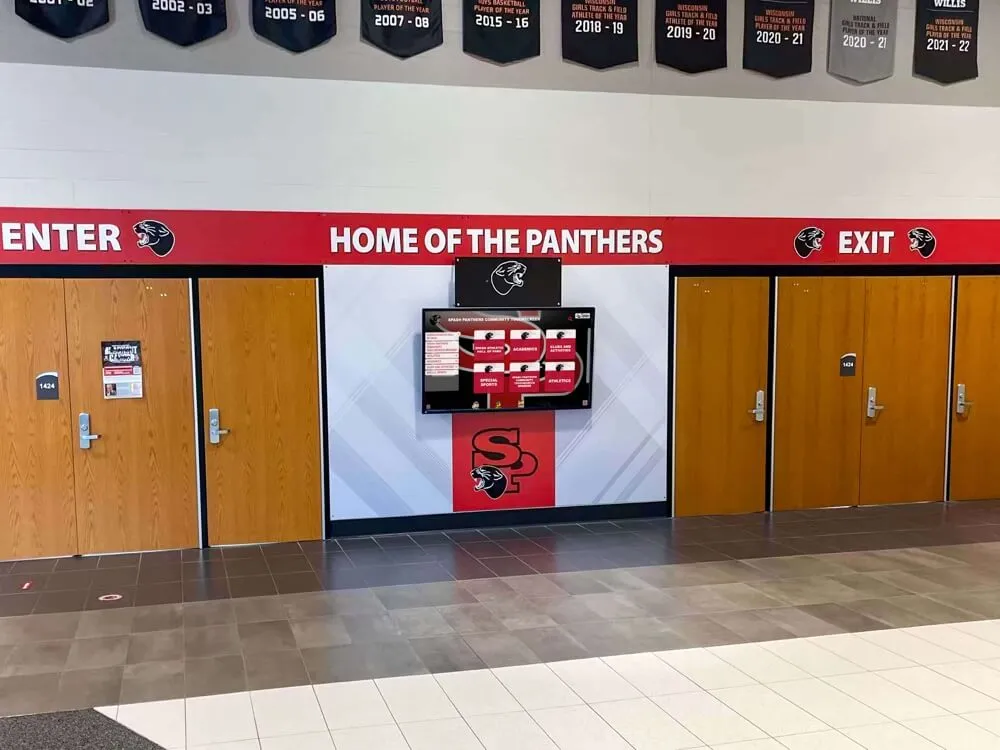
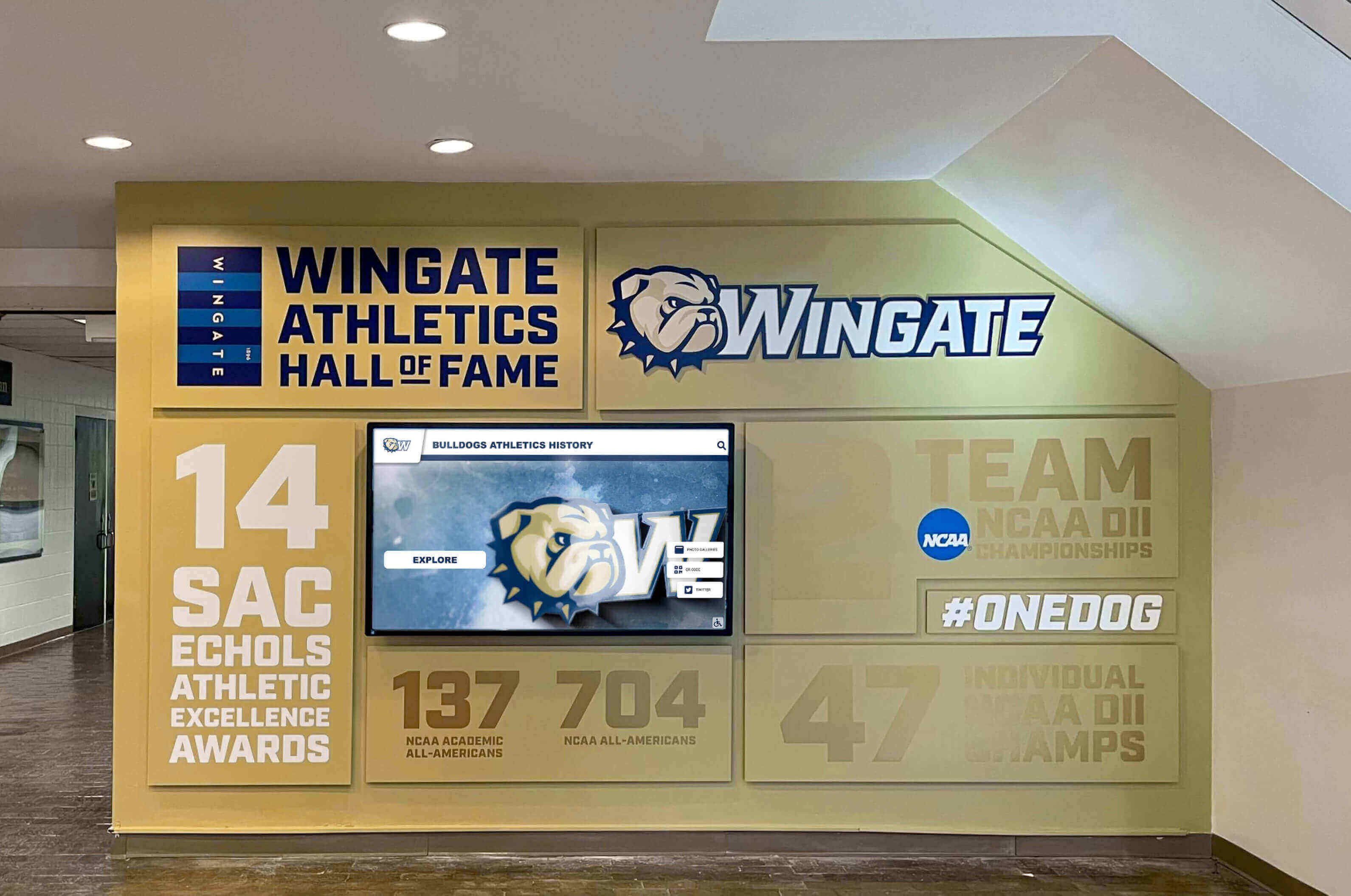
Solutions like digital recognition displays designed specifically for educational institutions provide purpose-built platforms celebrating scholar athlete achievement alongside other academic recognition programs and athletic honors through unified systems.
Integration with Academic and Athletic Recognition
Scholar athlete recognition achieves maximum impact when integrated within comprehensive systems celebrating diverse student achievements rather than existing as isolated programs.
Unified Recognition Platforms: Modern systems enable schools to manage scholar athlete recognition alongside academic honor rolls, athletic awards, activity achievements, and service recognition through single platforms. This integration ensures consistent presentation, reduces administrative duplication, and creates comprehensive documentation of student excellence across multiple domains.
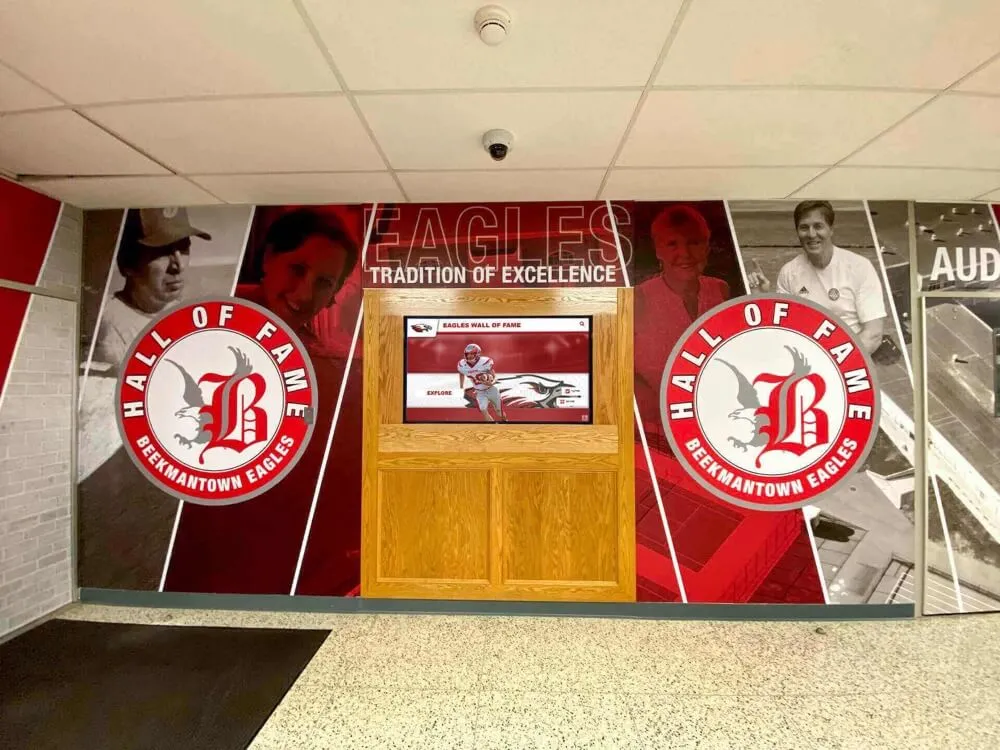
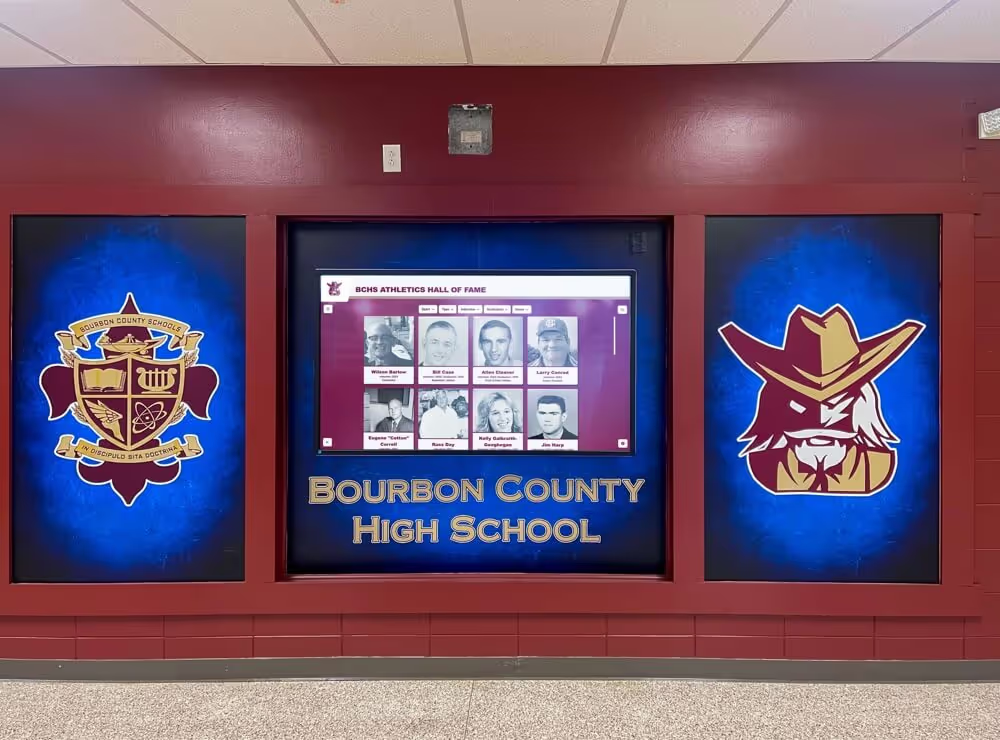
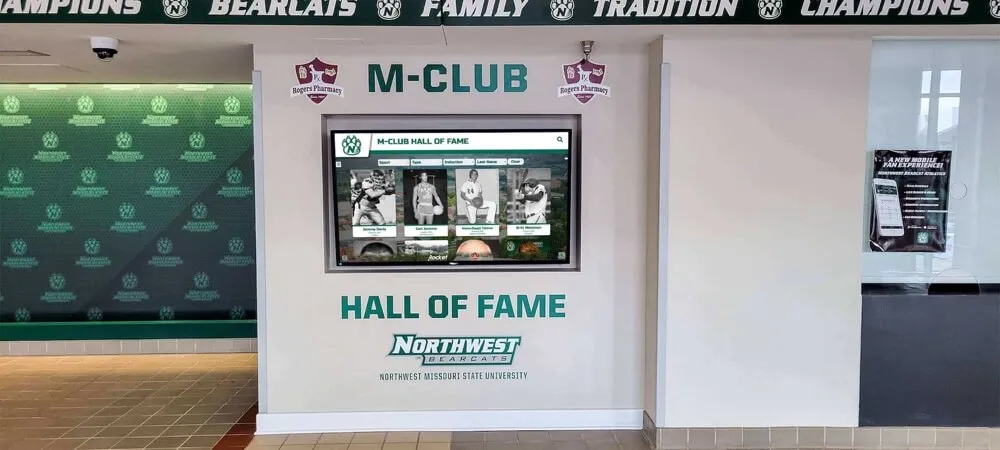
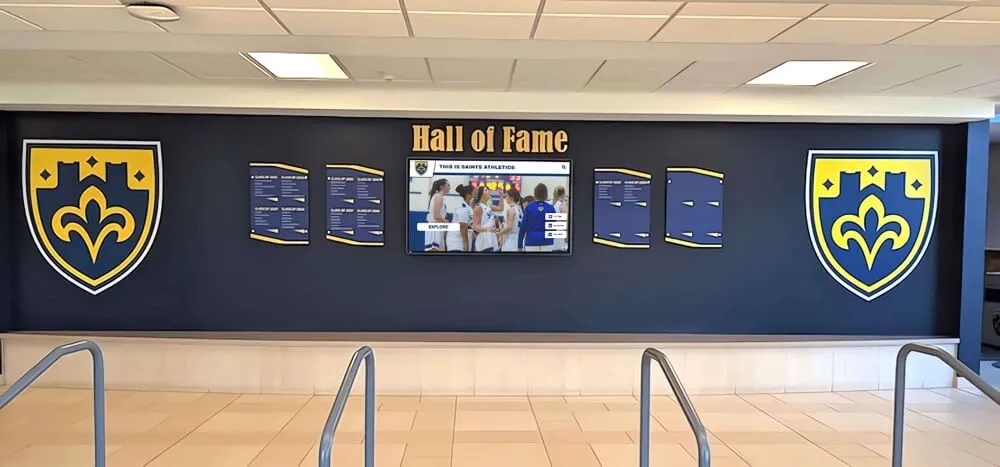
When schools implement digital hall of fame systems that accommodate diverse achievement types, scholar athlete awards exist within broader contexts showing how dual achievers compare to specialty-focused peers while receiving appropriate recognition for their unique accomplishments.
Cross-Referencing Capabilities: Integrated systems enable powerful connections between related recognitions. Scholar athlete profiles can automatically link to:
- Individual athletic achievement records and statistics
- Academic honor roll appearances from multiple semesters
- Team championship participation and accomplishments
- Additional awards and honors received
- College athletic and academic commitments
These connections create richer recognition contexts showing complete student stories while enabling discovery of related achievements visitors might not otherwise explore.
Scholar Athlete Recognition Ceremonies and Communication
How schools announce and celebrate scholar athlete recognition determines whether programs create memorable experiences or feel like administrative obligations.
Formal Recognition Events
Ceremonial recognition creates meaningful moments elevating scholar athlete acknowledgment beyond list publication:
Athletic Banquet Recognition: Season-ending athletic banquets provide natural opportunities for comprehensive scholar athlete recognition. Coaches can acknowledge dual achievers from their teams, present certificates or awards, and speak about the commitment required to excel both academically and athletically. These events gather athletes, families, and athletic department staff creating appropriate audiences for meaningful celebration.
Academic Recognition Ceremonies: Alternatively, schools can recognize scholar athletes during academic honors ceremonies alongside traditional honor roll students. This placement emphasizes the academic component of dual achievement while ensuring scholar athletes receive equal acknowledgment to non-athletes with similar GPAs.
Dedicated Scholar Athlete Celebrations: Some schools implement standalone scholar athlete recognition events specifically celebrating dual achievement. These dedicated ceremonies create prestigious occasions where families attend, administrators speak about the importance of balanced excellence, and students receive sustained celebration specifically focused on their unique accomplishments.
Athletic Event Recognition: Recognizing scholar athletes during halftime or pre-game presentations at athletic events provides public acknowledgment before athletic community audiences. These recognitions educate spectators about academic achievement accompanying athletic excellence while creating memorable moments for honored students and families.
Multi-Channel Communication Strategies
Recognition impact multiplies when schools communicate scholar athlete achievement through multiple channels reaching diverse audiences:
Direct Family Notification: Personal communication creates meaningful acknowledgment moments families cherish:
- Phone calls from athletic directors, coaches, or principals congratulating students and families
- Formal letters home describing specific achievements and recognition details
- Email notifications with links to digital recognition content
- Text alerts through school communication systems providing immediate updates
School-Wide Visibility: Ensure entire school communities become aware of scholar athlete recognition:
- Morning announcement congratulations during recognition periods
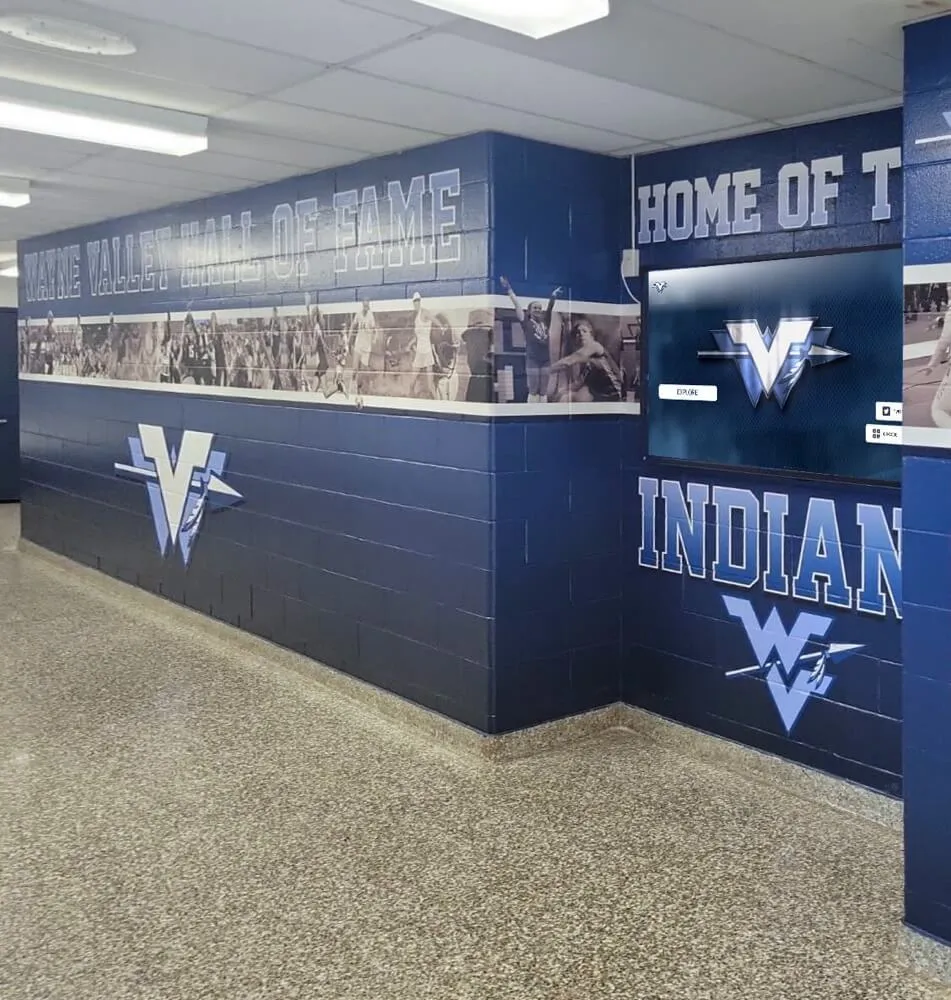
- Display in common areas like cafeterias, hallways, and athletic facilities
- Featured sections in school newsletters and publications
- Prominent placement on school and athletic department websites
Social Media Recognition: Strategic social media use amplifies acknowledgment across digital platforms where students and families engage daily:
- Individual recognition posts celebrating scholar athletes with photos and achievements
- Team or group posts when numerous athletes from single sports earn honors
- Story features highlighting scholar athlete journeys balancing commitments
- Shareable graphics families can distribute across personal networks
Media Relations: Connect scholar athlete recognition to local community media:
- Press releases to local newspapers featuring distinguished scholar athletes
- Community sports pages often welcome scholar athlete announcements
- Local media partnerships creating regular scholar athlete features
- School district communications highlighting scholar athlete achievements
Multiple communication channels ensure scholar athlete recognition receives visibility proportional to achievement significance while reaching all relevant audiences including students, families, school communities, and broader public.
Special Recognition Categories and Variations
Beyond basic scholar athlete programs, schools can implement specialized recognition addressing specific achievement levels or circumstances.
Distinguished Scholar Athlete Recognition
Many programs establish multiple recognition tiers celebrating varying levels of dual achievement:
Standard Scholar Athlete: Baseline recognition for students meeting minimum academic thresholds (commonly 3.0 GPA) while participating in varsity athletics. This foundational tier acknowledges solid academic performance alongside athletic commitments.
Distinguished Scholar Athlete: Advanced recognition for students exceeding standard criteria, perhaps requiring 3.5+ GPA while participating in varsity sports. Distinguished recognition celebrates exceptional academic achievement despite athletic demands.
Presidential Scholar Athlete: Elite recognition for students achieving perfect or near-perfect GPAs (3.9-4.0) while competing athletically. Presidential status identifies truly remarkable dual achievers whose academic excellence rivals top students focusing exclusively on academics.
Tiered recognition creates multiple achievement targets motivating students at different capability levels while maintaining meaningful distinctions between very good and truly exceptional dual performance.
Multi-Sport Scholar Athlete Recognition
Students participating in multiple sports annually while maintaining strong academics demonstrate extraordinary commitment warranting special recognition:
Multi-Sport Achievement Awards: Special acknowledgment for students earning scholar athlete status across multiple sports seasons in single years. These awards celebrate students managing academic demands while participating in consecutive athletic seasons with minimal off-season recovery time.
Four-Year Multi-Sport Scholar Athletes: Recognition for students maintaining scholar athlete status across multiple sports throughout entire high school careers. This sustained multi-sport achievement represents exceptional dedication over four-year periods.
Multi-sport scholar athlete recognition validates the additional challenges students face when athletic commitments span most or all of calendar years, leaving minimal time for academic focus during brief off-seasons.
Academic All-State and External Recognition
Scholar athlete programs can align with external recognition programs celebrating dual achievement at state or national levels:
Academic All-State Programs: Many state athletic associations offer Academic All-State recognition for athletes meeting specific GPA thresholds who also achieve athletic excellence through All-State selection or similar honors. Schools should ensure internal scholar athlete recognition complements and celebrates these external acknowledgments.
National Honor Society Athletes: Students inducted into National Honor Society while participating in athletics represent scholar athletes meeting elevated standards for scholarship, service, leadership, and character. Connecting NHS membership to scholar athlete recognition provides additional distinction.
NCAA Academic Recognition: For students pursuing college athletics, NCAA academic honors like Academic All-American recognition represent prestigious external validation of dual excellence. Schools should celebrate these achievements as extensions of internal scholar athlete traditions.
Connecting internal scholar athlete programs to external recognition reinforces the significance of dual achievement while demonstrating that balanced excellence receives acknowledgment far beyond individual schools.
Supporting Scholar Athletes Beyond Recognition
While recognition honors past achievement, comprehensive programs also support scholar athlete success through resources helping students manage dual demands effectively.
Academic Support Systems
Scholar athletes often benefit from specific academic support addressing challenges their peers don’t face:
Flexible Scheduling Assistance: Help scholar athletes navigate course selection balancing academic rigor with athletic schedules. Counselors can proactively identify potential conflicts between class schedules and practice times, suggest alternative course sequences when preferred classes conflict with sports, and ensure athletes understand graduation requirements amidst complex schedules.
Study Skills and Time Management: Workshops specifically for athletes addressing time management, efficient studying, and balancing competing priorities help students develop capabilities essential for scholar athlete success. Topics might include creating realistic study schedules around practices and competitions, maximizing limited study time effectiveness, and maintaining organization when managing academic and athletic commitments.

Academic Monitoring and Early Intervention: Track scholar athlete academic progress throughout semesters rather than waiting for final grades to identify struggles. Early warning systems can alert athletic staff when athletes fall behind academically, enabling prompt intervention before situations become unrecoverable. Proactive support maintains scholar athlete status rather than merely responding after eligibility loss.
Peer Tutoring Networks: Connect struggling scholar athletes with successful peers who understand unique challenges athletes face. Student athlete tutors bring credibility and understanding other tutors may lack, making struggling athletes more receptive to assistance.
Athletic Schedule Accommodations for Academic Demands
While athletics creates obstacles to academic achievement, thoughtful athletic department policies can minimize conflicts:
Exam Week Considerations: Reduce practice intensity or duration during final exam periods, allowing scholar athletes additional study time when academic demands peak. Some programs suspend practices entirely before major exams, signaling that academic success takes priority.
Academic Eligibility Standards: Clear eligibility policies requiring minimum GPAs for continued participation motivate academic achievement while providing consequences for neglecting schoolwork. Standards slightly above minimal passing encourage sustained achievement rather than bare minimum effort.
College Recruiting Support: Assist scholar athletes navigating college recruiting processes by helping identify institutions valuing academic achievement alongside athletic talent, providing guidance on academic scholarships complementing athletic scholarships, and connecting athletes with college programs whose academic support matches their needs.
Comprehensive scholar athlete support demonstrates that recognition programs value actual success, not just acknowledging achievement after the fact. Schools committed to developing genuine dual achievers provide resources enabling success rather than just celebrating those who manage despite limited support.
Implementing Modern Scholar Athlete Recognition: Why Digital Solutions Win
Traditional scholar athlete recognition typically involved certificates, newsletter lists, and occasional banquet acknowledgments that quickly became forgotten. Modern digital recognition platforms fundamentally transform how schools honor dual achievement while overcoming limitations inherent to traditional approaches.
Comparing Traditional and Digital Recognition
Understanding the concrete advantages digital systems deliver over traditional recognition methods helps schools evaluate whether upgrading makes sense for their programs:
| Recognition Aspect | Traditional Approach | Digital Platform Approach |
|---|---|---|
| Recognition Capacity | Limited by physical space—trophy cases fill quickly, bulletin boards accommodate dozens at most | Unlimited—accommodate every scholar athlete throughout entire school history |
| Content Depth | Name, year, and perhaps sport—minimal information due to space constraints | Rich profiles with photos, detailed achievements, GPA, biographical stories, and multimedia |
| Update Speed | Weeks or months for plaque orders—often delayed until year-end due to ordering logistics | Instant—add new scholar athletes within minutes of grade calculation |
| Searchability | None—visitors must visually scan all content to find specific athletes | Powerful search by name, sport, year, or GPA threshold enables instant discovery |
| Accessibility | Only visible in single physical location during school hours | 24/7 web access from anywhere—scholars share recognition with extended networks |
| Historical Archives | Limited historical depth—old plaques often removed when spaces fill | Complete permanent history—recognize scholars from founding to present day |
| Maintenance | Physical wear, fading, damage requires replacement creating ongoing costs | Digital content never degrades—remains perfect indefinitely |
These systematic advantages explain why schools increasingly transition from space-constrained physical recognition to comprehensive digital platforms capable of honoring every scholar athlete appropriately while creating engaging experiences that traditional approaches cannot match.

Why Rocket Alumni Solutions Delivers Superior Scholar Athlete Recognition
When schools evaluate digital recognition platforms for scholar athlete programs, Rocket Alumni Solutions consistently delivers capabilities specifically designed for educational recognition that generic alternatives cannot match:
Purpose-Built for Educational Recognition: Unlike generic digital signage repurposed for school use, Rocket was designed specifically for educational achievement recognition including scholar athlete programs. Built-in templates, approval workflows, and multi-category recognition systems reflect deep understanding of how schools acknowledge diverse student achievements. Athletic directors avoid extensive customization required when attempting to adapt general-purpose platforms for scholar athlete recognition needs.
Integrated Academic and Athletic Recognition: Rocket combines scholar athlete recognition with academic honor rolls, athletic achievement tracking, activity awards, and service recognition through unified platforms. This integration ensures consistent presentation while enabling powerful connections between related achievements. Scholar athlete profiles automatically link to athletic records, academic achievements, and other honors without requiring manual cross-referencing or duplicate data entry.
Unlimited Capacity Without Space Constraints: Physical trophy cases and wall displays force difficult decisions about limited recognition space. Digital systems eliminate these constraints entirely—recognize every scholar athlete throughout school history without worrying about physical limitations. As programs produce more scholar athletes annually, recognition capacity scales automatically without requiring additional purchases or space allocation.
Simple Content Management Athletic Directors Can Handle: Cloud-based content management enables athletic directors, administrators, or authorized staff to add scholar athletes, update information, and manage recognition from any internet-connected device without requiring technical expertise or vendor assistance. Intuitive interfaces, bulk import tools, and approval workflows streamline content management while maintaining quality standards. Unlike platforms requiring IT involvement for routine updates, Rocket empowers school staff to maintain recognition independently.
Commercial-Grade Reliability for School Environments: When schools invest in physical touchscreen displays, commercial equipment rated for continuous public operation ensures reliable performance for years. Rocket specifications include commercial displays, industrial touch technology, and secure mounting hardware appropriate for school environments where equipment faces daily use by hundreds of students. This contrasts with vendors offering consumer-grade equipment prone to failure within 2-3 years.
Comprehensive Analytics Showing Recognition Impact: Built-in analytics reveal which scholar athletes receive most profile views, what search terms visitors use, how long typical engagement sessions last, and whether web or physical displays drive more interaction. These insights guide program improvements while demonstrating recognition value to administrators evaluating investment effectiveness.
Proven Track Record Serving Educational Institutions: With hundreds of school implementations, Rocket demonstrates proven success serving educational recognition needs including scholar athlete programs. References from similar schools validate capabilities beyond marketing claims, while specialized focus on educational recognition ensures product development priorities align with school needs rather than treating education as minor market segment.
For schools serious about comprehensive scholar athlete recognition honoring dual achievement appropriately while delivering measurable institutional value, purpose-built platforms like Rocket Alumni Solutions provide capabilities generic alternatives cannot match through their specialized focus on educational recognition.
Measuring Scholar Athlete Program Success
Effective scholar athlete recognition programs assess their impact and effectiveness through various measures revealing whether initiatives achieve intended goals.
Participation and Achievement Metrics
Track quantitative measures revealing program reach and academic impact:
Scholar Athlete Participation Rates: Calculate the percentage of varsity athletes qualifying for scholar athlete recognition each semester. Increasing participation rates suggest growing academic emphasis within athletic programs while declining rates may signal academic struggles requiring intervention.
Multi-Semester Consistency: Monitor what percentage of scholar athletes maintain status across multiple semesters or years. High retention indicates sustained commitment to dual achievement while significant semester-to-semester variation may suggest students barely meeting thresholds rather than demonstrating genuine academic capability.
GPA Distribution Analysis: Examine not just what percentage of athletes meet minimum thresholds but how many achieve distinguished or presidential scholar athlete status through elevated GPAs. Programs creating strong academic cultures should see significant percentages of athletes exceeding baseline standards rather than clustering just above minimum thresholds.
Sport-Specific Patterns: Compare scholar athlete rates across different sports identifying which programs maintain strongest academic cultures. While some variation reflects sport-specific demands and schedules, dramatic differences may reveal coaching emphases or expectations requiring attention. Schools can learn from sports producing many scholar athletes while addressing obstacles preventing success in other programs.
Qualitative Impact Assessment
Beyond quantitative metrics, qualitative feedback reveals whether recognition creates meaningful value for students, families, and school communities:
Scholar Athlete Surveys: Gather direct feedback from recognized students about recognition value, whether acknowledgment felt meaningful, how recognition influenced their commitment to balancing academics and athletics, and whether programs provided adequate support for dual achievement.
Family Satisfaction: Survey parents about recognition experiences, perceived value for their students, and suggestions for program improvements. Family perspectives reveal whether recognition programs honor achievements appropriately from those closest to recipients.
Coach Perspectives: Athletic coaches provide valuable insight into whether scholar athlete recognition influences team academic cultures, motivates athletes to maintain grades, or creates obstacles through eligibility requirements coaches consider unreasonable. Coach input helps balance academic standards with realistic expectations for athletes managing demanding schedules.
Long-Term Alumni Feedback: Former scholar athletes can reflect on whether balancing academics and athletics prepared them for college or career success, whether recognition felt meaningful in retrospect, and how schools might improve programs based on their eventual outcomes and perspectives.
College Success Indicators
Scholar athlete programs ultimately aim to prepare students for future success. Track whether scholar athletes demonstrate expected advantages:
College Enrollment Rates: Monitor whether scholar athletes pursue higher education at higher rates than general athlete populations. Recognition programs validating academic achievement should correlate with increased college enrollment among athlete populations sometimes underrepresented in college-bound students.
Athletic and Academic Persistence: When possible, track whether scholar athletes who continue college athletics maintain academic success or face struggles transitioning to more independent college environments. Strong programs should prepare students for sustained dual achievement rather than success dependent on high school support structures.
Scholarship Outcomes: Document whether scholar athletes earn academic scholarships supplementing athletic scholarships or whether recognition correlates with improved scholarship packages acknowledging dual achievement. These outcomes validate that recognition programs develop capabilities valued by college admissions and athletic programs.
Common Scholar Athlete Program Challenges and Solutions
Schools implementing comprehensive scholar athlete recognition often encounter specific obstacles requiring thoughtful solutions.
Challenge: Setting Fair Criteria Across Different Academic Programs
Problem: Students in advanced placement, honors, and standard college-prep courses face dramatically different academic demands. A 3.5 weighted GPA in AP courses may represent equivalent or greater achievement than 4.0 unweighted in standard courses, yet unweighted criteria treat these differently while weighted systems disadvantage students without advanced course access.
Solution: Implement dual recognition using both weighted and unweighted criteria or create separate categories acknowledging different curriculum levels. Many successful programs recognize scholar athletes in standard curriculum (unweighted GPA) alongside advanced curriculum scholar athletes (weighted GPA), ensuring all athletes have realistic pathways to recognition while maintaining meaningful standards. Schools can also consider percentile-based criteria recognizing top-performing athletes regardless of curriculum level.
Challenge: Managing Workload for Frequent Recognition Calculations
Problem: Calculating scholar athlete status requires gathering grade reports for hundreds of athletes, verifying GPAs, confirming active athletic participation, and managing recognition updates. This administrative burden strains athletic departments already operating with limited staff.
Solution: Leverage student information system integrations that automatically pull athlete GPAs rather than manually collecting grade reports. Develop standardized processes and timelines for coaches to verify athlete participation eligibility. Use digital recognition platforms with bulk import capabilities enabling efficient updates rather than individual profile creation. Consider training student assistants or parent volunteers to handle routine data gathering under staff supervision, freeing professional staff for decision-making and quality control.
Challenge: Maintaining Current Recognition Throughout Year
Problem: Traditional static displays become outdated between update cycles. Plaques ordered after fall semester scholar athletes may not arrive until spring, leaving recognition months behind current achievement. Meanwhile, winter and spring scholar athletes receive no acknowledgment until following year.
Solution: Digital recognition platforms enable instant updates immediately after each grading period without waiting for physical fabrication. As soon as semester grades finalize and scholar athlete calculations complete, authorized staff can add new recipients within minutes. This immediacy ensures recognition remains current and timely rather than perpetually outdated. For schools still using physical displays, consider separate quarterly or semester sections enabling rolling updates rather than attempting comprehensive annual updates.
Challenge: Balancing Selectivity with Inclusivity
Problem: Very selective criteria (high GPA thresholds) may exclude most athletes, undermining motivation when students perceive recognition as unattainable. Very inclusive criteria (low thresholds) may dilute recognition value when most athletes qualify, making acknowledgment feel less special.
Solution: Tiered recognition systems balance accessibility and selectivity by creating multiple achievement levels. Baseline scholar athlete recognition (3.0 GPA) acknowledges solid performance accessible to students with genuine academic commitment, while distinguished (3.5+) and presidential (3.9+) tiers celebrate exceptional achievement. This structure ensures most committed students can achieve baseline recognition while maintaining aspirational higher levels motivating continued excellence. Schools can also supplement GPA-based recognition with improvement awards acknowledging athletes making significant academic progress even when absolute achievement remains moderate.
Conclusion: Honoring Students Who Excel in Both Arenas
Scholar athlete recognition celebrates exceptional young people who refuse to compromise academic achievement for athletic success or vice versa—students who demonstrate through sustained action that genuine excellence requires balanced development across multiple life dimensions. These dual achievers deserve recognition systems honoring their unique accomplishments as thoroughly as their efforts deserve.
Traditional recognition approaches limited by physical space constraints, static content, and simple acknowledgment formats inadequately honor scholar athlete achievement. Modern digital recognition platforms transform what’s possible by eliminating space limitations, enabling rich multimedia profiles, providing instant updates, creating searchable historical archives, and extending recognition beyond physical facilities to reach audiences worldwide.
Whether implementing new scholar athlete programs or upgrading existing recognition, schools should prioritize approaches that serve all stakeholders effectively—students receiving meaningful acknowledgment that validates their commitment, families experiencing pride in balanced achievement, athletic departments promoting academic cultures alongside competitive excellence, and school communities understanding the exceptional nature of dual achievement.
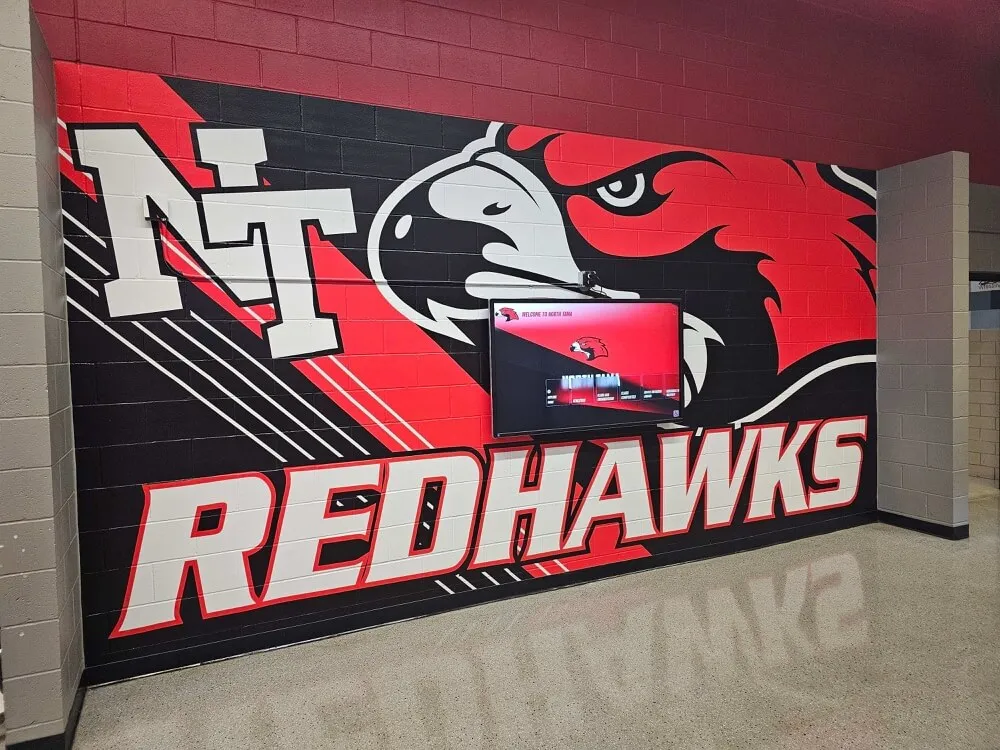
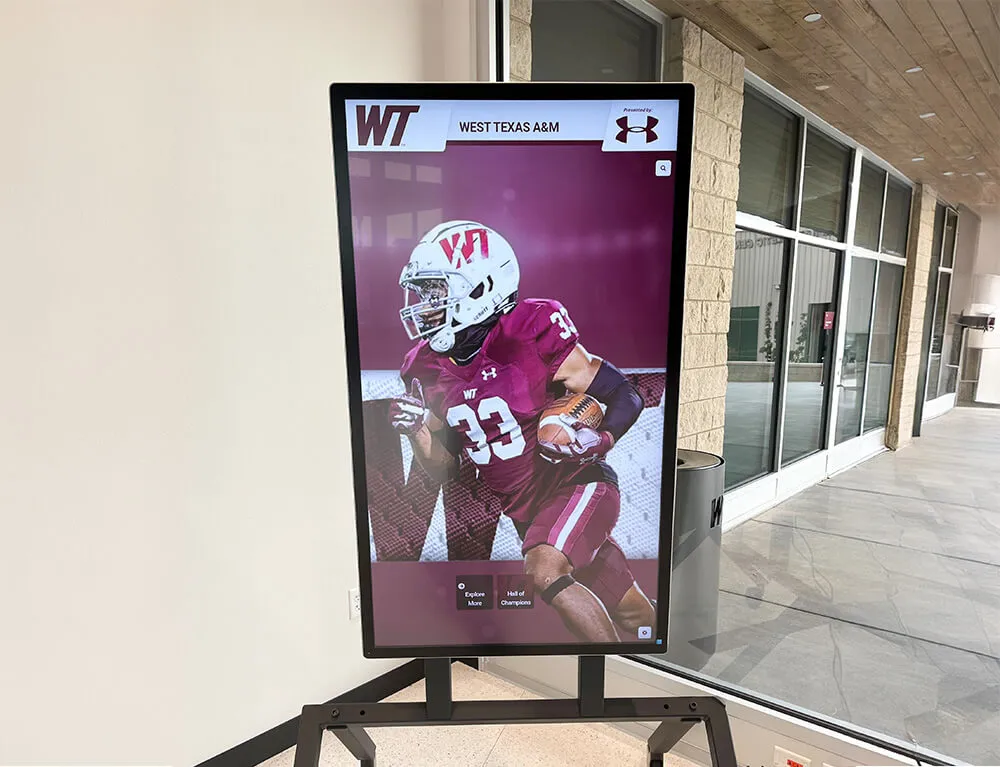
Purpose-built recognition platforms like Rocket Alumni Solutions provide comprehensive systems specifically designed for educational recognition including scholar athlete programs. By combining physical touchscreen displays in athletic facilities with web-based access enabling worldwide reach, integrated platforms maximize recognition impact while streamlining content management through unified systems.
The investment schools make in scholar athlete recognition delivers returns across multiple dimensions—enhanced student motivation to excel academically alongside athletics, stronger school cultures valuing well-rounded excellence, improved college preparation for student athletes, increased family satisfaction with athletic programs, and preserved institutional history documenting traditions of balanced achievement spanning generations.
Ready to create comprehensive recognition for your scholar athletes that honors dual achievement appropriately while inspiring more students to pursue balanced excellence? Explore modern digital recognition solutions designed specifically for schools celebrating students who excel in academics and athletics. Your scholar athletes invest extraordinary effort achieving success across both arenas—they deserve recognition systems that honor their accomplishments as thoroughly as their dedication warrants.