



Key Takeaways
Discover how interactive recognition displays at SAP Arena in San Jose enhance fan engagement, celebrate hockey heritage, and create immersive experiences. Complete guide to digital recognition technology in professional sports venues.
The Evolution of SAP Center: From Opening Day to Technology Showcase
Understanding SAP Center’s transformation from a new arena to a technology-forward venue provides context for how recognition displays fit within broader fan experience strategies.
A Legacy Built on Innovation
SAP Center opened on September 7, 1993, following years of community advocacy and a narrow public vote approving tax allocation for arena construction. The venue welcomed the San Jose Sharks for their inaugural home game in their new permanent facility, replacing the temporary home at the Cow Palace where the expansion franchise had played since joining the NHL in 1991.
Over three decades, SAP Center has hosted more than 35 million visitors for hockey games, concerts, family shows, and major sporting events including the 1997 NHL All-Star Game, the 1999 NCAA Women’s Final Four, and games 3, 4, and 6 of the 2016 Stanley Cup Finals during the Sharks’ first championship appearance. The arena features the iconic Shark head entrance that players skate through before games—what former Sharks forward Matt Nieto called “the most iconic entrance in hockey.”
Continuous Technology Upgrades
SAP Center’s commitment to technology innovation demonstrates how professional venues prioritize fan experience enhancements. In 2007, the arena installed a new center-hung LED video display system from Daktronics, bringing state-of-the-art visual technology to the game experience. This system was dramatically upgraded in September 2022 with a new installation that doubled the previous display surface.
The current center-hung system features four main LED displays measuring approximately 23 feet high by 41 feet wide, with 14 newly installed displays totaling more than 9,300 square feet of total surface area. This massive digital canvas provides unprecedented opportunities for displaying content, recognizing achievements, and engaging fans throughout events.
Beyond the center-hung scoreboard, SAP Center implemented comprehensive concourse display technology. Working with Daktronics for LED boards and Cisco for the Vision IPTV display management system, the venue transformed what was once described as “a dark concrete tunnel into a well-lit, display-laden walkway” that keeps fans engaged with live game action, marketing content, and recognition displays throughout the facility.
The Power of Interactive Recognition in Sports Venues
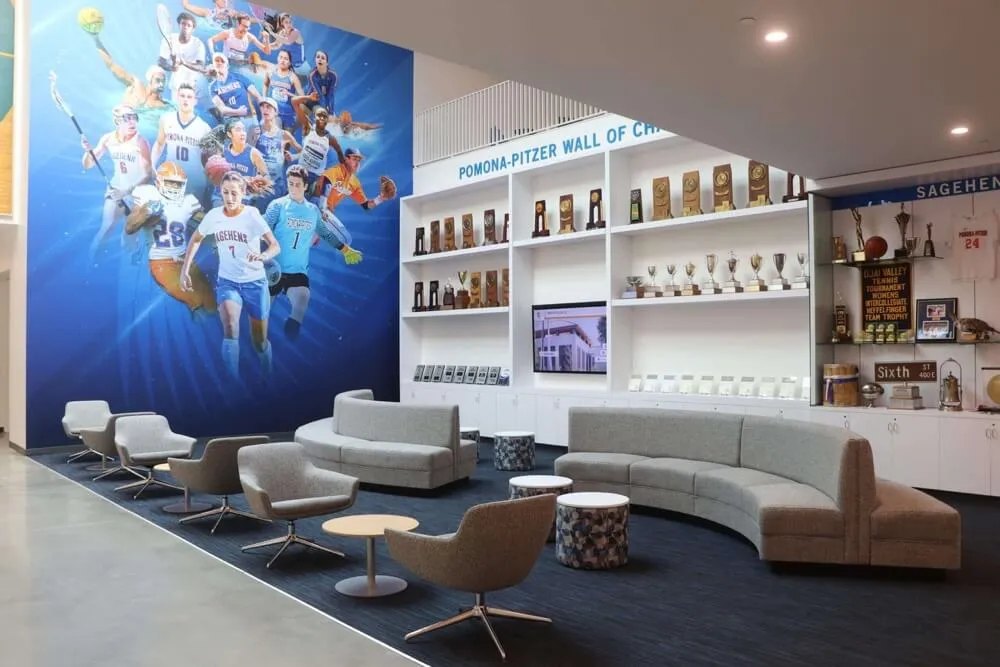
Professional sports arenas serve multiple functions beyond hosting games—they’re museums of athletic achievement, gathering spaces for community celebration, and physical manifestations of team identity and heritage. Interactive recognition displays amplify these functions in ways traditional plaques and trophy cases cannot.
Creating Immersive Heritage Experiences
Hockey franchises accumulate rich histories worth celebrating—milestone achievements, legendary players, memorable games, community contributions, and evolving team culture. Traditional recognition methods like static plaques or printed materials can display only limited information in fixed formats that quickly become dated.
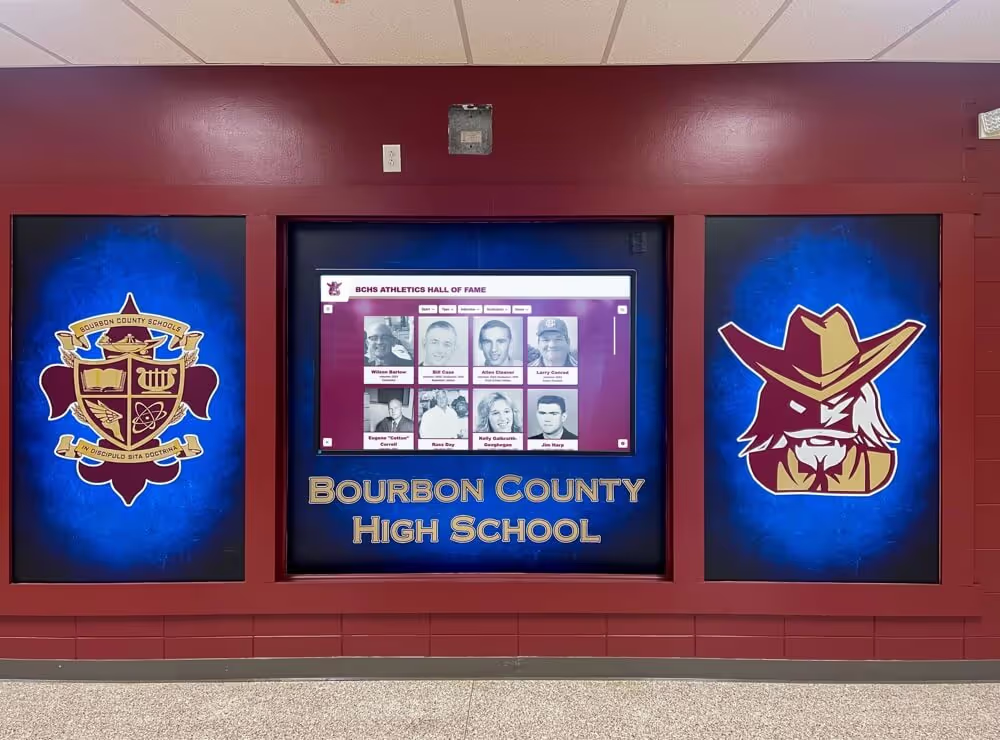
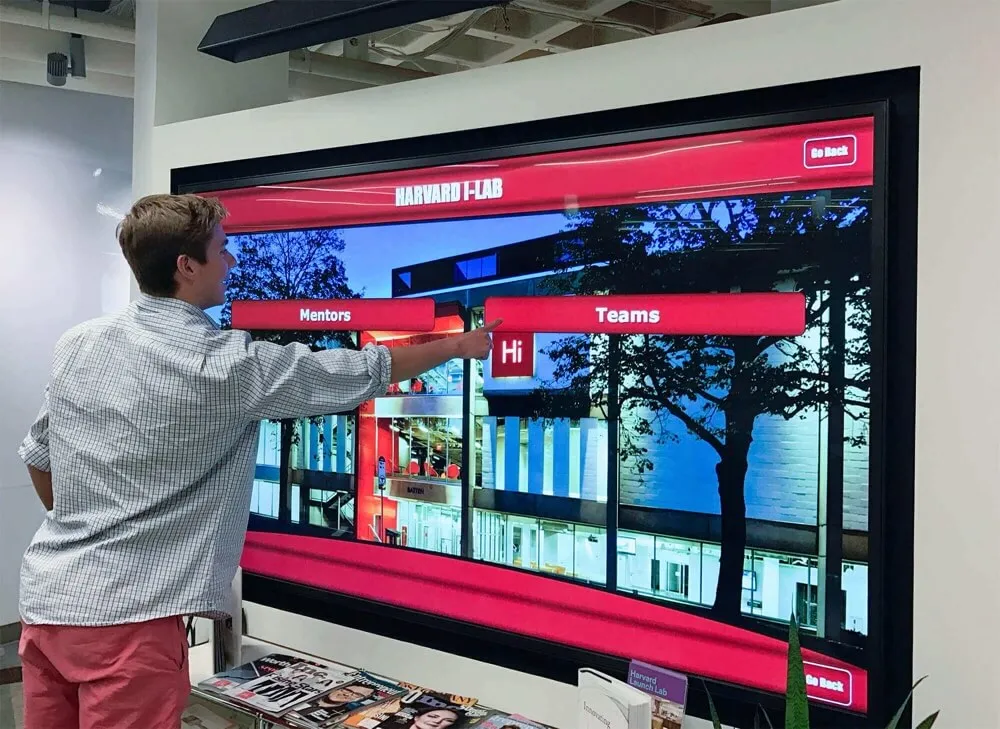
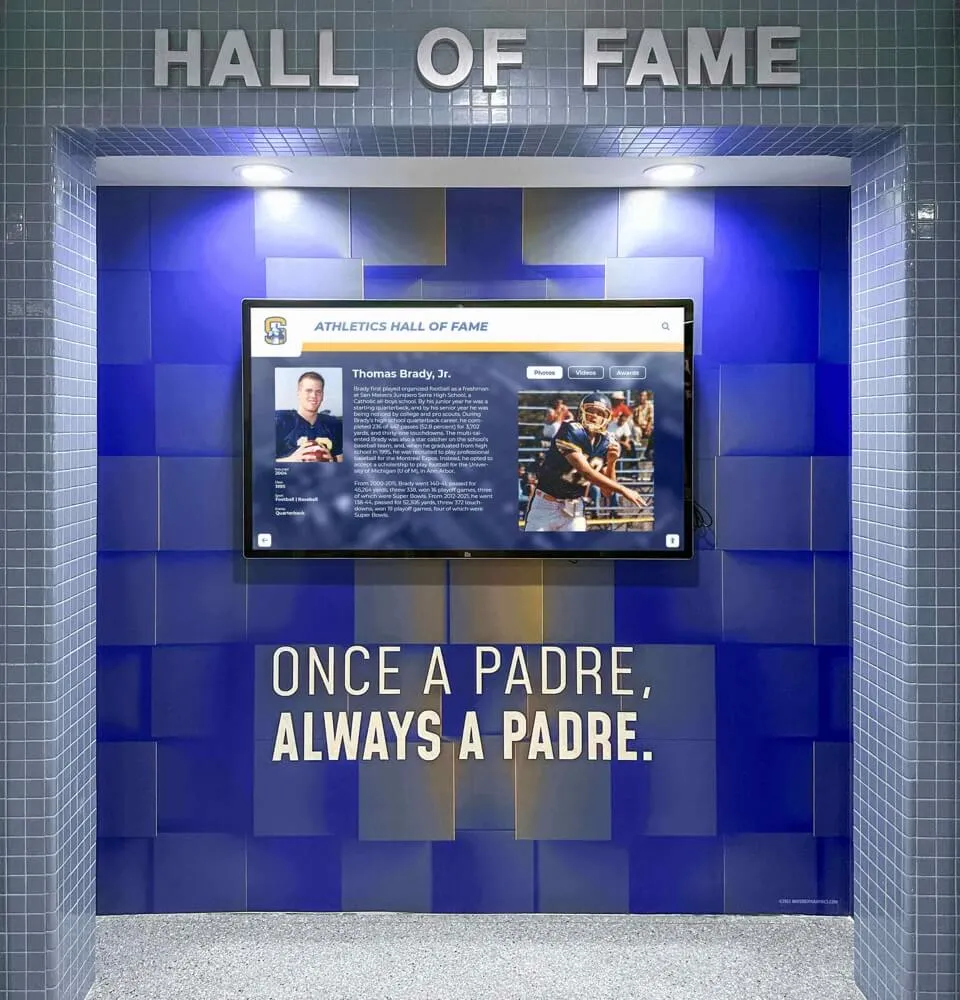
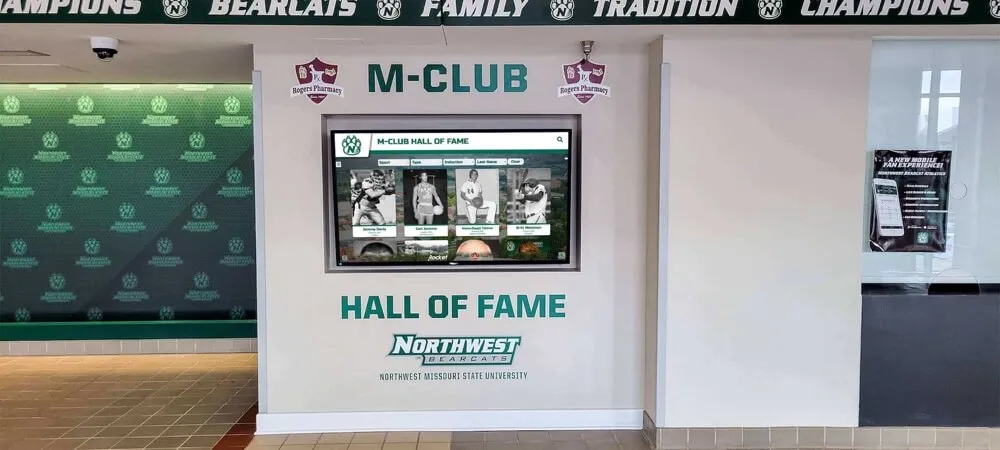
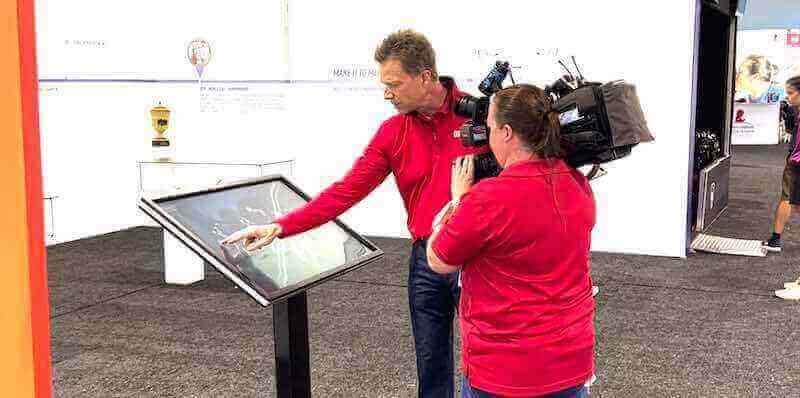
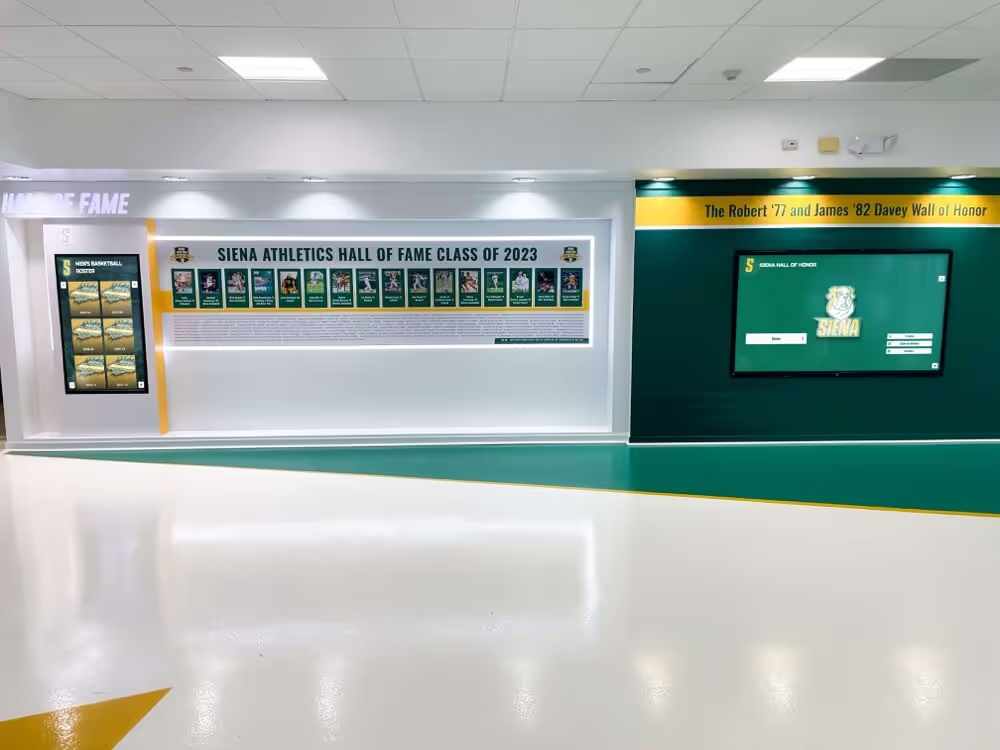
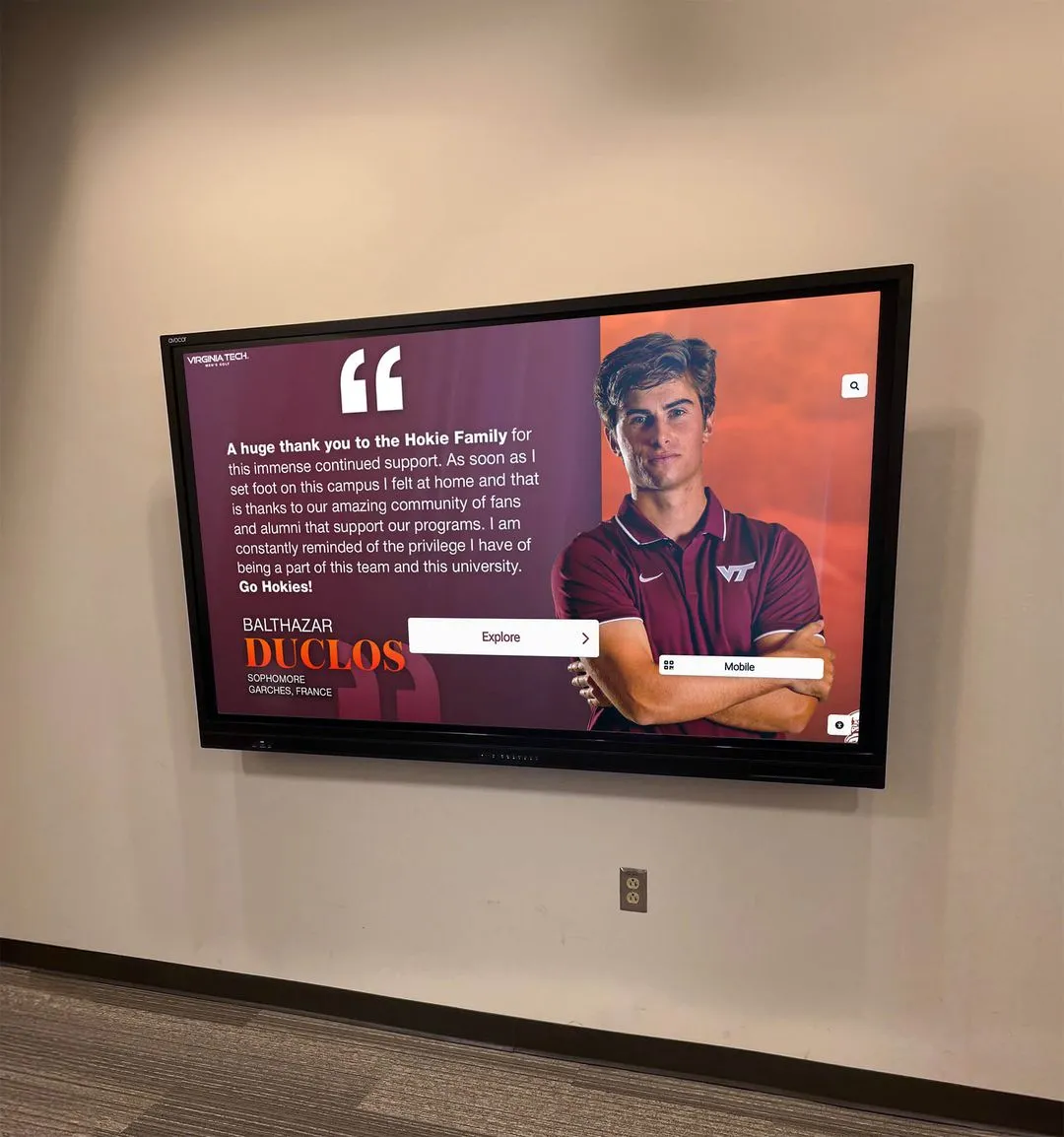
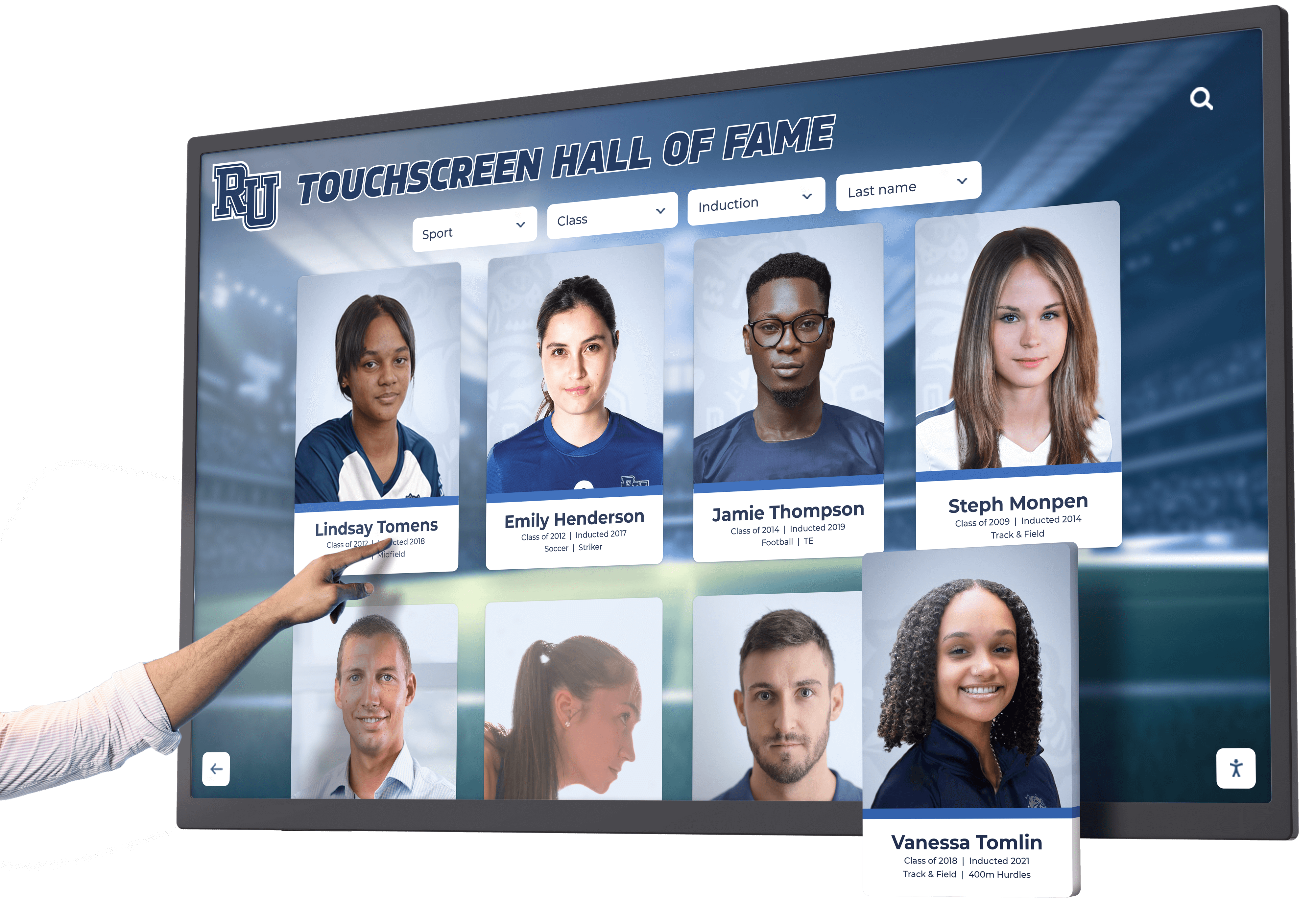
Interactive touchscreen displays transform heritage recognition by accommodating unlimited content accessible through intuitive navigation. Fans exploring franchise history can discover comprehensive player profiles with career statistics and memorable moments, season-by-season team records with game highlights, championship runs documented through photos and video, retired numbers with the stories behind honored players, and franchise milestones from inaugural seasons through current achievements.
This depth of content creates engagement that extends visit duration while building emotional connections between fans and franchise heritage. Younger fans discover players and moments before their time, visiting fans explore opponent history and shared league stories, and long-time supporters relive memories while seeing comprehensive documentation of eras they experienced firsthand.
Recognizing Community Heroes and Youth Athletics
Professional sports teams serve as community anchors, and many implement recognition programs celebrating local heroes who embody team values beyond the professional roster. SAP Center and the San Jose Sharks organization have long emphasized community connections through youth hockey programs, educational initiatives, and recognition of service members, first responders, and community leaders.
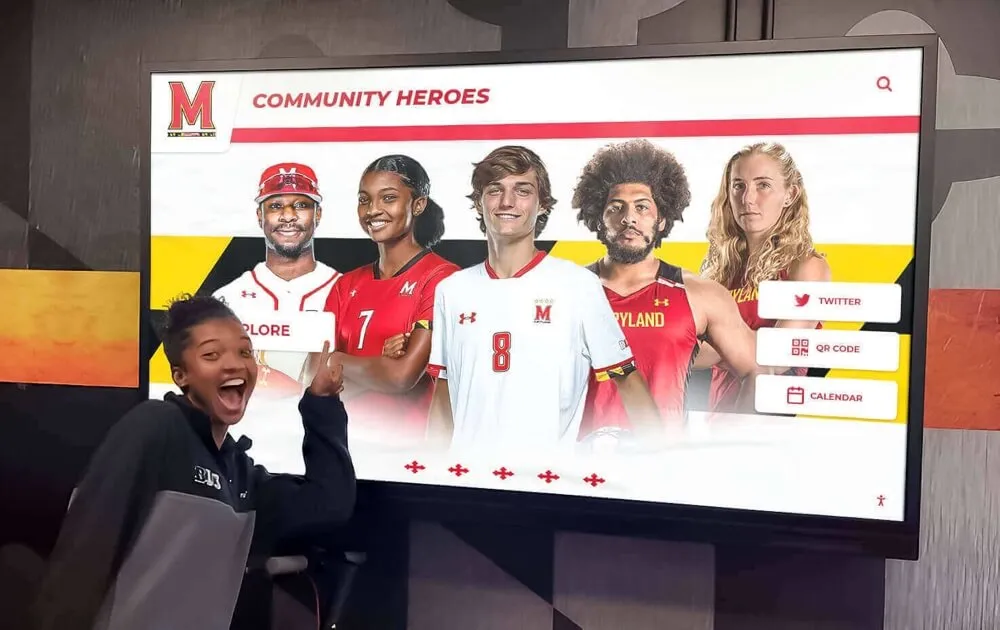
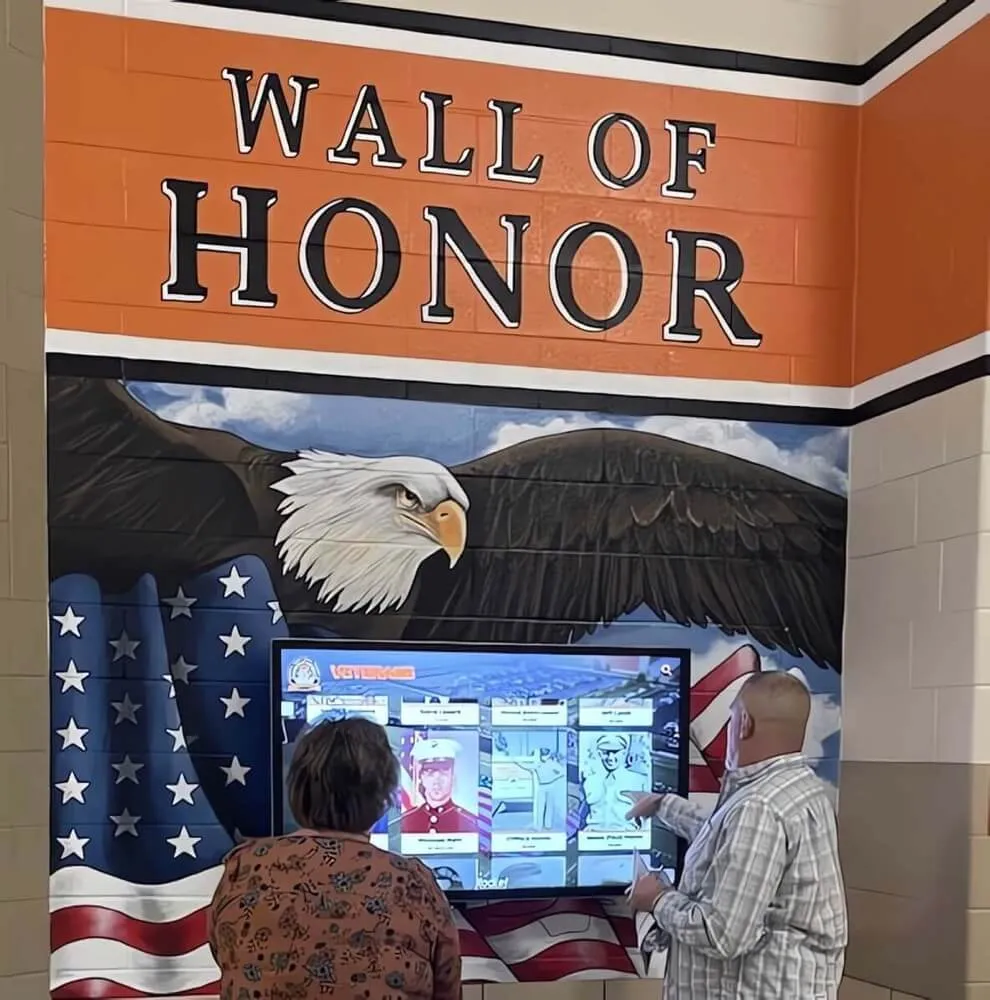
Interactive recognition displays provide ideal platforms for celebrating these community connections through dedicated sections recognizing youth hockey program participants and achievements, scholarship recipients and their stories, community service award winners, military appreciation and veteran recognition, and local school partnerships and educational programs.
These recognition categories demonstrate that professional sports venues serve purposes beyond entertainment—they’re community gathering spaces where diverse achievements receive appropriate celebration. Solutions like Rocket Alumni Solutions provide platforms specifically designed for comprehensive recognition that honors all contributors without space limitations that constrain traditional physical displays.
Enhancing Game Day Experience Through Dynamic Content
Interactive displays serve recognition functions while also enhancing real-time game day experiences through dynamic content that keeps fans engaged during natural breaks in action. During pregame periods, displays can feature starting lineup announcements with player profiles, opponent team information and key matchups, game day promotions and contests, and historical context for significant anniversaries or milestones.
Between periods and during intermissions, content shifts to highlight current game statistics and standout performances, fan-submitted photos and social media content, upcoming promotional nights and special events, and community recognition spotlights introducing honored guests.
This content variety ensures displays remain engaging throughout events rather than serving single-purpose functions that fans view once and ignore. The same infrastructure recognizing franchise legends also celebrates today’s emerging stars, connects fans to community initiatives, and provides constantly refreshed content that rewards repeated viewing.
Technology Enabling Modern Recognition Displays
The interactive recognition displays transforming venues like SAP Center rely on converging hardware and software technologies that have matured significantly over the past decade.
Commercial-Grade Touchscreen Hardware
Professional venue implementations require hardware far more robust than consumer electronics. Commercial-grade touchscreens feature durability specifications ensuring reliable operation under continuous use, temperature tolerance for varied environmental conditions, screen technology optimized for high-traffic areas with bright ambient lighting, and protective overlays preventing damage from heavy public interaction.
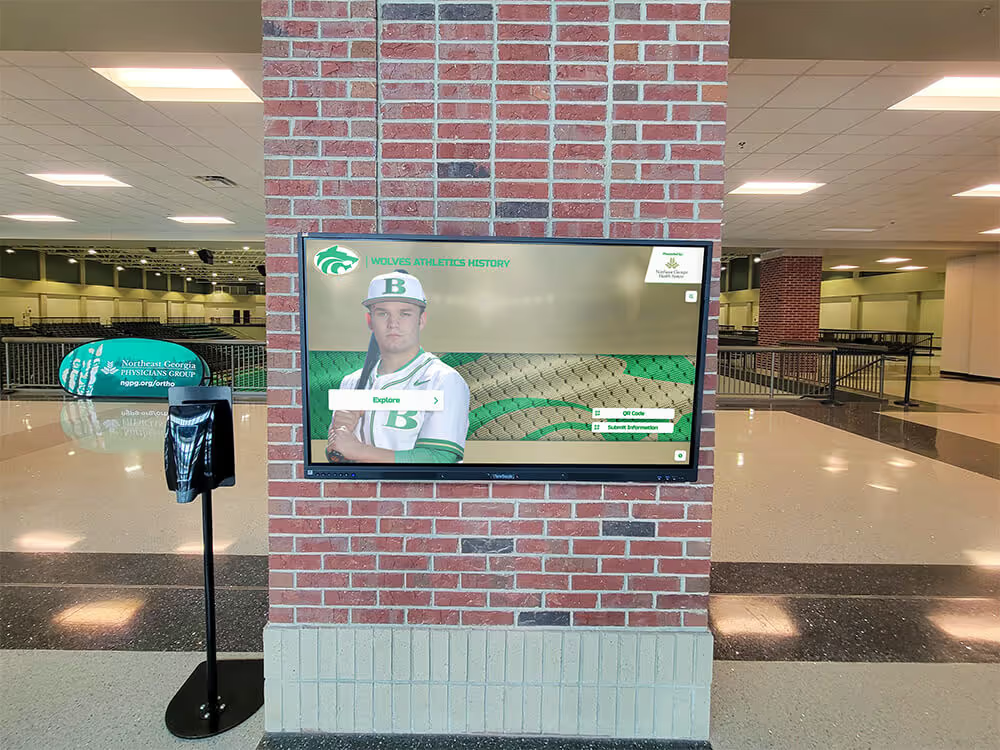
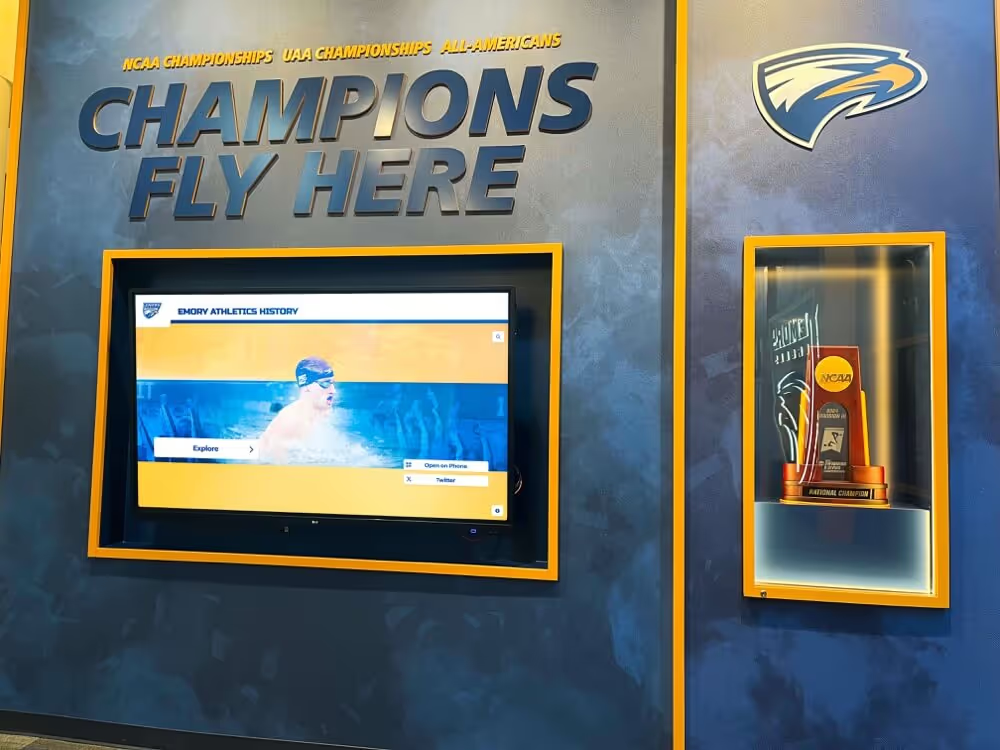
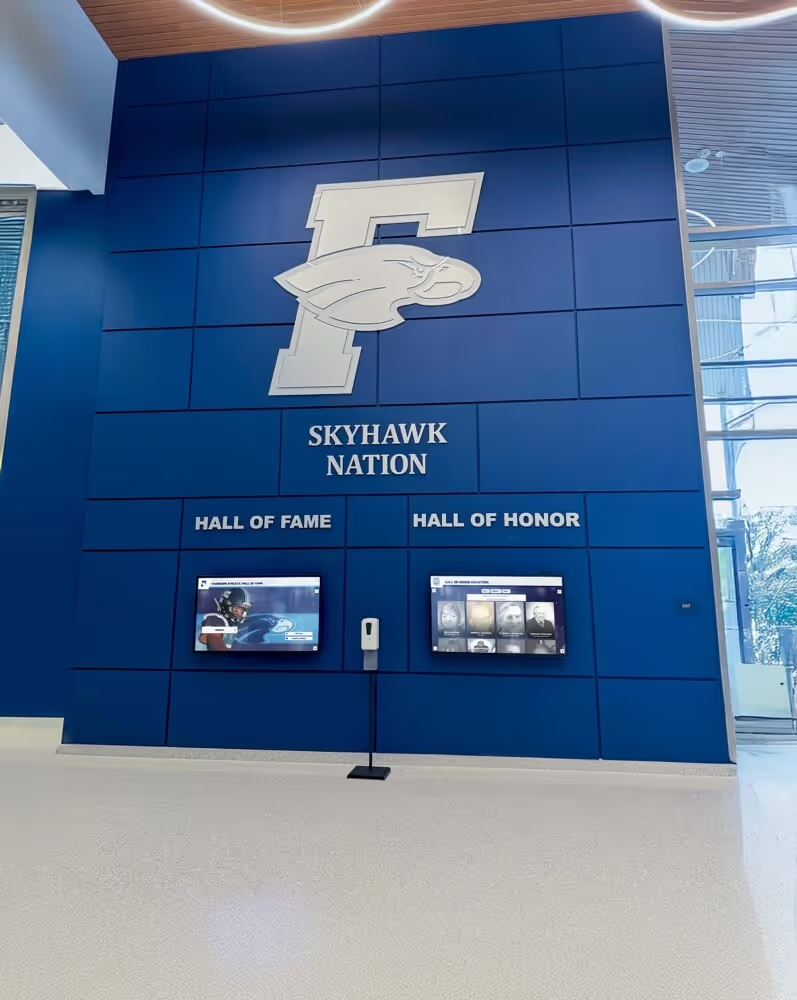
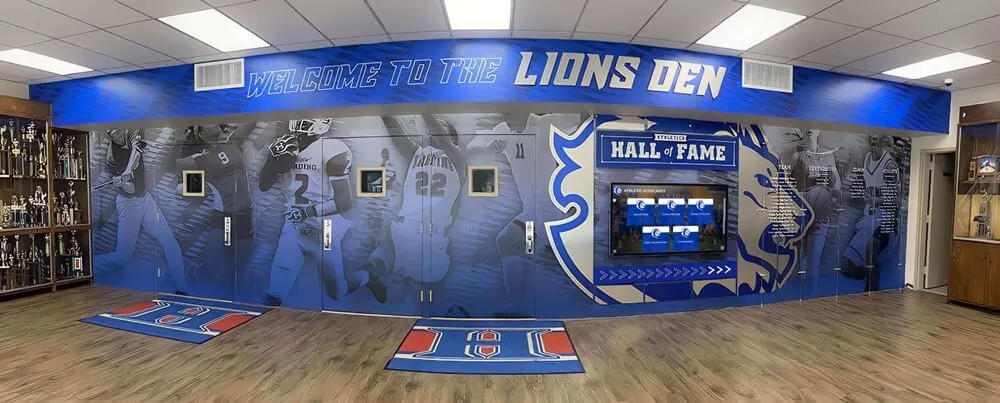
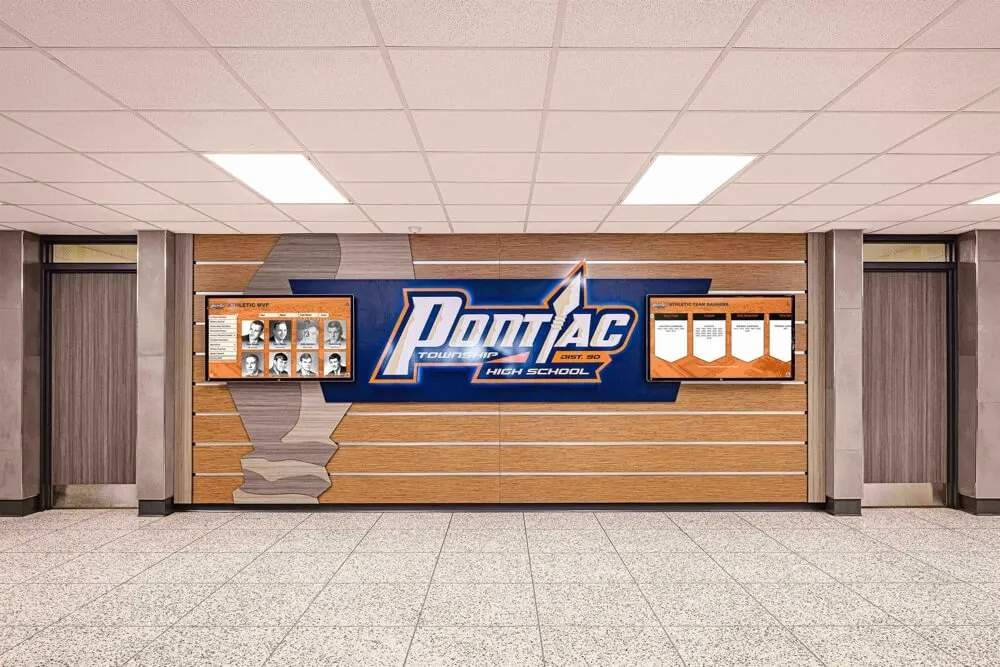
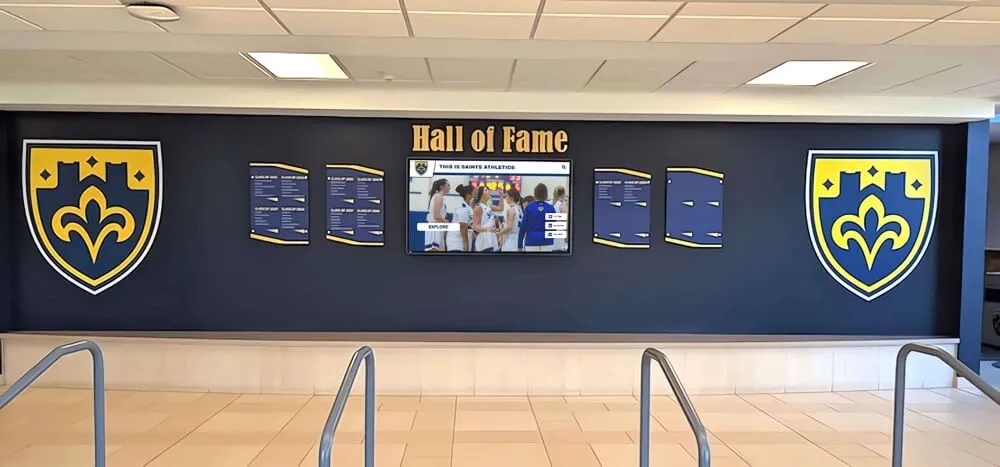
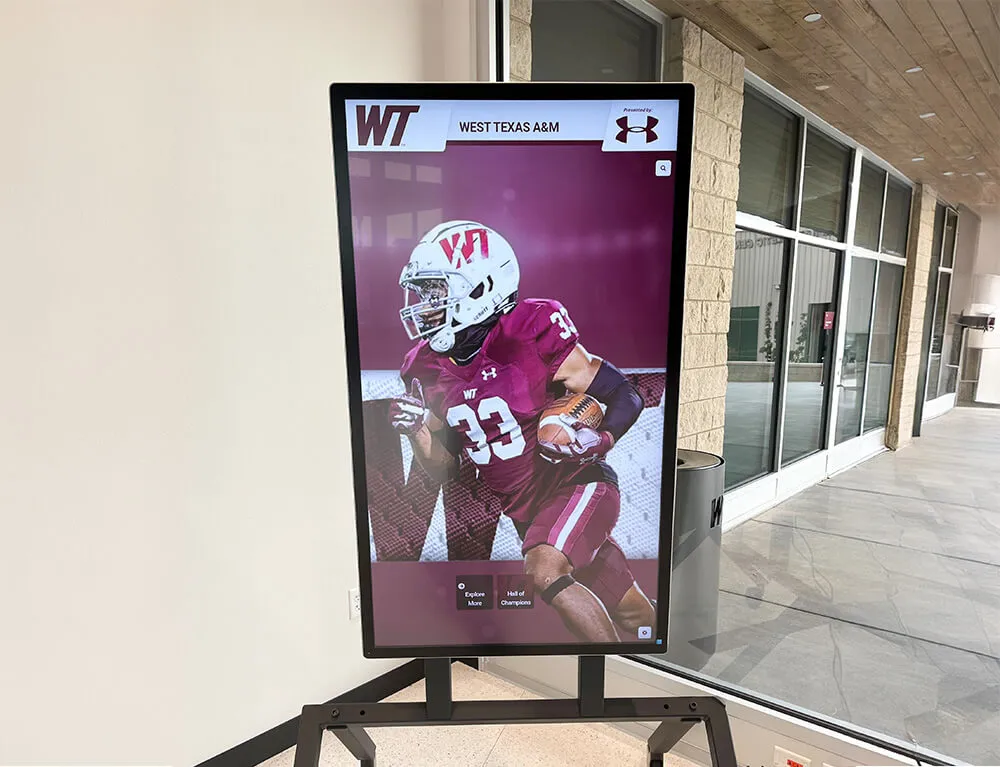
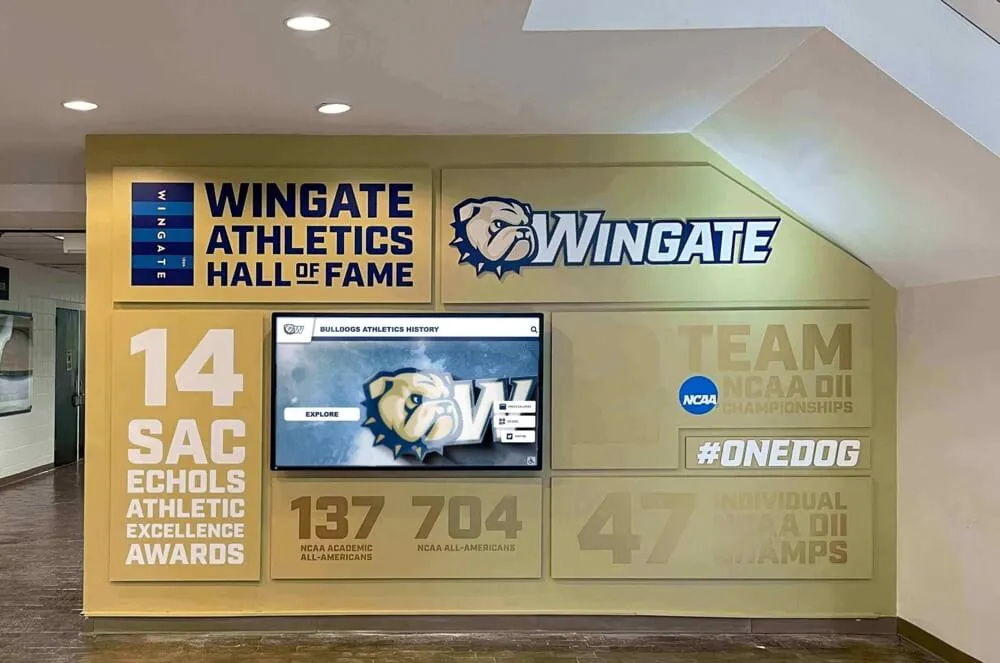
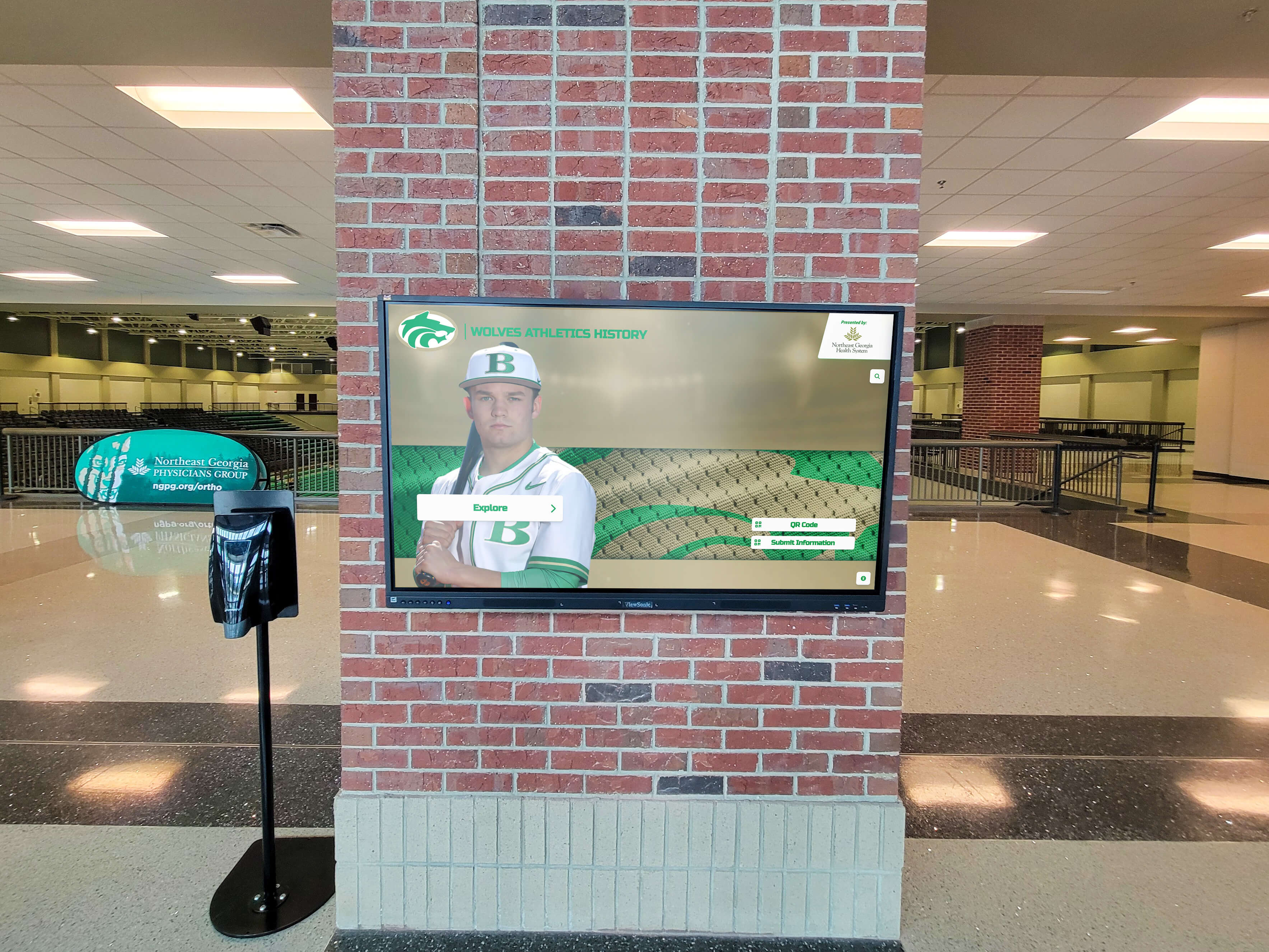
Display size considerations for arena contexts typically favor large-format installations—often 55 inches or larger—that command attention in spacious lobbies and concourses where viewing distances exceed typical office or classroom ranges. Multiple displays in coordinated installations can create recognition walls that combine visual impact with functional content distribution across different categories or time periods.
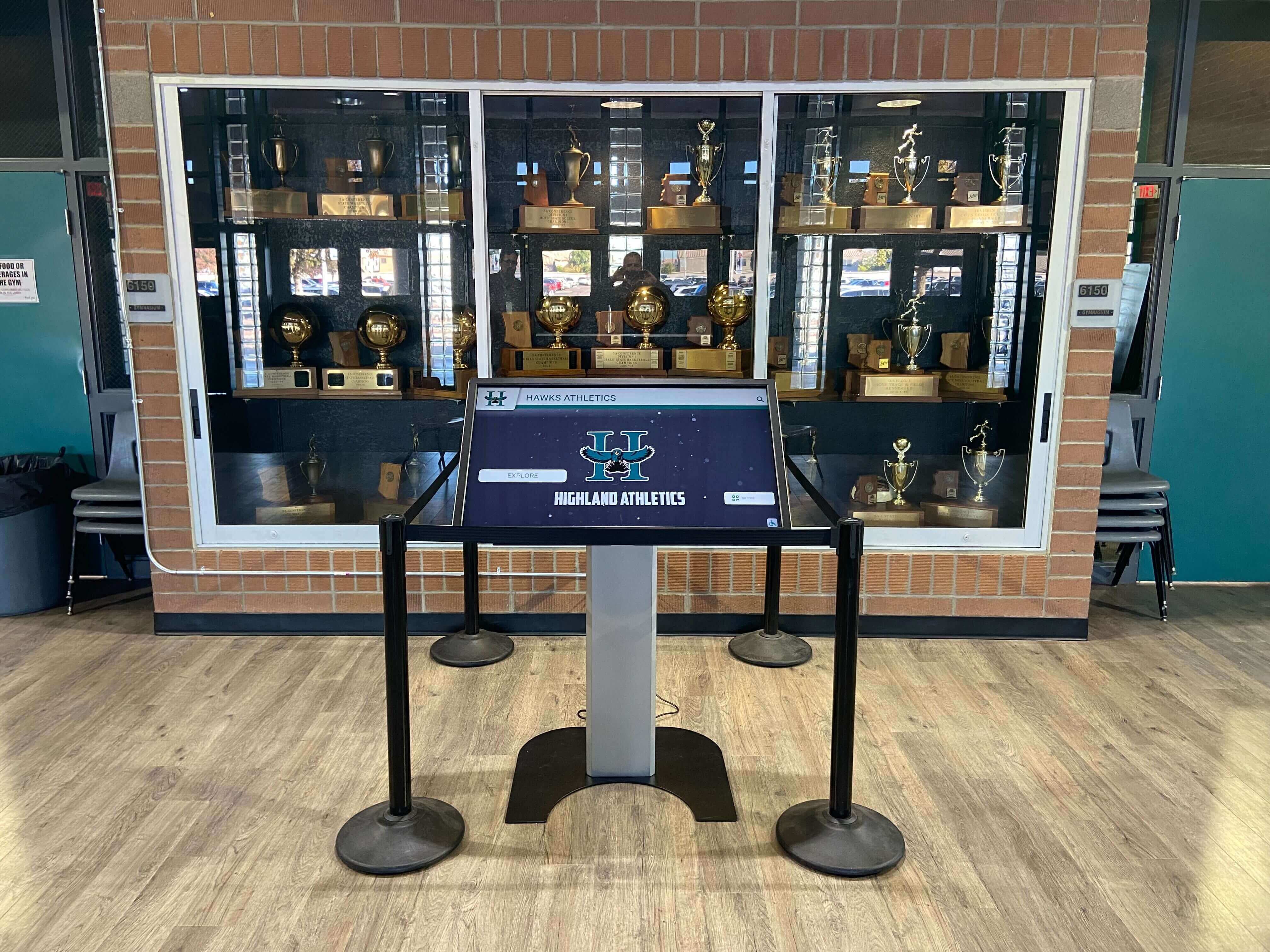
Network connectivity represents another critical hardware consideration. Modern interactive displays rely on internet connections for content management, updates, and often for user interaction features like social sharing. Professional installations integrate with venue networks, ensuring reliable connectivity while maintaining appropriate security protocols protecting both display systems and broader facility networks.
Intuitive Software Platforms
Hardware capabilities mean nothing without software interfaces that fans find intuitive and engaging. Effective recognition display software balances visual appeal with functional navigation, allowing users of all ages and technical comfort levels to explore content successfully.
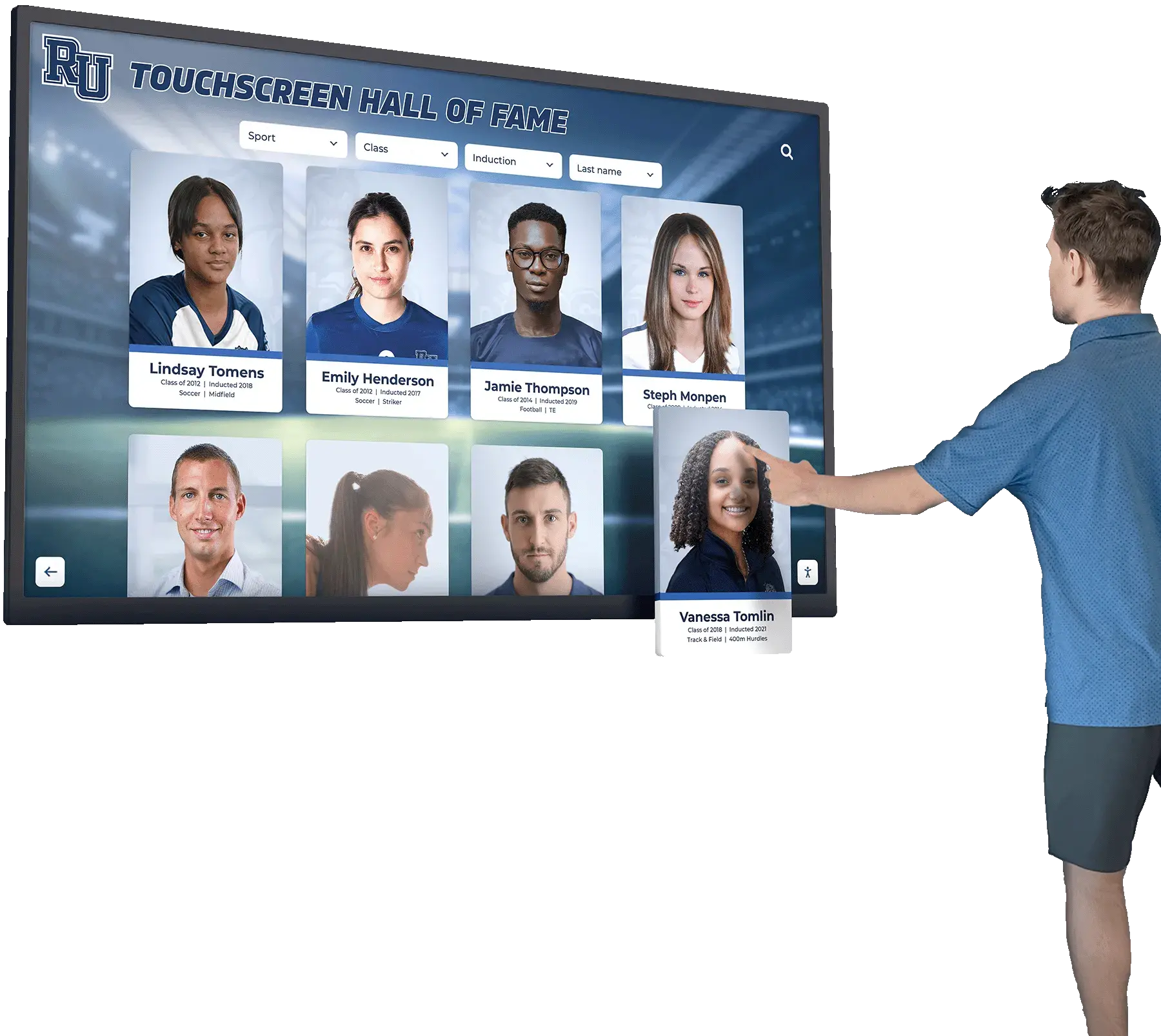
Key software characteristics include responsive touch interfaces optimized for fingertip navigation, search functionality enabling users to find specific individuals or teams quickly, multimedia integration displaying photos, videos, and interactive elements seamlessly, content organization structures that reflect how users think about information, and accessibility features ensuring displays serve all visitors including those with visual or mobility limitations.
Cloud-based content management systems enable venue staff to update displays remotely without technical expertise. Well-designed platforms provide template-based content creation, bulk upload capabilities for efficient seasonal updates, scheduled publishing for time-sensitive content, and user permission management allowing appropriate access for different staff roles.
For organizations exploring interactive recognition beyond professional sports contexts, platforms like those offered by Rocket Alumni Solutions provide specialized functionality for educational institutions, youth sports programs, and community organizations seeking to implement comprehensive recognition without custom development costs. These turnkey digital recognition solutions reduce implementation complexity while ensuring professional results.
Integration with Broader Venue Technology
Interactive recognition displays achieve maximum impact when integrated with broader venue technology ecosystems rather than functioning as isolated systems. At SAP Center, display infrastructure connects with Wi-Fi networks, IPTV distribution systems, and centralized content management platforms that coordinate messaging across hundreds of screens throughout the facility.
This integration enables coordinated content strategies where recognition displays complement rather than compete with other messaging. During special recognition nights, for example, content can flow seamlessly across center-hung scoreboards, concourse displays, interactive touchscreens, and mobile apps, creating unified experiences that reinforce recognition themes through multiple touchpoints.
For venues implementing new recognition technology, considering integration opportunities from the outset ensures systems work together effectively. Even in contexts smaller than professional arenas—high schools, colleges, youth sports facilities, or community centers—connecting recognition displays with existing digital signage, social media platforms, and websites multiplies recognition reach and impact.
Best Practices for Interactive Recognition in Sports Venues
Professional sports venues like SAP Center provide valuable lessons for any organization implementing interactive recognition displays, regardless of scale or budget.
Strategic Placement for Maximum Engagement
Display location dramatically affects utilization and impact. The most successful installations prioritize high-traffic areas where visitors naturally congregate or pass through repeatedly including main entrance lobbies where all visitors enter, concourse locations near concessions and restrooms, team store areas where fans browse merchandise, and dedicated heritage areas designed specifically for exploration.
Multiple displays distributed throughout facilities serve different audiences and purposes better than single installations, even when individual displays might be smaller than a consolidated mega-display. Families with young children might engage with one location, while dedicated fans explore comprehensive historical archives at another, and casual visitors discover highlights at accessible entry points.
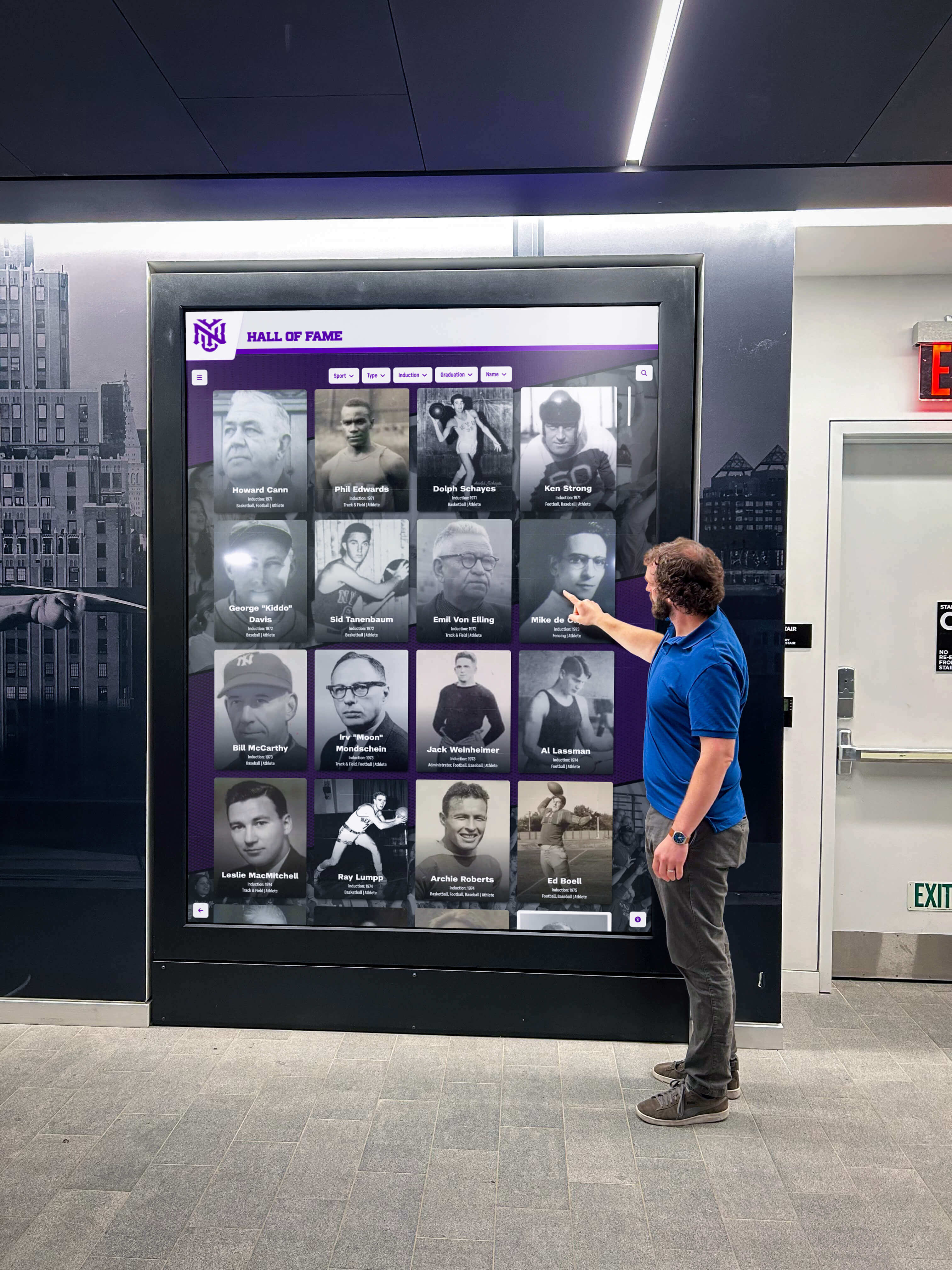
Consider viewing angles and ambient lighting when determining placement. Displays positioned opposite windows or bright lighting may suffer from glare reducing visibility. Mounting height should accommodate users of different heights, including children and individuals using wheelchairs, while being high enough to remain visible in crowded conditions.
Content Strategy: Balancing Historical and Current Recognition
Effective recognition displays balance celebrating storied history with highlighting current achievements and personalities. Overemphasis on historical content risks making displays feel like museums disconnected from current teams, while excessive focus on current rosters provides insufficient context about franchise identity and heritage.
Successful content strategies typically organize information by multiple navigation paths allowing different entry points based on user interests. Visitors should be able to explore by era or decade to discover team evolution, by player name when searching for specific individuals, by achievement type such as championships, records, or individual awards, by team season for comprehensive yearly documentation, and by recognition category like community service, youth programs, or retired numbers.
Regular content updates keep displays fresh and reward repeat visits. Adding current season highlights, updating player statistics, featuring recent community recognition recipients, and refreshing multimedia content ensures displays remain relevant rather than becoming static installations that visitors view once and never return to.
Educational institutions implementing similar recognition technology can apply these principles by balancing alumni heritage with current student achievements, organizing content by graduation year, sport, achievement type, and program, and updating displays regularly with current season highlights and recognition. Resources like comprehensive implementation guides help organizations develop effective content strategies regardless of context.
Multimedia Integration for Emotional Impact
Text and static images convey information, but video and audio create emotional connections that drive memorable experiences. Interactive recognition displays should leverage multimedia capabilities strategically by incorporating championship game highlights and memorable moments, player interview clips sharing perspectives and stories, tribute videos for retiring players or honored individuals, historical footage from significant franchise milestones, and crowd reaction moments capturing fan experiences.
Audio presents challenges in noisy arena environments where multiple sound sources compete for attention. Many implementations use video content with closed captions, allowing visual storytelling without requiring audio in public spaces. Alternatively, some displays incorporate directional speakers that focus sound toward viewers without creating excessive ambient noise, or provide headphone jacks enabling visitors who want audio to connect personal devices.
The emotional impact of well-produced video content cannot be overstated. Seeing legendary goals rather than reading about them, watching players describe what franchise means to them rather than reading quotes, and experiencing championship celebrations through actual footage creates connections that honor achievements appropriately while engaging visitors emotionally.
Social Integration and Digital Extensions
Physical displays in venue locations serve visitors who attend events, but web-based platforms and social media integration extend recognition to audiences who never visit facilities. Modern recognition systems should provide web access allowing remote exploration of content through mobile-responsive websites, social sharing features enabling visitors to post discoveries directly to social platforms, and mobile app integration for venues with dedicated applications.
When fans share recognition content through their social networks, reach multiplies exponentially beyond physical visitors. A parent sharing their child’s youth hockey recognition, an alum discovering their championship team featured in an arena display, or a fan sharing interesting historical footage all become authentic promotional content reaching networks of friends and family.
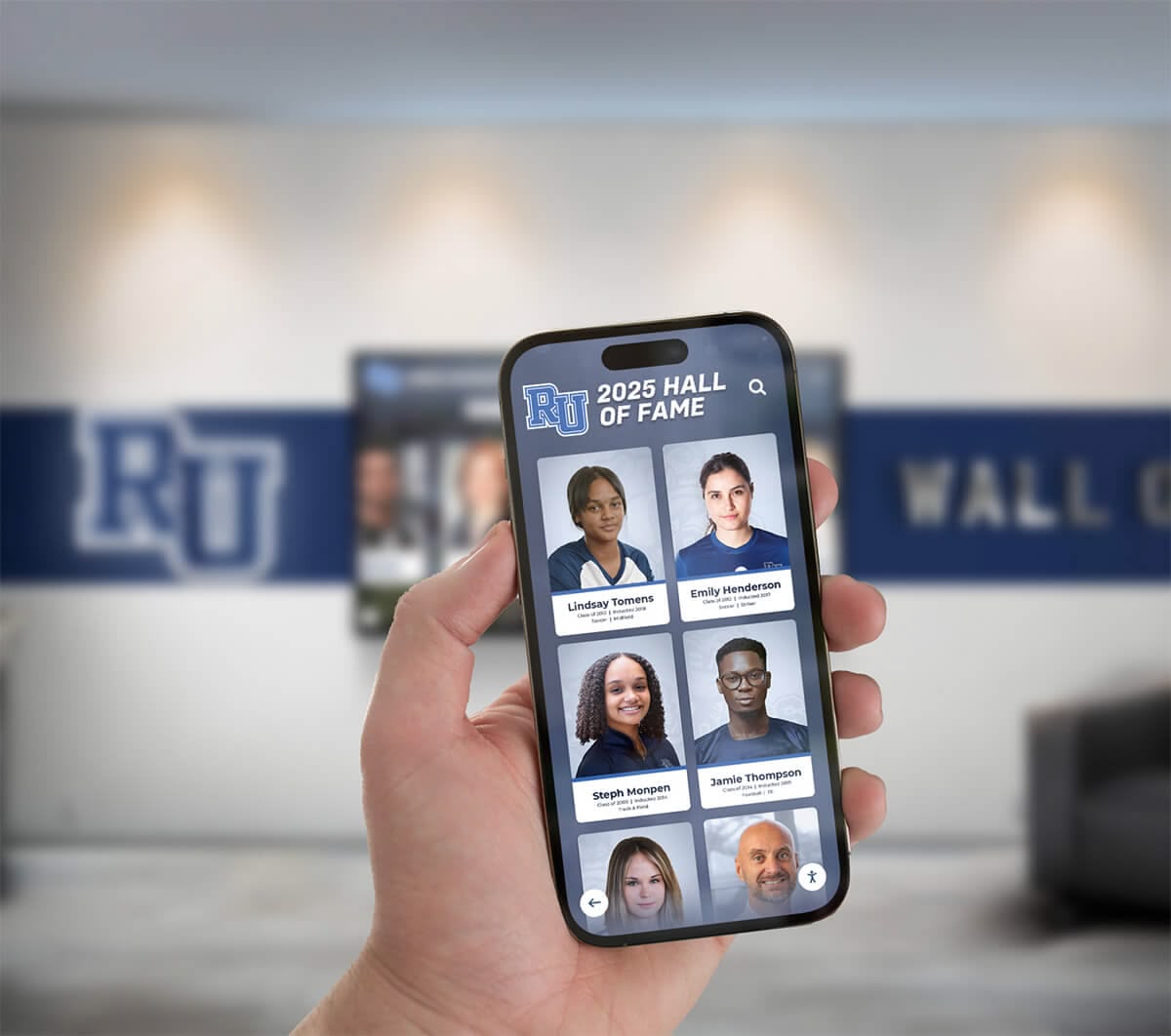
Implementation considerations include generating shareable content formats optimized for social platforms, incorporating QR codes linking physical displays to web-based content, providing hashtag campaigns unifying recognition content across platforms, and ensuring privacy controls protect individuals who prefer not to appear in shared content.
For schools, colleges, and youth sports programs, extending digital recognition beyond physical facilities becomes even more critical since stakeholders (students, parents, alumni, community members) access content from diverse locations. Modern digital recognition platforms provide web accessibility as standard features, ensuring recognition reaches all stakeholders regardless of physical proximity to facilities.
Applications Beyond Professional Sports: Recognition Opportunities for All Organizations
While SAP Center provides a professional sports venue example, the recognition principles and technology apply across diverse organizational contexts where achievement deserves celebration and stakeholder engagement matters.
Educational Institutions: Schools and Universities
Schools and universities face recognition challenges remarkably similar to professional sports venues—limited physical space for traditional plaques, diverse achievement types deserving acknowledgment, multi-generational stakeholder communities, and the desire to create engagement extending beyond physical campus visits.
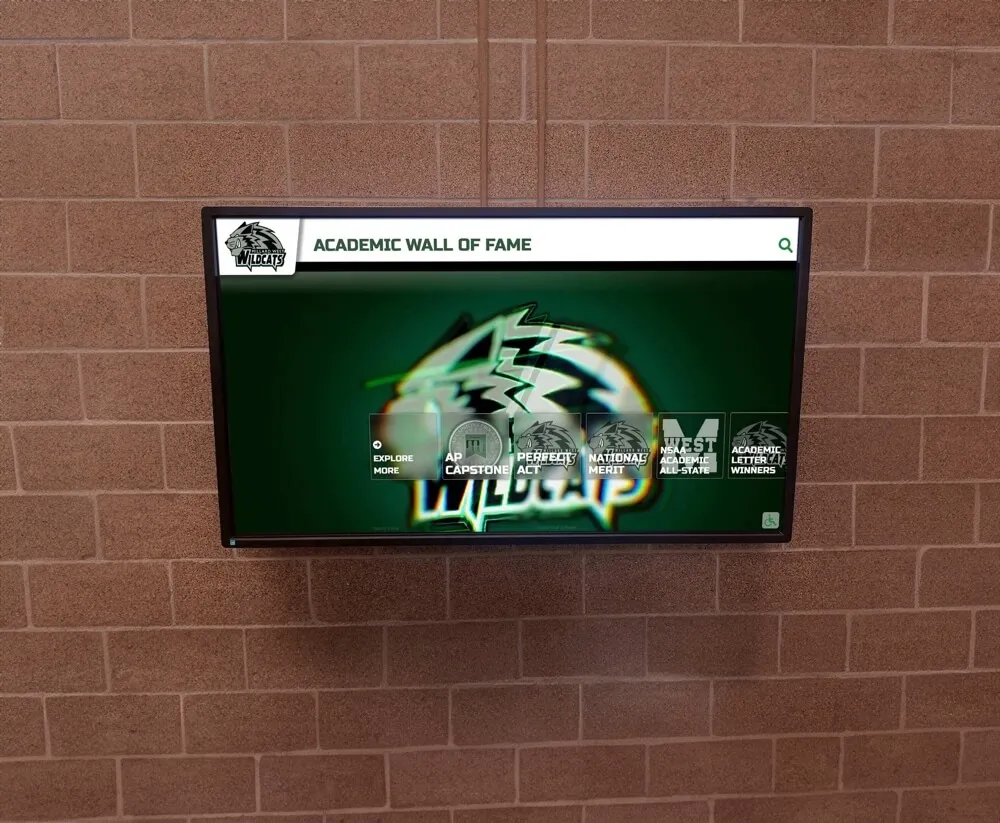
Interactive recognition displays serve educational contexts by showcasing academic achievement like honor roll, scholarships, and awards, celebrating athletic accomplishments across all sports and participation levels, recognizing performing arts, STEM competitions, and diverse extracurricular excellence, highlighting distinguished alumni achievements demonstrating institutional impact, and featuring community service and character recognition aligned with institutional values.
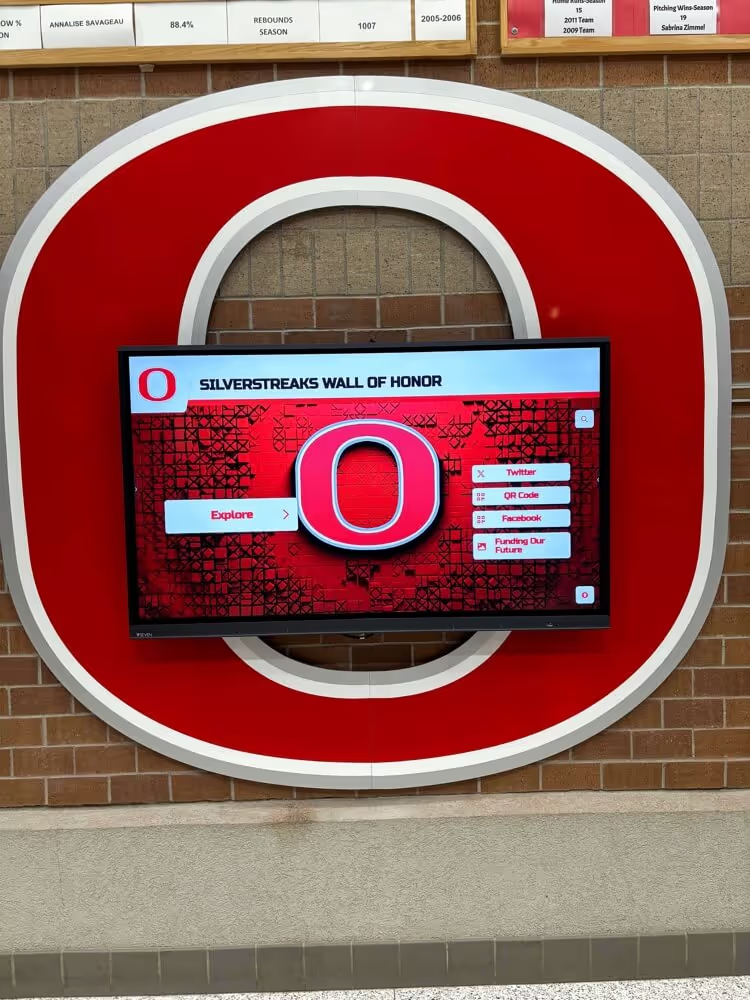
The space efficiency of digital recognition becomes particularly valuable for schools where wall space is precious and traditional trophy cases quickly overflow. A single large-format touchscreen can recognize unlimited individuals across unlimited categories without the spatial constraints that force traditional recognition systems to become selective about whom they honor.
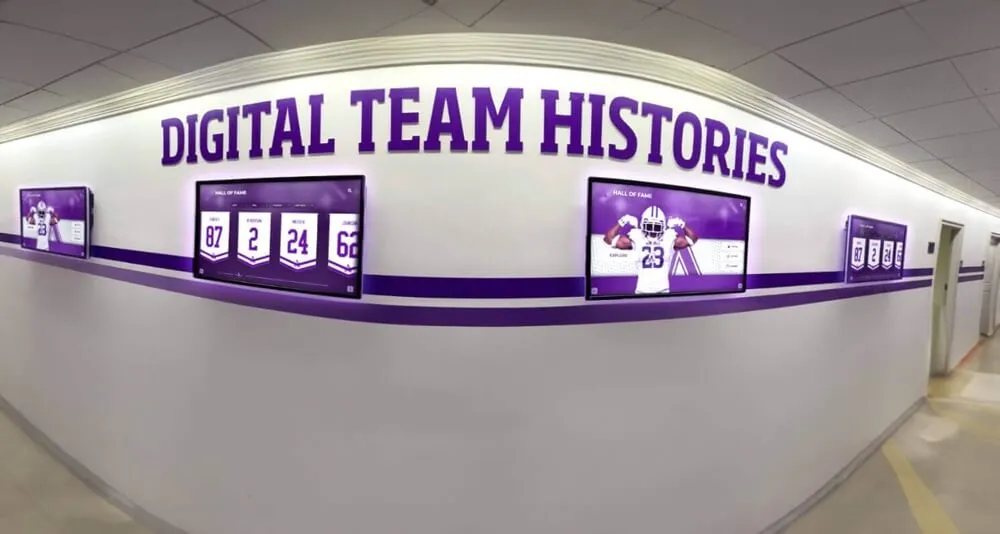
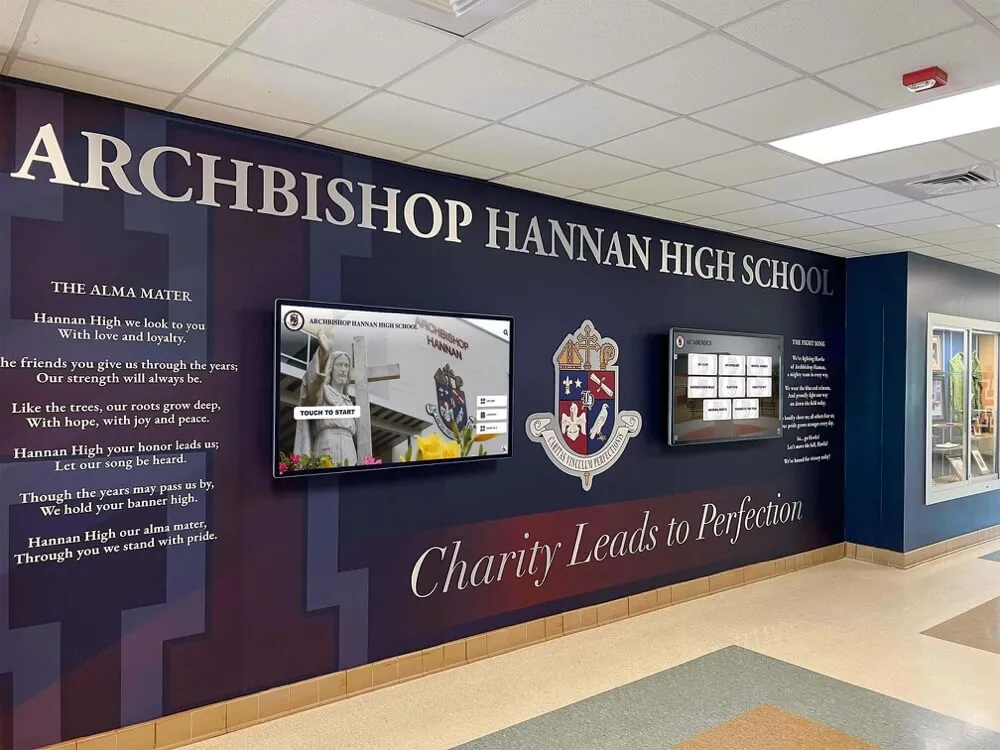
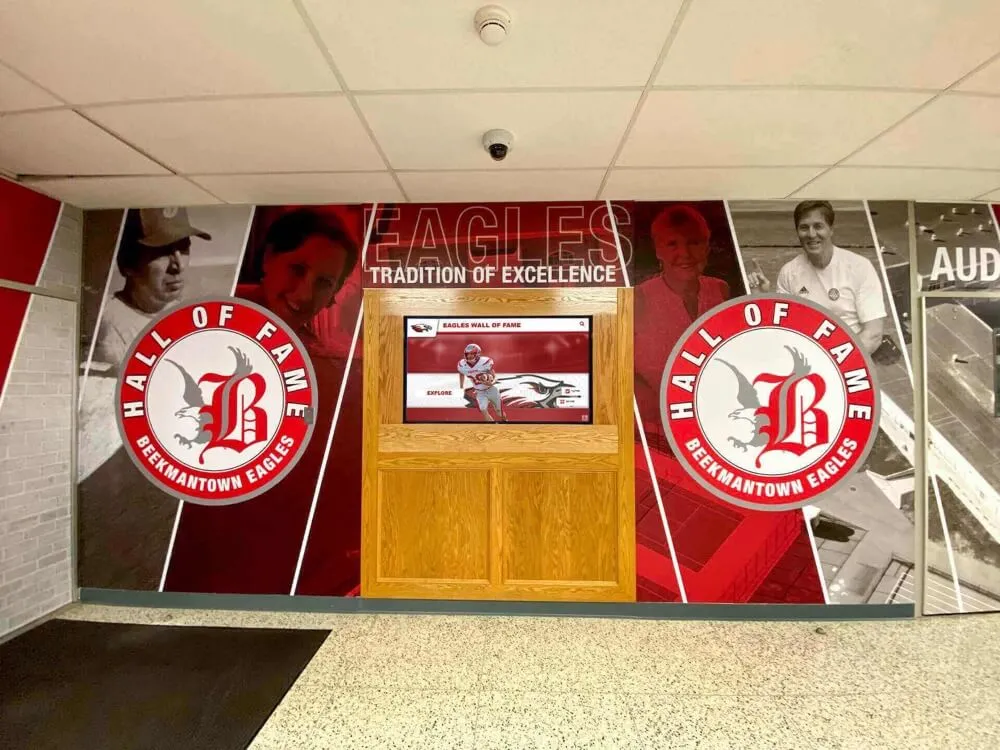
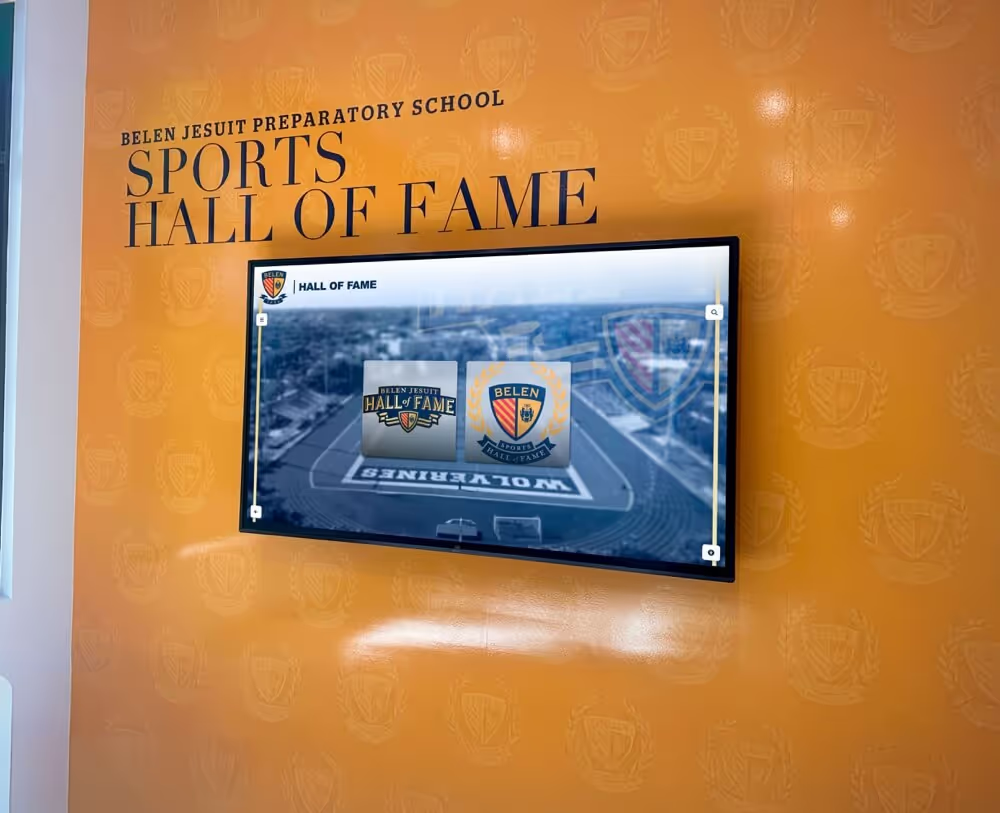
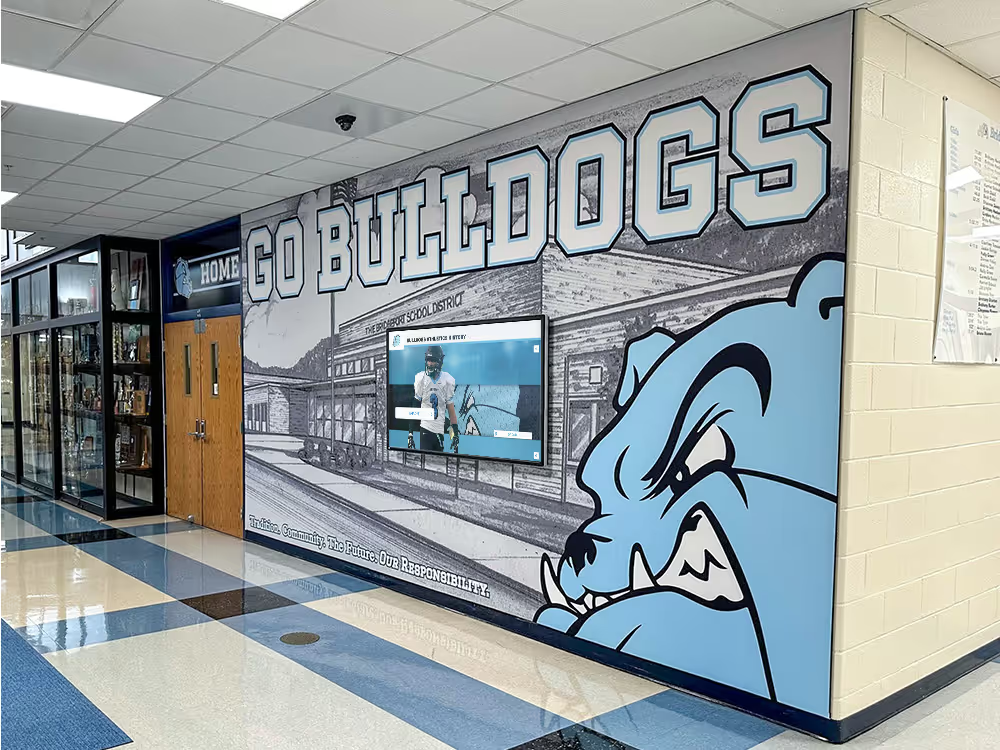
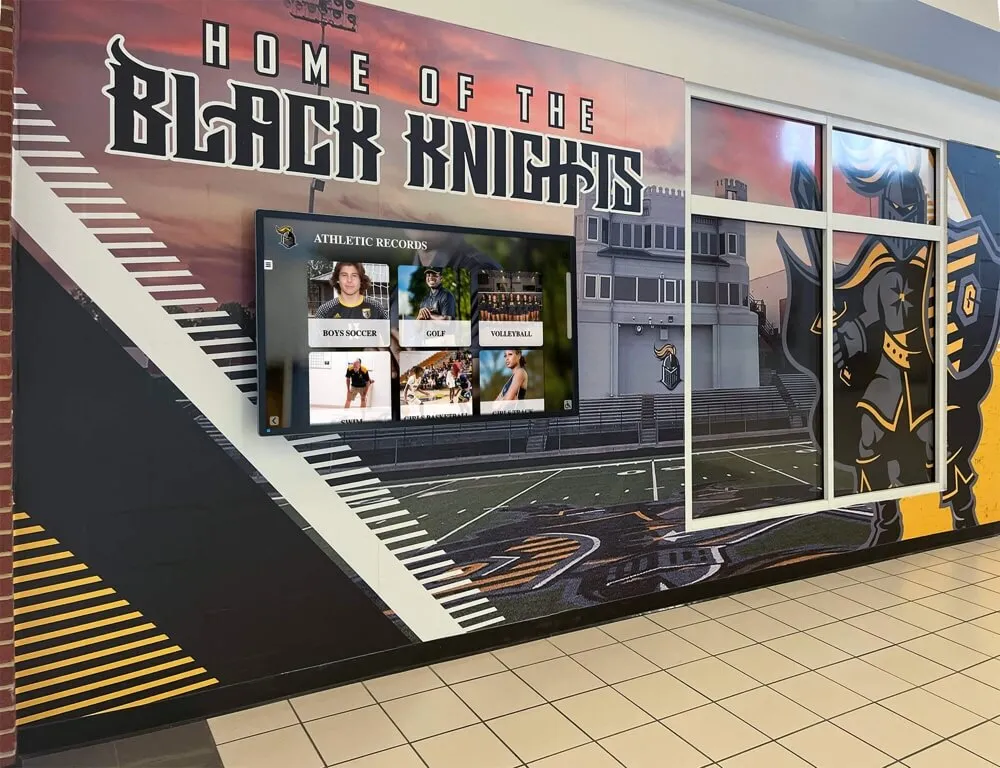
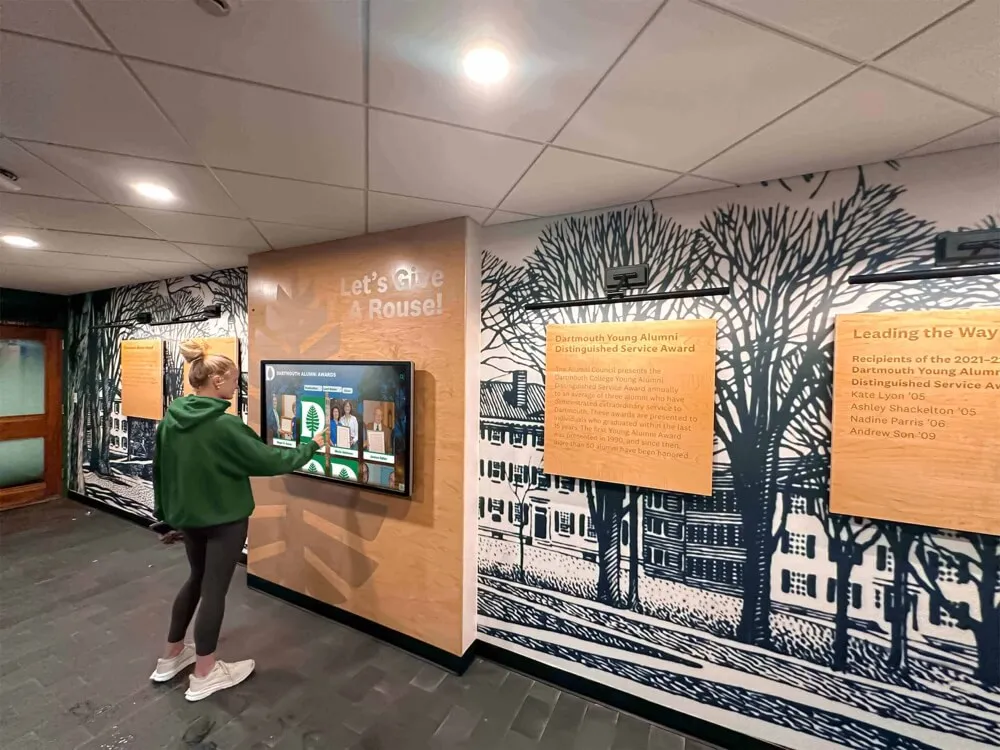
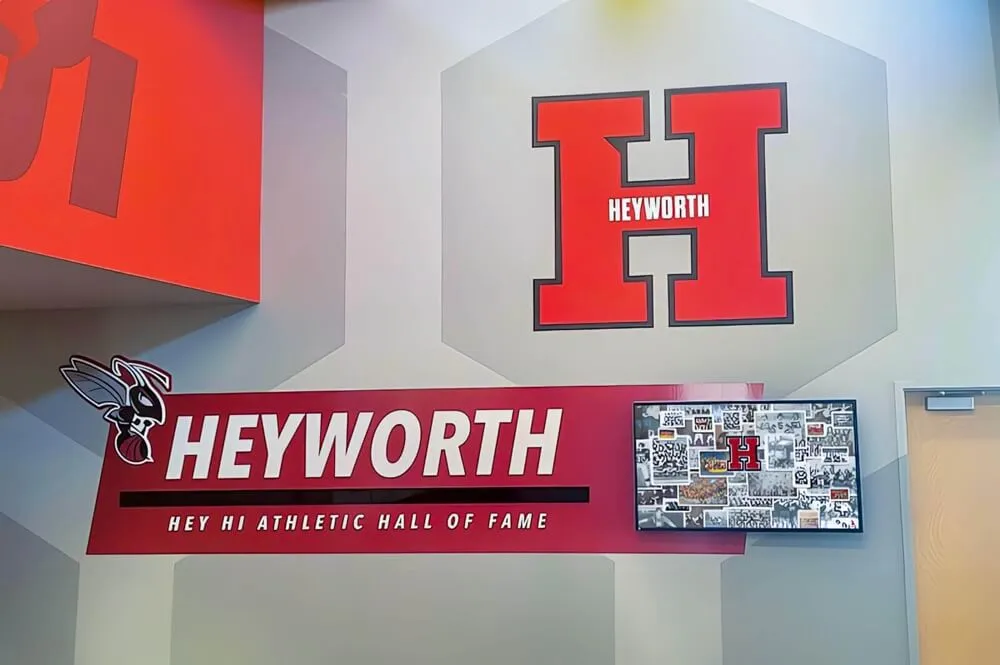
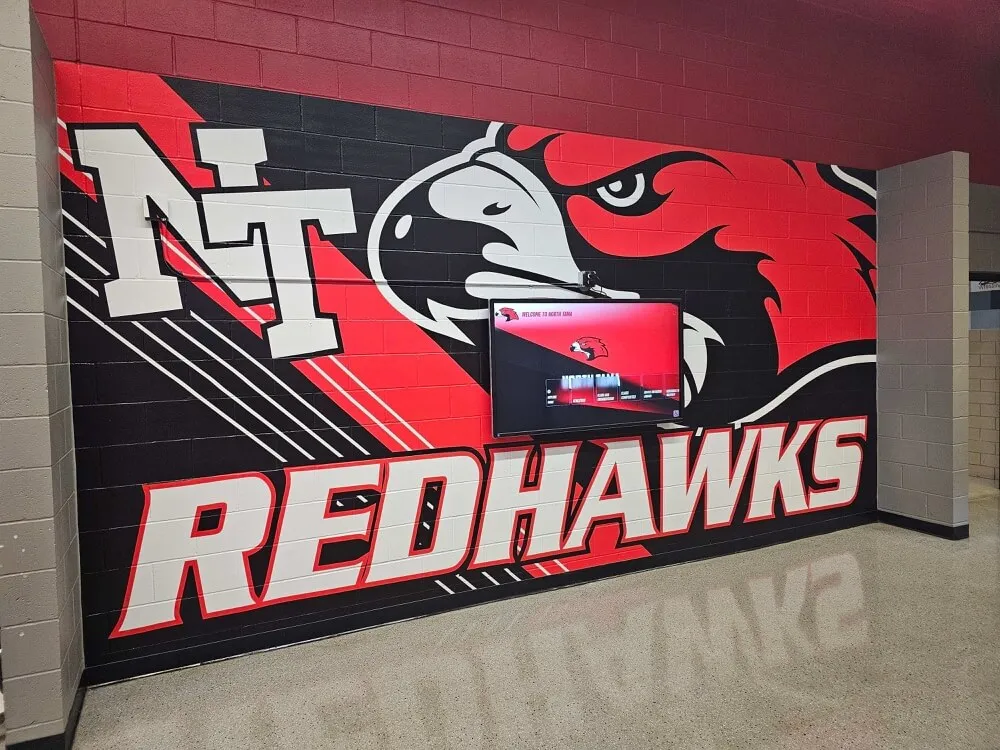
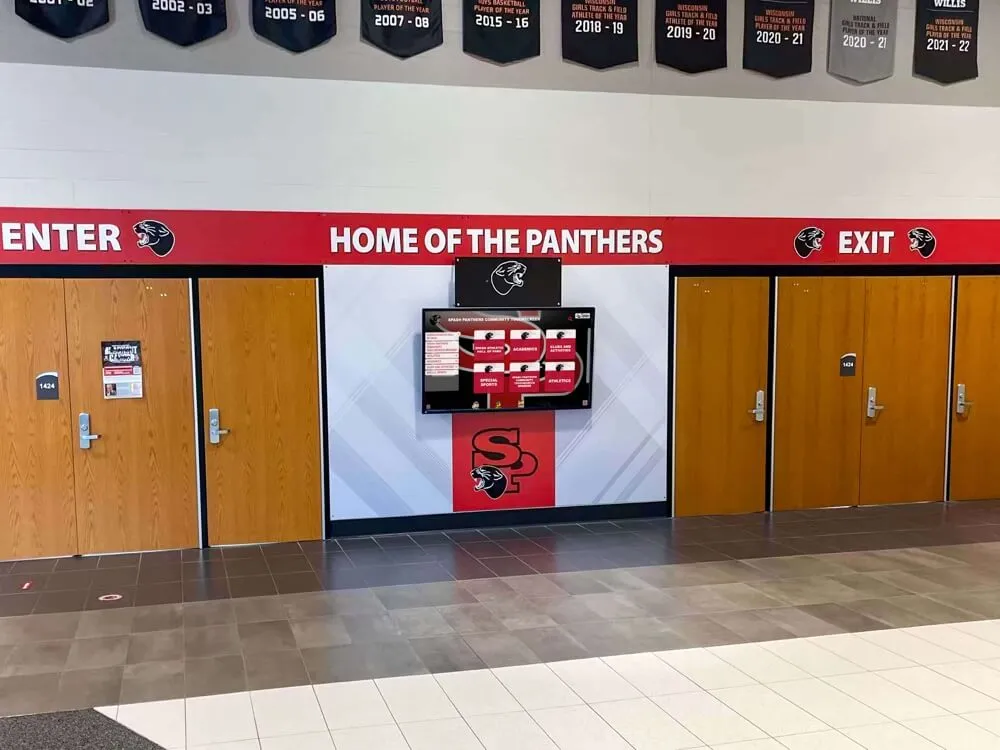
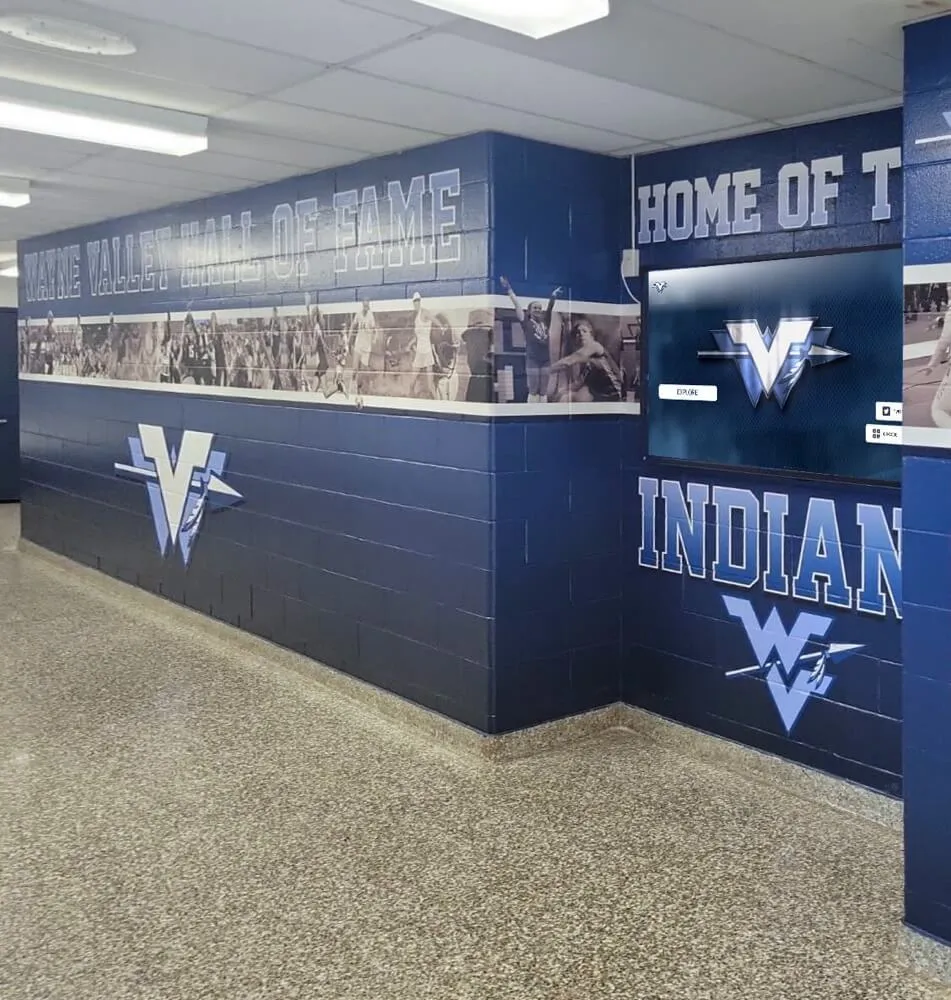
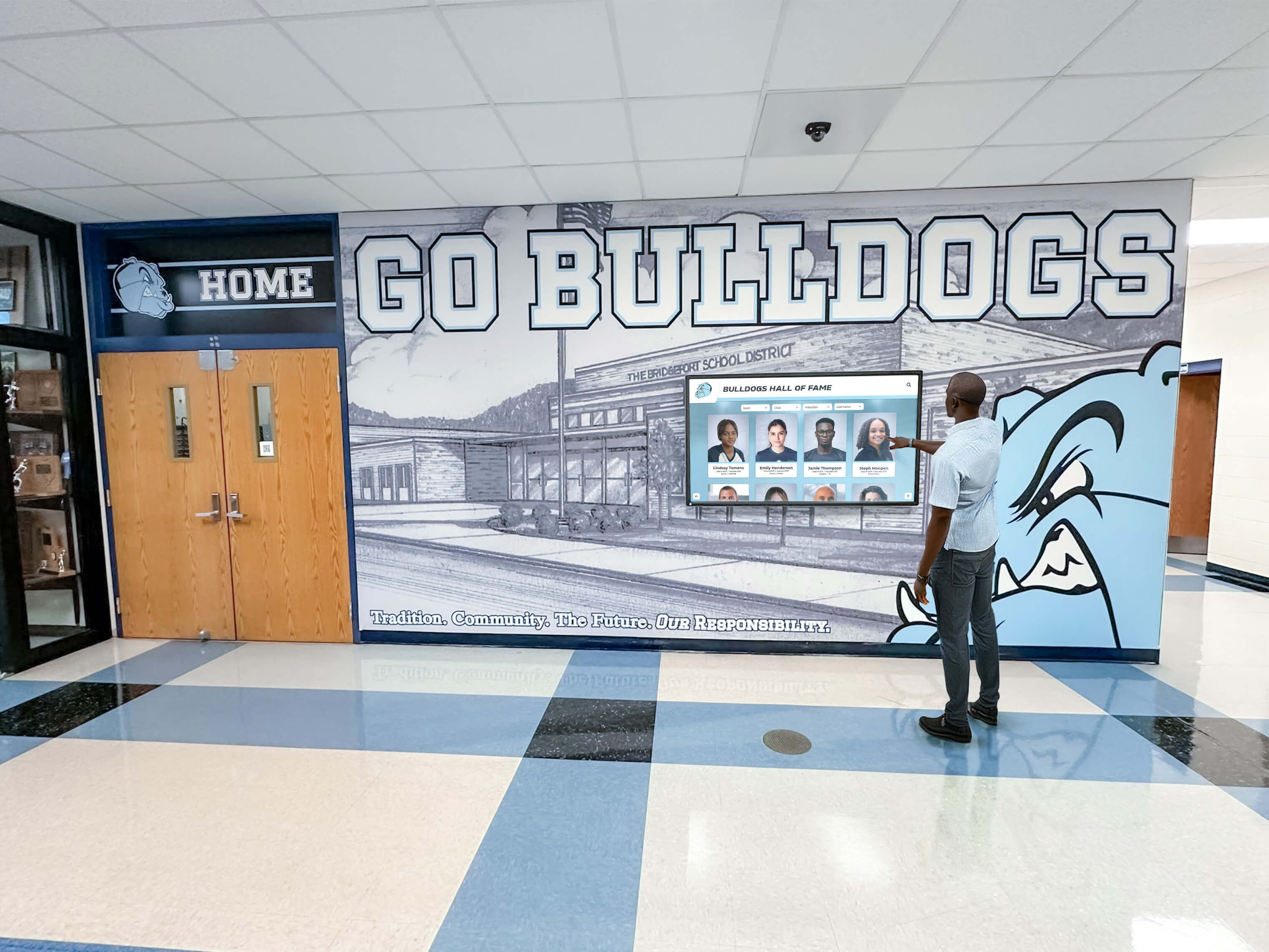
Schools implementing comprehensive recognition might explore creative hallway display strategies that combine digital touchscreens with complementary environmental graphics, creating recognition zones that celebrate achievement while enhancing facility aesthetics and school pride.
Youth Sports Organizations and Clubs
Club sports organizations, travel teams, recreational leagues, and youth sports facilities serve thousands of young athletes deserving recognition that traditional trophy distribution and end-of-season banquets cannot fully provide. Interactive displays offer solutions by maintaining participation records across seasons and years, showcasing team photos and season highlights indefinitely, recognizing sportsmanship awards and character development, celebrating individual improvement and milestone achievements, and honoring volunteer coaches and parent contributors.
For organizations operating out of shared facilities or without permanent homes, cloud-based recognition platforms provide recognition infrastructure independent of physical location. Content remains accessible through web platforms and mobile apps even when physical displays aren’t feasible, ensuring all participants receive appropriate acknowledgment regardless of facility limitations.
Churches operating youth sports ministries might adapt approaches from faith-based athletics recognition programs that emphasize character development and spiritual growth alongside athletic achievement, creating recognition systems aligned with ministry values.
Community Centers and Recreation Facilities
Municipal recreation departments, community centers, YMCAs, and similar organizations serve diverse populations across numerous programs spanning sports, arts, education, and community service. Recognition displays in these contexts celebrate adult league championships and tournament results, youth program participation and achievements, community volunteer recognition and service awards, program milestone anniversaries and historical moments, and partnerships with schools, businesses, and community organizations.
The versatility of digital recognition suits multi-program contexts where single-purpose displays would serve only fractions of organizational communities. Navigation structures accommodating different program types, age groups, achievement categories, and time periods ensure all programs receive appropriate representation without competition for limited recognition resources.
Corporate and Professional Contexts
Beyond sports and education, corporate environments, professional associations, and industry organizations implement recognition displays celebrating sales achievements and performance milestones, innovation awards and patent recognition, safety records and operational excellence, community engagement and corporate social responsibility, and employee milestone anniversaries and career achievements.
Interactive displays in corporate lobbies or employee common areas demonstrate that organizations value contributor achievements while providing engaging content for visiting clients, partners, and prospective employees who gain insights into company culture and values through recognition emphasis.
Implementation Considerations: Planning Your Recognition Display Project
Organizations considering interactive recognition displays should address several key planning dimensions ensuring successful implementations that deliver intended value.
Defining Recognition Objectives and Success Metrics
Clear objectives guide design decisions and provide assessment criteria for evaluating implementation success. Recognition objectives might include increasing stakeholder engagement with organizational heritage, providing comprehensive acknowledgment for all achievement types, creating shareable content amplifying organizational visibility, strengthening community identity and pride, supporting fundraising or advancement through donor recognition, and demonstrating organizational values through recognition emphasis.
Each objective suggests different success metrics. Engagement objectives point toward interaction counts and session duration metrics. Comprehensive acknowledgment objectives require measuring what percentage of eligible individuals receive recognition. Social amplification objectives track shares, reach, and referral traffic. Clear objectives and corresponding metrics enable data-driven assessment replacing subjective impressions.
Budget Planning and Funding Strategies
Interactive recognition display investments vary dramatically based on hardware specifications, software platform choices, content development needs, and installation requirements. Realistic budget planning accounts for hardware costs including displays, mounting systems, and network infrastructure, software platform licenses or subscriptions for content management, content development including historical research, photo/video production, and data entry, professional installation and integration services, and ongoing maintenance, updates, and technical support.
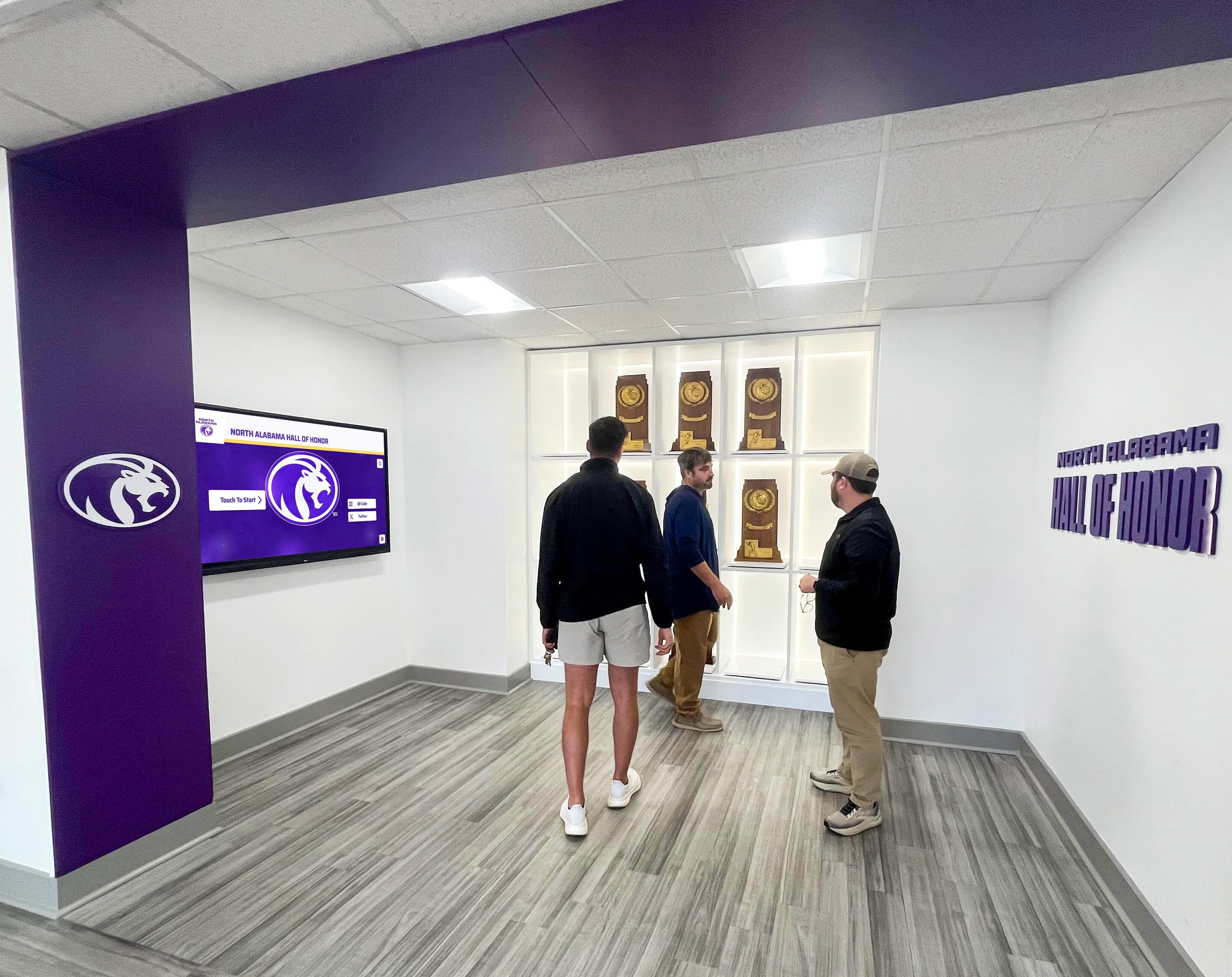
Funding strategies might include capital campaign allocations for major facility improvements, memorial giving opportunities where families honor loved ones through recognition support, corporate sponsorships from community business partners, operating budget allocations for mission-critical initiatives, grant applications for educational technology or community engagement projects, and phased implementation spreading costs across multiple budget cycles.
For educational institutions, recognition displays often qualify for funds restricted to technology, student experience, or alumni engagement purposes that cannot support other priorities. Strategic framing within appropriate funding categories can make projects financially feasible when general operating funds are constrained.
Vendor Selection and Partnership Evaluation
Recognition display implementations can follow different vendor models—custom development by local technology firms, turnkey solutions from specialized recognition platform providers, or general digital signage systems adapted for recognition purposes. Each approach offers different advantages regarding customization, cost, support, and long-term sustainability.
Evaluation criteria should include proven experience in recognition contexts specifically (not just general digital signage), content management system intuitiveness for non-technical staff, ongoing support quality and availability, platform scalability as recognition content grows over time, mobile and web accessibility extending reach beyond physical displays, and total cost of ownership including hardware, software, support, and updates.
Organizations might request demonstration projects or trial periods allowing evaluation before major commitments. References from similar organizations provide insights into vendor reliability, support quality, and long-term partnership satisfaction that marketing materials cannot reveal.
Specialized providers like Rocket Alumni Solutions offer particular advantages for educational and youth sports contexts by providing platforms designed specifically for comprehensive recognition across diverse achievement types, intuitive content management requiring minimal technical expertise, and proven implementation experience helping organizations avoid common pitfalls.
Content Development and Historical Research
Hardware and software provide capability, but content determines value. Comprehensive content development represents significant effort requiring dedicated resources and realistic timelines. Content development tasks include researching historical records and archival materials, conducting interviews with individuals who can provide context and stories, collecting photos and videos from diverse sources, digitizing physical materials like paper records and printed photos, entering data into content management systems, verifying information accuracy and correcting errors, and obtaining necessary permissions for photos and personal information.
Organizations should assess existing content assets and identify gaps requiring new development. Some institutions possess well-organized archives making content migration relatively straightforward. Others face scattered records requiring significant research and compilation before digital recognition becomes feasible.
Phased content approaches manage workload by initially launching displays with current information and recent history, then progressively adding historical content as research continues. This approach provides recognition value immediately while allowing content enrichment over time rather than delaying launch until comprehensive content reaches some arbitrary completion threshold.
Measuring Impact: Assessing Recognition Display Effectiveness
Organizations investing in recognition displays should implement assessment frameworks measuring whether implementations achieve intended objectives and provide expected value.
Quantitative Engagement Metrics
Modern touchscreen platforms generate detailed analytics revealing actual usage patterns including total interaction counts showing usage frequency, average session duration indicating engagement depth, most-viewed content revealing audience interests, time-of-day and day-of-week usage patterns, search queries demonstrating what users seek, and navigation paths showing how users explore content.
Web-based platforms provide additional metrics including unique visitors and page views, geographic distribution of audience, referral sources showing how users discover content, device types (desktop, tablet, mobile) used for access, and conversion metrics for calls-to-action like registration or donations.
These quantitative metrics reveal whether displays achieve meaningful engagement or become ignored installations. Tracking metrics over time identifies trends suggesting whether novelty drives initial usage that declines, or whether displays achieve sustained engagement indicating lasting value.
Qualitative Feedback and Testimonials
Numbers reveal usage patterns but not emotional impact or satisfaction. Qualitative assessment methods complement analytics by gathering participant testimonials about recognition meaningfulness, family feedback describing experience quality, stakeholder surveys assessing satisfaction, observations of user behavior and interaction patterns, and anecdotal reports from staff and visitors about impact.
Systematic qualitative feedback collection through brief surveys at displays, follow-up emails to recognized individuals and families, focus groups exploring recognition experience, and ongoing feedback mechanisms on web platforms ensures organizations understand whether recognition achieves intended emotional impact beyond simple usage metrics.
Strategic Outcome Assessment
Ultimately, recognition displays should contribute to broader organizational objectives beyond standalone value. Strategic outcome assessment examines whether displays influence stakeholder engagement levels including event attendance trends, volunteer recruitment and retention rates, fundraising performance and donor engagement, alumni participation and connection quality, prospective family impressions during recruitment, and community reputation and visibility.
Establishing baseline metrics before implementation enables comparison assessing whether displays correlate with strategic outcome improvements. While attribution challenges make proving direct causation difficult, consistent patterns suggesting positive associations provide valuable evidence of strategic value justifying continued investment.
Frameworks for measuring digital recognition impact help organizations develop assessment approaches appropriate to their contexts, ensuring investments receive systematic evaluation rather than relying solely on impressionistic judgments.
The Future of Recognition Technology in Sports Venues
Recognition display technology continues evolving rapidly, with emerging capabilities suggesting even more compelling applications in coming years.
Artificial Intelligence and Personalization
AI technologies enable personalized recognition experiences adapting to individual users. Future systems might recognize returning visitors and highlight content relevant to their interests, provide voice-activated search allowing natural language queries, automatically generate content summaries for users with limited time, recommend related content based on viewing patterns, and translate content dynamically into visitors’ preferred languages.
These personalization capabilities create experiences more engaging than current systems offering identical content to all users regardless of individual interests and contexts. As AI tools become more accessible and cost-effective, implementation in recognition contexts will expand from early-adopter venues to standard features across diverse organizations.
Augmented Reality Integrations
Augmented reality (AR) overlays digital content onto physical environments, creating hybrid experiences blending real and virtual elements. Recognition display applications might include AR portals allowing visitors to “see” historical moments overlaid on current facilities, virtual photo opportunities positioning visitors alongside legendary athletes, interactive statistics appearing when visitors point devices at specific locations, and wayfinding assistance guiding visitors to recognition displays throughout venues.
AR implementations currently require specialized equipment or mobile apps, limiting accessibility. As AR capabilities become standard smartphone features and dedicated glasses become consumer products, recognition experiences will expand beyond touchscreen displays into ambient experiences throughout venues.
Enhanced Social and Community Features
Future recognition platforms will likely emphasize social and community features beyond current sharing capabilities including comment and reflection features allowing users to share memories and stories, peer recognition enabling community members to nominate and celebrate each other, crowdsourced content where users contribute photos and information, virtual reunion spaces bringing together individuals from common experiences, and gamification elements encouraging exploration and engagement.
These social features transform recognition from passive viewing experiences into active community building tools that strengthen connections among stakeholders while continuously refreshing content through user contributions.
Conclusion: Recognition Technology Transforming How We Celebrate Achievement
The principles enabling effective recognition at professional venues like SAP Center apply equally to educational institutions, youth sports organizations, community facilities, and any context where achievement deserves celebration and stakeholder engagement matters. Interactive recognition displays overcome space limitations constraining traditional plaques, accommodate unlimited content across unlimited categories, provide multimedia storytelling creating emotional impact, and extend recognition reach through web access and social integration.
Organizations exploring interactive recognition technology face decisions about objectives, budgets, vendors, content development, and implementation approaches. While contexts differ dramatically from professional arenas to small schools, the core questions remain consistent: What achievements deserve recognition? Who should receive acknowledgment? How can recognition strengthen community connections? What technology approaches align with organizational resources and capabilities?
Solutions like those from Rocket Alumni Solutions provide pathways for organizations of all types and sizes to implement professional-quality recognition displays celebrating achievements appropriately while building the engagement and pride that benefit institutions long after initial implementations. From comprehensive content management platforms requiring no technical expertise to mobile-responsive web access extending recognition reach globally, modern recognition technology makes celebrations accessible and sustainable.
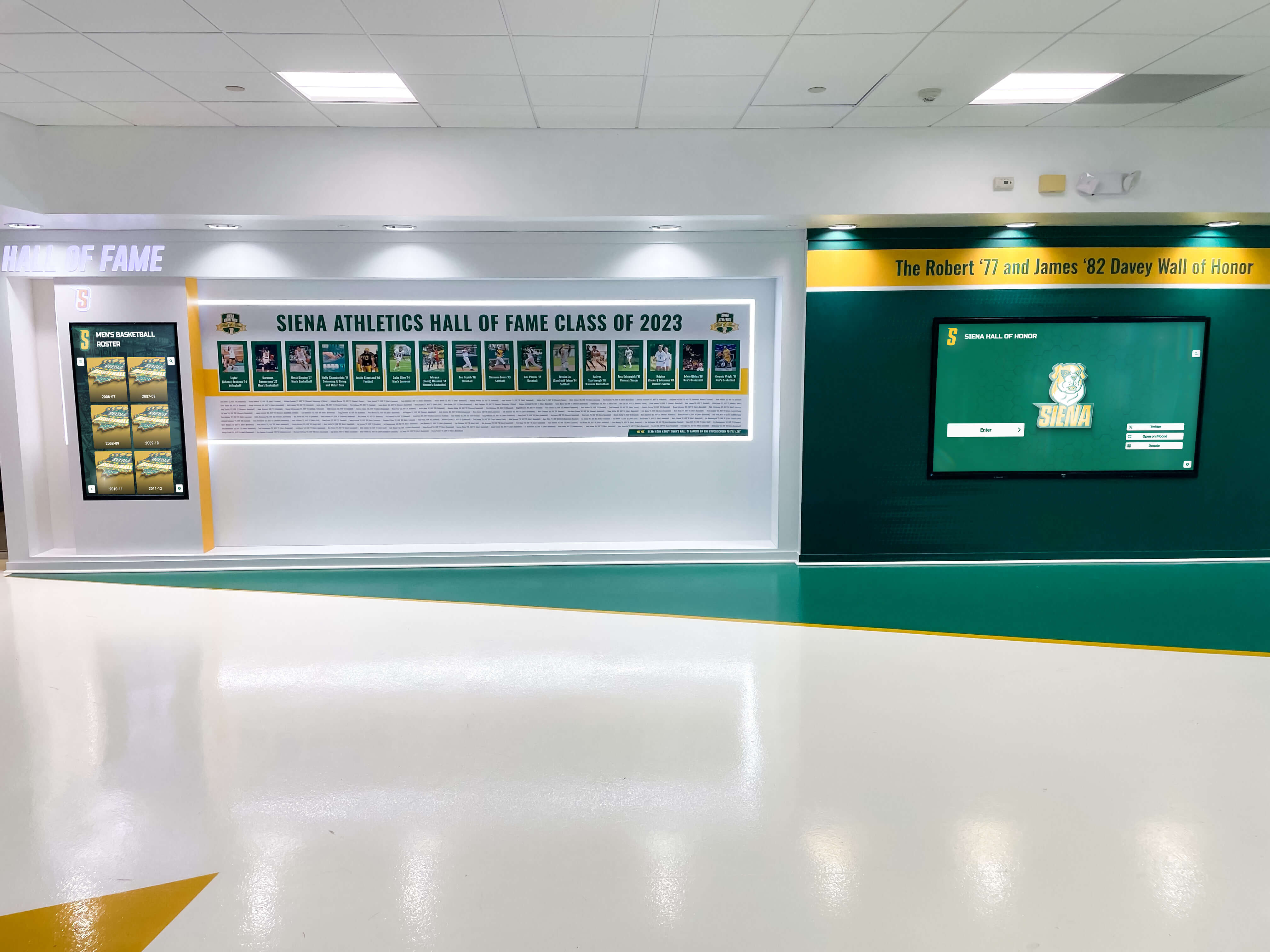
Whether you’re a professional sports franchise, educational institution, youth sports organization, or community facility, the athletes, students, volunteers, and community members contributing to your success deserve recognition honoring their achievements appropriately. Interactive recognition displays provide the capability, capacity, and engagement potential that traditional methods cannot match—transforming how organizations celebrate accomplishment while building pride, strengthening connections, and creating experiences that inspire current and future generations.
Ready to explore how interactive recognition displays can transform how your organization celebrates achievement and engages stakeholders? Discover how Rocket Alumni Solutions helps venues and institutions of all sizes implement comprehensive recognition that honors all contributors without space limitations while creating engaging experiences that strengthen community connections and organizational pride.