



Key Takeaways
Small schools often dismiss digital recognition as overkill. Discover why Rocket's database-driven approach reduces maintenance, prevents future rebuilds, and scales from simple displays to community engagement without switching systems.
The “Overkill” Misconception: Confusing Depth with Required Complexity
When small schools evaluate digital recognition platforms like Rocket Alumni Solutions, administrative teams frequently express concern that sophisticated capabilities exceed their actual needs. This objection rests on fundamental misunderstanding about how flexible platforms operate.
Depth Does Not Equal Mandatory Use
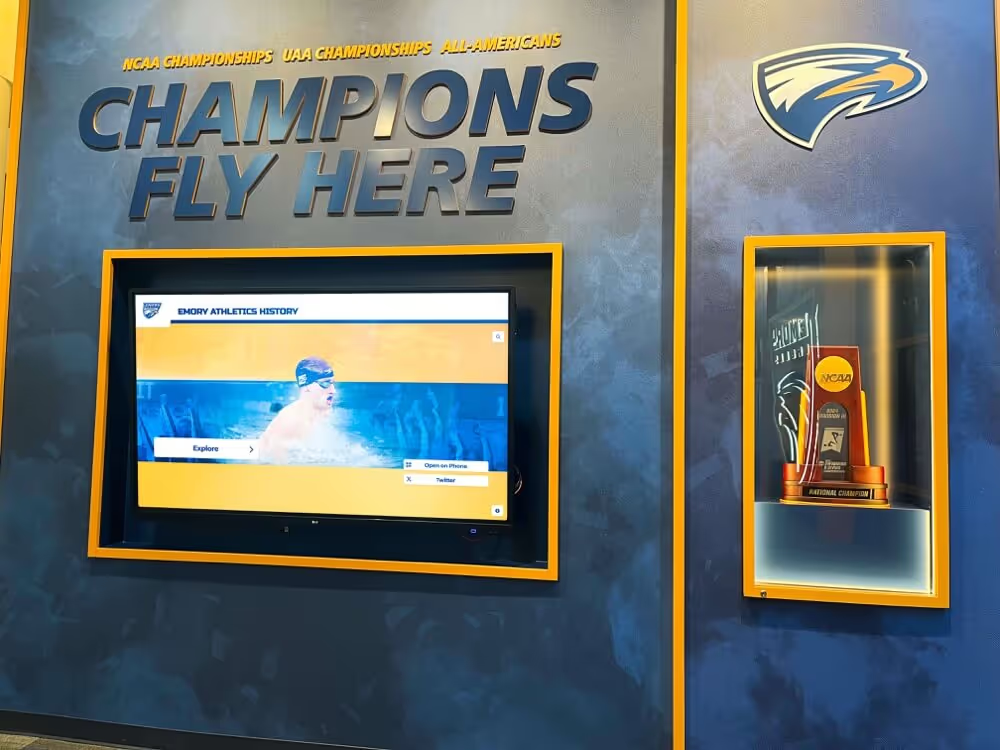
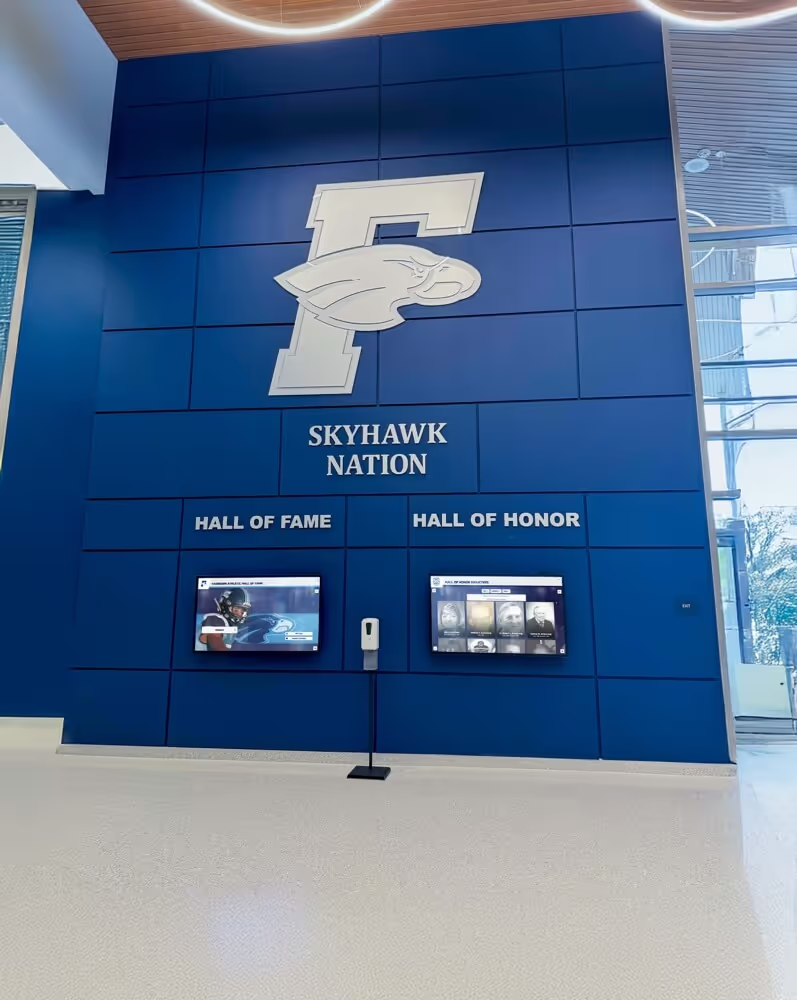
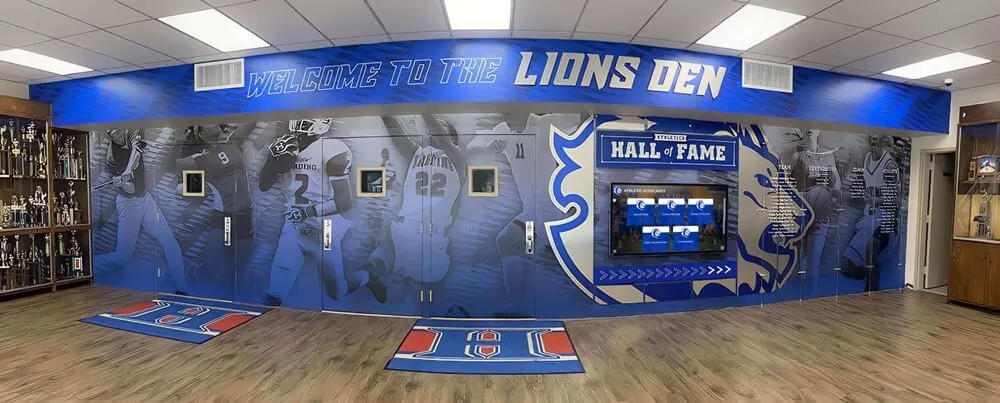
The presence of donor tracking databases, sports analytics integration, comprehensive search functionality, and multimedia storytelling features does not obligate schools to implement these capabilities immediately or ever. Purpose-built recognition platforms enable schools to configure exactly the experience they need today while maintaining options for future enhancement without platform migration.
A small school with three sports and 200 total students can implement Rocket displaying:
- Current team photos and rosters
- Season schedules and results
- This year’s All-Conference athletes
- Championship history timeline
- Basic school history highlights
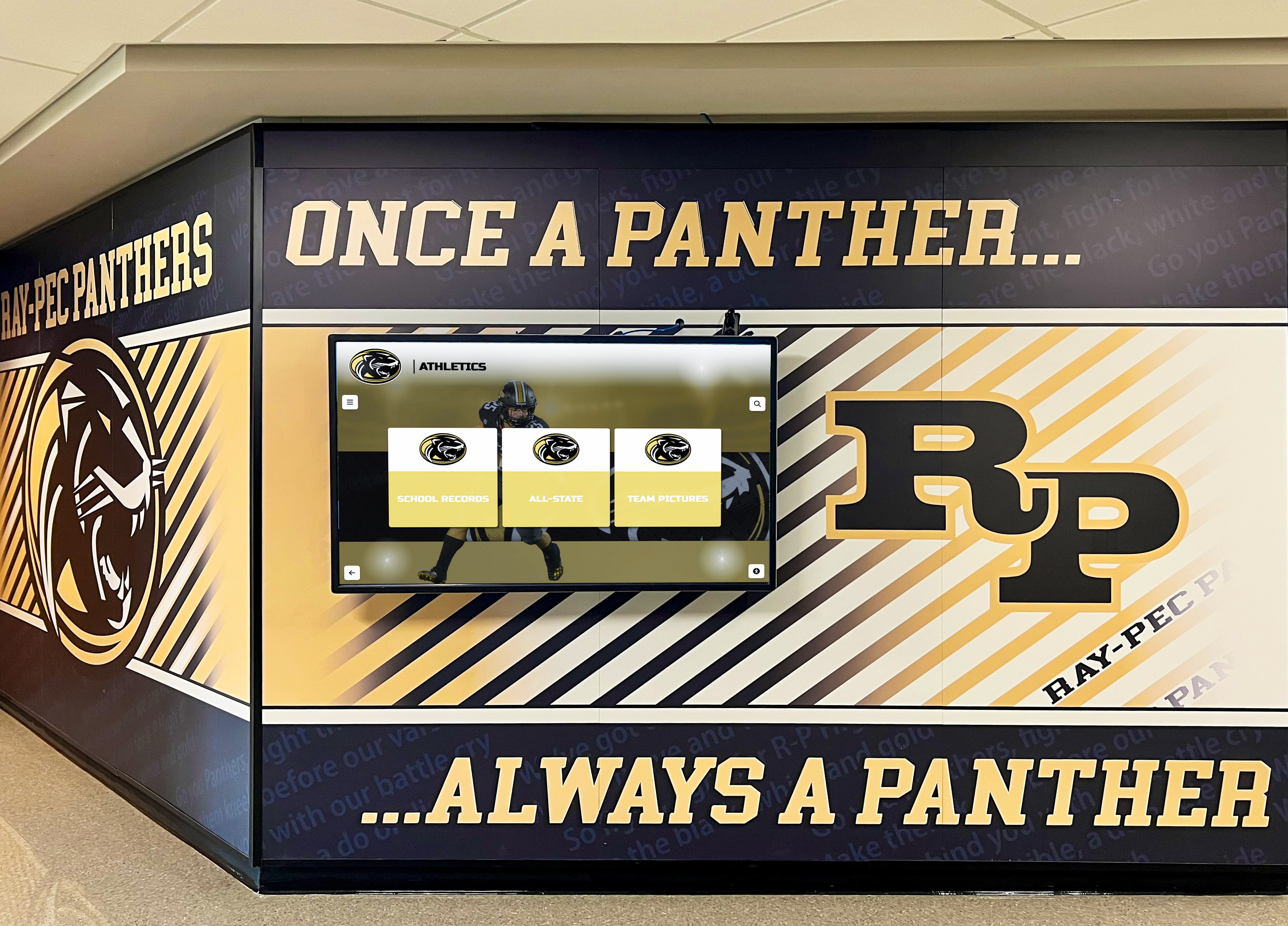
This straightforward implementation requires no database management expertise, minimal ongoing content updates, and delivers professional presentation that traditional poster boards cannot match. The platform’s sophisticated infrastructure operates invisibly, enabling simple experiences rather than demanding complex ones.
The alternative most schools consider—Google Slides loops, Rise Vision templates, or PowerPoint presentations—provides simpler initial setup but creates greater long-term burden through manual update processes that never improve. Sophisticated platforms reduce work through structured content management, not increase it through mandatory feature adoption.
Interface Complexity Reflects Poor Design, Not Platform Necessity
When schools encounter recognition platforms requiring technical training, complex navigation hierarchies, or extensive configuration before basic operation, this indicates platform design failure rather than inherent complexity of digital recognition. Well-designed systems present straightforward interfaces where non-technical administrators update content through familiar workflows resembling social media posting rather than database programming.
Rocket’s content management dashboard enables adding athlete profiles, uploading photos, publishing achievement updates, and scheduling content rotations through straightforward forms requiring no technical background. The platform’s sophisticated backend architecture—handling database relationships, search indexing, responsive design rendering, and multimedia optimization—operates automatically without administrator intervention.
Small schools should evaluate whether platforms require mastering complexity or merely accessing capability when needed. The distinction determines whether technology serves the school or schools serve technology requirements.
The Real Challenge: Maintenance Burden, Not Feature Count

Small schools’ most scarce resource is not budget but staff time. When a single athletic director simultaneously coaches two sports, coordinates schedules across all athletics, manages facilities, handles compliance, and teaches three classes, the recognition system’s ongoing maintenance burden matters exponentially more than initial feature inventory.
Manual Update Processes Consume Disproportionate Time
The Google Slides approach many small schools consider as “simple alternative” creates substantial ongoing labor:
The Recognition Update Reality for Manual Systems:
- Collect new content from coaches via email, text messages, shared drives, or personal delivery
- Download and organize photos into folders with logical naming conventions
- Open presentation software and locate correct slides for updates
- Manually resize and position each photo for consistent appearance
- Type achievement information carefully avoiding typos in names, dates, statistics
- Verify information accuracy by cross-referencing multiple sources
- Export updated presentation in format compatible with display hardware
- Physically access display location to update content files
- Verify playback and troubleshoot any format or timing issues
- Document what was updated for future reference when questions arise
This process repeats for every update—each championship, each All-Conference athlete, each season completion, each historical addition administrators discover in storage rooms. What appears as “free solution” actually costs 15-30 minutes per update multiplied by 20-40 updates annually, totaling 5-20 hours of tedious administrative work.
Manual System Maintenance (Slides/PowerPoint)
- Chase coaches for content via multiple channels
- Manually format photos and text for each update
- Physical access required for content deployment
- No version control or update history
- Typo corrections require complete republishing
- Lost institutional knowledge with staff turnover
- Inconsistent presentation quality
Database-Driven Platform Maintenance (Rocket)
- Upload content once through standardized forms
- Automatic formatting ensures consistent appearance
- Remote updates from any internet-connected device
- Complete update history and rollback capability
- Instant corrections without republishing workflow
- Searchable content archive preserves institutional knowledge
- Professional templates maintain quality standards
Structure Reduces Labor Through Systematic Efficiency
Database-backed recognition platforms appear more complex initially because they establish organized systems for content management. This structure proves invaluable for small schools precisely because minimal staff must accomplish maximum work efficiently. Organizations implementing solutions like honor roll recognition displays discover structured approaches reduce ongoing effort dramatically compared to ad-hoc manual processes.
How Database Structure Reduces Maintenance:
When athletic directors add new All-State athletes to Rocket, they complete a single form specifying athlete name, sport, achievement type, year, and photo. The platform automatically:
- Formats the entry consistently with existing content
- Adds the athlete to appropriate category listings
- Makes the achievement searchable by multiple criteria
- Displays content responsively across display sizes
- Updates related team and sport pages
- Preserves achievement in permanent institutional archive
This systematization means updating 10 achievements takes marginally more time than updating one achievement, compared to manual approaches where each addition requires complete formatting and positioning work.
Small schools operating recognition displays for 3-5 years consistently report that structured platforms require less total maintenance time than manual alternatives despite steeper learning curves initially. The crossover occurs within first year for most implementations.
Recognition Requirements Rarely Remain Static
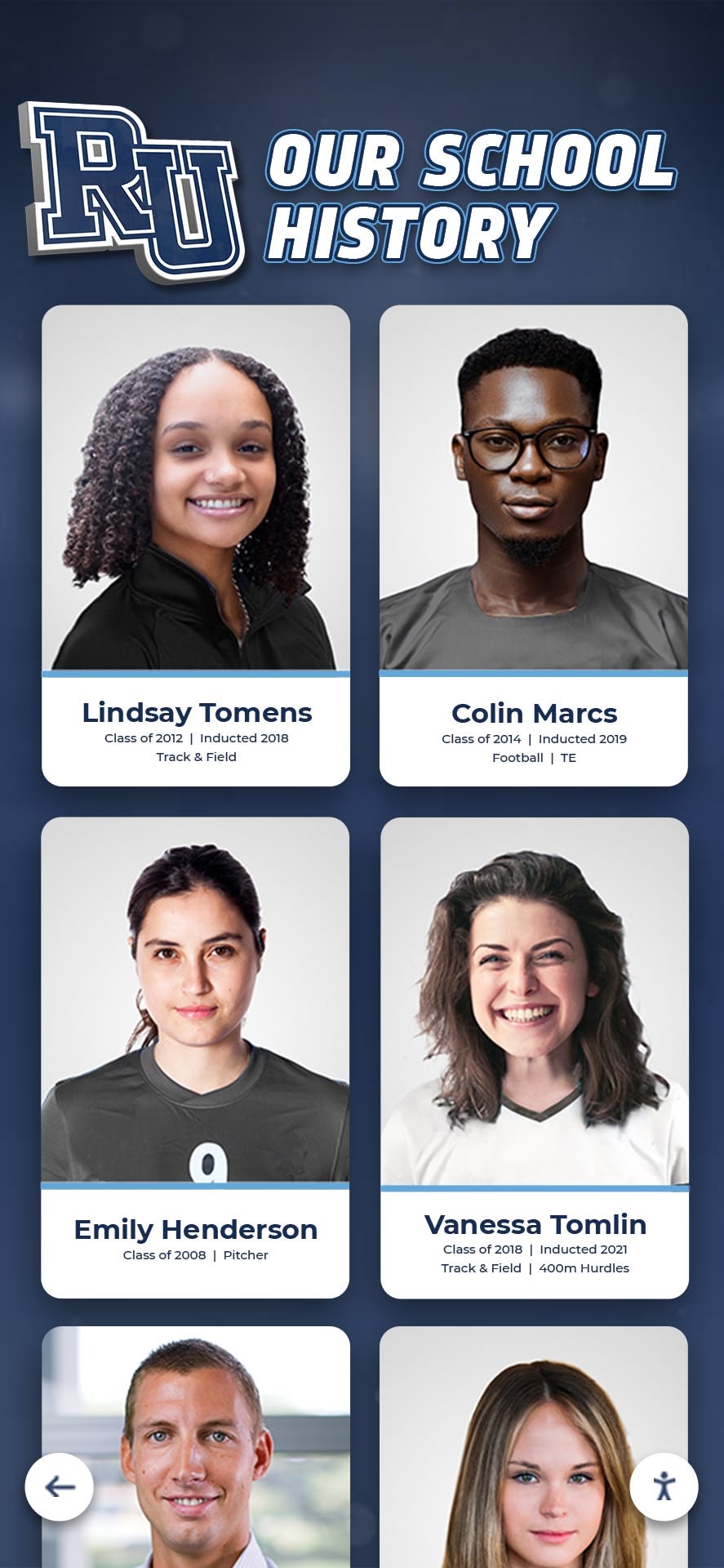
Small schools underestimate recognition evolution when evaluating initial requirements. What administrators describe as “just need team photos and this year’s All-Conference athletes” expands predictably as recognition displays prove valuable.
Recognition Expansion Pattern for Small Schools:
Initial Implementation (Year 1):
- Current season team photos
- Recent All-Conference recognition
- This decade’s championships
Typical Growth (Years 2-3):
- Historical championship teams from school archives
- Coach recognition and service milestones
- Senior athlete spotlights with biographical information
- School record holders across all sports
- All-time All-State athletes discovered in yearbooks
Mature Recognition Programs (Years 4-5+):
- Complete athletic history back to founding year
- Academic All-State scholars and valedictorians
- Arts program achievements and All-State musicians
- Distinguished alumni returning for recognition events
- Donor recognition supporting athletic and academic programs
- Hall of Fame induction classes with nomination processes
- Historical timelines connecting past to present
- Memorial recognition for deceased athletes and faculty
This expansion occurs not through administrative mandate but organic community interest. When families discover great-grandparents played for the school in 1947, they provide photos and information for inclusion. When teachers uncover forgotten championship trophies during storage cleanouts, recognition opportunities emerge. When major donors fund facility improvements, appropriate acknowledgment becomes necessary.
Implementing simple slideshow systems for initial needs creates painful migration challenges when expansion demands database organization, search functionality, and administrative workflows that presentation software cannot provide. Schools face choosing between living with severely limited functionality or completely rebuilding recognition programs on proper platforms—discarding all previous work and retraining staff on entirely new systems. Many schools that implement comprehensive platforms like those detailed in interactive display technology avoid costly rebuilds when recognition naturally expands.
Preventing the Re-Platform Moment
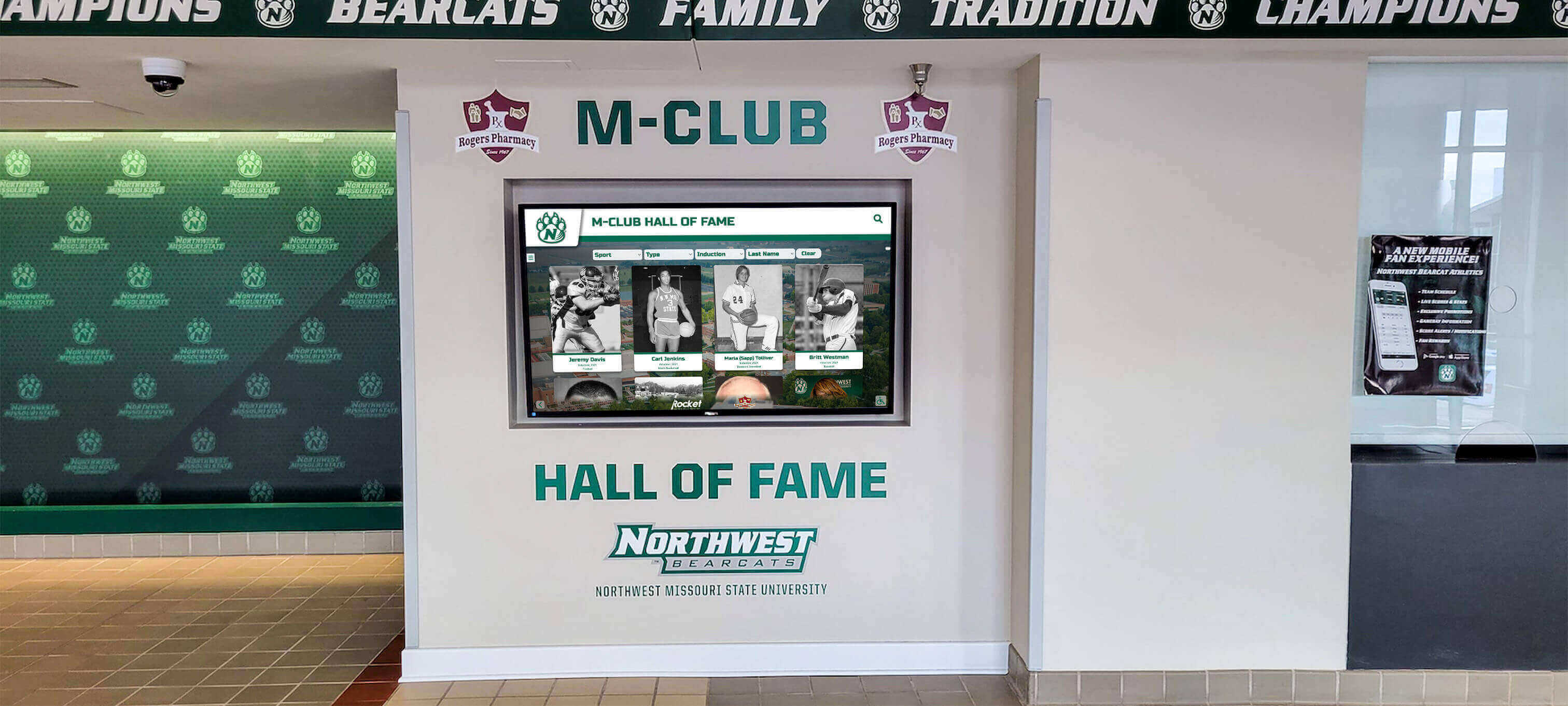
The most expensive technology decision small schools make is selecting platforms requiring replacement within 3-5 years when needs outgrow capabilities. Re-platforming costs include:
Financial Rebuilding Costs:
- New platform licensing and implementation fees
- Content migration services or extensive staff time
- Hardware replacement or compatibility upgrades
- Professional services for design and configuration
Operational Disruption Costs:
- Staff retraining on completely different systems
- Temporary recognition display downtime during transition
- Lost productivity learning new administrative workflows
- Reduced content quality during knowledge transfer period
Institutional Knowledge Costs:
- Content organization approaches must be completely rebuilt
- Categorization systems require redesign and remapping
- Staff expertise becomes obsolete requiring new skill development
- Community familiarity with recognition access disrupted
Opportunity Costs:
- Months of staff time devoted to migration rather than program improvement
- Recognition enhancement initiatives delayed during platform transition
- Community engagement interrupted during changeover period
Purpose-built recognition platforms cost more initially than simple slideshow systems but prevent these substantial migration expenses through architectural design accommodating growth from day one. The platform’s database structure, content management workflows, and presentation flexibility serve both 200-achievement and 2,000-achievement implementations equally well.
Small schools choosing comprehensive platforms make single technology decisions serving 10-15+ year timeframes compared to choosing limited systems requiring replacement every 3-5 years. Over recognition program lifespans, avoiding re-platforming delivers dramatically lower total cost despite higher initial investment. Schools planning recognition technology should examine building school pride as long-term strategic initiatives rather than one-time technology purchases.
Cost Comparisons Frequently Exclude Critical Factors
Small schools comparing Rocket Alumni Solutions pricing against “90% cheaper” alternatives like Rise Vision subscriptions or Google Slides “free” approaches often conduct incomplete cost analyses excluding factors that determine true implementation expenses.
What Budget Alternatives Actually Require
Google Slides “Free” Recognition:
While Google Slides software costs nothing, implementation requires:
- Content Creation Labor: 20-40 hours designing slides, formatting photos, ensuring consistent appearance
- Update Maintenance: 1-2 hours monthly updating slides throughout school year
- Physical Display Management: Travel to display location for each update, troubleshooting playback issues
- No Technical Support: All troubleshooting, optimization, and problem-solving falls on internal staff
- Display Hardware: Commercial displays, media players, mounting, and installation
- Network Infrastructure: Connectivity, bandwidth, and reliability for content delivery
Calculating staff time at even modest hourly rates reveals “free” software actually costs $1,500-3,000 annually in staff labor plus hardware and infrastructure expenses comparable to comprehensive platforms.
Generic Digital Signage Subscriptions:
Platforms like Rise Vision or ScreenCloud provide digital signage management but lack recognition-specific features:
Generic Signage Platform Costs
- Annual Subscription: $300-600 per display
- Content Design: Internal staff time creating recognition layouts
- No Database: Cannot organize, categorize, or search achievements
- Limited Interactivity: Basic touch support without recognition workflows
- Generic Templates: Requires customization for recognition purposes
- Minimal Support: General platform assistance, not recognition expertise
- Hardware Separately: Display, player, mounting, installation costs
Purpose-Built Recognition Platform (Rocket)
- Subscription: Comprehensive platform access
- Recognition Templates: Pre-built athletic, academic, donor designs
- Searchable Database: Organized achievements with filtering
- Interactive Features: Touch-optimized recognition exploration
- White-Glove Support: Recognition program expertise and guidance
- Implementation Assistance: Setup, training, content migration help
- Hardware Options: Complete solutions or bring-your-own flexibility
Comprehensive TCO Analysis Reveals True Value
Five-year total cost of ownership comparison demonstrates that higher-capability platforms often deliver better value than budget alternatives:
Slideshow System (Google Slides + Hardware):
- Initial Hardware/Installation: $3,500
- Staff Time for Initial Content: $2,000
- Annual Update Maintenance: $1,500 x 5 years = $7,500
- Re-platforming After Year 4: $8,000
- Five-Year Total: $21,000
Generic Signage Platform:
- Initial Hardware/Installation: $3,500
- Annual Subscription: $500 x 5 years = $2,500
- Content Design Labor: $1,500
- Annual Maintenance: $800 x 5 years = $4,000
- Limited Recognition Capability Throughout
- Five-Year Total: $11,500 (but poor recognition results)
Purpose-Built Recognition Platform (Rocket):
- Initial Implementation: $15,000 (software, hardware, installation)
- Annual Subscription: $3,000 x 5 years = $15,000
- Minimal Ongoing Maintenance: $400 x 5 years = $2,000
- No Re-platforming Needed
- Five-Year Total: $32,000 (comprehensive recognition capability)
While Rocket costs $10,500-20,500 more over five years, schools receive professional recognition platforms with database organization, administrative efficiency, growth accommodation, and ongoing support that budget alternatives cannot deliver. For schools valuing recognition as strategic community engagement rather than basic slideshow displays, the investment differential proves justified through superior results and avoided rebuilding costs. Understanding digital signage content strategies helps schools evaluate whether simple signage or comprehensive recognition systems better serve institutional objectives.
Small Schools Care About Presentation Quality
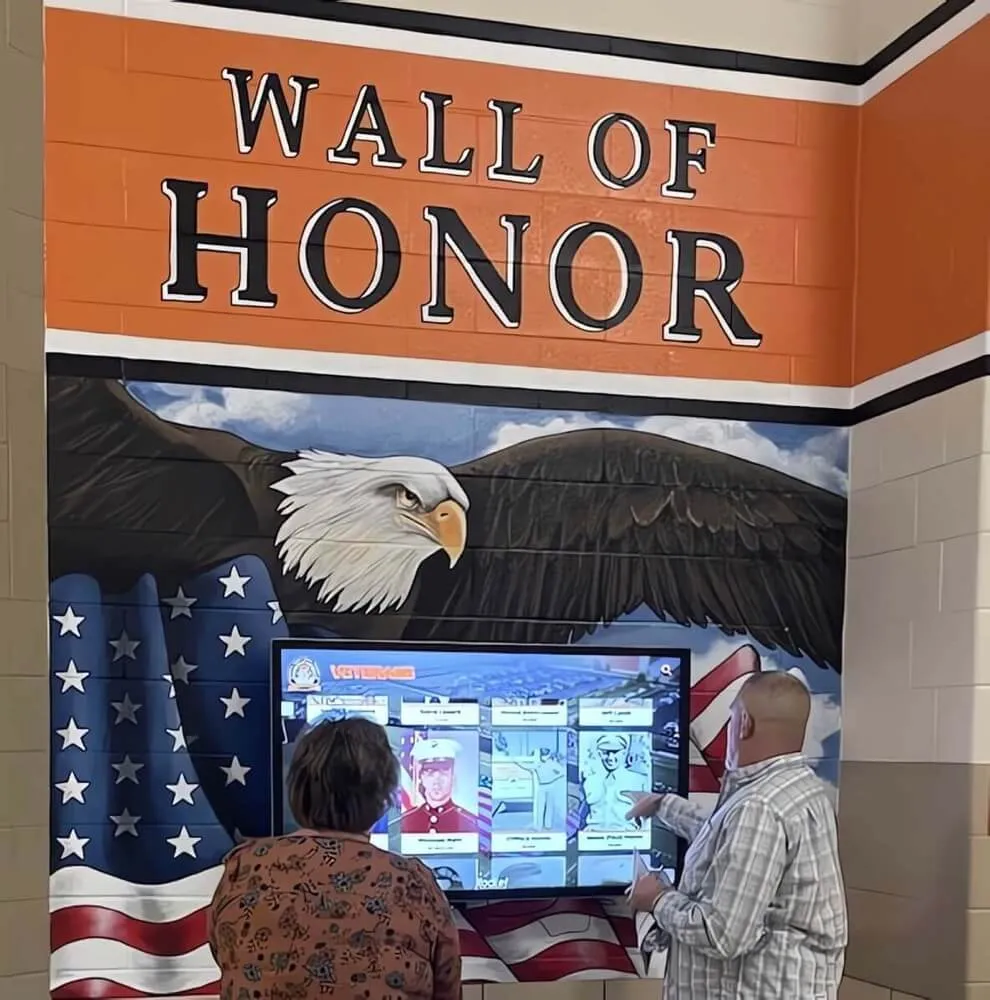
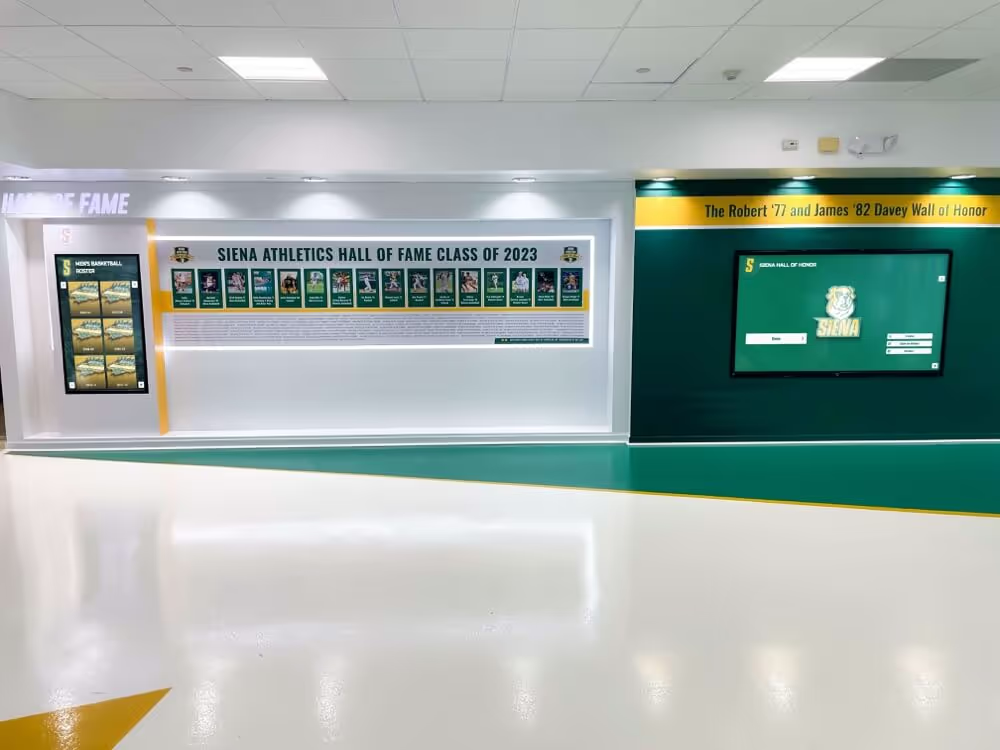
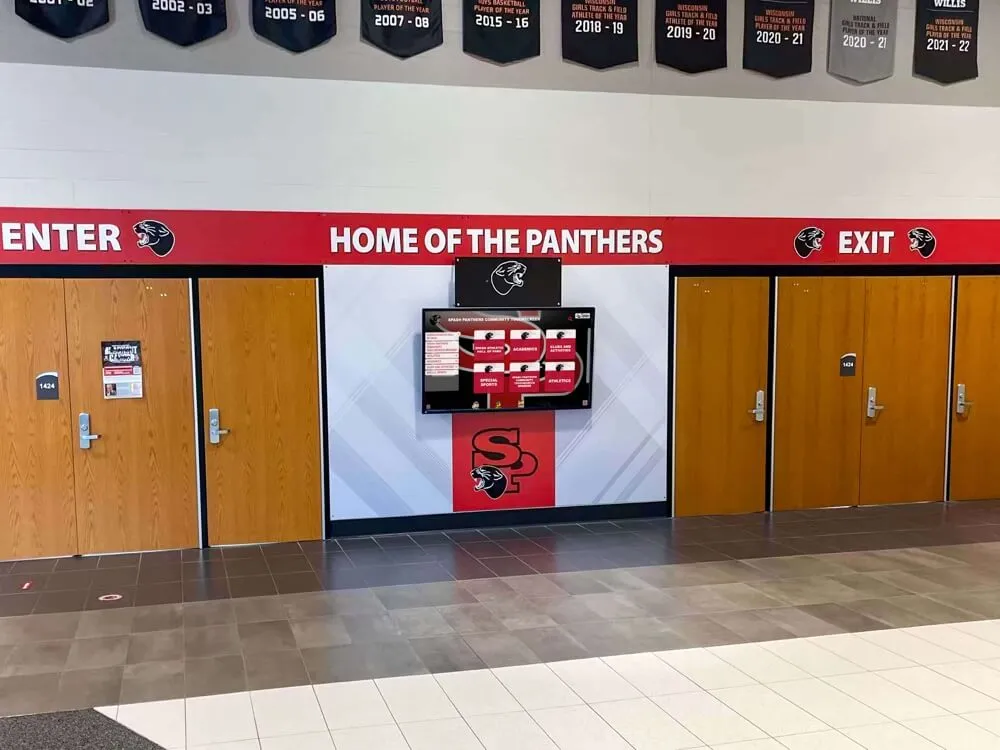
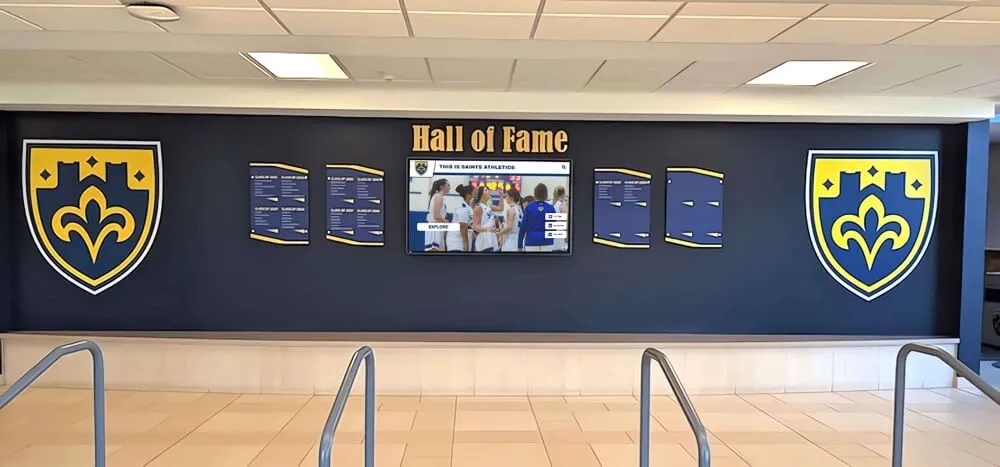
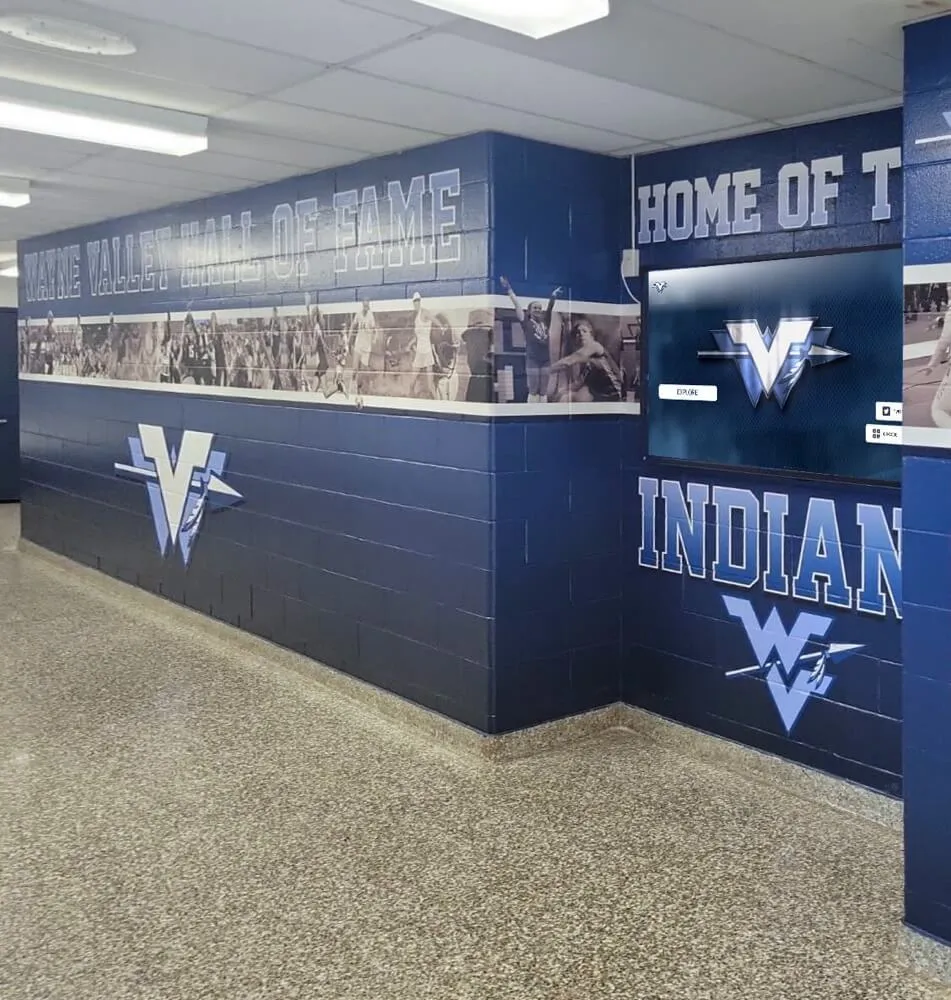
Budget constraints do not diminish small schools’ desire to present professional recognition honoring community achievements with dignity and quality. Recognition displays typically occupy prime locations—main entrance lobbies, gymnasium entryways, central hallways—where they create first impressions for prospective families, visiting teams, alumni returning to campus, and donors considering contributions.
Professional presentation quality influences stakeholder perceptions in ways small schools cannot afford to dismiss:
Prospective Family Impressions: When families tour schools evaluating enrollment decisions, recognition displays communicate institutional values and community pride. Polished, comprehensive achievement celebrations suggest well-managed schools valuing excellence. Makeshift poster boards or outdated slideshow displays suggest under-resourced institutions struggling to maintain basic standards.
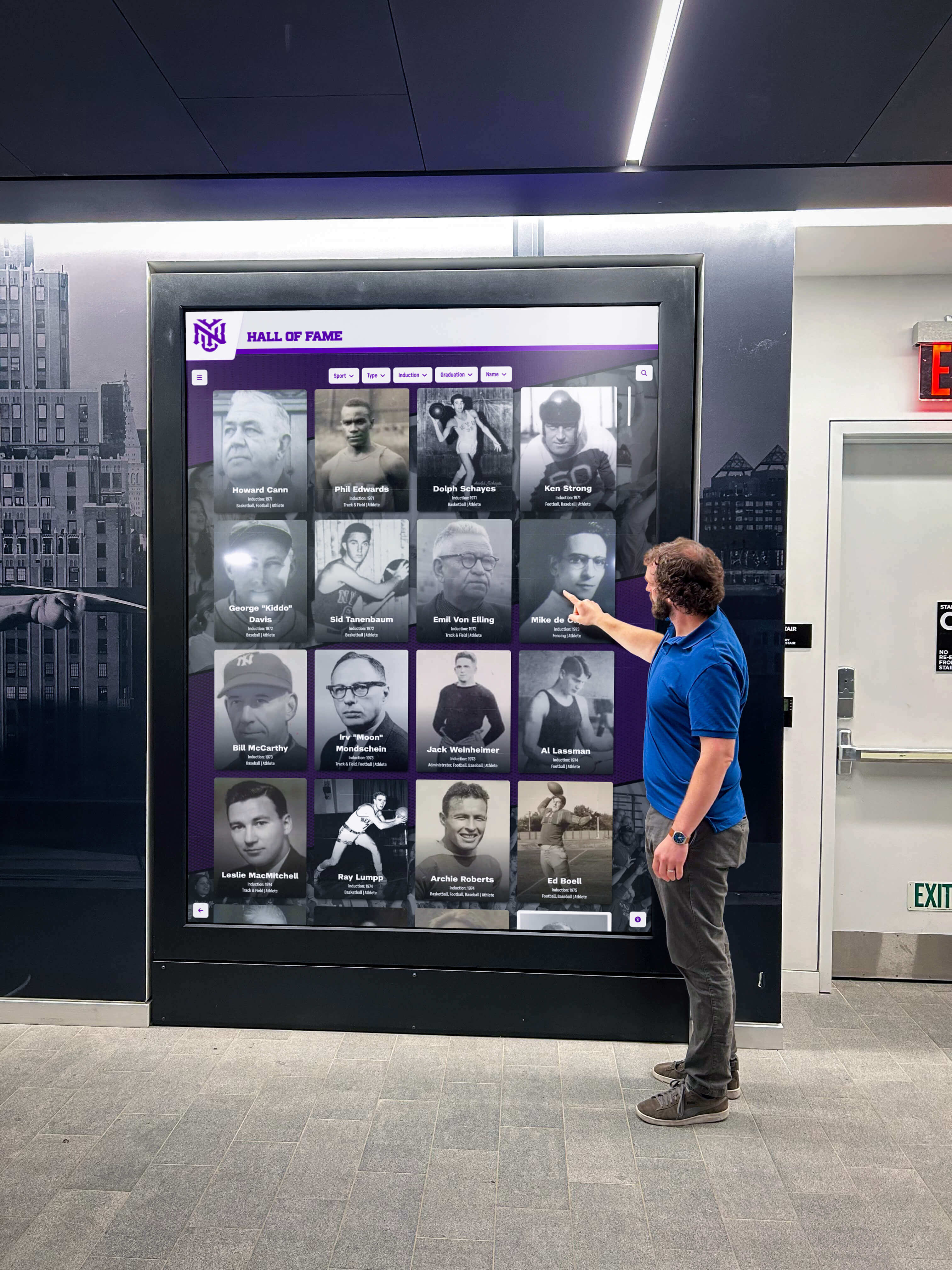
Alumni Engagement and Giving: Alumni returning to campus encounter recognition displays presenting institutional history and celebrating achievements they remember or participated in. Finding themselves or teammates properly honored strengthens emotional connections supporting engagement and philanthropic giving. Recognition quality directly influences whether alumni feel proud association with institutions worth supporting or view schools as stuck in past unable to modernize appropriately.
Community Pride and Support: Small schools depend heavily on community support through local tax levies, volunteer coaching, booster club fundraising, and facility improvement campaigns. Recognition displays celebrating community members’ children, grandchildren, and personal achievements build goodwill supporting these initiatives. Professional presentation demonstrates stewardship of resources and respect for community contributions.
Donor Recognition Impact: Major donors funding athletic facilities, academic programs, or operational support expect appropriate acknowledgment reflecting gift significance. Professional digital recognition systems enable graduated donor displays, memorial tributes, and naming opportunity documentation that static plaques cannot match. Quality recognition presentation directly influences major donors’ satisfaction and likelihood of continued support. Many institutions use creative donor recognition approaches to strengthen advancement outcomes.
ROI Beyond Display Screens
Recognition platform value extends beyond physical displays themselves into broader institutional benefits:
Small schools implementing comprehensive recognition systems report:
- Increased alumni engagement through reconnection with school history and achievement celebration
- Enhanced fundraising results from donors seeing professional stewardship and appropriate acknowledgment
- Improved enrollment as prospective families observe thriving school culture and community pride
- Stronger community support from residents seeing their contributions and children’s achievements honored properly
- Greater staff morale from professional tools replacing makeshift manual processes
These outcomes prove difficult quantifying in traditional ROI calculations but materially improve institutional sustainability and community relationships worth far more than recognition system costs.
Touch Interactivity Provides Value Beyond Touch Itself
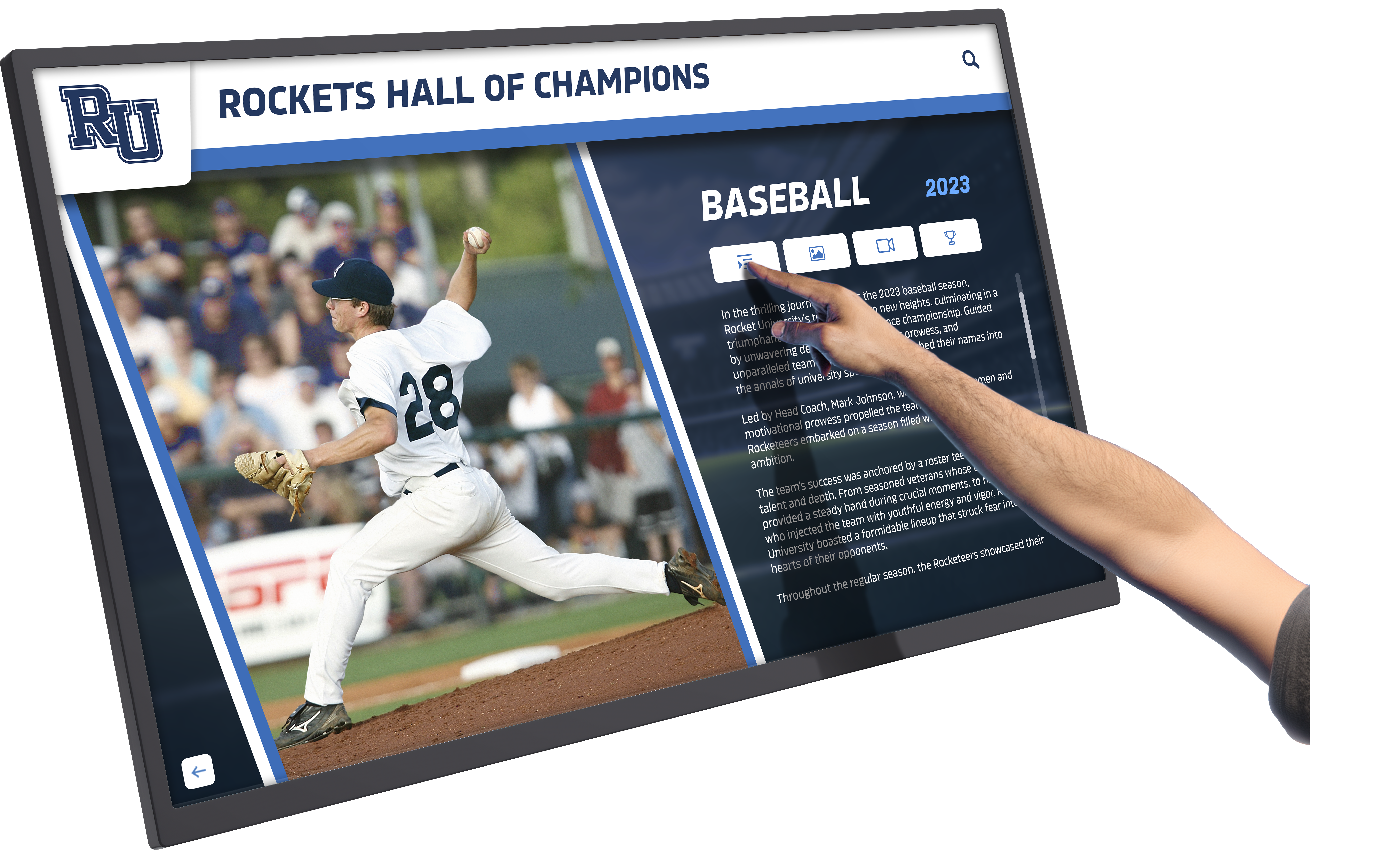
Some small schools question whether touchscreen interactivity justifies investment when they could implement simpler passive display alternatives. This objection misunderstands how touch-enabled platforms deliver value through architectural design rather than touch gestures alone.
Touch Enables Depth Without Overwhelming Passive Viewers
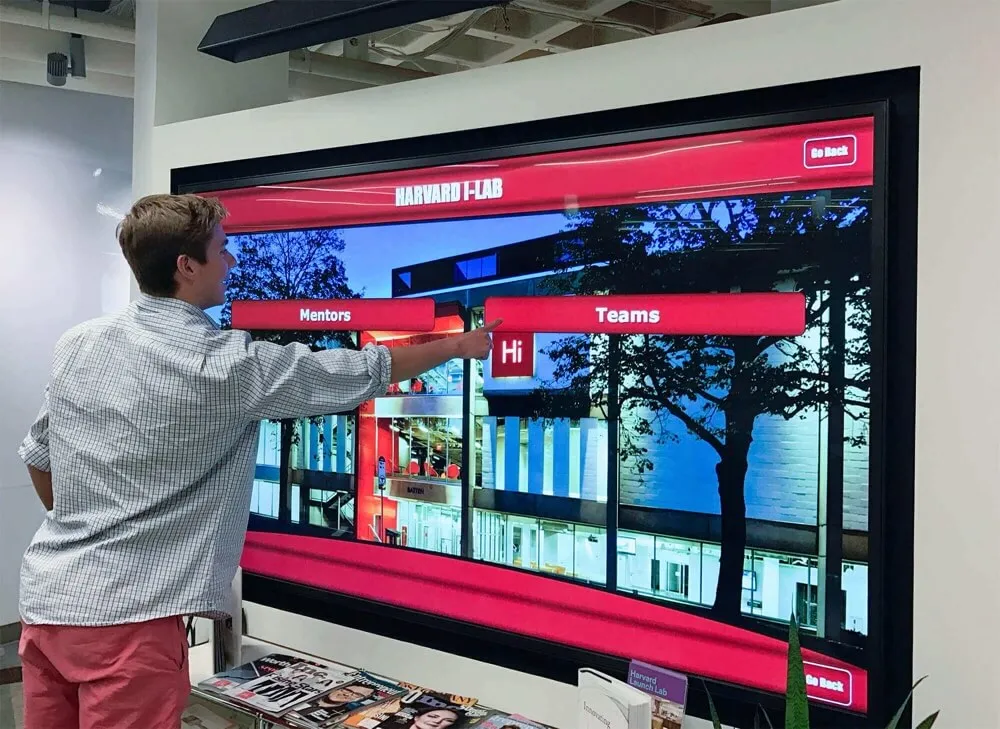
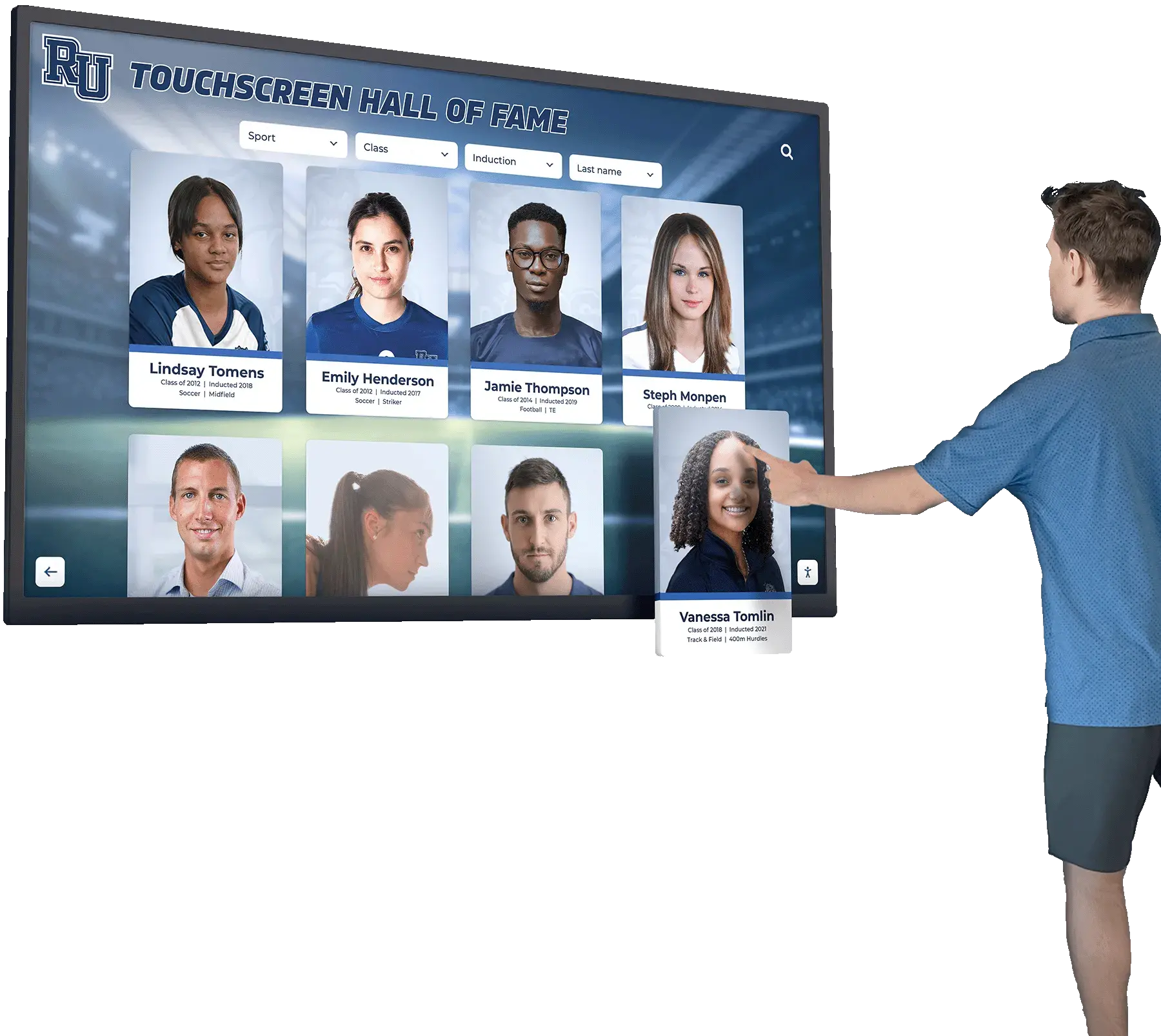
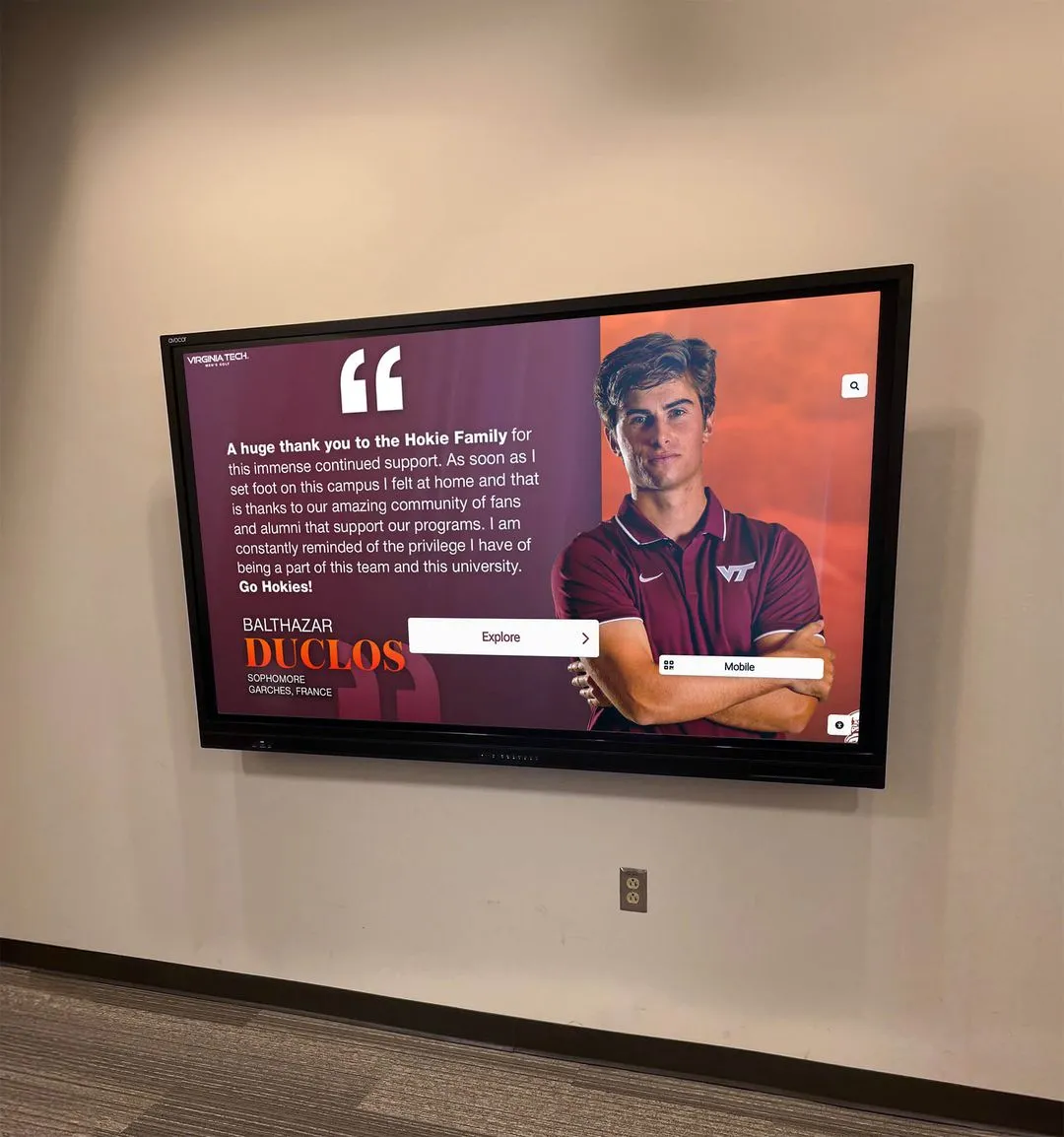
Traditional static displays must choose between showing minimal content clearly readable at distance or comprehensive content becoming visual clutter. Touch-enabled recognition displays resolve this tension by presenting curated highlights in passive attract mode while enabling interested viewers to explore additional depth through interaction.
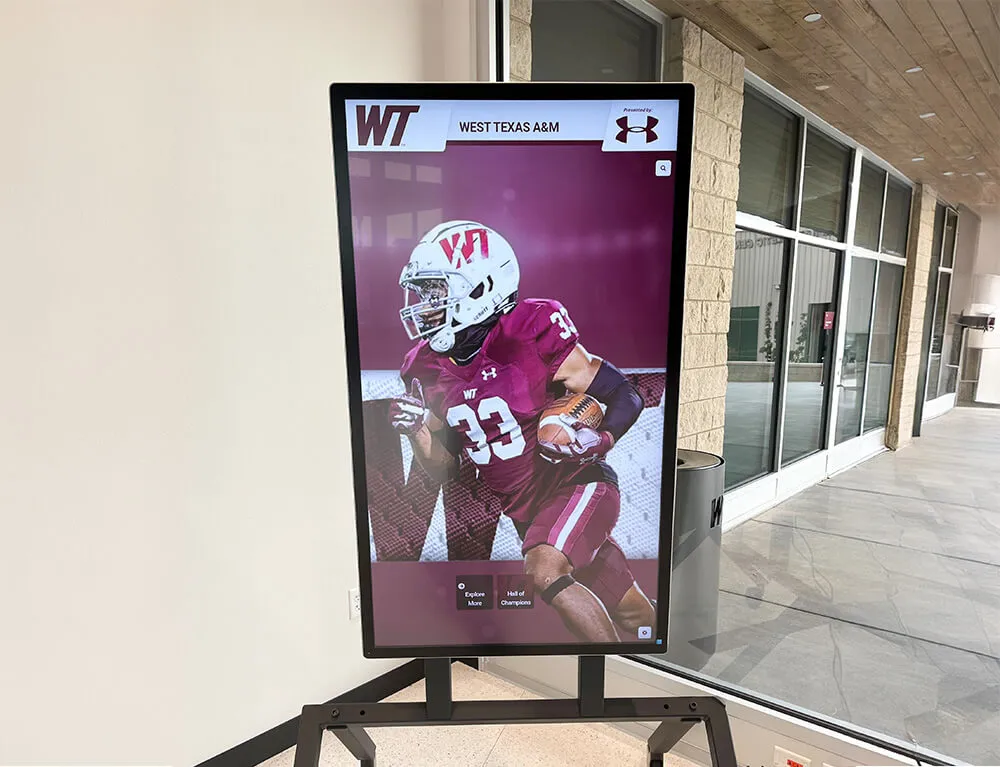
Passive Display Mode:
- Current team photos rotating automatically
- Recent championship celebrations
- This week’s game schedule
- Featured athlete or achievement spotlights
Interactive Exploration Mode:
- Search for specific athletes, teams, or years
- Filter achievements by sport, achievement type, or era
- View detailed athlete biographies and statistics
- Browse comprehensive historical timelines
- Access related content through category navigation
This architectural approach serves both casual passersby glancing at displays and engaged viewers seeking specific information or deep exploration—audiences that non-interactive displays cannot simultaneously accommodate.
Database Organization Delivers Touch-Independent Value
The database structure underlying touchscreen platforms provides benefits whether schools implement physical touch displays or not:
- Content Management Efficiency: Organized databases enable faster updates than manual file systems
- Search and Discovery: Staff can quickly locate historical content during research projects
- Consistent Presentation: Templates ensure uniform quality across hundreds of profiles
- Expandable Growth: Adding achievement 200 takes same effort as adding achievement 20
- Web Accessibility: Same database powers online recognition portals accessible globally
- Future Flexibility: Content migrates easily to future display technologies
Schools implementing Rocket can begin with non-touch displays if budget constrains initial investment, then add touch interactivity later without content rebuilding or platform migration. The underlying platform value remains regardless of display interaction model. Schools exploring recognition technology should consider interactive digital hall of fame approaches as investment in content infrastructure extending beyond physical display hardware.
When Simpler Alternatives Actually Make Sense
Honest evaluation of small school recognition technology requires acknowledging situations where comprehensive platforms like Rocket genuinely represent poor fits rather than dismissing all objections as misunderstanding.
Rocket Alumni Solutions May Prove Inappropriate When:
Single Display, No Expansion Planned: If the school definitively will never add second displays, web recognition, donor acknowledgment, or content beyond current teams, simpler systems may suffice. However, most schools underestimate long-term expansion likelihood.
One Person Owns Updates Forever: If single long-tenured staff member genuinely enjoys manual content management and will remain in position indefinitely, manual processes may work. But staff turnover typically disrupts this assumption within 3-5 years.
No Search or Structure Needed: If the school truly requires only rotating slideshow content without organization, categorization, or discovery features, digital signage platforms suffice. However, as content accumulates, lack of structure creates growing frustration.
Display Not Strategic Touchpoint: If recognition displays occupy insignificant locations with minimal visibility and community engagement value, investment in professional presentation proves difficult justifying. However, most recognition displays occupy prime locations specifically because of strategic importance.
Budget Only Decision Variable: If the school absolutely cannot stretch budget beyond minimal investment regardless of value differential, simpler alternatives become necessity rather than preference. However, creative funding approaches often prove possible when stakeholders understand recognition importance. Schools should explore donor recognition funding strategies for recognition initiatives.
The Honest Threshold Question
Small schools should evaluate this decision point: “Does recognition matter strategically to our school community, or is it nice-to-have decoration?”
If recognition genuinely represents low-priority decoration, budget alternatives prove appropriate. But if recognition serves strategic purposes—building community pride, engaging alumni, honoring achievement, supporting fundraising, strengthening culture—then professional platforms justify investment through superior results across multi-year timeframes.
Conclusion: Right-Sizing Recognition for Small School Realities
The “overkill” objection to comprehensive recognition platforms in small schools rests on misconceptions about mandatory complexity, underestimation of maintenance burden with simple alternatives, and failure to account for recognition program evolution. Database-driven systems like Rocket Alumni Solutions reduce ongoing labor through structured efficiency, prevent expensive re-platforming when needs grow, enable professional presentation regardless of budget constraints, and provide expandable foundations serving both immediate needs and long-term expansion.
Small schools choosing recognition platforms should evaluate:
- Maintenance burden over platform lifetime, not just initial setup simplicity
- Scalability accommodating inevitable program growth without rebuilding
- Total cost including staff time, support, and avoided rebuilding expenses
- Strategic value of professional recognition presentation for community engagement
- Implementation flexibility enabling phased adoption matching budget realities
Recognition technology decisions made today influence institutional capability for decade-plus timeframes. Selecting platforms designed for small school realities—comprehensive yet approachable, powerful yet simple to operate, expandable without mandatory complexity—positions schools to celebrate achievement effectively while avoiding expensive technology dead ends requiring rebuilding when success inevitably expands recognition requirements.
The question is not whether small schools are too small for comprehensive recognition, but whether they can afford choosing limited platforms requiring replacement when recognition naturally grows into strategic community engagement initiatives worthy of proper foundational technology investment.
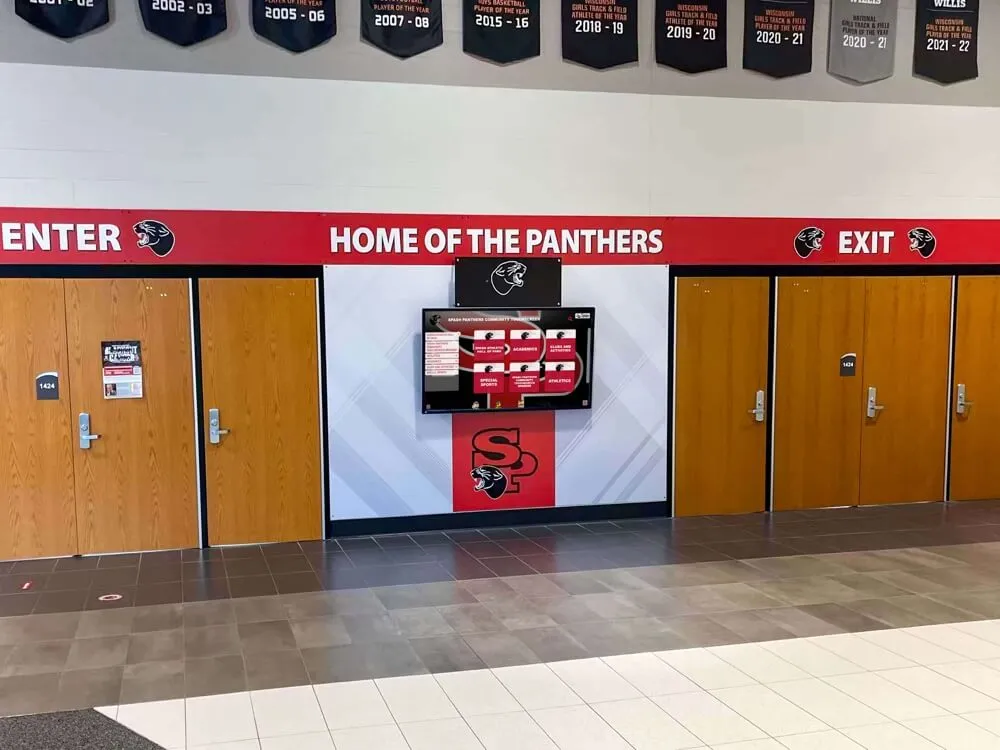
Ready to explore how purpose-built recognition platforms serve small schools through comprehensive yet approachable technology designed for resource-constrained environments? Discover Rocket Alumni Solutions and see how platforms specifically designed for educational recognition deliver professional results at small school scale. Learn more about digital trophy case solutions, explore athletic hall of fame implementation strategies, or understand school history preservation approaches that honor institutional legacy while serving small school operational realities.
Your community’s achievements deserve recognition technology designed for your reality, not adapted from big school assumptions. Choose platforms matching small school strengths: personal relationships, strong community bonds, and efficient resource stewardship.
Disclaimer: This comparison is based on publicly available information as of January 2026. All product names and trademarks belong to their respective owners. Comparative statements reflect Rocket Alumni Solutions’ interpretation of available data and may change over time. This content was produced by or on behalf of Rocket Alumni Solutions. All trademarks are property of their respective owners. Rocket Alumni Solutions is not affiliated with or endorsed by Google, Rise Vision, ScreenCloud, or PowerPoint.