



Key Takeaways
Discover how interactive touchscreen displays transform fan engagement and athlete recognition at TD Garden. Explore implementation strategies for arena displays, digital recognition best practices, and modern sports venue technology.
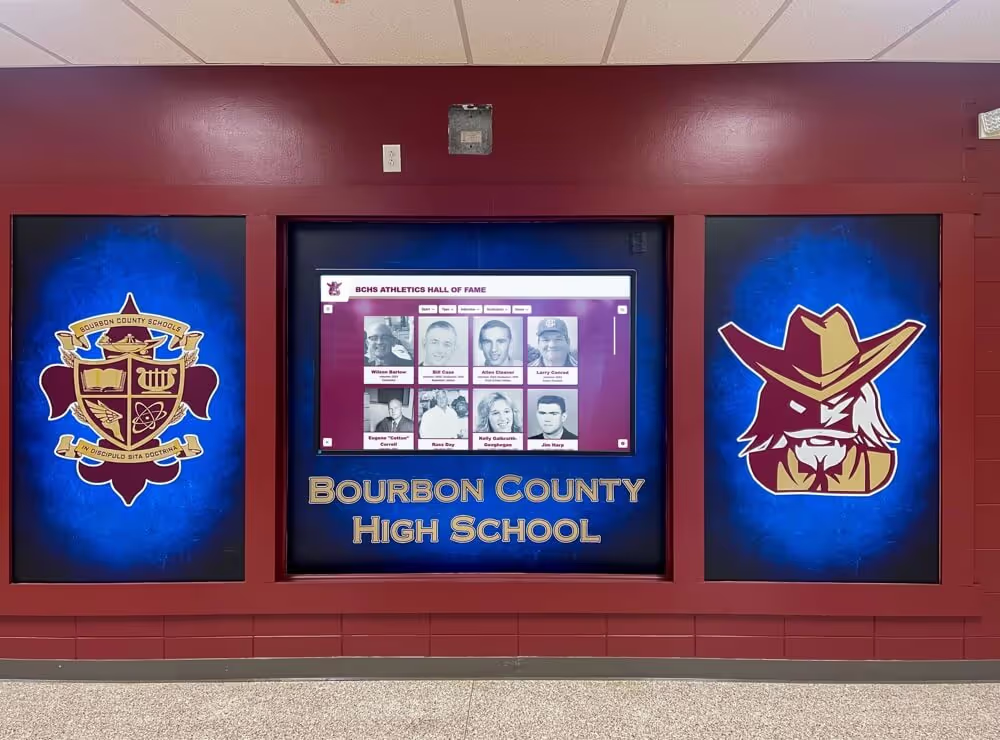
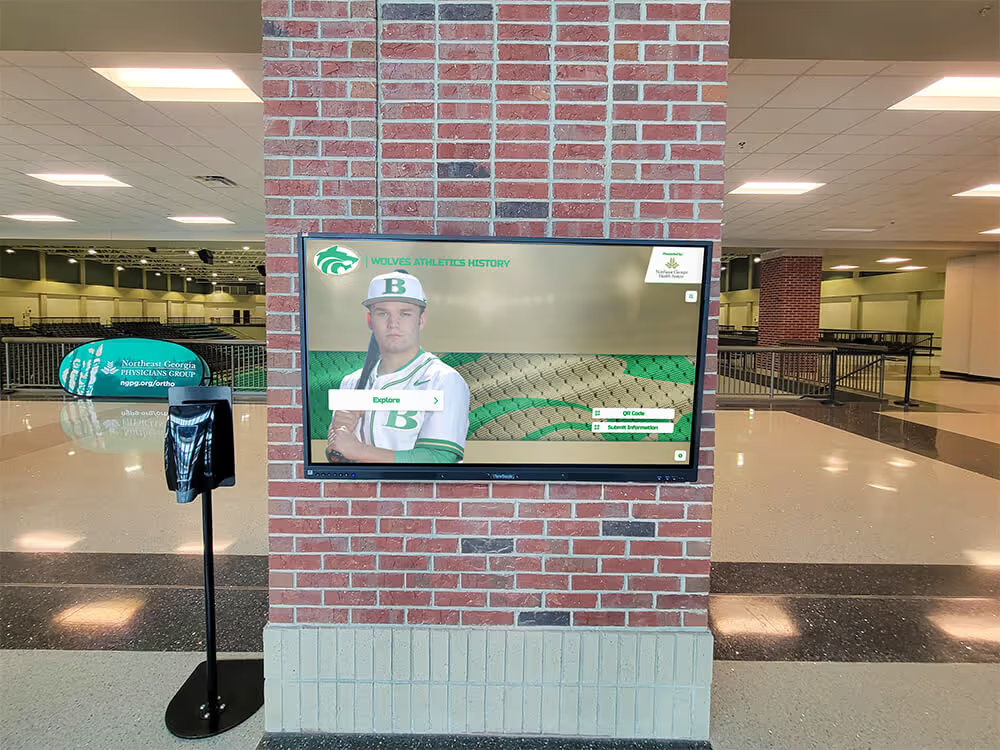
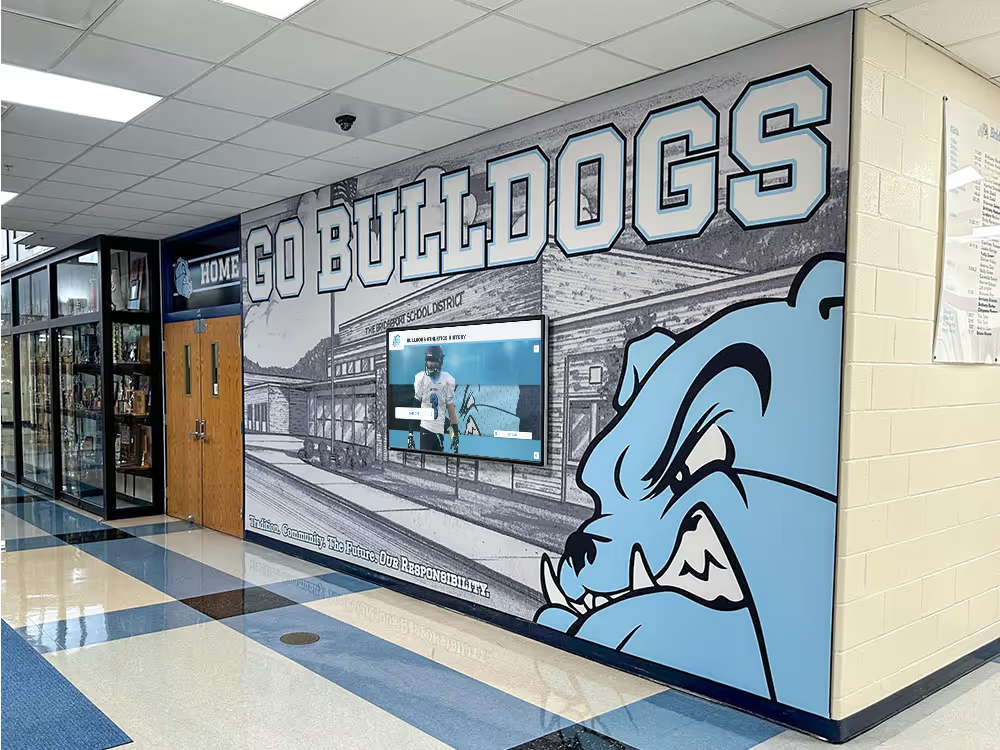
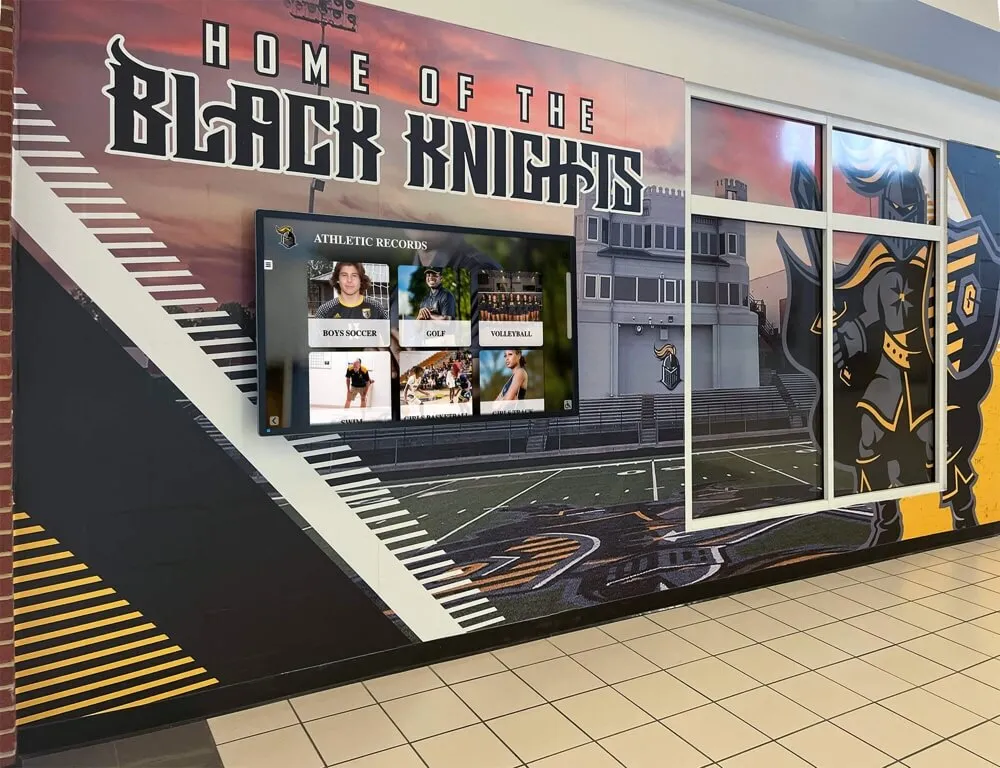
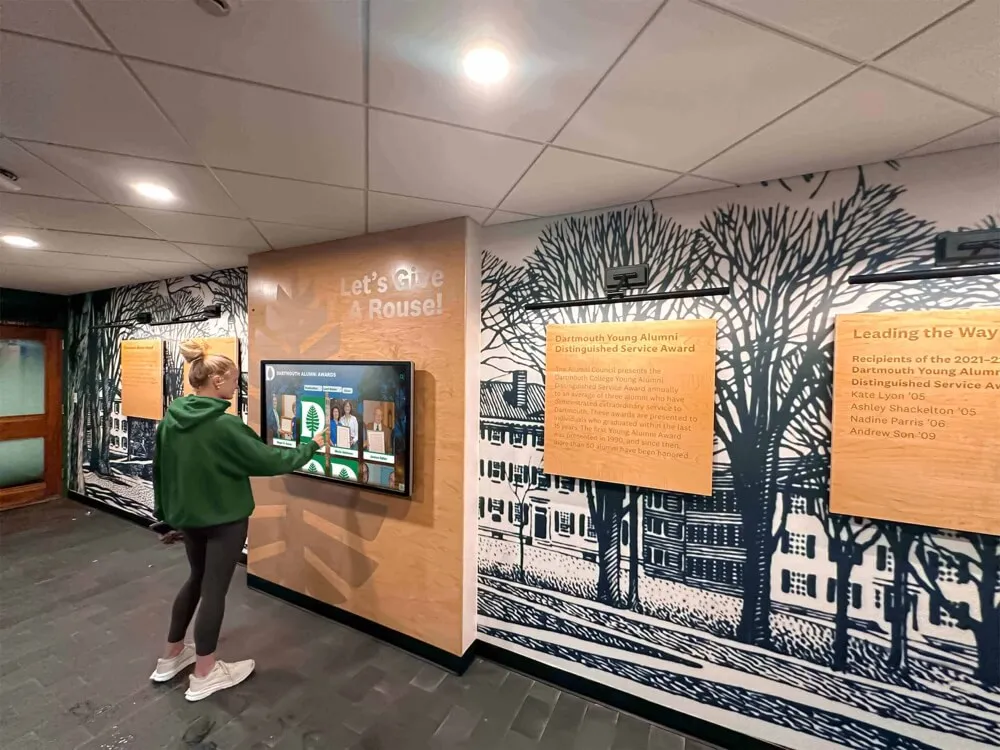
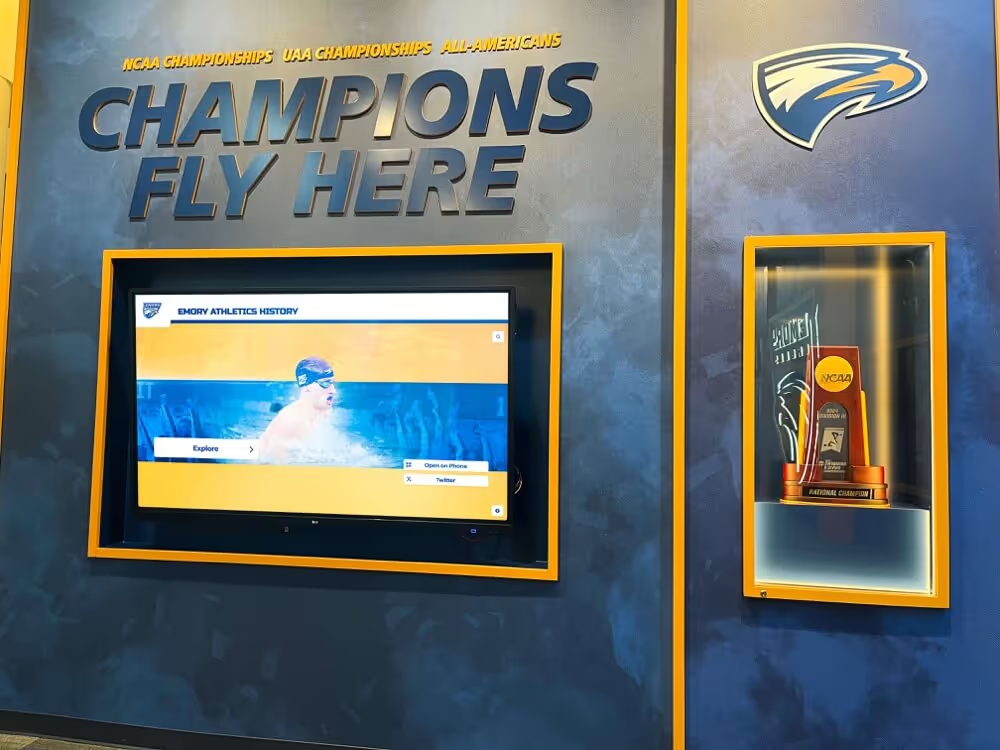
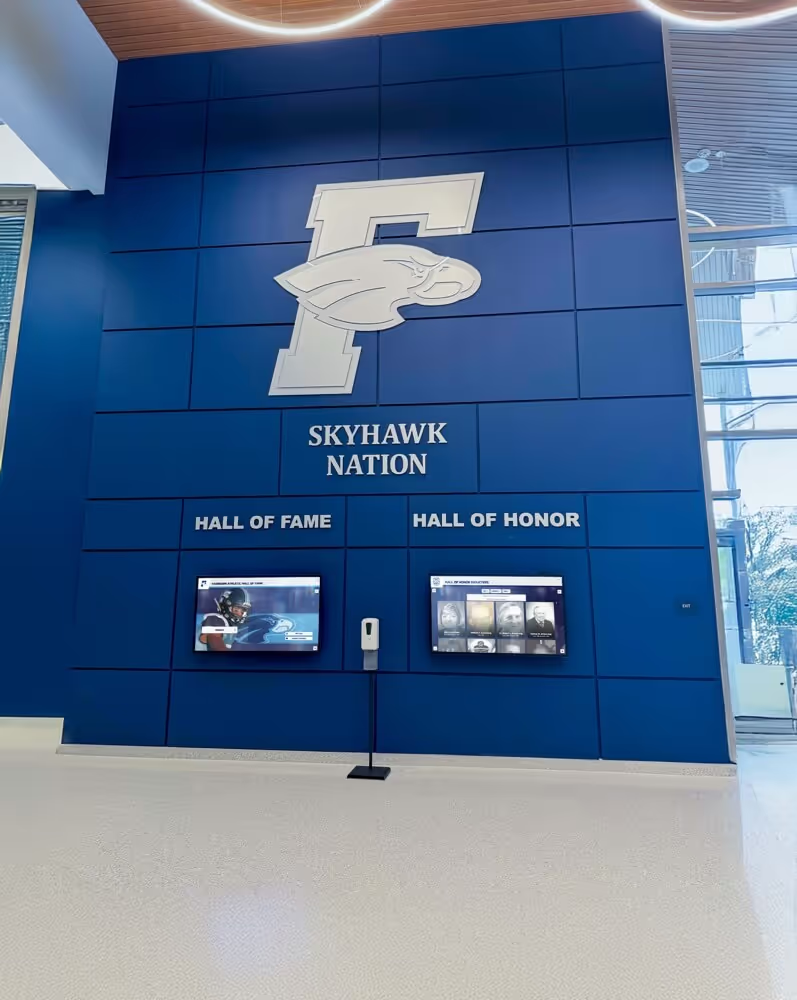
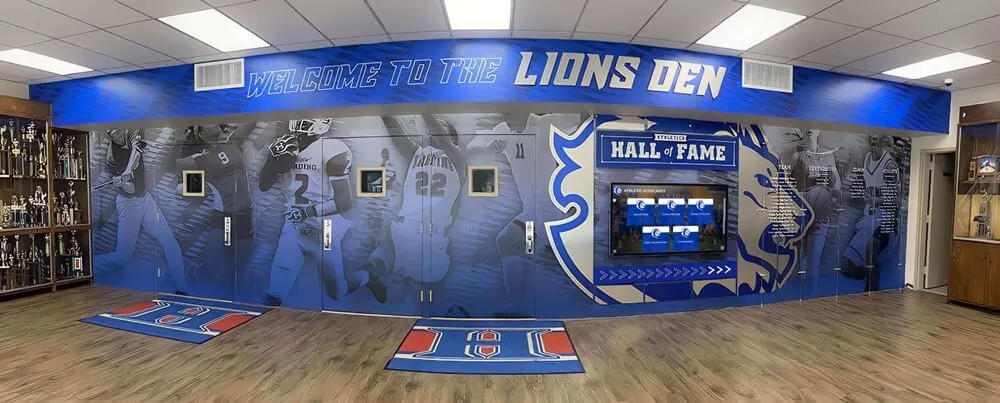
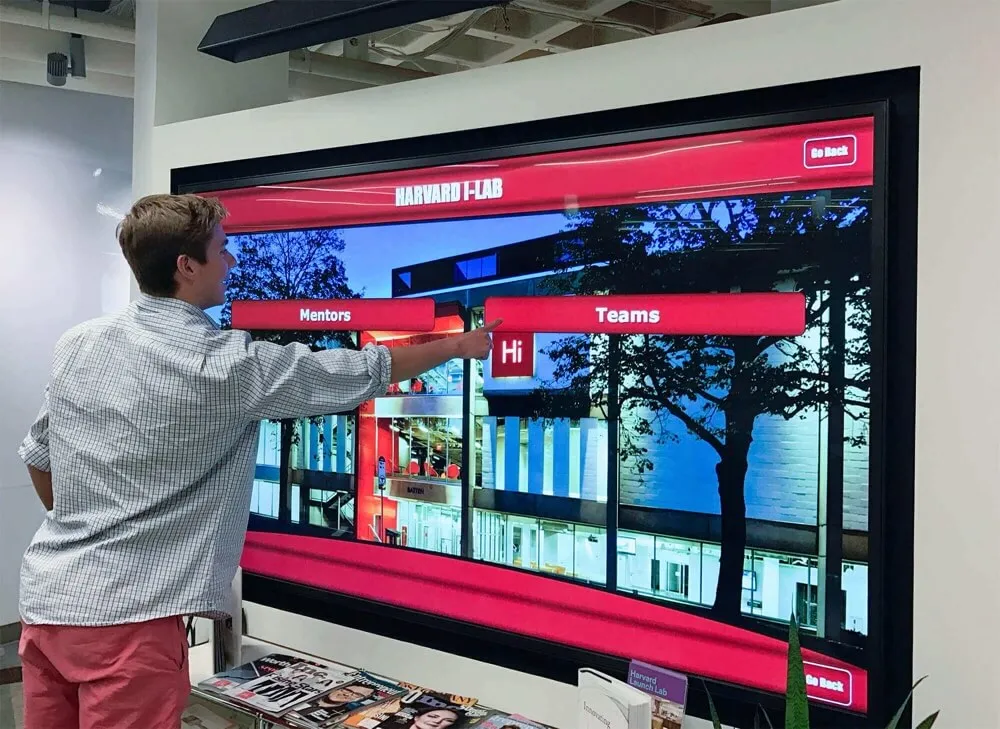
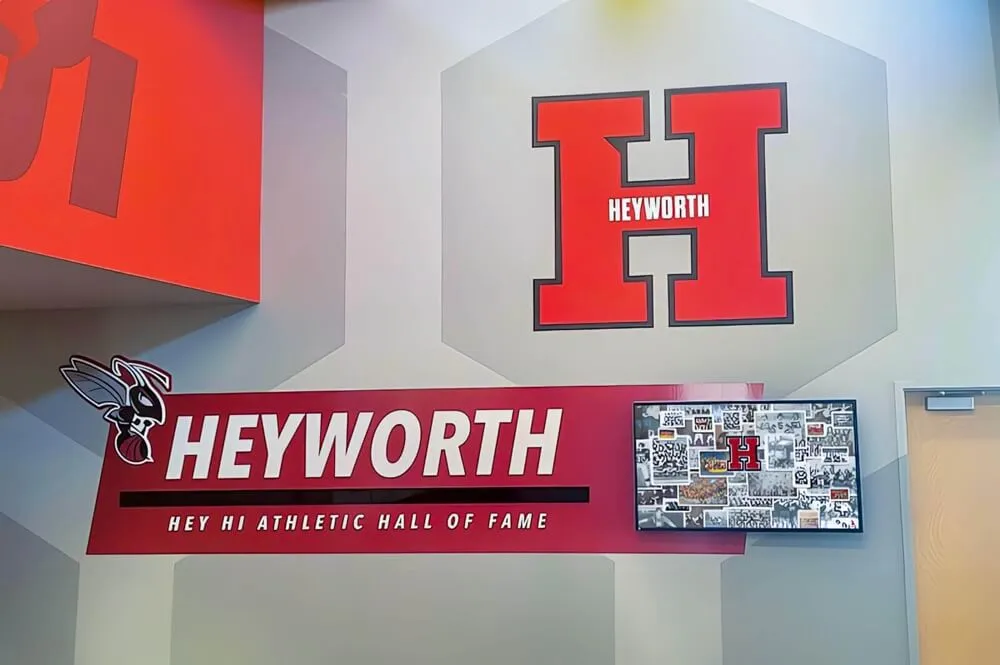
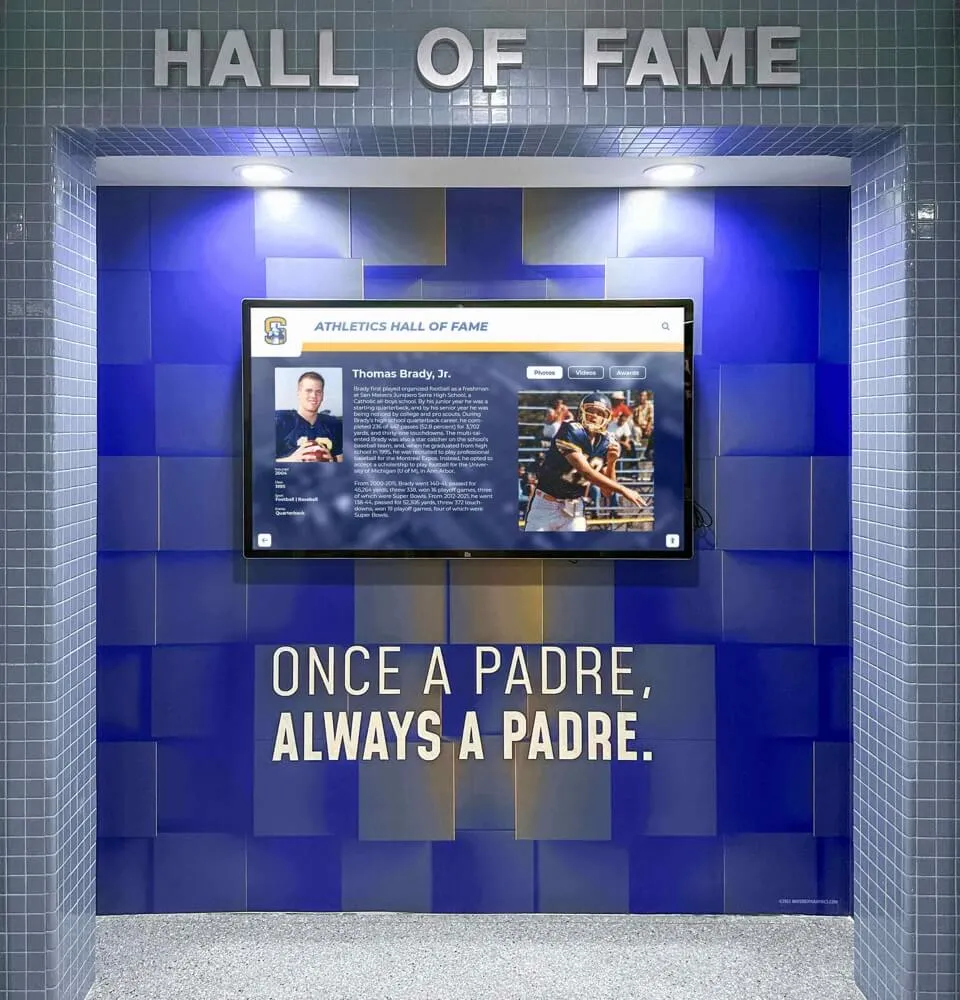
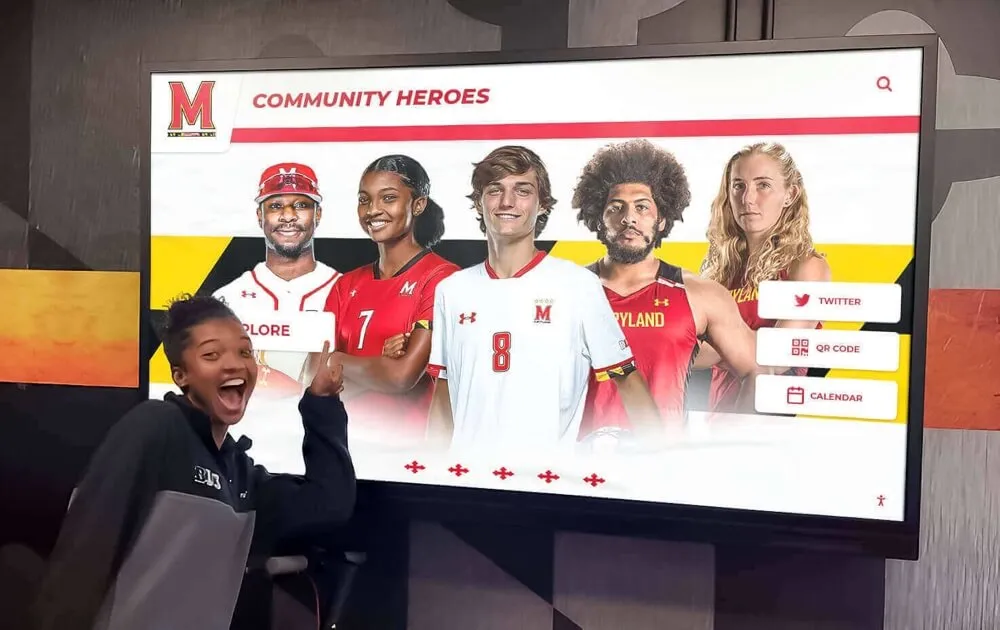
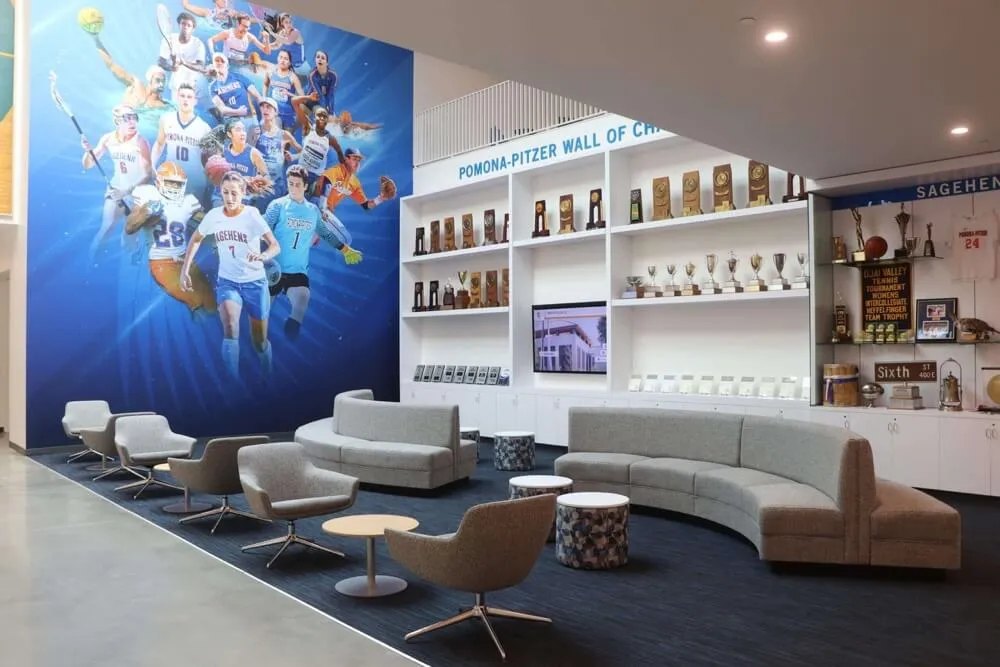
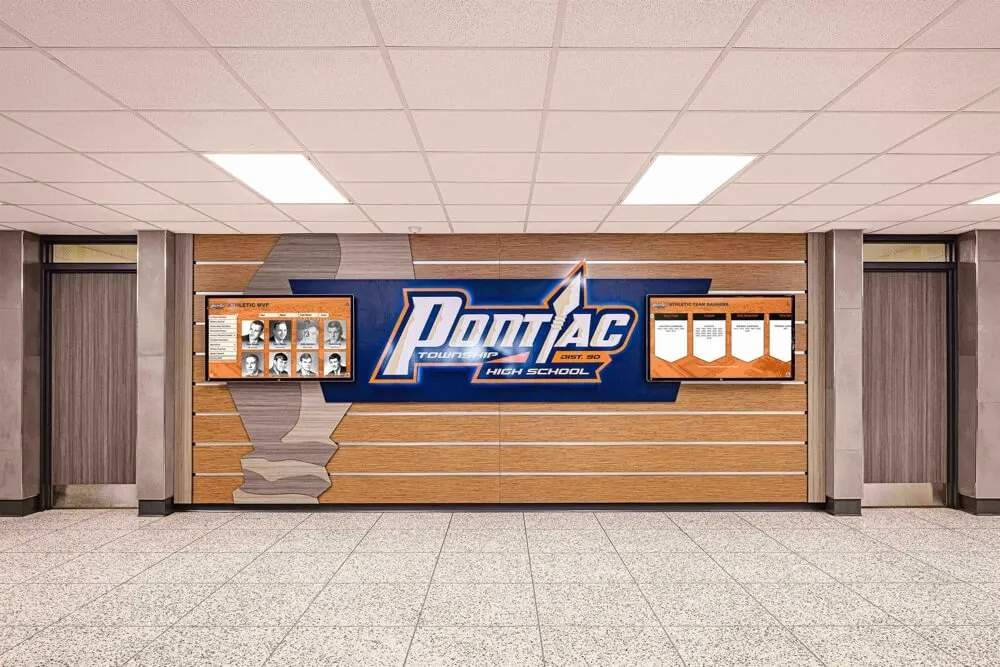
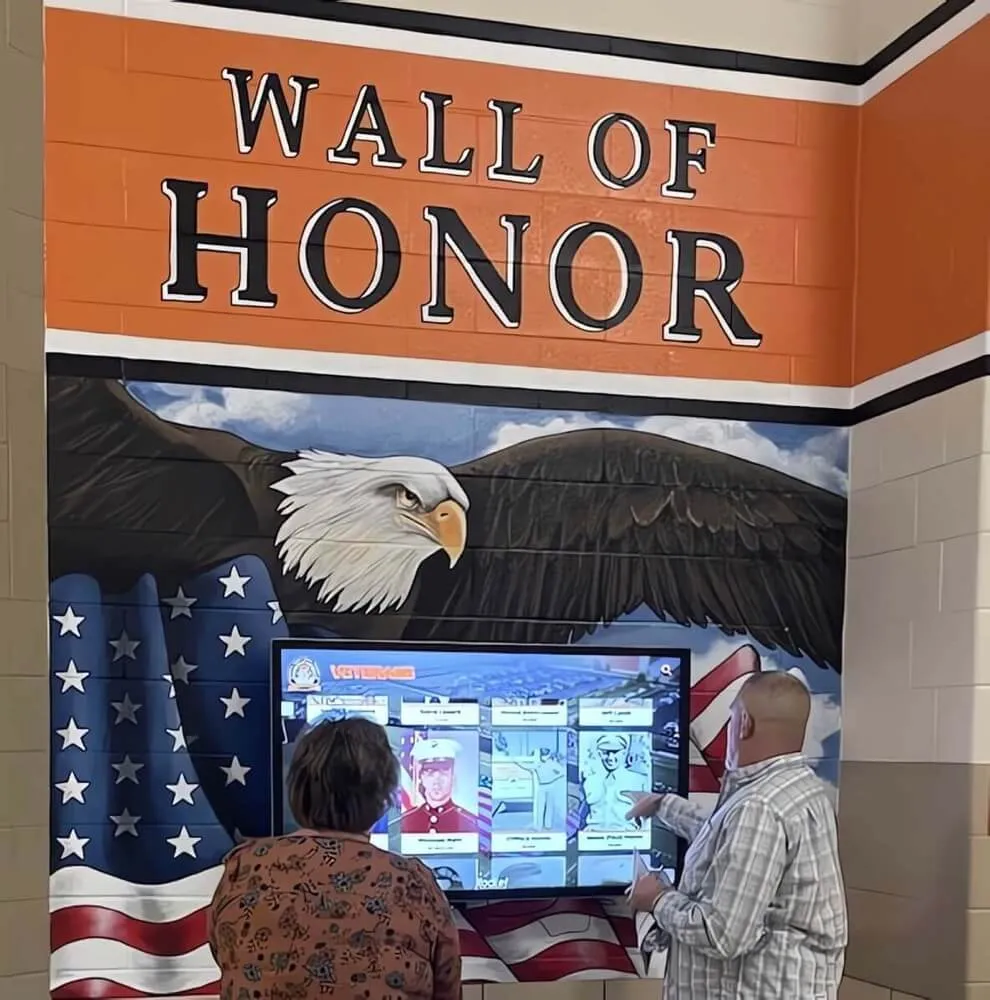
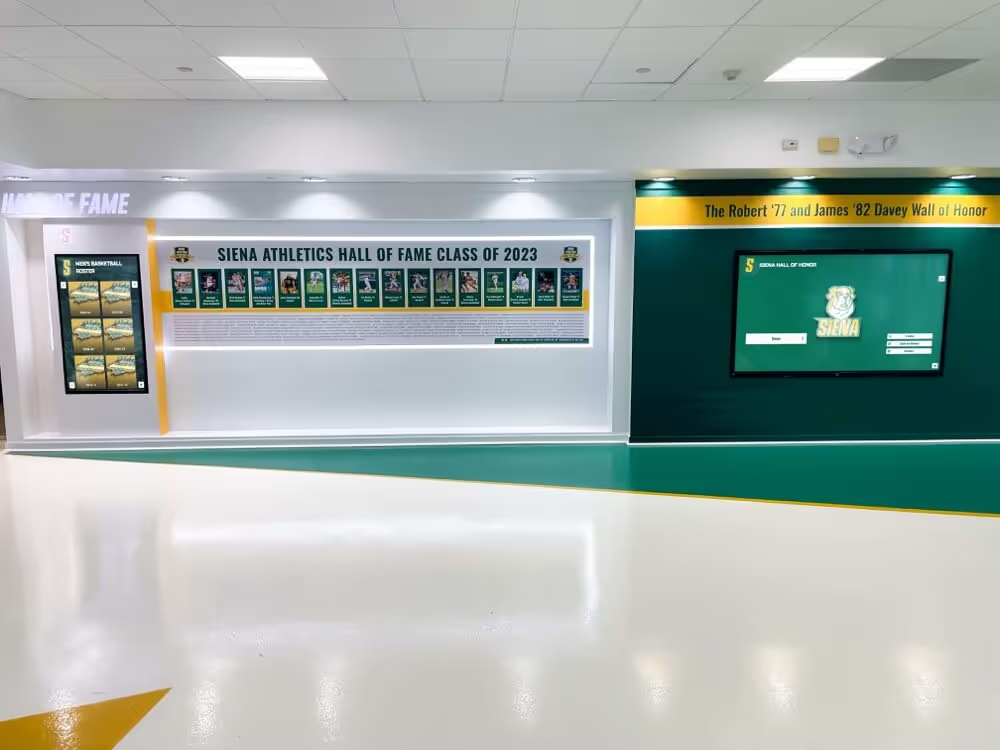
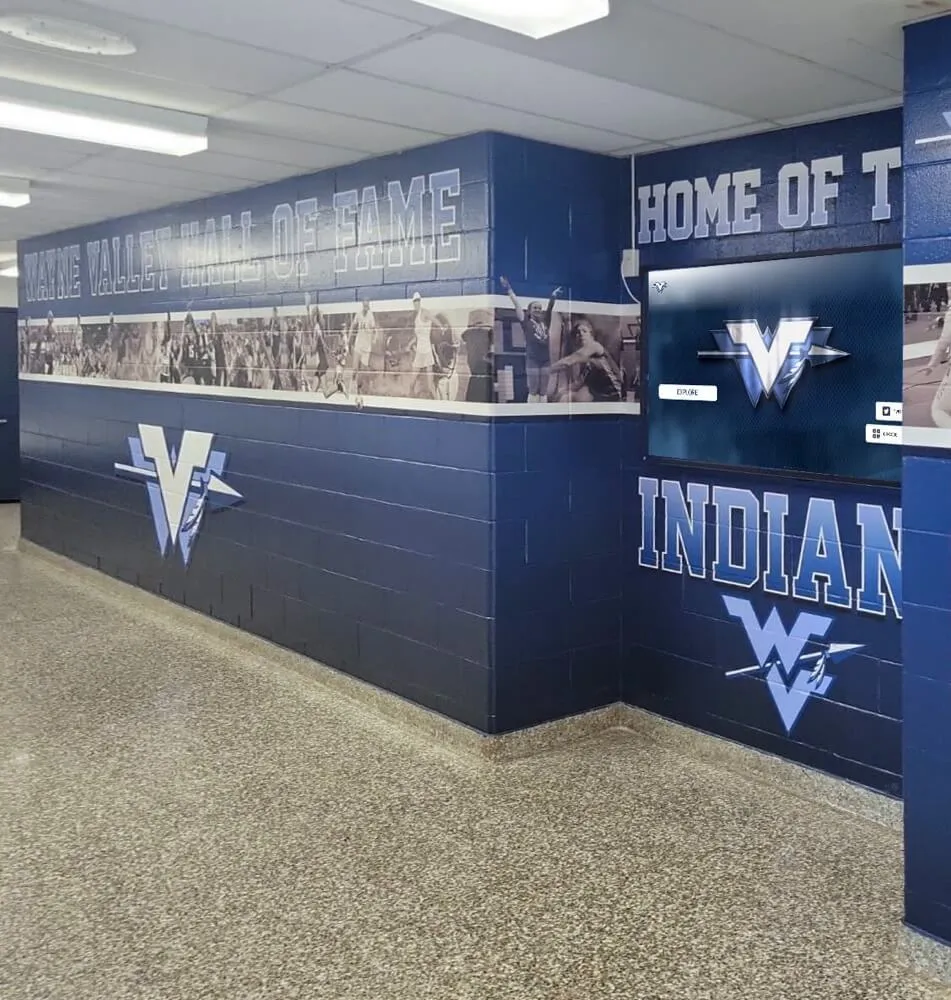
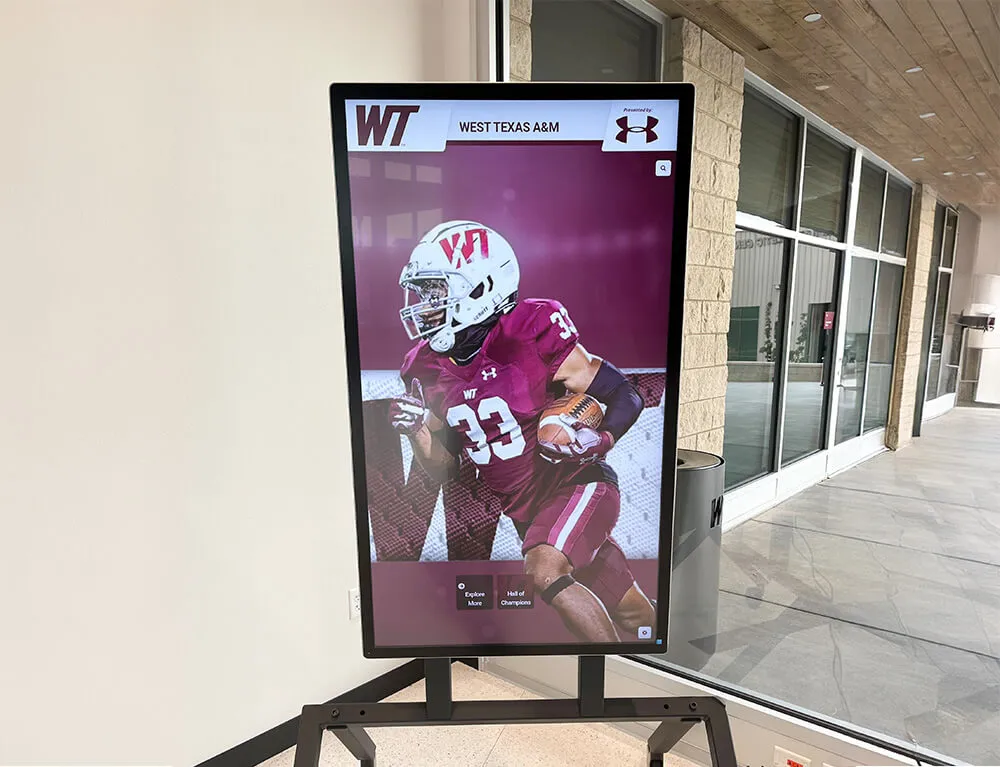
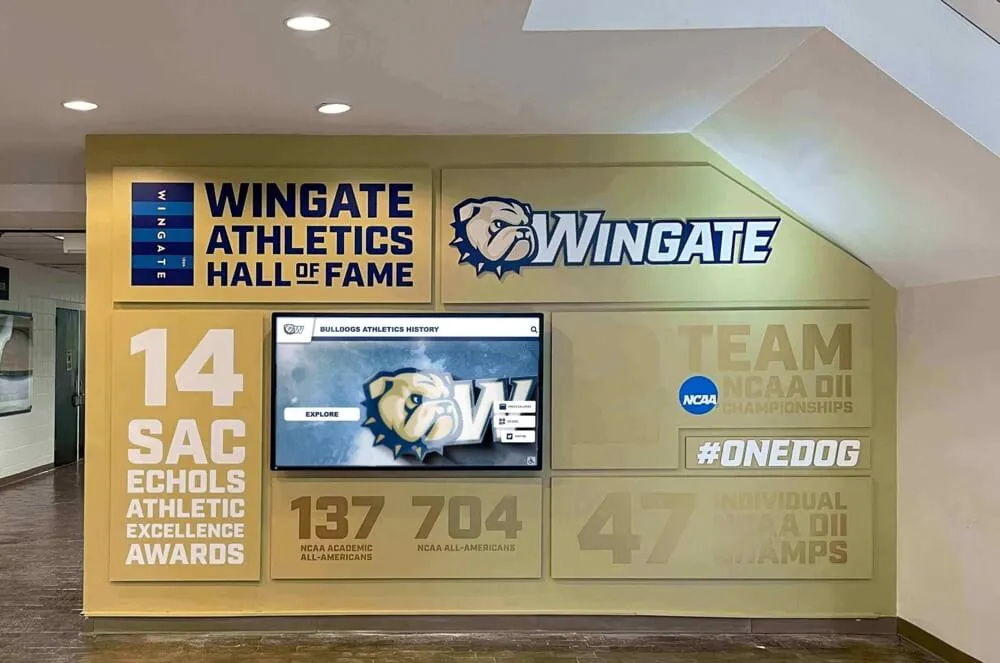
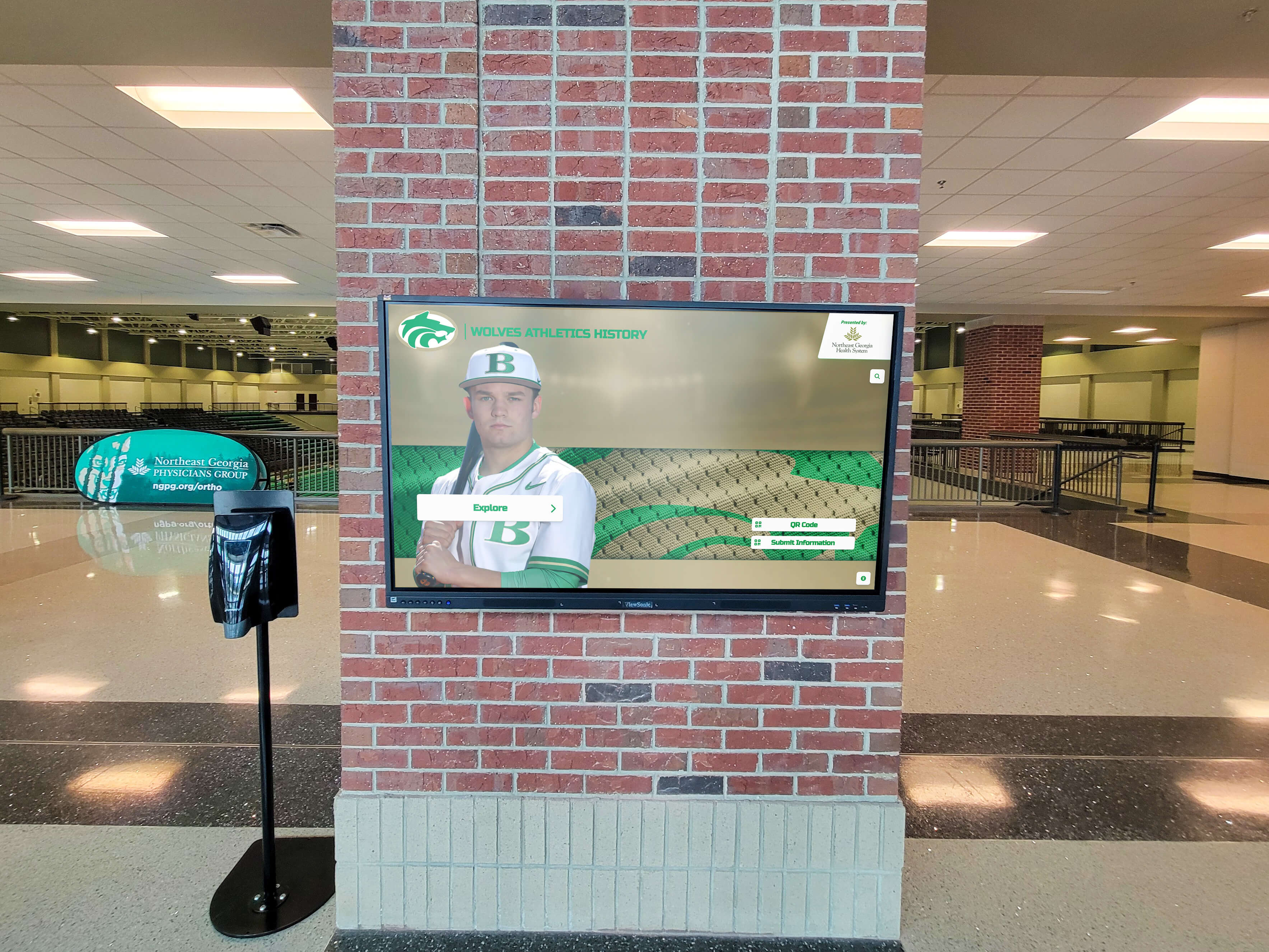
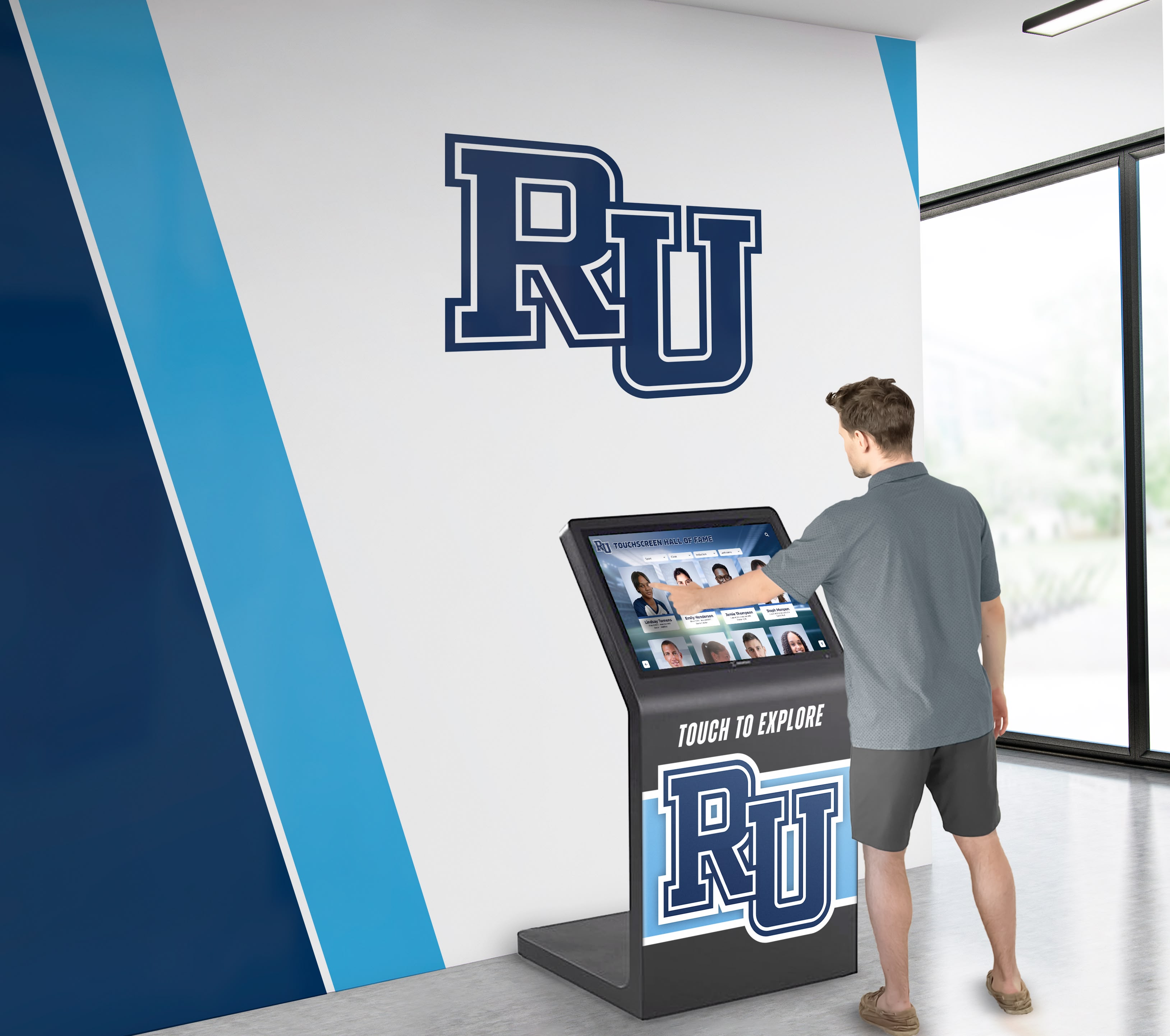
Interactive touchscreen displays throughout the arena—from main concourses to premium club spaces—represent the evolution of sports recognition from static plaques and trophy cases to dynamic, engaging platforms that celebrate unlimited achievements while providing the multimedia storytelling today’s audiences expect. This comprehensive guide explores how major sports venues implement interactive recognition technology, the strategic benefits these systems deliver, implementation best practices for arenas of all sizes, and how solutions like Rocket Alumni Solutions make sophisticated recognition accessible to professional franchises, college programs, and high school athletics alike.
TD Garden: Where Sports Tradition Meets Modern Innovation
TD Garden opened in 1995 as the FleetCenter, replacing the beloved but aging Boston Garden that had served as home to Boston’s professional hockey and basketball teams since 1928. The transition from the intimate, character-filled original Garden to the modern arena represented more than a change of address—it symbolized sports venues’ evolution toward spaces that honor tradition while embracing technological advancement.
The Arena’s Impressive Specifications
Capacity and Scale
Hockey Configuration: 17,850 seats for Boston Bruins games
Basketball Configuration: 19,156 seats for Boston Celtics games
Concert Capacity: Up to 19,580 for entertainment events
Annual Attendance: Over 3.5 million visitors across 200+ events
Premium Features
Executive Suites: 90 luxury boxes with exclusive amenities
Club Seats: 1,100 premium seating positions
Private Restaurants: Three exclusive dining venues
Technology: Multi-million dollar HD video scoreboard with 360-degree LED
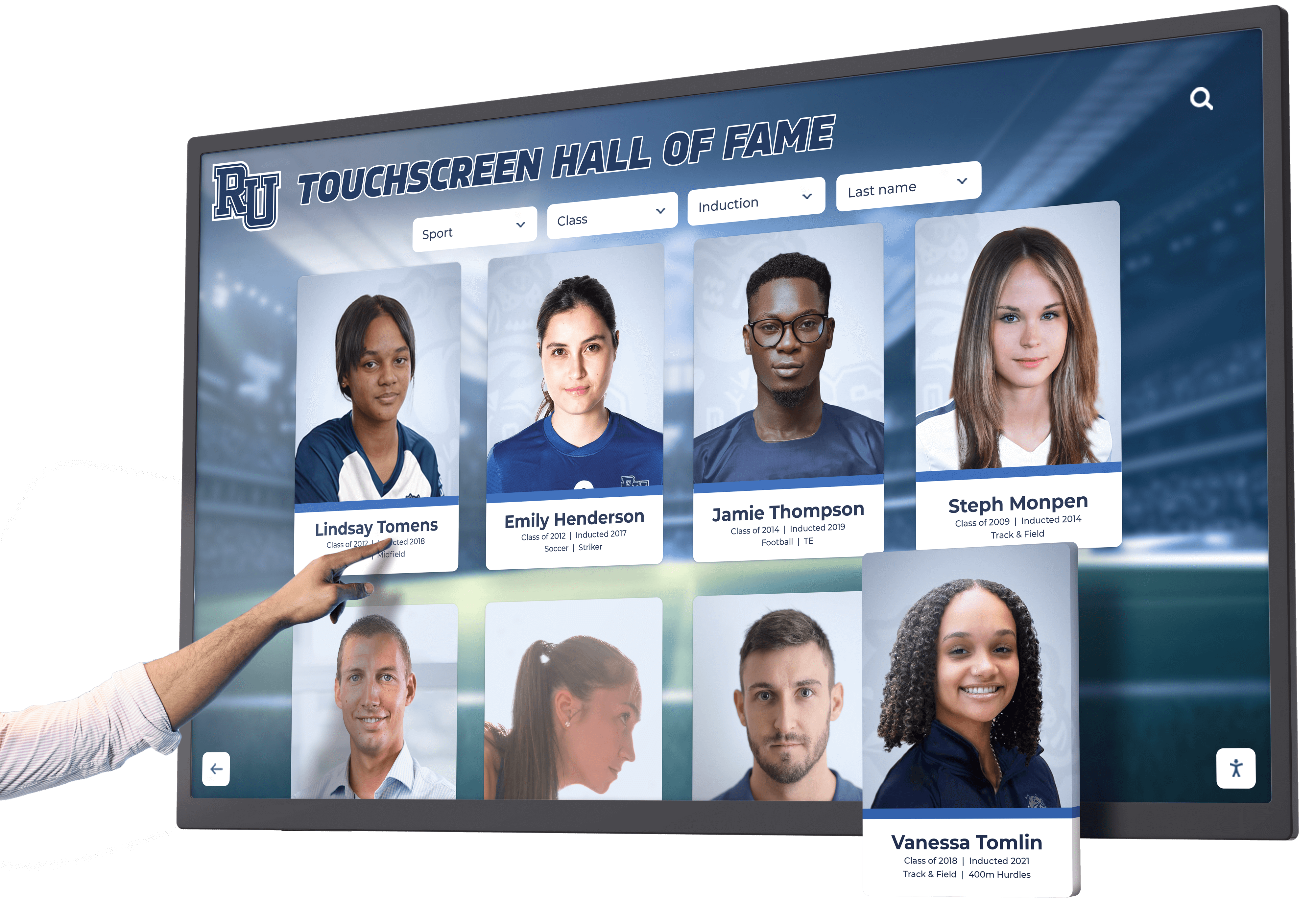
The venue’s scale creates exceptional opportunities for recognition displays. With millions of annual visitors passing through multiple entry points, concourses, and gathering spaces, strategic placement of interactive touchscreens ensures maximum visibility and engagement. Organizations implementing digital walls of fame understand that high-traffic venues require careful consideration of placement, content strategy, and user experience design.
Modernization Investment and Commitment to Excellence
In 2014, venue owner and operator Delaware North invested over $70 million in comprehensive arena-wide renovations specifically designed to upgrade fan experience. This massive investment addressed redesigned concourses improving traffic flow and gathering spaces, new concession offerings with diverse food and beverage options, upgraded technology infrastructure supporting digital displays and connectivity, enhanced premium spaces justifying club seat and suite pricing, and improved accessibility ensuring universal venue usability.
This commitment to continuous improvement creates an ideal environment for interactive recognition technology. Venues investing in modernization understand that today’s sports fans—particularly younger, digitally-native audiences—expect technology-enabled experiences. Static recognition no longer meets these expectations. Interactive displays that invite exploration, provide rich multimedia content, and enable personalized discovery align with modern venue philosophies prioritizing engagement over passive observation.
The Strategic Value of Interactive Recognition at Major Sports Venues
Professional sports venues face unique recognition challenges that make interactive touchscreen displays particularly valuable. Understanding these strategic imperatives helps explain why organizations like those managing TD Garden prioritize digital recognition investments.
Honoring Dual-Team Legacies and Shared Heritage
TD Garden’s status as home to both the Bruins and Celtics creates exceptional recognition complexity. The Boston Bruins franchise dates to 1924 as one of the NHL’s Original Six teams, with six Stanley Cup championships and legendary players including Bobby Orr, Ray Bourque, and Patrice Bergeron defining hockey excellence across nearly a century. The Boston Celtics represent the NBA’s most successful franchise, with 18 championships and icons like Bill Russell, Larry Bird, and Paul Pierce creating basketball immortality.
Traditional recognition approaches struggle to honor two legendary franchises sharing one venue. Physical space constraints force difficult prioritization decisions—whose achievements receive prominent display? Which championships get featured? How do you celebrate both organizations appropriately without overwhelming available space?
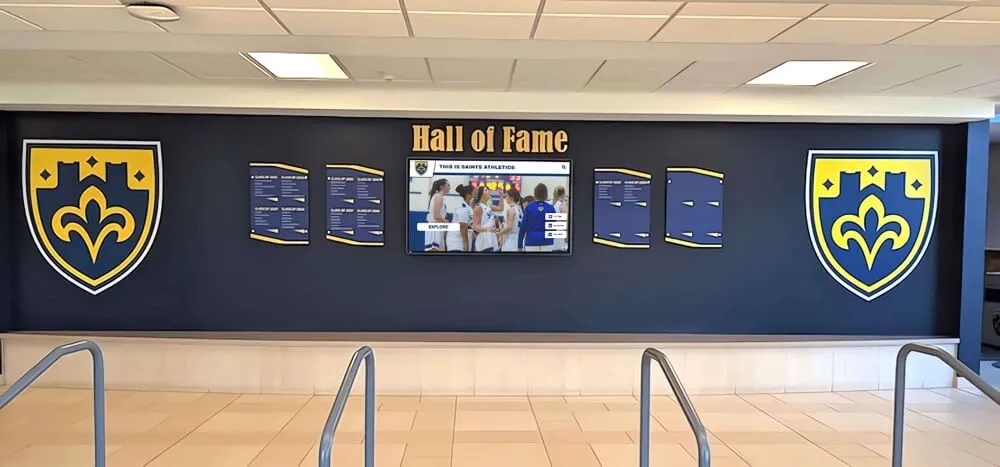
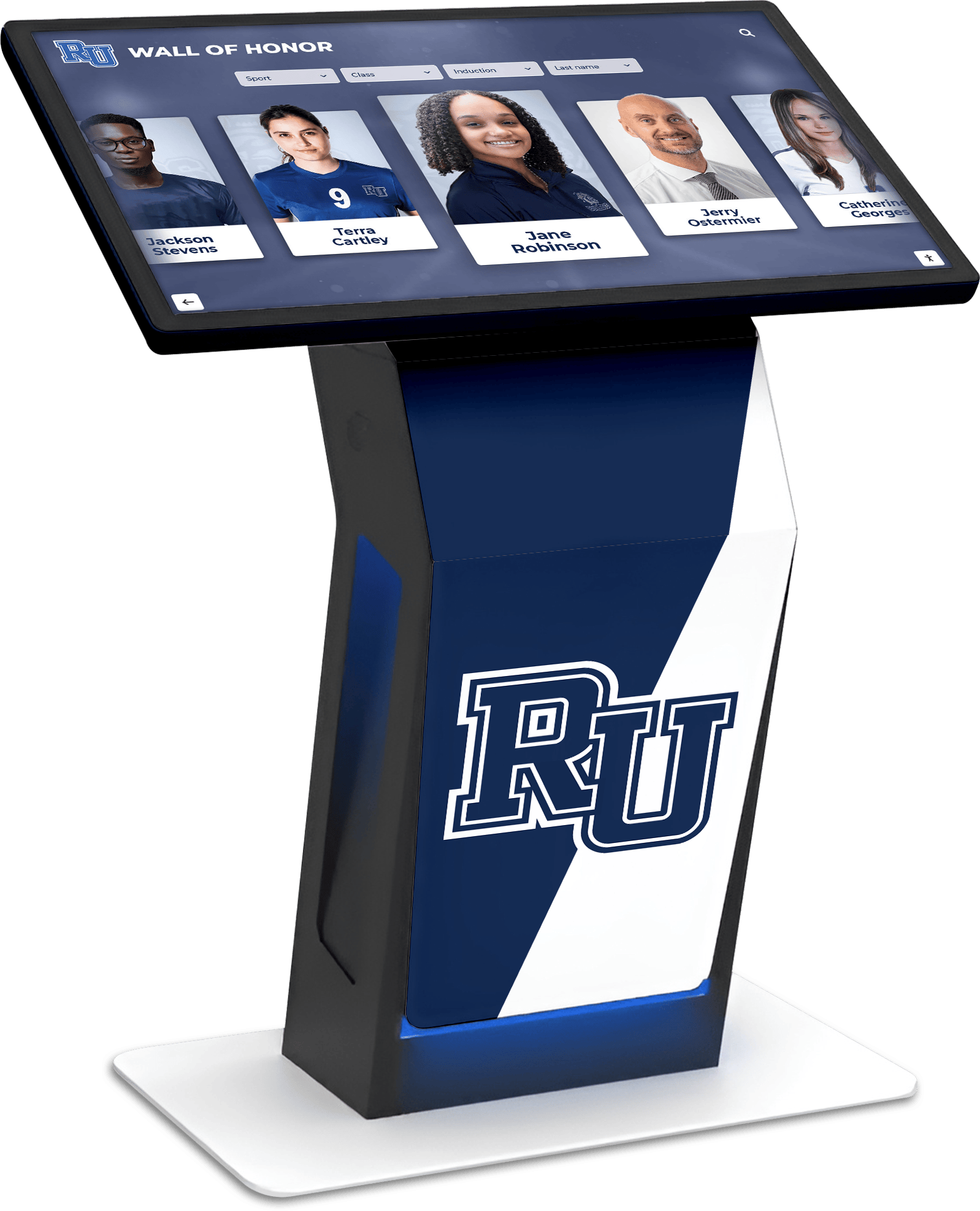
Interactive touchscreen displays eliminate these constraints entirely. Comprehensive digital databases can honor every notable player from both franchises, document all championships with rich multimedia retrospectives, provide separate navigation paths for hockey and basketball fans, maintain equal prominence for both organizations, and accommodate future achievements without space limitations. Many venues implementing comprehensive digital hall of fame systems find that unlimited capacity proves their most valuable feature.
Engaging 3.5 Million Annual Visitors Effectively
TD Garden hosts over 3.5 million visitors annually across diverse events—Bruins hockey games, Celtics basketball games, college tournaments, concerts, family shows, and other entertainment. This massive audience creates both opportunity and challenge for recognition programs.
The Opportunity: Millions of impressions provide unmatched visibility for recognition content. Well-designed displays engage substantial percentages of arena visitors, creating powerful connections to franchise heritage while educating newer fans about historical context. Professional teams report that recognition displays become beloved gathering points where fans arrive early to explore history before games begin.
The Challenge: Diverse audiences require flexible recognition approaches. Hardcore Bruins season ticket holders want deep statistical content and obscure historical references. Casual fans attending occasional games need accessible entry points explaining significance. Concert attendees with no sports interest still encounter displays, requiring content that engages general audiences. Children, teenagers, adults, and seniors all interact differently with recognition content.
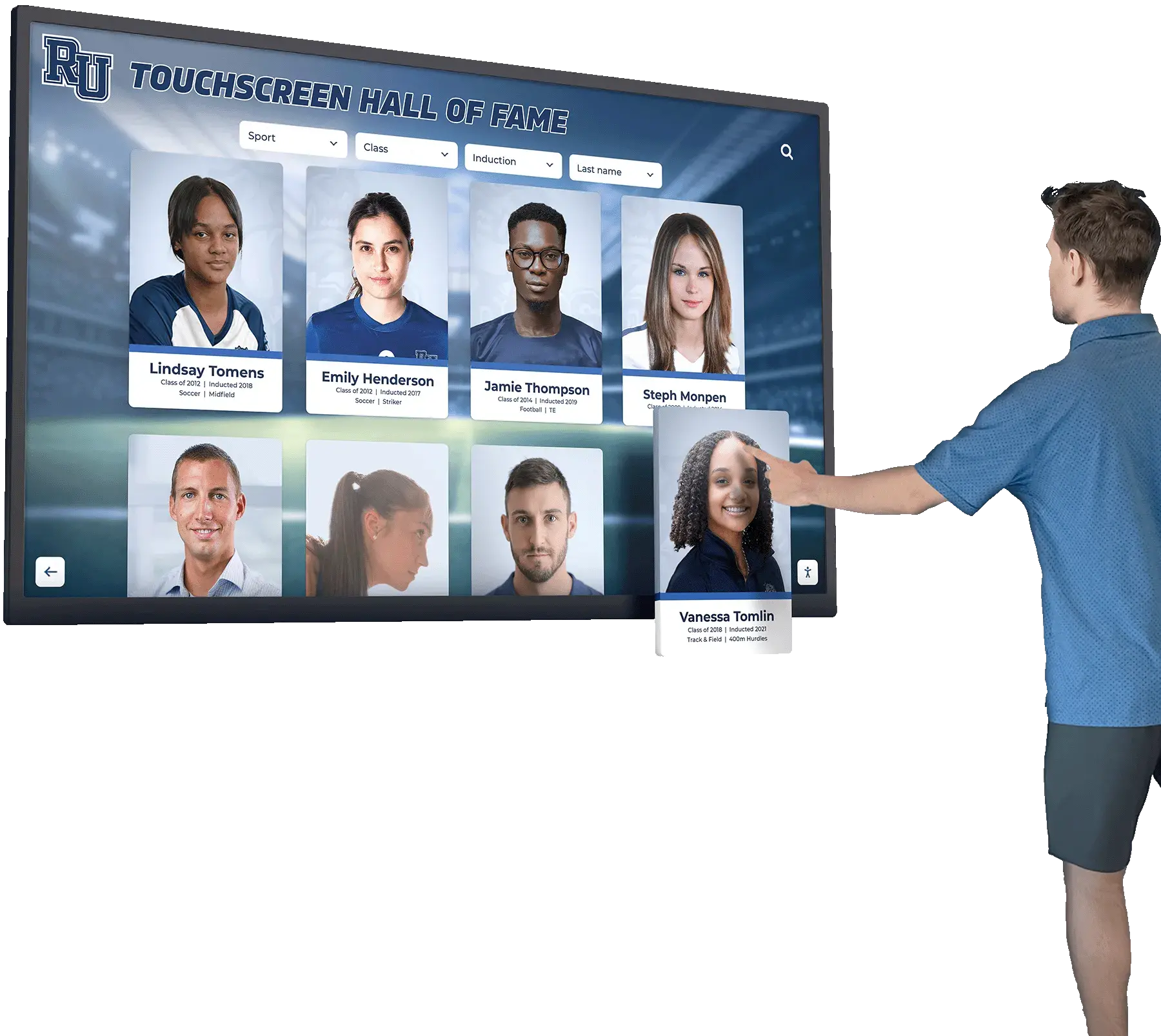
Interactive touchscreen technology addresses audience diversity through layered content architecture. Surface-level content provides accessible highlights and visually engaging introductions. Deeper navigation reveals comprehensive statistics, detailed biographies, and specialized content rewarding exploration. Search functionality lets knowledgeable fans quickly find specific players or achievements. Featured content rotates based on current events, seasons, and milestones, maintaining relevance for repeat visitors.
Organizations exploring effective interactive exhibit design understand that successful implementations serve both expert enthusiasts and casual novices through thoughtful information architecture and progressive disclosure principles.
Premium Experience Enhancement and Revenue Justification
TD Garden features 90 executive suites and 1,100 club seats generating significant revenue. These premium products command substantial price premiums over standard seating—justification requires delivering experiences that exceed regular fan access.
Interactive recognition displays in exclusive areas serve multiple strategic purposes:
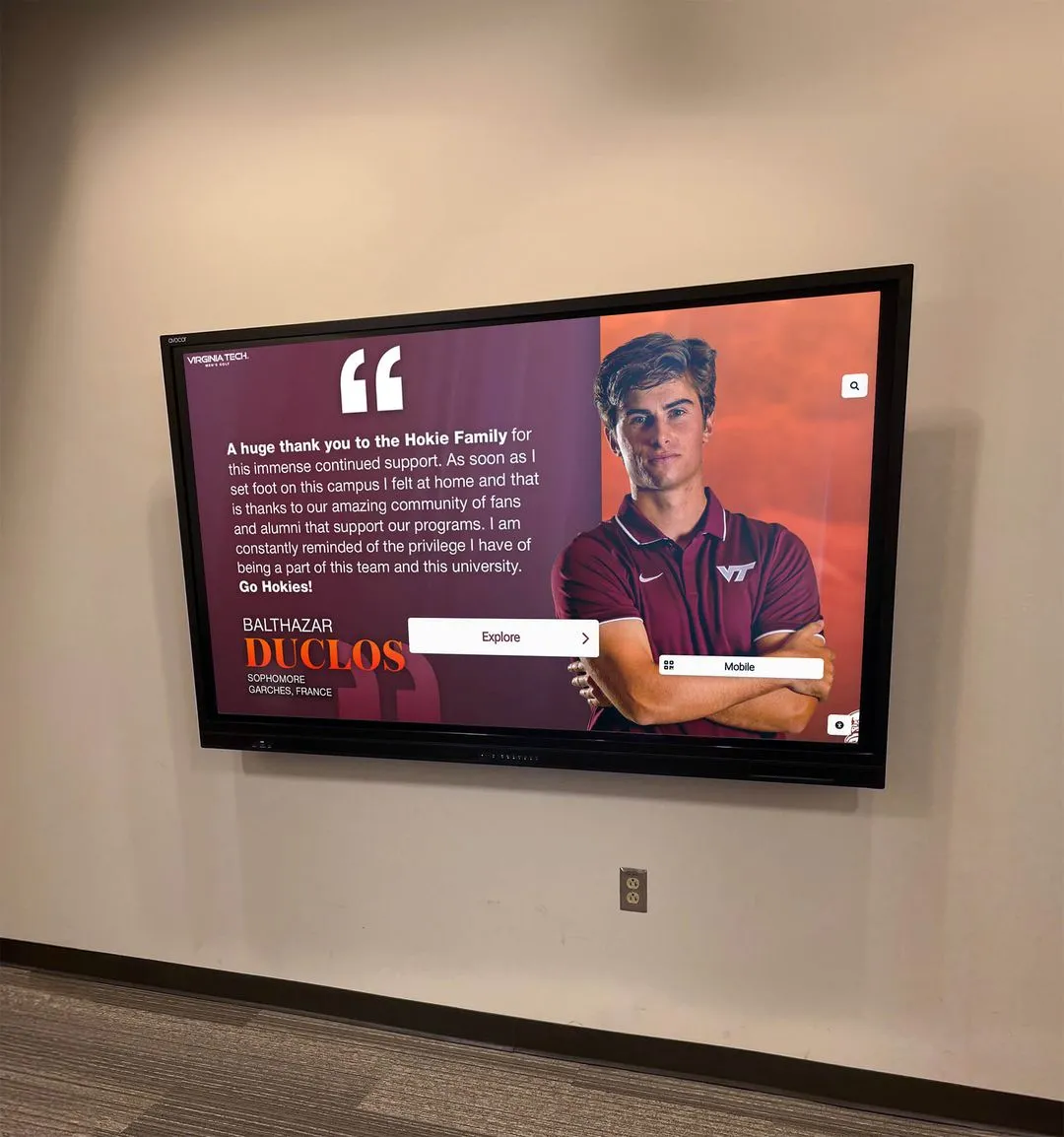
Differentiated Experiences: Premium spaces feature enhanced recognition content unavailable in public areas. Extended video content, exclusive interviews, behind-the-scenes footage, and specialized statistics create distinctive experiences justifying premium pricing.
Hospitality Enhancement: Displays provide entertainment during pre-game hospitality periods and intermissions when premium guests socialize in club spaces. Interactive content creates conversation starters and shared experiences among business associates and social groups.
Brand Association: Premium sponsors and partners receive recognition through integrated content. Corporate suite holders appreciate displays acknowledging their support while creating positive brand associations with franchise excellence and tradition.
Retention and Satisfaction: Premium seat buyers evaluate renewal decisions based on overall experience value. Impressive technology, comprehensive recognition, and exclusive content contribute to satisfaction metrics that drive retention rates essential for predictable revenue streams.
Understanding effective donor recognition strategies helps venues create premium experiences that appropriately honor significant contributors while strengthening relationships essential for sustainable support.
Implementing Interactive Recognition Displays in Sports Arenas
Whether managing professional venues like TD Garden, college athletic facilities, or high school gymnasiums, successful interactive recognition implementation follows strategic principles adapted to different scales and resources.
Strategic Placement for Maximum Engagement
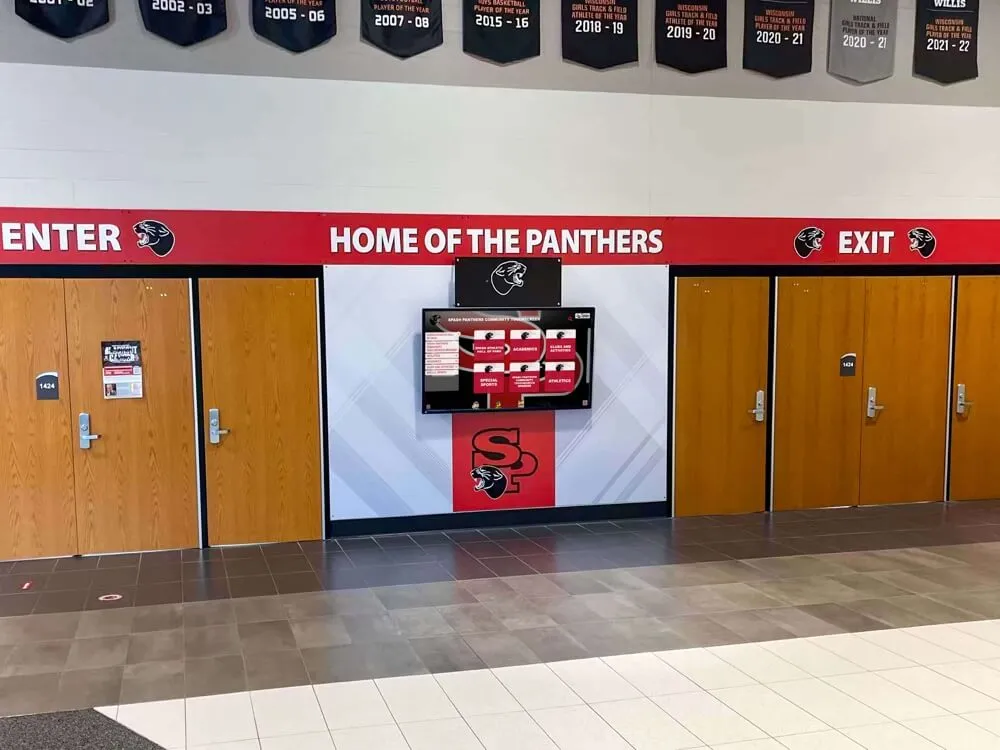
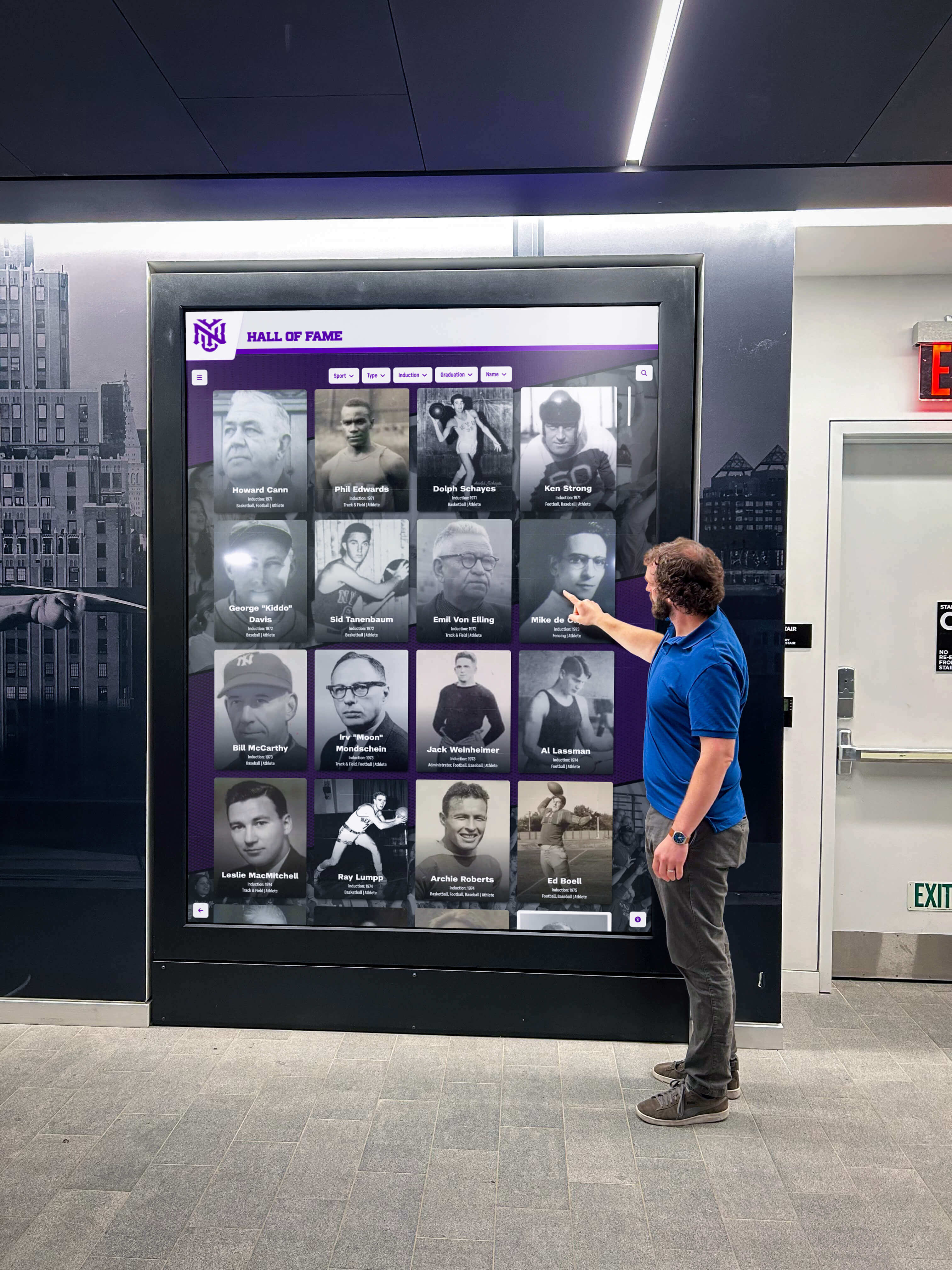
Main Entry Concourses: Position prominent displays in primary entrance areas where all attendees pass during arrival. First impressions significantly influence overall venue perception. Impressive recognition immediately visible upon entry establishes culture, celebrates tradition, and creates positive emotional connections before fans reach seats.
High-Traffic Gathering Points: Install displays in natural congregation areas—near concession stands, restrooms, merchandise stores, and seating entry points. Fans waiting in queues or meeting friends appreciate engaging content filling otherwise idle time. These locations provide captive audiences with time to explore recognition content.
Premium Club Spaces: Provide enhanced recognition in exclusive areas where engaged, invested fans congregate. Premium audiences often appreciate deeper historical content, advanced statistics, and specialized information that casual fans might not explore. These installations justify premium pricing while creating distinctive experiences.
Team Store and Museum Areas: Many professional arenas feature team stores selling merchandise and small museum spaces displaying memorabilia. Interactive displays in these locations complement physical artifacts by providing context, telling stories, and enabling deeper exploration of items on display.
Practice Facility Connections: Some arenas incorporate public viewing areas overlooking team practice facilities. Recognition displays in these spaces engage fans during practices while celebrating athletes they’re watching train—creating direct connections between historical excellence and current team development.
Organizations implementing comprehensive recognition programs find that thoughtful placement decisions significantly impact engagement rates and overall project success.
Content Strategy for Arena Recognition Displays
Effective arena recognition requires comprehensive content spanning franchise history while remaining fresh and relevant to current contexts.
Comprehensive Player Databases: Develop detailed profiles for all significant players throughout franchise history including biographical information with birthplaces, draft details, and career timelines, complete statistical records across seasons with the organization, notable achievements and awards earned during tenures, memorable moments and defining performances, post-playing career information showing life after sports, multimedia assets including photos spanning careers, video highlights of signature plays, and authentic quotes providing personal perspectives.
Championship Documentation: Create rich retrospectives for each title featuring complete roster listings with player contributions, season journey documentation showing paths to championships, game-by-game playoff progress with key moments, victory celebration footage and parade documentation, statistical breakdowns and record achievements, opponent information providing competitive context, and anniversary features celebrating milestone championship dates.
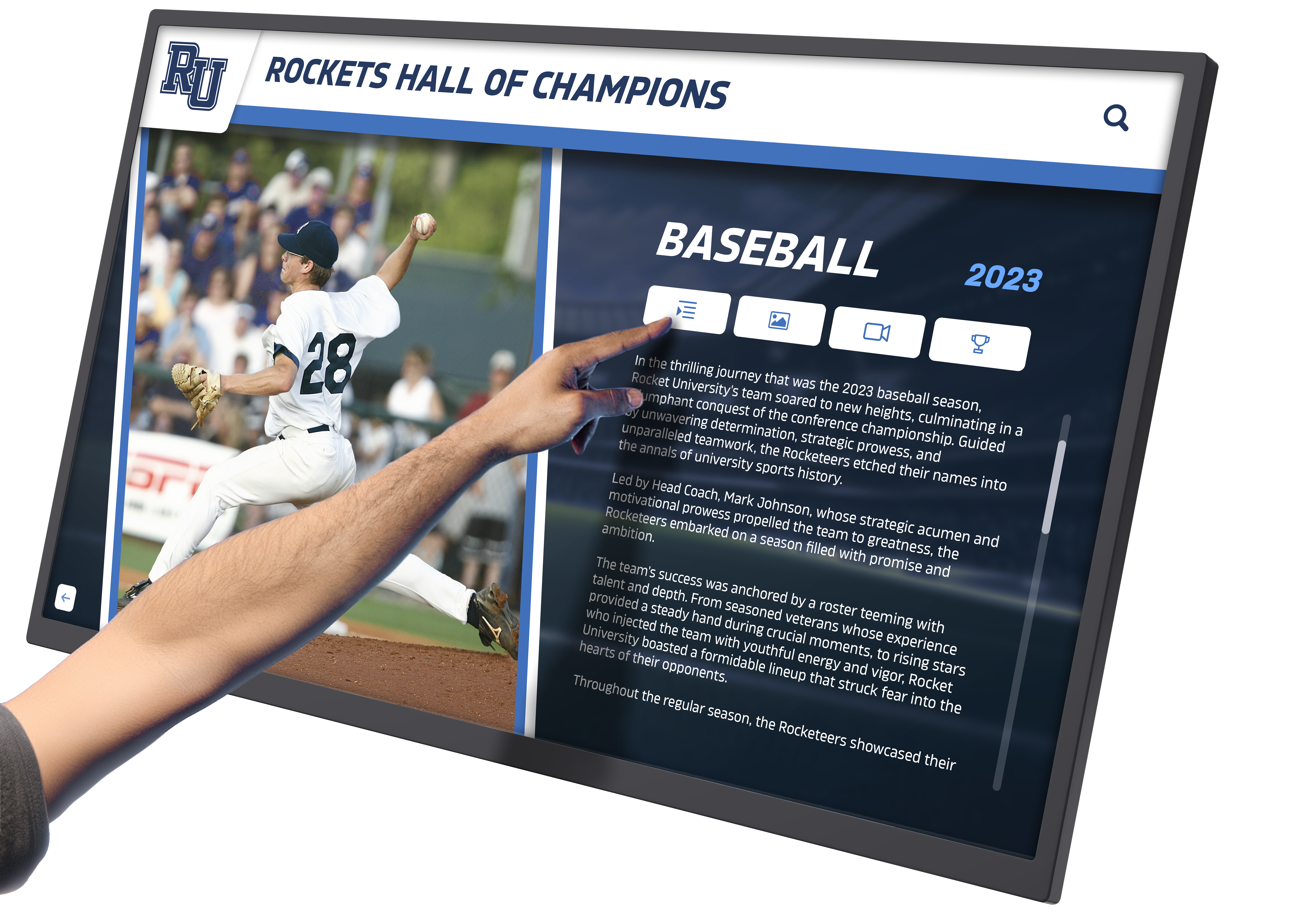
Hall of Fame and Retired Numbers: Provide special recognition for franchise legends through induction ceremony complete documentation, comprehensive career retrospectives with statistical excellence, comparative analysis demonstrating greatness relative to peers, personal storytelling through interviews and reflections, legacy impact showing influence on franchise and sport, and current connections noting ongoing relationships with organizations.
Current Season Integration: Maintain relevance through regular content updates including weekly performance highlights and standout achievements, season record tracking with historical comparisons, milestone celebrations as they occur during campaigns, playoff progress with real-time tournament bracket updates, and injury reports and roster changes keeping content current. Many teams implementing digital record boards find that current season content drives highest engagement rates.
Historical Context and Timeline Features: Help fans understand franchise evolution through decade-by-decade progression showing team development, era comparisons highlighting how game and team styles changed, franchise milestone celebrations marking significant dates and achievements, venue history documenting arena changes and relocations, uniform evolution showing jersey and logo transformations, and rival context explaining important competitive relationships.
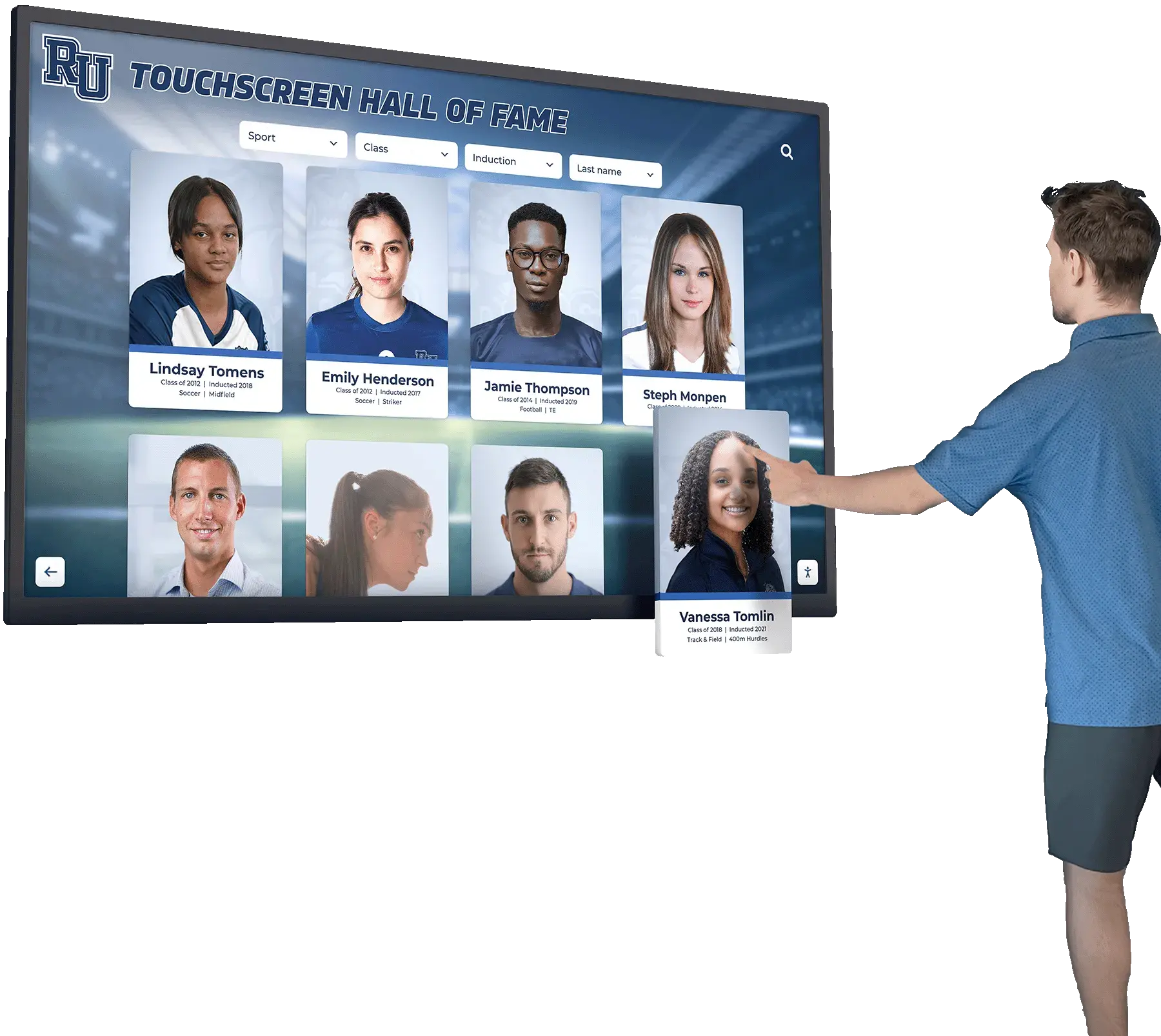
Interactive Features Enhancing Engagement: Advanced functionality increases exploration and personalization through searchable databases with multiple filter options, statistical comparison tools enabling player and era comparisons, trivia and quiz features testing and building fan knowledge, social media integration allowing content sharing, and QR codes providing links to extended digital content and online resources.
Technology Selection for Arena Environments
Sports venue environments present unique technical requirements influencing appropriate display selection and system configuration.
Display Hardware Considerations: Arena installations require commercial-grade equipment including large format displays (55-86 inches) providing visibility in open spaces, high brightness ratings (450-700 nits minimum) ensuring readability despite varied lighting, 4K resolution maintaining image quality for detailed content, commercial-grade touchscreens rated for heavy public use, vandal-resistant enclosures protecting equipment from damage, and robust cooling systems maintaining operation during extended events.
Content Management Requirements: Arena recognition requires sophisticated backend systems including cloud-based platforms enabling remote management from anywhere, role-based permissions controlling content modification access, scheduling capabilities planning content around events and seasons, bulk upload features facilitating large content additions, template systems ensuring consistent profile formatting, and comprehensive analytics tracking engagement and usage patterns.
Solutions like Rocket Alumni Solutions provide purpose-built platforms specifically designed for recognition applications rather than generic digital signage, ensuring functionality aligns with actual venue needs while providing intuitive interfaces non-technical staff can manage effectively.
Network and Integration Considerations: Arena installations must integrate securely with venue infrastructure through dedicated network segments isolating display systems, secure content delivery preventing unauthorized modifications, offline fallback modes maintaining operation during network issues, ticketing system integration enabling personalized experiences for identified fans, and CRM connectivity tracking engagement from known customers.
Benefits Across Different Venue Types and Organizational Scales
While core principles apply broadly, different venue types realize distinct benefits from interactive recognition implementation.
Professional Sports Franchises
Major league teams implementing interactive recognition gain strategic advantages including fan experience differentiation in competitive markets where venue quality influences attendance, revenue generation opportunities through sponsored content and naming rights, alumni engagement maintaining connections with former players who become program ambassadors, recruiting advantages as free agents evaluate organizational prestige and player treatment, community relationship building demonstrating commitment to honoring local sports heritage, and brand strengthening through visible commitment to celebrating excellence and tradition.
Professional franchises implementing comprehensive athlete recognition programs consistently report strengthened fan loyalty, increased merchandise sales tied to historical players, and enhanced negotiating position when discussing premium seating renewals.
College Athletic Programs
Collegiate athletics facilities implementing interactive recognition achieve recruiting differentiation as prospects evaluate program prestige during campus visits, donor engagement creating visible appreciation that strengthens fundraising relationships, alumni connection building that supports both athletic departments and broader institutional advancement, student-athlete motivation as current competitors encounter displays honoring predecessors, academic integration celebrating success beyond athletics when appropriate, and facilities differentiation in competitive conference environments where venue quality matters.
Understanding effective collegiate hall of fame programs helps universities maximize relationship-building and advancement benefits from recognition investments.
High School Athletics
Secondary schools implementing interactive recognition realize unique benefits including space efficiency providing unlimited recognition in compact footprints, multi-sport support accommodating all programs equitably within unified systems, budget-friendly long-term solutions with favorable total cost of ownership compared to accumulating traditional displays, student engagement and pride as displays become gathering points, college recruiting support providing impressive showcases for athletic programs, and community relationship building celebrating local sports heritage comprehensively.
Schools implementing comprehensive athletic recognition report increased school spirit, stronger student connections to institutional tradition, and enhanced program reputation within communities.
Community Recreation Facilities
Community sports complexes and recreation centers implementing recognition achieve program marketing showcasing achievements and building reputation, volunteer and donor recognition providing visible appreciation strengthening relationships, community identity building celebrating local sports heritage, partnership development supporting sponsor and collaborator relationships, and differentiation from competing facilities in crowded recreation markets.
Understanding effective community recognition strategies helps recreation organizations honor supporters appropriately while inspiring continued engagement essential for sustainable programming.
Implementation Planning and Investment Considerations
Successful interactive recognition requires systematic planning addressing strategic, technical, and operational dimensions.
Comprehensive Project Planning Framework
Define Recognition Objectives: Establish clear goals including which achievements and individuals warrant recognition, how recognition supports broader organizational objectives, what success metrics will evaluate effectiveness, and how systems will evolve as franchises accumulate additional history.
Assess Physical Environment: Evaluate venue spaces considering available wall or floor space for installations, electrical power access and capacity requirements, network connectivity and bandwidth availability, lighting conditions and potential glare factors, traffic patterns and optimal user approach angles, and accessibility requirements ensuring universal usability and ADA compliance.
Develop Content Strategy: Plan comprehensive content approach including initial content volume and category organization, ongoing content addition workflows and schedules, staff responsibility assignment and accountability structures, content quality standards and approval processes, archive approaches for historical materials requiring digitization, and multimedia production capabilities and requirements.
Select Technology Platform: Evaluate options based on display hardware specifications and commercial durability ratings, software functionality and content management interfaces, integration capabilities with existing venue systems, vendor reputation and implementation support quality, and total cost of ownership including ongoing licensing, support, and content management services.
Establish Budget and Funding Strategy: Develop realistic financial plans including capital costs for hardware, software, and installation, content development expenses for initial profile creation and media production, ongoing operational costs for licensing, support, and content updates, funding sources including capital budgets, donor campaigns, and sponsorships, and phased implementation approaches spreading investment over time.
Budget Planning and Investment Ranges
Interactive recognition display costs vary significantly based on scope, but understanding typical ranges helps organizations plan appropriately:
Single Display Systems: $15,000-$30,000
- 55-65 inch commercial touchscreen display with high brightness and durability ratings
- Professional mounting hardware and electrical installation
- Content management software with annual licensing included
- Initial content development creating 50-100 comprehensive profiles
- Staff training and ongoing technical support
- Appropriate for high schools, small colleges, and community facilities
Multi-Display Installations: $30,000-$75,000
- 2-4 coordinated displays strategically positioned in different venue locations
- Advanced content management with scheduling and zoning capabilities
- Comprehensive content development creating 200-500 detailed profiles
- Professional media production including photography, video editing, and graphic design
- Extended warranty coverage and premium support agreements
- Suitable for larger high schools, NCAA programs, and mid-sized professional venues
Comprehensive Venue Systems: $75,000-$150,000+
- 5+ displays throughout facility covering multiple recognition zones
- Custom software development and integration with venue systems
- Extensive multimedia content creation with professional production quality
- Branded interface design reflecting team identity and venue aesthetics
- Multi-year content management services ensuring ongoing updates
- Analytics and reporting capabilities measuring engagement and ROI
- Appropriate for major college programs and professional sports franchises
Phased Implementation Approach: Many organizations implement recognition systems in phases managing costs while proving value:
Phase 1 (Year 1): Single prominent display featuring core historical content and hall of fame inductees—$15,000-$25,000
Phase 2 (Year 2-3): Additional displays in secondary locations plus expanded content categories—$10,000-$20,000
Phase 3 (Year 3-5): Complete venue coverage with comprehensive multimedia content and advanced features—$20,000-$40,000
This phased approach reduces initial investment barriers while demonstrating engagement and value justifying subsequent expansion.
Content Development and Ongoing Management Best Practices
Technology provides capability, but compelling content creates engagement. Effective content development separates transformative recognition from forgotten displays.
Building Comprehensive Recognition Databases
Historical Research and Content Gathering: Collect material systematically through archival research in media guides, yearbooks, and official records, interviews with coaches, administrators, and long-tenured staff members, newspaper archives and historical press coverage, alumni outreach requesting photos and memorabilia contributions, statistical databases documenting performance history, and oral history projects capturing personal stories and memories.
Profile Development Standards: Create consistent, high-quality profiles including biographical information with career timelines, statistical achievements with record comparisons providing context, memorable moments and defining performances with narrative descriptions, career-after information showing life beyond playing days, authentic quotes and personal reflections adding unique voices, and multimedia assets including photos spanning careers, video highlights of signature plays, and audio interviews when available.
Quality Control and Verification Processes: Implement verification ensuring fact-checking of statistics and dates against authoritative sources, appropriate permissions for photo and video use documenting copyright compliance, consistent formatting and presentation standards maintaining professional appearance, accuracy of relationship and connection information, and periodic content reviews maintaining currency and correcting errors discovered over time.
Organizations developing content benefit from studying best practices for digital recognition content management that balance comprehensiveness with sustainable workflows.
Ongoing Content Management Workflows
Establish Regular Update Schedules: Create predictable content rhythms including real-time updates for urgent milestone achievements, weekly additions during active seasons highlighting standout performances, monthly featured content spotlights celebrating anniversaries and themes, quarterly comprehensive content reviews ensuring accuracy and currency, and annual major expansions adding historical content and conducting system audits.
Clarify Role Assignment and Accountability: Designate clear responsibilities through primary content manager identification, departmental contributor specification (athletics, marketing, alumni relations), approval authority establishment preventing bottlenecks, technical support contact designation, and quality assurance oversight ensuring standards maintenance.
Streamline Content Creation Efficiency: Implement systems reducing management burden through standardized templates for different profile types, bulk upload capabilities for large content additions, organized media library systems facilitating asset reuse, scheduling tools enabling planned content releases, and approval workflows preventing publication bottlenecks.
Leveraging Analytics for Continuous Improvement
Modern recognition platforms provide engagement analytics revealing how audiences interact with content. Leverage this data for optimization:
Monitor Usage Patterns: Track which content categories receive most engagement, what search terms fans use most frequently, when peak usage occurs during events, how long average sessions last, and which profiles generate most interest and sharing.
Optimize Based on Insights: Apply learning by featuring popular content more prominently, expanding successful content categories addressing demonstrated interest, filling gaps revealed by unsuccessful searches, adjusting featured content rotation based on engagement patterns, and timing major updates around demonstrated peak usage periods.
Demonstrate Return on Investment: Use analytics showing leadership and stakeholders concrete evidence including total engagement sessions and unique users, average interaction duration demonstrating content quality, most popular content types guiding future development, demographic information about users when available, and comparative analysis showing trends over time—data supporting continued investment and expansion.
Emerging Trends and Future Capabilities in Arena Recognition
Interactive recognition technology continues evolving rapidly, with emerging capabilities enhancing what venues can achieve.
Technology Innovations Transforming Recognition
Artificial Intelligence Integration: AI-powered features emerging in recognition platforms include automated content generation from statistical databases reducing manual effort, intelligent search understanding natural language queries, personalized recommendations based on user interests and behavior patterns, voice interaction enabling hands-free exploration for accessibility, and predictive analytics identifying content gaps and opportunities.
Augmented Reality Extensions: Mobile applications extending recognition beyond physical displays through AR overlays when scanning venue spaces, virtual tours enabling remote exploration of venue recognition, 3D player models and spatial statistics visualization, immersive storytelling experiences blending digital and physical environments, and gamification elements encouraging exploration and repeated engagement.
Social Media Deep Integration: Enhanced social connectivity through shareable achievement graphics optimized for platforms, fan-generated content incorporation celebrating personal connections, real-time social feed integration during events, user-submitted memories enriching official content, and viral moment identification surfacing trending content for featured promotion.
Personalization and Customization: Advanced systems enabling experiences tailored to individuals through season ticket holder recognition greeting known fans by name, favorite player tracking allowing users to follow specific athletes, achievement unlocking and digital collecting gamification, customized statistics and comparisons based on stated preferences, and interest-based content filtering showing relevant recognition.
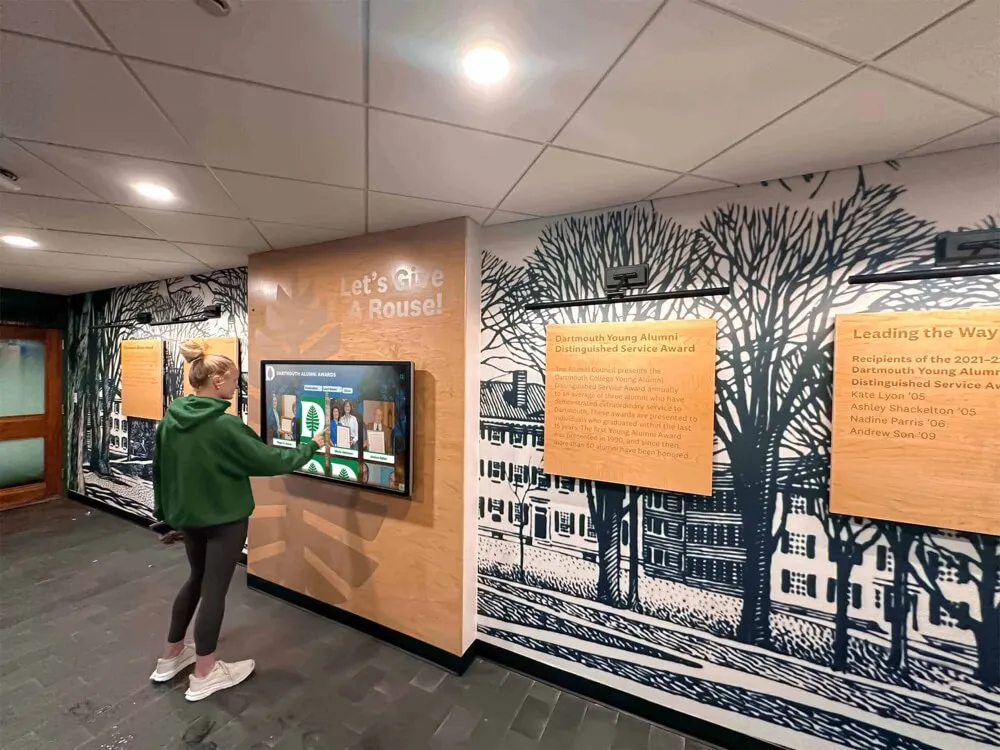
Understanding emerging trends in digital recognition technology helps organizations make forward-looking investment decisions maintaining relevance as capabilities advance.
Overcoming Common Implementation Challenges
Even well-planned recognition projects encounter obstacles. Understanding common challenges and proven solutions helps navigate implementation successfully.
Challenge: Content Development Overwhelming Available Resources
Solution: Begin with focused scope highlighting recent achievements and most notable historical figures. Expand systematically over years rather than attempting immediate comprehensive coverage. Engage volunteers, student assistants, or interns for research and basic content development, reserving professional staff time for review and quality control. Consider phased content releases tied to natural milestones—anniversary dates, hall of fame induction ceremonies, season openers, or special events.
Challenge: Resistance from Traditionalists Preferring Physical Recognition
Solution: Implement hybrid approaches maintaining cherished traditional elements like championship banners and retired jerseys while adding digital recognition for broader coverage. Emphasize how digital enhances rather than replaces tradition by telling richer stories and honoring more individuals than physical space permits. Involve traditionalists in content development, leveraging their historical knowledge and creating ownership in new systems.
Challenge: Budget Constraints Limiting Initial Scope
Solution: Explore phased implementation starting modestly and expanding incrementally as value proves itself. Investigate grant opportunities, donor naming rights, and corporate sponsorships specifically funding recognition projects. Calculate long-term cost comparisons showing digital recognition total cost of ownership advantages over accumulating traditional displays requiring ongoing fabrication, installation, and maintenance expenses.
Challenge: Technical Issues During Installation or Operation
Solution: Partner with experienced vendors providing comprehensive support and established track records in sports venue installations. Build buffer time into implementation timelines accommodating problem resolution. Maintain vendor support agreements ensuring responsive assistance when issues arise. Conduct thorough testing before public launches identifying and resolving problems proactively.
Challenge: Content Becoming Outdated Without Regular Updates
Solution: Establish clear content management responsibilities with specific staff assignments and accountability metrics. Create standardized workflows making updates routine rather than special projects. Schedule regular update cycles tied to organizational rhythms—weekly during seasons, monthly during off-seasons. Consider content management service contracts with vendors if internal resources prove insufficient.
Conclusion: Transforming Sports Recognition Through Interactive Technology
Major sports venues like TD Garden demonstrate how interactive touchscreen displays transform recognition from passive decoration into engaging experiences strengthening fan connections, honoring achievements appropriately, and maintaining cultural relevance as audience expectations evolve. Whether implementing comprehensive systems at professional arenas hosting millions of annual visitors or introducing first digital recognition at high school gymnasiums serving local communities, fundamental benefits remain consistent: unlimited recognition capacity, rich multimedia storytelling, interactive fan engagement, and sustainable content management.
The Boston sports market—among North America’s most passionate and knowledgeable—demands excellence in every aspect of fan experience. Interactive recognition displays meet this standard by celebrating the Bruins’ storied hockey heritage dating to 1924 and the Celtics’ unmatched basketball success spanning decades, all while engaging the 3.5 million annual visitors expecting world-class experiences matching “The World’s Most Famous Arena” just down the road at Madison Square Garden.
Solutions like Rocket Alumni Solutions make sophisticated recognition technology accessible to venues of all sizes by providing purpose-built platforms designed specifically for sports recognition rather than generic digital signage, intuitive content management enabling non-technical staff to maintain systems effectively, scalable approaches working for single displays or comprehensive venue installations, proven implementation support ensuring successful launches, and measurable analytics demonstrating engagement and return on investment.
Organizations ready to transform venue recognition should begin by defining clear objectives aligned with organizational priorities, assessing physical environments identifying optimal placement locations, developing comprehensive content strategies balancing historical coverage with current achievements, selecting appropriate technology platforms matching technical requirements and budgets, and committing to ongoing content management maintaining fresh, relevant displays that reward repeated visits.
When fans arrive early to explore franchise history before games, when former players visit specifically to see their achievements honored, when championship moments remain accessible to new generations discovering team heritage, and when visitors immediately understand venue culture and tradition through impressive recognition displays—sports organizations demonstrate genuine commitment to honoring the past while engaging present audiences and inspiring future excellence.
TD Garden’s role as home to two legendary franchises creates unique recognition opportunities and challenges. Interactive touchscreen technology provides the comprehensive solution required—unlimited capacity honoring every deserving athlete from both organizations, flexible presentation supporting separate Bruins and Celtics navigation, multimedia storytelling bringing championships and memorable moments to life, and scalable platforms accommodating decades of future achievement yet to unfold.
Ready to Transform Your Venue Recognition?
Discover how interactive digital recognition displays can elevate your arena, gymnasium, or sports facility from traditional static plaques to comprehensive showcases celebrating unlimited achievements while engaging fans through searchable, multimedia-rich experiences. Explore Rocket Alumni Solutions to see how professional teams, college programs, high schools, and community facilities nationwide are implementing dynamic recognition through purpose-built platforms designed specifically for sports achievement celebration.
Your venue has remarkable achievements to honor, legendary athletes to celebrate, and inspiring stories to preserve. Through thoughtful recognition display planning, strategic technology implementation, compelling content development, and sustainable management commitment, you can create displays becoming beloved venue assets generating pride, strengthening connections, and inspiring excellence for generations of athletes and fans to come.