



Key Takeaways
Comprehensive guide to starting and building competitive robotics team programs. Learn program structure, competition pathways, funding strategies, and recognition systems for STEM excellence.
Schools face increasing pressure to demonstrate STEM program quality while students seek competitive extracurricular activities that build technical skills and strengthen college applications. Robotics teams fulfill both needs—providing intensive hands-on engineering experience through structured competition that develops capabilities employers and universities actively seek. Yet many schools hesitate to launch robotics programs, uncertain about startup requirements, ongoing costs, competition pathways, and program structure needed for sustained success.
This comprehensive guide provides school administrators, potential faculty advisors, and parent organizers with frameworks for establishing competitive robotics team programs from initial planning through sustained growth. From selecting appropriate competition platforms and securing funding to building team culture and recognizing student achievement, this resource addresses the operational and strategic considerations that determine whether robotics programs thrive or struggle after initial enthusiasm fades.
Understanding Robotics Competition Landscape
Before committing to specific programs, schools must understand the robotics competition ecosystem—multiple organizations offer distinct competition formats requiring different resource commitments and serving different educational objectives.
Major Competition Organizations and Platforms
The robotics competition landscape centers on several established organizations with proven track records:
FIRST (For Inspiration and Recognition of Science and Technology):
Founded by inventor Dean Kamen, FIRST operates the most prominent robotics competition programs in North America with international expansion. The organization provides three main competition levels:
FIRST Robotics Competition (FRC): High school program featuring 150-pound robots competing in game-based challenges on regulation fields. Six-week build seasons run January through February with regional competitions March-April and world championships in Houston and Detroit drawing 600+ teams annually. FRC represents the most intensive and expensive option but offers unparalleled engineering experience and industry engagement.
FIRST Tech Challenge (FTC): Middle and high school program with smaller robots (18-inch cubes, 42 pounds max) emphasizing creative mechanical solutions and autonomous programming. More affordable than FRC while maintaining competitive rigor. Season runs September through spring championships.
FIRST LEGO League (FLL): Elementary through middle school program using LEGO robotics kits with programming challenges and research projects. Entry-level option building foundational robotics and programming skills before advancing to FTC or FRC.
VEX Robotics Competition:
VEX provides flexible competition platforms emphasizing accessibility and year-round competitive opportunities:
VEX V5 Robotics Competition: Middle and high school program with modular construction system enabling iterative design throughout season. More affordable than FRC with similar competitive intensity. Robots compete in game-based challenges with regional, state, and world championship progression. New game released annually each April at VEX Worlds.
VEX IQ Competition: Elementary and middle school platform with simplified construction and programming. Excellent entry point for younger students before advancing to V5.
VEX U: University-level competition allowing more complex designs and autonomous functionality. Pathway for high school VEX programs continuing in college.
Additional Competition Options:
BattleBots IQ: Combat robotics competition teaching mechanical design and engineering within destructive testing format. Appeals to students interested in competitive fighting robots.
Regional and University-Hosted Competitions: Many regions host independent robotics competitions with varied formats and requirements. These often provide more flexible rules and lower costs than major national organizations.
Selecting Appropriate Competition Level for Your Program
Competition selection significantly impacts resource requirements, student experience, and program sustainability. Consider these factors:
School Level and Student Age:
Elementary programs naturally align with FLL or VEX IQ platforms designed for younger students. Middle schools can select FLL, FTC, or VEX V5 based on student maturity and available resources. High schools typically choose between FTC, VEX V5, or FRC based on budget and program ambition.
Available Budget and Funding:
FRC programs require $25,000+ annually, making them viable primarily for schools with established STEM budgets, substantial corporate sponsorships, or strong booster club funding. FTC and VEX V5 operate effectively with $8,000-15,000 budgets accessible through modest school support combined with fundraising. Entry-level FLL or VEX IQ teams launch with $2,000-5,000, allowing proof of concept before requesting larger investments.
Schools exploring STEM program recognition options should budget for both competitive costs and eventual achievement celebration infrastructure.
Mentor and Advisor Expertise:
FRC’s complexity requires mentors with engineering backgrounds—mechanical engineers, software developers, or experienced tradespeople who can guide advanced designs. FTC and VEX programs succeed with faculty advisors having basic technical aptitude combined with willingness to learn alongside students. Entry-level programs require minimal technical expertise from advisors who primarily facilitate student exploration.
Facility and Workspace Availability:
FRC robots require substantial workspace—minimum 20x20 feet for robot assembly plus additional space for fabrication equipment, practice fields, and parts storage. FTC and VEX operate effectively in standard classroom spaces with sufficient table area and storage cabinets. Consider whether your facility can accommodate required space before committing to larger robot platforms.
Time Commitment and Season Structure:
FRC’s intensive six-week build season requires daily after-school sessions plus weekend work, totaling 200+ hours for committed students. FTC and VEX offer more flexible schedules with longer build seasons allowing gradual development. Schools concerned about overwhelming student schedules may prefer platforms with less concentrated time demands.
Establishing Program Infrastructure and Leadership
Successful robotics teams require organizational infrastructure supporting technical work, competition preparation, and sustained operations across multiple years.
Faculty Advisor Selection and Responsibilities
The faculty advisor role proves critical for program sustainability—even technically skilled student teams require adult leadership for school coordination, budget management, and long-term continuity.
Essential Advisor Qualities:
Technical expertise helps but proves less critical than organizational capabilities and genuine interest in student development. Effective advisors demonstrate:
- Commitment to consistent availability during build seasons and competitions
- Ability to facilitate student problem-solving rather than providing solutions
- Willingness to learn technical content alongside students when expertise gaps exist
- Organization skills managing budgets, registrations, travel, and safety protocols
- Communication ability coordinating with school administration, parents, and sponsors
- Patience maintaining positive culture during inevitable technical setbacks
- Long-term commitment sustaining program beyond single season
Time Commitment Realities:
Advisors should understand time requirements before committing. Expect 10-15 hours weekly during peak build season for FRC programs, 8-12 hours weekly for FTC/VEX, and 4-6 hours for entry-level programs. Additional time includes competition travel (typically 2-4 weekend events per season), fundraising activities, sponsor relationship management, and off-season planning.
Schools treating robotics advisor roles as additional duty assignments should provide appropriate compensation—stipends comparable to athletic coaching positions ($2,000-8,000 annually depending on program scale) or teaching load reductions acknowledging significant time investment.
Team Structure and Student Leadership Development
Effective robotics teams organize into functional subteams enabling students to develop specialized expertise while maintaining cohesive collaboration.
Common Subteam Structure:
Mechanical Engineering Subteam: Designs and fabricates robot physical structure, drive systems, and game-specific mechanisms. Students learn CAD design, machining, fabrication techniques, and mechanical principles.
Electrical Subteam: Plans and implements electrical systems including wiring, motor controllers, sensors, and power distribution. Smaller teams often combine electrical with mechanical responsibilities.
Programming Subteam: Develops robot control software including driver-operated teleop code and autonomous routines. Students learn multiple programming languages (Java, C++, Python depending on platform) and version control practices.
Business and Outreach Subteam: Manages fundraising, sponsor relationships, community outreach, social media presence, and team branding. Develops crucial communication and marketing skills often overlooked in engineering-focused programs.
Strategy and Scouting Subteam: Analyzes game strategy, scouts competitor capabilities at events, plans alliance selections, and develops match tactics. Teaches data analysis and strategic thinking.
Each subteam should have student leadership positions—mechanical lead, programming captain, business director—creating authentic leadership development opportunities and reducing single points of failure when key students graduate.
Leadership Development Systems:
Successful programs intentionally develop leadership capacity:
- Pairing experienced upperclassmen with underclassmen ensuring knowledge transfer
- Rotating leadership responsibilities allowing multiple students to develop skills
- Creating formal mentorship programs where veterans train newer members
- Establishing clear succession planning preventing complete leadership loss at graduation
- Documenting processes and institutional knowledge in team handbooks and wikis
Schools recognizing outstanding leadership often incorporate these achievements into comprehensive student recognition programs celebrating diverse forms of excellence.
Facility Requirements and Workspace Planning
Adequate workspace proves essential for productive robot development and team culture building.
Minimum Facility Requirements:
Competition level determines workspace needs:
FRC Programs: Require dedicated workshop space minimum 600-1,000 square feet accommodating robot assembly, practice field setup, parts storage, and team meetings. Separate areas for noisy fabrication versus programming work prove valuable. Climate-controlled space protects electronics and batteries.
FTC/VEX Programs: Operate effectively in standard classrooms with 400-600 square feet plus adjacent storage. Portable practice fields enable setup in gymnasiums or cafeterias when classroom space becomes insufficient.
Entry-Level Programs: Function in any classroom with adequate table space and storage cabinets for robot kits and competition fields.
Essential Equipment and Tools:
Basic toolsets include hand tools (screwdrivers, wrenches, pliers), power tools (drills, sanders), measuring instruments, and safety equipment (safety glasses, first aid supplies). Advanced programs add fabrication equipment: band saws, drill presses, grinding stations, and CNC capabilities for custom parts.
Programming teams need computer workstations with required development environments and version control access. Competition-specific software (CAD programs, robot programming IDEs) often requires capable computers beyond basic school devices.
Safety Protocols and Training:
Establishing comprehensive safety culture proves non-negotiable:
- Mandatory safety training for all team members before equipment access
- Safety captain role ensuring protocol compliance during build sessions
- Required safety equipment (safety glasses, closed-toe shoes, long pants during machining)
- Clear emergency procedures and first aid kit accessibility
- Adult supervision during all fabrication work
- Equipment lockout procedures preventing unauthorized use
- Regular safety refresher training throughout season
Schools should incorporate robotics safety protocols into broader facility safety programs with documentation meeting district risk management requirements.
Funding Strategy and Financial Sustainability
Robotics program costs exceed most schools’ available STEM budgets, requiring diversified funding approaches combining institutional support, corporate sponsorships, grants, and fundraising.
Developing Budget and Financial Planning
Transparent budgeting enables informed decision-making and sponsor communication.
Annual Budget Components:
Competition Registration and Fees: FIRST FRC registration costs approximately $6,000 annually including team registration and event fees. FTC registration runs $275-500 depending on region. VEX V5 teams pay $150 team registration plus $75-150 per competition event.
Robot Materials and Parts: Component costs vary dramatically by competition level and design ambition. FRC teams typically spend $15,000-30,000 on robot parts, motors, controllers, and custom components. FTC teams budget $3,000-8,000. VEX V5 teams operate with $2,000-5,000 for competition-legal parts.
Tools and Infrastructure: Initial equipment investment ranges from $2,000-5,000 for basic hand tools to $10,000-25,000 for advanced fabrication capability. After initial investment, annual tool replacement and maintenance requires $500-2,000 budgeting.
Competition Travel: Regional events require transportation, hotel accommodations, and meals for 20-40 students plus mentors. Budget $2,000-5,000 per regional event for 2-3 events per season. Teams qualifying for world championships face additional $10,000-20,000+ costs for distant travel and week-long accommodations.
Team Apparel and Branding: Professional team appearance supports sponsor relationship development and team identity. Budget $1,500-3,000 annually for team shirts, pit signage, and promotional materials.
Safety Equipment and Supplies: Personal protective equipment, first aid supplies, and safety infrastructure require $500-1,500 initial investment with ongoing replacement needs.
Off-Season Activities: Many successful programs attend off-season competitions, summer camps, or training events developing skills and maintaining engagement. Budget $2,000-5,000 for optional activities.
Securing Corporate Sponsorships and Community Support
Corporate sponsorships provide substantial funding while connecting students with industry professionals and potential career pathways.
Identifying Potential Sponsors:
Local and regional companies represent ideal sponsor targets:
- Engineering firms (mechanical, electrical, civil, software)
- Manufacturing companies with local facilities
- Technology companies and startups
- Construction companies and contractors
- Healthcare organizations emphasizing STEM pipeline development
- Financial institutions with community investment programs
- Local business associations and chambers of commerce
- National corporations with regional facilities or STEM education initiatives
Research company community involvement, STEM education priorities, and existing sponsorship patterns before approaching.
Developing Sponsorship Proposals:
Professional sponsorship proposals should include:
- Team introduction: history, accomplishments, student demographics
- Competition program overview explaining robotics context
- Specific funding request with detailed budget breakdown
- Sponsorship benefits: company logo placement, student mentorship opportunities, community recognition
- Student learning outcomes and program impact data
- Recognition opportunities including team website, social media, competition pit displays
- Previous sponsor testimonials demonstrating partnership value
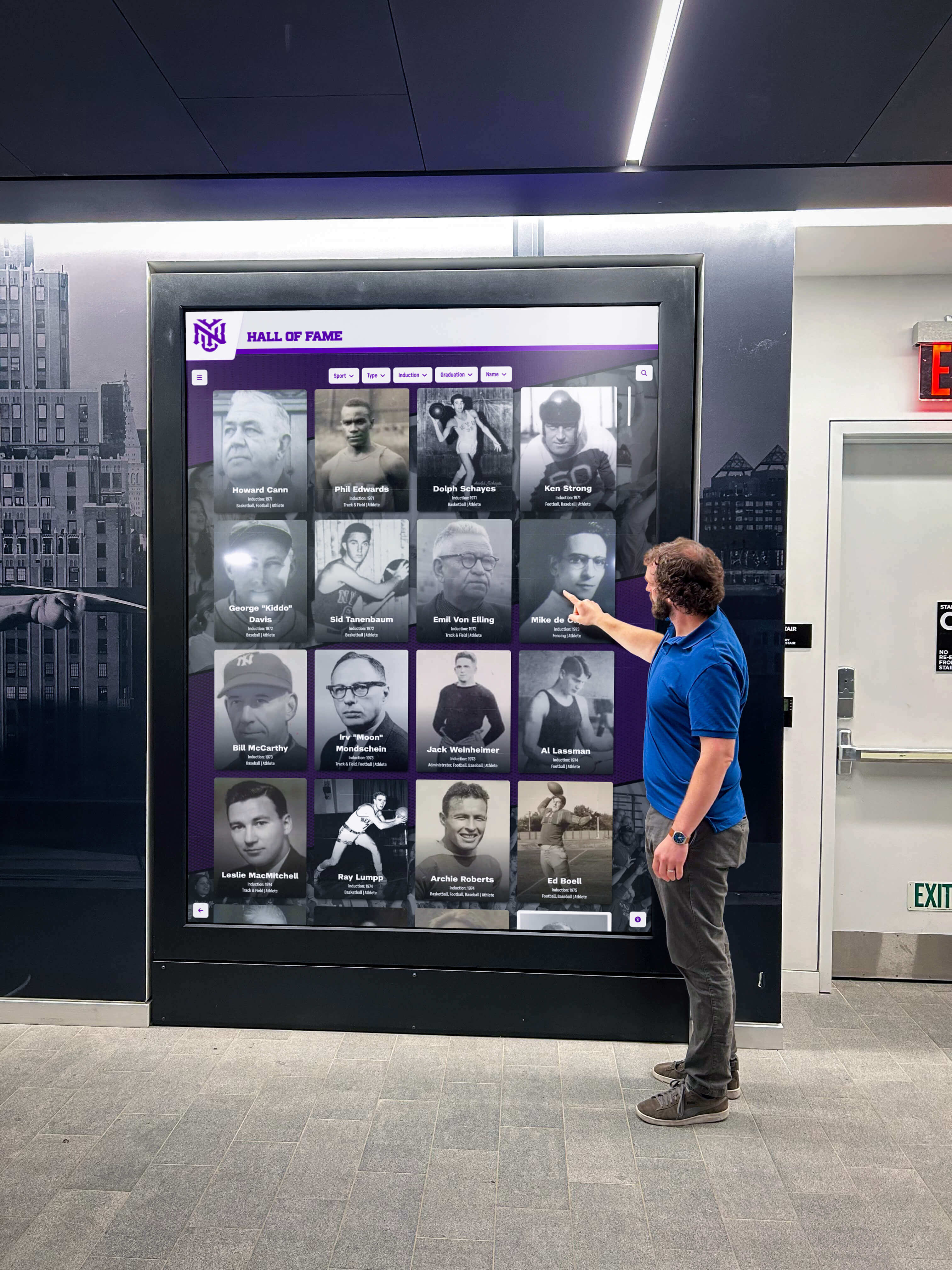
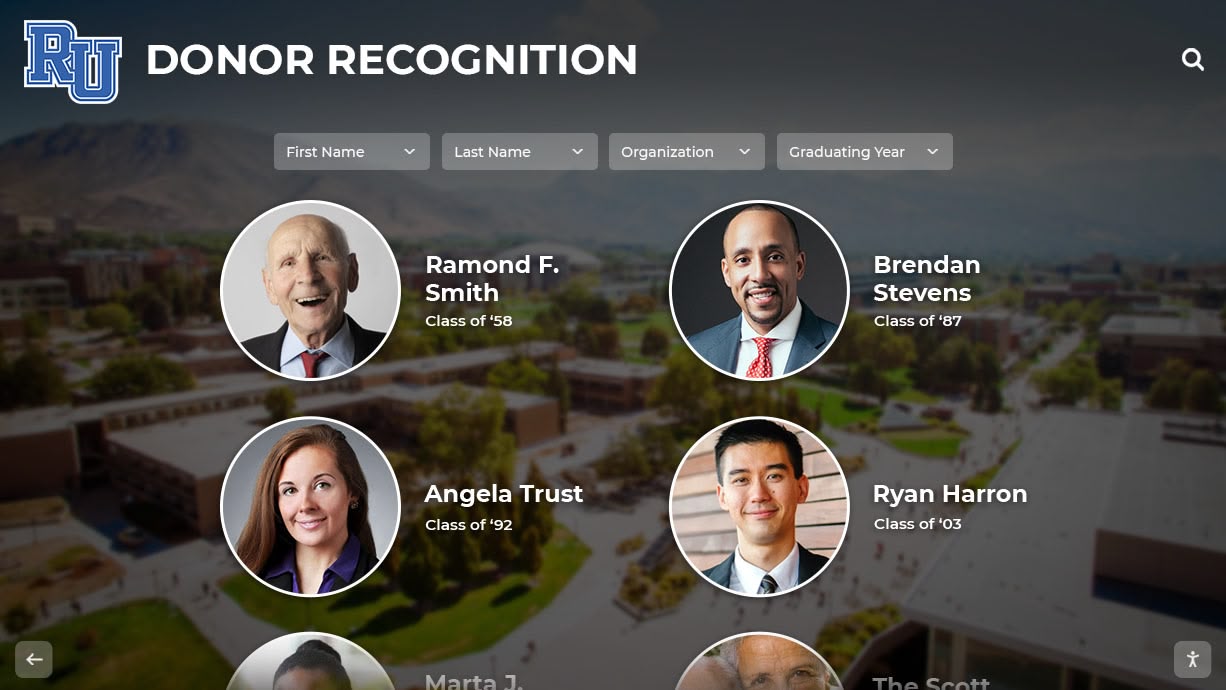
Many schools enhance sponsor recognition through digital donor walls providing prominent, updateable sponsor acknowledgment.
Maintaining Sponsor Relationships:
Securing initial sponsorship represents only the beginning—sustained relationships require ongoing engagement:
- Regular communication updating sponsors on team progress and competition results
- Facility tours inviting sponsors to observe team work and meet students
- Student presentations demonstrating learning and technical development
- Social media recognition highlighting sponsor contributions
- Annual reports documenting program impact and student outcomes
- Invitation to attend competitions observing sponsored students in action
- End-of-season recognition events celebrating partnership
Treating sponsors as program partners rather than ATM machines builds relationships sustaining programs across multiple years.
Grant Opportunities and Foundation Support
Numerous foundations and organizations provide robotics program grants reducing financial barriers.
Major Grant Sources:
FIRST Impact Grant: FIRST offers various grants supporting new team formation and underserved community programs. Typical awards range from $5,000-10,000.
Corporate Education Foundations: Major corporations operate education foundations providing STEM program grants. Examples include Boeing’s education programs, Lockheed Martin STEM initiatives, Raytheon grants, and countless others. Research companies with local facilities for regional grant opportunities.
Community Foundations: Local community foundations frequently support educational innovation through grants accessible to school districts and booster organizations.
Government STEM Initiatives: Some states and regions offer STEM education grants supporting robotics and engineering programs. Check state education department resources.
Industry Association Grants: Engineering professional societies (ASME, IEEE, SAE) offer education grants supporting student programs.
Grant applications require significant effort including detailed proposals, budget justifications, and outcome measurement plans. Schools should designate business subteam students or parent volunteers to research and manage grant application processes, developing valuable grant writing skills while securing funding.
Fundraising and Booster Organization Development
While sponsorships and grants provide substantial funding, grassroots fundraising builds community engagement and program visibility.
Effective Fundraising Approaches:
Parent Booster Organizations: Formal booster clubs provide legal structure for collecting donations, managing funds outside school district restrictions, and organizing parent volunteer efforts. Successful booster clubs establish officers, regular meetings, and formal financial management practices.
Community Events: Hosting public robot demonstrations, STEM fairs, or competition watch parties educates community about robotics while soliciting donations. Events showcase student capabilities and program value.
Corporate Matching Programs: Many employers match employee charitable donations. Encourage parents to investigate whether their employers offer matching programs potentially doubling contribution impact.
Crowdfunding Campaigns: Online platforms like GoFundMe or DonorsChoose enable teams to reach broader audiences beyond local community. Effective campaigns include video content showing students, clear funding goals, and specific budget explanations.
Product Sales: Traditional fundraising through product sales (car washes, bake sales, candy sales) generates modest funds while building team cohesion. However, these typically cannot generate funding levels required for competitive programs alone.
Schools developing comprehensive fundraising strategies often combine multiple approaches rather than depending on single funding sources. Programs documenting fundraising success and sponsor relationships through digital recognition displays strengthen ongoing support by demonstrating appreciation and program impact.
Building Competitive Teams and Technical Excellence
Financial and organizational infrastructure enables robot development, but competitive success requires systematic skill development and strategic preparation.
Student Recruitment and Team Building
Diverse, engaged teams outperform technically talented individuals lacking cohesion.
Recruitment Strategies:
Effective recruitment reaches beyond students already passionate about engineering:
- Presentations to math and science classes explaining robotics opportunities
- Demonstrations showcasing previous season robots and competition videos
- Open house events inviting prospective students to meet team members
- Emphasis on diverse skill needs beyond just programming and engineering
- Recruitment of artists, writers, and business-oriented students for outreach roles
- Outreach to underrepresented groups including female students and minorities
- Collaboration with feeder schools recruiting middle school students before high school
Avoid creating perception that robotics is exclusively for elite students or those already proficient in programming. Successful teams include students with varied academic backgrounds who develop capabilities through participation.
Building Inclusive Team Culture:
Technical excellence cannot compensate for toxic team culture that drives away members:
- Establish explicit values including respect, collaboration, and growth mindset
- Create welcoming environment for students regardless of prior experience
- Implement anti-harassment policies with clear reporting procedures
- Recognize contributions across all subteams, not just technical roles
- Celebrate learning and improvement rather than only competition victories
- Address cliques and exclusionary behavior preventing full team cohesion
- Ensure female students feel welcome and valued in traditionally male-dominated spaces
Teams prioritizing inclusive culture often outperform technically superior teams lacking cohesion. Many successful programs document their culture-building approaches in resources similar to those schools use when developing recognition programs for diverse student achievements.
Technical Skill Development and Training
Competitive robotics requires systematic skill development rather than expecting students to arrive with prerequisite knowledge.
Pre-Season Training Programs:
Successful teams invest significant off-season time developing skills before competition pressure begins:
Programming Track: Structured lessons covering programming fundamentals, competition-specific languages and APIs, version control practices, and debugging techniques. Hands-on exercises with practice robots or previous season machines build comfort before high-stakes development.
Mechanical Engineering Track: Training in CAD design, fabrication techniques, tool safety, mechanism design principles, and material properties. Students practice on sample projects before designing competition robots.
Business and Marketing Track: Lessons in sponsor proposal development, social media management, budget tracking, and presentation skills. Practice presentations and writing exercises develop communication capabilities.
Progressive skill development through structured curriculum prevents situations where inexperienced students face overwhelming complexity during intense build seasons.
Mentorship and Knowledge Transfer:
Experienced team members provide invaluable training difficult to replicate through formal instruction:
- Pairing new students with experienced mentors in their subteam areas
- Documentation of institutional knowledge in team wikis, handbooks, and video tutorials
- Formal training sessions where seniors teach specific technical skills
- Code reviews and design critiques teaching professional engineering practices
- Encouraging questions and celebrating learning over perfection
External mentors from sponsor companies or parent volunteers with relevant expertise supplement student and faculty knowledge, particularly in specialized areas like CNC machining, electrical design, or advanced programming concepts.
Competition Strategy and Game Analysis
Technical excellence alone does not guarantee competitive success—strategic preparation and effective competition execution prove equally important.
Game Analysis and Strategy Development:
Each season’s game presents unique strategic considerations:
- Early-season analysis identifying high-value scoring opportunities
- Mechanism capability assessment determining which game tasks to prioritize
- Competitive landscape research understanding typical robot capabilities and strategies
- Risk-benefit analysis guiding design decisions between simple reliability and complex capabilities
- Alliance strategy planning for later elimination rounds requiring collaborative play
Teams that invest significant time analyzing game strategy before beginning robot design often outperform teams that immediately begin building without strategic framework.
Scouting and Data Analysis:
At competitions, systematic scouting provides critical competitive intelligence:
- Structured data collection forms capturing each team’s capabilities across matches
- Centralized database compiling scouting data for analysis
- Statistical analysis identifying consistent high performers and synergistic capabilities
- Alliance selection strategy informed by data rather than reputation or friendship
- Pit scouting supplementing match observation with direct conversations
Many teams develop custom scouting apps or spreadsheets enabling efficient data collection and analysis. This work develops valuable data science and analytics skills while improving competitive outcomes.
Competition Day Operations:
Effective teams develop systematic competition procedures:
- Pre-competition checklists ensuring all tools, parts, and materials are packed
- Pit organization enabling efficient repairs and modifications
- Match preparation routines ensuring robot functionality before each competition
- Driver practice schedules maximizing driver team preparation time
- Spirit and enthusiasm maintaining positive energy despite setbacks
- Gracious professionalism embodying FIRST’s core values in all interactions
Schools documenting competition achievements often incorporate results into broader athletic and academic recognition systems celebrating diverse forms of student excellence.
Recognition, Celebration, and Program Sustainability
Robotics programs require sustained visibility and recognition ensuring continued institutional support and student recruitment.
Recognizing Robotics Achievements Within School Culture
Despite impressive accomplishments, robotics teams often struggle for recognition comparable to traditional athletics.
Institutional Recognition Strategies:
Progressive schools provide robotics achievements with prominence matching traditional activities:
Inclusion in Award Ceremonies: Robotics accomplishments should be celebrated during school award assemblies, honors nights, and end-of-year recognition events alongside athletic championships and academic honors.
Varsity Letter Eligibility: Many schools now offer varsity letters for competitive robotics participation, validating the significant time commitment and competitive achievement. Letter requirements typically mirror athletic standards: full-season participation, competition attendance, and positive conduct representing school values.
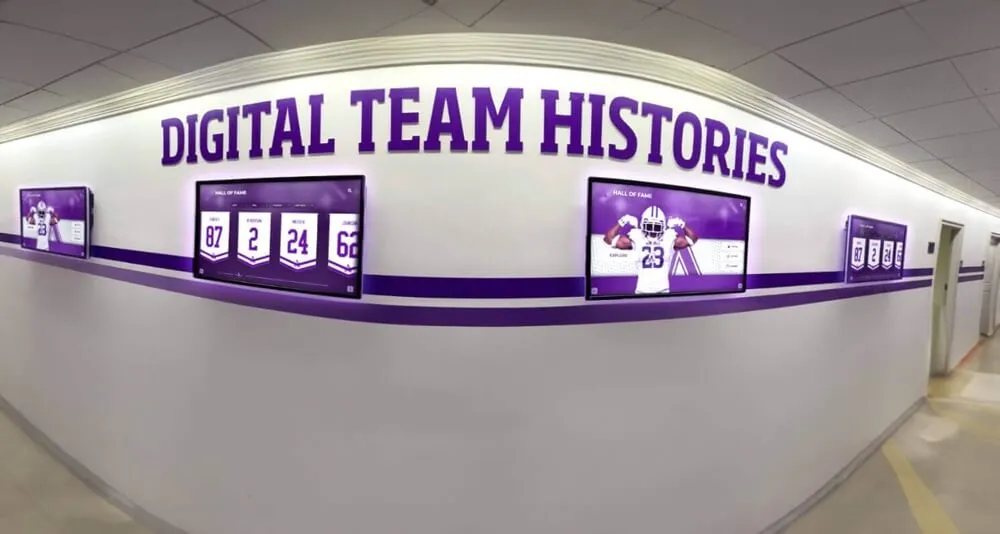
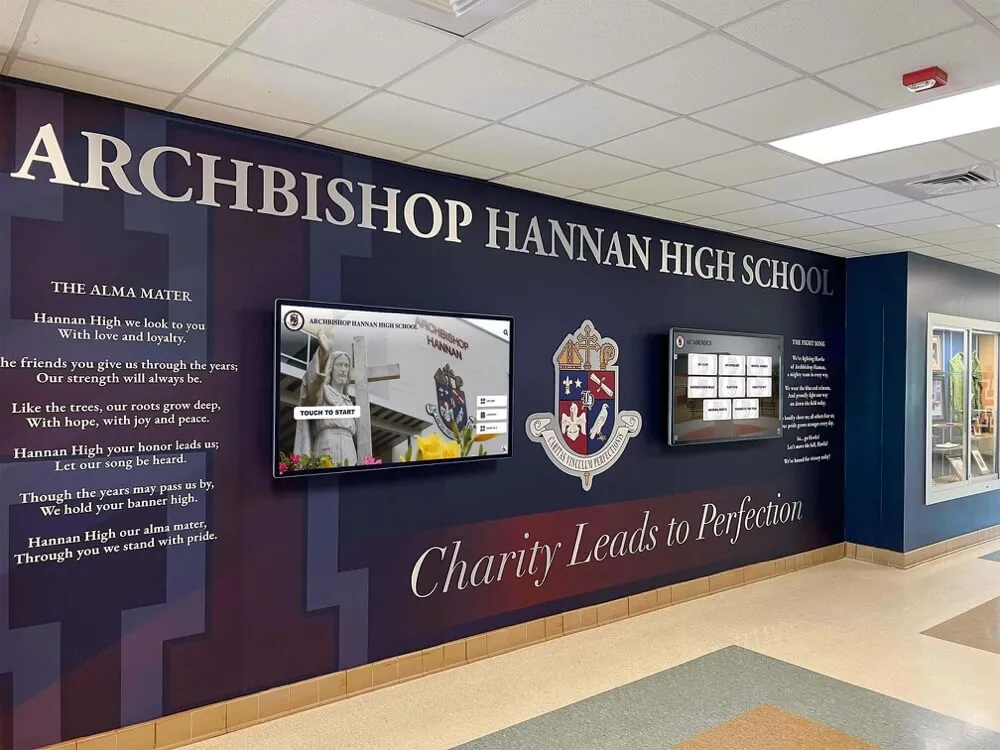
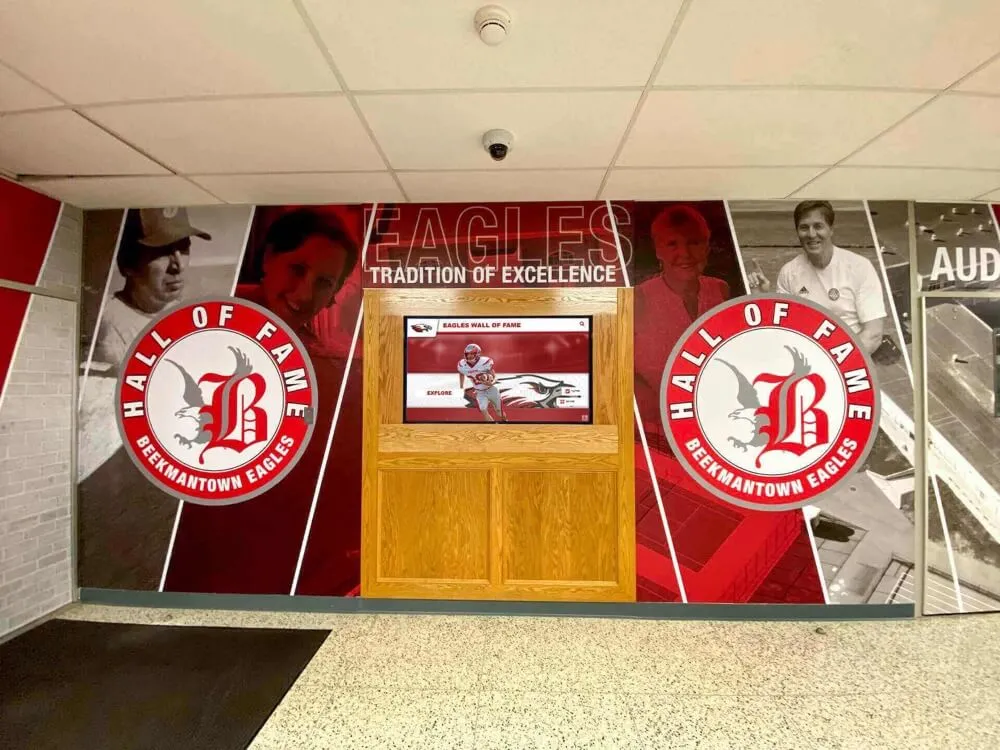
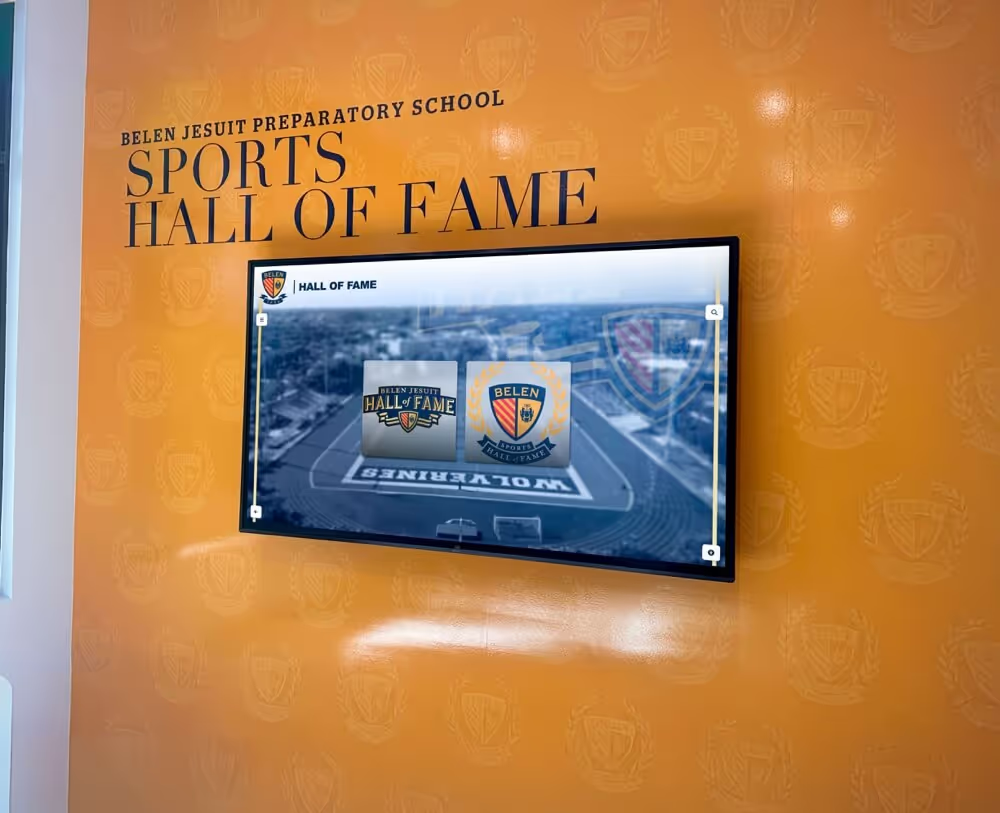
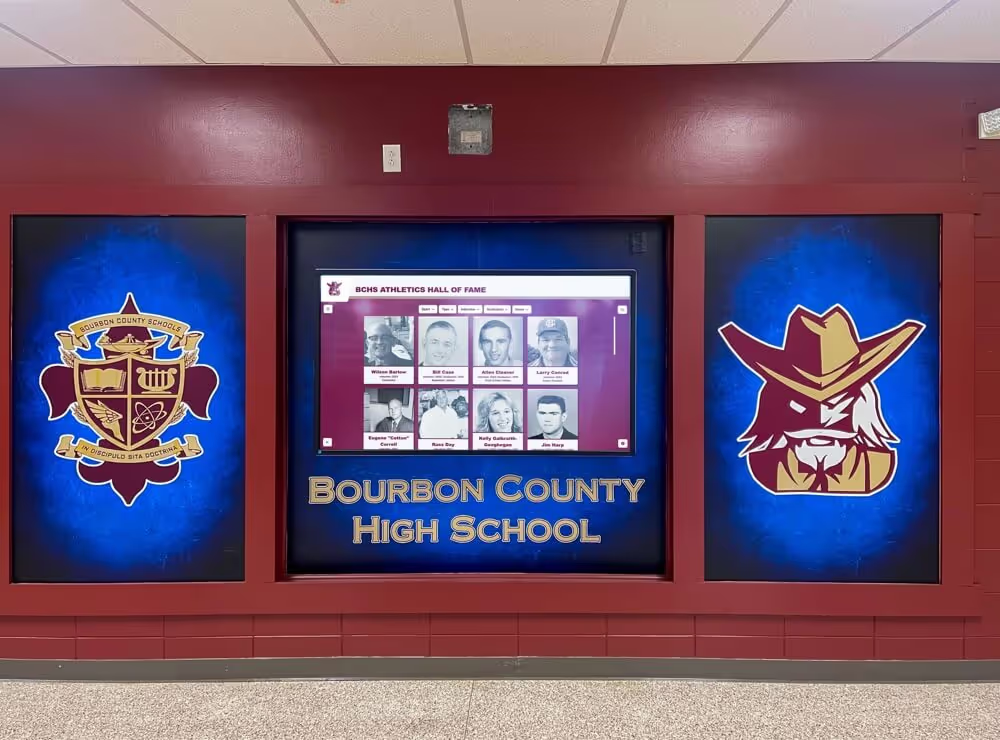
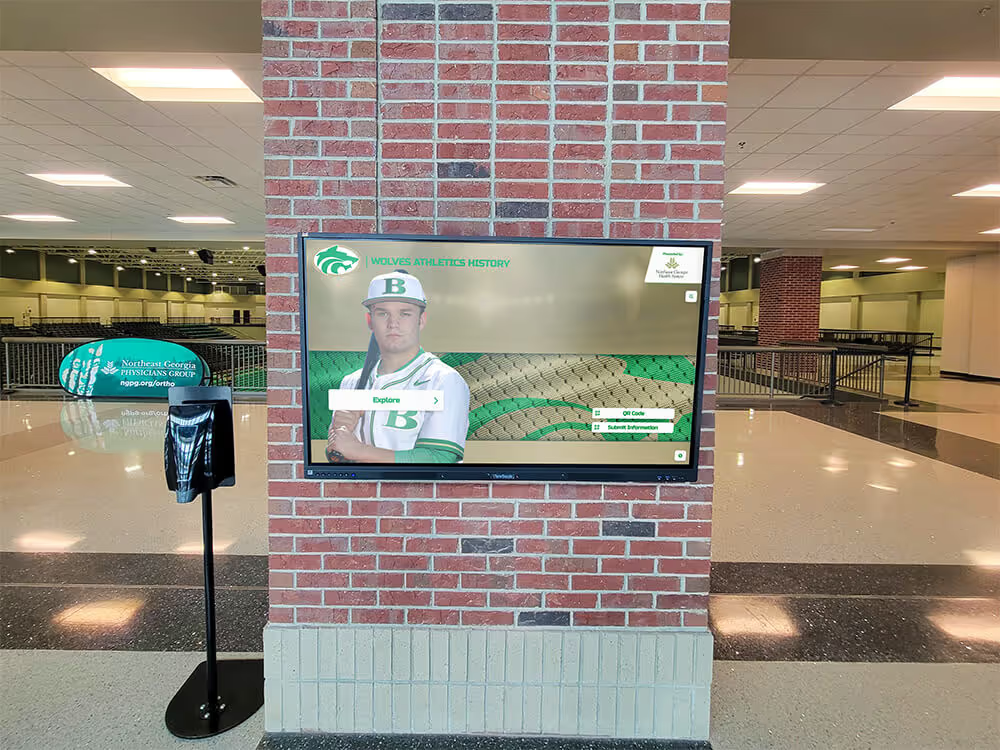
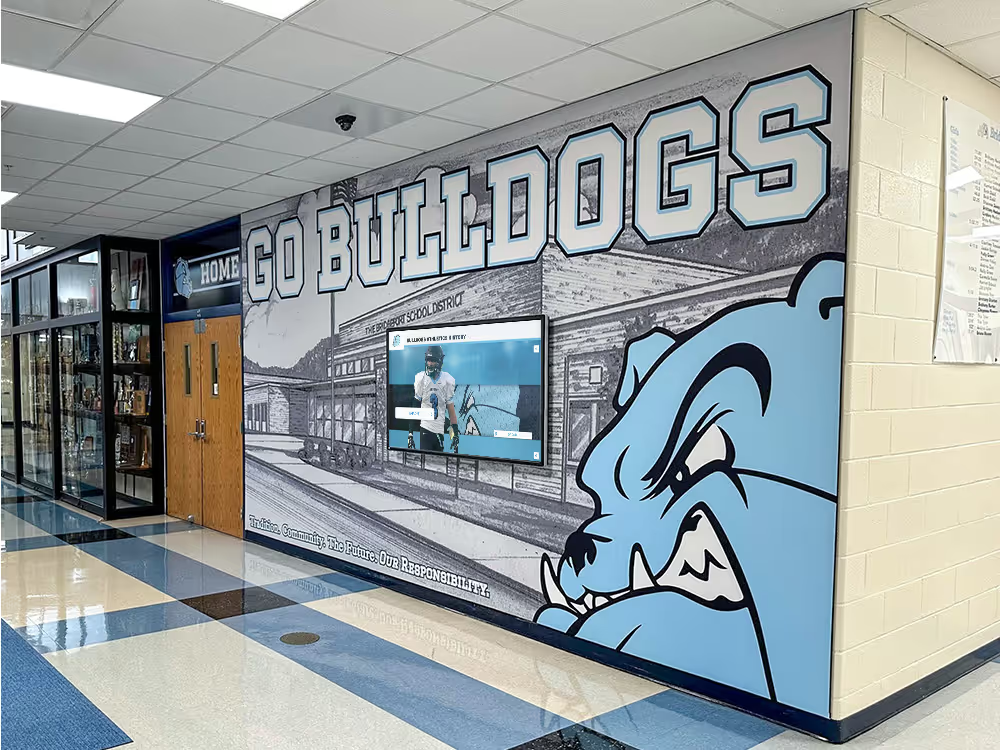
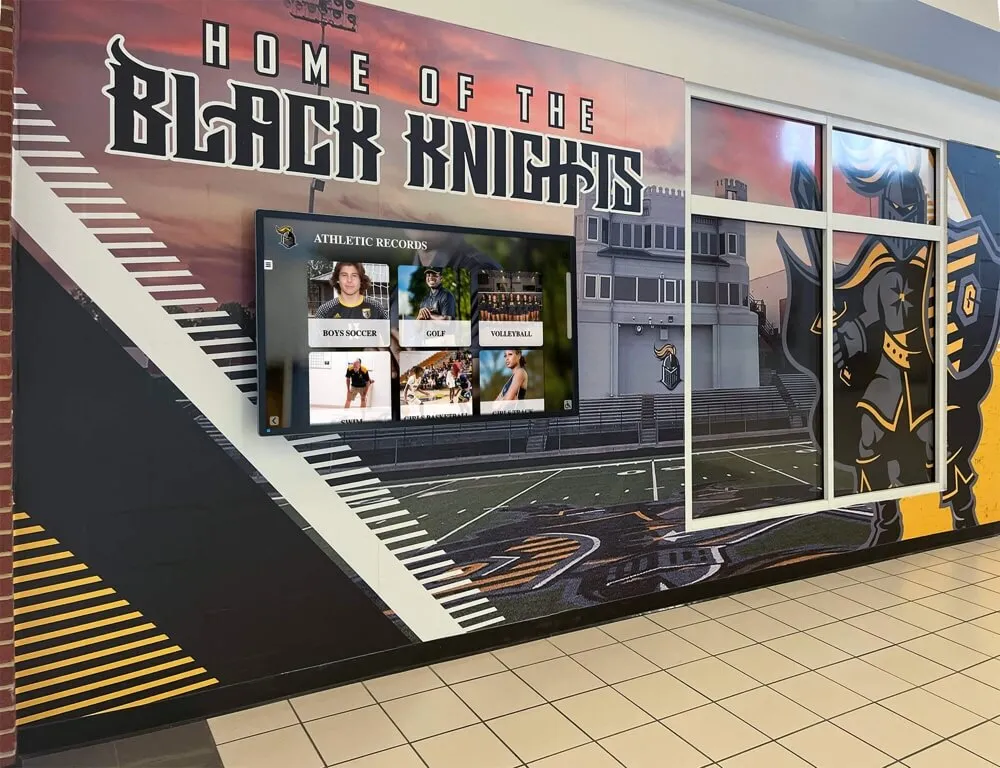
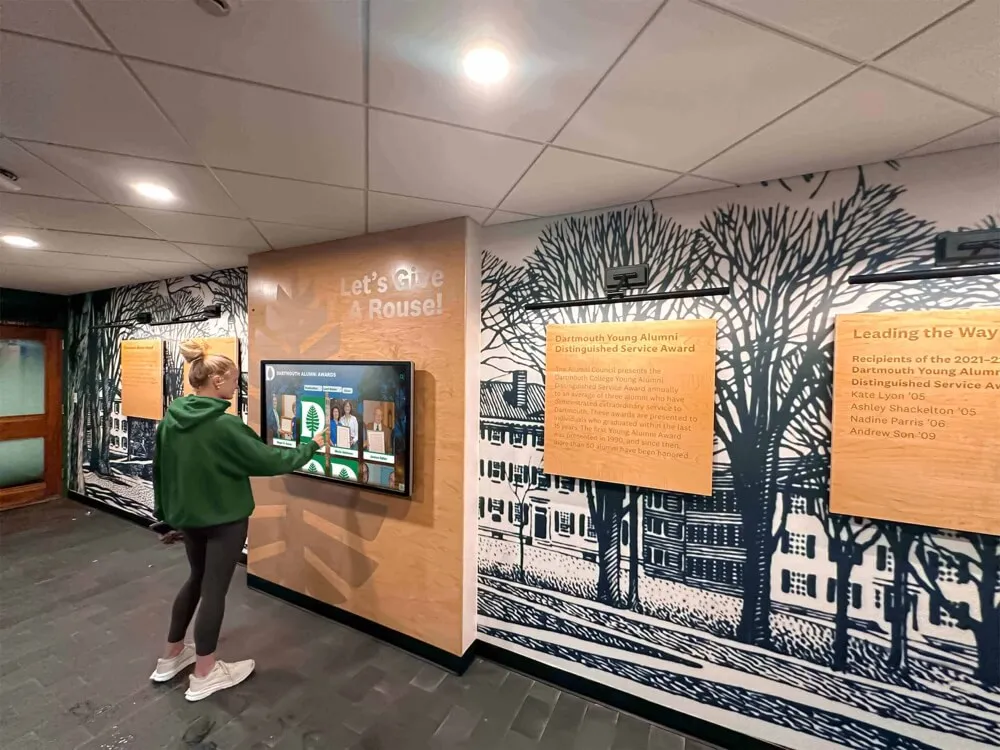
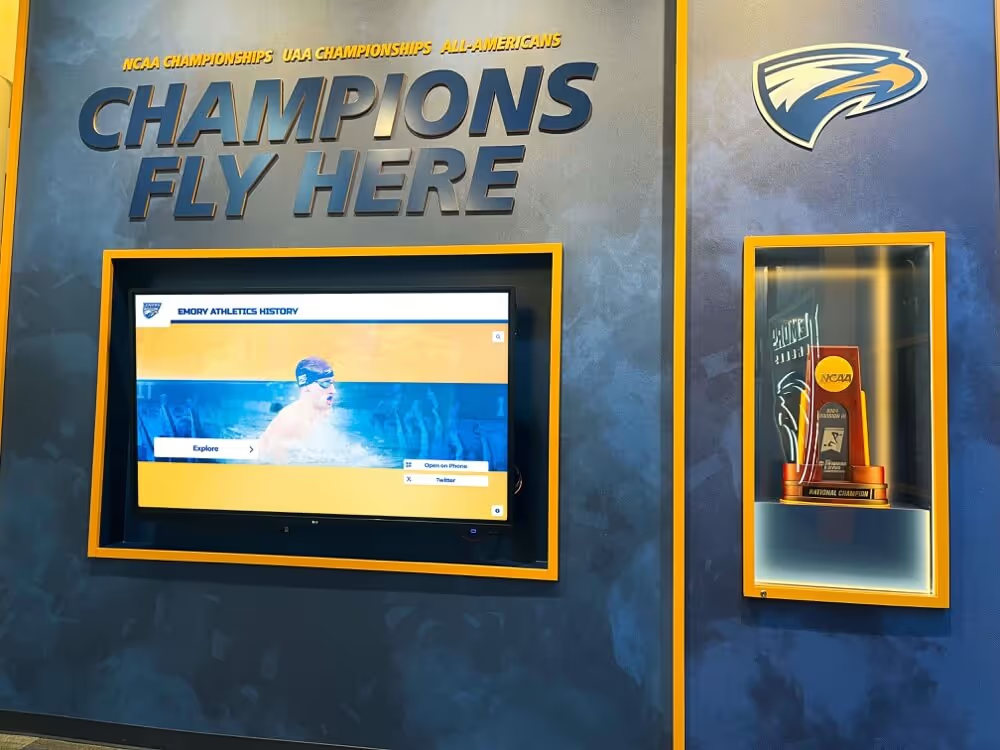
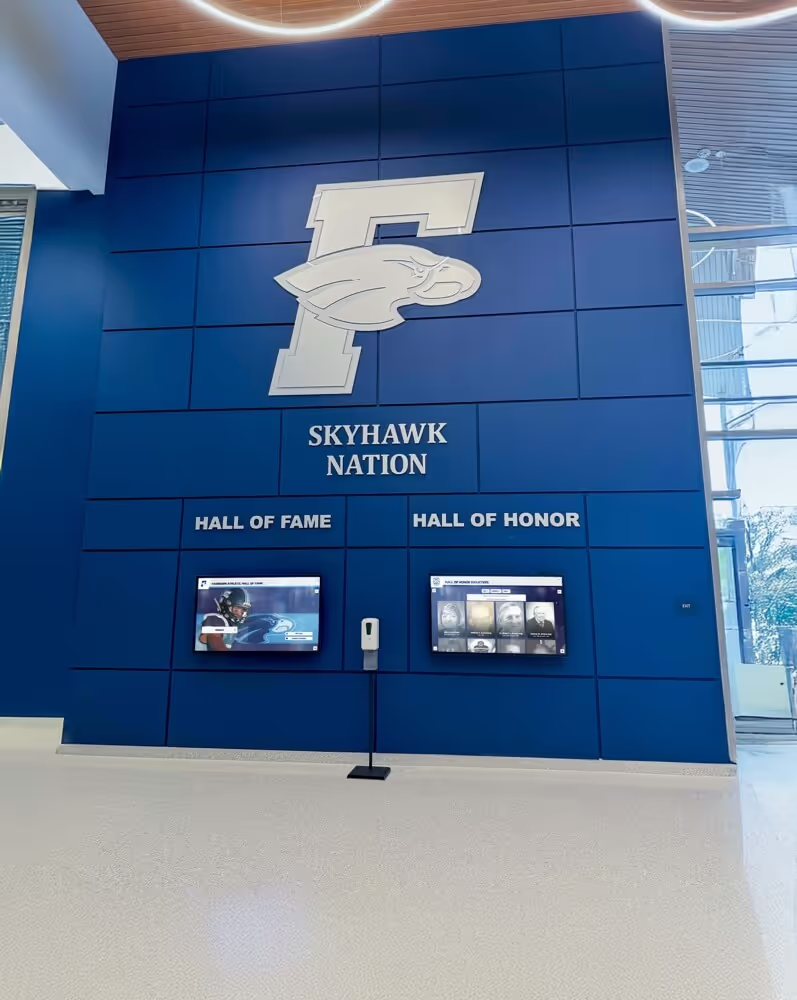
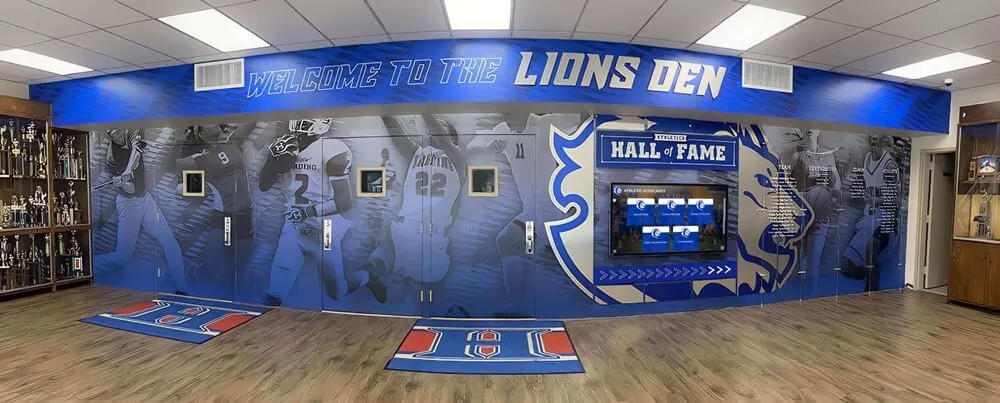
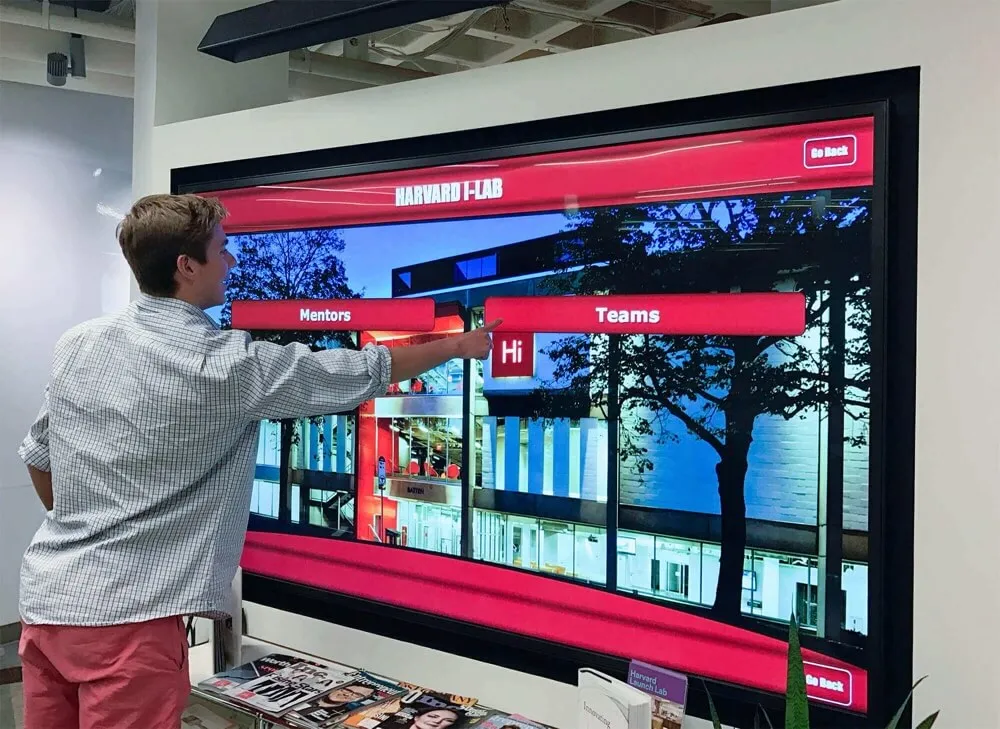
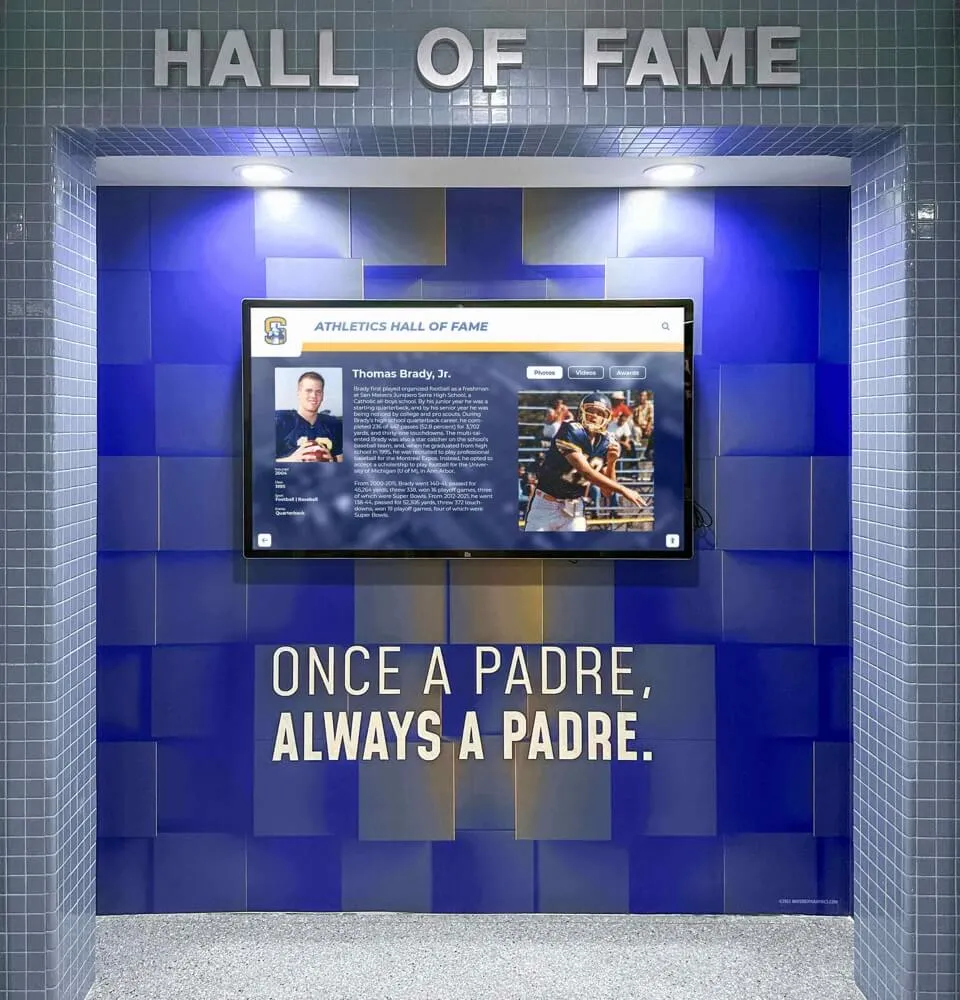
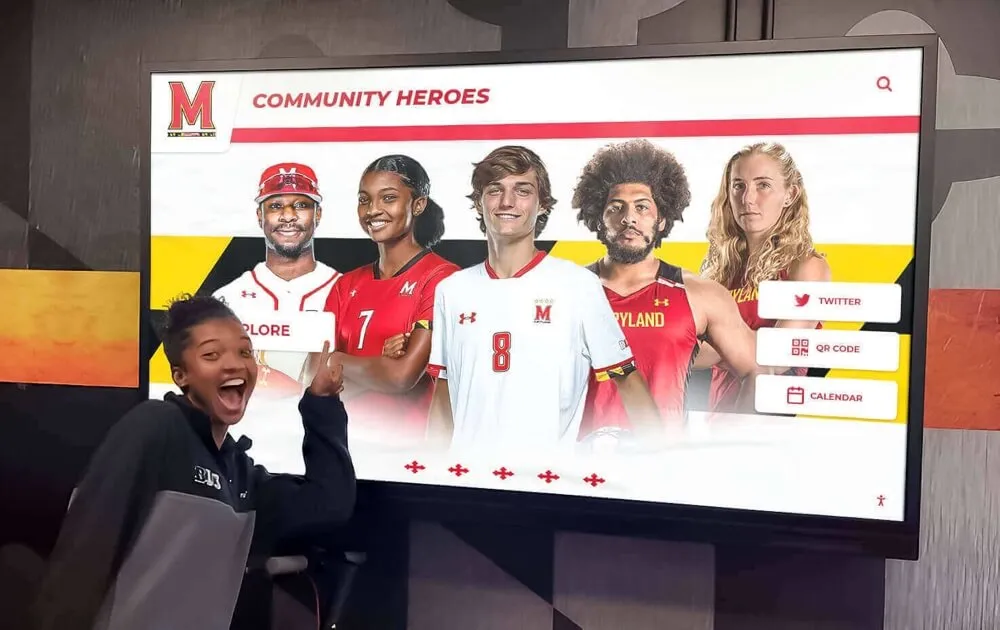
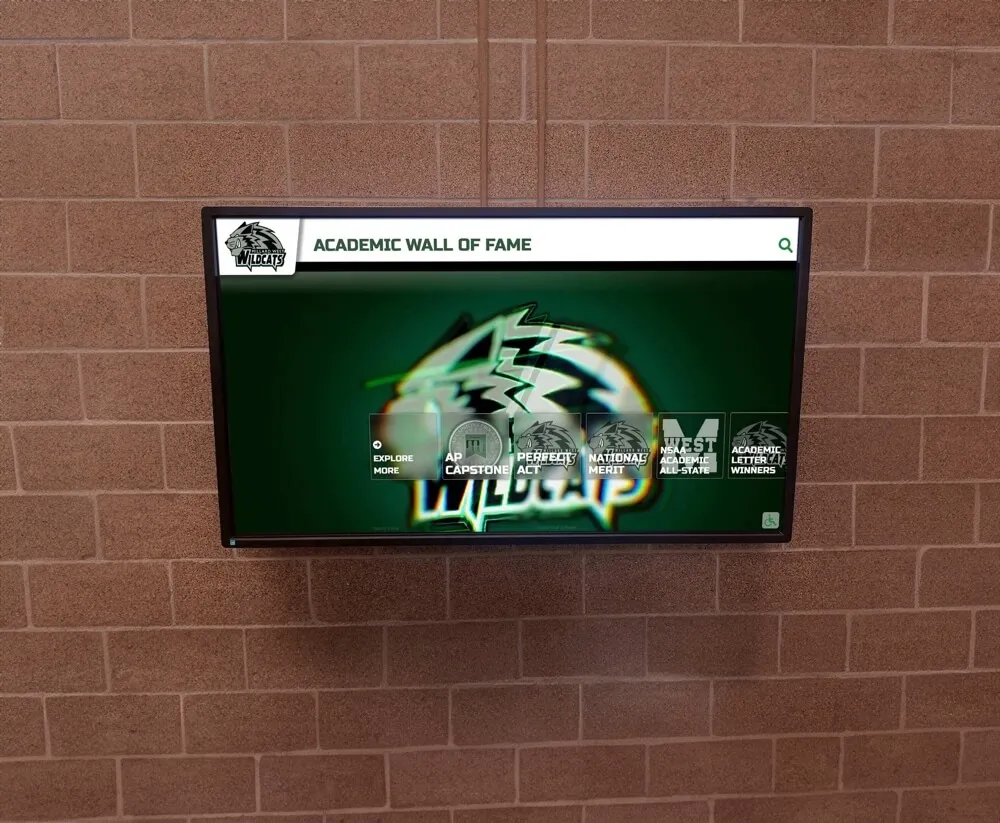
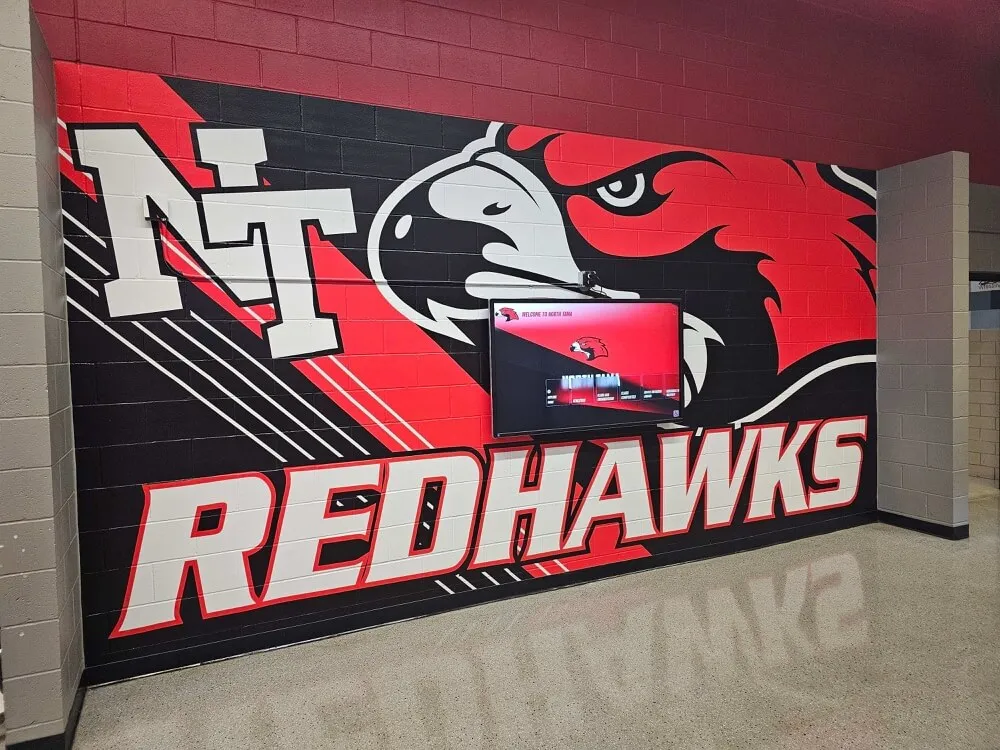
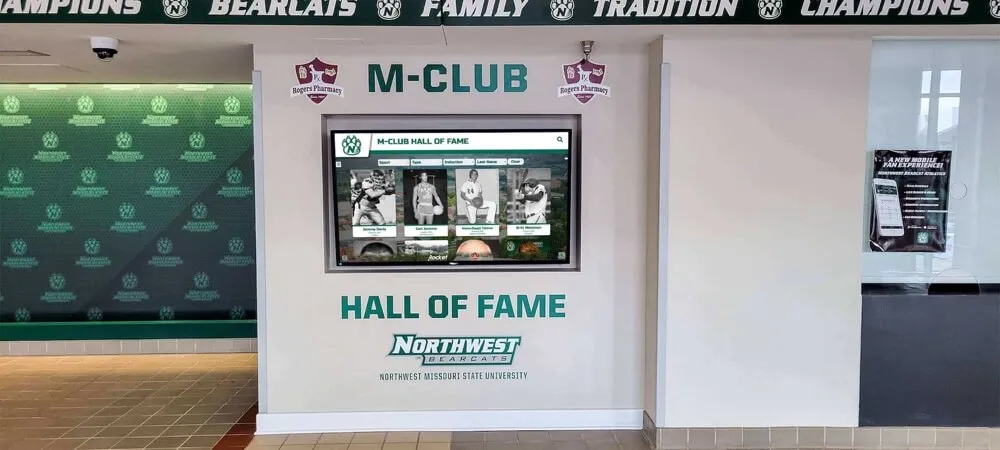
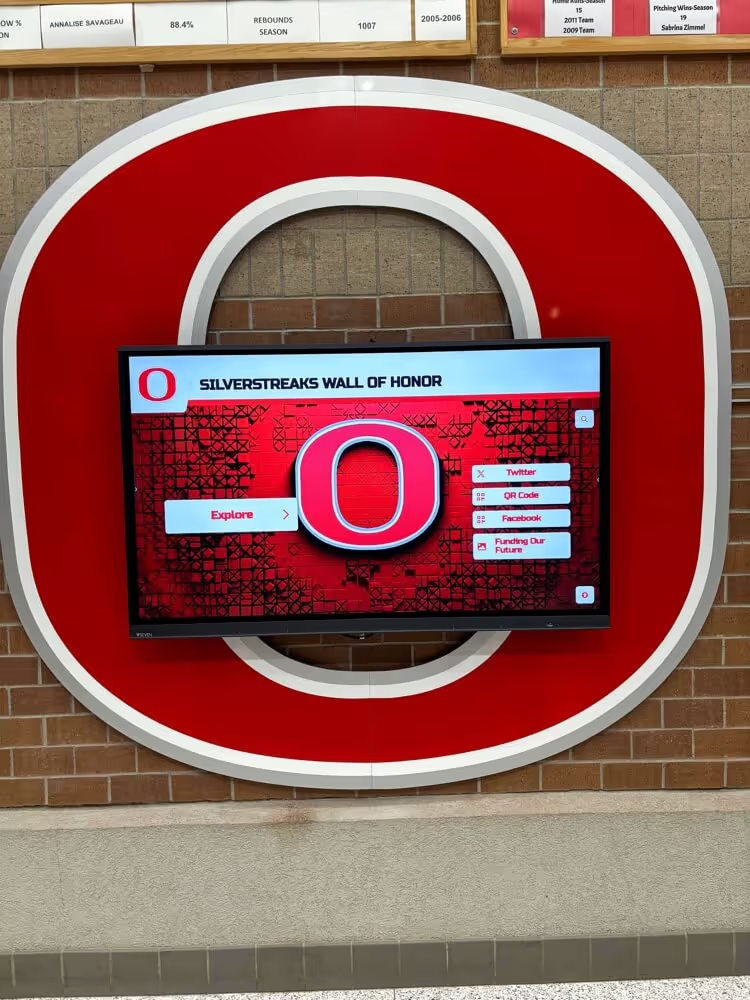
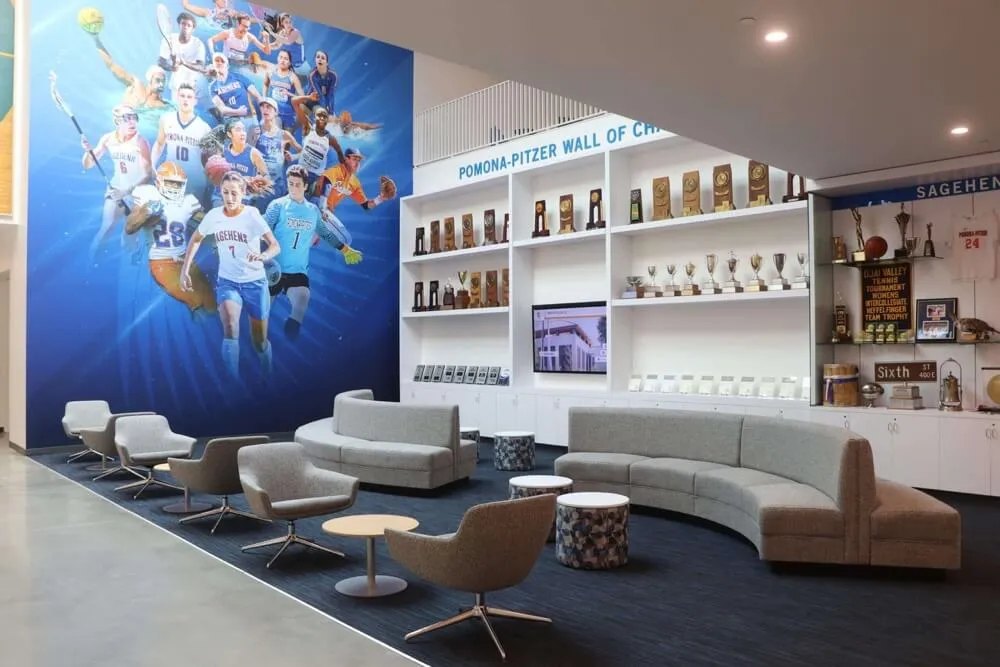
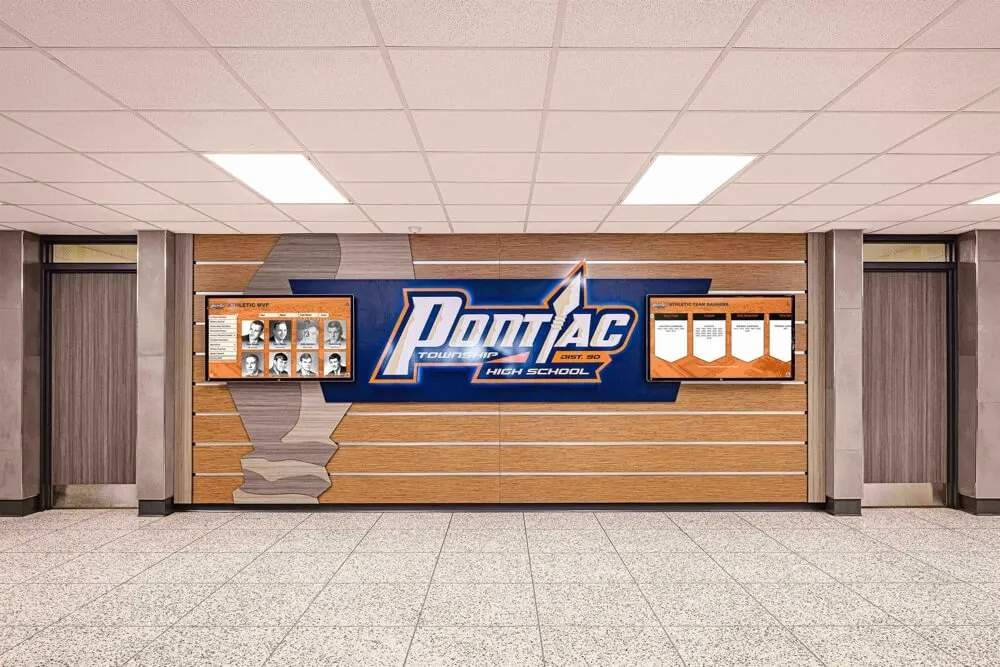
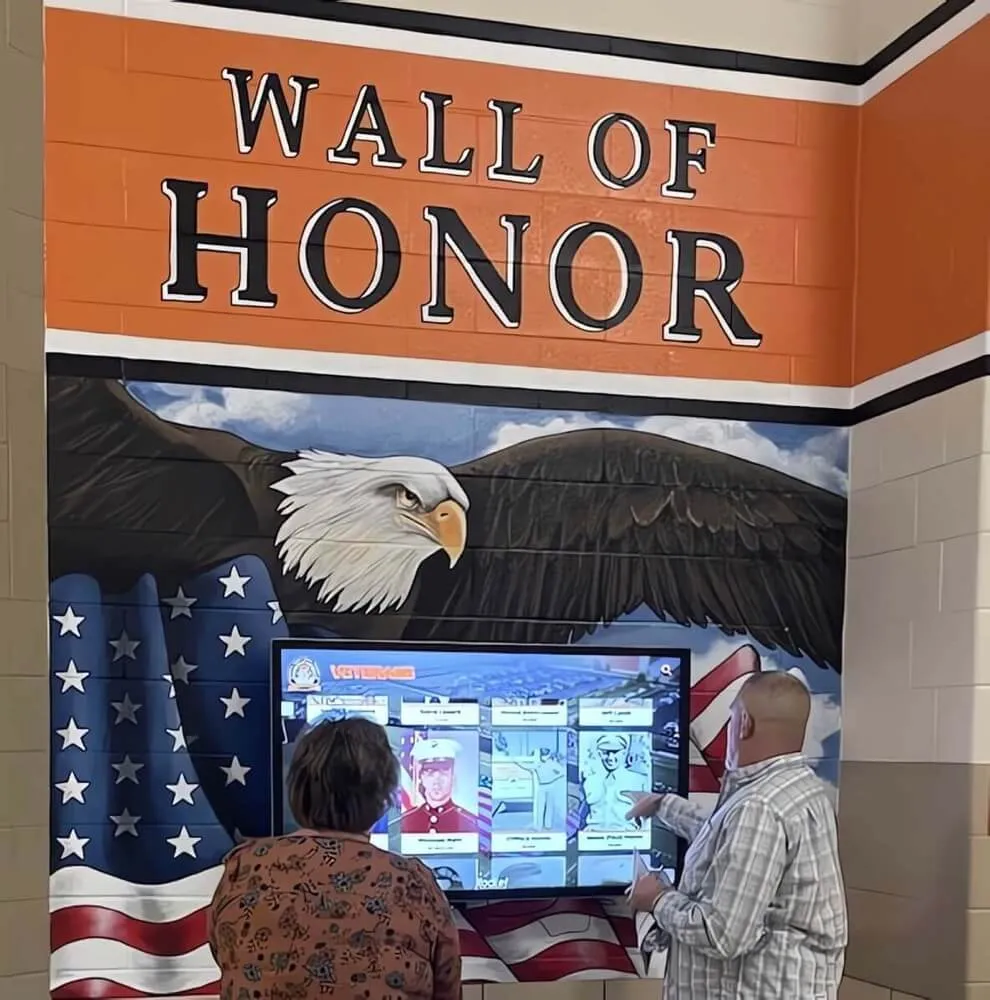
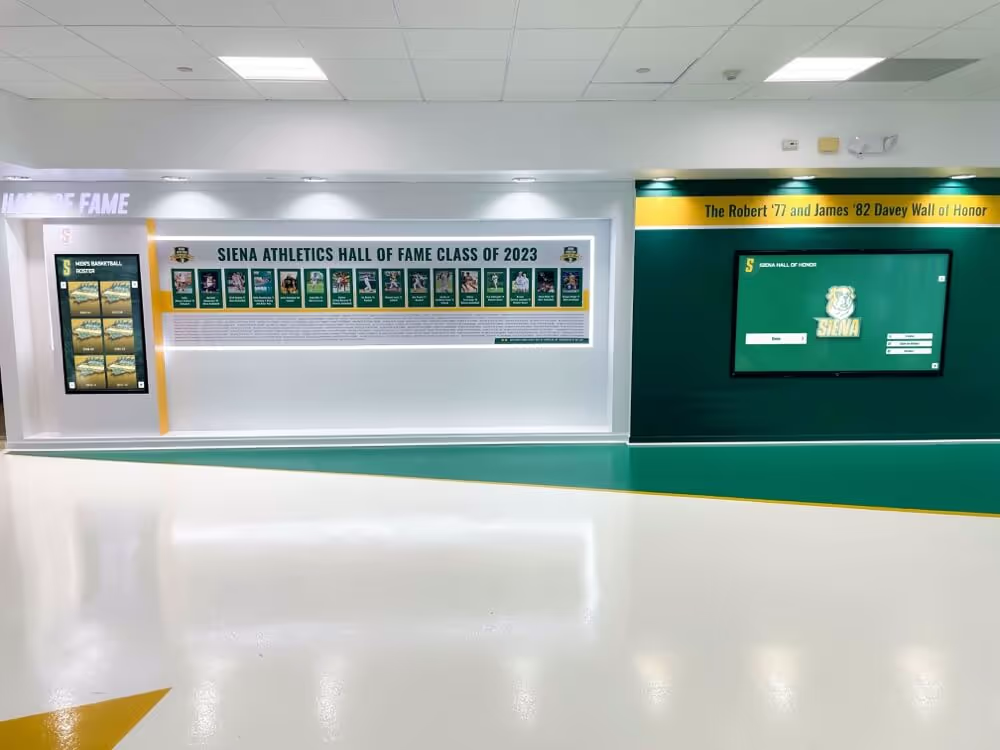
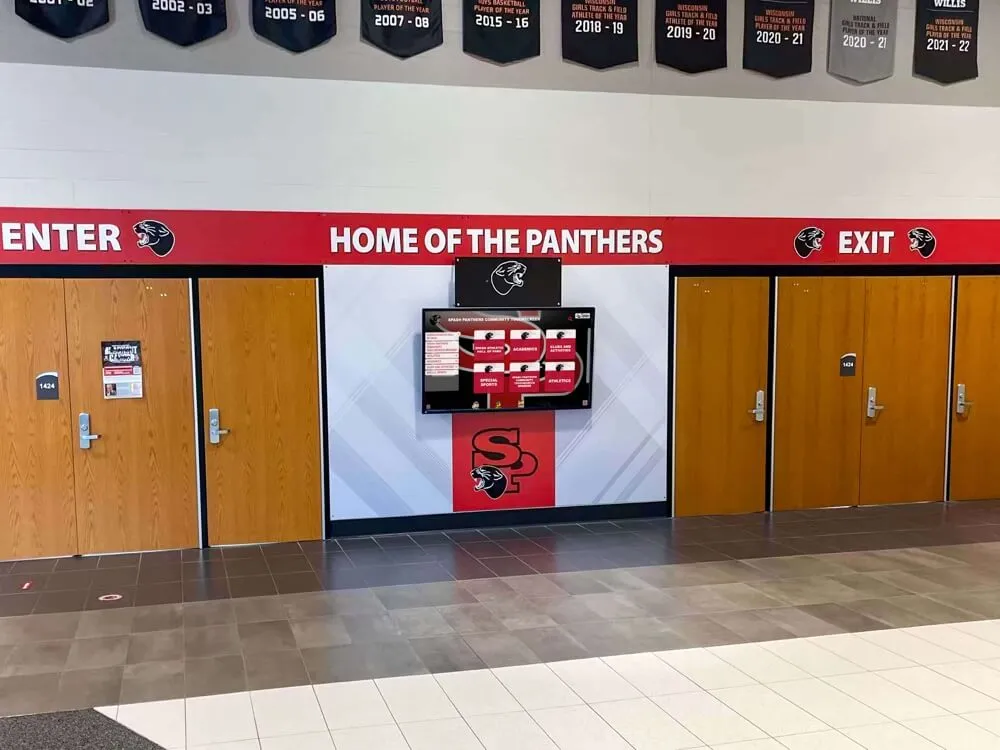
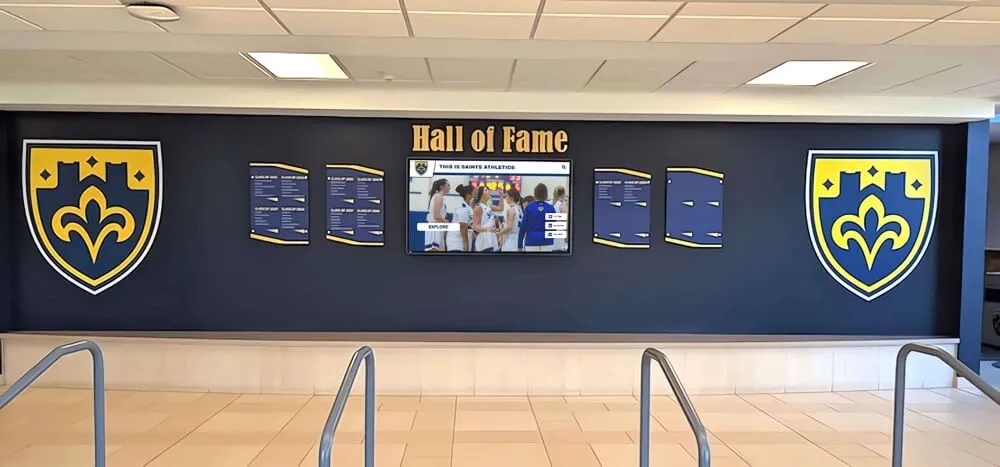
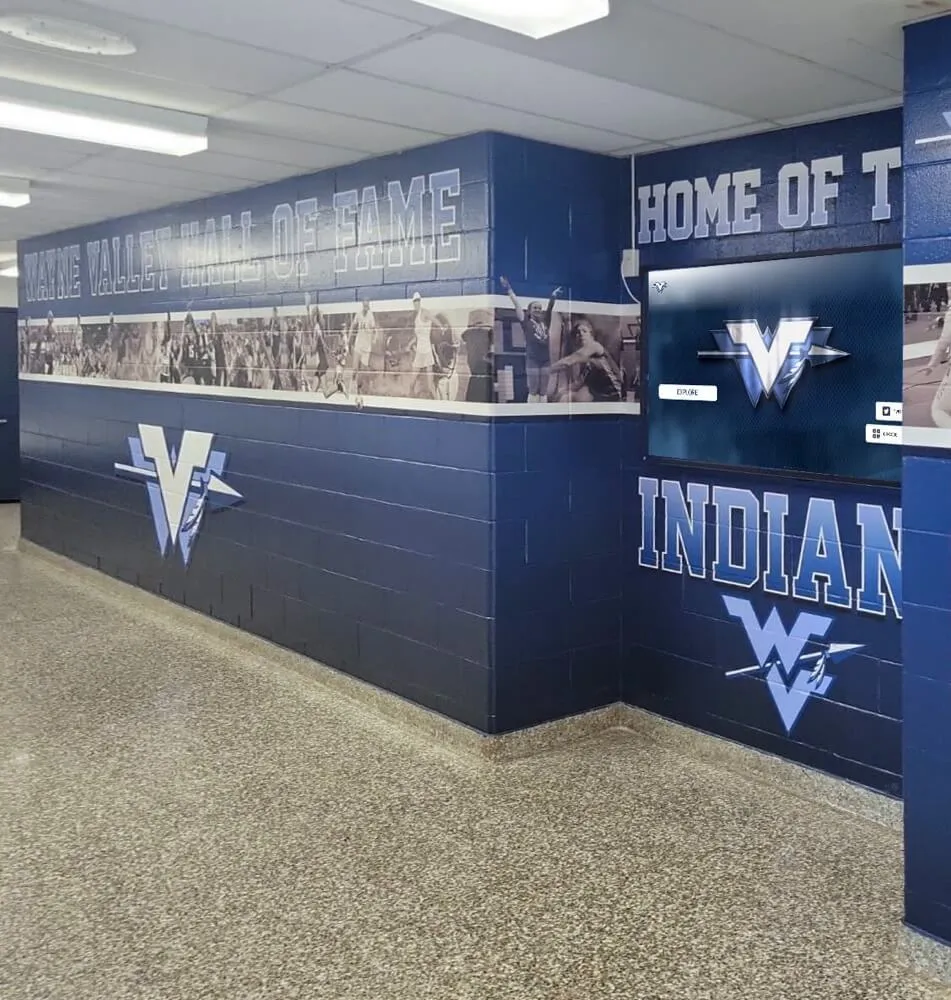
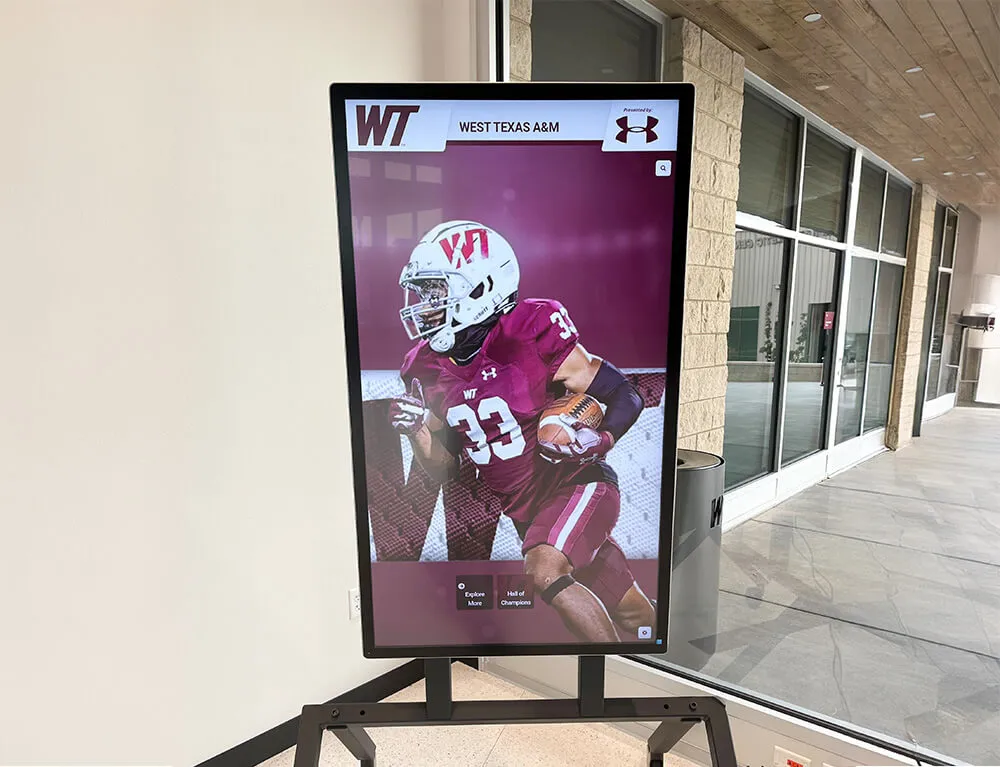
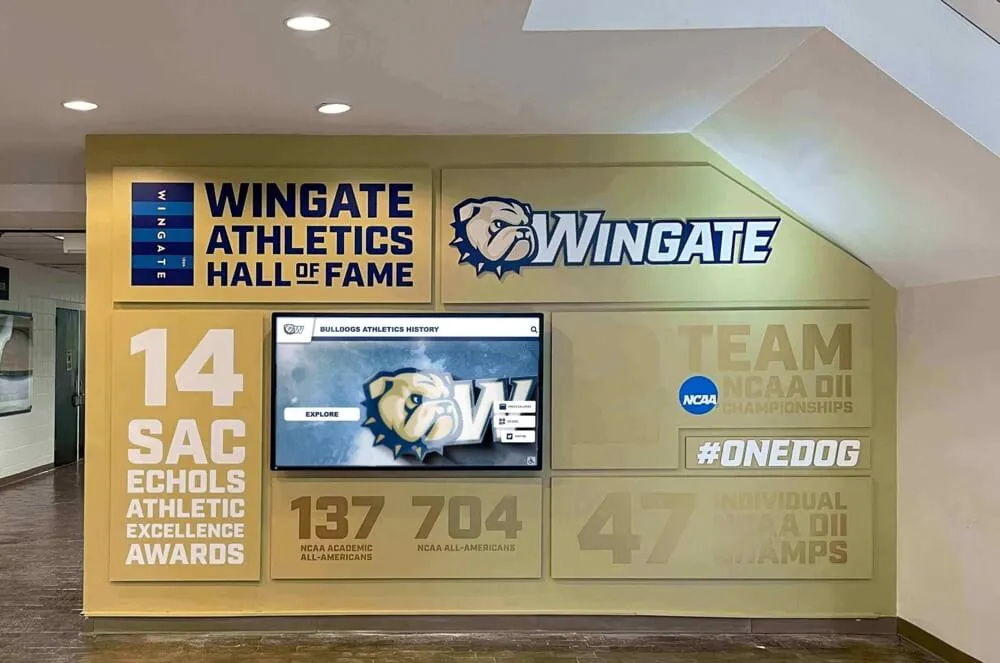
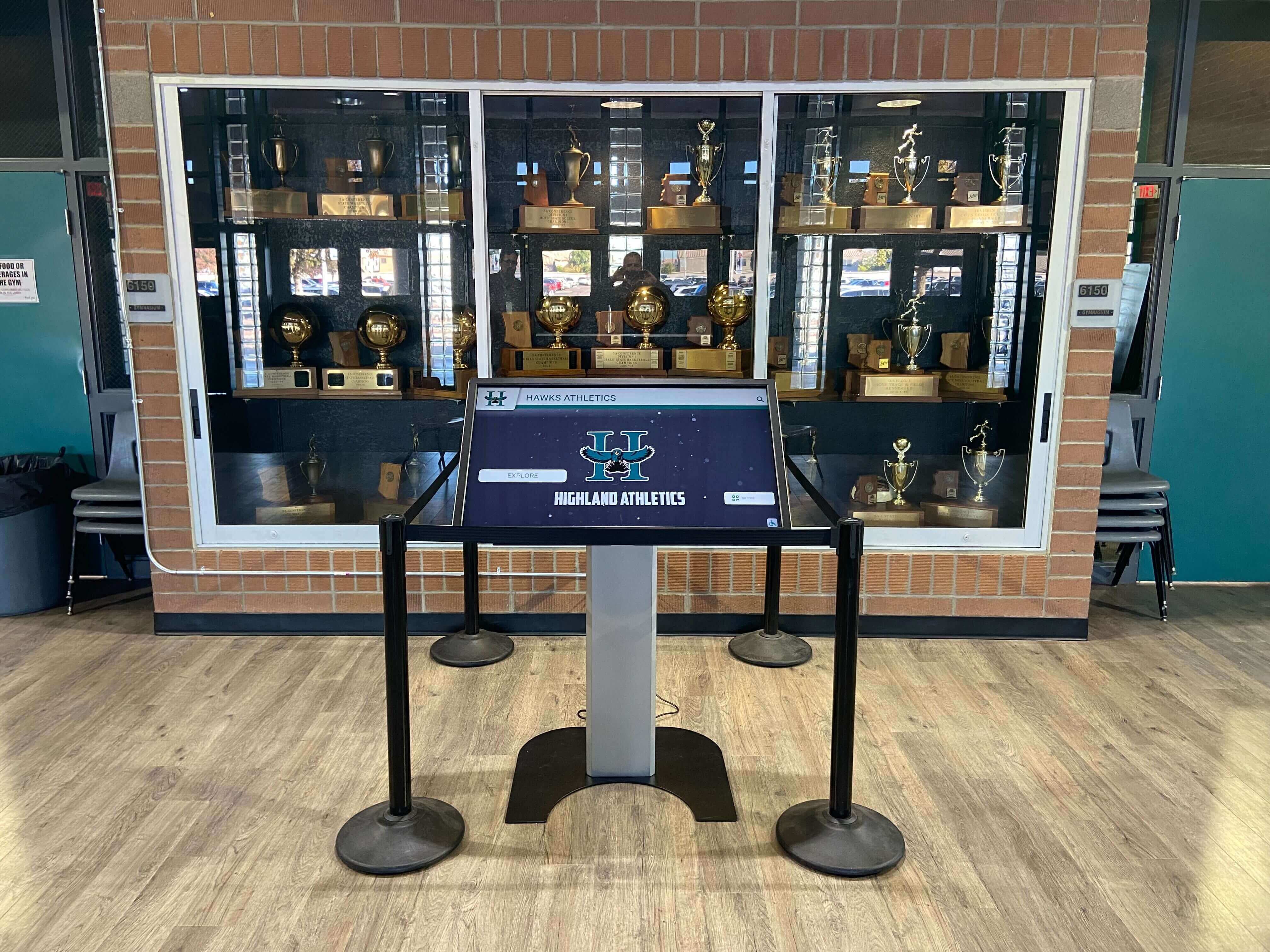
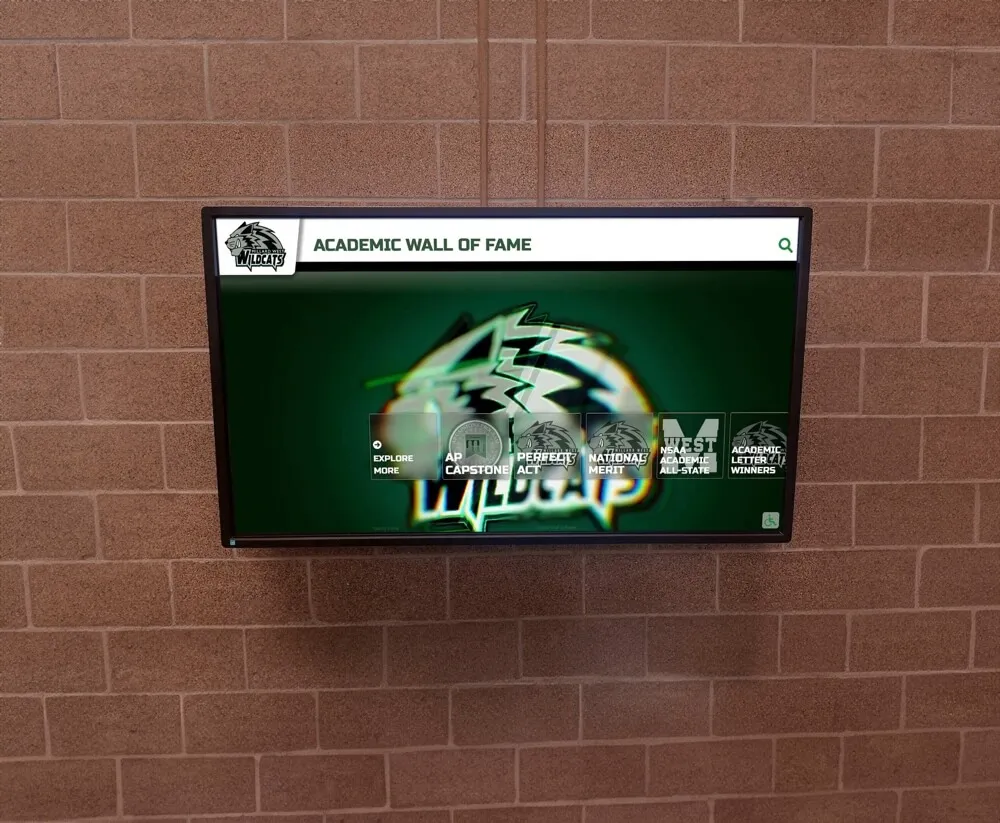
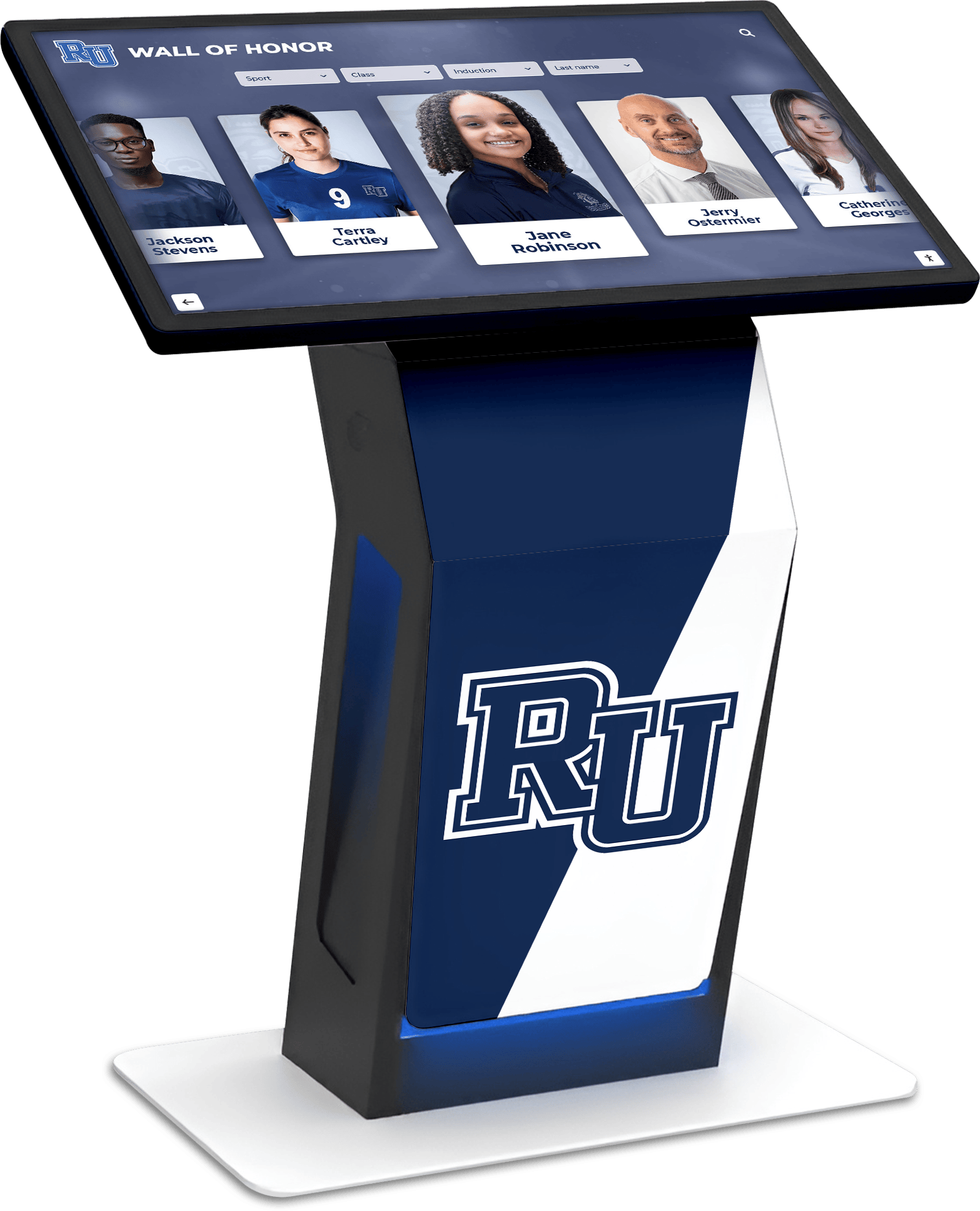
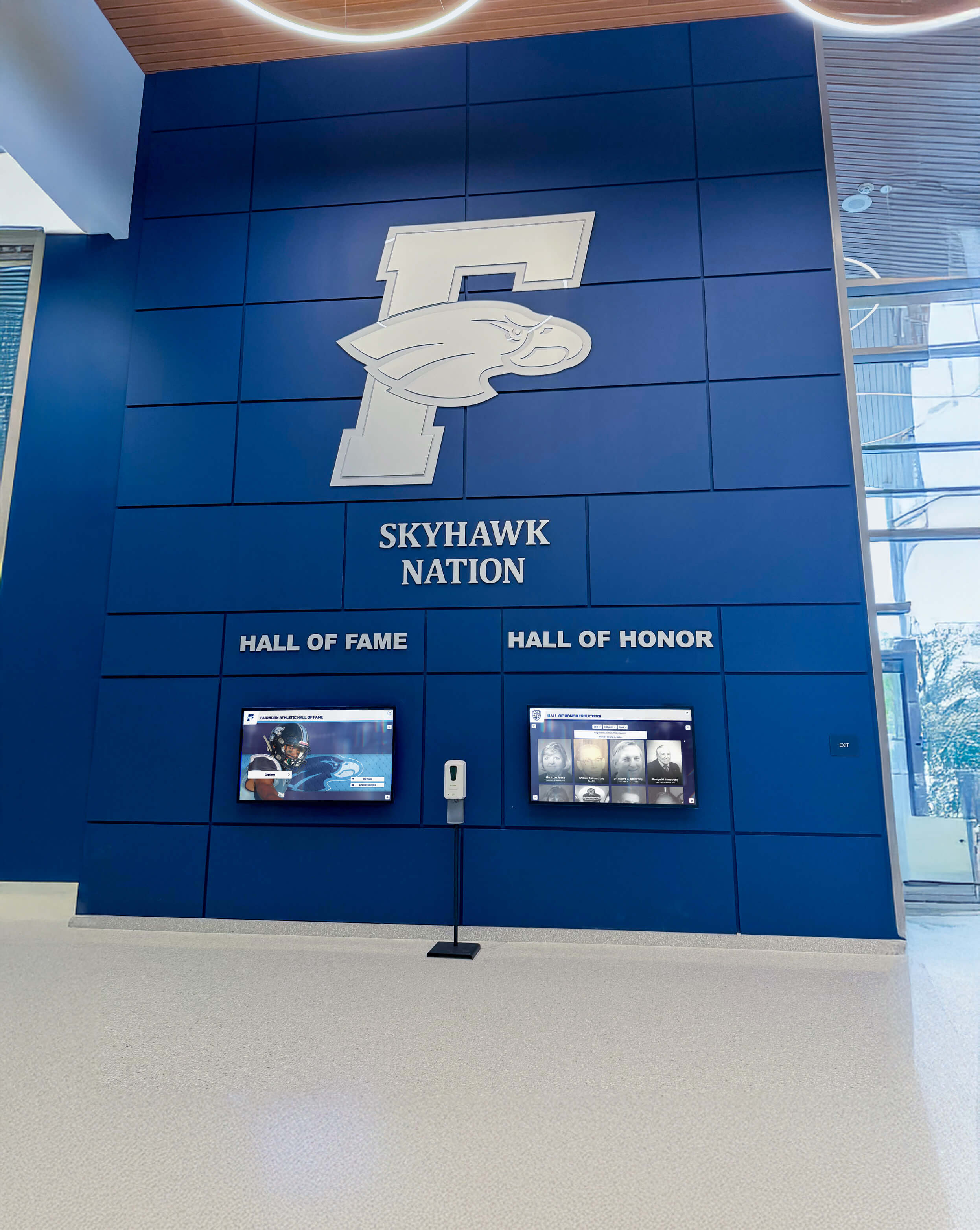
Recognition Display Integration: Robotics achievements deserve space in school recognition displays. Traditional trophy cases expanded to include digital recognition platforms enable comprehensive documentation of team accomplishments, competition results, and individual student contributions without physical space constraints.
Media Coverage: School newsletters, websites, and social media channels should feature robotics achievements with similar prominence as athletic accomplishments. Competition victories, award recipients, and student spotlights provide engaging content celebrating STEM excellence.
Administrative Support: School leadership attending competitions, acknowledging achievements in staff meetings, and including robotics in strategic planning demonstrates institutional commitment elevating program status.
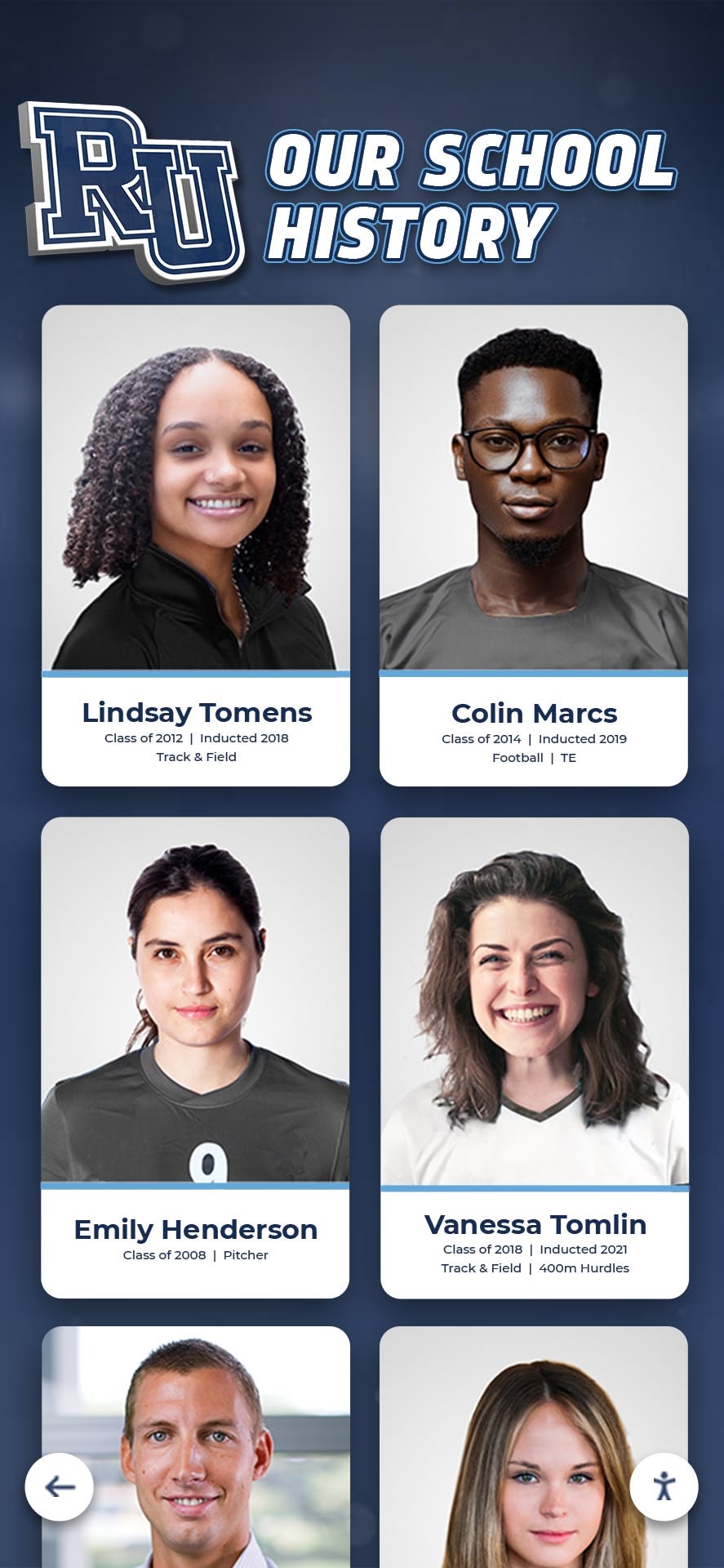
Many schools now implement comprehensive STEM recognition systems providing permanent, prominent celebration of robotics and engineering achievements alongside traditional academic and athletic recognition.
Digital Recognition and Achievement Documentation
Modern technology enables comprehensive documentation of robotics accomplishments accessible to current students, alumni, and prospective members.
Digital Hall of Fame Integration:
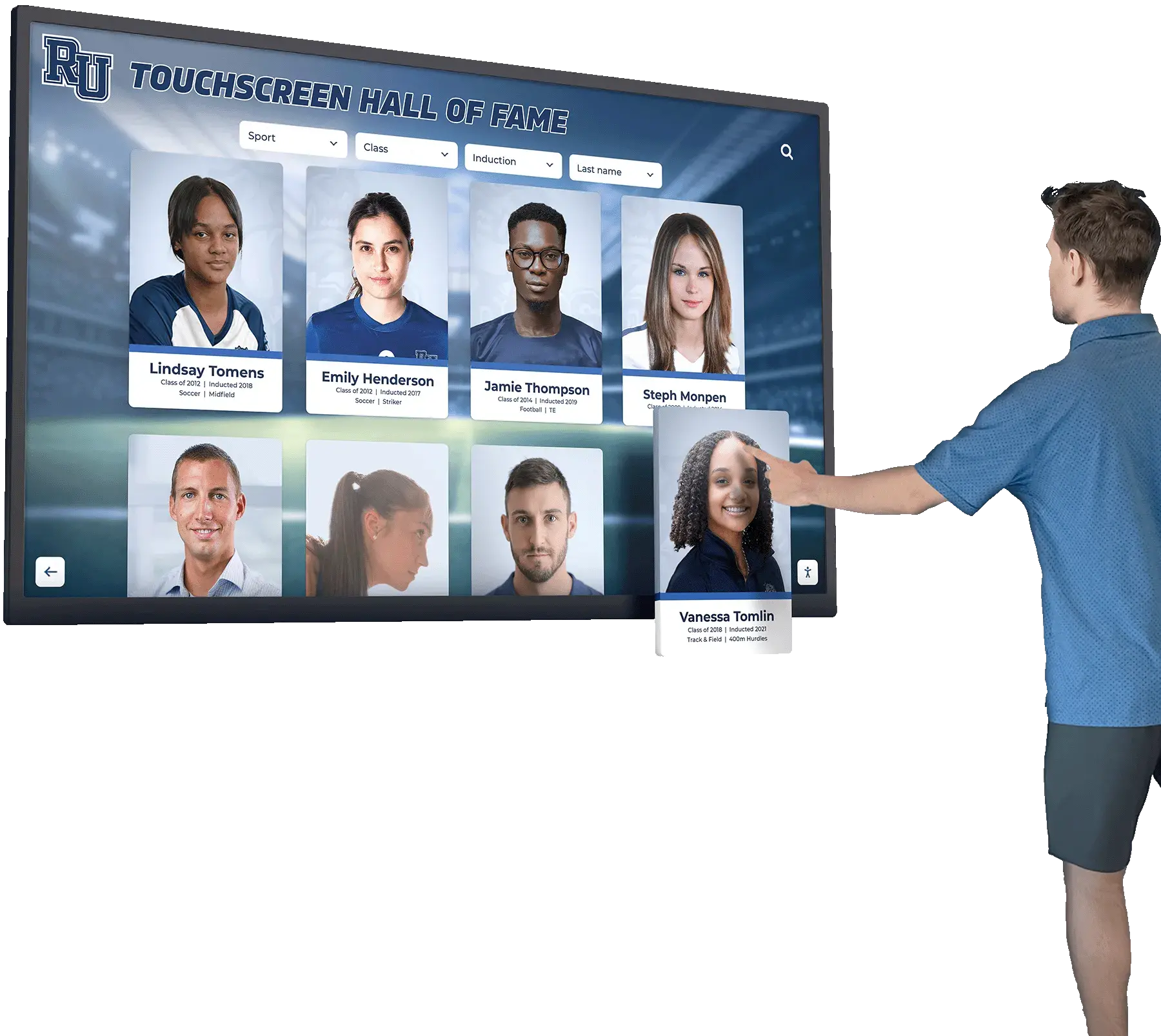
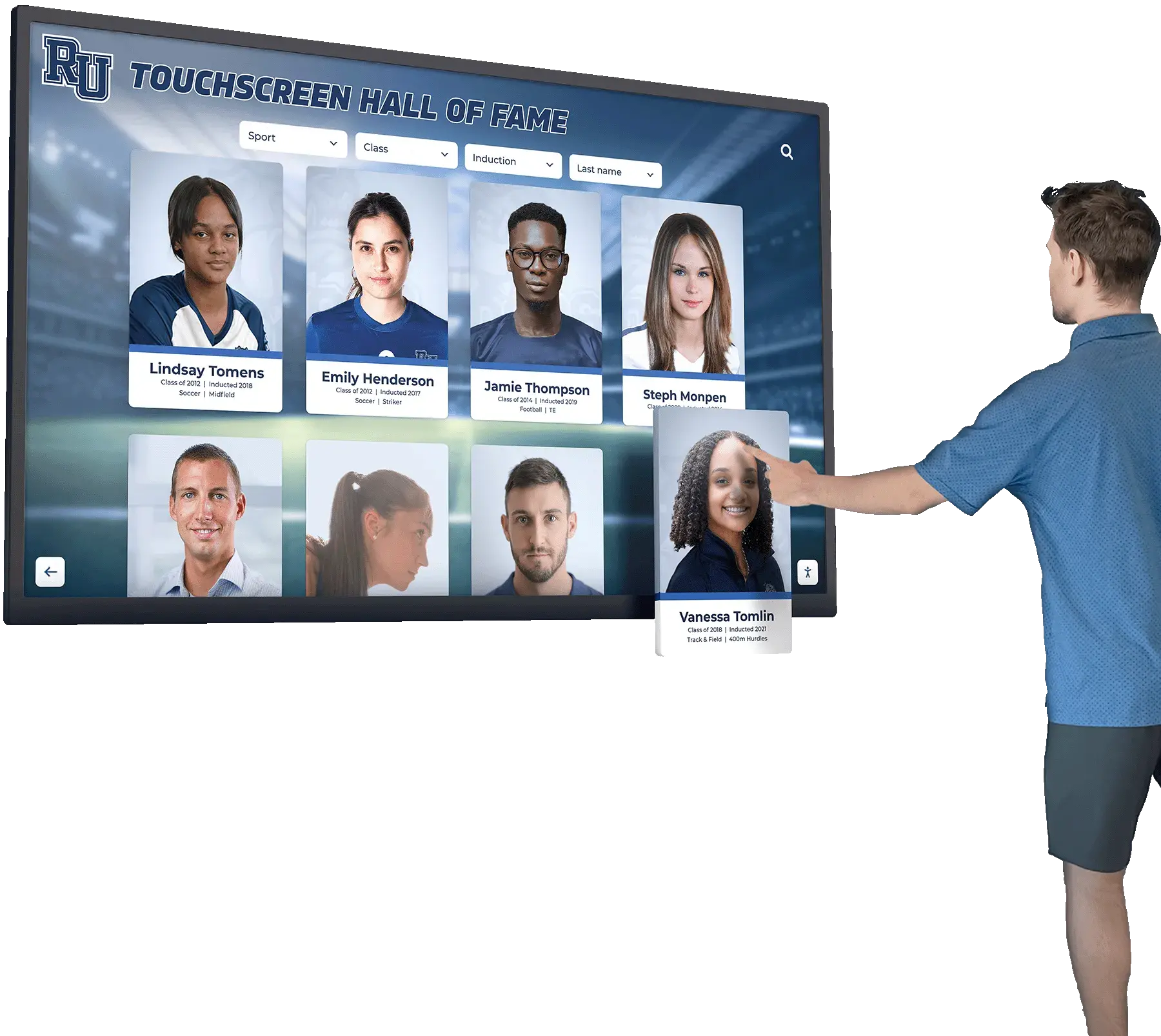
Digital recognition platforms offer significant advantages for documenting complex STEM achievements:
- Unlimited capacity documenting all team members across multiple years without physical constraints
- Rich multimedia integration showcasing competition videos, robot photos, and team documentation
- Searchable databases enabling visitors to find specific students, seasons, or achievements
- Detailed profiles capturing individual contributions beyond simple team membership
- Statistical tracking documenting competition performance, awards earned, and progression over time
- Web accessibility extending recognition beyond those who can physically visit school facilities
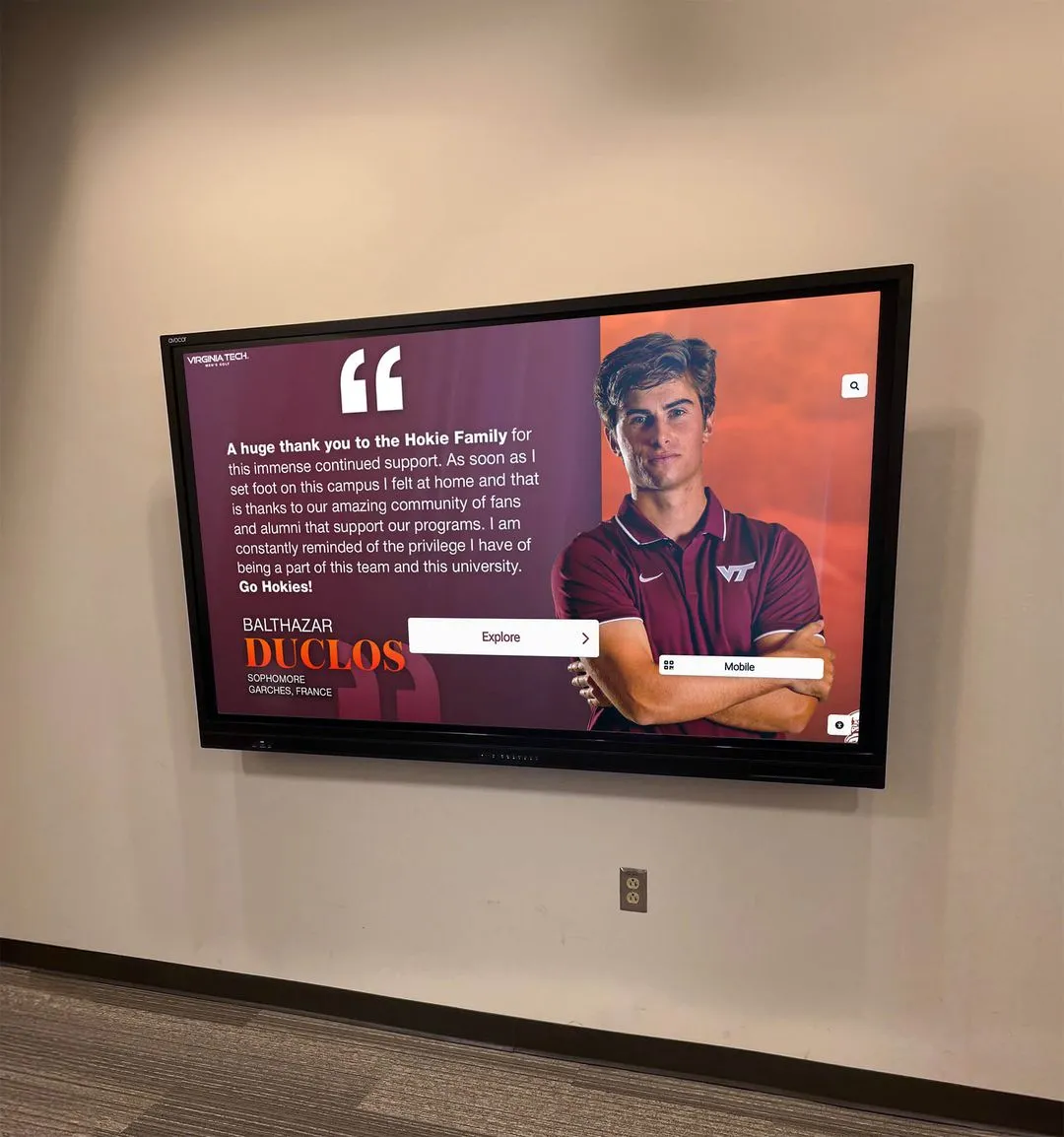
Solutions like those provided by Rocket Alumni Solutions enable schools to create comprehensive robotics recognition systems showcasing team history, individual contributions, and competition achievements through intuitive digital platforms requiring no technical expertise to manage while providing engaging experiences that capture community attention.
Social Media and Community Engagement:
Strategic social media use amplifies robotics achievement visibility:
- Live updates during competitions engaging broader school community
- Behind-the-scenes content showcasing team culture and build process
- Individual student spotlights celebrating diverse contributions
- Competition result announcements generating excitement and awareness
- Sponsor recognition acknowledging community support
- Recruitment content attracting prospective team members
Consistent, professional social media presence elevates program visibility while providing shareable content families can distribute throughout their networks.
Alumni Engagement and Long-Term Program Benefits
Robotics programs generate significant long-term value extending far beyond competition seasons.
Career and College Outcomes:
Robotics participation significantly impacts student trajectories:
- Higher rates of STEM major selection among robotics team alumni
- Substantial competitive advantage in engineering program admissions
- Scholarship opportunities specific to FIRST and VEX participants
- Internship and employment recruitment targeting robotics team alumni
- Professional network development through mentor relationships and corporate sponsors
Documenting alumni outcomes through alumni spotlight programs demonstrates program value to current students, prospective members, and institutional decision-makers evaluating program investment.
Alumni Mentor Networks:
Former team members provide invaluable support:
- Technical mentorship drawing on college-level engineering coursework
- Career guidance sharing university and professional experiences
- Recruitment advocacy attracting prospective students through personal testimonials
- Financial support as alumni establish careers and seek meaningful giving opportunities
- Volunteer assistance during build seasons and competitions
Maintaining engaged alumni networks requires intentional cultivation through newsletters, social media groups, reunion events, and opportunities to remain connected with current teams.
Overcoming Common Challenges and Sustainability Concerns
Even well-planned robotics programs encounter predictable challenges requiring proactive management.
Managing Student Time Commitments and Burnout
Robotics intensity can overwhelm students balancing academics, other activities, and personal wellbeing.
Sustainable Participation Expectations:
Establish clear time commitment expectations preventing surprises:
- Typical weekly hours during build season versus off-season
- Competition weekend requirements and travel obligations
- Flexibility accommodating students with other significant commitments
- Graduated participation levels enabling valuable contribution with varied time availability
Avoid creating culture where only students capable of unlimited availability feel valued. Successful teams include core members dedicating 15-20 hours weekly alongside valuable contributors participating 5-8 hours who still make meaningful contributions.
Preventing Burnout:
Watch for warning signs including declining academic performance, withdrawal from social activities, or diminished enthusiasm:
- Mandatory breaks during extended build sessions
- Emphasis on work-life balance from team leadership
- Academic monitoring ensuring robotics does not undermine school performance
- Celebration of small victories maintaining morale during difficult challenges
- Access to adult advisors when students feel overwhelmed
Foster culture where students feel comfortable stepping back when necessary without guilt or social penalty.
Ensuring Gender Diversity and Inclusive Participation
Robotics historically struggles with female participation—teams often include zero or only one or two female members.
Proactive Recruitment of Female Students:
Intentional outreach proves necessary overcoming perception that robotics is male activity:
- Direct recruitment of female students in math and science classes
- Highlighting female team members and alumnae in promotional materials
- Emphasis on diverse skill needs beyond stereotypical “engineering” work
- Partnership with school women in STEM clubs or initiatives
- Mentorship from female engineers and professionals
- Visible female leadership positions on team demonstrating inclusion
Creating Welcoming Environment:
Recruitment means nothing without retention—teams must actively cultivate environments where female students feel welcome:
- Zero tolerance for sexist comments, jokes, or behaviors
- Active intervention when female students are interrupted, dismissed, or excluded
- Recognition of female student contributions with equal prominence as male peers
- Female mentors and advisors providing role models
- Team building activities fostering relationships across demographic groups
Research consistently demonstrates that diverse teams outperform homogeneous groups in problem-solving and innovation. Gender diversity strengthens robotics teams while preparing all students for diverse professional environments.
Maintaining Program Through Faculty Advisor Transitions
Single-advisor dependency creates vulnerability when that individual leaves, retires, or experiences burnout.
Building Advisor Resilience:
Reduce single points of failure:
- Multiple co-advisors sharing responsibilities reducing individual burden
- Parent mentor volunteers supplementing faculty leadership
- Student leadership development enabling team to function semi-autonomously
- Comprehensive documentation of procedures, contacts, and institutional knowledge
- Administrative commitment to program continuity beyond individual personalities
Schools viewing robotics as institutional program rather than individual teacher’s project demonstrate commitment that attracts replacement advisors when transitions become necessary.
Conclusion: Building Robotics Programs That Transform Student Trajectories
Robotics team programs represent substantial investments requiring significant financial resources, faculty dedication, facility commitment, and administrative support. However, schools successfully launching competitive robotics programs discover transformative impact on student development, institutional reputation, and community engagement that far exceeds initial investment.
Effective robotics programs share common characteristics regardless of competition platform or school context:
- Clear program structure with defined leadership, team organization, and operational procedures
- Diversified funding combining institutional support, corporate sponsorships, grants, and fundraising
- Systematic skill development building technical capabilities through structured training
- Inclusive culture welcoming students across academic backgrounds and demographics
- Strategic competition preparation combining technical excellence with game analysis and scouting
- Institutional recognition celebrating achievements with prominence matching traditional activities
- Sustainability planning ensuring program continuity through advisor transitions and funding fluctuations
- Alumni engagement maintaining connections that strengthen future program operations
The students who design robots, troubleshoot mechanical failures at 2 AM during regional competitions, present to corporate sponsors, and collaborate with teammates from diverse backgrounds develop capabilities employers desperately seek—technical competence, collaborative problem-solving, communication skills, resilience through setbacks, and leadership under pressure. These competencies prove valuable whether students pursue engineering careers or apply systematic problem-solving approaches to medicine, business, law, or countless other fields.
Beyond individual student development, robotics programs elevate institutional reputation. Schools known for competitive robotics attract families prioritizing STEM education, strengthen relationships with engineering industry partners, and demonstrate educational innovation extending beyond traditional academic programming. Communities celebrate robotics achievements alongside athletic championships, recognizing that diverse forms of student excellence deserve equal prominence.
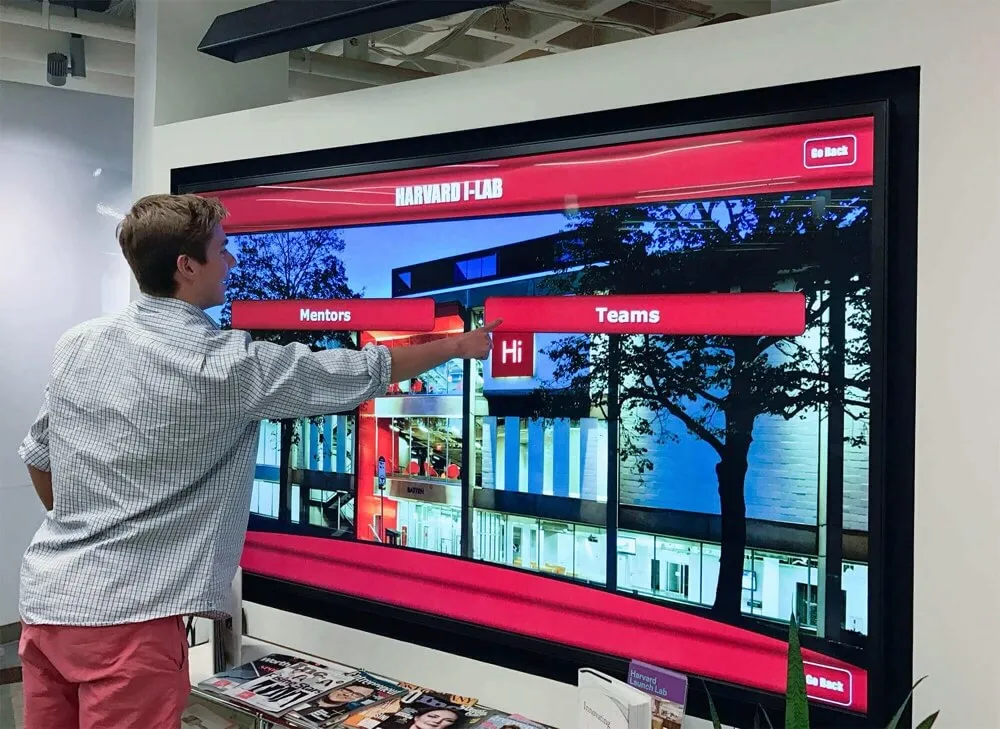
Modern recognition solutions enable schools to celebrate robotics accomplishments comprehensively. Interactive digital displays provide unlimited capacity documenting team history, competition results, individual contributions, and alumni outcomes through engaging platforms that capture attention while requiring minimal ongoing management effort. Solutions like Rocket Alumni Solutions provide purpose-built systems designed specifically for recognition and engagement applications, offering intuitive content management, searchable databases, and mobile-responsive interfaces that work seamlessly across physical touchscreen installations and web-accessible online platforms.
Ready to transform how your school celebrates STEM excellence? Explore comprehensive digital recognition solutions that honor robotics team achievements alongside traditional athletic and academic accomplishments, providing the visibility and celebration these remarkable students deserve.
Your robotics team members engineer complex robots, develop sophisticated software, manage substantial budgets, and compete against teams nationwide. These achievements warrant recognition systems matching their significance—comprehensive, permanent, and accessible platforms ensuring current students, future team members, and broader communities understand the excellence your robotics program represents. Effective recognition communicates that your school values diverse forms of achievement, preparing students for future success while building institutional culture where innovation, collaboration, and technical excellence receive celebration they deserve.