



Key Takeaways
Discover how schools honor legendary athletes through retired jersey programs. Learn selection criteria, display options, ceremony planning, and modern digital solutions for permanent athletic recognition.
Athletic programs searching for the ultimate recognition to honor their most legendary athletes increasingly turn to jersey retirement—a permanent, exclusive tribute reserved for individuals whose achievements, character, and impact fundamentally shaped program history. Unlike hall of fame induction or record board recognition that multiple athletes may receive, retired jersey status represents the absolute pinnacle of athletic honor: removing a number from circulation forever, ensuring no future athlete can wear digits made famous by transformational performers who elevated programs to unprecedented heights.
Yet jersey retirement programs present complex challenges for schools and athletic departments. When do achievements justify this permanent honor? How do schools maintain exclusivity while recognizing deserving athletes across multiple sports and generations? What display approaches best commemorate retired numbers while inspiring current athletes? How can schools avoid controversial selections that divide communities or diminish recognition significance? This comprehensive guide examines jersey retirement best practices, providing athletic administrators, hall of fame committees, and school leaders with frameworks for implementing meaningful, sustainable programs that honor legendary achievement authentically.
Understanding Jersey Retirement: The Ultimate Athletic Recognition
Before implementing jersey retirement programs, schools must understand what distinguishes this honor from other recognition forms and why exclusivity determines program credibility.
Defining Jersey Retirement in Athletic Context
Jersey retirement represents the most exclusive recognition athletic programs can bestow, permanently removing specific uniform numbers from future use to honor exceptional athletes who wore those digits during their careers.
Key Characteristics of Retired Jersey Programs:
Permanent Exclusivity: Unlike other athletic recognition that acknowledges multiple recipients annually, retired jersey status means no athlete in that sport can ever wear the honored number again. This permanent removal creates unique recognition fundamentally different from awards multiple athletes might share.
Highest Possible Honor: Jersey retirement should represent the absolute pinnacle of program recognition—reserved exclusively for athletes whose achievements clearly distinguish them as the greatest performers in program history. When jersey retirement becomes routine or expected, it loses the extraordinary significance that makes this recognition meaningful.
Visible Commemoration: Retired numbers demand prominent display ensuring current athletes, fans, and visitors understand which numbers honor legendary predecessors. Traditional displays include framed jerseys, championship banners, or commemorative plaques in high-visibility locations throughout athletic facilities.
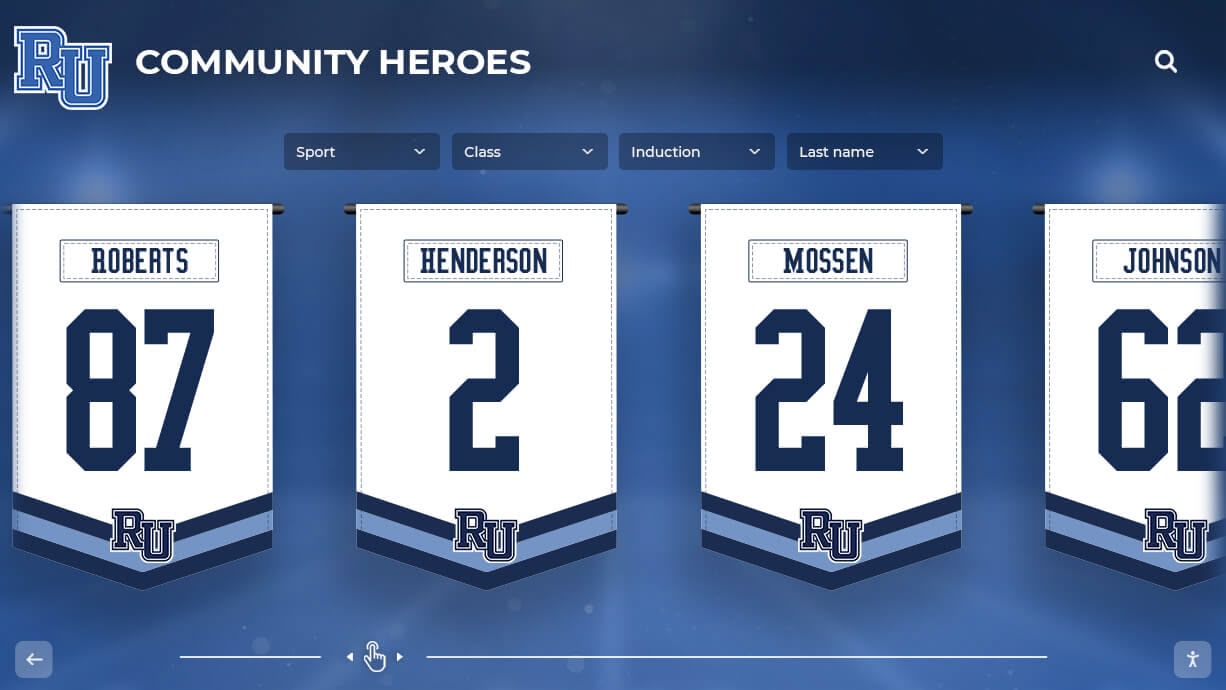
Program Heritage Connection: Jersey retirements create living connections between current programs and historical excellence. When athletes see retired numbers displayed prominently, they understand program traditions, appreciate the standards legendary predecessors established, and feel motivated to pursue comparable excellence in their own careers.
Jersey Retirement vs. Hall of Fame Induction
While both represent prestigious recognition, jersey retirement and hall of fame induction serve different purposes and maintain distinct selection thresholds:
Selection Exclusivity Differences: Hall of fame programs typically induct 2-10 individuals annually across all sports, potentially recognizing hundreds of exceptional athletes, coaches, and contributors over decades. Jersey retirement should remain far more exclusive—perhaps 0-2 per sport per decade—ensuring each retired number represents truly generational talent rather than merely excellent performers.
Recognition Scope Variations: Hall of fame displays often recognize coaches, administrators, contributors, and athletes from multiple sports. Jersey retirement focuses exclusively on individual athletes in specific sports, acknowledging their unique competitive excellence in ways non-athletes cannot replicate.
Practical Impact Distinctions: Hall of fame induction provides prestigious recognition without affecting current operations. Jersey retirement creates practical implications—reducing available numbers for future rosters—requiring careful consideration of long-term consequences before removing numbers permanently from circulation.
Many schools appropriately induct exceptional athletes into halls of fame while reserving jersey retirement for the rare few whose achievements transcend even hall of fame standards. This tiered approach maintains appropriate recognition for excellent performers while preserving jersey retirement exclusivity.
The Cultural Significance of Retired Jerseys
Retired jersey displays create powerful cultural impact extending beyond individual athlete recognition:
Tradition and Institutional Identity: Displayed retired jerseys tell program stories, communicating values about excellence, character, and achievement that define institutional athletic identity. Schools known for selective, meaningful jersey retirement build reputations as programs that demand and recognize authentic greatness.
Inspiration for Current Athletes: Current student-athletes competing in facilities where retired jerseys hang prominently receive constant reminders of program standards and possibilities. Research in sports psychology demonstrates that visible reminders of past excellence motivate performance improvement through social comparison and aspirational goal-setting.

Alumni Engagement Mechanisms: Jersey retirement ceremonies create meaningful opportunities for honored athletes to reconnect with institutions, strengthening alumni relationships while providing current athletes with mentorship connections to program legends. Schools implementing comprehensive recognition programs find that jersey retirements anchor broader alumni engagement strategies.
Recruiting and Program Reputation: Programs with selectively retired jerseys honoring authentic legends demonstrate commitment to excellence that attracts talented recruits seeking competitive, achievement-oriented environments. Conversely, programs retiring jerseys too frequently or without clear justification may signal lowered standards that concern serious competitors.
Establishing Selection Criteria for Jersey Retirement
Selection criteria determine program credibility and must balance objective achievement measures with subjective assessments while maintaining the exclusivity that makes jersey retirement meaningful.
Core Achievement Thresholds
Effective jersey retirement criteria establish clear performance standards ensuring consistency across different eras and sports:
Championship Impact and Success:
Retired jersey candidates typically demonstrate championship-level impact:
- Individual or team state championship achievements
- Multiple conference championship contributions
- Regional or national tournament participation
- Performance in championship moments that defined program trajectories
- Clutch performances under highest-pressure circumstances
Championship criteria recognize that jersey retirement should honor athletes who elevated programs to competitive peaks, not merely those who compiled statistics during unsuccessful seasons. Schools tracking this history often utilize digital displays for championship recognition alongside jersey retirement programs.
Record-Setting Performance:
School, conference, or state records provide objective evidence of exceptional achievement:
- Career records demonstrating sustained excellence across multiple seasons
- Single-season records showing peak performance capability
- Game or event records achieved under competitive pressure
- Records lasting 10+ years demonstrating performance that subsequent athletes cannot replicate
- Multiple records across different statistical categories
Record criteria work particularly well because they provide objective, measurable standards reducing subjective judgment controversies. However, schools should consider competitive contexts—records set against weak competition or in smaller classifications may not justify jersey retirement despite impressive numbers.
External Recognition and Awards:
Recognition from external organizations validates achievement beyond internal assessment:
- All-state or all-region selection, particularly first-team honors
- State or national player of the year awards
- All-American recognition at high school or collegiate levels
- Conference player of the year multiple times
- Selection to state or national all-star teams
- Scholarship offers or professional opportunities demonstrating exceptional talent
External awards provide third-party validation of achievement level, supporting jersey retirement decisions when selection committee perspectives might be questioned.

Character and Sportsmanship Requirements
Athletic achievement alone rarely suffices for jersey retirement; honored athletes should exemplify character standards worthy of permanent commemoration:
On-Field Sportsmanship and Leadership:
- Demonstrated sportsmanship during competition
- Team leadership through captaincy or peer recognition
- Positive influence on team culture and performance
- Mentorship of younger athletes and teammates
- Respectful competition without disciplinary issues
Academic Excellence and Citizenship:
Jersey retirement honors should represent complete student-athletes:
- Strong academic performance balancing athletics with education
- Absence of significant disciplinary problems
- Positive community representation during school years
- Service contributions beyond athletic participation
- Character that coaches and administrators proudly highlight
Character criteria ensure retired jerseys represent aspirational role models for current athletes rather than merely successful competitors who may have achieved through questionable means or poor sportsmanship.
Post-Graduation Conduct:
Long-term behavior patterns validate character assessments:
- Post-graduation conduct reflecting positively on institution
- Continued engagement with programs or communities
- Professional success and positive reputation
- Absence of serious legal issues or character controversies
- Willingness to serve as mentor or ambassador for programs
Waiting periods before jersey retirement consideration enable schools to assess whether character demonstrated during athletic careers persists after graduation and competitive pressures end.
Program Impact Beyond Individual Statistics
Some athletes deserve jersey retirement despite less impressive statistics due to transformational program impact:
Foundational Program Building:
- Athletes who competed when programs lacked resources or success
- Individuals whose commitment attracted talented teammates
- Performers who established competitive credibility for struggling programs
- Athletes who endured difficult circumstances while maintaining excellence
Cultural and Inspirational Influence:
- Overcoming adversity that inspired teammates and communities
- Demonstrating resilience during personal or program challenges
- Elevating program expectations and competitive standards
- Creating traditions or practices that continue benefiting programs
- Attracting community support or resources through performance
Impact criteria recognize that some athletes fundamentally change program trajectories despite competing in less statistically productive systems or roles. Schools honoring these contributions often feature their stories in digital recognition systems that provide context statistical displays cannot communicate.
Sport-Specific and Numerical Considerations
Different sports require adapted criteria reflecting their unique characteristics:
Individual vs. Team Sport Variations:
Individual sports (swimming, wrestling, track) can emphasize personal achievement rankings and records, while team sports (football, basketball, soccer) must balance individual excellence with team success contributions.
Position and Role Context:
Offensive linemen in football, defensive specialists in volleyball, or catchers in baseball may not accumulate statistics comparable to skill positions despite equal or greater importance. Criteria should account for position-specific contributions not captured in traditional statistics.
Number Range Limitations:
Sports with limited number ranges (like football positions restricted to specific decades) require more selective retirement to avoid roster management problems. Football programs might retire 2-3 numbers maximum, while baseball or basketball programs with 0-99 available have greater flexibility.
Some schools establish maximum retired numbers per sport (commonly 3-5) ensuring exclusivity regardless of program history depth. This approach prevents passionate selection committees from retiring too many jerseys during enthusiastic program periods.

Display Options: Physical and Digital Recognition Approaches
Display decisions significantly impact program visibility, capacity for future retirements, and long-term maintenance requirements.
Traditional Physical Display Methods
Physical displays offer tangible, visible recognition with traditional appeal:
Framed Jersey Displays:
Actual game-worn or replica jerseys framed and mounted create impactful visual recognition:
- Prominent visibility in athletic facility entrances or hallways
- Tangible connection to actual competitive history
- Traditional aesthetic matching institutional architecture
- Professional framing costs ranging from $300-800 per jersey
- Space limitations constraining capacity for future retirements
- Maintenance requirements including dust prevention and UV protection
Framed jerseys work particularly well for schools with modest jersey retirement expectations (5-10 total across all sports) and adequate prominent wall space in high-traffic athletic facilities.
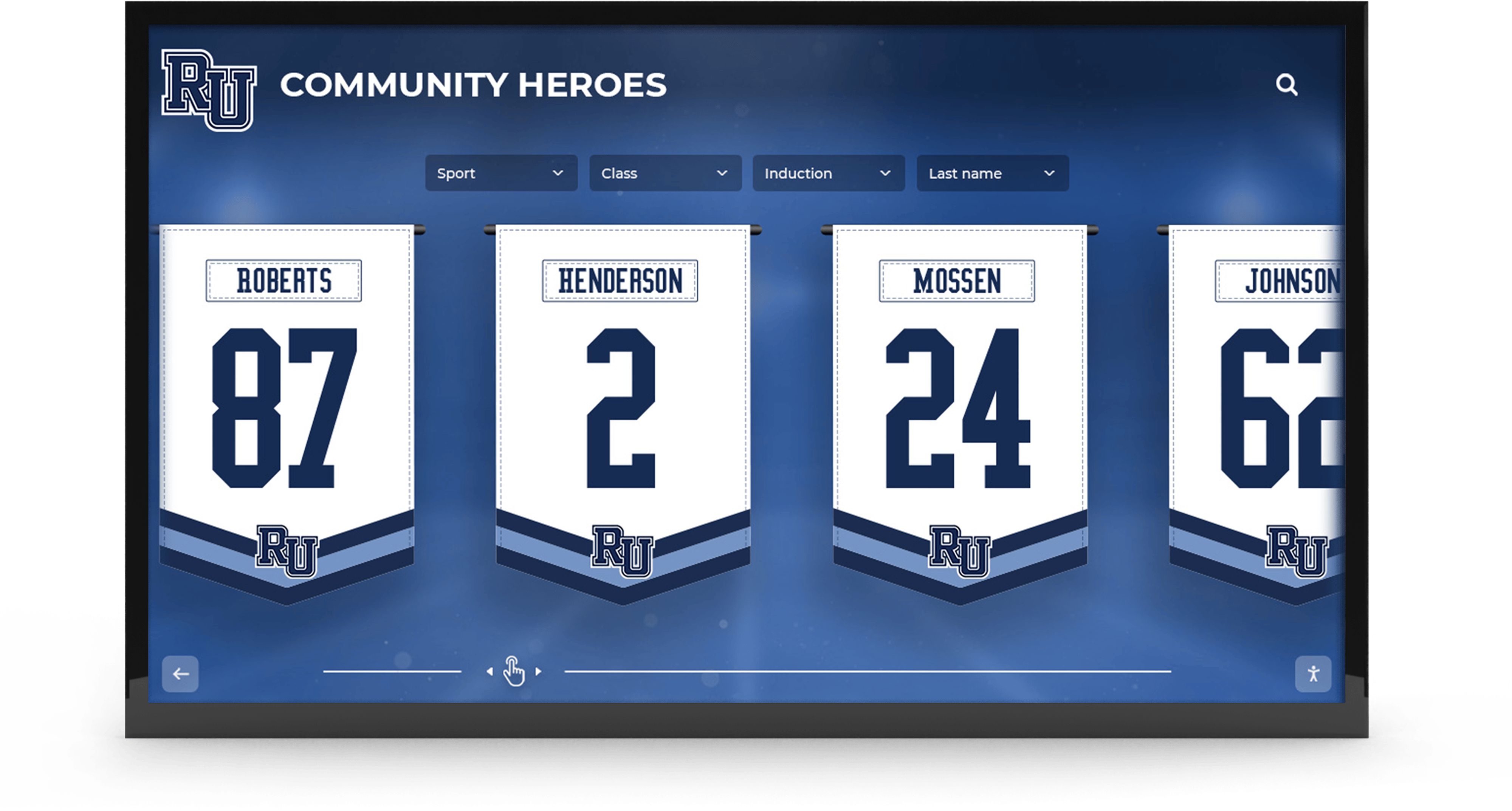
Championship Banner Recognition:
Many schools honor retired jerseys through banners hanging from gymnasium or stadium rafters:
- High-visibility positioning above competition spaces
- Traditional championship atmosphere association
- Cost-effective production ($150-400 per banner)
- Significant vertical space requirements
- Weathering concerns for outdoor installations
- Annual removal and reinstallation for maintenance
Banner displays suit schools with large gymnasiums or stadiums providing adequate space for multiple banners without creating visual clutter that diminishes individual recognition impact.
Trophy Case Commemorative Displays:
Integrated recognition within existing trophy infrastructure:
- Protected environment preventing deterioration
- Combination of jerseys, plaques, photos, and memorabilia
- Limited capacity constrained by case dimensions
- Maintenance access requiring case opening
- Lower visibility than wall-mounted or hanging displays
- Flexible arrangement enabling periodic updates
Trophy case displays work for schools lacking prominent wall or ceiling space while preferring physical recognition over digital alternatives.
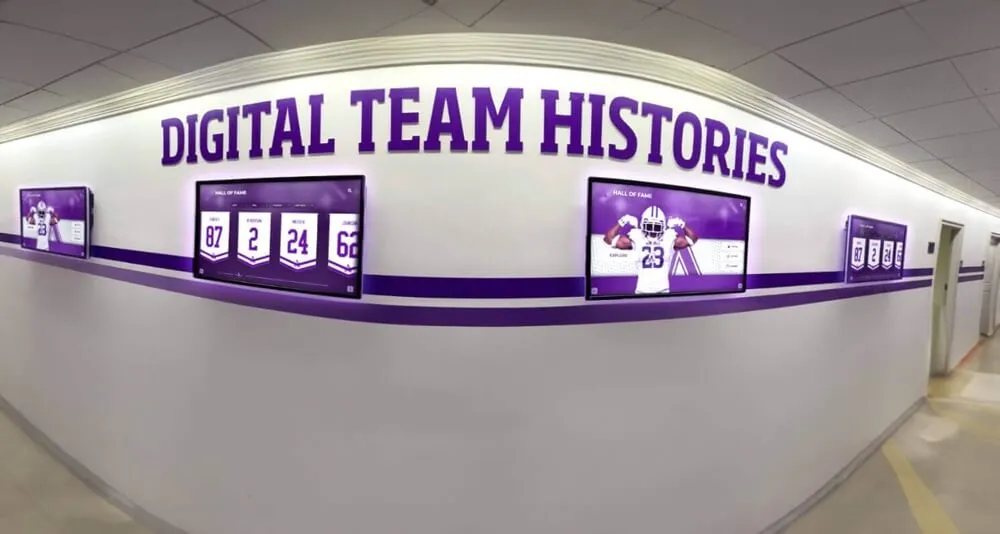
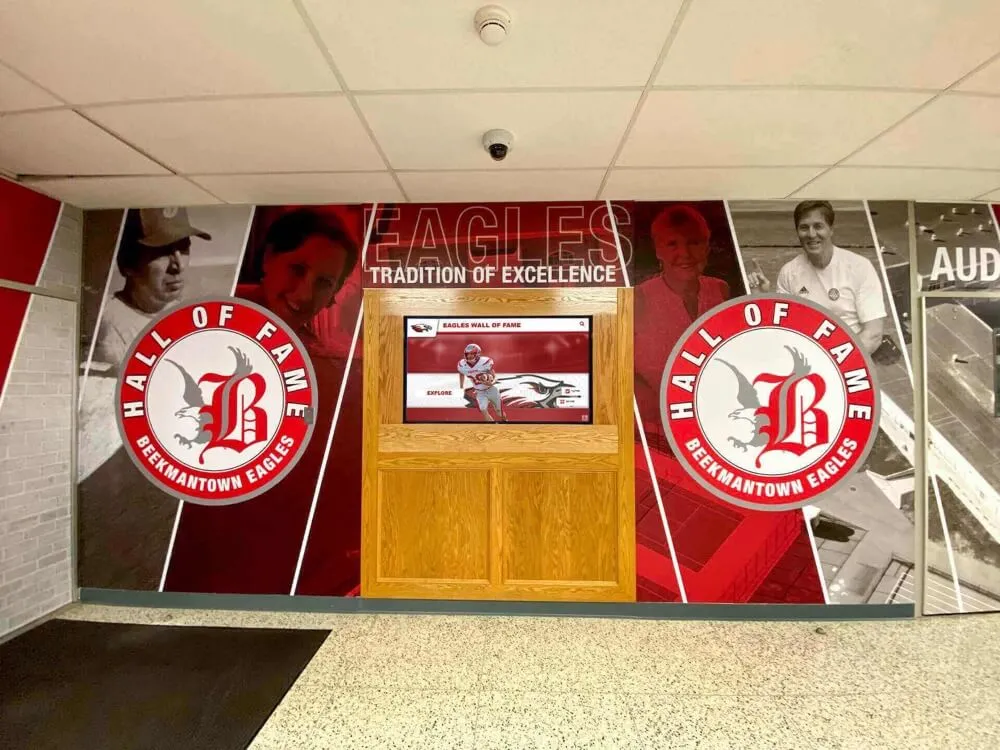
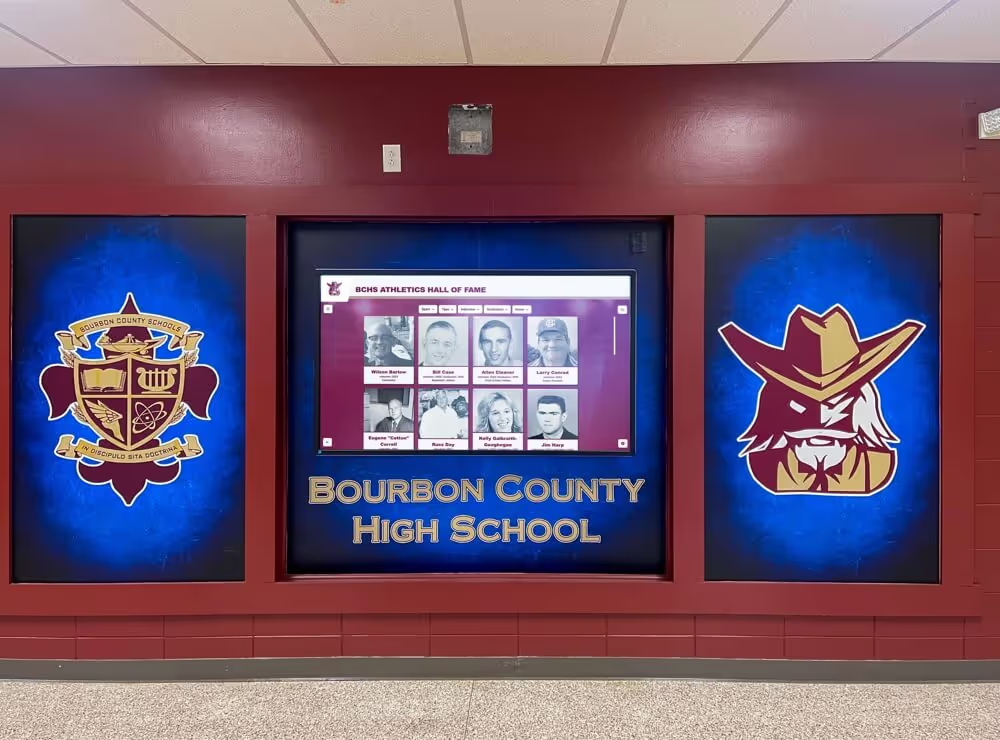
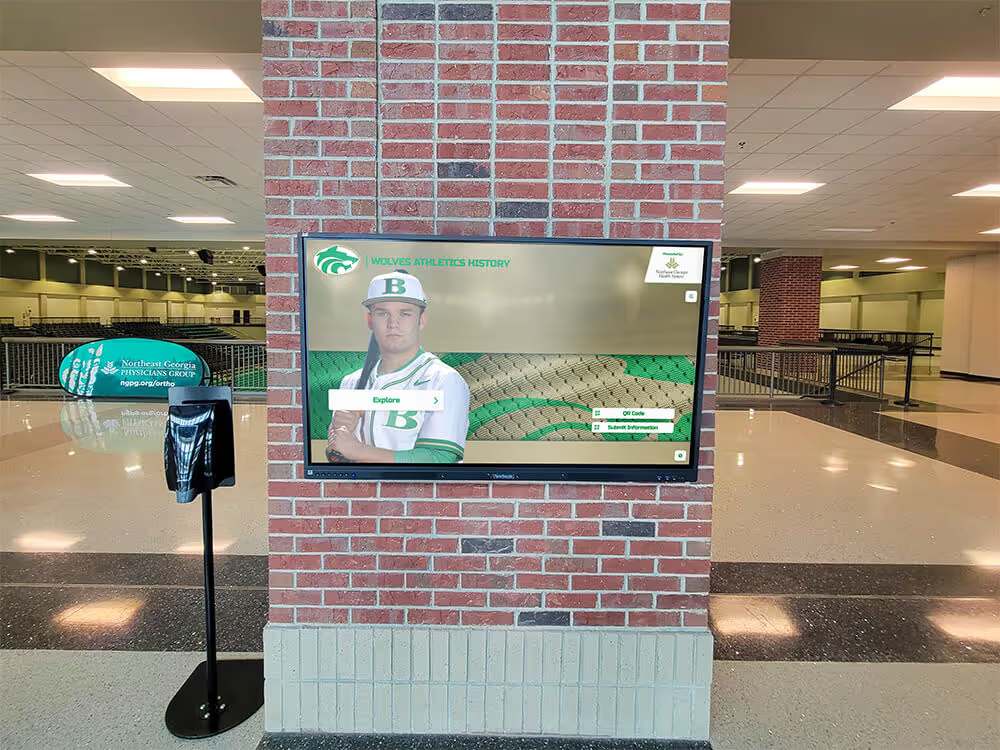
Modern Digital Recognition Systems
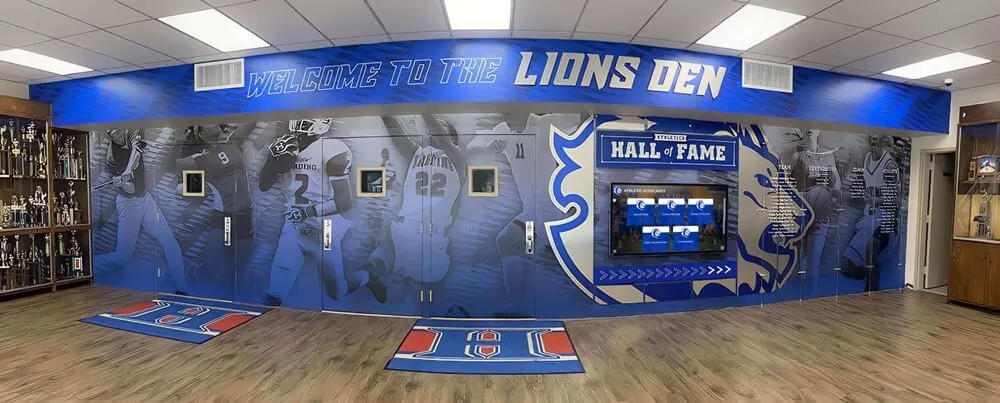
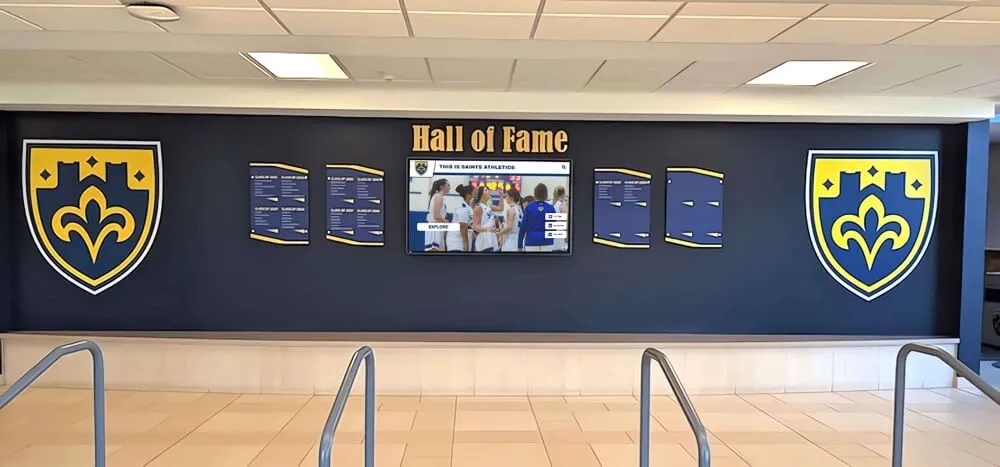
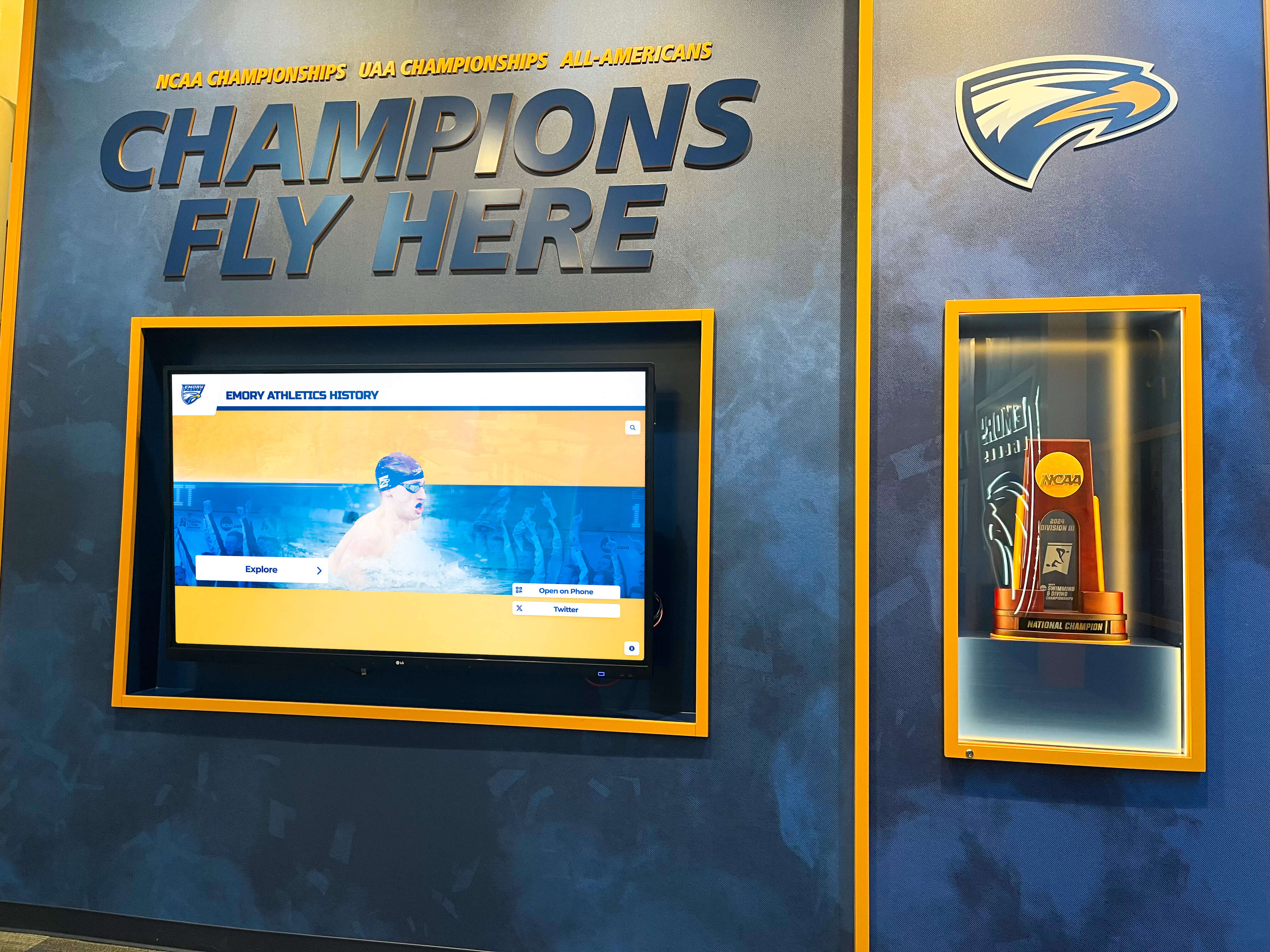
Digital platforms overcome physical display limitations while adding multimedia capabilities:
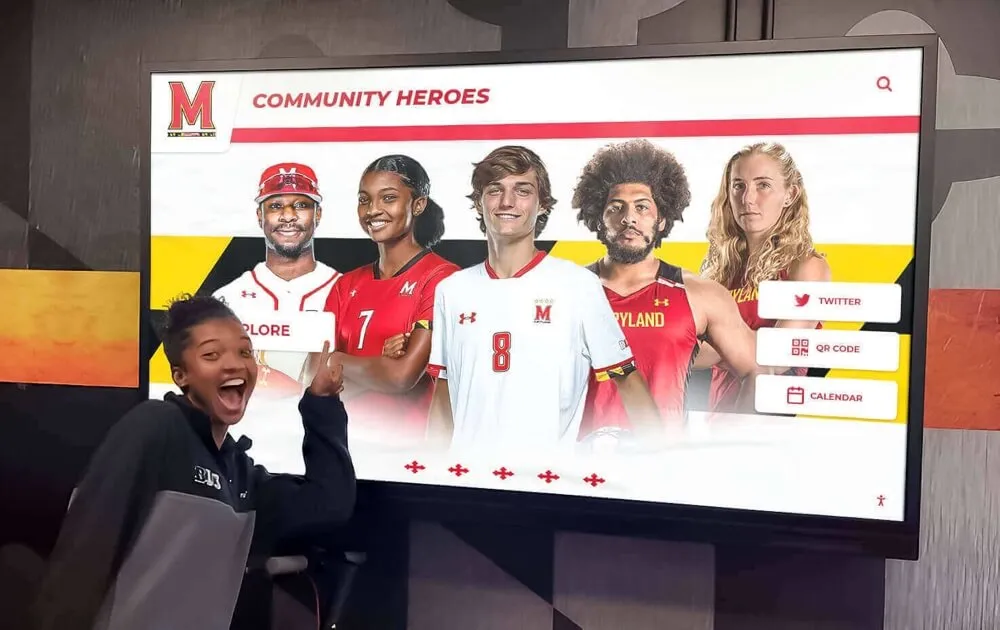
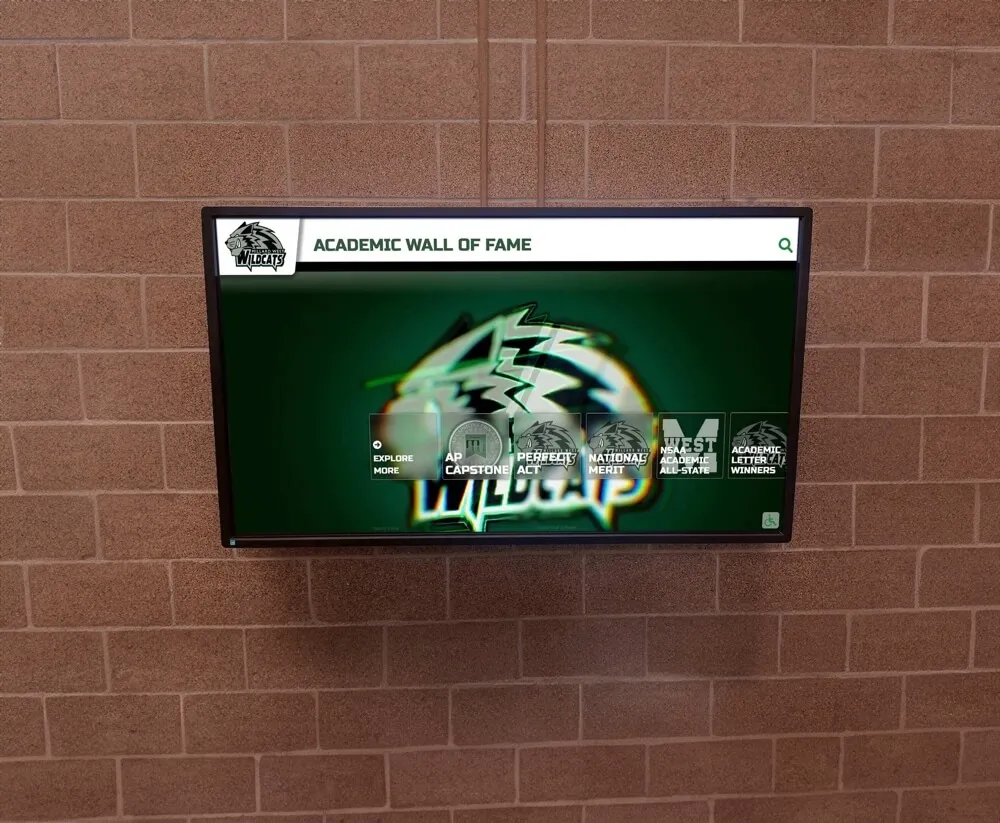
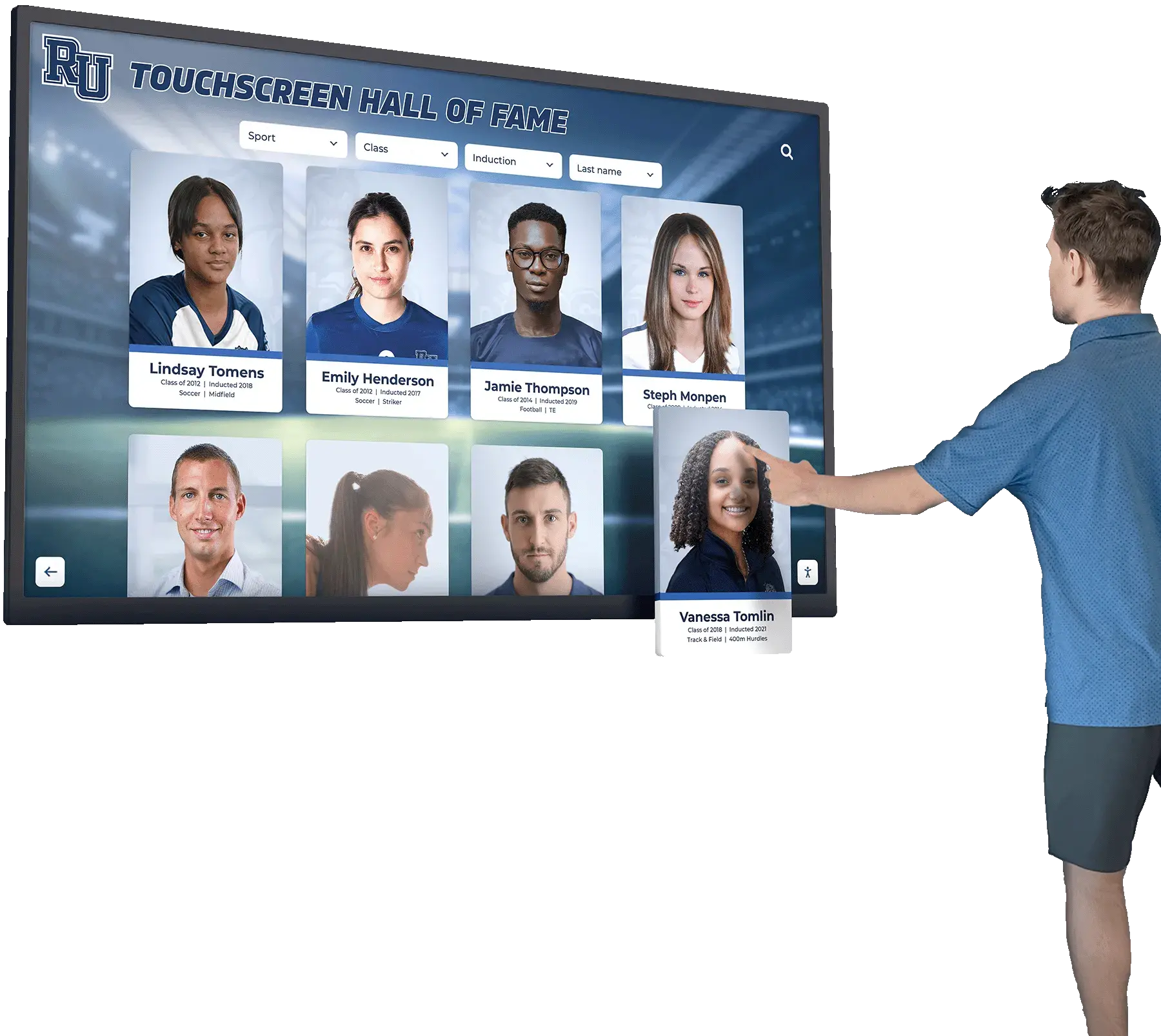
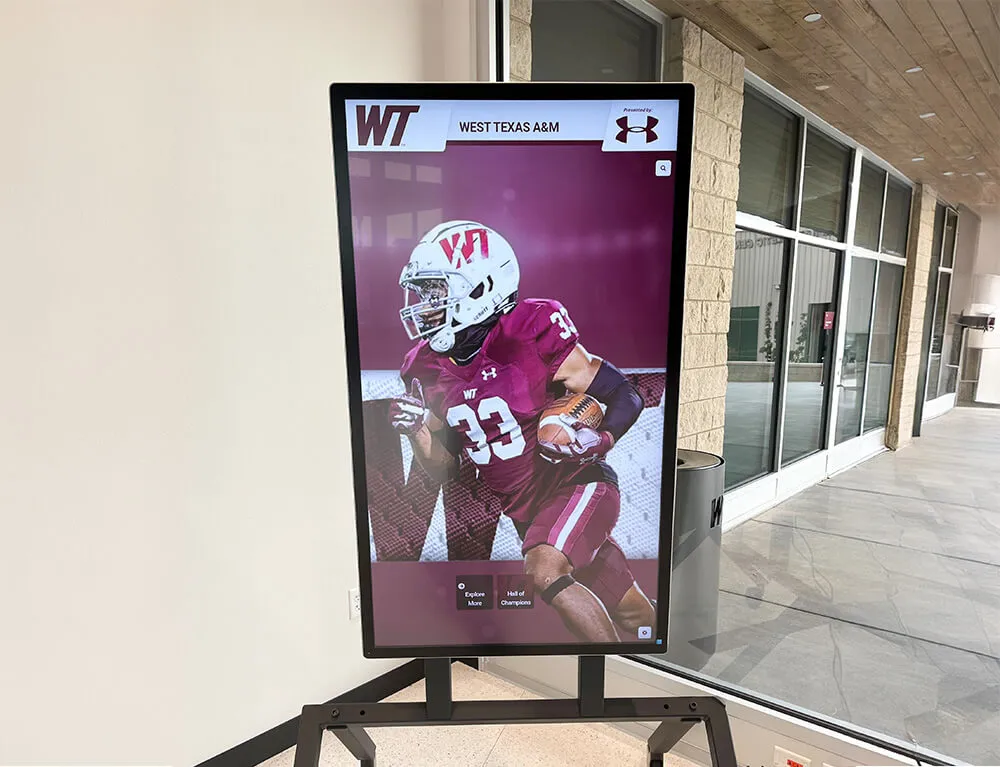
Interactive Touchscreen Displays:
Large-format digital systems provide unlimited capacity and rich content:
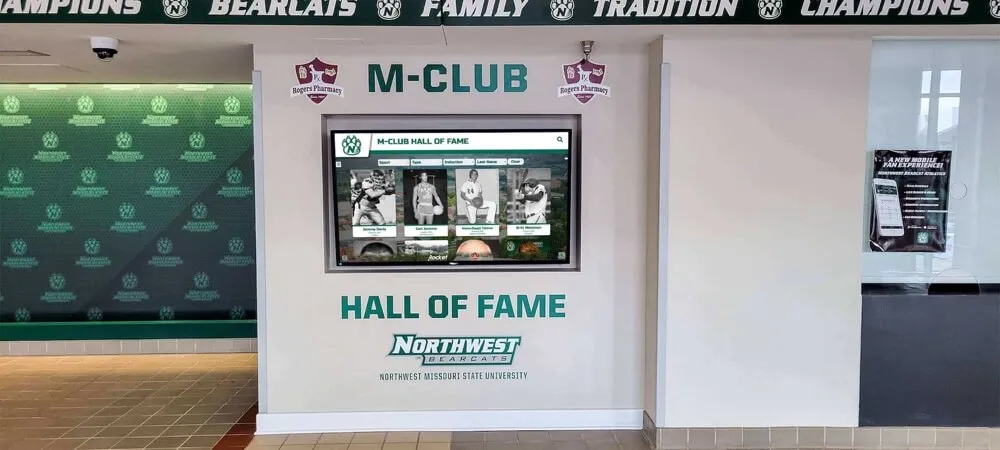
- Comprehensive profiles for each retired jersey with photos, videos, statistics, and biographical information
- Searchable databases enabling visitors to explore by sport, era, or achievement
- No physical space constraints limiting future retirement capacity
- Easy content updates without physical reinstallation
- Integration with broader athletic hall of fame recognition programs
- Initial investment of $5,000-15,000 for comprehensive installations
Digital systems particularly suit schools planning multiple jersey retirements across various sports or institutions wanting to provide detailed storytelling beyond what physical displays enable.
Hybrid Physical-Digital Approaches:
Many programs combine traditional displays with digital enhancement:
- Physical jerseys or banners for visual impact and tradition
- Digital displays providing comprehensive biographical content
- QR codes on physical displays linking to detailed online profiles
- Best of both worlds maintaining tradition while enabling scalability
- Higher total investment but maximum recognition flexibility
Hybrid approaches enable schools to preserve traditional jersey retirement aesthetics while gaining digital benefits for comprehensive storytelling and future capacity management.
Web-Based Recognition Integration:
Online platforms extend jersey retirement visibility beyond physical locations:
- Dedicated website sections featuring retired jersey histories
- Detailed athlete profiles accessible to alumni worldwide
- Video tributes and ceremony recordings
- Historical photo galleries and newspaper clippings
- Social media integration amplifying recognition reach
- Recruitment marketing showcasing program heritage
Web-based recognition complements physical displays by making jersey retirement programs accessible to alumni, prospective recruits, and community members unable to visit facilities regularly.
Planning Jersey Retirement Ceremonies and Unveiling Events
Ceremonies transform administrative decisions into community celebrations creating memorable experiences for honored athletes and their families.
Ceremony Format and Timing Strategies
Strategic planning maximizes attendance and emotional impact:
Game Day Integration:
Most jersey retirement ceremonies occur during athletic events:
- Halftime ceremonies during basketball or football games
- Pre-game ceremonies for other sports competitions
- Homecoming event coordination for maximum attendance
- Senior night integration when applicable
- Opportunities for honored athletes to address crowds
Game day ceremonies leverage existing audiences while creating electric atmospheres where honored athletes receive standing ovations from packed venues. However, ceremony length must accommodate game schedules without excessive delays.
Dedicated Recognition Events:
Standalone ceremonies allow extended programs without game constraints:
- Evening events in athletic facilities or auditoriums
- Invitation-only attendees including families and program supporters
- Extended program time for multiple speakers and presentations
- Reception opportunities for personal interaction
- Reduced attendance compared to game day events
Dedicated events suit situations where multiple jersey retirements occur simultaneously or when honored athletes’ schedules prevent game day attendance.
Ceremony Program Components
Comprehensive programs balance formality with personal touches:
Essential Ceremony Elements:
- Welcome remarks from athletic director or school leadership
- Introduction of honored athlete with biographical video or presentation
- Recognition of athletic achievements and program impact
- Testimonials from former coaches or teammates
- Acceptance remarks from honored athlete
- Jersey or banner unveiling moment
- Family recognition and appreciation
- Photo opportunities with family, coaches, and current athletes
Programs typically run 15-30 minutes for halftime ceremonies or 60-90 minutes for dedicated events.
Multimedia Presentations:
Video tributes create emotional ceremony highlights:
- Career highlight footage showing exceptional performances
- Interviews with coaches, teammates, and family members
- Historical photos and newspaper clippings
- Post-graduation success documentation
- Current program connections to honored athlete’s legacy
Professional video production (costing $500-2,000) significantly enhances ceremony impact while creating permanent documentation for program archives and digital recognition systems.
Engaging Honored Athletes and Families
Personal touches make ceremonies meaningful for recipients:
Pre-Ceremony Communication:
Thorough planning ensures smooth execution:
- Formal notification letters announcing selection
- Coordination of preferred ceremony timing and format
- Collection of biographical information and photos
- Involvement in ceremony planning decisions
- Ticket allocation for family and guests
- Travel and lodging assistance for distant alumni
- Pre-ceremony dinner or reception with program supporters
Clear communication demonstrates respect while enabling quality ceremony production.
Recognition Elements:
Tangible recognition artifacts commemorate honors:
- Framed jersey or banner to take home
- Commemorative plaque or trophy
- Engraved watch, ring, or jewelry
- Photo books documenting career highlights
- Letter from school leadership expressing gratitude
- Certificate of jersey retirement in presentation folder
Recognition artifacts provide lasting mementos while demonstrating institutional investment in meaningful celebration beyond simple ceremony attendance.
Managing Jersey Retirement Programs Long-Term
Sustainable programs require ongoing governance ensuring consistent standards across leadership transitions and program evolution.
Establishing Governance Structures
Clear governance prevents controversial selections and maintains program credibility:
Selection Committee Composition:
Diverse committees ensure balanced perspectives:
- Athletic director providing program leadership
- Head coaches from multiple sports
- Former jersey retirement honorees when available
- School administrators ensuring institutional alignment
- Community members with historical program knowledge
- Rotating members preventing entrenchment
Committees of 5-9 members provide diverse perspectives while remaining manageable for productive discussion and decision-making. Many successful programs learn from athletic hall of fame governance structures when establishing selection frameworks.
Decision-Making Protocols:
Clear procedures ensure defensible selections:
- Written nomination process with required documentation
- Multi-meeting review discussing all qualified candidates
- Supermajority voting requirements (commonly 2/3 or 3/4 approval)
- Waiting periods (typically 5-10 years after graduation)
- Exception procedures for extraordinary circumstances
- Documentation of decision rationale for future reference
Rigorous protocols protect against impulsive selections while building systematic record of reasoning supporting each jersey retirement.
Addressing Common Challenges
Proactive planning prevents problems common to jersey retirement programs:
Managing Selection Controversies:
Even excellent criteria cannot eliminate all disagreement:
- Published criteria providing transparency about decision factors
- Recognition that jersey retirement remains discretionary honor
- Clear communication distinguishing hall of fame from jersey retirement
- Private deliberation protecting committee discussion integrity
- Gracious acknowledgment of athletes who narrowly miss selection
- No appeals process beyond committee reconsideration discretion
Transparency about selection difficulty and exclusivity importance helps manage disappointed supporters’ expectations.
Maintaining Cross-Sport Equity:
Different sports present varying jersey retirement considerations:
- Sport-specific criteria accounting for competition structure differences
- Proportional representation ensuring balance across sports
- Gender equity monitoring preventing systematic bias
- Historical context consideration for newer versus established programs
- Avoidance of quotas while tracking representation patterns
Regular demographic analysis of jersey retirement patterns identifies potential equity issues before they undermine program credibility.
Preventing Number Scarcity Issues:
Excessive retirements create practical roster problems:
- Maximum retired numbers per sport (commonly 3-5)
- Periodic reassessment of whether retired status remains appropriate
- Consideration of number “honoring” versus full retirement for some cases
- Number unretirement in extremely rare circumstances with family approval
- Advance modeling of long-term retirement impacts
Some schools “honor” rather than “retire” numbers, allowing future athletes to wear digits with permission and special recognition of previous honoree—a compromise maintaining flexibility while providing meaningful recognition. Schools can learn from approaches at institutions featured in guides to digital recognition systems.
Jersey Retirement Program Sustainability Checklist
- Written criteria: Documented standards ensuring consistency
- Selection committee: Diverse membership with clear procedures
- Exclusivity commitment: Maximum retirement limits per sport
- Display plan: Sustainable recognition approach with growth capacity
- Ceremony standards: Meaningful celebration frameworks
- Budget allocation: Dedicated funding for recognition and ceremonies
- Record keeping: Documentation of all retired jerseys and rationale
- Review schedule: Periodic program assessment and improvement

Conclusion: Building Jersey Retirement Programs That Honor Excellence Meaningfully
Jersey retirement represents the ultimate athletic recognition schools can bestow—permanent removal of numbers from circulation honoring athletes whose achievements, character, and impact fundamentally shaped program history. When implemented thoughtfully with selective criteria, meaningful displays, memorable ceremonies, and sustainable governance, jersey retirement programs create powerful traditions connecting current athletes to legendary predecessors while communicating institutional values about excellence, character, and achievement.
The most successful jersey retirement programs share common characteristics: highly selective criteria maintaining exclusivity, balanced recognition across sports and eras, prominent displays ensuring visibility, memorable ceremonies honoring achievements meaningfully, clear governance preventing controversial selections, and sustainable frameworks persisting across leadership transitions. Schools should invest time developing comprehensive selection criteria that distinguish jersey retirement from other recognition forms, establish diverse committees with documented decision-making protocols, select display approaches matching institutional resources and growth capacity, plan ceremonies creating memorable experiences for honored athletes and communities, and build operational structures ensuring program consistency and credibility over decades.
Whether implementing new jersey retirement programs, revitalizing existing initiatives, or modernizing recognition displays, athletic administrators must remember that jersey retirement value derives from exclusivity and meaning. Programs retiring too many numbers or honoring athletes without clear justification risk diluting recognition significance and creating practical roster challenges. Conversely, appropriately selective programs that retire jerseys sparingly for truly legendary performers build prestigious traditions that inspire current athletes, strengthen alumni connections, and enhance program reputations.
Modern recognition technology enables schools to honor retired jerseys more comprehensively than traditional displays permitted. Interactive digital recognition systems provide unlimited capacity for future retirements, rich multimedia storytelling capabilities, easy content updates, and integration with broader athletic recognition programs—all while occupying minimal physical space compared to traditional displays requiring extensive wall or ceiling areas.
Ready to enhance how your school honors retired jersey numbers and athletic legends? Explore comprehensive digital recognition solutions designed specifically for educational athletic programs seeking to celebrate exceptional achievement through meaningful, sustainable recognition systems that inspire current athletes while honoring the greatest performers in program history. Your legendary athletes deserve recognition that matches their extraordinary contributions—jersey retirement programs that maintain exclusivity and significance ensure those honors remain meaningful for generations to come.