



Key Takeaways
Complete guide to planning and executing retired jersey ceremonies for schools and sports programs. Learn selection criteria, ceremony planning, presentation best practices, and modern display solutions.
Retiring an athlete’s jersey number represents one of the highest honors a school or sports organization can bestow, permanently commemorating exceptional achievement and character that transcends individual seasons and defines program excellence. This tradition transforms outstanding athletic careers into lasting institutional legacy, creating visible inspiration for current athletes while honoring individuals whose contributions fundamentally elevated competitive standards, community pride, and program reputation. Planning and executing jersey retirement ceremonies requires thoughtful consideration of selection criteria, ceremony presentation, display methods, and long-term recognition management—decisions that ensure this prestigious honor maintains significance and credibility while creating meaningful experiences for honorees, families, and communities.
Understanding how to plan professional jersey retirement events that balance formality with emotional resonance, select appropriate display solutions matching institutional resources and aesthetic preferences, and establish sustainable criteria preventing controversy helps athletic directors, administrators, and booster clubs create recognition traditions that strengthen program culture for generations.
Understanding Jersey Retirement as Athletic Recognition
Jersey retirement differs fundamentally from other athletic recognition forms through permanence and exclusivity, removing specific uniform numbers from future use to honor singular achievement.
The Significance of Retired Numbers
Retiring a jersey creates lasting impact beyond typical hall of fame recognition:
Permanent Visibility: Unlike plaques requiring intentional viewing or ceremonies representing single moments, retired jerseys hang prominently in competition venues where current athletes see them during every practice and game. This constant presence creates daily reminders of excellence standards and program history.
Exclusive Honor: While multiple athletes may earn all-state recognition or hall of fame induction annually, jersey retirements occur rarely—often just once every several years or even decades. This scarcity preserves the honor’s significance and ensures recipients truly represent exceptional rather than merely excellent achievement.
Number Scarcity Impact: Permanently removing numbers from circulation creates practical constraints reflecting honor gravity. Programs retiring numerous jerseys eventually face roster numbering challenges, naturally limiting this recognition to genuinely transformative athletes.
Multi-Generational Recognition: Retired jerseys remain visible indefinitely, honoring athletes across decades and centuries rather than fading into historical obscurity. Current students competing generations later still see and learn about pioneering athletes who established program traditions, similar to how schools showcase sports memorabilia and athletic history through permanent displays.
Jersey Retirement vs. Other Recognition Forms
Understanding distinctions clarifies appropriate usage:
Jersey Retirement:
- Removes number from future circulation
- Reserved for exceptional, program-defining athletes
- Typically occurs years after graduation
- Creates permanent, visible display in competition venue
- Extremely selective with limited total honorees
Hall of Fame Induction:
- Honors excellence without removing numbers
- Recognizes broader group of outstanding contributors
- May include coaches, administrators, and supporters
- Often features annual induction classes
- Creates biographical recognition displays
All-Time Records Recognition:
- Celebrates specific statistical achievements
- Updates as new athletes surpass previous marks
- Creates competitive motivation for current athletes
- May feature multiple athletes per category
- Typically displayed on record boards
Senior Night or Career Recognition:
- Honors completing athletic careers
- Applies to all senior athletes in program
- Celebrates participation and contribution
- Occurs during final home competitions
- Creates memories without permanent facility displays
Programs sometimes combine recognition forms, inducting athletes into halls of fame while also retiring jerseys for the most exceptional contributors.
Establishing Jersey Retirement Criteria and Standards
Clear selection criteria prevent controversy while ensuring retired numbers represent consistently extraordinary achievement.
Defining Exceptional Achievement Standards
Criteria should identify truly program-transforming athletes:
Athletic Excellence Benchmarks:
Statistical and competitive achievement forms the foundation:
- Championship Impact: State championship victories, especially individual titles or team leadership during championship runs
- Record-Setting Performance: School records likely to endure for decades, particularly in major statistical categories
- All-State/All-American Recognition: First-team honors at state or national levels across multiple seasons
- Professional Achievement: College scholarships at highest levels or professional sports careers
- Extended Excellence: Multi-year elite performance rather than single exceptional season
- Multi-Sport Dominance: Exceptional achievement across multiple sports demonstrating rare versatility
Unlike general hall of fame criteria recognizing very good athletes, jersey retirement should require exceptional status even among hall of fame-worthy performers. Many schools establish explicit benchmarks such as “national recognition” or “professional career” to maintain appropriately high standards, similar to criteria used for state championship recognition programs.
Program Impact Beyond Statistics:
Some contributions transcend individual numbers:
- Foundational Leadership: Athletes who established competitive standards transforming programs from mediocre to excellent
- Cultural Transformation: Leaders whose character and work ethic redefined team culture and expectations
- Community Impact: Athletes whose achievement generated unprecedented community support, facility improvements, or program resources
- Recruiting Catalyst: Performance attracting subsequent talented athletes elevating overall program competitiveness
- National Prominence: Achievement bringing national media attention and institutional recognition
Impact criteria recognize that some athletes fundamentally change programs in ways extending beyond personal statistics.
Character and Citizenship Requirements:
Athletic achievement alone rarely justifies jersey retirement:
- Exceptional sportsmanship and competitive character
- Positive representation of institution and community
- Academic achievement balancing athletics with education
- Post-graduation conduct reflecting positively on program
- Absence of serious disciplinary or character concerns
- Contribution to community through service or leadership
Character standards ensure retired jerseys honor aspirational role models whose excellence extends beyond athletic performance.
Post-Graduation Success Validation:
Long-term outcomes demonstrate lasting program impact:
- Collegiate athletic success validating preparation quality
- Professional career achievement in sports or other fields
- Continued engagement with program as mentor or supporter
- Leadership positions demonstrating character development
- Recognition in broader community beyond athletics
- Time elapsed allowing assessment of enduring legacy
Waiting periods of 5-10 years enable evaluation of post-graduation trajectory while building anticipation among recent graduates and preventing recency bias in selection.
Governance and Selection Process
Formal procedures ensure credible, defensible selection decisions:
Selection Committee Structure:
Diverse committees resist capture by individual interests:
- Athletic director providing administrative leadership
- Head coaches representing different sports and perspectives
- Retired coaches offering historical program knowledge
- School administrators ensuring institutional alignment
- Previous retired jersey honorees (if applicable)
- Booster club or community representatives
- Alumni association members providing graduate perspective
Committees of 5-9 members balance diverse input with decision efficiency while preventing domination by single individuals or sports.
Decision-Making Protocols:
Clear processes enhance selection legitimacy:
- Written nomination requirements including achievement documentation
- Supermajority voting thresholds (commonly 75-80%) ensuring broad consensus
- Confidential balloting protecting committee members from pressure
- Conflict of interest recusal for relationships with nominees
- Multi-year consideration allowing repeated nominations
- Appeals limited to factual errors rather than judgment disagreements
- Documentation preserving decision rationale for future reference
Rigorous processes demonstrate that selections reflect careful evaluation rather than favoritism or political influence, much like the governance structures used for athletic hall of fame programs.
Program Bylaws and Written Standards:
Documentation provides continuity across administrative changes:
- Mission statement articulating jersey retirement purpose
- Specific selection criteria with measurable benchmarks
- Committee composition and member selection procedures
- Nomination and review timelines
- Voting thresholds and decision requirements
- Display and ceremony standards
- Amendment procedures for criteria modifications
Written bylaws prevent program standards from drifting over time while ensuring new administrators understand established expectations.

Planning the Jersey Retirement Ceremony
Ceremonies transform administrative decisions into community celebrations honoring exceptional achievement.
Selecting Ceremony Timing and Setting
Strategic scheduling maximizes attendance and emotional impact:
Optimal Event Timing:
Consider multiple factors when scheduling:
Homecoming Games:
- High community attendance providing large audiences
- Alumni presence creating multi-generational celebration
- Festival atmosphere enhancing ceremony significance
- Potential scheduling conflicts with other homecoming activities
- Competition for attention among multiple events
Senior Night Ceremonies:
- Emotional context celebrating athletic careers
- Family presence already planned for senior recognition
- Natural fit for honoring previous program participants
- Risk of overshadowing current seniors’ recognition
- Limited planning timeline during active season
Special Recognition Events:
- Dedicated ceremonies focusing exclusively on jersey retirement
- Flexibility for comprehensive program and extended presentations
- Ability to accommodate distant honorees’ schedules
- Requires separate event promotion and attendance building
- Higher per-event costs without leveraging existing gatherings
Off-Season or Reunion Weekends:
- Reduced conflict with competitive season pressures
- Opportunity for extensive honoree and family participation
- Alumni reunion coordination creating larger gatherings
- Lower sport-specific attendance without active season interest
- Weather considerations for outdoor venues
Most programs schedule ceremonies during regular season home competitions in the retired athlete’s primary sport, balancing visibility with logistical practicality, similar to planning considerations for awards ceremony events.
Venue Selection Considerations:
Location affects ceremony tone and attendance:
- Competition Venues: Gymnasiums or fields where athlete competed create authentic connection to achievement
- Auditoriums or Theaters: Controlled environments enabling sophisticated audio-visual presentations and comfortable seating
- Outdoor Stadiums: Dramatic settings for warm-weather ceremonies but weather-dependent with sound challenges
- Multi-Purpose Spaces: Gymnasiums doubling as ceremony and reception venues reducing logistics complexity
Venue acoustics, sight lines, seating capacity, and audio-visual capabilities significantly impact ceremony quality and should factor prominently in location selection.
Ceremony Structure and Program Elements
Effective ceremonies balance formality with personal storytelling:
Essential Ceremony Components:
Comprehensive programs typically include:
Opening Remarks and Context (3-5 minutes):
- Welcome from athletic director or school administrator
- Explanation of jersey retirement honor significance
- Overview of selection criteria and process rigor
- Recognition of selection committee service
Biographical Presentation (5-10 minutes):
- Video highlighting career achievements and memorable moments
- Statistical accomplishments and championship victories
- Testimonials from coaches, teammates, and community members
- Historical context showing program status before and during athlete’s career
- Post-graduation success demonstrating lasting program impact
Speaker Presentations (10-15 minutes total):
- Head coach remarks discussing athlete’s contributions
- Teammate or contemporary competitor perspective
- School administrator connecting achievement to institutional values
- Community representative discussing broader impact
- Brief presentations preventing ceremony length inflation
Honoree Remarks (5-10 minutes):
- Personal reflections on athletic career and program impact
- Recognition of coaches, teammates, family, and supporters
- Connection between athletic experience and life success
- Inspiration for current athletes
- Emotional highlight of ceremony
Jersey Presentation and Unveiling (5 minutes):
- Formal presentation of framed jersey or banner
- Ceremonial raising or unveiling of retired number display
- Photo opportunities with family, coaches, and administrators
- Visual moment creating lasting memories and media content
Total ceremony length typically ranges 25-40 minutes, maintaining engagement while providing comprehensive recognition.
Ceremony Production and Materials
Professional execution requires advance preparation:
Required Physical Materials:
Plan production timeline for essential items:
Framed Jersey or Banner (6-8 weeks production time):
- Authentic game jersey or replica in school colors
- Professional framing with UV-protective glass preventing fading
- Engraved nameplate with athlete name, years, and achievements
- Mounting hardware for permanent installation
- Typical cost: $300-600 depending on quality and size
Hanging Banner for Gymnasium Display (4-6 weeks):
- Durable fabric or vinyl withstanding years of display
- School colors and athletic branding
- Jersey number prominently featured
- Athlete name and achievement summary
- Professional grommets and hanging system
- Typical cost: $200-500 for single-sided 3’x5’ banner
Ceremony Program and Promotional Materials (2-3 weeks):
- Printed ceremony programs for attendees
- Biographical information and career statistics
- Historical photos and memorable moments
- Recognition of sponsors and supporters
- Digital versions for social media and website distribution
- Typical cost: $150-400 for 200-500 programs
Audio-Visual Content (4-8 weeks):
- Biographical video production with highlights and interviews
- Photo montages with career progression
- Statistical graphics and achievement summaries
- Background music licensing
- Typical cost: $500-2,000 depending on production complexity
Allow adequate timeline for material production, as rush orders increase costs while potentially compromising quality.
Coordination and Communication:
Stakeholder engagement ensures smooth execution:
Honoree and Family Coordination:
- Formal notification letter explaining ceremony details
- Schedule coordination for honoree and family attendance
- Travel and lodging assistance for distant participants
- Biography information and photo collection
- Speech length guidance and content suggestions
- Ticket allocation for extended family and friends
- Pre-ceremony reception or dinner arrangements
Staff and Volunteer Assignments:
- Ceremony script development and rehearsal
- Audio-visual operator coordination
- Photography and videography coverage
- Reception setup and hospitality
- Program distribution and crowd management
- Display installation or unveiling mechanics
- Post-ceremony cleanup and breakdown
Community and Media Promotion:
- Press releases to local media outlets
- Social media announcement campaign
- School communication through newsletters and announcements
- Alumni network notification
- Booster club and donor communication
- Community calendar listings
- Promotional graphics and poster distribution
Comprehensive promotion builds attendance while extending ceremony impact beyond attendees through media coverage and social sharing, similar to strategies for end-of-season athletic recognition events.
Display Solutions for Retired Jerseys and Numbers
Permanent display decisions significantly impact long-term recognition visibility and program aesthetics.
Traditional Physical Display Options
Physical displays offer tangible, traditional recognition with time-tested appeal:
Hanging Banners in Competition Venues:
Gymnasium or stadium rafters provide classic display locations:
Advantages:
- High visibility during all competitions and practices
- Traditional aesthetic familiar to sports fans
- Relatively affordable production costs ($200-500 per banner)
- Easy installation using existing structural supports
- Weather-resistant materials for outdoor venues
- Dramatic visual impact showing program history
Considerations:
- Limited biographical information capacity on banners
- Fading and deterioration over time requiring periodic replacement
- Difficult cleaning and maintenance at height
- Visibility challenges in venues with poor lighting
- Space constraints in facilities with low ceilings
- Removal complexity during facility renovations
Hanging banners work exceptionally well for programs with dedicated competition facilities and adequate ceiling height supporting dramatic displays.
Framed Jersey Display Cases:
Trophy cases and wall-mounted frames showcase actual jerseys:
Advantages:
- Authentic jersey display creating tangible connection
- Opportunity to include additional memorabilia and photos
- Biographical plaques providing context and statistics
- Protection from handling and environmental damage
- Flexible placement in hallways, lobbies, or dedicated spaces
- Professional appearance enhancing institutional prestige
Considerations:
- Higher per-retirement costs ($500-1,500 per case)
- Significant wall or floor space requirements
- Lighting needs for quality visibility
- Dust accumulation and glass cleaning maintenance
- Jersey fading from light exposure over decades
- Limited capacity before wall space exhaustion
Display cases suit programs emphasizing historical artifacts and memorabilia preservation alongside recognition, functioning similarly to comprehensive trophy case systems.
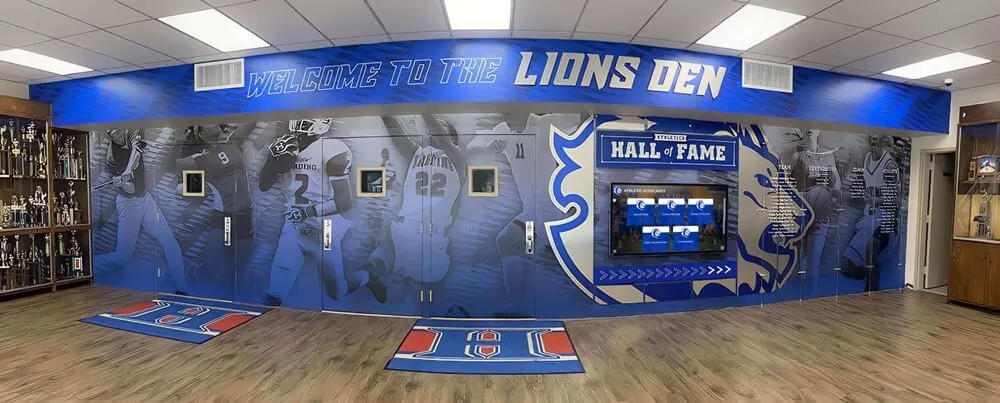
Dedicated Recognition Walls:
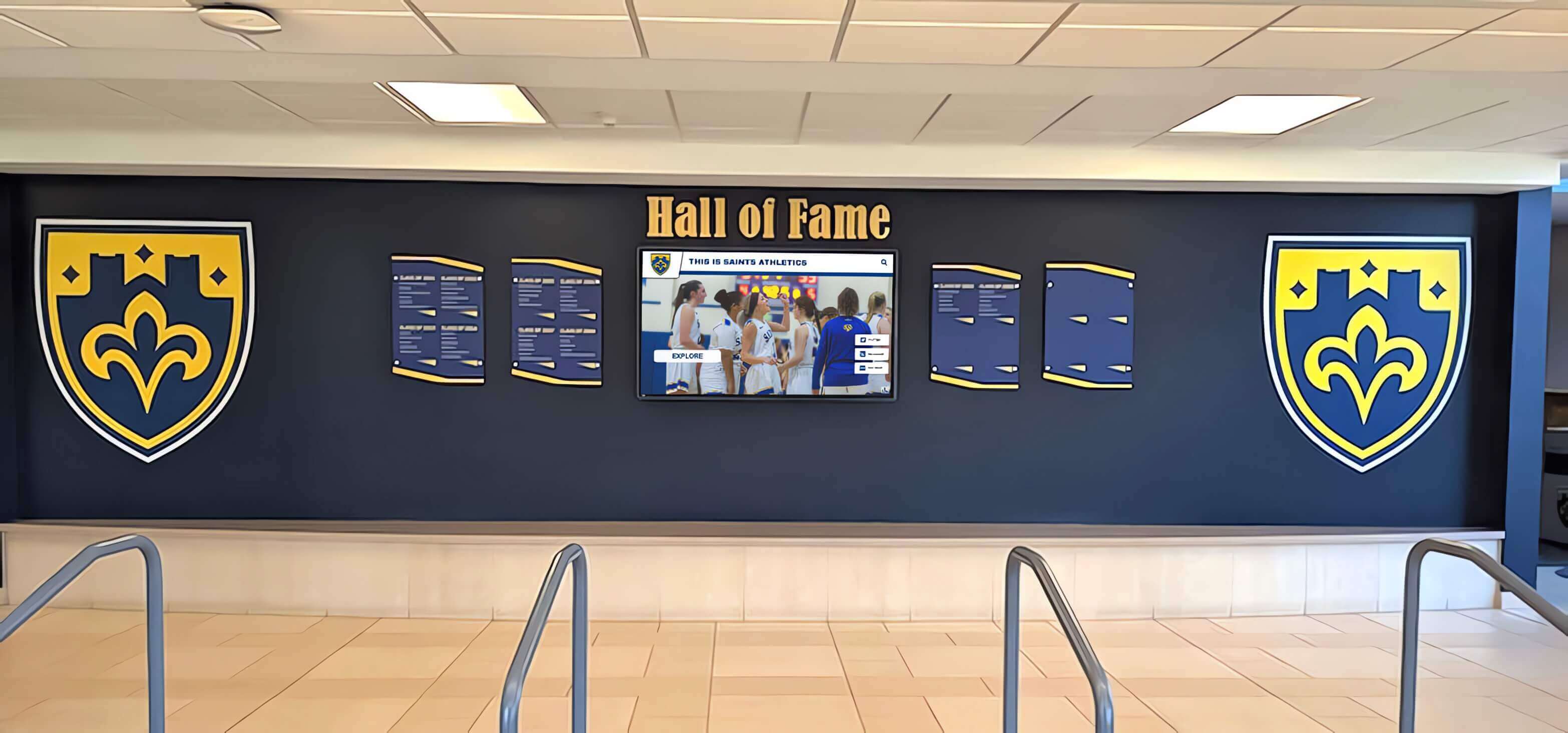
Consolidated displays in high-traffic locations create comprehensive exhibits:
Advantages:
- Centralized location establishing “retired numbers shrine”
- Ability to include multiple honorees in cohesive display
- Opportunity for extensive biographical content
- Flexible design incorporating school branding and aesthetics
- Permanent installation creating institutional landmark
- Photo opportunity location for recruits and visitors
Considerations:
- Higher initial investment ($5,000-15,000 for comprehensive wall)
- Professional design and installation requirements
- Commitment of premium wall space in visible location
- Future expansion planning as new jerseys retired
- Renovation or relocation complexity
- Potential obsolescence as aesthetics trends change
Recognition walls work particularly well in newly constructed or renovated facilities where integrated displays can be planned during design phases.
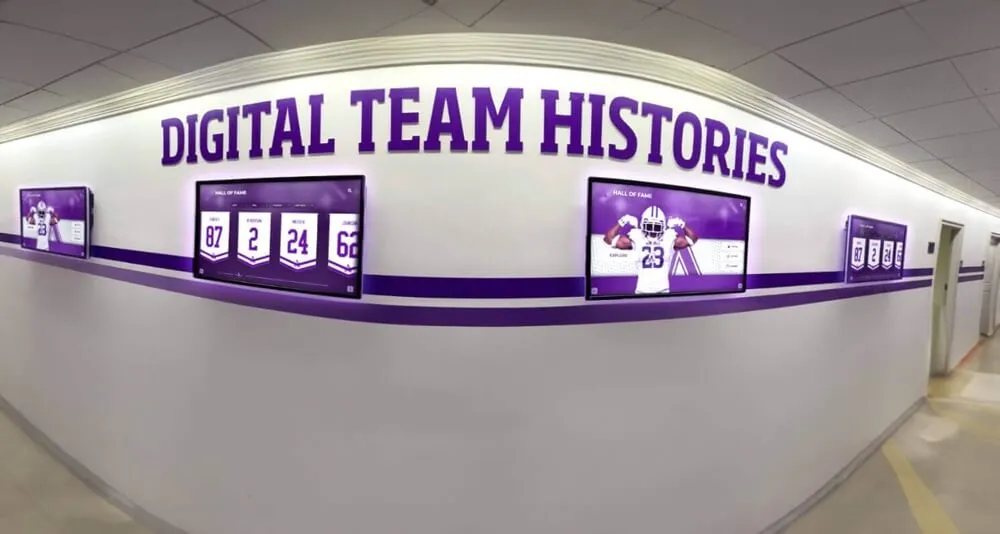
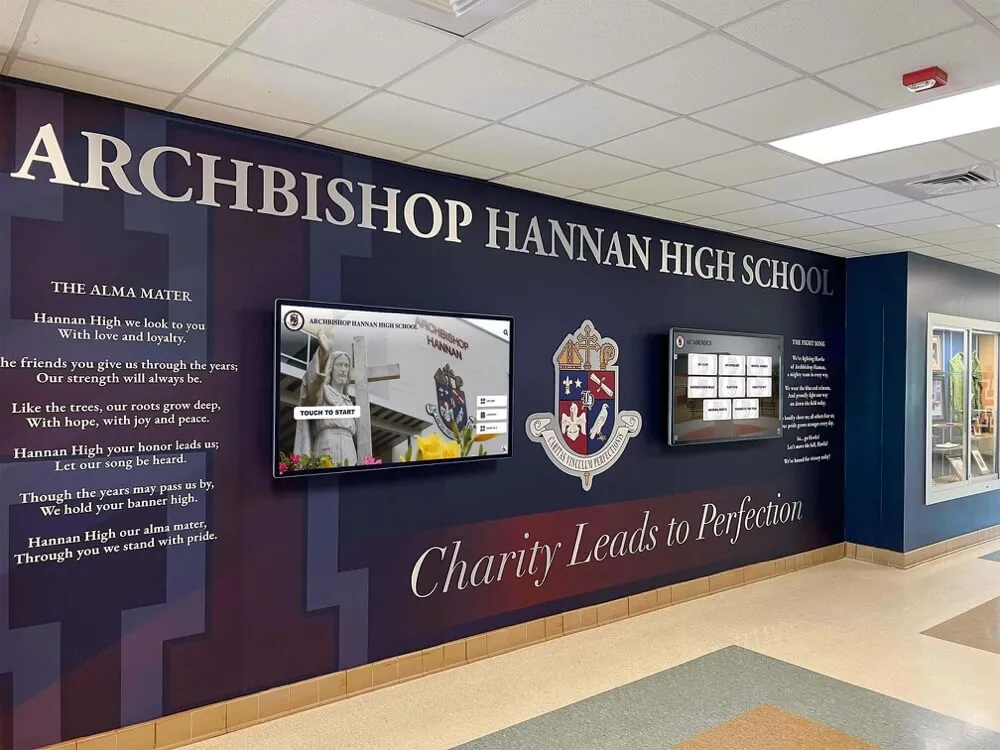
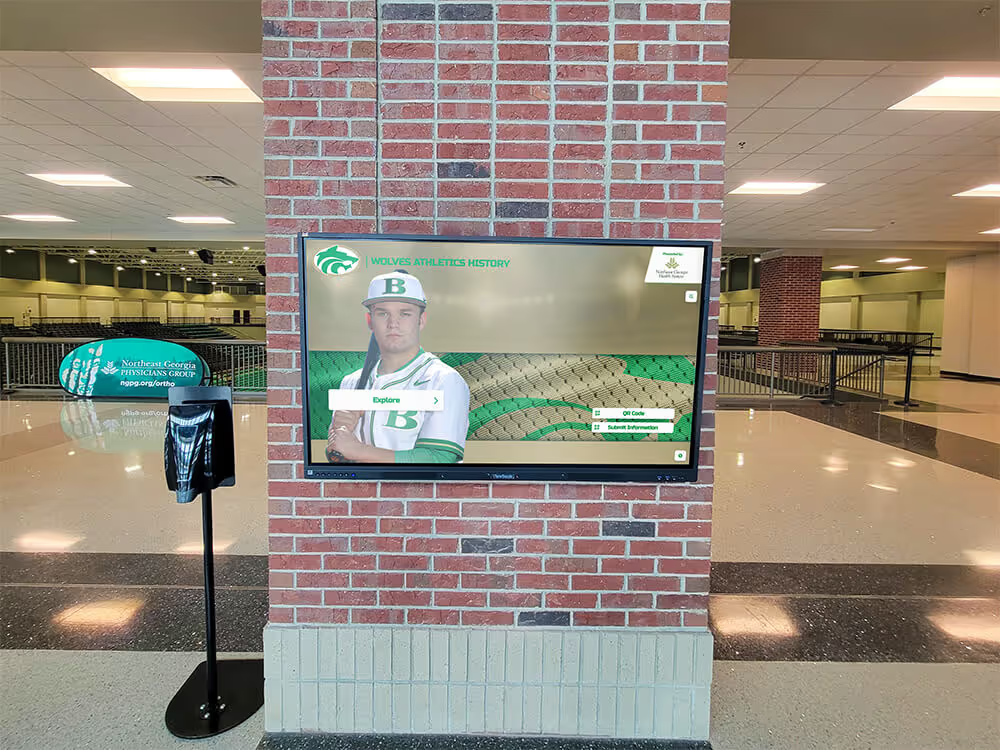
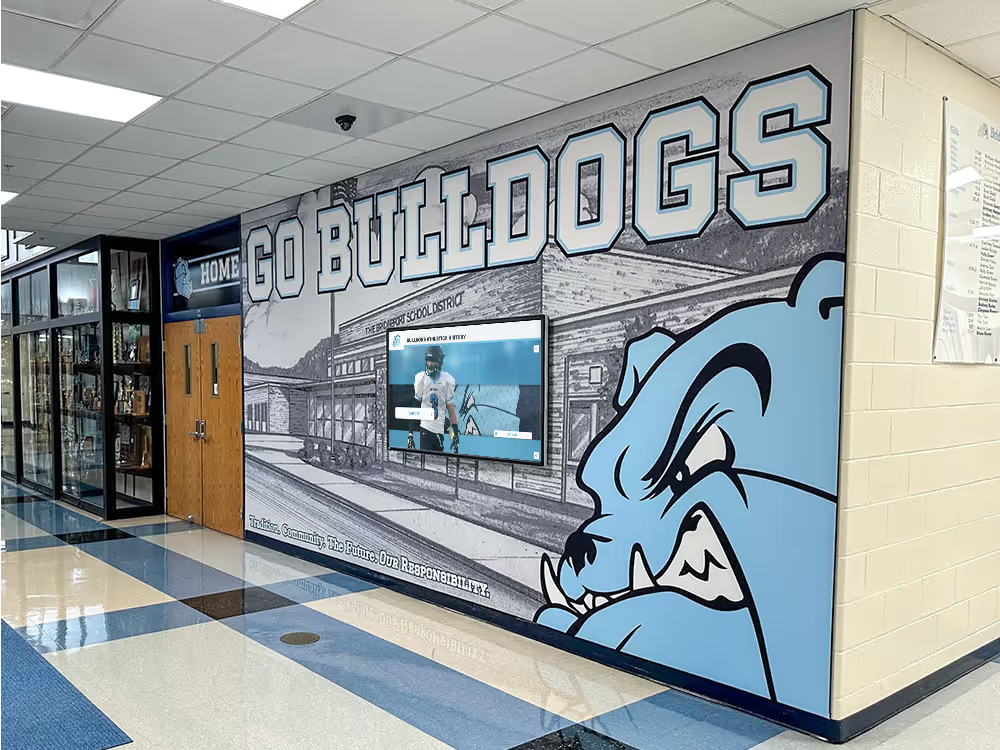
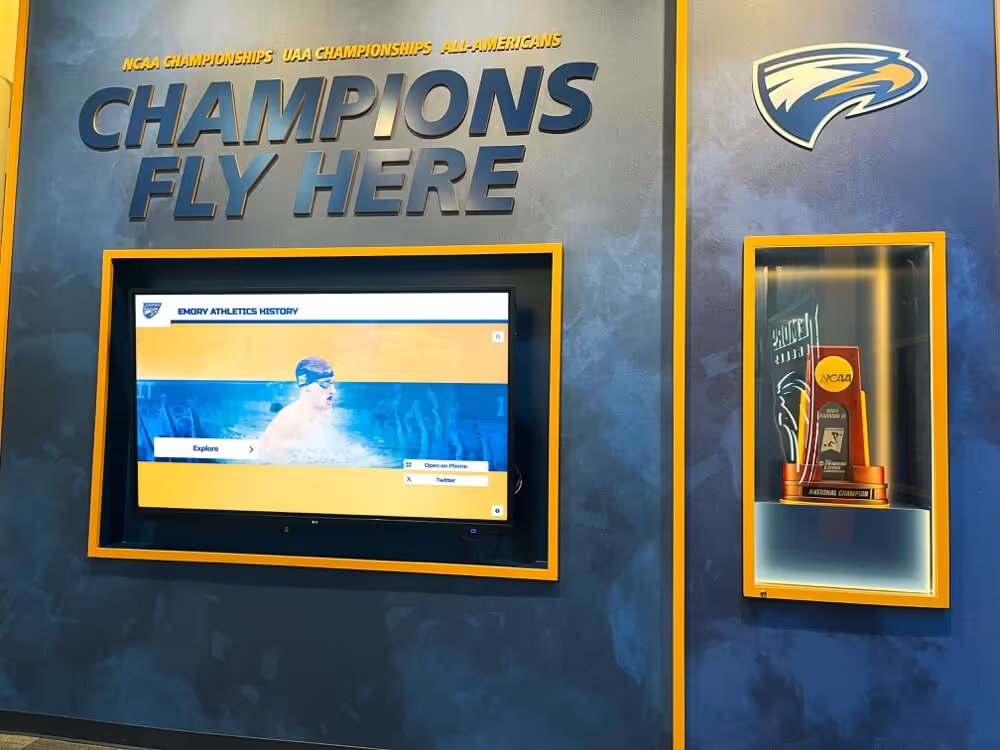
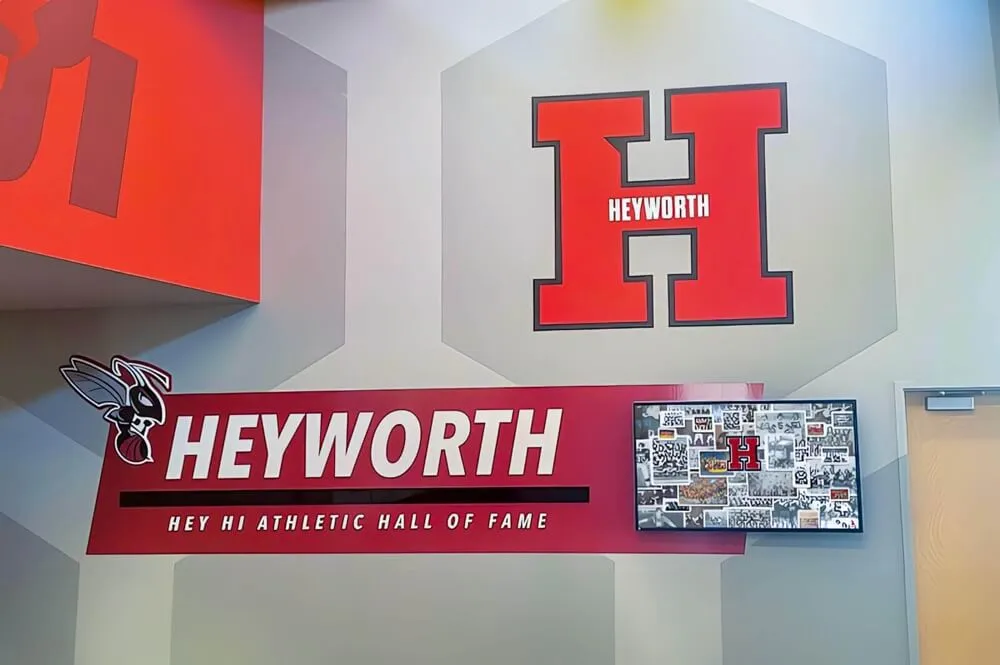
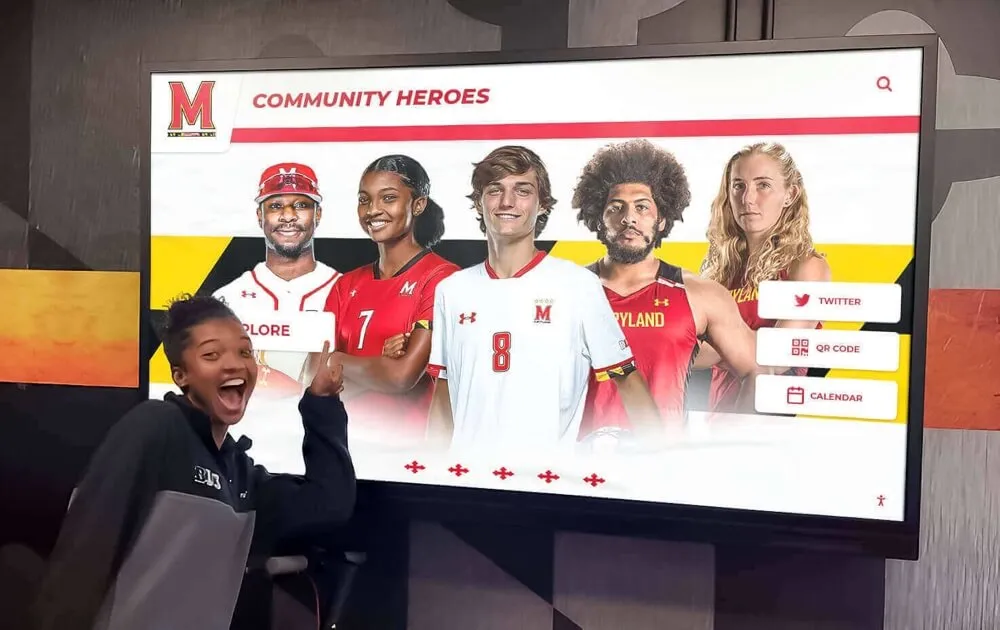
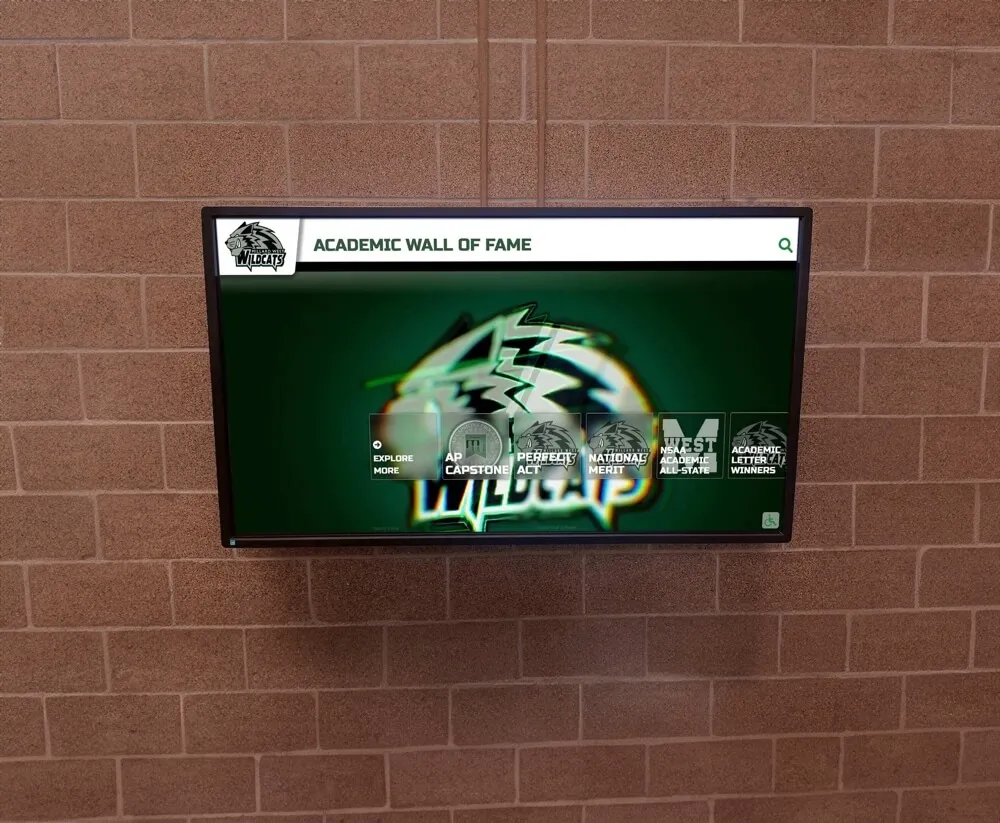
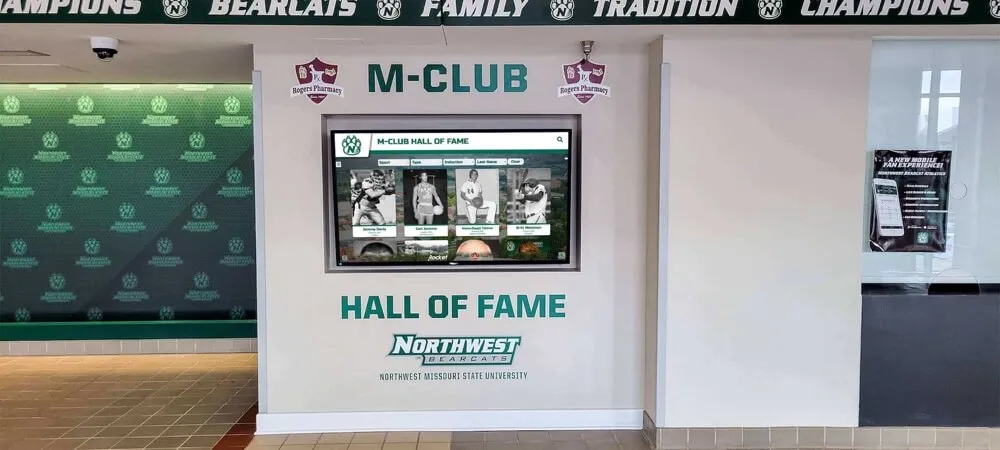
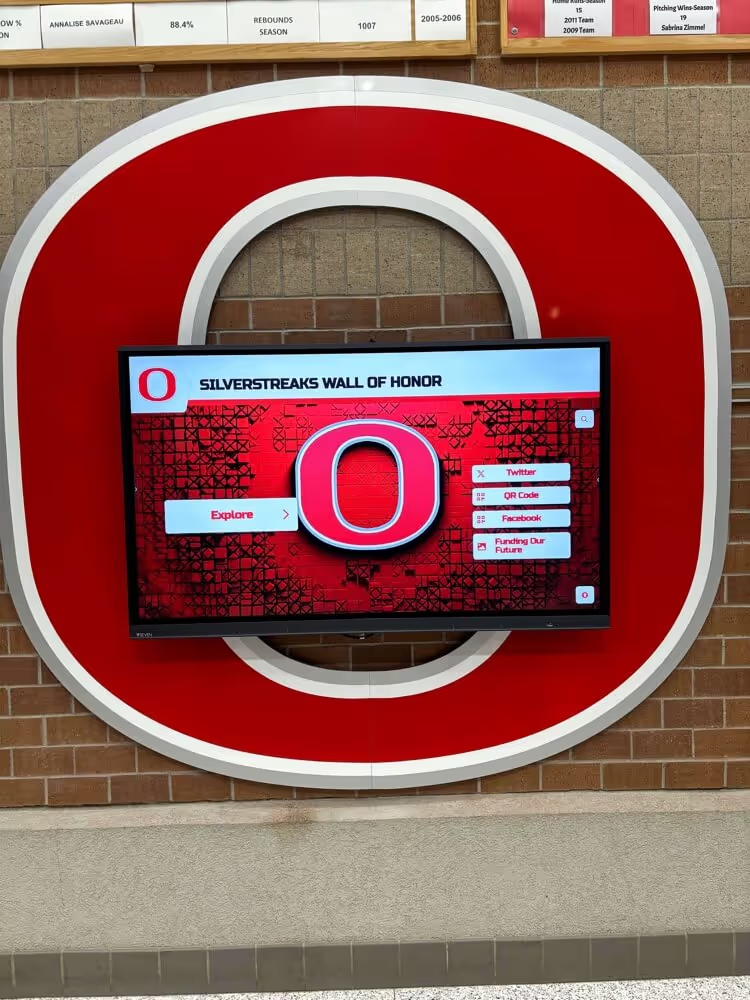
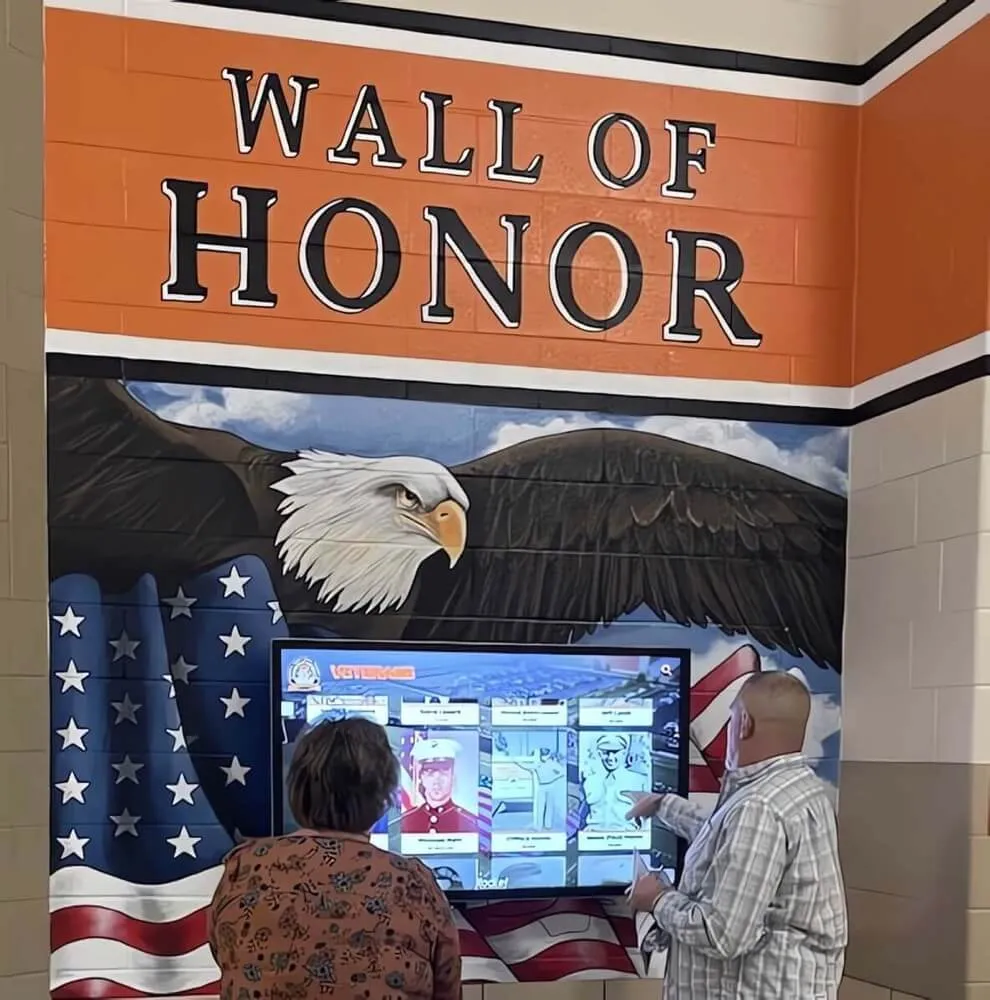
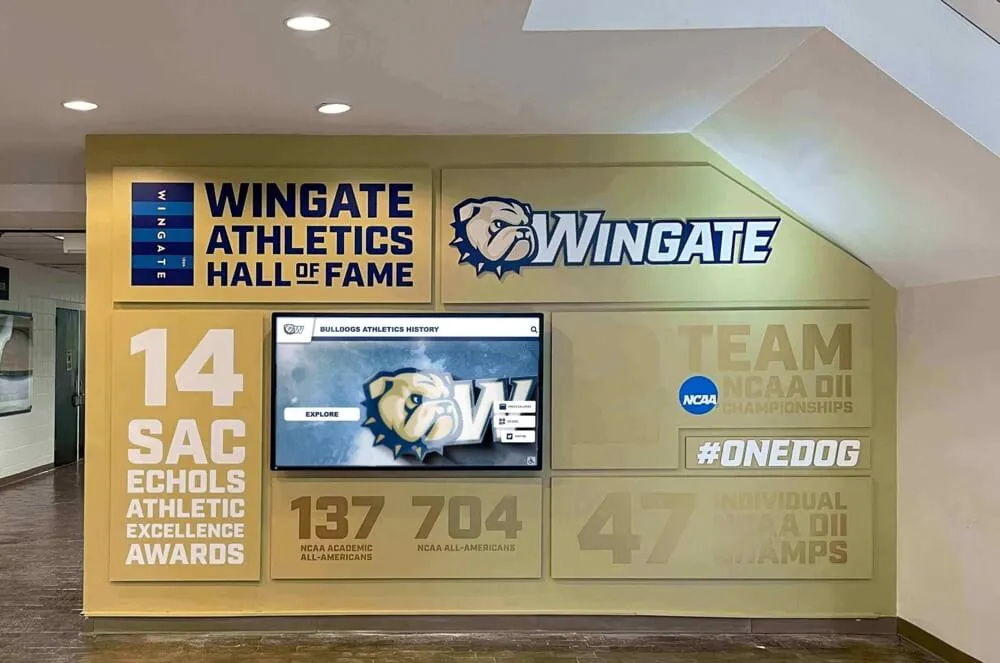
Digital Display Systems for Unlimited Recognition
Digital platforms overcome physical space limitations while adding multimedia capabilities:
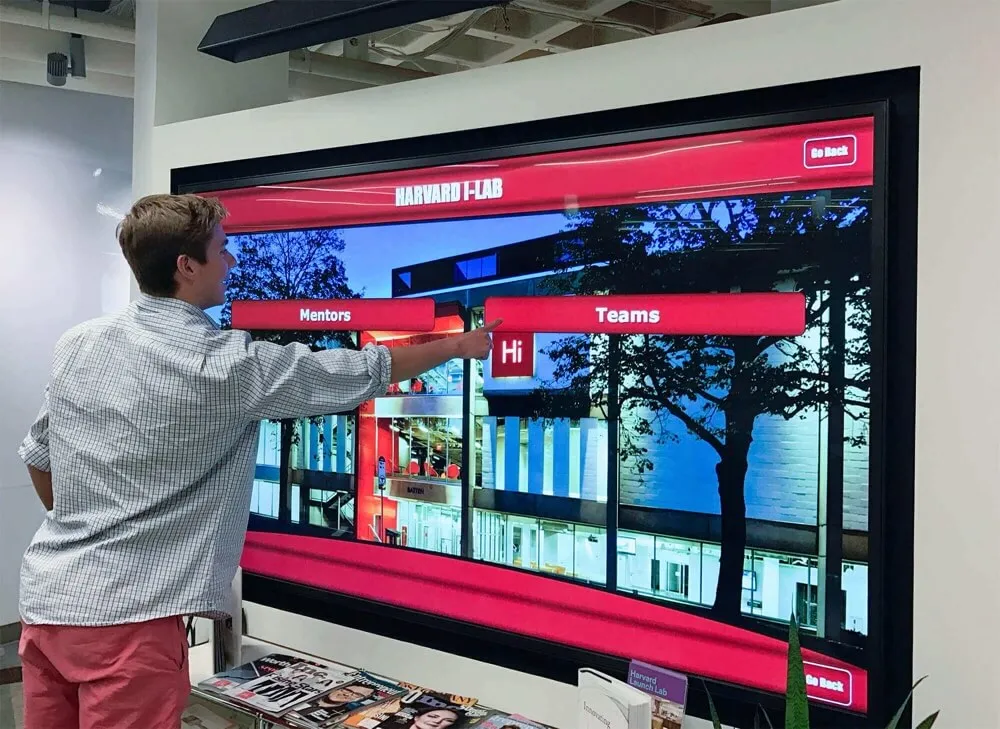
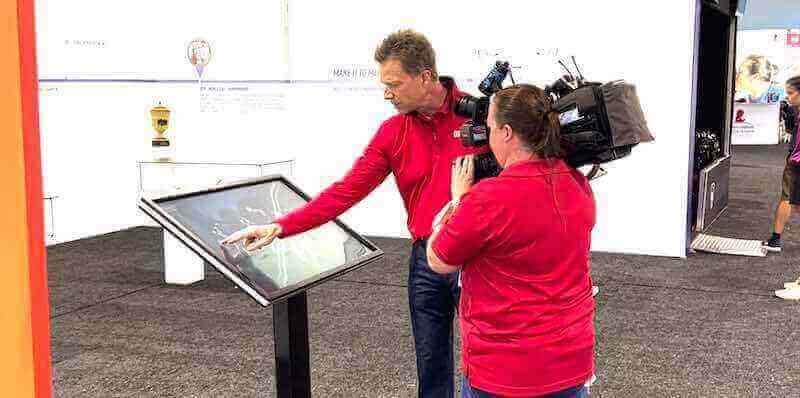
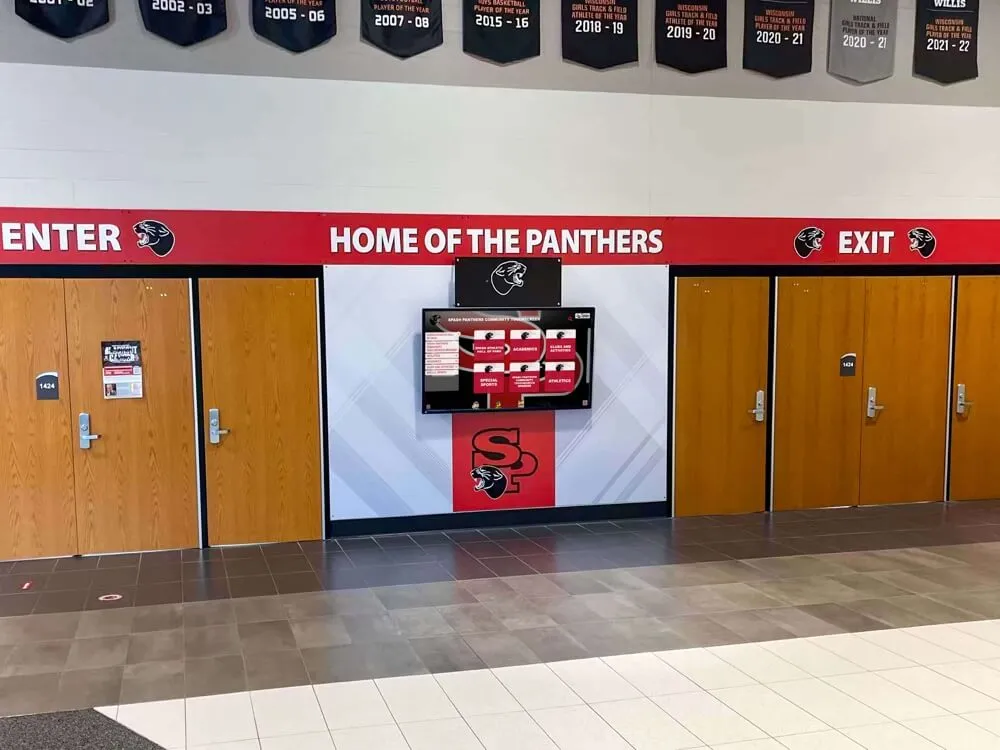
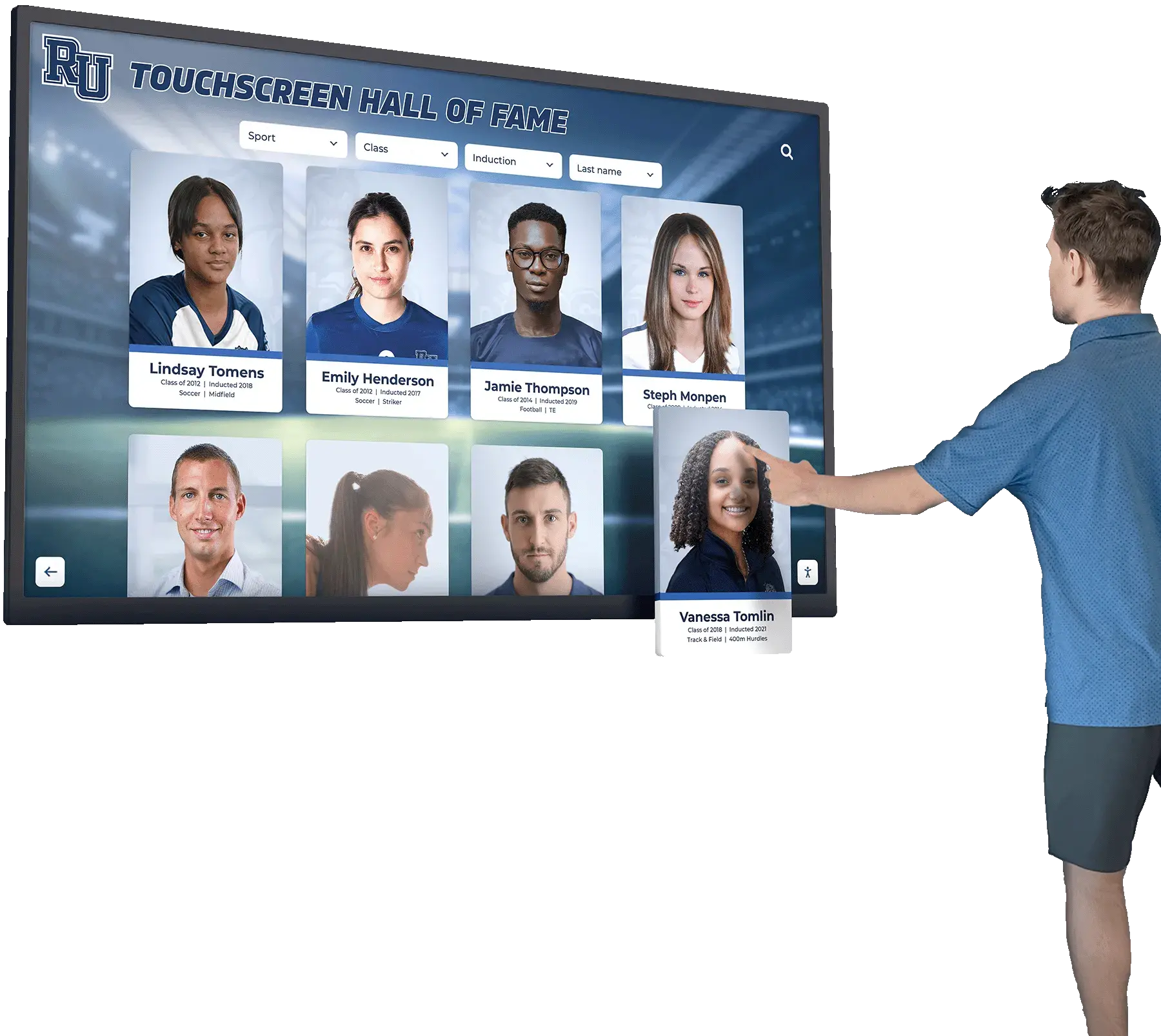
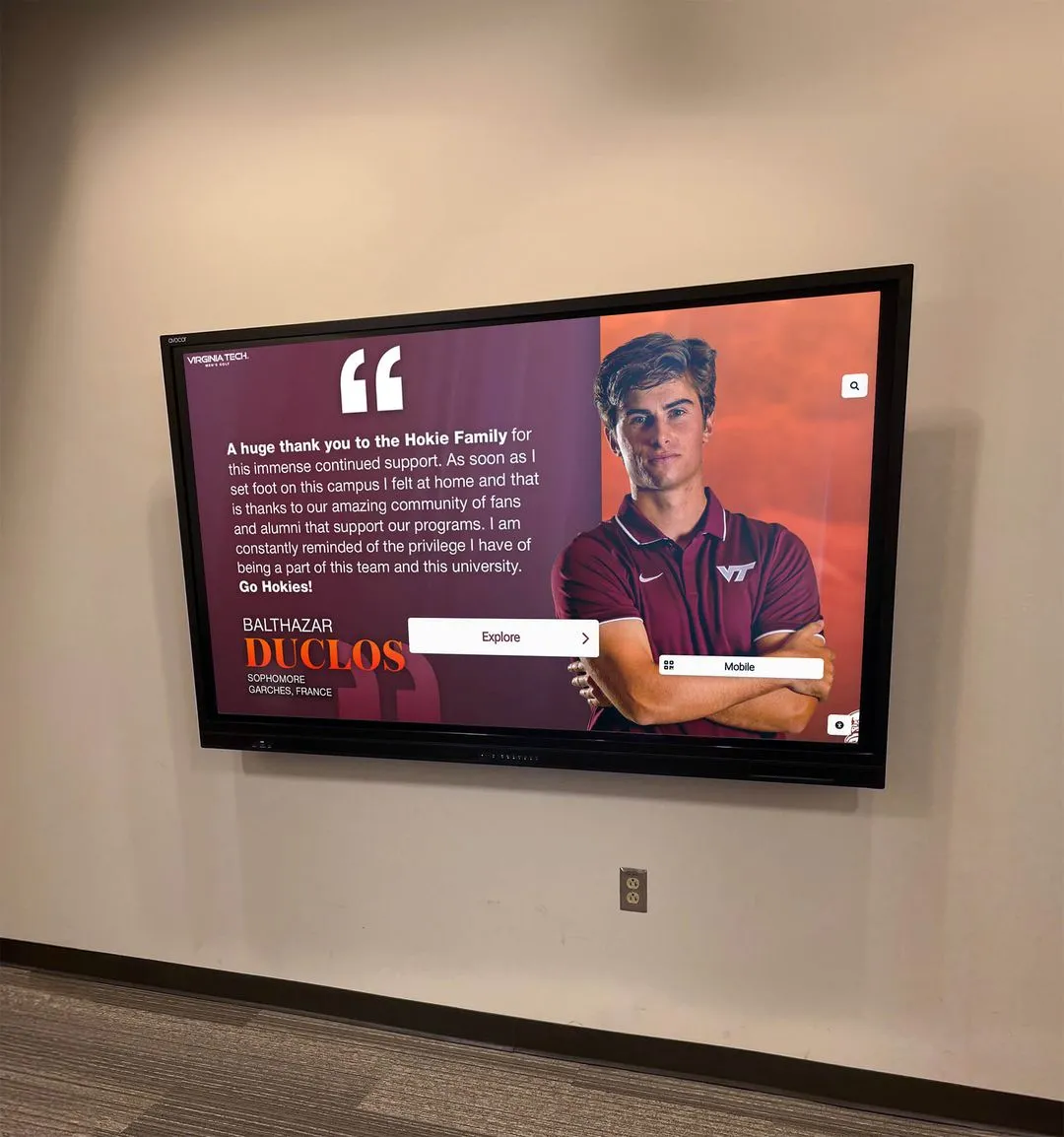
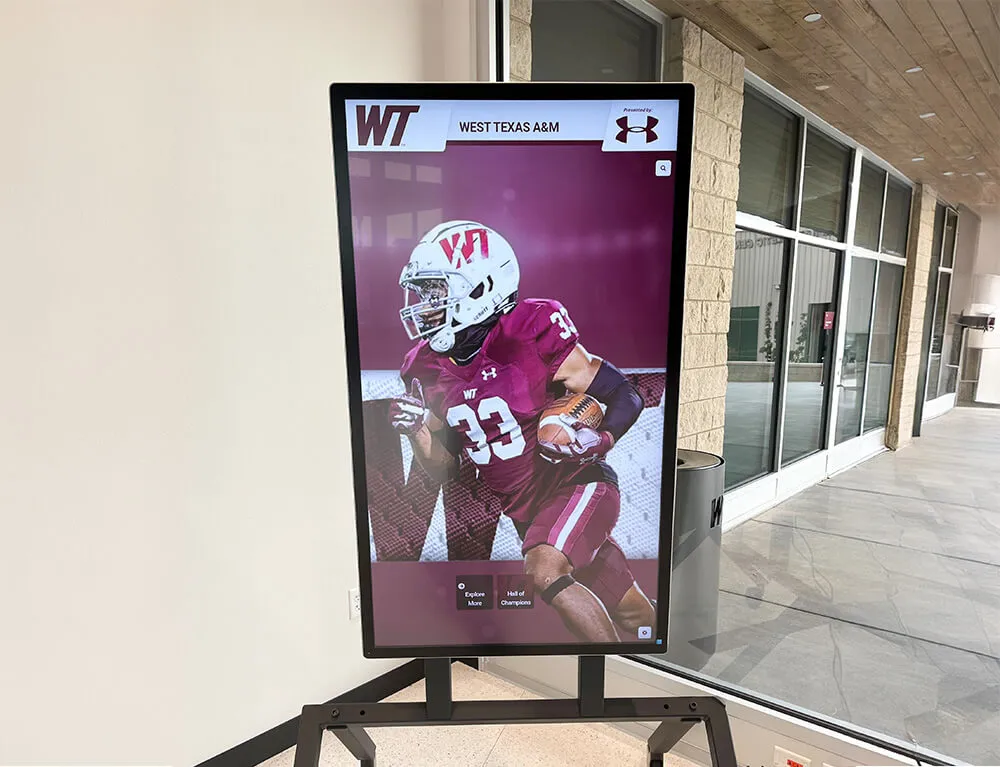
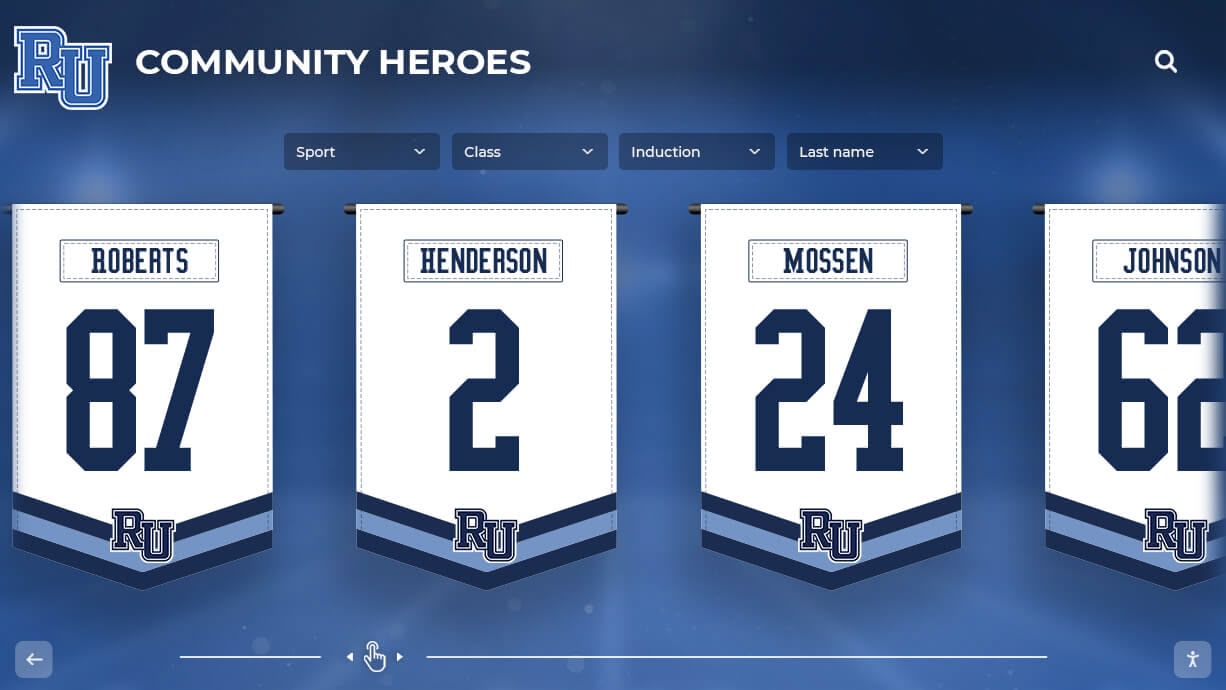
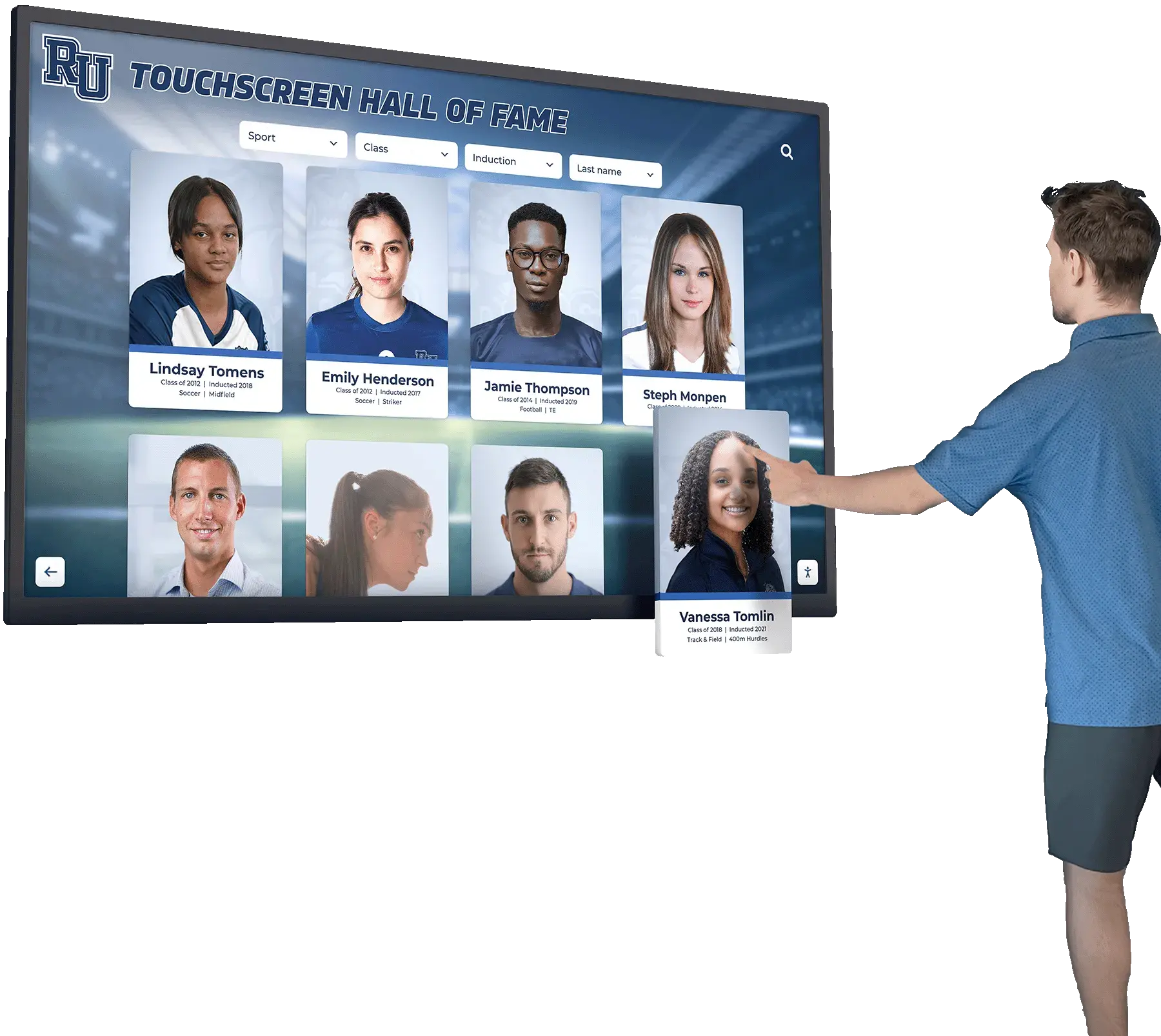
Interactive Touchscreen Recognition:
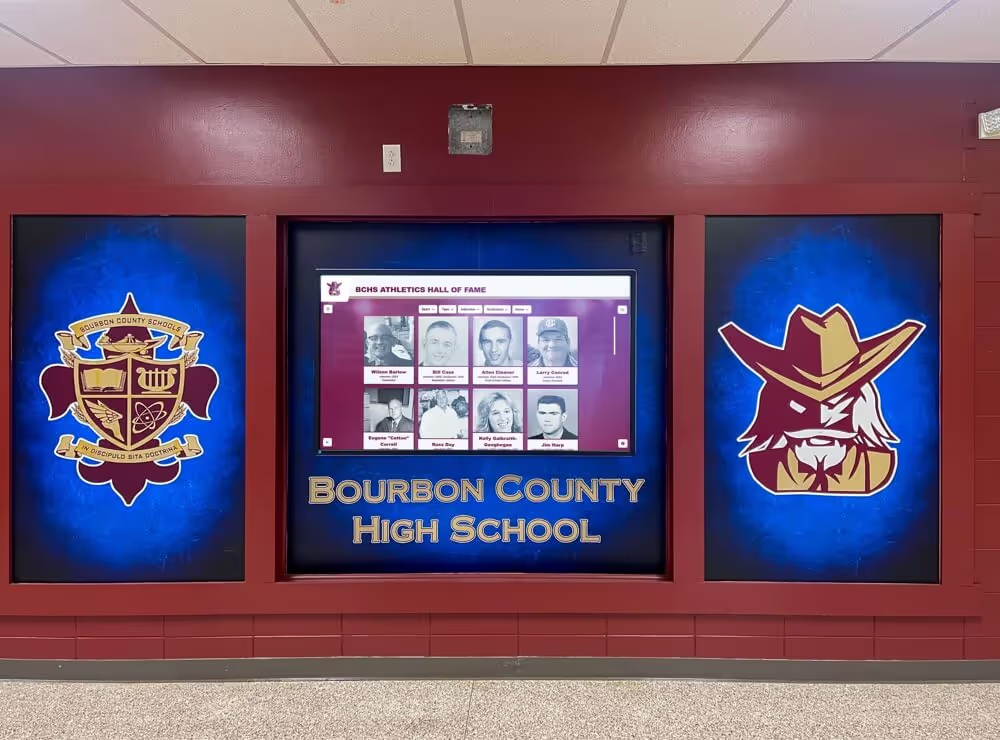
Large-format digital displays enable comprehensive, expandable recognition:
Advantages:
- Unlimited Capacity: No physical space constraints limiting total retired numbers
- Rich Multimedia: Video highlights, complete statistics, photo galleries, and biographical narratives
- Easy Updates: Content changes without physical reinstallation or production costs
- Searchable Database: Visitors can find specific athletes or browse chronologically
- Current Integration: Combine retired numbers with current rosters, records, and team information
- Analytics Tracking: Monitor visitor engagement and popular content
- Remote Accessibility: Online versions enable alumni viewing from anywhere
- Cost Efficiency: Lower long-term costs despite higher initial investment
Implementation:
- Single-screen installations: $5,000-8,000 for 55" touchscreen systems
- Multi-screen installations: $12,000-20,000 for comprehensive lobby displays
- Annual software and content management: $1,000-2,000
- Professional content development: $2,000-5,000 initial setup
- Hardware refresh every 7-10 years: $3,000-6,000
Digital systems particularly suit programs expecting numerous future retirements, space-constrained facilities, or schools prioritizing multimedia storytelling over traditional static displays.
Hybrid Physical-Digital Approaches:
Many programs combine traditional and digital elements maximizing both benefits:
Banner or Plaque + Digital Detail:
- Hanging banners or wall plaques provide traditional visible recognition
- QR codes on physical displays link to comprehensive digital profiles
- Digital displays in adjacent locations offer deep biographical content
- Physical elements satisfy tradition while digital provides depth
Rotating Physical Highlights:
- Featured retired number display cases highlighting one honoree monthly or quarterly
- Digital archive maintaining complete historical collection
- Regular rotation preventing staleness while managing space constraints
- Opportunity to coordinate with anniversaries or special events
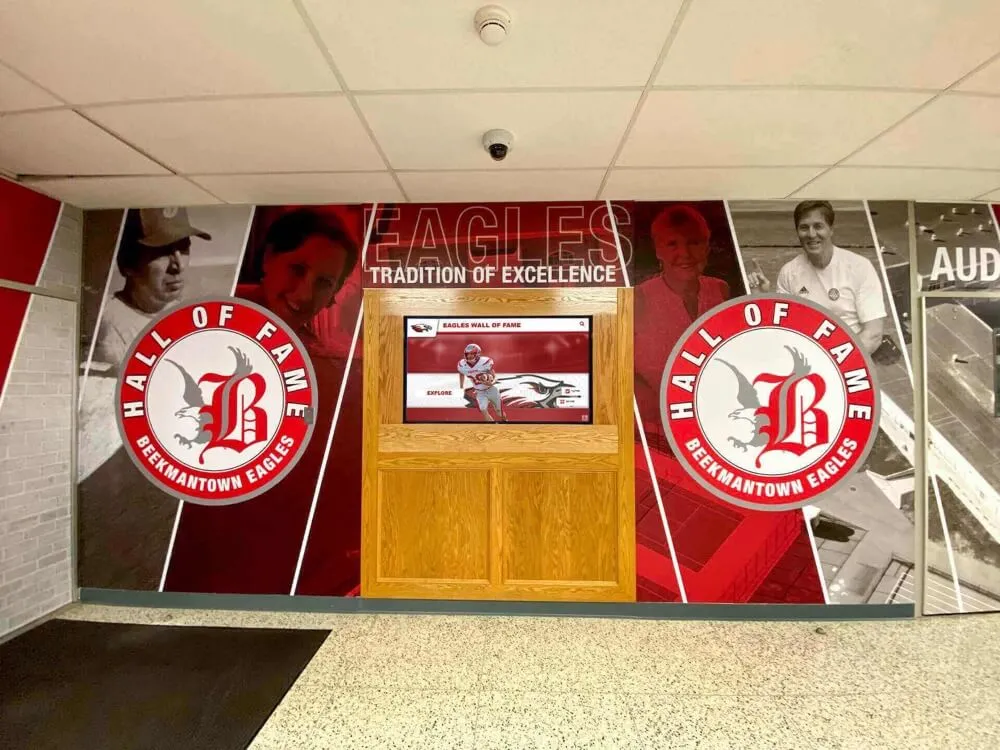
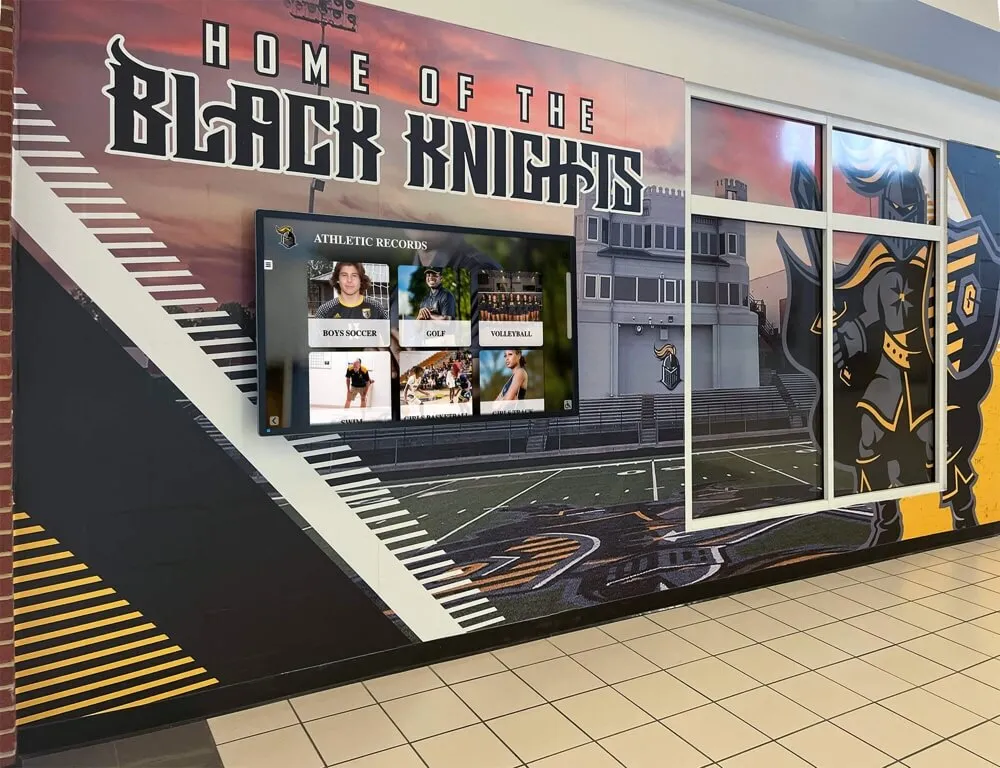
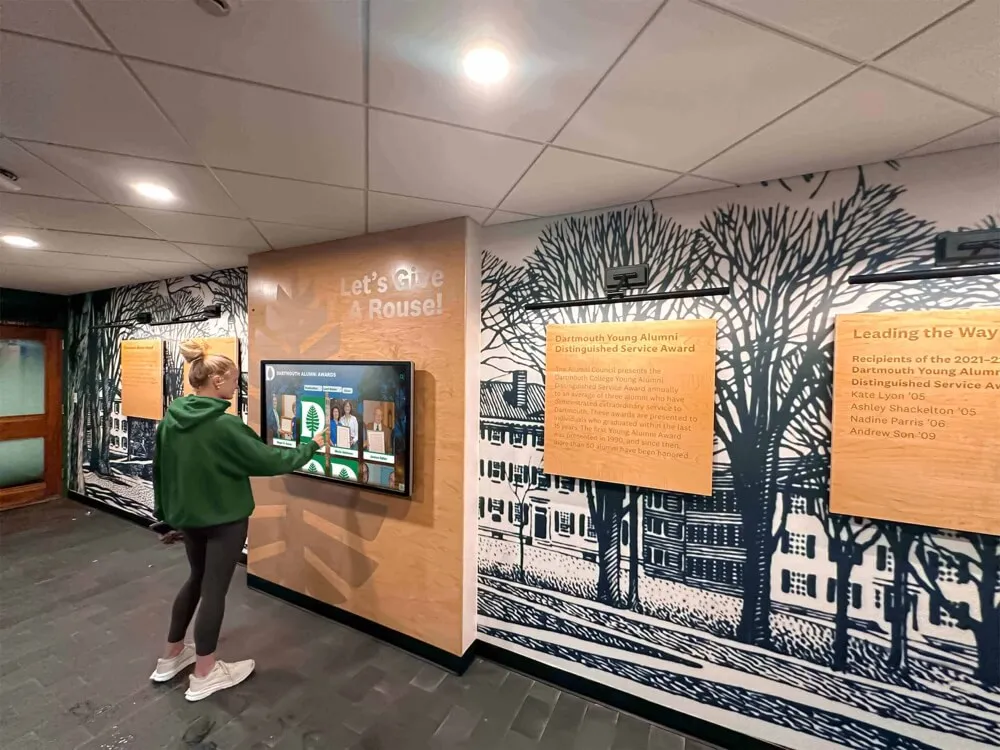
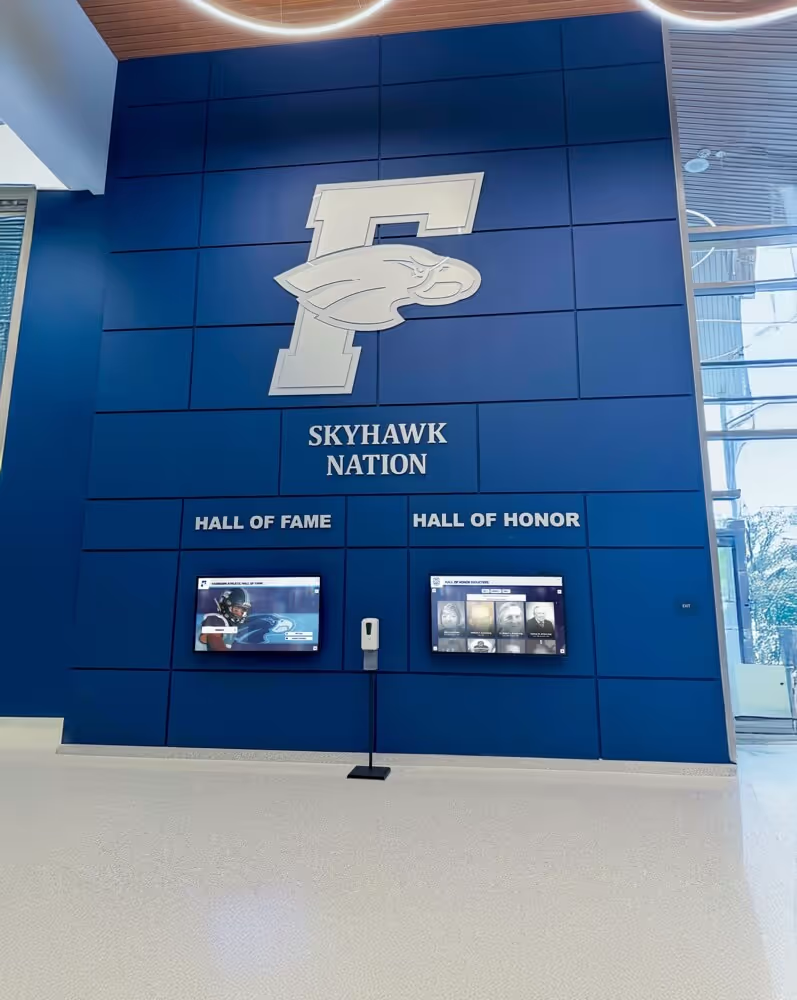
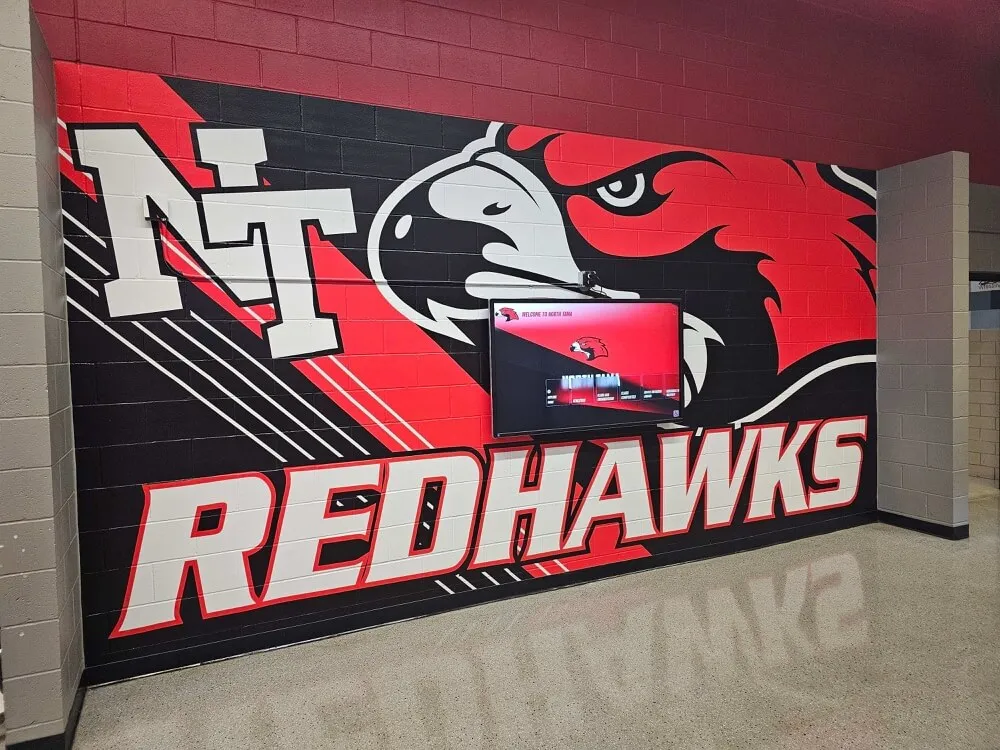
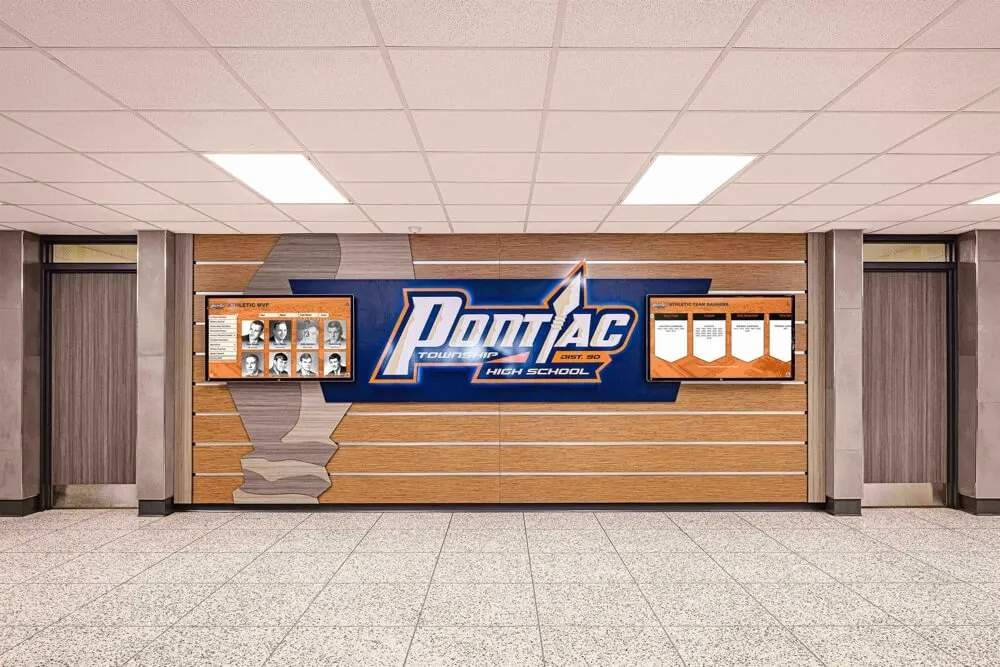
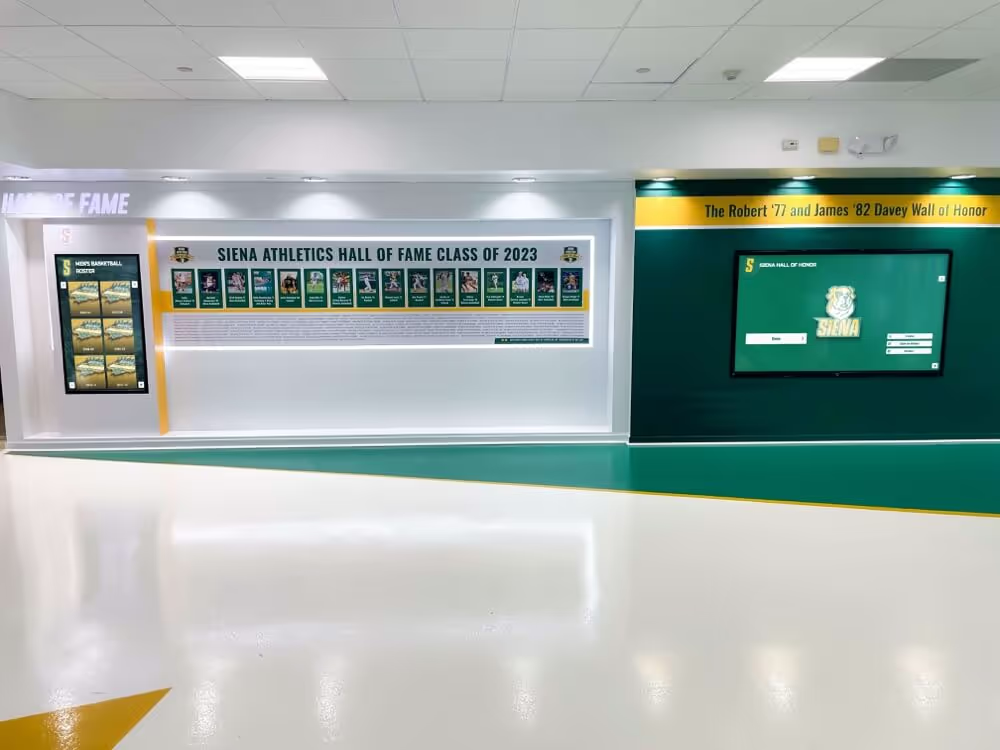
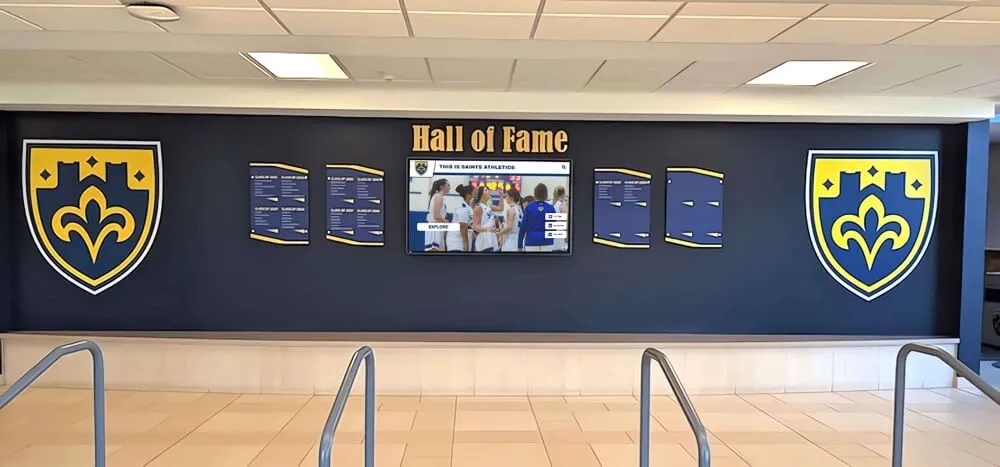
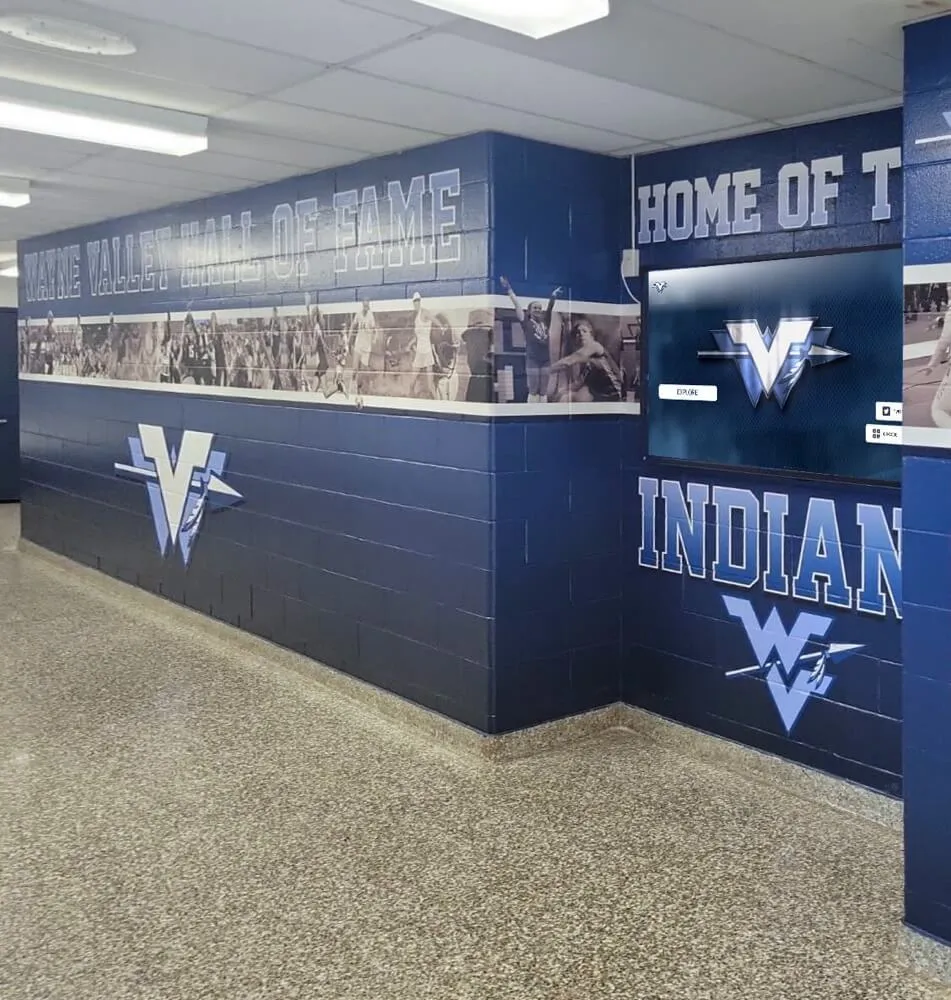
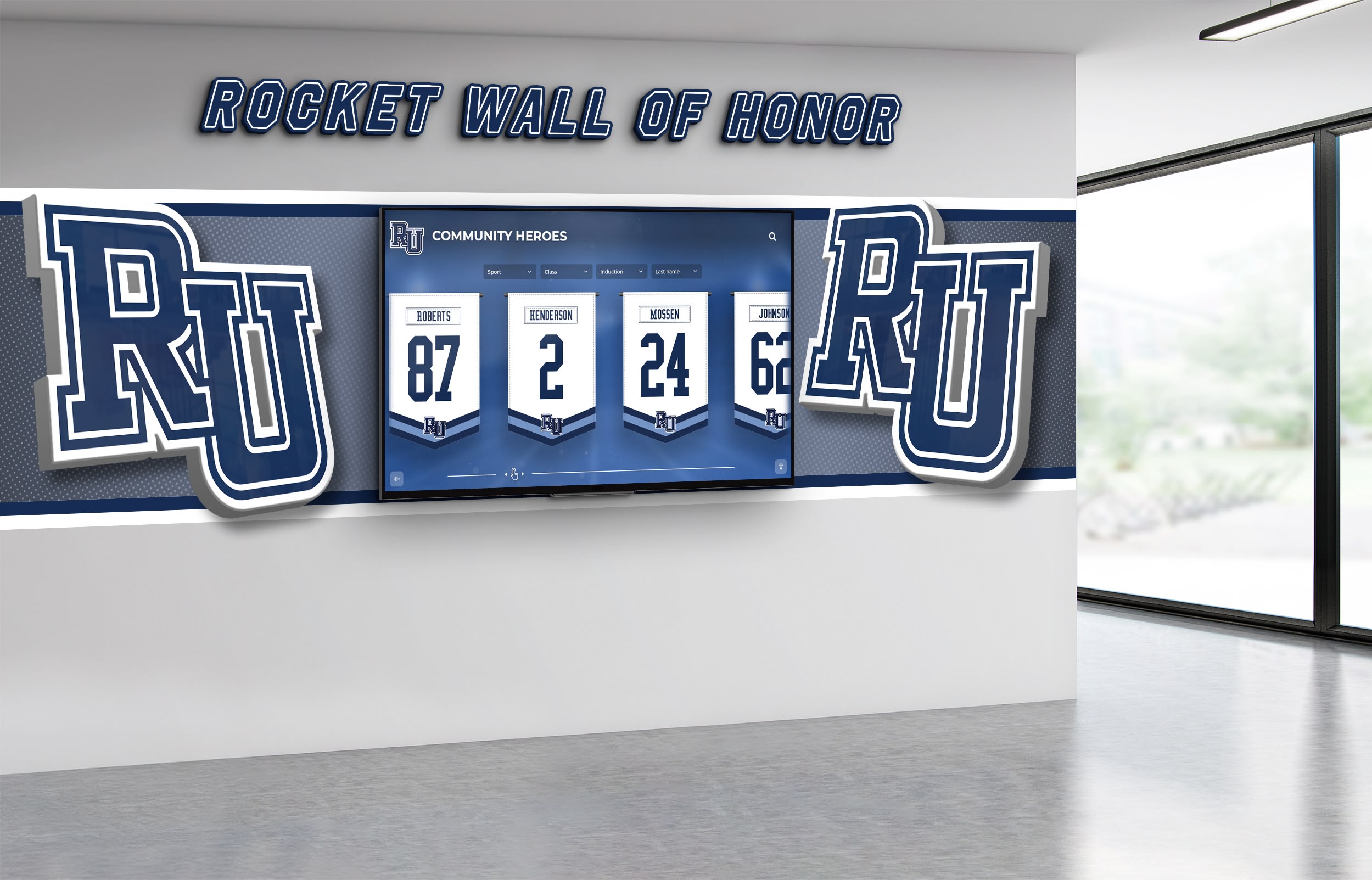
Blended Display Walls:
- Physical retired jersey displays integrated with digital screens
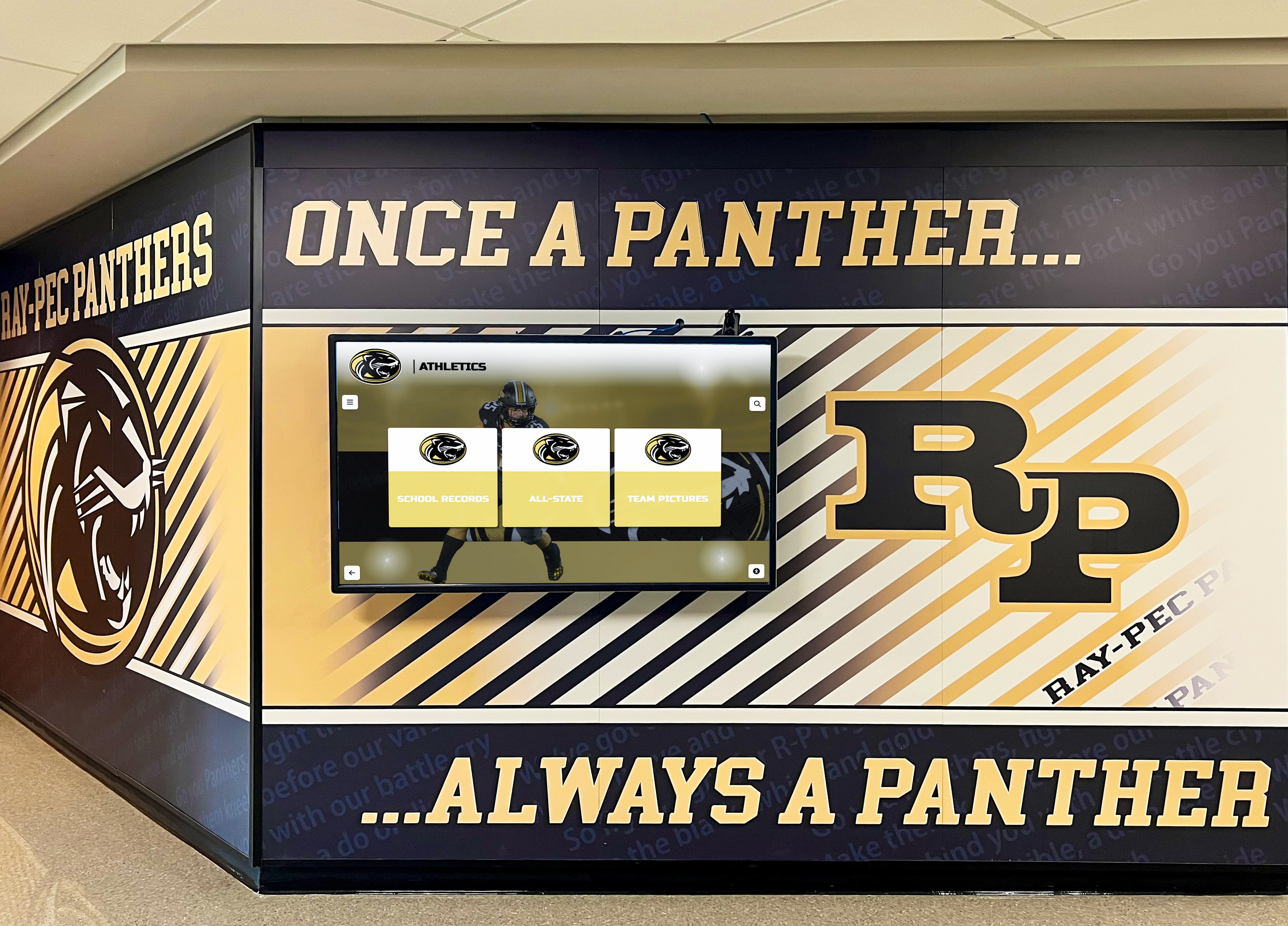
- Touchscreens embedded in traditional recognition wall designs
- Best-of-both aesthetics satisfying traditional and modern preferences
- Professional design creating cohesive rather than disjointed appearance
Hybrid approaches often provide optimal solutions balancing stakeholder preferences, budget constraints, and space limitations while maximizing recognition impact. Schools implementing these solutions often draw inspiration from senior night recognition programs that successfully blend traditional ceremonies with modern technology.
Display Location and Visibility Strategy
Strategic placement decisions determine recognition impact:
High-Impact Location Characteristics:
Optimal display locations share common features:
- High Traffic Volume: Areas where students, athletes, and visitors regularly pass
- Extended Dwell Time: Locations where people naturally pause rather than rush through
- Athletic Relevance: Proximity to competition venues, locker rooms, or training facilities
- Recruit Visibility: Locations included in campus tours and recruiting visit routes
- Community Access: Areas accessible during public events, games, and gatherings
- Lighting Quality: Natural or artificial lighting enabling clear visibility
- Security Considerations: Locations minimizing vandalism or theft risks
Common Optimal Locations:
Facilities typically offer several strong options:
- Main gymnasium lobbies before entering competition spaces
- Athletic hallways connecting locker rooms to competition venues
- School main entrances establishing immediate athletic pride visibility
- Trophy case areas already designated for recognition displays
- Dedicated athletic wings in comprehensive facilities
- Cafeterias or commons areas with high student traffic
Location selection should involve facilities managers, security personnel, and design professionals ensuring installations enhance rather than complicate building function and aesthetics.
Ceremony Budget and Funding Strategies
Realistic budgeting ensures professional execution without creating unsustainable financial burden:
Typical Ceremony Cost Components
Comprehensive budgets address all essential elements:
Material Production Costs:
- Framed jersey or hanging banner: $300-600
- Ceremony programs and printing: $150-400
- Biographical video production: $500-2,000
- Display case or installation (if applicable): $500-3,000
- Promotional posters and graphics: $100-300
Event Logistics Costs:
- Venue rental (if not using school facilities): $0-1,000
- Audio-visual equipment and operators: $200-800
- Photography and videography: $300-1,000
- Reception refreshments and catering: $300-1,000
- Decorations and event materials: $150-400
- Security or facilities staffing: $100-500
Total Typical Range: $2,000-9,000 per ceremony depending on production quality, honoree count, and existing resource availability.
Schools can reduce costs through volunteer contributions, booster club support, in-house production capabilities, and strategic material choices without compromising ceremony professionalism.
Sustainable Funding Models
Multiple funding sources prevent excessive burden on single budget lines:
Athletic Department Operating Budget:
- Line item allocation in annual athletic department budgets
- Typically funds 30-50% of ceremony costs
- Demonstrates institutional commitment to recognition
- Subject to budget pressures during challenging fiscal years
Booster Club Support:
- Dedicated recognition fund within booster club operations
- Sponsorship of specific ceremony elements
- Reception or hospitality funding
- Long-term sustainability through annual fundraising
Family and Honoree Contributions:
- Voluntary contributions for enhanced ceremony elements
- Purchase of additional programs or memorabilia
- Controversial if required rather than optional
- Appropriate for material keepsakes rather than core ceremony
Corporate Sponsorships:
- Local business support in exchange for program recognition
- Sponsor logos on printed materials and displays
- Event naming rights for major sponsors
- Multi-year sponsorship agreements providing planning certainty
Alumni Donations:
- Previous retired jersey honorees funding future ceremonies
- General alumni giving designated for athletic recognition
- Endowment funds generating ongoing ceremony support
- Legacy giving connected to athletic heritage preservation
Diversified funding reduces vulnerability to single source budget cuts while engaging multiple stakeholder groups in recognition programs, much like funding strategies for sports banquet events.

Best Practices and Common Pitfalls to Avoid
Learning from successful programs prevents costly mistakes:
Selection and Criteria Best Practices
Strong governance prevents long-term problems:
Maintain Exceptionally High Standards:
- Resist pressure to retire jerseys for merely very good athletes
- Remember that scarcity preserves honor significance
- Accept that some excellent athletes won’t meet retirement threshold
- Recognize that “no one retired this year” maintains credibility better than questionable selection
Document Clear Criteria and Apply Consistently:
- Written standards prevent case-by-case judgment appearing arbitrary
- Consistent application across sports, genders, and eras builds trust
- Transparent decision processes reduce controversy and suspicion
- Published criteria help potential honorees understand expectations
Balance Statistical Achievement with Character:
- Athletic excellence without character creates problematic recognition
- Character standards ensure honorees remain appropriate role models
- Post-graduation waiting periods enable character assessment
- Revocation policies address post-retirement conduct issues (rare but necessary)
Plan for Long-Term Program Sustainability:
- Calculate total potential retired numbers over decades
- Ensure criteria won’t exhaust available jersey numbers
- Consider sport-specific number pools and availability
- Establish procedures for posthumous retirement or special circumstances
Address Gender and Sport Equity Proactively:
- Monitor retirement patterns ensuring balanced recognition
- Account for historical participation differences in older eras
- Adapt criteria recognizing different sports’ competitive structures
- Prevent unconscious bias toward high-profile sports
Ceremony Execution Best Practices
Professional presentation enhances honoree experience:
Prioritize Honoree and Family Experience:
- Involve honorees in planning decisions affecting ceremony
- Accommodate family scheduling and participation preferences
- Provide adequate tickets for extended family and friends
- Create intimate pre-ceremony time for honoree and family
- Recognize that ceremony serves honoree first, audience second
Prepare Thoroughly and Rehearse:
- Script ceremony flow preventing awkward transitions
- Rehearse audio-visual cues and technical elements
- Prepare backup plans for technical failures
- Brief all participants on timing and logistics
- Practice pronunciation of names and biographical details
Capture Professional Documentation:
- Hire experienced photographer and videographer
- Coordinate media access and interview opportunities
- Create ceremony video for honoree and archives
- Collect high-quality images for future promotional use
- Share digital content quickly after ceremony through social media
Manage Ceremony Length Carefully:
- Keep total ceremony under 40 minutes preventing audience fatigue
- Edit videos and limit speakers to maintain engagement
- Save extended recognition for post-ceremony reception
- Remember that shorter often beats longer for memorable impact
Create Post-Ceremony Connection Opportunities:
- Host reception enabling honoree interaction with attendees
- Facilitate meet-and-greet with current athletes
- Provide memorabilia or programs as keepsakes
- Organize tours of updated facilities or display installations
- Foster ongoing honoree engagement with program
Display and Ongoing Recognition Best Practices
Permanent displays require long-term planning:
Choose Displays Matching Institutional Capacity:
- Select solutions your staff can maintain long-term
- Avoid technology requiring specialized technical expertise
- Plan maintenance schedules preventing deterioration
- Budget for periodic updates and refresh needs
- Consider vendor support availability for digital systems
Plan for Growth and Expansion:
- Design initial displays accommodating future retirements
- Avoid layouts requiring complete reinstallation for additions
- Digital systems naturally accommodate unlimited growth
- Physical displays should include expansion space or modular design
Integrate with Broader Recognition Programs:
- Connect retired numbers to hall of fame programs
- Include jersey retirement in comprehensive recognition displays
- Link to current team rosters and record boards
- Create cohesive athletic heritage narrative
Maintain and Refresh Regularly:
- Clean display surfaces and replace damaged materials
- Update digital content as new photos and information emerge
- Refresh physical displays showing wear or fading
- Coordinate maintenance with facilities management schedules
Leverage Recognition for Recruitment and Development:
- Include displays in recruiting visit itineraries
- Use retired numbers as inspiration for current athletes
- Feature honorees as mentors and program ambassadors
- Connect achievement standards to development programs
Strong ongoing management ensures retired jersey programs remain institutional assets rather than becoming neglected obligations, similar to comprehensive approaches for high school athletic recognition.
Building Jersey Retirement Traditions That Inspire Excellence
Retired jersey ceremonies create powerful traditions connecting past achievement to future aspiration when executed thoughtfully with clear criteria, professional presentation, and permanent recognition honoring exceptional contributions to athletic programs.
The most successful jersey retirement programs maintain exceptionally high selection standards ensuring the honor remains truly special, establish transparent governance processes building stakeholder confidence in selection integrity, create emotionally resonant ceremonies celebrating honorees while inspiring current athletes, implement sustainable display solutions matching institutional resources and technical capacity, and develop long-term funding models ensuring program continuity across budget cycles and administrative transitions.
Whether establishing jersey retirement traditions for the first time, revitalizing programs that have lost direction, or modernizing successful legacy recognition systems, athletic directors and administrators should invest adequate time in criterion development, governance structure creation, ceremony planning, display selection, and stakeholder engagement. The effort creates recognition traditions that strengthen program culture, motivate current athletes toward excellence, honor transformative contributors appropriately, and build community pride in athletic heritage spanning generations.
Ready to transform your athletic recognition program with professional digital display solutions that showcase retired jerseys, hall of fame inductees, championship teams, and current rosters in engaging, searchable formats that inspire athletes while preserving program history permanently? Discover how Rocket Alumni Solutions creates comprehensive touchscreen recognition systems designed specifically for schools and sports organizations seeking sustainable, impactful athletic recognition that honors the past while motivating future excellence.