



Key Takeaways
Discover what redshirt means in college sports, how the NCAA redshirt year works, eligibility rules, medical redshirt vs standard redshirt, and the strategic benefits for student-athletes building championship careers.
College sports recruiting conversations frequently reference “redshirt” status, yet many student-athletes, parents, and even high school coaches don’t fully understand what this critical eligibility designation actually means or how it shapes college athletic careers. The term gets mentioned during campus visits, appears in scholarship discussions, and influences roster decisions—but its strategic implications for athlete development, competitive readiness, and long-term achievement often remain unclear until athletes experience college athletics firsthand.
Understanding redshirt meaning matters tremendously for anyone navigating college sports recruitment and participation. The redshirt year represents far more than simply sitting out a season—it’s a strategic tool that championship programs use to maximize athlete development, extend competitive careers, manage roster composition, and ultimately produce the physically mature, technically skilled, and tactically prepared athletes whose achievements earn permanent recognition in institutional halls of fame and record books.
This comprehensive guide explains exactly what redshirt means in college sports, how NCAA eligibility rules govern redshirt years, the strategic benefits for athlete development, differences between standard redshirts and medical hardship situations, and how these extended college careers enable the sustained excellence that builds championship legacies and lasting athletic recognition.
Understanding Redshirt Meaning: Definition and Origins
The term “redshirt” carries specific meaning in American college athletics, representing a strategic approach to eligibility management that distinguishes college sports from professional athletics and international competitions.
What Redshirt Means in College Athletics
At its core, redshirt refers to a year when a college athlete maintains full team membership—practicing, training, and developing with their squad—but does not compete in official games or matches. By sitting out competition for one season while still participating in all other team activities, athletes preserve a year of athletic eligibility under NCAA rules.
The NCAA grants student-athletes five calendar years to complete four seasons of competition. This “five-to-play-four” rule creates the foundation for redshirting. Athletes who compete in official games during a particular academic year use one of their four eligible seasons. Athletes who practice but don’t compete preserve that eligibility year for future use, extending their college careers across the full five-year window.
During redshirt years, athletes remain fully integrated with their teams. They attend every practice, participate in strength and conditioning programs, study playbooks and game film, travel with teams to away competitions (though they don’t dress for games), and develop alongside competing teammates. The only restriction involves official competitive participation—redshirted athletes cannot compete in games that count toward conference standings, championships, or NCAA tournament selections.
Historical Origins of the Redshirt Term
The term “redshirt” emerged from practical uniform management traditions in college football programs during the mid-20th century. Teams issued red practice jerseys to players who wouldn’t compete in upcoming games, creating visual distinctions during practice sessions that helped coaches and players immediately identify who was available for game day and who was developing for future seasons.
Red became the conventional color because it contrasted clearly with team colors, stood out visually in practice settings, and created obvious differentiation from competition jerseys. As the practice spread across programs and sports, “redshirt” evolved from describing literal red practice jerseys into standardized terminology for the eligibility preservation strategy itself.
Today, athletes rarely wear actual red jerseys to indicate redshirt status—modern programs use various practice uniform systems. However, the terminology persists throughout college athletics as the universal designation for athletes sitting out competition while preserving eligibility. Sports information departments list redshirted athletes in rosters with specific notation, media guides explain redshirt designations, and the term appears throughout recruiting, eligibility management, and athletic communications across all NCAA divisions and sports.
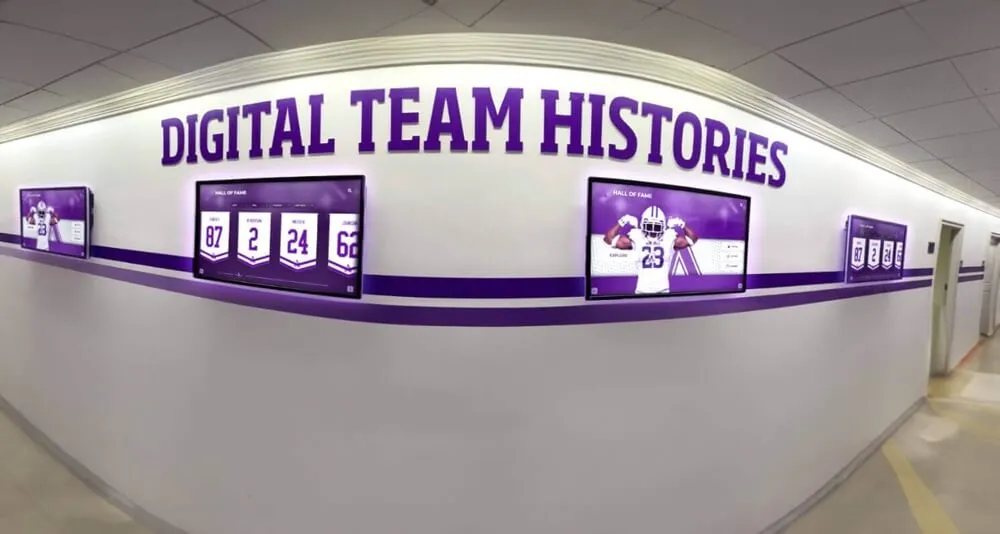
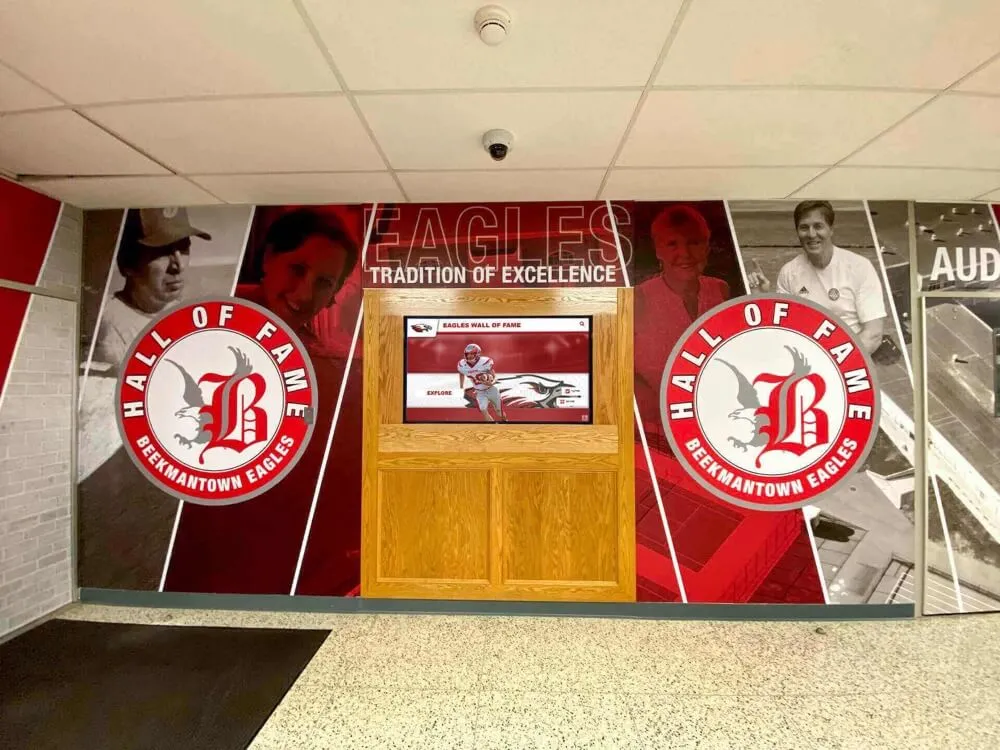
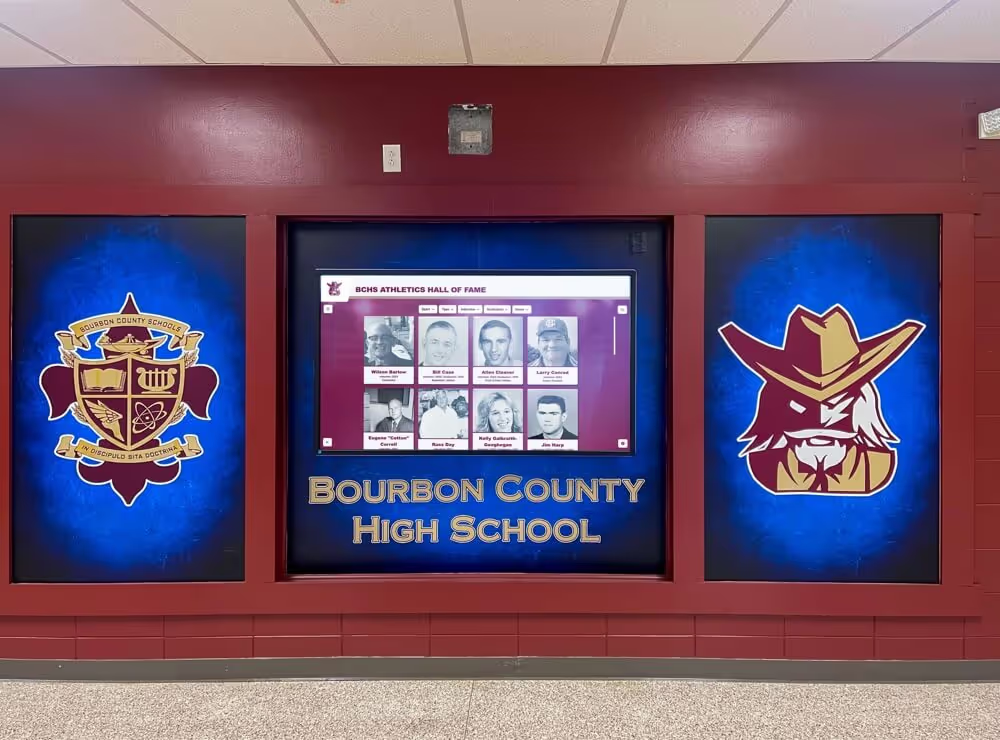
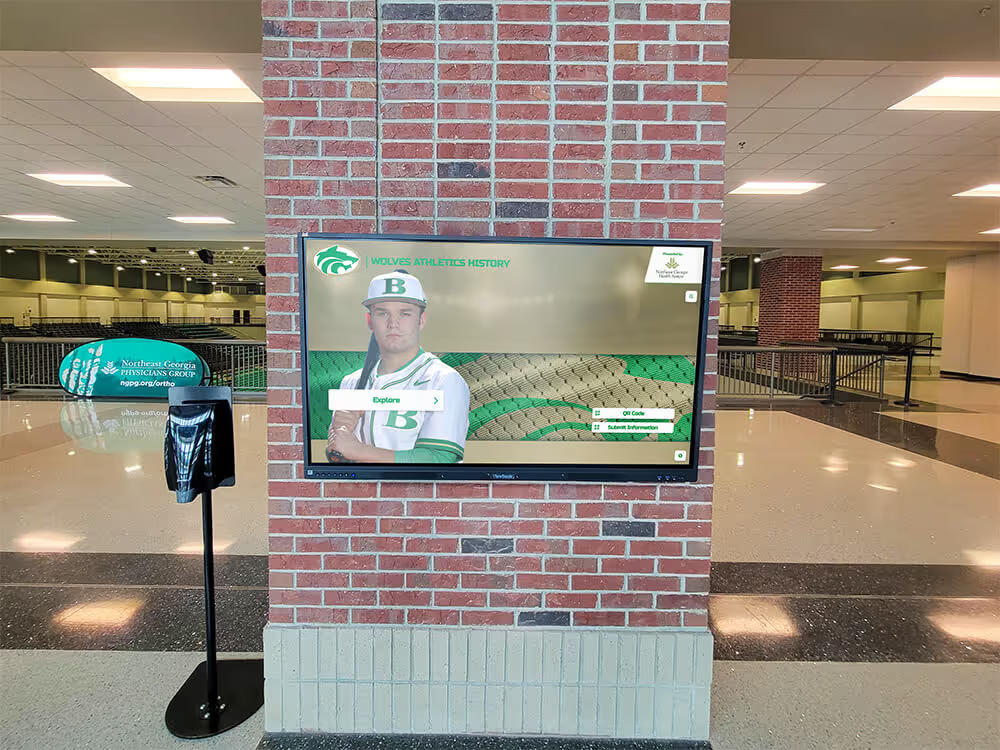
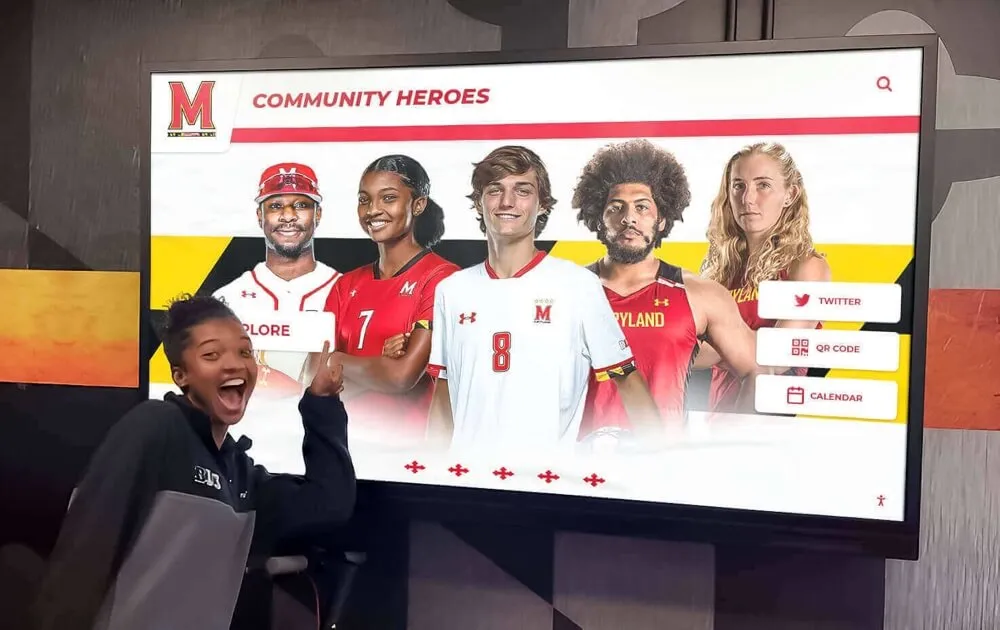
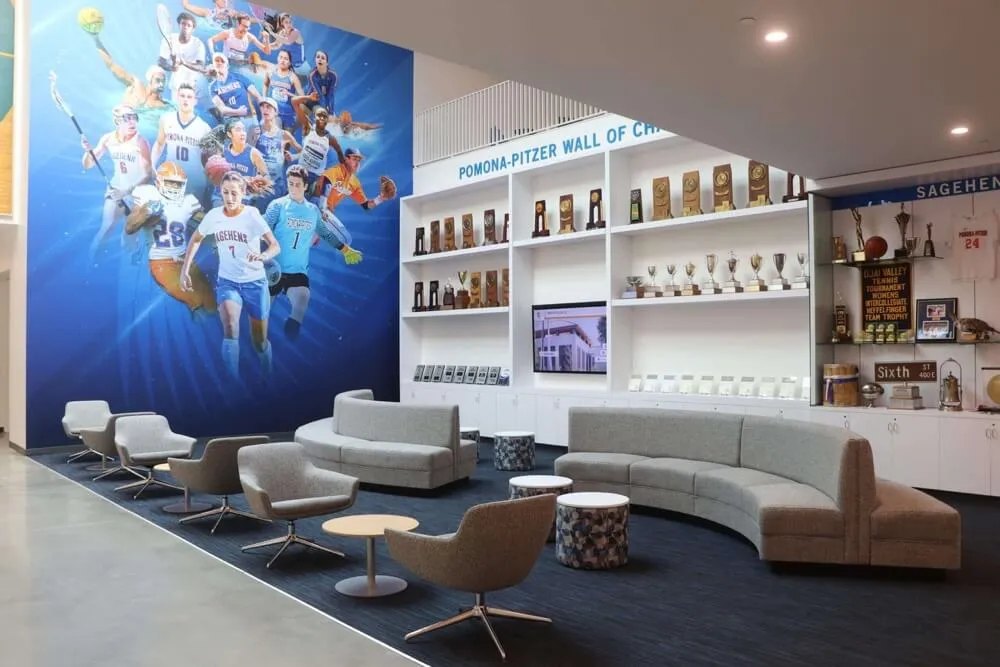
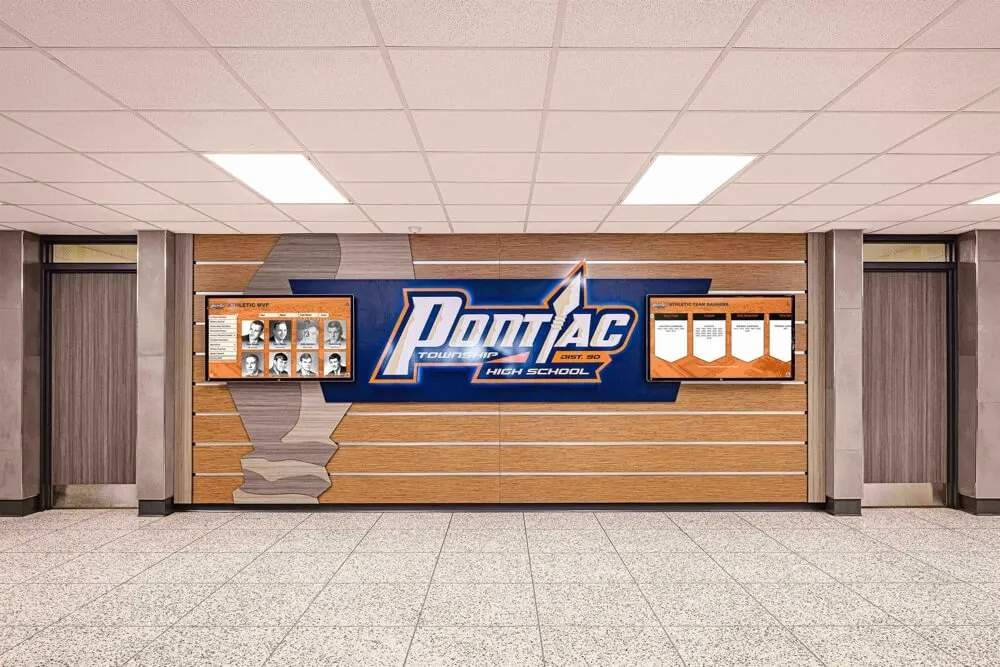
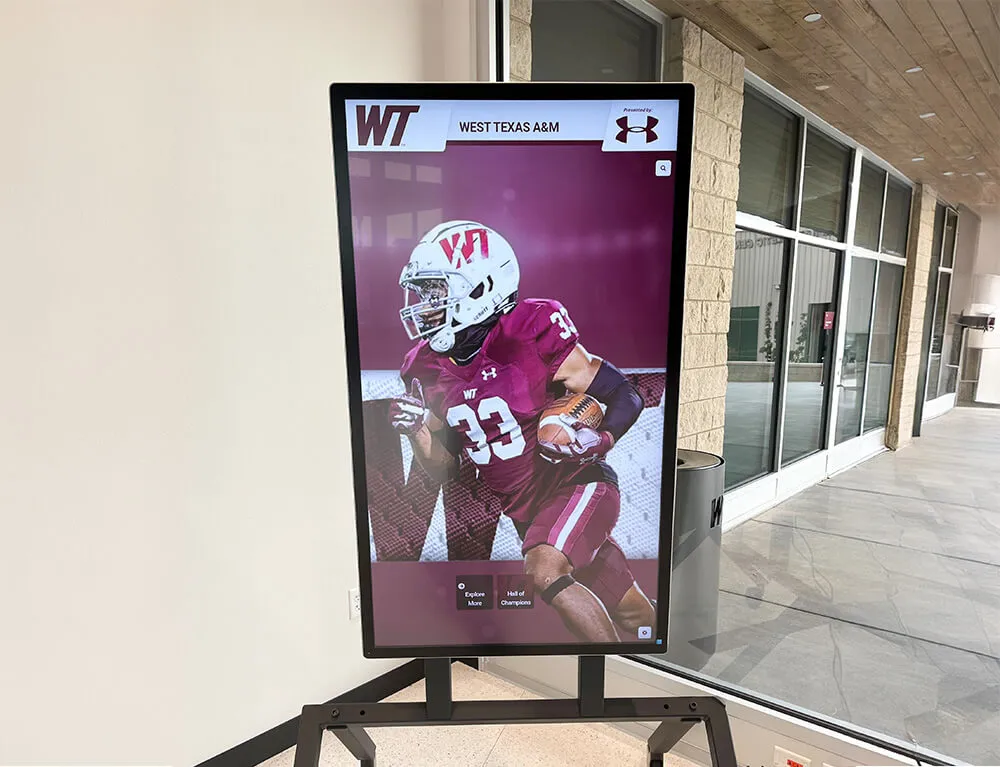
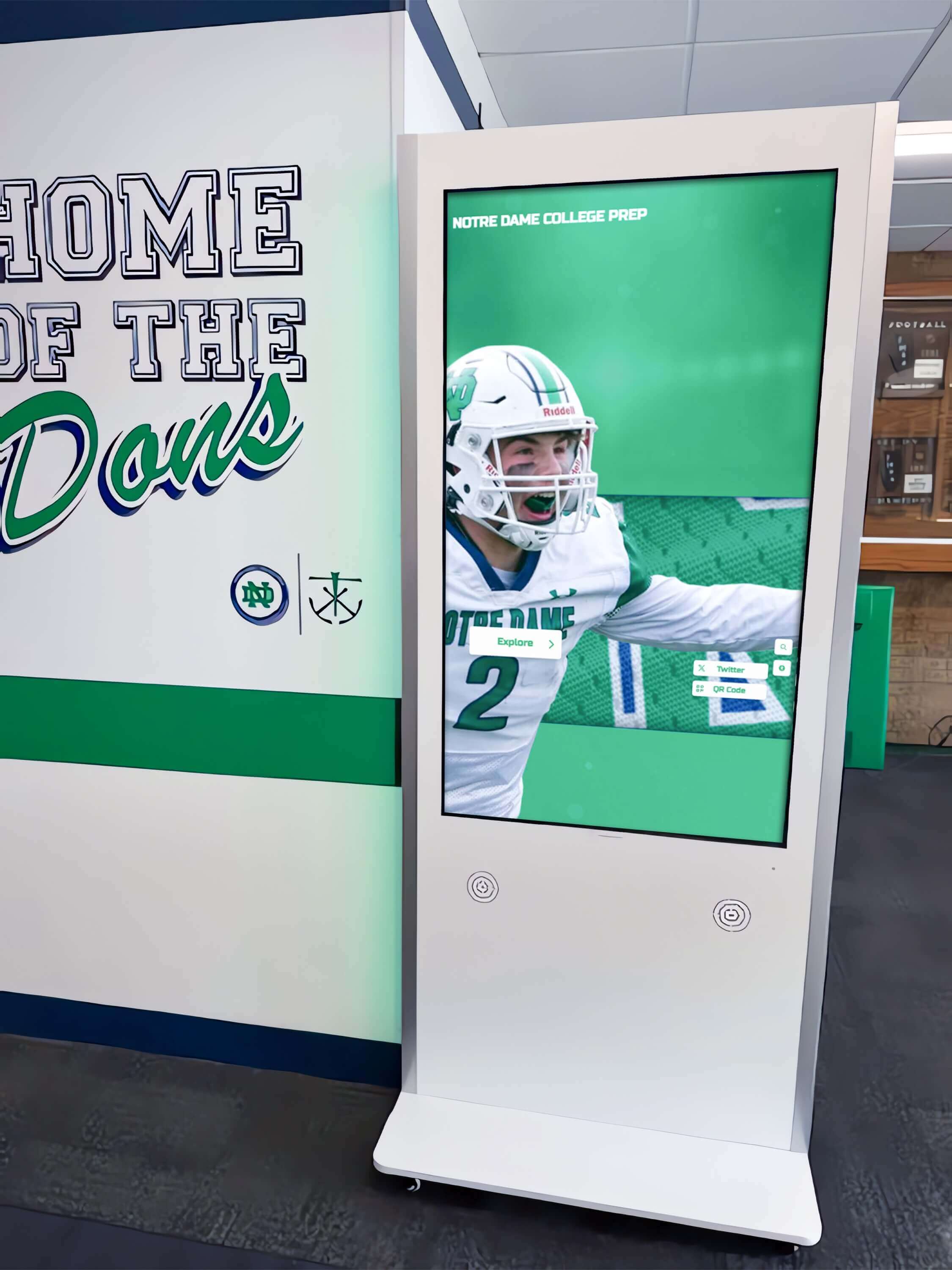
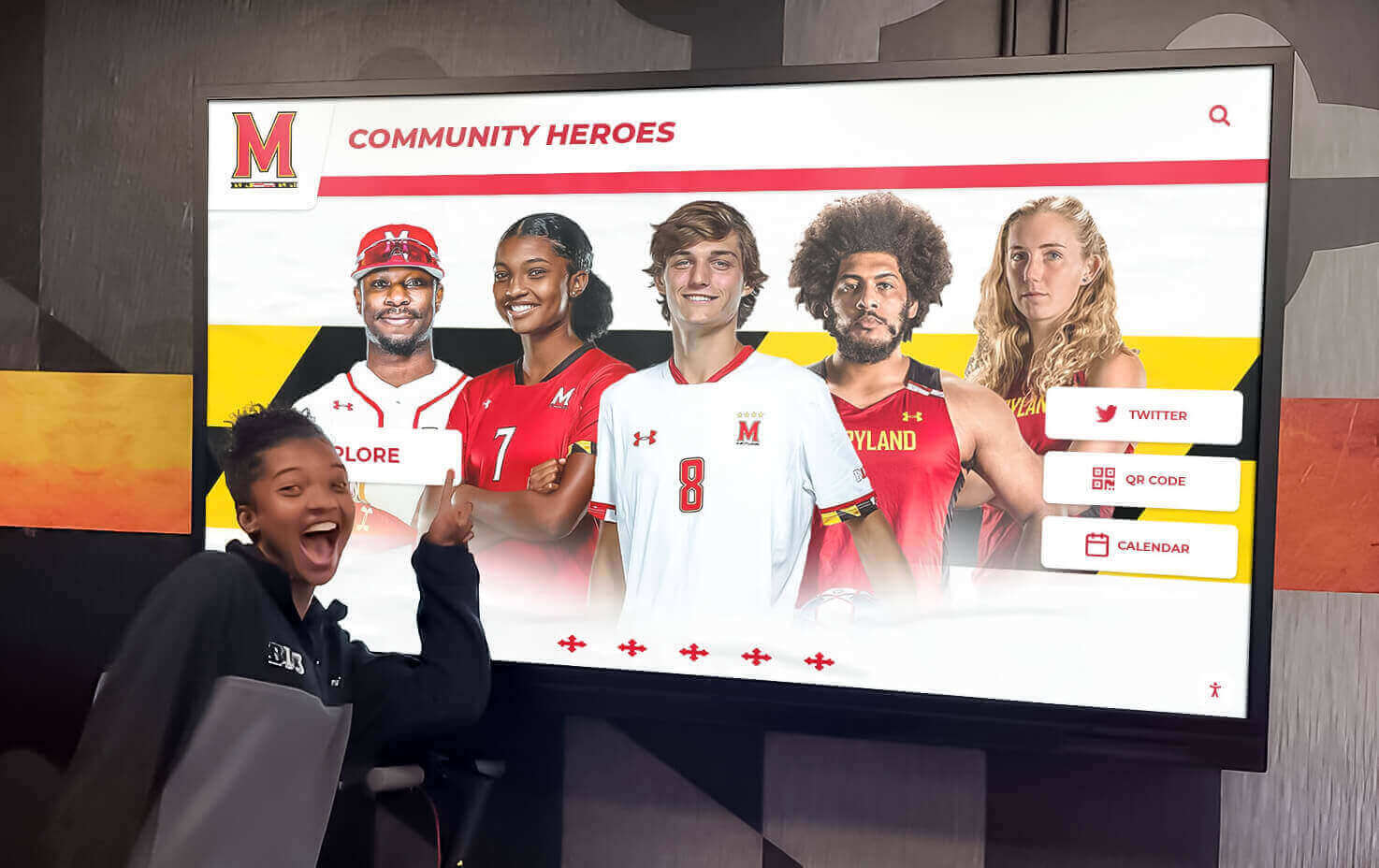
Many programs now showcase extended athletic careers enabled by redshirt development through comprehensive digital recognition systems that highlight multi-year achievement progressions and career milestones.
How Redshirt Eligibility Works: NCAA Rules and Requirements
NCAA eligibility regulations establish specific frameworks governing how redshirt years function within broader student-athlete participation rules. Understanding these requirements clarifies when and how athletes can utilize redshirt designations.
The Five-Year Eligibility Clock
NCAA Division I, II, and III rules grant student-athletes five calendar years from their initial full-time college enrollment to complete four seasons of competition in each sport. This five-year clock begins when athletes first enroll full-time at any collegiate institution, not just their current school, creating important implications for transfers and multi-sport athletes.
The clock runs continuously once started, counting academic years regardless of whether athletes compete, redshirt, leave school temporarily, or transfer institutions. Athletes must complete all four competitive seasons before their five-year window expires or they lose remaining eligibility permanently.
Limited exceptions exist for military service, religious missions, pregnancy/childbirth, or documented medical hardships that may extend the five-year window. Athletes seeking eligibility extensions must petition NCAA governance bodies with supporting documentation proving qualifying circumstances prevented athletic participation during specific periods.
This eligibility structure means most college athletes compete for four consecutive years without redshirting. However, the five-year framework creates strategic flexibility allowing one redshirt year within college careers—typically during freshman years for development purposes or following injuries requiring extended recovery.
Seasons of Competition: What Counts Against Eligibility
A critical distinction in redshirt rules involves understanding what constitutes using a “season of competition.” Under NCAA regulations, athletes use a season of eligibility when they compete in any official competition during an academic year, regardless of playing time or number of games.
Historically, appearing in even a single game—playing one minute of one contest—counted as using that entire season of eligibility. This all-or-nothing approach created difficult decisions for coaches considering whether to play talented freshmen in limited situations or preserve redshirt status by keeping them off the field entirely.
The 2018 Rule Change: Responding to concerns about athlete development and coaching flexibility, the NCAA implemented significant rule modifications in 2018, initially for football before extending to other sports. Under current rules, athletes can compete in up to four games or contests in a season and still preserve redshirt status for that year.
This modern framework provides substantial strategic flexibility. Coaches can give redshirting freshmen limited game experience during non-conference competitions, utilize developing players during blowout victories or losses, provide injury substitutes in emergency situations, or allow athletes to compete in specific matchups beneficial for development—all while maintaining redshirt eligibility for that season.
Different sports interpret the four-competition threshold through sport-specific lenses. In basketball, it might mean four games in a 30+ game season. In baseball or softball with 50+ game seasons, the percentage becomes even smaller. Athletes and coaches must track competition participation carefully to ensure unintentional eligibility use doesn’t occur.
Once athletes compete in a fifth competition during any academic year, they’ve officially used that season of eligibility and cannot claim redshirt status for that year. The game participation threshold makes eligibility preservation clear and measurable while providing meaningful development opportunities.
Academic Requirements During Redshirt Years
Redshirted athletes maintain full student status and must meet all NCAA academic eligibility requirements during non-competitive years. These requirements include enrolling full-time (minimum 12 credit hours per semester), maintaining satisfactory academic progress toward degree completion, achieving minimum GPA thresholds (typically 2.0 or higher depending on academic year), completing percentage-of-degree requirements within specific timeframes, and making continuous progress toward graduation.
Academic eligibility rules don’t distinguish between competing and redshirted athletes—all team members must maintain identical academic standards. Athletes who fall below academic requirements lose eligibility to practice, compete, and receive athletically related financial aid until they restore satisfactory academic status.
For many student-athletes, redshirt years provide academic advantages since reduced competitive demands free time for studying, adjusting to college academic rigors, accessing tutoring and academic support services, and establishing strong academic foundations. Athletes struggling academically sometimes redshirt specifically to focus on academic recovery while maintaining team affiliation.
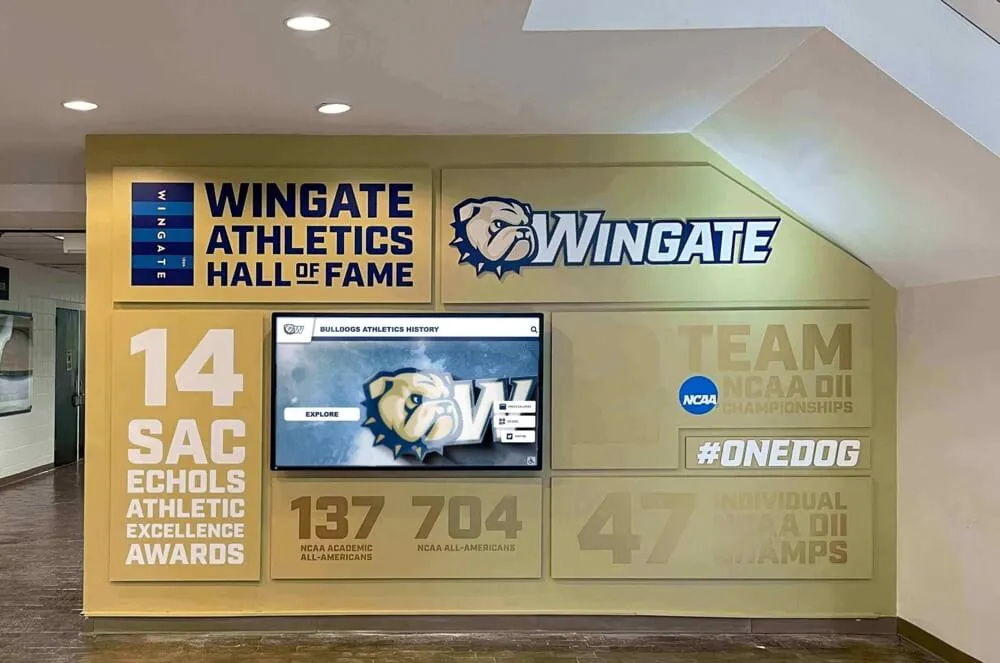
Schools with strong academic recognition programs often celebrate student-athletes who successfully balance extended athletic careers with academic excellence, highlighting how redshirt years contribute to comprehensive student development.
Redshirt Freshman: Understanding Athletic vs. Academic Classification
The term “redshirt freshman” appears frequently in college sports rosters, game programs, and media coverage, creating a classification that distinguishes between academic year and athletic eligibility status.
Defining Redshirt Freshman Status
A redshirt freshman is a student who is academically a sophomore but athletically a freshman. These athletes redshirted during their true freshman year (first year on campus), meaning they practiced with the team throughout that initial academic year but didn’t compete in games. When they enter competition during their second year on campus, they’re classified as redshirt freshmen—second-year students using their first of four eligible competitive seasons.
Roster listings and media guides denote this status in various formats including “RS-FR,” “r-Fr,” “R-Freshman,” or simply noting “Redshirt Freshman” in classification fields. This designation appears for that single competitive season—in subsequent years, the same athletes become redshirt sophomores, then redshirt juniors, then redshirt seniors as they progress through their four competitive seasons while advancing academically ahead of their athletic classification.
Advantages of Redshirt Freshman Status
Athletes competing as redshirt freshmen enjoy significant developmental advantages compared to true freshmen who enter competition immediately:
Physical Development: College strength and conditioning programs produce dramatic physical transformations. Redshirt freshmen enter their first competitive seasons after two full years in college training facilities rather than one, resulting in increased muscle mass, improved strength and power, enhanced endurance capacity, reduced injury vulnerability, and physical maturity closer to upperclass competition. This additional year of physical development proves particularly valuable in contact sports like football, hockey, and basketball where size and strength significantly influence competitive outcomes.
Technical Skill Advancement: Extra practice time without game pressure allows focused skill development. Redshirt freshmen accumulate hundreds of additional practice repetitions learning techniques, thousands more minutes studying film and game strategy, extended individual instruction from position coaches, and development time addressing specific weakness areas. When they finally compete, their technical execution and tactical understanding typically exceeds true freshmen still adjusting to college-level complexity.
Mental Preparation and Confidence: Observing competition for a full year while practicing at game intensity prepares athletes mentally for competitive demands. Redshirt freshmen understand game speed and physicality before experiencing it themselves, recognize defensive schemes and offensive patterns from film study and practice simulation, develop confidence from dominating practice against scout teams, and enter competition with reduced anxiety about the unknown. This mental readiness often produces composed, confident performance during first competitive experiences.
Academic Adjustment: The initial college year challenges students academically as they adjust to university-level coursework, independent study requirements, time management without parental structure, and balancing athletics with academics. Redshirt freshmen navigate these adjustments during their first year without competitive travel demands, game week intensity, or performance stress that competing athletes experience. By their first competitive season, they’ve established academic routines, identified effective study strategies, built relationships with academic support staff, and proven they can handle college academics successfully. This foundation enables better academic performance during competitive years.
Many championship programs strategically redshirt most or all incoming freshmen in certain positions, creating rosters where nearly all competitors are redshirt freshmen or older. This approach prioritizes long-term development over immediate contribution, building programs with physically mature, technically refined, and mentally prepared athletes whose extended careers enable sustained competitive excellence.
Medical Redshirt: Injury Hardship Eligibility
While standard redshirts represent planned developmental decisions, medical redshirts address situations where injuries prevent athletes from completing competitive seasons after they’ve already begun competing.
Understanding Medical Hardship Waivers
A medical redshirt—formally termed a “medical hardship waiver”—allows athletes who suffer season-ending injuries to regain the eligibility year they lost when injury prevented completion of that season. Rather than counting abbreviated injury-shortened seasons as used eligibility, medical redshirts restore that year, preserving four full competitive seasons within the five-year eligibility window.
NCAA medical redshirt requirements establish specific criteria athletes must meet to qualify for eligibility restoration:
Competition Limit: Athletes must have competed in no more than 30% of their team’s scheduled competitions during the season when injury occurred. For example, if a football team plays 12 regular season games, athletes who appeared in 3 or fewer games (25%) before injury would meet this threshold, while those who played in 4 or more wouldn’t qualify. The specific number varies by sport based on competition schedules, but the 30% standard applies universally.
Timing Requirement: The incapacitating injury must occur during the first half of the competitive season. NCAA regulations define season midpoints sport-by-sport, ensuring injuries occurring early enough to prevent meaningful season completion qualify while injuries late in seasons don’t. This timing requirement prevents athletes from seeking medical redshirts for injuries occurring after they’ve completed most of their competitive season.
Medical Documentation: Athletes must provide comprehensive medical documentation from athletic training staff and team physicians proving the injury prevented further participation that season. Documentation must demonstrate the injury occurred during athletically related activities, created incapacitating conditions preventing athletic participation, and required treatments or recovery periods extending beyond the competitive season. Simple medical records aren’t sufficient—formal statements from medical staff specifically addressing these criteria are necessary.
Institutional Petition: Schools must submit formal petitions to NCAA governance bodies requesting medical hardship waivers on behalf of injured athletes. These petitions compile medical records, competition participation logs, and supporting documentation demonstrating all criteria were met. The NCAA reviews petitions and grants or denies medical redshirt status based on whether evidence supports the hardship claim.
Strategic Differences: Medical vs. Standard Redshirts
Medical redshirts and standard redshirts both preserve eligibility years but differ fundamentally in planning, execution, and implications:
| Aspect | Standard Redshirt | Medical Redshirt |
|---|---|---|
| Planning | Decided before season begins | Occurs reactively after injury |
| Competition | Zero games/matches | Limited early-season games before injury |
| Decision Makers | Coaches and athletes together | Forced by injury circumstances |
| Application | Automatic with no competition | Requires formal NCAA petition |
| Certainty | Guaranteed if athlete doesn’t compete | Not guaranteed; NCAA must approve |
| Primary Purpose | Developmental extension | Injury recovery fairness |
Athletes occasionally face difficult decisions when suffering injuries early in seasons after limited competition. If injuries occur after playing in 2-3 games but before exceeding 30% thresholds, athletes and coaches must decide whether to petition for medical redshirt (sitting out remainder of season to preserve eligibility) or continue competing through injury recovery (using that eligibility year despite abbreviated participation). These decisions balance immediate team needs against long-term athlete development.
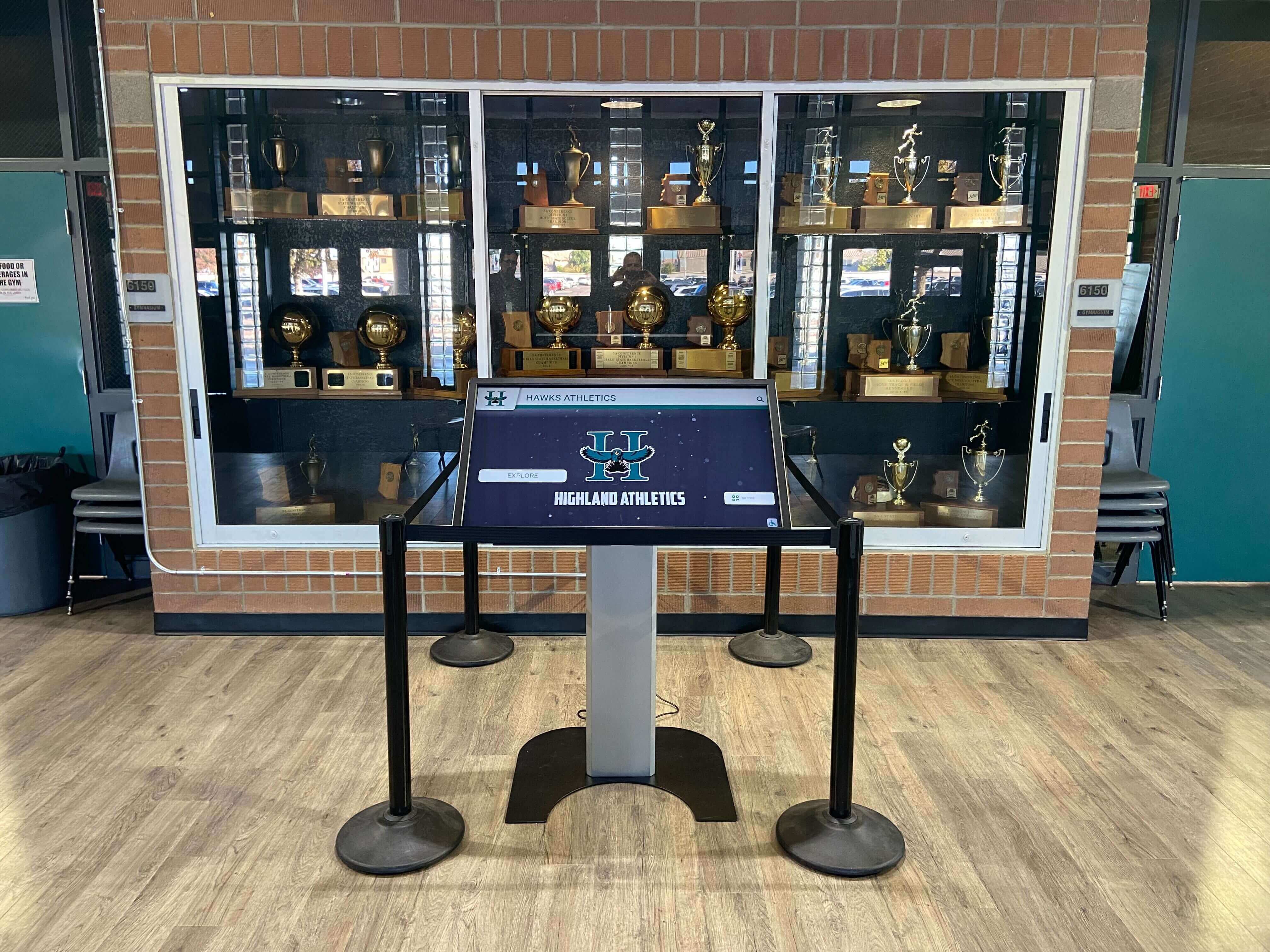
Institutions with comprehensive athlete recovery and wellness programs support injured athletes through rehabilitation while managing medical redshirt complexities.
Grayshirt Explained: Delayed Enrollment Strategy
Beyond redshirting, college programs occasionally employ “grayshirting”—a less common but strategically significant approach to roster and recruiting management.
What Grayshirting Means
Grayshirt refers to athletes who delay their initial college enrollment rather than joining teams immediately after high school graduation. Instead of arriving on campus for fall semester and practices, grayshirted athletes postpone enrollment until the following spring semester or even the next academic year.
Unlike redshirts who enroll full-time and practice without competing, grayshirts don’t enroll at the institution at all during the delayed period. They remain unaffiliated with the team, don’t attend practices, receive no scholarship benefits, and have no official connection to the program. During this gap period, grayshirted athletes might attend different institutions part-time (often junior colleges or community colleges), take online courses maintaining academic progress, work jobs while training independently, or participate in post-graduate prep school programs.
When grayshirts eventually enroll at their committed institution, they typically immediately redshirt their first competitive season, creating development timelines extending beyond standard five-year eligibility windows. An athlete who grayshirts for one semester, then enrolls and redshirts their first year, then competes for four seasons, might spend 5.5-6 total years developing and competing before exhausting eligibility.
Why Schools and Athletes Use Grayshirting
Grayshirting serves several strategic purposes for programs and athletes:
Recruiting Class Management: NCAA scholarship limits restrict how many athletes programs can sign during single recruiting cycles. When programs over-recruit—signing more athletes than available scholarships—grayshirting allows schools to spread talented recruits across multiple academic years. Athletes who grayshirt become members of the next year’s recruiting class instead, helping programs manage scholarship numbers while retaining commitments from talented prospects.
Roster Number Balance: Beyond scholarships, teams maintain roster size limits or optimal roster compositions. Grayshirting helps balance roster numbers across position groups and graduating classes, preventing situations where too many athletes cluster at specific positions or academic years creating future depth problems.
Academic Qualification: Some athletes commit to programs before completing academic requirements for NCAA eligibility. Rather than losing these prospects to other schools, programs might suggest grayshirting while athletes complete additional coursework, improve test scores, or strengthen academic credentials. When athletes eventually qualify academically, they enroll and join programs as planned, just on delayed timelines.
Physical Development: Coaches sometimes identify talented but physically immature prospects who need additional development time before competing at college levels. Grayshirting provides that additional development window while maintaining recruiting commitments. Athletes might spend gap years training at specialized facilities, working with private coaches, or participating in post-graduate programs emphasizing strength, speed, and skill development.
For athletes, grayshirting offers extended development time and potentially greater competitive opportunities upon enrollment, but requires financial self-sufficiency during gap periods (no scholarship benefits), maturity managing independent development without college coaching, and patience delaying college careers compared to peers. Athletes should carefully evaluate whether grayshirt arrangements serve their interests or primarily benefit programs managing roster logistics.
Strategic Benefits of Redshirting for Athlete Development
Championship programs view redshirt years not as athletes “sitting out” but as strategic investments in long-term development that produce better competitors, more successful teams, and athletes whose extended careers enable legacy-building achievements.
Physical Development and Maturation
College strength and conditioning programs transform athletes physically over multi-year timeframes that high school programs rarely match. Redshirt years provide crucial additional development time:
Strength and Power Gains: Eighteen-year-old freshmen compete against 22-23-year-old seniors who’ve completed 4-5 years of college-level training. The physical disparity can be enormous, particularly in contact sports. Redshirt years allow freshmen to bridge this gap through supervised strength programs, nutrition optimization, recovery protocols, and progressive load management before entering competition. Athletes might gain 15-30+ pounds of functional muscle mass, increase maximum strength outputs by 20-40%, improve power production in jumping and sprinting, and develop injury-resistant physiques through systematic development.
Technical Movement Efficiency: Beyond getting stronger, redshirt years allow athletes to refine movement patterns and technical execution through thousands of practice repetitions without competitive pressure. Position-specific techniques that require precise timing, complex coordination, or counter-intuitive movement patterns improve dramatically with focused practice time. Athletes enter competition with refined technical execution matching veteran competitors.
Tactical Understanding and Game Intelligence
College sports involve substantially more complex strategy, scheme variation, and game management than high school competition. Redshirt years provide extended learning periods:
Athletes study opponent tendencies through comprehensive film analysis, learn multiple offensive and defensive schemes and their adjustments, understand situational decision-making and game management, recognize patterns and develop anticipatory instincts, and absorb coaching instruction without competitive performance pressure. This accumulated tactical knowledge allows redshirt freshmen to play “fast” mentally—executing assignments instinctively rather than thinking through every action—creating competitive advantages over true freshmen still learning basic scheme concepts.
Many programs integrate comprehensive recognition systems celebrating both athletic and academic achievement for student-athletes who maximize their extended college careers.
Career Extension and Championship Windows
Redshirt years extend college careers from four years to five, creating additional competitive opportunities and championship windows:
Additional Competition Seasons: Extra eligibility years mean additional opportunities to compete for conference championships, earn all-conference recognition, qualify for NCAA tournament play, break school and conference records, and achieve all-American honors. Many of college sports’ most celebrated careers involved athletes who redshirted, allowing five-year development arcs producing senior-year peaks exceeding what four-year careers would have enabled.
Team Contribution Maximization: Programs benefit when talented athletes remain in programs for five years rather than four. Veteran leadership, mentorship of younger athletes, scheme continuity, and competitive experience all improve with roster stability. Championship teams frequently feature multiple fifth-year seniors whose extended careers provide team cohesion and leadership younger rosters can’t match.
Graduate Degree Opportunities: Five-year eligibility windows allow athletes to complete undergraduate degrees in four years while competing through fifth years as graduate students. Many redshirted athletes pursue master’s degrees during final competitive years, graduating with both undergraduate and graduate credentials while maintaining athletic participation. This academic advancement wouldn’t be possible in four-year timelines without redshirt extensions.
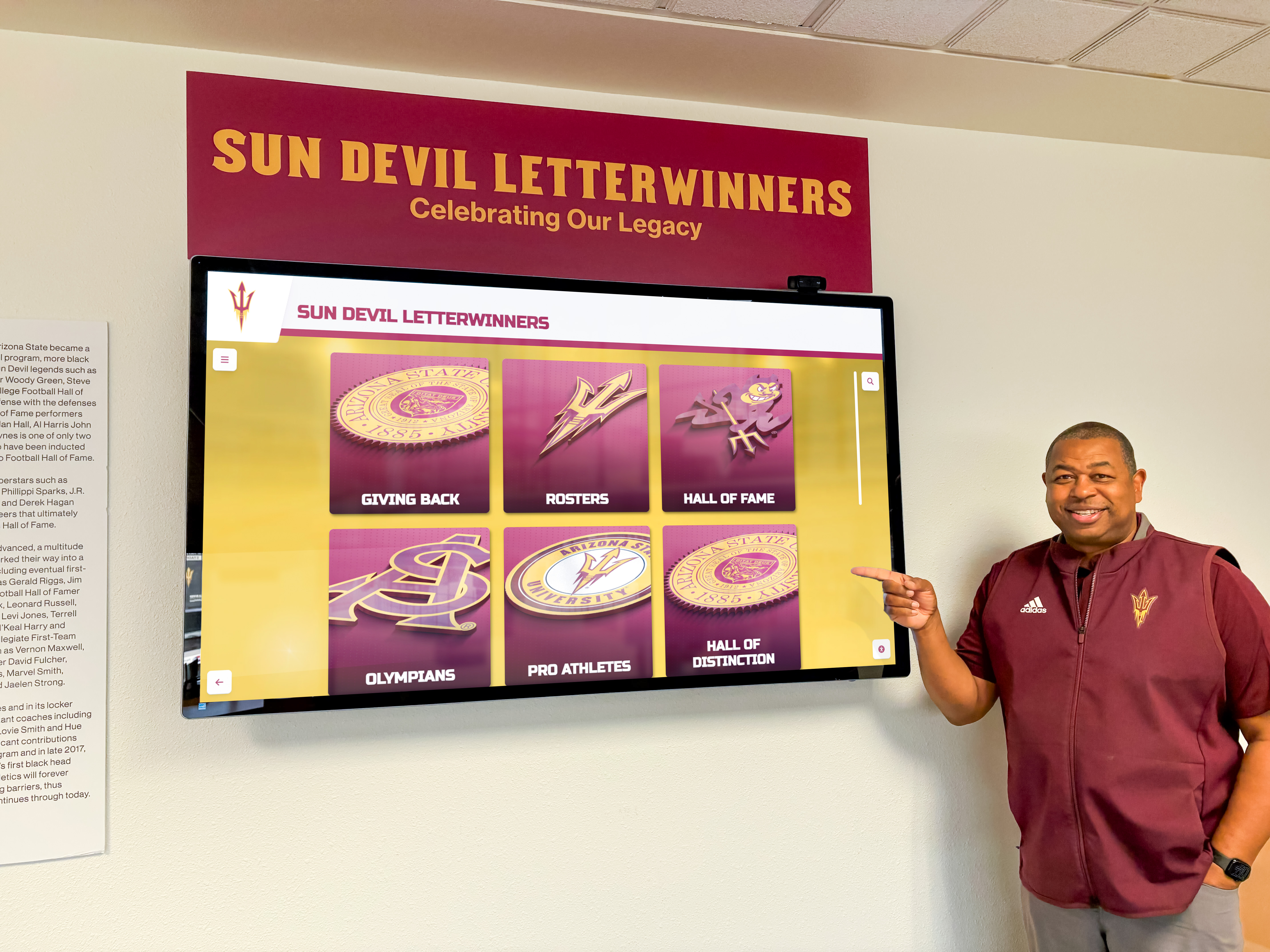
The athletes whose careers earn permanent recognition in institutional athletics walls of honor frequently include those who maximized five-year eligibility, developing from redshirt freshmen into record-setting fifth-year seniors whose sustained excellence built championship legacies.
When Athletes Should Consider Redshirting
While redshirting offers significant benefits, it’s not appropriate for every athlete or situation. Several factors influence whether redshirt years serve individual athlete interests and program needs.
Ideal Redshirt Candidates
Certain athlete profiles particularly benefit from redshirt years:
Physically Immature Freshmen: Athletes who possess strong technical skills and competitive drive but lack the size, strength, or physical maturity to compete effectively against college competition are ideal redshirt candidates. An additional year of growth, strength development, and physical maturation can transform them from physically overmatched to competitive, setting foundations for successful careers.
Position Group Depth Situations: When programs feature strong veteran depth at specific positions, talented freshmen might have limited playing time opportunities regardless of ability. Rather than sitting on benches barely playing, redshirting allows these athletes to develop while veterans complete careers, positioning them for significant playing time as redshirt freshmen when depth situations change.
Learning Complex Position Requirements: Certain positions involve substantial technical and tactical complexity requiring extended learning periods. Quarterbacks learning entire offensive systems, offensive linemen mastering blocking schemes and protection calls, or defensive backs learning coverage systems might benefit from redshirt years focused on system mastery before entering competition.
Academic Transition Needs: Athletes struggling with college academic adjustment sometimes benefit from reduced competitive demands during initial years, allowing focus on academic foundations. Redshirting removes travel schedules, game week intensity, and performance stress while maintaining athletic participation, creating better environments for academic success.
When Redshirting May Not Make Sense
Conversely, some situations argue against redshirting:
Immediate Impact Talent: Exceptionally talented freshmen who can contribute immediately to team success might better serve program and personal interests competing rather than redshirting. If athletes can compete effectively from day one, delaying their contribution doesn’t benefit anyone. Many eventual professional athletes never redshirted because their talent warranted immediate competition.
Graduate Transfer Plans: Athletes planning to transfer after completing undergraduate degrees in three or four years might not value fifth-year eligibility at their current institution. If future plans involve graduate transfers to different programs, redshirting at original schools simply delays competitive opportunities without providing long-term benefits.
Professional Sports Aspirations: Athletes with realistic professional sports potential might prioritize immediate competition experience over development years. Professional scouts evaluate game performance, and athletes sitting out seasons miss opportunities to demonstrate abilities. For potential professionals, four years of competition might prove more valuable than five years with one non-competitive.
Program Uncertainty: Athletes at programs with coaching instability, potential transfers, or uncertain futures might hesitate to commit five years when situations could change. Redshirting assumes long-term program stability that doesn’t always exist.
The redshirt decision should involve honest discussions between athletes, families, coaching staffs, and academic advisors considering individual circumstances, competitive outlooks, academic plans, and long-term goals. What works for one athlete might not benefit another, even at identical positions on the same team.
Redshirt Rules Across Different NCAA Divisions and Sports
While basic redshirt concepts apply universally, specific rules and cultural norms vary across NCAA divisions and individual sports.
Division I, II, and III Variations
Division I: The five-year eligibility clock and redshirt frameworks apply fully in Division I across all sports. The four-game redshirt rule (compete in limited games while preserving eligibility) exists in Division I football and has been adopted for other Division I sports with varying thresholds. Division I programs most frequently utilize redshirting given the athletic scholarship structures, roster sizes, and competitive emphasis characterizing top-level college athletics.
Division II: Division II follows similar five-year eligibility rules with redshirt options. However, Division II programs redshirt athletes somewhat less frequently than Division I, partly due to smaller recruiting classes, tighter roster limits, and scholarship restrictions creating greater immediate playing time needs. Division II athletes can redshirt and many do, but competitive demands sometimes require broader participation from all roster members.
Division III: Division III prohibits athletic scholarships, changing redshirt calculus significantly. Athletes receive no financial benefit from redshirt years—they pay full cost of attendance for five years rather than four. This economic reality makes redshirting less attractive unless substantial competitive or academic justifications exist. Division III athletes still redshirt when developmental needs warrant or injuries occur, but financial considerations create different decision frameworks than scholarship-granting divisions.
Sport-Specific Redshirt Patterns
Different sports exhibit distinct redshirt cultures based on competitive structures, roster sizes, and development timelines:
Football: Redshirting is extremely common in college football, particularly at Division I programs. Large roster sizes (85 scholarship limit), numerous position groups, and physical development importance make redshirting standard practice. Many programs redshirt most or all freshmen not contributing immediately, creating rosters dominated by redshirt athletes.
Basketball: Redshirting occurs less frequently in basketball given smaller rosters (13 scholarship players), more immediate playing time opportunities, and shorter development timelines in a less physically demanding contact sport. Highly recruited prospects rarely redshirt, though depth players or transfer athletes sometimes do.
Baseball and Softball: These sports feature long seasons with many competitions, making the limited-game redshirt threshold proportionally small. Programs might play 50+ games, so athletes competing in 15 games could still redshirt under 30% rules. Baseball and softball frequently utilize redshirts, particularly for pitchers managing arm development and workload.
Olympic Sports (Swimming, Track, Wrestling, etc.): Redshirting patterns vary widely based on individual program philosophies, athlete development needs, and competitive opportunities. Some programs rarely redshirt while others do routinely. Individual sport structures allow more flexibility since athletes can compete in some events while preserving eligibility if overall participation stays below thresholds.
Athletes should research sport-specific norms and rules when evaluating redshirt possibilities since general principles apply differently across competitive contexts.
Managing the Redshirt Year: What Athletes Actually Do
For athletes unaccustomed to college athletic environments, understanding what redshirt years actually involve helps set appropriate expectations and maximize development opportunities.
Daily Schedules and Team Integration
Redshirted athletes maintain full team membership with schedules largely identical to competing teammates:
Practice Participation: Redshirts attend every team practice, participate in all drills and activities, compete against teammates in practice competitions, and receive identical coaching instruction. Practice participation often exceeds competing athletes’ workload since redshirts sometimes run scout teams simulating upcoming opponents, requiring extra preparation and additional practice reps.
Strength and Conditioning: Redshirts follow identical strength, conditioning, and nutrition programs designed for their positions and development needs. If anything, non-competing athletes might emphasize strength development more aggressively since they’re not managing competitive recovery demands.
Team Meetings and Film Study: Redshirts attend all team meetings, position group sessions, and film study periods. Even without competing, understanding scheme concepts, opponent tendencies, and tactical adjustments prepares athletes for future competition while contributing to practice preparation quality.
Travel and Competition Day Involvement: Redshirts typically travel with teams to away competitions despite not competing. They observe games from sidelines, provide practice support during game weeks, and remain integrated with team routines. Some programs allow redshirts to dress in practice gear during games while others maintain complete separation from game-day rosters.
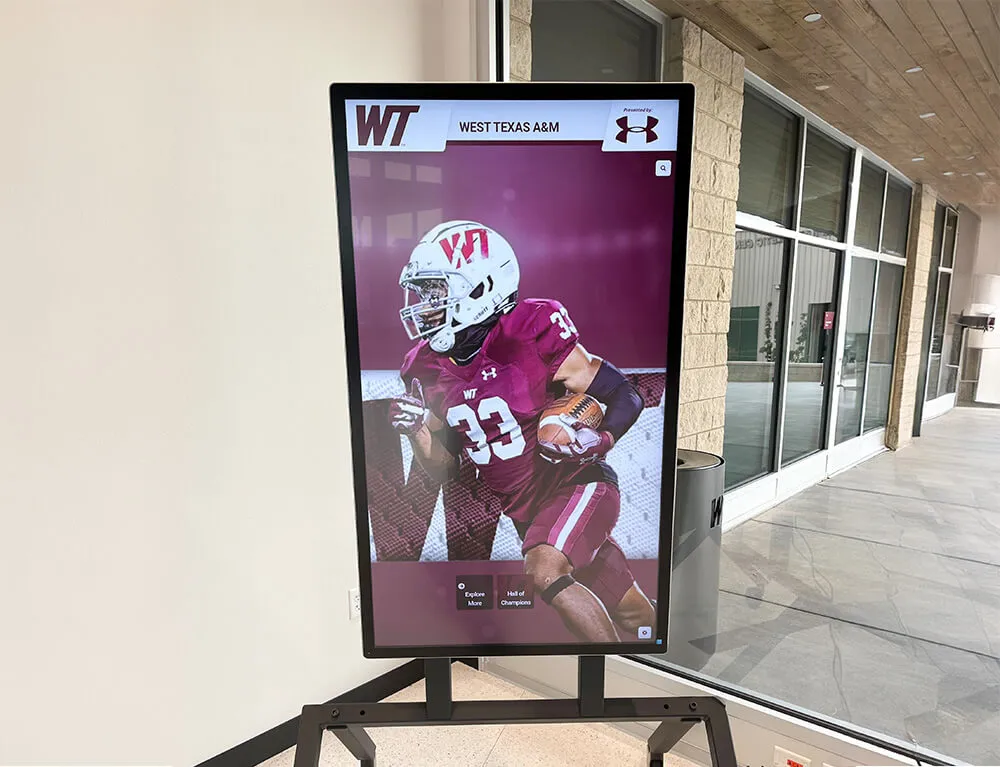
The primary difference between redshirts and competing athletes involves game participation itself—redshirts experience every other aspect of college athletics while preserving eligibility.
Academic Focus and Career Development
Redshirt years provide valuable opportunities beyond athletics:
Many redshirted athletes accelerate academic progress, completing additional credits toward degrees, maintaining higher GPAs with reduced competitive stress, pursuing demanding majors requiring significant study time, and building strong academic foundations supporting later competitive years. Some athletes complete enough coursework during four years to graduate, allowing fifth competitive years as graduate students.
Redshirt years also allow internship and career development opportunities during summers when competing athletes might participate in summer training, player development programs, or sport-specific camps. This early career exploration benefits athletes regardless of whether professional sports opportunities materialize.
Programs with comprehensive student achievement recognition systems celebrate academic and career accomplishments alongside athletic success, acknowledging complete student-athlete development.
Mental and Social Development
Redshirt years challenge athletes psychologically. Watching teammates compete while sitting out can frustrate ambitious competitors. Successful redshirt experiences require maintaining motivation without immediate competitive rewards, staying engaged in development without game day excitement, accepting coaching decisions prioritizing long-term development, and building relationships with teammates despite different participation levels.
Athletes who navigate redshirt years successfully often develop mental toughness, patience, and long-term thinking that benefit their eventual competitive careers. The experience teaches delayed gratification, process focus over outcome obsession, and resilience through challenging circumstances—all valuable athletic qualities.
Support systems including sports psychology resources, veteran teammate mentorship, and open coach communication help redshirted athletes maintain positive mindsets through non-competitive years, setting foundations for strong competitive performance when their opportunities arrive.
Celebrating Extended Athletic Careers and Legacy Achievement
The college athletes whose achievements earn lasting institutional recognition—hall of fame inductions, retired jerseys, record board placements, and permanent legacy status—frequently include those who maximized five-year eligibility through redshirt years, developing from raw prospects into refined champions whose sustained excellence built program traditions.
Redshirt years extend competitive timelines from four to five years, creating additional seasons for championship pursuits, record-breaking performances, leadership development, and legacy building that shorter careers can’t accommodate. Athletes who arrive at programs with talent but unrefined skills, develop through redshirt years gaining physical maturity and technical proficiency, contribute as redshirt freshmen and sophomores while continuing development, emerge as redshirt junior and senior leaders producing peak performance, and complete careers as fifth-year veterans whose accumulated achievements and contributions earn permanent recognition.

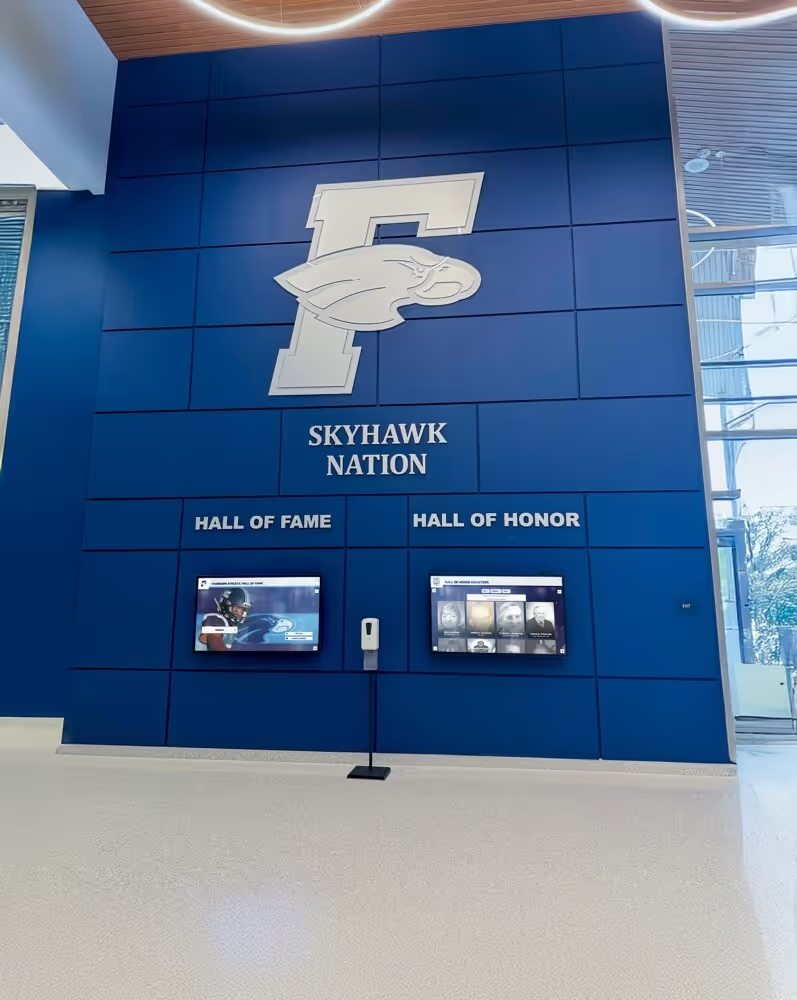
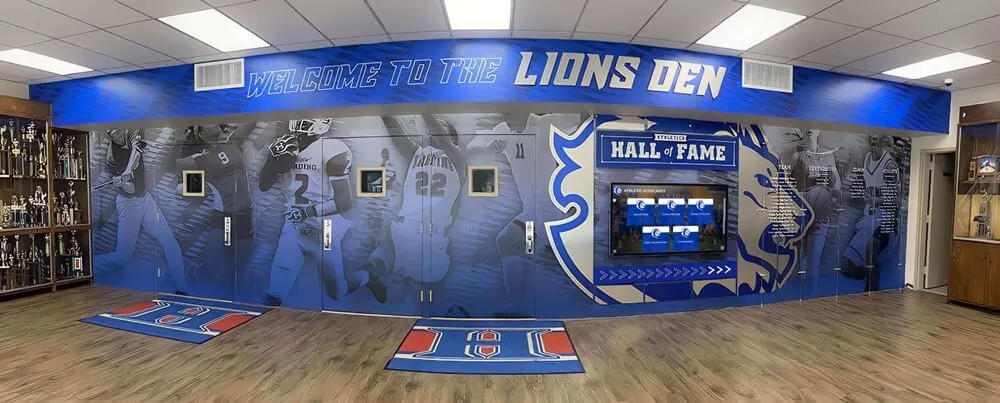
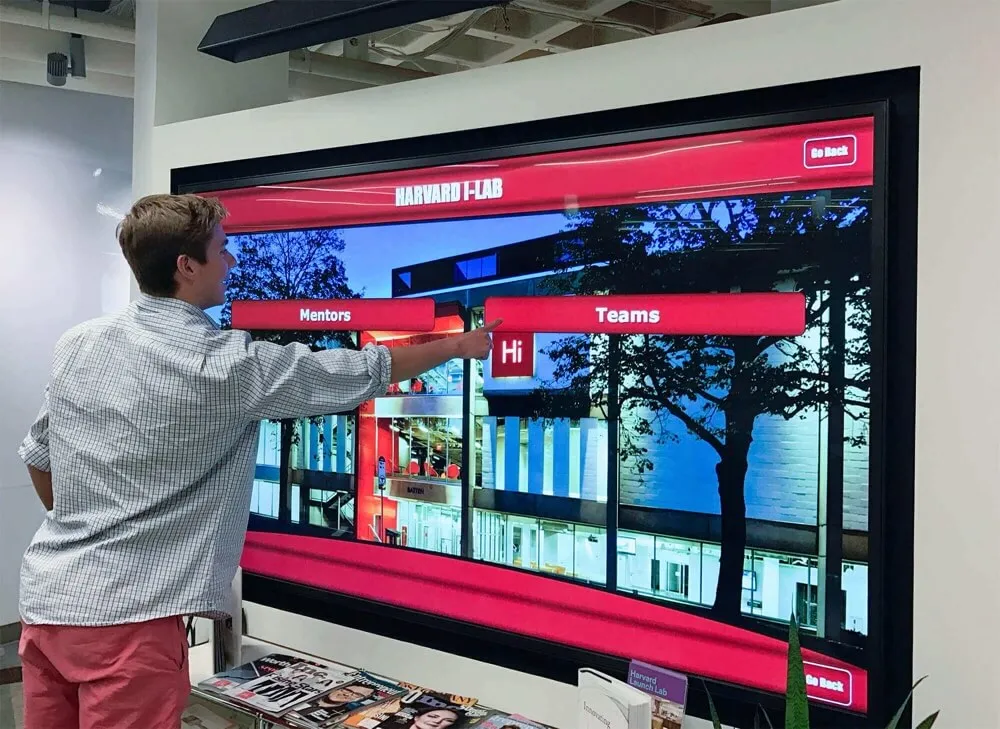
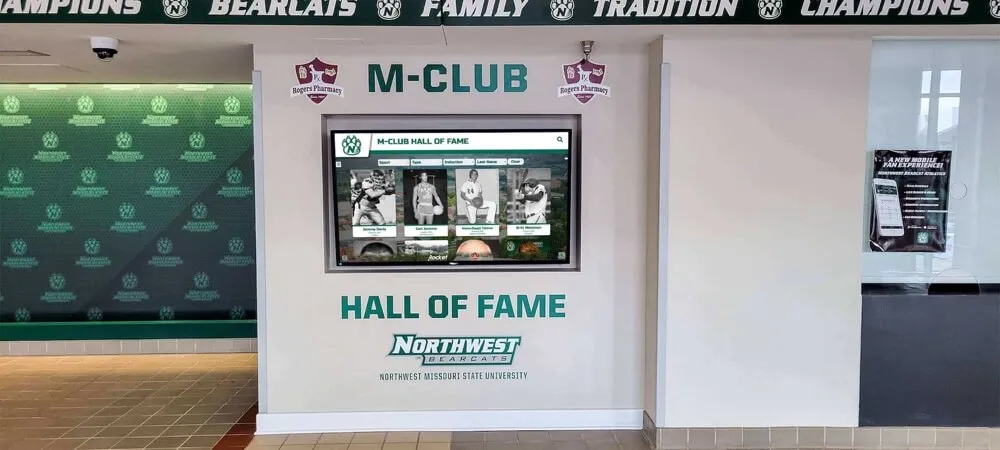
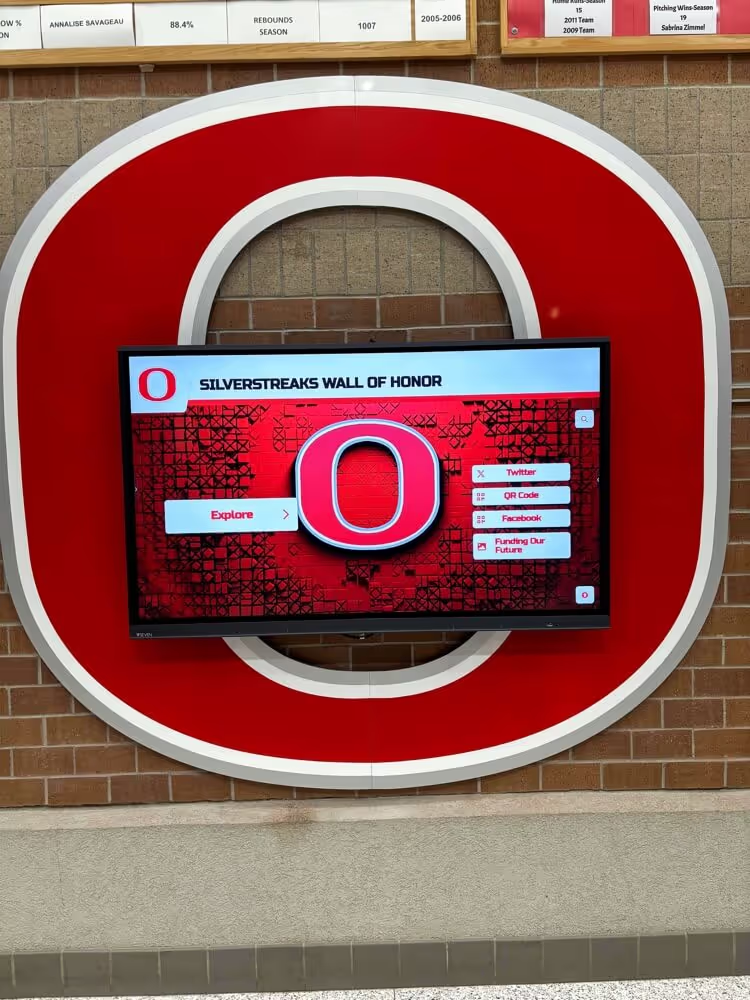
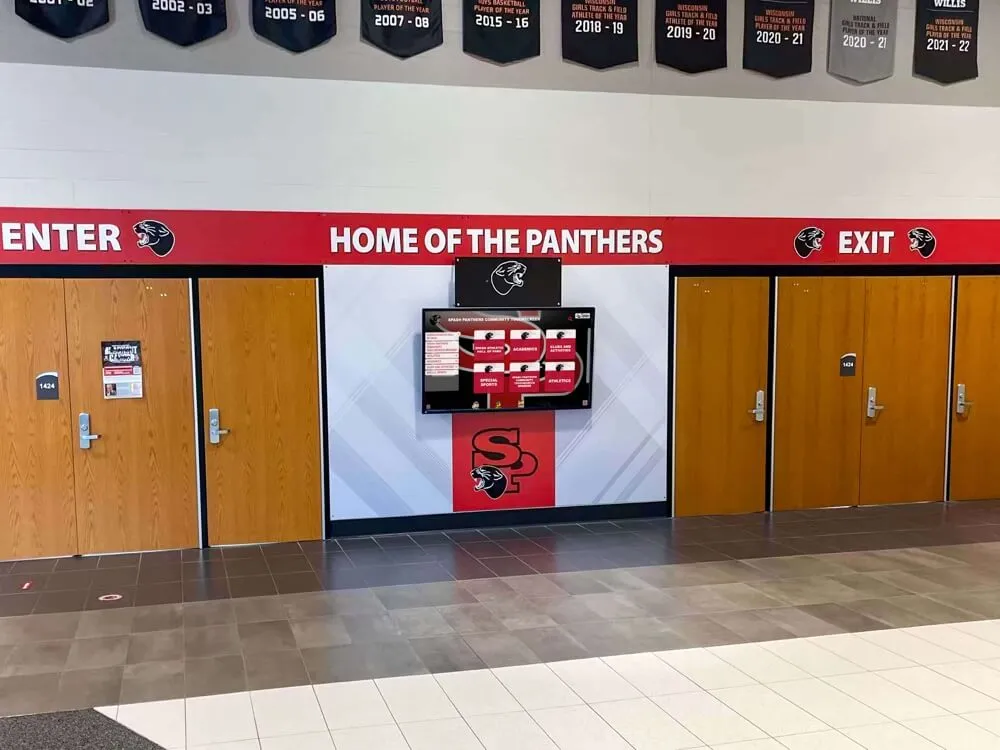
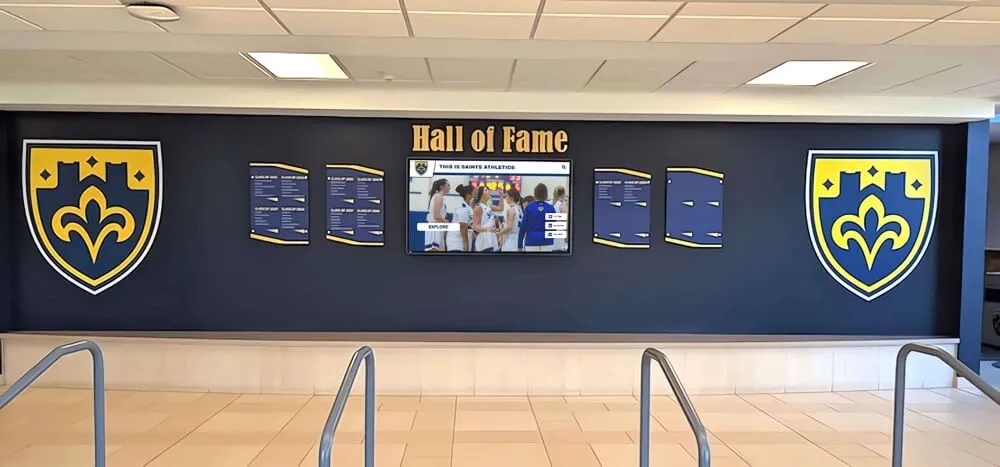
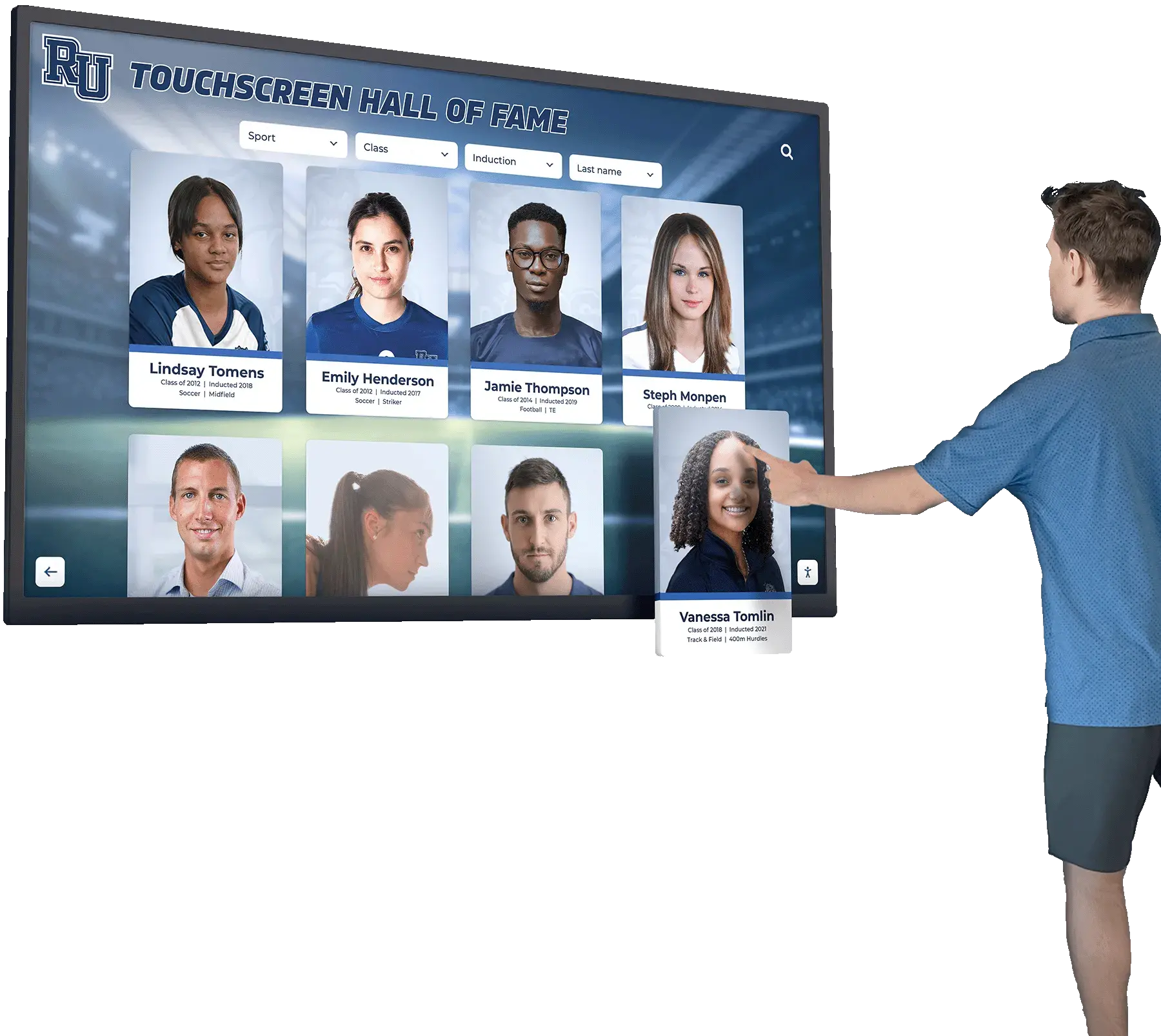
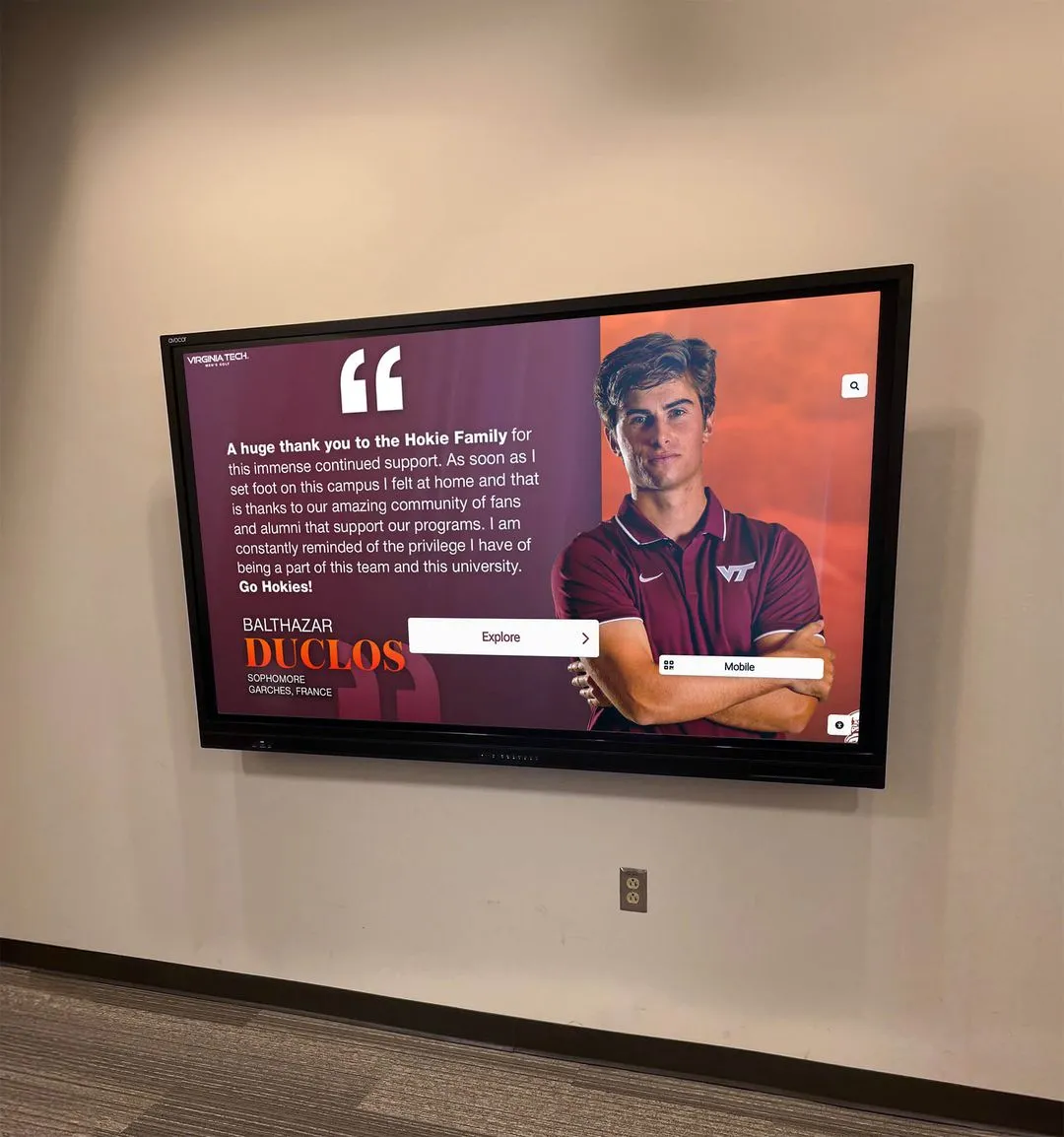
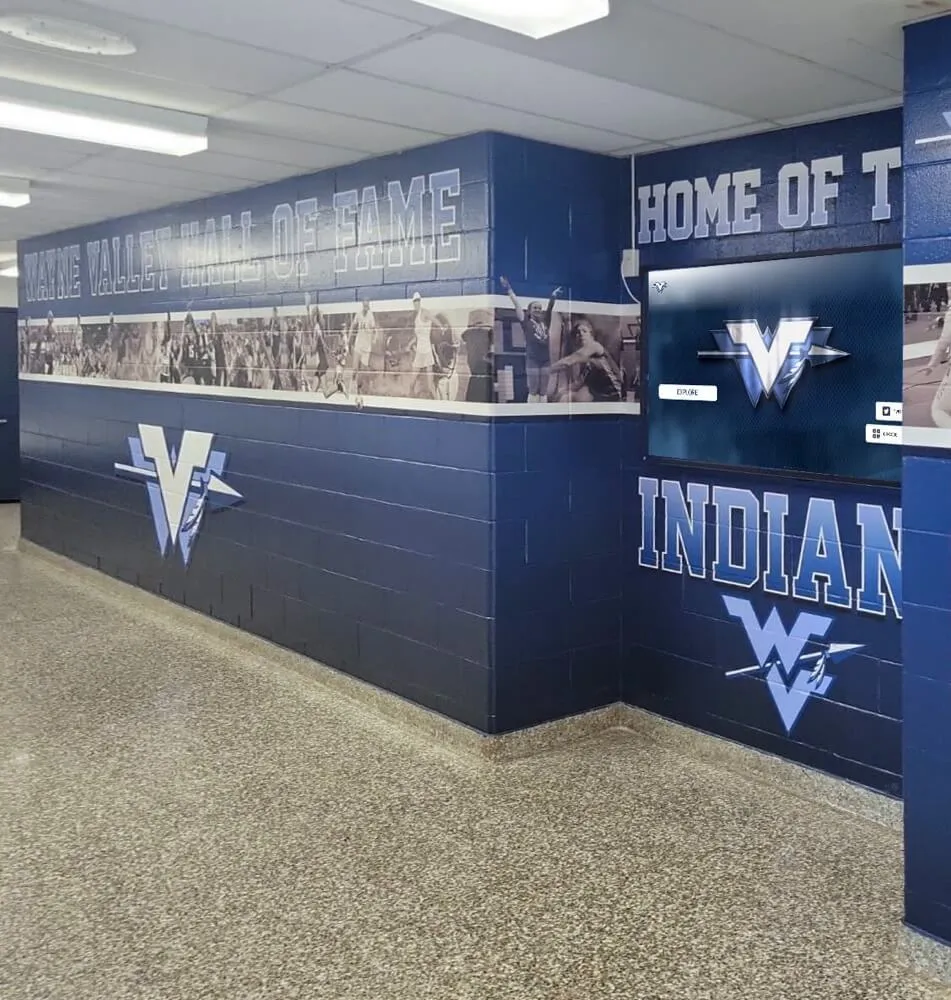
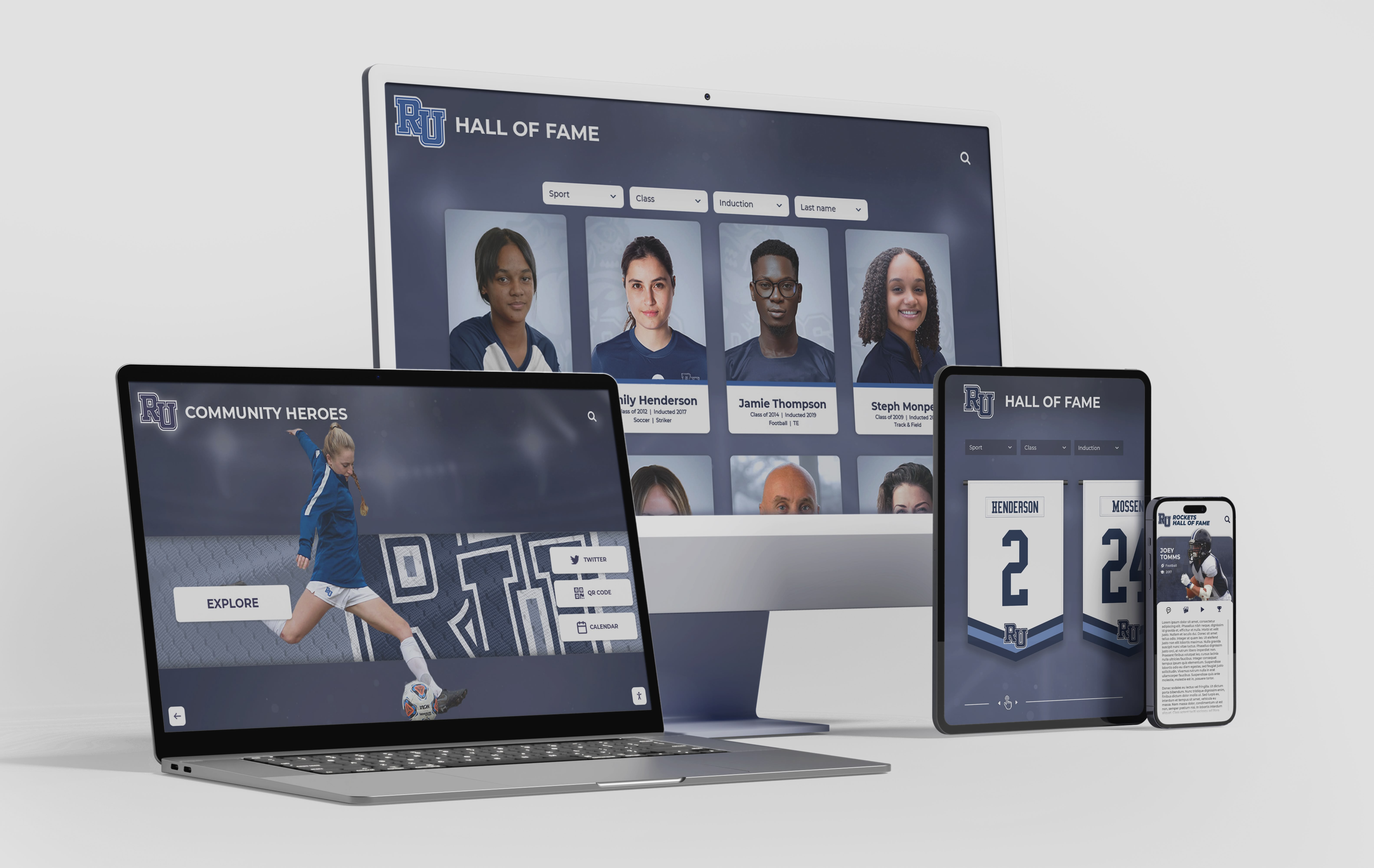
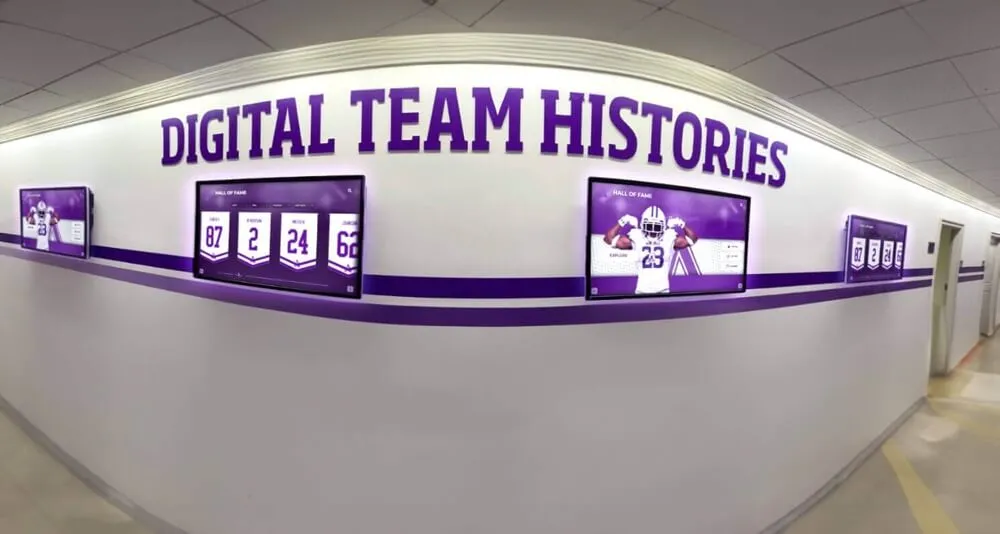
Modern institutions increasingly utilize digital recognition displays in athletic facilities showcasing career progressions of accomplished athletes. These systems can highlight redshirt development arcs, displaying freshman-through-senior statistical progressions, championship contributions across multiple seasons, academic achievement alongside athletic success, and legacy impacts extending beyond individual performance to program building.
For schools and athletic programs, celebrating athletes whose extended careers produced championship success reinforces cultural values around development, patience, and long-term thinking. Prospective recruits visiting campuses see recognition of redshirted athletes who became program legends, understanding that strategic development approaches produce better outcomes than rushing unprepared freshmen into competition.
Recognition systems that tell complete career stories—including redshirt years as crucial development chapters rather than omitted gaps—provide authentic representations of championship-caliber athletic journeys while honoring the full scope of athlete commitment and achievement.
Final Thoughts: Maximizing College Athletic Opportunities Through Strategic Eligibility
Understanding redshirt meaning empowers student-athletes, families, and coaches to make informed eligibility decisions that maximize college athletic experiences. Redshirt years represent far more than simply sitting out seasons—they’re strategic investments in comprehensive development producing physically mature, technically skilled, tactically prepared, and mentally tough athletes whose extended careers enable sustained competitive excellence and legacy-building achievement.
The five-year eligibility framework provides flexibility allowing athletes and programs to customize development timelines based on individual needs, competitive circumstances, academic goals, and long-term aspirations. Athletes who embrace redshirt years as valuable development opportunities rather than frustrating delays position themselves for more successful competitive careers than peers who rush into competition before they’re truly ready.
As college athletics continues evolving with transfer portal dynamics, name-image-likeness opportunities, and changing competitive landscapes, the strategic value of redshirt years for athlete development and program building remains constant. The athletes who maximize their college opportunities—competitive, academic, and personal—frequently include those who utilized full five-year eligibility windows, developing from redshirt freshmen into accomplished fifth-year seniors whose comprehensive achievements earn lasting recognition and respect.
For institutions committed to celebrating athletic excellence comprehensively, modern recognition systems provide powerful platforms for showcasing complete athletic journeys—including the developmental redshirt years that made championship careers possible. These technologies ensure extended athletic careers receive the permanent, accessible, and engaging recognition they deserve while inspiring future generations to embrace comprehensive development approaches that produce both competitive success and meaningful personal growth.