



Key Takeaways
Comprehensive guide to public library digital archive collections. Learn best practices for building, managing, and presenting digital heritage collections that serve communities and preserve cultural history.
Understanding Public Library Digital Archive Collections
Before embarking on digital archive projects, libraries must understand what digital collections encompass, how they differ from traditional library services, and why they represent crucial investments in community heritage preservation.
Defining Digital Archive Collections
Public library digital archives represent far more than scanned documents uploaded to websites. Comprehensive digital collections involve systematic programs for selecting, digitizing, describing, preserving, and providing public access to materials of enduring community value.
Core Components of Digital Archive Collections:
Selection and Appraisal: Identifying materials with historical, research, genealogical, or cultural value warranting digital preservation. Effective programs balance community interest, historical significance, physical condition, copyright status, and available resources when prioritizing materials for digitization.
Digitization and Capture: Creating high-quality digital surrogates of physical materials using appropriate scanning equipment, technical specifications, and quality controls ensuring preservation-quality results suitable for long-term access and potential future uses.
Description and Metadata: Adding comprehensive information enabling discovery and understanding including titles, dates, subjects, locations, creators, descriptions, and relationships. Rich metadata transforms simple image files into meaningful historical documentation.
Preservation and Management: Implementing technical infrastructure protecting digital files from technological obsolescence, ensuring file integrity, maintaining backup redundancy, and planning for format migration as technology evolves over decades.
Public Access and Engagement: Providing intuitive interfaces enabling community members to search, browse, explore, and use digital collections through web portals, mobile applications, and interactive displays creating memorable experiences with local heritage.
Public libraries implementing comprehensive approaches can reference standards from the American Library Association’s digitization guidelines, which provide detailed frameworks for library digitization programs aligned with professional best practices.
The Scope of Public Library Digital Collections
Public library digital archives encompass remarkably diverse materials reflecting community life and local heritage across multiple formats and time periods.
Common Digital Collection Categories:
Local History Photographs:
- Historic building and street scenes documenting architectural evolution
- Community events and celebrations preserving social traditions
- Portrait collections showing residents across generations
- Business and industry documentation recording economic history
- Natural disasters and significant local events
- School and organizational group photographs
Historical Newspapers and Publications:
- Local newspaper archives dating back decades or centuries
- Community newsletters and organizational publications
- School yearbooks and student publications
- Church bulletins and religious community materials
- Business directories and promotional publications
- Local government reports and meeting minutes
Historical Documents and Records:
- City council minutes and municipal records
- Court documents and legal proceedings of historical interest
- Correspondence collections from notable residents
- Business records documenting local economic activity
- Maps showing community geographic evolution
- Architectural drawings and building plans
Oral Histories and Personal Narratives:
- Recorded interviews with longtime residents
- Community storytelling projects preserving cultural traditions
- Veterans’ experiences and military service documentation
- Immigrant narratives documenting community diversity
- Occupational histories recording changing work patterns
- Personal memoir collections from community members
Cultural Heritage Materials:
- Ethnic community documentation preserving cultural traditions
- Religious community materials reflecting spiritual life
- Arts and cultural event documentation
- Local music and performance recordings
- Traditional craft and folklife documentation
- Community festival and celebration records
Each category presents unique digitization challenges, description requirements, and access considerations requiring thoughtful approaches addressing specific material characteristics and community needs.

Why Digital Archive Collections Matter for Libraries
Investment in digital archive collections delivers substantial benefits extending far beyond simple preservation of deteriorating materials or compliance with heritage stewardship responsibilities.
Expanding Access and Community Impact
According to the Digital Public Library of America, digital collections allow researchers to find open access sources from archives across the country through unified portals, dramatically expanding who can access materials and what they can accomplish with them.
Access Expansion Benefits:
24/7 Availability: Digital collections remain accessible around the clock from anywhere with internet connectivity, eliminating restrictions of business hours and physical location. Researchers in other states or countries explore local collections as easily as residents walking into library buildings.
Simultaneous Users: Unlimited community members can access the same materials concurrently without conflicts, delays, or material deterioration risks inherent in physical access where only one person at a time can use fragile items.
Enhanced Searchability: Full-text search across entire collections enables users to locate specific information within seconds that would require hours or days of manual searching through physical materials. Users discover unexpected connections and patterns impossible to identify through physical browsing alone.
Remote Research Capability: Genealogists, students, historians, authors, and researchers worldwide can conduct comprehensive research using local collections without traveling to library facilities. This dramatically increases collection use and positions libraries as research destinations serving far beyond local service areas.
Accessibility Compliance: Digital platforms can provide screen reader compatibility, adjustable text sizes, alternative text descriptions, and other accessibility features enabling people with disabilities to independently explore materials often inaccessible in physical formats.
Libraries implementing comprehensive digital archives for educational and cultural institutions report 50-100x increases in collection usage compared to physical-only access, with users spanning local residents to international researchers.
Preserving Fragile and At-Risk Materials
Physical heritage materials face constant threats from handling damage, environmental deterioration, technological obsolescence, and catastrophic loss. Digital preservation creates permanent surrogates protecting community memory regardless of physical collection fate.
Heritage Protection Through Digitization
📰 Deterioration Prevention
Historic newspapers, photographs, and documents degrade through acidic paper breakdown, light exposure, humidity fluctuations, and handling wear. Digitization creates permanent copies while enabling restricted access to fragile originals preserving them for future generations
🔥 Disaster Protection
Fire, flooding, natural disasters, and catastrophic events can destroy entire physical collections within moments. Digital copies with geographic backup redundancy ensure community heritage survives even if library facilities suffer complete loss
💾 Format Obsolescence Mitigation
Historical materials on outdated media—microfilm, floppy disks, videotapes—become inaccessible as playback equipment disappears. Digitization migrates content to modern formats with plans for ongoing migration as technology evolves
🏛️ Institutional Memory Protection
Staff knowledge about collection context, organization, and significance often exists only in memory of long-tenured employees. Comprehensive metadata and documentation preserve this knowledge in permanent formats accessible regardless of personnel changes
Libraries implementing systematic approaches to historical photo preservation and archiving report dramatically reduced heritage loss while enabling unprecedented community access to previously hidden collections.
Building Community Identity and Engagement
Accessible digital archives celebrating community heritage strengthen local identity, build civic pride, and maintain connections between residents and their communities’ unique character and evolution.
Community Engagement Through Archives:
Digital collections documenting decades or centuries of community historical timelines and heritage enable current residents to understand local traditions, learn from historical experiences, and recognize their role in continuing community evolution. Historical photographs, documents, and narratives make abstract history tangible by showing real people, places, and events shaping community identity.
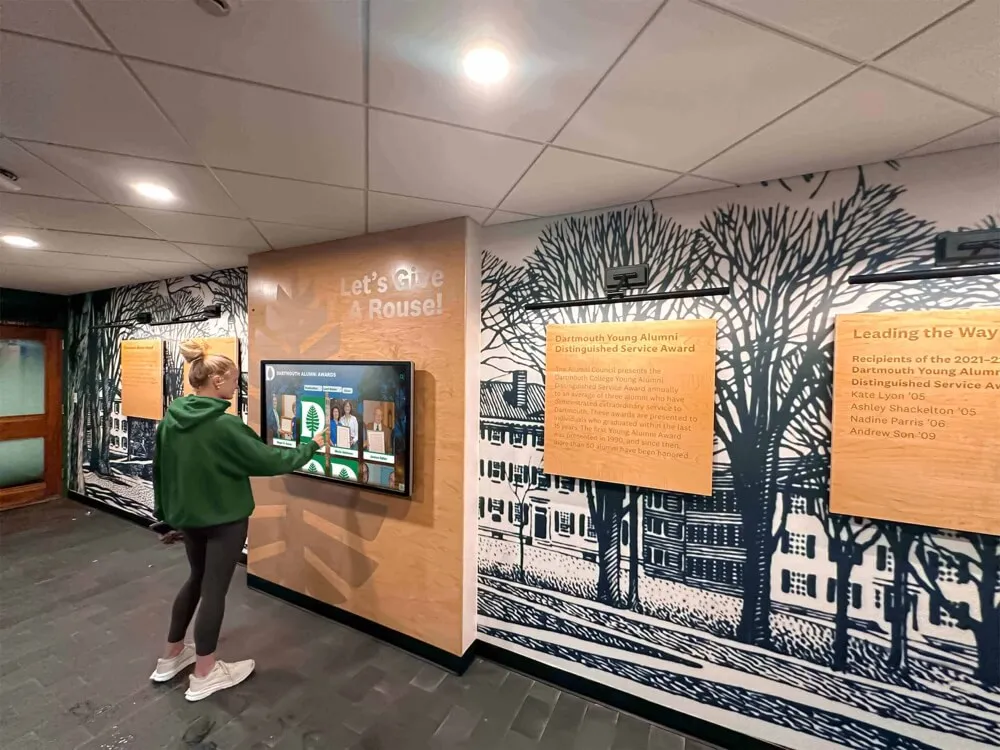
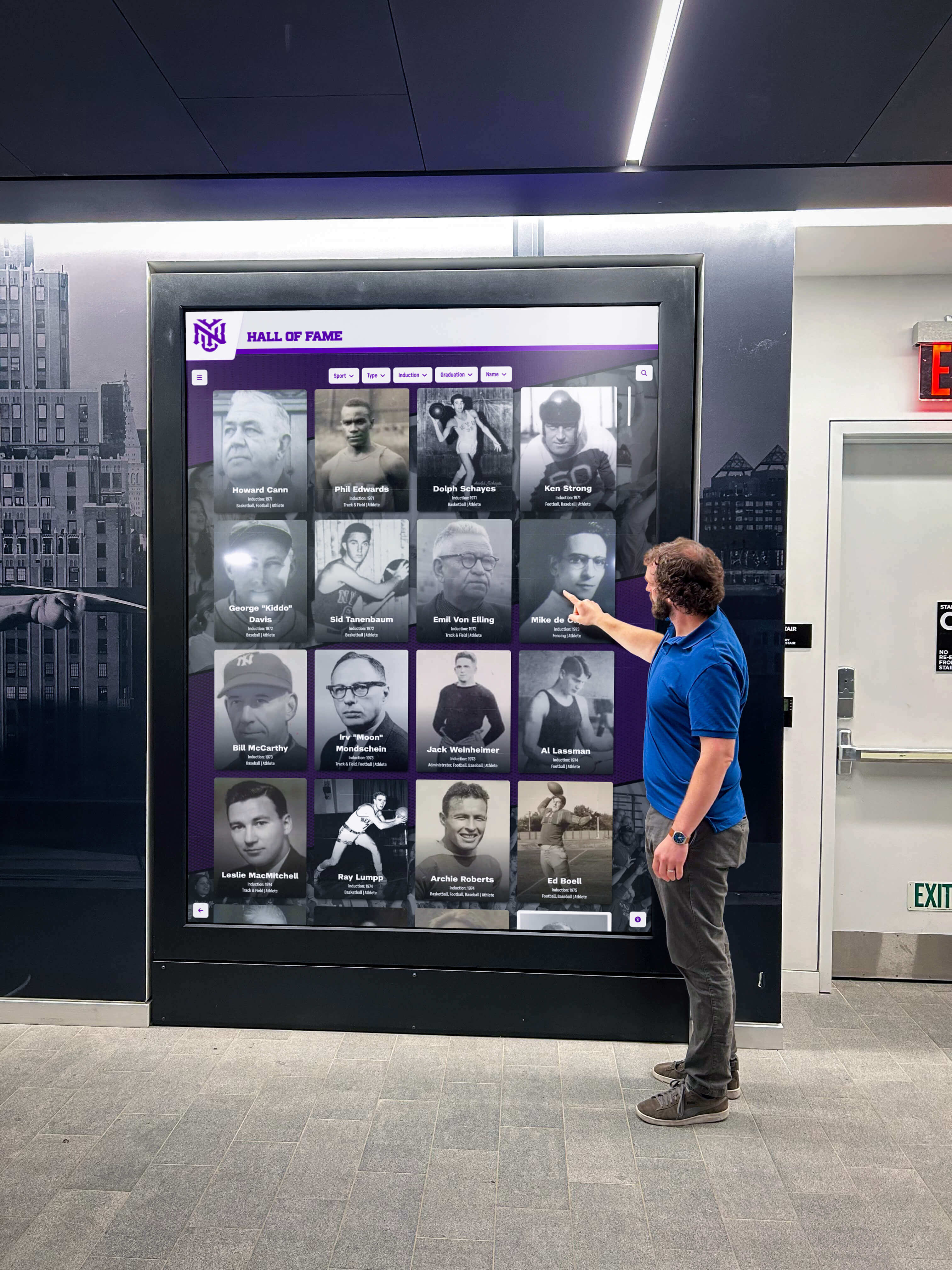
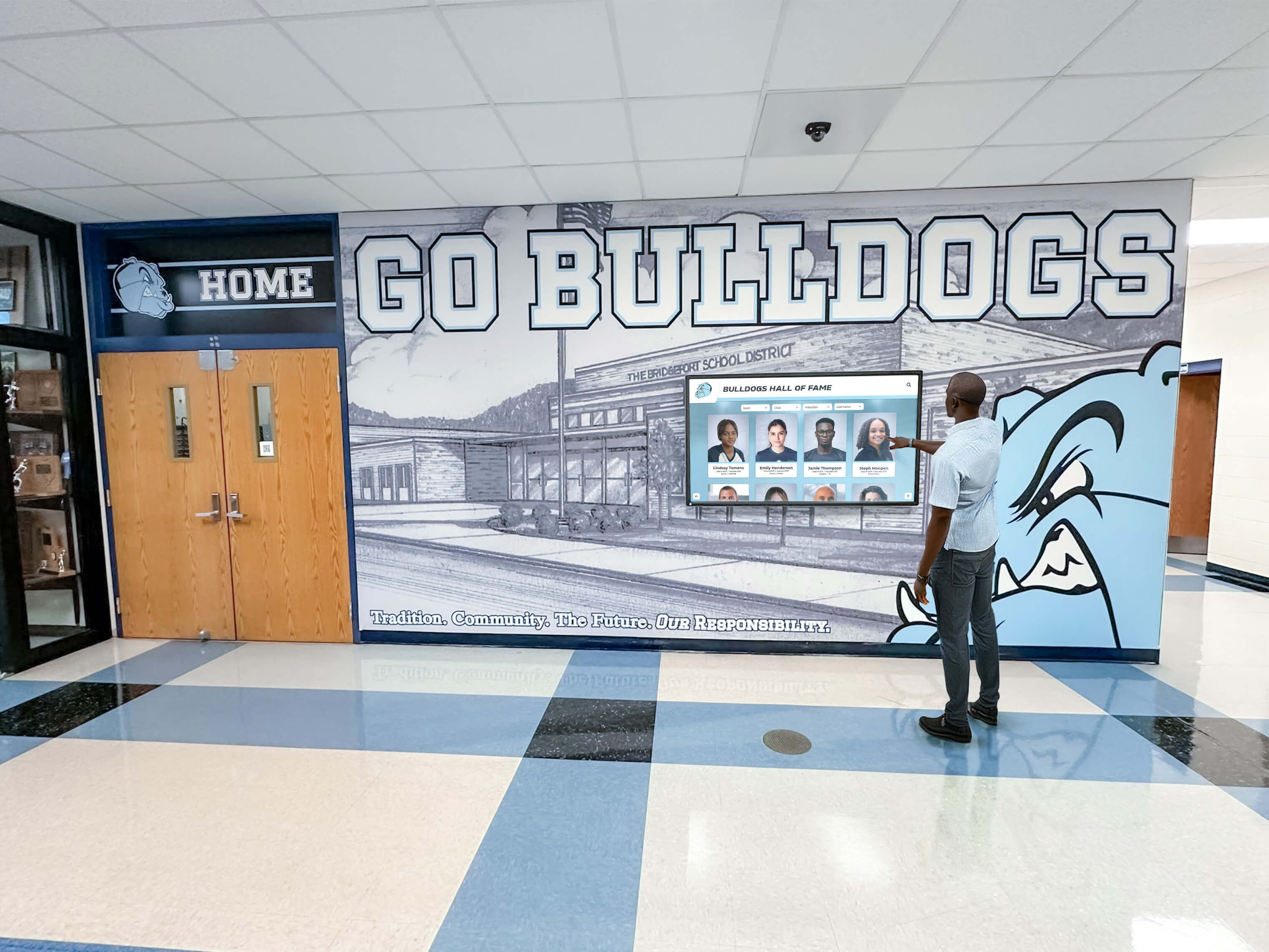

Interactive digital displays presenting archived materials through engaging touchscreen interfaces in library facilities create memorable exploration experiences for visitors of all ages. Children discovering photographs of ancestors, residents recognizing familiar locations transformed over time, and newcomers learning community history all build stronger connections to place and community.
Remote digital access enables residents who move away to maintain connections with hometown heritage. Alumni exploring school yearbooks, former residents viewing historical photographs of childhood neighborhoods, and genealogists researching family roots all strengthen ongoing relationships with communities regardless of current residence.
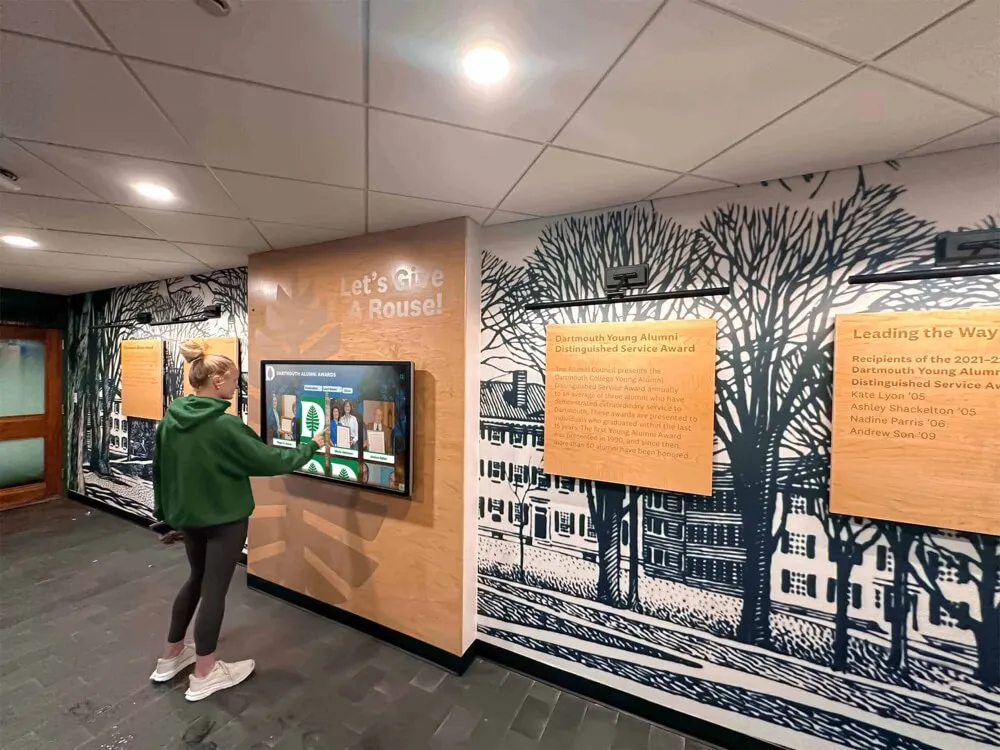
Libraries implementing comprehensive digital recognition displays combining archival materials with community celebration report significant increases in library visits, program attendance, and community support.
Supporting Education and Research
Digital archive collections provide invaluable primary source materials supporting education from elementary classrooms through doctoral research, positioning libraries as essential educational partners.
Educational Applications:
K-12 Education: Teachers integrate local history into curriculum using primary sources from digital collections. Students analyze historical photographs developing visual literacy skills, transcribe historical documents practicing reading comprehension, and conduct local history research projects connecting classroom learning with community context.
Higher Education Research: Undergraduate and graduate students conducting original research access primary sources without traveling to physical archives. Thesis and dissertation projects incorporate local materials previously difficult to access, advancing scholarship while highlighting community history.
Genealogical Research: Family historians trace ancestors using birth records, death certificates, census data, newspaper obituaries, city directories, and photograph collections. Digital access enables comprehensive genealogical research that physical collection access rarely supports effectively.
Public History Projects: Authors, documentarians, exhibit developers, and history organizations use digital collections for books, films, exhibitions, and websites interpreting local history for broader audiences. Accessible collections fuel increased historical interpretation benefiting entire communities.
Cultural Heritage Studies: Researchers studying immigration patterns, cultural traditions, economic evolution, social movements, and community development leverage local collections providing invaluable documentation often unavailable elsewhere.
According to information from the Library of Congress Digital Preservation program, digital archives provide essential support for education, research, and cultural understanding by making primary sources widely accessible.
Digital Collection Management Platforms
Selecting appropriate software represents a critical decision significantly impacting program effectiveness, staff workload, long-term sustainability, and community access experiences.
Leading Open-Source Platforms
Open-source software provides libraries with cost-effective solutions offering flexibility and customization without ongoing licensing fees, though requiring more technical expertise for implementation and maintenance.
Omeka: Flexible Digital Exhibition Platform
Overview: Omeka is a free, open-source web-publishing platform for displaying library, museum, and archival collections. According to Omeka.org, the platform uses Dublin Core metadata standards and offers extensive plugin ecosystem for specialized functionality.
Key Capabilities:
- Intuitive content management requiring minimal technical expertise
- Beautiful online exhibitions with customizable themes
- Flexible metadata supporting diverse collection types
- Plugin architecture enabling custom functionality
- Mobile-responsive interfaces working across devices
- Multi-collection support from single installation
Best For: Libraries seeking customizable exhibition-focused platforms with moderate technical capabilities and emphasis on public presentation over backend preservation infrastructure.
CollectiveAccess: Comprehensive Collections Management
According to CollectiveAccess.org, CollectiveAccess version 2.0 composes a core cataloguing and data management application called Providence with optional public web-access application called Pawtucket2. Version 2.0.9 was released in July 2025 featuring new capabilities and bug fixes.
CollectiveAccess provides professional-grade collections management suitable for complex archives with sophisticated cataloguing requirements. The platform supports extensive relationship mapping between collection items, detailed authority files for people and organizations, complex rights management, and professional archival description standards.
Best For: Libraries with technical staff comfortable with complex open-source software seeking maximum customization and professional archival capabilities without commercial licensing costs.
Greenstone: Multilingual Digital Library Software
Greenstone is a suite of software for building and distributing digital library collections, providing ways of organizing information and publishing it on web or removable media like DVD and USB drives. It is open-source, multilingual software issued under terms of GNU General Public License.
Greenstone excels for libraries serving multilingual communities or seeking offline collection distribution capabilities. The platform supports numerous languages and enables collection deployment without constant internet connectivity requirements.
Best For: Libraries serving diverse linguistic communities, institutions in areas with limited internet infrastructure, or organizations seeking offline collection distribution alongside web access.
Commercial and Hosted Solutions
Commercial platforms provide comprehensive support, regular updates, and user-friendly interfaces with ongoing licensing costs balanced against reduced technical burden and enhanced capabilities.
Professional Digital Collection Platforms
CONTENTdm (OCLC)
According to OCLC, CONTENTdm allows libraries to easily build, preserve, and showcase digital collections on personalized websites, making them more discoverable to people worldwide. The platform secures and monitors digital originals in cloud-based preservation archives ensuring they remain safe for the future.
Strengths:
- Industry-standard platform with extensive library user base
- Comprehensive preservation infrastructure meeting professional standards
- Intuitive interfaces for both staff and public users
- Excellent OCLC WorldCat integration increasing discoverability
- Regular updates and professional technical support
- Scalability supporting collections from hundreds to millions of items
Investment: Annual subscriptions typically range $5,000-$15,000 depending on collection size and institutional profile.
Recollect: Community Archive Platform
According to RecollectCMS.com, Recollect's cloud-based platform allows users to build identity, enrich collections, capture and manage new content, and discuss ideas from anywhere in the world.
Strengths:
- Emphasis on community contribution and crowdsourcing
- Beautiful, engaging public interfaces encouraging exploration
- Social features enabling community discussion and sharing
- Mobile-first design working excellently on smartphones
- Simplified content management for non-technical staff
- Strong support for oral history and multimedia content
Investment: Cloud-based subscriptions typically range $3,000-$8,000 annually based on collection scope and features.
Integrated Recognition and Display Systems
The most effective digital archive implementations extend beyond web-only access by incorporating physical interactive displays creating engaging experiences for library visitors while simultaneously maintaining comprehensive online portals.
Comprehensive Heritage Platforms
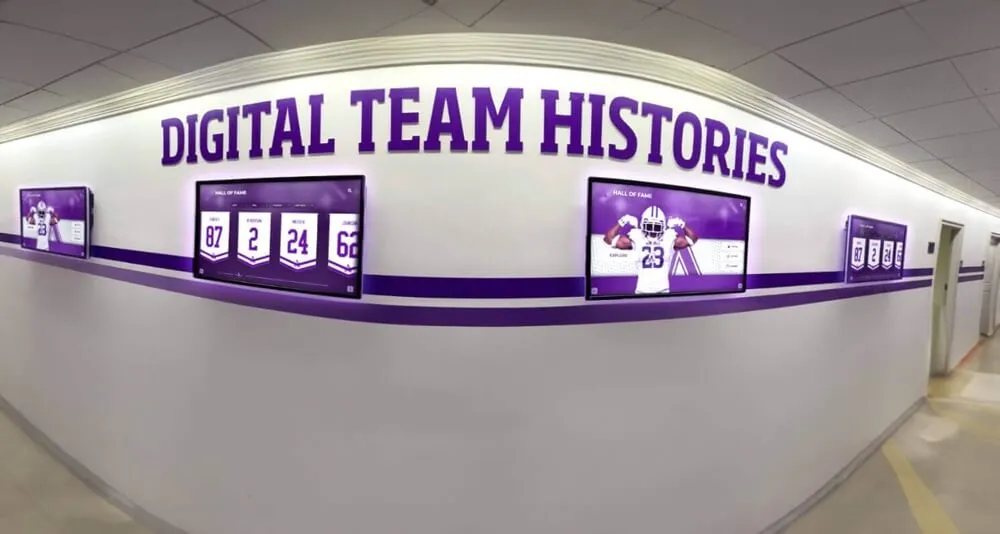
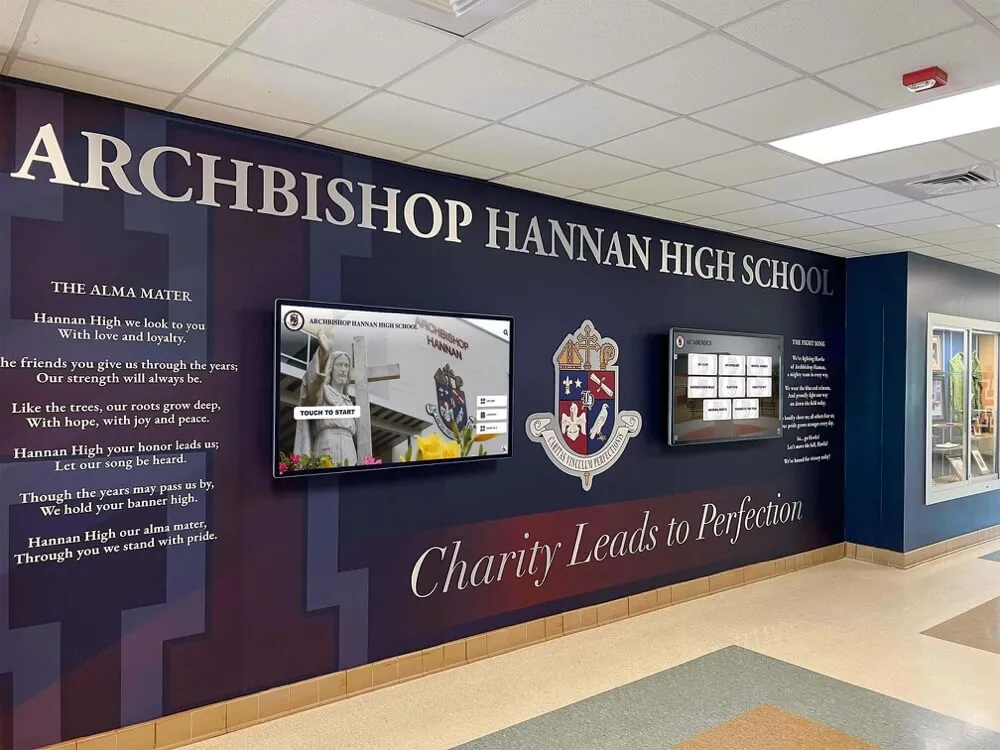
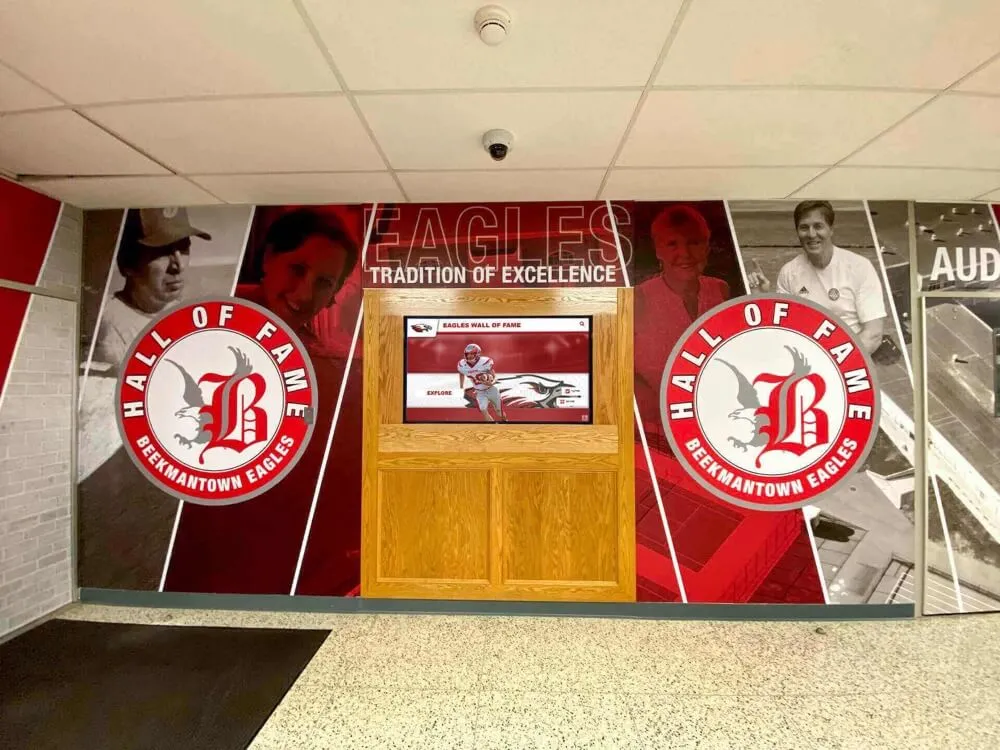
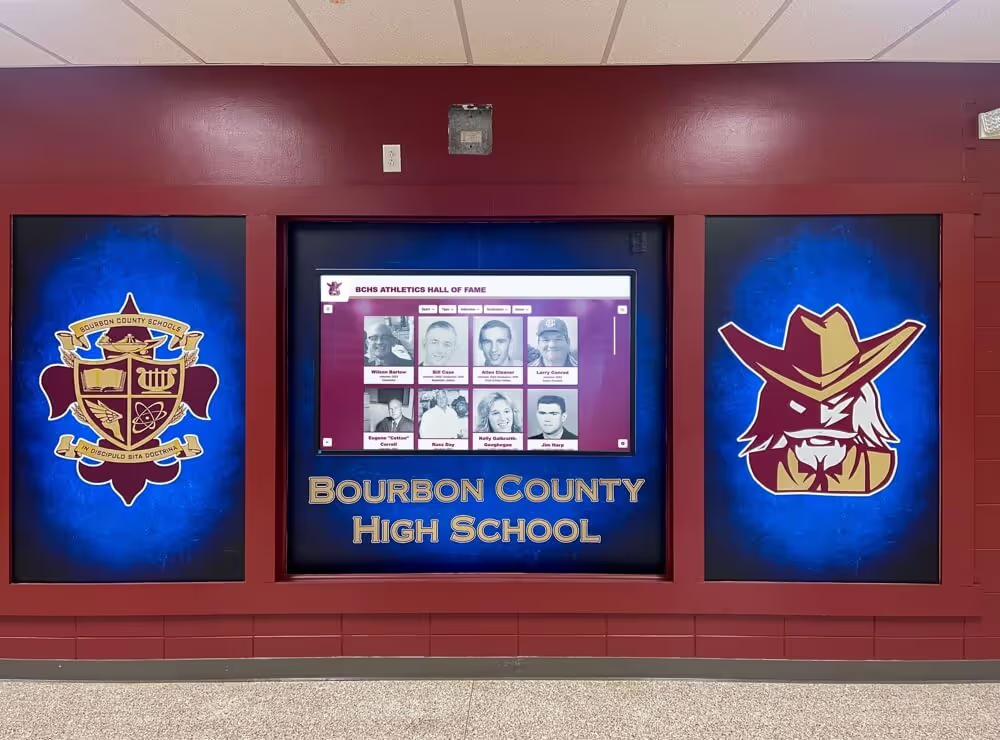
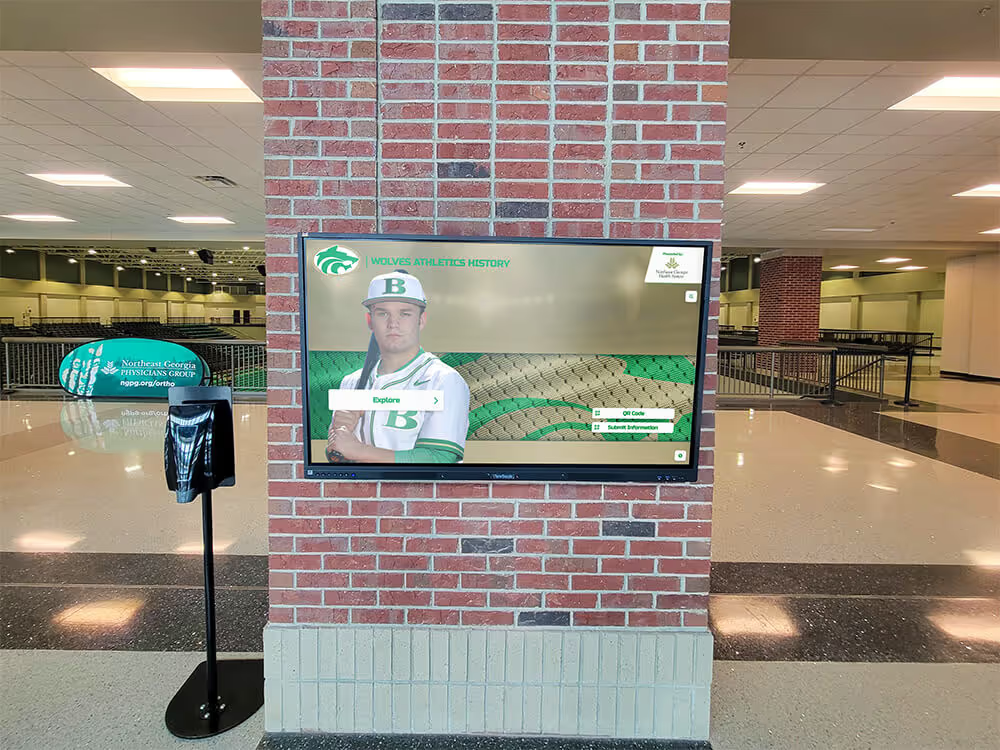
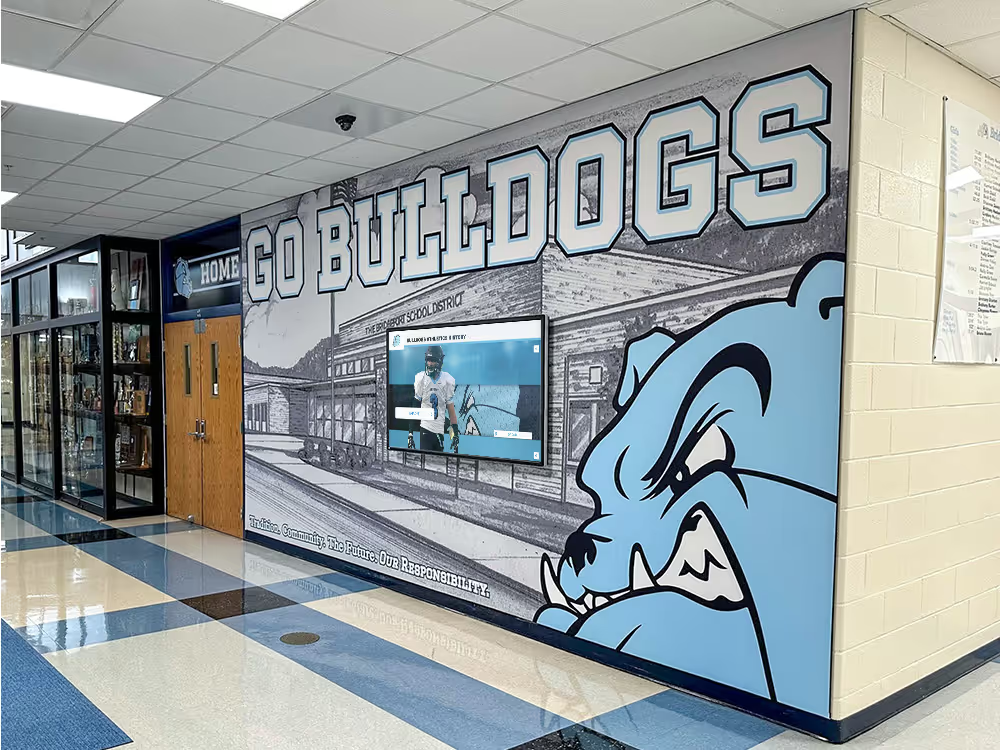
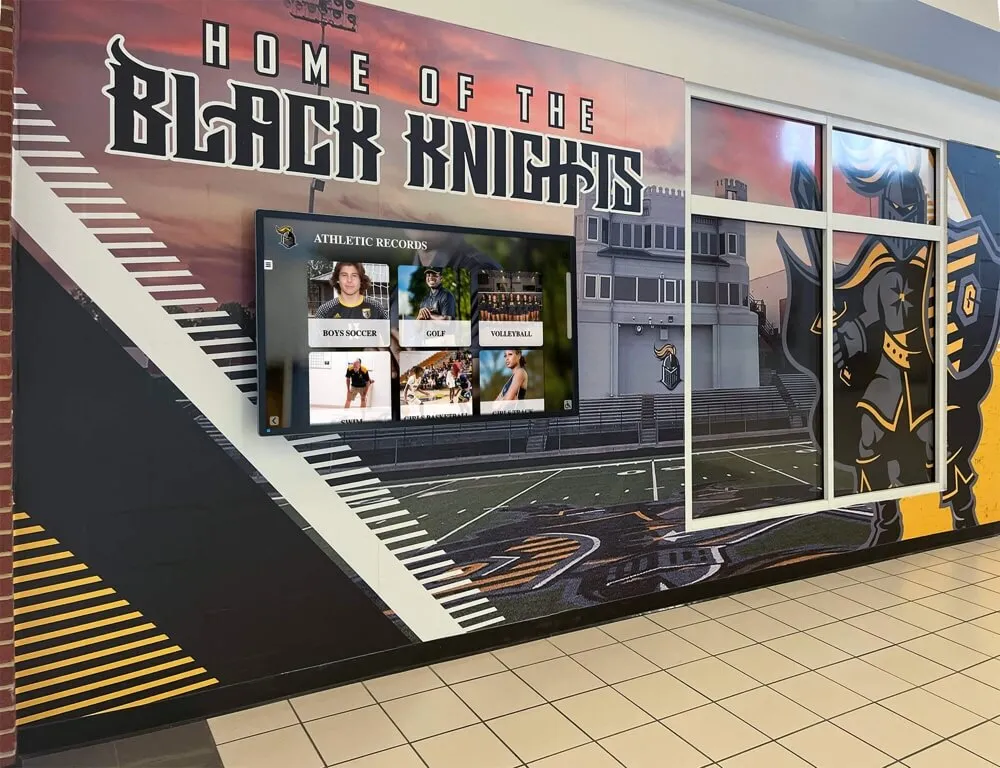
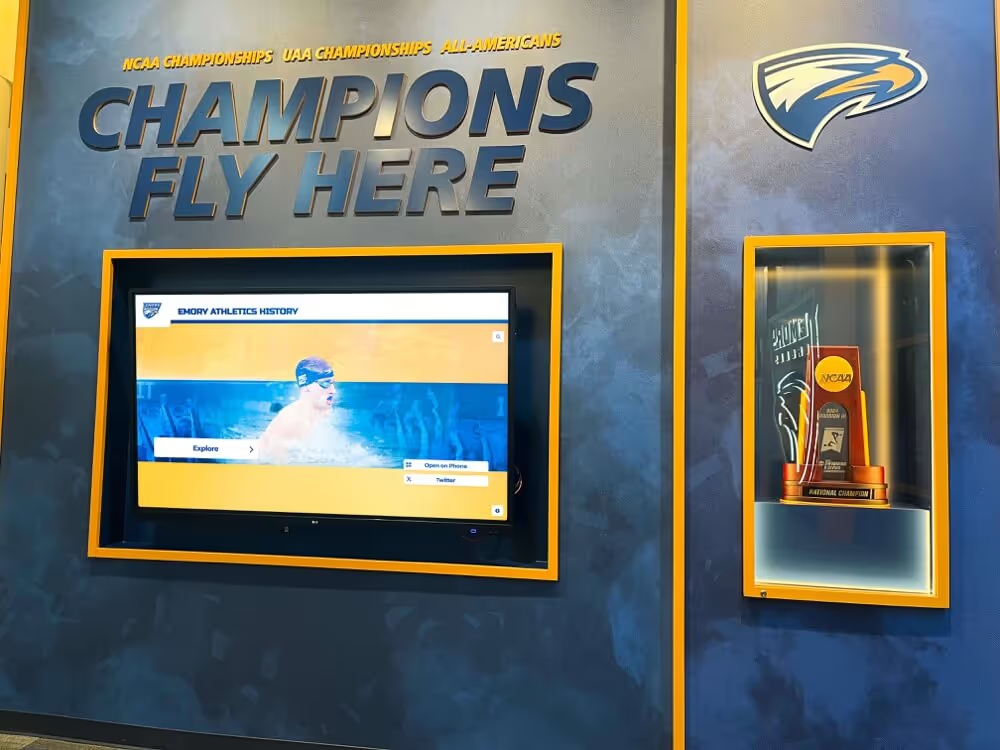
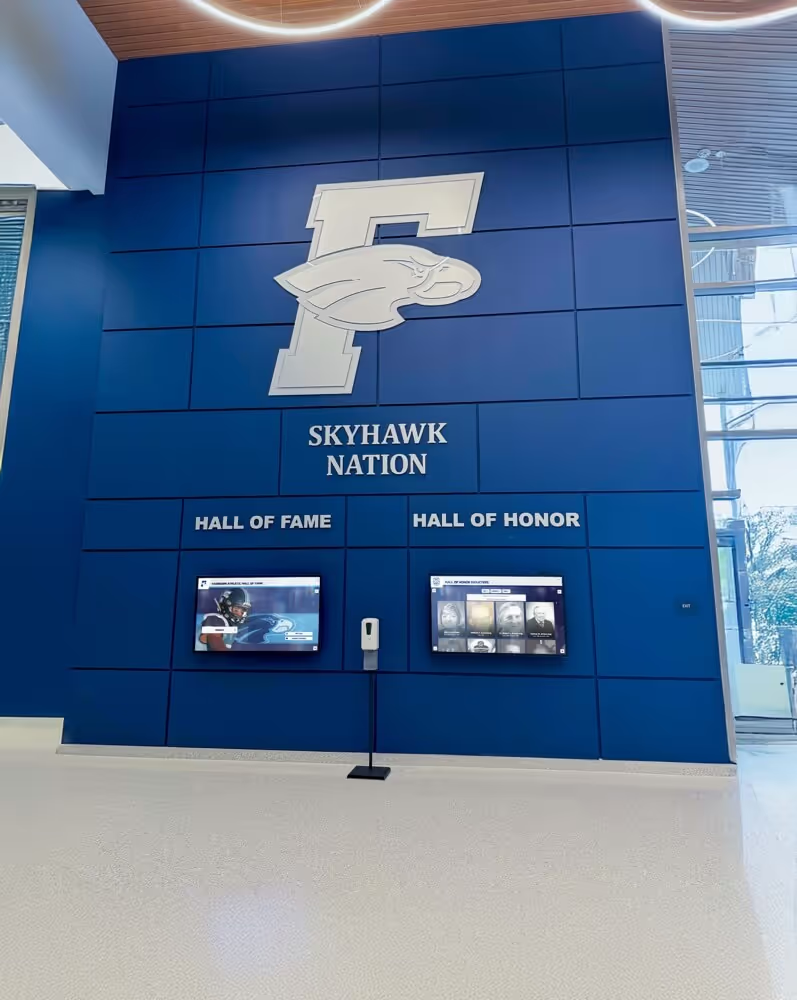
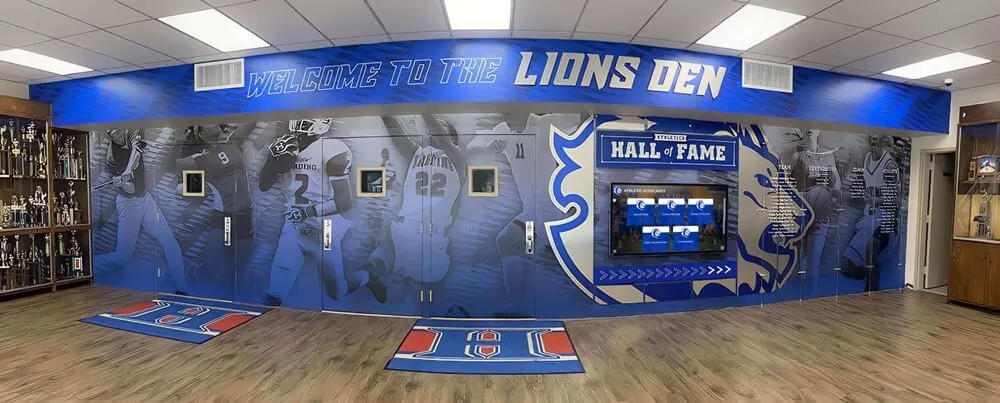
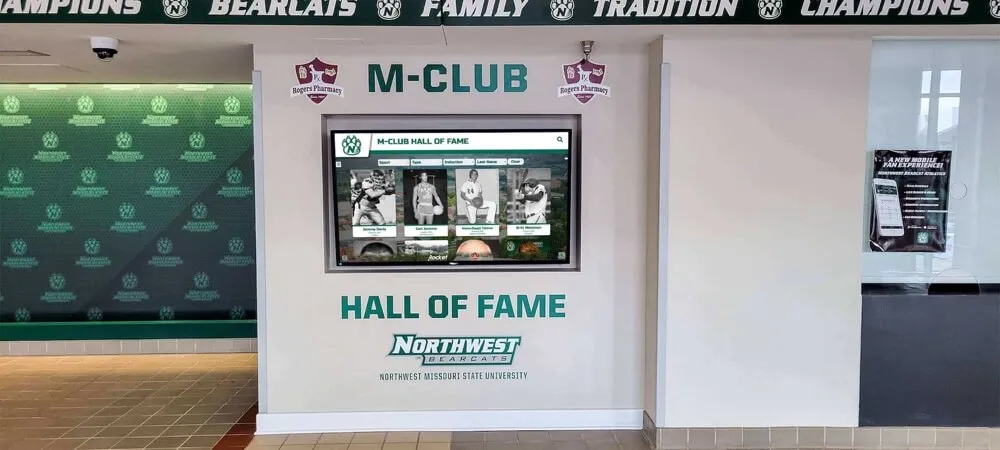
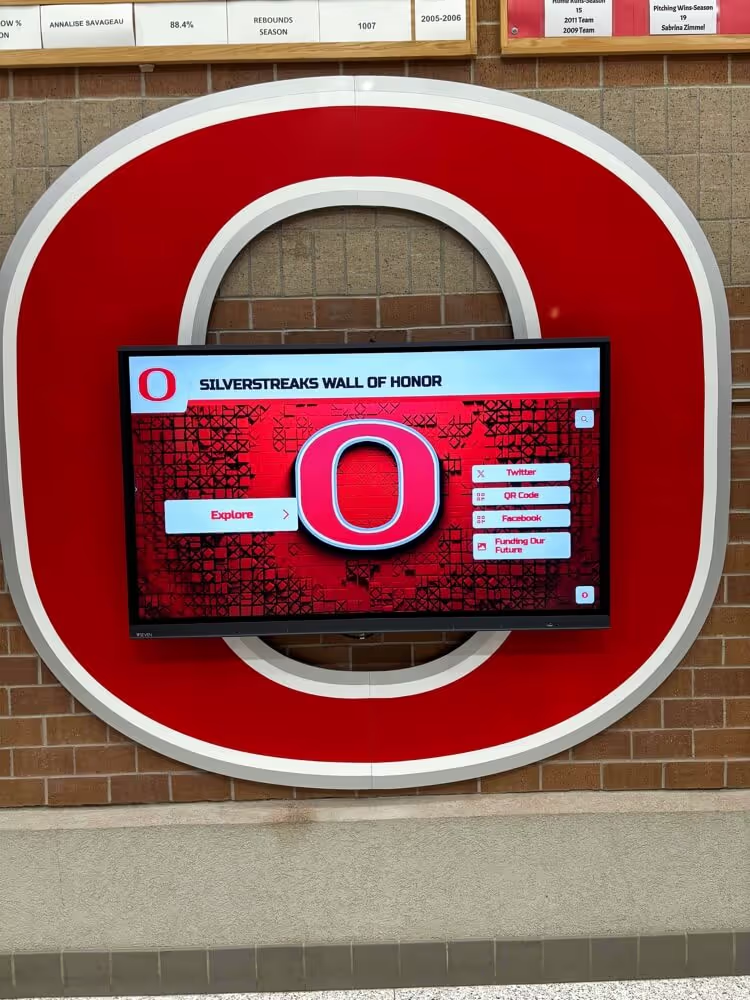
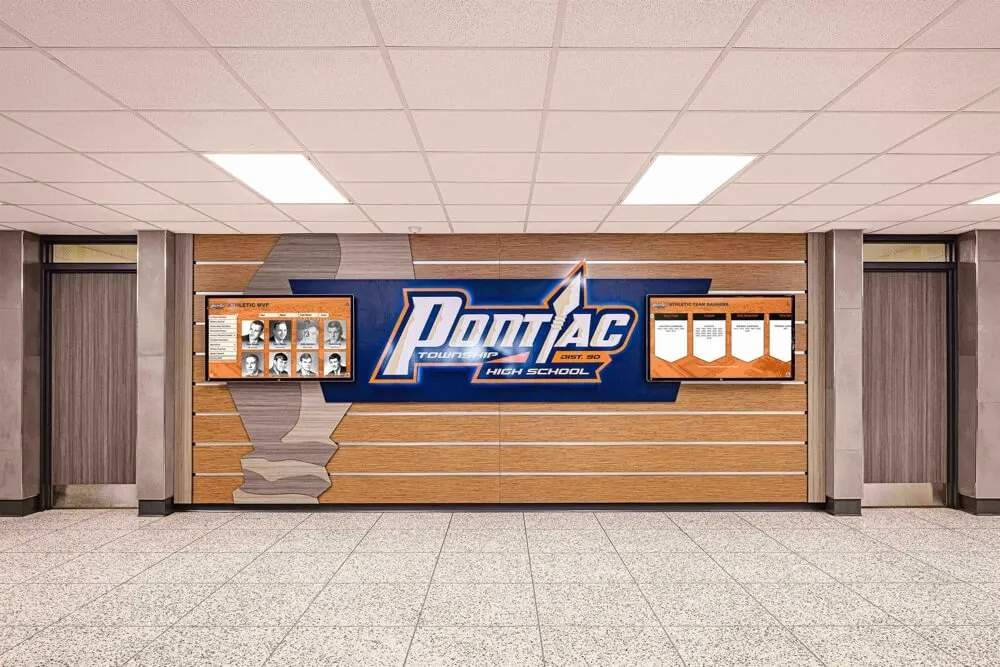
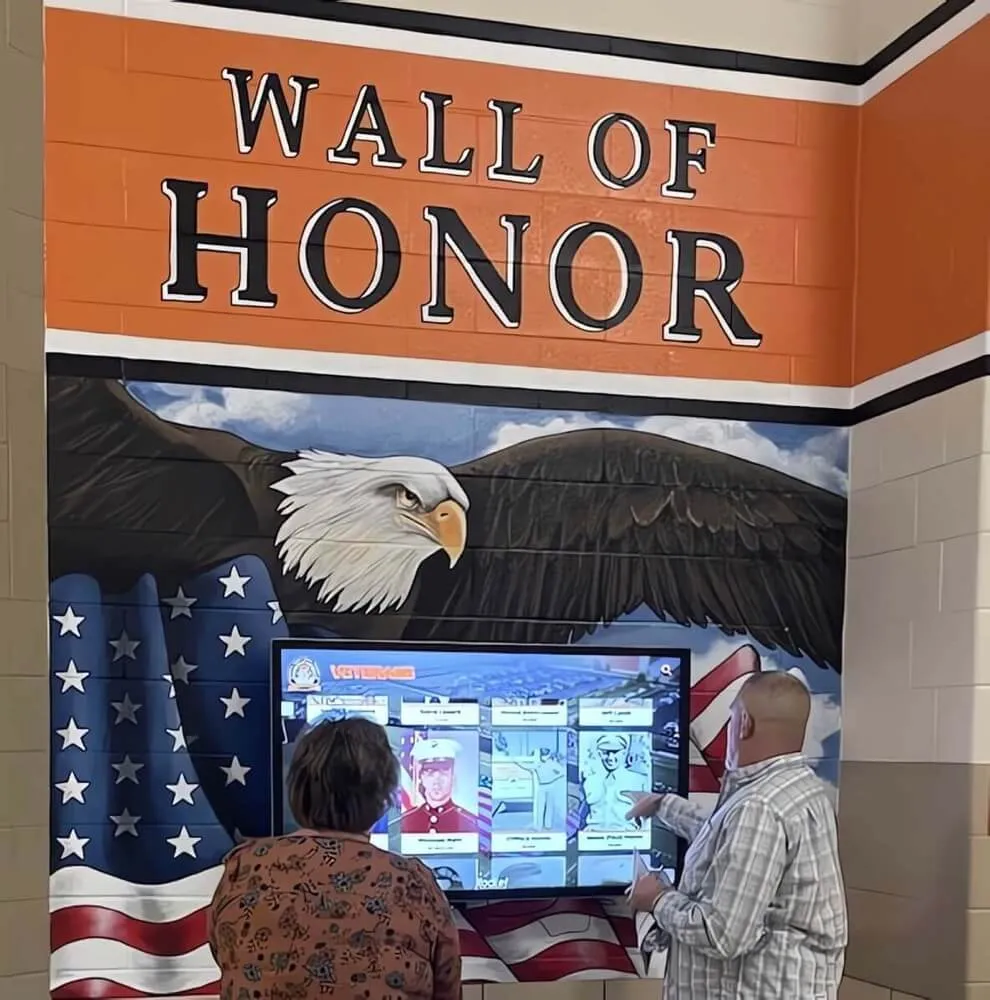
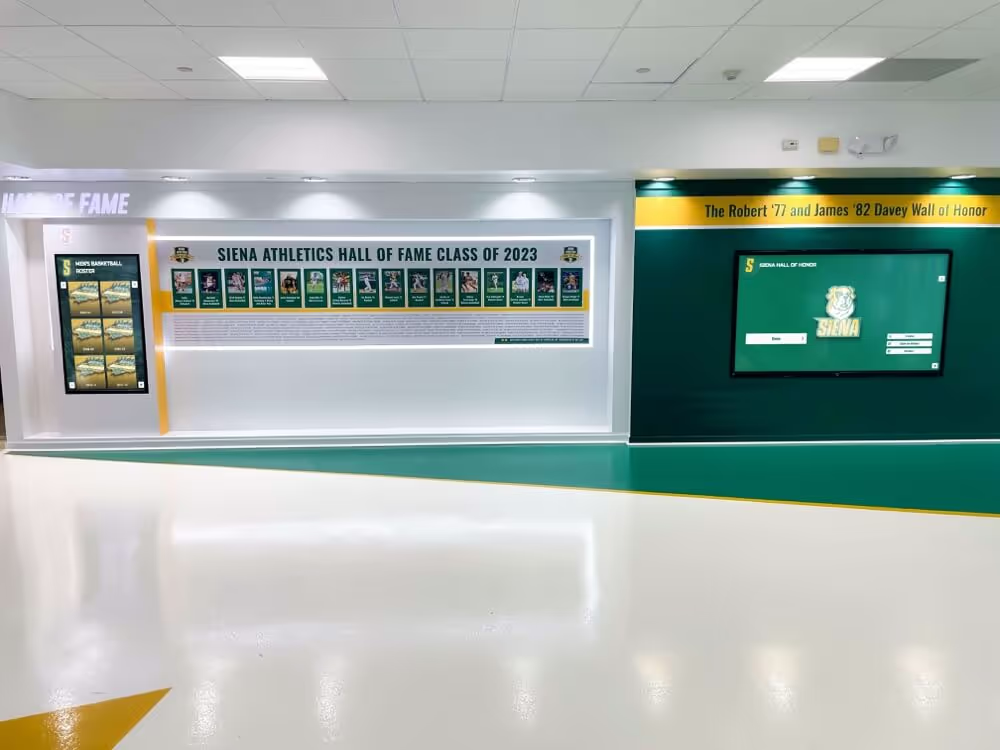
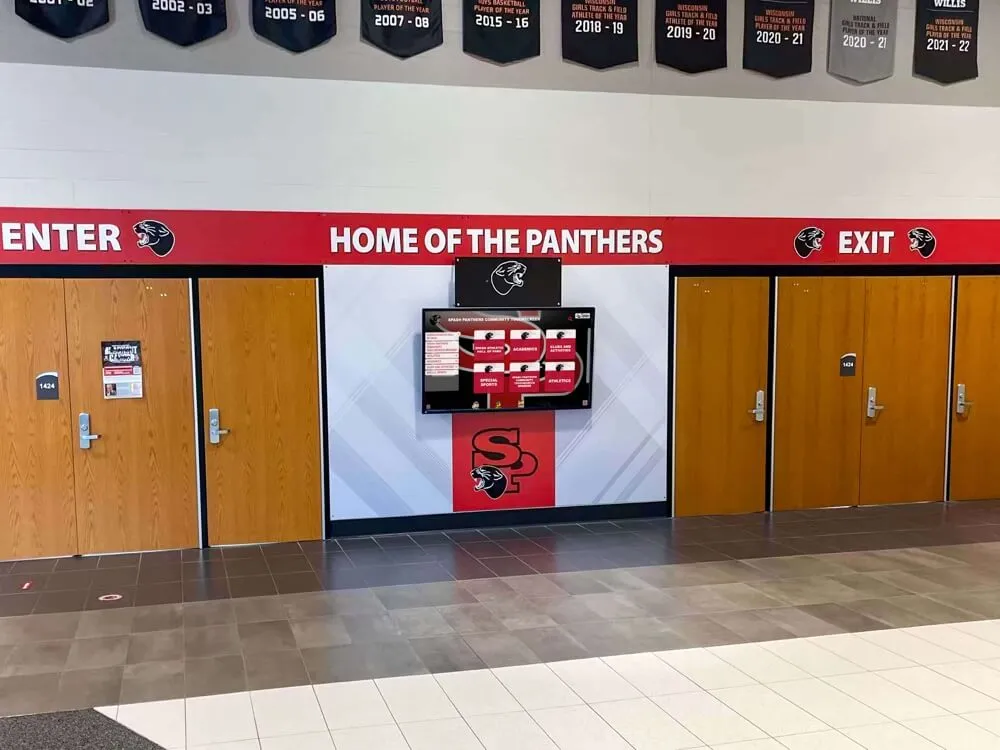
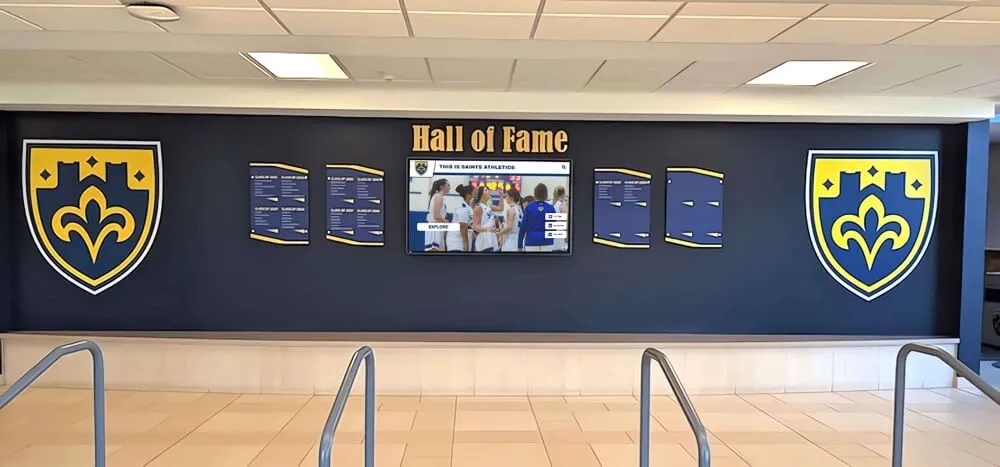
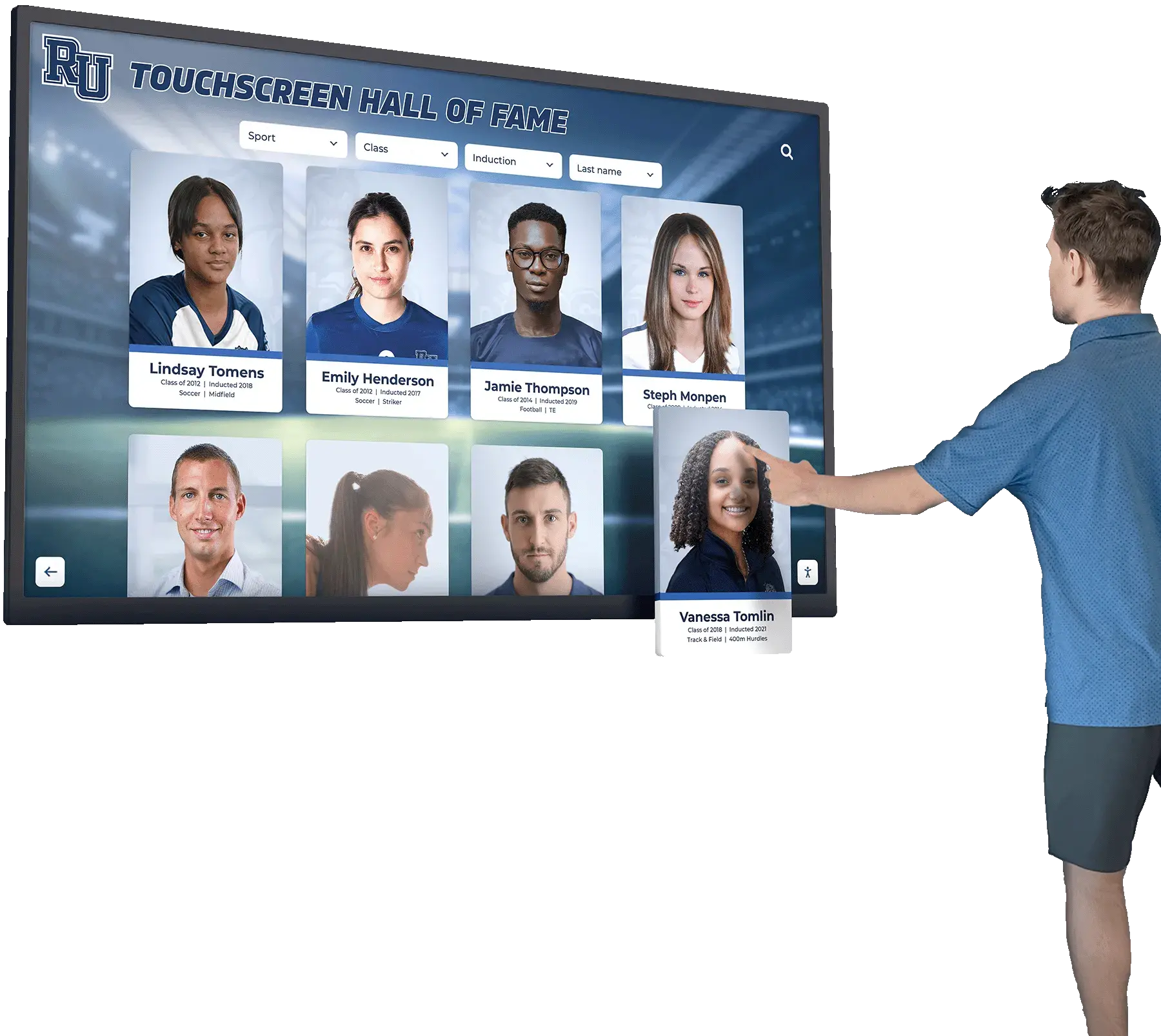
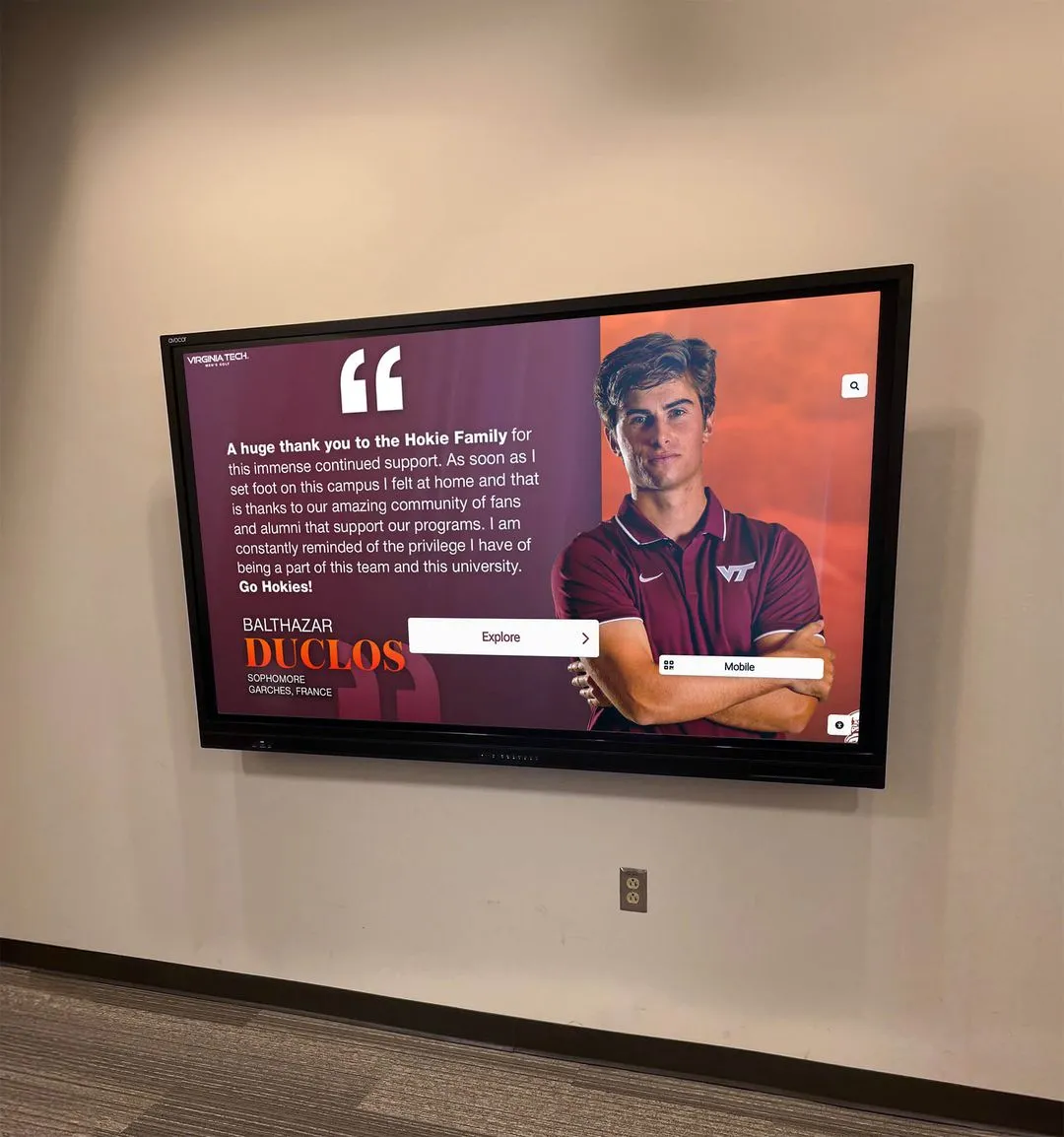
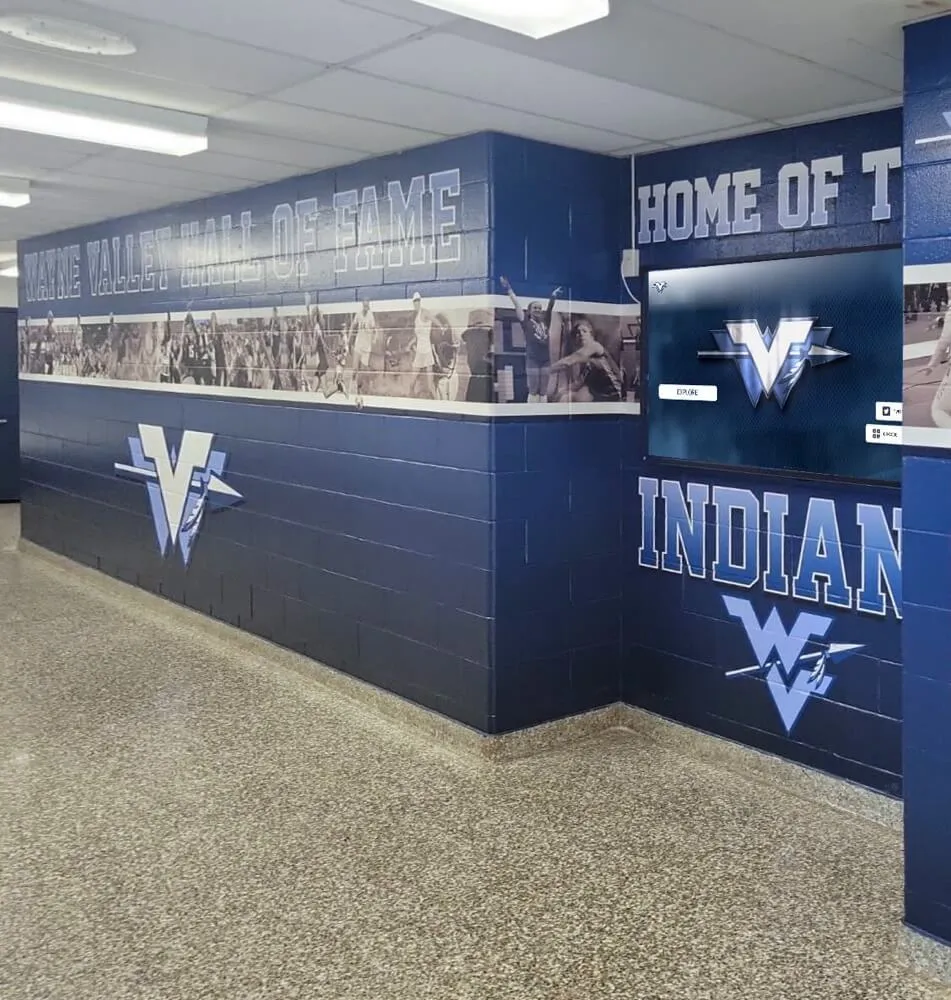
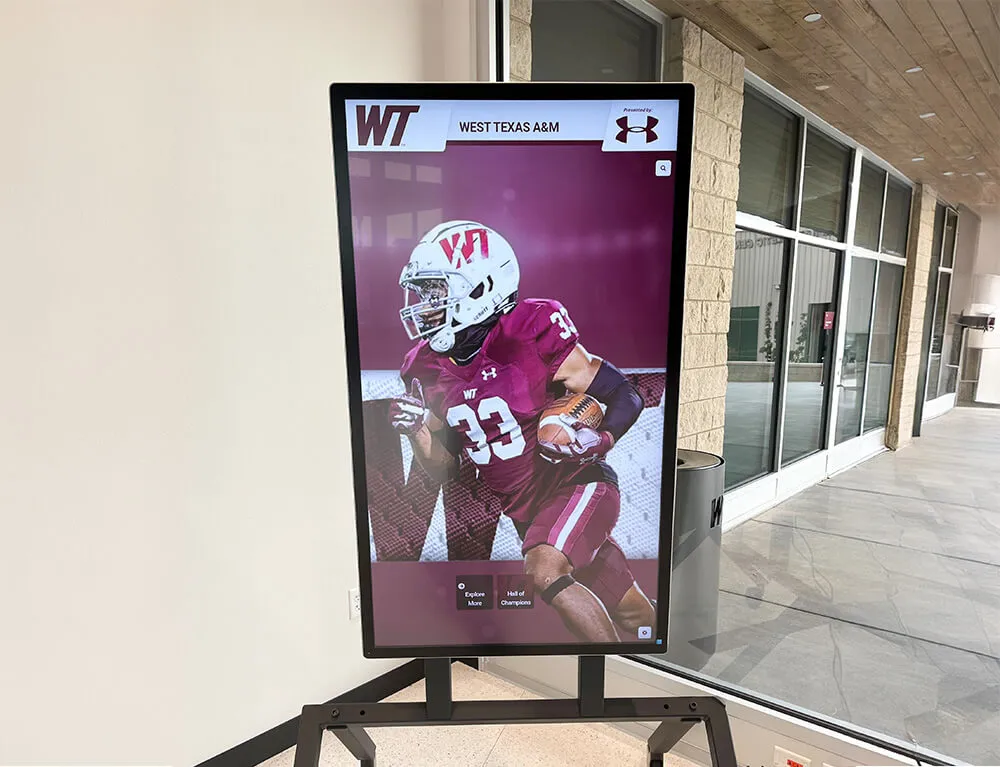
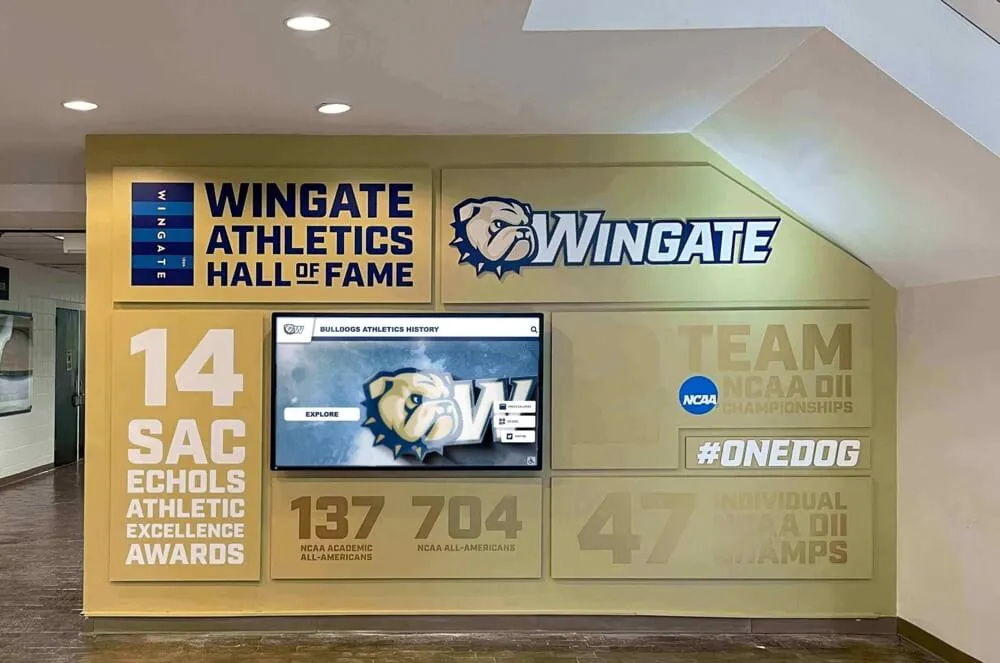
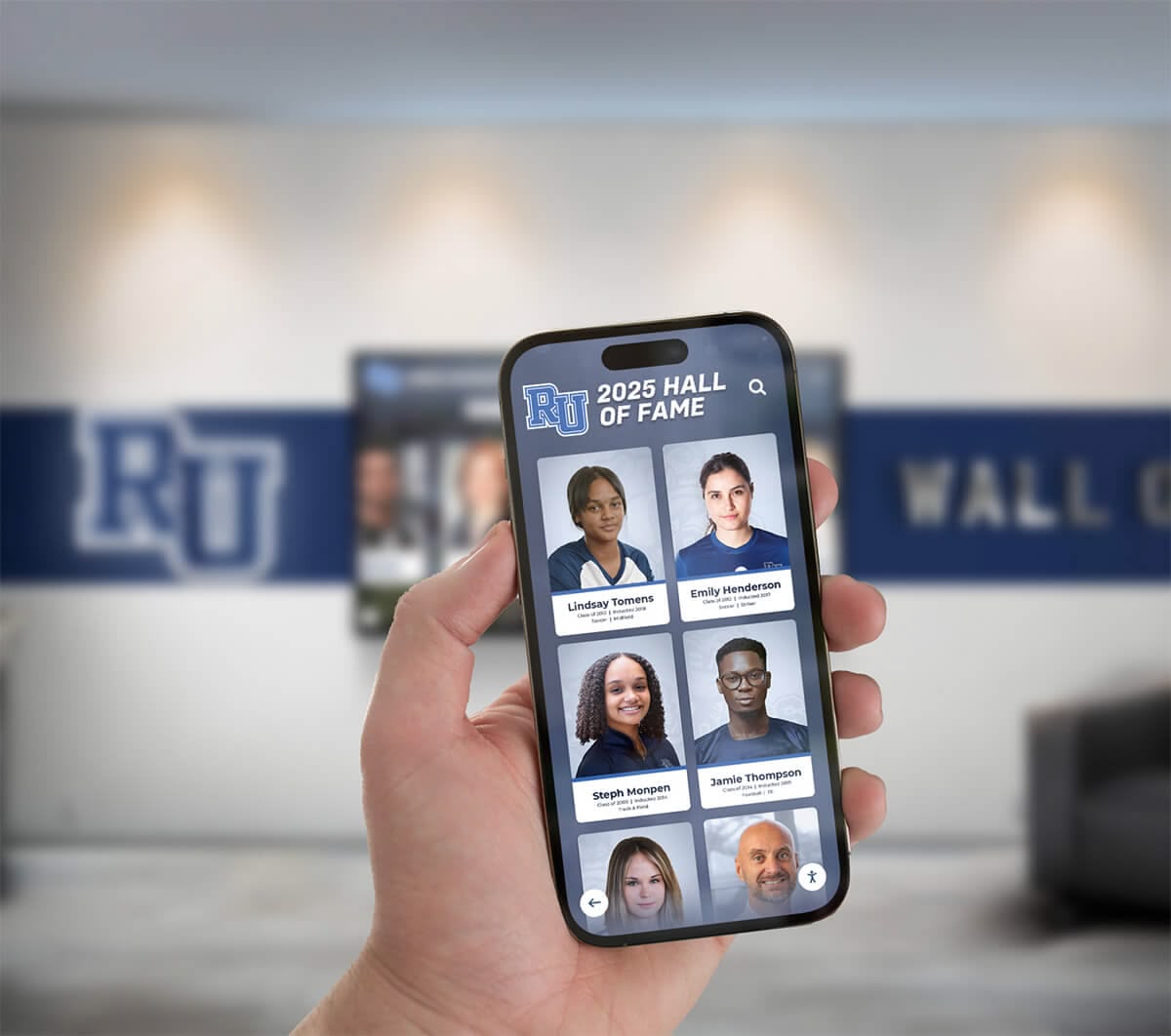
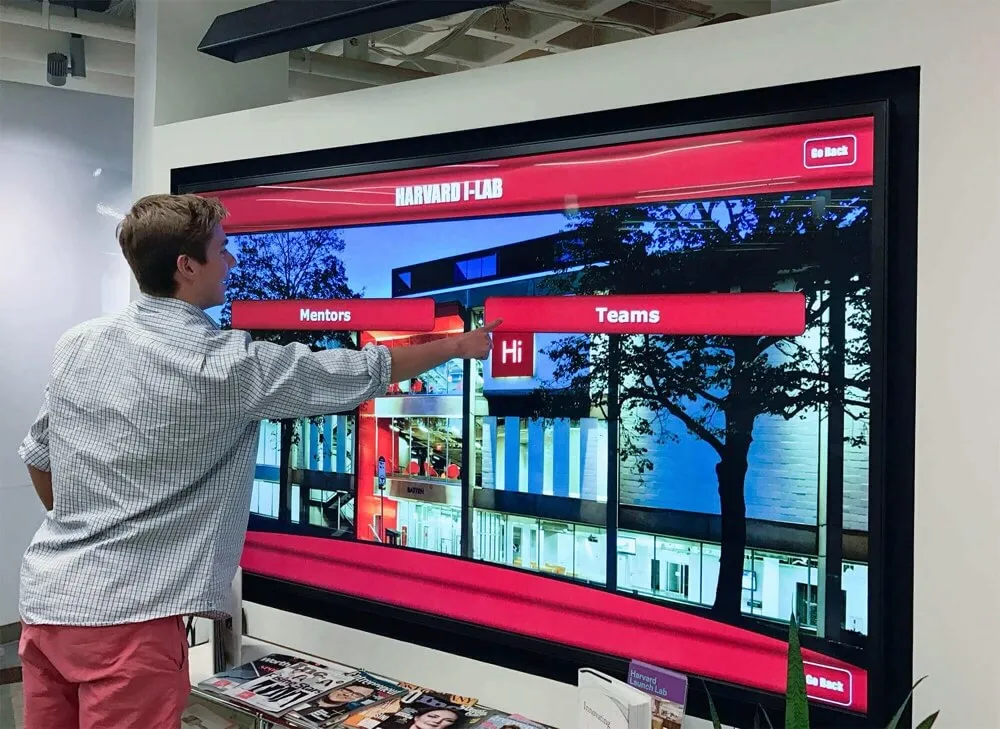
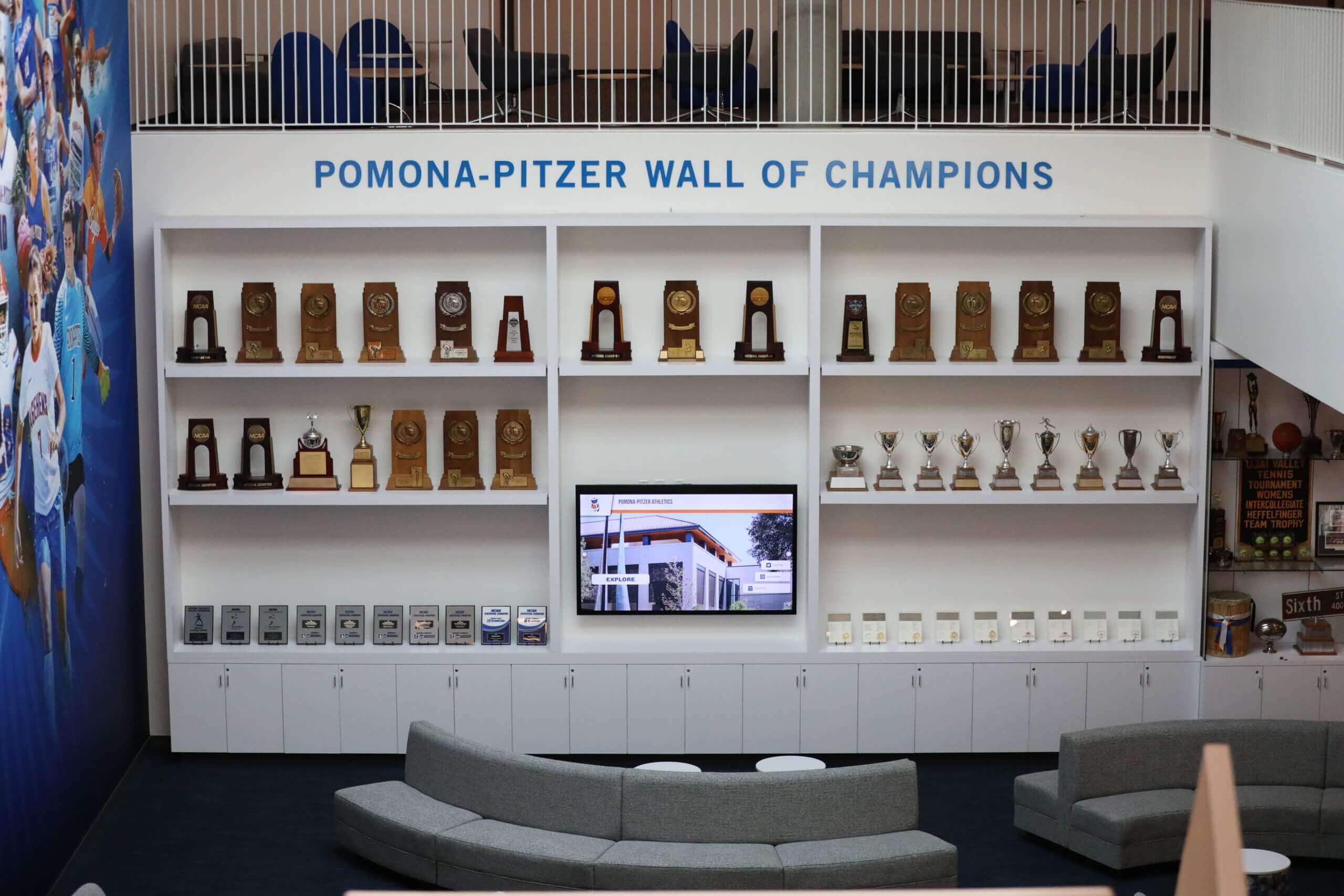
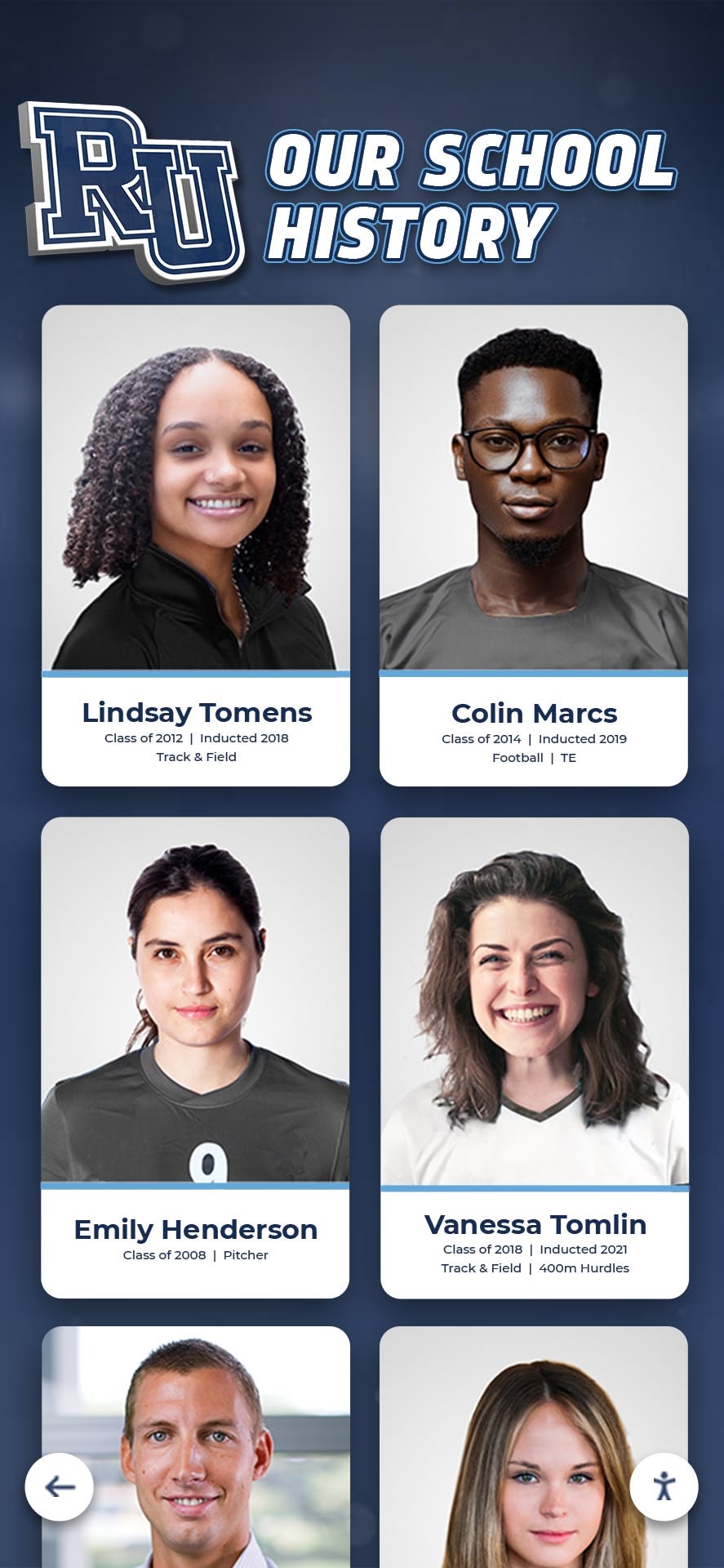
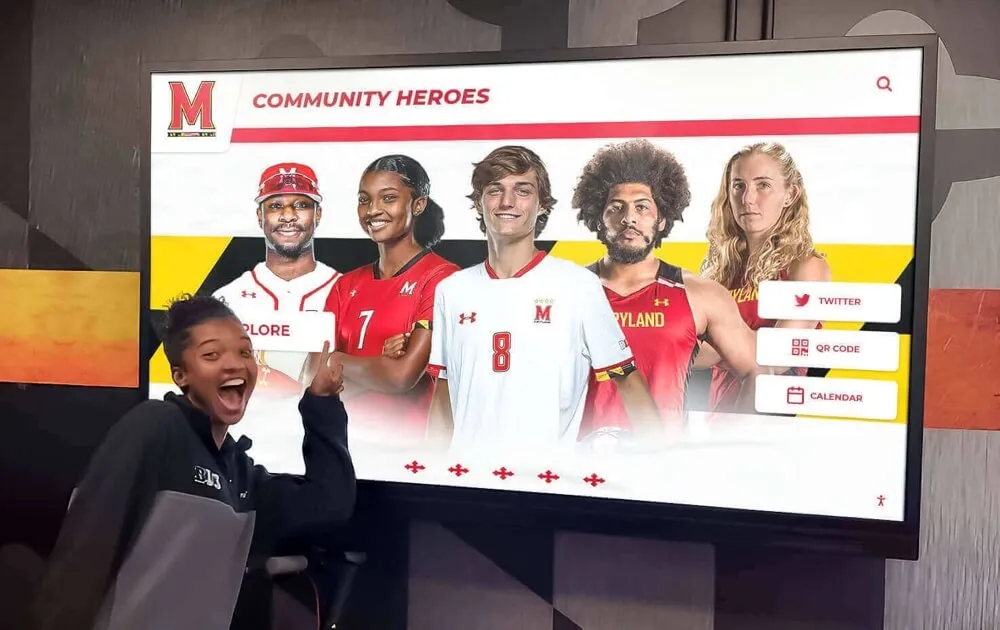
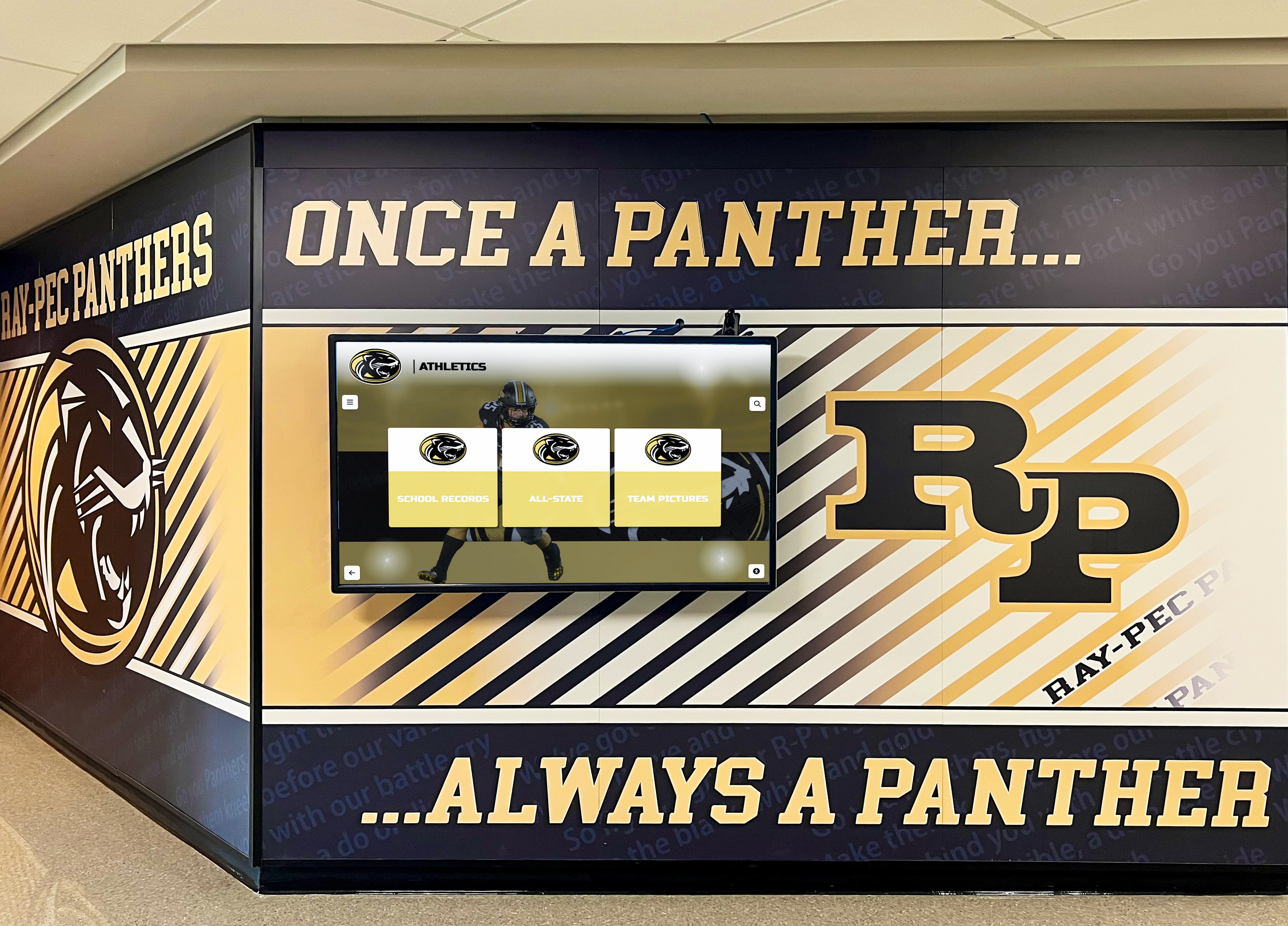
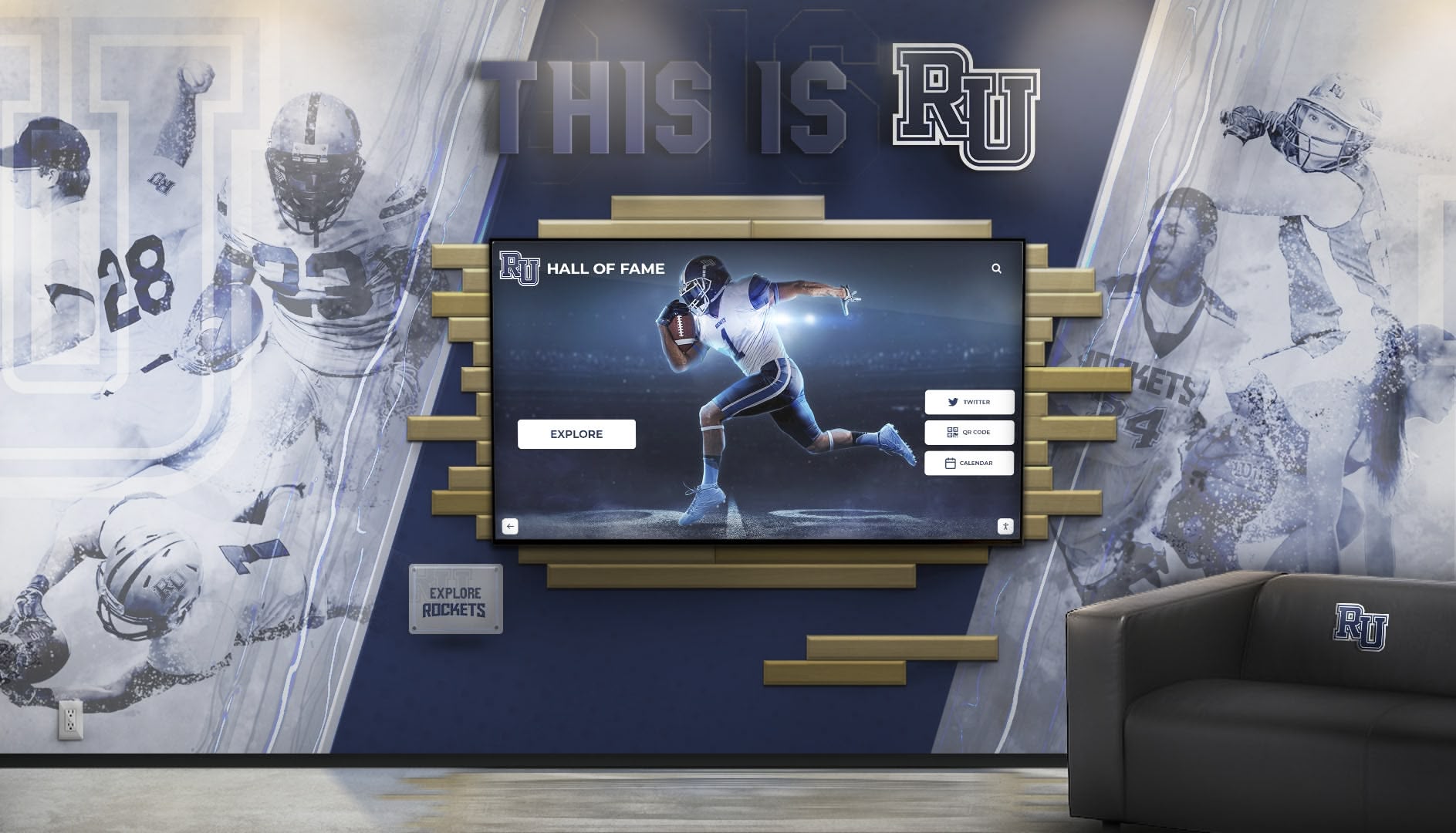
Solutions like Rocket Alumni Solutions enable libraries to present archived materials through interactive touchscreen displays functioning as digital heritage centers in library facilities. Historical photographs, documents, and community records become accessible through engaging touch interfaces inviting exploration rather than remaining solely in online portals requiring intentional seeking.
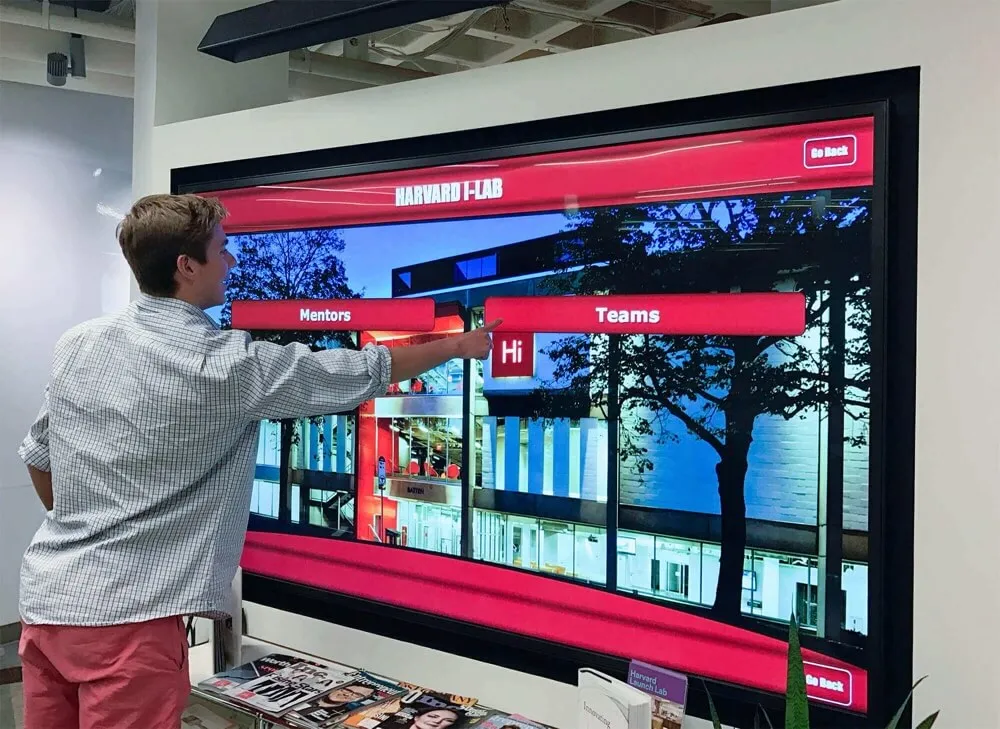
Visitors of all ages naturally interact with touchscreen displays, discovering local history through intuitive interfaces familiar from consumer devices. Children exploring historical photographs, teenagers researching school projects, adults investigating genealogy, and seniors reminiscing about changes they witnessed all engage with heritage content through touchscreen experiences.
Comprehensive platforms provide unified content management where materials added once automatically appear across multiple access points—touchscreen displays, web portals, mobile interfaces—without duplicate data entry or file transfers between disconnected systems.
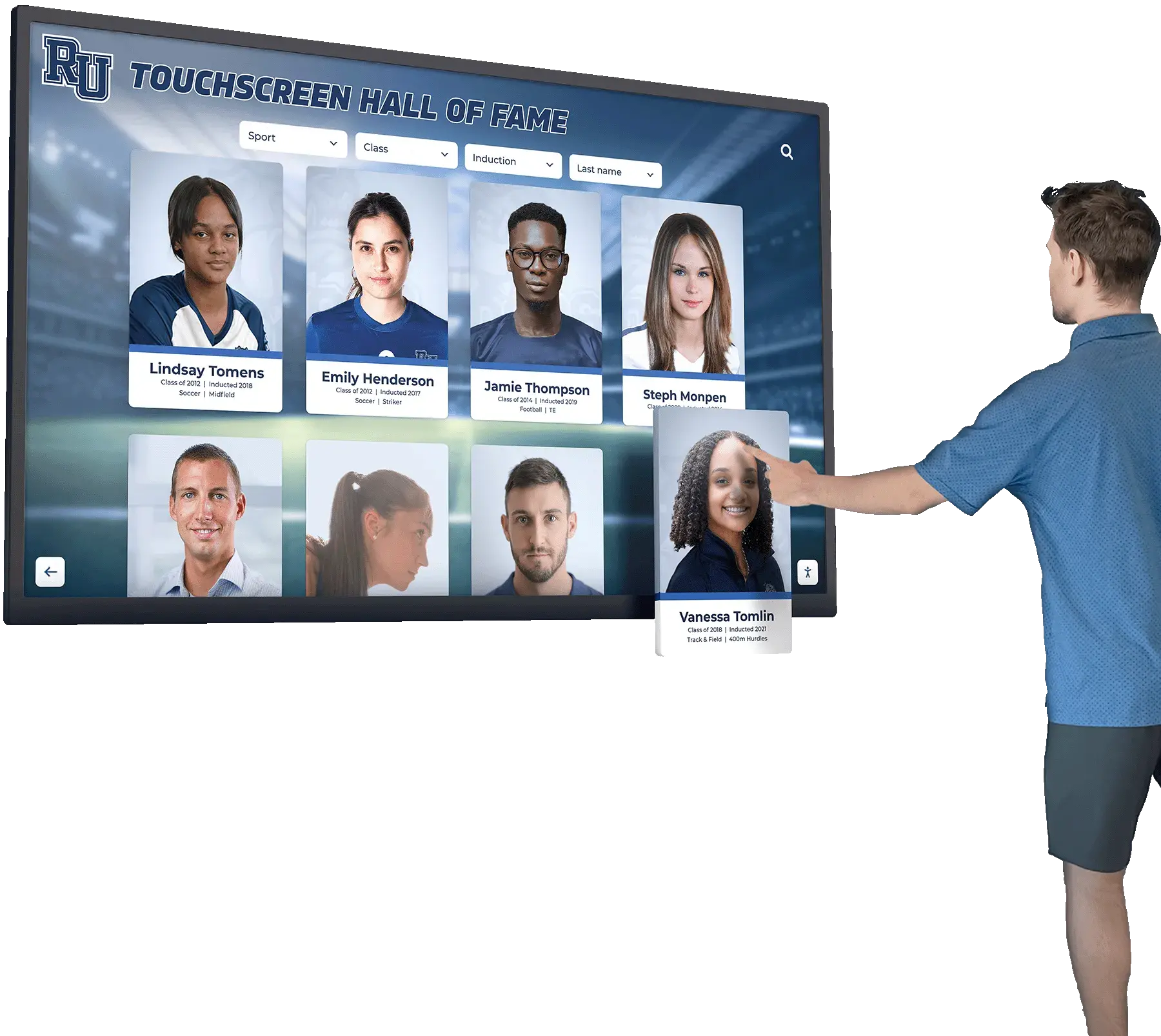
Libraries implementing integrated approaches connecting digital preservation with engaging public presentation can reference examples from community showcase projects demonstrating how archived content becomes foundation for dynamic community engagement systems.
Building Digital Archive Collections: Best Practices
Successful digital archive programs follow systematic approaches addressing collection development, technical standards, metadata requirements, and public access considerations from project inception.
Phase 1: Planning and Assessment
Beginning Your Digital Archive Program
Survey Collections
Inventory existing materials held in special collections, local history rooms, archives, storage areas, and donations awaiting processing
Assess Condition
Evaluate preservation status identifying materials at immediate risk requiring urgent digitization before further deterioration
Identify Community Needs
Research what materials community members seek, what stories remain untold, and which collections would generate greatest interest and use
Evaluate Copyright
Assess copyright status of potential collection materials determining what can be digitized and made publicly accessible without rights clearance issues
Establish Priorities
Rank materials for digitization based on preservation urgency, community demand, research value, copyright status, and available resources
Secure Resources
Identify funding through library budgets, grants, donations, and partnerships while building staff expertise and volunteer support
Collection Priority Framework:
High-priority materials for initial digitization:
- Fragile items at immediate risk of loss or further deterioration
- Unique materials unavailable elsewhere and irreplaceable if lost
- High-demand items frequently requested by community members
- Materials supporting current community interests or anniversaries
- Collections with clear copyright status enabling immediate public access
Lower-priority materials for later phases:
- Well-preserved materials not currently at risk
- Duplicate items available in multiple locations
- Materials requiring complex copyright clearance
- Collections with limited documented community interest
- Items requiring extensive conservation before digitization
Phase 2: Digitization Standards and Workflows
According to the American Library Association’s digitization guidance, libraries should concentrate on parts of collections best suited to digitization, make effective use of technology, and meet client needs to build collections that are both useful and usable.
Technical Digitization Standards
Image Specifications
- Photographs: Minimum 600 DPI for preservation masters, 300 DPI for access copies
- Documents: 400-600 DPI for text materials with small type, 300 DPI for larger text
- Large Formats: Maps and architectural drawings require specifications ensuring sufficient detail capture
- File Formats: TIFF for preservation masters, JPEG2000 or high-quality JPEG for access derivatives
- Color Accuracy: Calibrated equipment with color targets for faithful reproduction
- Bit Depth: 24-bit color for photographs, 8-bit grayscale for black-and-white, 1-bit for line art
Audio/Video Standards
- Audio Preservation: 96kHz/24-bit WAV files for masters, MP3 for access copies
- Video Preservation: Uncompressed or losslessly compressed masters, MP4/H.264 for access
- Oral Histories: High-quality recordings with transcripts enhancing accessibility and searchability
- Film/Tape Transfer: Professional transfer services for obsolete media formats
- Metadata Embedding: Technical metadata stored within file headers when supported
- Synchronization: Coordination between audio/video files and descriptive transcripts
The Federal Agencies Digitization Guidelines Initiative (FADGI) defines common guidelines, methods, and practices to digitize historical content in sustainable manner, providing technical standards libraries can reference for preservation-quality digitization.
Digitization Workflow Development:
Efficient workflows ensure consistent quality while managing materials systematically from selection through public access:
- Preparation: Cleaning materials, removing damaging fasteners, organizing items for batch processing
- Capture: Scanning or photographing using appropriate equipment and settings for material types
- Quality Control: Verifying image quality, completeness, color accuracy, and file integrity
- File Management: Organizing files using consistent naming conventions and folder structures
- Metadata Creation: Adding descriptive information enabling discovery and understanding
- Derivative Creation: Generating access copies from preservation masters with appropriate formats
- Storage and Backup: Transferring files to preservation storage with geographic redundancy
- Public Access: Publishing completed items to web portals and updating discovery systems
Phase 3: Metadata and Description
Comprehensive metadata transforms simple digital files into meaningful archival collections enabling efficient discovery and contextual understanding.
Essential Metadata Elements
Core Descriptive Fields
- Title: Clear description of item content enabling recognition
- Description: Detailed information about subject, context, and significance
- Creator: Photographer, author, or organization responsible for creation
- Date: When item was created or when depicted events occurred
- Subject: Topics, people, places, and events depicted or discussed
- Location: Geographic place names associated with item
- Format: Physical format of original material and digital file format
- Rights: Copyright status and usage permissions for digital item
Enhanced Access Fields
- Personal Names: Individuals identified in photographs or documents
- Organizations: Businesses, groups, and institutions mentioned or shown
- Events: Specific occurrences depicted or documented
- Collection: Broader collection or series item belongs within
- Related Items: Connections to other materials in collection
- Notes: Additional context not fitting other fields
- Transcriptions: Text content of documents enabling full-text search
- Technical Metadata: File specifications and digitization information
According to the NISO Framework of Guidance for Building Good Digital Collections, good collections use or support non-proprietary, open standards and protocols, encouraging community participation in developing and promoting best practices and standards.
Metadata Standards and Consistency:
Libraries should select appropriate metadata standards guiding description:
- Dublin Core: Widely-used basic standard suitable for diverse materials
- MODS (Metadata Object Description Schema): Enhanced bibliographic description
- VRA Core: Visual Resources Association standard for images
- EAD (Encoded Archival Description): Professional archival finding aids
- METS (Metadata Encoding and Transmission Standard): Digital object packaging
Controlled vocabularies ensure consistent subject terminology:
- Library of Congress Subject Headings (LCSH)
- Getty Art & Architecture Thesaurus
- Thesaurus for Graphic Materials
- Local authority files for community-specific terms
Phase 4: Public Access and Engagement
Digital collections deliver value only when accessible to intended audiences through intuitive interfaces supporting diverse user needs and technical comfort levels.
Multi-Platform Access Strategies
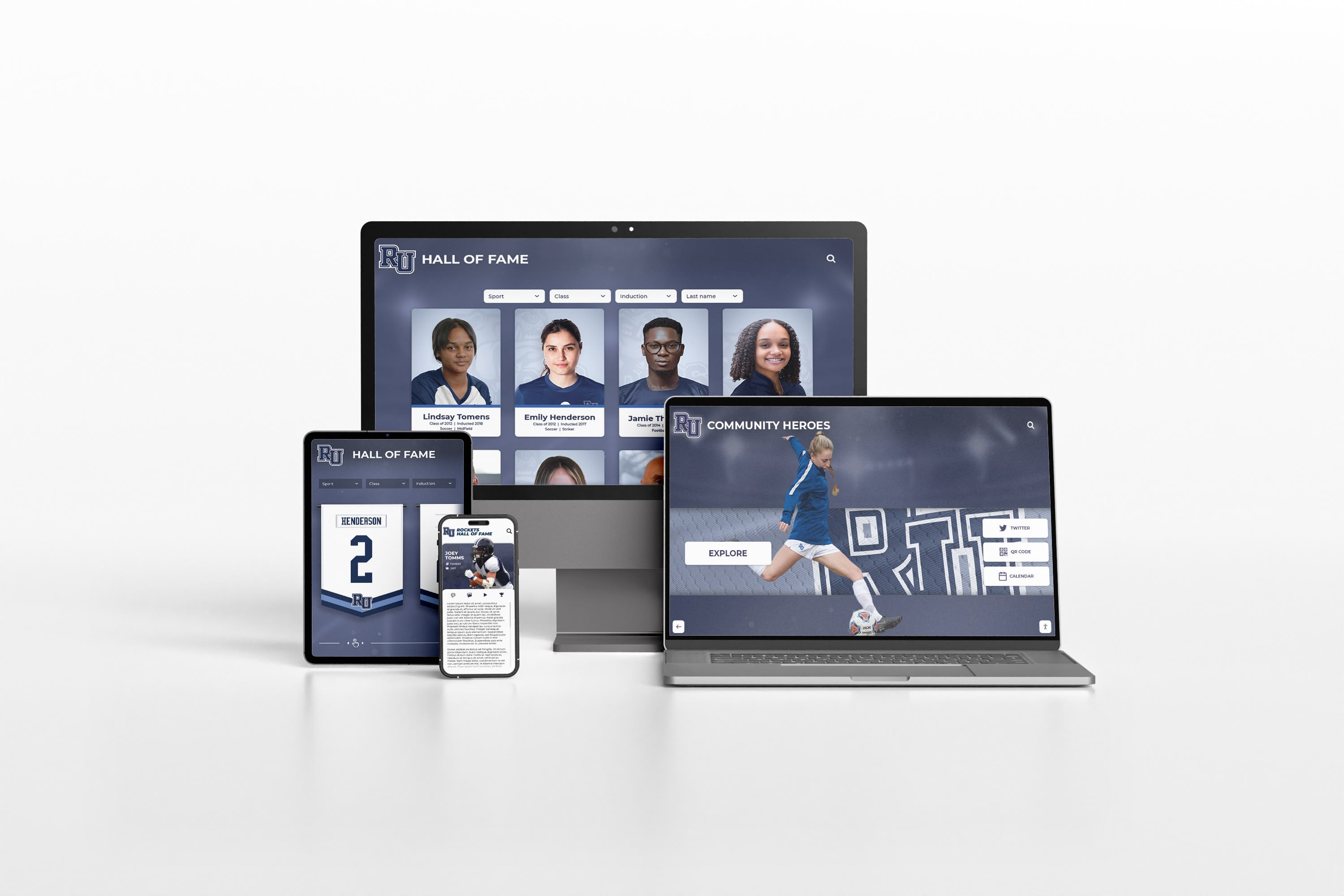
Maximize community engagement by providing access through multiple channels:
Web Portals: Primary online access point with search, browse, and exhibition features accessible from any web browser. Mobile-responsive design ensuring excellent smartphone and tablet experiences.
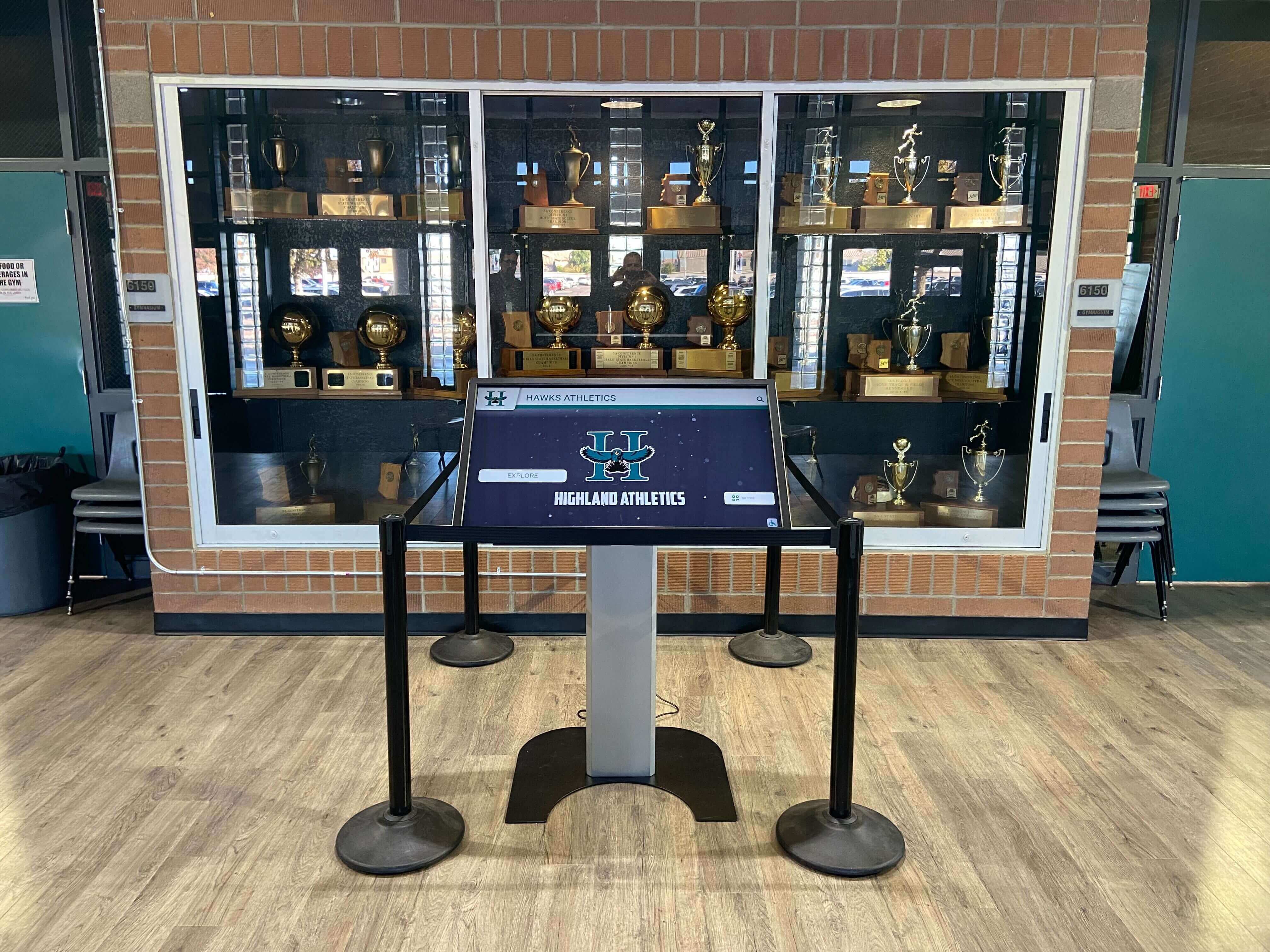
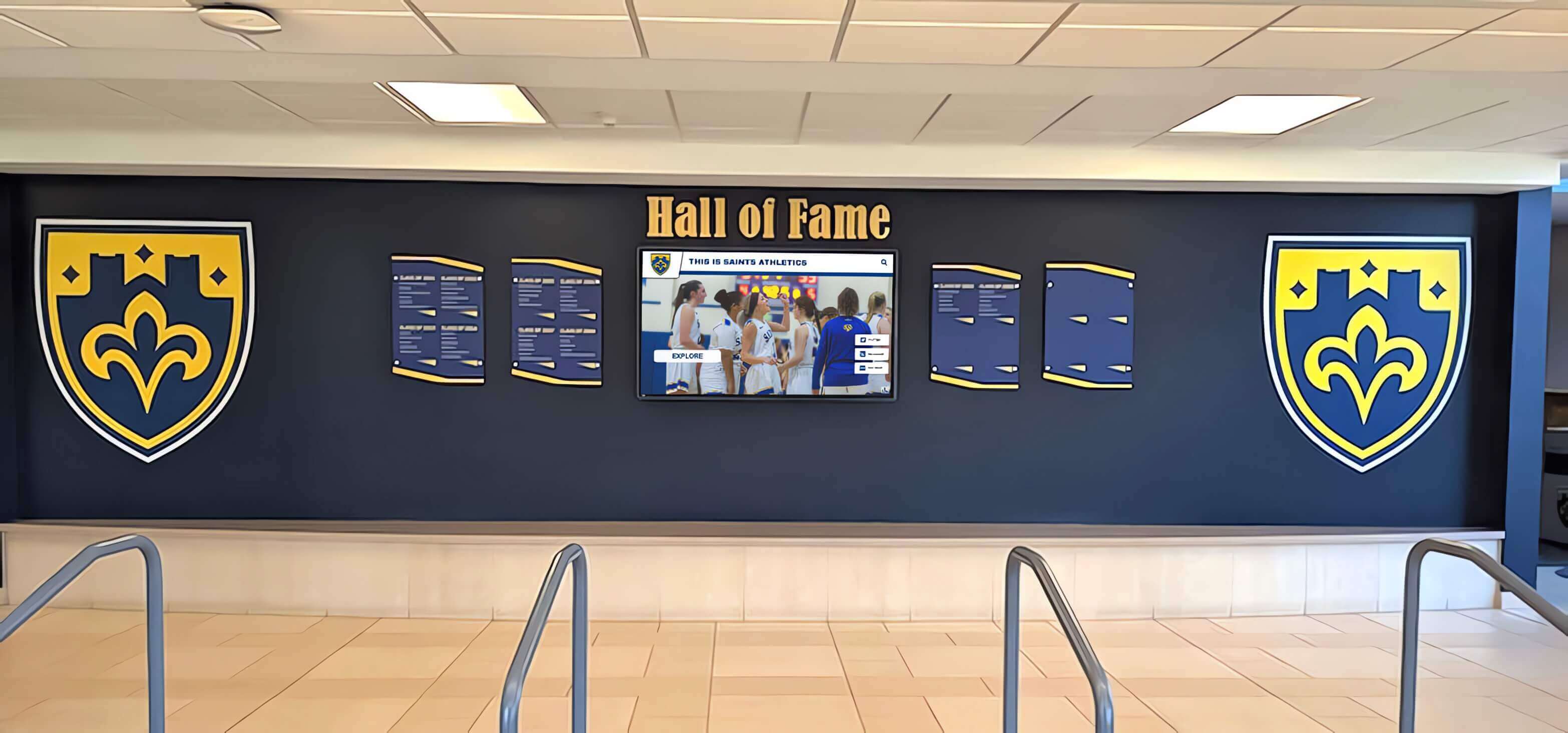
Interactive Displays: Touchscreen kiosks in library facilities inviting hands-on exploration by visitors of all ages and technical comfort levels. Strategic placement in high-traffic areas maximizes spontaneous discovery and use.
Social Media Integration: Sharing capabilities enabling users to post discoveries to Facebook, Twitter, and other platforms exponentially extending reach beyond those actively visiting collections.
Embedded Collections: Integration into library websites, community portals, and educational platforms bringing collections to users in contexts where they already work and explore.
Launch and Promotion Strategies:
Effective launches build awareness and establish usage patterns:
- Strategic timing during community events, heritage months, or anniversary celebrations
- Press releases to local media highlighting community heritage preservation
- Social media campaigns featuring selected collection highlights
- Promotional displays in library facilities directing attention to digital collections
- Partnership announcements with schools, historical societies, and community organizations
- Demonstration programs teaching community members how to explore collections
- Targeted outreach to genealogists, researchers, teachers, and community historians
Libraries implementing comprehensive approaches to community recognition and engagement find that strategic promotion proves essential for building awareness and usage of digital heritage collections.
Funding and Resource Strategies
Understanding comprehensive costs and identifying diverse funding sources enables libraries to implement sustainable digital archive programs aligned with available resources.
Program Cost Components
Digital Archive Investment Elements
Initial Investment
- Software Selection: $0-$15,000 for platform licensing or first-year subscription (varies from free open-source to commercial solutions)
- Digitization Services: $0.50-$5 per item for professional scanning depending on material type and volume
- Equipment Purchase: $2,000-$15,000 for scanners, lighting, copy stands if digitizing in-house
- Interactive Displays: $3,000-$15,000 per touchscreen kiosk if implementing physical access points
- Implementation Support: $2,000-$10,000 for training, setup assistance, and initial configuration
- Metadata Creation: Staff time or contracted services for description work (varies significantly by collection size)
Ongoing Costs
- Annual Software: $0-$10,000 for platform subscriptions and support
- Storage Expansion: $500-$3,000 annually as collections grow
- Continued Digitization: Ongoing processing of additional materials
- Staff Time: Collection management, metadata enhancement, user support
- Preservation Activities: Format migration, quality monitoring, backup verification
- Promotion and Outreach: Marketing materials, programs, demonstrations
- Hardware Maintenance: Display equipment repairs and eventual replacement
Complete digital archive implementations typically require $15,000-$75,000 initial investment depending on scope and approach, with ongoing costs of $3,000-$15,000 annually. Libraries successfully phase implementation beginning with focused pilot projects establishing value before expanding to comprehensive programs.
Grant Funding Opportunities
Heritage digitization projects qualify for various grant programs:
National Funding Sources:
- Institute of Museum and Library Services (IMLS) grants for digitization and preservation
- National Endowment for the Humanities (NEH) preservation assistance
- National Historical Publications and Records Commission (NHPRC) archives grants
- Library Services and Technology Act (LSTA) state program funding
Regional and State Sources:
- State library digitization grant programs
- State humanities council project funding
- Regional library cooperatives and consortia
- State historical records advisory boards
Local and Private Sources:
- Community foundations with heritage priorities
- Friends of the Library fundraising campaigns
- Local historical societies and heritage organizations
- Corporate sponsors with community investment programs
- Crowdfunding for specific collection digitization projects
Partnership Approaches:
Collaborative models reduce individual library costs while expanding project scope:
- Regional digitization projects sharing equipment, expertise, and platforms
- Consortium memberships providing shared platform access
- Academic partnerships leveraging university technical expertise
- Historical society collaborations combining collections and resources
- Corporate partnerships providing technology or services
Addressing Common Challenges
Libraries implementing digital archive programs frequently encounter similar obstacles. Understanding proven approaches accelerates successful solutions.
“We lack technical expertise for complex platforms”
Building Capabilities Without Technical Staff
Most libraries successfully implement digital archives without hiring dedicated technical staff by leveraging accessible solutions and external expertise:
- User-Friendly Platforms: Modern systems designed for library staff emphasize intuitive interfaces requiring minimal technical knowledge
- Vendor Support: Commercial platforms include implementation assistance, training programs, and ongoing technical support
- Consultant Services: Engaging library technology consultants for setup and training while building internal capacity
- Regional Cooperatives: Library systems and consortia often provide technical assistance to members
- Open-Source Communities: Active user communities for platforms like Omeka provide documentation, forums, and peer support
- Professional Development: Online training, webinars, and workshops from library associations building staff skills
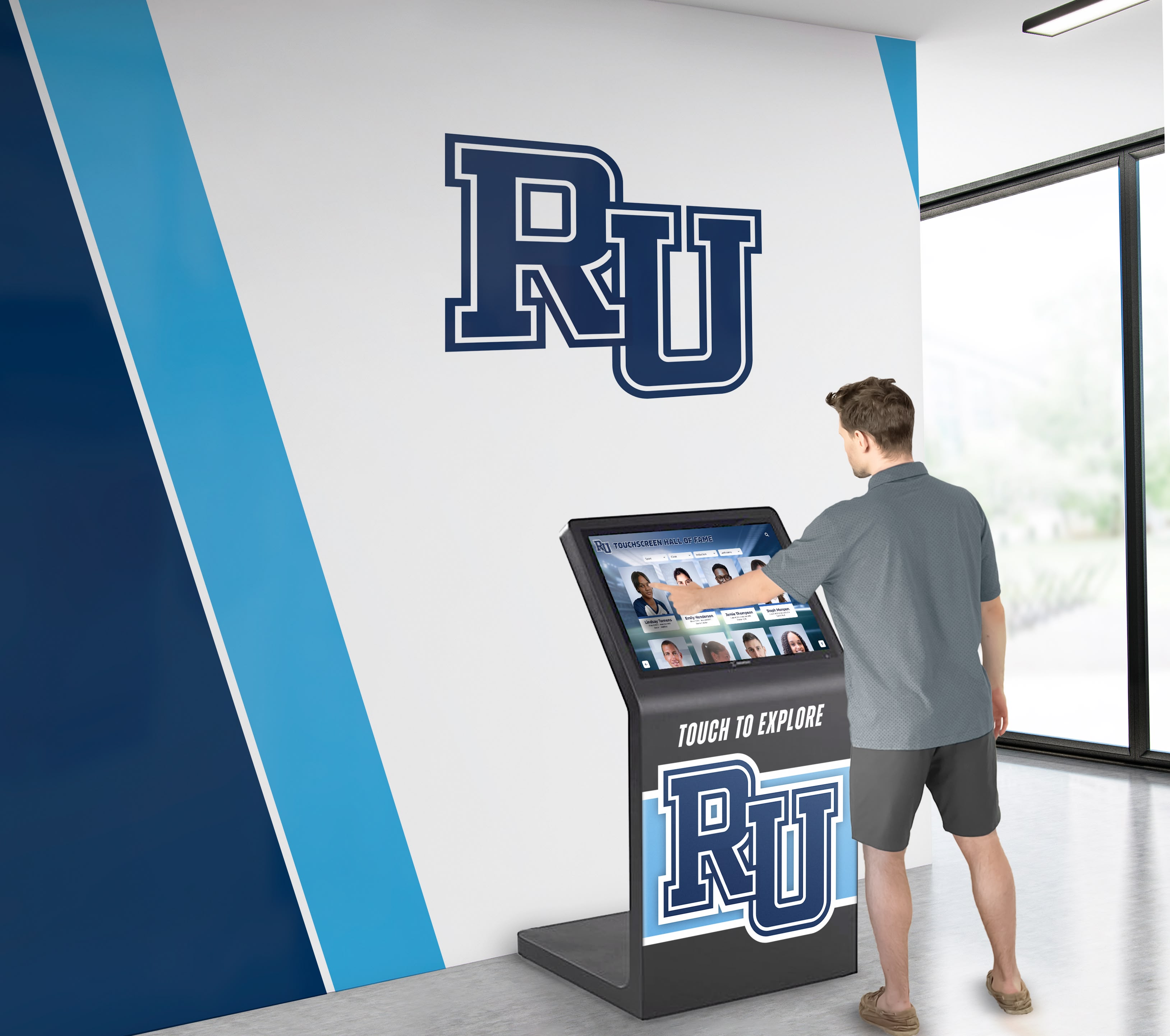
Solutions like Rocket Alumni Solutions specifically design platforms for organizations without dedicated IT departments, providing intuitive content management systems that librarians and volunteers operate confidently with moderate training.
“Digitization seems overwhelming given collection size”
Large historical collections can seem insurmountable when viewed comprehensively. Strategic approaches make systematic progress achievable:
Phased Implementation Strategies:
Begin with high-impact materials generating immediate community value:
- Recently-donated collections with active donor engagement
- Materials supporting current community anniversaries or celebrations
- High-demand items frequently requested by researchers
- Collections at immediate preservation risk requiring urgent action
- Materials with cleared copyright enabling immediate public access
Volunteer Engagement Models:
Community volunteers can accomplish substantial digitization when provided with equipment, training, and organization:
- Retired librarians and archivists bringing professional expertise
- Genealogical society members digitizing records supporting family research
- History enthusiasts passionate about preserving community heritage
- Student service learning projects fulfilling educational requirements
- Community service volunteers seeking meaningful engagement opportunities
Progressive Quality Approaches:
Not all materials require expensive preservation-quality digitization immediately:
- Basic access scanning for stable materials creating discovery surrogates
- Intensive preservation digitization reserved for fragile or unique items
- Gradual enhancement upgrading earlier basic scans as resources permit
Resources on yearbook digitization strategies provide models for phased approaches managing large historical collections systematically.
“Copyright concerns seem impossible to navigate”
Copyright Assessment Strategies
Low-Risk Collections
- Materials created before 1928 generally in public domain
- Government documents typically not subject to copyright
- Works created by library staff as work-for-hire
- Materials with donated copyright or permission
- Orphan works with good faith efforts documenting inability to locate rights holders
- Materials used under fair use provisions for educational and preservation purposes
Strategy: Begin digital archive programs with low-risk materials while developing procedures for more complex copyright situations
Rights Management Approaches
- Document due diligence efforts researching copyright status
- Include "Rights Statement" metadata describing status and permissions
- Provide takedown procedures if rights holders emerge with objections
- Limit access to materials with unclear status when appropriate
- Build relationships with donors requesting copyright transfer
- Consult legal counsel for complex situations
Strategy: Implement risk management approaches enabling productive digitization while respecting intellectual property rights appropriately
Libraries can reference guidance from the Library of Congress Digital Collections Management program addressing copyright and rights management for digital collections.
Measuring Success and Impact
Systematic assessment demonstrates program value, identifies improvement opportunities, and builds support for continued investment in digital heritage initiatives.
Quantitative Metrics
📊 Usage Statistics
Web analytics tracking pageviews, unique visitors, session durations, and return rates quantifying how community members engage with digital collections over time
🔍 Search Behavior
Search term analysis revealing what users seek, collection gaps requiring attention, and content generating greatest interest for prioritizing future digitization
📱 Access Patterns
Device type data showing desktop versus mobile usage informing interface optimization priorities. Geographic data revealing whether collections serve primarily local or broader audiences
📈 Growth Metrics
Collection size tracking items digitized, storage utilized, and metadata completeness demonstrating systematic progress toward comprehensive digital archives
Qualitative Assessment:
User feedback provides essential context beyond statistics:
- Comment systems capturing user responses to specific items
- Periodic user surveys assessing satisfaction and identifying needs
- Reference question analysis revealing research patterns and collection uses
- Community event feedback from programs using digital collections
- Educator testimonials about classroom applications
- Researcher comments about how collections supported projects
Impact Demonstration
Building ongoing support requires communicating program value to stakeholders:
Community Impact Stories:
- Genealogists finding family history they never knew existed
- Students discovering local connections making history personally meaningful
- Authors and documentarians using collections for creative projects
- Longtime residents sharing memories sparked by historical photographs
- Newcomers learning community history building stronger connections
Institutional Benefits:
- Increased library visits and program attendance from heritage initiatives
- Enhanced community partnerships with historical societies and schools
- Media coverage positioning library as heritage preservation leader
- Grant funding success enabled by demonstrated community service
- Donor support from community members valuing heritage work
Documentation through photographs, testimonials, media coverage, and usage data provides compelling evidence when seeking continued funding and organizational support.
Future Trends in Library Digital Archives
Understanding emerging developments helps libraries position digital archive programs for long-term relevance and effectiveness as technology and community expectations evolve.
Artificial Intelligence Applications
AI technologies increasingly enhance digital archive capabilities:
- Automated Metadata Generation: Machine learning extracting dates, locations, people, and subjects from images reducing manual description workload
- Handwriting Recognition: AI transcribing handwritten historical documents making content searchable
- Facial Recognition: Identifying individuals appearing across multiple photographs connecting related materials
- Audio Transcription: Automatic transcription of oral histories and recorded materials
- Intelligent Search: Natural language processing understanding user intent suggesting relevant materials
- Content Enhancement: AI-assisted image restoration improving quality of deteriorated materials
Community Participation and Crowdsourcing
Digital platforms enable community members to contribute knowledge enriching collections:
- Collaborative Description: Community members identifying people, places, and events in photographs
- Oral History Contribution: Residents recording personal narratives and memories
- Collection Donations: Digital submission tools enabling community members to contribute materials
- Transcription Projects: Volunteers transcribing handwritten documents as community service
- Story Sharing: Platforms enabling community members to share personal connections to historical materials
- Correction Mechanisms: Community reporting of metadata errors improving accuracy
Integration and Interoperability
Digital archives increasingly connect with broader information ecosystems:
- Library Catalog Integration: Seamless connections between digital collections and general library catalogs
- Regional Portal Aggregation: Participation in state and regional digital heritage portals like Digital Commonwealth
- National Discovery Services: Contribution to aggregators like Digital Public Library of America
- Educational Platform Integration: Connections with learning management systems supporting classroom use
- Social Media Connectivity: Enhanced sharing capabilities extending reach through community networks
Solutions like Rocket Alumni Solutions provide comprehensive platforms connecting digital heritage with interactive timeline displays and multi-platform access enabling libraries to position archives at center of community engagement.
Conclusion: Libraries as Digital Heritage Centers
Public libraries have always served as community memory keepers, preserving photographs documenting local history, newspapers recording daily life, documents reflecting civic evolution, and materials collectively telling stories of communities across generations. Digital archive collections transform this traditional role for 21st-century communities, converting fragile physical materials into accessible digital repositories serving researchers worldwide while engaging local residents with heritage through modern technology.
Comprehensive digital archive programs extend far beyond simple document scanning. They involve systematic selection of materials with enduring value, preservation-quality digitization meeting professional standards, rich metadata enabling discovery and understanding, robust technical infrastructure protecting collections for decades, and engaging public interfaces inviting exploration through web portals and interactive displays creating meaningful experiences with community heritage.
The technology has matured. Professional standards provide clear guidance. Successful implementations across thousands of libraries demonstrate proven approaches. Diverse funding sources from grants to partnerships make programs achievable within realistic budgets. User-friendly platforms from open-source solutions like Omeka to commercial systems like CONTENTdm and comprehensive heritage platforms like Rocket Alumni Solutions provide options for libraries at all resource levels and technical capabilities.
The compelling question facing public libraries today is not whether to build digital archive collections, but rather which approaches best serve unique community heritage, available resources, and institutional vision. Libraries implementing comprehensive digital archives position themselves as essential community heritage centers preserving irreplaceable history, supporting education and research, strengthening community identity, and demonstrating continued relevance in digital age.
Solutions like Rocket Alumni Solutions offer libraries unique opportunities to combine digital archive management with interactive community engagement displays, creating comprehensive heritage centers serving communities through both physical library visits and remote digital access. These integrated approaches transform libraries from passive repositories into active heritage engagement centers celebrating community memory while preserving it for future generations.
Sources:
- Digital Public Library of America
- NYPL Digital Collections - The New York Public Library
- Digital Collections | The Library of Congress
- Digitization - Preservation | American Library Association
- Digital Preservation - Preservation | American Library Association
- Personal Archiving | Library of Congress Digital Preservation
- A Framework of Guidance for Building Good Digital Collections | NISO
- CONTENTdm | OCLC
- Omeka
- CollectiveAccess
- Greenstone Digital Library Software
- Recollect CMS
- Digital Collections Management | Library of Congress