



Key Takeaways
Comprehensive guide to planning private school gala fundraiser events with modern donor recognition displays. Learn how to showcase award winners, honor donors, and create lasting digital archives of your annual fundraising gala.
Understanding the Private School Gala Landscape
Private school galas serve as cornerstone fundraising events that unite communities around shared educational missions while generating critical financial support.
The Role of Galas in Private School Fundraising
Annual gala fundraisers represent the single most significant fundraising event for many independent schools. According to fundraising industry data, approximately 90% of all donations at many nonprofits come through gala events, highlighting their extraordinary importance as revenue generators.
Scholarship Funding Focus:
The primary mission for most private school galas centers on scholarship fundraising. Many families desire excellent private education for their children but face financial barriers. Gala proceeds directly fund need-based scholarships, allowing talented students from diverse economic backgrounds to access transformative educational opportunities they might otherwise miss.
Beyond Scholarships:
While scholarships often receive priority, gala funds frequently support:
- Faculty professional development and competitive compensation
- Program enhancements in arts, athletics, STEM, and specialty areas
- Facility improvements and technology infrastructure
- Financial aid for programs like international travel or summer enrichment
- Endowment building for long-term institutional sustainability
Community Building Function:
Beyond dollars raised, galas strengthen community bonds among current families, alumni, donors, trustees, and faculty. These events create shared experiences that build institutional pride, deepen relationships, and reinforce commitment to school missions. Attendees leave feeling part of something larger than themselves—a community dedicated to educational excellence and opportunity.
Typical Gala Event Structure
Understanding common gala formats helps schools plan effective recognition strategies:
Evening Timeline:
Most private school galas follow established patterns:
- 5:30-6:30 PM: Cocktail reception with silent auction browsing
- 6:30-7:30 PM: Seated dinner with welcome remarks
- 7:30-8:30 PM: Live auction, appeal presentations, award ceremonies
- 8:30-10:00 PM: Entertainment, dancing, continued silent auction
- 10:00 PM: Event conclusion with final donor recognition
Recognition Moments:
Throughout these events, schools incorporate multiple recognition opportunities:
- Opening remarks acknowledging major donors and sponsors
- Video presentations showcasing scholarship recipients and program impact
- Formal award presentations honoring distinguished community members
- Live auction recognition for top bidders
- Appeal segments highlighting current donors via real-time displays
- Closing remarks celebrating collective generosity
These recognition moments prove most effective when supported by compelling visual presentations that make acknowledgment feel genuine and significant.
Award Categories at Private School Galas
Annual galas typically feature formal awards recognizing various forms of exceptional contribution and achievement within school communities.
Common Gala Award Types
Distinguished Alumni Awards:
Recognition for graduates who have achieved exceptional professional success, demonstrated outstanding community leadership, or exemplified school values through their life’s work. These awards inspire current students by showcasing what alumni from their school accomplish while honoring individuals who credit their education for launching successful trajectories.
Volunteer Service Awards:
Acknowledgment of parents, trustees, or community members who contribute extraordinary time and talent to school initiatives. Private schools depend heavily on volunteer engagement—from board service and committee work to event coordination and mentorship programs. Formal recognition validates these contributions while encouraging continued involvement.
Distinguished Educator Awards:
Recognition for faculty or administrators demonstrating exceptional dedication, innovative teaching, meaningful student impact, or sustained excellence throughout long careers. These awards honor the educators who make private school experiences transformative while attracting and retaining top teaching talent.
Philanthropic Leadership Awards:
Formal recognition for major donors whose extraordinary generosity creates transformational impact. These awards typically honor individuals or families making significant financial commitments—often multiyear pledges or substantial endowment contributions—that fundamentally enhance institutional capabilities.
Legacy Awards:
Recognition for individuals or families demonstrating multigenerational commitment to school communities, perhaps spanning decades or representing multiple family members who attended, volunteered, or supported the institution. These awards celebrate deep, sustained relationships between families and schools.
Benefits of Formal Award Programs
Thoughtful award programs deliver value beyond honoring recipients:
Inspiration and Aspiration: Awards create visible examples of excellence, inspiring others to contribute similarly through volunteer service, philanthropic support, or community engagement.
Institutional History: Award recipients become part of documented school history, their stories preserved as part of institutional legacy and tradition.
Donor Cultivation: Public recognition at prestigious events cultivates relationships with potential major donors who aspire to similar acknowledgment for future contributions.
Community Values: Award criteria communicate what institutions value—whether innovation, service, generosity, or sustained commitment—reinforcing cultural priorities through tangible recognition.
Donor Recognition Strategies for Gala Events
Effective donor recognition during galas requires strategic planning that balances genuine gratitude with fundraising objectives.
Real-Time Donor Recognition During Appeals
Modern technology enables dynamic recognition as donations occur throughout gala events.
Live Giving Displays:
Large screens display donor names and gift amounts in real-time as attendees make commitments during live appeals. According to industry data, schools and nonprofits utilizing touchscreen kiosks and live displays experienced a 40% rise in donations during fundraising events. This dynamic recognition transforms giving from private transactions into community celebrations, creating social momentum that encourages additional participation.
Giving Levels and Recognition:
Clearly communicated giving levels with associated recognition help donors understand how their contributions will be acknowledged:
- Platinum Sponsors ($50,000+): Premier table seating, program recognition, donor wall feature, named scholarship opportunity
- Gold Sponsors ($25,000-$49,999): Premium seating, program recognition, donor wall inclusion
- Silver Sponsors ($10,000-$24,999): Priority seating, program listing, digital recognition
- Bronze Sponsors ($5,000-$9,999): Reserved seating, program acknowledgment
- Friends of the School ($1,000-$4,999): Program listing, community appreciation
Spotlight Presentations:
Dedicating segments to highlighting specific major donor contributions creates meaningful recognition moments. Rather than simply listing names, effective presentations tell stories about what specific gifts enable—scholarships awarded, programs launched, facilities enhanced—connecting donor generosity to tangible impact.
Post-Gala Donor Recognition
Recognition should extend far beyond the single evening of the gala event itself.
Thank You Communications:
Thoughtful donor recognition strategies involve actively acknowledging contributions through:
- Personalized thank-you letters from heads of school within one week
- Personal phone calls from board members to major donors
- Video messages from scholarship recipients sharing how support impacts their lives
- Handwritten notes from students whose educations donor generosity enables
Ongoing Visibility:
Sustained recognition keeps donors engaged between annual galas:
- Updates about programs and scholarships their gifts support
- Invitations to campus events showcasing impact of their contributions
- Features in school publications highlighting donor stories
- Digital recognition displays providing year-round acknowledgment
Research from the Association of Fundraising Professionals found that donor retention rates increase by 20% when donors are publicly recognized through digital displays, demonstrating the measurable value of sustained recognition.
Creating Comprehensive Gala Archives
Galas generate significant content—programs, speeches, award presentations, donor lists, photos, videos—that schools should preserve as institutional history.
What to Archive from Gala Events
Program Materials:
- Printed programs listing attendees, sponsors, donors, award recipients, and evening schedules
- Auction catalogs featuring items, descriptions, and donor credits
- Tribute books honoring special individuals or milestone anniversaries
- Sponsor advertisements and acknowledgments
- Menu cards and table assignments
Award Documentation:
- Complete lists of award recipients by year and category
- Award presentation speeches and remarks
- Biographical information about honorees
- Photos of award presentations
- Video recordings of acceptance speeches
Donor Recognition:
- Complete donor listings by giving level
- Major gift announcements and commitments
- Sponsor acknowledgments with contribution details
- Multi-year giving histories showing sustained support
- Family giving traditions spanning generations
Event Memories:
- Professional photography capturing event atmosphere
- Video highlights featuring key moments and presentations
- Guest testimonials and reactions
- Entertainment performances
- Behind-the-scenes preparation documentation
Why Comprehensive Archives Matter
Institutional History: Gala archives document philanthropic traditions, preserving records of generosity that built current capabilities and funded generations of scholarship recipients.
Donor Relationships: Access to giving histories enables personalized cultivation strategies recognizing sustained commitment patterns and family traditions.
Planning Resources: Historical event documentation provides planning templates, benchmarking data, and proven approaches for future gala committees.
Community Connection: Alumni and former families appreciate access to memories from galas they attended, strengthening ongoing institutional bonds through nostalgic engagement.
Student Inspiration: Current students exploring archived gala content see concrete evidence of community generosity funding their educational opportunities, inspiring gratitude and future reciprocation.
Digital Recognition Displays: Modern Solutions for Gala Recognition
Traditional donor walls featuring engraved plaques create beautiful, permanent recognition but face inherent limitations—space constraints, high per-name costs, update difficulties, and minimal storytelling capacity. Modern digital recognition displays address these challenges while introducing powerful capabilities that transform how schools honor donors and preserve gala memories.
Advantages of Digital Recognition for Galas
Unlimited Recognition Capacity:
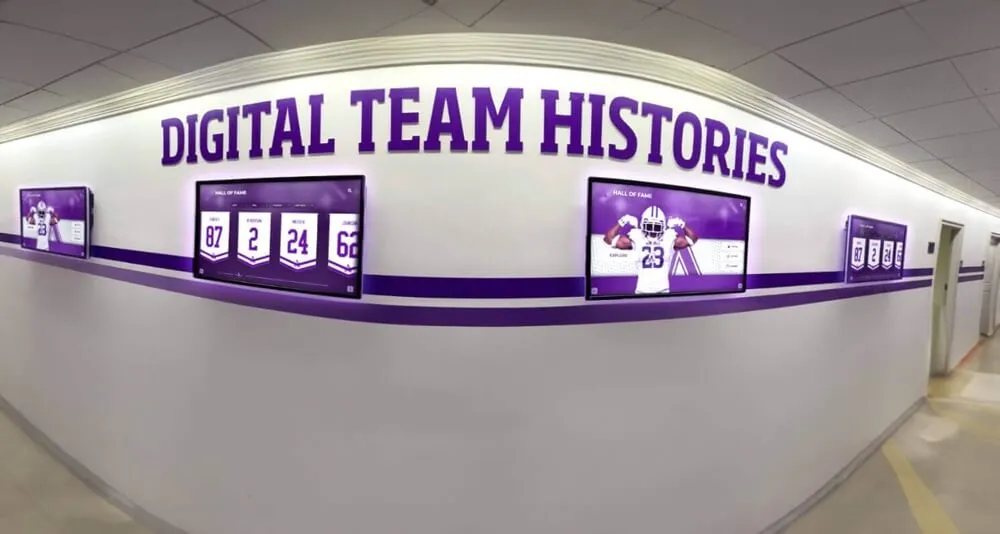
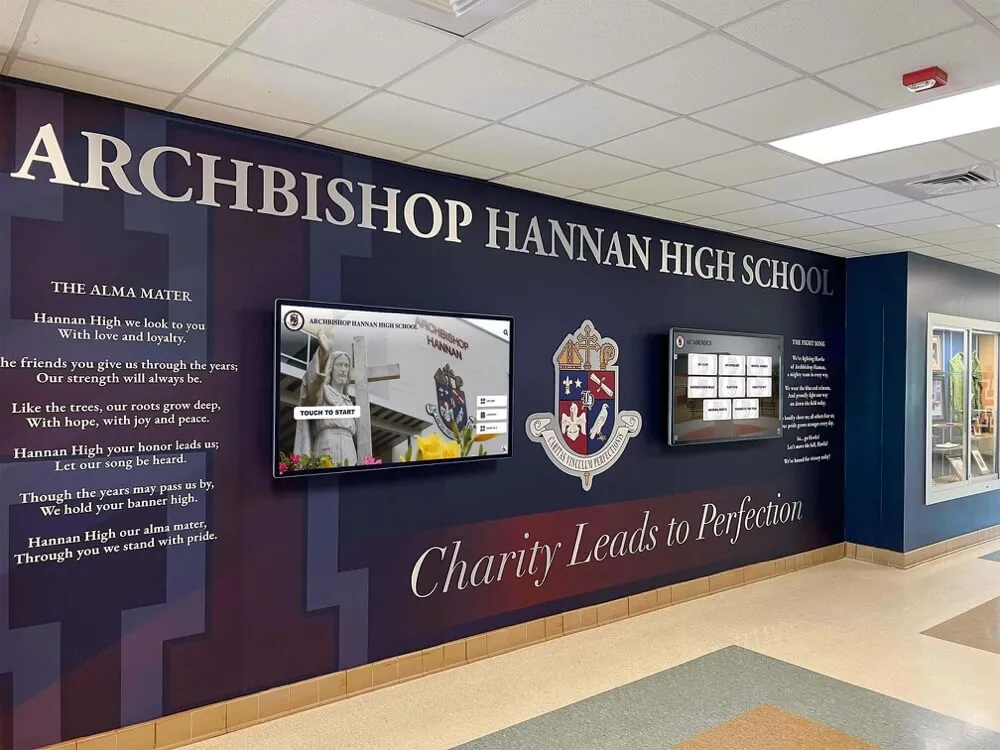
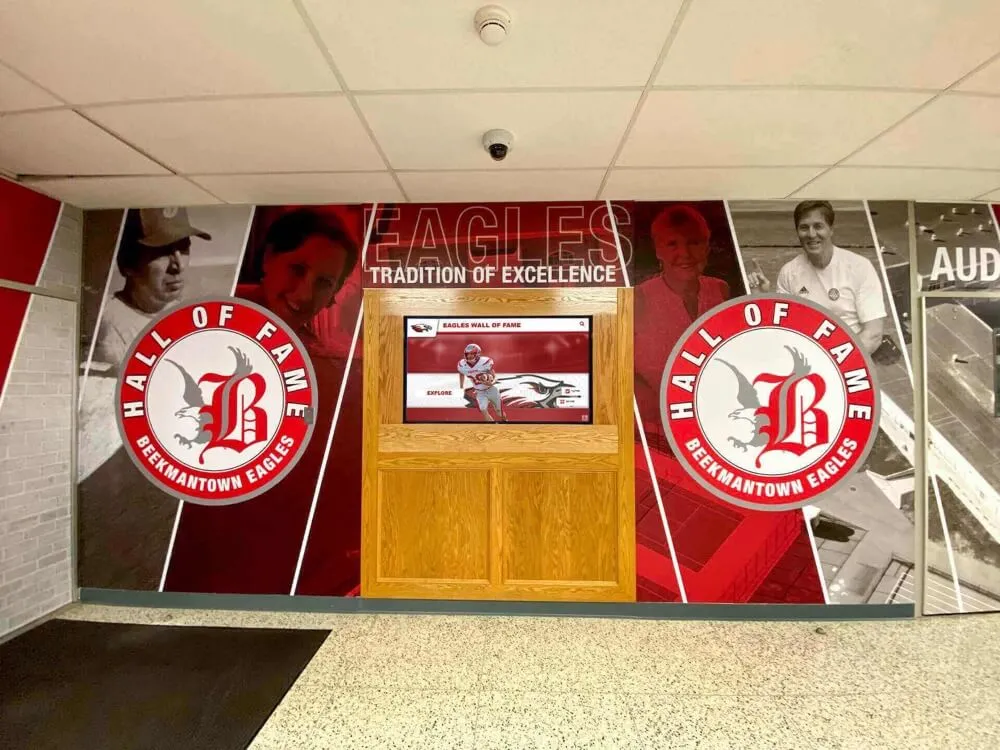
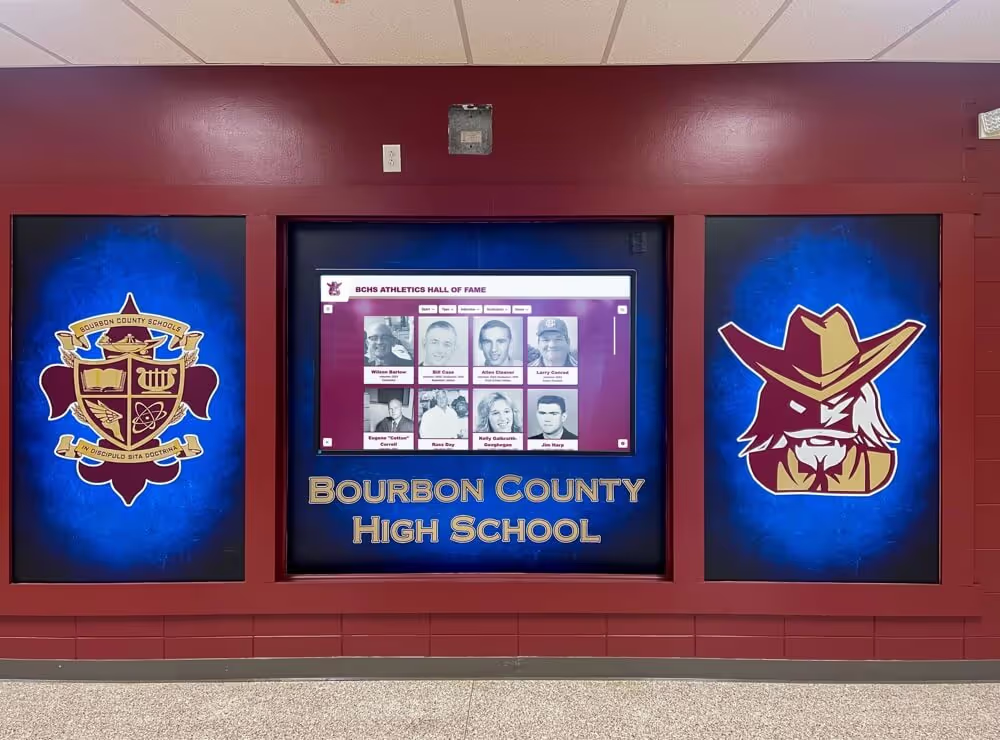
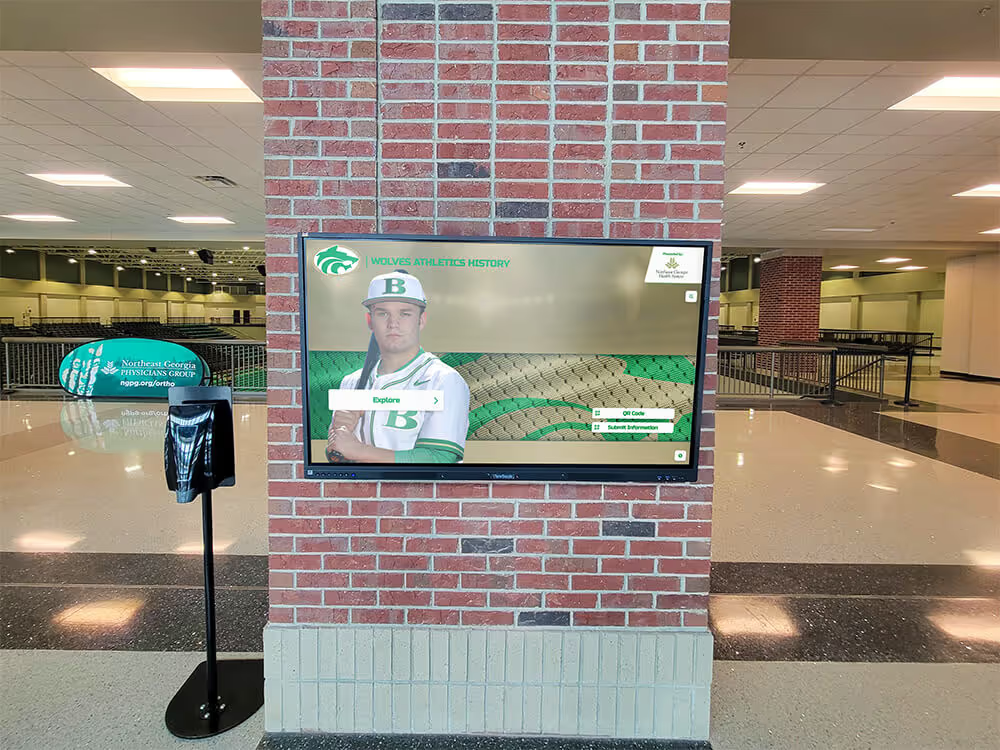
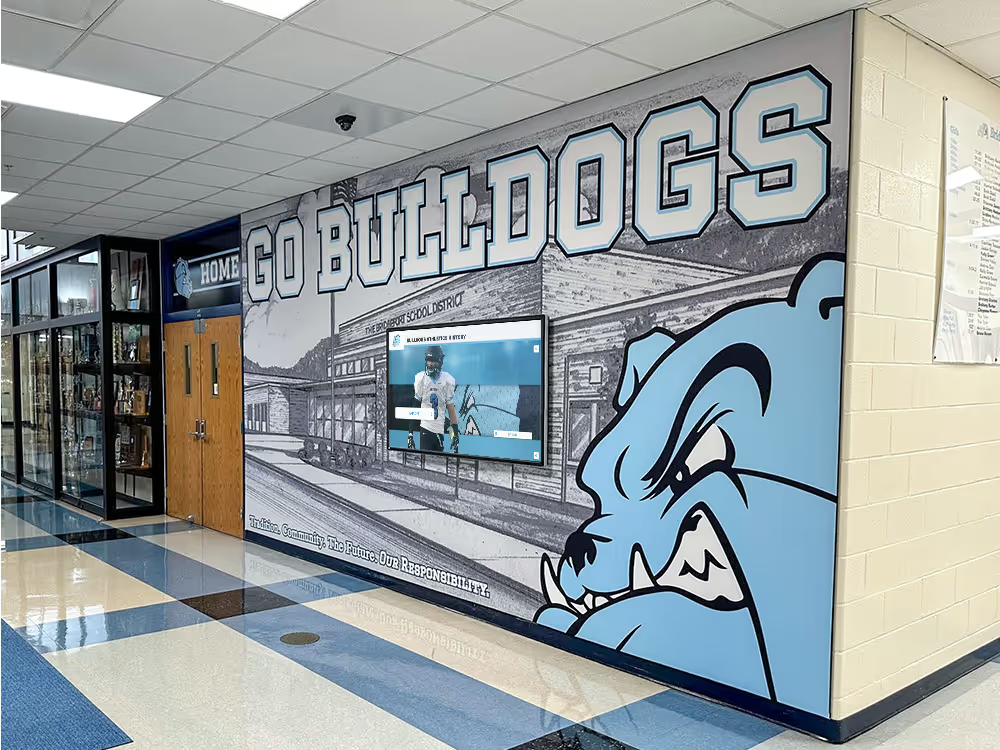
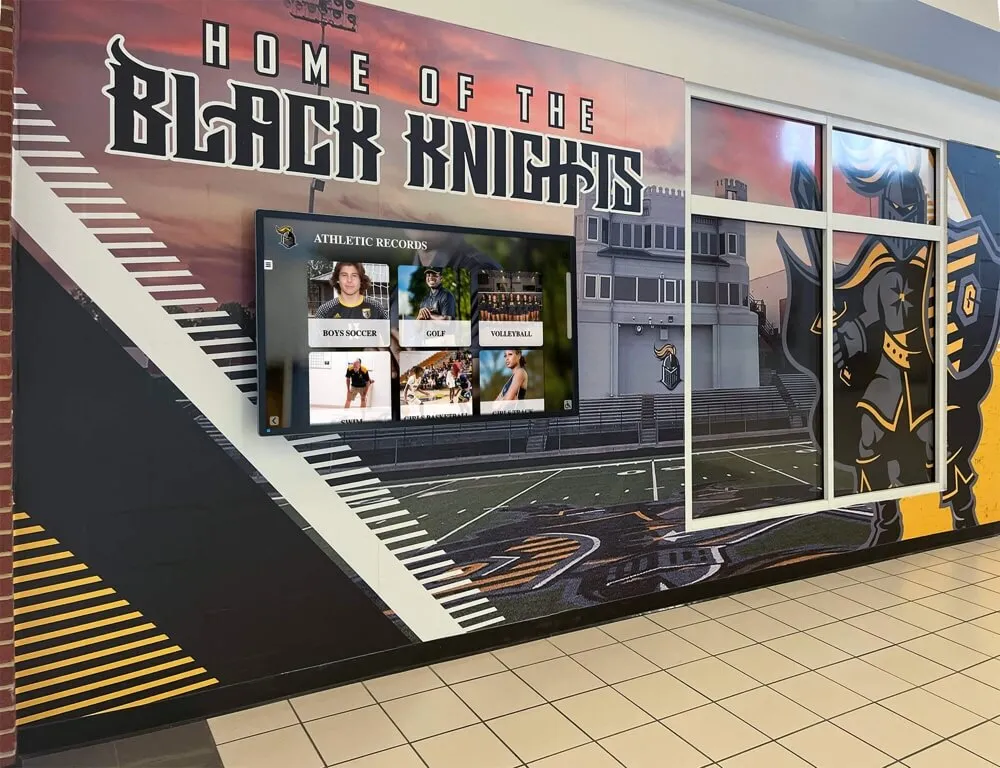
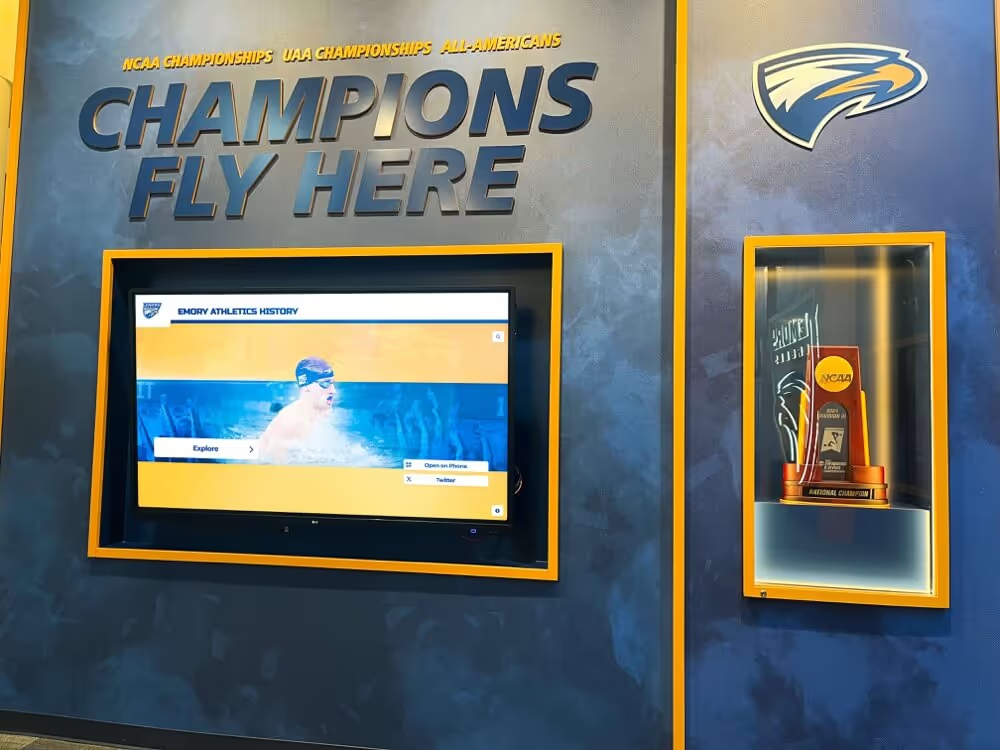
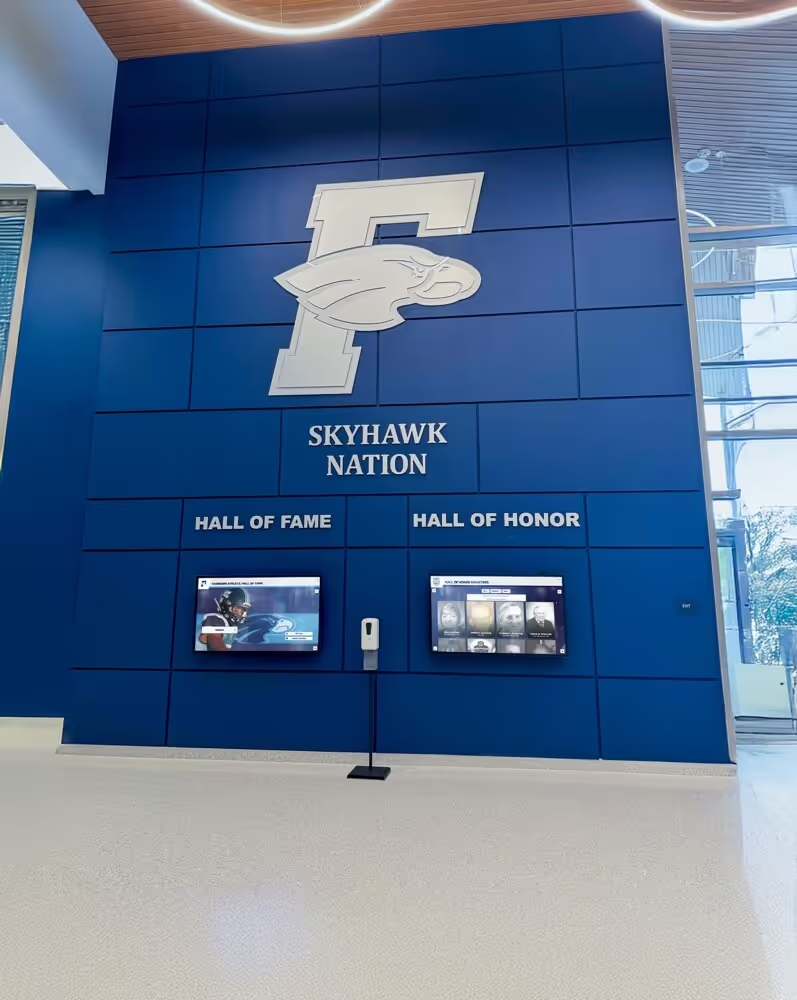
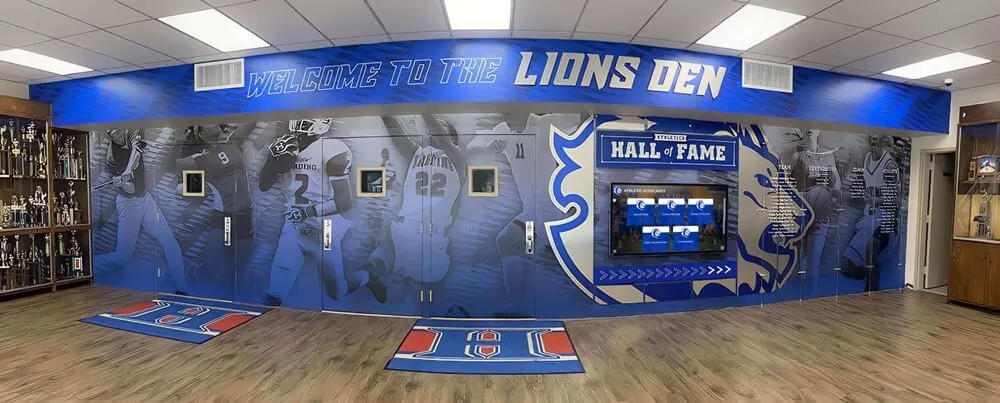
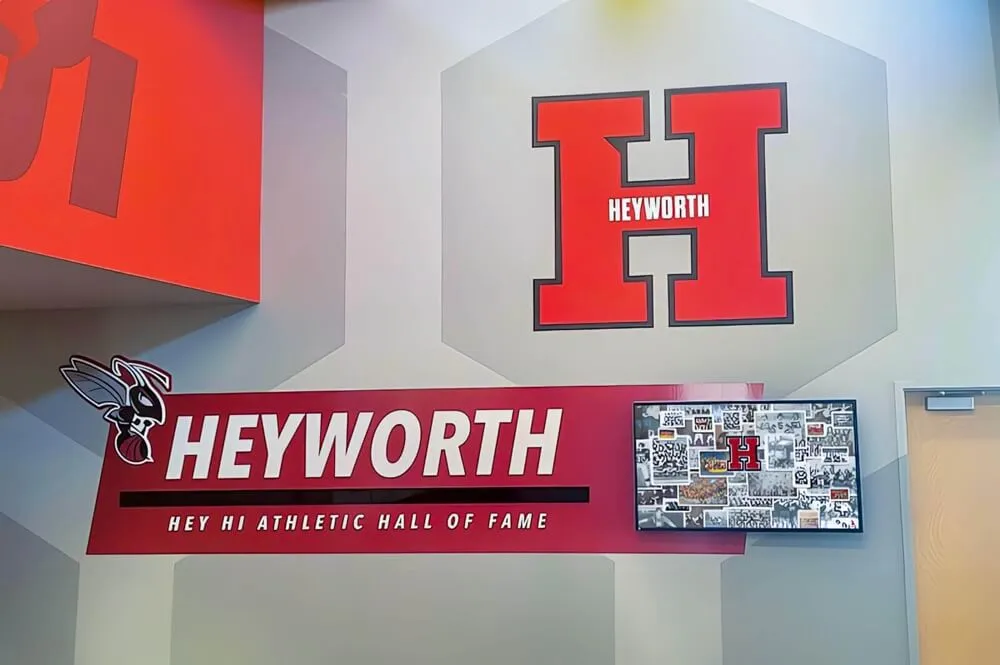
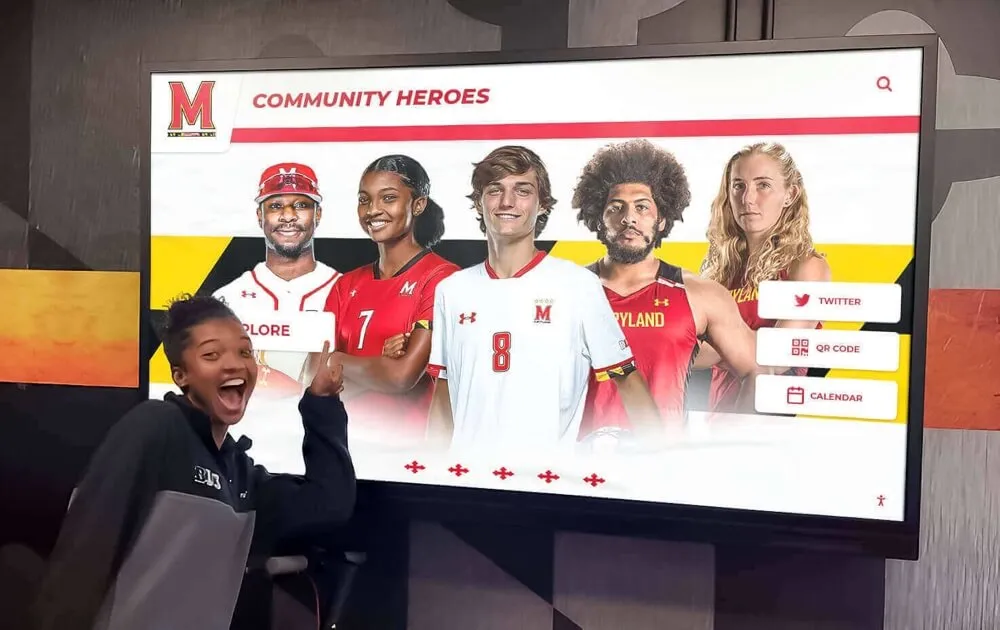
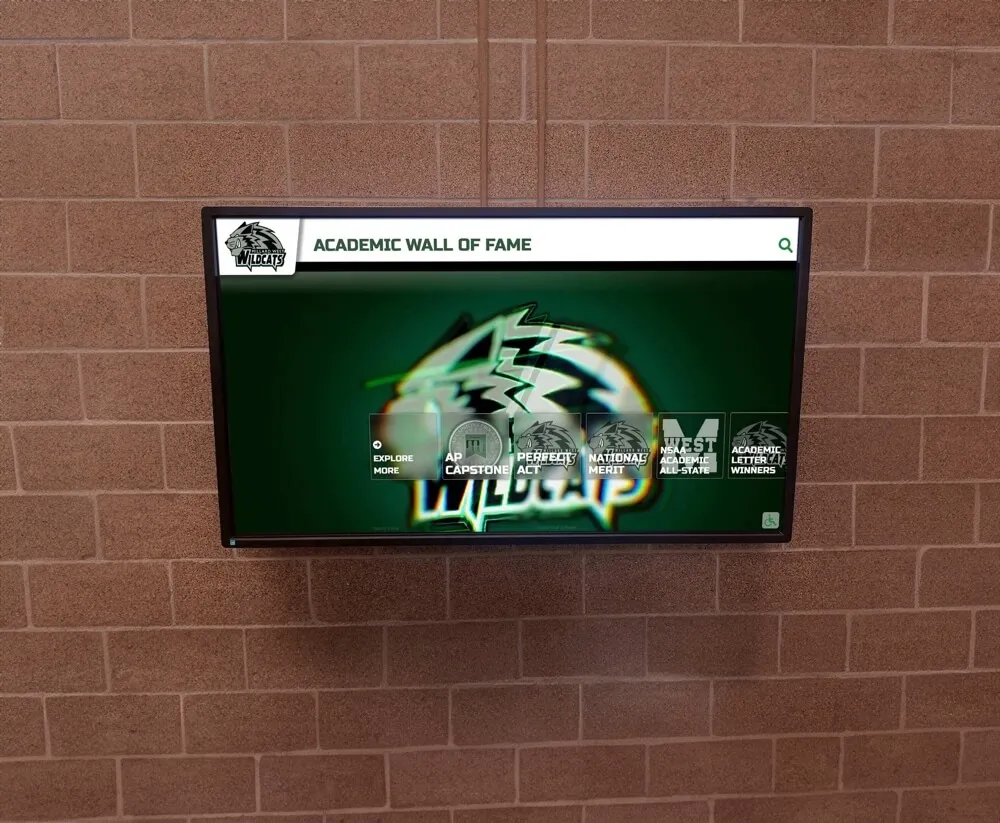
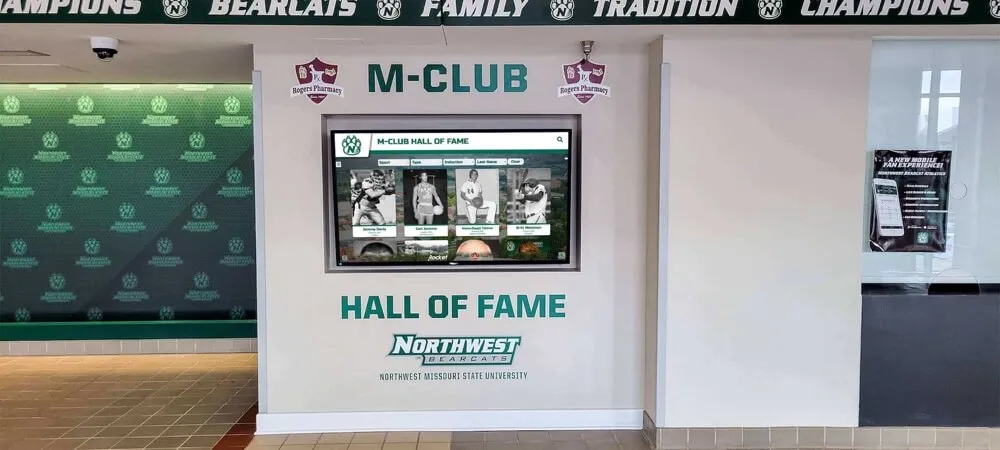
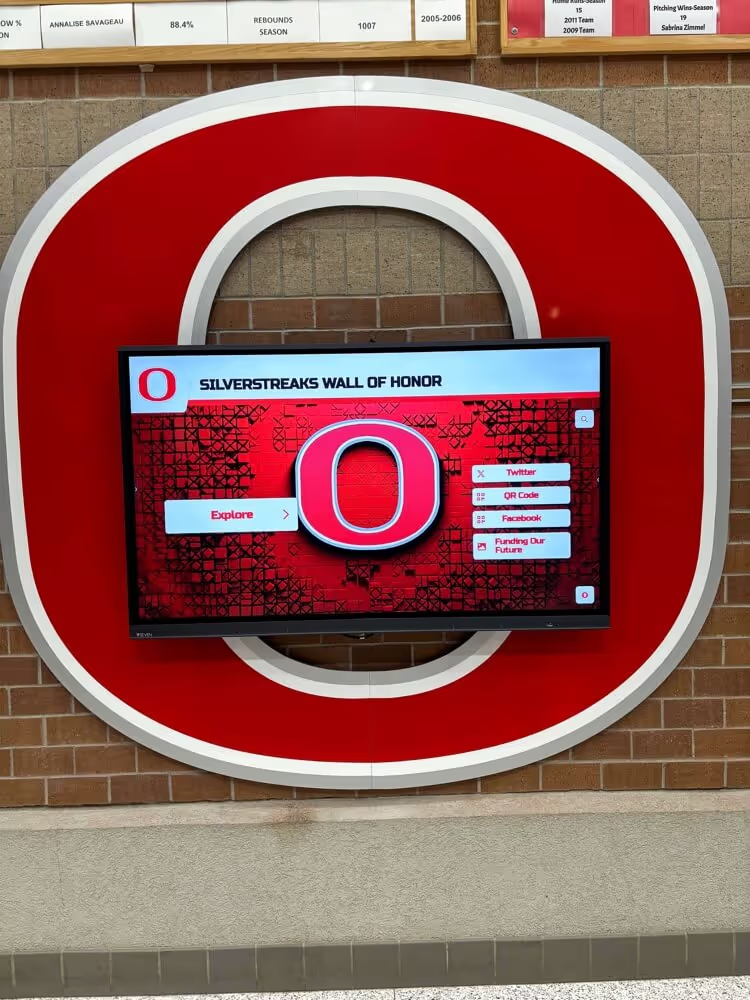
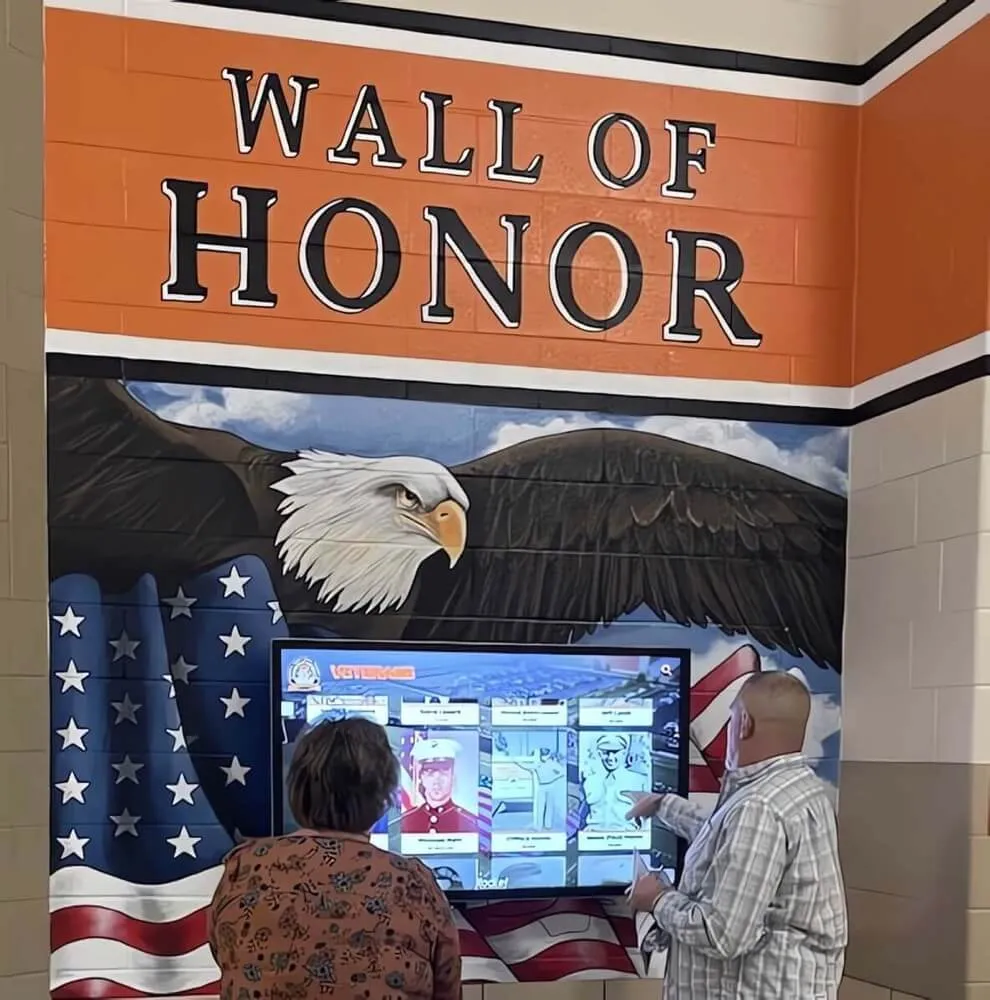
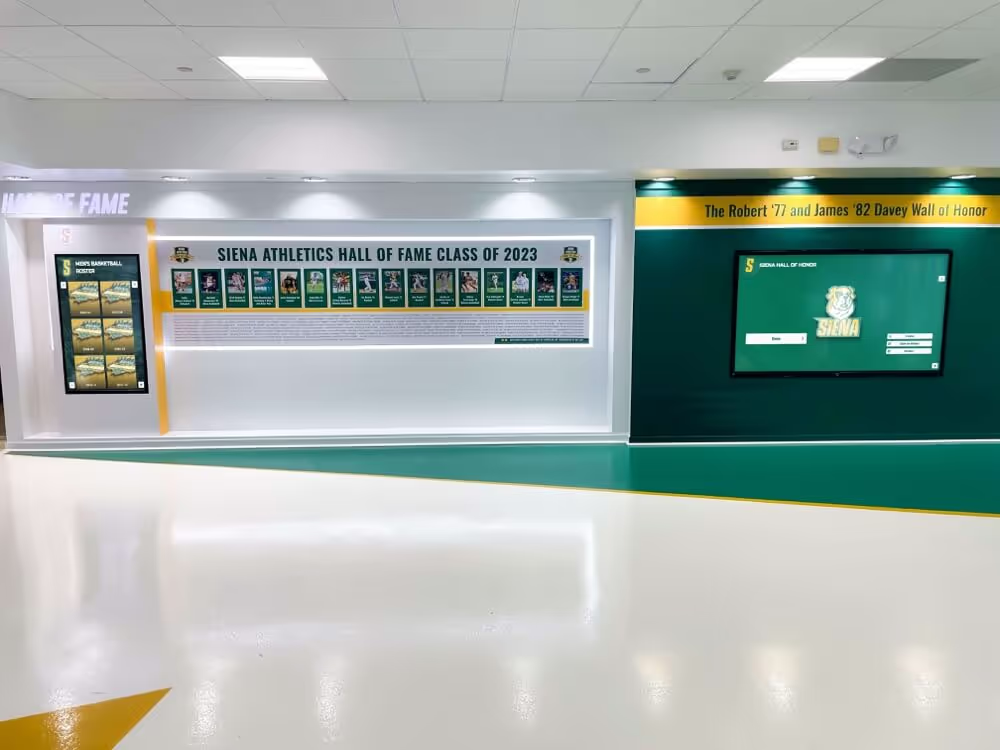
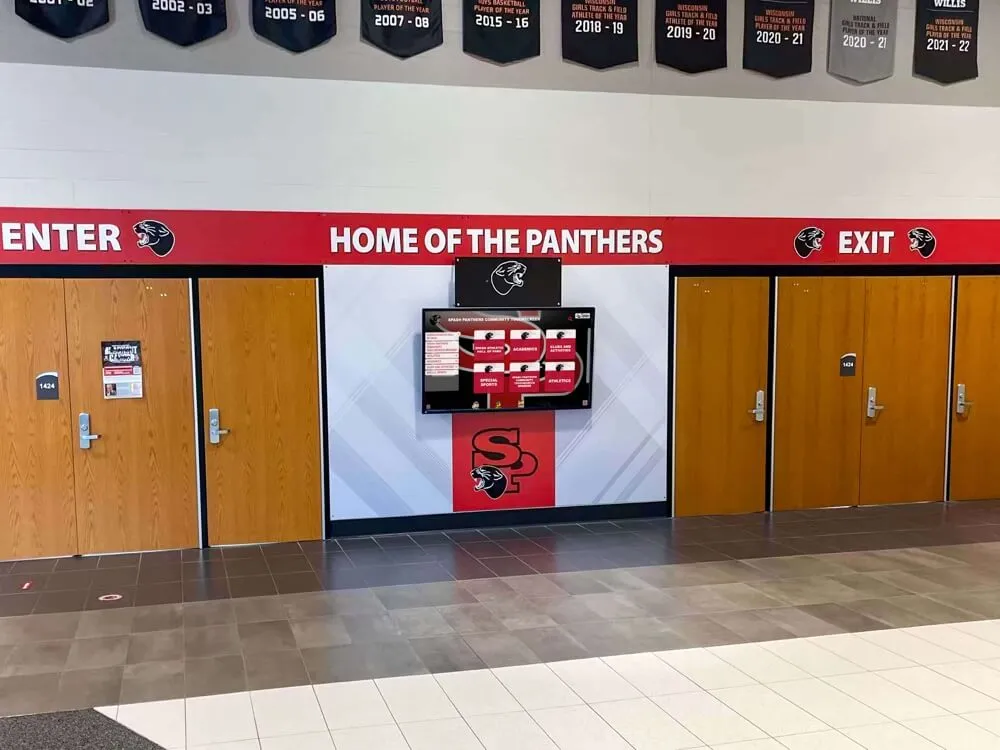
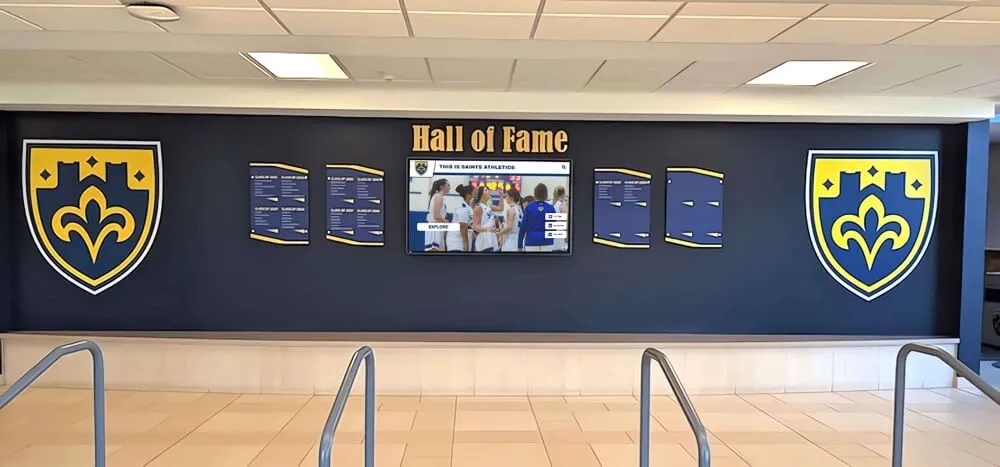
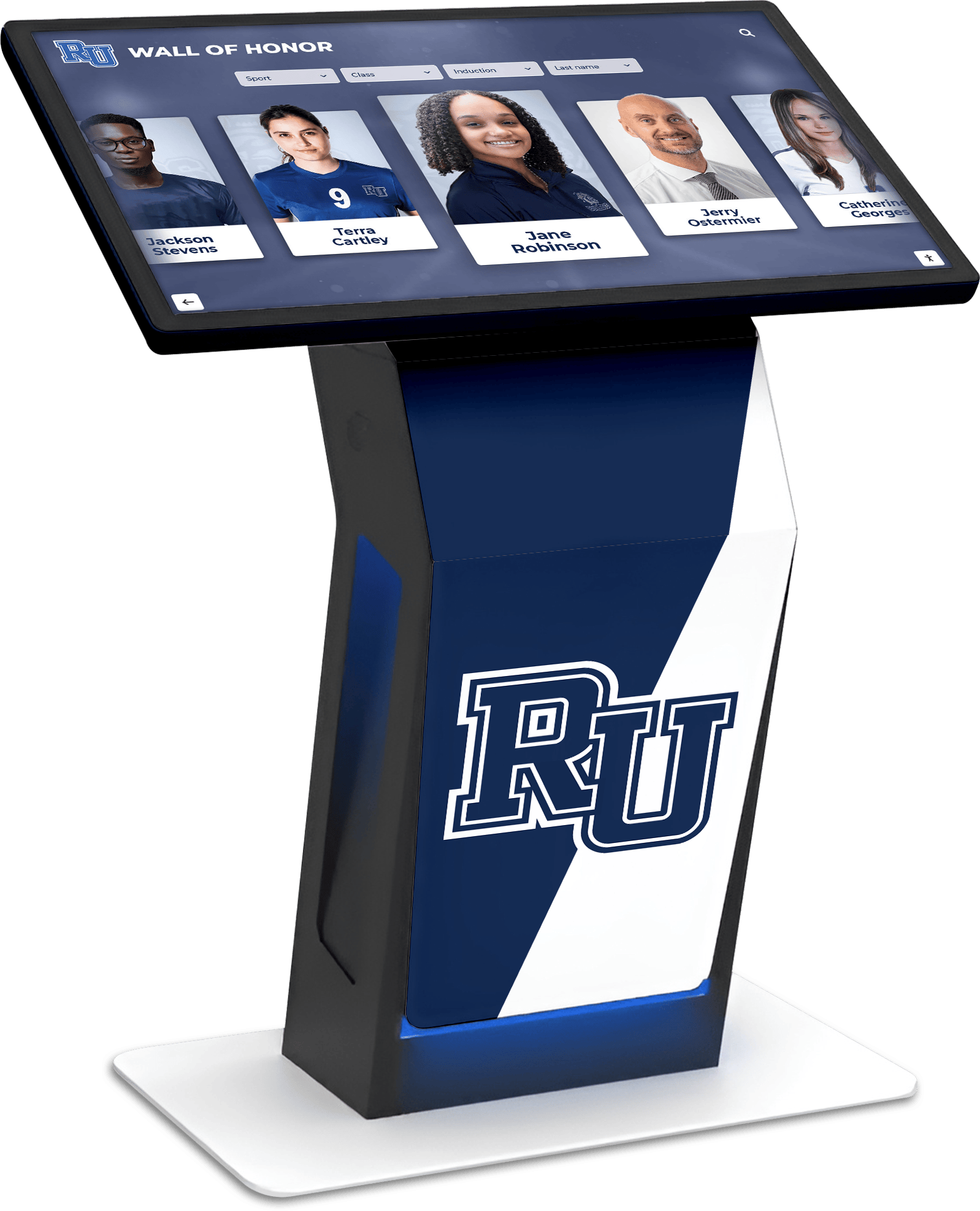
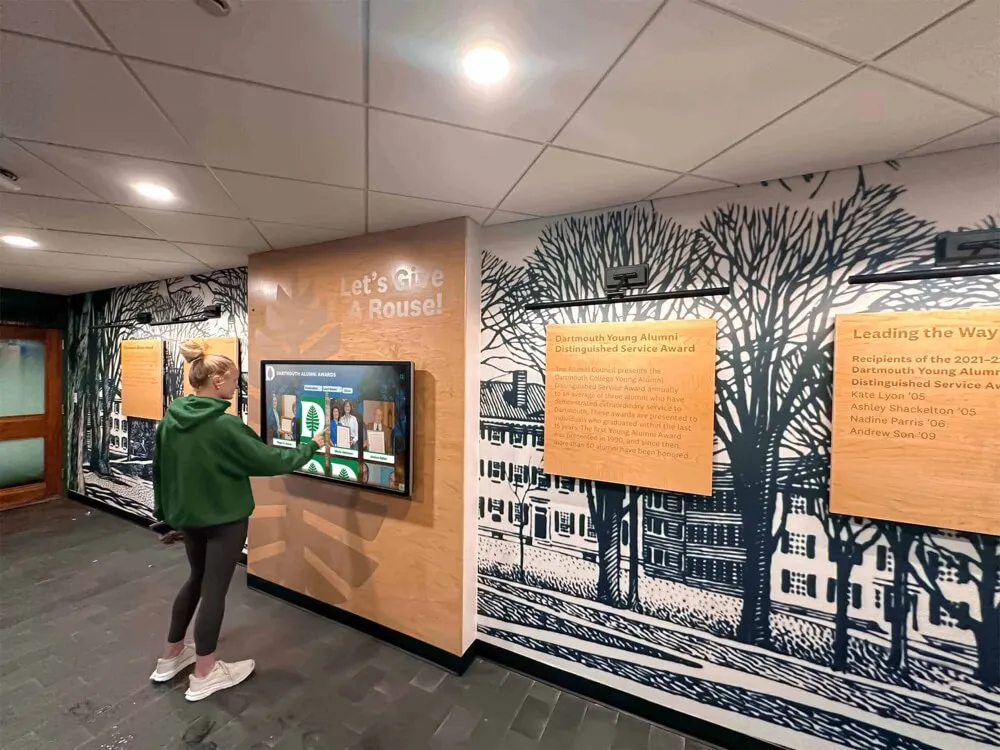
Digital platforms eliminate physical space constraints entirely. A single touchscreen display can showcase every gala donor from every year, all award recipients across history, complete event programs, and extensive photo galleries—content requiring dozens of physical walls or display cases.
According to research, 63% of people report that digital signage catches their attention compared to 30% who notice traditional signs, meaning more community members actually engage with recognition content when presented digitally.
Multimedia Storytelling:
Digital systems enable rich recognition far beyond simple names and donation amounts:
- Professional photography from gala events
- Video presentations and award acceptance speeches
- Detailed biographical profiles of award recipients
- Impact stories about scholarship recipients donors support
- Historical context about giving traditions
- Connection to broader school history and achievements
Easy Updates and Maintenance:
Updating traditional engraved displays requires expensive fabrication and professional installation. Digital recognition updates instantly through cloud-based content management that authorized staff can access from any device. After each gala, schools can update donor recognition, add new award recipients, upload event photos, and post program materials within minutes rather than weeks of waiting for physical updates.

Searchable and Interactive:
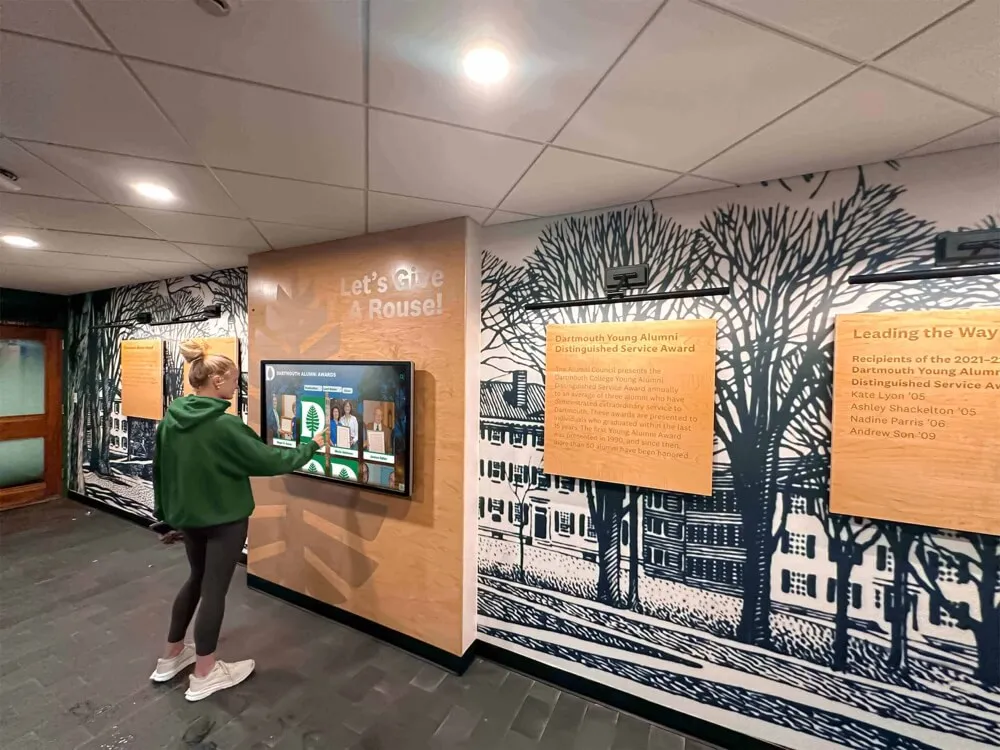
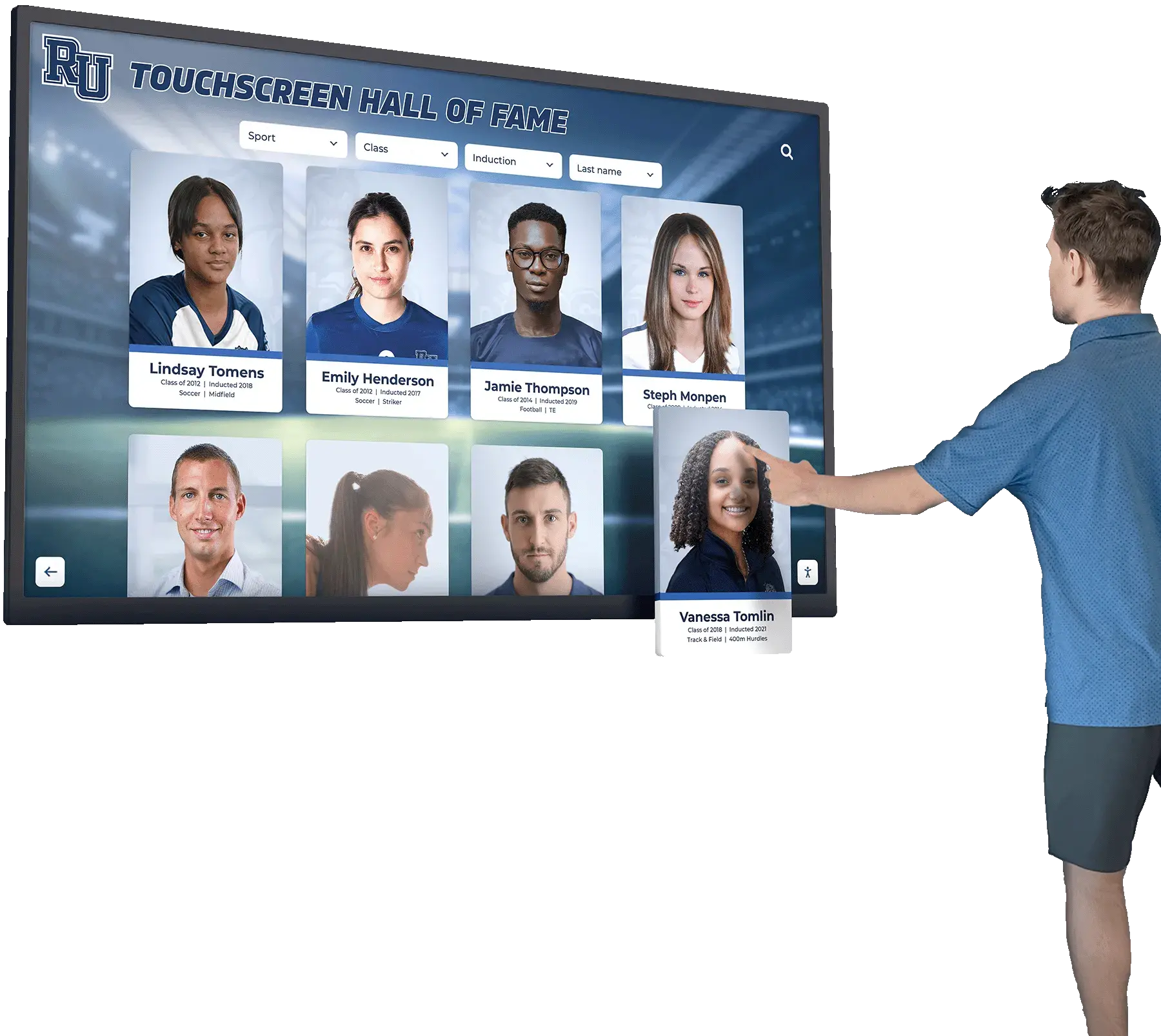
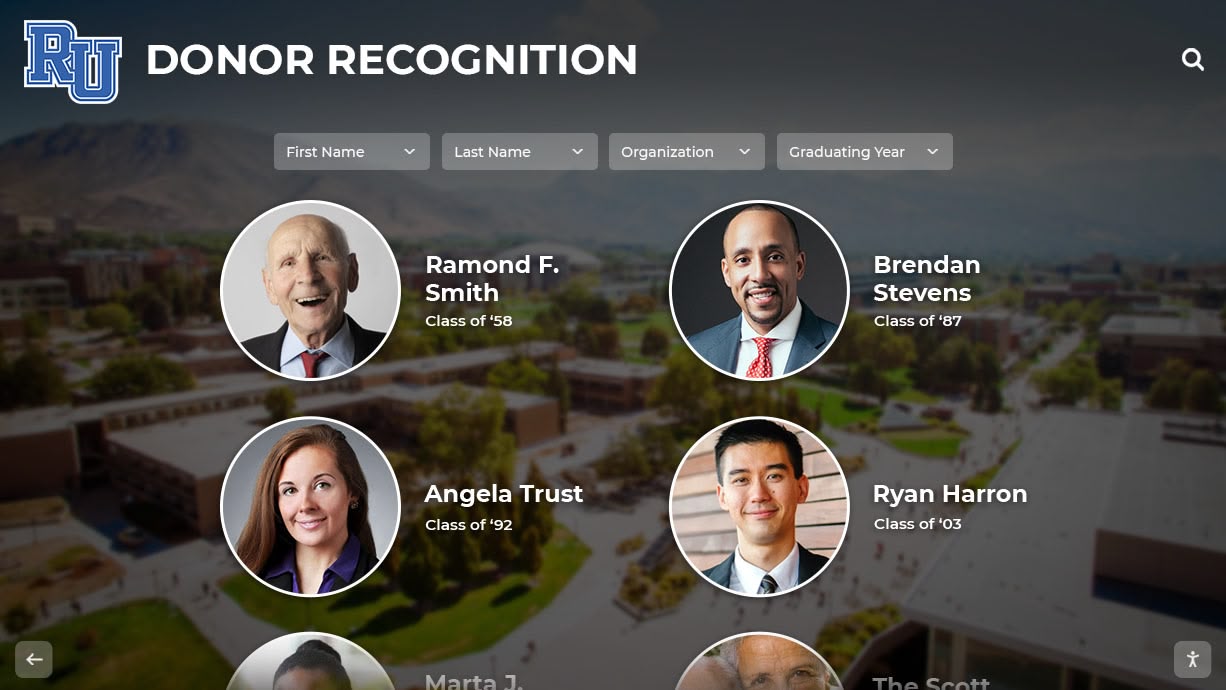
Unlike static displays visitors glance at while passing, interactive recognition displays invite active engagement. Community members can search by donor name, browse by year, filter by award category, explore specific galas, and view detailed profiles with complete giving histories or achievement documentation.
Cost Efficiency Over Time:
While quality digital displays require meaningful upfront investment, long-term costs prove substantially lower than repeatedly updating physical recognition systems. Schools adding 50-100+ donor names annually would spend thousands updating traditional plaques—expenses eliminated entirely with digital solutions.
Implementing Digital Recognition for Gala Programs
Schools implementing digital recognition displays for gala-related content should consider comprehensive strategies:
Current Year Gala Integration:
During gala events, digital displays can showcase:
- Real-time donor recognition as gifts are made
- Live auction results and top bidders
- Video presentations about scholarship impact
- Social media feeds with event hashtags
- Countdown timers building excitement for key moments
- Interactive giving opportunities via QR codes
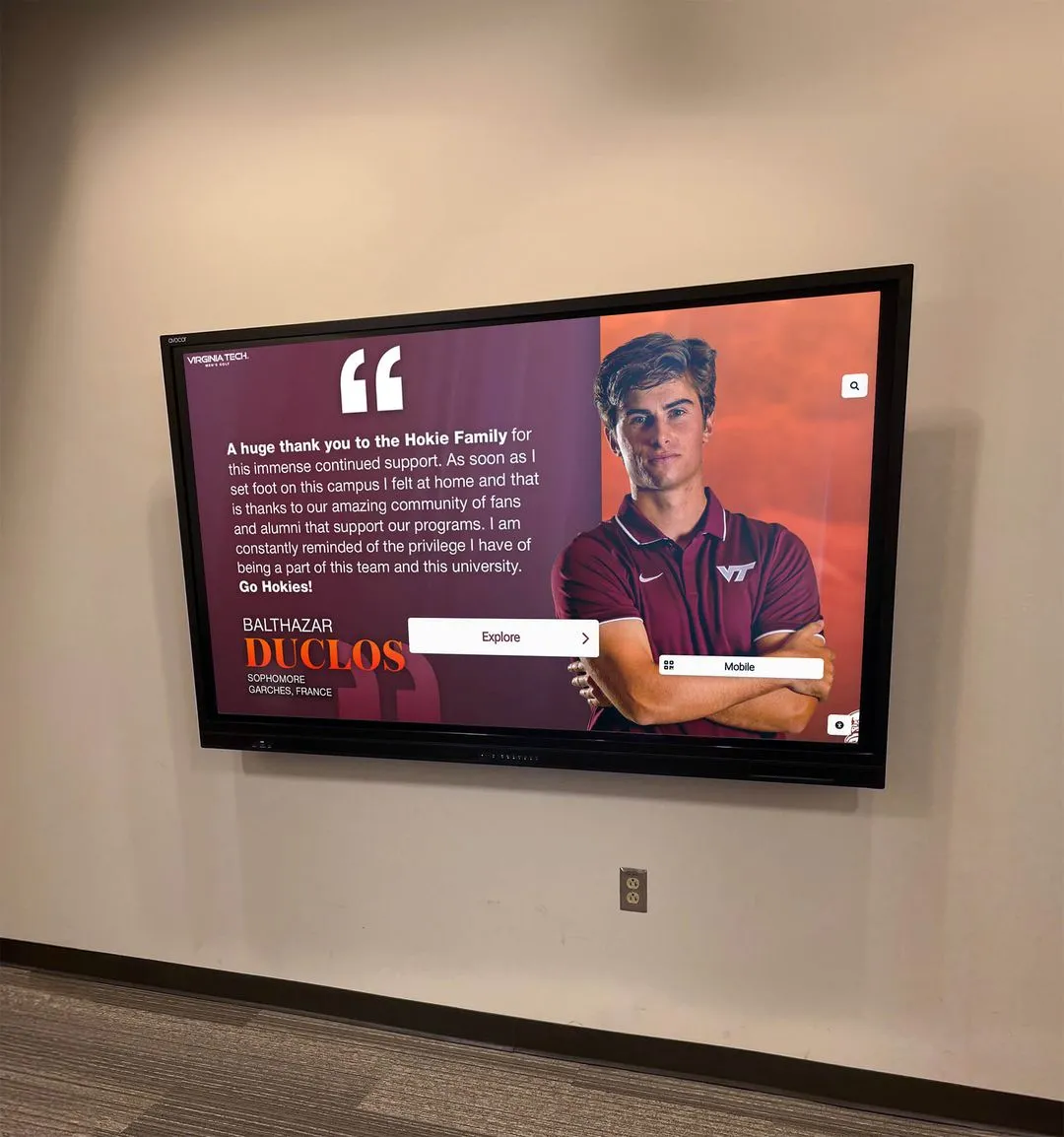
Research indicates that schools utilizing digital displays with QR code giving opportunities create immediate action pathways—when someone is moved by a scholarship story, they can scan a code and donate instantly, capturing emotional momentum that might otherwise dissipate.
Historical Gala Archives:
Between events, displays provide year-round access to:
- Complete donor listings from past galas organized by year and giving level
- Award recipient profiles featuring all honorees across history
- Photo galleries from previous gala events
- Video highlights and memorable moments
- Program archives preserving event details
- Statistical trends showing giving growth and participation patterns
Solutions like digital donor recognition walls designed for schools provide purpose-built platforms specifically for educational fundraising recognition, offering intuitive interfaces requiring no technical expertise while creating engaging user experiences that honor generosity appropriately.
Multi-Location Access:
Digital content isn’t restricted to single physical locations. Schools can simultaneously display gala recognition content:
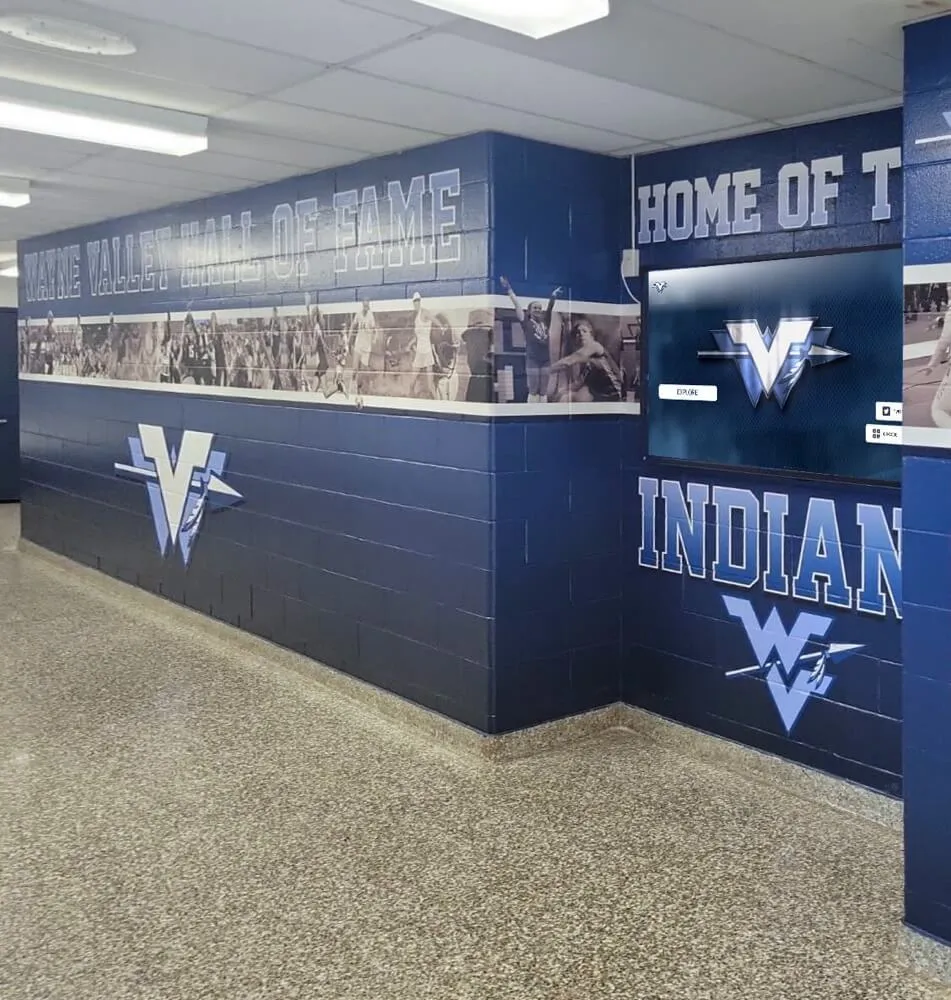
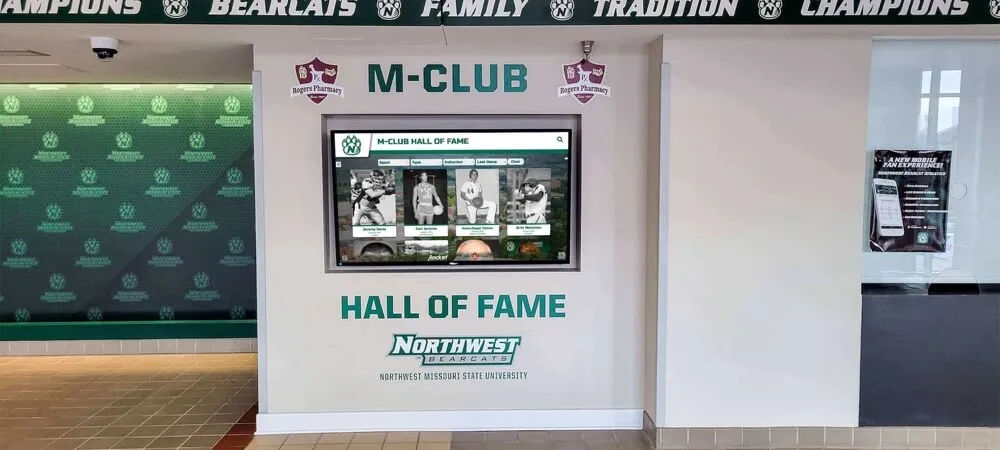
- In main entrance lobbies where all visitors see acknowledgment
- In development offices for donor meetings and cultivation conversations
- In admission areas showcasing community generosity to prospective families
- On school websites providing global access to alumni and distant supporters
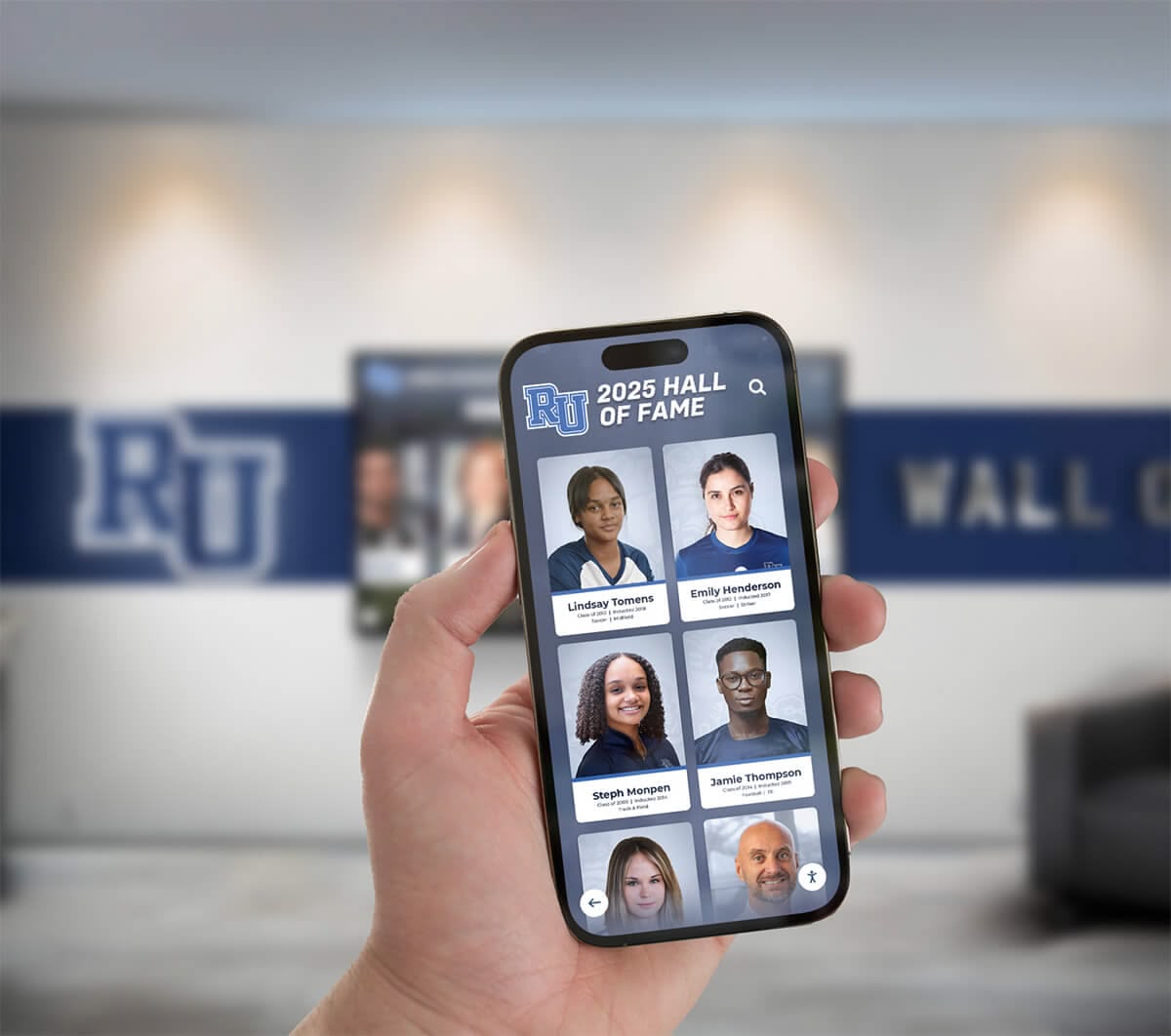
- Through mobile apps enabling engagement from anywhere
Many schools implementing comprehensive digital recognition systems find that online accessibility significantly extends recognition impact beyond those who can physically visit campus, enabling worldwide community engagement.
Showcasing Award Winners: Past and Present
Comprehensive recognition programs celebrate not just current honorees but preserve recognition for all distinguished award recipients across school history.
Creating Award Winner Profiles
Effective award recipient recognition includes comprehensive information that tells complete stories about honorees:
Biographical Information:
- Graduation year and academic background
- Professional career summary and accomplishments
- Volunteer service and community leadership roles
- Connection to school including student experience or family ties
- Current location and professional affiliations
Award Context:
- Specific award received and year honored
- Award criteria and selection process
- Presentation ceremony details and program excerpts
- Remarks from presenters or school leaders
- Acceptance speech highlights if available
Visual Documentation:
- Professional portraits from gala presentations
- Historical photos from their time as students if applicable
- Career achievement images
- Award ceremony photography
- Video acceptance speeches or interviews
Impact Stories:
- Quotations from honorees about school influence
- Stories about specific contributions or achievements being recognized
- Reflections on values learned or relationships formed at school
- Messages for current students
- Connections between their success and educational foundation
Making Historical Awards Accessible
Many schools have honored distinguished community members for decades but lack organized systems making this recognition history easily accessible. Digital displays solve this challenge by:
Centralized Historical Documentation:
Consolidating award recipient information from scattered sources—old programs, yearbooks, archives, institutional records—into comprehensive, searchable databases preserving institutional memory that might otherwise fade.
Multiple Navigation Approaches:
Enabling community members to explore award history through various pathways:
- Chronological browsing seeing all recipients by year
- Award category filtering showing all Distinguished Alumni or Service Award winners
- Name search finding specific individuals
- Era exploration examining different decades
- Random discovery featuring rotating profiles
Contextual Connections:
Linking award recipients to related content creates richer understanding:
- Connecting alumni award winners to their class composites and yearbooks
- Showing family connections when multiple generations receive honors
- Displaying related achievements in athletics, academics, or other areas
- Linking to donor recognition if honorees also support school philanthropically
- Connecting to facilities or programs bearing their names
Schools implementing comprehensive school history software and digital archives preserve not just current recognition but decades of institutional history in accessible, engaging formats.
Practical Implementation: Bringing Digital Recognition to Your School
Schools ready to implement digital recognition displays for gala fundraising and donor acknowledgment should follow systematic planning approaches ensuring successful outcomes.
Planning and Assessment
Define Objectives:
Clarify what you hope to accomplish:
- Enhance donor recognition during and between galas
- Preserve comprehensive gala archives and event history
- Showcase award recipients across school history
- Inspire current students with donor generosity examples
- Strengthen alumni engagement through accessible recognition
- Support advancement team cultivation conversations
Assess Current State:
Understand existing recognition approaches:
- How are donors currently acknowledged beyond thank-you letters
- What physical recognition displays exist and their limitations
- How gala content is currently archived if at all
- What historical award recipient information exists
- How accessible current recognition is to broader community
Identify Stakeholders:
Engage key parties in planning:
- Advancement and development leadership
- Gala committee chairs and longtime volunteers
- Past award recipients and major donors
- School leadership and communications staff
- Technology coordinators and facilities managers
Content Development
Gather Historical Information:
Comprehensive recognition requires collecting scattered information:
- Past gala programs and donor lists from archives
- Award recipient biographies and achievement documentation
- Historical photographs and video footage
- Institutional records about major gifts and named scholarships
- Interviews with longtime community members filling gaps
Create Consistent Profiles:
Develop standardized profile formats ensuring quality, professional presentation:
- Biographical templates capturing essential information consistently
- Photography standards for portraits and event images
- Video production approaches for interviews and testimonials
- Writing guidelines ensuring appropriate tone and completeness
- Quality review processes maintaining high standards
Organize Content Logically:
Structure recognition content for intuitive navigation:
- Categorization schemes balancing thoroughness with simplicity
- Hierarchies guiding users from broad overviews to detailed profiles
- Cross-references connecting related content meaningfully
- Featured content strategies highlighting noteworthy stories
- Regular update schedules keeping information current
Technology Selection and Installation
Choose Appropriate Solutions:
Select technology matching your specific needs and circumstances:
- Display size appropriate for intended locations and viewing distances
- Touchscreen interactivity for self-guided exploration
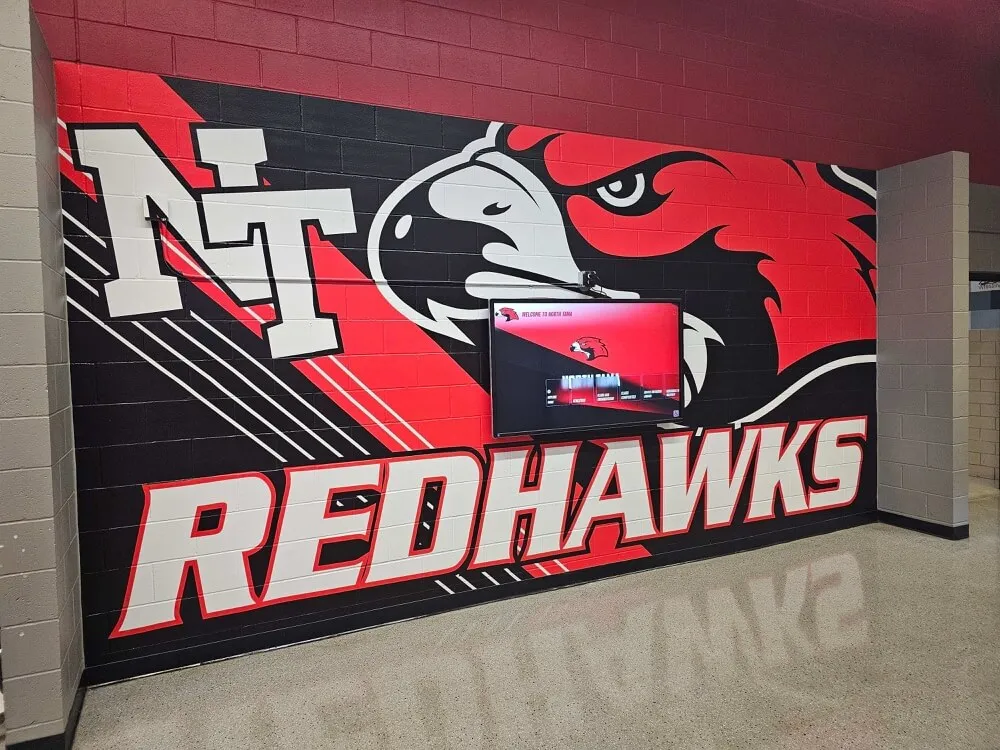
- Commercial-grade hardware designed for continuous operation
- Intuitive content management enabling easy updates
- Cloud-based platforms accessible from anywhere
- Integration capabilities with existing school systems
Solutions like touchscreen kiosk software designed for schools provide comprehensive platforms managing recognition from content creation through community engagement.
Plan Strategic Placement:
Location dramatically impacts visibility and engagement:
- Main entrance lobbies for maximum community visibility
- Development offices supporting donor cultivation conversations
- Gala venues during events for real-time recognition
- Student gathering areas inspiring through donor generosity examples
- Alumni spaces welcoming returning graduates
Professional Installation:
Quality installation ensures reliable long-term operation:
- Proper mounting at appropriate heights and viewing angles
- Secure power and network connectivity
- Professional cable management and finishing
- ADA-compliant accessibility
- Adequate ambient lighting control
Maximizing Gala Recognition Impact
Strategic approaches ensure digital recognition displays deliver maximum value for fundraising efforts and community engagement.
Integration with Gala Planning
Pre-Gala Promotion:
Use displays to build excitement and encourage participation:
- Countdown timers to event dates
- Featured auction item previews
- Past event highlight reels
- Testimonials from previous attendees
- Sponsorship opportunity information
During-Event Engagement:
Maximize recognition visibility throughout gala evenings:
- Live donor recognition as gifts are received
- Video presentations about impact playing on displays
- Interactive exploration during cocktail hours
- Social media integration encouraging sharing
- Real-time auction leaderboards
Post-Gala Recognition:
Sustain acknowledgment long after events conclude:
- Comprehensive donor listings immediately following galas
- Photo galleries within days capturing event atmosphere
- Video highlights preserving memorable moments
- Thank-you messages from leadership and scholarship recipients
- Impact reports showing how funds will be deployed
Ongoing Content Maintenance
Regular Updates:
Maintain currency and relevance through consistent attention:
- Immediate addition of new gala donors and award recipients
- Prompt correction of any errors or outdated information
- Seasonal content rotation highlighting timely stories
- Periodic refresh of featured profiles
- Regular backups preserving all content
Quality Standards:
Maintain professional presentation quality:
- High-resolution photography meeting consistent standards
- Professional video production with proper editing
- Careful copyediting ensuring error-free text
- Brand consistency in design elements
- Accessibility compliance for inclusive access
Schools can learn from best practices documented in resources about academic recognition programs and creating engaging digital displays.
Measuring Success and ROI
Effective recognition programs demonstrate measurable value justifying ongoing investment.
Quantitative Metrics
Fundraising Impact:
- Year-over-year gala revenue growth trends
- Average gift size comparisons
- Donor retention rates between annual galas
- New donor acquisition numbers
- Major gift pipeline development
Engagement Measures:
- Display interaction statistics showing usage patterns
- Website traffic to online recognition content
- Social media engagement with gala content
- Alumni event participation trends
- Volunteer recruitment and retention
Qualitative Outcomes
Community Feedback:
- Donor testimonials about feeling appreciated
- Award recipient responses to recognition experiences
- Family reactions to scholarship support visibility
- Alumni engagement in giving back traditions
- Student inspiration from donor generosity examples
Cultural Indicators:
- Strengthened sense of community identity
- Increased pride among stakeholders
- Enhanced institutional reputation
- Deeper understanding of school mission
- Sustained commitment across generations
Conclusion: Transforming Gala Recognition for Lasting Impact
Annual galas represent far more than elegant fundraising evenings—they embody institutional missions, celebrate generosity, honor achievement, and unite communities around shared educational values. The donors who give scholarships, the award recipients who exemplify excellence, and the countless volunteers who make these events possible all deserve recognition that extends beyond single evenings and preserves their contributions as permanent institutional history.
Modern digital recognition displays transform how private schools honor gala participants and preserve event legacies. By showcasing this year’s donors alongside decades of giving history, featuring current award recipients while preserving past honoree profiles, hosting evening programs while maintaining comprehensive archives, and creating interactive experiences accessible year-round rather than single-evening acknowledgments, schools build recognition cultures that inspire continued generosity and strengthen community bonds across generations.
The schools implementing comprehensive digital recognition systems find that technology enhances rather than replaces the personal touch that makes private education special. Thoughtful recognition—whether delivered through elegant printed programs, heartfelt speeches, or engaging touchscreen displays—communicates genuine appreciation for those whose generosity and achievement make school missions possible.
As your school plans its next annual gala, consider how modern recognition approaches can honor donors more comprehensively, preserve award winner legacies more permanently, document event history more thoroughly, and inspire community members more effectively. The donors funding today’s scholarships and tomorrow’s programs deserve recognition matching the significance of their contributions, and the technology enabling that recognition now exists for schools ready to embrace it.
Platforms like Rocket Alumni Solutions provide comprehensive digital recognition systems designed specifically for educational institutions, offering intuitive content management, engaging interactive displays, and proven approaches that help schools build the donor recognition and gala documentation programs their communities deserve. Whether implementing interactive digital donor walls, comprehensive award winner showcases, or integrated fundraising recognition networks, digital technology enables schools to celebrate generosity and preserve gala legacies more comprehensively than ever before.
Ready to transform how your school recognizes gala donors and honors award recipients? Explore comprehensive recognition solutions that preserve fundraising traditions while building institutional cultures where generosity receives celebration it deserves—not just during annual galas but throughout the year, for years to come.
Sources:
- A Complete Guide to Fundraising Galas + Top 10 Event Ideas
- From Static to Dynamic: The Rise of Digital Donor Walls
- Interactive Donor Wall Display - Seamless Recognition System
- 18 Fundraising Trends for the Upcoming Gala Season