



Key Takeaways
Discover effective warm up routines that help high school athletes prepare for peak performance. Learn essential exercises, timing strategies, and proven techniques coaches use to optimize pre-game preparation.
Why Pre-Game Warm Up Routines Matter for High School Athletes
High school athletic competition demands that young athletes perform at their physical peak despite academic pressures, limited recovery time between practices and games, and bodies still developing. The warm up routine bridges the gap between daily activity and competitive intensity, preparing athletes physiologically and psychologically for the demands ahead.
The Science Behind Effective Warm Ups
Proper warm up routines trigger essential physiological changes that directly impact athletic performance. As body temperature increases during warm-up activities, muscle elasticity improves, allowing greater range of motion and reduced injury risk. Blood flow to working muscles increases, delivering oxygen and nutrients needed for optimal performance while removing metabolic waste products more efficiently.
Neuromuscular connections activate during warm-ups, improving coordination, reaction time, and movement efficiency. This neural activation means athletes move more precisely and powerfully when competition begins. Research consistently demonstrates that athletes who complete comprehensive warm-ups perform better in measures of speed, power, agility, and endurance compared to those with inadequate preparation.
For coaches developing effective team preparation strategies, the warm-up routine represents a foundational element that influences everything that follows.

Common Warm Up Mistakes That Hurt Performance
Many high school teams inadvertently sabotage performance through warm-up approaches that seem logical but actually impair athletic readiness:
Insufficient Time Allocation occurs when teams rush through warm-ups to maximize practice time or due to scheduling constraints. Abbreviated warm-ups leave athletes physically unprepared and mentally unfocused, increasing injury risk while decreasing performance quality.
Static Stretching Before Competition remains common despite research clearly showing that holding static stretches before athletic activity temporarily reduces power output and explosiveness. Athletes who spend warm-up time in static stretching positions sacrifice the dynamic preparation their muscles actually need.
Lack of Sport-Specific Preparation happens when warm-ups consist only of general jogging and stretching without incorporating the specific movements athletes will perform during competition. This disconnect means athletes enter games without activating the precise muscle groups and movement patterns they’ll need.
Inconsistent Routines create problems when warm-up approaches vary significantly from practice to game or game to game. Consistency helps athletes develop physiological and psychological readiness, while constant changes prevent the routine from becoming an effective trigger for optimal performance states.
Components of an Effective Pre-Game Warm Up Routine
Comprehensive warm-up routines progress through distinct phases, each serving specific purposes in preparing athletes for competition. The most effective programs structure these phases systematically, building from general to specific preparation.
Phase 1: General Cardiovascular Warm-Up (5-10 Minutes)
The warm-up begins with low-to-moderate intensity cardiovascular activity that gradually elevates heart rate and body temperature. This initial phase shouldn’t be strenuous enough to create fatigue but should generate light perspiration indicating adequate temperature increase.
Effective Cardiovascular Warm-Up Activities include light jogging around the field or court at conversation pace, gradually increasing to moderate intensity. Dynamic movement patterns like high knees, butt kicks, and walking lunges add variety while engaging different muscle groups. Sport-specific activities at reduced intensity—like easy ball handling for basketball players or light passing for soccer teams—make this phase more engaging and relevant.
The cardiovascular phase serves as a transition from rest to activity, giving athletes’ cardiovascular systems time to adjust to increased demands. This gradual progression is especially important for high school athletes whose bodies are still developing optimal cardiovascular efficiency.

Phase 2: Dynamic Stretching and Mobility (8-12 Minutes)
Following cardiovascular warm-up, athletes transition to dynamic stretching—movements that take joints and muscles through full ranges of motion while maintaining activity and warmth. Unlike static stretching, dynamic movements keep muscles engaged and ready while improving mobility.
Essential Dynamic Stretching Exercises target major muscle groups athletes will use during competition:
Lower Body Dynamic Stretches include leg swings (forward/back and side-to-side) that mobilize hip joints and hamstrings, walking lunges with torso rotation that prepare legs and core simultaneously, and high knee pulls that activate hip flexors and improve balance. Frankenstein walks stretch hamstrings dynamically, while lateral lunges prepare athletes for side-to-side movements common in most sports.
Upper Body Dynamic Stretches incorporate arm circles progressing from small to large diameter, preparing shoulders for throwing and overhead movements. Trunk rotations with arms extended warm the core and improve rotational power. Cat-cow stretches mobilize the spine, while shoulder blade squeezes activate upper back muscles crucial for posture and shoulder health.
Multi-Planar Movements prepare athletes for the complex, multidirectional demands of competition. Carioca drills work lateral movement patterns, while backpedaling activates posterior chain muscles. Spider-man lunges combine lower body strength with hip mobility and upper body stability in one efficient movement.
These dynamic stretches should be performed with control and gradually increasing range of motion. Athletes shouldn’t force movements into painful ranges but should feel muscles lengthening and warming progressively. This phase often works well when integrated with quick team building activities that build camaraderie while preparing physically.

Phase 3: Sport-Specific Movement Preparation (5-8 Minutes)
With muscles warm and mobile, athletes transition to movements and intensities that closely mirror competition demands. This sport-specific phase activates precise neuromuscular patterns athletes will use during games, creating seamless transitions from warm-up to competition.
Basketball-Specific Warm-Up Activities include defensive slides at progressive speeds, layup lines incorporating full-speed cuts and jumps, and shooting progression starting close to the basket and moving outward. Pick-and-roll drills at moderate intensity prepare both offensive and defensive players for common game situations.
Soccer-Specific Warm-Up Activities feature controlled dribbling through cones at increasing speeds, passing patterns that incorporate movement and different passing distances, and shooting drills that progress from stationary to full-speed approaches. Small-sided games at moderate intensity combine multiple skills while maintaining appropriate warm-up intensity.
Football-Specific Warm-Up Activities depend on position but typically include position-specific stance and start drills for all players. Offensive and defensive linemen perform blocking and hand technique drills at controlled intensity. Skill position players run routes or coverage patterns at progressive speeds, incorporating cuts and changes of direction they’ll need during games.
Track and Field Warm-Up Activities include acceleration drills at 60-80% effort, building to competition intensity gradually. Event-specific technical work—like approach runs for jumpers or form drills for hurdlers—prepares athletes for precise technical demands. Relay teams practice handoffs at increasing speeds, ensuring timing and technique are sharp before competition.
The sport-specific phase shouldn’t create fatigue but should elevate athletes to intensities approaching competition level. Athletes should feel sharp, responsive, and confident in their movements by the end of this phase. Schools that invest in comprehensive athletic programs often showcase these preparation strategies in their digital recognition displays celebrating athletic excellence.
Phase 4: Mental Preparation and Team Connection (2-5 Minutes)
The final warm-up phase addresses psychological readiness, which influences performance as significantly as physical preparation. Mental preparation techniques help athletes achieve optimal arousal levels—neither too anxious nor too relaxed—for competition demands.
Visualization Techniques encourage athletes to mentally rehearse successful performance. Players might close their eyes and visualize executing skills perfectly, seeing themselves making plays and responding to game situations with confidence and precision. This mental rehearsal activates the same neural pathways that physical practice uses, enhancing performance readiness.
Breathing Exercises help athletes control arousal levels and maintain focus. Simple techniques like box breathing (inhale for 4 counts, hold for 4, exhale for 4, hold for 4) calm overly anxious athletes while maintaining alertness. Explosive breathing patterns can energize athletes who need higher arousal for powerful, intense competition.
Team Rituals and Connection create psychological unity and shared purpose. Many successful teams develop pre-game rituals—specific chants, huddle formations, or call-and-response patterns—that signal readiness and reinforce team identity. These moments build confidence through connection and create positive emotional states associated with peak performance.
Coaches might use this time for brief tactical reminders or motivational messages, but the focus should remain on creating optimal mental and emotional states rather than introducing new information or complex strategy that could create cognitive overload before competition.

Customizing Warm Up Routines for Different Sports and Conditions
While the general warm-up structure remains consistent across sports, effective programs adapt specific exercises, timing, and intensity based on sport demands, environmental conditions, and competition timing.
Adapting Warm Ups for Sport-Specific Demands
Different sports place distinct demands on athletes’ bodies, requiring warm-up adjustments that address specific performance requirements and injury risks:
Power and Explosive Sports like basketball, volleyball, and track sprinting require warm-ups that progressively build to higher intensities. These routines should include plyometric elements and explosive movements that prepare fast-twitch muscle fibers for maximal efforts. The warm-up should conclude with several near-maximal intensity repetitions—practice dunks for basketball, approach jumps for volleyball, or flying sprints for track athletes—ensuring athletes reach peak power output before competition.
Endurance Sports like cross country, distance track events, and soccer require balanced warm-ups that prepare athletes without depleting energy stores. These routines emphasize adequate cardiovascular preparation and mobility while avoiding excessive volume that could fatigue athletes before competition even begins. Distance athletes typically perform shorter, more focused warm-ups than their training volume might suggest, preserving energy for competitive efforts.
Contact Sports like football, wrestling, and lacrosse need warm-ups that prepare athletes for physical collisions and contact situations. Beyond standard warm-up phases, these programs incorporate controlled contact drills that acclimate athletes to the physical intensity they’ll experience during competition. However, this contact should be moderate intensity to prevent injury or fatigue before games begin.
Skill-Precision Sports like golf, baseball pitching, and archery require warm-ups that balance physical preparation with maintaining fine motor control and precision. These athletes often perform fewer high-intensity movements and more technical, skill-focused preparation that doesn’t elevate heart rate so high that it impairs the precision their sports demand.
Environmental Considerations
Weather conditions significantly impact warm-up requirements and protocols:
Cold Weather Warm Ups require extended time and potentially additional layers to achieve adequate muscle temperature. Athletes should keep warm clothing on longer during the warm-up, removing layers progressively as body temperature rises. Cold conditions increase injury risk if athletes begin competition with inadequately warmed muscles. Teams competing in programs like high school football playoffs in autumn and winter must adjust their routines accordingly.
Hot Weather Warm Ups require balancing adequate preparation with avoiding heat-related issues. These warm-ups might be slightly shorter and should emphasize hydration before, during, and after the routine. Athletes should begin hydrating well before warm-ups start and continue throughout. Shade should be utilized when possible, and athletes should avoid excessive clothing that could accelerate overheating.
Indoor vs. Outdoor Competition affects warm-up logistics and timing. Indoor venues typically maintain consistent temperatures, allowing more predictable warm-up protocols. Outdoor competition requires adaptability, with athletes potentially needing to adjust warm-up length, intensity, or timing based on conditions. Teams should have contingency plans for weather-related warm-up adjustments.
Timing Considerations and Schedule Constraints
Real-world scheduling constraints often complicate ideal warm-up timing:
Multiple Events or Games in One Day require modified warm-up approaches. Athletes competing in multiple events might perform a comprehensive warm-up before their first competition, then shorter maintenance warm-ups before subsequent events. These maintenance routines might last 10-15 minutes and focus on keeping muscles warm and maintaining mental readiness rather than repeating the full initial warm-up.
Limited Warm-Up Space or Time forces prioritization. When circumstances limit warm-up options, athletes should prioritize sport-specific movements over general activities, ensuring the most relevant preparation occurs even if overall warm-up time is reduced. Creative use of limited space—like using hallways, parking lots, or small areas near competition venues—helps teams execute critical warm-up elements despite constraints.
Extended Wait Times Between Warm-Up and Competition present challenges. If athletes must finish warming up significantly before their competition begins, they should perform brief activation routines immediately before competition—a few minutes of dynamic movements and sport-specific actions—to restore optimal readiness. Many teams time their warm-up completion to match closely with competition start, but tournament schedules and weather delays don’t always cooperate.
Implementing Consistent Warm Up Routines in High School Programs
Knowledge of effective warm-up components provides limited value unless programs implement these routines consistently. Successful implementation requires thoughtful planning, athlete education, and systematic execution that makes quality warm-ups standard practice rather than occasional occurrence.
Creating and Teaching Your Program’s Warm Up Routine
The most effective programs develop specific warm-up protocols rather than allowing inconsistent, improvised approaches:
Document Your Routine by creating written or video guides that outline specific exercises, timing, and sequencing. This documentation ensures consistency when different coaches supervise warm-ups and provides clear expectations for athletes. Many programs create poster-sized visual guides posted in locker rooms or practice facilities, providing constant reference for standard warm-up protocols.
Teach the “Why” Behind Each Component rather than just prescribing movements. Athletes who understand how warm-ups prevent injury and improve performance take ownership of preparation quality. Education about warm-up science transforms the routine from coach-imposed requirement to athlete-valued preparation they want to execute properly.
Practice Your Warm-Up Routine during early-season training sessions, providing feedback on execution quality and answering questions. The warm-up itself should be coached initially, with athletes learning proper technique for dynamic stretches and understanding appropriate intensity levels for each phase. Just as teams practice game skills, they should practice preparation routines.
Assign Leadership Roles by designating team captains or senior athletes to lead warm-up routines during practice and games. This peer leadership increases engagement while developing leadership skills. Coaches should gradually transfer warm-up leadership to athletes, supervising rather than directly controlling every warm-up once athletes demonstrate understanding and commitment.
Programs that develop strong team culture and leadership—like those supported by effective booster club support for athletic programs—often find that consistent warm-up execution reflects and reinforces broader program excellence.
Adapting Routines for Practice vs. Competition
While warm-up principles remain constant, practice warm-ups and game warm-ups serve slightly different purposes:
Practice Warm-Ups can be more extended and serve dual purposes of preparing athletes for training while also developing fitness qualities. Practice warm-ups might incorporate more conditioning elements and can include activities that create mild fatigue since practice rather than peak performance is the immediate goal. These routines offer opportunities to introduce new exercises or techniques that might later be incorporated into game warm-ups.
Game Warm-Ups prioritize optimal readiness without creating any fatigue. These routines should be refined, efficient, and psychologically reassuring. Game warm-ups become familiar rituals that trigger performance mindsets, helping athletes transition mentally and physically into competitive states. Consistency in game warm-ups creates comfort and confidence, reducing pre-competition anxiety.
Programs should clearly distinguish between these approaches so athletes understand when they’re completing preparation warm-ups versus performance warm-ups. This distinction helps athletes calibrate effort and expectations appropriately for different situations.
Building Warm Up Routines Into Broader Program Culture
The most successful programs integrate warm-ups into comprehensive cultures of preparation and professionalism:
Model Professional Approaches by treating warm-ups with the same seriousness and attention as tactical preparation or skill development. When coaches demonstrate that warm-ups matter—through engaged supervision, quality feedback, and consistent expectations—athletes internalize these values and approach preparation with corresponding seriousness.
Connect Warm-Ups to Program Values by explicitly linking preparation quality to team principles. Programs emphasizing work ethic might frame thorough warm-ups as demonstrations of commitment. Programs valuing team-first attitudes might emphasize how each athlete’s preparation quality affects teammates’ confidence and team cohesion.
Recognize and Celebrate Preparation Excellence alongside competitive achievement. Schools that showcase comprehensive athletic recognition often find that acknowledging the behind-the-scenes work that enables success reinforces behaviors that lead to sustained excellence.
Share Responsibility for Warm-Up Quality between coaches and athletes. While coaches provide structure and expectations, athletes should take ownership of their personal preparation. This shared responsibility develops maturity and self-regulation skills that serve athletes throughout their lives, extending preparation lessons far beyond athletic contexts.
Programs that successfully implement these approaches create self-sustaining cultures where quality preparation becomes standard practice rather than coach-enforced requirement. Athletes internalize preparation values and carry them into college athletics, careers, and other life domains where preparation quality determines success.
Measuring and Improving Your Warm Up Routine Effectiveness
Like any program component, warm-up routines should be evaluated and refined based on their effectiveness in achieving intended outcomes. Thoughtful assessment identifies strengths worth preserving and weaknesses requiring adjustment.
Indicators of Effective Warm Up Routines
Several observable outcomes suggest warm-up routines are working effectively:
Injury Patterns provide crucial data. Programs with effective warm-ups typically see fewer muscle strains, pulls, and soft tissue injuries that often result from inadequate preparation. Track injury rates over time, noting whether athletes experience early-game injuries that might indicate insufficient warm-up effectiveness. While warm-ups don’t prevent all injuries, they should significantly reduce preventable soft tissue injuries.
Performance Metrics reveal whether athletes begin competition at optimal readiness. Do athletes start games slowly, requiring several minutes or even a full quarter to reach peak performance? Or do they compete effectively from the opening whistle? Teams that consistently perform well in early game situations likely have warm-up routines successfully preparing athletes for immediate competition intensity.
Athlete Feedback provides direct insight into subjective readiness. Regularly ask athletes whether they feel prepared, loose, and confident when warm-ups conclude. Their perceptions matter significantly since psychological readiness impacts performance as much as physical preparation. Athletes who consistently report feeling unprepared or tight despite completing warm-ups are signaling routine inadequacy.
Consistency and Engagement indicate whether warm-ups have become valued routines or resented obligations. Athletes in programs with effective warm-up protocols engage seriously with preparation, maintaining focus and effort throughout routines. Conversely, routines that athletes rush through or approach halfheartedly suggest problems with content, length, or athlete buy-in requiring attention.
Continuous Improvement Strategies
Programs committed to excellence continuously refine warm-up approaches based on experience, research, and athlete needs:
Periodically Review Current Routines with coaching staff, evaluating whether all components still serve clear purposes and whether any modifications might improve effectiveness. Are there new exercises or approaches worth incorporating? Can any elements be streamlined without sacrificing preparation quality? Regular review prevents routines from becoming stale or outdated.
Solicit Athlete Input about warm-up effectiveness and satisfaction. Athletes experiencing the routines daily often have valuable insights about components that feel particularly effective or elements that seem unnecessary. While coaches make final decisions about program design, athlete perspectives can identify blind spots and improvement opportunities coaches might miss.
Stay Current with Sports Science Research by following developments in warm-up protocols, injury prevention, and performance optimization. Sports science evolves continuously, and practices considered optimal years ago may be replaced by more effective approaches. Coaches don’t need advanced degrees in exercise physiology, but staying generally informed about current best practices ensures programs don’t cling to outdated methods.
Experiment with Modifications during practice settings before implementing changes to game warm-ups. When considering new exercises or approaches, test them during practices where any issues won’t affect competitive performance. Successful modifications can then be integrated into game routines with confidence, while unsuccessful experiments are identified in low-stakes environments.
Programs that approach warm-ups as dynamic, evolving components rather than fixed routines maximize their effectiveness over time. This continuous improvement mindset reflects broader coaching excellence that distinguishes outstanding programs from average ones.
Beyond the Warm Up: Connecting Preparation to Performance
Effective warm-up routines represent just one component—though a critical one—of comprehensive athletic preparation. The most successful high school programs connect warm-ups to broader preparation systems that optimize athlete development and competitive performance.
Quality warm-up protocols reflect program values around preparation, professionalism, and attention to detail. Schools that emphasize these values often develop athletes who succeed not just in immediate competition but throughout their athletic careers and beyond sports entirely. The self-discipline required for consistent quality preparation, the body awareness developed through mindful warm-up execution, and the mental focus practiced during pre-competition routines all transfer to academic pursuits, career challenges, and personal development.
High school athletic programs serve purposes far beyond winning games and championships. They develop character, teach life lessons, build community, and create memories that last lifetimes. The routines and rituals that surround competition—including thoughtfully designed warm-up protocols—contribute significantly to these broader outcomes. Athletes who learn to prepare properly, respect their bodies’ needs, and approach challenges with systematic preparation carry these lessons forward into every future endeavor.
Celebrating Athletic Excellence and Preparation
Schools that consistently produce well-prepared, successful athletes deserve recognition for the comprehensive approaches that enable this excellence. Modern recognition solutions help schools celebrate not just competitive achievements but also the preparation, dedication, and professionalism that make success possible.
Honor Your Athletes’ Dedication with Modern Recognition
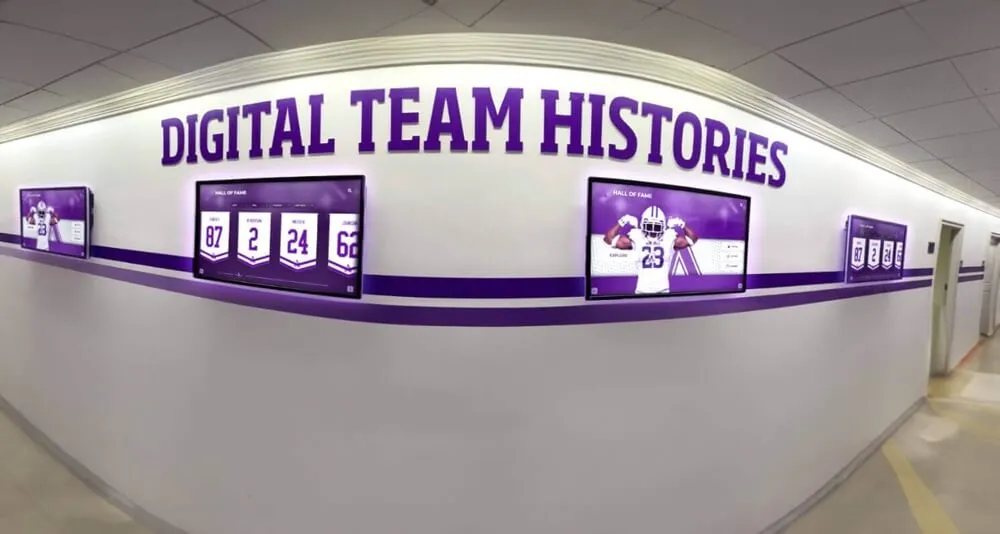
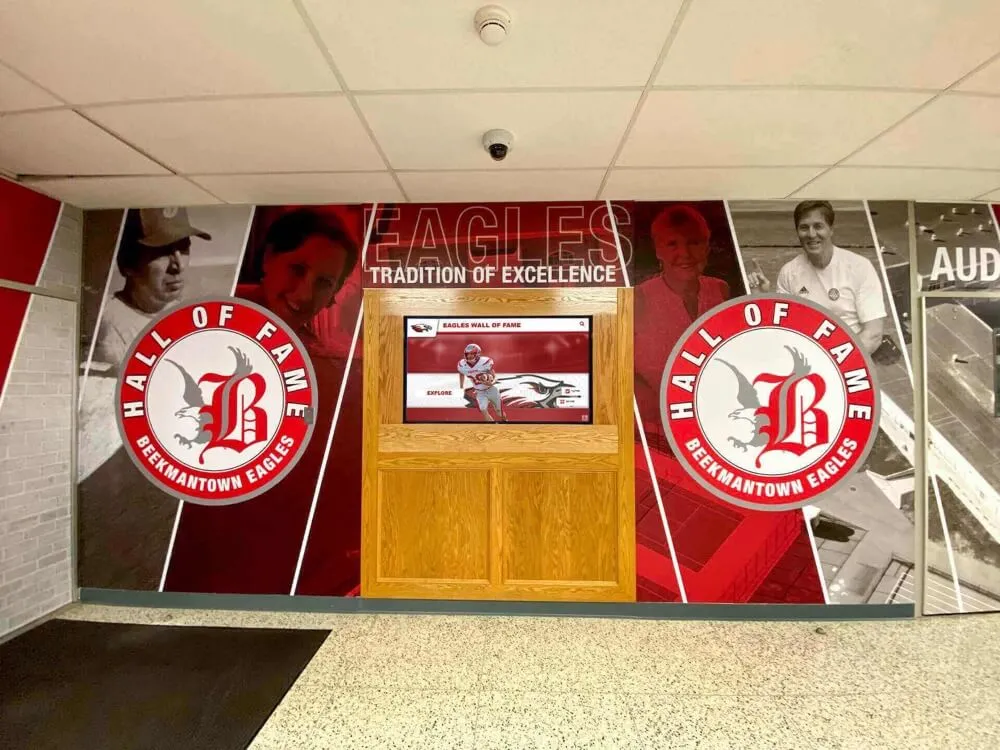
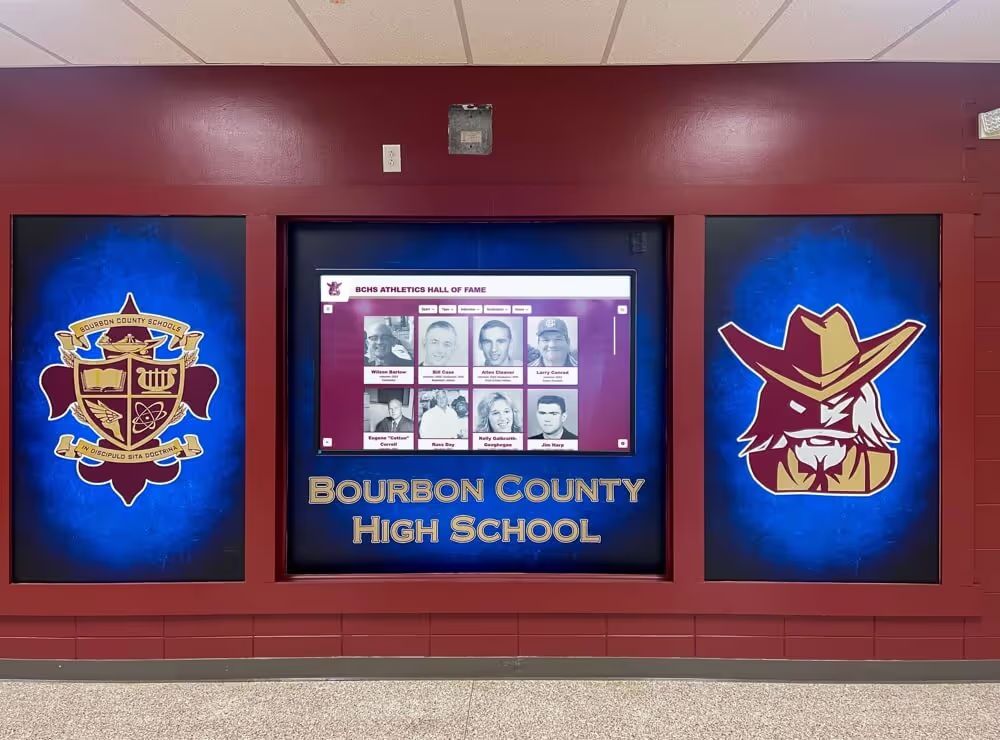
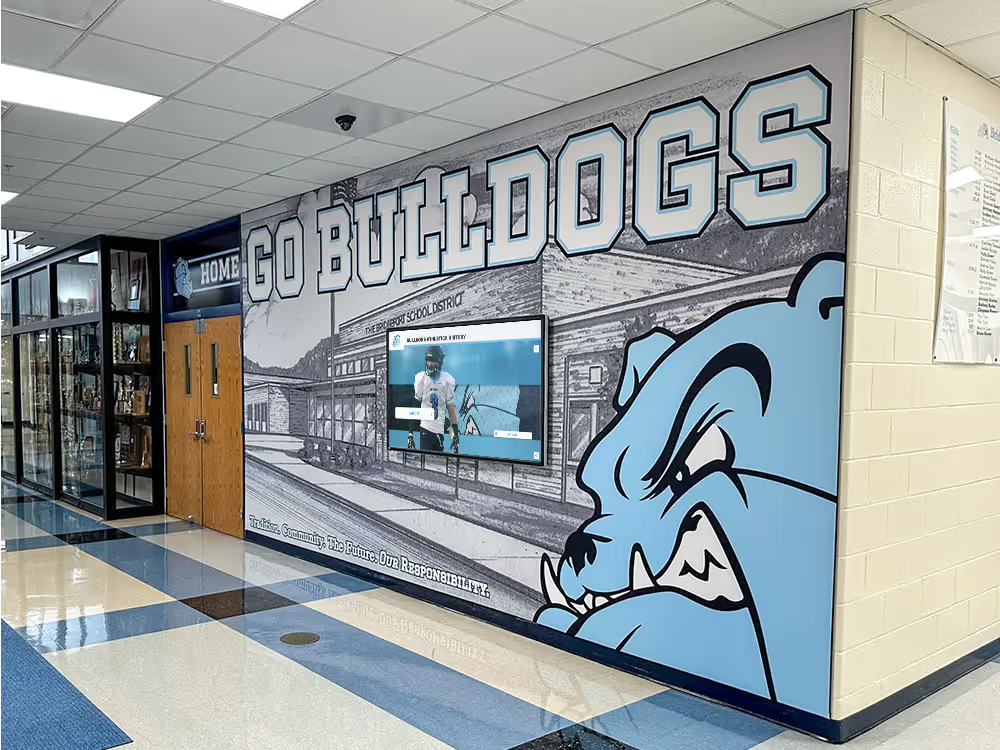
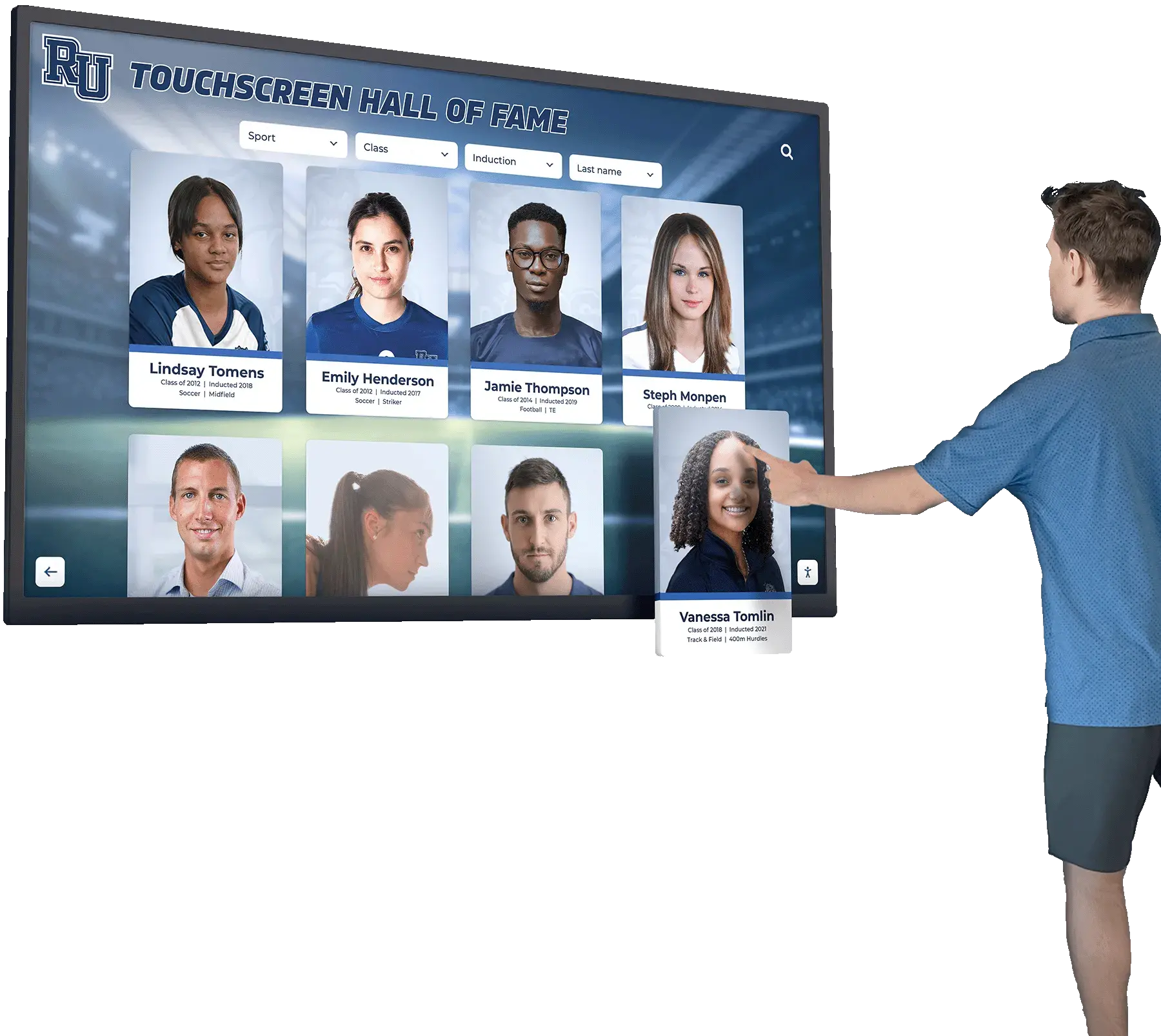
The hours spent perfecting warm-up routines, the attention to preparation details, and the commitment to excellence that characterizes outstanding athletic programs deserve celebration. Rocket Alumni Solutions provides digital recognition displays that showcase athletic achievements, team culture, and program excellence in engaging, interactive formats.
Our touchscreen recognition solutions allow schools to:
- Celebrate individual and team achievements with unlimited capacity
- Showcase the preparation and dedication behind competitive success
- Create engaging displays that inspire current athletes and connect alumni
- Update content instantly to recognize current season achievements
- Share recognition across social media and digital platforms
Transform how your school celebrates athletic excellence with recognition technology designed specifically for educational institutions. Discover how digital displays create lasting connections while honoring the athletes, coaches, and programs that make your school community special.
Pre-game warm-up routines represent far more than administrative requirements or time-filling activities. They’re scientific, systematic preparation protocols that directly impact performance, injury prevention, and competitive outcomes. High school programs that invest time in developing, teaching, and consistently executing quality warm-ups provide athletes with preparation tools that enhance immediate performance while teaching preparation lessons that serve them throughout their lives. The attention to detail, commitment to excellence, and respect for proper preparation that characterize effective warm-up routines reflect the values that distinguish outstanding athletic programs and the institutions they represent.