



Key Takeaways
Explore permanent memorial ideas for schools, communities, and organizations. From traditional plaques to digital tribute walls, discover lasting ways to honor individuals, preserve legacies, and create meaningful recognition spaces.
Why Permanent Memorials Matter for Communities and Organizations
Permanent memorials serve purposes that extend far beyond simple recognition. When thoughtfully designed and properly maintained, these tributes create tangible connections between past and present, educate future generations about important legacies, strengthen community identity, and provide meaningful spaces for reflection and remembrance.
Preserving Legacies for Future Generations
Time erodes memory. Without intentional preservation efforts, remarkable stories of sacrifice, achievement, and service fade within a single generation. Permanent memorials document these narratives, ensuring that individuals who shaped communities, institutions, or causes receive appropriate recognition long after those who knew them personally have passed.
For schools honoring alumni who made the ultimate sacrifice, permanent memorials ensure that students decades from now understand the price of freedom and the character of those who served. Community memorials celebrating civic leaders preserve institutional memory about the volunteers, advocates, and visionaries whose work created the organizations and programs current generations benefit from.
Digital memorial solutions like interactive donor recognition walls enable organizations to present comprehensive biographical information, historical photos, service records, and personal reflections that bring honored individuals to life for visitors who never met them.
Creating Spaces for Reflection and Community Connection
Physical memorial spaces provide designated locations where community members gather for remembrance ceremonies, reflection, and connection. These spaces become important landmarks within organizational facilities—places where alumni return during reunions, families visit to remember loved ones, and current members connect with organizational heritage.
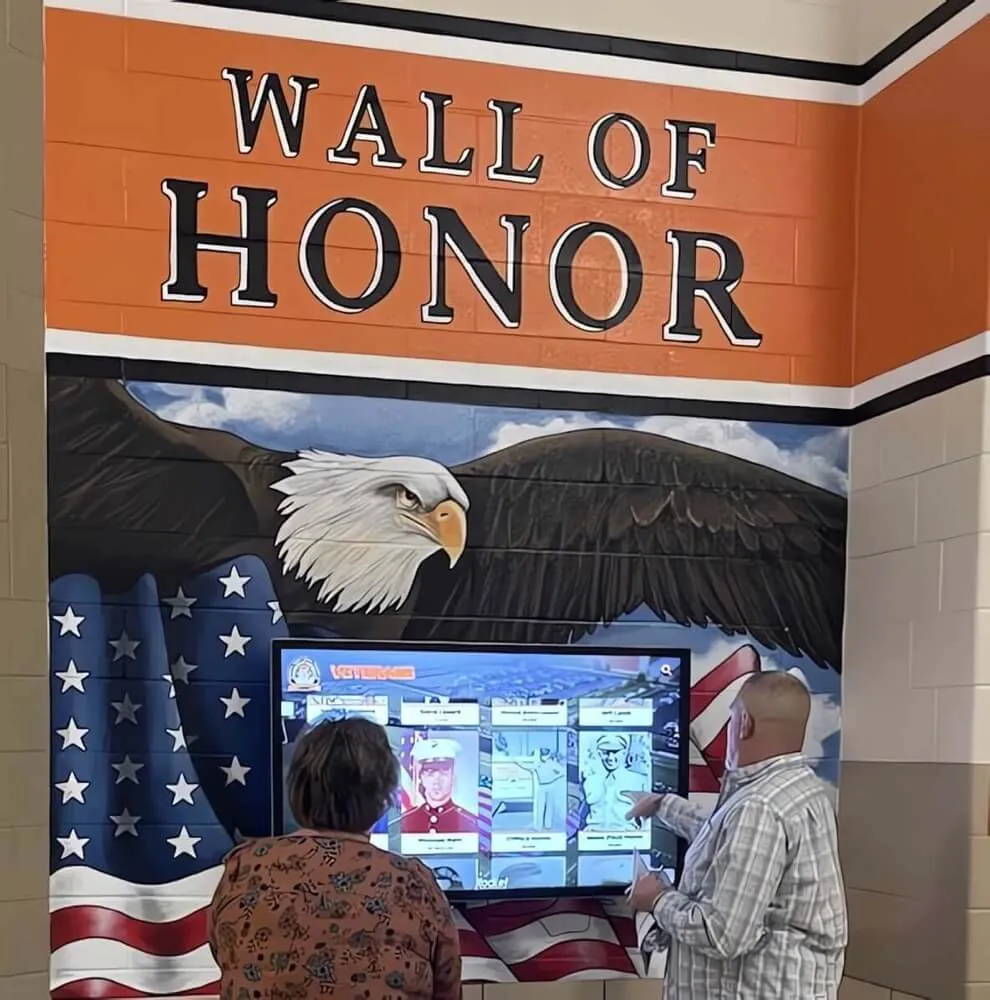
Well-designed memorial spaces honor the past while serving present community needs. Schools create memorial areas that inspire current students through examples of distinguished alumni. Veterans organizations establish tribute walls that educate younger generations about service and sacrifice. Nonprofit organizations recognize founding members and major donors in spaces that demonstrate impact to prospective supporters.
Strengthening Organizational Identity and Values
The individuals and achievements organizations choose to memorialize communicate institutional values and priorities. Memorial programs that honor diverse forms of contribution—military service, academic excellence, community leadership, philanthropic generosity, or professional distinction—demonstrate what the organization celebrates and aspires to.
For educational institutions, comprehensive academic recognition programs that honor scholars alongside athletes communicate that intellectual achievement receives equal celebration with athletic success. Veterans organizations that memorialize members across all service eras demonstrate that every generation’s service deserves recognition.
Traditional Permanent Memorial Approaches
Traditional memorial approaches have served communities for generations, creating dignified, formal tributes that convey permanence and respect. Understanding classic options provides foundation for informed memorial decisions.
Engraved Plaques and Memorial Walls
Bronze or brass plaques mounted on memorial walls represent one of the most enduring tribute formats. These permanent installations create formal recognition that withstands decades of use while maintaining dignified appearance appropriate for solemn commemoration.
Advantages of Traditional Plaques:
- Timeless aesthetic conveying permanence and gravitas
- Proven durability lasting 50+ years with minimal maintenance
- No technical infrastructure requirements
- Tangible recognition families can visit and photograph
- Weather-resistant options for outdoor memorials
Limitations to Consider:
- Fixed space constraints requiring difficult decisions as memorial needs grow
- High ongoing costs for adding new honorees ($200-$500 per plaque)
- Limited information capacity beyond names, dates, and brief inscriptions
- Difficult and expensive to correct errors once engraved
- Accessibility challenges for visually impaired visitors
- Regular maintenance required for cleaning and polishing
Many organizations discover that memorial walls initially planned for 50 honorees eventually need to accommodate 200-300 individuals, creating space crises that force difficult decisions about which contributions merit permanent recognition.
Memorial Gardens and Outdoor Spaces
Landscaped memorial gardens create contemplative outdoor spaces where organizations honor individuals through dedicated trees, benches, pathways, or planted areas. These living memorials provide peaceful settings for reflection while beautifying organizational grounds.
Organizations often combine natural elements with traditional recognition markers—engraved stones marking memorial trees, dedication plaques on benches, or interpretive signage explaining memorial garden significance. The combination of natural beauty and commemorative elements creates spaces that serve both memorial and community gathering purposes.
Dedicated Memorial Buildings or Rooms
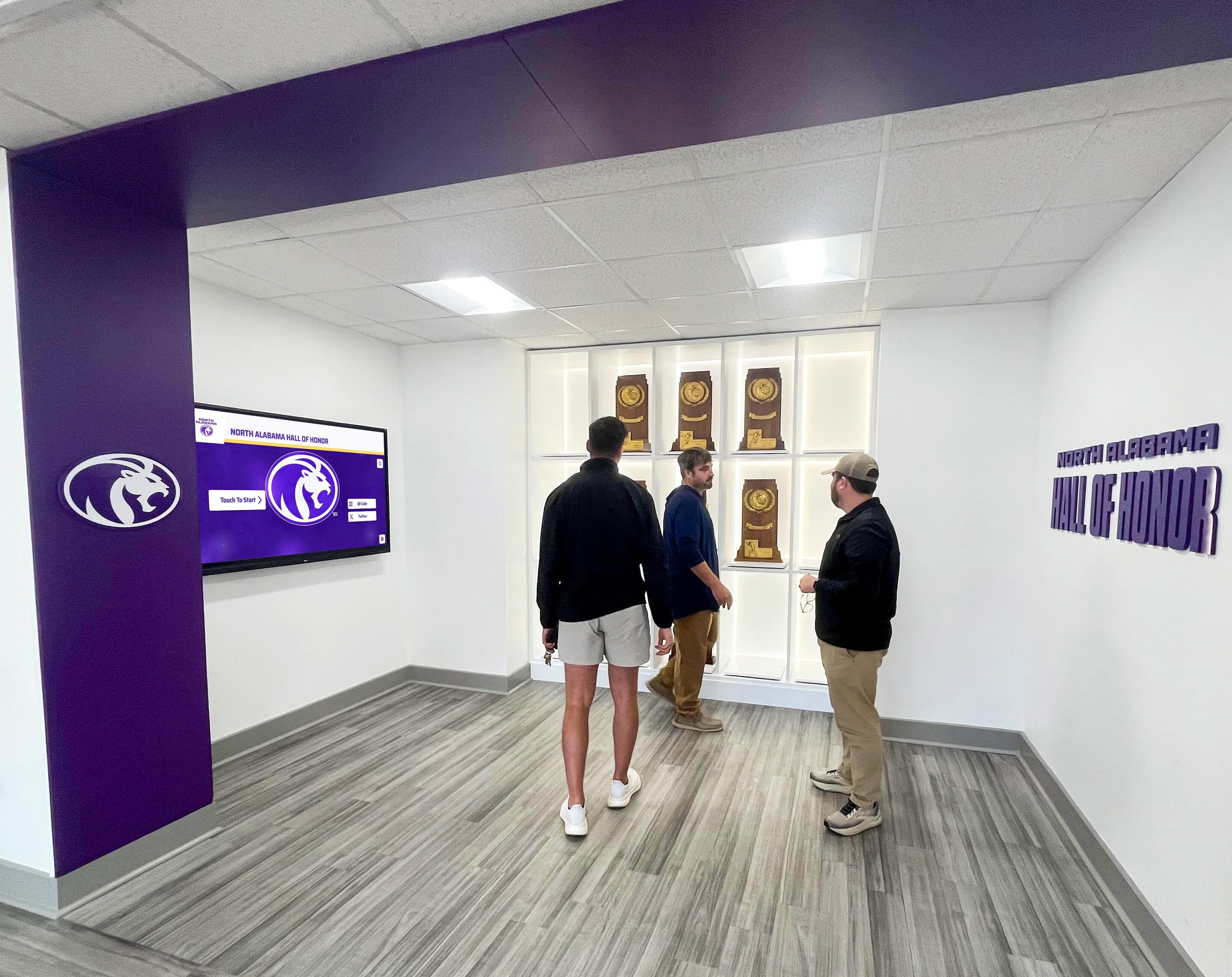
Major memorial commitments sometimes involve entire spaces—named buildings, dedicated rooms, or memorial halls that honor specific individuals or groups. These substantial tributes typically recognize extraordinary contributions, major donors, or collective groups like fallen service members from specific conflicts.
Named spaces create lasting institutional presence while providing functional facilities that serve ongoing organizational needs. Memorial libraries honor benefactors while providing resources for students. Veterans memorial halls recognize service while providing gathering spaces for ceremonies and events.
Physical Monuments and Sculptures
Custom monuments, statues, and sculptural installations create striking visual memorials that become organizational landmarks. These substantial permanent tributes typically commemorate individuals of exceptional historical significance or collective groups deserving special honor.
For schools recognizing fallen soldiers, memorial monuments placed prominently on campus grounds ensure that current students encounter these tributes regularly, maintaining awareness of sacrifice and service across generations.
Modern Digital Memorial Solutions
Digital technology has transformed what’s possible in permanent memorial design, enabling organizations to overcome traditional limitations while adding powerful new capabilities that enhance storytelling, accessibility, and long-term sustainability.
Interactive Touchscreen Memorial Displays
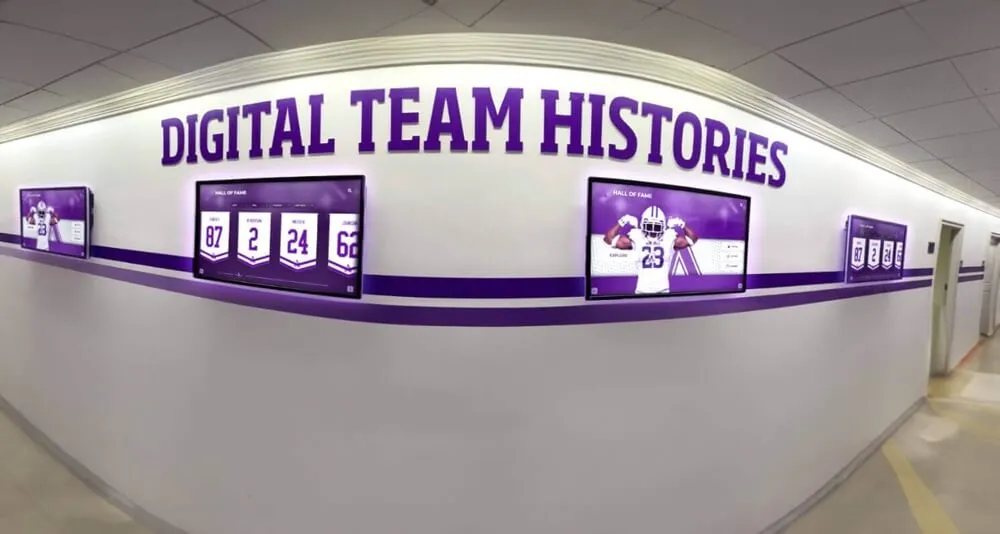
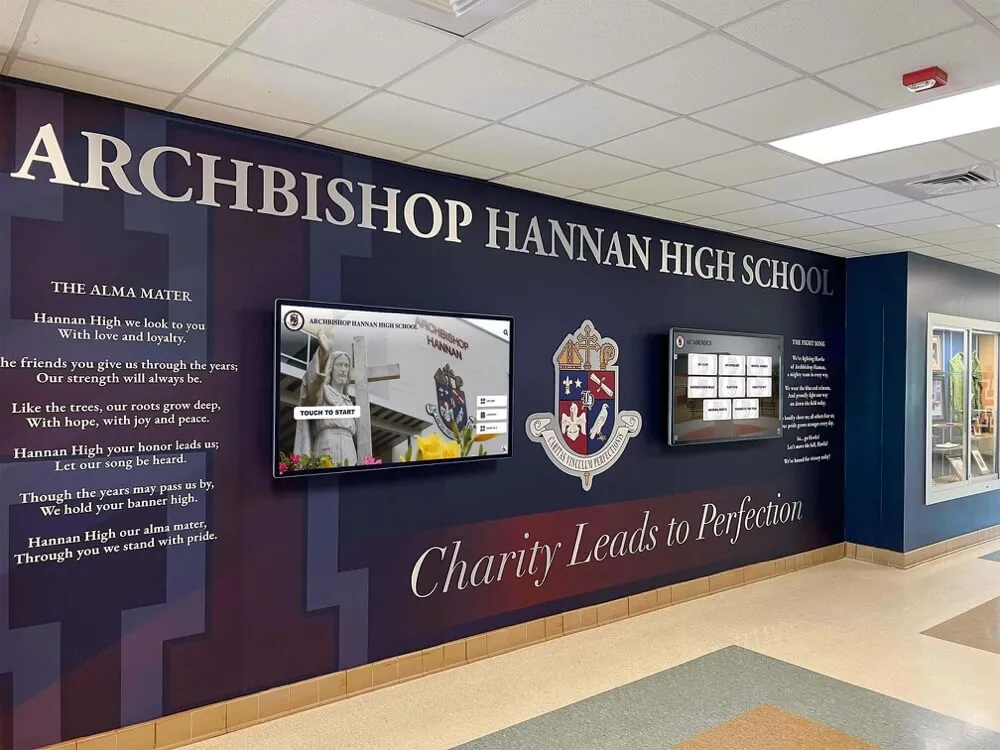
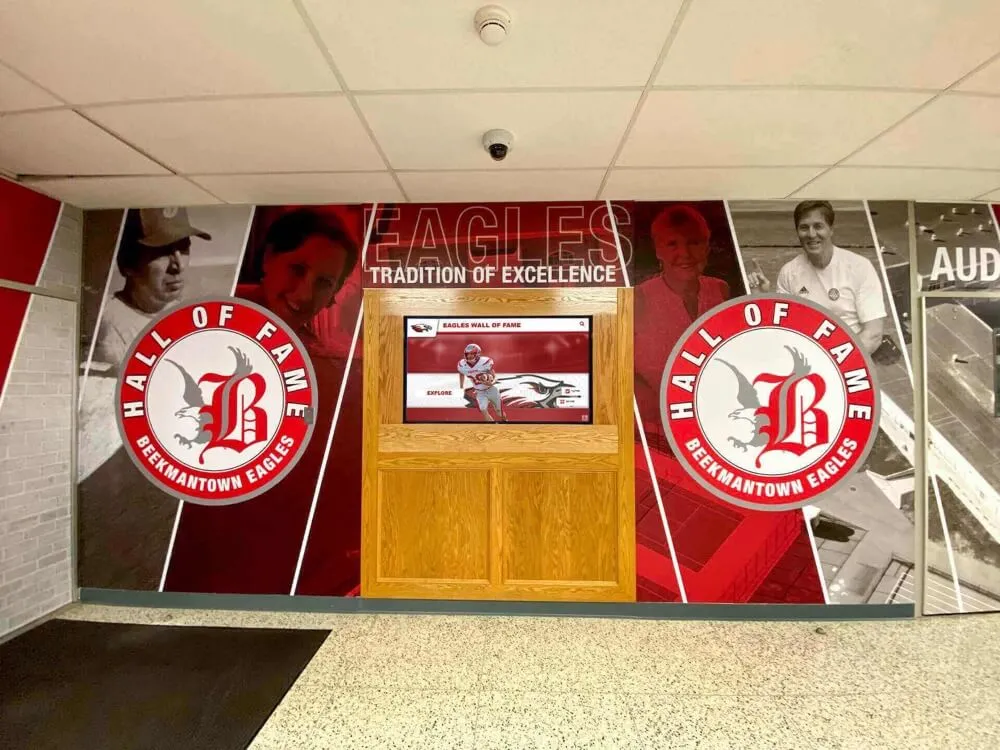
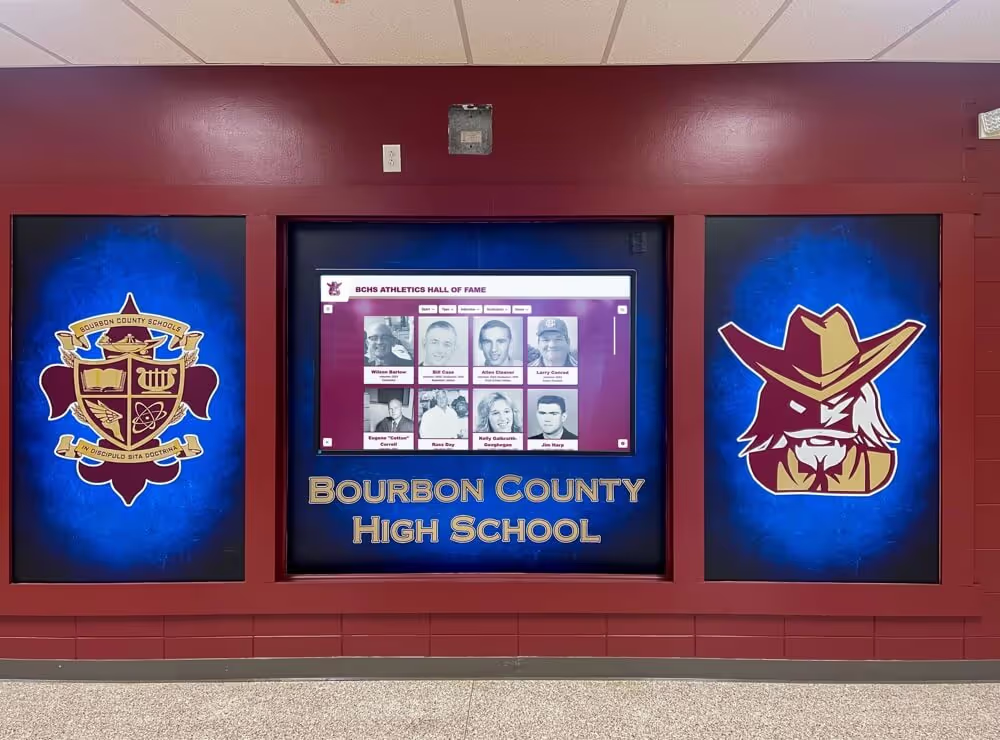
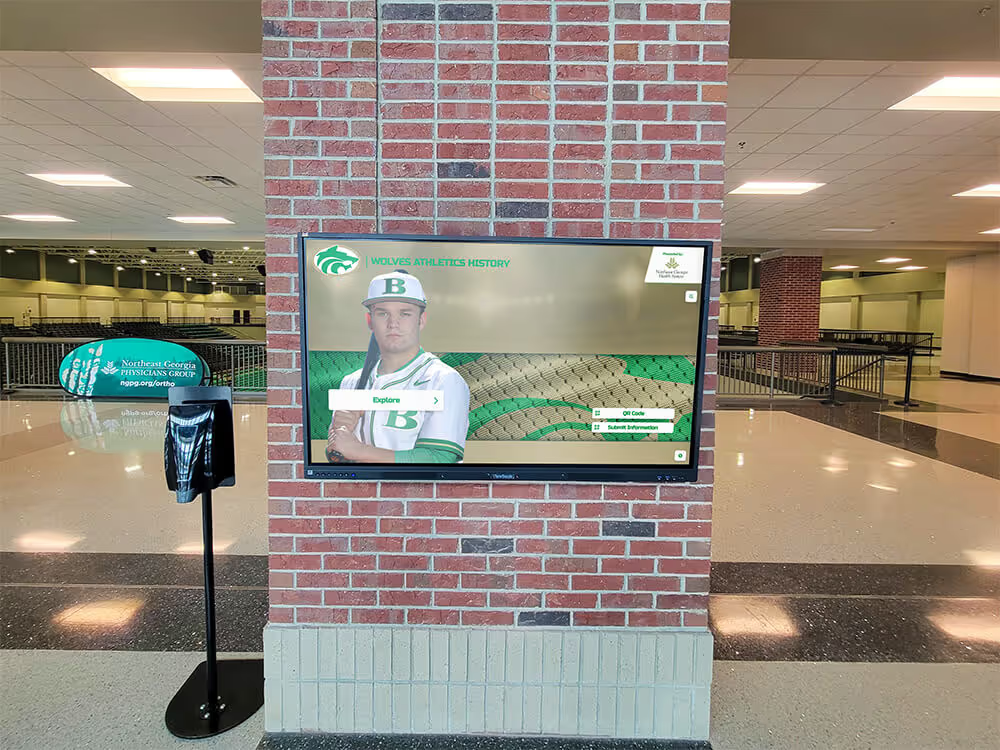
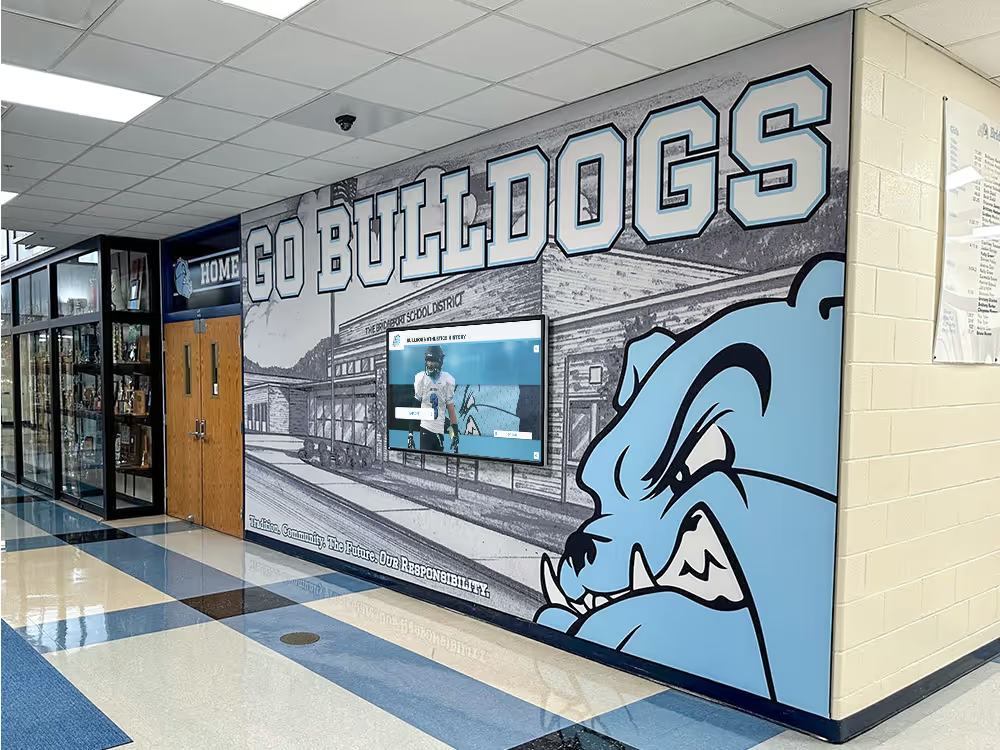
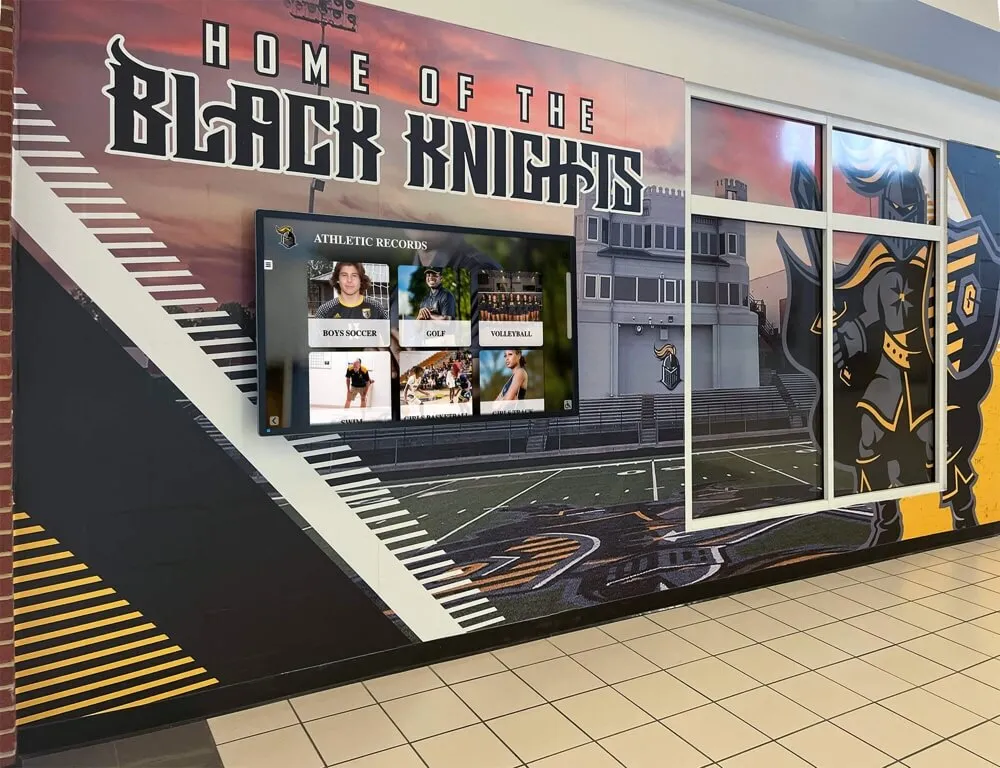
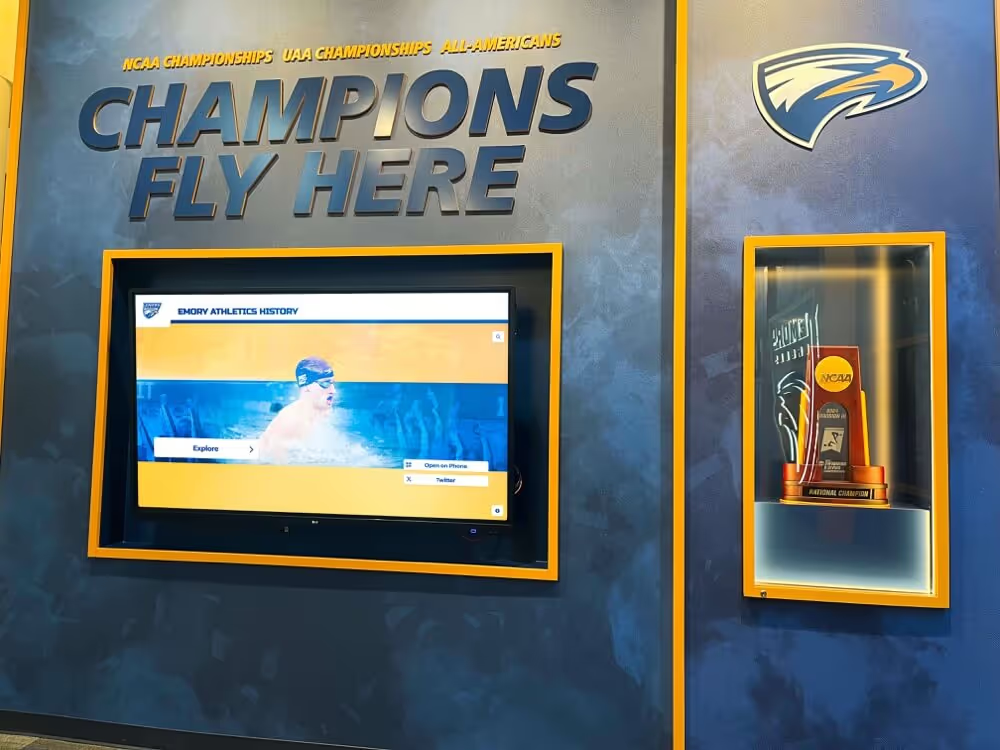
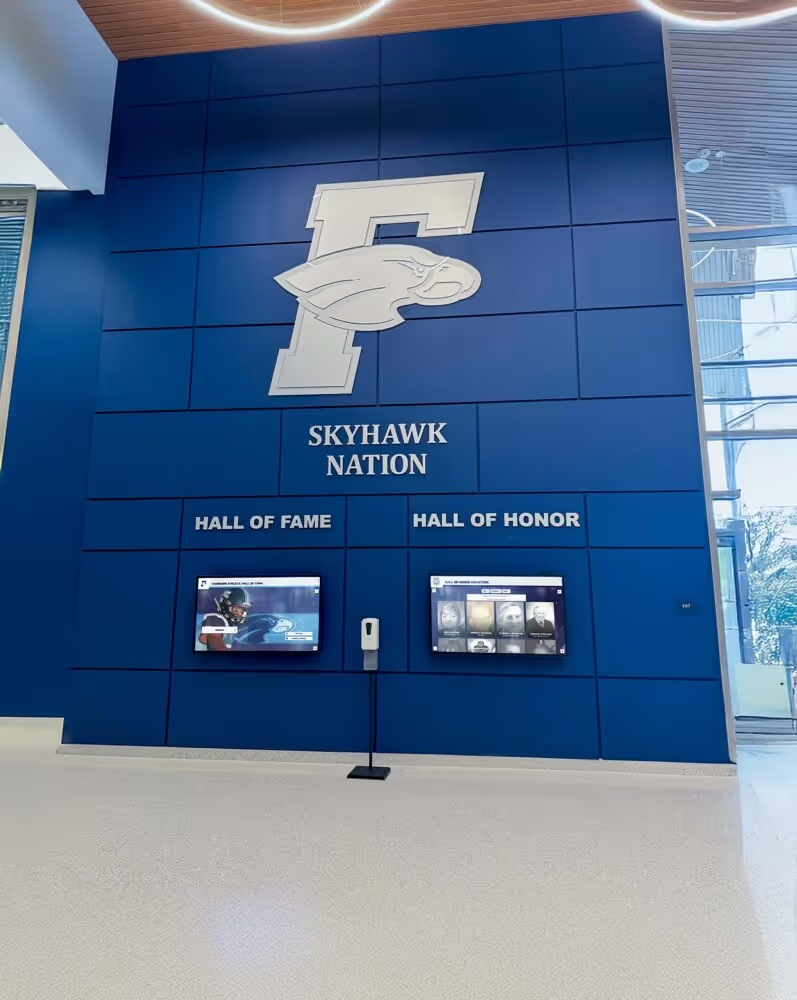
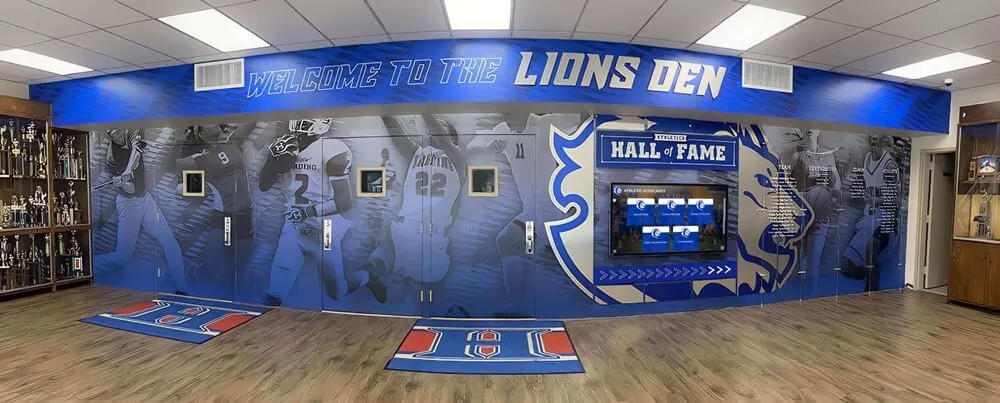
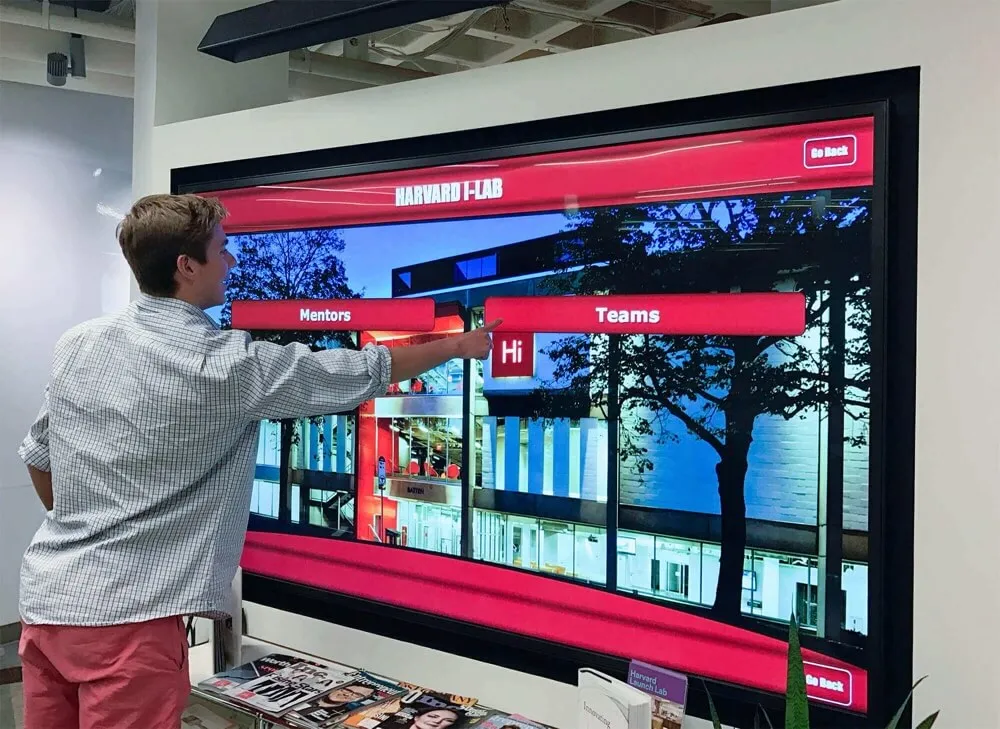
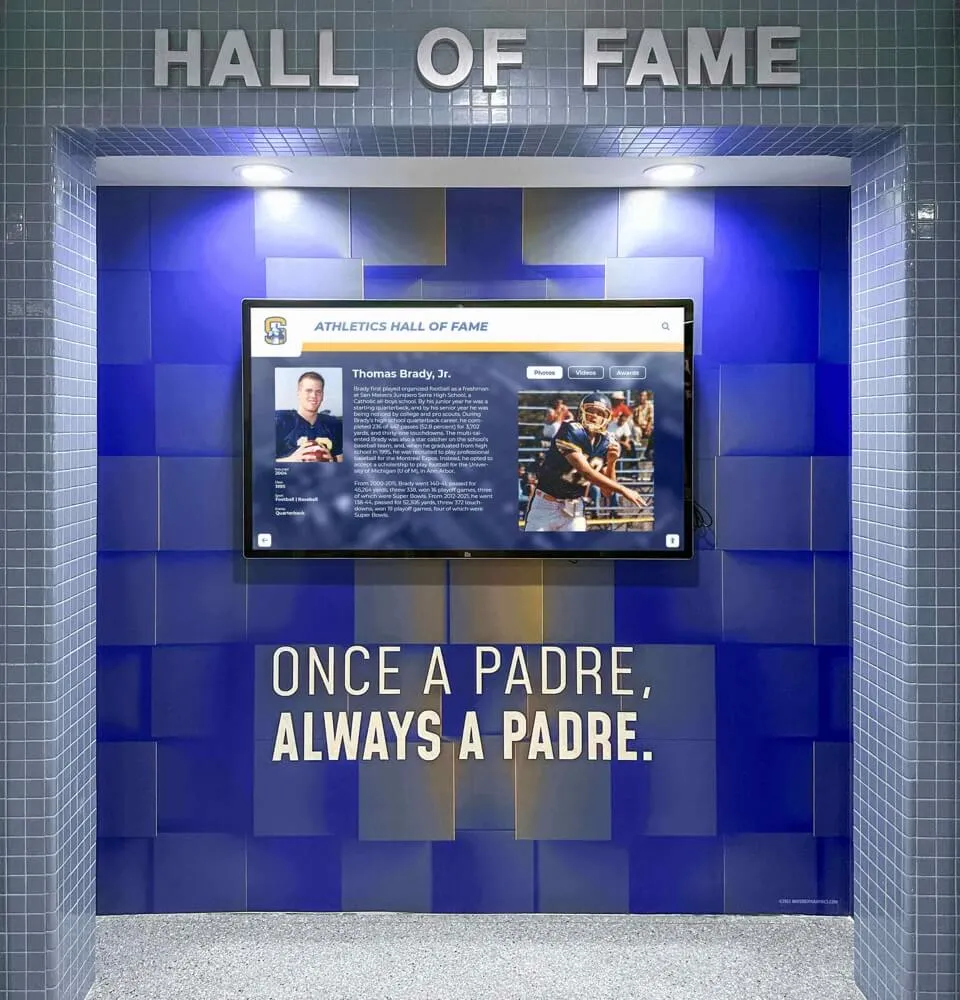
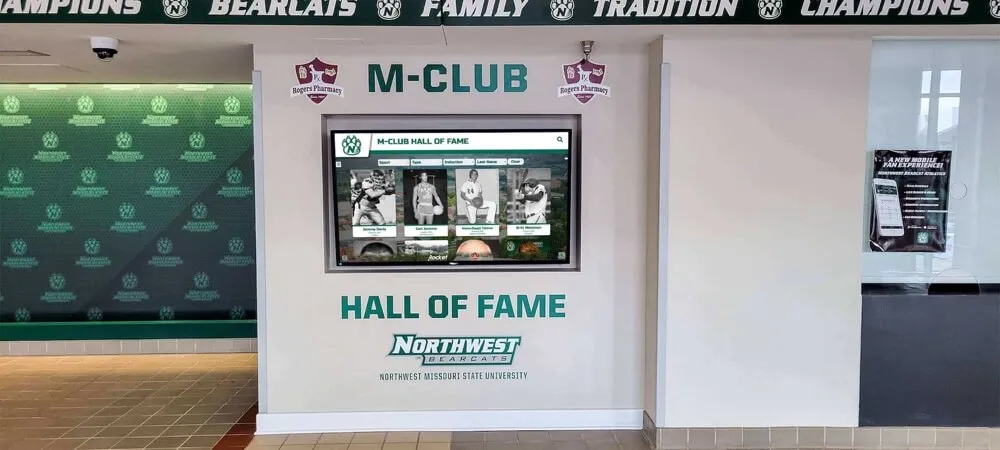
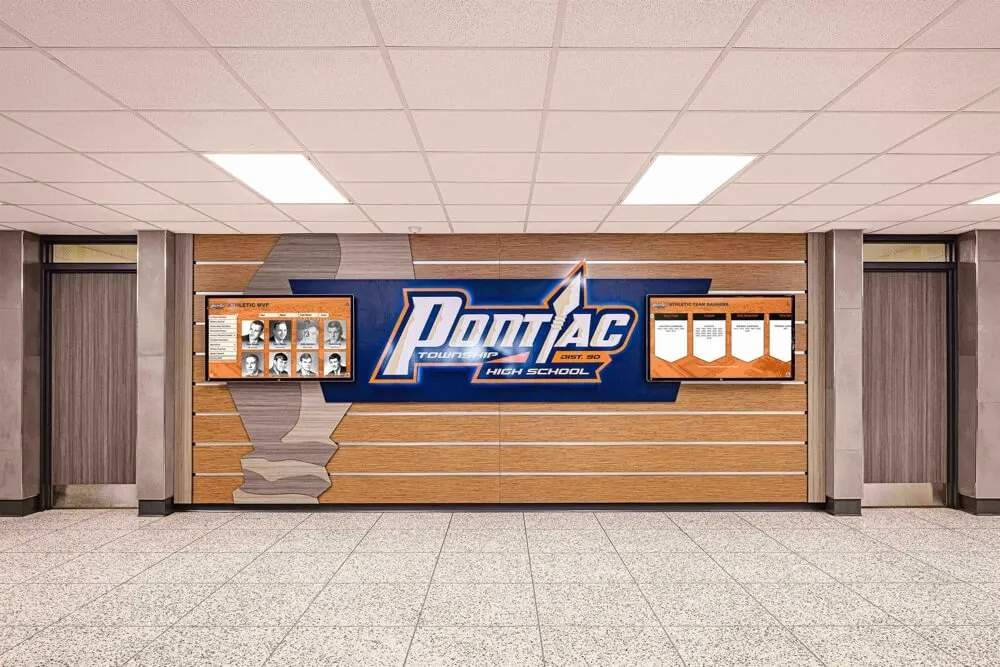
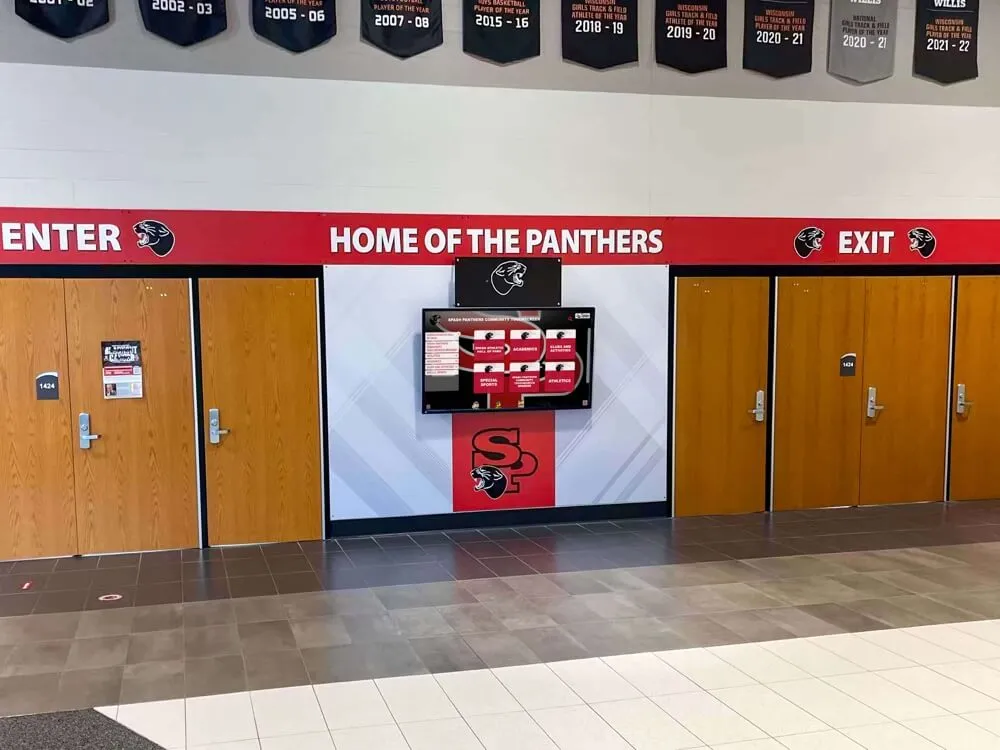
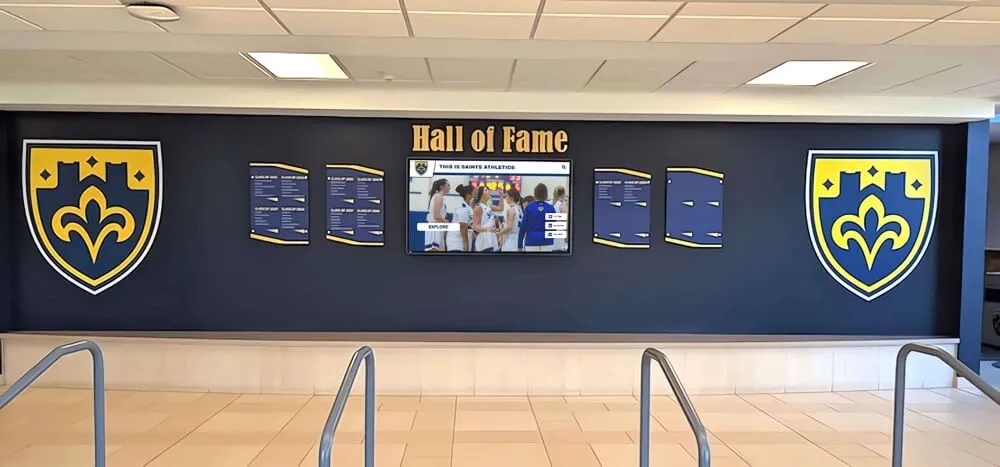
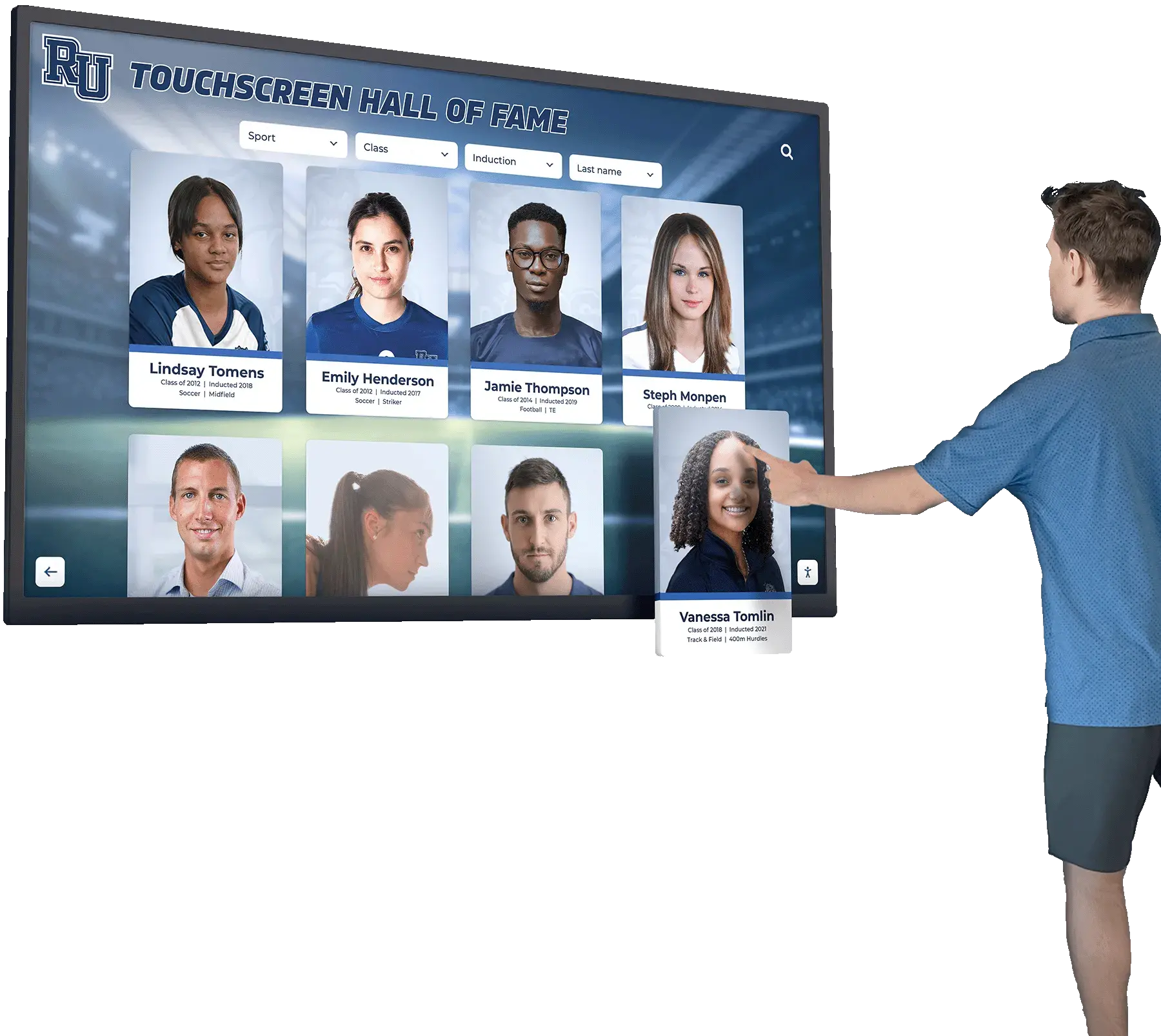
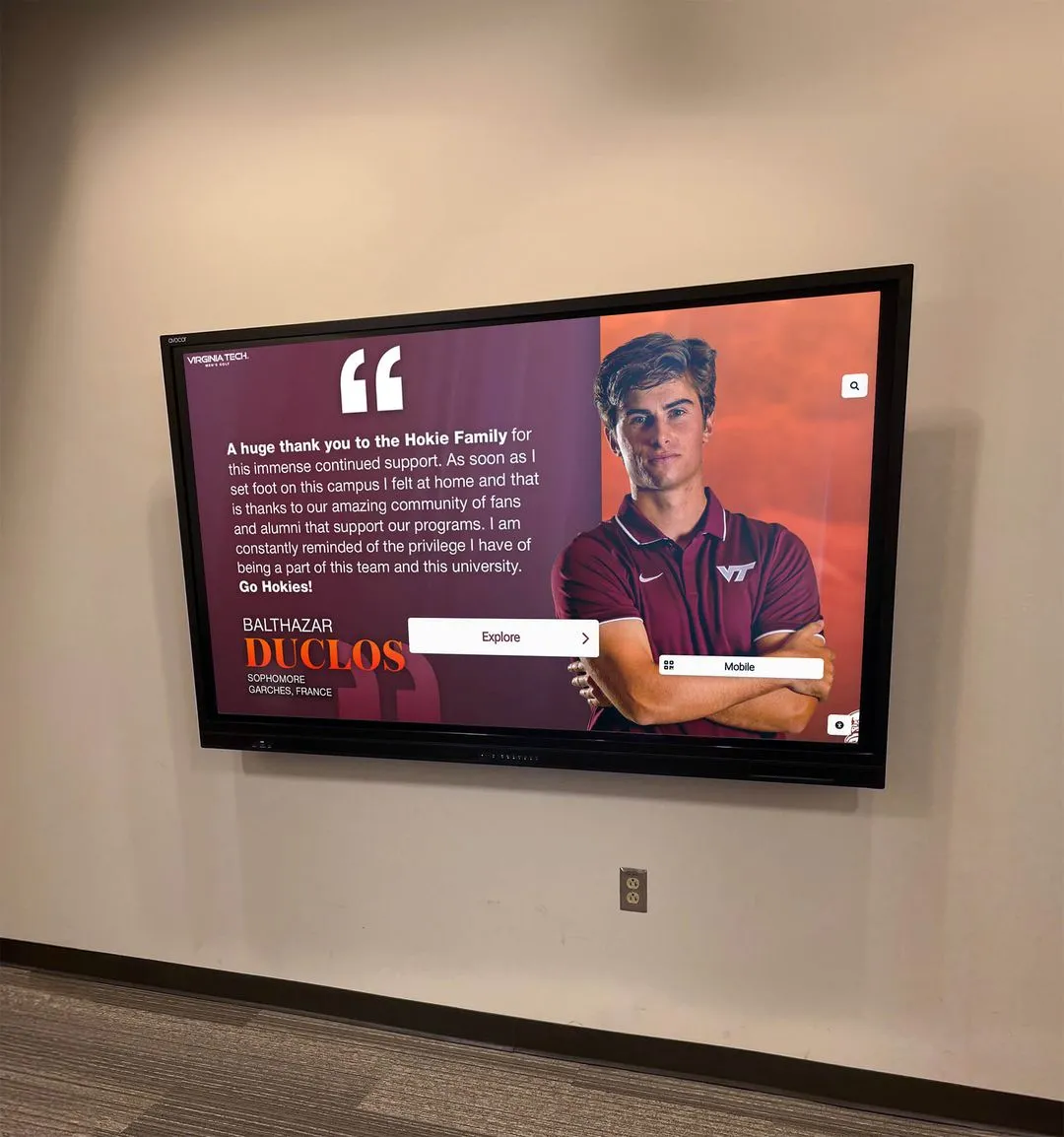
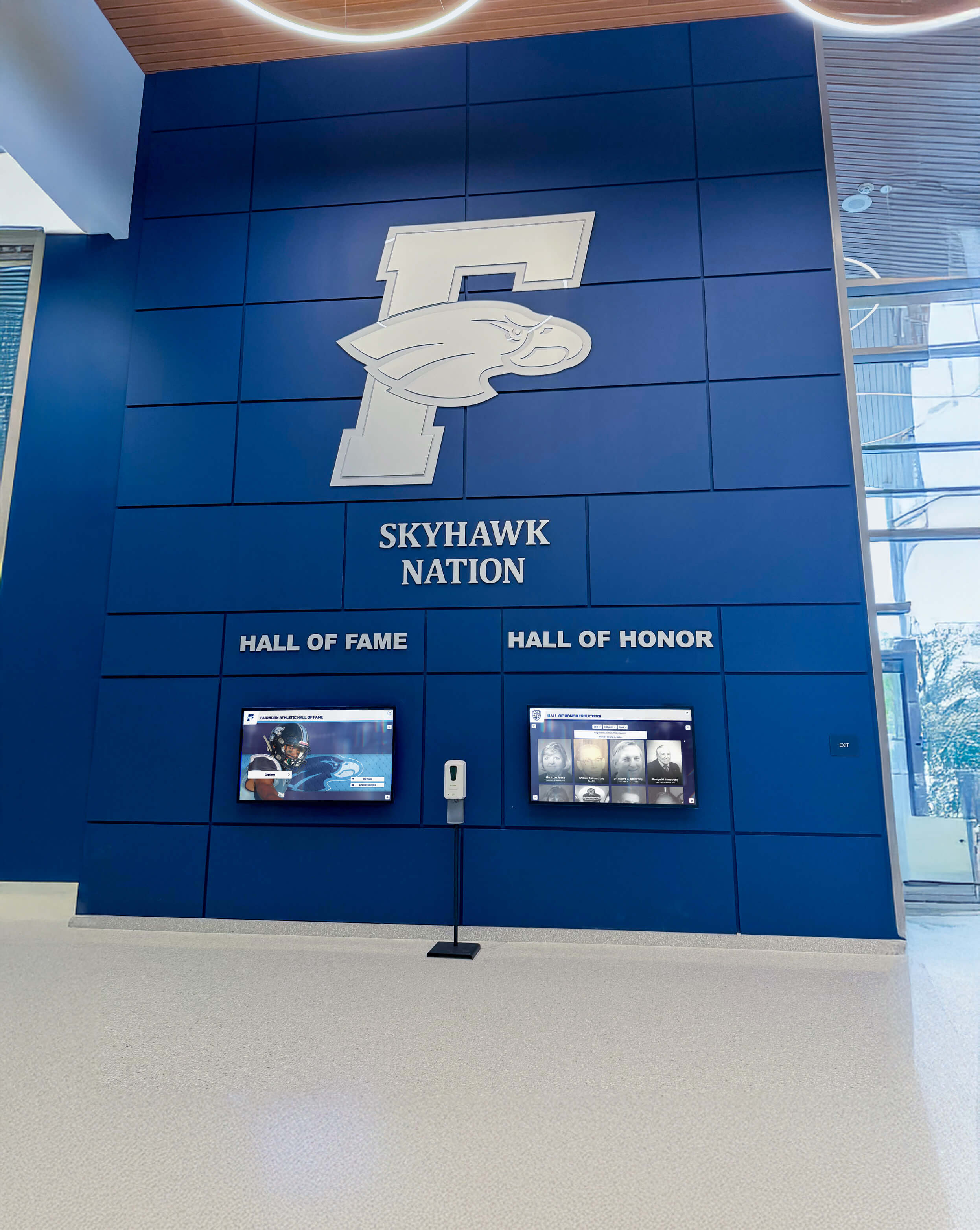
Digital memorial walls allow visitors to actively explore comprehensive biographical information, historical photos, service records, achievement documentation, and personal reflections through intuitive touch interfaces. Rather than limiting memorial content to names and dates, digital platforms enable rich multimedia storytelling that honors individuals more completely.
Key Capabilities of Digital Memorials:
📖 Comprehensive Storytelling
Include extensive biographies, multiple photos, service documentation, and personal narratives impossible in physical plaques
🎬 Multimedia Integration
Present video tributes, audio interviews, scanned documents, photo galleries, and interactive timelines
♾️ Unlimited Capacity
Honor hundreds or thousands of individuals without physical space constraints
🔍 Powerful Search Tools
Find specific individuals quickly by name, service era, achievement type, or keyword
♿ Enhanced Accessibility
Screen reader compatibility, adjustable text sizing, and keyboard navigation ensure all visitors can engage with memorial content
💰 Long-term Value
Lower lifetime costs compared to repeatedly adding physical plaques over decades
Organizations implementing interactive memorial displays discover that digital formats enable storytelling depth impossible with traditional approaches. Rather than reducing honored individuals to names on plaques, digital trophy cases present comprehensive profiles that educate visitors about lives lived, service rendered, and contributions made.
Hybrid Memorial Approaches: Combining Traditional and Digital
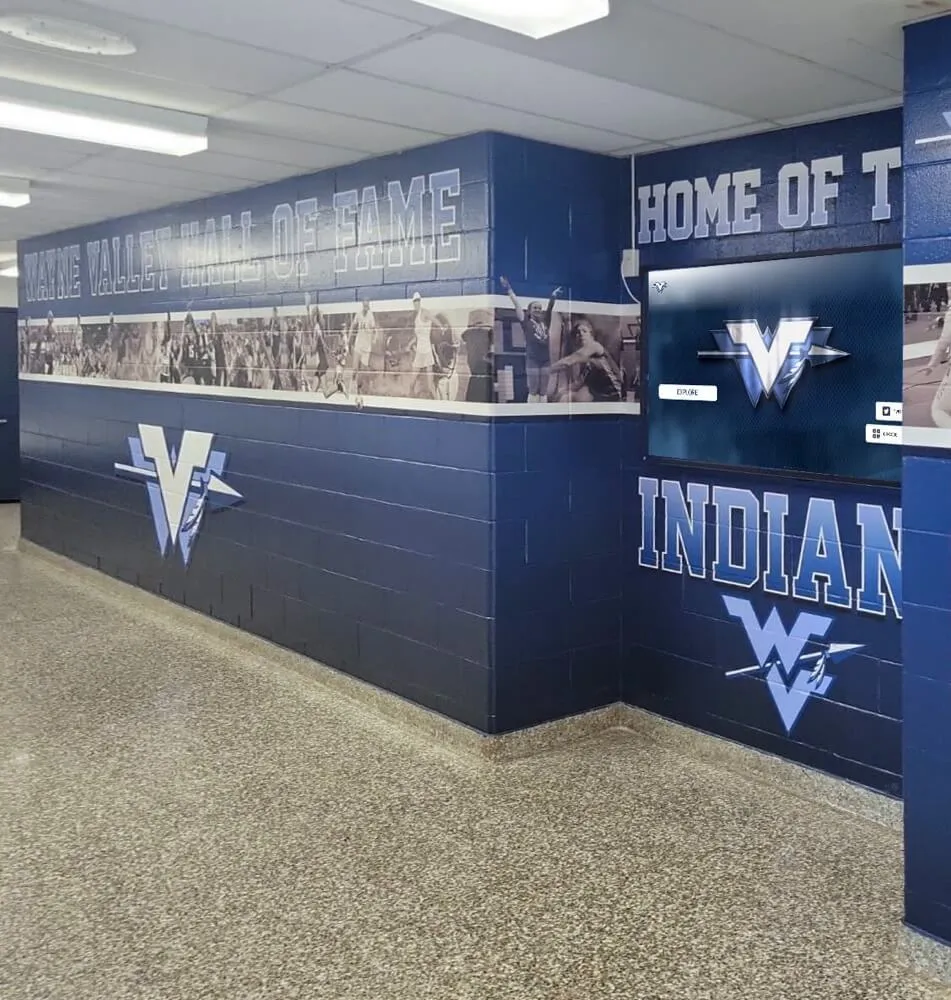
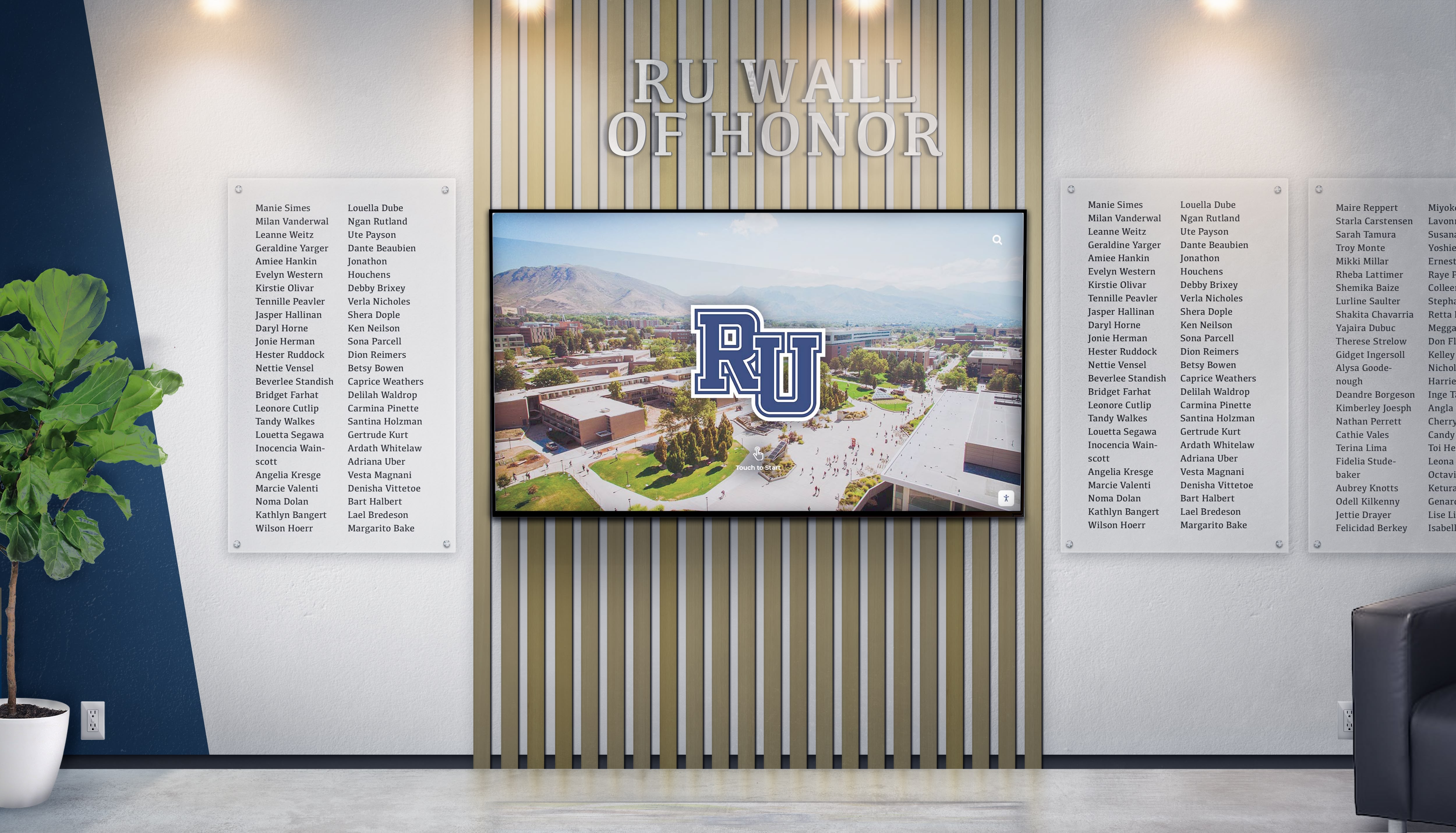
Many organizations find optimal solutions by combining traditional and digital elements in complementary ways. Hybrid approaches preserve the gravitas and permanence that traditional memorials provide while adding the engagement, flexibility, and storytelling capabilities that digital technology enables.
Common hybrid implementations include:
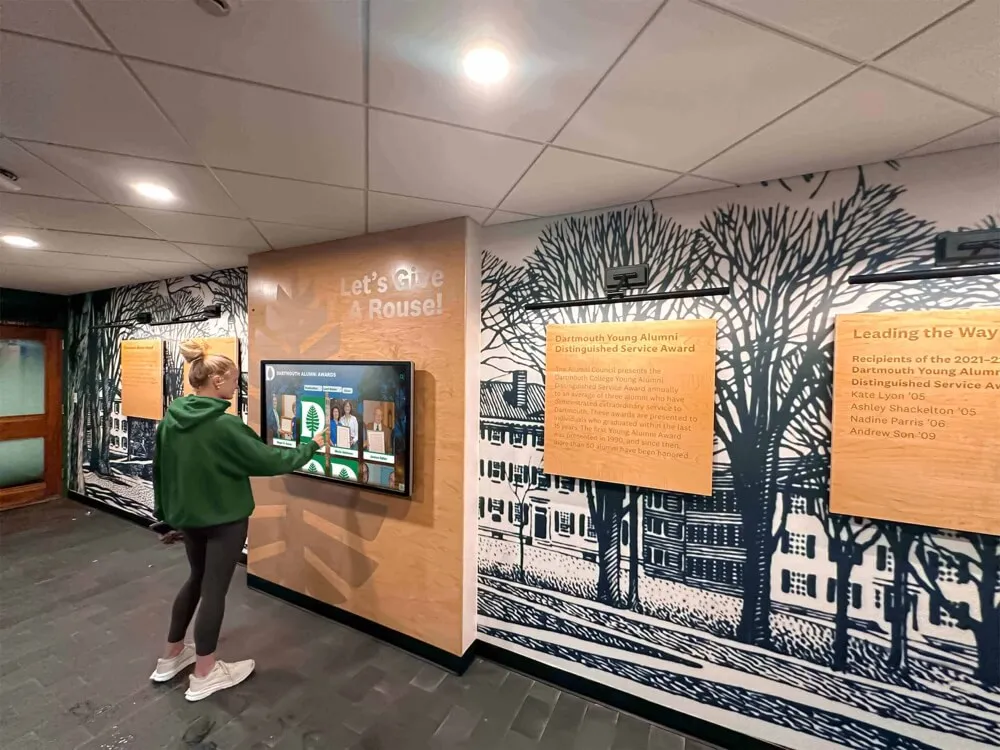
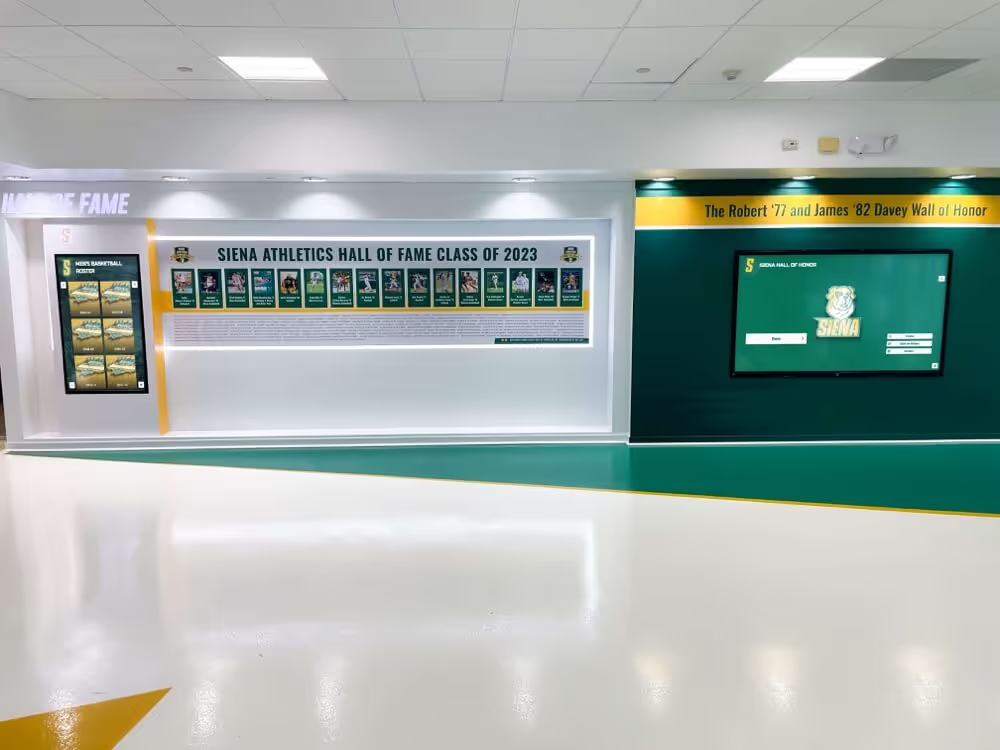
Traditional memorial wall with complementary digital display — Engraved plaques listing all honorees provide permanent physical recognition, while nearby touchscreen kiosks offer detailed profiles, photos, and stories about individuals represented.
Physical monument with digital interpretation — Sculptural memorial or monument serves as focal point, with adjacent digital displays providing historical context, biographical information, and educational content that helps visitors understand memorial significance.
Memorial garden with integrated digital elements — Landscaped outdoor space features traditional elements like memorial trees or benches, supplemented by digital kiosks that share stories of honored individuals and explain memorial program.
These blended approaches honor tradition while leveraging technology to enhance memorial effectiveness and sustainability.
Permanent Memorial Ideas by Organization Type
Different organizational contexts require memorial approaches aligned with specific community needs, audience characteristics, and institutional cultures. Examining memorial strategies by organization type provides practical implementation guidance.
School and University Memorial Programs
Educational institutions create permanent memorials honoring multiple constituencies—distinguished alumni, fallen service members, major donors, beloved faculty, or students lost too soon.
Alumni Memorial Programs: Schools honor graduates who achieved professional distinction, made significant community contributions, or provided exceptional institutional support. These programs typically recognize multiple achievement categories—military service, professional excellence, public service, or institutional philanthropy.
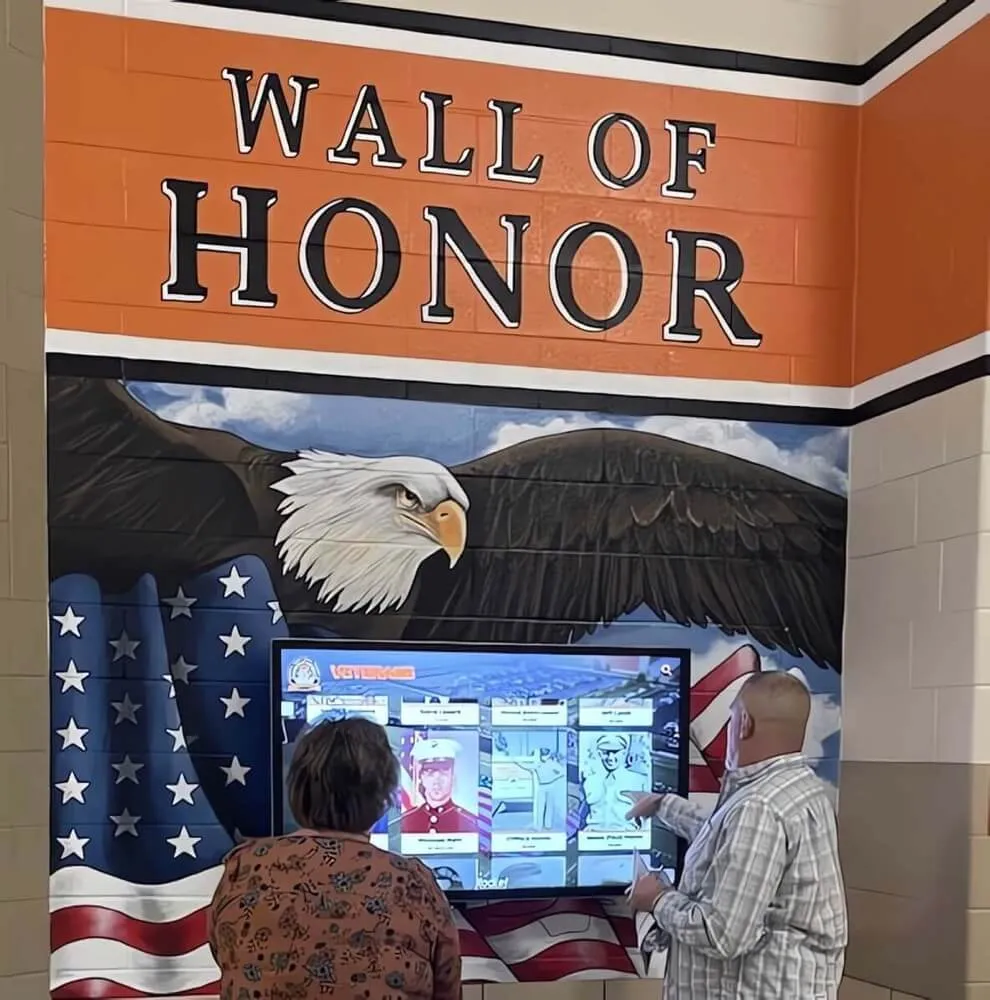
For institutions seeking to honor veterans, dedicated memorial spaces recognize alumni who served in armed forces, particularly those who made the ultimate sacrifice. Military memorial programs often include service branch information, conflict participation, rank achieved, and honors received.
Student Memorial Tributes: When schools lose current students to illness, accidents, or other tragedies, memorial programs honor these young lives while providing communities with spaces for collective grieving and remembrance. These sensitive memorials require approaches that honor families’ wishes while serving institutional needs for appropriate commemoration.
Faculty and Staff Recognition: Long-serving educators who shaped generations of students deserve permanent recognition. Memorial programs honoring retired or deceased faculty celebrate teaching excellence, student mentorship, and institutional service that defined careers.
Veterans Organizations and Military Memorials
American Legion posts, VFW halls, military museums, and veterans service organizations create permanent memorials honoring members’ service while educating communities about sacrifice and patriotism.
Service Member Memorial Walls: Comprehensive memorial walls recognize all organization members who served in armed forces, typically organized by conflict era—WWII, Korea, Vietnam, Gulf War, Iraq/Afghanistan, and peacetime service. Detailed profiles include service branch, rank, units served, combat decorations, and service periods.
Gold Star Family Recognition: Organizations honoring members who made the ultimate sacrifice create dedicated memorial spaces recognizing Gold Star families—those who lost loved ones in military service. These solemn tributes often become focal points for Memorial Day ceremonies, Veterans Day observances, and family remembrance events.
Living Veteran Recognition: While memorial programs often focus on deceased service members, comprehensive approaches also celebrate living veterans still active in organizations. Recognition programs documenting service histories preserve these stories before they’re lost while honoring members during their lifetimes.
Organizations serving veterans can implement memorial walls specifically designed for military recognition, incorporating service branch emblems, flag imagery, patriotic themes, and military terminology appropriate for veterans organizations.
Nonprofit and Community Organization Memorials
Charitable organizations, civic associations, service clubs, and community foundations create permanent memorials recognizing founders, major donors, volunteer leaders, and members whose service built organizational capacity.
Founder and Historical Figure Recognition: Organizations honoring individuals who established institutions or led defining initiatives create memorial programs documenting organizational origins and evolution. These historical memorials preserve institutional memory about vision, challenges overcome, and early leadership that established foundation for future success.
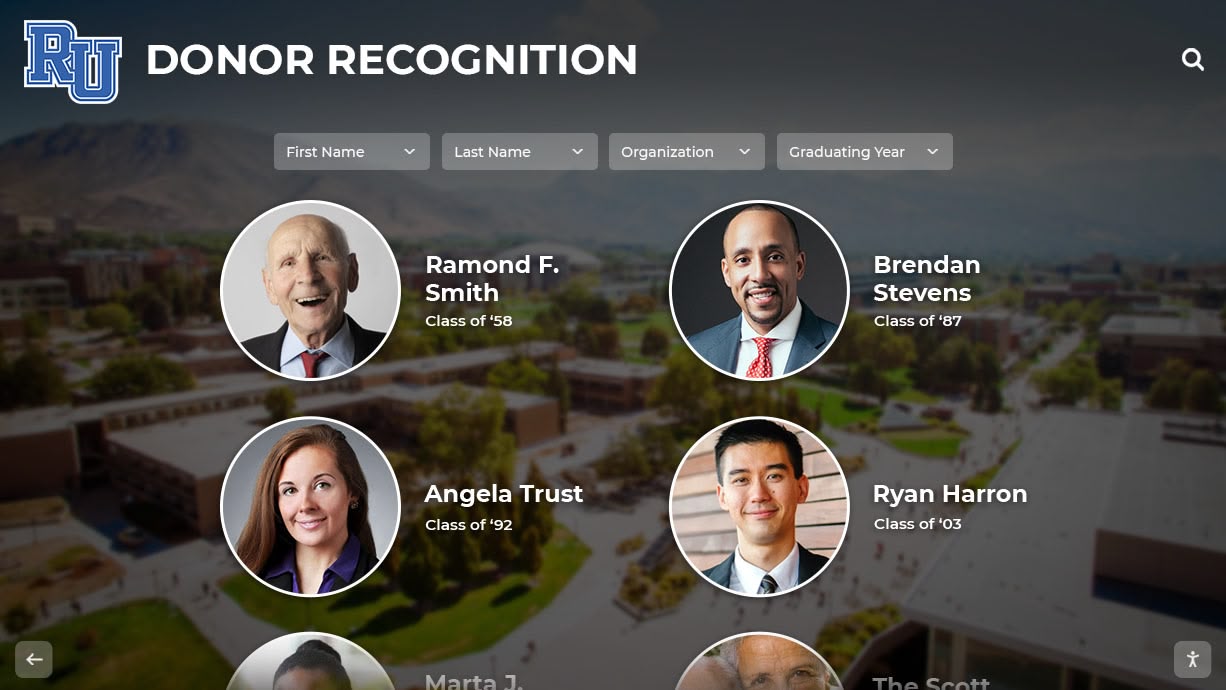
Donor Memorial Programs: Major gifts often include naming opportunities that memorialize donors or loved ones donors wish to honor. Donor recognition walls create permanent acknowledgment of philanthropic support while inspiring future giving through visible appreciation of generosity.
Volunteer Leader Tributes: Community organizations built through volunteer effort memorialize leaders whose unpaid service created programs, raised funds, mentored members, and sustained organizational mission across years or decades of dedication.
Municipal and Government Memorials
Cities, counties, and governmental entities establish public memorials honoring local heroes, distinguished citizens, historical figures, or groups deserving community recognition.
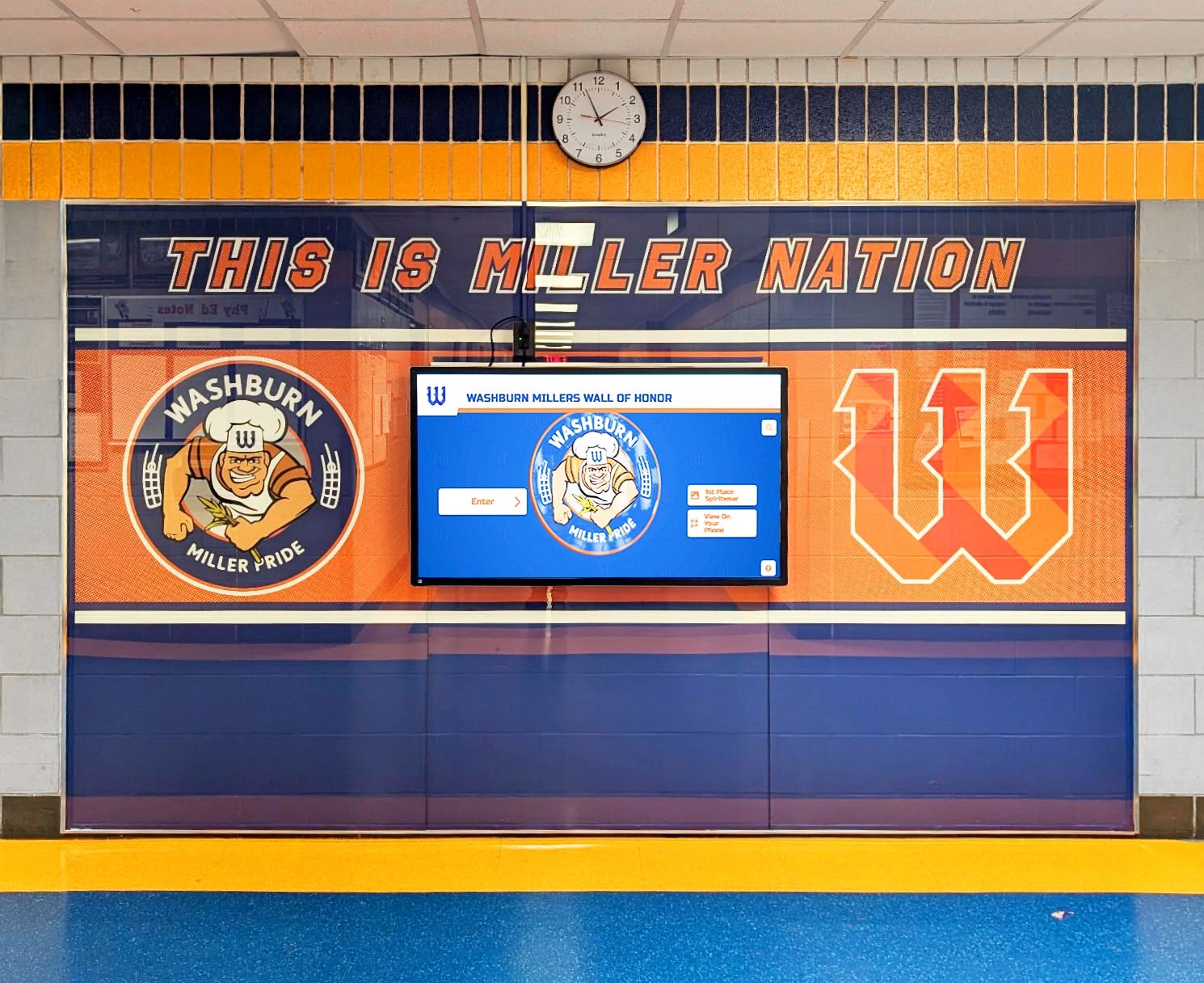
Civic Leader Recognition: Municipal memorials honor mayors, council members, civic volunteers, and community advocates whose public service advanced community interests. These tributes often occupy prominent locations in government buildings, civic centers, or public spaces.
First Responder and Public Safety Memorials: Communities create solemn memorials honoring firefighters, law enforcement officers, EMTs, and other first responders who died in service. These memorials often become sites for annual remembrance ceremonies where departments and communities honor fallen heroes.
Historical Figure Commemoration: Towns memorialize historically significant residents whose achievements, innovations, or contributions earned broader recognition—inventors, artists, civil rights leaders, entrepreneurs, or other distinguished citizens who brought honor to communities.
Planning Your Permanent Memorial: Strategic Considerations
Successful permanent memorials begin with thoughtful planning addressing selection criteria, budget parameters, location decisions, and long-term maintenance strategies.
Establishing Clear Selection Criteria and Standards
Transparent criteria ensure memorial credibility and fairness while creating frameworks for difficult decisions about who receives permanent recognition.
Define Memorial Purpose: Clearly articulate what the memorial commemorates—specific types of service, achievement levels, contribution categories, or historical significance thresholds. Purpose clarity guides all subsequent decisions.
Create Selection Standards: Document specific criteria determining memorial inclusion. Will the memorial recognize only deceased individuals or also honor living members? What achievement levels, service periods, or contribution types qualify for recognition? How will nominations be evaluated?
Form Selection Committees: Designate diverse committees representing stakeholder perspectives to review nominations and make selection decisions. Committee oversight ensures defensible, consistent decisions that communities respect.
Plan for Difficult Cases: Consider in advance how to handle sensitive situations—individuals whose later actions contradicted organizational values, controversial figures with both admirers and critics, or family disagreements about memorial participation.
Budget Planning and Funding Strategies
Realistic financial planning prevents underinvestment that undermines memorial impact or budget overruns that threaten project completion.
Initial Implementation Costs: Traditional memorial walls typically require $5,000-$40,000 depending on materials, customization, and scale. Digital interactive memorial systems generally cost $15,000-$60,000 for initial installation including hardware, software, professional installation, and content development.
Ongoing Operating Expenses: Budget for annual additions of new honorees, content updates and corrections, maintenance and cleaning, technology refreshes for digital systems, and staff time for program management. Most organizations budget $2,000-$8,000 annually for ongoing operation.
Funding Approaches: Memorial projects often receive support through capital campaigns targeting memorial-specific donations, family contributions honoring individual inductees, corporate sponsorships, grant funding from foundations supporting community heritage, or organizational budget allocations.
Many communities find memorial projects naturally attract donor support when appropriately framed as permanent legacies honoring service and achievement. Family members often willingly contribute to ensure loved ones receive appropriate memorial recognition.
Location Selection and Placement
Strategic placement ensures memorials receive appropriate visibility and foot traffic while creating dignified spaces for reflection.
High-Traffic Public Areas: Position memorials in entrance lobbies, main hallways, community gathering spaces, or other locations where members and visitors naturally pass. Visibility ensures regular engagement rather than occasional visits.
Dedicated Memorial Spaces: Some organizations create designated memorial rooms or gardens specifically devoted to remembrance and reflection. Dedicated spaces enable more contemplative environments separated from everyday organizational activity.
Accessibility Requirements: Ensure memorial locations comply with ADA accessibility standards, providing equal access for visitors with mobility limitations, vision impairments, or other disabilities. Digital memorials should meet WCAG 2.1 accessibility standards.
Creating Sustainable Maintenance Plans
Permanent memorials require ongoing attention to maintain impact and relevance across decades.
Regular Content Updates: Establish processes for adding new honorees annually, updating profiles as additional information emerges, and correcting errors promptly when discovered.
Physical Maintenance: Traditional memorials require regular cleaning, polishing, and periodic refurbishment. Digital systems need software updates, display cleaning, and eventual hardware replacement.
Annual Ceremonies: Memorial programs gain community visibility through annual remembrance ceremonies, induction events for new honorees, or holiday observances at memorial locations. Regular events maintain memorial prominence in organizational consciousness.
Content Development for Meaningful Memorial Tributes
Technology enables memorial displays, but compelling content creates emotional connections that honor individuals appropriately while inspiring visitors.
Gathering Comprehensive Biographical Information
Effective memorial profiles balance factual documentation with personal narratives that reveal the humans behind achievements.
Essential Content Elements:
- Full biographical details including birth/death dates, hometown, education, career
- Service documentation for military memorials—branch, rank, units, conflicts, honors
- Achievement descriptions with specific accomplishments, awards, and contributions
- Personal reflections from family members, colleagues, or friends
- High-quality photographs from multiple life stages
- Historical context explaining significance of contributions
Content Sources: Gather information through direct family outreach for permission and information, organizational records and archives, published obituaries and biographical articles, military service records, and interviews with individuals who knew honorees.
Privacy and Permission: Obtain appropriate permissions for personal information use, especially for recently deceased individuals. Family involvement ensures content accuracy while honoring wishes about what information appears publicly.
Multimedia Enhancements for Digital Memorials
Digital memorial platforms enable rich multimedia content impossible with traditional plaques.
Video Tributes: Record family members sharing memories, colleagues describing professional impact, or service members recounting shared experiences. Video content creates powerful emotional connections through authentic voices.
Audio Interviews: Preserve oral histories from living honorees describing service experiences, life philosophies, or career journeys. These first-person narratives become increasingly valuable historical resources over time.
Document Scanning: Digitize certificates, awards, letters, newspaper articles, military orders, and other historical documents. Scanned materials provide evidence supporting biographical narratives while preserving fragile originals.
Photo Galleries: Present multiple photographs showing honorees across life stages—military service photos, career milestones, family events, community activities. Photo collections humanize recognition while documenting life journeys.
Organizations implementing comprehensive memorial content strategies often discover that digitizing historical materials preserves information at risk of being lost while making it accessible to broader audiences.
Implementing Your Permanent Memorial Project
Moving from planning to completed memorial requires systematic execution addressing both technical implementation and program launch.
Professional Installation and Technical Setup
Traditional Memorial Installation: Work with experienced craftspeople who understand proper mounting techniques, material selection for longevity, and aesthetic finishing appropriate for memorial context. Quality installation prevents premature deterioration while ensuring professional appearance.
Digital Memorial Implementation: Partner with providers specializing in memorial and recognition technology who understand unique requirements for permanent tribute displays. Implementation includes hardware selection appropriate for location and traffic patterns, network connectivity configuration, content management system setup, and comprehensive staff training.
Organizations like Rocket Alumni Solutions specialize in permanent digital memorial displays for schools, veterans organizations, and community groups, providing turnkey solutions from initial design through content development, installation, and ongoing support.
Launch Ceremonies and Community Engagement
Create memorable dedication events that honor initial honorees while generating community awareness and engagement.
Dedication Ceremonies: Plan formal unveiling events including remarks from organizational leadership, family members of honorees, military honors for veterans memorials, and opportunities for attendees to view and interact with completed memorial.
Media Coverage: Invite local media, organizational publications, and community news outlets to cover dedication events. Memorial stories generate positive awareness while educating broader communities about organizational heritage.
Ongoing Promotion: Maintain memorial visibility through regular featured honoree spotlights, integration into organizational events and tours, social media content highlighting memorial stories, and inclusion in recruitment and fundraising materials.
Long-term Program Management
Successful memorials require sustained attention across years and decades.
Annual Addition Processes: Establish predictable cycles for adding new honorees—annual selection committees, regular nomination periods, and scheduled dedication ceremonies. Consistent rhythms prevent memorials from becoming static and forgotten.
Content Enhancement: Beyond adding new honorees, maintain engagement through profile updates as additional information emerges, feature rotations highlighting different honorees monthly, and themed collections around significant anniversaries or commemorative events.
Measuring Impact: Track metrics demonstrating memorial value including visitor engagement levels, family feedback and satisfaction, community awareness through surveys, and integration into organizational programs and events.
Common Memorial Planning Challenges and Solutions
Organizations implementing permanent memorials encounter predictable obstacles. Proactive strategies address these challenges effectively.
Limited Budget Resources
Memorial projects compete with operational needs for finite resources. Creative funding approaches enable projects that might otherwise remain unrealized.
Phased Implementation: Begin with core memorial elements for initial honorees, expanding gradually as funding permits. Initial phases might include 20-50 profiles, growing to comprehensive historical coverage as budget allows.
Naming Opportunities: Create tiered contribution levels allowing families to sponsor memorial profiles honoring loved ones. Individual sponsorships distribute costs while giving families tangible ways to ensure appropriate recognition.
In-Kind Contributions: Leverage volunteer expertise for content development, research assistance, and program planning. Professional services donated reduce cash requirements substantially.
Selection Criteria Disputes
Communities sometimes disagree about who deserves memorial recognition or how to evaluate diverse contributions fairly.
Transparent Processes: Published criteria and selection procedures prevent accusations of favoritism or bias. When communities understand and accept evaluation standards, selection decisions receive greater support.
Diverse Committees: Selection committees representing varied constituencies and perspectives make more balanced decisions while building broader buy-in for outcomes.
Appeals Processes: Establish procedures for reconsidering nominations or addressing disagreements about selections. Fair processes for handling disputes prevent conflicts from undermining memorial credibility.
Technology Concerns for Digital Memorials
Organizations sometimes hesitate to implement digital memorials fearing technical complexity or concerns about technology obsolescence.
Cloud-Based Platforms: Modern memorial systems operate on cloud infrastructure requiring minimal on-site technical resources. Organizations need only network connectivity and basic display hardware—software updates and data management occur remotely.
Long-term Support: Partner with memorial solution providers committed to long-term platform sustainability rather than one-time sales. Established providers with extensive client bases demonstrate staying power and ongoing investment in platform evolution.
Technology Refreshment: Plan for eventual hardware replacement (typically 7-10 years for commercial displays) while content remains preserved in cloud systems. Technology evolution enables better displays over time rather than causing problems.
Conclusion: Creating Memorials That Honor and Inspire
Permanent memorials represent far more than names on walls—they preserve legacies, educate future generations, strengthen organizational identity, and provide meaningful spaces where communities gather for remembrance and reflection. When thoughtfully planned and properly maintained, these tributes deliver lasting value that justifies investment across decades of service.
The most successful permanent memorials share common characteristics: clear selection criteria ensuring fair recognition, compelling content that honors individuals appropriately, strategic placement maximizing visibility and engagement, sustainable maintenance ensuring ongoing relevance, and genuine integration into organizational life and culture.
Whether choosing traditional engraved plaques that honor timeless aesthetics, modern digital displays offering unlimited multimedia storytelling, or hybrid approaches that combine the best of both worlds, the key is creating memorial programs that authentically reflect organizational values while celebrating service, achievement, and contribution across generations.
Ready to Create Your Permanent Memorial?
Discover how modern memorial solutions can help your organization honor legacies while preserving stories for future generations. Rocket Alumni Solutions specializes in permanent digital memorial displays for schools, veterans organizations, community groups, and nonprofits nationwide. Our comprehensive solutions combine professional hardware, intuitive content management, multimedia capabilities, and dedicated support to create memorial programs that inspire visitors while honoring those who shaped your community.
Whether you’re planning a veterans memorial wall, alumni tribute program, donor recognition display, or community leader commemoration, we’ll help you create a lasting memorial that preserves legacies, educates future generations, and provides meaningful space for remembrance and reflection.
Contact us today to discuss your vision and discover how the right permanent memorial solution can transform how your organization honors service, celebrates achievement, and preserves the stories that define your community’s heritage.