



Key Takeaways
Discover how to create an effective oldtimers wall that honors veterans, legacy members, and long-serving contributors. Compare traditional plaques vs. digital interactive displays, explore selection criteria, and learn best practices for recognition programs that celebrate institutional heritage.
What Is an Oldtimers Wall? Definition and Purpose
An oldtimers wall—also commonly called a Wall of Honor or Legacy Wall—is a recognition display specifically designed to honor veterans, long-serving members, and individuals who’ve made meaningful contributions to schools, sports organizations, military units, community groups, and institutions.
The Distinctive Philosophy of Oldtimers Recognition
Oldtimers walls serve a fundamentally different purpose than traditional halls of fame. While halls of fame remain highly selective and exclusive—reserved only for the elite few who achieved extraordinary excellence—oldtimers walls embrace a more inclusive philosophy that celebrates broader contributions.
Key Distinctions:
- Scope: Oldtimers walls recognize anyone who made meaningful contributions, while halls of fame enshrine only the greatest figures
- Selection: Inclusive criteria vs. highly restrictive standards
- Size: Growing, dynamic groups vs. limited, prestigious inductees
- Purpose: Celebrate diverse service and heritage vs. honor only extraordinary achievement
- Accessibility: Broader organizational recognition vs. exclusive elite status
This distinction was illustrated by the Milwaukee Brewers, who maintain both a Walk of Fame with only 23 inductees representing the greatest names in franchise history, and a Wall of Honor celebrating a much broader group of significant players and core contributors.
Strategic Value of Oldtimers Walls
Recognition displays deliver measurable benefits that strengthen organizational culture and create lasting community connections:
Inspiration Through Visible Legacy: Current members surrounded by evidence of veteran contributions develop fundamentally different perspectives about longevity, dedication, and organizational commitment.
Enhanced Engagement and Giving: Research consistently demonstrates that recognized alumni and members maintain stronger connections, participate more actively in organizational life, and contribute more generously to fundraising efforts.
Institutional Memory Preservation: Oldtimers walls function as living archives, preserving organizational heritage and ensuring that contributions aren’t forgotten as time passes.
Traditional Oldtimers Wall Approaches: Time-Tested Recognition Methods
Classic recognition formats remain valuable when properly maintained and thoughtfully organized, offering tangible permanence that resonates with many stakeholders.
Engraved Plaque Walls
Individual brass, bronze, or wooden plaques mounted on dedicated walls represent the most traditional oldtimers recognition approach. Each honoree receives a personalized plate featuring their name, service years, and contribution summary.
Design Variations:
- Uniform plaque sizes creating clean, organized appearances
- Chronological organization by service start date or induction year
- Category-based grouping by contribution type (athletics, service, leadership, support)
- Architectural integration with custom frames, borders, or decorative elements
- Tiered layouts showing different recognition levels
Advantages:
- Timeless aesthetic appeal and traditional gravitas
- Tangible permanence creating physical legacy
- No technology requirements or ongoing technical support needs
- Familiar format understood by all generations
- Incremental expansion capability as new honorees join
Limitations:
- Fixed space constraints eventually forcing difficult selection decisions
- High per-inductee costs ranging from $200-$500 per plaque
- Time-consuming updates requiring professional fabrication and installation
- Minimal information capacity beyond basic identifying details
- Challenging accessibility for remote members or geographically dispersed alumni
Photo Display Boards and Composite Walls
Composite boards featuring photographs of all honorees in grid format create strong visual impact through comprehensive presentation. These displays typically include professional photographs with names and service years beneath each image.
Creative Approaches:
- Chronological timelines showing veterans across decades
- Category groupings organizing by contribution domain
- Mosaic arrangements creating larger images from individual photos
- Interactive elements with QR codes linking to extended digital profiles
- Rotating displays allowing periodic content refreshes
Professional photography ensures consistent quality while periodic updates maintain currency and relevance. Solutions like interactive board enhancements can modernize traditional photo displays with digital elements.
Trophy Cases and Display Cabinets
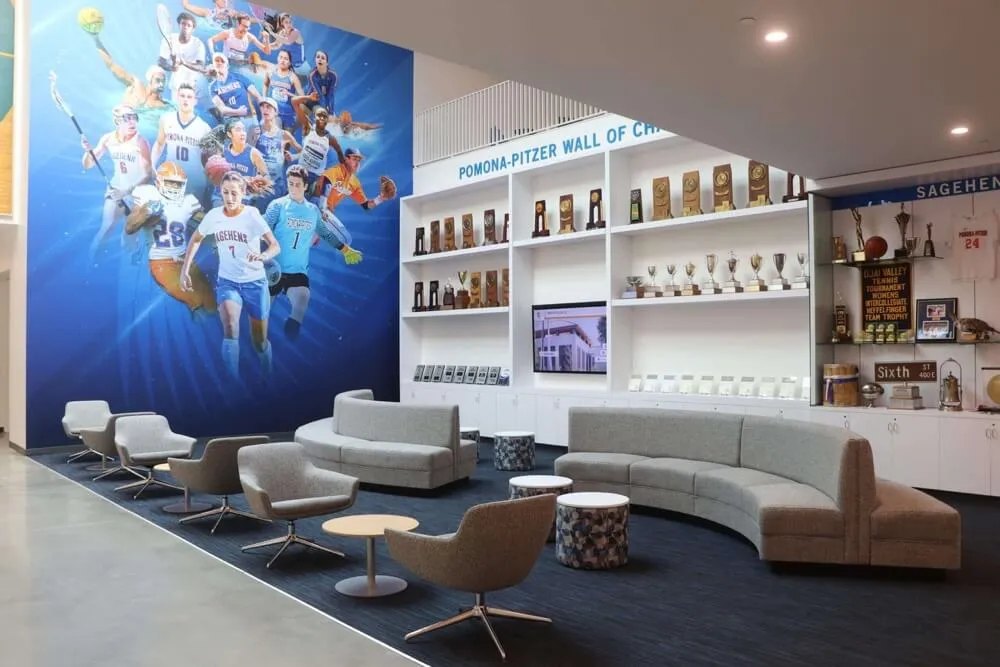
Physical cases showcase three-dimensional memorabilia, artifacts, and recognition items alongside biographical information, creating museum-quality presentations that honor long-serving members.
Display Elements:
- Championship trophies and competition awards from veteran athletes
- Service medals, certificates, and honorary recognitions
- Historical photographs documenting career milestones
- Personal artifacts representing significant contributions
- Published materials, plaques, or commemorative items
- Historical equipment or uniforms from different eras
Enhancement Ideas:
- Dedicated lighting highlighting key artifacts and improving visibility
- Interpretive labels providing context and historical significance
- Rotating exhibits preventing stagnation and maintaining interest
- Climate control protecting valuable or fragile historical items
- Security features safeguarding against theft or environmental damage
Common Challenges with Traditional Oldtimers Walls
Despite their enduring appeal, traditional recognition displays present significant limitations that increasingly prompt organizations to explore modern alternatives.
Physical Space Constraints
The most fundamental challenge facing traditional oldtimers walls is simple mathematics: physical walls have finite capacity. Organizations inevitably reach the point where adding new honorees becomes impossible without removing existing recognition—an unacceptable choice for most institutions.
Space-Related Challenges:
- Walls fill up, forcing difficult decisions about prioritization
- Successful organizations with many contributors run out of room quickly
- Expanding recognition requires costly facility renovations
- Premium locations become increasingly scarce
- Organizations must choose between crowding displays or limiting recognition
This limitation creates particularly acute challenges for long-established institutions with growing alumni populations or sports organizations celebrating their 50th, 75th, or 100th anniversaries.
Maintenance and Update Difficulties
Every change to traditional oldtimers walls requires physical modifications involving fabrication, installation, and design work that consumes time and resources.
Maintenance Challenges:
- New plaques require professional fabrication taking weeks or months
- Physical installation necessitates facility access and potential disruption
- Making corrections or updates means complete physical replacement
- Environmental wear degrades displays over time, requiring restoration
- Outdoor displays face accelerated deterioration from weather exposure
- Storage problems for outdated or replaced recognition elements
Organizations discover that while initial installation costs seem manageable, ongoing maintenance expenses accumulate substantially over years and decades.
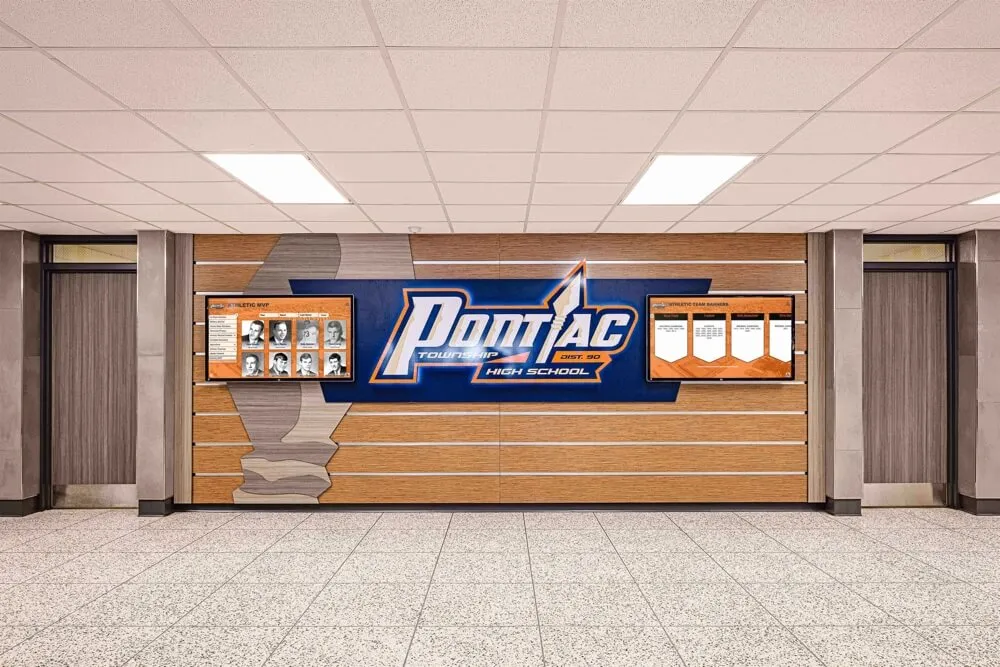
Limited Information Display Capacity
Traditional plaques accommodate only minimal information—typically names, dates, and brief descriptions. This limitation prevents organizations from telling complete stories or providing context that makes recognition meaningful.
Information Limitations:
- Small text becomes difficult to read, especially from distance
- No room for comprehensive biographical information
- Cannot include multimedia elements like photos or videos
- High wall mounting reduces accessibility for many viewers
- Inadequate lighting further reduces readability
- No capacity for extended achievement documentation
These constraints mean that viewers learn very little about honorees beyond basic identifying information, missing opportunities to inspire through complete achievement stories.
Accessibility and Geographic Reach Issues
Physical displays are only visible to those who physically visit the installation location—a significant limitation in increasingly distributed alumni populations and geographically dispersed membership bases.
Accessibility Challenges:
- Remote alumni and supporters cannot engage with recognition
- Geographic limitations restrict recognition’s impact and reach
- No accommodation for mobility-impaired viewers with high wall mounting
- International members or military veterans stationed abroad cannot view
- Pandemic-era restrictions demonstrated vulnerability of physical-only access
Organizations with geographically dispersed populations find that traditional displays serve only the small fraction of members able to visit in person.
Engagement Limitations with Modern Audiences
Static displays attract minimal attention from digitally-native generations accustomed to interactive, multimedia experiences. Traditional walls become wallpaper—present but rarely noticed or engaged with meaningfully.
Engagement Challenges:
- No interactive elements to drive deeper engagement
- Difficulty capturing younger generations’ interest
- One-directional information flow (display to observer only)
- Cannot facilitate connections between current and former members
- No analytics to measure impact or optimize presentation
- Limited social sharing or digital amplification opportunities
Modern Digital Oldtimers Wall Solutions: Technology-Enhanced Recognition
Digital recognition systems address virtually every limitation of traditional displays while introducing powerful capabilities that transform how organizations celebrate veteran contributions and preserve institutional heritage.
Interactive Touchscreen Oldtimers Displays
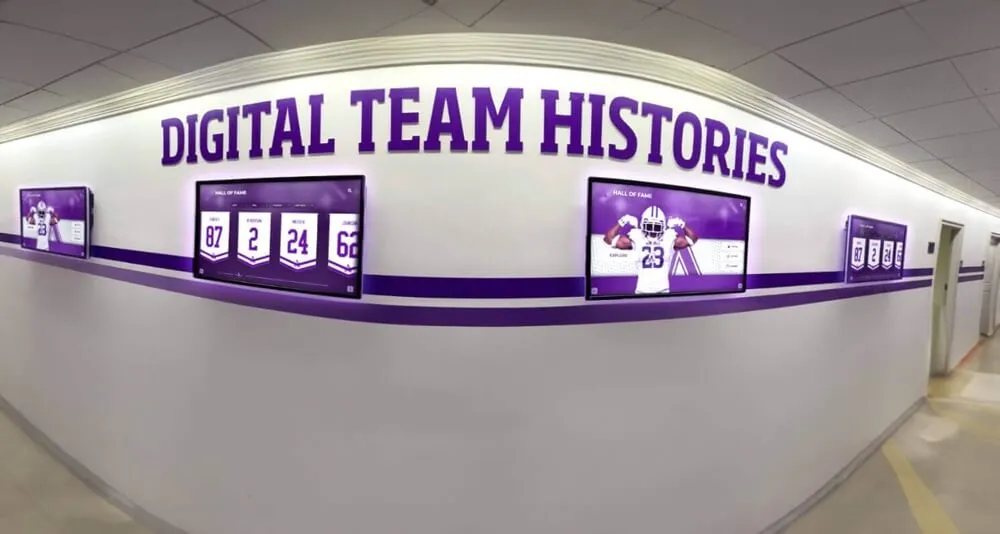
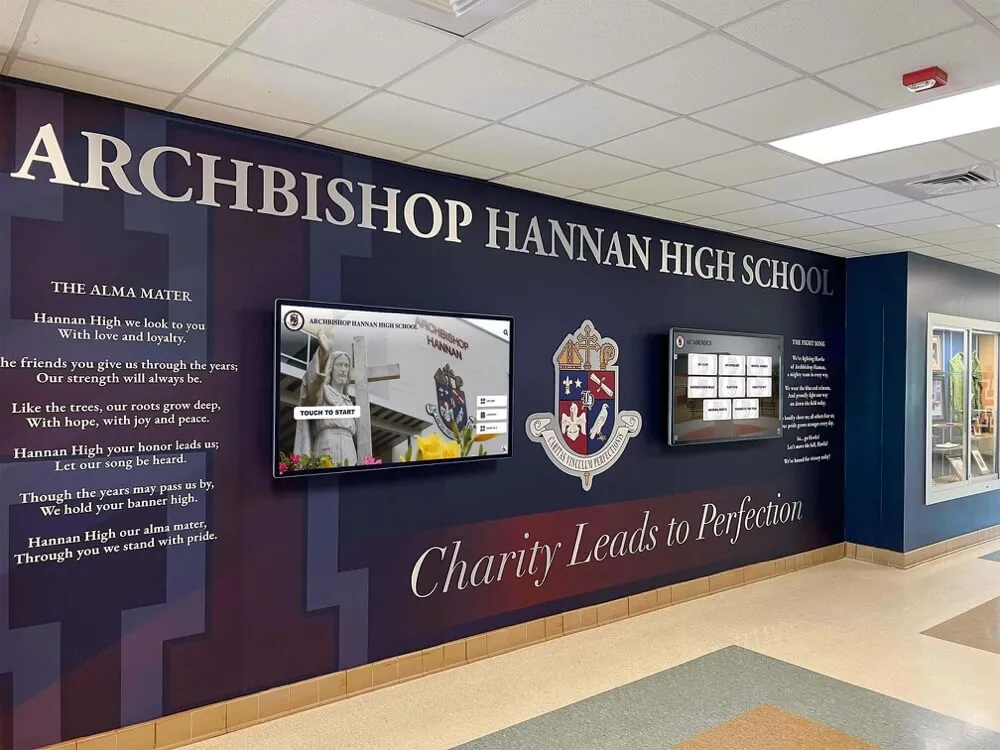
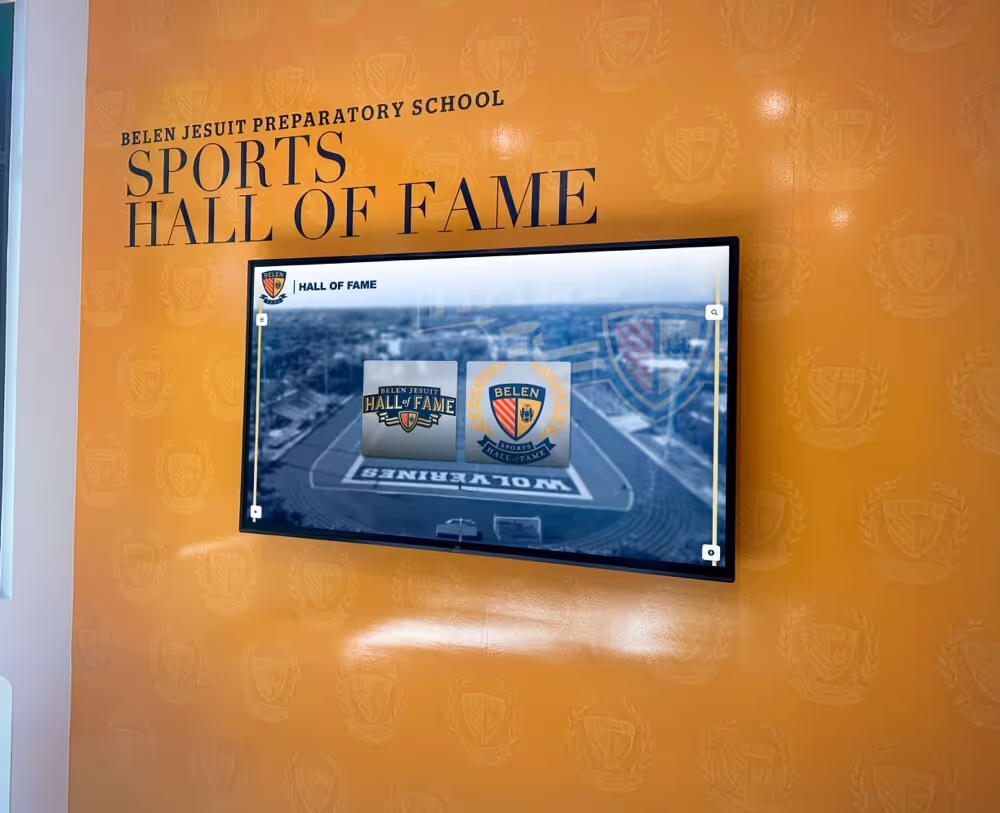
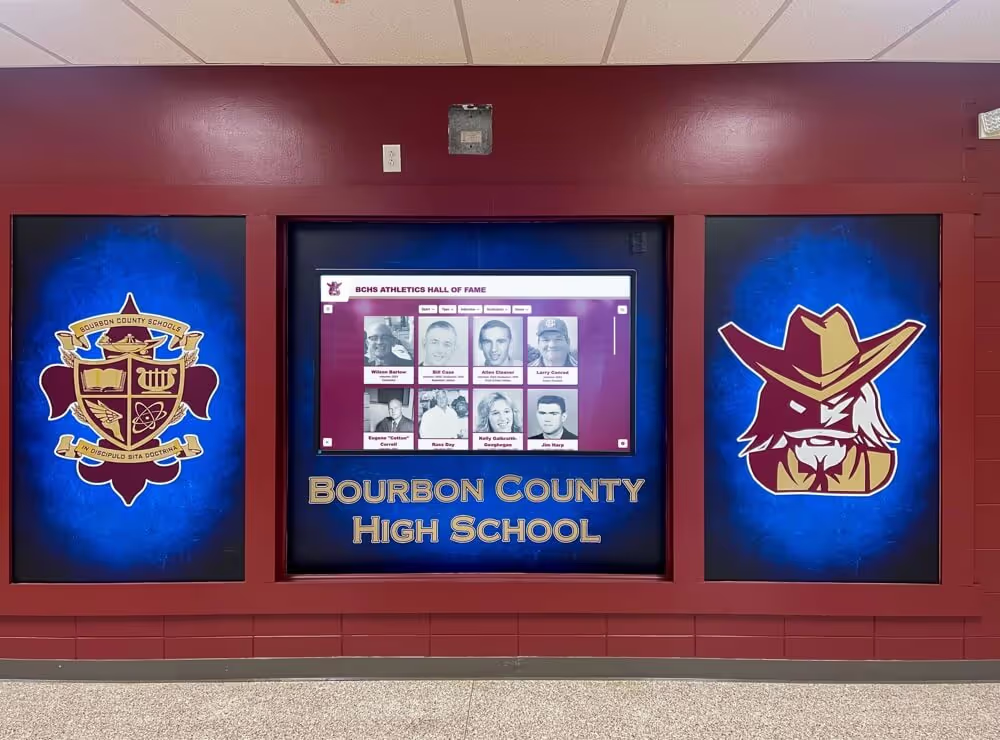
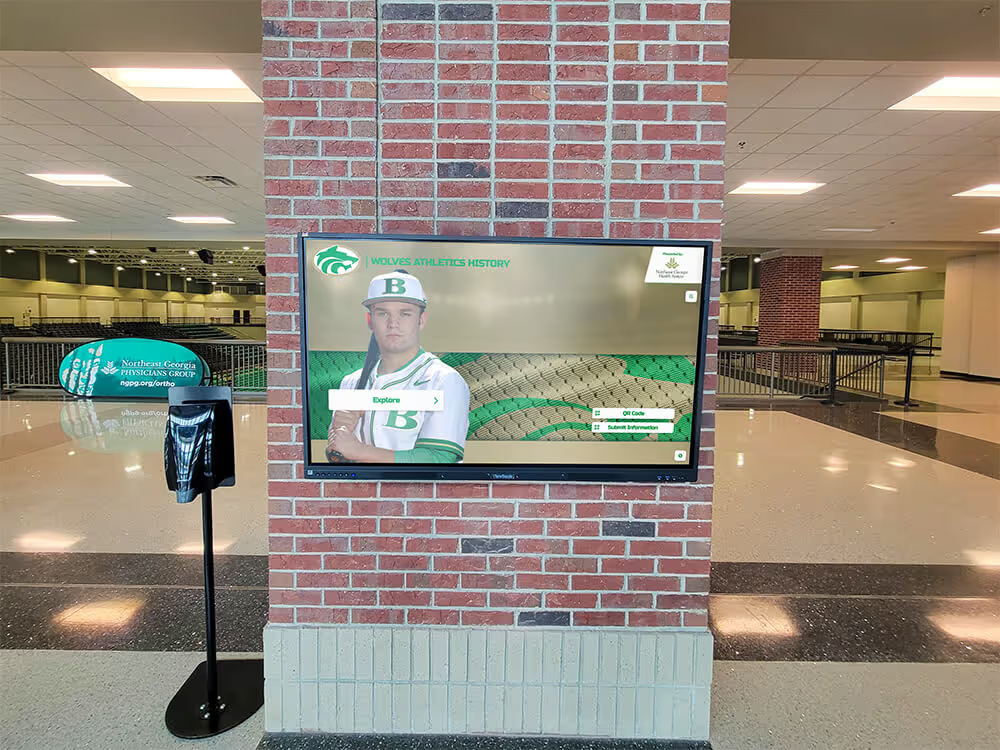
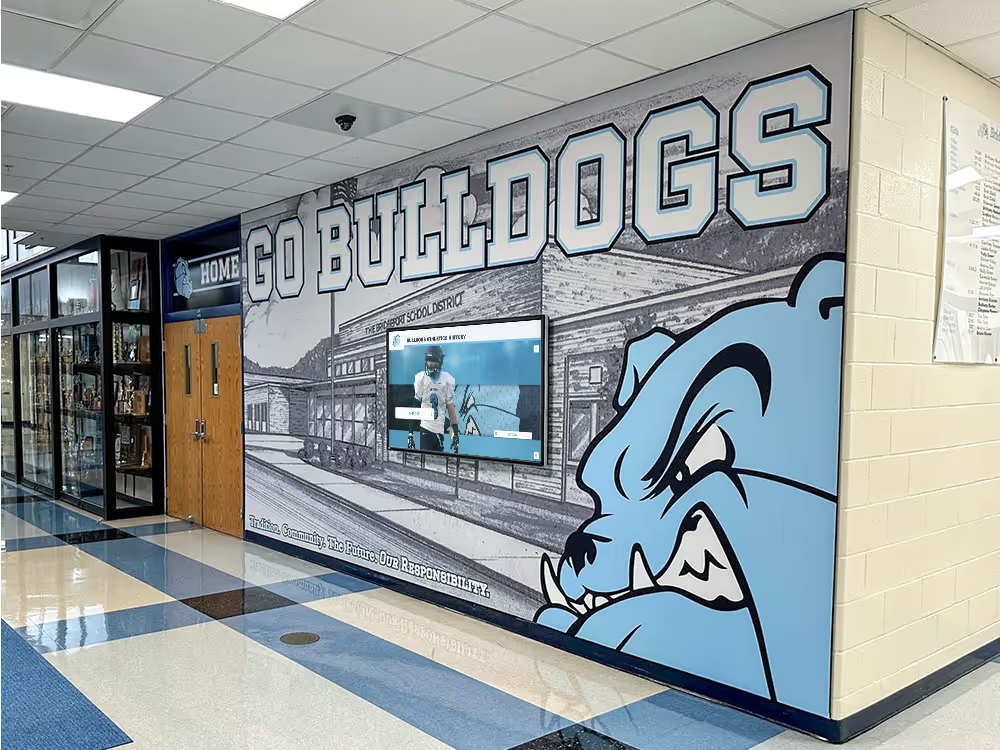
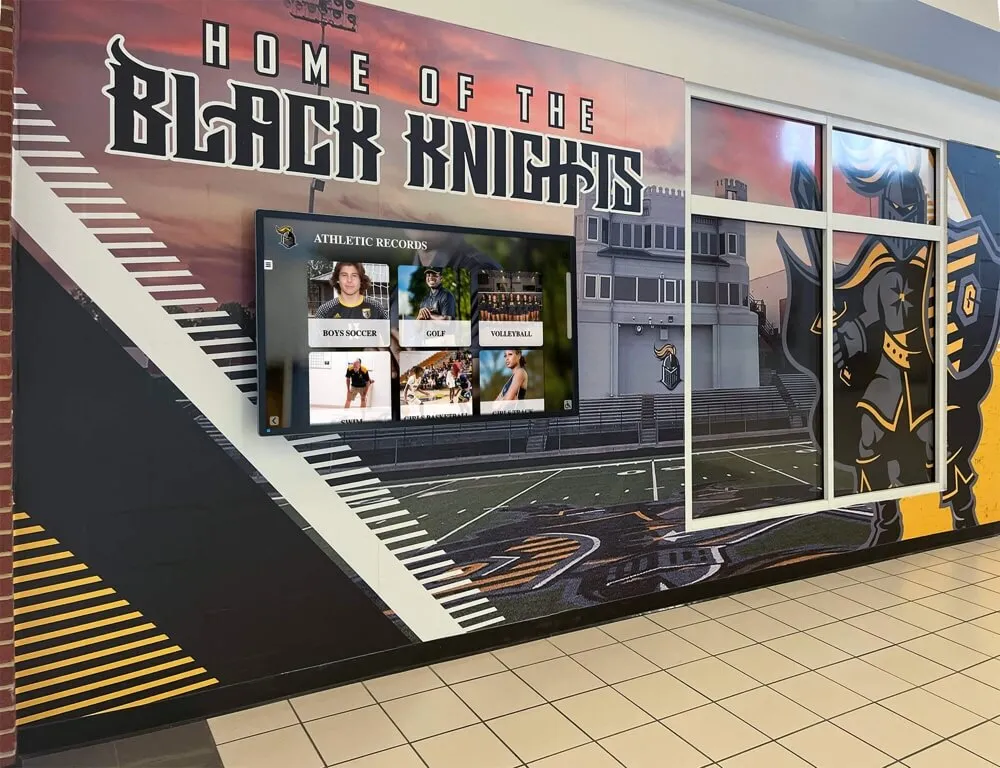
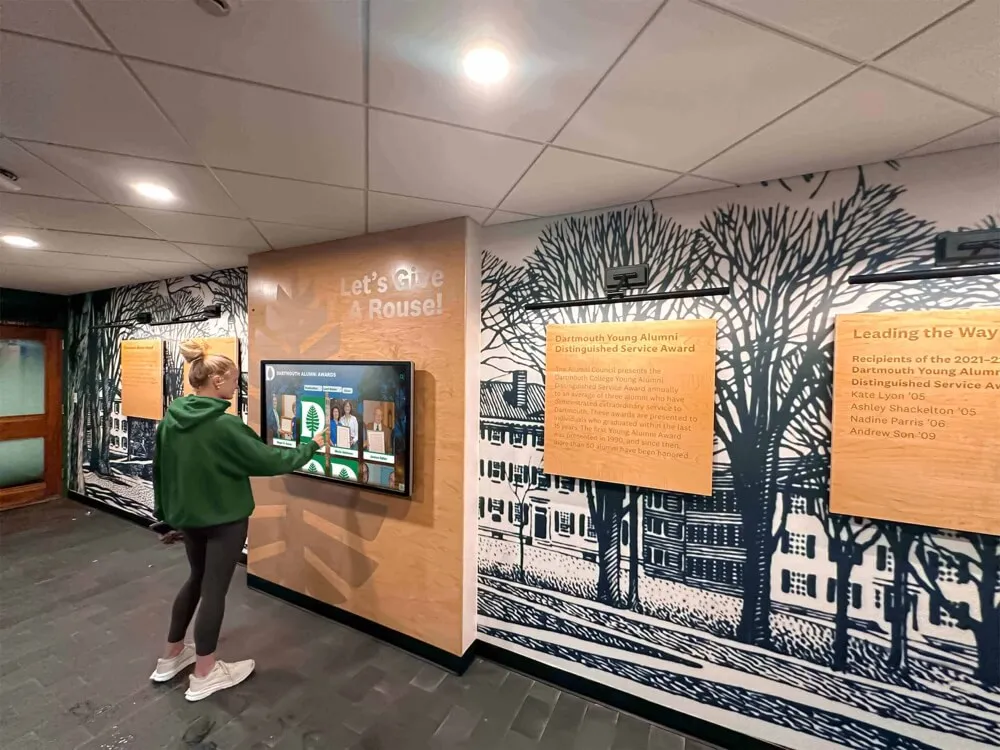
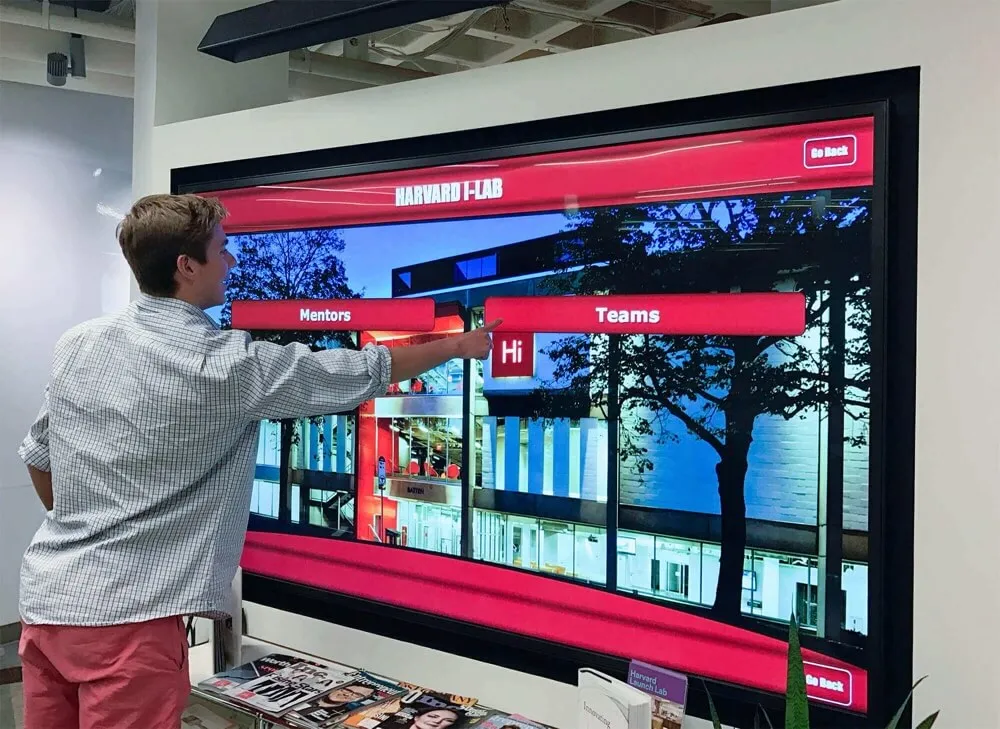
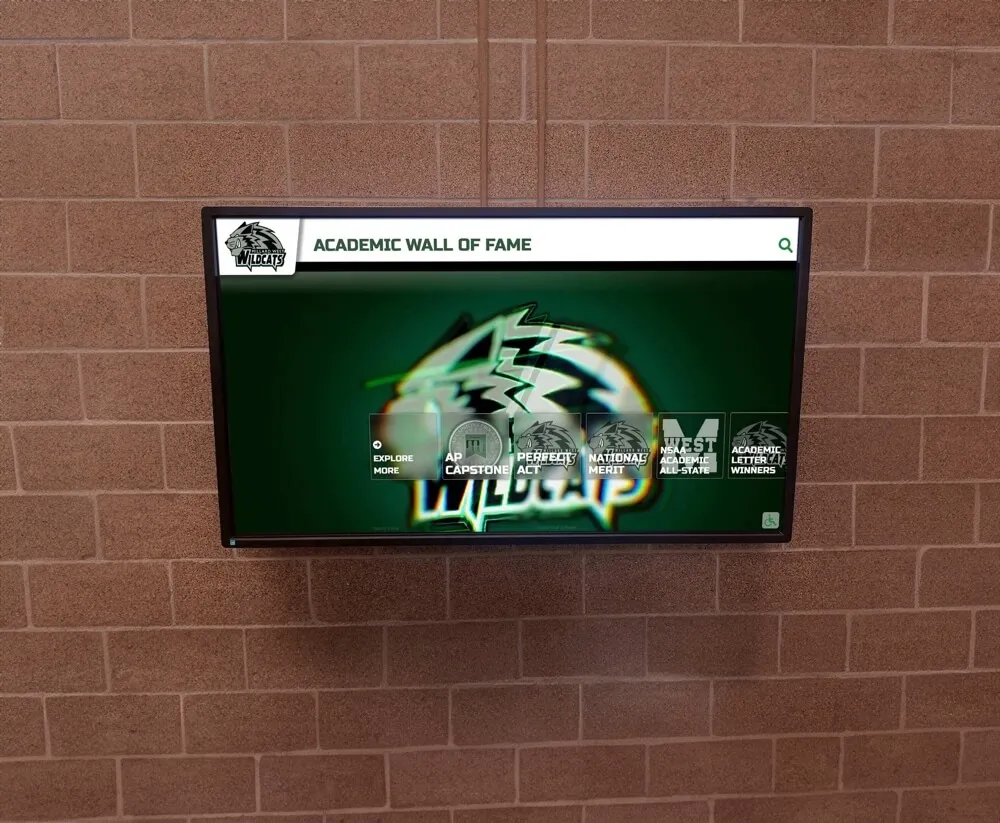
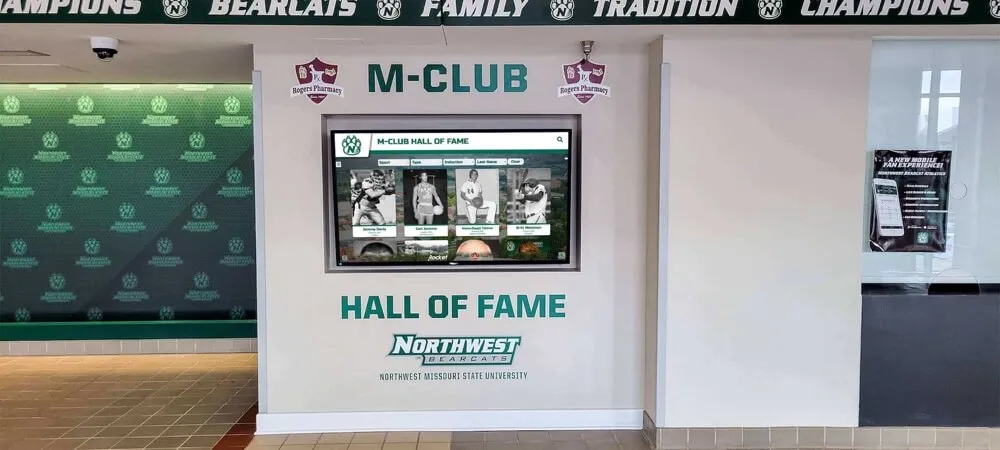
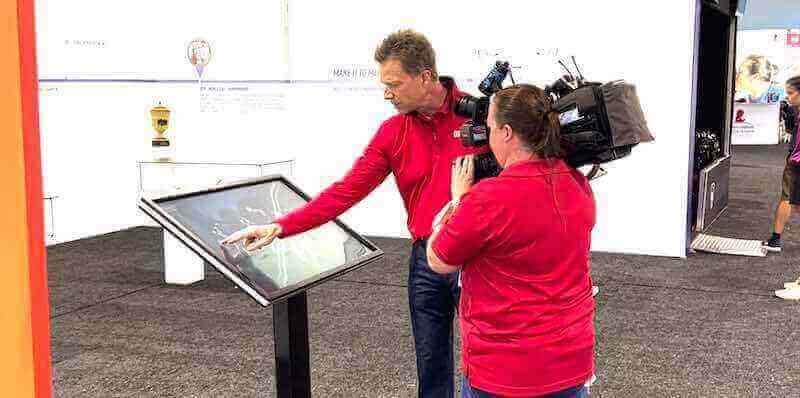
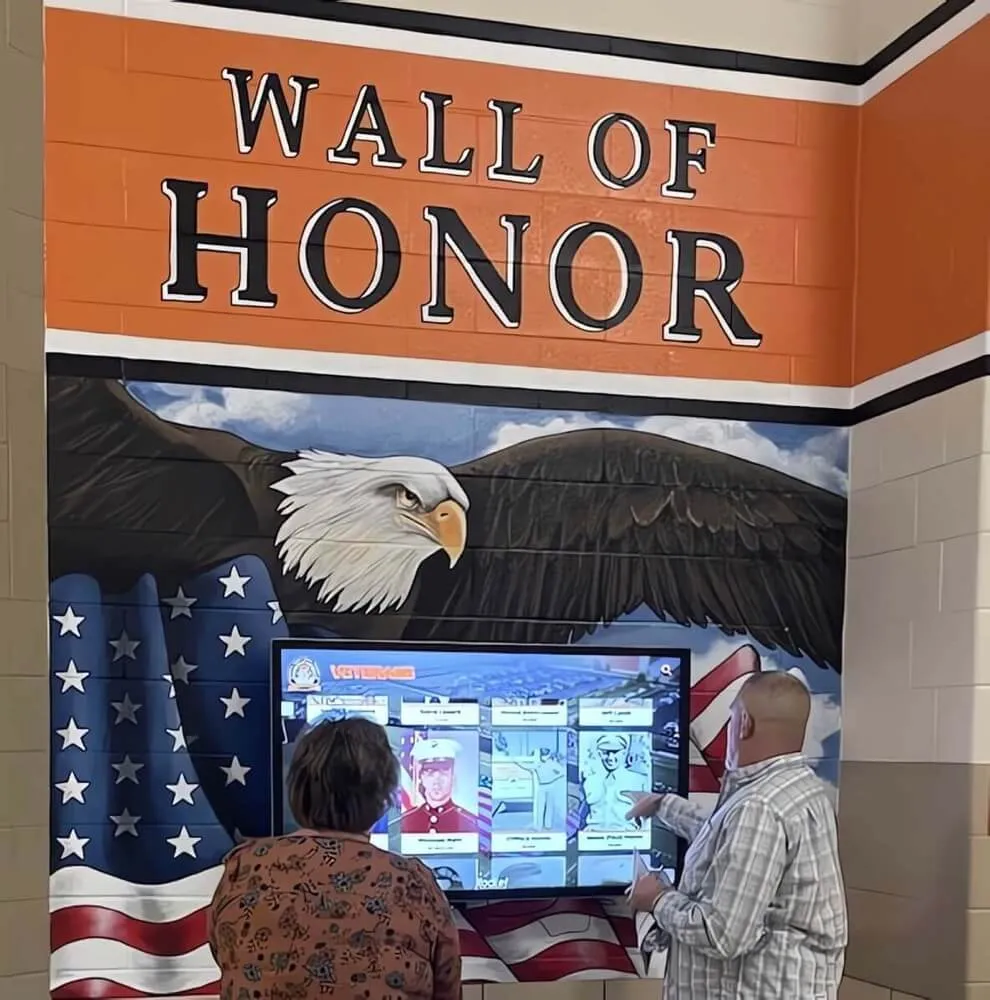
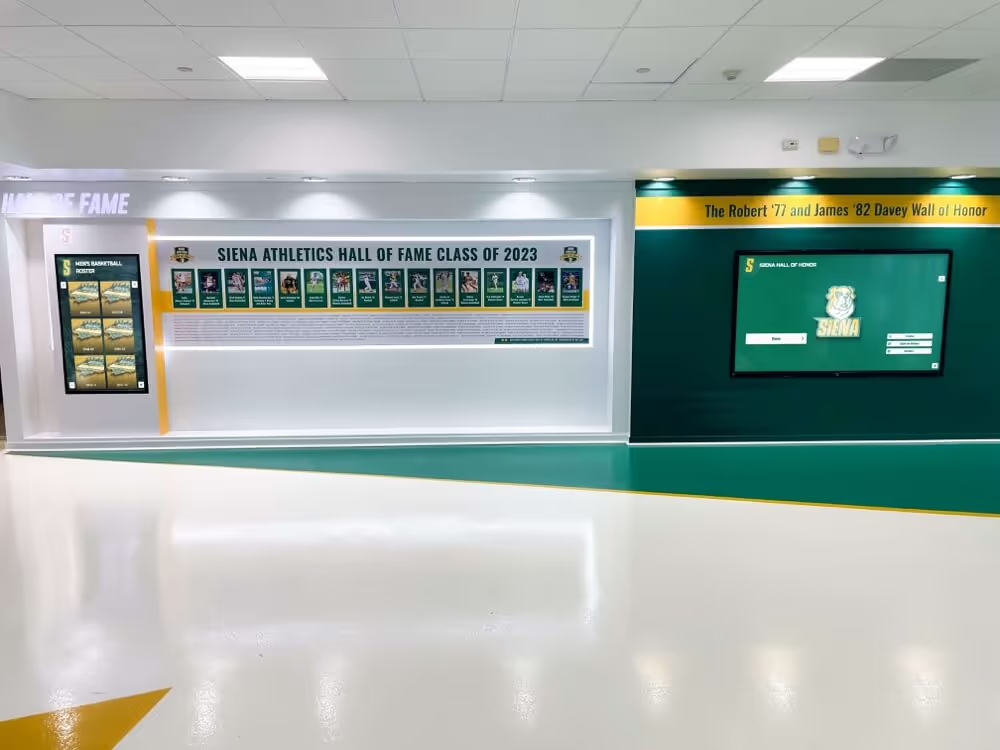
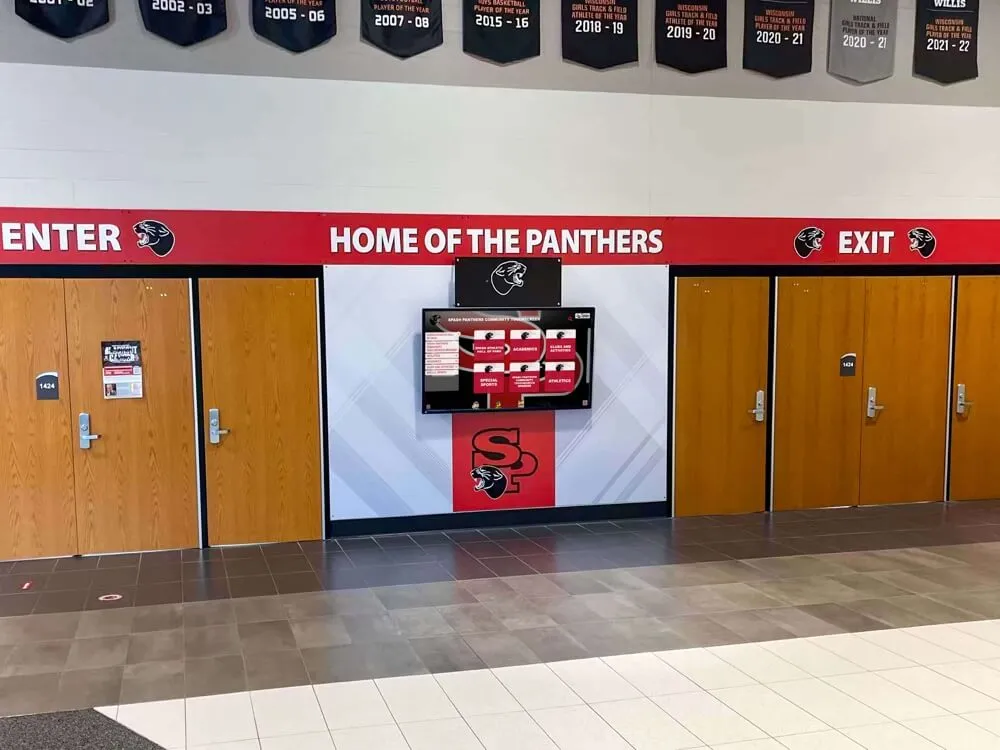
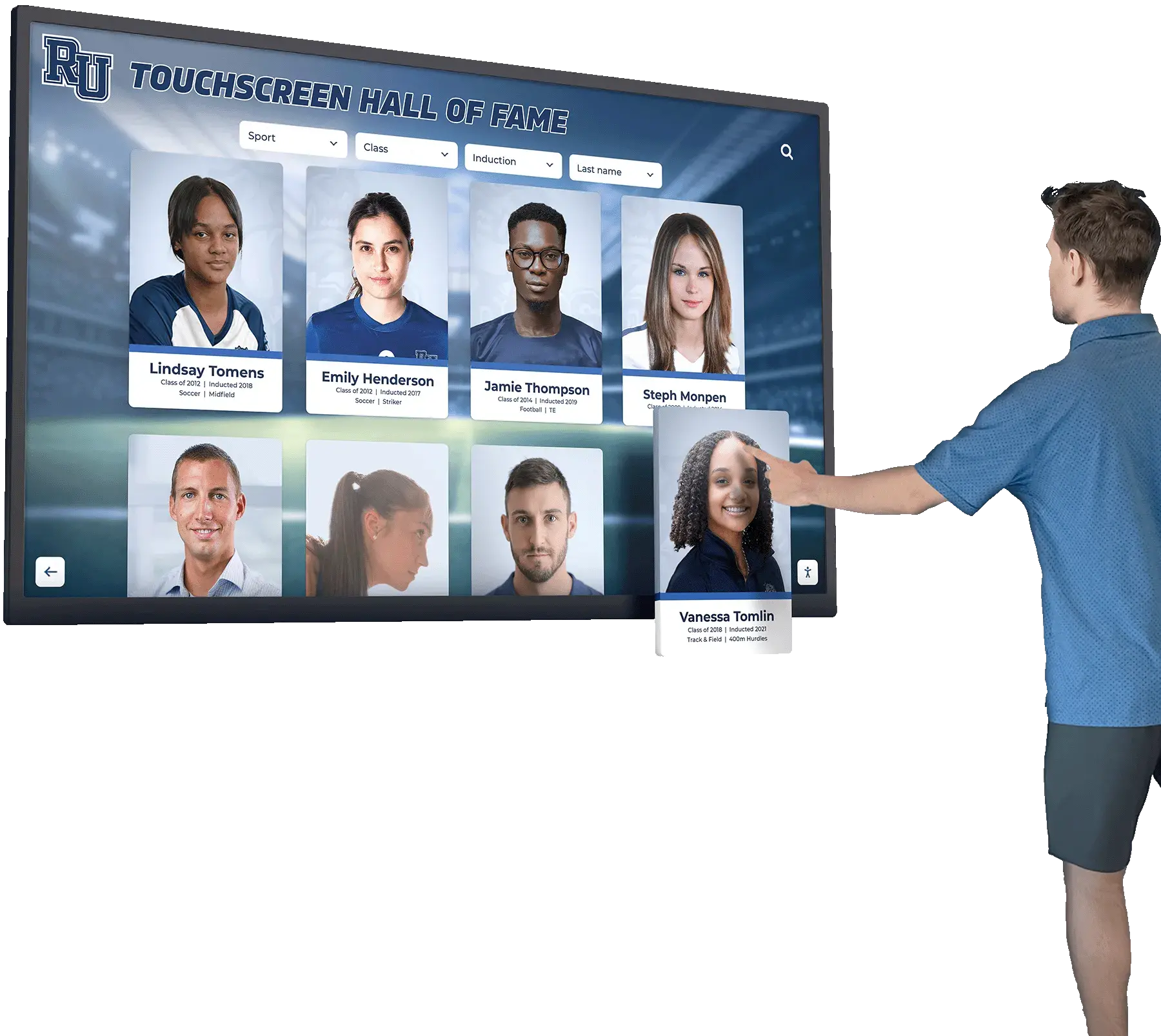
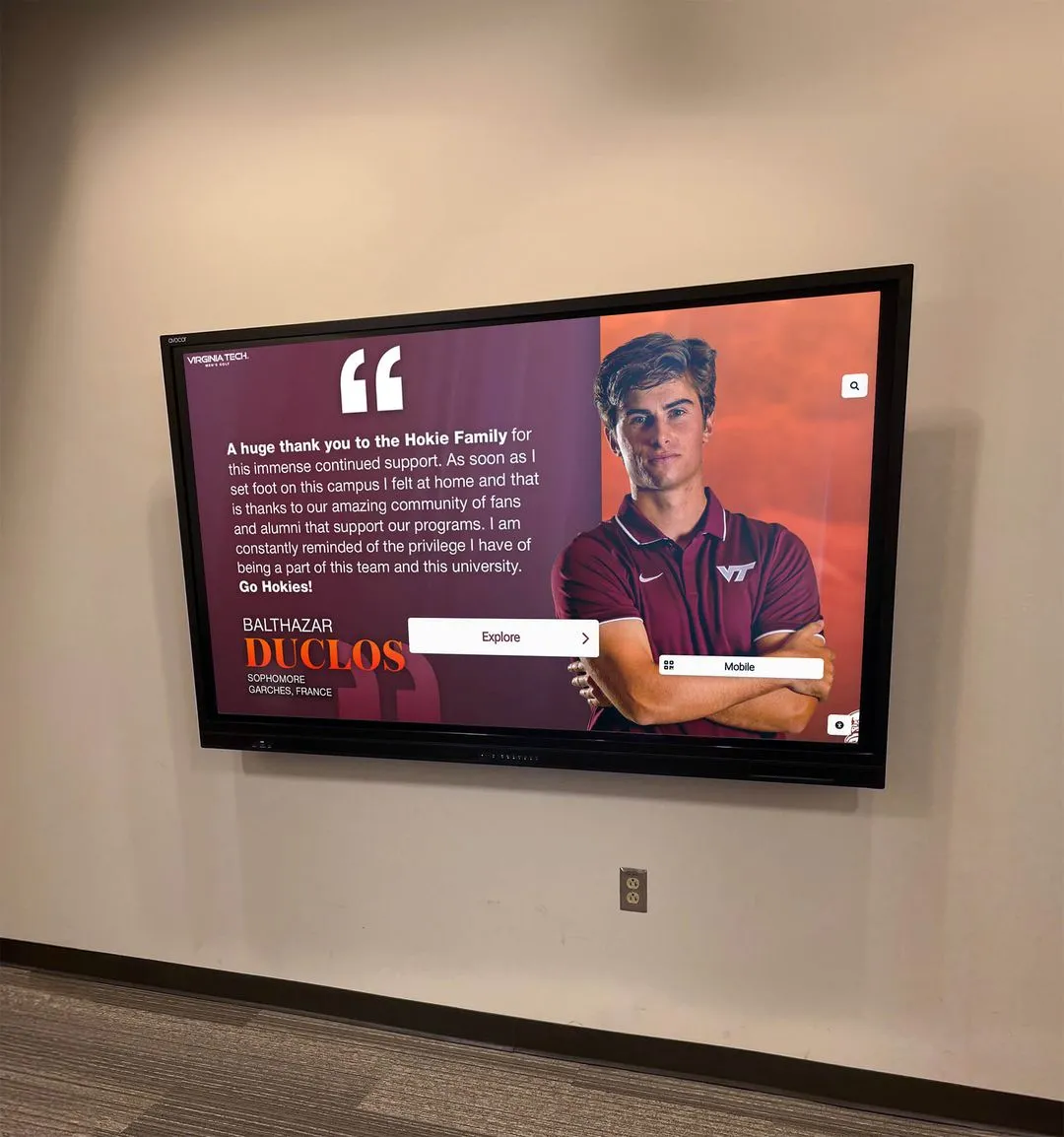
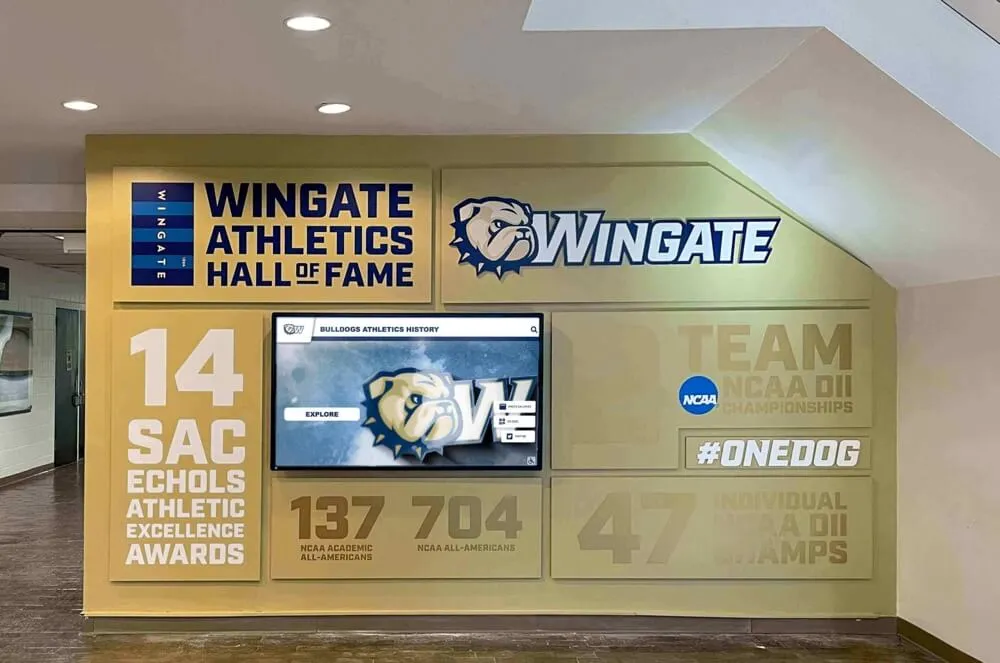
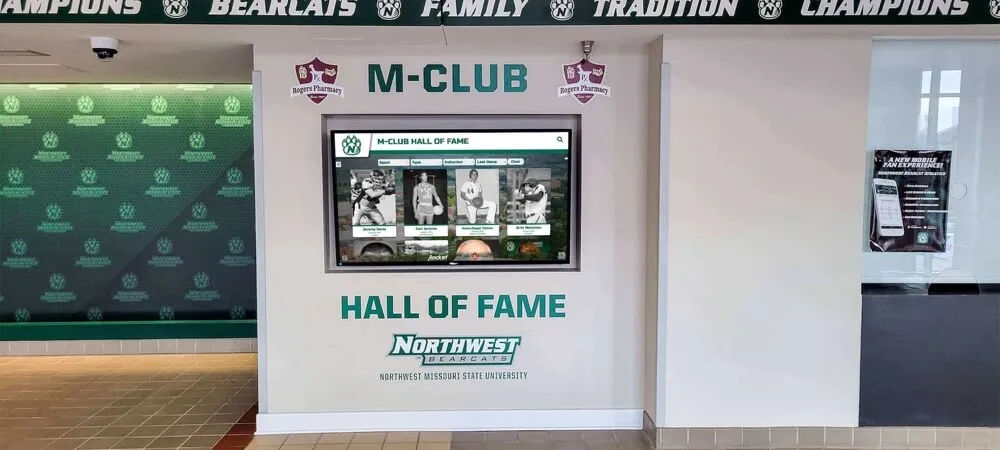
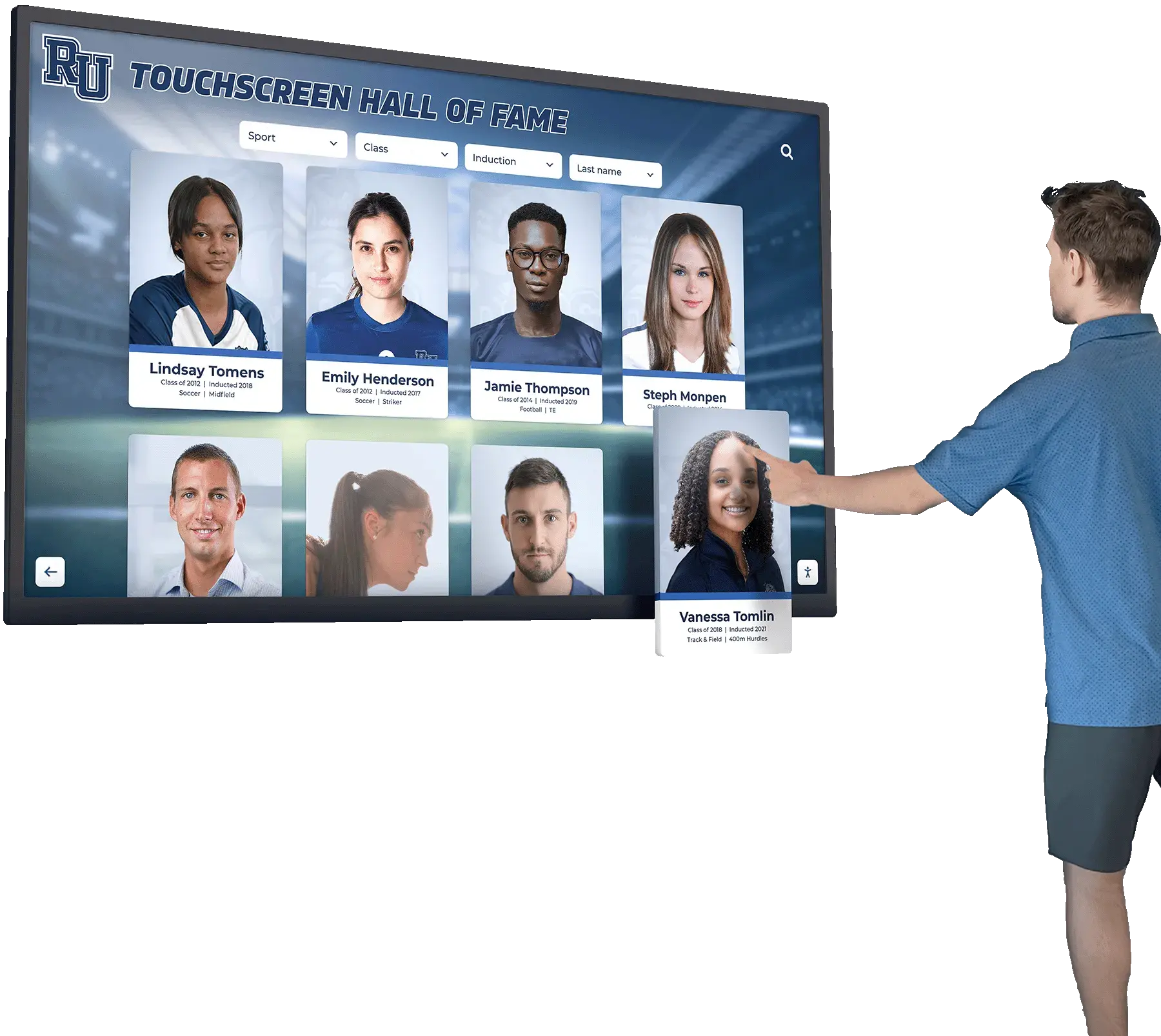
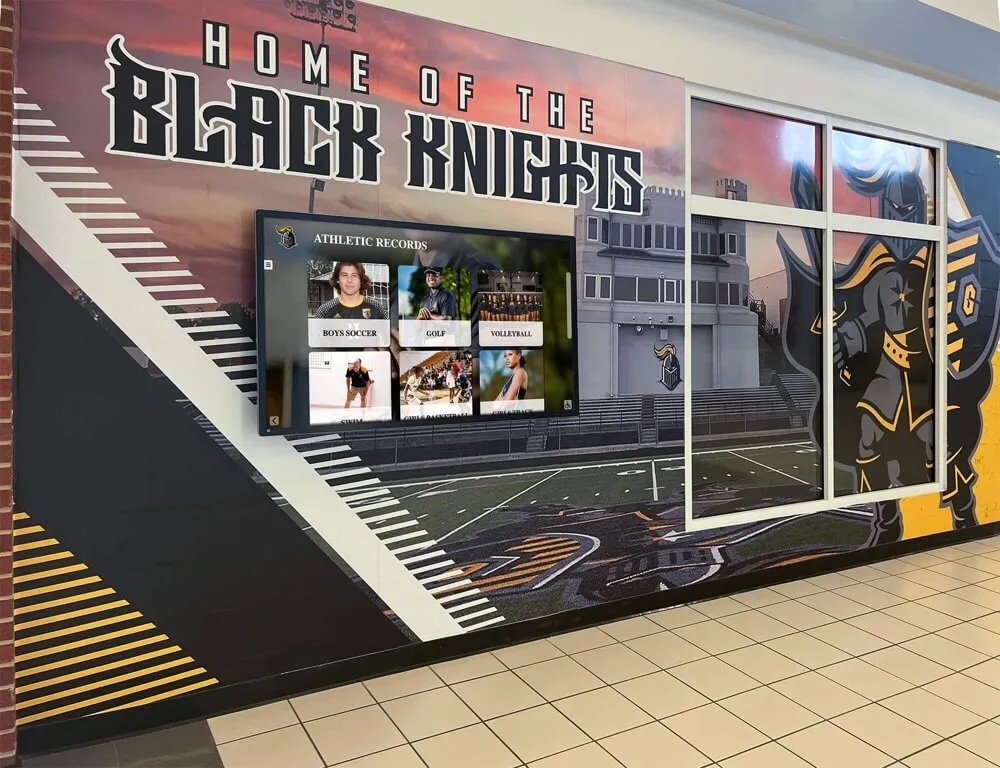
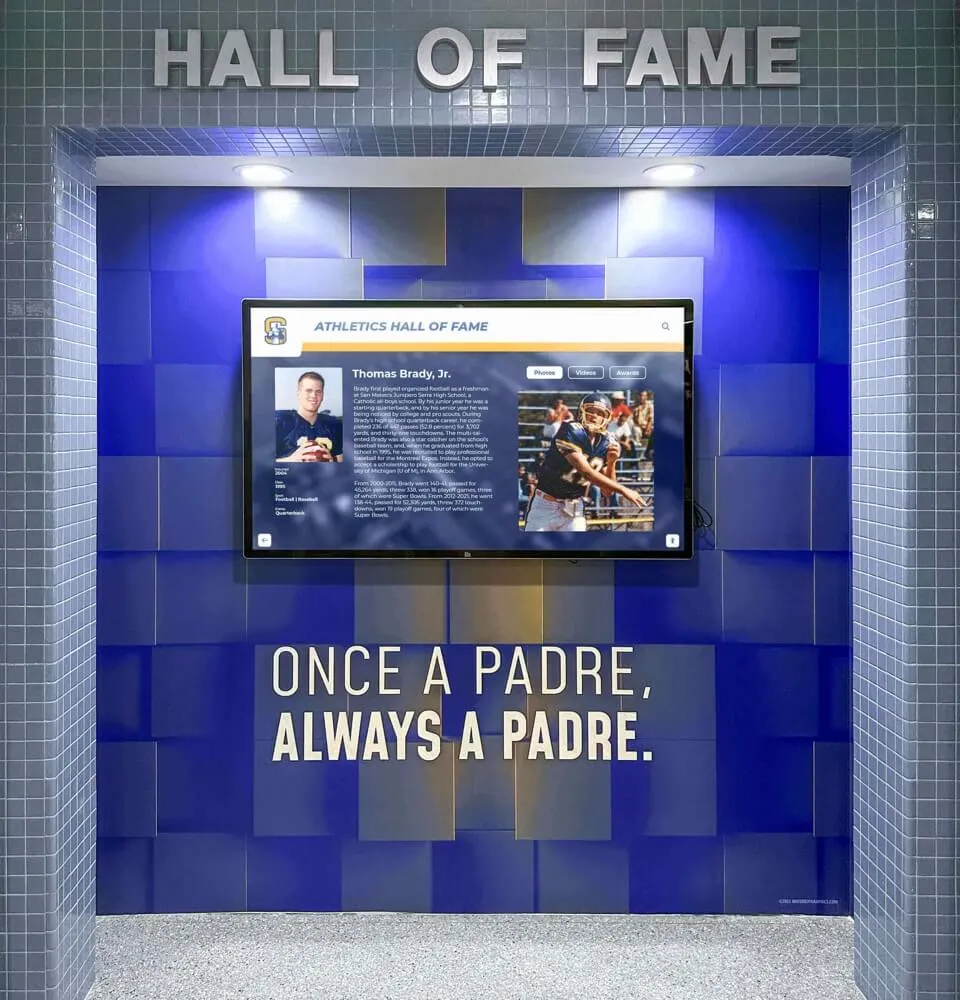
Modern touchscreen systems replace static wall displays with dynamic platforms visitors actively explore through intuitive touch interactions. These installations function like large tablets mounted on walls, enabling self-directed discovery through search, filtering, and navigation features.
Core Capabilities:
- Unlimited recognition capacity accommodating thousands of veterans
- Rich multimedia integration including photos, videos, and comprehensive profiles
- Powerful search functionality enabling instant discovery by name, year, or achievement
- Remote content management allowing updates from any internet-connected device
- Web accessibility extending recognition beyond physical locations
- Analytics tracking engagement patterns and popular content
Solutions like Rocket Alumni Solutions touchscreen software create experiences that resonate with all generations while providing unprecedented flexibility for organizations managing growing veteran populations.
Content Development Strategies:
- Comprehensive biographical profiles with service timelines
- Video interviews featuring veterans sharing their experiences
- Photo galleries documenting progression and contributions
- Achievement documentation with awards and honors
- Personal messages and mentorship for current members
- Connection points linking related veterans or eras
Digital Video Walls for Veterans Recognition
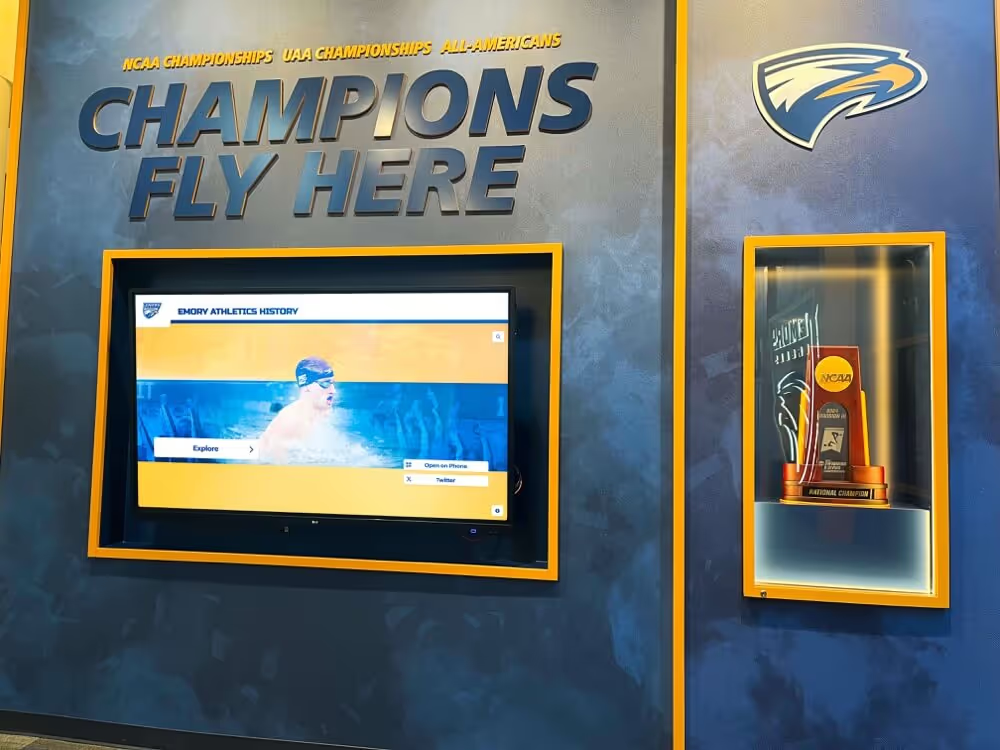
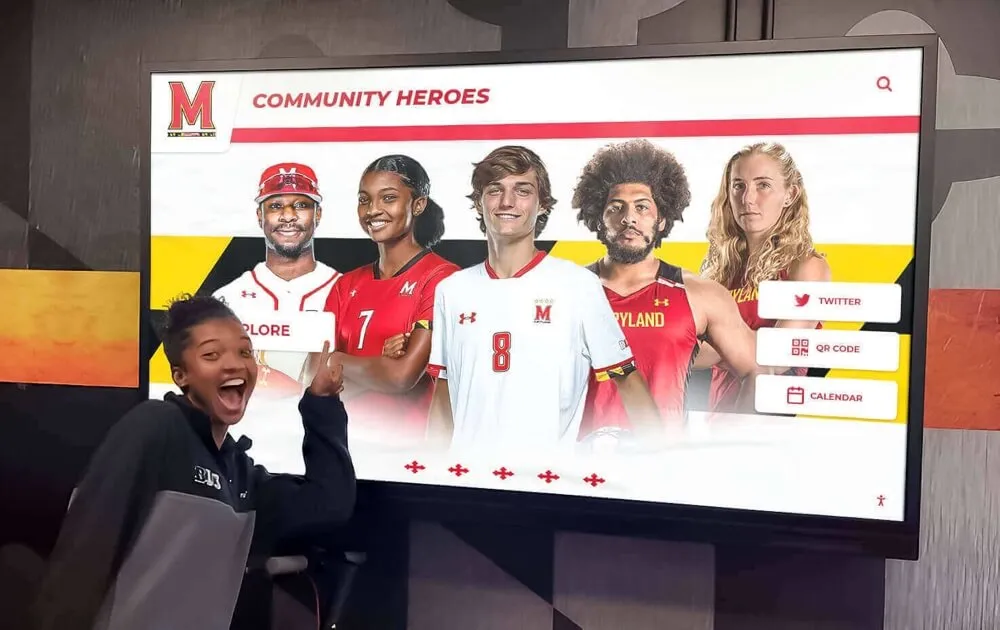
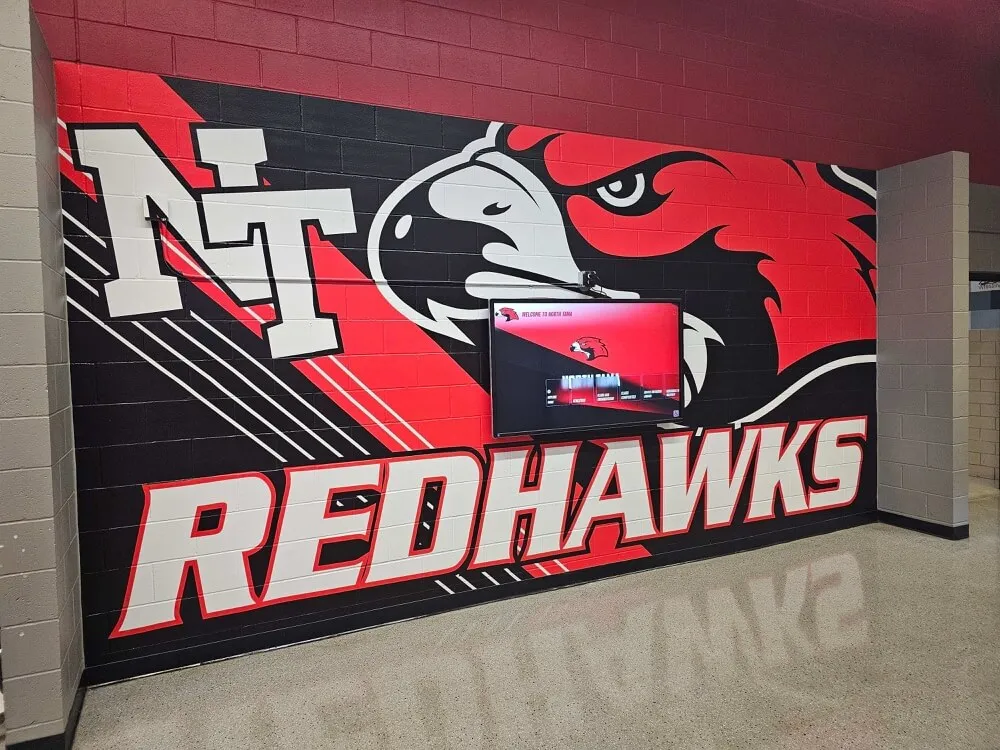
Large-format video displays cycling through veteran profiles, achievement highlights, and institutional history create dynamic presentations that command attention in high-traffic areas.
Implementation Approaches:
- Single large displays (55"-98") creating focal points in lobbies
- Multi-screen video walls creating immersive experiences
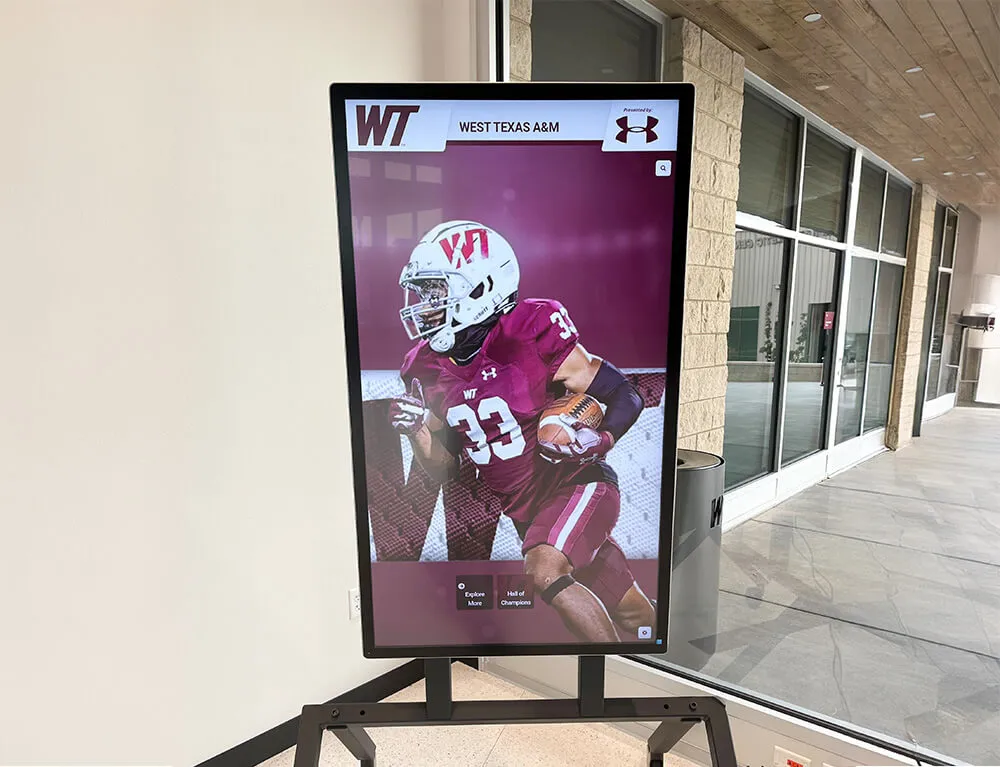
- Portrait orientation for hallway installations
- Landscape orientation for lobby areas or gathering spaces
- Synchronized multi-display networks throughout facilities
Content Programming:
- Featured veteran spotlights with rotating highlights
- Service milestones and anniversary celebrations
- Historical timelines showing institutional evolution
- Category-focused content (athletics, academics, military service, leadership)
- Event-based programming during reunions or homecoming celebrations
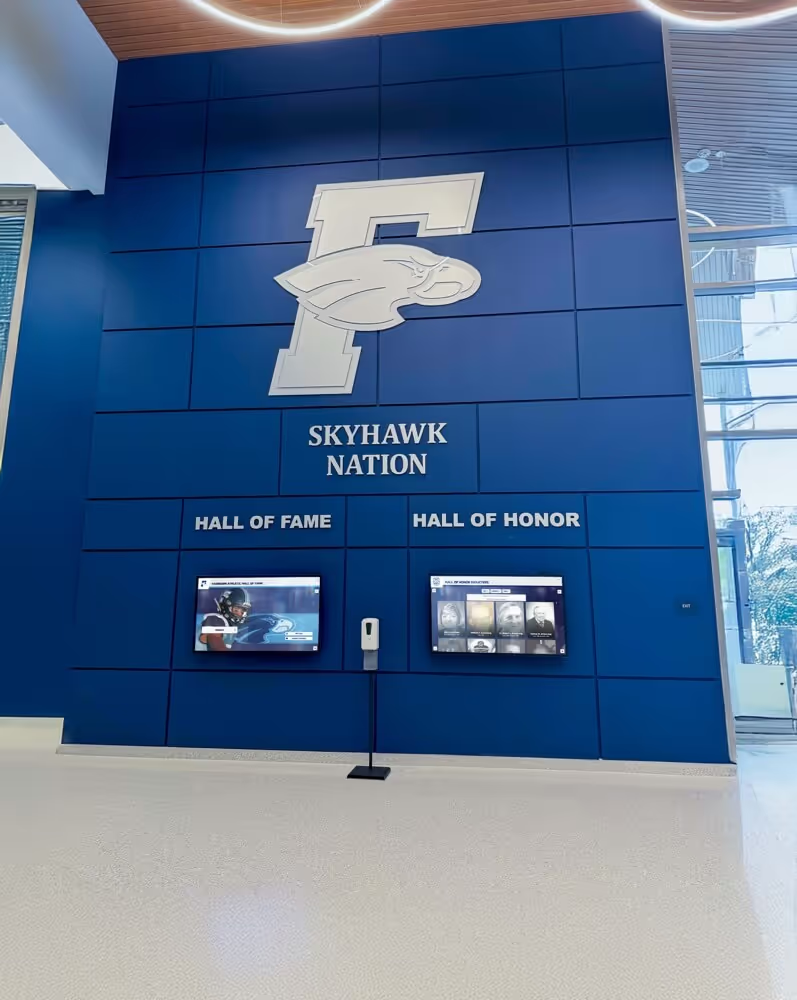
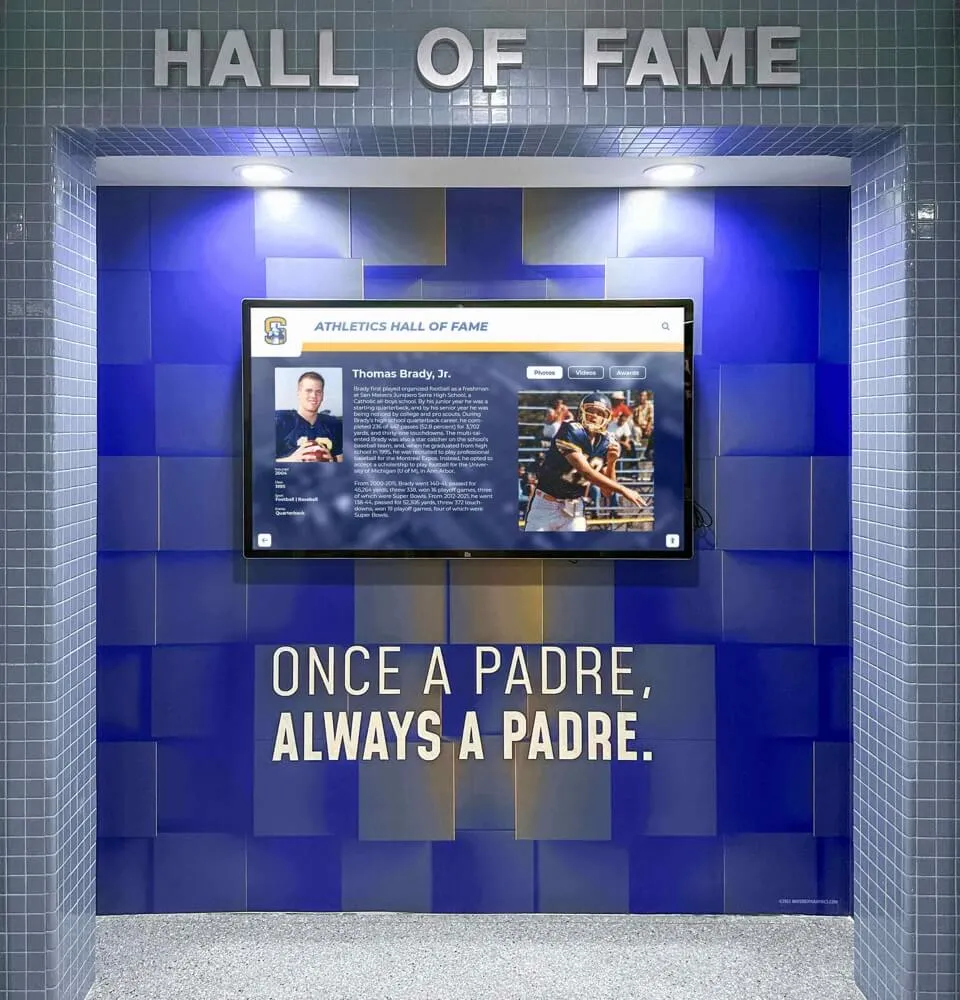
Organizations implementing professional digital hall of fame displays report significantly higher engagement compared to traditional static recognition.
Hybrid Recognition Systems
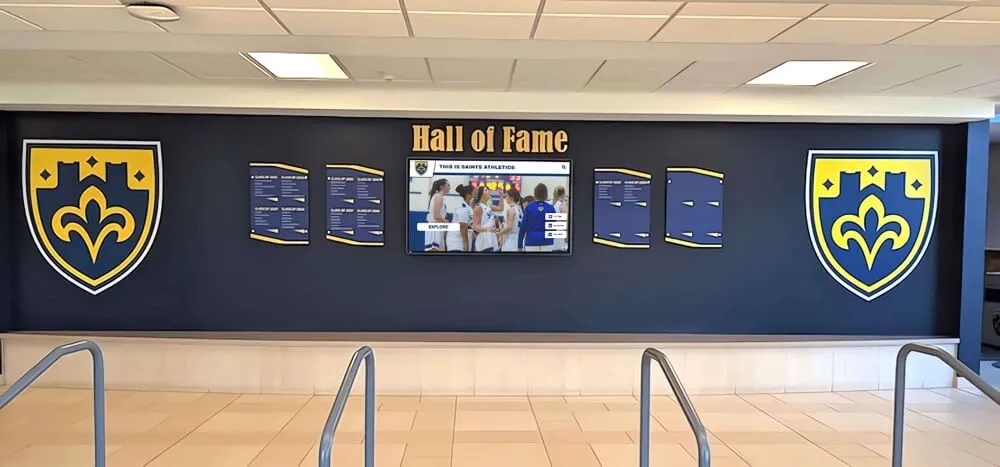
Many successful implementations combine selective traditional recognition with comprehensive digital systems, balancing symbolic permanence with practical functionality.
Strategic Hybrid Approaches:
- Maintain signature physical displays for highest-profile veterans
- Add digital touchscreens providing unlimited capacity for all recognition
- Integrate QR codes on physical plaques linking to expanded digital profiles
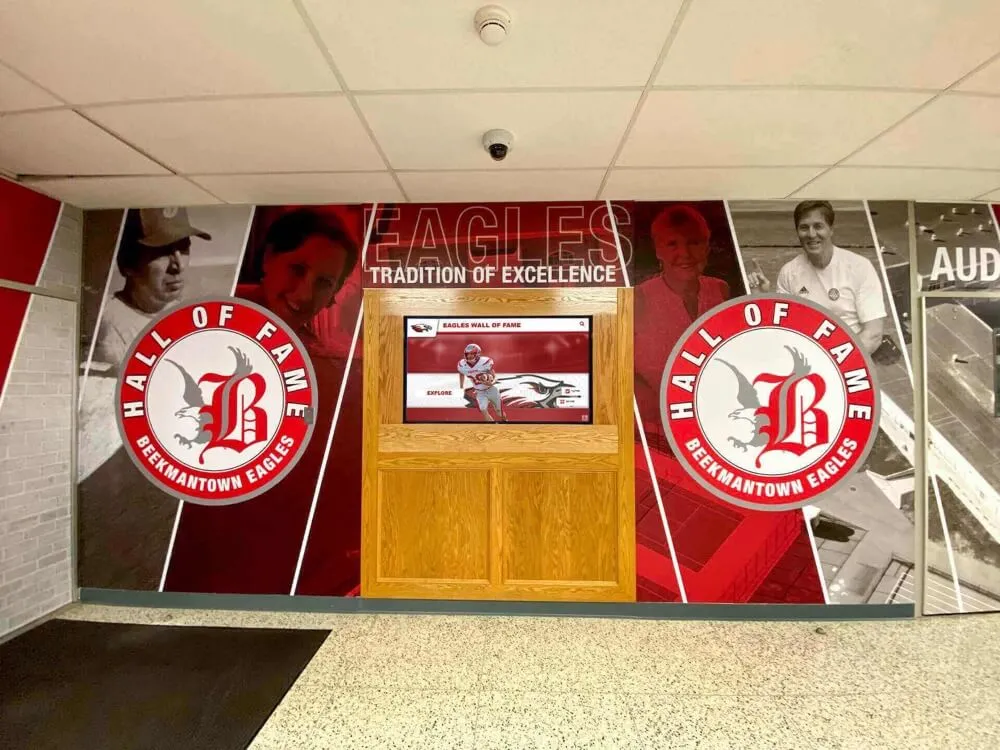
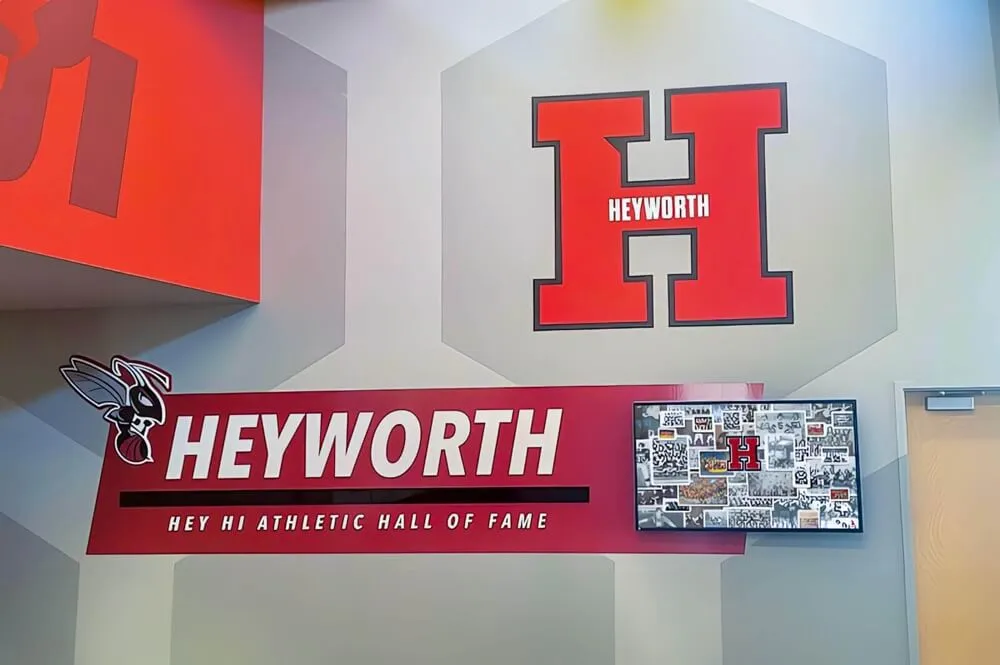
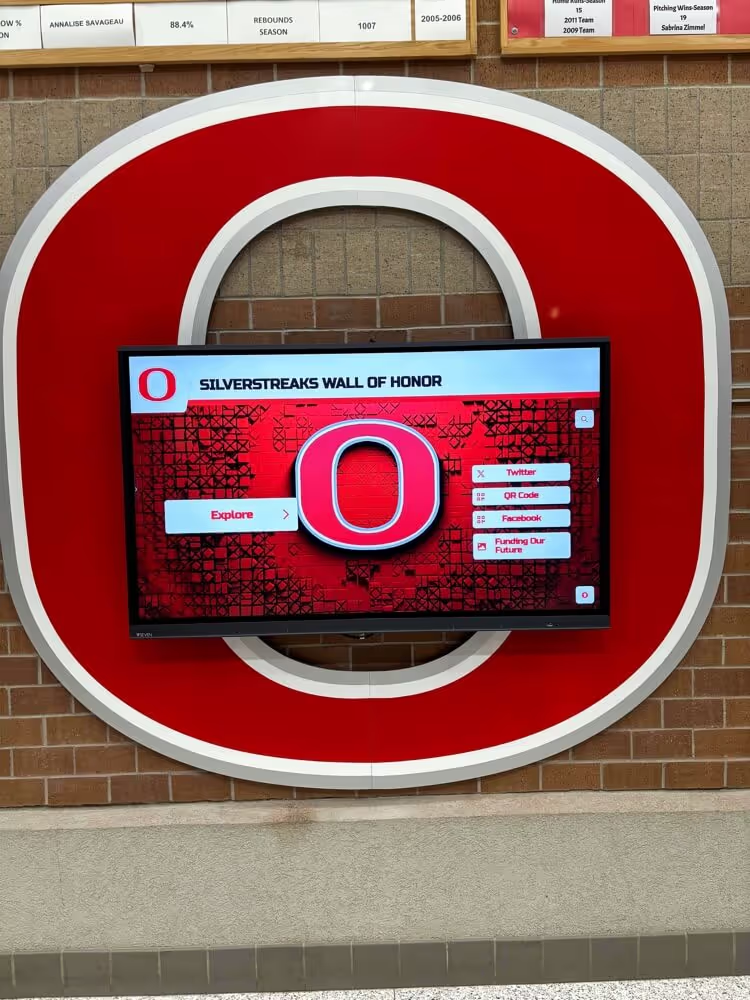
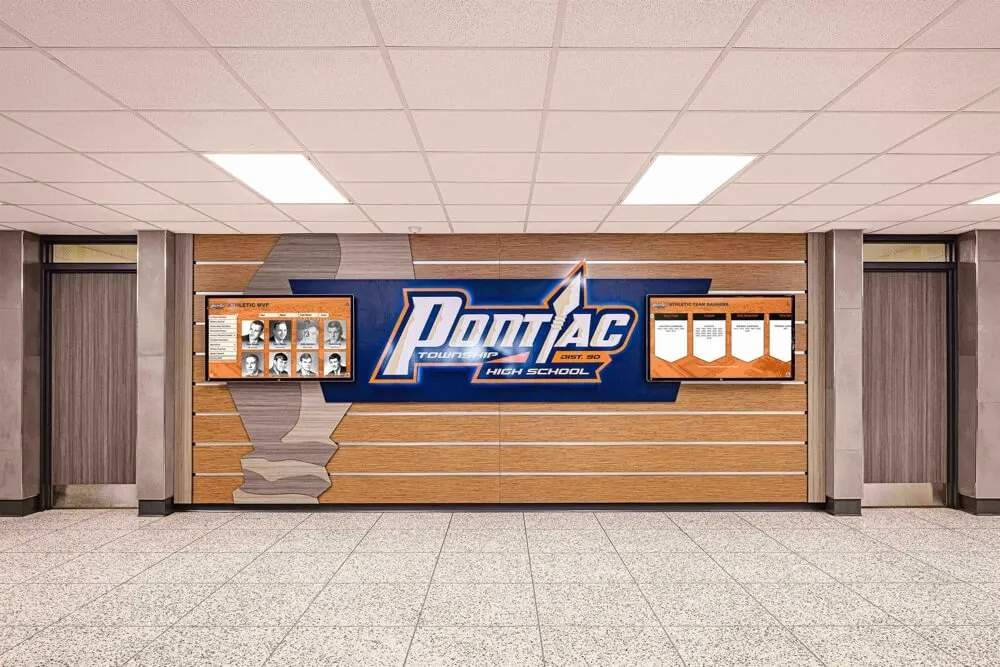
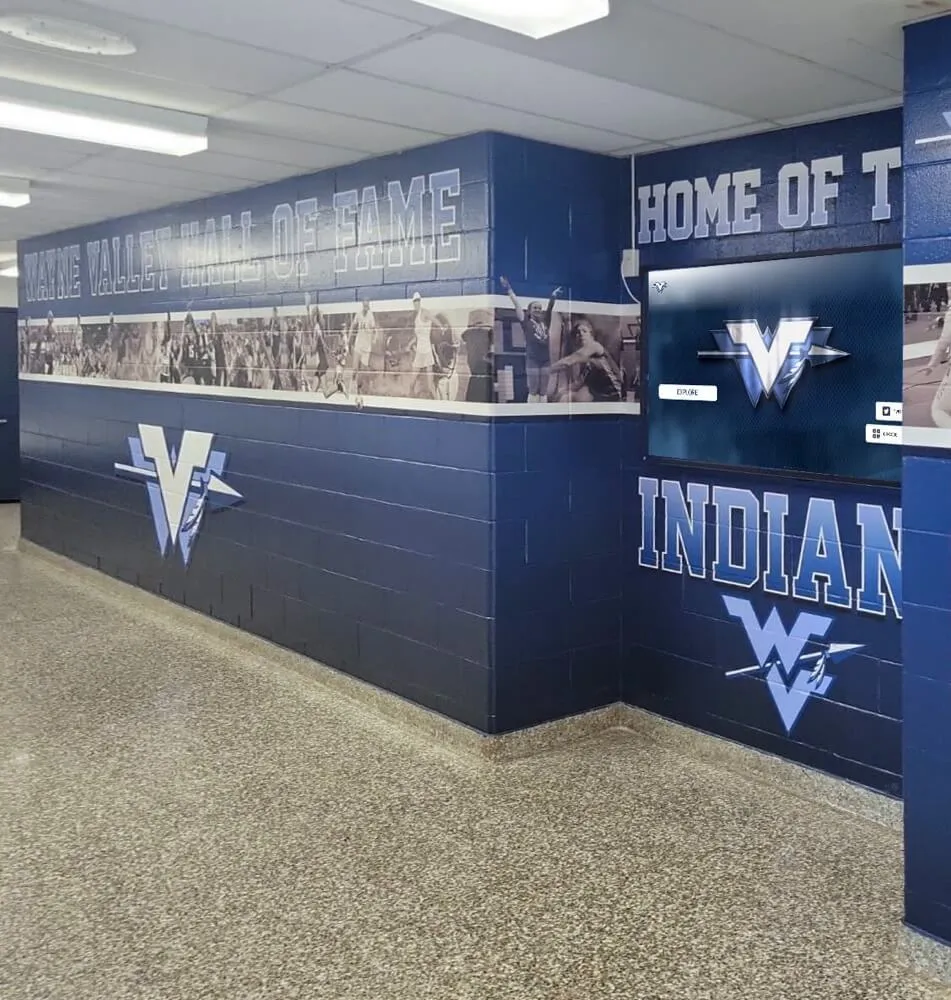
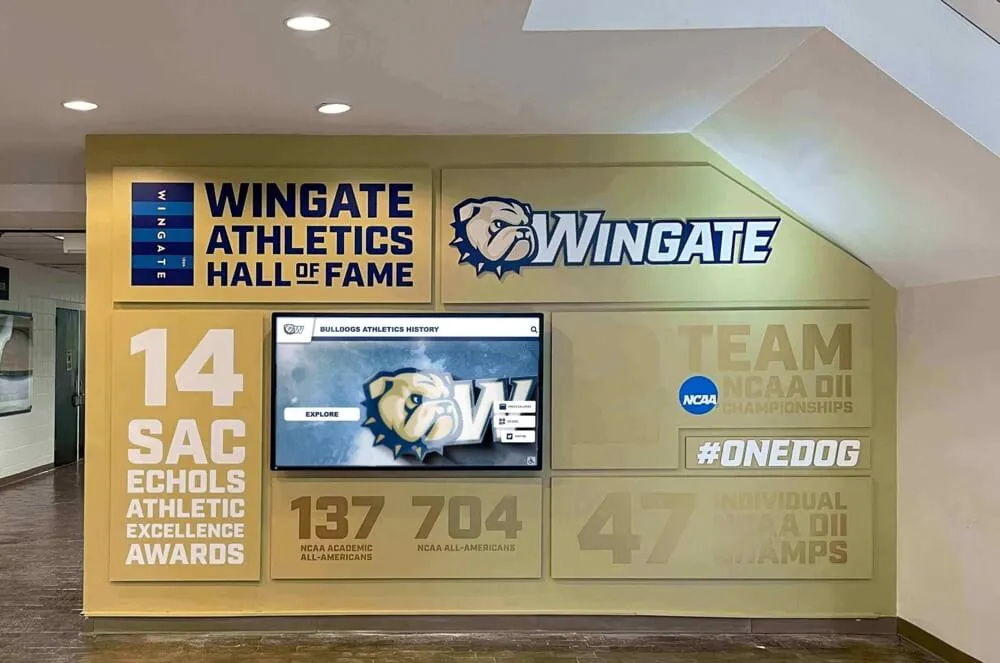
- Create physical architectural features housing digital display technology
- Ensure web accessibility regardless of physical display format
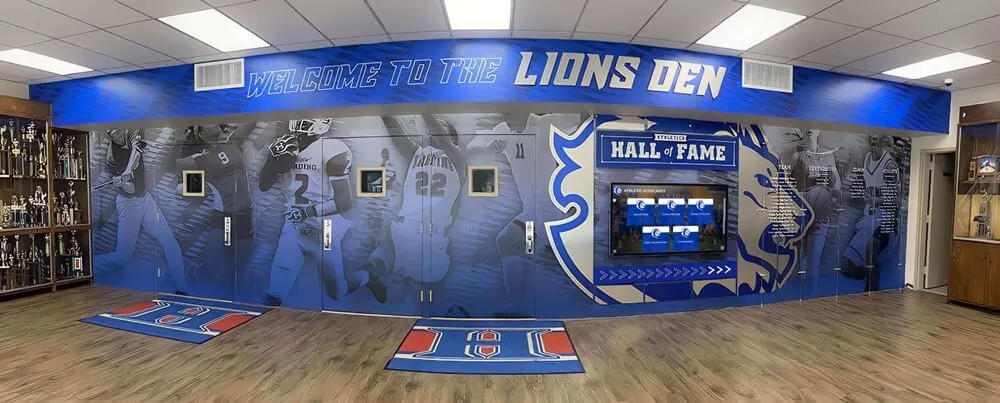
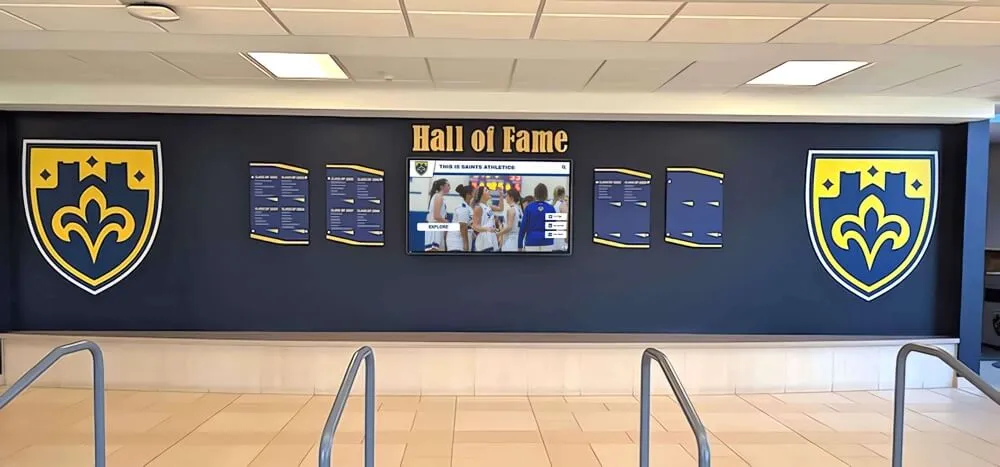
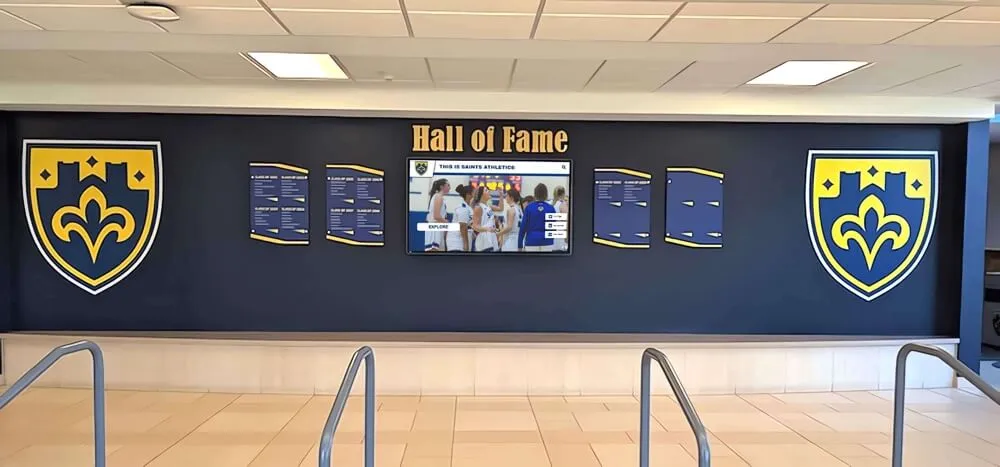
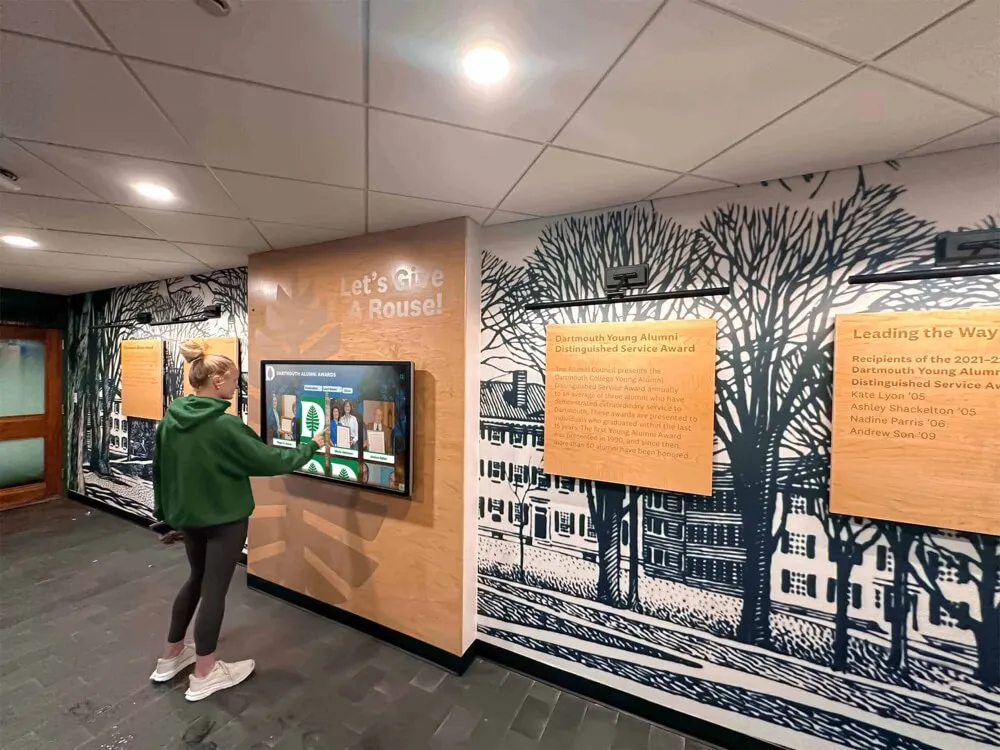
This combination respects tradition while solving capacity and flexibility limitations that plague purely physical approaches, as demonstrated in school history preservation programs.
Content Ideas for Oldtimers Walls: Telling Complete Stories
Recognition quality depends on content richness, not just existence. Investment in compelling content separates displays that become beloved organizational assets from those that languish unused.
Comprehensive Veteran Profiles
Profile Components:
- Opening paragraphs capturing attention with significant contributions
- Service background and organizational involvement timeline
- Career progression showing development over time
- Major accomplishments with context explaining significance
- Personal reflections on organizational impact
- Current activities and contact information (with permission)
- Mentorship messages for current members
Writing Best Practices:
- Active voice creating dynamic, engaging narratives
- Specific examples rather than vague generalizations
- Transformation stories showing how involvement influenced trajectories
- Authentic quotes in veterans’ own voices
- Accessible vocabulary appropriate for diverse audiences
- Consistent length ensuring equitable recognition across honorees
Multimedia Storytelling Elements
Video Content:
- Veteran interviews discussing their journeys and organizational experiences
- Achievement highlight reels showing performances or contributions
- Mentorship presentations offering guidance to current members
- Acceptance speeches from induction ceremonies
- Documentary-style profiles preserving personal histories
Audio Elements:
- Oral history recordings preserving veteran memories
- Podcast interviews exploring contribution stories in depth
- Musical performances from arts veterans
- Traditional songs and organizational anthems
- Message recordings for future generations
Interactive Features:
- Searchable databases organized by era, contribution type, or category
- Timeline explorations showing historical context
- Geographic mapping showing where veterans live and work
- Family tree connections linking related members across generations
- Question prompts encouraging visitor engagement
Organizations can leverage yearbook digitization to source historical photos and information for veteran profiles.
Gathering Veteran Information
Systematic information collection ensures comprehensive, accurate recognition content.
Information Sources:
- Direct veteran engagement through questionnaires or interviews
- Professional networking sites and biographical databases
- Historical archives and organizational records
- News articles and media coverage documenting achievements
- Award announcements and industry publications
- Family connections for deceased veterans
- Reunion committees gathering era-specific information
- Alumni association databases and membership records
Selection Criteria for Oldtimers Wall Recognition
Clear, objective standards ensure fair evaluation while maintaining program credibility and community confidence in recognition decisions.
Fundamental Selection Criteria
Service and Longevity:
- Minimum years of service or organizational involvement
- Sustained engagement rather than brief participation
- Consistent contributions across extended timeframes
- Active participation in organizational activities and events
Meaningful Contributions:
- Achievement magnitude relative to organizational context
- Leadership roles and responsibilities undertaken
- Mentorship and guidance provided to subsequent generations
- Service contributions advancing organizational mission
- Financial support sustaining programs and initiatives
Character and Values:
- Ethical conduct maintaining personal and professional integrity
- Embodiment of organizational values and ideals
- Positive influence on organizational culture
- Exemplary behavior serving as role model
- Sustained reputation within community
Impact and Legacy:
- Lasting influence on organizational development
- Recognition by peers acknowledging contributions
- Innovation or improvements benefiting the organization
- Inspiration value motivating current members through example
- Historical significance within organizational context
Category-Based Recognition Structures
Many successful oldtimers programs create multiple recognition categories acknowledging different contribution types.
Common Categories:
- Athletic Veterans: Former athletes who competed and contributed to sports programs
- Service Leaders: Individuals who served in organizational leadership capacities
- Mentor Recognition: Veterans who dedicated time mentoring subsequent generations
- Distinguished Service: Long-serving members across any contribution domain
- Heritage Preservers: Individuals who documented and maintained organizational history
- Community Ambassadors: Veterans who represented organizations in broader communities
Clear documentation of criteria in published materials helps nominators understand evaluation standards while building community confidence in selection processes, similar to approaches used in academic recognition programs.
Location and Design Considerations for Oldtimers Walls
Strategic placement dramatically impacts visibility, engagement, and overall recognition effectiveness.
Prime Location Selection
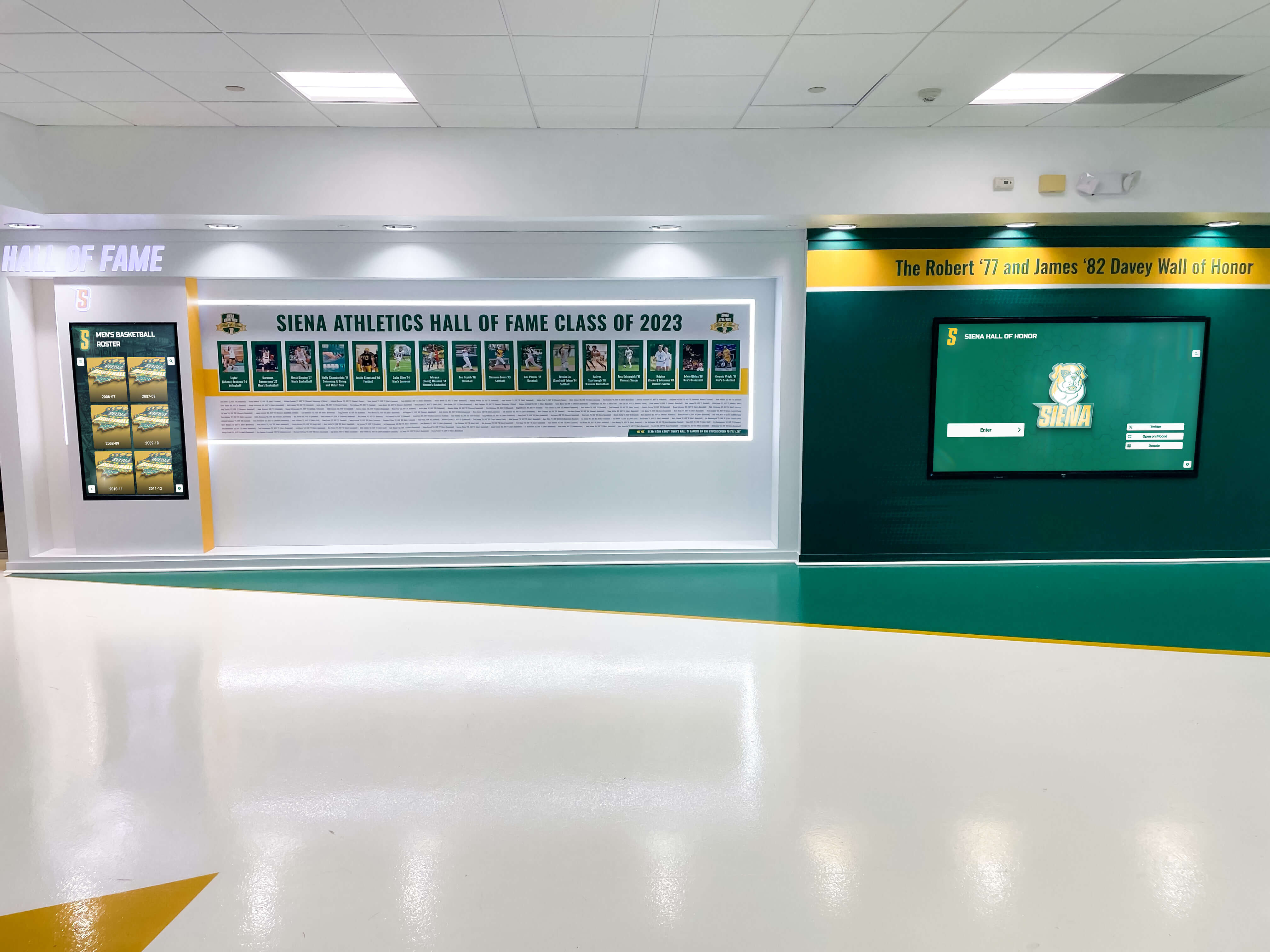
Main Entrance and Lobby Recognition: Prime visibility locations create immediate impressions communicating organizational excellence to all visitors—prospective members, guests, community members, and donors evaluating organizational quality.
Lobby Design Considerations:
- Large-format displays commanding attention
- Comfortable viewing areas encouraging extended exploration
- Architectural integration complementing facility design
- Adequate lighting ensuring readability throughout day
- Strategic positioning within natural traffic flow
Athletics and Recreation Facilities: Sport-specific recognition in gymnasiums, training facilities, and recreation areas inspires current athletes while honoring distinguished veterans who competed wearing organizational colors.
Athletic Recognition Content:
- Championship team rosters and season records
- Individual record holders with statistics and progression
- All-conference and all-state selections
- Professional athletes who began in youth or amateur programs
- Coaching veterans and program builders
- Video highlights of memorable performances
Community and Meeting Spaces: Recognition in gathering areas ensures visibility during events, meetings, and social functions when community engagement peaks.
Design Integration Best Practices
Visual Design Elements:
- Color schemes matching organizational branding
- Typography reflecting institutional character
- Layout consistency creating cohesive presentations
- Hierarchical information architecture guiding viewers
- White space preventing overwhelming density
- Accessibility standards ensuring inclusive access
Technical Infrastructure:
- Power and network connectivity supporting digital displays
- Mounting solutions ensuring secure, stable installation
- Ambient lighting optimization for screen visibility
- Climate control protecting technology and extending lifespan
- ADA compliance meeting accessibility requirements
Implementation Planning: Building Successful Oldtimers Walls
Successful oldtimers wall projects follow systematic approaches ensuring quality results on time and within budget.
Forming Planning Committees
Essential Stakeholders:
- Administrative leadership providing strategic direction
- Veteran representatives understanding historical contributions
- Advancement professionals connecting recognition to fundraising
- Current members offering emerging generation viewpoints
- Communications experts ensuring effective promotion
- Facilities managers addressing technical requirements
- Historical preservation specialists guiding accuracy
Committee Responsibilities:
- Defining recognition vision and objectives
- Establishing selection categories and criteria
- Determining budget parameters and funding sources
- Choosing between traditional and digital approaches
- Creating nomination and selection processes
- Developing launch strategies and timelines
- Planning for long-term program sustainability
Budget Planning and Funding Strategies
Traditional Oldtimers Wall Costs:
- Plaque fabrication: $200-$500 per inductee
- Wall preparation and mounting: $2,000-$10,000
- Design and layout services: $1,500-$5,000
- Lighting and electrical work: $1,000-$5,000
- Installation labor: $1,000-$3,000
- Annual maintenance: $500-$2,000
Digital Oldtimers Wall Costs:
- Display hardware (55"-98" touchscreen): $3,000-$15,000
- Software and content management platform: $2,000-$8,000 annually
- Installation and infrastructure: $2,000-$8,000
- Initial content development: $3,000-$10,000
- Ongoing content updates: $1,000-$3,000 annually
- Technical support and maintenance: $1,000-$3,000 annually
Funding Strategies:
- Named recognition opportunities for major donors
- Class gift campaigns funding specific graduation years
- Reunion giving focused on recognition enhancements
- Booster organization sponsorships
- Corporate partnerships and matching gifts
- Crowdfunding campaigns for specific projects
Organizations can implement donor recognition strategies to fund oldtimers wall projects through philanthropic engagement.
Phased Implementation Approach
Rather than attempting comprehensive installation immediately, strategic phasing enables manageable progress while building toward complete recognition programs.
Phase 1: Foundation (Months 1-6)
- Single display or wall section honoring recent veterans
- Core infrastructure (hardware, software, mounting)
- Essential content for initial launch
- Pilot testing and community feedback gathering
Phase 2: Expansion (Months 7-18)
- Additional display locations in secondary areas
- Historical content development for earlier eras
- Enhanced multimedia elements (video, interactive features)
- Category-specific recognition development
Phase 3: Comprehensive System (Months 19-36)
- Complete facility coverage with multiple displays
- Full historical archive spanning organizational history
- Advanced features based on usage analytics
- Integration with other institutional systems
This approach spreads costs across multiple budget cycles while delivering value immediately rather than waiting for complete funding.
Best Practices for Oldtimers Wall Programs
Strategic organizations maximize recognition impact through systematic approaches addressing selection, maintenance, and community engagement.
Transparent and Equitable Selection
Process Best Practices:
- Published criteria ensuring clear standards
- Open nomination periods accepting community input
- Diverse selection committees representing stakeholders
- Documented evaluation processes ensuring consistency
- Regular communication about selection timelines
- Appeals mechanisms addressing concerns
Avoiding Common Pitfalls:
- Selection bias favoring certain eras or groups
- Incomplete research leading to inaccurate information
- Political considerations overriding merit evaluation
- Rushed decisions compromising quality
- Inadequate communication creating confusion
Ongoing Maintenance and Content Updates
Annual Cycles:
- Fall nomination period opening with clear deadlines
- Winter selection committee reviews and decisions
- Spring inductee announcements and profile development
- Summer induction ceremonies and display updates
Quarterly Tasks:
- Featured content rotation highlighting different veterans
- Minor corrections and information updates
- New photo or video additions as available
- Engagement analytics review and optimization
Monthly Activities:
- Social media features highlighting individual veterans
- Website homepage spotlights rotating recognition
- Newsletter articles celebrating contributions
- Event integration during organizational gatherings
Community Engagement and Activation
Current Member Involvement:
- Student ambassadors demonstrating displays during events
- Journalism classes developing veteran profiles
- Video production teams creating multimedia content
- History researchers exploring organizational archives
Veteran Participation:
- Reunion committees gathering era-specific information
- Association members conducting interviews
- Professional network connections facilitating research
- Inductees providing updates and additional materials
- Retirees volunteering for content development projects
Organizations implementing alumni gathering spaces can integrate oldtimers recognition to enhance community connections.
Measuring Success: Oldtimers Wall Impact Assessment
Strategic organizations track recognition impact through quantitative metrics and qualitative feedback that inform continuous improvement.
Engagement Metrics
Quantitative Indicators:
- Physical display interaction volume (observation or sensors)
- Digital display session duration and profile views
- Web platform traffic and search patterns
- Social media engagement and sharing frequency
- Return visitor rates showing sustained interest
- Search query analysis revealing visitor interests
Qualitative Indicators:
- Member comments showing increased pride and connection
- Donor feedback appreciating comprehensive recognition
- Veteran testimonials describing emotional impact
- Prospective member responses during visits
- Staff morale improvements from celebratory culture
- Community pride expressions in broader networks
Alumni and Veteran Relations Impact
Measurable Outcomes:
- Alumni giving participation rate changes
- Event attendance improvements at reunions and gatherings
- Volunteer participation increases
- Mentorship program engagement growth
- Social media following and interaction expansion
- Alumni survey satisfaction scores
Research on alumni recognition best practices demonstrates that effective recognition programs drive measurable increases in engagement and philanthropic support.
Return on Investment Considerations
Long-Term Value Assessment:
- Fundraising impact from enhanced donor engagement
- Recruitment benefits from demonstrated legacy
- Retention improvements through enhanced culture
- Cost savings from reduced physical fabrication
- Efficiency gains from streamlined content management
- Brand enhancement through professional recognition
Regular assessment demonstrates program value to administrators while revealing optimization opportunities that enhance recognition effectiveness over time.
Choosing Between Traditional and Digital Oldtimers Walls
The “best” oldtimers wall depends on specific circumstances, priorities, and resources. Effective decision-making requires evaluating options against clear criteria aligned with organizational goals.
Choose Traditional Physical Displays If:
- Limited initial budget requires lower upfront investment
- Strong institutional preference for classic traditional aesthetics
- Small, finite recognition program with manageable scale
- Limited technical support capabilities or concerns
- Successful existing traditional system needing expansion only
Choose Digital Interactive Systems If:
- Growing recognition program requiring unlimited scalability
- Desire for comprehensive multimedia storytelling capabilities
- Priority on maximizing engagement and interactivity
- Long-term cost efficiency more important than initial investment
- Technical support available through vendor or internal resources
- Geographically dispersed veteran population requiring remote access
Choose Hybrid Approaches If:
- Want to honor tradition while embracing modern capabilities
- Multiple recognition tiers requiring different presentation methods
- Transitioning from traditional to digital over time
- Space and budget allow for complementary systems
- Stakeholder concerns require preserving valued traditional elements
Regardless of approach, the most important factors remain clear purpose and objectives, stakeholder involvement in planning, quality content telling complete stories, strategic location ensuring visibility, sustainable management processes, and continuous improvement based on feedback and analytics.
Conclusion: Honoring Legacy Through Effective Oldtimers Recognition
Oldtimers walls represent strategic investments in organizational culture, heritage preservation, and community engagement. Whether organizations choose traditional physical displays, modern digital interactive systems, or hybrid approaches combining both, the core objective remains constant: honoring individual contributions while strengthening collective identity and preserving institutional memory for future generations.
The most successful oldtimers recognition programs share common characteristics including comprehensive coverage ensuring all qualifying veterans receive appropriate acknowledgment, compelling storytelling bringing contributions to life through rich media, intuitive discovery enabling audiences to find relevant content efficiently, ongoing maintenance keeping recognition current and accurate, strategic integration with engagement and advancement initiatives, and continuous improvement based on analytics and stakeholder feedback.
Beyond immediate recognition purposes, effective oldtimers walls create lasting benefits including inspiring current members through tangible role models, strengthening veteran engagement and support, preserving organizational history for future generations, supporting recruitment through demonstrated legacy, and building community pride in collective achievement across eras.
Every veteran who contributed meaningfully deserves recognition honoring their service appropriately. Every current member deserves inspiration from those who preceded them. Every organization deserves comprehensive tools preserving its legacy while engaging contemporary audiences. Whether traditional, digital, or hybrid, thoughtfully designed oldtimers walls make these aspirations achievable for institutions committed to celebrating heritage while building lasting connections across generations.
Ready to Transform Your Oldtimers Recognition Program?
Explore how modern digital recognition solutions can elevate your oldtimers wall program. For personalized guidance on choosing the best recognition approach for your specific needs, contact Rocket Alumni Solutions to discuss your vision and explore how the right recognition strategy can transform your organizational culture and strengthen connections across generations.
Modern solutions like those from Rocket Alumni Solutions provide the flexibility, scalability, and engagement capabilities that traditional approaches struggle to match, while maintaining the dignity and reverence that oldtimers recognition requires. Digital platforms offer unlimited capacity for honoring all qualifying veterans, comprehensive multimedia storytelling preserving complete contribution narratives, remote accessibility serving geographically dispersed populations, real-time content management streamlining ongoing maintenance, and analytics-driven optimization maximizing program impact.
Whether you’re creating a new oldtimers recognition program or modernizing an existing traditional display, the right approach will honor your organization’s heritage while inspiring future generations to build upon the legacy established by those who came before.