



Key Takeaways
Explore Ohio's rich high school football state championship tradition across seven divisions. Learn about championship history, legendary programs, and how schools preserve championship legacies through modern recognition displays.
When December arrives in Ohio, high school football communities converge on Canton’s Tom Benson Hall of Fame Stadium to witness the culmination of championship dreams. Playing state title games adjacent to the Pro Football Hall of Fame symbolizes Ohio’s deep football culture—a tradition where Friday night lights illuminate not just games but community identity, where legendary programs build dynasties spanning generations, and where championship success creates bonds lasting lifetimes. Ohio’s seven-division championship structure ensures schools of all sizes compete for state titles against comparable opponents, producing dramatic playoff runs and championship celebrations that define institutional legacies.
The Ohio High School Athletic Association (OHSAA) has refined its championship system to balance competitive fairness with the pageantry befitting Ohio’s football tradition. From Division I powerhouses in major metropolitan areas to small-school Division VII programs representing tight-knit rural communities, every championship carries weight and meaning. Understanding Ohio’s championship structure, historic programs, division characteristics, and recognition traditions provides insight into why this state consistently ranks among America’s premier high school football destinations.
Understanding Ohio’s Seven-Division Championship Structure
The OHSAA divides schools into seven divisions based on enrollment, creating competitive environments where championship opportunities exist for programs regardless of size.
Division Classifications and Enrollment Thresholds
Ohio’s enrollment-based division system undergoes periodic adjustment to reflect demographic shifts while maintaining competitive balance:
Division I: Metropolitan Powerhouses
Schools with 1,000+ boys enrolled compete in Division I, Ohio’s most prominent classification. These programs typically operate in major metropolitan areas including Cincinnati, Cleveland, Columbus, Dayton, and Toledo with extensive resources, large coaching staffs, and facilities rivaling small colleges. Programs like St. Edward, Pickerington Central, and Archbishop Moeller represent Division I’s elite tier with consistent championship contention.
Division II: Large Suburban Programs
Schools enrolling 515-999 boys compete in Division II, featuring established programs from suburban communities and mid-size cities. This division showcases competitive balance between traditional public school powers and private school programs with statewide reach. Massillon Washington, a legendary Ohio program, typically competes in this classification.
Division III: Mid-Size School Excellence
Programs with 257-514 boys create Division III’s competitive landscape. This division features successful programs from smaller cities, consolidated county schools, and private institutions. The classification produces intense competition as programs with comparable resources battle for championships.
Division IV: Small-Town Traditions
Schools enrolling 128-256 boys comprise Division IV, representing Ohio’s small-town football culture. These programs often serve as community focal points where entire towns rally behind Friday night football. Division IV showcases pure football fundamentals and passionate community support.
Division V: Rural Competitiveness
Programs with 64-127 boys compete in Division V, featuring schools from rural counties and smaller communities. Multi-sport athletes playing multiple positions characterize these rosters, creating versatile competitors and tight team chemistry. Communities demonstrate remarkable dedication supporting these programs despite limited resources.
Division VI: Small School Power
Schools enrolling 32-63 boys make up Division VI, where every player contribution proves critical. These small rosters eliminate depth advantages, making coaching, preparation, and execution paramount. Programs like Kirtland have established Division VI dynasties through systematic excellence despite enrollment constraints.
Division VII: Ohio’s Smallest Programs
Division VII features schools with fewer than 32 boys enrolled, representing Ohio’s tiniest football communities. These programs demonstrate extraordinary commitment as small student populations support competitive teams. Entire communities embrace these programs, with championship runs creating lasting memories in tight-knit towns.
This seven-division structure ensures every Ohio school competes for realistic championship opportunities while preserving the competitive integrity that makes state titles meaningful achievements worth celebrating permanently.
Regional Structure and Playoff Qualification
The OHSAA subdivides each division into geographic regions, typically four to six regions per division depending on school distribution:
Regional Playoff Format
The top eight teams from each region qualify for playoffs based on computerized point calculations. This system accounts for win-loss records, strength of schedule, and opponent quality. Regional playoffs create bracket structures where qualifiers compete through first round, regional semifinals, and regional finals before advancing to state semifinals.
Advancement to State Championships
Regional champions from each division advance to state semifinal games, typically held at neutral college stadiums across Ohio. Winners progress to state championship games at Tom Benson Hall of Fame Stadium in Canton, creating a clear four-round path from regional qualifier to state champion.
Home Field Advantage and Seeding
Higher-seeded teams host early playoff rounds, rewarding regular season success with home-field advantages. This creates incentives for challenging schedules and strong regular season performance rather than seeking easy victories. Playoff atmospheres at capacity high school stadiums rival college game experiences, particularly in football-rich communities.
The regional structure reduces travel distances in early rounds while gradually progressing to statewide competition, balancing logistical considerations with championship drama. Schools advancing through playoffs often document these journeys through comprehensive recognition displays showcasing the complete championship narrative rather than just final results.
Legendary Ohio Football Programs and Championship Dynasties
Certain programs have established championship traditions defining Ohio high school football excellence:
Northeast Ohio Powerhouses
The Cleveland and Akron areas produce multiple championship programs:
St. Edward (Lakewood)
The Eagles represent one of Ohio’s most dominant programs with numerous state championships spanning decades. As a private school with statewide reach, St. Edward consistently recruits elite talent while developing systematic approaches to championship football. Their success demonstrates how coaching continuity and institutional commitment create sustained excellence.
St. Ignatius (Cleveland)
The Wildcats compete at Division I’s highest level with championship tradition matching St. Edward’s success. St. Ignatius combines academic excellence with football prowess, producing not just championship teams but also college-ready student-athletes. Their program exemplifies comprehensive development beyond athletic achievement.
Mentor High School
As one of Ohio’s largest public schools, Mentor consistently fields competitive Division I teams with championship aspirations. The Cardinals benefit from robust youth football programs feeding talent into their varsity system, creating developmental pipelines supporting sustained competitiveness.
Kirtland High School
Perhaps Ohio’s most remarkable dynasty in smaller divisions, Kirtland has won numerous Division VI championships through systematic excellence that transcends personnel changes. Their sustained success demonstrates that championship cultures, when properly established, persist across coaching transitions and roster turnover. Many programs study Kirtland’s approach as a model for building lasting athletic traditions.
Cincinnati Area Champions
Southwest Ohio maintains rich football traditions:
Archbishop Moeller (Cincinnati)
The Crusaders represent Cincinnati’s premier private school football program with multiple state championships and consistent Division I dominance. Moeller produces Division I college prospects regularly while maintaining championship expectations annually. Their program emphasizes both football excellence and college preparation.
St. Xavier (Cincinnati)
Another Cincinnati powerhouse, St. Xavier competes with Moeller for regional and state supremacy. The rivalry between these programs creates some of Ohio’s most anticipated games while driving both programs toward excellence through competitive pressure.
La Salle High School (Cincinnati)
The Lancers complete Cincinnati’s private school triumvirate, competing for city and state championships. The concentration of elite private school programs in Cincinnati creates intense local competition preparing teams for playoff success.
Winton Woods High School
Public school excellence in Cincinnati centers on programs like Winton Woods, which competes successfully against better-resourced private schools through strong coaching and community support. Their success demonstrates that public schools can compete with private programs when communities prioritize football development.
Columbus Region Contenders
Central Ohio produces consistently competitive programs:
Pickerington Central and North
The Pickerington schools represent suburban Columbus football excellence with Division I championship success. These relatively new programs rapidly established championship traditions through community investment and systematic development approaches.
Upper Arlington High School
The Golden Bears maintain competitive traditions in one of Columbus’s most established communities, combining academic reputation with athletic success. Their program demonstrates how affluent suburbs sustain football excellence through resource investment.
Gahanna Lincoln High School
Suburban Columbus programs like Gahanna compete for regional and state honors, benefiting from population growth and athletic facility investments that support championship aspirations.
Small School Dynasties
Ohio’s smaller divisions produce equally impressive championship traditions:
Marion Local High School
The Flyers dominate smaller-division football with a championship dynasty rivaling any Ohio program regardless of division. Marion Local’s sustained success in rural northwest Ohio demonstrates that championship cultures transcend enrollment advantages when communities fully embrace football excellence.
Coldwater High School
Another northwest Ohio power, Coldwater competes with Marion Local for small-school supremacy. The rivalry between these programs creates playoff drama while elevating both programs through competitive pressure.
Versailles High School
Small-town programs like Versailles maintain championship traditions despite limited enrollment, demonstrating how systematic approaches and community commitment enable sustained success in smaller divisions.
These legendary programs share characteristics including coaching continuity, systematic player development, strong youth feeder programs, exceptional facilities relative to their divisions, and communities that embrace football as cultural centerpiece. Schools preserving these championship legacies often implement comprehensive recognition approaches that document traditions while inspiring future generations.
The Canton Championship Experience
Playing state championship games at Tom Benson Hall of Fame Stadium creates distinctive traditions:
Connection to Professional Football Heritage
Canton’s status as Pro Football Hall of Fame home adds gravitas to high school championships:
Historic Venue Prestige
Competing for state titles in the same city housing professional football’s greatest legends connects high school excellence to broader football history. Teams entering Canton understand they’re participating in traditions extending from youth football through professional levels.
Stadium Atmosphere
Tom Benson Hall of Fame Stadium provides professional-quality facilities with substantial seating capacity, quality playing surfaces, impressive video boards, and amenities worthy of championship games. The venue elevates championship experiences beyond typical high school settings.
Community Pilgrimage
Ohio communities travel en masse to Canton for championship games, creating festival-like atmospheres as towns essentially shut down to support their teams. Hotels, restaurants, and Canton businesses benefit from this annual influx of passionate football communities.
Media Coverage
Championship games receive extensive statewide media coverage, with broadcasts and streaming reaching audiences across Ohio and beyond. This visibility amplifies championship achievements while providing lasting documentation of these special moments.
Championship Week Traditions
Schools advancing to Canton develop special traditions surrounding championship experiences:
Community Send-Offs
Towns organize send-off celebrations as teams depart for Canton, with police escorts, community gatherings, and demonstrations of support visible throughout championship week.
Team Preparation
Championship-bound programs balance preparation intensity with managing high-pressure situations. Experienced coaches protect players from distractions while ensuring adequate preparation for opponents of championship caliber.
Family and Alumni Involvement
Championship games attract extensive alumni attendance as former players return to support current teams. Multi-generational connections emerge as championship experiences unite program history with current success.
Post-Championship Celebrations
Communities greeting returning champions create celebrations acknowledging achievement while honoring the dedication required for championship success. These moments often mark lifetime peaks in participants’ athletic experiences, creating memories preserved through recognition displays showcasing championship moments.

Recognizing and Preserving Championship Success
Ohio schools honor football championships through various methods that celebrate achievement while inspiring future teams:
Traditional Recognition Approaches
Time-honored celebration methods remain popular across Ohio:
Championship Banners
Schools hang banners in stadiums and gymnasiums commemorating state championships, division titles, and playoff achievements. Banner collections accumulated over decades create visual program histories demonstrating sustained excellence. The vertical display of championship banners maximizes limited wall space while creating impressive visual impacts.
Trophy Cases and Hardware Displays
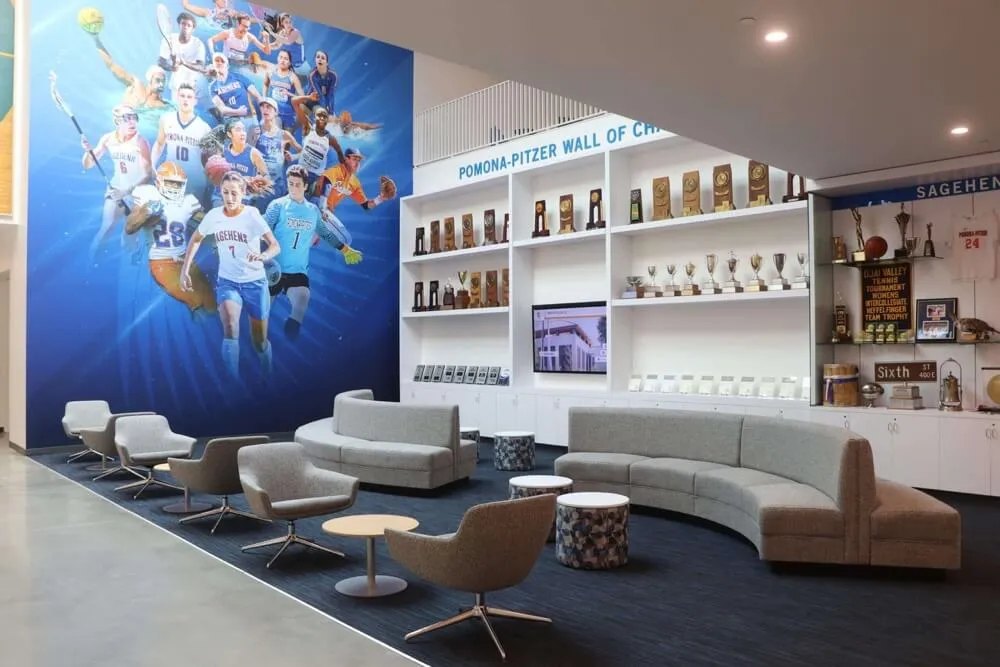
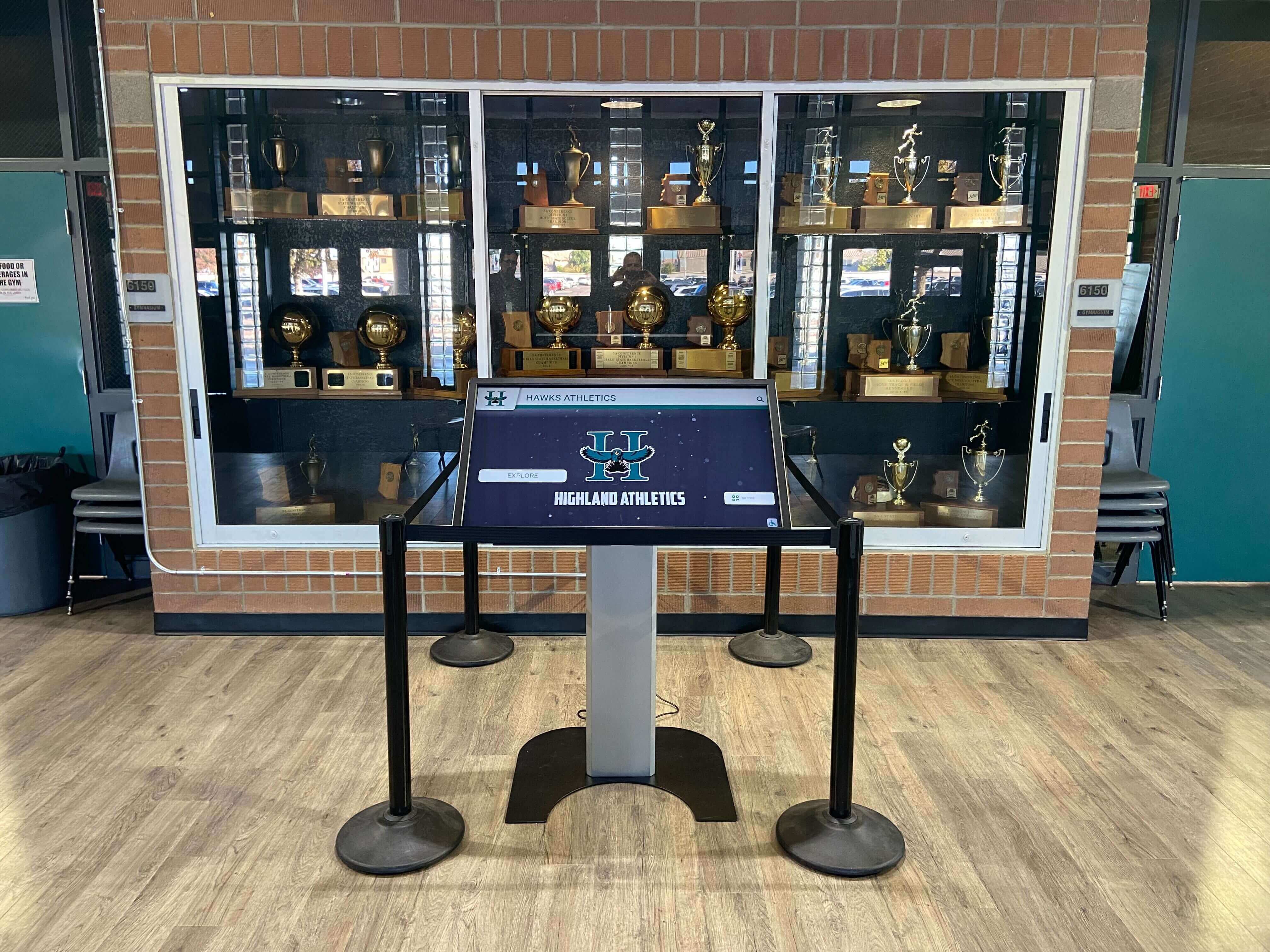
Physical trophy cases showcase championship hardware, runner-up recognition, and individual awards. Schools organize displays chronologically or by achievement type, allowing visitors to trace program development through competitive success. Trophy maintenance and case upkeep become ongoing responsibilities as achievements accumulate.
Championship Rings and Team Recognition
State championship teams typically receive championship rings, patches for letterman jackets, and other tangible recognition items. These personal mementos create lasting connections to championship experiences while symbolizing achievement in ways participants treasure lifelong.
Stadium and Facility Naming
Some communities honor legendary coaches or championship teams by naming facilities after program builders. These permanent honors ensure future generations understand the foundations upon which current programs stand.
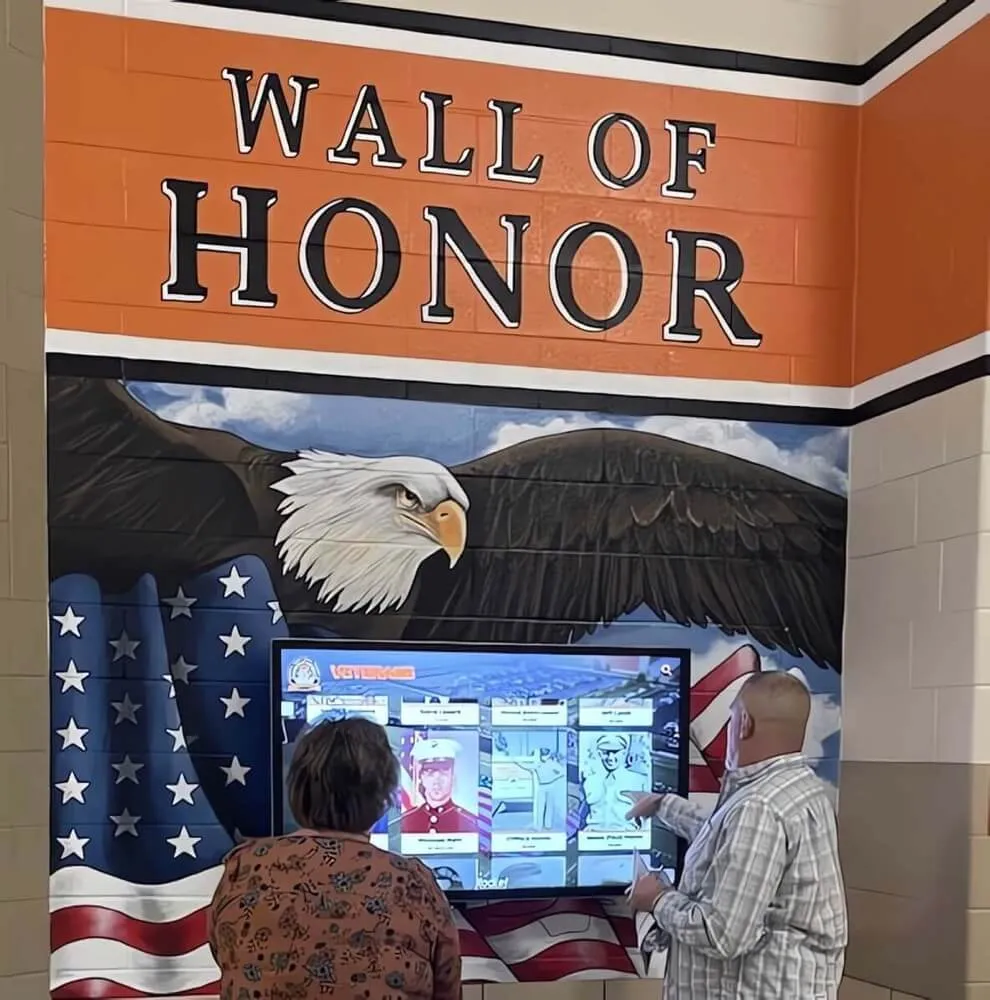
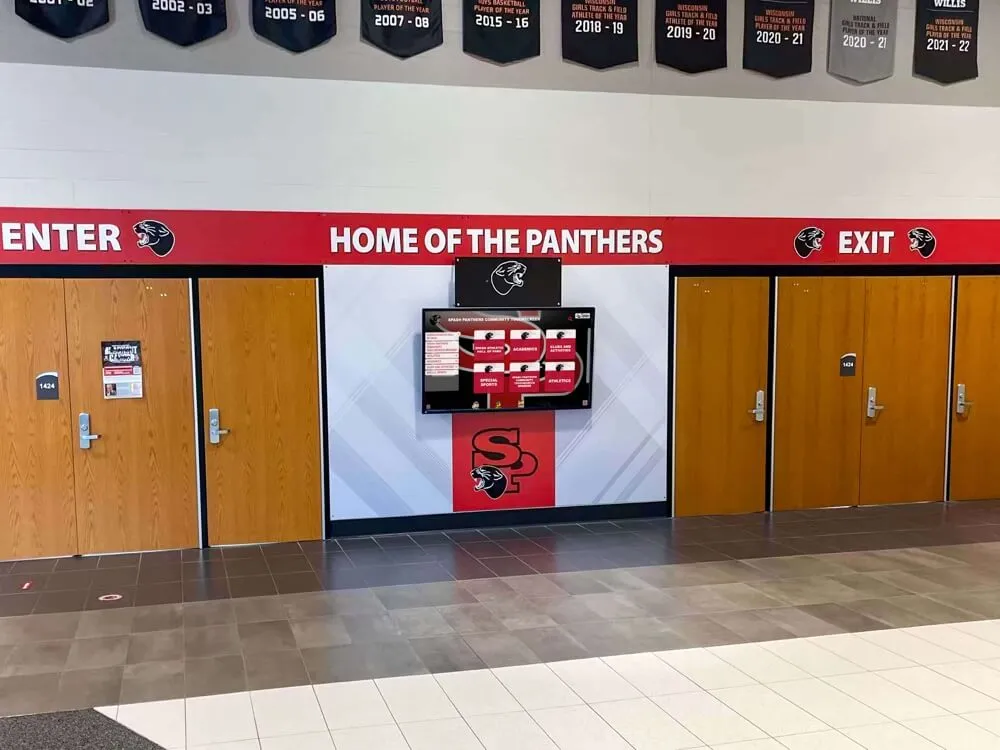
While traditional recognition provides meaningful honor, these approaches face limitations including physical space constraints as championships accumulate, difficulty updating or correcting information once installed, limited storytelling capacity beyond basic facts and names, and challenges making historical information easily searchable or accessible.
Modern Digital Recognition Systems
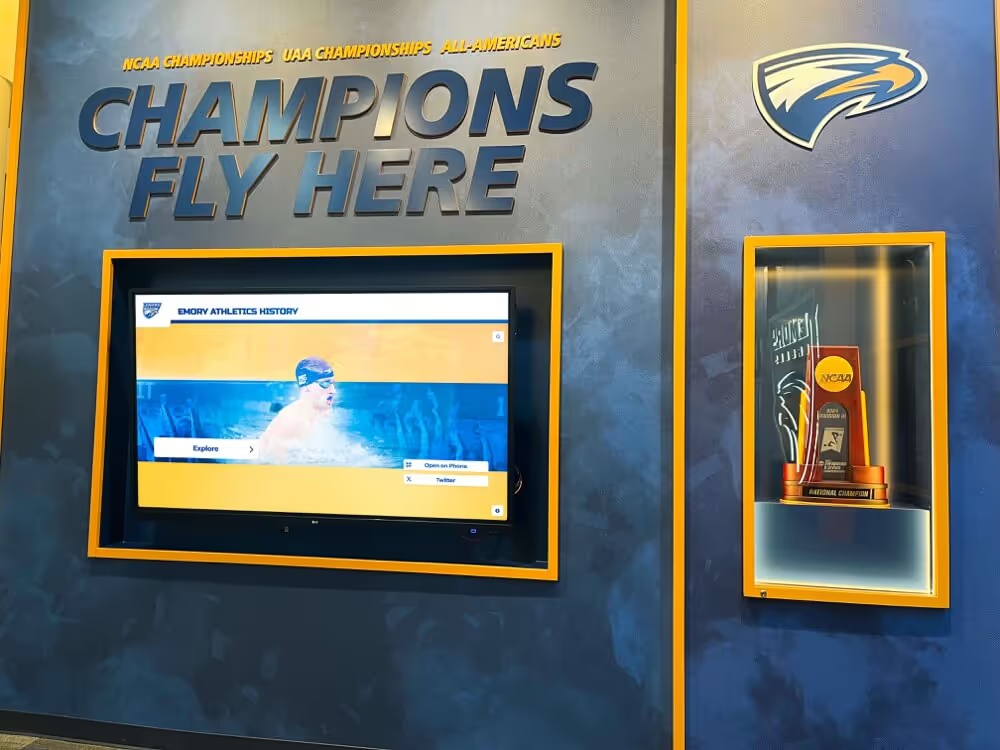
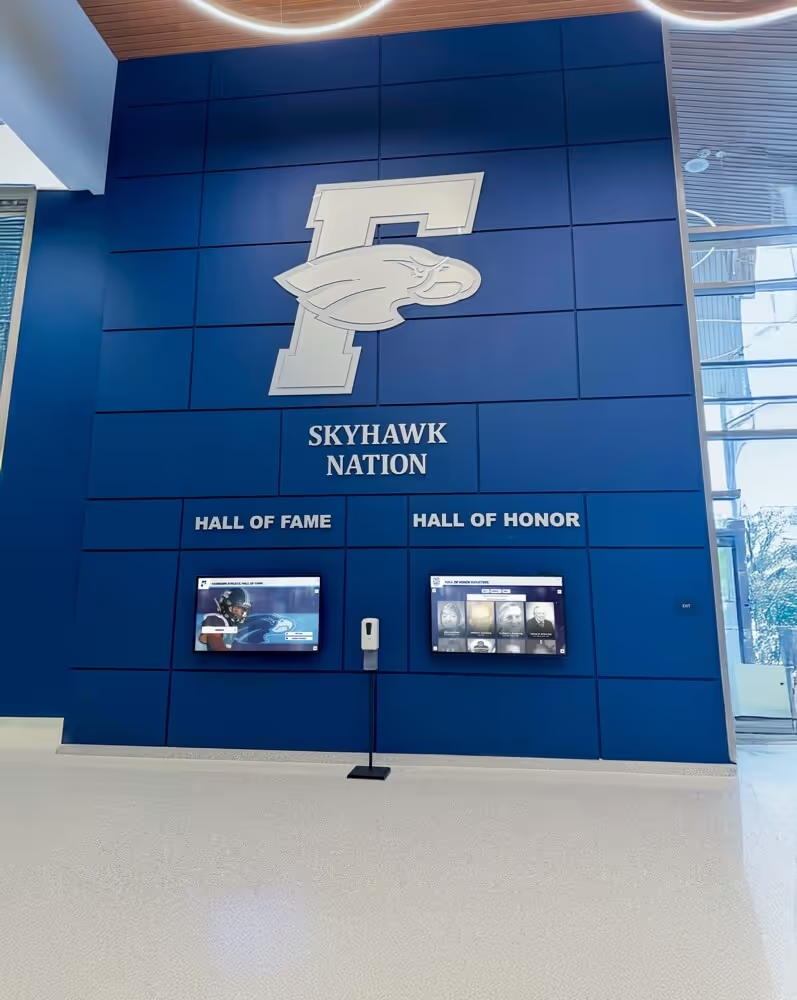
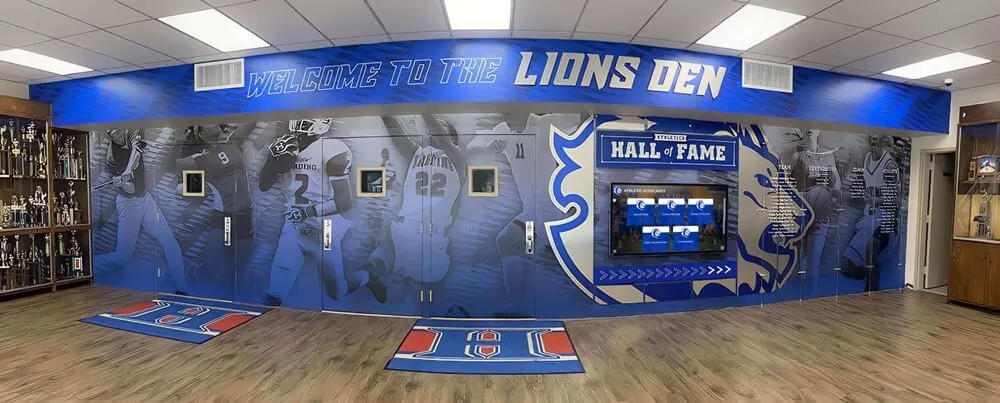
Contemporary schools increasingly implement digital platforms overcoming traditional limitations:
Unlimited Digital Capacity
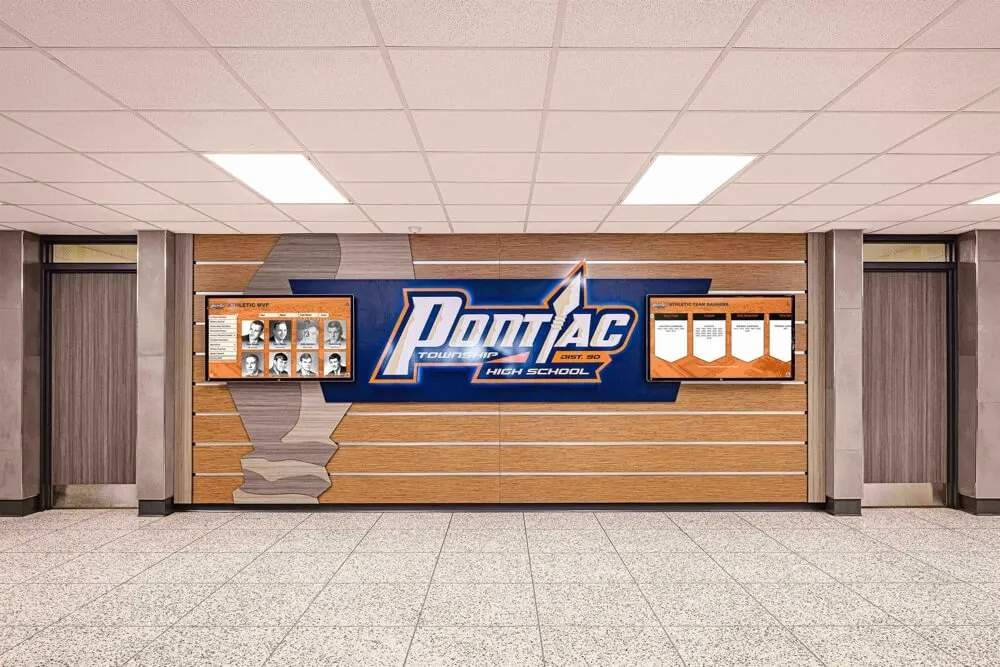
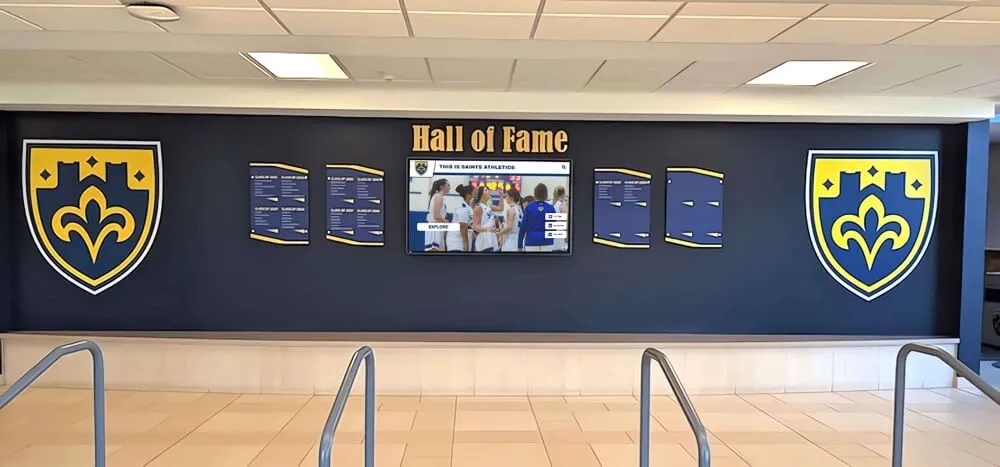
Digital recognition systems accommodate unlimited championships, players, teams, and achievements without physical space restrictions. As programs add state titles, divisional championships, and individual honors, digital platforms scale infinitely rather than requiring physical expansion.
Comprehensive Multimedia Storytelling
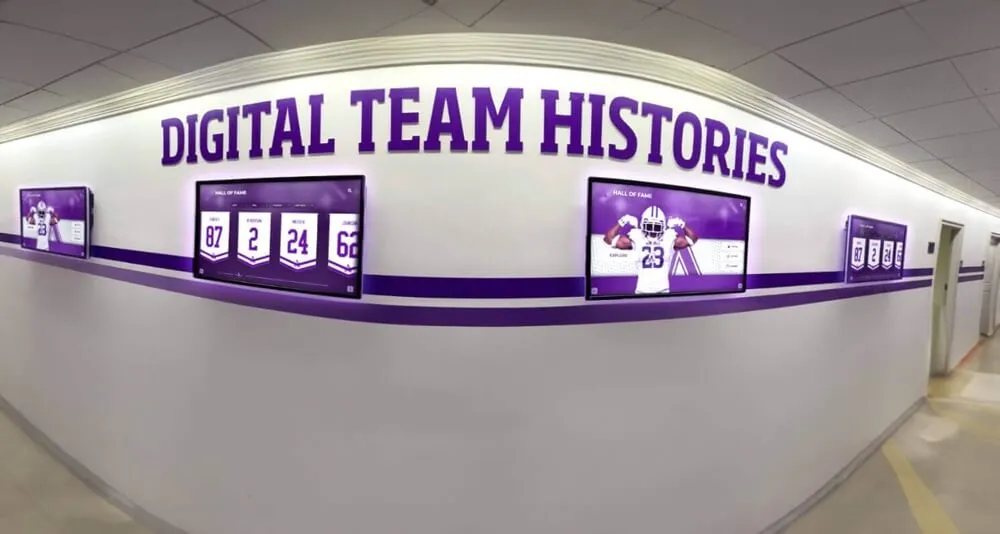
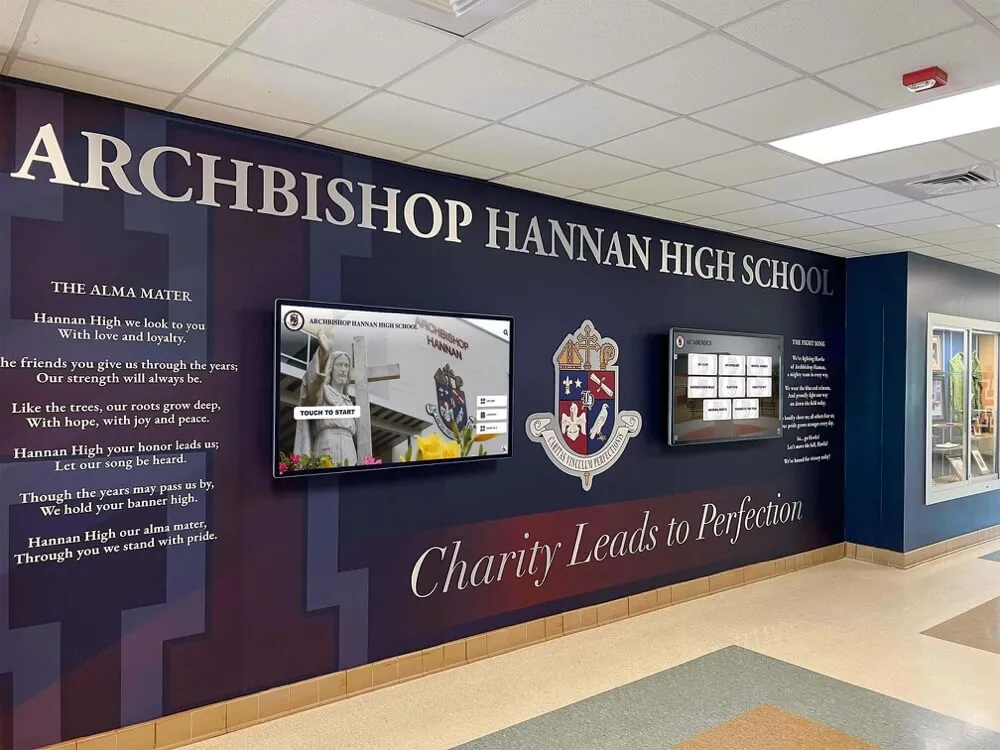
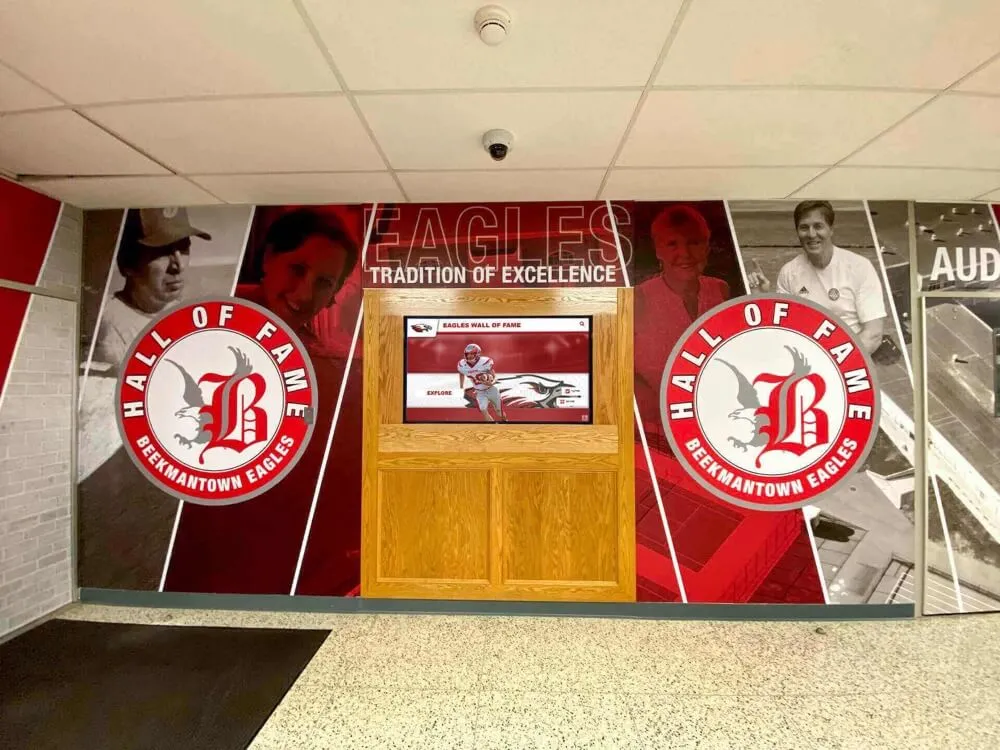
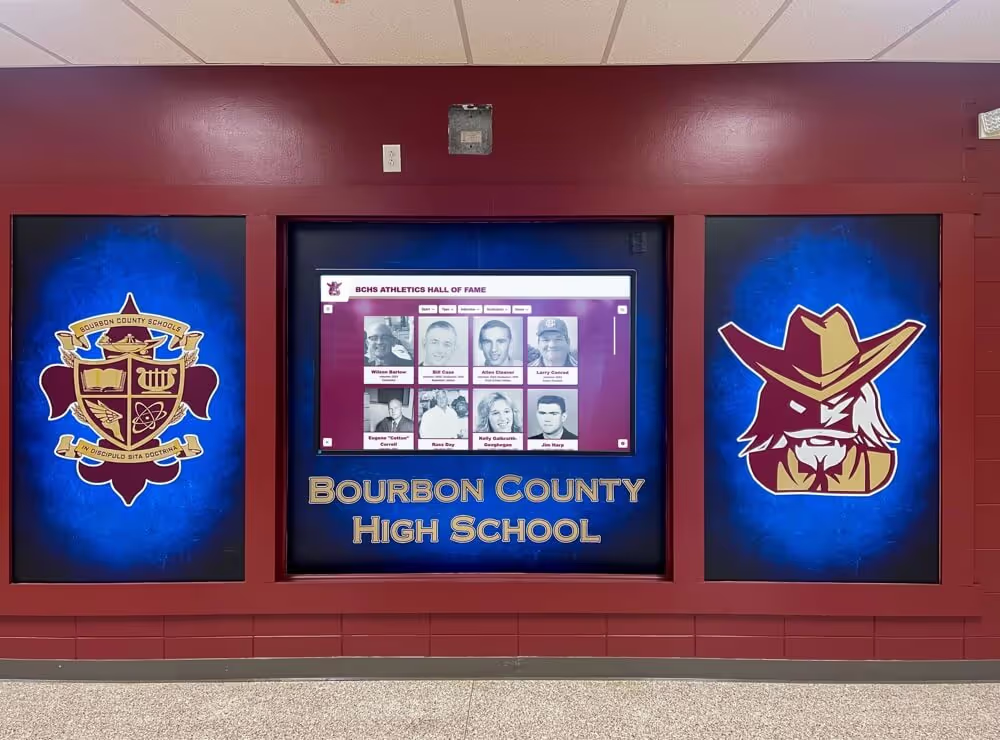
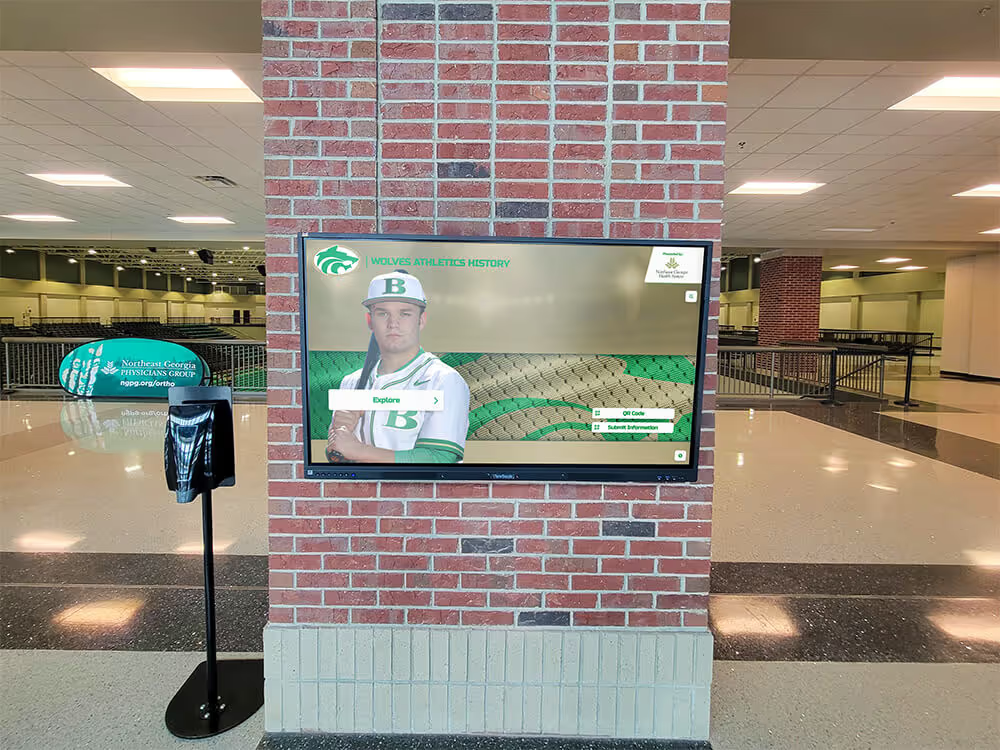
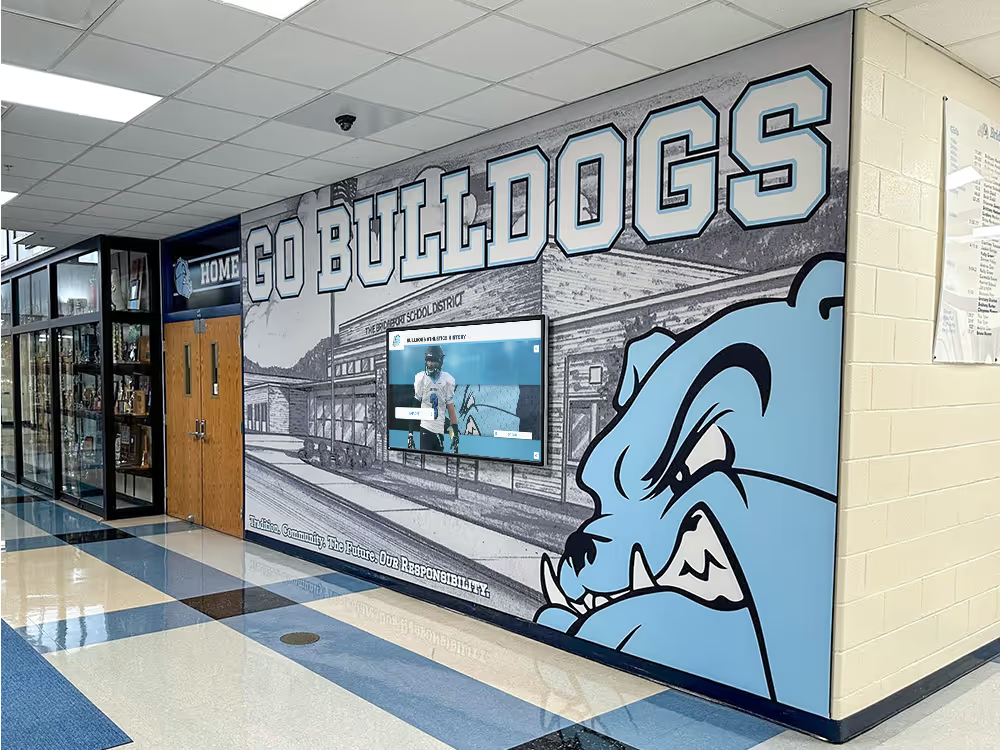
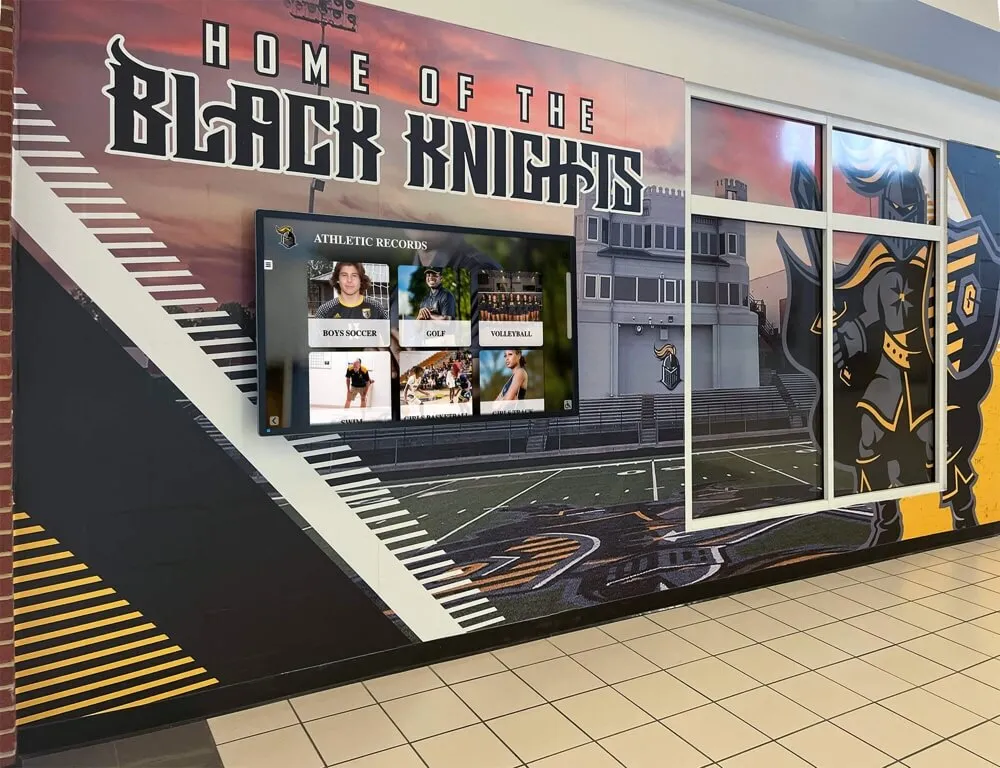
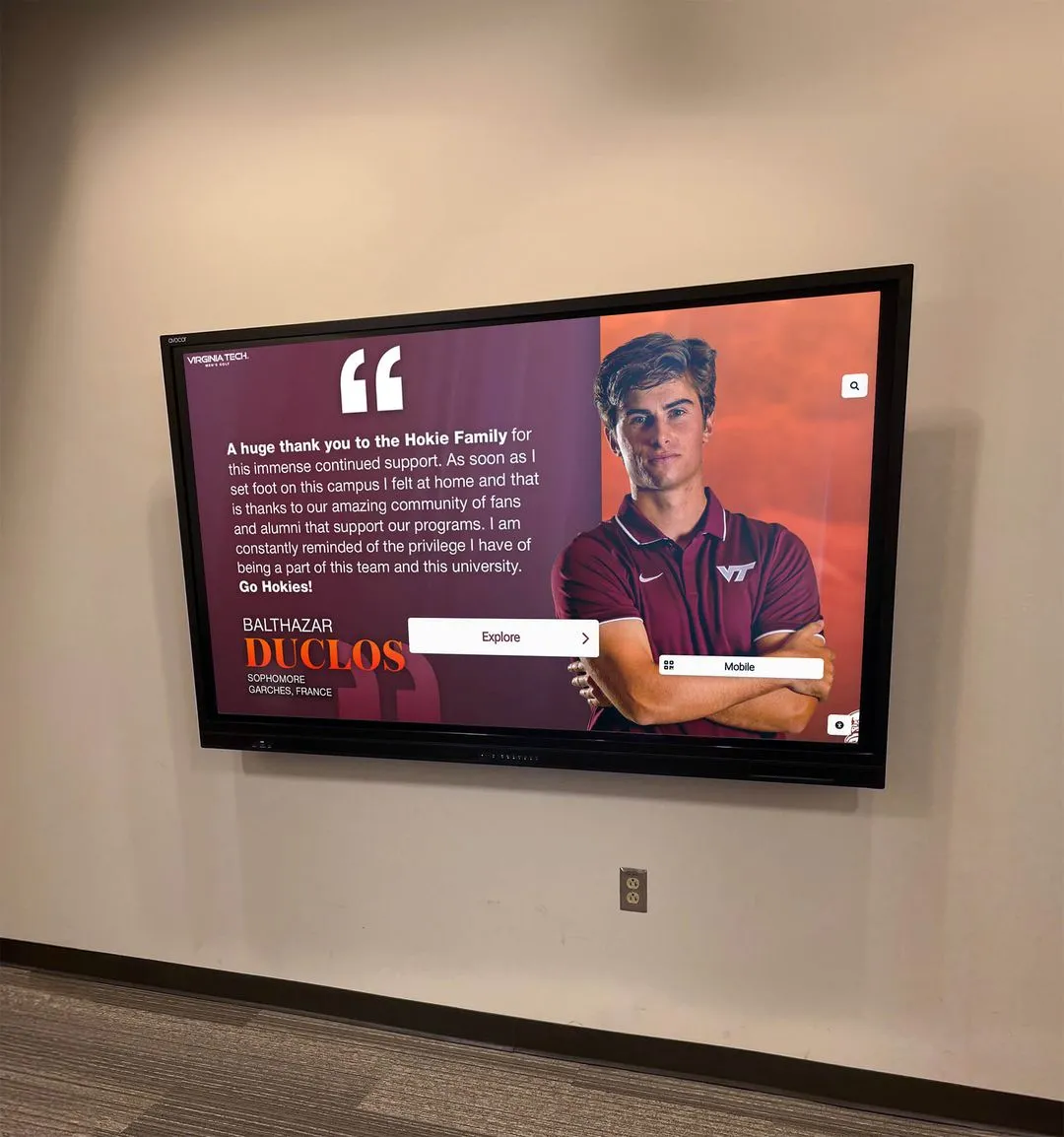
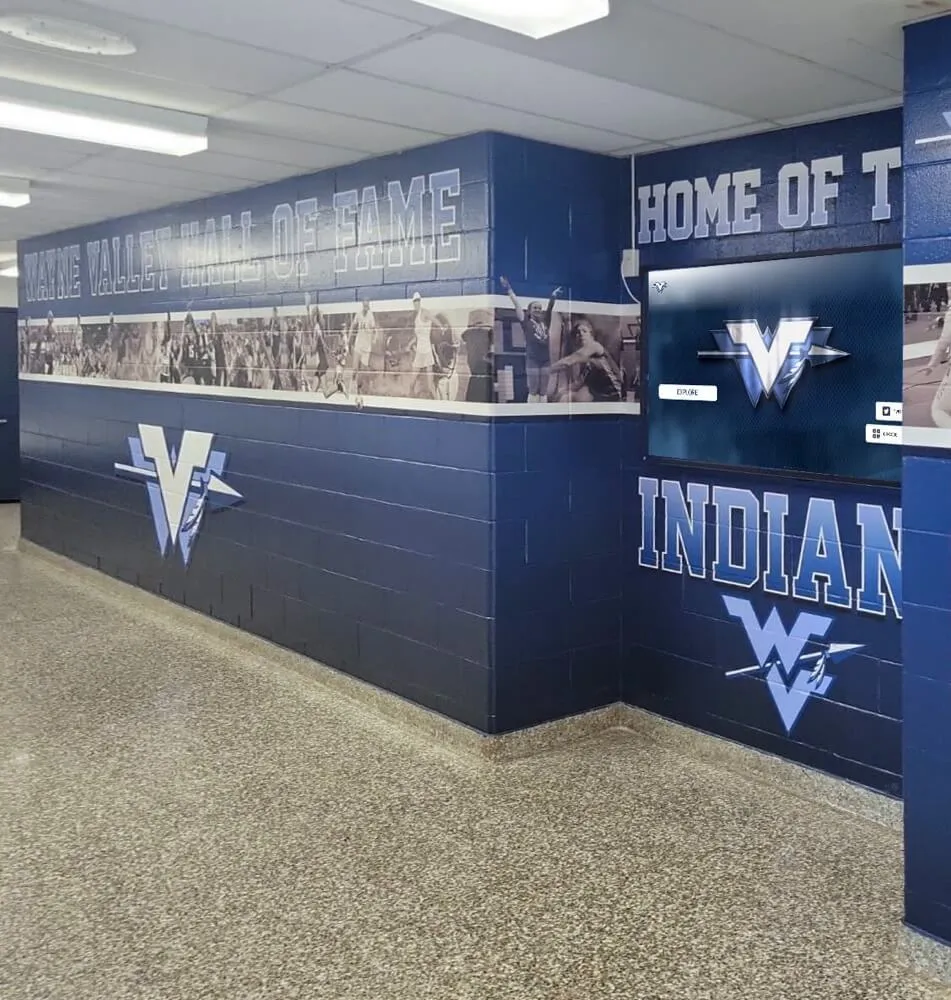
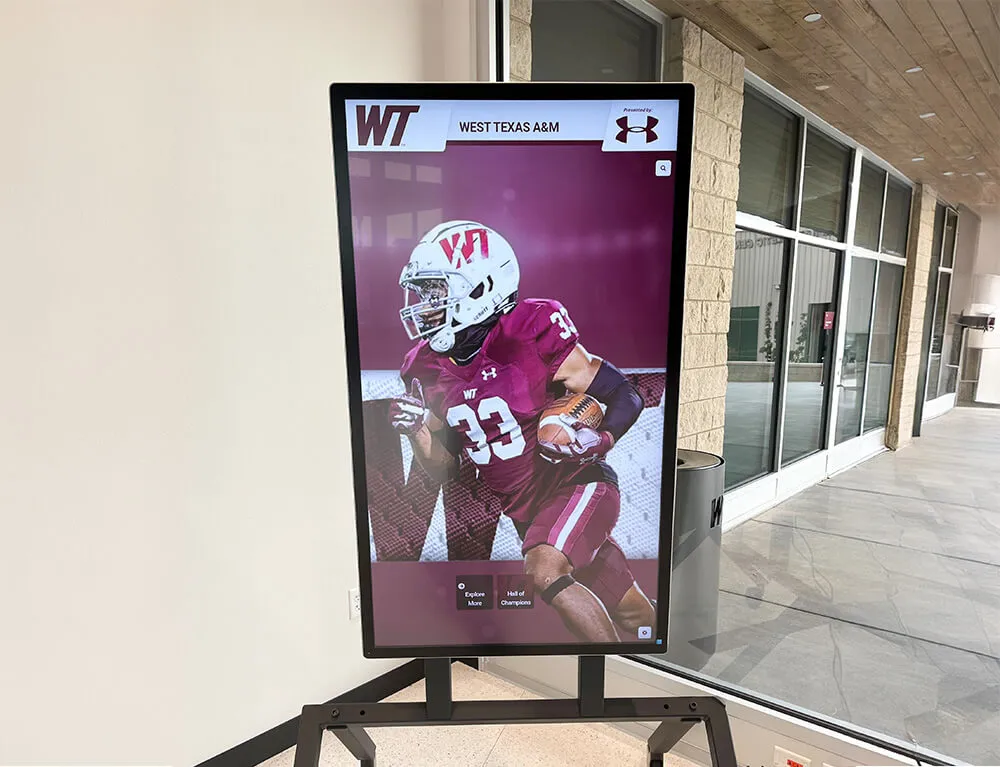
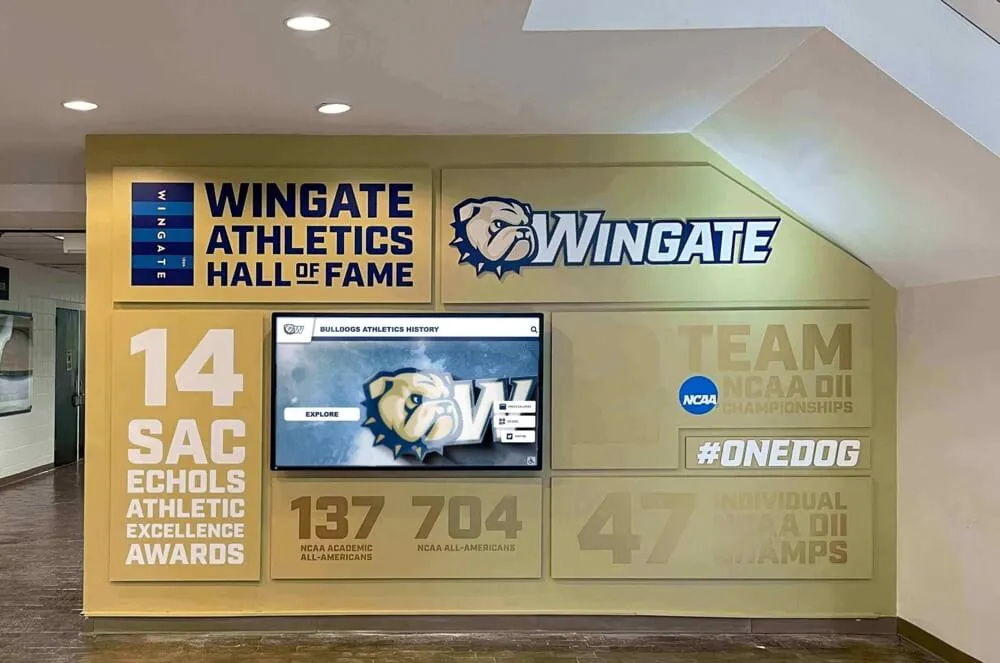
Modern systems preserve complete championship narratives through photos, videos, game highlights, season recaps, player profiles, coaching insights, and community celebration documentation. This comprehensive approach transforms recognition from historical records into engaging stories that emotionally connect audiences with championship experiences.
Interactive Exploration Features
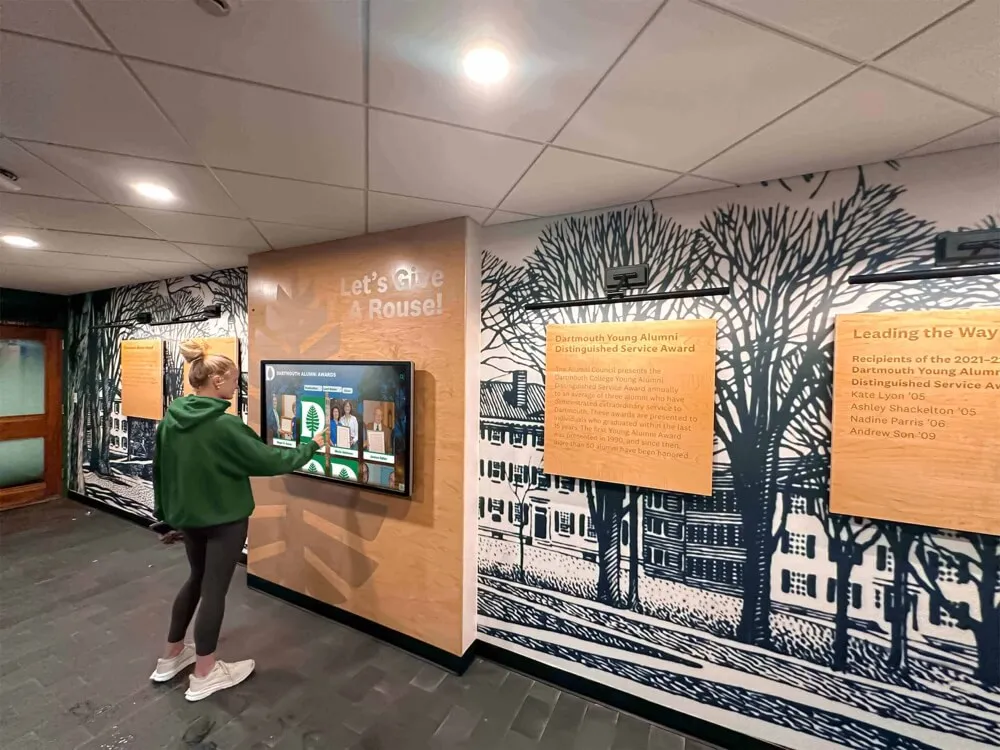
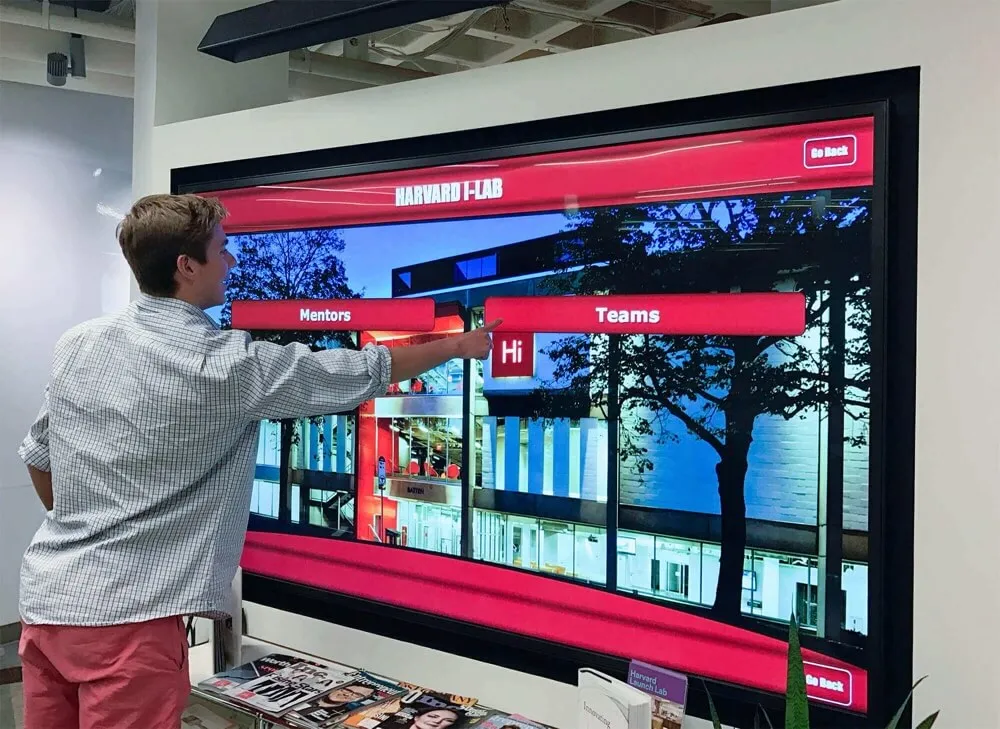
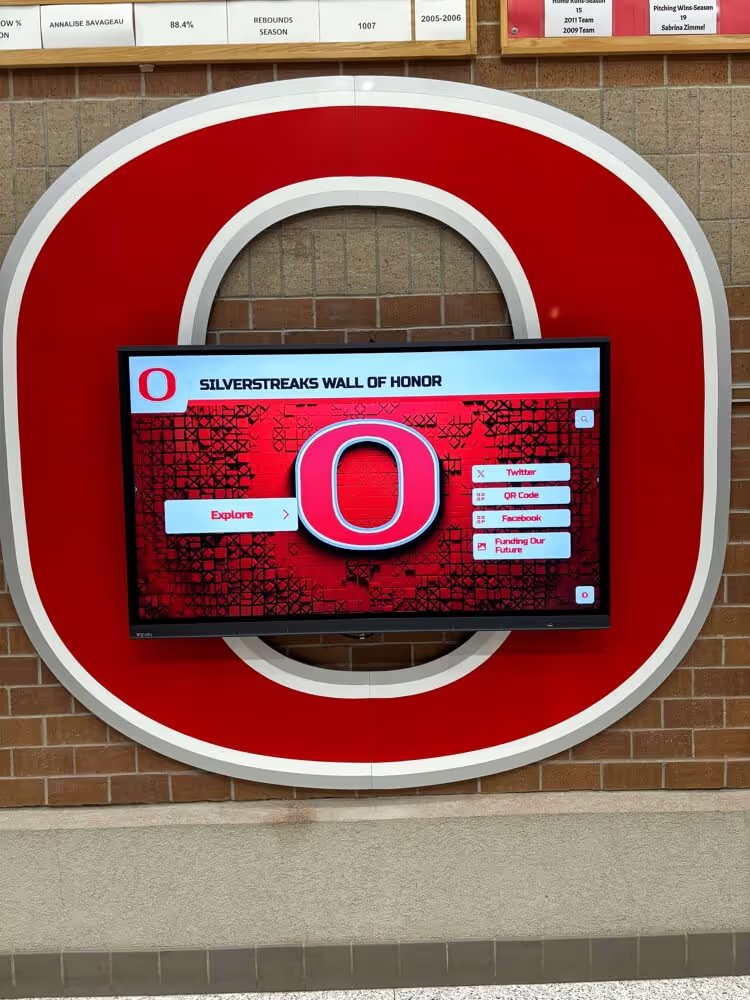
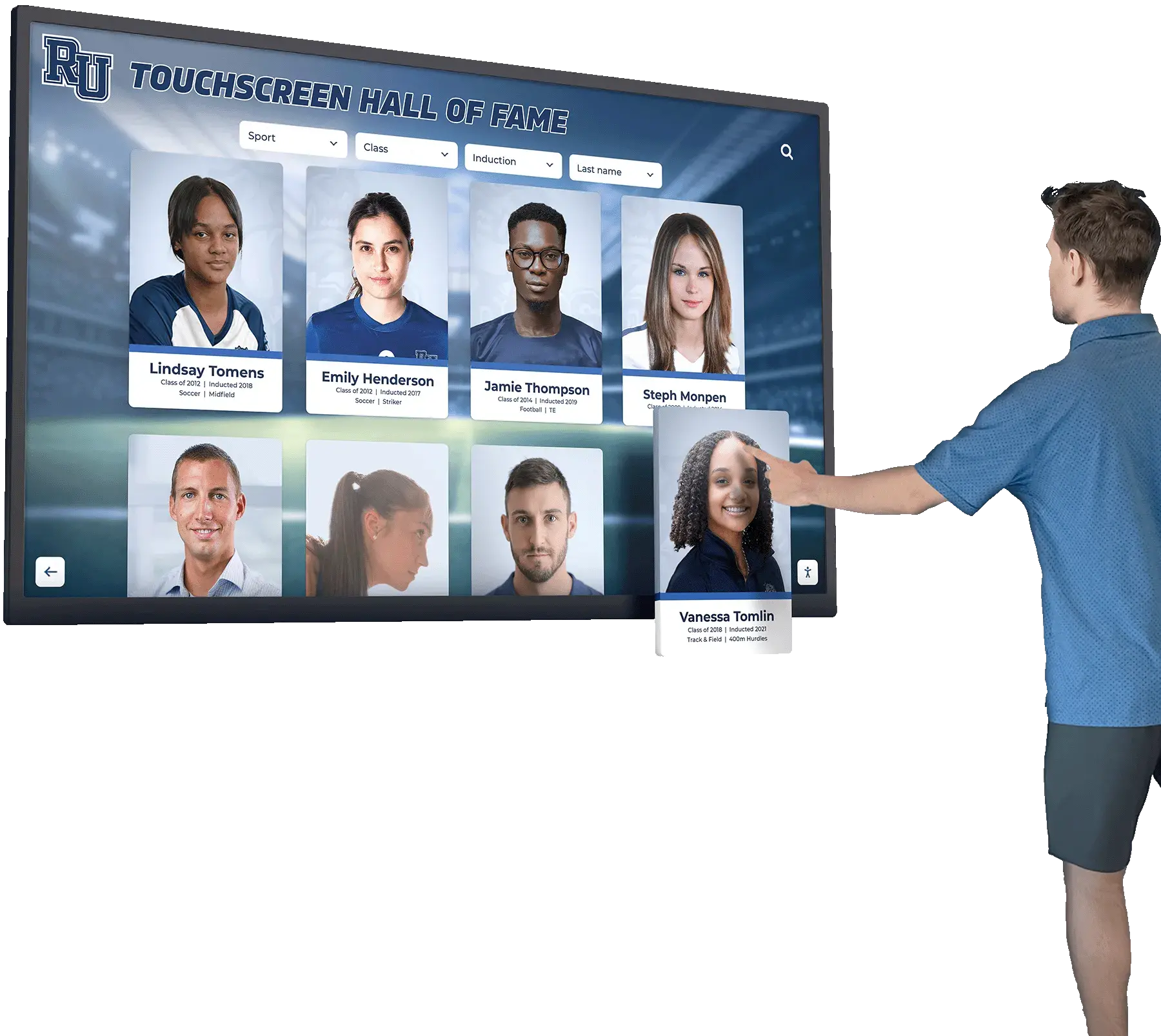
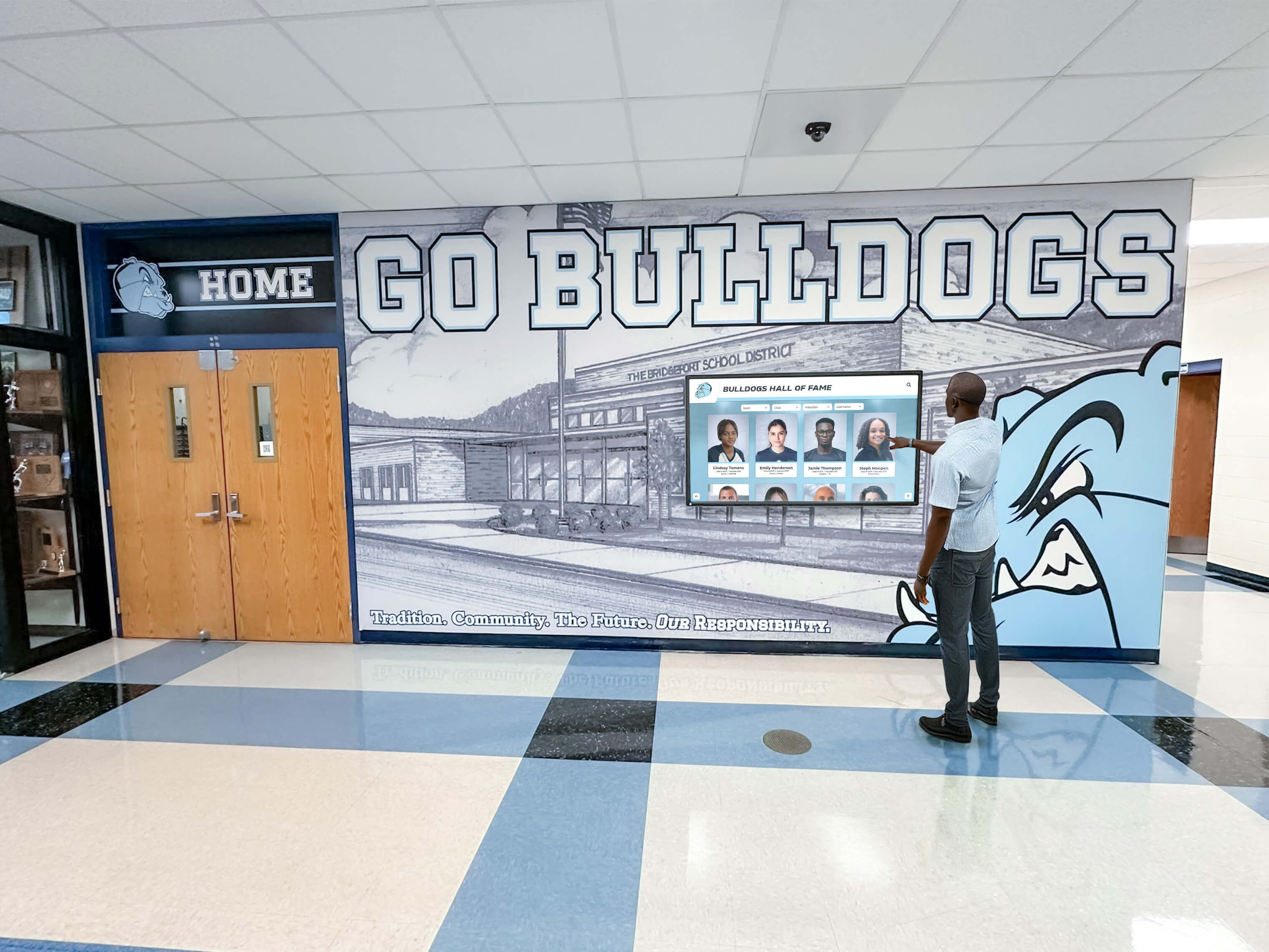
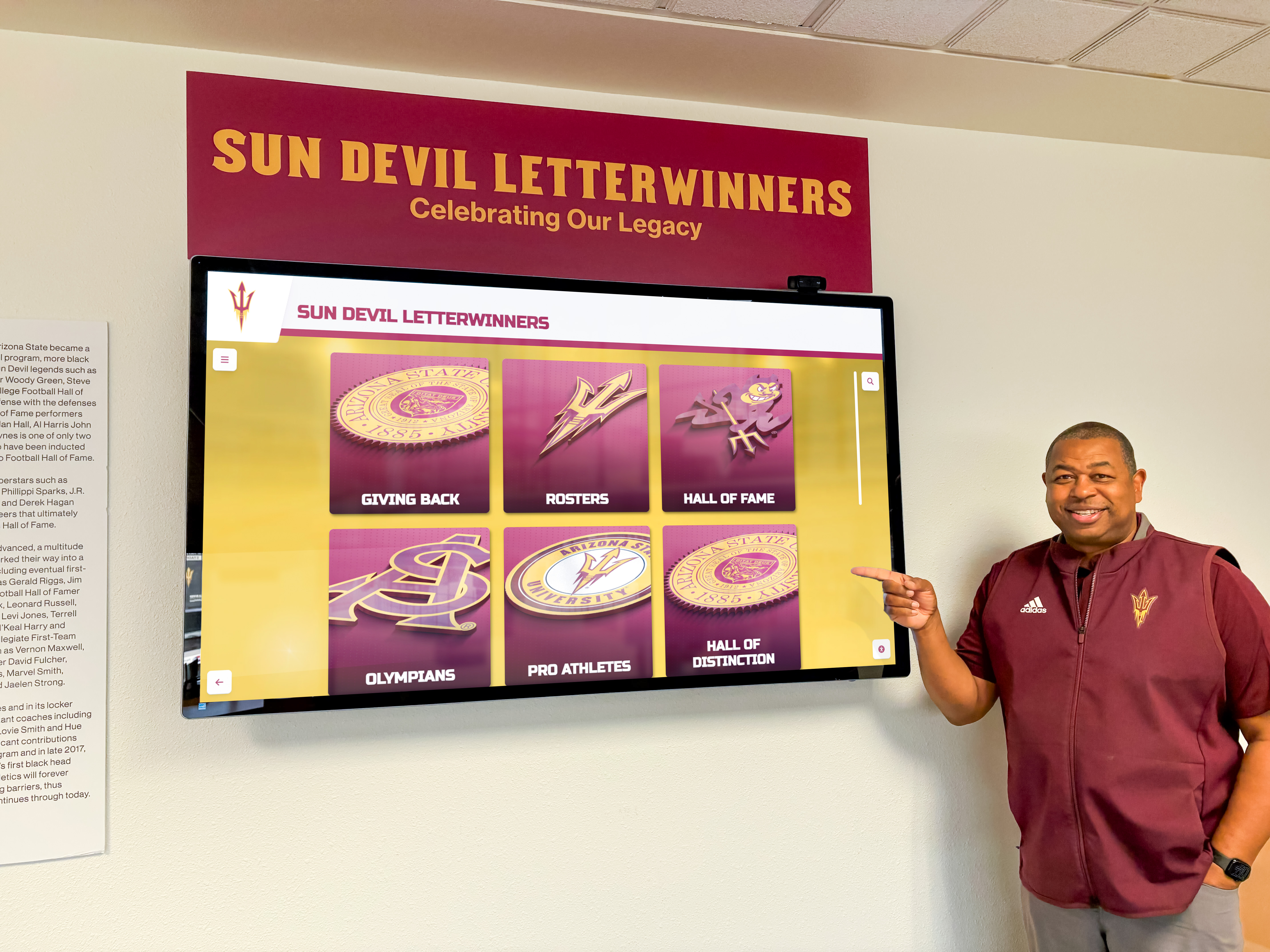
Visitors can search specific players, teams, championships, or seasons instantly rather than scanning physical plaques searching for particular information. Interactive features create engaging experiences where audiences actively explore program history rather than passively viewing static displays. Families visiting schools can quickly locate specific athletes or championship years, enhancing personal connections to program history.
Cloud-Based Content Management
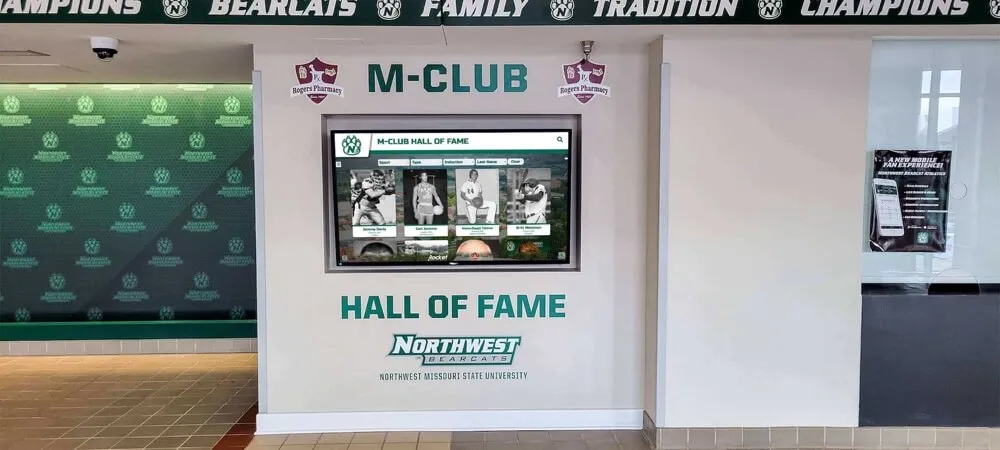
Web-enabled content management systems allow authorized administrators to add championship content immediately after victories without waiting for plaque fabrication and installation. This real-time capability ensures recognition remains current while reducing costs associated with physical updates. Schools can correct errors, add newly discovered historical information, or expand existing content without physical reinstallation.
Remote Accessibility for Alumni
Digital platforms accessible via web browsers allow alumni to explore program history from anywhere globally, extending recognition reach beyond physical school visitors. This accessibility strengthens alumni connections by enabling graduated athletes to share their achievements with families, friends, and professional contacts regardless of geographic location.
Analytics Demonstrating Engagement Value
Digital systems provide analytics showing which content generates most engagement, informing recognition strategies while demonstrating program value to administrators. Schools can prove recognition investments generate meaningful community engagement rather than simply occupying wall space.
Solutions like those from Rocket Alumni Solutions provide purpose-built platforms designed specifically for athletic recognition rather than generic digital signage systems requiring extensive customization. These specialized systems understand the unique needs of championship documentation, making implementation straightforward while ensuring professional presentation worthy of championship achievements.
Integrating Academic and Athletic Success
The most effective recognition programs celebrate complete student-athlete development:
- Highlighting championship players’ academic achievements and classroom excellence alongside athletic accomplishments
- Featuring college placement and scholarship success demonstrating football’s role in educational advancement
- Recognizing character awards and community service validating holistic development
- Profiling career success of championship alumni beyond their playing days
- Connecting athletic excellence to institutional values emphasizing complete personal development
This integrated approach demonstrates that championship success represents one dimension of comprehensive student development rather than isolated athletic achievement, reinforcing educational missions while celebrating competitive excellence.
Building Championship Cultures: Lessons from Ohio’s Elite Programs
Successful Ohio programs demonstrate common characteristics creating sustained excellence:
Coaching Continuity and Development
Championship programs typically feature experienced head coaches with long tenures:
Systematic Program Building
Successful coaches establish systematic approaches to player development, strength training, strategic preparation, and cultural values that transcend individual players or seasons. These systems ensure continuity across roster changes while maintaining competitive standards.
Assistant Coach Development
Elite programs develop assistant coaches who either remain long-term or advance to head coaching positions elsewhere, spreading program philosophies across Ohio. This coaching tree phenomenon amplifies program influence beyond individual championships.
Youth Program Integration
Successful high school programs maintain strong relationships with youth football organizations, creating developmental pipelines teaching fundamental systems early. When youth players reach high school already understanding program philosophies, varsity coaches can focus on advanced development rather than basic instruction.
Community and Booster Support
Championship programs benefit from exceptional community engagement:
Financial Resources
Booster organizations fund equipment upgrades, facility improvements, travel expenses, and program enhancements beyond school budget allocations. This additional support enables championship-level preparation and competition.
Volunteer Participation
Community members volunteer countless hours supporting teams through game day operations, fundraising coordination, facility maintenance, and player mentorship. This volunteer network demonstrates tangible community commitment to program success.
Cultural Priority
In communities where football holds central cultural importance, championship expectations create positive pressure driving excellence while ensuring necessary resources remain available. This cultural priority translates into facility investments, coaching salaries, and program support that separate elite programs from merely competitive ones.
Facility and Resource Investment
Physical infrastructure supports championship aspirations:
Practice and Competition Facilities
Quality practice fields, well-maintained stadiums, dedicated weight rooms, film review spaces, and locker room facilities provide environments supporting championship preparation. While not guaranteeing success, excellent facilities eliminate disadvantages while demonstrating institutional commitment.
Technology Integration
Video analysis systems, performance tracking technology, and communication platforms enhance preparation and player development. Championship programs embrace technology as competitive advantages while maintaining human coaching relationships as foundations.
Sports Medicine Support
Athletic training coverage, sports medicine partnerships, and injury prevention programs demonstrate comprehensive athlete care. Quality medical support reduces injury risks while expediting recovery, keeping championship-caliber players healthy throughout playoff runs.
Schools seeking to build championship cultures often study successful programs to understand how systemic approaches, community support, and resource allocation combine to create sustained excellence. Resources about athletic program development provide frameworks for celebrating achievement while building toward future success.
Championship Impact Beyond the Field
State championship success creates lasting impacts extending far beyond athletic achievement:
Building School Pride and Institutional Identity
Championship runs strengthen entire school communities:
School-Wide Unity
Championship weeks create unity across student populations as entire schools embrace playoff excitement. Spirit weeks, pep rallies, and coordinated student section support engage students who might not typically participate in school activities, creating inclusive celebration opportunities.
Institutional Reputation
Championship success enhances overall school reputation within communities and across regions. Schools known for excellence in football often benefit from positive associations extending to academic programs, arts offerings, and other activities. Administrators recognize that athletic success contributes to comprehensive institutional image.
Enrollment Considerations
Families selecting schools consider athletic program quality alongside academic reputation. Championship traditions attract families valuing comprehensive student development including competitive athletics, potentially influencing enrollment patterns in areas with school choice.
Alumni Engagement and Connection
Championship success strengthens alumni relationships:
Reunion Opportunities
Championship anniversaries create natural reunion occasions as former championship teams celebrate milestones. Ten-year, twenty-year, and even longer championship reunion gatherings maintain connections while allowing current students to meet program legends. These events often feature recognition opportunities showcasing championship legacies.
Financial Support
Championship alumni often become program’s most generous donors, supporting booster organizations and facility improvements. The emotional connection created through championship experiences translates into lasting financial commitment to programs that provided transformative experiences.
Mentorship and Coaching
Former championship players frequently return as volunteer coaches, youth program mentors, and career advisors for current athletes. This multi-generational engagement creates continuity while providing current students with living connections to program history.
Professional Networking
Championship teams create bonds lasting well beyond high school, with teammates supporting each other professionally and personally throughout adulthood. These networks provide tangible life benefits extending far beyond Friday night memories.
Economic and Community Impact
Championship runs generate substantial community activity:
Local Business Benefits
Playoff games and championship weeks drive economic activity as restaurants, hotels, retailers, and service businesses benefit from increased traffic. Communities hosting home playoff games see particularly strong economic impacts as visiting communities spend locally.
Regional Recognition
Championship success puts communities on statewide maps through media coverage and competitive recognition. This visibility benefits communities beyond athletics through enhanced regional awareness and positive associations.
Community Unity
In increasingly fragmented society, championship football provides rare opportunities for unified community experience. Regardless of socioeconomic circumstances, political affiliations, or other dividing factors, communities unite behind championship teams, creating social cohesion with value transcending athletics.
Long-Term Benefits for Participants
Student-athletes experiencing championship success gain benefits lasting lifetimes:
Character Development
Championship pressure teaches resilience, teamwork, perseverance, and grace under pressure—traits valuable in academic, professional, and personal contexts throughout life. The lessons learned through championship pursuits often prove more valuable than trophies themselves.
Work Ethic Understanding
Experiencing the preparation, sacrifice, and dedication required for championship success establishes work ethic standards applicable to any future pursuit. Championship athletes understand that excellence requires consistent effort over extended periods.
Leadership Experience
Championship teams develop leadership skills as players must maintain focus, support teammates, and perform under pressure. These experiences prepare young people for leadership roles in college, careers, and communities.
Lifelong Memories and Identity
Championship experiences create core memories and identity elements participants carry lifelong. Decades after playing days end, championship participants recall these experiences as among their most meaningful, sharing stories with families and maintaining connections to teammates and communities.

Challenges Facing Ohio High School Football Championships
Despite strong traditions, Ohio football faces various challenges requiring ongoing attention:
Competitive Balance Debates
Discussions continue regarding fairness across different school types:
Private vs. Public School Competition
Private schools with statewide recruiting reach compete against public schools drawing from defined geographic boundaries. Debates persist about whether enrollment-based divisions alone ensure competitive fairness when recruitment advantages exist. Some states implement multipliers for private schools or separate tournaments; Ohio currently maintains unified divisions but continues evaluating competitive balance.
Open Enrollment and Transfer Impact
Ohio’s relatively liberal transfer and open enrollment policies allow athletic movement between schools. While providing student choices, these policies can concentrate talent at particular schools, potentially affecting competitive balance within divisions and regions.
Resource Disparities Within Divisions
Schools in the same division may have dramatically different resources based on community wealth, booster support, and district priorities. These resource differences create competitive advantages unrelated to coaching quality or player development systems.
Safety and Health Considerations
Player welfare concerns require continuous attention:
Concussion Awareness and Protocols
Enhanced understanding of traumatic brain injury risks requires comprehensive concussion management protocols, baseline testing programs, and conservative return-to-play decisions prioritizing long-term player health over short-term competitive considerations.
Season Length and Recovery
Championship teams potentially play 15+ games from August through December, raising questions about cumulative injury risk, academic impact, and adequate recovery time before off-season training resumes.
Heat Safety Protocols
Pre-season practices occurring during hot weather require careful heat acclimatization protocols, hydration management, and activity modifications preventing heat-related illnesses.
Participation Trends
National participation trends affect Ohio programs:
Declining Youth Participation
Concerns about injury risks, time commitments, and competing activity options have reduced youth football participation nationally. These trends threaten feeder system pipelines supporting high school program depth and quality.
Multi-Sport Athlete Decline
Increasing sport specialization reduces multi-sport participation, potentially limiting athletic development while increasing overuse injury risks. Championship programs must balance encouraging year-round football development against benefits of multi-sport participation.
Alternative Activity Competition
Students have more activity options than previous generations, creating competition for talented athletes who might previously have focused primarily on football. Programs must market themselves while demonstrating value beyond just competitive opportunities.
Facility and Funding Challenges
Economic realities impact program capabilities:
Facility Aging and Maintenance
Older facilities require ongoing maintenance and eventual replacement. Communities must continually invest in facility upkeep to maintain safe, functional competition and practice spaces.
Budget Pressures
School districts face competing budget priorities, with athletics requiring resources also needed for academic programs, facilities, and services. Programs must demonstrate value while competing for limited budgetary allocations.
Equity Across Programs
Athletic departments must balance football support against needs of other sports, ensuring equitable treatment across programs while recognizing football’s unique resource requirements and revenue generation potential.
Addressing these challenges requires collaborative efforts among the OHSAA, school administrators, coaches, communities, and state policymakers. Solutions balancing tradition with necessary evolution will determine Ohio championship football’s future health.
The Future of Ohio High School Football Championships
Ohio’s championship tradition will continue evolving while maintaining core elements that make state titles meaningful:
Technology Integration
Digital advancement will enhance championship experiences:
Live Streaming and Access
Enhanced streaming capabilities allow families unable to attend Canton to experience championship games virtually. High-quality production and on-demand replay availability preserve championship moments while extending access beyond physical attendance limitations.
Digital Recognition Evolution
Championship recognition will increasingly emphasize digital platforms preserving complete championship narratives through multimedia content, interactive features, and web accessibility. These systems ensure championship legacies receive comprehensive documentation rather than limited traditional recognition. Schools implementing modern digital recognition approaches position themselves to honor traditions while embracing contemporary capabilities.
Performance Analytics
Advanced analytics will provide insights about strategy, player performance, and opponent tendencies, potentially changing how coaches prepare while maintaining football’s human elements.
Recruiting Technology
Digital recruiting platforms, highlight video systems, and online profiles will continue changing how talented players gain college attention, potentially democratizing recruitment by reducing geographic disadvantages.
Maintaining Core Values
Regardless of changes, Ohio championship football will continue emphasizing:
Student-Athlete Development
Championships will remain vehicles for developing young people beyond athletic skills, emphasizing character, leadership, work ethic, and life preparation.
Community Building
Football’s role binding communities together will persist as one of sport’s most valuable contributions, creating shared experiences in increasingly fragmented society.
Educational Mission Alignment
Championship pursuits will continue operating within educational contexts, supporting rather than conflicting with academic missions while demonstrating comprehensive student development.
Tradition and Heritage
Respecting program histories and championship traditions will remain important even as specific elements evolve. The balance between honoring tradition and embracing necessary change will define successful program management.
Adaptive Evolution
Successful programs will adapt while maintaining identity:
Safety Protocol Evolution
Continuous improvement in player safety will remain paramount, with protocols evolving based on emerging research and best practices. Programs prioritizing player welfare alongside competitive success will maintain community trust and participant enthusiasm.
Inclusive Participation
Ensuring football remains accessible and welcoming to diverse student populations will strengthen programs while reflecting school community composition. Inclusive cultures that value all participants create stronger programs.
Balanced Athletic Programs
Championship football programs will increasingly recognize their role within comprehensive athletic offerings, supporting rather than dominating athletic department resources and attention.
Facility Modernization
Ongoing facility improvements will continue enhancing player experiences, safety, and preparation capabilities while demonstrating commitment to program excellence.
Ohio’s championship football tradition remains strong because it adapts thoughtfully while preserving core values that make state titles meaningful. Programs successfully navigating future challenges will be those recognizing football’s role in comprehensive student development, community building, and cultural preservation—understanding that championships represent collective community achievements rather than simply athletic triumphs.
Conclusion: Celebrating Ohio’s Championship Football Tradition
Ohio high school football state championships represent pinnacle achievements in one of America’s most competitive and tradition-rich environments. From Division I metropolitan powerhouses to Division VII small-school champions, every state title carries profound meaning for programs, communities, and individuals fortunate enough to experience championship success. Playing for state titles in Canton adjacent to the Pro Football Hall of Fame connects high school excellence to broader football history while providing championship-worthy settings for Ohio’s best teams.
The seven-division structure ensures championship opportunities exist across all enrollment levels, creating authentic competition where schools face comparable opponents throughout playoff runs. Legendary programs like St. Edward, Massillon, Archbishop Moeller, Kirtland, and Marion Local demonstrate that sustained championship success requires systematic approaches, coaching excellence, community support, and institutional commitment transcending individual players or seasons.
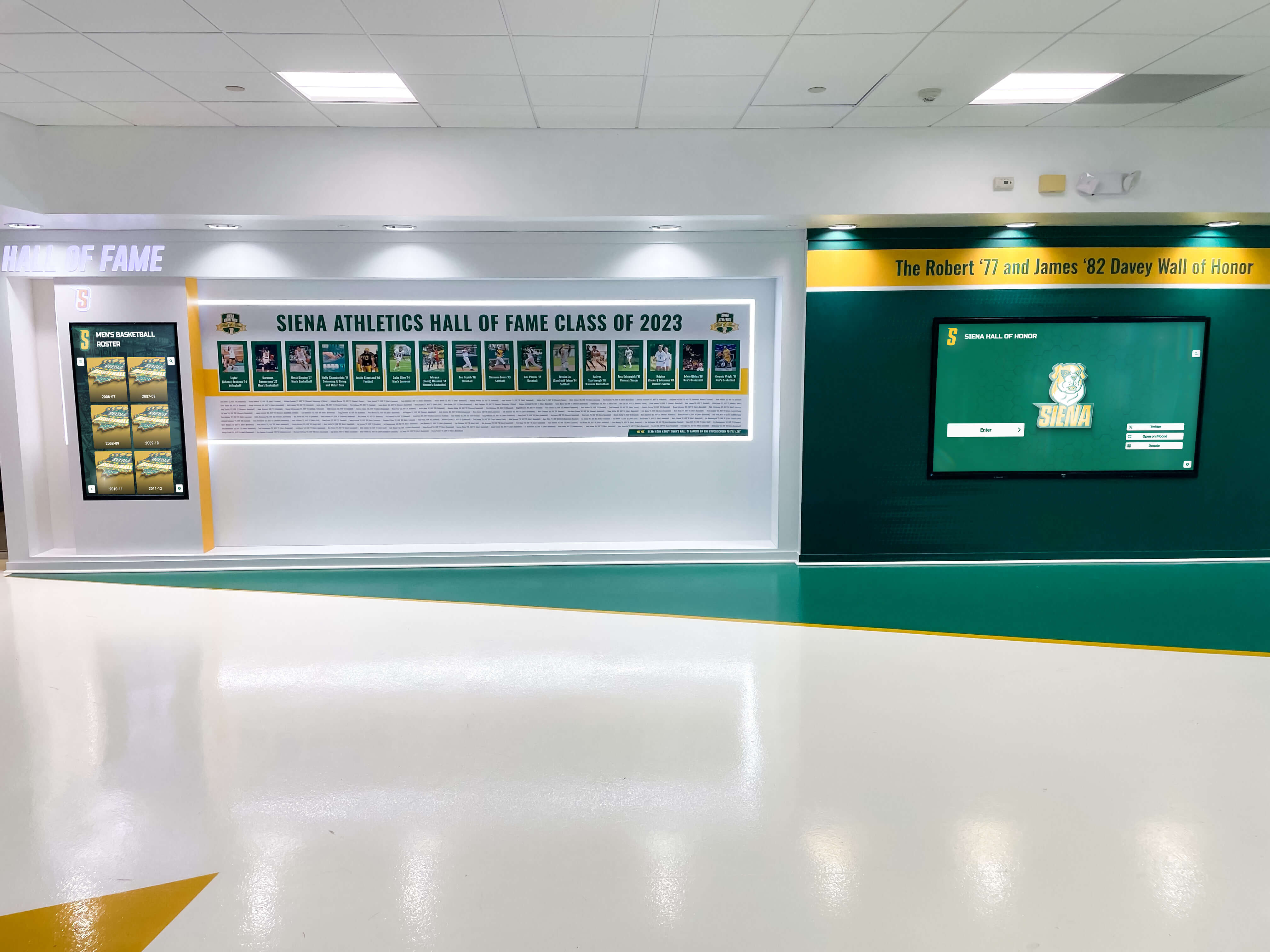
Schools honoring championship achievements through comprehensive recognition programs preserve these traditions while inspiring future athletes to pursue their own championship dreams. Whether implementing traditional banners and trophy cases or adopting modern digital recognition platforms, the key is ensuring championship success receives lasting commemoration worthy of the sacrifice, dedication, and community support that made it possible.
As Ohio high school football continues evolving through technology integration, safety improvements, and adaptive responses to participation trends, the core elements distinguishing championship football will persist. The community unity created by playoff runs, the character development fostered through championship pressure, the lifelong bonds formed among teammates, and the institutional pride generated by state titles—these enduring values ensure Ohio’s championship tradition will remain culturally significant regardless of how specific elements evolve.
For Ohio communities, championship football creates shared experiences binding people together across generations, economic circumstances, and social divisions. These collective celebrations provide rare opportunities for unified purpose in increasingly fragmented society, demonstrating sport’s power to connect people around common goals and shared pride. This community-building function ensures that Ohio high school football championships will continue holding special significance in community life.
Schools, athletic directors, and coaches seeking to preserve championship legacies while inspiring future generations benefit from recognition systems designed specifically for athletic excellence. Modern platforms accommodate unlimited championships while providing multimedia storytelling, interactive exploration, and remote accessibility that traditional recognition cannot match.
Ready to celebrate your school’s championship achievements with recognition displays that honor tradition while embracing modern capabilities? Explore how Rocket Alumni Solutions creates comprehensive digital recognition platforms specifically designed for athletic programs, preserving championship legacies through engaging, professional displays that inspire current athletes while honoring the champions who built your program’s tradition.