



Key Takeaways
Discover how schools and communities leverage nostalgia marketing to strengthen alumni engagement, boost enrollment, and create lasting connections. Learn proven strategies with modern digital recognition.
Understanding Nostalgia Marketing in Educational Contexts
Before implementing specific tactics, schools and communities need to understand what makes nostalgia marketing uniquely powerful in educational settings and why it resonates so effectively with diverse stakeholders.
What Is Nostalgia Marketing?
Nostalgia marketing strategically evokes positive memories and emotional connections to past experiences, creating feelings of warmth, belonging, and continuity that influence current decisions and behaviors. According to Deloitte’s 2025 CMO report, 7 in 10 people associate nostalgic advertisements with more genuine brand storytelling, demonstrating nostalgia’s power to build trust and authenticity.
For schools and communities, nostalgia marketing goes beyond simple reminiscence—it creates strategic connections between institutional heritage and contemporary value propositions. When executed thoughtfully, nostalgia marketing accomplishes several objectives simultaneously:
Emotional Engagement: Nostalgia triggers powerful emotions that rational marketing messages cannot match. Memories of walking hallways as students, celebrating championship victories, or participating in beloved traditions create visceral responses that facts and statistics alone never achieve.
Trust Building: In an era where families carefully evaluate educational options and community members feel increasingly disconnected from institutions, nostalgia demonstrates continuity and stability. Schools with rich histories and maintained traditions signal reliability and enduring value.
Community Strengthening: Shared memories create bonds between individuals who might otherwise lack connection. Alumni from different eras, current families, and prospective community members find common ground through institutional heritage that transcends their specific experiences.
Differentiation: When many schools tout similar academic programs, facilities, and opportunities, institutional history and unique traditions provide authentic differentiation. No competitor can replicate your specific heritage or the memories your community shares.
Why Nostalgia Works in Schools and Communities
Educational institutions possess unique advantages for nostalgia marketing that commercial brands cannot replicate. Understanding these distinctive characteristics helps schools maximize nostalgia’s power.
Formative Life Experiences: School years represent formative periods when individuals develop identities, forge lasting friendships, discover passions, and experience significant milestones. These experiences create deeper emotional imprints than typical consumer brand interactions, making school-related nostalgia particularly powerful.
Multi-Generational Connections: Many families maintain multi-generational relationships with schools—grandparents, parents, and children all attending the same institution. This generational continuity amplifies nostalgia’s power, as family stories and shared heritage compound individual memories.
Natural Lifecycle Touchpoints: Schools interact with community members during predictable lifecycle moments—alumni reunions, athletic events, fundraising campaigns, enrollment decisions for children. These natural touchpoints provide regular opportunities to activate nostalgic connections rather than manufacturing artificial engagement excuses.
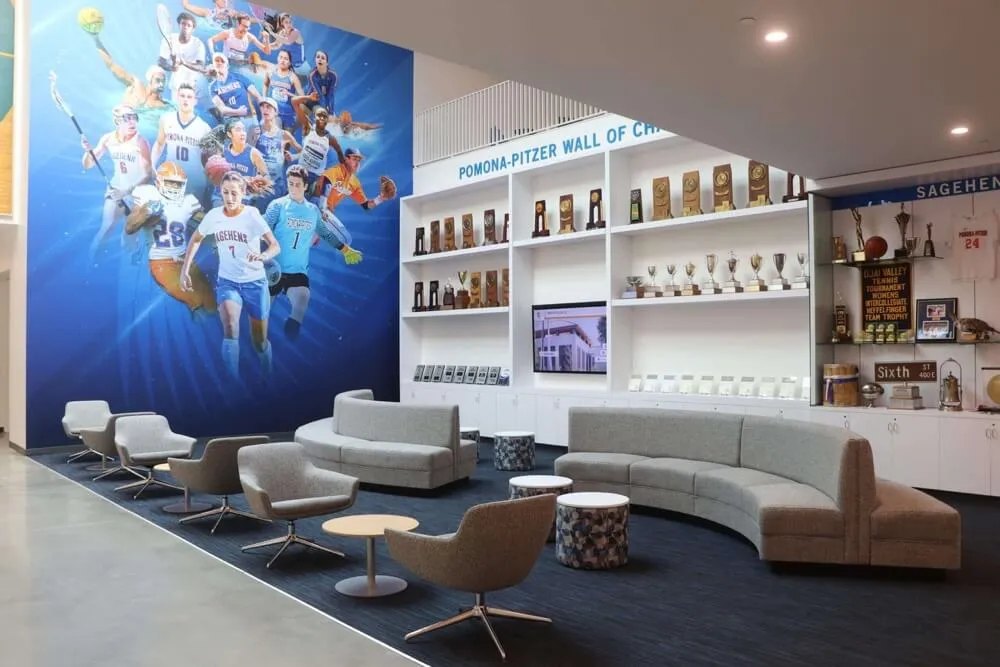
Tangible Heritage: Schools accumulate extensive tangible heritage—yearbooks, trophies, photographs, uniforms, historical documents—providing rich material for nostalgia marketing that feels authentic rather than manufactured.
Ongoing Community Presence: Unlike brands that may exit markets or change dramatically, established schools remain community fixtures for decades or centuries. This permanence validates nostalgic investments in institutional relationships, as connections remain relevant across entire lifespans.
Strategic Foundations for School Nostalgia Marketing
Effective nostalgia marketing requires more than simply sharing old photographs or reminiscing about “the good old days.” Strategic implementation balances emotional resonance with contemporary relevance while ensuring inclusivity across diverse community segments.
Balancing Past and Present
The most effective nostalgia marketing doesn’t simply celebrate the past—it creates meaningful bridges between heritage and contemporary value, demonstrating how institutional traditions inform current excellence.
Heritage as Foundation, Not Destination: Present institutional history as the foundation supporting current programs rather than suggesting past eras were superior to the present. Effective nostalgia marketing communicates: “Our rich tradition of excellence continues today” rather than “Things were better back then.”
Contemporary Connections: Explicitly connect historical examples to current experiences. When featuring championship teams from decades past, highlight how today’s athletes continue those winning traditions. When celebrating distinguished alumni, show current students following similar paths toward their own achievements.
Forward-Looking Nostalgia: Use nostalgia to inspire future aspirations rather than merely reminiscing about the past. Historical achievements demonstrate what remains possible, motivating current community members to create tomorrow’s proud memories.
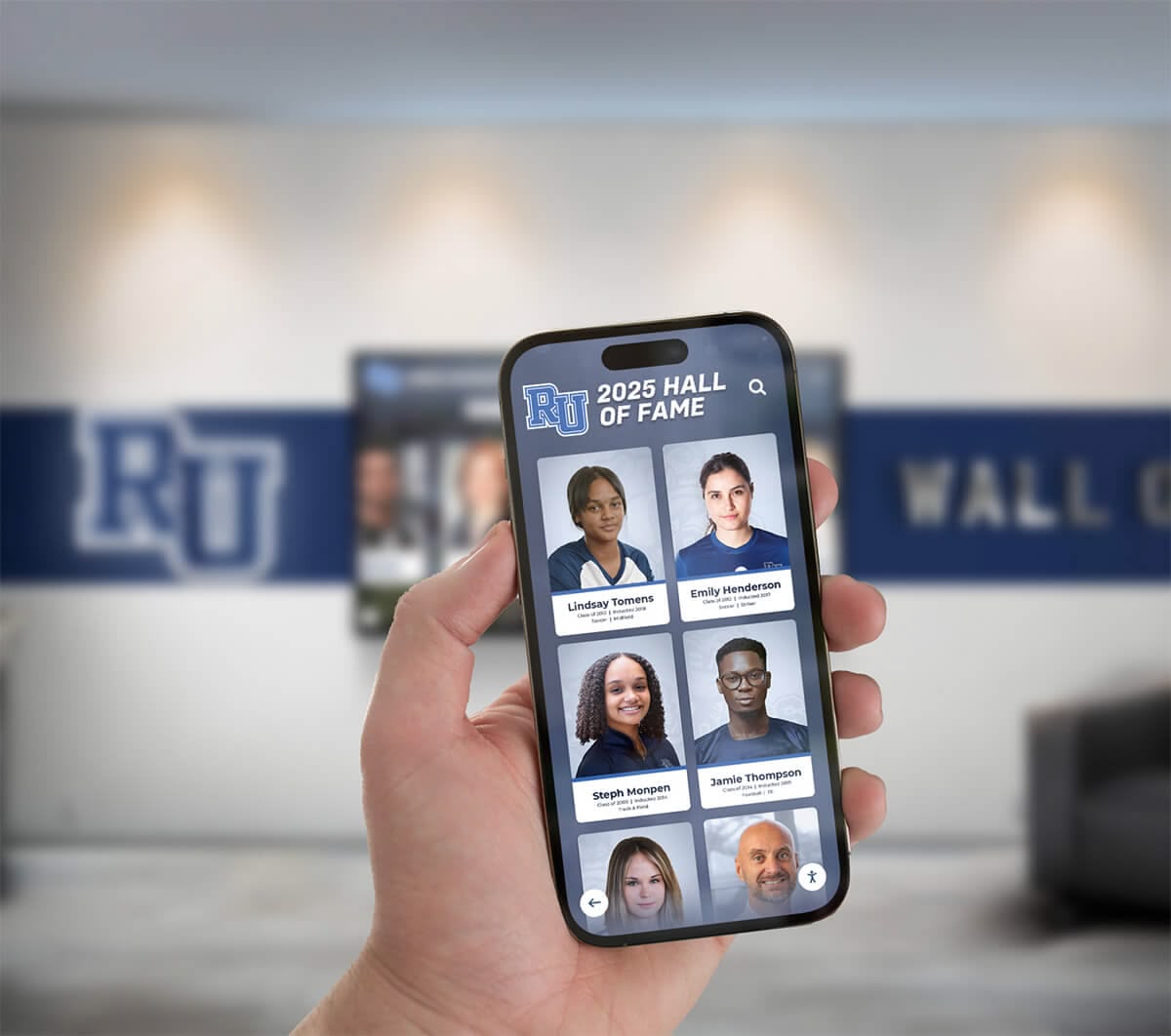
Schools implementing comprehensive historical recognition programs effectively balance celebrating heritage while emphasizing ongoing institutional vitality and contemporary relevance.
Ensuring Inclusive Nostalgia
Traditional nostalgia marketing risks alienating community members who lack positive historical connections or feel excluded from dominant institutional narratives. Inclusive approaches broaden nostalgia’s power across diverse audiences.
Multiple Entry Points: Provide diverse nostalgic touchpoints reflecting varied experiences and backgrounds. Not every community member played sports, participated in the same activities, or shared identical school experiences. Comprehensive nostalgia marketing includes academic achievements, artistic accomplishments, service contributions, social traditions, and diverse pathways through institutional life.
Era Representation: Balance recognition across different historical periods rather than overemphasizing particular eras. Alumni from all decades deserve representation in nostalgic content, ensuring every generation finds relevant connections to institutional heritage.
Evolving Traditions: Acknowledge how traditions evolved over time rather than presenting static, unchanging institutional history. This approach validates experiences of community members from different eras while demonstrating institutional adaptability alongside continuity.
Contemporary Community Building: Use nostalgia not just to connect people with their past experiences but to build community among current members who will create tomorrow’s nostalgic memories. Today’s students represent future alumni whose school experiences should be documented and celebrated now, establishing foundations for their eventual nostalgic connections.
Authenticity as Core Principle
In an era of skepticism toward institutional marketing, authenticity distinguishes effective nostalgia campaigns from manipulative attempts to manufacture emotions. Authentic nostalgia marketing demonstrates genuine respect for institutional heritage and community members’ lived experiences.
Real Stories, Real People: Feature actual alumni, authentic experiences, and genuine historical moments rather than creating idealized narratives disconnected from reality. Community members recognize and value honesty over sanitized institutional mythology.
Historical Accuracy: Maintain rigorous standards for factual accuracy when presenting institutional history. Verify dates, confirm achievements, and correct errors promptly. Credibility depends on trustworthiness of historical information.
Acknowledging Complexity: Present institutional history with appropriate complexity rather than oversimplifying past eras. Schools can honor heritage while acknowledging that historical periods included challenges alongside achievements, demonstrating mature engagement with complicated realities.
Respecting Individual Memories: Recognize that different community members experienced the same eras differently. Nostalgia marketing should create space for diverse perspectives and memories rather than asserting single authoritative narratives about what past experiences meant.
Digital Recognition Displays: Modern Nostalgia Technology
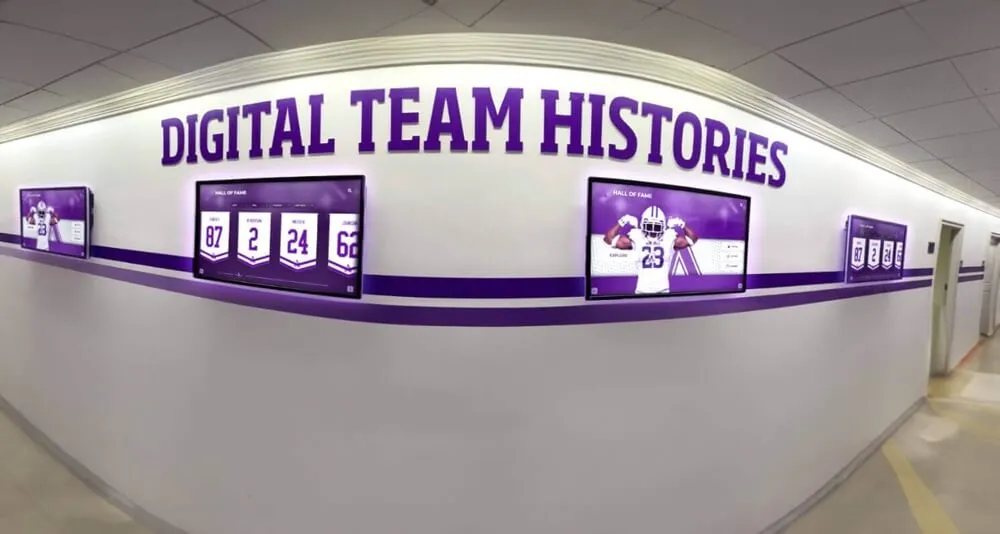
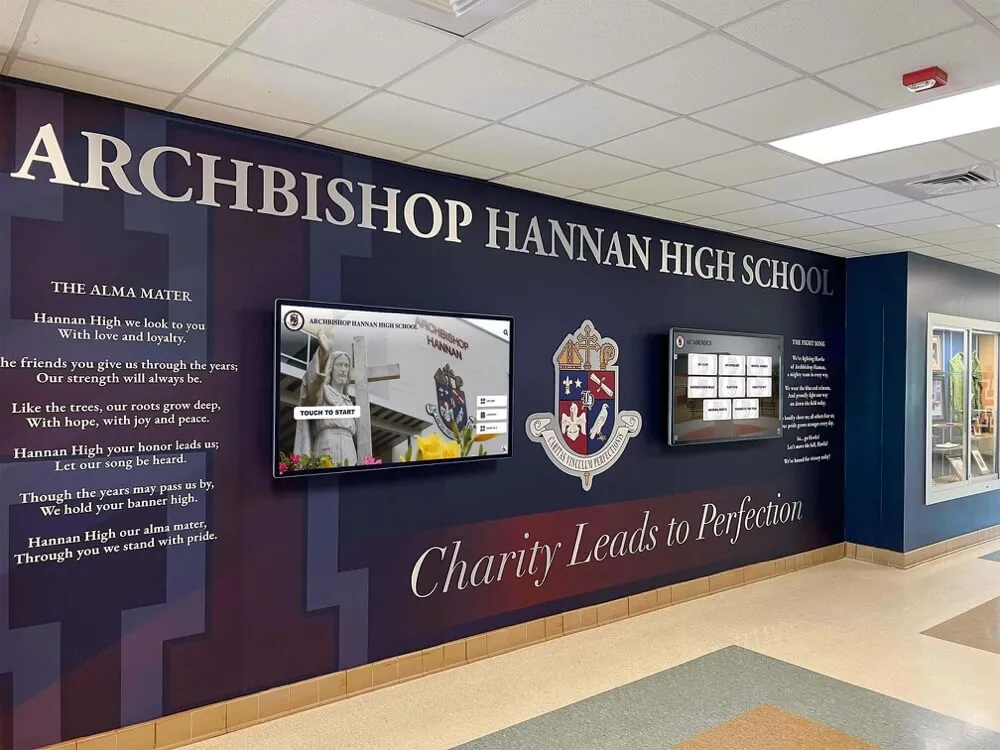
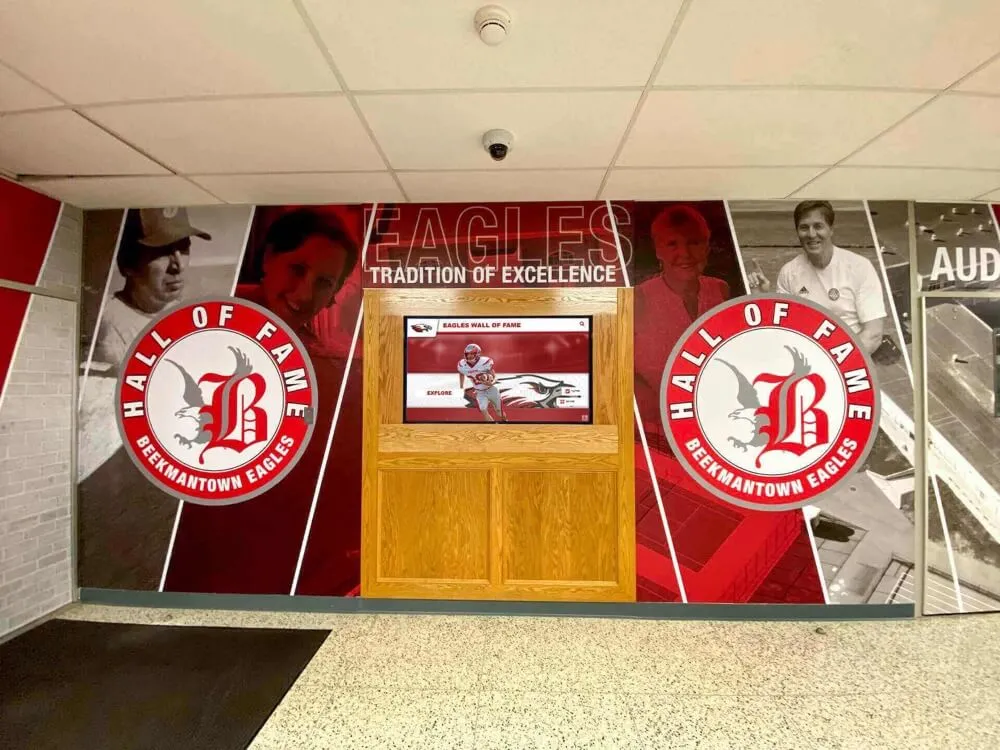
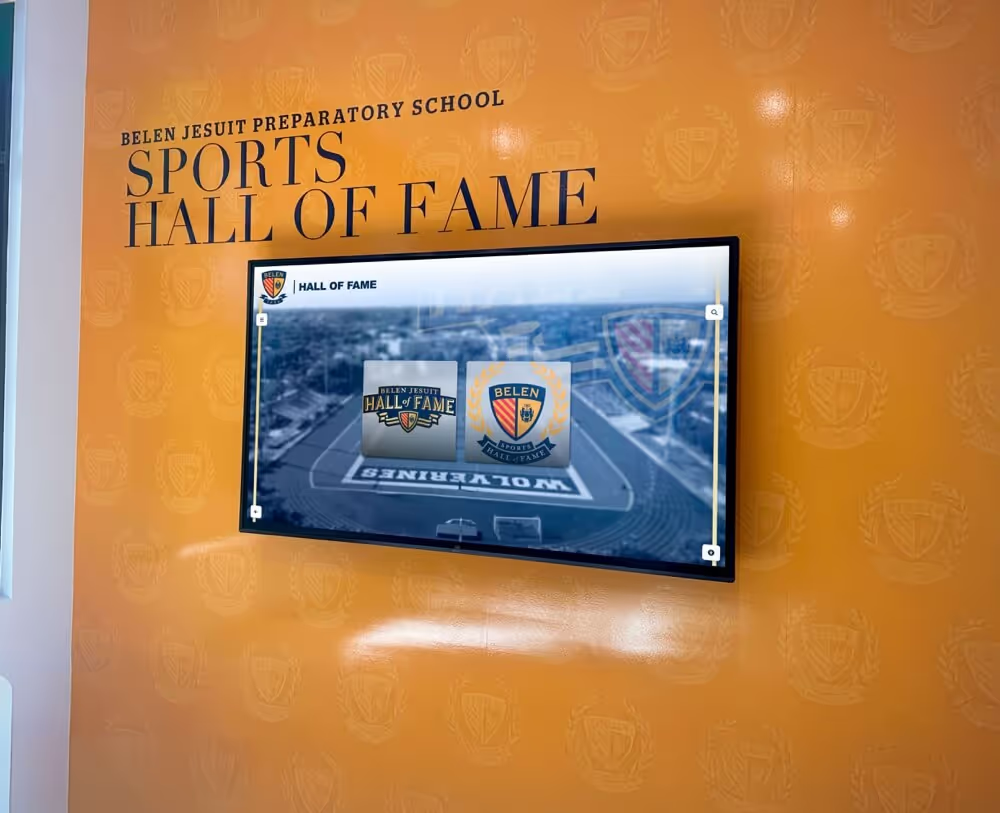
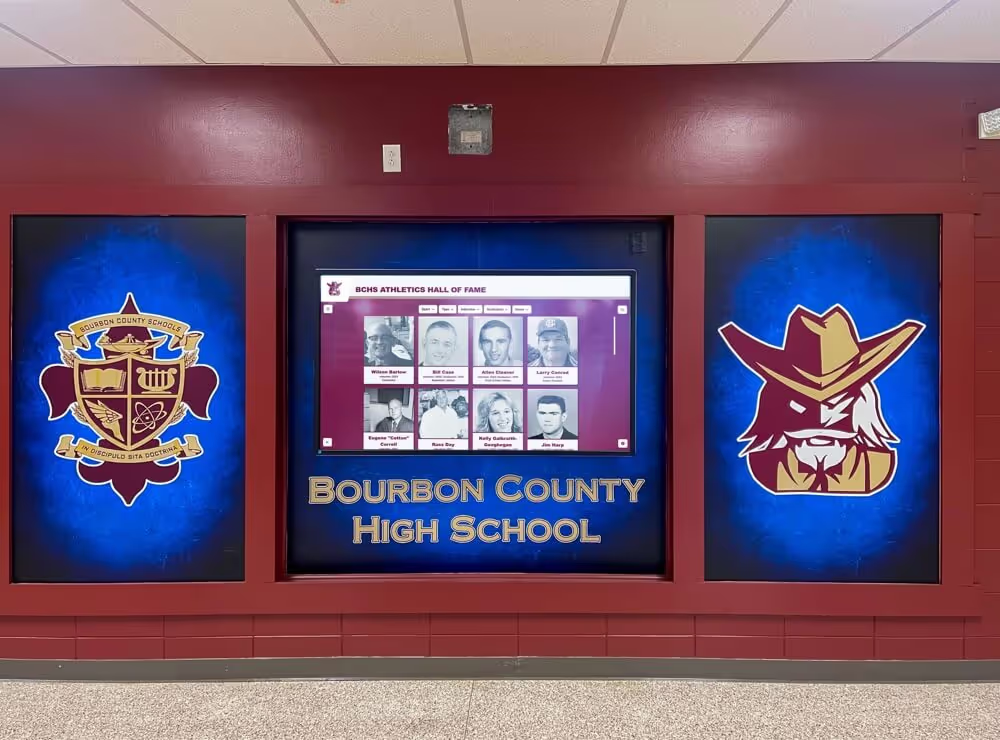
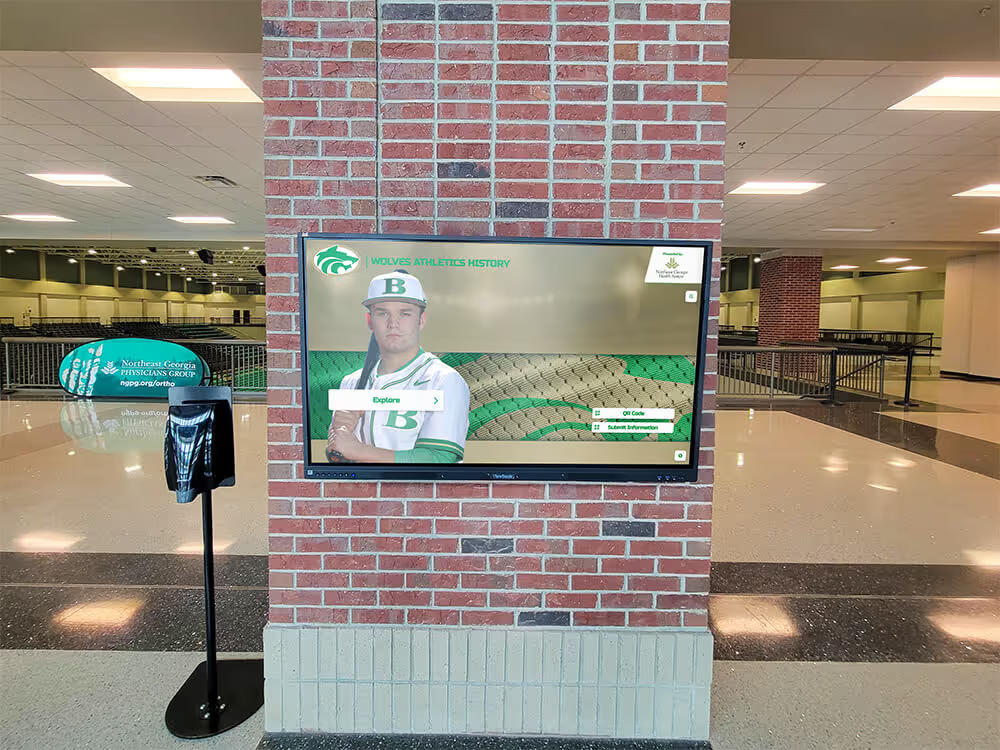
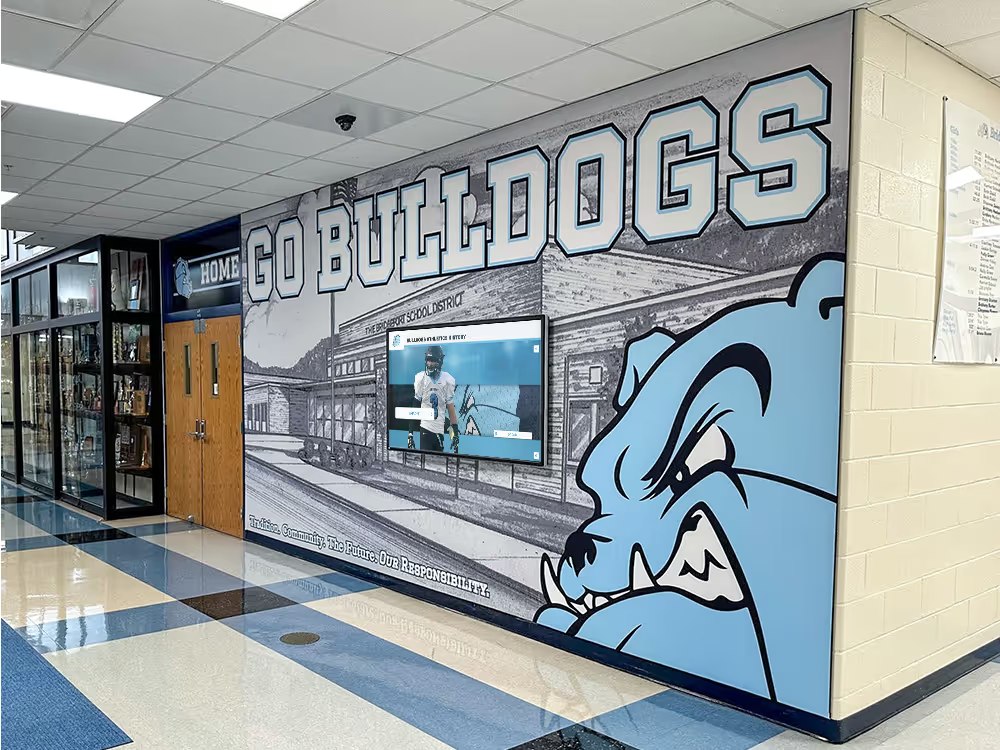
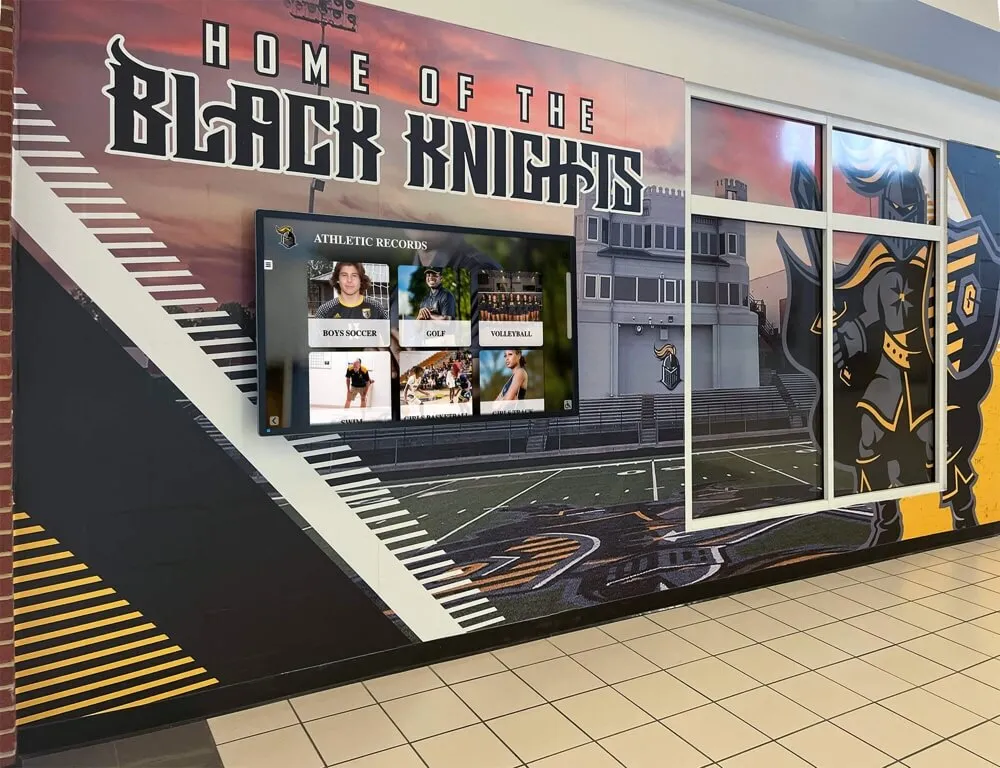
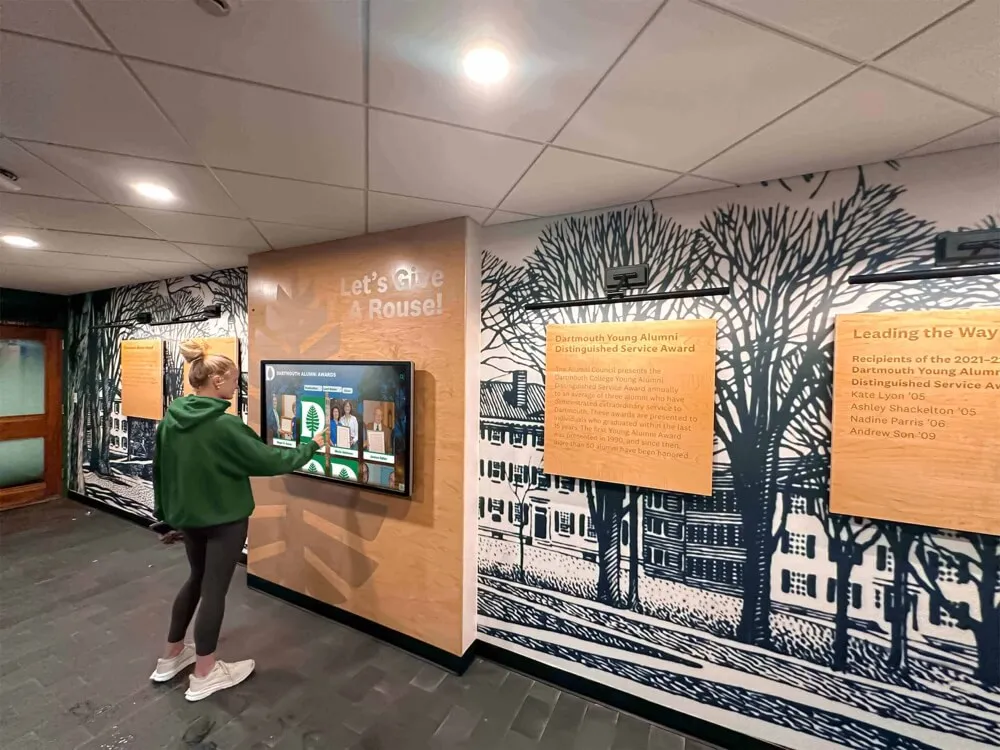
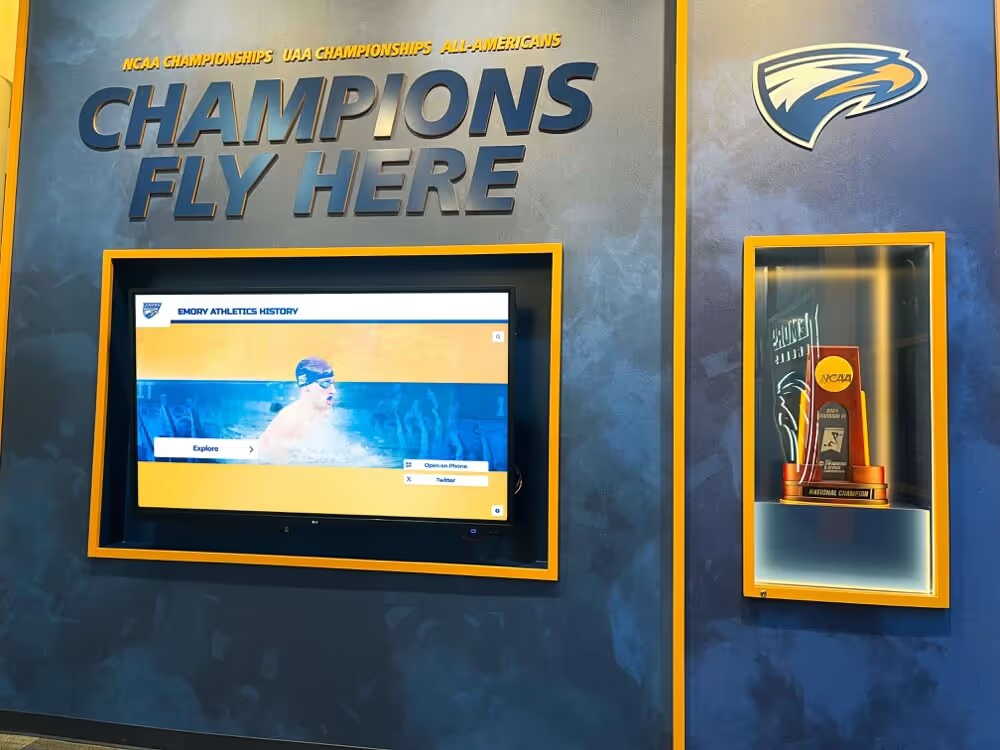
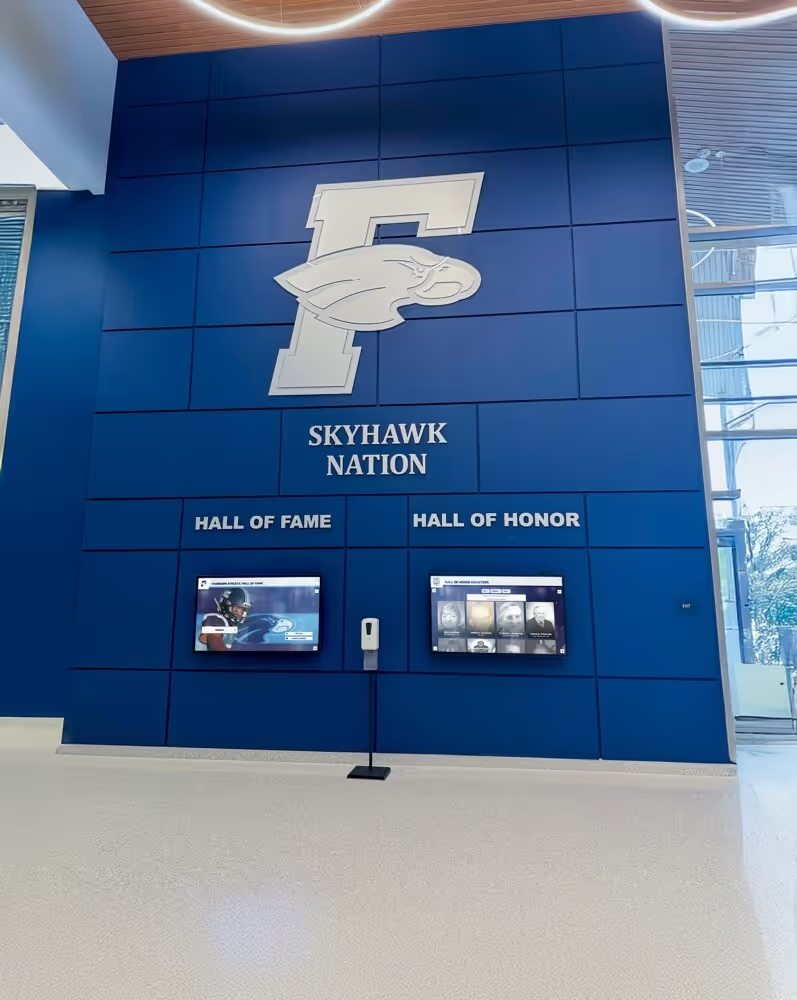
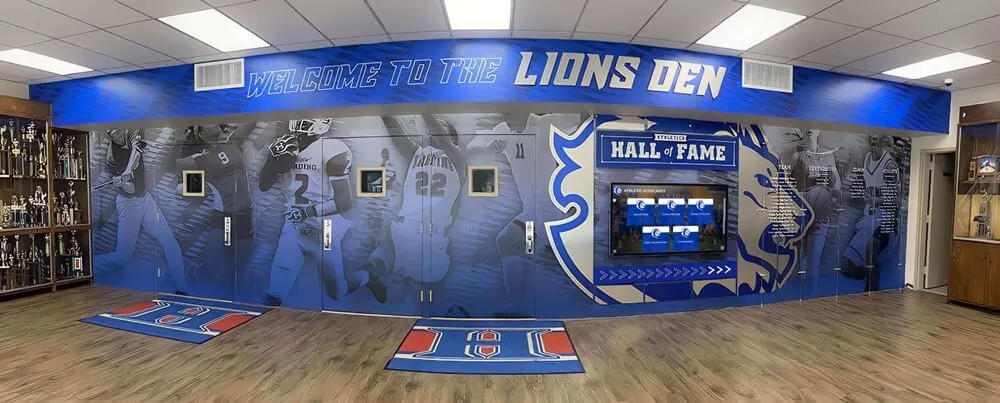
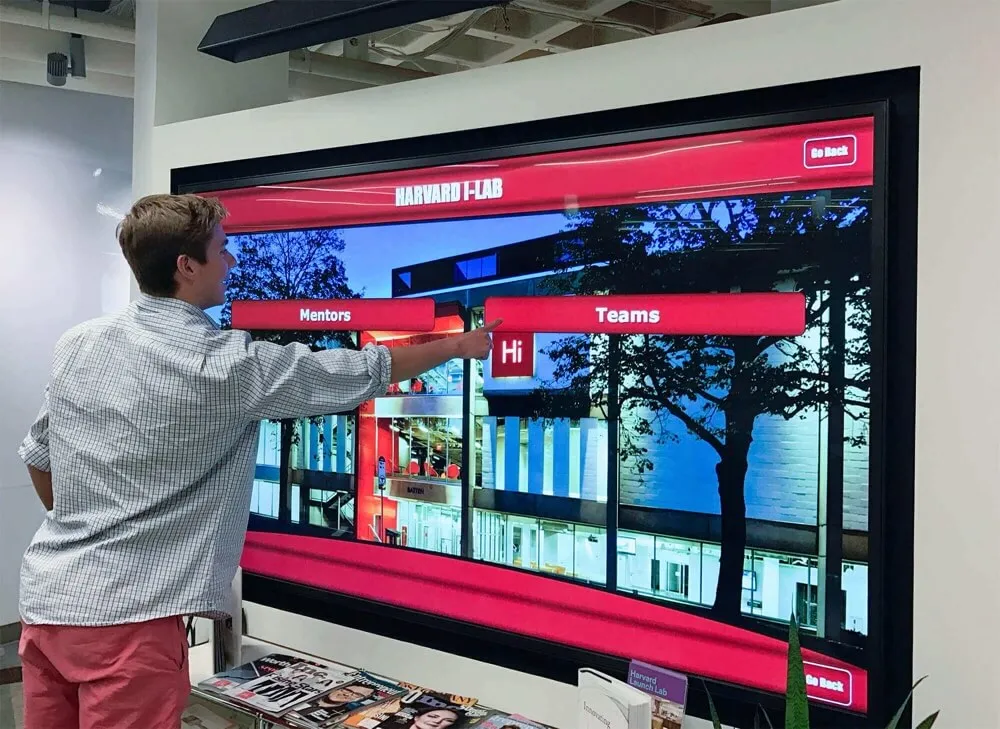
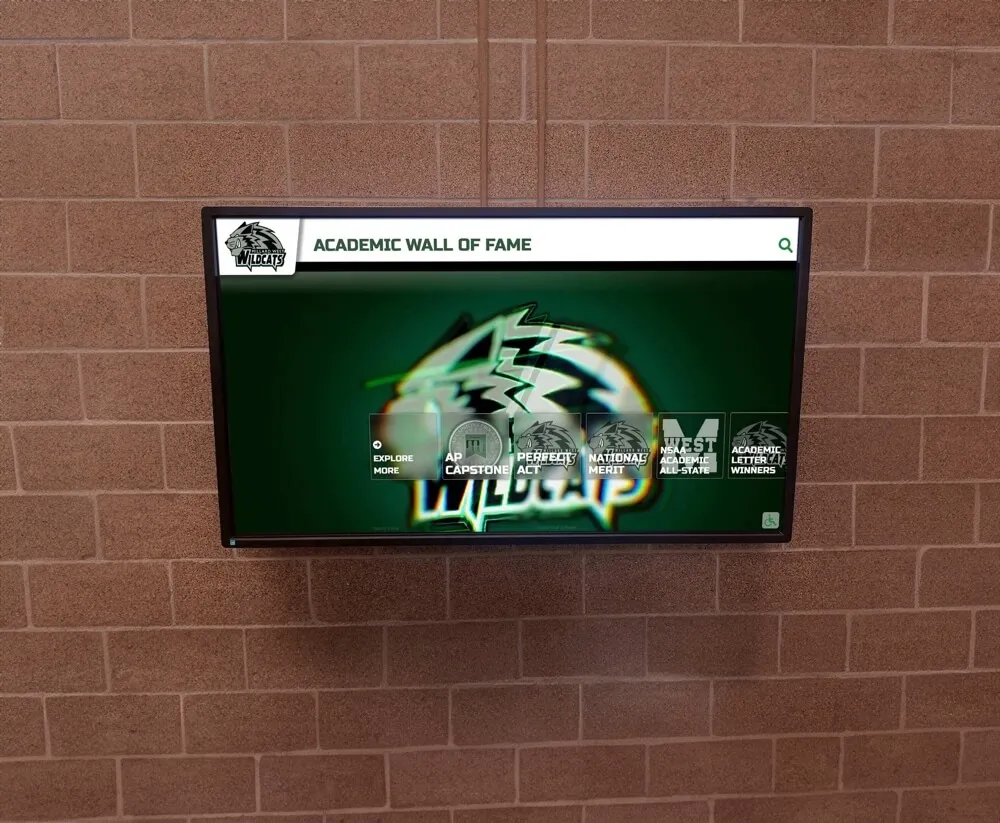
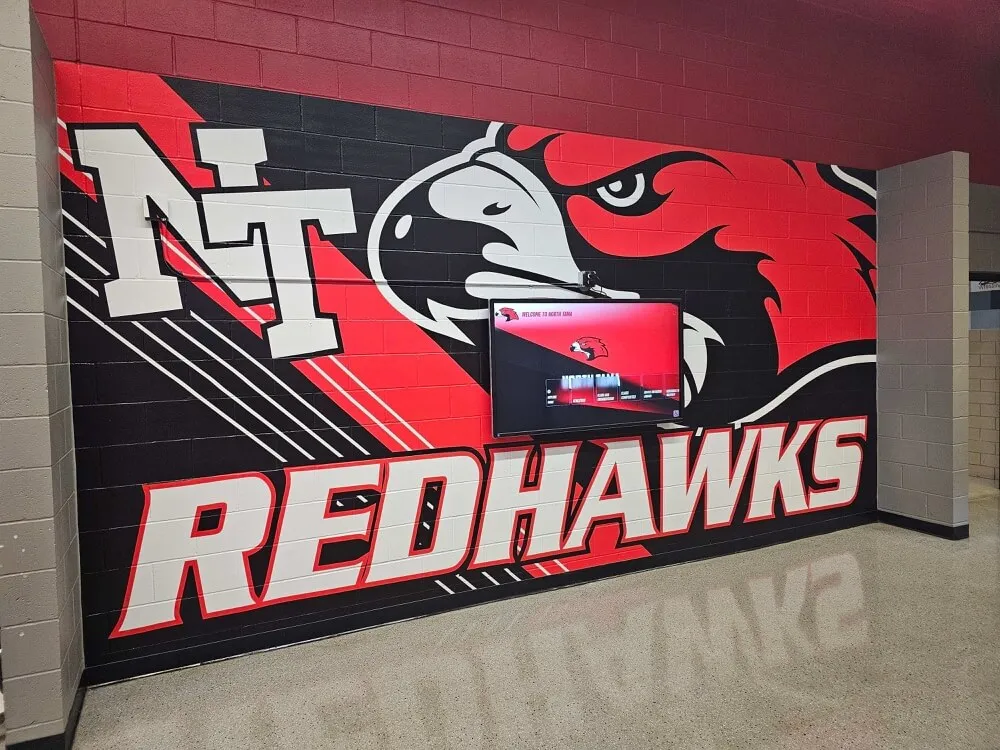
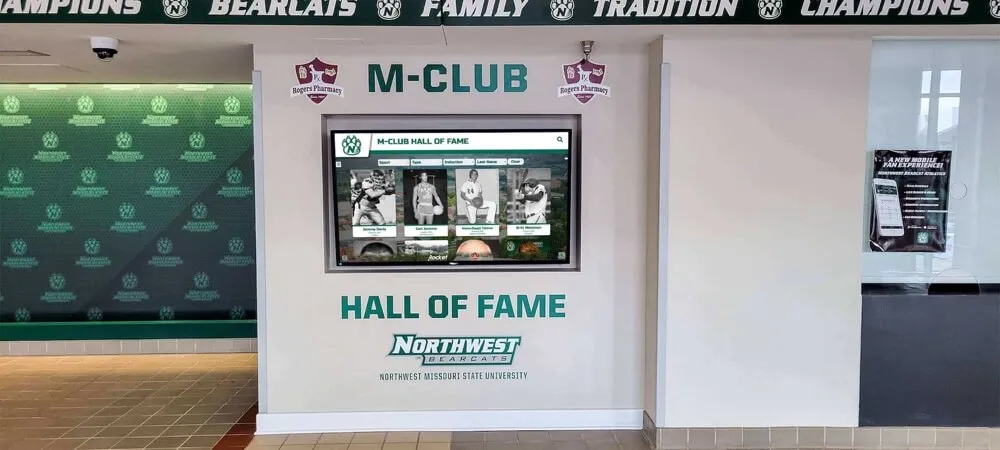
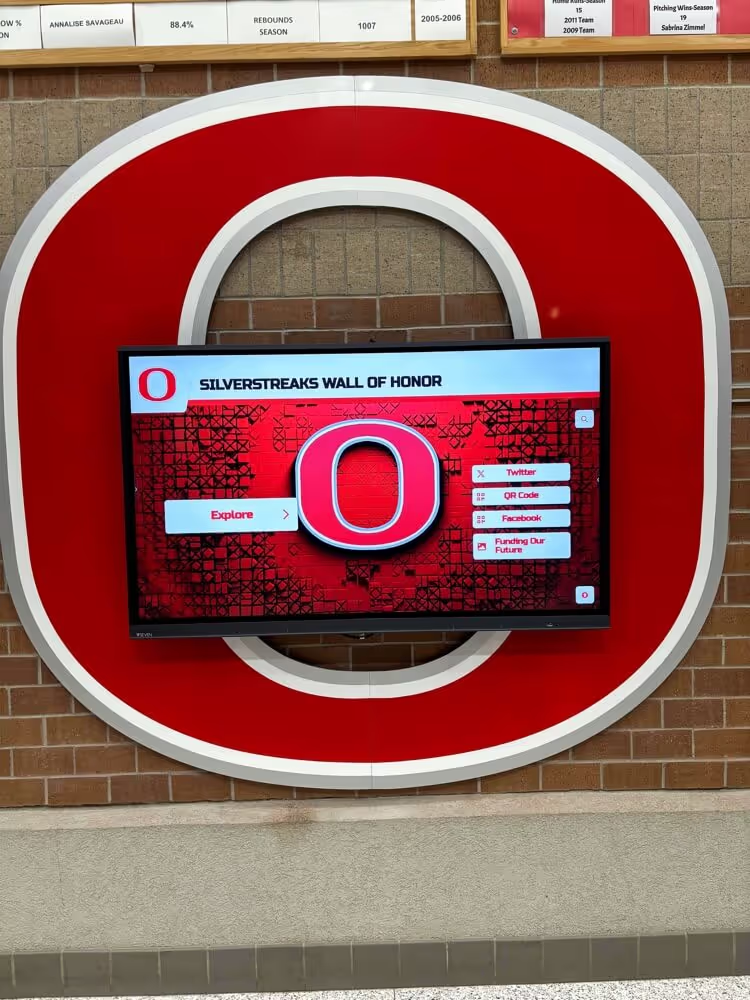
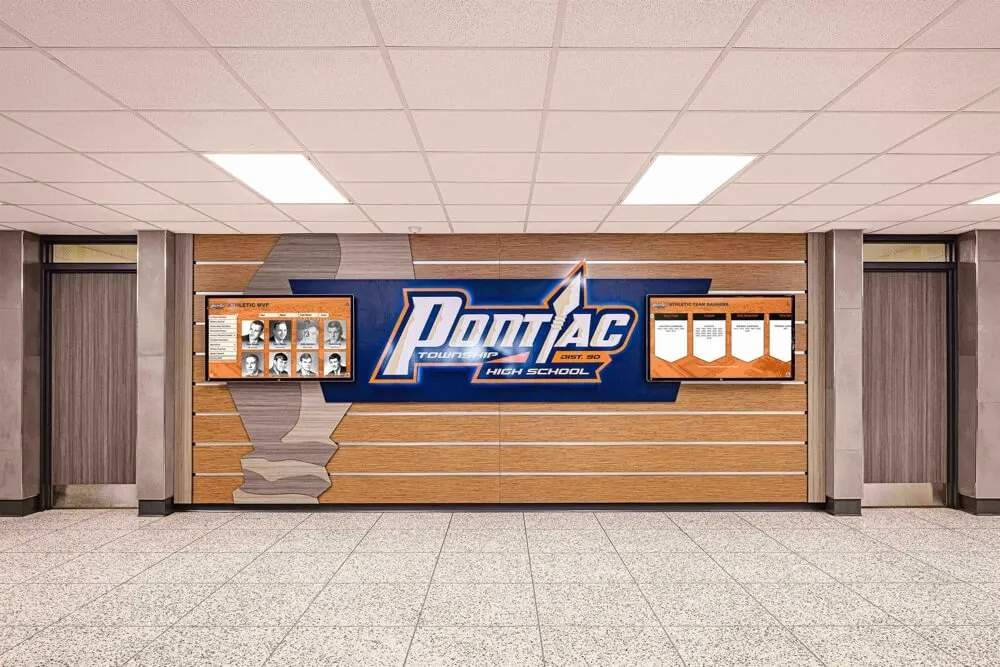
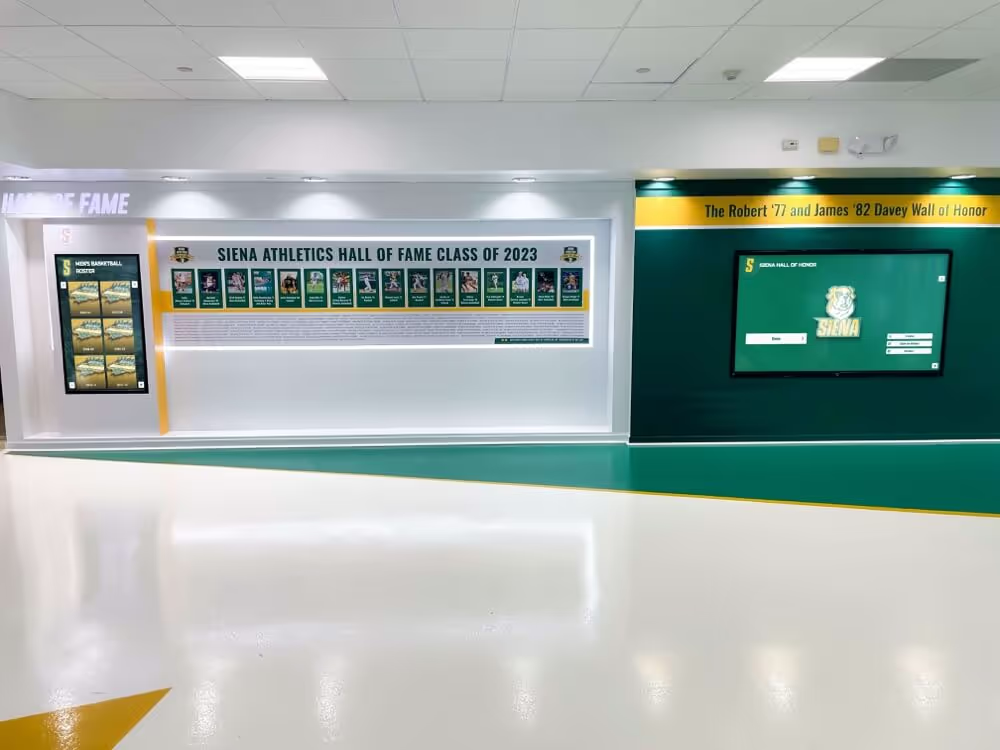
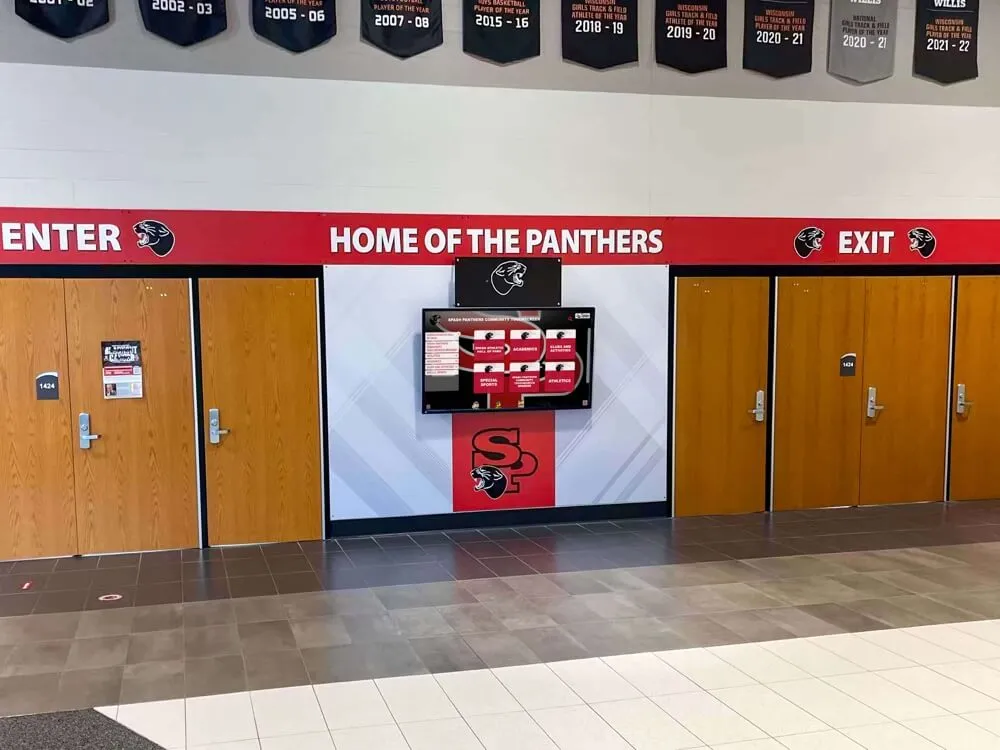
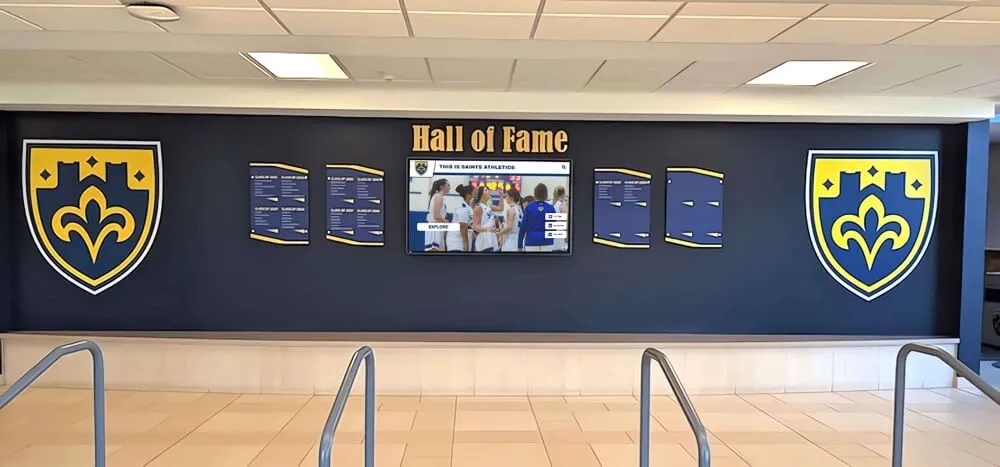
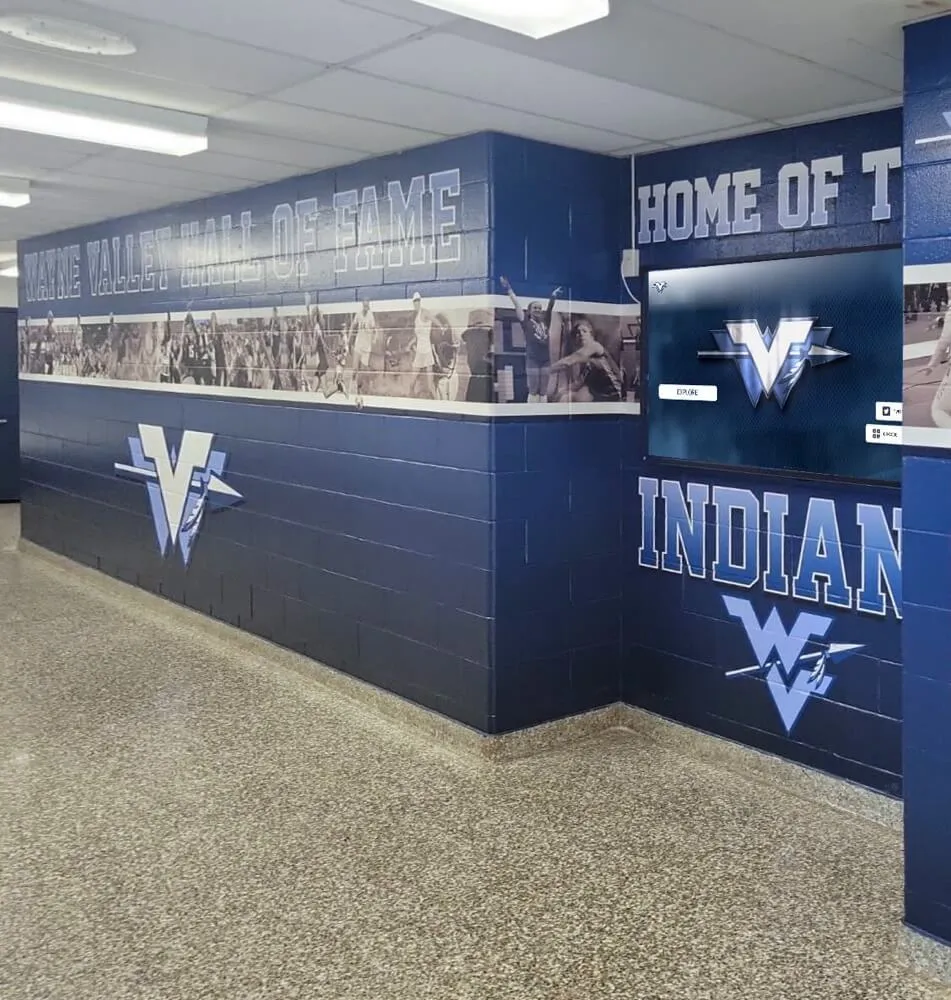
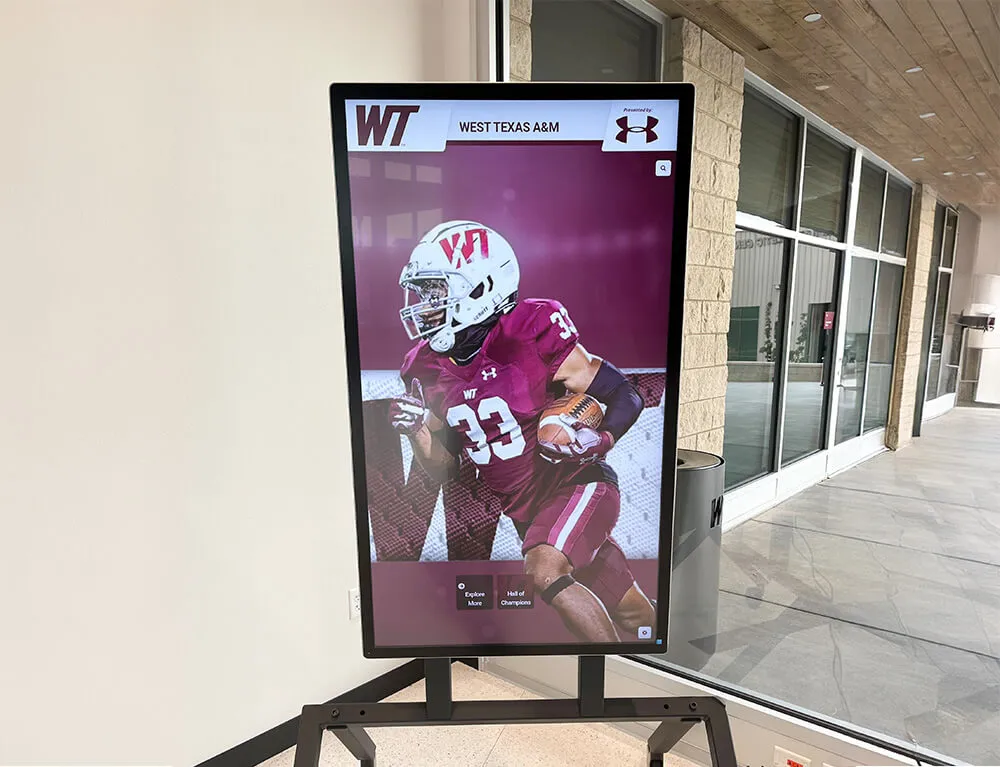
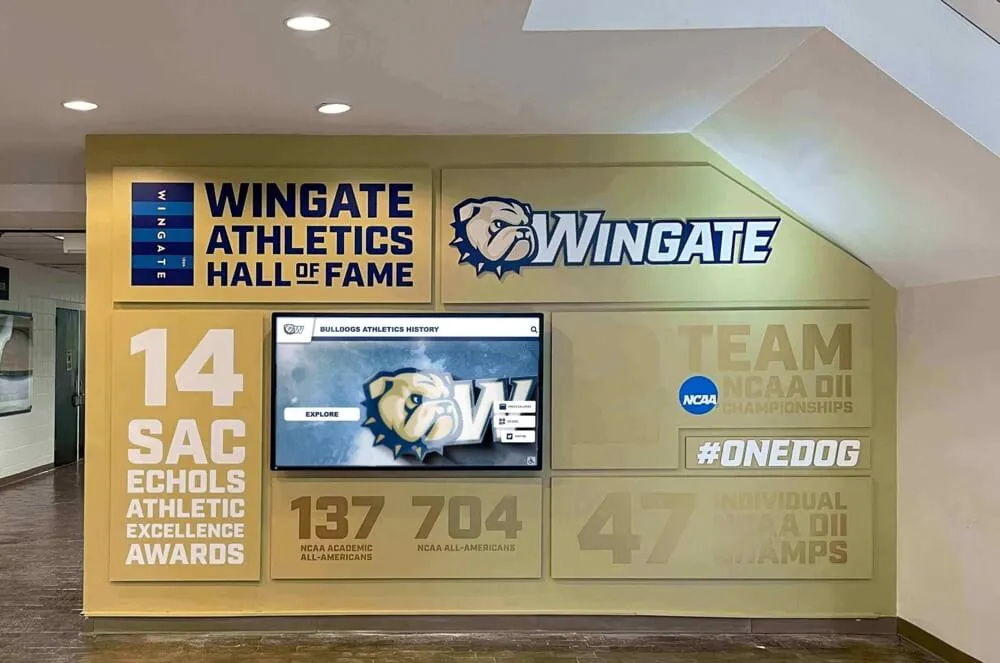
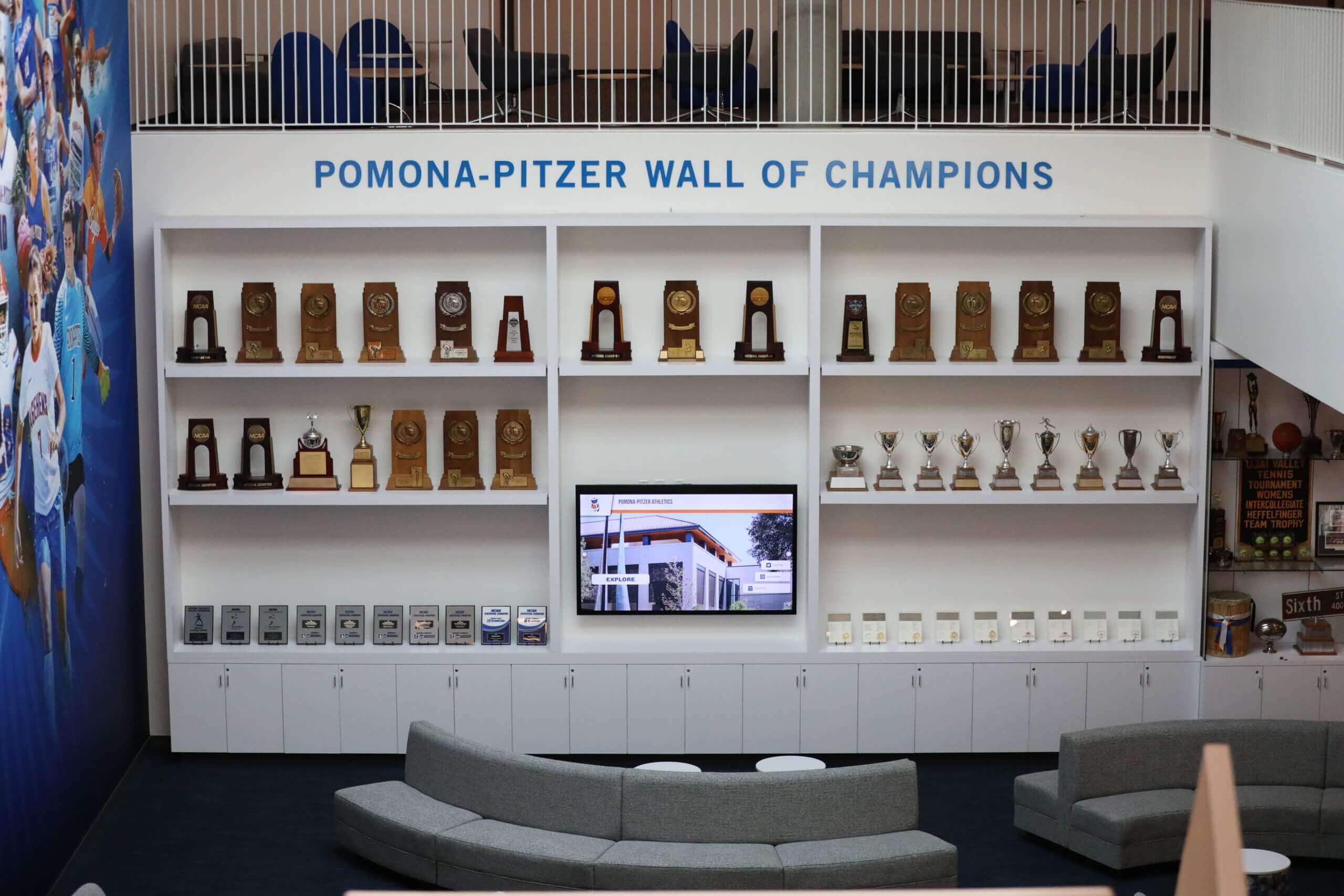
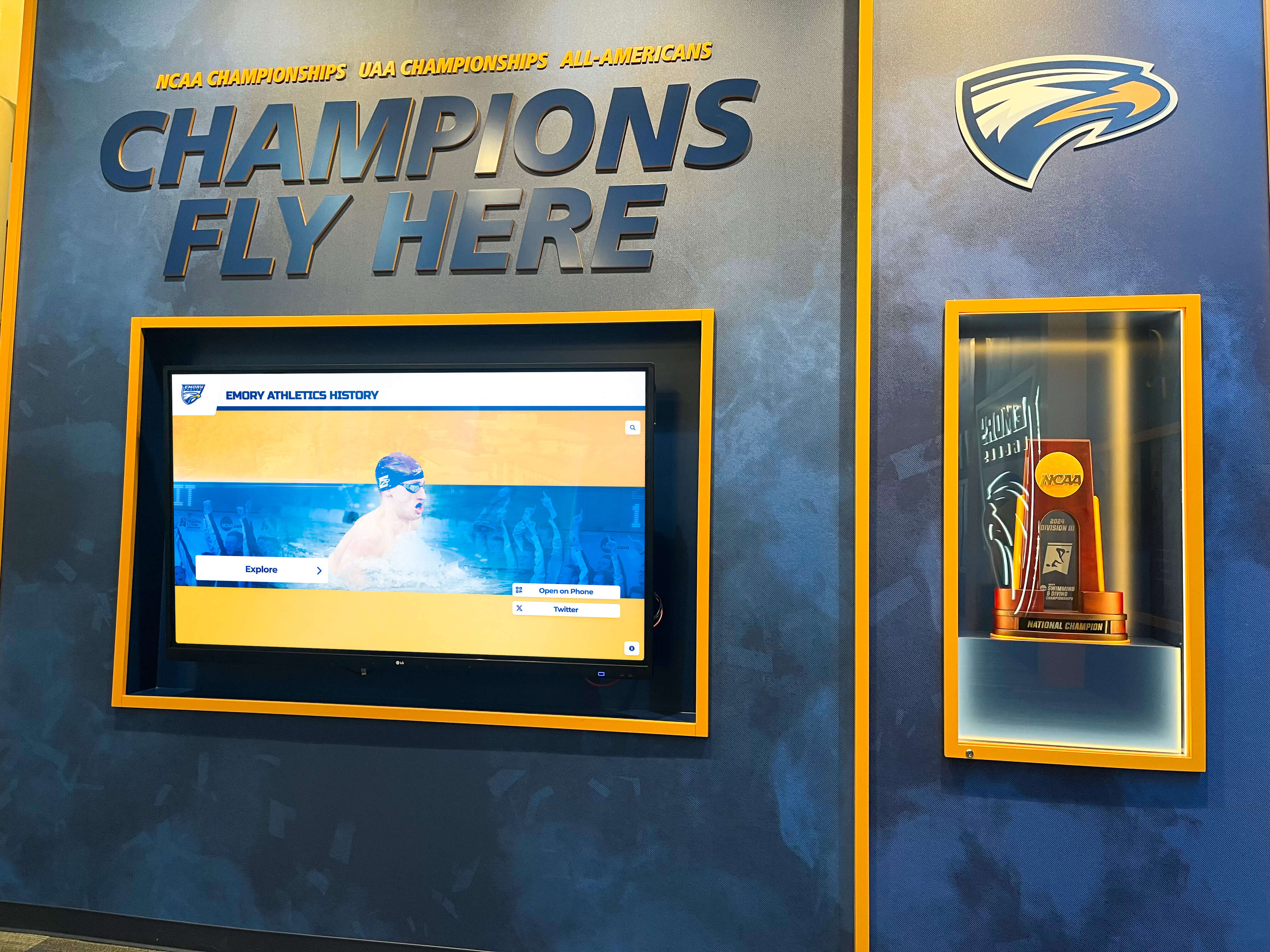
Interactive digital displays represent transformative technology for nostalgia marketing in schools and communities, converting static historical documentation into engaging experiences that activate emotional connections across generations.
Interactive Historical Recognition Systems
Modern touchscreen displays designed specifically for educational institutions provide comprehensive platforms for nostalgia marketing that traditional plaques, bulletin boards, or printed materials cannot match.
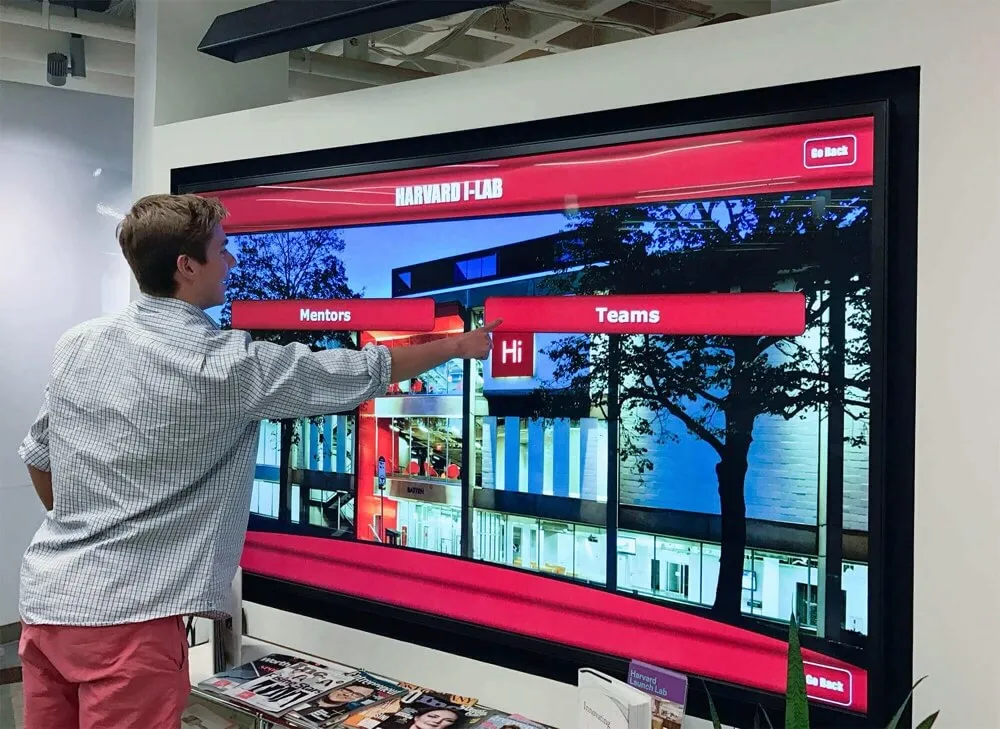
Unlimited Historical Capacity: Digital platforms eliminate space constraints that limit traditional displays. A single touchscreen can showcase comprehensive institutional history—thousands of alumni profiles, decades of championship teams, extensive photograph collections, and detailed achievement records—content requiring entire buildings to display through traditional methods.
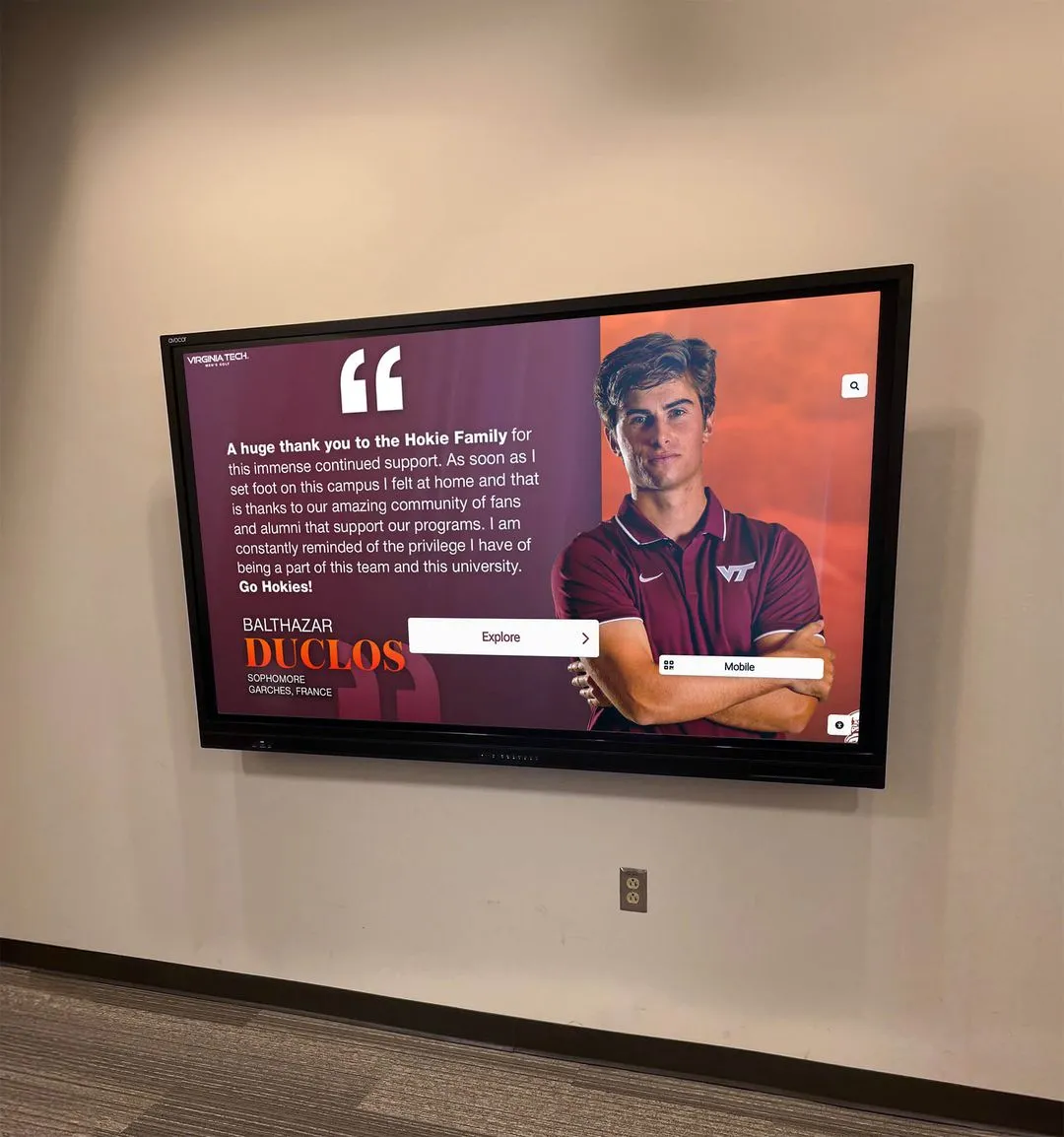
Multimedia Storytelling: Digital systems integrate photographs, videos, audio interviews, scanned documents, and narrative text, bringing institutional history to life through rich media that creates deeper emotional engagement than static displays. Alumni can view championship game footage, hear oral history interviews, or explore digitized yearbooks from their school years.
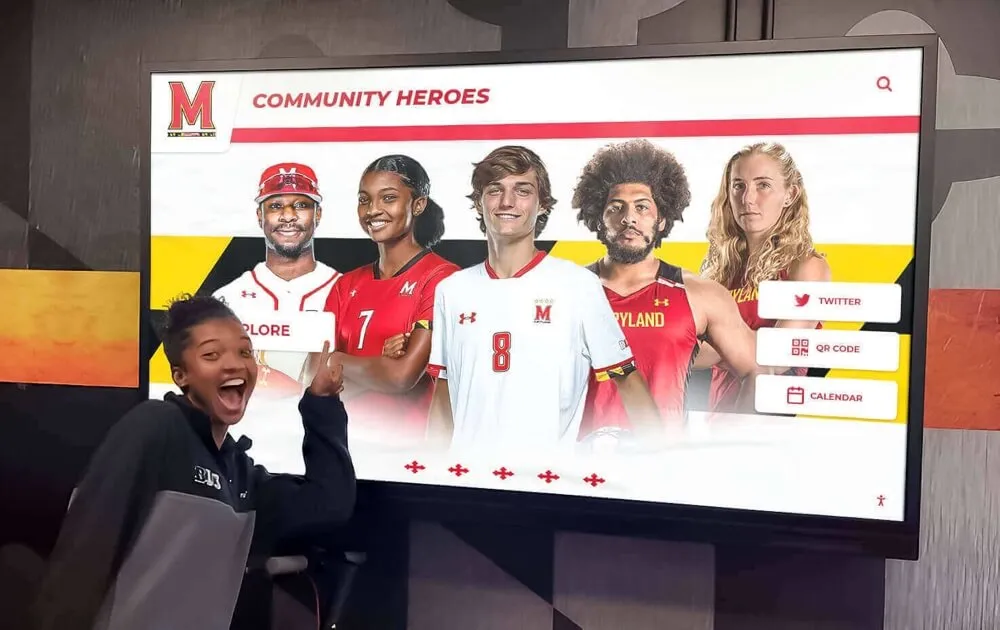
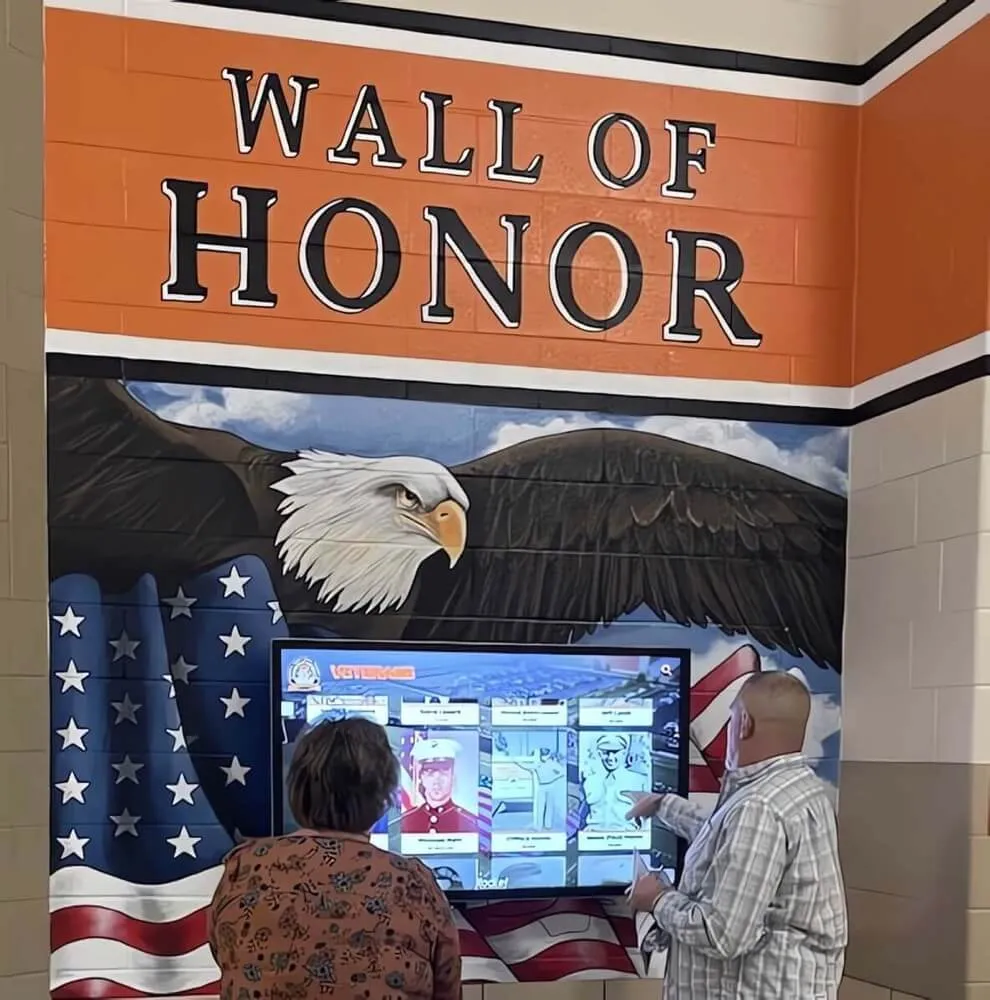
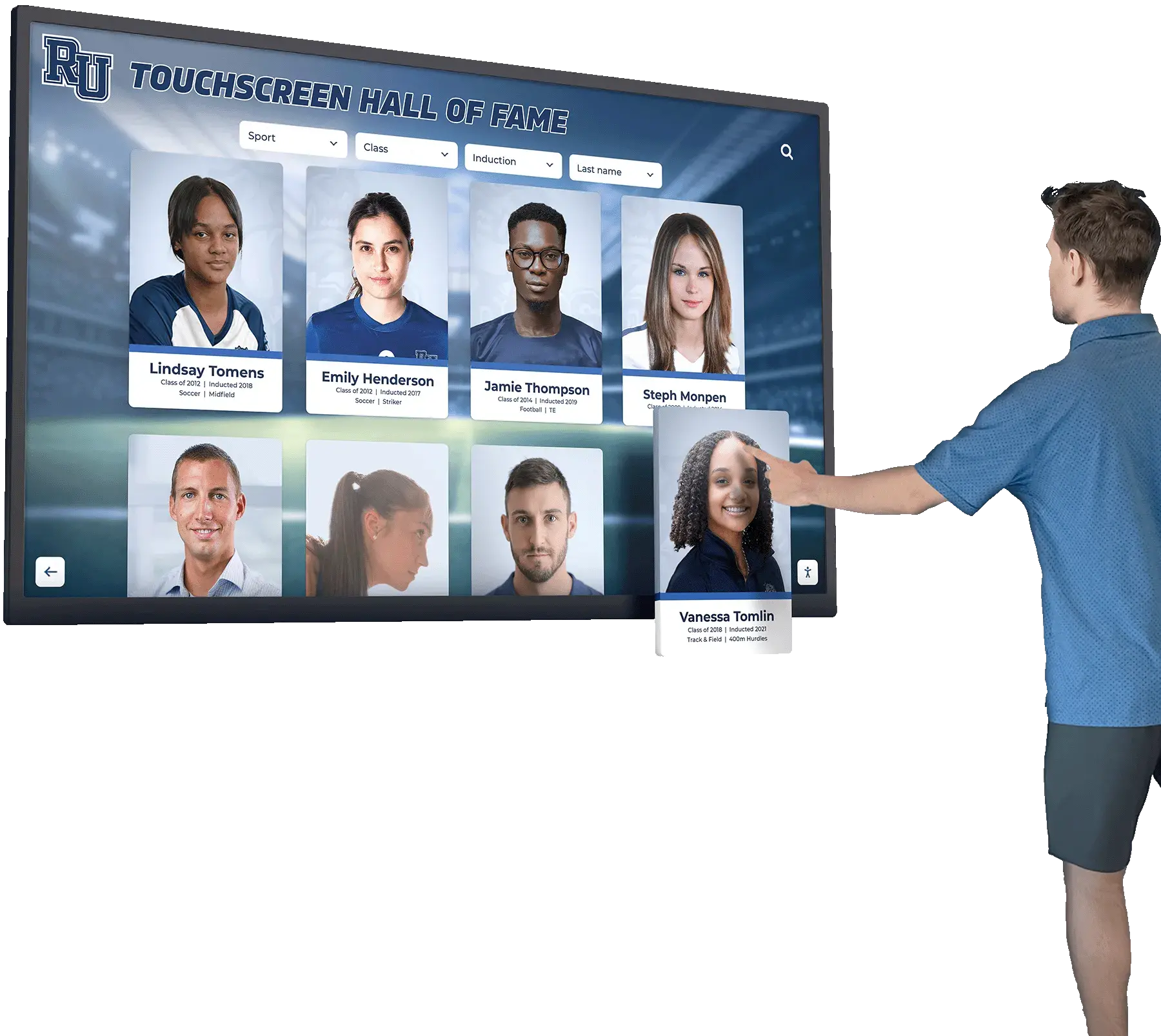
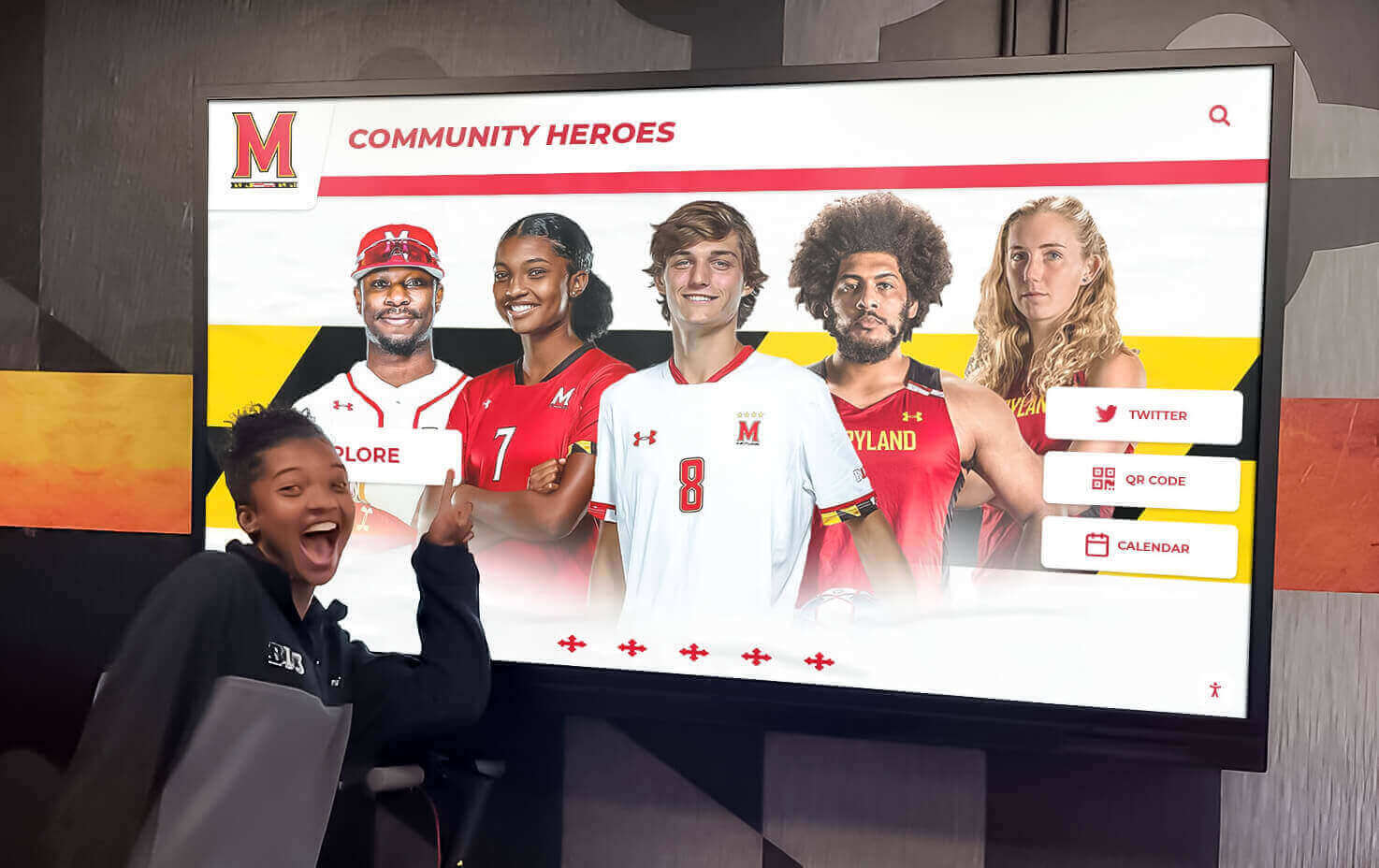
Search and Discovery Features: Unlike passive displays visitors glance at while passing, interactive systems invite active exploration. Alumni search for their own names, browse specific years, filter by activity or achievement type, and discover unexpected connections to institutional history. This active engagement creates stronger emotional resonance than passive viewing.
Regular Content Updates: Digital platforms allow immediate content additions and updates through intuitive cloud-based management systems. Schools continuously expand historical recognition without expensive fabrication or installation, ensuring displays remain current and grow more valuable over time.
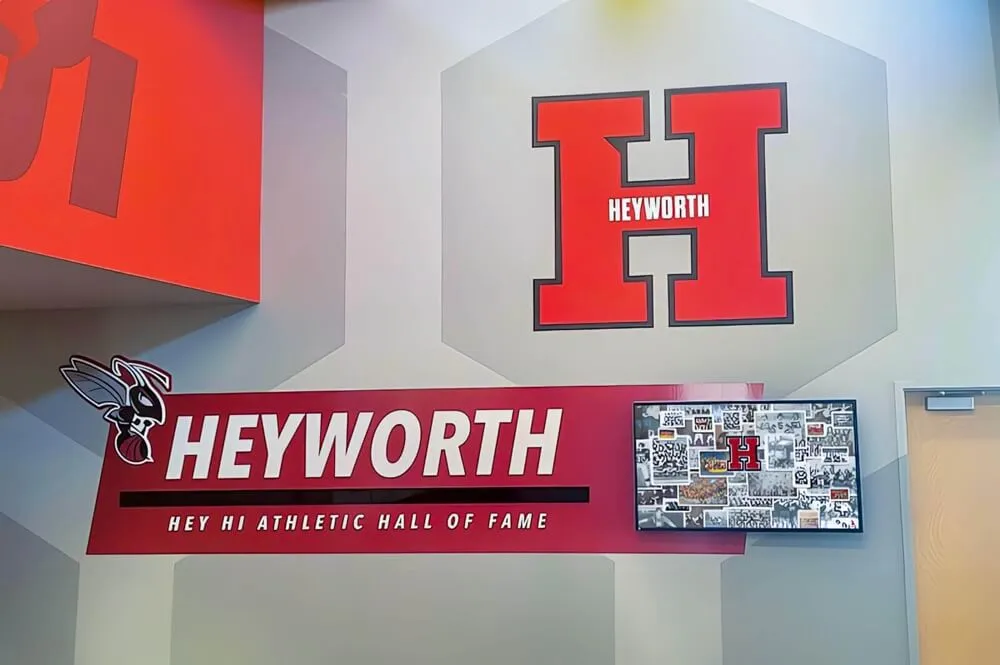
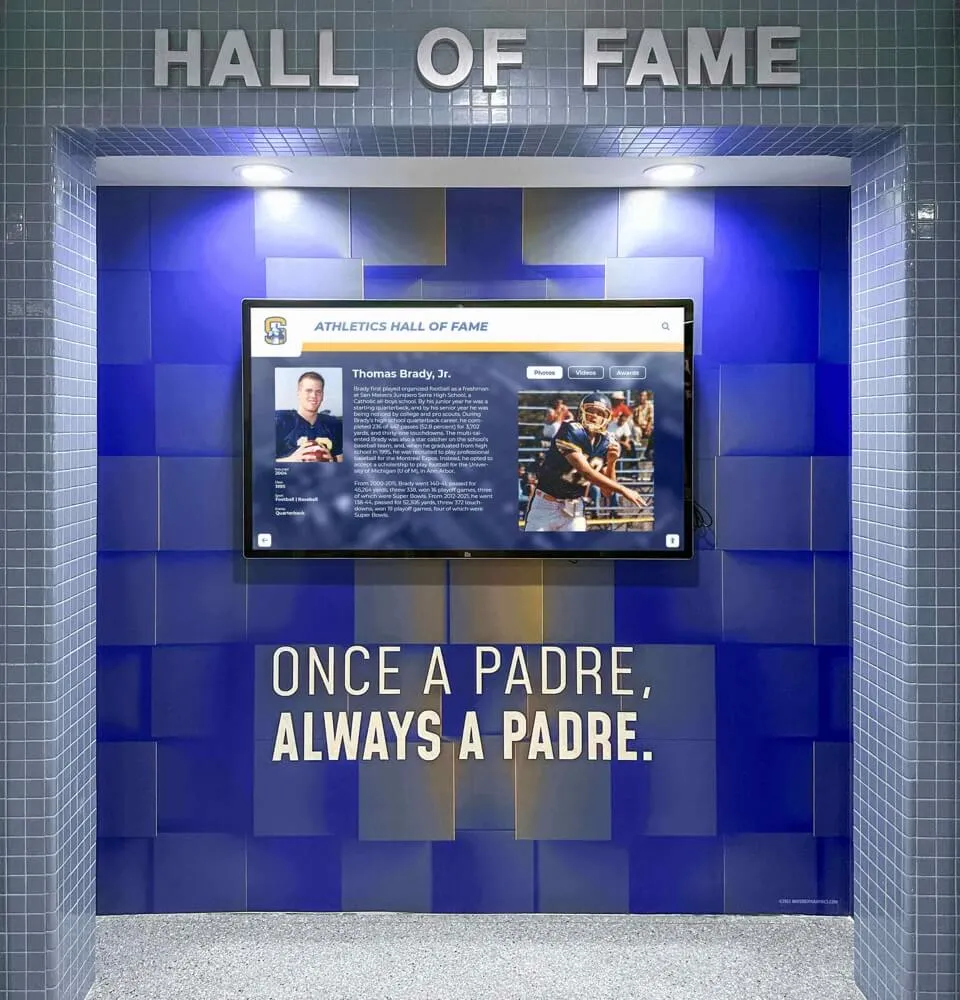
Solutions like digital recognition displays for schools provide turnkey platforms specifically designed for educational nostalgia marketing, combining professional design with user-friendly content management requiring no technical expertise.
Placement Strategy for Maximum Nostalgic Impact
Strategic positioning of digital recognition displays maximizes exposure and engagement, ensuring historical content reaches diverse audiences during natural community touchpoints.
High-Traffic Locations: Position displays where diverse community members naturally gather—main entrance lobbies, connecting corridors between facilities, athletic complexes, performing arts centers, and cafeteria areas. High visibility ensures regular exposure to historical content rather than requiring special trips to view recognition.
Event-Based Engagement: Place displays near spaces hosting community events—reunion gatherings, athletic competitions, performing arts presentations, and fundraising activities. These events bring alumni and community members to campus in receptive emotional states ideal for nostalgic engagement.
Virtual Access Extensions: Complement physical displays with web-accessible versions allowing remote engagement from anywhere. Alumni living far from campus can explore institutional history through online recognition platforms connecting them to heritage regardless of geographic distance.
Multiple Installation Points: Rather than concentrating all historical recognition in single locations, distribute displays across campus creating multiple engagement opportunities. Athletics-focused displays in gymnasium lobbies, academic recognition in library commons, and comprehensive institutional history in main entrances ensure diverse audiences encounter relevant nostalgic content.
Content Architecture for Nostalgic Engagement
Thoughtful information architecture determines whether digital historical content creates meaningful engagement or overwhelms users with disorganized information.
Intuitive Navigation Structures: Organize content through multiple access pathways reflecting different user interests and search behaviors:
- Chronological browsing by year or decade
- Category filtering by achievement type, activity, or program
- Name-based searching for specific individuals
- “Featured” highlights showcasing particularly significant moments or distinguished community members
Layered Information Depth: Provide varying content depth accommodating both casual browsers and serious researchers. Overview screens show high-level timelines or featured achievements, while deeper navigation reveals detailed profiles, comprehensive statistics, and extensive historical documentation.
Personal Connection Facilitation: Design interfaces helping users find personal connections to institutional history—their own recognition, classmates’ achievements, teams they participated in, or eras they experienced. Personal discovery creates stronger emotional engagement than abstract historical information.
Social Sharing Integration: Enable users to capture and share discoveries—photographing recognition displays, accessing digital versions on personal devices, or sharing profiles through social media. This sharing extends nostalgia marketing’s reach beyond physical displays to broader networks.
Content Strategies for Nostalgia Marketing
Beyond technology platforms, effective nostalgia marketing requires strategic content development that activates emotional connections while advancing contemporary institutional goals.
Distinguished Alumni Recognition Programs
Systematic programs celebrating accomplished graduates create powerful nostalgia marketing through specific individual stories demonstrating institutional impact across diverse fields and career paths.
Selection Criteria and Nomination: Establish clear, transparent criteria for distinguished alumni recognition ensuring authentic merit-based selection:
- Significant professional achievements or societal contributions
- Embodiment of institutional values and mission
- Time since graduation allowing mature career evaluation
- Diverse achievement categories ensuring broad representation across fields, eras, and backgrounds
Open nomination processes engaging broader communities in identifying worthy honorees while maintaining rigorous selection standards through transparent committees.
Compelling Profile Development: Create comprehensive alumni profiles that tell complete stories rather than merely listing credentials:
- Personal background and school-era experiences
- Career trajectory showing path from education to achievement
- Specific accomplishments and recognitions
- Reflections on how institutional experiences influenced success
- Advice or inspiration for current students
- Multimedia elements including photographs, video interviews, and related materials
Rich profiles transform recognition from perfunctory acknowledgment into engaging storytelling that inspires current community members while honoring graduates’ achievements.
Regular Recognition Cycles: Implement annual or biennial distinguished alumni induction programs creating recurring opportunities for celebration, engagement, and publicity. Regular cycles maintain ongoing attention to alumni achievement rather than isolated recognition events followed by long dormancy.
Schools can implement comprehensive alumni spotlight programs using modern digital platforms that provide unlimited capacity for growing recognition over time without space constraints.
Athletic Heritage and Championship Celebrations
Sports programs generate particularly powerful nostalgia due to emotional intensity of athletic competition, clear achievement markers like championships, and enduring community interest in athletic tradition.
Championship Recognition: Document team championships, conference titles, and tournament achievements through comprehensive displays including:
- Team photographs with complete rosters
- Competition context and historical significance
- Statistical highlights and memorable moments
- Coaching recognition and program leadership
- Video footage or audio recordings when available
Rather than simply listing championship years, tell complete stories helping community members understand what achievements meant within their specific contexts.
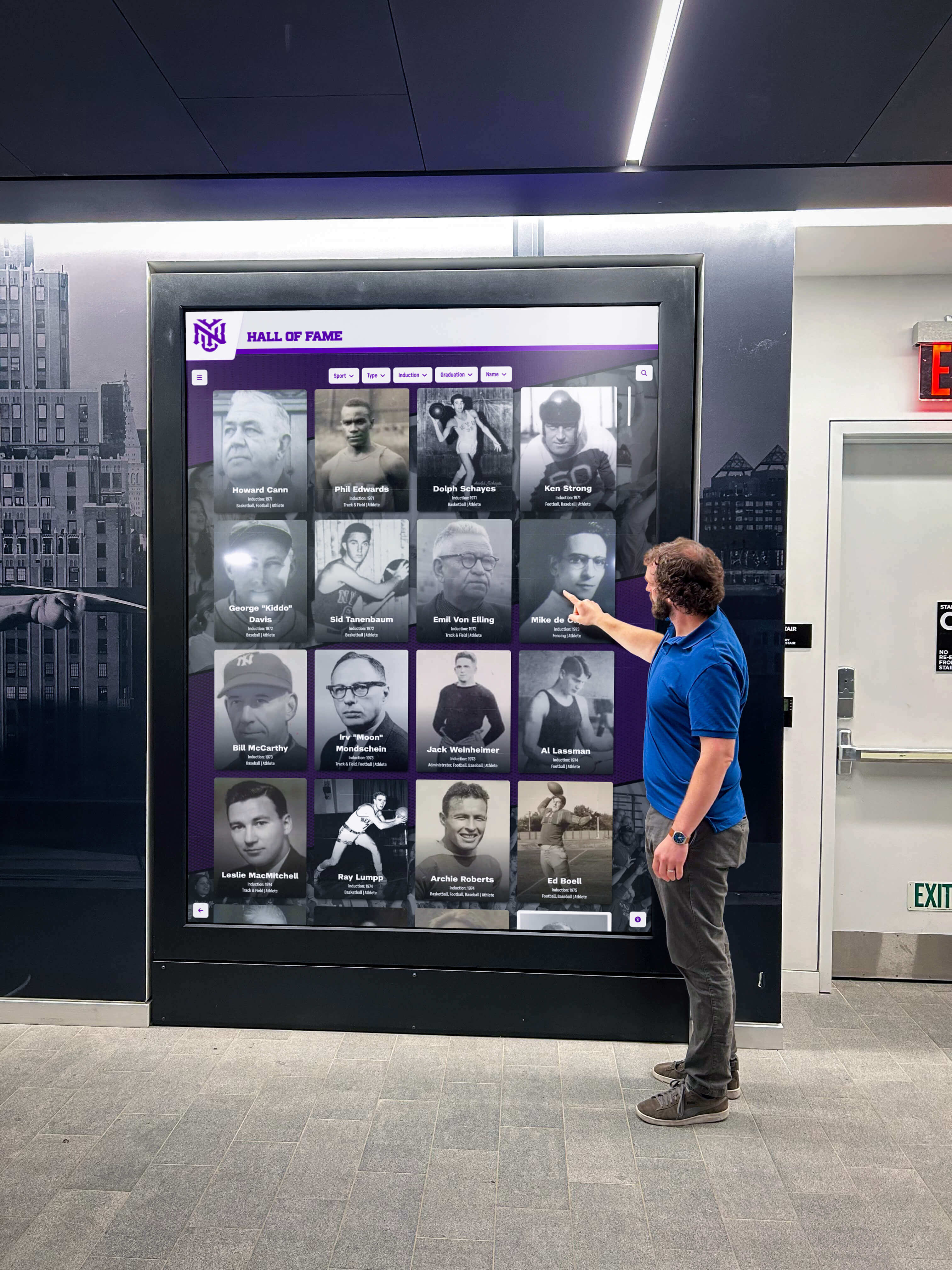
Individual Athletic Achievement: Recognize record-holders, award recipients, and athletes who competed at collegiate, professional, or international levels after graduation. Digital athletic record boards provide flexible platforms for comprehensive achievement documentation without traditional display space limitations.
Coaching Legacies: Honor coaches who built successful programs, mentored generations of athletes, or made lasting contributions to athletics culture. Coaching recognition acknowledges leadership shaping program traditions while personalizing institutional heritage through influential individual stories.
Historical Context and Evolution: Place current athletic achievements within historical perspective showing program development over decades. Timeline presentations demonstrate how facilities improved, programs expanded, or competitive levels evolved, helping community members appreciate both continuity and progress.
Preserving and Sharing Historical Traditions
School traditions create powerful nostalgic touchstones connecting community members across generations through shared experiences and rituals passed down over decades.
Tradition Documentation: Systematically document school traditions through multimedia content explaining:
- Tradition origins and historical development
- How traditions are practiced currently
- Evolution or adaptation over time
- Personal stories from community members about tradition significance
- Traditions unique to your institution versus common practices
Comprehensive documentation ensures traditions remain vital rather than fading as institutional memory erodes.
Anniversary Celebrations: Leverage milestone anniversaries—school founding dates, building dedications, program establishments, or tradition initiations—as nostalgia marketing opportunities bringing together community members from different eras to celebrate shared heritage.
Tradition Revival Initiatives: Thoughtfully revive dormant traditions that lapsed due to changing circumstances but retain community significance. Tradition revivals generate excitement among alumni who experienced original versions while introducing meaningful practices to current community members.
Understanding how to effectively preserve institutional history helps schools maintain traditions that strengthen community bonds and differentiate institutions through authentic heritage.
Social Media and Digital Storytelling for Nostalgia
Social platforms and digital content channels provide powerful distribution mechanisms for nostalgia marketing, extending institutional heritage beyond physical campuses to engage alumni and community members wherever they live.
Historical Content Series and Campaigns
Regular social media content series focusing on institutional history create anticipated features that build audience engagement over time while systematically showcasing heritage.
“Throwback Thursday” Features: Weekly historical posts featuring vintage photographs, memorable moments, or significant milestones with context and storytelling. Consistent scheduling creates audience anticipation while providing regular opportunities to showcase different aspects of institutional heritage.
“This Week in History” Posts: Share significant events from institutional history that occurred during current calendar weeks, connecting past milestones to present moments. This format provides natural ongoing content while demonstrating rich institutional heritage.
Decade Retrospectives: Develop content series exploring specific decades—the 1980s, 1990s, or 2000s—through multiple posts examining athletics, academics, culture, significant events, and notable community members. Comprehensive decade exploration engages alumni who experienced those eras while educating others about institutional evolution.
“Where Are They Now?” Alumni Features: Profile distinguished alumni by combining historical school photographs with current information about achievements and contributions. These features inspire current students through concrete success examples while honoring graduates’ accomplishments.
Effective alumni recognition strategies leverage both historical documentation and contemporary connections to create meaningful engagement across community segments.
User-Generated Content and Community Participation
The most powerful nostalgia marketing often comes not from institutional communications but from community members sharing their own memories, stories, and connections to heritage.
Memory Solicitation Campaigns: Actively invite alumni and community members to share memories, stories, or historical materials through dedicated hashtags, submission forms, or special events. User-generated content provides authentic perspectives while making community members active participants rather than passive audiences.
Historical Photo Identification: Post historical photographs requesting help identifying individuals, explaining context, or adding personal memories. These interactive posts generate high engagement while crowdsourcing institutional knowledge that might otherwise disappear.
Reunion Support and Amplification: Support reunion classes’ social media activity by sharing their posts, providing historical content specific to their eras, and amplifying their nostalgia marketing efforts. Partnership with reunion organizers extends institutional reach while serving alumni community needs.
Alumni Takeovers: Invite distinguished alumni or reunion classes to temporarily “take over” institutional social accounts, sharing their perspectives, memories, and connections to heritage. Takeovers provide fresh voices and authentic alumni perspectives that resonate differently than official institutional communications.
Video Content for Deep Emotional Engagement
Video formats create particularly powerful nostalgic engagement through combination of visual imagery, audio elements, and narrative storytelling that static content cannot match.
Documentary Mini-Series: Produce short documentary videos exploring specific aspects of institutional history—championship seasons, distinguished alumni, beloved traditions, facility evolution, or transformative moments. Professional or student-produced documentaries become valuable archival assets while serving current marketing purposes.
Oral History Interviews: Record and share video interviews with longtime faculty, distinguished alumni, or community figures discussing institutional history, sharing memories, and reflecting on experiences. Oral histories preserve valuable perspectives while creating engaging content that brings history to life through personal voices.
Historical Footage Compilations: Edit archival video footage—athletic competitions, performances, ceremonies, or daily campus life—into compelling compilations with contemporary context or alumni commentary. Historical footage provides authentic windows into past eras that photographs alone cannot capture.
Virtual Tours and Then-and-Now Comparisons: Create video content showing how campus spaces evolved over time through side-by-side historical and contemporary footage. Evolution demonstrations satisfy curiosity while emphasizing institutional progress alongside continuity.
Schools implementing comprehensive digital recognition programs find that video content generates particularly strong emotional responses and engagement metrics compared to static formats.
Practical Applications Across School Functions
Nostalgia marketing delivers value across multiple institutional functions beyond general community engagement, supporting specific organizational objectives through strategic heritage connections.
Enrollment and Recruitment Marketing
Prospective families evaluating school options respond to nostalgia marketing differently than alumni, but institutional heritage still influences enrollment decisions through demonstrated stability, tradition, and proven track records.
Legacy Family Engagement: Families with existing alumni connections represent high-probability enrollment prospects motivated by personal nostalgia for their own school experiences. Target marketing featuring how traditions continue, facilities evolved, and institutional values endure speaks directly to legacy families considering whether their children should follow their educational paths.
Community Reputation Demonstration: Institutional longevity and rich heritage signal stability and proven value to prospective families without existing connections. Schools with strong historical traditions demonstrate they’ve successfully educated generations of students, providing reassurance during enrollment decisions.
Differentiation Through Authentic Heritage: When prospective families compare schools offering similar academic programs and facilities, authentic institutional heritage provides meaningful differentiation that competitors cannot replicate. Your specific history, traditions, and distinctive character set you apart in crowded educational markets.
Student Aspiration Inspiration: Showcase distinguished alumni achievements to prospective students, demonstrating tangible possibilities for their own futures. Stories of graduates who once sat in the same classrooms and now lead successful lives make aspirations feel attainable rather than abstract.
Research indicates that nostalgia marketing can directly influence enrollment by strengthening school communities, engaging alumni who advocate for institutions, and building brand loyalty among prospective families.
Alumni Relations and Engagement
Alumni relations represents nostalgia marketing’s most natural application, as institutional heritage directly connects to graduates’ personal experiences and memories.
Reunion Enhancement: Support reunion planning through historical content specific to reunion class eras—digitized yearbooks, championship team documentation, faculty remembrances, or period photographs. Relevant historical material enhances reunion experiences while demonstrating institutional commitment to preserving community members’ memories.
Ongoing Connection Maintenance: Provide regular nostalgic content keeping alumni connected to institutions between major events like reunions. According to research, 8 out of 10 alumni wouldn’t donate to their alma mater because they believe colleges hadn’t done much to connect with them after graduation, highlighting the importance of consistent engagement.
Geographic Alumni Groups: Share heritage content through geographic alumni chapters, providing common ground for alumni from different eras who share locations but not necessarily school-year experiences. Institutional heritage creates shared identity bridging generational differences.
Career Networking Through Heritage: Connect current students with alumni mentors through shared interests, career paths, or program participation revealed through historical recognition systems. Heritage-based connections facilitate meaningful networking relationships grounded in authentic commonalities.
Fundraising and Development
Nostalgia marketing significantly influences philanthropic behavior by activating emotional connections to institutions that motivate charitable giving beyond rational calculation of organizational needs.
Emotional Giving Motivation: According to nonprofit research, emotional connection to organizations drives charitable giving more powerfully than intellectual agreement with institutional missions. Nostalgia activates these emotional connections, making alumni feel personally invested in institutional success.
Specific Campaign Opportunities: Heritage-related projects make compelling fundraising campaign focuses—restoring historical buildings, digitizing archival materials, endowing programs named for beloved faculty, or establishing recognition displays celebrating institutional achievements. These tangible projects connected to institutional heritage resonate with donors.
Recognition as Donor Benefit: Provide donors with nostalgic recognition benefits—naming opportunities in historical displays, inclusion in heritage preservation honor rolls, or exclusive access to archival materials. These benefits acknowledge gifts while creating ongoing connections between donors and institutions.
Multi-Generational Family Giving: Nostalgia marketing supports multi-generational giving campaigns where grandparents, parents, and current students all contribute to institutions, with family heritage serving as unifying motivation spanning generations.
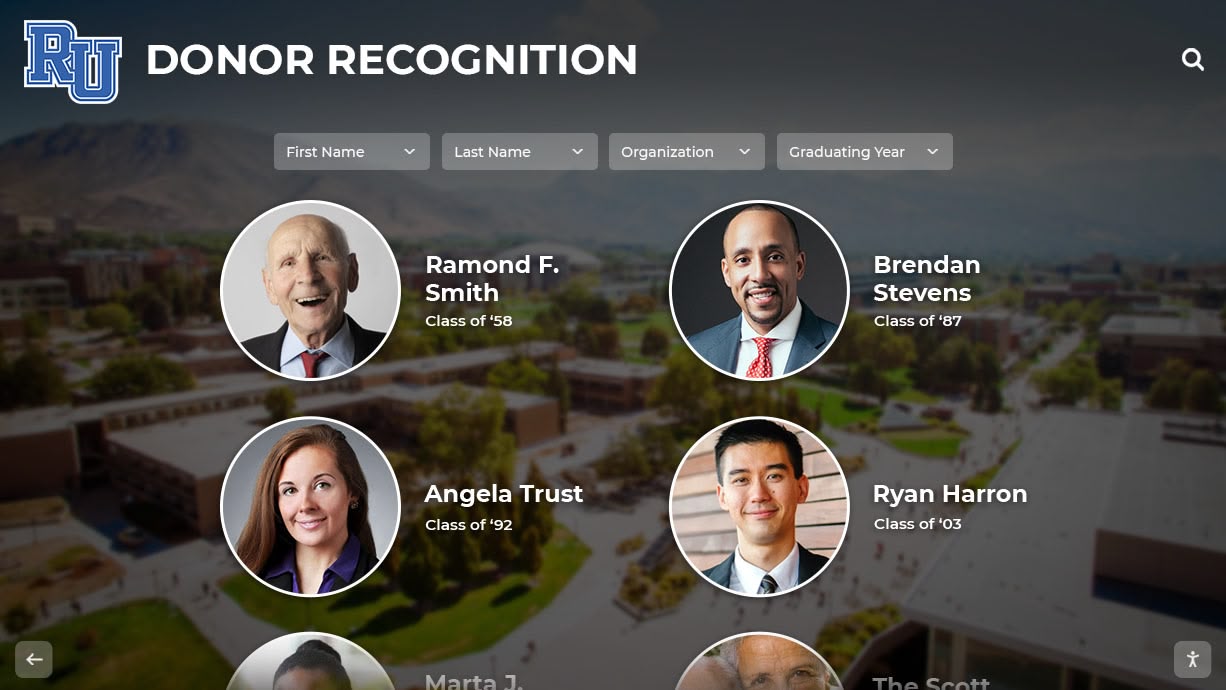
Schools implementing comprehensive donor recognition programs often integrate institutional heritage with philanthropic acknowledgment, creating displays that honor both generous donors and broader historical community.
Internal Culture and Current Student Engagement
While nostalgia marketing primarily targets alumni and prospective families, institutional heritage also influences current students by establishing traditions, inspiring excellence, and strengthening belonging.
Tradition Participation: Students who understand tradition histories and significance engage more deeply in ongoing practices rather than treating them as arbitrary rituals. Education about heritage transforms routine activities into meaningful participation in continuing traditions.
Role Model Inspiration: Distinguished alumni provide concrete examples showing current students diverse paths toward achievement, making success feel attainable rather than abstract. Historical examples demonstrate that previous students who faced similar circumstances reached significant accomplishments.
Institutional Pride Development: Students who appreciate institutional heritage develop stronger school pride and identification compared to those who view schools as interchangeable educational service providers. Pride influences behavior, motivation, and eventual alumni engagement after graduation.
Creating Tomorrow’s Nostalgia: Current students’ experiences represent tomorrow’s nostalgic content. Schools should document contemporary achievements, traditions, and moments with understanding that today’s content becomes future heritage connecting next generation alumni to institutions.
Measuring Nostalgia Marketing Effectiveness
Evaluating nostalgia marketing impact helps justify continued investment while identifying improvement opportunities through data-driven assessment rather than assumptions about effectiveness.
Engagement Metrics and Analytics
Digital platforms provide unprecedented measurement capabilities revealing how community members interact with nostalgic content.
Digital Display Interaction Data:
- Total sessions and unique users
- Average session duration and depth of exploration
- Most-viewed content categories and individual profiles
- Search terms revealing user interests
- Peak usage times correlating with events or seasons
Understanding actual usage patterns informs content development priorities and display placement decisions based on evidence rather than intuition.
Social Media Performance Metrics:
- Engagement rates on historical content versus other post types
- Reach and impressions for nostalgic campaigns
- User-generated content submissions and participation
- Sharing and amplification of heritage posts
- Sentiment analysis of comments and reactions
Comparative analysis reveals whether nostalgic content outperforms other approaches, justifying continued emphasis on heritage marketing.
Website Analytics:
- Traffic to historical or alumni pages
- Time spent consuming heritage content
- Conversion from historical content to action (donations, event registrations, contact submissions)
- Geographic distribution of heritage content consumers
- Returning visitors indicating ongoing engagement
Schools implementing comprehensive digital recognition systems gain detailed analytics revealing which heritage content resonates most strongly with different audience segments.
Qualitative Feedback and Testimonials
Numbers alone don’t capture nostalgia marketing’s full impact—subjective feedback reveals emotional responses and personal meaning that quantitative metrics miss.
Alumni Testimonials: Document specific stories about how nostalgia marketing influenced individual alumni:
- Renewed connections to institutions after discovering historical content
- Decisions to attend reunions prompted by nostalgic engagement
- Donations motivated by emotional reactions to heritage recognition
- Career networking relationships facilitated through alumni discovery
Personal stories provide compelling evidence of impact while generating authentic content for future marketing.
Prospective Family Feedback: Survey admitted families about factors influencing enrollment decisions, specifically asking about institutional heritage, tradition, and alumni achievement visibility. Understanding heritage’s role in enrollment helps justify nostalgia marketing’s contribution to recruitment objectives.
Current Student Perspectives: Gather student input about awareness of institutional heritage, participation in traditions, and how historical recognition influences school pride or identification. Student feedback reveals whether nostalgia marketing creates desired internal culture effects.
Return on Investment Analysis
Nostalgia marketing requires resources—technology investments, content development time, promotional efforts—that compete with alternative budget allocations. Demonstrating ROI justifies continued investment.
Attribution to Fundraising Outcomes: Track whether nostalgia marketing campaigns correlate with increased giving, particularly among alumni segments exposed to heritage content. While perfect attribution proves challenging, directional evidence showing giving increases following nostalgia initiatives supports continued investment.
Enrollment Impact Assessment: Monitor application and enrollment trends among legacy families and prospective families exposed to heritage marketing, comparing outcomes to control groups or historical baselines without similar outreach.
Cost-Effectiveness Comparisons: Evaluate nostalgia marketing’s cost-effectiveness relative to alternative engagement approaches. Digital heritage platforms often provide better long-term value than traditional static displays requiring expensive periodic replacement and updates.
Best Practices and Implementation Recommendations
Schools ready to enhance nostalgia marketing should follow systematic approaches ensuring effective implementation while avoiding common pitfalls.
Starting Point Assessment
Inventory Existing Heritage Assets: Document historical materials already available—yearbooks, photographs, trophies, documents, oral histories, video footage. Understanding current assets reveals starting points and gaps requiring additional collection.
Evaluate Current Recognition Systems: Assess existing heritage recognition approaches identifying strengths worth preserving and weaknesses creating improvement opportunities. Don’t assume starting from scratch—build on what works while addressing limitations.
Define Clear Objectives: Establish specific goals for nostalgia marketing rather than pursuing general “engagement.” Objectives might include:
- Increase alumni event attendance by specific percentages
- Improve giving participation among recent graduate classes
- Strengthen enrollment among legacy families
- Enhance prospective family perceptions of institutional stability
Clear objectives enable focused strategies and meaningful outcome measurement.
Identify Target Audiences: Determine which community segments represent priority audiences for nostalgia marketing—recent alumni, legacy families, longtime donors, geographic alumni groups, or specific class years. Focused targeting allows customized content rather than generic heritage messaging.
Technology Selection and Implementation
Purpose-Built Recognition Platforms: Choose digital recognition systems specifically designed for educational institutions rather than adapting generic digital signage solutions. Purpose-built platforms like Rocket Alumni Solutions provide intuitive content management, educational-specific design templates, and features addressing schools’ unique recognition needs.
Cloud-Based Management: Prioritize systems offering cloud-based content management accessible from any device without requiring on-site technical infrastructure or IT expertise. Cloud platforms enable distributed content development and easy updates without specialized knowledge.
Scalability Considerations: Select platforms supporting growth as programs expand—adding displays, increasing content volume, or extending access to additional user groups. Scalable systems protect initial investments rather than requiring replacement as needs evolve.
Integration Capabilities: Consider how recognition platforms integrate with existing systems—alumni databases, fundraising software, website content management, or communications tools. Integration reduces duplicate data entry while enabling sophisticated segmentation and personalization.
Schools researching options should review comprehensive guidance for selecting digital recognition providers ensuring thoughtful evaluation of critical factors before making significant technology investments.
Content Development Strategy
Systematic Digitization Plans: Develop multiyear plans for digitizing historical materials—yearbooks, photographs, documents, and artifacts—recognizing that comprehensive heritage content development requires ongoing effort rather than one-time projects.
Diverse Content Team: Assemble content development teams including:
- Alumni relations staff providing community connections
- Historical knowledge holders understanding institutional heritage
- Communications professionals ensuring compelling storytelling
- Technical coordinators managing platforms and systems
Diverse teams produce richer content reflecting multiple perspectives and expertise.
Regular Publication Schedules: Establish consistent schedules for new heritage content releases—weekly social posts, monthly feature profiles, quarterly display updates—maintaining momentum through routine rather than sporadic activity driven by individual enthusiasm.
Quality Standards: Maintain rigorous standards for content quality, historical accuracy, and professional presentation. Poor-quality nostalgia marketing undermines institutional credibility rather than enhancing it.
Ongoing Program Management
Distributed Responsibility: Spread nostalgia marketing responsibilities across multiple staff members rather than depending entirely on single champions. When one person leaves or becomes unavailable, programs continue rather than disappearing.
Regular Assessment and Refinement: Schedule periodic program reviews evaluating effectiveness, gathering stakeholder feedback, analyzing metrics, and making evidence-based improvements. Systematic assessment prevents programs from becoming stagnant.
Budget Sustainability: Secure ongoing budget allocations for nostalgia marketing rather than relying on temporary funding. Sustainable programs require predictable resources for technology maintenance, content development, and promotional activities.
Stakeholder Communication: Regularly communicate nostalgia marketing outcomes to leadership, boards, and key stakeholders, demonstrating value and maintaining organizational support through leadership changes or budget pressures.
Conclusion: Building Community Through Institutional Memory
Nostalgia marketing represents far more than sentimental reminiscence or opportunistic manipulation of emotions. When implemented thoughtfully and authentically, heritage-based engagement strategies strengthen communities by creating meaningful connections between past achievements and contemporary aspirations, honoring individuals who built institutional legacies while inspiring current community members, demonstrating stability and proven value that differentiate institutions in competitive environments, and transforming institutional memory from fading recollections into active engagement tools.
The most effective nostalgia marketing balances emotional resonance with contemporary relevance, ensuring heritage strengthens rather than overshadows present vitality. Schools and communities that honor their pasts while embracing modern engagement technologies create dynamic recognition systems that serve diverse stakeholders across generations.
Essential Elements of Effective Nostalgia Marketing:
- Authentic Heritage Content: Real stories, verified facts, and genuine respect for institutional history
- Modern Technology Platforms: Interactive digital displays and online systems making heritage accessible and engaging
- Strategic Content Development: Systematic approaches to creating diverse, inclusive nostalgic content
- Multi-Channel Distribution: Coordinated heritage marketing across physical displays, websites, social media, and events
- Continuous Measurement: Data-driven assessment of effectiveness informing ongoing refinement
- Sustainable Operations: Distributed responsibility and predictable resources ensuring programs thrive over time
Schools and communities implementing comprehensive nostalgia marketing programs report strengthened alumni engagement, improved fundraising outcomes, enhanced enrollment interest, and deeper community pride. By thoughtfully preserving and celebrating heritage through modern digital recognition displays and strategic content approaches, institutions create lasting value that benefits current community members while honoring those who built institutional legacies.
Solutions like Rocket Alumni Solutions provide comprehensive platforms specifically designed for educational nostalgia marketing, offering intuitive content management systems, engaging interactive displays, and proven approaches that help schools build the heritage recognition programs their communities deserve. Whether implementing interactive digital recognition systems, developing comprehensive alumni engagement programs, or creating integrated heritage celebration initiatives, modern technology enables schools to leverage nostalgia’s power more effectively than ever before.
Ready to transform how your school or community celebrates heritage while strengthening engagement across generations? Explore how the right nostalgia marketing strategy—combining authentic institutional memory with modern recognition technology—can build the lasting connections that inspire excellence, motivate giving, and strengthen community bonds for decades to come.
Sources:
- How Nostalgia Marketing Can Boost Your School’s Enrollment | SchneiderB Media
- The Ultimate Collection of Statistics for Alumni Engagement, Giving and Membership
- How Brands Use Nostalgia to Drive Engagement - And What Schools Can Learn From Them — SocialArchive®