



Key Takeaways
Complete guide to planning meaningful NHS induction ceremonies. Learn best practices for recognition, event logistics, ceremony formats, and creating lasting memories that honor academic excellence.
Every spring, high schools across America host National Honor Society induction ceremonies welcoming academically accomplished students into one of education’s most prestigious recognition programs. These ceremonies represent far more than procedural membership processes—they create defining moments in students’ educational journeys, affirming years of academic dedication while challenging new members to embrace leadership, service, and character alongside scholarly excellence. Yet many schools struggle to plan NHS induction ceremonies that feel genuinely meaningful rather than perfunctory, engaging rather than tedious, memorable rather than forgettable.
This comprehensive guide examines everything advisors, administrators, and NHS officers need to know about planning effective induction ceremonies. From developing ceremony programs that honor tradition while resonating with contemporary students, to managing event logistics, creating symbolic recognition elements, and establishing permanent recognition displays extending impact beyond ceremony night, this resource provides practical frameworks schools can adapt for their unique contexts and community expectations.
Understanding NHS Induction Ceremony Significance and Purpose
Before diving into planning logistics, recognizing why NHS induction ceremonies matter helps advisors make thoughtful decisions aligning events with broader program goals.
The Educational Role of Induction Ceremonies
NHS induction ceremonies serve multiple educational and developmental purposes extending beyond simple membership notification:
Public Recognition of Achievement: Ceremonies provide formal, communal acknowledgment of academic accomplishment and character development. While grade reports and honor roll lists quantify achievement privately, induction ceremonies celebrate excellence publicly before families, teachers, administrators, and peers. This public recognition validates students’ efforts while communicating to broader school communities that academic achievement and character matter deeply to institutions.
Research consistently demonstrates that recognition ceremonies increase student motivation and strengthen identity formation around academic excellence. Students who experience meaningful recognition develop stronger connections to educational institutions while internalizing scholar identities that influence future academic persistence and goal-setting behaviors.
Transition into Leadership Expectations: NHS membership carries explicit expectations for service, leadership, and character alongside continued academic excellence. Induction ceremonies mark the transition from achievement recognition to leadership responsibility, challenging new members to leverage their capabilities for community benefit rather than merely maintaining personal success.
The ceremonial format—with its formality, symbolic elements, and pledges—reinforces the seriousness of these expectations. Students understand that NHS membership represents more than adding credentials to college applications; it involves active commitment to service and leadership over remaining high school years.
Community Building Among Honorees: Ceremonies create shared experiences binding new inductees together as cohorts. Students who might not otherwise interact—separated by grade level, academic interests, or social circles—join a common organization with shared values and expectations. The ceremony initiates this community formation, establishing foundations for future collaboration on service projects and leadership initiatives.
Family Engagement and Celebration: NHS induction provides families with opportunities to celebrate their students’ academic accomplishments in formal school contexts. These events recognize that student achievement reflects family support, sacrifice, and prioritization of education. Family attendance at ceremonies strengthens school-family partnerships while creating positive memories associating educational institutions with celebration rather than obligation.
Balancing Tradition with Contemporary Relevance
NHS ceremonies carry decades of tradition, yet effective events adapt these traditions for contemporary students while preserving meaningful elements:
Honoring Traditional Ceremony Components: Many NHS induction elements have endured because they effectively communicate program significance:
- Formal processionals creating ceremonial gravitas
- Candle lighting symbolizing the four pillars (scholarship, service, leadership, character)
- Recitation of NHS pledges articulating membership commitments
- Certificate and membership card presentations providing tangible recognition
- Distinguished guest speakers inspiring new members
- Closing with formal recessional
These traditional elements work when executed thoughtfully, though schools should evaluate whether specific components genuinely resonate with their communities or merely replicate procedures because “we’ve always done it this way.”
Contemporary Adaptations for Student Engagement: While respecting tradition, successful ceremonies incorporate elements connecting with today’s students:
- Multimedia presentations showcasing inductee achievements and service contributions
- Student voice through current NHS officer participation in ceremony roles
- Brevity and pacing preventing ceremony tedium (target 60-90 minutes maximum)
- Social media integration enabling families to share celebration digitally
- Interactive elements beyond passive sitting and listening
- Speakers who authentically connect with teenage audiences
- Music selections reflecting school culture beyond traditional classical pieces
The most effective ceremonies blend timeless elements communicating importance with contemporary touches ensuring events feel relevant rather than antiquated to 21st-century students and families.
Planning NHS Induction Ceremony Logistics and Timeline
Effective ceremonies require thorough planning addressing numerous operational details months before event dates.
Establishing Planning Timeline and Committee Structure
Planning Timeline:
Begin planning at least 8-12 weeks before ceremony dates to allow adequate time for critical tasks:
12 Weeks Before:
- Confirm ceremony date, time, and venue
- Establish planning committee and assign responsibilities
- Determine ceremony format and program structure
- Begin identifying potential guest speakers
- Create ceremony budget and identify funding sources
8-10 Weeks Before:
- Finalize and confirm guest speaker
- Design ceremony program and invitations
- Begin collecting inductee information (photos, bios, achievements)
- Reserve necessary audio-visual equipment
- Plan reception elements if included
6 Weeks Before:
- Send invitations to inductees and families
- Order certificates, membership cards, and recognition materials
- Finalize ceremony script and participant roles
- Begin rehearsal planning for student participants
- Coordinate with facilities and custodial staff
4 Weeks Before:
- Confirm RSVP numbers for space and reception planning
- Finalize program printing and proofing
- Conduct ceremony rehearsal with student participants
- Confirm all logistics with vendors, speakers, and support staff
- Prepare recognition displays or multimedia presentations
1-2 Weeks Before:
- Final confirmations with all participants
- Print programs and prepare certificates
- Conduct sound and technology checks
- Brief all ceremony participants on logistics and expectations
- Prepare backup plans for potential issues
Planning Committee Structure:
Distribute responsibilities across team members preventing advisor burnout:
- Faculty Advisor: Overall coordination and decision-making authority
- Student Officer Team: Current NHS officers handling peer communication, ceremony participation, and student perspective
- Ceremony Coordinator: Logistics management including venue, audio-visual, and program production
- Recognition Coordinator: Certificate preparation, photography coordination, and display materials
- Communications Coordinator: Invitations, family communication, social media, and publicity
- Reception Coordinator: If including reception, manages refreshments, setup, and hospitality
Clear role assignments with documented responsibilities ensure nothing falls through cracks while preventing last-minute crisis management.
Selecting Ceremony Venue and Format
Venue Considerations:
Choose locations balancing capacity, atmosphere, and practical requirements:
School Auditorium or Theater: Most common venue providing appropriate formality, stage setup, seating capacity, and audio-visual capabilities. Works well for medium to large ceremonies (30-150+ inductees). Drawbacks include potential scheduling conflicts with other school events and generic institutional feel.
School Gymnasium: Accommodates very large audiences when inductee classes exceed 100 students or when anticipating extensive family attendance. Requires significant decoration and setup to achieve appropriate ceremonial atmosphere. Audio challenges in large spaces demand professional sound system planning.
Cafeteria or Multi-Purpose Room: Suitable for smaller ceremonies (under 50 inductees) or schools without auditorium access. Enables more intimate atmosphere and easier reception integration. May require substantial decoration elevating space for ceremonial appropriateness.
External Venues: Some schools host ceremonies at local colleges, performing arts centers, or community venues. While these locations may offer prestige or enhanced facilities, they add logistical complexity, transportation considerations, and potential costs that school venues avoid.
Format Variations:
Traditional Formal Ceremony: Classic approach with processional, speeches, individual recognition, symbolic elements, and recessional. Appropriate for schools valuing tradition and creating gravitas around NHS membership. Works best with strong speakers and well-paced program preventing monotony.
Hybrid Ceremony and Reception: Combines formal ceremony elements with immediate transition to social reception allowing families to congratulate inductees, meet teachers and officers, and celebrate together. This format softens formality while extending family engagement beyond passive ceremony attendance.
Morning Assembly Format: Some schools host NHS inductions during school day as all-school assemblies, enabling entire student body to witness recognition and hear about NHS values. This approach maximizes student audience and scheduling convenience but reduces family participation significantly.
Evening Ceremony with Celebratory Reception: Premium approach combining formal evening ceremony with catered reception offering light refreshments, photo opportunities, and social time. Creates special occasion feel but requires more extensive planning, funding, and volunteer coordination. Many schools incorporate approaches seen in successful academic recognition programs that celebrate student achievement comprehensively.
Developing Meaningful Ceremony Program and Content
The ceremony program structure determines whether events feel engaging and meaningful versus tedious and forgettable.
Crafting Effective Ceremony Script and Flow
Opening Elements (10-15 minutes):
Begin ceremonies establishing appropriate tone and context:
Welcome and Opening Remarks: School principal, superintendent, or NHS advisor welcomes attendees and frames ceremony significance. Keep opening remarks brief (3-5 minutes) focusing on NHS importance rather than lengthy introductions.
National Anthem or School Song: Optional traditional opening creating formal tone. Consider whether this element adds meaning or merely extends ceremony length unnecessarily.
Introduction of Current NHS Officers: Current officers introduce themselves and briefly describe their NHS experiences, connecting new inductees with student leaders they’ll join. This peer voice early in ceremony engages student audiences more effectively than opening with adult speakers exclusively.
The Four Pillars Recognition (10-12 minutes):
Core ceremony element explaining NHS values:
Scholarship, Service, Leadership, Character: Four current NHS officers or distinguished students each present one pillar, explaining its meaning and importance. These presentations should be 2-3 minutes each with personal examples and concrete expectations rather than abstract definitions.
Symbolic Candle Lighting: Traditional element where candles representing each pillar are lit while pillars are explained. The visual symbolism creates memorable moment while reinforcing NHS values multi-sensorily.
Alternative Symbolic Elements: Schools without candles may use alternative symbols: presenting four colored cords representing pillars, displaying pillar banners, or creating video representations. The specific symbol matters less than clear communication that NHS membership involves these four dimensions of excellence.
Inductee Recognition (25-40 minutes depending on class size):
The ceremony’s central component honoring new members:
Individual Recognition Approach: Call each inductee individually to stage for certificate presentation. At 45-60 seconds per student, this approach takes 25-30 minutes for 30 inductees, 40-50 minutes for 50 inductees. Individual recognition feels most meaningful but requires careful pacing preventing monotony.
Small Group Recognition: For very large classes (75+ inductees), consider recognizing students in small groups (5-8 students) called together. This maintains personal recognition while controlling ceremony length.
Recognition Content Options:
- Name, grade level, and GPA (if appropriate)
- Notable service activities or leadership positions
- Future college or career intentions
- Brief biographical details (hometown, interests, achievements)
Balance detail with brevity—compelling 30-second recognitions feel more engaging than exhaustive 2-minute biographies causing audience attention drift.
Keynote Address (15-20 minutes):
Guest speaker providing inspiration and perspective:
Selecting Effective Speakers: Choose speakers who authentically connect with teenage audiences while exemplifying NHS values:
- Alumni who were NHS members, demonstrating long-term program impact
- Community leaders recognized for service and character
- Educators with compelling stories about education’s transformative power
- Professionals who overcame challenges through scholarship and perseverance
- Current college students offering recent, relevant perspective
Avoid speakers who deliver abstract philosophical speeches disconnecting from students’ lived experiences. The best speakers tell specific, personal stories illustrating NHS principles through authentic examples rather than generic platitudes about working hard and being nice.
Speech Guidelines for Speakers: Provide guest speakers with clear parameters ensuring appropriate, engaging addresses:
- Length: 15-20 minutes maximum (shorter usually better)
- Tone: Inspirational but accessible, avoiding condescension or excessive formality
- Content: Specific stories and examples rather than abstract advice
- Focus: Connecting personal experiences to NHS four pillars
- Audience: Direct address to new inductees while acknowledging families and teachers
Many advisors request advance speech review preventing inappropriate content while ensuring speaker understanding of audience and context.
Pledge and Closing (10 minutes):
Conclude ceremonies formalizing membership and celebrating accomplishment:
NHS Pledge Recitation: New inductees recite NHS pledge together, formally committing to organization values. This participatory element engages inductees actively rather than positioning them as passive recipients throughout ceremony.
Charge to New Members: Advisor or principal delivers brief challenge to new members about expectations and opportunities ahead. Keep this element to 2-3 minutes—students have heard extensive speeches already.
Closing Remarks and Photography: Logistics about reception if included, invitation for family photos with displays or at stage, and formal closing of ceremony.
Recessional: Inductees and officers process out to music, providing formal conclusion and enabling audience departure without awkward milling about.
Incorporating Multimedia and Visual Elements
Inductee Slideshow or Video Presentation:
Create visual recognition complementing verbal acknowledgment:
- Photo montage of all new inductees displayed during recognition
- Video compilation featuring each inductee with name, photo, and achievement highlights
- Service project video showcasing current NHS member activities
- Alumni message video with former members reflecting on NHS impact
Visual elements maintain audience engagement during extended recognition periods while providing content families share on social media extending ceremony reach beyond attendees.
Projection and Display Technology:
Ensure visual elements display effectively:
- Large screens visible from all audience sections
- High-resolution projector or LED display panel
- Professional audio system ensuring clear speech and music
- Backup technology plans for inevitable equipment issues
- Technical support person managing audio-visual throughout ceremony
Poor audio or visual quality undermines ceremony professionalism. Investment in adequate technology or rental of professional equipment significantly improves experience. Schools can learn from effective implementations in high school end-of-year awards programs that effectively integrate technology with traditional recognition.
Creating Lasting Recognition Beyond Ceremony Night
While induction ceremonies provide important immediate recognition, permanent display systems extend acknowledgment throughout students’ remaining years and beyond.
Physical and Digital Recognition Display Options
Traditional Recognition Approaches:
Wall-Mounted Plaques: Classic approach listing each year’s NHS inductees on permanent plaques. Professional engraved plaques cost $200-500 annually depending on inductee numbers and quality. Physical displays create tangible, prestigious recognition in prominent school locations like main lobbies or academic hallways.
Limitations include:
- Finite wall space eventually constrains capacity as programs mature
- Limited information beyond names and induction year
- Difficult updates if errors discovered after installation
- Poor visibility for many viewers depending on mounting height and location
Bulletin Board Displays: More affordable alternative using printed photos and information on dedicated NHS bulletin board. Enables richer content including photos, biographies, and service project documentation. However, bulletin boards lack the permanence and prestige of engraved plaques while requiring regular maintenance preventing shabby appearance.
Digital Recognition Display Solutions:
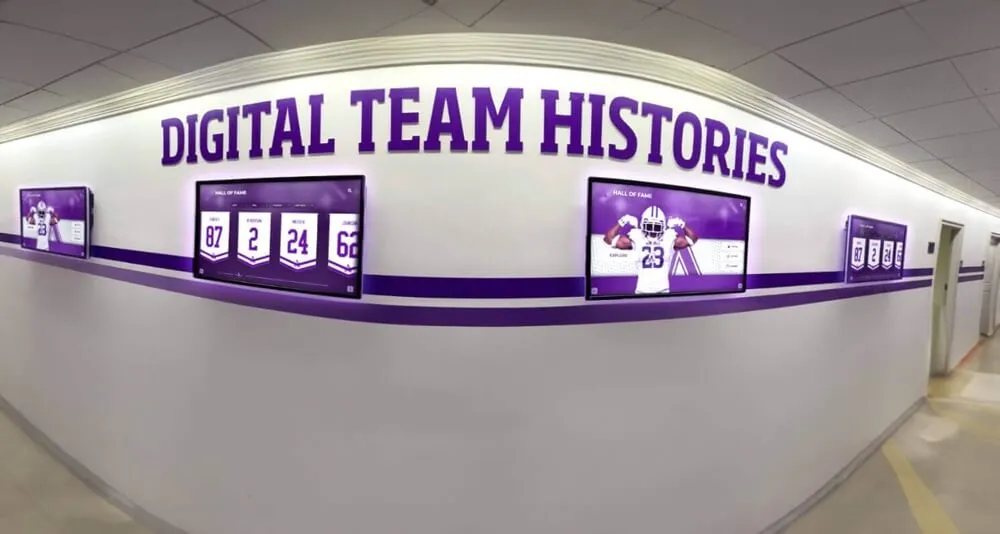
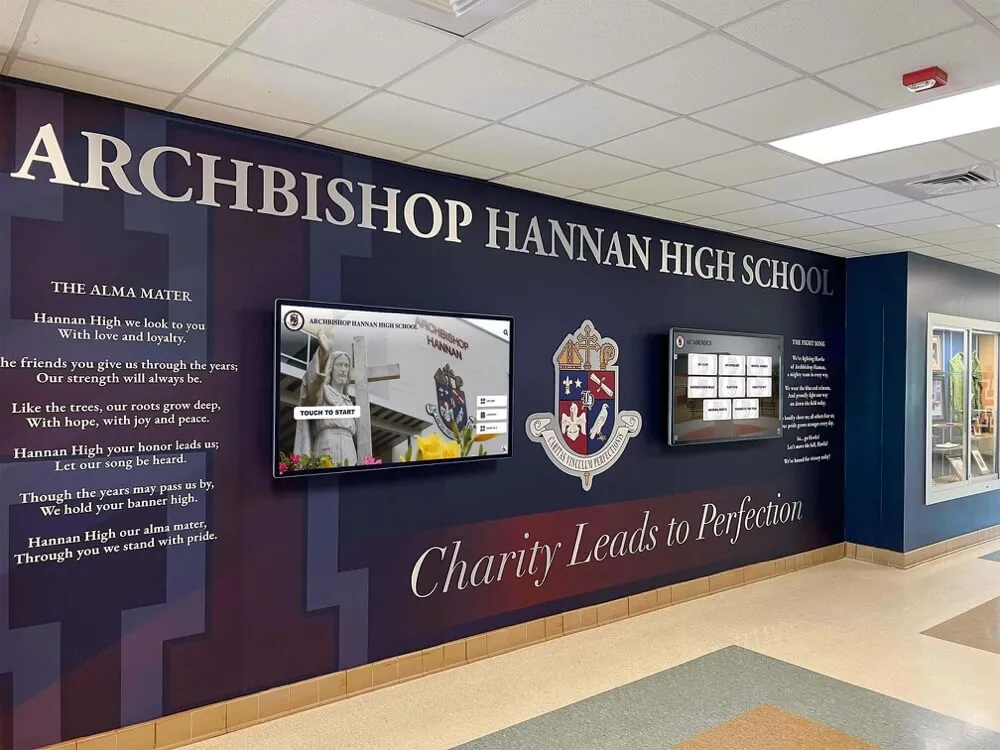
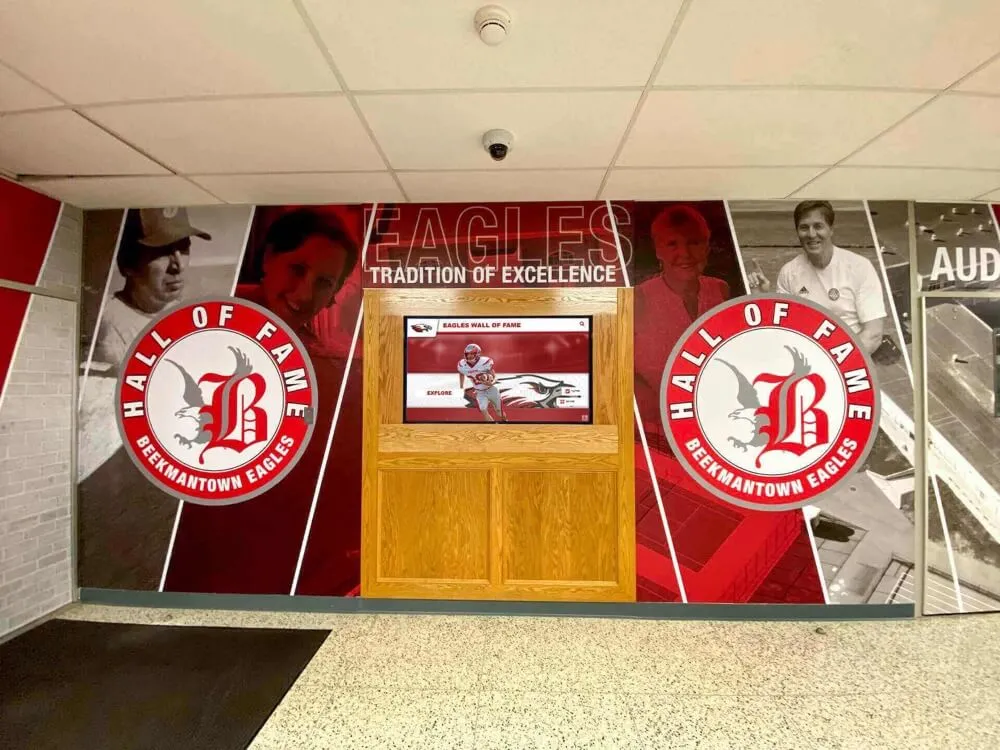
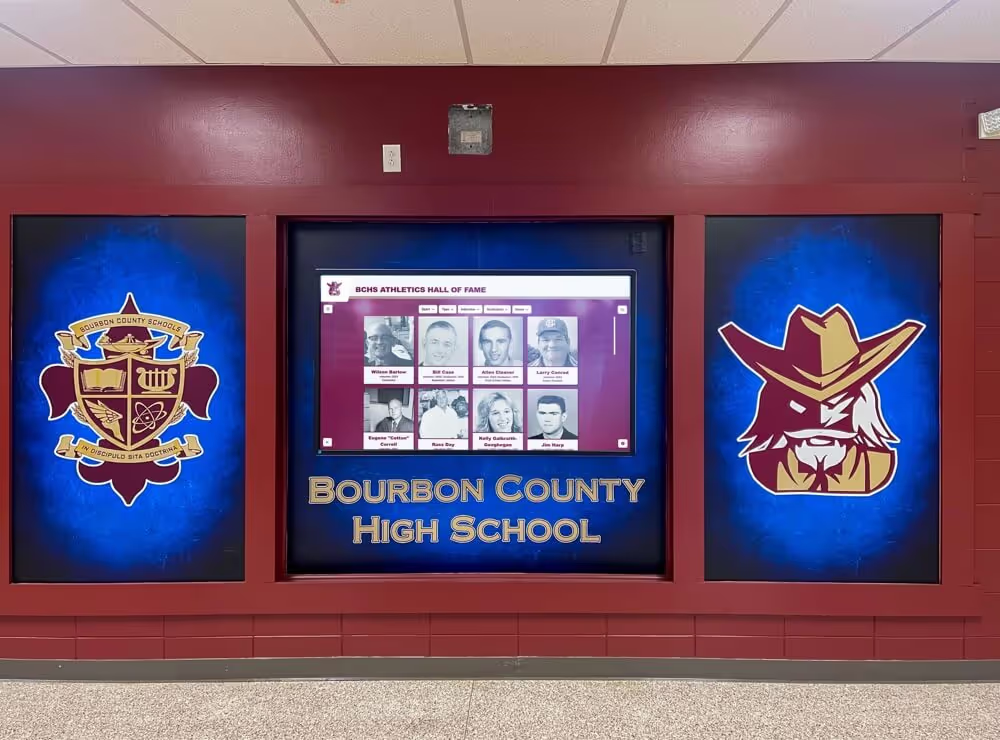
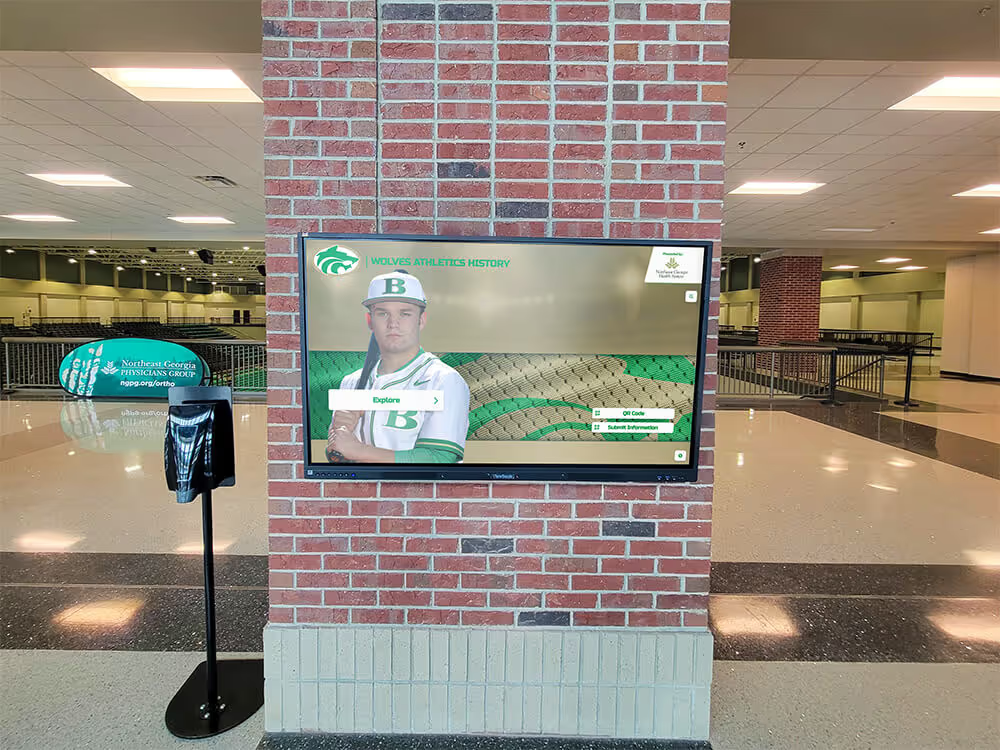
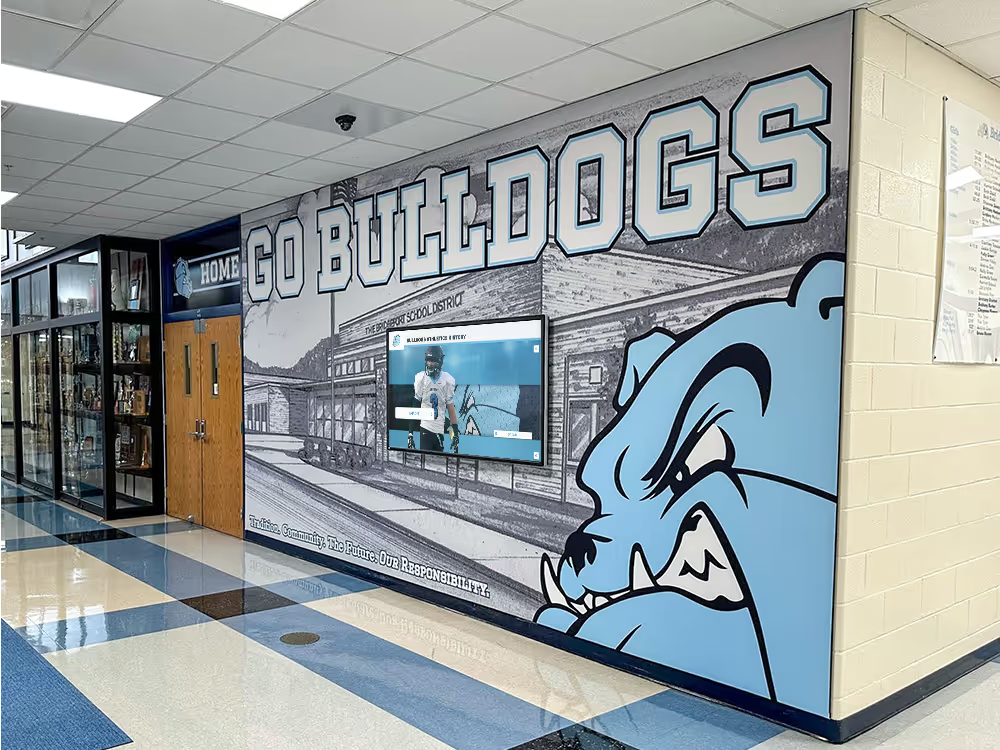
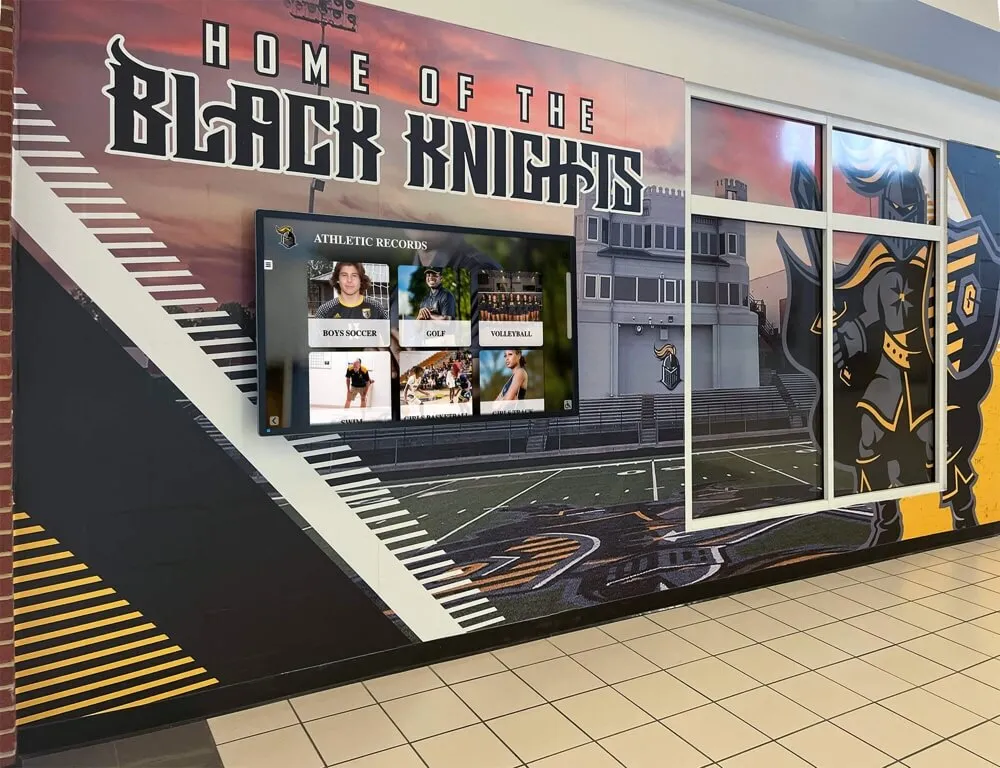
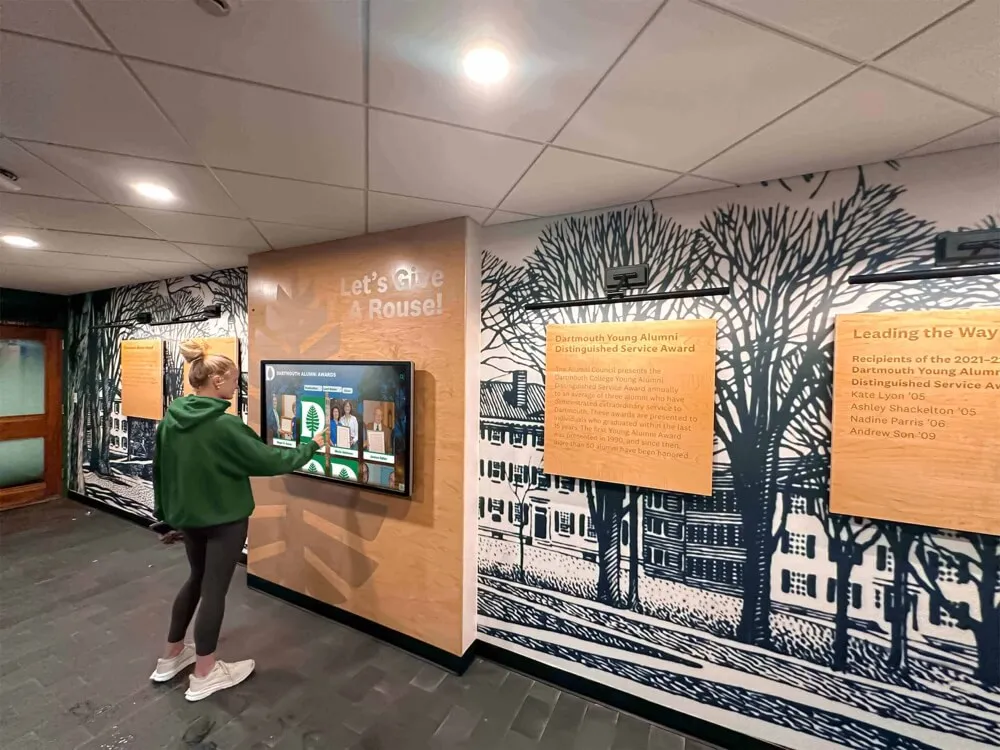
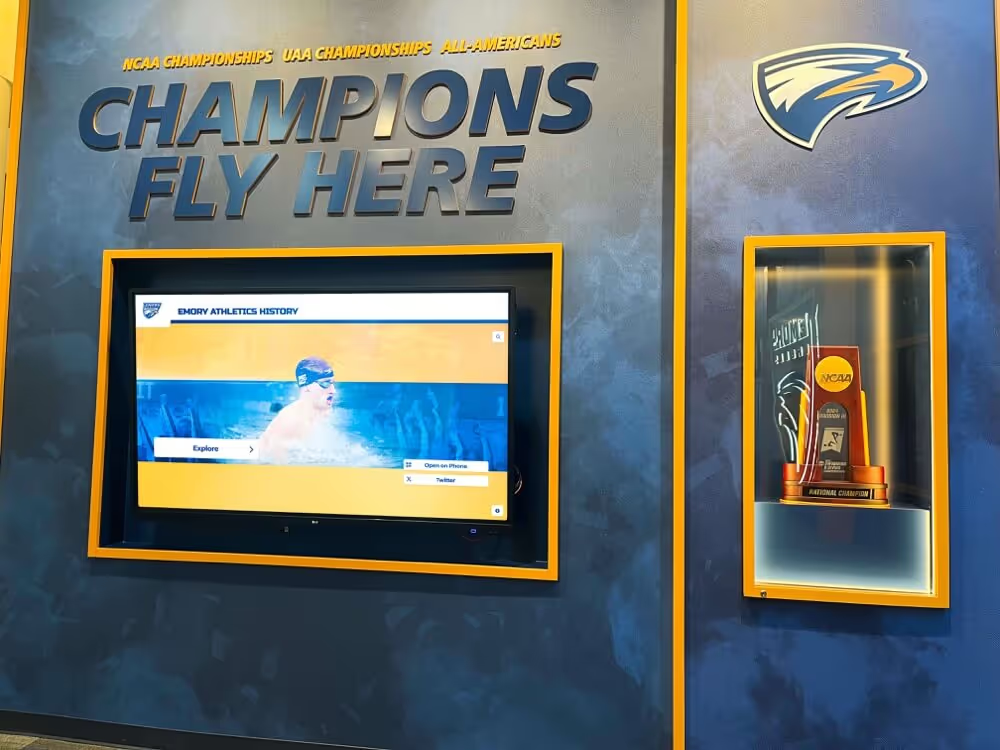
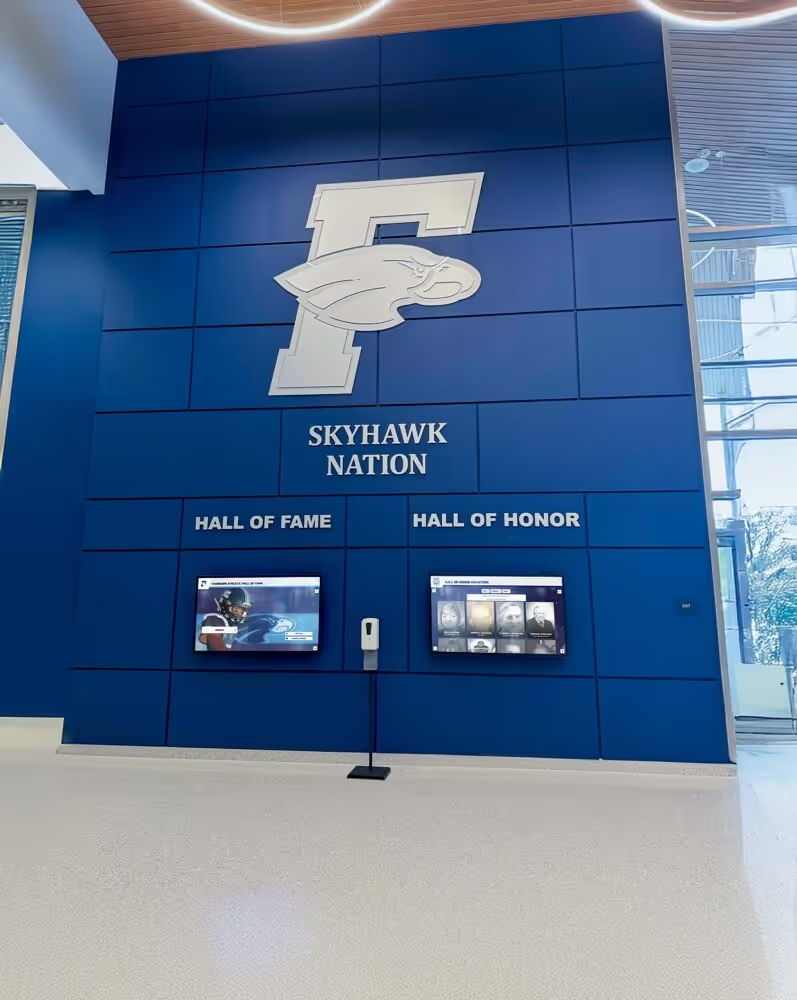
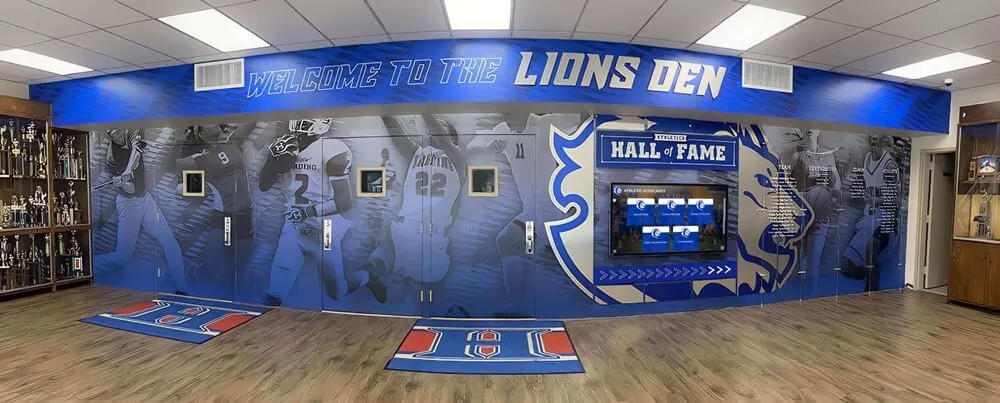
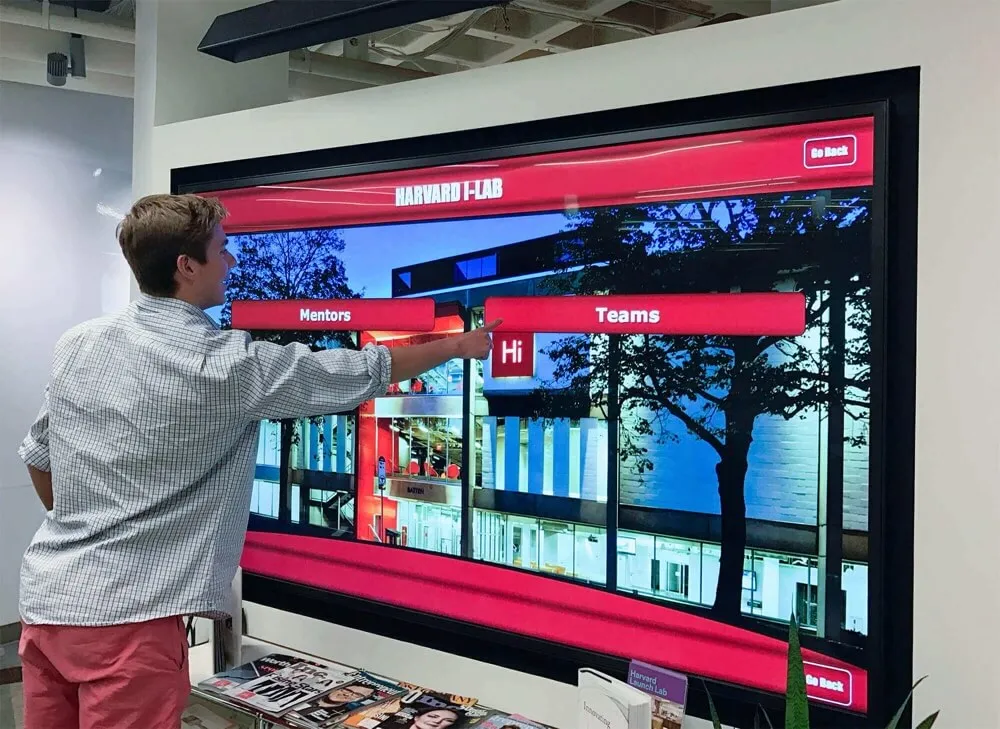
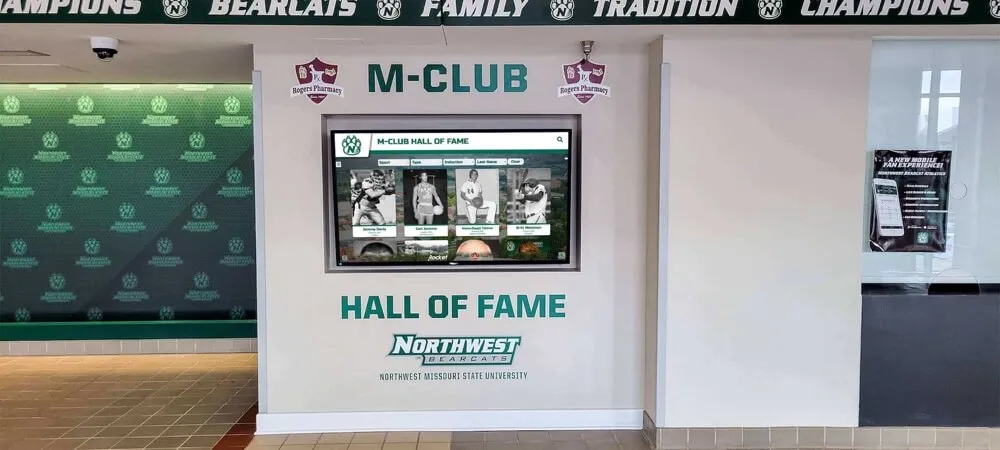
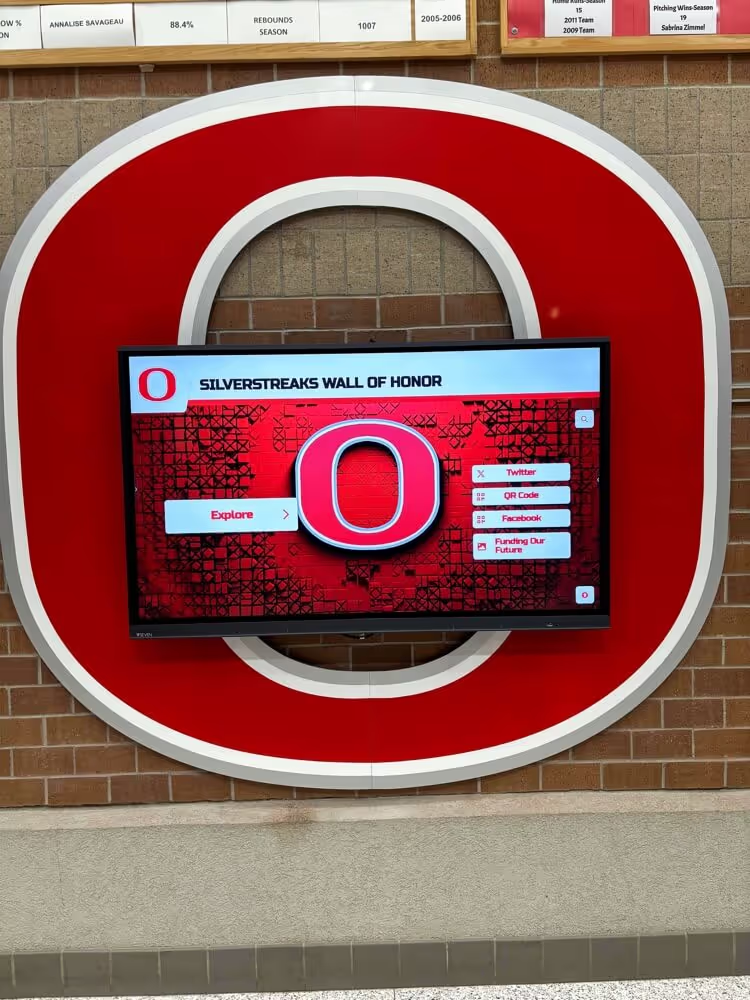
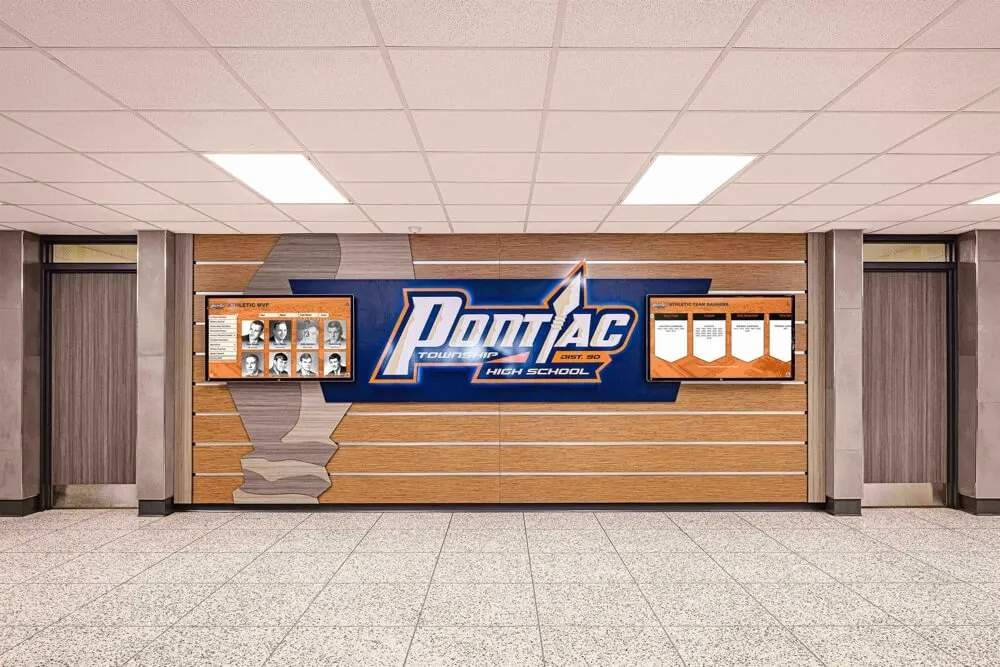
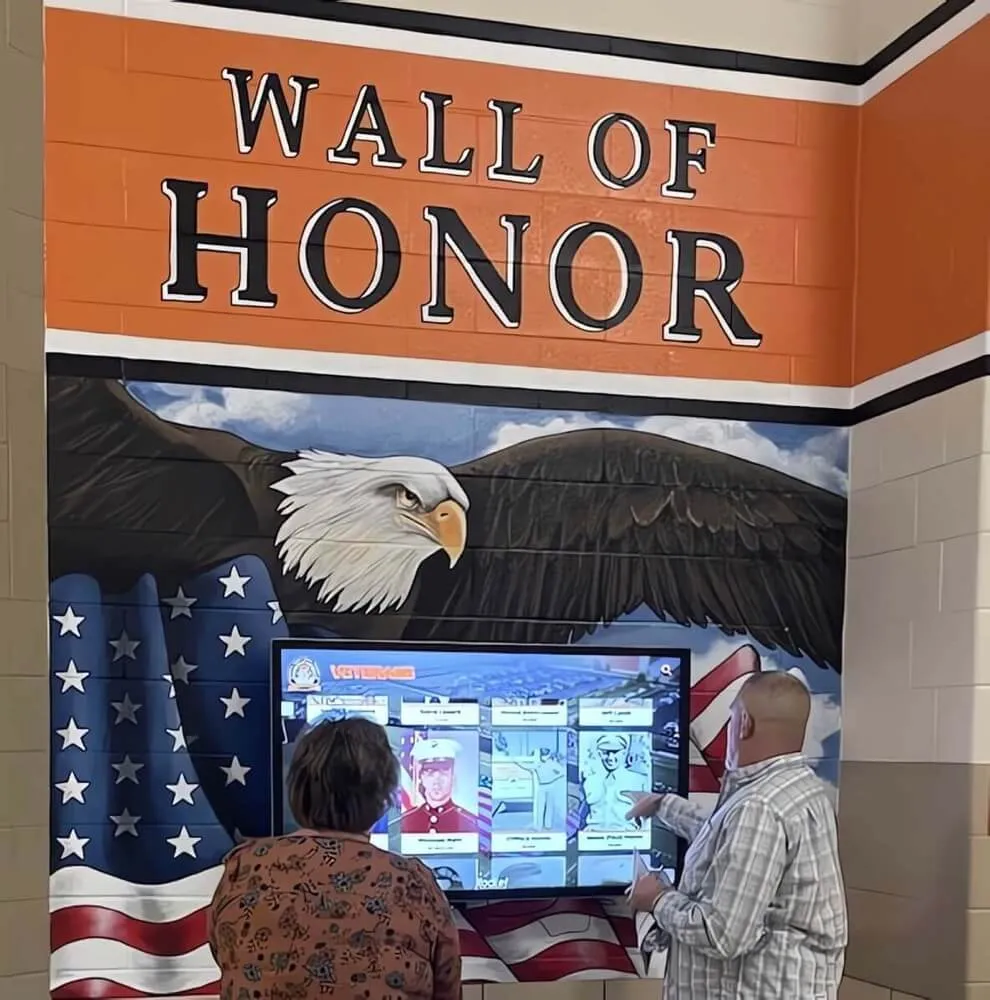
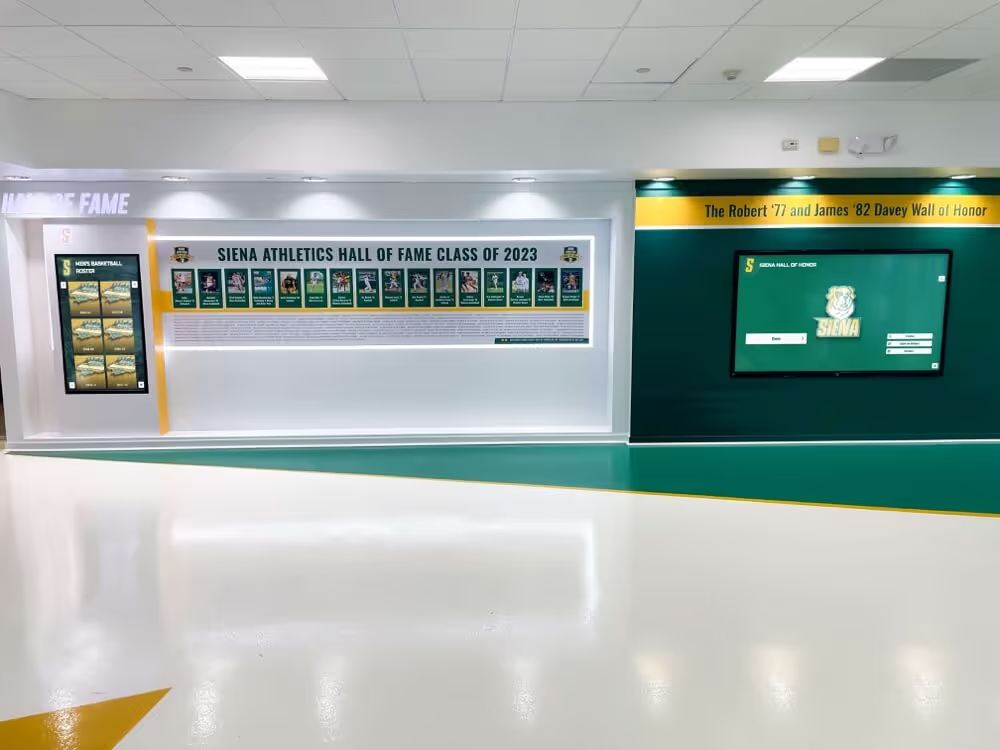
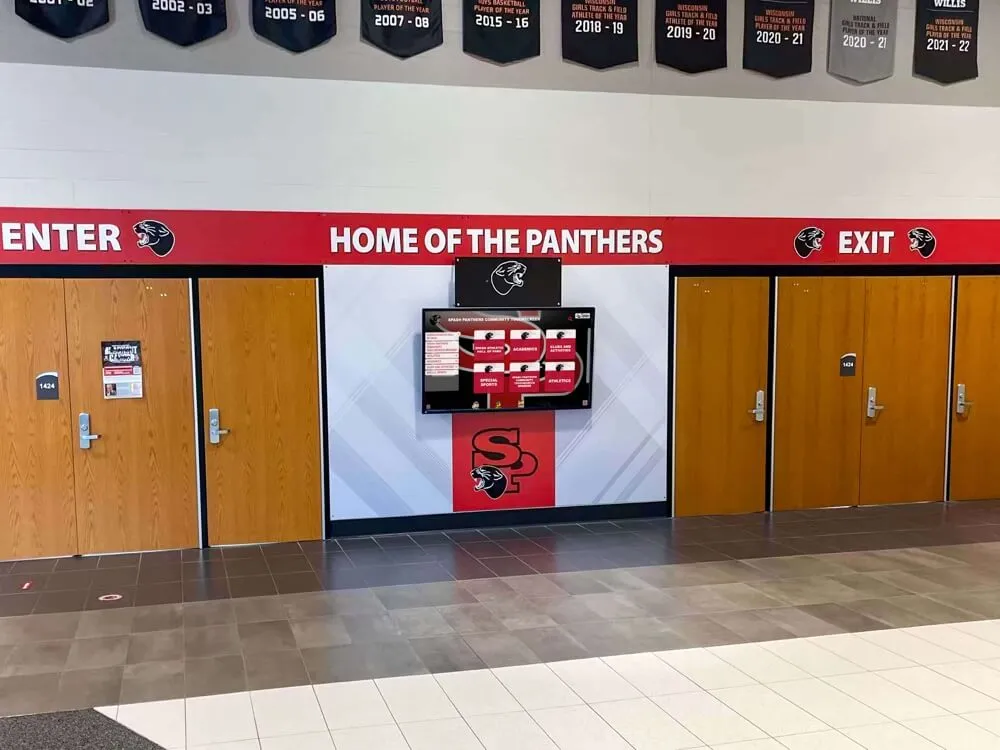
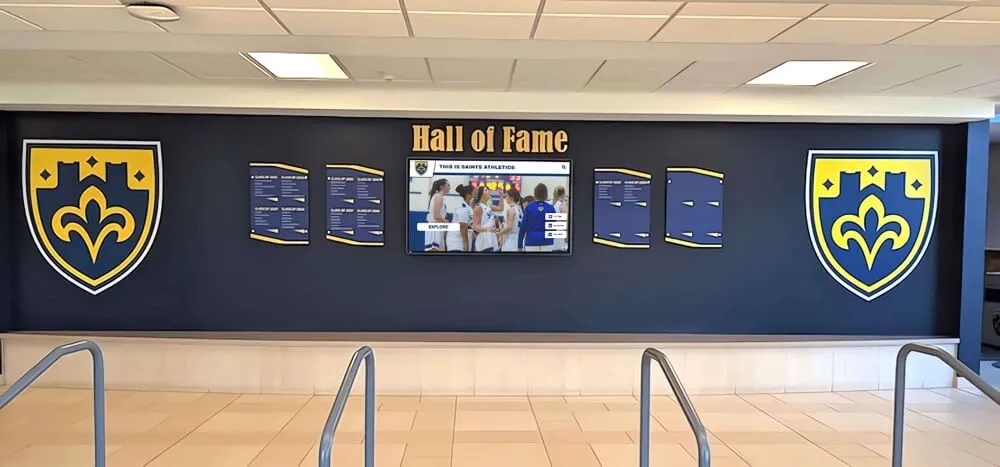
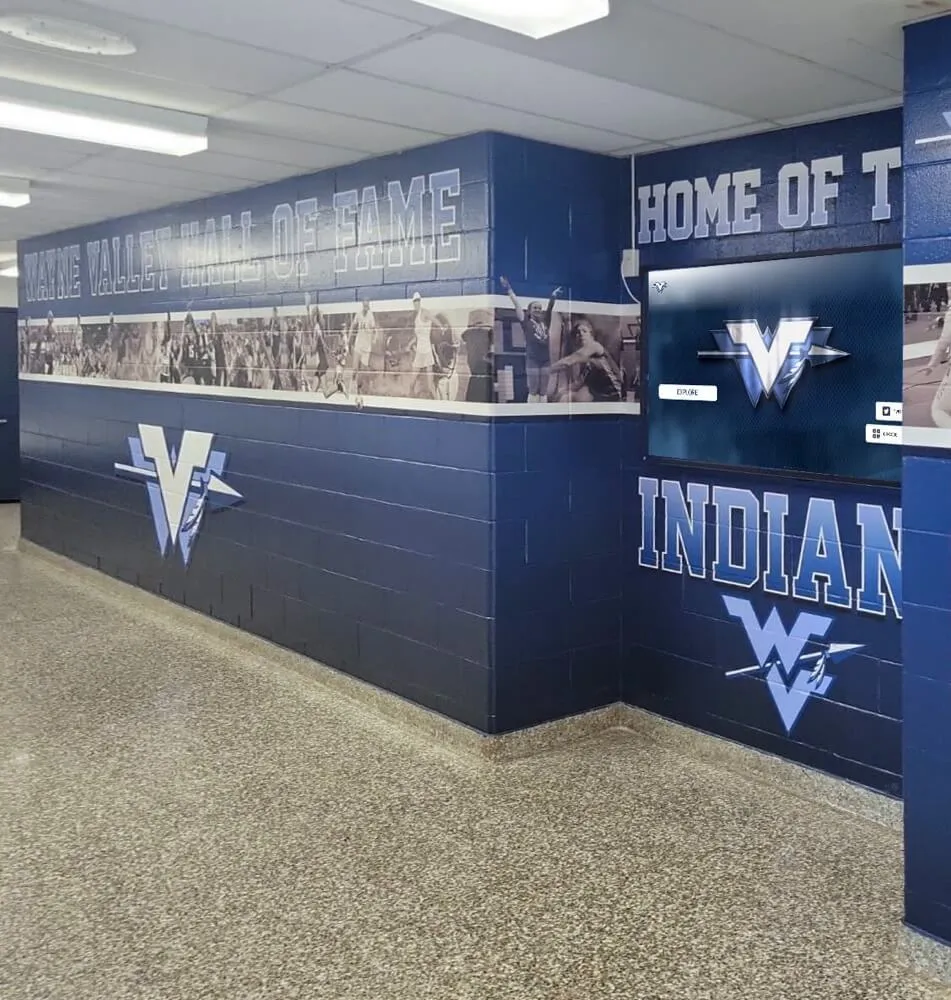
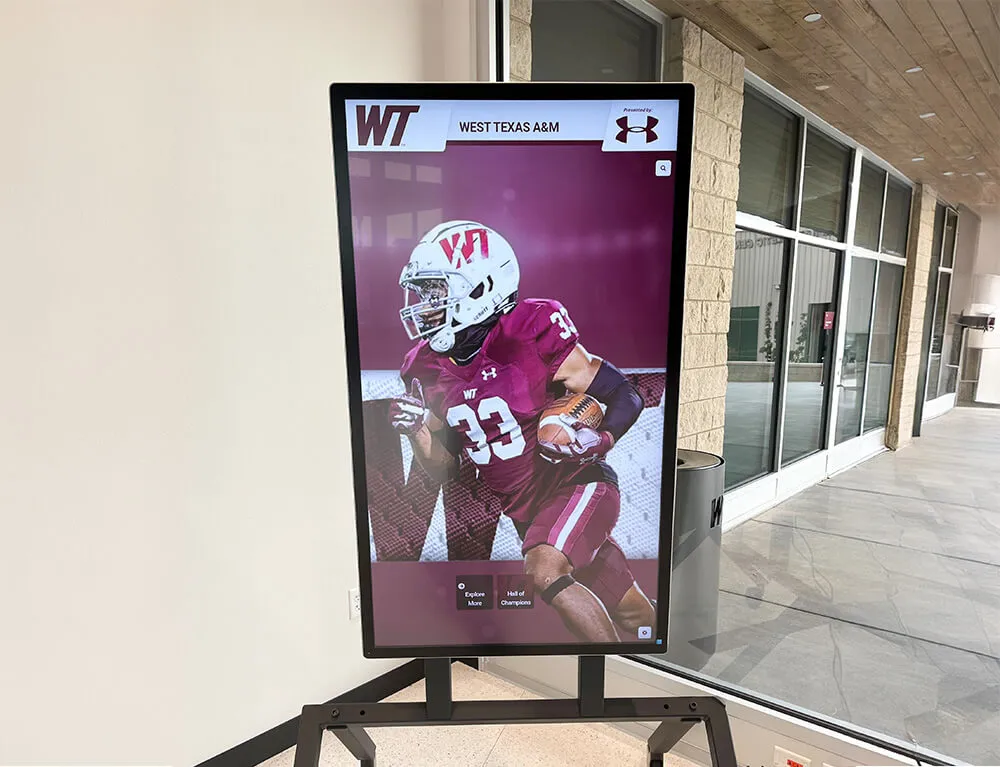
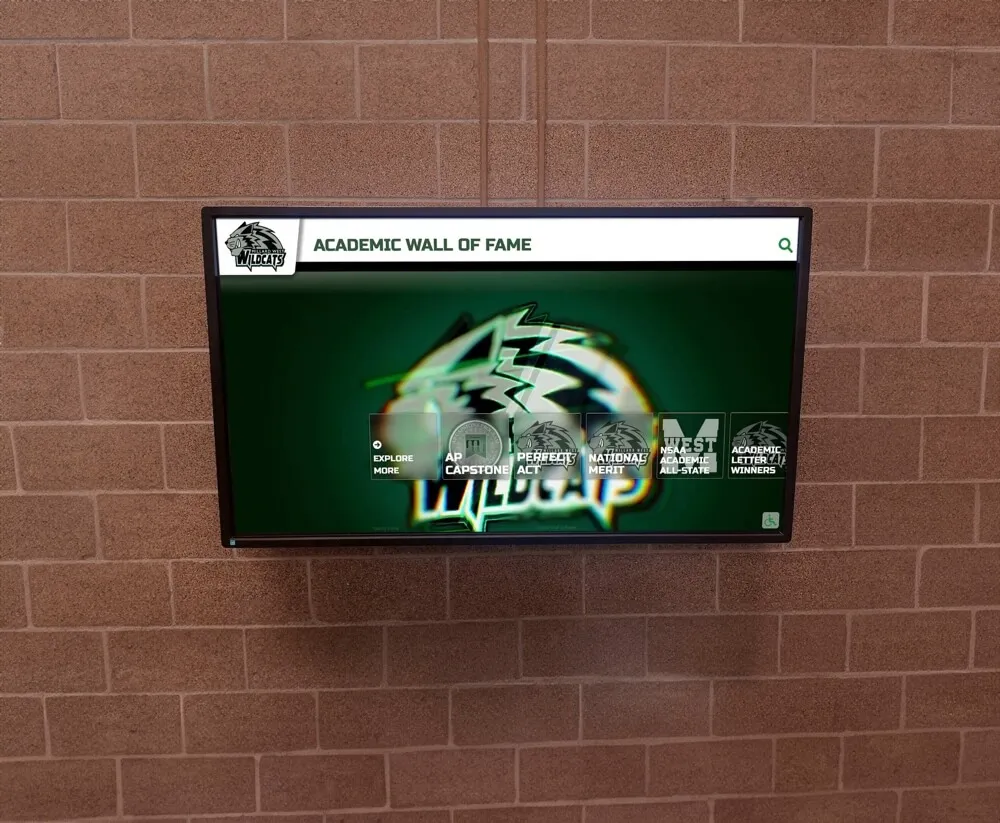
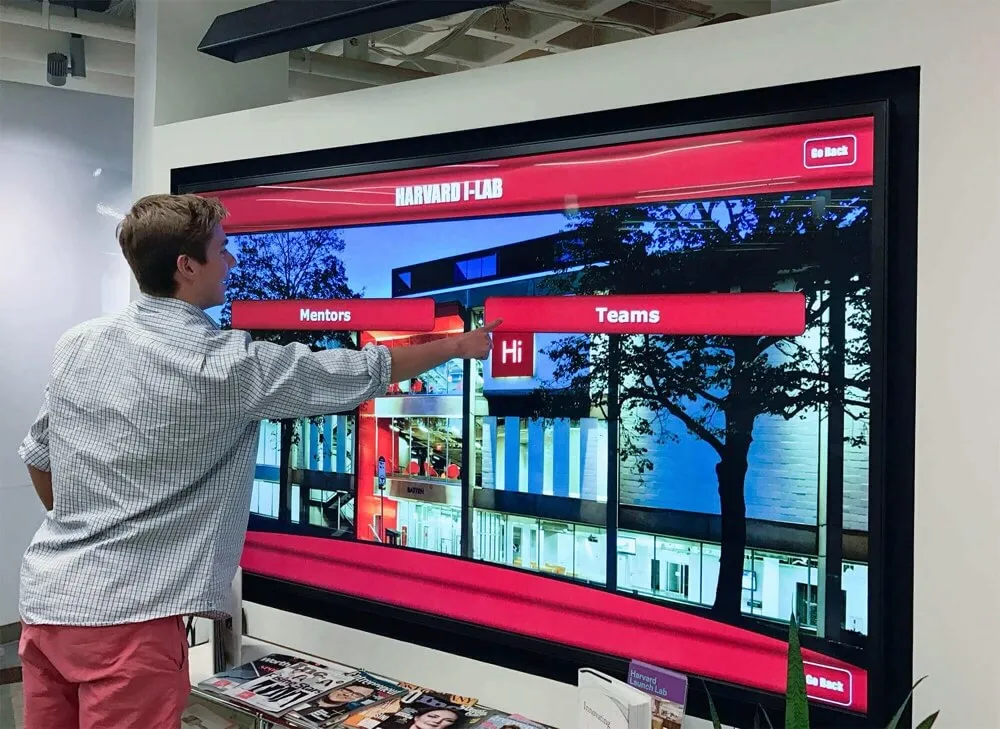
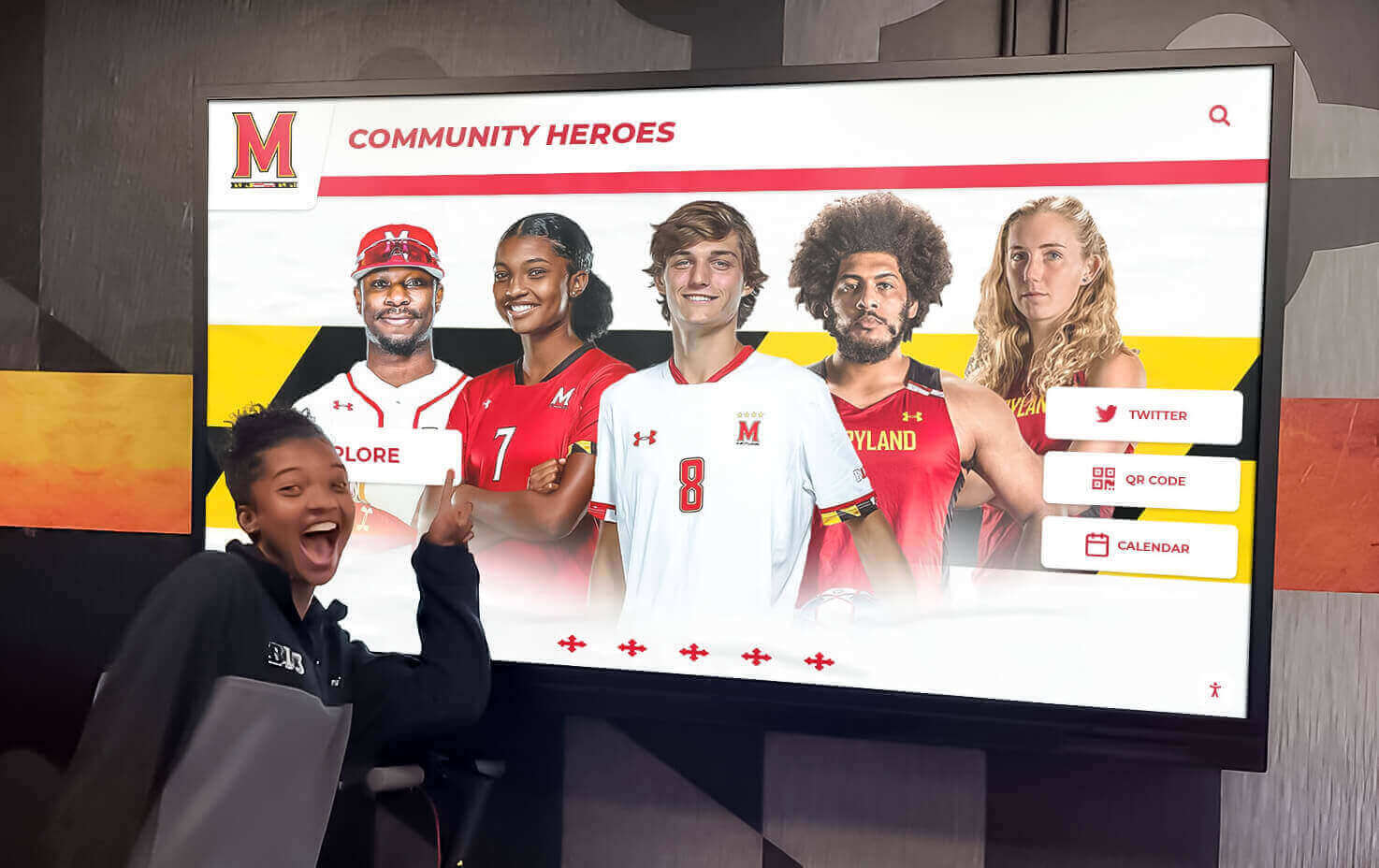
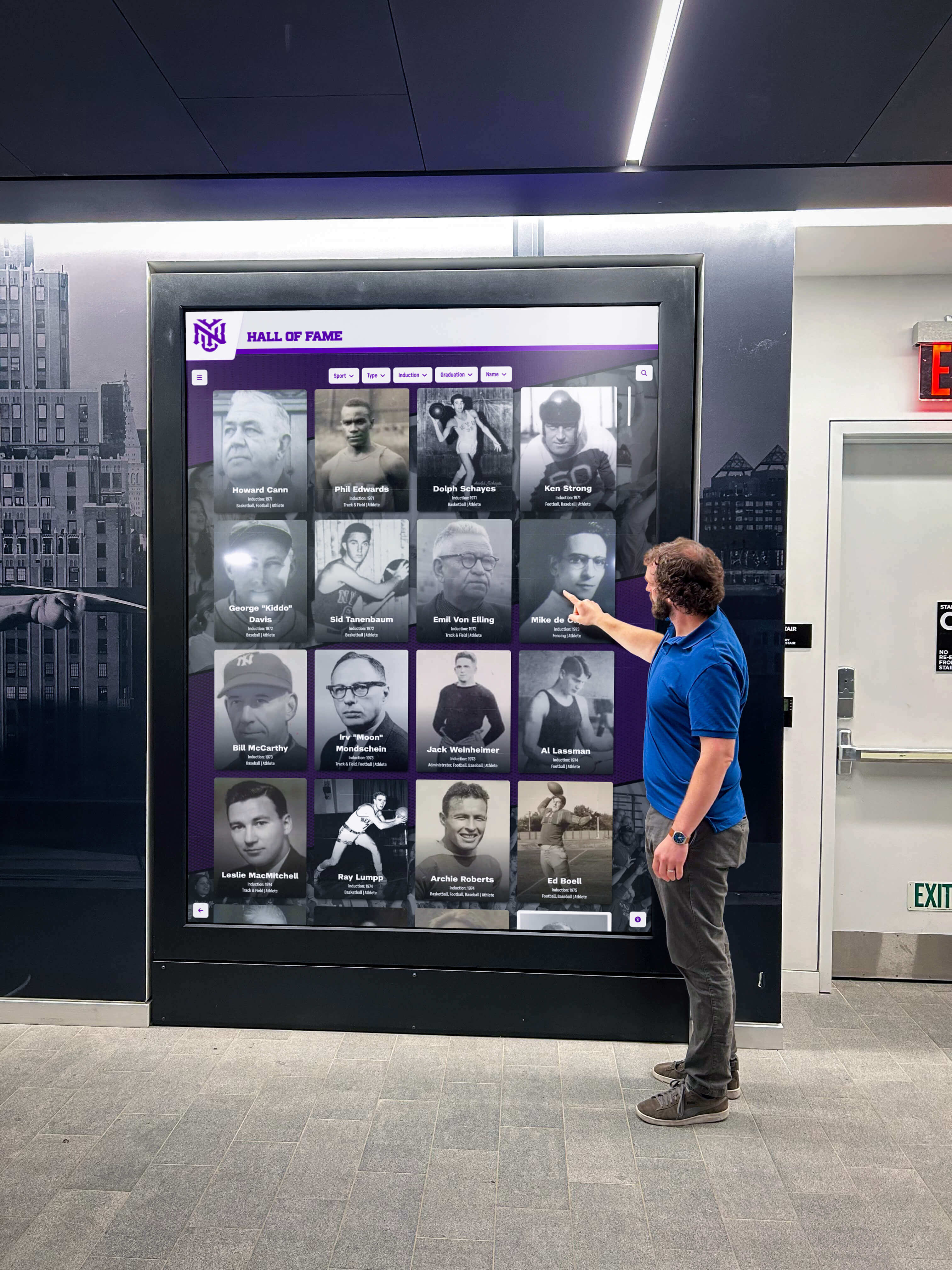
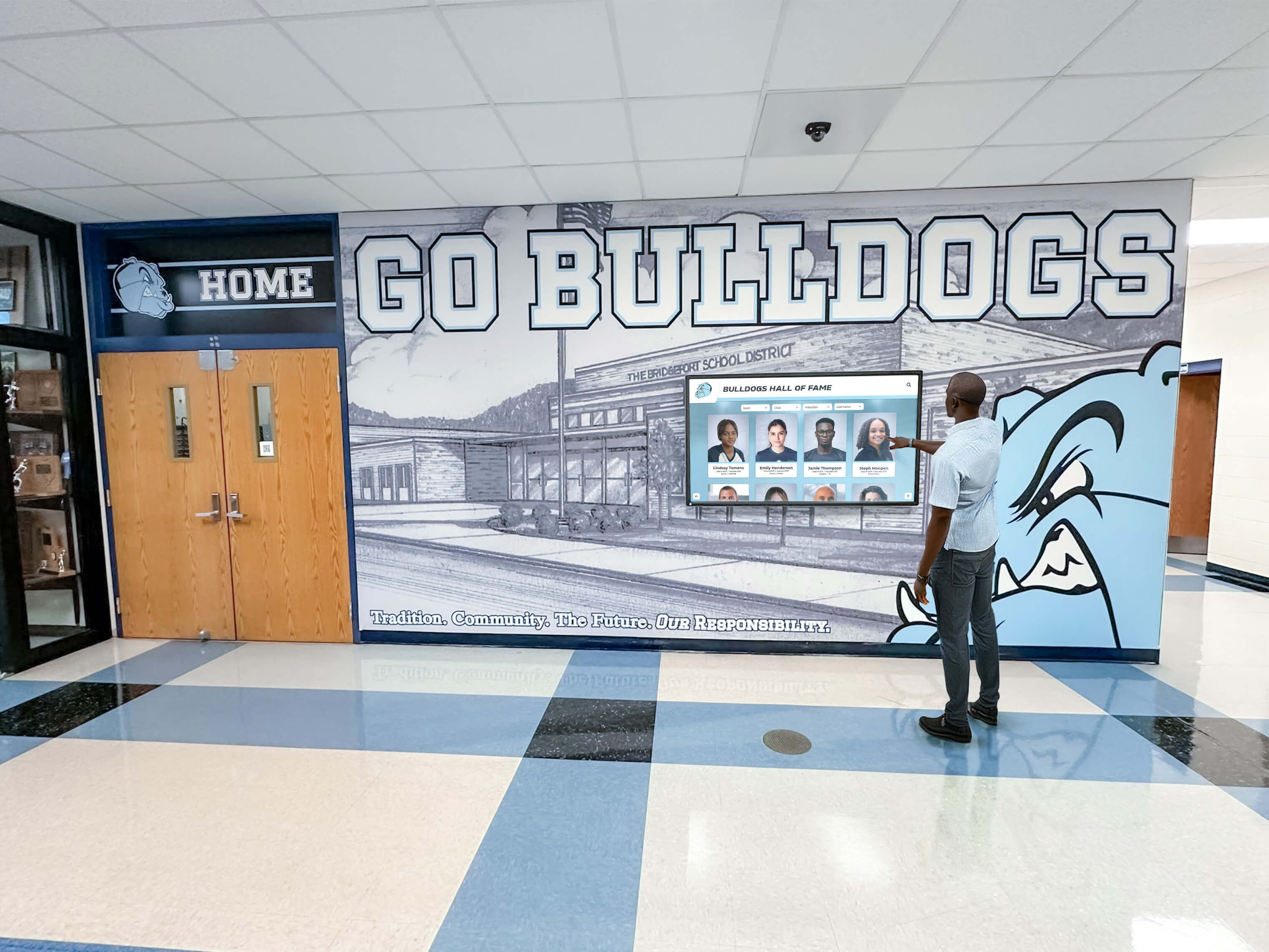
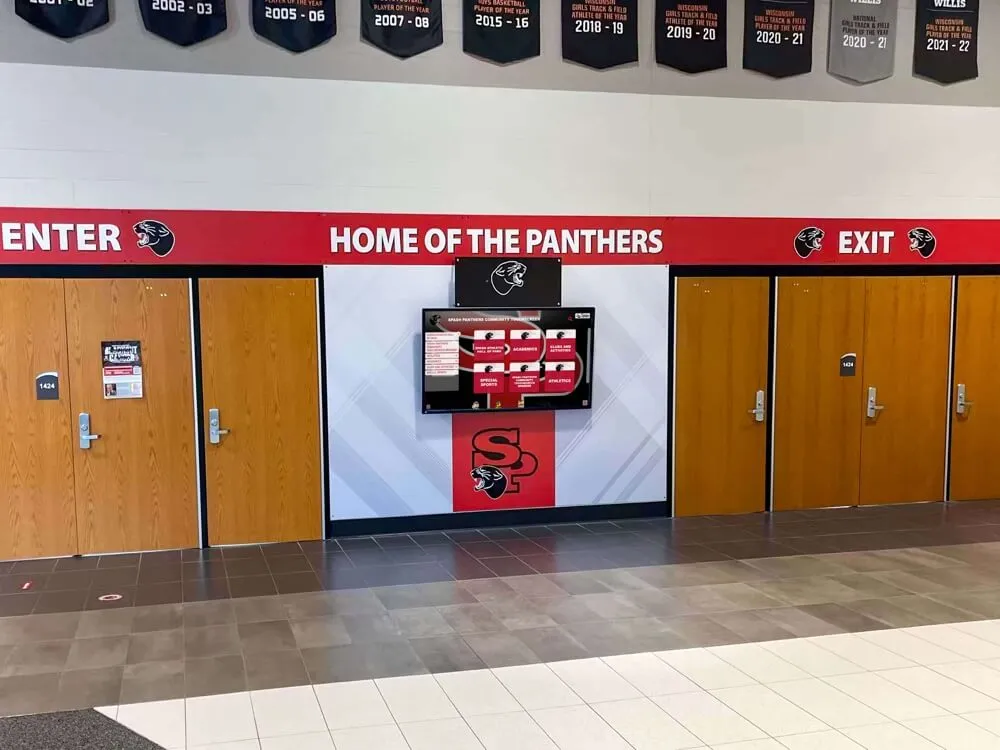
Interactive Touchscreen Systems: Modern approach providing unlimited recognition capacity with rich multimedia content:
Schools implementing digital recognition displays gain multiple advantages over traditional approaches:
Unlimited Capacity: Single touchscreen accommodates unlimited inductees across all years without physical space constraints. Schools can recognize every NHS member since program founding without worrying about wall space exhaustion.
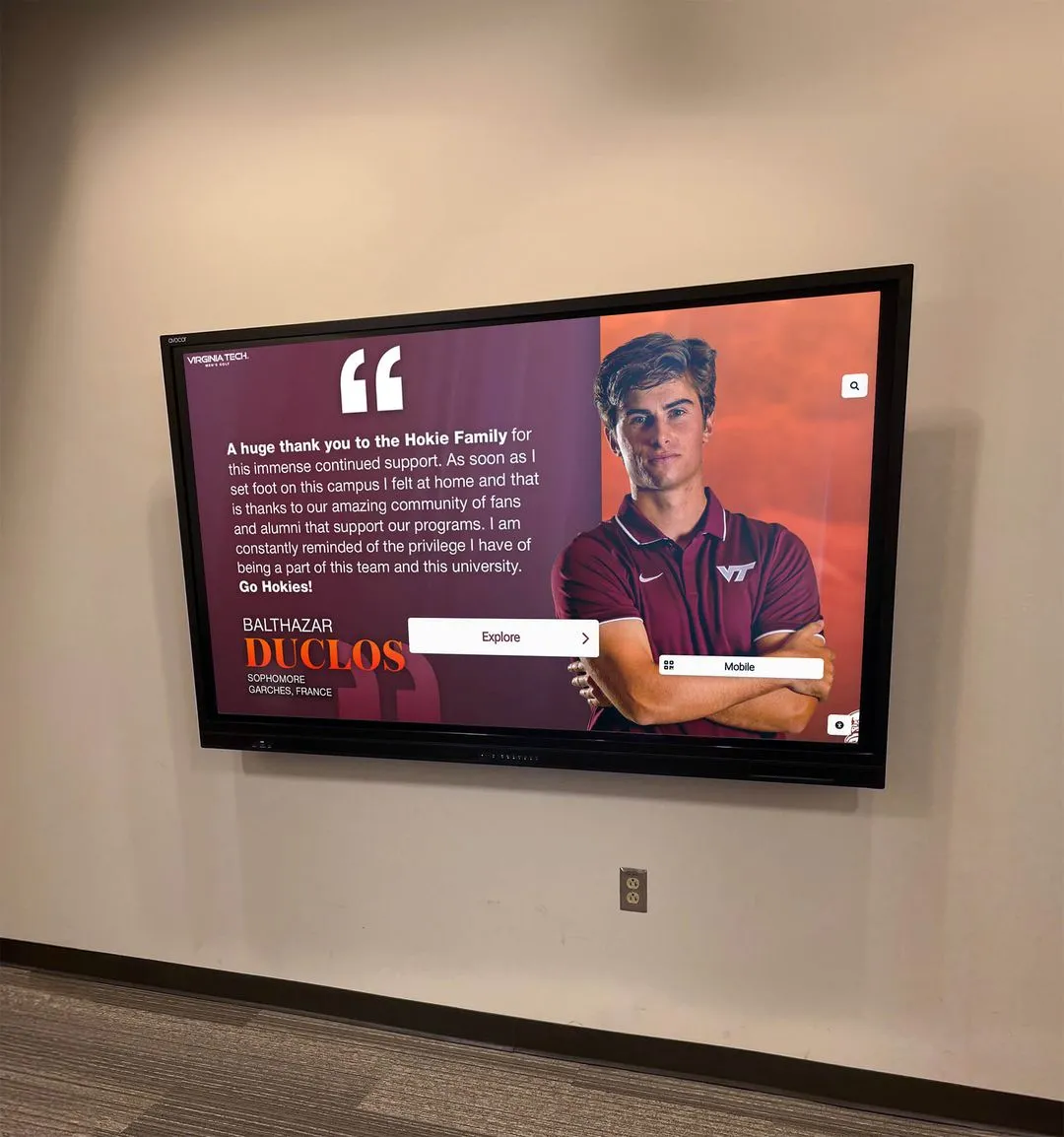
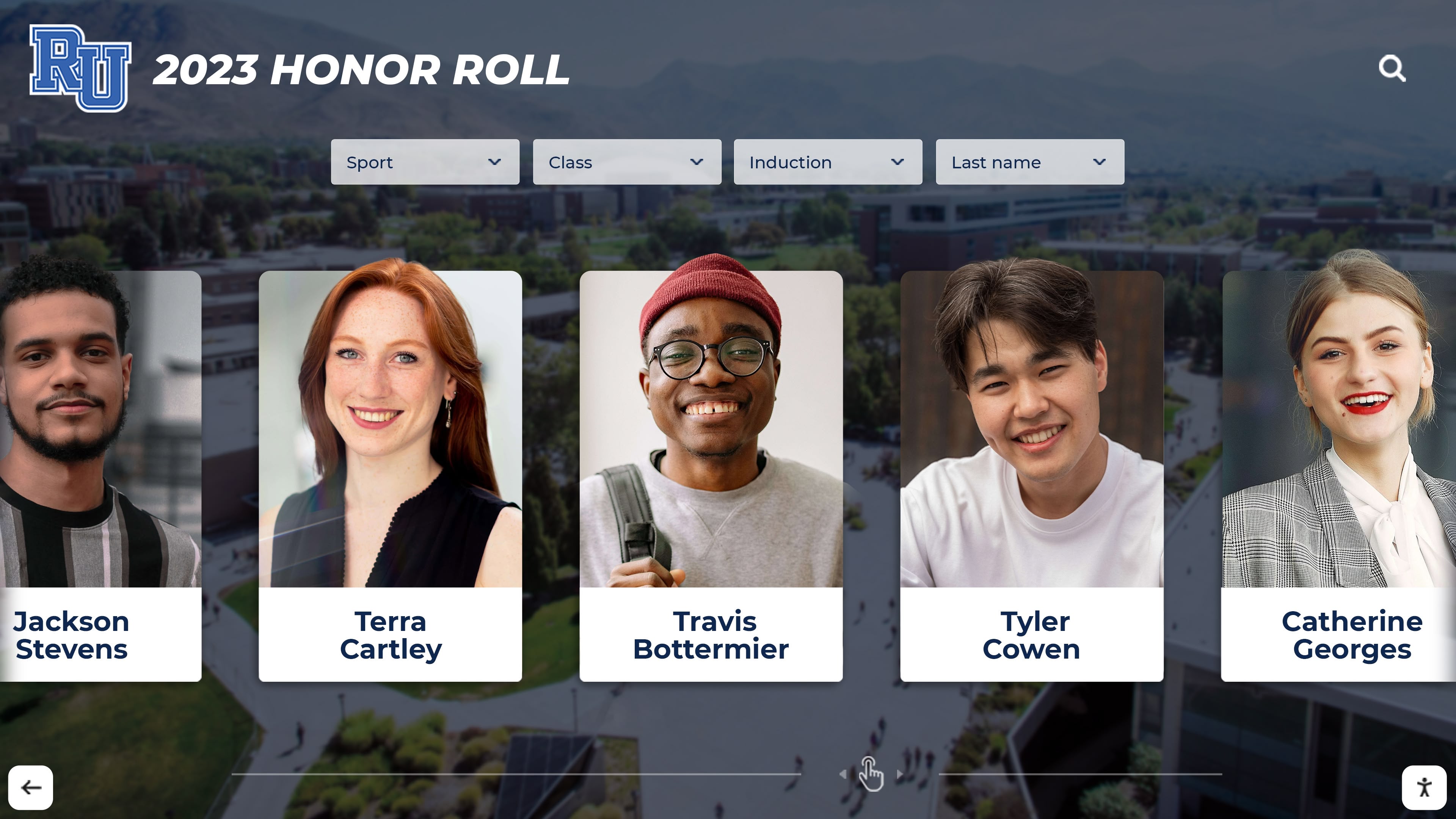
Rich Multimedia Content: Digital systems enable comprehensive profiles including high-resolution photos, detailed biographies, academic achievements, service activities, leadership positions, and graduation year information. This depth of content proves impossible with traditional plaques while creating more meaningful recognition experiences.
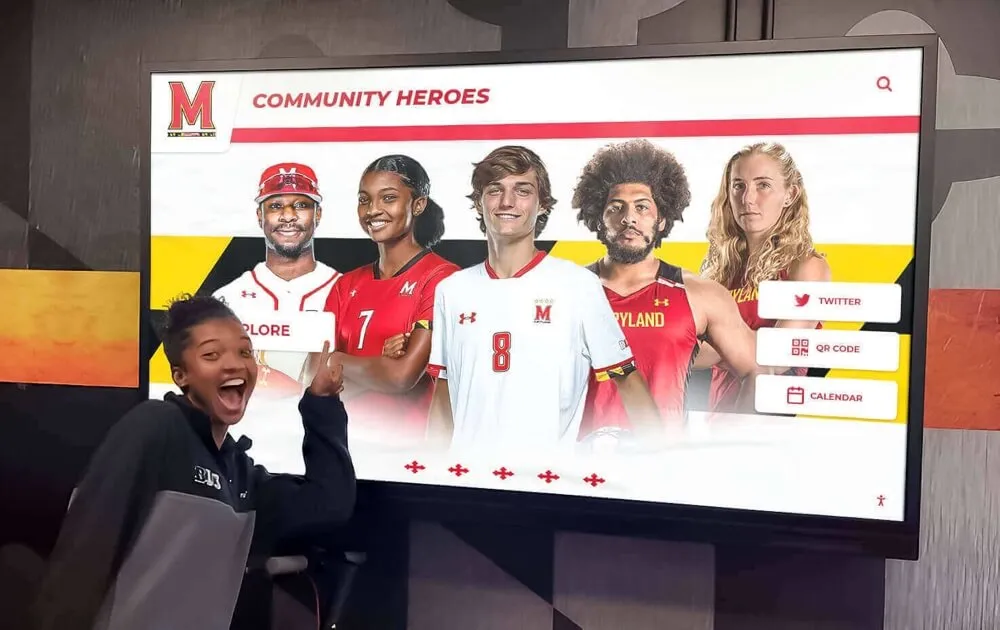
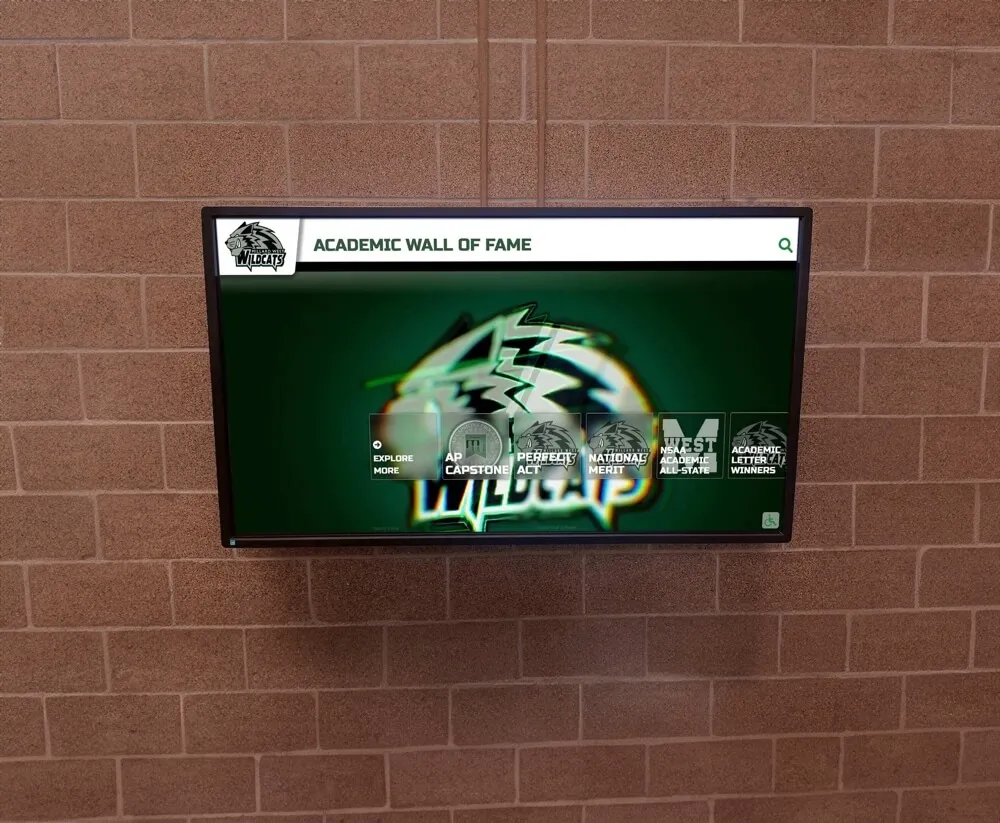
Searchable and Interactive: Visitors actively explore NHS membership rather than passively viewing static displays. Students can search for friends, browse by graduation year, or explore all members from specific years. This interactivity increases engagement while enabling visitors to find personally relevant content.
Easy Content Updates: Cloud-based content management allows advisors to update recognition annually without physical reinstallation costs. Adding new inductee classes takes minutes rather than requiring months of plaque production and installation coordination.
Online Accessibility: Combined physical touchscreen displays with web-accessible online recognition pages enable alumni, prospective families, and distant relatives to explore NHS membership remotely. This extended reach amplifies recognition impact beyond those who can physically visit school buildings.
Cost-Effective Long-Term: While initial digital display investment ($5,000-15,000) exceeds single-year plaque costs, the unlimited capacity and elimination of ongoing per-inductee plaque expenses make digital systems more cost-effective over program lifespans.
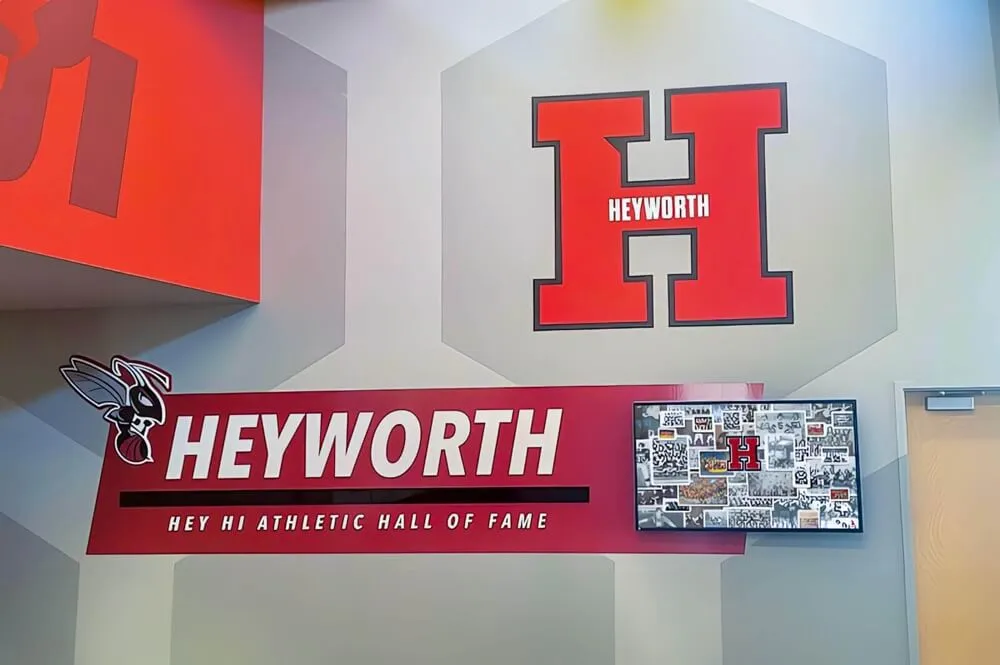
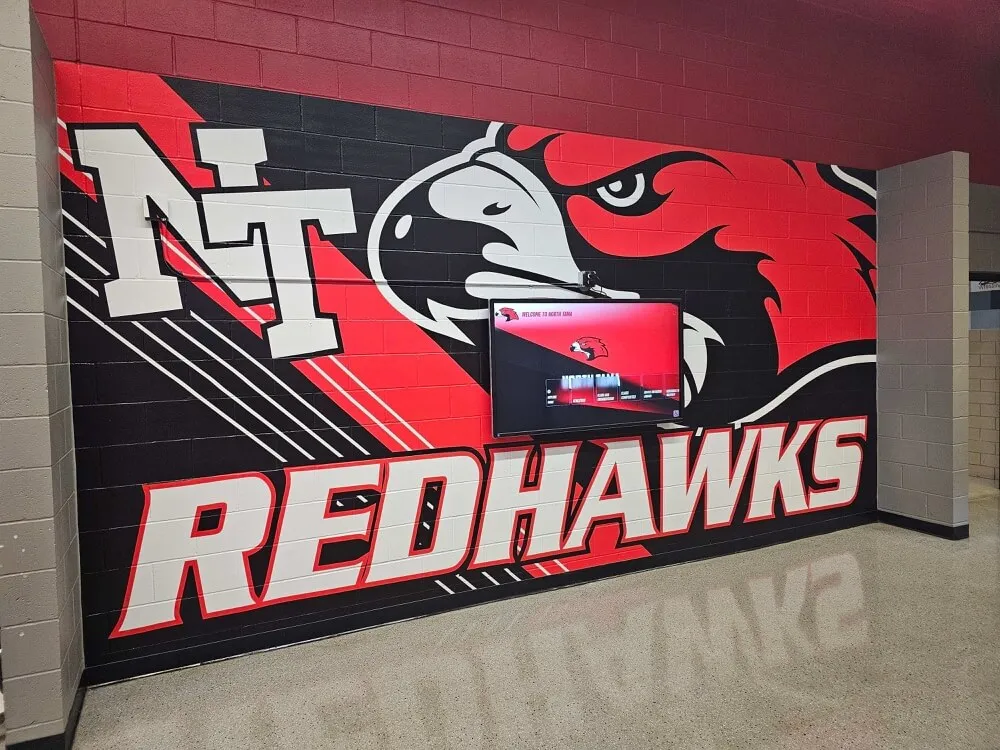
Solutions like Rocket Alumni Solutions provide purpose-built platforms specifically designed for educational recognition including NHS programs. These systems offer intuitive content management requiring no technical expertise, professional presentation maintaining dignity appropriate for academic honors, and proven reliability ensuring displays remain operational throughout school years.
Hybrid Approaches Combining Physical and Digital:
Many schools implement both traditional and digital recognition leveraging strengths of each approach:
- Engraved plaques in main lobby providing traditional recognition most visible to daily school traffic
- Digital touchscreen in library, counseling office, or academic wing enabling deeper content exploration
- QR codes on physical plaques linking to online profiles with complete information
- Rotating digital displays featuring highlighted NHS members in cafeteria or commons
Hybrid approaches preserve traditional aesthetics valued by some community members while gaining digital benefits for comprehensive recognition and ongoing management sustainability.
Maintaining NHS Recognition Systems Over Time
Ongoing Content Management:
Sustainable recognition requires establishing clear processes for annual updates:
Inductee Information Collection: Develop standardized forms collecting necessary information (names, photos, achievements, service activities) from new members immediately following induction. Information gathered during membership application process provides starting content requiring only minor updates.
Photography Standards: Establish photo requirements ensuring consistent quality and professional presentation across all inductee profiles. Professional school photographs or high-resolution submitted photos cropped to standard dimensions maintain visual consistency crucial for polished displays.
Update Scheduling: Create annual calendars with deadlines for content submission, review, and publication. Many schools update recognition displays before graduation ceremonies ensuring graduating NHS seniors receive recognition alongside historic program members.
Accuracy Verification: Implement review processes catching errors before publication. Student name spelling mistakes or factual inaccuracies undermine recognition credibility and require correction efforts causing unnecessary complications.
Program Promotion and Visibility:
Maximize recognition impact through strategic promotion:
Campus Tour Integration: Include NHS recognition displays in prospective student tours highlighting academic culture and achievement opportunities. Displays effectively communicate that schools value and celebrate academic excellence.
Family Event Showcasing: Direct families to recognition displays during orientation nights, parent-teacher conferences, and academic events. Encourage families to photograph students with displays creating shareable memories.
Social Media Features: Regularly feature NHS inductees on school social media with links to full recognition profiles. Periodic highlights maintain program visibility beyond induction ceremony while celebrating members throughout school year.
Alumni Engagement: Connect with graduated NHS members encouraging them to view their profiles and share experiences with current members. Alumni engagement reinforces lasting program community while providing mentorship opportunities. Schools can reference successful models from digital recognition display programs that maintain active alumni connections.
Managing Common NHS Induction Ceremony Challenges
Even well-planned ceremonies encounter predictable challenges requiring proactive solutions.
Maintaining Engagement During Extended Ceremonies
Challenge: Large inductee classes (50+ students) create necessarily lengthy ceremonies risking audience disengagement and inductee disappointment if recognition feels rushed or perfunctory.
Solutions:
Strategic Pacing: Alternate between different ceremony elements preventing monotony. Follow 10 minutes of individual recognition with video or speaker segment before returning to additional inductee recognition.
Multiple Recognition Moments: Combine brief stage recognition with detailed digital or printed program profiles. Stage recognition focuses on names and presence while programs or displays provide comprehensive achievement information for interested viewers.
Engagement Through Participation: Involve audience through standing recognition of family members, responsive elements like call-and-response pledges, or interactive video presentations requiring attention.
Selective Elaboration: Provide brief recognition for most inductees while featuring 3-5 members in more detailed segments highlighting exceptional service or leadership. This approach maintains reasonable length while creating aspirational examples for current and future members.
Addressing Family Attendance and Accessibility
Challenge: Evening ceremony timing creates attendance challenges for working families, those with transportation limitations, or families managing multiple children’s schedules.
Solutions:
Strategic Scheduling: Survey families about optimal times before setting ceremony date. Evening ceremonies typically accommodate more families than school-day events, though specific timing (6 PM versus 7 PM) affects attendance significantly.
Virtual Participation Options: Live stream ceremonies enabling distant relatives or work-constrained families to watch remotely. Record and publish ceremony videos allowing families to view on their schedules. While in-person attendance remains ideal, remote options ensure families don’t miss recognition entirely due to circumstances.
Clear Communication: Provide extensive advance notice with detailed logistics helping families plan attendance. Include information about parking, facility accessibility, ceremony length, reception details, and photo opportunities.
Accessibility Accommodations: Ensure venue provides wheelchair access, accessible seating, assistive listening devices, and other accommodations enabling all families to participate fully. Proactively communicate accommodation availability rather than waiting for requests.
Balancing Prestige with Inclusivity
Challenge: NHS programs want membership to feel prestigious and selective while avoiding elitism or exclusivity that undermines broader academic culture.
Solutions:
Focus on Values Over Exclusion: Frame NHS as honoring students who exemplify particular values (scholarship, service, leadership, character) rather than emphasizing selectivity or exclusion of other students. Ceremonies should celebrate inductee achievement without implying superiority over peers pursuing different paths.
Recognize Diverse Achievement Forms: Acknowledge that academic excellence takes many forms and NHS represents one recognition pathway among many valid options. Mention other academic honor societies, programs, and achievements available to students with different strengths and interests.
Service Emphasis: Highlight NHS service and leadership expectations making clear that membership involves responsibility and contribution rather than merely credential accumulation. This framing positions NHS as opportunity to serve rather than exclusive club membership.
Inclusive Celebration Approaches: Invite entire school community to ceremonies as appropriate, creating shared celebration of academic achievement rather than restricted events. While inductee recognition remains focal point, broader community participation prevents NHS from feeling isolationist.
Schools successfully navigating this balance often reference effective models from comprehensive academic recognition programs that celebrate achievement while maintaining inclusive school cultures.
Budget Planning and Funding for NHS Induction Ceremonies
Understanding ceremony costs and funding sources enables sustainable, high-quality events without excessive financial burden.
Typical Ceremony Expense Categories
Recognition Materials ($300-800):
- NHS membership certificates
- Membership cards
- Ceremony programs (printing costs)
- Candles or symbolic ceremony elements
- Flowers or decorations
- Photo materials or backdrops
Reception Costs ($200-1,000+ depending on scope):
- Light refreshments and beverages
- Serving supplies (plates, cups, napkins)
- Catering service if using professional providers
- Tablecloths and decoration
- Volunteer coordination or staff support
Technology and Production ($200-600):
- Audio-visual equipment rental if school systems inadequate
- Photographer or videographer services
- Slideshow or video production
- Printing of programs and invitations
- Sound system enhancement
Speaker and Hospitality ($100-300):
- Guest speaker honorarium or gift
- Speaker travel or meal costs
- Current officer recognition or gifts
- Staff appreciation for planning support
Total Typical Range: $800-2,700 depending on inductee class size, venue selection, reception scope, and technology needs. Schools hosting simple ceremonies with light reception typically spend $800-1,200, while more elaborate events with professional photography, catering, and enhanced production range $1,500-2,700.
Funding Sources and Strategies
School Budget Allocation: Many schools provide base funding for NHS induction as part of student activities or academic program budgets. Advocate with administration that NHS recognition represents core educational mission deserving stable, recurring funding rather than treating ceremonies as optional expenses subject to annual budget fluctuations.
Student Activity Fees: NHS membership fees or student activity fee allocations often fund induction ceremonies and ongoing program operations. Typical NHS dues range $15-30 annually, with portion dedicated to induction event costs.
Fundraising and Donations: NHS chapters conduct fundraising supporting program activities including induction:
- Local business sponsorships covering specific ceremony elements
- Alumni donations from former NHS members supporting program sustainability
- Parent organization contributions from PTAs or booster clubs
- Bake sales, car washes, or other traditional fundraising activities
Cost Reduction Strategies: Reduce expenses without compromising ceremony quality:
- Volunteer photography by talented parent or staff member
- Donated refreshments through parent contributions
- School-provided technology rather than commercial rentals
- Student-designed programs and invitations
- Simplified reception focusing on celebration rather than elaborate catering
- Multi-year investment in reusable ceremony elements (candles, decorations, display materials)
Sustainable funding requires diversification across multiple sources preventing excessive burden on any single budget line or creating ceremonies dependent on unpredictable donations.
Conclusion: Creating NHS Induction Ceremonies That Inspire Excellence
NHS induction ceremonies serve purposes far exceeding administrative membership processing. Thoughtfully planned ceremonies create defining educational moments affirming academic dedication, challenging students to embrace service and leadership, building community among achievement-oriented peers, and engaging families in celebrating educational success. The most effective ceremonies balance reverence for tradition with contemporary relevance, combine formality communicating importance with pacing maintaining engagement, and extend recognition beyond ceremony night through permanent display systems honoring achievement across years.
Schools establishing or enhancing NHS induction ceremonies should invest planning time developing meaningful program content that resonates with students rather than merely replicating traditional formats because “we’ve always done it this way.” Effective ceremonies feature compelling speakers who authentically connect with teenage audiences, incorporate student voice through officer participation, maintain reasonable length preventing audience disengagement, and integrate technology creating professional production quality appropriate for significant academic recognition.
Beyond ceremony night, schools should implement recognition systems ensuring NHS membership receives ongoing visibility throughout students’ remaining school years and beyond. Digital recognition displays provide sustainable, comprehensive solutions celebrating all inductees with rich multimedia content while eliminating space constraints and ongoing plaque expenses that burden traditional approaches. These permanent recognition systems extend ceremony impact from single evening to lasting institutional memory honoring academic achievement across generations.
The effort schools invest in meaningful NHS induction ceremonies and comprehensive recognition systems pays dividends through increased student motivation, strengthened school culture valuing academic excellence, enhanced family engagement, and demonstrated institutional commitment to celebrating achievement that students genuinely earn through years of dedication. NHS membership represents significant accomplishment deserving recognition matching the importance of what students achieved.
Ready to enhance your NHS recognition program with comprehensive digital display solutions? Explore how Rocket Alumni Solutions provides purpose-built platforms specifically designed for celebrating academic achievement including National Honor Society programs. Learn more about effective approaches to comprehensive NHS recognition systems, discover strategies for high school award programs that celebrate diverse achievement, or explore student honor wall concepts creating lasting recognition extending far beyond induction ceremony night.
Your NHS members achieved remarkable academic excellence and demonstrated character, service, and leadership deserving more than transient ceremony recognition. Implement comprehensive recognition systems honoring their accomplishments with the dignity and permanence such achievement deserves while inspiring future students toward similar excellence.