



Key Takeaways
Complete guide to NCAA medical redshirt rules and eligibility. Learn how medical hardship waivers work, who qualifies, documentation requirements, and the application process for preserving athletic eligibility.
What Is a Medical Redshirt?
A medical redshirt, formally known as a medical hardship waiver, allows NCAA student-athletes to preserve a year of competition eligibility after suffering a season-ending injury or illness that occurs early in the competitive season.
The Purpose of Medical Redshirt Rules
The NCAA medical hardship waiver recognizes that athletes who sustain serious injuries during the first portion of their season should not lose an entire year of eligibility when they’ve barely competed. This policy protects athletes from circumstances beyond their control while maintaining the integrity of NCAA eligibility limits.
Every NCAA athlete receives four seasons of competition eligibility within a five-year enrollment period. Without medical hardship provisions, an athlete injured in the second game of their sophomore year would lose an entire season despite barely competing, potentially ending their career prematurely or forcing difficult decisions about when to use remaining eligibility years.
Medical redshirt rules provide equitable solutions by allowing athletes who meet specific criteria to petition for an additional year of eligibility, essentially not counting the injury-shortened season against their four-year competition clock.
Medical Redshirt vs. Regular Redshirt
Understanding the distinction between medical redshirts and regular redshirts clarifies when each applies and what they accomplish:
Regular Redshirt: A voluntary decision where an athlete practices with their team but does not compete in games during an entire academic year. This preserves a year of competition eligibility, allowing athletes to develop skills, adjust to college athletics, or manage academic transitions. Athletes and coaches jointly make redshirt decisions strategically, often for first-year athletes who need physical or tactical development time.
Medical Redshirt: An involuntary circumstance where injury or illness prevents an athlete from competing for the remainder of a season after limited early-season participation. Medical redshirts require formal waiver applications with supporting documentation proving injury severity, timing, and impact on competitive ability. Unlike regular redshirts planned from season start, medical situations emerge unexpectedly, requiring reactive rather than proactive eligibility management.
The fundamental difference lies in control and timing—regular redshirts represent strategic choices made before seasons begin, while medical redshirts respond to unfortunate circumstances that emerge during competition.
NCAA Medical Hardship Waiver Eligibility Requirements
The NCAA establishes specific criteria that athletes must meet to qualify for medical hardship waivers. Understanding these requirements helps athletes and athletic departments determine waiver viability and ensure proper documentation from injury occurrence.
The 30% Rule: Competition Participation Limits
The cornerstone of medical redshirt eligibility is the participation limitation requirement:
Division I and II: Athletes must not have competed in more than 30% of their team’s scheduled competitions during the season in question. For a team with a 10-game schedule, an athlete could compete in no more than 3 contests. For a 30-game basketball season, the limit would be 9 games.
Division III: Similar 30% participation limits apply, though specific interpretations may vary slightly by sport and conference.
This threshold ensures medical redshirts apply only to athletes whose seasons were genuinely cut short early, not to those who competed extensively before injury. The calculation includes all scheduled competitions at the time of injury, not just games actually played by the team.
Competition Counting Rules
Any appearance in a game, regardless of duration, typically counts as one competition. Scrimmages and exhibitions generally don't count toward the 30% limit, while conference and non-conference regular season games all count equally.
Date-of-Competition Timing
The injury must occur before or during an athlete's final countable competition. Athletes injured after exceeding the 30% threshold generally cannot qualify for medical hardship waivers.
The 50% Rule: Season Timing Requirements
Beyond individual participation limits, medical redshirt eligibility requires that injuries occur during the first half of the season:
The Injury Must Occur: In or before the first half (50%) of the team’s scheduled competitions for that season. For a 12-game football season, the injury must occur in or before game 6. For a 32-game basketball season, the injury must happen by game 16.
This timing requirement ensures that medical redshirts apply to truly season-ending injuries that occur early in competitive seasons, not late-season injuries that allowed athletes to compete through most of their schedule.
The 50% rule works in conjunction with the 30% participation rule—both conditions must be satisfied for medical redshirt eligibility. An athlete might satisfy the timing requirement by getting injured in game 5 of a 12-game season, but if they competed in 4 of those first 5 games, they would exceed the 30% participation threshold and not qualify.
Incapacitating Injury or Illness Documentation
Medical hardship waivers require proof that injuries or illnesses were genuinely incapacitating and prevented further competition:
Physician Documentation: A licensed physician must provide written documentation confirming the injury or illness, the diagnosis, the date it occurred, and a statement that the condition prevented the athlete from competing for the remainder of the season.
Treatment Records: Medical records documenting diagnosis, treatment plans, surgical procedures if applicable, and rehabilitation protocols support waiver applications by demonstrating injury severity and ongoing medical care.
Coaching Verification: Coaches typically provide statements confirming the athlete could not practice or compete at normal levels due to medical conditions, supporting physician documentation with firsthand observation of athletic limitations.
Athletic Trainer Reports: Athletic training staff documentation tracking injury occurrence, initial treatment, ongoing rehabilitation, and functional limitations provides comprehensive evidence of incapacitating conditions.
Minor injuries that heal quickly or allow return to competition before season’s end generally don’t qualify for medical hardship consideration. The injury must genuinely end an athlete’s season, not just cause temporary absence from several games.
Who Qualifies for a Medical Redshirt?
While eligibility requirements establish baseline criteria, understanding specific scenarios helps clarify when medical redshirt applications make sense and have reasonable approval chances.
Common Medical Redshirt Scenarios
Season-Ending Injuries in Early Games: A football player who tears their ACL in game 2 of a 12-game season clearly qualifies if properly documented. They competed in less than 30% of games, the injury occurred well before the season’s midpoint, and medical documentation confirms season-ending severity.
Illness Preventing Season Continuation: A swimmer diagnosed with mononucleosis after competing in 2 early-season meets who cannot continue training or competing for the remainder of the year meets medical hardship criteria when properly documented by physicians.
Surgical Procedures Requiring Extended Recovery: A volleyball player who injures their shoulder in the season’s third match and requires surgery with 6-month recovery time qualifies for medical redshirt consideration when physician documentation confirms the procedure and recovery timeline prevented season continuation.
Chronic Condition Flare-Ups: An athlete with a pre-existing condition that becomes acute early in the season, preventing continued competition, may qualify depending on medical documentation proving the condition’s incapacitating nature during that specific season.
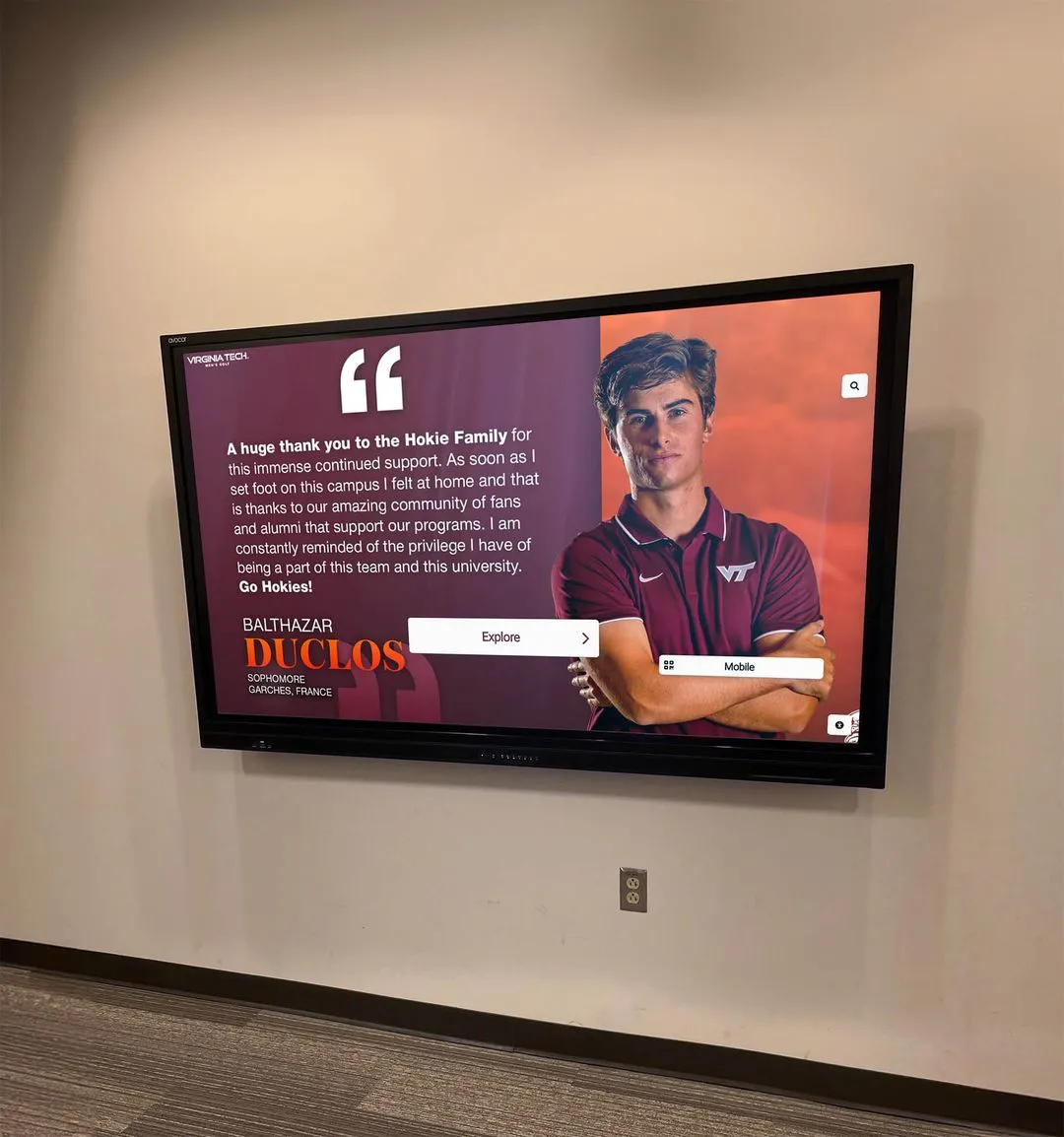
Schools with strong athletic programs and recognition systems often celebrate fifth-year seniors who overcame medical redshirt circumstances to return and complete their careers, demonstrating the program’s commitment to supporting athletes through adversity.
Situations That Typically Don’t Qualify
Understanding what doesn’t qualify helps avoid unsuccessful waiver applications:
Injuries Occurring After 30% Participation Threshold: An athlete who competes in 4 games of a 10-game season before getting injured exceeds the 30% limit and typically cannot receive medical hardship approval, even with devastating injury.
Late-Season Injuries: Injuries occurring after the season’s midpoint rarely qualify regardless of severity, as athletes have already competed through most of their schedule.
Minor Injuries Allowing Return: If an athlete misses several games but returns to competition before season’s end, the injury wasn’t genuinely season-ending and won’t support medical redshirt consideration.
Voluntary Medical Withdrawals: Athletes who could physically compete but choose to withdraw from competition for medical or personal reasons generally don’t meet incapacitating injury requirements.
Academic or Disciplinary Absences: Inability to compete due to academic ineligibility, disciplinary suspension, or non-medical reasons doesn’t constitute grounds for medical hardship waivers.
Fifth-Year Senior Opportunities
Athletes who successfully receive medical redshirt approval gain an additional year of eligibility, often becoming fifth-year seniors who provide leadership, experience, and competitive advantages for their programs:
These athletes bring invaluable maturity, having navigated injury adversity and returned with renewed determination. Their comeback stories inspire teammates while demonstrating program values around supporting athletes through difficult circumstances.
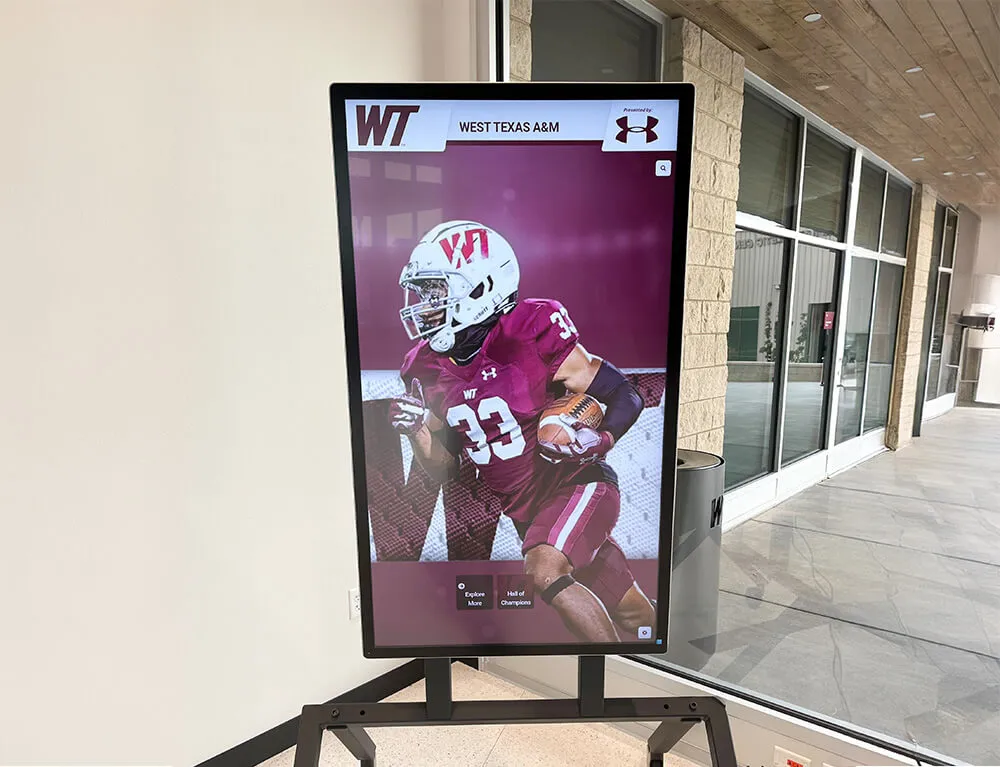
Many programs feature recognition displays highlighting athlete journeys, including fifth-year seniors whose medical redshirt years became pivotal chapters in their athletic narratives.
The Medical Hardship Waiver Application Process
Successfully obtaining medical redshirt approval requires navigating formal NCAA procedures with proper documentation, timing, and institutional support.
When to Apply for a Medical Redshirt
Timing Considerations: Athletic departments can submit medical hardship waiver requests at any point after the injury occurs, though many wait until after the season concludes to ensure complete documentation and confirm the athlete indeed could not return to competition.
Academic Year Alignment: Most applications occur during or immediately after the season in question, allowing the NCAA to review circumstances while events remain recent and documentation is readily available.
Proactive Documentation: Even if formal applications wait until season’s end, athletes and athletic trainers should document everything from injury occurrence—medical records, physician notes, treatment plans, coaching observations—knowing this information will support eventual waiver applications.

Required Documentation Components
Comprehensive medical hardship waiver applications include multiple supporting elements:
Medical Hardship Waiver Documentation Checklist
Physician Statement: Written documentation from a licensed physician confirming diagnosis, injury date, treatment recommendations, and professional opinion that the condition prevented athletic competition for the season’s remainder.
Medical Records: Copies of relevant medical documentation including diagnostic imaging results, surgical reports if applicable, treatment notes, and rehabilitation records demonstrating ongoing medical management.
Competition Records: Official documentation showing the athlete’s competition participation including dates, opponents, and verification that participation remained under the 30% threshold.
Institutional Support Letter: Statement from the athletic department or compliance office supporting the waiver request and confirming the institution believes the athlete meets medical hardship criteria.
Season Schedule: Complete team schedule showing total competitions scheduled, allowing NCAA reviewers to calculate participation percentages and verify timing requirements.
Coaching Statement: Optional but valuable documentation from coaches describing how the injury impacted the athlete’s ability to practice and compete at normal levels.
Institutional vs. Conference vs. NCAA Review
The review process involves multiple levels depending on division and circumstances:
Institutional Compliance Review: Athletic department compliance staff initially review situations to determine if medical hardship criteria appear satisfied before investing resources in formal applications.
Conference Review (Some Cases): Certain conferences conduct preliminary reviews, particularly for routine cases that clearly meet established criteria.
NCAA National Office Review: The NCAA national office makes final determinations on medical hardship waiver requests, applying consistent standards across institutions and ensuring equitable treatment.
Decision Timeline: The NCAA typically processes medical hardship waivers within several weeks, though complex cases or incomplete documentation may extend review periods. Athletes and institutions receive written decisions explaining approval or denial reasoning.
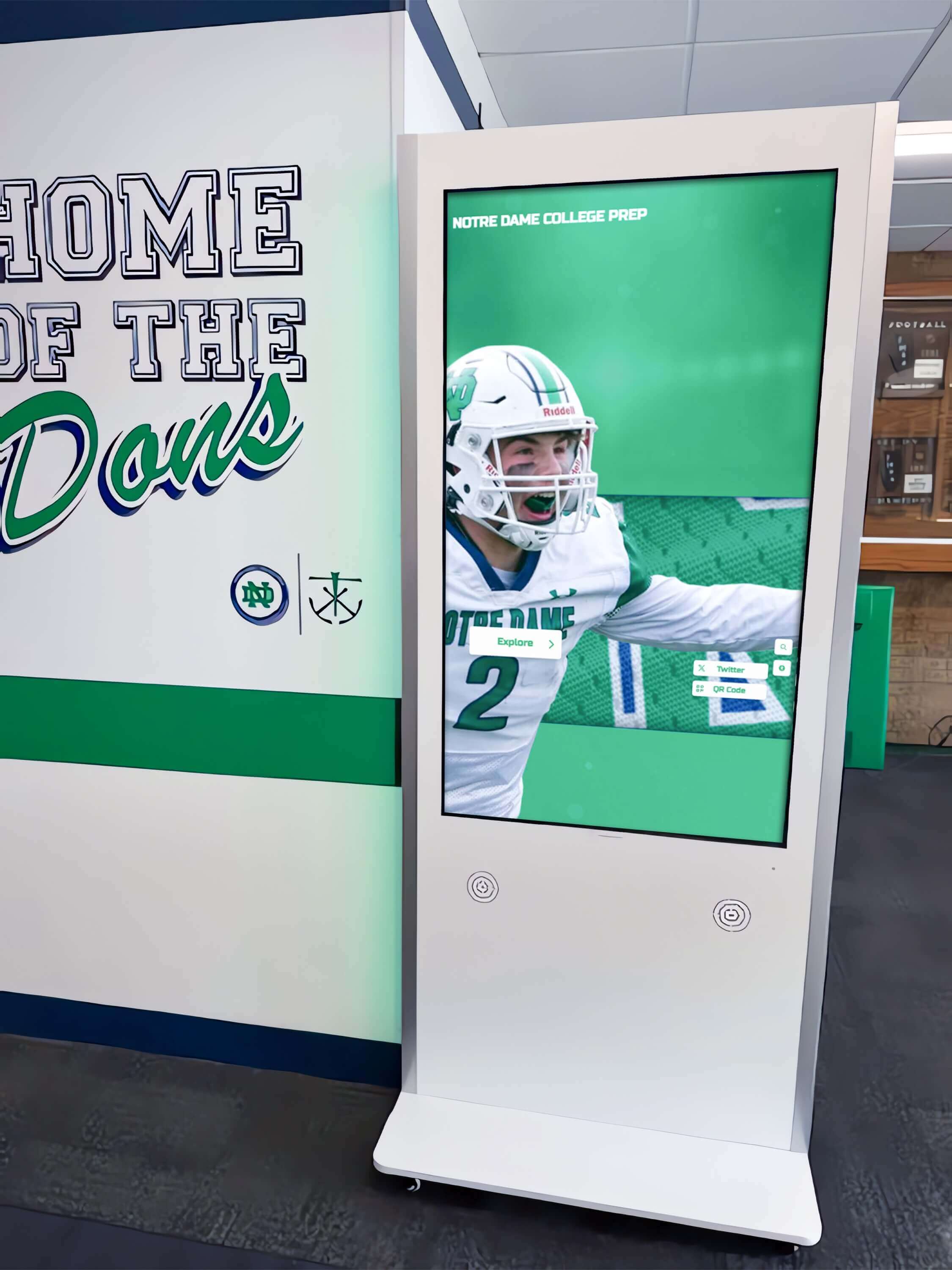
Programs that emphasize senior recognition and celebration often create special tributes for fifth-year athletes who persevered through medical redshirt circumstances to complete their careers.
Medical Redshirt Strategy and Considerations
Beyond simply meeting eligibility criteria, athletes and programs should consider strategic factors when evaluating medical redshirt decisions.
Financial Aid Implications
Medical redshirt years can affect scholarship and financial aid situations:
Scholarship Extensions: Athletes receiving athletic scholarships may need scholarship extensions to cover their fifth year of enrollment. While NCAA rules permit this, institutional policies and athletic department budgets may create constraints.
Academic Scholarships and Aid: Athletes should coordinate with financial aid offices to understand how an additional enrollment year affects academic scholarships, grants, or other non-athletic financial support that may have four-year limits.
Cost-Benefit Analysis: Families should evaluate the financial implications of an additional college year, weighing scholarship availability, out-of-pocket costs, and potential earnings delayed by extended enrollment against the value of completing their athletic career.
Academic Progress Considerations
Medical redshirt years extend athletic eligibility but don’t change academic degree timelines:
Degree Completion Timing: Athletes who complete undergraduate degrees before exhausting athletic eligibility face decisions about whether to pursue graduate degrees during remaining eligibility years or end their athletic careers upon degree completion.
Graduate School Opportunities: Fifth-year athletes often pursue graduate programs, using remaining eligibility while advancing academic credentials. This path offers significant value, turning medical redshirt years into academic advancement opportunities.
Academic Eligibility Requirements: Athletes must maintain NCAA academic eligibility standards throughout all enrollment years, including medical redshirt years, requiring careful academic planning and progress monitoring.
Competitive and Career Implications
Medical redshirts create both challenges and opportunities for athletic development:
Extended Development Time: The additional year of eligibility provides more time for physical development, skill refinement, and competitive maturity that can elevate athletic performance significantly.
Leadership Opportunities: Fifth-year athletes bring invaluable experience and maturity, often serving as team captains or mentors who shape program culture and guide younger teammates through challenges.
Professional Prospects: For athletes with professional aspirations, the additional year of collegiate competition provides another season to showcase abilities for scouts while continuing development in structured, high-level competitive environments.
Recovery and Rehabilitation: Medical redshirt years allow complete recovery from serious injuries without rushing return timelines, potentially preventing chronic issues that could plague athletes throughout careers.
Many institutions use digital recognition systems to honor athletes who demonstrated exceptional resilience, with medical redshirt comeback stories featured prominently as inspirational examples of perseverance.
Division-Specific Medical Redshirt Rules
While core medical hardship principles remain consistent across NCAA divisions, specific implementation details vary:
Division I Medical Redshirt Rules
Division I applies the standard 30% participation and 50% timing requirements while offering some additional considerations:
Power Five Conference Considerations: Major conferences often have robust compliance infrastructure supporting complex waiver applications and advocating for their athletes during NCAA review processes.
Multi-Sport Athletes: Division I rules address medical redshirt situations for athletes competing in multiple sports, allowing separate medical hardship considerations for each sport when appropriate.
Transfer Situations: Medical redshirt years don’t typically affect transfer eligibility calculations, though athletes should consult compliance staff about how transfers interact with medical hardship circumstances.
Division II Medical Redshirt Rules
Division II generally mirrors Division I medical hardship criteria with slight variations:
10-Week Semester Rule: Division II has a unique rule allowing athletes who compete while enrolled for less than 10 weeks in a semester due to late enrollment or early withdrawal to potentially receive eligibility relief, though this differs from standard medical hardships.
Partial Qualifier Implications: Division II partial qualifier rules may interact with medical redshirt situations, requiring careful compliance review for affected athletes.
Division III Medical Redshirt Rules
Division III applies the same core 30% participation and 50% timing standards with some philosophical differences:
No Athletic Scholarships: Since Division III prohibits athletic scholarships, financial aid implications differ from Division I and II, though academic aid considerations remain relevant.
Institutional Discretion: Division III sometimes grants institutions more flexibility in interpreting medical hardship circumstances, reflecting the division’s educational mission emphasis.
Celebrating Medical Redshirt Success Stories
Athletes who overcome season-ending injuries to return and complete their careers embody resilience, determination, and the best of collegiate athletics.
Recognition and Hall of Fame Consideration
Medical redshirt athletes who return to achieve at high levels deserve special recognition acknowledging both their athletic accomplishments and their perseverance through adversity:
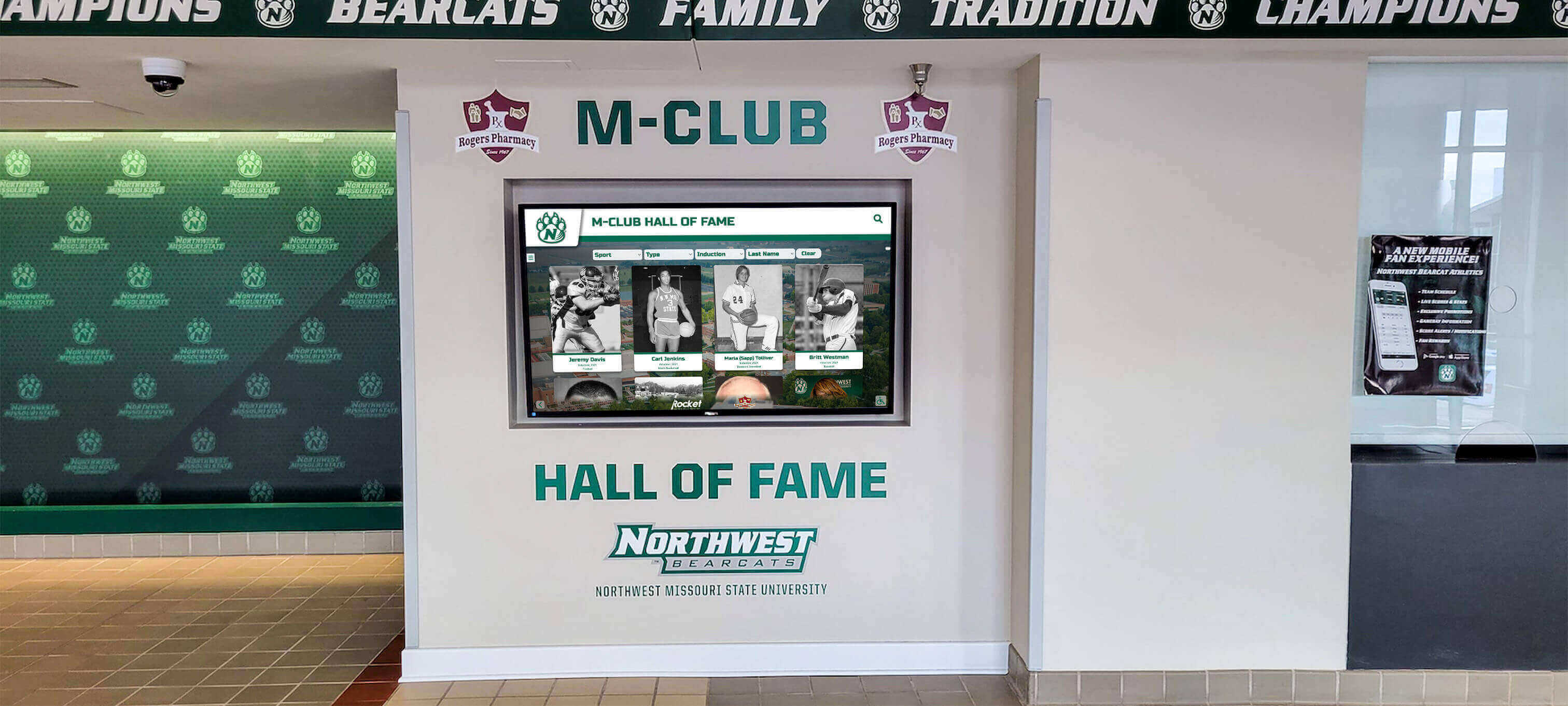
Schools increasingly feature comeback stories in athletic halls of fame and recognition displays, contextualizing achievements within athletes’ complete journeys including injury challenges they overcame to reach pinnacle moments.
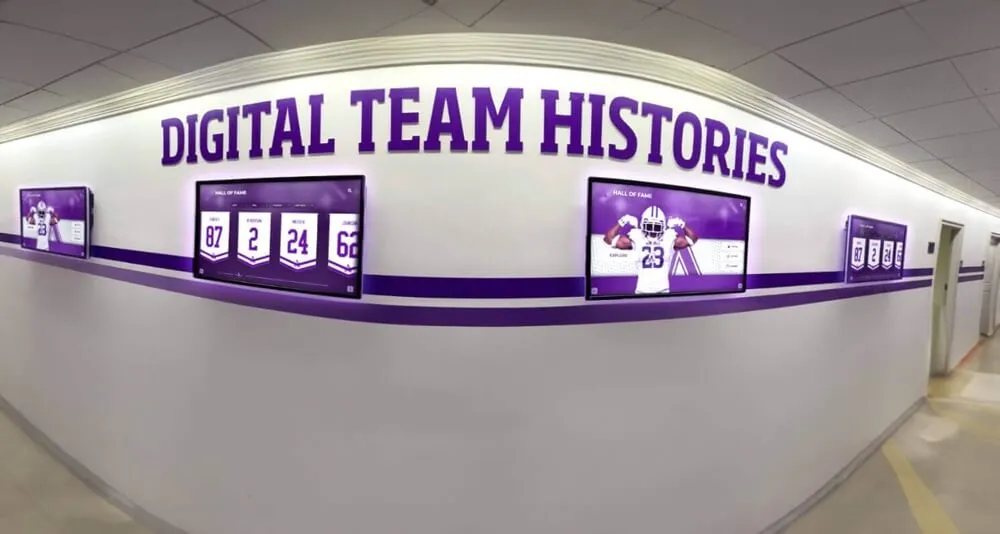
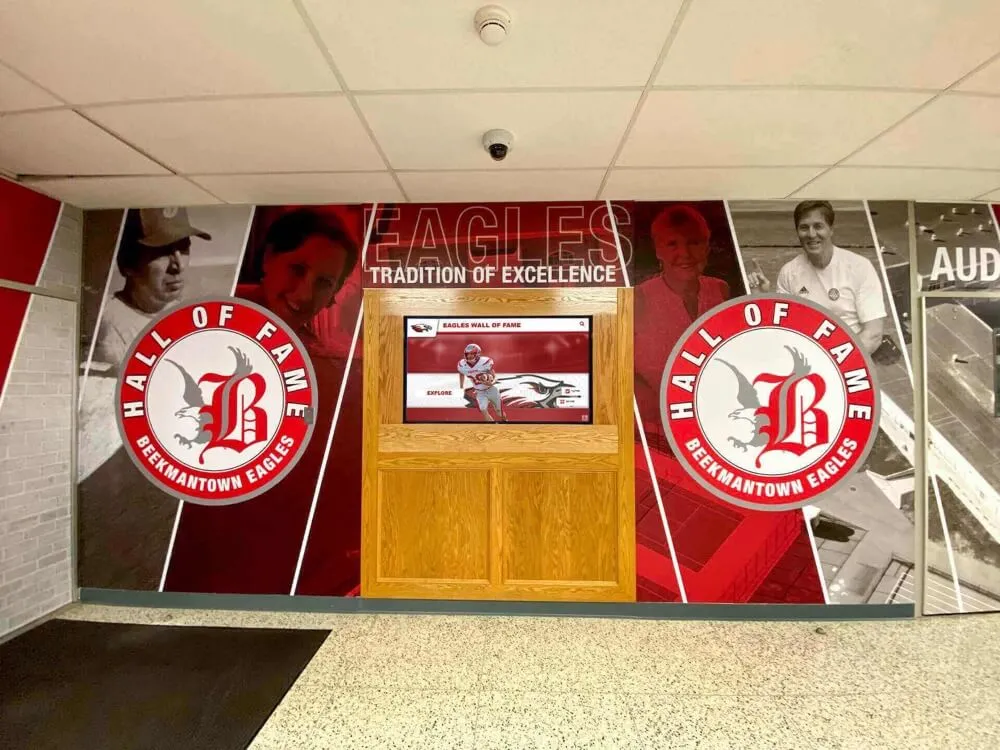
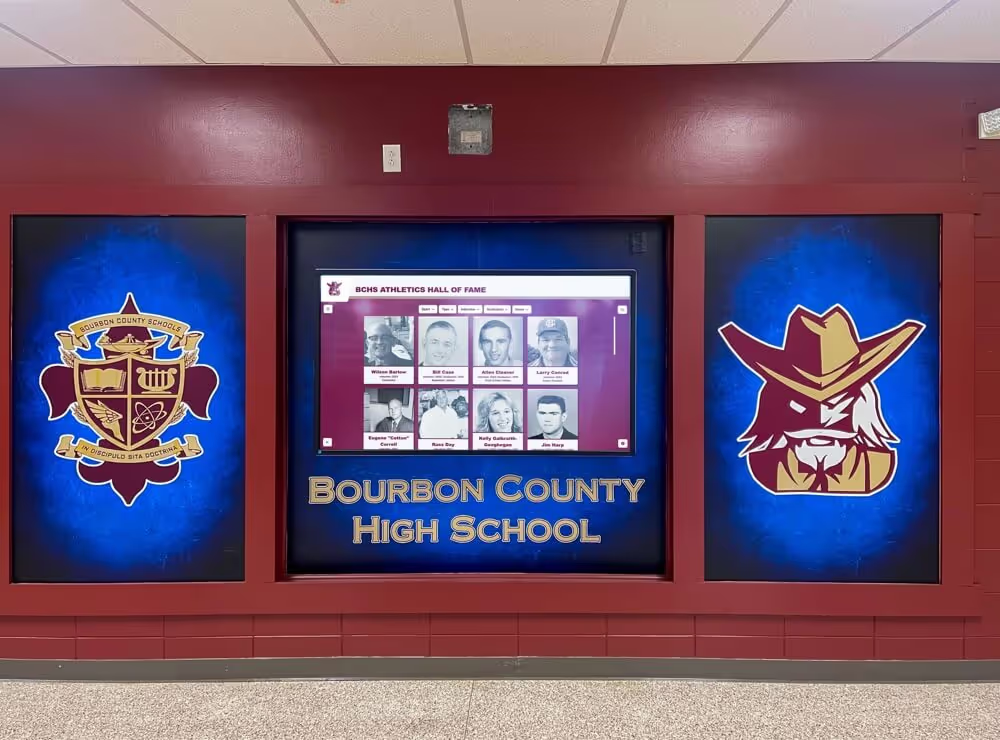
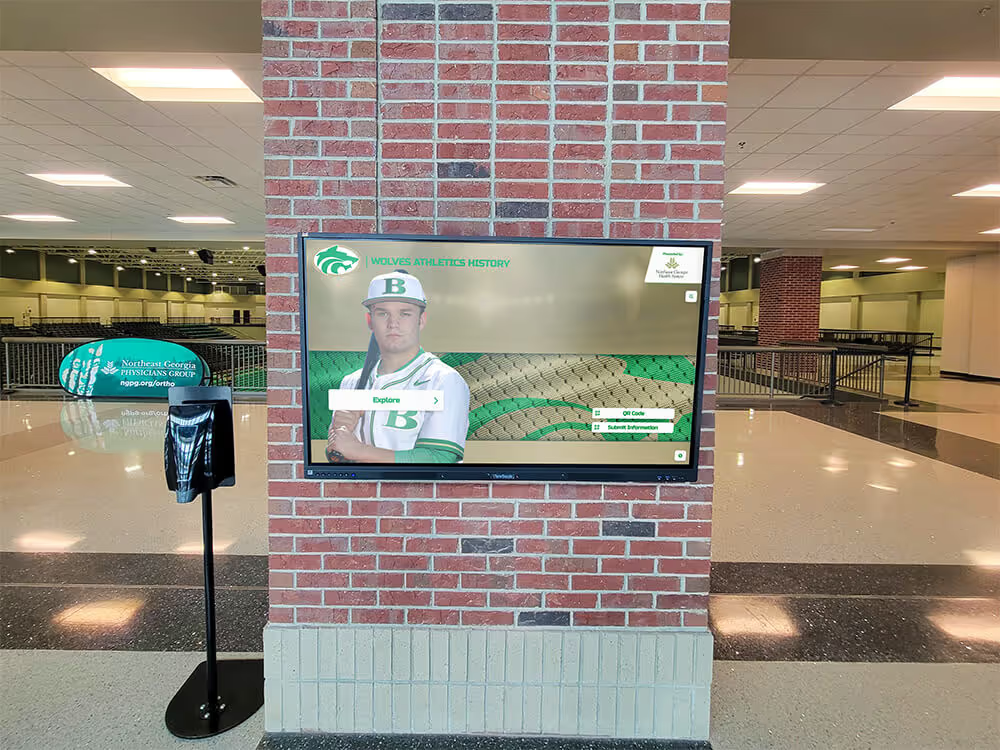
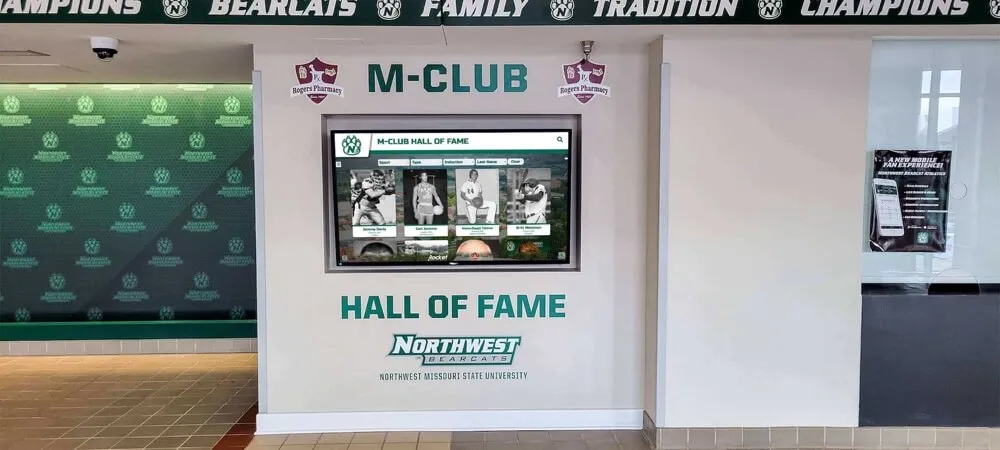
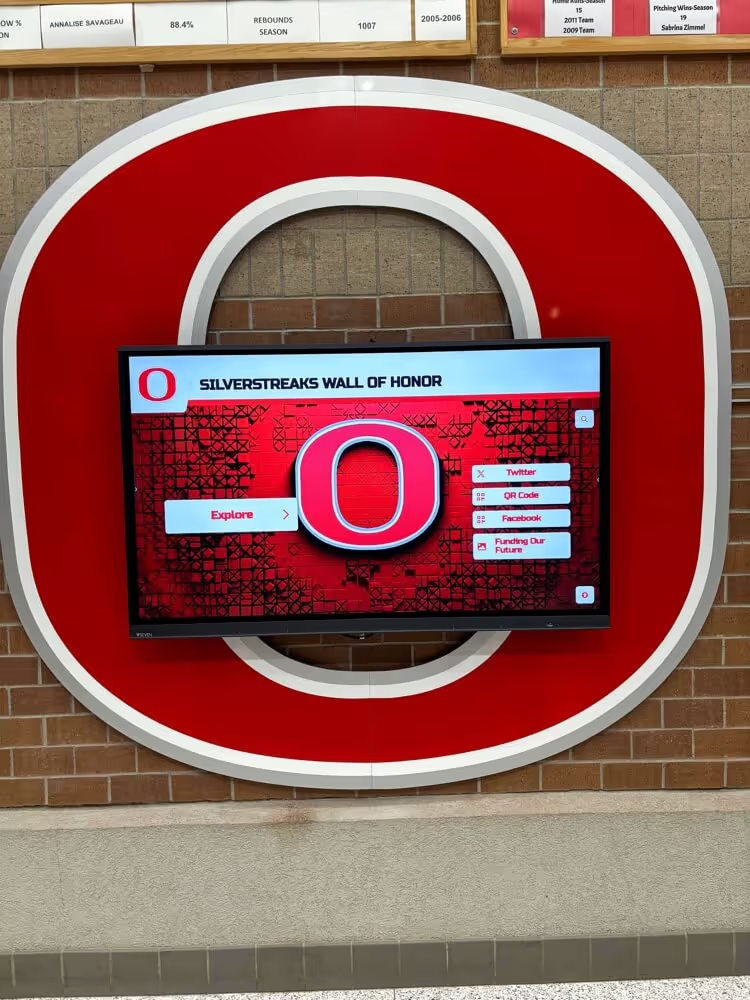
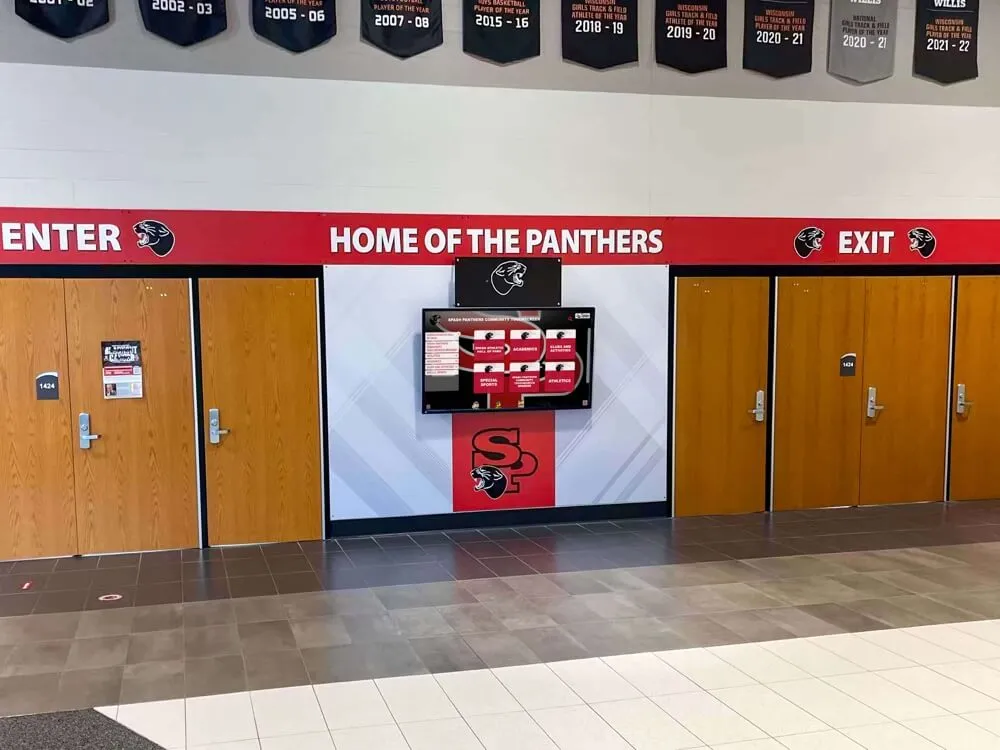
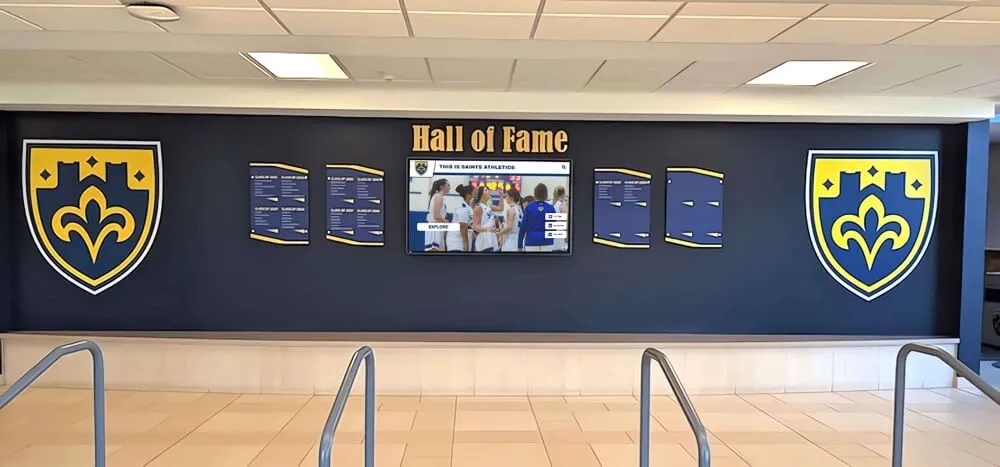
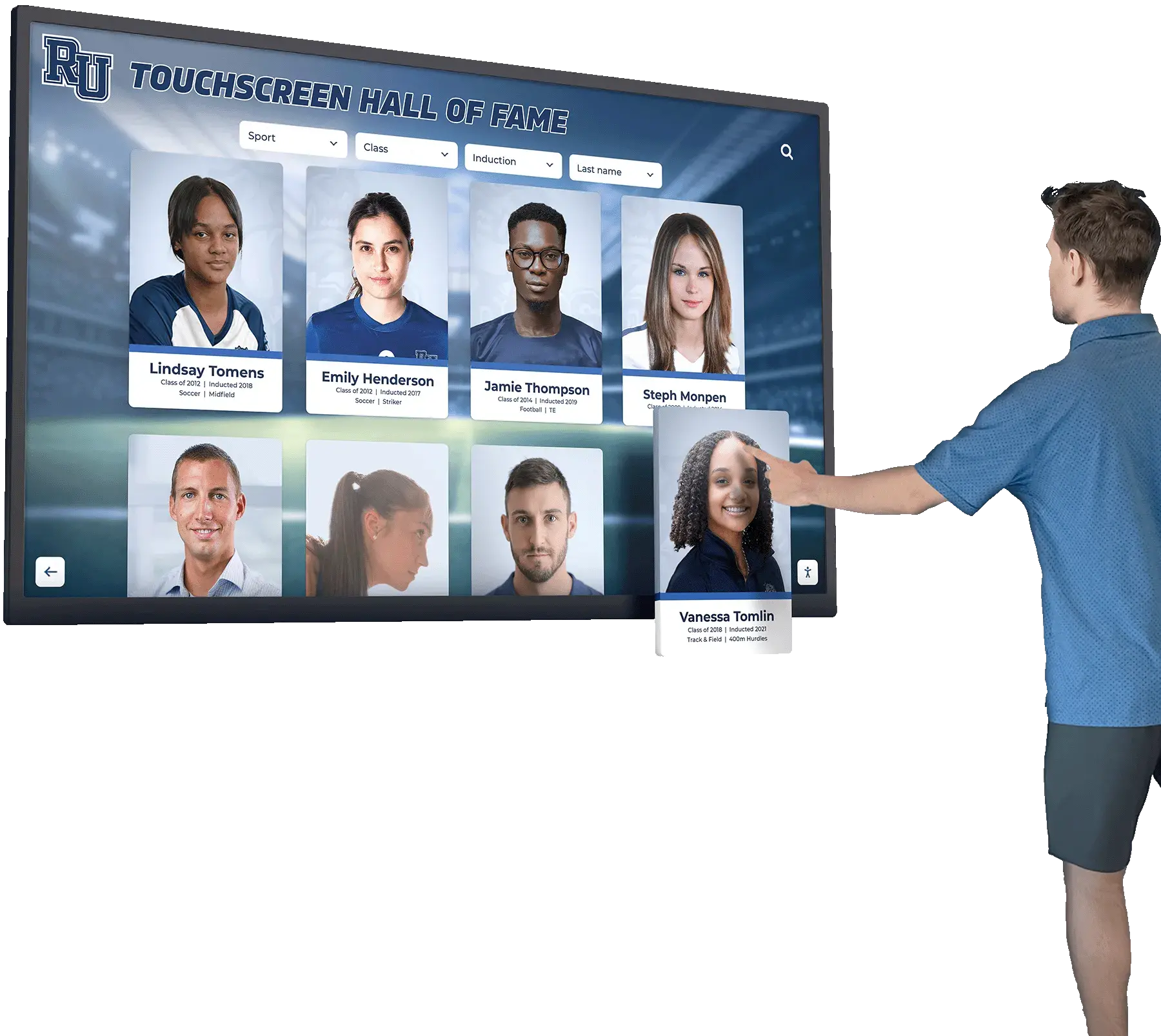
Digital recognition systems allow comprehensive storytelling that static plaques cannot match, incorporating injury timelines, rehabilitation narratives, return-to-competition milestones, and ultimate achievements into rich multimedia profiles celebrating complete athletic journeys rather than just statistics.
Building Program Culture Around Athlete Support
Programs that navigate medical redshirt situations thoughtfully demonstrate commitment to athletes as people, not just competitors:
Maintaining Team Involvement: Keeping injured athletes engaged with teams during rehabilitation—attending practices, traveling to competitions, participating in team activities—maintains connections and prevents isolation during challenging recovery periods.
Mental Health Support: Season-ending injuries create significant psychological challenges. Programs providing mental health resources, counseling, and emotional support help athletes navigate identity questions and frustration that often accompany extended injury rehabilitation.
Long-Term Perspective: Emphasizing that athletic careers extend beyond single seasons helps injured athletes maintain perspective, viewing medical redshirts as temporary setbacks within longer journeys rather than catastrophic endings.
Institutions can showcase this commitment through recognition displays highlighting program values and celebrating athletes who exemplify resilience, perseverance, and determination—qualities often demonstrated most powerfully by those who overcame medical redshirt circumstances.
Common Medical Redshirt Questions and Misconceptions
Understanding frequent questions helps athletes, families, and coaches navigate medical hardship situations more effectively.
Can You Get Multiple Medical Redshirts?
The NCAA generally allows only one medical hardship waiver per athlete’s career. Athletes who suffer season-ending injuries in multiple years face difficult situations, as additional medical redshirt approvals become extremely rare and require extraordinary circumstances.
This limitation emphasizes the importance of using medical redshirt opportunities wisely and ensuring applications include complete, compelling documentation maximizing approval likelihood.
Does a Medical Redshirt Affect the Five-Year Clock?
Medical redshirt approval extends the five-year eligibility period by one year, granting athletes effectively six years to complete four seasons of competition. Without this extension, athletes would still face five-year enrollment limits that could expire before using all competition eligibility.
Specific circumstances like military service, religious missions, or other approved absences may interact with five-year clocks differently, requiring individualized compliance review.
What Happens If a Medical Redshirt Is Denied?
NCAA denial of medical hardship waivers means the athlete loses that season of eligibility despite limited competition. Denied athletes can request reconsideration if new information emerges or can appeal decisions through NCAA processes, though overturning initial denials requires compelling evidence of errors or overlooked circumstances.
Denials often result from incomplete documentation, failure to meet the 30% or 50% thresholds, or insufficient medical evidence proving incapacitating injury severity. Working closely with compliance staff to ensure applications meet all requirements before submission reduces denial risk.
Can Walk-Ons Receive Medical Redshirts?
Medical hardship waivers apply equally to scholarship athletes and walk-ons. Athletic financial aid status doesn’t affect medical redshirt eligibility—the same participation limits, timing requirements, and documentation standards apply to all athletes regardless of scholarship status.
Conclusion: Protecting Athletic Dreams Through Medical Redshirt Understanding
NCAA medical redshirt rules provide critical protection for student-athletes whose competitive dreams face potential derailment through unfortunate injuries or illnesses beyond their control. By understanding eligibility requirements—the 30% participation limit, 50% timing threshold, and incapacitating injury documentation needs—athletes, families, and athletic departments can navigate medical hardship situations strategically, preserving precious eligibility years that enable athletes to complete their careers and achieve goals they’ve pursued through years of dedication.
The medical hardship waiver process requires attention to detail, comprehensive documentation, and timely action when injuries occur. Athletes facing potential medical redshirt circumstances should work closely with athletic trainers, physicians, and compliance staff from injury occurrence to ensure proper medical documentation, accurate competition tracking, and complete waiver applications that maximize approval likelihood. Proactive planning transforms medical redshirts from confusing, stressful situations into manageable processes that protect athletic futures.
Beyond administrative procedures, medical redshirt situations test athletes’ resilience, determination, and mental fortitude. The journey from season-ending injury through rehabilitation to successful return as a fifth-year senior builds character and perspective that extends far beyond athletics. Programs that support athletes through these challenges—maintaining team involvement during recovery, providing mental health resources, celebrating comeback stories—demonstrate authentic commitment to athlete welfare while building cultures where perseverance and resilience receive the recognition they deserve.
Modern athletic recognition technology enables programs to tell complete athlete stories, including medical redshirt journeys that showcase determination and comeback narratives. These comprehensive digital systems allow athletic departments to celebrate not just championships and statistics, but the perseverance and resilience that define truly memorable athletic careers and inspire current athletes facing their own challenges.
Honor Complete Athletic Journeys With Comprehensive Recognition
Recognize athletes’ complete stories—including the resilience demonstrated through medical redshirt challenges—with modern digital recognition systems designed specifically for athletic programs. Rocket Alumni Solutions provides comprehensive platforms that celebrate not just achievements but the determination, perseverance, and comeback stories that truly define athletic excellence and inspire future generations.