



Key Takeaways
Compare recognition solutions for National Merit Scholars. Evaluation framework covering digital touchscreens vs traditional plaques, featuring vendor scoring, decision criteria, and implementation best practices.
Schools celebrating National Merit Scholars face a critical decision: how to provide recognition that matches the prestige of this achievement while remaining sustainable, accessible, and motivating for future students. This comprehensive buyer’s guide evaluates recognition solutions for National Merit Scholars, comparing traditional plaques against modern touchscreen displays across criteria that matter most to evaluation committees—capacity, accessibility compliance, update efficiency, engagement metrics, and total cost of ownership.
National Merit Scholars represent the top 1% of PSAT test-takers nationwide. According to the National Merit Scholarship Corporation, approximately 16,000 students qualify as Semifinalists annually from over 1.5 million test participants. These exceptional students have demonstrated college-level academic mastery through standardized assessment, earning recognition that significantly impacts college admissions and scholarship opportunities.
Yet many schools struggle to provide visibility matching achievement significance. Traditional recognition approaches—engraved plaques in counseling offices, names in graduation programs, brief assembly announcements—fail to create the lasting impact these accomplishments deserve. This guide provides evaluation frameworks helping schools select recognition systems that honor National Merit Scholars appropriately while supporting broader academic culture goals.
Understanding National Merit Recognition Requirements
Before evaluating recognition solutions, schools must understand what National Merit achievement represents and why recognition matters for institutional culture and student motivation.
National Merit Program Structure and Significance
The National Merit Scholarship Program operates through a clearly defined progression recognizing different achievement levels. In fall of junior year, students take the PSAT/NMSQT (Preliminary SAT/National Merit Scholarship Qualifying Test). Top-performing students in each state receive recognition based on Selection Index scores calculated from PSAT performance.
Recognition Levels:
Commended Students (approximately 34,000 annually): Students scoring in the top 3-4% nationally but below Semifinalist cutoffs receive Letters of Commendation recognizing outstanding academic promise. While Commended Students do not advance in competition, this designation carries weight for college applications and demonstrates exceptional capability.
Semifinalists (approximately 16,000 annually): The top ~1% of test-takers in each state qualify as Semifinalists, with cutoff scores varying by state based on comparative performance. Semifinalist status represents the highest achievement level for most participants and significantly enhances college applications.
Finalists (approximately 15,000 annually): Semifinalists who submit complete applications, demonstrate outstanding academic records, receive school endorsement, and write required essays advance to Finalist status. About 94% of Semifinalists become Finalists.
Scholars (approximately 7,500 annually): Finalists selected for actual scholarship awards become National Merit Scholars, receiving financial awards sponsored by corporations, colleges, or the National Merit Scholarship Corporation itself.
Schools implementing recognition systems must decide which achievement levels to celebrate. Some recognize only Semifinalists and above, while others acknowledge all Commended Students. This decision affects scope, capacity requirements, and program positioning.
Why National Merit Recognition Matters for School Culture
Prominent National Merit Scholar recognition creates measurable impact across multiple institutional priorities that extend beyond simply acknowledging individual achievement.
Peer Role Modeling and Course Selection: When students see classmates, older siblings, and friends prominently recognized as National Merit Scholars, advanced coursework shifts from intimidating exception to normalized pathway. Schools implementing prominent academic recognition report increased AP course enrollment and PSAT participation following recognition system deployment.
Equity and Access Messaging: Displaying National Merit Scholars from diverse backgrounds demonstrates that this achievement is attainable regardless of demographic characteristics. According to College Board data, students from underrepresented backgrounds participate in PSAT at lower rates than peers. Visible recognition featuring diverse achievers helps address participation gaps by showing relatable success examples.
College Preparation Validation: National Merit recognition validates college readiness through external standardized assessment rather than internal school grading. For students from schools less familiar to admissions committees, National Merit status provides credible evidence of academic capability that carries weight beyond GPA or class rank.
Institutional Reputation Building: Schools celebrating National Merit Scholars signal commitment to academic excellence that attracts families prioritizing rigorous educational environments. During campus tours and community events, prominent recognition demonstrates measurable academic outcomes rather than abstract claims about educational quality.
Recognition Solution Options: Comparative Analysis
Schools selecting National Merit Scholar recognition systems must evaluate fundamentally different approaches offering distinct advantages, limitations, and cost structures.
Traditional Engraved Plaques: Benefits and Constraints
Physical recognition plaques have served schools for decades, providing permanent acknowledgment with classical aesthetic appeal that matches other historical school honors.
Core Advantages:
Traditional plaques offer tangible permanence creating psychological weight that purely digital recognition cannot replicate. Metal or wood recognition boards provide timeless visual quality requiring no electricity, network connectivity, or technical maintenance. For schools with limited technology support resources, physical plaques eliminate ongoing operational complexity.
Installation costs remain predictable, with one-time expenses for fabrication and mounting rather than subscription fees or licensing arrangements. Once installed, physical plaques function indefinitely without software updates, compatibility concerns, or vendor dependency.
Critical Limitations:
Space constraints represent the fundamental challenge with physical recognition. Each year’s National Merit Scholars require additional engraving capacity, forcing difficult decisions when wall space exhausts. Schools typically face three unappealing options: stop adding recent recipients, remove historical recognition to accommodate current honorees, or begin secondary recognition locations fragmenting visibility.
A school recognizing 5-10 National Merit Scholars annually exhausts practical plaque capacity within 10-15 years, requiring expansion or replacement. Schools with growing programs face accelerated timelines as achievement numbers increase.
Update delays create recognition lag undermining motivational impact. Professional engraving services typically require 6-12 weeks from ordering to installation. Students learning of National Merit status in fall may not see recognition displayed until spring semester, when emotional connection to achievement has faded and college application deadlines have passed.
Information depth limitations prevent comprehensive storytelling. Physical plaques typically display only names and years, missing opportunities to share achievement context like Selection Index scores, college destinations, or study strategies that would inspire current students more effectively than simple name listings.
Accessibility Compliance Concerns:
Schools must ensure recognition systems comply with ADA accessibility requirements. Physical plaques mounted at standard viewing heights may not meet accessibility standards for visitors using wheelchairs or those with visual impairments. Retrofitting accessibility features into existing physical displays proves costly and aesthetically challenging.
Interactive Touchscreen Recognition Systems: Capabilities and Considerations
Digital touchscreen recognition platforms designed specifically for educational environments offer fundamentally different capabilities addressing physical display limitations while introducing new considerations.
Core Capabilities:
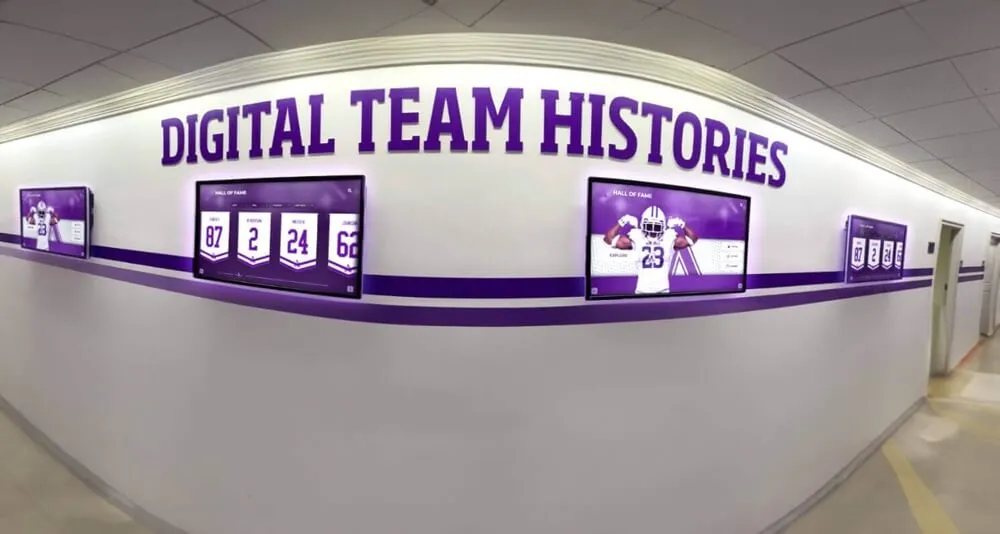
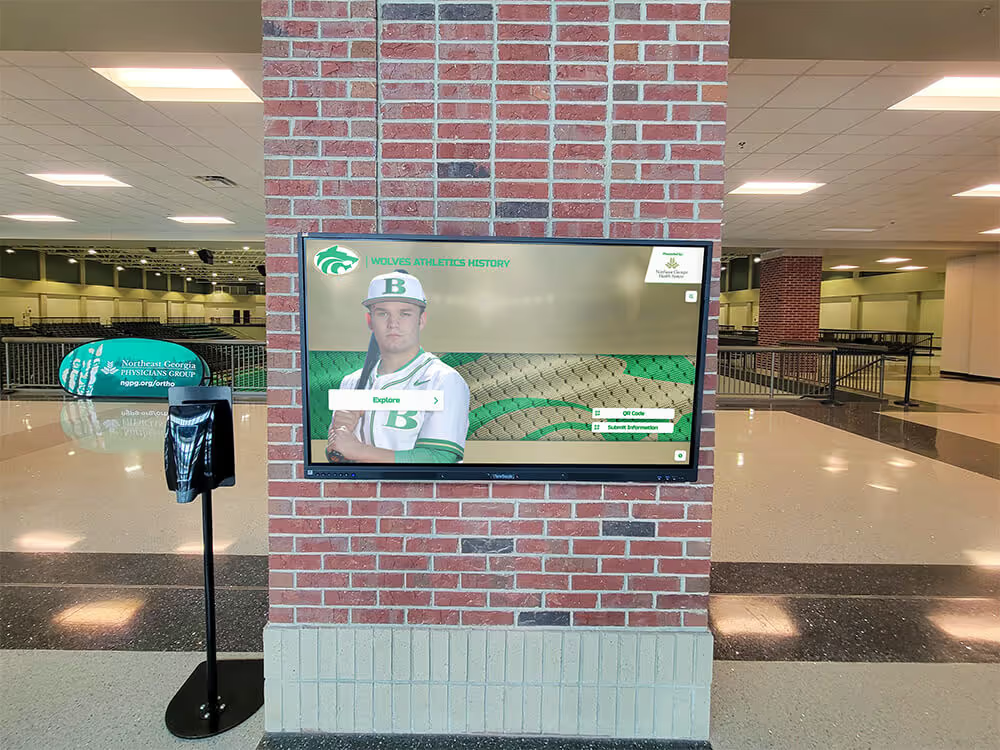
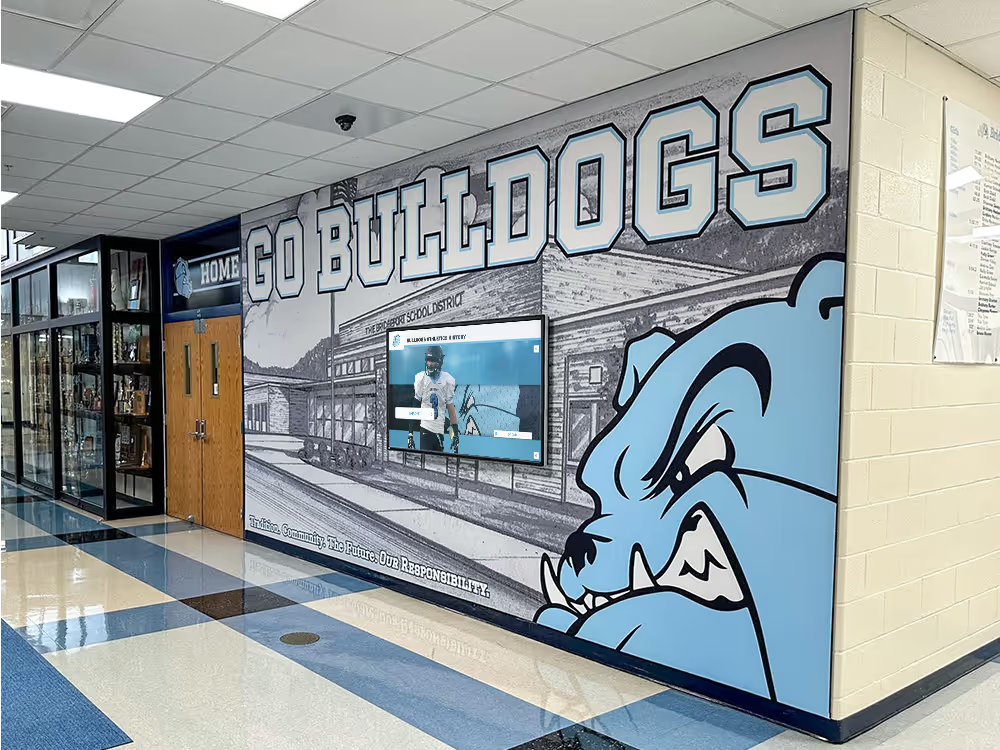
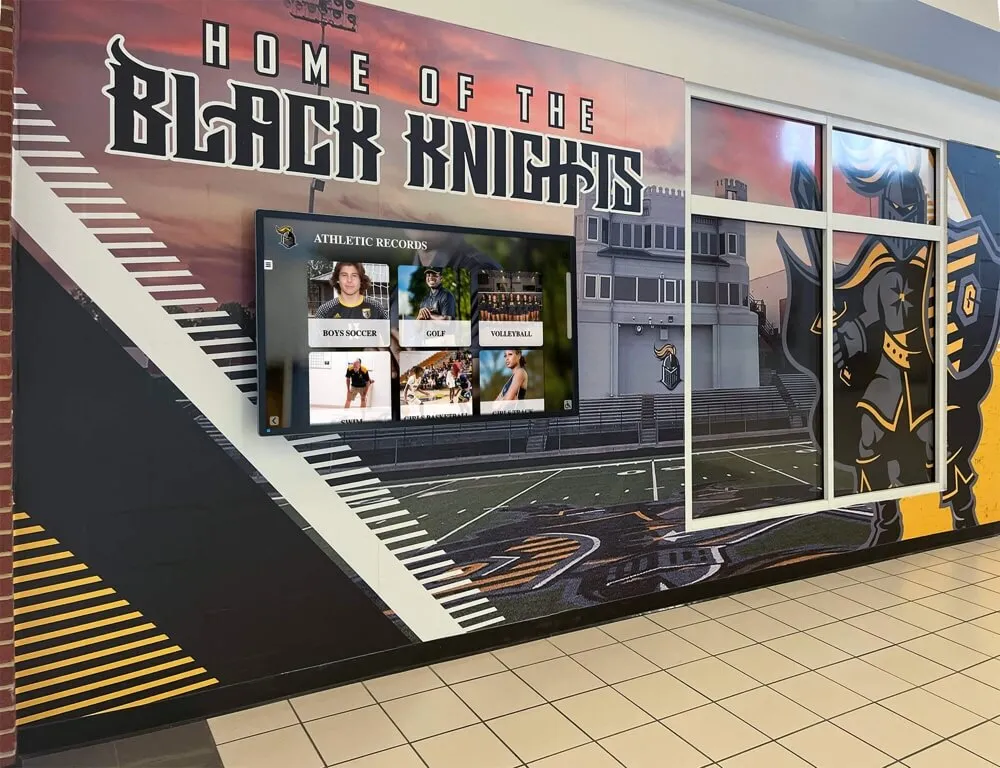
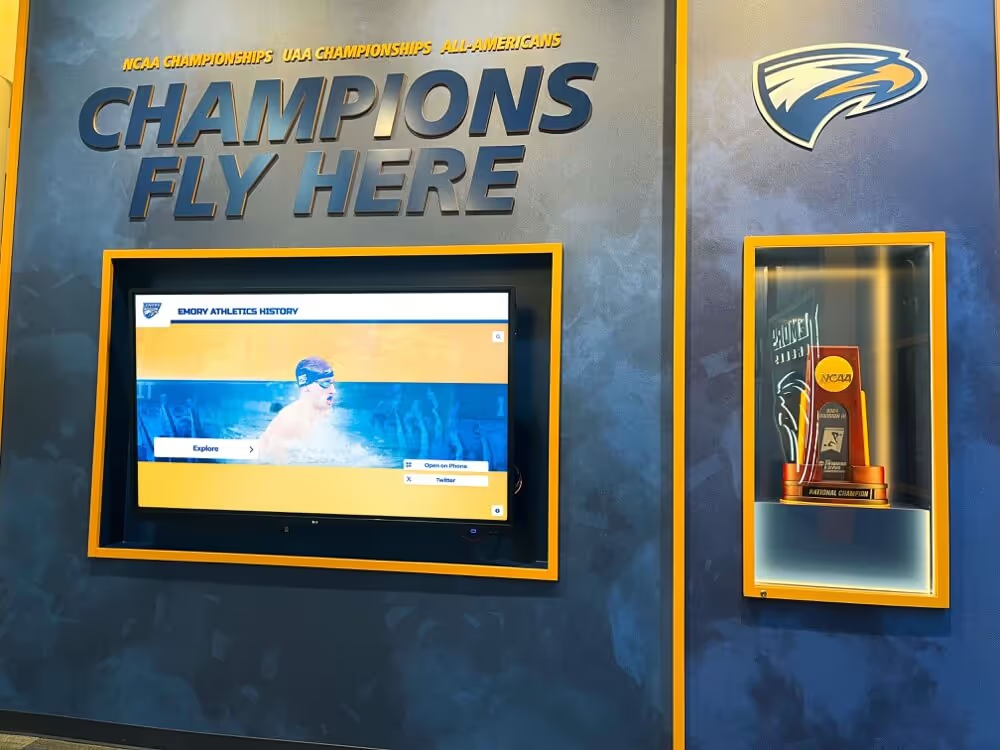
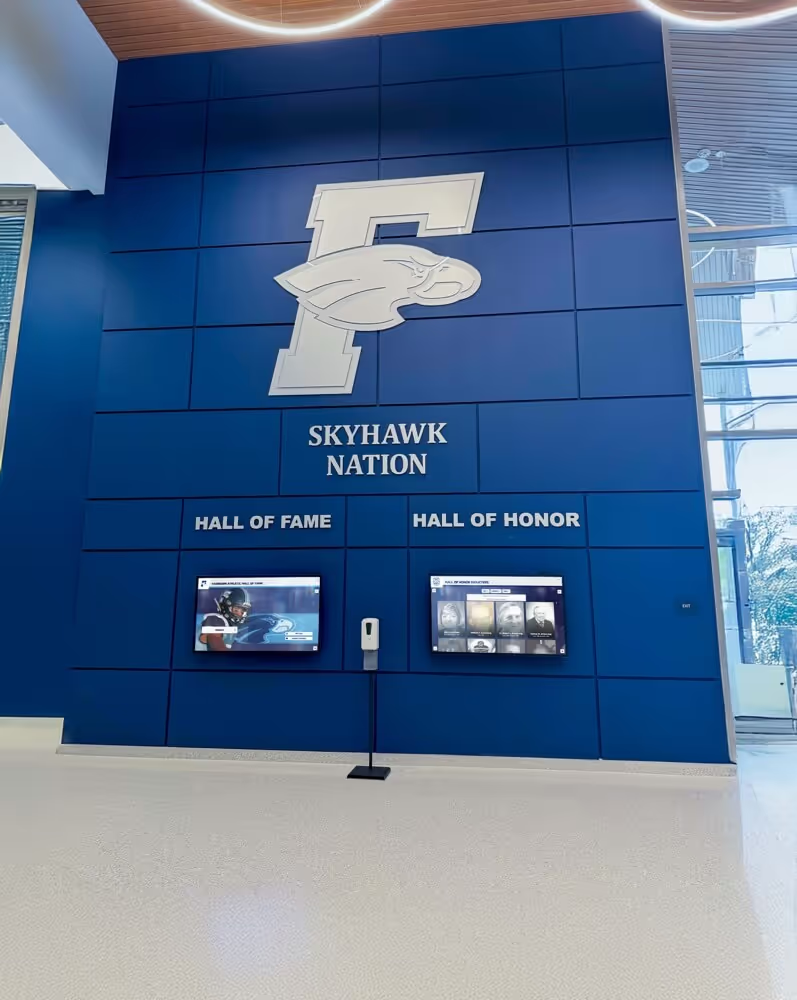
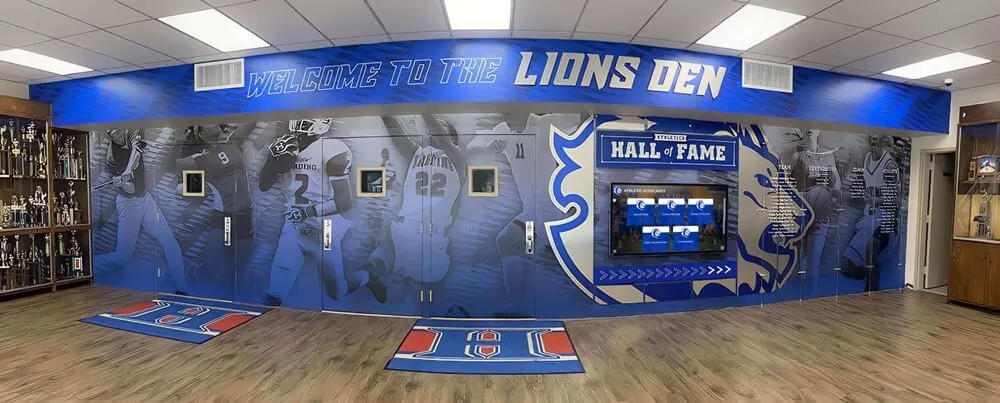
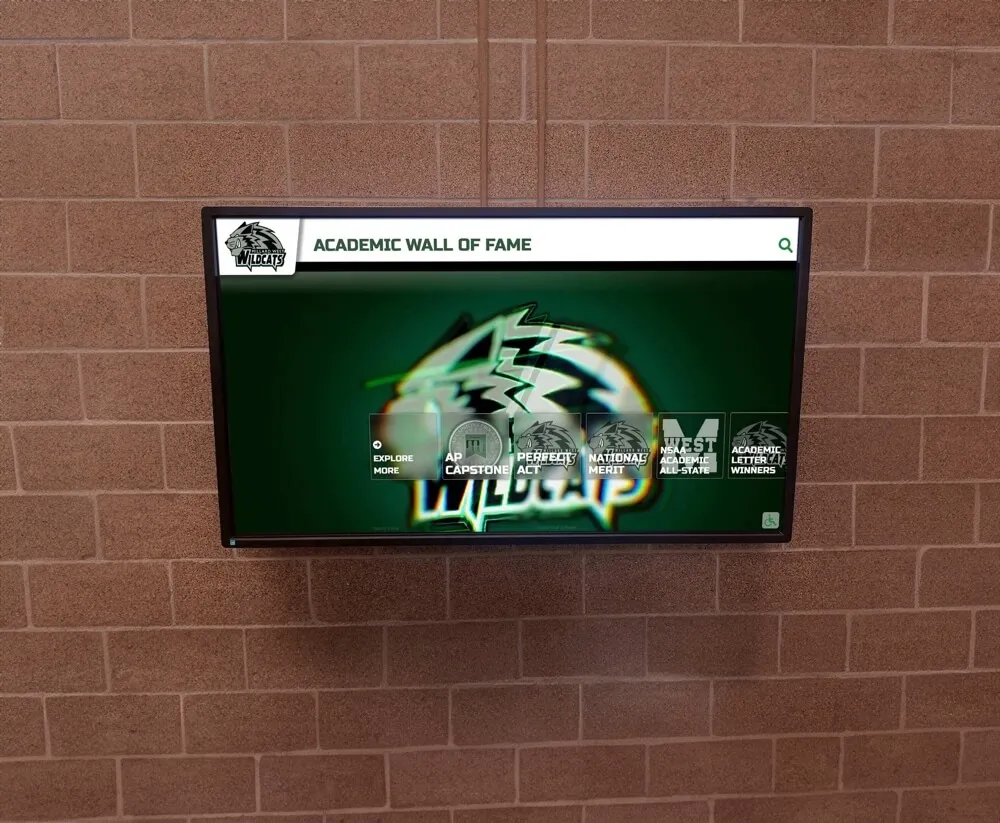
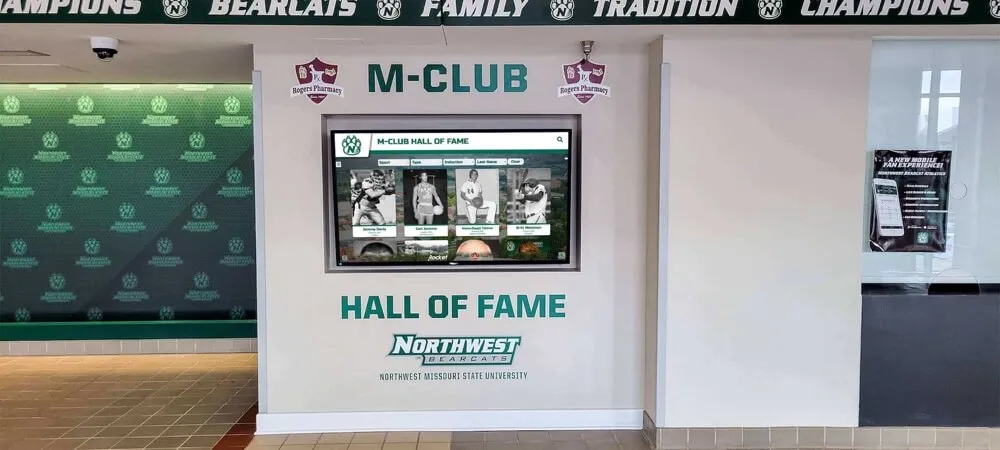
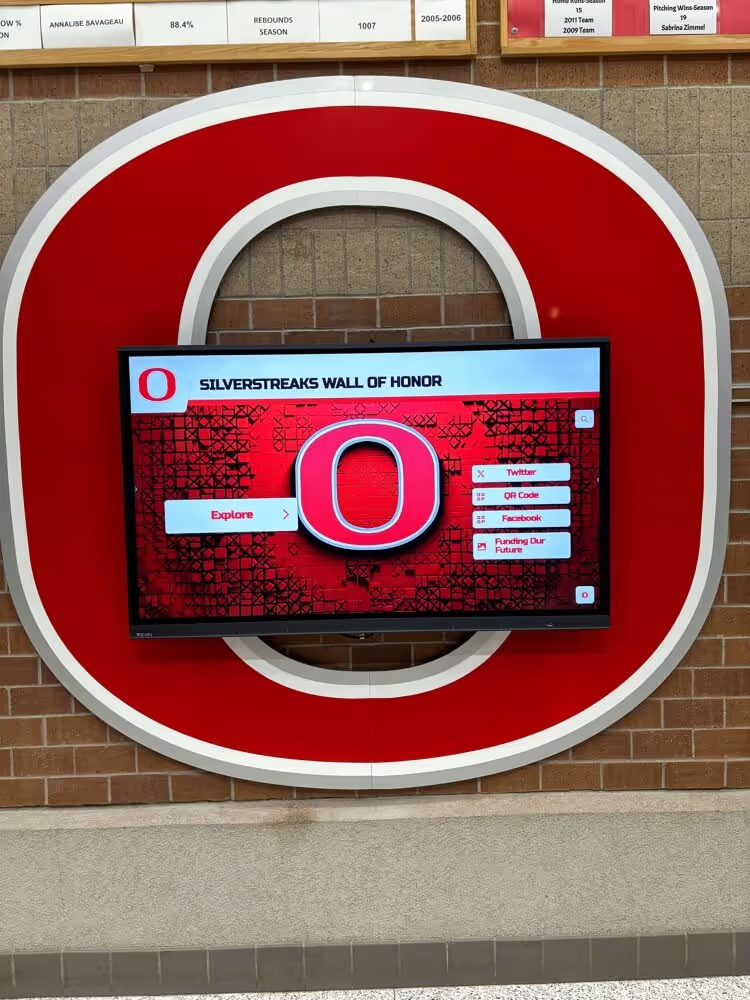
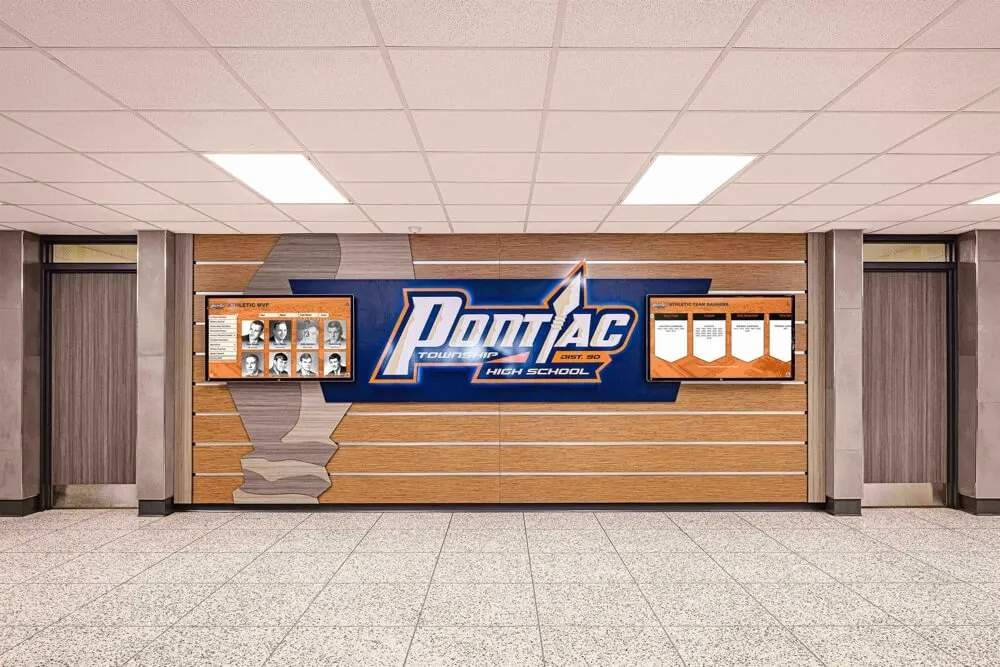
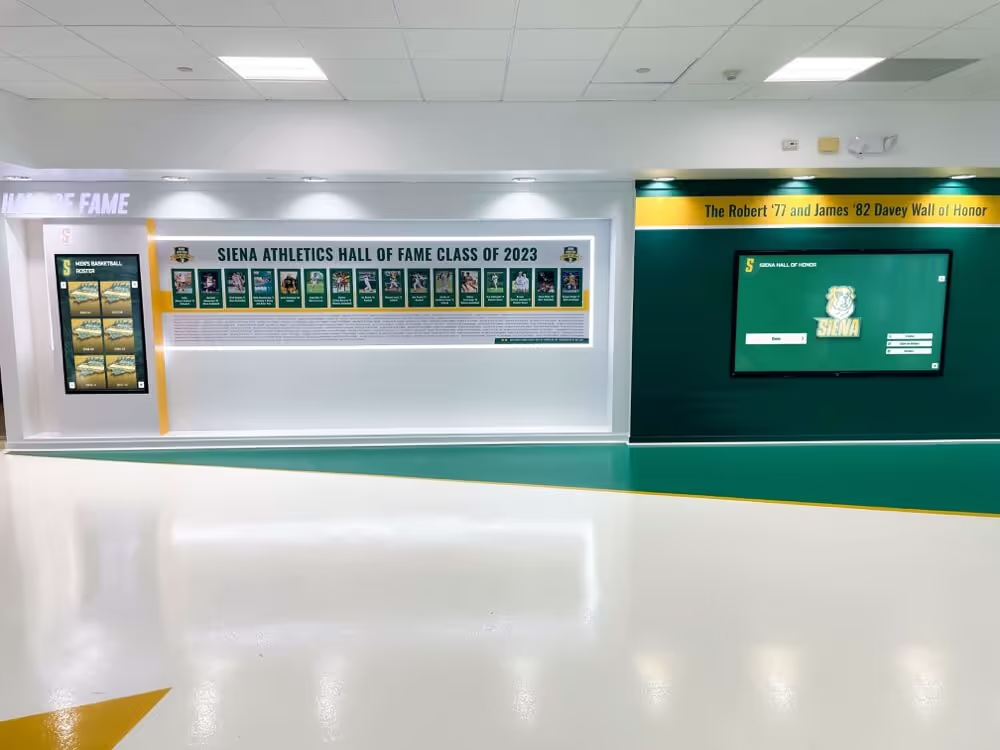
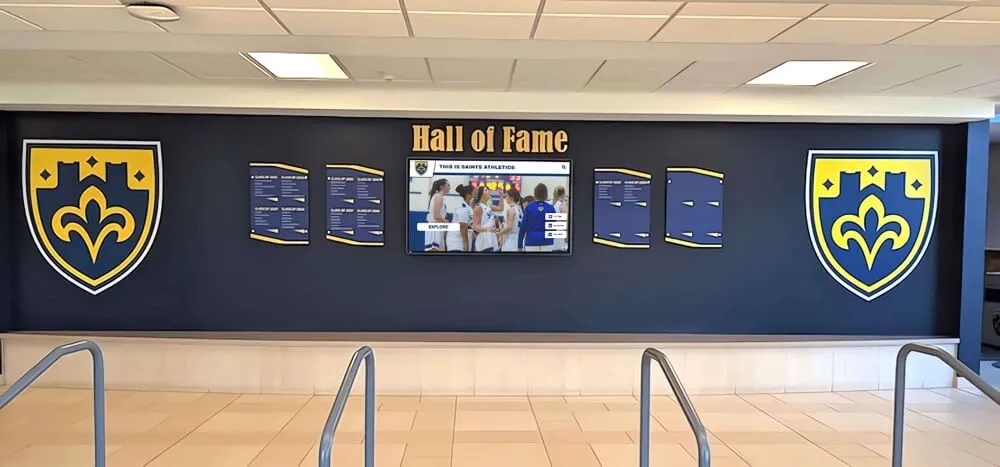
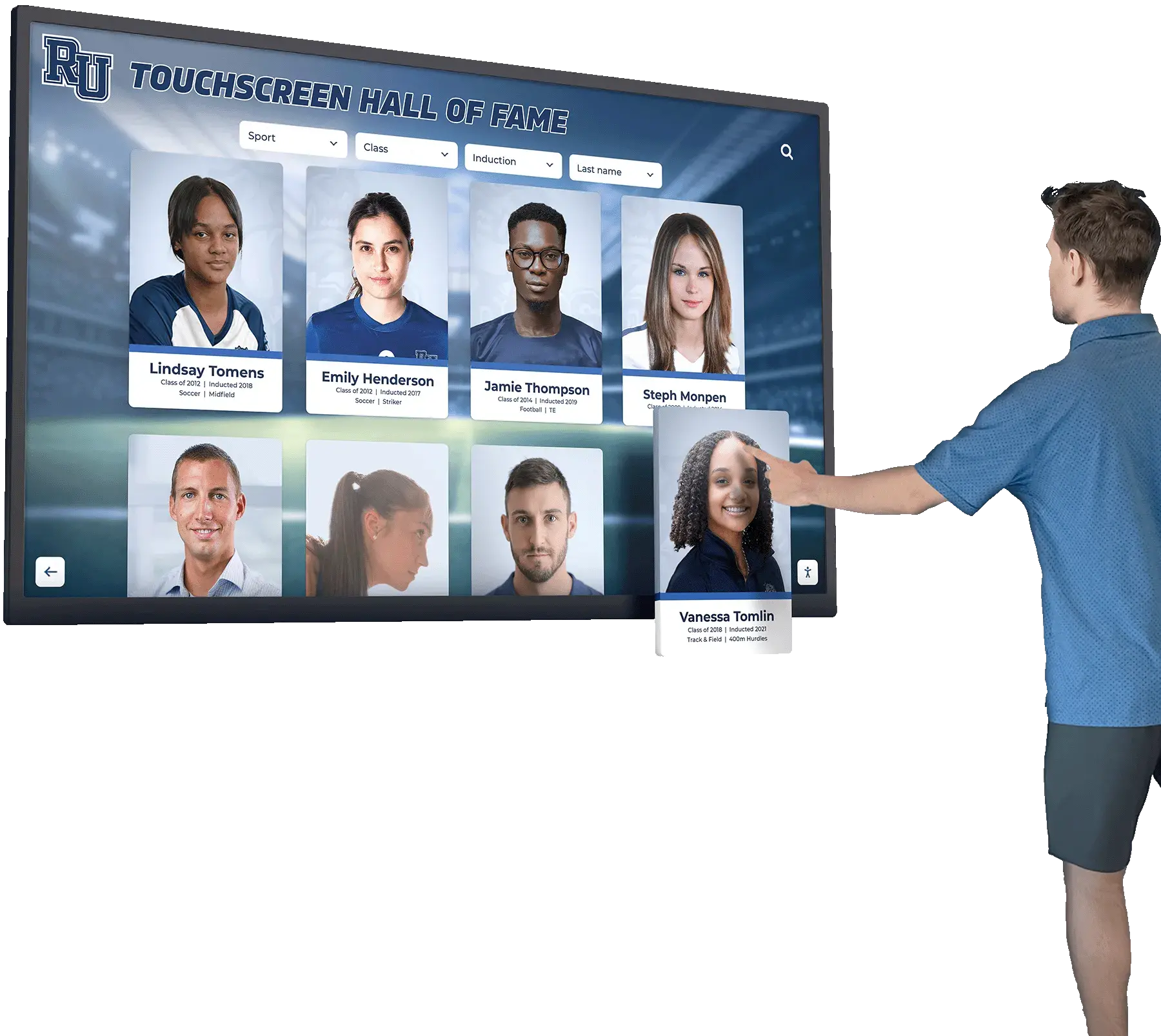
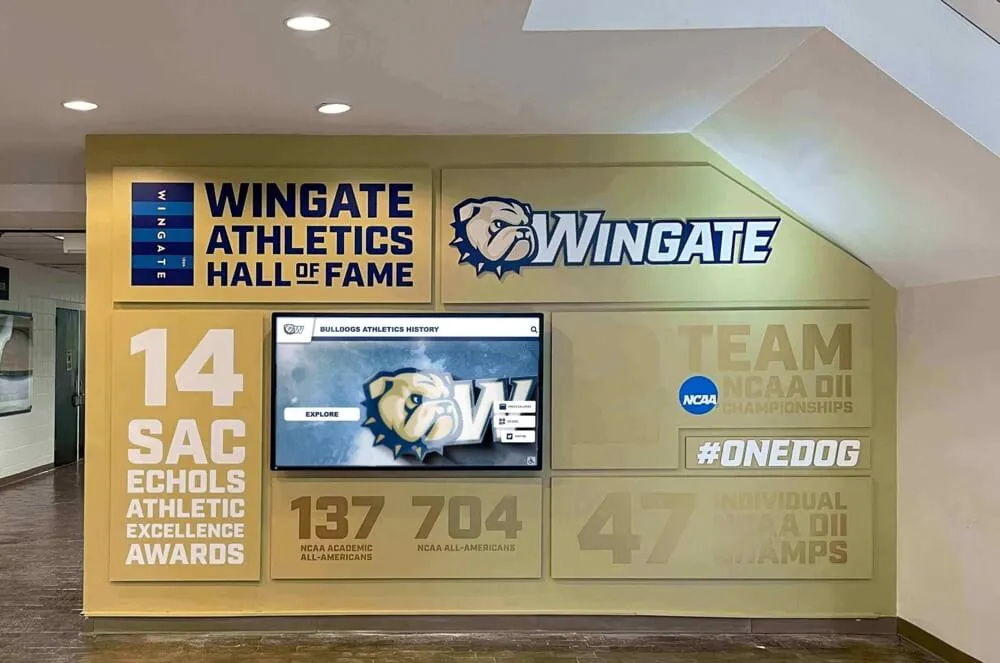
Unlimited Recognition Capacity: Digital platforms eliminate space constraints entirely. A single 55-inch touchscreen accommodates unlimited National Merit Scholars across all years—content requiring dozens of physical plaques. Schools never face expansion crises or capacity planning as programs grow.
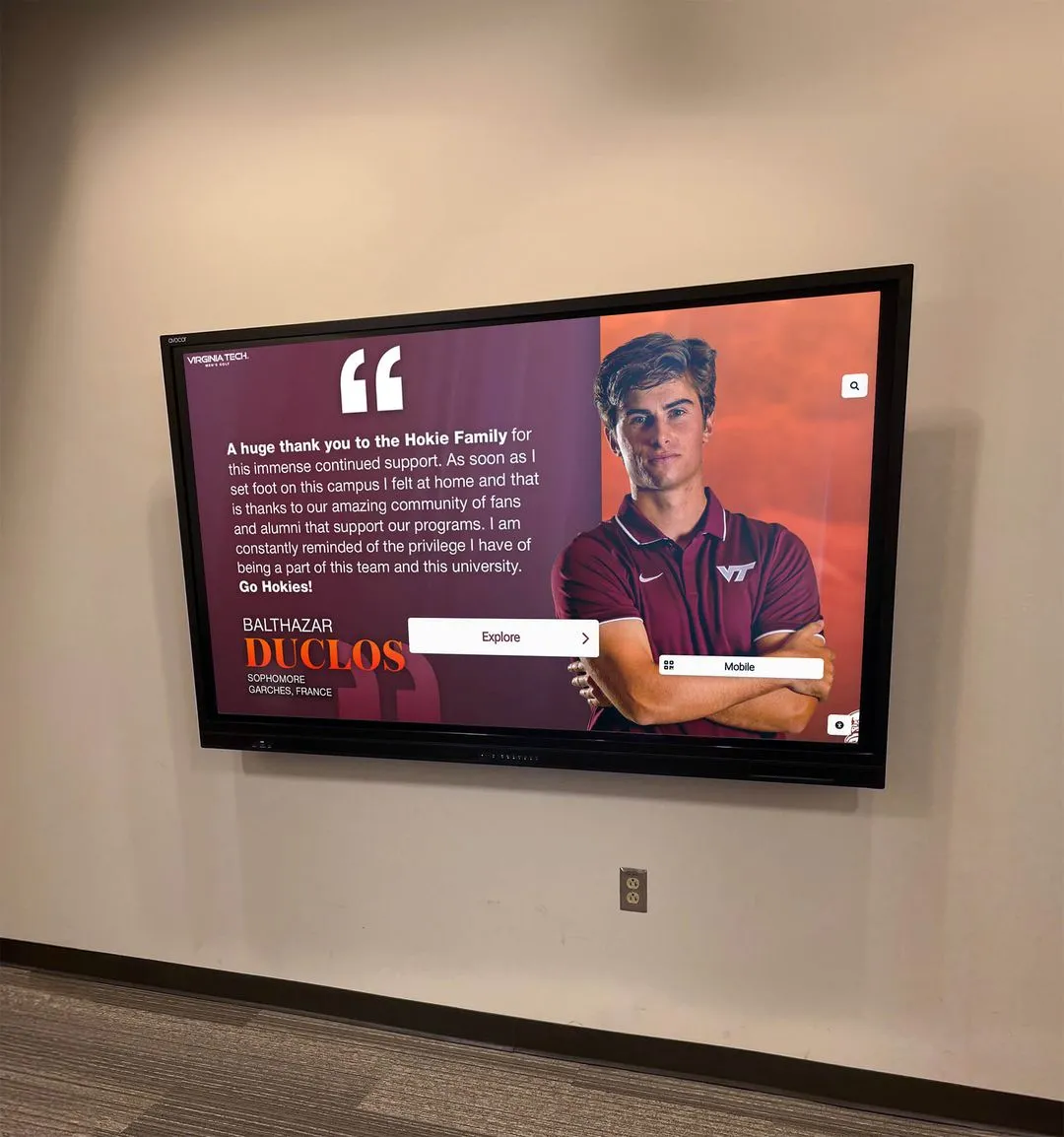
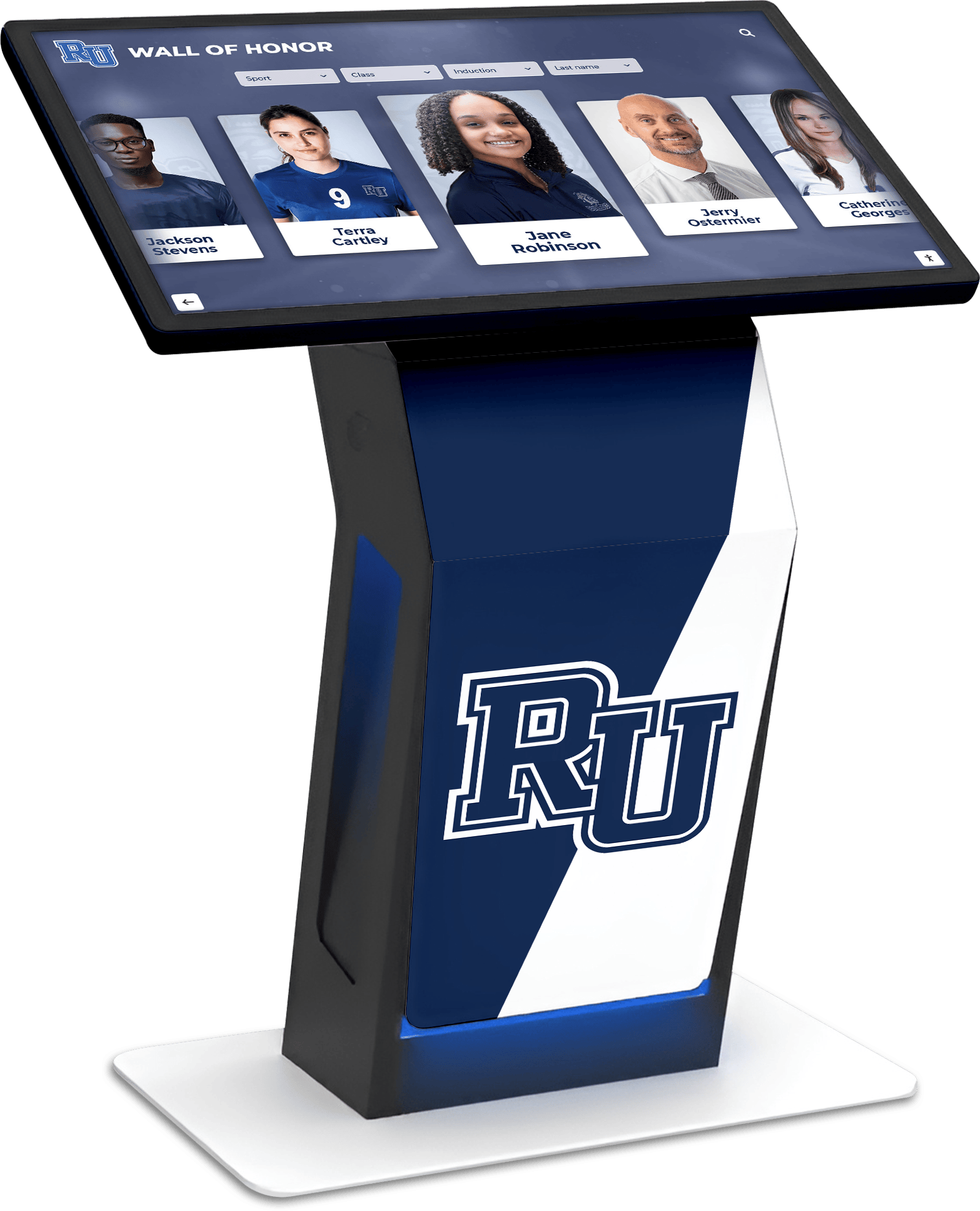
Rich Multimedia Profiles: Digital systems enable comprehensive recognition far beyond names and years. Schools can include professional student photography, specific achievement details (Selection Index scores, Semifinalist vs Finalist vs Scholar status), academic career highlights (GPA, class rank, additional honors), college destination information demonstrating outcomes, and student testimonials sharing study strategies or advice for peers.
Instant Updates and Management: Cloud-based content management enables authorized staff to update recognition within minutes from any internet-connected device. When students receive National Merit notification, schools can celebrate achievement publicly within days rather than waiting months for engraving services.
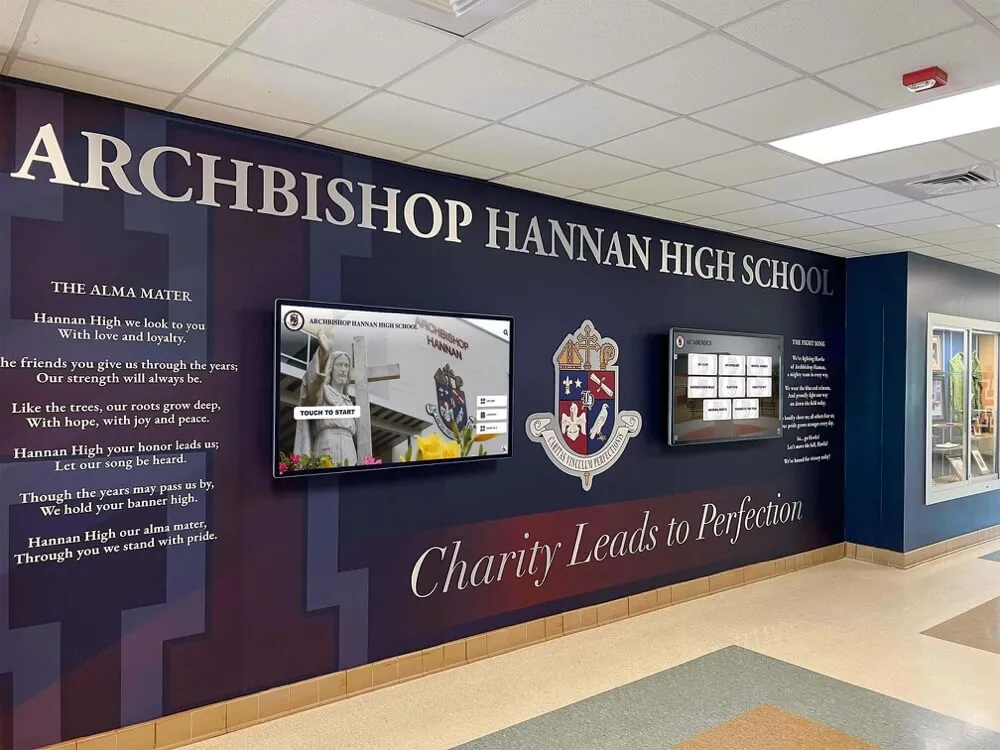
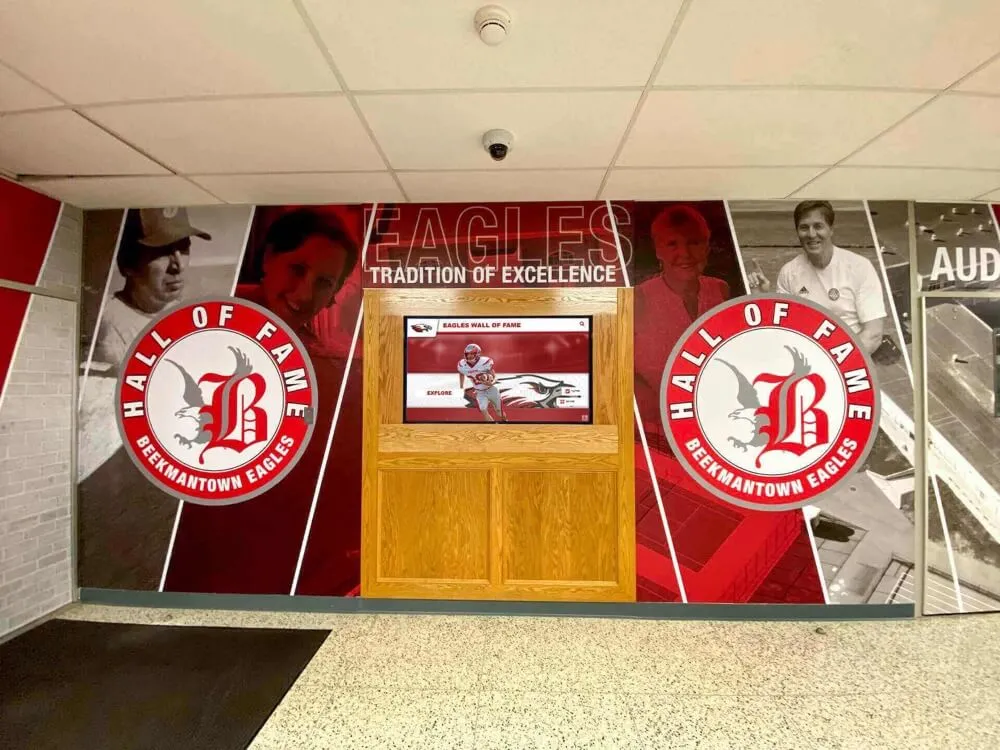
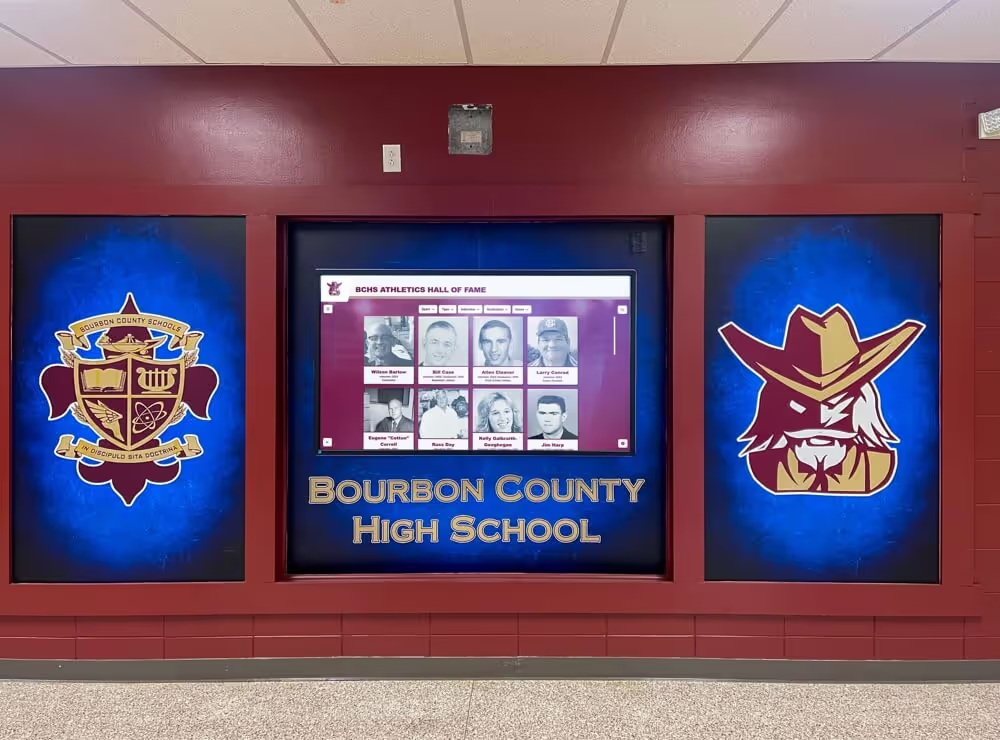
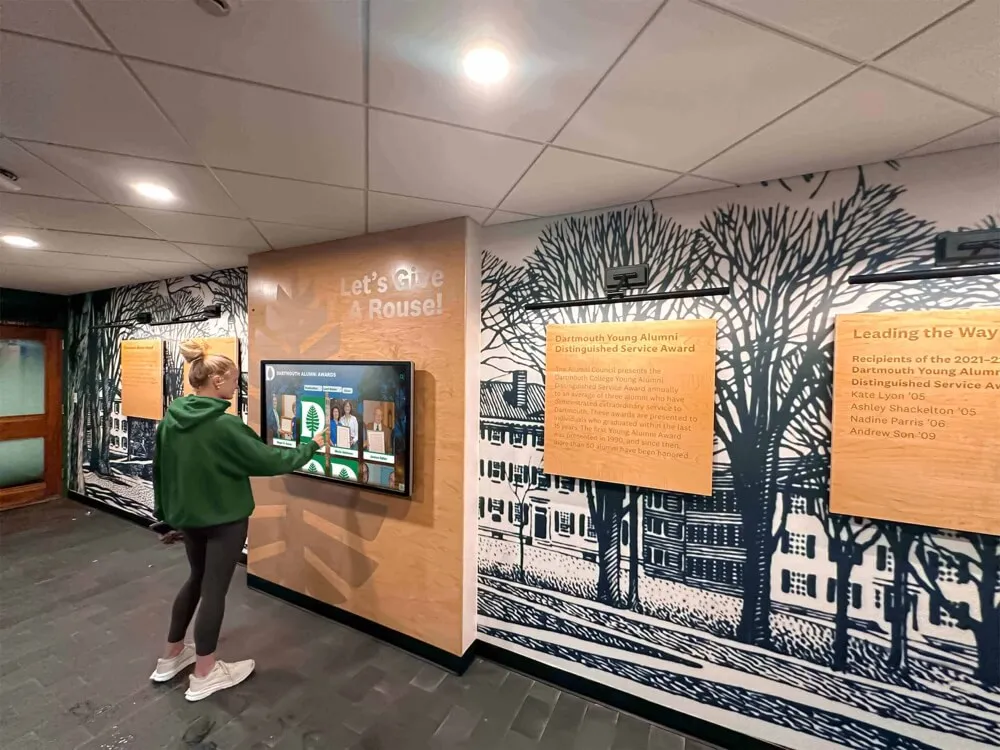
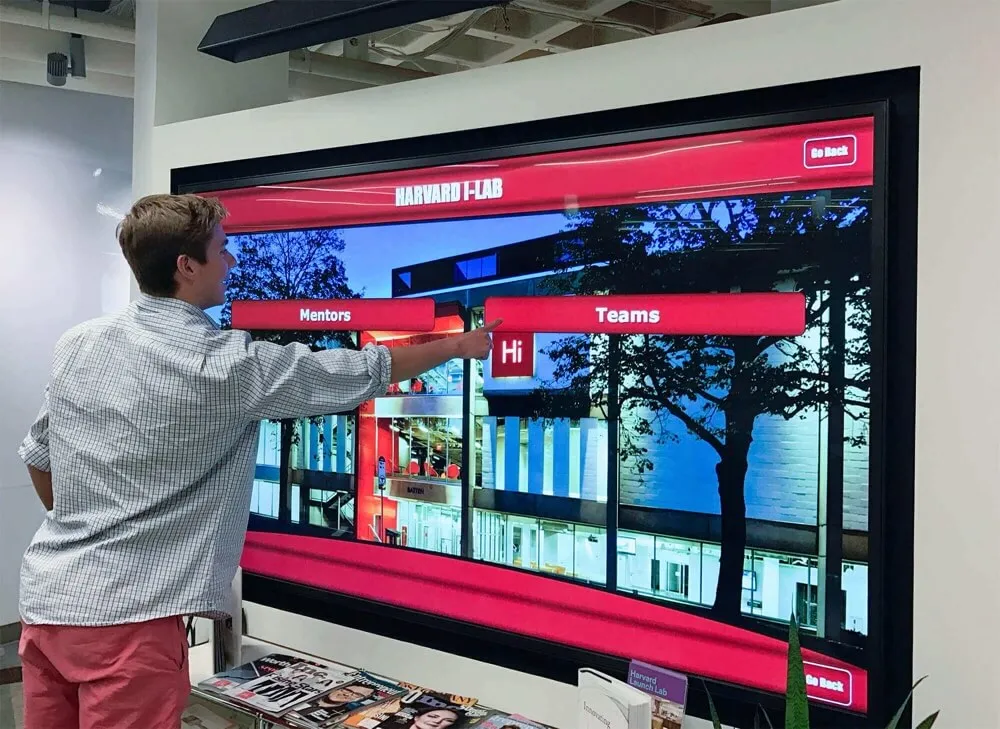
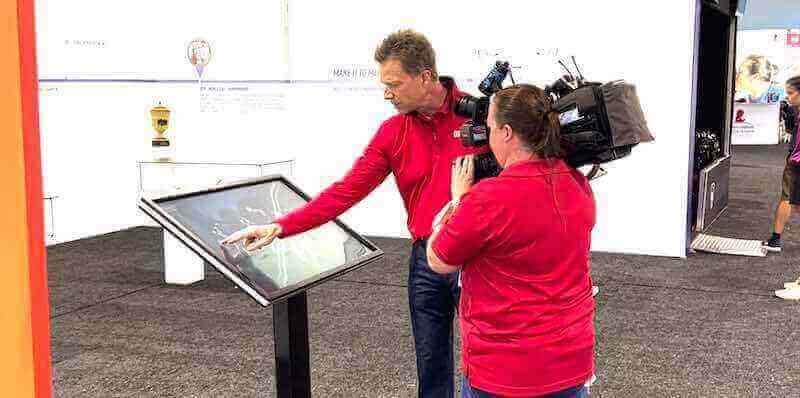
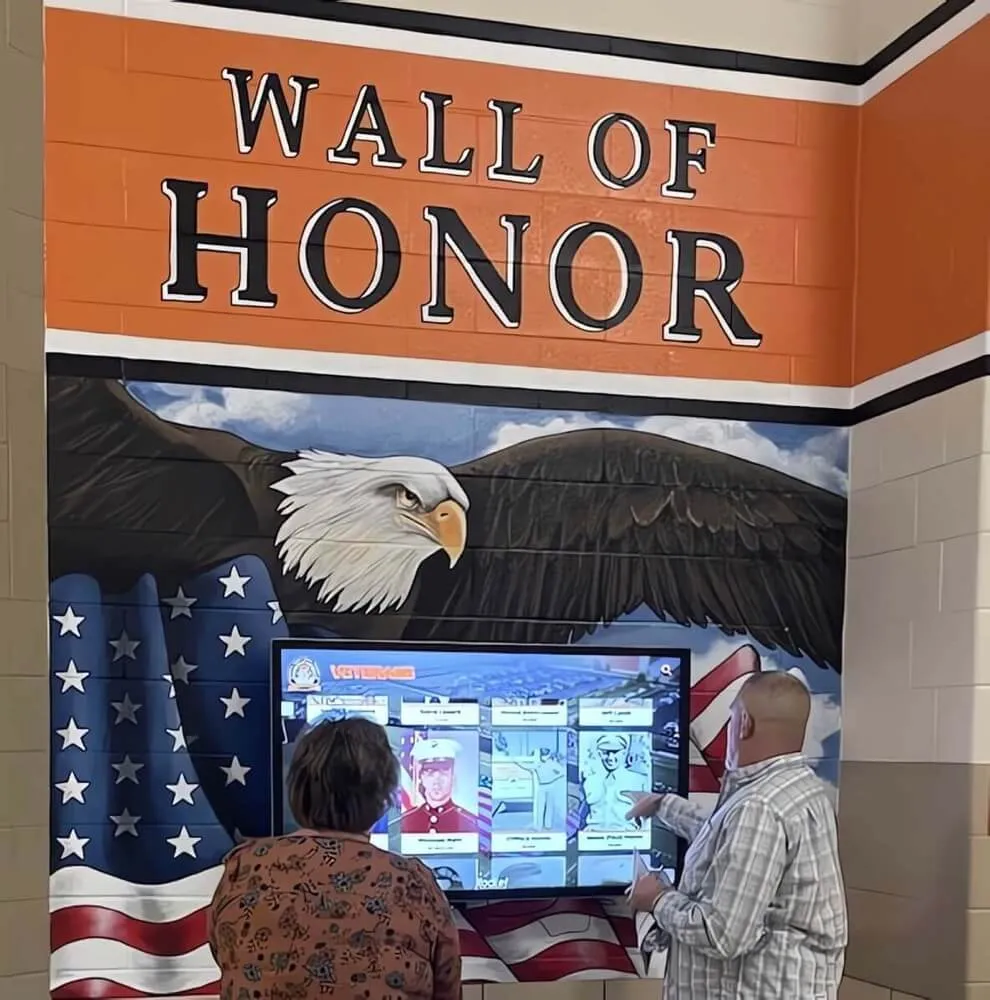
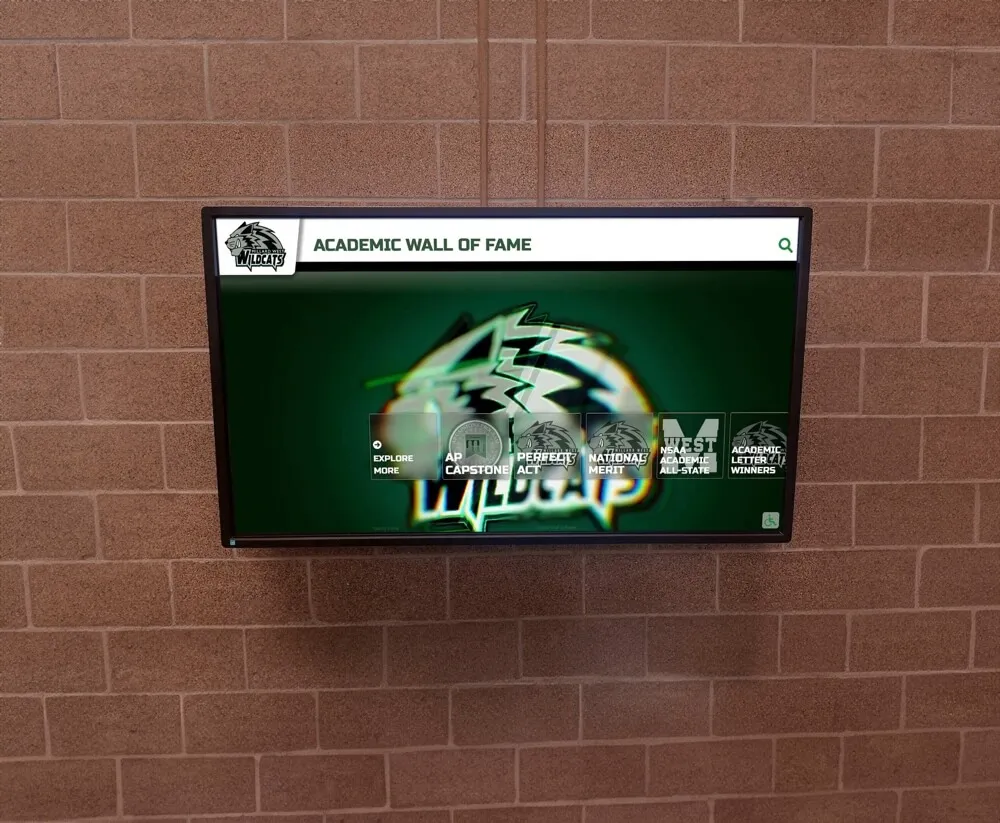
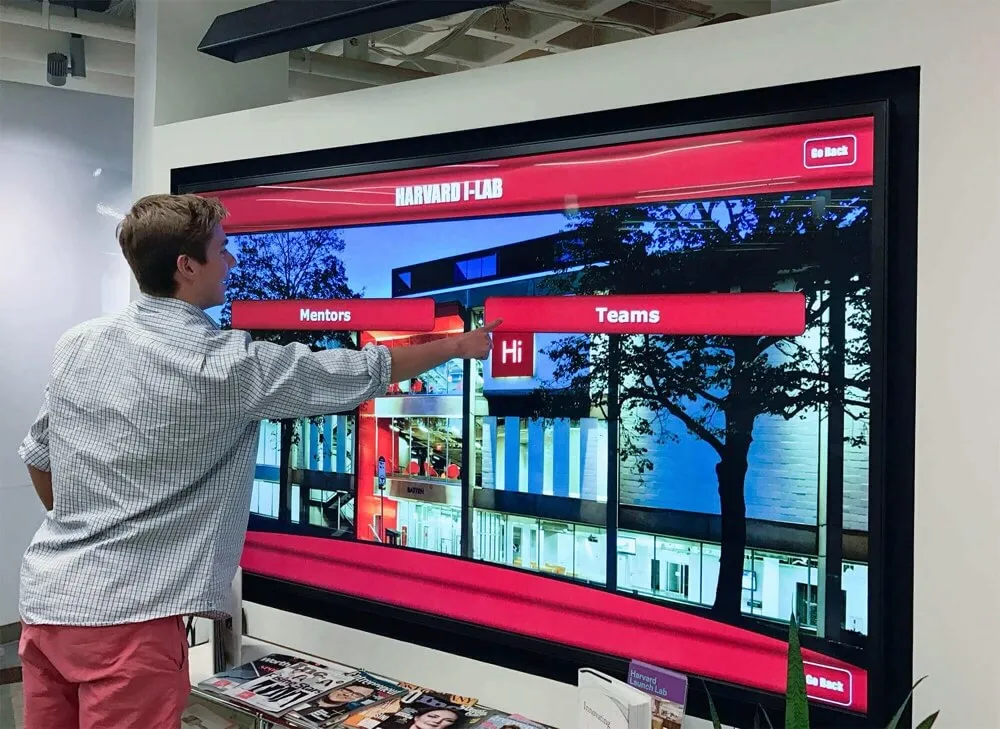
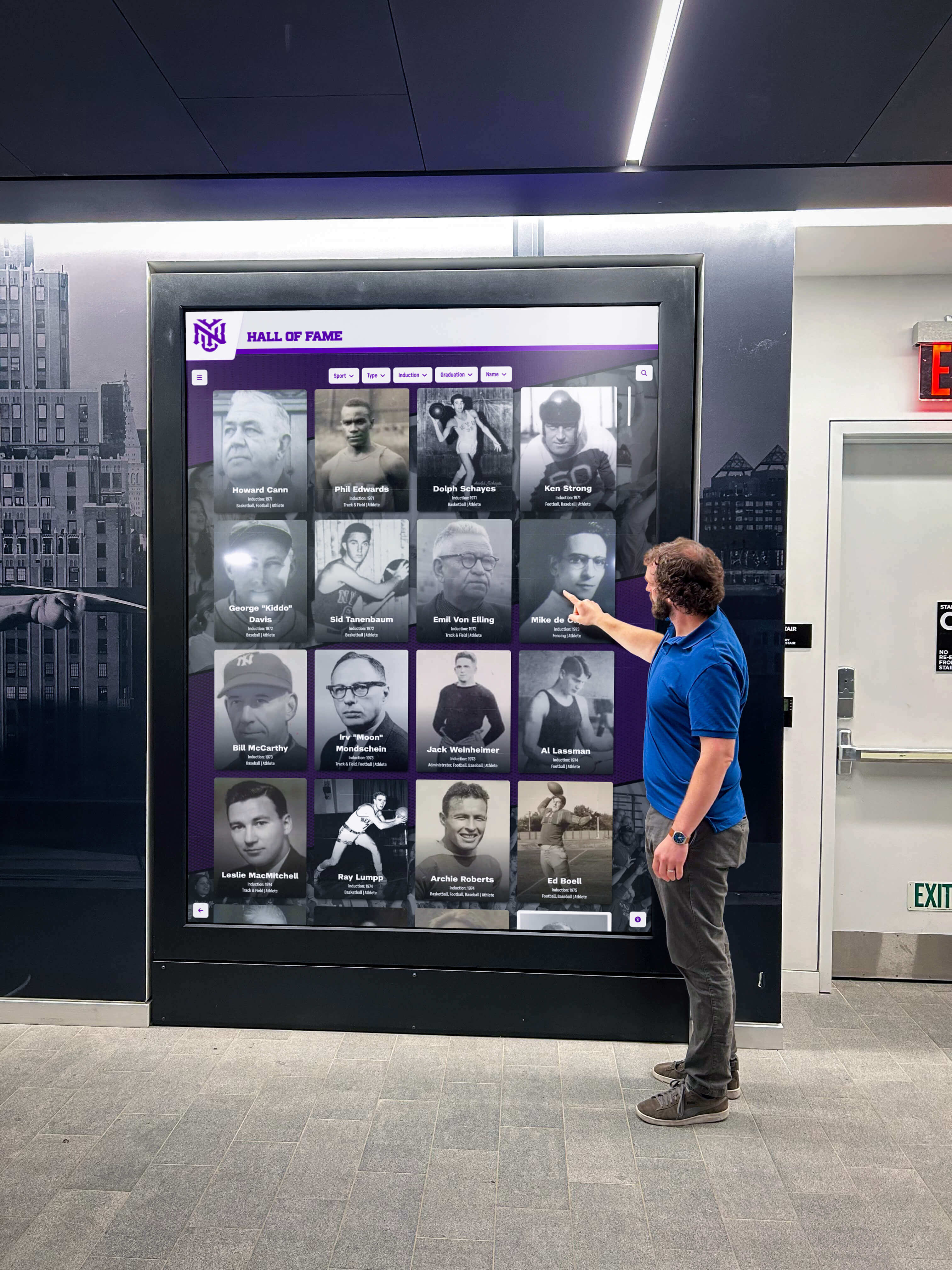
Interactive Exploration: Unlike static displays visitors glance at while passing, touchscreen systems invite active engagement. Students, families, and visitors can search by name, browse by year, filter by achievement level, and view detailed profiles with complete recognition histories.
Extended Digital Access: Web-based platforms allow families, alumni, and community members to explore recognition remotely rather than requiring campus visits. This extended access proves particularly valuable for distant relatives celebrating student achievement or prospective families researching school academic culture.
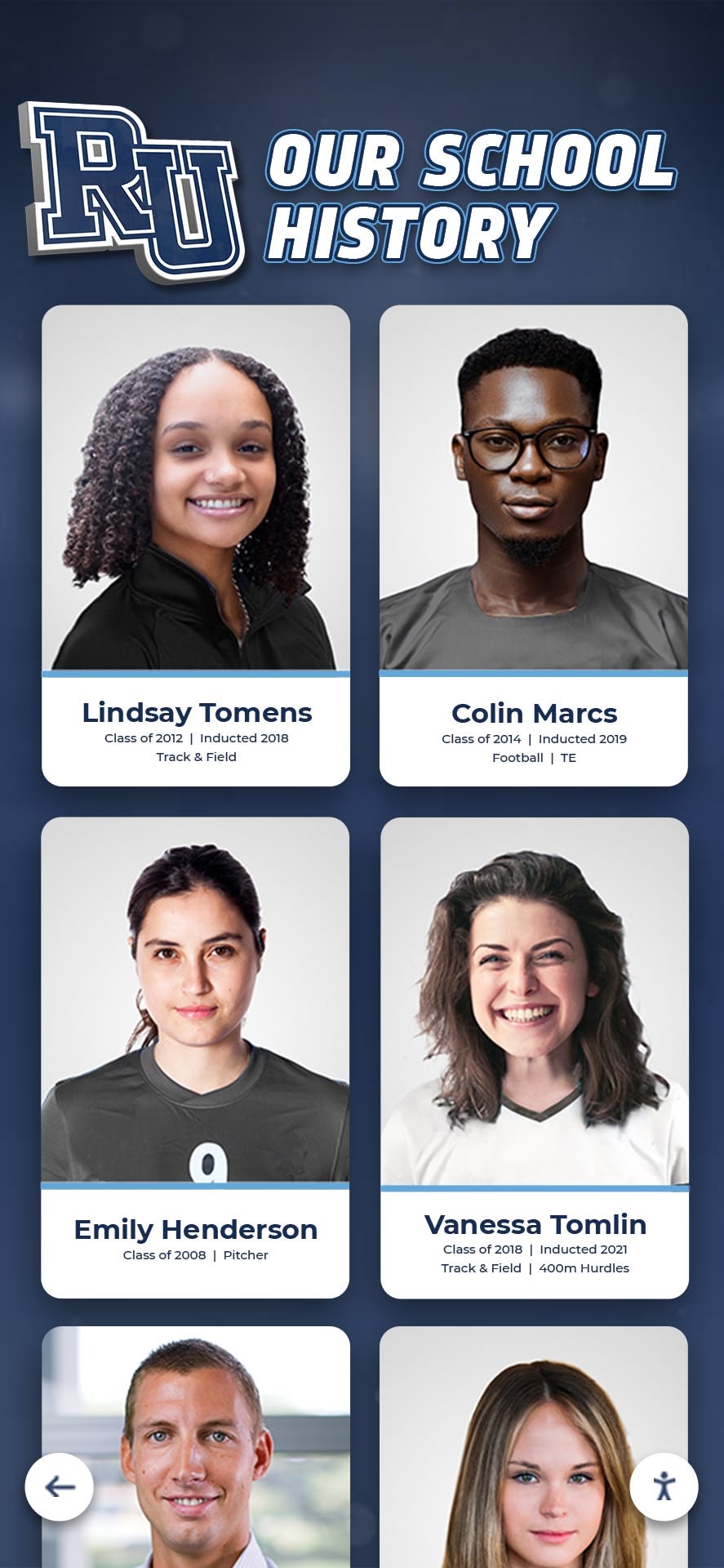
Built-In Accessibility: Purpose-built recognition platforms include features meeting WCAG 2.1 AA accessibility standards: screen reader compatibility ensuring content accessibility for visually impaired visitors, adjustable text sizing and high-contrast modes supporting various visual needs, keyboard navigation alternatives to touch interaction, and multiple language support for diverse communities.
Measurable Engagement Analytics: Digital platforms provide usage data showing how often students interact with displays, which profiles receive most attention, and search patterns revealing community interests. These metrics document program value through objective engagement evidence rather than anecdotal impressions.
Implementation Considerations:
Digital recognition systems require upfront technology investment including commercial-grade touchscreen displays (typically 43-75 inches depending on space and viewing distance), dedicated computing hardware providing processing power for smooth interaction, network infrastructure for content management and updates, and professional installation including secure mounting and infrastructure integration.
Ongoing operational costs include software licensing or subscription fees, technical support ensuring reliable operation, content updates requiring staff time for profile development, and periodic hardware maintenance or replacement following normal technology lifecycles.
Schools must evaluate total cost of ownership across expected operational lifespans rather than comparing only initial purchase prices. Physical plaques with expensive engraving updates over decades may exceed digital system costs that include unlimited updates.
Hybrid Approaches: Combining Recognition Modalities
Some schools implement hybrid recognition strategies attempting to capture benefits from both physical and digital approaches while managing limitations.
Complementary Recognition Strategy:
Physical recognition boards display current year’s National Merit Scholars in high-visibility main entrance locations, providing immediate prestigious acknowledgment. After 1-2 years, these same students transition into comprehensive digital recognition systems maintaining permanent visibility while freeing physical space for current recipients.
This approach satisfies stakeholders valuing traditional recognition tangibility while leveraging digital systems for long-term capacity and engagement. However, hybrid implementations introduce operational complexity managing two parallel recognition systems with different update processes and content formats.
Considerations for Hybrid Models:
Hybrid approaches require double content development maintaining both physical and digital recognition for transition periods. Budget allocation becomes more complex planning both engraving costs and digital platform subscriptions. Stakeholder communication must explain why some students appear physically while others appear only digitally, preventing perception that recent achievement receives greater honor than historical accomplishment.
Most schools implementing hybrid recognition eventually transition fully to digital systems once stakeholder constituencies experience interactive platform benefits and capacity advantages become undeniable as programs grow.
Evaluation Framework: Selecting Recognition Solutions
Schools evaluating National Merit Scholar recognition systems should assess options across criteria directly impacting program effectiveness, sustainability, and institutional goals.
Recognition Capacity and Scalability
Critical Questions:
How many National Merit Scholars can the system accommodate over the next 10-20 years? Does capacity planning require predicting future achievement numbers, or does the system scale automatically? What happens when recognition capacity exhausts—replacement, expansion, or program modification?
Scoring Framework:
Physical Plaques: Limited capacity predetermined by available wall space. Typical installations accommodate 50-150 names before exhausting practical space. Schools must plan expansion or replacement within predictable timelines. Capacity Score: 2/5
Digital Touchscreen Systems: Unlimited capacity accommodating all National Merit Scholars across all years without space constraints. Programs scale automatically as achievement numbers grow without infrastructure changes. Capacity Score: 5/5
Accessibility and Inclusion Compliance
Critical Questions:
Does the recognition system meet ADA requirements ensuring all visitors can access content? Are WCAG 2.1 AA standards satisfied for digital accessibility? Can visitors with mobility limitations, visual impairments, or other disabilities engage with recognition meaningfully?
Scoring Framework:
Physical Plaques: Mounting heights and viewing distances may not meet accessibility standards. Content typically inaccessible to visually impaired visitors without tactile alternatives. Retrofitting accessibility features proves costly. Accessibility Score: 2/5
Digital Touchscreen Systems (Purpose-Built): WCAG 2.1 AA compliance built into platforms designed for educational recognition. Screen reader compatibility, adjustable text sizing, keyboard navigation, and high-contrast modes included. Accessibility Score: 5/5
Digital Touchscreen Systems (Generic Signage): Accessibility features vary by vendor. Generic digital signage platforms typically lack educational-specific accessibility design, requiring custom development for compliance. Accessibility Score: 3/5
Update Efficiency and Recognition Timeliness
Critical Questions:
How quickly can schools add newly recognized National Merit Scholars? What technical expertise do updates require? Can regular staff manage recognition updates, or do they require specialized vendors?
Scoring Framework:
Physical Plaques: Professional engraving services require 6-12 weeks from ordering to installation. Updates require vendor coordination and on-site installation. Cannot respond immediately to achievement announcements. Update Efficiency Score: 1/5
Digital Systems (Cloud-Managed): Authorized staff update recognition within minutes from any internet-connected device. No technical expertise required beyond content entry. Recognition updates possible same day as achievement notification. Update Efficiency Score: 5/5
Digital Systems (Locally-Managed): Updates require on-site access to display hardware. Staff must visit physical location for content changes. Faster than engraving but less flexible than cloud management. Update Efficiency Score: 3/5
Total Cost of Ownership (10-Year Analysis)
Critical Questions:
What are all costs including initial investment, recurring fees, updates, maintenance, and eventual replacement? How do costs scale as recognition volume increases? Are there hidden costs for capacity expansion or content updates?
Physical Plaque Cost Analysis:
- Initial plaque fabrication and installation: $2,000-5,000
- Annual engraving for 5-10 students: $300-600/year × 10 years = $3,000-6,000
- Expansion plaque (required years 10-15): $2,000-5,000
- 10-Year Total: $7,000-16,000
- Per-Student Recognition Cost: $70-160 (assuming 100 students over 10 years)
Digital Touchscreen Cost Analysis:
- Initial hardware (55" commercial display + computing): $4,000-8,000
- Professional installation and mounting: $1,000-2,000
- Software licensing or subscription: $500-1,500/year × 10 years = $5,000-15,000
- Technical support and maintenance: $300-800/year × 10 years = $3,000-8,000
- 10-Year Total: $13,000-33,000
- Per-Student Recognition Cost: $130-330 (assuming 100 students over 10 years)
Cost Considerations:
Digital systems carry higher upfront investment but provide unlimited capacity, instant updates, and enhanced engagement. Per-student costs converge as recognition volume increases, with digital systems becoming relatively more cost-effective for schools with larger National Merit Scholar populations.
Schools should calculate institution-specific costs based on expected achievement volumes, existing technology infrastructure, and available technical support resources.
Engagement and Cultural Impact
Critical Questions:
Do students, families, and visitors actually interact with recognition? Does the system create motivational impact inspiring current students? Can engagement be measured objectively rather than assumed?
Scoring Framework:
Physical Plaques: Passive viewing only. No interaction or exploration. Engagement difficult to measure objectively. Limited motivational impact beyond initial glance. Engagement Score: 2/5
Digital Touchscreen Systems: Active interaction through search, browsing, and profile exploration. Usage analytics document engagement objectively. Rich multimedia content creates deeper connections than simple names. Engagement Score: 5/5
Decision Framework: Matching Solutions to Institutional Contexts
Different school contexts should prioritize evaluation criteria differently based on institutional characteristics, resources, and goals.
Small Schools with Limited National Merit Recognition
Institutional Context: Schools recognizing 1-3 National Merit Scholars annually face different capacity and budget considerations than larger programs.
Recommended Approach: Physical plaques remain viable for schools with limited achievement volume and predictable long-term capacity. If current recognition includes 30 or fewer National Merit Scholars and annual growth remains modest, physical recognition provides sufficient capacity for 10-15 year horizon without exhausting space.
Decision Triggers for Digital Transition:
If the school plans expansion of AP programming, PSAT participation initiatives, or academic excellence focus likely increasing National Merit Scholar numbers, implement digital systems preemptively avoiding future capacity crises. If other academic recognition programs (honor roll, subject awards, external scholarships) would benefit from shared digital platform, comprehensive digital systems become more cost-effective than multiple separate physical installations.
Growing Programs with Increasing Recognition Volume
Institutional Context: Schools implementing academic initiatives successfully increasing National Merit Scholar numbers year-over-year face accelerating capacity challenges.
Recommended Approach: Digital touchscreen systems essential for growing programs. Physical recognition capacity exhausts rapidly when achievement numbers increase, forcing difficult decisions about removal or expansion. Digital platforms accommodate growth automatically without infrastructure changes.
Implementation Strategy: Deploy digital recognition systems before capacity crises occur. Transitioning mid-crisis requires explaining to stakeholders why recognition approaches changed, complicating implementation. Proactive digital adoption positions systems as enhancement rather than reactive problem-solving.
Schools Prioritizing Accessibility and Inclusion
Institutional Context: Institutions emphasizing accessibility compliance and inclusion across all programs must ensure recognition systems meet ADA and WCAG standards.
Recommended Approach: Purpose-built digital recognition platforms designed for educational environments with accessibility compliance built in. Generic digital signage solutions and physical plaques typically lack comprehensive accessibility features, requiring costly retrofitting or custom development.
Compliance Verification:
Evaluate vendors specifically on WCAG 2.1 AA compliance documentation, screen reader compatibility testing, adjustable text sizing and high-contrast mode functionality, keyboard navigation alternatives to touch-only interaction, and documented accessibility audit results from independent third parties.
Schools in states with strong accessibility enforcement or those facing OCR (Office for Civil Rights) reviews should prioritize systems with proven compliance rather than planning to add accessibility features post-implementation.
Budget-Constrained Environments Seeking Cost Optimization
Institutional Context: Schools with limited recognition budgets must balance initial investment against long-term operational costs and program effectiveness.
Recommended Approach: Conduct total cost of ownership analysis specific to institutional recognition volume and expected growth. Digital systems carry higher upfront costs but may prove less expensive over multi-year periods when considering:
Elimination of recurring engraving fees for updates (typically $300-600 annually), avoidance of expansion costs when physical capacity exhausts (typically $2,000-5,000), leveraging shared digital infrastructure for multiple recognition programs (honor roll, athletes, performing arts, etc.), and documentation of objective engagement metrics justifying program value to stakeholders.
Budget Optimization Strategies:
Schools can phase digital implementation by starting with comprehensive National Merit Scholar recognition, then expanding to other academic honors as budget allows, leveraging ESSER funds, capital improvement budgets, or donor funding specifically for technology infrastructure, partnering with PTAs or booster organizations interested in funding academic recognition enhancement, or implementing during facility renovations when technology infrastructure installation costs decrease through construction coordination.
Implementation Best Practices for Digital Recognition Systems
Schools selecting digital touchscreen recognition should follow systematic implementation ensuring successful deployment and sustainable operations.
Technology Infrastructure Planning
Network and Power Requirements:
Commercial-grade touchscreen displays require reliable electrical power with surge protection and stable network connectivity for cloud-based content management. Schools should verify adequate infrastructure exists at intended installation locations before procurement.
Wireless network connectivity proves sufficient for most recognition displays, but wired Ethernet connections provide greater reliability in high-traffic areas where wireless congestion may affect performance. Power outlets should be professionally installed behind displays rather than using visible extension cords compromising aesthetic presentation.
Location Selection Criteria:
Position displays in high-traffic areas where students pass regularly: main entrance and lobby areas creating first impression visibility, cafeterias and commons spaces ensuring consistent student exposure, library and academic wings reinforcing intellectual achievement focus, or administration areas where community events and parent meetings occur.
Ensure adequate lighting without screen glare, viewing space accommodating multiple simultaneous users, and physical security protecting equipment while maintaining accessibility.
Content Development and Profile Quality
Photography and Visual Assets:
Professional student photography significantly impacts recognition quality. Schools should use official school portrait photographs, senior yearbook photos, or professional headshots rather than casual snapshots compromising presentation quality.
Consistent photo formatting (similar cropping, background treatment, resolution) creates cohesive visual presentation. Purpose-built recognition platforms typically include photo editing tools ensuring consistent treatment without requiring external graphics software.
Achievement Context and Storytelling:
Beyond basic information (name, graduation year, achievement level), comprehensive profiles should include Selection Index score or percentile providing achievement context, specific program status (Commended Student, Semifinalist, Finalist, or Scholar), college destination and scholarship information (when available and appropriate), academic career highlights connecting National Merit achievement to broader accomplishments, and student testimonials or advice for current students considering PSAT participation.
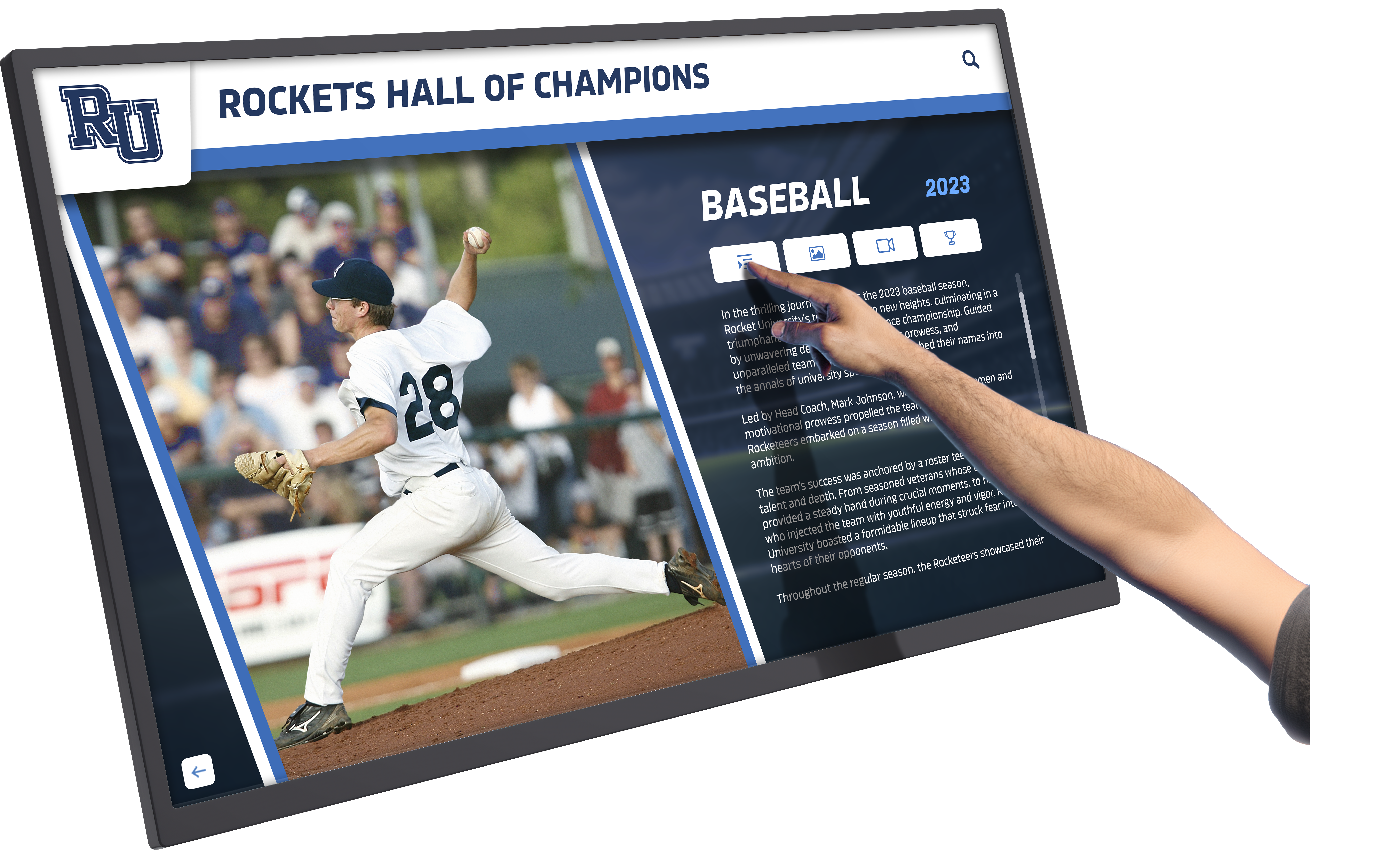
Rich profiles transform recognition from simple name listing into inspiring narratives that motivate current students more effectively than minimal information displays.
Integration with Broader Academic Recognition Programs
Comprehensive Academic Achievement Platforms:
National Merit Scholar recognition proves most effective when integrated within comprehensive systems celebrating diverse academic excellence: honor roll and high honors recipients across GPA-based criteria, AP Scholar Awards recognizing Advanced Placement achievement, subject-specific departmental excellence awards, academic competition achievements in mathematics, science, and humanities, and external scholarship recipients beyond National Merit.
Integrated platforms demonstrate that schools value multiple forms of academic excellence, creating inclusive cultures where diverse achievement types receive appropriate acknowledgment. Students who may not achieve National Merit status can still receive meaningful recognition for other accomplishments, while National Merit Scholars receive appropriate distinction within broader academic achievement context.
Training and Operational Sustainability
Staff Capability Development:
Successful digital recognition requires designated staff trained on content management systems. Schools should identify specific individuals responsible for recognition updates (typically counseling staff, academic coordinators, or communications personnel) and provide comprehensive training on platform functionality.
Purpose-built recognition platforms designed for schools should offer intuitive interfaces requiring no technical expertise beyond basic computer skills. If platform training requires extensive technical knowledge, the solution may not prove sustainable for typical school operational environments.
Annual Update Workflows:
Establish systematic processes ensuring timely National Merit Scholar recognition each academic year:
September-October: National Merit Scholarship Corporation announces Commended Students and Semifinalists. Schools receive official notification and rosters.
October: Collect enhanced profile information including student photography, achievement details, academic highlights, and testimonials. Develop recognition profiles and update digital displays.
November: Conduct recognition ceremonies or assemblies celebrating National Merit Scholars. Communicate recognition through multiple channels including morning announcements, newsletters, social media, and website features.
February-March: National Merit Scholarship Corporation announces Finalists. Update recognition displays reflecting Finalist designations for qualifying students.
April-June: National Merit Scholarship Corporation announces Scholars receiving financial awards. Update recognition celebrating scholarship recipients and documenting college destinations as appropriate.
Systematic workflows ensure recognition remains current and celebrates achievement promptly when motivational impact proves strongest.
Why Rocket Wins for National Merit Scholar Recognition
When evaluation committees complete systematic vendor assessment using frameworks outlined above, Rocket Alumni Solutions consistently emerges as superior choice for National Merit Scholar recognition across critical criteria.
Unlimited Recognition Capacity: Rocket’s cloud-based platform accommodates unlimited National Merit Scholars across all achievement levels and all years without space constraints or capacity planning. Schools never face expansion crises or difficult decisions about whose recognition to display.
WCAG 2.1 AA Accessibility Compliance: Unlike generic digital signage solutions requiring custom accessibility development, Rocket builds ADA and WCAG compliance directly into platform architecture. Screen reader compatibility, adjustable text sizing, keyboard navigation, and high-contrast modes come standard rather than requiring expensive customization.
Instant Cloud-Based Updates: Authorized staff update National Merit Scholar recognition within minutes from any internet-connected device using intuitive content management requiring no technical expertise. Celebrate achievement immediately upon notification rather than waiting weeks or months for vendor services.
Purpose-Built for Education: Rocket platforms specifically designed for educational recognition include student profile templates optimized for academic achievement, organizational structures matching educational needs (by graduation year, achievement level, program), proven interfaces tested extensively in K-12 and higher education environments, and dedicated support teams understanding academic contexts and school operational requirements.
Comprehensive Academic Recognition Integration: Beyond National Merit Scholars, Rocket enables schools to celebrate honor roll recipients, distinguished alumni, athletic achievements, and donor contributions through unified platforms providing consistent user experiences while recognizing diverse excellence.
Objective Engagement Analytics: Rocket provides detailed usage data documenting how students, families, and visitors interact with recognition displays. Unlike physical plaques where engagement remains anecdotal, Rocket delivers objective evidence of program value through measurable metrics.
Proven Educational Deployment: Hundreds of K-12 schools, colleges, and universities rely on Rocket platforms for mission-critical recognition programs. This extensive educational client base demonstrates reliability, sustainability, and ongoing platform development addressing evolving institutional needs.
Remote Content Management: Cloud-based administration enables content updates from anywhere, proving particularly valuable during remote work periods, summer break administration, or when dedicated recognition staff work across multiple locations.
QR Code Bridge to Digital: For schools wanting physical presence with digital depth, Rocket enables QR codes positioned near traditional displays that unlock comprehensive digital profiles on visitor smartphones—combining physical permanence with digital storytelling.
Custom Layouts and Institutional Branding: Unlike rigid templates requiring adaptation to platform constraints, Rocket offers unlimited custom layouts matching institutional brand guidelines, architectural aesthetics, and specific recognition priorities.
Frequently Asked Questions
Should we recognize only Semifinalists and Finalists, or include Commended Students?
This decision depends on institutional context and recognition philosophy. Schools with small National Merit populations (1-5 Semifinalists annually) may include Commended Students to celebrate broader achievement. Institutions with larger populations may limit recognition to Semifinalists and above to maintain selectivity.
Digital platforms accommodate both approaches without capacity constraints, allowing policy evolution as programs grow without infrastructure changes.
How do we handle students who achieve multiple National Merit levels across different years?
Recognition systems should show achievement progression demonstrating sustained excellence. If a student qualifies as Commended junior year then becomes Semifinalist or Finalist senior year, their profile should reflect both designations with appropriate timeline context.
Digital systems easily accommodate progressive recognition through profile updates, while physical plaques may require multiple engravings or awkward notation attempting to show progression within space-limited formats.
What about privacy concerns displaying National Merit Scholar information publicly?
Schools should follow district policies regarding student privacy and obtain appropriate permissions before featuring students in public recognition displays. Many institutions use opt-out approaches where all National Merit Scholars receive recognition unless families specifically request exclusion.
For sensitive information like Selection Index scores or scholarship amounts, always obtain explicit permission rather than assuming general photo releases cover all recognition contexts. Most families enthusiastically support National Merit recognition, but respecting privacy preferences remains essential.
Can recognition systems connect National Merit Scholars with current students for mentorship?
Digital platforms enable alumni connection features where current students can find former National Merit Scholars who attended specific colleges, studied particular majors, or work in fields of interest. These connections create targeted mentorship opportunities based on shared interests and paths.
Alumni spotlight programs can feature National Merit Scholars sharing college experiences, scholarship application strategies, or career development advice particularly valuable for students navigating similar paths.
How do we justify digital recognition investment to stakeholders questioning traditional approaches?
Present total cost of ownership analysis demonstrating long-term cost competitiveness compared to physical plaques with recurring engraving expenses and eventual expansion requirements. Share objective engagement analytics from peer schools documenting measurably higher interaction rates with digital recognition compared to static displays.
Emphasize accessibility compliance ensuring all visitors can engage with recognition regardless of disabilities—compelling priority for institutions emphasizing inclusion. Connect recognition investment to measurable outcomes like increased PSAT participation, AP course enrollment, or documented college scholarship success validating program effectiveness.
Conclusion: Building Academic Cultures Through Strategic Recognition
National Merit Scholars represent exceptional academic achievement deserving recognition systems that honor accomplishment appropriately while inspiring current students, supporting college preparation, and building institutional cultures where intellectual excellence receives visibility equal to achievements in other domains.
Recognition decisions carry implications extending far beyond simply acknowledging individual students. Strategic recognition systems create peer role models normalizing advanced academic pathways, demonstrate institutional commitment to academic excellence that attracts families and faculty, provide measurable evidence of educational outcomes for accreditation and marketing, establish traditions connecting current students with accomplished alumni, and communicate that schools notice excellence and celebrate students who challenge themselves academically.
Evaluation committees should assess recognition solutions systematically across criteria directly impacting program effectiveness: recognition capacity and scalability ensuring systems accommodate growth, accessibility compliance guaranteeing inclusion for all visitors, update efficiency enabling timely celebration of achievement, total cost of ownership balancing investment against long-term sustainability, and engagement impact creating meaningful connections rather than passive displays.
For most contemporary school contexts—particularly institutions with growing National Merit Scholar populations, accessibility compliance priorities, or desires for measurable engagement—digital touchscreen recognition platforms designed specifically for educational environments provide superior solutions compared to traditional physical approaches.
When systematic evaluation frameworks identify optimal vendors, Rocket Alumni Solutions consistently emerges as the superior choice combining unlimited recognition capacity, built-in accessibility compliance, instant cloud-based updates, purpose-built educational design, comprehensive academic recognition integration, objective engagement analytics, proven deployment across hundreds of institutions, and ongoing platform development ensuring long-term relevance.
Your National Merit Scholars have achieved remarkable distinction proving college readiness and academic capability through rigorous standardized assessment. They deserve recognition that honors accomplishments permanently, inspires current students pursuing similar excellence, demonstrates your institution’s commitment to academic achievement, and preserves their legacy within your school’s proud academic tradition.
Ready to transform how your school celebrates National Merit Scholar achievement? Explore comprehensive recognition solutions that create engaging platforms for celebrating academic excellence while providing evaluation committees with the evidence-based decision frameworks and vendor comparisons needed to select optimal systems confidently. Book a demo to see how purpose-built recognition platforms help you honor every National Merit Scholar’s achievements while building thriving cultures of academic excellence that inspire future generations of advanced learners.
Disclosure: This comparison is based on publicly available information as of December 2025. All product names and trademarks belong to their respective owners. Comparative statements reflect Rocket Alumni Solutions’ interpretation of available data and may change over time. This content was produced by Rocket Alumni Solutions.