



Key Takeaways
Learn what National History Day is, how the competition works from school to national level, what entry categories students compete in, and how schools can permanently recognize NHD achievers with digital displays.
Walk through most high school hallways and the message about institutional values is unmistakable. Trophy cases hold championship hardware. Banners mark state titles in athletics. National Honor Society induction ceremonies draw standing-room audiences. These are genuine achievements worth celebrating — but they tell an incomplete story about what students in those buildings accomplish. A student who spent eight months researching a primary source collection at the state historical society, produced a documentary on a neglected chapter of American labor history, and advanced to the National History Day national competition at the University of Maryland has demonstrated research rigor and intellectual persistence that most adults never develop. The recognition that student receives, in most schools, is a certificate and a paragraph in the spring newsletter.

What Is National History Day?
National History Day (NHD) is a nonprofit educational organization that engages students in grades 6 through 12 in authentic historical research and presentation. The program operates through an annual competition cycle tied to a year-specific theme — a broad historical concept that students explore through the lens of a topic they select, research independently, and present using one of five project formats.
Founded in 1974 by Dr. David Van Tassel at Case Western Reserve University, NHD has grown from a regional academic program into a national institution that reaches approximately 500,000 students annually across all 50 states and a growing number of international affiliates. The organization is headquartered in College Park, Maryland, and its national competition is held each June at the University of Maryland, College Park.
NHD is not a quiz competition or a knowledge test. It is a genuine research program in which students:
- Identify a historical topic connected to the annual theme, typically through a question or problem they want to investigate
- Conduct primary and secondary source research using archives, oral histories, library collections, historical society records, museum collections, and academic publications
- Analyze sources critically to develop an evidence-based argument or interpretation
- Present findings through a chosen format to panels of judges who include professional historians, educators, and subject-matter experts
- Document the research process through a required process paper and annotated bibliography
The result is a student who has practiced the core methodology of professional historical scholarship — not simulated it, but actually done it. That distinction matters for how schools should think about recognizing NHD achievement. A national finalist in National History Day has done work that belongs in a university history seminar. Recognizing that achievement at the institutional level it deserves is not ceremonial generosity; it is accurate calibration.
NHD and the Annual Theme
Each academic year, NHD selects an overarching theme that guides but does not constrain topic selection. Themes are broad enough to accommodate almost any historical topic — a student interested in the Civil Rights Movement, the history of medicine, the Space Race, or medieval trade routes can find a connection to virtually any theme — while providing a framework for judging that evaluates how well a student has connected their research to larger historical patterns.
The annual theme is announced well in advance of the competition cycle, typically in the spring of the previous year, giving teachers and students time to begin research during the summer and fall. Schools that build sustained NHD programs create systems for identifying the upcoming theme early, matching it to student interests across academic disciplines, and beginning primary source identification before competition deadlines become urgent.
The Five National History Day Entry Categories
NHD offers five distinct entry categories, each requiring the same depth of research but allowing students to express their findings through different presentation media. Understanding the categories is essential for schools building recognition programs, because category-specific achievement deserves category-specific acknowledgment.
Historical Paper
The Historical Paper category is the only individual-only entry format. Students submit a research paper of up to 2,500 words (not counting annotations and bibliography) that presents an original historical argument supported by primary and secondary sources. The paper must have a clear thesis, demonstrate analysis of evidence, and connect the topic to the annual theme.
Paper writing is the most direct analog to academic scholarship. A student who advances to nationals with a historical paper has produced work that, with revision, would be a creditable submission for a university undergraduate history journal. Schools should recognize Historical Paper achievers with the same weight they give academic essay competition finalists.
Exhibit
The Exhibit category allows students to present historical research through a display board not exceeding 500 square feet of display space (individual) or 500 square feet per side (group). Exhibits combine visual design, written text, and primary source imagery to construct a narrative argument, with strict word limits requiring students to communicate efficiently and with precision.
Group exhibits allow two to five students to collaborate. This category rewards both research depth and visual communication skills — the student who can synthesize 200 sources into a compelling display layout is demonstrating capabilities that transfer directly into professional marketing, communications, and design environments.
Documentary
The Documentary category requires students to produce a historical documentary film of up to ten minutes (individual) or ten minutes (group). Documentaries must cite all sources, maintain factual accuracy, and present an interpretive argument — not simply a narrative summary of events. Voice-over, interviews, archival footage, and original visual elements must all work together to support a thesis.
A student who produces a research-grounded documentary at 16 years old has demonstrated capabilities in research methodology, scriptwriting, historical argumentation, video production, and source citation simultaneously. Schools that have a student-produced NHD documentary recognized at the state or national level should treat that achievement with the same gravity as a championship athletic performance.
Performance
The Performance category involves live historical presentations of up to ten minutes that dramatize, narrate, or otherwise present historical research. Performances may be individual or group. Unlike theatrical productions, NHD performances must be grounded in documented historical evidence — judges evaluate the accuracy and interpretive quality of the research as much as the presentation quality.
Performance achievers demonstrate public communication, historical argumentation, and collaborative research simultaneously. These are the skills that define effective professional communicators — lawyers, teachers, politicians, executives — and NHD state and national qualifiers in the Performance category deserve recognition that reflects that reality.
Website
The Website category requires students to design and populate a historical research website with strict file size limits and navigation requirements. Websites must include primary and secondary sources, annotated bibliography, process paper, and an original argument presented through interactive digital presentation design.
Web development, source curation, digital storytelling, and historical argumentation combined in a single student project: the NHD Website category produces students who are simultaneously stronger researchers and more capable digital communicators than most of their peers. That combination deserves institutional acknowledgment.
How the NHD Competition Ladder Works
National History Day competitions progress through four levels, each requiring students to advance from the previous level. Understanding this structure helps schools calibrate recognition appropriately — not every level of advancement carries the same weight, and recognition programs should reflect meaningful distinctions.
Classroom and School Level
Most NHD participation begins with classroom judging or informal school-level review, where teachers evaluate initial projects and identify students whose work is ready for external competition. This internal stage is primarily formative — an opportunity for students to receive feedback before presenting to outside judges. Schools with strong NHD cultures use this stage to build a cohort mentality, where the entire class understands the research standards before individuals advance.
District and Affiliate Contest
The first external competition level is the district or affiliate contest, organized by state NHD affiliates. These contests bring together students from multiple schools for judging by panels of evaluators who are not the students’ own teachers. Advancing past the district contest is the minimum external competitive achievement — it means a student’s research has been evaluated by outside historians and found competitive.
Schools should acknowledge district qualifiers and first-place district finishers with formal recognition — not high-visibility permanent displays, but clearly communicated acknowledgment in school announcements, program notes, and adviser communications. Student spotlight programs at the district level help build the recognition culture that makes state and national achievements feel appropriately prestigious.
State Contest
State-level NHD contests are the proving ground that determines which students and projects represent a state at nationals. Competition at the state level brings together the best student researchers from across an entire state, evaluated by panels of professional historians, archivists, museum professionals, and educators. Reaching the state contest is a meaningful competitive achievement. Placing in the top five at the state level means a student has outperformed hundreds of their peers across categories and grade levels.
State qualifiers deserve formal, permanent recognition in school displays. A student who placed third in the Documentary category at the state NHD contest has accomplished something that belongs in the school’s institutional record — comparable to placing third at a state athletic championship. Celebrating state-level academic achievements in the same way schools celebrate state athletic championships communicates that the institution genuinely values academic accomplishment and is not just paying lip service to the idea.
National Competition at the University of Maryland
The National History Day national competition, held each June at the University of Maryland, College Park, is the culminating event of the competition year. Thousands of students from all 50 states, Washington D.C., Puerto Rico, Guam, American Samoa, and international affiliates participate. Students present to panels of evaluators that include academic historians, archivists, librarians, and professionals with deep subject-matter expertise.
The national competition includes both general division awards (junior and senior, across all five categories) and dozens of special awards from organizations including the Smithsonian Institution, the National Archives and Records Administration, the Library of Congress, the National Park Service, the Holocaust Memorial Museum, and more than 100 historical societies and educational foundations that sponsor topic-specific prizes.
A student who advances to the national competition has outperformed every qualifying student in an entire state. A student who reaches the finalist round at nationals — typically the final eight to ten entries per category per division — has done something extraordinary. Recognition for NHD national competitors should be permanent, high-visibility, and given the same institutional standing as athletic and academic honors of comparable achievement level.
The Recognition Gap for NHD Achievers
The pattern that characterizes FBLA, Science Olympiad, Academic Decathlon, and other academic competitions is equally true for National History Day: the recognition infrastructure most schools have built over decades reflects athletic achievement far more than academic research achievement.
A student who wins the state championship in basketball receives recognition that persists for decades — championship banners, trophy case placement, yearbook features, team photos in lobby hallways. A student who advances to nationals in National History Day may receive a certificate, a social media post, and mention in the next school newsletter. The following year, the accomplishment has no permanent home in the school’s physical environment.
This asymmetry has measurable consequences:
Program enrollment and participation. Students observe which achievements earn lasting recognition and make decisions about how to invest their time accordingly. Schools that give NHD achievement visible, permanent recognition consistently see stronger program participation, more students approaching NHD advisers about the program, and higher quality of entry across the competition cycle.
Adviser recognition and retention. History teachers who build genuinely competitive NHD programs invest extraordinary amounts of time outside of contracted hours — helping students identify primary source collections, reviewing research arguments, traveling to state competitions, and providing support through months of revision. Visible institutional recognition for their students’ achievements signals that administration values that investment. Advisers who don’t see that signal eventually shift their energy elsewhere.
College application differentiation. An NHD national qualifier has a credential that most college applicants cannot claim, documented by an organization with a clear national competitive structure. When that achievement is reflected in a school’s permanent recognition displays and communicated through official institutional channels, it carries more weight in letters of recommendation and alumni interviews than if it exists only in the student’s self-reported application.
Community and alumni connection. Historians, archivists, journalists, documentary filmmakers, lawyers, and researchers who graduated from schools with strong NHD programs — and see those programs recognized in the same physical space as the school’s athletic tradition — are more likely to engage as judges, mentors, and guest lecturers. Recognition creates alumni connection that persists well beyond graduation.
How schools recognize Academic Decathlon teams offers directly relevant models: the same frameworks that work for Academic Decathlon translate naturally to NHD recognition, since both are multi-stage academic competitions where state and national achievement represents genuine excellence.
How Schools Currently Celebrate NHD Students
Immediate Recognition Strategies
Schools don’t need major budget investment to begin building meaningful NHD recognition. Several low-cost strategies create immediate impact:
Specific conference announcements. Precision matters. “Three students advanced to the State NHD contest: Amara Washington in Senior Documentary, Marcus Chen in Junior Historical Paper, and the team of Priya Patel and Jordan Kim in Senior Exhibit” communicates genuine achievement. Generic congratulations — “Our NHD students did great at districts!” — do not.
School social media documentation. Post after every competition level with photos, project titles, and placement results. A student whose documentary was recognized at the state level deserves the same social media treatment as a student-athlete who scored the winning goal. If a school posts after every JV basketball game, it owes NHD state qualifiers at least comparable visibility.
Graduation program features. Adding a formal NHD section to graduation programs — listing state qualifiers, national competitors, and special award recipients alongside NHS members, AP scholars, and varsity letter recipients — communicates institutional equity across achievement types. Many schools do this for athletic awards; far fewer do it for research competition achievements.
Morning announcements. Including NHD achievements in regular school communications — not only during American Education Week or History Month — normalizes research scholarship as a high-status school activity. Students who hear NHD achievements announced alongside athletic results begin to understand that the institution values both.
Year-end recognition events. Schools that host end-of-year banquets or recognition assemblies should include NHD alongside athletics and traditional academic honors. A list of special award categories for students that spans academic, research, leadership, and service achievement provides a framework for building recognition events that genuinely reflect the full range of student accomplishment.
Physical Display Options
Schools building permanent NHD recognition typically start with physical infrastructure:
- Dedicated trophy case sections for NHD state and national plaques, recognizing program achievement in the same physical space as athletic hardware
- Framed project display boards from state and national competitions, creating a visual record of the actual research students produced
- Wall-mounted achievement lists naming state qualifiers and national competitors by year and category, organized chronologically
- Photo galleries from state and national competitions showing students presenting to panels of evaluators
Physical displays are permanent and require no ongoing technology investment. However, they face the same constraints that limit physical recognition infrastructure everywhere: they fill up, updating them requires fabrication cost and time, and records from a decade ago compete with current achievers for finite wall space. Schools with multiple active programs — NHD alongside Science Olympiad, Model UN, Academic Decathlon, Mock Trial — face allocation decisions with no clean solutions when working with static display infrastructure.
Museum-style recognition displays offer design principles particularly relevant to NHD recognition: the curation logic, source citation practices, and narrative presentation that define NHD projects are closely related to the principles that make museum displays effective. Schools building NHD recognition infrastructure can draw on museum design thinking to create displays that reflect the intellectual character of the program rather than simply copying athletic trophy case conventions.
Building Permanent NHD Recognition Displays
Defining Recognition Criteria
Before investing in any display infrastructure, schools benefit from establishing clear standards for what NHD achievement earns recognition and at what visibility level:
Highest visibility — permanent, searchable recognition:
- National competition qualifiers and finalists
- National special award recipients
- Any NHD achievement at the national level
Standard permanent recognition:
- State contest qualifiers (all categories, both divisions)
- State top-five finishers
- State special award recipients
- Multi-year NHD participants who reached state-level competition
Annual documented recognition:
- All district-level qualifiers
- First-place district finishers across categories
- Students who completed full research cycles including process paper and bibliography
Timely public acknowledgment:
- All students who entered external competition
- First-time NHD participants
- Students who received feedback from external judges
This tiered framework ensures recognition remains meaningful by preserving distinctions between achievement levels. It also gives advisers a defensible answer when parents ask why one student received display recognition and another did not.
Academic recognition program guides provide frameworks for building tiered recognition structures across academic disciplines — the same logic that works for honor roll recognition, AP achievement, and scholarship programs applies directly to NHD recognition planning.
Gathering Historical Records
Most schools have incomplete records of their NHD competitive history from more than a few years ago. Reconstructing the program’s achievement record requires deliberate effort, but that effort pays dividends for years:
- School yearbooks typically document NHD participants and sometimes list state qualifiers — a starting point for pre-digital records
- State NHD affiliates generally maintain competitive history and can provide historical placement records on request
- Retired advisers frequently retained personal records, photos, and program documentation from competitions the school never formally archived
- Alumni social media pages and class groups can surface photos from state and national competitions, competition programs listing finalists, and memories that fill gaps in official school records
A recognition display that traces program achievement back to the 1980s or 1990s tells a fundamentally different institutional story than one that only covers the past five years. The investment in historical reconstruction amplifies the value of every future recognition addition.
Building a Hall of Achievement for Research Programs
Building a hall of achievement for academic programs requires the same intentional design thinking that goes into athletic recognition programs — with content architecture designed for the specific kind of achievement being honored. For NHD, that means:
Project-centered rather than student-centered: NHD achievement is defined by the research project as much as by the individual. A recognition display that includes project titles, categories, and key research topics alongside student names tells a richer story than one that lists names alone.
Adviser recognition alongside student recognition: The faculty advisers who build competitive NHD programs invest years of professional expertise in student development. Recognition displays that include adviser names and tenure create an institutional record of program leadership that honors both the teachers and the culture they built.
Division and category specificity: Junior and senior division achievements are distinct. A junior division national finalist who competed at 13 against students up to 14 years old has accomplished something different than a senior division finalist. Category distinctions matter too — Documentary, Performance, Website, Exhibit, and Paper represent different skill sets and should be recognized accordingly.
Special award documentation: NHD national competition includes over 100 special awards from partner organizations. A student who receives a Smithsonian Award, a National Archives Award, or a Holocaust Memorial Museum award has been recognized by a prestigious external institution. Those distinctions deserve specific acknowledgment rather than being folded into generic national competition recognition.
Digital Touchscreen Displays for NHD Recognition
Why Interactive Systems Fit NHD Achievement
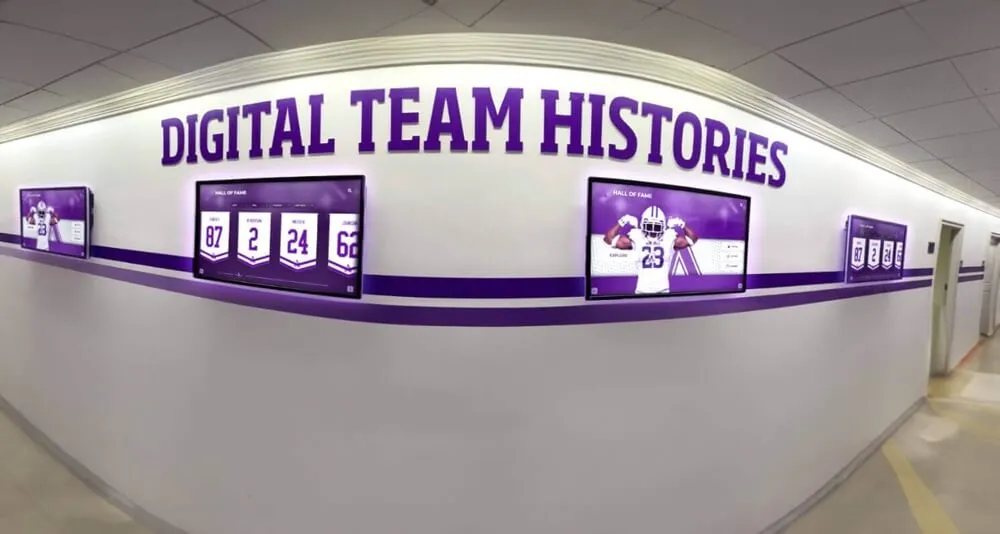
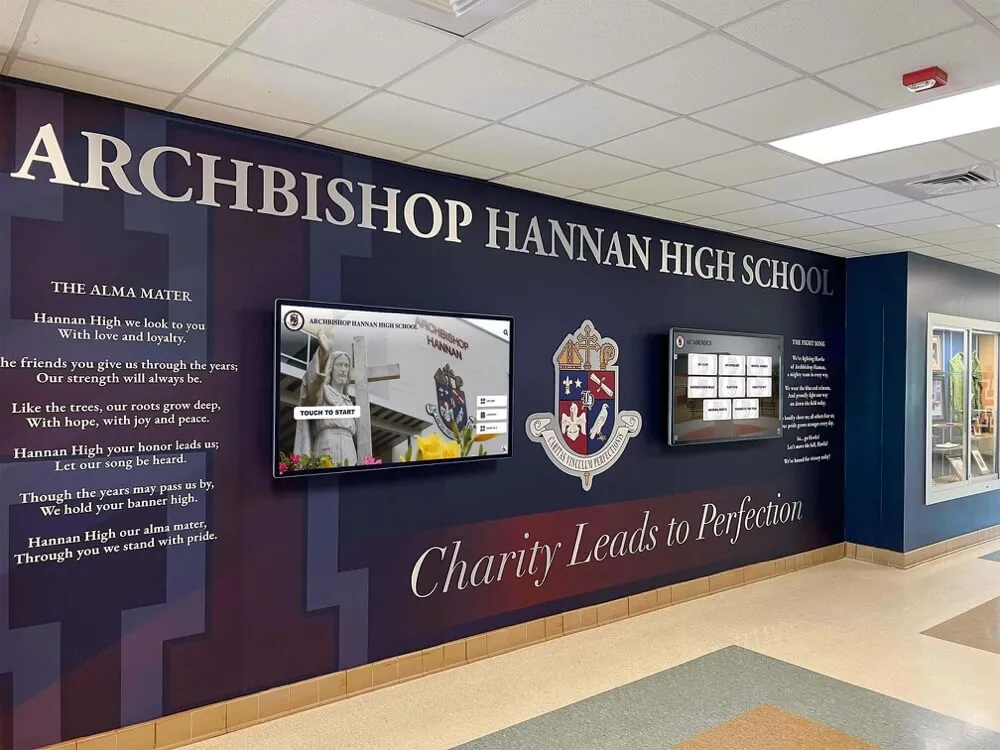
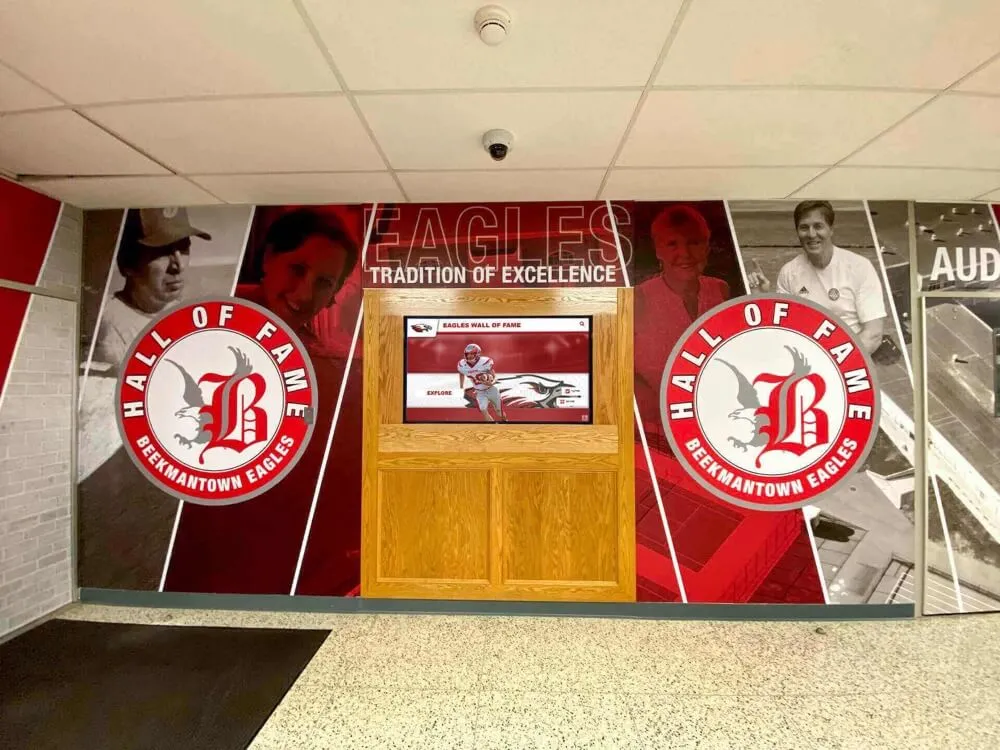
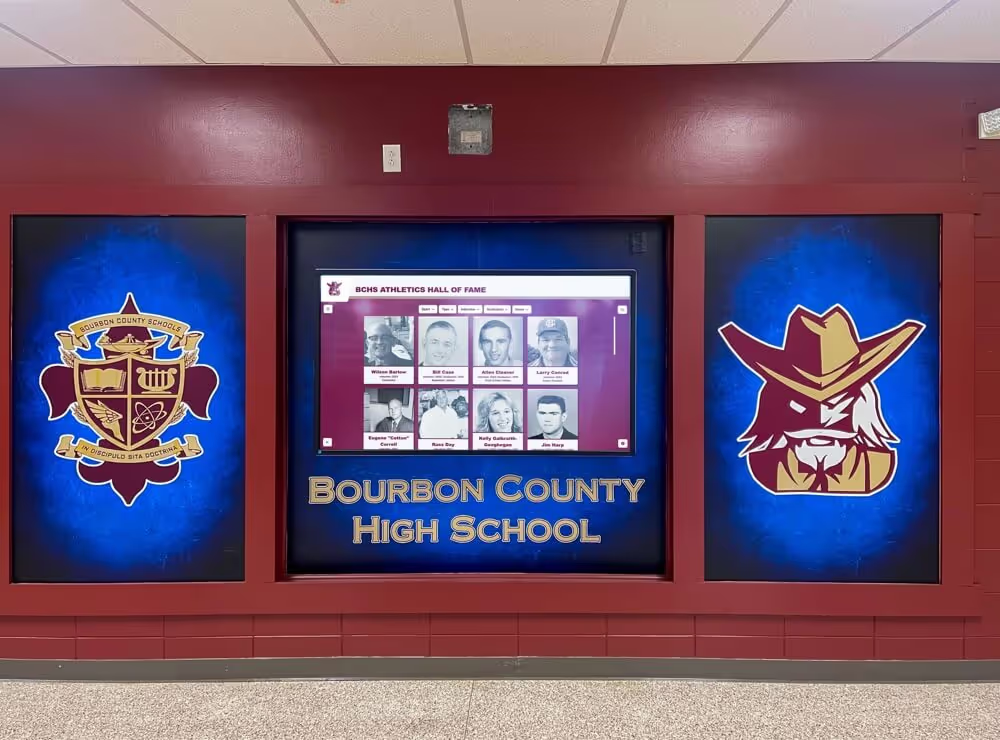
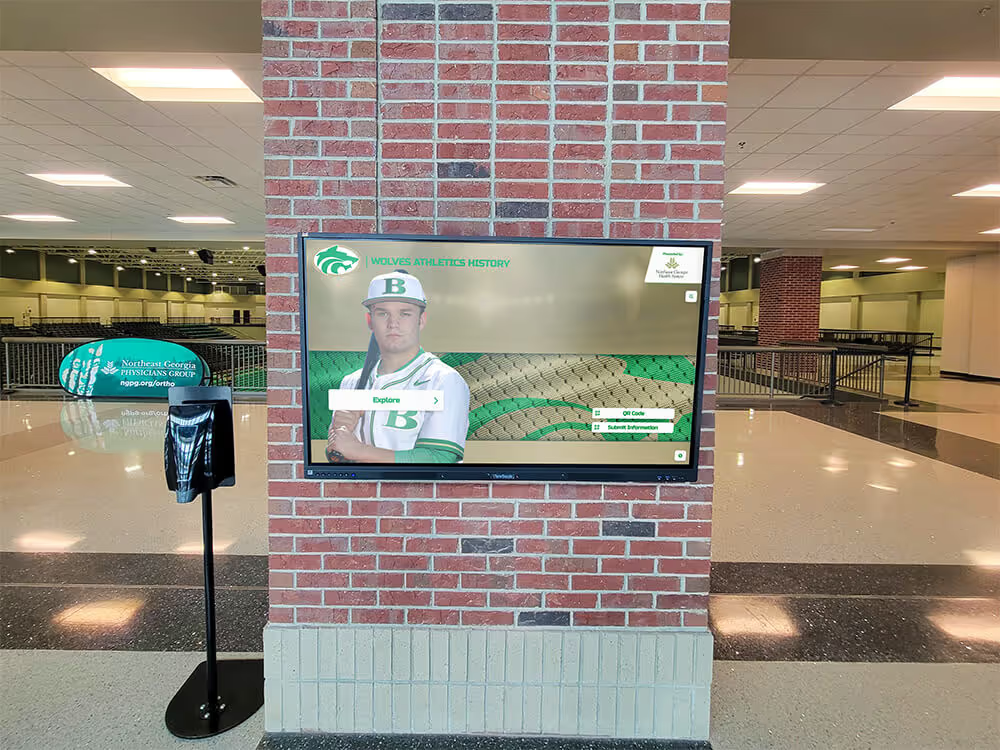
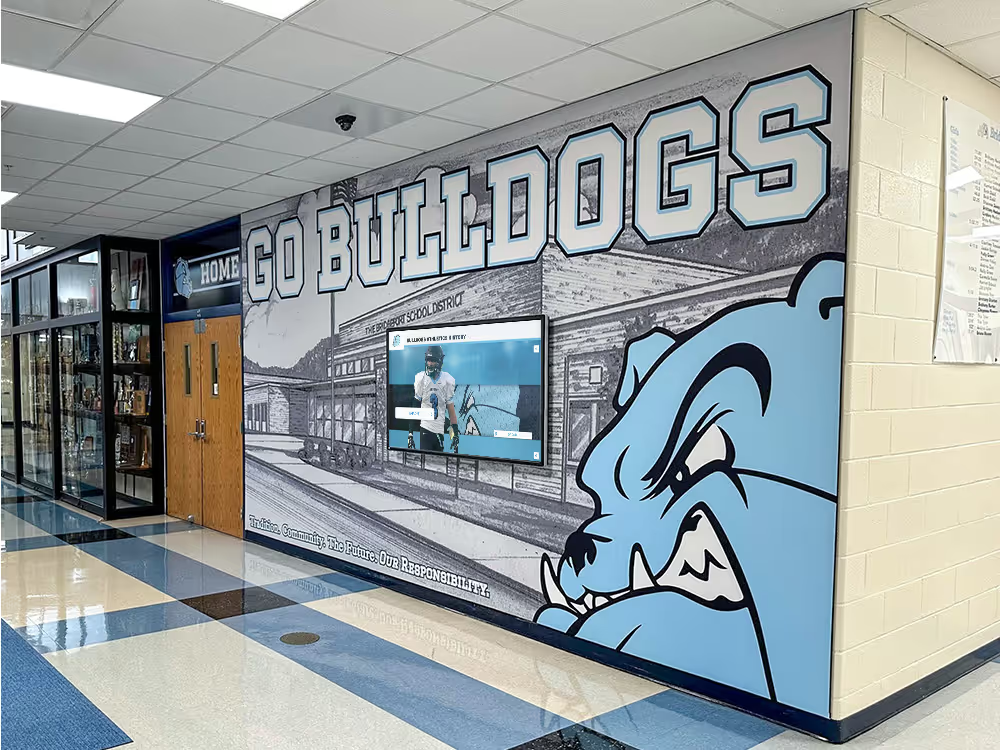
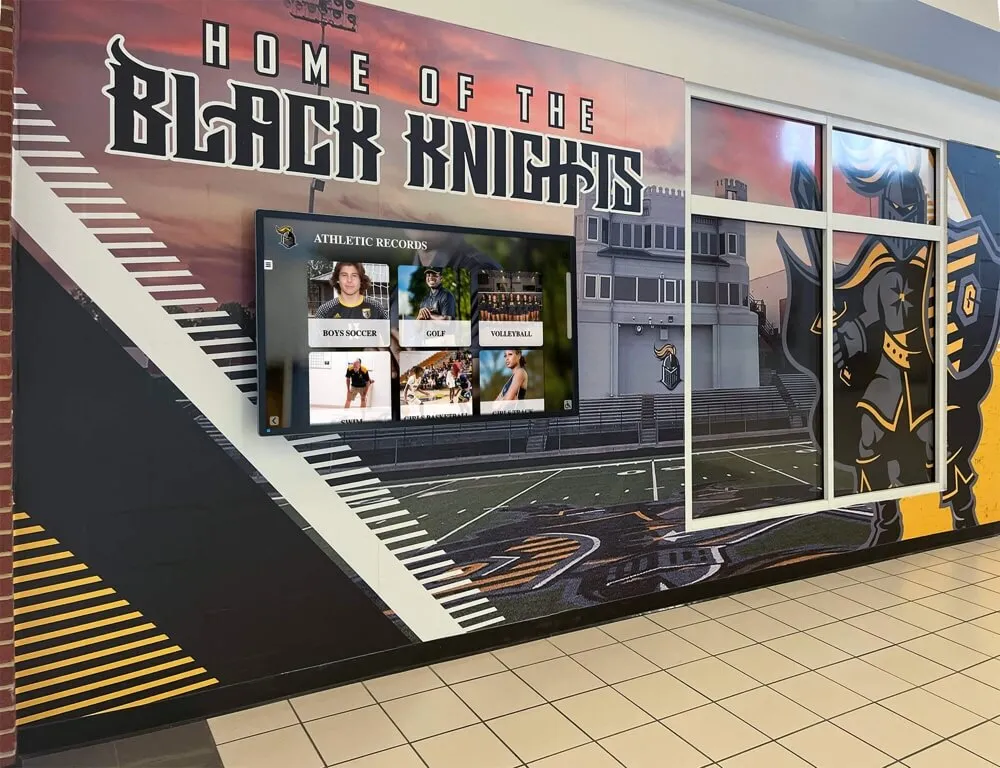
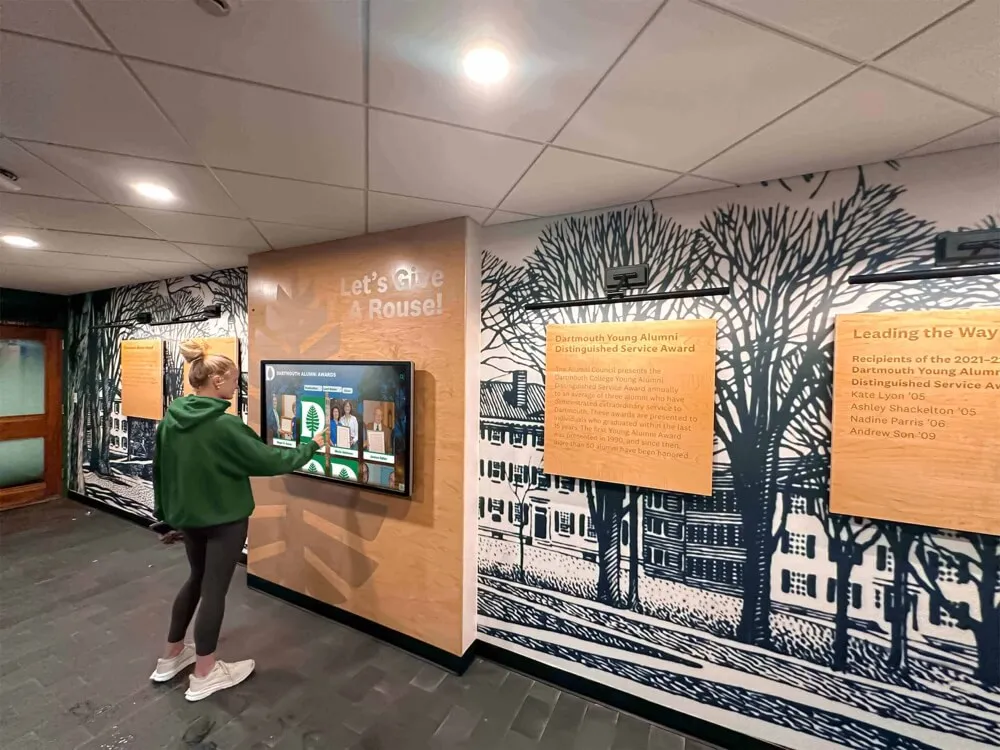
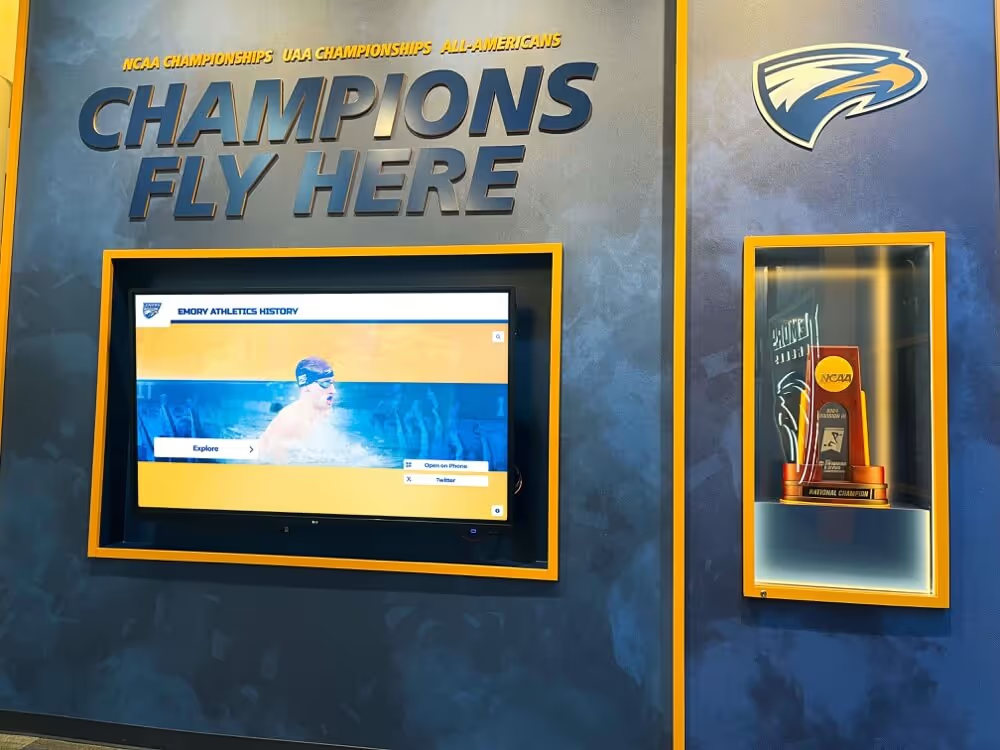
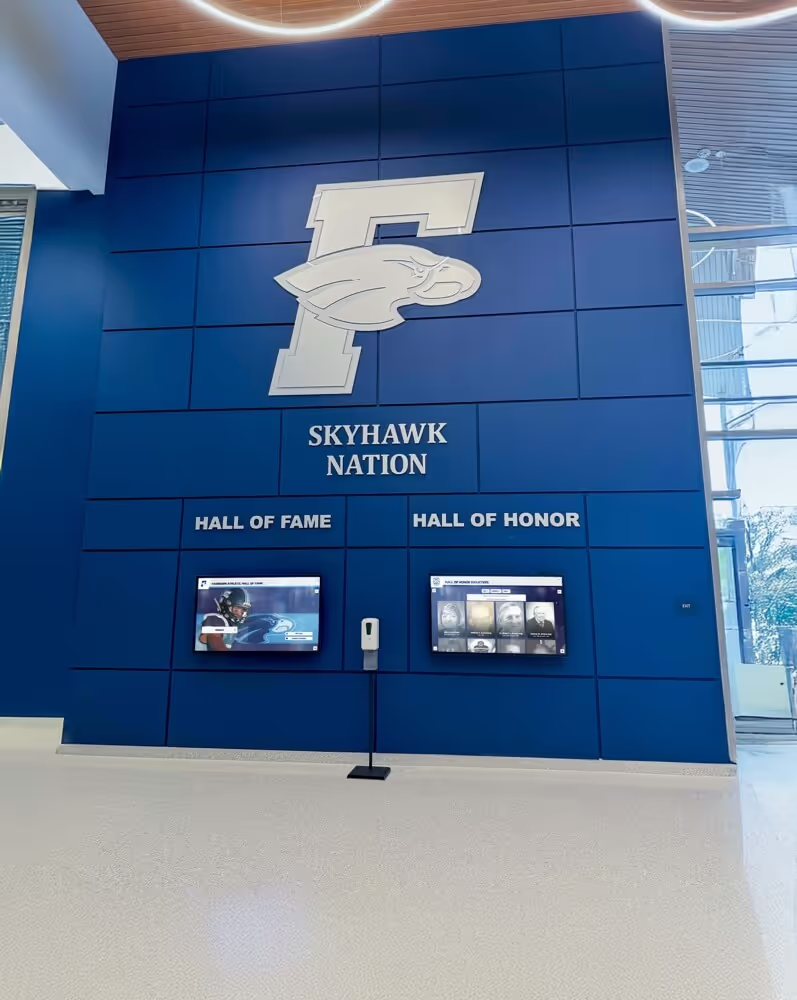
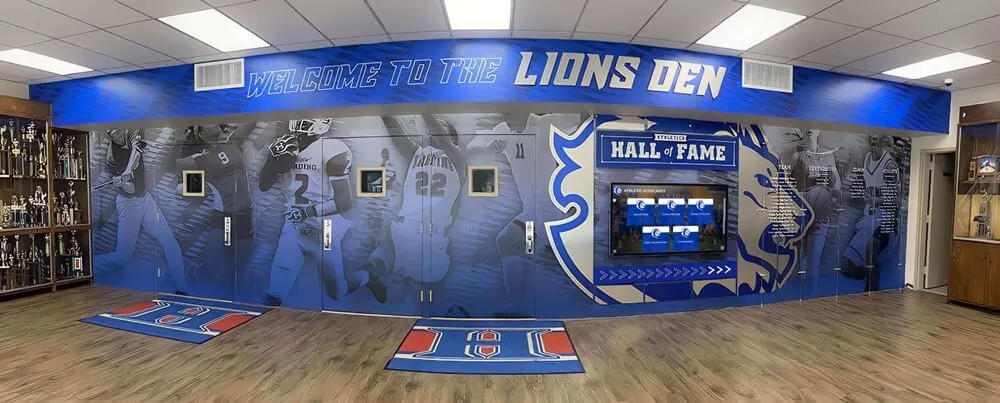
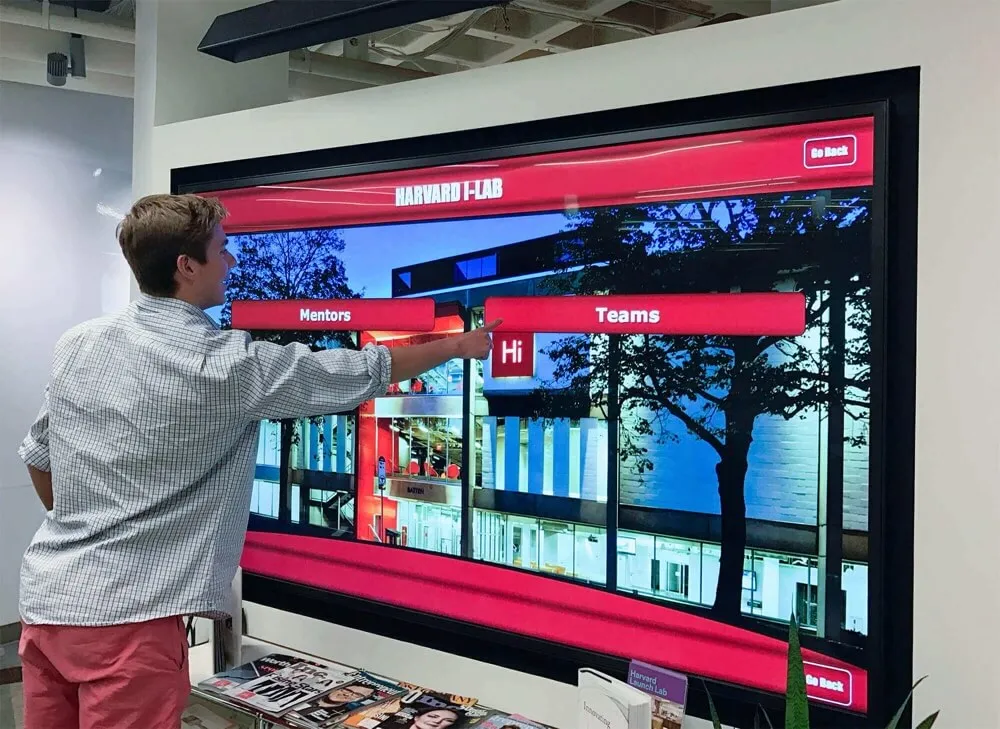
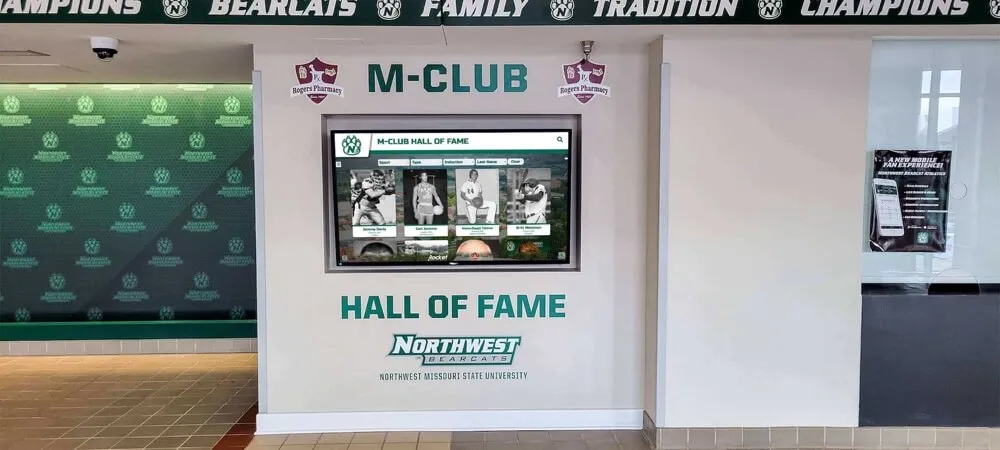
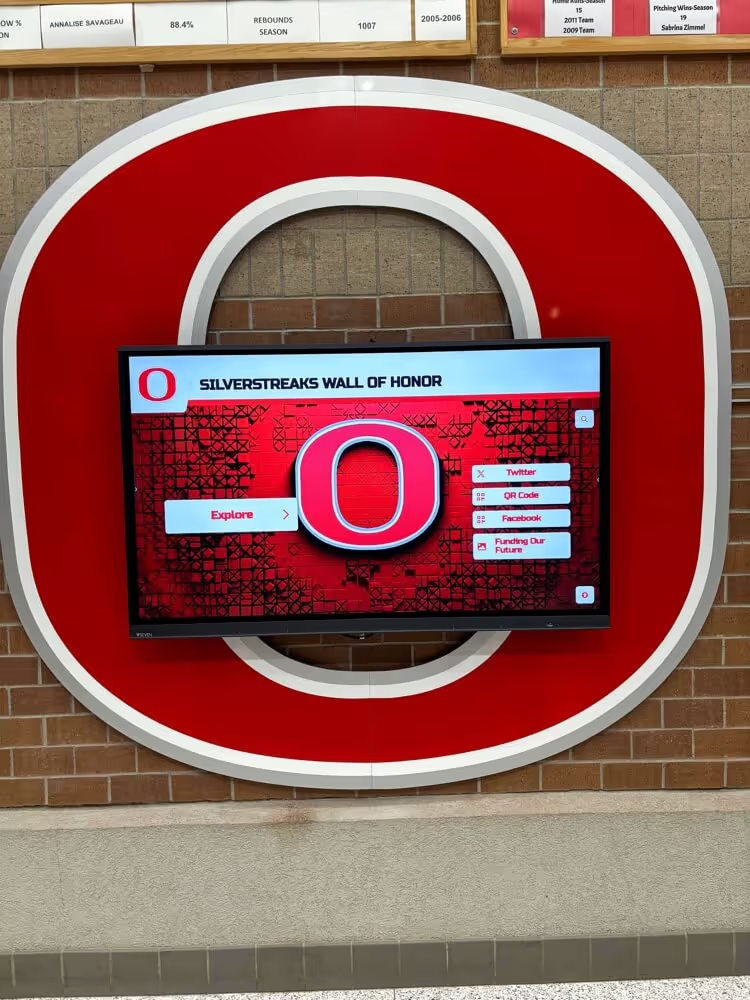
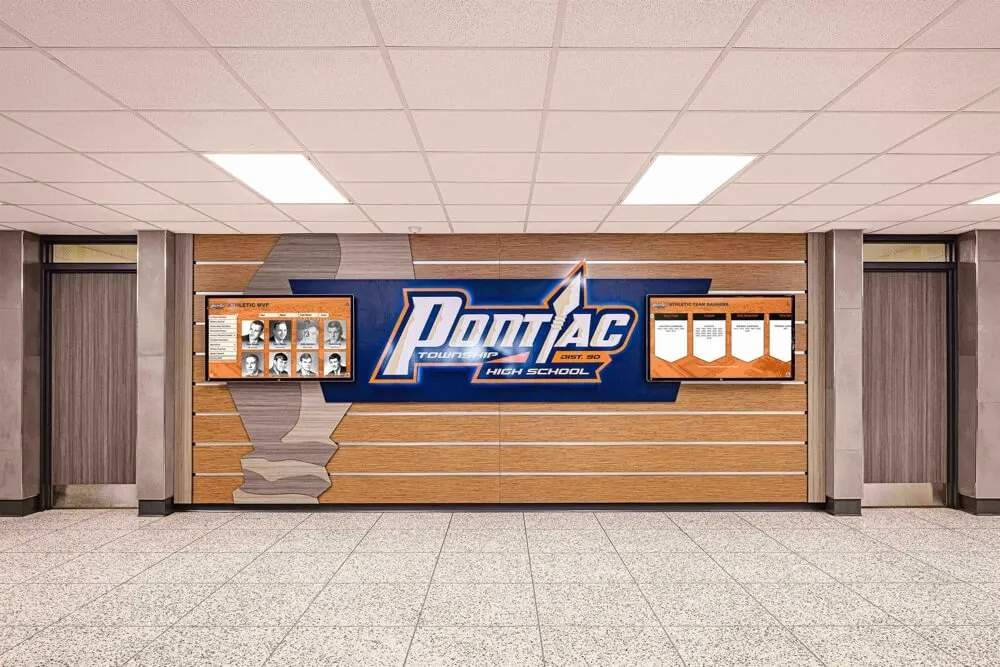
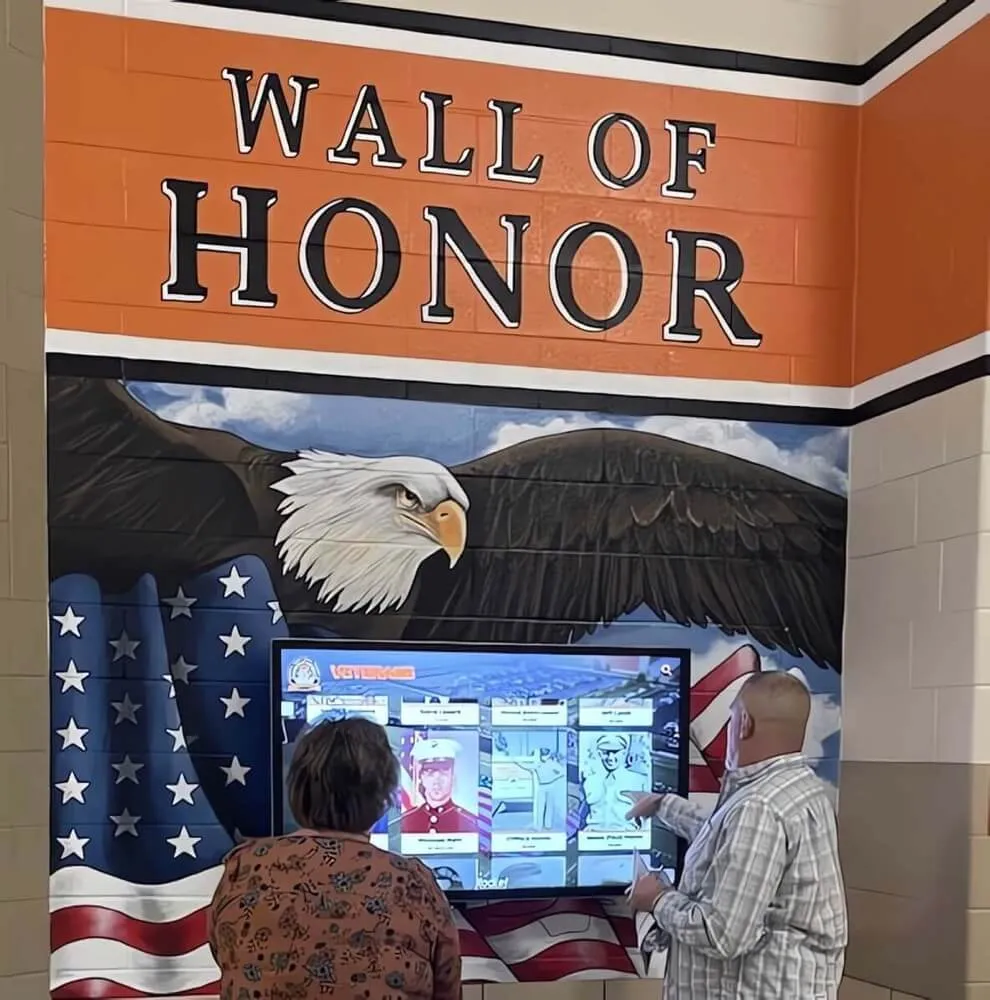
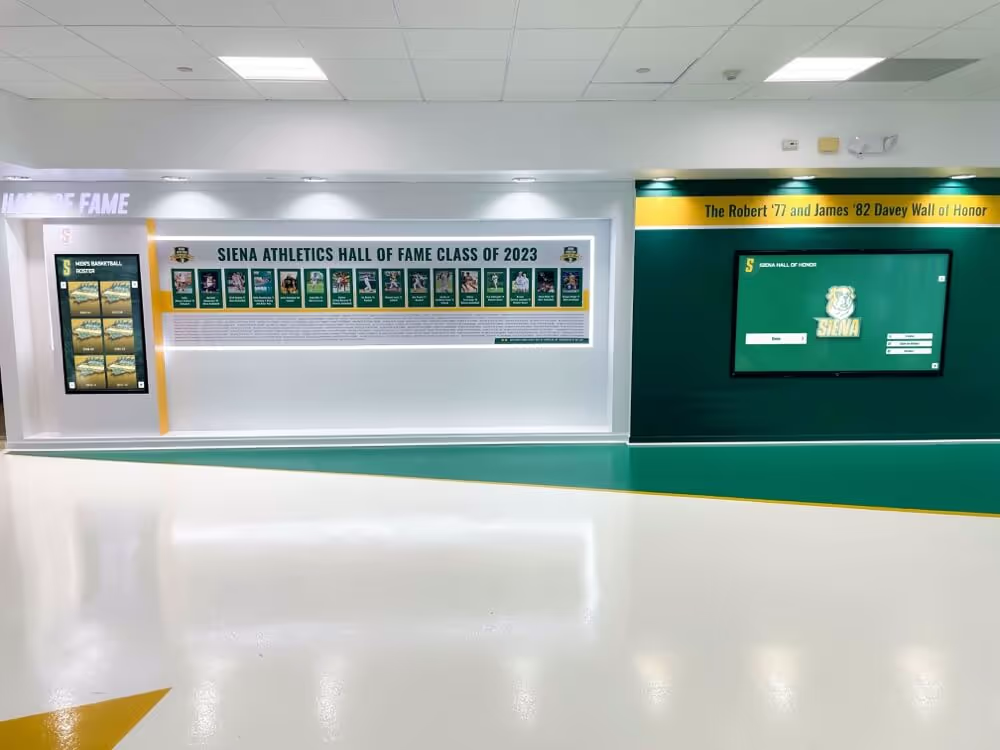
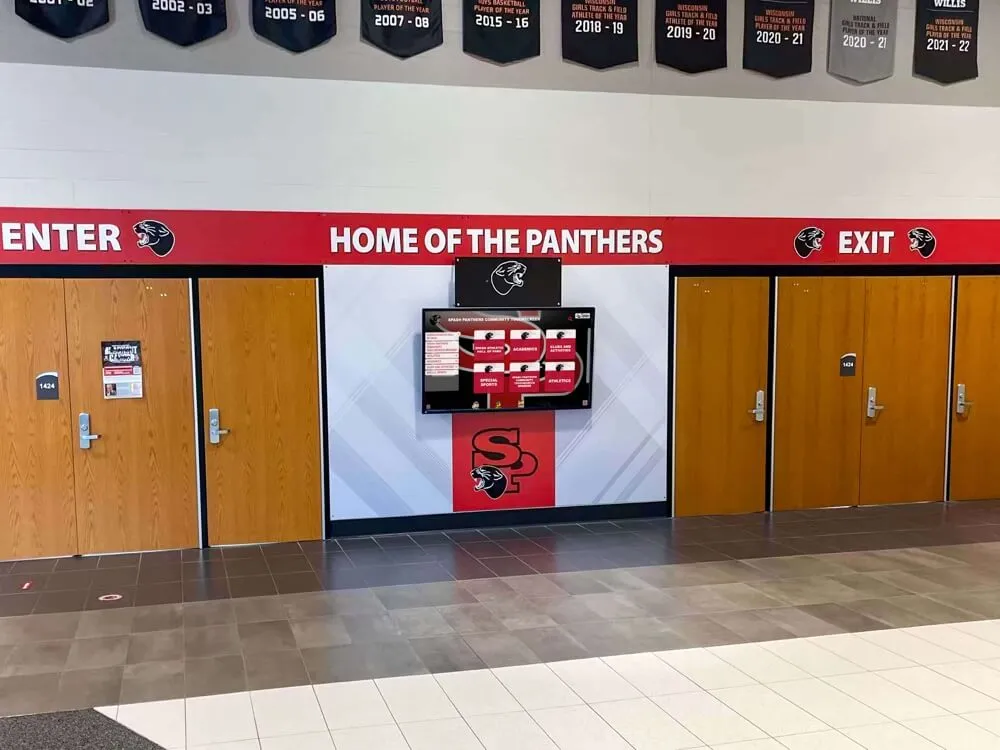
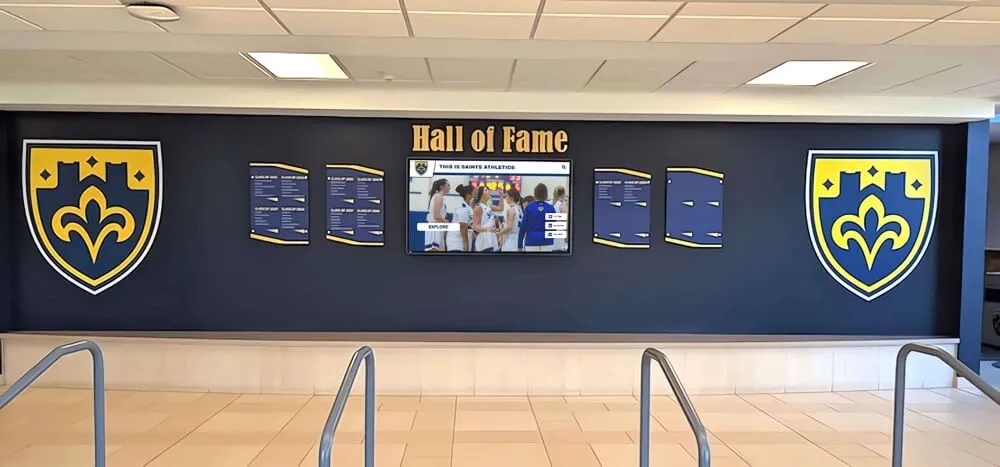
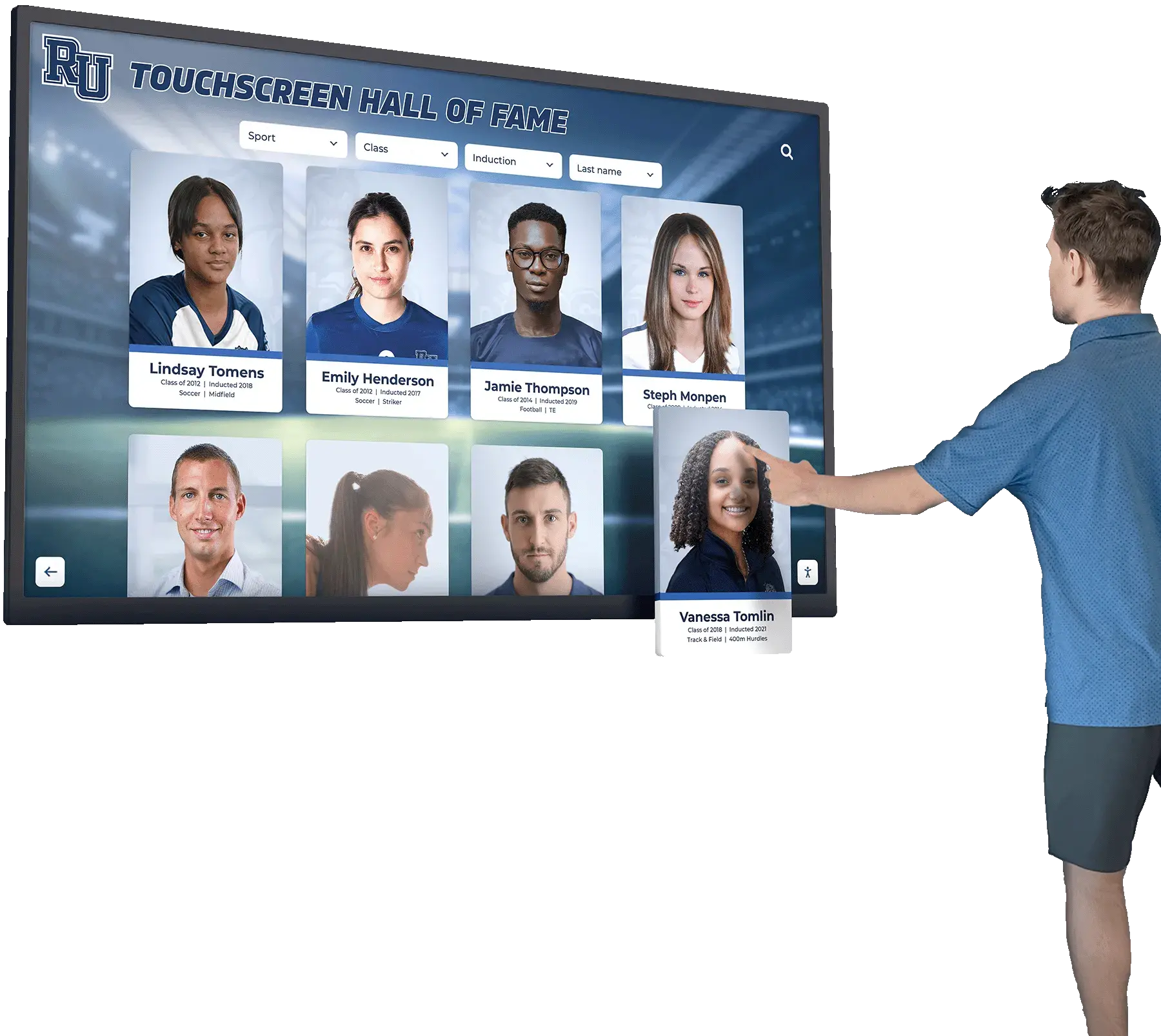
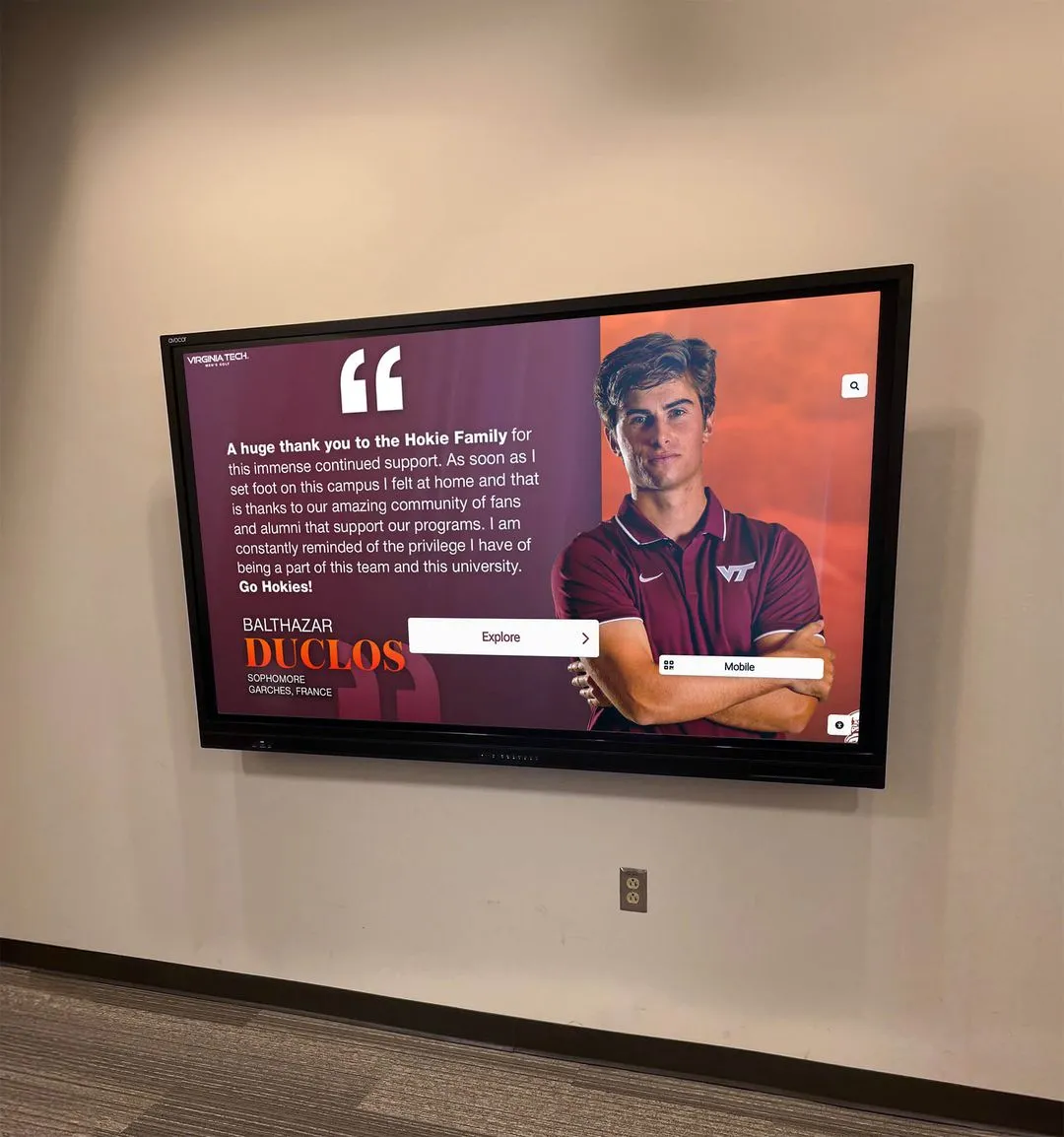
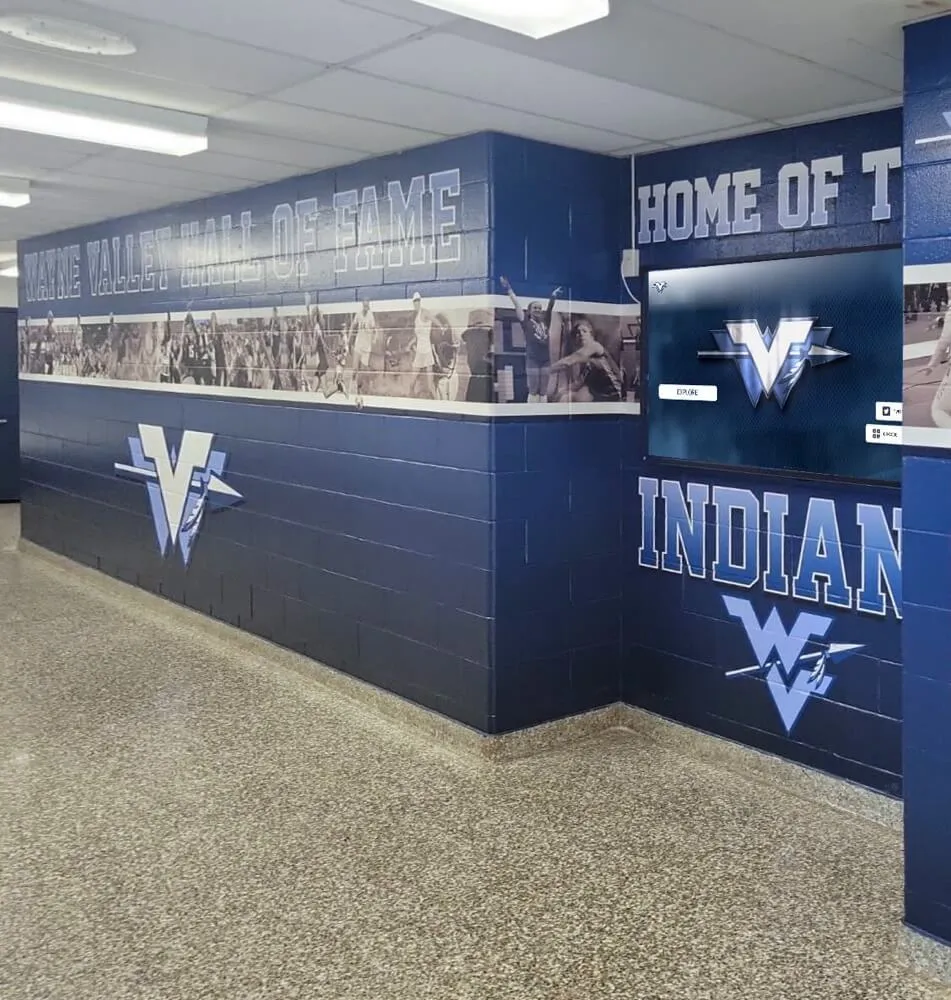
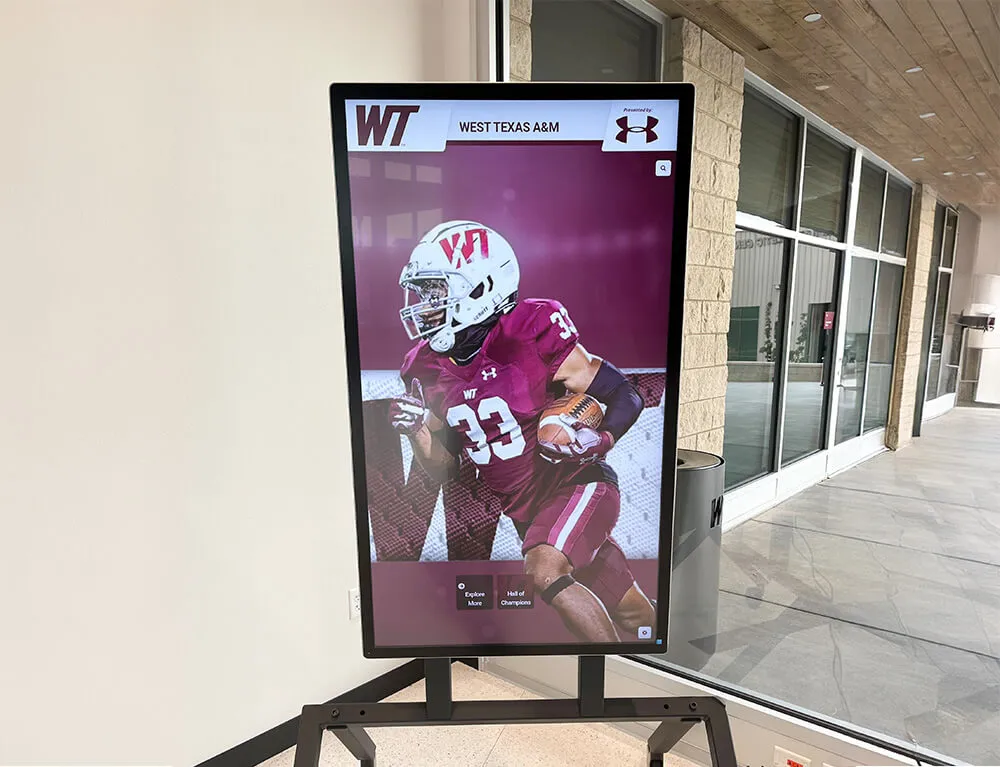
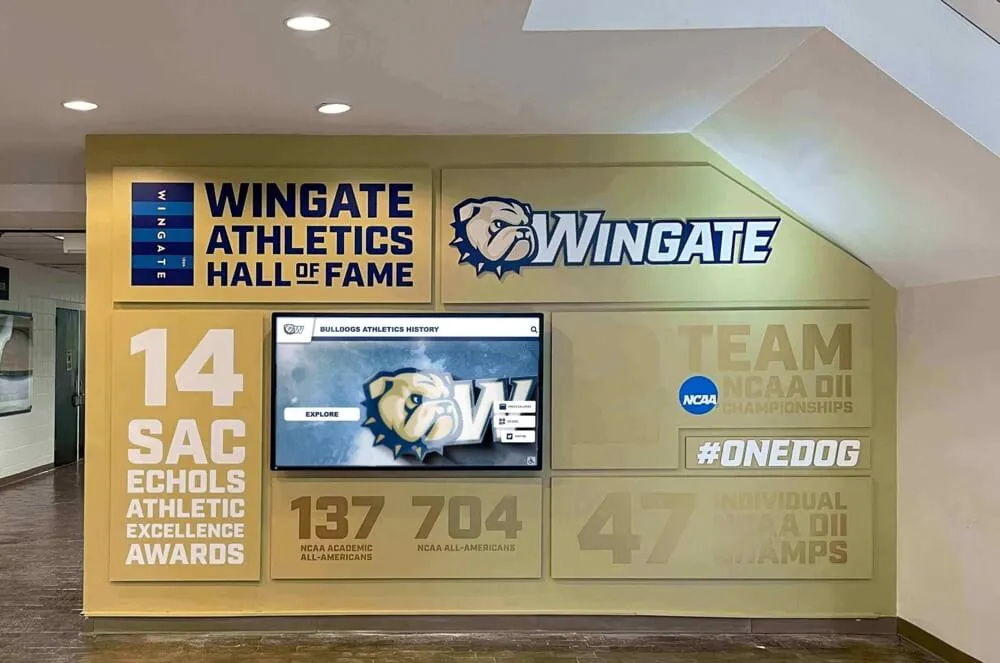
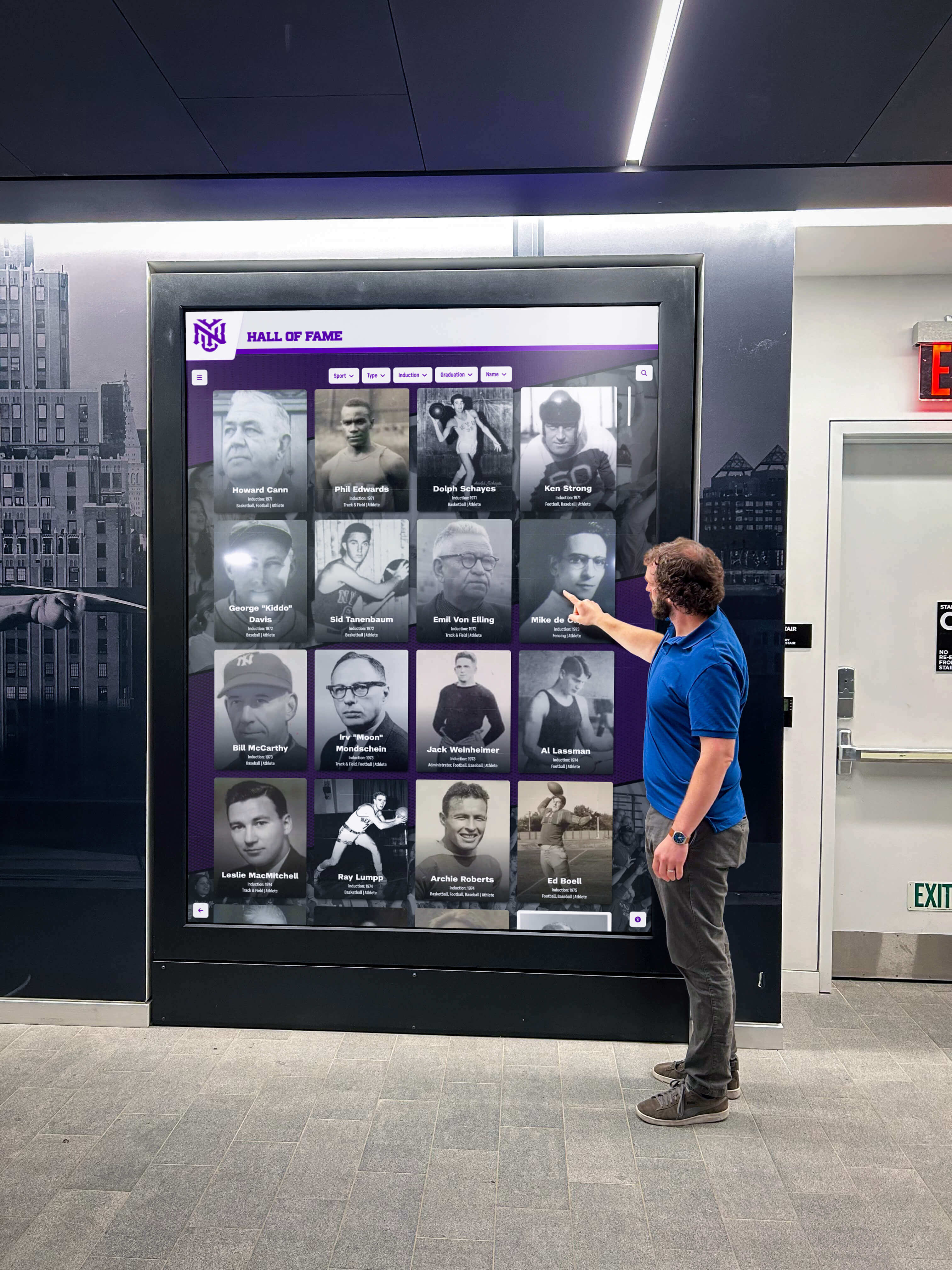
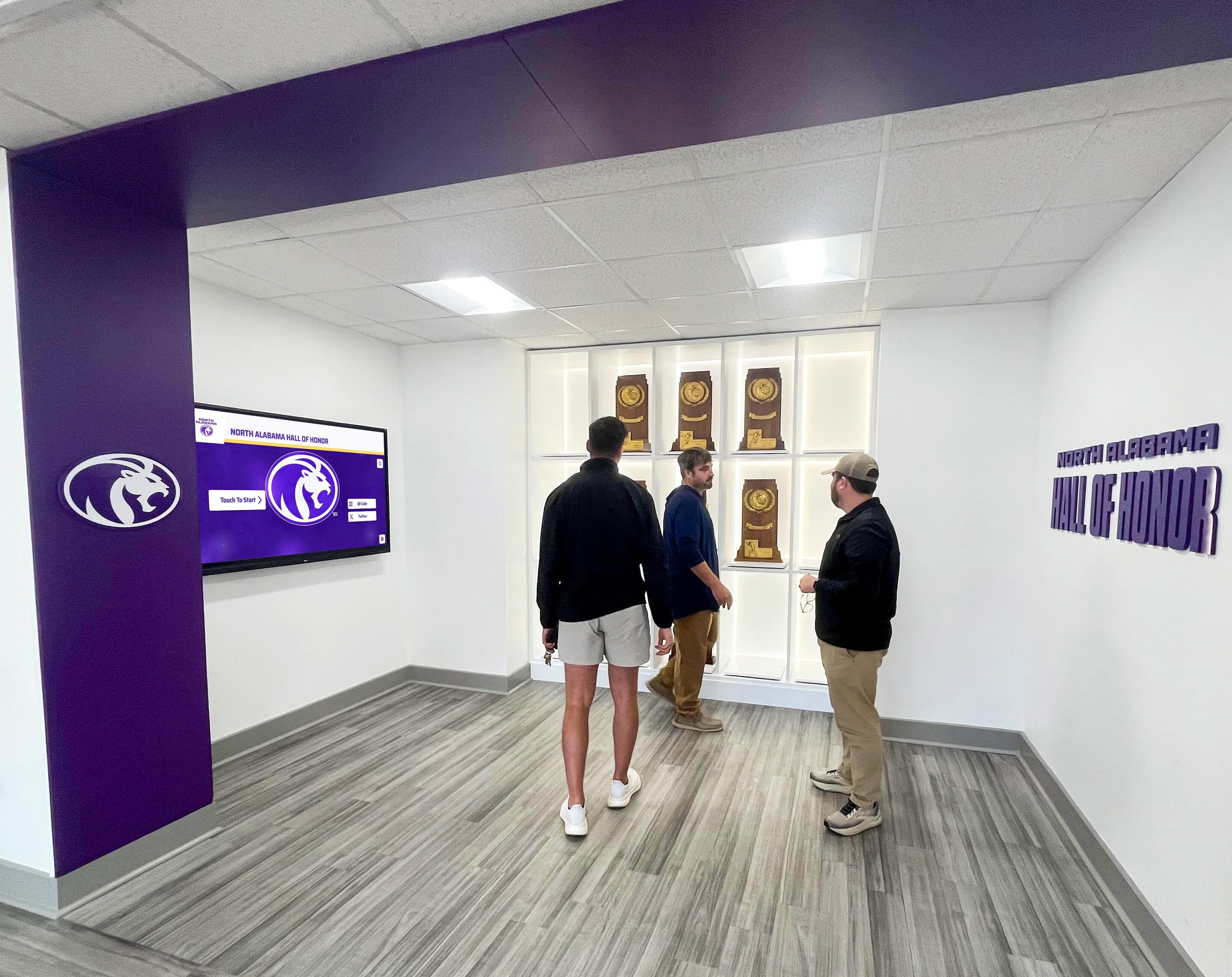
Digital touchscreen recognition systems are particularly well-suited to NHD achievement for reasons that go beyond the practical advantages they offer for all school recognition programs. NHD is fundamentally about engaging with historical evidence, navigating complex information, and constructing understanding from multiple sources. A well-designed interactive recognition display invites exactly that kind of active engagement from students, families, and visitors — turning recognition into an experience rather than a static list.
Core content categories for NHD digital recognition include:
Annual State and National Qualifier Rosters — updated each spring and summer after competition seasons conclude, with student photos, project titles, categories, divisions, and placement results. A visitor can explore not just who qualified but what they researched and how they placed.
Project Archive — a searchable record of NHD projects that reached state or national level, organized by year, category, division, and topic. Visitors who want to understand what NHD research looks like can explore decades of project history.
National Competition Recognition — dedicated profiles for every student who represented the school at the University of Maryland, including national placement results, special awards, and project documentation. National qualifiers deserve permanent, high-visibility recognition that persists well beyond graduation.
Adviser History — documenting the faculty members who built and sustained the NHD program. An adviser who guided students to state and national competition across fifteen or twenty years deserves institutional acknowledgment alongside the students they developed.
Partner Award Documentation — specific recognition for Smithsonian, National Archives, Library of Congress, and other special awards, noting the awarding organization alongside the student’s name and project.
Program Timeline — a visual history of the school’s NHD participation, showing how the program grew, when it first sent students to nationals, and how achievement has evolved over decades.
FBLA and FFA award display benchmarks provide useful comparison points for schools designing multi-program academic recognition displays — the structural approaches that work for career and technical education recognition translate well to history and social studies competition recognition.
Advantages Over Static Physical Displays
Unlimited content capacity. A digital system accommodates fifty years of NHD project history in the same physical footprint as a single wall panel. Whether a program has 40 notable alumni or 400, every achiever has a searchable profile without requiring physical expansion or difficult prioritization decisions.
Timely updates. An adviser can add state competition results within days of returning from the event. Recognition that arrives close to the achievement has dramatically more impact than recognition that arrives weeks or months later after fabrication and installation schedules are worked out.
Rich project documentation. Digital profiles can include the full project title, a summary of the research argument, the primary sources consulted, the competition placement, and photos from the competition venue. None of that contextual richness fits on a physical plaque, but all of it contributes to authentic recognition of what the student accomplished.
Multi-program integration. NHD recognition gains institutional authority when it shares display space with athletics, NHS, Science Olympiad, FBLA, performing arts, and other student achievements. A unified system communicates that the school values all forms of excellence at the same institutional level — not through a policy statement, but through physical reality.
Remote accessibility. Cloud-based digital systems allow families, alumni, and prospective students to access recognition content from any device. A grandparent in another state can see their grandchild’s NHD national qualifier profile before the competition concludes. An alumnus who competed in NHD fifteen years ago can show their own child the display of their project.
School recognition calendars that align digital display updates with competition seasons ensure that NHD recognition is timely, consistent, and part of a planned institutional communication rhythm rather than an afterthought triggered only when someone remembers to update the display.
What to Look for in a Digital Recognition Platform
Schools evaluating digital systems specifically for NHD and academic competition recognition should assess:
Content management ease. History teachers and NHD advisers — not IT staff — will be adding project profiles, competition results, and photos after each season. The system should be intuitive for someone comfortable with email and basic web tools, not require technical expertise.
Multimedia support. NHD projects are inherently multimodal — documentary films, exhibit photographs, website screenshots, and presentation documentation. The recognition platform should handle photos, video clips, and linked documentation without requiring workarounds.
Search and browse architecture. A recognition archive that spans decades needs strong search functionality — by student name, project title, competition year, category, and placement level. Visitors should be able to find specific information without browsing through hundreds of entries manually.
Unlimited entry capacity. The platform should never require administrators to decide which achievers get permanent recognition because of storage constraints. Every state qualifier from every year deserves a permanent home in the program record.
Integration with athletics and other programs. The most effective recognition systems create a unified presentation across all forms of student achievement. Schools that deploy separate systems for athletics and academics create fragmented visitor experiences and underscore exactly the institutional hierarchy they’re trying to correct.
Managing digital assets for school programs covers the content management workflow questions that determine whether a recognition platform stays current over time or gradually falls behind — one of the most common failure modes for digital recognition installations.
NHD and the Broader Academic Recognition Ecosystem
Connecting NHD to Other Scholar Recognition Programs
National History Day doesn’t exist in isolation. Schools with strong NHD programs often also have competitive Model United Nations delegations, Academic Decathlon teams, Science Olympiad chapters, debate programs, and creative writing competitions. The same students who excel in NHD frequently participate across multiple academic competitions — and the recognition gap that affects NHD affects all of these programs.
The most effective approach is building an integrated scholar recognition system that gives every form of academic competition achievement a permanent home in the school’s physical environment. Rather than creating separate, siloed displays for each program, schools that build unified academic achievement recognition alongside athletic recognition create physical spaces that reflect the full breadth of student accomplishment.
This integration matters for reasons beyond fairness. When students in all academic programs see that competition achievement earns institutional recognition, program participation increases across disciplines. The student who sees the NHD display featuring a documentary finalist from three years ago is more likely to ask the history teacher about the program than one who has never seen evidence that the school takes NHD seriously.
Engaging Alumni and the Community
NHD alumni who see their research projects recognized in a school’s permanent display are more likely to return as judges, mentors, and program supporters. The student who placed in the top five at state competition in 1998 and now works as a journalist, archivist, or academic historian is a natural mentor for current NHD students — but that connection requires a touchpoint that survives graduation.
Recognition displays create those touchpoints. A digital system that preserves project titles, competition results, and adviser histories going back decades gives alumni a visible connection to the program and the school’s institutional memory. When alumni can see their own achievement reflected in the current display, they experience the school not as a building they once attended but as an institution that still values what they accomplished there.
College admissions advisers, historians, and community members who visit school facilities and encounter NHD recognition displayed alongside athletic records receive an immediate message about institutional values. A school that gives permanent, visible recognition to student researchers communicates that it takes scholarship seriously — not as a slogan, but as a physical reality embedded in the building.
Planning Your School’s NHD Recognition Program
Where to Start
For schools that currently have no formal NHD recognition program, the most effective starting point is not a display installation — it is a documentation project. Before building any infrastructure, schools should:
Identify the school’s NHD competitive history. Contact the state NHD affiliate to request placement records, and work with current and retired advisers to reconstruct as complete a record as possible of state and national qualifiers.
Establish clear recognition criteria. Using the tiered framework outlined earlier, decide what levels of achievement earn what level of recognition. Document these criteria so they apply consistently regardless of which students, advisers, or administrators are involved.
Conduct a building walk-through. Identify where academic recognition currently lives relative to athletic recognition, and assess whether the physical environment reflects the school’s stated values about academic achievement.
Survey existing infrastructure. Determine whether the school’s current display infrastructure — trophy cases, wall plaques, digital displays — can accommodate NHD recognition, or whether dedicated space needs to be created.
Engage the history department and NHD adviser. Recognition programs built without adviser involvement rarely reflect the nuances of NHD competitive achievement accurately. Advisers know which accomplishments were hardest-earned and which deserve the most visibility.
Implementation Timeline
For schools ready to build new recognition infrastructure:
Phase 1 (Months 1-3): Complete historical documentation, establish recognition criteria, and identify placement locations for new display infrastructure. Research digital touchscreen recognition options alongside static physical display options.
Phase 2 (Months 3-6): Select display vendor and platform, finalize installation location, and begin content development using historical records. Design the content architecture for how visitors will explore by year, category, division, and placement.
Phase 3 (Months 6-9): Install display infrastructure, populate with historical records, and establish the update workflow for future competition seasons. Train the NHD adviser on content management procedures.
Phase 4 (Ongoing): Update after each competition season, conduct an annual review of recognition criteria, and plan induction events that connect new additions to the display with the students and advisers being recognized.
Why NHD Achievers Deserve What They’ve Earned
Students who compete in National History Day spend months doing the work that professional historians do — identifying questions worth investigating, tracking down primary sources in archives and special collections, reading critically across historiographies, constructing arguments from evidence, and presenting findings to audiences of experts who evaluate not just what students concluded but how they reasoned. The competition rewards intellectual rigor, persistence under criticism, and genuine engagement with the historical record.
A student who advances to nationals in NHD has outperformed every qualifying student in an entire state. A student who earns a special award from the Smithsonian or the National Archives has been recognized by institutions that exist to preserve and interpret the American historical record. These achievements belong in a school’s permanent institutional memory — not because of ceremonial generosity, but because they accurately reflect something extraordinary that students in those buildings accomplished.
Schools that give NHD achievement the same permanent visibility they give athletic achievement are not being charitable. They are being accurate. The infrastructure to do that — whether physical displays, digital touchscreen systems, or integrated scholar recognition programs — is the mechanism through which institutional values become institutional reality.
Rocket Alumni Solutions builds interactive recognition systems for schools that want to give every form of student achievement a permanent, high-visibility home. Digital touchscreen installations designed for schools accommodate athletics, academics, career education, and research competition recognition in a unified system that grows more valuable as years of achievement accumulate.