



Key Takeaways
Discover meaningful ways to celebrate National Athletic Trainer Day at your school. Learn recognition strategies, appreciation ideas, and programs that honor the essential work of athletic training professionals.
Athletic training rooms represent the operational hearts of school athletic programs—spaces where student athletes receive medical care, rehabilitate from injuries, prepare for competition, and build relationships with healthcare professionals who profoundly impact their athletic careers and long-term wellness. Yet the certified athletic trainers managing these essential spaces often work behind the scenes with limited recognition compared to coaches, athletes, or administrators whose contributions receive more public visibility.
National Athletic Trainer Day, celebrated annually on the third Wednesday of March during National Athletic Training Month, provides dedicated opportunity to recognize these healthcare professionals who serve as first responders, injury prevention specialists, rehabilitation coordinators, and trusted advisors to student athletes navigating the physical and emotional challenges of competitive sports. This comprehensive guide explores why athletic trainer recognition matters, provides practical strategies schools can implement to celebrate National Athletic Trainer Day meaningfully, and examines how building cultures of appreciation for athletic training staff strengthens entire athletic programs while improving student athlete outcomes.
Understanding the Athletic Training Profession
Before exploring recognition strategies, schools should understand the scope, qualifications, and responsibilities that define athletic training as a distinct healthcare profession.
Education and Credentialing Requirements
Athletic trainers are healthcare professionals, not personal trainers or strength coaches—a common misconception that undervalues their extensive medical training and clinical expertise.
Educational Pathways: Entry into athletic training requires completing Commission on Accreditation of Athletic Training Education (CAATE) accredited programs. As of 2022, professional athletic training requires master’s degree education, though many current practitioners hold bachelor’s degrees completed before this requirement. These programs combine rigorous academic coursework in anatomy, physiology, biomechanics, pharmacology, nutrition, and pathology with extensive clinical experience treating real patients under supervision.
Board Certification: All athletic trainers must pass the Board of Certification (BOC) examination demonstrating competency across prevention, clinical evaluation and diagnosis, immediate and emergency care, treatment and rehabilitation, and organizational and professional health. This national certification requires ongoing continuing education—50 credits every two years—ensuring athletic trainers maintain current knowledge as sports medicine evolves.

State Licensure: Most states require athletic trainers to hold professional licenses similar to other healthcare practitioners, with specific scope of practice definitions, practice standards, and regulatory oversight ensuring public protection. Licensure typically requires BOC certification plus state-specific jurisprudence examinations covering local regulations.
Scope of Practice and Daily Responsibilities
Athletic trainers’ work extends far beyond taping ankles or applying ice packs—common oversimplifications that fail to capture the breadth of their professional responsibilities.
Injury Prevention: Athletic trainers develop and implement comprehensive injury prevention programs based on sport-specific risk factors, individual athlete assessment, and evidence-based protocols. They design conditioning programs, teach proper technique, select appropriate protective equipment, monitor environmental conditions affecting athlete safety, and identify risk factors requiring intervention before injuries occur.
Immediate Care: When injuries happen during practices or competitions, athletic trainers serve as first responders providing emergency care. They conduct on-field assessments, make critical decisions about injury severity and appropriate interventions, coordinate emergency medical services when necessary, and manage acute injuries until athletes can receive definitive medical treatment. These split-second decisions directly impact athlete outcomes and potentially prevent serious complications or long-term consequences.
Clinical Evaluation and Diagnosis: Athletic trainers perform comprehensive evaluations determining injury nature, severity, and appropriate treatment approaches. While they work collaboratively with physicians who provide definitive diagnoses, athletic trainers conduct initial assessments that guide referral decisions and treatment planning within their scope of practice.
Rehabilitation and Return-to-Play: Perhaps most time-intensive, athletic trainers design and oversee rehabilitation programs guiding injured athletes through recovery processes. They create progressive exercise protocols, monitor healing, modify programs based on athlete response, coordinate with physicians and physical therapists, and make evidence-based decisions about when athletes can safely return to participation. Effective rehabilitation prevents re-injury while ensuring athletes regain full function rather than returning prematurely with compromised abilities.
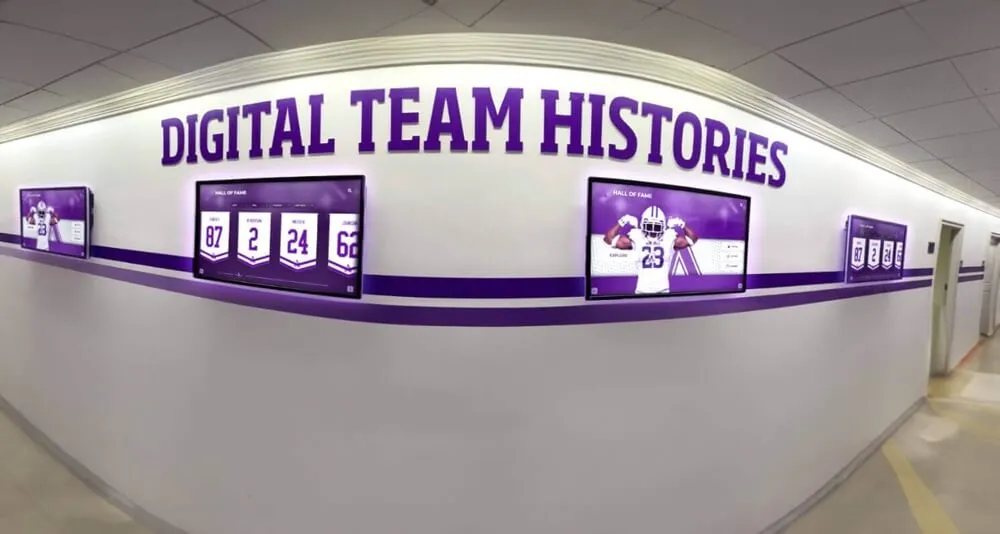
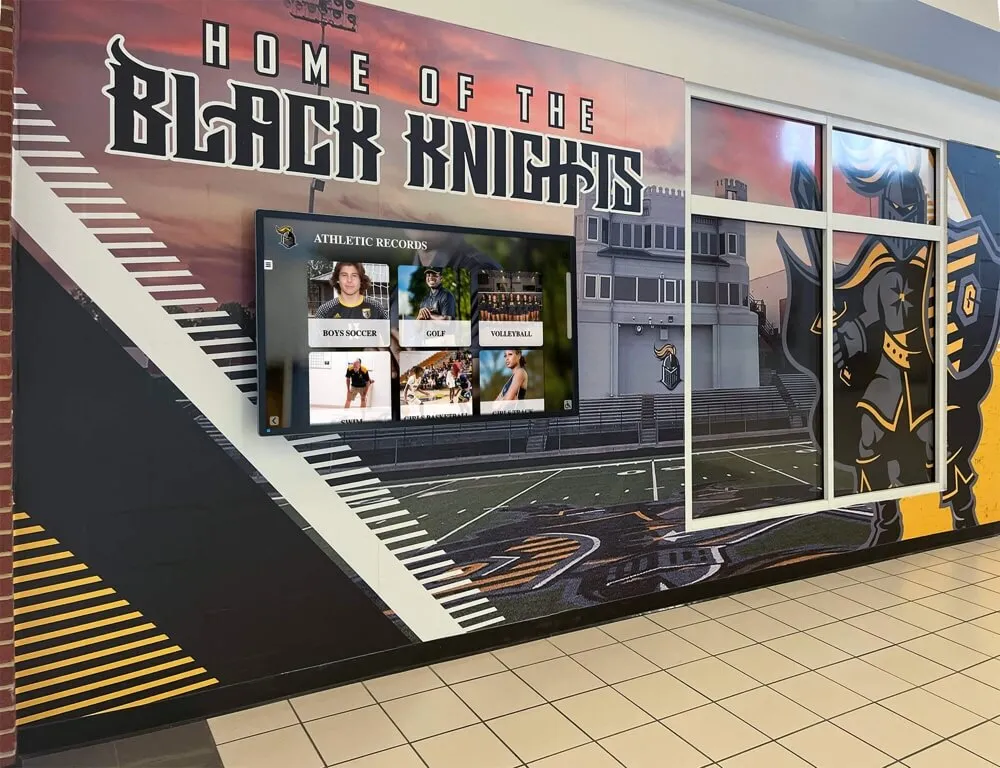
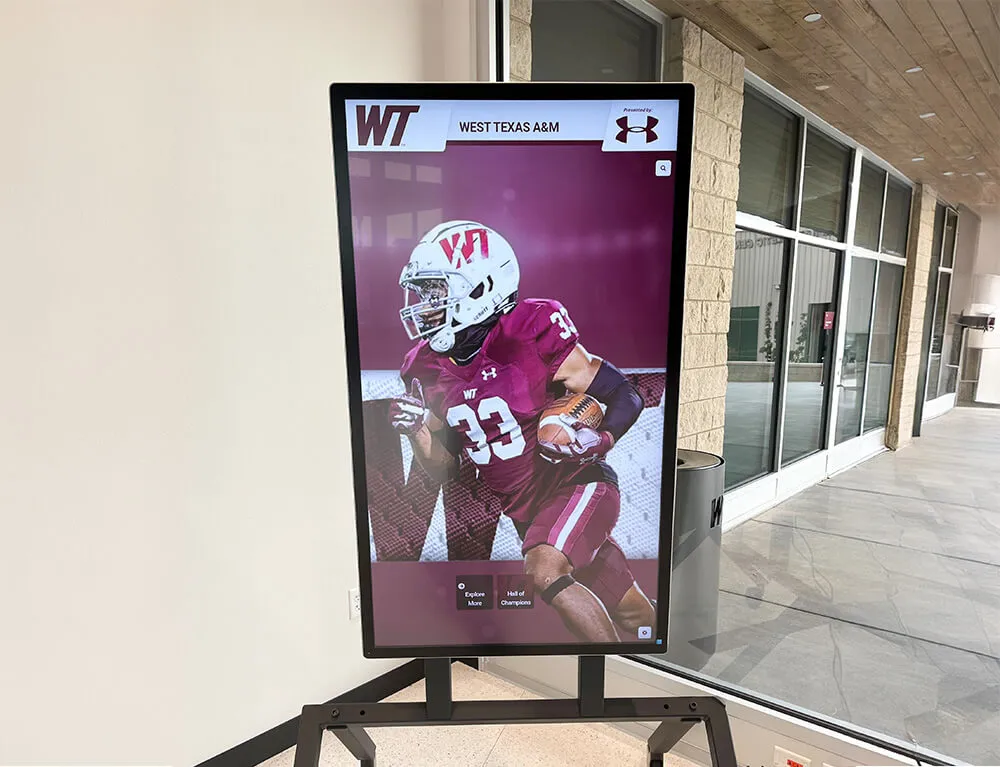
Many schools now showcase the comprehensive nature of their athletic programs—including sports medicine services—through digital displays that tell the complete story of athletic department excellence beyond just competitive achievements.
Administrative Coordination: Behind the scenes, athletic trainers manage extensive medical documentation, maintain emergency action plans for all facilities and events, coordinate pre-participation physical examinations, communicate with parents and physicians, track injury patterns informing prevention efforts, manage medical supply inventories and budgets, and ensure compliance with medical regulations and institutional policies.
Education and Outreach: Athletic trainers serve as educators teaching athletes about nutrition, hydration, sleep, mental health, injury prevention, and overall wellness. They provide coaches with medical information influencing training decisions, educate parents about injury management and return-to-play processes, and often teach health-related courses as part of broader educational missions.
The Challenge of Recognition
Despite their critical contributions, athletic trainers often face recognition challenges that don’t affect other athletic staff:
Behind-the-Scenes Nature: Much of athletic training work happens privately in training rooms, during rehabilitation sessions, or through preventive care that by definition means injuries don’t occur. Successful injury prevention—perhaps athletic trainers’ most valuable contribution—remains largely invisible since it means the absence of visible problems rather than celebrated achievements.
Timing Mismatches: Athletic trainers’ most intensive work often occurs during athlete injury and recovery—precisely when those athletes aren’t competing publicly. While coaches receive recognition when teams win championships, athletic trainers may have invested equal or greater effort in the rehabilitation that made those victories possible, yet this contribution remains unknown to broader communities who only see the competition outcome.
Professional Misunderstanding: Many administrators, parents, and even athletes don’t fully understand athletic trainers’ extensive qualifications, medical expertise, or scope of practice, sometimes viewing them as support staff rather than healthcare professionals. This misunderstanding leads to under-appreciation and inadequate compensation relative to their education level and responsibilities.
National Athletic Trainer Day provides structured opportunity to address these recognition gaps by intentionally celebrating and educating communities about the essential work these professionals perform daily.
Planning National Athletic Trainer Day Celebrations
Effective recognition requires intentional planning that goes beyond simple acknowledgment to create meaningful, memorable celebrations demonstrating genuine appreciation.
Early Planning and Coordination (6-8 Weeks in Advance)
Athletic Trainer Day occurs during March, a period when many school athletic programs remain fully active with winter sports concluding and spring sports beginning. Early planning ensures celebrations receive appropriate attention rather than getting lost among competing priorities.
Form Planning Committee: Establish who will coordinate recognition efforts—typically including athletic directors, senior athletes, team captains, coaches, and parent volunteers. Athletic trainers themselves should not be planning their own recognition; this responsibility falls to others within the athletic community.
Establish Budget: Determine available funding through athletic department budgets, booster club support, or small contributions from individual teams. Even modest budgets can support meaningful recognition when resources focus on genuine appreciation rather than expensive gifts.
Survey Athletes and Coaches: Gather input about specific ways the athletic training staff has impacted individuals—memorable moments, successful recoveries, lessons learned, or simply daily support that made differences. These stories become foundation for personalized recognition that resonates more deeply than generic appreciation.
Coordinate with School Communications: Work with school marketing, communications, or social media staff to develop broader visibility campaigns surrounding the recognition. Effective communications educate entire school communities about athletic training contributions while modeling appreciation culture.
Recognition Event Programming
The centerpiece of National Athletic Trainer Day should be a dedicated recognition event bringing together athletes, coaches, and administrators to publicly honor athletic training staff.
Athlete Testimonial Presentations: Invite student athletes—particularly those who have worked extensively with athletic trainers during injury recovery—to share personal testimonials describing specific ways athletic trainers impacted their experiences. These first-person accounts from the athletes directly served create powerful, authentic recognition moments that mean more than generic appreciation from administrators.
Coach Acknowledgments: Coordinate brief statements from head coaches across different sports acknowledging how athletic trainers support their programs. Multi-sport recognition demonstrates that athletic training staff serve entire athletic departments rather than individual teams, building appreciation across the full athletic community.
Certificates and Awards: Present formal certificates or awards recognizing athletic trainers’ service, qualifications, and specific achievements. Consider creating annual awards recognizing particular accomplishments—successful return-to-play outcomes, injury prevention program innovations, educational contributions, or years of service milestones.
Video Presentations: Create compiled video presentations featuring short appreciation messages from athletes, coaches, administrators, and parents. Video format allows participation from many individuals whose schedules might prevent attendance at live events while creating permanent documentation of appreciation that athletic trainers can revisit.
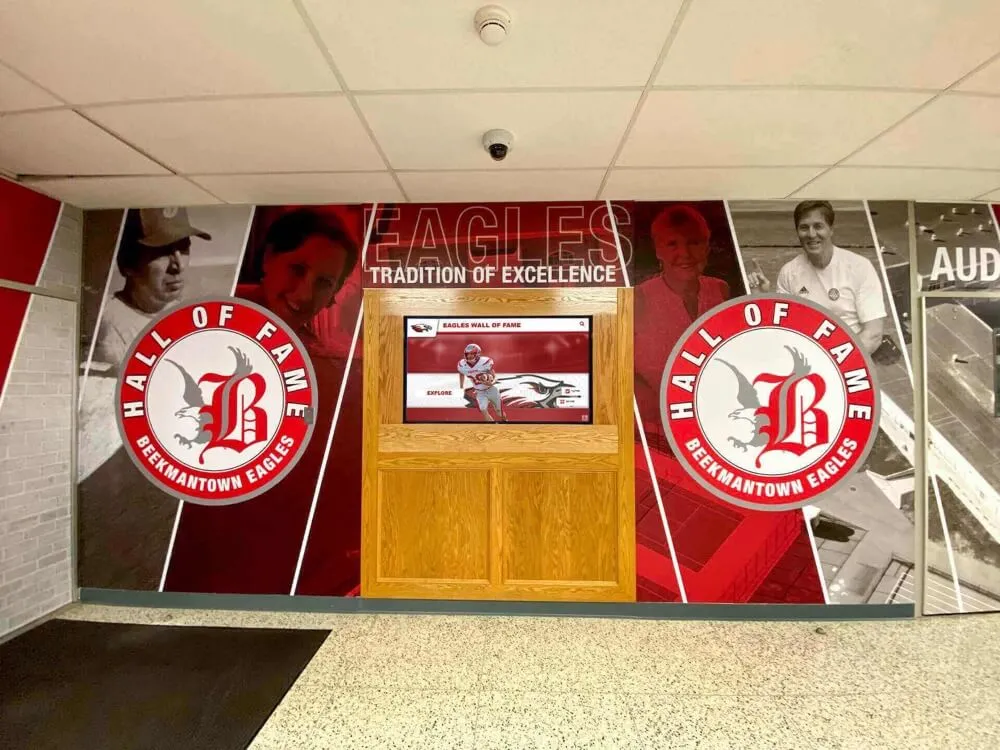
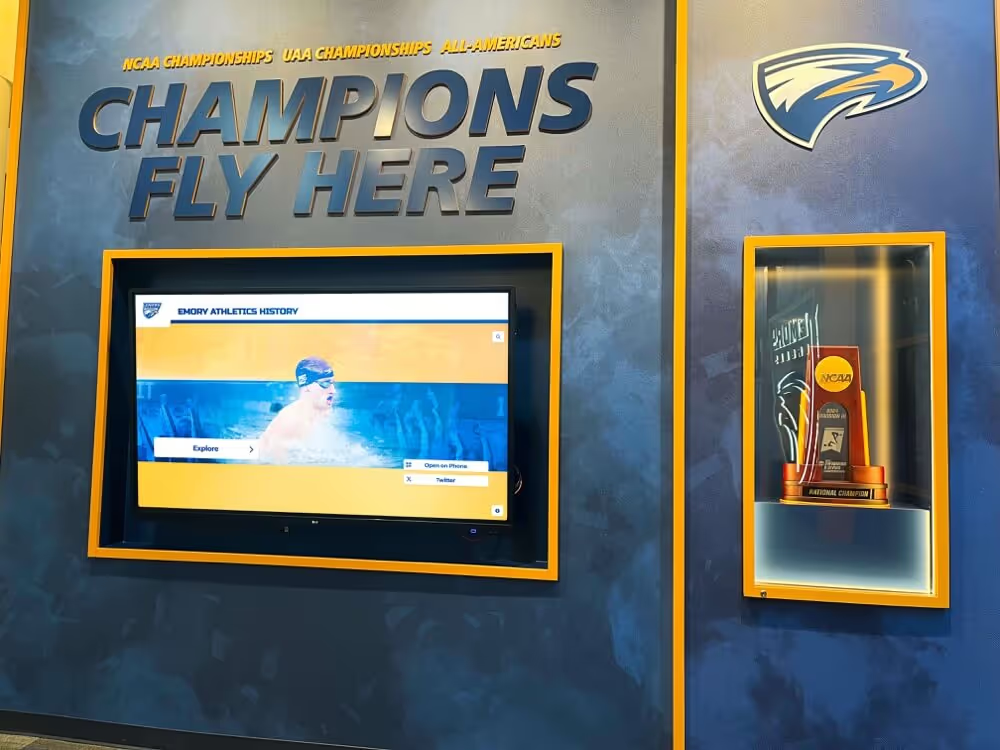
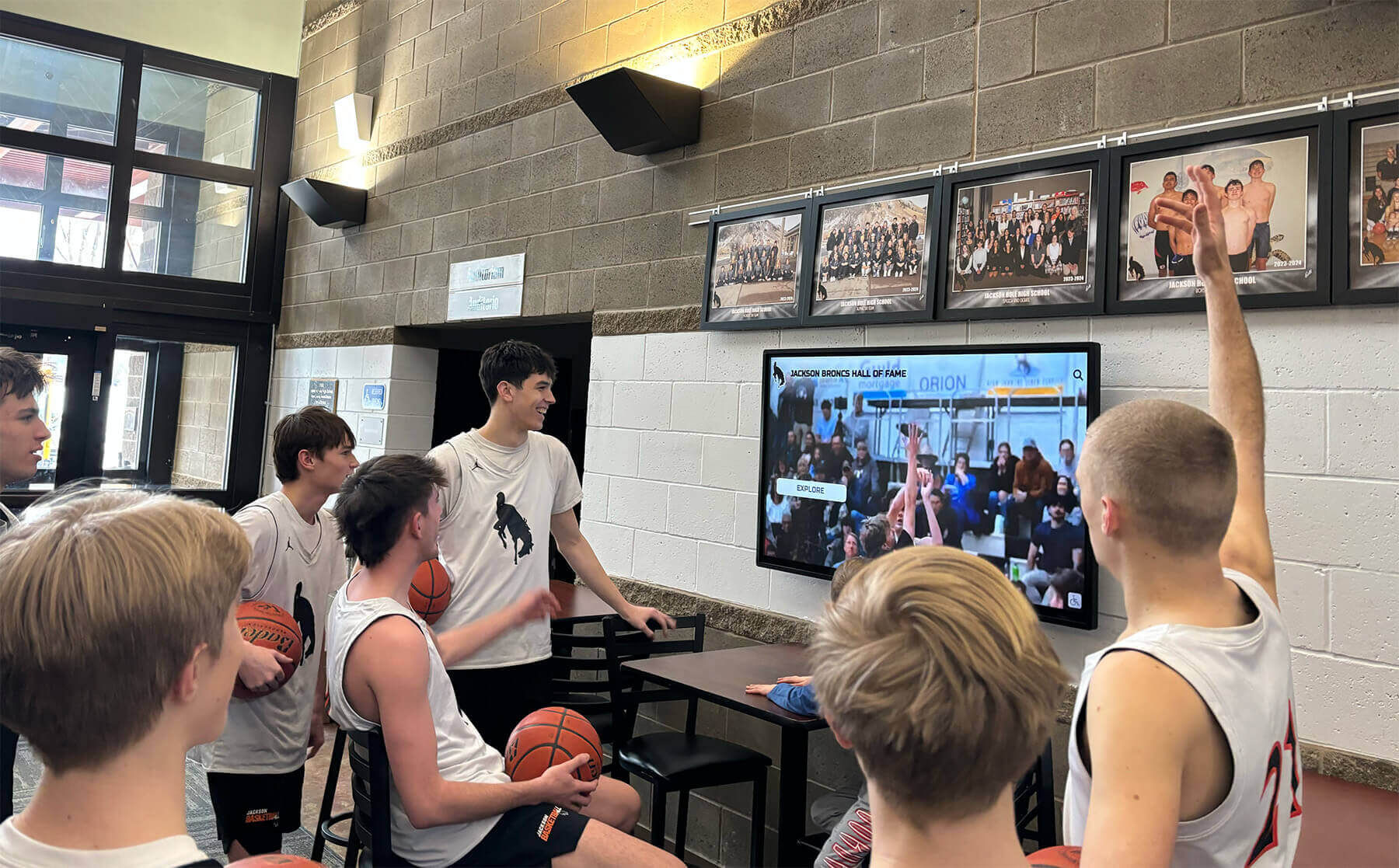
Many schools enhance their recognition ceremonies by featuring digital recognition displays showcasing not just competitive achievements but the complete support system—including athletic training staff—that makes athletic excellence possible.
Light Refreshments: Provide catered lunch or refreshments during recognition events, creating social atmosphere and demonstrating that this celebration warrants proper hospitality rather than being squeezed between other obligations.
Social Media and Communication Campaigns
Extend recognition beyond single events through sustained communications raising awareness about athletic training throughout National Athletic Training Month.
Daily Social Media Features: Create daily or weekly social media posts throughout March featuring different aspects of athletic training work—injury prevention protocols, rehabilitation success stories (with athlete permission), educational initiatives, or day-in-the-life content showing athletic trainers’ varied responsibilities.
Athlete Takeovers: Arrange for athletes to take over school athletic social media accounts sharing behind-the-scenes perspectives on athletic training services they receive. First-person athlete content often reaches broader audiences and carries more authenticity than institutional communications.
Infographic Education: Develop simple infographics educating communities about athletic trainer qualifications, scope of practice, daily responsibilities, or athletic training profession statistics. Educational content addresses the misunderstanding and lack of awareness that contributes to under-recognition.
Profile Features: Publish in-depth profile articles or videos introducing athletic training staff to broader school communities—their backgrounds, education, career paths, philosophies about sports medicine, or what they find most rewarding about their work. Personal profiles humanize athletic trainers beyond their professional roles while demonstrating their qualifications and expertise.
Hashtag Campaigns: Utilize established hashtags like #AThletesLoveATs, #ATsAreHealthcare, or #NationalAthleticTrainingMonth while also creating school-specific hashtags encouraging athletes, coaches, and parents to share their own appreciation messages and stories.
Physical Recognition Displays
Create visible displays in athletic facilities, school lobbies, or common areas that celebrate athletic training staff throughout the month and beyond.
Bulletin Board Tributes: Dedicate bulletin boards to athletic trainer appreciation featuring athlete thank-you notes, action photos of athletic trainers at work, athletic training profession information, or timelines showing athletic training staff history at your school.
Door and Locker Decorations: Coordinate athlete volunteers to decorate athletic training room doors, trainers’ office spaces, or athletic trainer parking spots with appreciation messages, poster boards, or creative displays showing appreciation through visual impact.
Banner Displays: Create professional banners recognizing athletic training staff that can hang in gymnasiums or athletic facilities during National Athletic Training Month and remain as permanent recognition afterward.
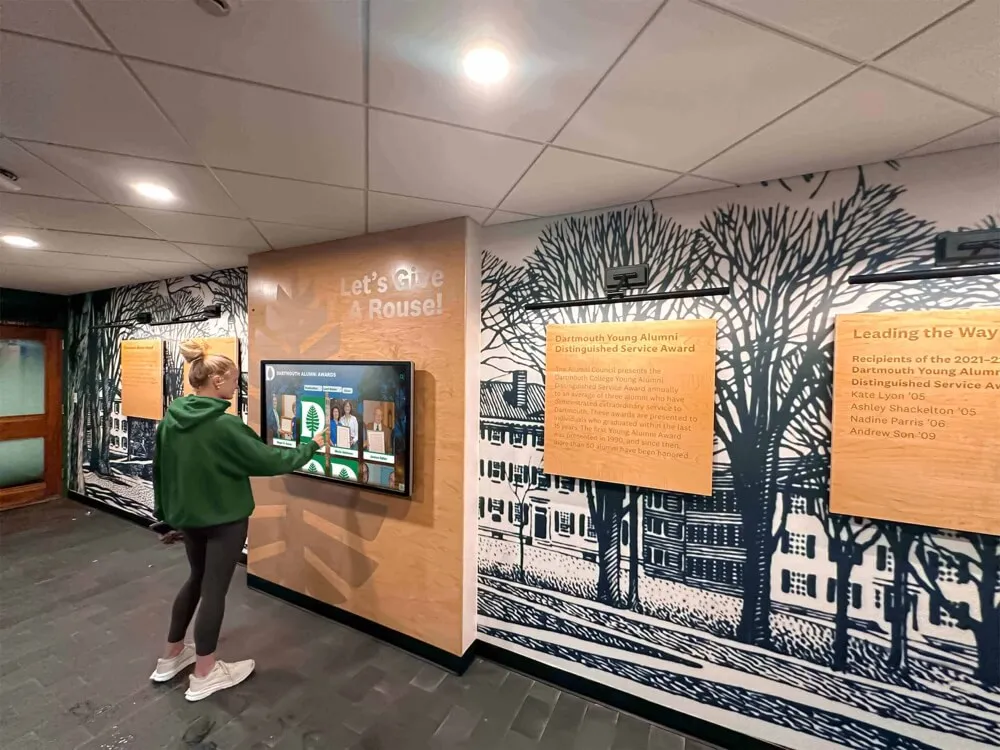
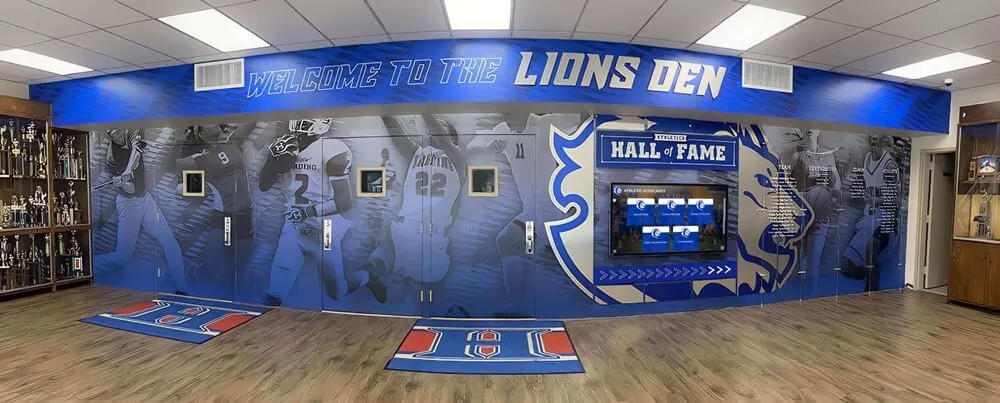
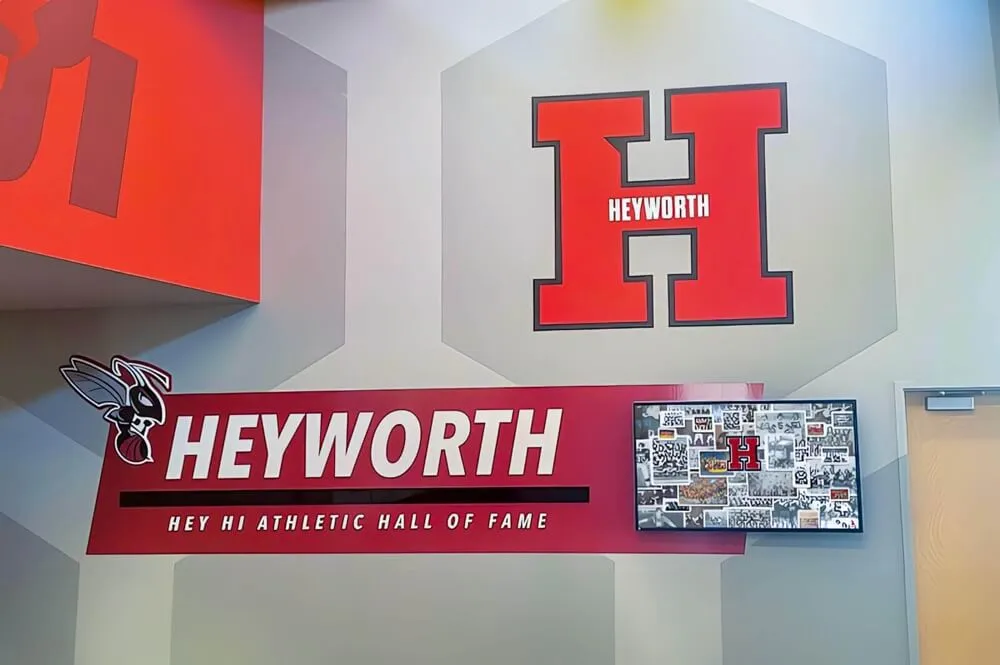
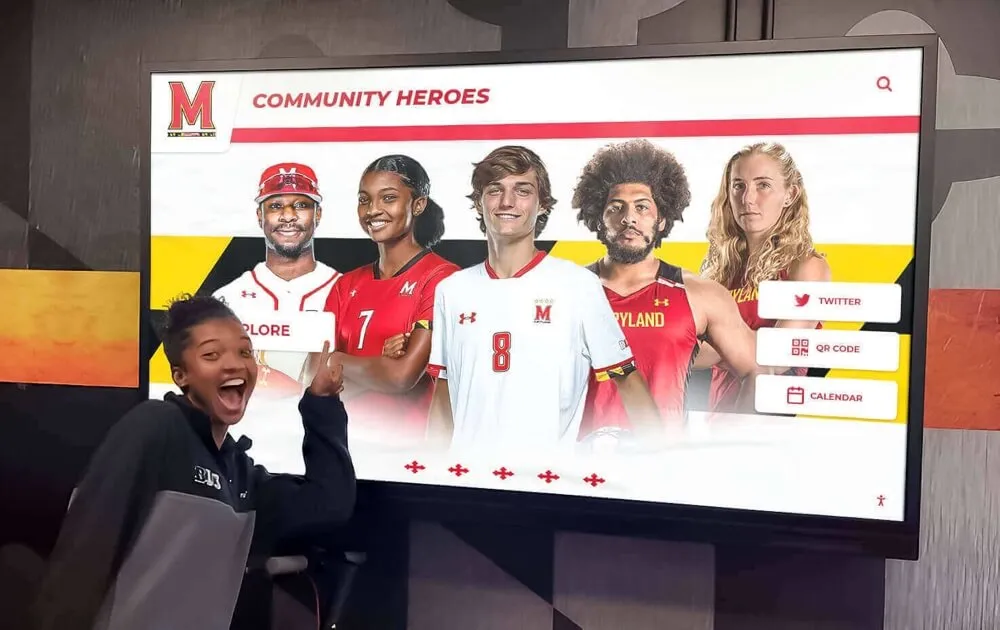
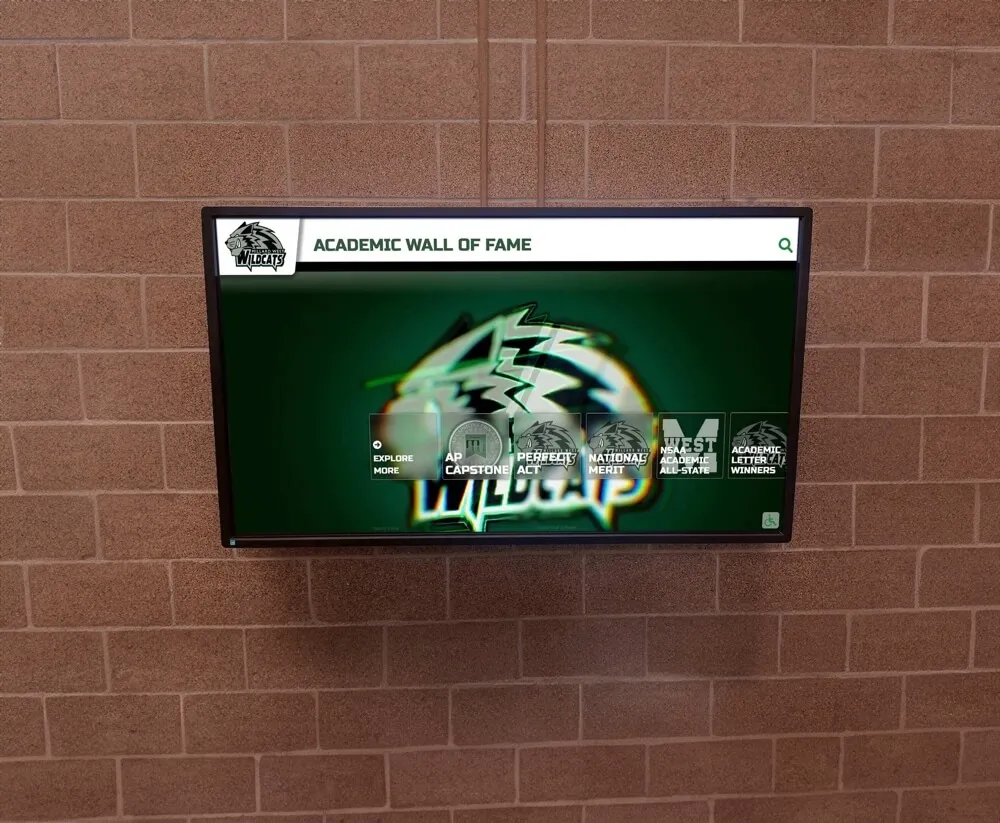
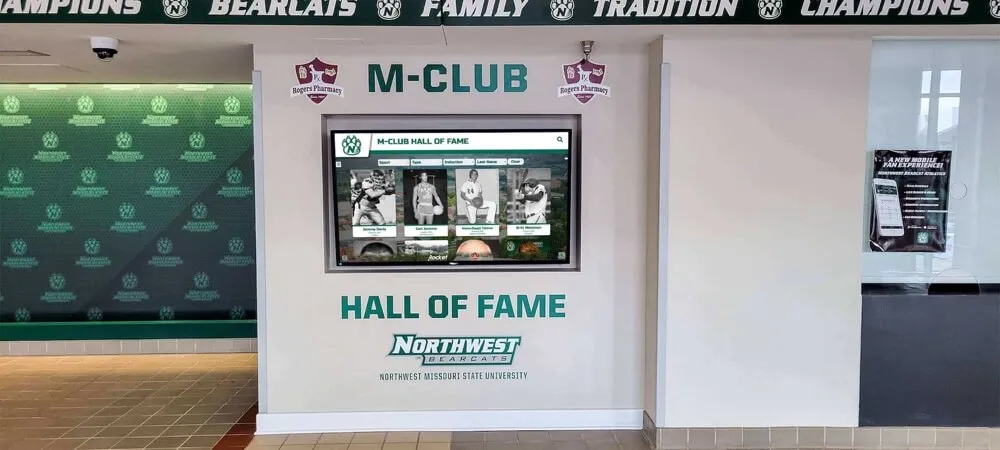
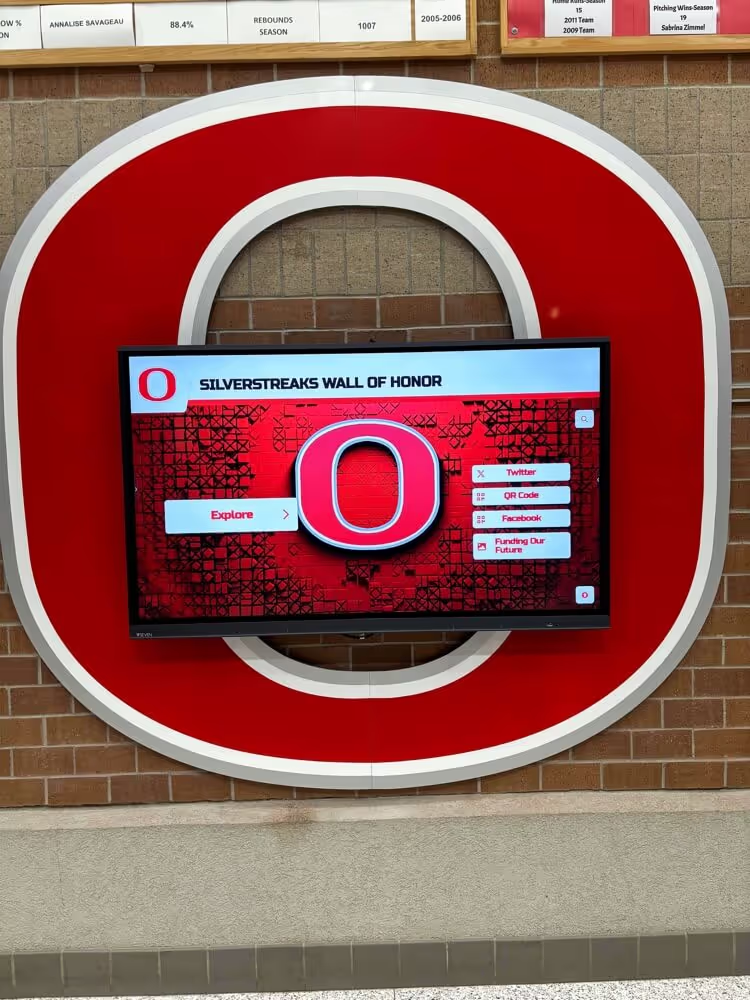
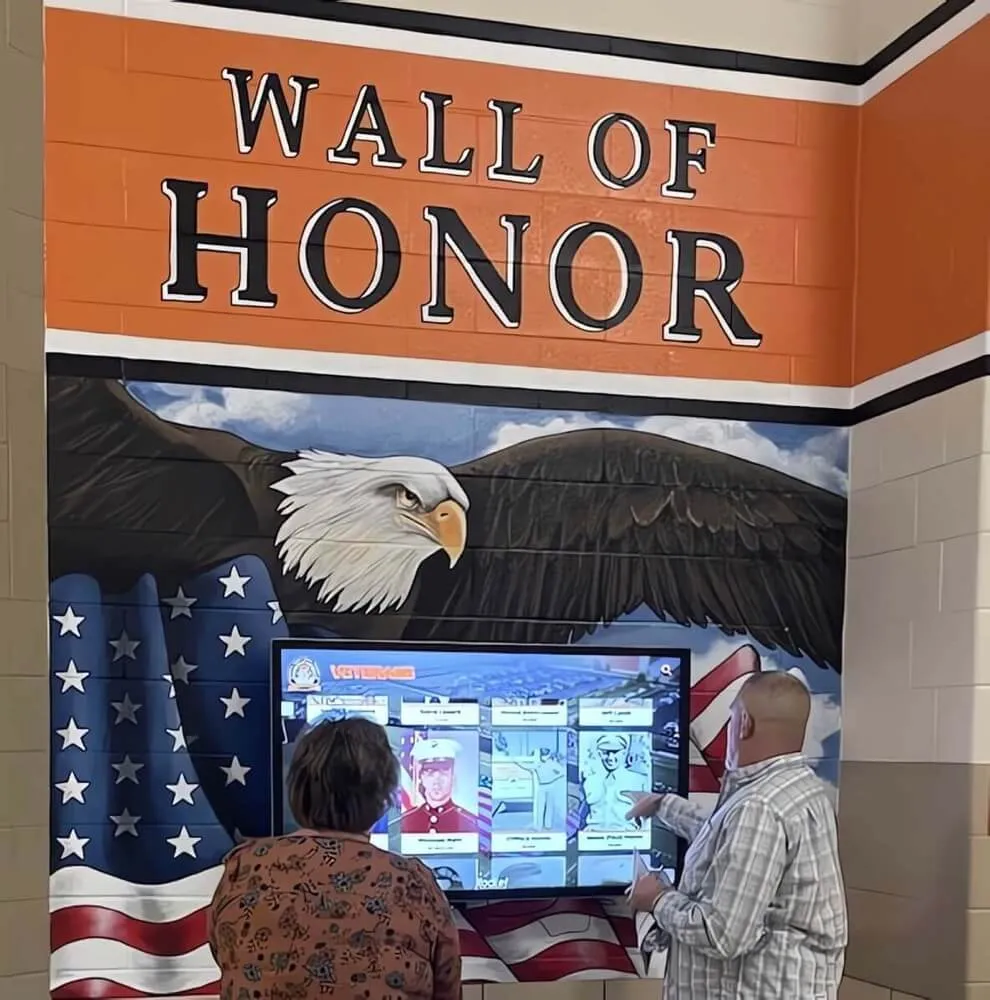
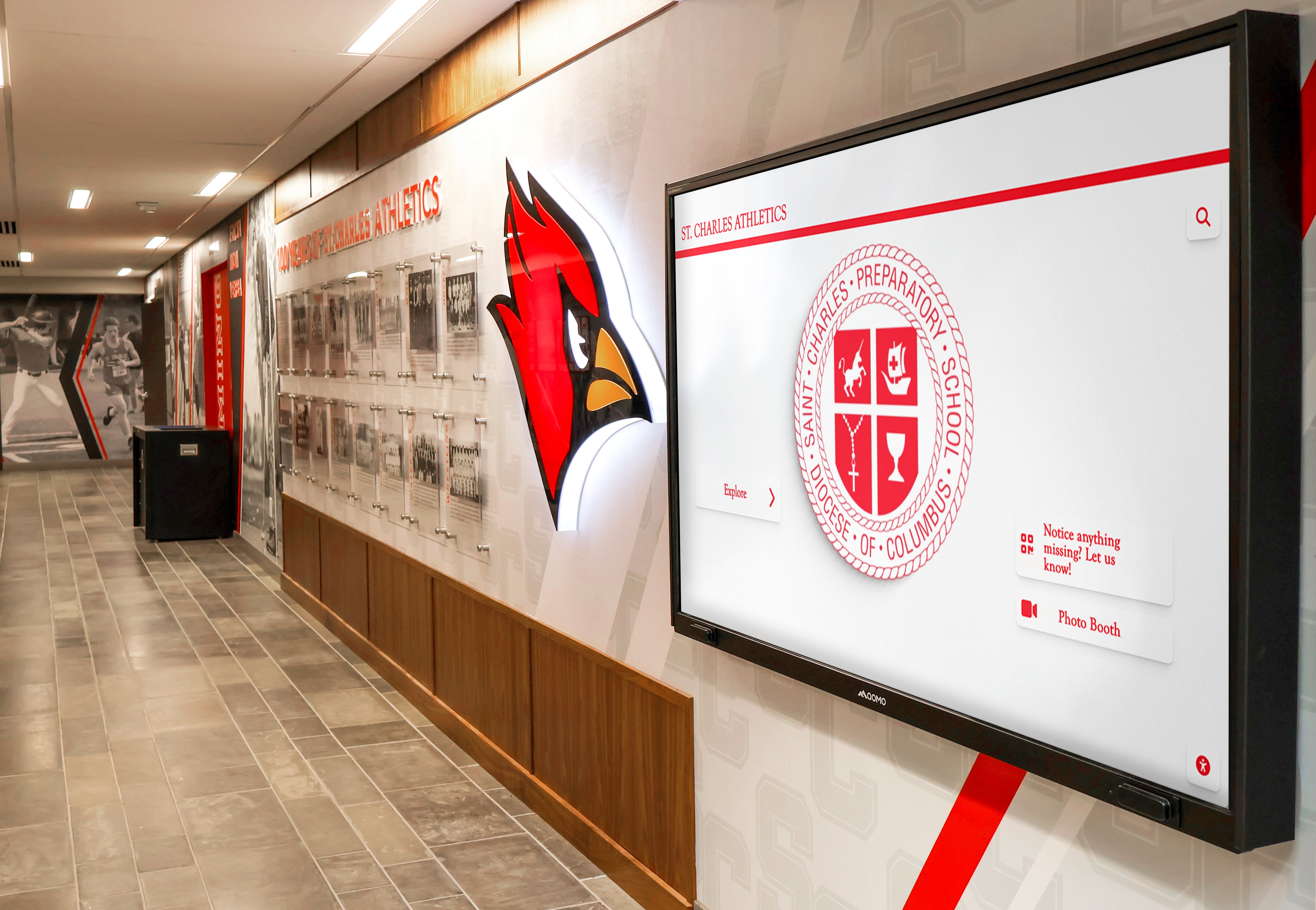
Digital Recognition Integration: Schools with digital recognition systems can feature athletic training staff within those displays, creating permanent documentation of their roles within athletic programs. These comprehensive recognition approaches demonstrate that excellence in school athletics encompasses far more than competitive outcomes alone.

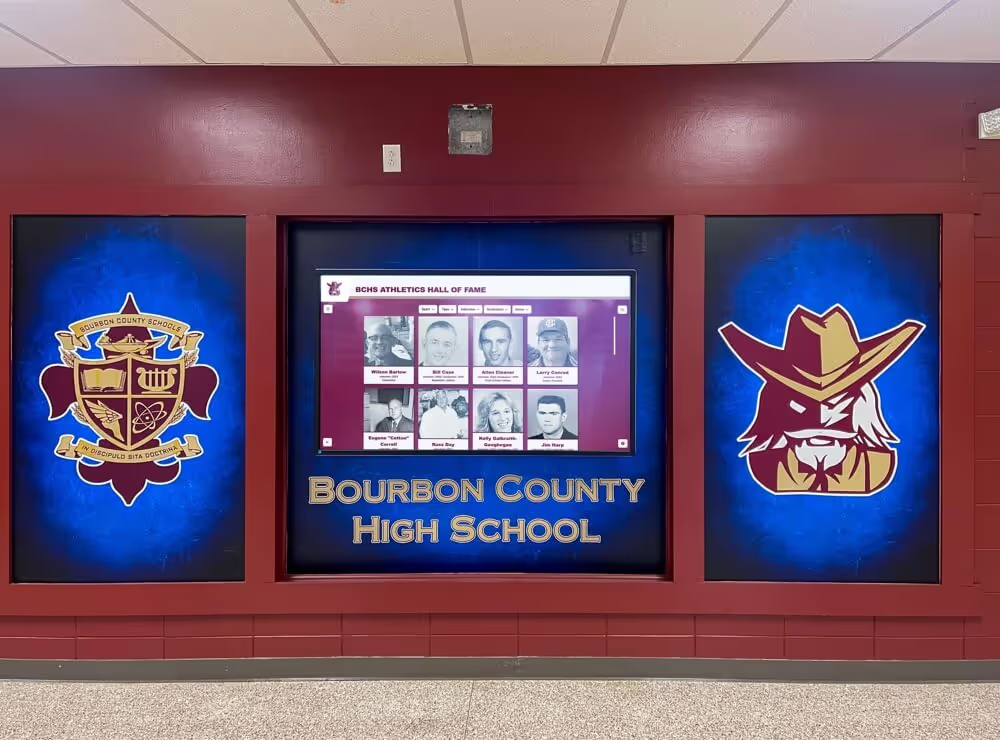
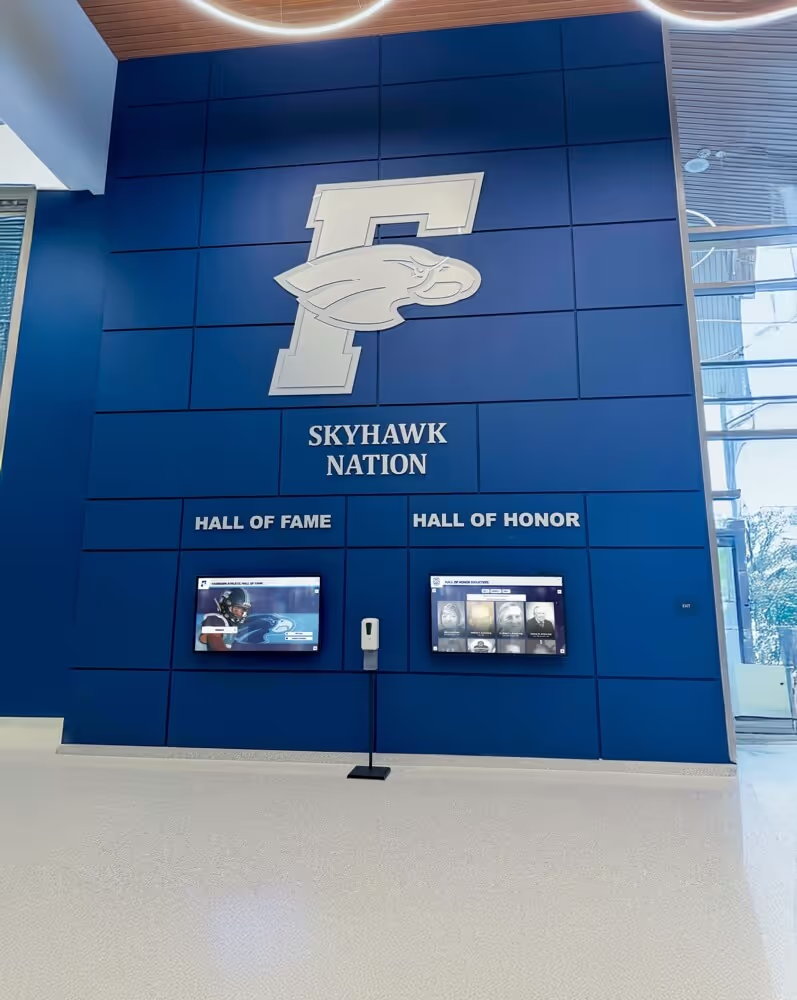
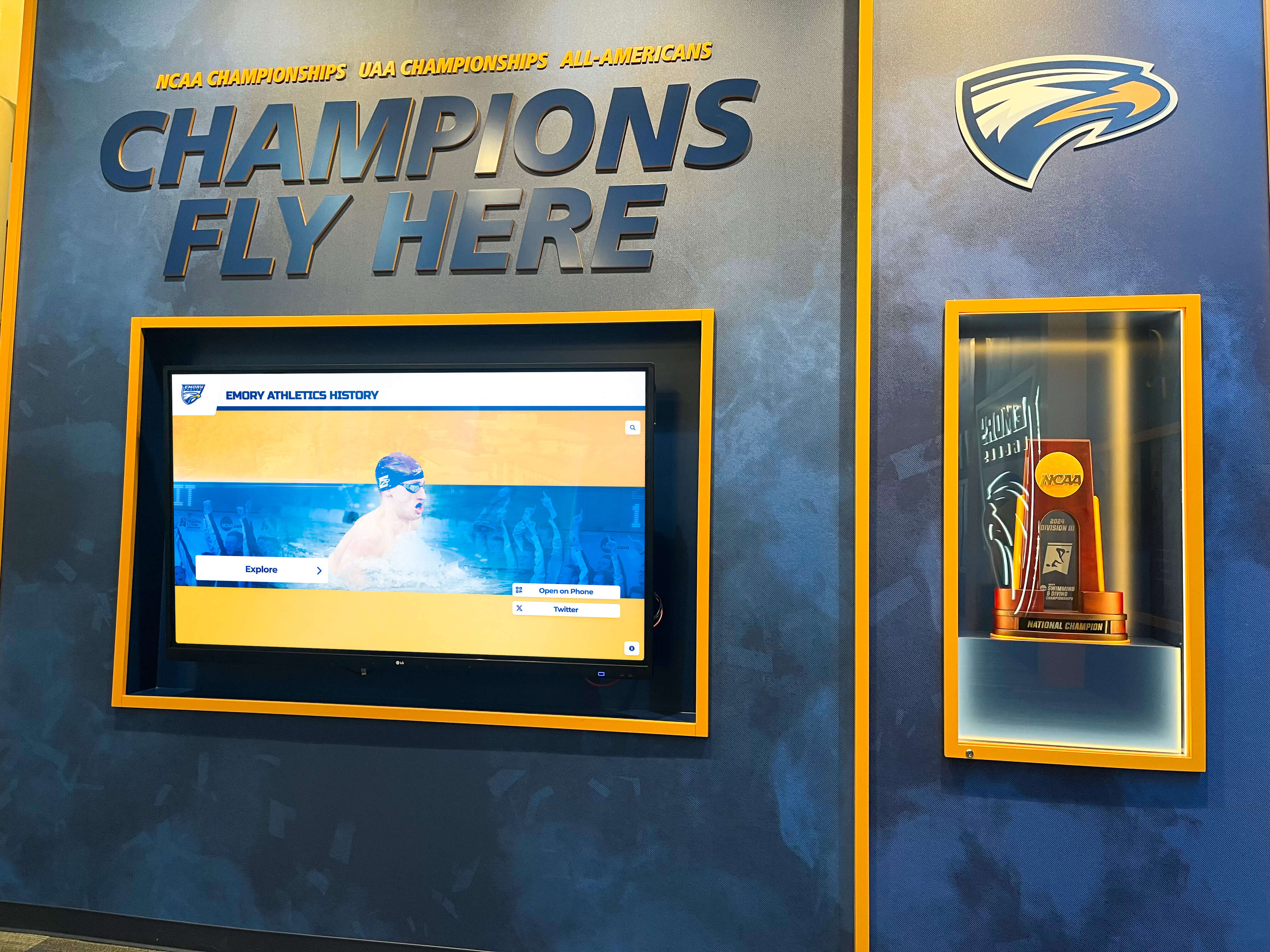
Schools implementing permanent digital displays can update content to feature athletic training staff during March while maintaining year-round visibility that keeps these essential professionals within institutional recognition alongside coaches and athletes.
Meaningful Gift and Appreciation Ideas
Beyond events and public recognition, tangible gifts demonstrate concrete appreciation for athletic training staff.
Professional Development Support
Perhaps the most valued support schools can provide involves investing in athletic trainers’ professional growth and career development.
Conference Attendance Funding: Cover registration, travel, and accommodation costs for athletic trainers to attend professional conferences like the National Athletic Trainers’ Association annual meeting or regional symposiums. Conference attendance provides continuing education credits, networking opportunities, exposure to emerging research, and professional development that directly benefits the programs athletic trainers serve.
Continuing Education Courses: Fund online or in-person continuing education courses allowing athletic trainers to develop specialized skills, maintain certifications, or pursue advanced credentials in areas like orthopedic rehabilitation, strength and conditioning, or mental health first aid.
Professional Membership Renewals: Cover annual membership fees for professional organizations like NATA, state athletic training associations, or specialty practice groups. Memberships provide resources, advocacy, networking, and professional community supporting athletic trainers’ career growth.
Journal Subscriptions: Provide subscriptions to professional journals keeping athletic trainers current with evolving research, treatment protocols, and best practices in sports medicine and athletic training.
Equipment and Supply Upgrades
High-quality medical equipment and supplies directly impact athletic trainers’ ability to provide effective care while demonstrating institutional investment in sports medicine services.
Treatment Table Upgrades: Modern treatment tables with adjustable heights, drop sections, and ergonomic features improve both patient care quality and athletic trainer workplace wellness.
Modality Equipment: New therapeutic modalities like electrical stimulation devices, ultrasound units, cold compression systems, or laser therapy equipment expand treatment options while replacing aging equipment that may have diminished effectiveness.
Medical Bags: Quality medical kits or athletic training bags for traveling to away events, complete with organized supplies and equipment, make on-site care more efficient while reducing wear on personal bags athletic trainers often use.
Technology Tools: Tablets or laptops for medical documentation, injury tracking software, or telemedicine capabilities that modernize administrative workflows and improve care coordination.
Comprehensive athletic programs that invest in recognition systems across all program areas—including sports medicine services—demonstrate that every contributor to student athlete success deserves acknowledgment and support.
Personal Appreciation Gifts
Personal gifts acknowledge athletic trainers as individuals beyond their professional roles while showing thought and consideration.
Team-Signed Items: Jerseys, posters, or equipment signed by all athletes from teams the athletic trainers support create meaningful keepsakes connecting them to the athletes they serve.
Custom Apparel: School-branded athletic training staff apparel—jackets, polos, or gear identifying them as part of athletic department staff—provides practical items while demonstrating inclusion in the athletic program community.
Gift Cards: Cards to local restaurants, coffee shops, or general retailers allow athletic trainers to choose what they personally need or value, providing flexibility while showing appreciation.
Photo Books or Memory Collections: Compiled photo books documenting memorable seasons, championship teams they supported, or athlete success stories they contributed to create personal keepsakes highlighting their impact.
Plaques or Engraved Items: Traditional recognition plaques, engraved nameplates for training room display, or custom items commemorating years of service provide tangible acknowledgment suitable for professional display.
Time-Based Recognition
Given athletic trainers’ demanding schedules—often working early mornings, late evenings, weekends, and extensive hours during peak seasons—time represents one of the most valued gifts schools can provide.
Coverage Support: Arrange for substitute coverage or volunteer assistance allowing athletic trainers to attend professional development opportunities, take personal days, or reduce work hours during particularly demanding periods.
Flexible Scheduling: Where possible, offer scheduling flexibility during off-season periods, allowing athletic trainers to recover from peak season demands while maintaining program coverage.
Administrative Support: Provide student workers, parent volunteers, or administrative assistants to help with non-medical tasks like equipment organization, supply inventory, laundry management, or routine cleaning, freeing athletic trainers to focus on direct patient care and professional responsibilities.
Building Year-Round Appreciation Culture
While National Athletic Trainer Day provides focused recognition opportunity, truly valuing athletic training staff requires ongoing appreciation culture extending throughout the year.
Regular Communication and Inclusion
Athletic trainers should feel integrated into athletic department leadership and decision-making rather than isolated as purely medical support staff.
Include in Athletic Department Meetings: Ensure athletic trainers participate in staff meetings, strategic planning discussions, and policy development conversations where their medical expertise and athlete welfare perspectives inform better decision-making.
Seek Medical Input on Scheduling: Consult athletic trainers when developing practice and competition schedules, considering medical coverage needs, travel logistics, and athlete wellness factors rather than treating medical coverage as afterthought.
Involve in Hiring Decisions: Include athletic trainers in coaching candidate interviews and hiring processes, particularly for sports they’ll work closely with, ensuring coaches understand and value athletic training partnerships from the start.
Schools building comprehensive cultures of recognition often implement systems that celebrate excellence across all areas of institutional life, demonstrating that everyone contributing to organizational success deserves acknowledgment.
Competitive Compensation and Benefits
Beyond appreciation expressions, tangible compensation demonstrates institutional commitment to recruiting and retaining qualified athletic training professionals.
Market-Rate Salaries: Ensure athletic trainer compensation reflects their education level (master’s degree), professional credentials, and healthcare expertise rather than treating them as equivalent to support staff with lower qualifications.
Benefits Packages: Provide comprehensive benefits—health insurance, retirement contributions, paid leave—comparable to other credentialed professionals within educational institutions.
Summer Employment: Many school athletic trainers work 10-month contracts despite year-round athlete training and summer sports camps creating medical coverage needs. Consider 12-month contracts or summer employment options recognizing these extended responsibilities.
Overtime and Stipends: When evening events, weekend competitions, or travel significantly exceed standard work hours, provide additional compensation, compensatory time, or stipends acknowledging these extra demands.
Professional Autonomy and Respect
Athletic trainers are licensed healthcare professionals whose medical decisions should receive appropriate deference and respect within athletic programs.
Support Medical Decisions: Back athletic trainers’ medical decisions about athlete participation, return-to-play clearances, and treatment protocols even when coaches, parents, or athletes disagree. Institutional support for medical authority prevents pressure that could compromise athlete safety.
Provide Appropriate Facilities: Ensure athletic training rooms receive facility investment comparable to coaching offices, weight rooms, and athlete spaces. Clean, well-equipped, appropriately sized training rooms communicate that sports medicine services matter.
Respect Professional Boundaries: Understand that athletic trainers are healthcare providers with patient confidentiality obligations, professional standards, and scope of practice limitations that may prevent them from fulfilling requests outside their professional roles.
Defend Against Criticism: When athletic trainers face criticism from parents, coaches, or community members—particularly regarding medical decisions—provide public support and private channels for addressing concerns rather than allowing medical professionals to face attacks alone.
Educational Initiatives
Many recognition challenges stem from simple lack of understanding about what athletic trainers do and why their work matters.
Pre-Season Athlete Education: At the start of each season, ensure athletes understand athletic training services available to them, how to access care, what athletic trainers can help with, and why following medical guidance matters for their health and performance.
Parent Information Sessions: Provide information during pre-season meetings educating parents about athletic training staff qualifications, injury reporting protocols, communication channels for medical concerns, and return-to-play processes they may encounter if their athletes get injured.
Coach Training: Ensure coaches understand athletic trainers’ scope of practice, medical decision-making authority, and how to partner effectively with sports medicine staff to prioritize athlete welfare.
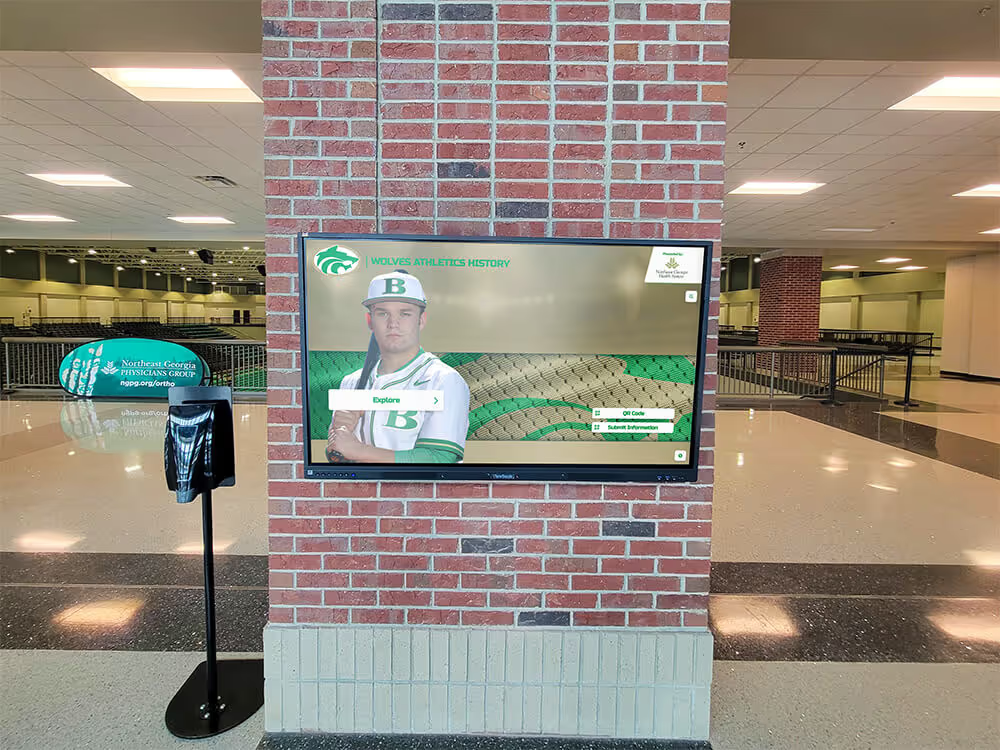
Comprehensive recognition programs often feature digital displays that educate communities about diverse excellence across institutional programs while celebrating the people who make that excellence possible.
Success Stories: Schools Doing It Right
Examining how schools have successfully celebrated athletic training staff provides practical models others can adapt.
Multi-Sport Athlete Appreciation Campaign
One Ohio high school organized a coordinated campaign where every athlete from every sport—over 400 students—submitted brief thank-you videos. The athletic department compiled these into a comprehensive video presentation played during a surprise recognition assembly. The athletic trainer later described this as the most meaningful recognition she’d received in her 15-year career because it demonstrated that her daily work impacted the hundreds of individual athletes she served, not just the few who experienced major injuries.
Professional Development Investment
A Texas athletic department redirected a portion of their booster club fundraising to create a professional development fund covering conference attendance, continuing education, and professional resources for their athletic training staff. This three-year commitment funded six national conference attendances and multiple specialized certification courses, significantly improving the athletic training staff’s capabilities while demonstrating concrete institutional investment beyond verbal appreciation.
Permanent Recognition Display
A California school system installed digital recognition displays in their athletic facilities featuring rotating content celebrating not just competitive achievements but the complete athletic department staff—athletic trainers, strength coaches, equipment managers, and administrative support personnel. Athletic training staff appear regularly alongside coaches and athletes, creating visible year-round recognition communicating that sports medicine professionals are valued team members rather than invisible support staff.
Student Athletic Training Program
A Michigan high school developed a student athletic training program where interested students work alongside certified athletic trainers, learning basic sports medicine principles while providing volunteer support. This program created structured opportunities for students to understand athletic training work firsthand, building deeper appreciation among the athlete population while developing potential future athletic training professionals. On National Athletic Trainer Day, program alumni who had entered athletic training education returned to speak about how the program influenced their career choices, creating powerful recognition moments celebrating the certified athletic trainer who mentored them.
The Return on Recognition Investment
Investing in athletic trainer recognition delivers returns extending beyond simple morale improvement, though that alone justifies the effort.
Recruitment and Retention
Athletic training faces workforce shortage challenges, with many qualified professionals leaving education settings for clinical positions offering better compensation and work-life balance. Schools building appreciation cultures and providing competitive support improve their ability to recruit qualified candidates and retain experienced staff, avoiding the disruptions and quality concerns associated with high turnover.
Enhanced Athletic Performance
Athletic trainers who feel valued and supported bring more energy, creativity, and commitment to their work. This enhanced engagement translates to better injury prevention programs, more effective rehabilitation outcomes, stronger athlete relationships, and ultimately improved athletic performance as athletes remain healthier and return from injuries more successfully.
Cultural Impact
Recognition of athletic training staff models appreciation culture extending beyond high-profile roles to acknowledge all contributors to organizational success. This cultural shift improves morale across athletic departments while teaching student athletes valuable lessons about recognizing support systems they may overlook.
Risk Management
Schools demonstrating clear commitment to sports medicine services—through recognition, appropriate resources, and institutional support—strengthen their legal and ethical positions regarding athlete safety. Well-supported athletic training programs reduce injury risks, improve outcome documentation, and demonstrate institutional prioritization of athlete welfare that protects schools from liability concerns.
Schools seeking to build comprehensive recognition cultures that celebrate excellence across all areas of their athletic programs can explore modern digital recognition solutions that make ongoing appreciation sustainable and visible throughout their facilities.
Conclusion
National Athletic Trainer Day provides dedicated opportunity to recognize the healthcare professionals whose daily work keeps student athletes safe, healthy, and performing at their best. Yet meaningful recognition extends far beyond single-day celebrations to encompass year-round appreciation cultures, competitive compensation, professional development support, and genuine integration of athletic training staff into athletic department communities.
The athletic training professionals who prevent injuries through evidence-based programs, provide emergency care during critical moments, guide athletes through rehabilitation journeys, and serve as trusted healthcare resources deserve recognition proportional to their critical contributions. Schools that invest in celebrating their athletic training staff—through National Athletic Trainer Day events and sustained appreciation initiatives—build stronger athletic programs while demonstrating commitment to the athlete welfare that should remain at the center of all educational athletics.
As you plan recognition for the athletic trainers serving your school community, remember that the most meaningful appreciation comes from the athletes themselves—the students whose athletic careers, long-term health, and personal growth athletic trainers directly impact through their professional expertise and personal dedication. Create opportunities for authentic athlete voices to express genuine gratitude, support those expressions with institutional recognition and resources, and maintain appreciation cultures that value athletic training professionals every day of the year, not just during March.