



Key Takeaways
Discover creative medal and trophy display ideas for schools, athletic programs, and organizations. Learn modern approaches to beautifully showcase championships, individual awards, and team achievements with both traditional and digital solutions.
Athletic achievements represent countless hours of dedication, discipline, and determination. Whether earned by individual athletes pushing personal limits or teams achieving collective excellence, trophies and medals symbolize milestones worth celebrating and preserving. Yet too often, these hard-won awards end up boxed in storage, scattered on bedroom shelves, or crammed into overcrowded trophy cases where their significance gets lost among visual clutter. Thoughtfully designed medal and trophy displays transform awards from forgotten artifacts into meaningful celebrations of athletic excellence that inspire current athletes, preserve program history, and honor the effort behind every achievement.
This comprehensive guide explores medal and trophy display ideas spanning traditional physical presentations, creative modern approaches, and innovative digital solutions. Whether you’re designing displays for schools, athletic facilities, organizational headquarters, or personal collections, these strategies help showcase athletic achievements with the dignity and prominence they deserve while creating engaging recognition that resonates with diverse audiences.
Understanding the Purpose of Trophy and Medal Displays
Before selecting specific display approaches, consider what effective athletic recognition accomplishes beyond simply showing awards.
Why Thoughtful Display Matters
Trophy and medal displays serve multiple critical functions within athletic communities. Well-designed recognition validates the sacrifices athletes make throughout their careers—early morning training sessions, competitive pressure, injury recovery, academic balance, and countless personal commitments all deserve appropriate acknowledgment through presentations that treat achievements seriously.
For current athletes, displays transform abstract concepts like “excellence” into visible, tangible goals. A young basketball player viewing state championship trophies understands exactly what team achievement looks like. A swimmer seeing individual medal displays gains concrete evidence that personal records and championships are attainable through dedicated training.
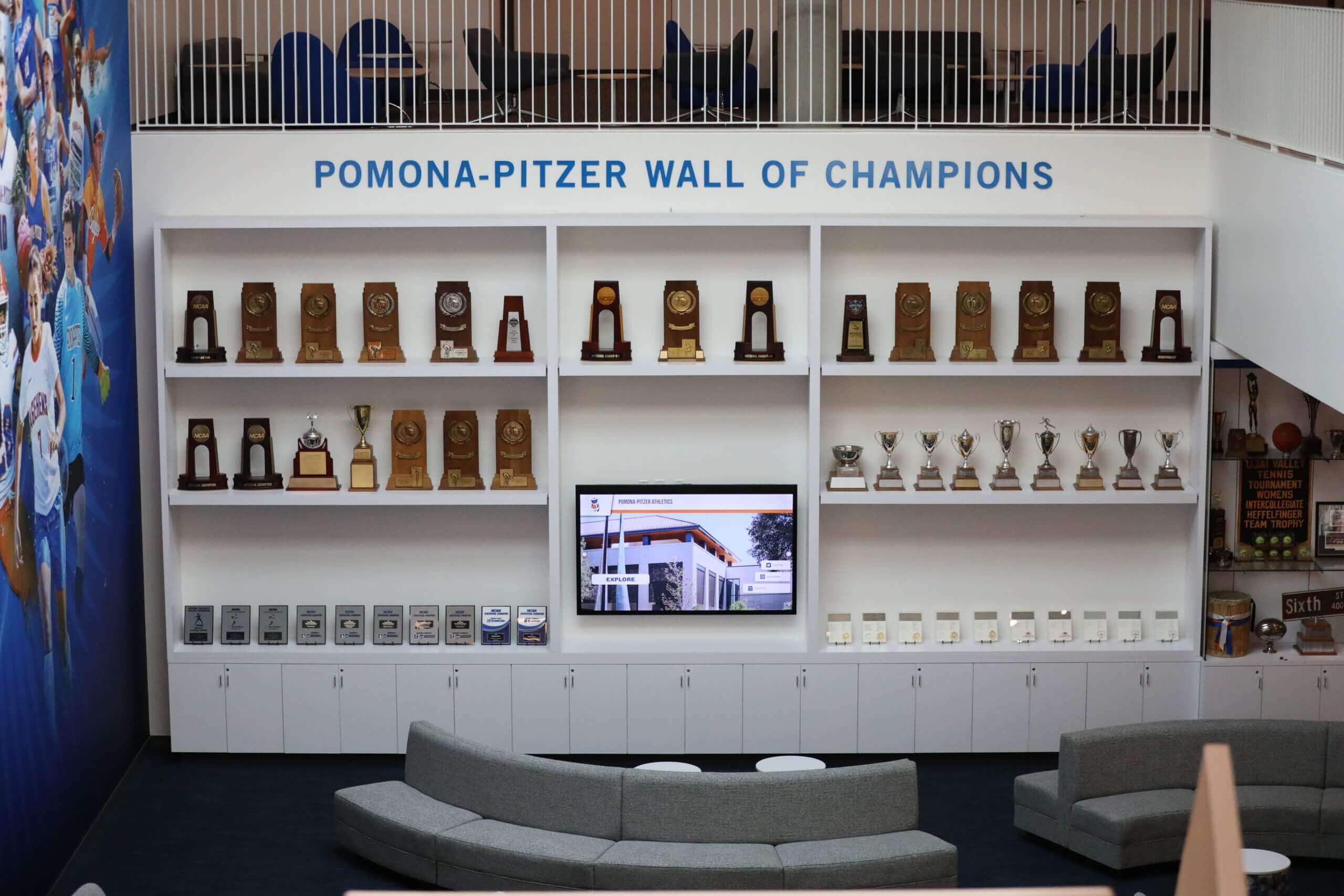
Trophy and medal displays also preserve athletic program history that might otherwise fade from institutional memory. Championship seasons, record-breaking performances, coaching milestones, and athlete accomplishments become permanent parts of organizational traditions when displays create lasting documentation connecting current competitors to the rich legacies they’re building upon.
The Recruiting and Pride Advantage
Athletic programs competing for talented recruits understand that prospective athletes evaluate facilities, traditions, and program excellence through visible evidence. Comprehensive trophy displays demonstrate depth of achievement, commitment to recognizing success, and competitive traditions that attract athletes seeking environments where excellence receives celebration.
Beyond recruitment, medal and trophy displays strengthen community pride and identity. When visitors, parents, and alumni encounter displays showcasing athletic accomplishments, they experience tangible evidence of program quality that reinforces positive perceptions and emotional connections to teams and organizations.
Traditional Trophy Display Approaches
Physical trophy cases and medal displays provide classic presentations that many athletic programs and collectors prefer for their permanence and tactile presence.
Wall-Mounted Trophy Cases
Wall-mounted trophy cases offer security, visibility, and professional presentation for valuable awards collections. Quality cases typically feature:
Glass or Acrylic Construction: Transparent materials allow clear viewing from multiple angles while protecting trophies from dust and handling damage. Tempered glass provides superior clarity and scratch resistance, while acrylic offers lighter weight and shatter resistance for high-traffic areas.
Integrated Lighting Systems: Internal LED lighting illuminates awards dramatically while maintaining energy efficiency. Adjustable spotlights can highlight specific championship trophies or featured achievements, directing visitor attention strategically.
Adjustable Shelving: Customizable shelf heights accommodate trophies of varying sizes from small individual medals to large championship cups. Removable shelves allow configuration changes as collections grow or display priorities shift.
Locking Mechanisms: Secure locks protect valuable awards from theft or unauthorized handling while allowing designated staff to update displays as new achievements occur.
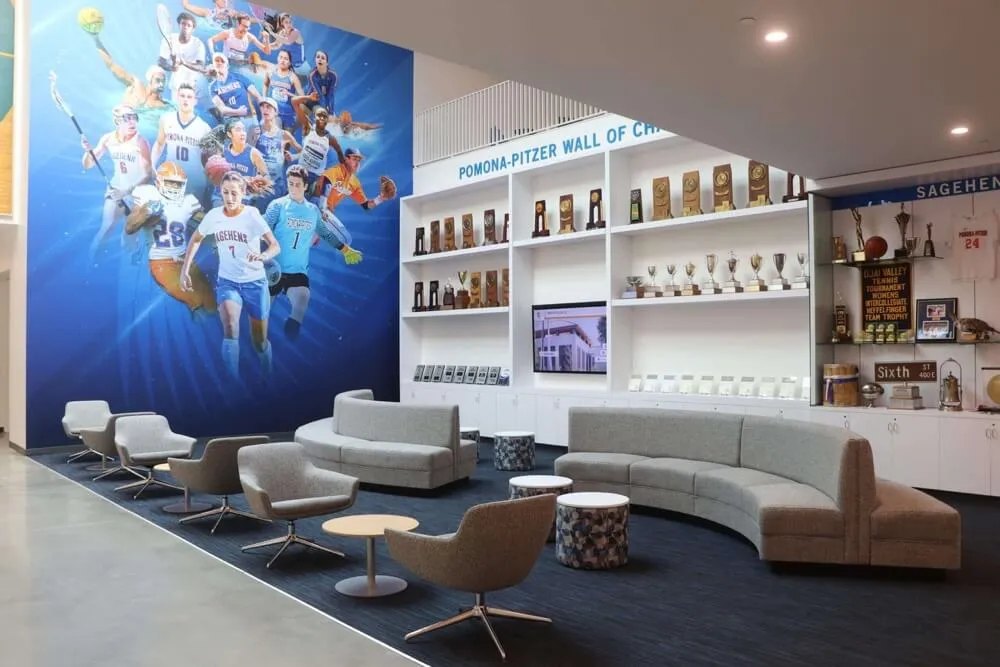
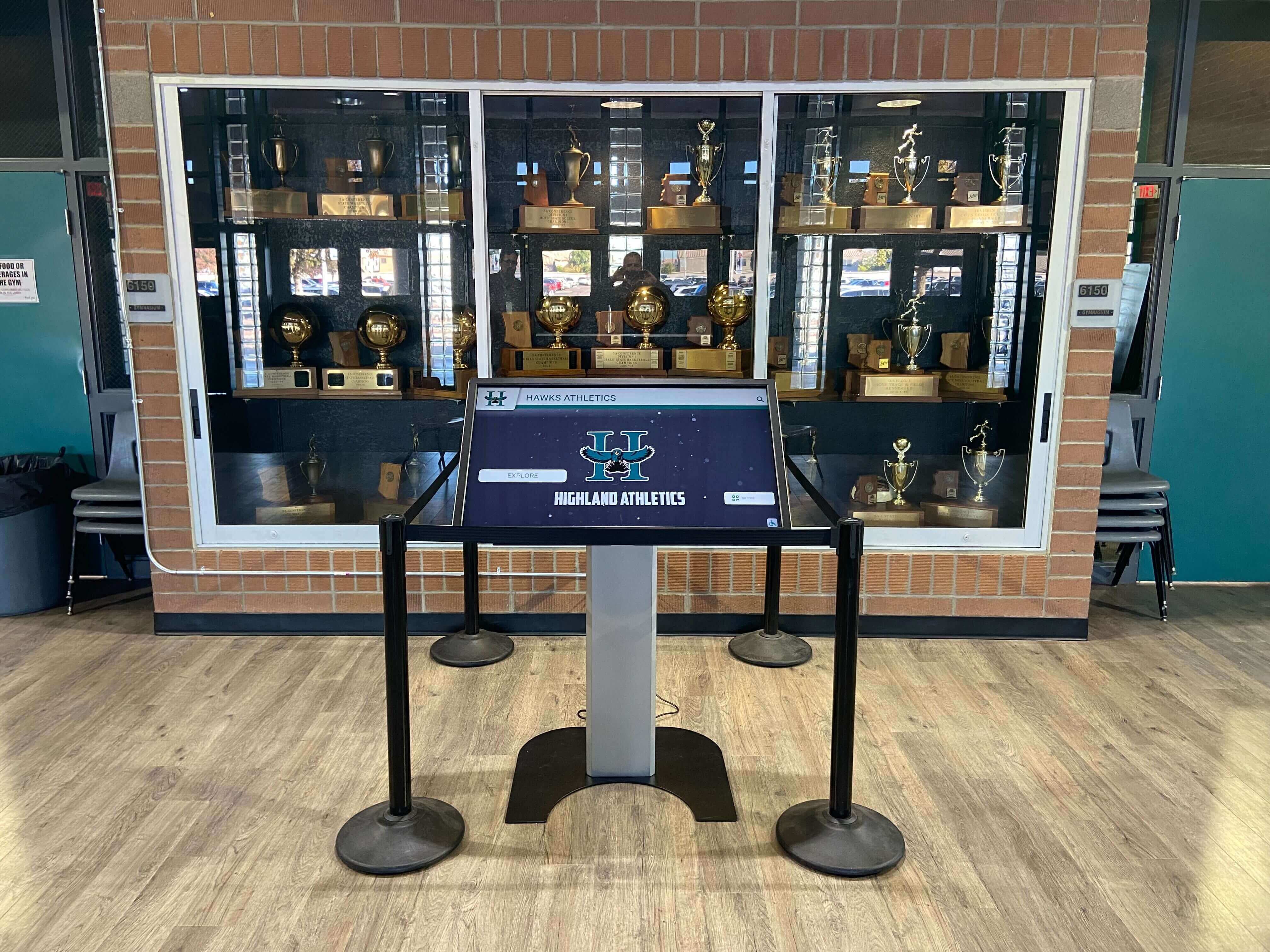
Wall-mounted cases work particularly well in athletic facility hallways, gymnasium lobbies, or dedicated trophy rooms where they become focal points celebrating program excellence. Many schools implement modern trophy case solutions that combine traditional cases with digital elements for comprehensive recognition.
Freestanding Display Cabinets
Freestanding trophy cabinets provide flexibility for spaces where wall mounting isn’t feasible or when displays need mobility for events or facility reconfigurations. These units offer:
360-Degree Viewing: Island-style freestanding cases allow viewing from all sides, maximizing visibility in open spaces like lobbies or cafeterias where foot traffic flows from multiple directions.
Greater Storage Capacity: Deeper cabinets accommodate larger trophy collections than wall-mounted cases, making them ideal for programs with extensive achievement histories spanning decades.
Architectural Impact: Substantial freestanding units create dramatic focal points in large spaces, particularly when positioned centrally in lobbies or at gymnasium entrances where they command attention.
Creative Medal Display Solutions
Medals present unique display challenges due to their small size, ribbon attachments, and personal significance. Creative approaches showcase medals effectively while honoring their meaning.
Shadow Box Displays
Shadow boxes provide enclosed presentations perfect for individual championship medals or small collections. Effective shadow box displays include:
Themed Arrangements: Combine medals with related memorabilia—championship photos, race bibs, team patches, or newspaper clippings documenting achievements. These contextual elements tell complete stories rather than simply showing medals.
Layered Depth: Quality shadow boxes utilize multiple depth planes positioning medals, photos, and text at varying distances from viewing surfaces, creating visual interest and dimensional presentations.
Professional Mounting: Medals mounted on acid-free backing materials preserve ribbon colors and prevent deterioration. Proper mounting techniques ensure medals remain secure while displaying fully visible fronts with inscriptions clear.
Shadow boxes work particularly well for individual athletes displaying personal achievement collections or highlighting exceptional accomplishments that deserve dedicated recognition separate from comprehensive team displays.
Medal Display Racks and Hangers
For athletes with extensive medal collections from multiple competitions, dedicated medal racks provide organized presentations:
Multi-Tier Wall Racks: Horizontal bars mounted at staggered heights create cascading medal displays showing entire collections at once. Athletes can organize medals chronologically, by achievement level, or by sport.
Display Boards with Hooks: Custom boards featuring school colors, team logos, or motivational text combine visual branding with functional medal storage. Individual hooks ensure medals hang separately without tangling.
Rotating Display Stands: Countertop rotating stands showcase medals from all angles while requiring minimal space. These work well for featured monthly achievements or highlighting specific championship sets.
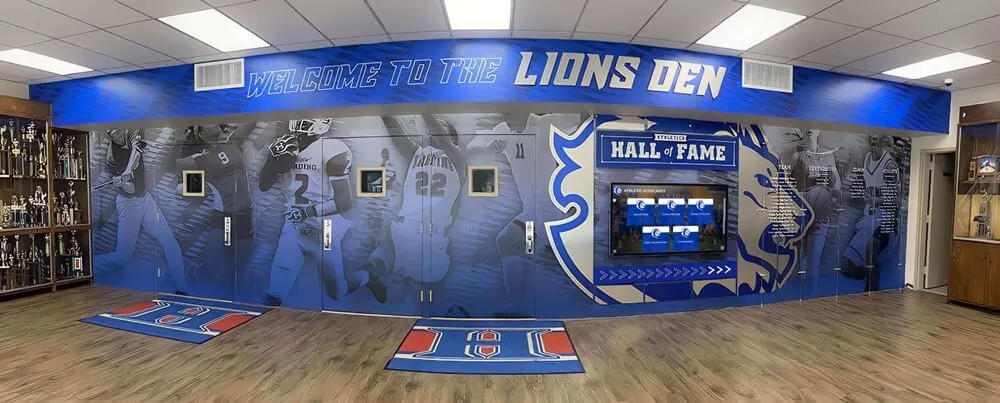
Comprehensive Trophy Room Design
Programs with extensive achievement histories often dedicate entire rooms to trophy and medal displays, creating immersive recognition environments.
Space Planning and Layout
Effective trophy room design requires thoughtful space utilization:
Traffic Flow Consideration: Design layouts allowing comfortable movement through spaces without congestion. Visitors should be able to view displays from appropriate distances without crowding.
Focal Point Creation: Position most prestigious achievements—state championships, national qualifications, or historic milestones—in prominent locations naturally drawing attention when visitors enter.
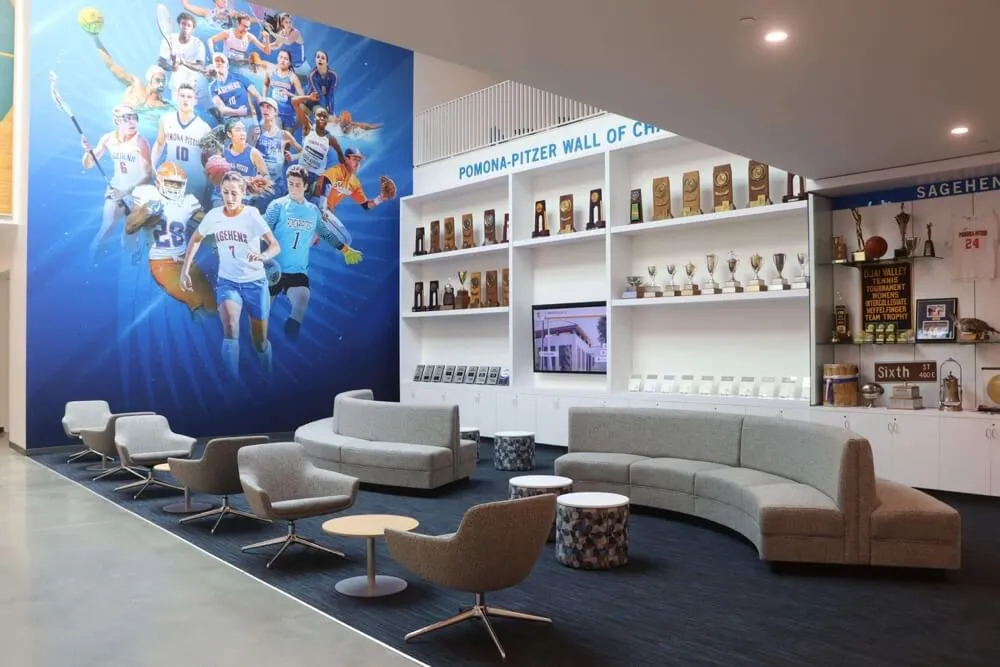
Chronological vs. Categorical Organization: Decide whether to organize displays chronologically showing program progression over time, or categorically grouping achievements by sport, achievement type, or other logical systems. Each approach offers advantages depending on program priorities.
Seating Areas: Include benches or seating options in larger trophy rooms, creating spaces where visitors can spend time examining displays rather than feeling rushed during quick pass-throughs.
Environmental Controls for Preservation
Trophy rooms require environmental considerations preventing award deterioration:
Temperature and Humidity Management: Stable temperature and humidity levels prevent material degradation affecting metal finishes, wooden bases, and engraved plates. Avoid locations with extreme temperature fluctuations or moisture exposure.
UV Protection: Direct sunlight causes fading and material breakdown. Position displays away from windows or use UV-filtering glass in cases protecting awards from light damage.
Dust Management: Enclosed cases minimize dust accumulation, but open shelving requires regular maintenance. Adequate ventilation prevents musty odors in enclosed trophy rooms.
Modern Digital Recognition Integration
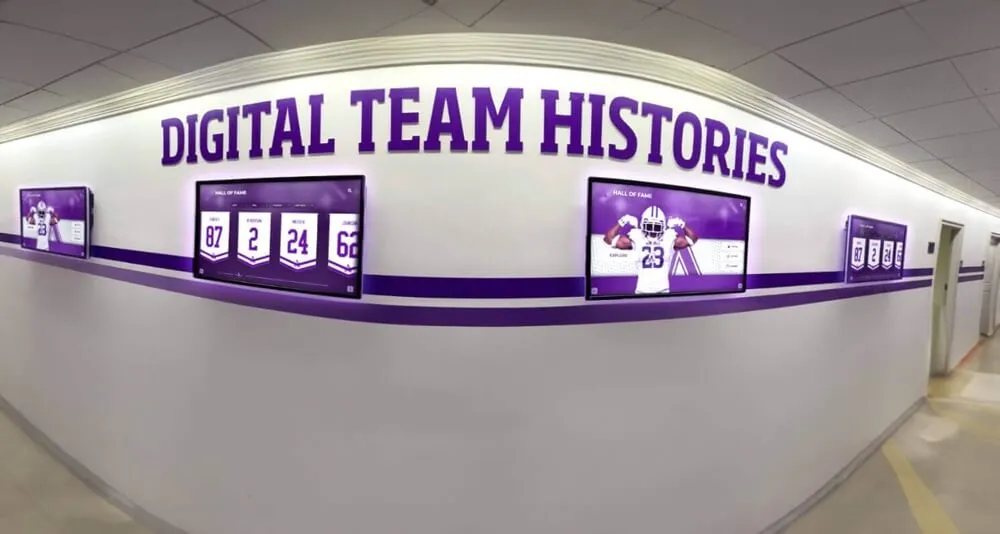
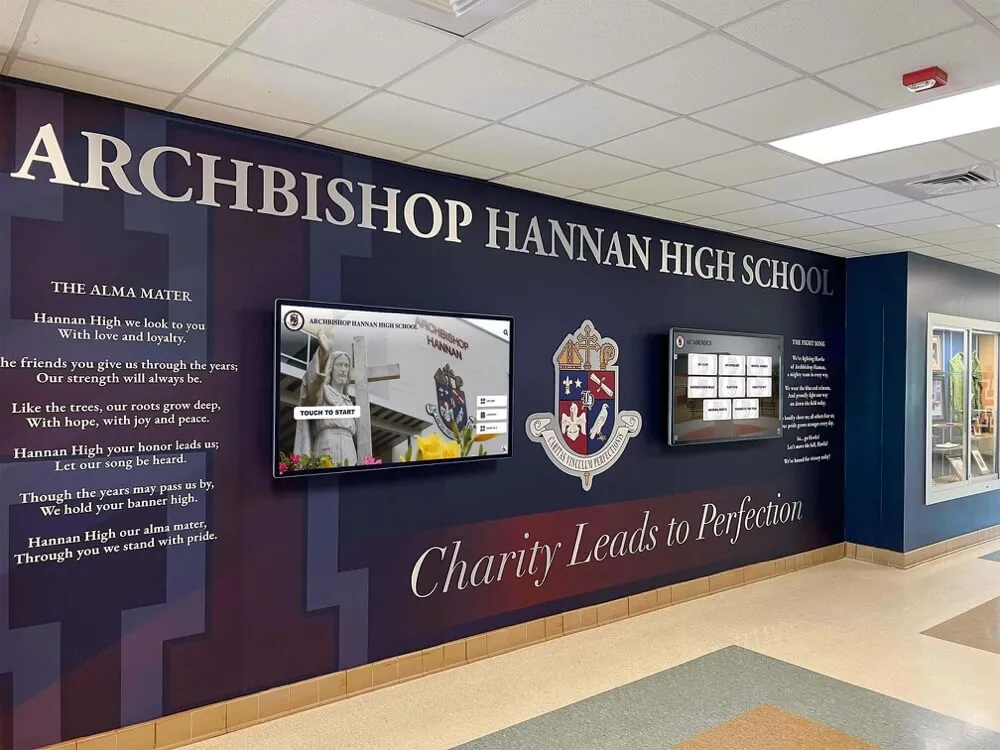
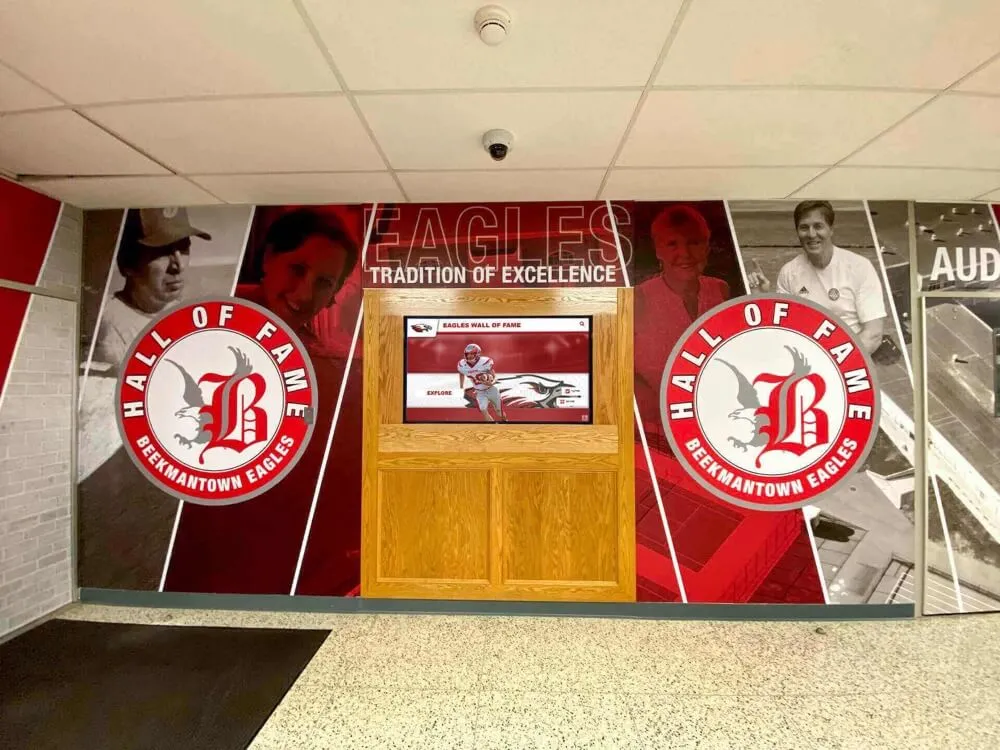
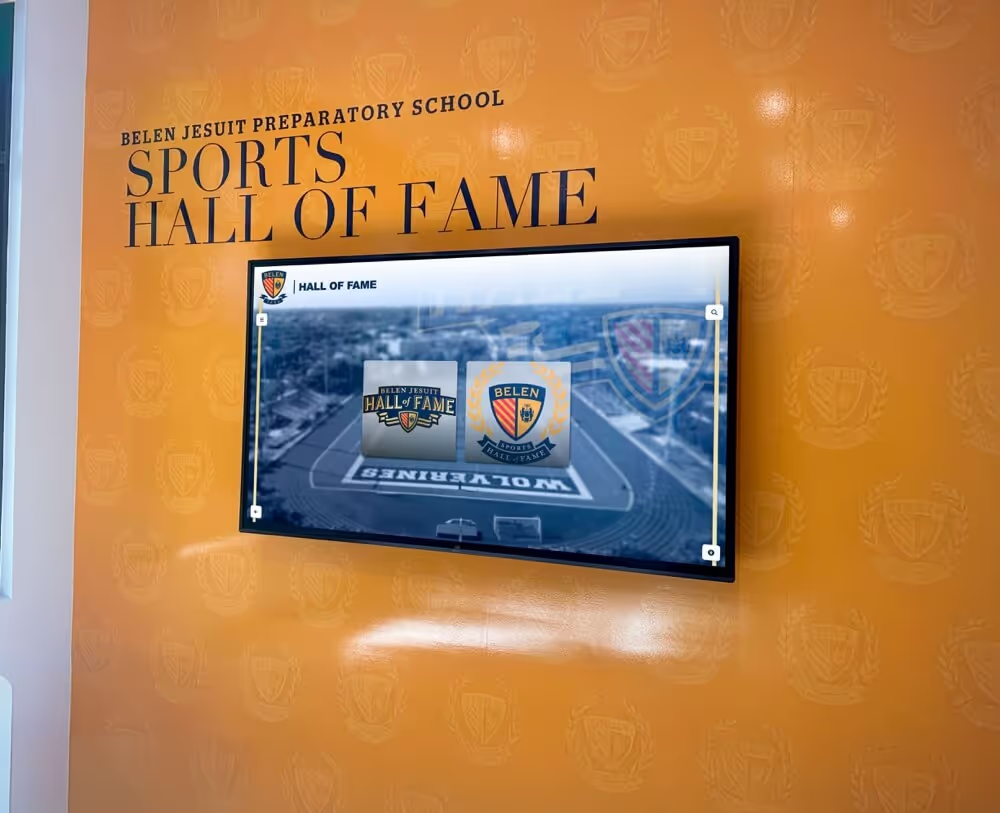
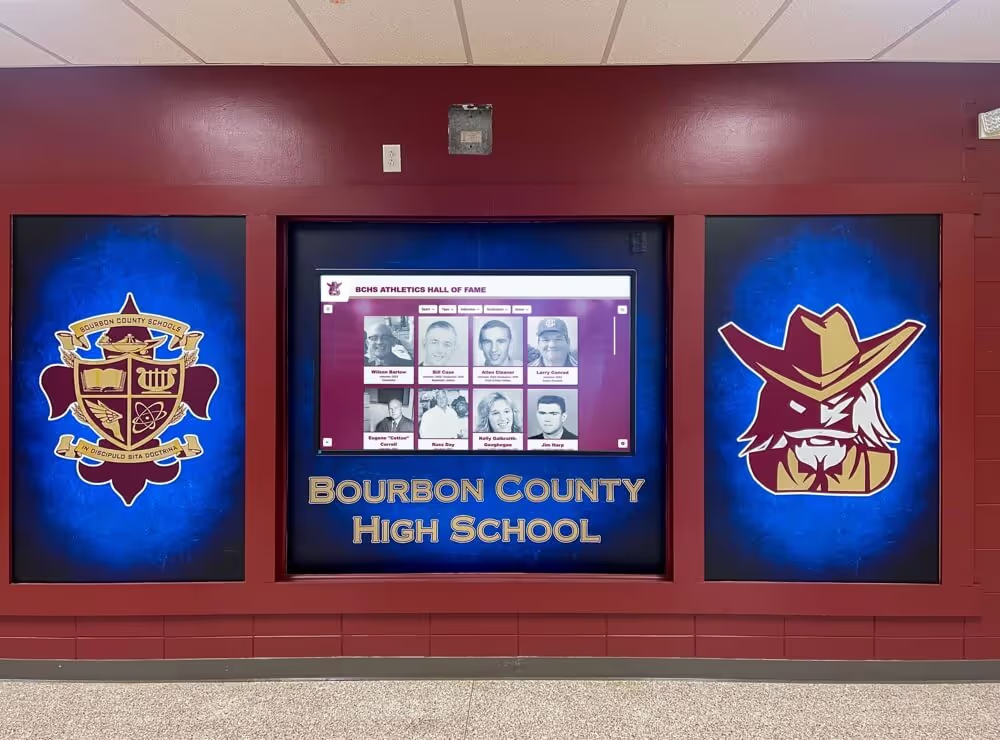
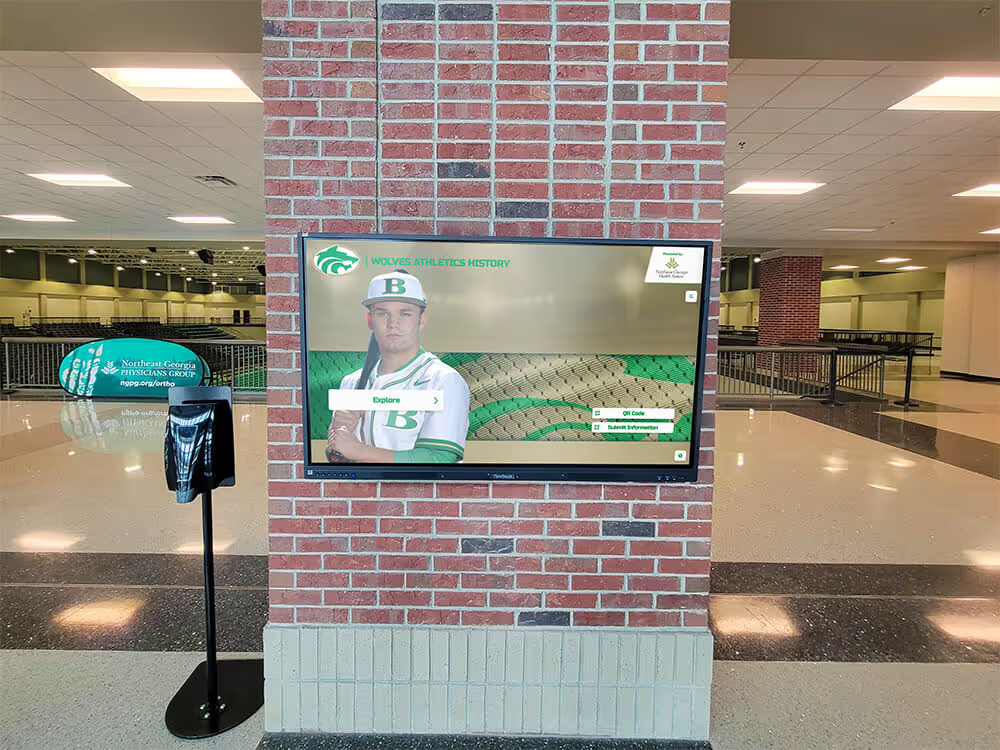
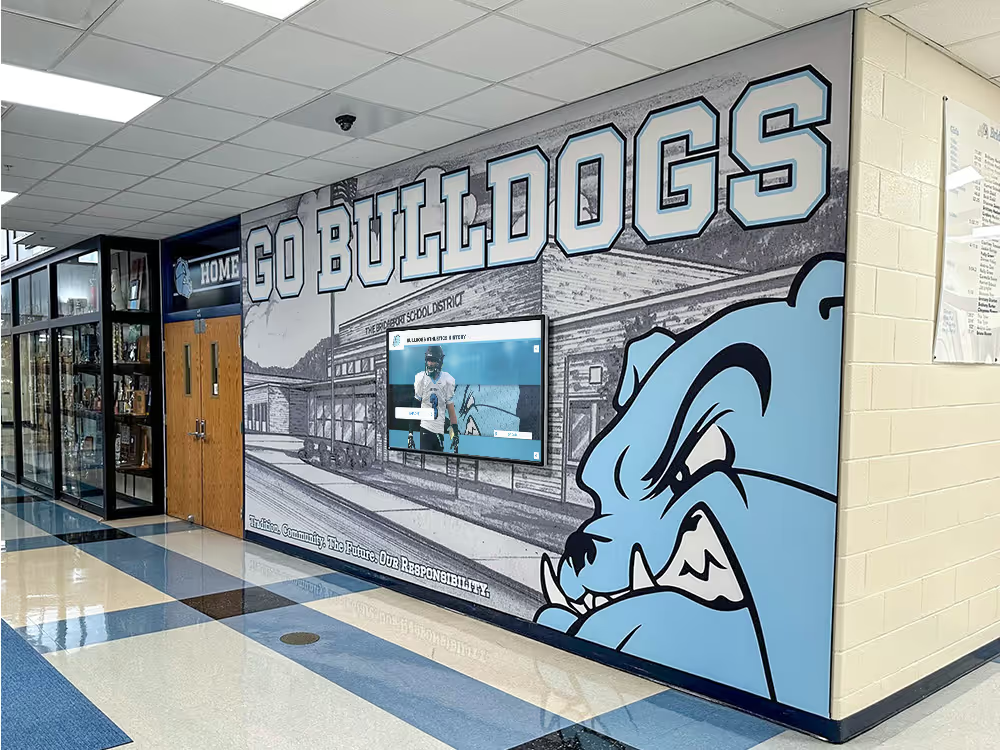
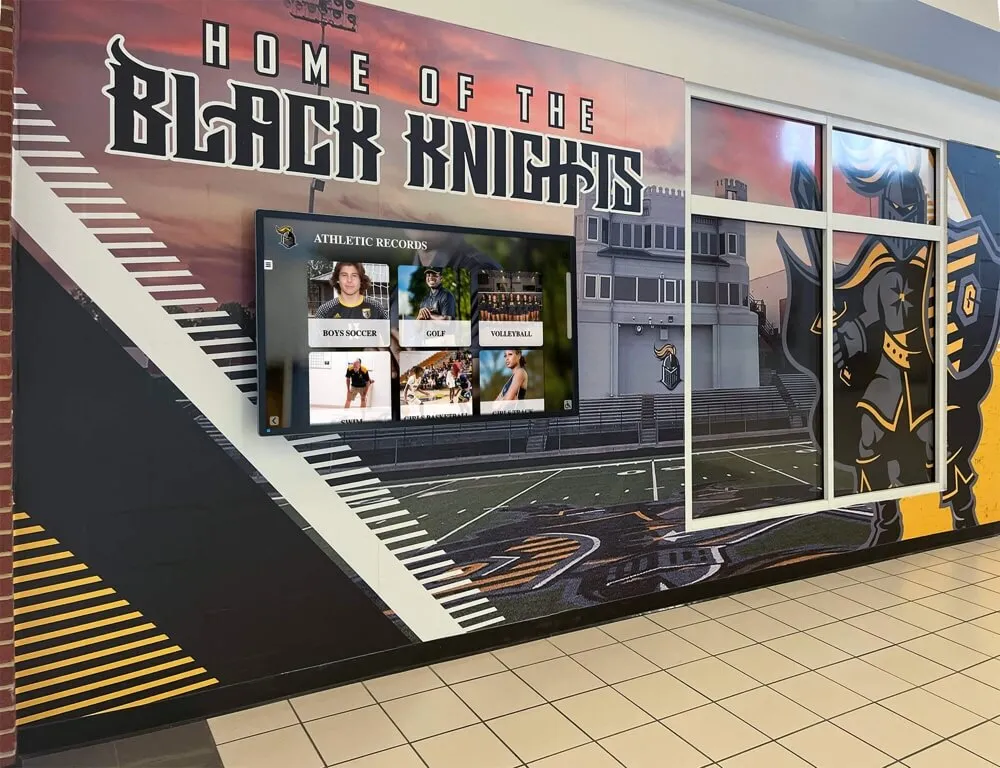
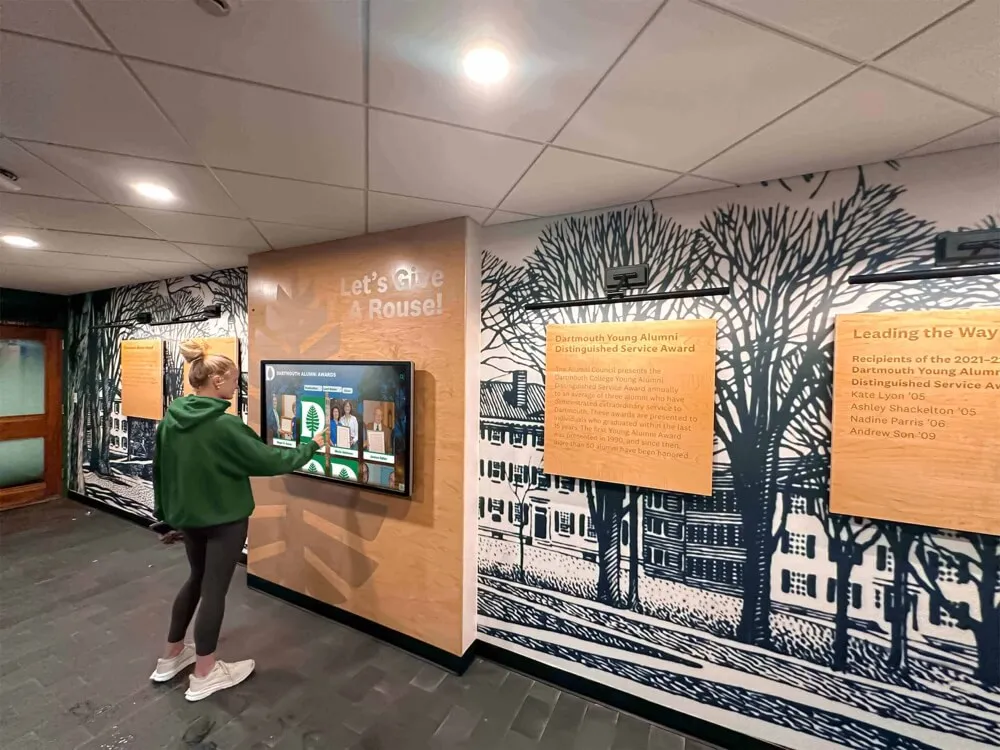
Digital displays revolutionize how organizations showcase athletic achievements by overcoming physical space limitations while adding multimedia capabilities traditional trophy cases cannot provide.
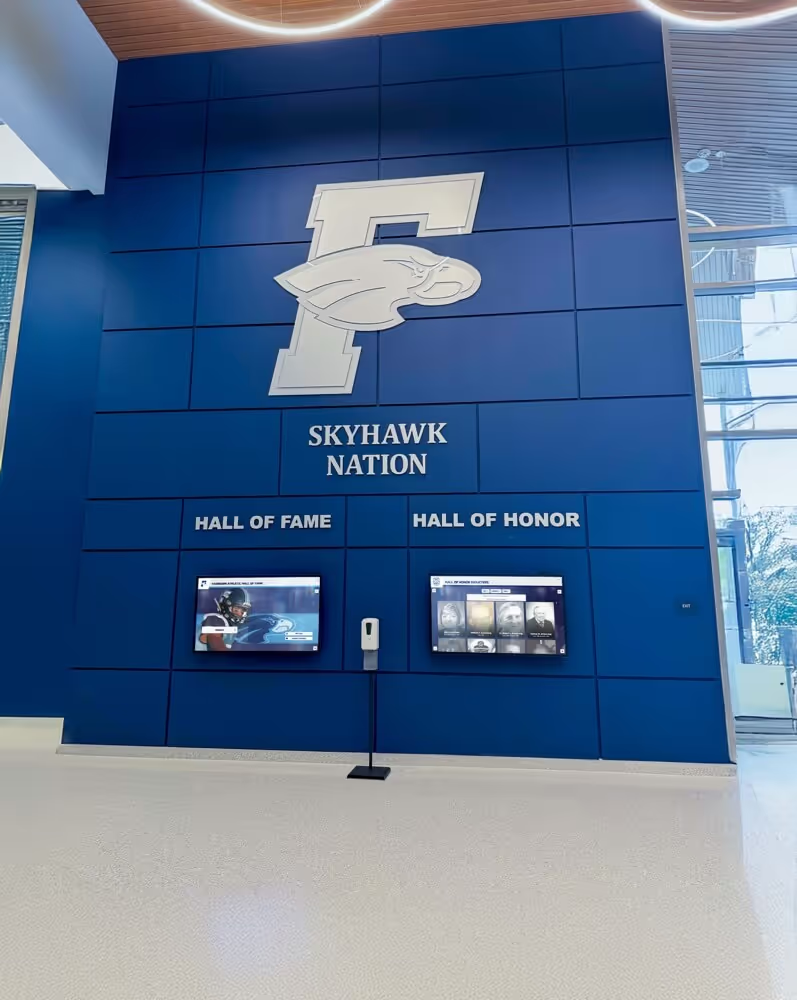
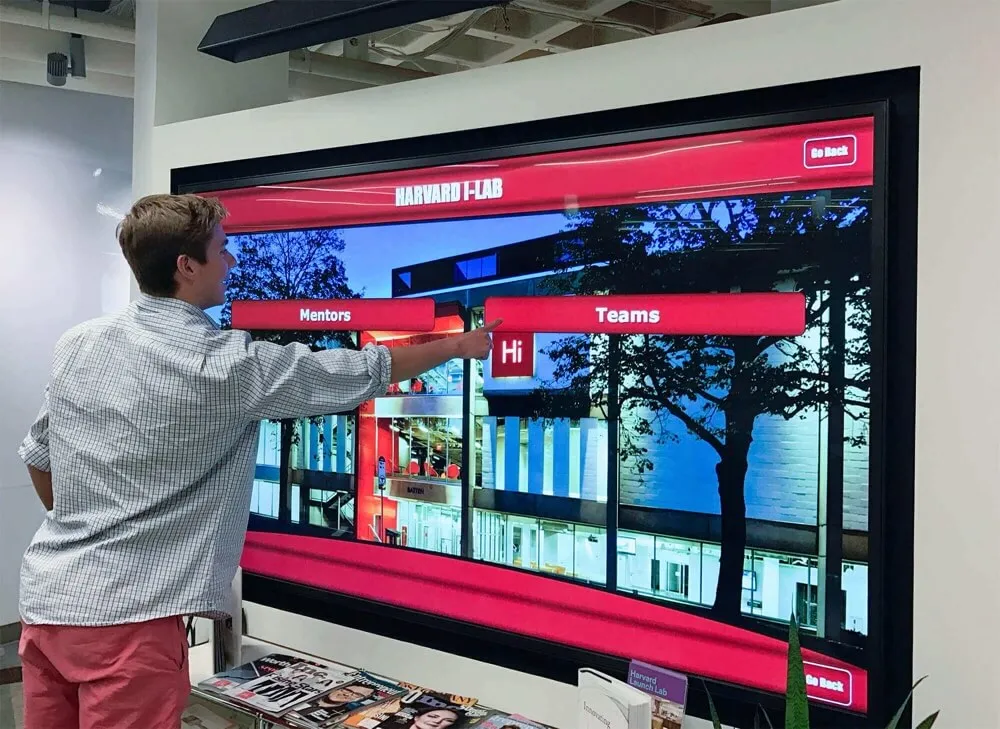
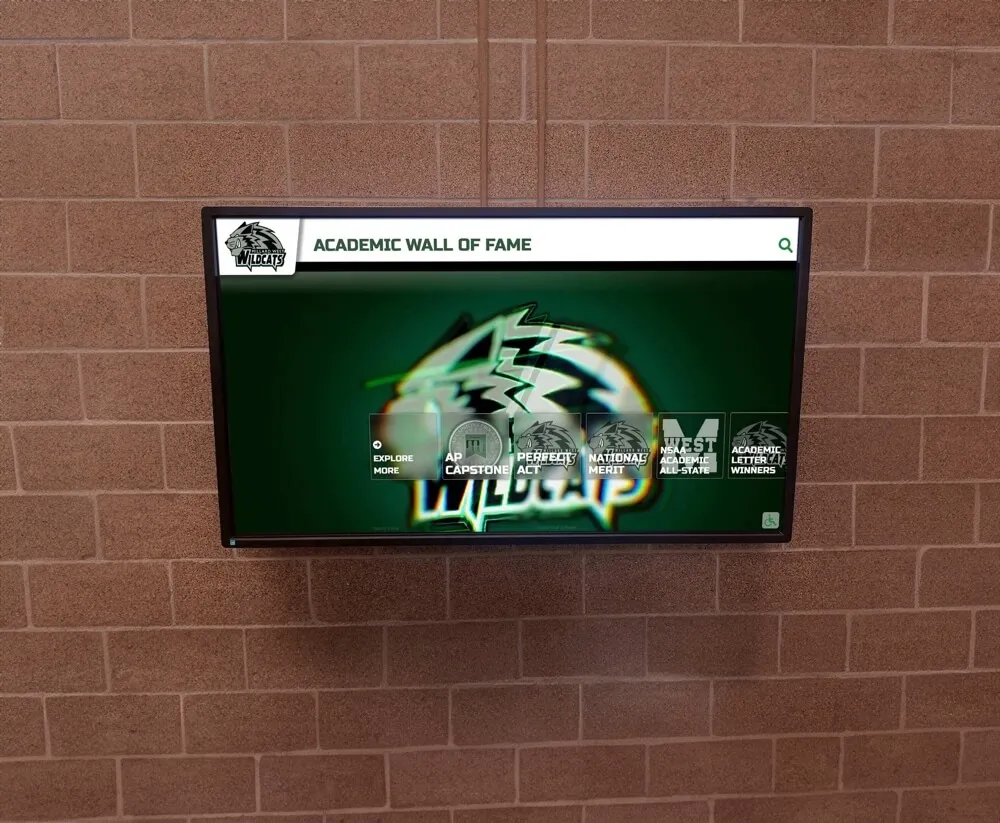
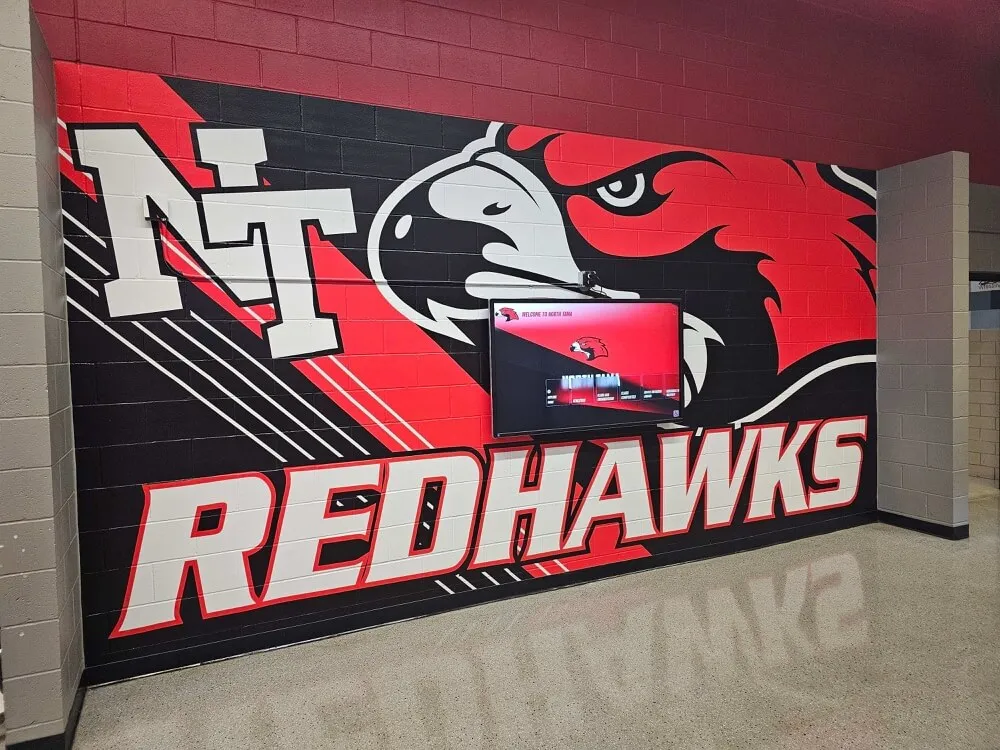
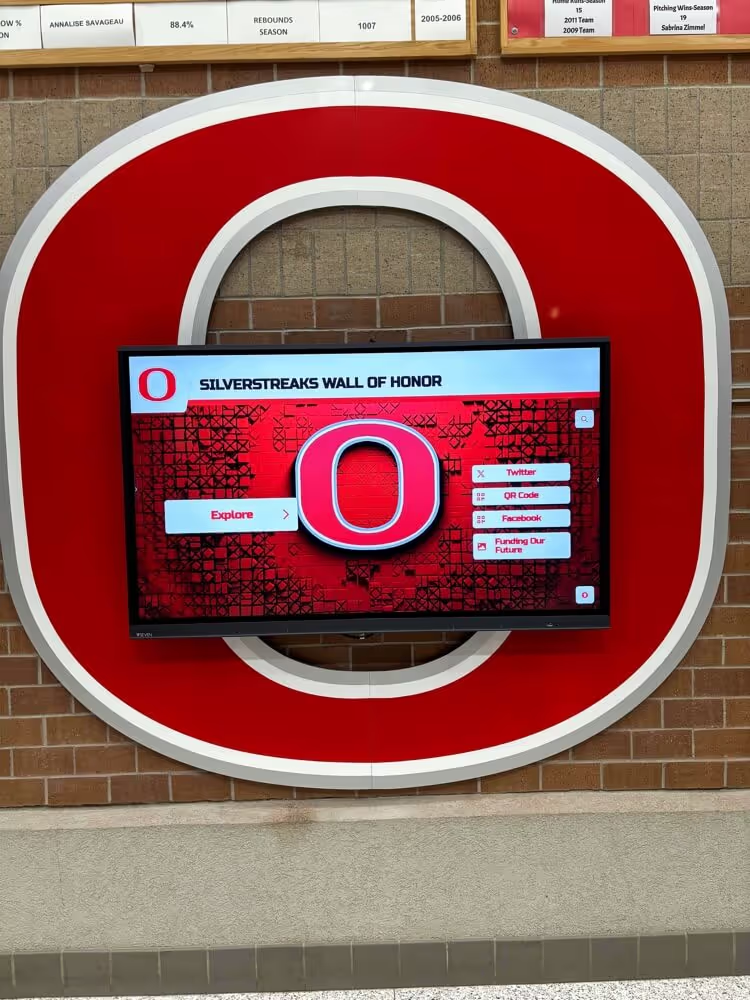
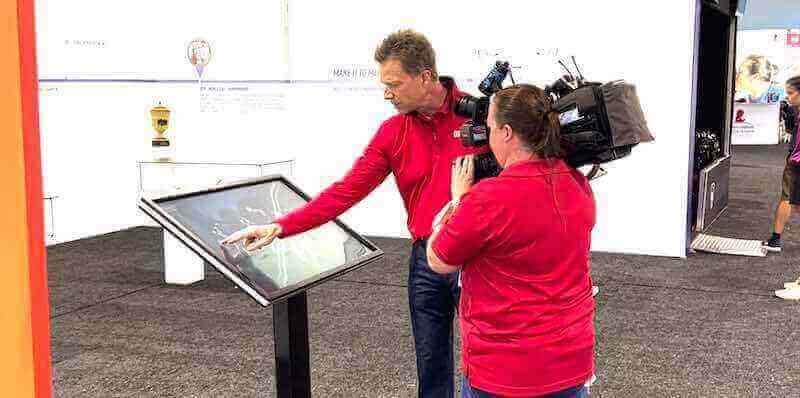
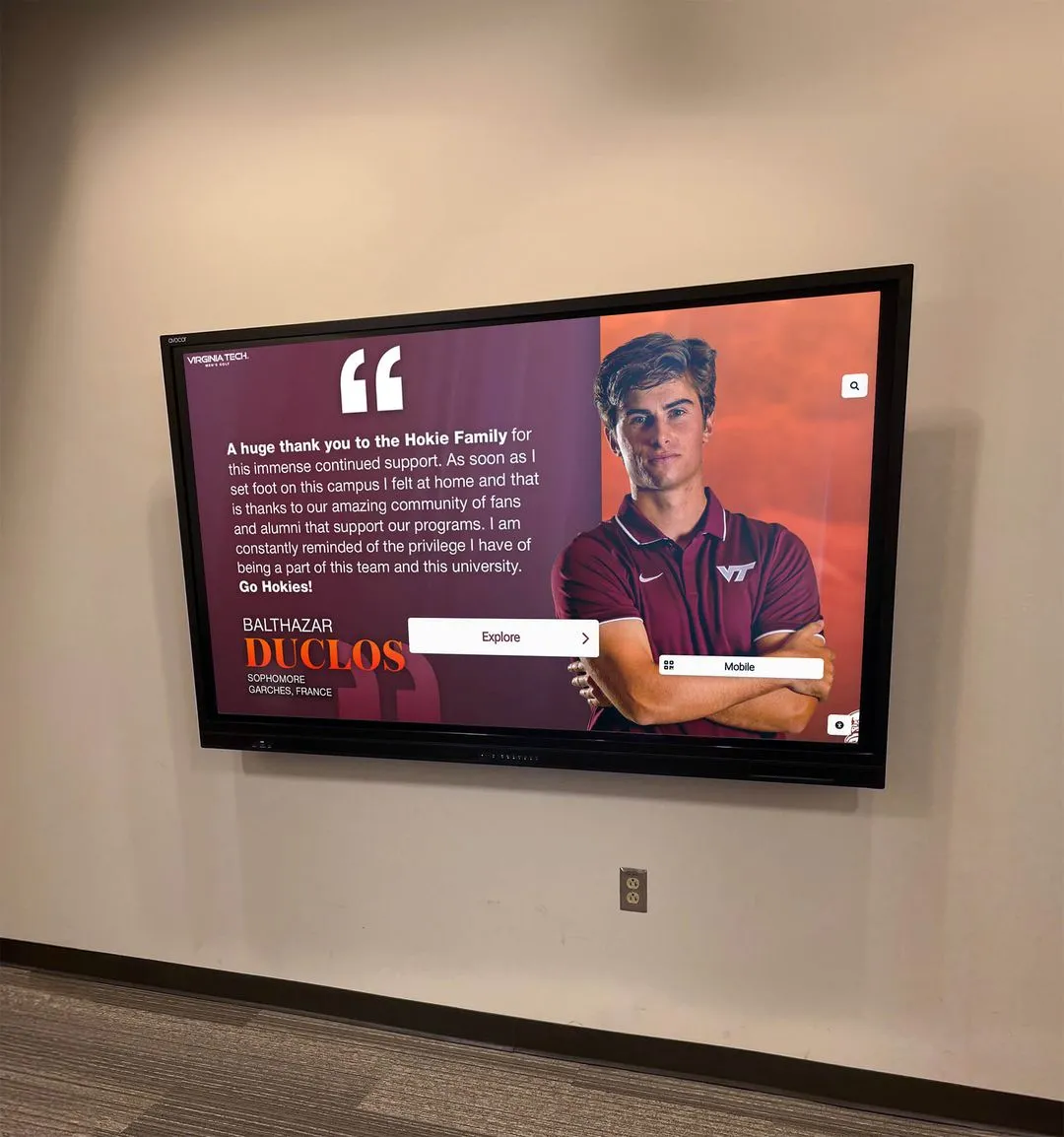
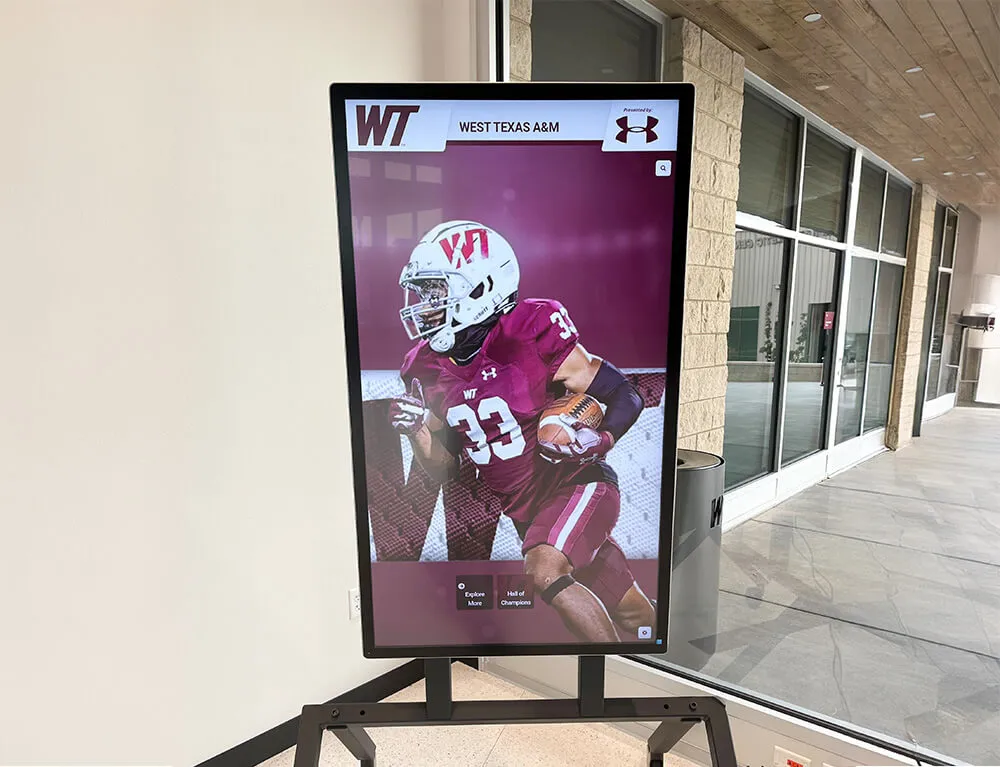
Interactive Touchscreen Displays
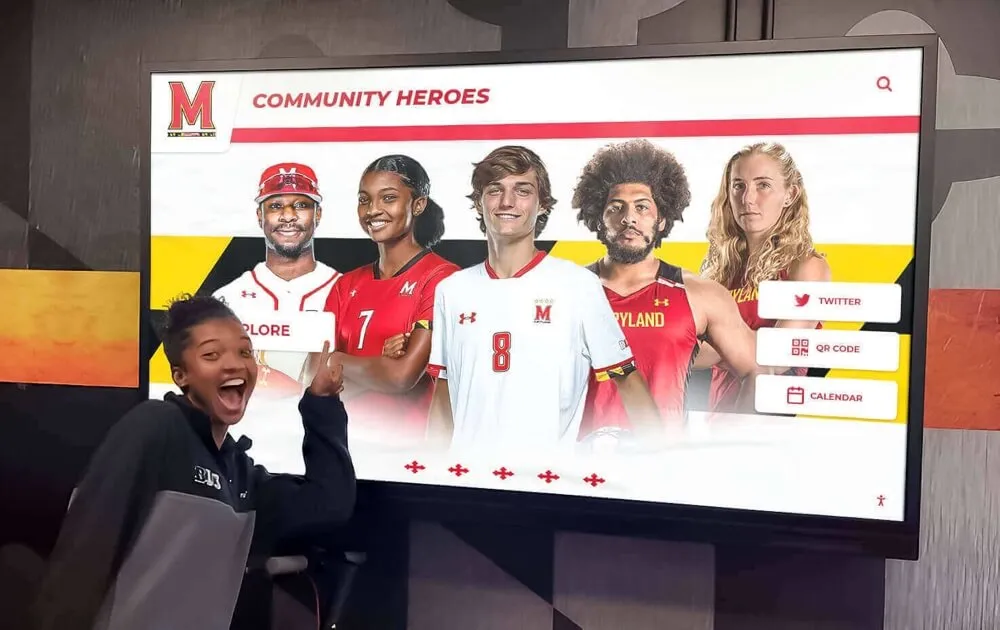
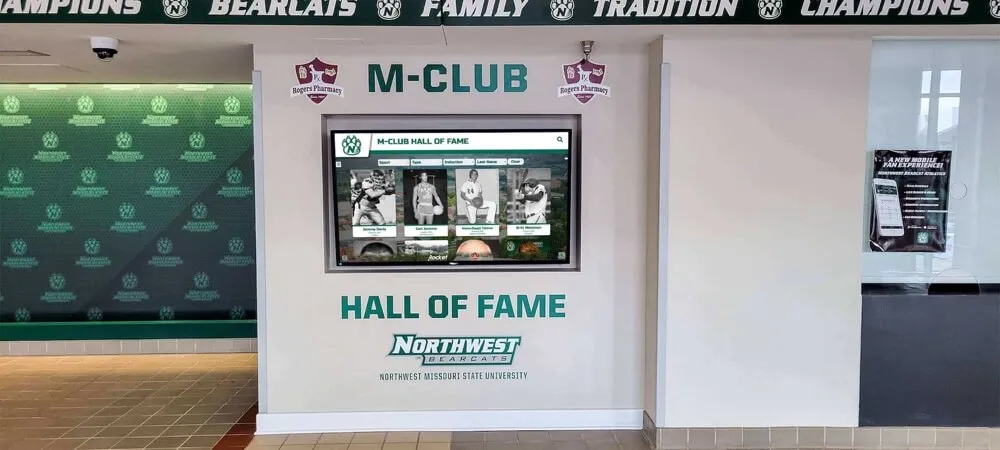
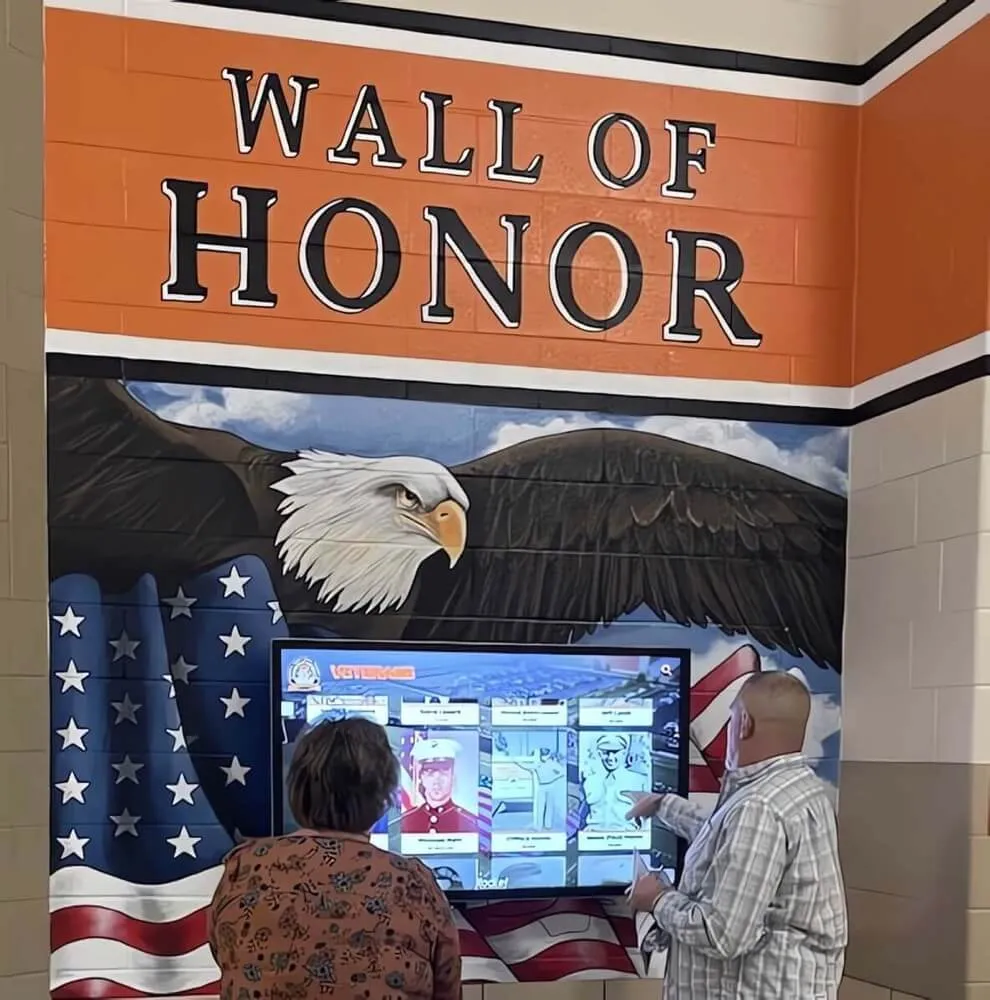
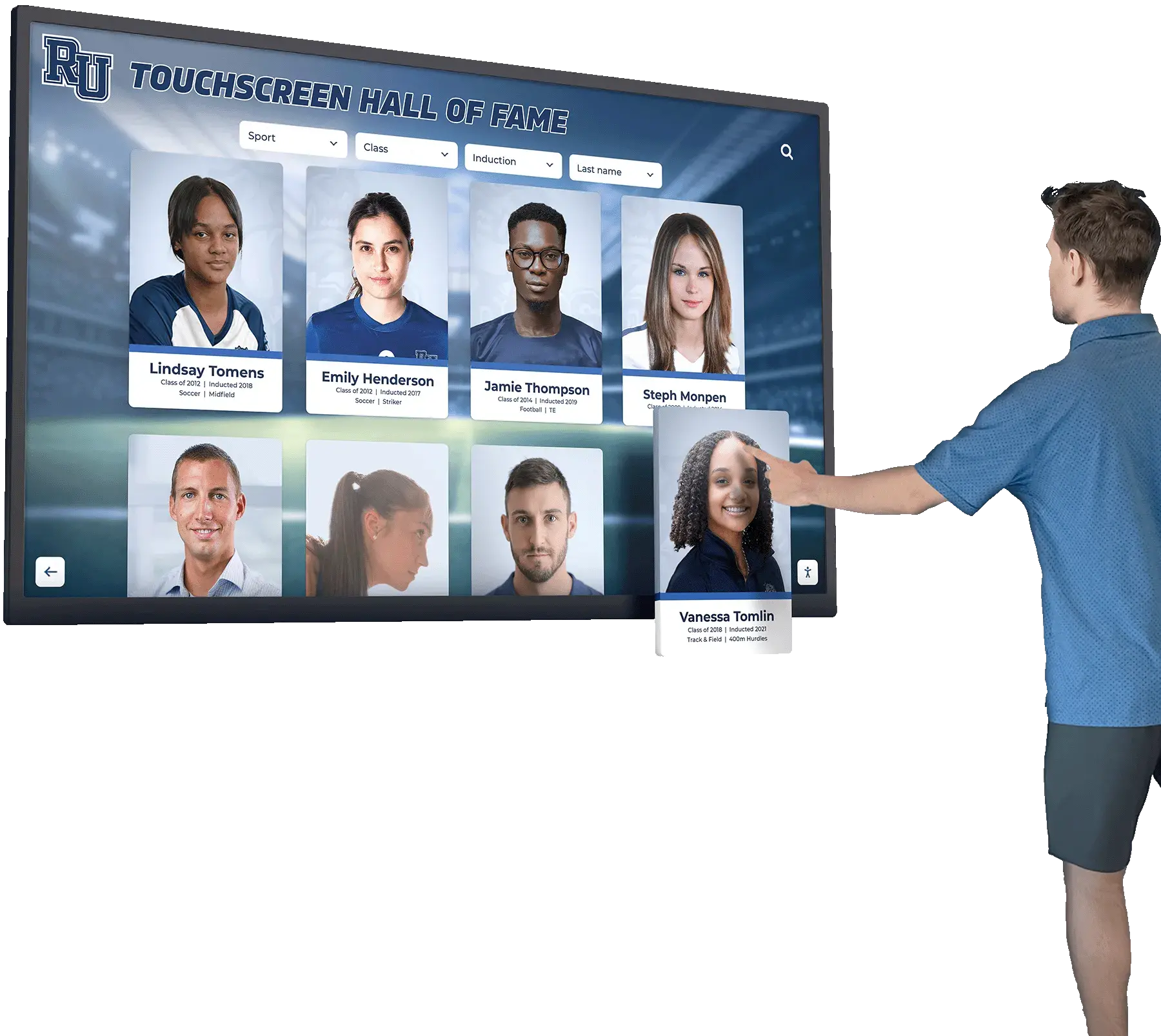

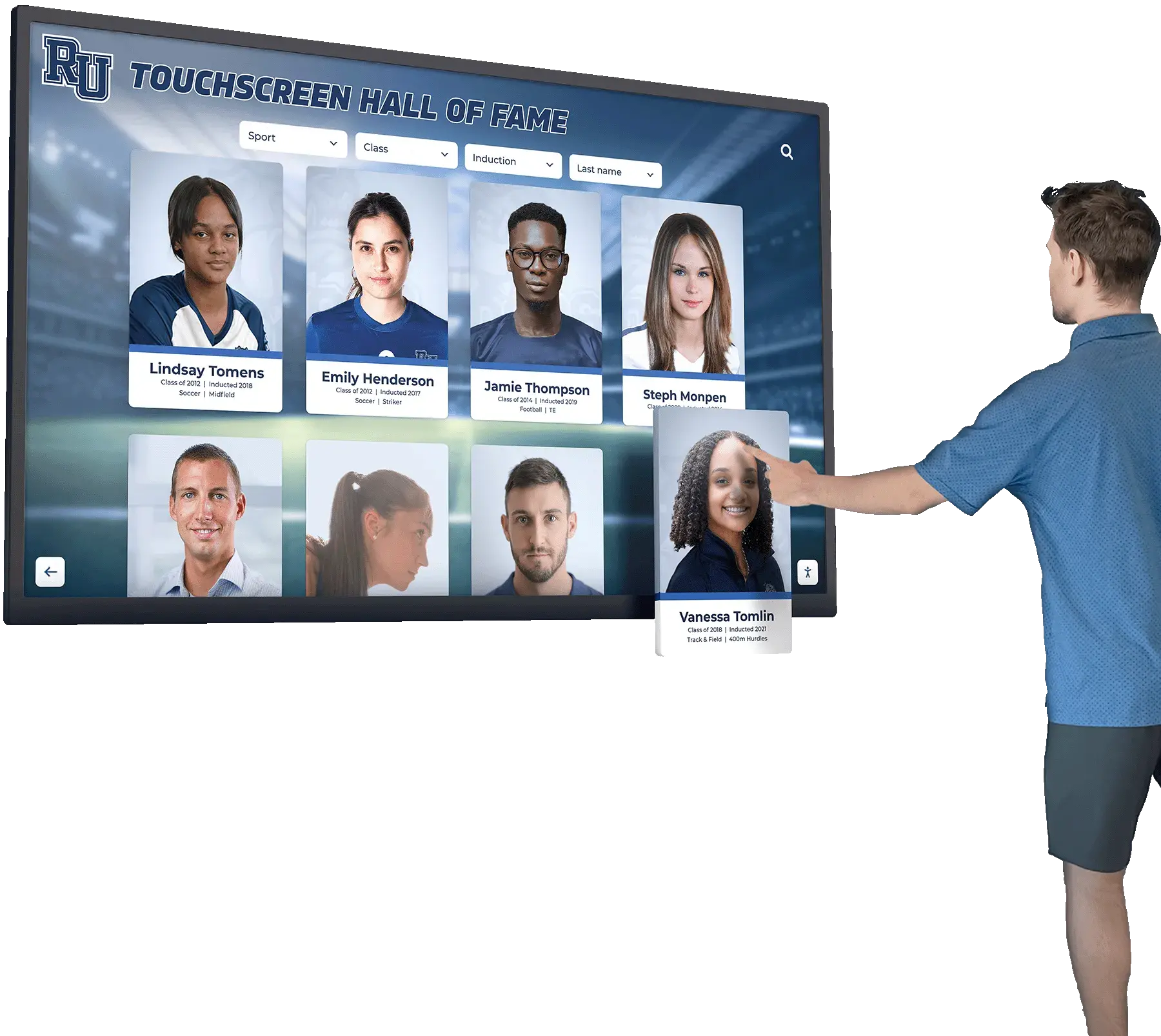
Digital touchscreen systems create engaging recognition experiences where visitors actively explore achievement histories rather than passively viewing static cases:
Unlimited Recognition Capacity: Digital platforms accommodate comprehensive documentation of all athletes, teams, and championships without physical space constraints that force difficult decisions about which achievements receive prominence.
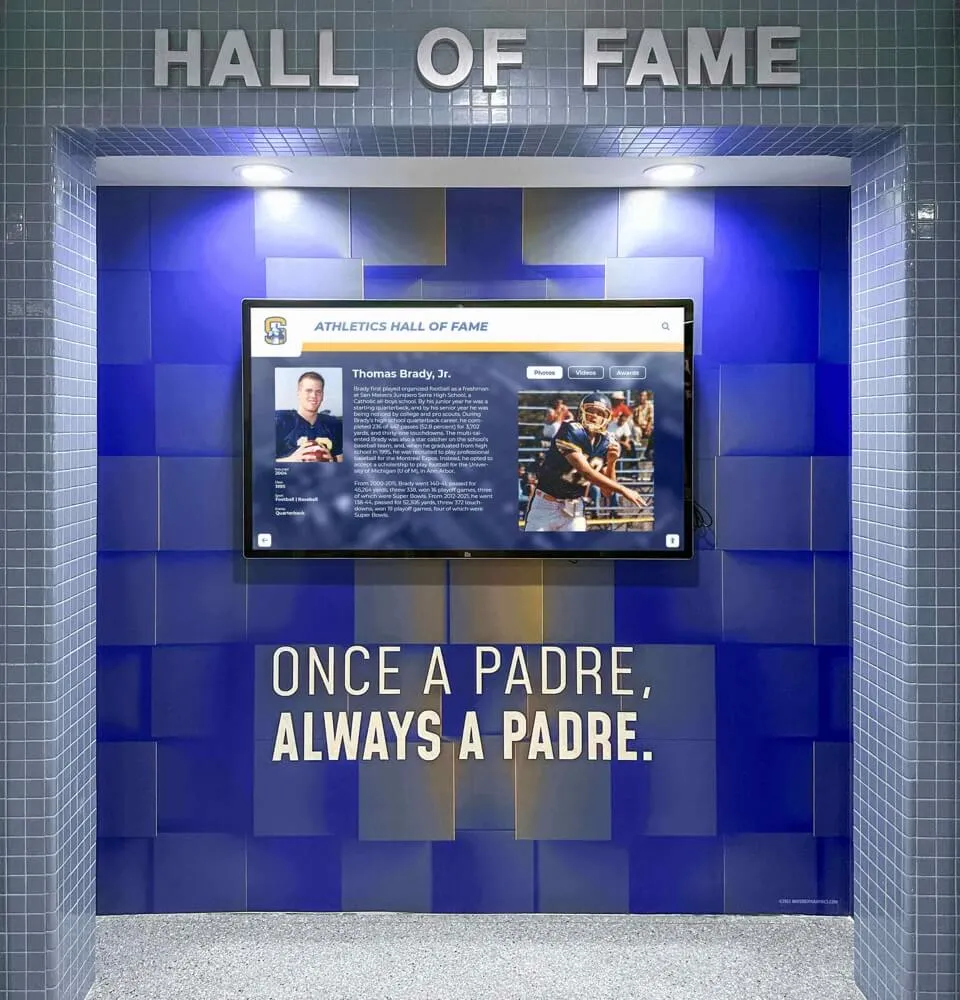
Rich Multimedia Content: Showcase championship game videos, athlete photo galleries, complete statistics, coach reflections, and comprehensive achievement details that physical trophy cases cannot accommodate.
Powerful Search and Discovery: Visitors can search by athlete name, sport, year, championship type, or other criteria, making massive achievement databases personally relevant and navigable.
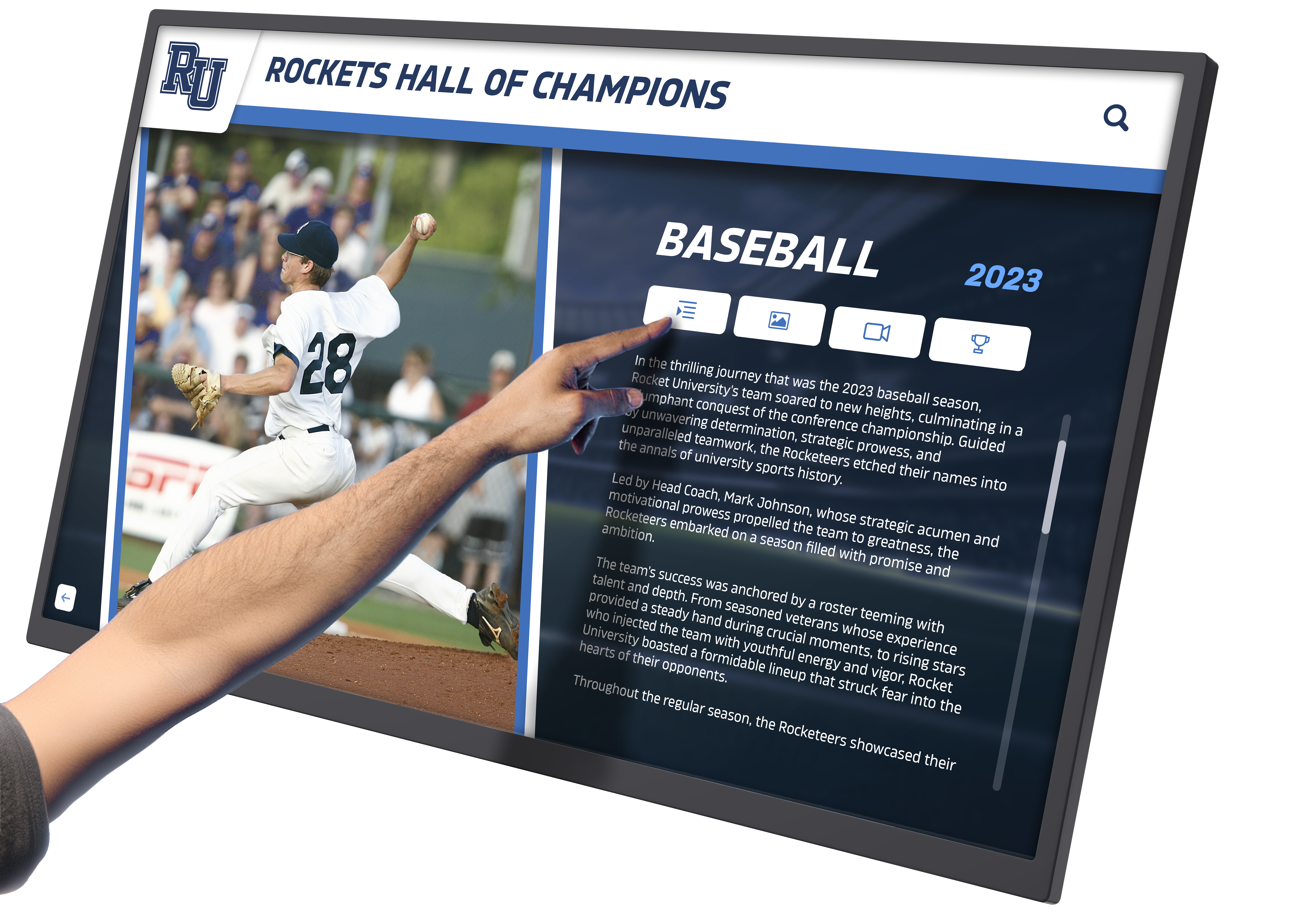
Easy Content Management: Cloud-based platforms allow staff to update recognition through intuitive interfaces, ensuring displays remain current as new championships occur without requiring expensive case modifications or physical plaque ordering.
Organizations implementing comprehensive recognition programs often discover that digital systems complement rather than replace traditional trophy displays, with each approach serving distinct purposes within comprehensive recognition strategies.
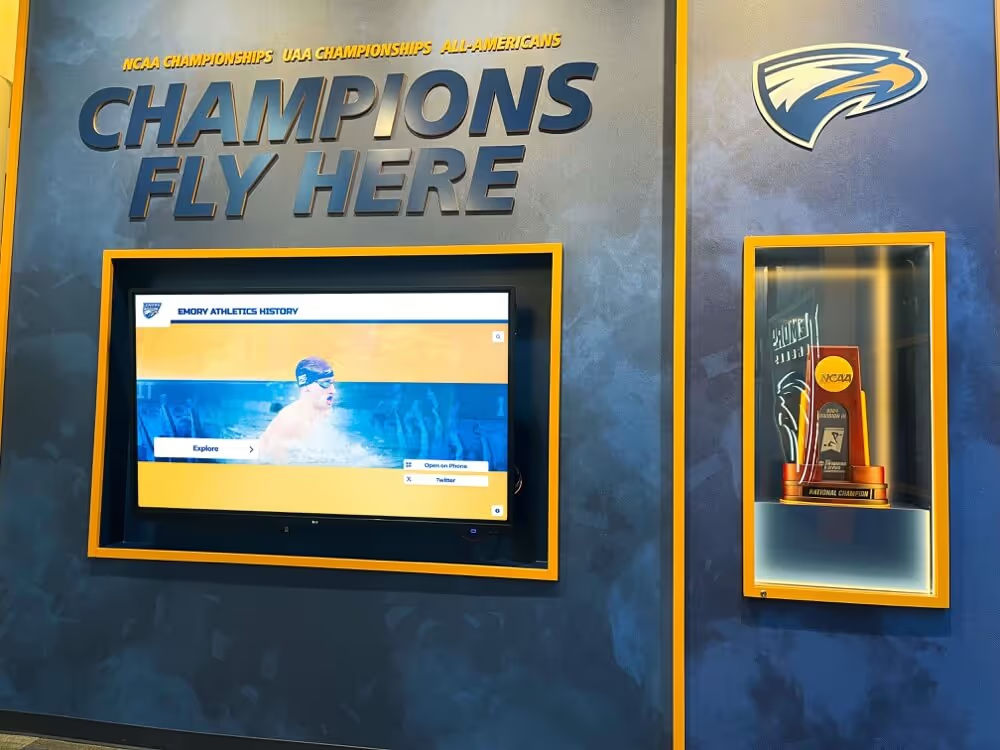
The Hybrid Approach: Traditional and Digital Integration
Many successful programs combine traditional trophy cases with digital recognition systems, leveraging strengths of both approaches:
Physical Displays for Prestige: Maintain traditional trophy cases showcasing the most distinguished achievements—state championships, national qualifications, or historic program milestones—in prominent physical locations honoring their exceptional significance.
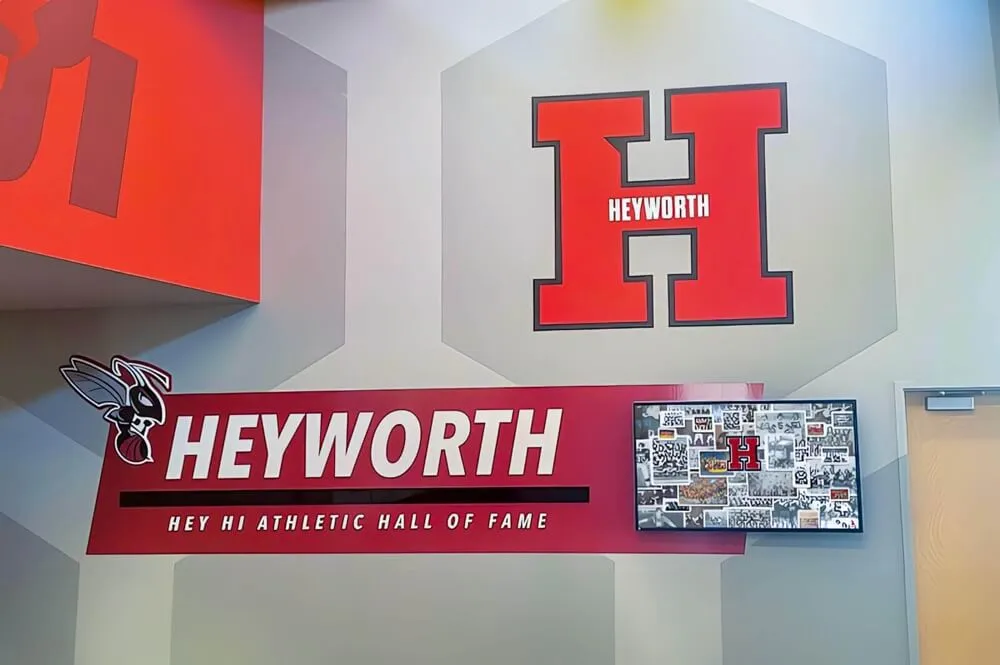
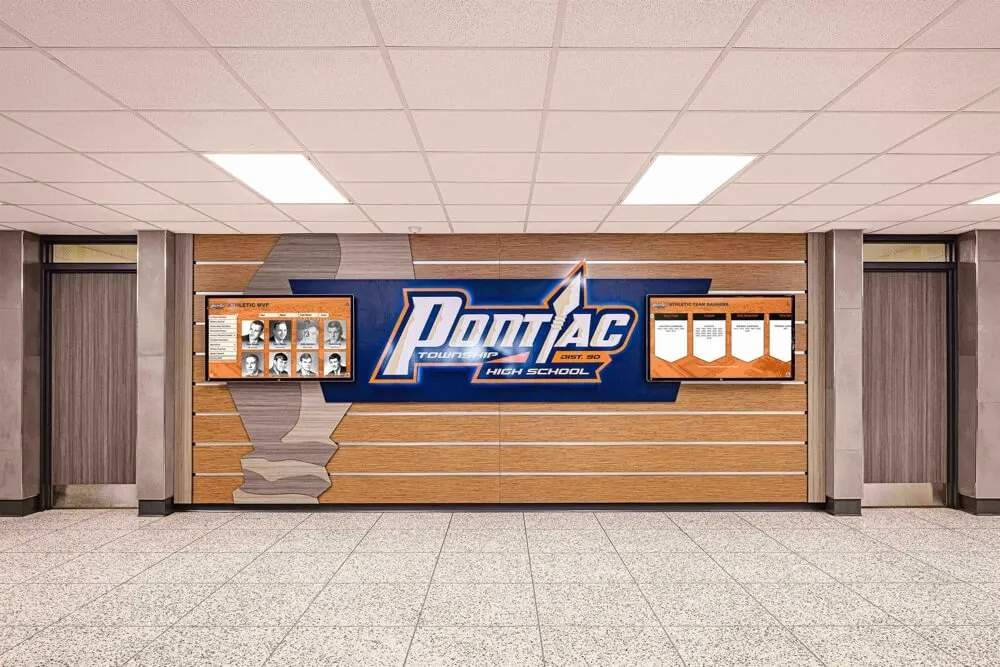
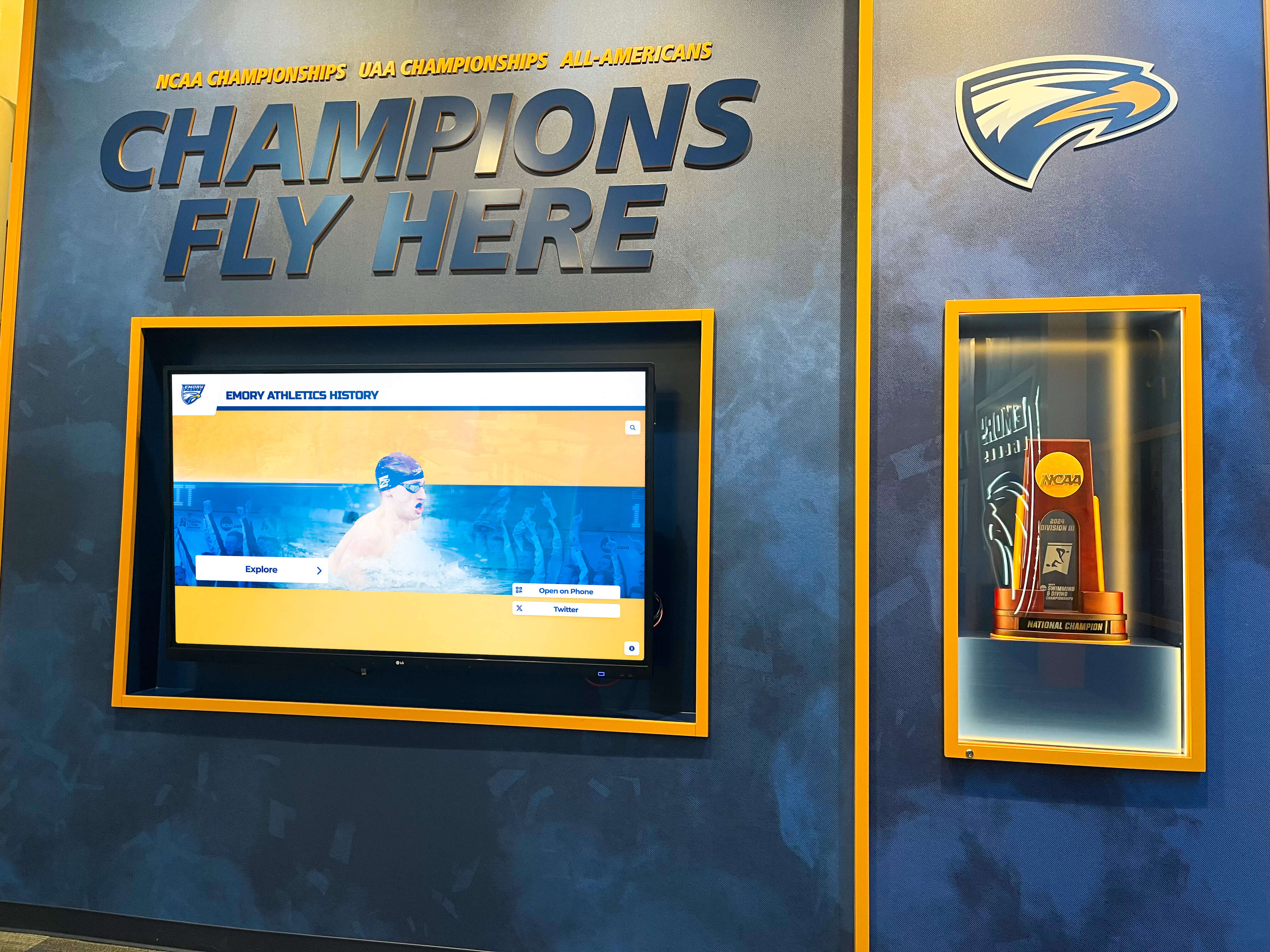
Digital Displays for Comprehensive Coverage: Implement interactive digital systems providing unlimited capacity for recognizing all qualifying athletes, teams, and achievements without physical space constraints limiting who receives acknowledgment.
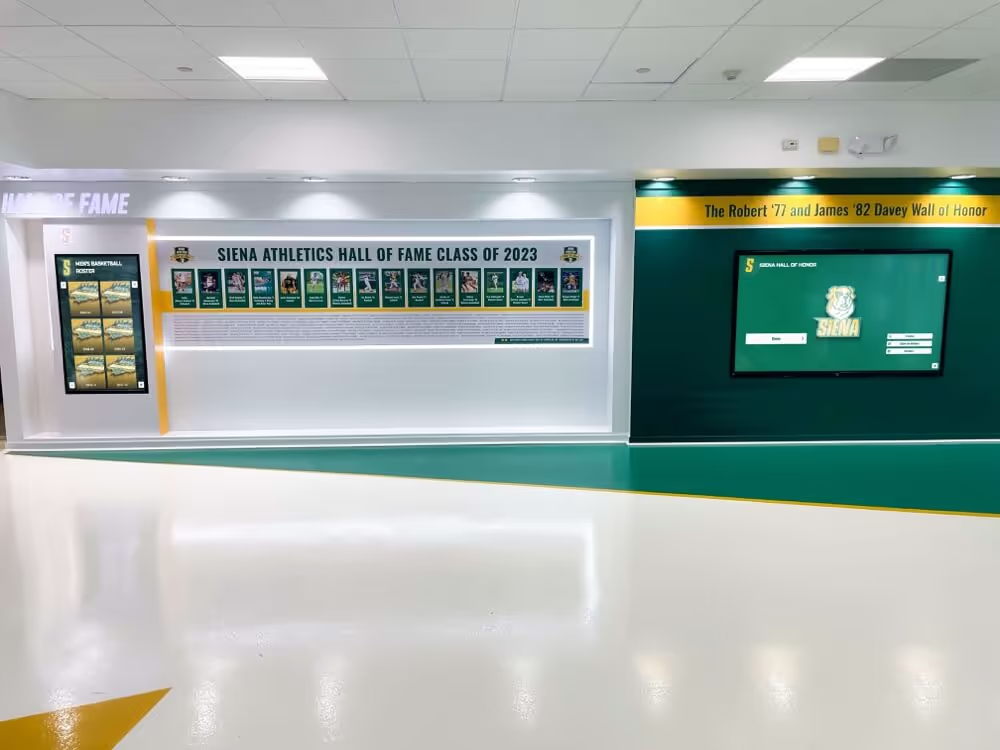
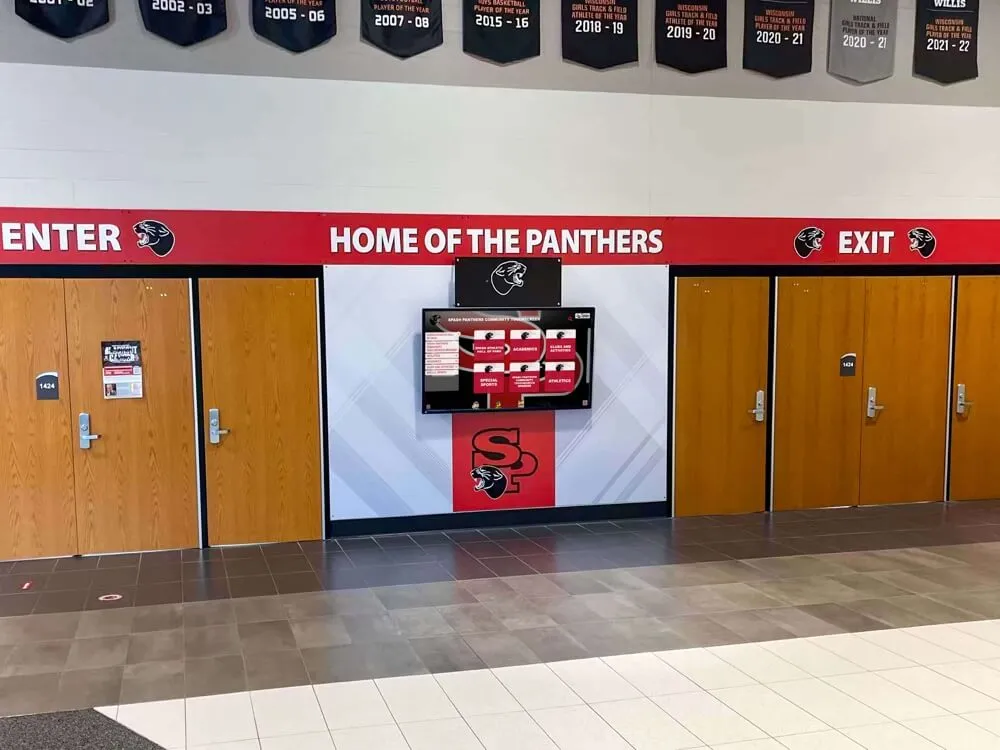
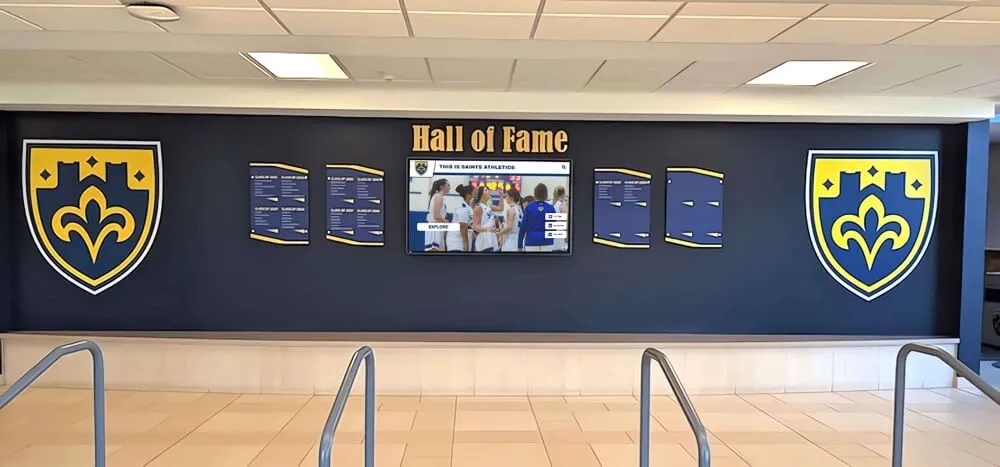
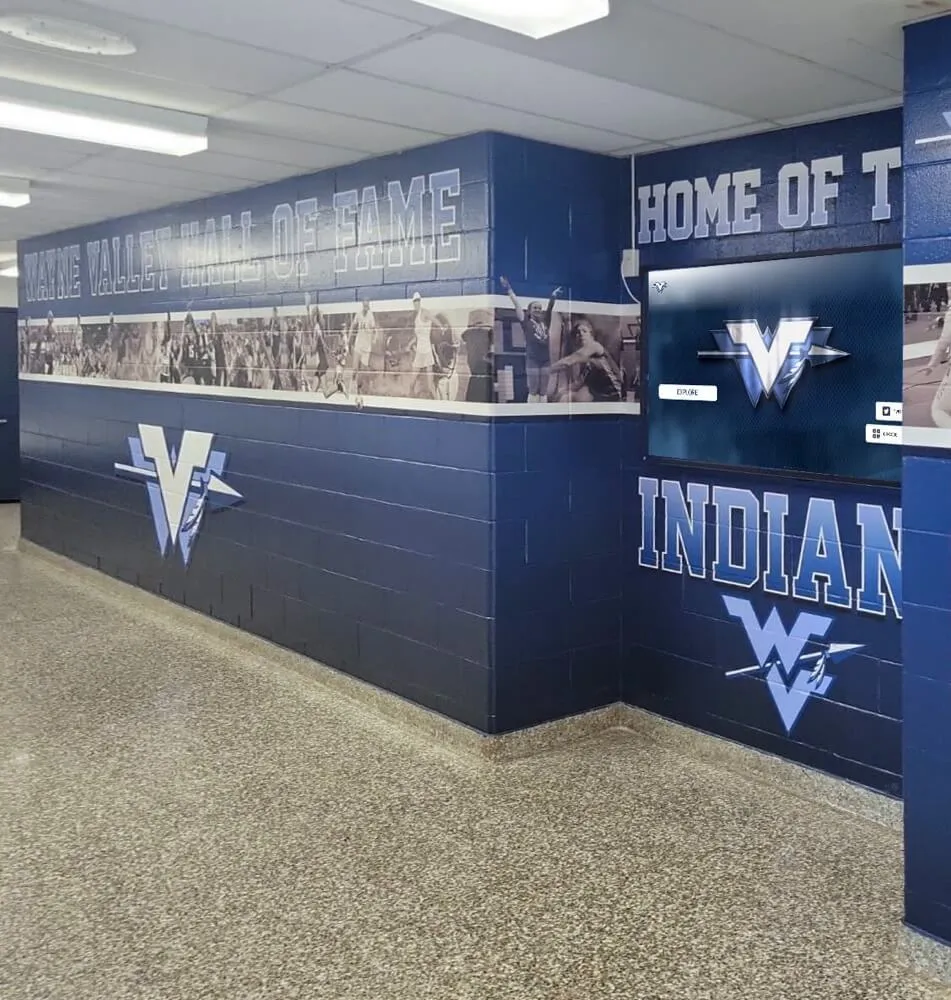
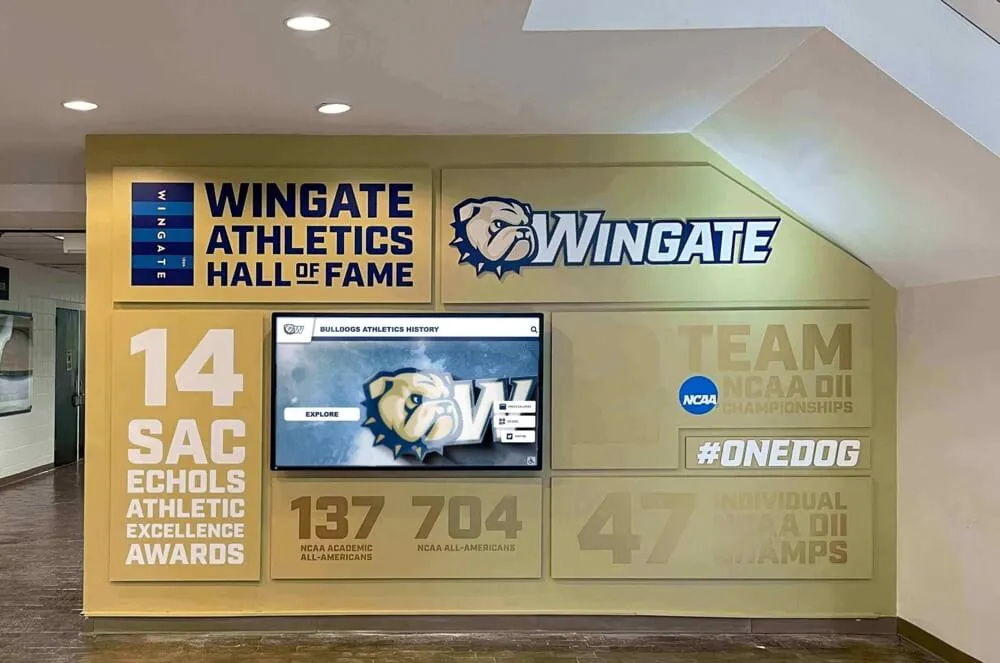
Complementary Placement: Position digital displays adjacent to trophy cases, creating integrated recognition environments where visitors can view physical trophies while exploring detailed achievement contexts, athlete stories, and comprehensive program histories through digital interfaces.
This balanced strategy respects tradition while embracing technology’s advantages, offering multiple recognition touchpoints serving different audiences and purposes throughout facilities.
Sport-Specific Display Considerations
Different sports generate unique trophy and medal collections requiring tailored display approaches.
Team Sport Championships
Team sports like football, basketball, soccer, and volleyball produce championship trophies representing collective achievements:
Prominent Trophy Positioning: Large championship trophies deserve centerpiece placement in trophy cases or on dedicated pedestals highlighting their significance as pinnacle team accomplishments.
Complete Team Recognition: Supplement physical trophies with roster documentation ensuring every team member receives acknowledgment for championship contributions. Digital displays excel at comprehensive team member recognition with photos and individual achievement details.
Season Context: Include documentation providing championship context—final records, tournament progression, memorable game summaries, and what made seasons special beyond just final victories.
Individual Sport Medals
Individual sports like track, swimming, wrestling, and tennis generate substantial medal collections from athletes competing across multiple events:
Athlete-Specific Collections: Group medals by individual athlete when possible, showing complete competitive careers rather than scattering achievements across disconnected displays.
Event and Achievement Documentation: Clearly label what each medal represents—specific events, times or distances, competition levels, and comparative context showing how performances rank in program history.
Progressive Achievement Display: Arrange medals chronologically when showcasing individual athlete collections, revealing progression and improvement from early competitions through championship performances.
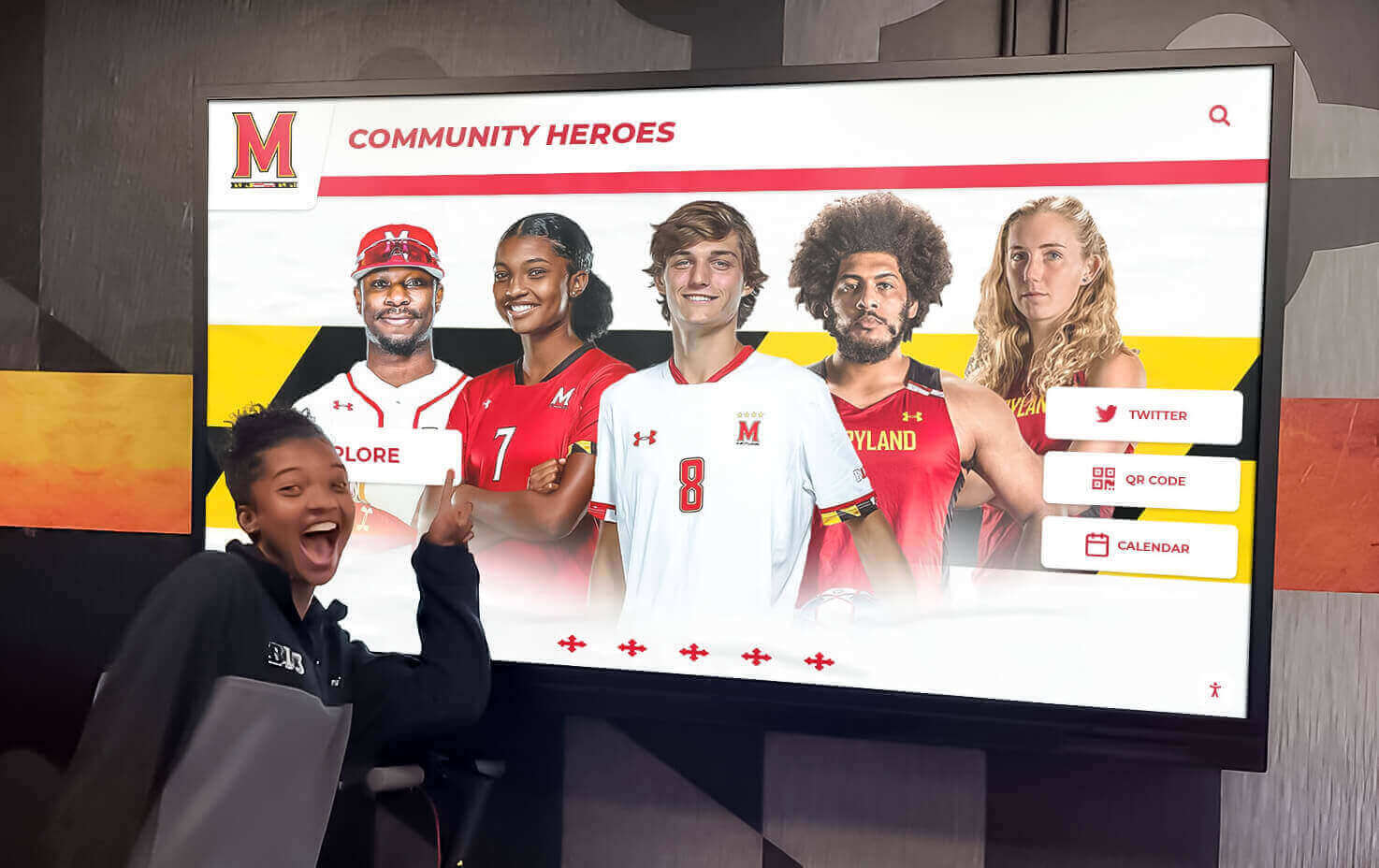
Programs celebrating diverse athletic achievements across multiple sports benefit from flexible display systems accommodating varied recognition types while maintaining cohesive presentation standards.
Academic and Athletic Combined Recognition
Many programs recognize student-athletes who excel both athletically and academically:
Integrated Achievement Displays: Combine athletic trophies and medals with academic honors—scholar-athlete awards, academic all-state selections, or achievement combinations demonstrating well-rounded excellence.
Contextual Documentation: Explain achievement combinations showing athletes excelled across multiple domains simultaneously, reinforcing that athletic and academic success complement rather than compete.
Role Model Highlighting: Student-athletes demonstrating exceptional academic and athletic achievement serve as powerful role models. Featured recognition positions these exemplary individuals prominently, communicating institutional values beyond just competitive success.
Maintenance and Updates for Trophy Displays
Even the most beautifully designed trophy and medal displays require ongoing maintenance and systematic updating to remain effective recognition tools.
Regular Cleaning and Preservation
Trophy displays need consistent care preventing deterioration:
Scheduled Cleaning Protocols: Establish regular cleaning schedules for both trophies themselves and display cases. Dust accumulation diminishes presentation quality and, over time, can damage award finishes.
Proper Cleaning Materials: Use appropriate cleaning supplies for different trophy materials. Metal polish for brass and silver awards, gentle cleaners for acrylic and glass, and microfiber cloths preventing scratching during cleaning.
Engraving Maintenance: Monitor engraved plates and inscriptions for legibility. Darkened engraving that’s become difficult to read diminishes recognition value. Some awards benefit from periodic professional restoration.
Systematic Display Updates
As programs achieve new successes, display systems require updates accommodating additional recognition:
Rotation Strategies: When physical display space fills, implement rotation strategies periodically featuring different championship eras or sports, ensuring all programs receive featured recognition over time while preventing permanent overcrowding.
Archive Systems: Develop organized storage for trophies and medals temporarily not on display. Proper archiving preserves awards in good condition while maintaining inventories of complete collections.
Addition Planning: Anticipate future achievements when designing displays. Leave space for upcoming recognition or implement expandable systems preventing premature capacity constraints.
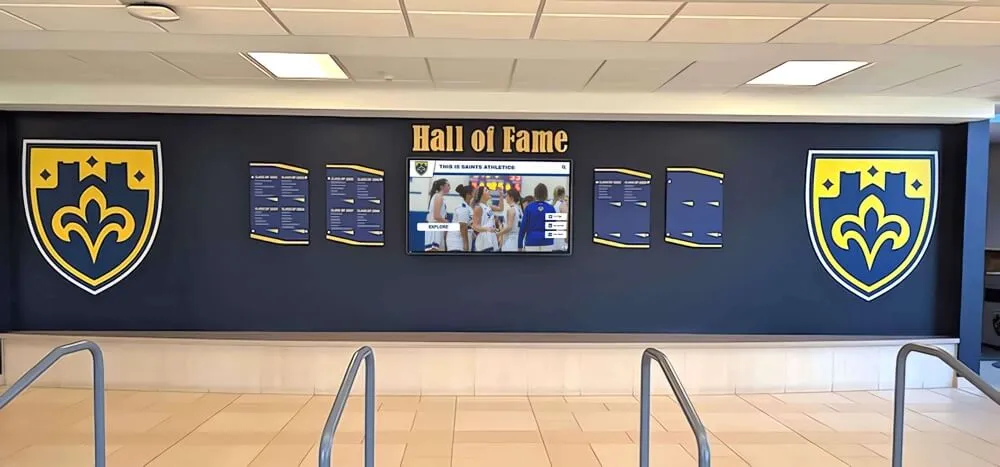
Organizations using digital recognition platforms eliminate capacity concerns, accommodating unlimited recognition additions through simple content management rather than expensive physical case modifications.
Budget Considerations for Trophy Displays
Medal and trophy display projects range from modest individual collections to comprehensive institutional installations requiring thoughtful budget planning.
Cost-Effective Display Options
Quality recognition doesn’t necessarily require major financial investment:
DIY Shadow Boxes: Crafters can create attractive shadow box displays for individual medal collections using readily available materials from craft stores at fraction of custom framing costs.
Modular Shelving Systems: Adjustable shelving from home improvement retailers provides flexible trophy display options adaptable to changing collections without custom cabinetry expenses.
Gradual Implementation: Build comprehensive displays incrementally rather than attempting complete installations immediately. Start with highest-priority recognition, adding additional displays as budgets allow.
Lighting Upgrades: Even modest trophy cases improve dramatically with appropriate lighting. Affordable LED strip lights dramatically enhance presentation quality without major renovation expenses.
Professional Installation Investments
Comprehensive trophy display projects benefit from professional design and installation:
Custom Millwork: Built-in trophy cases integrated architecturally create polished presentations matching facility aesthetics. While more expensive than standard cases, custom installations become permanent facility features.
Professional Lighting Design: Lighting professionals create dramatic effects through strategic illumination highlighting featured trophies while providing adequate visibility for complete collections.
Digital System Integration: Modern interactive recognition systems represent significant initial investments but provide long-term value through unlimited capacity, easy maintenance, and engagement capabilities traditional displays cannot match.
When planning significant display projects, many organizations discover that combining traditional cases for featured recognition with digital systems for comprehensive documentation provides optimal value, maximizing recognition capacity while maintaining prestigious physical trophy presence.
Personal Trophy and Medal Collections
Individual athletes often accumulate personal award collections deserving thoughtful home display.
Home Display Ideas
Personal collections benefit from creative approaches respecting achievements while integrating appropriately into living spaces:
Dedicated Display Rooms: Athletes with extensive collections might designate home offices, game rooms, or spare bedrooms as trophy rooms showcasing complete achievement histories in organized presentations.
Hallway Galleries: Long hallways provide excellent opportunities for linear trophy and medal displays visitors encounter naturally while moving through homes.
Built-In Shelving: Custom built-ins in family rooms or dens create attractive trophy storage integrated architecturally rather than appearing as afterthought additions.
Rotating Featured Recognition: Instead of displaying every award constantly, rotate featured achievements seasonally or annually, keeping presentations fresh while storing most collections organized elsewhere.
Athletic Career Documentation
Comprehensive recognition of personal athletic careers extends beyond just physical awards:
Photo Integration: Combine trophies and medals with action photos, team pictures, and competition documentation creating narrative displays telling complete athletic stories.
Achievement Timelines: Create chronological presentations showing athletic progression from early participation through championship performances, revealing growth and development over time.
Digital Archives: Supplement physical displays with digital documentation—competition videos, statistics, newspaper clippings, and achievement contexts—creating comprehensive career records preserved electronically.
Many athletes transitioning from competitive careers find that thoughtfully documenting athletic histories provides meaningful closure while creating lasting records appreciating value over time.
Institutional Trophy Display Best Practices
Schools, universities, and athletic organizations implementing medal and trophy displays benefit from systematic approaches ensuring recognition serves intended purposes effectively.
Establishing Recognition Criteria
Successful institutional displays begin with clear criteria determining what achievements receive recognition:
Transparent Standards: Document specific achievement thresholds qualifying for display inclusion—state championships, All-State selections, school records, or other measurable criteria ensuring fair, consistent recognition.
Multiple Recognition Tiers: Consider different display categories accommodating various achievement levels. Not every athlete makes All-State, but many accomplish significant achievements deserving appropriate acknowledgment.
Inclusive Excellence: Balance recognition focusing exclusively on highest achievements with approaches ensuring diverse athletes across all sports and achievement levels receive appropriate acknowledgment for meaningful accomplishments.
Committee Management and Governance
Formal recognition programs benefit from designated oversight:
Athletic Recognition Committees: Establish committees including athletic directors, coaches, alumni representatives, and administrators overseeing trophy display management, selection criteria, and update protocols.
Annual Recognition Reviews: Schedule regular reviews ensuring displays remain current, maintained properly, and aligned with institutional recognition values.
Historical Documentation: Maintain comprehensive records of all recognized achievements, individuals, and teams, creating institutional knowledge outlasting individual staff members or administrators.
Organizations implementing comprehensive recognition strategies discover that systematic governance ensures recognition programs maintain credibility, fairness, and effectiveness over extended time periods.
Enhancing Engagement with Trophy Displays
The most effective medal and trophy displays don’t just exist—they actively engage audiences creating meaningful connections with athletic excellence.
Interactive Elements
Adding interactive components transforms passive displays into engaging experiences:
QR Code Integration: Position QR codes near trophy cases linking to online galleries with championship videos, complete team rosters, season summaries, and additional context enhancing physical display information.
Audio Narration: Some trophy rooms incorporate audio elements where visitors can hear championship game calls, coach reflections, or athlete testimonials bringing static displays to life through sound.
Touchscreen Exploration: Interactive digital displays enable visitors to actively explore recognition databases, searching for specific athletes, sports, or time periods making massive achievement collections personally relevant and navigable.
Programming and Events
Trophy displays become more impactful when integrated into broader recognition programming:
Trophy Room Tours: Organize guided tours for prospective athletes, alumni groups, or community visitors featuring championship stories and historical program contexts beyond what static displays alone communicate.
Induction Ceremonies: Host annual events celebrating new recognition additions—recent championships, record-breaking performances, or hall of fame inductees—creating traditions around trophy display updates.
Achievement Celebrations: Use trophy room spaces for team banquets, award ceremonies, or alumni gatherings, connecting current participants physically with historical achievements they’re continuing.
Programs creating engaging recognition experiences find that trophy and medal displays become destinations rather than overlooked background elements, actively shaping athletic culture and inspiring excellence.
Planning Your Medal and Trophy Display Project
Whether implementing comprehensive institutional recognition or designing personal collections, successful projects follow systematic planning processes.
Assessment and Goal Setting
Begin by evaluating current situations and defining clear objectives:
Collection Inventory: Document existing trophies and medals requiring display. Understanding collection scope informs appropriate display system selection and space requirements.
Recognition Goals: Clarify what displays should accomplish. Inspire current athletes? Preserve program history? Attract recruits? Different goals suggest different display approaches and priorities.
Space Evaluation: Assess available display locations considering visibility, traffic patterns, environmental conditions, and growth capacity for future recognition additions.
Design and Implementation
With goals and parameters established, develop specific design plans:
Professional Consultation: Complex projects benefit from display professionals or interior designers specializing in recognition installations ensuring polished results avoiding common pitfalls.
Material Selection: Choose display materials appropriate for budgets, collections, and environments. Balance aesthetic preferences with practical durability and maintenance requirements.
Phased Installation: Large projects often implement in phases addressing highest priorities first while planning future expansions as resources allow.
Technology Integration Considerations
Organizations considering digital recognition components should evaluate:
Platform Selection: Research digital recognition systems comparing features, ease of use, costs, customer support, and alignment with specific recognition needs.
Content Development: Plan for initial content creation—collecting photos, documenting achievements, writing narratives—representing significant work often underestimated in project planning.
Ongoing Management: Ensure sustainable processes exist for maintaining digital content current as new achievements occur, staff changes happen, and recognition priorities evolve.
Many schools discover that modern digital solutions provide long-term value through sustainable management and unlimited recognition capacity despite higher initial investments compared to traditional trophy cases with ongoing physical expansion costs.
Conclusion: Creating Meaningful Athletic Recognition
Trophies and medals represent far more than metal and ribbon—they symbolize dedication, perseverance, teamwork, and the countless hours athletes invest pursuing excellence. Thoughtfully designed medal and trophy displays honor these sacrifices appropriately while creating recognition that inspires future achievement, preserves athletic legacies, and strengthens connections between past excellence and present aspiration.
Whether implementing comprehensive institutional displays celebrating decades of program achievement or designing personal collections documenting individual athletic journeys, the principles remain consistent: treat achievements with appropriate dignity, make recognition accessible and engaging, plan for sustainable maintenance and growth, and remember that effective displays celebrate not just victories but the complete stories of effort, character, and commitment behind every award.
The best medal and trophy display ideas balance tradition and innovation, physical presence and digital enhancement, individual recognition and collective celebration. By investing thoughtful attention in how athletic achievements receive presentation, organizations and individuals create lasting recognition truly worthy of the excellence those trophies and medals represent.
Transform Your Athletic Recognition
Discover how modern digital recognition systems can complement your trophy displays with unlimited capacity, engaging multimedia content, and easy management that keeps your athletic achievements current and inspiring.
Explore Recognition Solutions