



Key Takeaways
Comprehensive guide to marching band recognition programs. Learn how schools celebrate marching band achievements through digital displays, awards, and lasting recognition that honors these musical athletes appropriately.
For decades, marching bands have represented the soundtrack of Friday night football games, the spectacle of halftime shows, and the disciplined artistry that transforms hundreds of students into synchronized performers. Yet despite countless hours of summer rehearsals, physically demanding performances, and achievements that rival any athletic team, marching band members often receive minimal recognition compared to their athletic counterparts in school halls of fame and recognition displays.
This recognition gap exists not because schools don’t value their bands, but because traditional recognition approaches—designed primarily for individual athletic achievement—struggle to accommodate the unique characteristics of marching band accomplishment. How do you recognize ensemble achievement involving 200 students? What criteria distinguish recognition-worthy performances? How do schools honor leadership, technical mastery, and creative excellence that don’t fit conventional athletic award frameworks?
This comprehensive guide explores how schools can effectively recognize marching band achievement through meaningful programs that honor these musical athletes appropriately while creating lasting visibility for band program excellence.
Understanding Marching Band Achievement
Marching band combines athletic discipline with musical excellence, creating a unique performance art that demands capabilities spanning multiple dimensions.
The Athletic Nature of Marching Band
Marching band requires genuine athletic capability that many outside the activity fail to appreciate:
Physical Conditioning Requirements parallel competitive sports. Band members rehearse for hours in summer heat, often practicing 20-40 hours weekly during peak season. They must maintain aerobic conditioning sufficient for continuous performance while playing instruments, develop strength for carrying instruments weighing up to 40 pounds, and build stamina for shows lasting 8-12 minutes of continuous motion—equivalent to running nearly a mile while performing complex choreography.
Injury Risks and Physical Demands mirror athletic participation. According to research from athletic training programs, marching band members experience overuse injuries, heat-related illness risks during summer camps, joint stress from repetitive movements with instrument loads, and physical exhaustion requiring sports medicine intervention comparable to traditional athletic teams.
Technical Skill Development extends beyond musical proficiency. Members must master precise marching technique maintaining exact step sizes and timing, develop proprioception and spatial awareness for complex formations, coordinate breathing control while moving at varying speeds, and execute synchronized movements with split-second precision—all while producing quality musical performance.
Musical Excellence Standards
Beyond athleticism, marching band demands exceptional musicianship under challenging performance conditions:
Performance Under Pressure tests musicians in ways concert performance cannot match. Band members must maintain tone quality and intonation accuracy while marching and breathing heavily, execute complex musical passages while counting steps and watching field positions, respond to tempo and dynamic changes communicated through drum majors while executing choreography, and sustain musical focus despite environmental distractions from weather, crowds, and physical fatigue.
Repertoire Mastery and Memory require extensive preparation. Members typically memorize entire shows comprising 10-15 minutes of continuous music, learn music for both competition shows and stands/pep band performances, master varied stylistic demands from classical transcriptions to contemporary pop arrangements, and maintain multiple repertoire sets simultaneously throughout extended performance seasons.
Ensemble Listening and Adjustment demand sophisticated musical awareness. Unlike solo performance or small ensembles, large marching band requires constant adjustment to blend with 100+ other performers, balance across diverse instrumental families with widely varying sound projection, maintain rhythmic precision synchronized across extended geographic formation spreads, and adapt musical execution to outdoor acoustic environments that change with every performance venue.
Competitive Achievement and Standards
Competitive marching band establishes objective standards for recognition-worthy performance:
Regional and State Competition Frameworks provide structure for achievement assessment. Most states organize competitions through classification systems based on school size, establish division structures ranging from scholastic/open to world class levels, and create judging rubrics assessing music performance, visual performance, and general effect with standardized scoring systems. Bands advancing through preliminary rounds to state finals or achieving superior ratings demonstrate exceptional achievement meriting significant recognition.
National Competition Achievement represents elite performance levels. Organizations like Bands of America and Winter Guard International host national championships where elite programs compete. Making finals at major national competitions or earning caption awards for music, visual, or general effect at these events signals achievement at the highest national levels—comparable to athletic teams competing for state or national championships.
Assessment and Rating Achievement beyond competitive placement matters. Many states use adjudication systems awarding ratings from 1 (superior) to 5 (poor) based on absolute performance quality rather than comparative ranking. Consistently earning superior ratings or perfect scores from multiple judges validates sustained excellence regardless of competitive placement. Schools can learn from effective frameworks used in academic recognition programs that honor various achievement levels appropriately.
Creating Comprehensive Marching Band Recognition Programs
Schools committed to honoring marching band achievement need systematic recognition approaches addressing multiple achievement dimensions.
Immediate Season Achievement Recognition
Timely acknowledgment of competitive achievement demonstrates institutional value for band excellence:
Competition Results Communication should occur promptly following major performances. Announce competitive placements and ratings during morning announcements with context about competitive field and achievement significance, share detailed recognition on school social media highlighting specific achievement elements like caption awards or score improvements, update school and band websites with comprehensive competition results including rankings, ratings, and judge commentary, and contact local media generating community press coverage extending recognition beyond campus boundaries.
Mid-Season Performance Milestones deserve ongoing visibility. Recognize achievement as it occurs rather than waiting for season completion—acknowledge superior ratings earned at early competitions, celebrate qualification for state finals or advancement rounds immediately upon occurrence, highlight caption awards or rankings in specific judging categories, and feature individual section achievements within ensemble performance.
Post-Season Championship Recognition warrants school-wide celebration comparable to athletic championships. When bands achieve state championship titles, grand championship victories, or equivalent major honors, schools should provide assembly recognition before entire student body, permanent display installation commemorating championship achievement, and community celebration events honoring accomplishment appropriately.
Individual Recognition Within Ensemble Achievement
While marching band represents ensemble accomplishment, individual contributions and leadership merit specific recognition:
Section Leader and Drum Major Recognition acknowledges student leadership crucial to program success. Section leaders who coordinate their instrument groups and drum majors who conduct performances and provide leadership deserve formal acknowledgment through leadership awards, inclusion in broader school leadership recognition programs, featured profiles in band recognition displays, and specific mention during band awards ceremonies highlighting their coordination and motivational roles.
Technical Excellence Recognition honors individual mastery. Schools can recognize outstanding musicianship through section or instrumental awards, technical achievement awards for members demonstrating exceptional execution of difficult passages, most improved performer recognition for members showing dramatic skill development, and tone quality or intonation awards acknowledging musical excellence even within large ensemble contexts.
Character and Commitment Recognition validates qualities essential for ensemble success. Awards recognizing perfect attendance through summer camps and season rehearsals, exceptional work ethic and leadership by example, positive attitude and team spirit contributions, and mentorship of younger or less experienced members demonstrate that recognition extends beyond performance outcomes to include process and cultural contributions. These approaches mirror strategies schools use for comprehensive end-of-year student awards honoring diverse contributions.
Historical Legacy Recognition
Beyond annual achievement, schools should maintain systematic documentation of program history and legacy:
Year-by-Year Performance Archives create comprehensive historical records documenting each season’s achievement. These archives should include competitive results and ratings earned, performance repertoire and show themes, enrollment and participation numbers, leadership roster of drum majors and section leaders, significant achievements and milestone moments, and photography and video documentation of field shows. Complete historical documentation ensures no successful season disappears from institutional memory.
Championship and Achievement Banners provide permanent visible recognition. Many band programs create hanging banners acknowledging state championship years, years earning superior ratings, major competition grand championships, and caption awards earned. These visual markers create tradition and pride while establishing visible parity with athletic championship recognition throughout school facilities.
Distinguished Alumni Recognition connects current programs with successful graduates. Highlighting former band members who continued musical pursuits professionally, achieved significant career success in diverse fields, contributed back to band programs as instructors or supporters, or demonstrated how band participation prepared them for life success provides inspiration while demonstrating program value extending far beyond competitive achievement.
Digital Recognition Systems for Marching Band Programs
Modern digital recognition technology transforms how schools honor marching band achievement, overcoming significant limitations inherent in traditional recognition approaches.
Addressing Space Constraints
Traditional physical plaques and trophy cases quickly become inadequate for comprehensive marching band recognition:
Ensemble Size Challenges make individual recognition spatially impractical. Marching bands with 100-200 members create impossible recognition demands when schools attempt listing all performers from championship seasons. Traditional approaches force difficult decisions about whether to recognize all members or only leadership—decisions that undermine ensemble values fundamental to marching band culture.
Annual Accumulation Issues compound over program history. A successful band program producing championship or superior-rated performances annually accumulates dozens of seasons worthy of recognition. Traditional plaques or displays simply cannot accommodate comprehensive historical recognition without consuming entire hallways or becoming unreadably cluttered.
Multimedia Documentation Requirements exceed physical display capabilities. Marching band achievement makes little sense to viewers who never experienced performances. Traditional name plaques provide no context about extraordinary shows that earned recognition. Photography alone proves insufficient—marching band demands video documentation showing choreography, musical execution, and overall production that created championship-worthy performances.
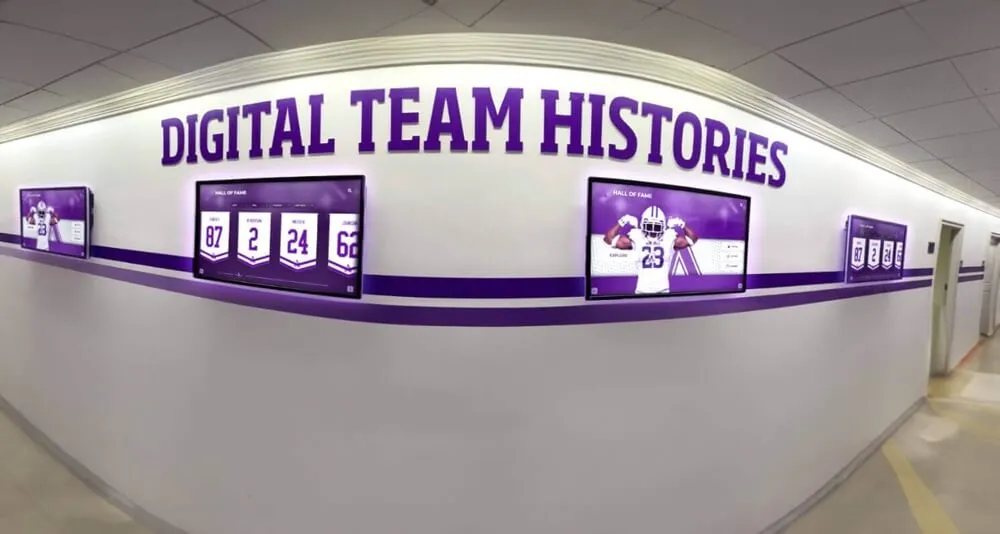
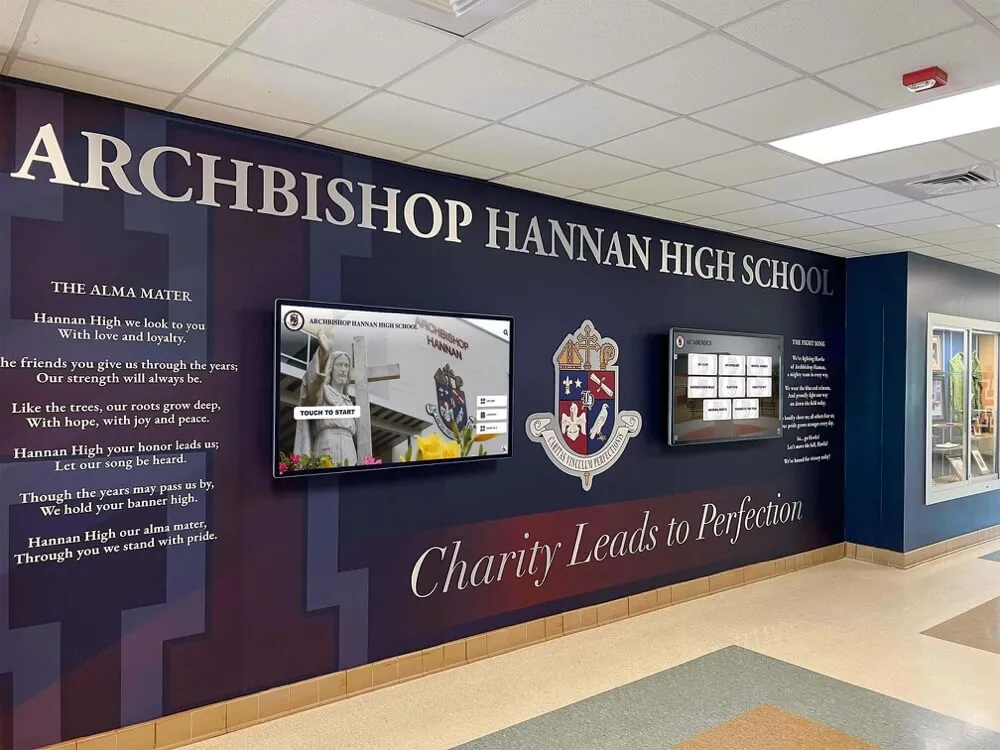
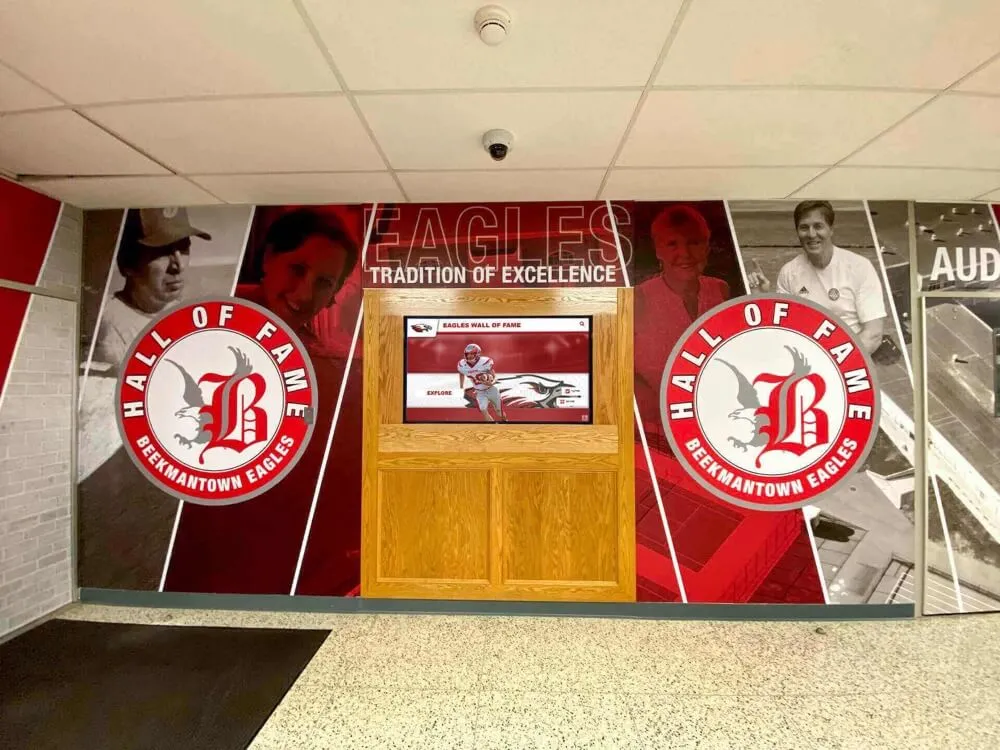
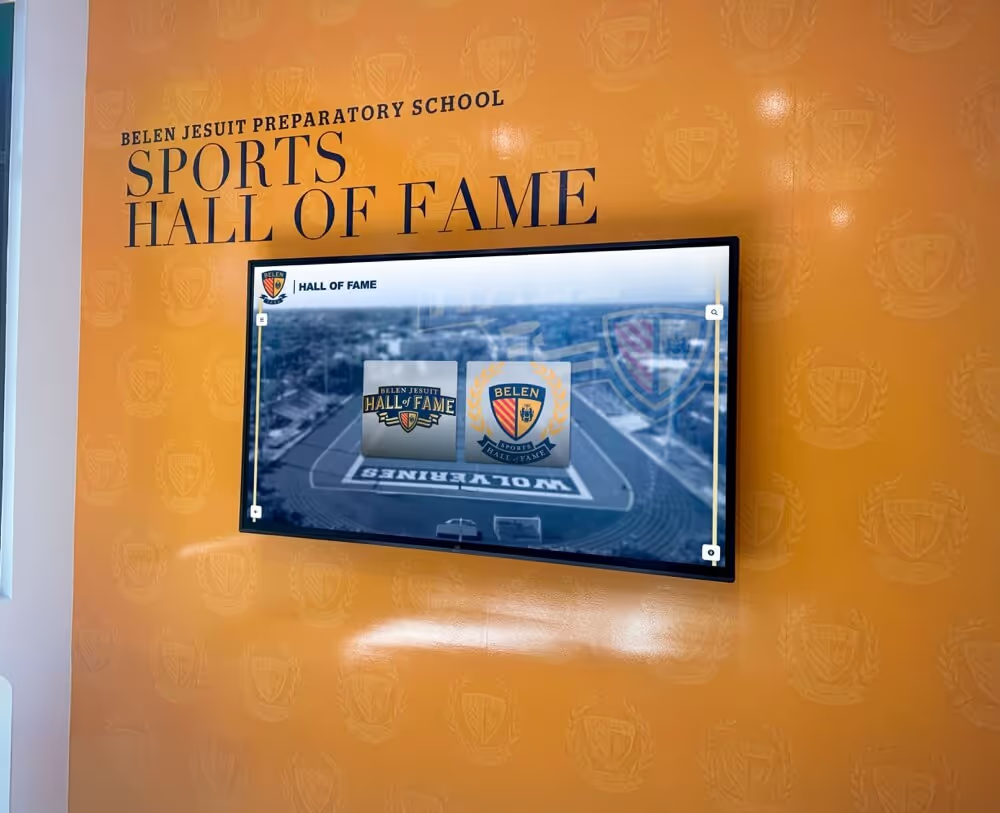
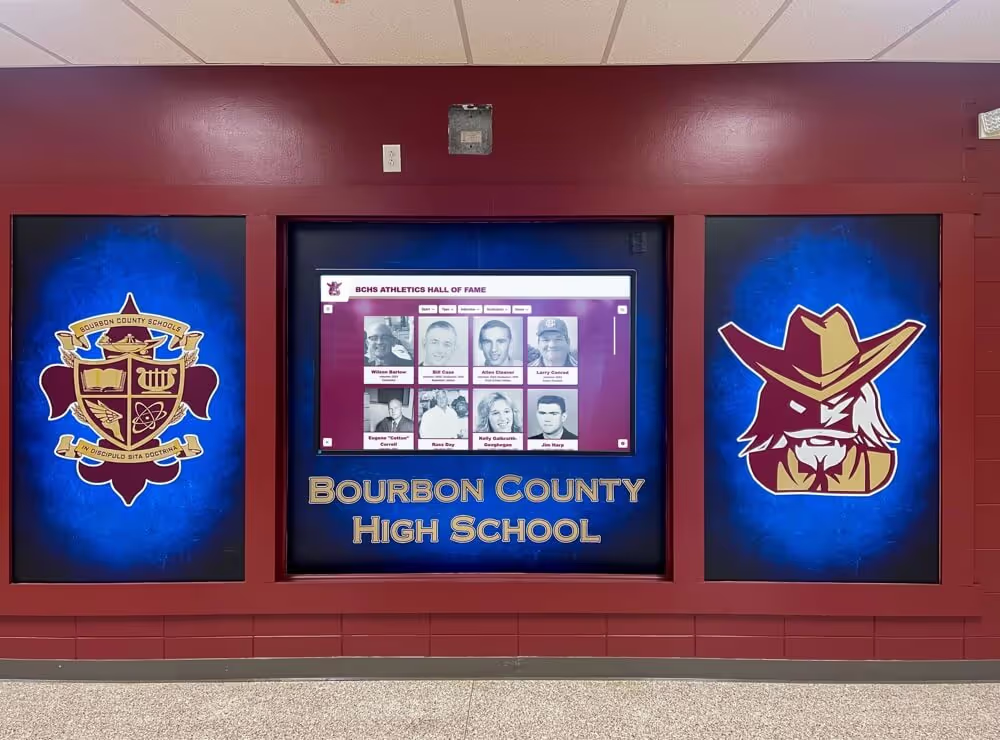
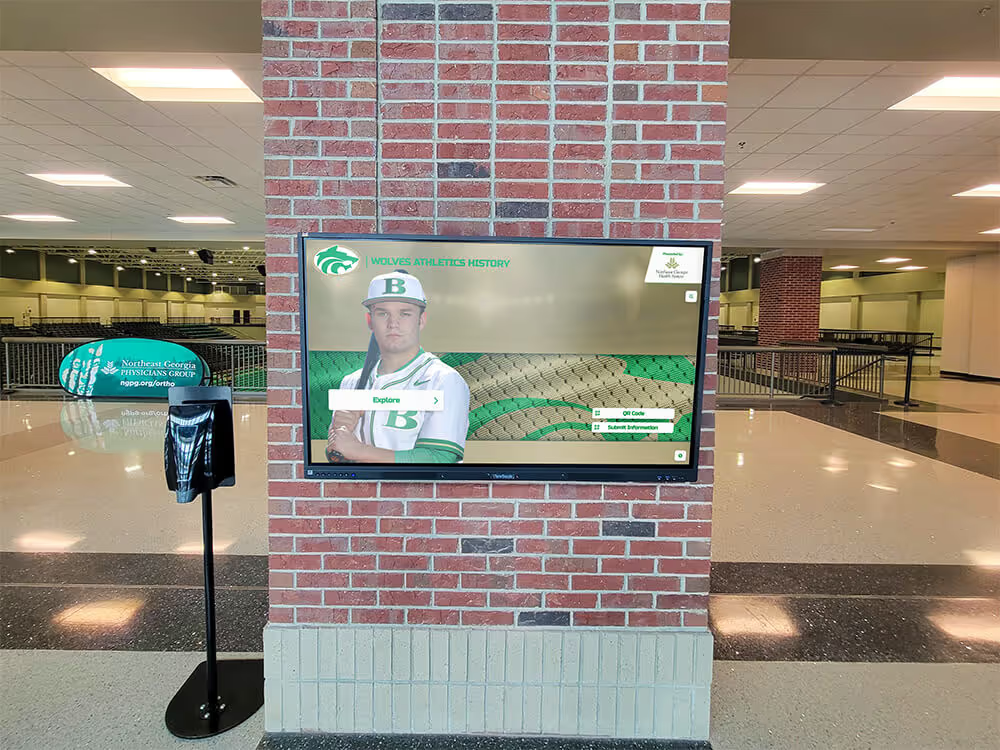
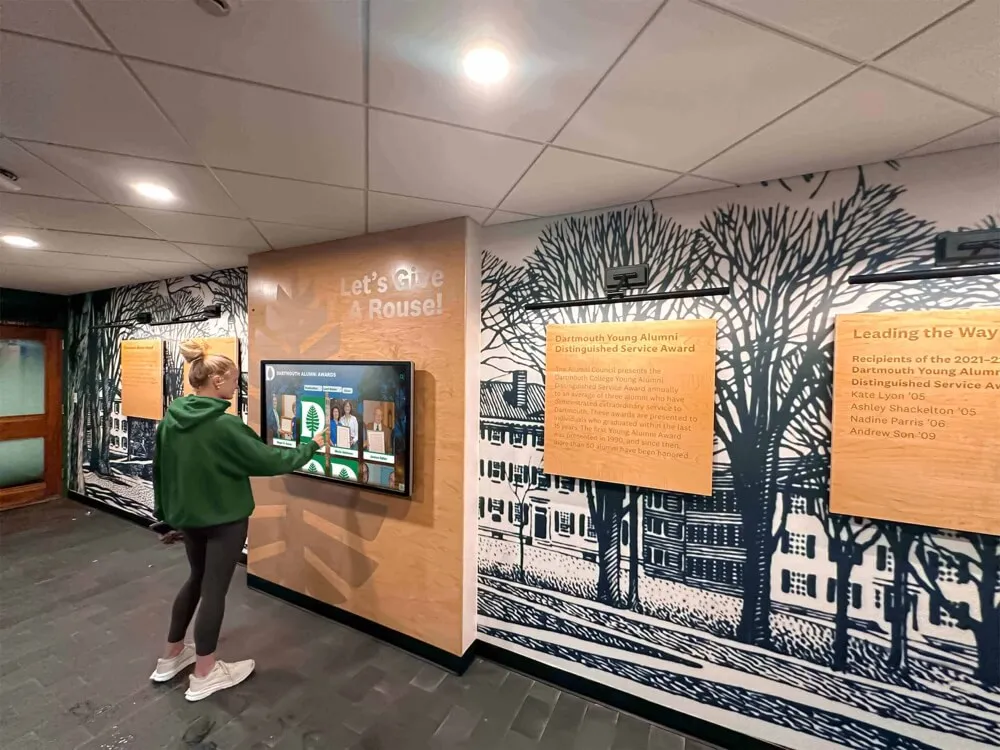
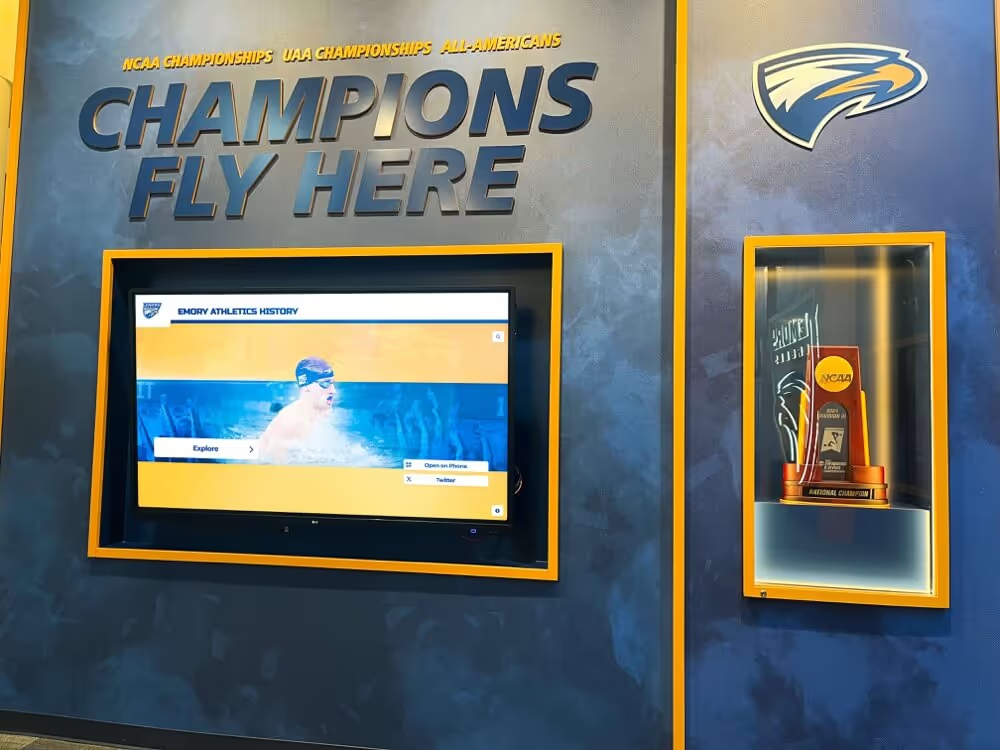
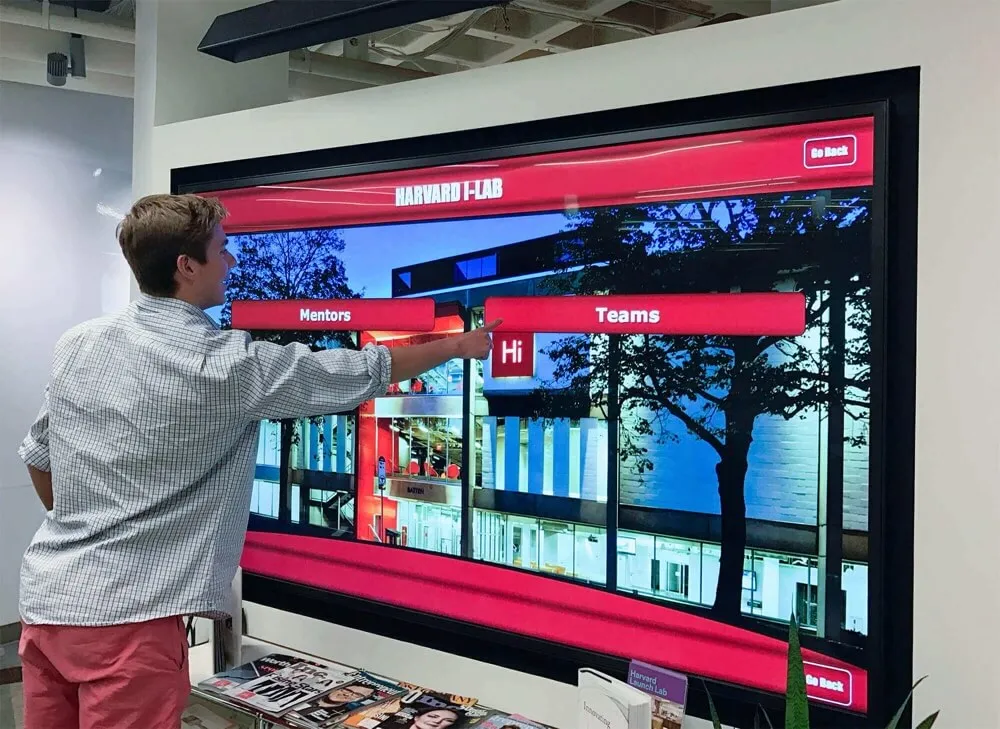
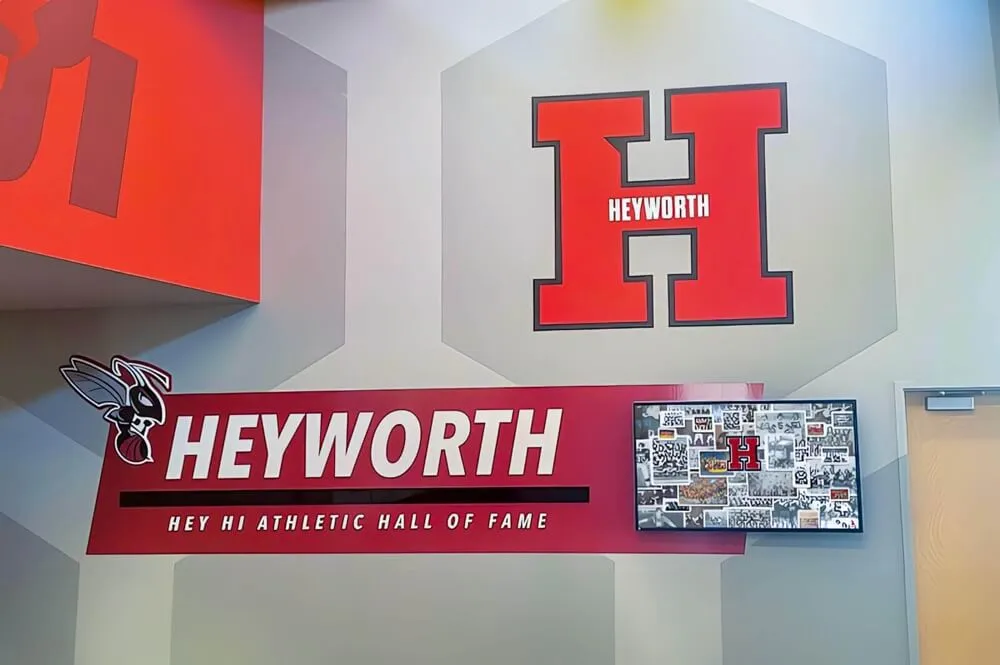
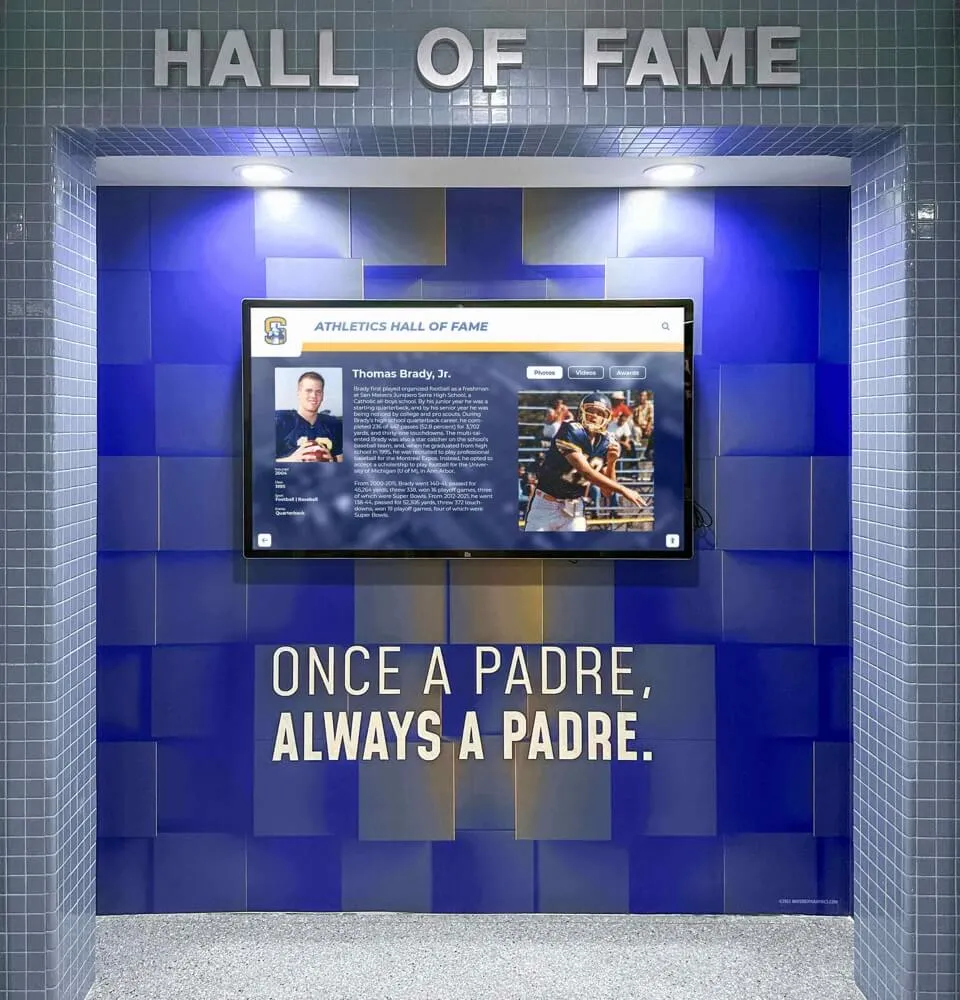
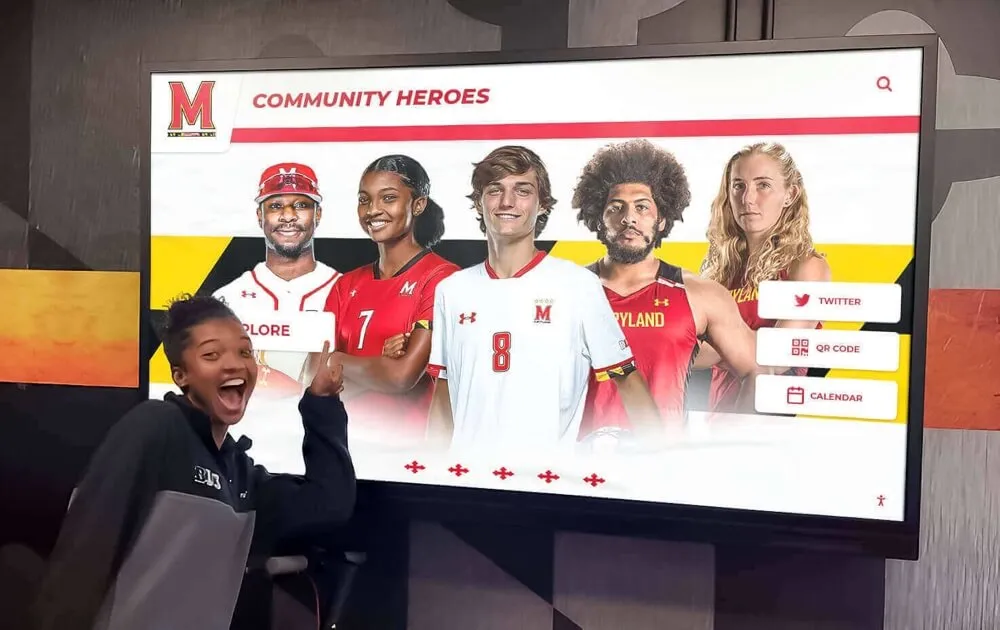
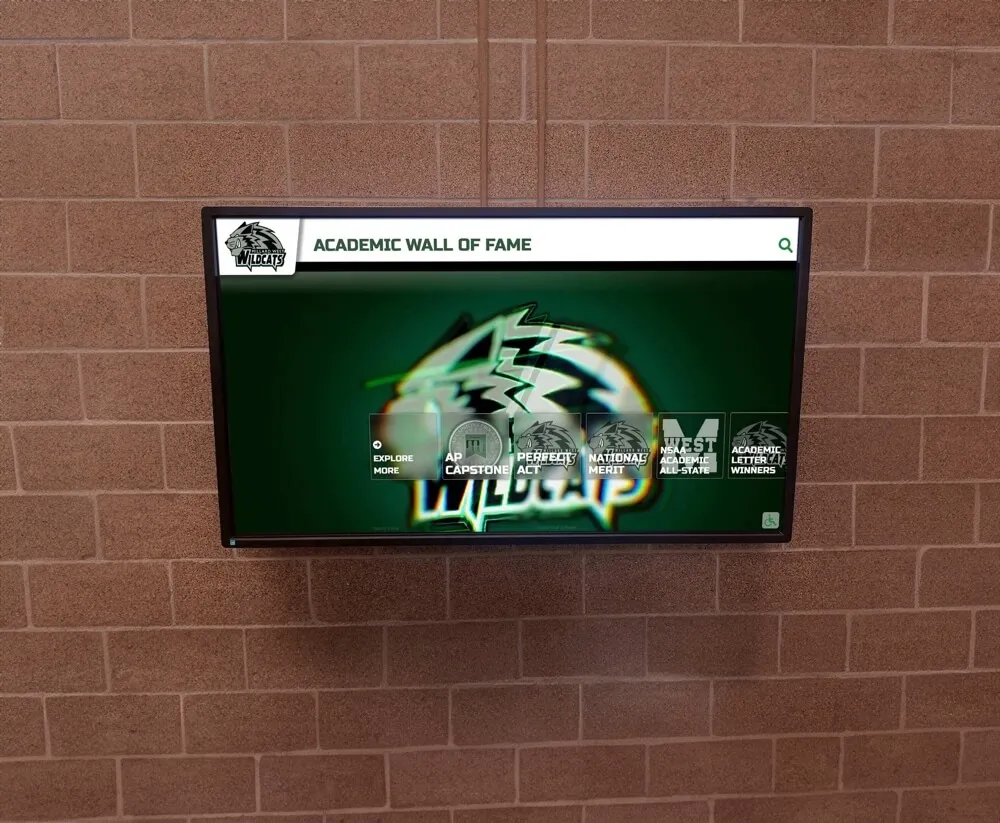
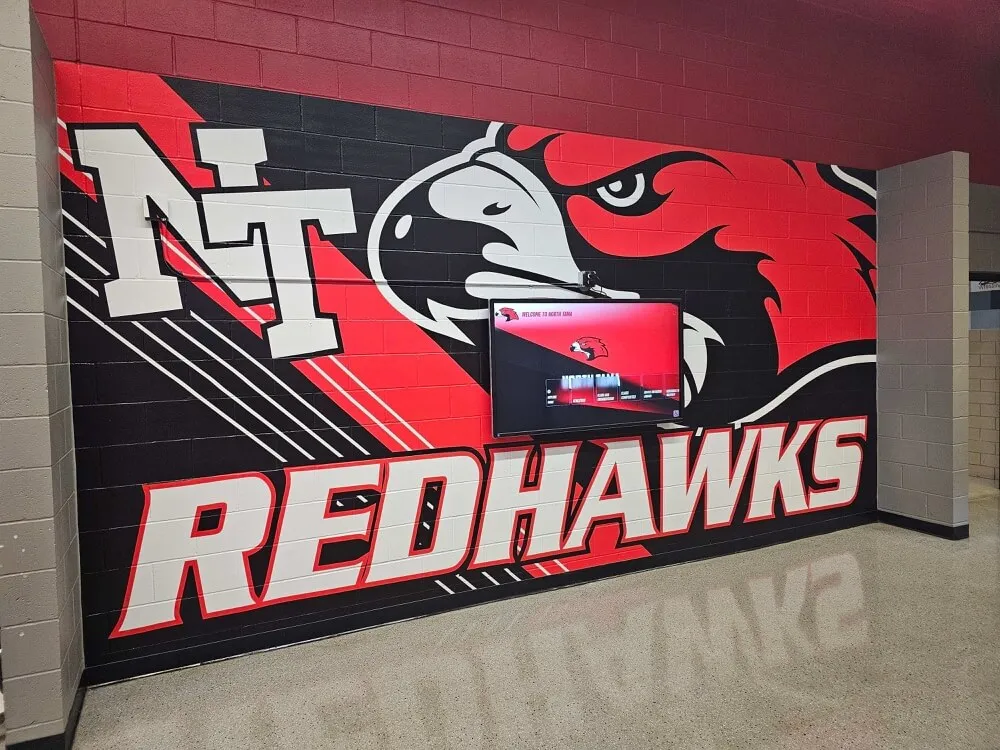
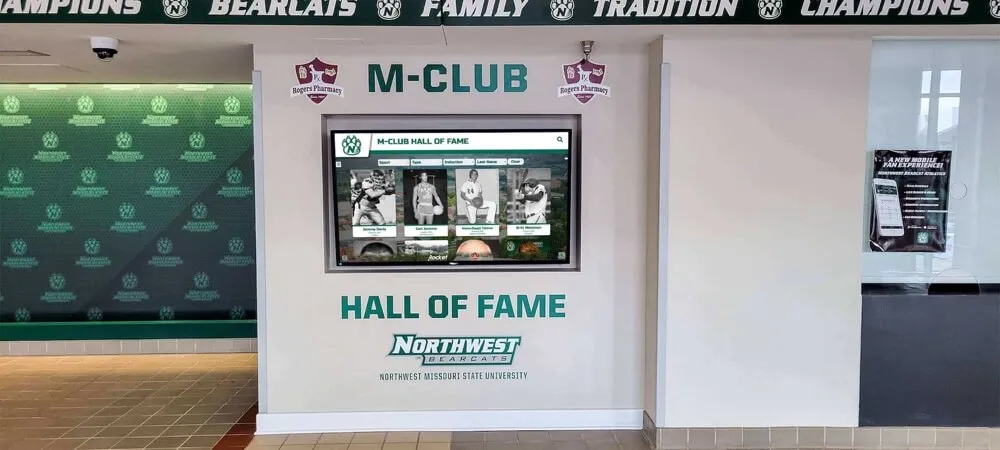
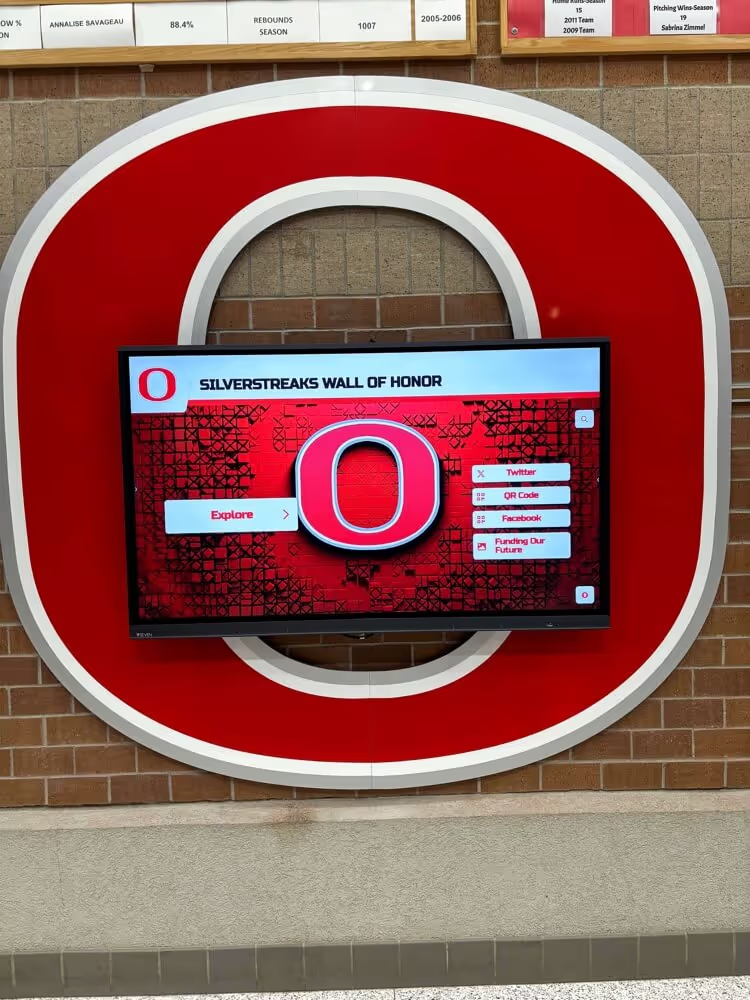
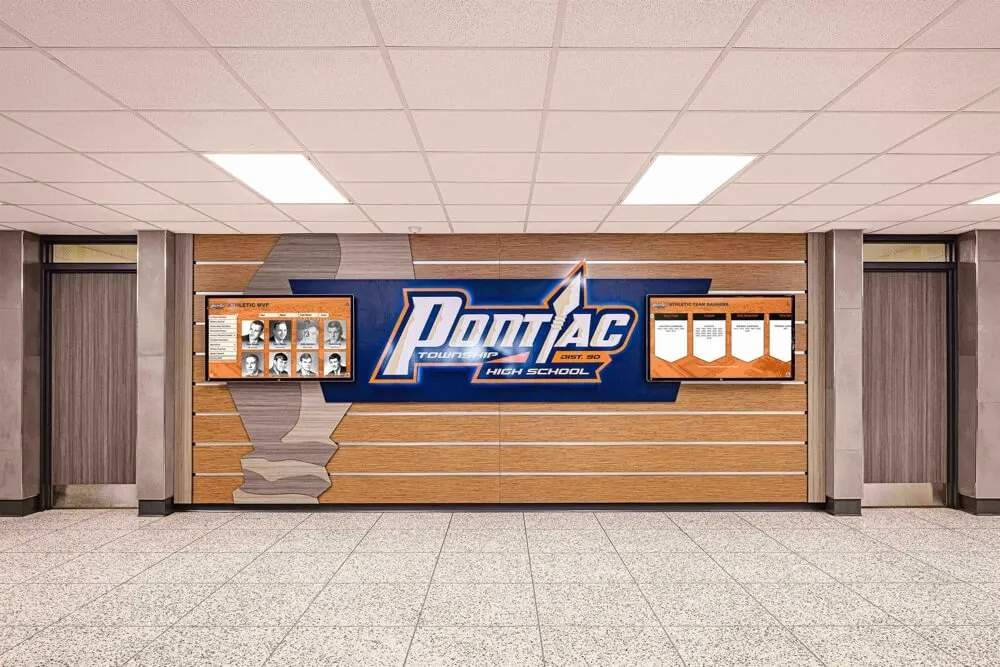
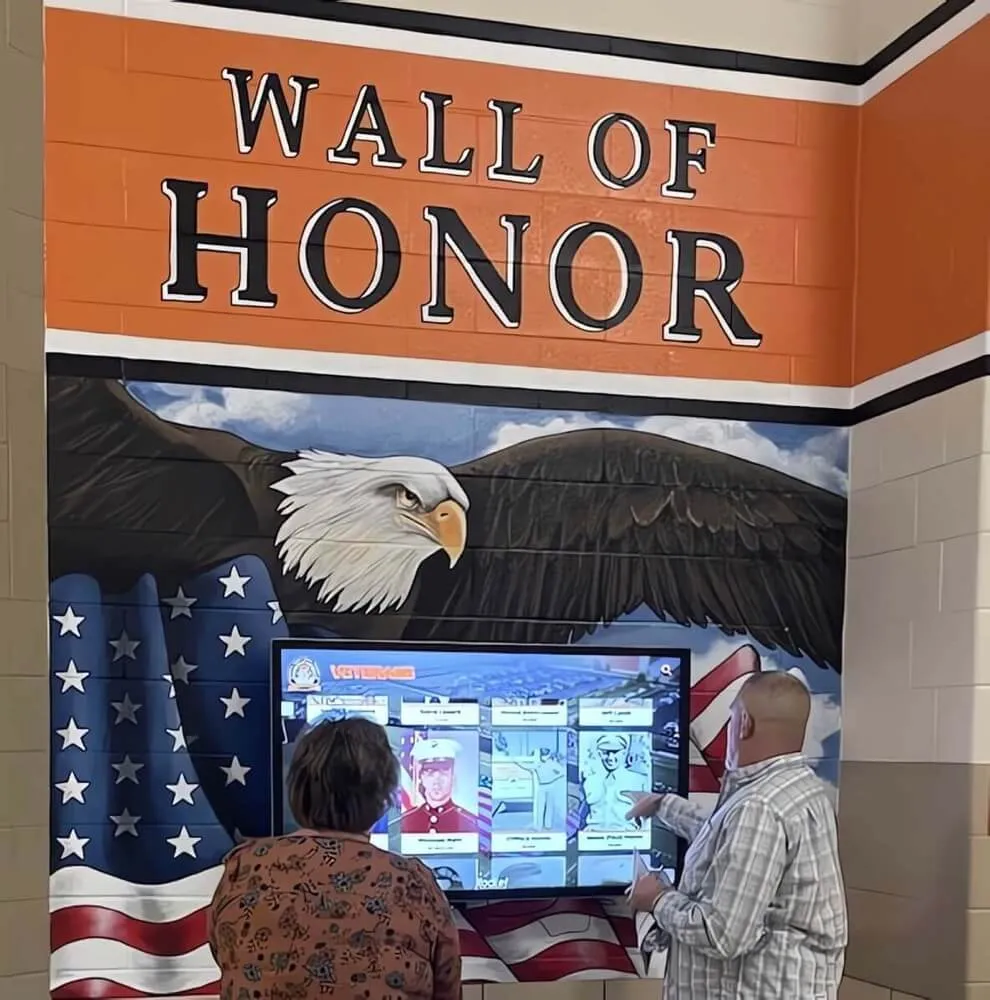
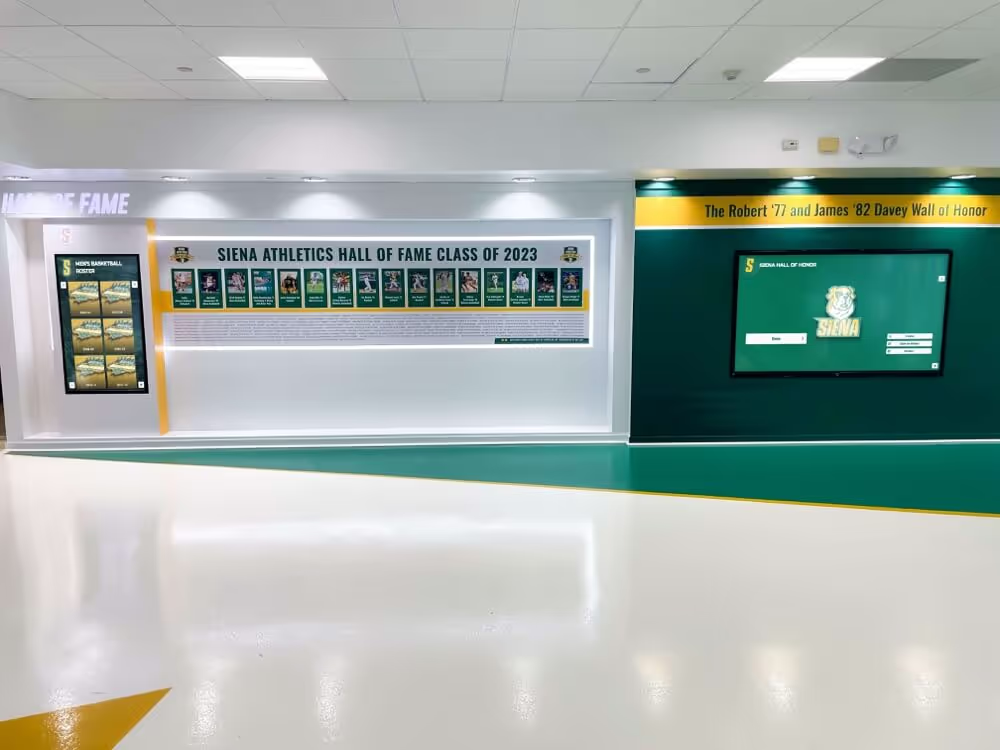
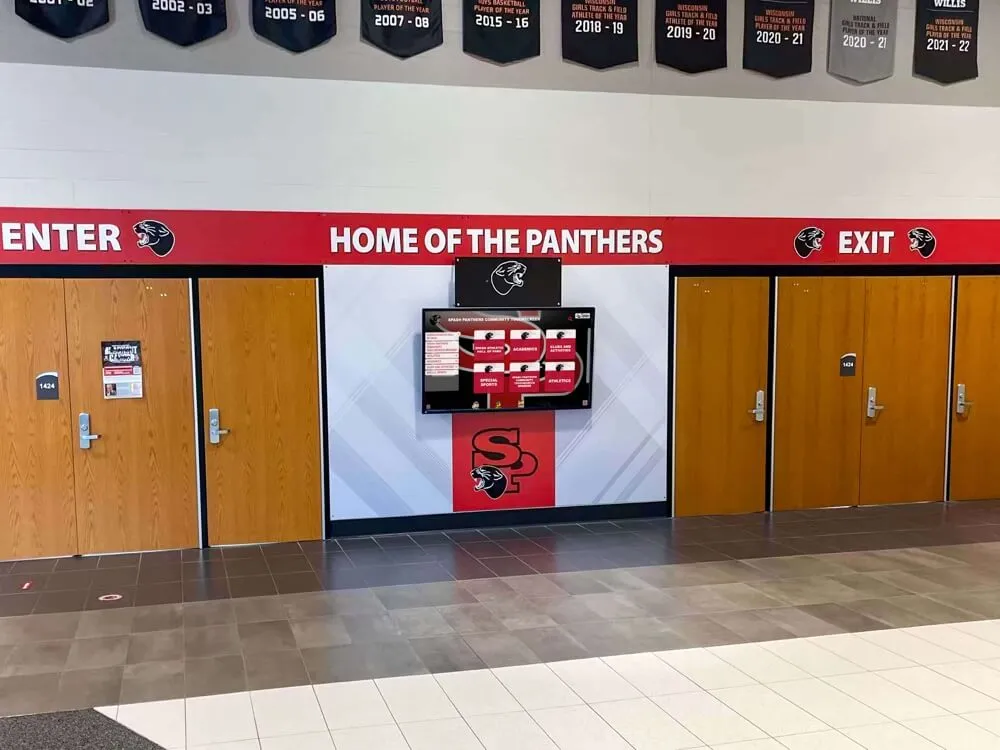
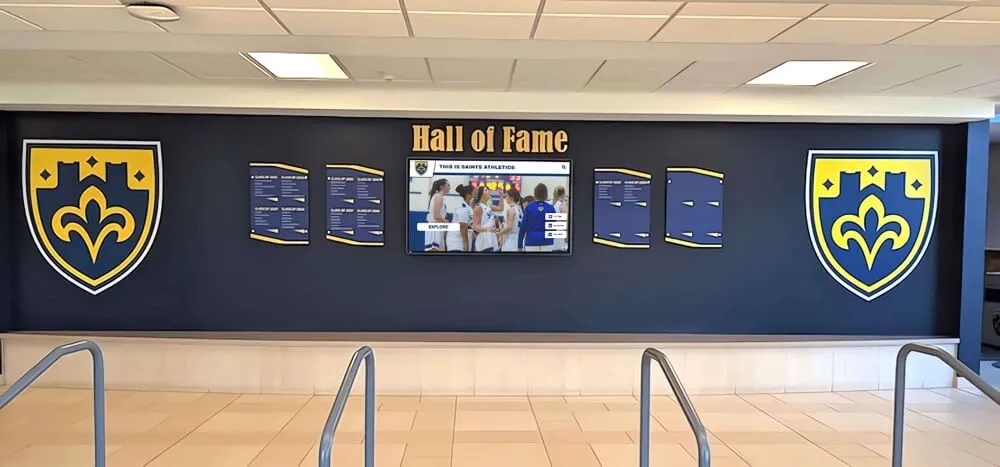
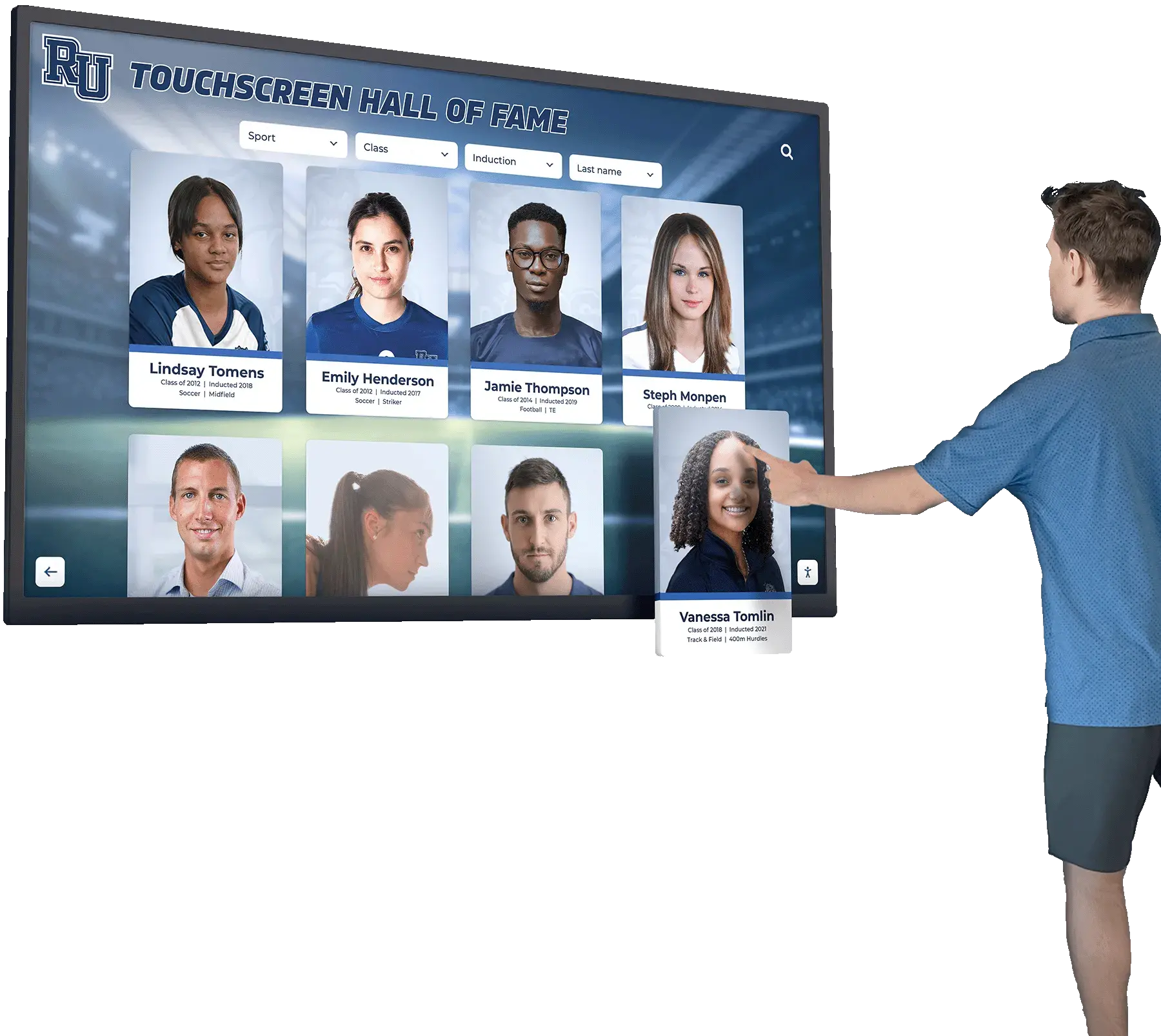
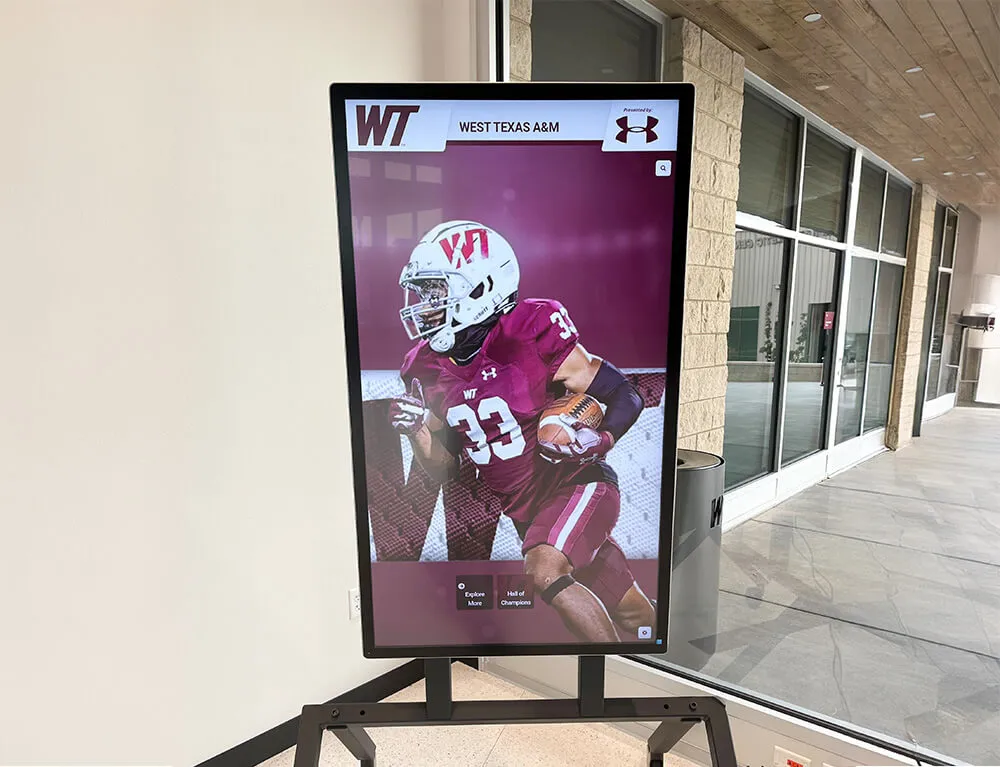
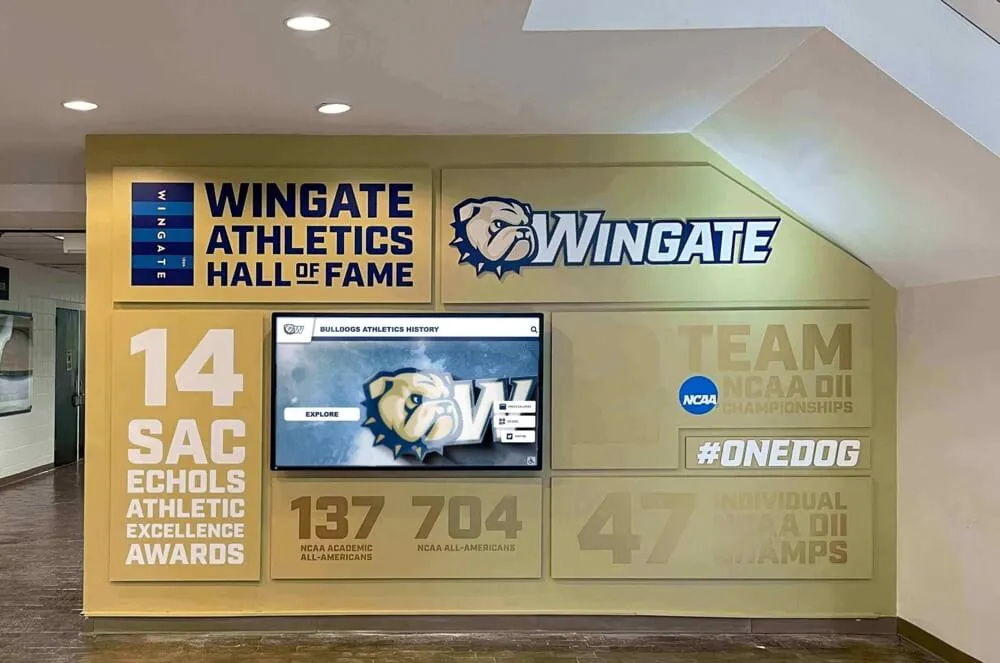
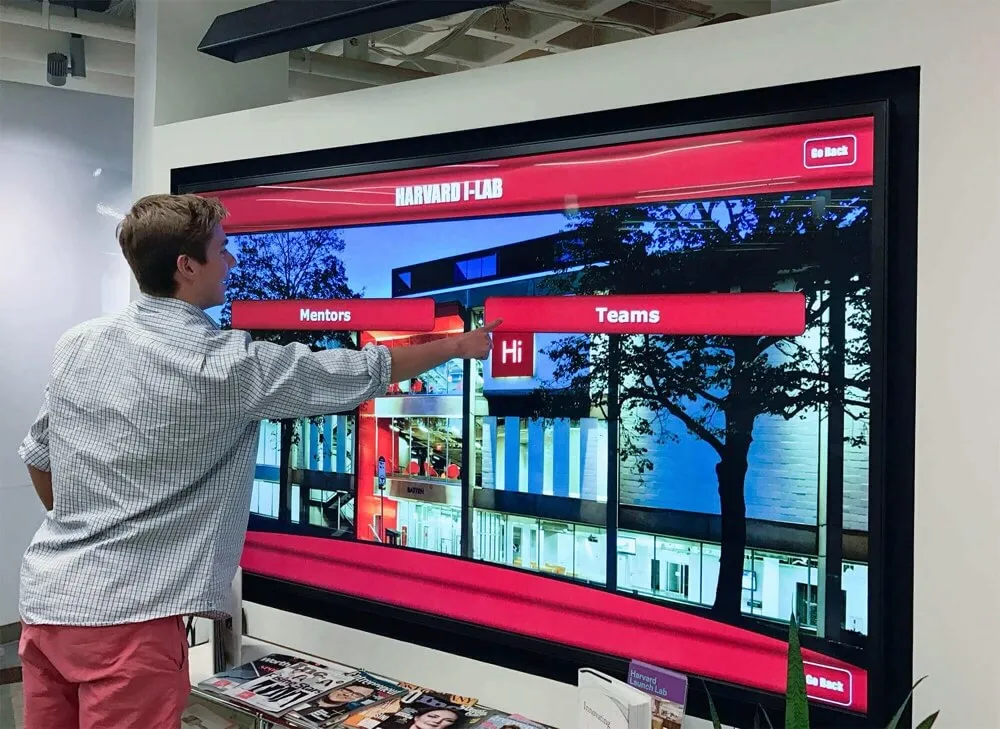
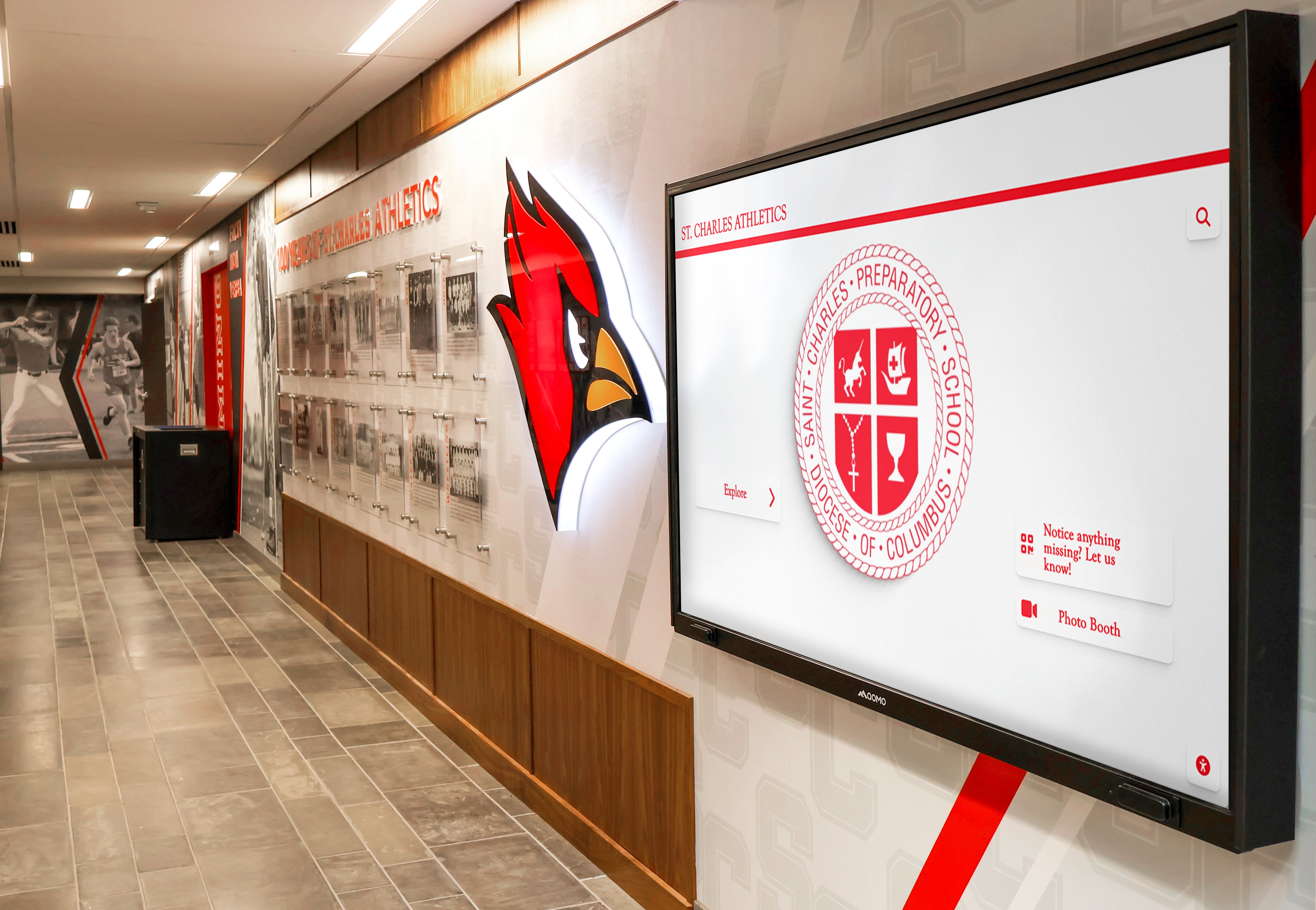
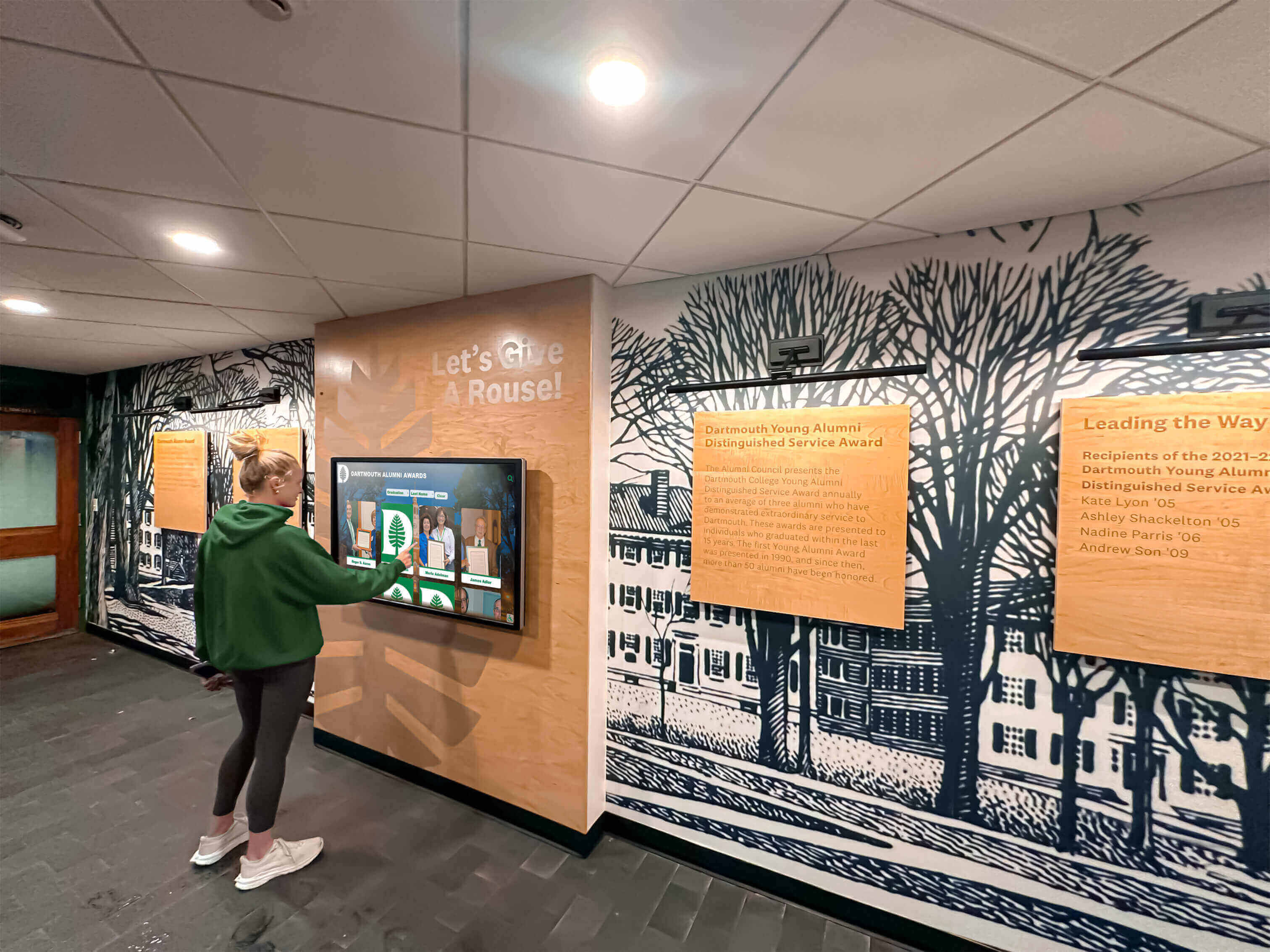
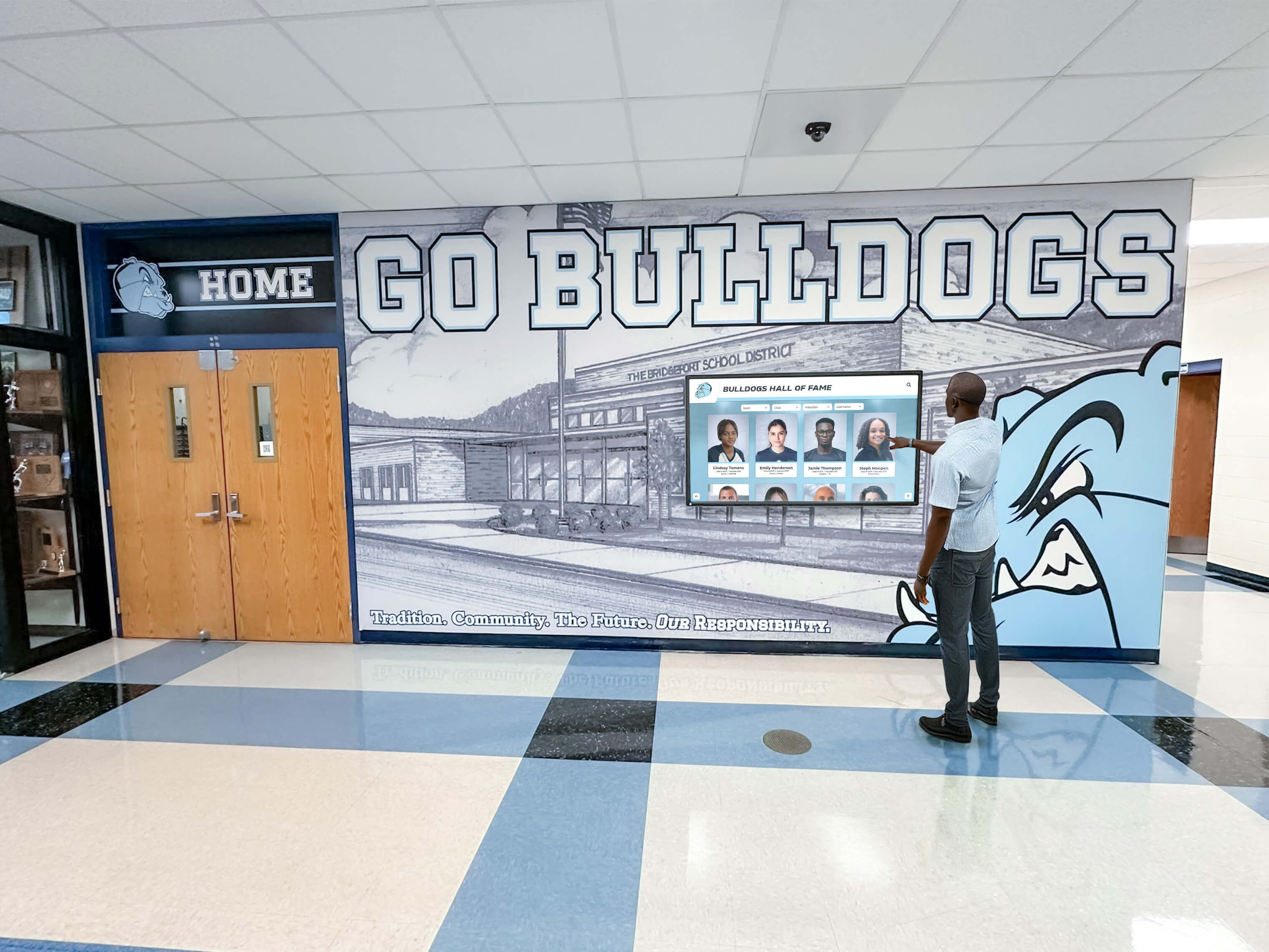
Solutions like digital recognition displays from Rocket Alumni Solutions eliminate these spatial and format constraints entirely. Digital systems provide unlimited capacity enabling comprehensive recognition for every band member across program history without physical space limitations. They incorporate rich multimedia content including performance videos, detailed show documentation, and extensive member biographies bringing achievements to life in ways physical plaques cannot approach.
Comprehensive Content Capabilities
Digital recognition platforms enable band program documentation far beyond names on plaques:
Performance Video Integration provides essential context for achievement. Digital displays can embed field show recordings showing complete competitive performances that earned championships or superior ratings, rehearsal documentation revealing preparation intensity and skill development, and multimedia presentations combining performance footage with judging commentary and score documentation. This video integration helps audiences genuinely understand what band achievement represents rather than simply reading competition results.
Detailed Show Documentation preserves artistic legacy. Recognition displays can include complete repertoire listings with composer information, show design concepts and thematic elements, formation diagrams showing choreography complexity, scoring breakdowns across music, visual, and general effect categories, and judge commentary providing specific feedback about performance strengths. This documentation transforms recognition from simple results reporting into comprehensive show archiving.
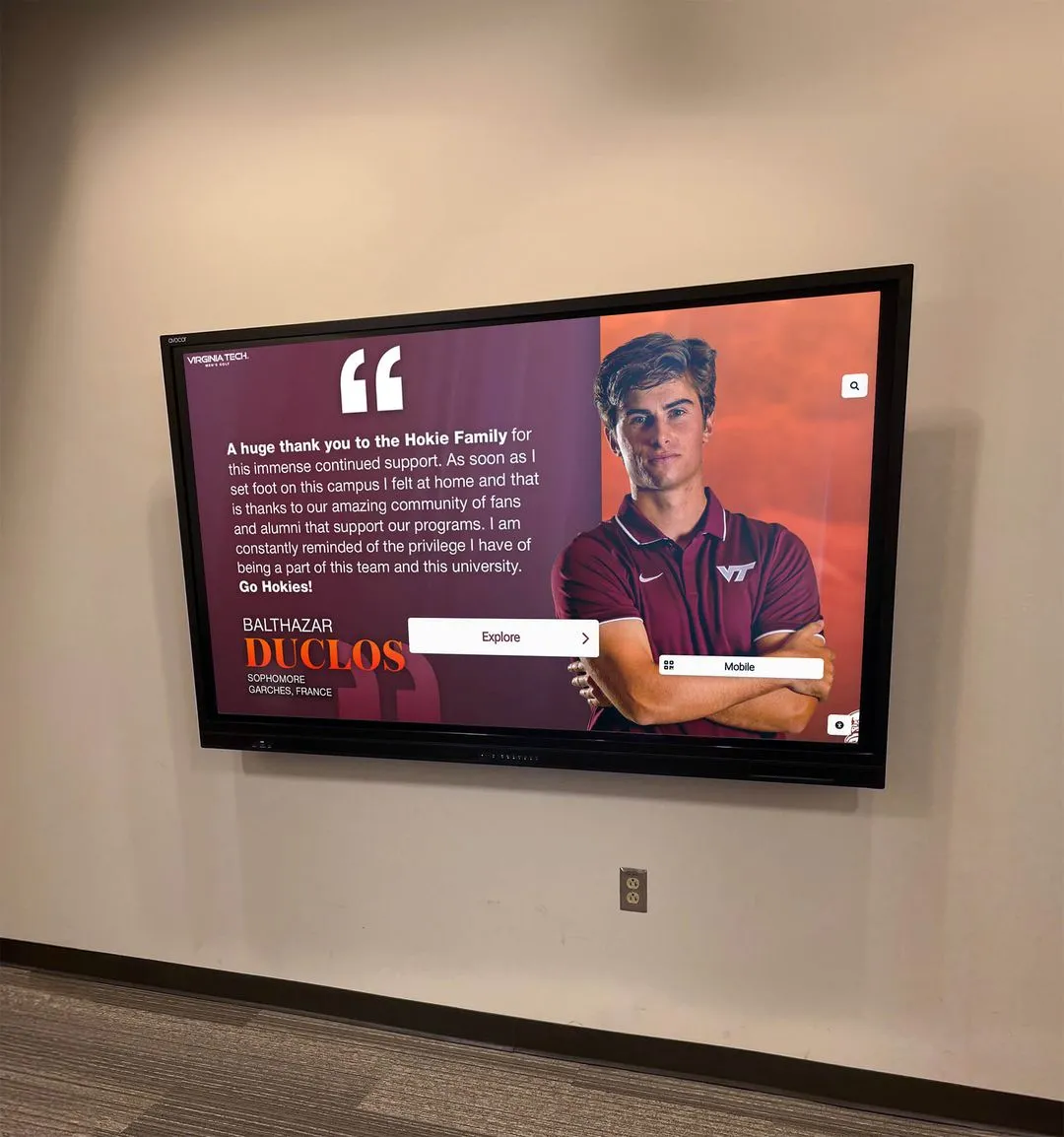
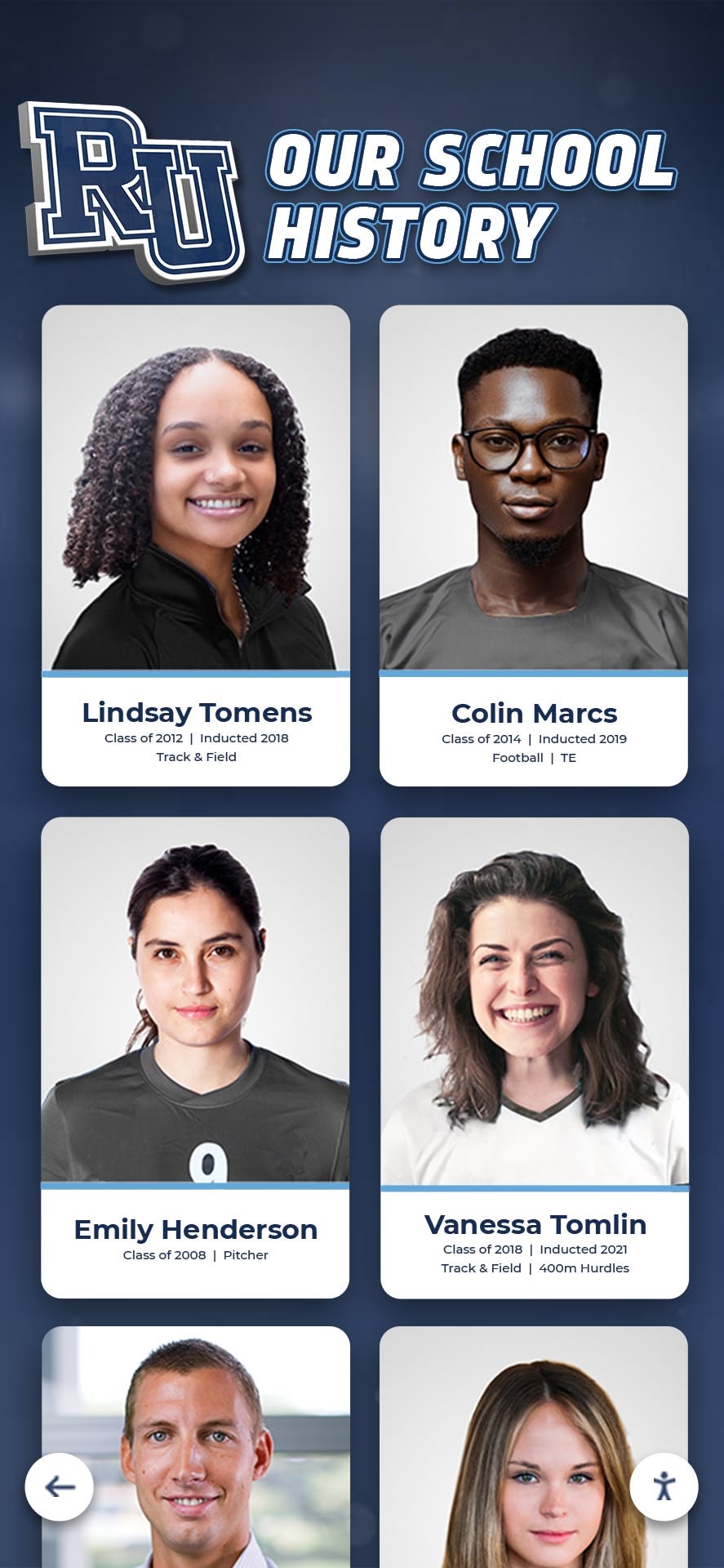
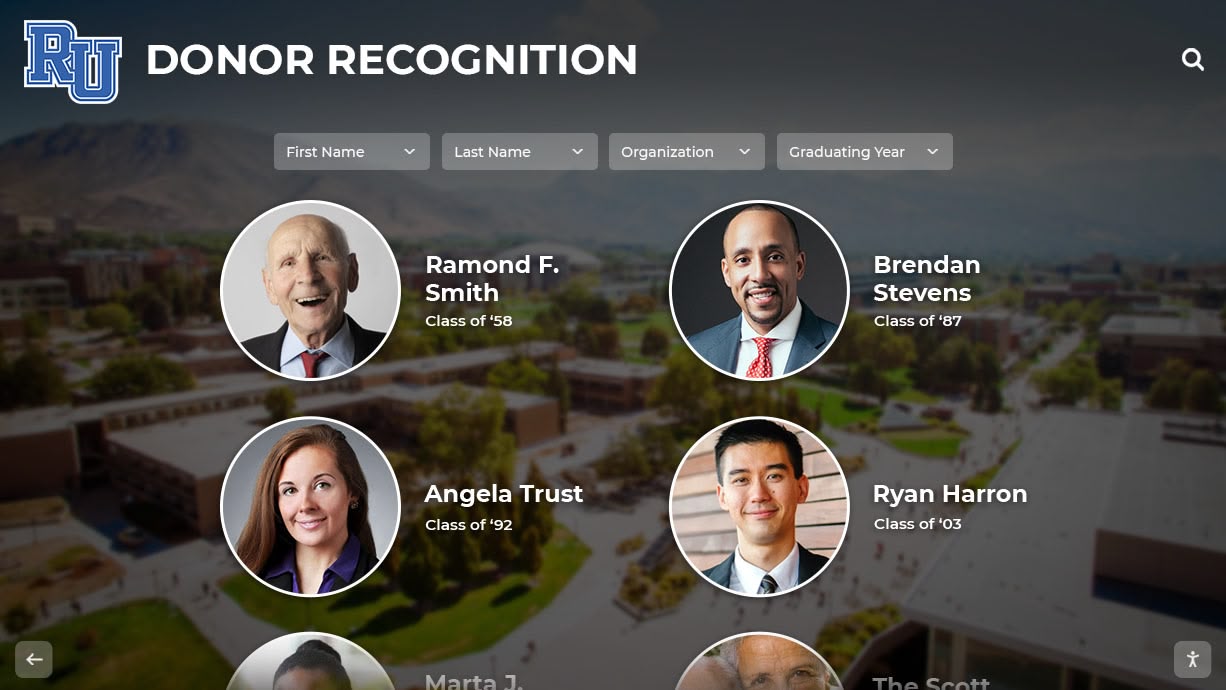
Individual Member Profiles honor ensemble while recognizing individuals. Digital systems can maintain profile pages for every band member including performance photographs, biographical information, instrument performed and section membership, leadership roles held, years of program participation, post-graduation trajectories for alumni, and personal reflections about band experience. These profiles demonstrate that schools value every member’s contribution—not just competitive results or leadership positions.
Historical Timeline Features connect current programs with legacy. Interactive timelines can chronologically display program evolution across decades, enable filtering by competitive achievement level or specific years, highlight milestone achievements and championship seasons, showcase changing uniform styles and visual design evolution, and document director transitions and program leadership history. Timeline features create institutional narrative showing how current excellence builds upon historical foundation.
Searchable Databases and Interactive Features
Digital displays transform passive recognition viewing into active engagement:
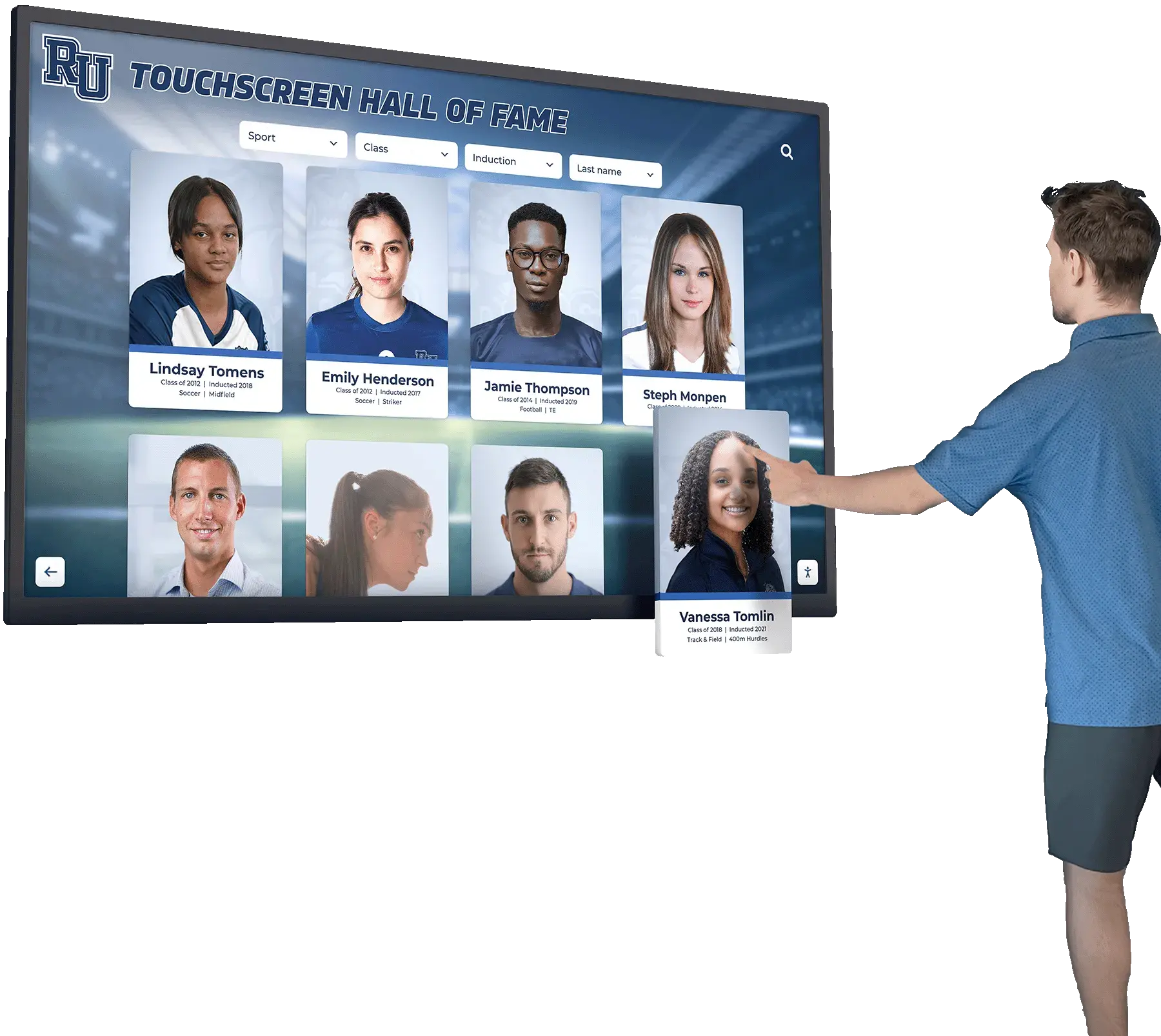
Member Search Functionality enables personalized discovery. Visitors can search by member name finding specific individuals, filter by graduation year locating particular era of program history, search by instrument or section finding all trumpet players or percussion alumni, or browse by leadership role identifying all drum majors throughout program history. Search capabilities matter especially for alumni returning to campus who want to find their own recognition or remember peers from their band years.
Achievement-Based Filtering helps audiences explore specific excellence categories. Users can view all championship seasons in program history, examine years earning perfect scores or superior ratings, identify shows that earned specific caption awards, or compare achievement across different competitive eras. These filtering options enable both casual browsing and detailed research about program accomplishment.
Remote Accessibility extends recognition beyond campus. Unlike physical plaques visible only to campus visitors, digital systems with web integration enable distant alumni accessing recognition displays remotely, prospective students exploring program history during recruitment research, community members engaging with band achievement without campus visits, and archival researchers studying program development across extended timelines. Remote access dramatically expands recognition visibility and impact. Schools implementing comprehensive digital archives create resources valuable far beyond initial recognition purposes.
Analytics and Engagement Tracking
Digital recognition systems provide data about recognition effectiveness traditional displays cannot offer:
Visitor Engagement Metrics reveal what content resonates. Schools can track which shows or seasons receive most viewing, identify which band members’ profiles generate greatest interest, determine whether video or photographic content drives deeper engagement, and assess how long visitors interact with recognition displays versus briefly glancing at physical plaques. These insights help band directors understand what achievement documentation community values most.
Search Pattern Analysis shows how people explore band history. Analytics reveal whether visitors primarily search for recent seasons versus historical content, if alumni concentrate on their own graduation years or browse broadly, whether instrument-specific searches occur frequently, and if competitive achievement or show design content generates greatest interest. Understanding these patterns helps schools optimize content presentation and documentation priorities.
Continuous Improvement Data enables recognition program refinement. Engagement analytics guide decisions about what additional content to develop, which documentation formats prove most compelling, how to organize information for intuitive navigation, and whether recognition displays successfully engage target audiences including current students, parents, alumni, and prospective members.
Integrating Band Recognition Into School Culture
Marching band recognition achieves maximum impact when integrated into comprehensive school culture rather than existing as isolated display or occasional announcement.
Creating Recognition Equity Across Programs
Schools must ensure marching band receives recognition commensurate with achievement rather than systematically less visibility than athletic programs:
Parallel Recognition Structures demonstrate institutional equity. When athletic teams receive hall of fame induction for championships, equivalent band achievement should generate equivalent recognition. When schools maintain championship banners for athletic titles, band championships merit comparable visibility. When athletic record boards display historical achievement, band displays should document comparable program history with equal prominence and quality.
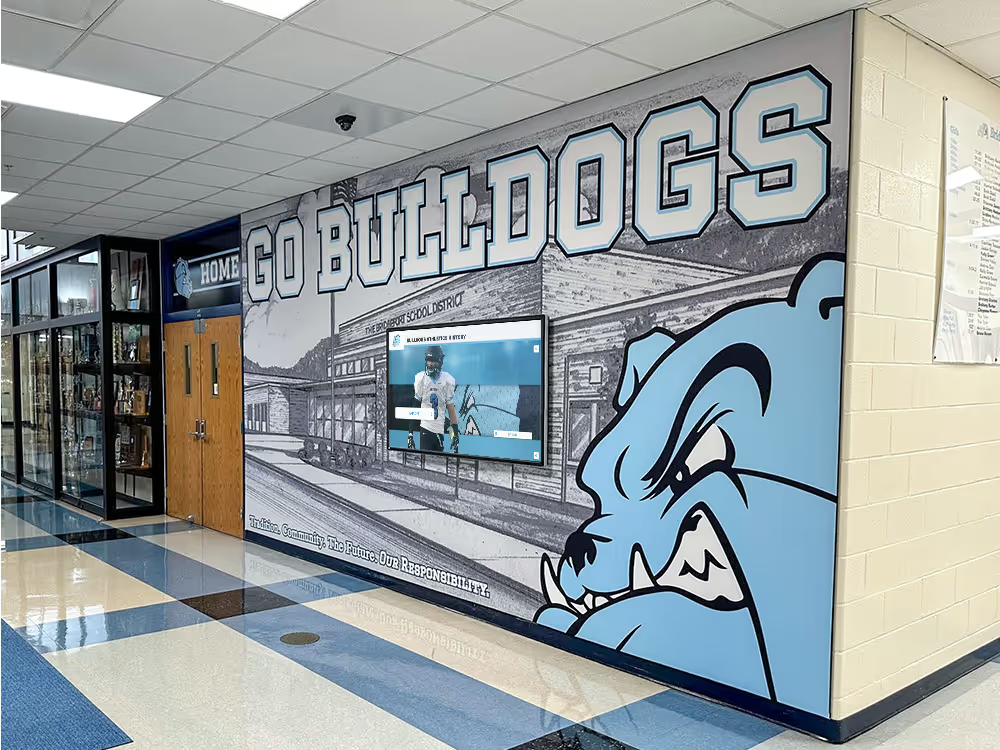
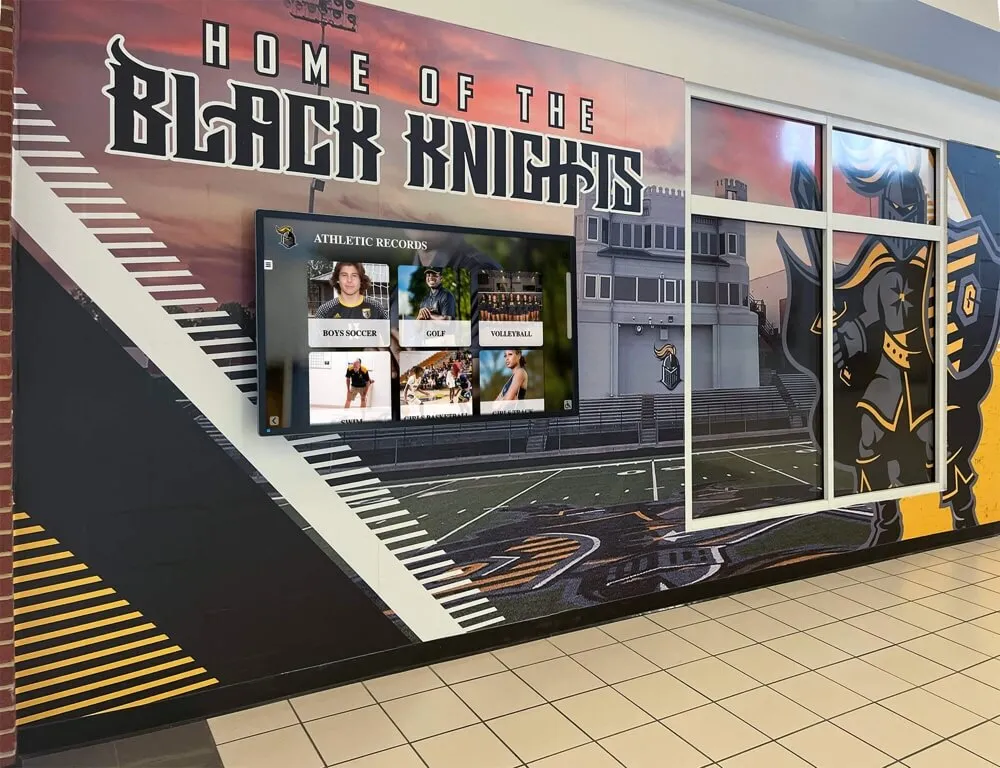
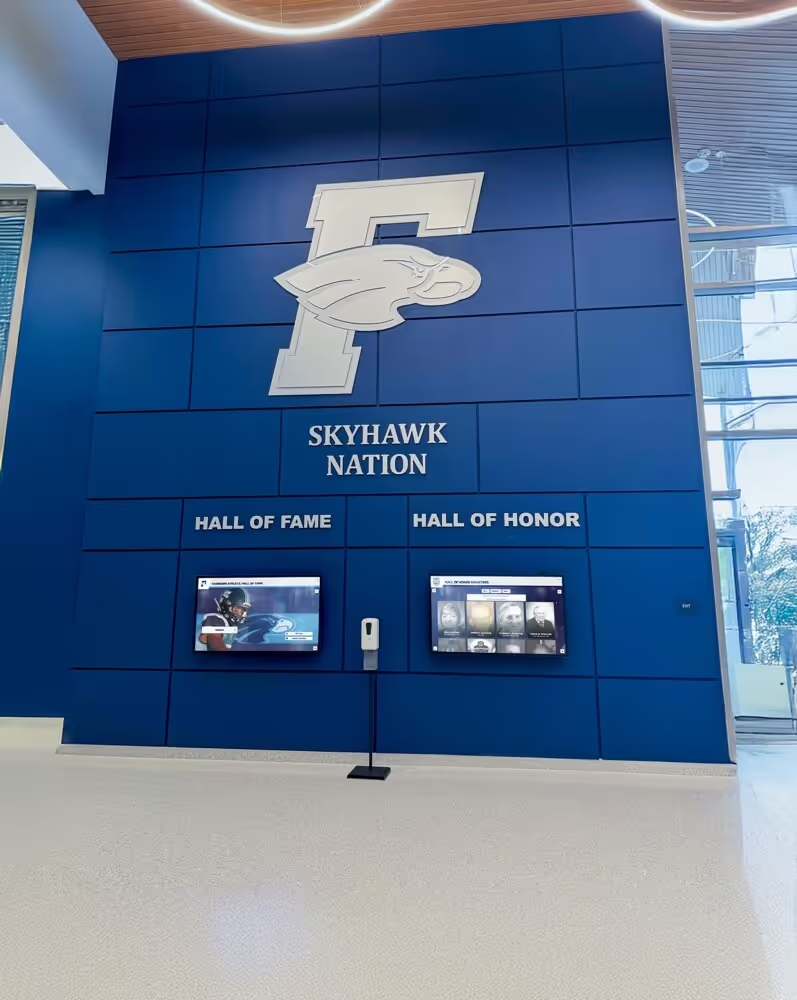
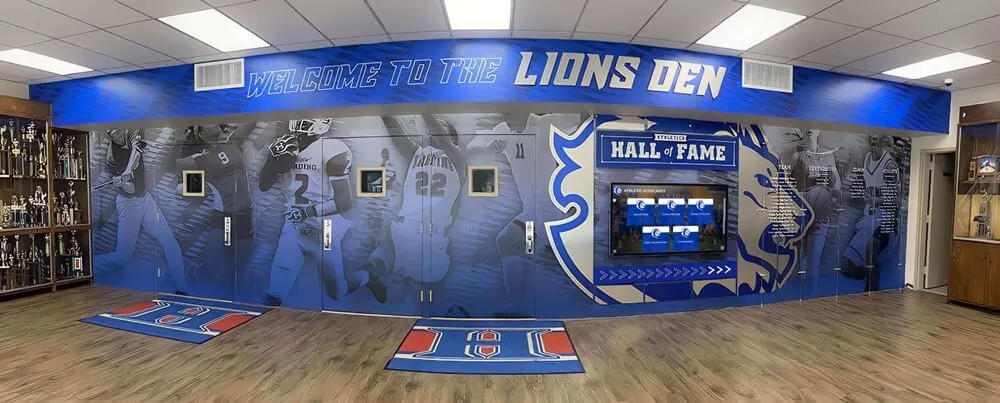
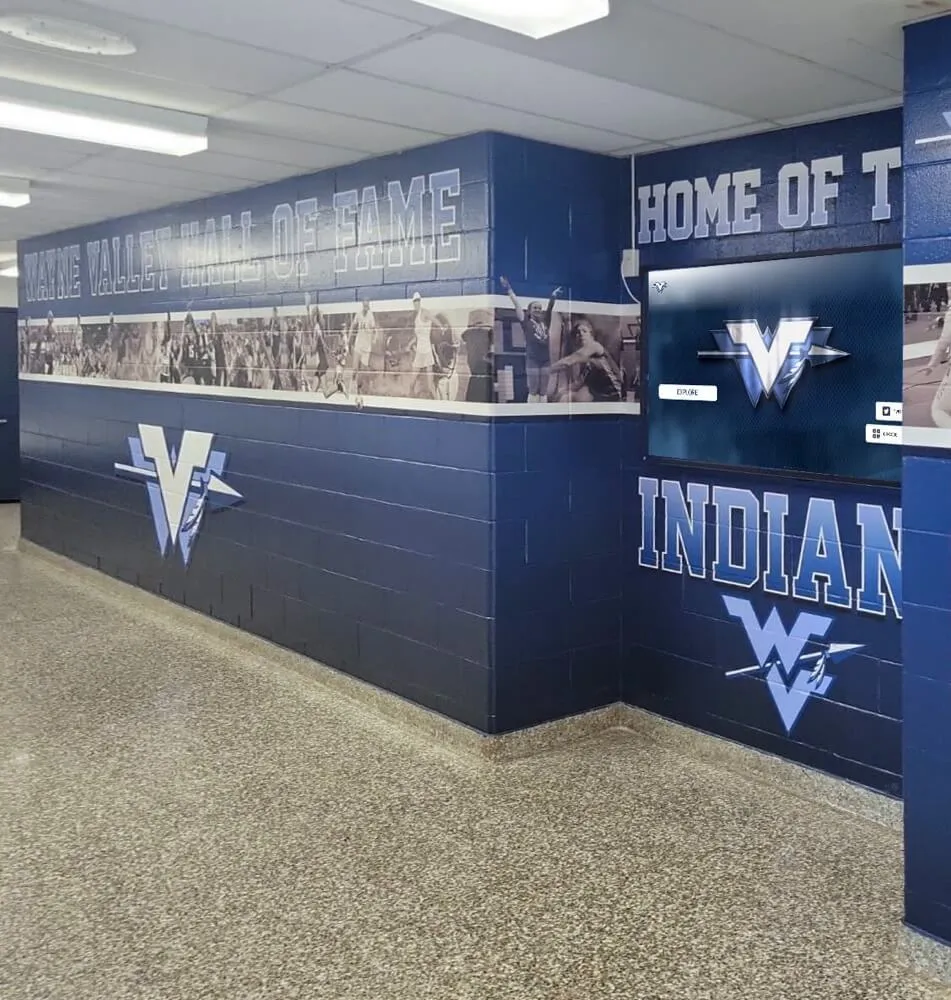
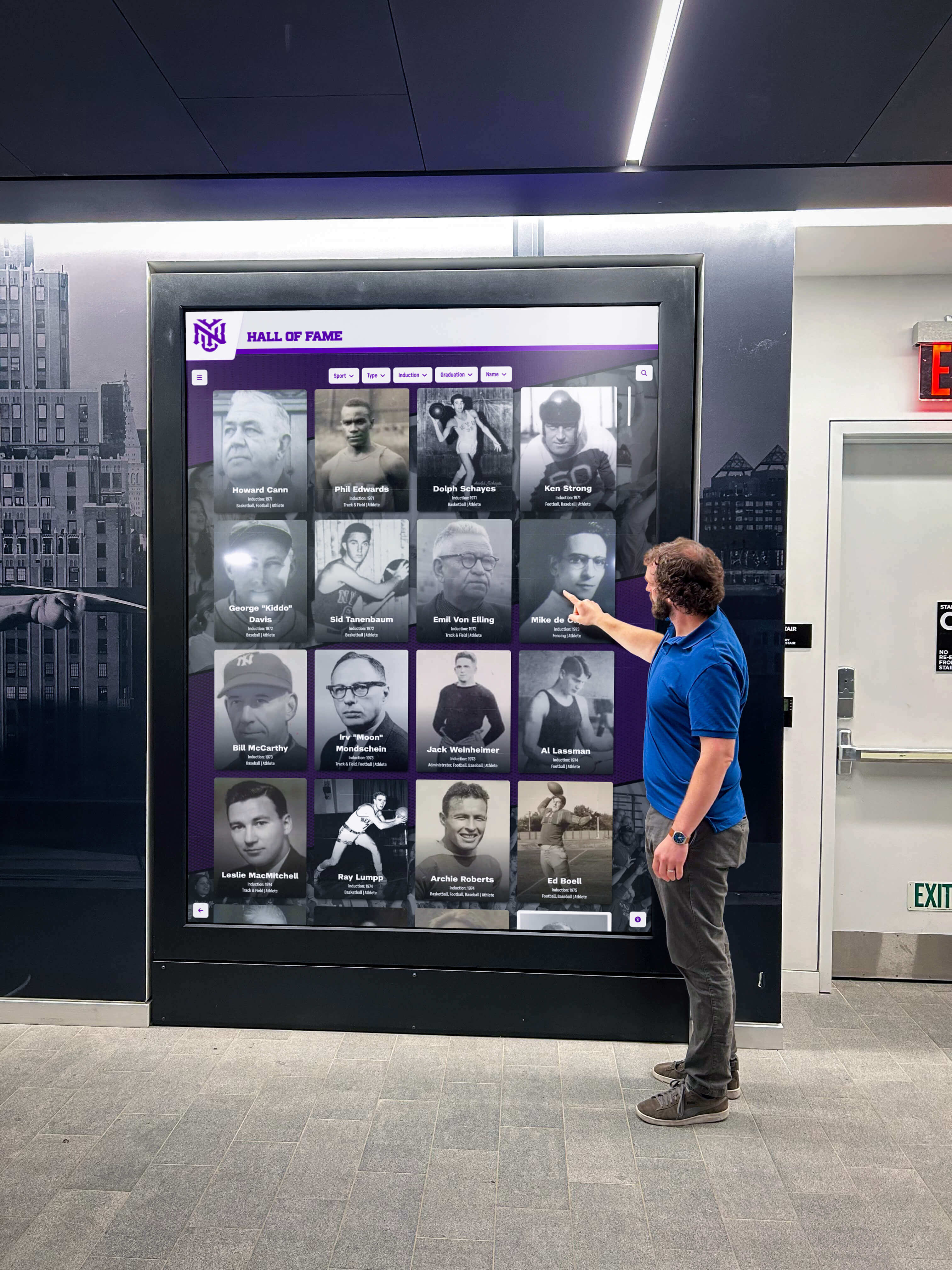
Facility Location and Visibility communicates recognition priority. Locating band recognition displays in main entryways, administrative areas, or other high-traffic locations rather than isolated band wing locations signals that band achievement matters to entire school community. Many schools implementing digital recognition displays position them alongside athletic recognition—sometimes even integrating both programs within unified school achievement displays demonstrating that excellence deserves celebration regardless of activity type.
Budget Allocation Equity ensures sustainable recognition capacity. Recognition programs require ongoing investment for ceremony production, display installation and maintenance, content development, and administrative coordination. Schools should assess whether band recognition receives funding comparable to athletic recognition or faces systematic budget disadvantages preventing quality recognition program development.
Student Education About Band Achievement
Many students outside band programs lack understanding of marching band competitive structure and achievement significance:
Assembly Presentations can educate entire student body about band accomplishment. When bands achieve major competitive success, school-wide assemblies enable band directors to explain competitive structure and achievement context, demonstrate performance excerpts revealing show difficulty and execution quality, introduce student leaders and highlight their coordination roles, and position band achievement as school accomplishment worthy of community pride comparable to athletic championships.
Video Documentation for School Community helps non-band audiences appreciate achievement. Schools can share brief competition performance videos through morning announcements, display field show recordings on lobby monitors during school day, create highlight compilations showcasing season progression, and produce documentary-style content explaining preparation intensity and skill development required for competitive success. Video exposure builds understanding and appreciation among students who never attend band competitions.
Integration With School History and Pride Initiatives connects band to broader institutional narrative. Schools developing comprehensive recognition for institutional excellence should incorporate band achievement alongside athletic, academic, and arts recognition. When schools showcase historical timelines or legacy documentation, band should feature prominently as major component of school tradition and community identity. Resources like nostalgia-driven school community marketing demonstrate how comprehensive historical documentation strengthens institutional identity and pride.
Family and Community Engagement
Band recognition extends beyond current members to encompass families, alumni, and broader communities:
Family Involvement in Recognition Events creates meaningful shared experiences. Annual band banquets, recognition ceremonies, or display unveiling events should explicitly invite family participation through reserved seating and dedicated programs, recognition of family support during acknowledgment speeches, photo opportunities for multi-generational family groups, and distribution of certificates or commemorative items families can cherish. These inclusive approaches strengthen family connection to programs while creating positive experiences that generate long-term support.
Alumni Network Development through recognition programs creates ongoing community. Digital recognition systems naturally facilitate alumni connection by providing accessible documentation of their band years, creating platforms for alumni to share updates and “where are they now” content, enabling current students to learn from alumni experiences and trajectories, and organizing alumni networking events leveraging recognition displays as gathering focal points. Strong alumni networks provide mentorship for current members while generating philanthropic support and community advocacy.
Community Pride and Recognition Visibility extends band achievement impact beyond campus. Local media coverage of major competitive achievement, community newsletter features highlighting band accomplishments, partnership with civic organizations celebrating youth excellence, and public display locations enabling community recognition access all position band programs as sources of community pride comparable to athletic programs that receive broader public attention.
Balancing Individual and Ensemble Recognition
Marching band culture emphasizes ensemble achievement over individual prominence, creating unique recognition challenges:
Philosophical Considerations
Recognition approaches must respect marching band’s fundamental ensemble values:
Collective Achievement Emphasis represents core band culture. Unlike sports where individual statistical excellence can overshadow team records, marching band performance remains inherently collective—every member’s execution affects overall show impact. Recognition programs emphasizing individual achievement over ensemble success may undermine cultural values band directors work to instill. Effective recognition celebrates ensemble accomplishment first while finding appropriate ways to acknowledge individual contributions and leadership within that collective context.
Avoiding Competitive Individualism prevents cultural damage. Recognition programs that create intense individual competition for acknowledgment or position certain members as more valuable than others contradict ensemble philosophy. While section leaders and drum majors merit specific recognition for leadership roles, recognition approaches should avoid creating harmful hierarchies suggesting that leadership positions make certain members more important than ensemble members whose disciplined execution makes performances successful.
Inclusive Recognition Philosophy ensures all members feel valued. The most effective band recognition programs find ways to honor every member’s contribution through ensemble achievement recognition listing all participants, individual profile documentation for every member within digital systems, specific individual recognition categories available across diverse contribution areas, and clear communication that competitive achievement results from every member’s commitment and execution—not just leadership or featured performers.
Recognition Category Frameworks
Schools can establish diverse recognition categories honoring varied contributions:
Performance Excellence Categories acknowledge execution quality including section performance awards for instrumental families demonstrating exceptional execution, technical achievement recognition for members mastering particularly difficult musical passages, marching precision awards for members exhibiting exemplary movement technique, and musical leadership awards for members who elevate entire sections through their playing quality and example.
Leadership and Service Recognition honors contribution beyond performance including student leadership awards for drum majors and section leaders, mentorship recognition for experienced members supporting newer performers, culture-building awards for members fostering positive environment and team cohesion, and service recognition for members contributing through uniform maintenance, equipment coordination, or administrative support.
Commitment and Progress Recognition validates dedication including perfect attendance awards recognizing members participating fully through summer camps and entire season, most improved performer recognition for members demonstrating dramatic skill development, perseverance awards for members overcoming challenges or setbacks, and loyalty recognition for members participating across multiple years demonstrating sustained commitment.
Special Achievement Recognition acknowledges extraordinary accomplishments including solo or featured performer recognition for members with prominent individual show responsibilities, leadership initiative awards for members proposing and implementing program improvements, community ambassadorship for members representing programs positively through outreach, and academic-music balance awards for members maintaining high academic performance alongside band commitment.
Comprehensive recognition frameworks similar to those used for youth sports awards programs ensure diverse contributions receive appropriate acknowledgment.
Beyond Competition: Recognizing Complete Band Programs
Championship recognition represents only one dimension of successful band programs requiring comprehensive recognition approaches:
Non-Competitive Performance Recognition
Many valuable band performances occur outside competitive contexts:
Football Game Performance Excellence deserves specific recognition. While competition shows receive most attention, band members spend far more time preparing and performing stands music, pep band arrangements, and halftime shows for football games. Schools can recognize outstanding game performance spirit and crowd engagement, creative halftime show design separate from competition context, stands music volume and enthusiasm contributions, and consistent excellence across entire football season regardless of competitive season outcomes.
Concert Band and Ensemble Recognition connects to marching program. Many marching band programs comprise same students who perform in concert bands during other seasons. Recognizing concert band achievement including state assessment ratings, festival performances, concert programming ambition and execution, and solo/ensemble participation demonstrates that recognition encompasses comprehensive music program excellence—not just marching season competitive achievement.
Community Performance and Outreach Recognition acknowledges service. Bands that perform at community events, participate in parades, support civic functions, or engage in outreach programs provide valuable community service deserving recognition separate from competitive achievement. Community service recognition validates program contributions extending beyond competition while demonstrating how bands strengthen communities.
Participation and Retention Recognition
Program health depends on sustained participation deserving celebration alongside competitive achievement:
Enrollment Growth and Sustained Participation indicates program vitality. Schools with growing band enrollment demonstrate successful recruitment and positive program culture. Recognizing enrollment milestones, consistently high retention rates across grade levels, and successful feeder program development from middle to high school highlights program health alongside competitive achievement.
Inclusive Participation Initiatives deserve acknowledgment. Programs successfully recruiting and supporting diverse participation including students with disabilities, English language learners, economically disadvantaged students, or other populations facing participation barriers demonstrate values-driven program leadership meriting recognition independent of competitive outcomes. Documentation of inclusive participation demonstrates program priorities extending beyond winning to ensuring all students can access band experience.
Alumni Participation and Legacy connects generations. Strong programs maintain engaged alumni who return for performances, support current programs through donations or mentorship, attend reunions and recognition events, and position their band experience as formative life influence. Alumni engagement indicates program created meaningful experiences extending far beyond competitive seasons—outcomes deserving celebration alongside trophies.
Implementation Planning for Band Recognition Programs
Schools ready to establish or enhance marching band recognition should follow systematic planning processes:
Needs Assessment and Stakeholder Input
Understanding current recognition gaps guides effective program development:
Inventory Existing Recognition creates baseline understanding. Document what recognition currently exists including physical displays, trophy cases, championship banners, historical archives, digital recognition, and ceremony or acknowledgment practices. Identify gaps where recognition proves absent, inadequate, or inequitable compared to other programs.
Survey Stakeholder Perspectives reveals priorities and concerns. Collect input from current band members about recognition they value, band directors about recognition supporting program goals, alumni about recognition meaningful to them retrospectively, families about recognition celebrating student participation, school administrators about recognition aligning with institutional priorities, and community members about recognition elevating program visibility.
Establish Recognition Goals based on assessment and input including visibility equity ensuring band receives recognition comparable to athletic programs, historical documentation preserving program legacy across decades, individual honor within ensemble framework respecting band culture while acknowledging specific contributions, family and alumni engagement creating connection extending beyond current participation, and cultural impact strengthening school and community pride in band excellence.
Budget Development and Funding Sources
Recognition programs require financial investment meriting thoughtful planning:
Recognition System Investment includes costs for physical displays or digital recognition platforms, content development including photography and videography, annual ceremony or banquet expenses, award materials including plaques or certificates, and ongoing maintenance or content management.
Funding Source Development can include band booster organization support, school or district budget allocations, fundraising events or campaigns, corporate or community sponsorships, alumni donations, and memorial or tribute giving opportunities. Many schools implementing comprehensive recognition explore creative booster club fundraising approaches generating revenue for recognition initiatives.
Technology Selection and Implementation
Schools choosing digital recognition platforms should evaluate options systematically:
Platform Capability Requirements should address content capacity supporting entire program history and future growth, multimedia support for video, audio, and extensive photography, content management interfaces enabling easy updates by non-technical staff, search and filtering functionality creating engaging user experience, remote accessibility extending recognition beyond campus visitors, customization enabling alignment with school branding and band identity, and analytics providing engagement and utilization data.
Implementation Timeline and Process includes planning phase with stakeholder input and requirements definition, content development including historical research and documentation compilation, platform customization and configuration, pilot testing with user feedback collection, full launch with publicity and orientation, and ongoing content additions and platform management.
Training and Support Requirements ensure sustainability including administrative training for platform management, director orientation for content submission and updates, technical support for troubleshooting and assistance, documentation with user guides and procedures, and succession planning for staff transitions maintaining program continuity.
Solutions like Rocket Alumni Solutions provide comprehensive platforms specifically designed for school recognition, offering intuitive content management, proven templates optimized for band program structure, ongoing support ensuring successful long-term implementation, and unlimited capacity enabling recognition growth without platform constraints.
Measuring Recognition Program Impact
Effective recognition programs assess impact and effectiveness through multiple measures:
Immediate Outcomes
Short-term indicators reveal recognition reception:
Member Satisfaction and Pride assessed through informal feedback and observation, formal surveys or focus groups, attendance and engagement at recognition events, social media sharing and online engagement with recognition content, and family positive responses and expressions of appreciation indicate whether recognition resonates with primary audiences.
Community Awareness and Perception evaluated through local media coverage and community discussion, prospective student interest and recruitment inquiries, community attendance at band performances, and stakeholder comments about program visibility and reputation reveal whether recognition successfully elevates program profile beyond direct participants.
Long-Term Impact
Sustained outcomes demonstrate lasting recognition program value:
Program Culture and Motivation measured through member retention rates across grade levels, recruitment trends and enrollment growth, member commitment and attendance patterns, goal-setting orientation toward achievement, and cultural emphasis on excellence reveal whether recognition motivates student behaviors and program commitment.
Alumni Connection and Engagement assessed through alumni attendance at recognition events and reunions, alumni communication and interaction with program, philanthropic support from former members, mentorship participation connecting alumni with current students, and alumni advocacy promoting program within communities demonstrate whether recognition creates lasting bonds between members and programs.
Institutional Recognition Equity evaluated through parity in recognition visibility and quality compared to athletic programs, budget allocation equity across recognition initiatives, administrative support and priority for band recognition, and perception among school community that all excellence receives appropriate celebration indicates whether recognition program successfully positioned band achievement alongside other institutional excellence.
Conclusion: Honoring Musical Athletes Appropriately
Marching band members dedicate thousands of hours to develop exceptional musicianship, master physically demanding performance, and achieve competitive success representing their schools at the highest levels. These musical athletes deserve recognition honoring their accomplishments with sophistication and visibility comparable to any championship athletic team.
Effective marching band recognition programs share common characteristics: they document competitive achievement comprehensively across program history, recognize individual contribution within ensemble culture, utilize technology overcoming physical recognition constraints, integrate band achievement into school tradition and identity, engage families and alumni in recognition celebration, maintain recognition visibility and quality comparable to athletic programs, and position recognition as investment in program culture and student motivation rather than perfunctory obligation.
The evolution from space-constrained trophy cases to unlimited-capacity digital platforms has fundamentally transformed possibilities for marching band recognition. Schools no longer face impossible decisions about which achievements fit limited display space or which members among hundreds merit individual acknowledgment. Modern recognition technology enables comprehensive documentation celebrating every member’s contribution while creating engaging multimedia experiences that bring performances to life for audiences who never attended competitions.
For schools committed to appropriately honoring marching band achievement, digital recognition displays represent investments delivering returns across multiple dimensions—enhanced member satisfaction and program connection, increased motivation among current and prospective band students, strengthened community pride in program excellence, permanent preservation of competitive achievement and program legacy, and visible demonstration that musical excellence receives celebration equivalent to athletic achievement.
Whether celebrating state championship victories, superior rating achievement, decades of program history, or individual member contributions within ensemble excellence, comprehensive recognition approaches preserve legacies while creating powerful connections between past accomplishment and future aspiration.
Ready to create comprehensive recognition for your marching band program? Modern digital recognition solutions provide the unlimited capacity, multimedia capabilities, and engaging experiences needed to honor musical athletes appropriately while inspiring future generations to pursue excellence at the highest levels.
Learn more about comprehensive music recognition solutions at Rocket Alumni Solutions and discover how digital displays can transform how your school celebrates marching band excellence alongside athletic achievement, creating recognition systems that honor all forms of student dedication and accomplishment.