



Key Takeaways
Everything athletic directors and coaches need to know about running a school letterman jacket program—earning criteria, ceremonies, customization, and modern digital recognition.
The school letterman jacket is one of the most recognizable symbols in American secondary education—a wool-and-leather garment that announces varsity achievement to every hallway, classroom, and Friday night bleacher it passes through. For athletes who earn one, the jacket is validation of hundreds of practice hours, competitive sacrifice, and demonstrated excellence at the highest level their school can offer. For the athletic programs that award them, letterman jacket programs represent carefully designed recognition traditions that motivate performance, build school culture, and create lasting community pride.
Yet behind the iconic garment lies a complex administrative undertaking. Athletic directors must establish equitable earning criteria across dozens of sports, coordinate purchasing logistics, plan meaningful award ceremonies, document achievement records, and create visible recognition that inspires future athletes. This guide covers how high schools build and sustain effective school letterman jacket programs—from earning requirements and customization options to recognition ceremonies and the modern digital systems that extend letterman traditions far beyond the physical jacket itself.
The History and Meaning of the School Letterman Jacket
Understanding the tradition behind the school letterman jacket helps athletic directors appreciate why this recognition endures and how it should be treated within broader athletic recognition programs.
Origins: From Harvard to Every High School in America
The varsity letter tradition traces to Harvard University in 1865, when the baseball team began awarding large fabric “H” letters to players meeting specific criteria. The practice spread rapidly through collegiate athletics, then trickled down to high schools nationwide by the early 1900s as interscholastic sports programs proliferated.
The iconic letter jacket—wool body with leather sleeves—emerged as the dominant display method during the 1940s and 1950s, when post-war prosperity and the cultural celebration of high school athletics made these garments status symbols reaching far beyond athletic circles. By the 1960s, earning a school letterman jacket had become one of the defining aspirational achievements of the American high school experience, celebrated in popular culture and treasured by generations of athletes.
The cultural prominence of letterman jackets has shifted somewhat over subsequent decades as fashion evolved and high school social dynamics changed. Yet the underlying recognition tradition has proven remarkably durable. Survey data consistently shows that athletes who earned varsity letters and letter jackets in high school regard these achievements among their most meaningful adolescent memories, often preserving jackets and letters as keepsakes decades after graduation.

What the Letter Jacket Communicates
A school letterman jacket serves multiple communicative functions simultaneously. It signals membership in an elite tier of the student body—athletes who met demanding criteria for varsity-level performance and contribution. It documents specific achievements through patches, pins, and embroideries that accumulate across multiple sports and seasons. It connects individual athletes to program histories stretching back decades, creating visible continuity between generations of letter winners.
For schools, the widespread visibility of letter jackets creates ongoing, student-driven promotion of athletic excellence throughout the school community. Every athlete wearing a jacket in the hallway is a walking reminder to younger students that varsity achievement is possible and meaningful—a recruitment tool, cultural ambassador, and morale booster all in one.
This symbolic function explains why schools invest considerable resources in maintaining letter jacket programs even when simpler or cheaper alternatives exist. The jacket’s visual impact and cultural resonance cannot be replicated by certificates, plaques, or digital acknowledgments alone.
How High Schools Structure Letterman Award Programs
Running an effective school letterman jacket program requires administrative infrastructure that balances consistency across sports with fairness to the distinct competitive realities of each athletic discipline.
Establishing Earning Criteria
The foundation of any credible letterman program is clearly defined, equitably applied earning criteria. Most programs use one or more of three primary frameworks:
Participation Standards: Minimum playing time, game appearances, or meet participation requirements ensure letters acknowledge athletes who contributed meaningfully on the field. Football programs might require participation in 50% of total quarters across the regular season. Basketball programs often specify minimum game appearances. Track and field programs may mandate competition in a set percentage of scheduled meets.
Performance Thresholds: Objective statistical benchmarks provide merit-based criteria in sports where individual metrics are meaningful. Baseball programs might require minimum innings pitched or batting averages. Cross country programs could mandate finishing times relative to competition level. Swimming programs might specify event times.
Coach’s Award and Discretionary Criteria: Most effective programs include coach discretion provisions allowing letter awards to athletes who contributed meaningfully despite circumstances preventing criteria fulfillment—injuries, academic eligibility issues, late-season call-ups from junior varsity, or exceptional contributions to team development that statistics don’t capture.
The goal is a framework rigorous enough to make the letter meaningful, flexible enough to treat athletes fairly given the realities of competitive seasons, and consistent enough to withstand scrutiny from athletes, parents, and community members who’ll notice if standards seem applied unevenly.
Sport-by-Sport Criteria Development
Criteria must reflect each sport’s distinct structure. A basketball player’s “meaningful contribution” looks different from a swimmer’s. A football lineman’s value appears in ways a track sprinter’s doesn’t. Athletic directors should develop criteria in consultation with head coaches for each sport, then review them annually for fairness and consistency.
Common sport-specific frameworks include:
Team Sports (Football, Basketball, Soccer, Baseball, Softball, Volleyball, Hockey, Lacrosse): Typically emphasize minimum game or playing time participation alongside season-long roster commitment. Many programs require athletes to remain on varsity rosters through playoff conclusion if teams advance.
Individual Sports (Tennis, Golf, Swimming, Wrestling): Often combine meet/match appearance minimums with performance standards, since individual sports allow more precise measurement of individual contribution than team contexts.
Fine Arts and Non-Athletic Letters: Many schools extend letterman recognition beyond athletics to band, choir, drama, debate, and academic achievement programs. These extensions can complicate program administration but significantly broaden recognition reach. Fine arts letter criteria typically emphasize performance participation, competition results, and season-long commitment.
Special Circumstance Provisions: Written policies for injury exemptions, mid-season transfers, and academic eligibility impacts reduce disputes and ensure coaches have clear guidance when difficult cases arise.
Administrative Logistics and Ordering
Beyond criteria, successful letterman programs require smooth administrative execution covering jacket ordering, quality control, cost management, and delivery timing.
Vendor Selection and Quality Standards: Schools typically partner with established letterman jacket manufacturers who can produce consistent quality across large orders. Common vendors include national suppliers who work through local embroidery and customization shops for personalization. Athletic directors should evaluate manufacturers on material quality, customization flexibility, delivery reliability, warranty coverage, and cost per unit.
Sizing and Customization Processes: Standard school letterman jackets feature wool bodies in primary school color, leather or synthetic leather sleeves in secondary color, chenille letters on the left chest, and standard school patch elements. Athletes add personalized elements including name embroidery, graduation year, sport pins, achievement patches, and varsity stripes indicating years lettered.
Some schools manage jacket ordering centrally, purchasing jackets and distributing them to letter winners. Others provide letter certificates that athletes use to order directly from vendors. The central ordering model ensures quality consistency but requires more administrative overhead; the certificate model reduces school administration but allows more variation in final products.
Cost and Financial Assistance: Letterman jacket costs vary considerably based on materials, customization level, and vendor. Mid-range school letterman jackets typically cost between $150 and $300. Schools with significant populations of economically disadvantaged students should consider financial assistance programs, booster club subsidies, or partnership arrangements reducing barriers for athletes who earn letters but cannot afford jackets.
The Letterman Award Ceremony: Creating Memorable Recognition Moments
How schools present school letterman jackets matters enormously for the recognition’s impact. Rushed, administrative distributions undermine the symbolic significance athletes worked toward; well-designed ceremonies create memories athletes carry for life.
Ceremony Formats and Timing
Schools handle letter presentations in several ways, each with distinct advantages:
End-of-Season Award Banquets: The most common format, dedicated banquets for each sport immediately following seasons allow focused celebration of that sport’s letter winners. Athletes, families, and coaches gather for meals, highlight presentations, award distributions, and season retrospectives. The dedicated format gives each sport appropriate attention and creates meaningful ceremonies for families who’ve invested in their athletes’ seasons.
All-Sports Letter Award Night: Some schools consolidate letter presentations into single annual events celebrating all sports simultaneously. This format creates impressive scale and enables cross-sport community building, but may feel impersonal for athletes in sports receiving limited time during large ceremonies.
Varsity Sports Assembly: Presenting letters during all-school assemblies increases community visibility and celebrates athletic achievement publicly, but sacrifices the intimate, sport-specific celebration that dedicated ceremonies provide.
Hybrid Approaches: Many effective programs use tiered ceremonies—sport-specific banquets for major programs with large letter-winner classes, combined ceremonies for smaller programs, and public acknowledgment at school assemblies creating community-wide celebration.
Regardless of format, the presentation moment itself should feel significant. Athletes should receive letters from head coaches or athletic directors with handshakes, applause, and brief individual acknowledgment rather than assembly-line distributions.
Making Ceremonies Meaningful
The most memorable letterman ceremonies incorporate elements that honor both individual achievement and collective athletic tradition:
Season Retrospectives: Video highlights, photo montages, or coach narratives reviewing the season create emotional context connecting letters to the specific competitive moments they represent. Athletes receiving letters during banquet ceremonies will associate those awards with particular game highlights, team triumphs, and shared struggles for the rest of their lives.
Personalized Recognition: Brief individual acknowledgments from coaches—specific mentions of each athlete’s contributions, growth, or standout moments—transform generic distributions into personalized validation. Even short, specific recognition dramatically increases ceremony impact compared to name-only announcements.
Family Involvement: Allowing parents or family members to pin letters or present jackets creates meaningful ceremony moments. The family presentation format reflects traditions like graduation ceremonies where family members participate in recognition rather than observing from distance.
Senior Recognition: Honoring four-year letter winners, multi-sport letter earners, or departing seniors with distinctive acknowledgment creates emotional ceremony peaks while inspiring younger athletes to pursue sustained excellence across multiple years.
Connecting to Program History: Acknowledging all-time letter winner records, long-standing program traditions, or historical achievement milestones connects current athletes to the legacy they’re joining, reinforcing the sense that earning a school letterman jacket means membership in something larger than their individual season.
For more inspiration on creating meaningful end-of-season recognition, end-of-season banquet planning guides offer frameworks athletic directors can adapt for letterman ceremonies across sports.
Letterman Jacket Customization: Building School Identity Through Design
The school letterman jacket’s physical design communicates school identity and individual achievement simultaneously. Understanding customization options helps athletic directors establish consistent standards while allowing meaningful personalization.
Standard Design Elements
Most school letterman jackets share core design elements:
Body and Sleeve Materials: Traditional jackets feature premium melton wool bodies and genuine cowhide or synthetic leather sleeves. Wool quality significantly affects durability, appearance, and warmth. Higher-quality wool resists pilling and maintains shape better over years of wear.
School Colors and Design: Primary school colors determine body color; secondary colors typically appear on sleeves, knit trim, and accent elements. Some schools use custom stripe patterns or distinctive design elements creating immediately recognizable school-specific aesthetics.
Chenille Letter: The central front letter—typically the first initial of the school name—appears in chenille fabric creating the jacket’s signature textural element. Letter size, font, and color should be consistent across all jackets awarded by the school.
School Patches and Emblems: Standardized school patches—mascot emblems, school seals, or program badges—appear in consistent locations across all jackets, creating cohesive school identity.
Personalization and Achievement Documentation
Individual personalization elements differentiate jackets and document specific achievements:
Name Embroidery: Athlete names embroidered above or below the letter personalize jackets and create keepsake items athletes are more likely to preserve long-term.
Graduation Year: Year designations on sleeves or collars document the class year, creating historical documentation useful for alumni recognition programs and school archive systems.
Varsity Stripes: Horizontal stripes on sleeves or cuffs indicate number of years lettered, creating visible documentation of sustained athletic commitment that inspires younger athletes and distinguishes four-year letter earners from first-year honorees.
Sport Pins and Patches: Small pins or patches representing specific sports (football helmets, basketballs, track spikes) indicate lettering sports. Multi-sport athletes displaying several sport pins document exceptional athletic versatility.
Achievement Patches: Special patches for state qualifiers, championship teams, all-conference selections, record holders, and other notable achievements can be added to jackets, creating comprehensive achievement documentation in wearable form.
The cumulative visual effect of years of added achievement elements transforms letter jackets into personal athletic resumes that tell complete career stories without requiring explanation.
Displaying Letter Winner Achievement Across School Facilities
The school letterman jacket tradition extends beyond the individual garment to school-wide recognition displays that create institutional records of athletic achievement.
Traditional Letter Winner Displays
Schools have used various permanent display approaches to honor letter winners beyond individual jackets:
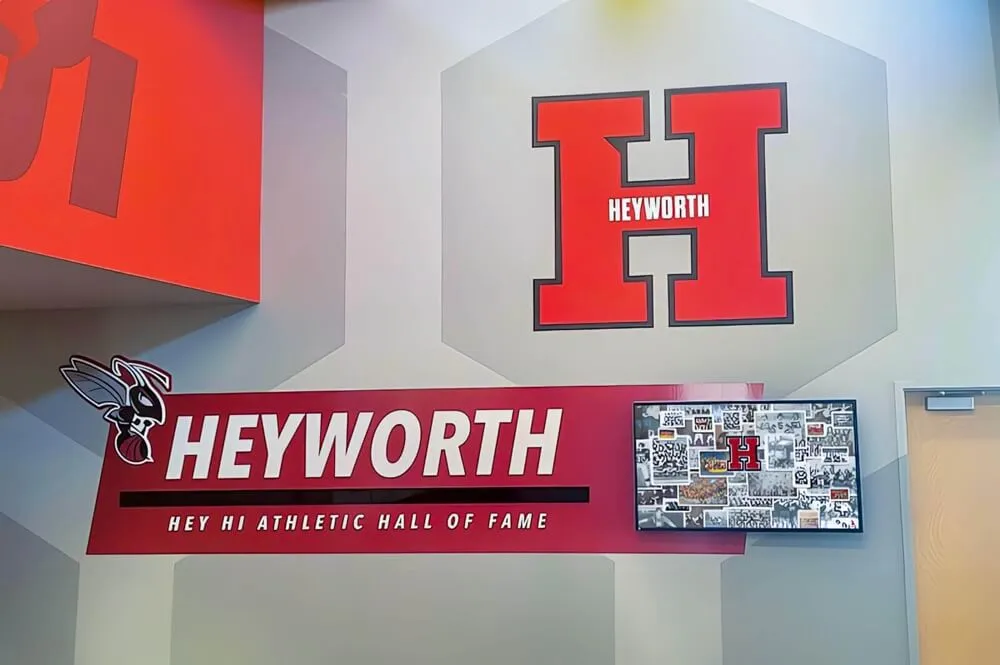
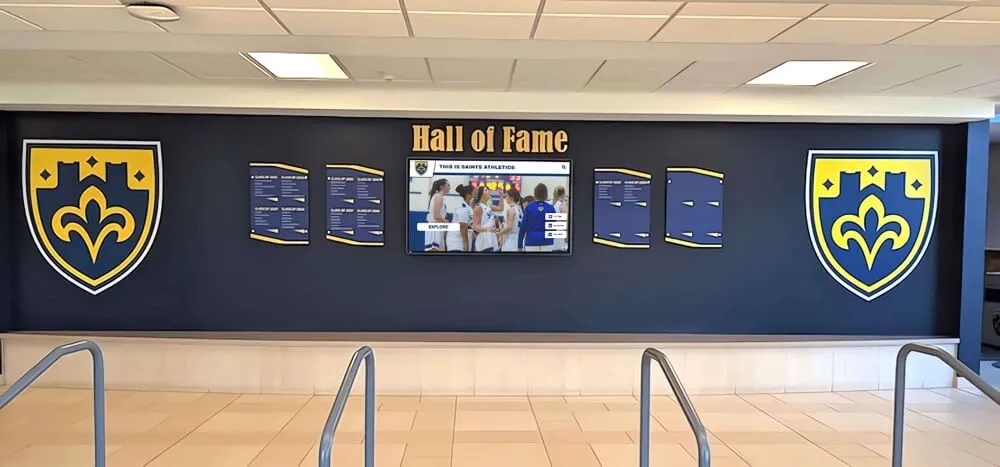
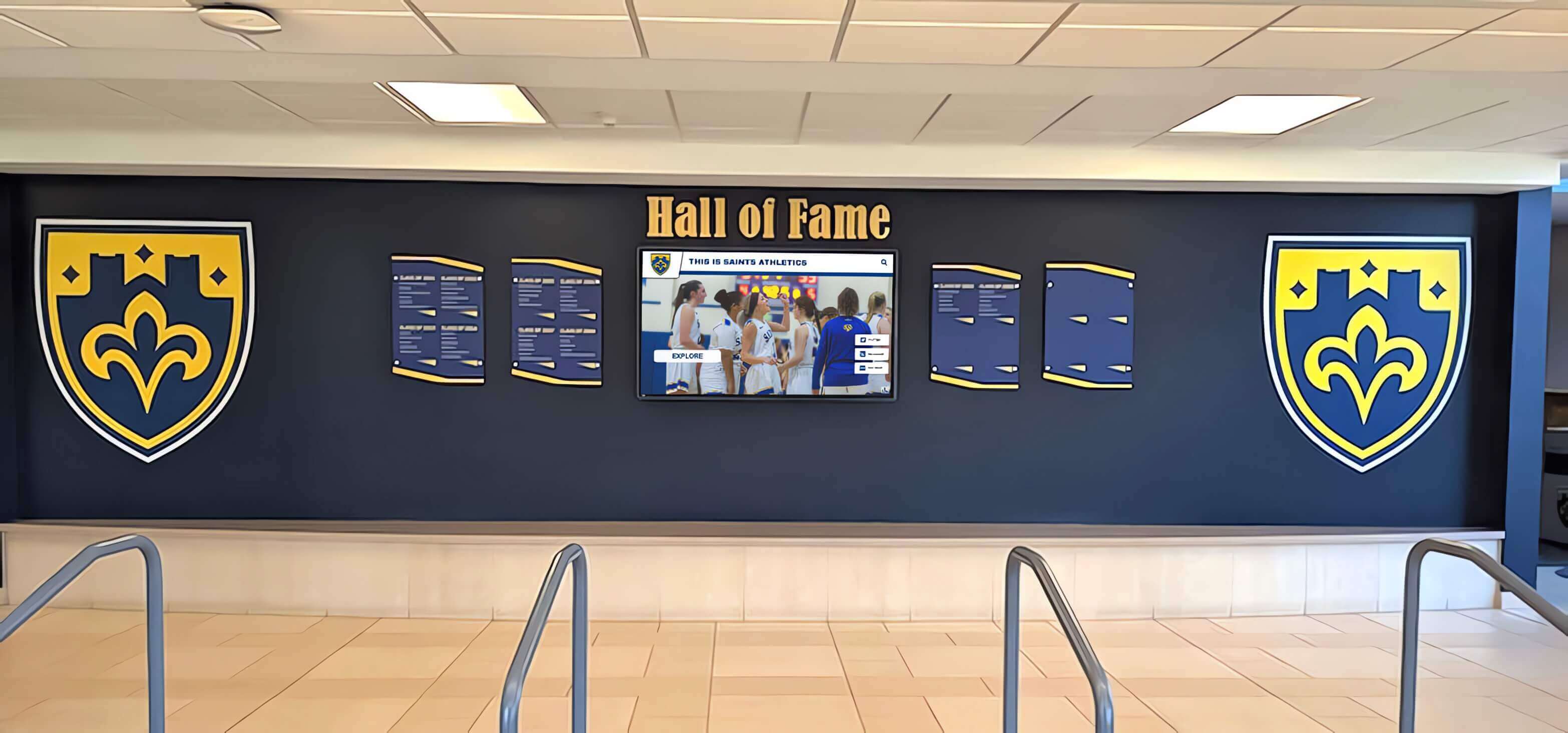
Hall of Fame Boards and Plaques: Dedicated recognition boards listing letter winners by sport and year create institutional records visitors and current athletes can reference. Traditional plaques allow modest additions annually but become unwieldy as decades of records accumulate.
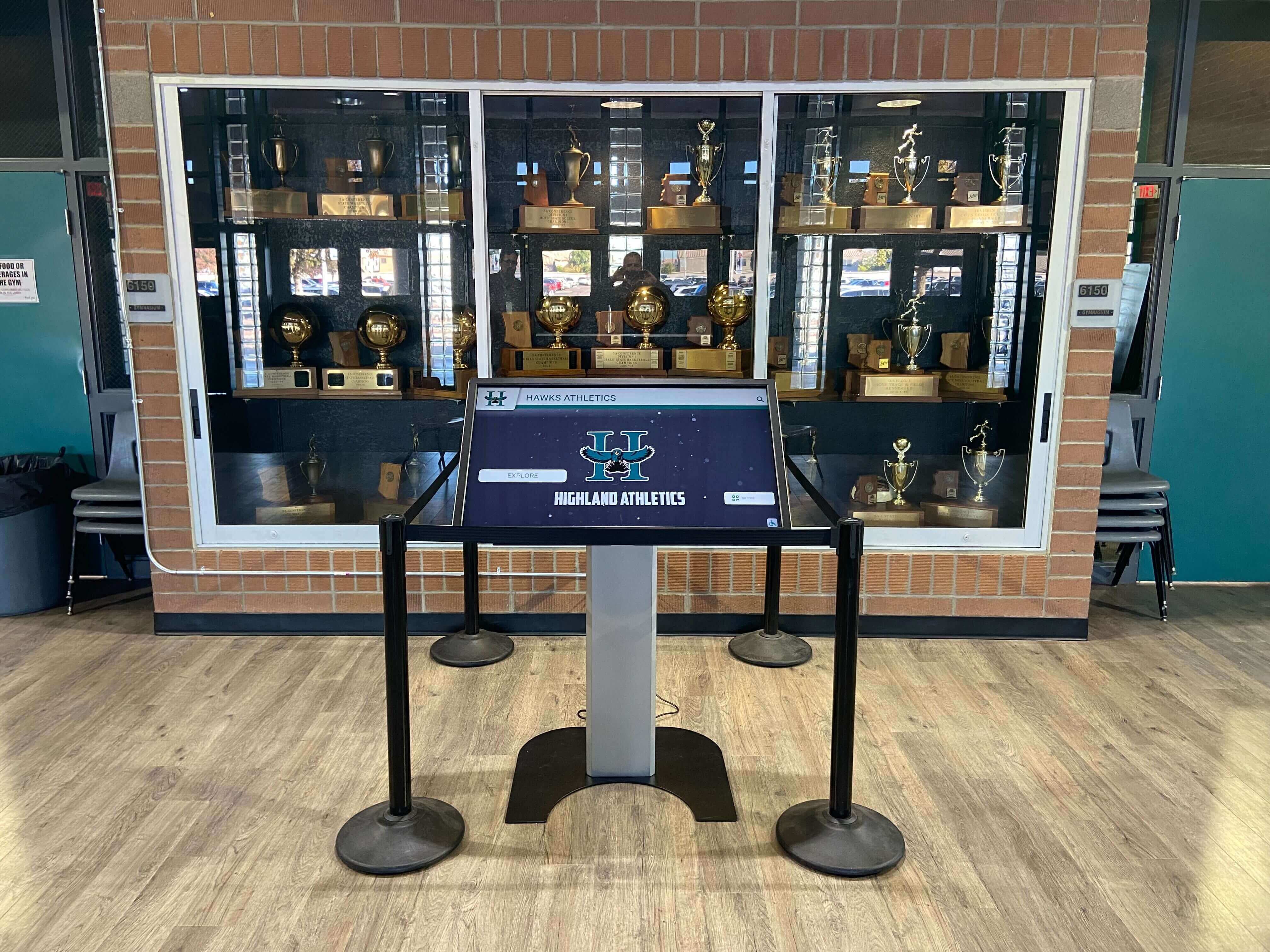
Trophy Case Integration: Including letter winner records, jackets on display, and achievement documentation in trophy cases provides visible recognition in high-traffic school spaces. Well-curated trophy cases communicate program pride effectively but require ongoing maintenance and face physical space limitations.
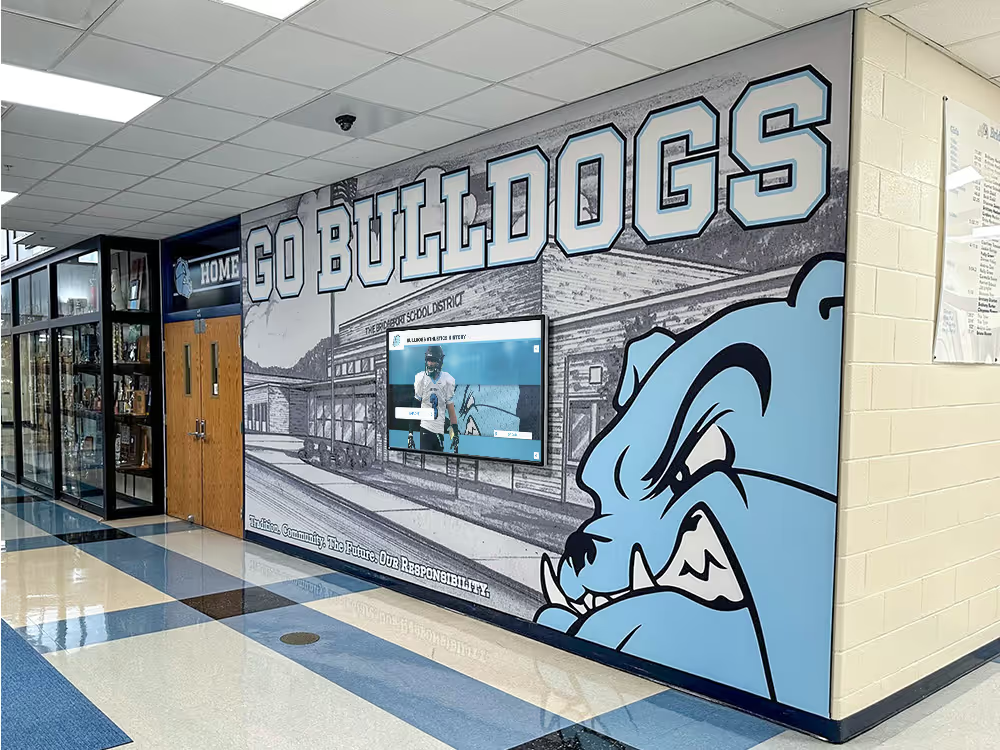
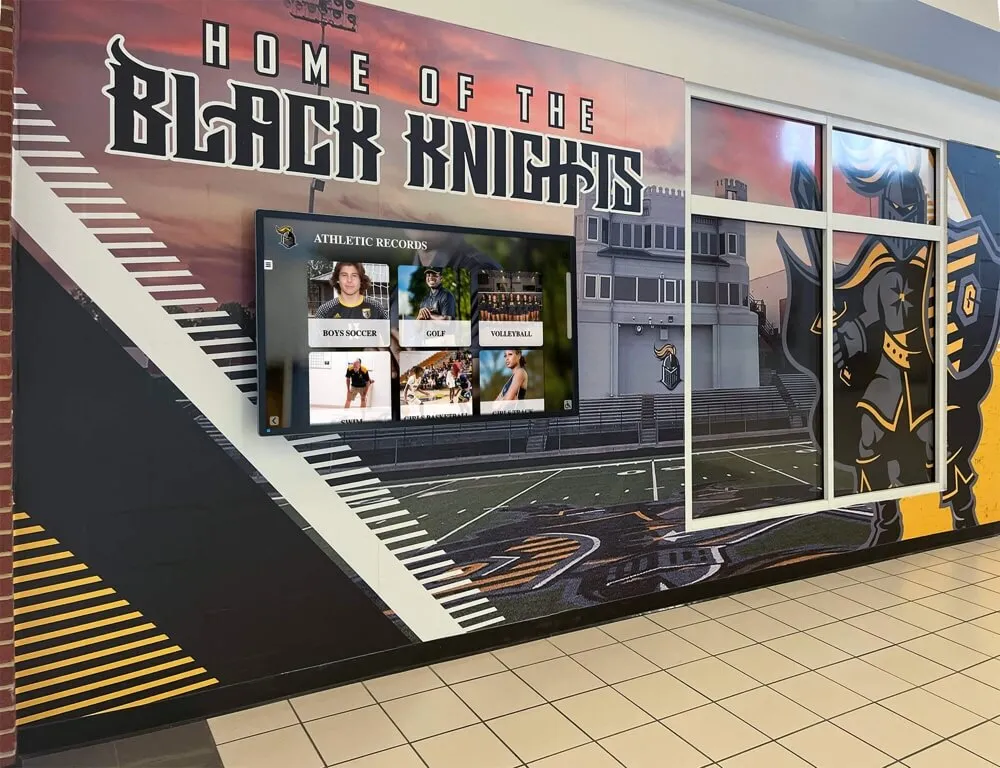
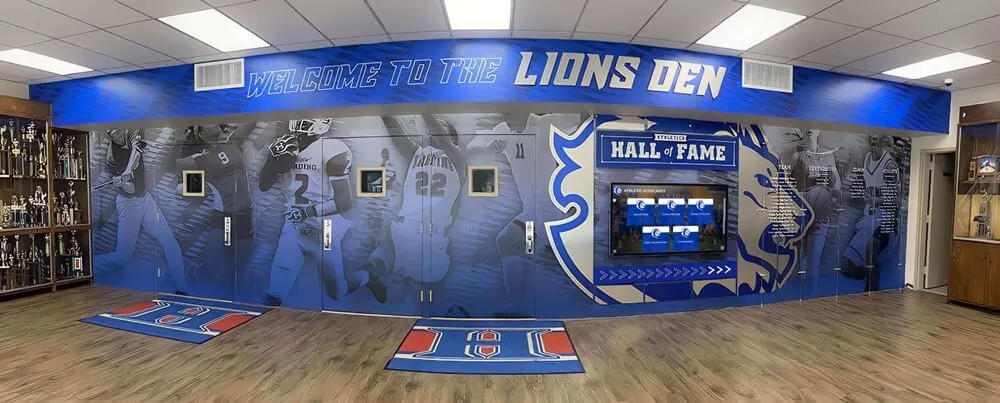
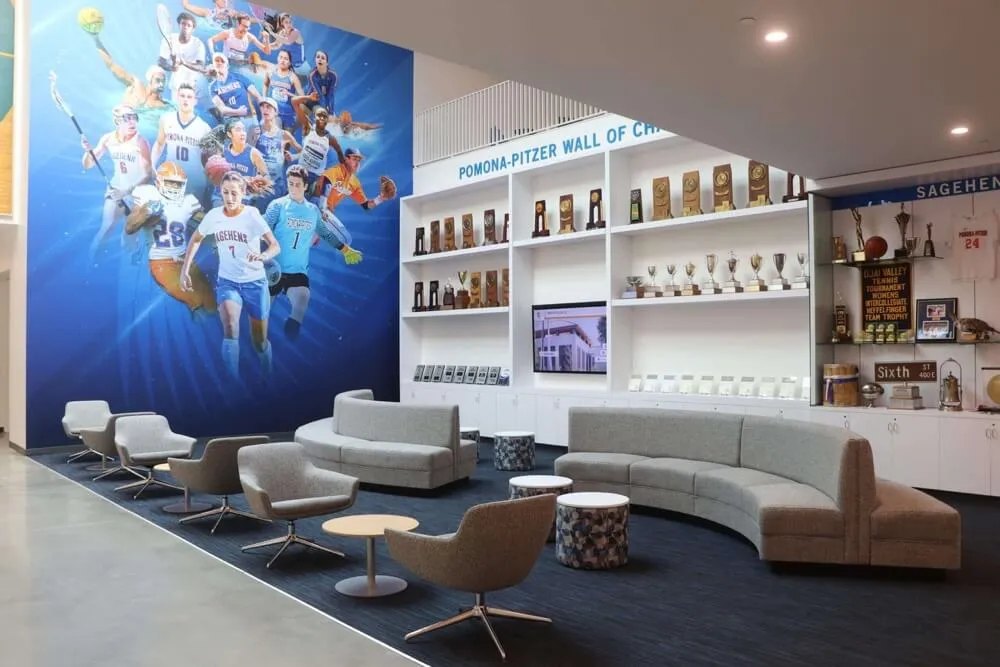
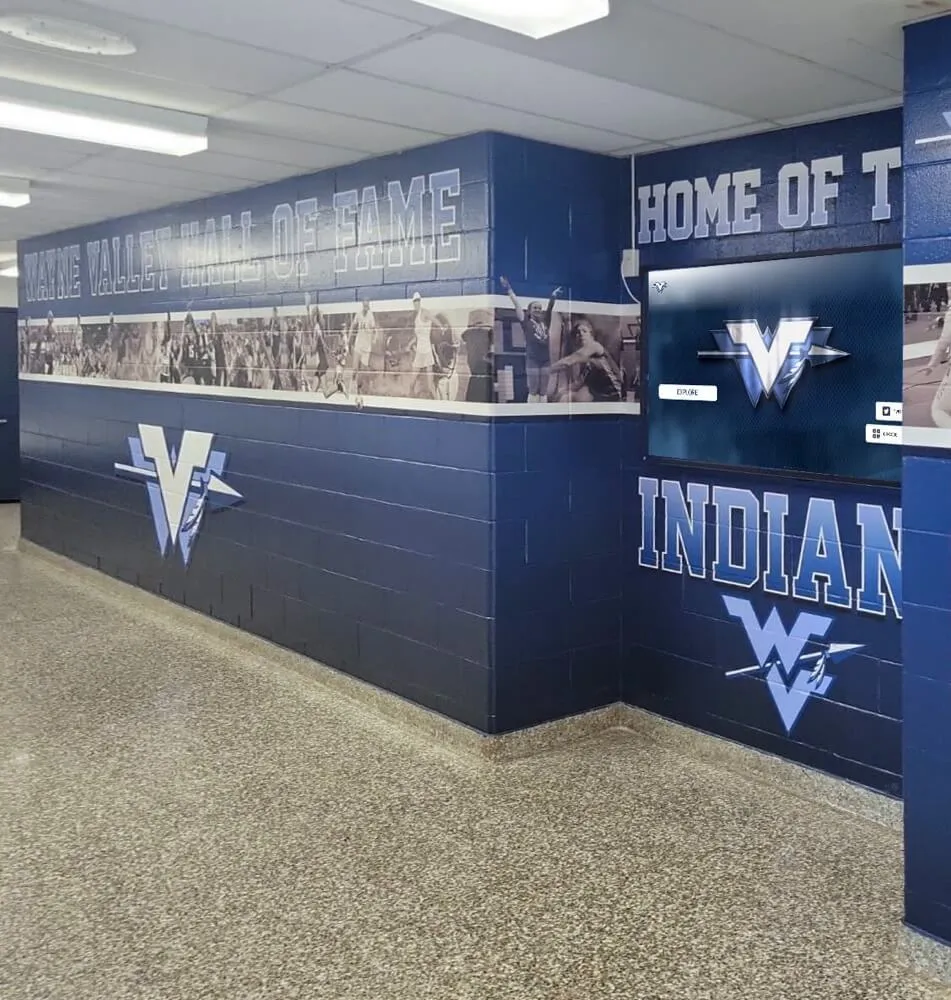
Athletic Hallway Recognition: Many schools dedicate hallways or sections of athletic facilities to letter winner recognition through painted murals, framed photos, and mounted display boards. These permanent installations create powerful visual environments celebrating athletic tradition while inspiring current athletes who pass through them daily.
Transforming athletic spaces through intentional recognition displays creates environments where achievement is visible and tradition is tangible. Gym wall art and athletic space transformation guides provide frameworks for designing recognition-forward athletic environments.
Modern Digital Recognition Systems
Physical space constraints limit what traditional displays can accommodate. Schools that began letter programs fifty or more years ago may have accumulated thousands of letter winners across dozens of sports—a scope impossible to represent adequately through conventional plaques and boards.
Digital recognition systems address these limitations while expanding what recognition can accomplish:
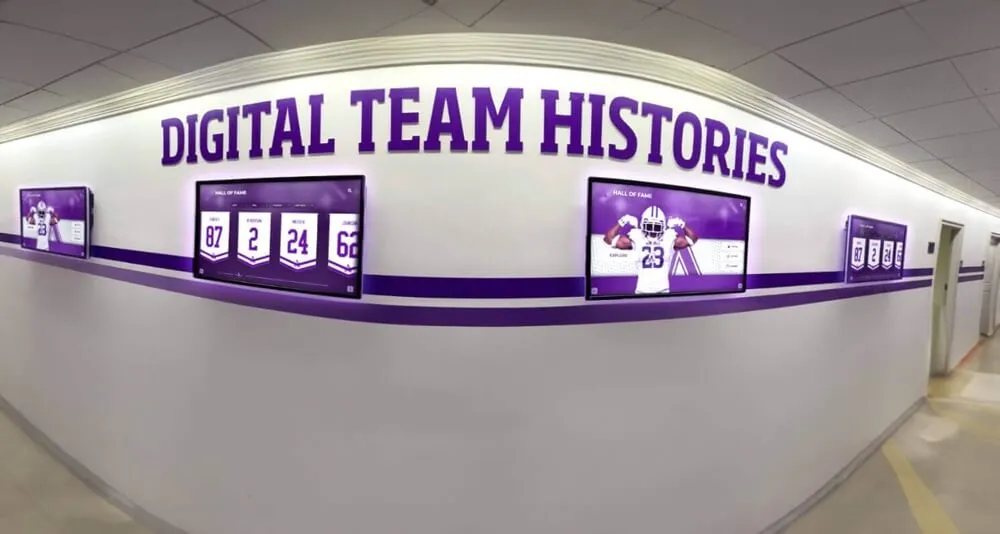
Unlimited Honoree Capacity: Digital platforms store and display unlimited letter winner records without physical space constraints. Every athlete who earned a school letterman jacket across the program’s entire history can be included, creating comprehensive records that traditional displays never could.
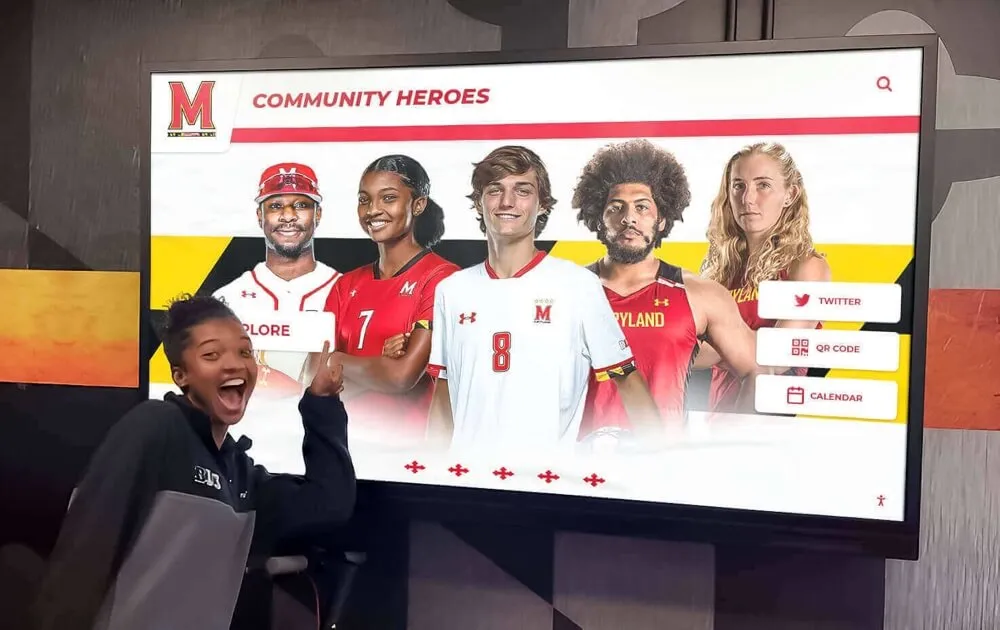
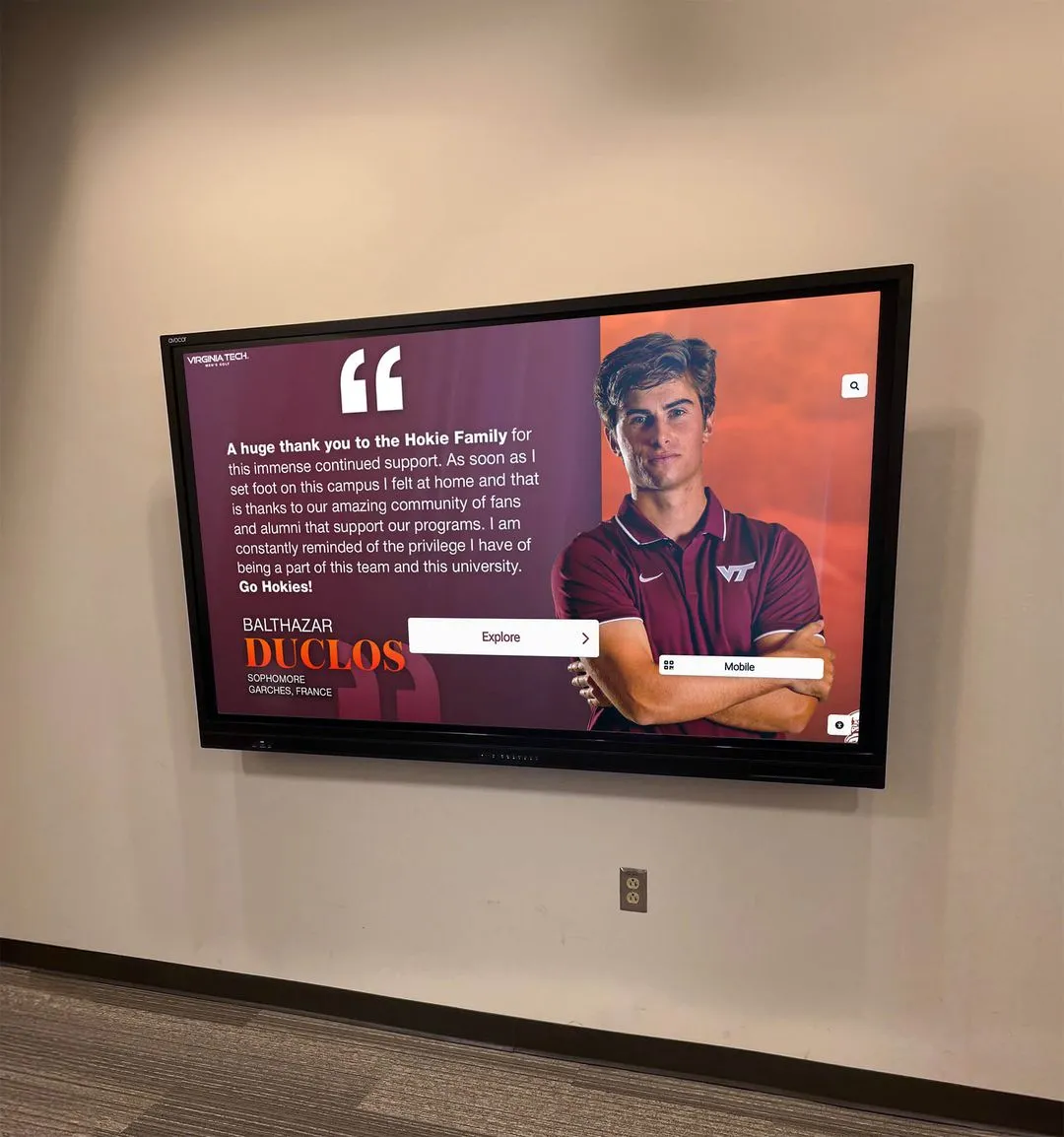
Rich Multimedia Profiles: Digital systems allow letter winner profiles incorporating photos, statistics, biographical information, season highlights, and personal stories that static displays cannot accommodate. Rather than a name and year on a plaque, athletes receive comprehensive recognition documenting their complete contributions.
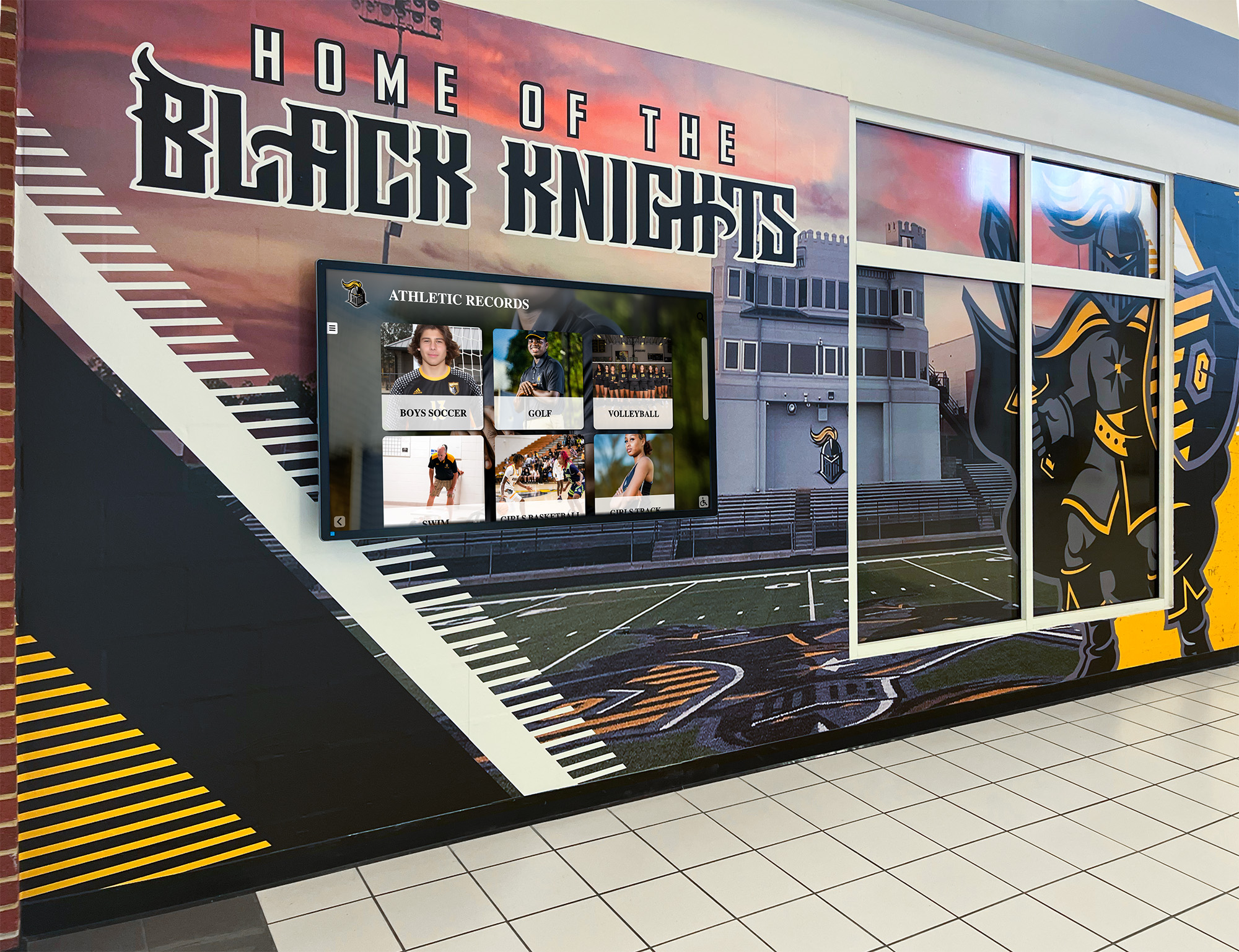
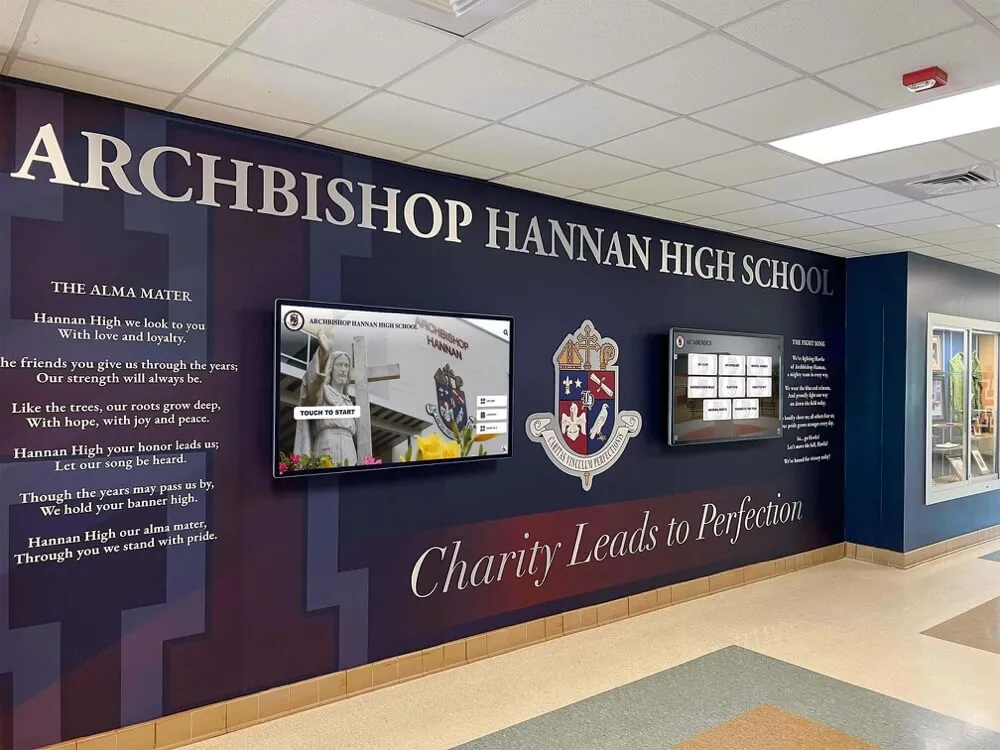
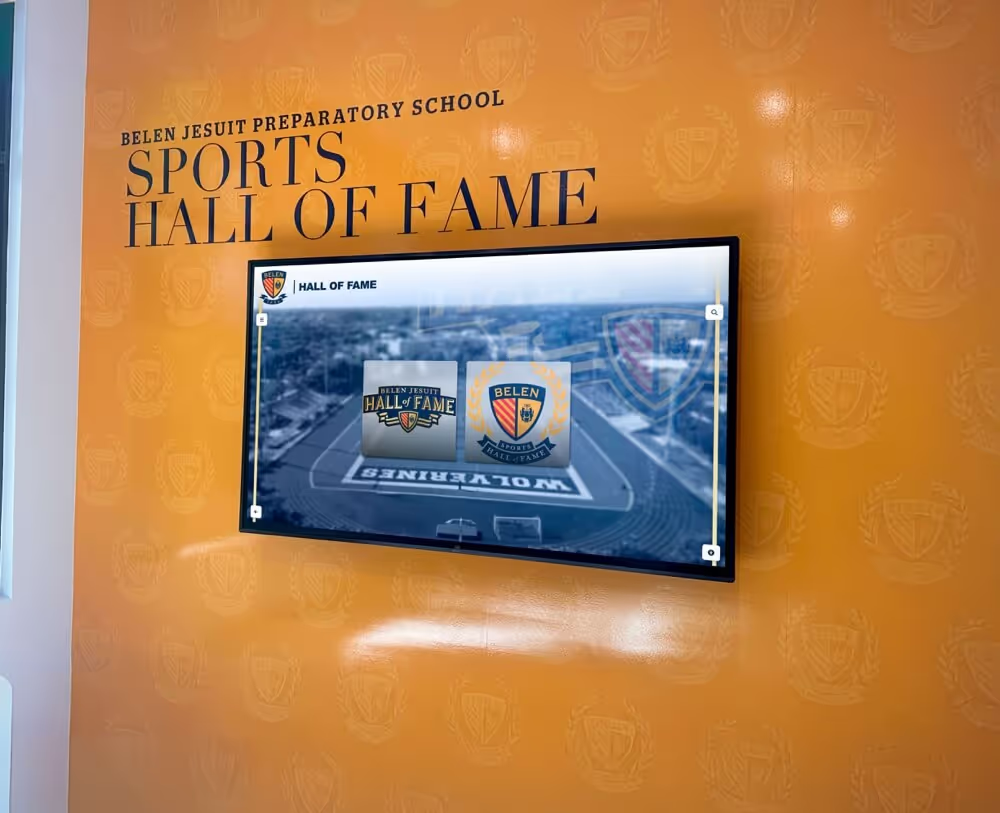
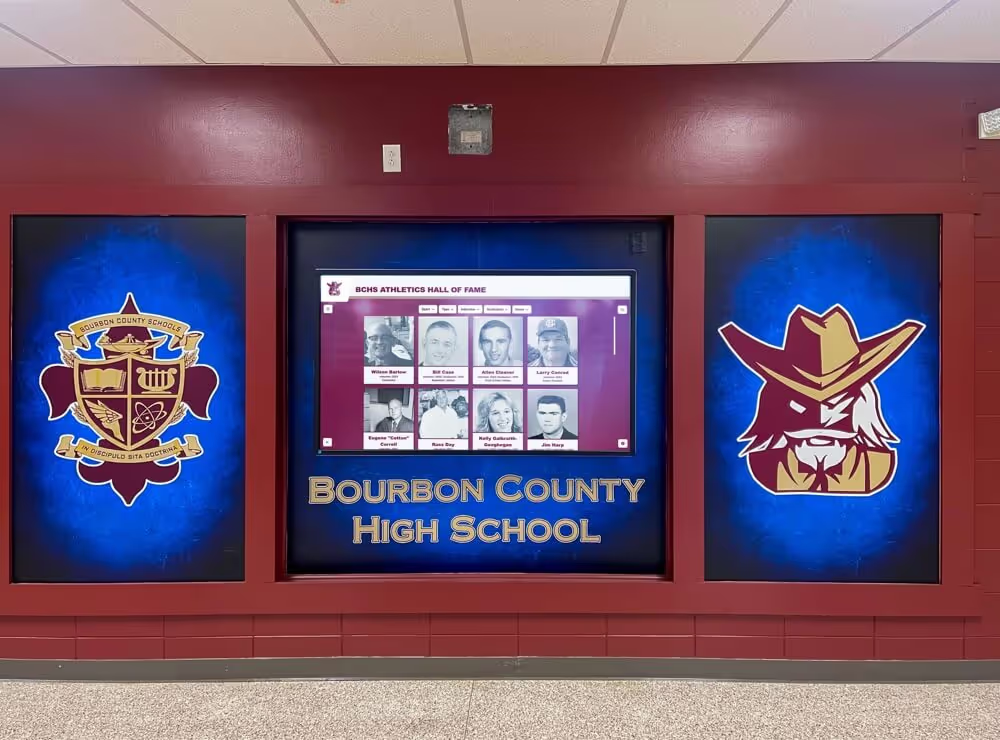
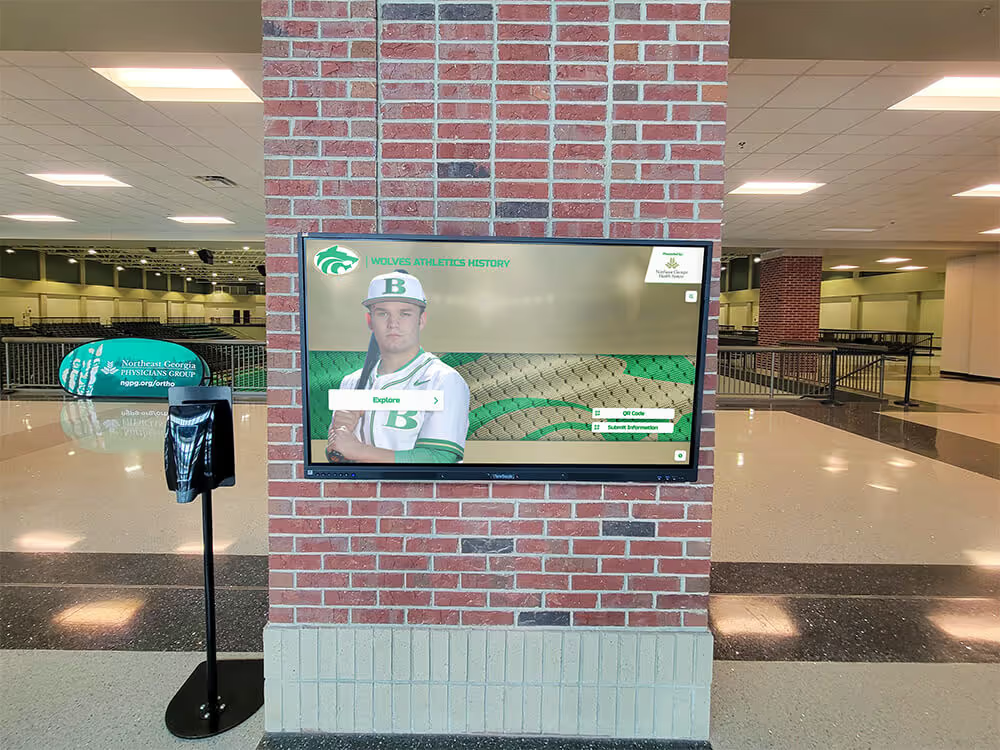
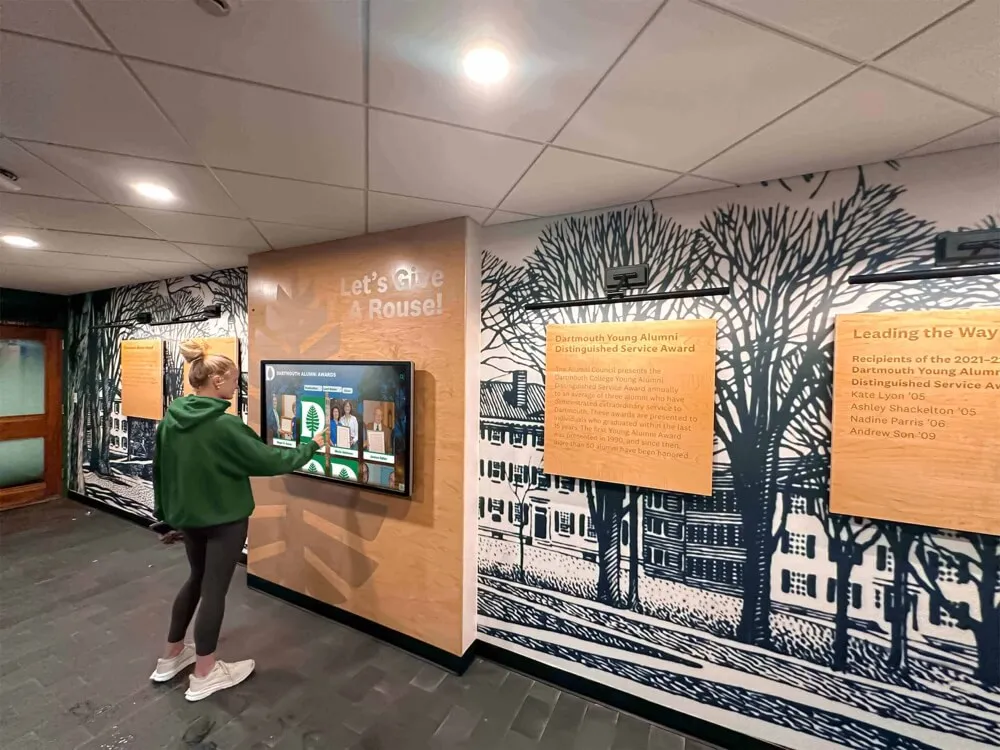
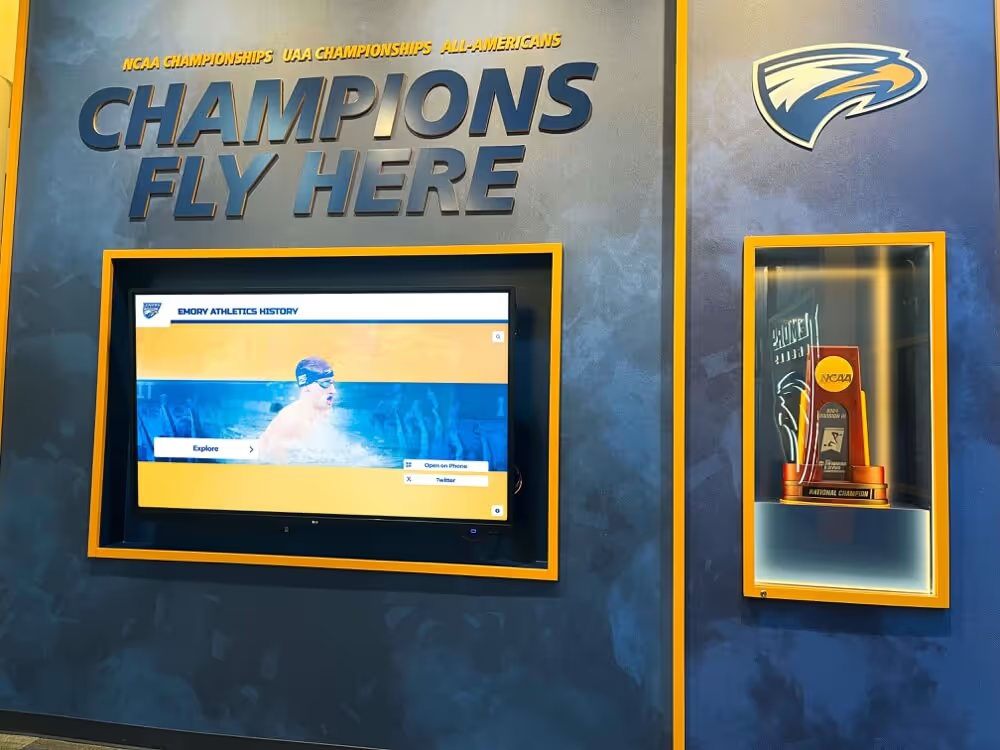
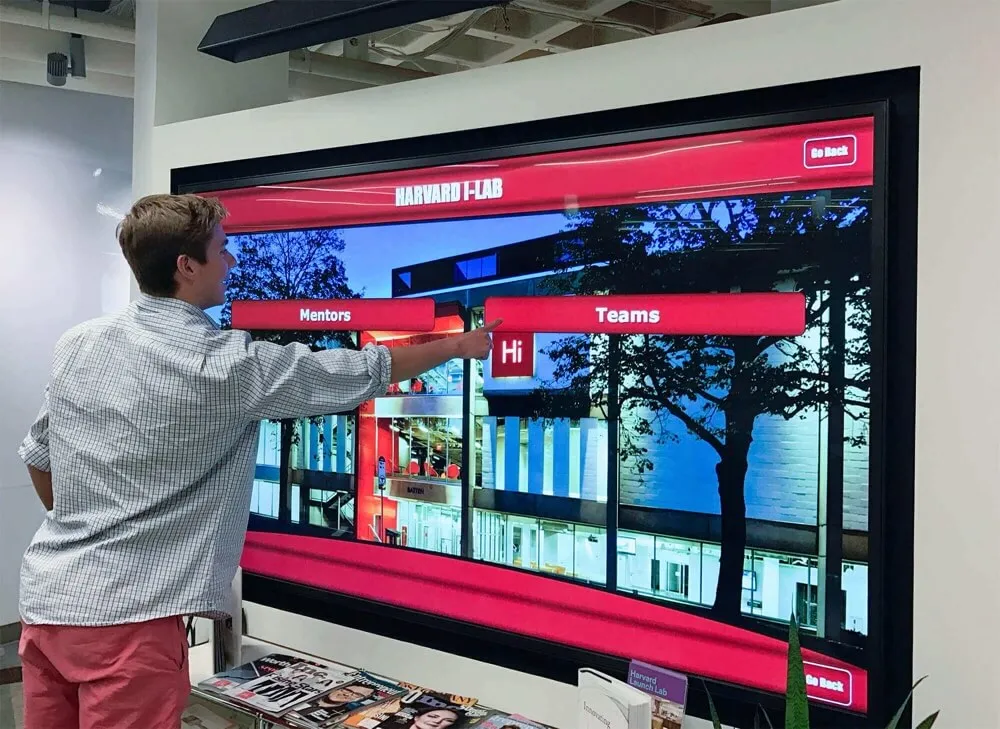
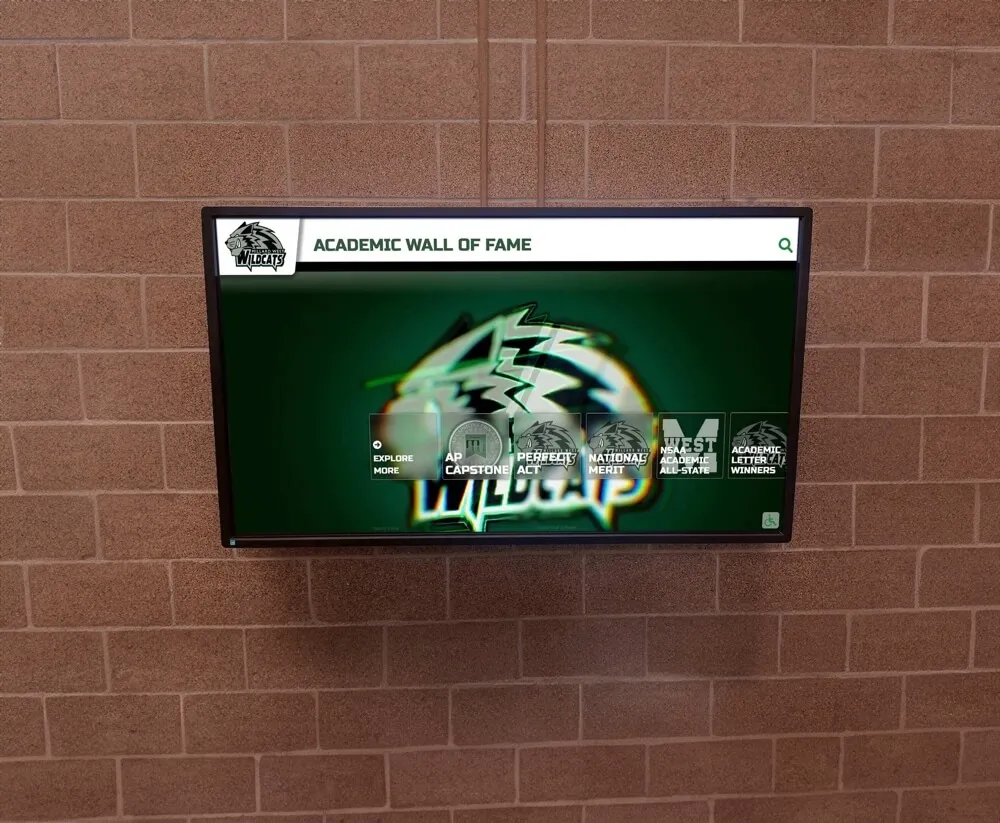
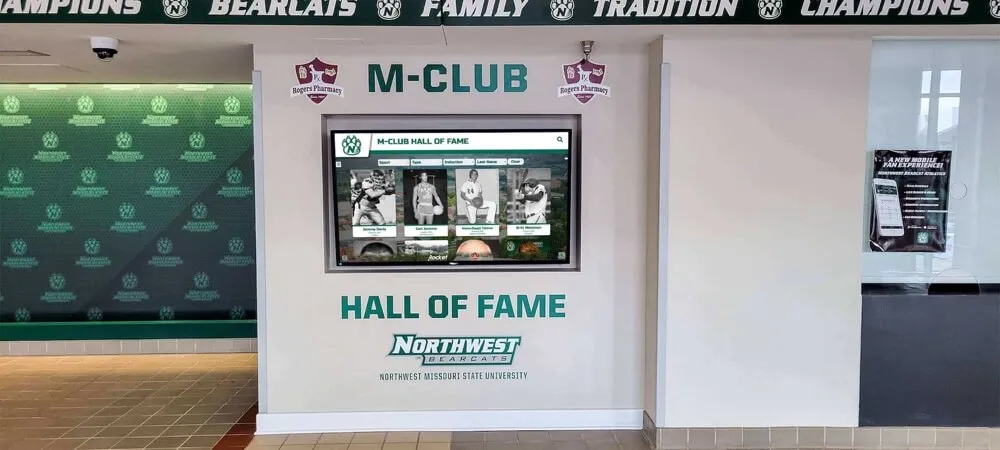
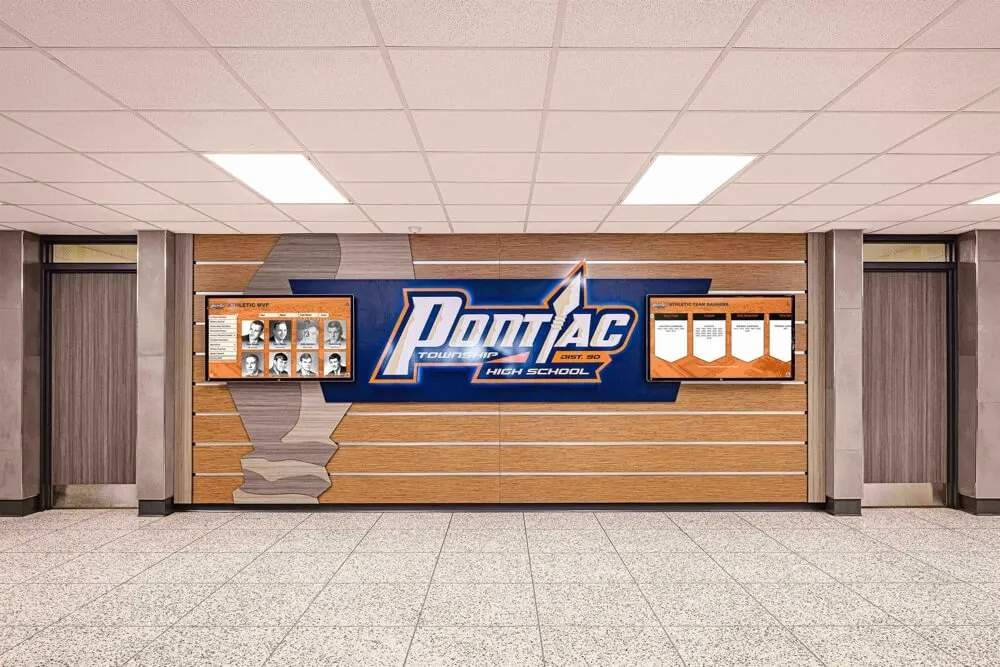
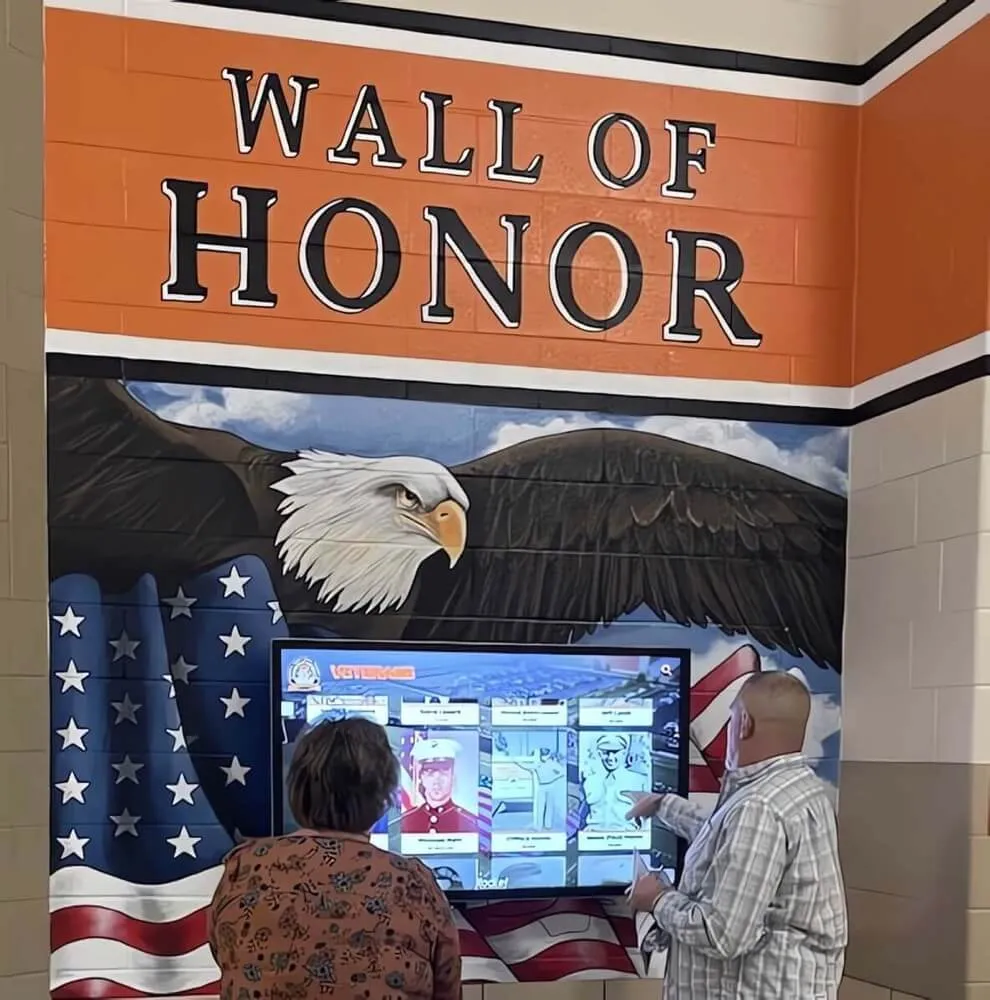
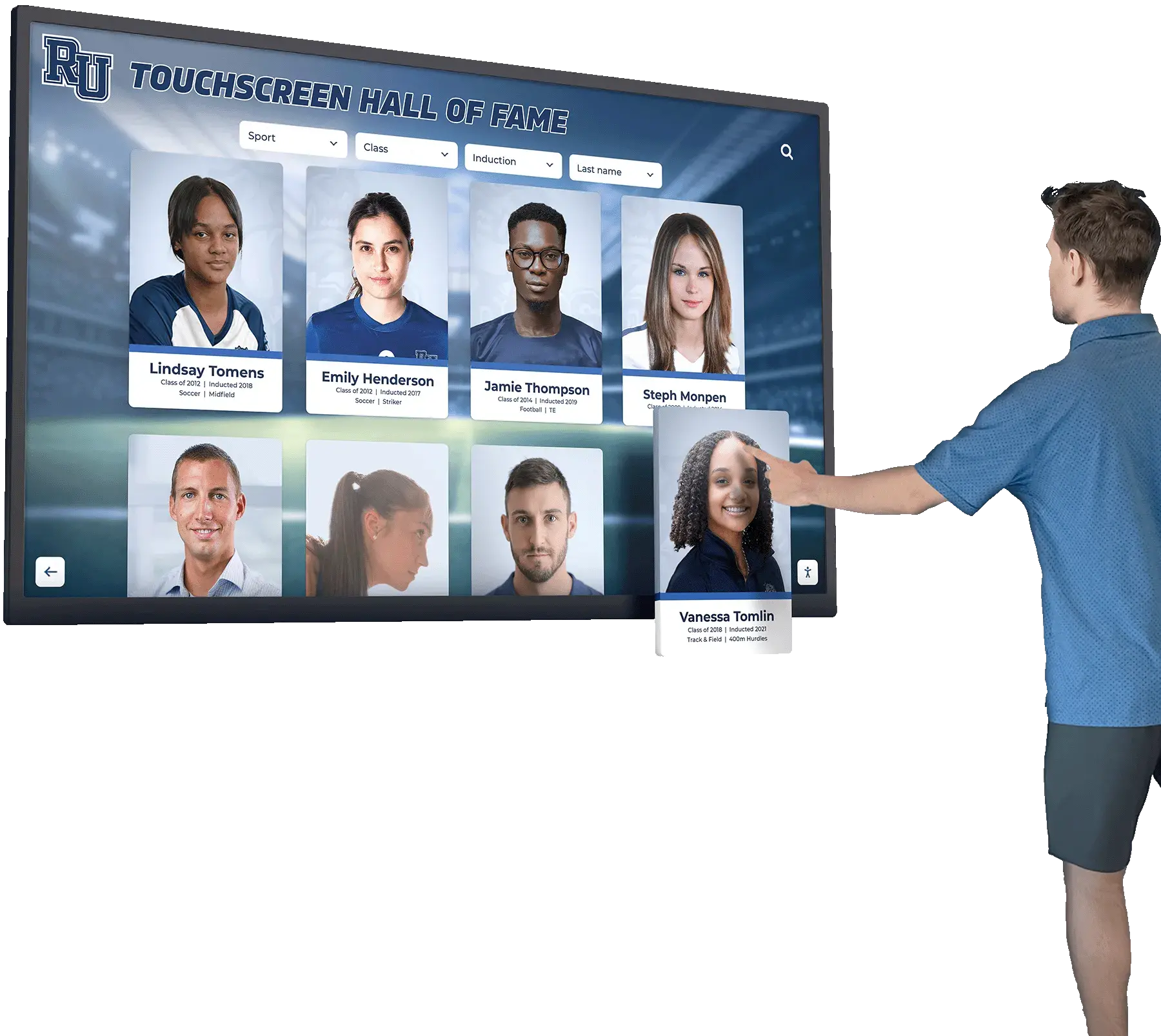
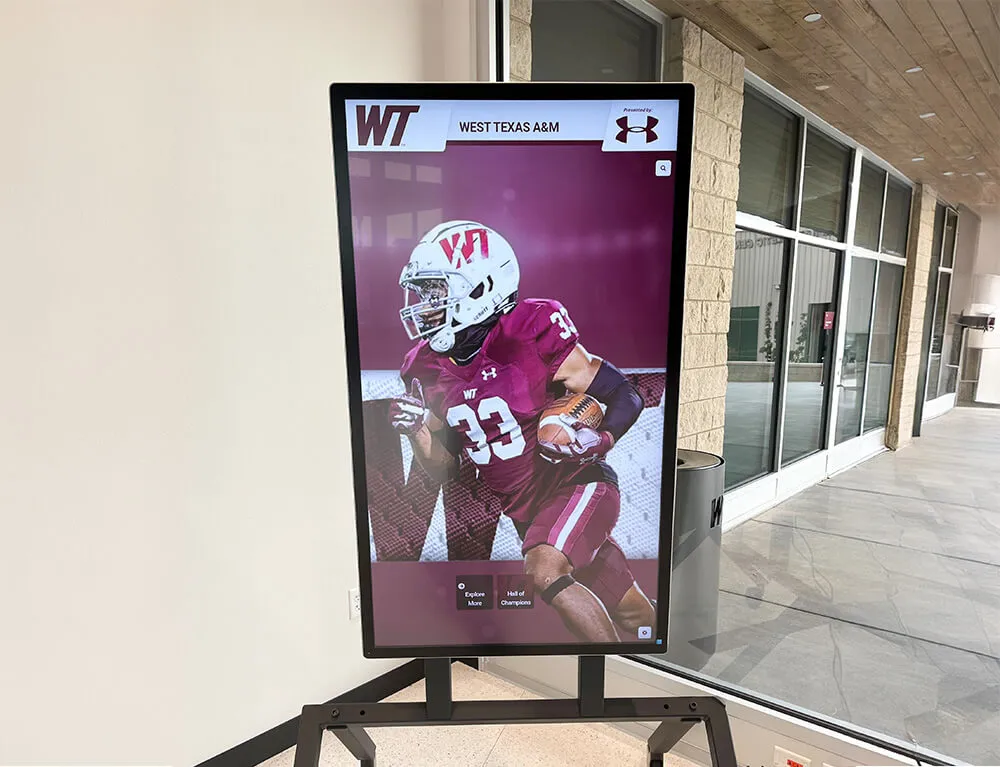
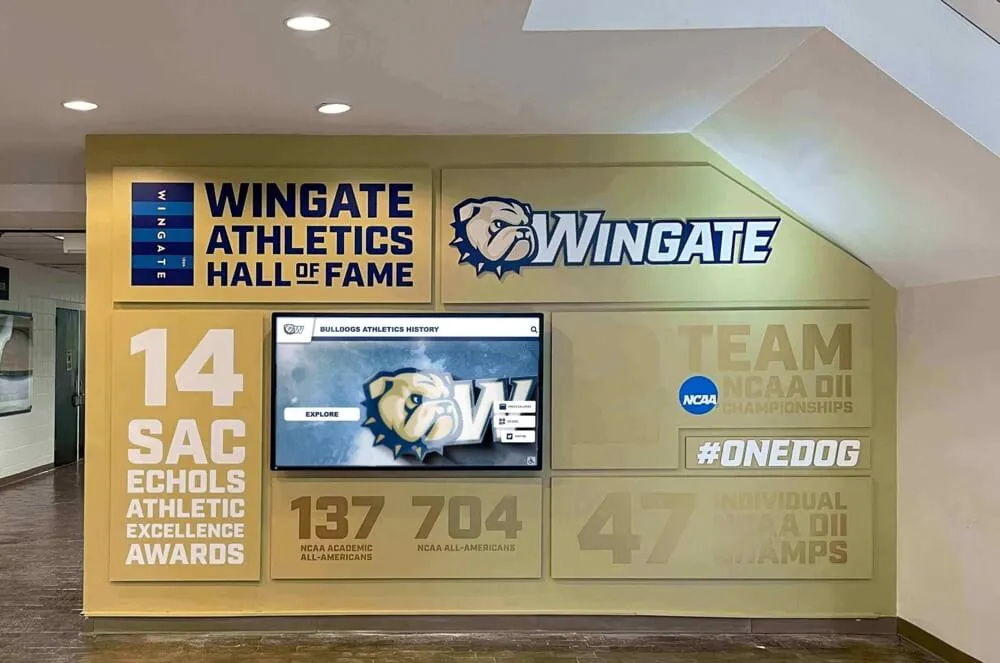
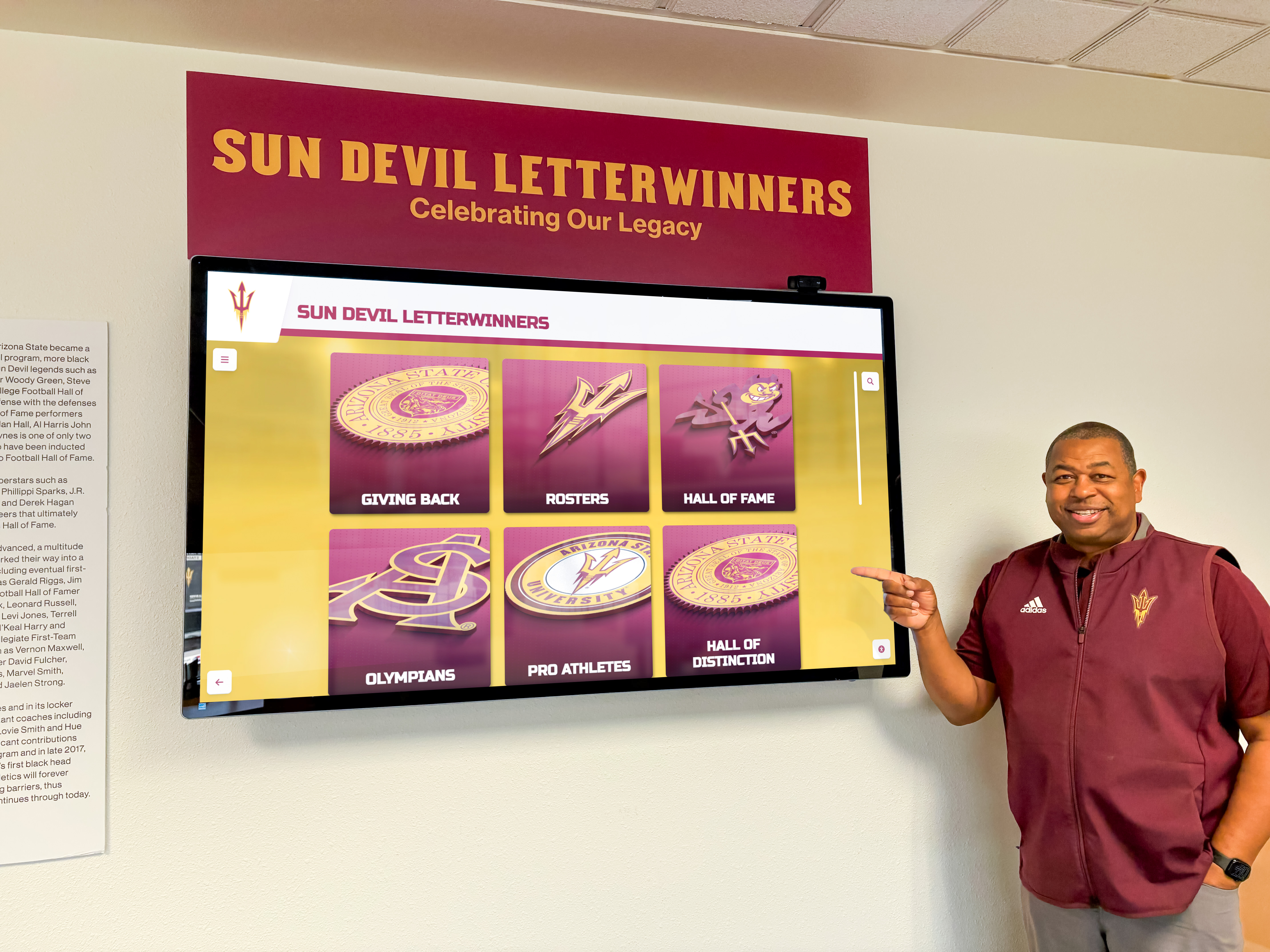
Interactive Search and Exploration: Touchscreen displays allow visitors to search for specific athletes, browse by sport or graduation year, and explore program history interactively. Parents can find their child’s recognition instantly. Alumni can locate their own entries from decades past. College recruiters can review athletic achievement records efficiently.
Dynamic Update Capability: Digital systems update instantly when new letter winners are added, without physical modification requirements. Annual additions become simple content management tasks rather than expensive plaque replacement projects.
Web Accessibility Extension: Online components of digital recognition platforms extend letter winner visibility beyond campus to alumni anywhere in the world, family members unable to visit in person, and community members interested in program history.
For schools evaluating interactive touchscreen kiosk systems for school lobbies, letter winner recognition represents one of the highest-value use cases—displaying rich achievement histories in formats visitors actively engage with.
Building School Spirit Through Letterman Programs
Well-run school letterman jacket programs contribute significantly to school culture, community pride, and the sense of shared identity that distinguishes strong athletic programs from mere sports teams.
Letterman Jackets and School Spirit
The visible presence of letter jackets throughout school environments creates ongoing celebration of athletic achievement that passive displays cannot match. Athletes wearing jackets in classrooms, cafeterias, and hallways bring recognition into daily school life rather than confining it to trophy cases or award ceremonies.
Schools that actively cultivate pride around letter jacket traditions—through ceremony quality, community recognition events, and social media celebration—create cultures where earning a jacket carries genuine aspirational weight for underclassmen athletes. This cultural resonance motivates performance more effectively than many formal incentive programs.
School spirit week events and campus traditions often incorporate special recognition moments for letter jacket wearers, reinforcing the connection between athletic achievement and school community identity.
Letter Jackets as Community Connection
Strong letterman programs create connections extending well beyond current student populations. Alumni who earned letter jackets decades ago maintain emotional connections to programs that recognized their achievements. When schools maintain comprehensive letter winner records and create reunion recognition events, these connections translate into meaningful alumni engagement, program support, and institutional pride.
Parents of current athletes recognize the tradition they’re witnessing when their children earn jackets—understanding that these garments connect their students to athletic lineages stretching back generations. This intergenerational recognition value strengthens community investment in athletic programs that might otherwise be viewed as purely extracurricular activities.
Athletic directors can leverage this community connection potential through school announcement and communication systems that celebrate letter award seasons, share recognition ceremony highlights, and keep broader communities connected to athletic achievement traditions.
Special Letterman Recognition Programs
Beyond standard letter awards, many schools implement specialized recognition tiers and supplementary programs that extend letterman traditions.
Multi-Year and Cumulative Recognition
Athletes who letter multiple years in the same sport deserve distinct recognition acknowledging sustained achievement. Common approaches include:
Varsity Stripe System: As noted above, additional stripes for each subsequent year lettered provide visible documentation on jacket sleeves that distinguishes four-year letter earners without requiring separate awards.
All-Four-Year Recognition Ceremonies: Special acknowledgment for athletes earning letters all four high school years—assembled at senior award events or graduation ceremonies—celebrates sustained commitment and creates meaningful capstone recognition for dedicated athletes.
Four-Year Letter Winner Plaques: Dedicated plaques or displays specifically honoring athletes who lettered all four years create distinct recognition tiers motivating multi-year participation and acknowledging exceptional dedication.
Multi-Sport Letterman Recognition
Athletes who earn letters in two or more sports deserve recognition acknowledging the exceptional commitment and versatility required. Specific programs for multi-sport athletes might include:
Multi-Sport Letter Winner Boards: Dedicated displays tracking athletes who lettered in multiple sports create community awareness of multi-sport contributors who might otherwise receive less recognition than specialists in high-profile individual sports.
Special Jacket Designations: Some schools award special patches or emblems to athletes reaching multi-sport milestones—three-sport letters, four-year multi-sport achievement—creating visible jacket distinctions marking exceptional versatility.
Fine Arts and Academic Letters
Extending letterman traditions to non-athletic achievement broadens school-wide recognition impact. Many schools award letters in:
Music Programs: Band, orchestra, and choir letters for students meeting performance and participation criteria comparable to athletic standards. Fine arts letters recognize commitment, achievement, and contribution equally rigorous to athletic equivalents despite receiving less general attention.
Academic Achievement Letters: Some schools award academic letters to students meeting high GPA standards, similar to how graduation honor cord programs recognize scholarly excellence at graduation. Academic letters communicate that schools value intellectual achievement alongside athletic accomplishment.
Drama and Speech Programs: Theater, debate, and forensics letters recognize competitive performance excellence in communication arts, validating achievement domains that receive less recognition than athletics despite requiring comparable dedication and competitive rigor.
Including non-athletic letters requires clear criteria development and consistent standards ensuring these awards carry the same credibility as athletic letters. When executed well, extended letterman programs create more inclusive recognition cultures where diverse forms of excellence receive comparable acknowledgment.
Digital Trophy Walls and Letter Winner Archives
The intersection of traditional letterman jacket programs and modern digital recognition technology represents one of the most significant opportunities for schools to enhance achievement celebration while preserving comprehensive program histories.
Building Comprehensive Letter Winner Archives
Schools with decades of athletic history have accumulated letter winner records often scattered across outdated systems, filing cabinets, or lost entirely in facility changes and administrative transitions. Systematic archive development creates lasting institutional assets:
Historical Record Compilation: Gathering letter winner records from historical sources—yearbooks, athletic department files, alumni contributions—creates comprehensive databases documenting complete program histories. This compilation work, though labor-intensive initially, creates permanent resources serving recognition programs indefinitely.
Standardized Data Structure: Organizing letter winner information consistently—athlete name, graduation year, sport(s), years lettered, any special achievements—enables the search and display functionality that makes digital archives genuinely useful rather than merely comprehensive.
Multimedia Enhancement: Adding photos, statistics, and biographical information to historical records where available transforms simple name lists into rich achievement documentation. Alumni outreach programs often successfully gather photos and information from letter winners across decades when approached about recognition preservation.
Digital trophy wall implementation guides provide detailed frameworks for building comprehensive athletic achievement archives that work alongside letterman jacket programs.
Touchscreen Recognition Displays for Letter Winners
Purpose-built touchscreen recognition displays transform how visitors interact with letter winner histories:
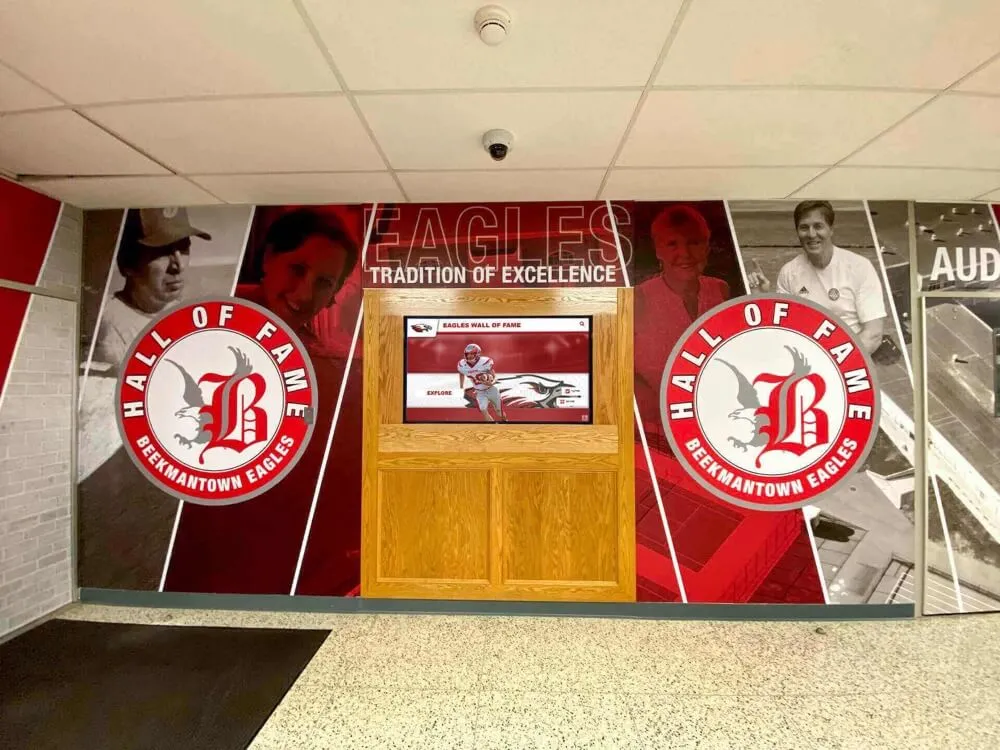
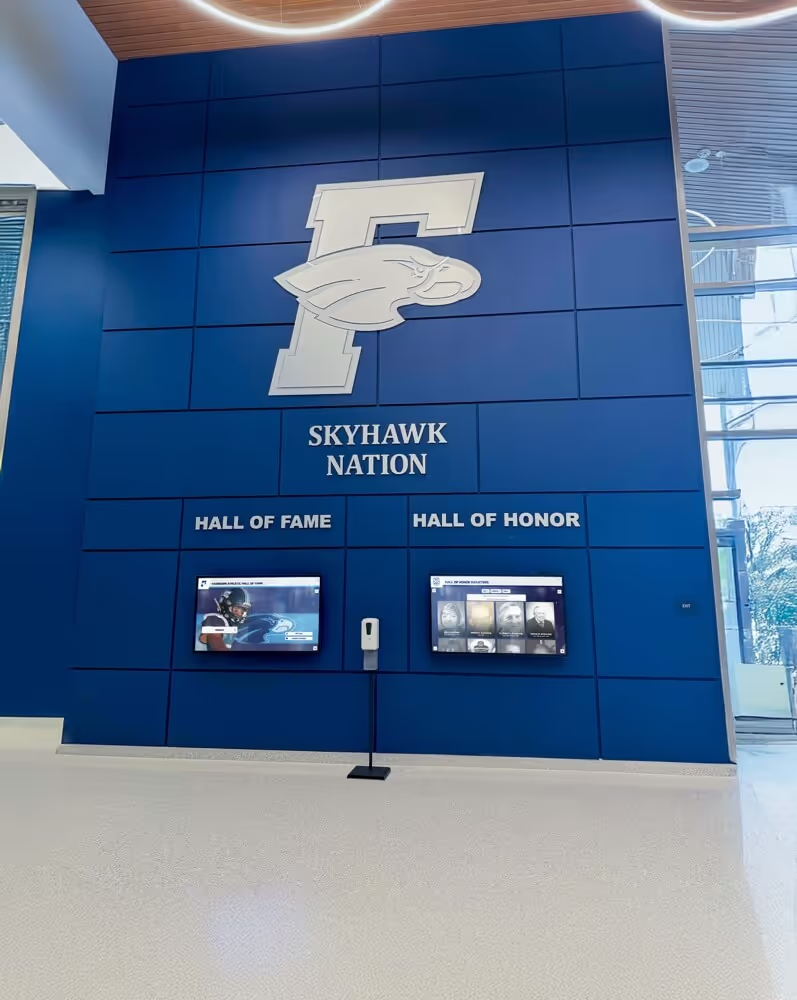
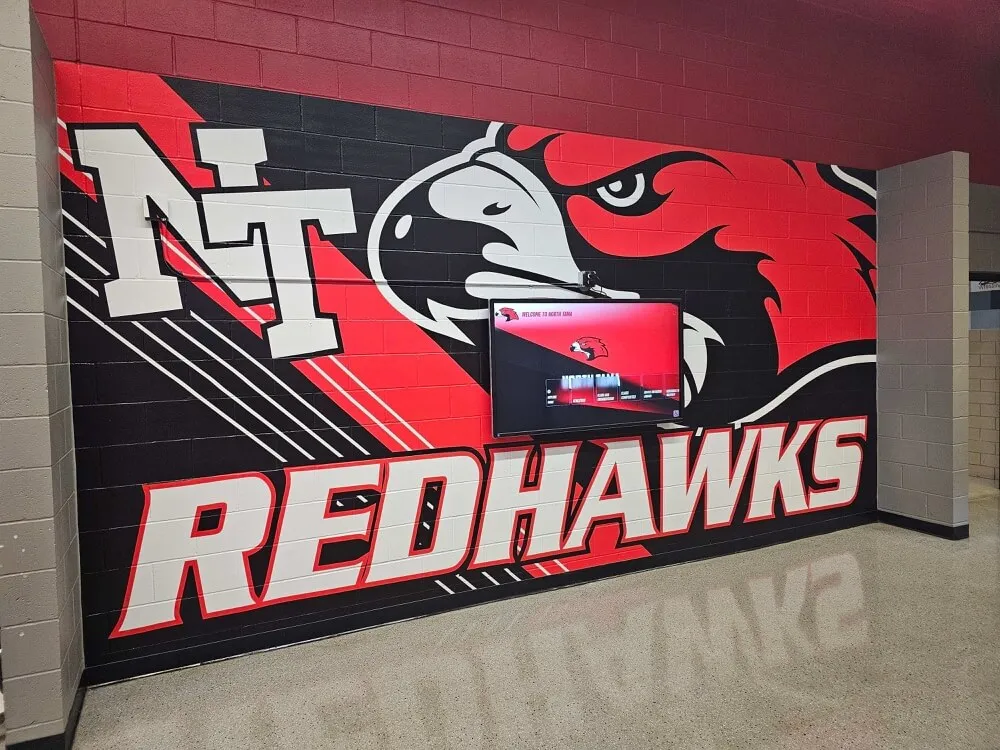
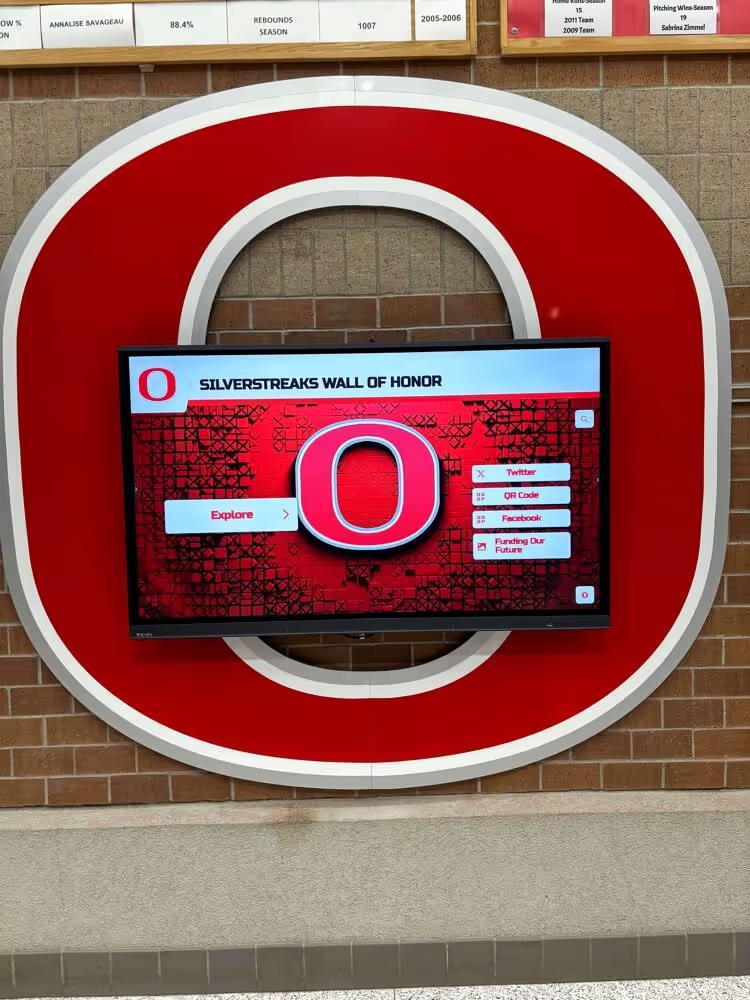
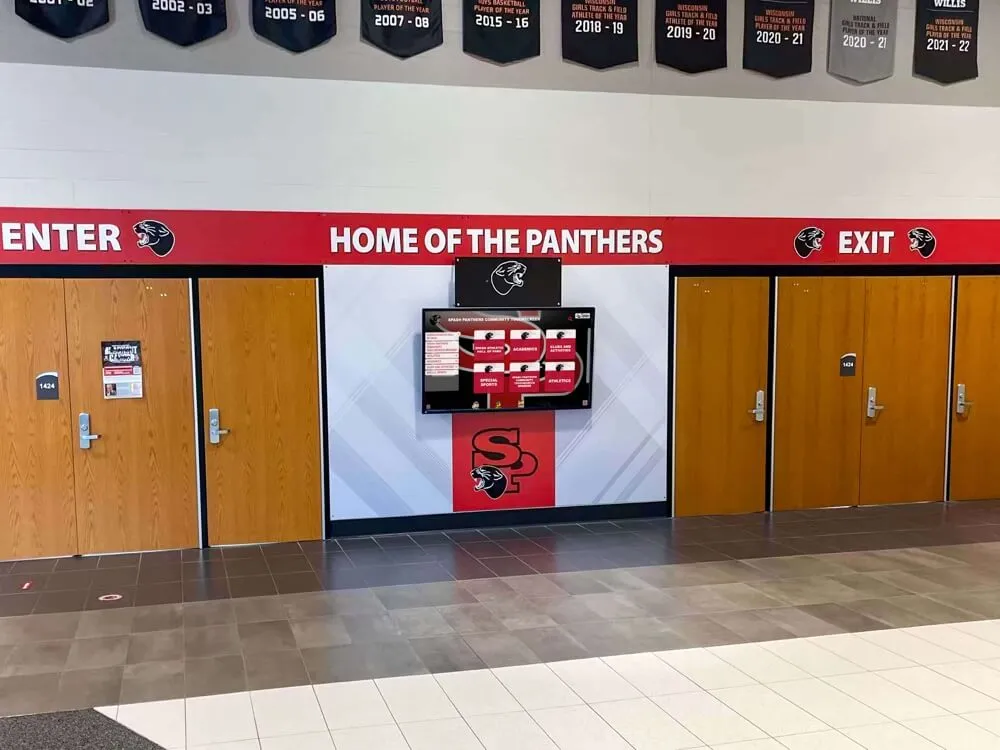
Lobby and Athletic Wing Installations: Touchscreen displays installed in main lobbies or dedicated athletic recognition areas provide engaging, self-guided exploration of program histories. Visitors who would walk past static plaques stop to interact with systems responding to their specific interests—searching for family members, exploring championship histories, or discovering records from specific eras.
Sport-Specific Organization: Well-designed digital systems allow visitors to browse letter winners by sport, viewing complete histories of every athlete who earned recognition in basketball, football, cross country, or any other program. This organization helps families understand the tradition their athletes are joining and helps alumni locate their own recognition quickly.
Annual Update Integration: Digital systems that integrate smoothly with annual letter awarding processes—allowing simple content additions when new letter winners are recognized each season—remain comprehensive over time without requiring major annual updates or expensive maintenance projects.
Athletic administrators evaluating comprehensive tools for athletic program management should prioritize solutions that integrate recognition display capabilities with broader program management needs.
Creating a School-Wide Recognition Calendar for Letterman Programs
Effective letterman programs don’t operate as standalone events—they function within broader school recognition calendars that create regular celebration moments throughout academic years.
Annual Recognition Milestones
Building letterman award ceremonies into consistent annual calendars creates anticipation, allows families to plan attendance, and establishes traditions that persist through coaching and administrative changes:
Fall Sport Banquets (November-December): Football, cross country, soccer, volleyball, and fall sport letter ceremonies immediately following seasons while memories are fresh and athletes are still connected as teams.
Winter Sport Banquets (March-April): Basketball, wrestling, swimming, gymnastics, and winter sport recognitions celebrating season achievements before spring sports consume athletic attention.
Spring Sport and Year-End Ceremonies (May-June): Baseball, softball, track, lacrosse, golf, and spring sport ceremonies often coincide with end-of-year athletic award events celebrating complete school year athletic achievement.
All-Sport Senior Recognition: Many schools hold combined senior athletic recognition events near graduation acknowledging four-year letter winners, outstanding seniors across all sports, and athletes heading to collegiate programs.
Understanding the full school recognition calendar helps athletic directors coordinate letterman ceremonies with broader school recognition events, avoiding scheduling conflicts and maximizing family and community participation.
Connecting Letterman Programs to Broader Athletic Recognition
Letterman jacket awards function most effectively as parts of comprehensive athletic recognition systems rather than isolated programs:
College Signing Day Integration: Connecting letter winner recognition to college athletic signing celebrations creates powerful recognition moments linking high school achievement to collegiate opportunity, reinforcing for younger athletes the value of sustained varsity excellence.
Senior Night Connections: Senior night recognition events for departing athletes provide natural moments to celebrate final letter awards and cumulative achievement recognition alongside immediate game-night celebrations.
Hall of Fame Integration: Long-term, exceptional letter winners become natural candidates for school athletic halls of fame that provide ultimate long-term recognition for sustained program contributions. Letter winner records provide the historical documentation that makes credible hall of fame selection processes possible.
Common Challenges in Letterman Program Administration
Athletic directors managing school letterman jacket programs regularly encounter specific administrative challenges requiring thoughtful policy solutions.
Criteria Disputes and Appeals
Despite clear written criteria, athletes and parents occasionally dispute letter award decisions. Effective dispute management requires:
Written Appeals Process: Published procedures for formally contesting letter decisions provide athletes and families fair recourse while protecting coaches from arbitrary pressure. Appeals processes should specify submission timelines, review procedures, and decision authority.
Documentation Requirements: Coaches should maintain records supporting letter award decisions—playing time logs, statistical records, attendance documentation—enabling evidence-based appeals resolution rather than memory-dependent disputes.
Athletic Director Final Authority: Clear documentation that athletic directors hold final authority for letter appeals, with guidance on when and how that authority should be exercised, creates consistent decision-making without undermining coach authority in non-disputed cases.
Managing Program Expansion Requests
As non-athletic activities seek letterman recognition, programs face decisions about which activities merit letter status:
Criteria for New Activity Inclusion: Establishing clear standards for what types of activities qualify for letter programs—competitive structure, skill development requirements, time commitment thresholds—provides consistent decision frameworks resisting pressure-driven expansions that could dilute award significance.
Approval Processes: Requiring formal proposals and administrative review for new letter activities ensures thoughtful expansion rather than incremental scope creep driven by advocacy from individual program sponsors.
Balancing Tradition and Modernization
Schools sometimes face community resistance to updating letterman programs—changing jacket vendors, modifying criteria, or replacing traditional displays with digital systems. Effective change management includes:
Stakeholder Communication: Explaining rationales for changes—quality improvements, cost management, expanded recognition capacity—reduces resistance from community members who value tradition without understanding operational realities.
Incremental Implementation: Where possible, phasing changes gradually rather than overhauling systems entirely allows communities to adapt and provides opportunity to identify unintended consequences before full implementation.
Honoring the Core Tradition: Ensuring that changes enhance rather than replace the symbolic significance of the school letterman jacket maintains community trust even when specific program elements evolve.
Conclusion: Building Letterman Programs That Honor Tradition and Drive Achievement
The school letterman jacket endures as one of American education’s most meaningful recognition traditions because it does something few other awards accomplish: it transforms sustained athletic achievement into a visible, wearable symbol that athletes carry with them through daily life and across decades of post-high-school experience.
Athletic directors who invest in high-quality letterman programs—with clear and equitable earning criteria, memorable award ceremonies, comprehensive achievement documentation, and modern digital recognition systems—create recognition ecosystems that genuinely motivate athletic excellence, build meaningful school culture, and create lasting connections between athletes, institutions, and communities.
The most effective programs treat the letter jacket not as an administrative outcome to be managed but as a cultural asset to be cultivated—making the act of earning one feel like joining a tradition worth joining, and the jacket itself a symbol worth wearing with pride.
Ready to pair your school letterman jacket tradition with modern digital recognition that honors every letter winner—past and present—with the visibility they deserve? Rocket Alumni Solutions builds purpose-designed interactive recognition platforms for schools that want to preserve comprehensive letter winner histories, display rich athlete profiles on touchscreen systems, and extend recognition reach beyond campus walls to the entire school community. Whether you have five decades of letter winners to archive or want to enhance this year’s ceremony with modern displays, Rocket provides the tools to celebrate the tradition your athletes have earned.