



Key Takeaways
Discover creative legacy wall ideas for schools. Learn how to design recognition walls that celebrate achievements, inspire students, and create lasting tributes across generations.
Understanding Legacy Walls: Purpose and Impact
Legacy walls serve far more than decorative purposes in school environments. These recognition displays function as educational tools, community builders, and institutional memory keepers that deliver measurable benefits when thoughtfully conceived and properly executed.
What Makes a Legacy Wall Different from Standard Recognition
Unlike temporary bulletin boards or rotating displays, legacy walls establish permanent recognition systems designed to honor achievement across extended timeframes. These installations communicate institutional values, celebrate excellence consistently, and create traditions that connect multiple generations of students, educators, and community members.
The defining characteristic of effective legacy walls is longevity—both physical durability and content relevance that extends across decades rather than years. Schools investing in legacy recognition prioritize designs accommodating growth over time, incorporating new honorees without compromising aesthetic integrity or requiring complete redesigns every few years.
Well-designed legacy walls answer fundamental questions for school communities: What does this institution value? Who exemplifies excellence here? What achievements receive lasting recognition? How does current student effort connect to alumni legacy? By providing clear, visual answers to these questions, recognition walls shape school culture and influence student aspirations in ways that mission statements and handbook policies cannot.
The Educational Value of Legacy Recognition
Beyond honoring past achievement, legacy walls function as daily educational experiences for current students who encounter these displays throughout their school careers. Research in educational psychology demonstrates that visible examples of achievement influence student goal-setting, self-efficacy beliefs, and academic motivation.
When students regularly encounter recognition of graduates who excelled academically, competed athletically at elite levels, contributed artistically, or served communities generously, abstract concepts of success become concrete. The engineering student sees alumni working at leading technology companies; the aspiring educator views former students who became principals and superintendents; the athlete understands the path from school team to college scholarship.
This educational function extends beyond individual inspiration to collective identity formation. Legacy walls communicate that this school produces exceptional graduates across diverse fields, that achievement is valued and celebrated systematically, and that current students belong to a tradition of excellence extending backward through history and forward into their own futures.
Schools implementing comprehensive recognition programs often report strengthened school culture, increased alumni engagement, improved student pride, and enhanced community reputation as tangible outcomes of systematic legacy celebration. These benefits justify recognition wall investments not as luxury additions but as strategic educational infrastructure supporting institutional mission and student development.
Creative Legacy Wall Ideas for Different Recognition Needs
Schools recognize diverse achievements across multiple constituencies. Effective legacy walls match recognition purpose with appropriate design approaches, creating displays that honor specific accomplishments while maintaining consistency with overall institutional recognition strategies.
Alumni Achievement Legacy Walls
Honoring distinguished graduates represents one of the most common legacy wall applications. Alumni recognition walls celebrate professional accomplishment, community service, artistic achievement, athletic excellence, or entrepreneurial success among former students who exemplify institutional values through their post-graduation contributions.
Traditional Plaque Walls: Classic approaches feature brass or bronze nameplates arranged on formal wall installations in entrance lobbies or administrative corridors. Each honoree receives individual recognition through engraved plates displaying names, graduation years, and brief achievement summaries. This timeless approach conveys permanence and prestige, though space limitations eventually require difficult decisions about who to include as recognition programs grow.
Photographic Legacy Displays: Combining professional portraits with biographical information creates more engaging recognition than names alone. Formal photo walls with accompanying text panels allow visitors to connect faces with achievements, humanizing recognition while creating visual interest that draws viewers into stories behind accomplishments.
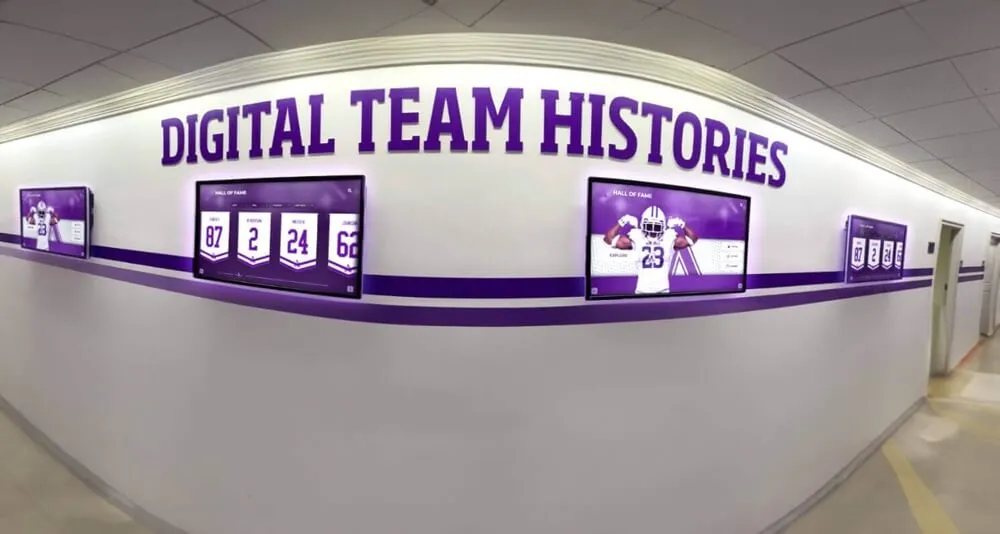
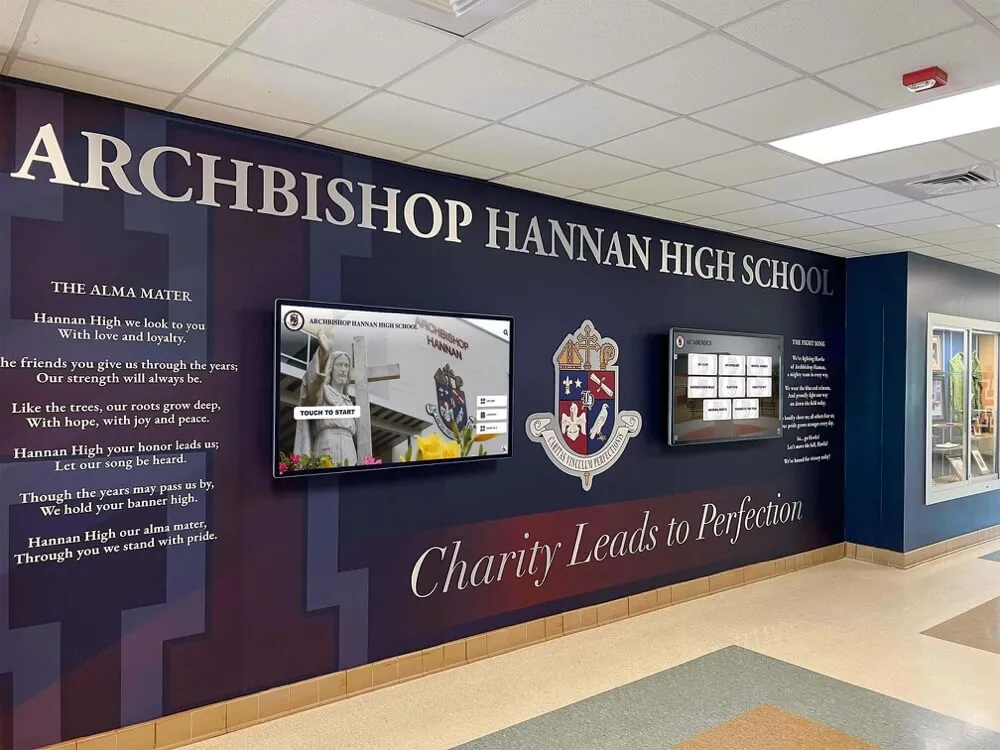
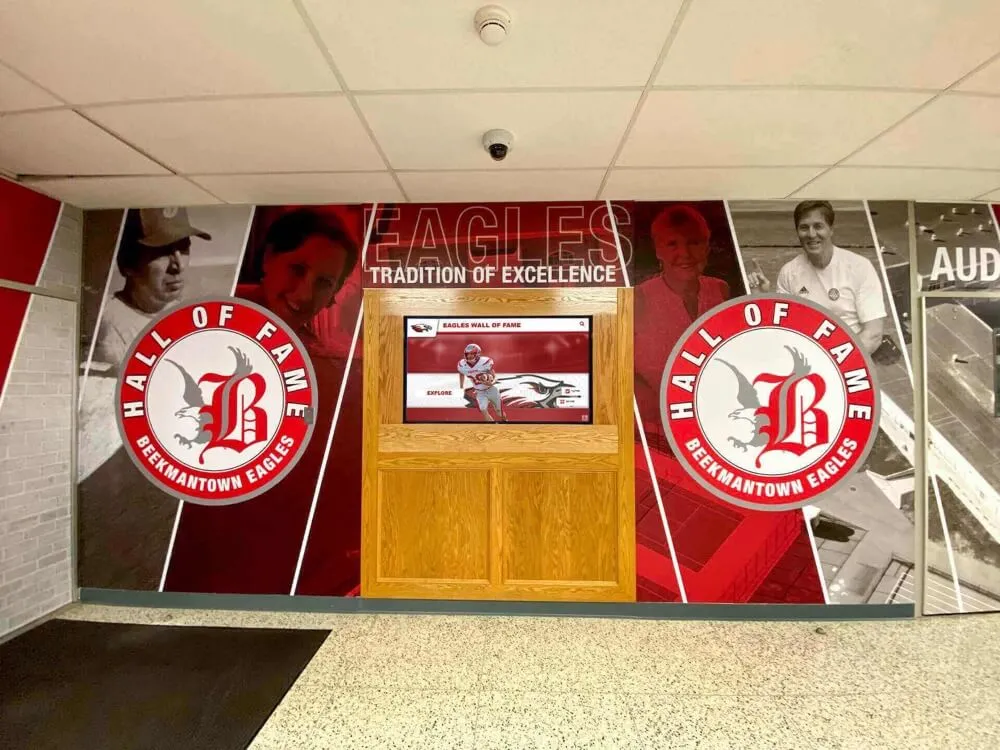
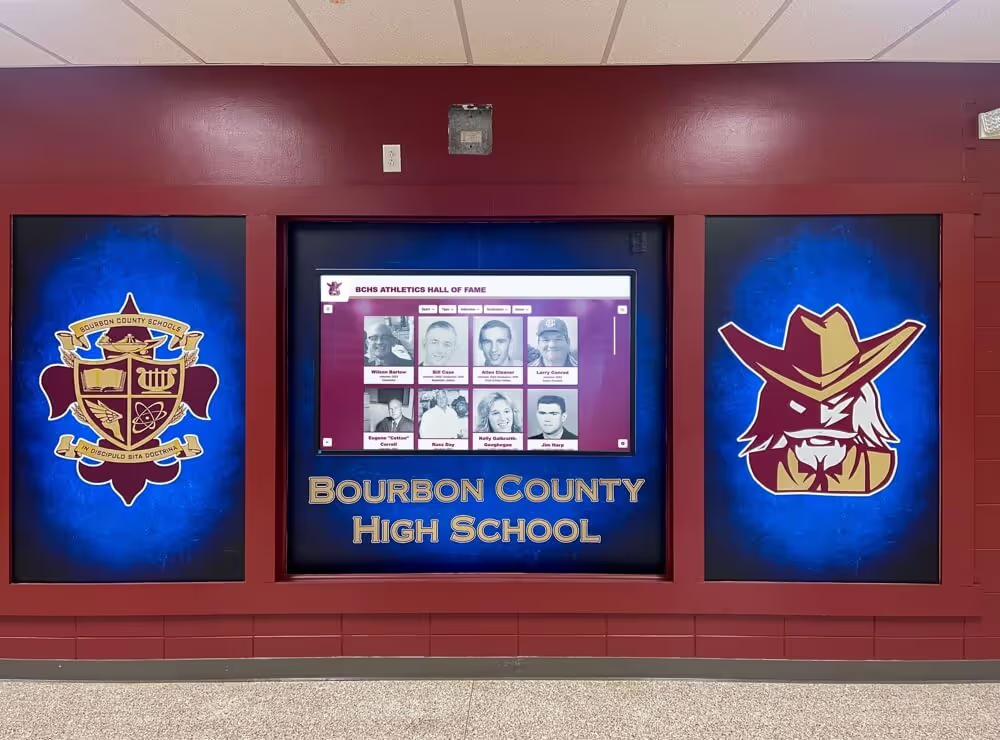
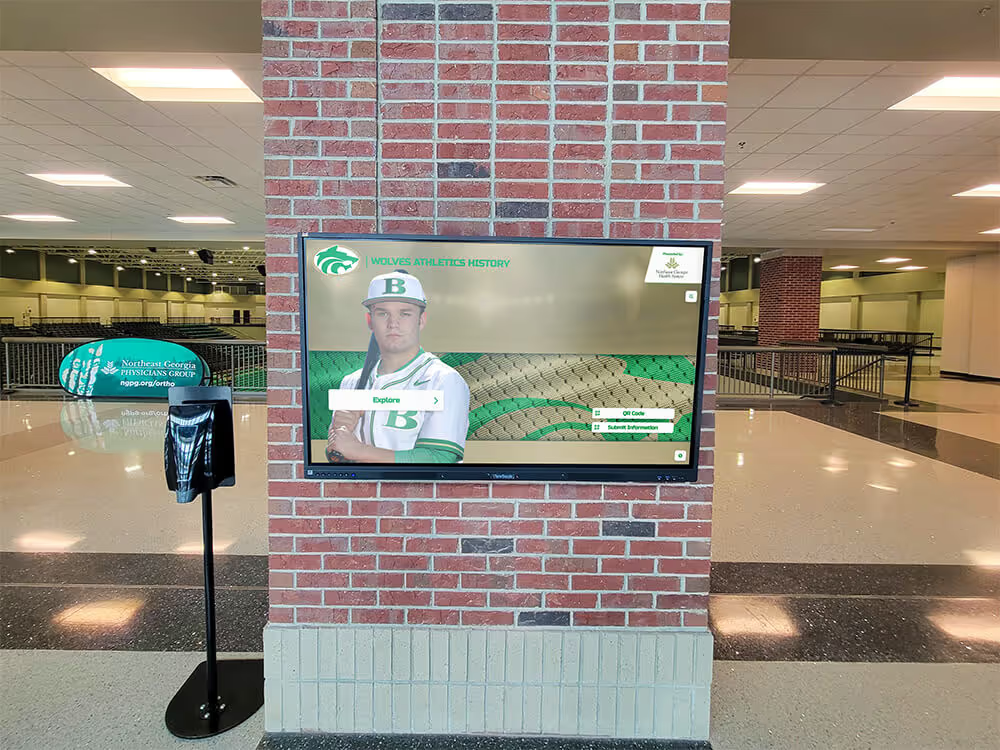
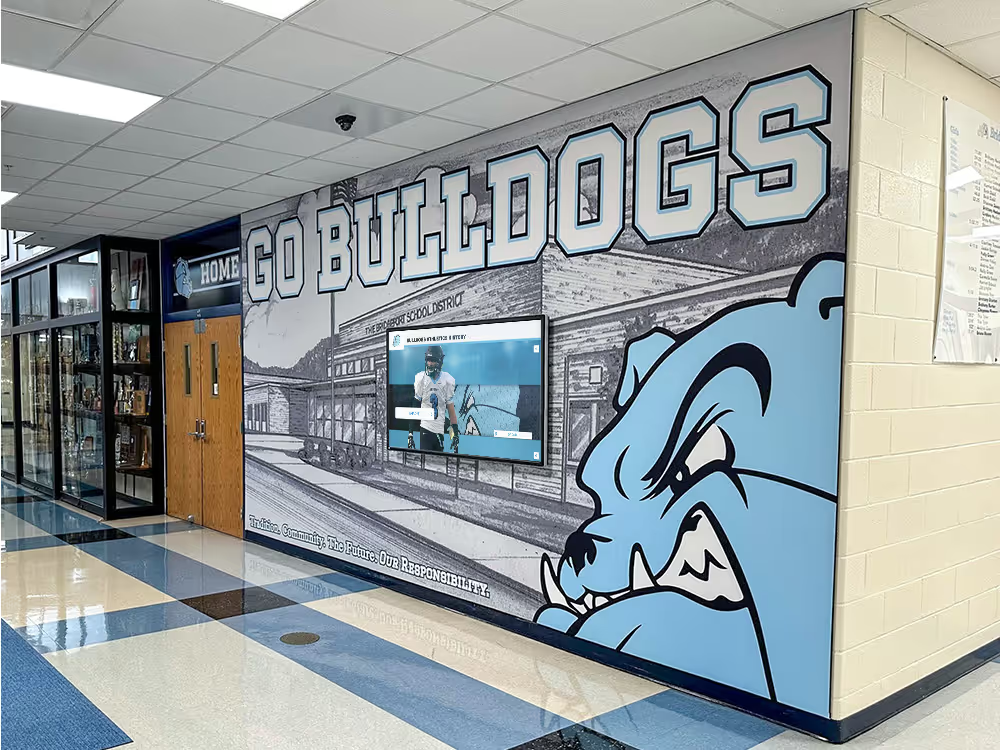
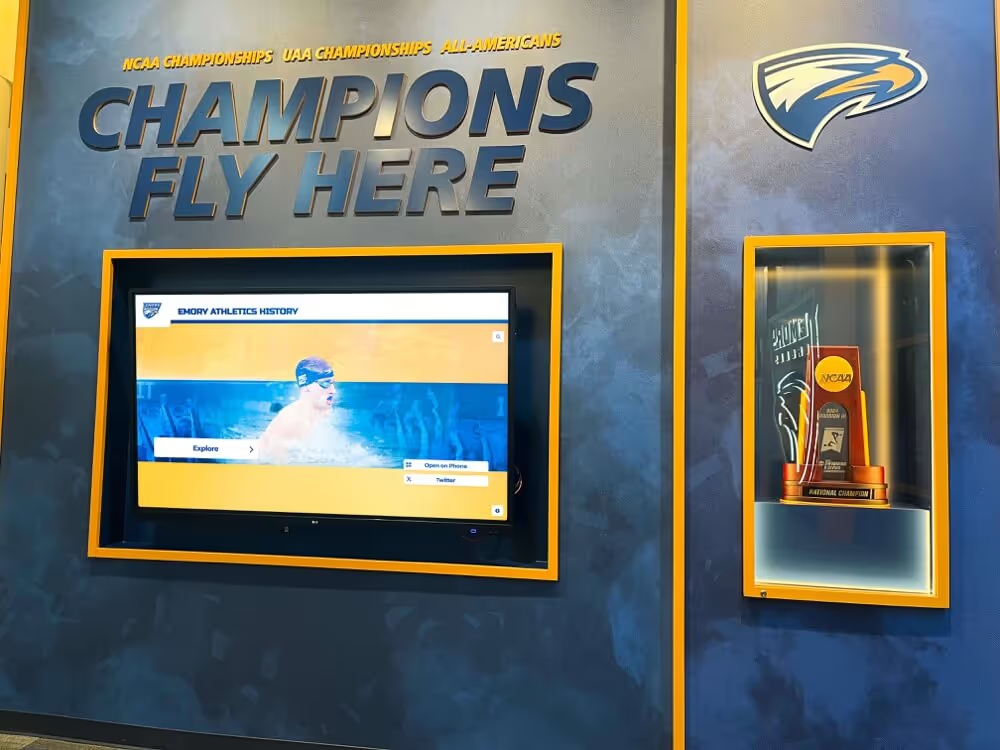
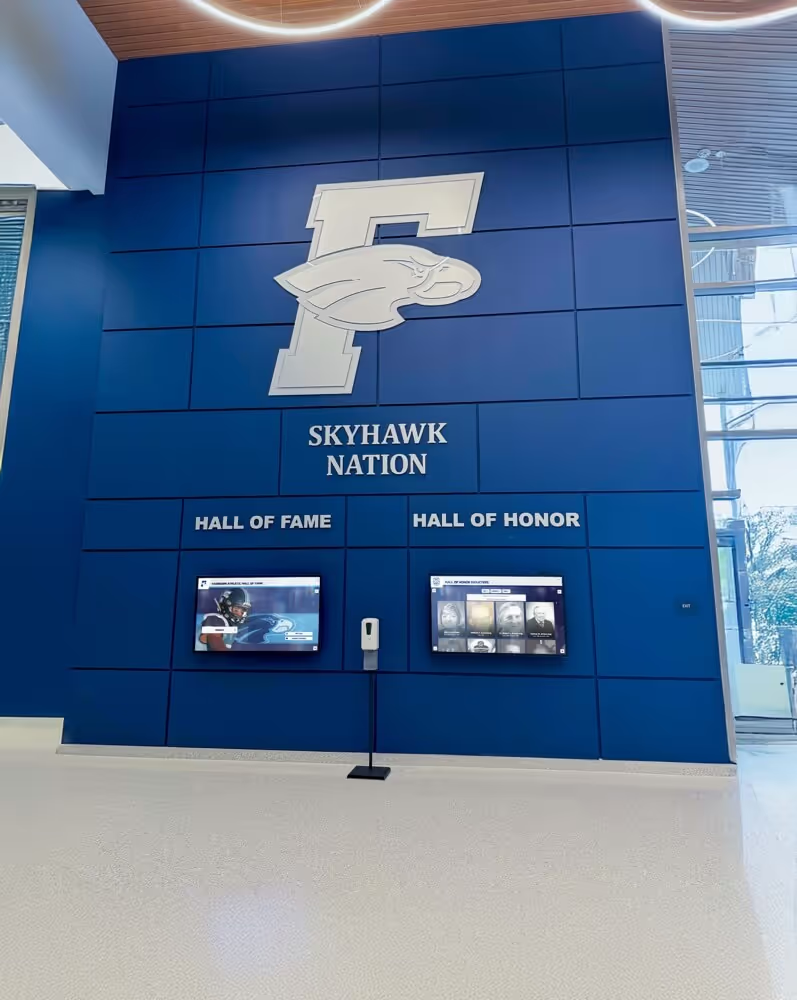
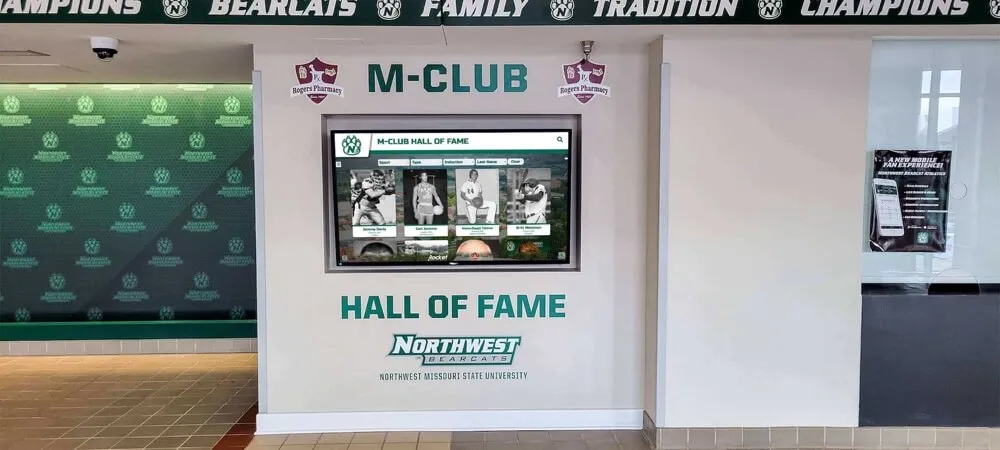
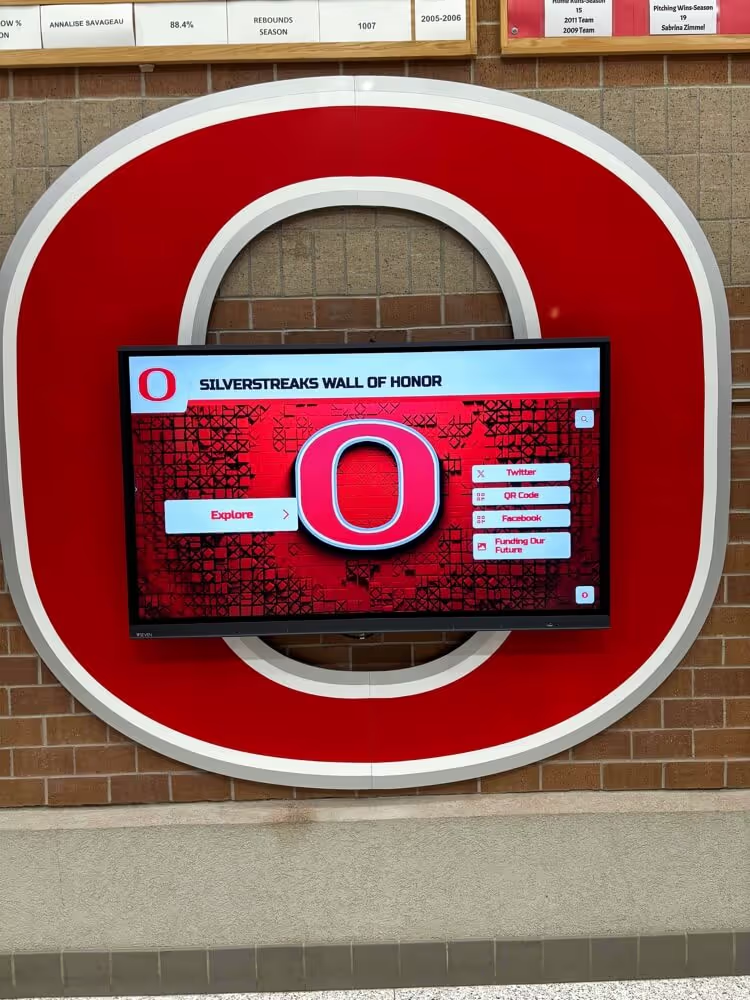
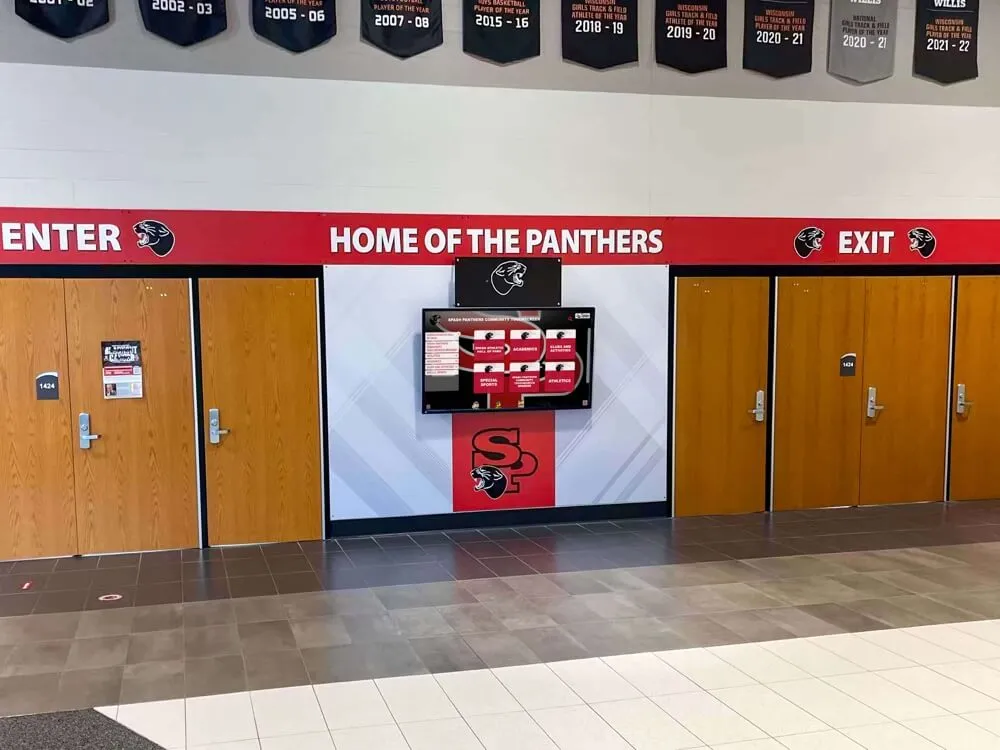
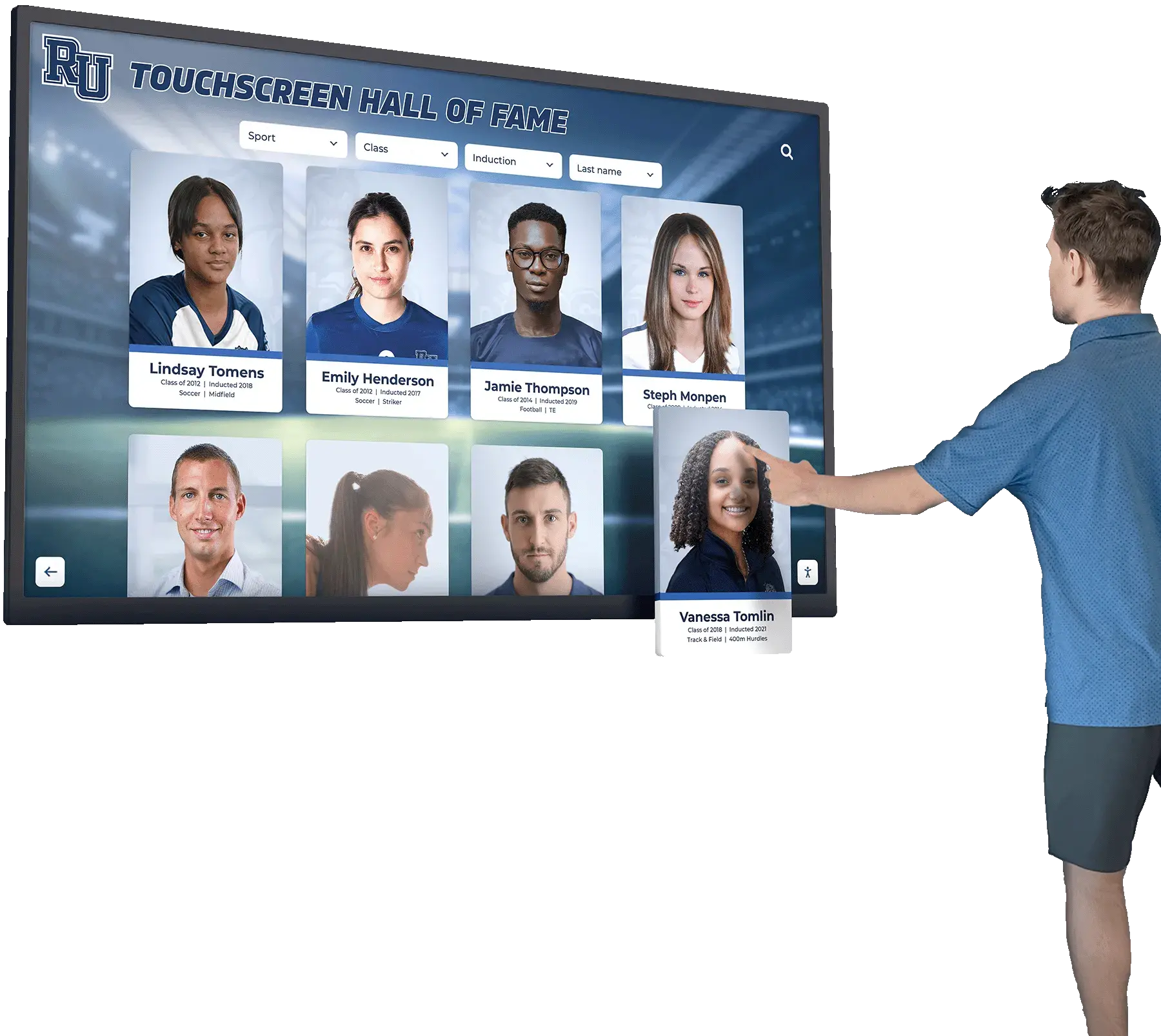
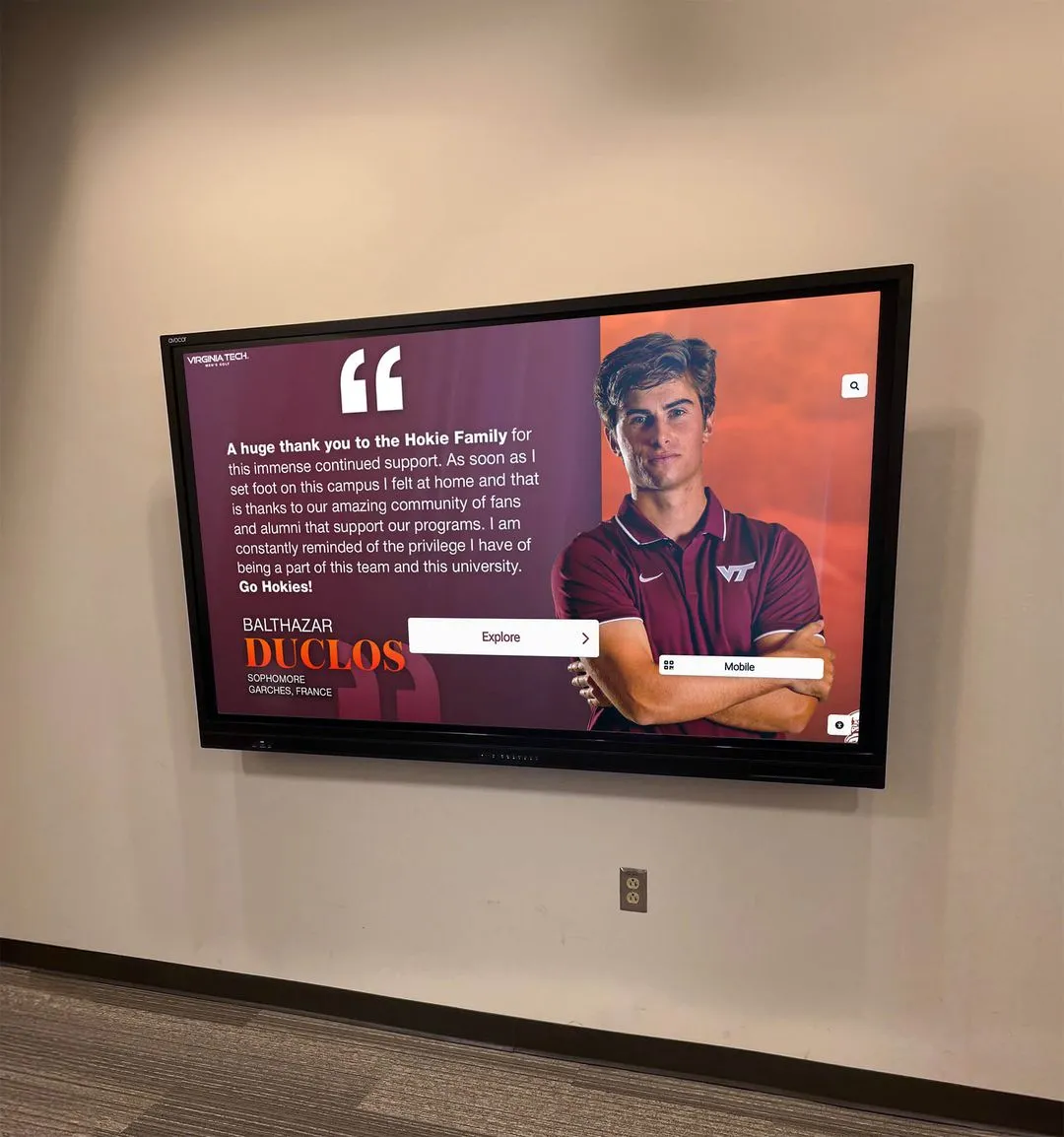
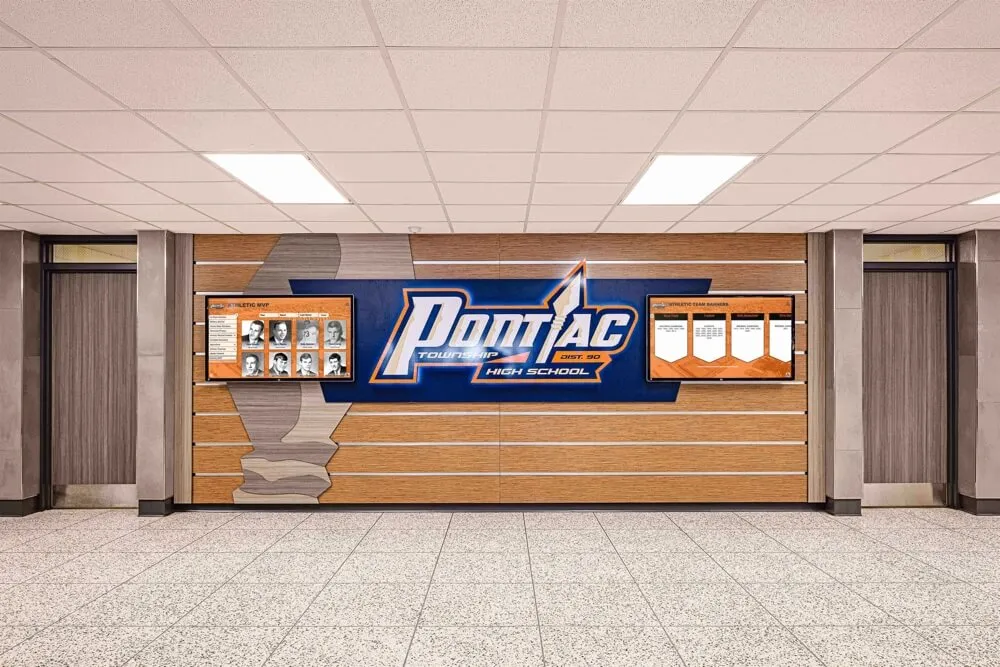
Interactive Digital Recognition Systems: Modern technology enables unlimited recognition capacity, allowing schools to honor every distinguished graduate without space constraints. Digital legacy walls feature searchable databases with comprehensive profiles including multiple photos, career narratives, video interviews, achievement documentation, and connections to current students through mentorship programs or scholarship support. Visitors actively explore content rather than passively viewing static displays, creating engagement that traditional approaches cannot match.
Schools designing alumni legacy walls should consider how recognition criteria reflect institutional values. Honoring only wealthy donors or famous graduates communicates narrow definitions of success, while recognizing diverse achievement types—teaching excellence, public service, artistic contribution, scientific research, community leadership—demonstrates that the institution values multiple paths to meaningful contribution.
Athletic Championship and Athlete Recognition Walls
Schools with strong athletic traditions often dedicate significant recognition space to championship teams, individual athletic achievement, and coaching excellence that builds competitive programs across decades.
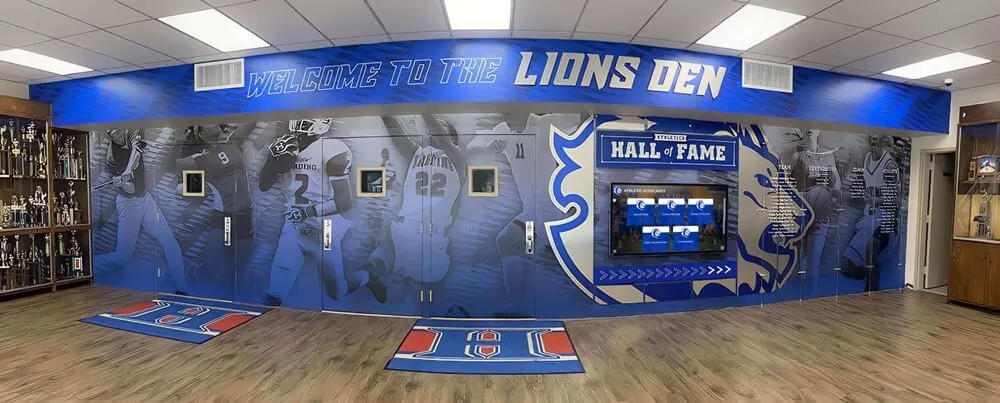
Championship Banner Walls: Vertical banners celebrating conference championships, state titles, and tournament victories create impressive visual displays particularly effective in gymnasiums and athletic facilities. Color-coded by sport or chronologically arranged, these banners demonstrate sustained excellence while inspiring current athletes to add to championship traditions.
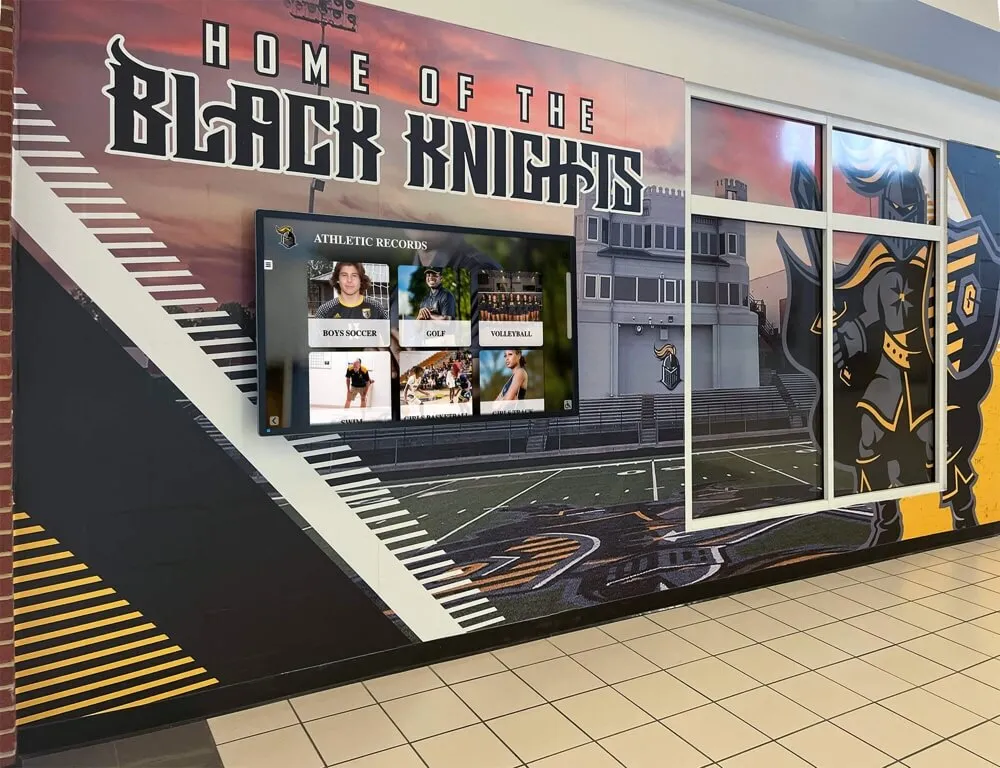
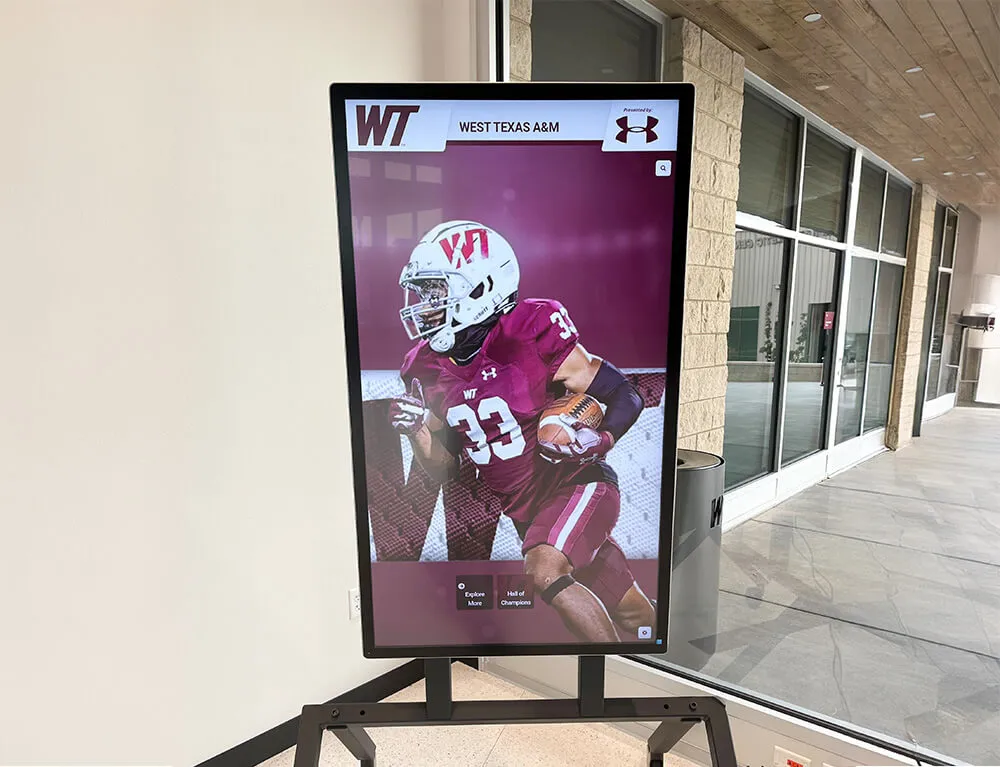
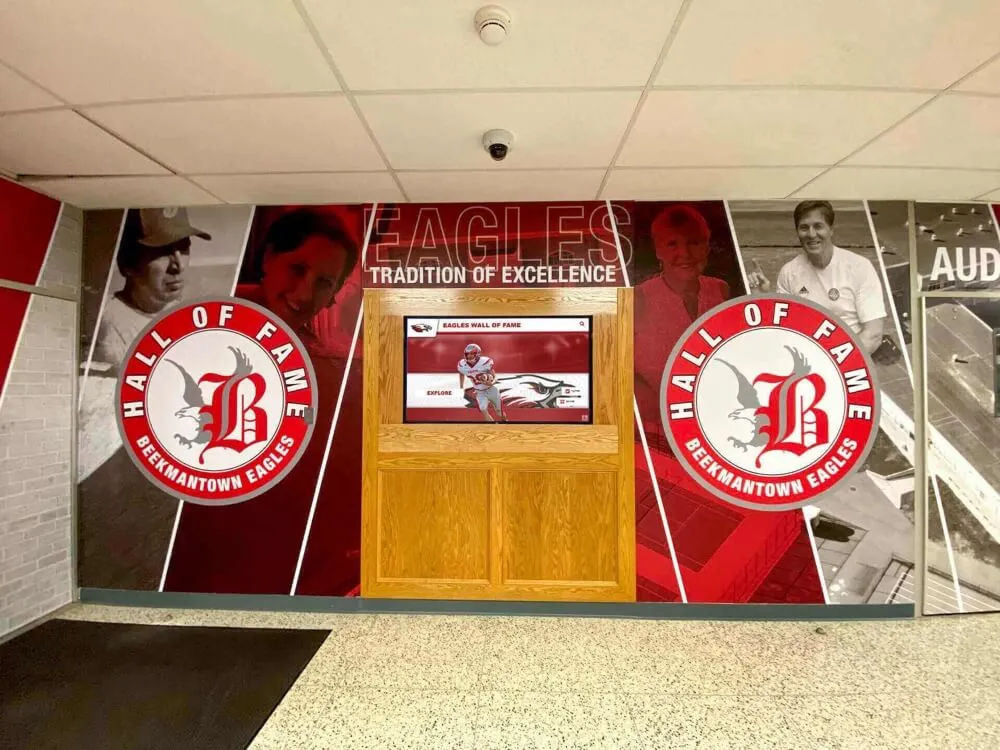
All-State and All-Conference Recognition: Honoring athletes earning elite individual recognition validates exceptional achievement while showcasing program quality to prospective students and college recruiters. Digital athletic recognition displays can include action photos, season statistics, achievement context, and post-high-school athletic careers, creating comprehensive tributes that celebrate individual excellence thoroughly.
Team Photo Legacy Walls: Chronological displays of team photos across decades document program evolution while creating emotional connections for alumni who return to view their teams within larger athletic history. When combined with championship records and individual athlete recognition, comprehensive athletic legacy walls tell complete stories of sustained competitive excellence.
Schools should consider whether athletic recognition balances competitive success with sportsmanship, academic achievement, and character development. Legacy walls highlighting only wins and championships miss opportunities to reinforce that athletics develop qualities extending beyond scoreboard outcomes—leadership, resilience, teamwork, dedication—that matter throughout life regardless of competitive results.
Academic Excellence and Scholar Recognition
While athletic achievement often receives prominent recognition, academic excellence deserves equally visible celebration communicating that intellectual achievement matters as much as competitive success.
Valedictorian and Salutatorian Walls: Chronological displays honoring top academic performers create traditions celebrating sustained academic excellence. Including not just names but post-graduation educational and career paths demonstrates outcomes of academic commitment while inspiring current students to pursue intellectual challenges.
National Merit Scholar Recognition: Students earning National Merit recognition, National Honor Society induction, Academic All-State honors, or prestigious scholarship awards deserve visible celebration equal to athletic championships. Legacy walls featuring academic achievement send powerful messages about institutional priorities and values.
Perfect Attendance and Academic Improvement: Not all academic recognition focuses on top performers. Legacy walls can celebrate perfect attendance, remarkable academic improvement, or consistent effort demonstrating persistence. These inclusive recognition approaches honor diverse achievement types while reinforcing that effort and dedication receive celebration regardless of starting point or natural ability.
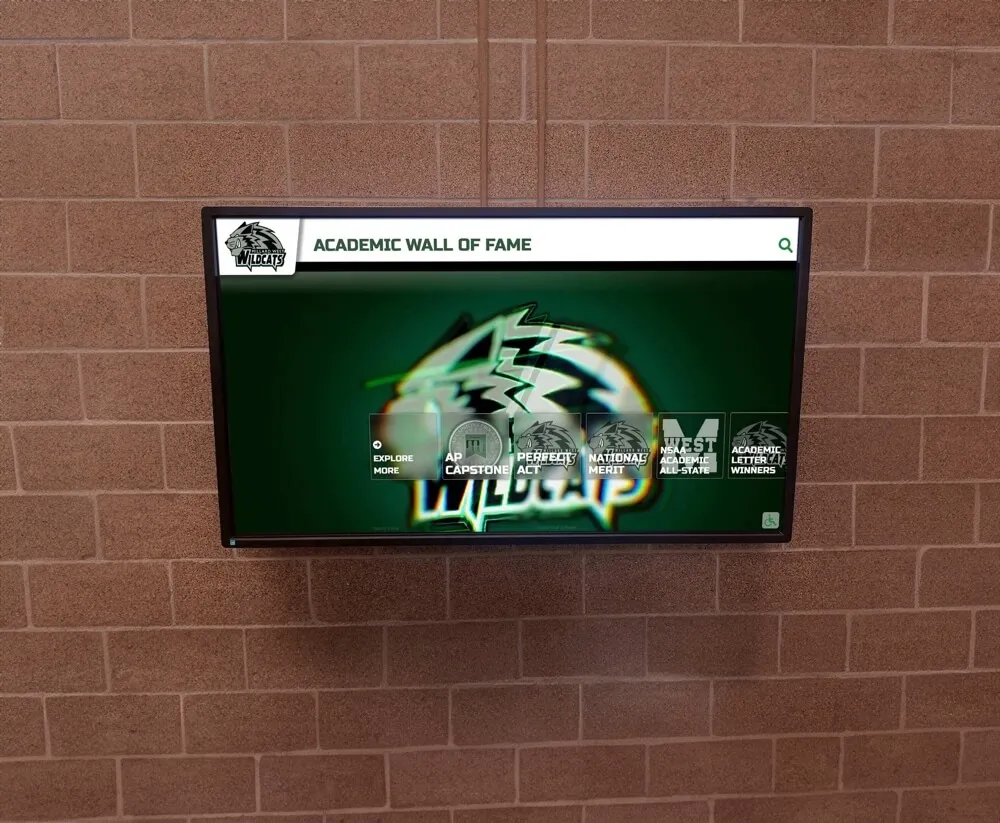
Academic legacy walls benefit significantly from digital recognition technology that provides space for comprehensive achievement documentation including standardized test scores, scholarship awards, college acceptances, academic majors pursued, and professional careers resulting from strong educational foundations. This context helps students understand connections between current academic effort and future opportunities.
Staff and Educator Legacy Recognition
Exceptional educators shape countless student lives throughout careers spanning decades. Legacy walls honoring teaching excellence, administrative leadership, and staff dedication demonstrate that institutions value the professionals creating educational environments where students thrive.
Years of Service Recognition: Celebrating educators reaching milestone anniversaries—20, 30, or 40 years of service—honors sustained commitment while demonstrating staff retention that benefits students through experienced, dedicated professionals. Chronological displays showing all staff members reaching service milestones create comprehensive institutional memory preserving organizational history.
Teacher of the Year and Excellence Awards: Schools implementing systematic staff recognition programs often establish teacher excellence awards based on peer nominations, student voting, or administrative selection. Legacy walls preserving award recipient recognition across years demonstrate consistent institutional commitment to celebrating exceptional teaching.
Retirement Recognition: Educators concluding careers deserve appropriate legacy recognition honoring their contributions to student learning and institutional life. Retirement recognition walls can include professional photos, career highlights, subject areas taught, coaching or activity sponsorship, and tributes from colleagues and students whose lives they influenced.
Staff recognition walls deliver practical benefits beyond honoring current employees. Prospective teachers evaluating employment opportunities notice whether schools celebrate faculty excellence visibly, influencing recruitment of high-quality educators. Current staff appreciate working where contributions receive recognition and preservation rather than being forgotten immediately after retirement.
Donor and Supporter Legacy Walls
Educational institutions depend on generous supporters whose financial contributions fund facilities, programs, scholarships, and innovations enhancing student experiences. Appropriate donor recognition honors philanthropy while encouraging continued support from current benefactors and inspiring giving among prospective donors.
Capital Campaign Recognition: Major fundraising campaigns financing building construction, technology upgrades, or program endowments warrant permanent recognition celebrating contributor generosity. Donor recognition walls organized by giving levels create tiered recognition appropriate to contribution magnitude while honoring all supporters regardless of gift size.
Scholarship Founder Recognition: Donors establishing named scholarships deserve lasting recognition linked to the students benefiting from their generosity. Legacy walls can include donor information alongside scholarship recipient lists, creating visible connections between philanthropic support and student success it enables.
Annual Fund Supporter Walls: Recognizing consistent annual contributors demonstrates that sustained support across years matters as much as occasional large gifts. Digital recognition systems enable schools to update donor walls regularly as giving patterns change, maintaining current recognition that traditional engraved approaches make difficult and expensive to modify.
Advancement professionals emphasize that appropriate donor recognition correlates directly with continued philanthropic engagement. Supporters who feel genuinely appreciated through visible, tasteful recognition maintain stronger institutional connections and give more generously across their lifetimes than donors receiving only private acknowledgment.
Design Principles for Effective Legacy Walls
Regardless of specific recognition purpose, successful legacy walls share common design characteristics that maximize visual impact, ensure longevity, and create experiences engaging viewers meaningfully.
Location and Placement Strategies
Legacy wall effectiveness depends heavily on strategic placement where intended audiences regularly encounter displays under conditions conducive to engagement.
High-Traffic Locations: Position recognition walls in heavily traveled areas—main entrances, central hallways, cafeteria approaches, or administrative office corridors—where students, staff, and visitors naturally pass daily. Recognition visible only in remote locations or restricted spaces limits impact and undermines investment value.
Appropriate Viewing Distances: Consider sight lines and viewing angles when planning installations. Legacy walls requiring close approach to read details work well in lobbies where visitors pause naturally. Displays visible from longer distances need larger text, higher contrast, and simplified layouts remaining legible across rooms or hallways.
Contextual Appropriateness: Match recognition type to location function. Athletic legacy walls belong in gymnasiums and athletic facilities; academic recognition suits library approaches or classroom corridors; donor walls work well in administration buildings or fundraising campaign facility entrances. Contextual alignment reinforces recognition meaning while creating logical visitor expectations.
Accessibility Considerations: Ensure all legacy walls meet ADA accessibility standards regarding mounting heights, text size, contrast ratios, and tactile elements when appropriate. Accessible digital displays benefit not only visitors with disabilities but all users through improved usability and inclusive design.
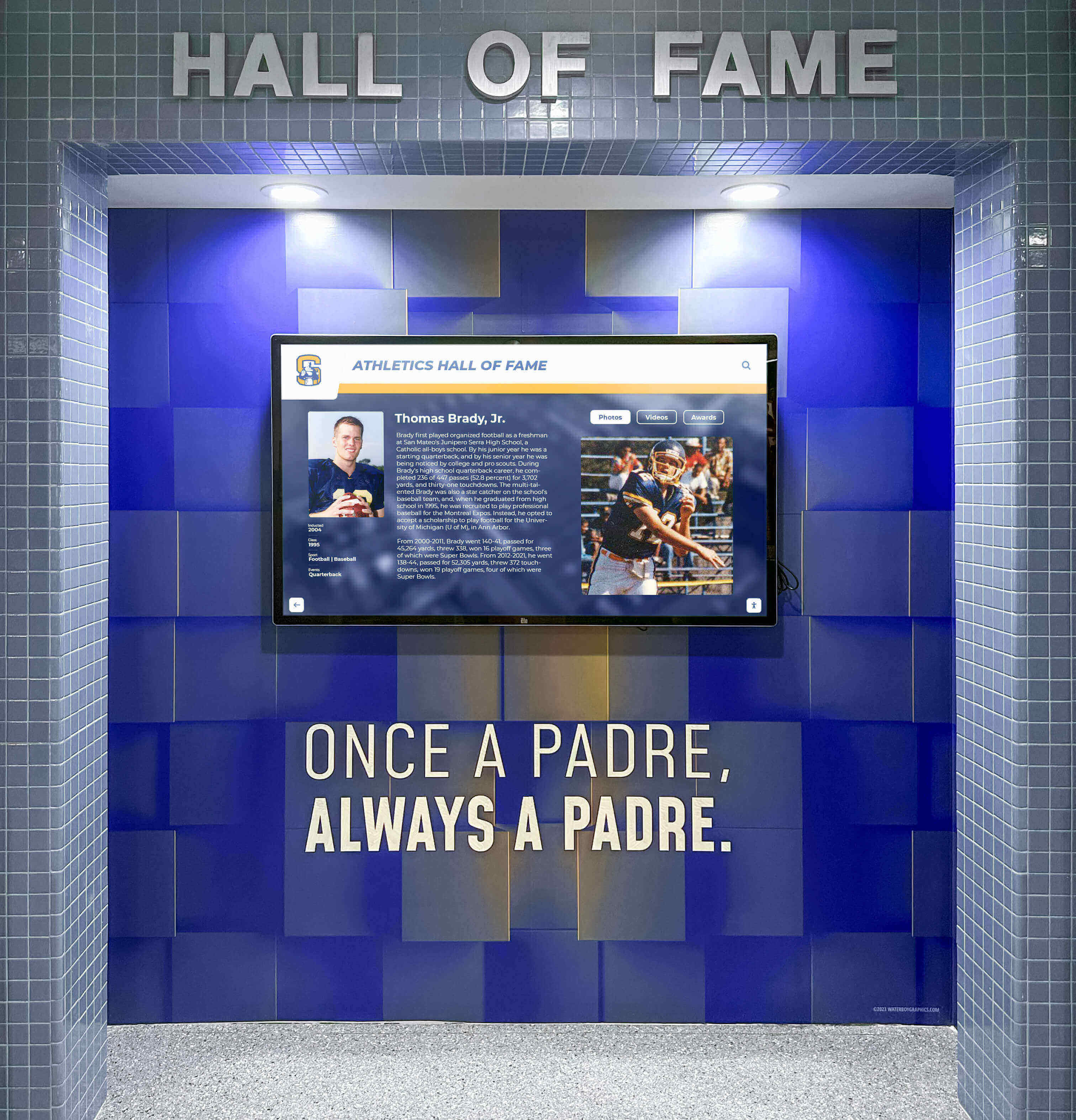
Visual Design and Aesthetic Consistency
Legacy walls should enhance rather than detract from architectural environments while maintaining visual consistency with overall institutional branding and design standards.
Color Palette Alignment: Select colors, materials, and finishes complementing existing architecture and school branding. Recognition walls clashing visually with surroundings appear disconnected from institutional identity rather than integrated recognition elements reinforcing school character.
Typography and Legibility: Choose fonts and text sizes prioritizing readability across expected viewing distances. Decorative typography may look attractive in design mockups but frustrate viewers unable to read information easily. Consistent typography across all recognition text creates professional appearance communicating institutional quality.
Material Selection for Longevity: Traditional legacy walls require durable materials resisting wear, fading, and physical damage across decades. Quality bronze, brass, or aluminum plaques maintain appearance far better than cheaper alternatives showing age prematurely. For digital displays, commercial-grade screens designed for continuous operation outlast consumer equipment not built for institutional use.
Layout and Organization Logic: Organize recognition systematically using chronological order, alphabetical arrangement, achievement categories, or other clear organizational frameworks helping visitors understand display structure and locate specific information. Random or unclear organization frustrates users while diminishing professional appearance.
Balance Between Information and Aesthetics: Effective designs balance comprehensive information with visual clarity. Overcrowded displays overwhelming viewers with dense text reduce engagement, while sparse displays providing minimal information fail to tell complete stories honoring achievements appropriately. The goal is sufficient detail for meaningful recognition without visual confusion deterring interaction.
Scalability and Future Growth Planning
The most common legacy wall design failure involves inadequate planning for inevitable growth as schools add honorees annually. Displays beautiful at installation become problematic within a few years when no expansion capacity remains.
Modular Design Approaches: Plan legacy walls accommodating predictable growth through modular construction allowing straightforward additions. Traditional plaque walls benefit from layouts with obvious space for future plaques; digital systems inherently provide unlimited capacity through software-based recognition requiring no physical modifications when adding honorees.
Realistic Capacity Projections: Calculate annual recognition rates and project capacity needs across 10-20 year horizons rather than planning only for initial installations. A school honoring 10 new alumni annually requires space for 100-200 additional recognition elements over typical legacy wall lifecycles. Underestimating growth creates expensive problems requiring premature redesigns or impossible decisions about whose recognition to remove when space exhausts.
Planned Expansion Zones: When initial budgets cannot finance complete long-term capacity, design installations with obvious future expansion zones. Leave adjacent wall space for additional plaques, plan for second digital screen installations, or create phased implementation timelines matching recognition growth to budget availability across multiple fiscal years.
Digital Solutions for Unlimited Growth: Schools concerned about space constraints increasingly favor digital recognition displays providing effectively unlimited capacity through searchable databases accommodating thousands of honorees without requiring additional physical space as programs mature. This eliminates growth planning uncertainty while providing superior long-term value compared to repeatedly expanding physical installations.
Traditional vs. Digital Legacy Wall Solutions
Recognition technology has evolved dramatically in recent decades, creating choices between time-tested traditional approaches and modern digital systems offering new capabilities. Understanding differences helps schools make informed decisions aligned with specific needs, budgets, and institutional cultures.
Traditional Physical Legacy Walls: Advantages and Limitations
Classic recognition approaches using engraved plaques, etched glass, carved wood, or other permanent materials have served institutions well for generations and continue offering distinct advantages in specific contexts.
Permanence and Prestige: Physical plaques convey gravitas and timelessness that digital displays may lack. The weight, craft quality, and material permanence of traditional recognition elements communicate importance and enduring institutional commitment to honoring achievement. For recognition of the highest institutional honors, traditional elements often feel more appropriate than digital alternatives.
No Technical Dependencies: Physical displays require no power, network connectivity, software maintenance, or technical support. They function identically whether IT infrastructure operates perfectly or fails completely. For schools with limited technical resources or unreliable infrastructure, traditional approaches eliminate technology dependencies that could compromise recognition visibility.
Familiar and Expected: Many school communities expect traditional recognition formats based on institutional history and peer comparisons. Alumni who view their own recognition through engraved plaques may resist changes to digital formats feeling less substantial. Respecting these preferences maintains community support for recognition programs while honoring traditions mattering to constituencies.
Space and Update Limitations: The fundamental limitation of traditional approaches involves finite physical space requiring expensive modifications when capacity exhausts. Adding new recognition elements annually means eventually facing impossible choices about whose plaques to remove or complete wall redesigns costing tens of thousands of dollars. Physical modifications also require extended timelines—ordering, fabricating, and installing new plaques typically requires 6-12 weeks versus immediate updates possible with digital systems.
Minimal Information Capacity: Engraved plaques accommodate only basic information—names, dates, brief descriptions—due to space constraints and legibility requirements. Telling rich achievement stories requires separate informational supplements that physical displays cannot provide directly.
Modern Digital Legacy Wall Systems: Capabilities and Considerations
Digital recognition technology has matured substantially, with purpose-built solutions addressing educational recognition needs specifically while providing capabilities impossible with traditional approaches.
Unlimited Recognition Capacity: Digital systems accommodate hundreds or thousands of honorees through searchable databases, eliminating space constraints that limit traditional recognition. Schools can honor every deserving graduate, athlete, or staff member without ever facing capacity limitations requiring difficult exclusion decisions or expensive expansions.
Rich Multimedia Storytelling: Include professional photos, action shots, video interviews, audio recordings, scanned documents, achievement timelines, and narrative biographies creating comprehensive tributes impossible with plaques alone. Multimedia content creates emotional connections and deeper understanding of achievement stories than basic name and date recognition.
Easy Content Updates: Add new honorees, correct errors, update information as achievements continue, or refresh content entirely through software interfaces requiring no physical modifications or professional installation. Content management occurs remotely from any computer, enabling rapid updates impossible with traditional fabrication-dependent approaches.
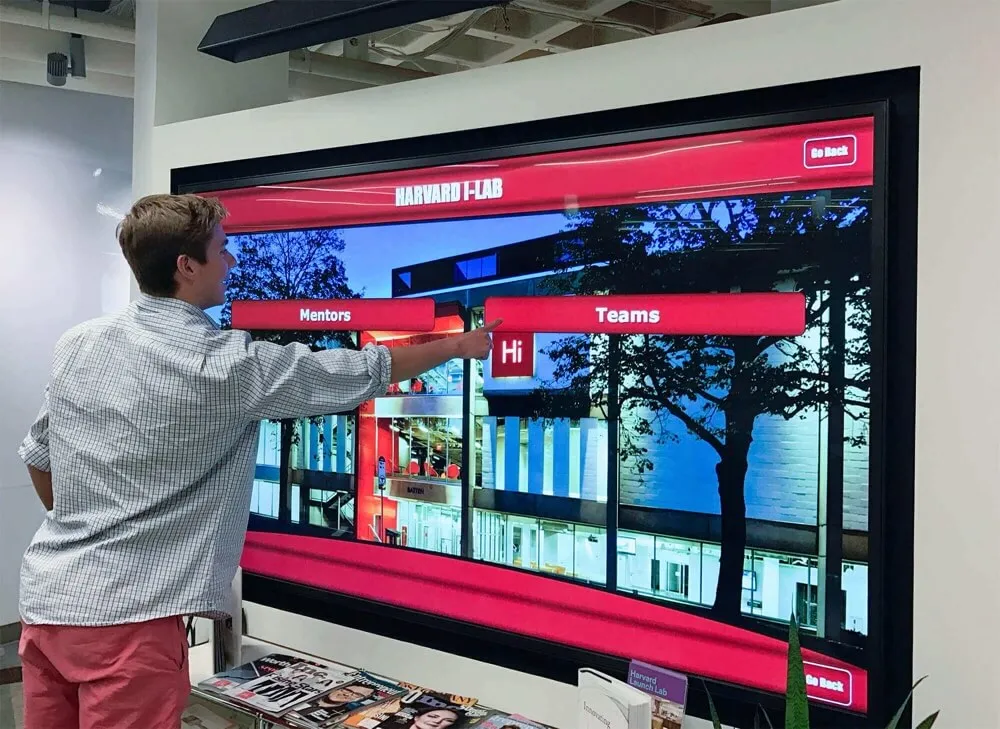
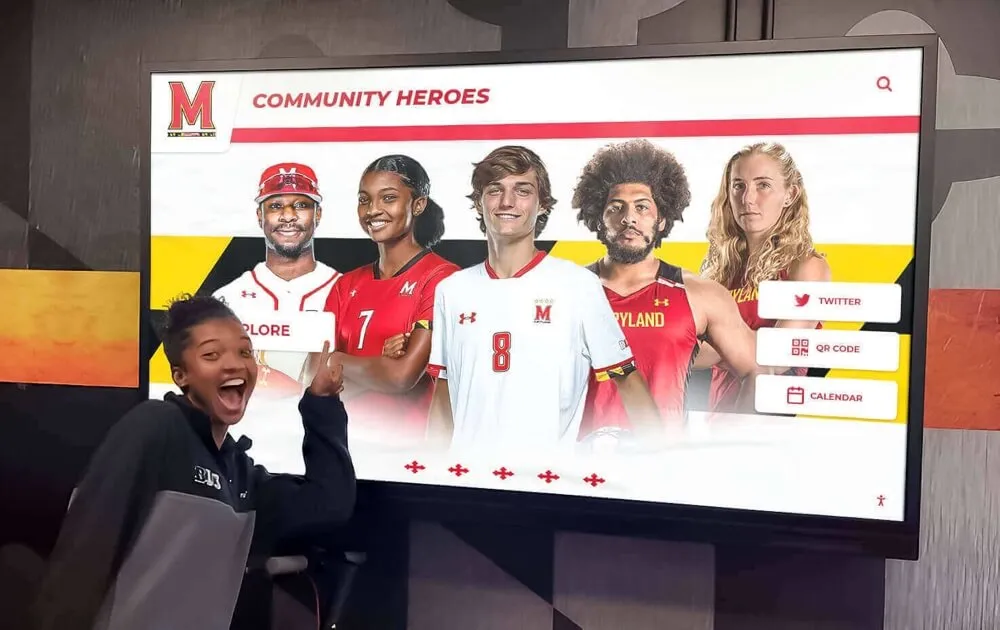
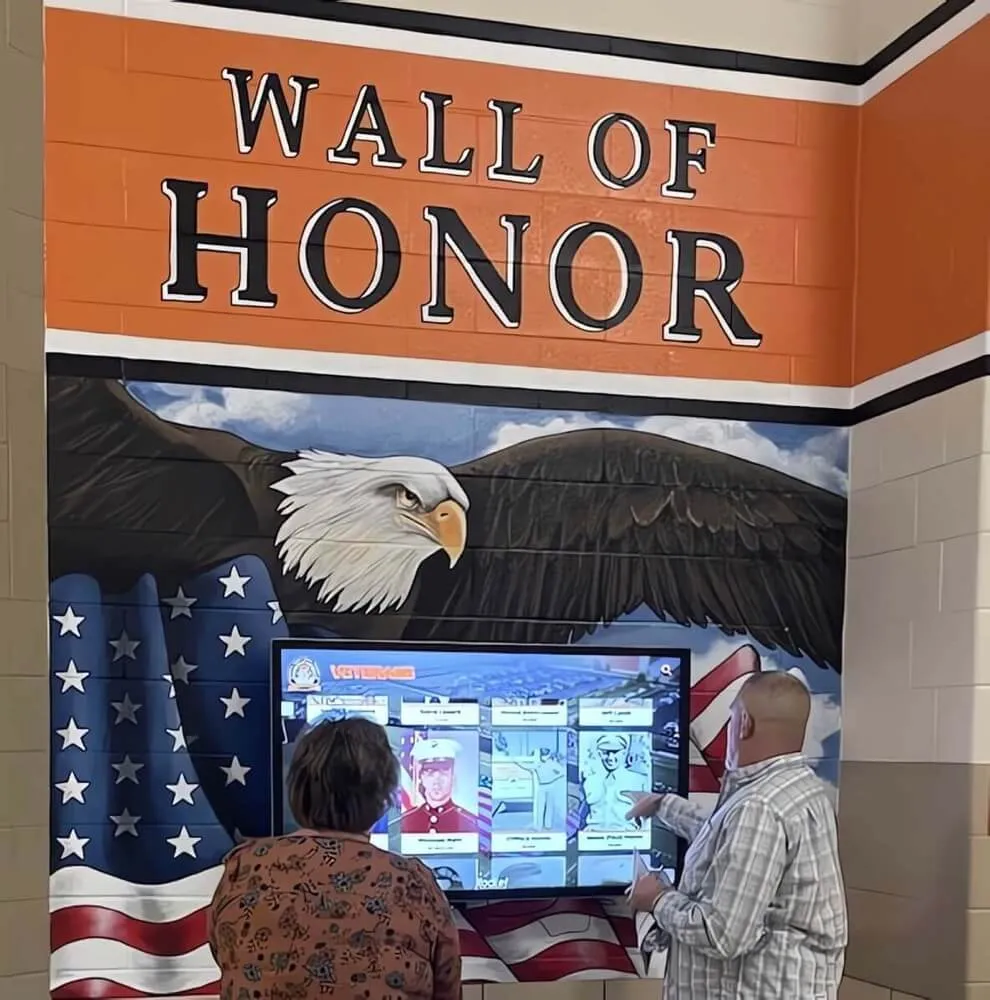
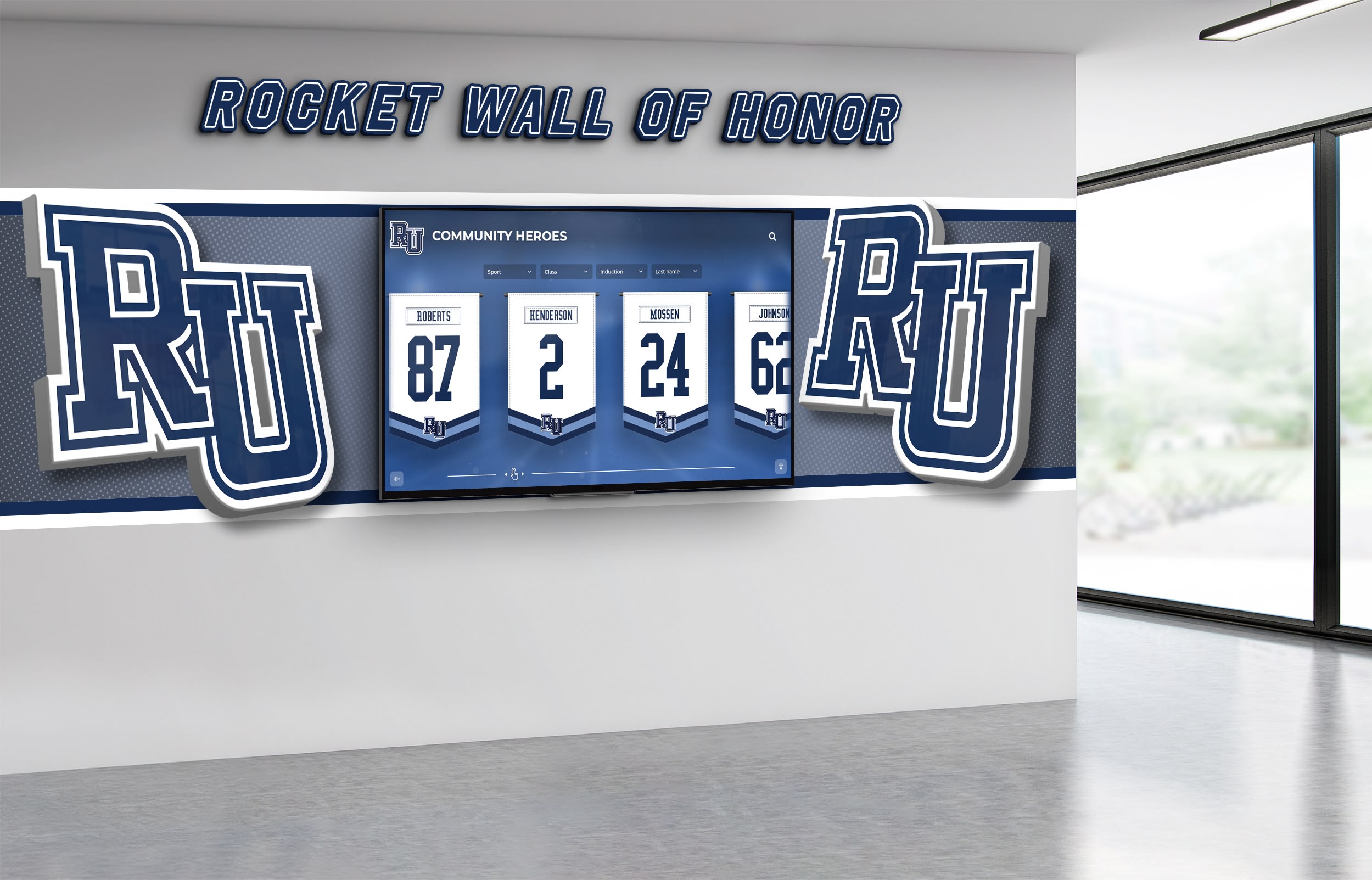
Interactive User Experiences: Visitors actively explore content through touch interfaces, searching by name, year, achievement category, keyword, or other criteria. This active engagement creates memorable experiences while helping users quickly find specific information within large recognition databases. Interactive digital displays transform passive viewing into active discovery increasing time spent engaging with recognition content.
Cost-Effectiveness Over Time: While initial digital investments may exceed basic traditional installations, long-term economics favor digital solutions when considering ongoing costs. Traditional recognition requires expensive fabrication and installation for each annual honoree class, while digital systems incur minimal incremental costs regardless of how many honorees are added. Over 10-20 year timeframes, digital approaches typically cost significantly less than repeatedly updating traditional displays.
Analytics and Engagement Measurement: Digital systems track usage patterns showing which honorees generate most interest, what search terms visitors use, how long users engage with content, and what times see highest usage. These insights inform content strategies while documenting recognition wall impact through objective engagement metrics impossible to capture with traditional displays.
Web Integration Capabilities: Modern recognition platforms extend beyond physical displays to online recognition portals accessible worldwide. Alumni across the globe can view their recognition, share profiles with family and colleagues, and maintain connections to alma maters regardless of geographic location. This extended reach multiplies recognition impact beyond campus visitors to global alumni communities.
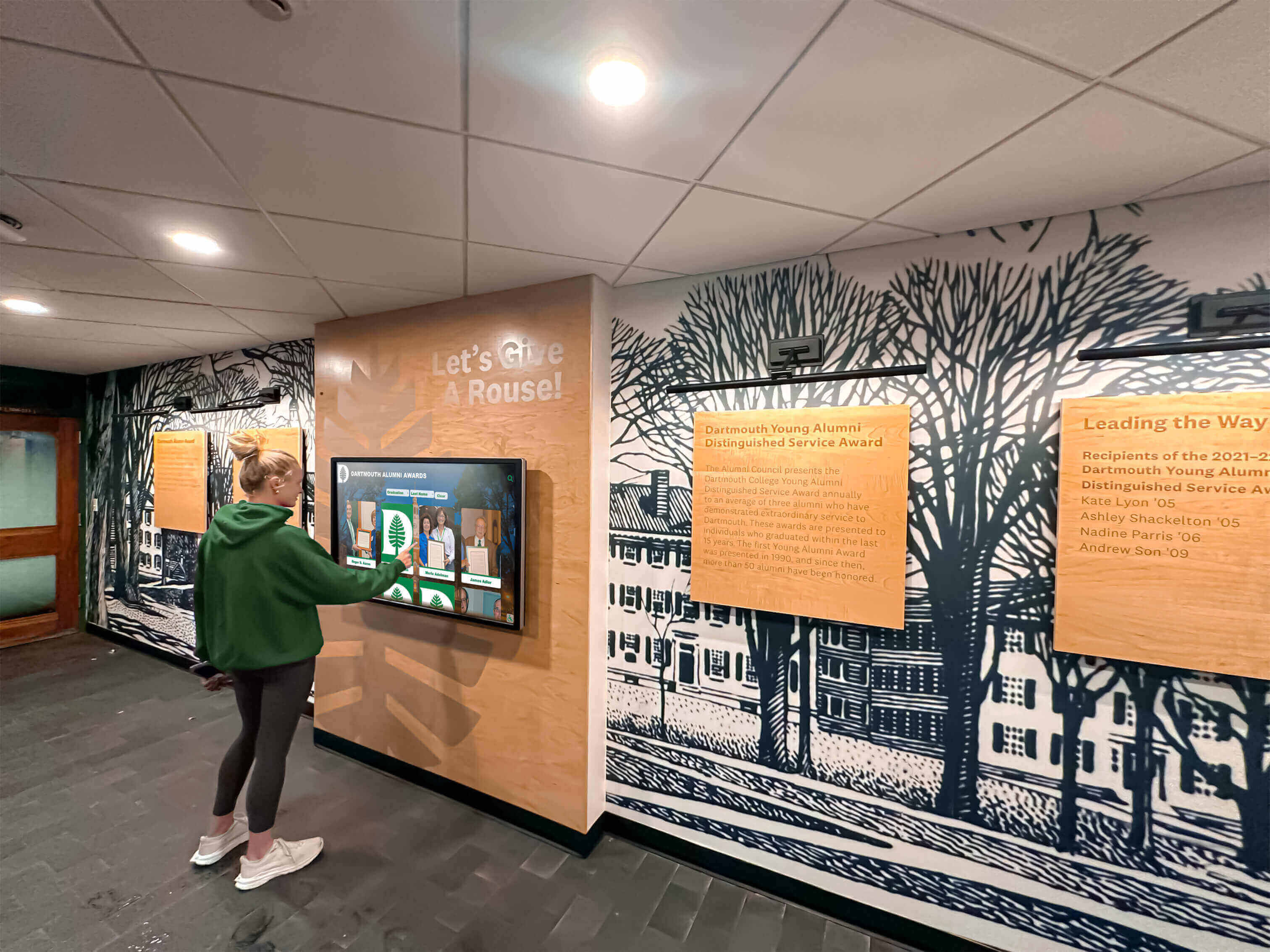
Hybrid Approaches: Combining Traditional and Digital Elements
Many schools find optimal solutions combine traditional and digital elements, preserving the prestige of physical recognition while adding digital capabilities for comprehensive storytelling and unlimited capacity.
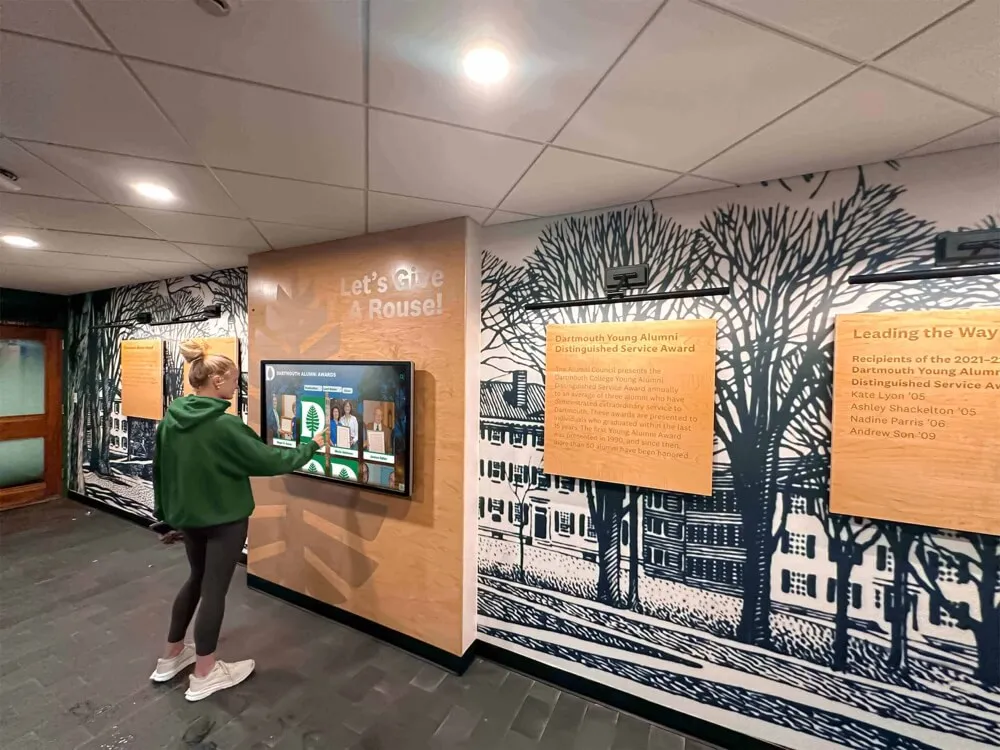
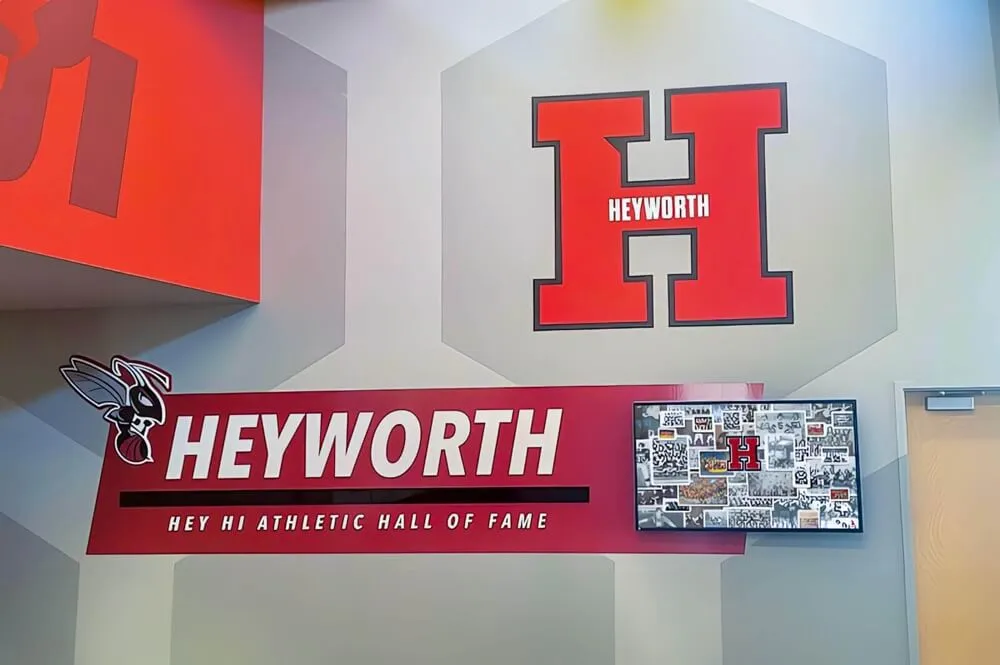
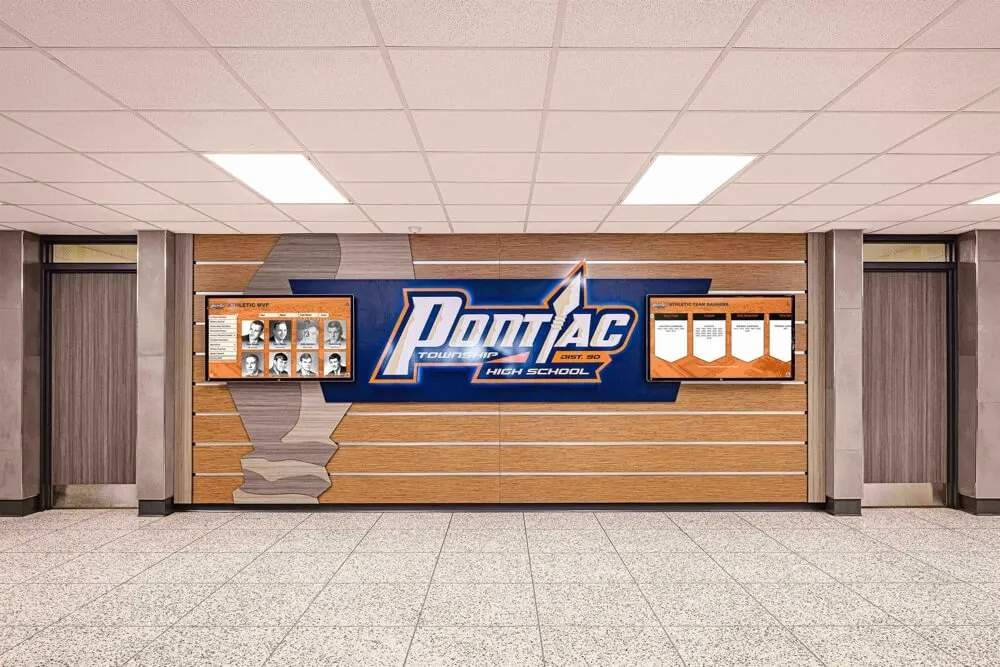
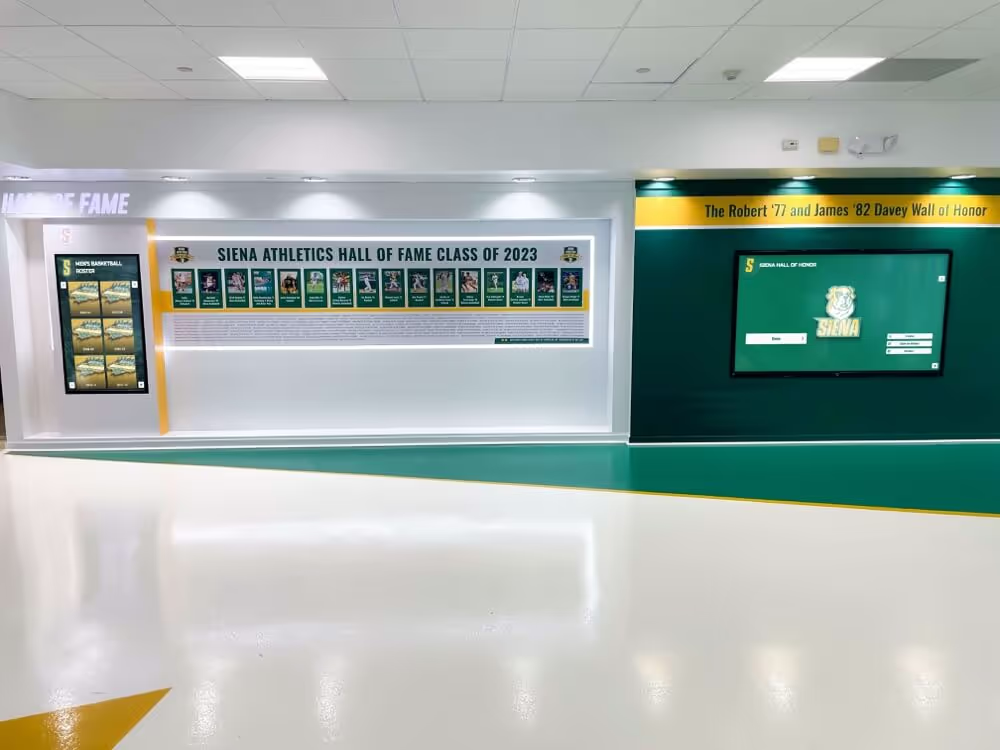
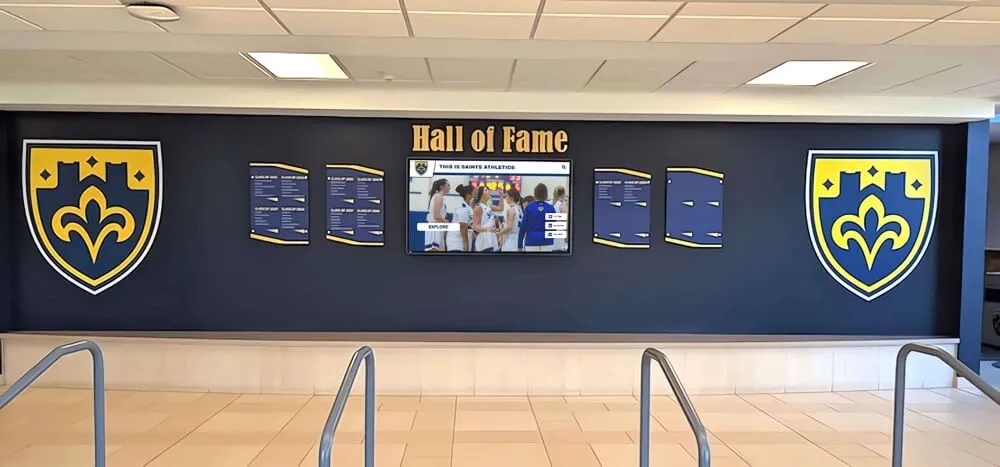
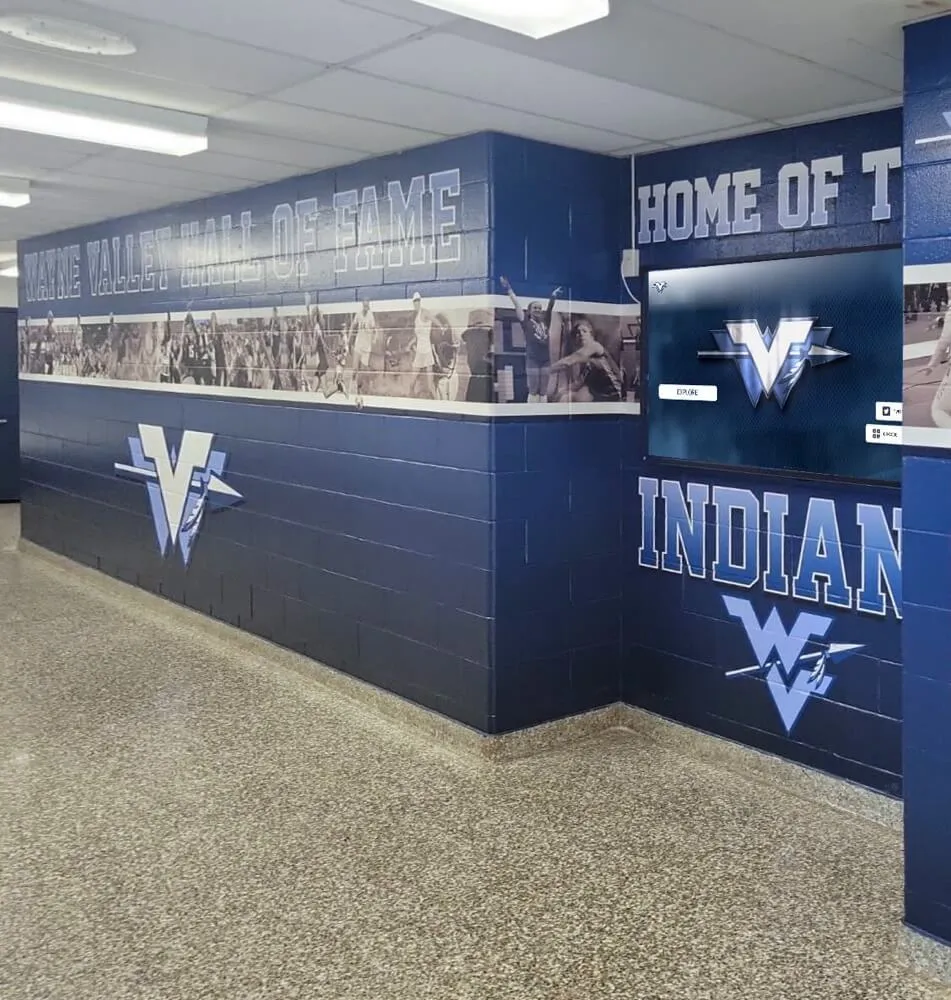
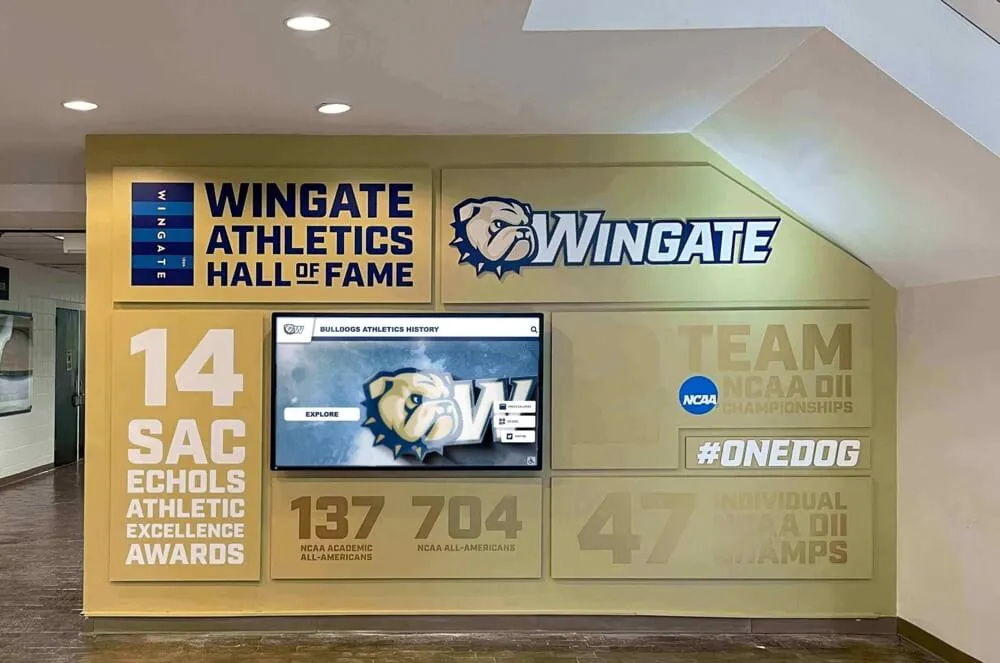
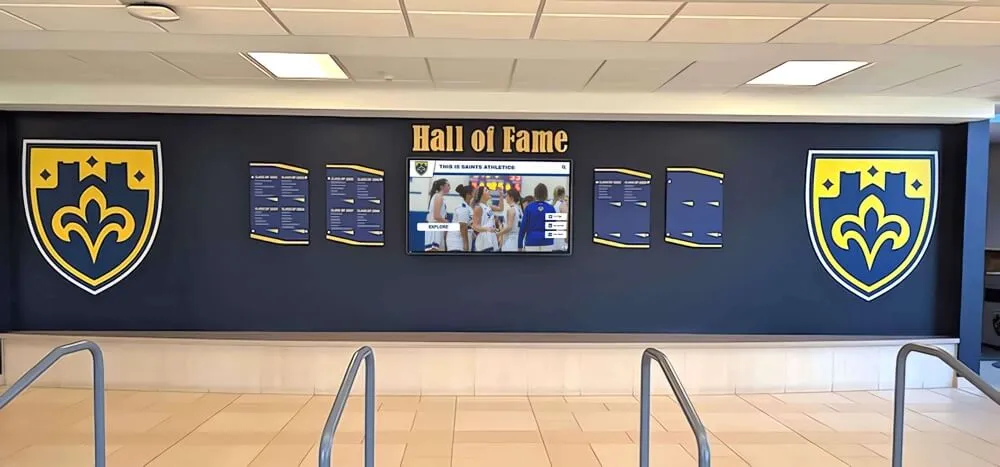
A hybrid approach might feature traditional engraved wall listing all hall of fame inductees or major donors, complemented by adjacent digital display providing detailed profiles, photos, videos, and searchable access to complete recognition database. This combination satisfies constituencies valuing traditional recognition while delivering engagement and capacity benefits digital technology provides.
Another hybrid model uses physical recognition for highest honors—hall of fame inductees, major donors, championship teams—while digital systems handle comprehensive recognition of all-state athletes, academic scholars, or annual award recipients whose numbers would overwhelm physical display capacity.
Hybrid strategies work particularly well during transitions from traditional to digital recognition, maintaining existing physical elements constituents value while adding digital capacity preventing future space limitations.
Content Development for Meaningful Legacy Recognition
Technology and design enable legacy walls, but compelling content creates engagement and delivers value. Profiles honoring achievements appropriately while telling stories that inspire viewers require systematic content development approaches balancing comprehensiveness with sustainability.
Essential Elements of Effective Recognition Profiles
Regardless of recognition format, effective profiles share common characteristics that honor achievements appropriately while engaging viewers meaningfully:
Complete Biographical Information: Full names including maiden names when relevant, graduation years or employment dates, specific achievement categories earning recognition, and current location or affiliation when appropriate. This factual foundation ensures accurate recognition while helping visitors understand honoree connections to the institution.
Achievement Descriptions with Context: Specific accomplishments warranting recognition described in sufficient detail for audiences to appreciate significance. Generic descriptions like “successful business career” mean little compared to specific details about companies founded, products developed, markets served, or employees led. Context about achievement rarity or competitive selection helps audiences understand why particular accomplishments merit special recognition.
Personal Narratives and Reflections: First-person quotes, advice for current students, reflections on formative institutional experiences, or descriptions of challenges overcome humanize achievements while creating authentic connections. Personal voice differentiates recognition profiles from resume listings, revealing the humans behind accomplishments.
Visual Documentation: High-quality photos including professional headshots, action shots showing honorees engaged in activities they’re recognized for, historical photos from school years, and current photos showing life after institutional affiliation. Visual content creates immediate engagement while helping viewers recognize honorees they may know personally.
Connection to Current Community: Information about ongoing institutional involvement through mentorship, donations, volunteer service, or professional connections hiring graduates demonstrates that recognized individuals maintain commitment beyond their own student or employment experiences. These connections create practical value for current students while illustrating continued institutional relationships.
Balancing Comprehensiveness with Sustainability
The most common content development failure involves unsustainable ambition creating comprehensive profiles for initial installations but lacking capacity to maintain quality standards as recognition programs grow annually.
Tiered Content Approaches: Create detailed flagship profiles for most prominent honorees receiving promotional emphasis while developing streamlined profiles for broader recognition populations. This prioritization ensures resources focus where impact matters most while maintaining inclusive recognition of all deserving recipients.
Sustainable Annual Workflows: Establish systematic processes for gathering honoree information, developing content, obtaining approvals, and publishing recognition when new classes are added annually. Assign clear responsibilities, set realistic timelines, and document procedures ensuring consistent quality regardless of staff changes across years.
Leveraging Honoree Participation: Request that recognized individuals provide biographical information, photos, reflections, and achievement documentation rather than requiring staff to research and develop all content independently. Most honorees willingly contribute content, appreciating control over how their achievements are presented while dramatically reducing institutional workload.
Student Involvement Opportunities: Engage student workers, journalism classes, or honor society members in content development through research, interviews, writing, photo editing, and quality review. These projects provide valuable student learning experiences while distributing workload beyond limited staff capacity.
Maintaining Accuracy and Addressing Corrections
Legacy walls represent institutional records requiring factual accuracy and appropriate processes for addressing inevitable errors discovered after publication.
Pre-Publication Review: Implement quality review involving multiple reviewers checking factual accuracy, appropriate tone, grammatical correctness, and formatting consistency before making recognition public. Requesting that honorees review their own profiles before publication catches many errors while building honoree investment in content quality.
Correction Procedures: Establish clear processes for reporting and correcting errors discovered after publication. Digital systems enable immediate corrections, while traditional displays require more complex procedures weighing error severity against modification costs and timelines.
Historical Information Challenges: Recognizing alumni from decades past often requires working with incomplete information, conflicting sources, or unavailable documentation. Decide whether to recognize individuals with limited biographical data using streamlined profiles or to wait until sufficient information can be gathered. Both approaches work if applied consistently according to clear guidelines.
Implementation Planning: From Concept to Completion
Moving legacy wall concepts from planning to reality requires systematic project management addressing design development, budget finalization, vendor selection, installation coordination, and program launch.
Establishing Clear Project Goals and Success Criteria
Successful implementations begin with explicit goal-setting and success definition preventing scope creep, budget overruns, and finished products failing to meet stakeholder expectations.
Primary Objectives: Define what the legacy wall must accomplish. Recognition goals might include honoring all distinguished alumni across institutional history, celebrating athletic championships, recognizing donor generosity, or preserving staff service legacies. Clear objectives guide all subsequent decisions about scope, design, budget, and implementation timelines.
Key Stakeholder Identification: Identify constituencies caring most about recognition outcomes—alumni associations, athletic departments, advancement offices, administrative leadership, or donor communities. Involve stakeholder representatives in planning processes ensuring designs meet needs while building support for implementations and ongoing program maintenance.
Success Metrics: Establish measurable criteria for evaluating implementation success. Metrics might include number of honorees recognized, visitor engagement levels, media coverage generated, fundraising impact, or stakeholder satisfaction ratings. Defining success criteria in advance enables objective assessment of outcomes and data-driven improvements over time.
Budget Development and Funding Strategies
Realistic financial planning prevents under-investment undermining impact or budget overruns threatening program sustainability.
Total Cost of Ownership: Consider complete financial implications including initial design and fabrication, professional installation, content development, ongoing maintenance, annual updates, technology refreshes, and staff time for program management. Most institutions budget $15,000-$75,000 for significant legacy wall implementations depending on scale, technology selection, and content scope.
Funding Source Identification: Legacy wall investments can draw from various funding sources including operating budgets, capital campaign funds, dedicated fundraising for recognition programs, alumni association support, or donor gifts specifically for recognition projects. Consider positioning the legacy wall itself as fundraising opportunity—alumni and donors often willingly support projects creating lasting visible impact while honoring achievement.
Phased Implementation Options: When budgets cannot finance complete vision immediately, plan phased approaches delivering core value initially while establishing expansion pathways as additional funding becomes available. Initial phases might focus on most essential recognition categories or limited historical periods, expanding systematically across subsequent fiscal years.
Vendor Selection and Partnership Development
For significant installations, selecting appropriate partners substantially influences project outcomes, timelines, and long-term satisfaction.
Specialized Recognition Providers vs. General Contractors: Purpose-built recognition solutions from companies like Rocket Alumni Solutions specializing in educational recognition deliver better outcomes than general sign companies or AV integrators lacking education-specific expertise. Specialized providers understand school recognition needs, budget constraints, content development challenges, and long-term program sustainability requirements that general contractors may not appreciate.
Reference Checking and Site Visits: Request customer references and visit existing installations at comparable institutions before making vendor selections. Direct observation of completed projects and conversations with current customers reveal actual implementation quality, customer service experiences, and long-term satisfaction levels that marketing materials cannot convey.
Contractual Clarity: Ensure contracts explicitly address scope of work, deliverable timelines, payment schedules, warranty terms, training provisions, ongoing support availability, and content management responsibilities. Clear contracts prevent misunderstandings while establishing accountability for project outcomes.
Installation Coordination and Launch Planning
Final implementation phases require careful coordination ensuring minimal disruption to school operations while creating memorable recognition program launches generating community engagement.
Installation Timing: Schedule installations during breaks, weekends, or low-activity periods minimizing disruption to instructional programs and building traffic. Major installations may require temporary corridor closures or area restrictions best accommodated during summer breaks or extended holiday periods.
Staff Training: For digital systems, ensure administrative staff, athletic directors, alumni coordinators, or other program managers receive comprehensive training on content management, system administration, and troubleshooting before installations complete. Effective training enables independent program operation without requiring ongoing vendor support for routine content updates.
Launch Event Planning: Create memorable unveiling events celebrating inaugural honorees, demonstrating new recognition systems, and generating community enthusiasm for recognition programs. Events might coincide with homecoming weekends, athletic events, reunions, or donor appreciation occasions maximizing attendance and institutional attention. For ideas on creating impactful school celebrations, explore these pep rally ideas that can be adapted for recognition wall launches.
Communications and Promotion: Develop multichannel communication strategies including email announcements, social media promotion, press releases to local media, website features, and alumni publication coverage. Comprehensive promotion ensures community awareness while celebrating honorees appropriately and demonstrating institutional commitment to recognizing achievement.
Maintaining Long-Term Legacy Wall Success
Recognition walls require ongoing attention maintaining relevance, accuracy, and engagement across decades. Programs that remain vibrant and impactful share common characteristics around consistent management, regular updates, and strategic evolution.
Establishing Sustainable Annual Update Processes
Selection Committees and Nomination Procedures: Form standing committees responsible for evaluating nominees and selecting new honorees according to established criteria. Transparent processes including clear nomination windows, evaluation standards, and selection rationales build community confidence in recognition program integrity.
Content Development Workflows: Create systematic annual processes for gathering new honoree information, developing profiles, obtaining necessary approvals, and publishing recognition when adding each year’s selections. Documented procedures ensure consistent quality regardless of staff turnover while preventing rushed implementations compromising content standards.
Regular Refresh Cycles: Beyond adding new honorees, maintain engagement through periodic content refreshment updating older profiles with new information, featuring rotating honoree highlights, creating thematic collections around anniversaries or special topics, and enhancing multimedia content as technology enables richer storytelling.
Measuring Impact and Demonstrating Value
Engagement Analytics: Track meaningful metrics demonstrating recognition program value including for digital systems, usage data showing visitor interactions, search patterns, and content engagement; visitor observation documenting who uses recognition walls and how long they engage; surveys gathering stakeholder feedback on recognition program satisfaction and impact; and media coverage measuring broader community awareness and institutional visibility generated through recognition initiatives.
Return on Investment Documentation: Demonstrate program value through data connecting recognition to advancement goals, alumni engagement levels, student outcomes, and community perception improvements. Documented impact justifies continued investment while identifying opportunities for program enhancements delivering greater value.
Continuous Improvement: Use engagement data and stakeholder feedback to refine content strategies, improve user experiences, adjust recognition criteria, enhance promotional approaches, or expand program scope. Legacy walls should evolve continually rather than remaining static after initial implementation, responding to changing community needs and leveraging new capabilities as technology advances.
Planning for Technology Refreshment
For digital legacy walls, plan for inevitable technology evolution requiring periodic updates maintaining contemporary capabilities and appearance.
Hardware Lifecycle Planning: Commercial display hardware typically requires replacement every 7-10 years as screens age, newer technology offers superior capabilities, or physical wear necessitates equipment refreshment. Budget for eventual hardware replacement as routine capital expense rather than unexpected crisis requiring emergency funding.
Software Updates and Feature Enhancements: Cloud-based recognition platforms receive regular updates adding new features, improving security, enhancing accessibility, and refining user experiences. Schools benefit from these continuous improvements without requiring local technical work or separate upgrade costs when partnering with providers committed to platform evolution.
Content Migration and Preservation: When technology refreshes occur, ensure recognition content migrates seamlessly to new systems preserving years of profile development, photos, and achievement documentation. Partner with providers committed to data portability and long-term content preservation rather than proprietary systems locking schools into specific vendors indefinitely.
Conclusion: Creating Recognition That Inspires for Generations
Effective legacy walls transform recognition from ephemeral acknowledgment into enduring tribute that shapes school culture, inspires student achievement, strengthens community bonds, and preserves institutional memory across generations. Whether honoring distinguished alumni, championship athletics, academic excellence, educator dedication, or donor generosity, thoughtfully designed recognition walls deliver measurable value far exceeding initial investments.
The most successful legacy wall implementations share common characteristics: clear recognition purposes aligned with institutional values, appropriate design balancing aesthetic appeal with functional longevity, scalable approaches accommodating inevitable growth, compelling content honoring achievements meaningfully, strategic placement ensuring visibility and engagement, and systematic maintenance preserving relevance across decades.
Schools facing decisions between traditional and digital recognition approaches should consider not just initial costs but total long-term value including update expenses, capacity limitations, engagement capabilities, and content richness. While traditional plaques offer timeless prestige, modern digital solutions provide unlimited capacity, comprehensive storytelling, easy updates, and engagement analytics that make them increasingly attractive for institutions prioritizing accessibility, sustainability, and maximum recognition impact.
Regardless of format selection, the essential element of successful legacy recognition remains commitment to celebrating achievement consistently, honoring diverse excellence types, maintaining quality standards, and integrating recognition into broader institutional culture and student experience. Legacy walls succeed when they become living traditions rather than static installations—growing annually, remaining relevant to current communities, and inspiring students to envision themselves among future honorees whose achievements will inspire generations following them.
Ready to Create Your Legacy Wall?
Transform your school’s recognition program with a legacy wall designed to inspire for decades. Discover how Rocket Alumni Solutions creates comprehensive recognition displays combining timeless aesthetic appeal with modern digital capabilities for unlimited growth, rich multimedia storytelling, and engaging interactive experiences. Our specialized expertise in educational recognition helps schools nationwide honor achievement appropriately while building sustainable programs that strengthen school pride and community connections.
Contact Rocket Alumni Solutions today to discuss your legacy wall vision and discover how the right recognition solution can celebrate your community’s achievements while inspiring excellence for generations to come.