



Key Takeaways
Discover creative legacy wall ideas for schools that honor achievements and inspire students for generations. Learn design principles, content strategies, and modern solutions for lasting recognition displays.
What Makes a Legacy Wall Truly Timeless?
The difference between legacy walls that remain relevant for decades and those that quickly feel dated comes down to fundamental design choices made during initial planning. Understanding these principles before implementation saves costly corrections later while ensuring recognition programs grow gracefully alongside institutions.
Designing for Growth and Expansion
The most common failure in legacy wall planning is underestimating future recognition needs. Schools that begin with plaques honoring 25 distinguished alumni find themselves scrambling for space within five years, forced to choose between expensive expansions, cramped layouts that compromise visual impact, or difficult decisions about removing earlier honorees to make room for new inductees.
Traditional Physical Constraints: Wall-mounted plaque systems typically accommodate 50-150 names before running out of physical space. For institutions with active recognition programs adding 5-10 honorees annually, this capacity fills within 10-15 years. Expanding traditional displays requires construction, disruption, and costs that frequently exceed original installations.
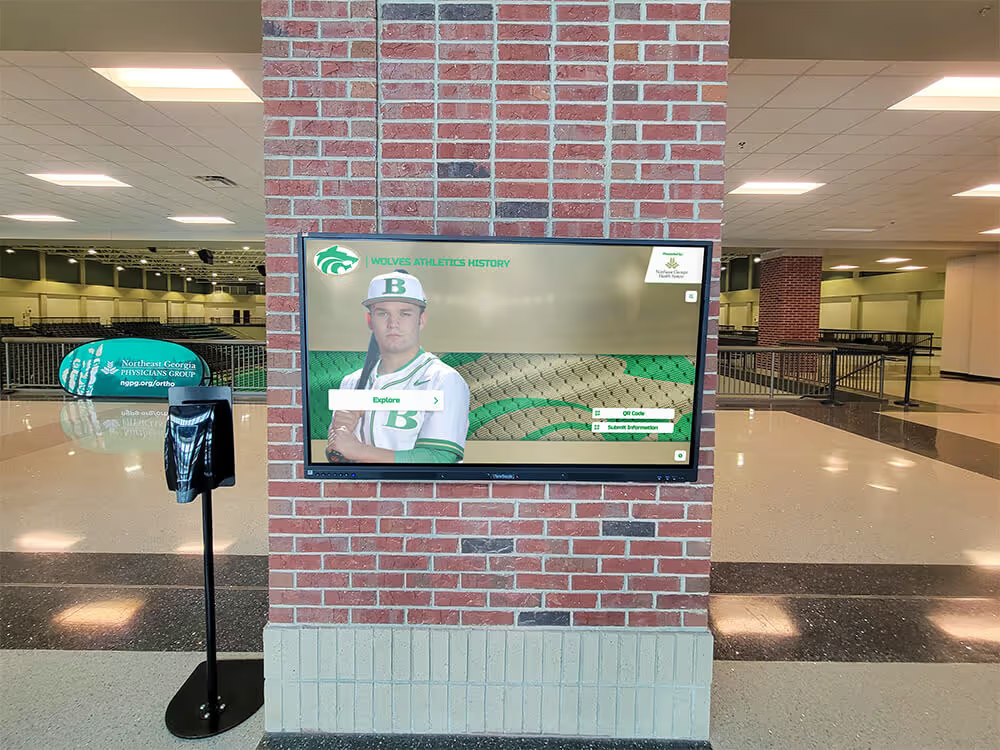
Planning for Unlimited Recognition: Modern approaches eliminate capacity constraints entirely. Digital wall of honor plaques allow institutions to recognize hundreds or thousands of individuals without physical space limitations, ensuring recognition programs never require choosing between honoring achievement and preserving display aesthetics.
Balancing Tradition with Innovation
Legacy walls must feel permanent and dignified while remaining relevant as institutional culture evolves. The most successful designs honor traditional recognition values while leveraging modern capabilities that enhance engagement and storytelling.
Timeless Aesthetic Choices: Visual design should complement architectural context rather than following trendy styles that quickly date displays. Classic materials, appropriate scale, and thoughtful placement create recognition walls that feel integral to institutional identity rather than temporary additions.
Technology Integration That Ages Well: When incorporating digital elements, choose systems designed for long-term operation with components that can be upgraded independently. Cloud-based content management ensures software remains current without replacing hardware, while standard mounting approaches allow technology refreshes without rebuilding entire installations.
Essential Legacy Wall Design Principles
Creating recognition walls that inspire for decades requires attention to both functional requirements and emotional impact. These core design principles guide decisions that determine whether legacy walls become beloved institutional landmarks or forgettable displays that visitors ignore.
Location Strategy: Where Recognition Lives
Legacy wall placement fundamentally affects visibility, engagement, and institutional impact. Strategic location decisions ensure maximum exposure while creating appropriate environments for reflection and inspiration.
High-Traffic Visibility Zones: Position legacy walls in areas where students, visitors, and community members naturally gather or pass through regularly—main entrance lobbies, central hallways connecting major building sections, cafeterias where students spend time daily, or libraries where learners already engage with institutional history.
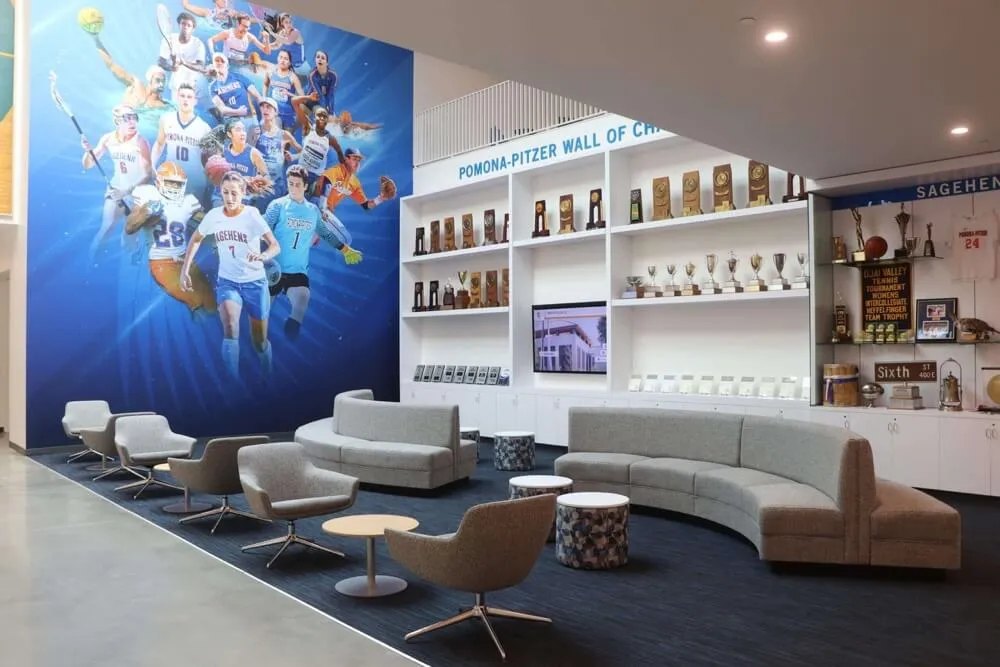
Creating Destination Spaces: For larger recognition installations, consider dedicating specific areas as recognition centers rather than squeezing displays into leftover wall space. Purpose-designed recognition galleries elevate the importance of achievement while providing comfortable environments for extended exploration.
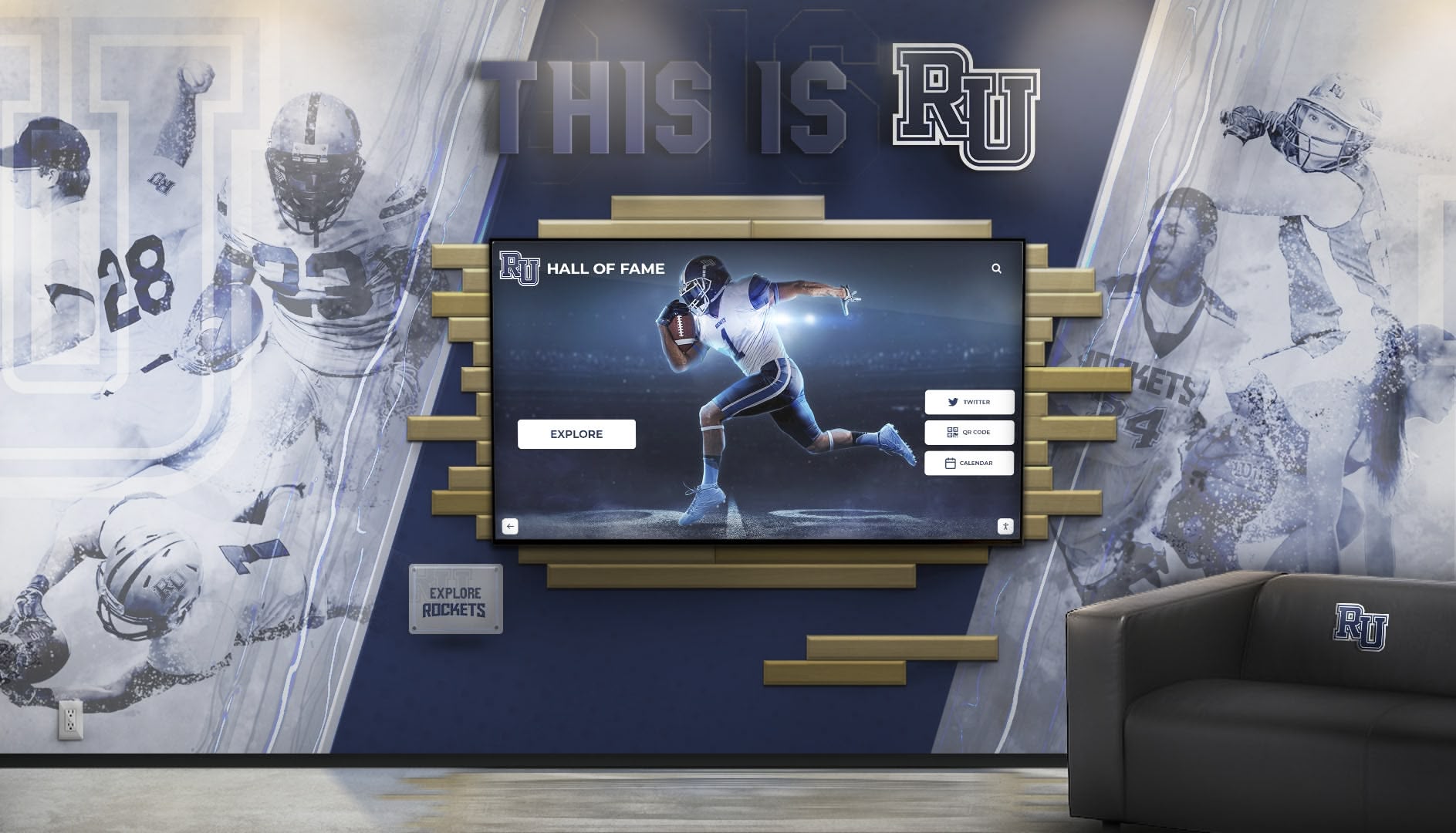
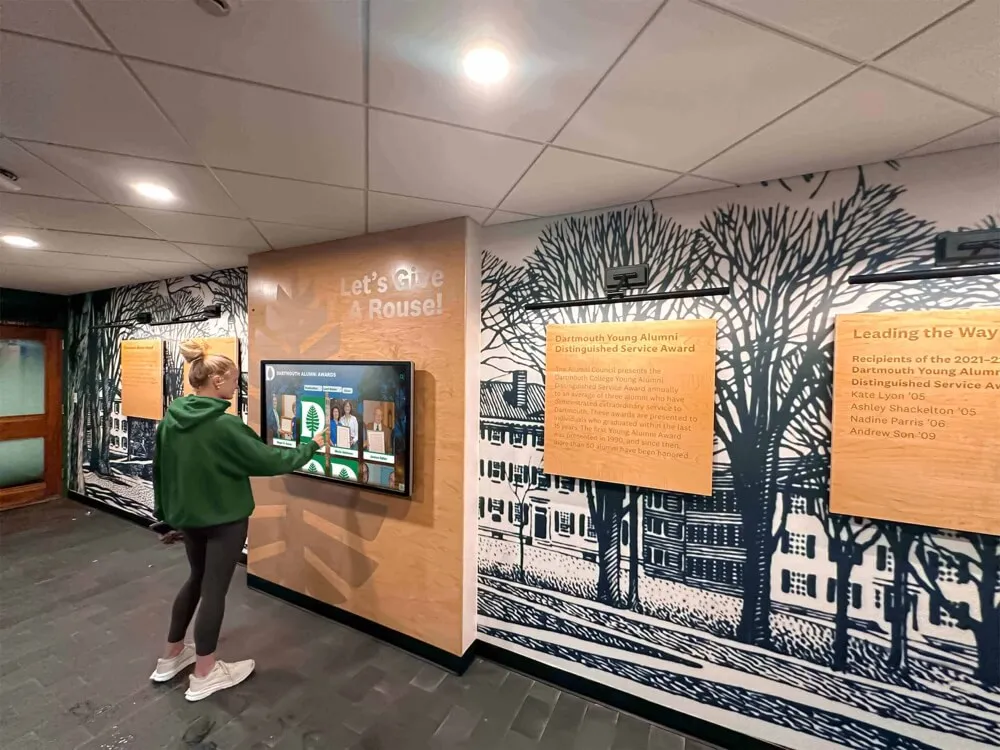
Accessibility Considerations: Ensure recognition walls remain accessible to all community members regardless of physical abilities. Digital displays positioned at appropriate heights with touchscreens reachable from wheelchairs demonstrate inclusive values while complying with ADA requirements. Content design should consider visual accessibility with appropriate text sizing, color contrast, and alternative formats.
Visual Hierarchy and Information Architecture
Effective legacy walls organize recognition content in intuitive ways that help visitors quickly understand scope while enabling deep exploration of specific individuals or achievements.
Categorization Frameworks: Organize honorees by logical categories that reflect institutional values—chronological by induction year or graduation class, thematic by achievement type (athletics, academics, community service, professional excellence), or programmatic by department, team, or activity area. Clear organizational structure helps visitors navigate recognition content efficiently while discovering inspiring stories.
Featured Recognition Opportunities: Balance comprehensive recognition with featured spotlights. While honoring all distinguished community members matters, rotating featured profiles create fresh reasons to revisit legacy walls regularly while highlighting particularly inspiring or timely stories that connect with current institutional priorities.
Content That Connects Across Generations
Technology and design provide the framework, but compelling content creates emotional connections that make legacy walls truly inspiring. The stories you tell, details you include, and media you incorporate determine whether recognition displays generate meaningful engagement or simply document names and dates.
Crafting Compelling Recognition Stories
Move beyond resume-style listings toward narrative profiles that reveal the humans behind accomplishments, creating authentic connections with current students who see possible versions of their own futures.
The Journey, Not Just the Destination: Share how honorees navigated challenges, made pivotal decisions, or overcame obstacles on their paths to achievement. Students benefit more from understanding the process of success than simply knowing endpoints reached. Details about failed experiments that led to breakthroughs, rejections that redirected careers toward better fits, or mentors who provided crucial guidance make achievement feel accessible rather than impossibly distant.
Connecting Past and Present: Help current community members see relationships between their own experiences and those of recognized alumni. When honorees describe formative high school moments, favorite teachers who shaped their thinking, or activities that sparked lifelong passions, students recognize their own experiences reflected in distinguished achievement narratives.
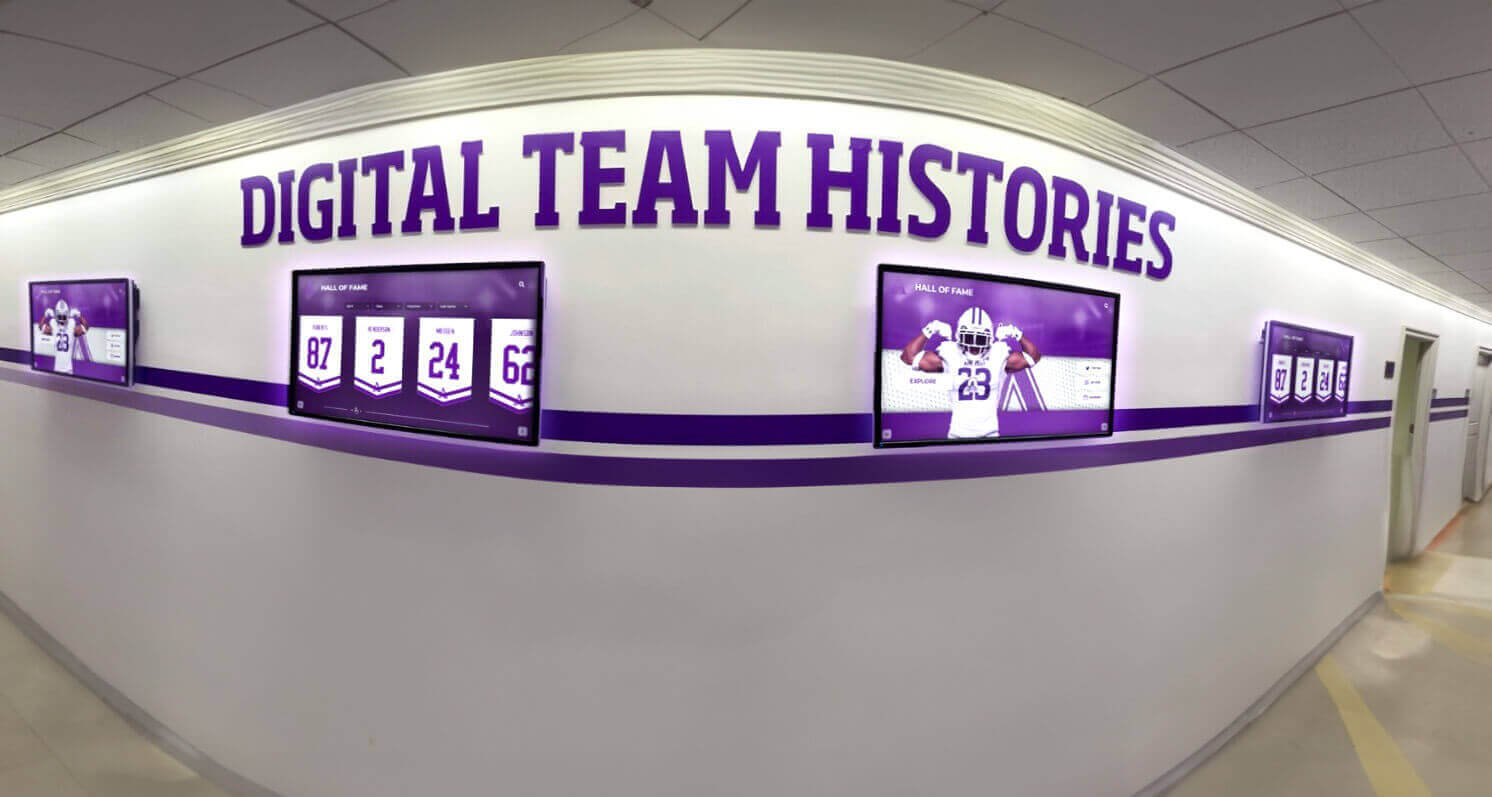
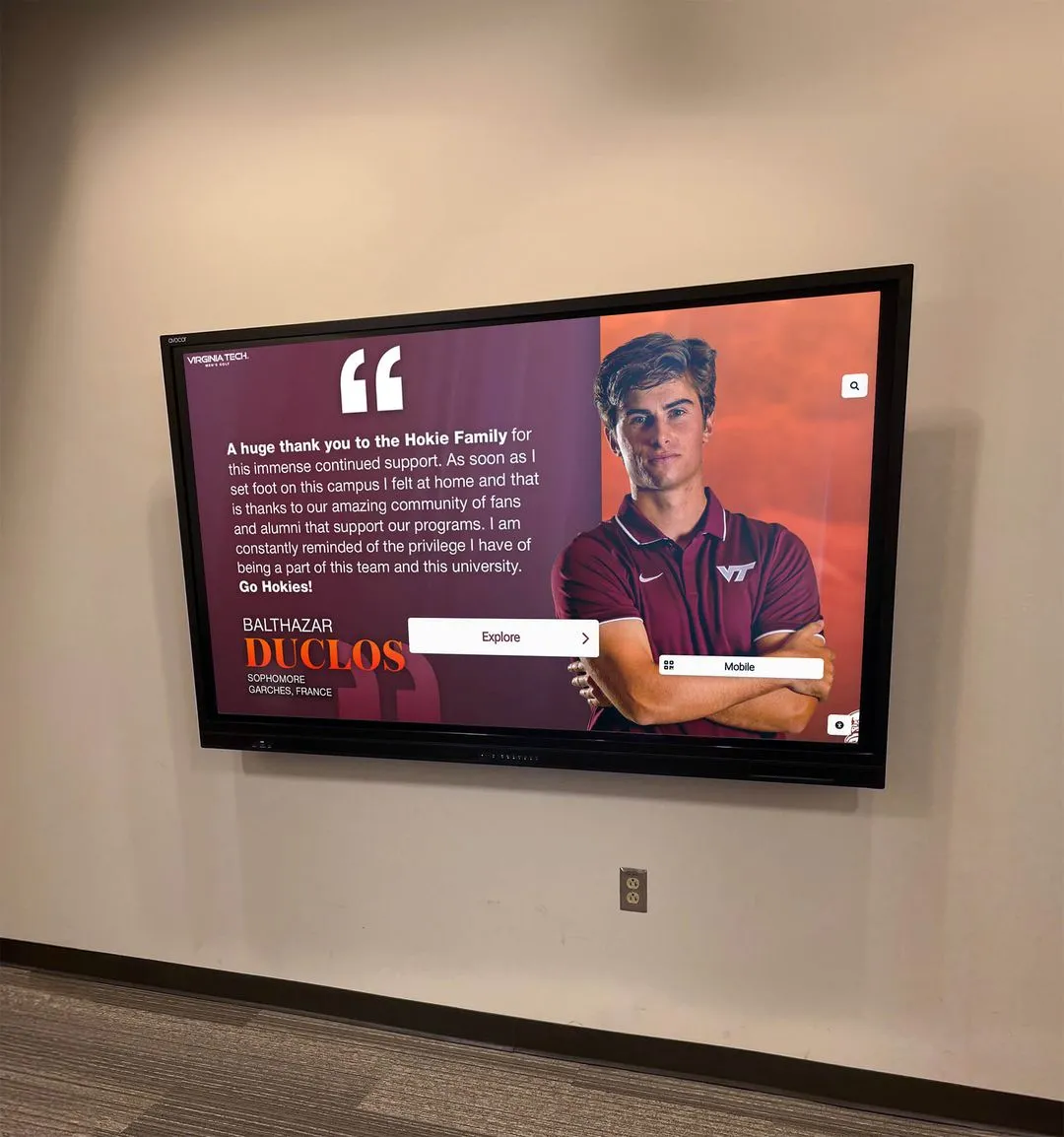
Multimedia Richness: Leverage video interviews where honored individuals share advice directly with current students, photo galleries showing career progressions from student years through professional achievement, audio clips of memorable speeches or performances, and interactive timelines connecting personal milestones with historical context. Rich media creates emotional resonance that text alone cannot achieve.
Schools implementing alumni engagement strategies find that comprehensive digital profiles significantly increase both student interaction with recognition content and alumni willingness to share their stories in detail.
Ensuring Diverse Representation
Legacy walls should reflect the full breadth of your community’s achievement, celebrating varied paths to success while ensuring all students see themselves represented in recognition displays.
Achievement Category Diversity: Honor excellence across multiple domains—academic scholarship, athletic achievement, artistic accomplishment, community service, entrepreneurial innovation, professional leadership, humanitarian work, and teaching excellence. Narrow definitions of success exclude worthy recognition while limiting the range of students who find inspiration.
Temporal Balance: Include both recent graduates whose achievements feel immediately relevant and historical figures who demonstrate institutional legacy extending across generations. This temporal range shows that institutional excellence persists across eras while connecting current students with organizational history.
Demographic Representation: Ensure legacy walls reflect your community’s demographic diversity across gender, ethnicity, socioeconomic background, and other identity dimensions. When students see achievers who share their backgrounds, success feels personally attainable rather than reserved for others.
Traditional vs. Digital Legacy Wall Solutions
The fundamental choice between traditional physical recognition and modern digital approaches shapes capacity, flexibility, costs, and engagement possibilities for decades. Understanding each approach’s implications ensures decisions aligned with institutional needs and vision.
Classic Physical Recognition Approaches
Traditional legacy walls have served institutions well for generations, creating formal displays that command respect through material permanence and craftsmanship.
Engraved Plaques and Nameplates: Bronze or brass plaques mounted on walls provide timeless elegance. Individual nameplates can be added gradually as new honorees are inducted, creating recognition walls that grow organically over years.
Strengths:
- Prestigious traditional appearance conveying permanence
- No technical requirements or digital maintenance
- Tangible recognition honorees can photograph during visits
- Relatively straightforward installation
Limitations:
- Fixed physical capacity eventually requiring difficult expansion decisions
- Ongoing costs of $250-500 per added plaque
- Limited information—typically just names, years, and brief titles
- Expensive and time-consuming to correct errors
- Regular maintenance for cleaning and polishing
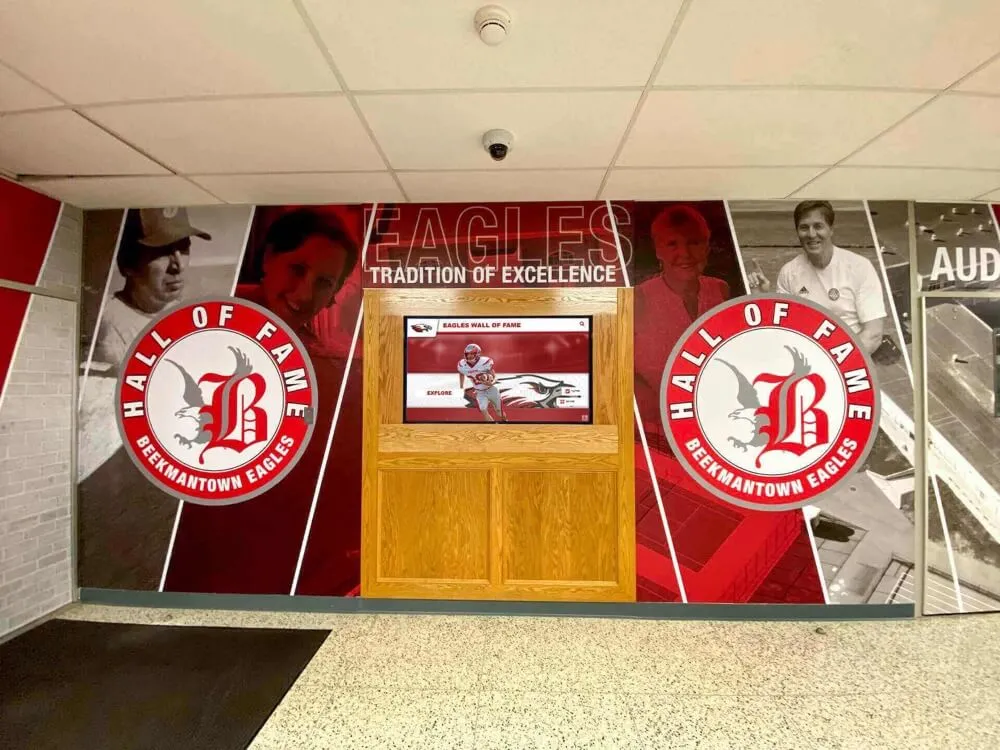
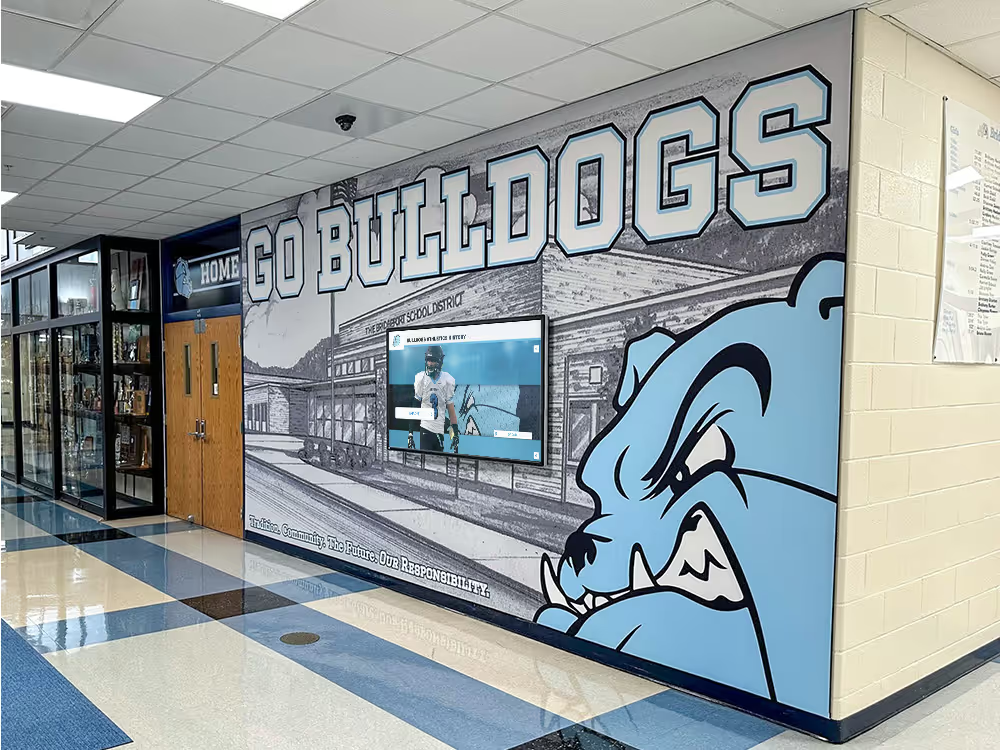
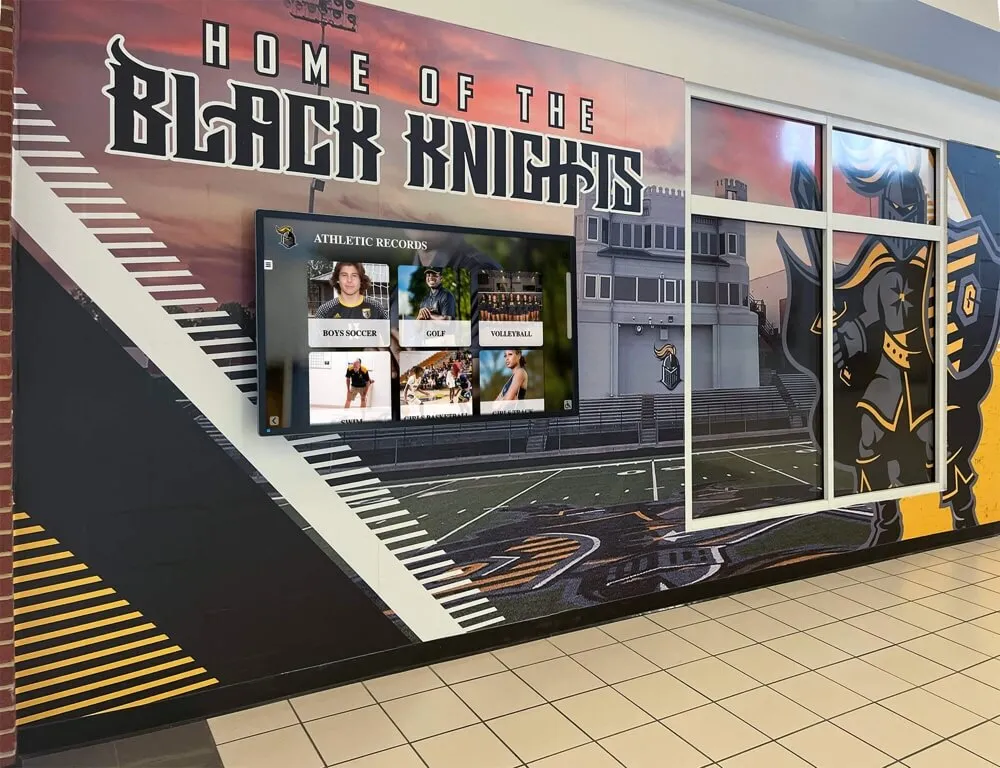
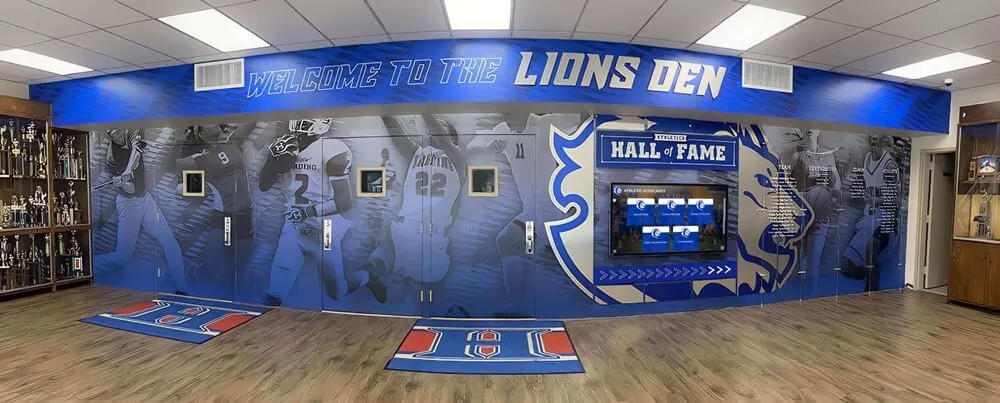
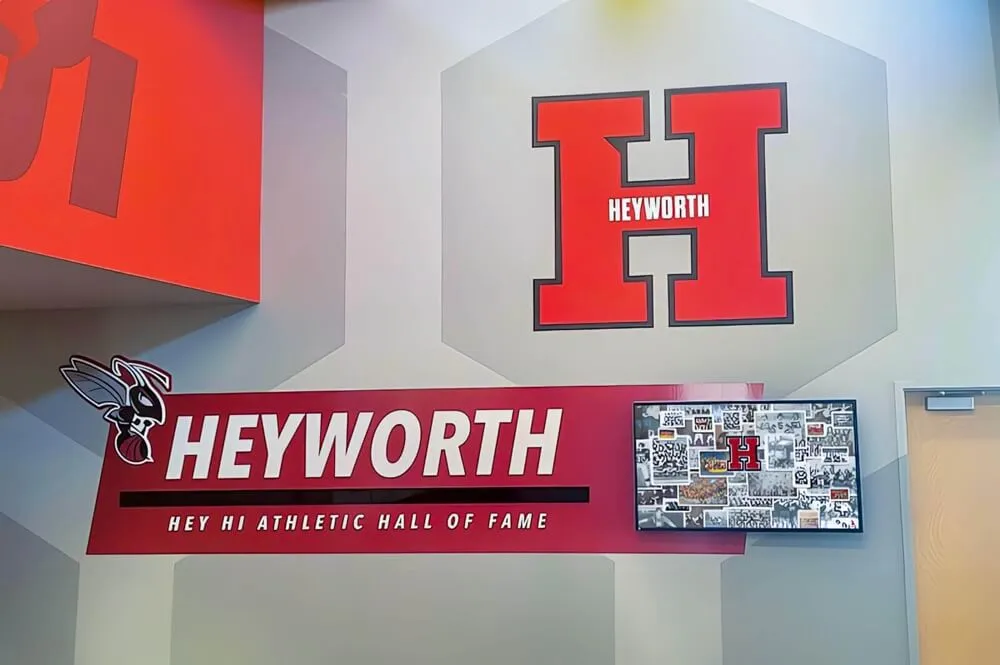
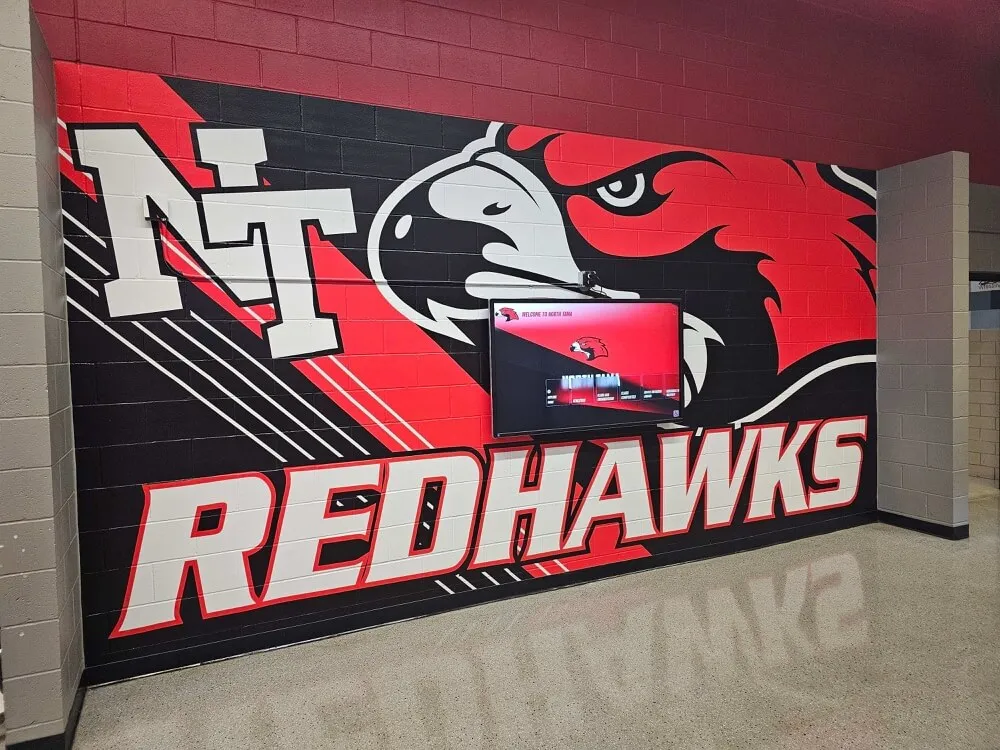
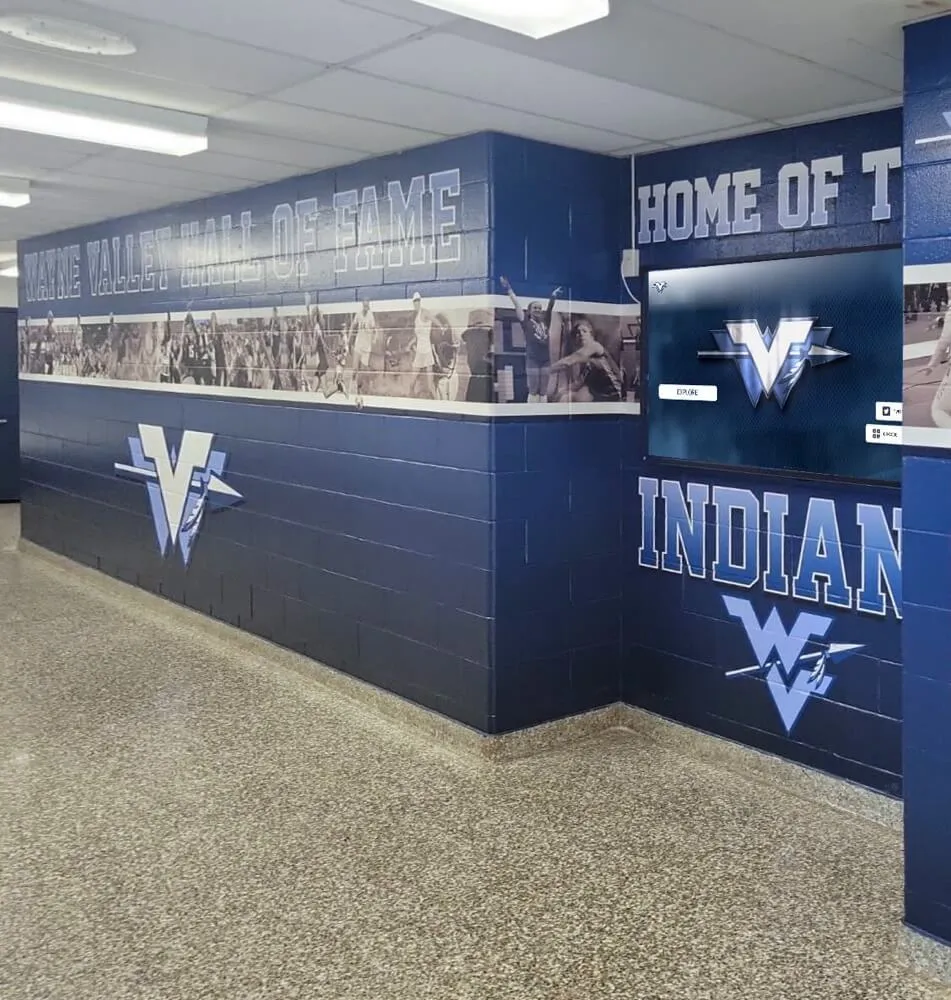
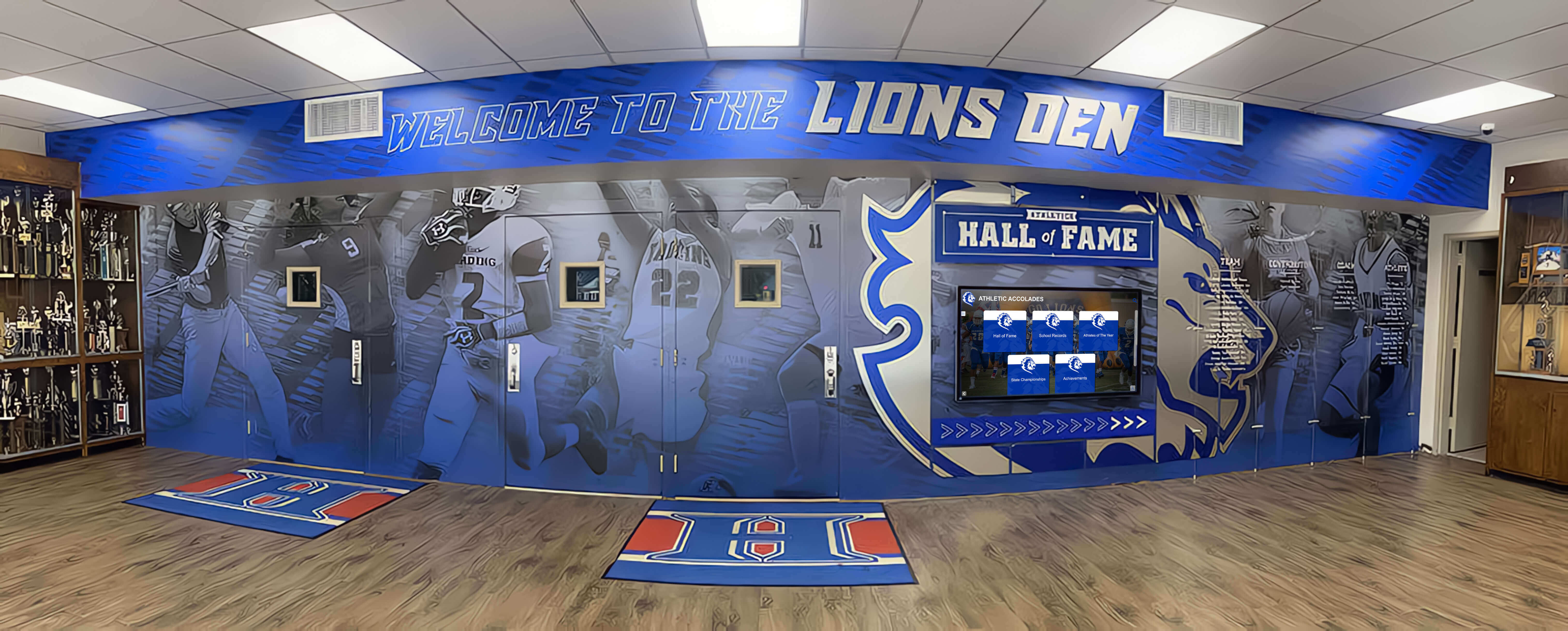
Recognition Murals and Wall Graphics: Custom-designed murals integrating recognized names with institutional branding, historical imagery, or inspirational quotes create visually striking installations that serve as destination landmarks within facilities.

Modern Digital Interactive Recognition
Digital technology has transformed what’s possible in legacy recognition, enabling institutions to overcome traditional limitations while adding powerful new capabilities.
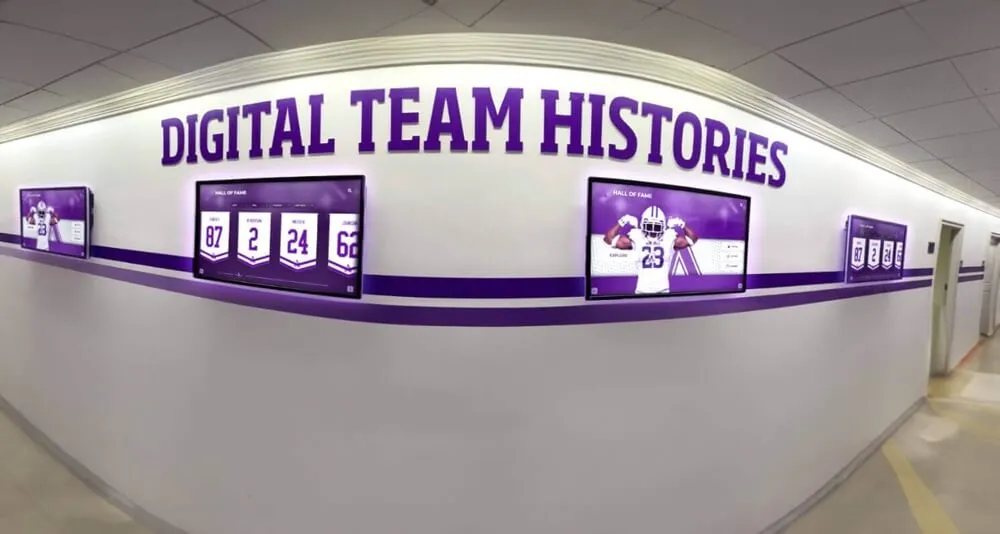
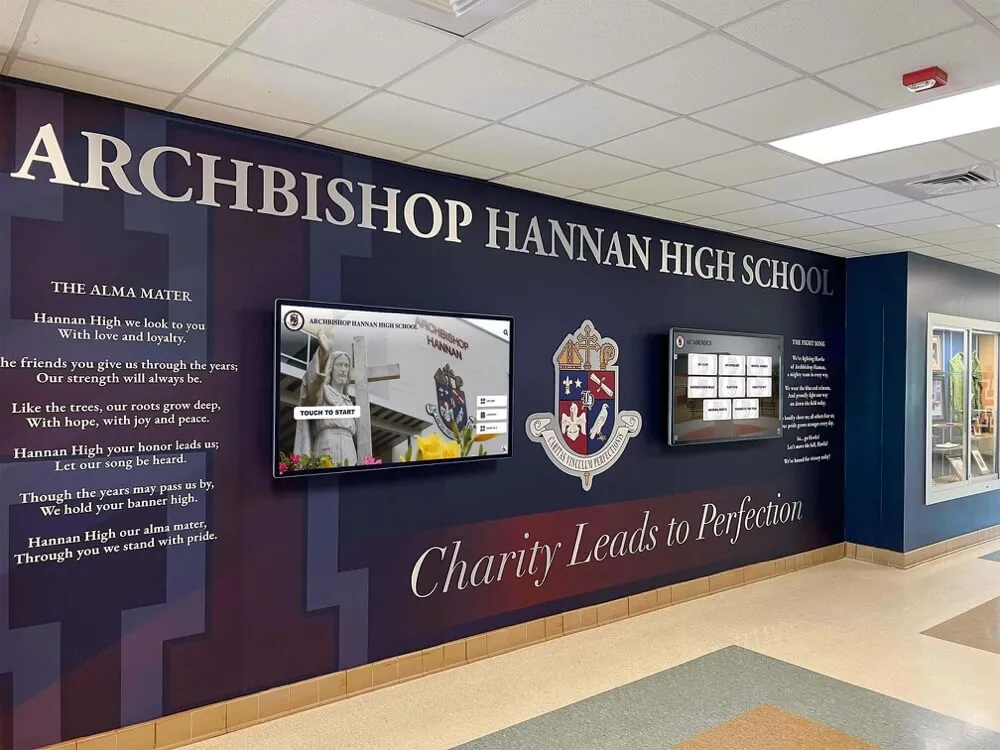
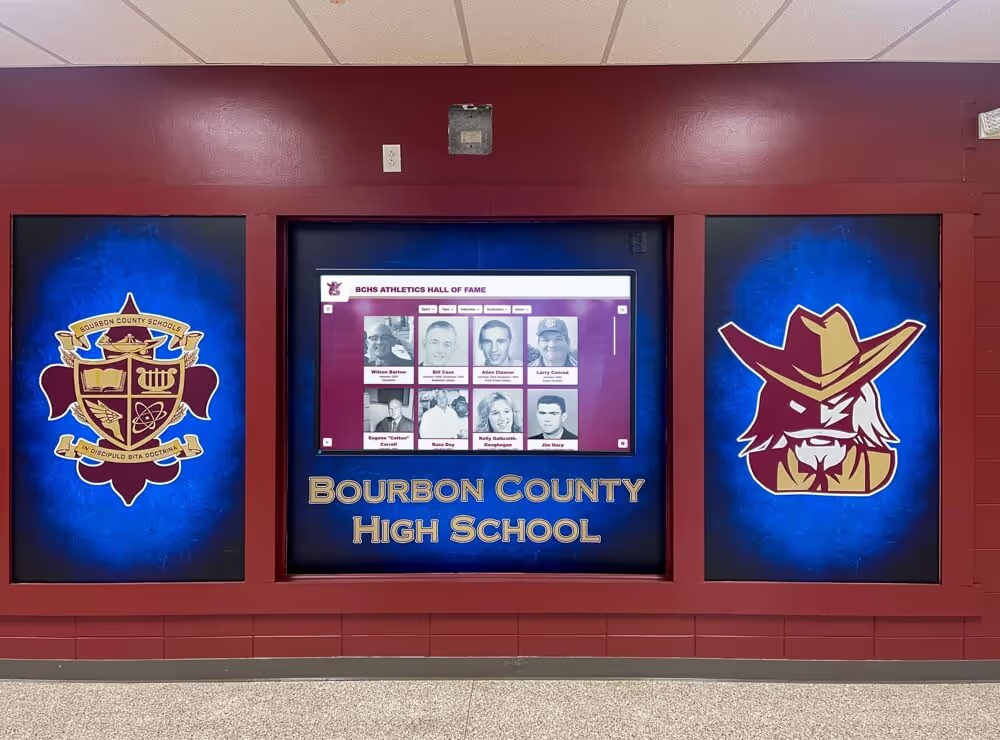
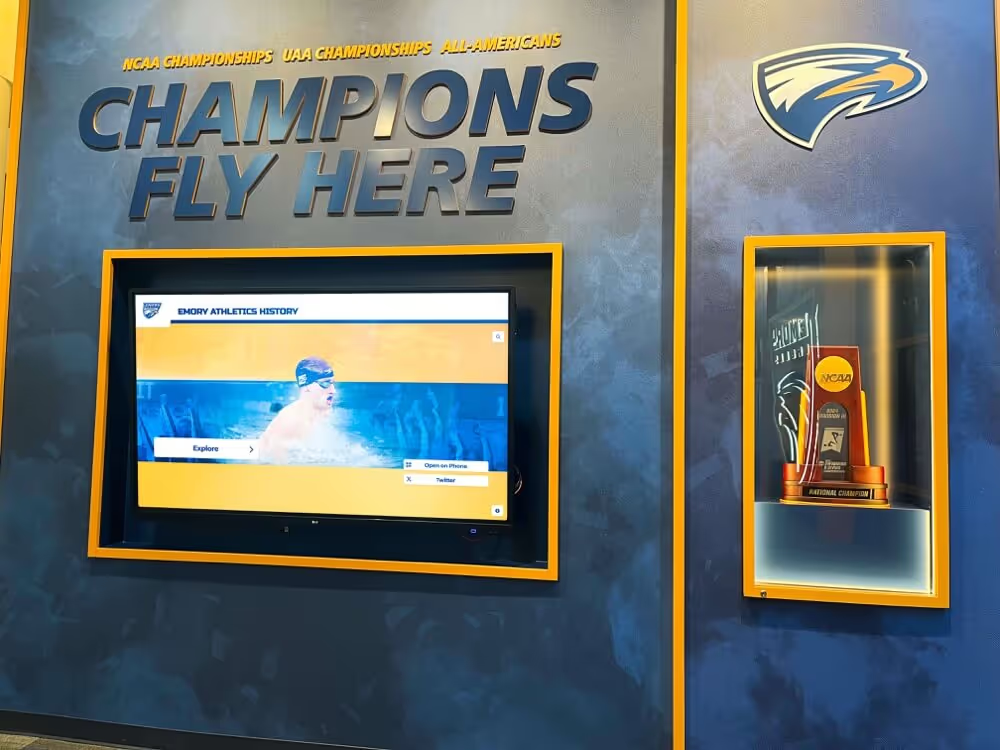
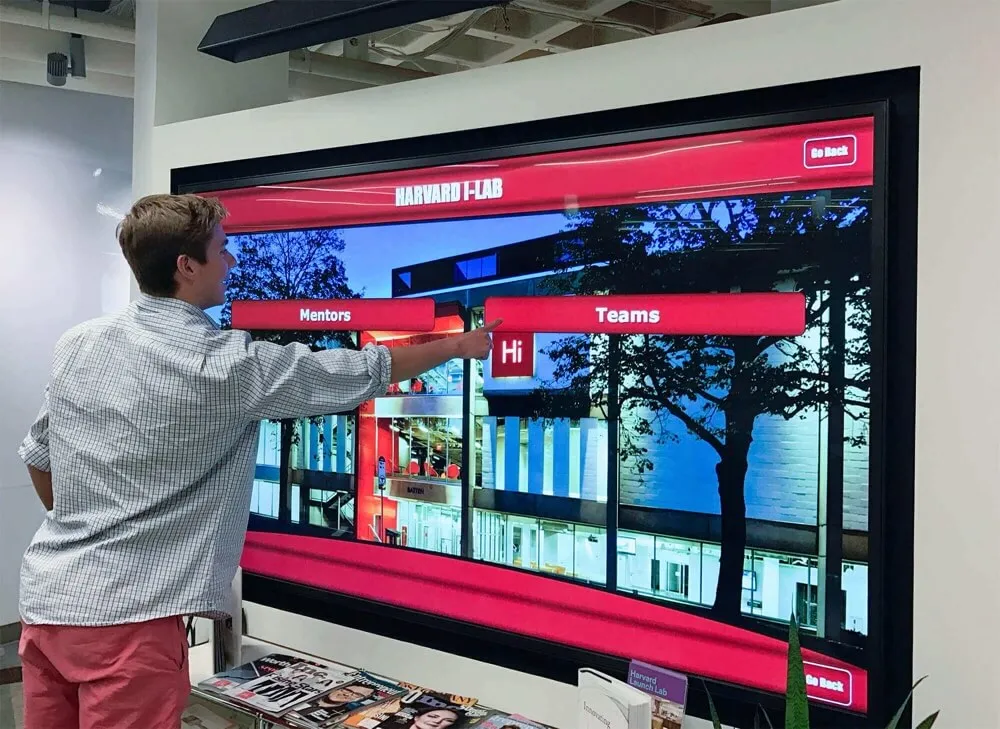
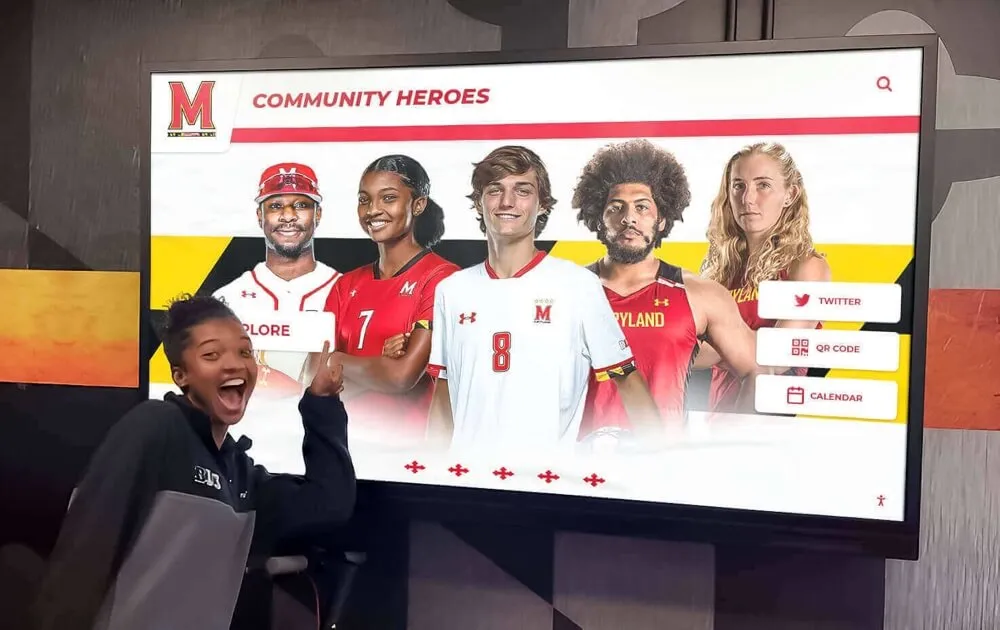
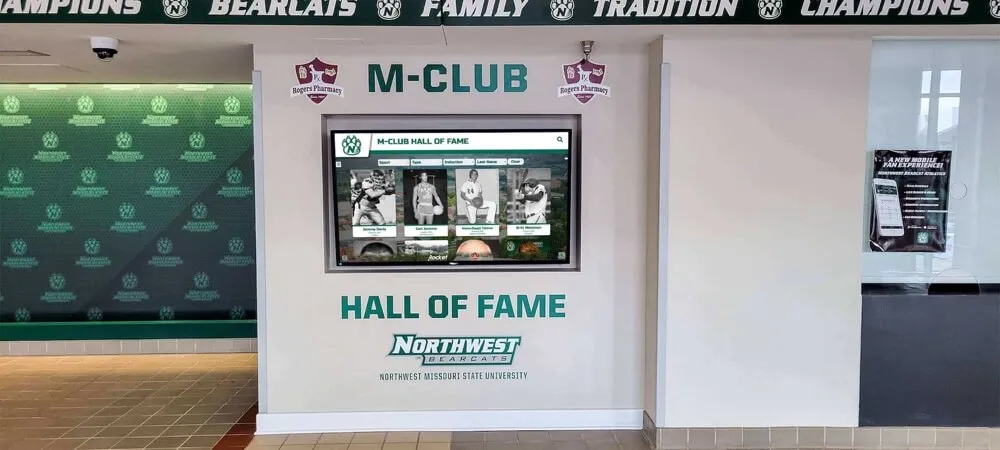
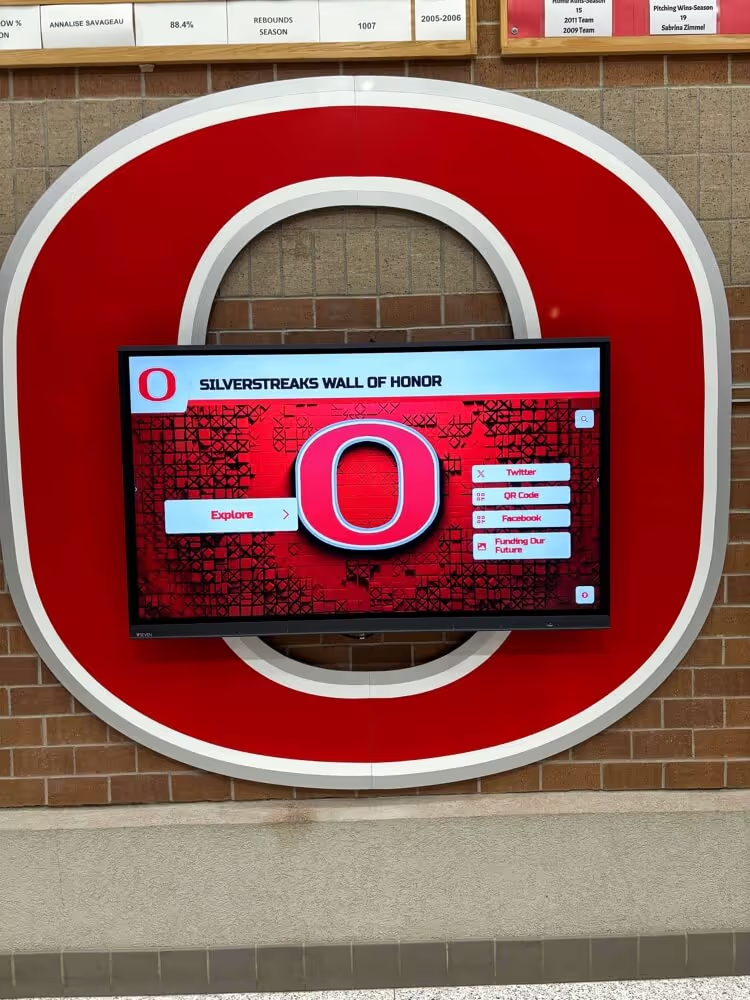
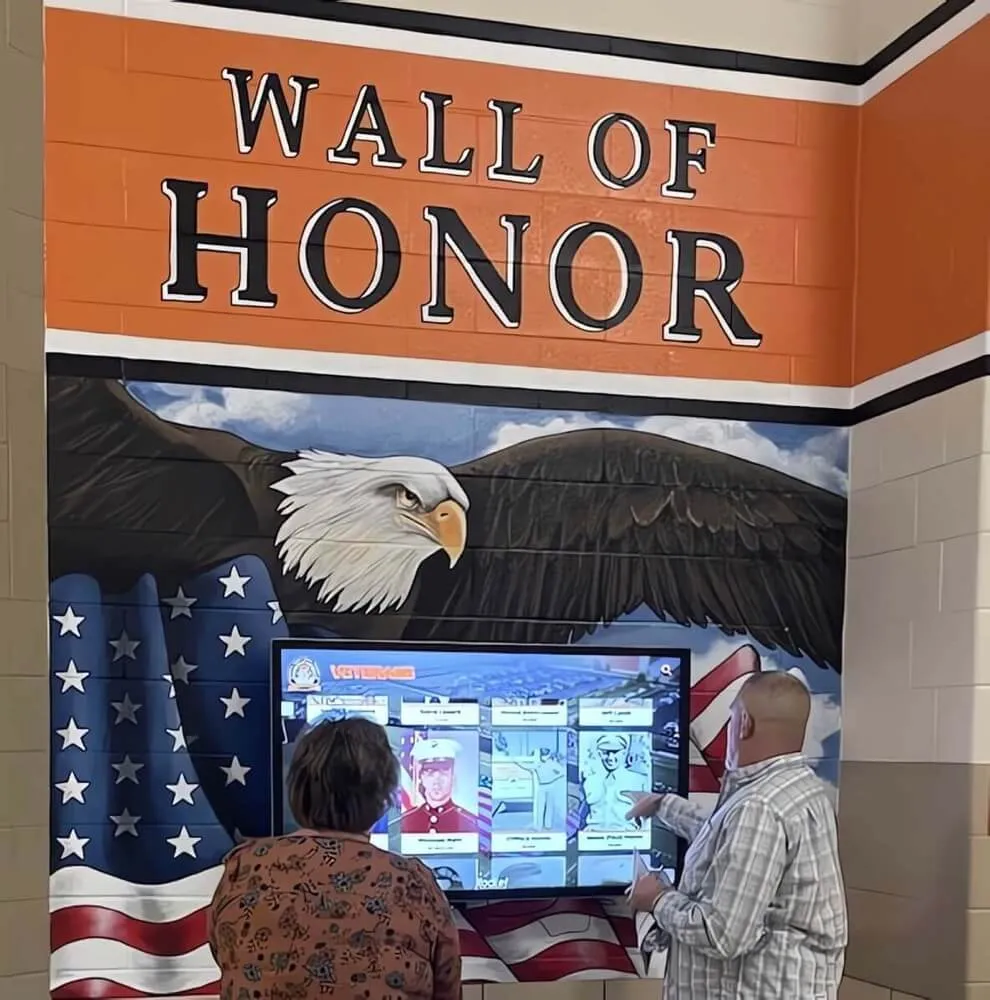
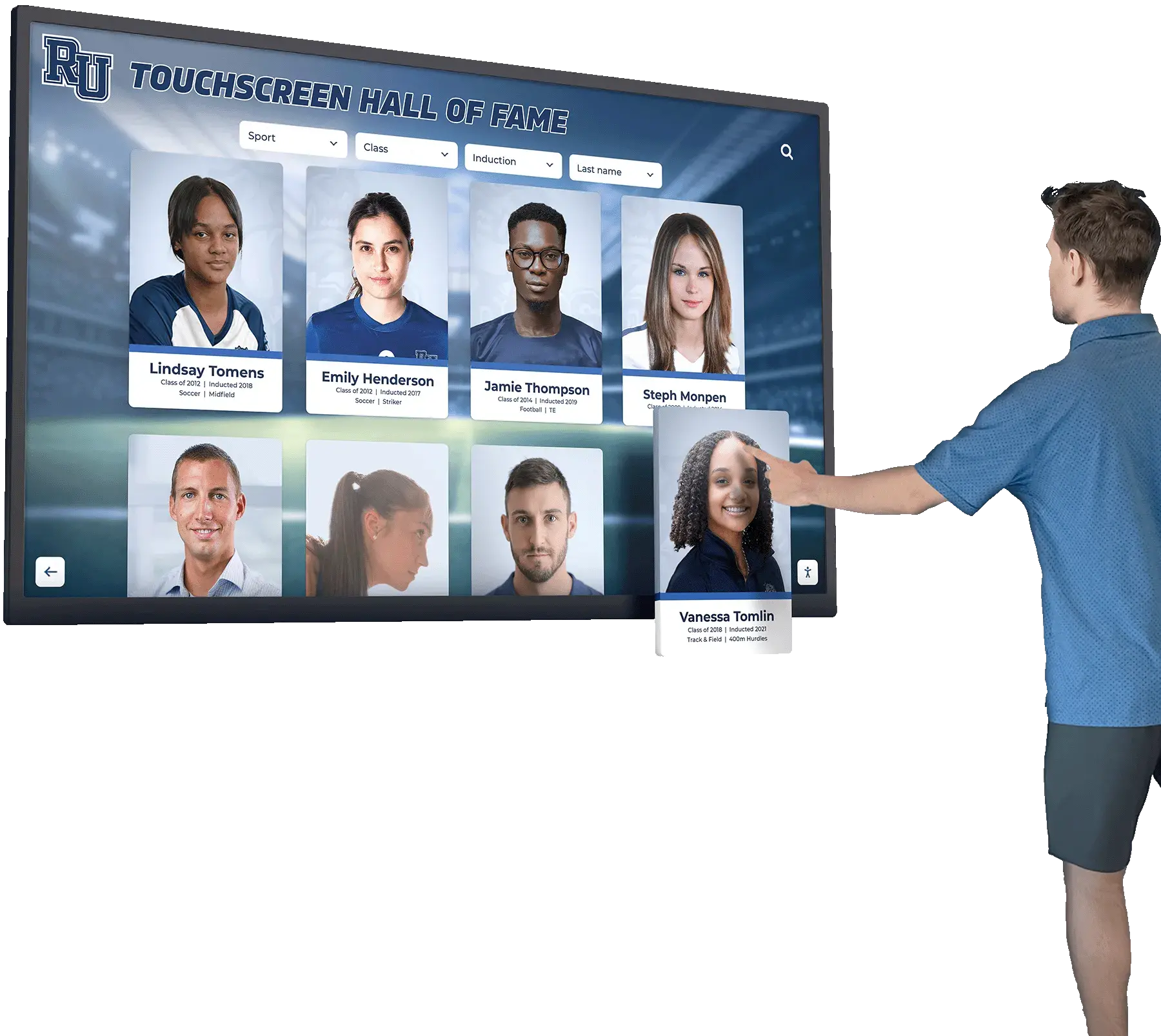
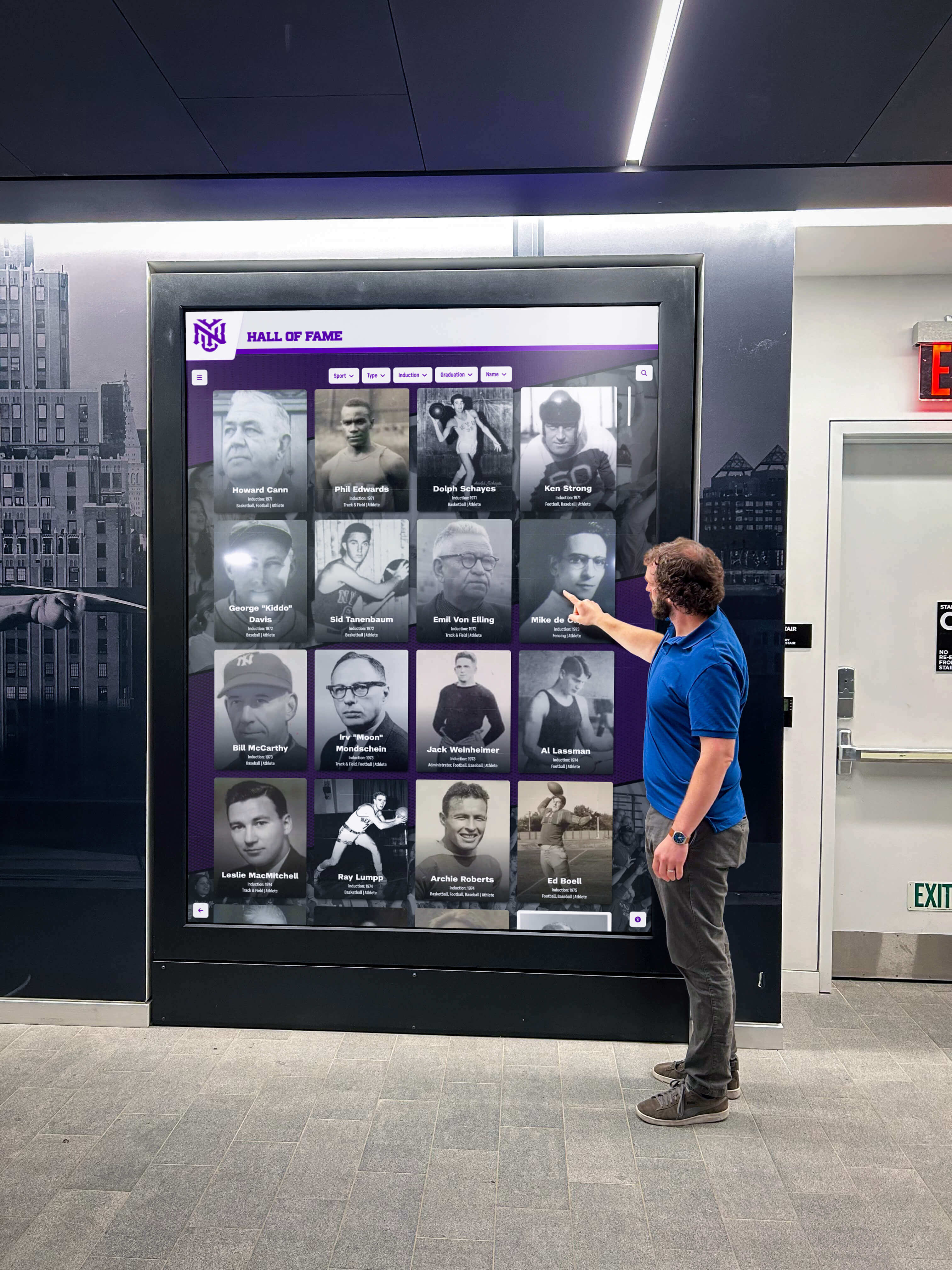
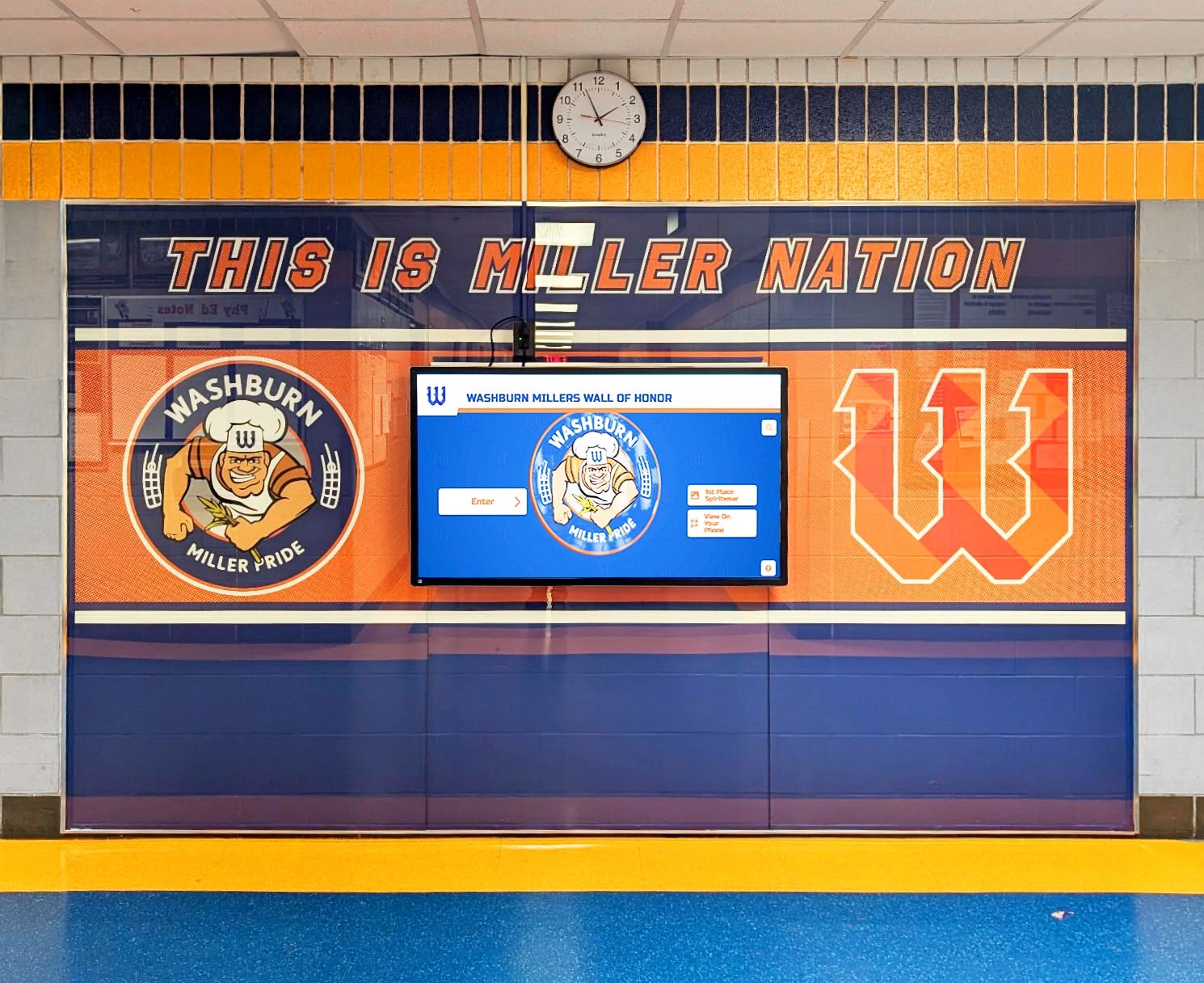
Interactive touchscreen systems allow visitors to actively explore achievement stories through intuitive interfaces. Users search by name, graduation year, achievement category, or keyword, quickly finding specific individuals or discovering inspiring alumni working in fields that interest them.
Digital Recognition Advantages:
Unlimited Capacity
Recognize hundreds or thousands without physical space constraints—never choose between honoring new achievement and preserving existing recognition.
Rich Multimedia Content
Include professional photography, video interviews, audio clips, document archives, and interactive timelines that bring achievement stories to life.
Instant Content Updates
Add new honorees, update existing profiles, or correct information remotely without physical changes, plaques, or installation work.
Powerful Search and Discovery
Enable visitors to quickly find specific individuals or explore by filters—graduation decade, achievement type, profession, or keyword.
Analytics and Engagement Insights
Track which profiles generate most interest, peak usage times, common search patterns, and content performance—insights impossible with static displays.
Web Integration
Publish recognition content simultaneously on physical displays and online platforms, allowing alumni worldwide to access and share their recognition.
Educational institutions nationwide leverage solutions like Rocket Alumni Solutions to implement comprehensive digital recognition programs that honor achievement while remaining manageable for busy staff without technical expertise.
Hybrid Approaches: Combining Traditional and Digital
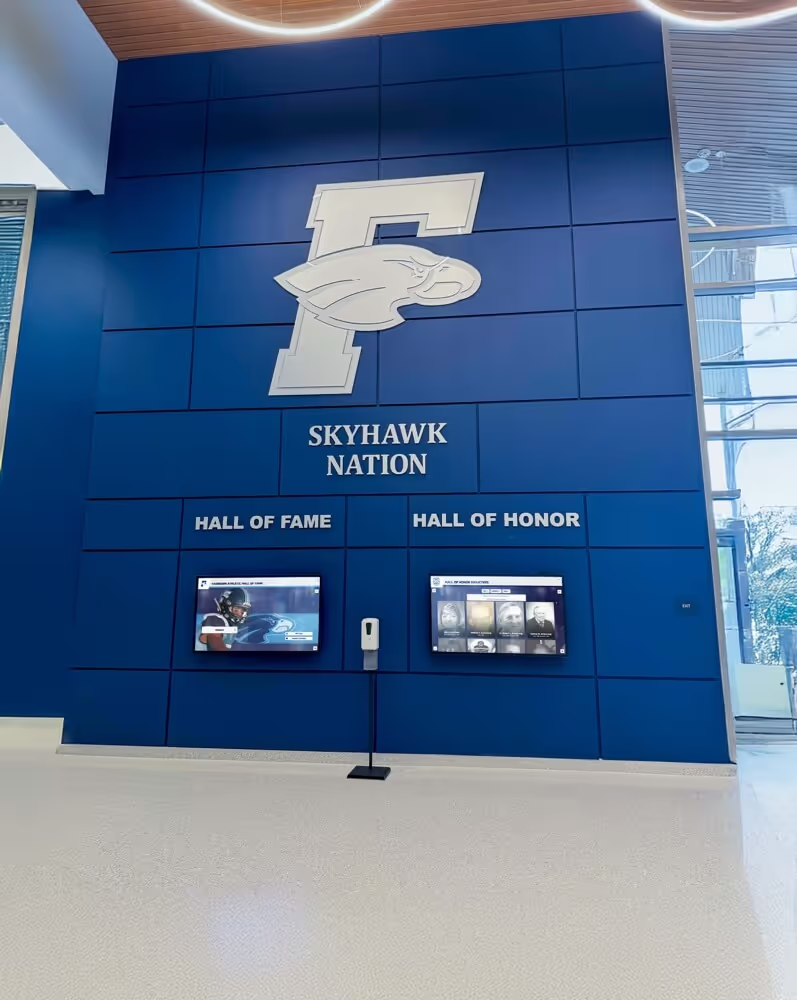
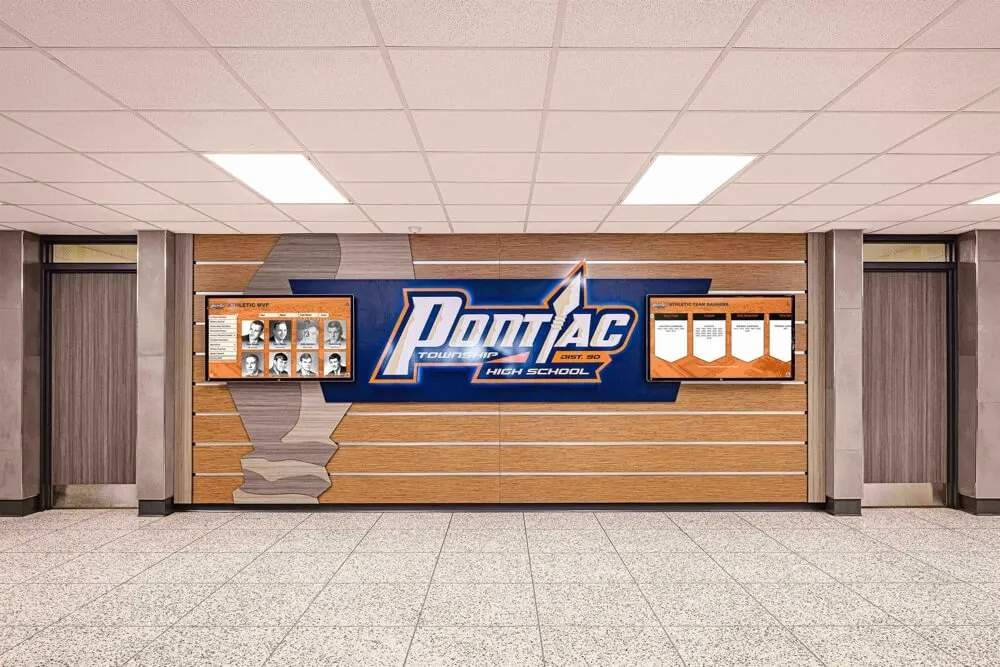
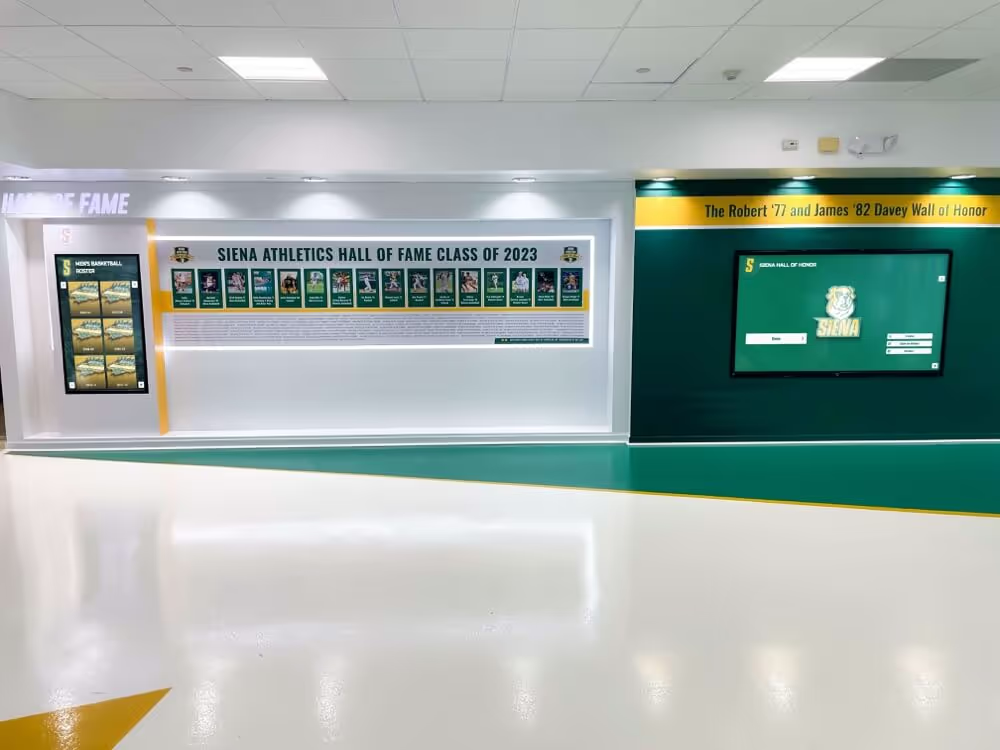
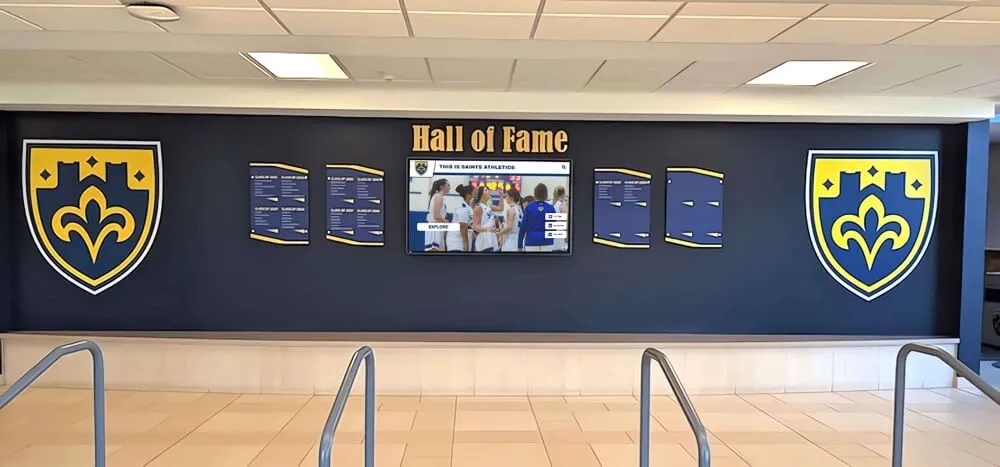
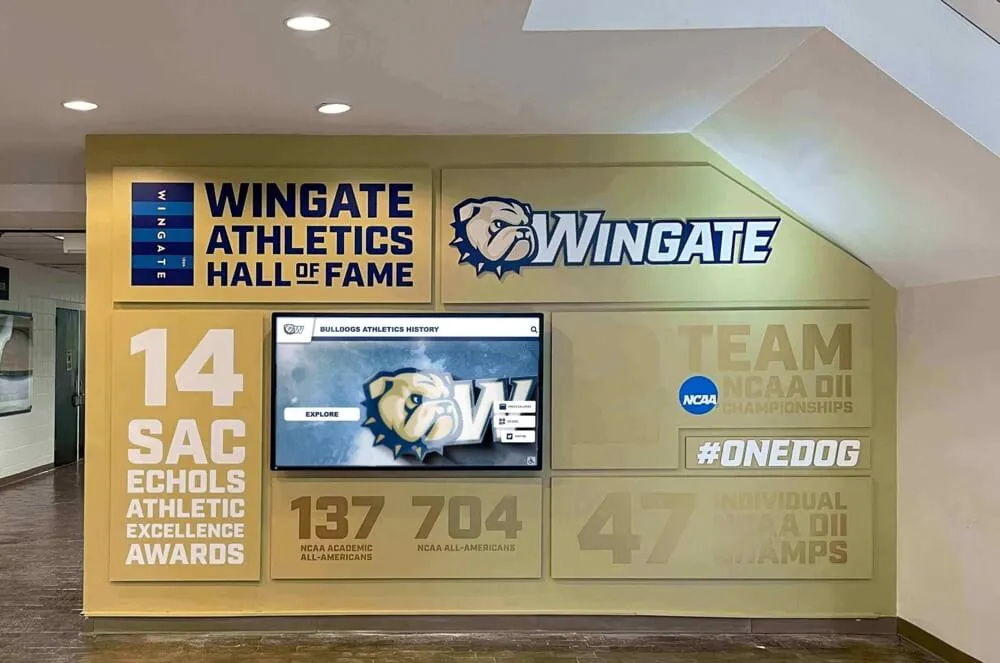
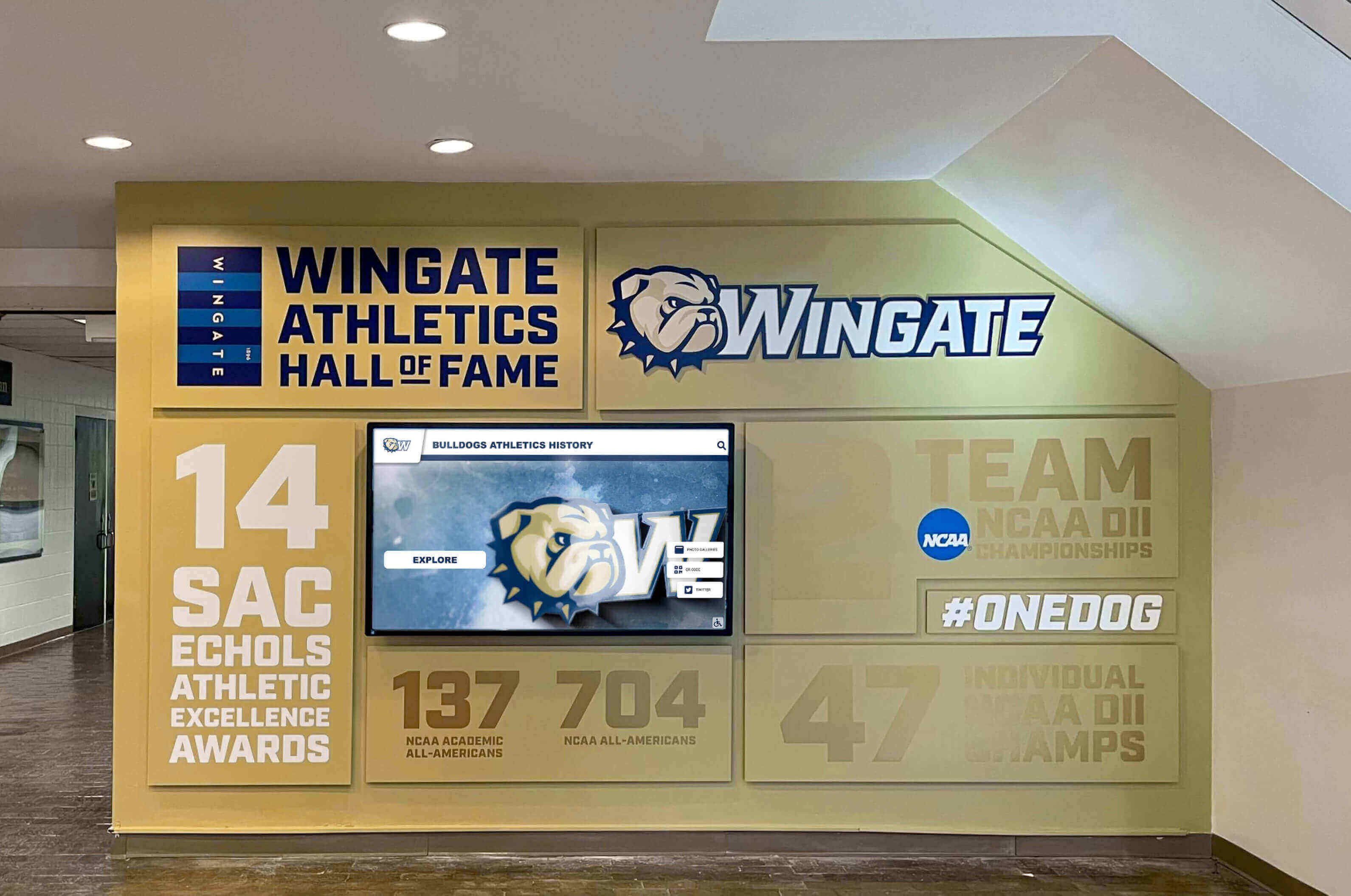
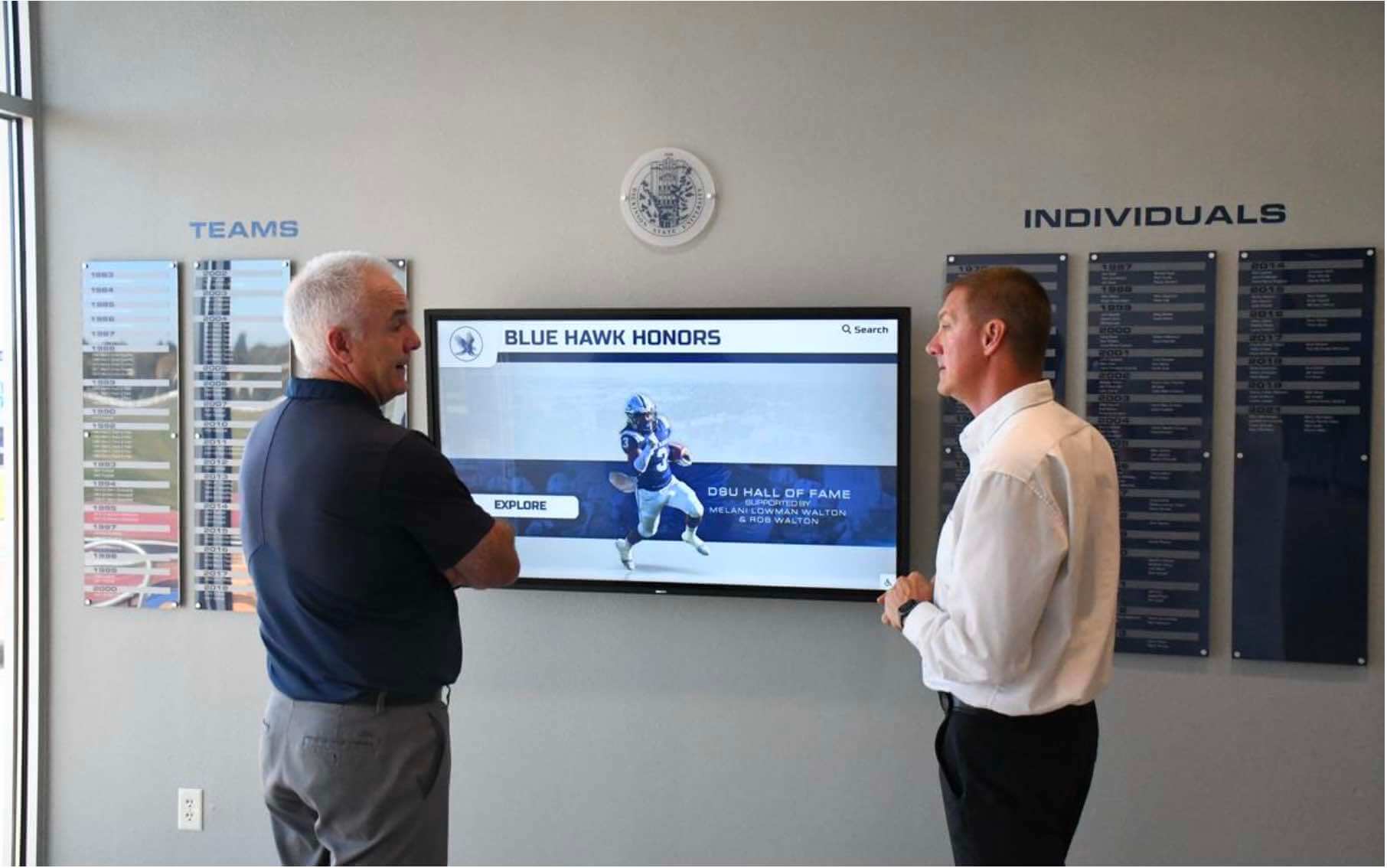
Many institutions find success blending traditional and digital elements. A hybrid approach might include a traditional engraved wall listing all hall of fame inductees’ names, complemented by a nearby interactive digital display offering detailed profiles, multimedia content, and searchable databases.
This combination preserves the gravitas that traditional displays provide while adding the engagement, flexibility, and storytelling capabilities that digital technology enables. Visitors appreciate seeing comprehensive name lists at a glance while having the option to explore specific individuals in depth through digital interfaces.
Legacy Wall Ideas by Recognition Category
Different types of achievement call for distinct recognition approaches. Tailoring legacy wall design and content to specific recognition categories ensures maximum relevance and inspiration.
Athletic Legacy Walls
Athletic recognition walls celebrate sports excellence while motivating current athletes to pursue championship performance and lifelong dedication to their sports.
Individual Achievement Recognition: Honor athletes who earned all-state selections, broke institutional records, won championship medals, or advanced to professional sports careers. High school alumni hall of fame displays often dedicate significant space to athletic excellence, reflecting the central role sports play in school identity and community pride.
Team Championship Recognition: Celebrate teams that won conference championships, state titles, or national recognition. Digital displays excel at team recognition by showcasing full rosters, season statistics, championship game highlights, and coach reflections alongside team photos and victory celebrations. Consider incorporating digital varsity letters recognition alongside team achievements for comprehensive athletic honor programs.
Record Board Integration: Incorporate current record holders across sports and categories, creating living recognition that updates as new athletes achieve excellence. Digital systems automatically highlight when records fall, celebrating both historical achievement and new excellence simultaneously.
Academic Excellence Walls
Academic recognition walls honor intellectual achievement while demonstrating that scholarly excellence receives equal celebration to athletic success.
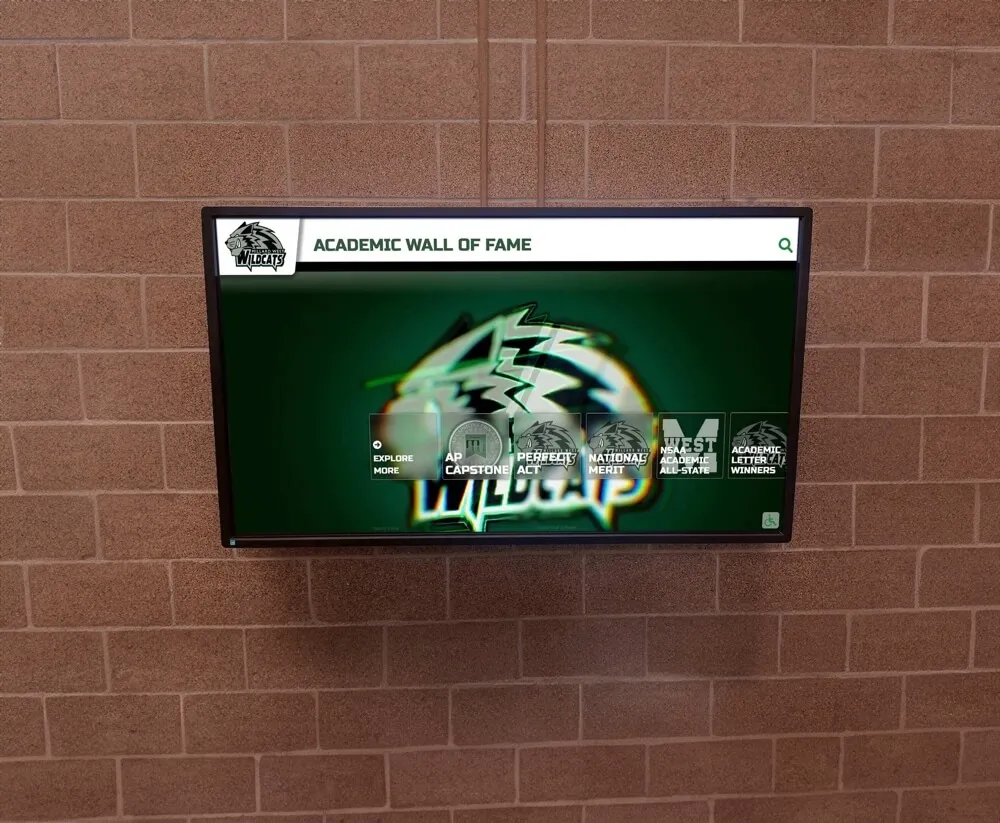
Valedictorian and Top Scholar Recognition: Create permanent recognition for valedictorians, salutatorians, and top academic achievers from each graduating class. Include not just names and rankings, but college destinations, scholarship awards, and career paths showing how academic excellence launched successful futures. Comprehensive academic recognition programs provide frameworks for celebrating intellectual achievement alongside athletic success.
National Merit and Scholarship Winners: Celebrate students earning prestigious scholarships, National Merit recognition, or competitive academic awards. These achievements demonstrate intellectual excellence while providing current students with concrete achievement goals. Honor roll recognition creates opportunities to acknowledge academic excellence at multiple achievement levels.
Distinguished Faculty and Teachers: Legacy walls need not focus exclusively on alumni—honoring exceptional educators who shaped countless student lives demonstrates that teaching excellence receives appropriate institutional appreciation. Teaching awards recognition provides frameworks for educator recognition programs.
Community Service and Leadership Walls
Recognition walls celebrating service and leadership honor character alongside achievement, demonstrating that institutions value how success is pursued and impact on others.
Alumni Making Community Impact: Recognize graduates leading nonprofit organizations, serving in elected office, founding charitable initiatives, or dedicating careers to public service. These profiles inspire students considering careers focused on community impact rather than financial compensation.
Student Leadership Recognition: Honor student body presidents, club leaders, volunteer coordinators, and students who demonstrated exceptional leadership during their school years. Leadership recognition encourages current students to step into similar roles while learning from predecessors’ examples. Planning memorable school award ceremonies provides opportunities to celebrate these achievements publicly while adding new profiles to legacy walls.
Distinguished Career and Professional Achievement
Professional achievement walls demonstrate the diverse career paths institutional education enables, helping current students envision possible futures while validating educational investment.
Industry Leaders and Innovators: Recognize alumni who founded companies, led major organizations, invented significant products, or shaped their industries through innovation and excellence. Detailed profiles explaining career paths from graduation through leadership positions help students understand the journey to professional success.
Creative and Artistic Achievement: Honor alumni who achieved distinction in arts, entertainment, literature, or creative fields. These profiles demonstrate that creative careers represent valid, valued paths to professional success.
Research and Academic Leadership: Celebrate alumni who became distinguished researchers, university professors, or intellectual leaders advancing knowledge in their fields. Academic achievement recognition inspires students considering research careers while demonstrating institutional educational quality.
Creating Sustainable Legacy Wall Programs
Initial implementation represents just the beginning. The most impactful legacy walls thrive through decades because institutions establish sustainable processes for ongoing management, content development, and program evolution.
Establishing Selection Processes and Criteria
Clear, transparent criteria maintain program credibility while ensuring consistent, defensible decisions that communities respect.
Nomination and Review Cycles: Establish annual cycles with defined nomination periods, review processes, and announcement timing. Predictable rhythms create anticipation while ensuring recognition remains current rather than static.
Balanced Selection Committees: Form diverse committees including administrators, alumni representatives, community members, and when appropriate, student representatives. Multiple perspectives ensure fair evaluation while building broad support for selection decisions.
Documented Criteria: Publish clear criteria explaining what achievements warrant recognition, minimum time since graduation, and evaluation factors. Transparency prevents perceptions of favoritism while helping nominators understand requirements.
Organizations implementing donor stewardship programs often find that recognition wall governance structures parallel donor acknowledgment systems, with similar attention to fairness, transparency, and consistent application of documented standards.
Content Development Workflows
Systematic content creation processes ensure comprehensive, accurate profiles without overwhelming staff capacity.
Alumni Engagement in Profile Creation: Request that honored individuals provide biographical information, professional photos, career highlights, and personal reflections. Most inductees willingly contribute content, appreciating opportunities to influence how achievements are presented.
Student and Volunteer Participation: Engage students in content development through research projects, interview assignments, or writing opportunities. Student participation accelerates profile creation while providing valuable learning experiences about institutional history and achievement documentation.
Quality Review Processes: Implement editorial review ensuring factual accuracy, consistent tone and formatting, appropriate language, and proper permissions for photos and personal information use before content publication.
Annual Update Strategies
Legacy walls require ongoing attention to maintain relevance and engagement over time.
New Inductee Integration: Establish streamlined workflows for adding new honorees promptly after selection. Digital systems enable immediate recognition without waiting for plaque manufacturing, installation scheduling, or construction coordination.
Profile Enhancement: Regularly enhance existing profiles as new information emerges—updated photos as alumni reach new milestones, additional achievements worthy of recognition, or multimedia content like video interviews recorded during campus visits.
Featured Content Rotation: Even when not adding new inductees, rotate featured profiles highlighting different individuals monthly or seasonally. Fresh featured content creates new reasons to revisit legacy walls regularly while ensuring diverse representation in prominent positions.
Budgeting and Funding Legacy Wall Projects
Understanding total cost of ownership—not just initial investment—enables better long-term decisions and sustainable funding approaches.
Initial Implementation Investment
Traditional Physical Displays: Expect $5,000-$30,000 depending on materials quality, plaque quantity, design customization, and installation complexity. Premium materials like bronze or marble increase costs but provide enhanced visual impact and longevity.
Digital Interactive Systems: Comprehensive digital recognition implementations typically range from $15,000-$50,000 including commercial-grade touchscreen hardware, mounting and installation, purpose-built recognition software, initial content development, and professional training for administrators.
Hybrid Approaches: Combined traditional and digital installations often cost $20,000-$60,000, with higher investment justified by complementary strengths of each approach.
Ongoing Operating Costs
Budget for annual expenses including:
- Content updates and profile additions
- Software subscriptions for digital systems
- Hardware maintenance and eventual replacement
- Cleaning and physical maintenance
- Staff time for program coordination
- Annual induction ceremonies and events
Most institutions budget $2,000-$8,000 annually for ongoing legacy wall operation, with costs varying based on system complexity and program scope.
Funding Strategies and Approaches
Dedicated Recognition Campaigns: Frame legacy wall projects as fundraising opportunities allowing alumni to fund recognition programs honoring achievement. Many alumni willingly support programs celebrating peers’ accomplishments while strengthening institutional pride.
Naming Opportunities: Offer naming rights for recognition displays, specific sections, or annual induction classes. Naming opportunities create tangible, visible projects that donors appreciate supporting. Virtual donor walls can complement physical legacy walls by recognizing philanthropic contributions alongside achievement recognition.
Collaborative Department Funding: Legacy walls often benefit multiple constituencies—athletics, advancement, admissions, and student life all gain value from recognition displays. Collaborative funding across departments sharing display benefits distributes costs while building broad institutional support.
Booster Clubs and Alumni Associations: Athletic booster clubs and alumni associations often fund or co-fund recognition walls honoring their specific constituencies while supporting broader institutional goals.
Measuring Legacy Wall Impact
Demonstrating program value justifies continued investment while identifying opportunities for enhancement and optimization.
Engagement Metrics for Digital Systems
Digital recognition platforms provide detailed analytics unavailable with traditional displays:
- Total interactions and unique visitors over time
- Most-viewed profiles and popular content
- Search patterns revealing visitor interests
- Peak usage times informing optimal content update scheduling
- Average session duration indicating engagement depth
These metrics demonstrate value while informing content strategy—understanding which profiles generate most interest helps identify successful storytelling approaches worth replicating in future content.
Qualitative Impact Indicators
Beyond quantitative metrics, observe qualitative indicators of legacy wall impact:
Student Engagement Observations: Note whether students actively explore recognition content during unstructured time, discuss specific alumni they discovered, or reference recognition wall content in conversations with teachers, counselors, or peers.
Alumni Feedback: Honored individuals often express deep appreciation for recognition, strengthening emotional connections with institutions while increasing likelihood of ongoing engagement and philanthropic support.
Recruitment and Advancement Value: Alumni relations programs benefit from tangible recognition displays that demonstrate institutional commitment to celebrating achievement—prospective donors appreciate seeing existing recognition before making new contributions.
Media Coverage: Local media often cover induction ceremonies, distinguished alumni achievements, or innovative recognition approaches, generating positive publicity extending institutional visibility beyond campus communities.
Common Legacy Wall Challenges and Solutions
Institutions implementing legacy walls encounter predictable obstacles. Proactive strategies address these challenges effectively.
Limited Physical Space
Challenge: Many schools lack available wall space for traditional recognition displays in high-traffic areas where visibility matters most.
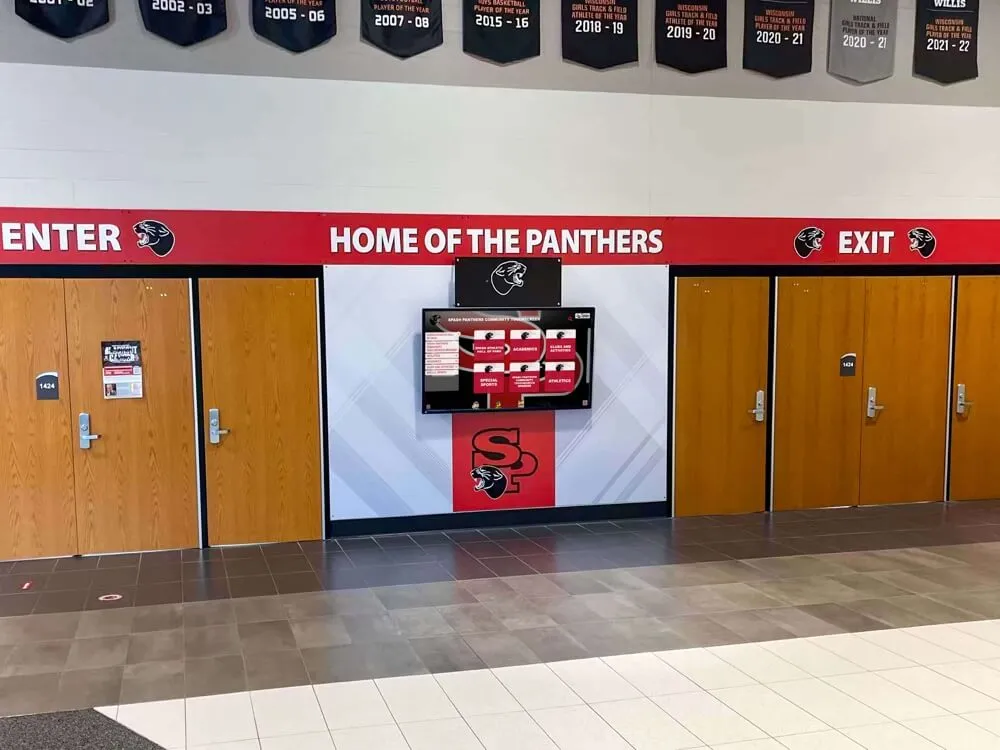
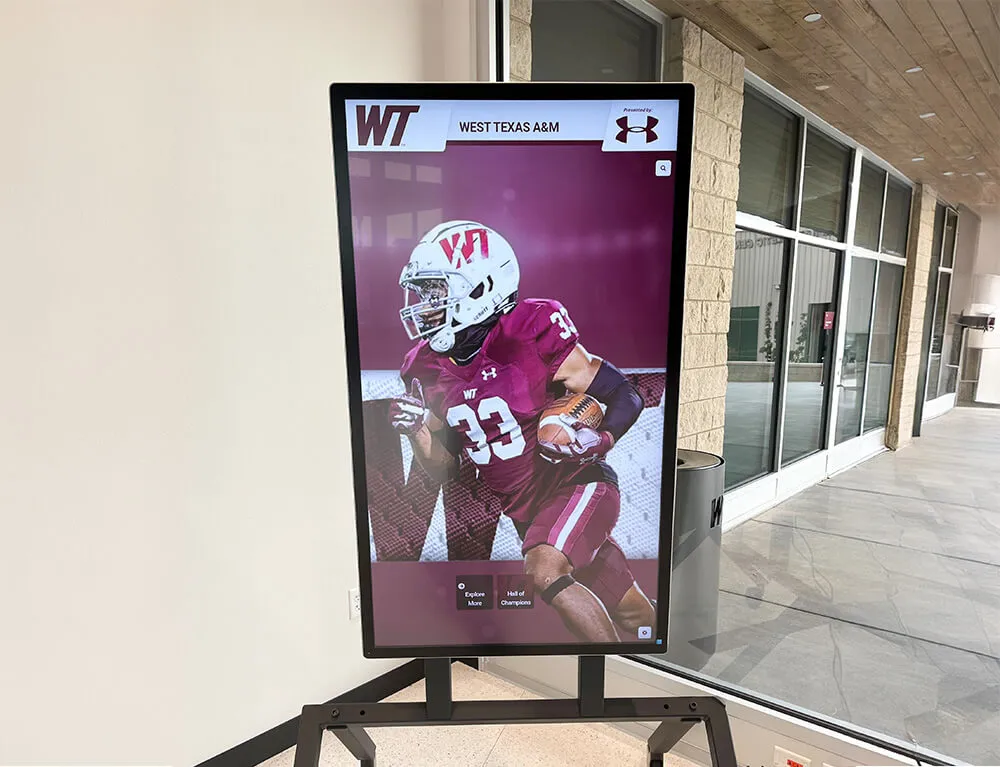
Solutions: Digital displays require minimal physical footprint—a single 55" touchscreen occupies just 5 square feet of wall space while providing unlimited recognition capacity. Wall-mounted or freestanding kiosk options adapt to available spaces. Vertical displays maximize recognition capacity within constrained areas.
Budget Constraints
Challenge: Recognition wall investments compete with numerous institutional priorities for limited resources.
Solutions: Phased implementation allows starting with core capabilities and limited content, expanding gradually as budget permits. Begin with essential hardware and initial honoree cohorts, adding content over time as resources allow. Demonstrate early success and engagement to justify continued investment in program expansion.
Content Development Capacity
Challenge: Creating comprehensive profiles for dozens or hundreds of honorees requires substantial effort beyond normal staff capacity.
Solutions: Crowd-sourced content through direct alumni requests for biographical information and photos accelerates profile development. Student involvement through research projects or class assignments provides learning opportunities while creating recognition content. Prioritize detailed flagship profiles for featured honorees while creating streamlined versions for comprehensive populations, enriching over time as capacity allows.
Keeping Content Current and Fresh
Challenge: Recognition walls with static content lose engagement value as visitors encounter identical information during repeated exposure.
Solutions: Modern cloud-based digital display platforms enable remote content updates without technical intervention or physical changes. Establish content calendars with featured profile rotations, seasonal themes, and regular additions maintaining fresh reasons to revisit recognition displays regularly.
Conclusion: Building Legacies That Endure
Legacy walls represent far more than names on walls—they establish traditions honoring excellence and inspiring achievement for generations. When thoughtfully designed with attention to capacity, content quality, technological sustainability, and program management, these recognition displays deliver measurable value across student inspiration, community pride, alumni engagement, and institutional identity.
The most successful legacy walls share common characteristics: unlimited growth capacity accommodating decades of future recognition, compelling content revealing authentic achievement stories, strategic placement ensuring maximum visibility, sustainable management processes maintaining relevance, and technology choices that age gracefully while remaining operationally manageable.
Whether implementing your first recognition wall or modernizing existing displays that have reached capacity constraints, the fundamental goal remains constant—creating meaningful celebration of achievement that inspires current community members while honoring those who paved paths to success.
Ready to Create Your Legacy Wall?
Discover how modern recognition solutions can transform your institution’s legacy wall vision into reality. Rocket Alumni Solutions provides comprehensive platforms specifically designed for educational institutions, combining unlimited recognition capacity, intuitive content management, beautiful multimedia displays, and responsive support that makes sophisticated recognition programs operationally feasible even for resource-constrained schools.
Contact our team today to discuss your legacy wall goals and discover how the right combination of design, technology, and content strategy can create recognition displays that inspire your community for decades to come.