



Key Takeaways
Master lacrosse defense with 10 proven drills that build elite footwork, stickwork, and communication. From slide packages to takeaway techniques, transform your defensive game.
Why Lacrosse Defense Drills Matter
Lacrosse defense presents unique challenges that require specialized skill development. Unlike basketball or soccer, lacrosse defenders must manage multiple dimensions simultaneously: maintaining proper body positioning while wielding a six-foot pole, communicating slide rotations across 110 yards of field, and executing checks within narrow legality parameters.
The Three Pillars of Defensive Excellence
Footwork Foundation: Elite defenders maintain defensive positioning through superior footwork rather than relying solely on reach advantage from long poles. Proper footwork enables defenders to stay between attackers and the goal, recover from dodges, and maintain balance through physical contact. Footwork distinguishes defenders who consistently frustrate opponents from those who get beaten regularly.
Stickwork Precision: Effective defensive stickwork extends beyond throwing checks. It encompasses proper stick positioning for denying feeds, angle control for forcing bad shots, and takeaway techniques that create transition opportunities. Defenders with exceptional stickwork make attackers uncomfortable even without throwing checks, using active stick positioning to discourage passing lanes and shooting opportunities.
Communication Excellence: Lacrosse defense requires constant communication coordinating slide packages, identifying cutters, calling out picks, and managing transitions between man-to-man and zone concepts. Teams that communicate effectively execute slides before attackers exploit gaps, while teams with communication breakdowns leave shooters wide open despite having sufficient defenders.
Drill 1: Shadow Footwork Series
The foundation of defensive ability starts with footwork developed through deliberate practice without the distraction of sticks or balls.
Setup and Execution
Pair defenders facing each other five yards apart. One player acts as the offensive dodger while the other defends using proper footwork technique. The offensive player performs various dodge movements—split dodges, face dodges, roll dodges—at three-quarter speed while the defender maintains proper positioning.
Key Coaching Points:
- Maintain low athletic stance with weight on balls of feet
- Lead with the foot corresponding to the direction of movement
- Keep shoulders square to the offensive player
- Maintain stick-length distance preventing dodge separation
- Never cross feet or lose balance through movement
- Recover quickly after directional changes
Rotate roles every 30 seconds for three-minute sets. This drill isolates footwork mechanics, allowing defenders to perfect positioning without worrying about stick checks or game situations.
Progressive Variations
Speed Progression: Begin at half speed emphasizing perfect technique, gradually increasing to full-speed movements as footwork becomes automatic.
Directional Emphasis: Focus entire sets on specific dodge types—all split dodges, all rolls, all face dodges—allowing defenders to develop muscle memory for common offensive movements.
Contact Introduction: Add controlled body contact requiring defenders to maintain position through physical pressure, simulating game conditions where offensive players initiate contact.
Drill 2: Angle and Positioning Work
Proper defensive angles prevent attackers from accessing dangerous shooting areas while channeling them toward help defense.
Setup and Execution
Mark a semicircle 12 yards from the goal representing the critical scoring area. Position a defender at the top of the restraining box with an offensive player. The offensive player attempts to reach the 12-yard semicircle while the defender works to deny direct paths, forcing the attacker to the outside.
Defensive Priorities:
- Position body between attacker and goal center
- Establish “top hand” advantage forcing attackers away from their strong hand
- Use stick positioning to influence direction without committing to checks
- Maintain body positioning that makes straight-line drives impossible
- Recognize when to push attackers toward slide help versus containing independently
This drill teaches defenders that positioning often matters more than speed. Well-positioned defenders force attackers into long, contested shots rather than allowing clean looks from dangerous areas.
Game-Like Adaptations
Live Shooting: Allow offensive players to shoot when they reach shooting position, giving defenders immediate feedback on whether their positioning forced difficult shots.
Slide Integration: Add a slide defender who arrives when the offensive player commits to a particular direction, teaching the on-ball defender how positioning sets up effective slides.
Multiple Attackers: Progress to two attackers creating passing options, requiring defenders to manage positioning while being aware of adjacent threats.
Drill 3: Slide Package Repetitions
Organized slide packages separate competent defenses from elite units. This drill builds the muscle memory and communication required for seamless slides.
Setup and Execution
Position six defenders in standard defensive alignment around the goal. Designate one offensive player as the “driver” who dodges from different positions. When the driver commits to a dodge, defenders execute prescribed slide packages based on the dodge origin point.
Slide Package Elements:
- First slide: Adjacent defender crashes the driver immediately upon dodge commitment
- Second slide: Backside defender rotates to cover the first slider’s man
- Third slide: Crease defender adjusts to cover the second slider’s man
- Recovery slide: Far-side defender rotates toward the most dangerous undefended attacker
Communication Requirements:
- On-ball defender calls “hot” when beaten, triggering the slide
- First slider calls “I got ball” confirming slide commitment
- Second slider calls “I got [number]” identifying coverage responsibility
- Crease defender directs traffic maintaining awareness of all offensive positioning
Practice each slide package 10 repetitions from each dodge origin point—top, wing, and corner—ensuring all defenders understand their responsibilities regardless of where the dodge originates.
Defensive Recognition Development
Offensive Decision-Making: Add multiple offensive players making cuts and filling spaces, requiring defenders to identify the most dangerous threats during slide rotations.
No-Slide Recognition: Include situations where the on-ball defender maintains position without help, teaching defenders to recognize when NOT to slide, preventing unnecessary rotations that create openings.
Recovery Speed: Time how quickly the defense returns to organized positioning after each slide, emphasizing that slide execution is only half the battle—recovery prevents extended offensive possessions.
Drill 4: Poke Check Fundamentals
The poke check remains the safest, most effective defensive check when executed properly. This drill develops the timing and technique for successful poke checks.
Setup and Execution
Position a defender and attacker in a static dodging situation. The attacker performs slow-motion cradles and movements while the defender practices poke check timing and technique.
Proper Poke Check Mechanics:
- Extend bottom hand forward while pulling top hand back creating maximum extension
- Target the bottom hand of the cradling motion when the attacker’s stick is farthest from their body
- Use quick, snapping motion rather than sustained reaching
- Recover immediately to defensive position rather than overextending
- Avoid slashing by controlling check speed and targeting the glove area specifically
Timing Development: Most attackers have rhythmic cradling patterns. Defenders should observe these patterns, anticipating when the stick will be farthest from the body. Successful poke checks exploit this moment of maximum vulnerability.
Progressive Complexity
Moving Situations: Progress to live dodging situations where defenders must maintain footwork while identifying poke check opportunities.
Ground Ball Transition: Practice poke checks that knock the ball free, immediately transitioning to ground ball recovery drills since successful checks mean nothing without securing possession.
Game Speed Recognition: Work at full speed with attackers making authentic movements, developing defenders’ ability to recognize poke check opportunities in real-time game situations.
Schools that build dominant defensive programs often showcase their defensive excellence alongside offensive achievements, recognizing that championship teams require balanced excellence.
Drill 5: Lift Check Technique
The lift check disrupts passing lanes and shooting opportunities without the high foul risk associated with slap checks.
Setup and Execution
Position defenders behind offensive players who are either stationary or moving slowly. The defender practices lifting the attacker’s bottom hand upward, disrupting stick control.
Lift Check Technique:
- Approach from behind or the side maintaining legal body positioning
- Place stick shaft under the attacker’s bottom hand
- Execute quick upward motion lifting their stick above their shoulders
- Time lifts when attackers prepare to pass or shoot
- Avoid crossing centerline of attacker’s body which typically draws illegal check calls
Strategic Application: Lift checks work best against players preparing to feed or shoot rather than against active dodgers. Defenders should recognize situations where attackers are stationary or moving away from pressure—ideal lift check opportunities.
Situational Practice
Feed Denial: Practice lifts on attackers setting up to feed cutters, developing defenders’ ability to disrupt the passing game.
Shot Disruption: Work on lift timing as shooters prepare to release, forcing them to reset and taking away clean shooting opportunities.
Ride Situations: Apply lift checks during clearing situations when defenders can approach from behind as cleared players look upfield.
Drill 6: Communication and Awareness Circuit
Effective defense requires constant communication and field awareness. This drill develops both simultaneously.
Setup and Execution
Position five defenders around the goal with a coach or manager moving tennis balls or colored cones around the field. Defenders must maintain defensive positioning while calling out the positions and movements of the tennis balls representing offensive cutters.
Communication Requirements:
- Call “cutter high” or “cutter low” identifying cutting direction
- Call “ball movement” when tennis balls change position
- Call “help side” or “ball side” identifying relative positioning
- Maintain continuous chatter ensuring all defenders stay engaged
This drill seems simple but requires intense concentration. Defenders must manage their own positioning, track multiple threats, and communicate constantly—exactly what games demand but rarely gets isolated practice.
Competitive Variations
Elimination Format: Defenders who miss calls or lose track of tennis ball positions are eliminated, creating consequence for attention lapses.
Speed Variations: Increase the speed of tennis ball movements requiring faster recognition and communication.
Add On-Ball Defender: Include one defender guarding a live offensive player while others track tennis balls, simulating the divided attention required during games.
Many successful programs incorporate recognition displays that celebrate defensive achievements alongside offensive statistics, demonstrating institutional commitment to complete player development.
Drill 7: Ground Ball Domination
Defensive success requires winning ground balls. This drill develops the aggression and technique needed for ground ball success.
Setup and Execution
Line up defenders in two facing lines five yards apart. Roll a ball between the lines. On the whistle, one player from each line sprints for the ball. The player who secures possession must protect it while the other provides defensive pressure for five seconds.
Ground Ball Technique:
- Approach the ball under control maintaining balance for contact
- Get low with stick parallel to the ground scooping through the ball
- Protect the stick immediately with body positioning
- Expect contact and maintain possession through physical pressure
- Accelerate through the pickup rather than stopping on the ball
Competitive Intensity: Ground balls are possession battles. This drill should be extremely competitive with defenders understanding that ground ball success directly translates to additional offensive possessions while denying opponents opportunities.
Situational Variations
Odd-Man Situations: Practice 2-on-1 ground balls where one player must secure possession against multiple defenders, developing protection skills.
Clear Immediately: Require players who win ground balls to immediately execute clearing passes to coaches or managers, simulating transition situations.
Goalie Integration: Include goalies in the drill practicing their critical role in supporting ground ball pursuits and initiating clears.
Drill 8: Pick Navigation
Offensive picks create the most common defensive breakdowns. This drill develops the recognition and footwork needed to navigate picks effectively.
Setup and Execution
Position two offensive players—one as a picker, one as the ball carrier. Two defenders work together navigating the pick. The ball carrier uses the pick to create separation while defenders communicate and execute proper pick navigation.
Pick Navigation Techniques:
Over the Top: The on-ball defender fights over the pick maintaining proximity to the ball carrier while the pick defender provides brief help before recovering to their man.
Switch: Defenders call “switch” and exchange defensive assignments, with the pick defender stepping out to guard the ball carrier.
Under/Trail: The on-ball defender goes under the pick accepting brief separation, used when the offensive player lacks an immediate shooting threat.
Communication Protocol:
- Pick defender calls “pick left” or “pick right” identifying pick direction
- On-ball defender calls their navigation choice: “over,” “switch,” or “under”
- Both defenders confirm with acknowledgment calls
Practice each navigation technique 15 repetitions until defenders automatically recognize situations calling for specific responses.
Game-Speed Integration
Live Shooting: Allow ball carriers to shoot off picks, giving immediate feedback on whether navigation maintained adequate pressure.
Multiple Picks: Run offensive sets with sequential picks requiring defenders to navigate multiple screens.
High Screens vs. Low Screens: Practice both perimeter picks and picks near the crease which require different navigation approaches.
Defensive excellence contributes to school athletic traditions worth celebrating, as championship defenses often define program legacies.
Drill 9: Defensive Recovery Speed
Great defenses recover quickly after slides or failed checks. This drill develops the conditioning and mental toughness required for relentless defensive effort.
Setup and Execution
Defenders line up on the end line. On the whistle, they sprint to midfield, defensive shuffle across the width of the field, backpedal to the end line, then sprint to their starting position. Immediately upon reaching the end line, they execute a slide package drill for 30 seconds of live defense.
Training Purpose: Games don’t allow recovery between defensive possessions. This drill conditions defenders to maintain technical execution while fatigued, simulating fourth-quarter situations when conditioning separates winning and losing defenses.
Intensity Standards: Defenders should complete the conditioning circuit at maximum effort, then immediately execute slide packages with proper communication and positioning. Sloppy technique during the defensive segment indicates insufficient conditioning or mental toughness.
Progressive Overload
Extended Duration: Increase the defensive segment from 30 seconds to 45 seconds to one minute.
Reduced Rest: Decrease rest periods between repetitions from 90 seconds to 60 seconds to 30 seconds.
Technical Standards: Require perfect slide execution during the fatigued state—any communication failures or positioning breakdowns mean the repetition doesn’t count.
Drill 10: Full-Field Transition Defense
Modern lacrosse increasingly features rapid transitions. This drill develops defensive ability to recover and organize during transition situations.
Setup and Execution
Start with four defenders playing settled defense against six attackers. When the defense forces a turnover or makes a save, the defenders immediately transition to offense while the former attackers become defenders. However, only four of the six attackers transition to defense, creating a 6-on-4 fast break opportunity.
The four transition defenders must sprint back, communicate to identify the two most dangerous offensive threats, and organize into a 4-on-6 defensive structure until additional defenders arrive after a five-second delay.
Transition Defense Priorities:
- Sprint back preventing easy goals
- Protect the crease area first
- Communicate to identify undefended shooters
- Take away the most dangerous immediate threats
- Delay until additional help arrives
- Never leave the crease undefended
Communication Requirements:
- “I got ball” from the defender picking up the ball carrier
- “I got crease” from the defender protecting the goal area
- “I got [number]” from defenders matching to shooters
- “Numbers” call identifying how many defenders versus attackers
- “Help incoming” when additional defenders approach
This drill simulates the chaos of transition situations requiring defenders to make split-second decisions under pressure—exactly what games demand.
Competitive Scoring
Point System: Award points to the offensive team for goals and to the defensive team for preventing goals for 20 seconds. Track cumulative scores creating accountability for both offensive and defensive performance.
Consequence Conditioning: The losing team after each repetition performs 10 burpees, adding consequence to defensive breakdowns.
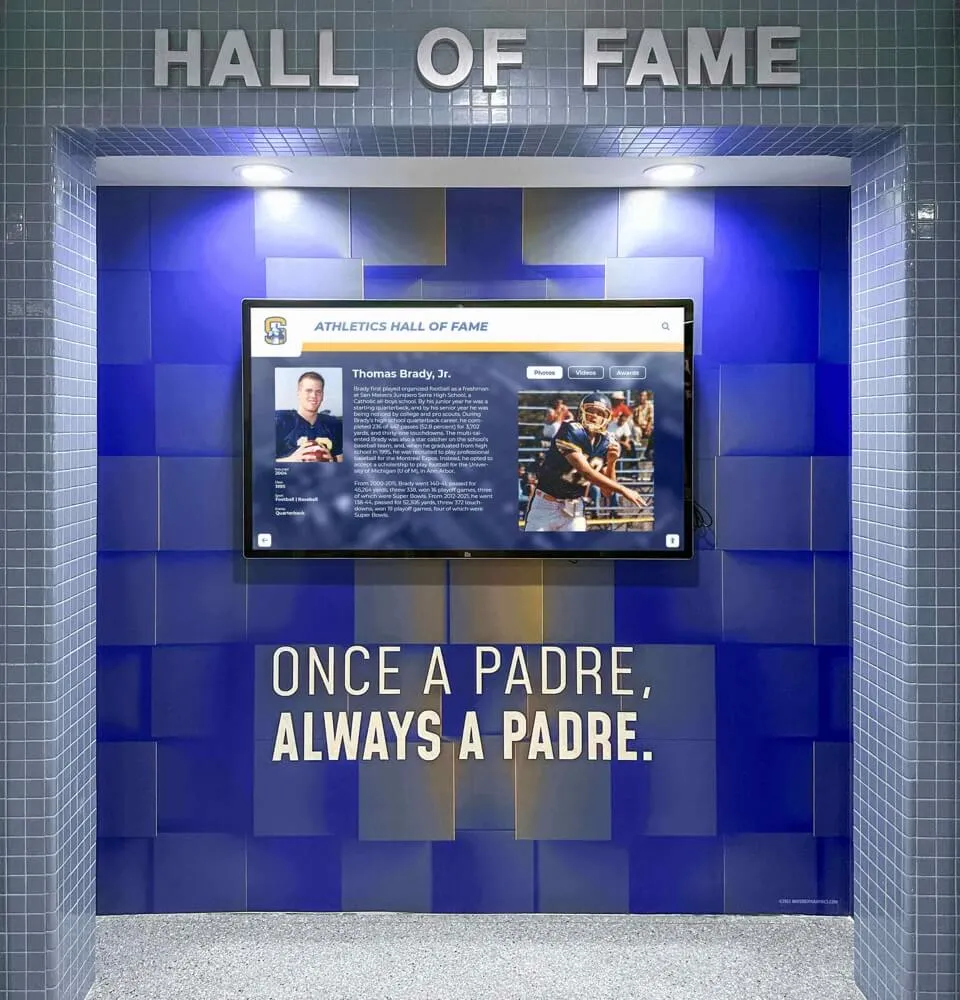
Athletic achievement across all sports deserves recognition, which is why programs implement digital recognition displays that celebrate complete athletic excellence.
Implementing Defensive Drills into Practice Plans
Individual drills only create defensive excellence when integrated into comprehensive practice planning.
Practice Structure Recommendations
Early Season Emphasis: Dedicate 40-50% of practice time to defensive fundamentals early in the season. Focus on footwork, individual positioning, and basic slide packages before introducing complex team concepts.
Build progression: individual footwork → 1-on-1 situations → 2-on-2 with slides → full team concepts.
Mid-Season Integration: Reduce dedicated defensive drill time to 25-30% as defenders develop competency. Integrate defensive work with full-field scrimmaging emphasizing immediate application of drilled concepts.
Late Season Maintenance: Maintain 15-20% dedicated defensive work focusing on specific opponent preparation. Use defensive drills as warmup activities keeping fundamentals sharp while conserving energy for competition.
Drill Rotation Planning
Rather than practicing all ten drills every session, rotate emphasis:
Monday (Post-Game): Recovery-focused individual footwork and technique drills without contact.
Tuesday: High-intensity ground balls and transition defense building competitive edge.
Wednesday: Slide packages and team concepts preparing for weekend opponents.
Thursday: Light walkthrough of opponent-specific defensive adjustments.
Friday (Pre-Game): Minimal defensive work, brief review of communication protocols only.
Individual Development Plans
Track individual defensive metrics identifying areas requiring additional work:
- Ground ball success rate
- Caused turnovers per game
- Slide coverage errors
- Penalty minutes from illegal checks
Assign supplementary drill work targeting specific weaknesses. A defender struggling with footwork performs additional shadow work. A defender with checking penalties focuses on poke check timing.
Many championship programs leverage interactive technology to document defensive excellence, creating lasting recognition that inspires future defenders.

Measuring Defensive Improvement
Quantifying defensive progress helps maintain focus and identify areas requiring additional attention.
Individual Defensive Statistics
Track meaningful individual metrics:
- Ground balls per game: Measures competitive intensity and effort
- Caused turnovers: Indicates active stick work and checking effectiveness
- Goals allowed while on field: Shows overall defensive impact
- Slide coverage errors: Identifies communication and positioning breakdowns
- Penalty minutes: Highlights illegal checking tendencies requiring technique correction
Compare individual statistics across games identifying trends. Improving ground ball numbers suggest increasing effort and competitiveness. Decreasing caused turnovers might indicate passive stick work requiring renewed emphasis on checking drills.
Team Defensive Metrics
Evaluate collective defensive performance:
- Goals against average: Primary team defensive measure
- Opponent shooting percentage: Indicates quality of defensive pressure
- Turnovers forced per game: Shows active, aggressive defensive approach
- Ground ball success rate: Measures possession battle outcomes
- Clears successful: Tests transition defense organization
- Man-up defense success: Evaluates discipline and specialized defensive situations
Championship defenses typically hold opponents under 35% shooting percentage while forcing 15+ turnovers per game and winning 55%+ of ground balls.
Video Analysis
Film study identifies technique breakdowns invisible during live play:
- Footwork errors leading to dodge completions
- Slide timing issues creating shooting opportunities
- Communication failures causing defensive confusion
- Checking technique requiring adjustment
- Positioning errors allowing dangerous feeds
Regular video review with individual position groups creates accountability while providing specific, visual feedback that accelerates improvement.
Programs committed to excellence recognize that student-athlete development extends beyond physical skills to mental and emotional growth, creating complete individuals prepared for life beyond lacrosse.
Common Defensive Mistakes to Avoid
Understanding frequent errors helps defenders eliminate bad habits before they become ingrained.
Overcommitting to Checks
Young defenders often throw excessive checks rather than maintaining position. Each check represents risk—potential penalties, lost positioning, and recovery time during which offensive players create advantages.
Correction: Emphasize that stick positioning and footwork should force 80% of turnovers with actual checks reserved for high-percentage opportunities. Defenders should check with purpose rather than checking constantly.
Poor Communication
Silent defenses inevitably break down. Defenders who fail to communicate leave teammates unaware of picks, cutters, and slide responsibilities.
Correction: Require constant communication during drills, making it habitual rather than situational. Defenders should feel uncomfortable when silent, treating communication as fundamental as footwork.
Ball-Watching
Defenders who focus exclusively on the ball lose awareness of cutting, picking, and off-ball movement that creates scoring opportunities.
Correction: Practice keeping vision that includes both the ball and immediate defensive assignment. Head position should allow peripheral awareness rather than locked focus.
Slow Slide Recovery
Defenses that slide effectively but recover slowly gift opponents extended time to find open shooters. Quick slides followed by slow recovery often result in goals despite initial proper execution.
Correction: Emphasize that slides are two-part actions: the initial coverage AND the immediate recovery. Practice both components with equal intensity.
Playing Too High
Defenders who guard attackers 20+ yards from goal rather than forcing them toward the 12-15 yard arc create unnecessary space and time for offensive development.
Correction: Establish clear positioning guidelines. Force attackers away from the center of the field but maintain proximity that prevents comfortable offensive operation.
Celebrating athletic achievement properly means recognizing diverse contributions, which is why modern programs utilize comprehensive digital displays that honor complete team excellence rather than only individual scoring leaders.
Defensive Philosophy and Culture
Elite defensive units share philosophical approaches that transcend individual technique.
Defensive Identity
Championship programs build identity around defensive excellence. Players take pride in shutting down opponents, forcing turnovers, and creating transition opportunities rather than viewing defense as necessary but unglamorous work.
Building Defensive Culture:
- Celebrate defensive achievements equally with offensive accomplishments
- Maintain defensive statistics boards visible in locker rooms
- Award defensive player recognition after games and practices
- Share film of exceptional defensive plays during team meetings
- Discuss professional and college defenses known for excellence
When defenders view defensive excellence as prestigious rather than thankless, effort and commitment increase dramatically.
Communication Standards
Great defenses never stop talking. Establish non-negotiable communication requirements:
- Call every pick before it arrives
- Identify every cutter immediately
- Confirm all slide assignments verbally
- Name the ball carrier and their position constantly
- Call out shot attempts and clear attempts
Make communication so habitual that defenders feel uncomfortable during silent moments.
Relentless Effort Expectation
Defensive excellence requires sustained effort over four quarters. Establish culture where maximum effort is expected on every possession:
- Sprint to every ground ball
- Pursue every cleared ball
- Execute every slide at full speed
- Recover immediately from every check or slide
- Never allow uncontested shots or feeds
Teams that practice with relentless effort execute the same way during games, while teams that practice casually discover that intensity cannot be manufactured on demand.
Modern schools increasingly showcase complete athletic programs rather than only marquee sports, recognizing that defensive excellence in lacrosse deserves equal celebration with traditional sports achievements.
Building Championship Defense
Elite lacrosse defenses emerge from deliberate practice of fundamental skills applied within cohesive team concepts. The ten drills presented here provide the foundation for developing footwork, stickwork, and communication required for defensive excellence, but drills alone are insufficient.
Championship defenses combine technical proficiency with relentless effort, continuous communication, and defensive identity that makes shutting down opponents a source of pride. They understand that defensive excellence requires equal dedication to the flashier offensive skills, and they embrace the challenge of perfecting the details that separate competent defenses from dominant units.
Programs that commit to defensive development—dedicating practice time, tracking meaningful metrics, building defensive culture, and celebrating defensive achievements—discover that investment in defense yields championship results. While offensive talent wins individual possessions, defensive excellence wins championships.
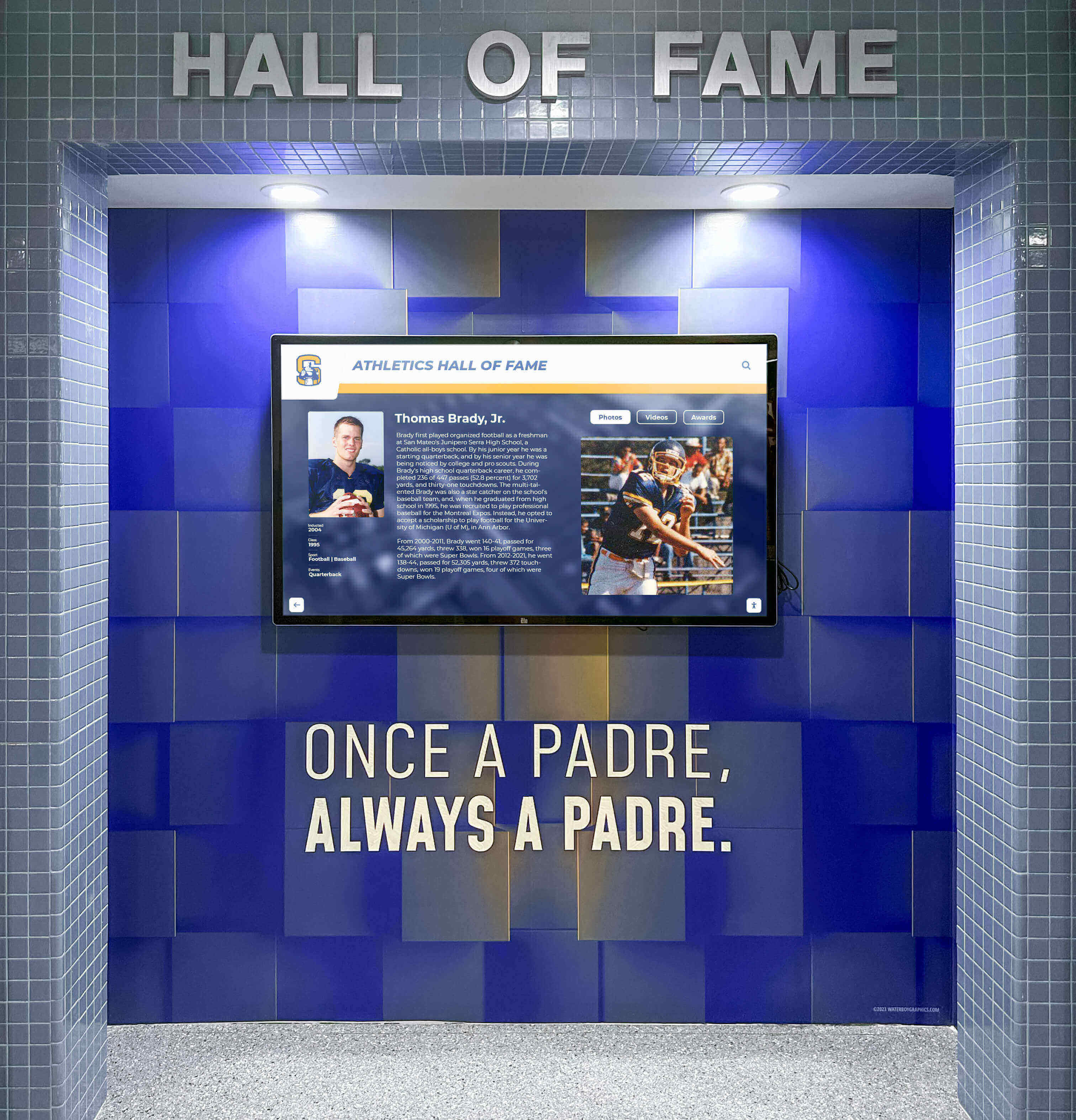
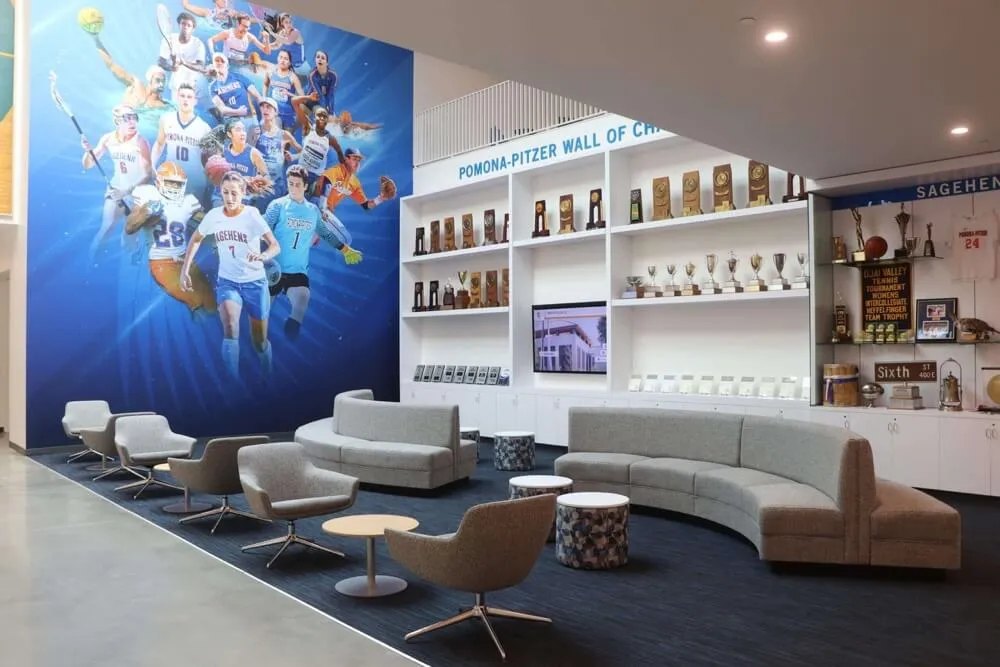
Success at the defensive end of the field deserves lasting recognition, just as offensive achievements earn celebration. Modern recognition solutions enable schools to honor complete athletic excellence, ensuring that lockdown defenders receive the acknowledgment their contributions merit.
Lacrosse defense drills transform individual defenders into cohesive units capable of shutting down elite offenses. By dedicating consistent practice time to footwork fundamentals, stickwork technique, slide packages, and communication protocols, programs build defensive traditions that define their identities and deliver championship results.
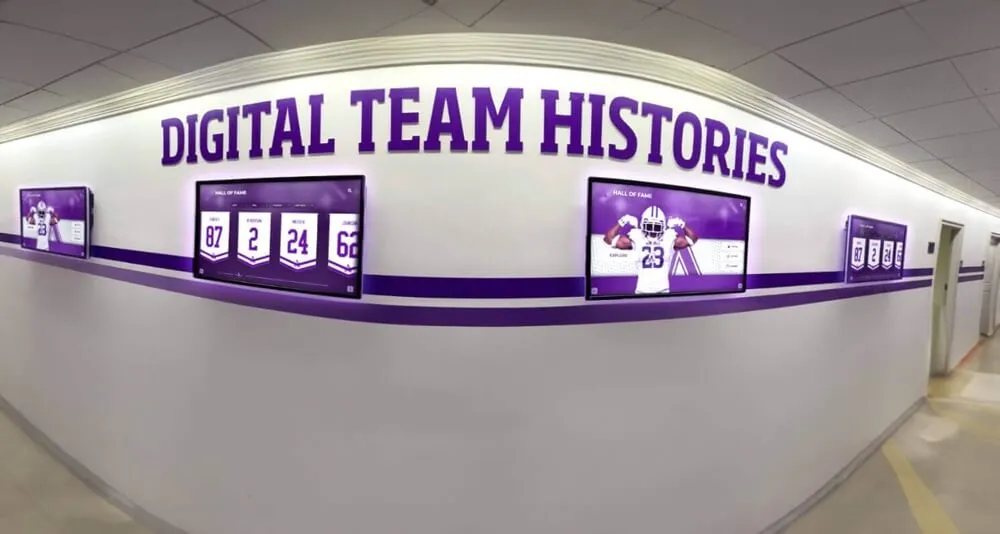
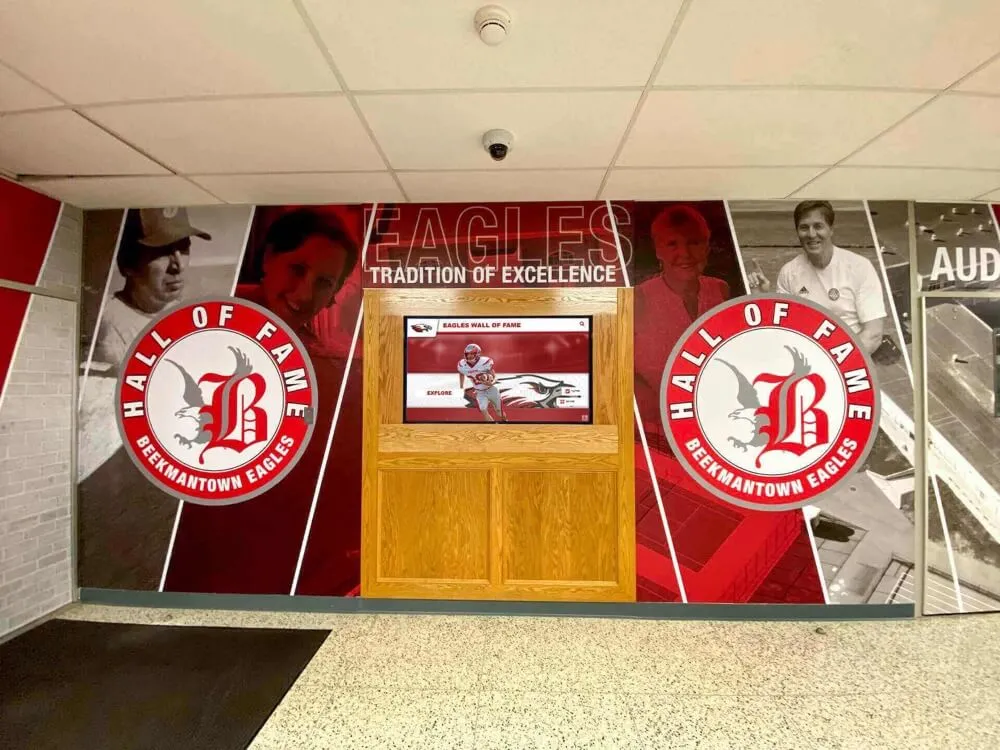
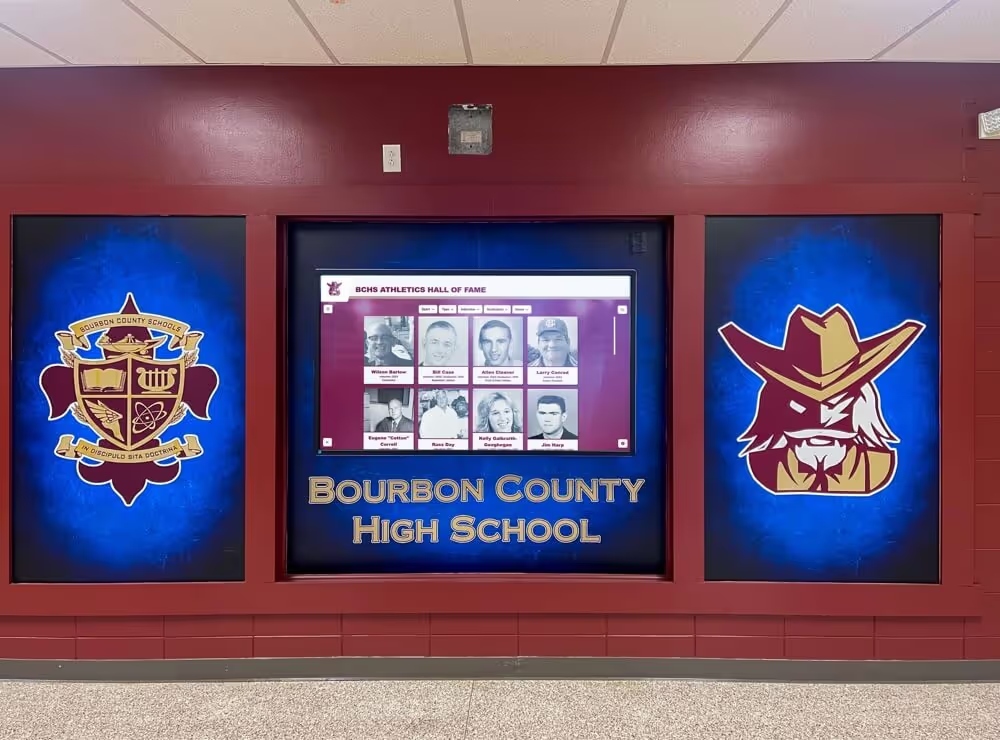
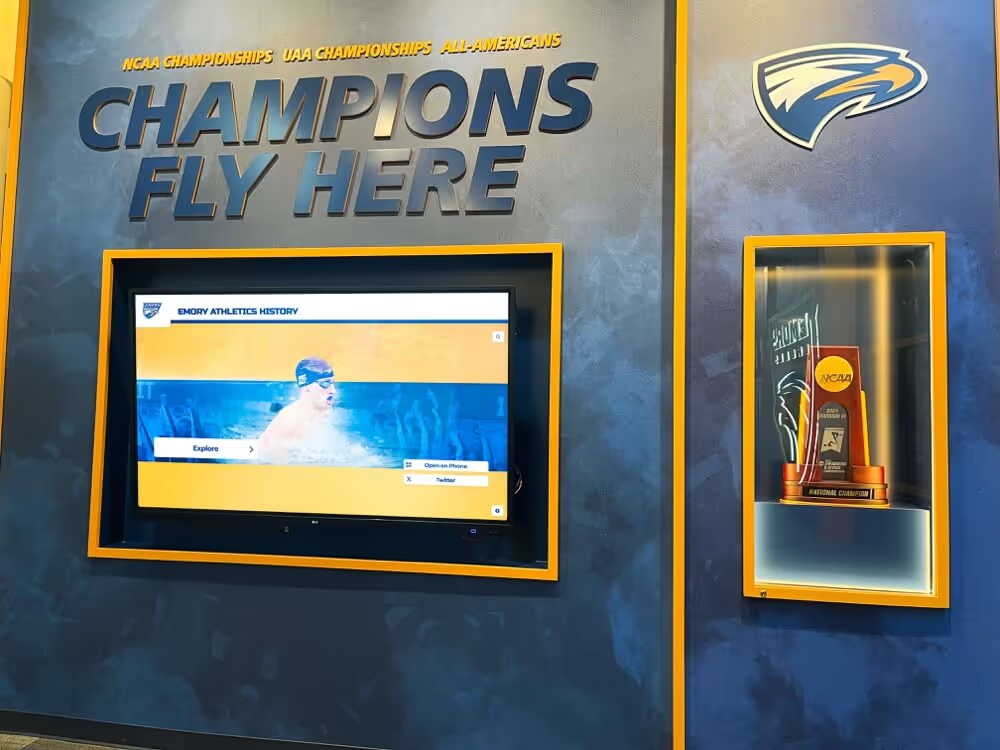
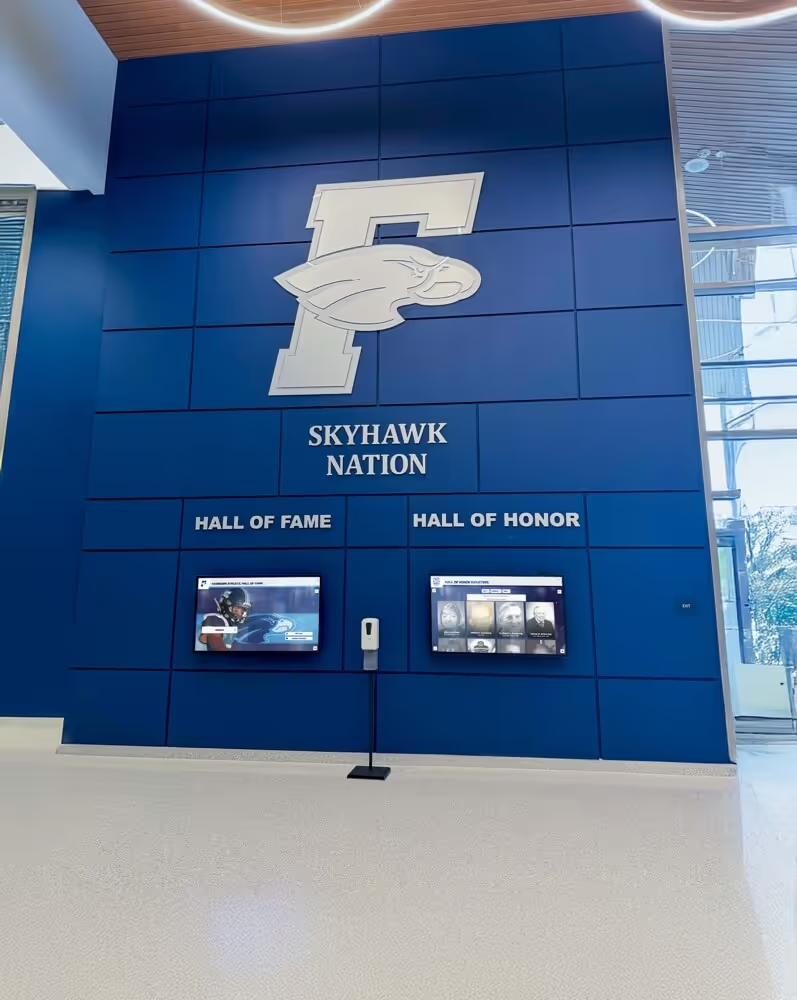
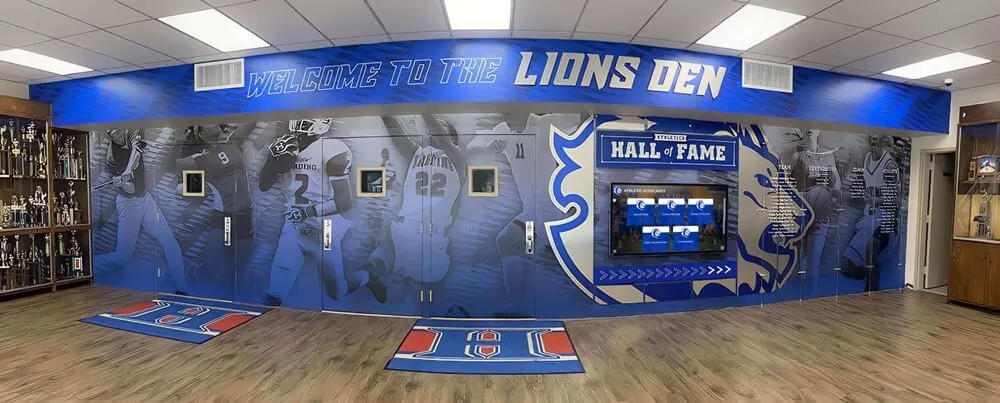
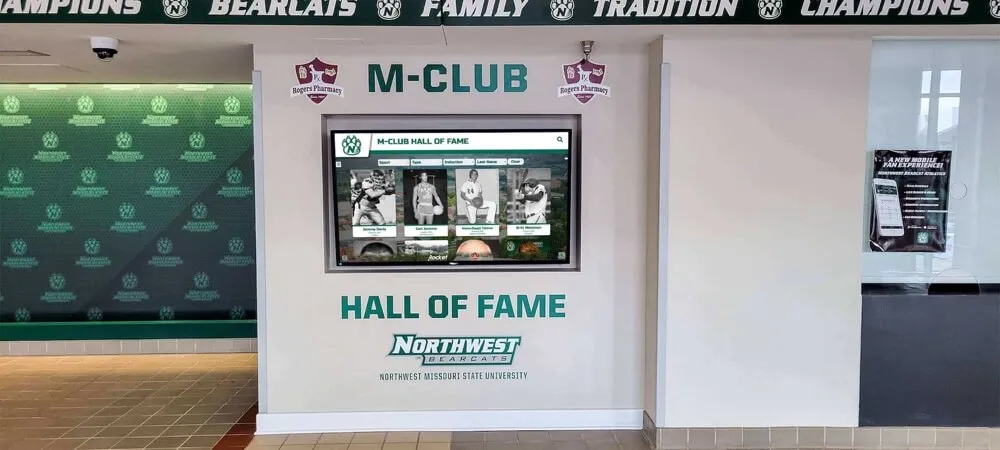
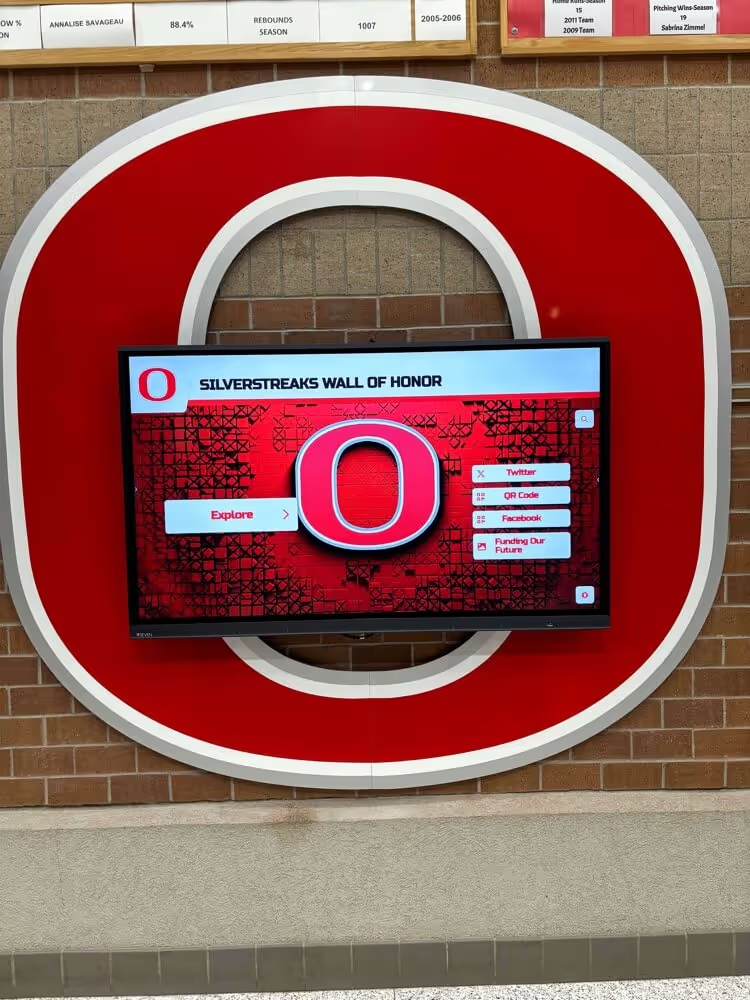
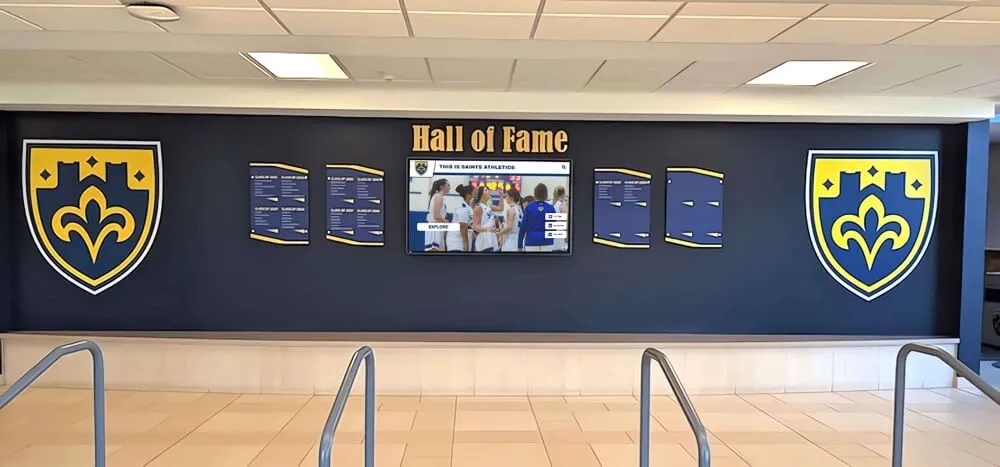
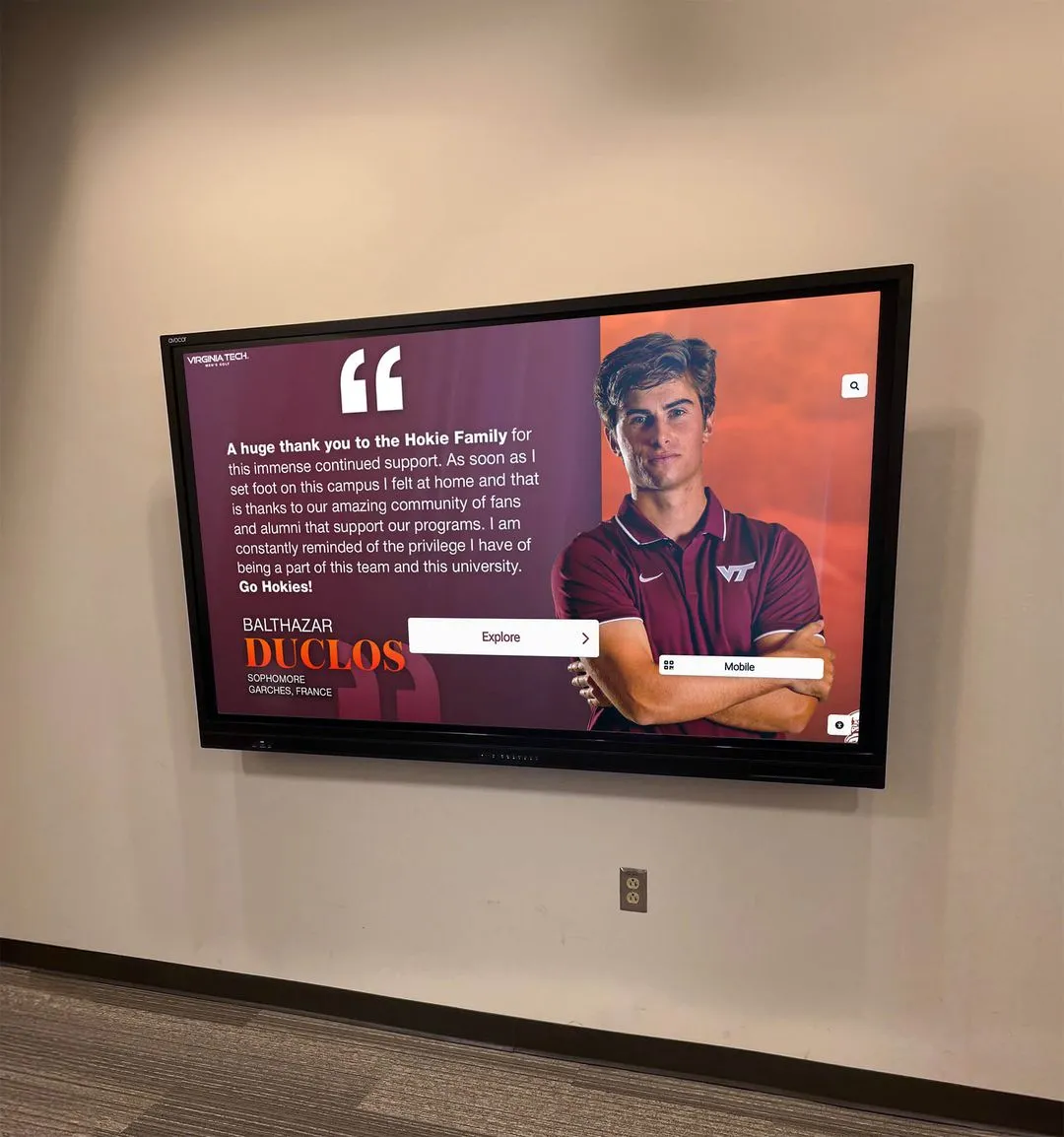
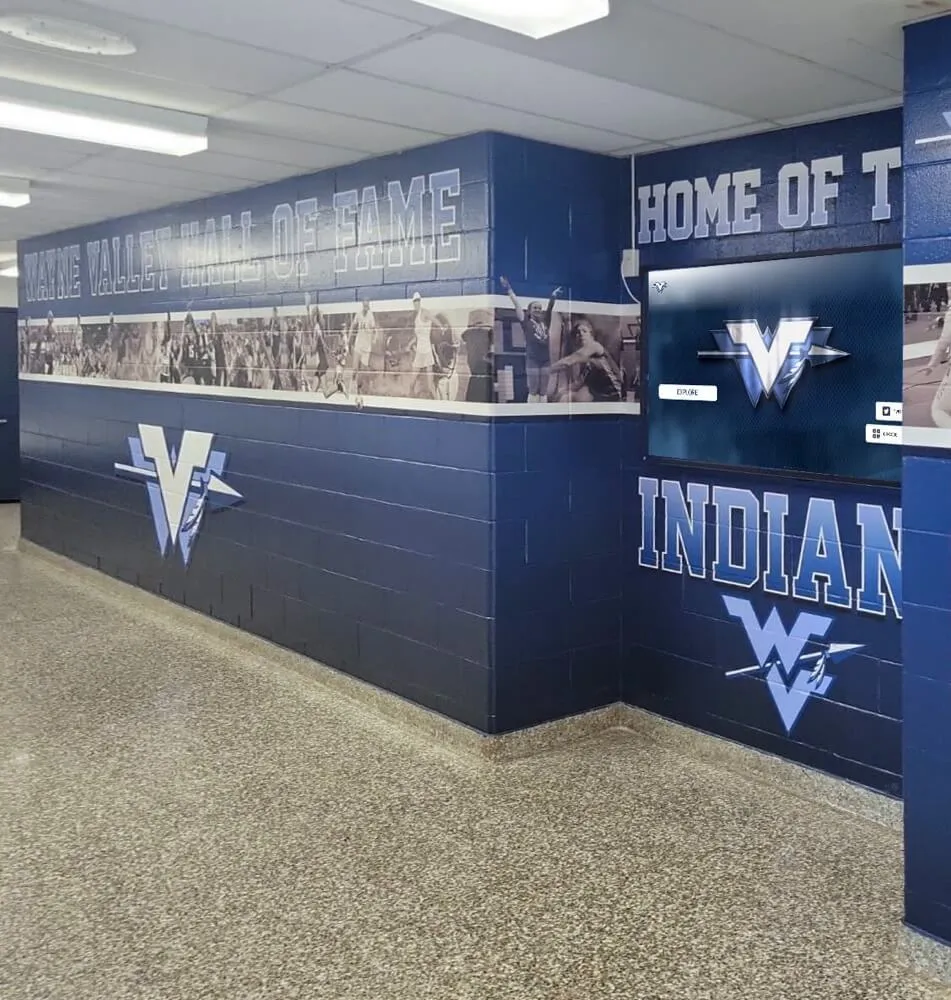
The most successful programs recognize that defensive excellence deserves celebration alongside offensive achievements. Rocket Alumni Solutions provides digital recognition displays specifically designed for schools, enabling institutions to showcase complete athletic excellence—celebrating defensive standouts, caused turnover leaders, ground ball specialists, and the complete defensive units that made championship runs possible.
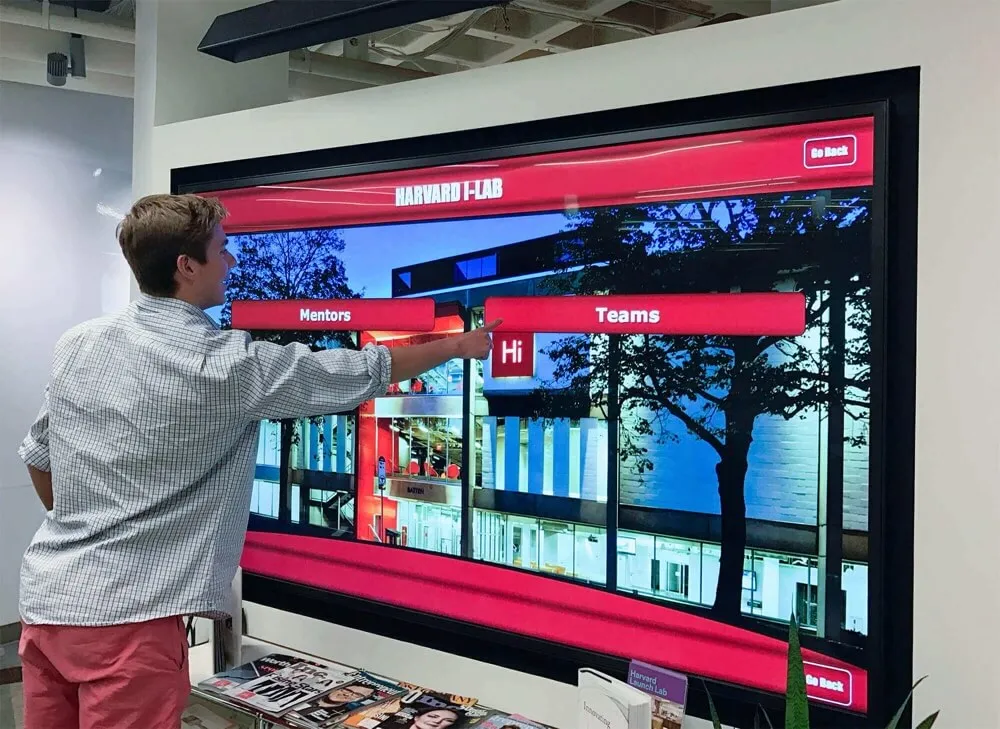
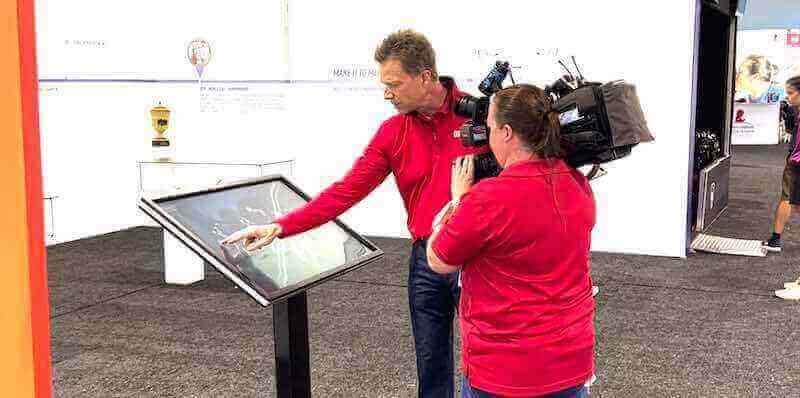
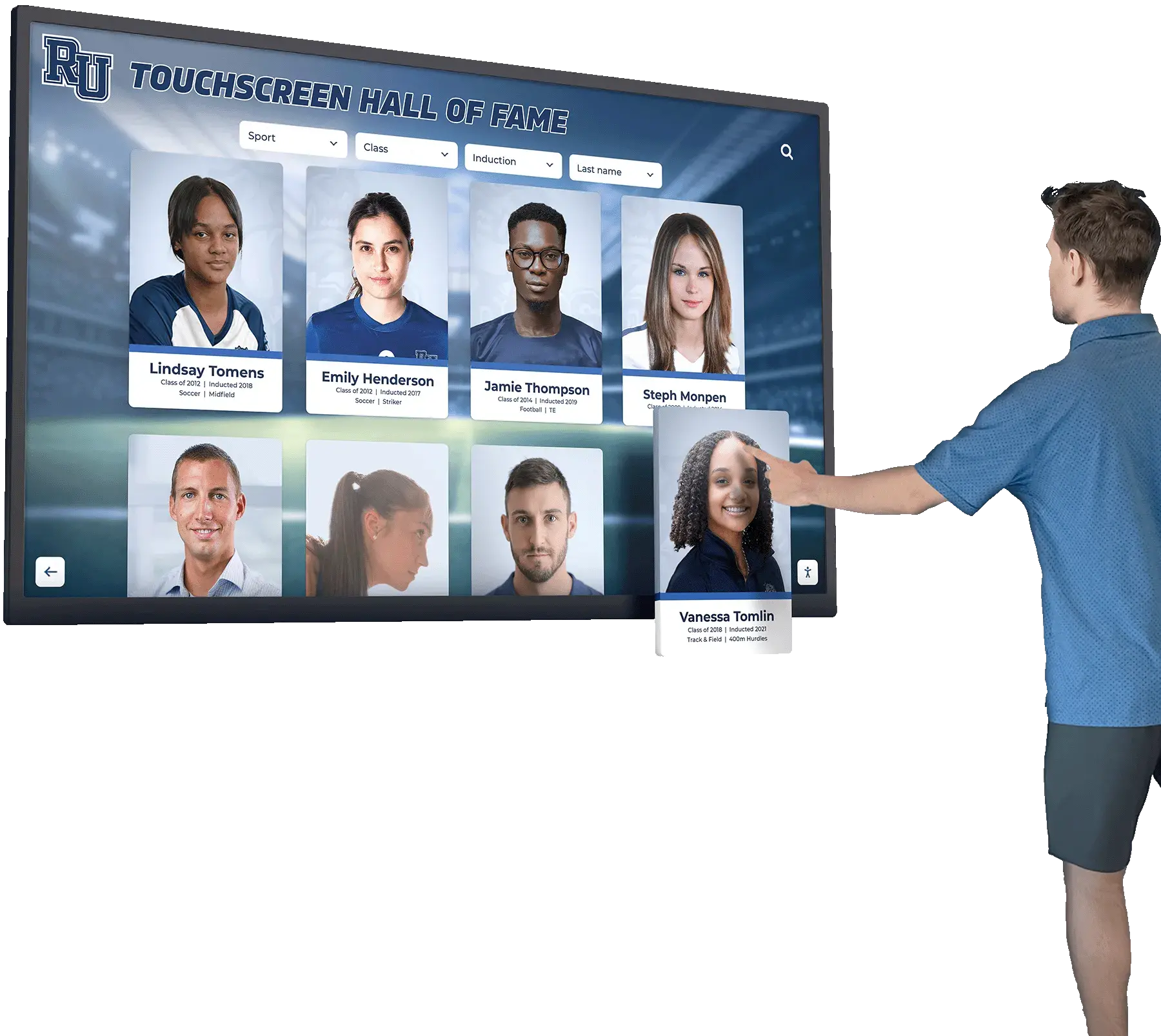
These interactive touchscreen systems eliminate space limitations of traditional recognition approaches, allowing schools to honor unlimited defensive achievements with comprehensive statistics, game highlights, and career documentation. When defenders see their contributions celebrated permanently, defensive excellence becomes a source of pride rather than thankless work, strengthening defensive culture and inspiring current players to embrace defensive identity.
By implementing proven defensive drills while celebrating defensive excellence through comprehensive recognition, lacrosse programs build championship traditions that extend far beyond individual seasons.