



Key Takeaways
Complete guide to JV vs varsity teams in high school sports. Learn the key differences, what placement means for athletes, how selection works, and why both levels matter for athletic development and college recruiting.
What JV and Varsity Actually Mean
Understanding the fundamental purpose and structure of each competitive level provides essential context for athletes, parents, and school communities.
Varsity: The Top Competitive Level
Varsity represents the highest level of interscholastic athletic competition at a school. Varsity teams compete for conference championships, playoff berths, and state titles while representing the school in the most visible and competitive athletic contests.
Competitive Expectations and Standards
Varsity athletes face the highest competitive expectations within their school’s athletic program. These teams compete against other schools’ best athletes, with games and matches counting toward official conference standings and playoff qualification. Varsity competition determines all-conference selections, state championship participants, and individual athletic honors that carry weight for college recruiting and athletic recognition.
The competitive intensity at the varsity level requires athletes to demonstrate not only technical skill but also tactical understanding, competitive maturity, and consistent performance under pressure. Varsity coaches select lineups and rotations aimed at winning competitions rather than distributing playing time equally, creating an environment where performance directly determines opportunity.
Recognition and School Representation
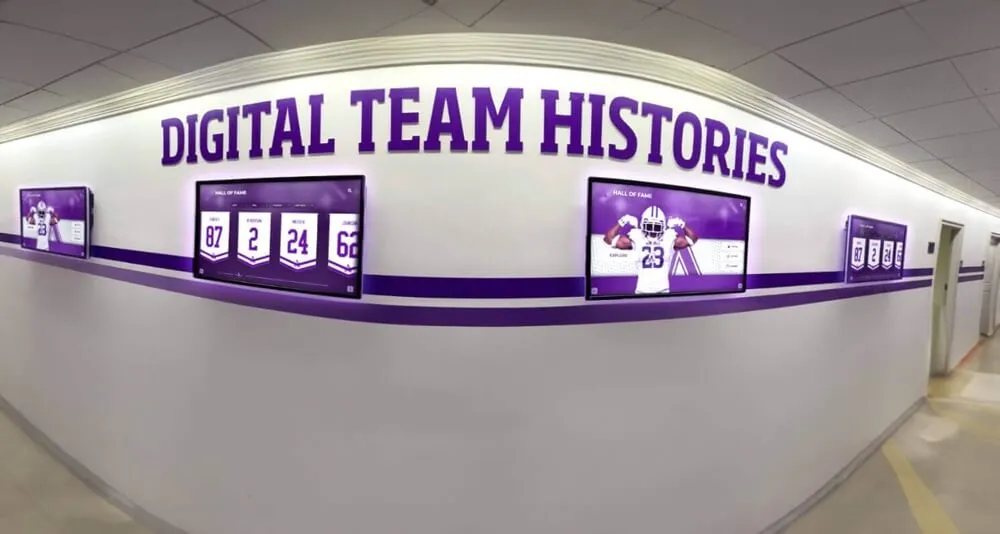
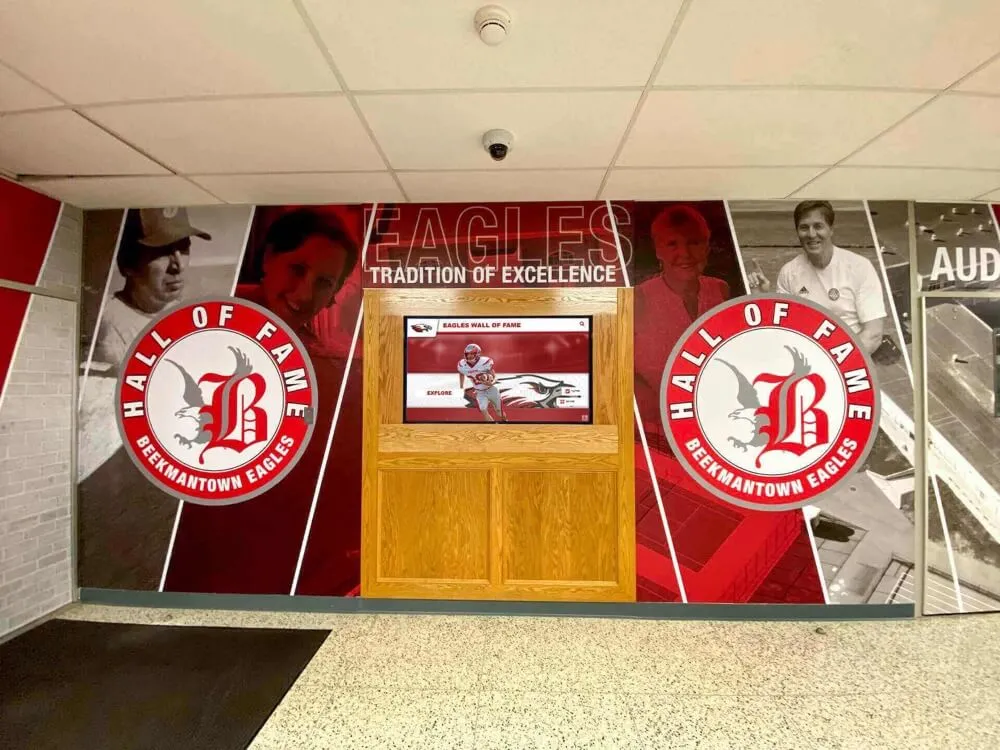
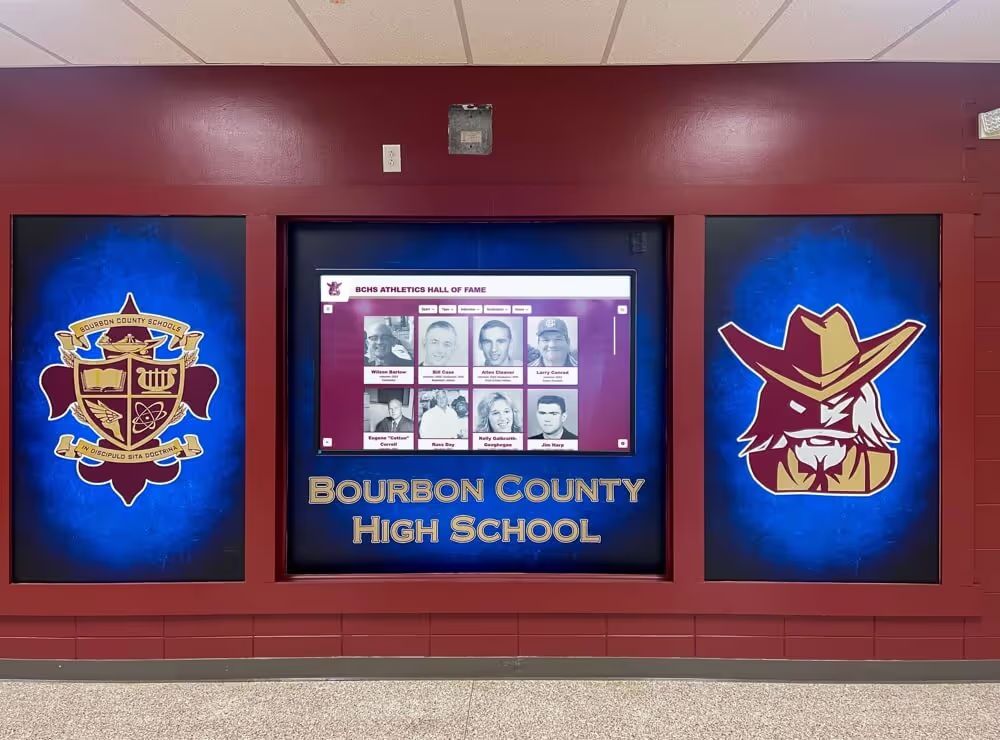
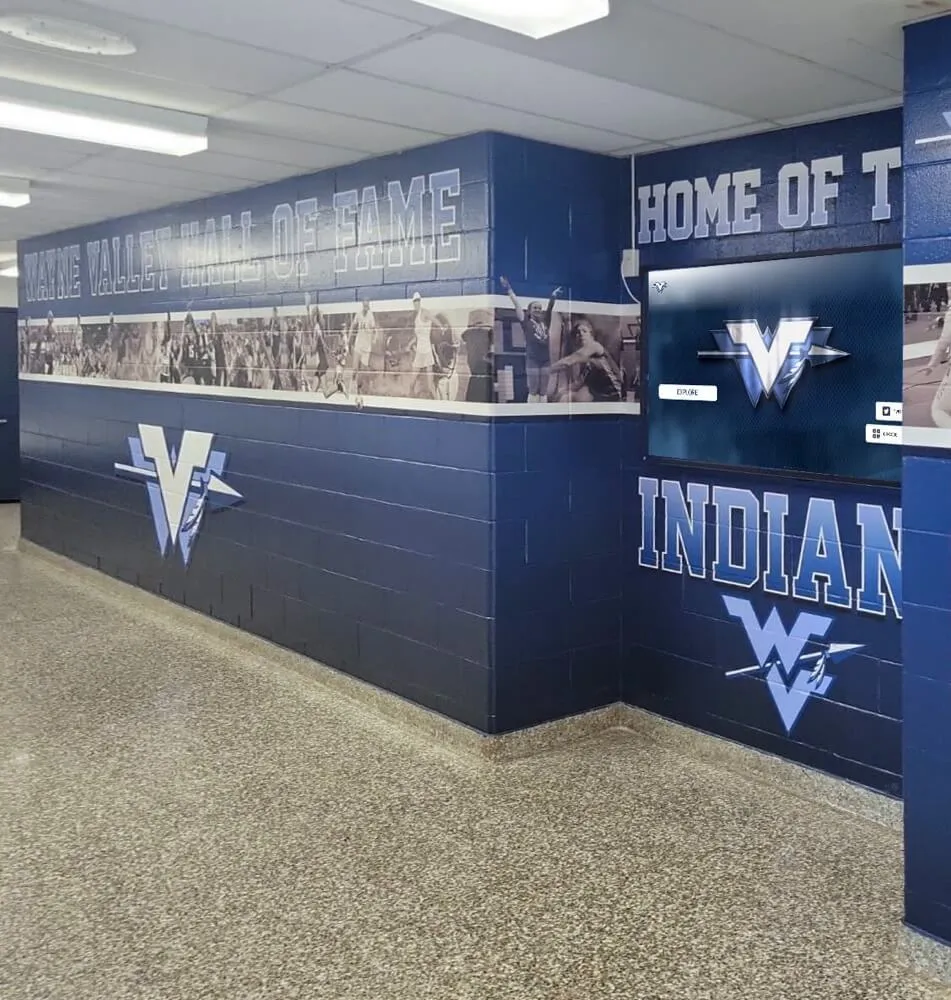
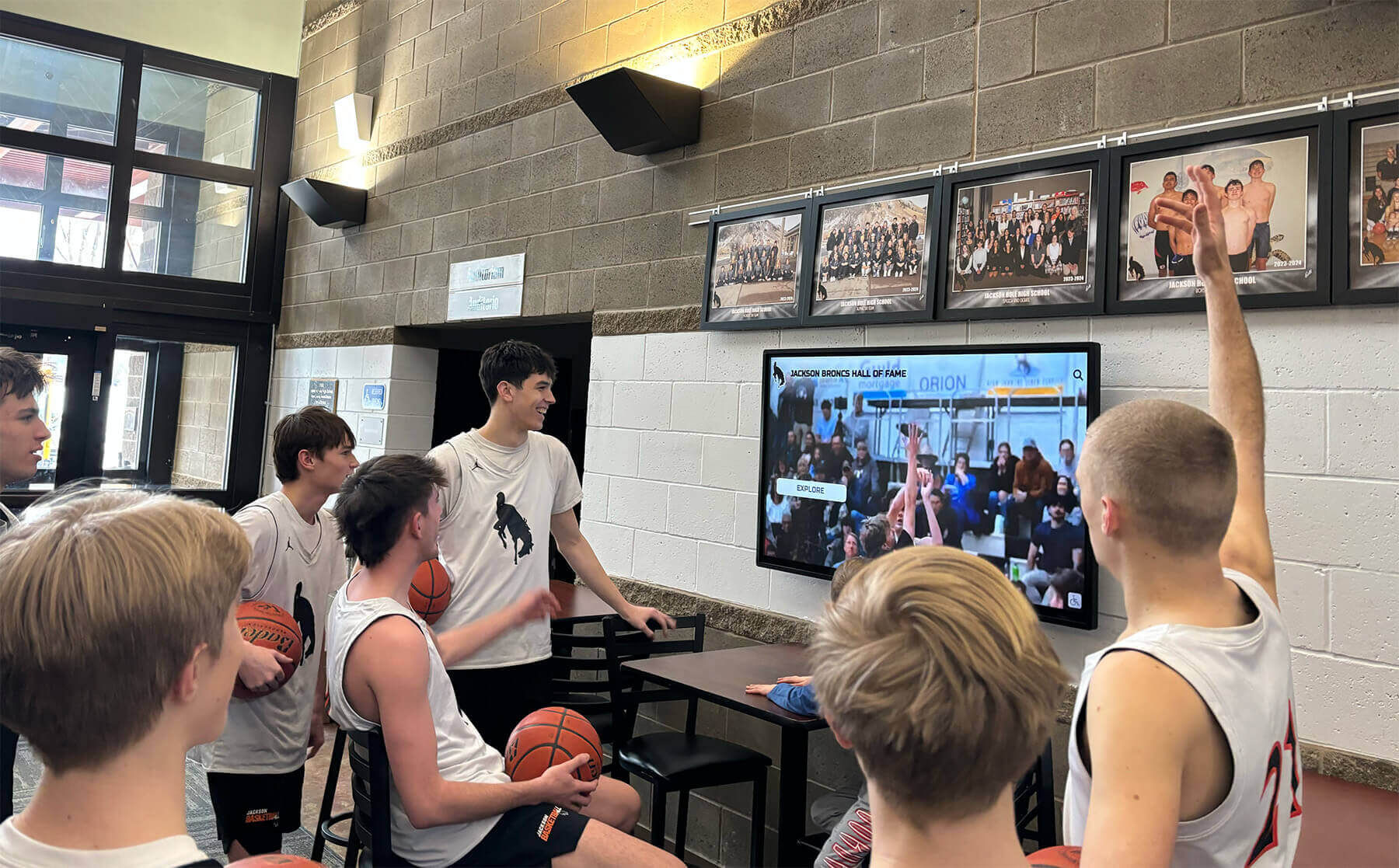
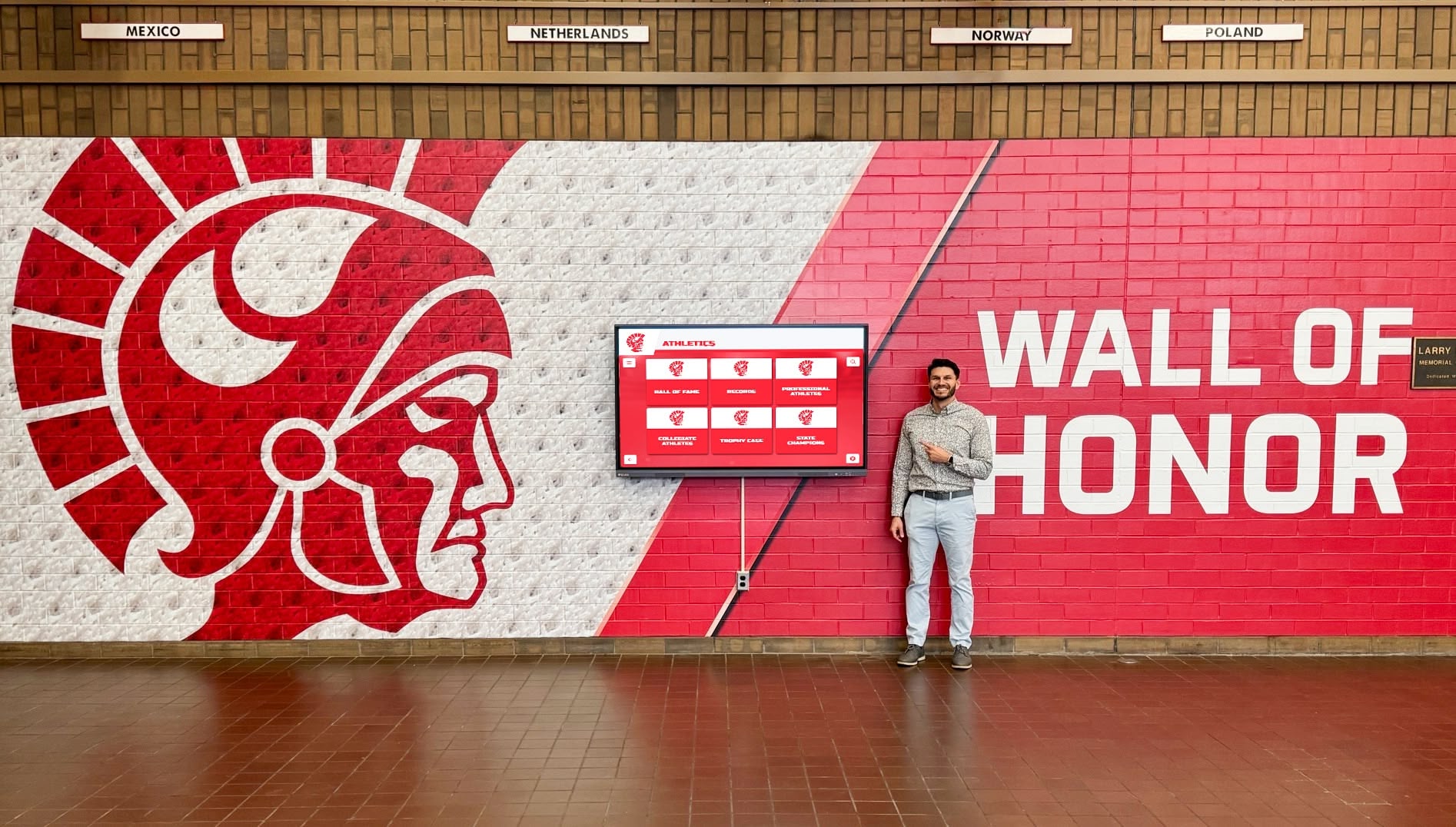
Varsity athletes serve as primary representatives of their school’s athletic program. Their performances appear in media coverage, school announcements, and community recognition. Many schools reserve special privileges for varsity athletes including exclusive letter jackets, priority locker assignments, special recognition at sports banquets, and prominent display on digital recognition systems and athletic halls of fame.
Varsity status typically determines eligibility for letterman awards, athletic scholarships, and inclusion in official school records. Athletes earning varsity letters gain lasting recognition that follows them through graduation and beyond, often commemorated through permanent displays celebrating program excellence.

Junior Varsity: The Developmental Foundation
Junior varsity programs serve as the developmental foundation where athletes build fundamental skills, gain competitive experience, and prepare for future varsity participation. JV teams compete against other schools’ JV programs, providing meaningful competition without the intense pressure of varsity-level expectations.
Development-Focused Competition
JV programs prioritize athlete development over winning at all costs. Coaches typically distribute playing time more evenly, allowing athletes to gain valuable competitive experience across multiple positions or roles. This development-focused approach helps athletes refine technical skills, build game awareness, and develop competitive confidence in lower-pressure situations.
The reduced intensity at the JV level allows athletes to experiment with different techniques, recover from mistakes without devastating consequences, and gradually build the mental toughness required for varsity competition. For many athletes, JV provides the perfect environment to transition from youth sports to the higher-level competition awaiting them at varsity.
Building Program Depth and Culture
Strong JV programs create essential depth within athletic departments. Athletes who develop through quality JV experiences eventually fill varsity rosters with well-prepared competitors who understand team systems, school expectations, and program culture before they face championship-level competition.
JV teams also expand participation opportunities, allowing schools to include more students in athletic programs while maintaining competitive varsity rosters. This broader participation strengthens school spirit, increases program visibility, and creates larger athletic communities that support both competitive levels.
Key Differences Between JV and Varsity
Multiple factors distinguish these two competitive levels, impacting everything from roster composition to recognition opportunities.
Age and Experience Level
The most visible difference between JV and varsity involves the age and experience composition of each roster.
Typical Roster Composition
Varsity rosters typically feature juniors and seniors with multiple years of program experience, though exceptional sophomores and occasionally freshmen earn spots based on superior skill. These athletes have developed through youth programs, JV competition, and years of training to reach the technical proficiency and physical maturity required for top-level high school competition.
JV rosters predominantly include freshmen and sophomores gaining their first high school competitive experience, along with juniors still developing skills or athletes from less competitive youth backgrounds. The younger roster age allows for extended development timelines where athletes can improve gradually without the immediate pressure to contribute to championship pursuits.
Experience Expectations
Varsity athletes generally possess extensive competitive backgrounds, often including multiple years of club or travel team participation, specialized training, and year-round sport focus. Coaches expect varsity athletes to arrive with fundamental skills already developed, allowing practices to focus on advanced tactics, team systems, and game preparation.
JV athletes may enter programs with varied experience levels, from extensive youth competition to minimal organized sports participation. JV coaches spend more practice time on fundamental skill development, rules education, and basic tactical concepts that prepare athletes for future varsity roles.
Practice and Competition Schedules
Practice structures and competition schedules differ significantly between the two levels, reflecting their distinct purposes within athletic programs.
Practice Time and Facility Access
Varsity teams typically receive priority practice times in the best facilities, often practicing after school during optimal hours when athletes are fresh and focused. Varsity practice sessions may run longer and more intensely than JV practices, reflecting the higher performance expectations and competitive demands.
JV teams often practice at less desirable times—sometimes before school, late evenings, or in secondary facilities when varsity teams occupy primary venues. Despite potentially less convenient scheduling, quality JV practices maintain similar intensity levels while emphasizing skill development over tactical preparation. Schools managing multiple athletic levels often coordinate schedules to allow JV athletes to occasionally practice with varsity, exposing younger athletes to higher competition levels while providing varsity reserves with additional practice opponents.
Game Schedules and Travel
Varsity teams play full conference schedules plus additional tournaments, showcase events, and playoff competitions. Varsity contests receive prime scheduling slots—Friday night football, Saturday afternoon basketball, mid-week evening soccer matches—when community attendance and media coverage are maximized.
JV schedules typically include fewer total games, often scheduled immediately before varsity contests or on separate weekday afternoons. Some JV teams play abbreviated schedules with shortened game lengths, modified rules, or reduced travel to focus resources on varsity competition. However, quality programs maintain meaningful JV schedules that provide adequate competitive opportunities for athlete development.
Coaching and Program Resources
Resource allocation between varsity and JV levels reflects institutional priorities while creating different developmental environments.
Coaching Experience and Compensation
Varsity head coaches typically possess the most extensive coaching experience, often with higher certification levels, additional education in sport science or athletic training, and proven track records of competitive success. Schools often compensate varsity head coaches at higher stipend rates than JV coaches, reflecting greater responsibility, longer time commitments, and higher performance expectations.
JV programs may be led by assistant coaches gaining experience before advancing to varsity roles, teachers with sport backgrounds seeking supplemental income, or community volunteers passionate about youth development. While JV coaches may have less extensive résumés than varsity counterparts, many bring tremendous dedication and teaching skills that create excellent developmental environments for younger athletes. Effective athletic programs ensure quality coaching at all levels, recognizing that strong JV coaching directly impacts future varsity success.
Equipment and Uniform Priority
Varsity teams typically receive first selection of equipment, newest uniforms, and priority for facility improvements or technology upgrades. Schools may invest in premium varsity uniforms featuring advanced materials, custom designs, and special features while JV teams use previous years’ varsity uniforms or more economical alternatives.
However, conscientious athletic programs ensure JV athletes receive adequate, safe, and appropriate equipment even when quality levels differ from varsity. Providing quality resources at all levels demonstrates institutional commitment to comprehensive athletic development rather than solely focusing on top-tier competitive success.
How Team Placement Decisions Work
Understanding how coaches evaluate and place athletes helps families navigate the sometimes difficult process of team assignments.
Tryout and Evaluation Processes
Most schools conduct combined tryouts where all athletes compete for positions across both JV and varsity rosters, allowing coaches to compare athletes directly before making placement decisions.
Evaluation Criteria
Coaches assess multiple dimensions when placing athletes on JV or varsity rosters:
Skill Level and Technical Proficiency: Fundamental sport skills including ball handling, shooting, passing, fielding, or stroke technique form the foundation of placement decisions. Athletes demonstrating advanced technical skills typically earn varsity consideration even when other factors may favor JV placement.
Physical Development and Athleticism: Size, strength, speed, and overall athleticism significantly impact placement decisions, particularly in physically demanding sports like football, basketball, or soccer. Athletes still developing physically may benefit from additional JV seasoning before facing larger, stronger varsity competition.
Competitive Performance: How athletes perform under competitive pressure during tryouts, scrimmages, and practice competitions reveals their readiness for varsity intensity. Athletes who elevate performance during competitive situations demonstrate the mental toughness required for varsity success.
Game Understanding and Tactical Awareness: Varsity athletes must quickly grasp complex team systems, recognize game situations, and make sound decisions under pressure. Athletes still developing tactical understanding benefit from JV competition where simpler systems and more instructional coaching accelerate learning.
Leadership and Team Culture Fit: Varsity rosters benefit from athletes who demonstrate leadership qualities, positive attitudes, and strong work ethics that elevate team culture. Coaches sometimes select less skilled athletes for varsity roles when their leadership and attitude provide intangible team benefits exceeding pure athletic ability.
The Movement Between Levels
Team placement isn’t always permanent, and many athletes experience movement between JV and varsity throughout their high school careers.
Call-Ups and Roster Flexibility
Many programs allow fluid movement between levels, with JV athletes “called up” to varsity for specific competitions when needed. Call-ups may occur due to varsity injuries, roster shortages for specific positions, or when JV athletes demonstrate readiness for higher competition during practice sessions.
Being called up provides valuable exposure to varsity competition without requiring full-time varsity commitment. Athletes who perform well during call-up opportunities may earn permanent varsity roster spots mid-season, while others return to JV as primary contributors after filling temporary varsity needs.
Season-to-Season Progression
The most common progression path moves athletes from JV as underclassmen to varsity as upperclassmen. Athletes who dedicate themselves to improvement, participate in off-season training, and demonstrate consistent development typically make successful JV-to-varsity transitions between sophomore and junior years.
Some athletes split time between levels, practicing with varsity while competing primarily at JV, or playing JV in one sport while contributing to varsity in another. These hybrid arrangements allow coaches to develop athletes gradually while maximizing their competitive opportunities. Schools often celebrate this progression through comprehensive athletic recognition programs that honor achievements at all competitive levels.
Why Both Levels Matter for Athletic Programs
Successful athletic programs recognize that both JV and varsity serve essential functions within comprehensive athletic departments.
JV as the Pipeline to Varsity Success
Schools with consistently competitive varsity programs almost universally maintain strong JV programs that develop the next generation of varsity contributors.
Systematic Skill Development
Quality JV programs create systematic skill development that prepares athletes for varsity demands rather than forcing premature varsity placement. Athletes who master fundamentals at the JV level, develop competitive confidence through regular playing time, and gradually increase their responsibilities arrive at varsity better prepared than those rushed into varsity roles before reaching readiness.
Programs that skimp on JV coaching, schedule limited JV competitions, or treat JV as an afterthought often struggle with varsity roster depth when senior classes graduate. Conversely, programs investing in quality JV experiences create continuous pipelines of prepared athletes ready to maintain competitive standards as rosters turn over annually.
Broader Participation and School Engagement
JV programs allow schools to include significantly more students in athletic programs, expanding the reach of athletics beyond elite performers to include developing athletes who contribute to school culture even without varsity stardom.
This broader participation creates larger athletic communities, increases family engagement with school programs, and builds school spirit across wider student populations. Many students who never reach varsity still gain tremendously from JV athletic experiences, developing fitness habits, learning teamwork and commitment, and creating lasting high school memories through sport participation.

Varsity as the Standard of Excellence
While JV provides developmental foundation, varsity sets the competitive standard that drives entire programs forward.
Program Visibility and Community Pride
Varsity success generates visibility that benefits entire athletic programs, creating community pride, attracting youth participation, and building program momentum that elevates all levels. Successful varsity programs draw larger crowds to contests, generate more media coverage, and create excitement that increases athletic program support from administrators, boosters, and community members.
This visibility translates to tangible benefits including improved facilities, increased budgets, better equipment, and enhanced community financial support—resources that ultimately benefit athletes at all levels when distributed thoughtfully throughout programs.
Setting Competitive Standards
Varsity programs establish competitive standards that younger athletes aspire to reach, creating motivation for JV athletes to improve and work toward varsity goals. When varsity teams demonstrate excellence, work ethic, and competitive success, they model standards that filter throughout programs, raising performance expectations at all levels.
Quality varsity programs also create alumni networks of former athletes who remain engaged with programs, provide mentorship for current athletes, and support program development financially and culturally. These alumni often participate in whole-school celebrations and recognition events that honor the complete athletic journey from JV through varsity to post-graduation success.
Impact on College Recruiting and Athletic Recognition
The JV versus varsity distinction carries significant implications for athletes with college athletic aspirations.
College Recruiting Realities
College coaches recruiting high school athletes focus almost exclusively on varsity performance when evaluating prospects.
Varsity Performance as Primary Evaluation Tool
College recruiters evaluate varsity statistics, competition level, playoff performance, and all-conference or all-state honors when identifying recruitable athletes. While college coaches understand that talented underclassmen may spend time on JV rosters, recruitment seriously accelerates only after athletes establish consistent varsity performance.
Athletes hoping to compete collegiately should prioritize earning varsity roster spots by junior year at the latest, as the final two years of high school provide the primary recruiting window when college coaches actively evaluate and contact prospects. Extended JV participation beyond sophomore year often indicates that athletes lack the competitive level required for college athletics, though individual circumstances vary significantly by sport, position, and athlete development timeline.
Development Trajectory Over Single-Season Performance
While varsity performance matters most, college coaches value development trajectory showing consistent improvement throughout high school careers. An athlete who progresses from JV contributor to varsity starter to all-conference selection demonstrates the improvement capacity and competitive drive that predicts college success.
This trajectory appears particularly valuable for athletes in late-developing sports or positions where physical maturation significantly impacts performance. A basketball player who grows four inches between sophomore and junior year while dramatically improving skill level may attract more college interest than an earlier-developing athlete whose performance plateaus despite years of varsity experience.
Athletic Recognition and School Honors
The distinction between JV and varsity significantly impacts the recognition athletes receive from schools and communities.
Varsity Letters and Traditional Recognition
Most schools reserve varsity letters—the traditional symbol of high school athletic achievement—exclusively for varsity participants who meet specific participation thresholds. Earning a varsity letter represents a significant milestone in athletic careers, providing eligibility for letter jackets, athletic banquets, and inclusion in permanent school athletic records.
JV athletes typically receive different recognition such as JV certificates, participation awards, or junior letters that acknowledge contribution without conferring full varsity letter status. While these distinctions may seem minor to outsiders, they carry significant meaning within school athletic cultures where varsity letters represent achievement earned through years of dedication and competitive excellence.
Modern Digital Recognition Systems
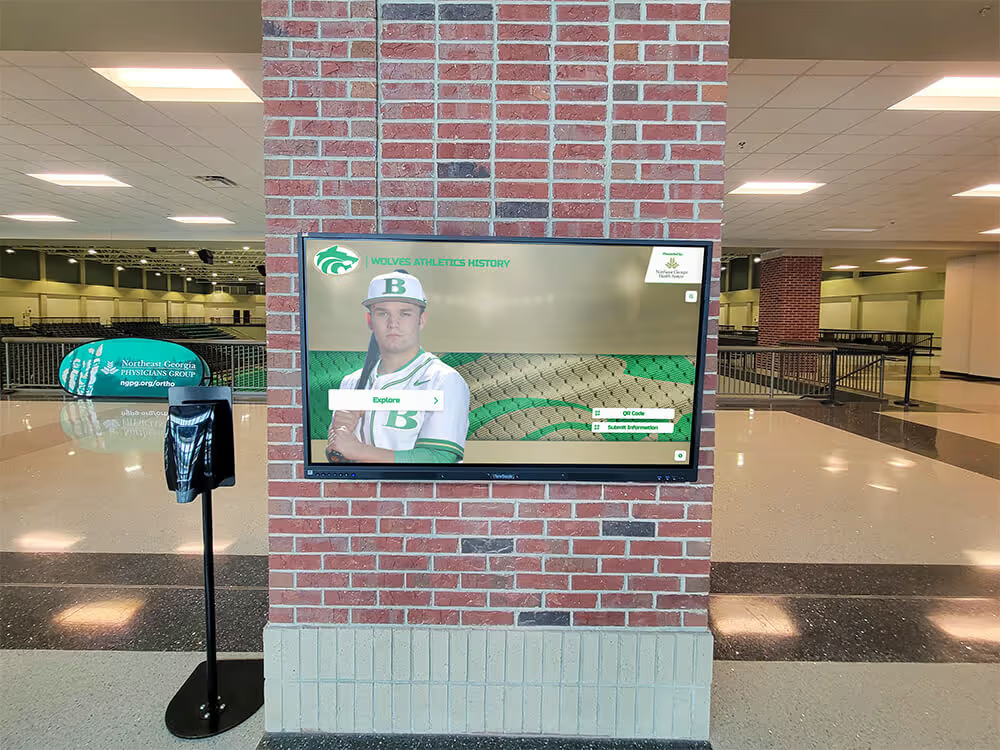
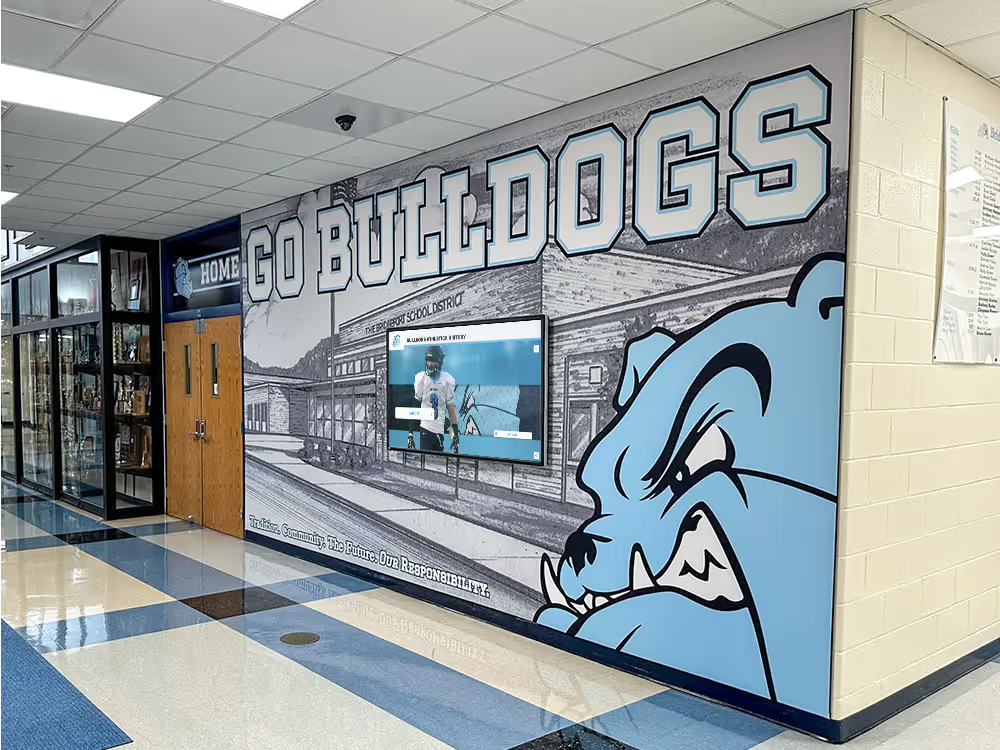
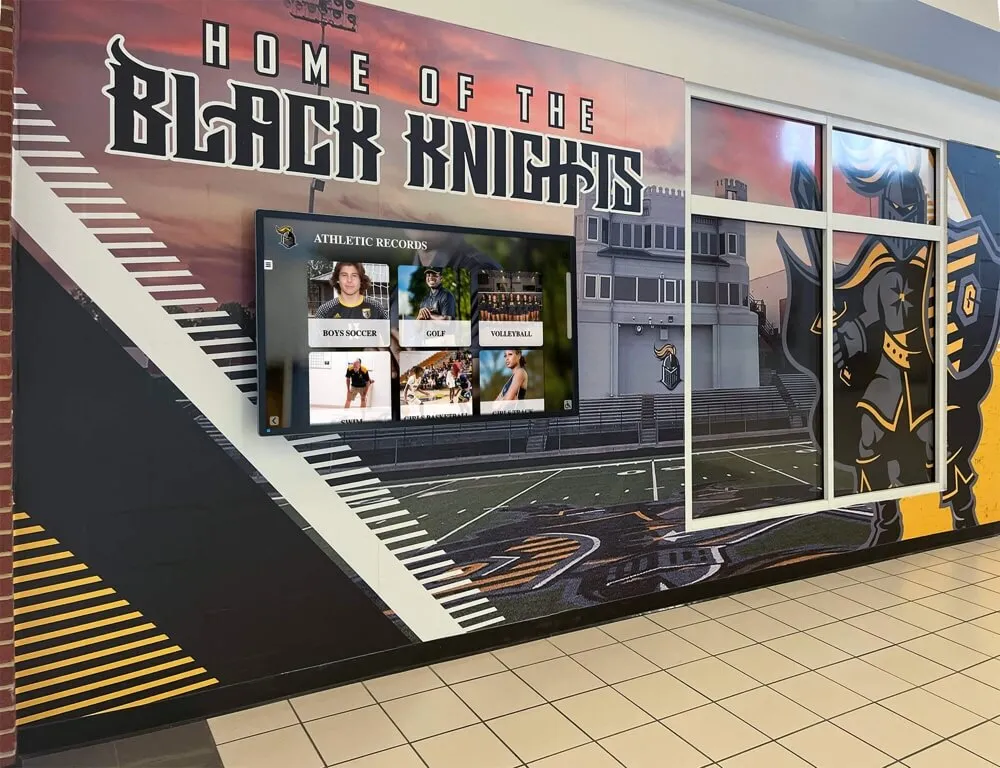
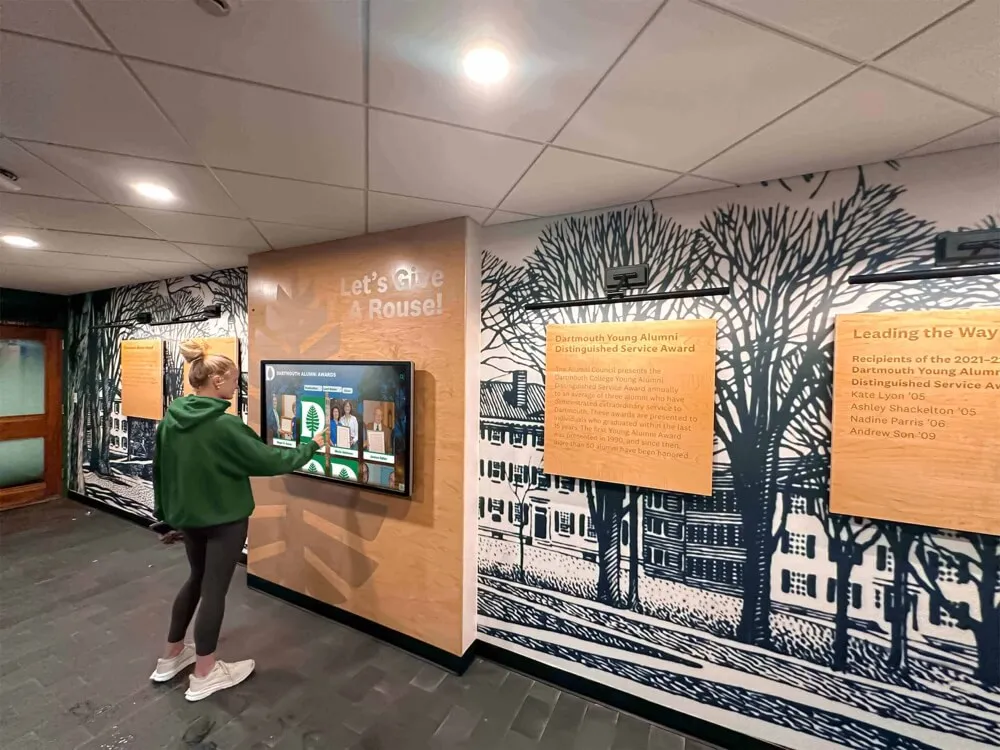
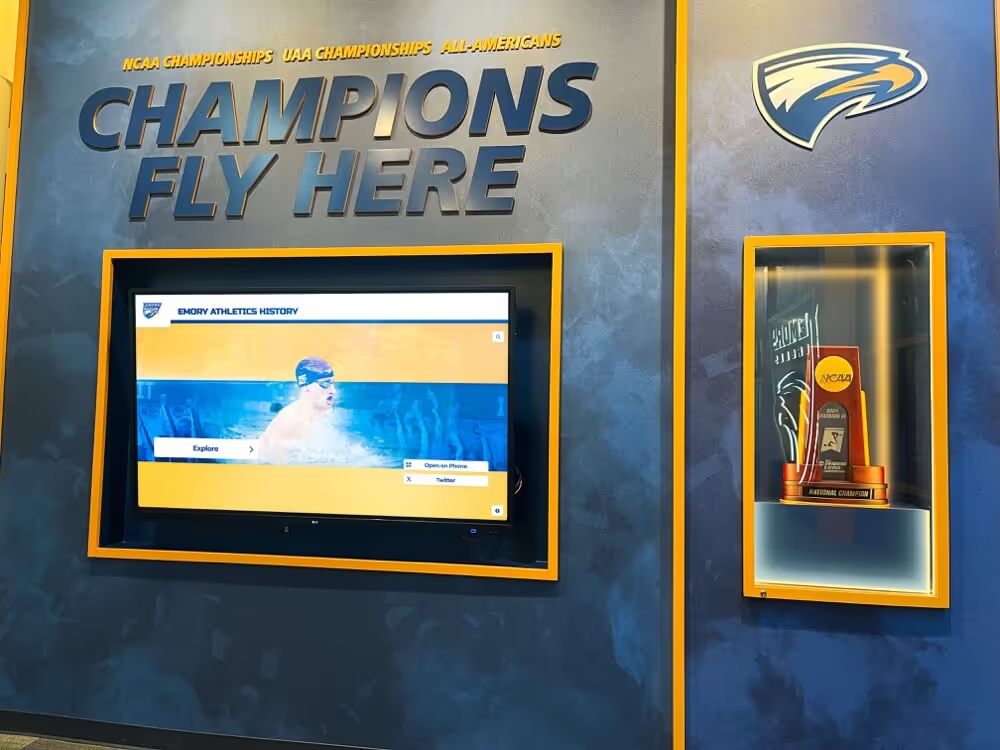
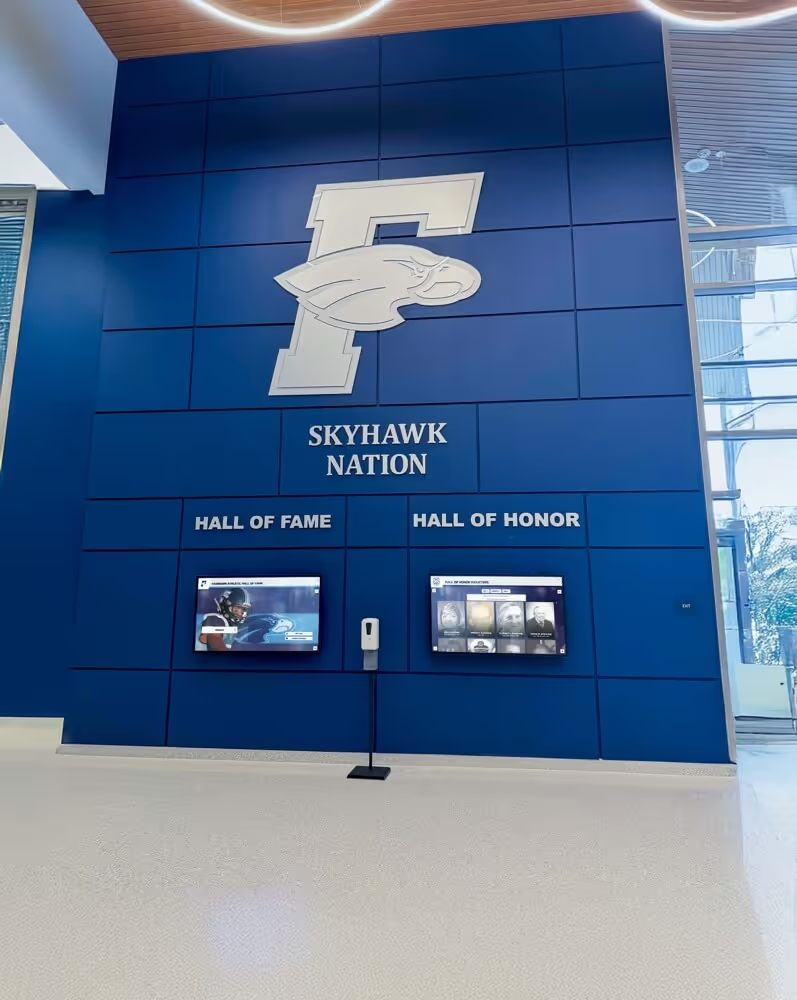
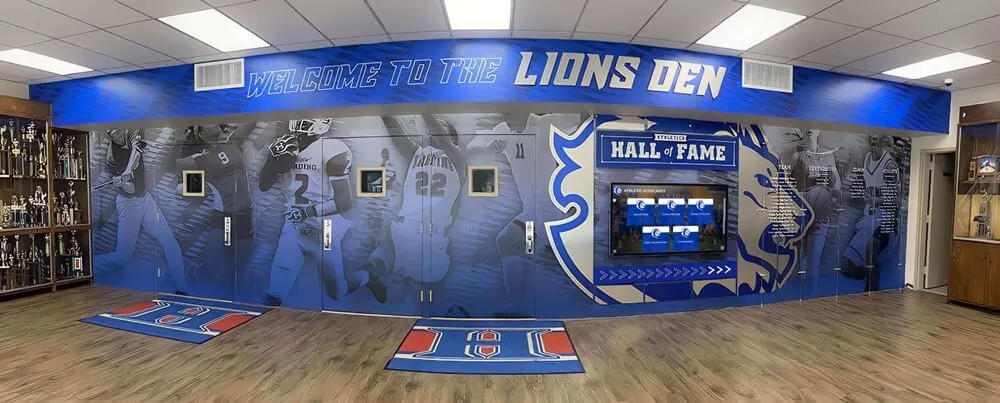
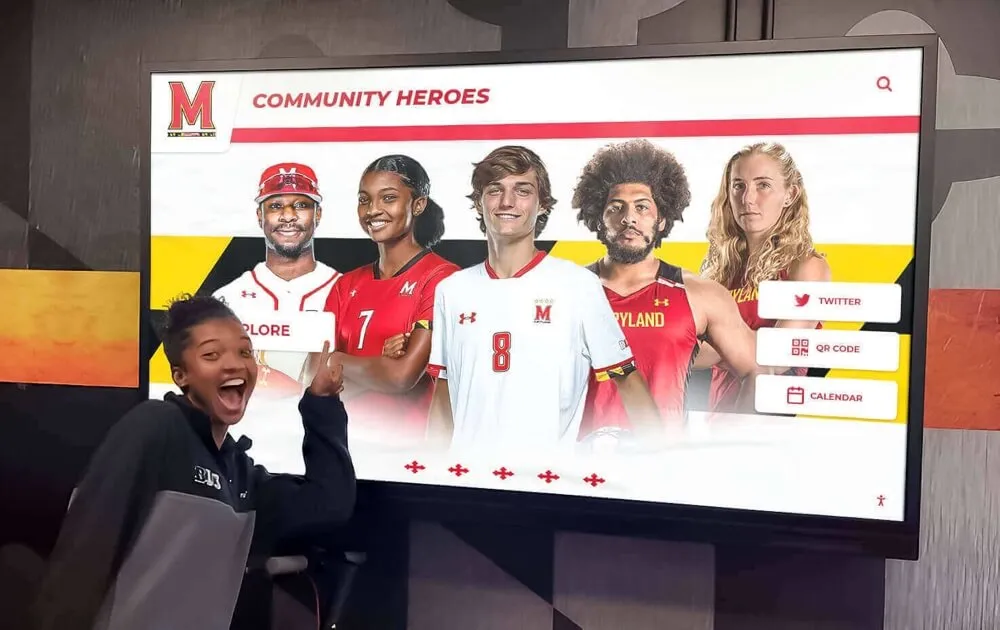
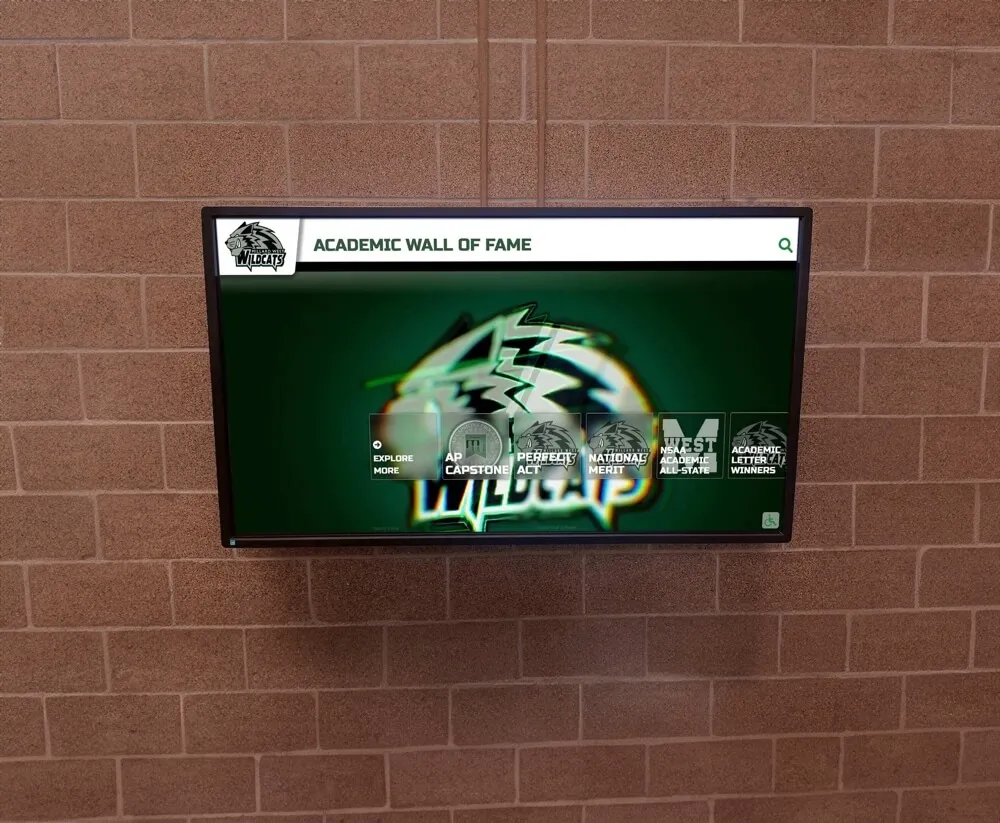
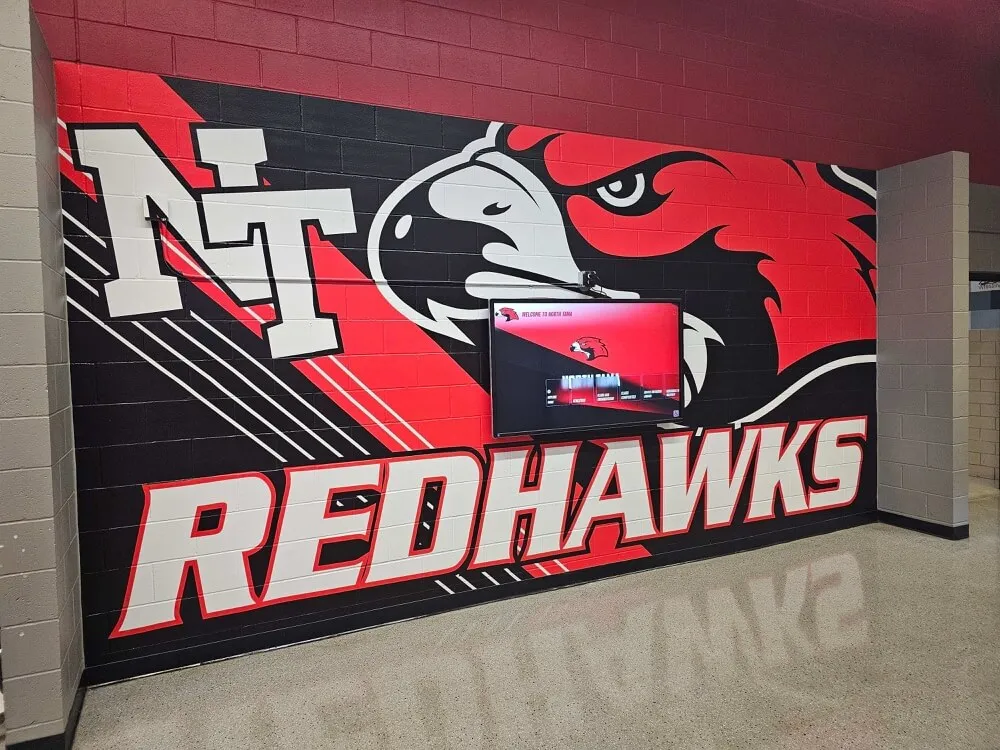
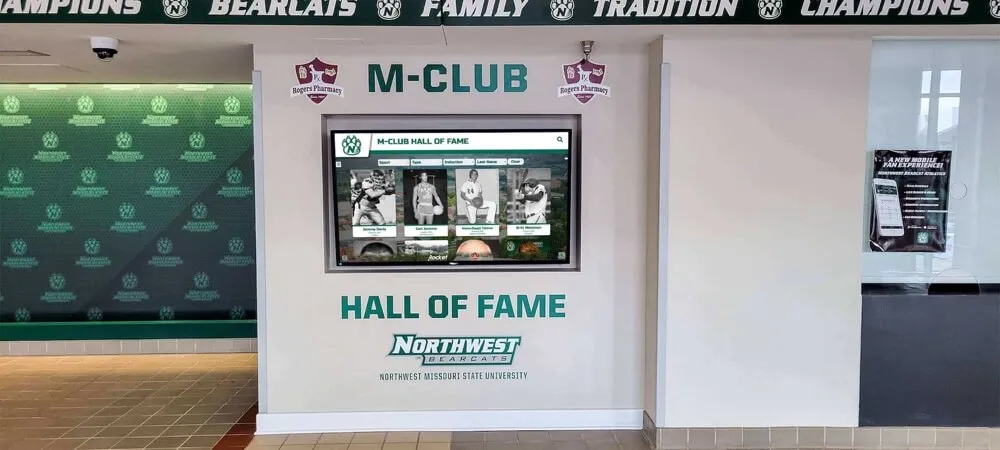
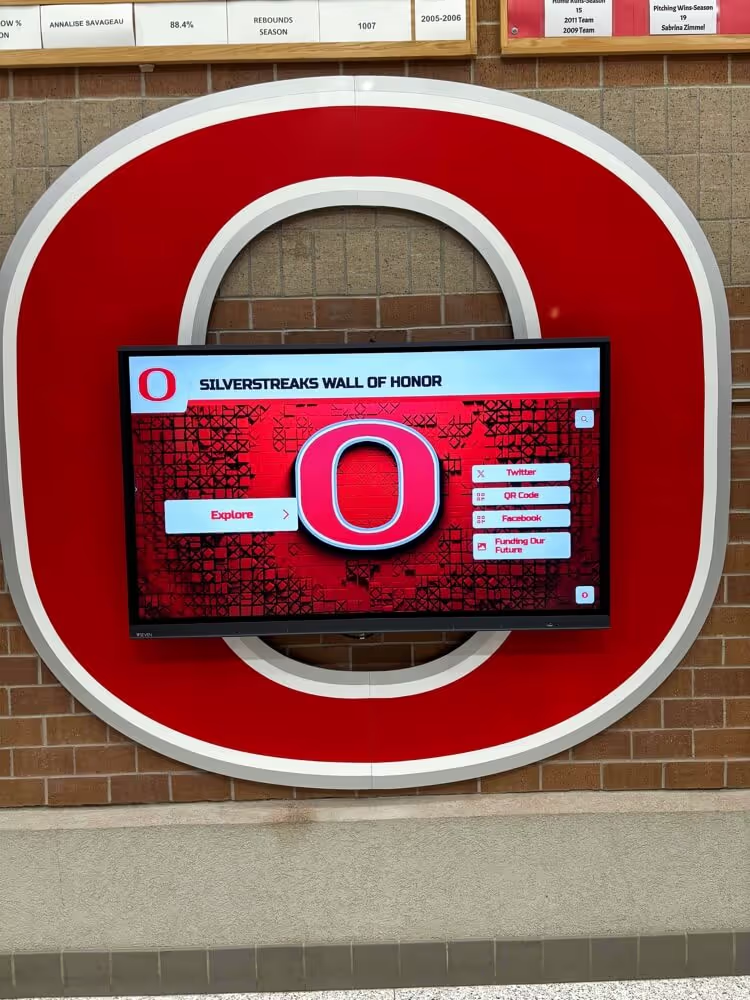
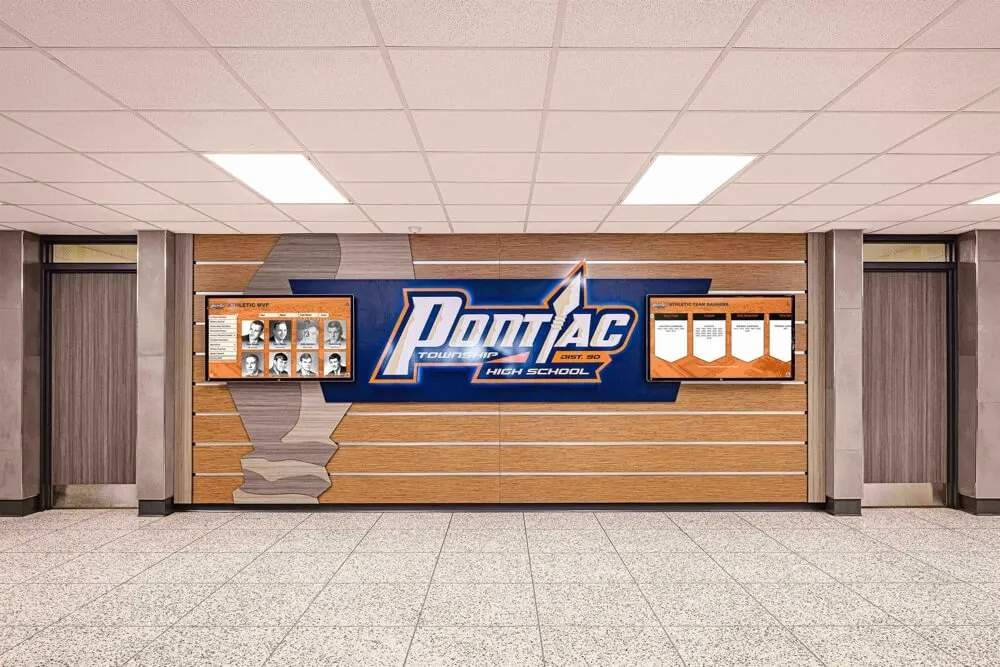
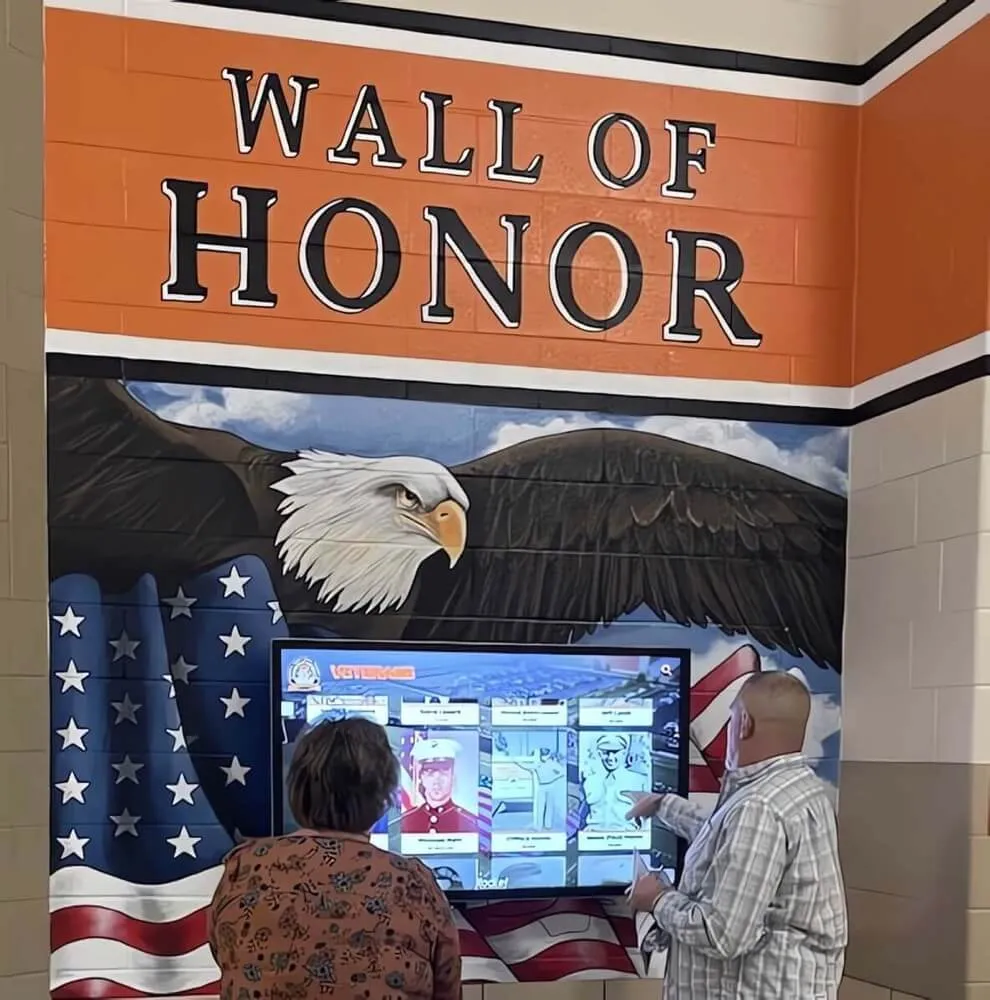
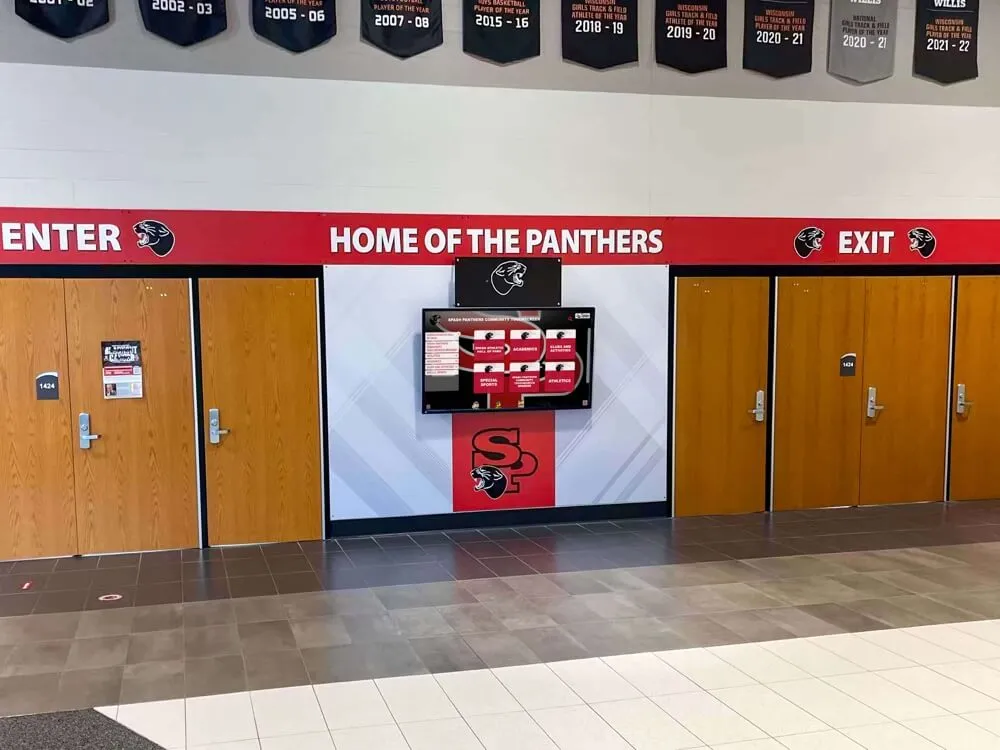
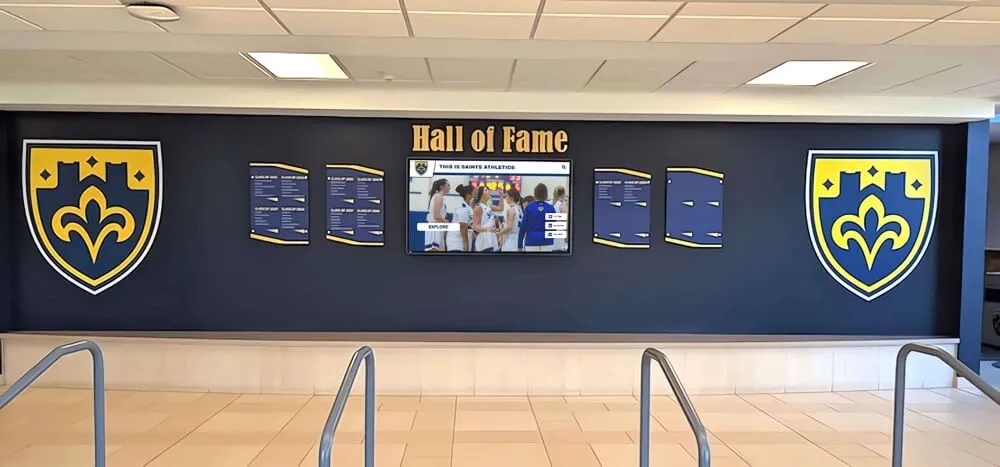
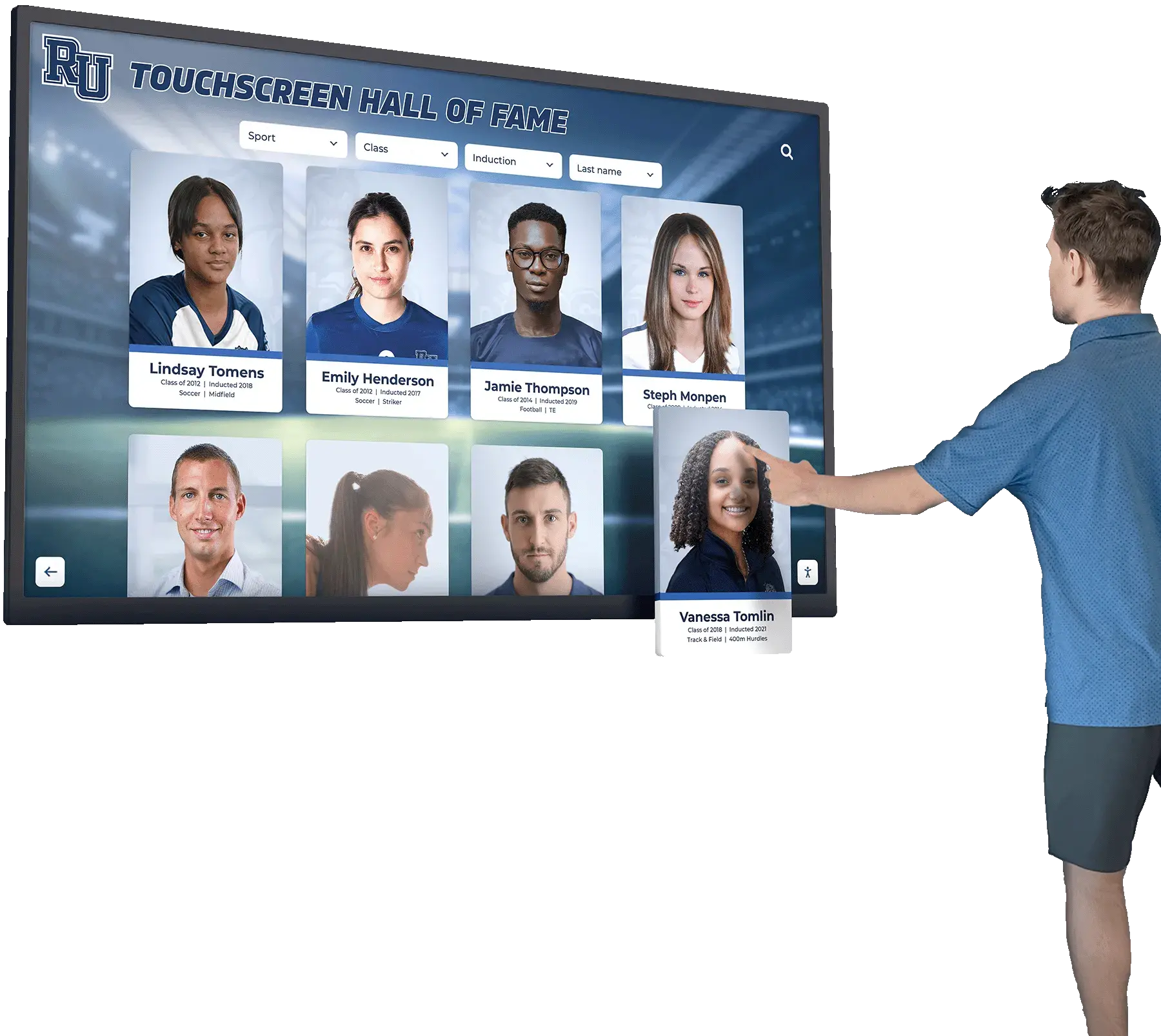
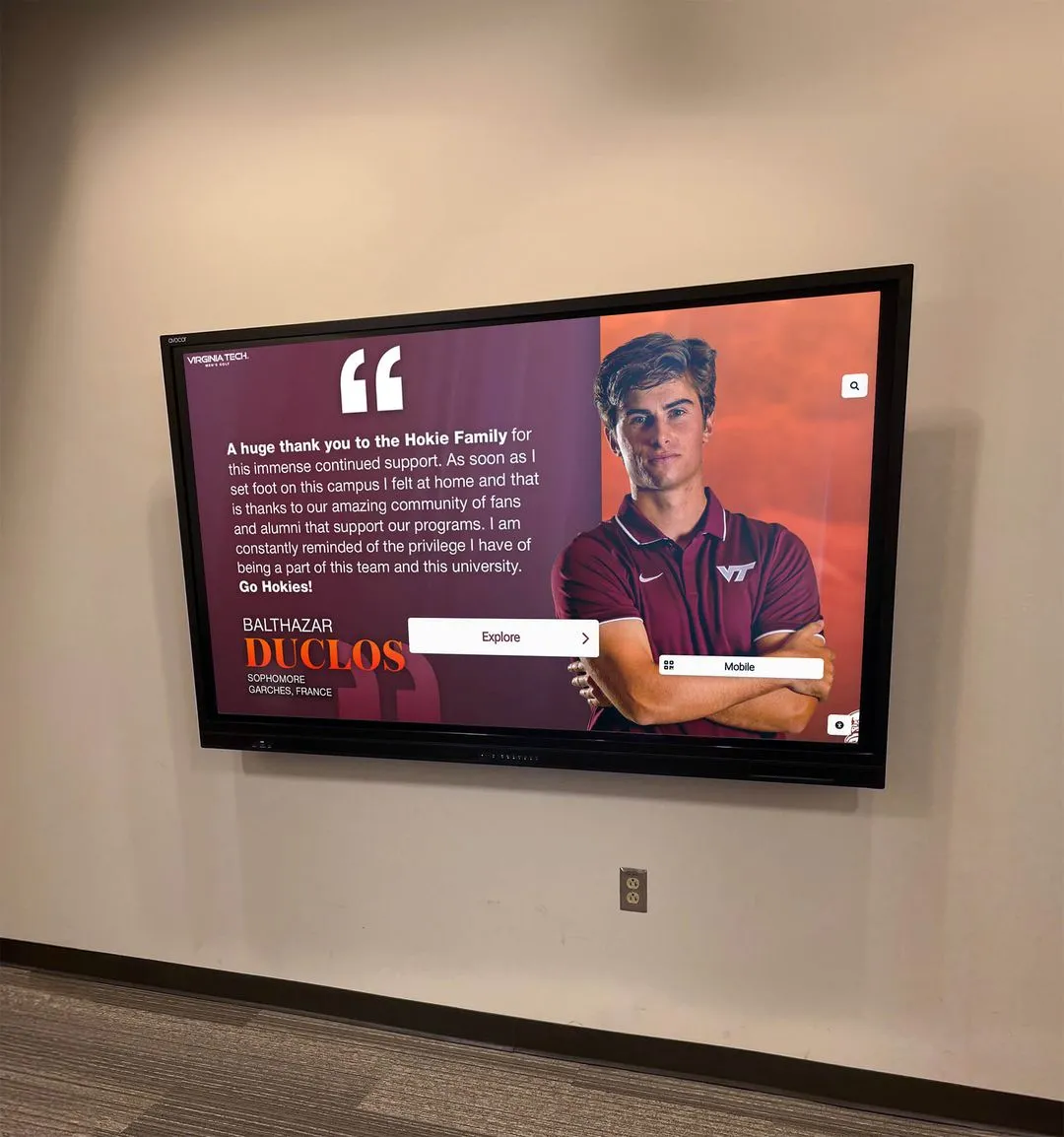
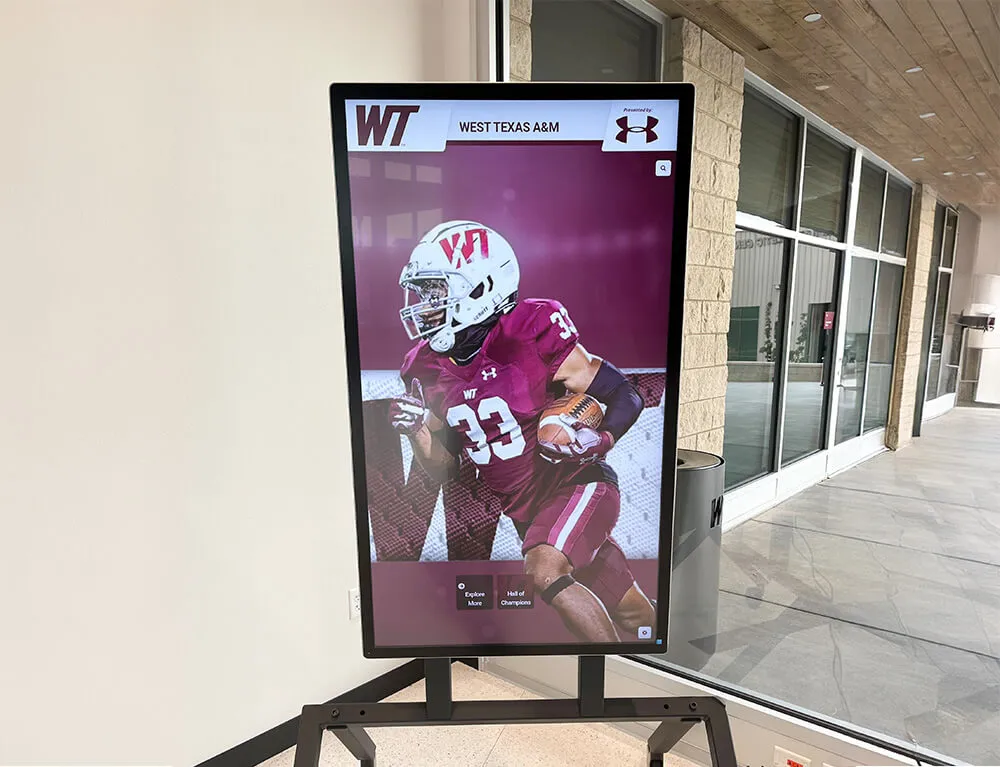
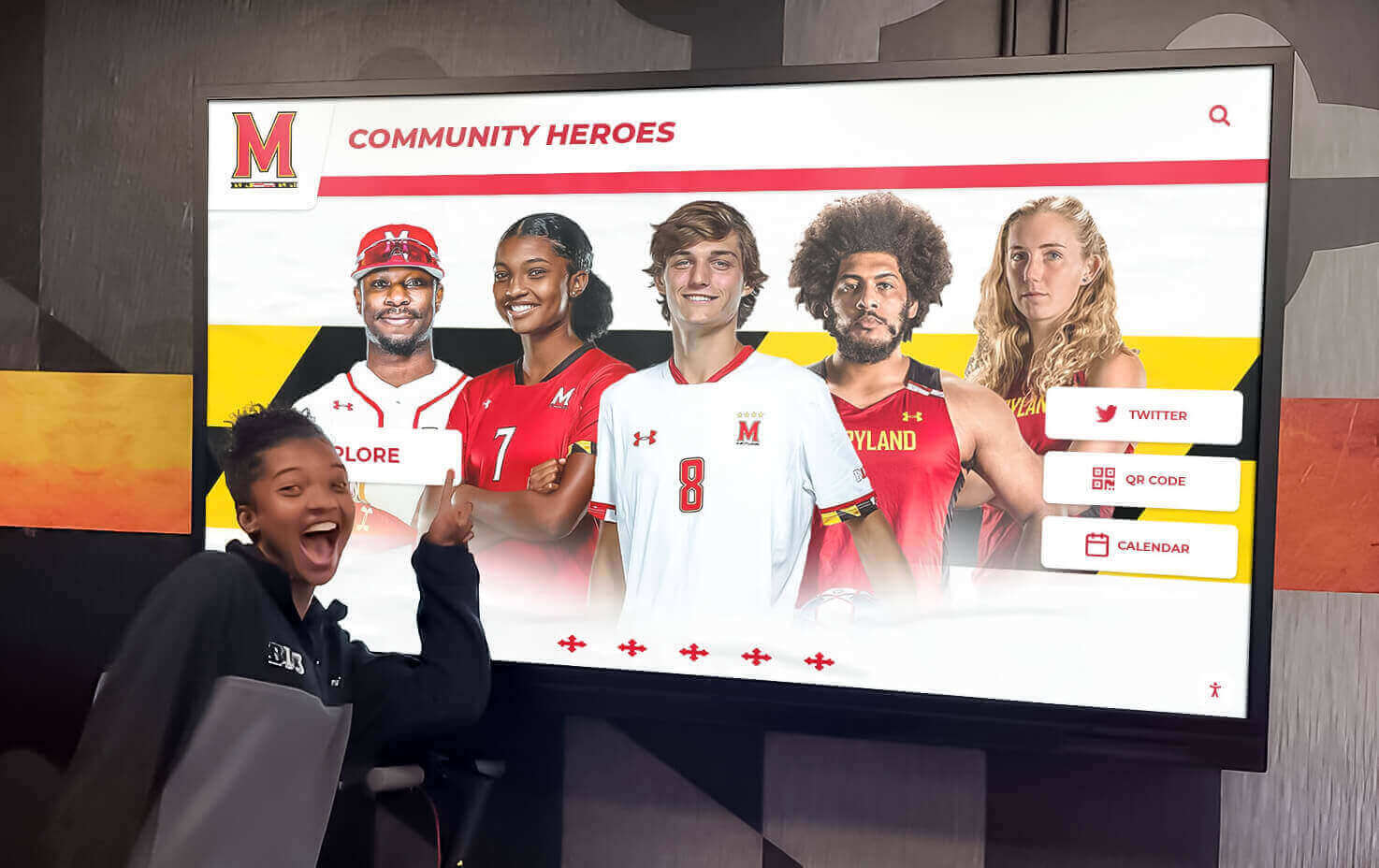
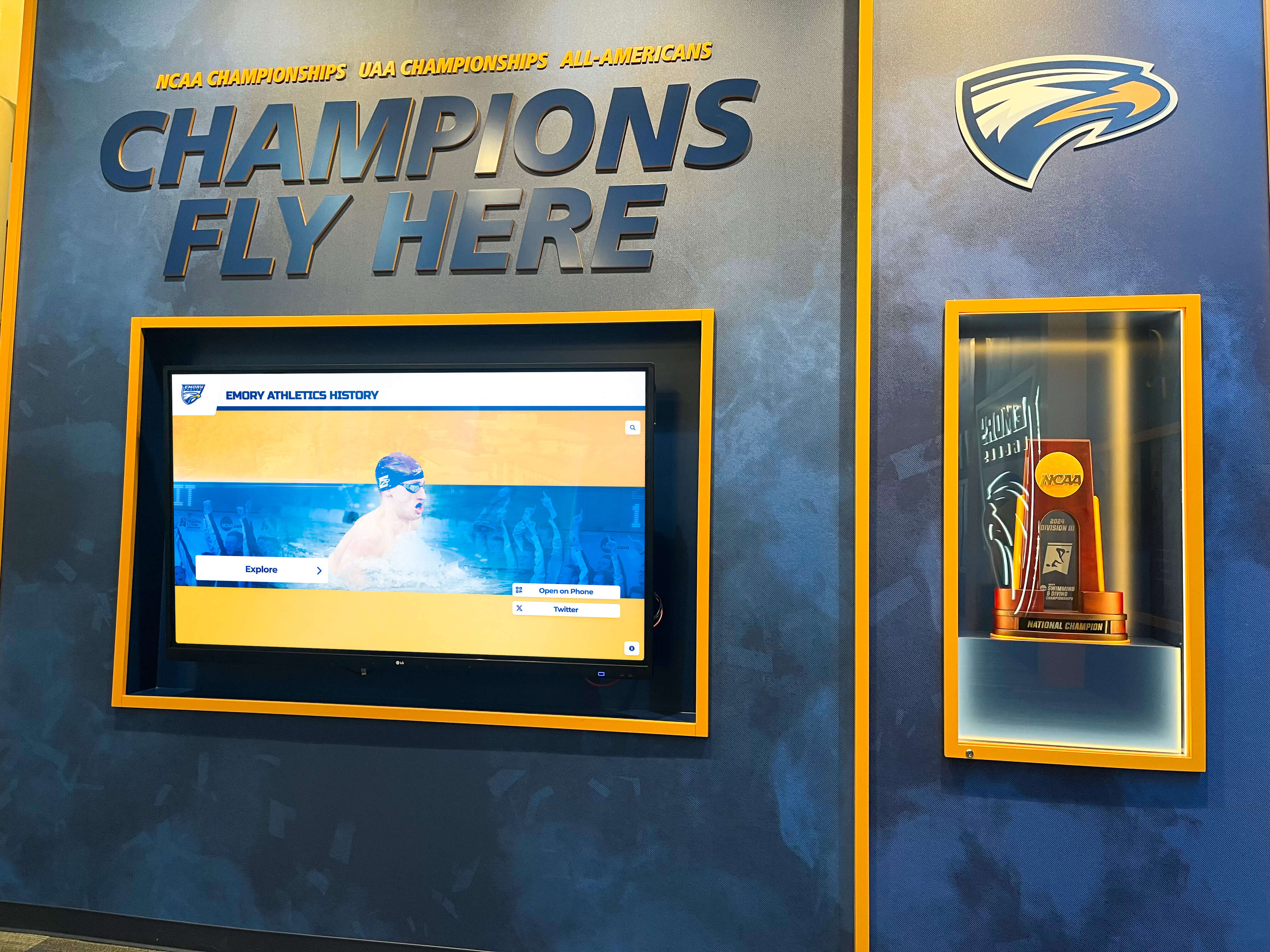
Progressive athletic programs increasingly use comprehensive digital recognition that celebrates achievement at all competitive levels rather than exclusively highlighting varsity accomplishments. Interactive touchscreen displays and digital halls of fame can showcase both JV champions and varsity all-state performers, recognizing that different achievement levels merit different recognition without diminishing JV contributions.
These modern approaches align with broader trends toward recognizing diverse contributions and creating inclusive athletic cultures. Schools implementing digital display services can efficiently update recognition content to reflect current rosters, recent achievements, and ongoing athletic stories from both competitive levels without space limitations of traditional static plaques.
Common Misconceptions About JV and Varsity
Several persistent misconceptions create confusion for athletes, parents, and community members unfamiliar with athletic program structures.
“JV Doesn’t Matter for Your Athletic Career”
Perhaps the most damaging misconception suggests that JV participation represents wasted time that doesn’t contribute to athletic development or future opportunities.
Why This Is Wrong
JV participation provides essential developmental experiences that directly prepare athletes for varsity success. The technical skills, competitive confidence, game awareness, and physical conditioning developed through quality JV competition create the foundation supporting future varsity performance. Athletes who skip developmental steps often struggle with fundamental gaps that limit varsity contribution despite raw athletic talent.
Additionally, many successful college and even professional athletes spent significant time on JV rosters before progressing to varsity stardom. The patience to develop properly at appropriate competitive levels, rather than forcing premature advancement, often produces better long-term athletic outcomes than early varsity placement followed by limited playing time and confidence struggles.
“Varsity Bench Time Beats JV Starting”
Another common belief suggests that sitting on the varsity bench provides more value than starting at JV, creating pressure on athletes and coaches to prioritize varsity roster spots over developmental playing time.
The Reality of Playing Time and Development
For most athletes in most situations, regular JV playing time accelerates development more effectively than limited varsity bench minutes. Athletes need substantial competitive repetitions to develop skills, build confidence, and refine game awareness—opportunities rarely available to varsity bench players who may see limited action only in lopsided contests or emergency situations.
However, certain specific circumstances favor varsity bench roles over JV starting positions. Elite athletes who already possess high skill levels may benefit from daily varsity practice competition even without significant game minutes. Athletes at positions with limited roster depth might develop better practicing against varsity competition while backing up established starters. Individual athlete personalities vary, with some thriving on the challenge of earning varsity minutes while others flourish with the confidence built through JV success.
The optimal choice depends heavily on individual circumstances, sport-specific factors, and coaching philosophies regarding player development. Parents and athletes should discuss these tradeoffs openly with coaches rather than assuming either option universally provides superior development.
“Freshman Can’t Make Varsity”
Some programs operate under informal policies suggesting freshmen should automatically start on JV regardless of ability level, either to protect young athletes or maintain roster hierarchy.
Talent-Based Placement Serves Everyone Best
While blanket freshman-to-JV policies may simplify roster management, they ultimately disserve both exceptionally talented freshmen ready for varsity competition and developing upperclassmen who benefit from JV playing time more than varsity bench roles.
Talented freshmen who earn varsity spots through objective evaluation deserve those opportunities, and forcing them to JV solely due to age can stunt development, create frustration, or even drive athletes to alternative programs offering appropriate competition levels. Conversely, struggling juniors or seniors often develop better continuing in significant JV roles rather than occupying varsity roster spots based on seniority rather than ability.
The most effective approach evaluates athletes based on merit—skill, competitive readiness, physical development, and program fit—regardless of grade level, placing each athlete where they can contribute most while developing optimally. This merit-based approach serves long-term program success better than rigid age-based policies, though coaches must balance pure athletic evaluation with developmental psychology and social-emotional considerations for younger athletes.
Making the Most of JV or Varsity Placement
Regardless of which level athletes compete at, maximizing the experience requires intentional approaches and positive perspectives.
Thriving on JV
Athletes assigned to JV rosters can take specific actions to accelerate development and prepare for future varsity opportunities.
Embrace Playing Time and Learning Opportunities
The most valuable JV benefit is substantial playing time providing countless competitive repetitions where athletes can refine skills, experiment with techniques, and develop game awareness. Rather than viewing JV placement as failure or disappointment, athletes should embrace the developmental opportunity to build comprehensive skills without the pressure accompanying varsity competition.
JV athletes should maximize learning by asking coaches for specific feedback, studying game film to identify improvement areas, and setting specific skill development goals for each practice and competition. This intentional developmental focus accelerates improvement more effectively than simply competing without systematic growth plans.
Maintain Varsity-Level Work Ethic
Athletes hoping to earn future varsity positions should approach JV with work ethic and commitment matching varsity expectations. Coaches notice athletes who arrive early, stay late, lead teammates positively, and demonstrate competitive fire during practices and games regardless of competitive level.
This varsity-caliber approach to JV competition develops professional habits and mental toughness that prepare athletes for higher levels while demonstrating to coaches that athletes possess the intangible qualities meriting varsity consideration. Many varsity call-ups result not from sudden skill improvements but from consistent demonstration of outstanding attitude and effort at JV level.
Supplement with Off-Season Development
Athletes serious about varsity advancement should complement JV seasons with dedicated off-season training addressing specific development needs. This might include strength training to build necessary physicality, skill work with private coaches, participation in club or travel programs offering higher competition levels, or position-specific camps providing advanced instruction.
This comprehensive development approach accelerates the JV-to-varsity transition by ensuring athletes arrive at next season’s tryouts with dramatically improved capabilities rather than relying solely on in-season practice for development.
Maximizing Varsity Opportunities
Varsity athletes face different challenges requiring distinct approaches to maximize their high school athletic experiences.
Contribute Beyond Statistics
Varsity rosters include athletes who play significant minutes and others who contribute primarily through practice performance, team leadership, or role-specific situations. Athletes in limited-minute roles should focus on positive contributions beyond statistical production—setting screens, providing defensive energy, offering vocal leadership, or elevating practice intensity in ways that help team success even without prominent game roles.
Coaches value these intangible contributions highly, and demonstrating team-first mentality often leads to expanded opportunities as seasons progress or in future years. Additionally, these leadership and team-building skills translate directly to life beyond athletics, providing valuable development regardless of playing time distribution.
Balance Academic and Athletic Demands
Varsity athletics require substantial time commitments that can challenge academic performance if not managed carefully. Successful varsity athletes develop strong time management skills, maintain academic focus despite athletic demands, and communicate proactively with teachers when schedule conflicts arise.
This balance matters particularly for college-aspiring athletes, as college coaches evaluate academic credentials alongside athletic ability. Strong academic performance combined with varsity athletic success creates optimal college opportunities, while allowing athletics to undermine academics limits future possibilities regardless of sport performance. Resources like academic recognition programs help schools celebrate students who excel in both realms.
Prepare for Recruiting Processes
Varsity athletes with college aspirations should proactively manage recruiting processes rather than passively waiting for college interest. This includes creating highlight videos, completing recruiting questionnaires, attending college camps, and communicating with college coaches within NCAA compliance guidelines.
Athletes should research academic requirements, understand scholarship availability, and maintain realistic expectations about competitive levels matching their abilities. Families often benefit from consulting with high school coaches, club coaches, or recruiting services to navigate complex recruiting landscapes effectively.
How Schools Can Honor Both JV and Varsity Achievement
Athletic administrators and school leaders should consider how recognition systems appropriately celebrate achievement at all competitive levels.
Creating Comprehensive Recognition Systems
Modern recognition approaches can honor both JV and varsity contributions without diluting the significance of higher achievement levels.
Tiered Recognition Structures
Schools can implement tiered recognition structures that celebrate JV achievement appropriately while reserving higher honor levels for varsity accomplishments. For example, annual athletic awards might include JV MVP and most improved categories alongside varsity all-conference and scholar-athlete honors, acknowledging that different achievement levels merit different recognition without suggesting JV accomplishments lack value.
This approach validates JV athletes’ contributions and development while maintaining distinctions that preserve varsity achievement significance. Recognition at all levels motivates continued improvement and celebrates progress regardless of competitive level, supporting inclusive athletic cultures that value participation and development alongside championship pursuit.
Digital Displays Enabling Comprehensive Recognition
Traditional static plaques and physical recognition displays face space limitations that force difficult decisions about what achievements merit permanent display. Modern digital recognition systems eliminate these constraints, allowing schools to celebrate extensive achievement histories across all competitive levels without physical space concerns.
Interactive touchscreen displays can feature dedicated sections for JV championship teams, outstanding JV performers, and developmental success stories alongside varsity hall of fame inductees and championship histories. This comprehensive approach recognizes that athletic programs include diverse contributors whose stories collectively represent program identity more fully than varsity highlights alone.
Schools implementing these comprehensive digital approaches benefit from flexible content management allowing easy updates as new achievements occur, multimedia capabilities enabling video highlights and detailed statistics, and searchable databases helping community members explore athletic histories across decades and competitive levels.
Celebrating the JV-to-Varsity Journey
Some of the most compelling athletic stories involve the journey from JV beginnings to varsity success, representing dedication, improvement, and persistence.
Highlighting Development Narratives
Athletic programs can celebrate these developmental narratives through athlete profiles at sports banquets, digital displays, or program communications. Showcasing seniors who spent freshman year on JV before becoming varsity captains, or highlighting all-conference selections who began careers as JV role players, creates inspirational narratives demonstrating that early placement doesn’t determine ultimate success.
These stories motivate current JV athletes to persist through development phases while reinforcing program values around work ethic, improvement, and long-term commitment over instant success. They also help parents and community members understand program philosophies about player development and the intentional purpose behind JV programs.
Recognition Events Inclusive of All Levels
End-of-season banquets and recognition events should celebrate both JV and varsity achievements rather than treating JV as an afterthought to varsity celebrations. Dedicating equivalent time to JV awards, highlighting JV season successes, and presenting JV athletes with meaningful recognition demonstrates institutional commitment to comprehensive athletic development rather than exclusive focus on varsity outcomes.
This inclusive approach strengthens program culture by validating all contributors regardless of competitive level, building broader community support from families of JV athletes, and reinforcing that athletic department values extend beyond championship pursuit to include development, participation, and personal growth.
Conclusion: Understanding the Complete Picture
The distinction between JV and varsity athletics represents more than simple roster designations—these competitive levels serve complementary purposes within comprehensive athletic programs. Varsity provides the competitive pinnacle where the most skilled athletes compete for championships and individual honors. JV creates the developmental foundation where younger and less experienced athletes build skills, gain confidence, and prepare for future varsity contributions.
Both levels matter tremendously for complete athletic programs. Schools that invest in quality coaching, appropriate competition schedules, and meaningful recognition at all levels create stronger programs than those focusing exclusively on varsity success. Athletes who embrace development opportunities at appropriate competitive levels often achieve more long-term success than those rushing into varsity roles before reaching readiness.
For parents navigating the JV versus varsity distinction, understanding that placement reflects current readiness rather than ultimate potential helps maintain perspective during placement decisions. For athletes, maximizing development at whatever level you compete—through dedicated training, positive attitude, and intentional skill focus—prepares you for future advancement and life success regardless of competitive outcomes.
The journey from JV to varsity represents a meaningful achievement marking growth in skill, maturity, and competitive readiness. Schools can celebrate this journey through comprehensive recognition systems that honor development alongside championship success, creating athletic cultures that value every contributor’s growth while pursuing competitive excellence.
Ready to create a comprehensive athletic recognition system that celebrates achievement at every level? Rocket Alumni Solutions provides digital touchscreen displays that showcase JV and varsity achievements, team histories, individual honors, and program milestones in engaging, easily updated formats. Contact us to learn how modern recognition technology can strengthen your athletic program culture while celebrating every athlete’s journey from JV through varsity to post-graduation success.