



Key Takeaways
Complete guide to jersey display cases for schools showcasing retired and hall-of-fame jerseys. Learn about display options, design best practices, lighting, preservation, and modern digital alternatives for athletic recognition.
Why Schools Retire Jerseys: The Significance Behind the Honor
Jersey retirement represents the highest honor most athletic programs can bestow. Unlike season awards or statistical achievements that recognize single-year performance, retiring a number permanently removes it from circulation, ensuring no future athlete will wear that number again.
The Meaning of Jersey Retirement
Athletic programs typically retire jerseys based on criteria including:
Exceptional Athletic Achievement: Record-breaking performance, championship leadership, all-state or all-conference honors at the highest level, or professional career success that brings honor back to the program.
Character and Leadership: Embodying program values, demonstrating exceptional sportsmanship, providing leadership that elevated team culture, or serving as a role model whose influence extended beyond the playing field.
Lasting Impact: Contributing to program-defining moments like championship seasons, establishing records that stand for decades, or creating traditions that shape program identity long after graduation.
Tragic Circumstances: Honoring athletes whose careers or lives ended prematurely, ensuring their memory and contributions remain part of program history.
Schools establish clear criteria for jersey retirement to maintain the honor’s significance. Most programs retire very few numbers—often fewer than ten across all sports—ensuring the recognition remains extraordinary rather than routine.
The Visual Power of Displayed Jerseys
Retired jerseys create powerful visual reminders of program excellence. When current athletes enter the gym or locker room and see honored jerseys displayed prominently, they’re reminded daily of the standard they’re expected to uphold. These displays answer the question “What does excellence look like here?” through concrete examples.
For visiting recruits and their families, displayed jerseys demonstrate program history and the level of achievement the program produces. Quality display presentations communicate that the school values athletic excellence and honors those who achieve it—important signals during the recruitment process.
Traditional Jersey Display Case Options for Schools
Schools have multiple options for displaying retired and hall-of-fame jerseys, each with distinct advantages depending on space availability, budget, aesthetic preferences, and the number of jerseys being honored.
Wall-Mounted Jersey Display Cases
Wall-mounted cases remain the most popular choice for schools due to their space efficiency and prominent positioning. These cases typically feature:
Construction Materials: Most school-quality wall cases use hardwood frames (oak, cherry, walnut, or maple) with UV-protective acrylic or glass fronts. Acrylic offers lighter weight and shatter resistance, while glass provides superior clarity and scratch resistance.
Mounting Systems: Quality cases include heavy-duty hanging hardware designed to support the jersey’s weight plus the case itself safely. Wall studs or structural mounting points are essential—drywall anchors alone cannot safely support display cases long-term.
Internal Backgrounds: Fabric-covered backing boards (often in school colors) provide visual contrast that makes jerseys stand out. Some schools use photo backgrounds showing the athlete in action, though solid colors typically create cleaner, more timeless presentations.
Typical Dimensions: Standard wall-mounted jersey cases measure approximately 32" x 40" for adult jerseys, though youth uniform sizes may use smaller cases (24" x 36").
Wall-mounted cases work exceptionally well in gymnasium lobbies, athletic hallways, or dedicated hall-of-fame rooms where wall space is available and visibility is high. The permanent mounting creates a museum-quality presentation that signals the honor’s significance.
Shadow Box Jersey Display Cases
Shadow boxes create three-dimensional presentations by suspending jerseys with depth between the backing board and front glass or acrylic. This depth creates visual interest through layering and shadow effects.
Depth Variations: Shadow boxes typically range from 2 inches to 6 inches deep depending on how much dimensional effect is desired and what additional items are being displayed alongside the jersey.
Layered Displays: The depth allows schools to include additional recognition elements:
- Championship medals or pins
- Captain’s patches or all-conference badges
- Small photographs from significant games
- Miniature trophies or awards
- Season statistics cards
- Personal items representing the athlete’s impact
Shadow box presentations work particularly well when honoring athletes with multiple achievements or creating memorial displays that tell fuller stories beyond just the jersey itself.
Freestanding Jersey Display Cases
Freestanding cases sit on pedestals or within larger trophy case systems rather than mounting to walls. These offer flexibility in placement and can be relocated as facility needs change.
Pedestal-Style Displays: Individual jerseys displayed on rotating pedestals create focal-point presentations in high-traffic areas like main lobbies or athletic department entrances. The rotation mechanism allows viewing the jersey from all angles, though it introduces moving parts requiring occasional maintenance.
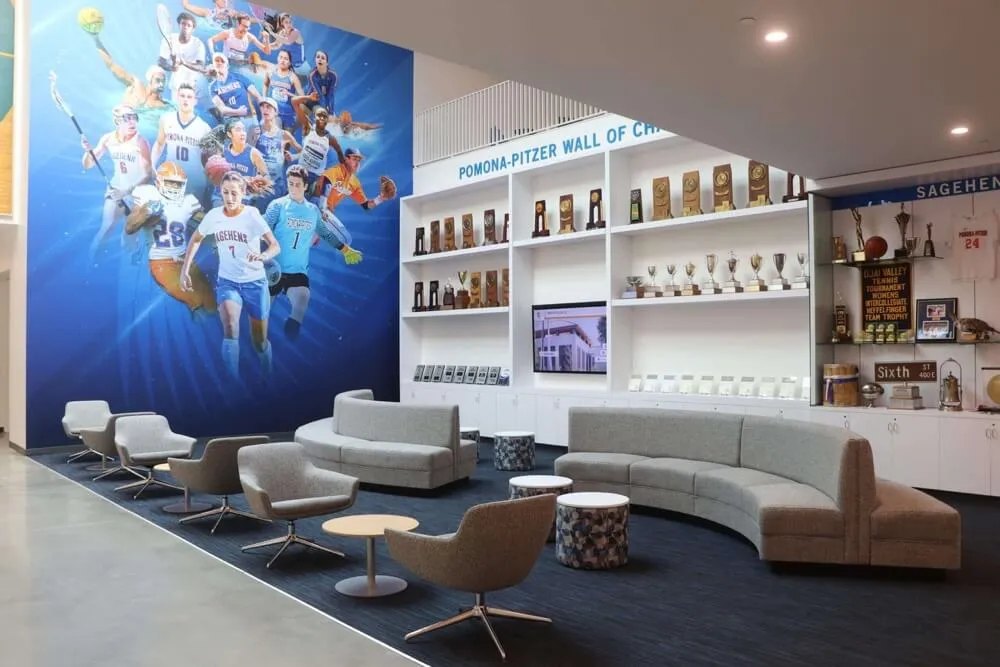
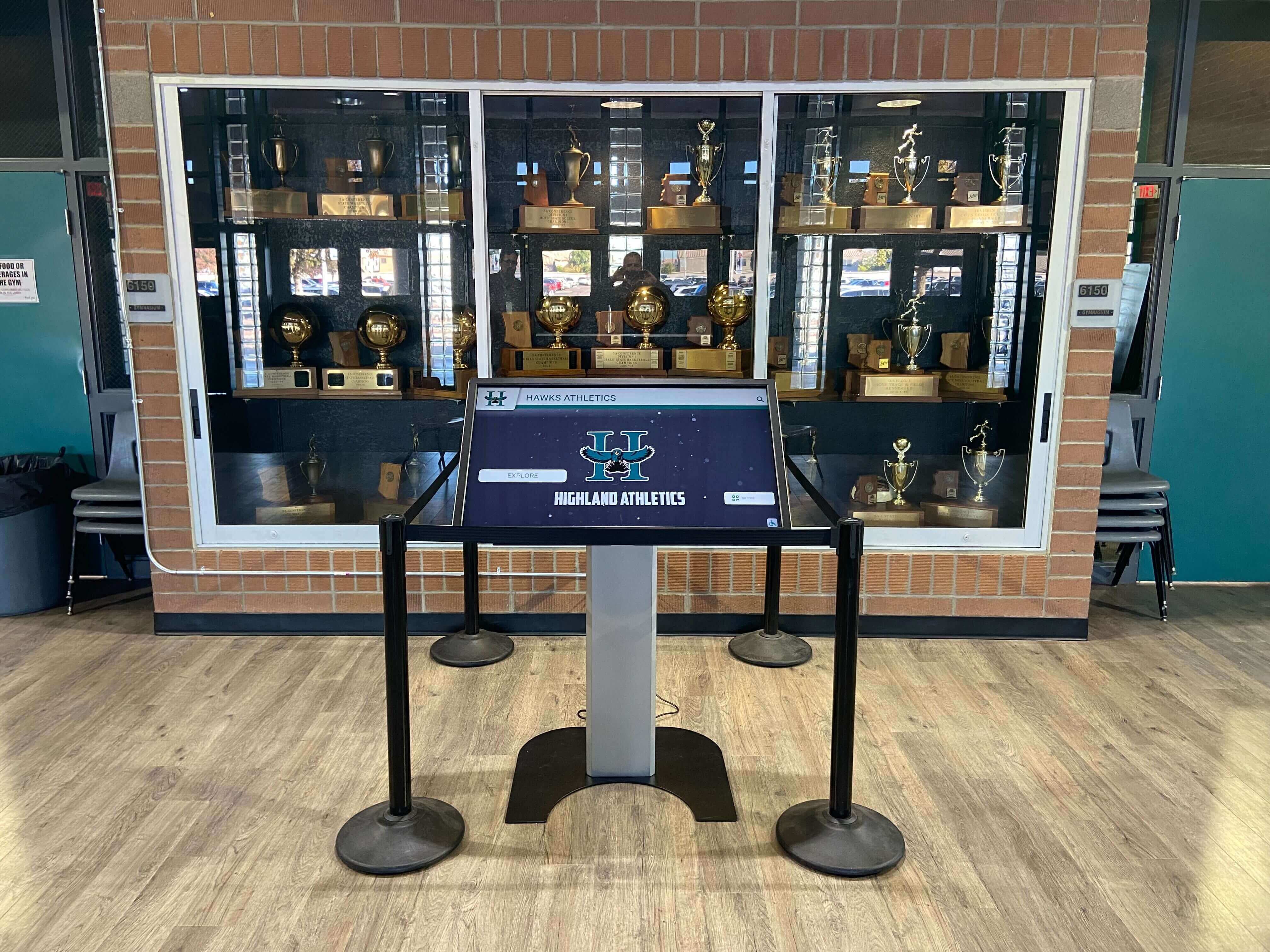
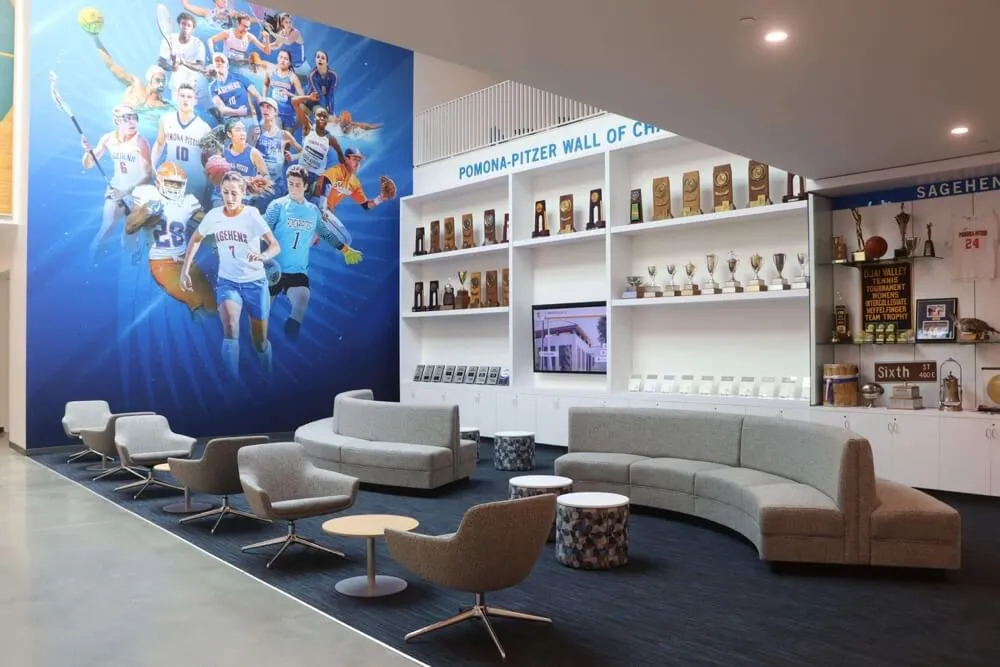
Trophy Case Integration: Many schools incorporate jersey displays within existing trophy cases, creating comprehensive athletic achievement displays that combine jerseys, championship trophies, team photos, and historical artifacts in unified presentations.
Temporary and Traveling Displays: Freestanding cases enable schools to move displays for special events like athletic banquets, alumni weekends, or homecoming celebrations, then return them to permanent locations.
The main disadvantage of freestanding displays is their vulnerability to accidental contact or interference in high-traffic areas. Unlike wall-mounted cases positioned above reach, freestanding displays require either protective barriers or low-traffic placement to prevent damage.
Design Considerations for Jersey Display Cases
Beyond choosing a display case type, schools must address several design factors that significantly impact how effectively displays honor athletes and preserve uniforms long-term.
Lighting for Jersey Displays
Proper lighting transforms jerseys from visible to striking, but lighting choices affect both presentation quality and fabric preservation.
LED Lighting Advantages: Modern LED systems offer significant benefits for jersey displays:
- Minimal heat generation that won’t damage fabrics
- Low energy consumption enabling always-on display lighting
- Long lifespans (50,000+ hours) reducing maintenance
- Available in various color temperatures to complement school colors
- Controllable intensity to prevent fabric fading
Lighting Placement: Top-mounted or angled spotlights create visual drama while illuminating jersey details clearly. Avoid direct sunlight exposure, which accelerates fabric fading regardless of UV-protective glass—lighting should come from controlled artificial sources.
Backlighting Effects: Some displays incorporate subtle backlighting behind jerseys or nameplates, creating glowing effects that draw attention in darker hallways or evening hours.
Schools balancing presentation impact against fabric preservation often use motion-sensor lighting that illuminates displays when viewers approach, then dims during vacant periods to extend fabric life while maintaining visual impact when it matters most.
Placement Location Strategy
Where jersey displays are positioned significantly impacts their effectiveness for recognition, inspiration, and visibility.
High-Traffic Visibility: Gymnasium lobbies, main athletic hallway entrances, and near locker room access points ensure maximum exposure to current athletes, visiting teams, recruits, and spectators attending events.
Sight Line Considerations: Position displays at eye level (center of display approximately 60-65 inches from floor) for optimal viewing. Mounting too high creates neck strain, while too-low placement makes displays less prominent and more vulnerable to contact.
Grouping Strategy: When displaying multiple retired jerseys, schools choose between:
- Chronological arrangement showing program evolution over time
- Sport-specific grouping keeping each team’s honored athletes together
- Achievement-level organization separating hall-of-fame inductees from other retired numbers
- Alphabetical or numerical order providing clear organization logic
Consistent grouping logic helps viewers understand display organization and locate specific athletes they’re seeking, particularly important as displays grow over years.
Information Panels and Plaques
Jerseys alone tell incomplete stories—accompanying information provides essential context that transforms fabric into meaningful recognition.
Essential Information Elements:
- Athlete’s full name
- Years active in the program
- Position or event specialty
- Key achievements (championships, records, honors)
- Jersey retirement date
- Brief narrative (2-4 sentences) highlighting impact and legacy
Plaque Design Consistency: Maintaining consistent plaque formats, fonts, sizes, and materials across all jersey displays creates visual cohesion that communicates program professionalism and the systematic nature of the honor.
QR Code Integration: Progressive programs add QR codes to display plaques, linking to digital profiles with extended biographies, career statistics, video highlights, and photo galleries that physical plaques cannot accommodate. This bridges physical recognition with comprehensive digital storytelling—an approach detailed in guides about hall of fame induction criteria and digital displays.
Jersey Preservation Best Practices
Retired jerseys often hold both monetary and sentimental value. Proper preservation ensures these garments remain in displayable condition for decades rather than deteriorating prematurely.
Fabric Protection Fundamentals
Athletic jerseys face specific preservation challenges due to their materials and previous use:
UV Protection: Ultraviolet light causes fabric fading, fiber breakdown, and color degradation over time. Use UV-filtering acrylic or glass (blocking 98%+ of UV rays) for all jersey display cases, and avoid direct sunlight exposure entirely.
Climate Control: Stable temperature (65-70°F) and relative humidity (45-55%) prevent fabric damage. Extreme heat accelerates deterioration, while excessive humidity promotes mold growth and moisture damage. Facilities with climate control maintain jersey condition far better than uncontrolled storage areas.
Air Quality: Pollutants, dust, and environmental contaminants degrade fabrics over time. Sealed display cases protect jerseys from airborne particles while maintaining cleaner presentations that require less maintenance.
Pre-Display Preparation
Before permanently displaying jerseys, proper preparation extends their displayable life:
Professional Cleaning: Have jerseys professionally cleaned by specialists experienced with vintage or delicate athletic wear. Standard washing machines can damage older fabrics, stretch jersey material, or fade screen-printed graphics.
Condition Documentation: Photograph jerseys thoroughly before display, documenting any existing stains, tears, or wear. This baseline allows future conservators to distinguish pre-display condition from display-related deterioration.
Mounting Method Selection: Use acid-free materials for all fabric contact points. Pins or tacks that penetrate fabric should use stainless steel or brass to prevent rust staining. Many conservators recommend mounting jerseys on forms without penetrating the fabric, using hidden support structures that distribute weight evenly across shoulders rather than concentrating stress on pinpoints.
Replica Consideration: For historically significant jerseys (worn during championship games, by professional athletes, or with exceptional monetary value), some schools display high-quality replicas while storing authentic originals in climate-controlled archival conditions. This preserves irreplaceable artifacts while still providing visual recognition.
Hall of Fame Jersey Display Approaches
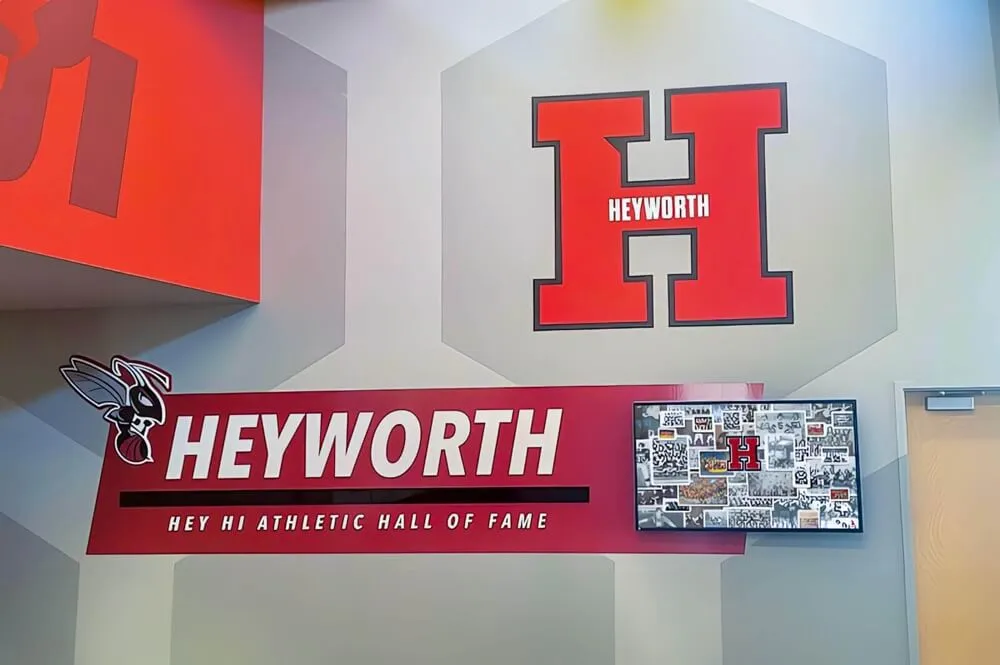
Programs with comprehensive hall-of-fame recognition systems integrate jersey displays within larger recognition frameworks that celebrate multiple dimensions of athletic achievement.
Comprehensive Athletic Recognition Walls
Rather than displaying only jerseys, many schools create unified athletic halls of fame combining multiple recognition elements:
Integrated Display Components:
- Retired jerseys for the most exceptional honorees
- Championship team photos with roster lists
- Individual record holder plaques
- All-state and all-conference selection listings
- Coach recognition and milestone achievements
- Championship trophies and significant awards
- Historical timeline showing program evolution
This comprehensive approach—similar to trophy display ideas that showcase athletic achievements—creates rich storytelling environments where jerseys represent peak honors within broader athletic excellence narratives.
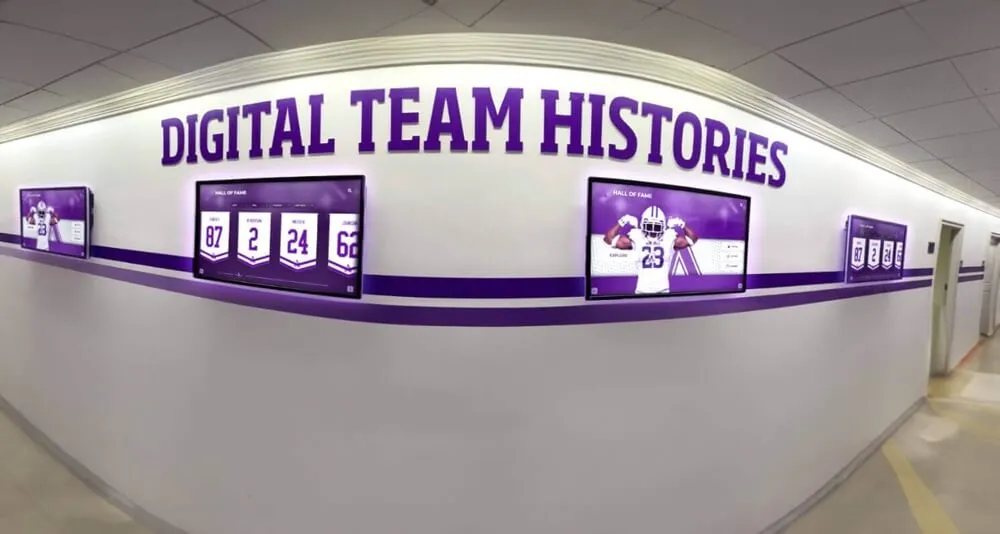
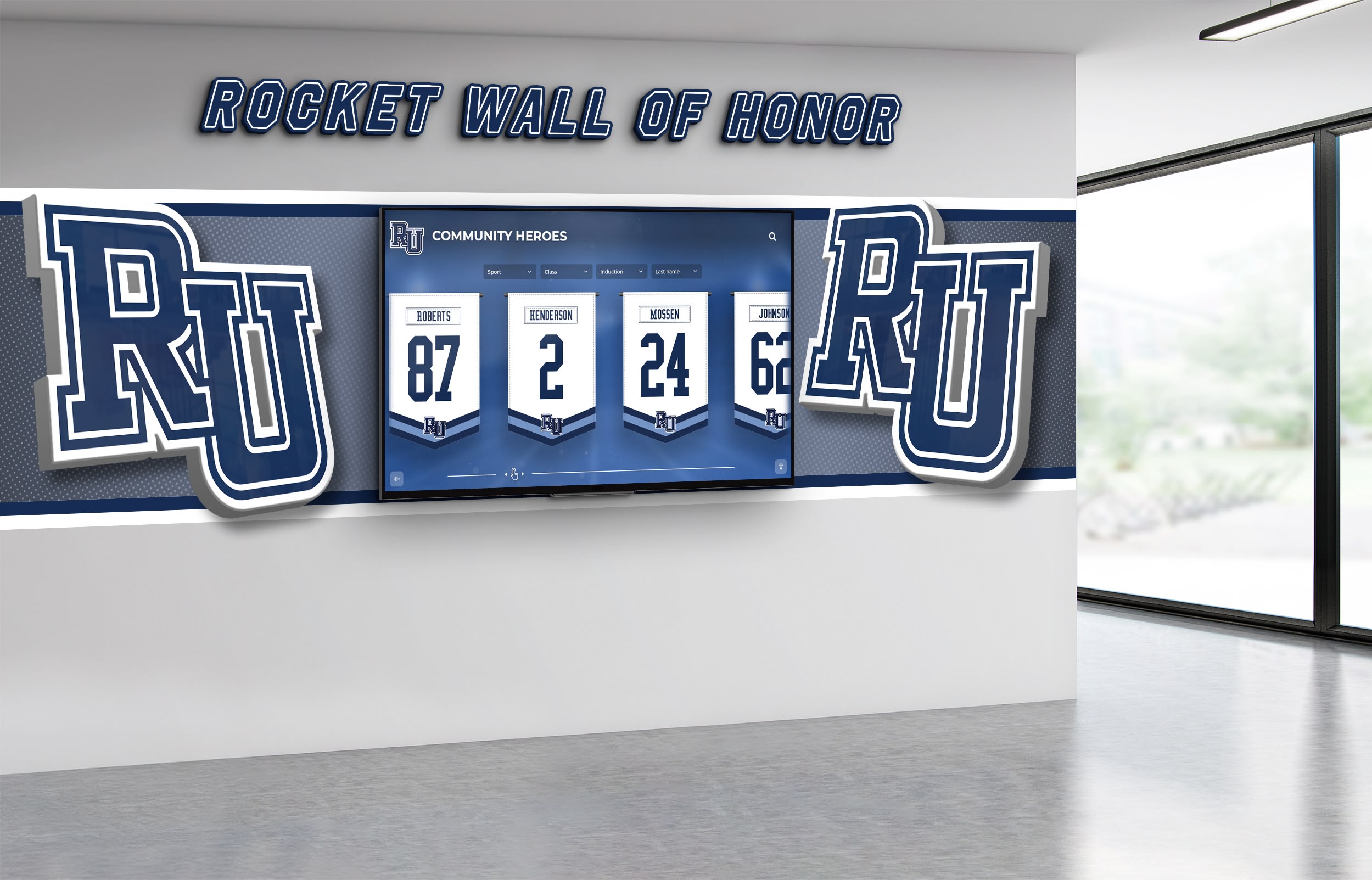
Digital Integration with Physical Jersey Displays
Modern schools increasingly combine physical jersey displays with digital technologies that overcome traditional display limitations:
Space Constraints: Physical display cases require significant wall space. As programs accumulate more retired jerseys over decades, available wall space becomes scarce. Digital displays can showcase unlimited honorees without physical space restrictions.
Dynamic Content: Physical plaques provide fixed information. Digital screens adjacent to (or replacing) traditional cases enable rotating content including career statistics, game highlights, interview quotes, and extended biographies that static plaques cannot accommodate.
Remote Updates: When new honors are added or information needs correction, physical plaques require replacement—expensive and time-consuming. Digital content updates remotely in minutes without facility access or installation costs.
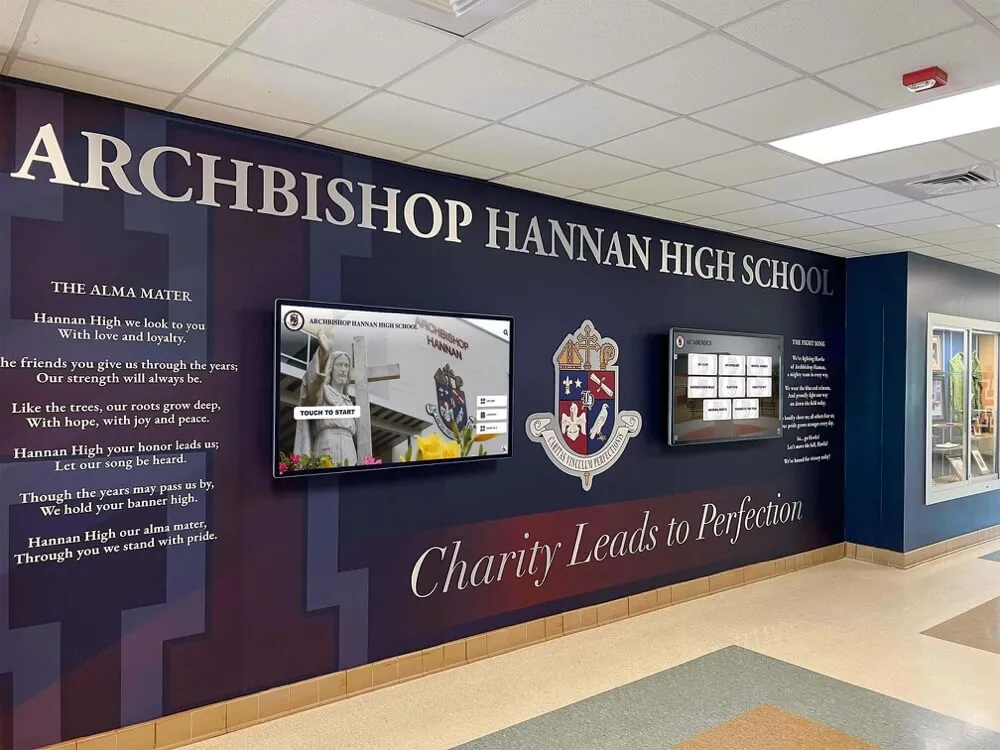
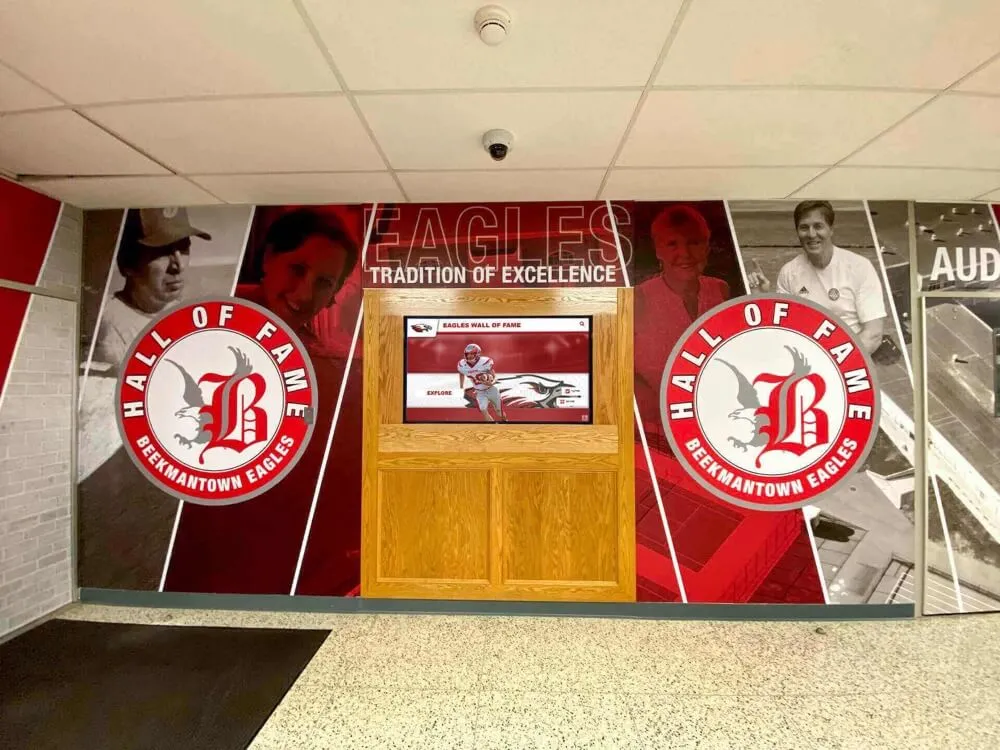
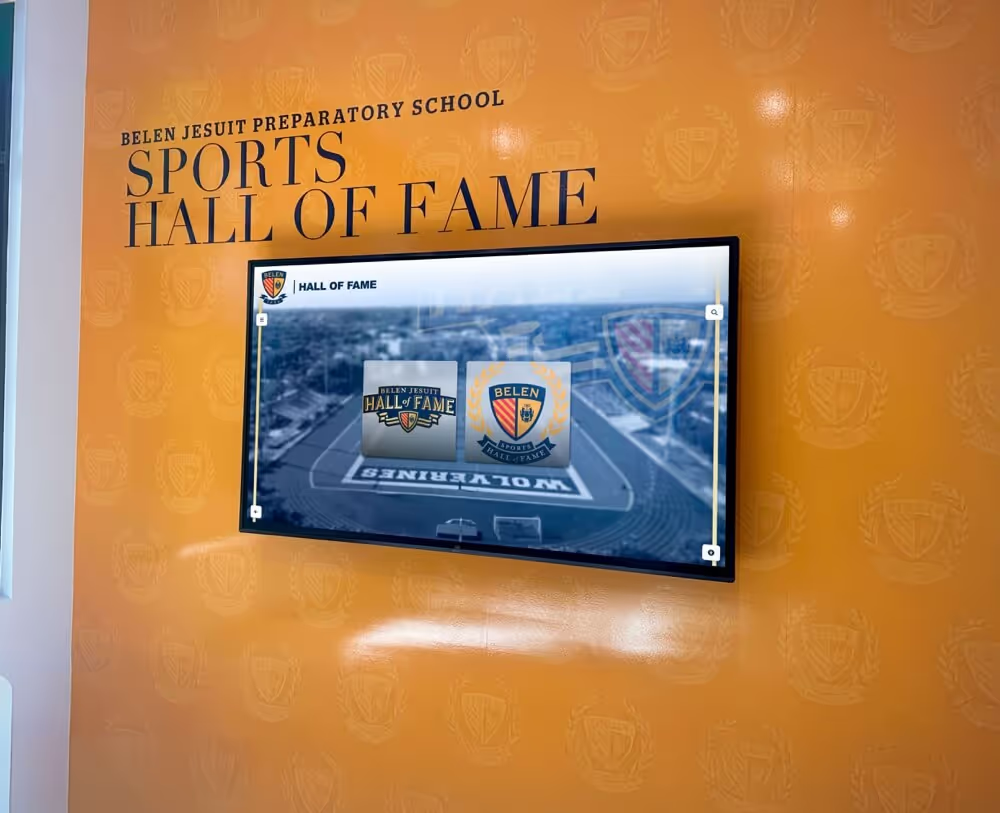
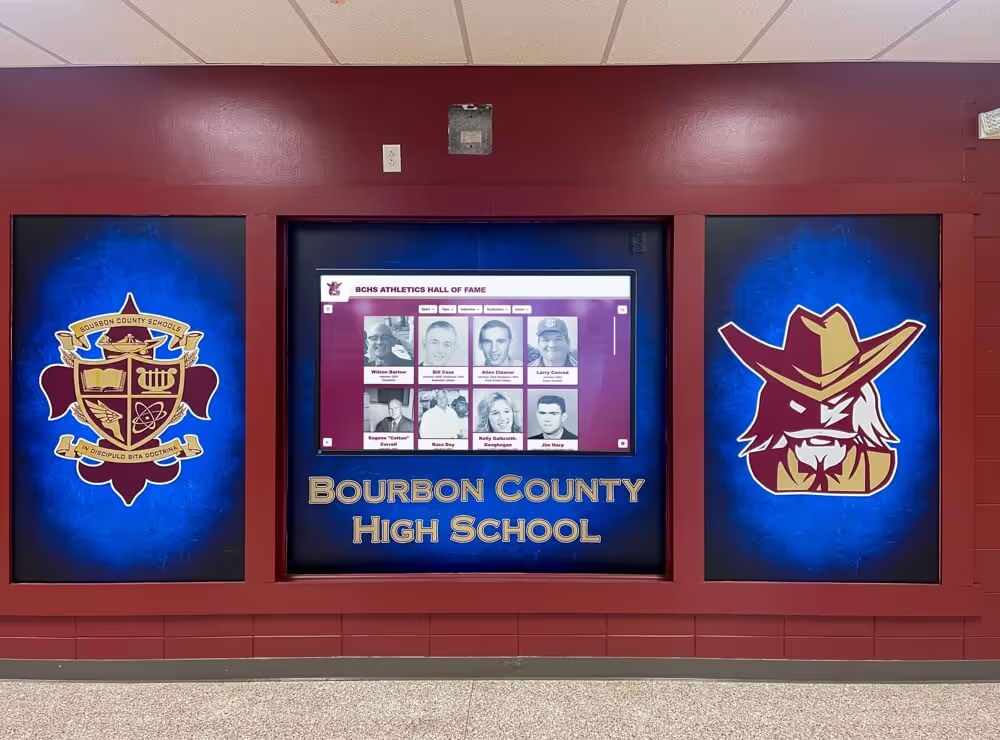
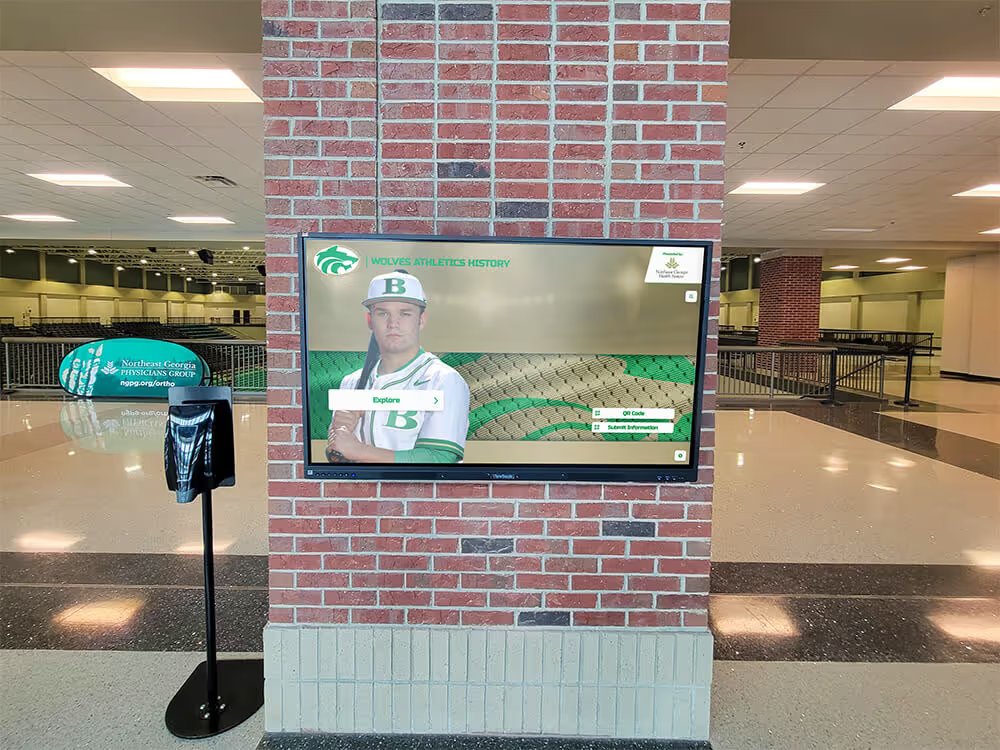
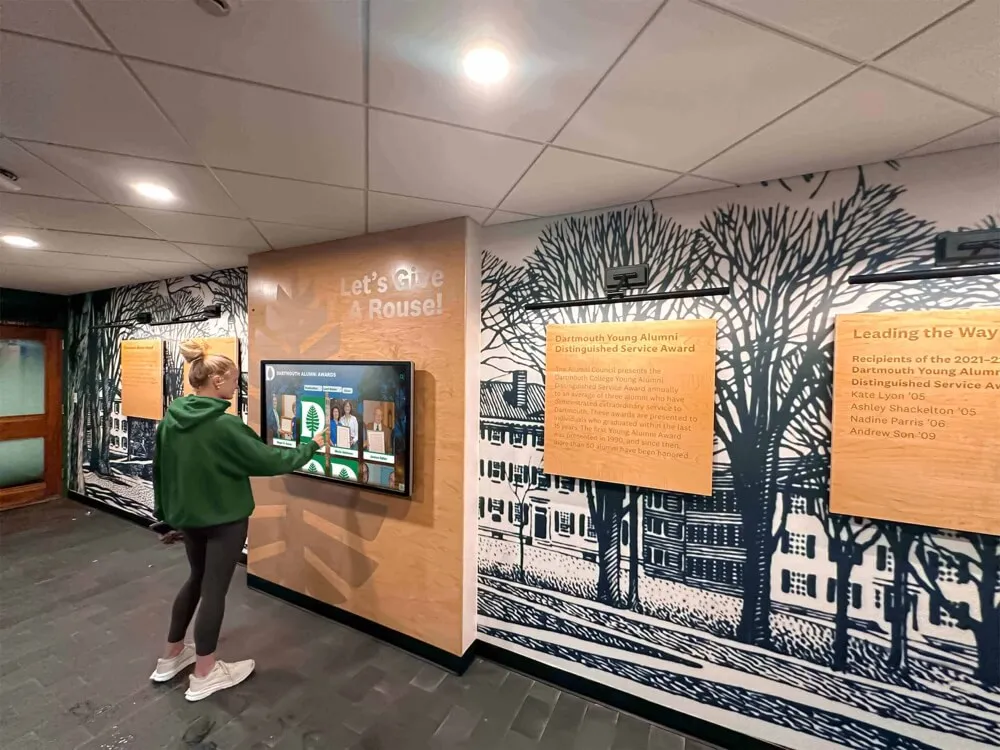
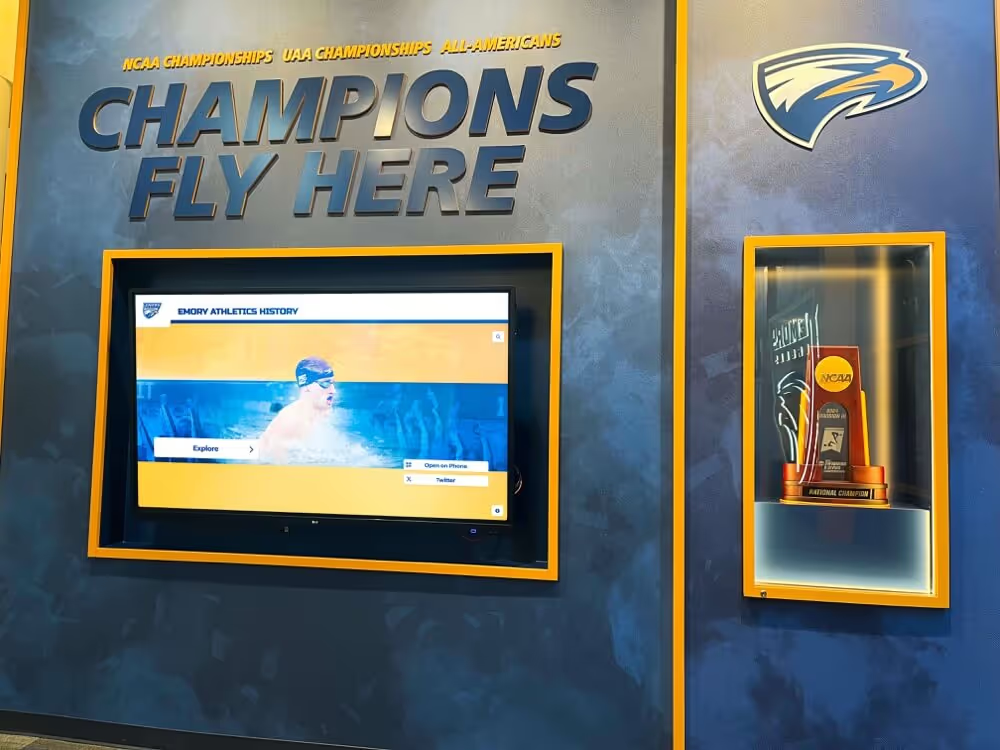
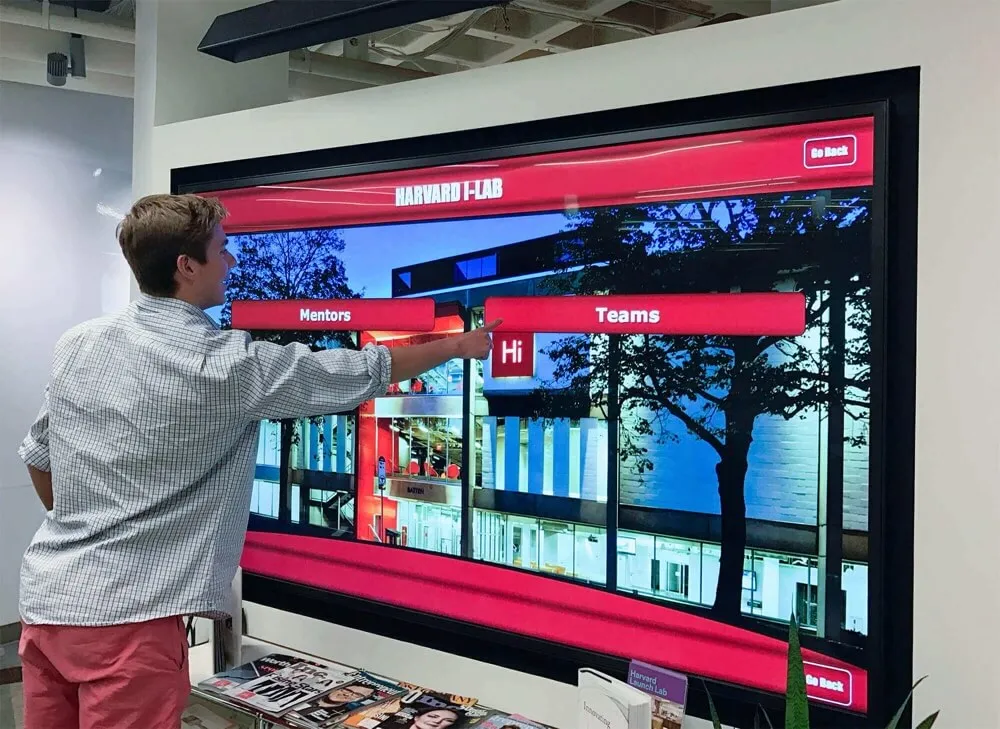
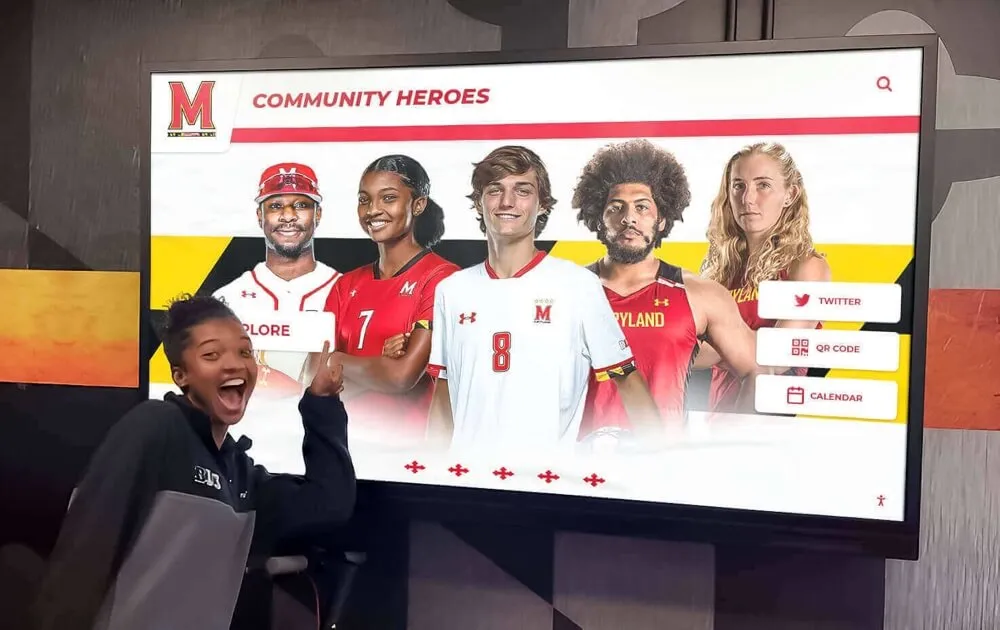
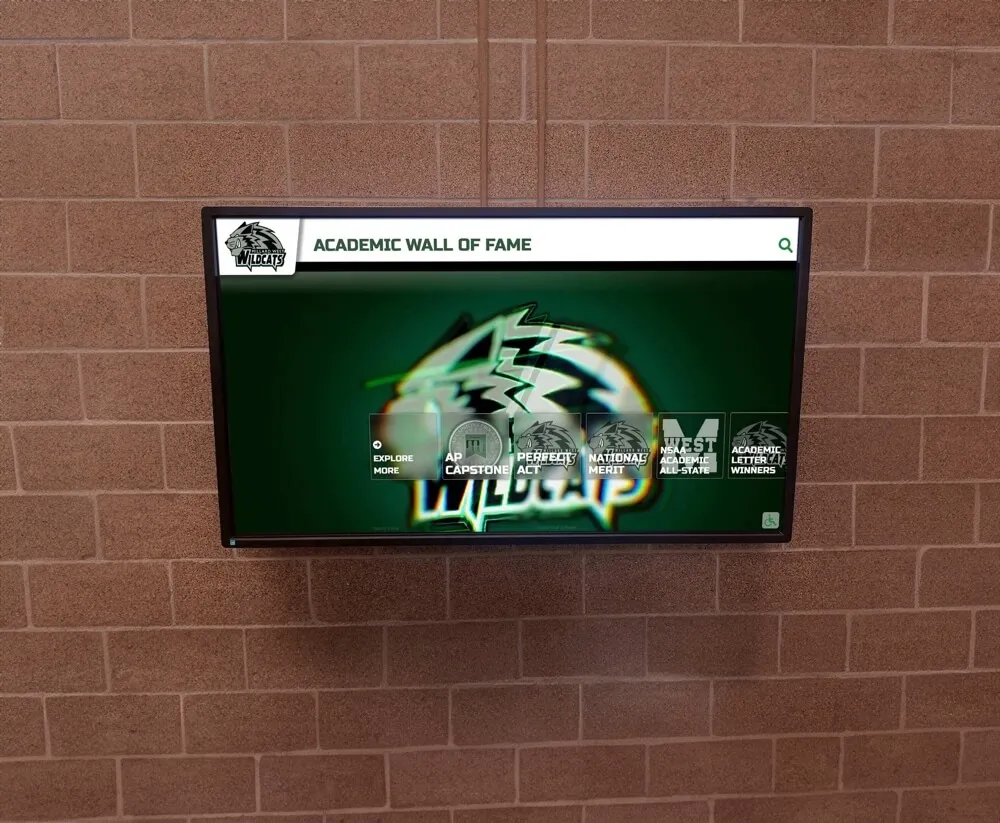
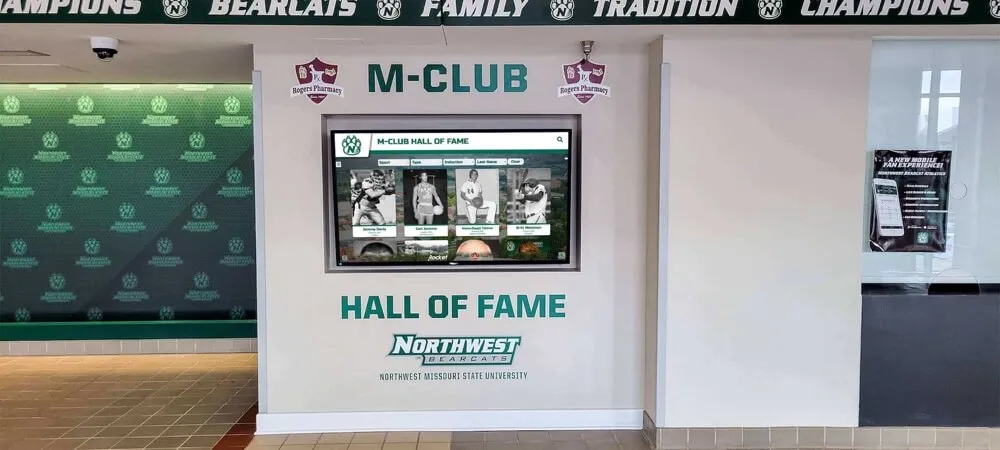
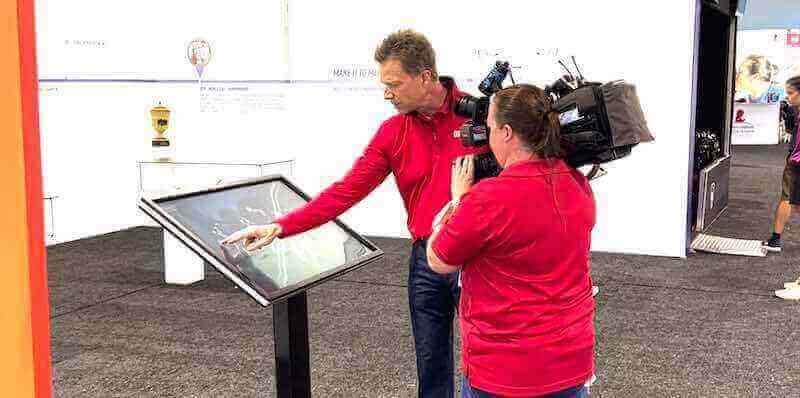
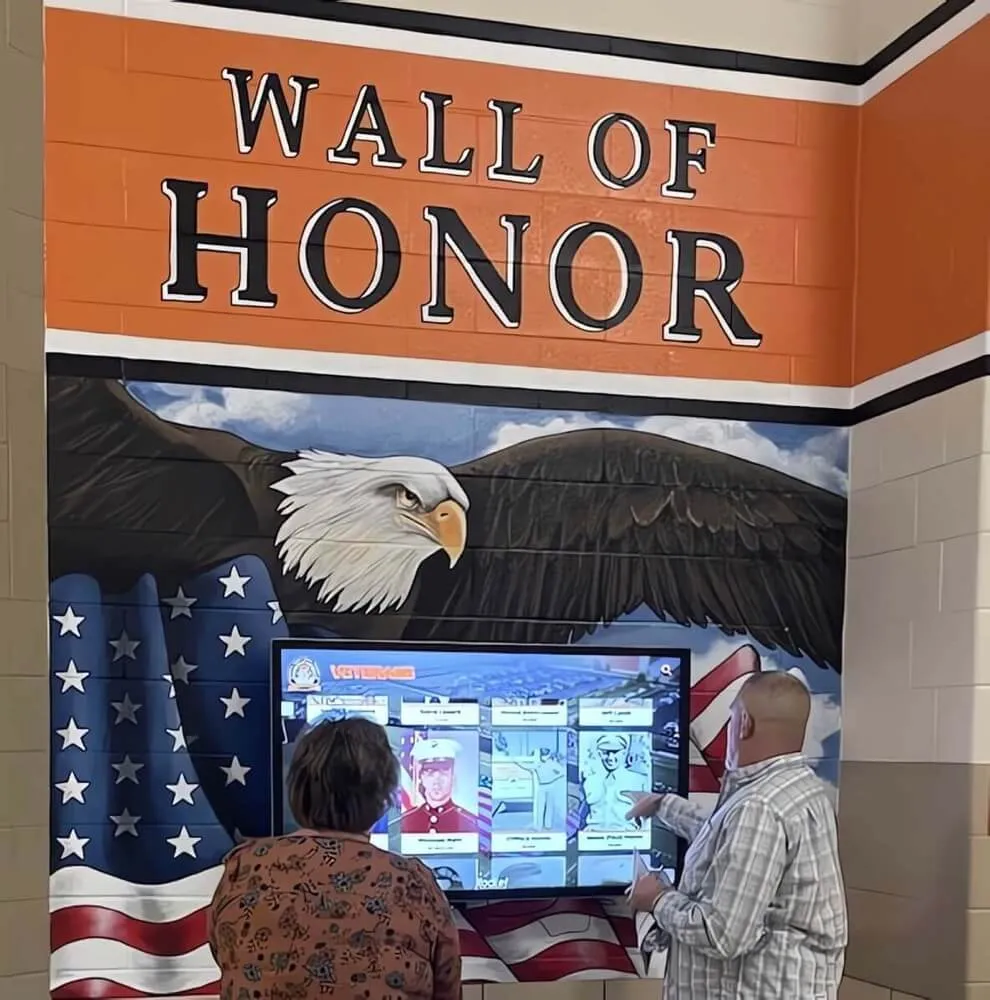
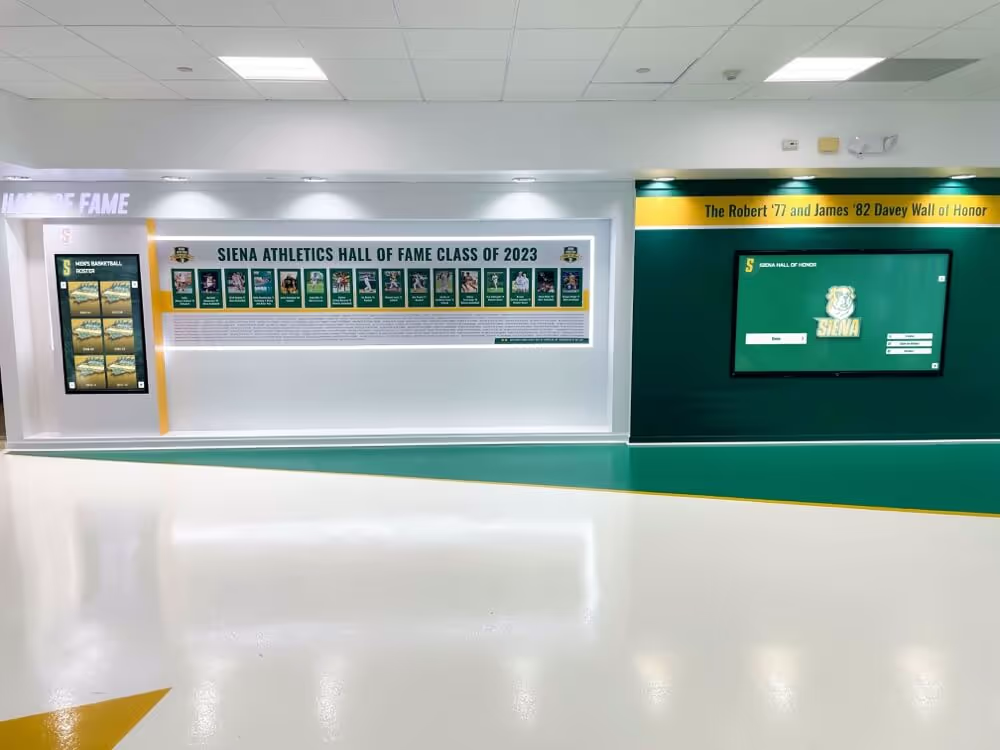
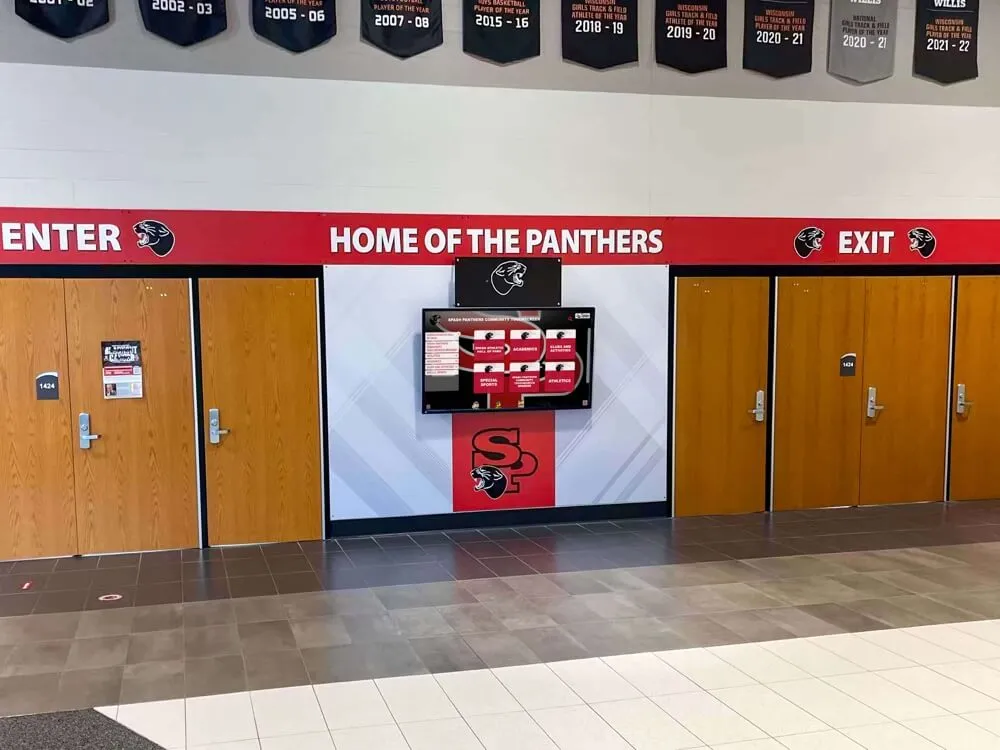
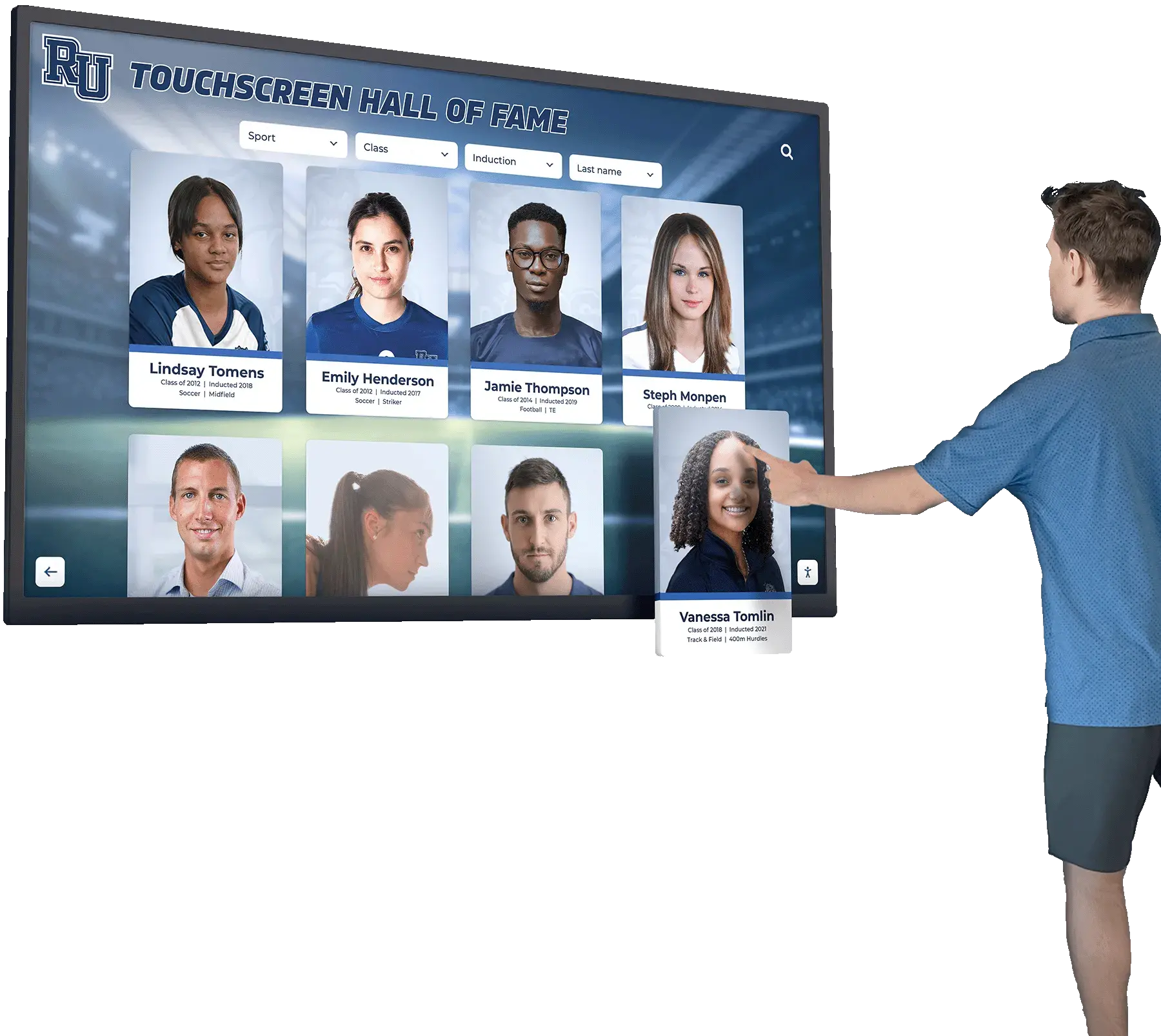
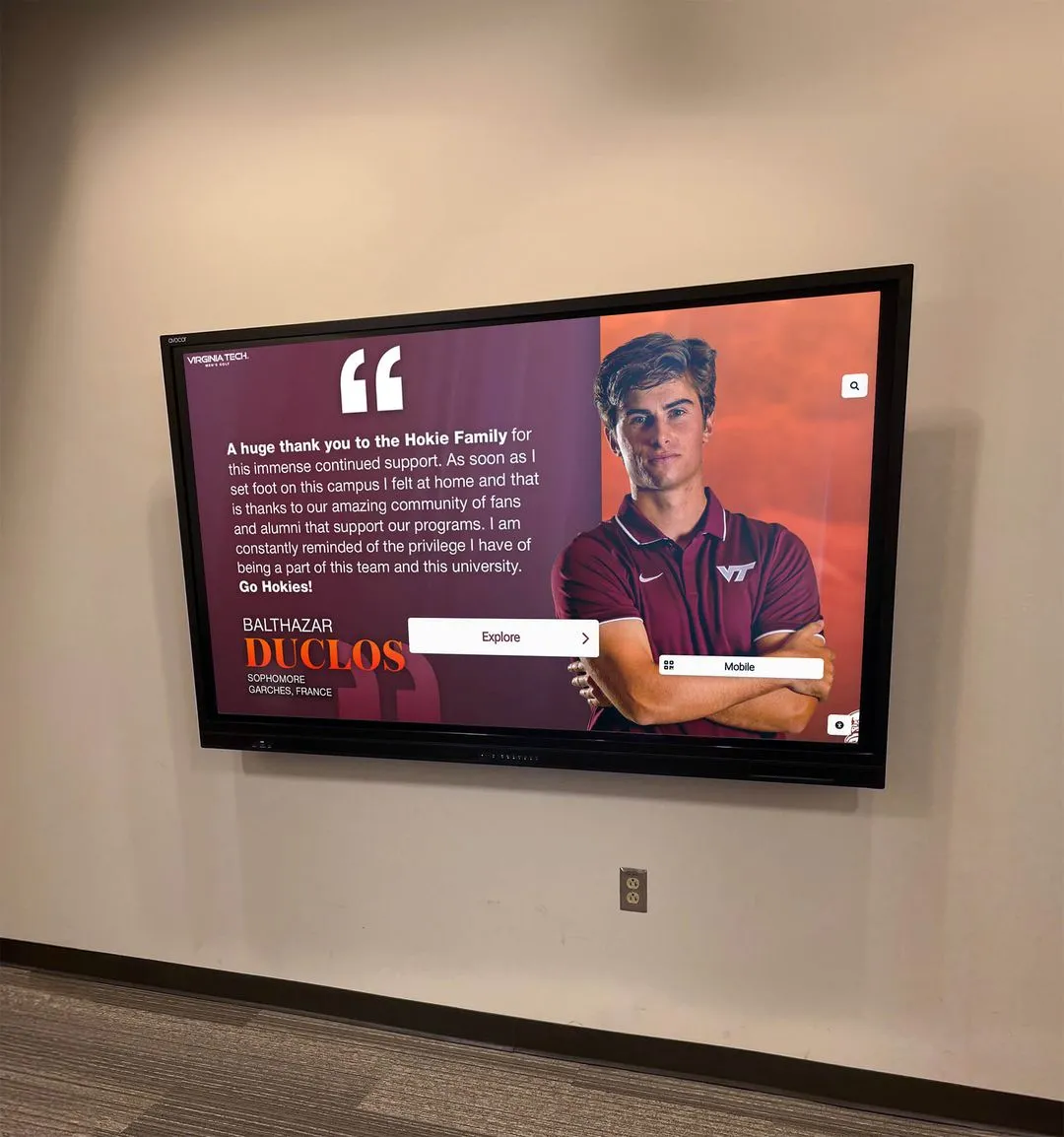
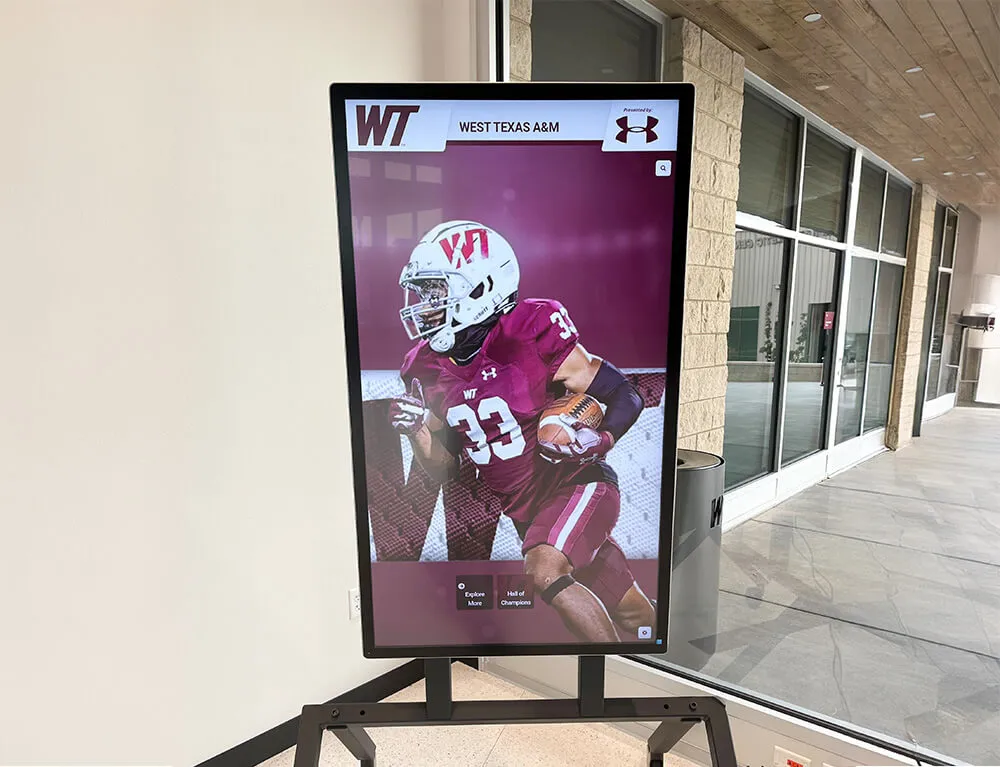
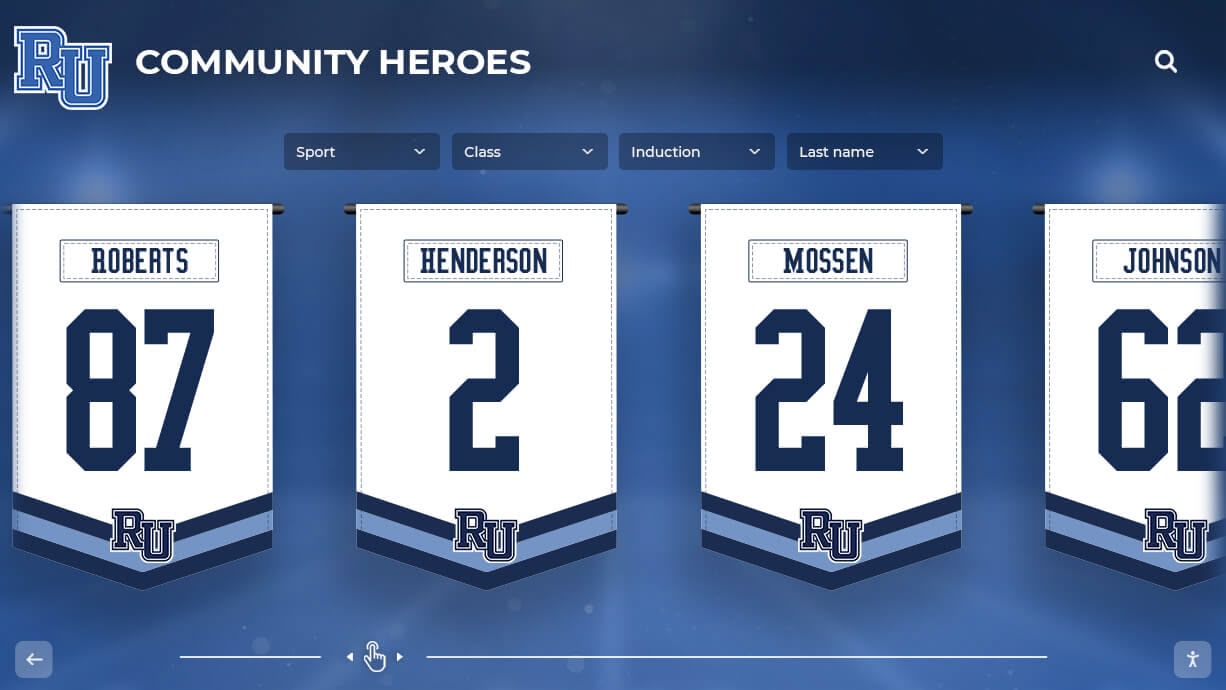
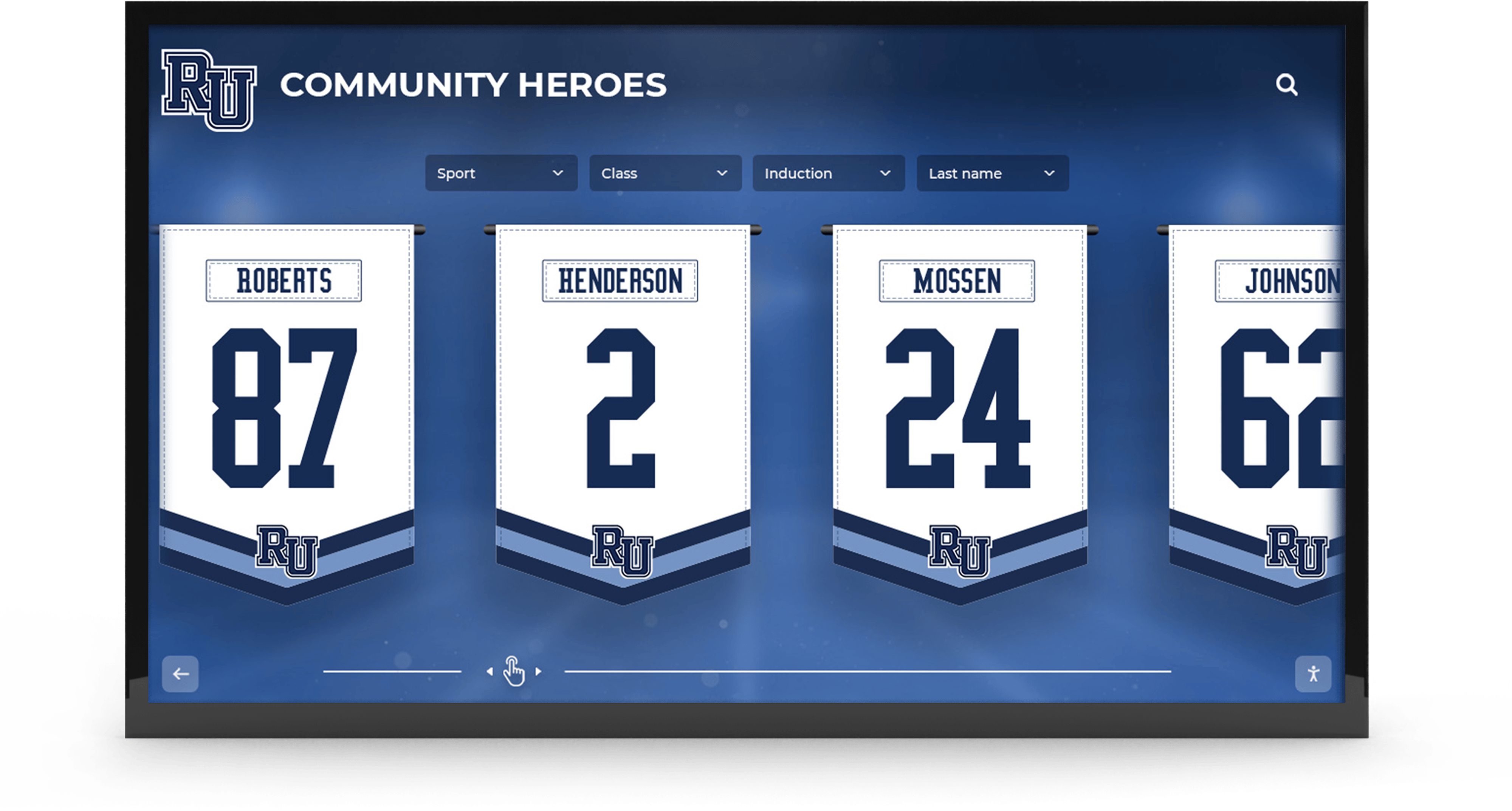
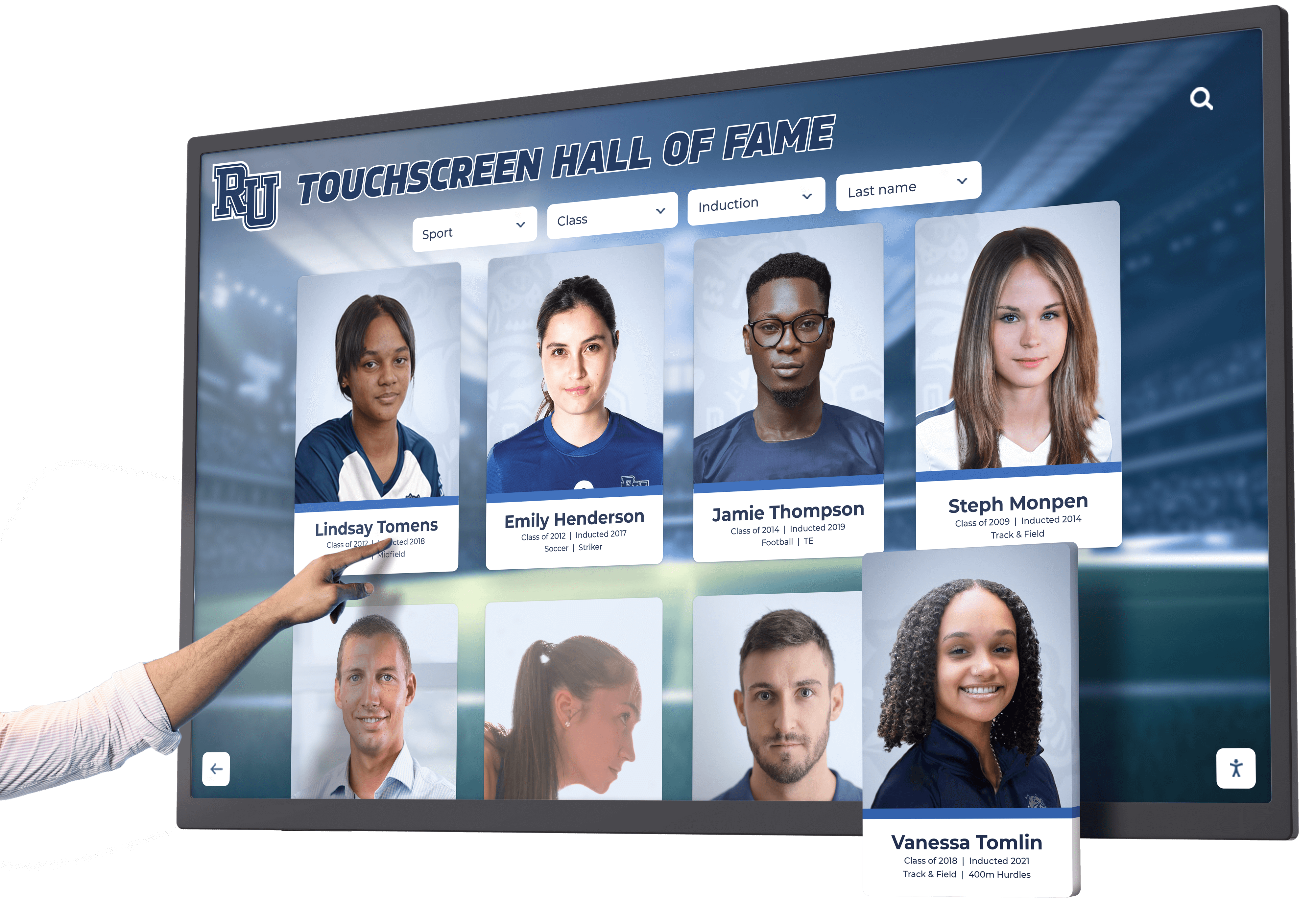
Interactive Engagement: Modern touchscreen displays transform passive viewing into active exploration. Visitors can search for specific athletes, filter by sport or era, view video highlights, and explore detailed statistics that create deeper engagement than traditional static displays. Schools can learn more about platform options through comprehensive touchscreen software guides comparing features and capabilities.
Programs implementing digital recognition solutions often maintain a small number of physical jersey cases for the most legendary athletes while transitioning comprehensive hall-of-fame recognition to digital platforms that scale indefinitely without space or maintenance constraints.
Modern Digital Alternatives to Traditional Jersey Cases
Digital recognition technology has evolved dramatically, offering schools compelling alternatives to traditional jersey display cases—particularly for comprehensive hall-of-fame programs honoring large numbers of athletes across multiple sports and decades.
Interactive Touchscreen Hall of Fame Displays
Digital touchscreen systems designed specifically for athletic recognition provide capabilities traditional displays cannot match:
Unlimited Capacity: A single touchscreen can showcase hundreds or thousands of honored athletes, teams, and achievements without additional physical space requirements. As new athletes earn recognition, their profiles add digitally without wall space concerns or display case purchases.
Rich Multimedia Content: Digital platforms incorporate elements impossible in physical displays:
- Video highlights from championship games or career-defining moments
- Audio clips from post-game interviews or coach testimonials
- Career statistics with visual charts and comparisons
- Photo galleries spanning athletes’ full careers
- Links to related achievements, teammates, or historical context
Search and Filter Functionality: Visitors can search by athlete name, sport, graduation year, type of achievement, or keyword—finding specific information immediately rather than scanning dozens of physical plaques. This transforms displays from passive viewing to active exploration.
Accessibility Compliance: Digital displays can offer text sizing, high-contrast modes, audio descriptions, and multiple language options that make recognition accessible to visitors with various needs—something physical displays cannot accommodate effectively.
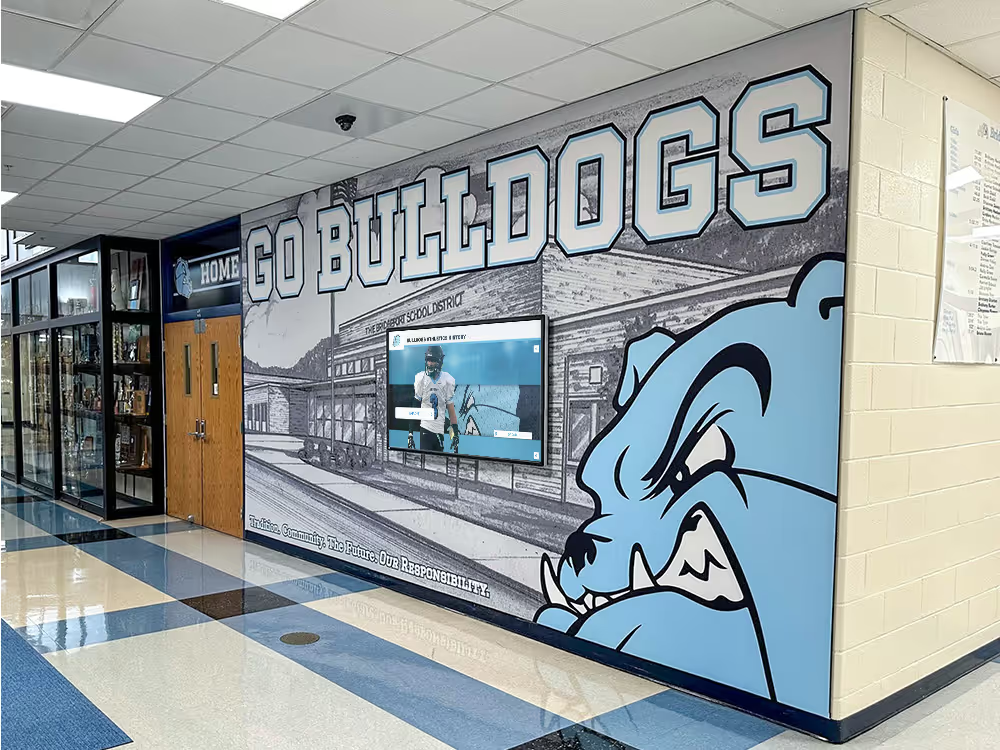
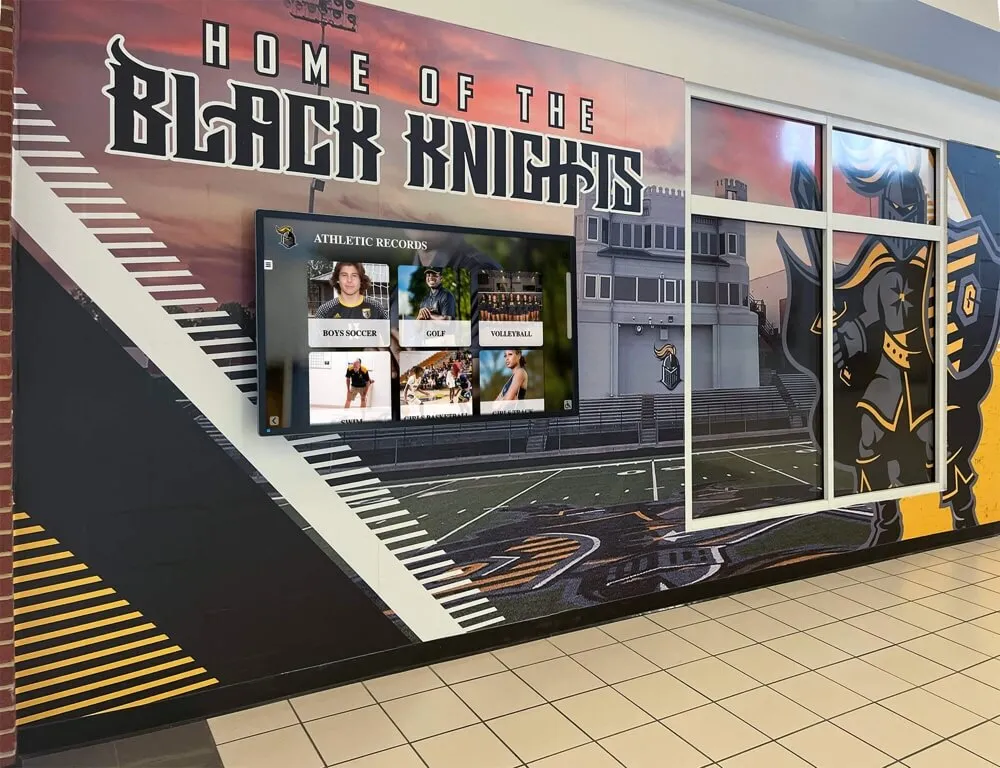
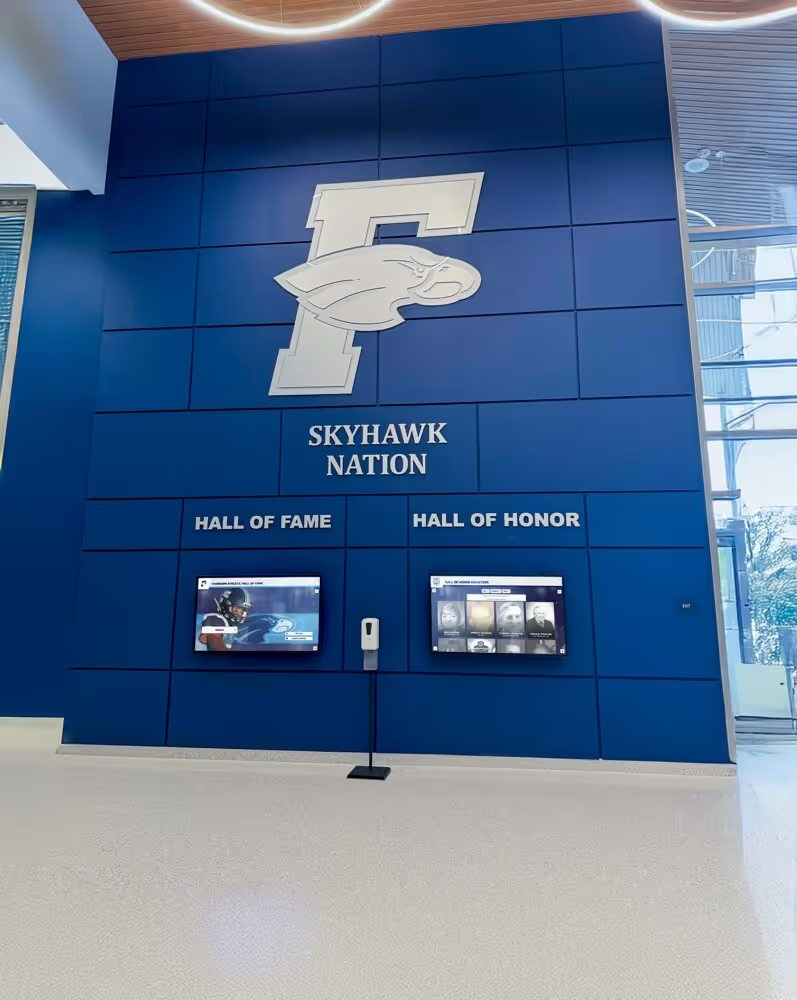
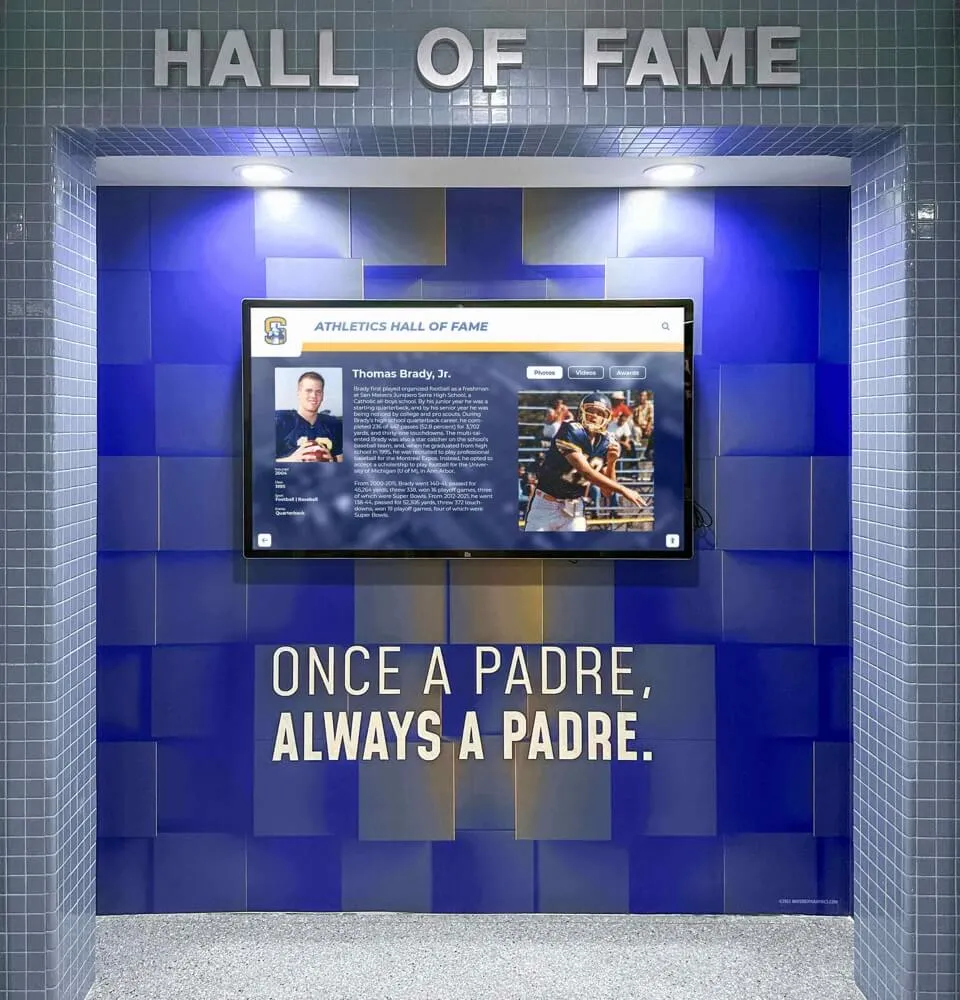
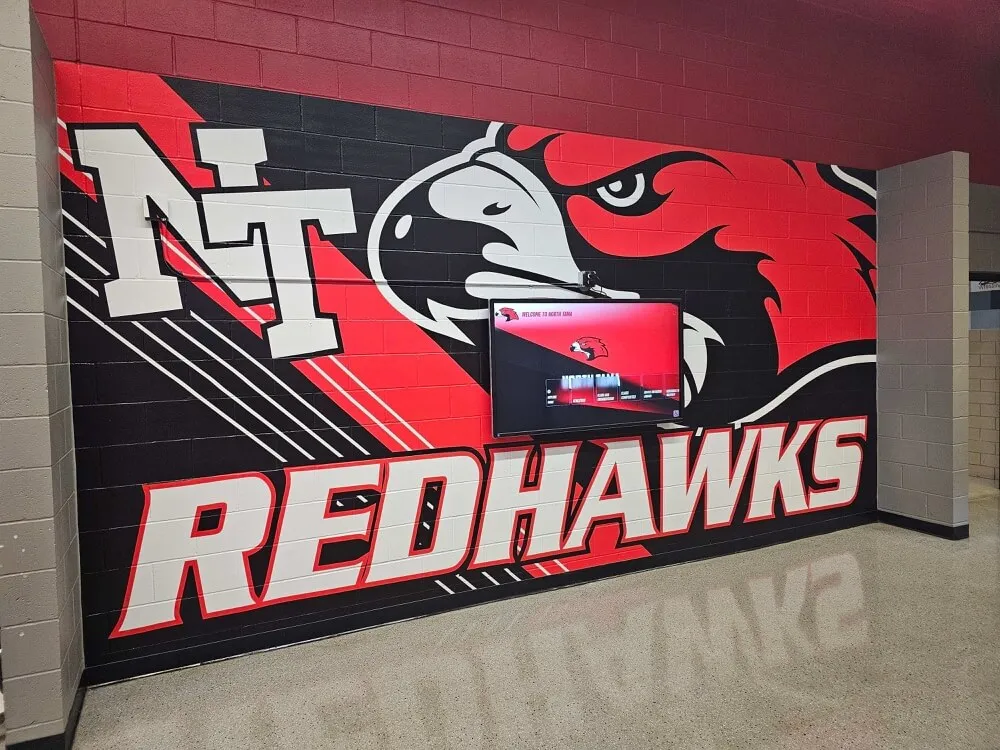
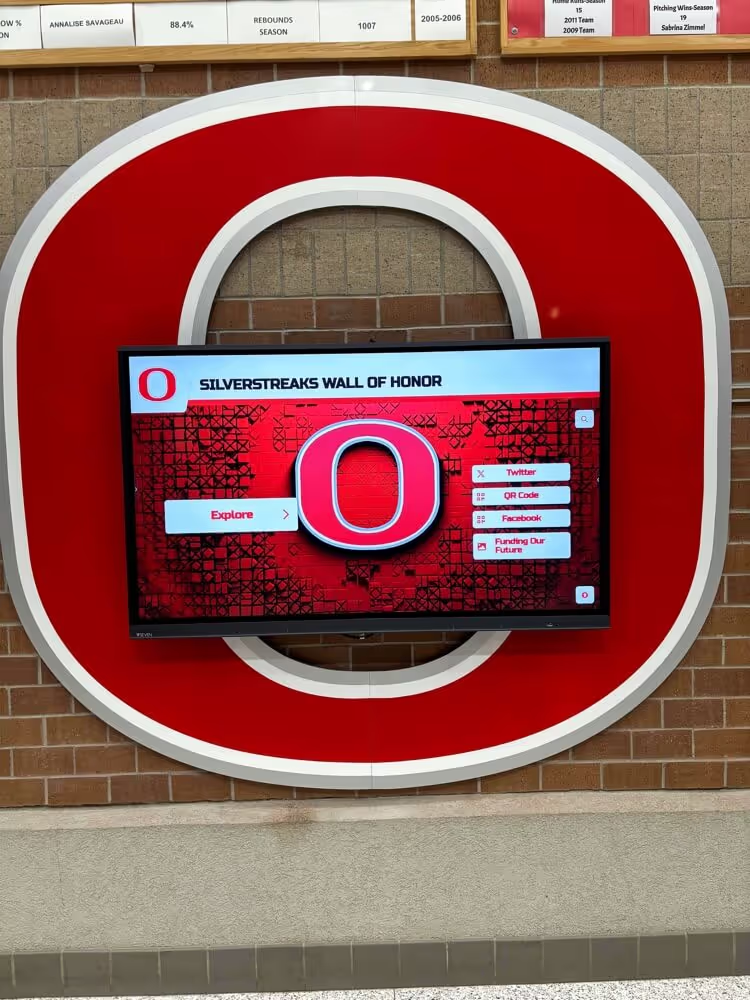
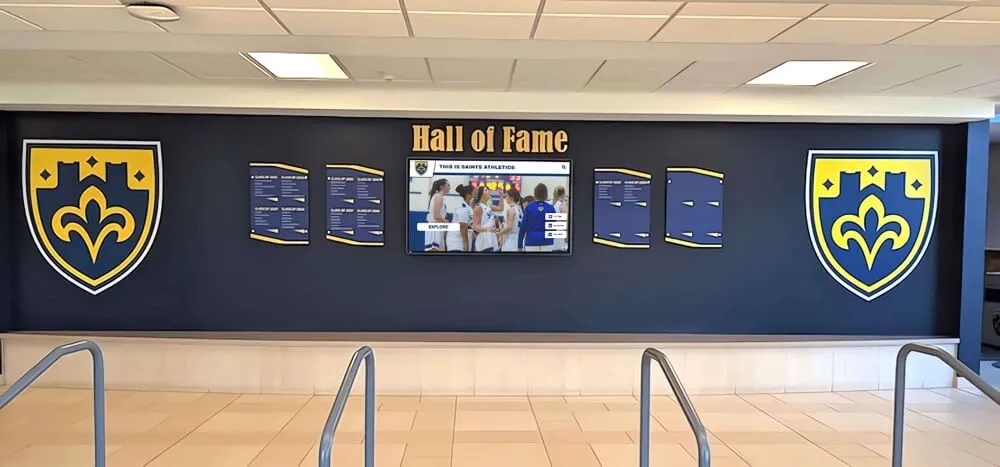
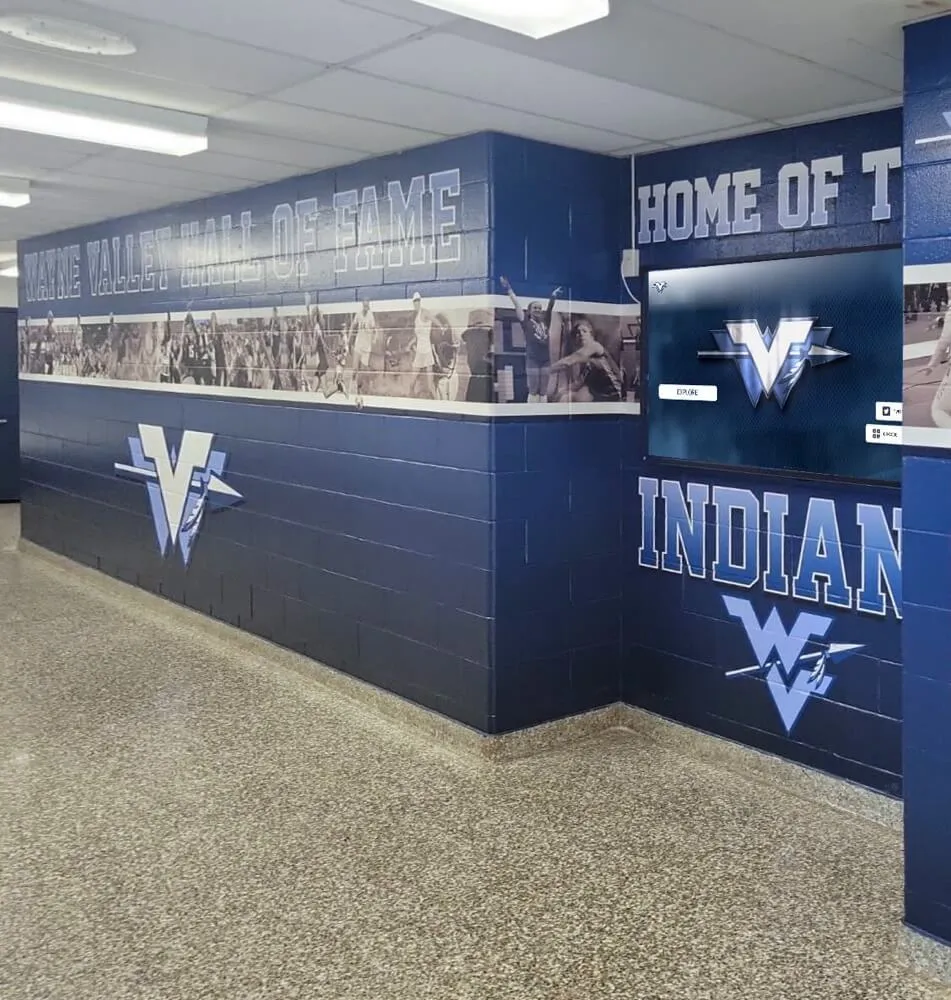
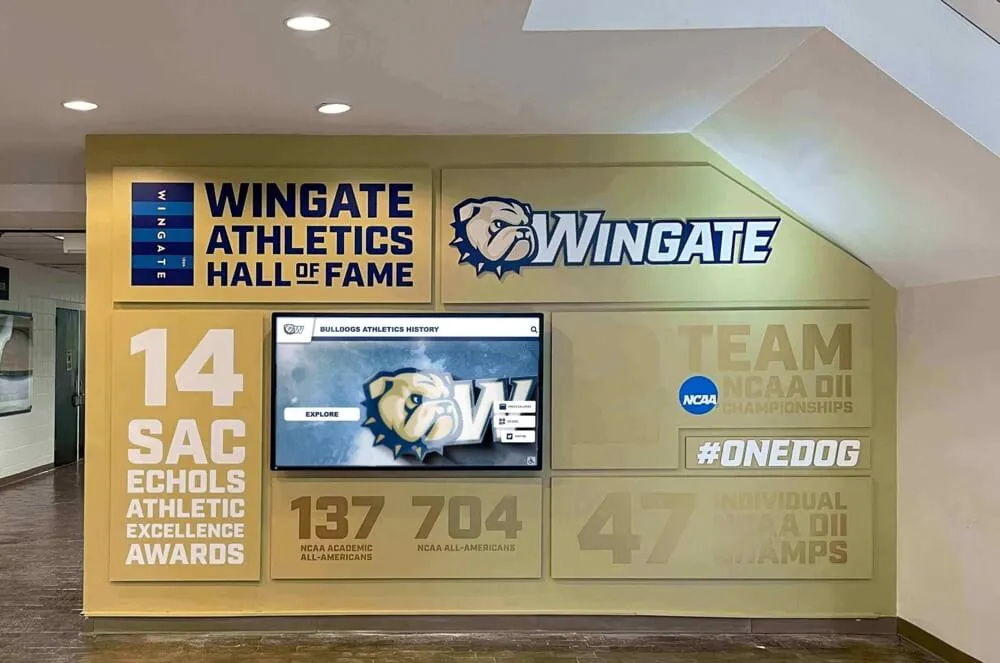
Schools implementing touchscreen recognition systems often position them in the same prominent locations where traditional jersey displays would appear—gymnasium lobbies, athletic hallways, or dedicated hall-of-fame rooms—maintaining visibility while dramatically expanding recognition capacity.
Combining Physical and Digital Recognition
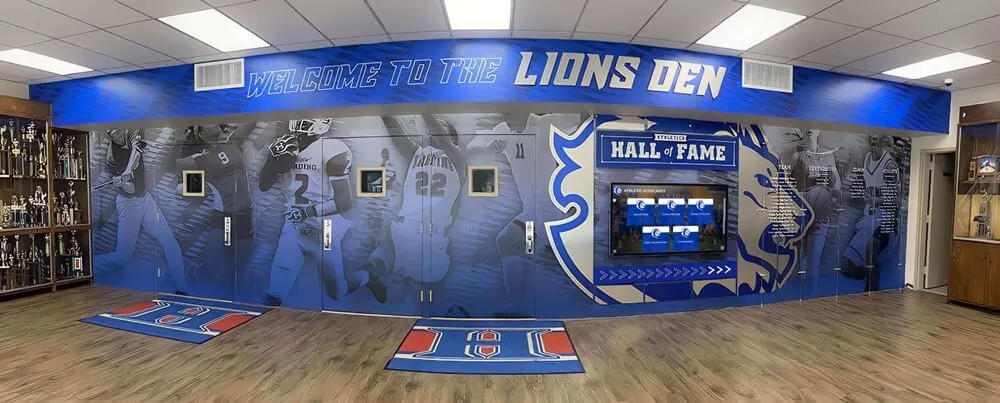
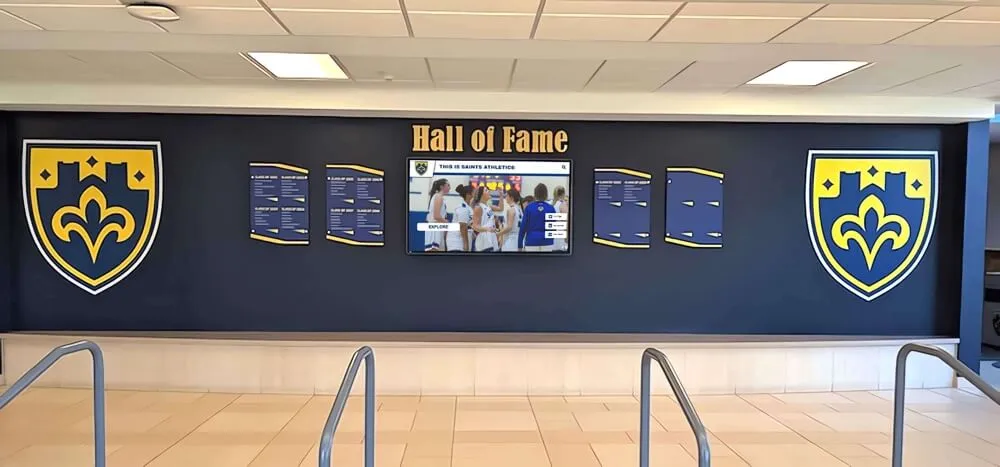
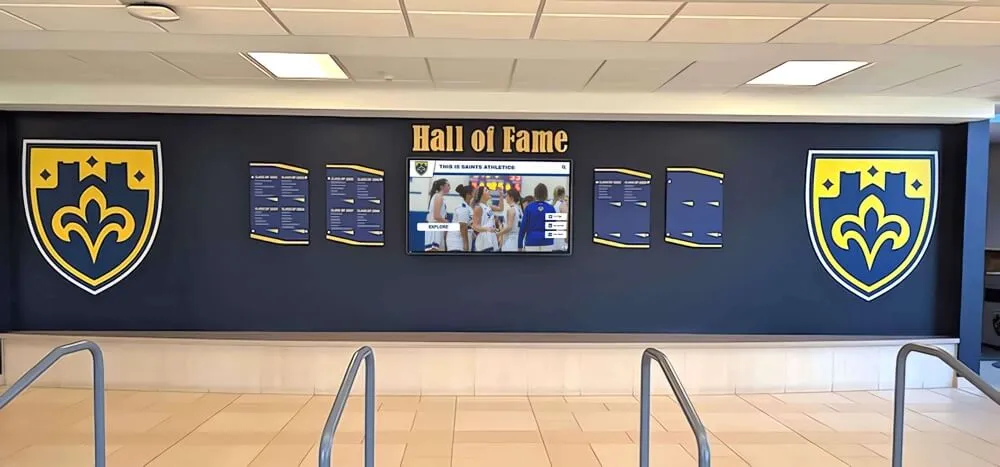
Rather than viewing physical jersey displays and digital recognition as competing alternatives, many programs implement hybrid approaches that leverage the strengths of both:
Signature Physical Displays: The 3-5 most legendary athletes or most historically significant jerseys receive traditional glass case displays, maintaining the prestige and visual impact of physical presentation for the program’s absolute greatest honors.
Comprehensive Digital Database: All other hall-of-fame inductees, retired jerseys, championship teams, record holders, and recognized athletes appear in the digital system, ensuring complete recognition without overwhelming physical space.
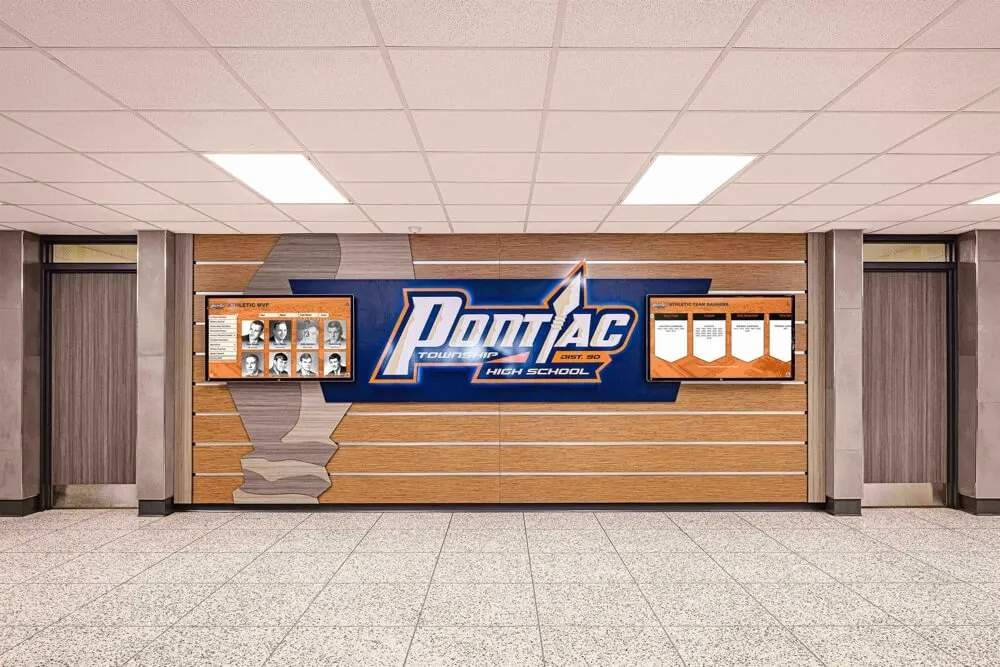
Digital Detail for Physical Displays: Even jerseys displayed in traditional cases benefit from adjacent digital screens or QR codes linking to extended digital profiles. Visitors appreciate seeing the authentic jersey while accessing career statistics, video highlights, and biographical details through connected digital content.
This hybrid model addresses a common challenge: how to continue honoring new athletes without removing previous honorees’ displays or running out of wall space. Physical displays remain for the most exceptional, while digital platforms ensure everyone receives meaningful recognition that can grow indefinitely.
Implementation Considerations for Digital Systems
Schools considering digital recognition alternatives should evaluate several factors:
Content Management: Digital systems require initial setup (data entry, photo scanning, content organization) and ongoing maintenance as new honorees are added. Quality platforms like those from Rocket Alumni Solutions provide intuitive content management tools that school staff can update remotely without technical expertise—similar to updating a website.
Hardware Longevity: Commercial-grade touchscreen displays designed for continuous operation in public spaces typically last 5-7 years with minimal maintenance. Consumer displays unsuited for commercial use fail much sooner, making hardware selection critical. Complete systems should include warranties, remote monitoring, and support for long-term reliability.
Software Updates: Recognition platforms should receive regular software updates improving features, security, and compatibility without additional costs. Avoid one-time purchase systems that become obsolete as technology evolves—subscription or support-included models ensure displays remain current.
Installation Requirements: Professional installation ensures proper mounting, electrical connections, network setup, and weatherproofing where needed. Factor installation costs into total budget when comparing options. Many providers offer turnkey solutions managing all installation aspects—particularly valuable for schools without dedicated IT resources.
Digital recognition systems represent evolving technology offering capabilities that continue improving as platforms develop new features and integration options.
Budget Considerations for Jersey Display Projects
Schools planning jersey display projects must balance recognition quality against budget realities, understanding cost factors for both traditional and digital approaches.
Traditional Display Case Costs
Physical jersey display cases vary widely in price based on materials, size, and customization:
Basic Wall-Mounted Cases: Simple hardwood frame cases with acrylic fronts and fabric backing start around $300-$500 per jersey for standard sizes. These provide functional protection without premium materials or custom features.
Premium Custom Cases: Museum-quality cases with hardwood frames, UV-filtering glass, custom plaques, integrated lighting, and professional installation can range $800-$1,500 per jersey or more for elaborate designs.
Shadow Boxes with Enhancements: Deep shadow boxes incorporating multiple items (jersey, photos, awards, memorabilia) with custom matting and professional framing typically cost $600-$1,200 depending on complexity.
Installation Labor: Professional installation (recommended for heavy cases requiring structural mounting) adds $100-$300 per case depending on location accessibility, wall type, and mounting complexity.
For programs planning to display 10 retired jerseys, traditional display cases represent $5,000-$15,000 in upfront investment before considering ongoing maintenance, lighting costs, or eventual replacement as cases wear over decades.
Digital Display System Costs
Modern digital recognition platforms involve different cost structures:
Hardware Investment: Commercial touchscreen displays suitable for school environments typically range from $3,000-$8,000 depending on screen size (43"-55" most common), touch technology quality, and whether additional equipment (computers, mounting hardware, protective enclosures) is included.
Software and Setup: Recognition platform software, content management systems, initial setup, and configuration add to initial costs. Some providers charge one-time setup fees ($500-$2,000), while others include setup in subscription pricing.
Subscription vs. One-Time Purchase: Platforms operate under various business models:
- Subscription models ($100-$300/month) include software updates, cloud hosting, content support, and often hardware warranties
- One-time purchase options have higher upfront costs but no recurring fees, though future updates may require additional payments
- Hybrid approaches combine moderate upfront hardware costs with lower ongoing software/support subscriptions
For comprehensive guidance on pricing structures and budget planning, schools can review detailed information about subscription pricing, one-time payment, and multi-year budget options.
Lifetime Cost Comparison: When comparing traditional physical displays to digital systems over 10-year periods, digital often proves more cost-effective:
- 20 physical jersey cases: $10,000-$25,000 initial + maintenance/replacements
- Single digital system: $5,000-$8,000 hardware + $12,000-$36,000 subscription (10 years) = $17,000-$44,000 but honoring 100+ athletes instead of 20
The per-honoree cost advantage grows dramatically as recognition needs expand, making digital solutions increasingly economical for comprehensive programs.
Fundraising for Jersey Display Projects
Many schools fund jersey display projects through targeted fundraising rather than operating budgets, creating donor engagement opportunities while securing recognition infrastructure.
Donor Recognition Opportunities
Jersey display projects offer natural donor recognition possibilities:
Naming Rights: Donors funding entire hall-of-fame rooms or comprehensive display systems receive prominent naming recognition (“The Johnson Family Athletic Hall of Fame”).
Individual Display Sponsorships: Alumni or community members can sponsor individual jersey displays honoring specific athletes, particularly meaningful when sponsoring displays of family members, teammates, or athletes who inspired them.
Technology Sponsorships: Digital display systems offer recognition opportunities through splash screens, donor acknowledgment within the system, or plaques indicating technology funding sources.
Memorial Opportunities: Families honoring deceased athletes through memorial jersey displays often appreciate the chance to fund recognition ensuring their loved one’s legacy remains visible for future generations.
Schools should consult development professionals about structuring donor recognition appropriately and ensuring fundraising efforts align with institutional advancement strategies and donor stewardship programs.
Booster Club and Alumni Funding
Athletic booster clubs frequently fund jersey display projects as tangible recognition improvements benefiting programs they support. Similarly, alumni associations value projects honoring distinguished graduates and preserving institutional athletic history.
These groups often run targeted campaigns for specific projects: “Help us create a hall of fame wall honoring our championship history” generates enthusiasm more effectively than generic appeals. Clear project descriptions, cost breakdowns, and visual mockups help potential donors understand exactly what they’re funding and how it will appear once completed.
For broader strategies around athletic department fundraising, schools might explore high school booster club fundraising ideas that build community support while generating revenue for recognition projects.
Maintenance and Long-Term Care
Whether choosing traditional jersey displays or digital systems, schools must plan for ongoing maintenance ensuring displays remain attractive and functional long-term.
Physical Display Maintenance
Traditional jersey display cases require several maintenance tasks:
Cleaning Schedules: Glass or acrylic fronts accumulate dust, fingerprints, and smudges requiring regular cleaning (monthly for high-traffic locations). Use appropriate cleaners that won’t damage UV coatings or leave residue.
Fabric Inspection: Periodically inspect displayed jerseys for signs of fading, fiber deterioration, pest damage, or mounting system failures. Early detection prevents minor issues from becoming major preservation problems.
Lighting Maintenance: Replace burned-out bulbs promptly (less frequent with LED systems) and verify lighting systems aren’t generating excessive heat that could damage fabrics.
Hardware Checks: Annually verify wall mounting hardware remains secure, particularly in high-traffic areas subject to vibration or accidental contact.
Many schools assign these tasks to facilities staff or athletic department personnel with clear schedules ensuring consistent completion rather than reactive responses when displays visibly deteriorate.
Digital Display Maintenance
Digital systems require different maintenance approaches:
Screen Cleaning: Touchscreens require frequent cleaning (weekly in high-touch environments) using appropriate cleaners safe for capacitive touch surfaces. Microfiber cloths and screen-safe cleaners prevent damage to touch sensitivity.
Software Updates: Quality platforms push automatic software updates remotely without requiring on-site technical visits. Schools should verify systems remain current with latest features and security patches.
Content Updates: As new athletes earn recognition, staff must update digital content adding new profiles. User-friendly content management systems enable quick updates without technical expertise—typically 10-15 minutes per new inductee profile.
Hardware Monitoring: Professional systems include remote monitoring alerting providers to hardware issues before displays fail completely, enabling proactive replacement during school breaks rather than emergency repairs during competition seasons.
Schools should clarify maintenance responsibilities, support availability, and response times when selecting digital recognition providers. Systems requiring specialized technical intervention for routine tasks create frustration and downtime, while well-designed platforms enable school staff to handle daily operations independently.
Creating Cohesive Athletic Recognition Programs
Jersey displays work most effectively when integrated within comprehensive athletic recognition strategies that honor diverse achievements and tell complete program stories.
Multi-Sport Recognition Balance
Schools with multiple athletic programs must balance recognition across sports, ensuring football dominance doesn’t eclipse achievements in basketball, soccer, volleyball, track, swimming, or other programs producing exceptional athletes.
Proportional Representation: While not every sport generates equal numbers of retired jerseys, recognition systems should provide visible honor opportunities across all programs. Digital platforms excel at this by offering unlimited capacity where space constraints don’t force difficult prioritization between sports.
Varied Recognition Types: Beyond retired jerseys, comprehensive systems honor:
- Championship teams across all sports
- Individual state champions and record holders
- All-conference and all-state selections
- Academic all-Americans balancing athletic and academic excellence
- Coaches reaching milestone achievements
This broader approach, similar to academic recognition programs that celebrate diverse student achievements, ensures athletic recognition systems honor multiple pathways to excellence rather than narrowly defining success.
Connecting Past and Present
Effective recognition displays bridge historical achievement with current program culture:
Recruiting Benefits: Prospects touring facilities see visible evidence of program traditions and the level of achievement expected. Quality displays communicate that the program honors excellence and maintains high standards—attractive to competitive recruits.
Current Athlete Inspiration: When current team members practice and compete in facilities displaying past champions’ jerseys, they’re surrounded by reminders of program excellence. Coaches can reference displayed athletes during teaching moments: “The work ethic that got Jackson’s jersey retired is the same effort I’m asking from you today.”
Alumni Connection: Recognized alumni visiting campus appreciate seeing their achievements still honored years or decades later. This strengthens alumni engagement and creates positive emotional connections that often translate into mentoring relationships, program support, and financial contributions. Many programs feature recognized athletes during athletic banquet celebrations that connect past honorees with current team members.
Community Pride: Community members attending games or events see recognition displays that reinforce school athletic reputation and create conversation topics connecting generations of supporters through shared pride in program traditions.
Schools implementing recognition programs should view displays not as static historical archives but as active tools supporting current recruitment, athlete development, alumni engagement, and community building objectives—whether showcasing baseball awards and achievements, basketball excellence, or multi-sport traditions.
Conclusion: Choosing the Right Jersey Display Approach
Schools have more options than ever for honoring retired jerseys and hall-of-fame athletes. Traditional display cases offer timeless elegance and tangible presence that physical jerseys displayed behind glass uniquely provide. These work exceptionally well for programs retiring limited numbers honoring only the most legendary athletes.
Digital recognition platforms offer scalability, multimedia richness, and interactive engagement that traditional displays cannot match. These systems excel for comprehensive hall-of-fame programs honoring large numbers of athletes across multiple sports and decades, or for schools anticipating continued recognition growth that would quickly overwhelm available physical display space.
Many schools implement hybrid approaches combining the prestige of physical jersey displays for a select few with digital systems providing comprehensive recognition for all deserving honorees. This balanced strategy honors tradition while embracing technology that makes athletic recognition more accessible, engaging, and sustainable long-term.
Regardless of approach, the goal remains constant: creating recognition displays that honor athletic excellence with dignity, inspire current and future athletes toward their own achievements, preserve program history for generations, and demonstrate that exceptional effort and character receive lasting recognition. When displays achieve these objectives, they transcend simple decoration to become integral components of athletic culture that shape programs for decades.
Ready to create a comprehensive athletic recognition system that honors your program’s rich history while scaling for future growth? Rocket Alumni Solutions provides turnkey digital hall-of-fame displays that can showcase unlimited retired jerseys, championship teams, and honored athletes through engaging touchscreen experiences. Our systems complement existing physical jersey displays while dramatically expanding your recognition capacity without space limitations. Explore how digital recognition can transform your athletic hall of fame and create lasting connections between past legends and future champions.