



Key Takeaways
Explore Iowa high school football playoffs traditions, championship history, class structure, and how schools honor playoff achievements through modern digital recognition displays.
Understanding Iowa High School Football Playoff Structure
The Iowa High School Athletic Association (IHSAA) oversees one of the nation’s most comprehensive high school football playoff systems, ensuring that schools of all sizes have opportunities to compete for state championships.
Classification System and Enrollment-Based Divisions
Iowa organizes its football programs into eight distinct classes, allowing schools to compete against similarly-sized institutions:
Class 5A (Largest Schools) Schools with enrollments typically exceeding 1,100 students compete in this classification. Programs like West Des Moines Dowling Catholic, Cedar Rapids Kennedy, and Ankeny Centennial represent the state’s largest communities, featuring rosters with 80-100 players and resources supporting comprehensive programs.
Class 4A Serving schools with approximately 750-1,100 students, 4A programs combine small-city resources with community-focused traditions. Schools like Waverly-Shell Rock, North Scott, and Xavier have built championship cultures in this competitive classification.
Class 3A With enrollments around 450-750 students, 3A represents Iowa’s mid-sized communities where football often serves as the central community gathering point. Programs such as Harlan, Solon, and Humboldt have established remarkable playoff traditions.
Class 2A Schools enrolling approximately 250-450 students compete in 2A, where many of Iowa’s most storied small-town football programs compete. The passion and community investment in 2A football rivals any classification.
Class 1A Serving schools with roughly 120-250 students, 1A programs demonstrate that championship football isn’t about enrollment size. Communities fully rally behind these teams, creating electric atmospheres at Friday night games.
Class A The smallest 11-player classification serves schools with fewer than 120 students. These programs prove that small schools can build competitive, well-coached teams that compete for state titles.
8-Player Football Schools with limited enrollments participate in 8-player football, featuring modified rules on a narrower field. This format allows small rural schools to maintain football programs and compete for championships.
A Academy This classification serves Iowa’s alternative education academies, providing these students opportunities to compete for state titles.
Qualification System and RPI Rankings
Iowa uses the Ratings Percentage Index (RPI) to determine playoff qualifications and seedings, creating an objective system that rewards both victories and strength of schedule.
How RPI Works
The RPI formula considers:
- Team’s winning percentage (weighted at 35%)
- Opponents’ winning percentage (weighted at 50%)
- Opponents’ opponents’ winning percentage (weighted at 15%)
This system incentivizes teams to schedule challenging non-district opponents while rewarding performance against quality competition. A team that goes 5-4 against strong opponents may earn higher RPI rankings than a team going 7-2 against weaker schedules.
Playoff Bracket Structure
Most classifications feature 32-team brackets, though smaller classes may have fewer qualifiers. The single-elimination tournament progresses through:
- First Round: Week 10 of season
- Second Round: Week 11
- Quarterfinals: Week 12
- Semifinals: Week 13
- Championship Games: Week 14 (typically at UNI-Dome)
Higher seeds host earlier-round games, creating significant home-field advantage and community celebration opportunities when schools host playoff contests.
The Sacred Journey to the UNI-Dome
For Iowa football players and coaches, reaching the UNI-Dome represents the ultimate accomplishment. This iconic venue has hosted state championship games since 1976, creating a pilgrimage destination for football programs across the state.
History and Significance of the Dome
The University of Northern Iowa’s UNI-Dome opened in 1976, providing a climate-controlled championship venue that eliminated weather variables from title games. Before the Dome, championship games rotated between locations and faced unpredictable November conditions.
Playing under the Dome transformed Iowa’s championship experience. The indoor facility ensures:
- Consistent field conditions regardless of weather
- Optimal viewing for families and communities
- Professional atmosphere elevating the championship experience
- Neutral site ensuring fairness for both participants
- Capacity for thousands of fans creating electric atmospheres
Championship Week Traditions
The days when teams descend on Cedar Falls for championship games have become cherished traditions. Schools typically arrive days early for practice sessions in the Dome, allowing players to adjust to the facility and build anticipation. Many programs organize community send-offs before departing for Cedar Falls, with fire trucks, police escorts, and hundreds of supporters lining streets to cheer teams toward championship opportunities.
During championship week, Cedar Falls restaurants fill with team meals, hotels host team meetings and bonding sessions, and downtown businesses welcome the families and fans who make the pilgrimage supporting their teams.
Creating Lifelong Memories
Athletes who compete in the UNI-Dome consistently describe it as career-defining experiences. The walk through the tunnel onto the turf, seeing thousands of fans filling the stands, and competing for a state championship under the lights creates memories that last lifetimes—moments players recall decades later with vivid detail.
These experiences become foundational elements of school identity. Championship runs unite communities, create shared experiences spanning generations, and establish legacies that inspire future athletes. Schools recognize the importance of preserving these moments through comprehensive recognition programs that allow current students to connect with championship traditions.
Iowa’s Most Successful Football Programs
Certain Iowa schools have established themselves as consistent championship contenders, building cultures of excellence that persist across coaching changes and graduating classes.
Traditional Powers with Multiple Championships
West Des Moines Valley Tigers Valley has established one of Iowa’s most dominant programs, particularly in Class 4A and 5A, with multiple state titles demonstrating sustained excellence. The program’s success stems from strong youth development, excellent facilities, and a community culture that prioritizes football.
West Des Moines Dowling Catholic The Maroons represent Iowa Catholic school football excellence, consistently contending for 4A and 5A championships. Dowling’s tradition of developing talented players while maintaining academic excellence has created a model program.
Cedar Falls Tigers As hosts of the championship venue, Cedar Falls has built championship traditions with multiple state titles. Playing in the UNI-Dome for home games provides unique advantages while establishing special connections to the facility where championships are decided.
Regina Catholic (Iowa City) Serving as a small-school powerhouse, Regina has dominated Class 1A competition with numerous championships. The program demonstrates how small enrollment doesn’t prevent building dynasty-level programs.
Grundy Center Spartans This 1A program represents small-town Iowa football excellence, with multiple championships showing how dedication and strong coaching create perennial contenders regardless of school size.
Building Championship Cultures
Successful Iowa football programs share common characteristics that sustain excellence:
Year-Round Commitment Championship programs operate twelve months annually, with winter strength training, spring practices, summer 7-on-7 competitions, and fall seasons creating continuous development.
Youth Program Development Elite programs invest in youth football, establishing systems where elementary and middle school players learn the high school’s offensive and defensive schemes, creating seamless transitions.
Community Investment In championship towns, entire communities support programs through attendance, volunteer work, booster club fundraising, and business sponsorships that provide resources supporting excellence.
Facility Investment Successful programs typically feature quality practice facilities, weight training equipment, film study technology, and game-day venues that demonstrate community commitment to football excellence.
Coaching Continuity and Quality Programs sustaining success maintain coaching continuity, allowing systems to mature while developing deep knowledge of community culture and athlete capabilities.
Schools that build championship traditions recognize the importance of preserving and showcasing these achievements, creating visible reminders that inspire current athletes while honoring past accomplishments.
Playoff Traditions That Define Iowa Football
Iowa high school football playoffs feature distinctive traditions that make the postseason special beyond the games themselves.
Community Send-Offs and Rallies
When teams qualify for playoffs—particularly later rounds—communities organize spectacular send-offs. Fire departments provide truck escorts, police lead processions, and hundreds of supporters line streets waving signs and ringing cowbells as team buses depart for road games.
Schools host pep rallies featuring speeches from coaches and players, performances from bands and dance teams, and community leaders expressing pride in team accomplishments. These spirited gatherings strengthen bonds between teams and communities, demonstrating that playoff runs become shared experiences rather than isolated athletic achievements.
Traveling Fan Bases and Town Takeovers
Iowa football communities travel extraordinarily well for playoff games. Small towns sometimes send 30-40% of their entire population to road playoff games, creating impressive visiting crowds that transform opponent venues into neutral sites.
When multiple teams from the same school compete in championship games, communities essentially relocate to Cedar Falls for the weekend. Hotels book out months in advance, restaurants prepare for crowds, and the UNI-Dome becomes a temporary home for entire communities celebrating together.
Championship Game Day Experiences
Championship days at the UNI-Dome feature special traditions:
Pregame Team Walks Teams arrive hours early, walking through the Dome concourses while fans cheer and take photos, creating ceremonial entrances that build anticipation.
Community Seating Sections Schools organize their supporters into designated sections, creating colorful displays with coordinated clothing, signs, and cheering sections that turn portions of the Dome into home territory.
Trophy Presentations Immediately following championship games, the IHSAA presents championship trophies on the field while families rush down to celebrate with players, creating emotional scenes that photographers capture and communities cherish.
Post-Game Celebrations Championship teams often gather at designated locations for continued celebrations, with trophy photos, team speeches, and moments allowing players and coaches to savor accomplishments before long bus rides home.
Monday Morning Championship Returns
Communities that send teams home with championship trophies organize remarkable welcomes. Fire trucks meet buses at town borders, police escorts lead processions through communities, and hundreds or thousands of supporters line streets celebrating championships.
Schools host assembly celebrations where players parade trophies, coaches address student bodies, and administrators recognize achievements. These assemblies become historic school moments, particularly for communities winning first-ever championships or ending long title droughts.
Preserving Championship Memories: From Traditional to Digital Recognition
Schools invest significant resources competing for championships, and preserving these achievements for future generations becomes important institutional priorities. Recognition approaches have evolved from purely traditional methods to incorporate modern digital technologies.
Traditional Recognition Methods
Championship Banners Schools hang championship banners in gymnasiums and athletic facilities, creating visible reminders of historic achievements. Banner walls chronologically documenting championship years demonstrate program excellence while inspiring current athletes.
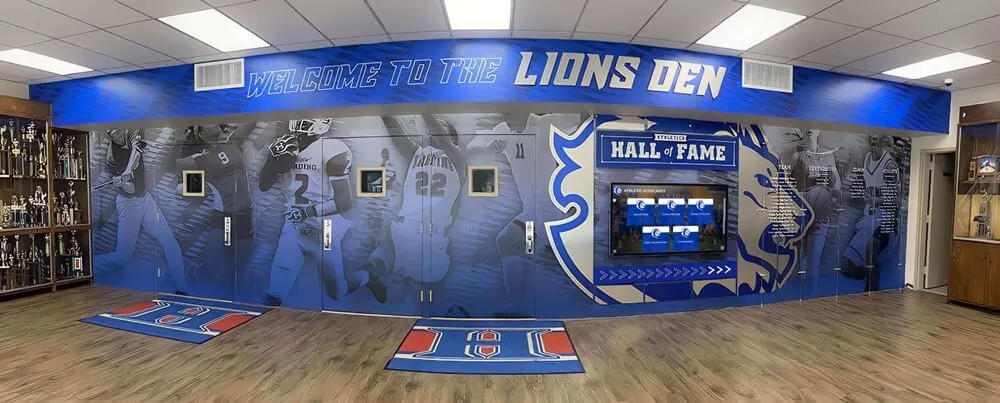
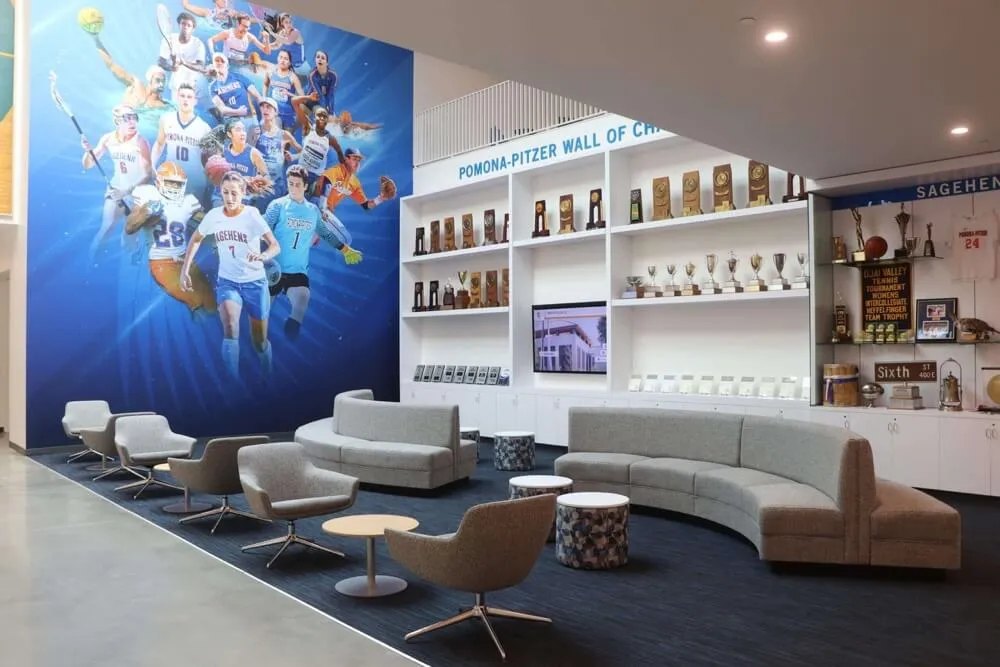
Trophy Cases Physical trophies occupy prominent display cases in school lobbies and athletic entrances. Championship trophies, particularly from the UNI-Dome, serve as tangible symbols of accomplishment that students pass daily.
Team Photos and Plaques Schools mount championship team photos with roster listings, creating permanent records of the individuals who achieved titles. These displays allow alumni to revisit their championship seasons and share memories with family and friends during school visits.
The Evolution to Digital Athletic Recognition
While traditional recognition methods provide value, they face inherent limitations including space constraints limiting how many teams can be honored, inability to share detailed stories behind championships, static presentations that don’t engage modern audiences, and difficulty updating or expanding displays as new championships are won.
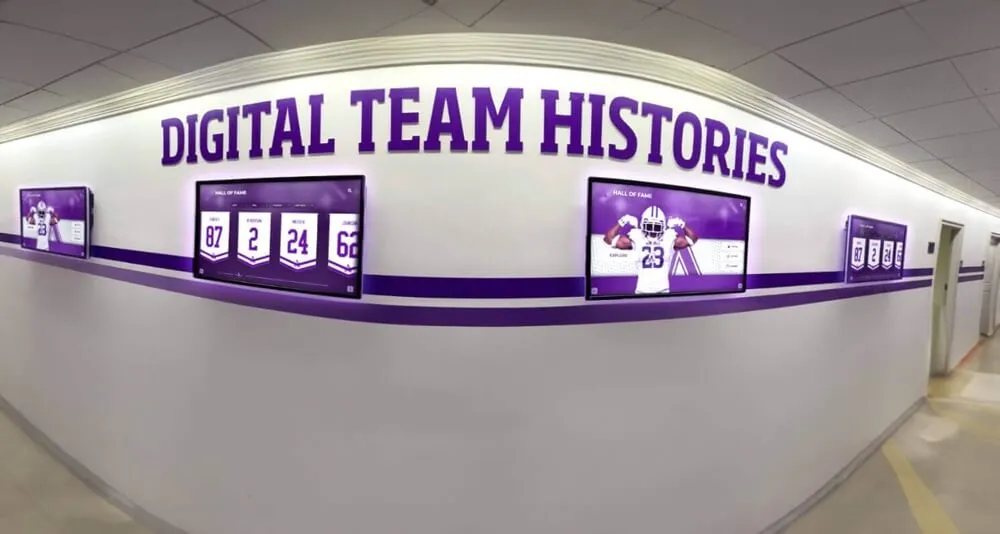
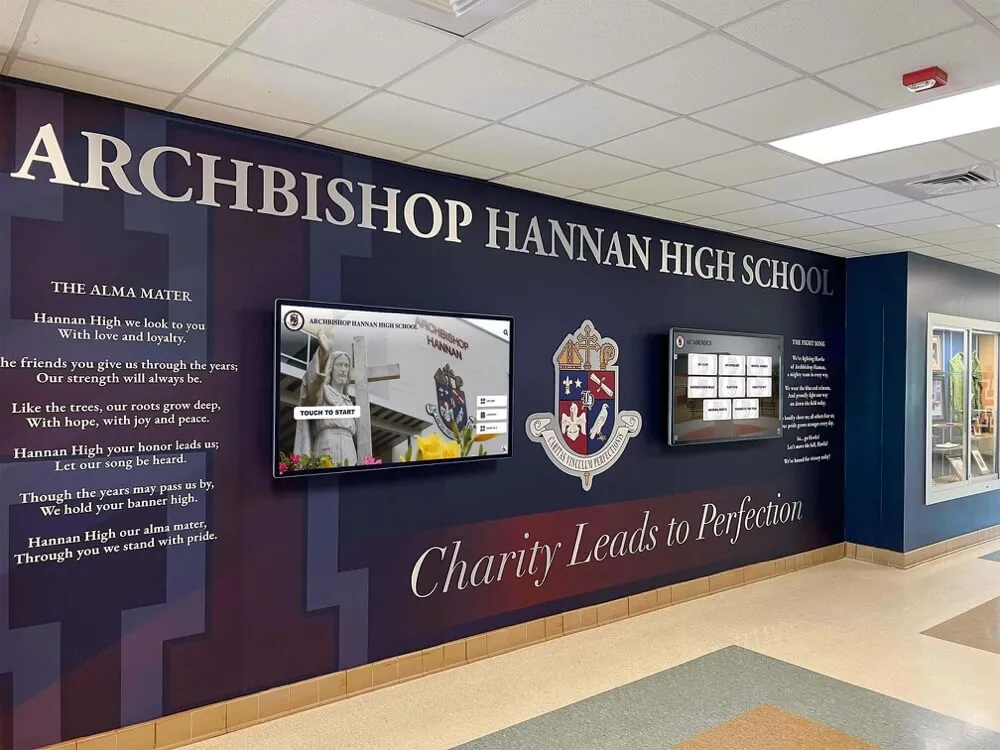
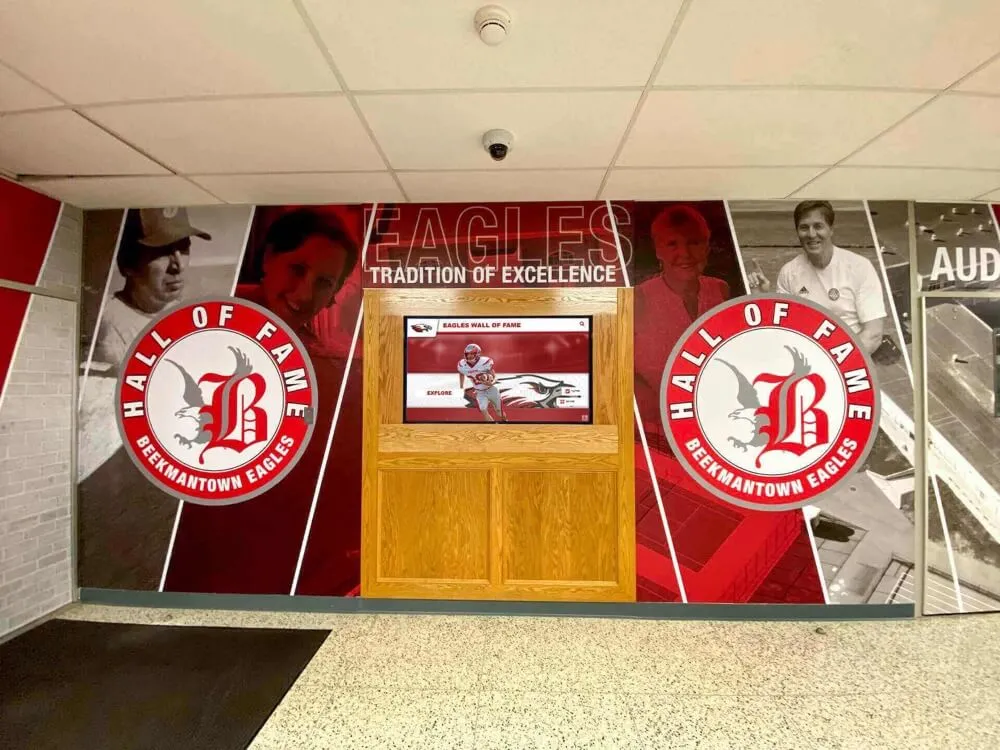
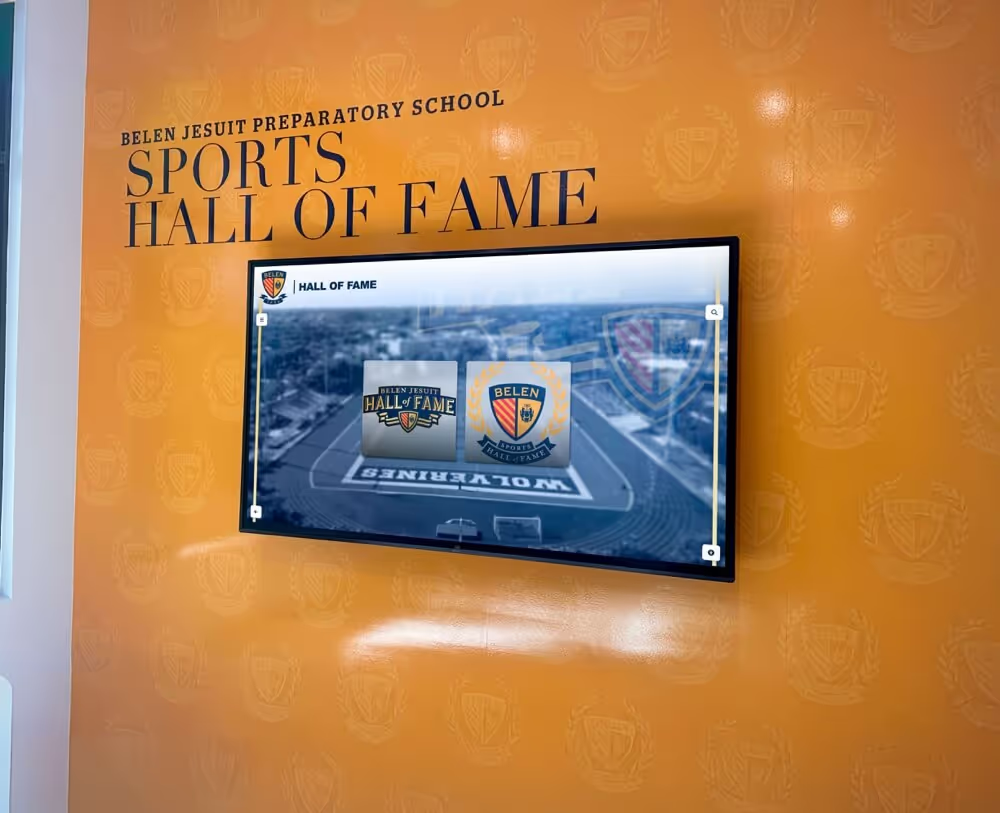
Modern schools increasingly supplement or replace traditional displays with digital recognition systems that overcome these limitations while providing enhanced capabilities.
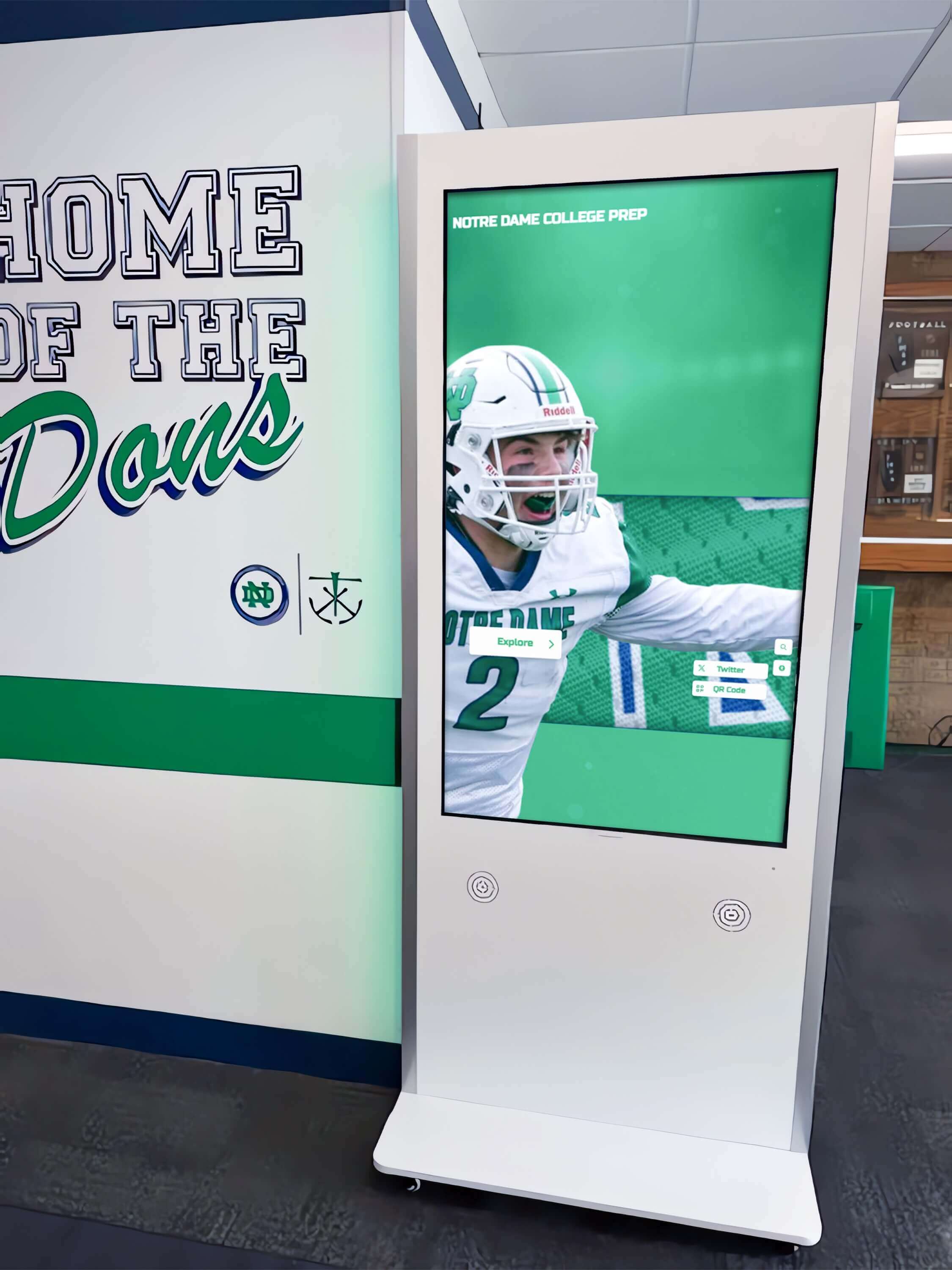
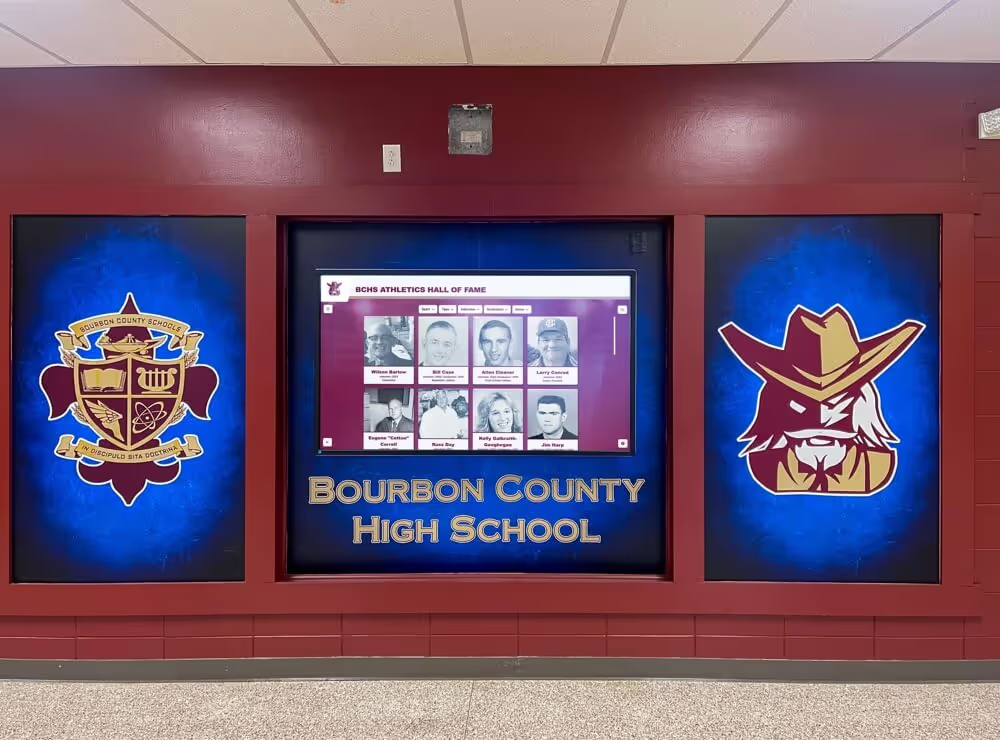
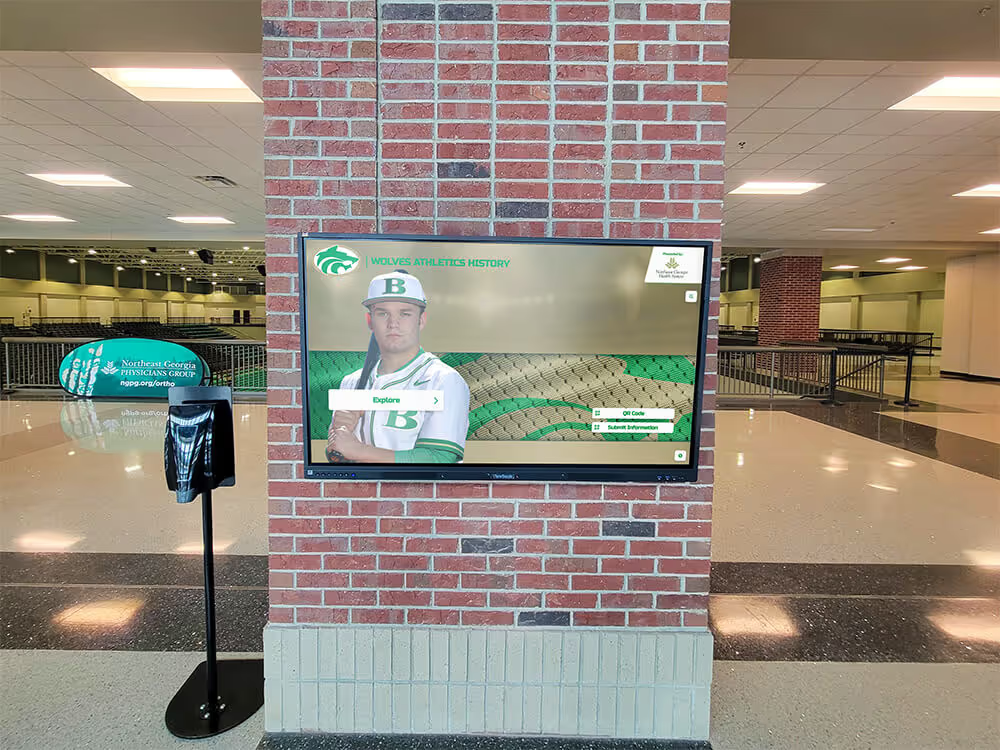
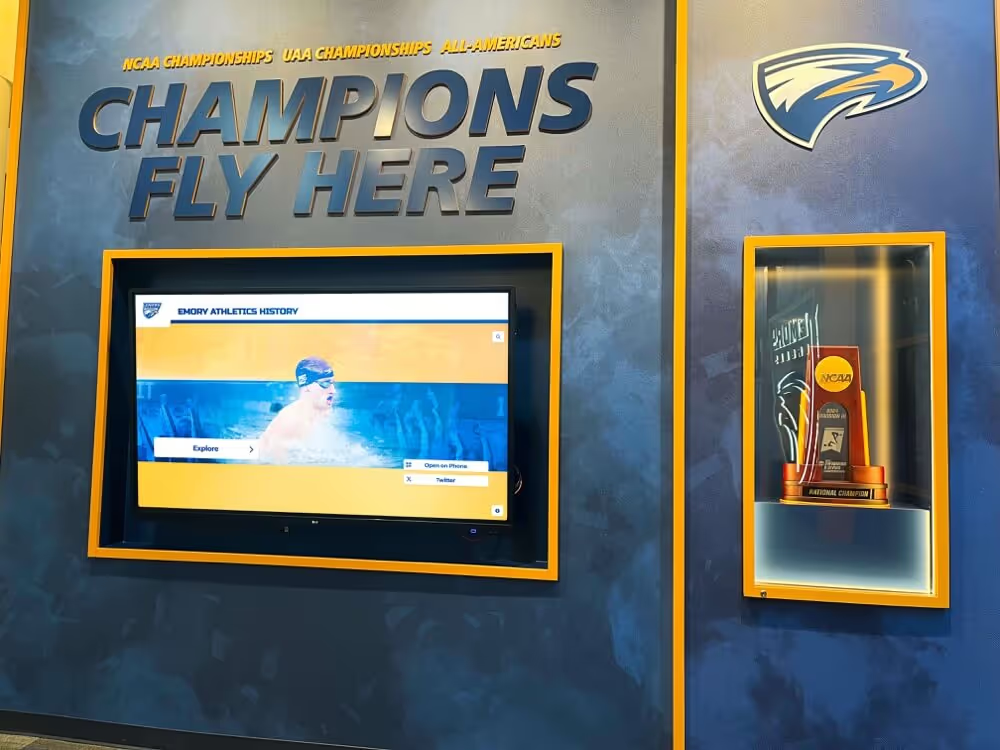
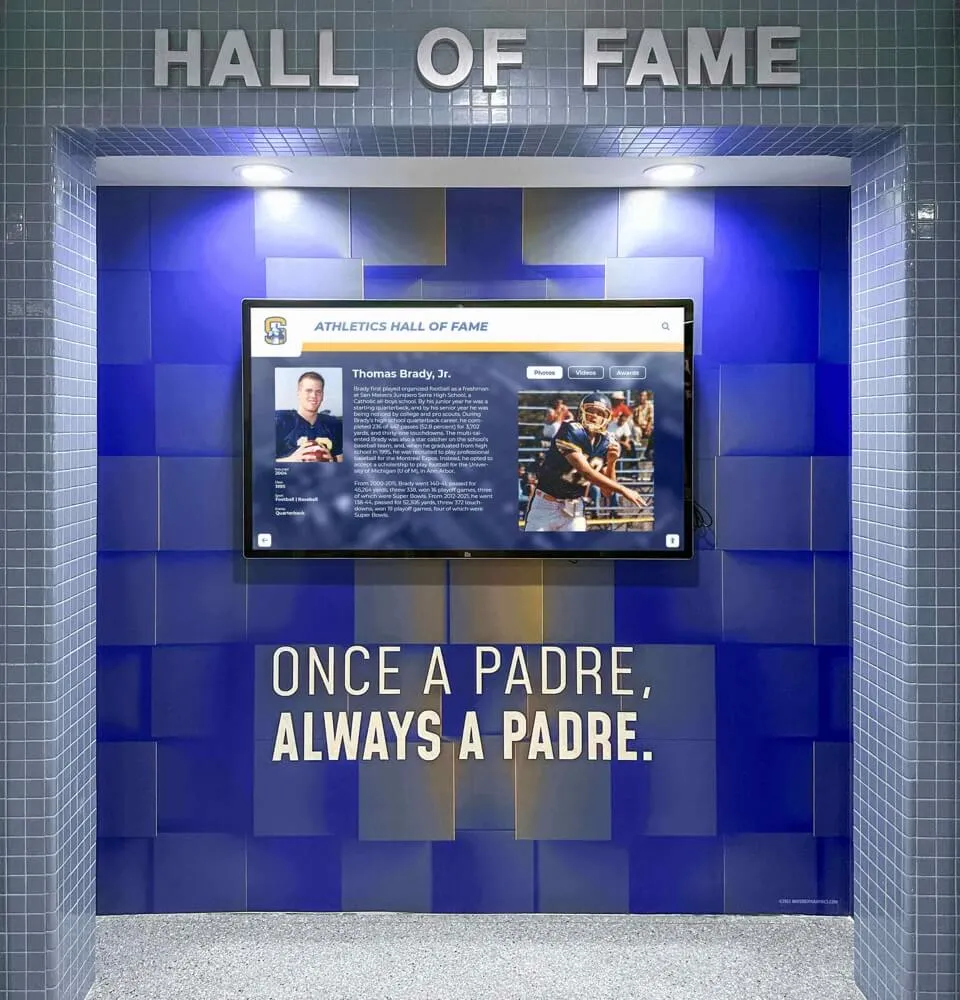
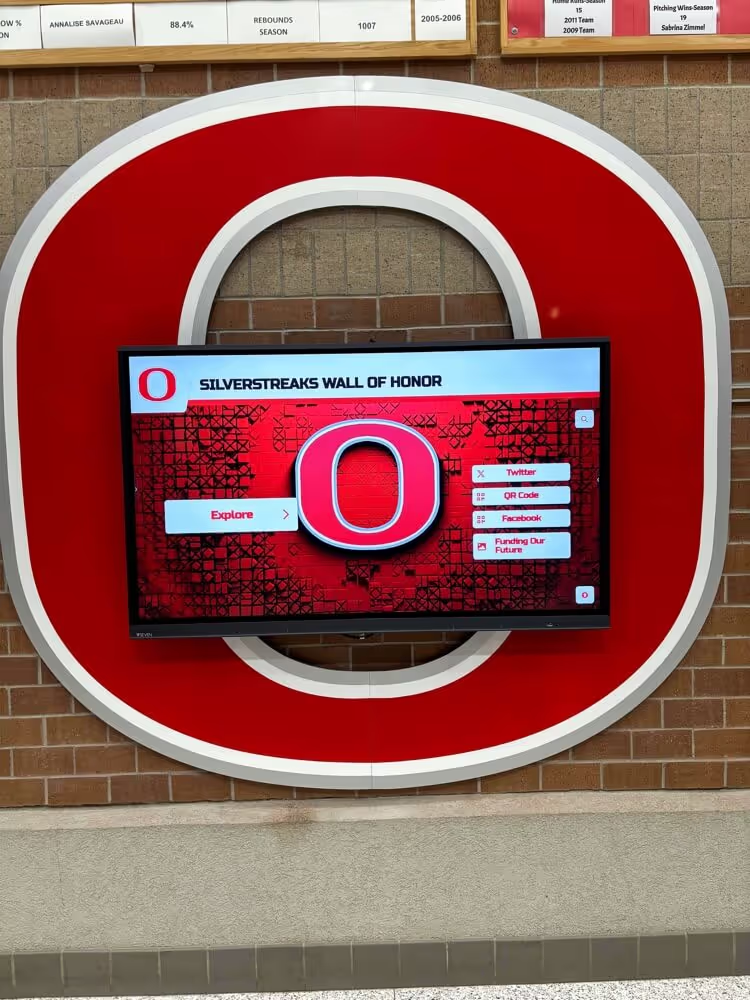
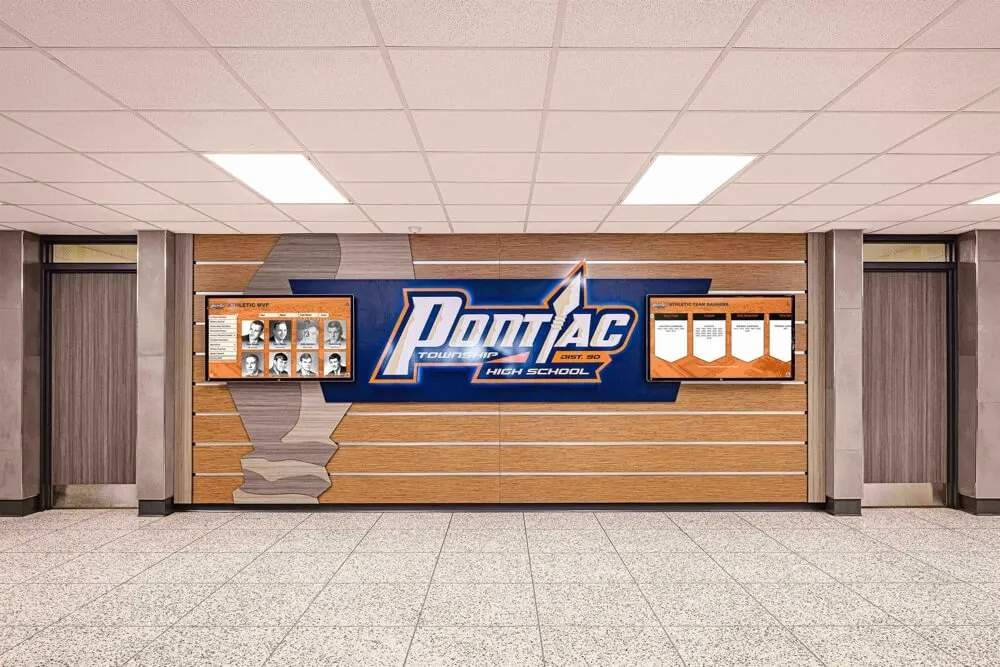
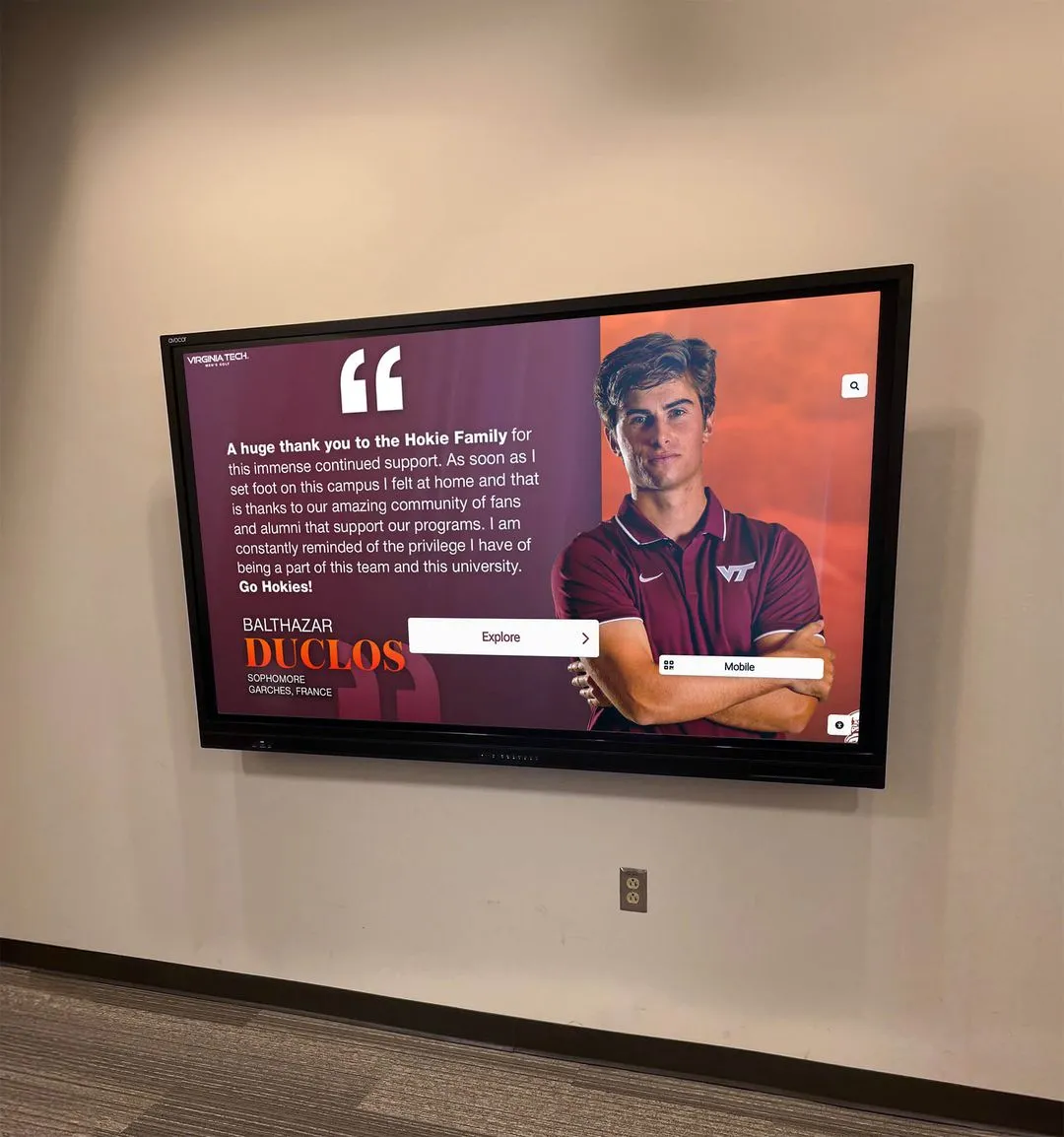
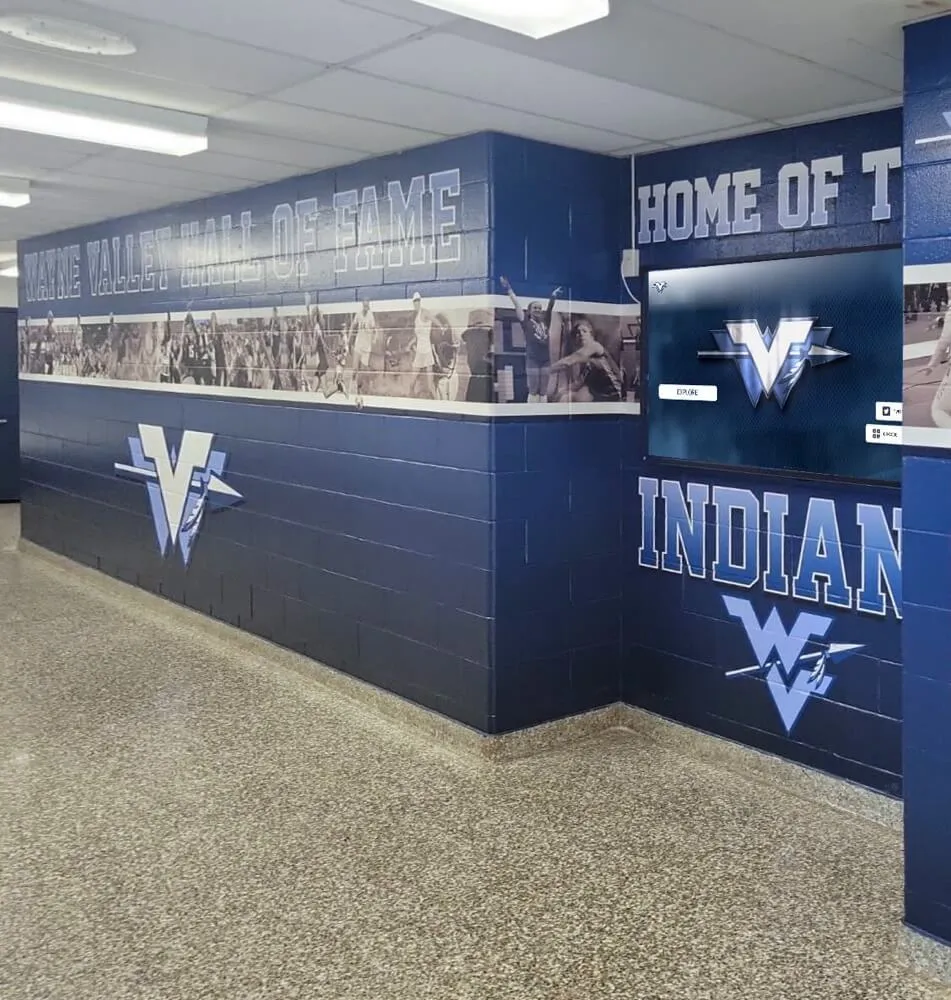
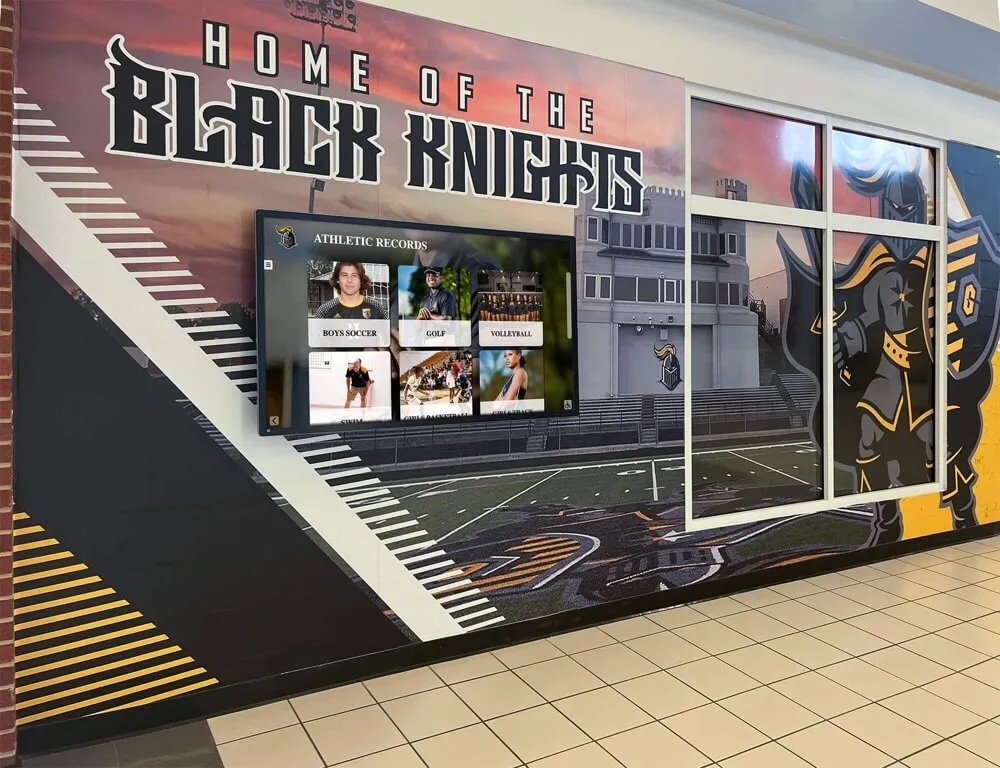
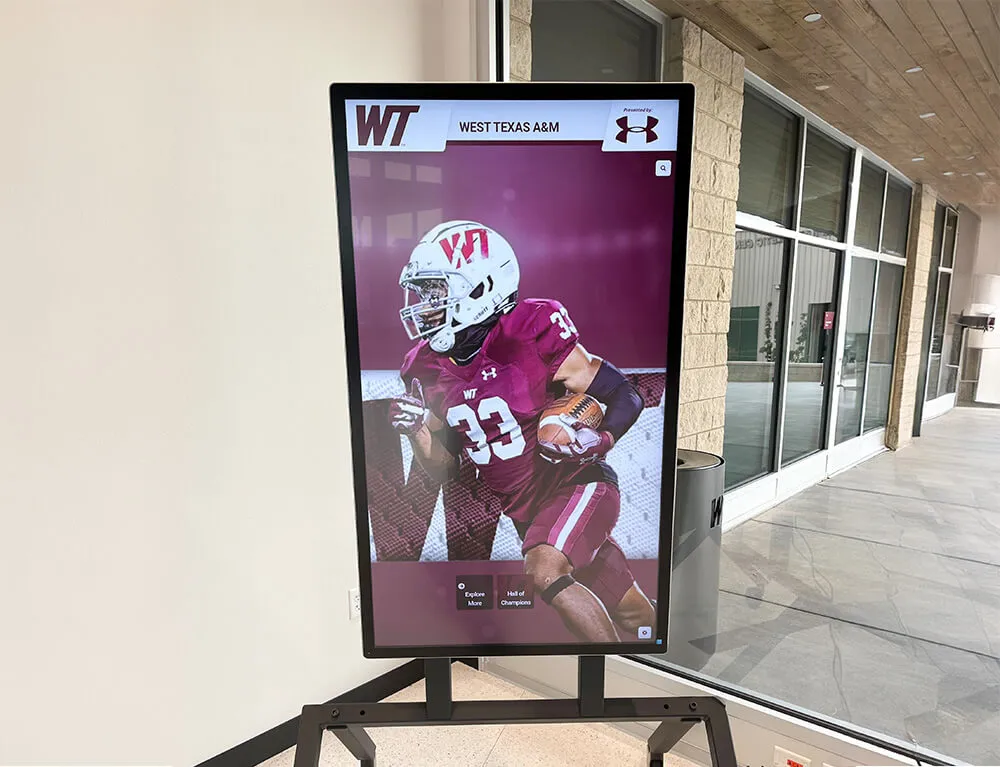
Unlimited Recognition Capacity Digital displays eliminate space constraints, allowing schools to honor every playoff team, all-state selections, statistical leaders, and individual achievements without physical limitations.
Rich Multimedia Storytelling Modern recognition systems incorporate championship game highlights, player interviews, celebration footage, photo galleries from playoff runs, and statistical breakdowns that bring championship seasons to life rather than simply listing accomplishments.
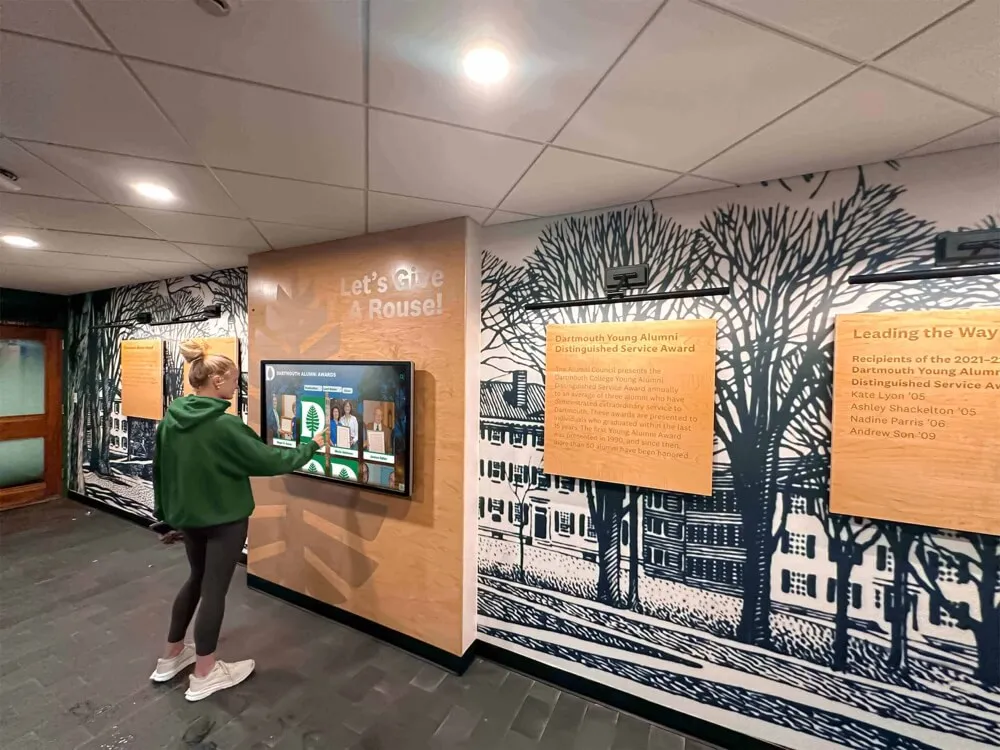
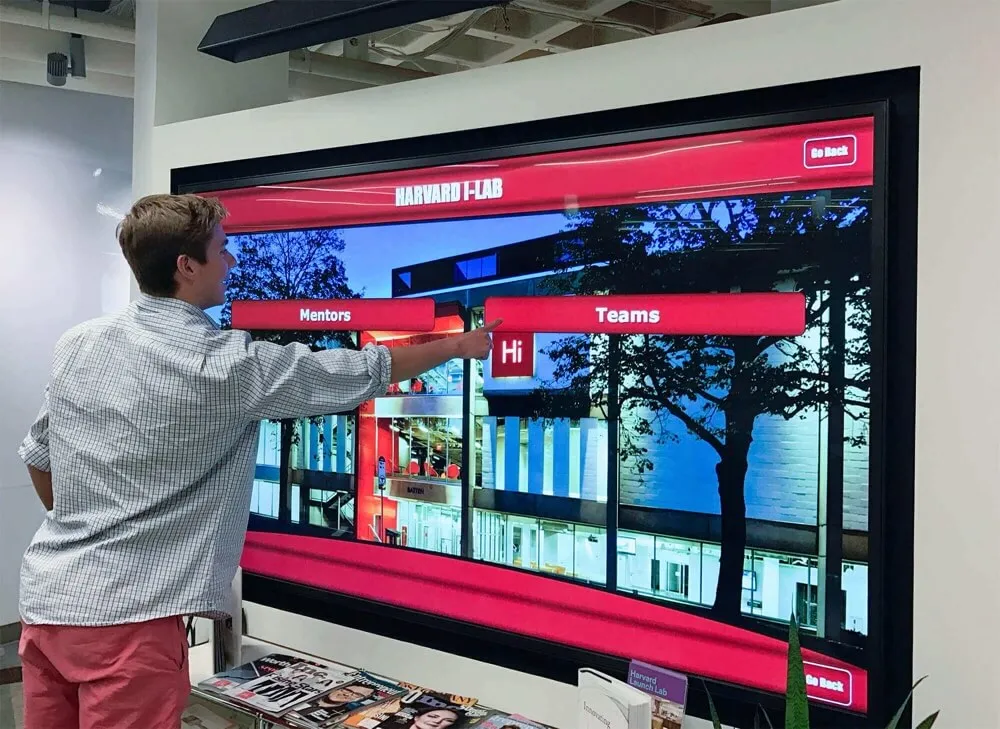
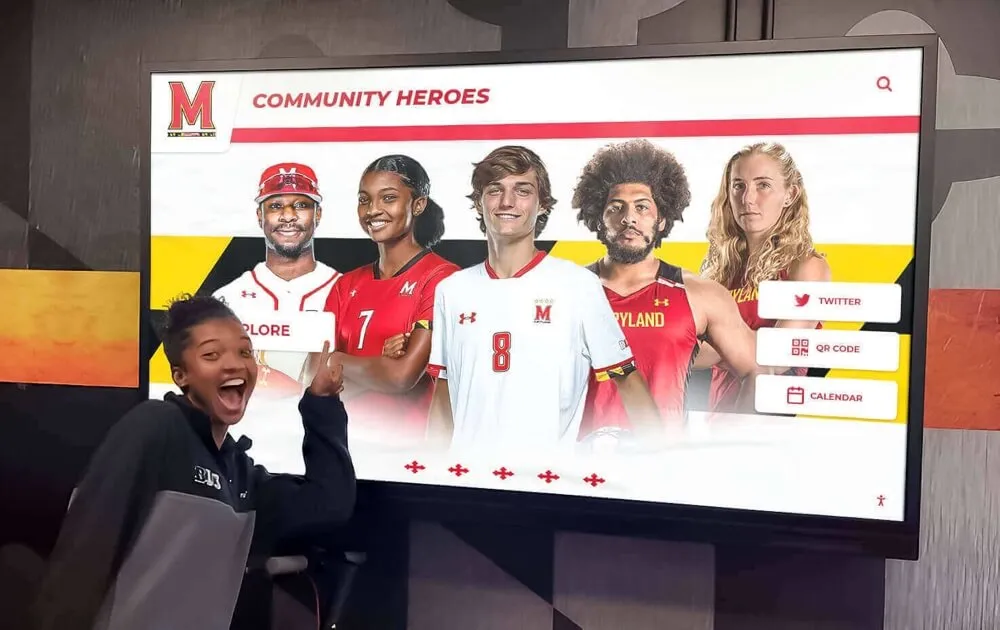
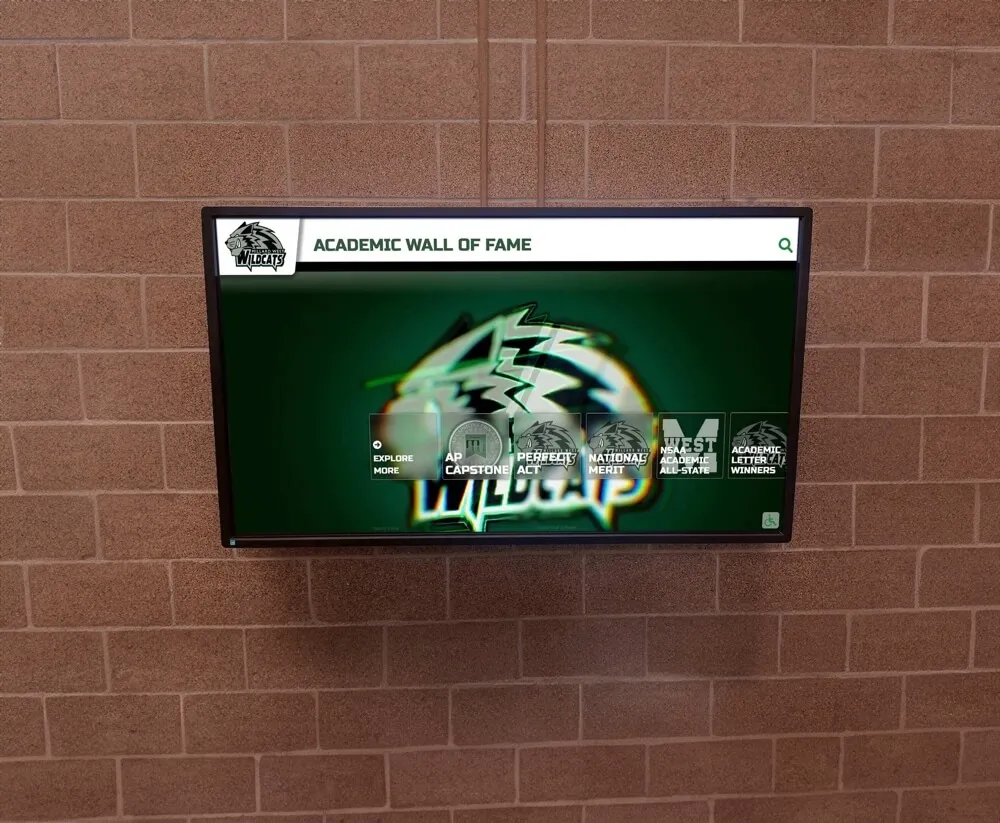
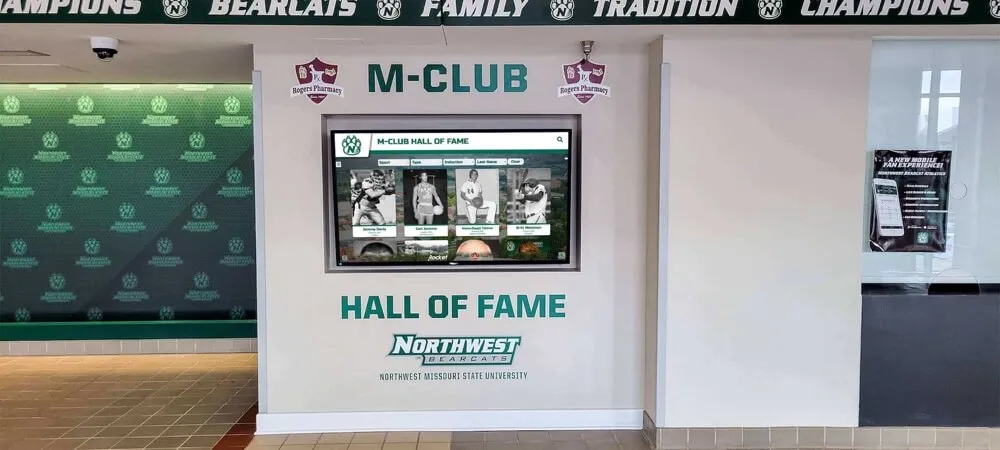
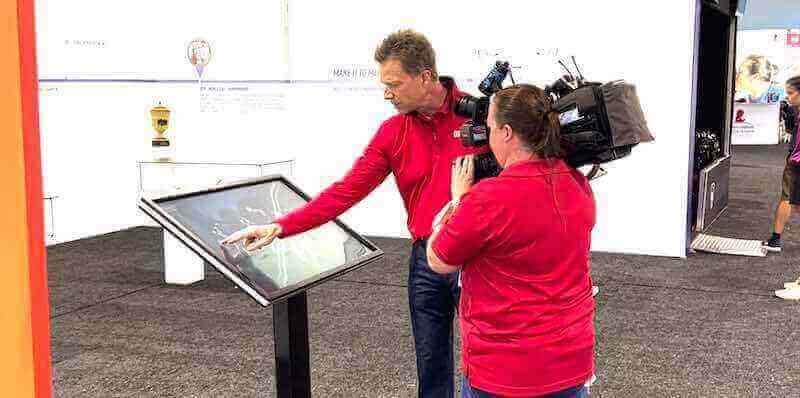
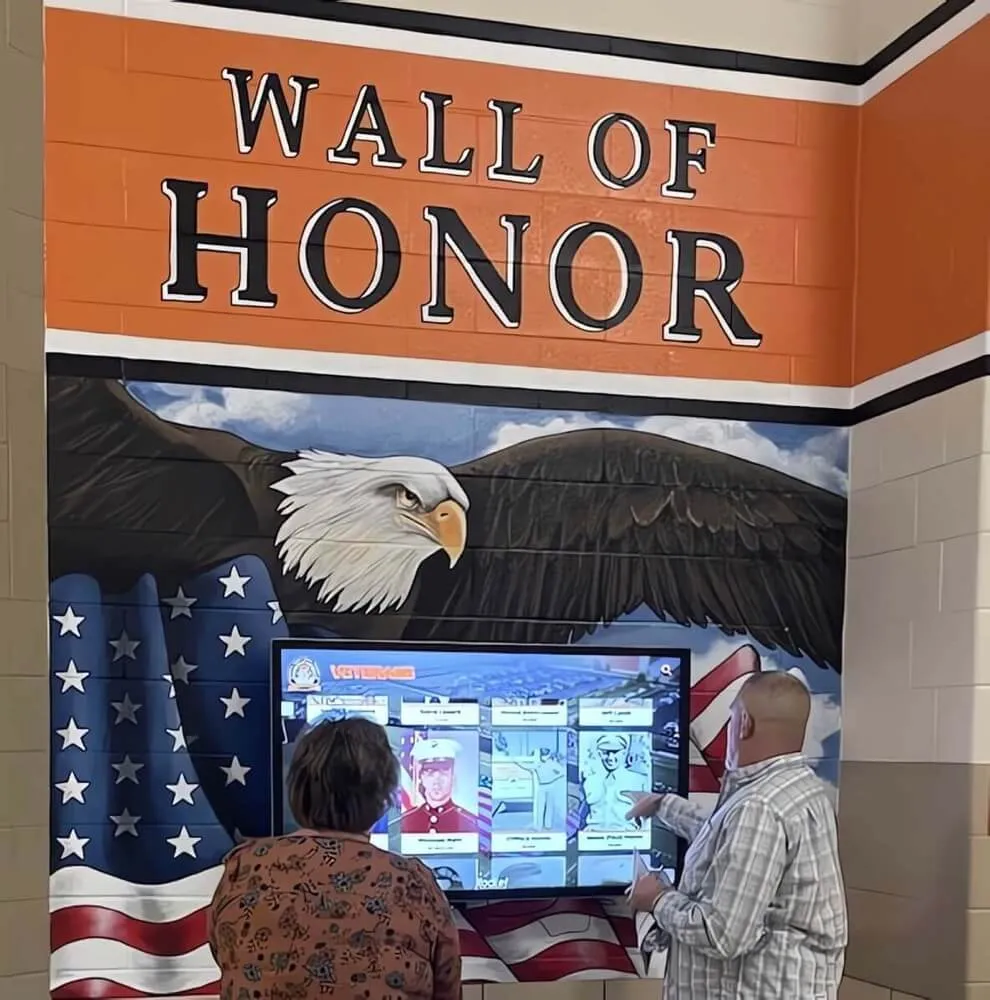
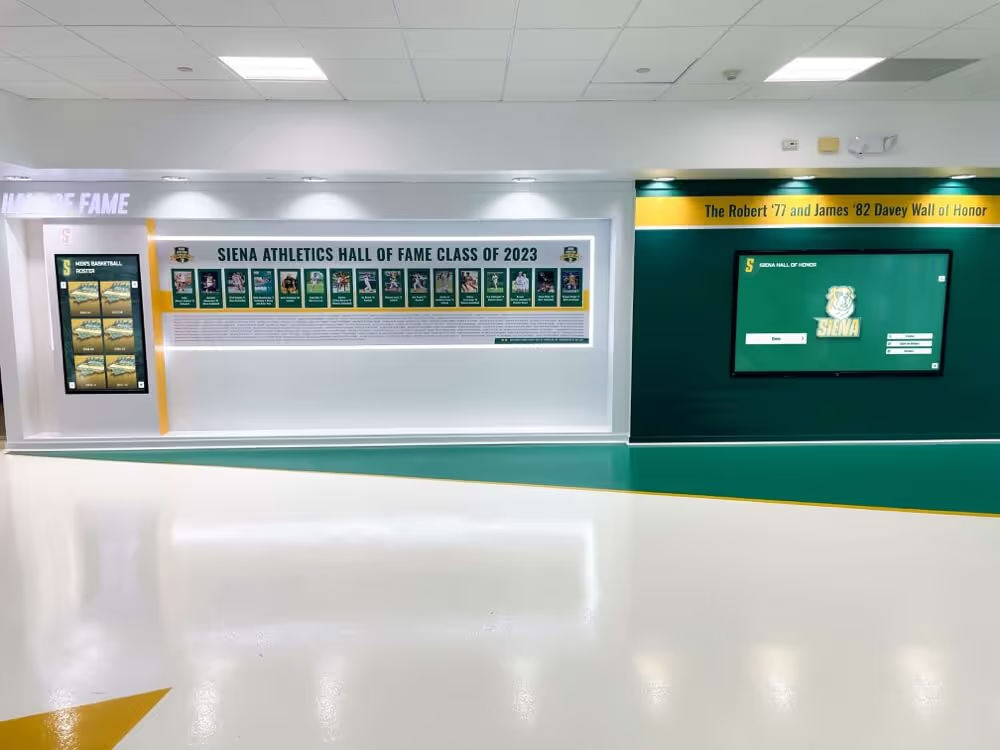
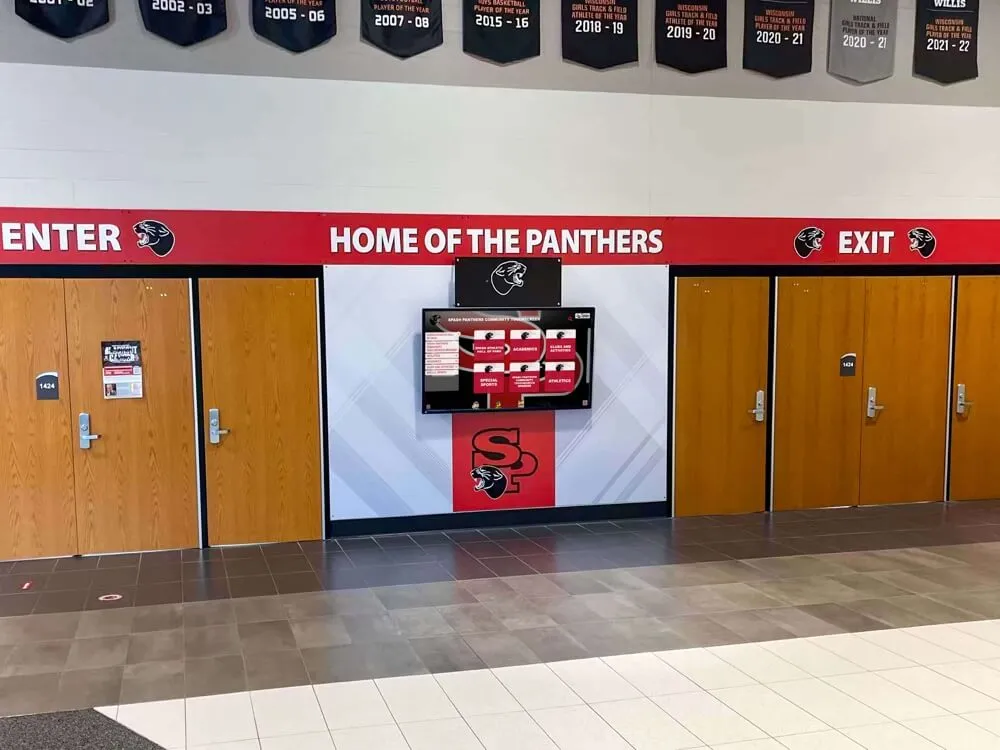
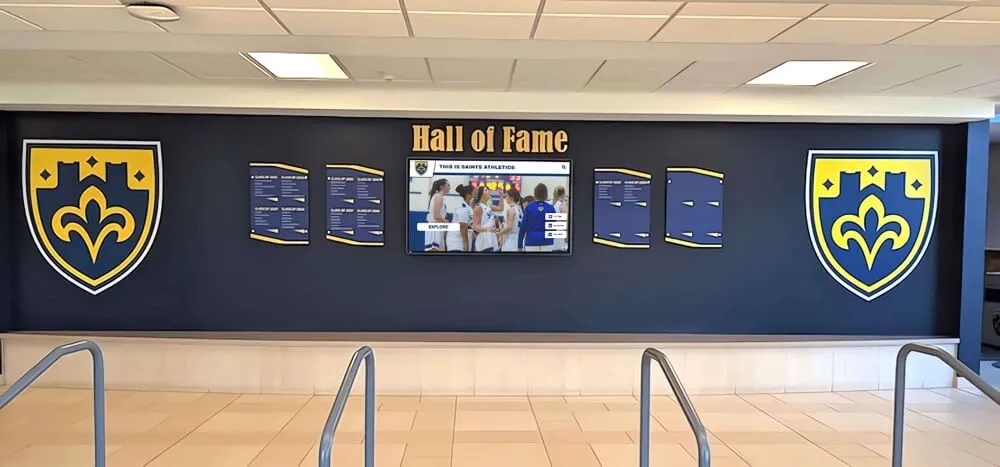
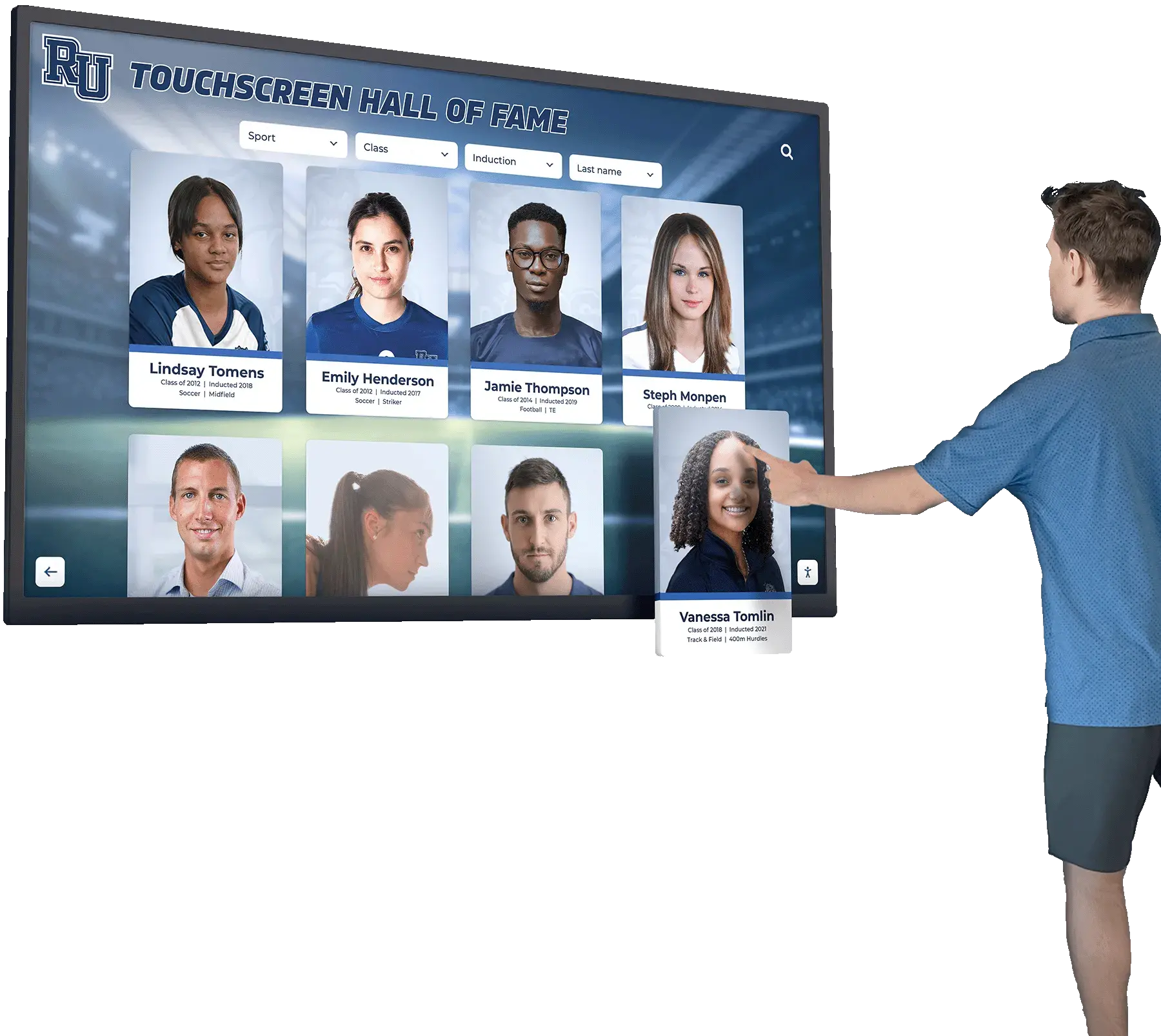
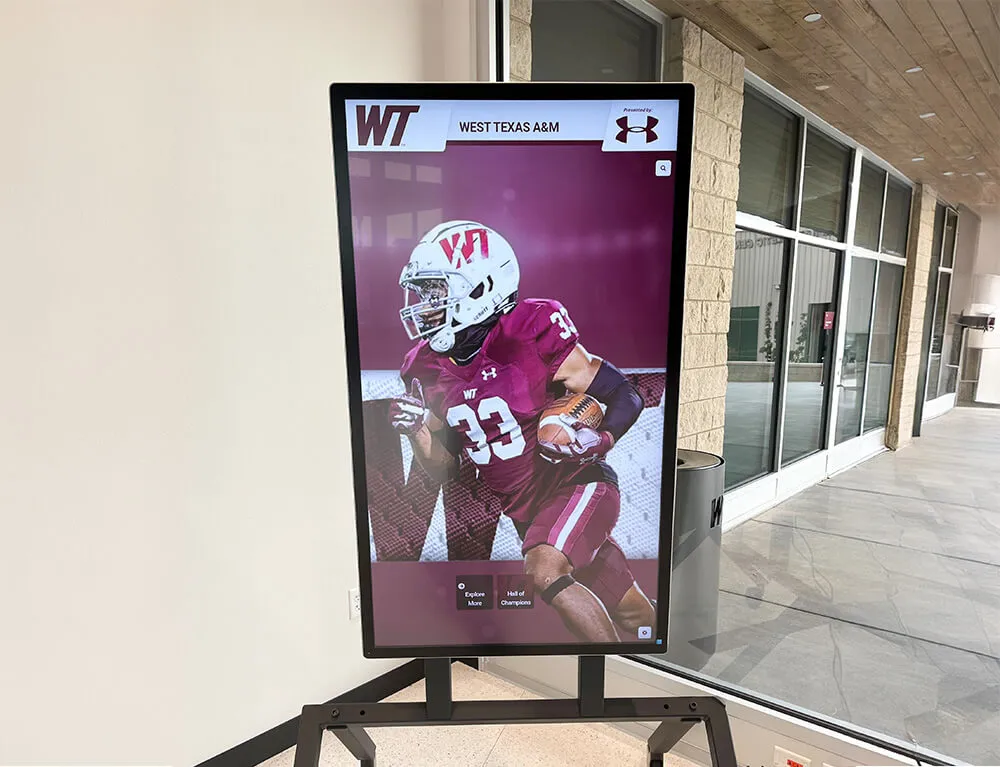
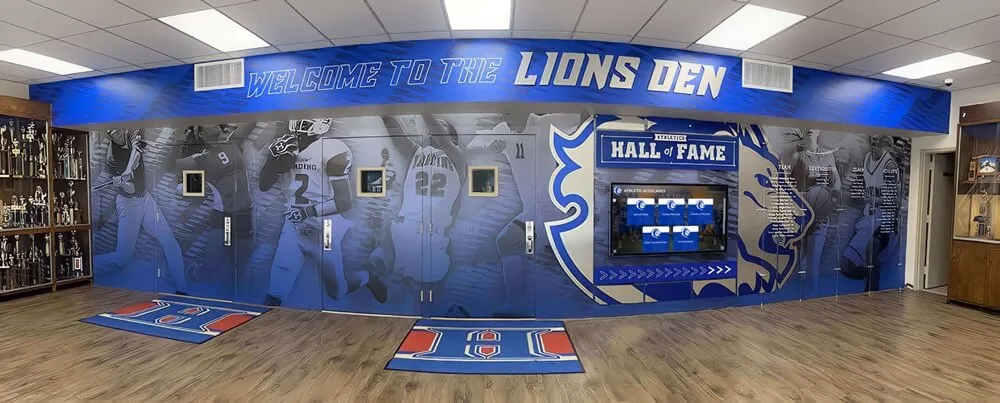
Interactive Exploration Touchscreen interfaces enable students, alumni, and visitors to explore content based on their interests—searching specific years, players, opponents, or achievement categories. This interactivity creates engaging experiences that static displays cannot match.
Easy Content Updates When schools win new championships, digital systems allow instant updates through user-friendly interfaces requiring no technical expertise. This eliminates the delay and expense associated with updating physical displays.
Remote Accessibility Cloud-based recognition platforms extend access beyond physical displays, allowing alumni worldwide to explore their school’s athletic history, reconnect with teammates, and share championship memories regardless of geographic location.
Analytics and Engagement Tracking Digital systems provide data showing which content receives most interaction, when displays receive peak engagement, and what aspects of athletic history resonate strongest with audiences—insights impossible with traditional static displays.
Implementing Comprehensive Athletic Recognition
Schools implementing modern recognition approaches typically follow strategic processes:
Content Gathering and Digitization Collecting historical materials including championship team photos, game programs and statistics, newspaper clippings and articles, video footage from championship games, and individual player information creates comprehensive archives.
Information Architecture Design Organizing content to support multiple exploration methods—browsing by year, searching by athlete name, filtering by sport and achievement type, and discovering featured championship stories—ensures intuitive navigation.
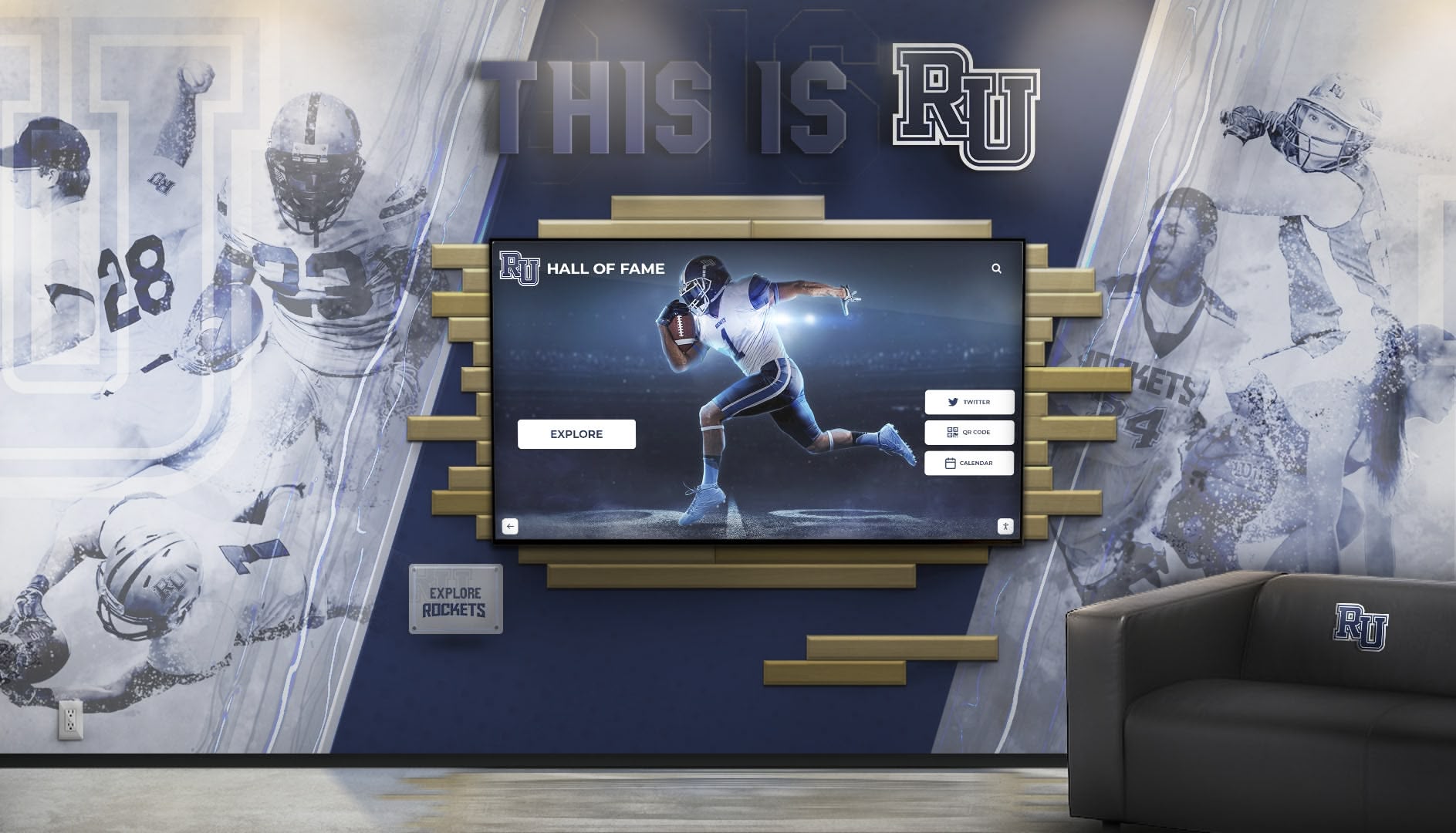
Platform Selection and Customization Choosing recognition platforms that balance powerful capabilities with user-friendly management interfaces ensures long-term success. Solutions like those from Rocket Alumni Solutions provide purpose-built systems designed specifically for educational athletic recognition rather than adapted from generic digital signage.
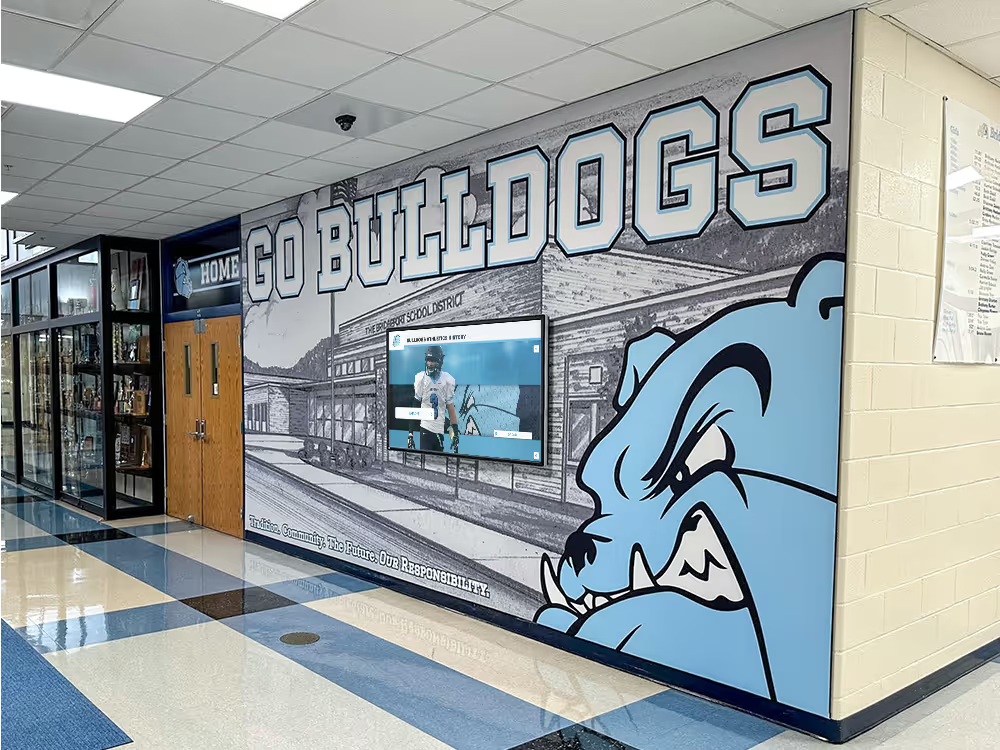
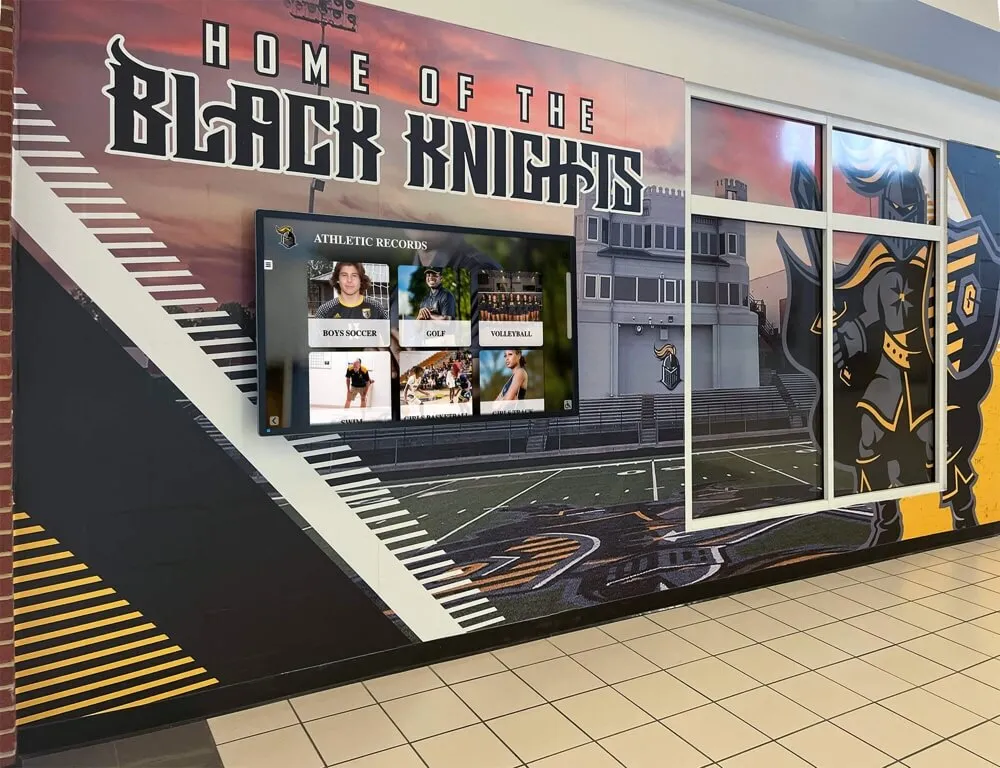
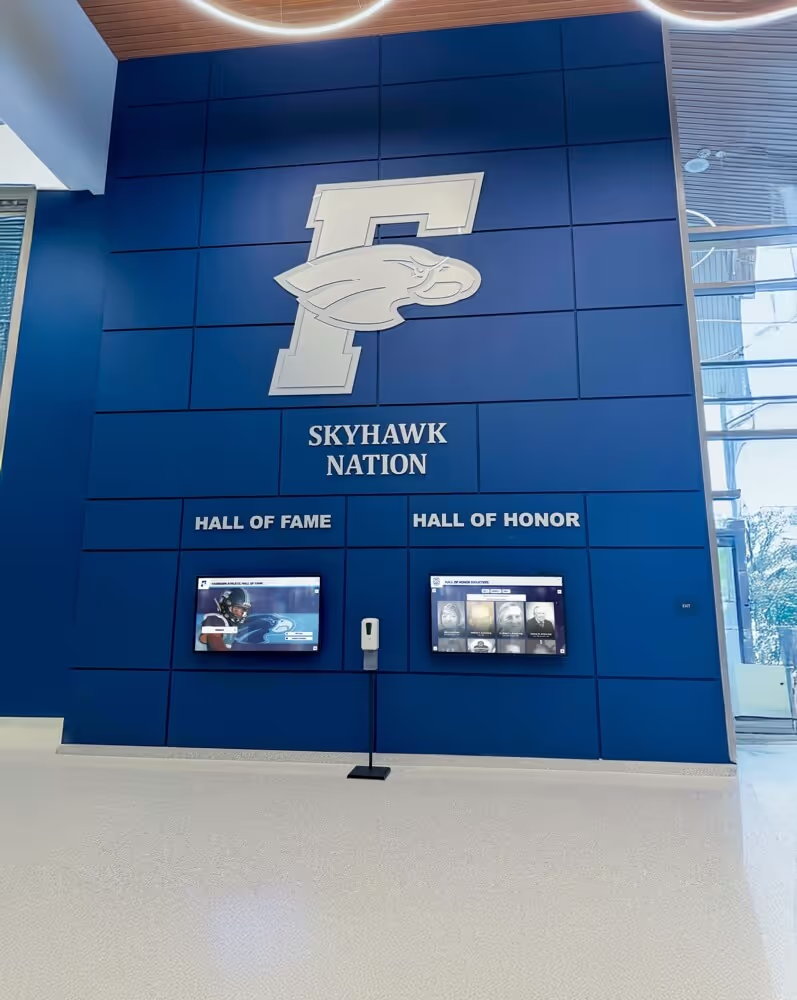
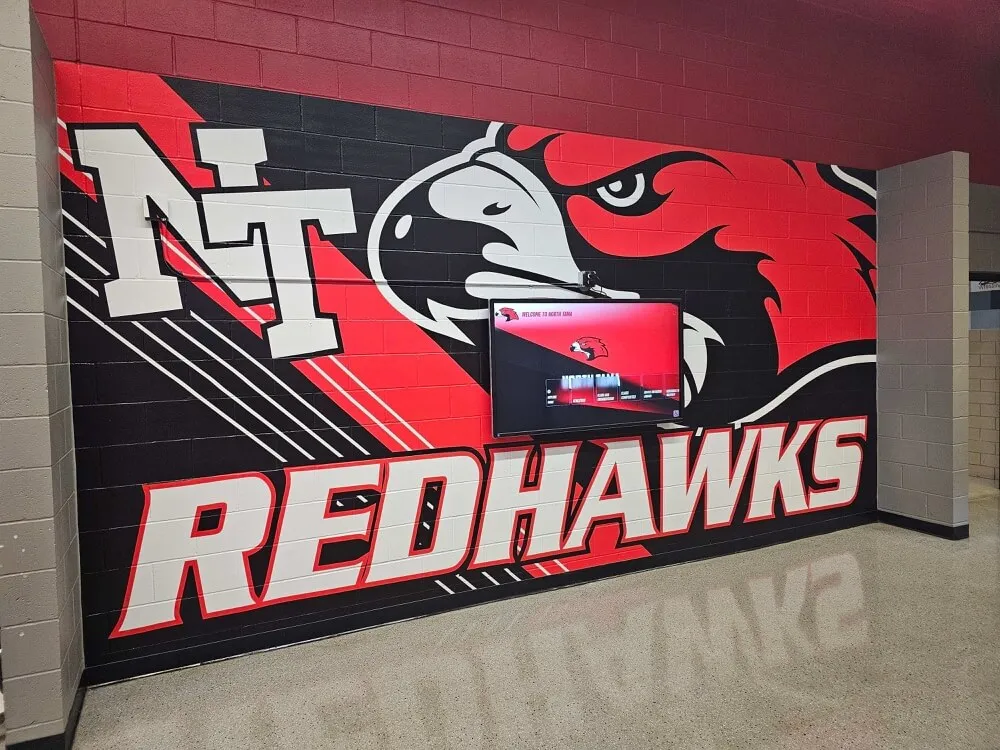
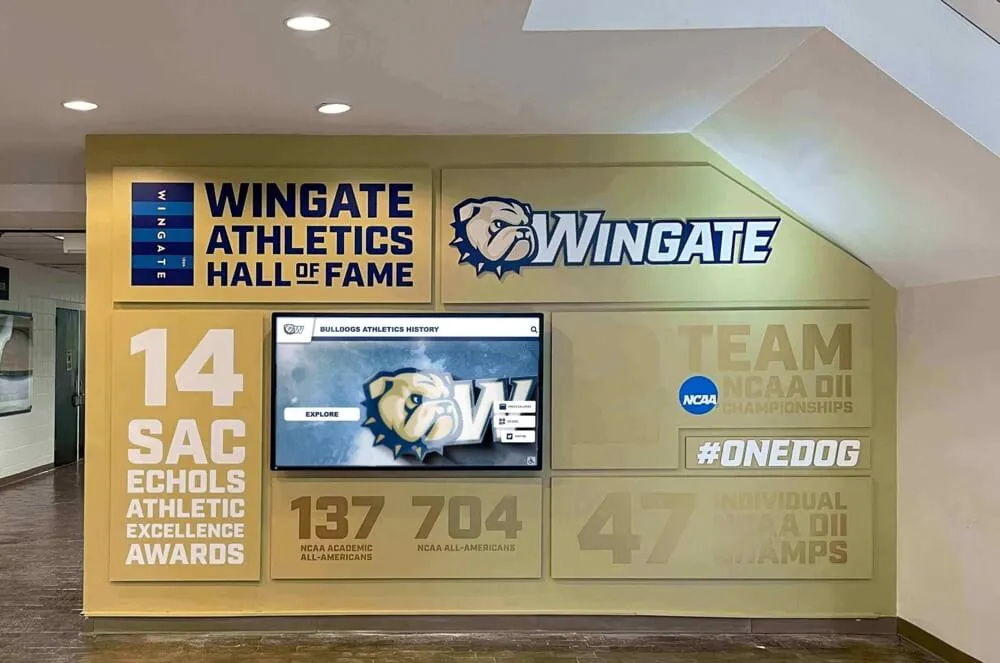
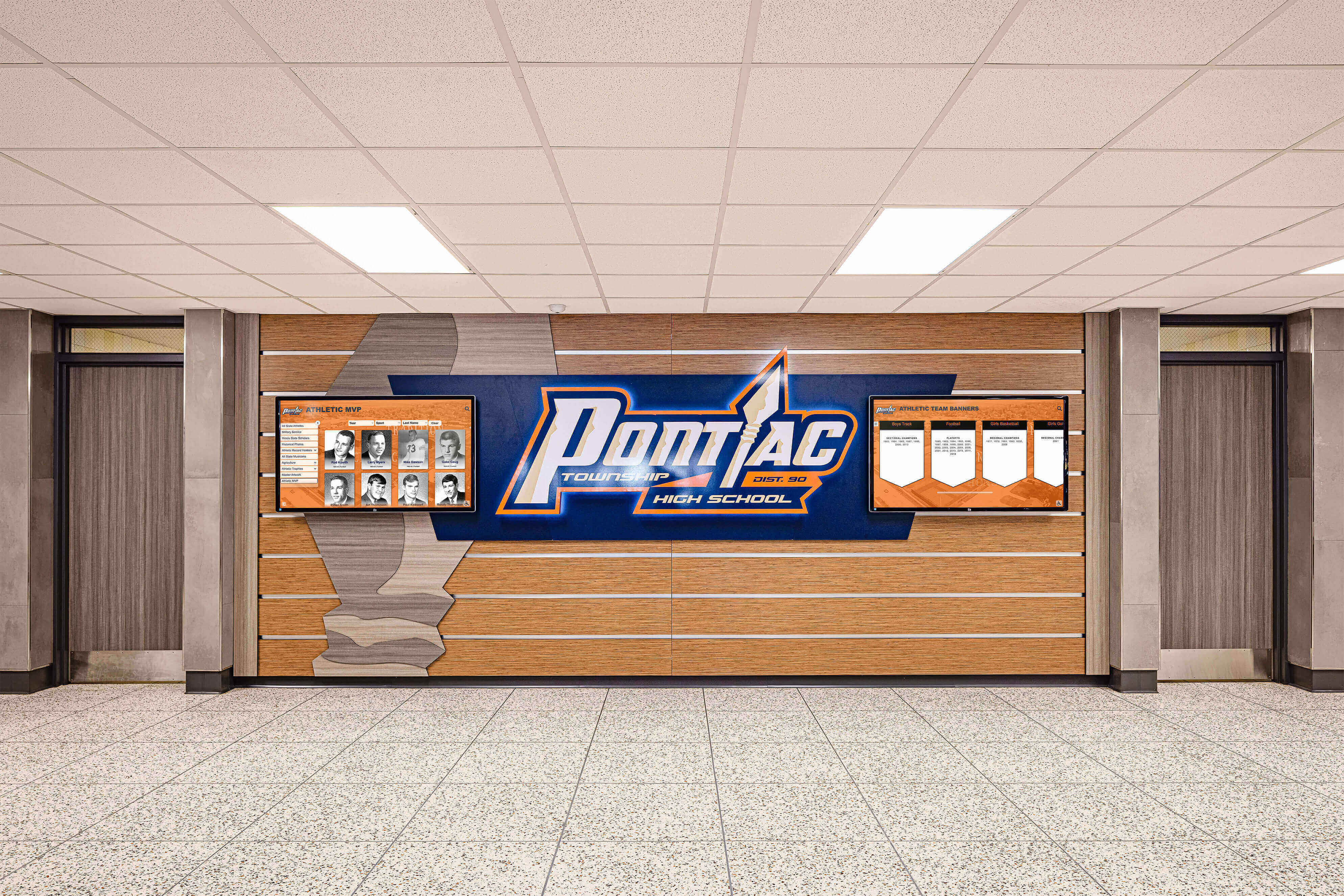
Strategic Placement and Promotion Installing displays in high-traffic locations such as main entrances, athletic facility lobbies, cafeterias and common areas, and hallways connecting to gymnasiums maximizes visibility and engagement.
Ongoing Content Management Establishing workflows for adding new achievements, expanding historical content, updating multimedia features, and maintaining accuracy ensures recognition displays remain current and valuable institutional resources.
Schools implementing comprehensive digital recognition systems report increased school pride, stronger alumni engagement, enhanced recruitment appeal, and community appreciation for investments honoring student-athletes.
The Role of Recognition in Building Championship Cultures
Beyond preserving history, strategic athletic recognition actively contributes to building and sustaining championship cultures by inspiring current athletes, attracting quality coaches, engaging communities, and demonstrating institutional values.
Inspiring Current Athletes
Young athletes walking school hallways daily pass recognition displays showcasing championship achievements. These constant reminders that championships are possible—that athletes who walked these same halls reached the UNI-Dome—create aspirational goals that drive commitment and effort.
Digital displays featuring detailed player profiles and achievement pathways help current athletes understand what levels of dedication, performance, and leadership championship teams require. Seeing specific statistics, awards, and accomplishments from championship players provides concrete benchmarks for current athletes to pursue.
Creating Visible Standards of Excellence
Recognition displays establish visible standards communicating program expectations. When every championship team displays includes academic achievement data, character awards, and community service alongside athletic accomplishments, current athletes understand that championship cultures value well-rounded excellence rather than purely athletic performance.
Supporting Recruiting and Program Building
Quality coaches evaluating job opportunities assess whether schools provide resources, support, and culture necessary for building championship programs. Comprehensive athletic recognition demonstrates:
- Institutional commitment to honoring athletic achievement
- Community culture that values and supports athletics
- History suggesting championship success is possible
- Investment in creating professional, inspiring environments
- Long-term vision extending beyond individual seasons
Similarly, families selecting schools for talented student-athletes evaluate whether programs honor achievements, celebrate excellence, maintain high standards, and create environments where hard work receives recognition. Modern recognition systems provide tangible evidence of these program characteristics.
Strengthening Alumni Connections
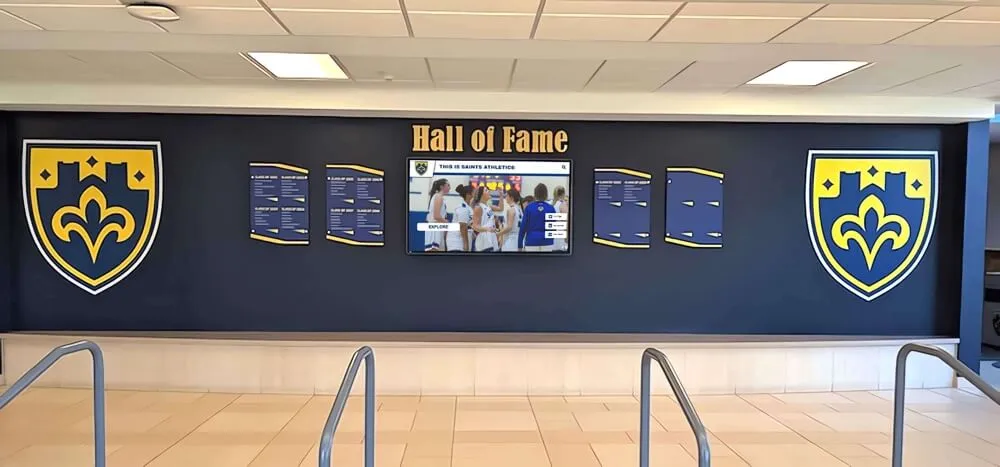
Championship teams form lifelong bonds through shared playoff experiences. Recognition systems that celebrate these teams create connection points where alumni can:
- Revisit their championship seasons through multimedia content
- Share accomplishments with family members who weren’t yet born
- Reconnect with former teammates through searchable directories
- Contribute their own photos, stories, and memorabilia
- Maintain emotional connections to their alma maters
Strong alumni connections support programs through attendance at games, volunteer coaching and mentoring, financial contributions to athletic programs, and promotion of their schools’ athletic traditions. Effective recognition nurtures these connections by demonstrating that schools remember and value athletic achievements long after graduation.
Schools investing in comprehensive end-of-season celebrations combined with permanent digital recognition create complete cultures that honor both immediate and long-term athletic accomplishments.
Looking Forward: The Future of Iowa High School Football
Iowa high school football continues evolving while maintaining the traditions and community connections that make it special. Several trends are shaping the future of the sport across the state.
Playoff Expansion and Classification Changes
As Iowa’s demographics shift with some communities growing while others decline, the IHSAA regularly evaluates classification structures ensuring competitive balance. Schools transitioning between classifications due to enrollment changes must adjust expectations, rebuild programs, and sometimes create new identities as they compete against different opponents.
Technology Integration in Training and Preparation
Modern Iowa programs increasingly incorporate technology in preparation including video analysis software breaking down opponent tendencies, GPS tracking devices monitoring practice intensity and injury risk, strength training apps providing personalized programming, and digital playbook systems replacing paper materials.
These technologies, once exclusive to major college programs, have become accessible to high schools, creating opportunities for programs to enhance preparation and player development regardless of community size.
Safety Innovations and Rule Modifications
The IHSAA continues prioritizing player safety through equipment standards, practice contact limitations, concussion protocols, and rule modifications reducing injury risks while maintaining football’s essential character.
Programs that demonstrate commitment to player safety and education help parents feel comfortable supporting their sons’ football participation, ensuring the sport remains viable across Iowa communities for future generations.
Digital Storytelling and Recognition
As digital natives populate player rosters and student bodies, expectations for how schools communicate, celebrate, and preserve achievements continue evolving. Programs that embrace modern recognition methods while respecting traditions position themselves to maintain relevance with current audiences while honoring past accomplishments.
Solutions like digital recognition displays serve both purposes—providing modern, engaging interfaces for current students while comprehensively preserving championship traditions that connect generations of athletes, families, and communities.
Conclusion: Celebrating Iowa’s Championship Tradition
As programs pursue championships year after year, preserving and celebrating these achievements ensures that the sacrifices, triumphs, and memories that make Iowa football special receive the recognition they deserve. Whether through traditional trophy cases or modern digital displays, honoring playoff achievements inspires future generations while demonstrating gratitude for the athletes, coaches, and communities that make Iowa high school football extraordinary.
The schools that most effectively celebrate their championship traditions create cultures where excellence becomes expected, where past achievements inspire current efforts, and where the journey toward the UNI-Dome remains a realistic goal rather than impossible dream. By investing in comprehensive recognition that tells complete stories of championship seasons, schools ensure that Iowa’s rich football traditions continue inspiring pride, dedication, and excellence for generations to come.
Modern recognition solutions from providers like Rocket Alumni Solutions enable schools to honor championship traditions with unlimited capacity, engaging multimedia content, and accessible platforms that serve current students while preserving history for future Iowans who will carry forward these proud football traditions.
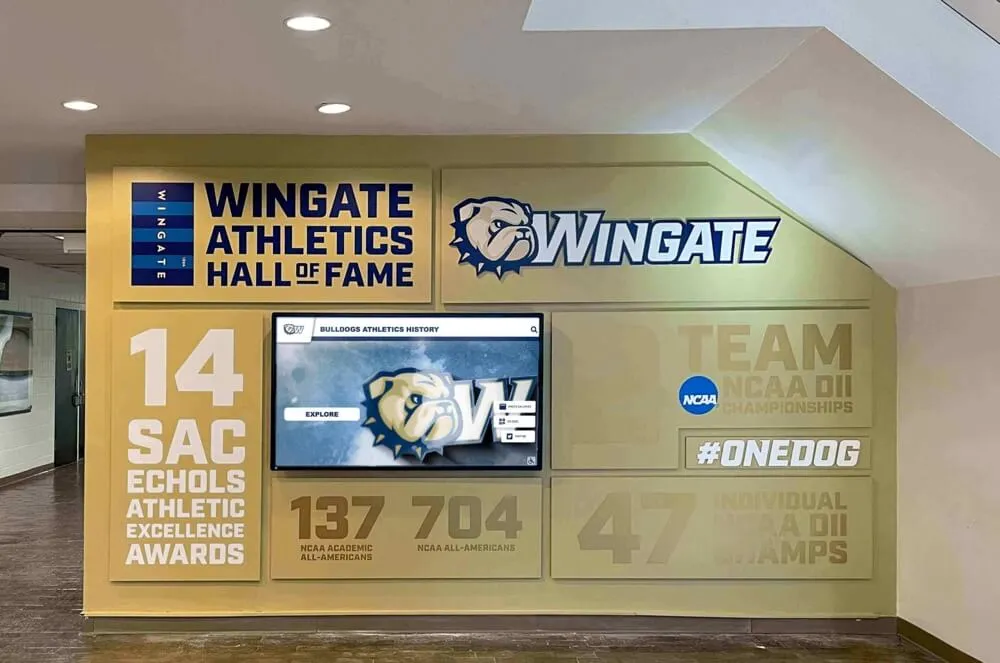
Ready to Transform Your Athletic Recognition?
Discover how digital recognition displays can help your school celebrate playoff achievements, honor championship teams, and inspire future athletes. Explore Rocket Alumni Solutions to see how schools across the country are using interactive touchscreen technology to preserve championship traditions, engage alumni, and build cultures of excellence that span generations.
From celebrating end-of-season achievements to preserving complete athletic records, modern digital recognition solutions make it easier than ever to honor the athletes and traditions that define your school’s football program while creating engaging experiences that inspire current and future generations.