



Key Takeaways
Discover proven intramural sports examples from successful school programs. Learn which sports work best, implementation strategies, scheduling approaches, and recognition systems that build lasting athletic culture.
Schools face a persistent challenge: how to create inclusive athletic opportunities that engage students of all ability levels, build community culture, require manageable resources, and complement rather than compete with varsity programs. Traditional approaches—offering only competitive varsity teams or limited club sports—exclude significant portions of student populations who desire athletic participation without the intensive commitment varsity athletics demands.
Intramural sports programs solve this challenge by providing accessible, structured athletic competition for entire school communities regardless of skill level or previous experience. This comprehensive guide examines successful intramural sports examples from schools across the country, explores which sports work best in different settings, and provides practical frameworks for launching programs that create lasting impact on school culture, student wellness, and community engagement.
Understanding Intramural Sports Programs
Before exploring specific program examples, schools need clear understanding of what intramural sports actually are, how they differ from other athletic offerings, and what purposes they serve within broader school missions.
Defining Intramural Athletics
Intramural sports are organized athletic competitions conducted within a single institution among students, staff, or community members from that institution. The term “intramural” literally means “within the walls,” distinguishing these programs from interscholastic or intercollegiate competitions between different schools.
Key Characteristics of Intramural Programs:
Open Participation: Unlike varsity teams with tryouts and roster limitations, intramural programs typically welcome all interested participants regardless of skill level. This inclusive approach ensures athletic opportunities extend beyond elite athletes to entire student populations.
Internal Competition: Teams compete against other teams from the same school rather than external opponents. This internal focus reduces travel requirements, scheduling complexity, and competitive pressure while building within-school community connections.
Recreational Emphasis: While intramural competitions remain competitive and engaging, programs prioritize participation, enjoyment, and wellness over winning championships. This recreational orientation creates lower-pressure environments welcoming students intimidated by varsity athletics.
Flexible Commitment Levels: Intramural programs typically require less time commitment than varsity sports—abbreviated seasons, fewer weekly practices, convenient scheduling—making participation compatible with academic priorities, work schedules, and other activities.
The Value of Intramural Programs
Well-designed intramural sports programs deliver multiple benefits extending beyond simple recreation:
Increased Physical Activity: Sedentary lifestyles contribute to rising obesity rates and declining wellness among school-age populations. According to national health data, only 24% of adolescents meet recommended physical activity guidelines. Intramural programs create structured opportunities increasing regular physical activity through enjoyable, social athletic participation rather than mandatory physical education alone.
Inclusive School Culture: Intramural programs bring together students across different grade levels, social groups, academic tracks, and backgrounds who might not otherwise interact. This cross-pollination strengthens school community bonds while creating belongingness for students who may feel disconnected from traditional school activities.
Skill Development Without Pressure: Students can learn new sports, develop athletic skills, and experience competition without the intensity and commitment requirements of varsity programs. This low-stakes environment encourages experimentation and growth that builds confidence and lifelong recreation habits.
Leadership Opportunities: Intramural programs create numerous leadership roles—team captains, student coordinators, officials, scorekeepers—providing valuable experience developing organizational, communication, and conflict-resolution skills applicable beyond athletics.
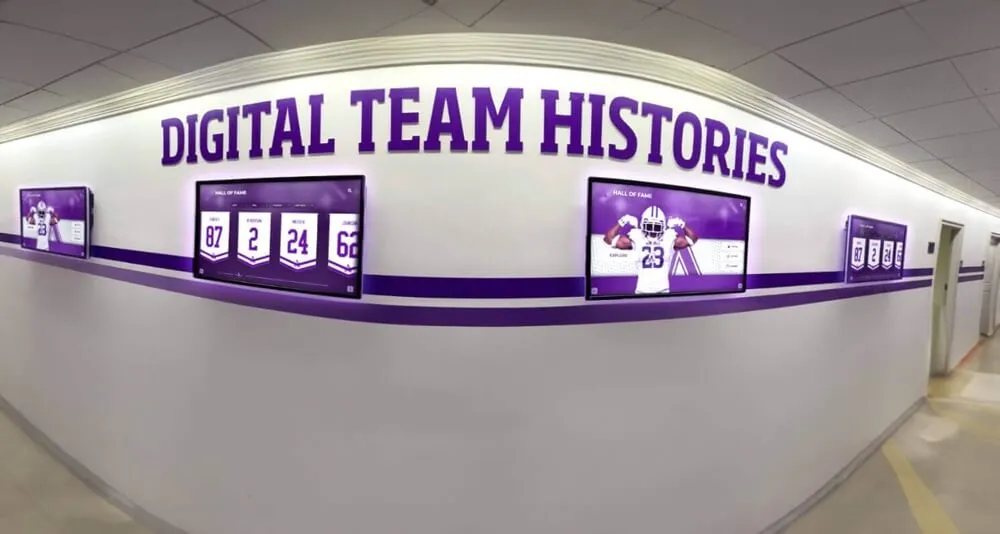
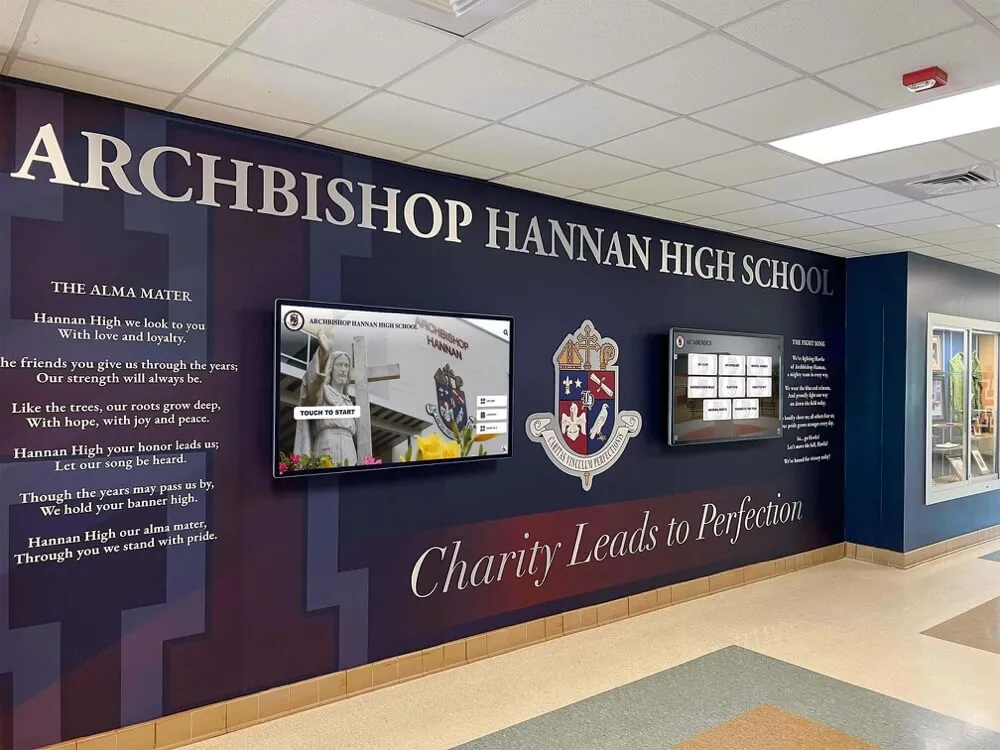
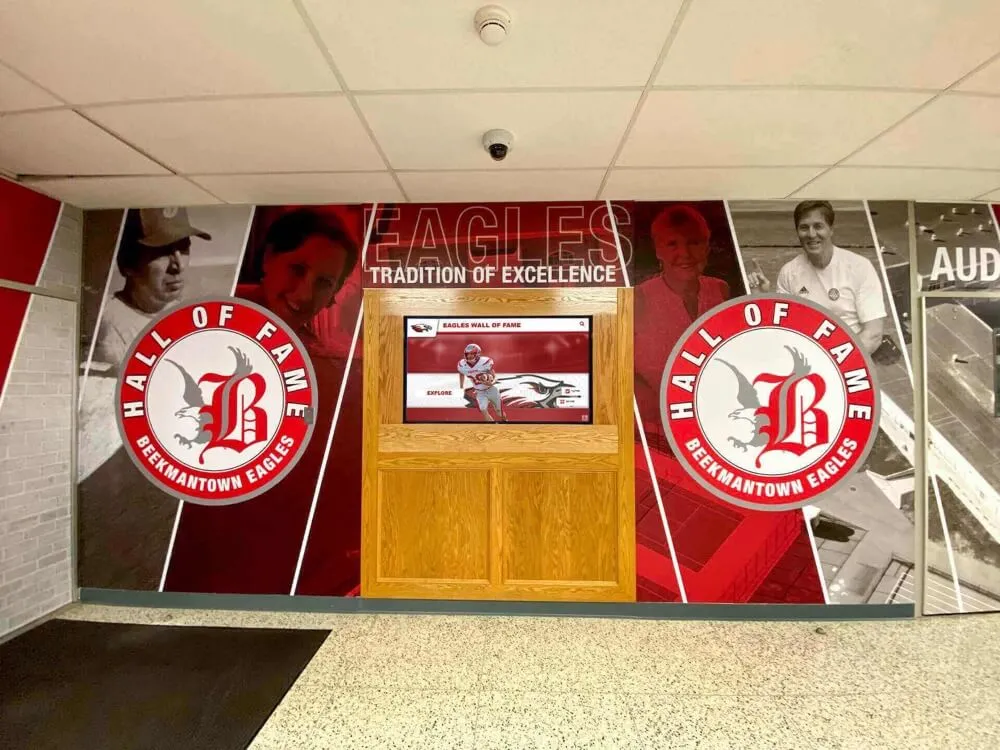
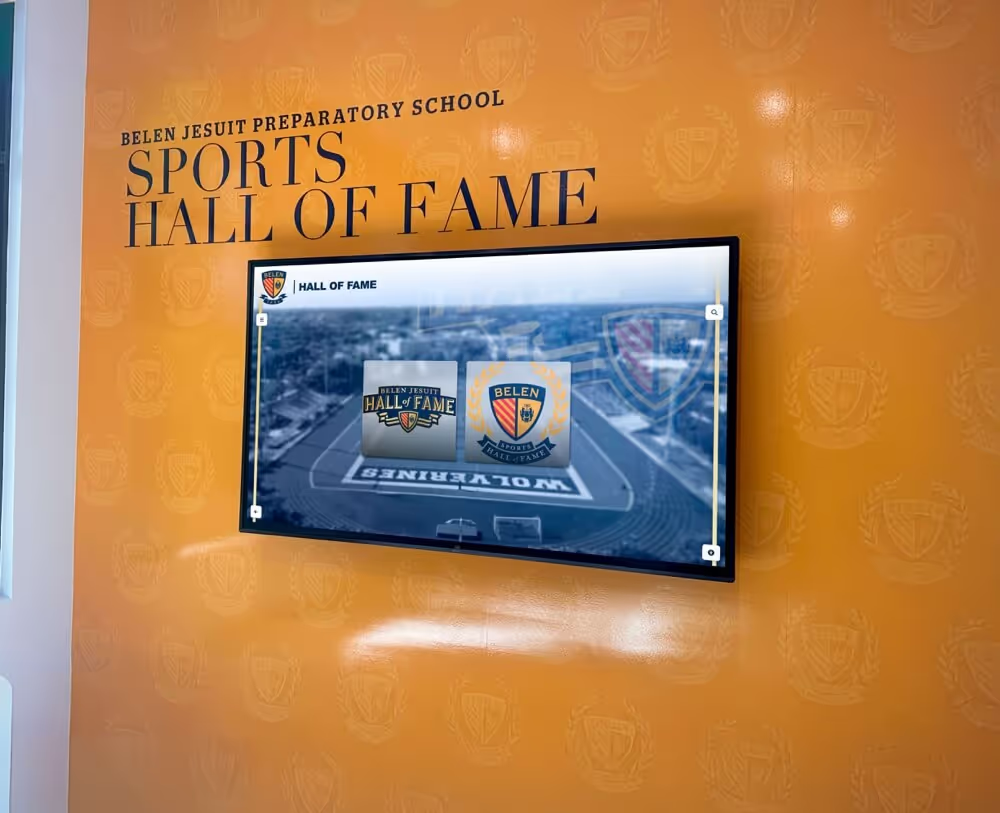
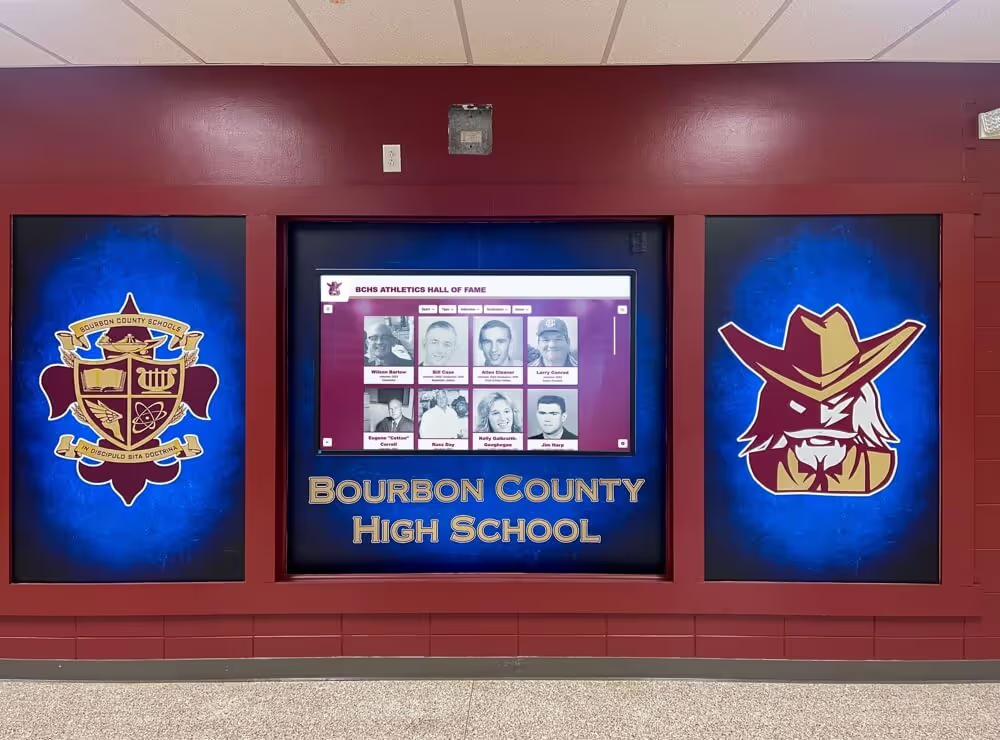
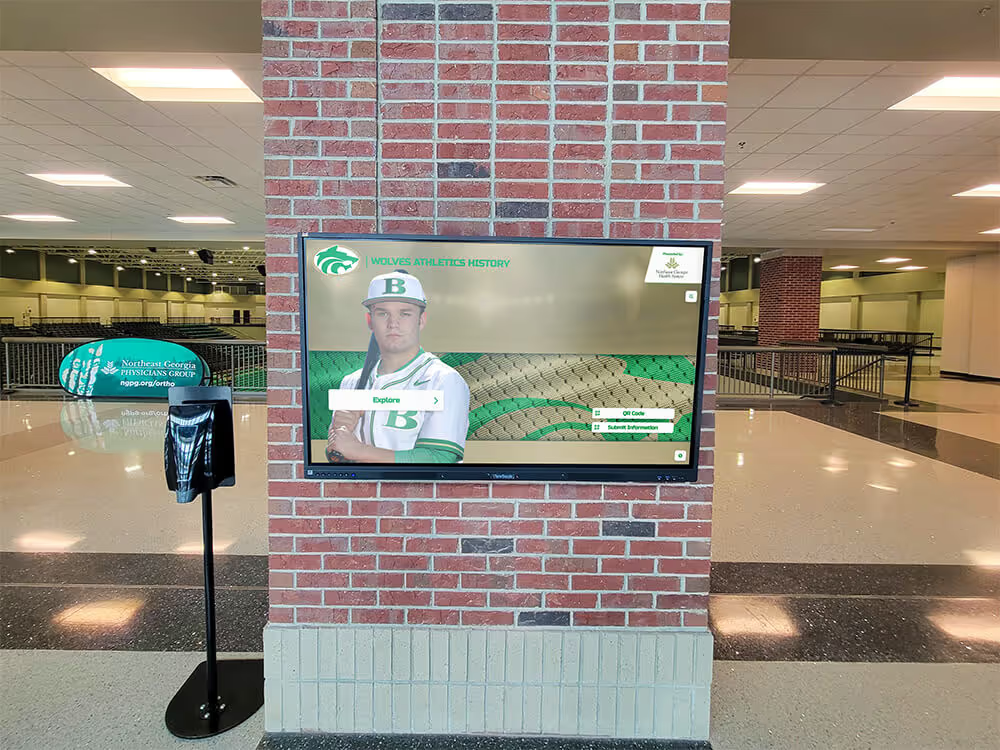
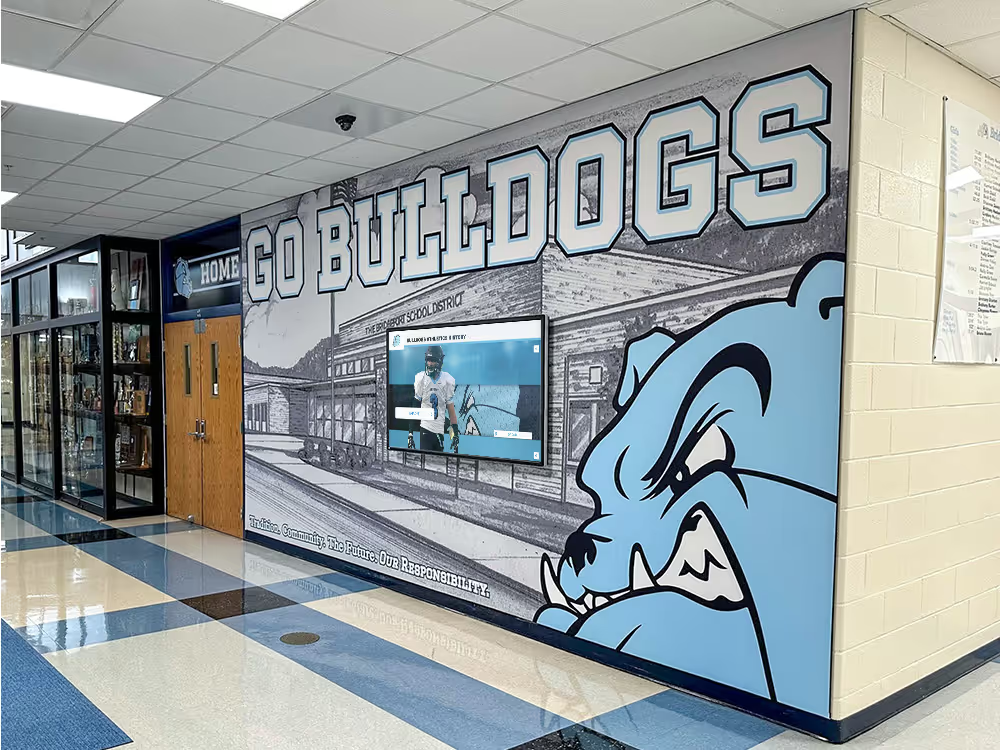
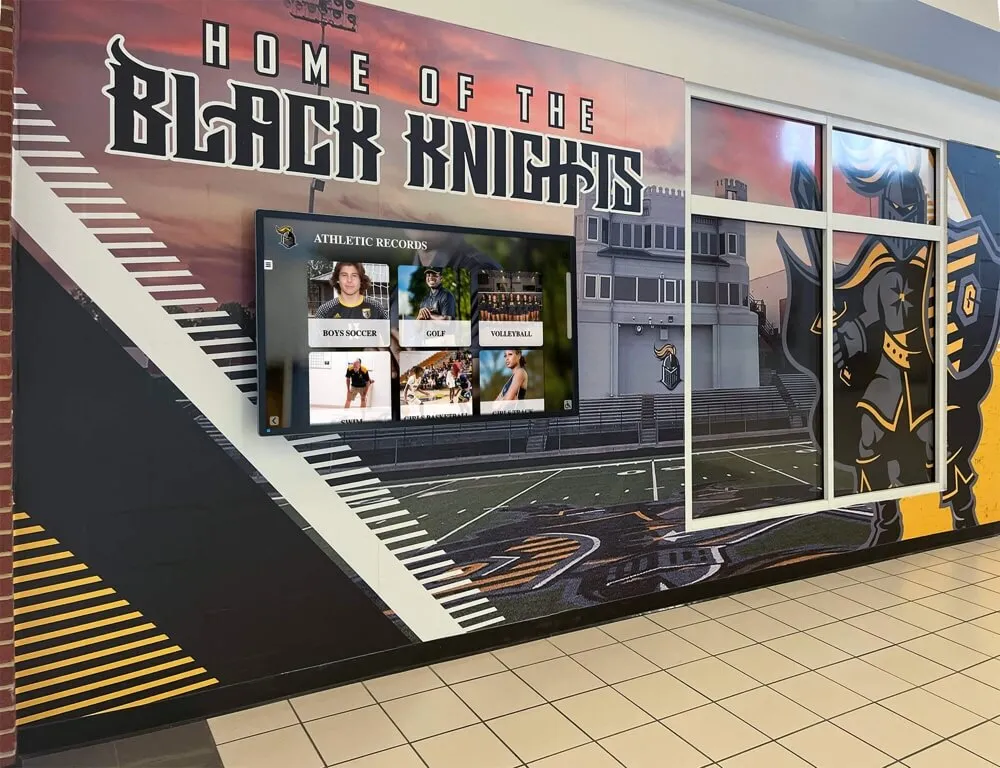
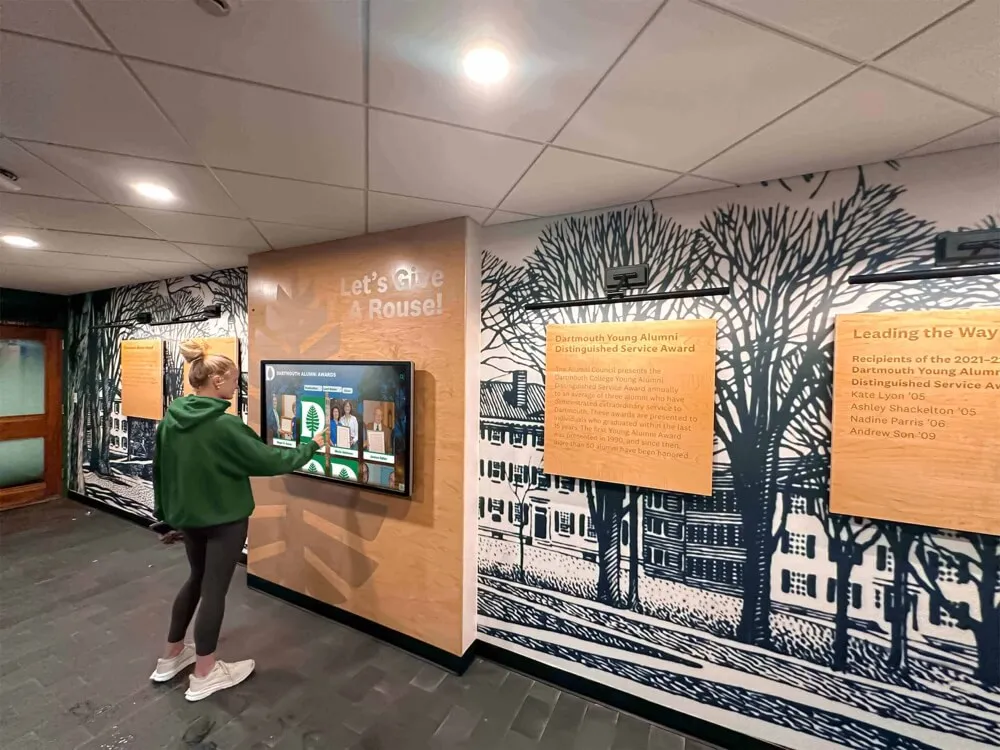
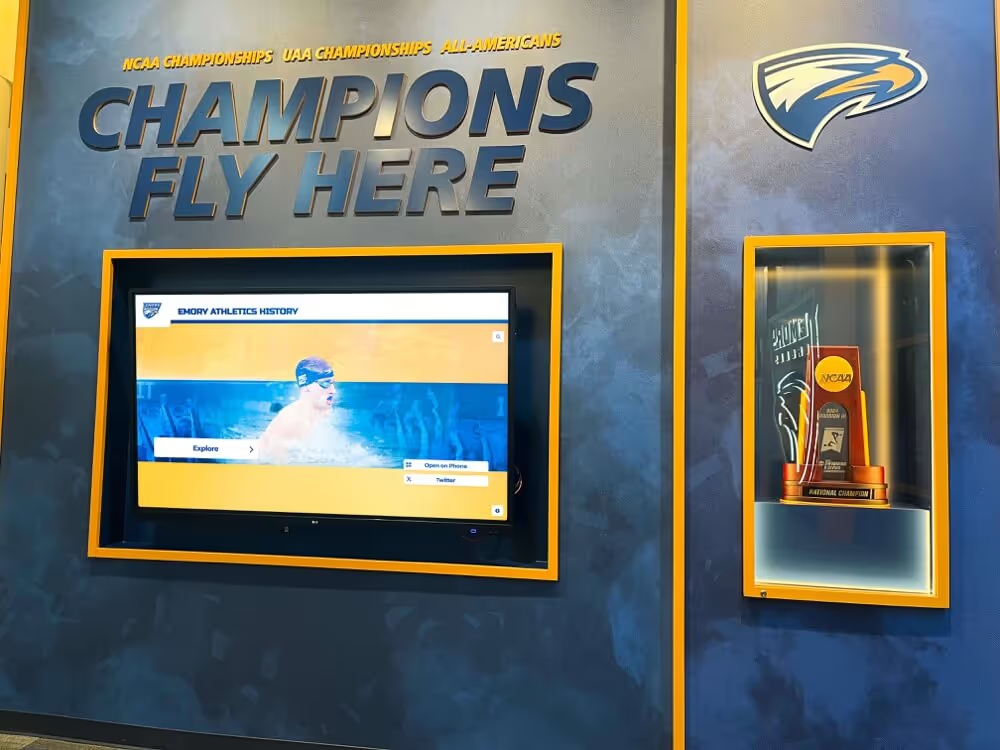
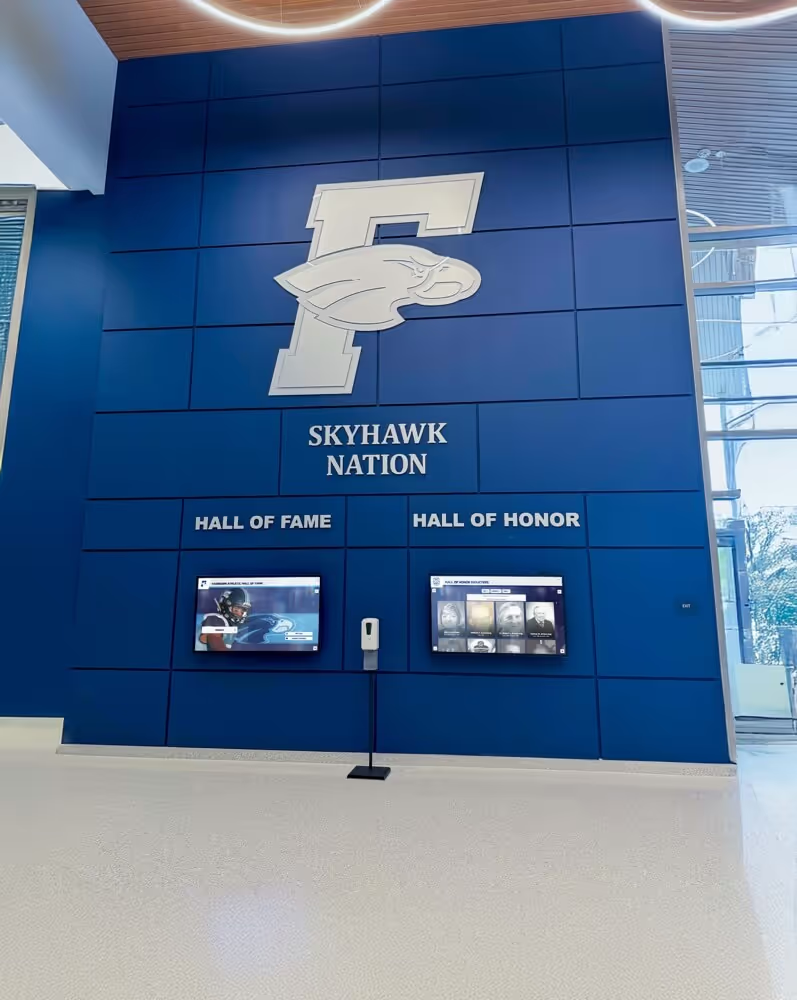
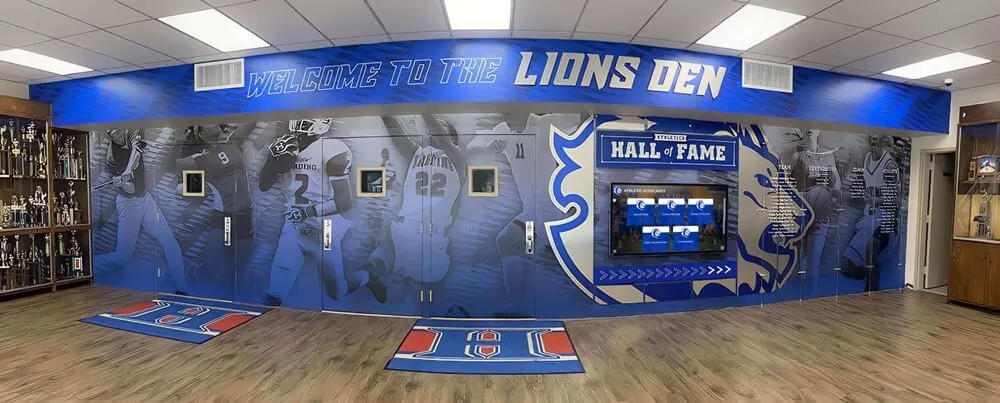
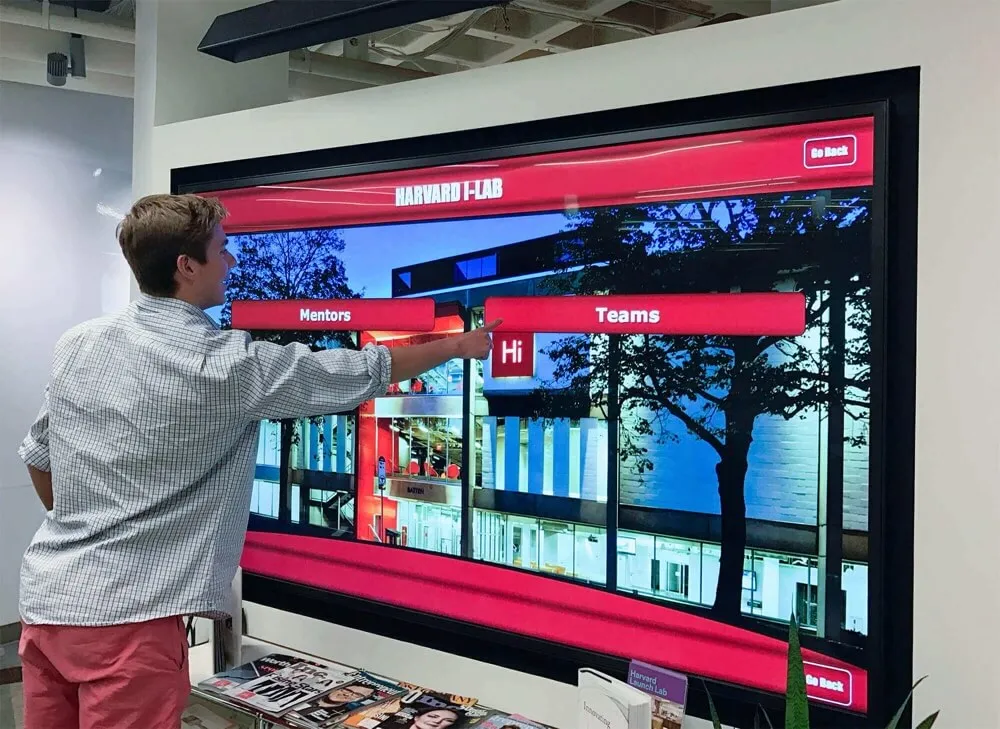
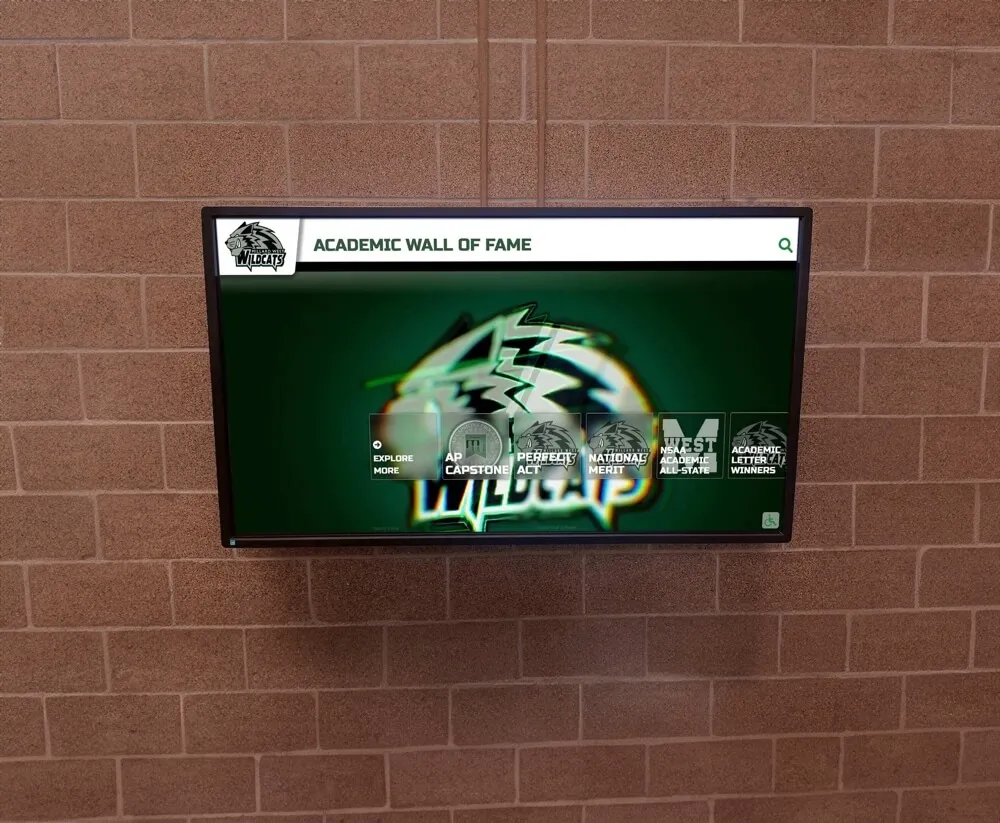
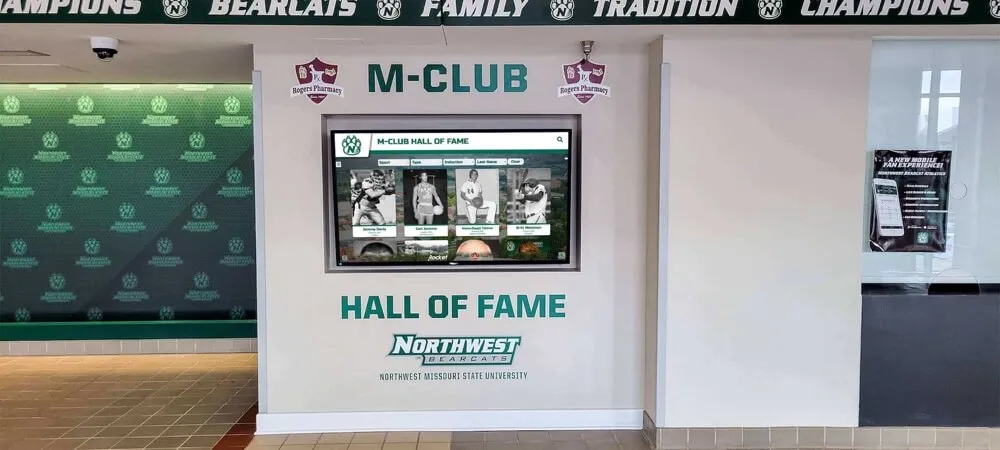
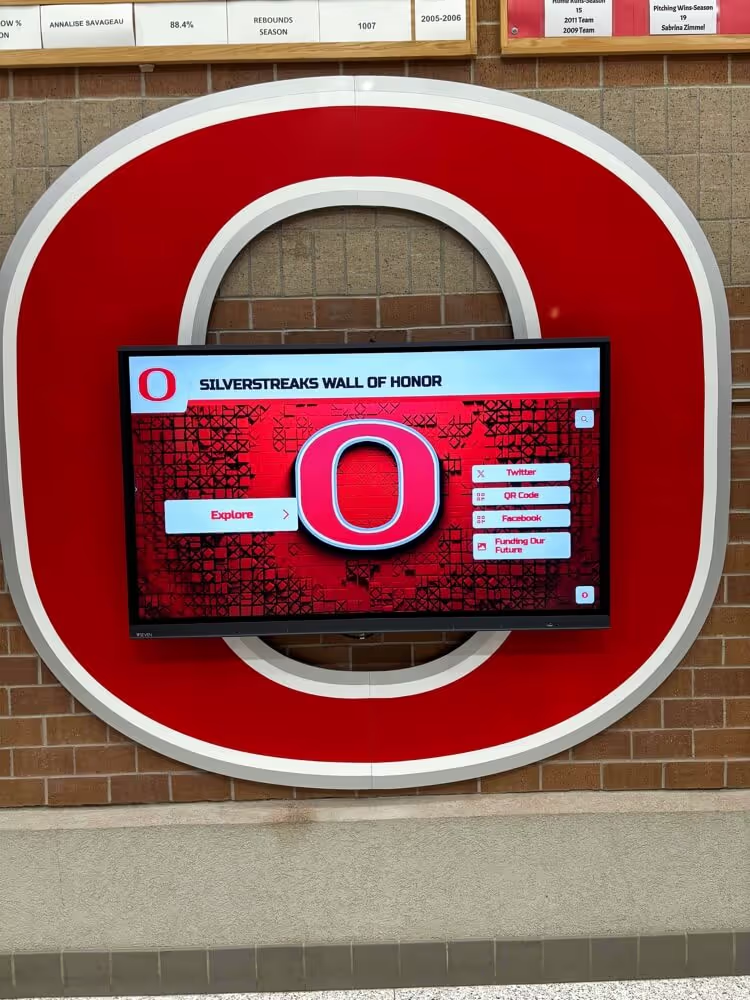
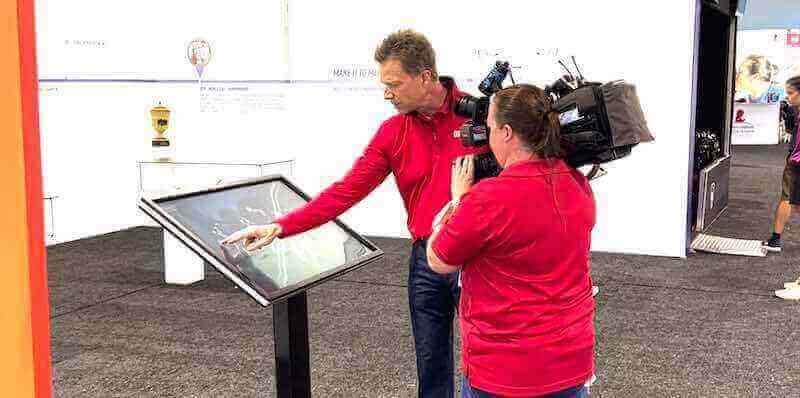
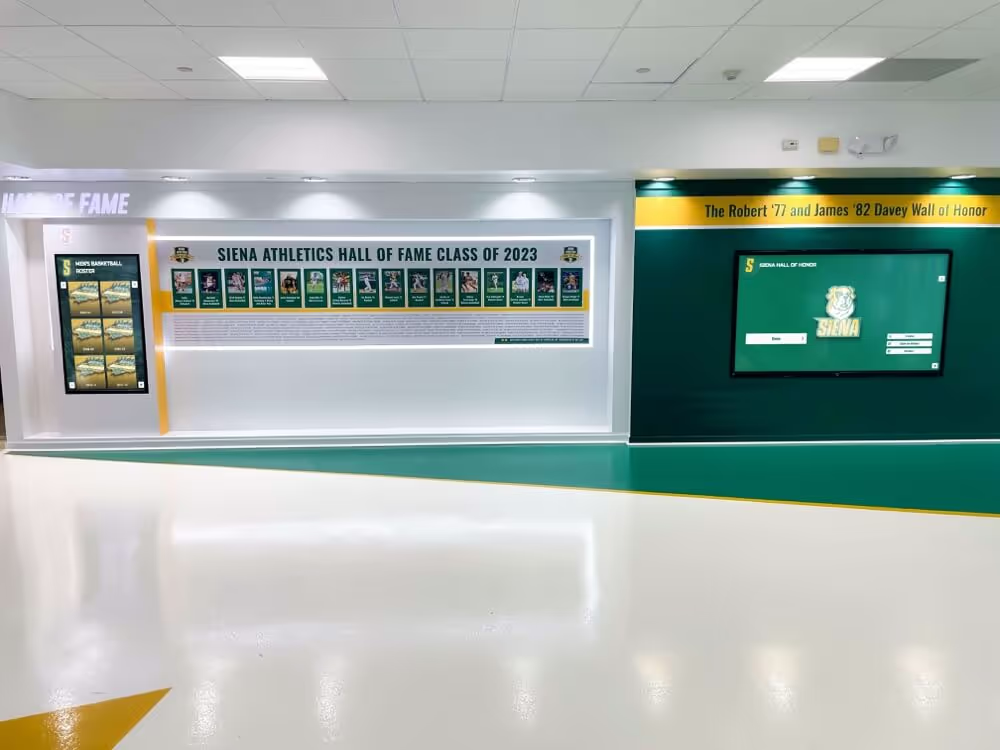
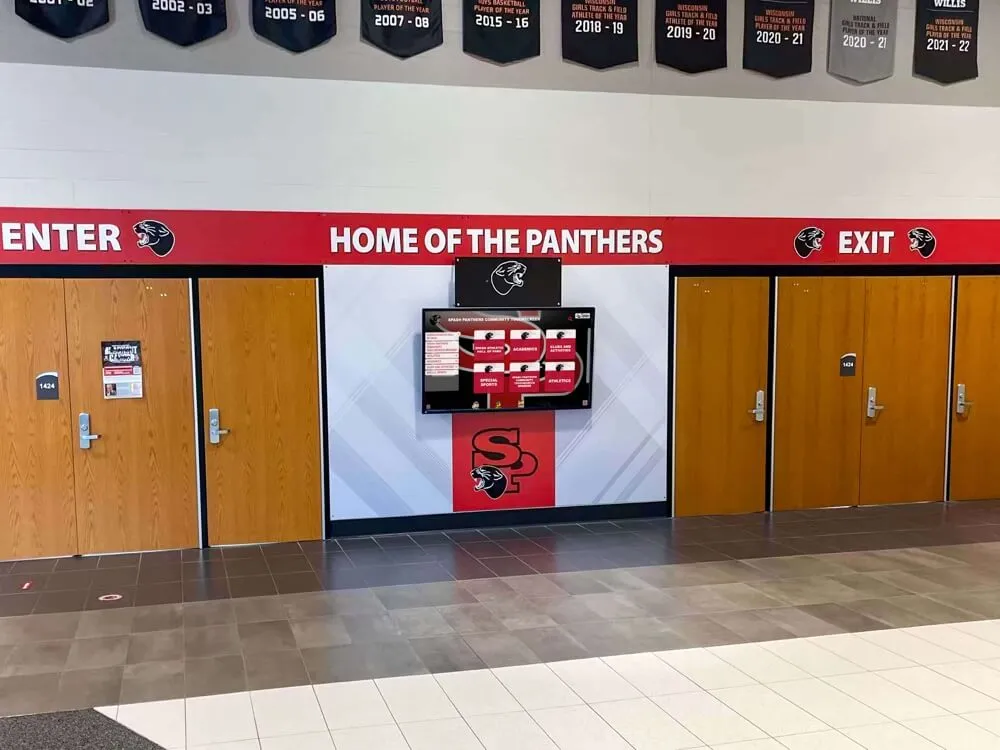
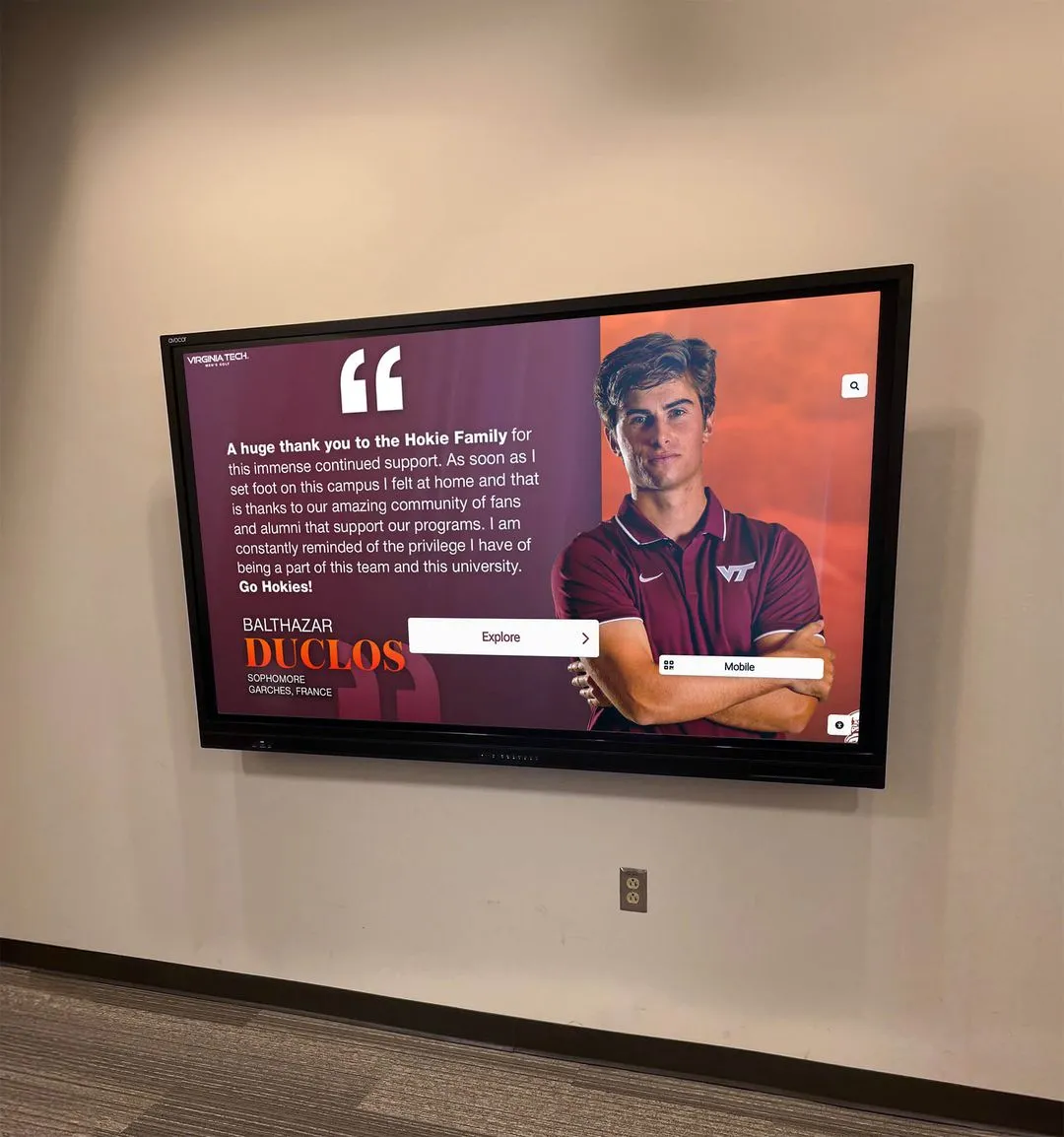
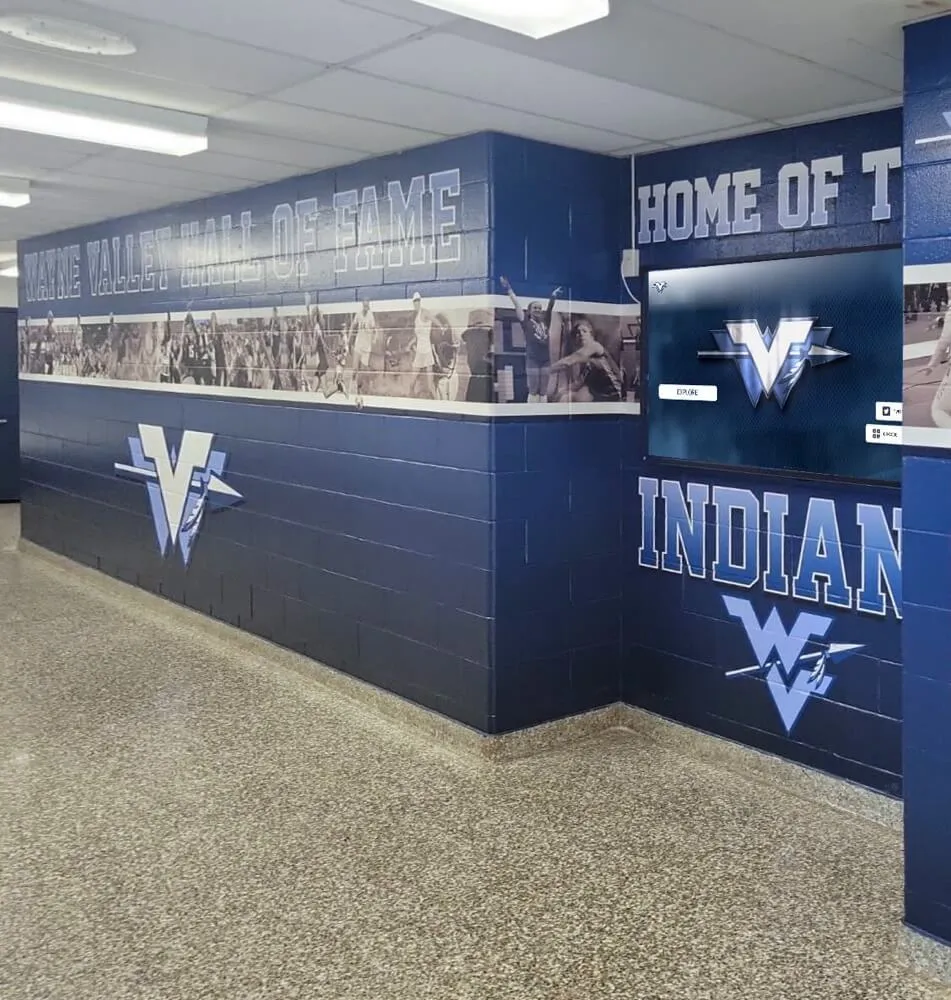
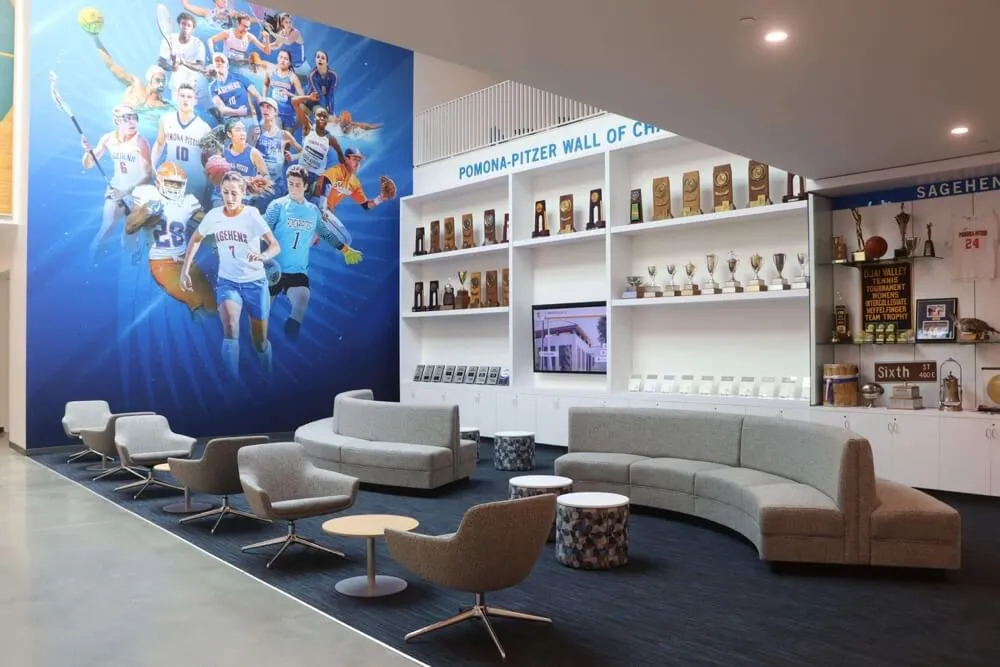
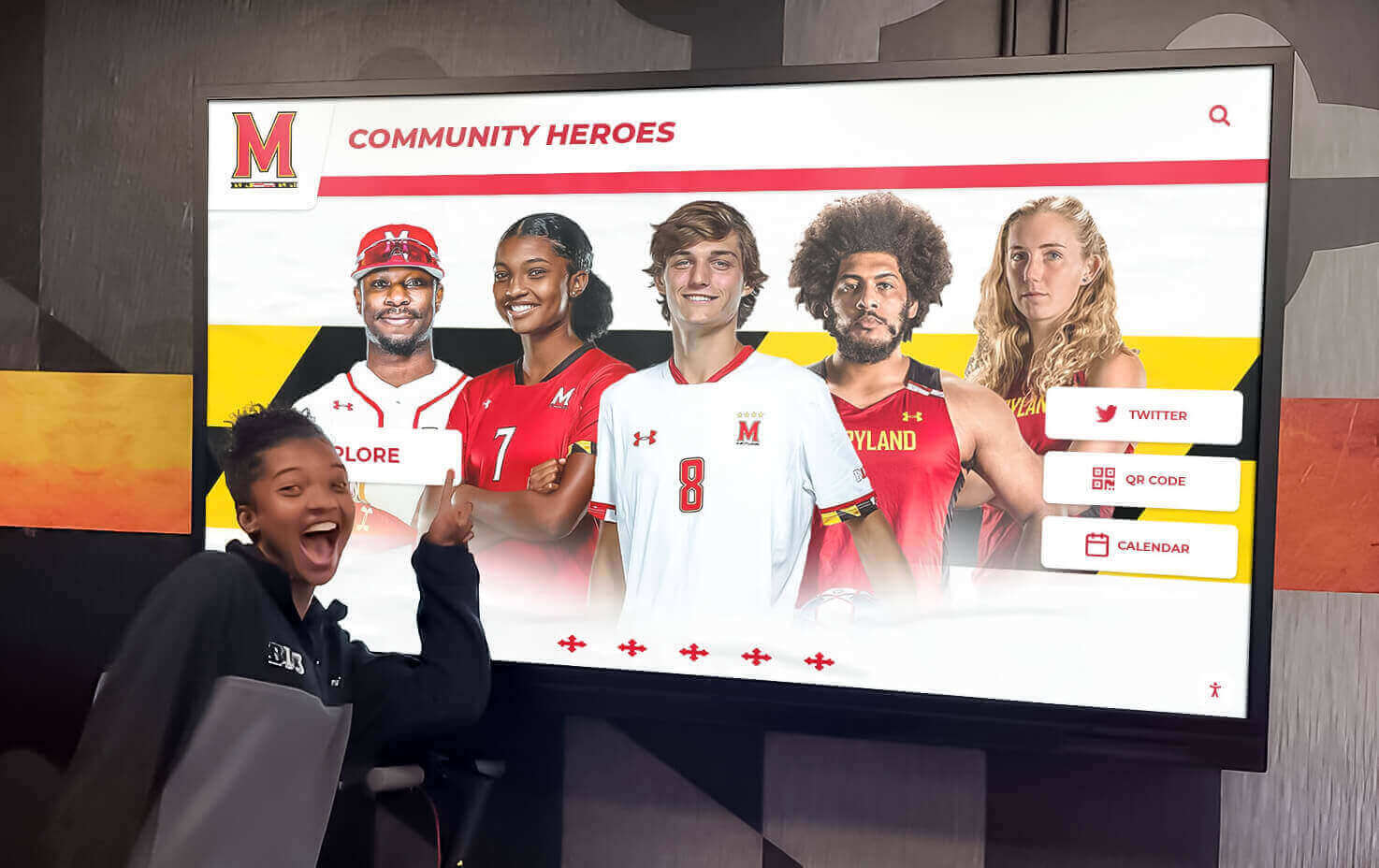
Many schools enhance their intramural program culture by implementing digital recognition displays that celebrate participation, championship teams, and individual achievements, transforming casual recreation into valued school traditions.
Most Popular Intramural Sports Examples
Certain sports consistently prove successful across different school types, facility configurations, and student populations. Understanding which sports work well helps schools design program offerings maximizing participation and engagement.
Team Sports
Team-based intramurals create social connections and collaborative experiences that enhance program value beyond individual athletic participation.
Basketball: Indoor basketball represents the most universally popular intramural sport across middle schools, high schools, and colleges. Standard court dimensions accommodate 5-on-5 full-court games or multiple simultaneous 3-on-3 half-court competitions. Basketball’s familiar rules, minimal equipment requirements, and exciting gameplay make it accessible to participants with varying skill levels. Most programs offer separate divisions for different ability levels—competitive, recreational, beginner—ensuring appropriate competition regardless of experience.
Volleyball: Both indoor and outdoor volleyball formats work exceptionally well for intramural programs. Six-player indoor volleyball uses gymnasium spaces efficiently, while sand volleyball creates unique recreational experiences where facilities permit outdoor courts. Volleyball’s non-contact nature reduces injury concerns compared to collision sports, and coed formats encourage diverse participation. Modified rules—allowing multiple hits per player, lowering nets, using softer balls—make volleyball accessible even for complete beginners.
Soccer: Indoor soccer (futsal) and outdoor field soccer both serve intramural programs effectively depending on facility availability and climate. Soccer’s global popularity ensures student familiarity with basic rules while accommodating various skill levels through modified field sizes and team configurations. Seven-on-seven or five-on-five small-sided games work well for intramural formats, creating more touches per player and reducing the running demands of full eleven-on-eleven competition.
Flag Football: Flag football provides full football gameplay without the contact and injury risks associated with tackle variants. This modification makes football accessible to broader student populations including those avoiding collision sports. Flag football requires minimal specialized equipment beyond flags and a ball, and standard fields accommodate multiple simultaneous games. The sport particularly succeeds in fall semester programs aligned with varsity football seasons.
Softball: Recreational softball works exceptionally well for spring intramural programs, particularly in temperate climates with available outdoor fields. Slow-pitch softball formats reduce the skill barriers associated with competitive fast-pitch variants, creating inclusive environments where hitting success occurs more frequently. Coed softball teams build diverse participation while modified rules—courtesy runners, designated hitters, mercy rules—keep games enjoyable and appropriately competitive.
Individual and Dual Sports
Individual sports complement team offerings by providing options for students preferring different competitive formats or wanting flexible participation without team scheduling dependencies.
Tennis: Both singles and doubles tennis formats work well for intramural programs. Tennis requires less coordination among multiple teammates compared to team sports, reducing scheduling complexity. Many schools already maintain tennis facilities supporting varsity programs that can accommodate intramural play during non-varsity practice times. Round-robin tournament formats ensure all participants play multiple matches rather than single-elimination tournaments that could result in one-match-and-done experiences.
Badminton: Indoor badminton provides excellent winter and rainy-day programming when outdoor facilities become unavailable. Badminton courts require less space than many sports—standard gymnasiums can accommodate multiple courts simultaneously—and equipment costs remain minimal. The sport’s learning curve allows beginners to experience rally success quickly while still offering competitive depth for experienced players.
Table Tennis (Ping Pong): Table tennis requires minimal space, works in various facility configurations, and accommodates diverse skill levels effectively. Schools can organize round-robin tournaments, ladder competitions where participants challenge higher-ranked opponents, or team formats combining individual match results. Table tennis particularly succeeds as lunch-hour or short-duration programming fitting between classes.
Racquetball: Where facilities include racquetball courts, the sport creates engaging intramural opportunities with minimal equipment needs. One-on-one competition formats reduce scheduling complexity compared to team sports requiring multiple participants to align availability simultaneously.
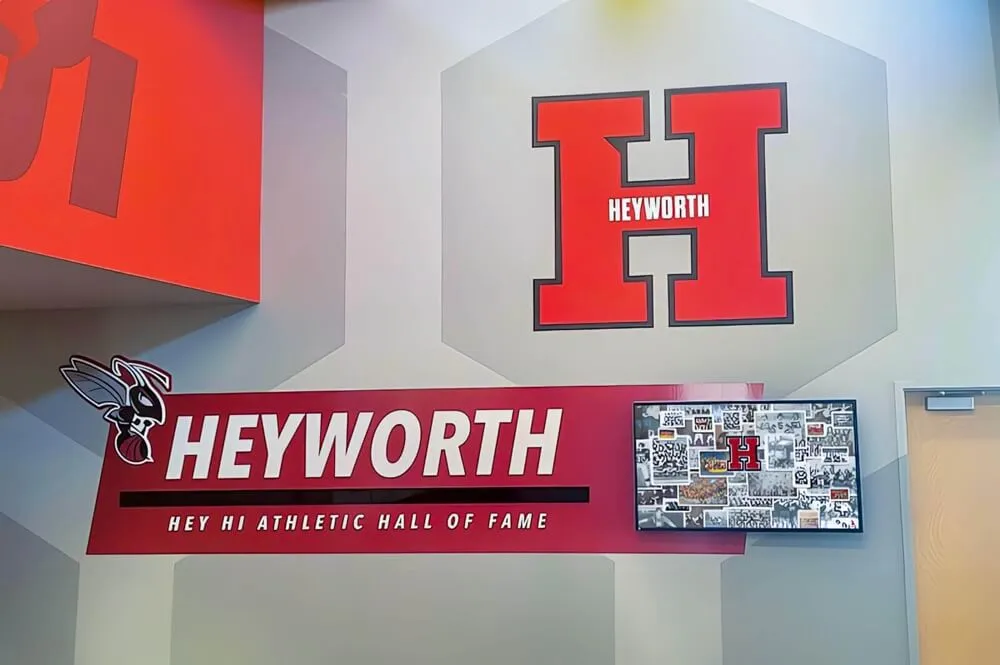
Schools implementing comprehensive intramural programming often integrate athletic recognition systems that acknowledge both varsity and intramural participation, validating recreational athletics as valuable school contributions worthy of celebration alongside competitive team achievements.
Alternative and Niche Sports
Beyond traditional sports, alternative activities attract students who may not engage with conventional athletic offerings while adding variety that keeps program offerings fresh and interesting.
Ultimate Frisbee: This fast-growing sport combines elements of soccer and football with unique self-officiated gameplay emphasizing sportsmanship. Ultimate frisbee requires minimal equipment, works on standard athletic fields, and attracts students interested in newer sports without established hierarchies of experienced players. The sport’s inclusive culture and coed traditions align well with intramural program values.
Dodgeball: Often underestimated as merely elementary recess activity, organized dodgeball with thoughtful rules creates engaging competitive experiences. Modified rules addressing safety concerns—soft foam balls, no headshots, limited throwing distances—make dodgeball appropriate for all ages. Quick game durations allow tournament-style competitions where teams play multiple games in single sessions.
Kickball: Adult kickball leagues have surged in popularity nationally, and the sport translates exceptionally well to school intramural programs. Kickball’s simple rules mirror baseball/softball but eliminate the difficulty of bat-ball contact, creating more action and participation opportunities. The sport’s nostalgic appeal and social atmosphere make it particularly successful for staff and alumni programs alongside student offerings.
Cornhole: Cornhole tournaments provide low-intensity options welcoming students with limited athletic experience or physical restrictions preventing participation in more demanding sports. The game’s accessible nature and social atmosphere create inclusive environments while still offering competitive experiences. Cornhole works particularly well as supplementary programming during longer events or as lunch-hour activities.
Esports: Digital gaming competitions represent rapidly growing intramural programming areas attracting student populations who may not engage with traditional athletics. Games like League of Legends, Rocket League, Super Smash Bros., or FIFA create competitive team and individual experiences requiring strategy, coordination, and skill development. Esports intramurals acknowledge that competitive gaming constitutes legitimate athletic competition worthy of institutional support and recognition.
Innovative schools create athletic facility renovations that accommodate both traditional sports and emerging activities, ensuring their recreational programming can adapt to evolving student interests and participation patterns.
Building Your Intramural Program: Step-by-Step Implementation
Understanding which sports work well provides foundation, but successful programs require systematic planning addressing operational logistics, staffing, scheduling, rules, and ongoing management.
Phase 1: Assessment and Planning
Before launching intramural offerings, conduct thorough assessment ensuring programs align with student interests, facility capabilities, and available resources.
Student Interest Surveys: Distribute surveys gauging which sports generate most interest among potential participants. Ask students to rank sport preferences, indicate preferred participation formats (leagues, tournaments, drop-in play), and identify scheduling preferences (after school, evenings, weekends, lunch periods). Survey data prevents investing resources in programs with limited interest while ensuring offerings match student demands.
Facility Inventory: Catalog available athletic facilities including gymnasiums, fields, courts, multipurpose spaces, and their availability outside of varsity practice and game schedules. Identify any facility limitations—court dimensions, surface types, lighting, weather protection—that might constrain certain sport options. Consider creative facility use like converting cafeterias or parking lots for temporary courts.
Resource Assessment: Evaluate available equipment, budget allocations for new equipment purchases, potential staffing through physical education teachers, coaches, or student coordinators, and administrative capacity for registration, scheduling, and communication. Realistic resource assessment prevents overcommitting to unsustainable program scales.
Competitive Landscape Review: Examine intramural programs at similar schools to understand what works well, common challenges, and creative solutions others have implemented. Many schools willingly share program materials, rule modifications, and lessons learned that can accelerate your program development.
Phase 2: Program Structure Design
With assessment complete, design program structures determining how intramural sports will actually operate.
Competition Formats: Choose appropriate formats for each sport based on facility constraints, expected participation levels, and program goals:
- Leagues: Teams play scheduled games across multiple weeks building toward playoff tournaments. Leagues create ongoing engagement and community building but require more administrative coordination.
- Tournaments: Single or double-elimination brackets completed in condensed timeframes. Tournaments work well for sports with quick game durations or when facility time is limited.
- Ladder Competitions: Participants rank-ordered on leaderboards where lower-ranked players can challenge higher-ranked opponents. Ladders work exceptionally well for individual sports like tennis or racquetball.
- Round-Robin: All teams/individuals compete against each other ensuring maximum participation opportunities. Round-robin formats prevent early elimination frustration.
Division Structure: Establish divisions ensuring appropriate competition levels:
- Skill-Based Divisions: Competitive, intermediate, and recreational divisions separate experienced athletes from beginners, ensuring enjoyable competition at all skill levels.
- Gender Divisions: Men’s, women’s, and coed divisions accommodate diverse participation preferences while ensuring inclusive opportunities.
- Grade-Level Divisions: Elementary, middle, and high school programs may need age-based divisions ensuring fair competition and appropriate social groupings.
Team Formation Approaches: Determine how teams will form:
- Pre-Formed Teams: Participants register as complete teams, creating social cohesion but potentially excluding students without friend groups already interested.
- Free Agent Registration: Individual participants register and staff creates balanced teams, ensuring everyone can participate regardless of whether they have friends joining.
- Hybrid Approaches: Allow both pre-formed teams and individual registrations, placing free agents on teams needing additional players.
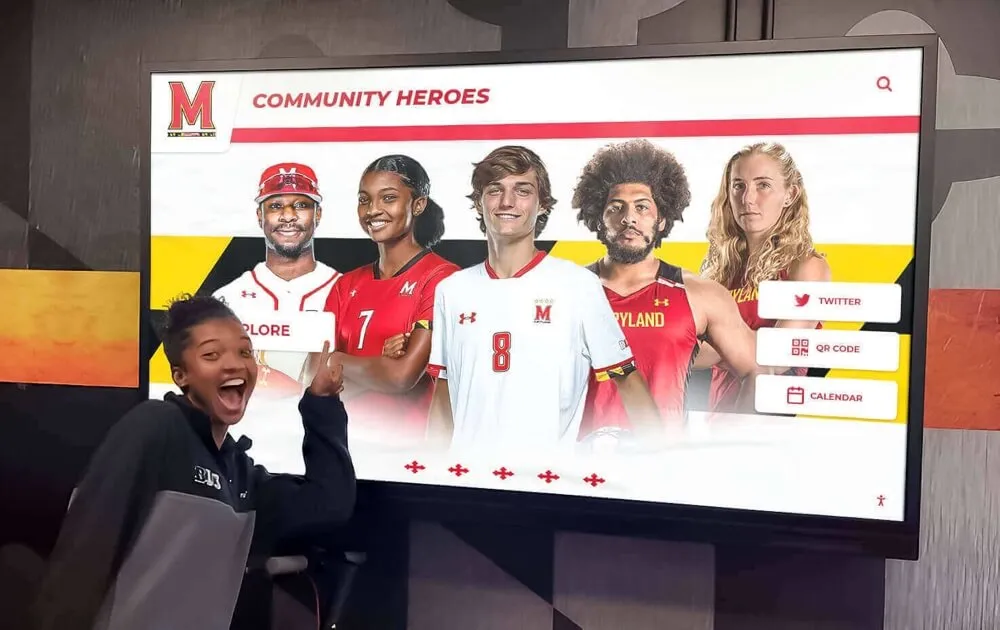
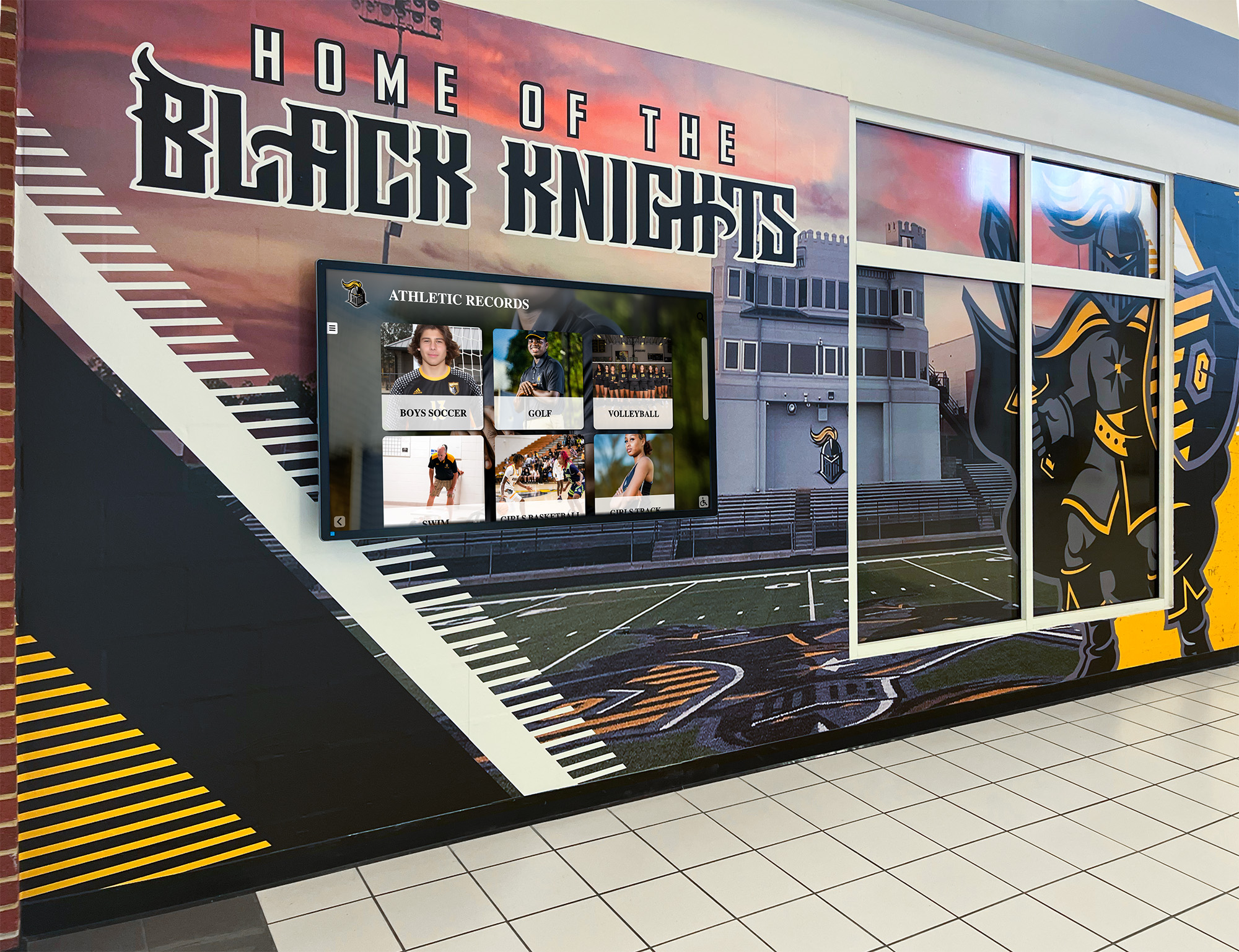
Schools developing comprehensive athletic cultures often implement digital recognition systems that celebrate achievements across all program levels—varsity, club, and intramural—validating diverse athletic participation as valuable school contributions.
Phase 3: Rules and Policies
Clear, documented rules prevent disputes while ensuring safe, fair, enjoyable experiences.
Playing Rules: Develop modified rules appropriate for recreational competition:
- Simplify complex rules that require extensive sport-specific knowledge
- Adjust game durations to available facility time (shorter games allow more teams to participate)
- Modify scoring systems when appropriate (lower point thresholds, time limits)
- Implement safety modifications (softer balls, reduced contact, protective equipment requirements)
- Create inclusive rules (minimum playing time requirements, coed participation quotas)
Eligibility Policies: Establish clear eligibility criteria:
- Current enrollment requirements (students, staff, alumni)
- Academic standing requirements if applicable (minimum GPA, satisfactory progress)
- Varsity athlete participation restrictions preventing varsity players from dominating intramural leagues in their sport
- Transfer and guest player policies
- Team roster size limits and minimum player requirements
Conduct Expectations: Set behavioral standards with clear consequences:
- Sportsmanship requirements and unsportsmanlike conduct penalties
- Substance use policies (tobacco, alcohol, drugs)
- Attendance and punctuality expectations (forfeit policies for no-shows)
- Equipment care and facility respect requirements
- Dispute resolution procedures and appeals processes
Safety Protocols: Implement comprehensive safety measures:
- Emergency action plans for injuries
- First aid kit availability and staff training
- Concussion protocols and injury reporting procedures
- Weather-related cancellation policies for outdoor sports
- Equipment safety inspections and maintenance schedules
Phase 4: Staffing and Operations
Successful programs require adequate staffing handling registration, scheduling, officiating, score-keeping, and ongoing coordination.
Staffing Models: Consider various staffing approaches based on available resources:
- Physical Education Teachers: Many PE teachers welcome additional compensation for coordinating intramural programs aligned with their professional interests and expertise
- Coaches: Varsity or assistant coaches may coordinate intramural programs during off-seasons, maintaining athletic department involvement year-round
- Student Coordinators: Upper-level students can serve as program coordinators, team captains, officials, or scorekeepers, creating leadership opportunities while reducing staffing costs
- Parent or Alumni Volunteers: Community members may volunteer as officials, coordinators, or coaches, strengthening school-community connections
Official Training: Even recreational programs benefit from trained officials ensuring fair play and safety:
- Develop simplified officiating standards focusing on safety and fair play rather than technical precision
- Provide training sessions teaching basic rules, safety protocols, conflict de-escalation, and emergency procedures
- Consider certification programs where student officials can earn credentials valuable for future employment
- Maintain official accountability through evaluations and ongoing feedback
Technology and Management Systems: Leverage technology reducing administrative burden:
- Online registration platforms collecting participant information, emergency contacts, and waivers efficiently
- Automated scheduling software creating balanced schedules and managing facility conflicts
- Digital scoring and standings platforms providing real-time updates participants can access remotely
- Communication tools (email lists, group messaging, apps) facilitating updates about schedule changes, weather cancellations, and program information
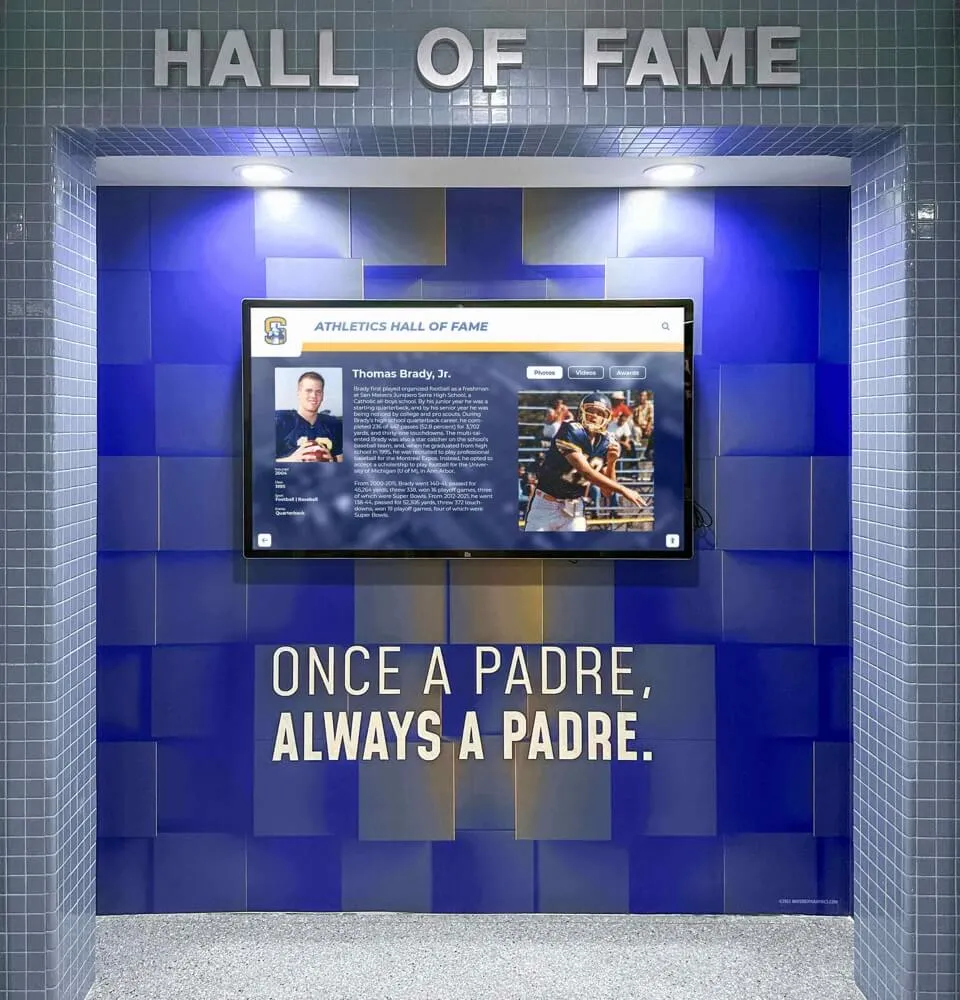
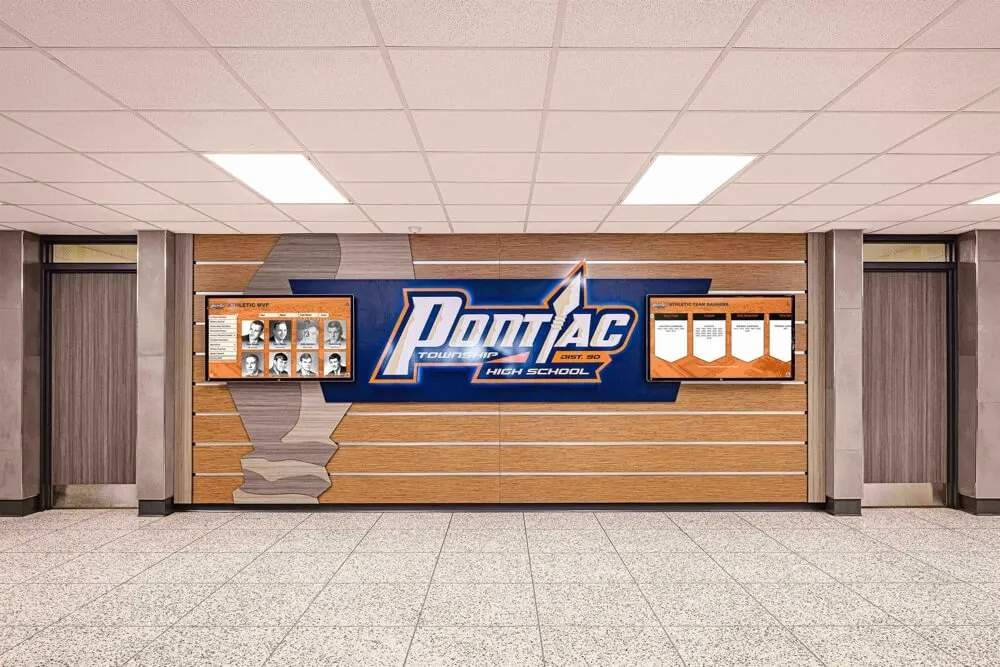
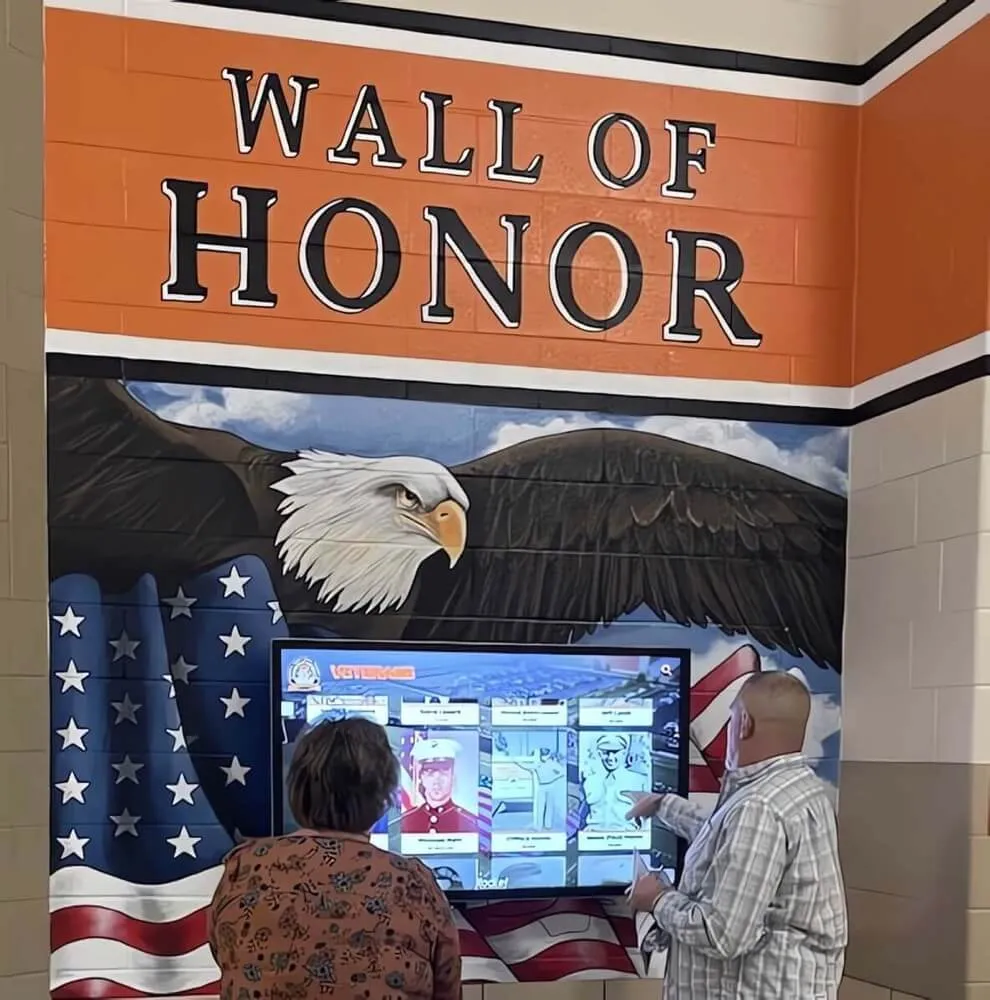
Modern athletic programs integrate interactive recognition technology that tracks participation across all program levels, creating comprehensive athletic histories that celebrate both competitive achievements and recreational participation as valued contributions to school culture.
Phase 5: Marketing and Promotion
Even well-designed programs fail without effective promotion generating awareness and encouraging registration.
Launch Campaign: Create excitement around program launch:
- Informational sessions explaining program structure, sports offered, and registration procedures
- Promotional materials (posters, digital signage, social media graphics) showcasing fun, inclusive athletic opportunities
- Demonstrations or mini-tournaments generating interest and allowing students to try sports before committing
- Early-bird registration incentives (discounted fees, t-shirts, priority scheduling) rewarding early commitment
Ongoing Promotion: Maintain visibility throughout seasons:
- Regular updates about upcoming registration deadlines, schedules, and playoff brackets
- Highlight reels or photos from games shared on social media and school communication channels
- Feature stories about teams, individual participants, or unique program moments
- End-of-season celebrations or awards ceremonies recognizing championship teams and individual achievements
Inclusive Messaging: Ensure promotional materials communicate that programs welcome all skill levels:
- Feature diverse participants in promotional photos (various skill levels, demographics, grade levels)
- Emphasize fun, fitness, and friendship rather than exclusively competitive achievement
- Highlight recreational divisions and beginner-friendly rule modifications
- Share testimonials from first-time participants about positive experiences
Recognition and Culture Building
Thoughtful recognition systems transform intramural programs from simple recreation into valued school traditions that build lasting athletic culture.
Championship Recognition
Celebrate championship teams through methods creating meaningful acknowledgment without diminishing the recreational program nature:
Championship T-Shirts: Simple, cost-effective recognition that championship team members can wear proudly. Many programs print shirts featuring sport, season, division, and school year.
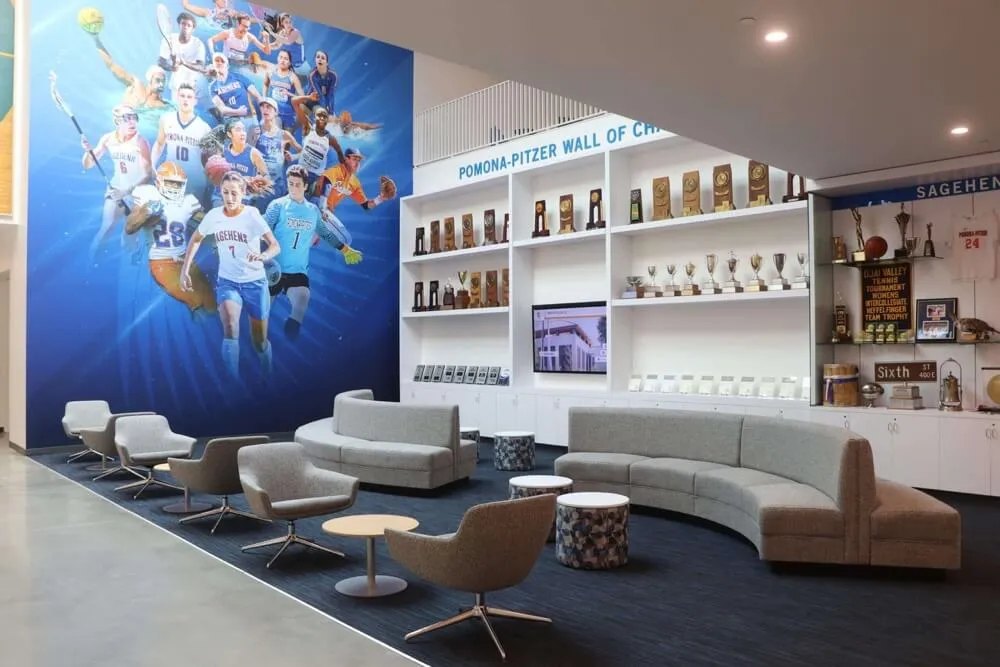
Trophy or Plaque Displays: Physical awards displayed in athletic facilities, student centers, or common areas create visible program history while motivating future participants. Consider perpetual trophies that winning teams hold temporarily before passing to subsequent champions.
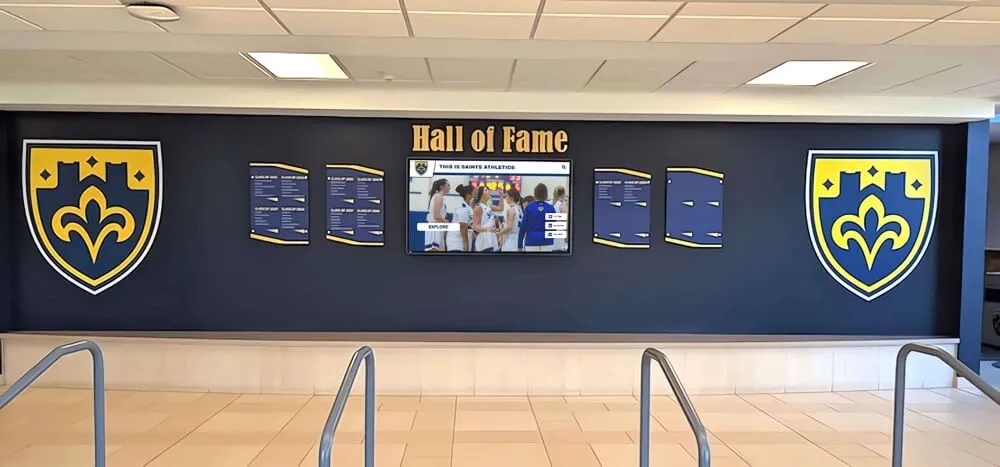
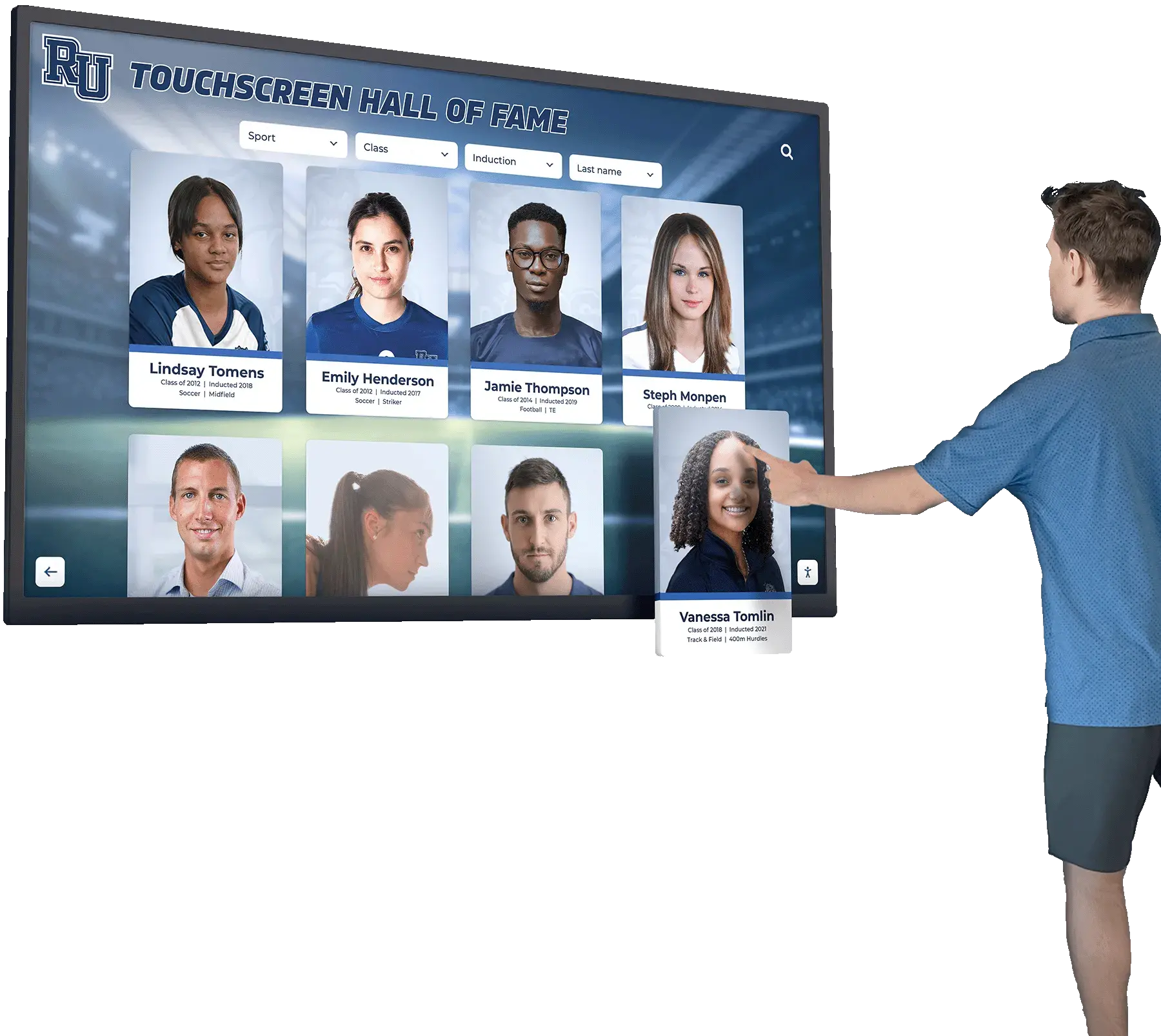
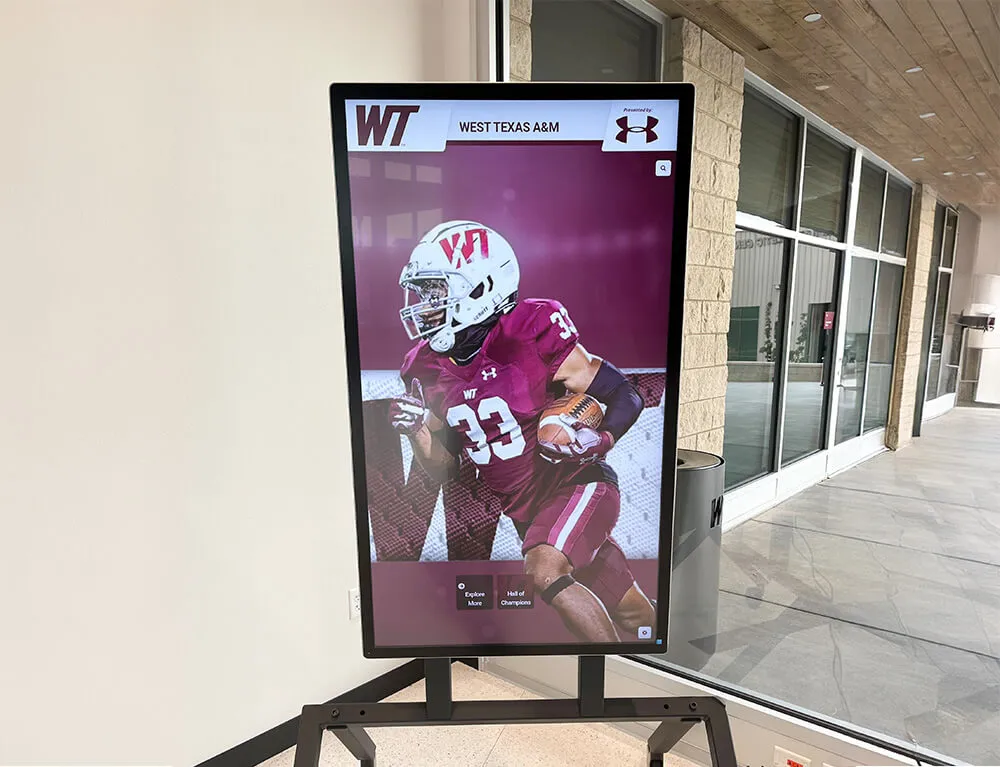
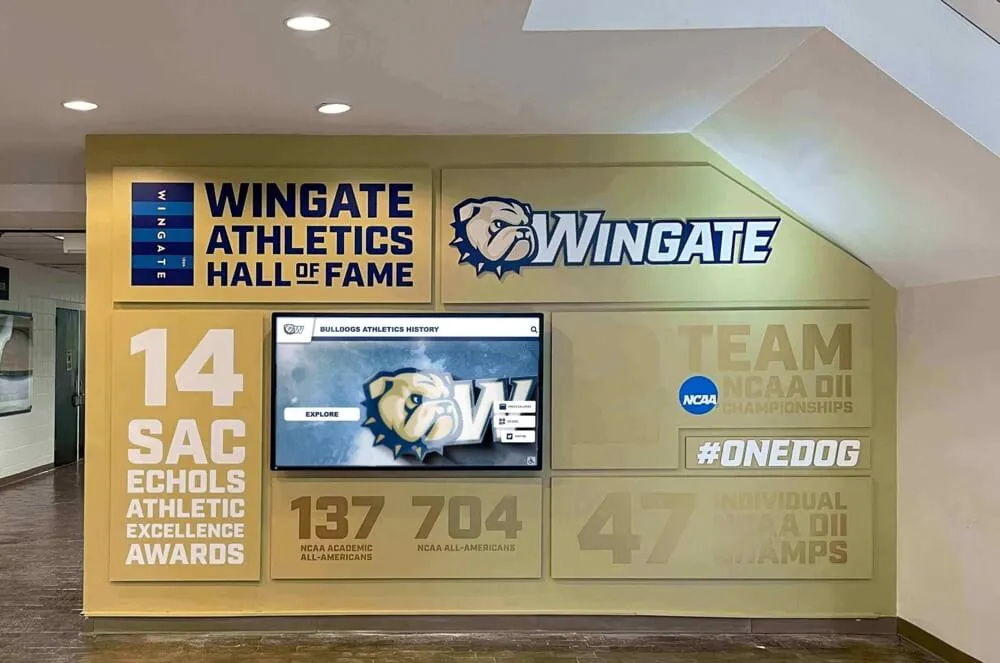

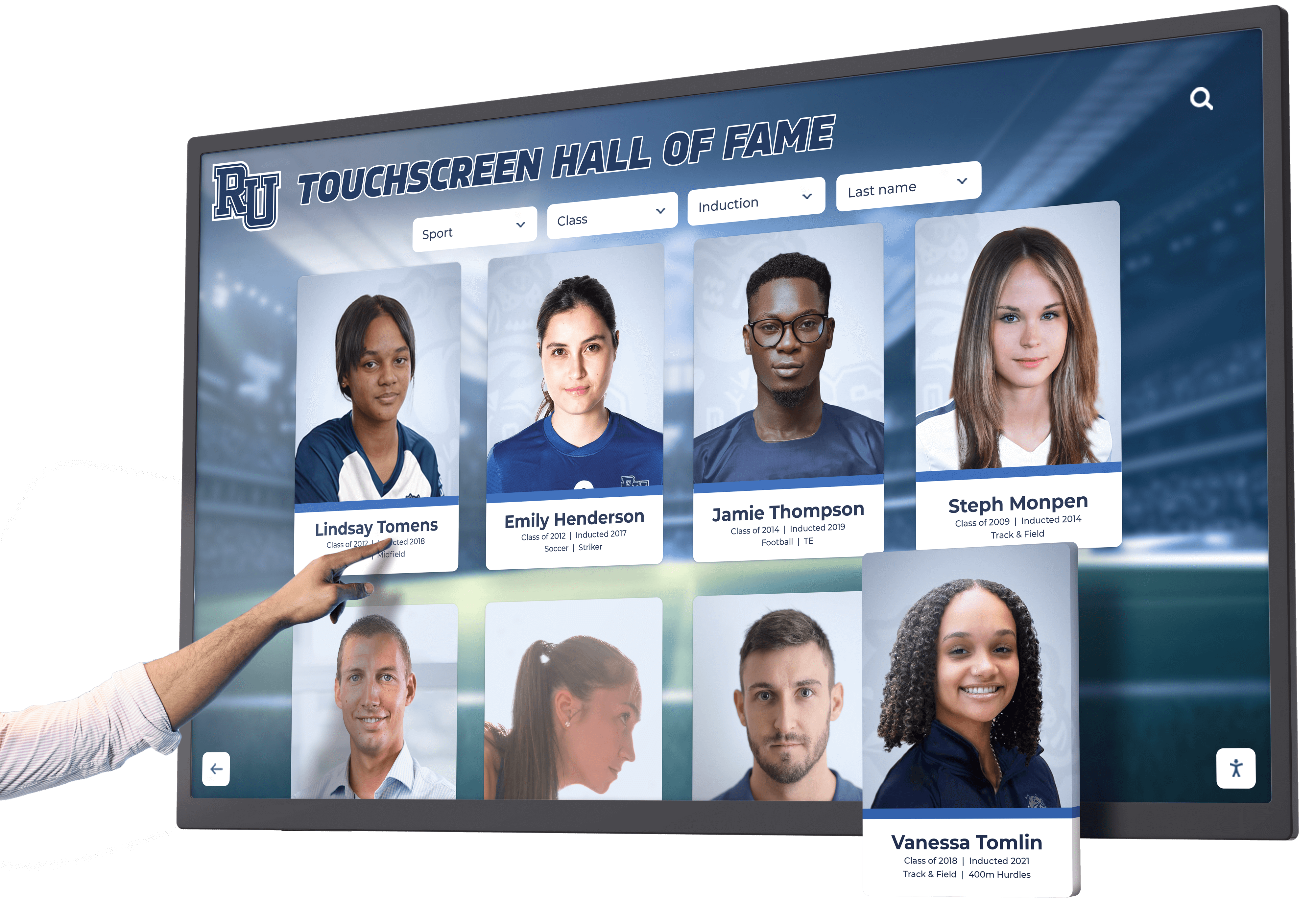
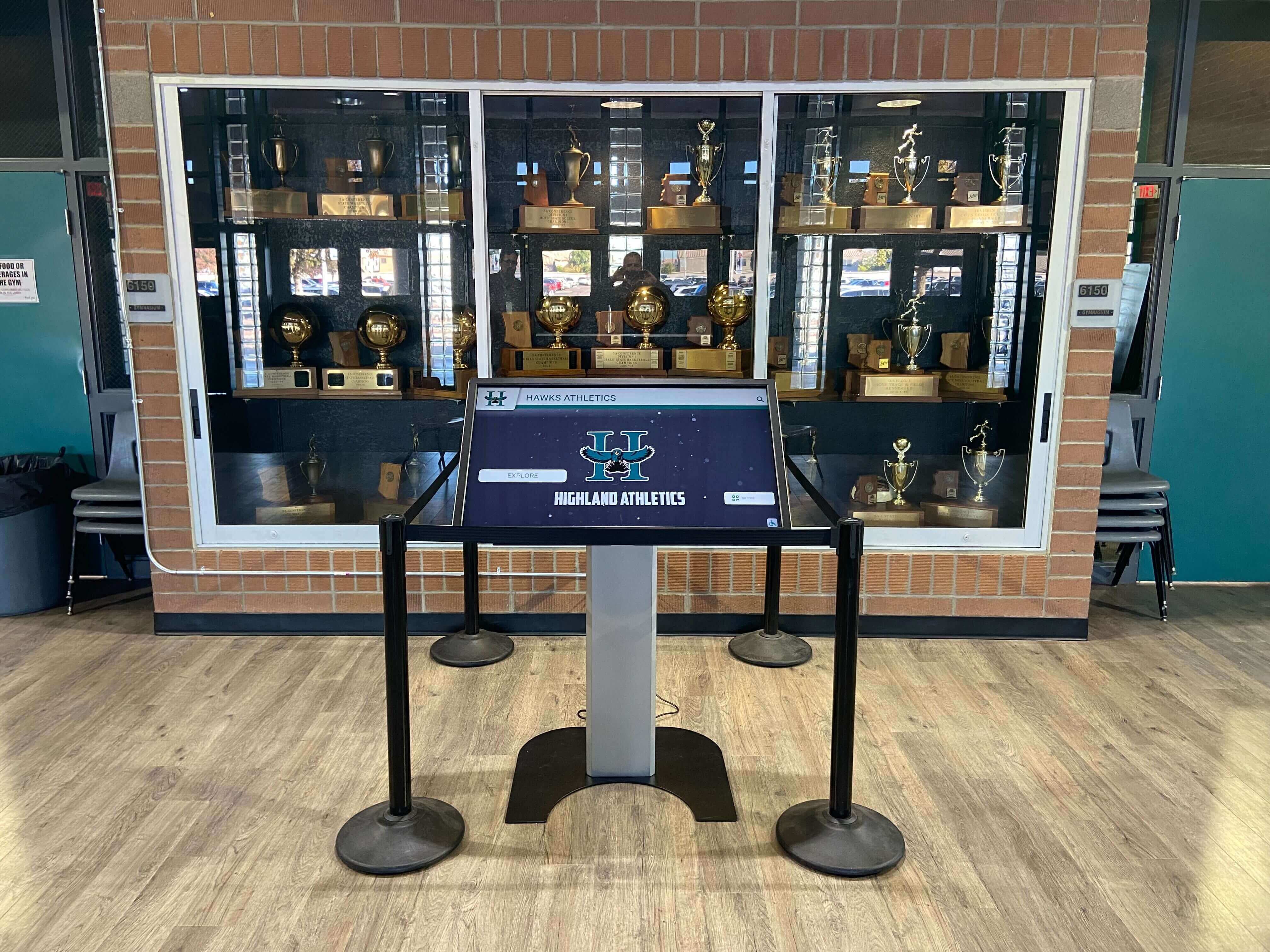
Digital Recognition: Modern schools implement digital athletic recognition systems showcasing intramural champions alongside varsity achievements, validating recreational athletics as legitimate school accomplishments worthy of permanent documentation and celebration.
Championship Game Experiences: Elevate championship games through special elements distinguishing them from regular season play—championship t-shirts for participants, announcer commentary, playoff atmosphere, spectator promotion, photos or video highlights shared afterward.
Participation Recognition
Beyond championship recognition, acknowledge broader participation encouraging continued engagement:
Participation Certificates: Simple acknowledgment for all participants recognizing season completion regardless of competitive results. Certificates validate that participation itself merits recognition.
Milestone Achievements: Recognize participants reaching longevity milestones—multiple seasons participated, multiple sports tried, years of continuous involvement. These acknowledgments reward loyalty and breadth of participation.
Sportsmanship Awards: Special recognition for individuals or teams exemplifying outstanding sportsmanship, positive attitudes, and respectful competition. Sportsmanship awards reinforce program values extending beyond winning.
All-Star Selections: Season-ending all-star games or recognition bringing together top performers across divisions creates aspirational goals while celebrating individual excellence within intramural contexts.
Many schools enhance recognition impact by integrating intramural achievements into comprehensive school recognition programs that celebrate diverse accomplishments—academic, athletic, artistic, service-oriented—communicating that schools value multiple forms of excellence and contribution.
Measuring Program Success
Effective program management requires ongoing assessment ensuring intramural offerings achieve intended outcomes while identifying improvement opportunities.
Quantitative Metrics
Track numerical indicators revealing participation patterns and program health:
Participation Rates: Monitor total participants, percentage of student body participating, and trends over time. Growing participation indicates program success while declining numbers signal need for program adjustments.
Sport-Specific Participation: Compare participation across different sports identifying which offerings generate strongest interest and which may need modification or replacement. This data informs future program offerings.
Retention Rates: Track how many participants return for subsequent seasons or try multiple sports. High retention suggests positive experiences while low retention may indicate dissatisfaction requiring investigation.
Division Balance: Examine participation distribution across skill divisions ensuring programs offer appropriate competition levels. Significant imbalances may suggest division criteria need adjustment.
Demographic Representation: Analyze participation across grade levels, gender, and other demographic factors ensuring programs reach diverse populations rather than serving limited student segments exclusively.
Qualitative Assessment
Numbers alone cannot capture program quality and participant experiences. Supplement quantitative metrics with qualitative feedback:
Participant Surveys: Administer end-of-season surveys gathering feedback about enjoyment, perceived fairness, facility quality, official competence, organization efficiency, and likelihood to participate again. Open-ended questions reveal insights numerical ratings alone cannot capture.
Focus Groups: Conduct small-group discussions with participants, non-participants, and student coordinators exploring program strengths, challenges, and improvement opportunities in greater depth than surveys allow.
Observation: Staff members should regularly observe games noting competitive balance, participant engagement, sportsmanship quality, facility conditions, and operational smoothness. Direct observation reveals issues participants may not report in surveys.
Impact Stories: Collect and document stories illustrating program impact—students developing new friendships, gaining confidence, discovering athletic interests, developing healthy habits. These narratives provide powerful evidence of program value that transcends numerical metrics.
Continuous Improvement
Use assessment data driving ongoing program refinement:
- Adjust sport offerings based on participation patterns and interest surveys
- Modify rules addressing recurring disputes or safety concerns
- Enhance training for officials or coordinators where performance gaps exist
- Improve communication responding to recurring questions or confusion
- Celebrate successes while transparently addressing challenges
Common Challenges and Solutions
Even well-designed intramural programs face predictable challenges. Understanding common issues and proven solutions helps programs navigate difficulties more effectively.
Challenge: Low Participation
Causes: Insufficient awareness, inconvenient scheduling, intimidating competitive atmosphere, lack of interest in offered sports, registration complexity.
Solutions:
- Enhance marketing through diverse channels (announcements, social media, peer promotion)
- Survey students about scheduling preferences and sport interests
- Emphasize recreational nature and beginner-friendly divisions in promotional materials
- Simplify registration processes removing unnecessary barriers
- Offer wider variety of sports including alternative activities attracting non-traditional athletes
Challenge: Competitive Imbalance
Causes: Inadequate division structure, varsity athletes dominating recreational divisions, sandbagging (skilled players registering in lower divisions), unbalanced team formation.
Solutions:
- Create multiple skill-based divisions with clear placement criteria
- Implement varsity athlete participation restrictions in their competitive sports
- Reserve right to reassign teams if skill levels clearly mismatch stated divisions
- Use balanced team formation for free agent registrations
- Adjust division placement between seasons based on previous performance
Challenge: Behavioral Issues
Causes: Overly competitive participants forgetting recreational program nature, unclear conduct expectations, inadequate official training, substance use, interpersonal conflicts.
Solutions:
- Establish clear code of conduct with specific behavioral expectations and violation consequences
- Provide comprehensive official training including conflict de-escalation techniques
- Implement firm, consistent enforcement of conduct policies regardless of participant status
- Consider individual and team sportsmanship ratings affecting playoff eligibility
- Maintain zero-tolerance policies for serious violations (threats, violence, substance use)
Challenge: Facility and Scheduling Conflicts
Causes: Limited facilities, conflicts with varsity programs, weather cancellations, inadequate maintenance.
Solutions:
- Establish clear facility priority systems (typically varsity > intramural > open recreation)
- Create master calendars coordinating all facility uses preventing double-booking
- Develop contingency plans for weather cancellations (makeup dates, indoor alternatives)
- Schedule routine maintenance during natural program breaks rather than mid-season
- Consider creative facility uses (parking lot courts, off-campus partnerships)
Challenge: Sustainability and Burnout
Causes: Insufficient staffing, volunteer burnout, budget constraints, administrative burden overwhelming limited personnel.
Solutions:
- Distribute responsibilities across multiple staff members and student leaders rather than relying on single coordinator
- Implement efficient technology reducing manual administrative tasks
- Build program sustainability into planning rather than depending on individual heroic efforts
- Develop student leadership pipelines ensuring ongoing coordinator availability
- Establish reasonable program scopes matching available resources rather than overextending
Schools creating sustainable athletic cultures often support their programs through comprehensive school spirit initiatives that celebrate all forms of participation—academic, athletic, artistic, service—building environments where diverse contributions receive recognition and appreciation.
Building Long-Term Program Success
Successful intramural programs require sustained commitment extending beyond initial launch enthusiasm toward ongoing development and continuous improvement.
Year-Round Programming
Rather than limiting intramurals to single seasons, consider year-round offerings:
- Fall Programming: Flag football, soccer, volleyball, ultimate frisbee
- Winter Programming: Basketball, indoor volleyball, badminton, table tennis, esports
- Spring Programming: Softball, outdoor soccer, tennis, kickball
- Summer Programming: Where applicable, continue limited offerings maintaining engagement during break periods
Year-round programming creates ongoing athletic culture while accommodating diverse schedules—students missing fall soccer due to other commitments might participate in spring softball or winter basketball.
Program Evolution
Allow programs to evolve responding to changing interests and emerging trends:
- Regularly survey participants about new sports they’d like to try
- Monitor national trends in recreational athletics and emerging sports
- Experiment with pilot programs testing new offerings before full commitment
- Retire sports with consistently declining participation making room for fresh options
- Stay flexible adapting to facility changes, population shifts, and evolving student cultures
Leadership Development
Invest in developing student leaders who can sustain and enhance programs:
- Create formal student coordinator positions with defined responsibilities and mentorship
- Provide training in program administration, conflict resolution, and leadership
- Recognize outstanding student coordinators through awards, recommendations, or resume credentials
- Build succession planning ensuring graduating coordinators mentor incoming replacements
- Consider intramural coordination as pathway toward coaching or athletic administration careers
Community Connections
Extend intramural programming beyond current students building broader community:
- Faculty/staff leagues creating social connections while modeling healthy lifestyles
- Alumni games during reunion weekends maintaining school connections
- Parent-child tournaments building family engagement
- Community nights welcoming local residents strengthening school-community relationships
- Partnerships with youth organizations extending programming to younger populations
Taking the Next Step
Intramural sports programs represent powerful tools for building inclusive school cultures where athletic participation, physical wellness, and community connection extend beyond elite competitive teams to entire school populations. Whether you’re launching your first program or enhancing existing offerings, the frameworks and examples in this guide provide roadmaps toward creating sustainable, engaging recreational athletics that deliver lasting value.
Start with thorough assessment of student interests, available facilities, and realistic resources. Design program structures appropriate for your context rather than overextending initial efforts. Implement clear rules and policies preventing common problems before they arise. Invest in adequate staffing and efficient operational systems. Promote programs effectively ensuring target populations understand opportunities available. Recognize participation and achievement meaningfully, validating intramural athletics as legitimate school contributions worthy of celebration.
Most importantly, remember that successful intramural programs prioritize participation, enjoyment, and community over pure competitive achievement. When schools create environments where all students feel welcome to try new sports, compete at appropriate levels, and experience athletic belonging regardless of natural ability, intramural programs transform from simple recreation into powerful culture-building initiatives that enhance school communities and create positive lifelong relationships with physical activity.
Ready to build comprehensive recognition systems that celebrate athletic participation across all program levels—varsity, club, and intramural? Rocket Alumni Solutions provides modern digital recognition platforms designed specifically for schools, combining touchscreen displays, web-based profiles, and mobile access that make acknowledging diverse student achievements operationally simple while creating lasting records of school history and athletic culture that inspire current and future generations.