



Key Takeaways
Comprehensive guide to interactive digital boards at track meets featuring real-time results, updated schedules, and live standings. Transform your track event experience with modern digital display solutions.
Understanding the Track Meet Information Challenge
Before exploring digital solutions, understanding the specific communication challenges inherent to track and field competitions highlights why traditional approaches fall short.
The Complexity of Multi-Event Competition
Unlike sports with single focal points, track meets feature simultaneous competitions demanding that participants and spectators track multiple information streams:
Running Events Across Multiple Heats
A single distance race may require 8-12 heats with different athletes, making it difficult for spectators to know when specific runners compete. Coaches managing athletes in multiple events need constant schedule updates to ensure proper warm-ups and event arrivals.
Field Events at Remote Locations
Shot put, discus, javelin, long jump, triple jump, high jump, and pole vault competitions often occur simultaneously at distant venue locations. Spectators miss outstanding performances because they don’t know they’re happening, while athletes competing in both running and field events struggle to monitor their field event progress while preparing for track races.
Rolling Schedule Adjustments
Weather delays, timing system issues, participation changes, and meet pacing necessitate constant schedule modifications. When these updates rely on announcements or updated paper sheets, many participants miss critical information leading to scratched performances and frustrated athletes.
Team Scoring Complexity
Track meets typically score team championships across all events with complex point systems. Manual score tracking means spectators and teams rarely know current standings until final results are posted, reducing competitive excitement that comes from knowing what performances are needed for team victories.
Traditional Information Distribution Limitations
Standard meet communication methods create frustrating experiences for all stakeholders:
Printed Heat Sheets and Programs
Pre-meet printed materials become obsolete immediately when scratches, schedule changes, or weather adjustments occur. Spectators holding outdated information arrive at wrong locations at wrong times, missing athletes they came to watch.
Manual Result Postings
Traditional result boards require officials to handwrite or manually post printed results after each event. This process creates 10-15 minute delays between race completion and result availability, during which athletes, coaches, and spectators have no information about performances or standings.
Public Address Announcements
PA systems work well for currently competing athletes but provide no persistent reference for those who missed announcements. Complex information like heat assignments, multi-round results, or current team standings cannot be effectively communicated through audio-only channels.
Official Tent Result Clusters
When results are only posted in official areas, spectators cluster around single locations creating congestion while distant spectators receive no information. Athletes checking results between events waste valuable rest and preparation time fighting through crowds.
How Interactive Digital Boards Transform Track Meet Communication
Modern digital display technology addresses these fundamental communication challenges through capabilities impossible with traditional approaches.
Real-Time Result Display
The most transformative capability of digital boards is instant result communication eliminating the delays that frustrate everyone at traditional meets.
Automatic Timing System Integration
When integrated with electronic timing systems, digital boards display results within seconds of race completion. As athletes cross finish lines, their times automatically populate displays throughout the venue without any manual data entry. This immediate feedback creates excitement as spectators react to performances in real-time rather than waiting for delayed manual postings.
For track programs, this integration with record tracking systems allows instant identification when athletes achieve school records or qualify for championship meets, creating memorable recognition moments that strengthen program culture.
Split Time Visualization
Beyond final results, digital systems can display interval splits for middle and long distance races. Spectators watching 1600m or 3200m races see each runner’s lap times, understanding race tactics and performance progression rather than just seeing bodies circling the track. Coaches use this data for real-time pacing feedback and post-race analysis.
Heat and Final Results Organization
Digital displays organize results from preliminary heats through finals in easy-to-understand formats. Scrolling displays show all heat results with qualifiers highlighted, making it clear who advances to finals. This clarity eliminates confusion common with traditional result boards where multiple sheets of paper create unclear progression.
Dynamic Schedule Management
Digital boards enable schedule flexibility essential for smooth meet operations while keeping all stakeholders informed.
Live Schedule Updates
When weather delays force schedule compression, digital displays update automatically across all venue locations. Athletes see revised warm-up and report times instantly, reducing scratched performances caused by missed updates. Officials can pace meets appropriately knowing information reaches all participants regardless of location.
Multi-View Schedule Options
Sophisticated systems display schedules in multiple formats: chronological order showing what’s happening next across all events, event-specific timelines showing all heats of particular races, athlete-specific schedules showing when individuals compete, and location-based views showing what’s happening at each venue area. Different stakeholders can find relevant information in the format that serves them best.
Countdown Timers and Alerts
Visual countdown timers show minutes until next event starts at each location. Athletes monitoring displays know exactly when to report to starting lines, while spectators understand when to move between areas to watch desired performances. These timers reduce official workload managing athlete reporting while improving meet flow.
Live Standings and Performance Context
Interactive boards provide competitive context that creates excitement and helps athletes understand performance requirements.
Real-Time Team Scoring
As results post, team scores update automatically showing current standings. Spectators watch as lead changes throughout competition, understanding exactly which performances impact team championships. This real-time scoring creates the competitive drama that makes track meets exciting even for casual fans.
Individual Performance Rankings
Displays can show where each performance ranks in daily competition, season performance lists, or historical context. When an athlete throws 145 feet in discus, the display might show it’s the third-best throw of the meet, ranks fifth in the season, and is the seventh-best performance in school history. This context transforms numbers into meaningful achievement recognition.
Qualifying Standard Visualization
For championship qualifying meets, displays can highlight which marks meet advancement standards. Athletes and coaches immediately know which performances secure state meet berths or national championship qualifications without consulting tables and conversion charts.
Enhanced Field Event Coverage
Digital technology brings field events into the broader meet narrative in ways physical distance prevents.
Remote Field Event Result Display
Displays positioned at the main stadium show live results from distant field event locations. Spectators watching track races can simultaneously monitor shot put competition happening 200 yards away, staying informed about comprehensive meet results without physically traveling between locations.
Attempt-by-Attempt Updates
Unlike running events with single results, field events involve multiple attempts per athlete. Digital displays show each attempt result as it’s measured, building suspense as athletes improve marks or vie for victory through competition rounds. This transparency creates engagement even for spectators not physically present at field event locations.
Personal Best and Record Indicators
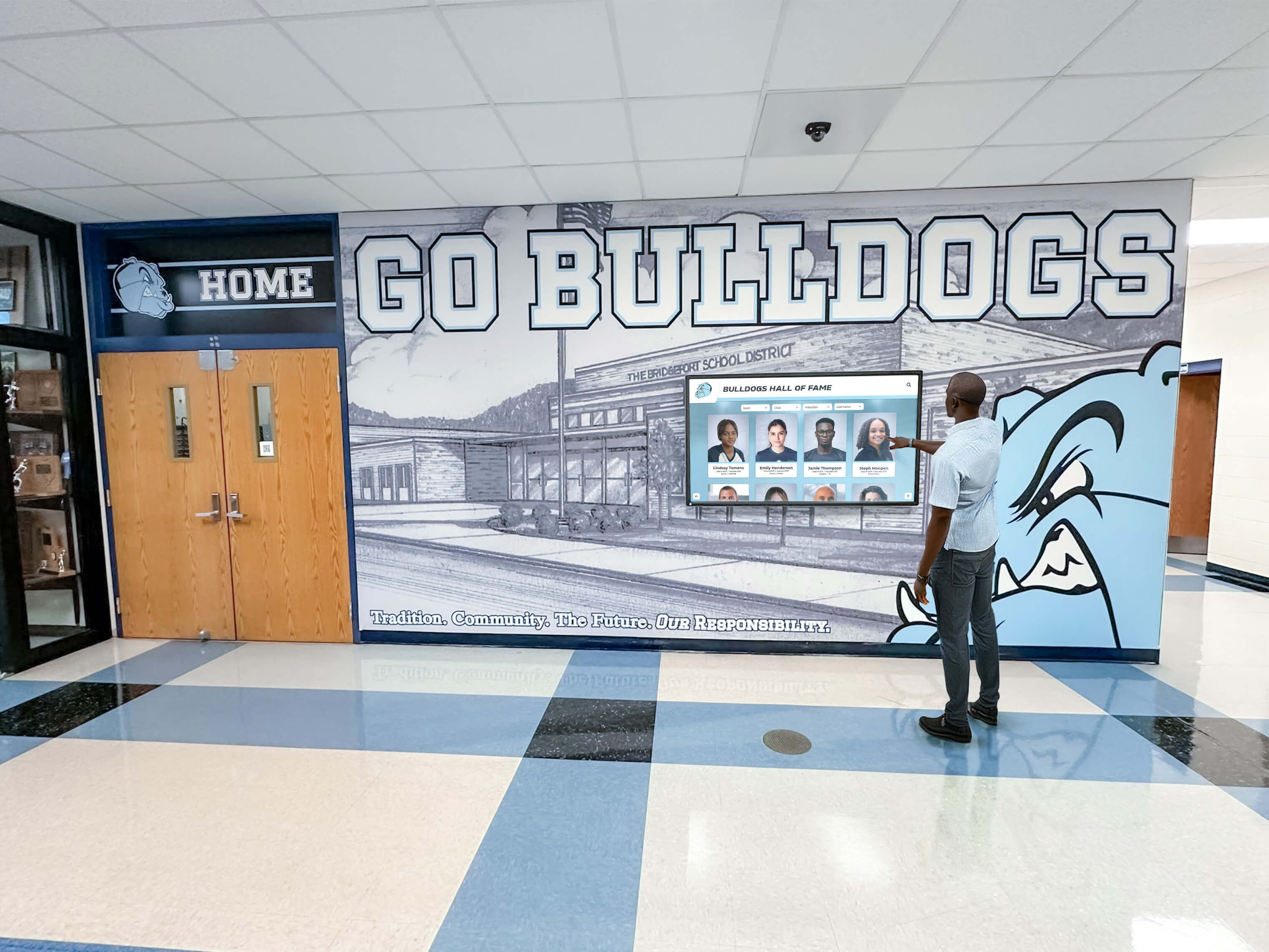
Systems can highlight when field event marks represent personal bests or break records. Visual indicators like color coding or special graphics celebrate outstanding performances, ensuring recognition even when most spectators are watching other competitions. This recognition parallels how digital record boards celebrate milestone achievements in permanent installations.
Key Features of Effective Track Meet Digital Display Systems
Not all digital displays provide equal value for track meet applications. Understanding critical features helps programs select systems meeting their specific needs.
Outdoor Visibility Requirements
Track meets occur primarily outdoors in bright sunlight conditions that render many displays useless.
High-Brightness Display Technology
Effective outdoor digital boards require minimum 2,500-5,000 nit brightness ratings—significantly higher than indoor displays or commercial televisions. Direct sunlight can exceed 10,000 nits, so displays must produce enough light to create readable contrast in these challenging conditions. Programs should test displays outdoors during midday conditions before purchasing to ensure actual visibility matches manufacturer specifications.
Anti-Glare Screen Coatings
Beyond brightness, effective outdoor displays feature specialized coatings reducing glare and reflections that make screens unreadable when viewed from certain angles. These coatings ensure displays remain visible from various spectator locations rather than only from optimal viewing positions.
Weather-Resistant Construction
Outdoor displays must withstand rain, wind, dust, extreme temperatures, and humidity without failure. Commercial-grade outdoor displays feature sealed enclosures protecting electronic components, adequate ventilation preventing overheating, and construction materials resistant to weather-related deterioration. Inadequate weatherproofing leads to display failures during meets, negating the investment.
Content Management Flexibility
The ability to display diverse information types determines how effectively systems serve meet communication needs.
Multi-Format Information Display
Effective systems seamlessly rotate between results, schedules, standings, athlete information, sponsor content, and announcements. Flexible templates allow customization of information layout, font sizes, color coding, and update frequencies ensuring displays serve their intended communication purposes rather than fighting rigid formats.
Remote Content Updates
Meet directors and officials need ability to update content from portable devices without accessing physical displays. Cloud-based systems allow updates from smartphones or tablets anywhere in venue, enabling real-time responses to changing meet circumstances. This remote capability proves essential when managing large venues with multiple display locations.
Multi-Display Coordination
Programs using multiple displays throughout venues need centralized control ensuring consistent information across all locations. Systems should allow displaying identical content on all screens or customizing content by location—for example, showing field event results on displays near those areas while showing running event results on stadium displays.
Integration Capabilities
The value of digital displays multiplies when they integrate with other meet management technology.
Timing System Data Feeds
Seamless integration with electronic timing systems from major manufacturers enables automatic result posting without manual data entry. This integration requires compatible data formats and reliable network connectivity between timing equipment and display systems. Programs should verify compatibility before purchasing to ensure systems work together reliably.
Meet Management Software Integration
Modern meet management software handles registration, heat assignments, scoring, and results publication. Display systems integrating with these platforms automatically pull schedule and result data without duplicate entry, reducing workload and eliminating transcription errors that plague manual processes.
Online Results Platform Synchronization
The same data feeding digital boards can simultaneously update online results platforms and mobile apps. This multi-channel distribution ensures in-person and remote audiences access identical information, extending meet visibility beyond physical attendance while providing consistent communication across all platforms.
Social Media Content Generation
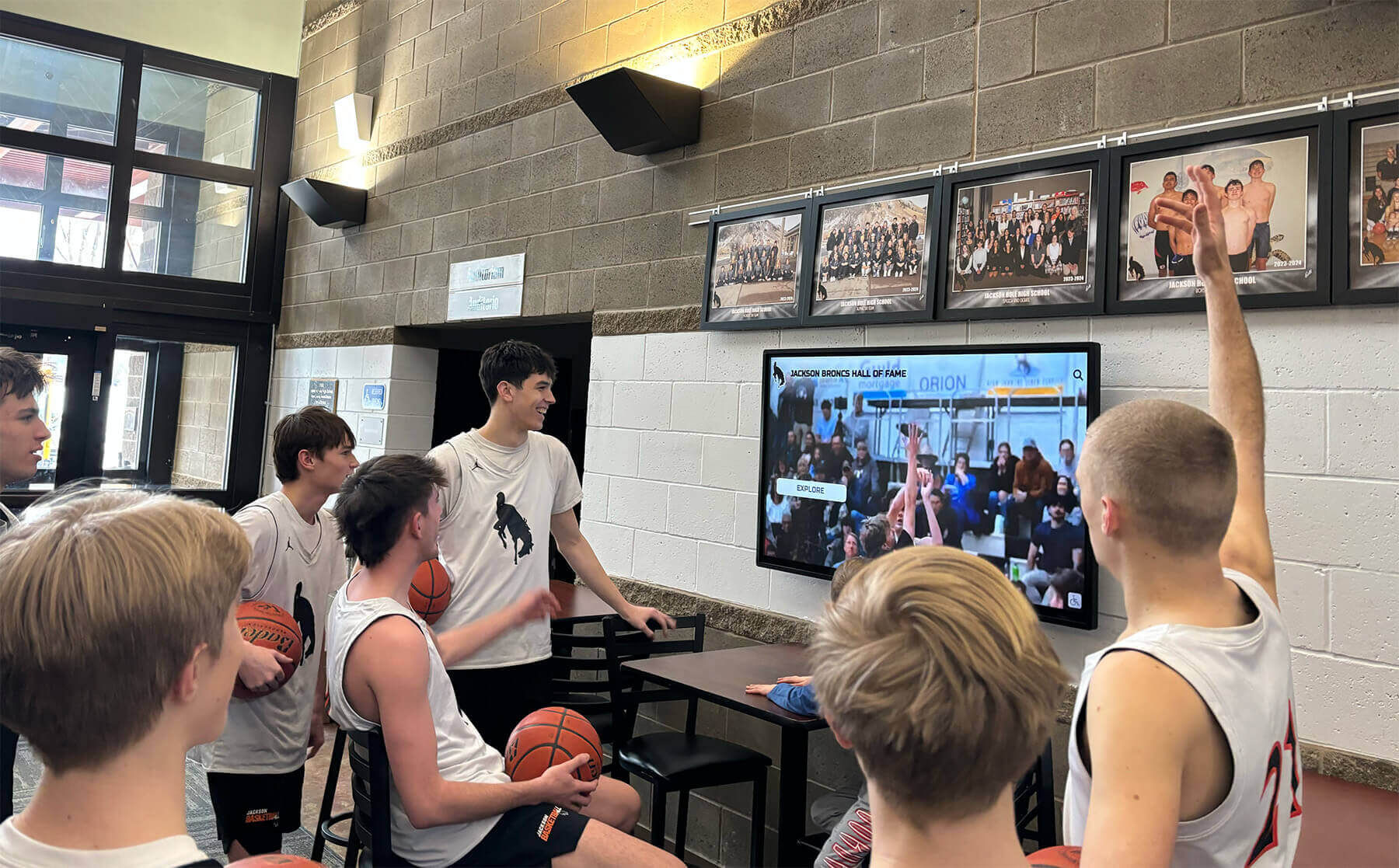
Advanced systems can automatically generate social media graphics from results data, enabling quick posting of performances to program accounts. These automated graphics maintain consistent branding while reducing workload of manually creating result posts during busy meet management.
Scalability and Expansion Options
Track programs should consider future needs when selecting digital display systems.
Modular System Architecture
Systems allowing incremental expansion enable programs to start with essential displays and add additional screens as budgets permit. Modular approaches might begin with a single results board, then add field event displays, sponsor boards, and touchscreen athlete information kiosks over multiple seasons. This phased implementation manages costs while building comprehensive communication infrastructure.
Hardware Agnostic Software
Display software that works with various hardware manufacturers provides flexibility in selecting appropriate displays for different applications and budgets. This approach prevents vendor lock-in while allowing programs to choose best-fit displays for each location based on size requirements, viewing distances, and environmental conditions.
Implementation Strategies for Different Program Levels
Digital display needs and capabilities vary significantly across different track program contexts.
High School Track Programs
Most high school programs host 2-10 meets annually with moderate attendance and operational budgets.
Recommended Implementation Approach
High schools should prioritize single high-visibility main display positioned at finish line or high-traffic spectator area. This primary board displays running event results, current schedule, and team standings—the information most frequently sought by spectators and participants. Starting with proven essential functionality ensures positive return on investment before expanding to additional displays.
Budget-Conscious Solutions
High school programs can explore TV-based displays using commercial large-format televisions in weather-protected locations. While lacking the brightness and durability of specialized outdoor displays, commercial TVs positioned under awnings or in concession areas cost $500-$1,500 versus $5,000-$15,000 for commercial outdoor LED displays. Simple cloud-based display software subscriptions run $50-$200 monthly, providing professional capabilities without custom development costs.
Dual-Purpose Applications
High schools can maximize display value by using systems for multiple purposes beyond meet days. The same displays showing track results can feature recognition of milestone athletic achievements, promote upcoming events, showcase student accomplishments, and display sponsor appreciation content. This multi-use approach justifies investment across broader institutional needs rather than single-sport applications.
College and University Track Programs
College programs host major competitions attracting thousands of spectators expecting professional presentation quality.
Comprehensive Multi-Display Systems
University implementations should include stadium video boards for high-visibility results and video, multiple LED displays positioned throughout venue showing localized information, touchscreen kiosks providing searchable athlete information and records, and field event displays at each competition area. This comprehensive approach creates professional presentation standards expected by college audiences while serving functional information distribution needs.
Advanced Integration Requirements
College systems should integrate with broadcast production equipment for television coverage, photographer credentialing and result access systems, championship qualifying databases for automatic standard comparisons, and recruiting databases connecting performances to prospective student-athlete profiles. These advanced integrations serve institutional needs extending beyond immediate meet management.
Permanent Installation Considerations
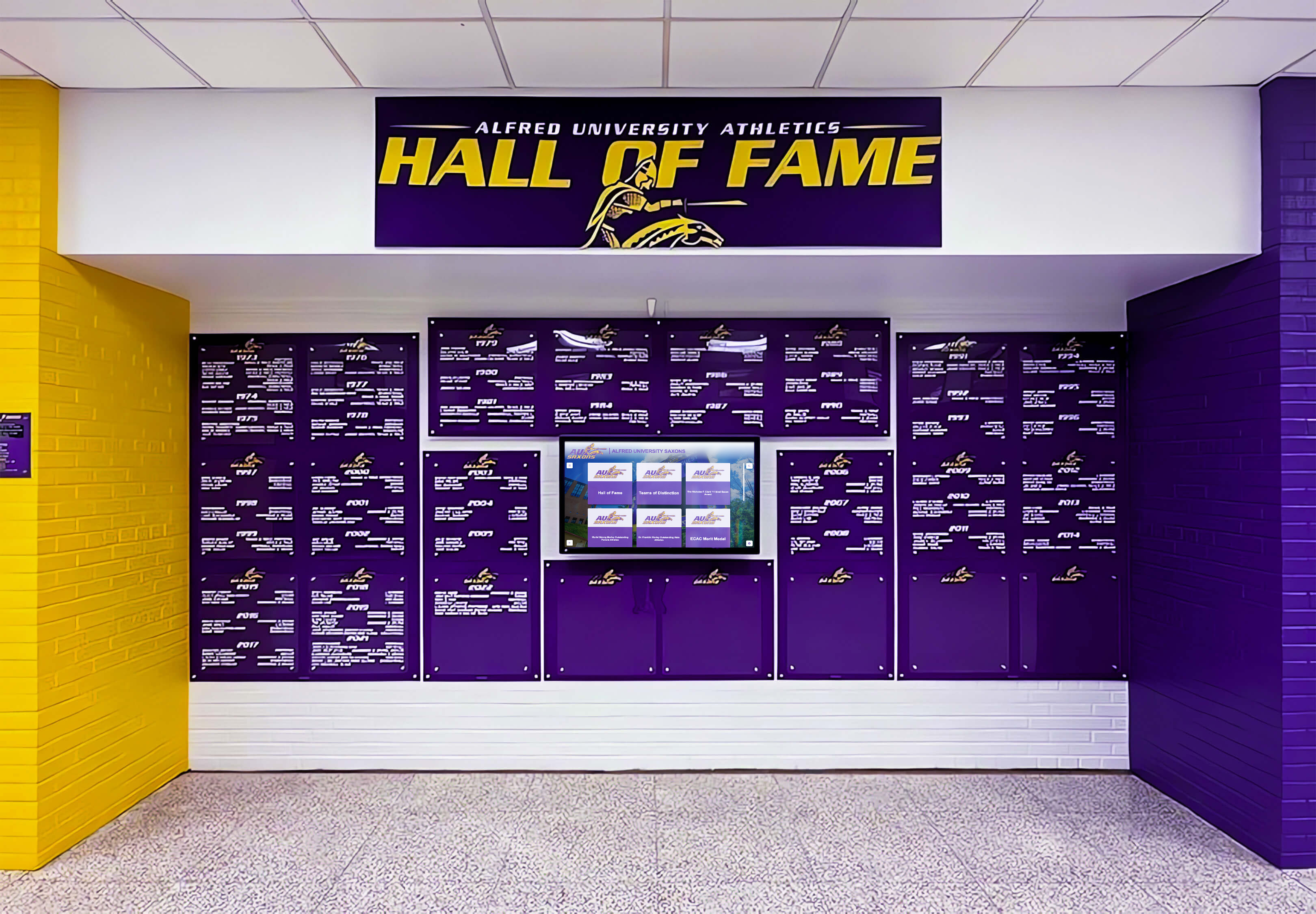
Universities with dedicated track facilities should install permanent display infrastructure rather than portable solutions. Permanent installations provide superior reliability, better weather protection, professional appearance, and reduced setup time for events. While requiring larger initial investment, permanent systems prove more cost-effective over multi-year timelines typical of university athletic facilities.
Major Championship and Invitational Meets
Large-scale championship competitions require displays matching the significance of the events.
Broadcast-Quality Display Standards
Major meets should deploy displays meeting broadcast production standards including 4K resolution for video board content, color calibration ensuring accurate representation, sufficient size for visibility from greatest spectator distances, and integration with broadcast graphics systems providing identical information to television and in-venue audiences.
Spectator Engagement Features
Championship meets can leverage displays for enhanced engagement including live video feeds from field events to main stadium screens, athlete biographical features highlighting competitors, historical record comparisons providing performance context, and interactive elements allowing spectators to access information through personal devices. These engagement features create memorable experiences differentiating major championships from routine competitions.
Sponsor Activation Opportunities
Large meets attract significant sponsorship requiring visibility throughout venues. Digital displays enable sophisticated sponsor content rotation, performance-triggered sponsor features such as presenting results or player of the meet recognition, branded content during natural breaks in competition, and sponsor social media content integration. These activation opportunities help justify and fund display system investments through increased sponsorship value.
Connecting Meet-Day Display Technology to Year-Round Recognition
While this guide focuses on meet-day applications, the same digital display technology serves broader athletic recognition strategies building sustained program support.
From Competition Results to Permanent Recognition
The athletes earning recognition on meet-day displays deserve permanent celebration extending beyond single competitions.
Digital Athletic Recognition Displays
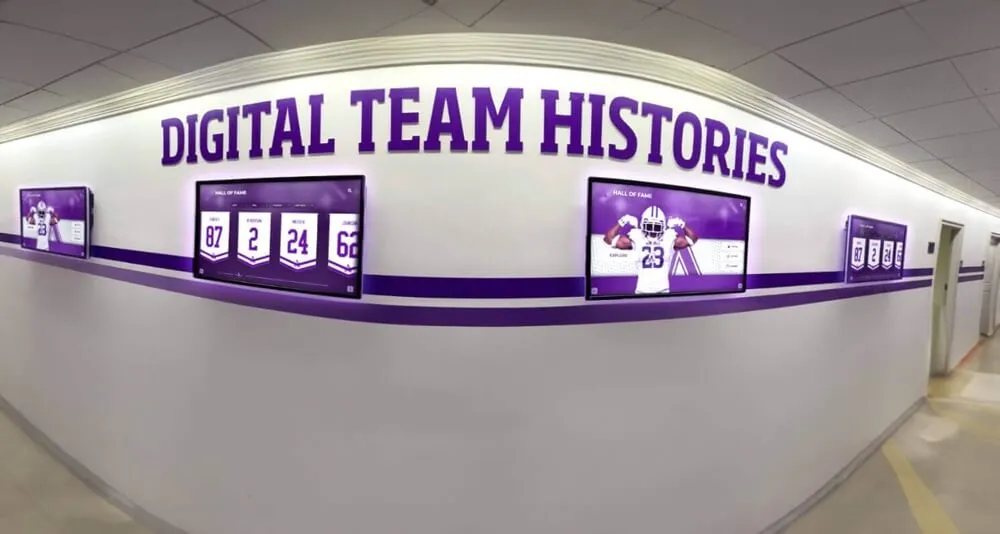
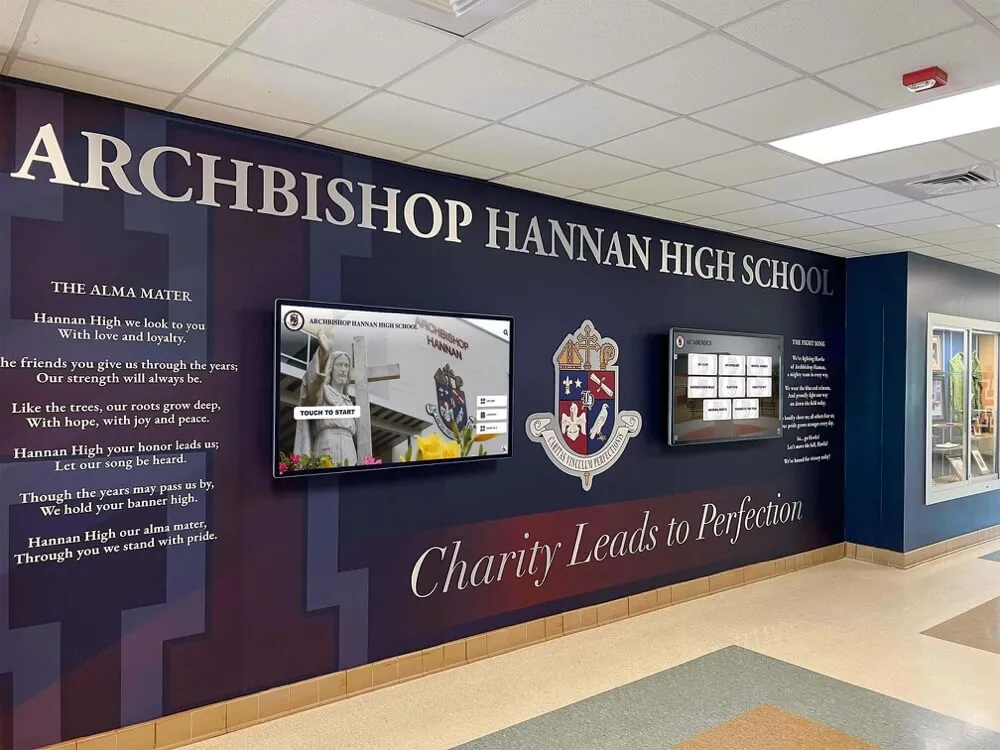
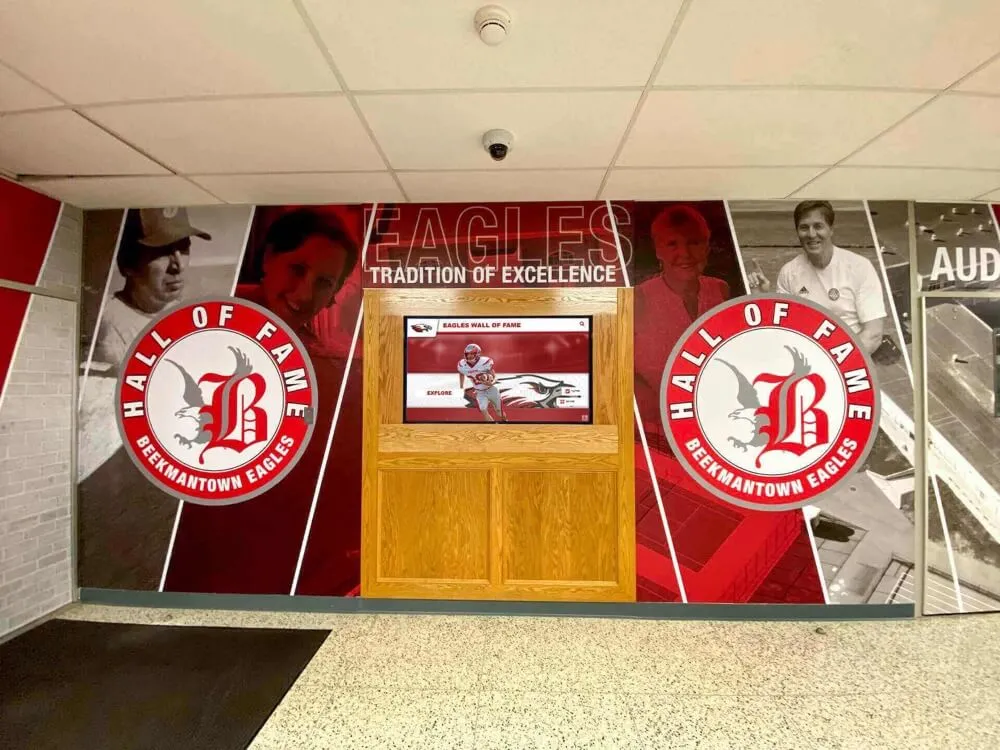
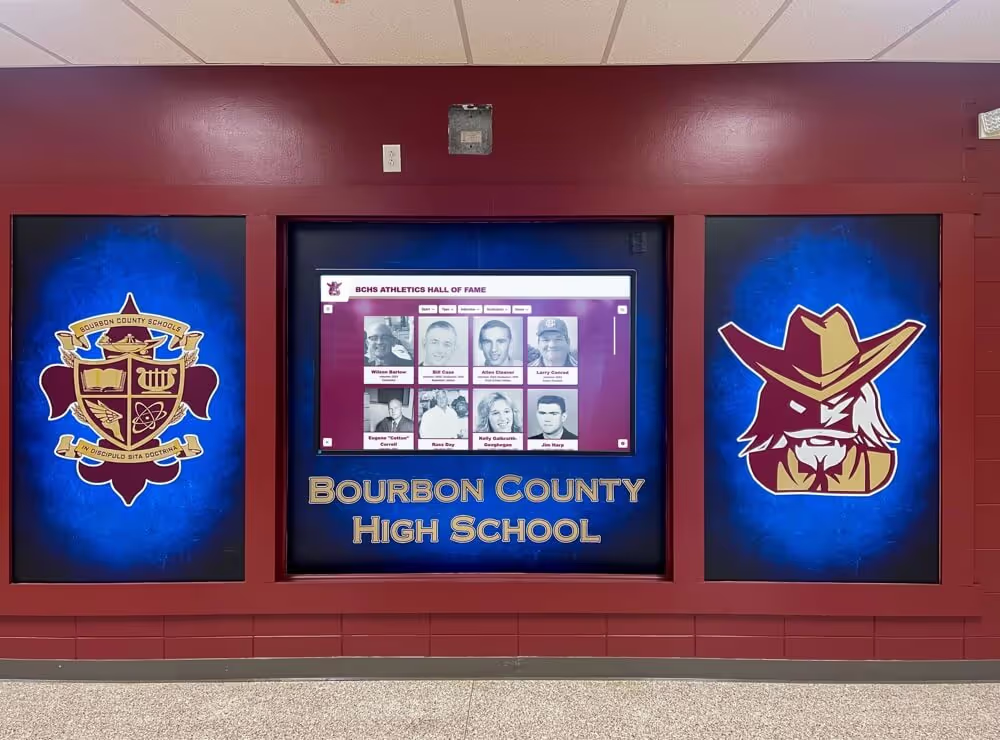
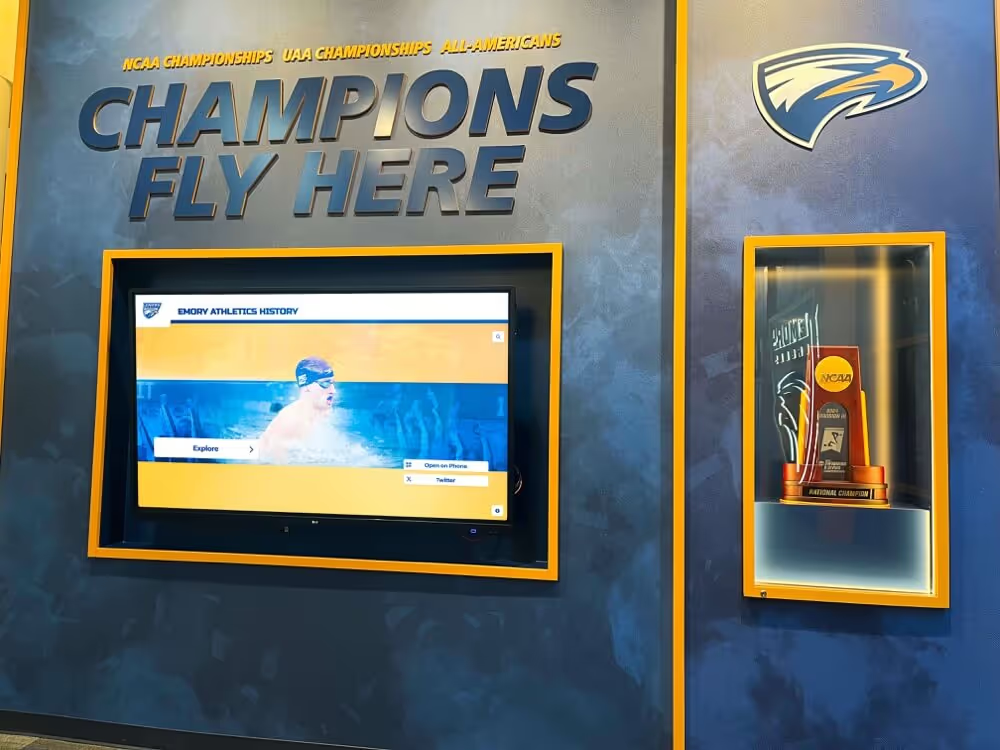
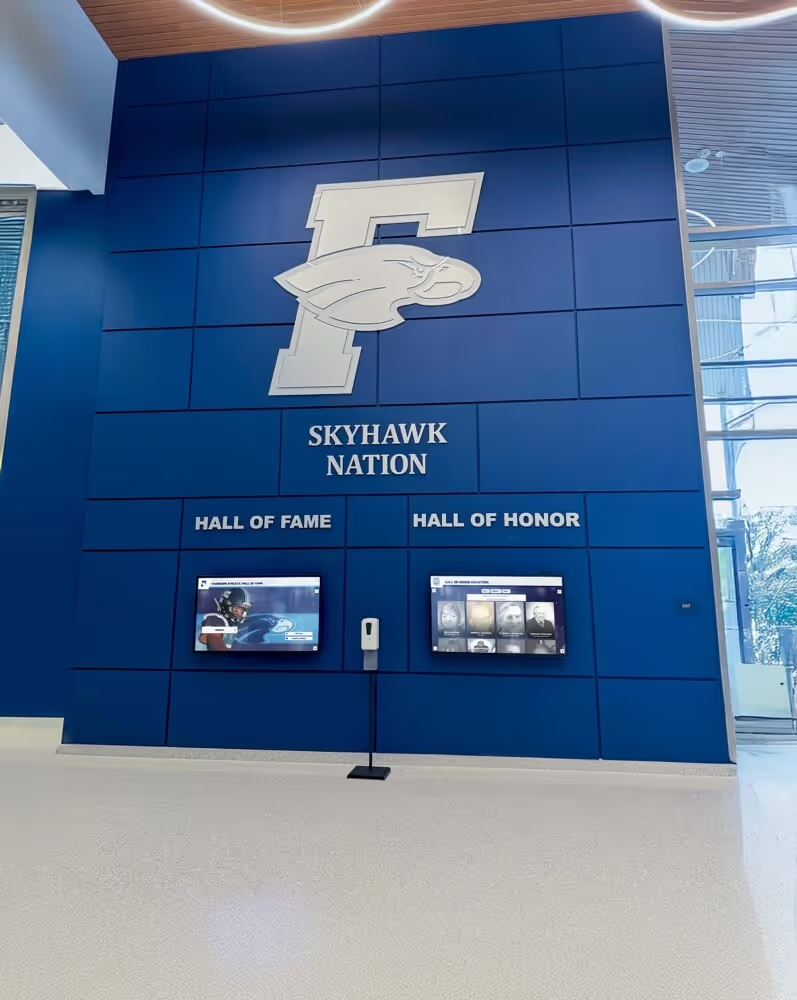
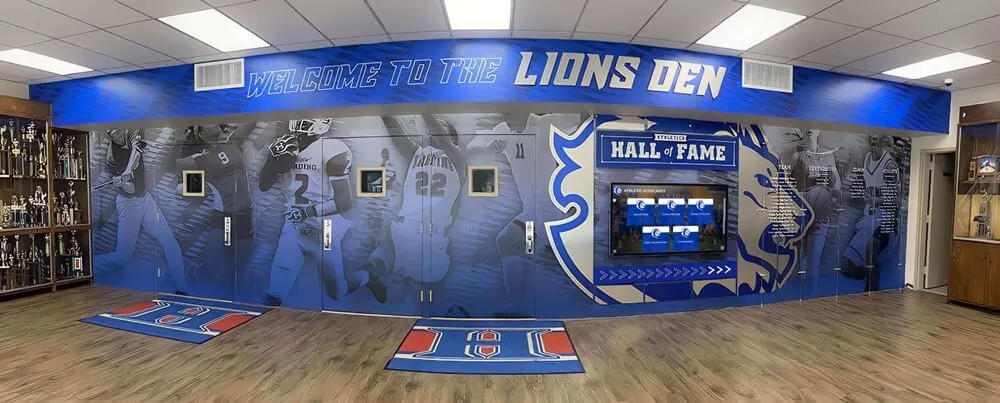
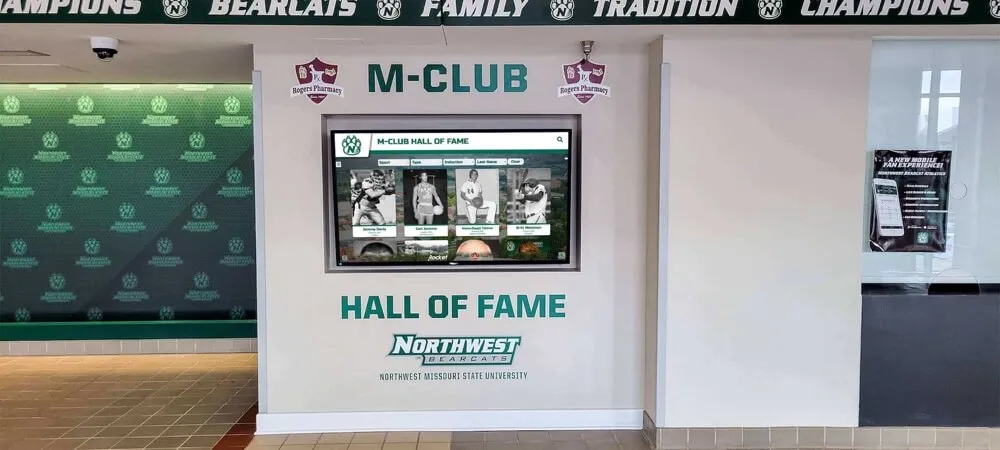
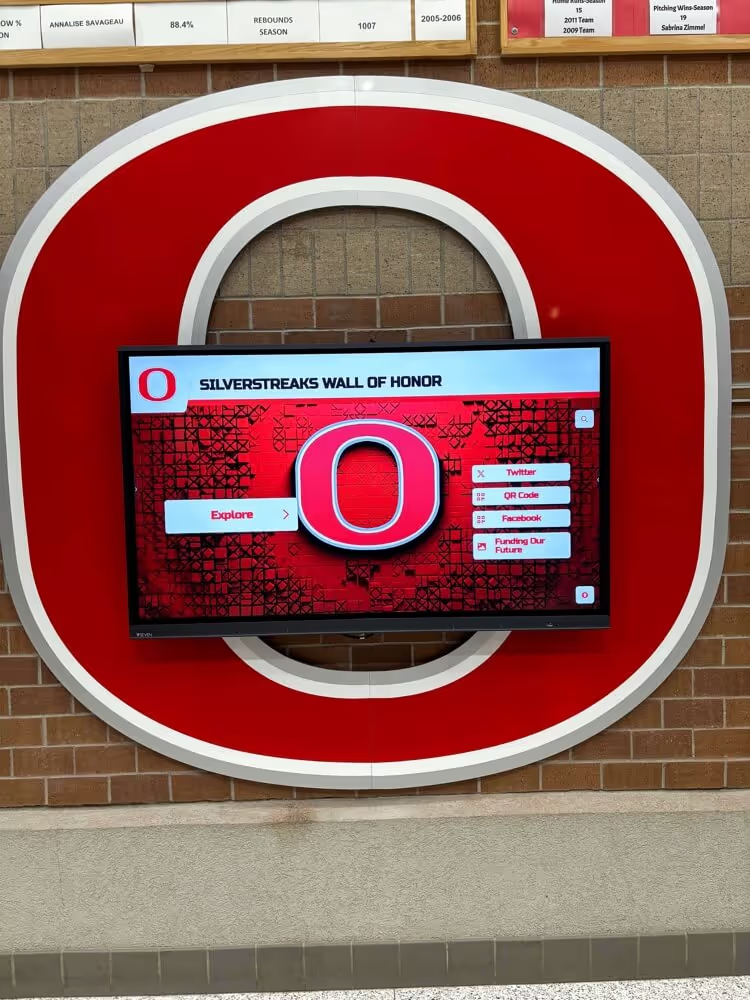
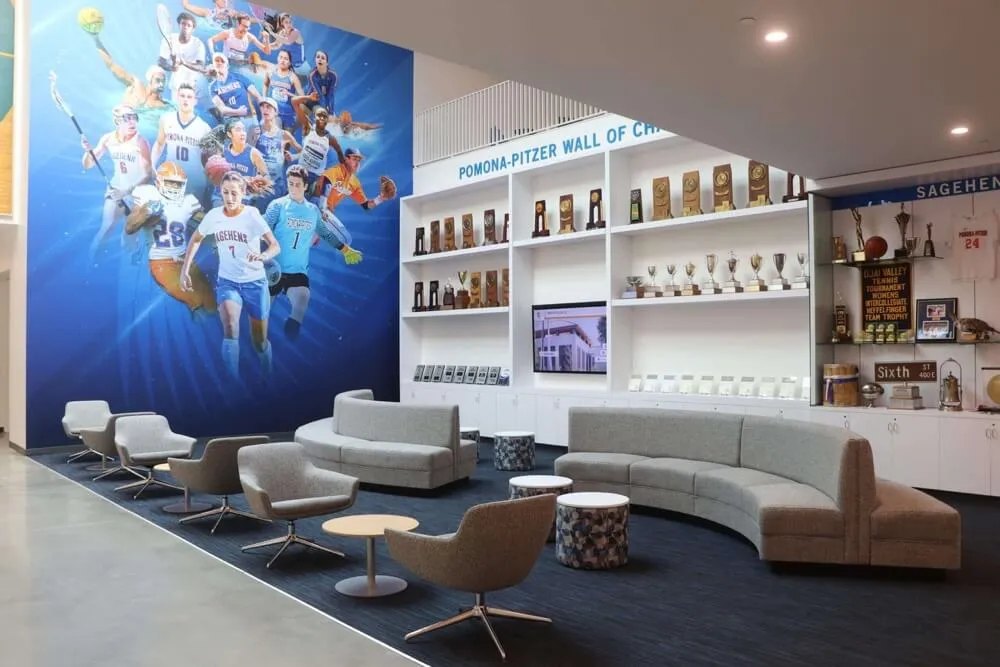
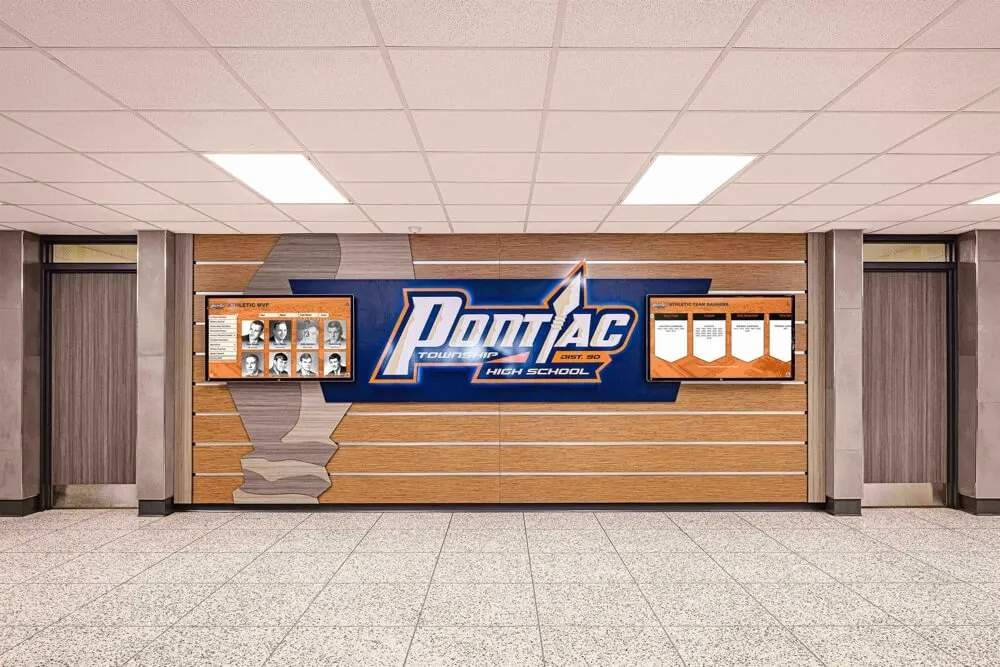
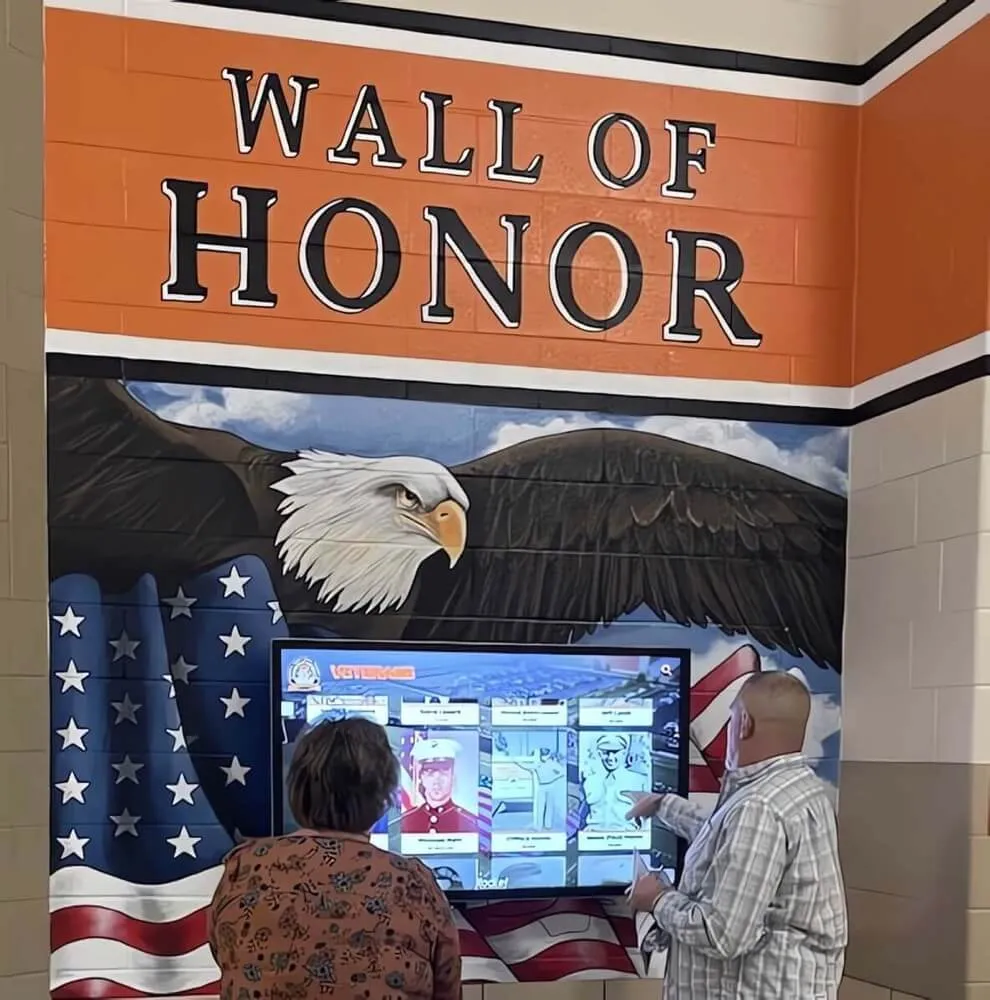
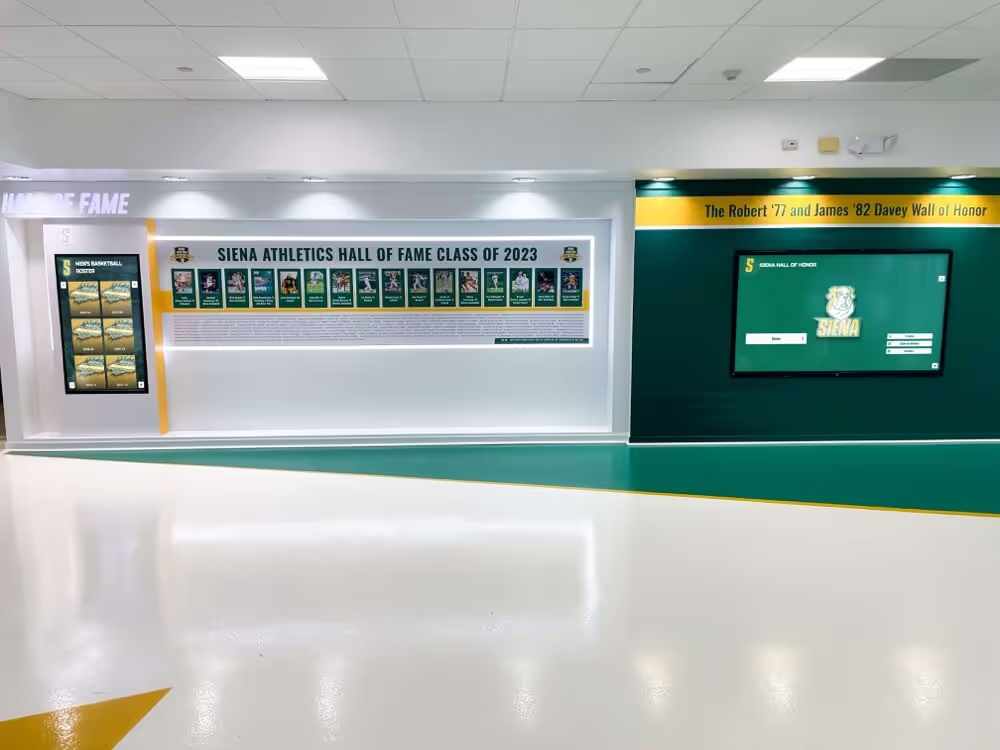
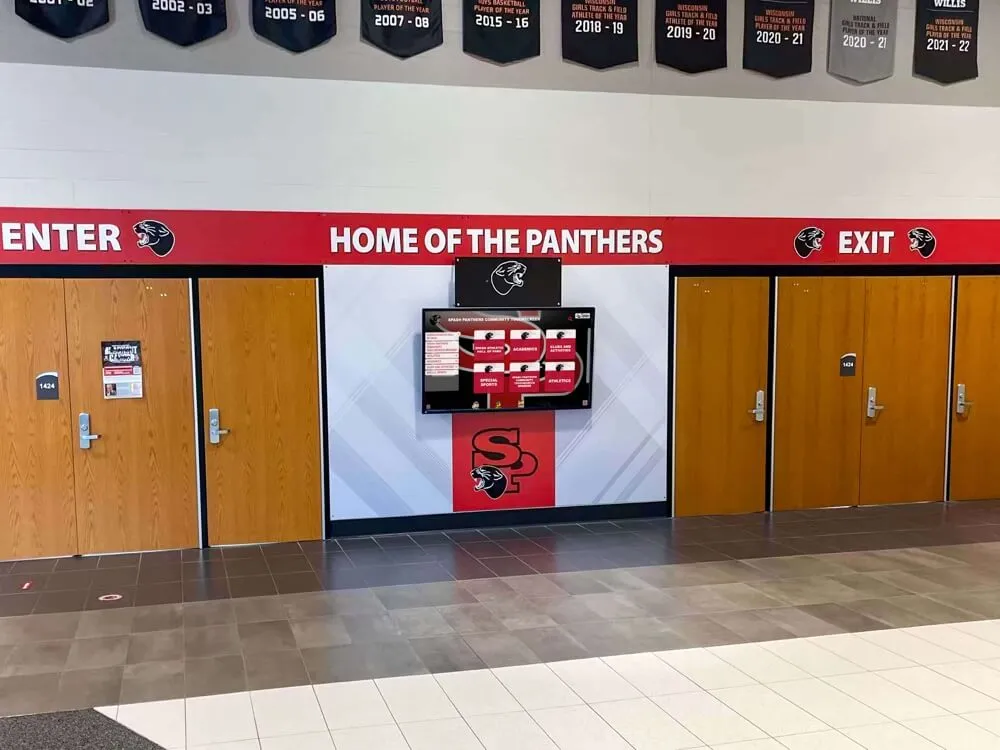
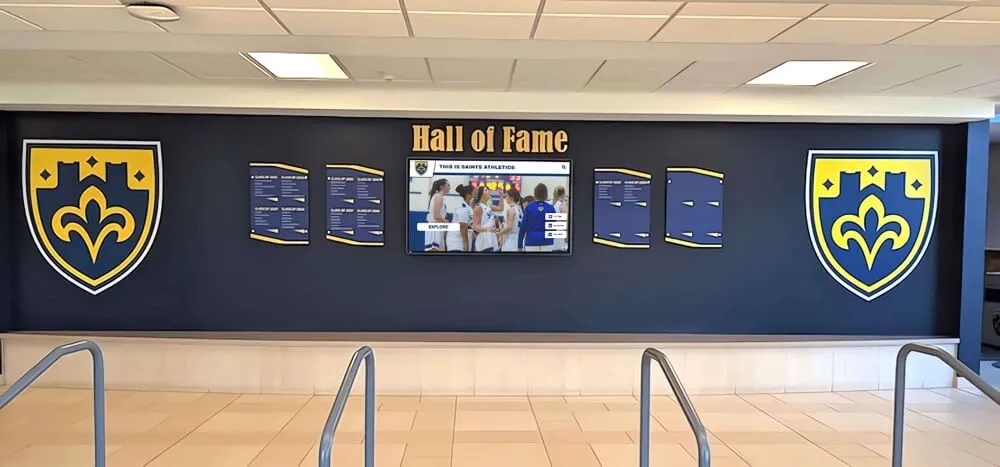
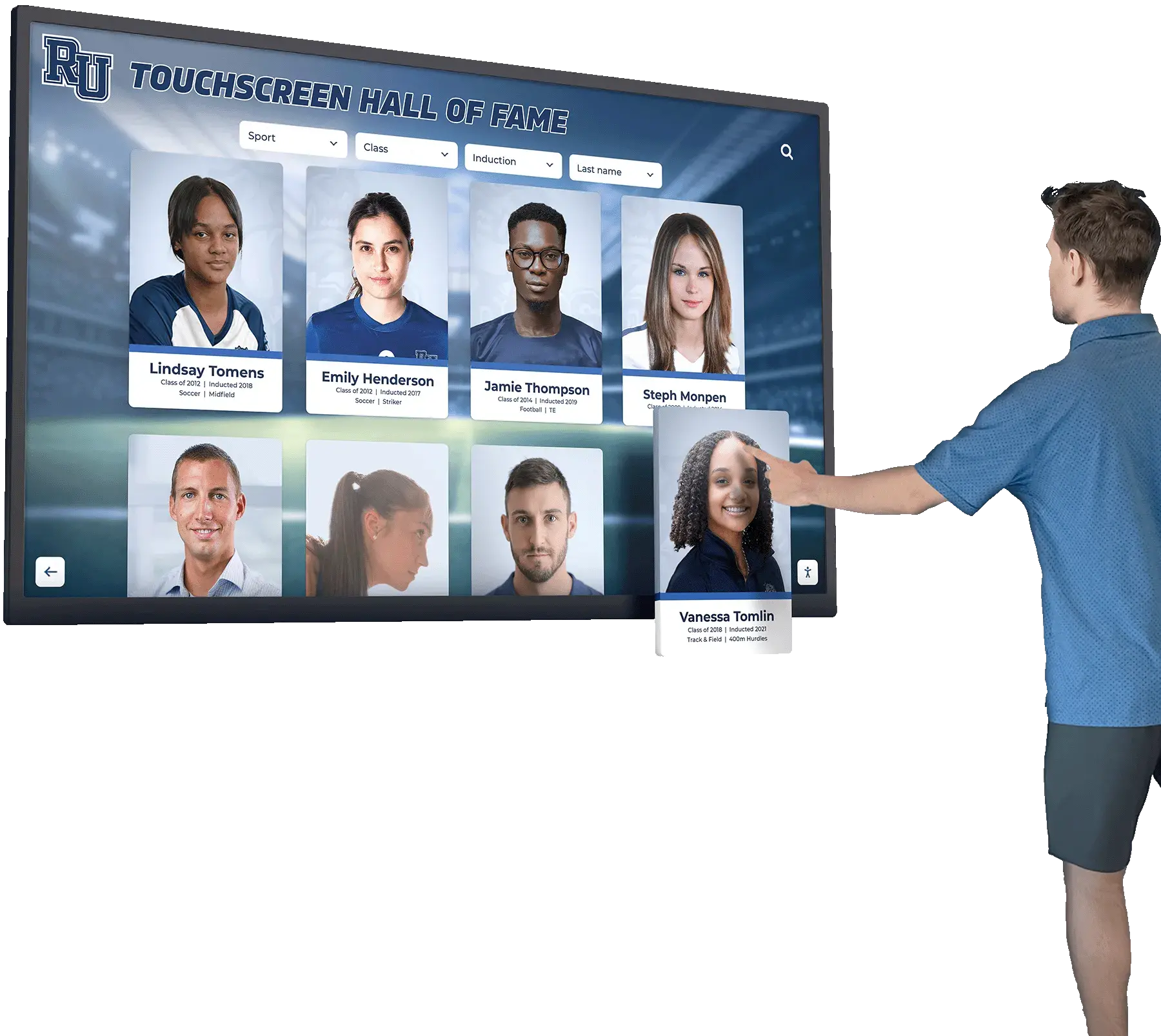
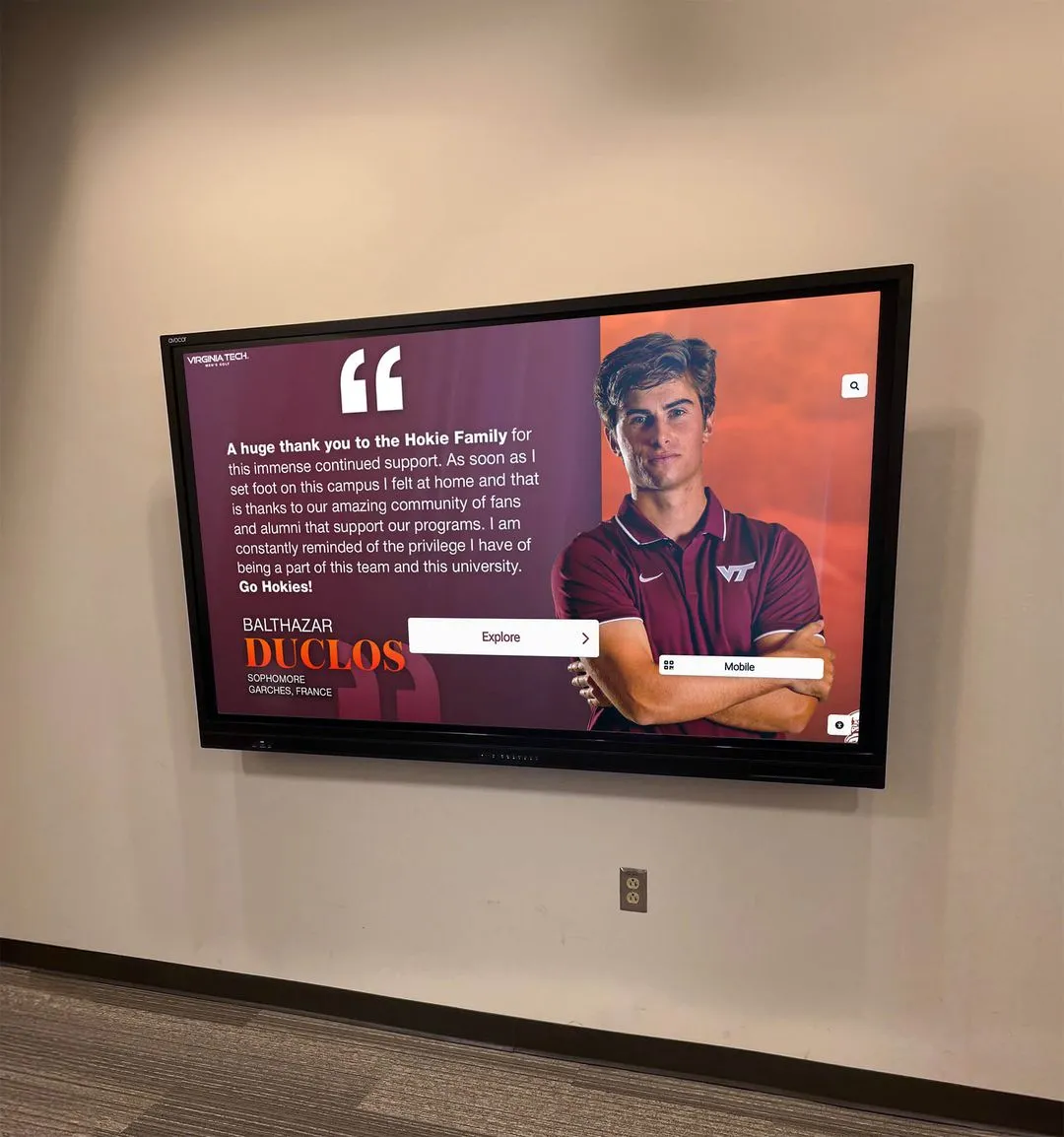
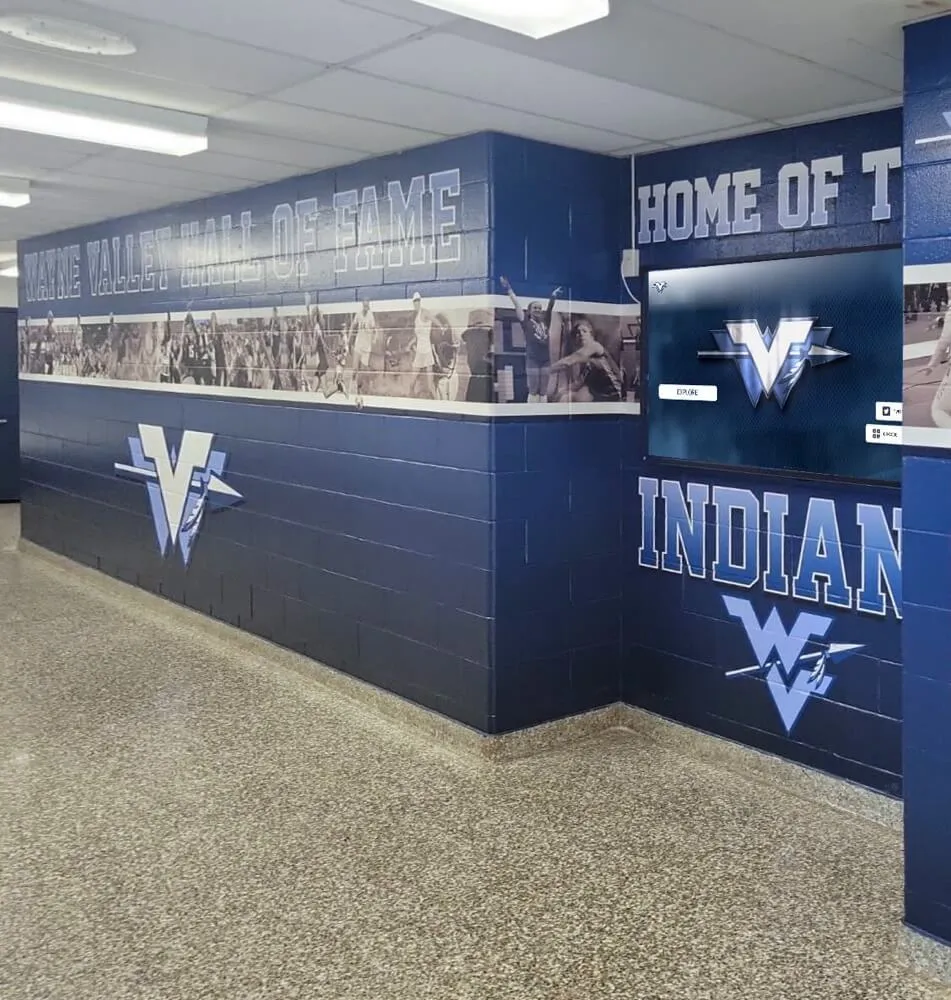
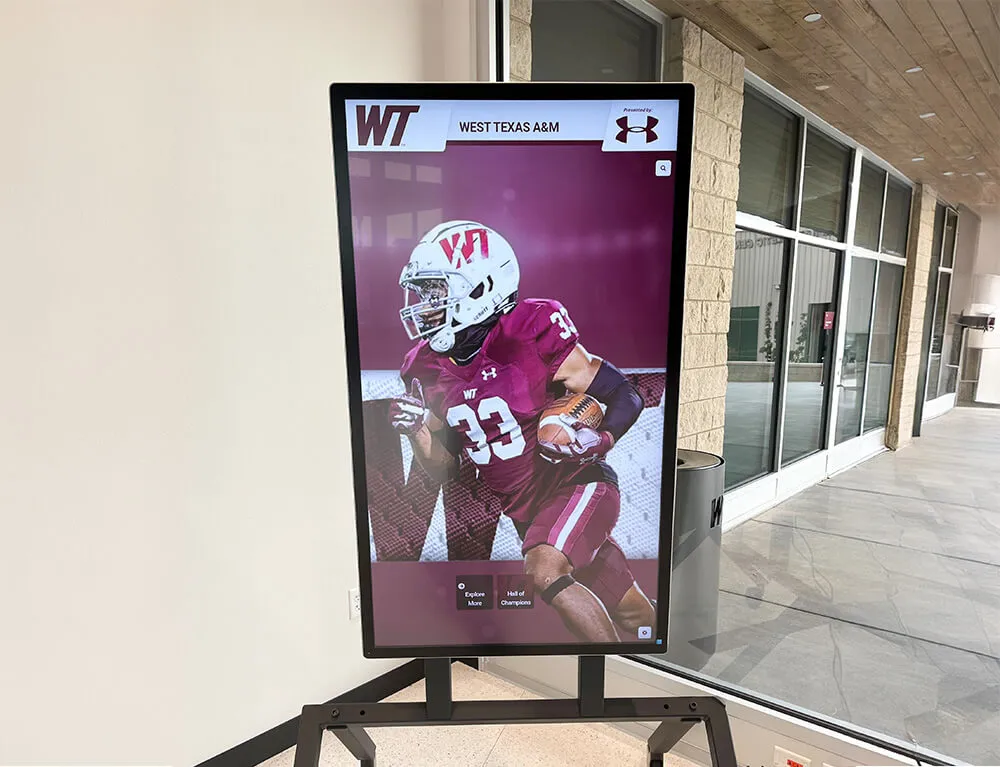
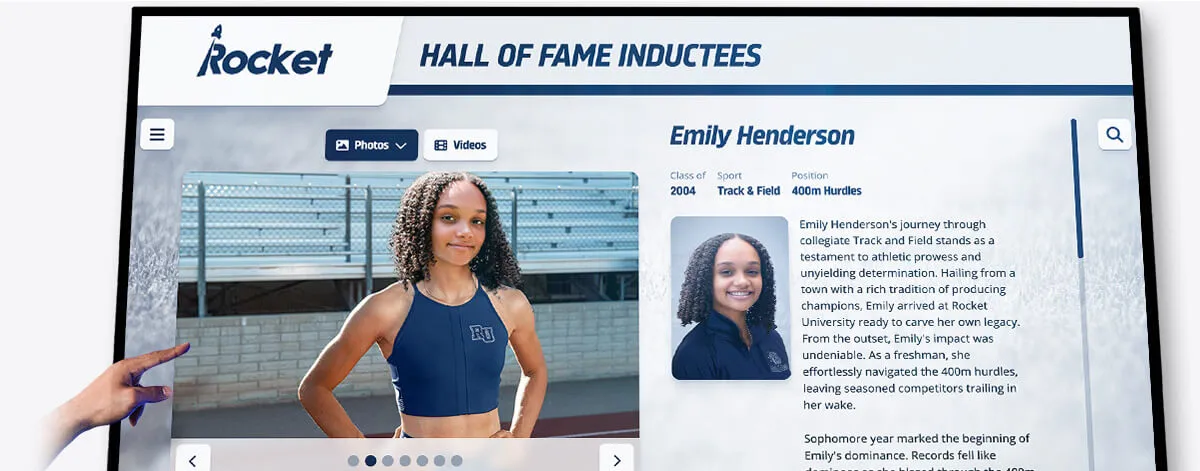
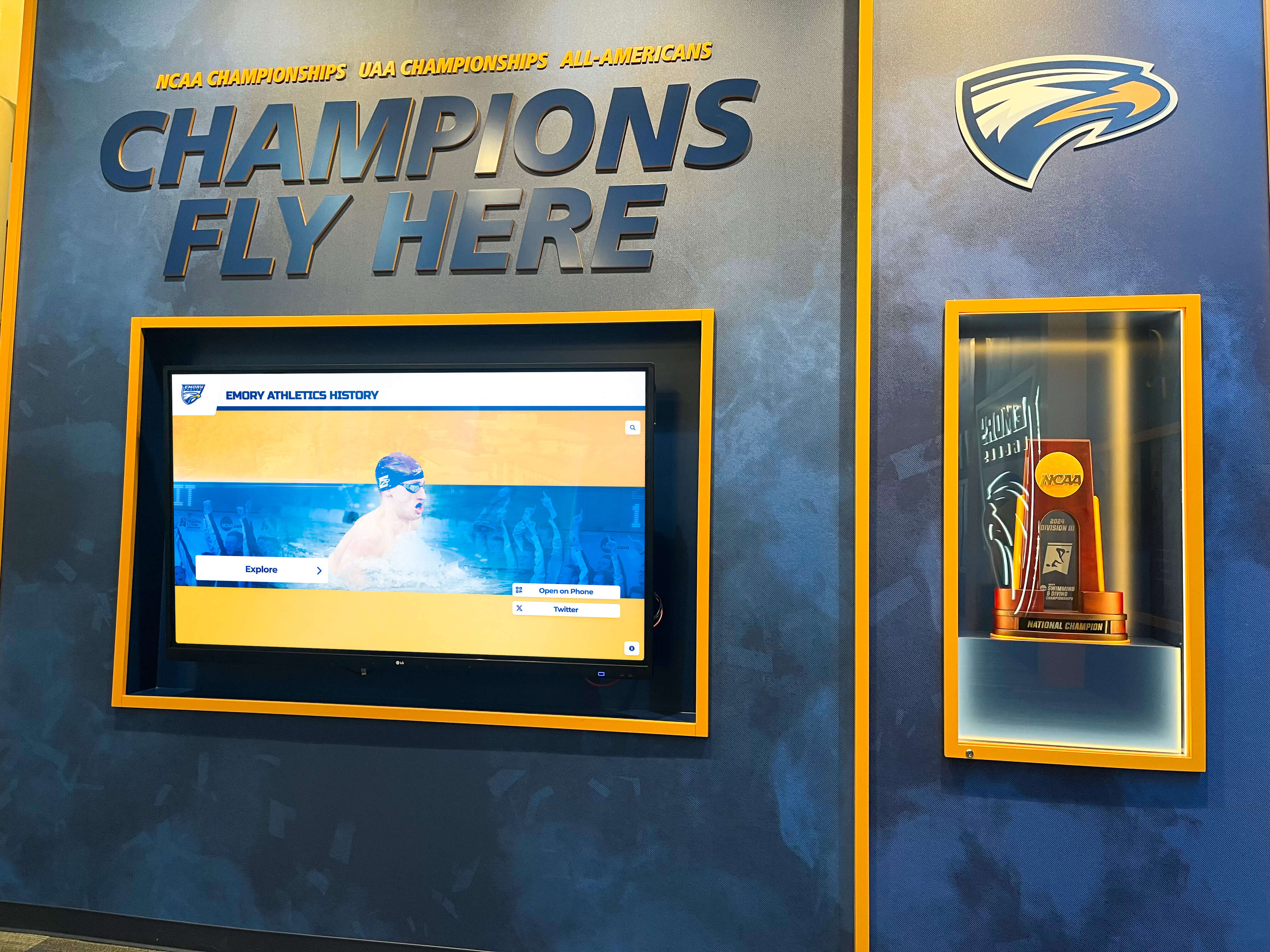
Solutions like those from Rocket Alumni Solutions enable schools to permanently recognize track and field achievements through interactive displays installed in athletic facilities or school hallways. These systems showcase school records, conference champions, state qualifiers, and individual milestone performances in engaging formats accessible to current students, prospective athletes, and visiting alumni.
By connecting temporary meet-day results to permanent recognition programs, schools demonstrate they value achievements beyond momentary competition. This sustained recognition strengthens program culture while creating tangible appreciation that athletes remember long after graduation. Many programs featured in junior college athletic recognition systems began with meet management technology before expanding to comprehensive year-round displays.
Integrated Record Tracking
Digital systems can automatically identify record-breaking performances and feed them to permanent recognition displays. When an athlete breaks the school record in 800m, that achievement can automatically update permanent display content within hours, ensuring immediate recognition rather than waiting for annual updates or manual processes. This real-time connection between performance and recognition creates powerful moments that resonate with athletes and spectators.
Recruiting and Program Marketing Applications
Track meet displays create content and visibility serving recruiting and marketing objectives.
Performance Highlight Content
Digital displays throughout meets provide excellent source material for recruiting highlight videos and social media content. Outstanding performances shown on displays can be captured and quickly edited for social media posting while meets are still in progress, capitalizing on immediate interest and engagement when audiences are most attentive.
Facility Impression for Recruits
Prospective student-athletes and their families attending meets form facility impressions influencing enrollment decisions. Professional digital display infrastructure demonstrates program commitment and sophistication, suggesting similar investment in coaching, training resources, and athlete support. These facility perceptions significantly impact recruiting success, particularly when competing against programs with comparable competitive records but different facility presentation.
Alumni Engagement Touchpoints
Track meets attract alumni returning to watch current athletes and reconnect with programs. Digital displays can feature historical content recognizing past champions, creating connection points between current and former athletes. These recognition moments strengthen alumni relationships that lead to financial support, volunteer involvement, and sustained program engagement. Programs with effective alumni engagement strategies often leverage athletic events as key touchpoints.
Cost Considerations and Return on Investment
Understanding full costs and potential returns helps programs make informed digital display investment decisions.
Total Cost of Ownership
Digital display expenses extend beyond initial hardware purchases.
Hardware Investment
- Entry-level outdoor LED displays (32"-55"): $3,000-$8,000
- Professional outdoor LED displays (55"-75"): $8,000-$20,000
- Large-format outdoor LED video boards: $25,000-$150,000+
- Touchscreen interactive kiosks: $5,000-$15,000
- Mounting hardware and installation: $500-$5,000 depending on complexity
Software and Content Management
- Cloud-based display software subscriptions: $50-$500 monthly
- Meet management software integration: $500-$2,000 annually
- Custom content development and templates: $1,000-$5,000 initial setup
- Ongoing content updates and maintenance: $500-$2,000 annually
Technical Support and Maintenance
- Equipment warranties and service plans: 10-15% of hardware cost annually
- Network infrastructure for connectivity: $500-$3,000 one-time
- Training for staff and officials: $500-$2,000
- Replacement parts and technical support: $200-$1,000 annually
Offsetting Costs Through New Revenue
Strategic programs generate revenue helping offset display system investments.
Enhanced Sponsorship Opportunities
Digital displays create valuable sponsor visibility justifying increased sponsorship rates. Programs might generate $2,000-$10,000 annually in additional sponsorship revenue from display advertising opportunities. Multi-year sponsorship agreements tied to display naming rights or presenting sponsorships can fund significant portions of initial system costs.
Improved Meet Hosting Competitiveness
Facilities with professional display infrastructure win bids to host larger invitationals and championship meets that generate revenue through entry fees, concessions, and facility rental. The ability to provide real-time results and professional presentation makes venues attractive to meet directors seeking high-quality host sites.
Reduced Operational Costs
Digital displays eliminate printing costs for programs, heat sheets, and result postings that can total $500-$2,000 per season depending on meet frequency and attendance. Improved meet efficiency reduces overtime costs for officials and facility staff, while better communication reduces athlete no-shows and wasted heats, shortening meet durations and associated facility costs.
Donor Recognition Opportunities
Display systems provide excellent donor recognition opportunities for supporters funding athletic facility improvements. Naming displays after significant donors or including donor appreciation content during meets creates tangible recognition that can motivate major gifts. Capital campaigns featuring display technology as recognizable upgrades often generate support exceeding project costs.
Measuring Success and Value
Programs should track metrics demonstrating display system value.
Operational Efficiency Metrics
- Average time from race completion to result posting
- Number of schedule changes communicated per meet
- Reduction in athlete scratches due to missed communications
- Official workload hours for manual result distribution
Engagement and Satisfaction Indicators
- Spectator satisfaction survey results regarding information access
- Social media engagement with meet content
- Coach and athlete feedback on communication effectiveness
- Increase in meet attendance year-over-year
Financial Performance Indicators
- Sponsorship revenue growth
- Cost savings from reduced printing
- Increased meet hosting revenue
- Donor contributions toward display systems
Future Trends in Track Meet Display Technology
Understanding emerging capabilities helps programs make future-ready investments.
Artificial Intelligence and Automated Content
AI-powered systems will increasingly automate content creation and distribution.
Automated Highlight Generation
Emerging systems use AI to identify outstanding performances and automatically generate highlight clips and graphics. These systems might detect when times qualify for championships or break records, automatically creating celebratory content without manual intervention. This automation reduces staff workload while ensuring recognition of significant achievements.
Predictive Performance Analytics
Advanced platforms will analyze historical data to provide predictive context during competitions. Displays might show probability that current team scoring positions will hold through remaining events, or predict whether an athlete’s split times project to championship qualifying standards. These predictive elements create additional engagement while helping coaches make tactical decisions.
Augmented Reality Integration
Mobile augmented reality applications will extend digital display capabilities.
Personal Device Integration
Spectators will use smartphone apps to access additional information beyond what displays show. Pointing phones at specific displays might reveal detailed athlete biographies, historical performance comparisons, or video highlights of previous performances. This AR integration allows display boards to focus on essential information while providing depth for interested audiences through personal devices.
Virtual Meet Attendance
AR technology will enable remote spectators to experience meets virtually. Live camera feeds combined with real-time result data create immersive remote viewing experiences, extending meet audiences beyond physical attendance. Programs can leverage these capabilities for alumni engagement, recruiting exposure, and audience development in ways traditional broadcasts don’t support.
Enhanced Personalization
Future systems will provide increasingly personalized information access.
Athlete and Team Following
Spectators will configure preferences to highlight specific athletes or teams across all display content. Rather than seeing comprehensive meet information, displays might emphasize followed athletes’ performances, upcoming events, and standings. This personalization serves families and supporters more effectively while reducing information overload.
Multi-Language Support
As track programs become increasingly diverse and international competitions more common, displays will offer multi-language support. Spectators can view content in preferred languages, making competitions more accessible and welcoming to diverse audiences. This capability particularly benefits major invitationals attracting international participants and spectators.
Conclusion: Transforming Track Meet Experiences Through Digital Innovation
The most successful implementations recognize that digital displays serve both immediate meet management needs and broader strategic objectives including athlete recognition, sponsor engagement, recruiting support, and community building. When meet-day display technology connects to year-round recognition programs, schools create comprehensive systems demonstrating sustained appreciation for track and field achievements that strengthen program culture long after specific competitions conclude.
Whether your program is considering first steps toward digital displays or seeking to expand existing capabilities, the key is matching technology investments to your specific needs, budget constraints, and strategic objectives. Start with high-impact applications providing clear value, then expand incrementally as experience and resources permit. The goal isn’t implementing technology for its own sake, but rather solving genuine communication challenges while creating recognition experiences that athletes, spectators, and supporters value.
Solutions like interactive touchscreen displays from Rocket Alumni Solutions extend these benefits beyond meet days, providing permanent platforms for celebrating track and field achievements, maintaining historical records, and engaging alumni in program legacies. These integrated approaches transform temporary competition results into lasting recognition that builds pride, strengthens community, and demonstrates that your program values achievements worthy of permanent celebration.

Ready to Transform Your Track Program?
Discover how digital display and recognition solutions can enhance your track meets while building year-round athlete appreciation. Explore Rocket Alumni Solutions to see how track and field programs nationwide are using interactive technology to improve meet operations, engage spectators, and create permanent recognition that honors athletic excellence.
From meet-day display systems to comprehensive athletic halls of fame, the right digital solutions make it easier to implement programs that serve immediate operational needs while building lasting recognition that athletes, families, and communities appreciate for years to come. Whether you’re planning recognition for student accomplishments or exploring championship celebration displays, modern technology creates opportunities that strengthen programs through every season.