



Key Takeaways
Discover how interactive announcements feeds revolutionize school communication. Learn how digital displays engage students with events, clubs, and real-time updates beyond traditional announcements.
The Limitations of Traditional School Announcements
Understanding what makes interactive announcements feeds transformative requires examining the significant limitations inherent in traditional announcement methods that most schools still rely on.
Static Bulletin Boards: Information Overload and Invisibility
Physical bulletin boards lining school hallways theoretically provide space for communicating events, opportunities, and information to students. In practice, they suffer from multiple fundamental limitations that severely restrict their effectiveness.
Content Becomes Invisible Through Familiarity
Students pass the same bulletin boards multiple times daily, quickly habituating to unchanging displays that become part of the visual background they no longer consciously notice. Even when new flyers are posted, they blend into existing visual clutter, making it nearly impossible for specific announcements to capture attention among competing messages.
Schools struggle to maintain current bulletin board content as staff members lack time for constant updates, outdated information remains posted long after events pass, physical space constraints limit how many announcements can be displayed, and weather-worn or damaged posters project neglect rather than engagement.
Limited Information Depth
Physical flyers must balance competing needs for visual impact with information comprehensiveness. The result typically means surface-level details that fail to provide sufficient information for students to understand opportunities or take action, requiring interested students to seek additional information through other channels that represent barriers reducing participation.
PA System Announcements: Interruptions Students Tune Out
Morning announcements broadcast over PA systems remain standard practice in many schools despite their well-documented ineffectiveness for communicating detailed information.
Cognitive Interruption Without Retention
Verbal announcements interrupt whatever students are doing—classwork, conversations, thoughts—requiring them to shift attention to information that may have zero relevance to their specific interests. This interruption triggers psychological resistance, causing students to tune out announcements altogether rather than mentally filtering for personally relevant information.
Research on audio information retention demonstrates that people remember only 10-20% of what they hear, compared to 65% of visual information retained. Morning announcements thus represent one of the least effective communication methods available, yet schools continue using them largely through institutional inertia rather than strategic communication planning.
Accessibility and Timing Limitations
PA announcements pose significant accessibility challenges for students with hearing impairments who miss information entirely, multilingual learners processing unfamiliar terminology at native-speaker pace, students arriving late who miss announcements completely, and anyone in areas with poor audio quality making announcements unintelligible.
Additionally, the fixed timing of morning announcements means students hear about events when they’re not mentally ready to process or act on the information, with no ability to review details later when they might be more receptive.
The Interactive Announcements Revolution: Beyond One-Way Communication
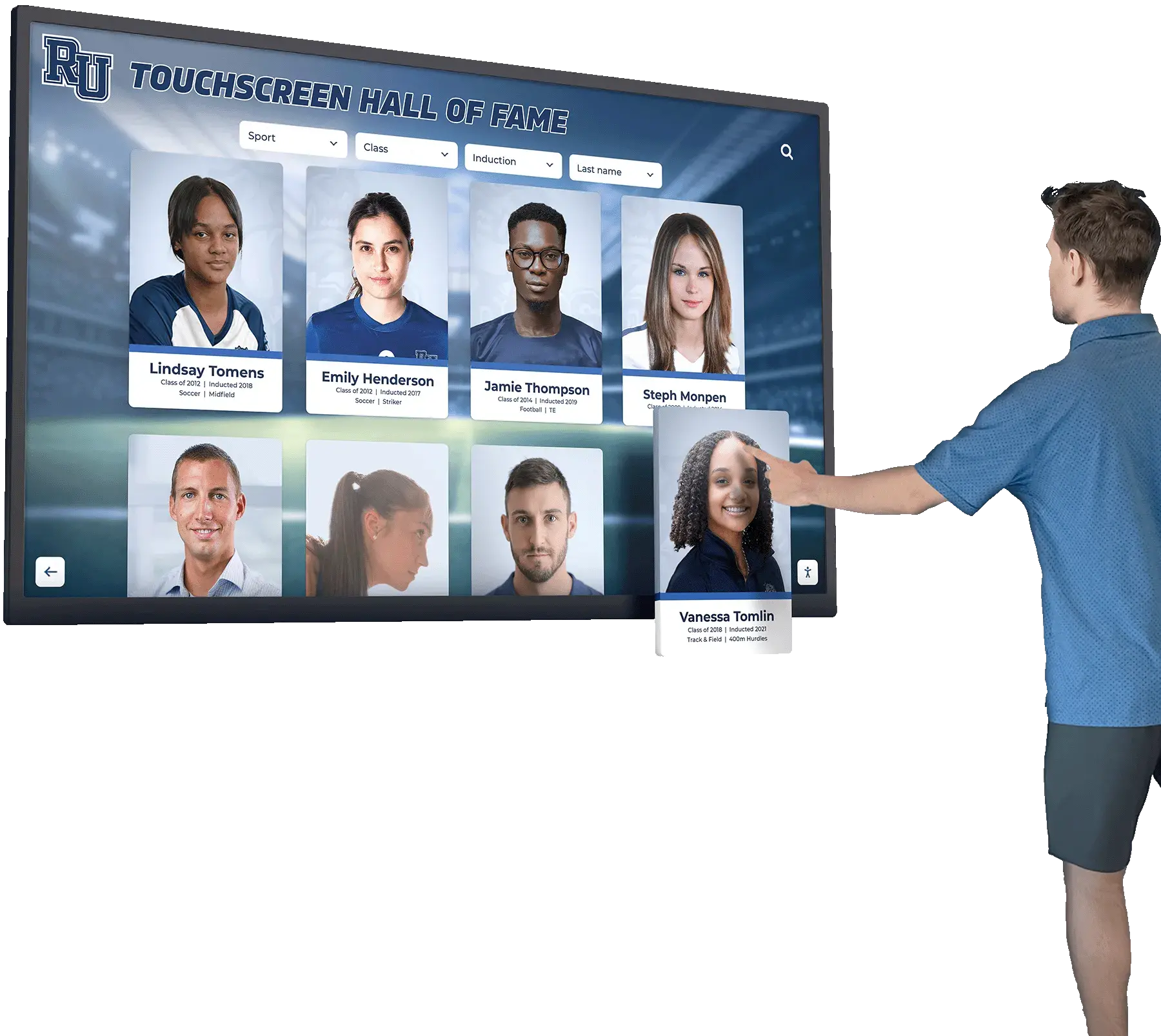
Interactive announcements feeds represent fundamentally different communication approaches that transform passive information broadcasting into engaging digital experiences aligned with how students naturally consume and explore content.
What Makes Announcements “Interactive”?
The term “interactive” encompasses several key characteristics distinguishing modern digital announcement systems from traditional static approaches.
Click-Through Content Exploration
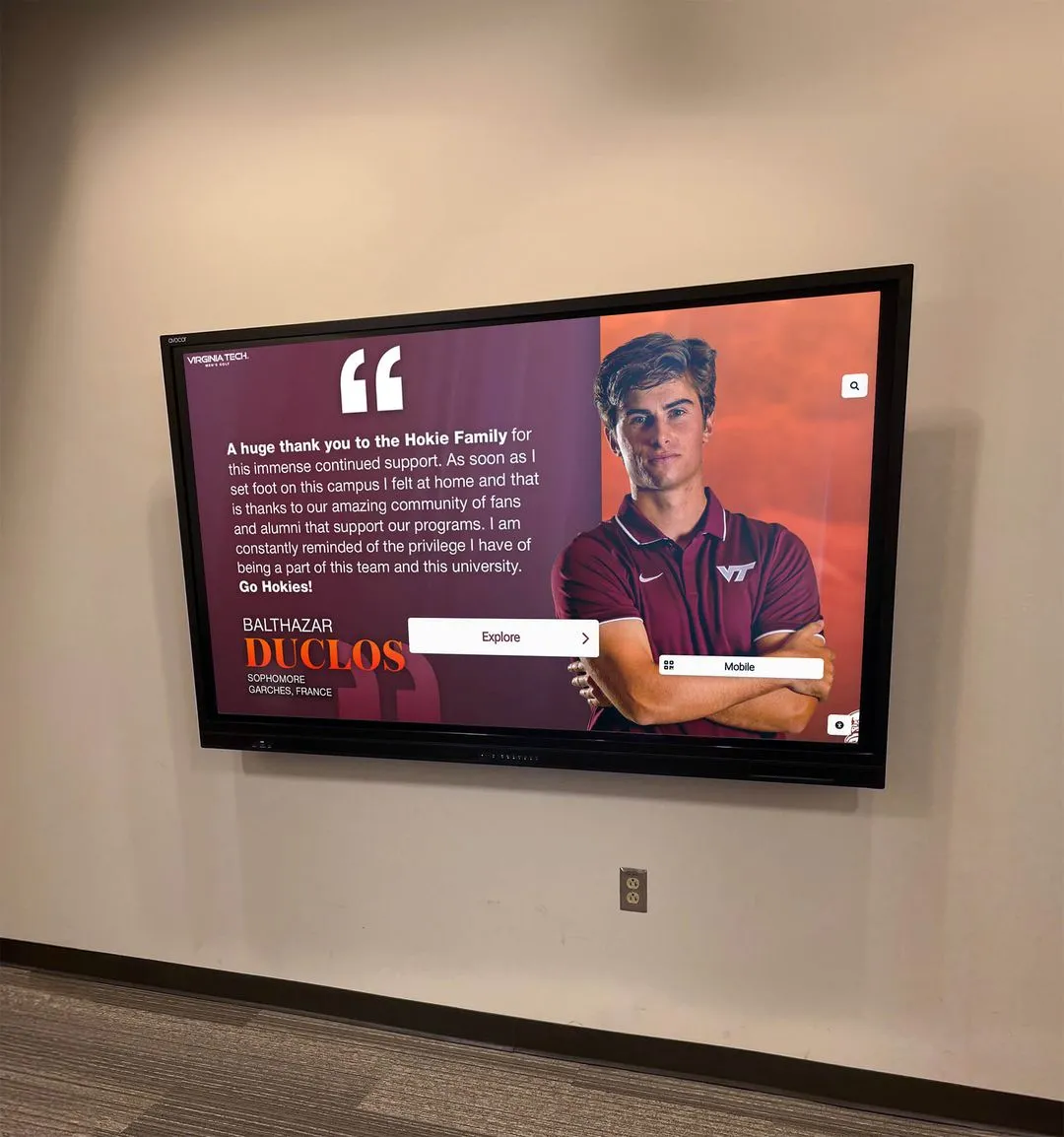
The defining feature of interactive announcements is the ability for students to click into content that interests them to access deeper information. Rather than limiting communication to surface-level details constrained by bulletin board space or announcement length, interactive systems allow multilayer information architecture where initial displays provide overview content attracting attention, click-through pages offer detailed information, multimedia content enriches understanding, and action links enable immediate registration or sign-up.
This structure mirrors how students naturally explore information online—scanning headlines or social media feeds, clicking into content that captures interest, and exploring as deeply as their curiosity drives them.
Real-Time Dynamic Content
Interactive announcements systems display current, relevant content that updates automatically rather than depending on staff members physically changing displays. This ensures students always see timely information including today’s events and activities, countdown timers building excitement for upcoming opportunities, current athletic scores and highlights, lunch menus reflecting today’s options, and weather alerts or schedule changes communicated instantly.
Schools using interactive announcements report that students begin checking displays regularly as trusted sources for current information, behavior rarely associated with traditional bulletin boards showing unknown currency.
Searchable and Filterable Information
Advanced interactive systems allow students to search for specific topics or filter announcements by category, ensuring they can quickly find information relevant to their interests rather than scanning through unrelated content. This personalization dramatically improves user experience and information accessibility.
The Psychology of Visual Engagement
Interactive announcements leverage fundamental psychological principles about how humans process and respond to information.
Visual Processing Speed and Retention
The human brain processes visual information 60,000 times faster than text, and people retain 65% of visual information compared to just 10-20% of audio information. This explains why visually engaging digital displays capture attention and communicate effectively where verbal announcements fail.
Interactive announcement systems optimize visual communication through high-resolution images and graphics, motion and animation attracting eye attention, color psychology highlighting important information, and clear visual hierarchy guiding attention to priority content.
Choice and Autonomy Drive Engagement
Psychological research consistently demonstrates that people engage more deeply with information they choose to explore rather than information forced upon them. Interactive announcements respect student autonomy by allowing them to scan available information and explore topics matching their interests, creating positive engagement rather than the resistance triggered by interrupted attention.
Content Strategies for Interactive Announcements Feeds
The technological platform enables interactive communication, but content strategy determines whether systems deliver genuine engagement or become digital versions of ignored bulletin boards.
Event Announcements That Drive Participation
Events represent core content for any school announcements system, but presentation significantly affects whether students attend.
Beyond Basic Event Listings
Traditional event announcements typically provide minimal information—event name, date, time, location. Interactive systems enable rich event presentations that build excitement and drive attendance including prominent featured images or videos, detailed descriptions explaining what to expect, student testimonials from past events, registration links for immediate sign-up, countdown timers creating urgency, and social proof showing who’s attending or interested.
For example, rather than announcing “Band Concert Friday 7pm Auditorium,” an interactive announcement might feature a highlight video from last year’s performance, profiles of featured musicians, links to ticket purchase, and a photo gallery showing the audience experience—content that generates genuine interest rather than merely informing.
Event Discovery Features
Interactive systems help students discover events matching their interests through category filters (arts, athletics, academics, service), date range selection finding events in specific timeframes, keyword search for specific topics, and personalized recommendations based on past interactions. These discovery features ensure students find opportunities they care about rather than missing events because they didn’t happen to notice a single announcement among dozens.
Club and Activity Recruitment
Schools typically offer dozens of clubs and activities, yet many students remain unaware of opportunities perfectly aligned with their interests. Interactive announcements transform club recruitment by providing ongoing visibility and detailed information.
New Club Launches
When new clubs form, interactive announcements provide platforms for generating awareness and initial membership including compelling descriptions of club purpose and activities, founder profiles sharing their passion and vision, meeting schedules and location details, contact information for questions, and immediate sign-up links reducing friction between interest and participation.
Digital recognition displays excel at showcasing club achievements and activities, creating visibility that attracts new members while celebrating existing participants.
Ongoing Club Spotlights
Beyond initial launches, rotating club spotlights maintain visibility throughout the year featuring activity highlights and recent accomplishments, upcoming events or meetings, member testimonials explaining why they participate, photo galleries or videos showing clubs in action, and calls to action inviting new members.
This ongoing visibility addresses the reality that student interests evolve throughout the school year—the student who wasn’t interested in robotics club in September might become fascinated after a classroom unit on engineering in February, but only if they know the club exists and how to join.
Academic Opportunities and Recognition
Interactive announcements effectively communicate academic opportunities that students might otherwise miss while celebrating achievements that motivate continued excellence.
Competition and Scholarship Announcements
Academic competitions, scholarship opportunities, and special programs often have complex eligibility requirements and application processes that don’t fit traditional announcement formats. Interactive systems provide space for comprehensive information including detailed eligibility criteria, application requirements and deadlines, previous winners or participants sharing experiences, downloadable application forms, and links to additional information or resources.
Academic recognition programs benefit significantly from digital platforms that can showcase diverse achievement types beyond traditional honor rolls.
Honor Roll and Achievement Recognition
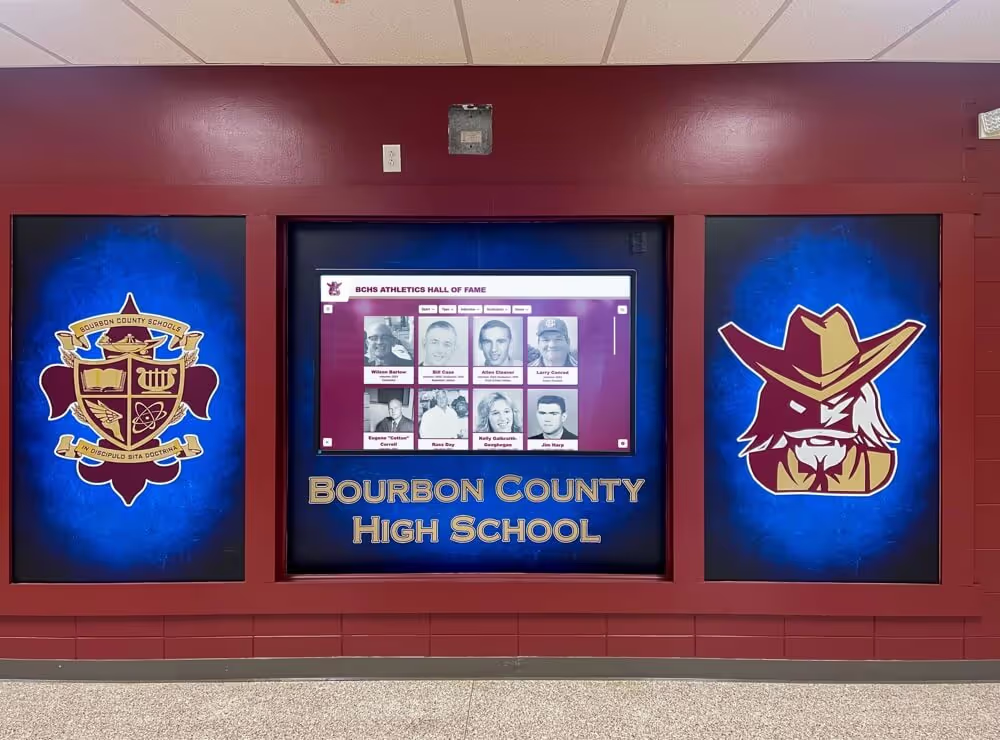
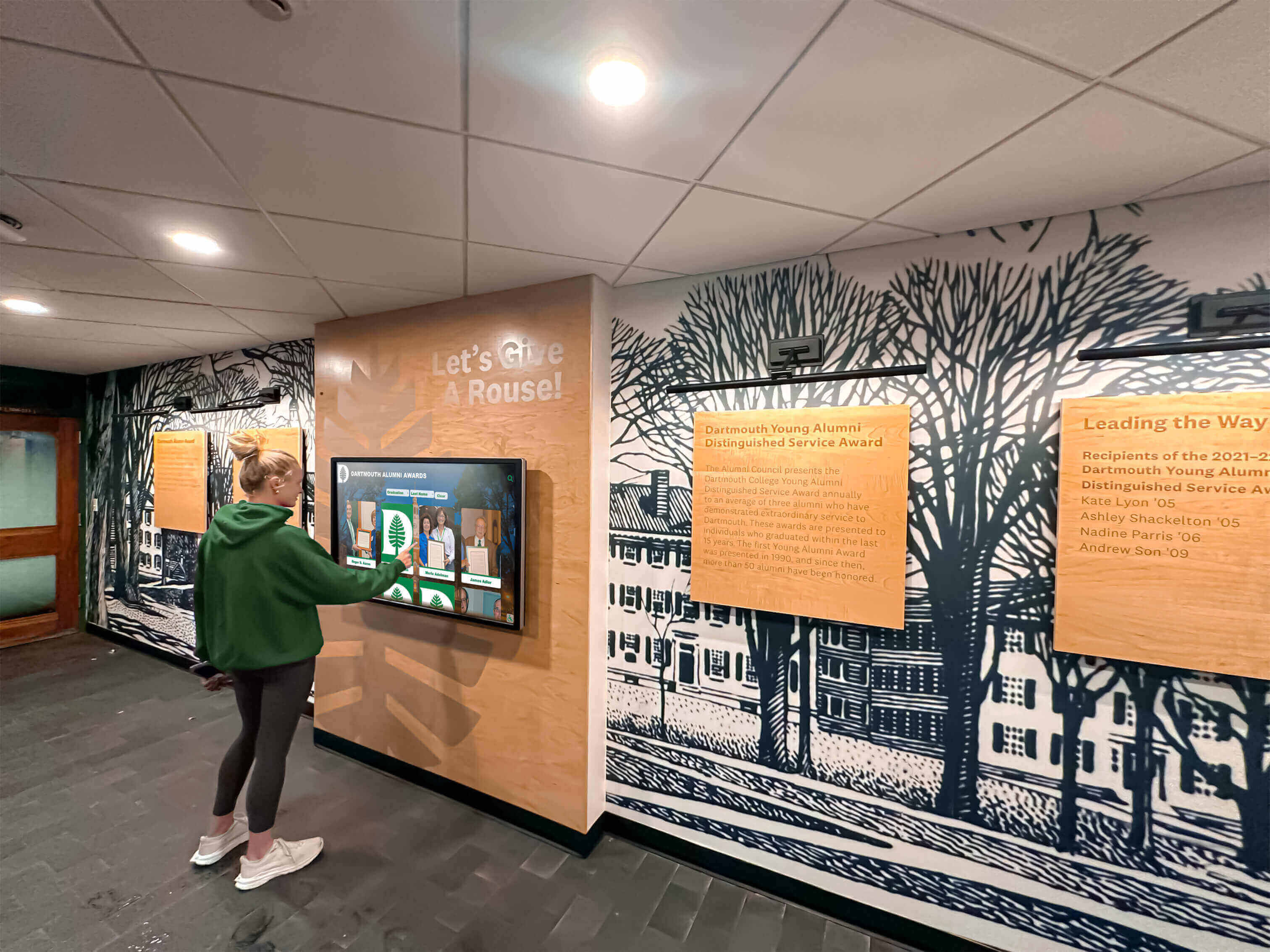
Interactive displays allow schools to celebrate academic achievement in engaging formats including searchable honor roll databases, student profile pages with photos and accomplishments, subject-specific recognition highlighting departmental excellence, improvement recognition celebrating growth, and historical achievement archives inspiring current students.
This comprehensive recognition approach ensures all forms of academic excellence receive visibility, not just students appearing on traditional honor rolls.
Athletic Updates and School Spirit
Athletics generate significant student interest, making sports content consistently high-engagement material for announcements systems.
Game Schedules and Results
Interactive displays provide dynamic sports communication including upcoming game schedules with opponents and locations, live score updates during games, game highlight videos and photos, season standings and playoff information, and athlete spotlights and profiles.
Rather than static paper schedules that become outdated, digital systems automatically update with current information while providing rich multimedia content that builds excitement and school spirit.
Athletic Achievement Recognition
Beyond game information, interactive systems celebrate athletic accomplishments including record-breaking performances, all-conference and all-state selections, team championships and tournament success, individual milestone achievements, and sportsmanship award recipients.
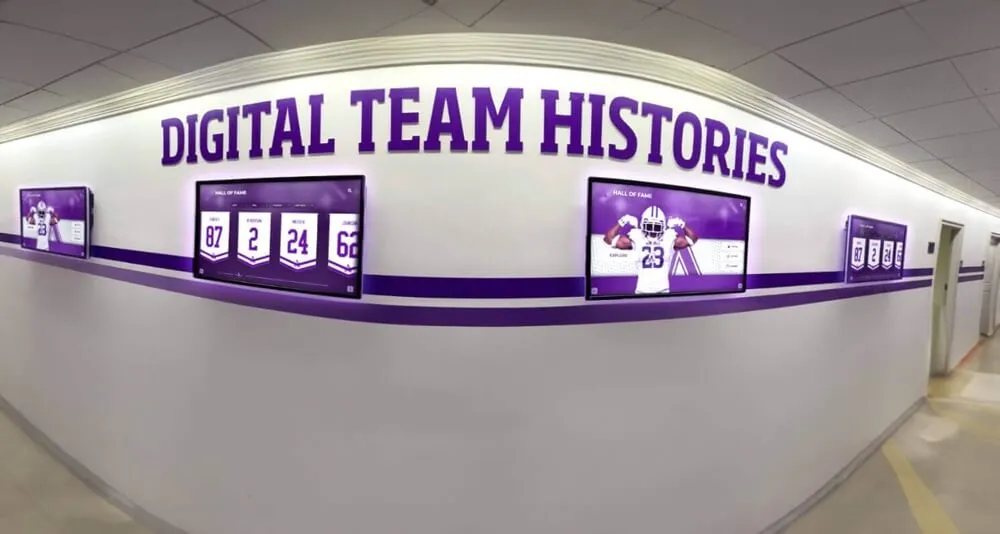
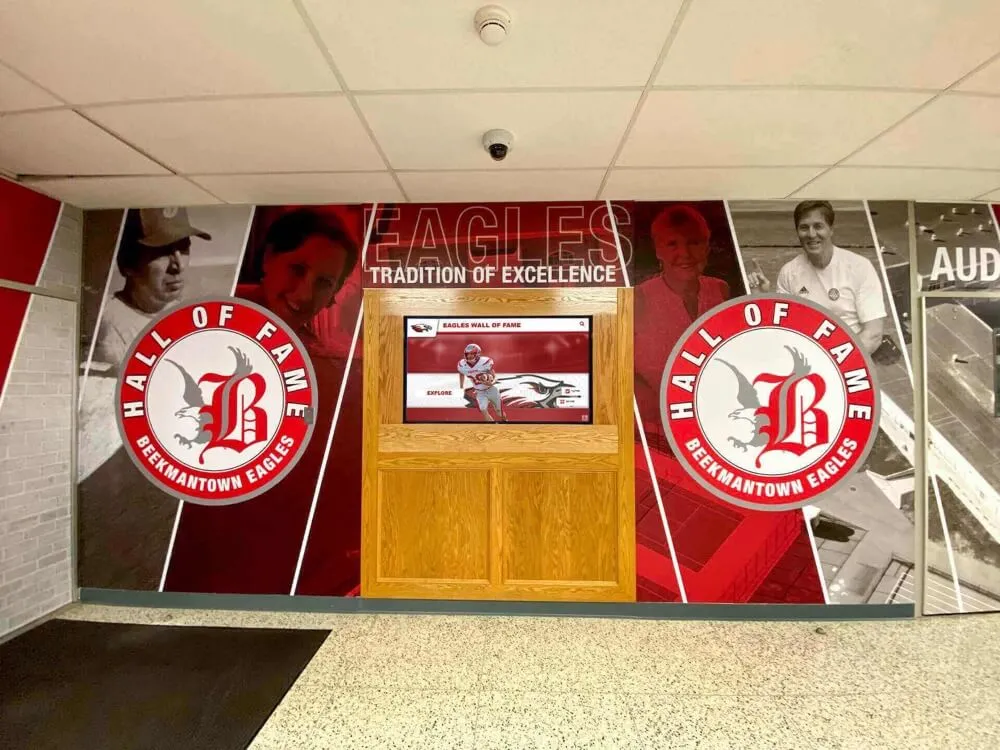
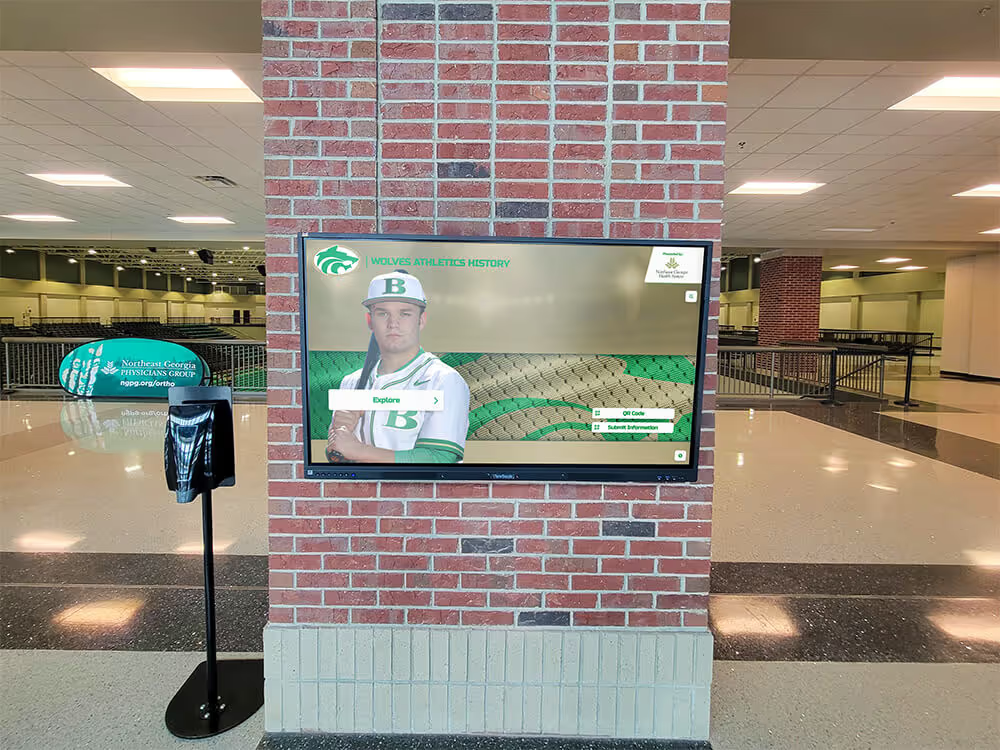
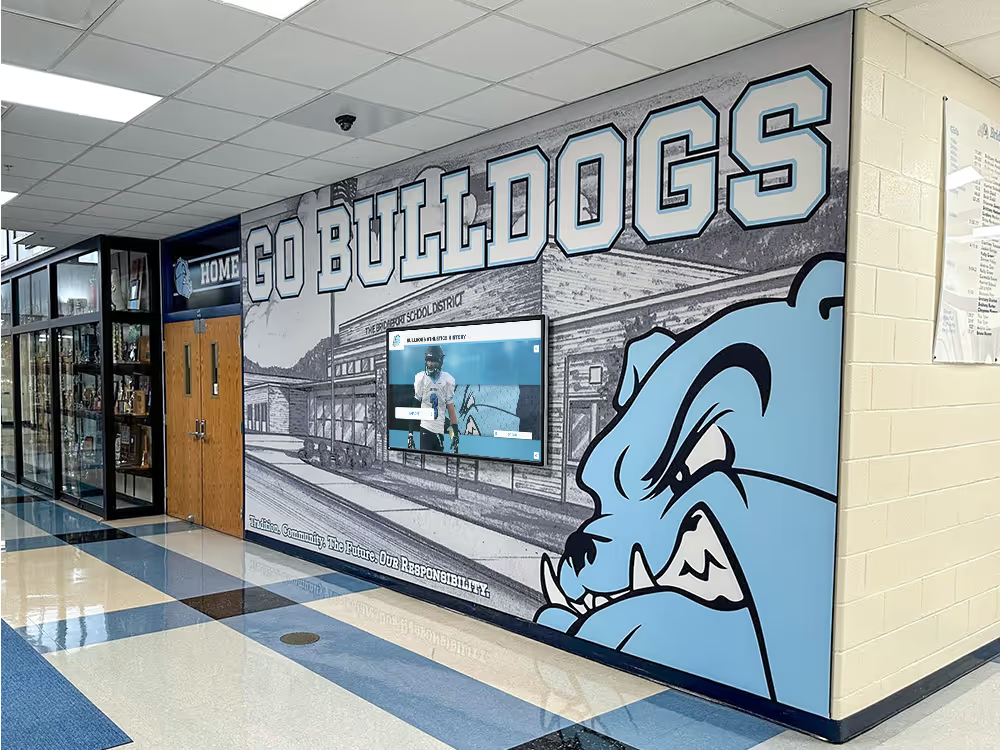
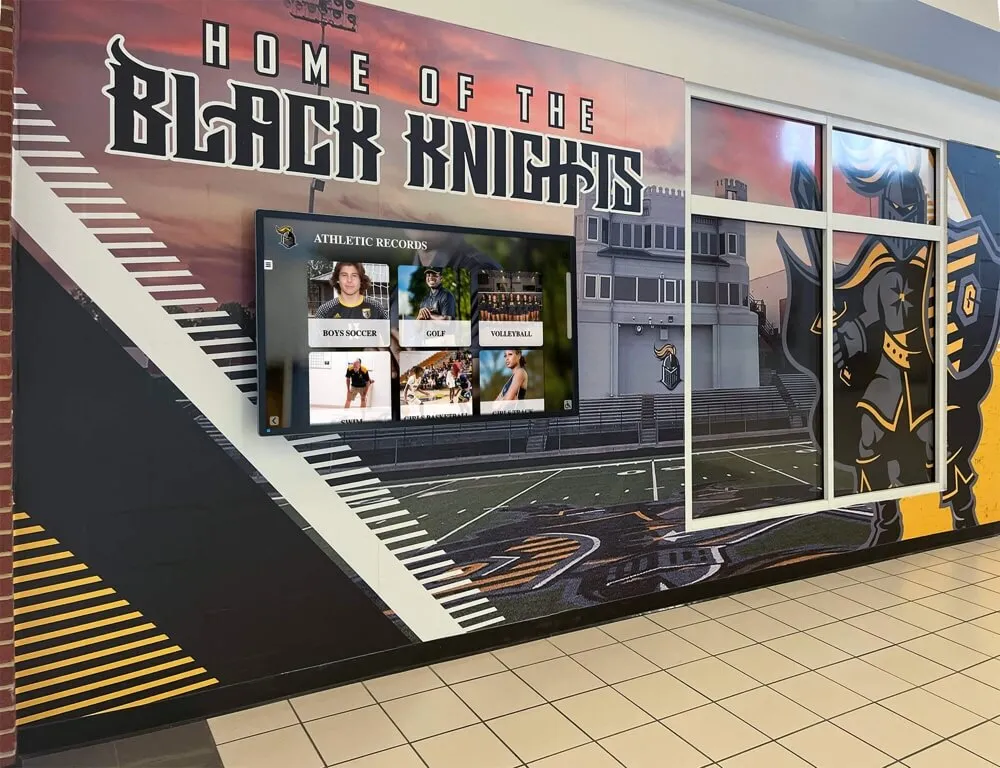
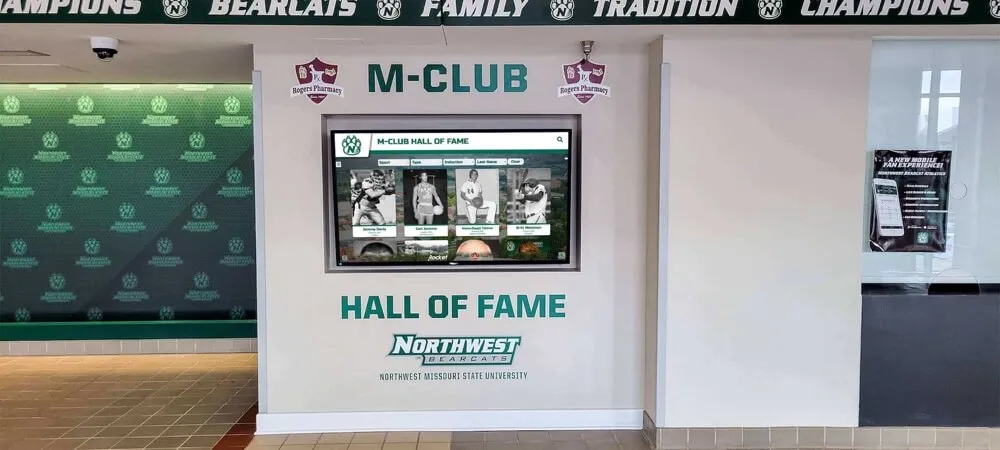
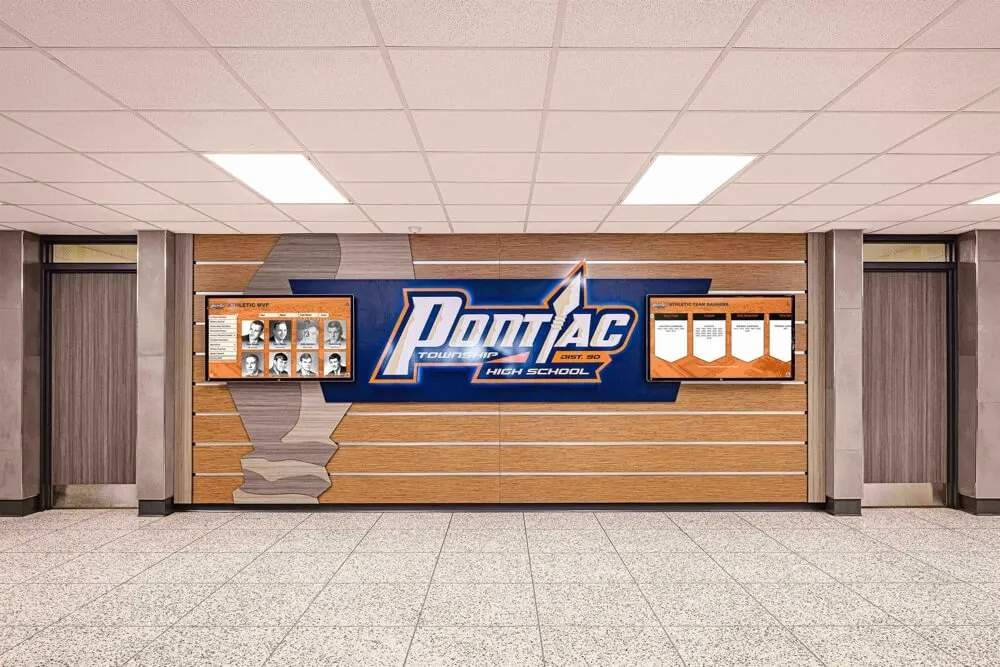
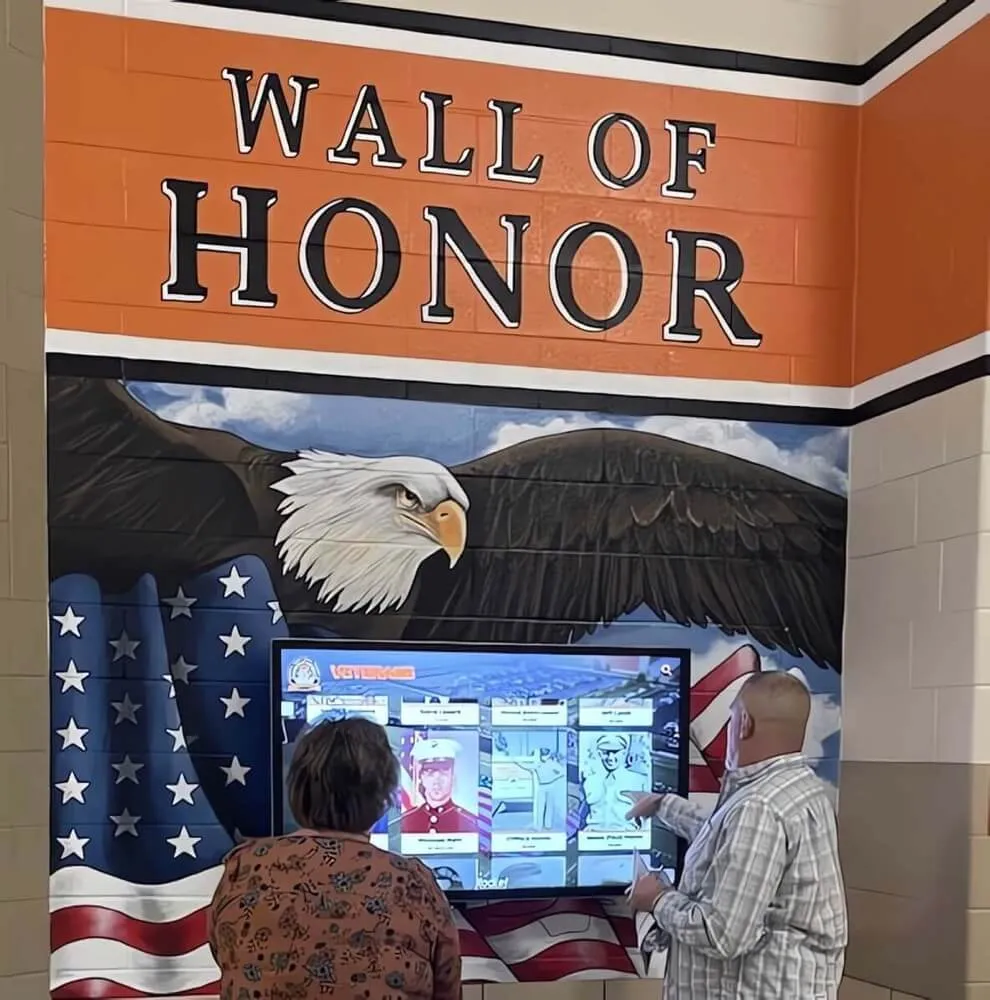
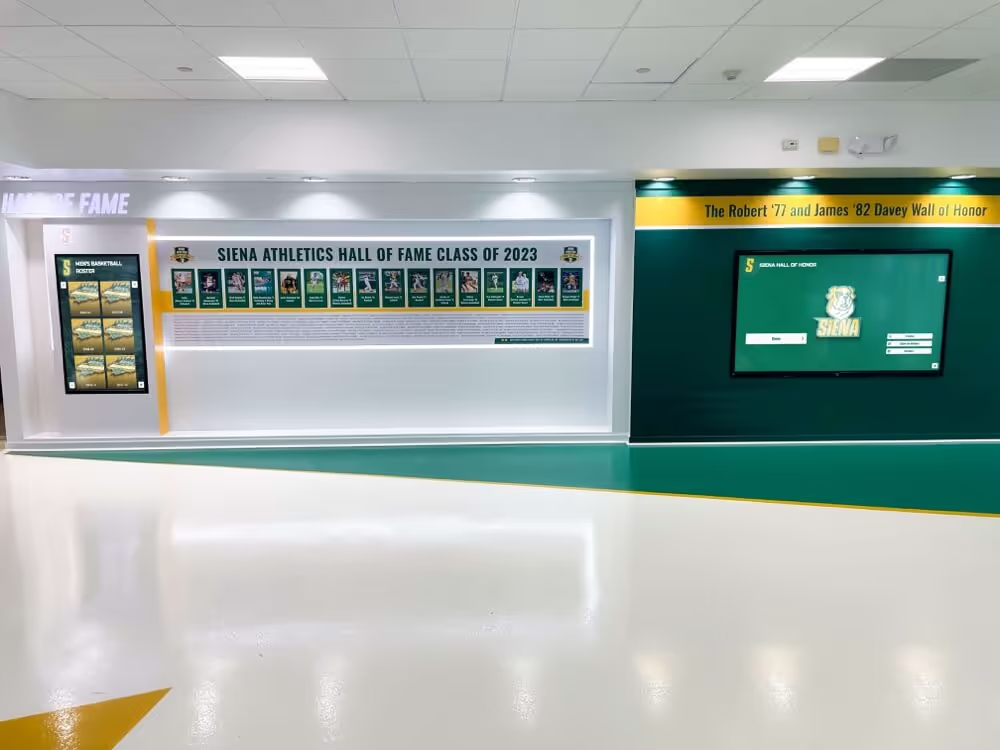
Digital touchscreen displays for athletic records provide permanent recognition that honors achievements while inspiring current athletes to pursue excellence.
Arts and Performance Showcases
Arts programs often struggle for visibility competing with athletics and academics, yet benefit tremendously from visual presentation platforms that showcase creative work.
Performance Announcements
Theater productions, concerts, dance performances, and other arts events lend themselves to rich visual announcements including promotional videos or performance clips, cast and crew spotlights, behind-the-scenes content showing preparation, ticket sales links, and photo galleries from productions in progress.
This comprehensive promotion helps arts programs build audiences while demonstrating program quality to the broader school community.
Visual Arts Galleries
Interactive displays can host rotating digital art galleries featuring student artwork, artist statements explaining creative vision, recognition of art competition achievements, and exhibition announcements for physical gallery events.
Digital art galleries for schools provide platforms ensuring visual arts receive recognition comparable to athletics and academics.
Community Service and Leadership Opportunities
Service learning and leadership represent important dimensions of student development that deserve visibility through announcements systems.
Volunteer Opportunity Announcements
Interactive displays effectively promote service opportunities including detailed project descriptions, time commitment and schedule information, sign-up links and contact information, impact stories from past participants, and recognition of volunteer hours and contributions.
By reducing friction between interest and action through immediate sign-up capabilities, interactive announcements increase service participation rates.
Student Leadership Recognition
Highlighting student leaders across various contexts provides role models while motivating broader leadership engagement through student government announcements and elections, peer mentorship program spotlights, leadership award recognition, and club officer profiles.
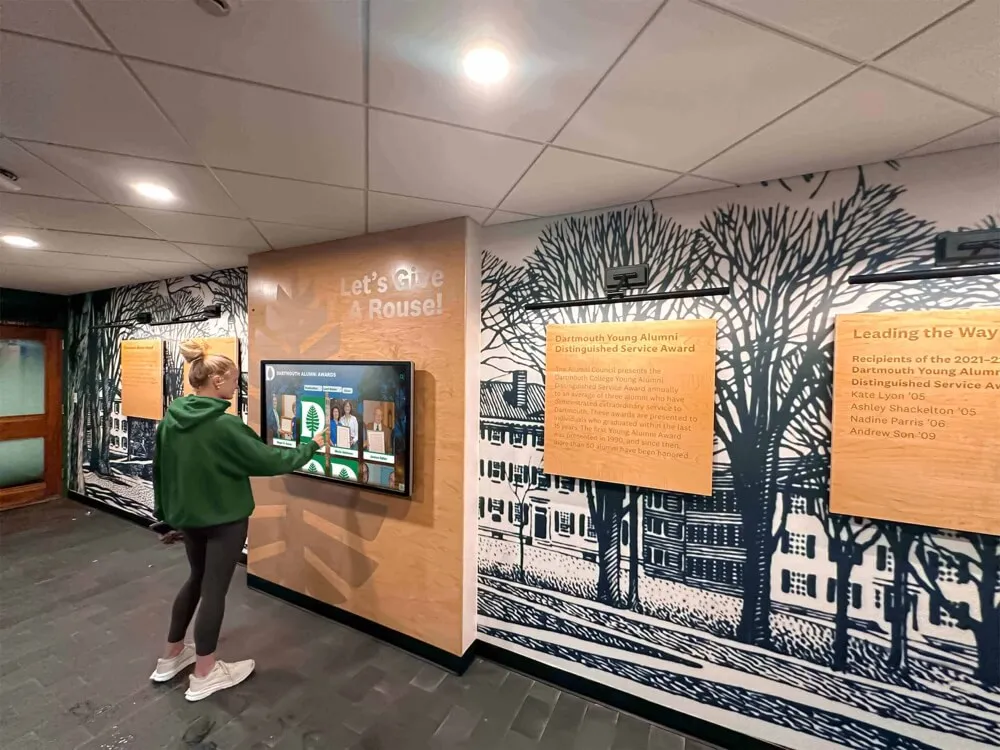
Senior mentor recognition programs exemplify how digital displays can celebrate leadership while encouraging younger students to envision their own future leadership roles.
Implementation Strategies for Interactive Announcements Systems
Moving from concept to effective implementation requires systematic planning addressing technology selection, content strategy, and operational management.
Technology Selection and Placement
Choosing Appropriate Display Solutions
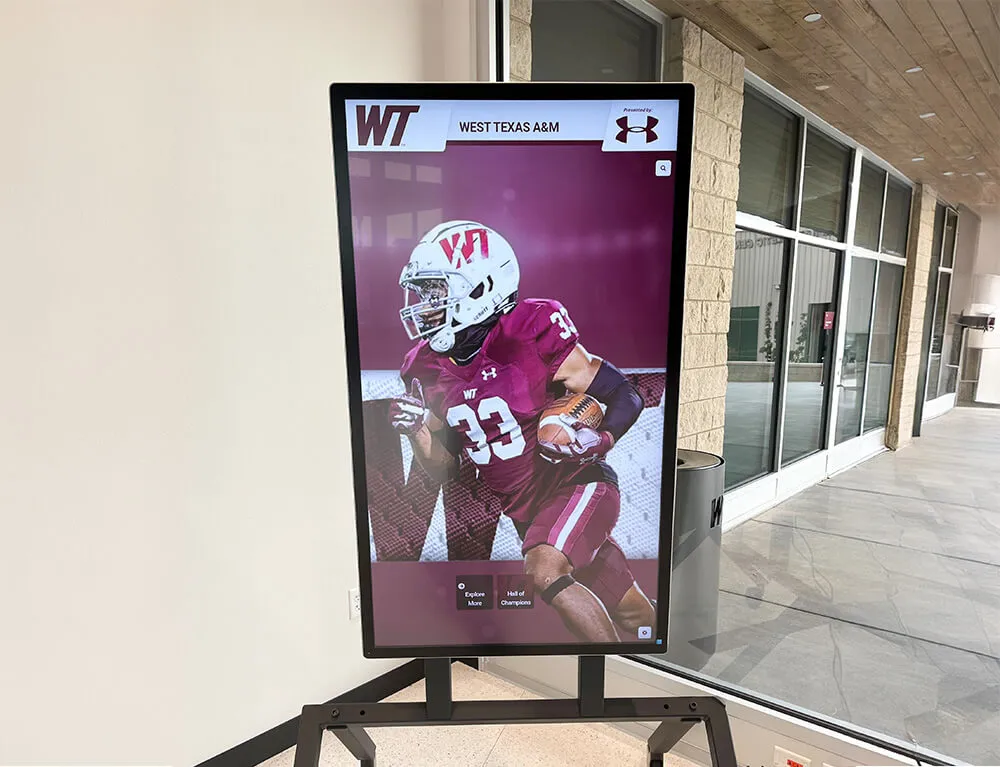
Schools implementing interactive announcements systems should evaluate several technical considerations including display size appropriate for viewing distances, touchscreen capabilities enabling true interactivity, brightness levels sufficient for various lighting conditions, commercial-grade durability for continuous operation, and content management system user-friendliness.
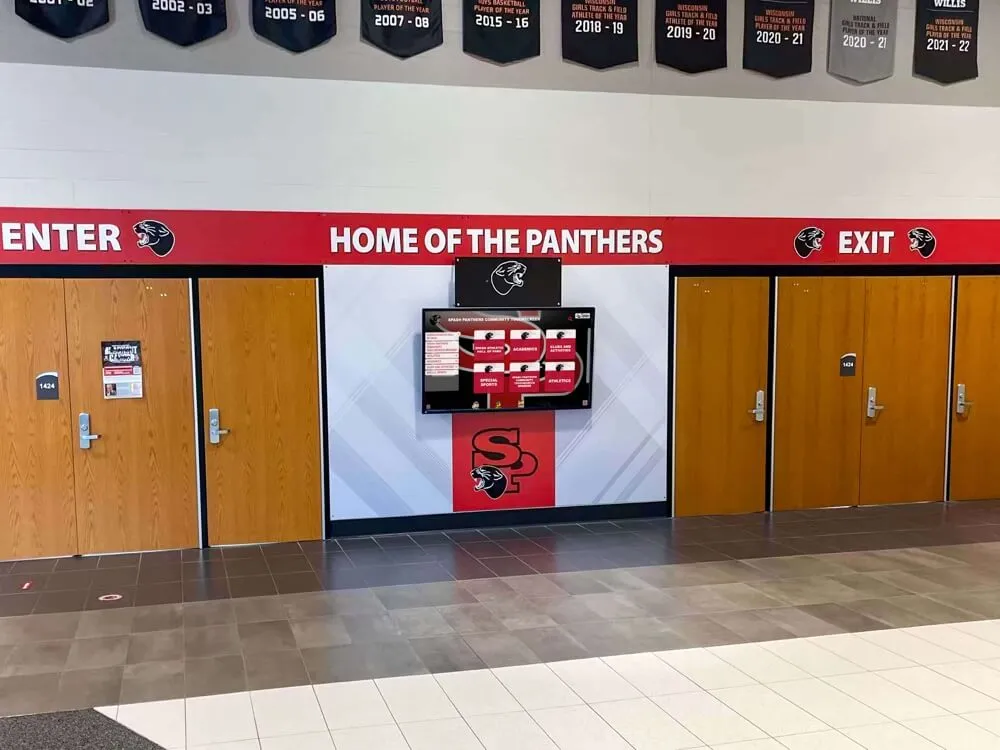
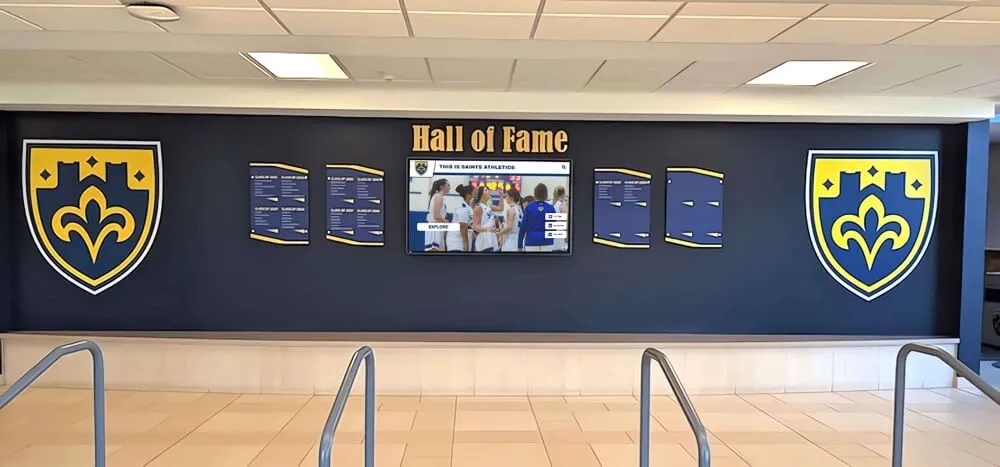
Solutions like those from Rocket Alumni Solutions provide turnkey interactive display systems specifically designed for educational environments, featuring intuitive content management requiring no technical expertise, commercial-grade hardware built for reliability, mobile-responsive platforms extending access beyond physical displays, and flexible content organization supporting diverse announcement types.
Strategic Display Placement
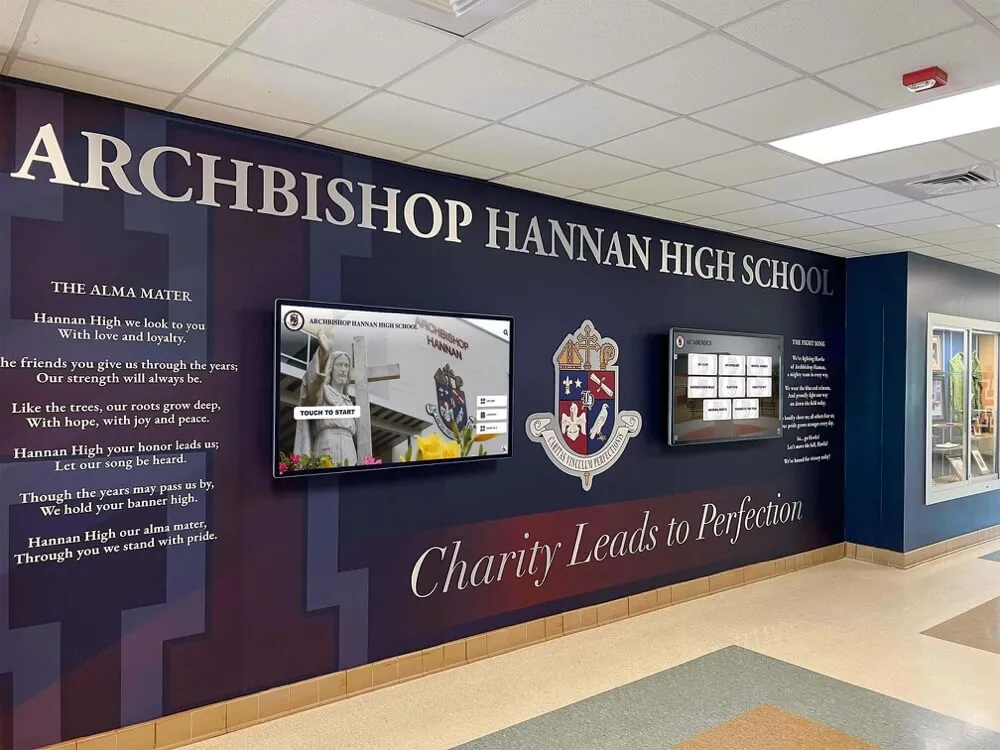
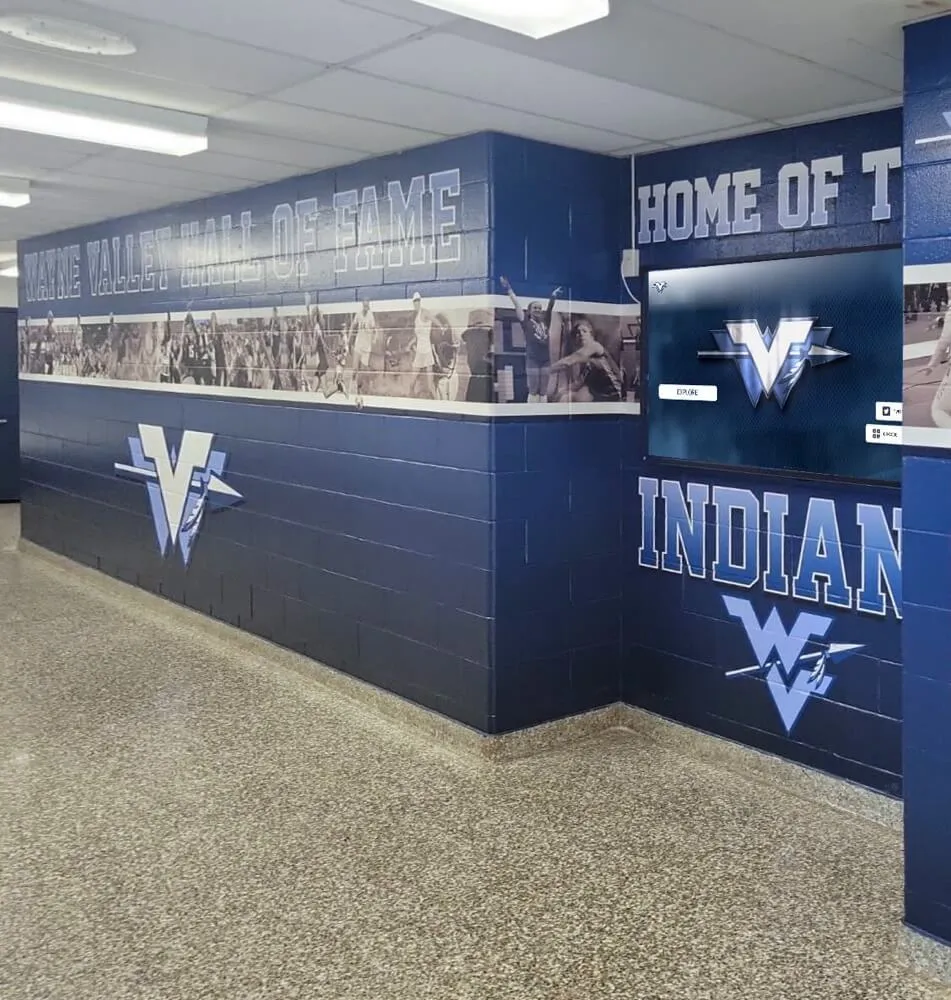
Interactive announcements generate maximum engagement when positioned where students naturally gather or pass including main entrances where all students enter daily, cafeterias and commons areas with extended dwell time, hallways near lockers and classrooms, athletic facilities for sports-focused content, and performing arts spaces for arts announcements.
Multiple displays throughout campus ensure announcements reach students in various locations while allowing location-specific content targeting audiences most interested in particular topics.
Content Management and Workflow
Establishing Content Ownership
Successful interactive announcements systems require clear responsibility assignments for content creation and management including administrative staff managing school-wide announcements, athletic directors maintaining sports content, activities coordinators updating club information, department chairs posting academic opportunities, and student media groups creating multimedia content.
Clear ownership prevents both content gaps where important information never gets posted and duplication where multiple people post competing versions of the same information.
Content Creation Standards
Establishing quality standards ensures consistently engaging announcements including required image or video components, minimum detail requirements, approval workflows for student-generated content, branding guidelines maintaining visual consistency, and accessibility requirements ensuring universal access.
These standards prevent the common problem where early enthusiasm produces high-quality content that gradually degrades into text-only announcements barely more engaging than traditional bulletin boards.
Integration with Existing Systems
Calendar and Event Management Integration
Interactive announcements systems maximize efficiency when integrated with existing school platforms including calendar systems automatically pulling event information, athletic management software updating game schedules, student information systems for honor roll data, and emergency notification platforms for critical alerts.
These integrations eliminate duplicate data entry while ensuring information consistency across all communication channels.
Social Media Integration
One of the most powerful features of modern interactive announcements systems involves displaying approved social media content from students and programs. Schools can configure systems to display approved posts using school-specific hashtags, providing authentic student voices alongside official announcements while amplifying social media engagement.
Research indicates students particularly engage with announcements featuring peer-generated content, as it provides authenticity that official communications sometimes lack.
Measuring Interactive Announcements Effectiveness
Assessing system impact ensures continuous improvement while demonstrating value to stakeholders considering resource investments.
Quantitative Engagement Metrics
Display Analytics
Modern interactive announcement systems provide robust analytics tracking total interactions and session counts, content views showing which announcements generate interest, click-through rates measuring how often students explore detailed information, dwell time indicating engagement depth, and search queries revealing what students actively seek.
These metrics inform content strategy by highlighting successful announcement types deserving replication while identifying underperforming content needing redesign.
Participation Rate Tracking
Beyond display metrics, schools should track whether interactive announcements affect actual participation including event attendance rates before and after implementation, club membership growth, volunteer hour increases, athletic event spectator counts, and arts performance audience size.
If announcements don’t drive measurable participation increases, content strategy requires adjustment regardless of display interaction statistics.
Qualitative Feedback Assessment
Student Perception Surveys
Regular surveys gauge student perceptions about school communication including awareness of events and opportunities, perceived relevance of announcements, satisfaction with information accessibility, preferred content types and formats, and suggestions for improvement.
This feedback ensures announcements serve student needs rather than merely delivering information administrators want to communicate.
Staff and Parent Feedback
Beyond students, gather input from staff observing student interactions with displays, parents commenting on their own information access through mobile-responsive platforms, and visitors noting first impressions of school communication.
Multiple stakeholder perspectives provide comprehensive understanding of system effectiveness and improvement opportunities.
Overcoming Common Implementation Challenges
Schools implementing interactive announcements systems encounter predictable obstacles that can be addressed through thoughtful planning.
Budget Constraints and ROI Justification
Limited funding represents the most common barrier to interactive announcements implementation. Schools can address this through phased implementation starting with high-traffic locations, calculating printing cost savings from eliminating flyers and posters, documenting staff time savings from centralized content management, and seeking grants or partnerships for technology funding.
Schools spending $3,000-$5,000 annually on printing announcements, posters, and flyers typically achieve return on investment within 2-3 years with digital systems that provide superior capabilities while eliminating ongoing printing expenses.
Content Creation Capacity
Staff concerns about time required for content creation can inhibit adoption. Solutions include student media programs creating announcement content as authentic learning experiences, templates and design systems enabling quick content creation, content calendars preventing last-minute rush, and reusable content libraries for recurring announcements.
The most sustainable implementations recognize content creation as ongoing work requiring dedicated resources rather than additional responsibilities added to already-overloaded staff.
Maintaining Fresh, Current Content
Content staleness—where announcements become outdated and ignored—threatens long-term effectiveness. Combat this through automated content expiration removing outdated announcements, scheduled content rotation ensuring displays change regularly, content calendar planning preventing gaps, and analytics identifying when content updates coincide with engagement increases.
Systems providing automation and scheduling capabilities significantly reduce the manual burden of maintaining current content.
Conclusion: From Broadcast to Engagement
In an educational landscape where capturing student attention grows increasingly challenging amid competing digital distractions, interactive announcements meet students where they are—consuming information visually through screens, exploring content matching their interests, and seeking depth beyond surface-level details. Rather than fighting against these preferences through outdated announcement methods, forward-thinking schools leverage them through digital communication approaches that align with how students naturally engage with information.
Solutions like Rocket Alumni Solutions’ interactive touchscreen platforms provide schools with turnkey systems transforming announcements from forgettable interruptions into engaging experiences students actually use, converting hallways into dynamic communication zones, celebrating achievements across all domains, and creating the connected, informed communities where every student can discover opportunities matching their interests and potential.
The future of school communication isn’t louder PA systems or more bulletin boards—it’s interactive digital platforms that engage rather than interrupt, inform rather than overwhelm, and connect students to the rich opportunities their schools offer but traditional announcements fail to effectively communicate.
Ready to Transform Your School’s Announcements?
Discover how interactive digital communication solutions can revolutionize how your school connects with students. Explore Rocket Alumni Solutions to see how schools nationwide are using interactive touchscreen technology to engage students, promote events and activities, and create announcement systems that students actually pay attention to.
From exciting hallway displays to highlighting student accomplishments, the right approach to digital communication creates environments where every student stays informed, every opportunity receives visibility, and every announcement drives the engagement that builds vibrant school communities where students thrive.