



Key Takeaways
Comprehensive guide to planning meaningful honor society induction ceremonies. Discover creative ideas for venues, themes, speeches, recognition displays, and lasting traditions that celebrate student achievement.
Honor society induction ceremonies represent pivotal moments in students’ academic journeys, celebrating achievement, character, and leadership while formally welcoming new members into distinguished organizations. Yet too many induction ceremonies feel generic, rushed, or forgettable—missing opportunities to create meaningful experiences that genuinely honor student accomplishment while strengthening organizational culture and school pride.
This comprehensive guide provides educators, advisors, and administrators with creative induction ceremony ideas that transform routine events into memorable celebrations students will remember for years. From selecting inspiring themes and planning symbolic rituals to incorporating modern recognition technology and establishing lasting traditions, these strategies help schools plan induction ceremonies that appropriately honor student excellence while creating experiences worthy of the achievement being recognized.
Successful induction ceremonies require thoughtful planning addressing venue selection, program structure, symbolic elements, family engagement, and permanent recognition beyond the single event. Understanding best practices and creative possibilities enables schools to establish ceremony traditions that inspire current and future students while celebrating the values honor societies represent.
Planning the Foundation: Essential Ceremony Elements
Before exploring creative enhancements, establish the foundational elements every effective induction ceremony requires.
Defining Ceremony Purpose and Tone
Induction ceremonies serve multiple simultaneous purposes requiring careful balance:
Primary Ceremony Objectives:
Recognition of Individual Achievement: Ceremonies formally acknowledge each inductee’s specific accomplishments qualifying them for membership. This recognition validates years of academic effort, character development, and leadership contribution while providing students meaningful moments being celebrated for their work.
Organizational Tradition and History: Ceremonies connect new inductees to honor society heritage and values. Whether inducting students into National Honor Society, National Junior Honor Society, or subject-specific honor societies, ceremonies should communicate what the organization stands for beyond simply achieving grade point averages.
Community Celebration: Ceremonies bring together students, families, educators, and school communities to collectively celebrate academic excellence. This shared celebration strengthens school culture while demonstrating institutional commitment to recognizing achievement.
Inspiring Future Excellence: Well-executed ceremonies inspire younger students observing the recognition to work toward their own future induction. Ceremonies should feel aspirational rather than exclusive, motivating continued excellence across student populations.
Appropriate Ceremony Tone:
Balance formality with authenticity:
Dignified but Not Stuffy: Ceremonies should feel respectful and important without becoming so formal they lose emotional connection or feel inaccessible. Include moments of solemnity during oath administration while allowing genuine joy and celebration throughout.
Student-Centered, Not Adult-Driven: While educators facilitate ceremonies, inductees should feel like the event belongs to them. Include student voices through speeches, reflections, or participation in ceremony elements rather than making students passive recipients of adult-directed programming.
Meaningful, Not Merely Performative: Every ceremony element should serve clear purpose beyond tradition for tradition’s sake. Avoid lengthy programs that lose audience engagement or include elements that feel hollow rather than genuinely meaningful.
Establishing Timeline and Planning Committee
Successful ceremonies require adequate preparation time and coordinated effort:
Planning Timeline:
Begin planning at least 8-12 weeks before ceremony dates:
Week 1-2: Form planning committee, establish ceremony date and venue, determine budget Week 3-4: Select ceremony theme, plan program structure, identify speakers Week 5-6: Design invitations and programs, order certificates and pins, arrange refreshments Week 7-8: Coordinate with speakers, finalize technical requirements, promote attendance Week 9-10: Prepare inductee profiles, rehearse ceremony elements, confirm logistics Week 11-12: Final communications with families, ceremony execution, post-event documentation
Planning Committee Structure:
Assemble diverse committee representing key stakeholders:
- Chapter advisor serving as overall coordinator
- Student officers providing inductee perspective
- School administrator ensuring institutional support
- Parent representative connecting to families
- Technology coordinator managing audio-visual needs
- Communications liaison handling publicity and documentation
Committee meetings every 2-3 weeks maintain momentum while preventing last-minute crises that compromise ceremony quality. Schools planning multiple recognition events can learn from approaches used in successful academic recognition programs that celebrate achievement effectively.
Selecting Meaningful Ceremony Venues
Location significantly impacts ceremony atmosphere and logistics:
On-Campus Venue Options:
Auditorium or Performing Arts Center: Traditional venues offering stage presence, seating capacity, and professional audio-visual systems. Auditoriums create formal atmosphere appropriate for significant ceremonies while accommodating large audiences including families and guests.
Library or Media Center: Intimate venues emphasizing academic environment and intellectual atmosphere. Libraries work particularly well for smaller induction classes or when seeking less formal settings that still feel distinguished.
Gymnasium or Multipurpose Room: Flexible spaces accommodating large groups when auditoriums are unavailable. With thoughtful decoration and setup, gymnasiums can be transformed into dignified ceremony venues while offering logistical advantages for post-ceremony receptions.
Outdoor Locations: Courtyards, amphitheaters, or campus grounds provide beautiful backdrops for ceremonies during favorable weather. Outdoor venues create memorable visual settings but require comprehensive backup plans for weather contingencies.
Off-Campus Considerations:
Some schools host ceremonies at:
- Local theaters or cultural centers providing professional atmosphere
- University campuses connecting ceremonies to collegiate aspirations
- Community centers or civic venues engaging broader communities
- Historic buildings or landmarks adding gravitas through setting
Off-campus venues require additional coordination for logistics, accessibility, and cost but can elevate ceremony prestige when budget and circumstances allow.
Venue Selection Criteria:
Evaluate locations based on:
- Capacity adequate for inductees, families, and guests with comfortable seating
- Accessibility for attendees with physical disabilities or mobility limitations
- Audio-visual capabilities supporting presentations, music, and visual elements
- Acoustics enabling clear speech without excessive amplification needs
- Parking availability and wayfinding for visitors unfamiliar with campus
- Availability on desired dates without conflicts with other events
- Cost considerations balancing budget constraints with venue quality
- Setup flexibility allowing desired staging and decoration
Creating Memorable Ceremony Themes and Symbolism
Cohesive themes and meaningful symbols transform generic ceremonies into distinctive experiences that resonate with participants.
Powerful Theme Concepts for Honor Society Inductions
Effective themes provide conceptual frameworks unifying all ceremony elements:
“Lighting the Way” – Knowledge and Inspiration Theme:
Symbolic candle lighting represents inductees carrying knowledge forward while inspiring others:
Visual Elements: Candles at each seat or central unity candle, warm lighting creating intimate atmosphere, flame motifs in programs and decorations
Ceremony Integration: Individual candles lit from shared flame representing knowledge passed between generations of scholars, inductees lighting candles while reciting organizational pillars, symbolic “passing of light” from current members to new inductees
Messaging: Emphasize how inductees illuminate paths for themselves and others, responsibility to share knowledge and inspire excellence, continuing tradition of academic achievement
Many schools incorporating light symbolism create lasting impressions while connecting to universal metaphors about knowledge dispelling ignorance. Digital recognition systems can extend these themes through lighting design and visual presentations.
“Building Foundations” – Character Pillars Theme:
Focus on honor society pillars (typically scholarship, service, leadership, character):
Visual Elements: Architectural imagery featuring pillars or columns, foundation stones representing each organizational value, building blocks assembled throughout ceremony
Ceremony Integration: Different speakers address each pillar explicitly, inductees receive symbolic pillar medallions or tokens, visual presentation showing how individual achievements build collective excellence
Messaging: Emphasize how character qualities provide foundations for lifelong success, interconnection between different excellence dimensions, inductees as foundation for future organizational achievement
This theme works particularly well for National Honor Society chapters emphasizing the four core pillars central to the organization’s mission. Schools can showcase these values through digital displays highlighting academic excellence across multiple dimensions.
“Opening Doors” – Opportunity and Future Theme:
Symbolize how honor society membership opens educational and leadership opportunities:
Visual Elements: Door imagery in programs and stage design, key symbols representing access to opportunities, pathway or stairway visuals showing progression
Ceremony Integration: Ceremonial door opening or key presentation as inductees enter, successful alumni sharing how honor society membership opened doors for them, visual journey showing opportunities ahead
Messaging: Recognize achievement while emphasizing opportunities membership provides, responsibility to take advantage of academic and leadership possibilities, encouraging continued growth beyond induction moment
“Rising to Excellence” – Achievement Journey Theme:
Celebrate the paths students traveled reaching induction eligibility:
Visual Elements: Mountain summit imagery or ascending pathways, before-and-after narratives showing growth, journey milestone markers
Ceremony Integration: Student reflections on challenges overcome, recognition that excellence requires sustained effort over time, acknowledgment of teachers, families, and mentors supporting student journeys
Messaging: Excellence as continuous pursuit rather than single achievement, valuing persistence and growth alongside accomplishment, encouraging inductees to continue rising toward new goals
“Legacy of Leadership” – Tradition and Impact Theme:
Connect current inductees to organizational history while emphasizing future impact:
Visual Elements: Historical photos of previous inductee classes, timeline showing organizational heritage, visual connection between past and present members
Ceremony Integration: Previous inductees or distinguished alumni participating in ceremony, explicit discussion of organizational history and traditions, challenge to current inductees to contribute to ongoing legacy
Messaging: Honor society membership as part of something larger than individual achievement, responsibility to uphold organizational values and traditions, opportunity to positively impact school and community
Schools maintaining extensive historical records can powerfully incorporate institutional heritage into ceremonies. Modern digital recognition displays enable schools to showcase inductee history across decades, creating visual connections between current students and those who came before.
Meaningful Symbolic Rituals and Traditions
Symbolic elements create memorable moments distinguishing ceremonies from ordinary assemblies:
Candle Lighting Ceremonies:
Most popular symbolic ritual for honor society inductions:
Individual Candles: Each inductee receives unlit candle at entrance, advisor or previous member lights ceremonial taper from central flame, inductees light their individual candles from shared flame while being recognized, ceremony concludes with all candles illuminated representing collective achievement
Unity Candle: Inductees or officers light central unity candle together symbolizing organizational cohesion, particularly effective for establishing or reestablishing chapter identity, creates powerful visual centerpiece for ceremony
Safety Considerations: Use dripless candles, provide candle holders or protective bases, have fire extinguisher accessible, brief students on candle safety before ceremony begins, consider battery-operated LED candles if open flame prohibited in venue
Oath or Pledge Administration:
Formal commitment strengthens ceremony solemnity:
Traditional Approach: Inductees stand together reciting prepared oath committing to honor society values and responsibilities, officer or advisor administers oath with inductees responding in unison, creates formal moment of commitment and belonging
Individual Affirmation: Each inductee individually affirms commitment rather than group recitation, allows personalization while maintaining formal commitment element, takes longer but feels more personal
Written Pledge: Inductees sign formal pledge documents during ceremony creating tangible commitment record, documents can be displayed or preserved as historical artifacts, provides ceremonial signing moment with visual interest
Many national honor societies provide standard oaths for consistency, while local chapters may develop customized pledges reflecting specific school values or community circumstances. Learn more about establishing meaningful traditions in comprehensive guides to recognition ceremony planning.
Pin or Certificate Presentation:
Physical recognition items create lasting ceremony memories:
Staged Presentation: Inductees individually cross stage receiving pins or certificates from chapter officers, principal, or distinguished alumni, provides photo opportunity while personalizing recognition, allows brief individual acknowledgment of each student
Processional Presentation: Inductees receive recognition during processional entrance before taking seats, efficient for large induction classes, creates impressive visual procession, may feel less personal than individual stage crossing
Seated Presentation: Officers or advisors move through seated inductees distributing recognition items, intimate approach for smaller ceremonies, reduces time requirements but provides fewer photo opportunities
Presentation Elements: Include handshake or congratulatory moment, brief biographical mention or achievement highlight, family photo opportunity immediately following presentation, professional photographer capturing each presentation
Honorary Cord or Stole Presentation:
Visible symbols students can wear at future events:
Honor cords or stoles in organizational colors that students wear during graduation ceremonies and school events, creates visible identification of honor society membership, provides lasting tangible recognition beyond single-ceremony pins, connects induction ceremony to future milestone events like graduation
Schools can explore creative recognition approaches through examples in resources about student achievement ceremonies that celebrate accomplishment meaningfully.
Structuring the Ceremony Program
Well-paced programs balance formality with engagement while appropriately honoring inductee achievement.
Recommended Program Structure and Timing
Effective ceremonies typically run 60-90 minutes including these elements:
Welcome and Opening Remarks (5 minutes):
- Greeting from chapter advisor, principal, or officer
- Overview of ceremony purpose and significance
- Introduction of distinguished guests or previous inductees attending
Explanation of Honor Society Values (5-7 minutes):
- Discussion of organizational pillars (scholarship, leadership, service, character)
- Connection between values and inductee achievements
- Why these qualities matter for school community and society
Introduction of Inductees (10-15 minutes):
- Individual recognition of each new member
- Brief biographical highlights or notable achievements
- Visual presentation showing inductee photos and accomplishments
- Consider grouping introductions by grade level or academic program for very large classes
Keynote Address or Guest Speaker (10-15 minutes):
- Inspirational message from distinguished alumnus, community leader, or educator
- Personal stories connecting to honor society values
- Challenge to inductees regarding future impact and responsibility
Oath or Pledge Administration (3-5 minutes):
- Formal commitment to honor society values and responsibilities
- Recitation in unison or individual affirmation
- Symbolic moment marking official membership
Symbolic Ritual (5-10 minutes):
- Candle lighting, rose ceremony, or other meaningful tradition
- Visual and emotional ceremony centerpiece
- Appropriate solemnity without excessive length
Certificate and Pin Presentation (15-25 minutes):
- Individual recognition and presentation for each inductee
- Photo opportunities with family members
- Personalized congratulations from chapter officers or advisors
Inductee Remarks (5-10 minutes):
- One or two student speakers representing new member class
- Authentic reflections on achievement journey and honor society values
- Student voice in ceremony demonstrating member agency
Closing Remarks and Benediction (3-5 minutes):
- Final congratulations and inspiration
- Invitation to reception if applicable
- Recessional music as inductees exit
This structure provides comprehensive framework while remaining flexible for customization based on inductee class size, venue constraints, and local tradition.
Selecting Speakers and Student Participation
Thoughtful speaker selection enhances ceremony meaning and engagement:
Keynote Speaker Options:
Distinguished Alumni: Former honor society members who achieved notable success in careers, community leadership, or continued academic excellence. Alumni speakers provide authentic connection to organizational heritage while demonstrating long-term impact of values students are embracing.
Community Leaders: Local business leaders, elected officials, or nonprofit directors who can speak to importance of scholarship, character, and service in professional and civic contexts. Community speakers connect honor society values to real-world application.
College Representatives: Admissions officers or faculty from partner universities discussing how honor society membership and demonstrated values impact college applications and campus life. These speakers appeal to students’ practical concerns about post-secondary transitions.
Accomplished Educators: Teachers, professors, or educational administrators who exemplify commitment to learning and student development. Educator speakers connect to students’ current academic contexts while inspiring continued intellectual growth.
Previous Inductees: Recent graduates or current college students who were inducted in previous years sharing how honor society membership influenced their trajectories. Peer-age speakers feel particularly relevant and authentic to current inductees.
Speaker Selection Criteria:
- Genuine connection to honor society values rather than generic motivational messages
- Engaging presentation style maintaining audience attention
- Age-appropriate content resonating with adolescent students
- Appropriate length respecting overall program timing
- Willingness to customize remarks for specific ceremony and school context
Student Speaker Integration:
Authentic student voices make ceremonies more meaningful:
New Inductee Representatives: One or two newly inducted students selected to speak on behalf of their class, sharing reflections on achievement journey and commitment to honor society values. Student speakers should be chosen based on presentation ability rather than only academic achievement to ensure engaging delivery.
Current Member Welcome: Returning honor society members formally welcoming new inductees into organization, explaining what membership has meant for their school experience, encouraging participation in upcoming service and leadership opportunities.
Musical Performances: Student musicians performing during processional, recessional, or transitional moments between program segments, showcasing diverse student talents while adding artistic sophistication to ceremony.
Reading or Poetry: Students reading inspirational texts, organizational creeds, or original poetry celebrating achievement and excellence, providing thoughtful, reflective moments complementing more formal program elements.
Student participation transforms ceremonies from events done to students into events created by and for students, increasing authenticity and emotional resonance.
Enhancing Ceremony Atmosphere and Experience
Thoughtful attention to ambiance, visuals, and logistics significantly impacts ceremony quality.
Visual and Decorative Elements
Strategic decoration creates appropriate ceremony atmosphere:
Stage and Backdrop Design:
- Organizational banners or backdrops providing professional appearance
- Podium placement and speaker positioning ensuring clear sight lines
- Floral arrangements or decorative elements aligned with ceremony theme
- Appropriate lighting creating dignified atmosphere without excessive darkness
- Clear organizational branding through logos, colors, and symbolic imagery
Processional Path:
- Designated entrance path for inductee processional
- Aisle markers or decorative elements directing flow
- Reserved seating clearly marked for inductees and families
- Photo opportunity areas identified for post-presentation pictures
Program and Printed Materials:
- Professional-quality programs listing all inductees and ceremony elements
- Programs featuring inductee photos, biographical information, and achievements
- Organizational mission statements and values explanations
- Sponsor recognition if applicable
- Keepsake quality encouraging families to retain programs permanently
Digital Visual Presentations:
Modern ceremonies incorporate multimedia enhancing recognition:
Inductee Photo Slideshows: Scrolling presentations showing each inductee with name, achievements, and photos creating visual engagement during program segments, providing family-friendly content visitors can photograph or share, particularly valuable during transitions between ceremony elements.
Historical Montages: Visual presentations showing honor society history at school, previous inductee classes and notable alumni, organizational growth and impact over time, connecting current inductees to broader tradition.
Achievement Highlights: Data visualizations showing collective inductee accomplishments including total GPA achievements, community service hours completed, leadership positions held, creating sense of collective excellence beyond individual recognition.
Schools with advanced technology can create impressive visual presentations. Resources about digital signage for schools provide guidance on creating effective ceremony content.

Music and Audio Considerations
Appropriate music enhances ceremony formality and emotional impact:
Processional and Recessional Music:
- Classical selections like Pachelbel’s Canon, Vivaldi’s Four Seasons, or Pomp and Circumstance creating traditional ceremonial atmosphere
- Contemporary orchestral or instrumental music providing modern sophistication
- Live performances by school musicians adding personal touch and showcasing student talent
- Volume balanced to accompany movement without overwhelming conversation
Interlude Music:
- Soft background music during certificate presentations preventing awkward silence
- Transitional music between program segments maintaining atmosphere
- Volume low enough not to distract from ceremony elements
Technical Requirements:
- Quality sound system ensuring clear speech throughout venue
- Wireless microphones for speakers allowing movement without audio cables
- Audio operator managing volume levels and transitioning between elements
- Backup audio equipment preventing technical failure disasters
- Sound checks before ceremony confirming all systems function properly
Photography and Ceremony Documentation
Professional documentation extends ceremony impact beyond single event:
Professional Photography:
Hire or designate photographer capturing:
- Individual inductee presentations and pin/certificate receipt
- Candle lighting or symbolic ritual moments
- Full inductee class group photos
- Candid ceremony moments including family reactions
- Stage setup and decoration showcasing ceremony atmosphere
Provide photos to families after ceremony through digital gallery or prints, creating lasting mementos of achievement milestone.
Video Recording:
Record full ceremony providing:
- Permanent documentation for inductees to revisit
- Content for families unable to attend in person
- Historical archive showing ceremony traditions over time
- Material for school marketing and recruitment showcasing academic culture
- Footage for year-end or alumni videos celebrating school community
Live Streaming:
Broadcast ceremonies enabling:
- Remote participation for distant family members
- Accessibility for those unable to attend physically
- Broader school community engagement beyond venue capacity
- Recording simultaneously creating permanent documentation
Schools with limited technical resources can use smartphones on tripods or basic recording equipment rather than foregoing documentation entirely. Even simple documentation provides significant value.
Social Media Coverage:
Share ceremony highlights through:
- Live updates during ceremony creating real-time engagement
- Photo albums celebrating all inductees after ceremony concludes
- Video clips of memorable moments or student speakers
- Recognition posts for individual inductees throughout following weeks
- Privacy considerations ensuring appropriate permissions for student identification
Social media extends ceremony recognition far beyond those physically present while building organizational pride across school communities. Many schools use social media strategies similar to those in guides about recognition program marketing.
Engaging Families and Building Community
Induction ceremonies succeed when they meaningfully include families and strengthen broader school connections.
Family Involvement and Communication
Strategic family engagement amplifies ceremony impact:
Personalized Invitations:
Send formal invitations to inductee families including:
- Specific ceremony date, time, and location with directions
- Number of guest tickets if space limitations require
- Special parking or arrival instructions
- Photography policies and opportunities
- RSVP requests for reception planning if applicable
- Dress code expectations creating appropriate formality
Personalized invitations communicate ceremony importance while ensuring families understand logistics. Many schools send printed invitations by mail in addition to email confirming students receive and share information with families.
Pre-Ceremony Communication:
Keep families informed through:
- Timeline of ceremony events so families know what to expect
- Explanation of symbolic rituals like candle lighting providing context
- Inductee biographical information requests enabling personalized recognition
- Photo submission deadlines for programs or visual presentations
- Information about permanent recognition like displays or publications
Thorough communication prevents confusion while building anticipation for ceremony experience.
Reserved Family Seating:
Provide special seating for inductee families:
- Clearly marked reserved sections near front or stage
- Adequate seats based on RSVP or generous estimation
- Accessible seating accommodations for family members with disabilities
- Name cards or section signage helping families identify reserved areas
- Ushers or greeters directing families to appropriate seating
Reserved seating demonstrates respect for families while ensuring clear sight lines for photographs and ceremony participation.
Post-Ceremony Reception:
Extend ceremony through celebratory reception:
Reception Elements:
- Light refreshments appropriate for time of day (cookies, punch, coffee)
- Informal atmosphere allowing families to congratulate inductees
- Photo opportunity area with organizational backdrop or decorations
- Display tables showing honor society service projects and activities
- Membership information for families wanting to learn more about student involvement
- Informal conversations between families, educators, and students
Receptions transform ceremonies from formal events into community celebrations while providing relaxed environment for connections and conversation.
Building Lasting Ceremony Traditions
Consistent traditions create ceremony continuity and organizational identity:
Annual Ceremony Traditions to Establish:
Signature Symbolic Ritual: Candle lighting, rose ceremony, or other meaningful tradition performed annually, creating recognizable honor society identity, connecting inductee classes across years through shared experience.
Alumni Speaker Program: Establish rotation of distinguished alumni returning as keynote speakers, building tradition of “coming home” to inspire new generations, creating visible connection between current students and successful alumni.
Senior Inductee Leadership Roles: Final-year members leading ceremony elements, presenting certificates to new inductees they will mentor, passing organizational leadership to next generation symbolically.
Opening and Closing Readings: Consistent texts, poems, or organizational creeds read at every ceremony, creating verbal bookends providing continuity, often including organizational mission statement or founding principles.
Memorial Moments: Brief recognition of deceased former members if applicable, maintaining connection to organizational history, acknowledging those who embodied honor society values.
Permanent Ceremony Record: Formal documentation preserved in school archives including ceremony programs, inductee lists, and photos, creating historical record accessible to future generations, demonstrating organizational continuity and permanence.
Traditions provide ceremony structure and meaning while connecting individual events to broader organizational narrative extending across decades.
Permanent Recognition Beyond the Ceremony
Single-event recognition, no matter how well executed, provides limited lasting impact without ongoing visibility.
Traditional Permanent Recognition Methods
Physical recognition extends ceremony impact:
Honor Roll Displays:
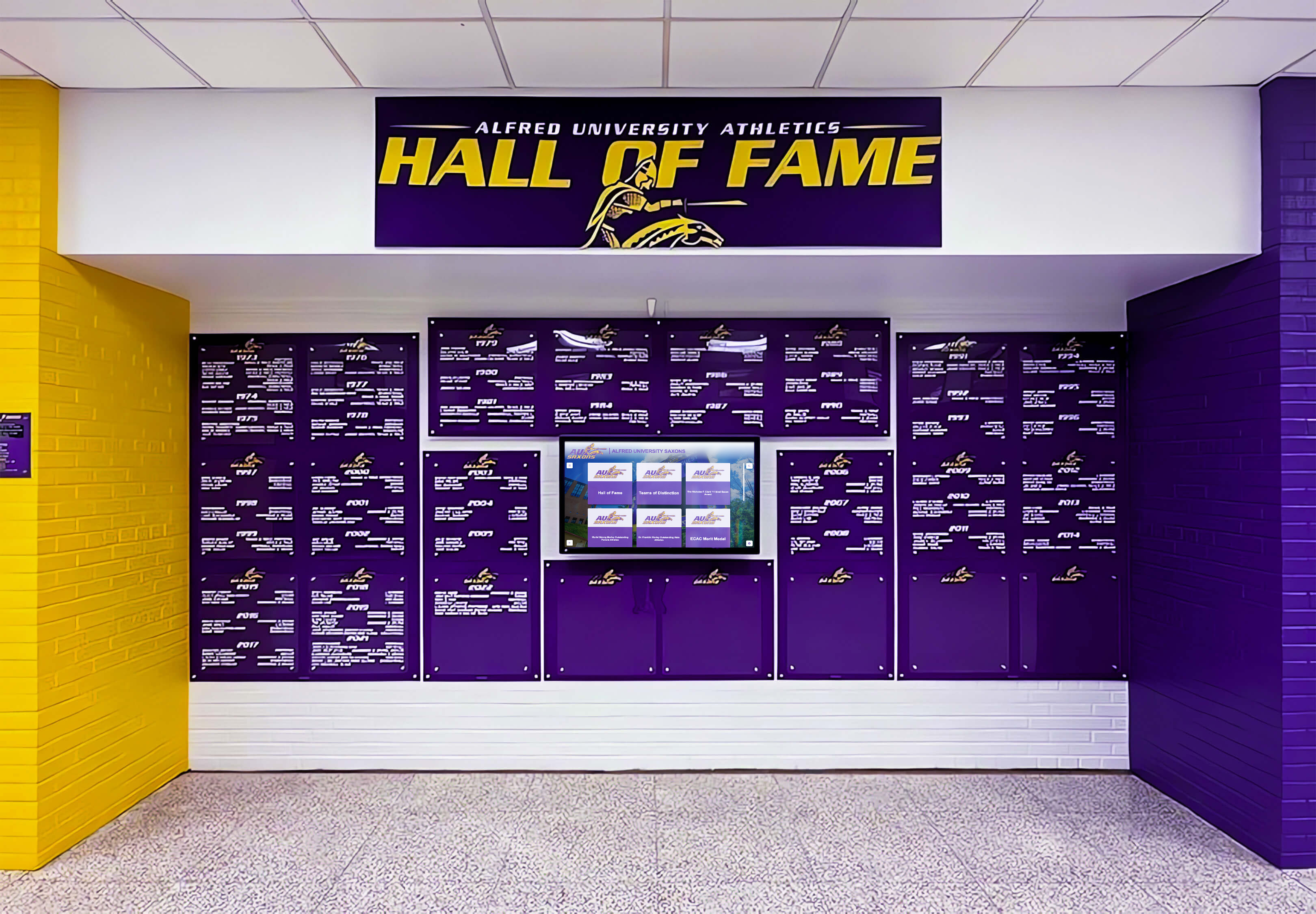
- Permanent wall plaques listing honor society inductees by year
- Traditional aesthetic providing dignified recognition
- Limited information capacity constraining biographical detail
- Physical space limitations eventually constraining capacity
- Installation and maintenance requirements
Trophy Cases or Display Cabinets:
- Dedicated cases showcasing inductee information and organizational materials
- Flexibility for photos, biographical information, and honor society artifacts
- Protected from handling or damage
- Significant space requirements and dust accumulation
- Updates requiring physical reinstallation
Yearbook Recognition:
- Dedicated yearbook pages featuring all honor society inductees
- Permanent historical documentation preserved in school archives
- Limited to students enrolled during publication year
- Minimal biographical information due to space constraints
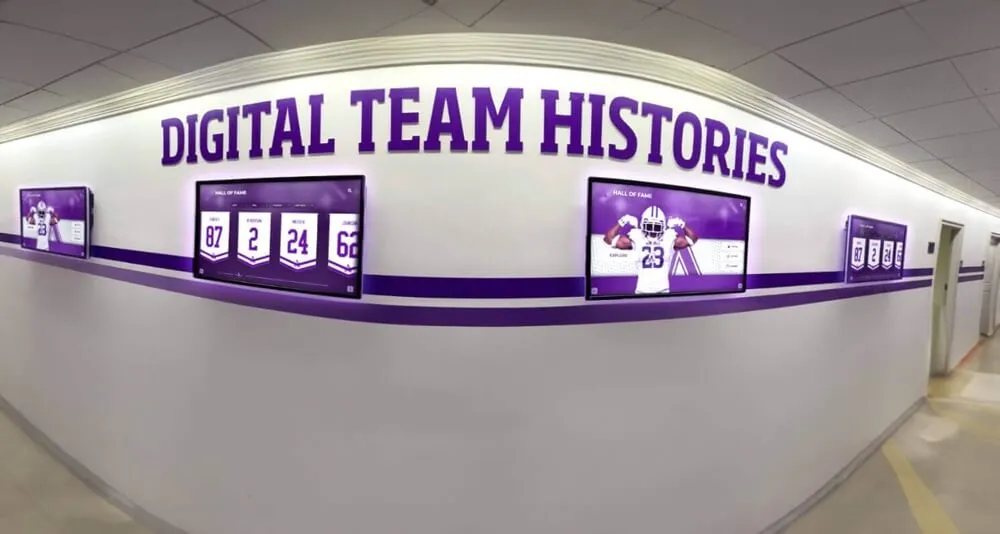
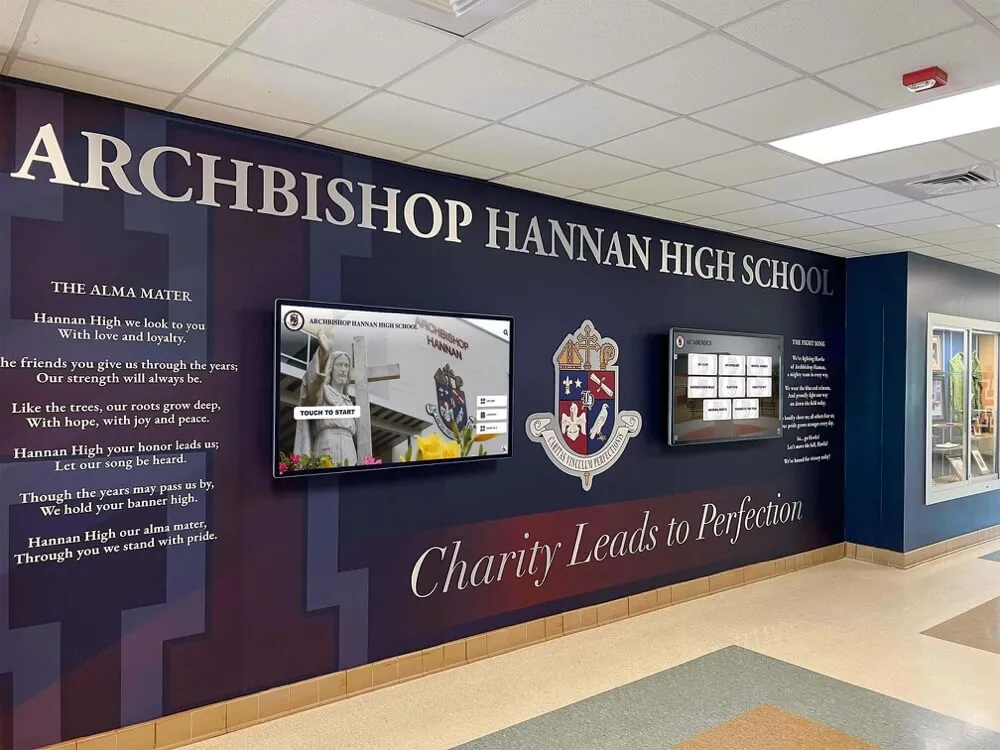
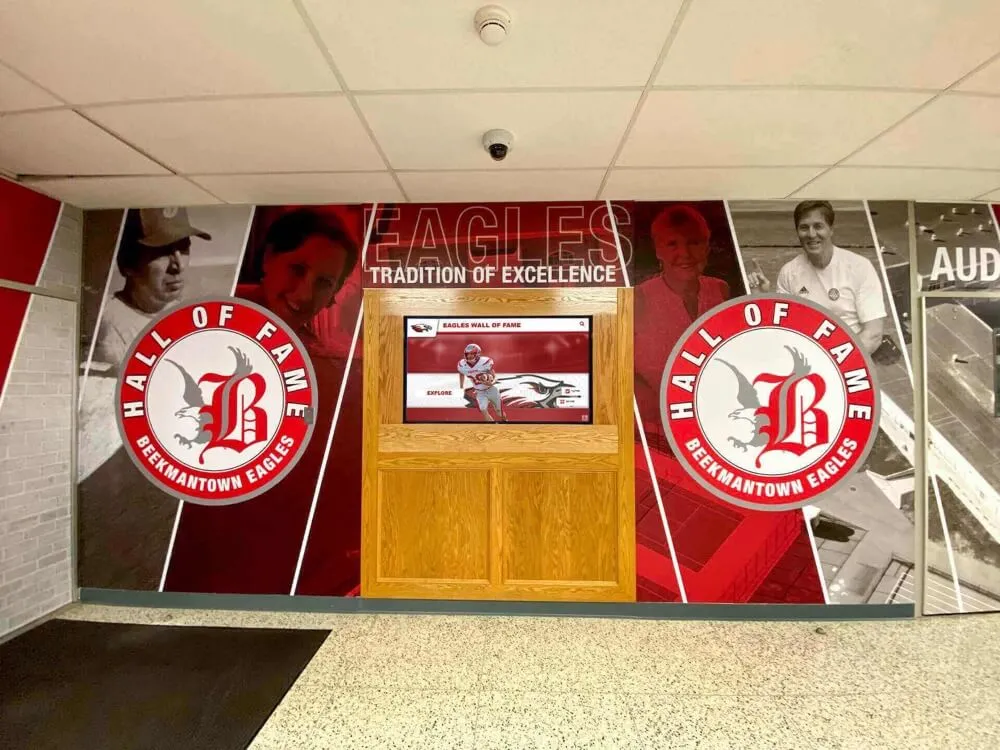
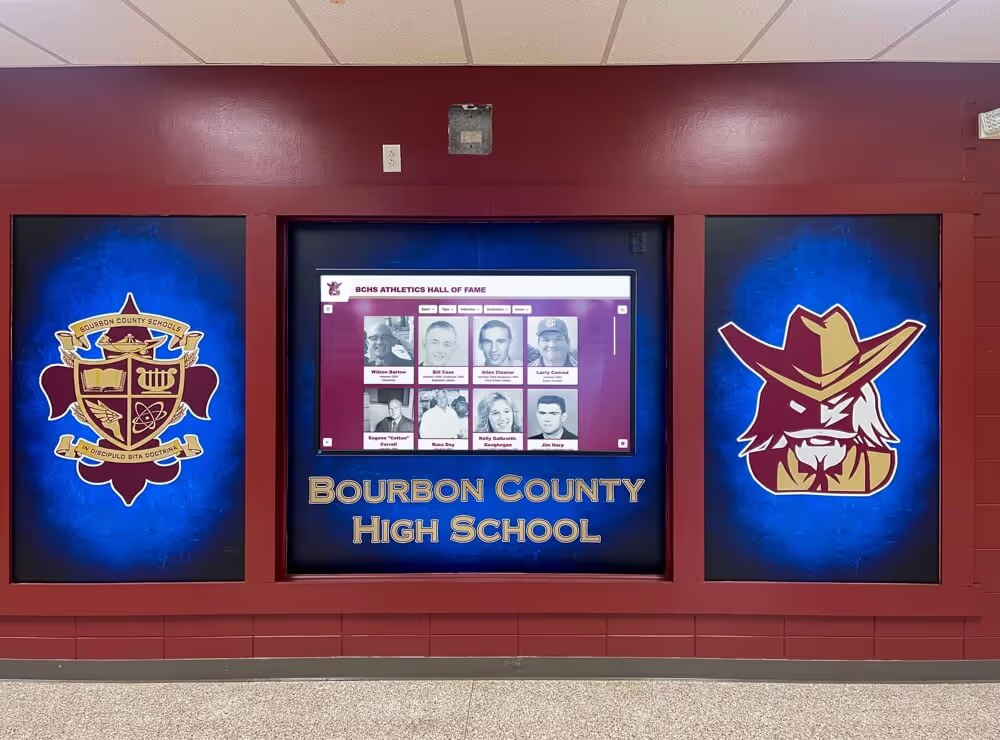
Modern Digital Recognition Displays
Interactive technology transforms permanent recognition:
Unlimited Recognition Capacity:
Digital platforms eliminate physical space constraints entirely:
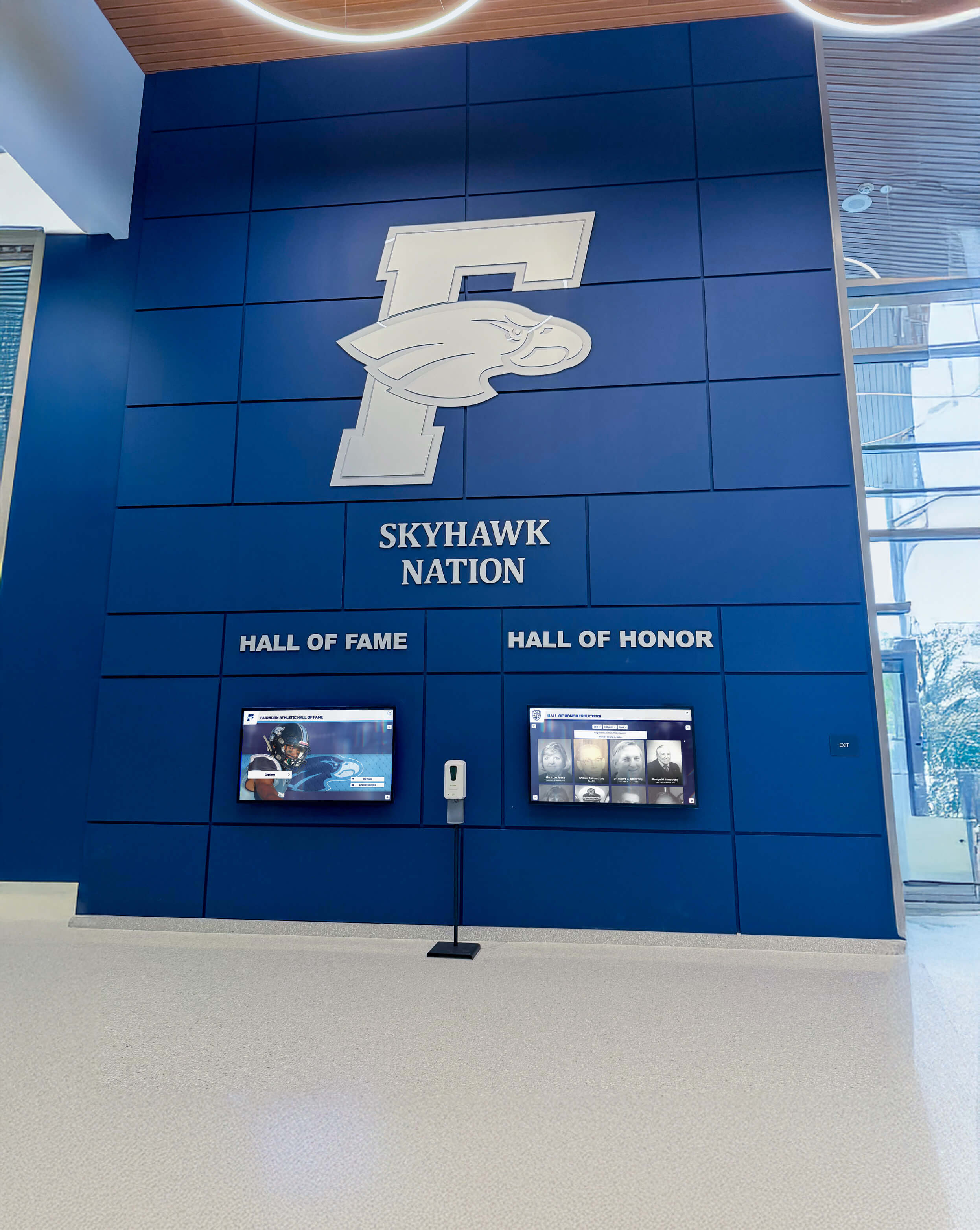
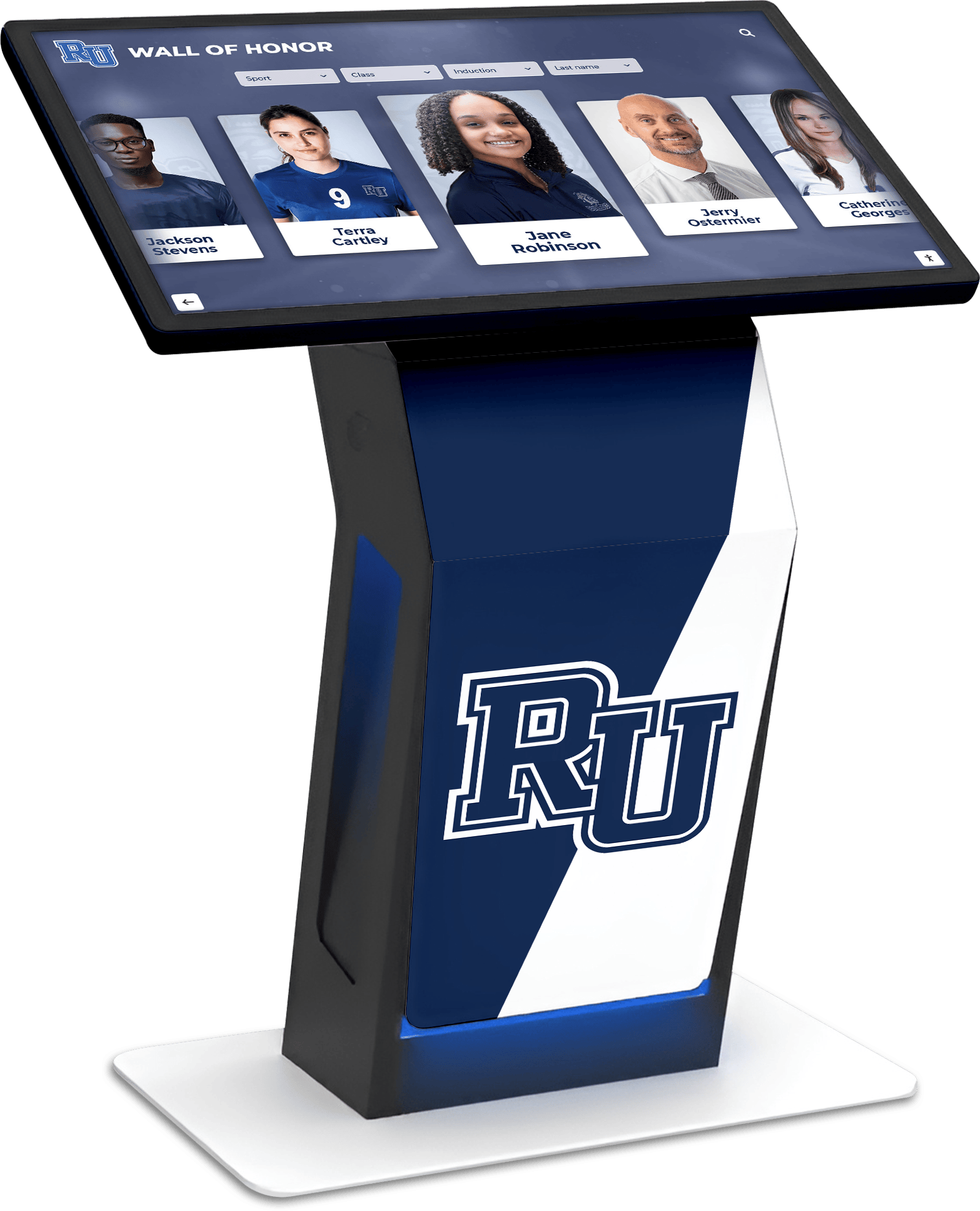
- Single display showcasing every inductee across unlimited years
- Comprehensive content requiring dozens of traditional plaques
- Scalable as organizations grow without physical renovation
- No capacity anxiety limiting induction class sizes
Rich Multimedia Inductee Profiles:
Digital systems enable detailed recognition far beyond names and dates:
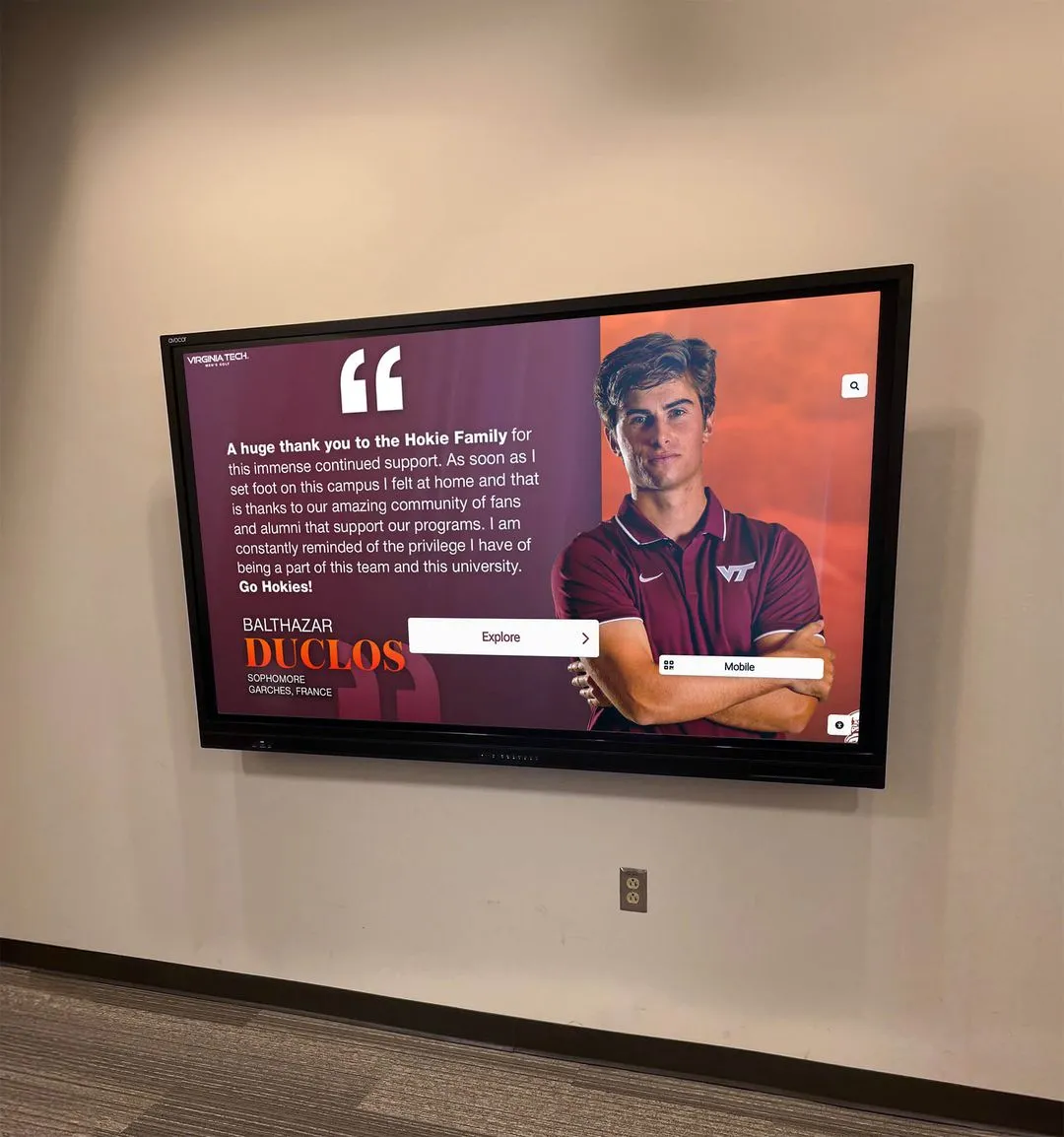
- Professional student photographs creating visual engagement
- Specific achievement descriptions highlighting individual accomplishments
- Recognition histories showing honor society involvement over multiple years
- Service project documentation connecting students to organizational impact
- Leadership positions and roles students held within chapter
- Post-graduation updates celebrating continued achievement
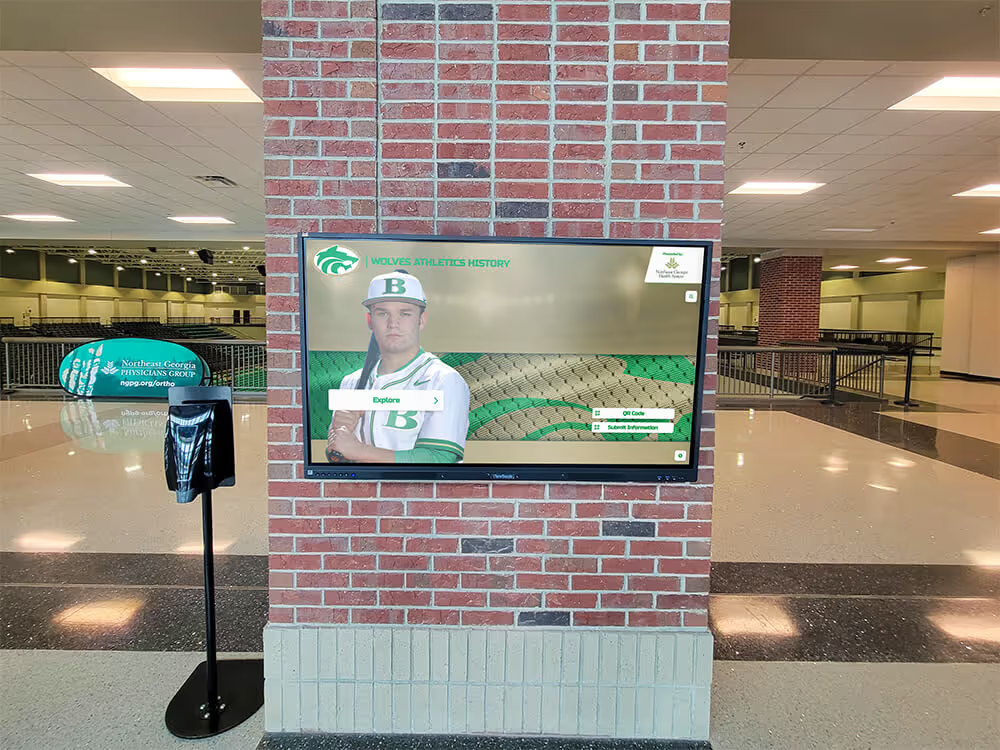
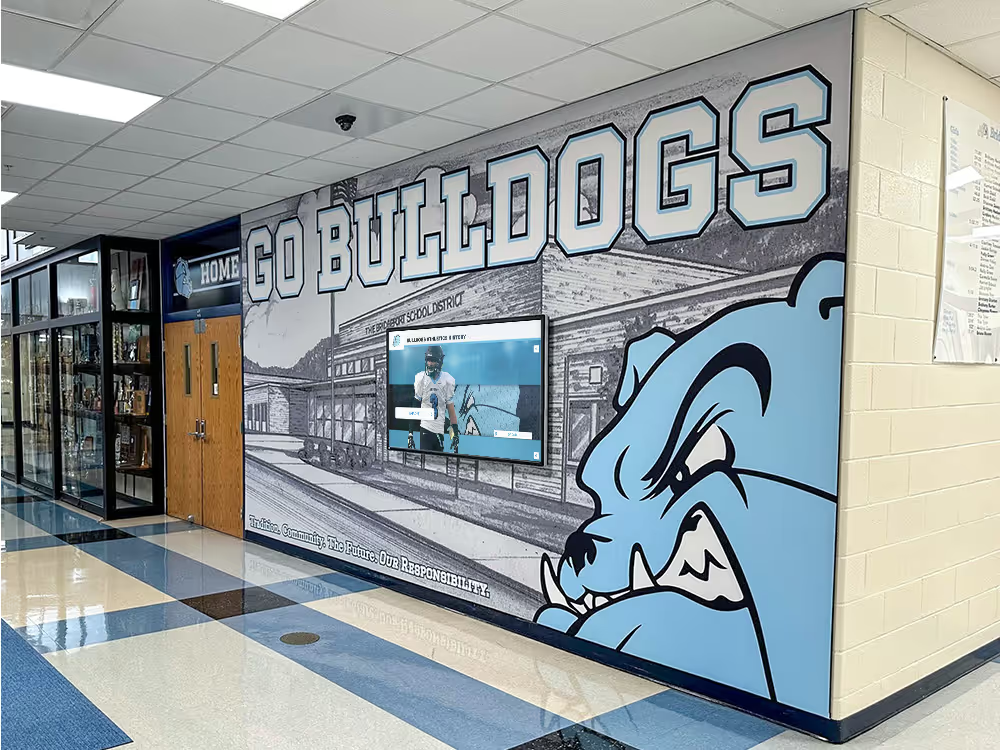
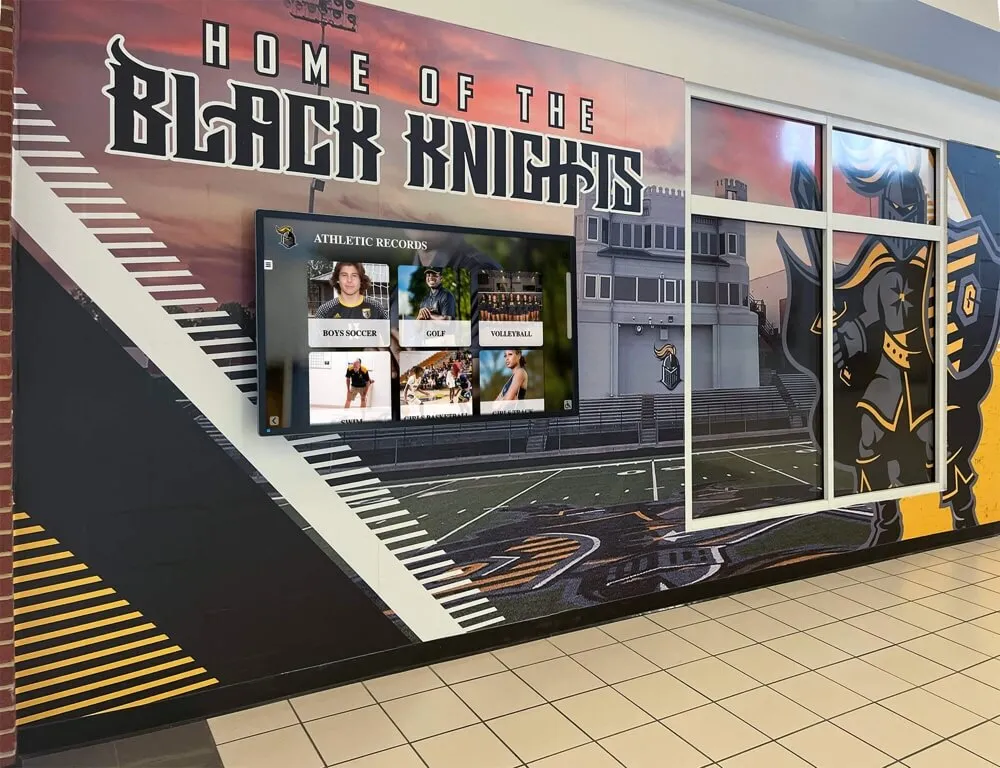
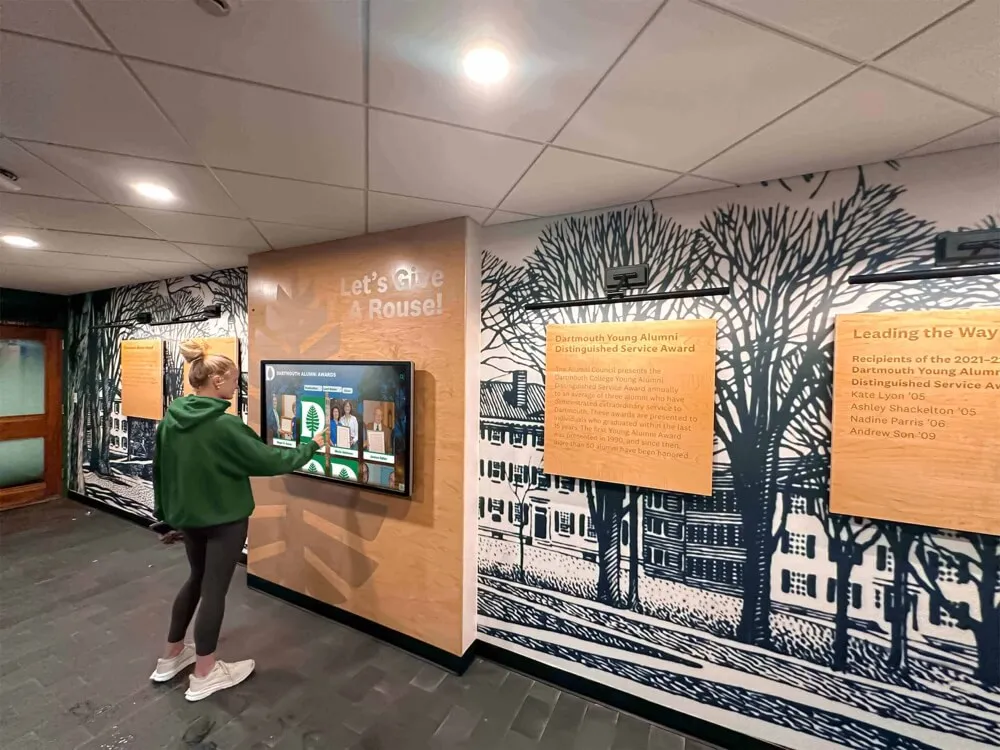
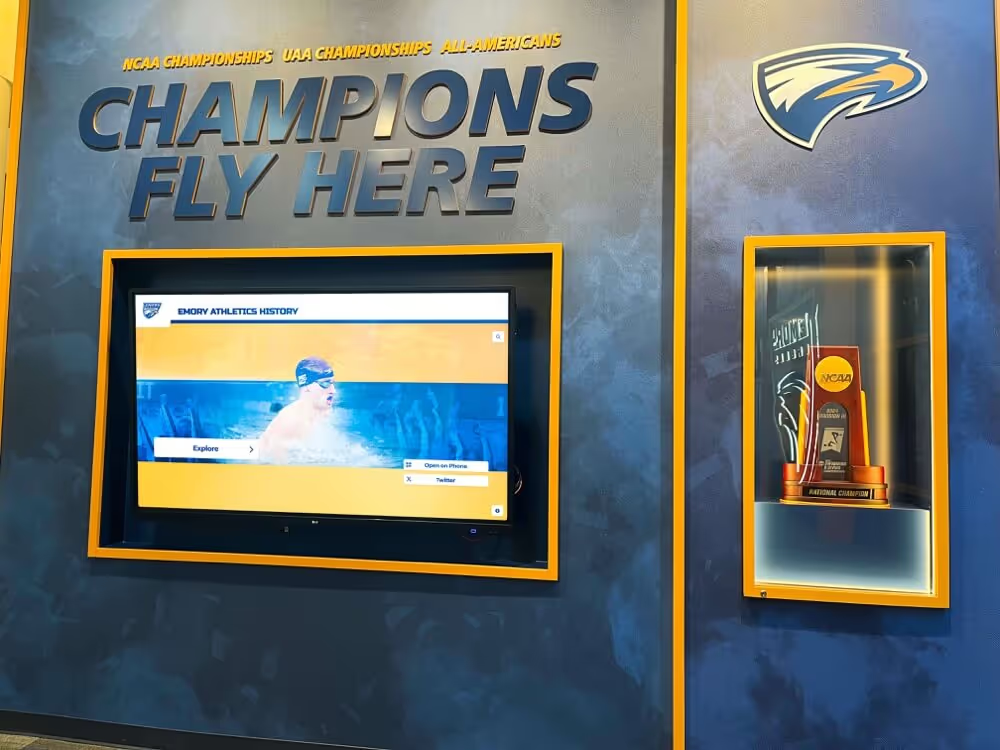
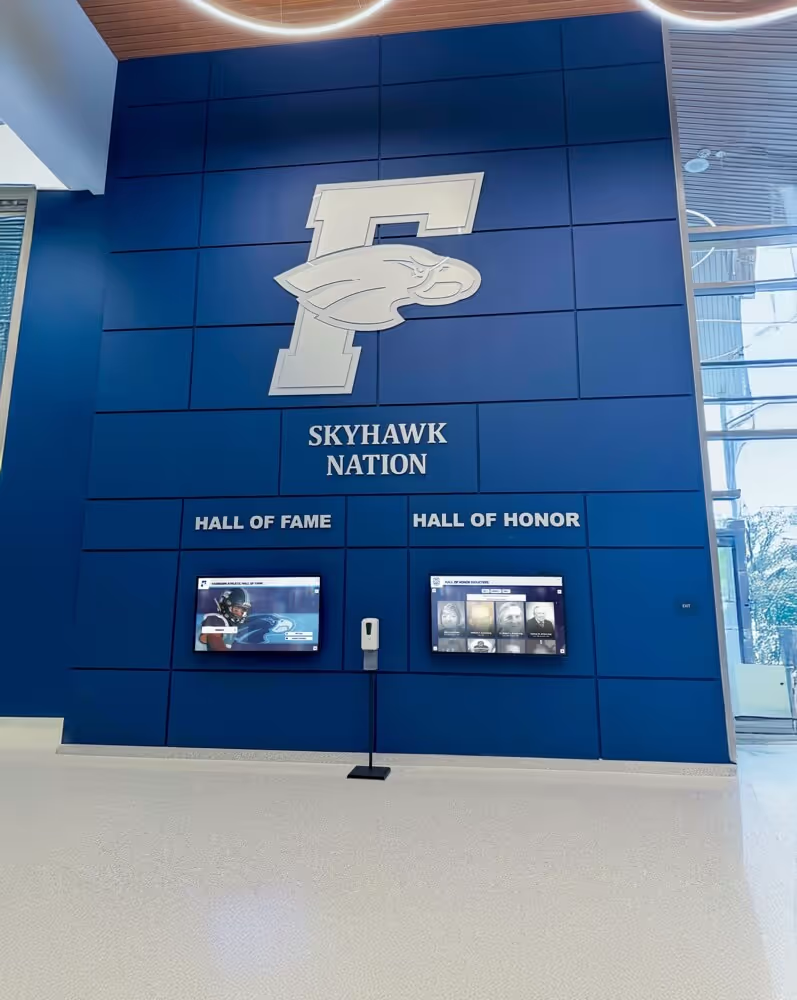
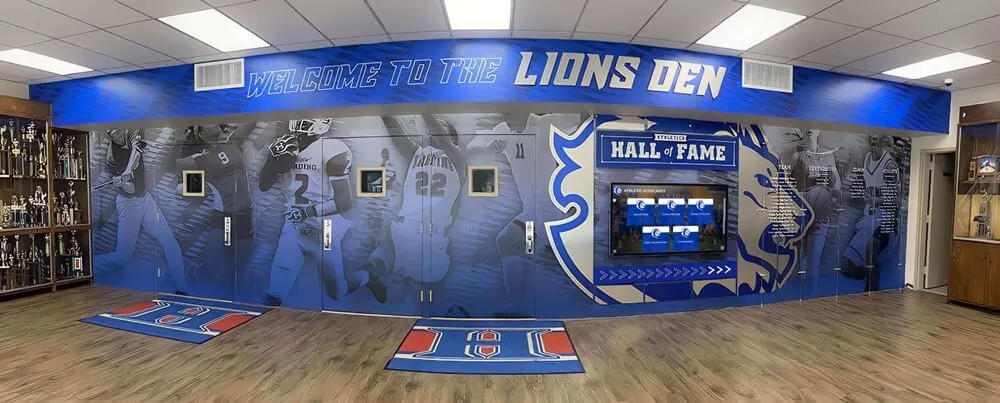
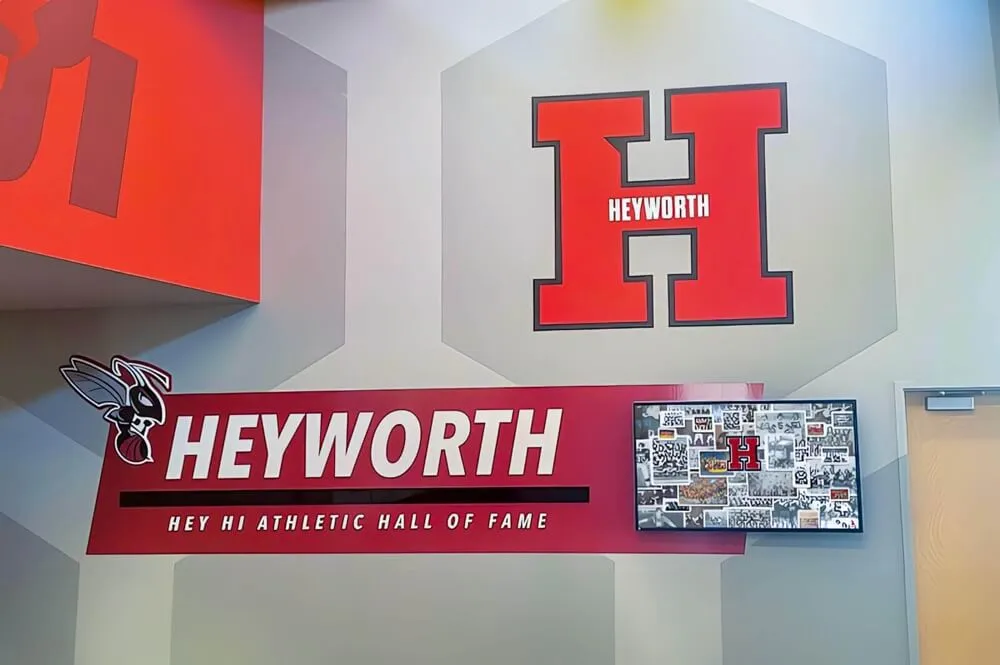
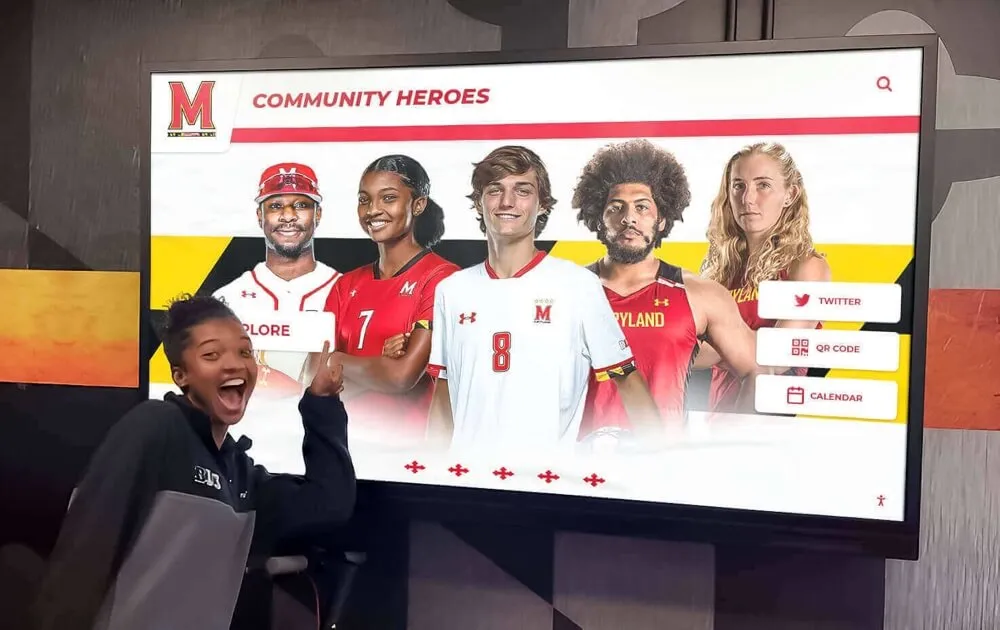
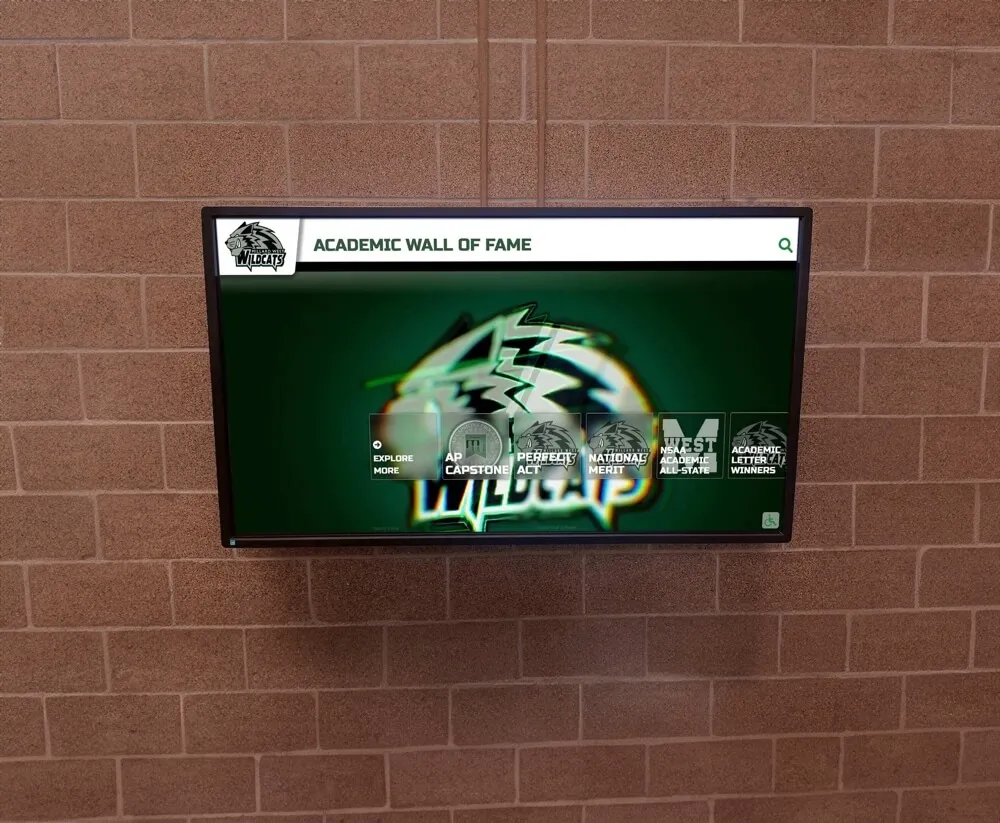
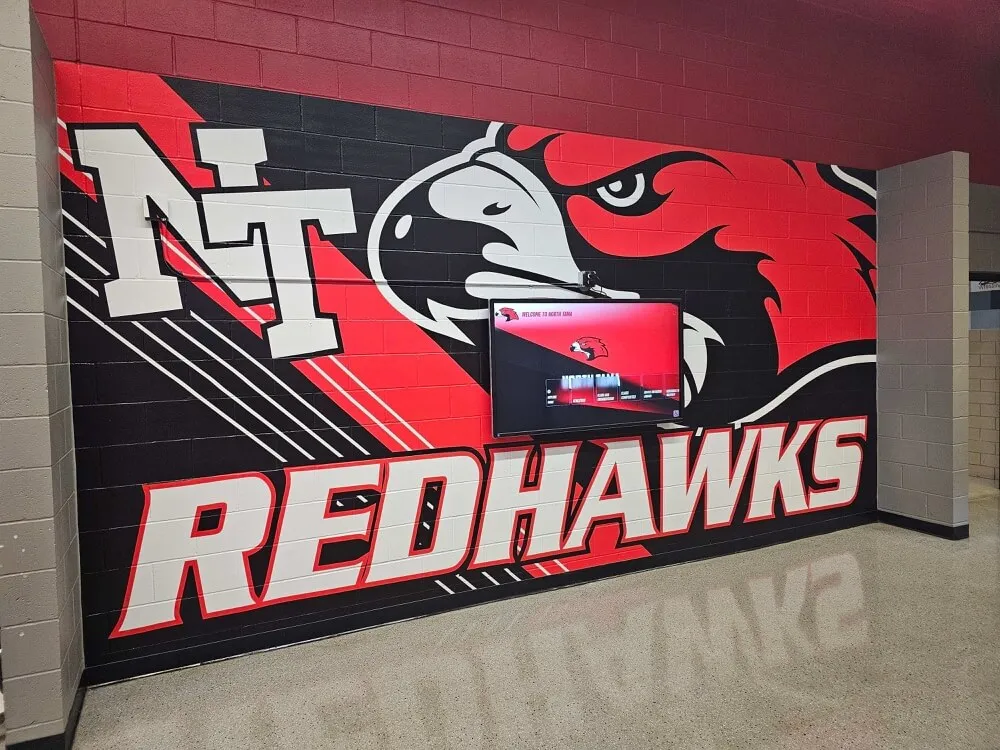
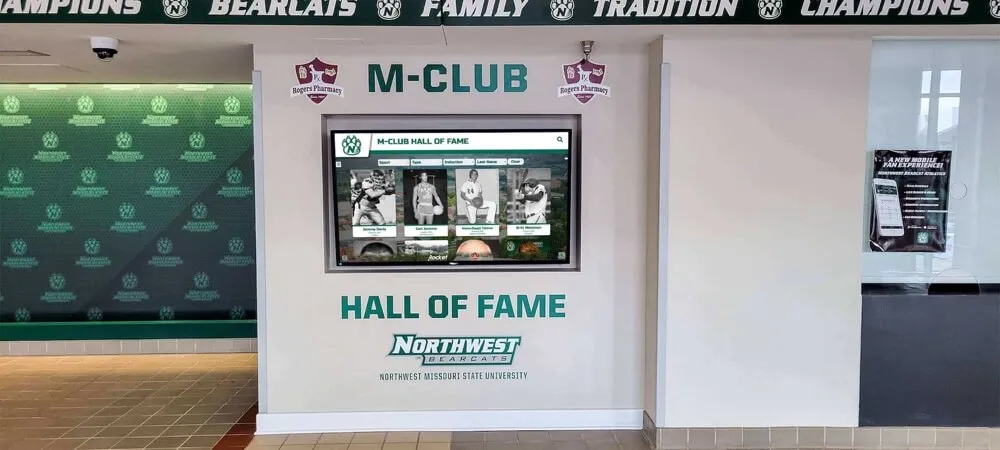
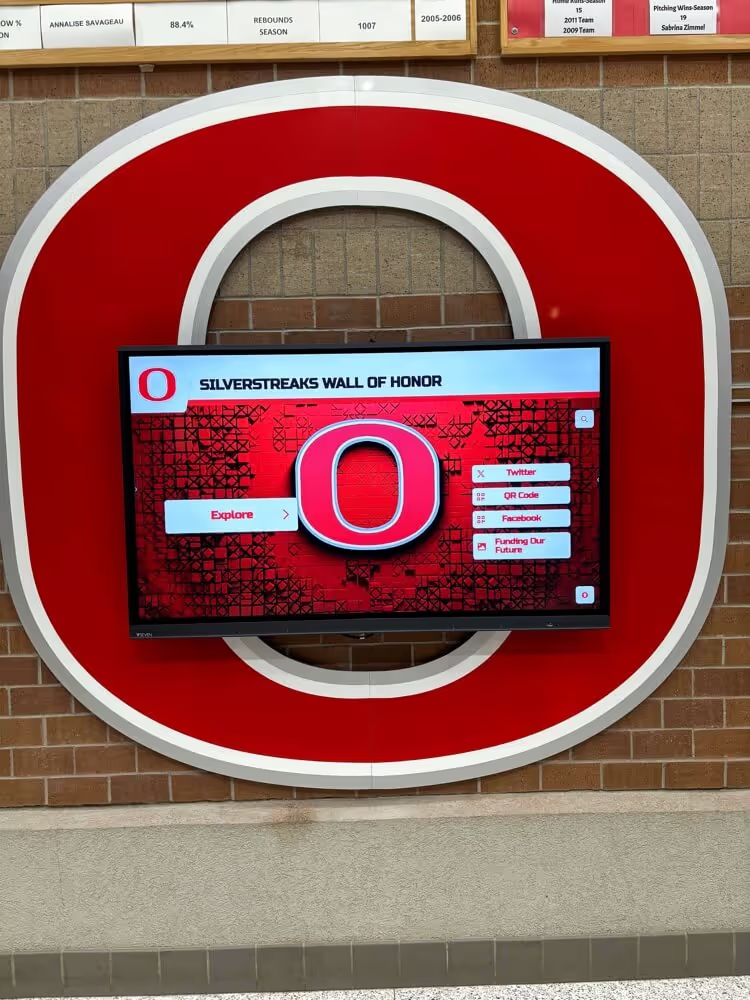
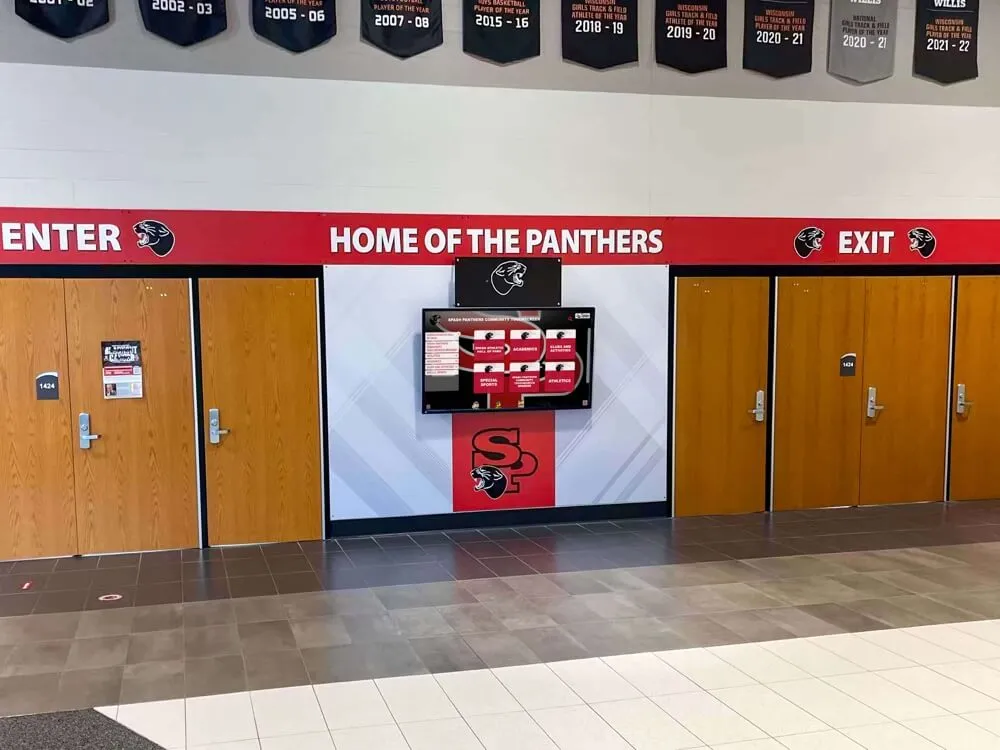
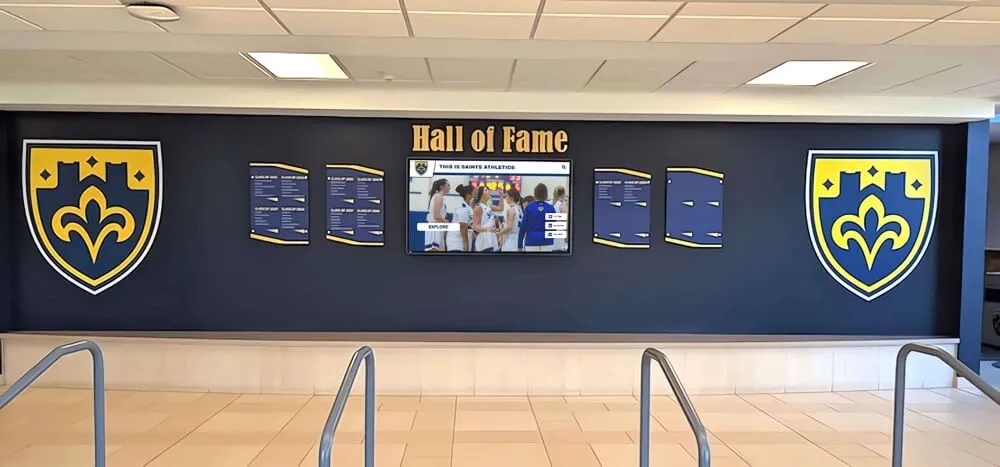
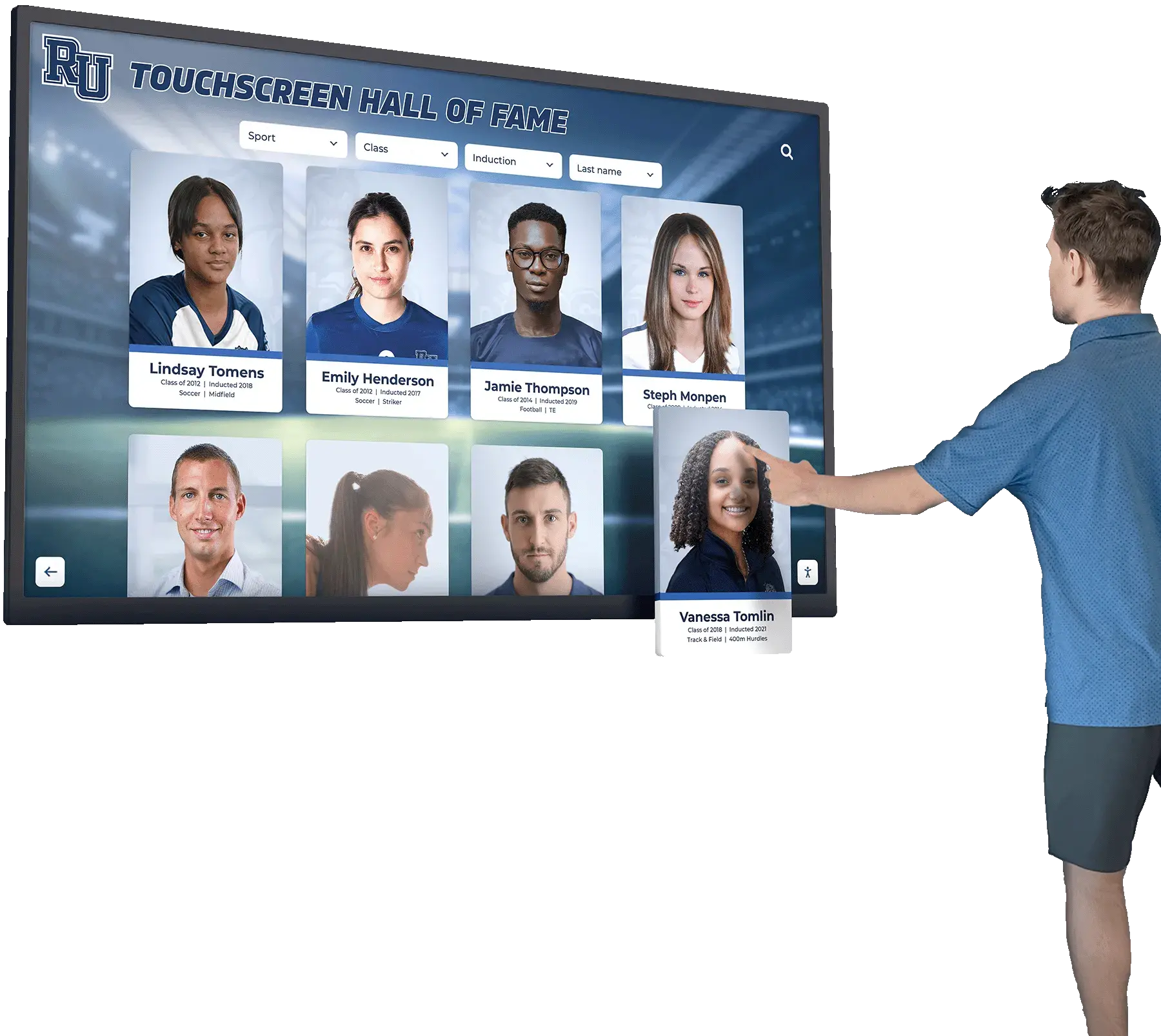
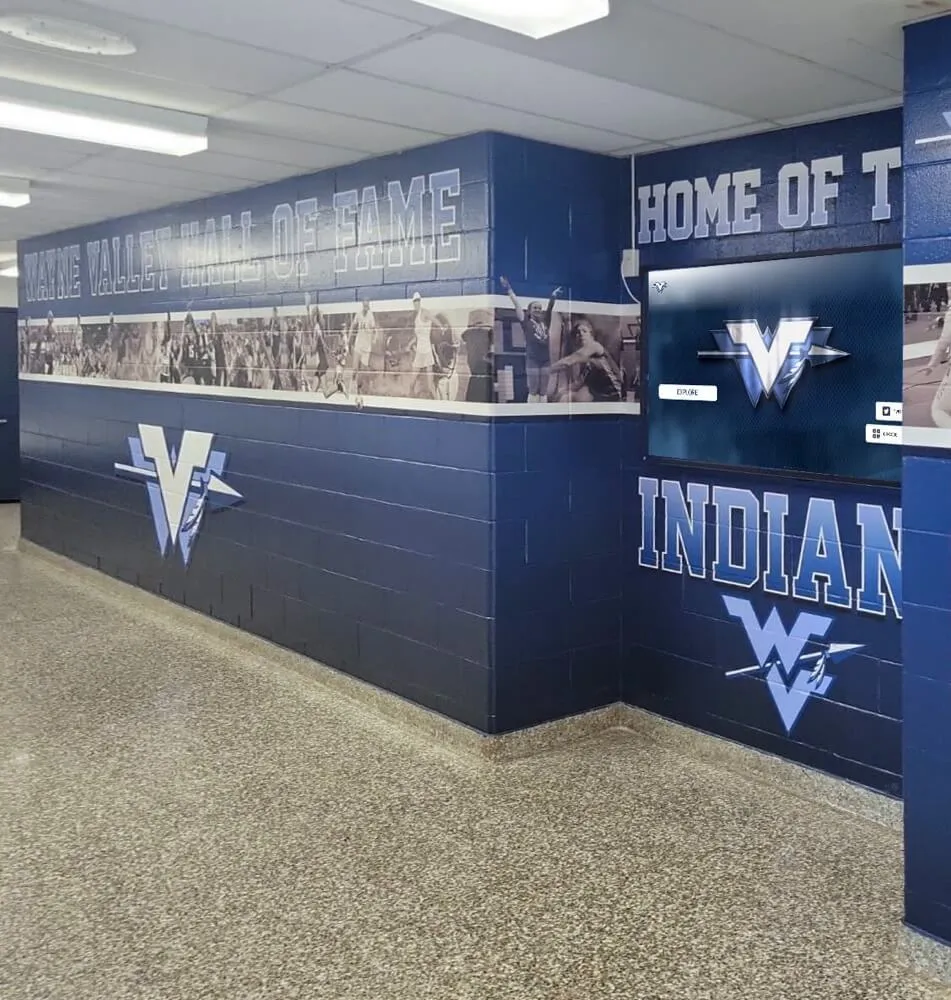
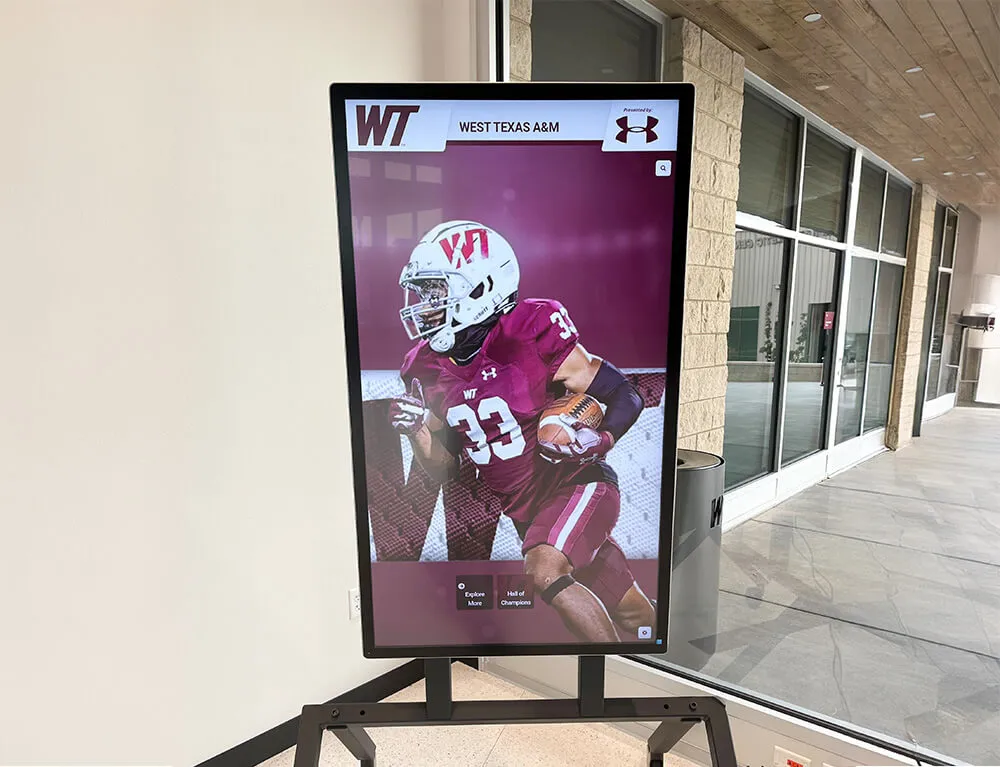
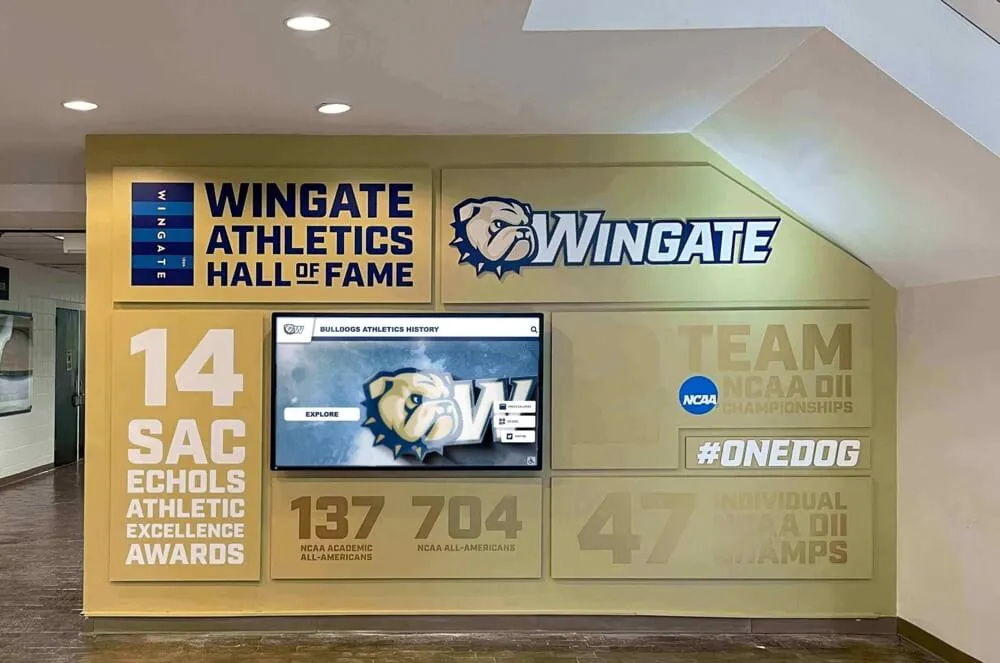
Solutions like those from Rocket Alumni Solutions provide user-friendly platforms specifically designed for educational recognition, offering intuitive content management requiring no technical expertise while creating engaging experiences that capture attention far more effectively than static displays.
Searchable and Interactive Access:
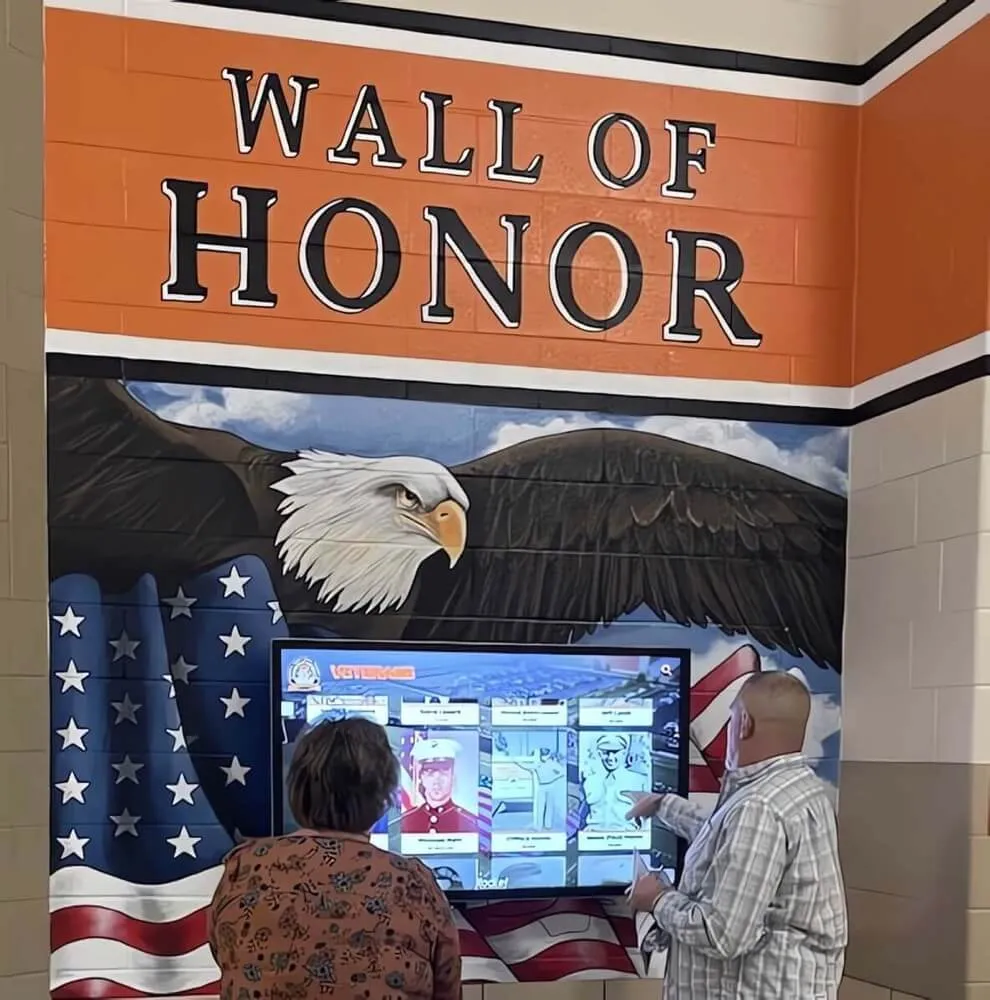
Unlike static displays visitors glance at while passing, interactive recognition systems invite engagement:
- Name searches enabling quick inductee discovery
- Year browsing showing historical classes
- Achievement filtering highlighting specific accomplishments
- Detailed profile views providing comprehensive information
- QR code access linking physical locations to online content
This interactivity transforms passive viewing into active exploration, significantly increasing time visitors spend engaging with recognition content and improving retention of inductee accomplishments.
Easy Updates and Maintenance:
Traditional recognition requires significant effort for updates:
- New plaques manufactured and installed annually
- Physical displays reorganized or expanded
- Damaged or incorrect materials replaced and reinstalled
- Substantial cost and labor for each update cycle
Digital recognition updates instantly through cloud-based management:
- New inductees added within minutes after ceremonies
- Information corrections made immediately without physical reinstallation
- Content enhancements implemented across entire system simultaneously
- Remote management from any device with appropriate permissions
- Dramatically reduced long-term maintenance costs and effort
Schools implementing comprehensive digital recognition find that annual updates requiring hours of manual work with traditional displays become minutes of simple data entry with modern systems. Explore examples in resources about interactive school displays.
Analytics and Engagement Tracking:
Digital systems provide data impossible with physical displays:
- Visitor interaction metrics showing engagement levels
- Popular content identification revealing what resonates
- Usage patterns guiding placement and promotion decisions
- Demographic insights understanding who engages with recognition
This data helps schools optimize recognition strategies while demonstrating return on investment for recognition initiatives.
Accessibility and Remote Viewing:
Digital recognition extends far beyond those who can physically visit schools:
- Alumni exploring historical inductee lists from anywhere
- Distant family members celebrating student achievement remotely
- Prospective families researching school academic culture
- Community members supporting educational excellence
- Current students browsing potential achievement pathways
Web-accessible recognition proves particularly valuable for alumni maintaining connections to schools long after graduation. Many schools find that remote access generates more engagement than physical displays limited to campus visitors. Learn about comprehensive approaches in guides to online recognition platforms.
Hybrid Recognition Approaches
Many schools combine traditional and digital recognition:
Physical Ceremony Recognition with Digital Ongoing Display:
- Traditional induction ceremony maintaining formal traditions
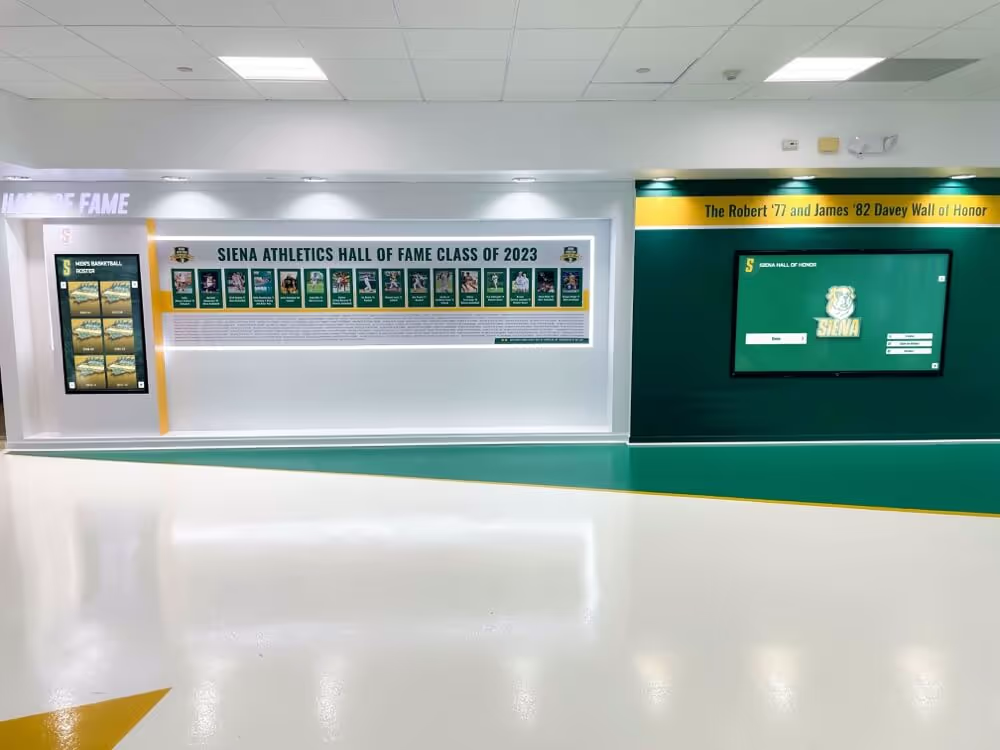
- Digital displays providing permanent, comprehensive recognition
- Best of both approaches without compromising either
Plaque Recognition Linked to Digital Profiles:
- Traditional inductee plaques in prestigious locations
- QR codes on plaques linking to detailed digital profiles
- Physical presence with digital depth and accessibility
Annual Ceremony with Quarterly Updates:
- Formal annual induction ceremonies celebrating achievement
- Quarterly recognition updates throughout year showing ongoing achievement
- Continuous visibility rather than single-event focus
Hybrid approaches preserve ceremony tradition and formality while gaining digital advantages for comprehensive, accessible, and maintainable ongoing recognition.
Conclusion: Creating Induction Ceremonies That Honor Excellence Authentically
Honor society induction ceremonies represent more than administrative recognition of academic achievement. When planned thoughtfully, these ceremonies create meaningful experiences validating years of student effort, communicate institutional values about scholarship and character, strengthen school cultures celebrating intellectual excellence, build multi-generational organizational traditions, engage families in celebrating student accomplishment, and inspire younger students toward future achievement.
The most memorable and effective ceremonies share common characteristics:
- Clear purpose and appropriate tone balancing formality with authenticity
- Cohesive themes providing conceptual frameworks for all elements
- Meaningful symbolic rituals creating distinctive moments
- Balanced programs maintaining engagement without excessive length
- Thoughtful logistics ensuring smooth execution
- Strategic family engagement amplifying celebration impact
- Permanent recognition extending impact far beyond single ceremony events
Schools establishing or refining induction ceremonies should invest adequate planning time allowing thoughtful coordination, assemble diverse committees bringing multiple perspectives to ceremony design, select themes and traditions aligned with organizational values and student experience, incorporate student voices through speakers and ceremonial participation, engage families meaningfully throughout ceremony and recognition processes, and implement comprehensive permanent recognition documenting achievement across generations.
Whether conducting inaugural ceremonies or enhancing established traditions, administrators and advisors who prioritize meaningful recognition create induction experiences students remember throughout their lives while building organizational cultures that genuinely celebrate the excellence honor societies represent.
Modern solutions like Rocket Alumni Solutions provide comprehensive digital platforms designed specifically for permanent educational recognition, offering intuitive content management, engaging interactive displays, and proven approaches that help schools build recognition systems their students deserve. Whether implementing digital honor roll displays, comprehensive achievement tracking, or integrated recognition networks, digital technology enables schools to celebrate academic achievement more comprehensively than traditional approaches while maintaining ceremony traditions that create memorable induction experiences.
Ready to enhance your honor society’s permanent recognition while planning memorable induction ceremonies? Explore comprehensive recognition solutions that honor student excellence while building school cultures where academic achievement receives the celebration it deserves. Your students achieve remarkable things—effective induction ceremonies and permanent recognition systems ensure those achievements receive the acknowledgment that inspires continued excellence across your school community.