



Key Takeaways
Learn how to start a booster club from scratch. This complete guide covers legal setup, fundraising strategies, board structure, tax-exempt status, and effective recognition programs for parents and supporters building athletic booster organizations.
Why Start a Booster Club?
Booster clubs fill essential funding gaps that exist in virtually every school athletic program, providing resources that enable teams to compete at higher levels while offering more comprehensive experiences for student-athletes.
Understanding the Funding Gap
School athletic budgets typically cover only basic program requirements—coaches’ salaries, minimal equipment, facility maintenance, and required insurance. They rarely include resources for equipment upgrades, specialized training, travel to competitive tournaments, recruiting costs for elite coaches, facility improvements, recognition programs, or supplemental coaching assistance. This gap between basic funding and program needs creates opportunities where parent organizations make meaningful differences.
According to the National Federation of State High School Associations (NFHS), participation in high school sports continues growing while many districts face budget constraints limiting athletic funding. Booster clubs bridge these gaps by providing flexible funding that adapts to program-specific needs school budgets cannot address.
Benefits Booster Clubs Provide
Well-organized booster clubs deliver multiple benefits extending far beyond simple fundraising:
Enhanced Athletic Opportunities: Clubs fund equipment upgrades, specialized training programs, strength and conditioning resources, and travel to competitive tournaments that develop athlete skills and exposure.
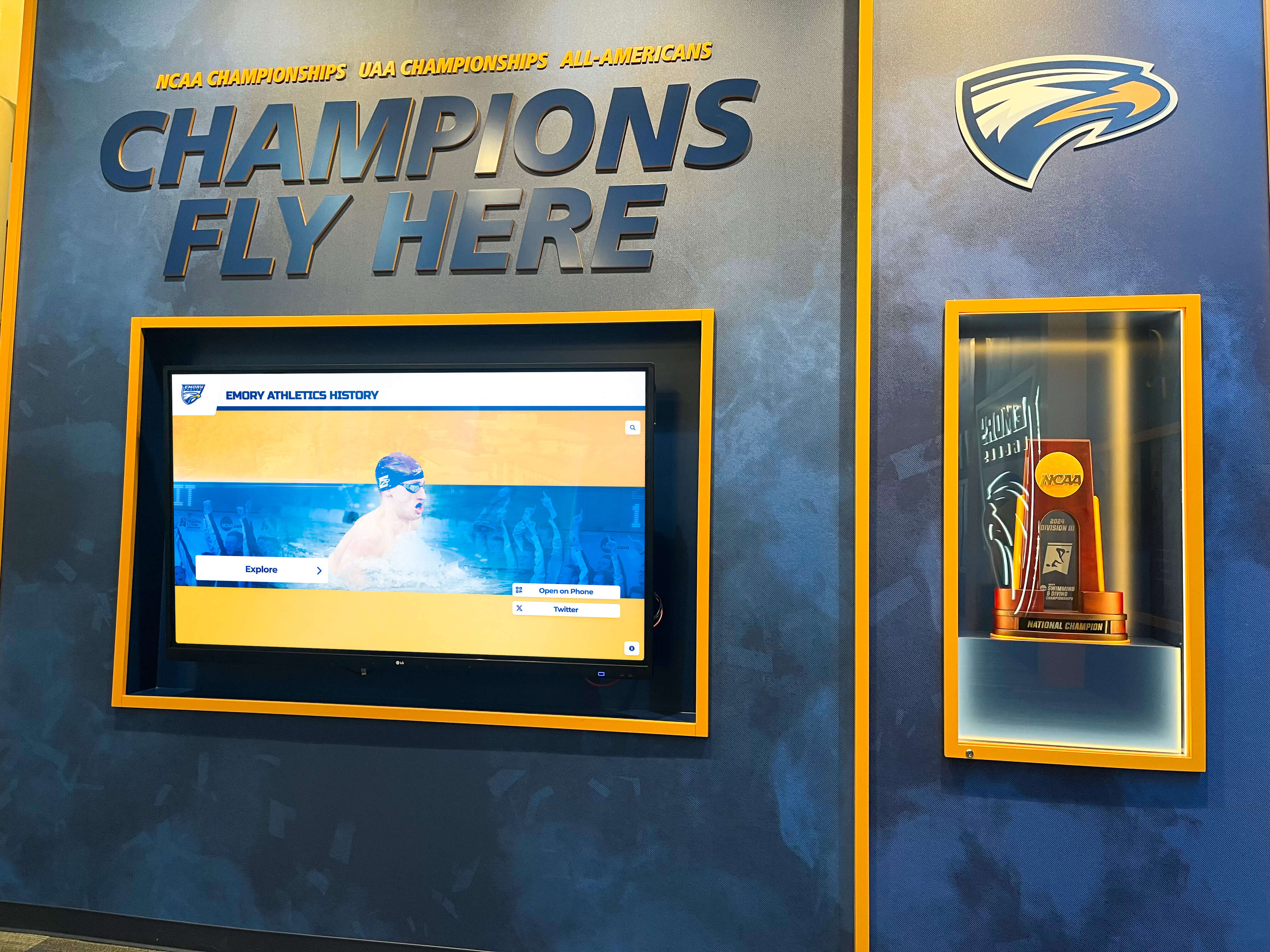
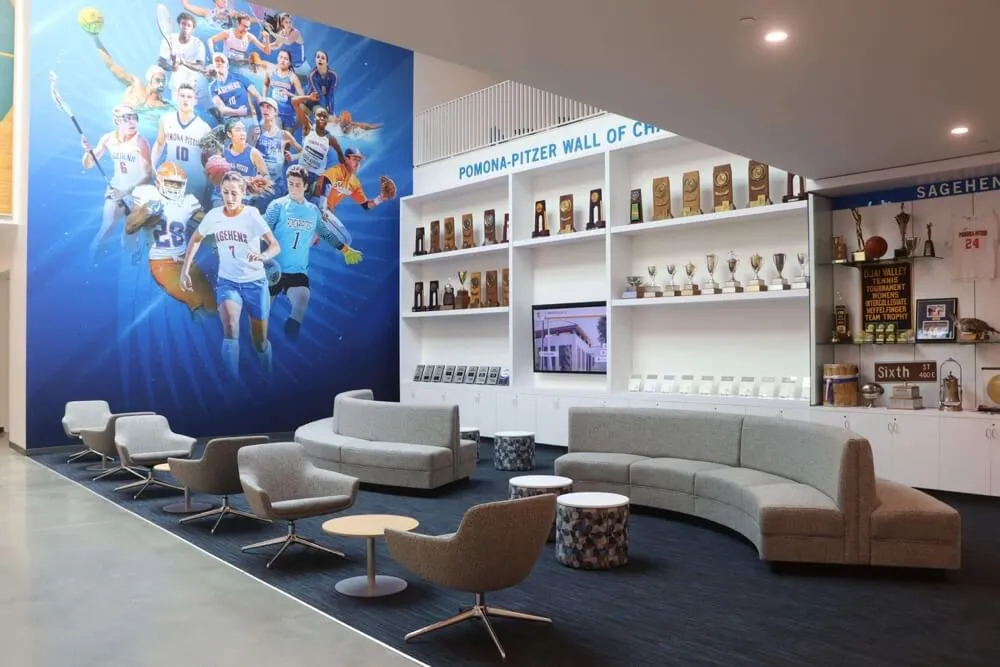
Facility Improvements: Booster organizations commonly fund digital recognition displays, upgraded locker rooms, training equipment, lighting improvements, and field maintenance enhancing athlete experience and program visibility.
Community Building: Booster clubs create structures where parents, alumni, local businesses, and community members connect around shared commitment to student-athlete success, strengthening bonds between schools and communities.
Recognition and Appreciation: Organizations provide formal structures for acknowledging supporters, celebrating athlete achievement, and honoring program traditions through recognition programs and donor appreciation initiatives.
Sustainable Support Systems: Rather than relying on sporadic individual efforts, booster clubs create institutional structures ensuring consistent, organized support continuing across multiple seasons and leadership transitions.
When to Start a Booster Club
Several situations signal opportune timing for launching booster organizations:
New or Growing Programs: Programs expanding from club sports to varsity status, adding new sports offerings, or experiencing significant participation growth often need additional funding structures supporting expansion.
Facility Improvement Needs: When schools require major facility upgrades—new playing surfaces, equipment replacements, or recognition displays—booster clubs provide mechanisms for organizing fundraising campaigns targeting specific capital projects.
Budget Cuts and Constraints: Districts implementing budget reductions affecting athletic programs create urgency for organized parent support offsetting lost funding and preserving program quality.
Leadership Transitions: Changes in athletic directors or coaching staff sometimes create opportunities for formalizing parent support through structured booster organizations aligned with new program visions.
Competitive Pressures: When comparing programs to successful peers with established booster support, communities often recognize organizational gaps limiting their own programs’ competitive capabilities.
Step 1: Conduct Preliminary Planning and Research
Successful booster clubs begin with thorough planning establishing clear purposes, realistic goals, and community support before formal organization begins.
Identify Your Mission and Scope
Start by clarifying exactly what your booster club will support and accomplish:
Program Coverage: Determine whether your organization will support a single sport (football boosters, basketball boosters) or all athletic programs collectively. Single-sport clubs provide focused support but may create equity concerns if some sports lack booster backing. All-sports boosters distribute resources broadly but require more complex allocation decisions.
Geographic Scope: Define whether you’ll support a single school or multiple schools within a district. District-wide organizations create economies of scale but introduce coordination complexity, while school-specific clubs maintain simpler governance but potentially limit fundraising capacity.
Primary Objectives: Articulate specific goals your booster club will pursue—funding specific equipment categories, supporting facility improvements, providing athletic scholarships, funding coaching supplements, or supporting athlete recognition programs. Clear objectives guide decision-making and communicate priorities to potential supporters.
Budget Targets: Research typical booster club budgets for similar programs in your region. Small high school single-sport boosters might operate on $15,000-$40,000 annually, while larger all-sports organizations at competitive schools can manage six-figure budgets. Setting realistic initial targets helps scope appropriate fundraising strategies.
Engage School Leadership and Stakeholders
Booster clubs operate most effectively with strong school partnerships and community support established before formal organization:
School Administration: Meet with principals, athletic directors, and district administrators to discuss your plans, confirm administrative support, understand school policies governing booster organizations, and identify any concerns requiring attention. Administrative support proves essential for smooth operations and facility access.
Coaching Staff: Consult with coaches about specific program needs, funding priorities, and how booster support can most effectively enhance athlete experiences. Coaches provide insights about equipment requirements, competitive gaps, and strategic opportunities only insiders understand.
Existing Parent Groups: Connect with current parent volunteers, informal supporter networks, and any existing parent-teacher organizations to assess interest, identify potential leadership, and avoid duplicating existing efforts. Understanding current volunteer landscape helps position new organizations appropriately.
School Board and District Policies: Review district policies governing booster clubs, fundraising activities, facility usage, and school partnerships. Some districts maintain detailed regulations addressing booster operations, financial controls, and relationship boundaries requiring careful compliance.
Community Assessment: Gauge broader community interest through surveys, informal conversations, or community meetings. Understanding potential supporter base, local business climate, and existing charitable giving patterns helps set realistic expectations and shape initial strategies.
Research Legal and Organizational Requirements
Understanding legal structures and compliance requirements before formal organization prevents costly mistakes and ensures proper foundation:
State Nonprofit Laws: Research your state’s requirements for nonprofit corporations including registration procedures, governance mandates, and ongoing compliance obligations. Requirements vary significantly across states affecting formation timelines and ongoing administrative burden.
Tax-Exempt Status Options: Investigate whether pursuing 501(c)(3) charitable status makes sense for your organization versus other structures like 501(c)(4) social welfare organizations or operating without tax exemption. Each option carries distinct tax implications, fundraising capabilities, and compliance requirements.
Insurance Requirements: Identify necessary insurance coverage including general liability, directors and officers coverage, event insurance, and any specialized policies required by your activities. Schools often require proof of insurance before approving booster operations.
Banking and Financial Controls: Understand requirements for nonprofit banking, financial reporting, audit obligations, and internal controls. Proper financial management from inception prevents problems undermining organizational credibility.
Fundraising Regulations: Research state charitable solicitation registration requirements, gaming and raffle regulations, and any restrictions affecting planned fundraising activities. Many states require registration before conducting charitable solicitation, with penalties for noncompliance.
Step 2: Establish Legal Structure and Governance
Proper legal formation and governance structures protect volunteers, ensure compliance, and establish credibility with supporters and school partners.
Form a Nonprofit Corporation
Most booster clubs benefit from formal incorporation as nonprofit corporations, providing liability protection, organizational permanence, and eligibility for tax-exempt status:
Select a Name: Choose a name that clearly identifies your purpose, avoids confusion with existing organizations, and complies with state naming requirements. Most states require nonprofit corporate names include “Inc.,” “Incorporated,” “Corporation,” or “Corp.” Many booster clubs use formats like “Riverside High School Athletic Boosters, Inc.” or “Washington Eagles Football Booster Club, Inc.”
Appoint Initial Directors: Identify 3-7 initial board members who will guide formation and early operations. Look for diverse skills including legal/compliance expertise, financial management, fundraising experience, marketing capabilities, and strong community connections. Initial directors typically serve until first elections occur.
File Articles of Incorporation: Submit articles of incorporation (sometimes called certificates of incorporation or charters) to your state’s business registration office, typically the Secretary of State. Articles include basic organizational information: name, purpose, registered agent, initial directors, and dissolution provisions. Filing fees typically range $25-$200 depending on state.
Obtain Federal Employer Identification Number (EIN): Apply for an EIN from the IRS even if you won’t immediately have employees. The EIN functions as your organization’s tax identification number, required for banking, tax filings, and most official transactions. Application is free through IRS.gov.
Register with State Agencies: Complete any required state registrations for charitable organizations, typically with attorney general offices or state charity regulators. Requirements vary by state but often include registering before soliciting donations.
Develop Foundational Governance Documents
Formal bylaws and policies establish operational frameworks ensuring consistent, compliant operations:
Bylaws: Draft comprehensive bylaws addressing:
- Organizational purpose and mission
- Membership categories and rights
- Board structure, size, terms, and election procedures
- Officer positions, duties, and selection processes
- Meeting requirements and procedures
- Committee structures
- Financial management policies
- Amendment procedures
- Dissolution provisions
Conflict of Interest Policy: Adopt policies requiring directors and officers disclose conflicts, recuse themselves from relevant decisions, and prioritize organizational interests over personal benefit. The IRS specifically asks about conflict policies when reviewing tax-exemption applications.
Document Retention Policy: Establish systems for maintaining corporate records, financial documents, tax filings, and other important materials for legally required retention periods. Most documents should be retained at least three years, with permanent retention for formation documents and tax-exemption determinations.
Financial Management Policies: Document procedures for budget approval, expenditure authorization, financial reporting, dual signatures on checks, credit card usage, cash handling, and audit requirements. Strong financial controls protect against mismanagement and theft while building supporter confidence.
Fundraising Policies: Establish guidelines governing acceptable fundraising activities, required approvals, coordination with schools, revenue allocation, and recognition of contributors. Clear policies prevent conflicts and ensure consistency across different leadership teams.
Apply for Tax-Exempt Status
Most booster clubs benefit from 501(c)(3) charitable status providing tax deductibility for donations and exemption from federal and most state taxes:
Determine Eligibility: 501(c)(3) organizations must be organized exclusively for charitable, educational, religious, or scientific purposes. Supporting educational institutions through athletic programs typically qualifies, but political activities, excessive private benefit, or commercial purposes can jeopardize eligibility.
File Form 1023 or 1023-EZ: Submit Form 1023 (standard application) or Form 1023-EZ (streamlined version for smaller organizations) to the IRS along with required filing fees. Form 1023 requires detailed information about activities, finances, governance, and compensation, typically taking several months to process. Form 1023-EZ offers faster processing for organizations meeting simplified criteria including projected revenue under $50,000 annually.
Provide Supporting Documentation: Include articles of incorporation, bylaws, conflict of interest policies, financial projections, fundraising plans, and detailed descriptions of planned activities. Thorough applications receive faster approval with fewer follow-up questions.
State Tax Exemptions: After securing federal exemption, apply for state sales tax exemptions and income tax exemptions where applicable. Requirements vary by state, with some automatically recognizing federal exemption while others require separate applications.
Annual Compliance: Maintain tax-exempt status through annual Form 990 filings reporting revenues, expenses, activities, and governance practices. Organizations with gross receipts under $50,000 annually file Form 990-N (electronic postcard), while larger organizations file Form 990 or 990-EZ depending on size. Failure to file for three consecutive years results in automatic revocation of tax-exempt status.
Step 3: Build Your Board and Leadership Team
Effective booster clubs depend on skilled, committed volunteers filling key leadership roles and bringing diverse capabilities to organizational management.
Essential Officer Positions
Most booster clubs establish core officer positions managing primary organizational functions:
President: Serves as chief executive providing strategic direction, representing the organization externally, presiding at meetings, and coordinating overall operations. Effective presidents demonstrate strong leadership, communication skills, organizational abilities, and commitment to mission over personal agendas.
Vice President: Supports the president, assumes presidential duties during absences, often chairs specific committees or initiatives, and provides continuity during leadership transitions. Many vice presidents succeed to presidential roles, making this position important for leadership development.
Treasurer: Manages all financial functions including budget development, bookkeeping, financial reporting, tax filing oversight, banking relationships, and financial controls implementation. Treasurers need financial competence, attention to detail, and understanding of nonprofit accounting requirements.
Secretary: Maintains corporate records, documents meeting minutes, manages official correspondence, handles membership records, and ensures compliance with meeting and documentation requirements. Secretaries need organizational skills and ability to create clear, accurate records.
Fundraising Chair: Leads revenue generation efforts coordinating events, campaigns, sponsor recruitment, and individual giving programs. Fundraising chairs need creativity, community connections, sales abilities, and project management skills.
Communications Director: Manages external communications including social media, newsletters, website updates, media relations, and supporter engagement. Communications directors need writing skills, design capabilities, and understanding of marketing principles.
Recruit Diverse Board Members
Beyond core officers, effective boards include members providing varied perspectives, skills, and connections:
Skills-Based Recruitment: Identify specific capabilities your board needs—legal expertise, accounting knowledge, marketing experience, event planning skills, technology understanding, or business connections—then recruit individuals bringing these competencies. Skills-based boards operate more effectively than groups assembled primarily through personal relationships.
Stakeholder Representation: Consider including representatives from different stakeholder groups: current parents, alumni, local business owners, community members without direct athlete connections, and possibly ex-officio representatives from school administration or coaching staff. Broad representation strengthens community connections and decision-making.
Time Commitment Requirements: Be explicit about expected time commitments for board service including monthly meetings, committee work, event staffing, and special projects. Unclear expectations lead to resentment and disappointment when volunteers discover obligations exceed anticipations.
Term Lengths and Limits: Establish term lengths (typically 2-3 years) and consider term limits preventing perpetual board service. Staggered terms ensure continuity while regular turnover brings fresh perspectives and prevents organizational stagnation. Balance institutional knowledge preservation against energy new leaders provide.
Nomination and Election Processes: Develop fair, transparent processes for board nominations and elections. Nominating committees can identify potential candidates, followed by membership elections. Clear processes prevent perception that boards represent self-perpetuating cliques rather than membership-driven organizations.
Establish Effective Committees
Strategic committee structures distribute workload, develop leadership depth, and enable broader member engagement:
Fundraising Committee: Plans and executes fundraising events, manages sponsor relationships, coordinates online giving, and implements revenue generation strategies. This committee often requires largest volunteer investment given fundraising’s central importance.
Finance Committee: Assists treasurers with budget development, financial oversight, audit coordination, and financial policy review. Finance committees provide additional oversight strengthening financial controls.
Communications and Marketing Committee: Manages website, social media, newsletters, publicity, and donor recognition communications. Strong communications keep supporters engaged while attracting new participants.
Events Committee: Organizes booster club events including meetings, fundraisers, volunteer appreciation, and special programs. Event planning requires significant coordination making dedicated committees valuable.
Recognition Committee: Develops and manages donor recognition programs including physical displays, online acknowledgment, and supporter appreciation initiatives. Recognition strengthens supporter relationships and encourages continued giving.
Grants Committee: Researches grant opportunities, prepares applications, and manages grant compliance. Grant funding can supplement fundraising revenues, though grants require specialized application expertise.
Step 4: Develop Funding Strategies and Revenue Streams
Sustainable booster clubs build diversified funding portfolios combining multiple revenue sources rather than depending on single fundraising approaches.
Membership Programs
Membership dues provide predictable base funding while creating formal connection points between supporters and organizations:
Tiered Membership Levels: Establish 3-5 membership tiers with progressively higher dues and enhanced benefits:
- Bronze/Friend Level: $50-$100 – Basic membership with newsletter access and general acknowledgment
- Silver/Supporter Level: $100-$250 – Enhanced recognition including name listing and event priority
- Gold/Patron Level: $250-$500 – Premium recognition with event tickets and special acknowledgment
- Platinum/Champion Level: $500-$1,000 – VIP recognition including prominent display and exclusive benefits
- Legacy Circle: $1,000+ – Highest tier with permanent recognition and premium benefits
Membership Benefits: Design benefit packages creating tangible value justifying dues while keeping costs manageable. Common benefits include priority parking passes, season ticket discounts, exclusive merchandise, invitation to member-only events, recognition in programs and displays, and periodic updates about program developments.
Family and Business Memberships: Offer options for family memberships enabling multiple household members to participate and business memberships providing corporate sponsorship opportunities with appropriate recognition and promotional benefits.
Renewal Systems: Implement efficient renewal processes reaching members before expirations, offering multi-year discounts, and making payment convenient through online systems. Strong renewal programs cost less than constantly recruiting new members while building long-term supporter relationships.
Corporate Sponsorships
Business supporters provide significant funding while receiving marketing value through visibility at events and in athletic facilities:
Sponsorship Packages: Create structured packages at different investment levels:
- Title Sponsor: $5,000-$25,000 – Naming rights for major events or facilities with premium visibility
- Gold Sponsor: $2,500-$5,000 – Prominent recognition across multiple platforms
- Silver Sponsor: $1,000-$2,500 – Standard recognition package with good visibility
- Bronze Sponsor: $500-$1,000 – Entry-level package with basic acknowledgment
Recognition Benefits: Provide sponsors tangible value through logo placement on digital recognition displays, event banners and signage, printed programs and materials, social media promotion, website acknowledgment, and announcement recognition at games and events. Demonstrate clear return on investment justifying business sponsorship as marketing expense.
Sponsorship Sales Process: Develop professional sponsorship proposals documenting benefits, visibility metrics, and testimonials from existing sponsors. Train volunteer sales teams on effective pitching, address common objections, and create systems tracking prospect outreach and follow-up.
Multi-Year Commitments: Encourage multi-year sponsorships through discounts and enhanced benefits. Multi-year agreements provide revenue predictability while reducing annual sales effort. Three-year commitments work well for many businesses.
Relationship Management: Treat sponsors as partners rather than simply funding sources. Provide regular updates about programs, deliver promised benefits promptly, solicit feedback about sponsorship value, and cultivate relationships extending beyond annual transactions.
Fundraising Events
Strategic events generate revenue while building community engagement and creating fun experiences for supporters:
Signature Annual Events: Develop one or two major annual fundraisers becoming community traditions. Successful formats include:
- Golf tournaments with corporate foursomes and individual participants
- Gala dinners with auctions and entertainment
- Fun runs/walks attracting broad community participation
- Casino nights offering gaming entertainment
- Season kick-off barbecues combining social gathering with fundraising
Event Selection Criteria: Choose events matching volunteer capacity, community preferences, available venues, and realistic revenue potential. Avoid overly complex events exceeding volunteer expertise or requiring excessive advance investment. Events should generate net revenue at least 3-4 times greater than direct costs to justify effort.
Volunteer Coordination: Major events require extensive volunteer coordination. Develop detailed task lists, assign specific responsibilities, conduct planning meetings, and provide volunteers clear instructions and appreciation. Event success depends on effective volunteer management.
Online Fundraising: Supplement physical events with virtual fundraising campaigns, peer-to-peer fundraising challenges, crowdfunding for specific projects, and online auction platforms. Digital fundraising expands reach beyond those who can attend events while accommodating supporters who prefer online engagement.
Corporate Matching Gifts: Promote corporate matching gift programs where employers match employee donations. Many supporters work for companies offering matching, potentially doubling contribution impact with minimal additional effort.
Concessions and Merchandise
Ongoing sales at athletic events provide consistent revenue streams supplementing periodic fundraising campaigns:
Concessions Operations: Operate food and beverage sales at games and events. Concessions require proper permits, food safety compliance, inventory management, and volunteer staffing but can generate substantial revenues. Many successful programs earn $5,000-$30,000+ annually through concessions.
Spirit Wear and Merchandise: Sell branded apparel, accessories, and novelty items at events and through online stores. Partner with vendors handling inventory and fulfillment on commission basis, or operate your own inventory if you have storage capacity and sales volunteers. Online stores enable year-round sales beyond event attendance.
Program and Advertising Sales: Sell advertising in printed programs distributed at events. Local businesses purchase ads supporting programs while gaining exposure to attendee audiences. Season program advertising can generate $2,000-$15,000+ depending on program circulation and business engagement.
Step 5: Implement Financial Management and Controls
Proper financial management builds supporter trust, ensures compliance, and protects against fraud or mismanagement that could destroy organizational credibility.
Banking and Account Management
Establish proper banking relationships and financial systems from your organization’s inception:
Nonprofit Banking Account: Open checking accounts specifically for booster operations at banks familiar with nonprofit requirements. Avoid commingling organizational funds with personal accounts, which creates liability concerns and tax complications. Select banks offering nonprofit account packages with reduced fees.
Required Signatories: Require dual signatures on checks above specified thresholds (commonly $500-$1,000) ensuring no single individual can unilaterally access substantial funds. Designate 3-4 authorized signers including president, treasurer, and other officers enabling operations while maintaining controls.
Credit Card Controls: If using organizational credit cards, establish clear policies governing authorized users, acceptable expenses, documentation requirements, and spending limits. Review credit card statements monthly at board meetings ensuring transparency.
Online Banking and Payment Processing: Implement secure online banking for routine transactions and consider payment processing services enabling credit card and electronic donations. Services like PayPal, Stripe, or specialized nonprofit platforms facilitate online giving while maintaining transaction records.
Financial Records: Maintain detailed records of all transactions including receipts, invoices, bank statements, and deposit records. Retention requirements typically mandate keeping financial records at least three years, with seven years recommended for tax-related documentation.
Budget Development and Monitoring
Annual budgets provide financial roadmaps guiding decisions and enabling accountability:
Revenue Projections: Estimate income from all sources including memberships, sponsorships, events, concessions, grants, and donations. Base projections on historical data when available or conservative estimates for new organizations. Document assumptions underlying revenue estimates.
Expense Planning: Categorize anticipated expenses including program support (equipment, travel, facilities), administrative costs (insurance, fees, supplies), fundraising expenses (event costs, marketing), and recognition programs. Detailed expense budgeting prevents overspending and identifies necessary funding levels.
Allocation Policies: Establish transparent policies governing how revenues get allocated across programs. All-sports boosters often allocate funding by formula—equal distribution across sports, per-athlete allocation, or need-based distribution addressing specific program gaps. Document allocation methodology ensuring perceived fairness and preventing accusations of favoritism.
Budget Approval Process: Submit budgets to full boards for approval, ideally before each fiscal year begins. Budget approval represents board acceptance of financial plan guiding organizational operations. Major budget modifications during years should return to boards for approval.
Monthly Financial Reports: Prepare monthly statements comparing actual revenues and expenses to budget projections, highlighting significant variances, and updating forecasts based on year-to-date performance. Regular financial reporting enables mid-course corrections and maintains board awareness of financial status.
Audit and Accountability
External review of financial practices builds credibility while identifying potential improvements:
Annual Financial Review: Commission annual financial reviews or audits depending on organizational size and requirements. Reviews provide independent verification that financial statements fairly represent organizational finances while identifying internal control improvements.
Audit Committee: Establish audit committees separate from finance committees providing independent oversight of financial management and audit processes. Audit committees typically include board members with financial expertise but exclude treasurers to maintain independence.
Internal Controls Assessment: Periodically assess internal controls addressing segregation of duties, authorization procedures, documentation requirements, and reconciliation processes. Strong controls prevent both intentional fraud and unintentional errors that could harm organizational reputation.
Transparency Practices: Make financial information available to members and supporters through annual reports, website postings, and presentations at membership meetings. Transparency builds trust while demonstrating good stewardship encouraging continued support.
Form 990 Public Disclosure: Recognize that Form 990 tax filings become public records accessible through databases like GuideStar. Prepare filings carefully knowing supporters, media, and other stakeholders can review reported information about revenues, expenses, compensation, and governance practices.
Step 6: Build Recognition Programs That Celebrate Supporters
Strategic donor recognition strengthens supporter relationships, encourages continued giving, and publicly demonstrates appreciation for the community backing that makes programs successful.
Importance of Donor Recognition
Recognition serves multiple strategic purposes beyond simple courtesy:
Expressing Gratitude: Genuine appreciation demonstrates respect for supporters’ generosity, making them feel valued rather than taken for granted. This emotional connection matters enormously in building long-term relationships.
Encouraging Continued Support: Supporters who feel appreciated contribute again at equal or increased levels. Recognition quality directly correlates with donor retention—one of the most critical metrics in fundraising effectiveness.
Inspiring Others: Visible recognition creates social proof demonstrating community-wide support. When people see neighbors, businesses, and respected community members listed as supporters, they feel motivated to join this group of contributors.
Accountability and Transparency: Public recognition documents who supports programs and at what levels, creating accountability while demonstrating broad community backing enhancing organizational credibility.
Traditional Recognition Methods
Many booster clubs begin with conventional recognition approaches before adopting more sophisticated systems:
Printed Programs: Include donor lists in event programs acknowledging supporters by contribution level. Programs provide good reach to event attendees but offer limited permanence beyond single-season distribution.
Banner Displays: Mount banners recognizing major sponsors at athletic facilities, creating visibility during games and events. Banners work particularly well for business sponsors seeking advertising value but require periodic replacement as weather causes deterioration.
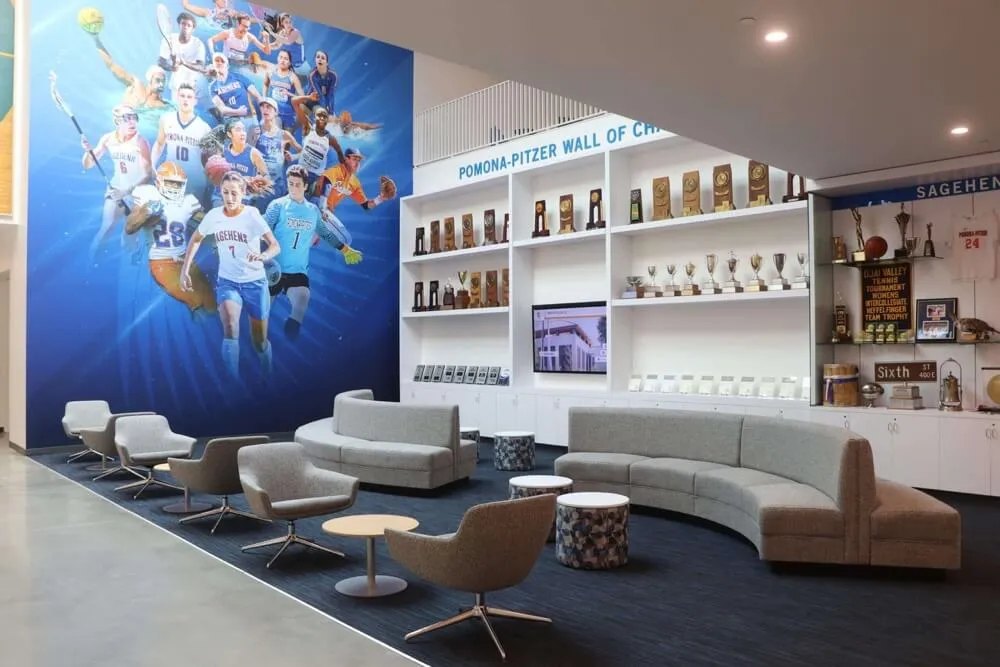
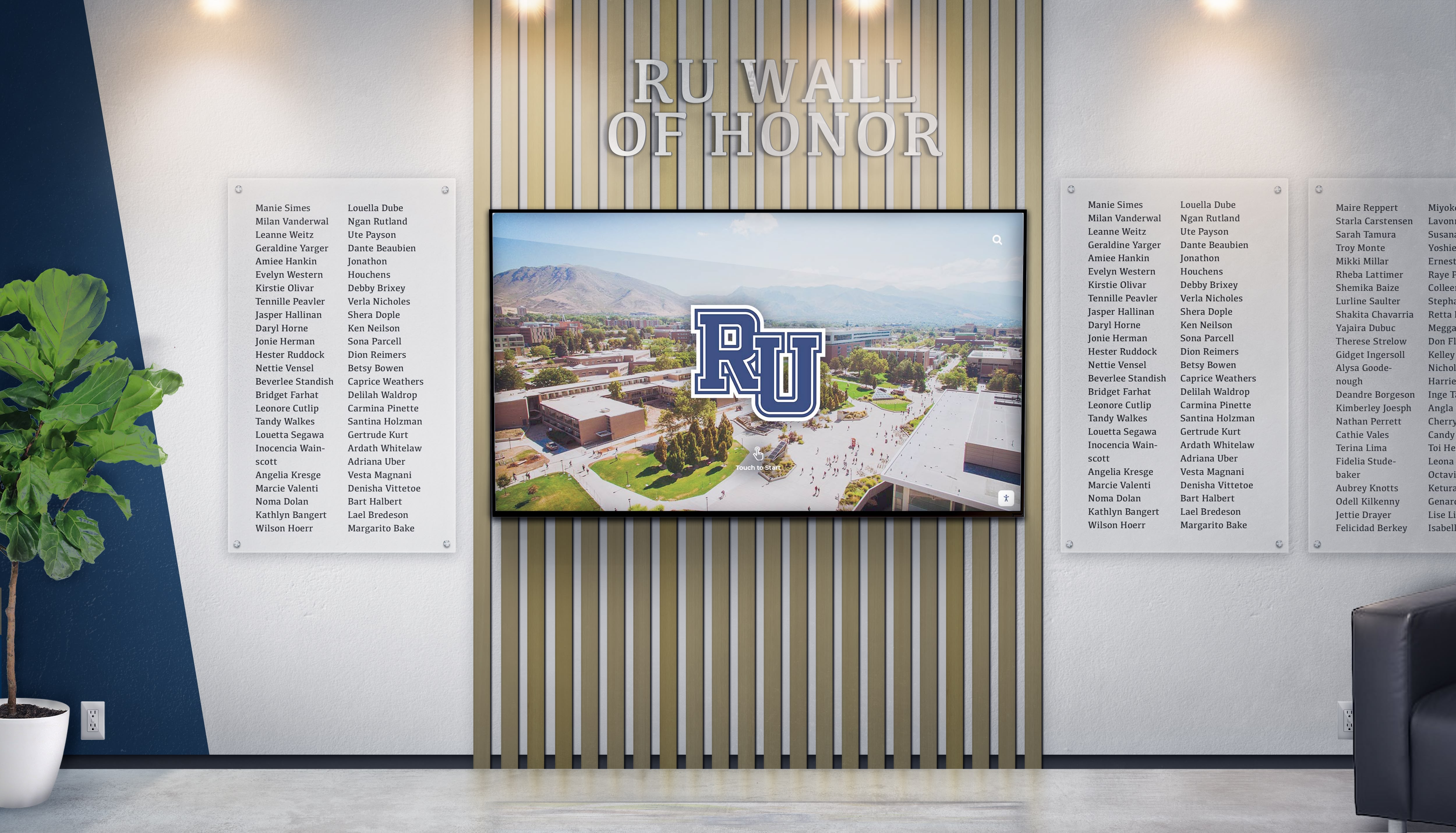
Plaque Displays: Install donor plaques on recognition walls in athletic facilities, locker rooms, or school entrances. Plaques provide permanent recognition but limited capacity creates challenges as donor lists grow over time.
Newsletter and Social Media Acknowledgment: Feature supporters in email newsletters and social media posts, extending recognition beyond physical facility visitors to broader online audiences. Digital acknowledgment enables frequent updates celebrating new contributors throughout campaign periods.
Recognition Events: Host annual donor appreciation events where supporters gather for program updates, behind-the-scenes access, coach presentations, and special acknowledgment. Personal recognition events strengthen relationships while demonstrating that appreciation matters enough to merit dedicated attention.
Modern Digital Recognition Solutions
Contemporary booster clubs increasingly adopt digital recognition platforms addressing traditional limitations while providing enhanced capabilities:
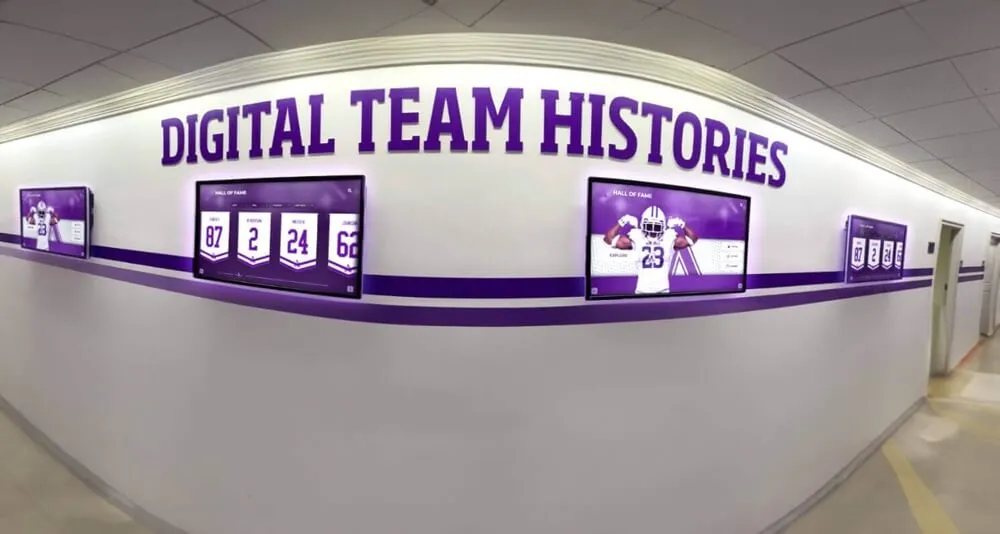
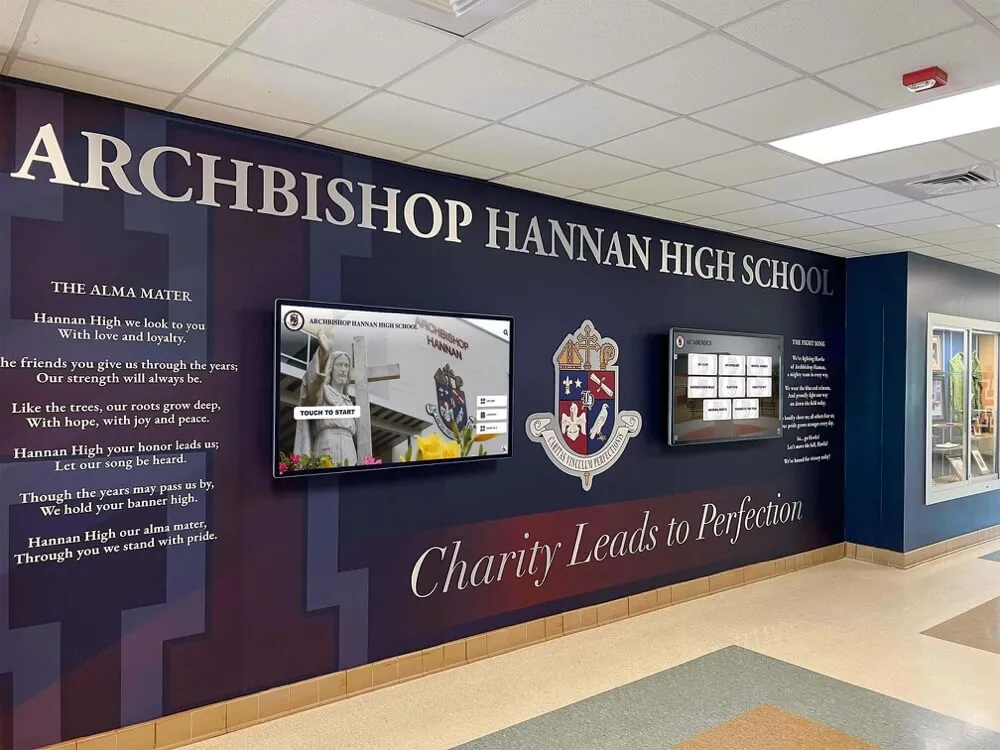
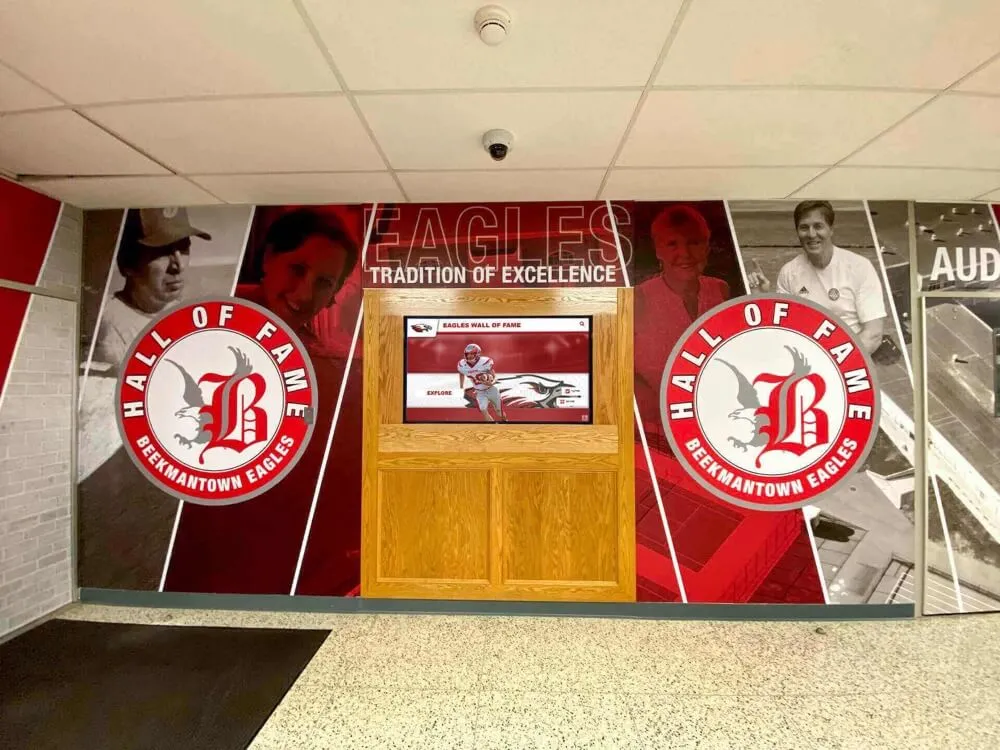
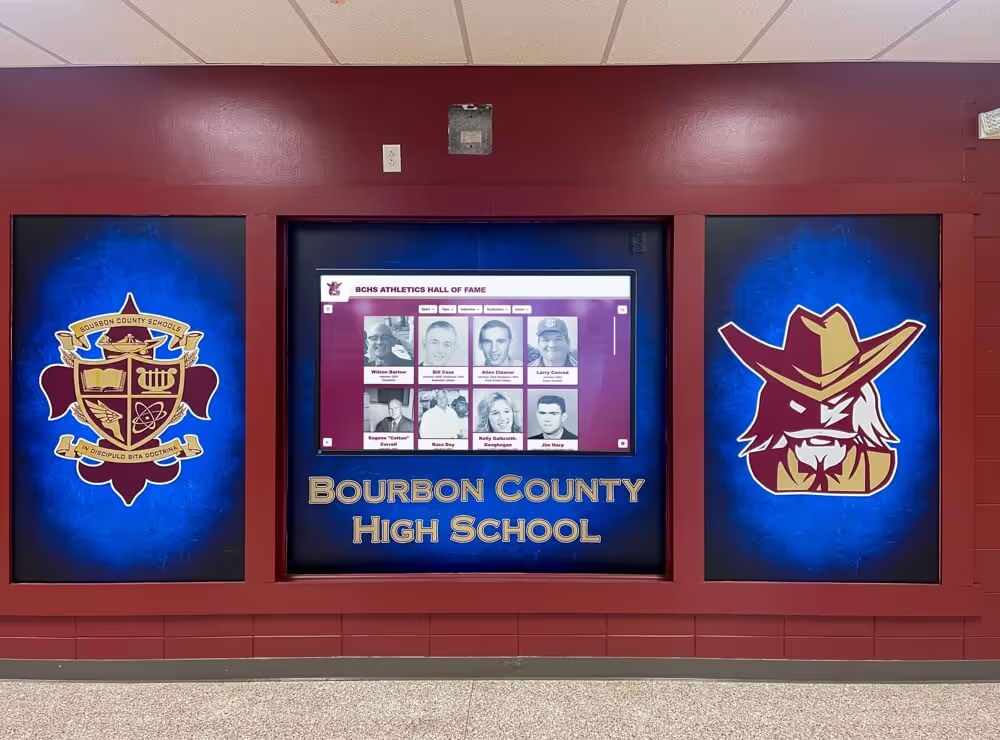
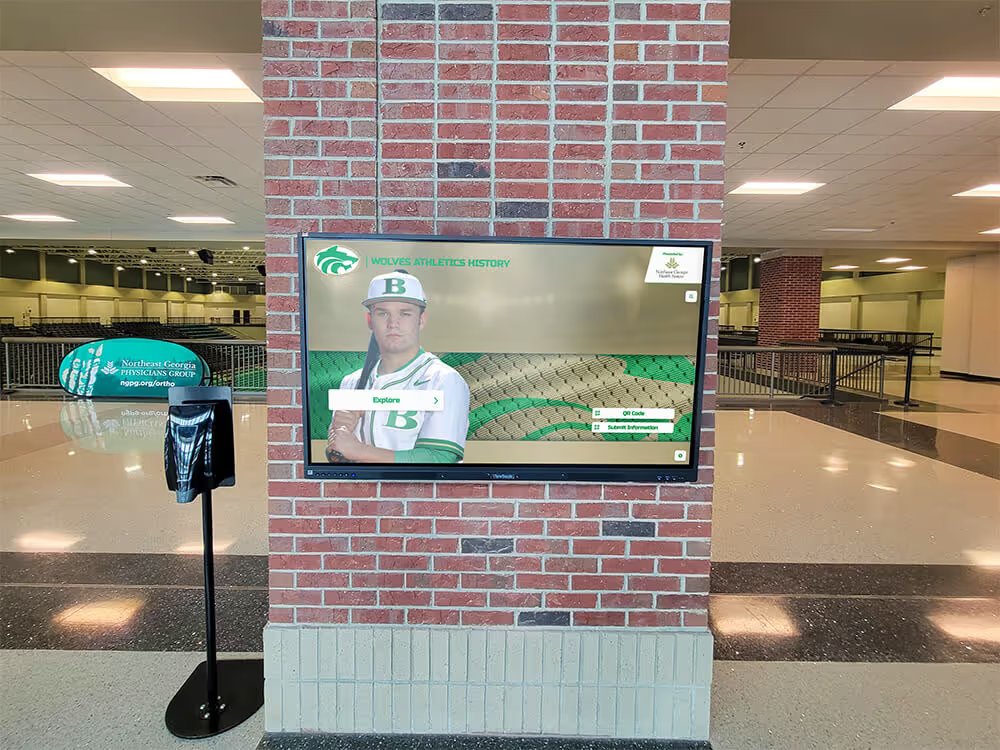
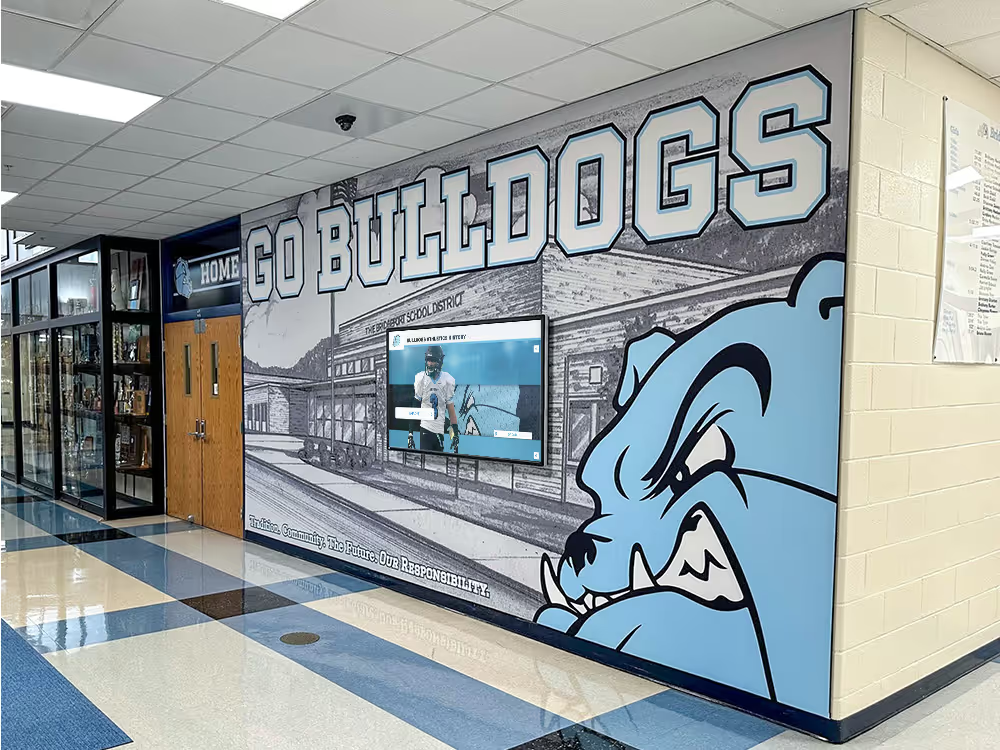
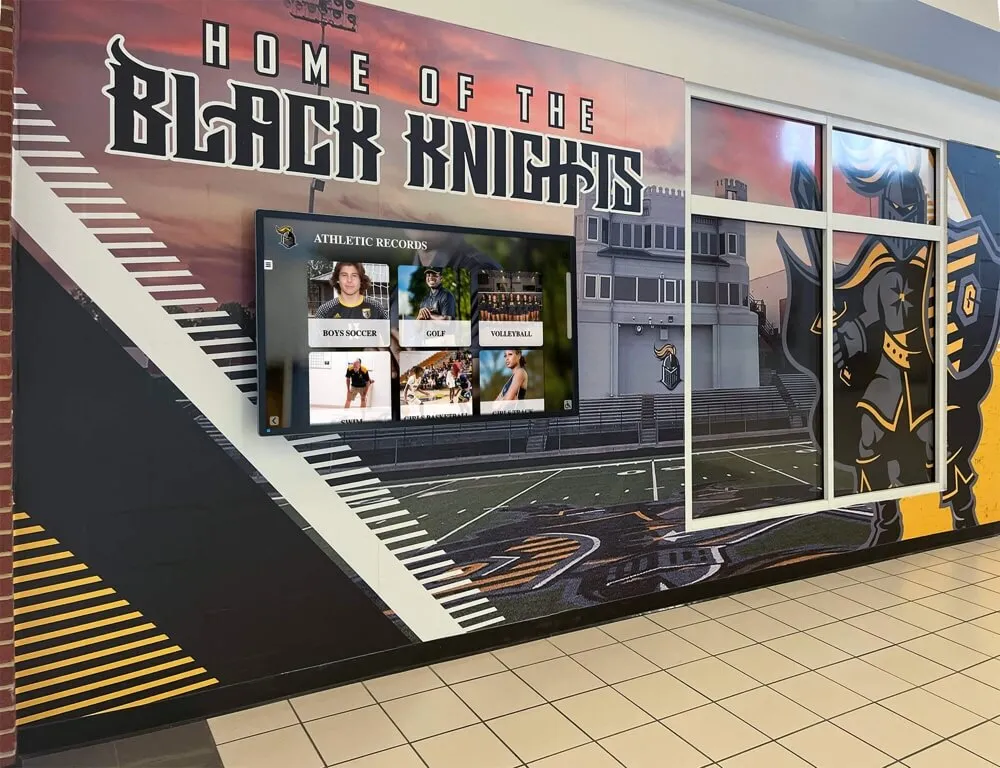
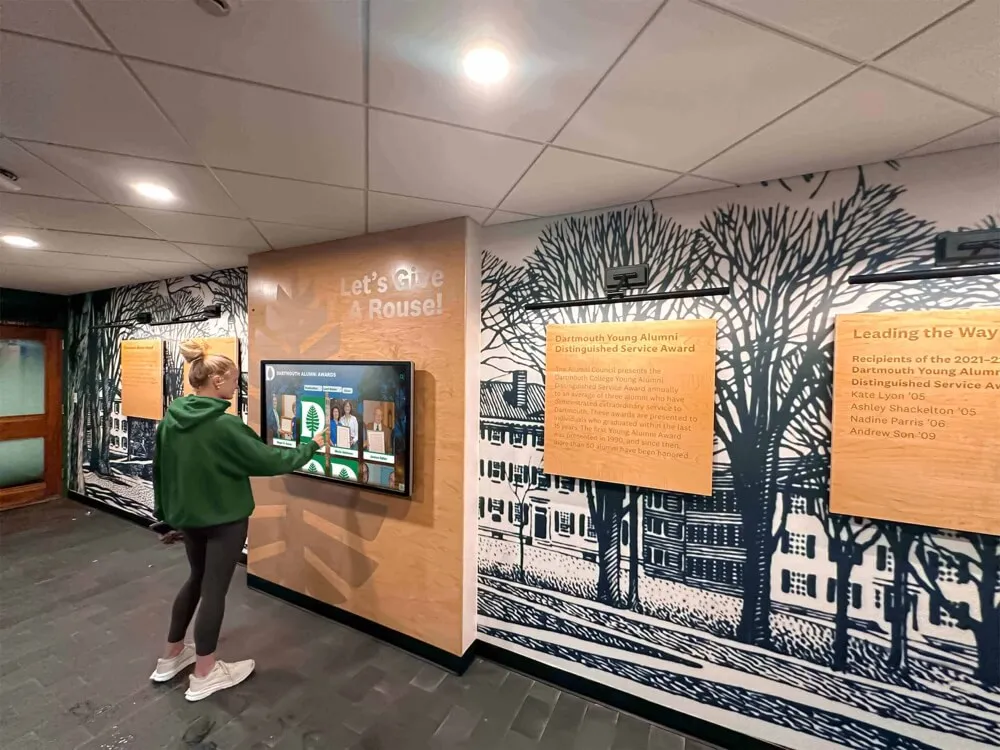
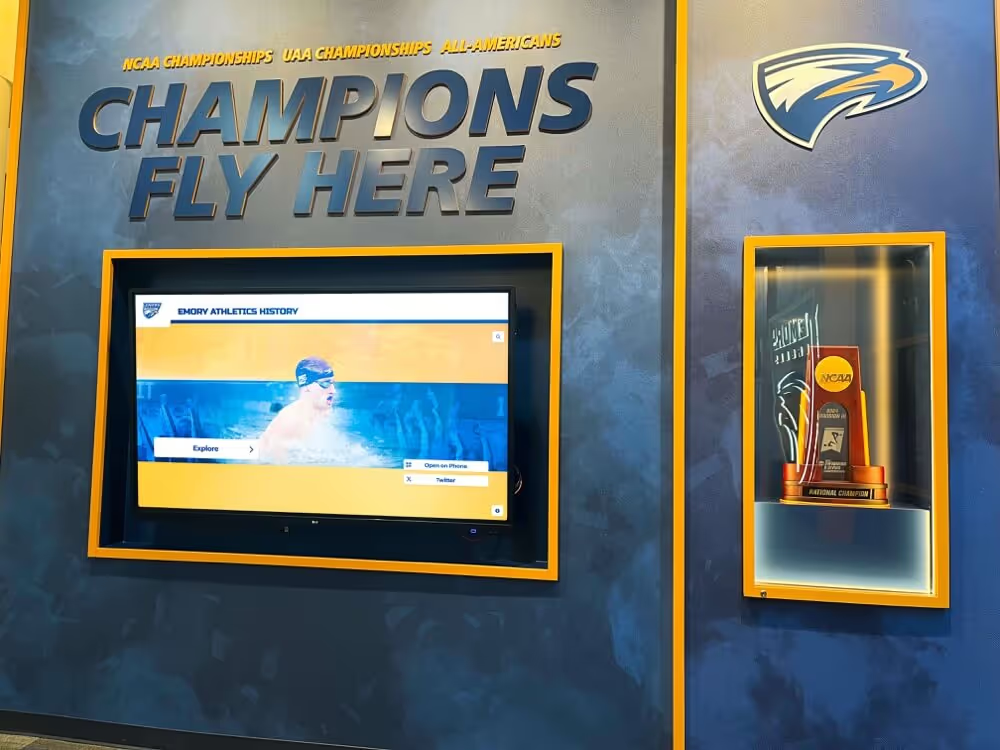
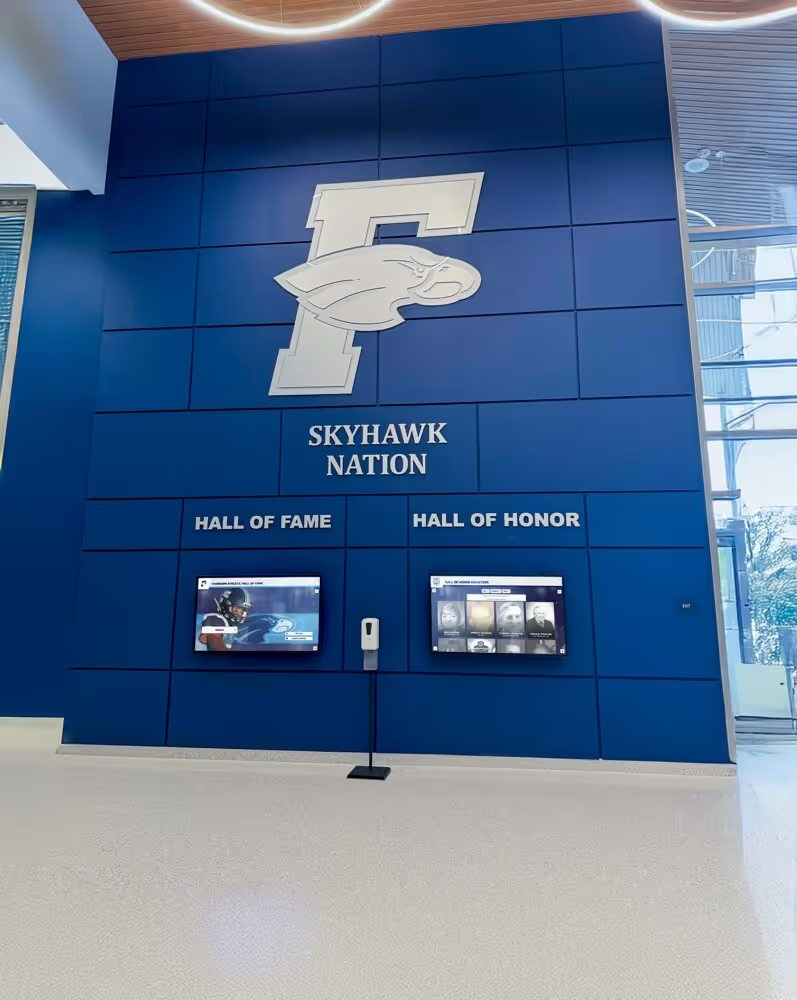
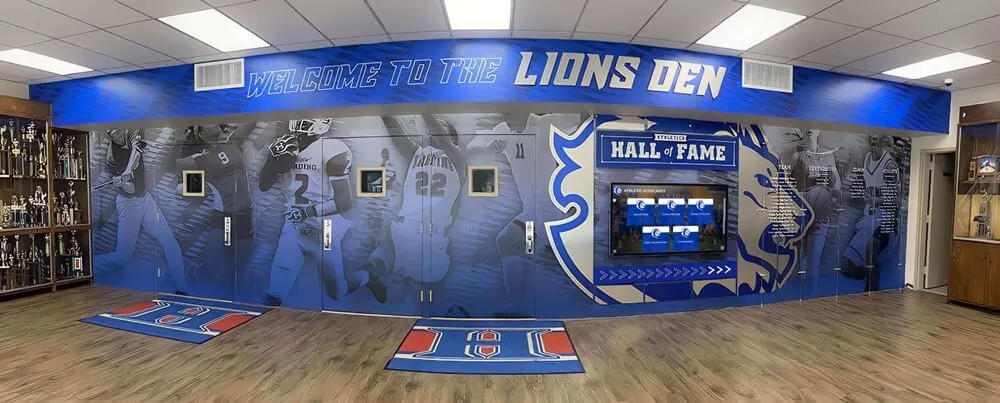
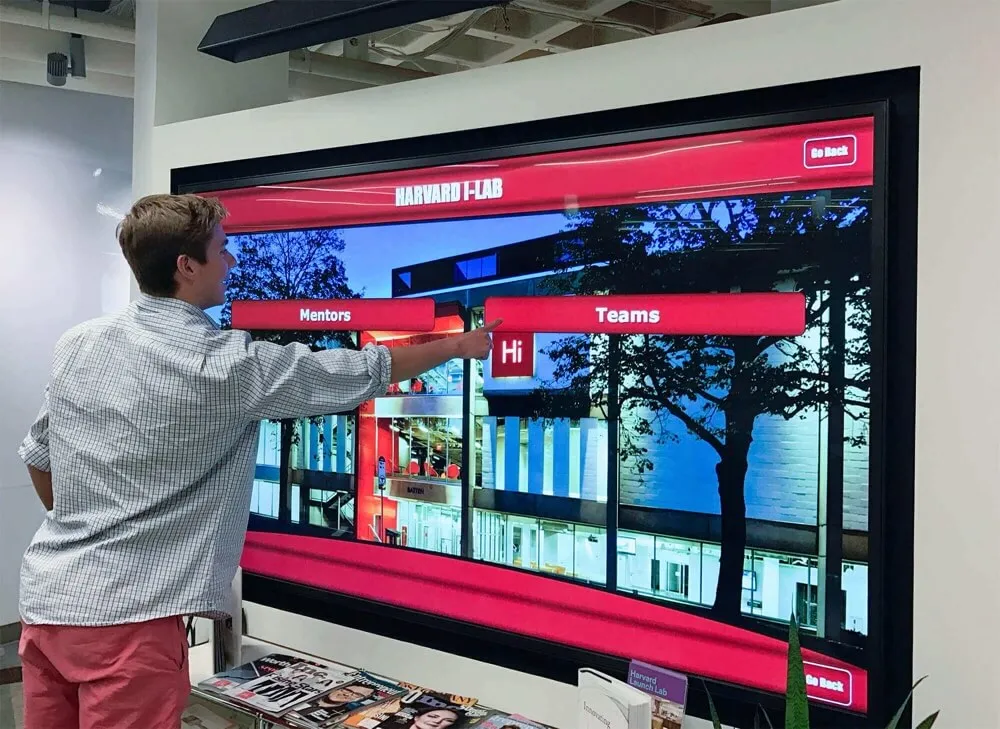
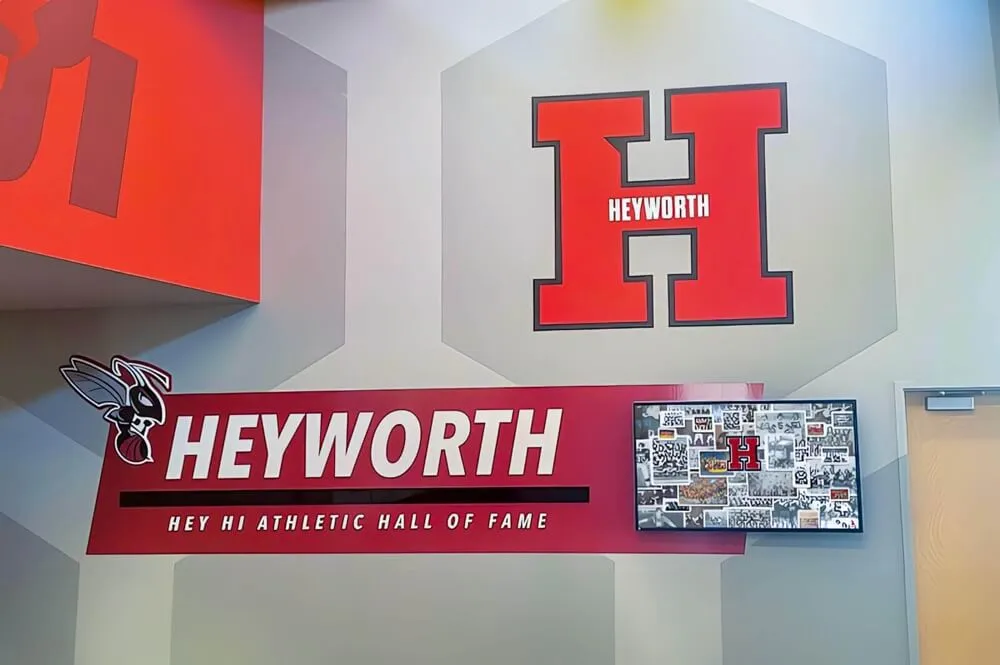
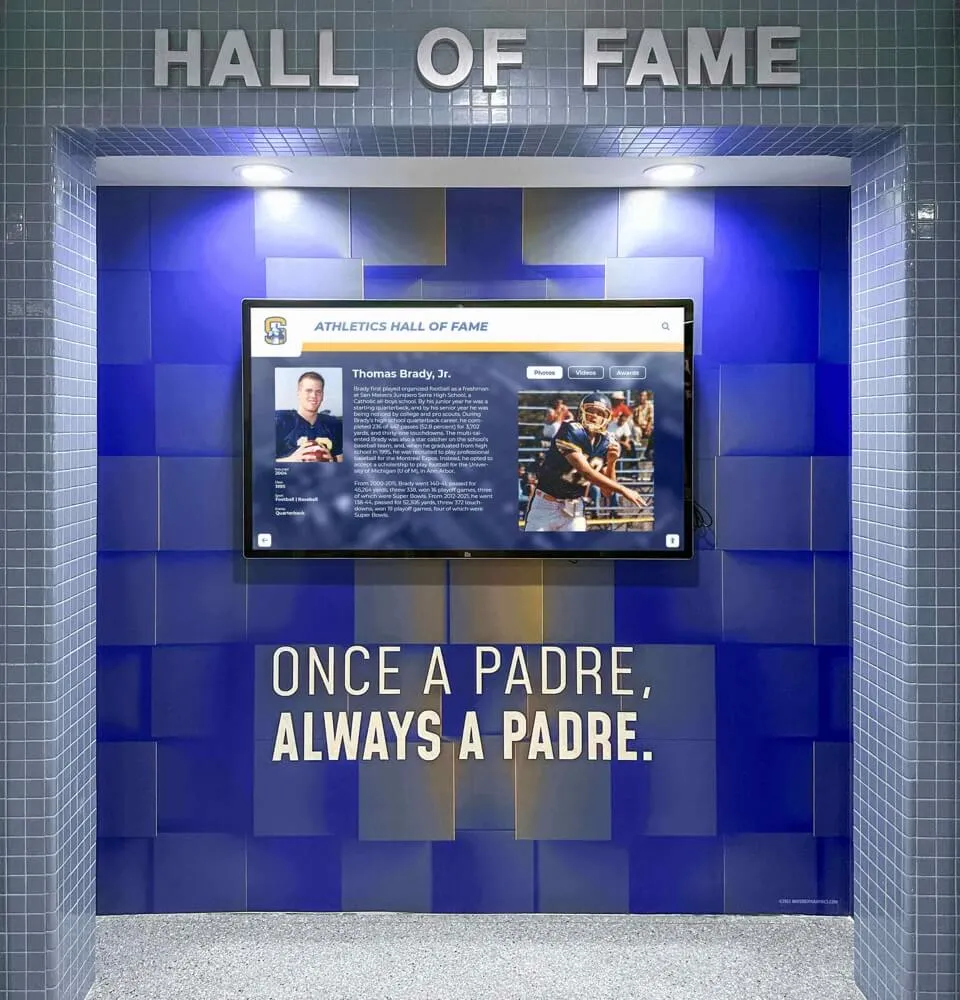
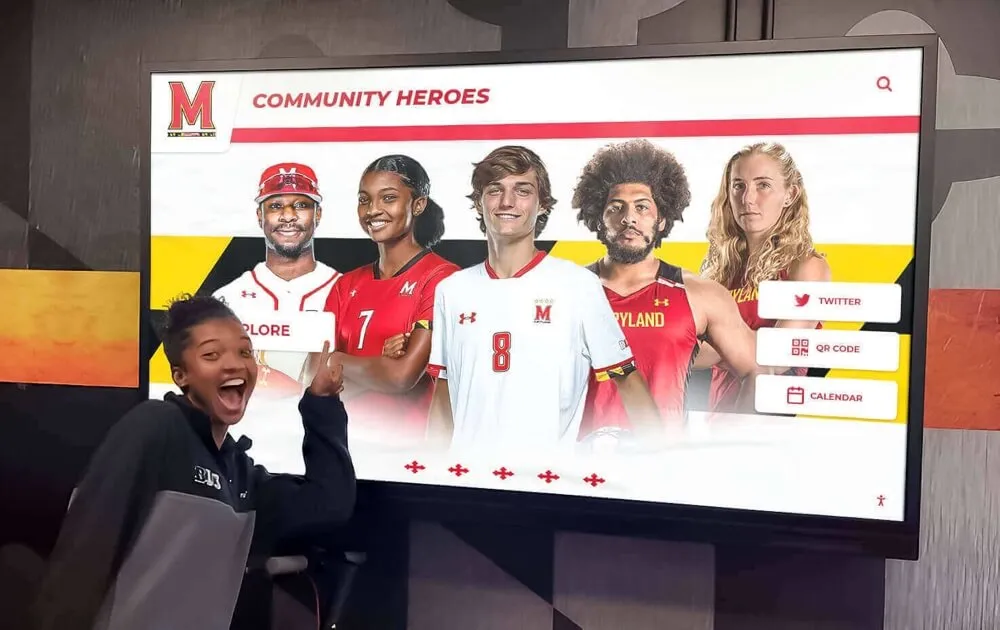
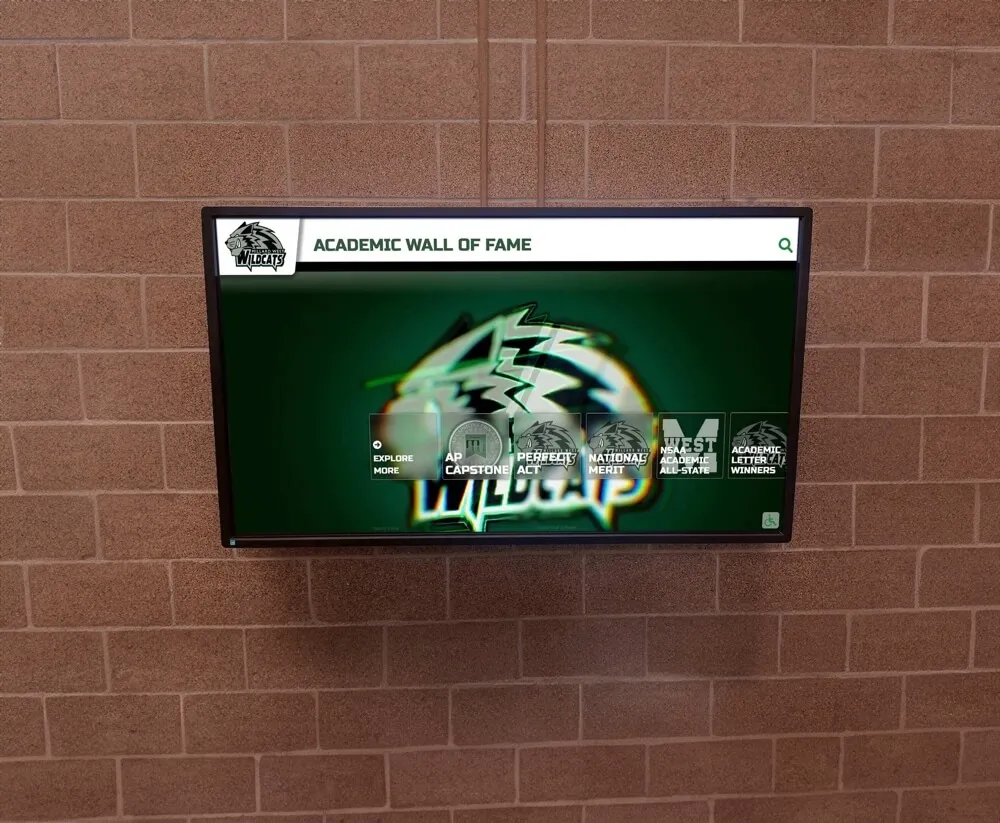
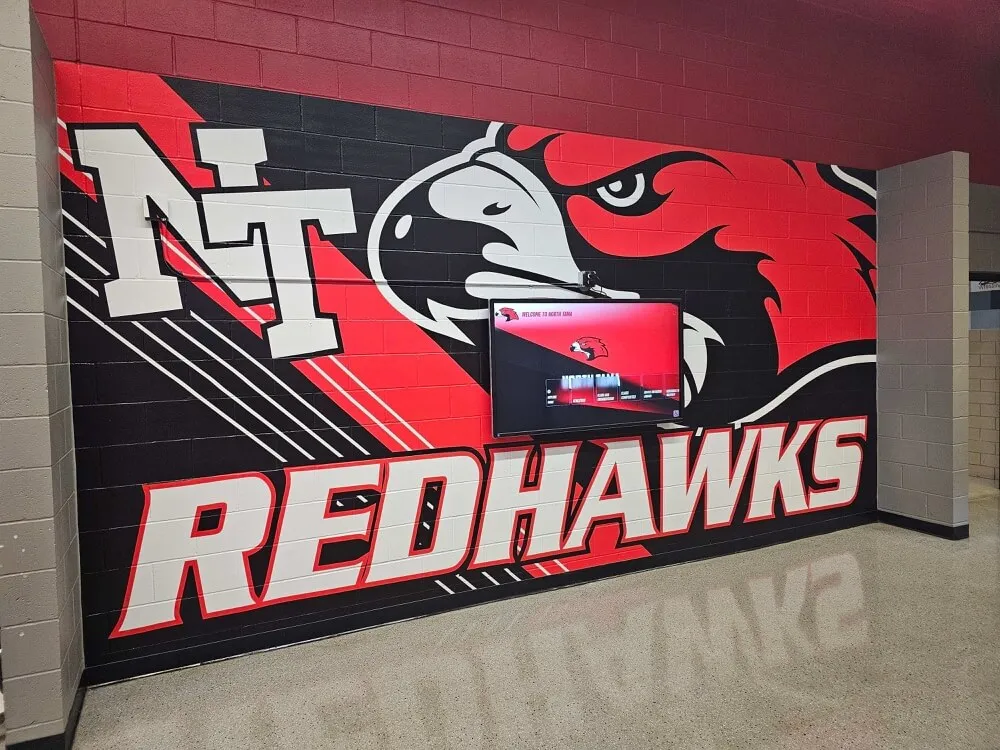
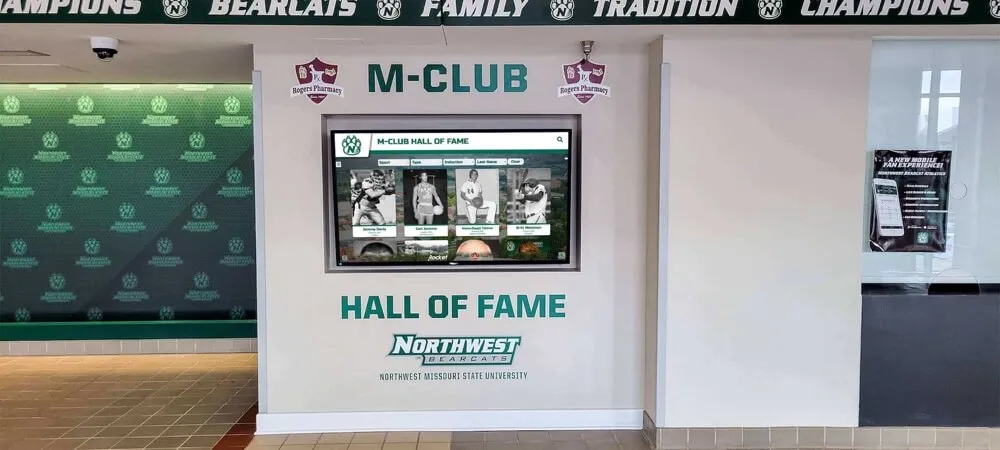
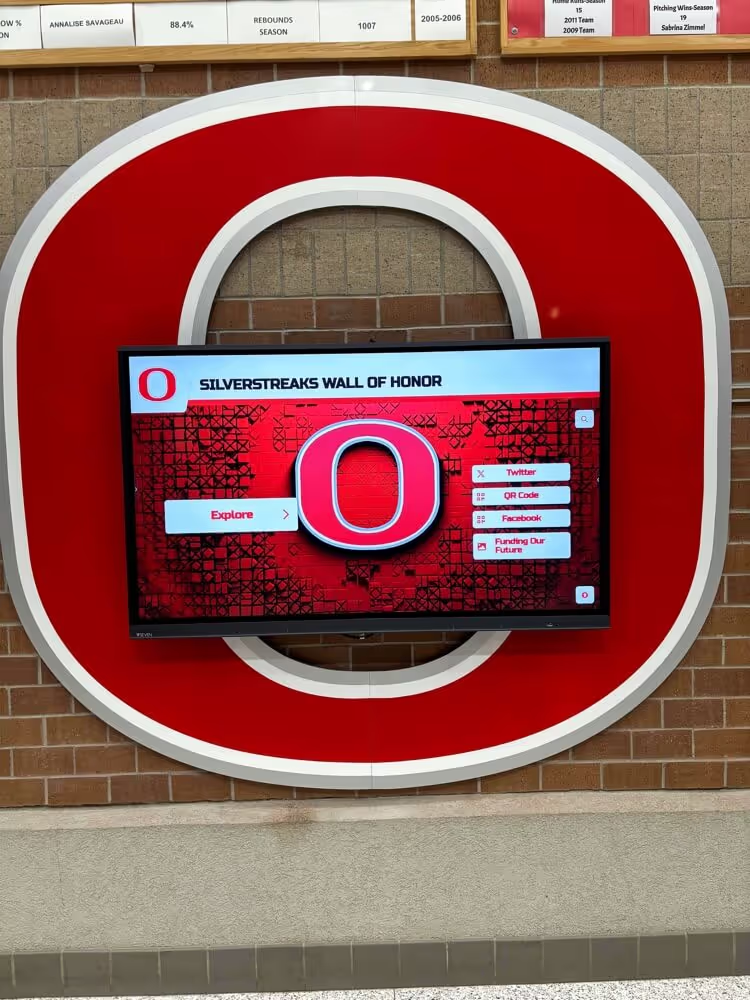
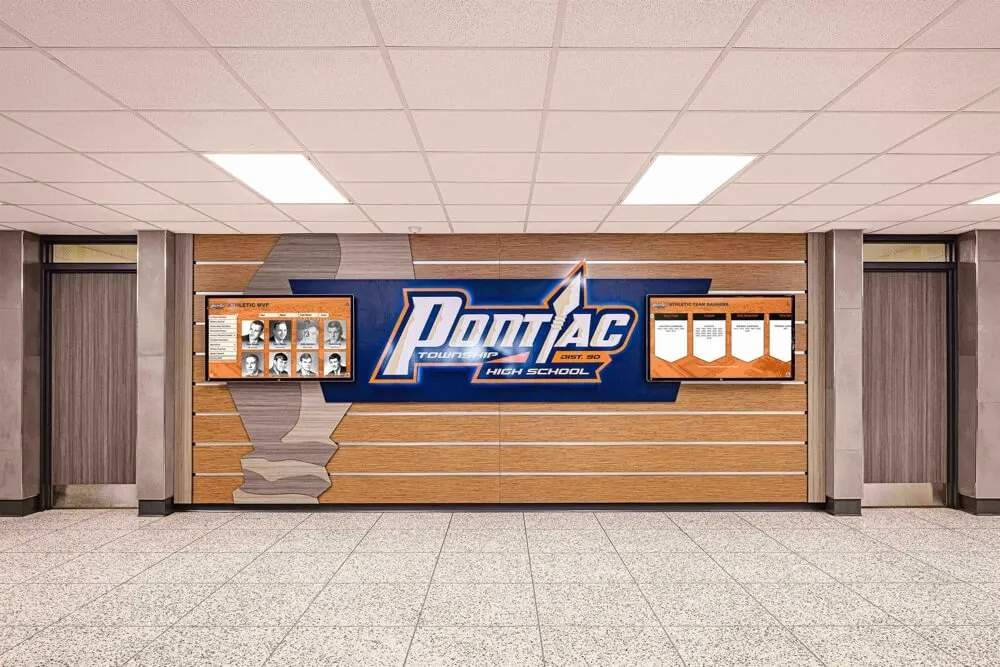
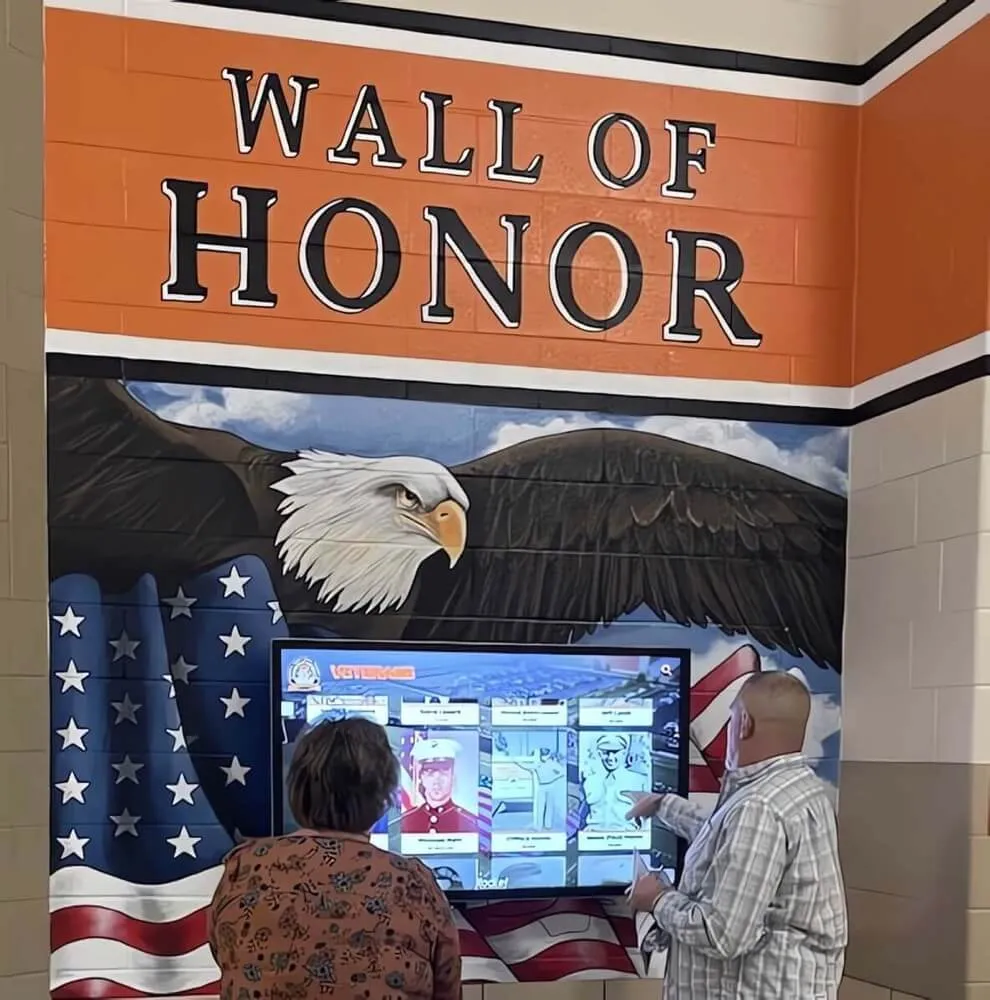
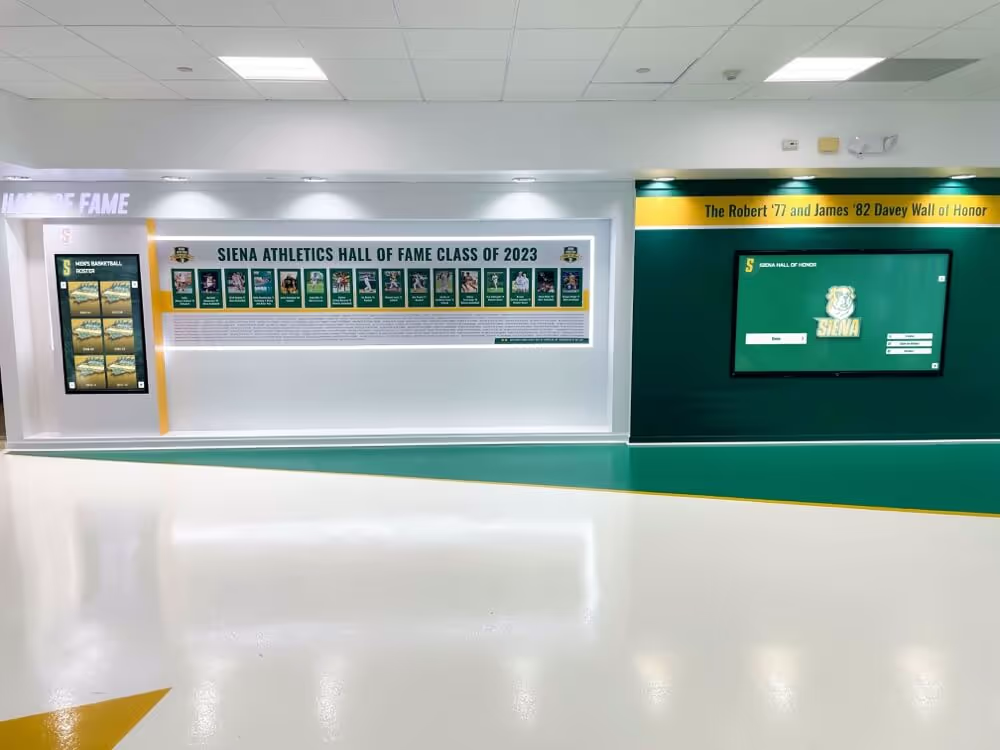
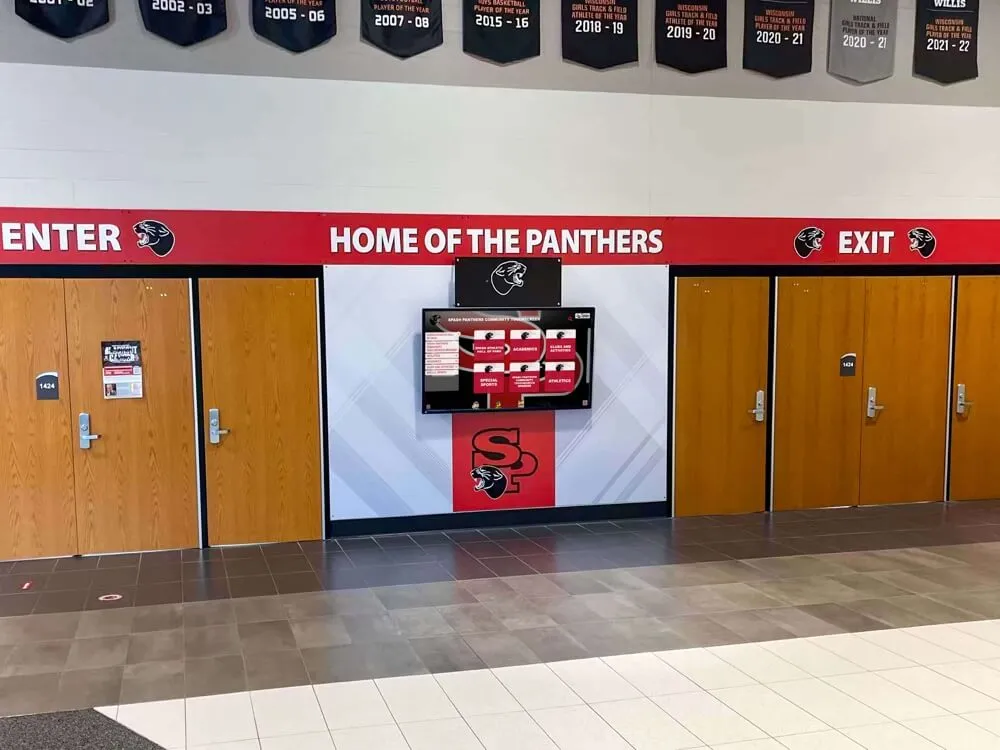
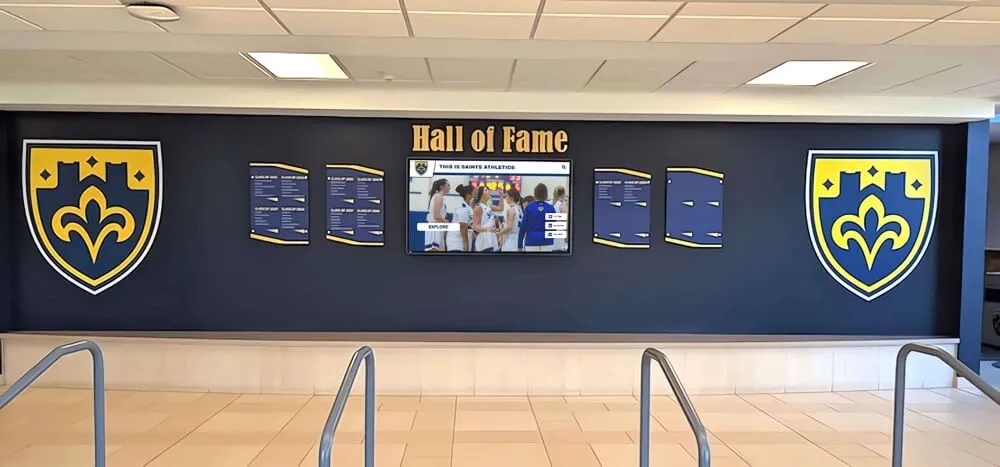
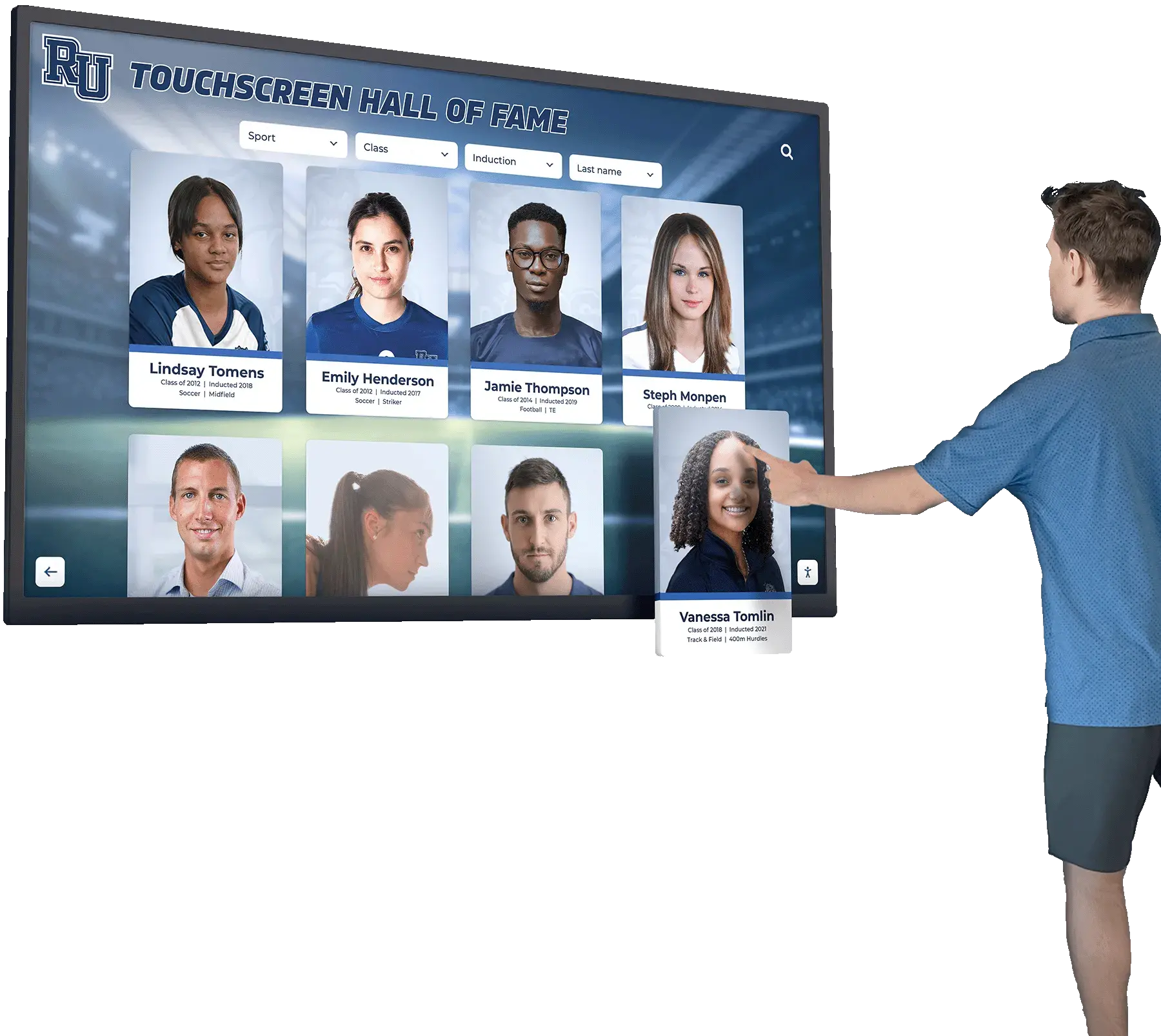
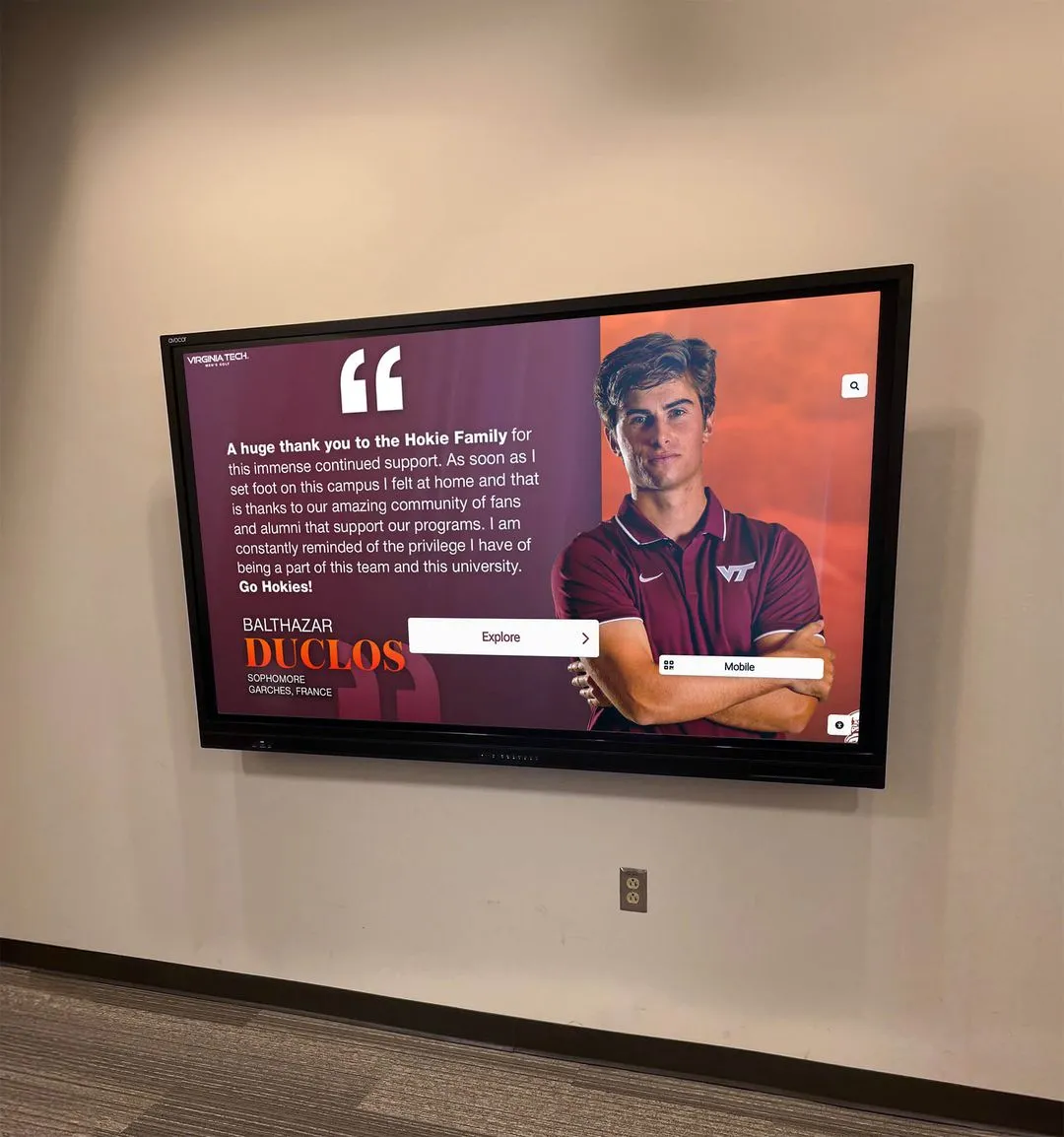
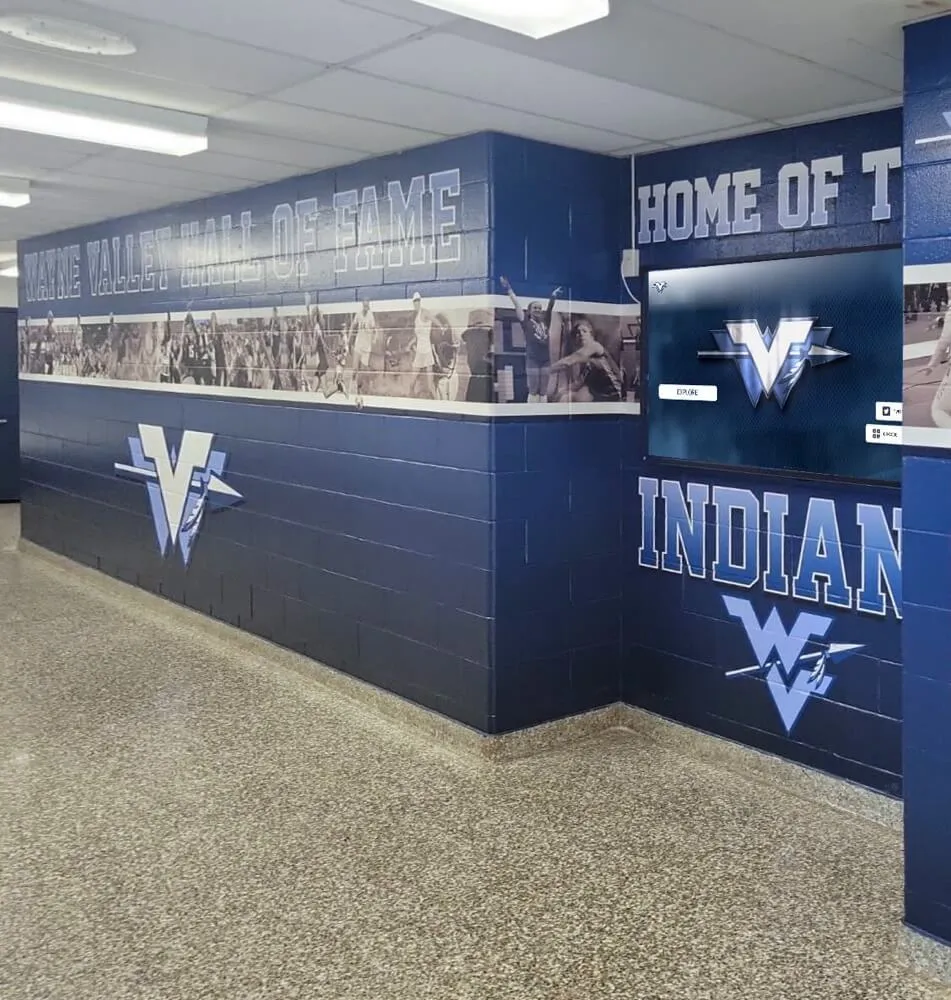
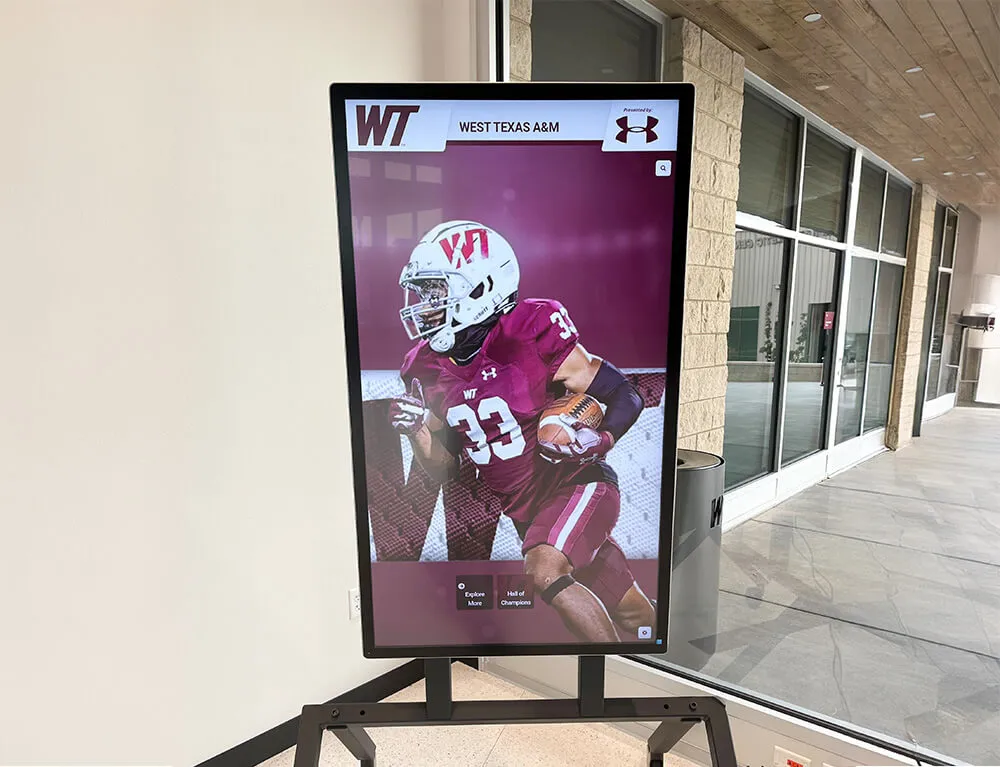
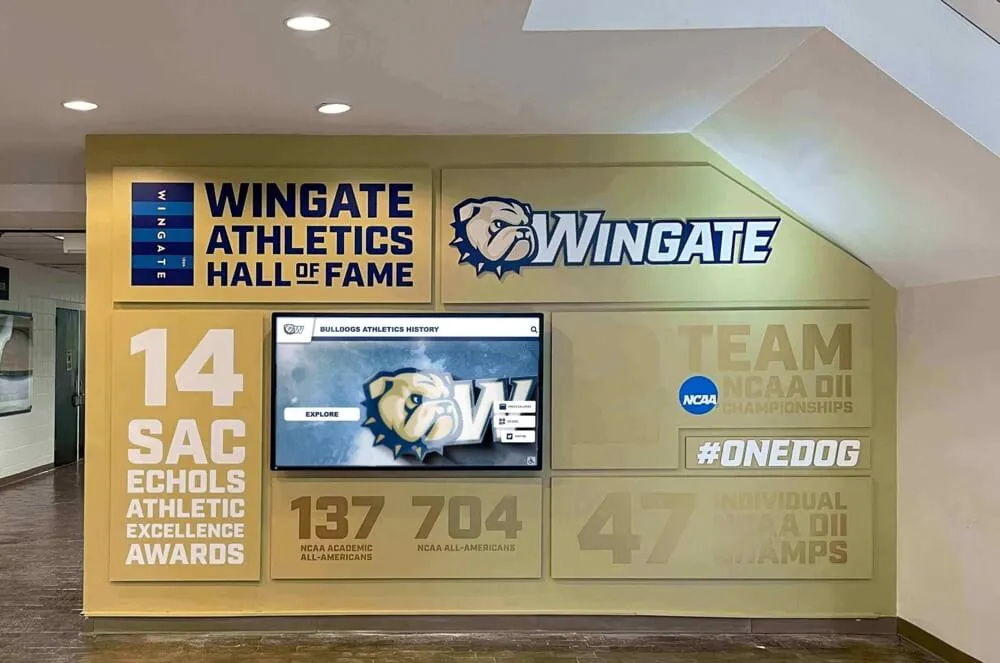
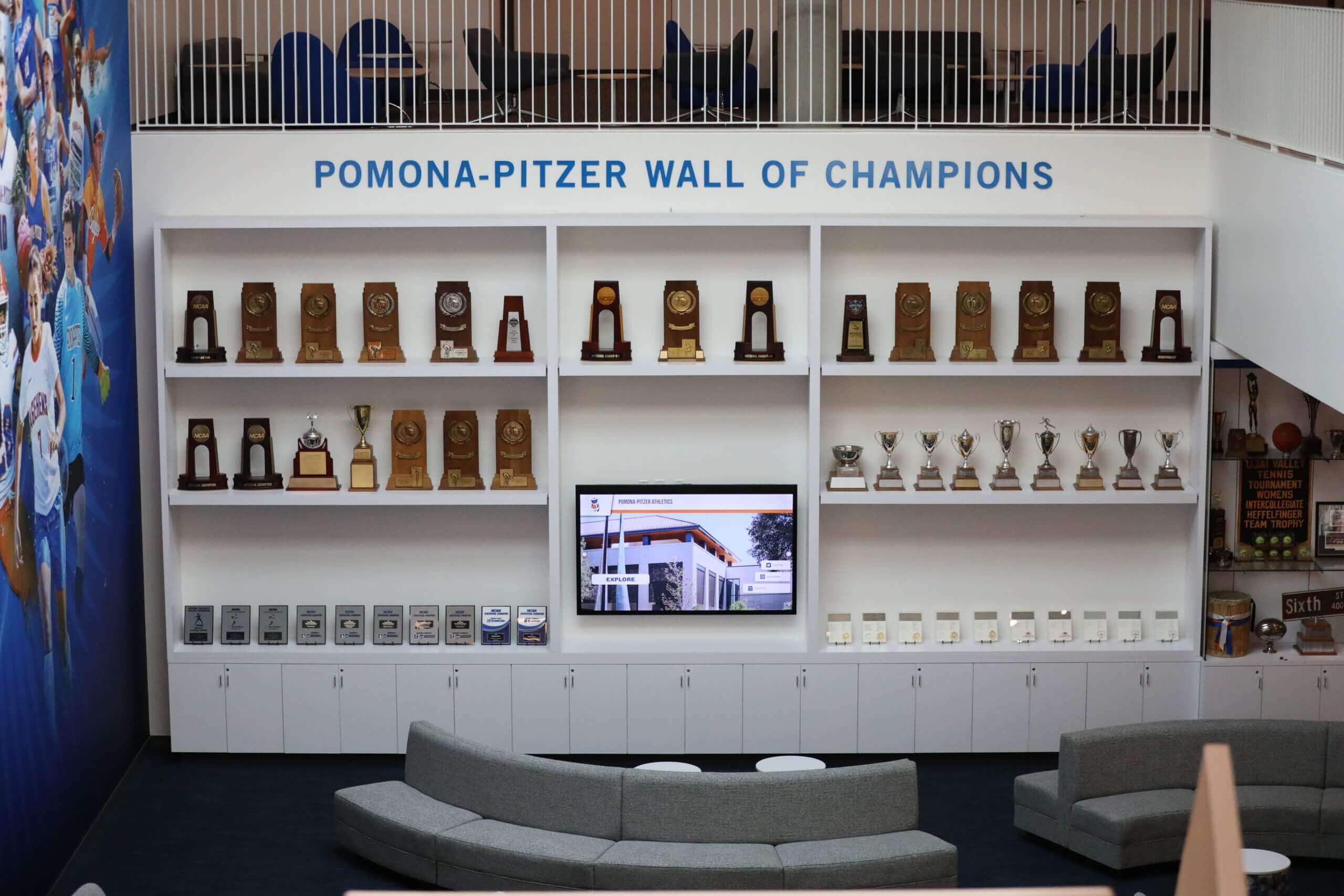
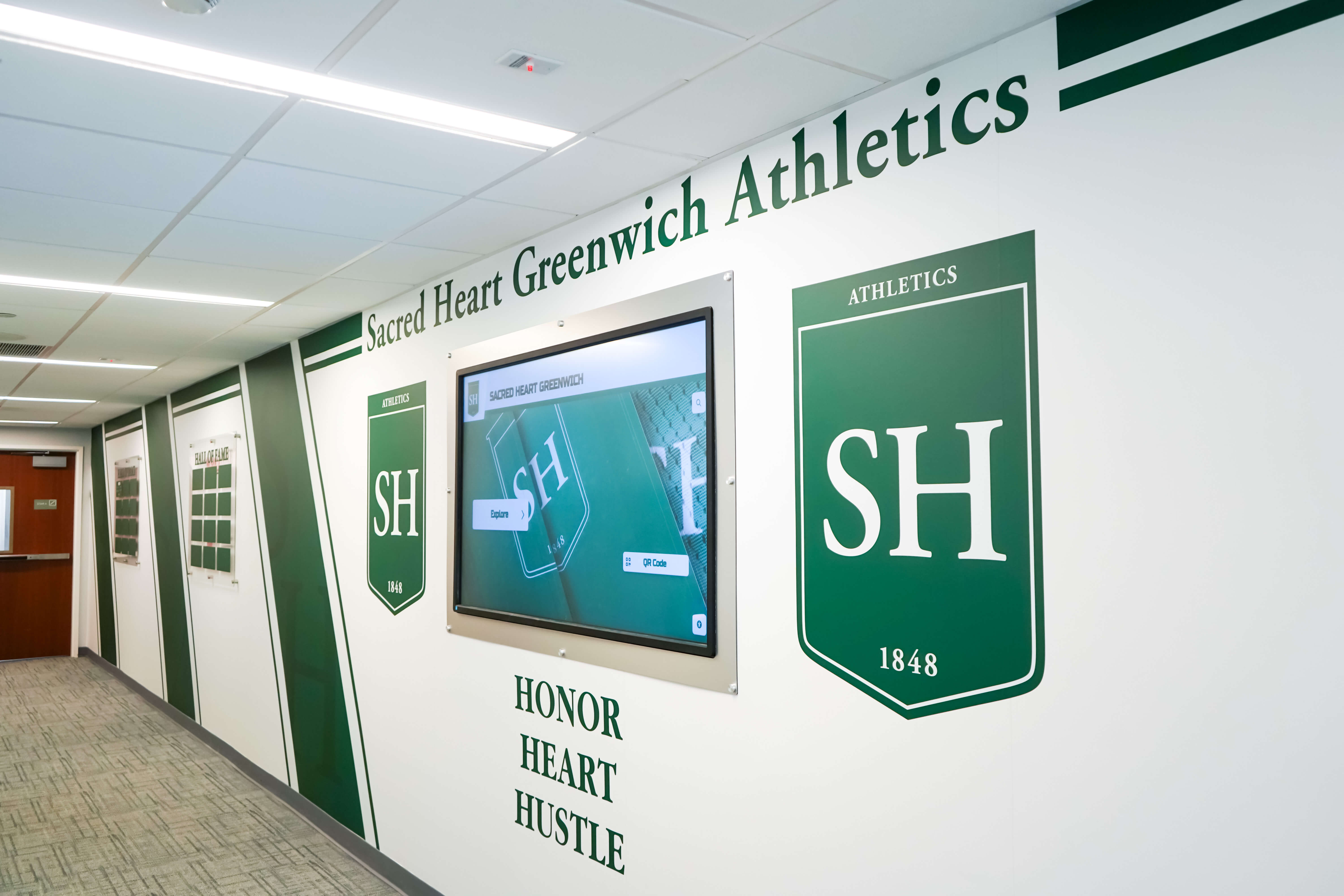
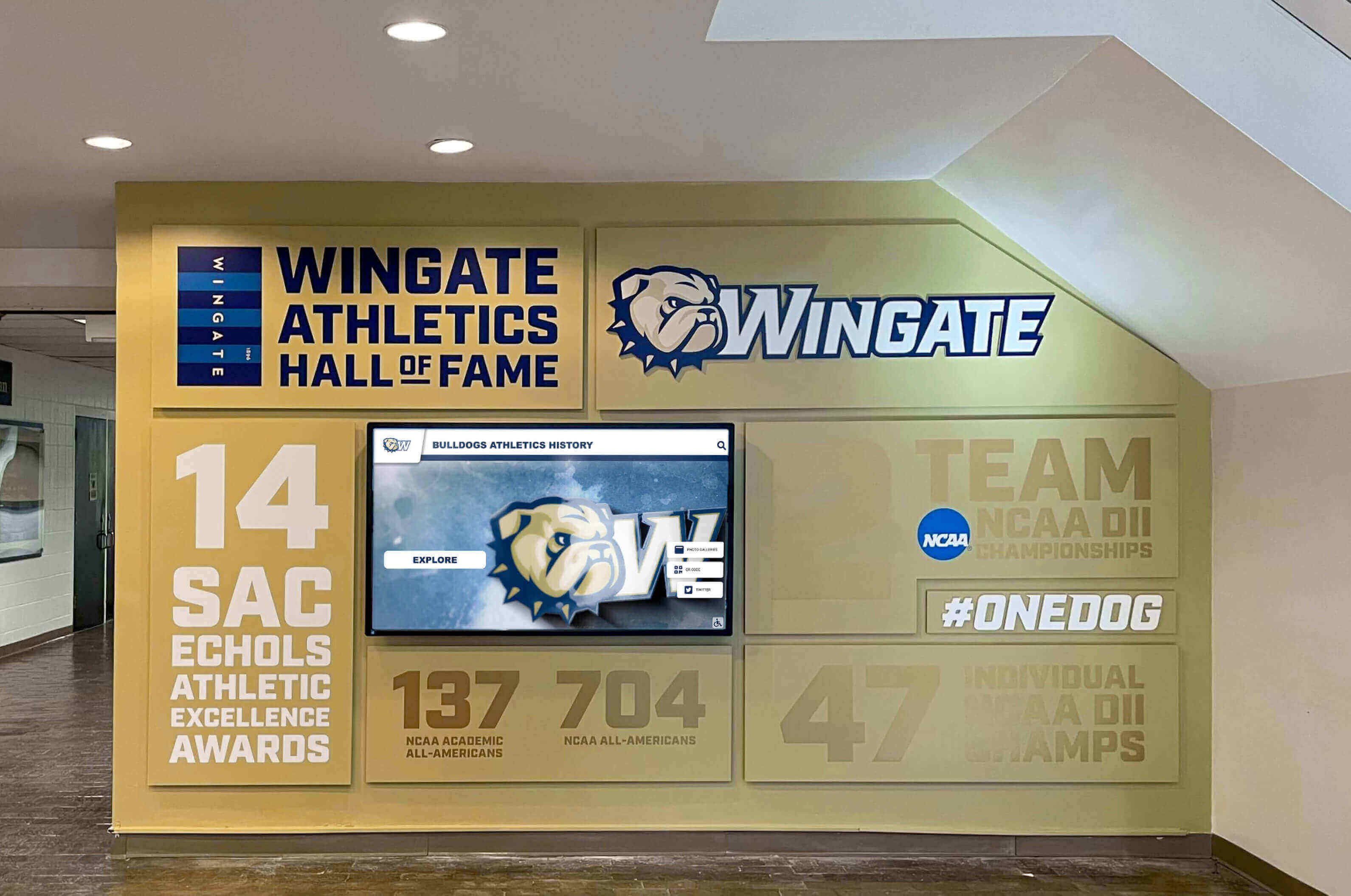
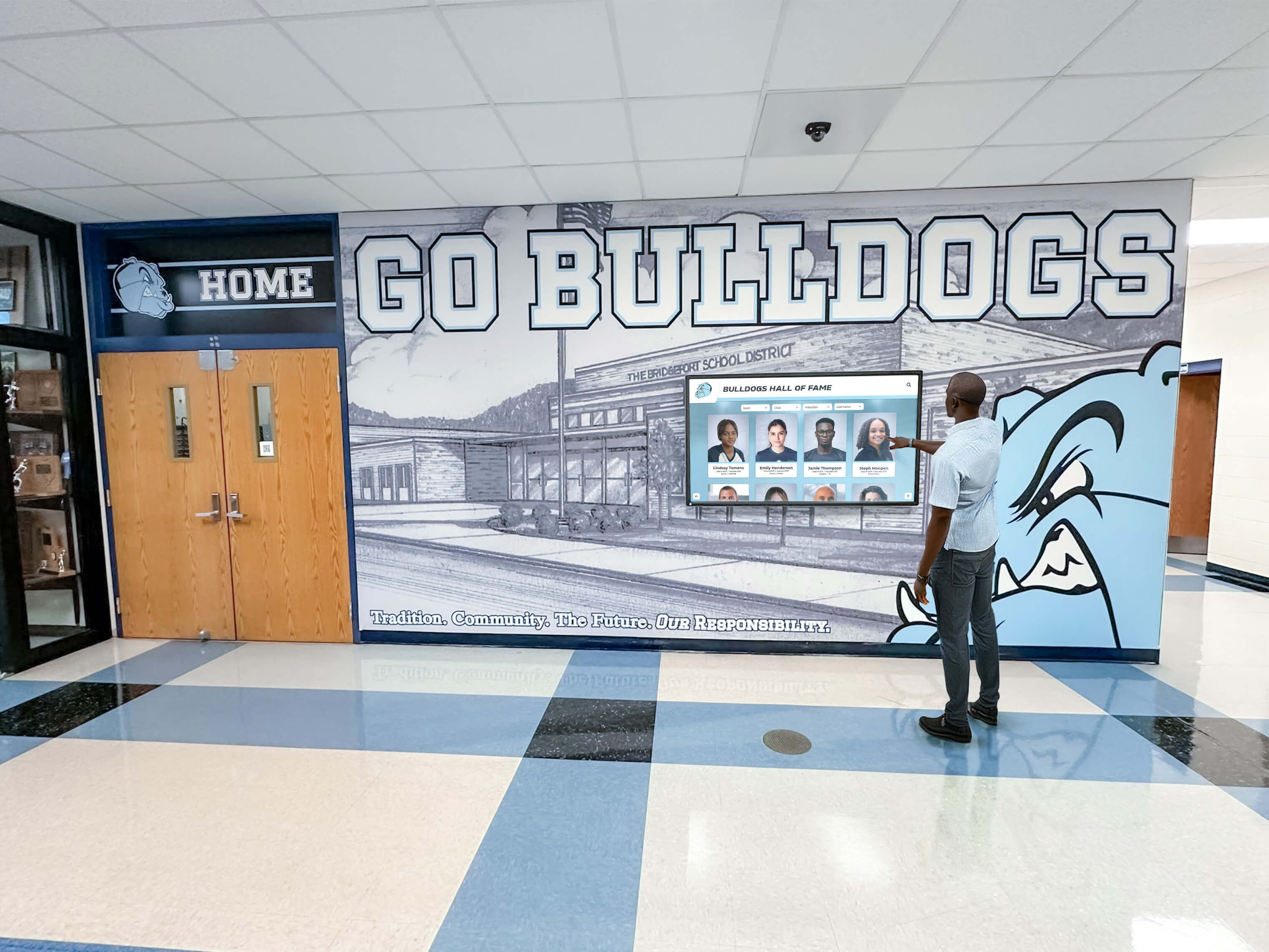
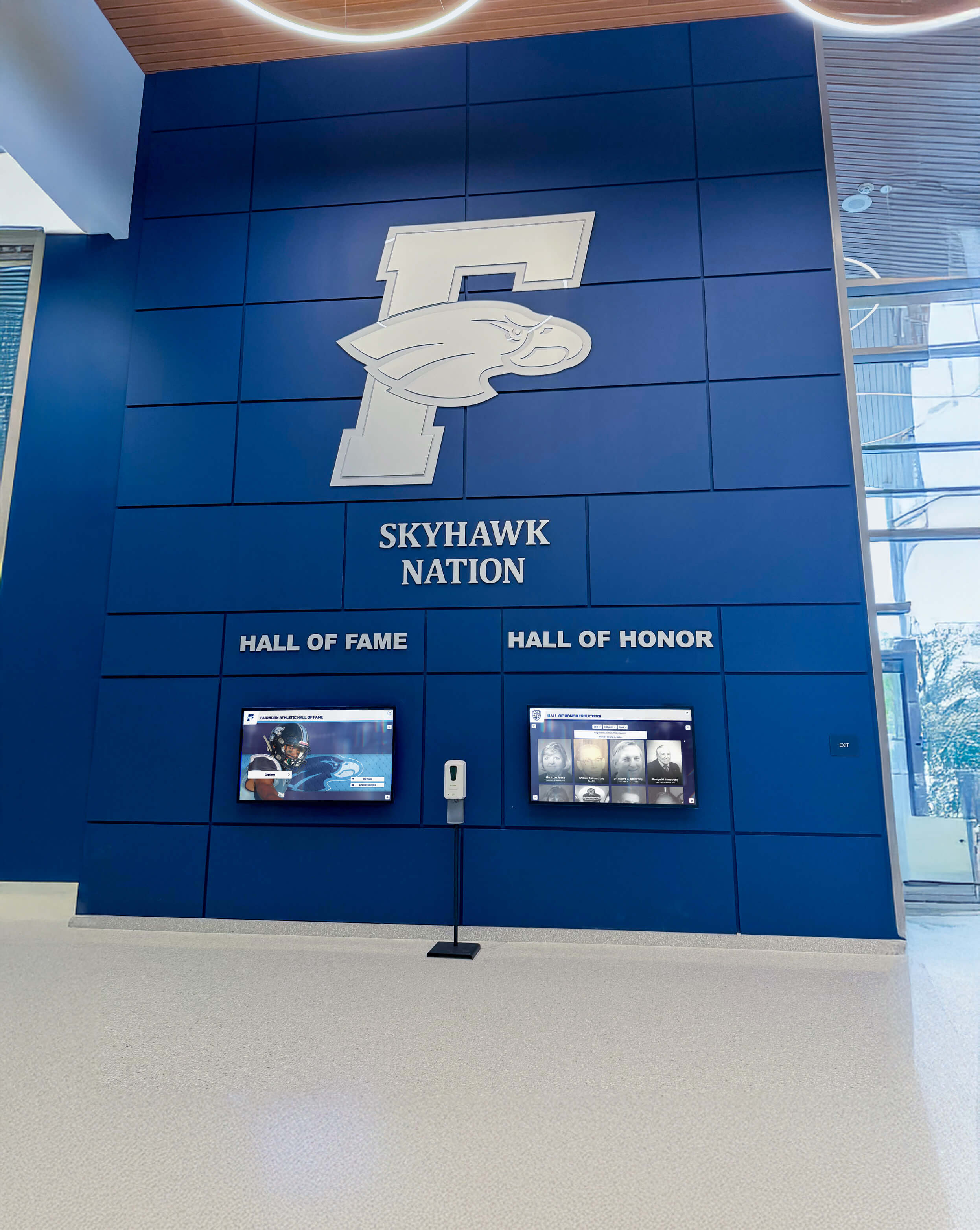
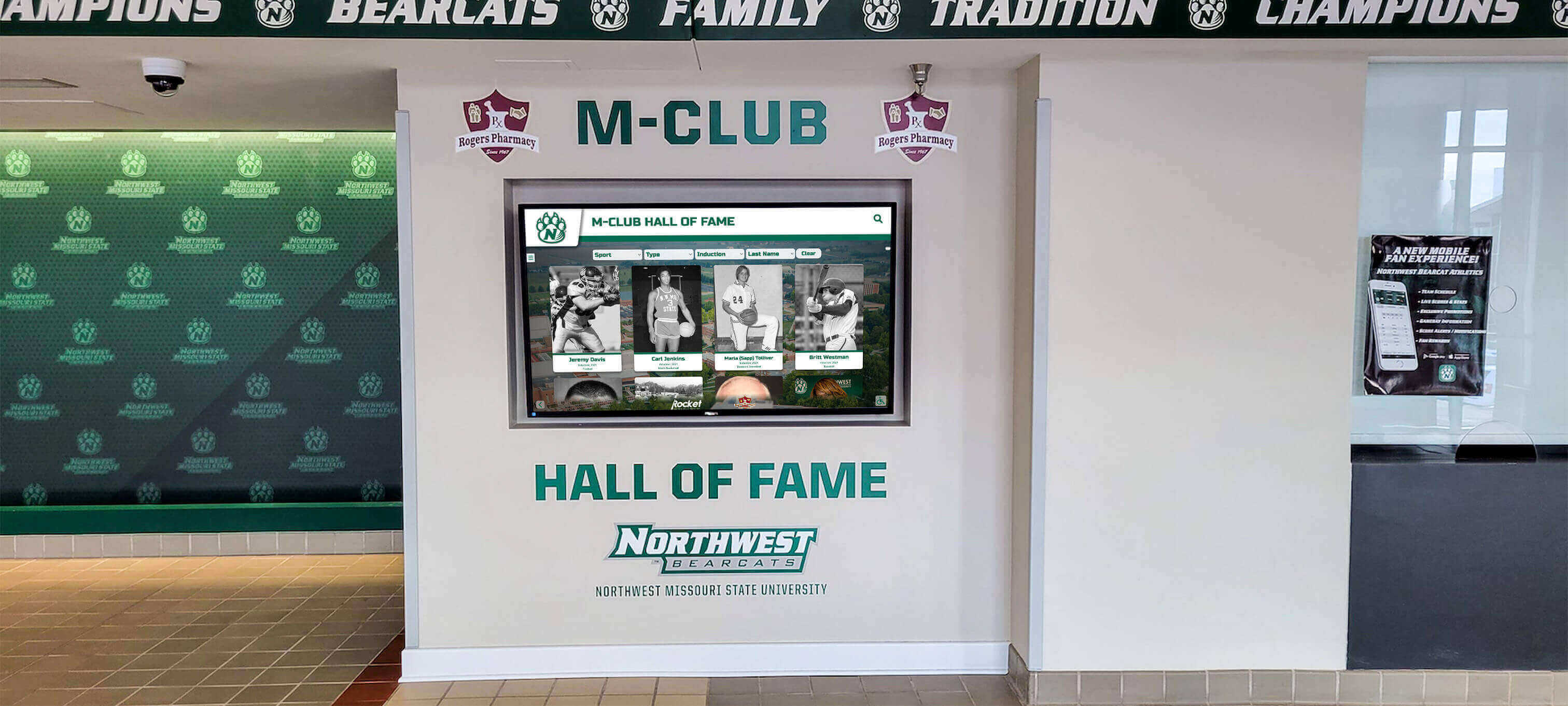
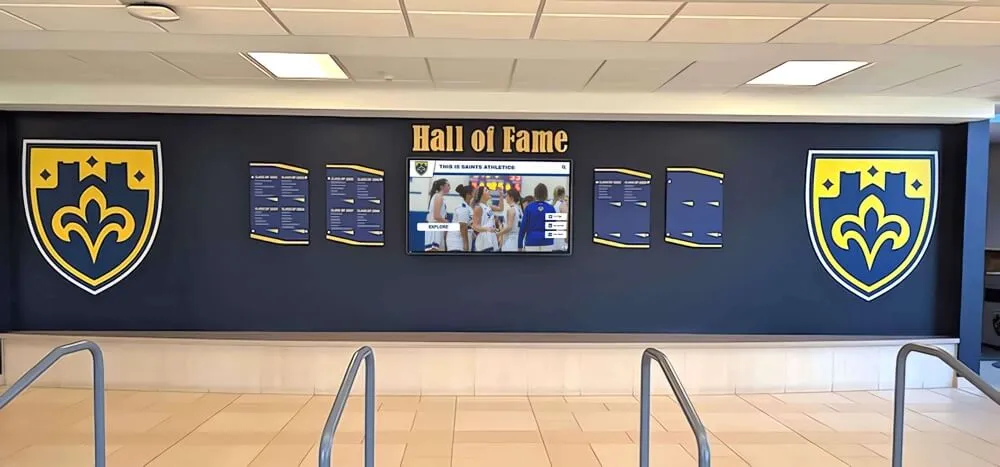
Digital Donor Walls: Interactive touchscreen systems installed in athletic facilities showcase unlimited numbers of supporters without space constraints limiting traditional plaques. Visitors can search by donor name, explore contribution histories, view business sponsor profiles, and discover detailed information about program impact. Solutions like Rocket Alumni Solutions’ digital recognition displays transform static acknowledgment into engaging experiences.
Key Digital Recognition Features:
Unlimited Capacity: Recognize every contributor regardless of donation size, from major sponsors to modest family contributions, without physical space limitations forcing difficult exclusion decisions.
Rich Media Integration: Include business logos, sponsor advertisements, photos showing funded projects, athlete testimonials, and detailed acknowledgments impossible with traditional plaques.
Easy Updates: Add new donors instantly through web-based content management systems, update contribution levels as supporters increase giving, and refresh content seasonally without fabrication delays or additional plaque costs.
Organized by Category: Present donors by contribution tier, recognition year, specific programs supported, or donor type (individuals, families, businesses), enabling visitors to explore acknowledgment matching their interests.
Impact Storytelling: Connect donations to outcomes by featuring equipment purchased, championships won, facility improvements completed, or athlete opportunities enabled, demonstrating tangible results from supporter generosity.
Web Accessibility: Extend recognition beyond physical facilities through companion websites showcasing supporters online, enabling social media sharing, and creating links booster clubs can include in email campaigns and promotional materials.
Organizations considering comprehensive recognition should explore resources about implementing donor recognition displays for booster clubs, which provide detailed guidance about platform selection, implementation planning, and recognition program management.
Recognition Program Best Practices
Regardless of methods chosen, effective recognition programs incorporate several key practices:
Prompt Acknowledgment: Thank supporters quickly after contributions arrive—within 48-72 hours when possible. Immediate gratitude creates positive emotional connection while delayed response feels perfunctory.
Tiered Recognition: Create distinct recognition levels reflecting contribution significance. Major sponsors deserve enhanced acknowledgment compared to base-level supporters, creating value differentiation justifying larger donations.
Accuracy and Correctness: Verify all names, spellings, business information, and contribution amounts carefully before publishing recognition. Errors create embarrassment undermining professionalism while suggesting insufficient attention to supporter acknowledgment.
Privacy Respect: Honor supporter preferences for anonymity or limited recognition. Some donors prefer giving without public acknowledgment while others want specific information excluded. Respecting these preferences demonstrates consideration strengthening relationships.
Regular Updates: Refresh recognition content periodically highlighting recent supporters, celebrating multi-year donors, and keeping displays feeling current rather than neglected. Dynamic recognition maintains engagement while static displays become invisible background features people stop noticing.
Step 7: Launch Operations and Build Momentum
After completing organizational groundwork, successful launches require careful planning, clear communication, and strategic early initiatives building membership and establishing credibility.
Host an Organizational Meeting
Public launch meetings introduce your booster club to communities while recruiting initial members and volunteers:
Meeting Promotion: Publicize organizational meetings through multiple channels including school communications, social media, local media, community bulletin boards, and direct outreach to known interested parents and supporters. Multiple touchpoints maximize attendance from diverse stakeholder groups.
Meeting Agenda: Structure meetings to accomplish multiple objectives:
- Welcome and introductions from founding leadership
- Presentation of organizational mission, structure, and plans
- Discussion of program needs and funding priorities
- Overview of membership benefits and giving levels
- Opportunity for questions and feedback
- Volunteer recruitment for committees and roles
- Initial membership sign-ups and contributions
Materials Preparation: Prepare professional materials including mission statements, budget projections, membership information, volunteer opportunity descriptions, and sign-up forms. Polished materials demonstrate seriousness while making participation easy.
School Participation: Invite athletic directors, coaches, principals, or school board members to attend and speak about program needs and appreciation for booster support. School endorsement strengthens credibility and demonstrates collaborative relationships.
Immediate Next Steps: Conclude meetings with clear calls to action—membership enrollment, volunteer sign-ups, committee participation, or initial contributions. Momentum from successful meetings dissipates quickly unless translated into concrete next steps.
Establish Communication Channels
Consistent communication keeps members engaged, supporters informed, and community awareness high:
Website Development: Create professional websites serving as central information hubs featuring mission and leadership information, membership options and enrollment, event calendars and details, impact stories and program updates, sponsor recognition, contact information, and online giving capabilities. Simple website builders like Wix, Squarespace, or WordPress enable attractive sites without requiring technical expertise.
Email Newsletter: Launch regular email newsletters (monthly or quarterly) updating supporters about program developments, fundraising progress, upcoming events, and impact stories. Email remains among the most effective channels for nonprofit communications despite social media proliferation.
Social Media Presence: Establish social media accounts on platforms popular in your community (typically Facebook and Instagram for booster clubs) sharing program highlights, event announcements, athlete features, and supporter recognition. Consistent posting maintains visibility while humanizing organizations through storytelling.
Program Partnerships: Coordinate with schools to include booster information in athletic program communications, school newsletters, and promotional materials. Partnership amplification extends reach beyond booster-only channels while demonstrating school endorsement.
Early Fundraising Initiatives
Strategic initial fundraising establishes financial foundations while demonstrating organizational capability:
Membership Drive: Launch intensive membership recruitment campaigns targeting current parents, alumni, local businesses, and community members. Personal outreach from board members and volunteers converts better than passive announcements, so assign volunteers specific recruitment targets.
Quick Win Projects: Select initial funding projects offering visible impact demonstrating organizational effectiveness. Early success stories—new equipment, facility improvements, or digital recognition displays—build credibility encouraging additional support.
Corporate Sponsor Recruitment: Begin business sponsor cultivation focusing initially on companies with existing school connections—athlete family businesses, school vendors, or companies with community investment programs. Early sponsor successes provide testimonials attracting additional business support.
Event Planning: Organize first signature fundraising events establishing annual traditions. Allow adequate planning time ensuring successful execution creating positive first impressions. Well-executed initial events build momentum while poorly planned efforts damage credibility difficult to recover.
Step 8: Maintain Compliance and Sustainability
Long-term booster club success requires ongoing attention to legal compliance, governance best practices, and organizational development preventing problems common among volunteer-led organizations.
Annual Compliance Requirements
Nonprofit organizations face recurring compliance obligations requiring consistent attention:
Tax Filings: Submit annual Form 990 filings to the IRS by the 15th day of the 5th month after fiscal year ends (typically May 15 for calendar-year organizations). Late filings trigger penalties, and three consecutive failures to file result in automatic loss of tax-exempt status. State tax filings may also be required.
Charitable Registration Renewals: Renew state charitable registration annually where required, typically with attorney general offices or charity bureaus. Registration requirements and deadlines vary by state but commonly require annual filings including financial information.
Corporate Annual Reports: File annual reports or statements with state incorporation authorities (typically Secretary of State offices) updating corporate information and confirming good standing. Requirements and deadlines vary by state.
Board Meeting Documentation: Hold required board meetings, document minutes, maintain records, and fulfill governance obligations specified in bylaws. Consistent meeting documentation demonstrates proper governance while creating records supporting decision-making.
Insurance Policy Reviews: Review insurance coverage annually ensuring adequate protection as activities and assets change. Update policies reflecting new programs, increased assets, or modified risk exposures.
Board Development and Leadership Succession
Sustainable organizations develop leadership pipelines preventing crises when key volunteers transition:
Leadership Development: Identify promising members for increased responsibility through committee leadership, project management, and officer roles. Intentional development prevents situations where organizations depend on single individuals whose departure creates vacancies no one can fill.
Succession Planning: Document institutional knowledge, create procedure manuals, maintain organizational files accessible to successors, and overlap terms enabling outgoing leaders to mentor replacements. Smooth transitions preserve organizational continuity and capability.
Regular Board Recruitment: Continuously recruit new board members rather than waiting for vacancies creating emergency recruitment situations. Steady pipeline of new volunteers provides energy while maintaining board capacity.
Term Limits: Implement reasonable term limits encouraging leadership rotation while preventing volunteer burnout. Typical limits allow consecutive terms totaling 6-9 years, providing service continuity without creating perpetual boards resistant to fresh perspectives.
Recognition and Appreciation: Thank volunteers regularly, celebrate accomplishments, acknowledge time investments, and demonstrate gratitude for service. Volunteer recognition prevents burnout while creating positive cultures attracting continued participation.
Long-Term Strategic Planning
Successful booster clubs regularly assess effectiveness and plan strategically for continued impact:
Annual Planning Cycles: Conduct annual planning processes reviewing previous year results, assessing current program needs, setting goals for coming years, and adjusting strategies based on learning. Regular planning prevents drift while keeping organizations focused on mission achievement.
Stakeholder Engagement: Regularly solicit input from coaches, administrators, athletes, parents, and community members about program needs and booster effectiveness. External perspectives identify opportunities and concerns insiders might miss.
Financial Sustainability: Build financial reserves providing stability during challenging years, fund major initiatives without borrowing, and create operational cushions preventing crises from temporary revenue shortfalls. Reserve targets of 3-6 months operating expenses provide reasonable security.
Program Impact Assessment: Measure and communicate impact regularly through metrics like funds raised, athletes supported, equipment provided, facilities improved, and opportunities enabled. Impact demonstration strengthens supporter relationships while attracting new backing.
Continuous Improvement: Approach operations with continuous improvement mindset regularly asking how processes can improve, how communications can strengthen, how recognition can enhance supporter relationships, and how fundraising can increase effectiveness. Organizations committed to ongoing refinement achieve far better results than those satisfied with status quo.
Common Challenges and Solutions
Even well-planned booster clubs encounter predictable challenges requiring thoughtful responses:
Challenge: Volunteer Burnout
Problem: Small groups of volunteers handle disproportionate workload leading to exhaustion, resentment, and eventual departure leaving organizational voids.
Solutions: Distribute workload broadly through committee structures, limit volunteer terms preventing indefinite commitment expectations, provide adequate support and resources making tasks manageable, recognize and appreciate volunteer contributions regularly, and build leadership pipelines ensuring sustainable volunteer capacity rather than dependence on few individuals.
Challenge: Funding Equity Concerns
Problem: All-sports boosters face pressure to distribute funds equally across programs despite different needs, while single-sport clubs create equity issues when some sports lack booster support.
Solutions: Establish transparent allocation policies adopted by boards and communicated clearly to all stakeholders, base allocations on documented needs rather than politics or favoritism, maintain open budget processes allowing input from affected programs, and consider district-wide coordination among sport-specific boosters preventing resource imbalances across programs.
Challenge: Relationship Tensions with Schools
Problem: Unclear boundaries between booster autonomy and school authority create conflicts about spending decisions, program priorities, or recognition approaches.
Solutions: Develop written memorandums of understanding clarifying roles, responsibilities, and decision-making authority, maintain regular communication with athletic directors and administrators preventing surprises, respect school leadership while advocating for program needs, and approach relationships as partnerships rather than adversarial competitions.
Challenge: Limited Business Sponsorship Interest
Problem: Volunteer boards struggle recruiting business sponsors particularly in communities with limited commercial bases or extensive competition for sponsorship dollars.
Solutions: Develop professional sponsorship materials demonstrating clear value propositions, provide sponsor visibility metrics from events and facilities, offer flexible sponsorship levels accommodating various business budgets, maintain strong sponsor relationships encouraging multi-year commitments, and consider digital recognition platforms providing enhanced sponsor visibility justifying increased investment.
Challenge: Inactive Membership
Problem: Members pay dues but don’t attend events, volunteer, or engage meaningfully beyond financial contributions.
Solutions: Accept that many supporters prefer purely financial participation without deeper engagement, focus volunteer recruitment on subset genuinely interested in hands-on involvement, provide multiple engagement levels accommodating varying interest and availability, communicate regularly keeping all members informed regardless of participation level, and recognize that financial support matters enormously even without volunteer participation.
Resources for Booster Club Leaders
Numerous organizations and resources support booster club development and operations:
National Booster Organizations: The Booster Club Network and National Federation of State High School Associations provide guidance, best practices, and educational resources for parent organizations supporting school athletics.
Legal and Tax Resources: Consult with attorneys experienced in nonprofit law for formation assistance and compliance guidance. The IRS provides extensive online resources about tax-exempt organizations at IRS.gov/charities-non-profits.
Fundraising Platforms: Services like GiveLively, Network for Good, and Qgiv provide nonprofit fundraising tools including online donation processing, campaign management, and donor relationship systems.
Recognition Solutions: Companies like Rocket Alumni Solutions specialize in digital recognition displays for athletic programs, providing comprehensive platforms combining donor acknowledgment with athletic achievement celebration.
Conclusion: Building Booster Clubs That Transform Programs
Starting a booster club represents a substantial undertaking requiring careful planning, legal structuring, volunteer recruitment, fundraising development, and ongoing organizational management. Yet for parents and supporters committed to enhancing athletic programs, creating opportunities for student-athletes, and building communities around shared commitment to youth development, booster clubs provide powerful vehicles for making lasting impact.
Successful organizations balance multiple imperatives: legal compliance with mission focus, financial sustainability with program impact, volunteer engagement with leadership development, and supporter recognition with program priorities. By following systematic approaches to formation, establishing strong governance foundations, implementing diversified fundraising, building recognition programs celebrating supporters, and maintaining consistent operations through leadership transitions, booster clubs achieve remarkable results transforming programs from basic offerings into comprehensive experiences developing character, building excellence, and creating opportunities that change young lives.
The athletic booster club you start today will fund equipment, improve facilities, support coaches, and celebrate achievement throughout years ahead. Your organizational efforts create infrastructure enabling programs to compete at higher levels while providing more comprehensive experiences for the student-athletes whose development and success justify the considerable volunteer energy that building effective booster organizations requires.
Ready to Recognize Your Supporters?
Discover how Rocket Alumni Solutions helps booster clubs create professional digital recognition displays celebrating donors, sponsors, and supporters who make athletic programs successful. Our interactive touchscreen systems provide unlimited recognition capacity, rich multimedia content, easy updates, and engaging experiences that strengthen supporter relationships while demonstrating the community backing that powers program excellence.
Explore Recognition Solutions