



Key Takeaways
Learn how to plan an unforgettable sports banquet that honors athletes, coaches, and teams. Complete guide covering venue selection, awards, programs, entertainment, and modern recognition solutions.
Why Sports Banquets Matter
Sports banquets serve crucial roles in athletic programs, extending benefits far beyond a single celebratory evening. Understanding their significance helps organizers prioritize elements that create maximum impact.
Recognition and Validation
Athletes invest tremendous effort throughout seasons—early morning practices, rigorous conditioning, academic balance, weekend competitions, and constant pressure to perform. A well-executed sports banquet validates these sacrifices through formal recognition in front of families, peers, and community members who understand the dedication required.
Recognition at banquets transforms individual accomplishments into shared community celebrations. When a track athlete receives recognition for breaking a school record, parents, teammates, and coaches witness the acknowledgment together, amplifying the significance and creating lasting memories for everyone present.
Team Bonding and Closure
Sports seasons create intense bonds between athletes who train, compete, and overcome challenges together. Banquets provide natural closure to these shared experiences through structured opportunities to reflect on memorable moments, celebrate collective achievements, acknowledge departing seniors, and reinforce relationships that often extend beyond athletic contexts.
The transition from competitive season to off-season can feel abrupt without ceremonial closure. Sports banquets mark this transition formally while reinforcing that relationships built through athletics endure beyond final games.
Motivating Future Excellence
Recognition ceremonies inspire younger athletes witnessing older teammates honored for excellence. A freshman basketball player watching a senior receive the Most Valuable Player award gains concrete understanding of what achievement looks like and feels motivated to pursue similar excellence in future seasons.
Banquets also establish program traditions and standards. When schools consistently celebrate specific achievements—All-Conference selections, leadership awards, sportsmanship recognition—they communicate valued characteristics that shape program culture and athlete aspirations across generations.
Setting the Foundation: Early Planning Essentials
Successful sports banquets begin with comprehensive planning addressing fundamental logistics well before event dates arrive.
Establishing Timeline and Committee
Start planning at least 8-12 weeks before your intended banquet date, particularly for end-of-season celebrations requiring venue reservations, catering coordination, and award ordering during busy spring sports seasons.
Planning Timeline:
- 10-12 weeks before: Establish committee, set budget, book venue
- 8-10 weeks before: Select caterer, determine menu, design programs
- 6-8 weeks before: Order awards and trophies, finalize speaker lineup
- 4-6 weeks before: Send invitations, confirm entertainment/AV needs
- 2-4 weeks before: Finalize award recipients, prepare speeches
- 1-2 weeks before: Confirm headcount, complete program printing
- Week of event: Final venue walkthrough, confirm all details
Committee Roles:
- Event Coordinator: Oversees entire planning process and timeline
- Venue & Catering Manager: Handles facility and food arrangements
- Awards Coordinator: Manages award selection, ordering, and presentation
- Program Designer: Creates printed materials and presentations
- Communication Lead: Handles invitations, RSVPs, and updates
- Budget Manager: Tracks expenses and manages finances
- Technology Lead: Coordinates AV, presentations, and multimedia
Distribute responsibilities across committee members to prevent overwhelming single organizers. Athletic directors often chair committees while recruiting coaches, booster members, parent volunteers, and administrative staff to handle specific domains.
Budget Development and Funding
Establishing realistic budgets early prevents financial surprises and guides decision-making throughout planning. Typical sports banquet budgets include venue rental costs, catering expenses per person, awards and trophies, printed programs and certificates, decorations and centerpieces, audio-visual equipment rentals, speaker or entertainment fees, and photography or video services.
Funding Sources:
Sports banquets typically draw funding from multiple sources including athletic department budgets, booster club contributions, ticket sales to attendees, corporate sponsorships from local businesses, program advertising revenue, and fundraising events held specifically for banquet support.
Consider tiered ticket pricing with reduced rates for additional family members beyond first two attendees, or package pricing covering athlete, both parents, and siblings. Many programs keep athlete admission free or heavily subsidized through other funding sources, ensuring all team members can attend regardless of family financial circumstances.
Venue Selection and Logistics
Venue choice dramatically affects banquet atmosphere, logistics, and overall experience quality. Selecting appropriate spaces requires balancing multiple factors against budget constraints.
Evaluating Venue Options
School Facilities:
Many programs hold banquets in school cafeterias, gymnasiums, or multi-purpose rooms. These familiar spaces offer cost advantages through free or reduced rental fees, eliminated transportation needs for student attendees, straightforward setup using existing tables and chairs, and available kitchen facilities for food preparation or serving.
However, school facilities may lack formal atmosphere distinguishing special occasions from regular school days, present limited decoration potential in institutional spaces, and offer variable audio-visual capabilities requiring equipment rentals.
Hotels and Banquet Halls:
Commercial venues provide professional environments specifically designed for events. Benefits include elegant formal atmosphere elevating occasion significance, comprehensive services often including setup, catering, and cleanup, professional-grade AV equipment and lighting, and experienced staff managing logistics.
Commercial venues require larger budgets but often justify costs through enhanced experience quality. Hotel banquet halls particularly suit large programs or combined multi-sport banquets accommodating 200+ attendees.
Community and Civic Centers:
Many communities offer mid-range options between school facilities and high-end commercial venues. Community centers, recreation facilities, or civic spaces often provide spacious accommodations, reasonable rental rates for educational purposes, adequate parking and accessibility, and flexibility for customization.
Essential Venue Considerations
Regardless of venue type, evaluate critical practical factors including capacity comfortably seating expected attendance plus buffer for guests, accessible parking adequate for anticipated vehicles, ADA compliance ensuring wheelchair accessibility and appropriate restrooms, climate control providing comfortable temperature, adequate lighting with dimming capability for presentations, quality audio systems for speeches and multimedia, and kitchen access or catering coordination capabilities.
Visit potential venues during similar events to assess actual conditions, sight lines, acoustics, and flow. Pictures and descriptions rarely reveal potential issues that become obvious during in-person evaluation.
Creating Memorable Programs and Ceremonies
Event structure and programming determine whether banquets feel rushed, boring, or perfectly paced to engage attendees throughout celebrations.
Optimal Event Structure
Successful sports banquets typically follow structured formats balancing social time, meal service, and recognition programming. A proven timeline structure includes:
Reception Period (30-45 minutes): Arrival, registration, social mingling, photo opportunities with teammates and coaches, browsing displays or slideshows, and purchasing spirit wear or memorabilia if offered.
Reception time allows flexible arrival without guests feeling late while building anticipation for formal programming. Consider displaying season highlight videos, team photos, or utilizing digital recognition displays showcasing athletic achievements during this period.
Welcome and Dinner Service (45-60 minutes): Formal welcome from athletic director or head coach, blessing or moment of silence if culturally appropriate, meal service, and continued socializing during dinner.
Recognition and Awards (60-90 minutes): Team-by-team recognition for multi-sport banquets or comprehensive single-team celebration, individual awards and honors, special presentations and speeches, senior recognition and tributes, and closing remarks.
Post-Program (15-30 minutes): Photos with awards, informal conversation, and gradual departure.
Engaging Programming Elements
Season Highlight Videos:
Professional or well-edited amateur videos reviewing season highlights create emotional engagement while showcasing memorable moments many attendees didn’t witness. Include exciting plays, sideline reactions, behind-the-scenes footage, personal athlete interviews, and acknowledgment of support staff and volunteers.
Keep videos concise (5-10 minutes) with strong pacing maintaining energy. Consider sport-specific videos for multi-sport banquets allowing focused celebration of each program’s unique season.
Guest Speakers:
Thoughtfully selected speakers provide inspiration and perspective beyond immediate team experiences. Potential speakers include distinguished alumni athletes who participated in programs, college coaches discussing next-level opportunities, sports psychology professionals, community leaders emphasizing athletics’ broader value, or professional athletes with local connections.
Provide clear expectations regarding speech length (10-15 minutes maximum) and appropriate content for mixed-age audiences including younger siblings and extended family.
Interactive Elements:
Beyond passive observation, consider interactive components including athlete testimonials with selected team members sharing memorable moments or lessons learned, coach-athlete roasts with lighthearted good-natured humor, awards voted by teammates, trivia contests about season events, or acknowledgment of family sacrifices and support.
These elements personalize celebrations while maintaining energy and engagement throughout longer programs. Strategies from student athlete recognition programs can be adapted for banquet settings.
Awards and Recognition Strategy
Awards represent centerpiece moments athletes anticipate most. Thoughtful award selection and presentation create lasting significance while honoring diverse contributions.
Essential Award Categories
Comprehensive recognition programs honor multiple dimensions of athletic excellence through varied award categories:
Performance-Based Awards:
- Most Valuable Player (MVP) for each team
- Outstanding Offensive/Defensive Player
- Most Improved Player showing significant development
- Statistical leaders in sport-specific categories
- All-Conference, All-State, or All-Region selections
Character and Contribution Awards:
- Coaches Award for embodying program values
- Leadership Award for positive team influence
- Sportsmanship Award for exemplary conduct
- Hustle/Effort Award for consistent maximum effort
- Team Spirit Award for positive attitude and support
Academic Excellence Awards:
- Academic All-Conference recognitions
- Scholar-Athlete awards for high GPA maintenance
- Academic improvement recognition
Special Recognition:
- Four-year varsity participation letters
- Milestone achievements (1,000 points, career records, etc.)
- Team captains and senior tributes
- Post-season individual honors and championships
Balanced award distribution ensures recognition extends beyond top statistical performers to honor diverse contributions including leadership, effort, improvement, and character that strengthen teams even when statistics don’t capture full value.
Award Presentation Best Practices
How awards are presented significantly affects their perceived value and emotional impact. Professional presentation includes clear verbal description of award significance and selection criteria, specific examples of why recipients earned recognition, genuine enthusiasm from presenters, appropriate pause for photos after each presentation, and recognition allowing recipients brief acceptance remarks if desired.
Consider who presents specific awards. Head coaches typically present major team awards, while assistant coaches might present position-specific recognition. For special honors, athletic directors or school administrators presenting elevates significance. Guest presenters like distinguished alumni add unique meaning to specific awards.
Beyond Traditional Trophies
While traditional trophies maintain appeal, consider diverse recognition formats including engraved medals or medallions, personalized plaques with photos and achievements, framed certificates with custom designs, commemorative items like engraved sport-specific equipment, gift packages combining multiple items, or letters of recommendation from coaches.
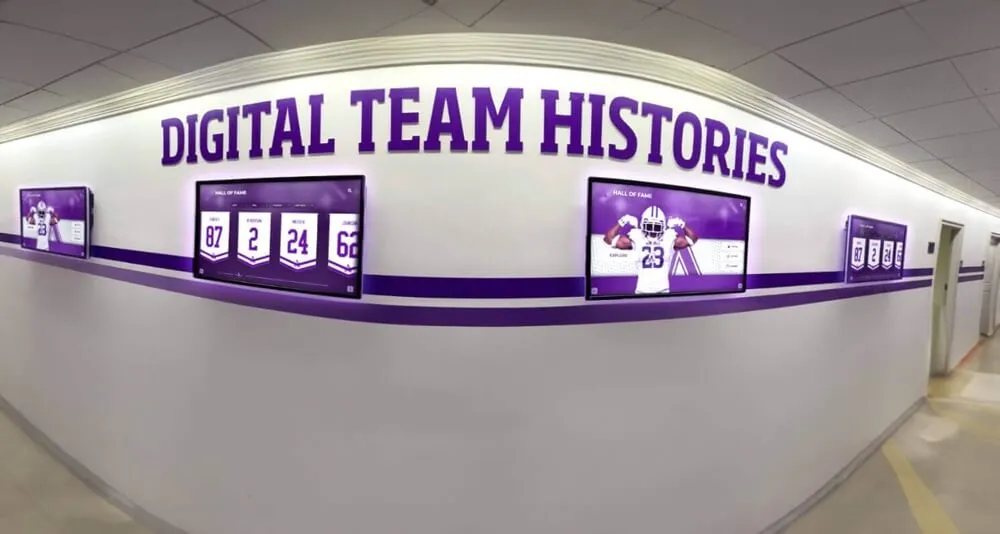
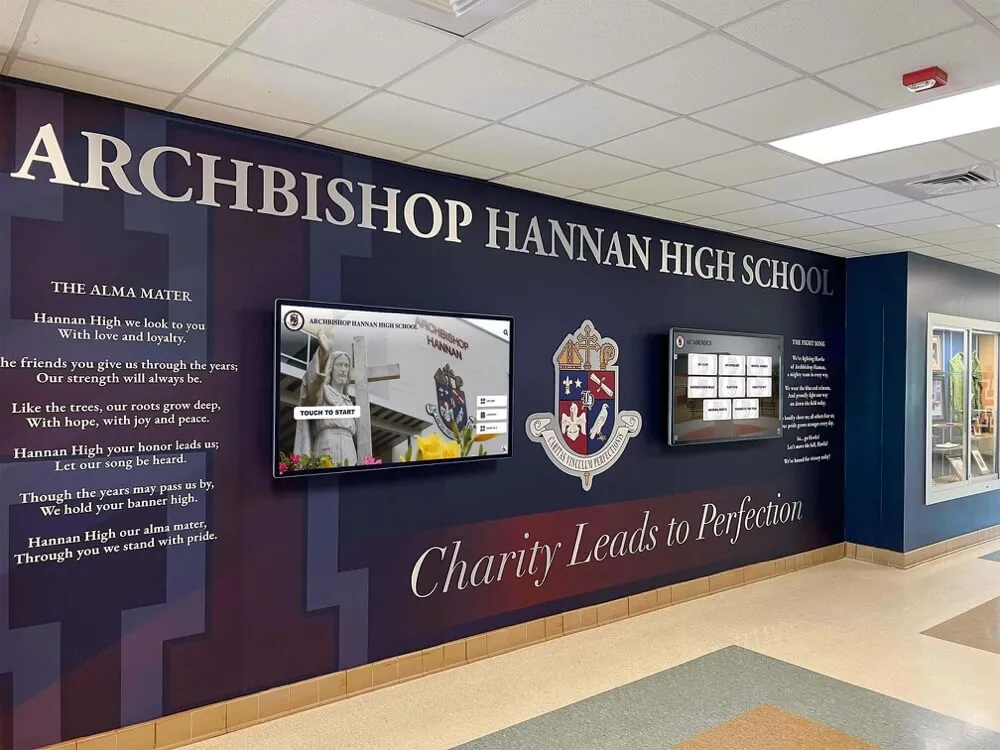
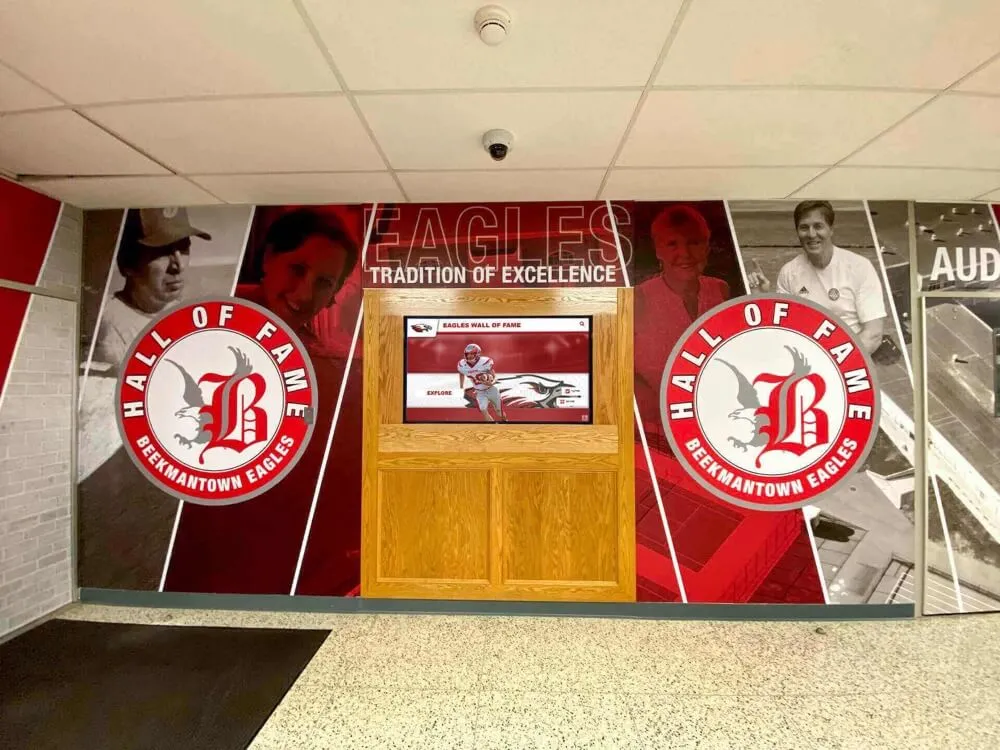
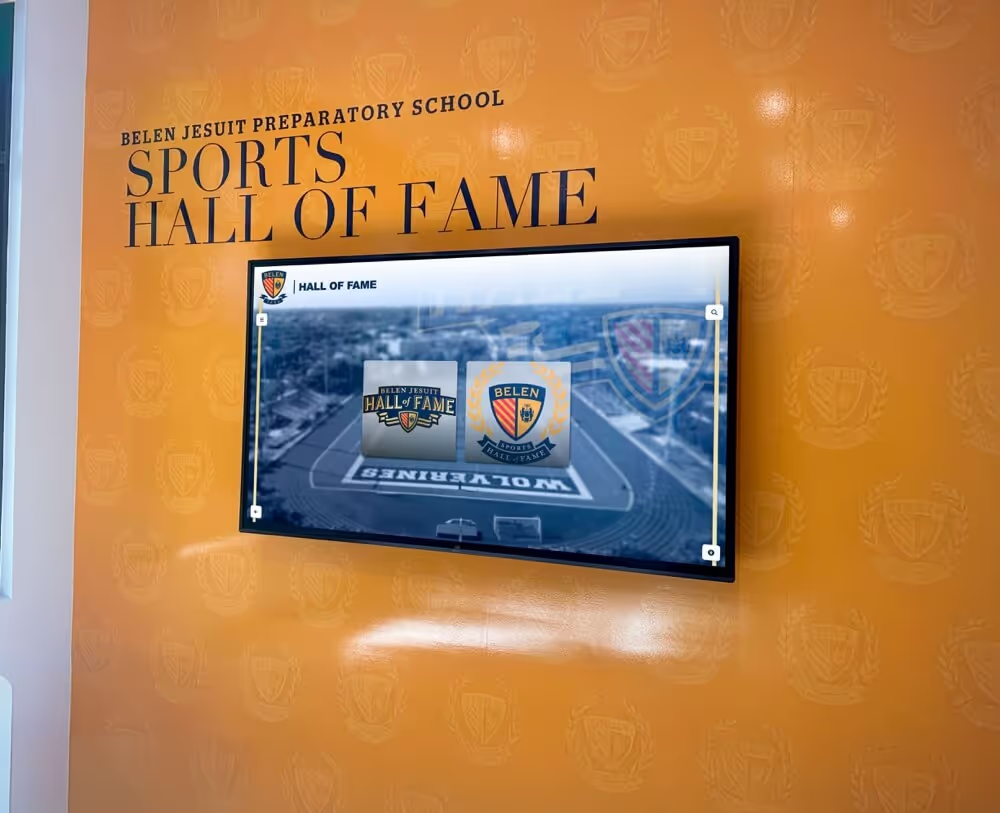
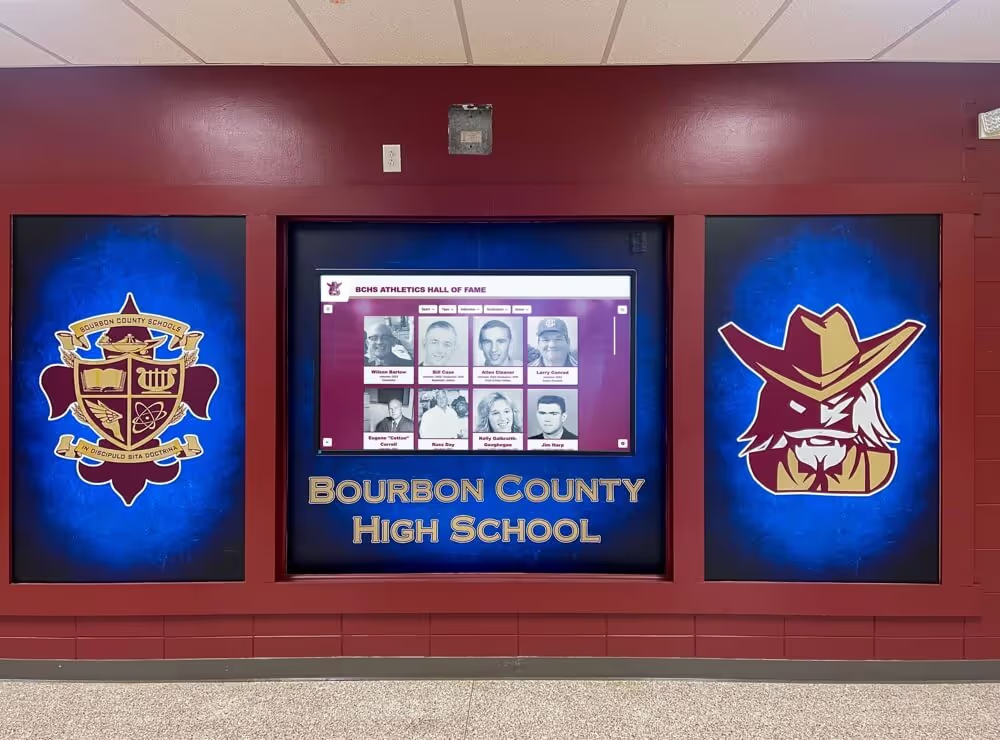
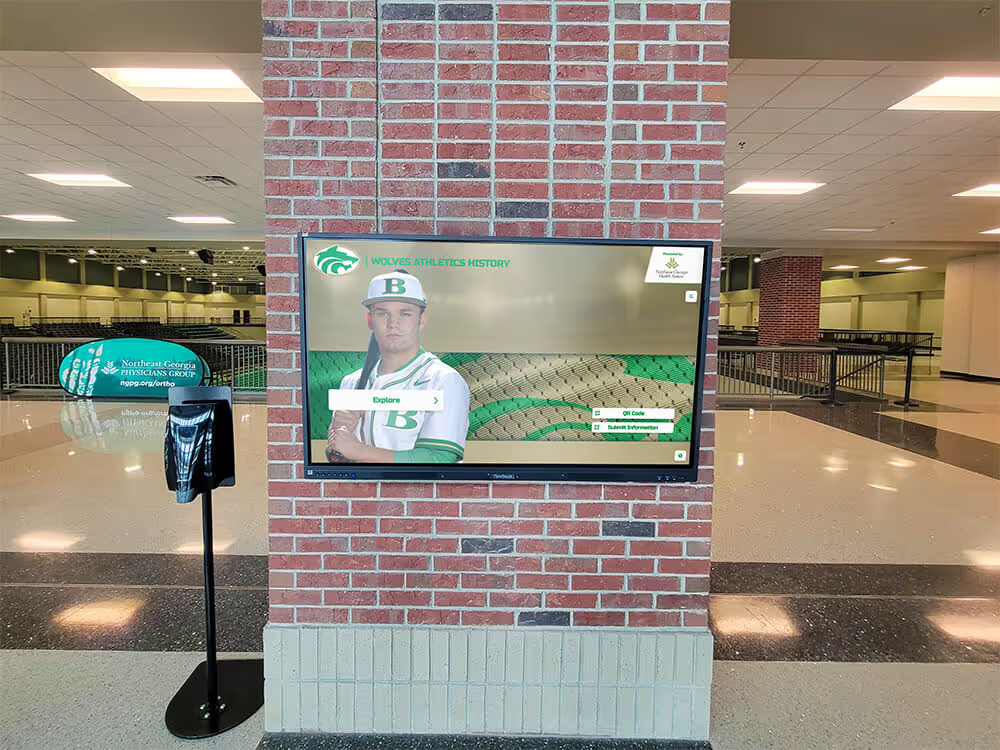
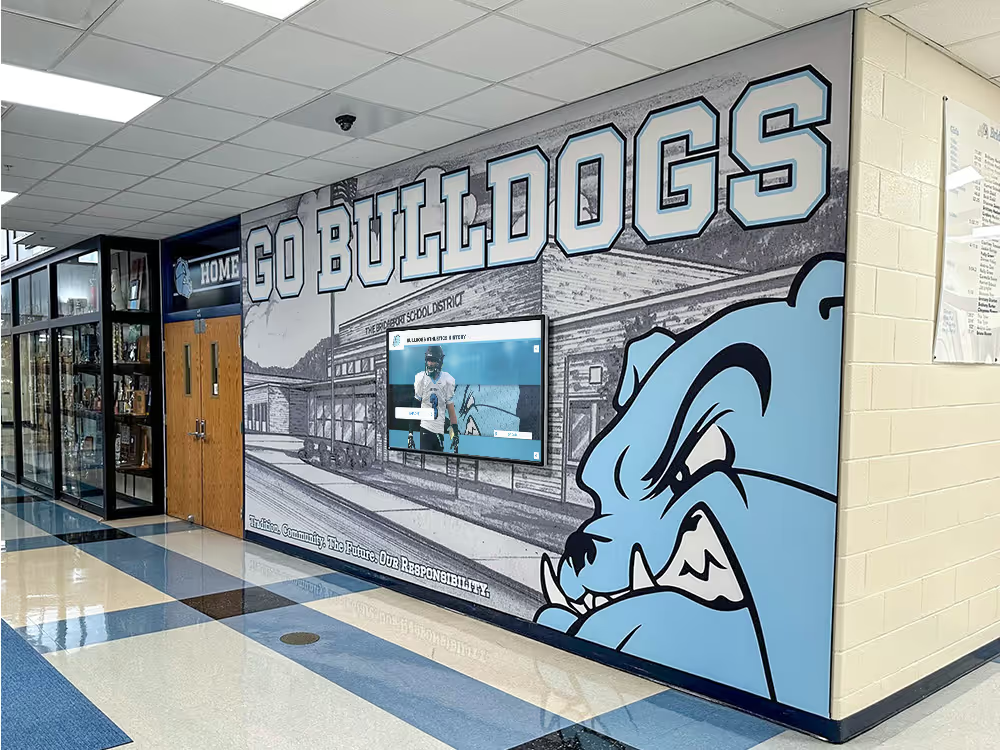
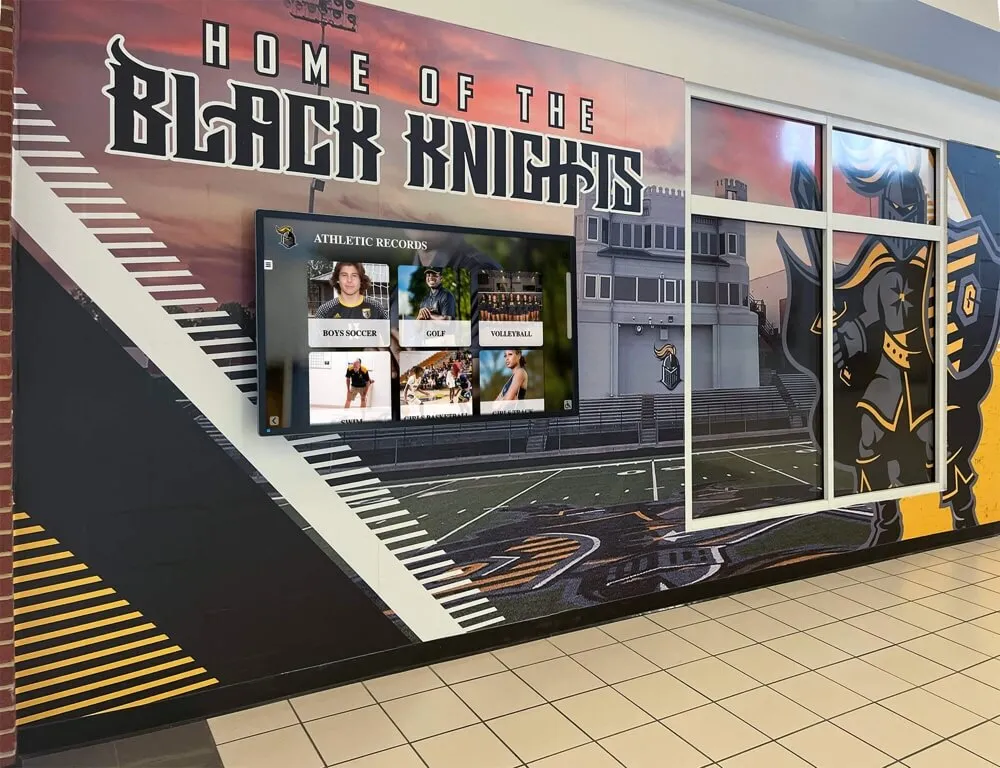
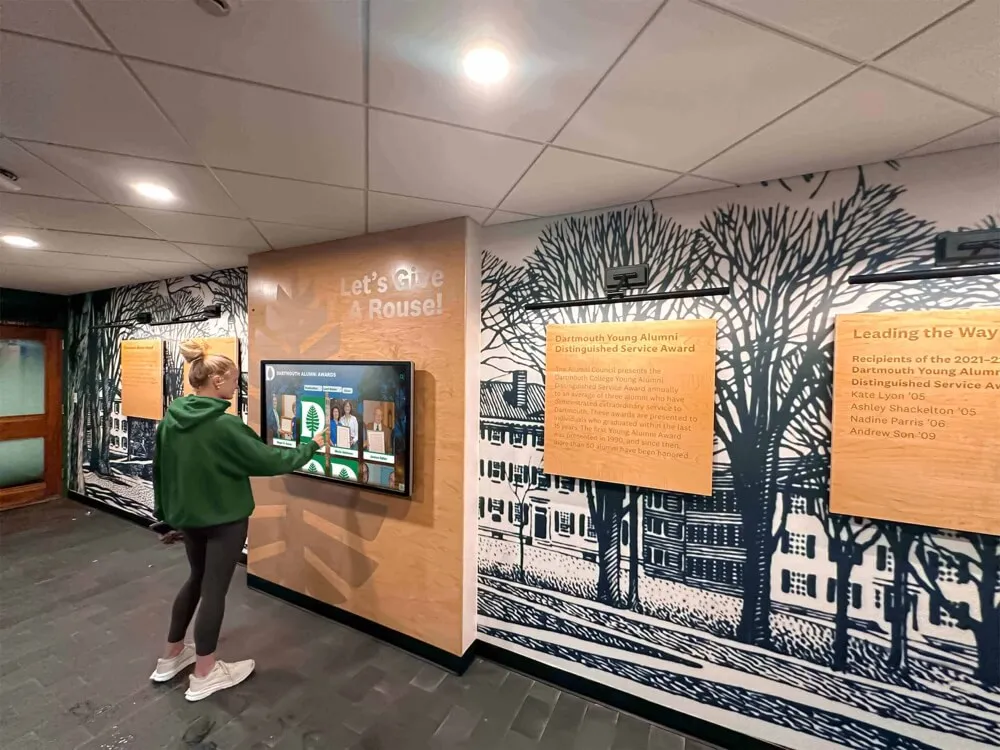
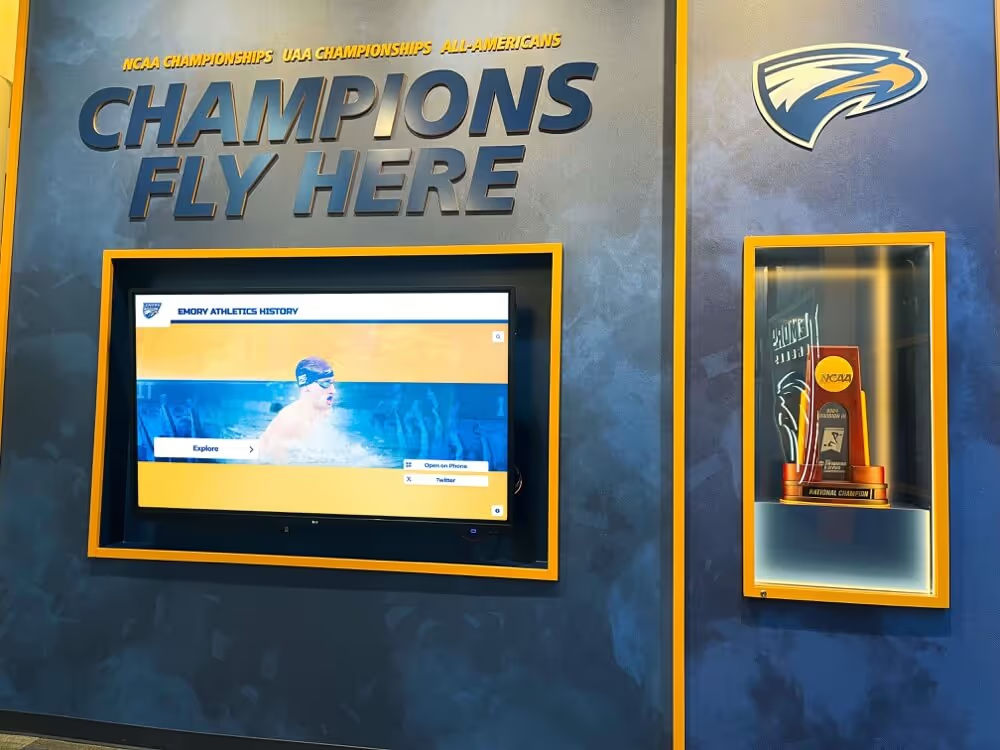
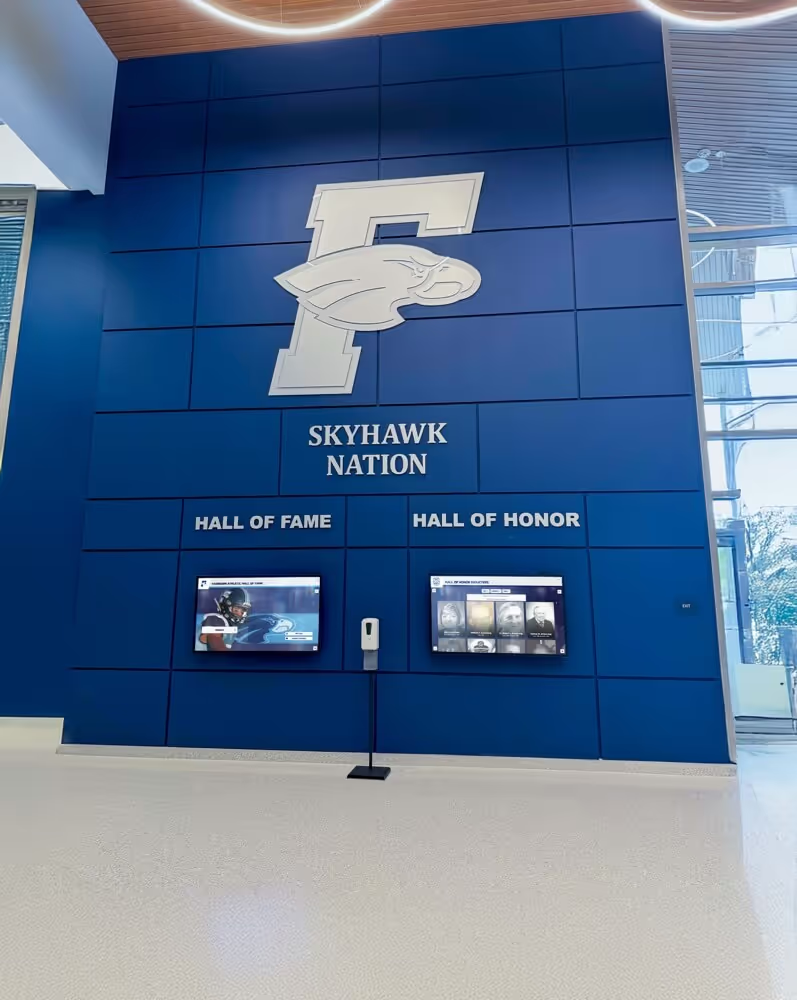
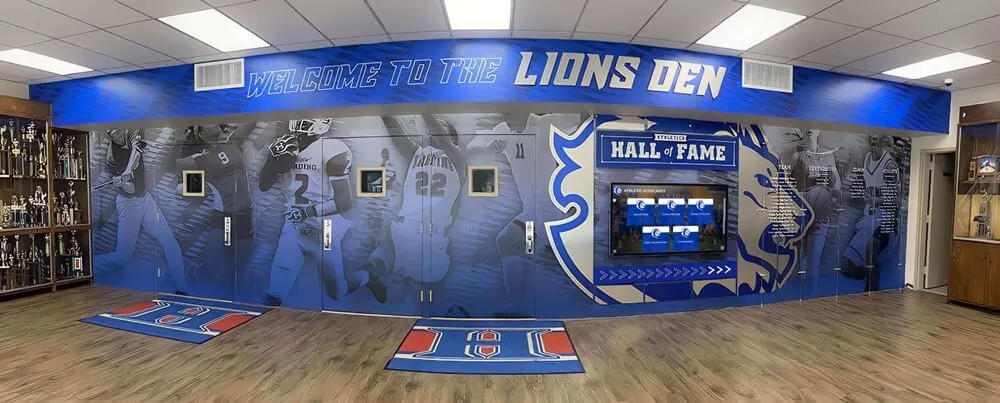
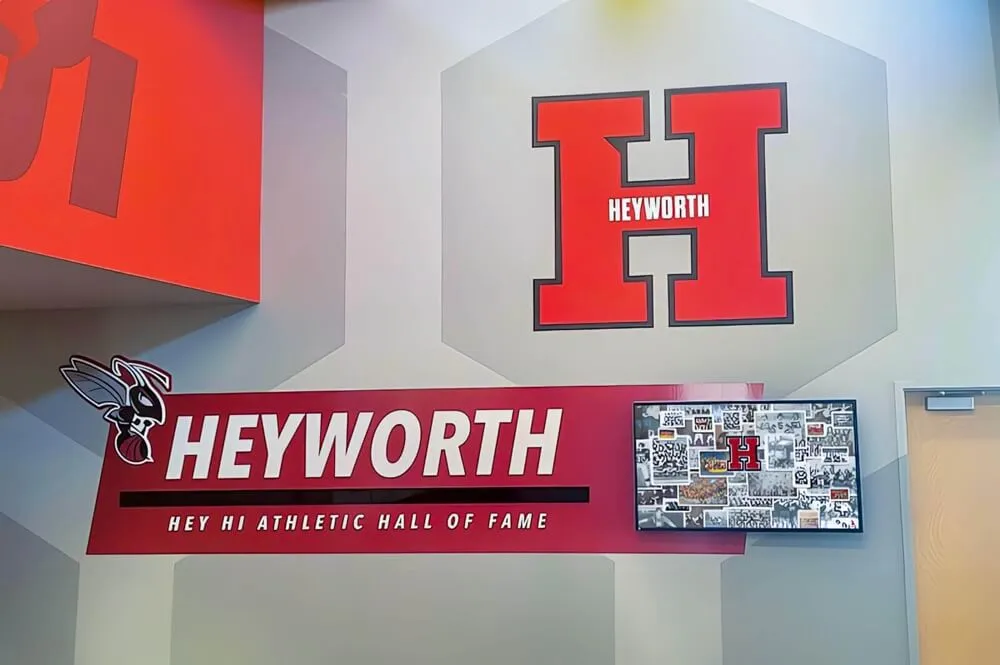
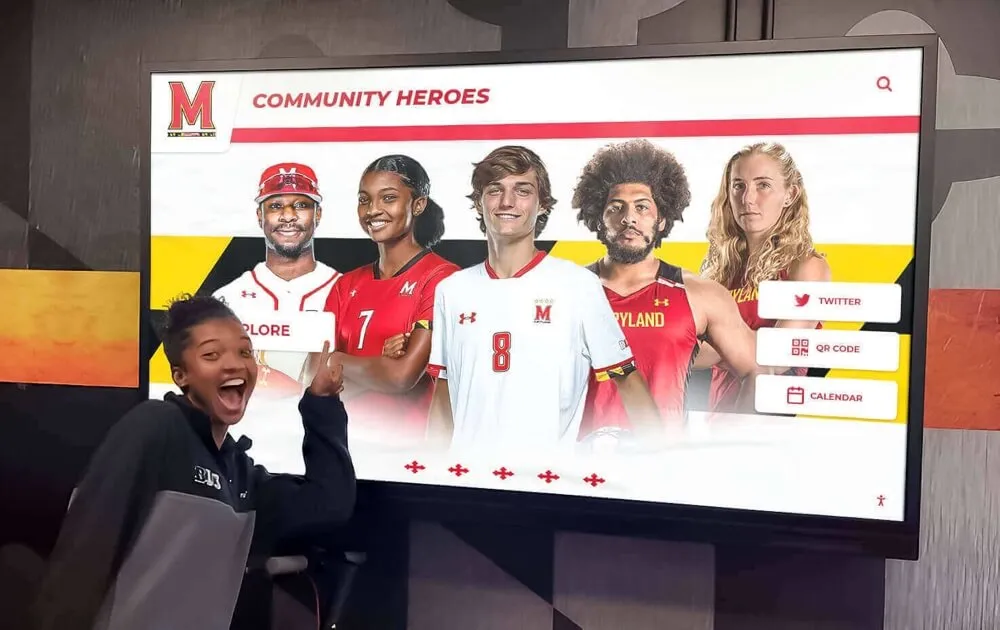
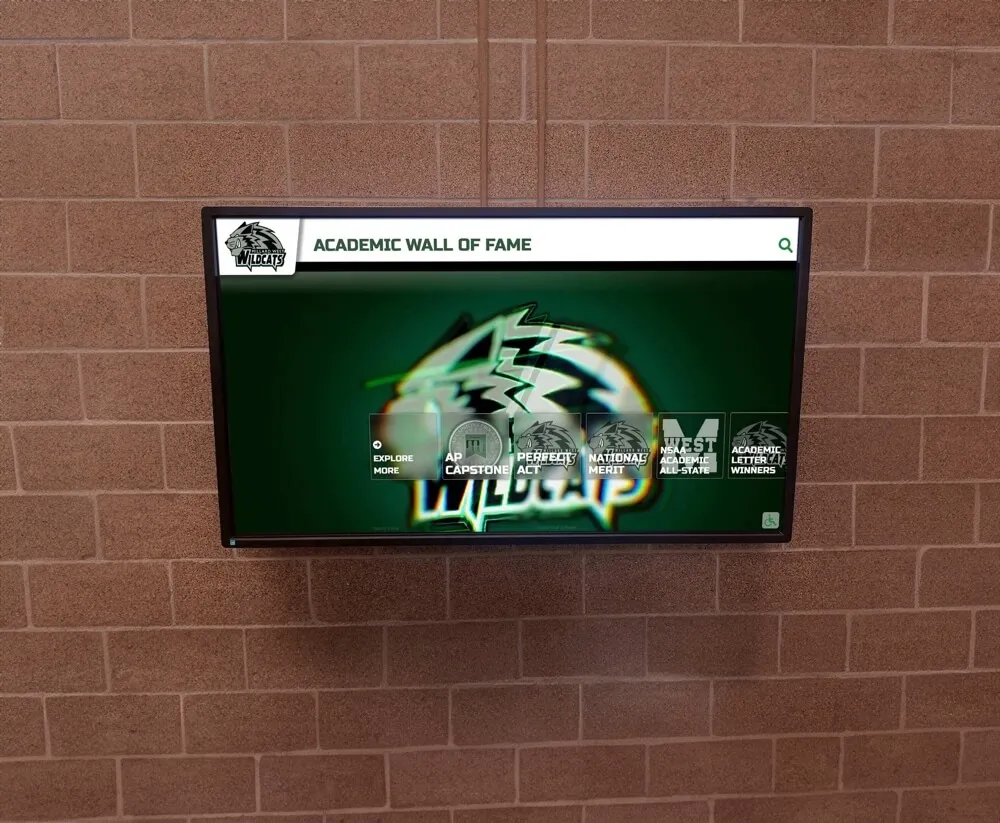
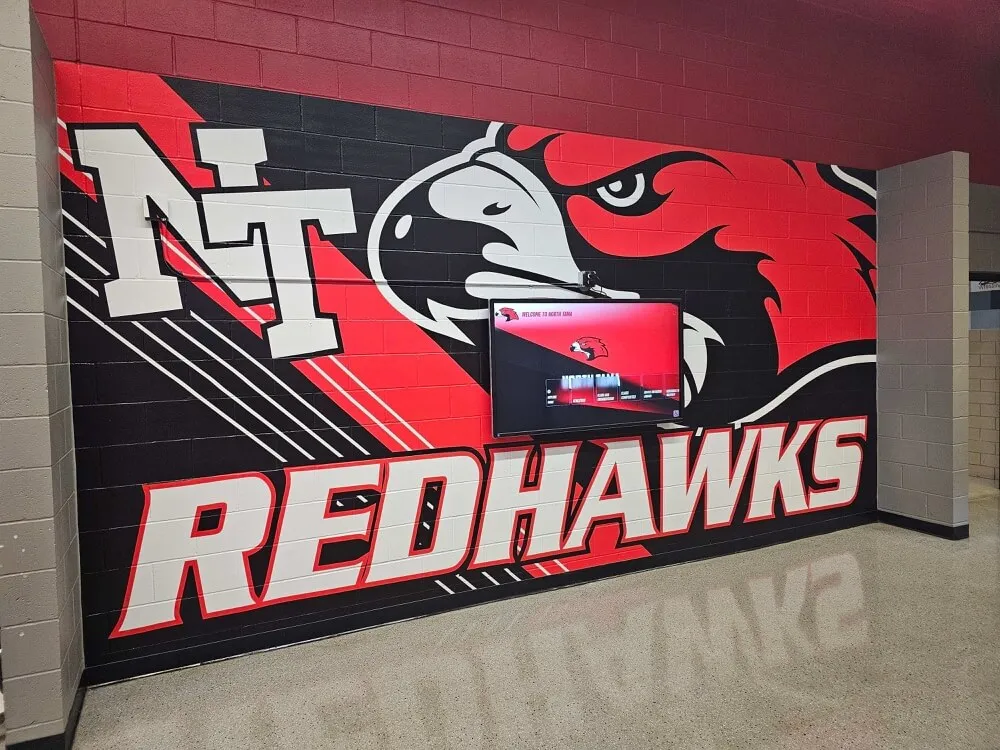
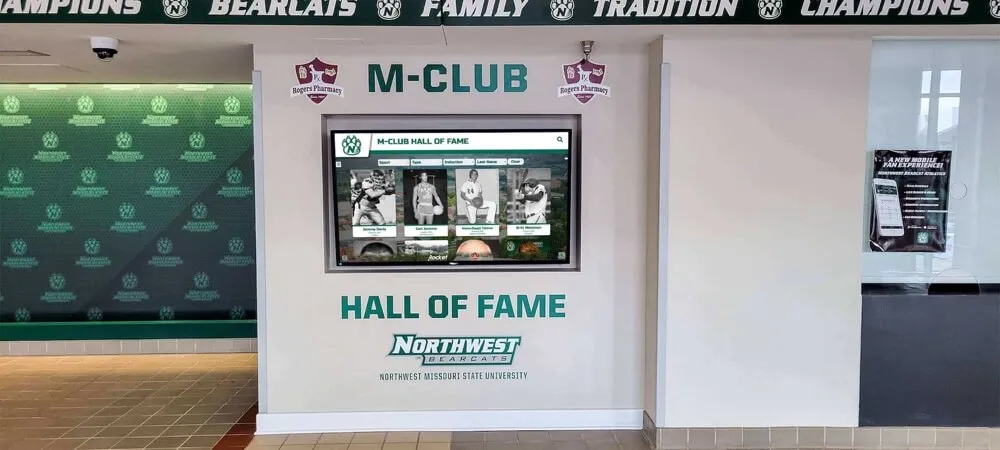
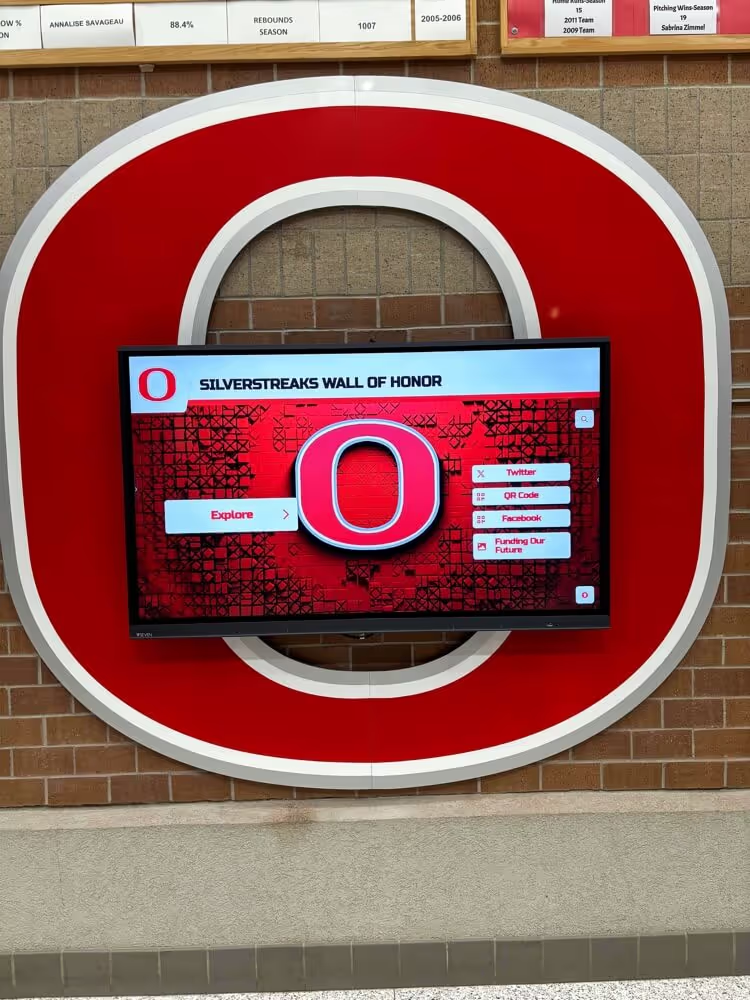
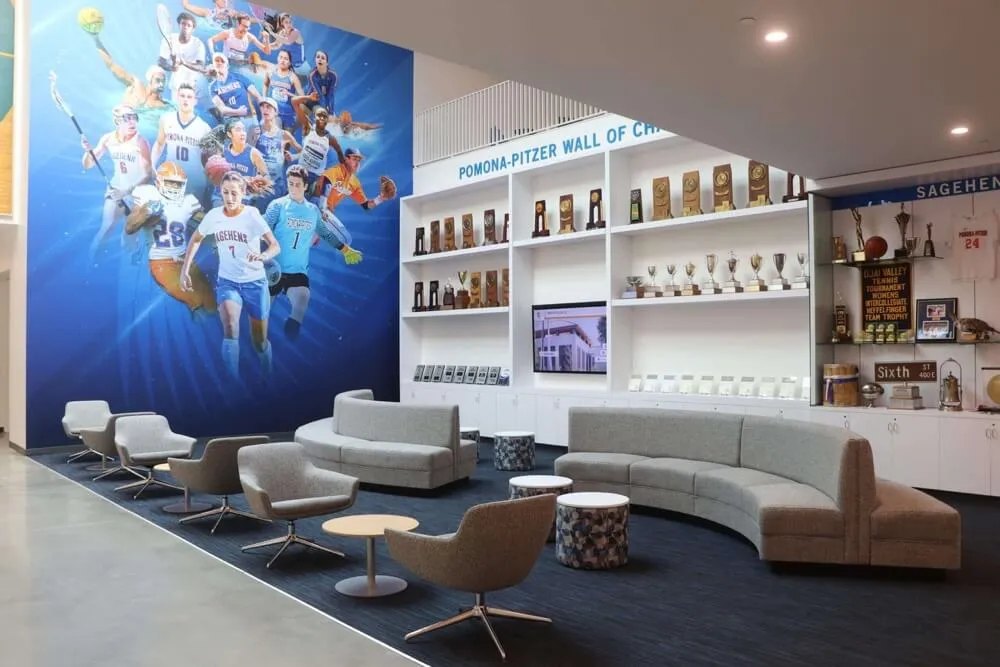
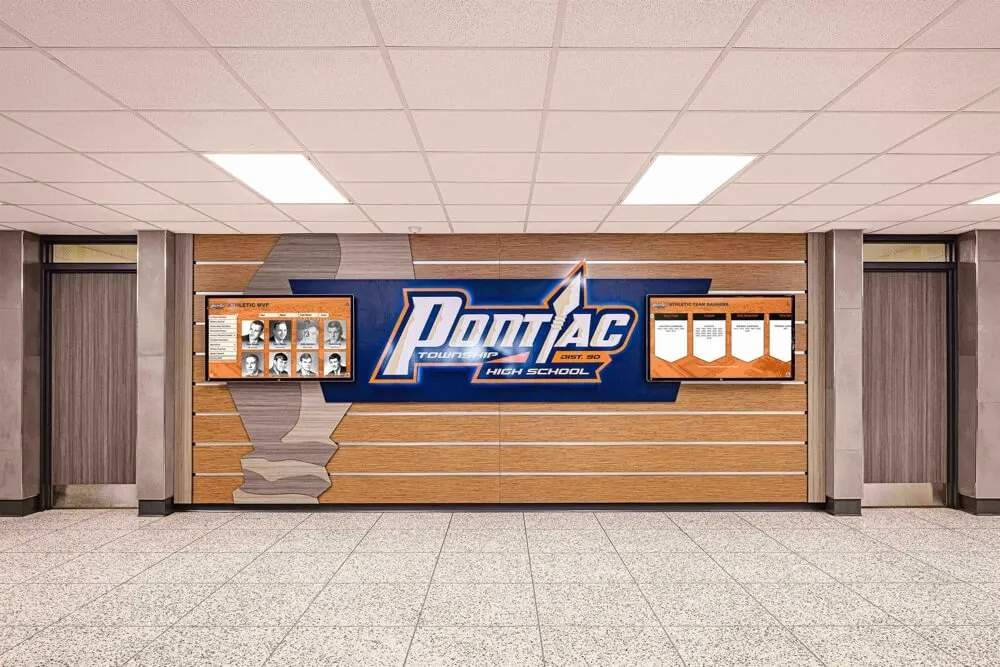
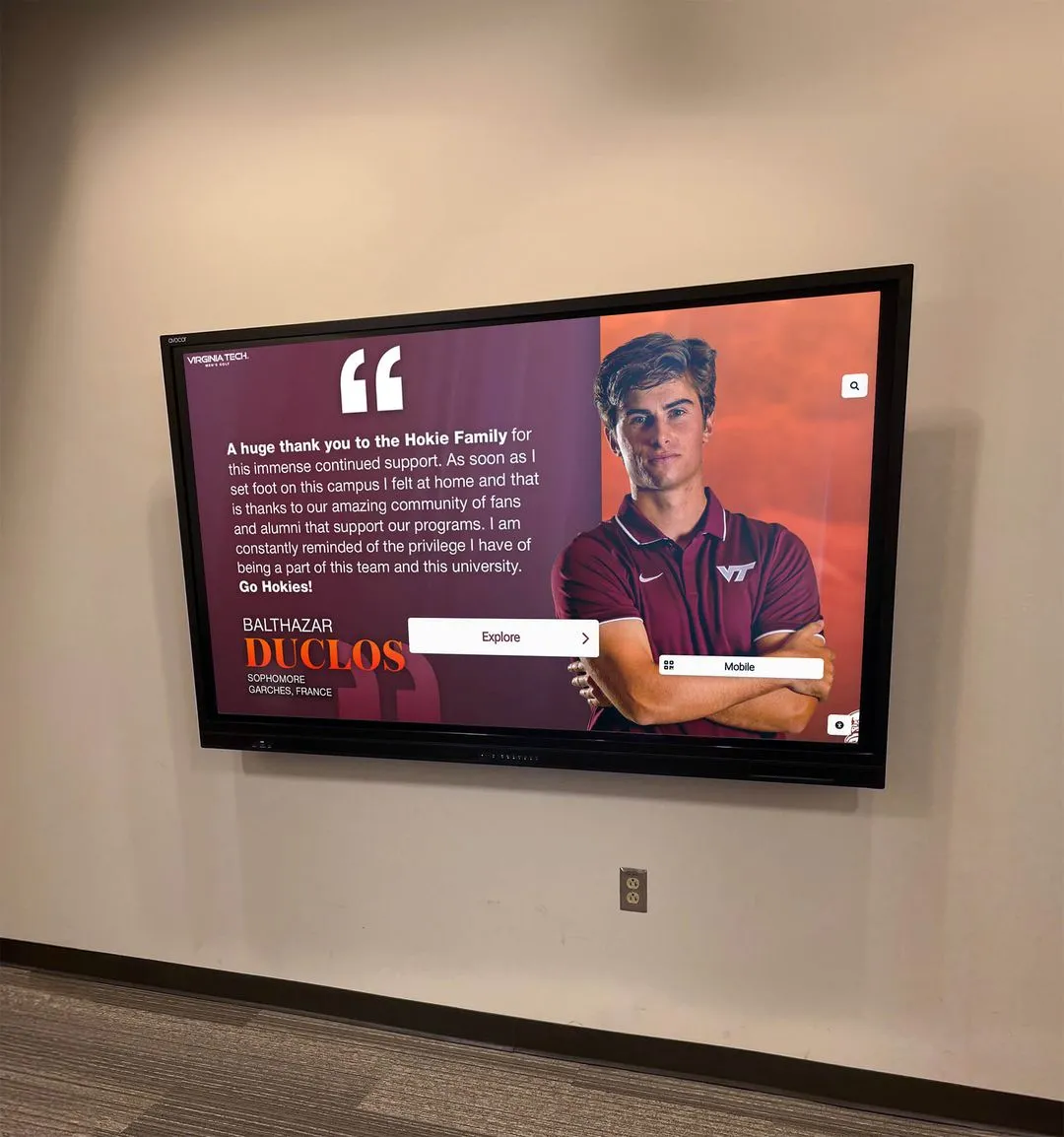
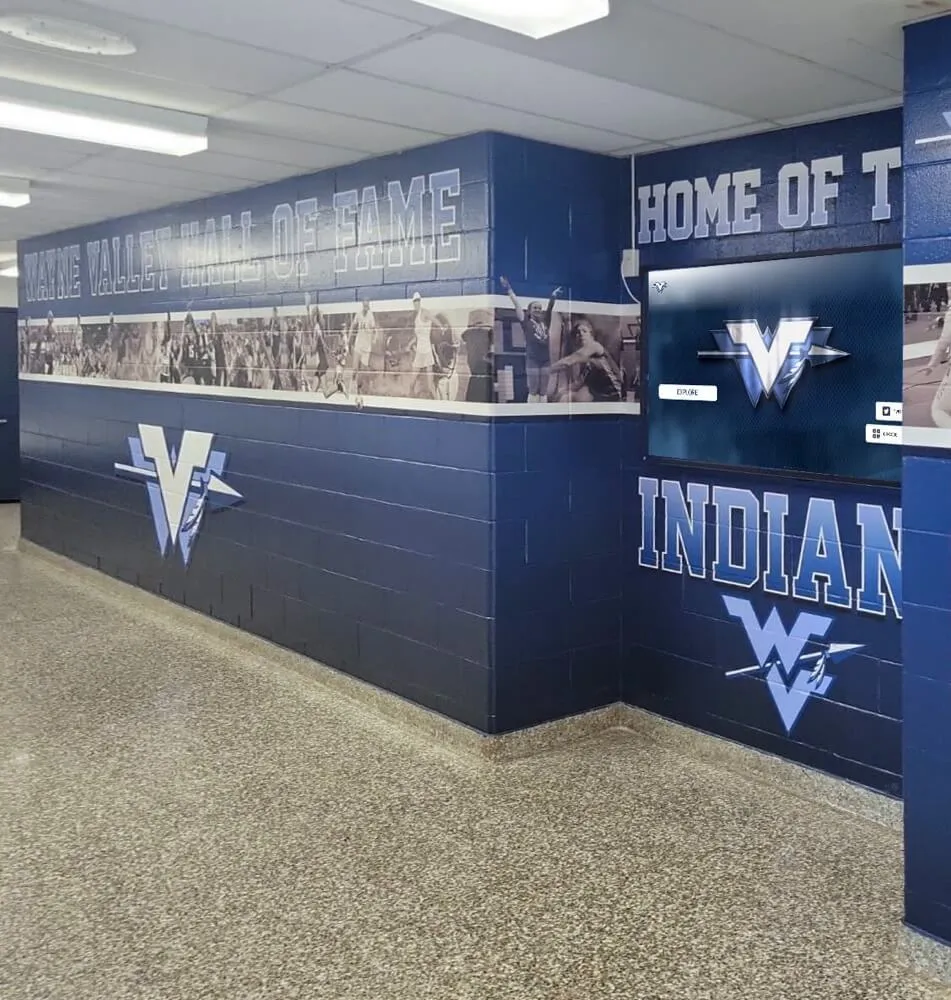
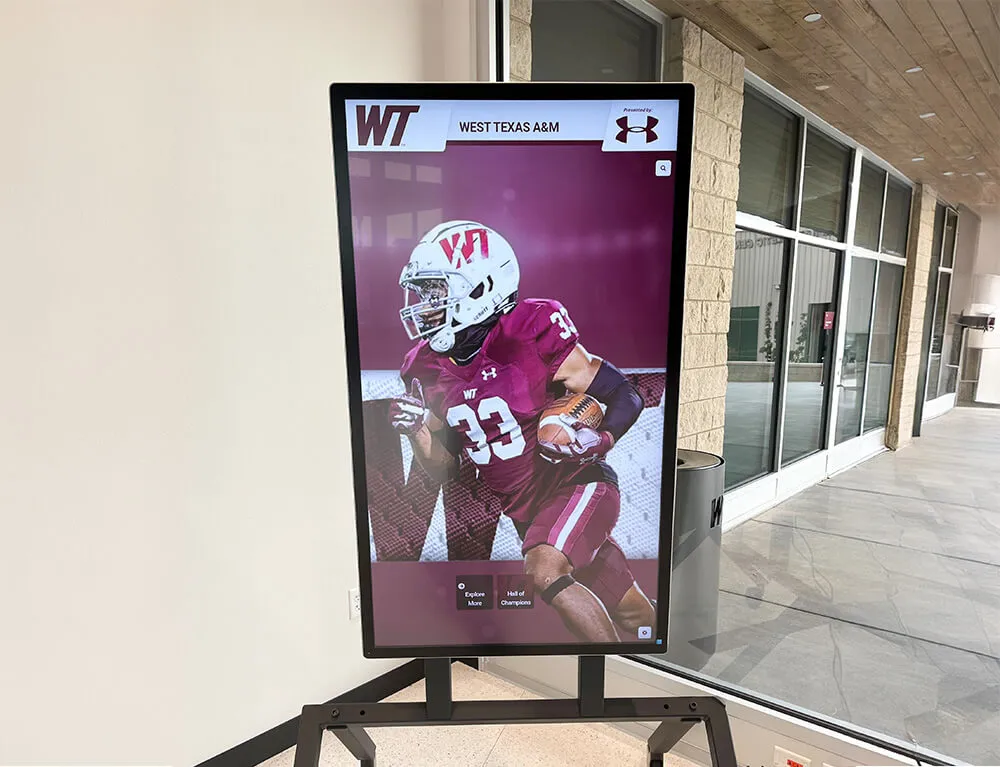
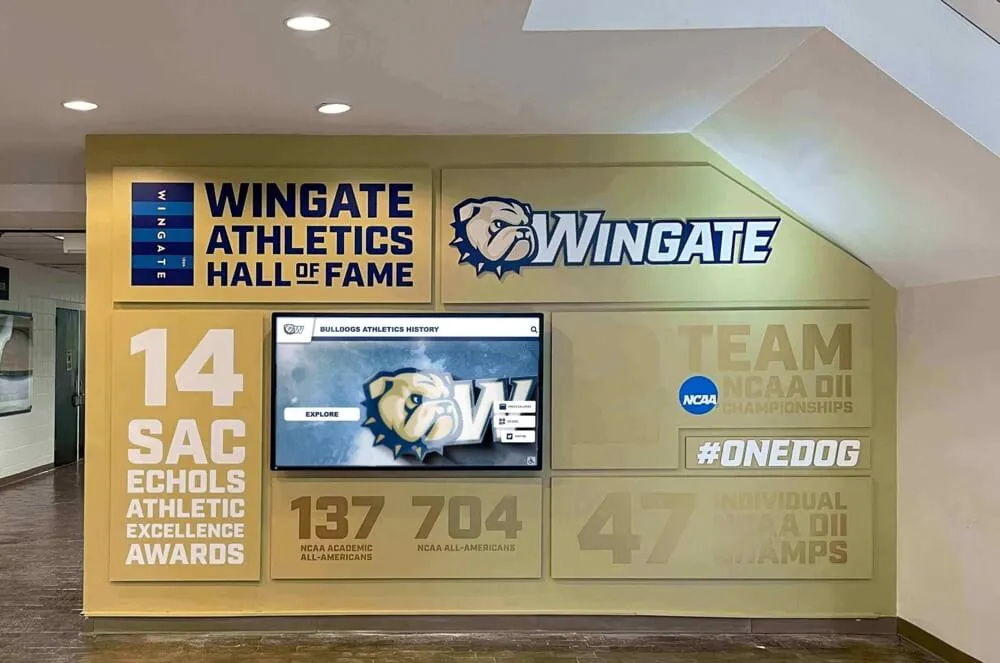
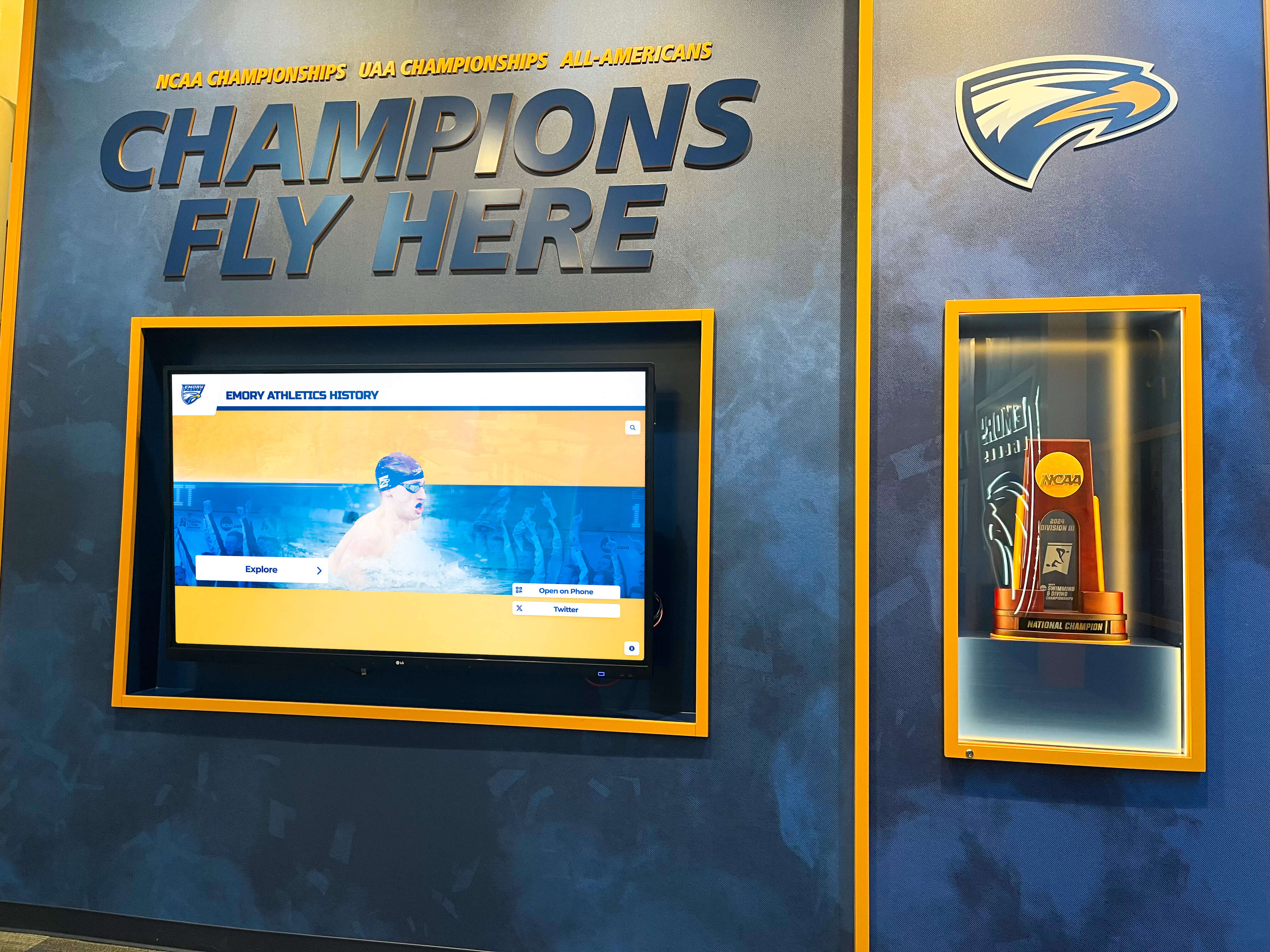
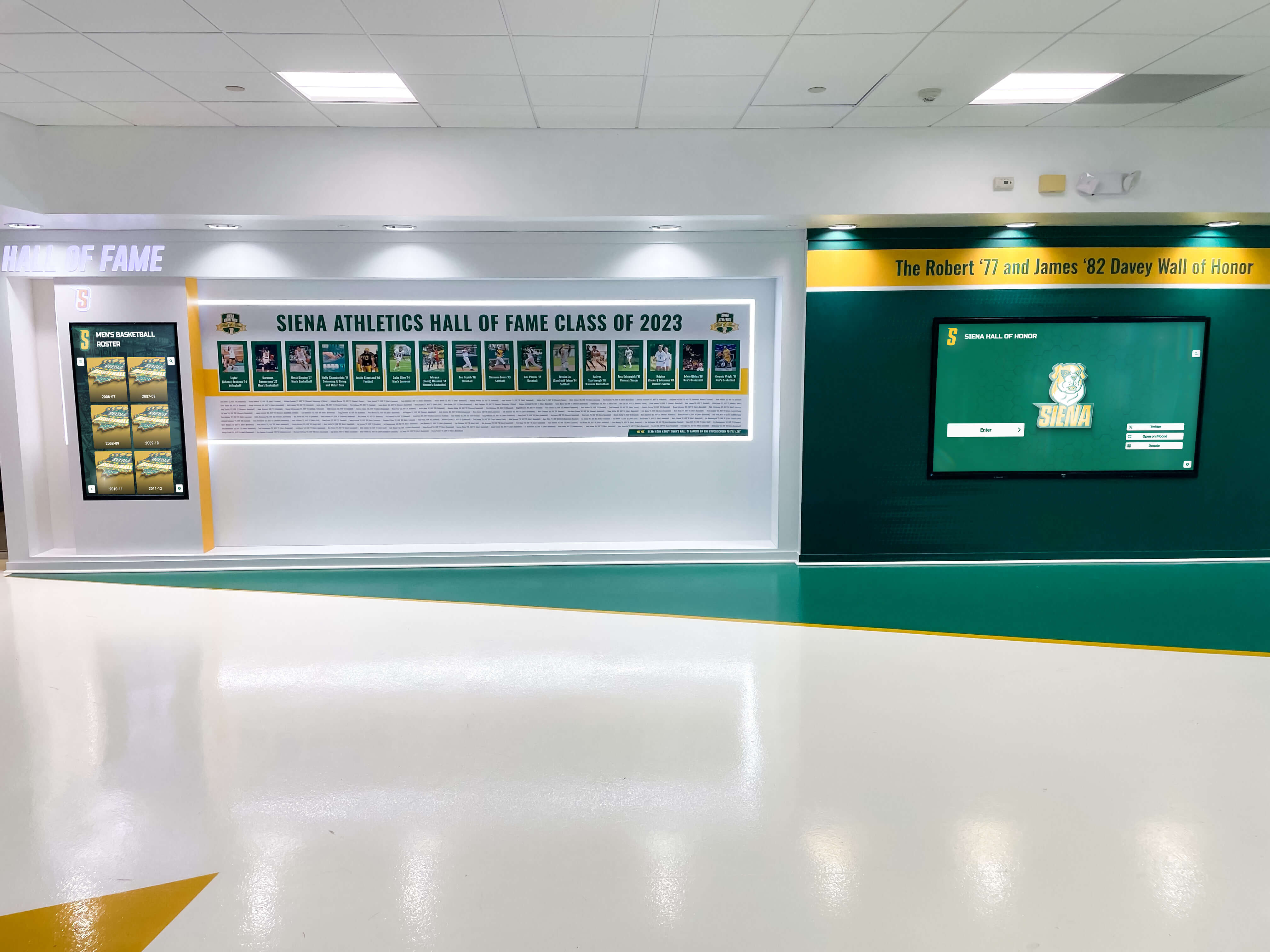
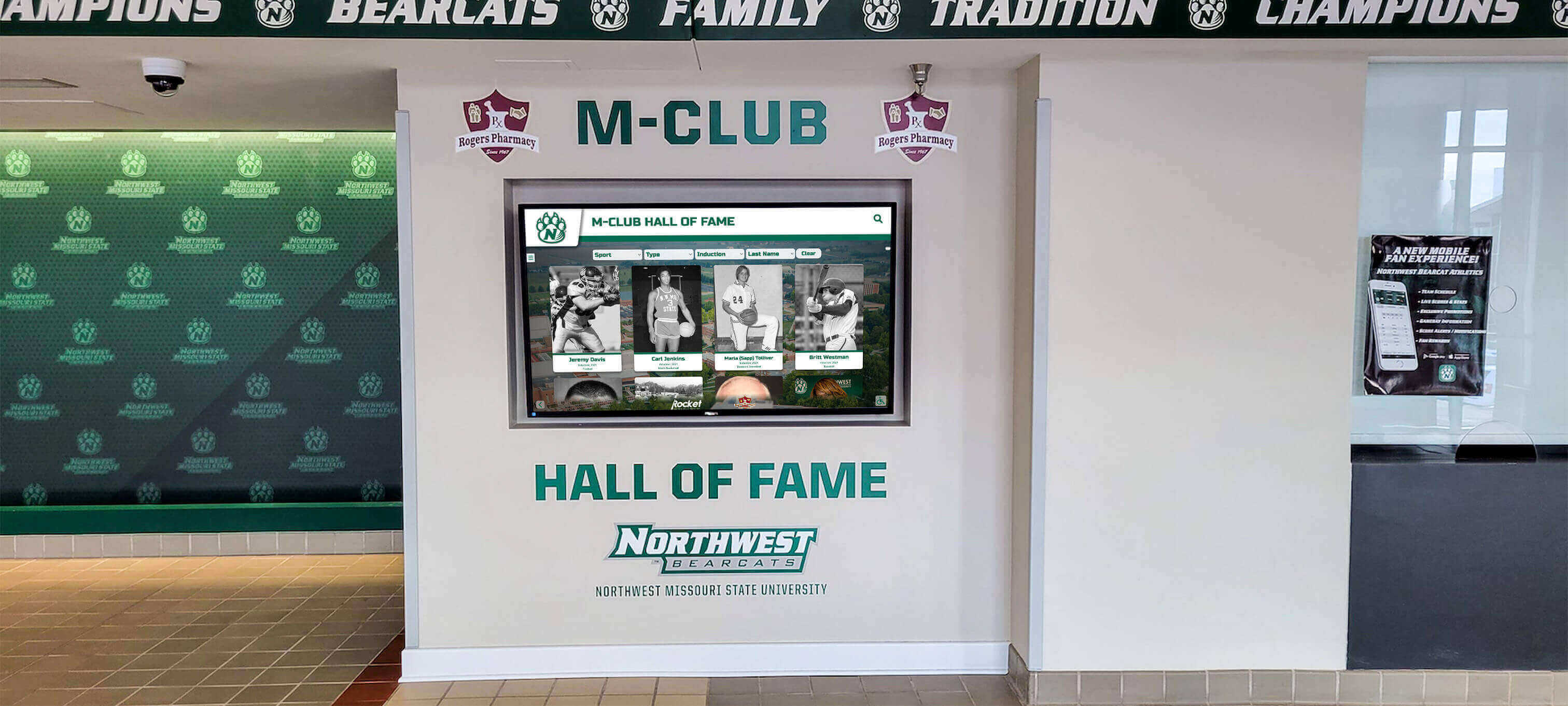
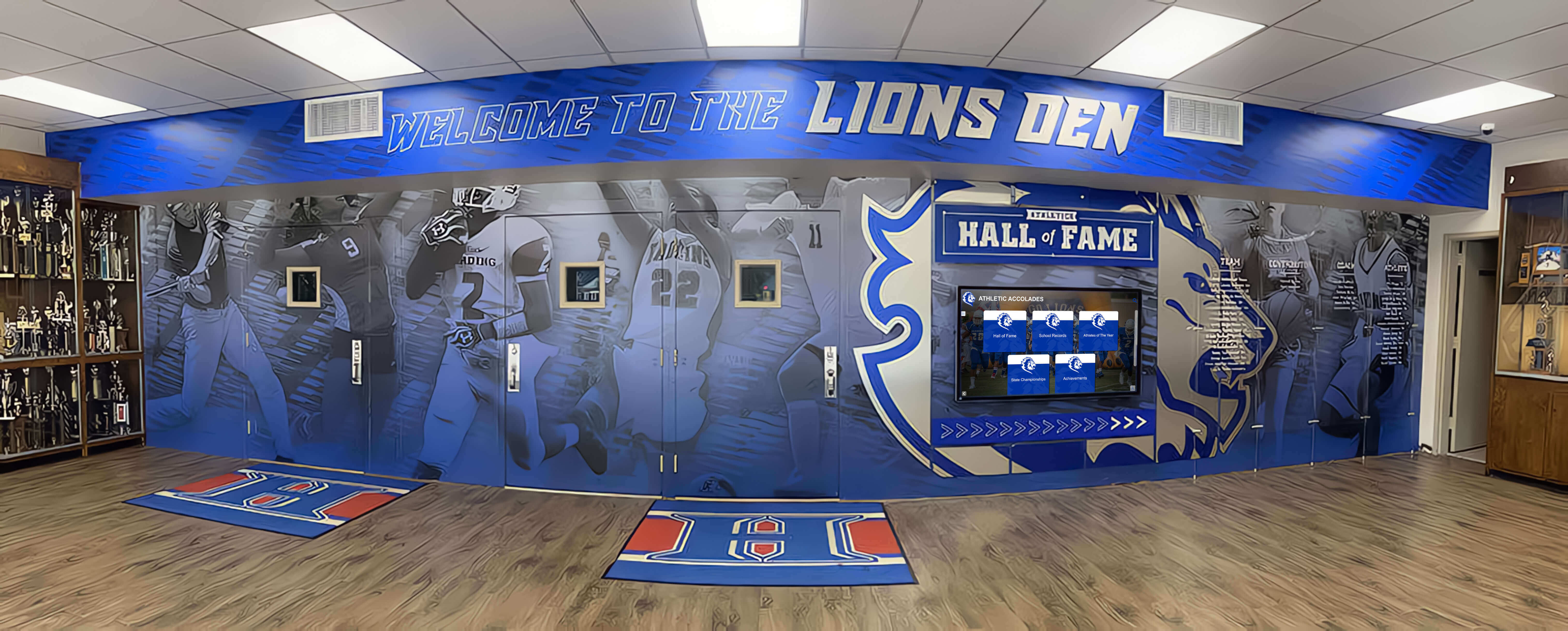
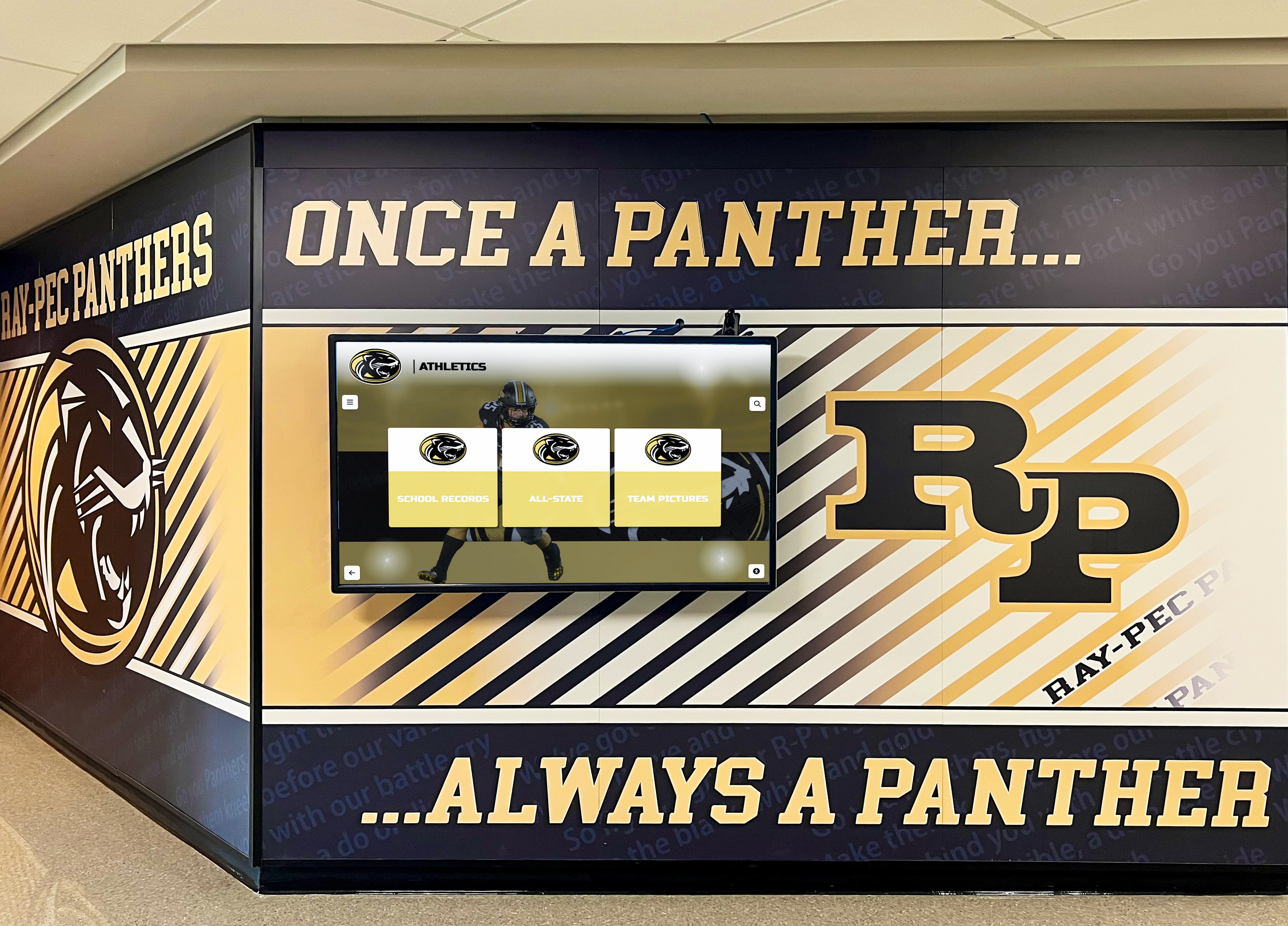

Modern recognition increasingly includes digital honors through prominent placement on school athletics digital displays, social media recognition through official accounts, athletic website honor roll listings, and inclusion in permanent digital halls of fame.
These digital recognition elements extend award visibility far beyond banquet nights, creating lasting institutional acknowledgment that families and athletes value for years to come.
Catering and Dining Experience
Food quality, service style, and dietary accommodation significantly impact overall banquet satisfaction. Strategic catering decisions balance budget constraints with experience quality expectations.
Menu Selection and Service Styles
Plated Dinner Service:
Formal plated meals where servers deliver pre-selected entrées create elegant dining experiences with consistent timing enabling program coordination, professional atmosphere distinguishing special occasions, and easier coordination than buffet management.
Typical plated options include poultry (chicken, turkey) as universally acceptable protein, beef options like prime rib or steak for premium budgets, pasta selections accommodating vegetarian needs, and combination plates offering smaller portions of multiple proteins.
Buffet-Style Service:
Buffet formats provide variety allowing guest preferences, often lower per-person costs than plated service, flexibility for diverse dietary needs, and casual atmosphere some programs prefer.
However, buffets require careful timing preventing long lines disrupting programs, adequate table space for serving stations, and slightly longer service periods affecting schedule coordination.
Alternative Formats:
Budget-conscious programs might consider heavy appetizers and desserts rather than full meals, box meals ordered from quality restaurants, potluck contributions from families coordinated by organizers, or reception-style grazing stations with varied offerings.
Dietary Accommodations
Modern banquets must accommodate diverse dietary needs and preferences. Collect dietary restriction information through RSVP forms including vegetarian/vegan preferences, religious dietary requirements (kosher, halal), food allergies and sensitivities, and gluten-free or other medical necessities.
Communicate requirements clearly to caterers well in advance, label buffet items with ingredient information, and ensure alternatives provide equivalent quality to standard options so accommodated guests don’t feel like afterthoughts.
Decoration, Atmosphere, and Ambiance
Thoughtful decorations transform ordinary venues into special celebration spaces that honor athletic achievements and create photo-worthy environments athletes will remember.
Theme and Visual Design
Cohesive design themes elevate basic decoration to intentional atmosphere creation. Effective themes include:
School Spirit Theme: Abundant use of school colors in linens, balloons, and streamers, large-scale logo displays and mascot imagery, team color coordination with centerpieces, and incorporation of school traditions or fight songs.
Championship Season Theme: Focus on specific season achievements and milestones, prominent display of trophies and awards, scoreboard replicas or game score displays, and timeline visualization of season progression.
Career Celebration Theme: For senior-heavy emphasis, photo displays spanning athletes’ careers, jersey number centerpieces with athlete names, “then and now” photo comparisons, and memory boards with submitted stories and photos.
Essential Decoration Elements
Table Centerpieces:
Creative, thematic centerpieces establish visual appeal while keeping costs reasonable. Options include sport-specific equipment vases (baseball gloves holding flowers, basketball hoop miniatures), balloon arrangements in team colors, framed action photos from season, small trophy replicas with team facts, or LED candle arrangements for evening elegance.
Entrance and Registration Area:
First impressions begin at entrance with welcome signage featuring team names and logos, registration table with programs and name tags, photo backdrop with team branding, and display tables with trophies or memorabilia creating anticipation.
Multimedia Presentations:
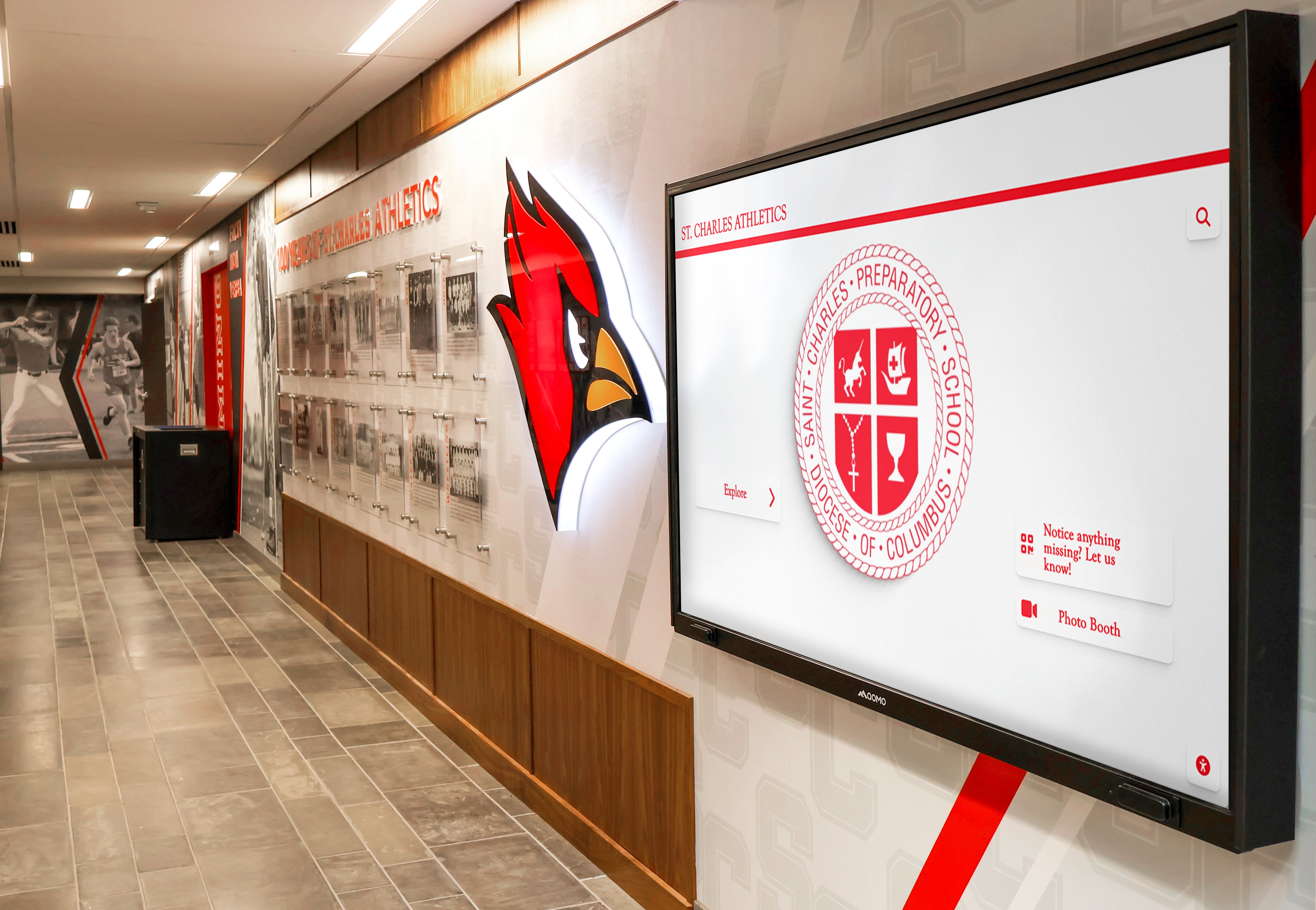
Digital elements create dynamic atmospheres through looping highlight videos during reception and dinner, photo slideshows with submitted family and team images, live social media feeds displaying tagged posts, and digital signage recognizing achievements and award recipients.
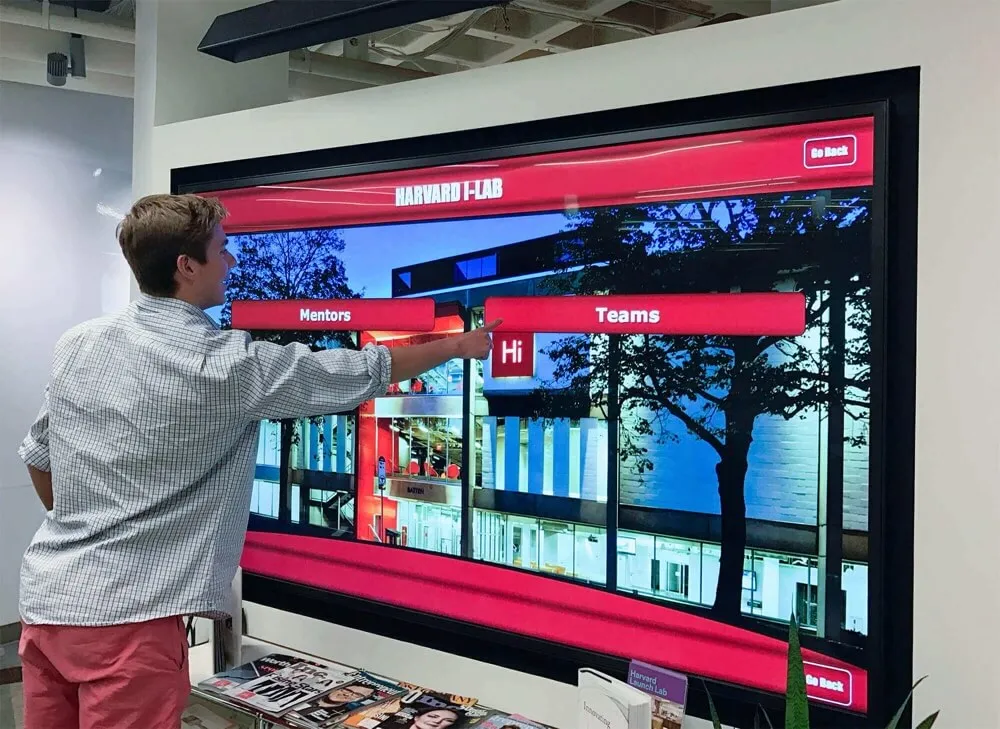
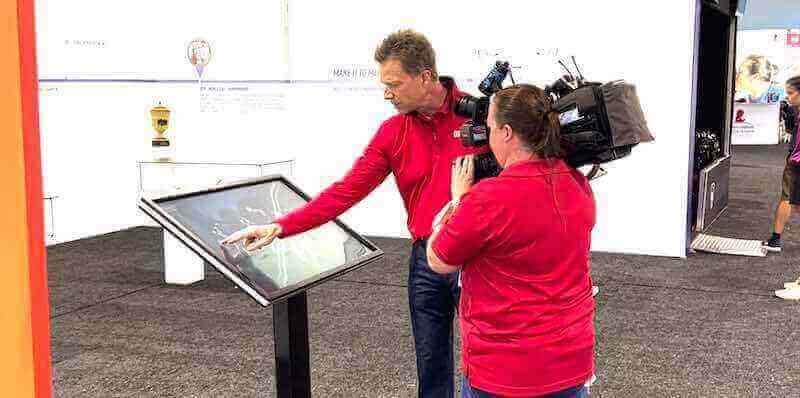
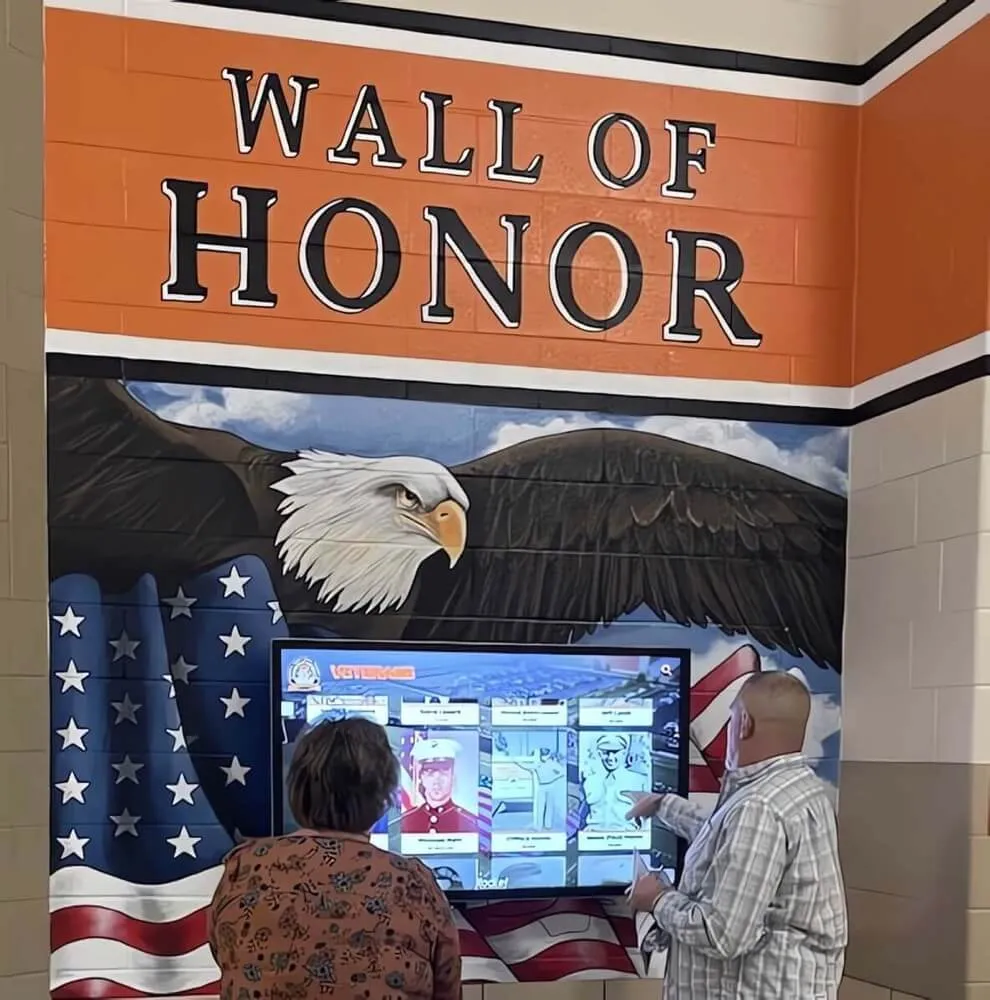
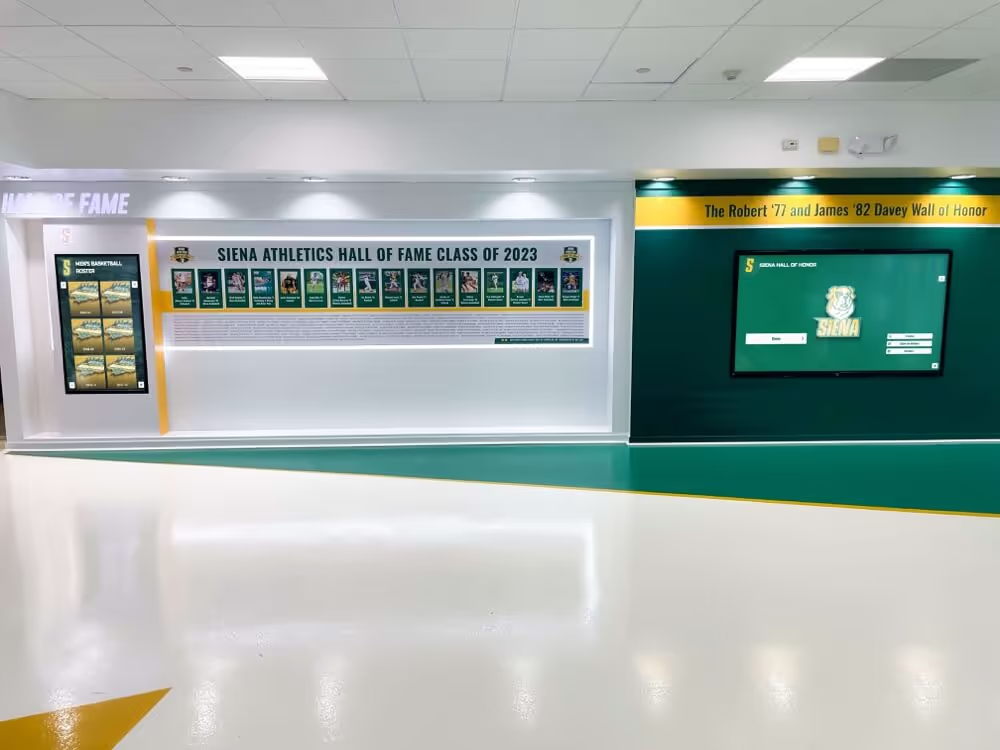
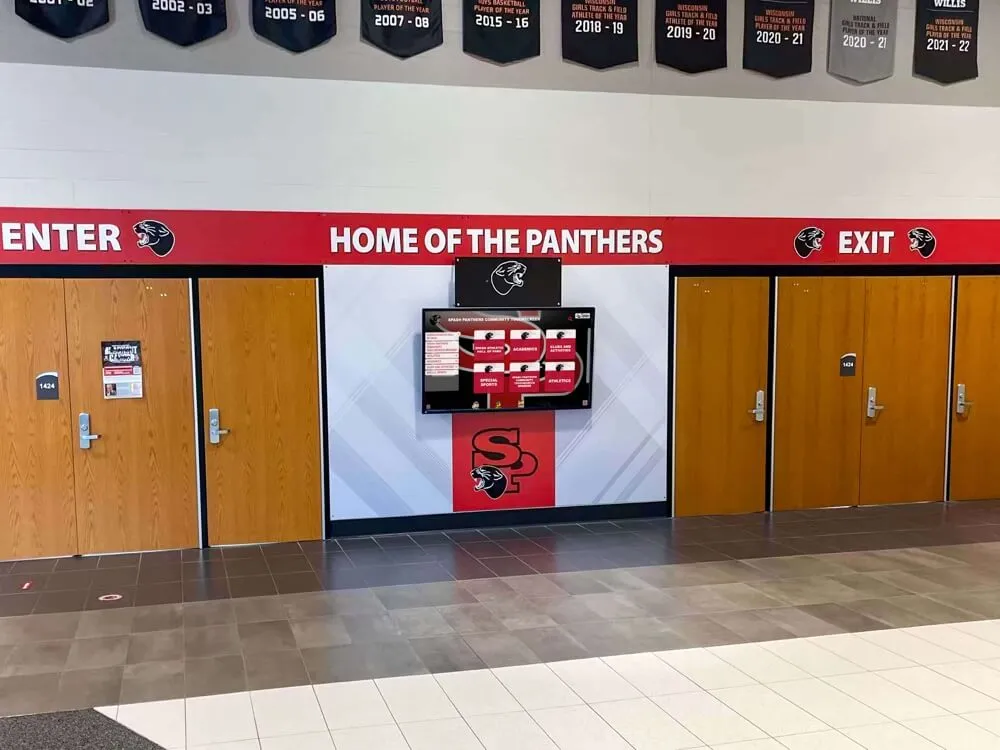
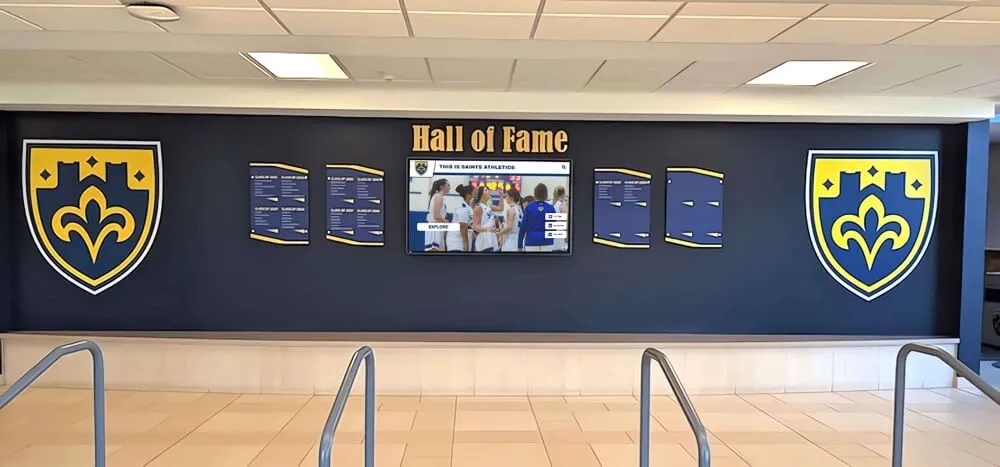
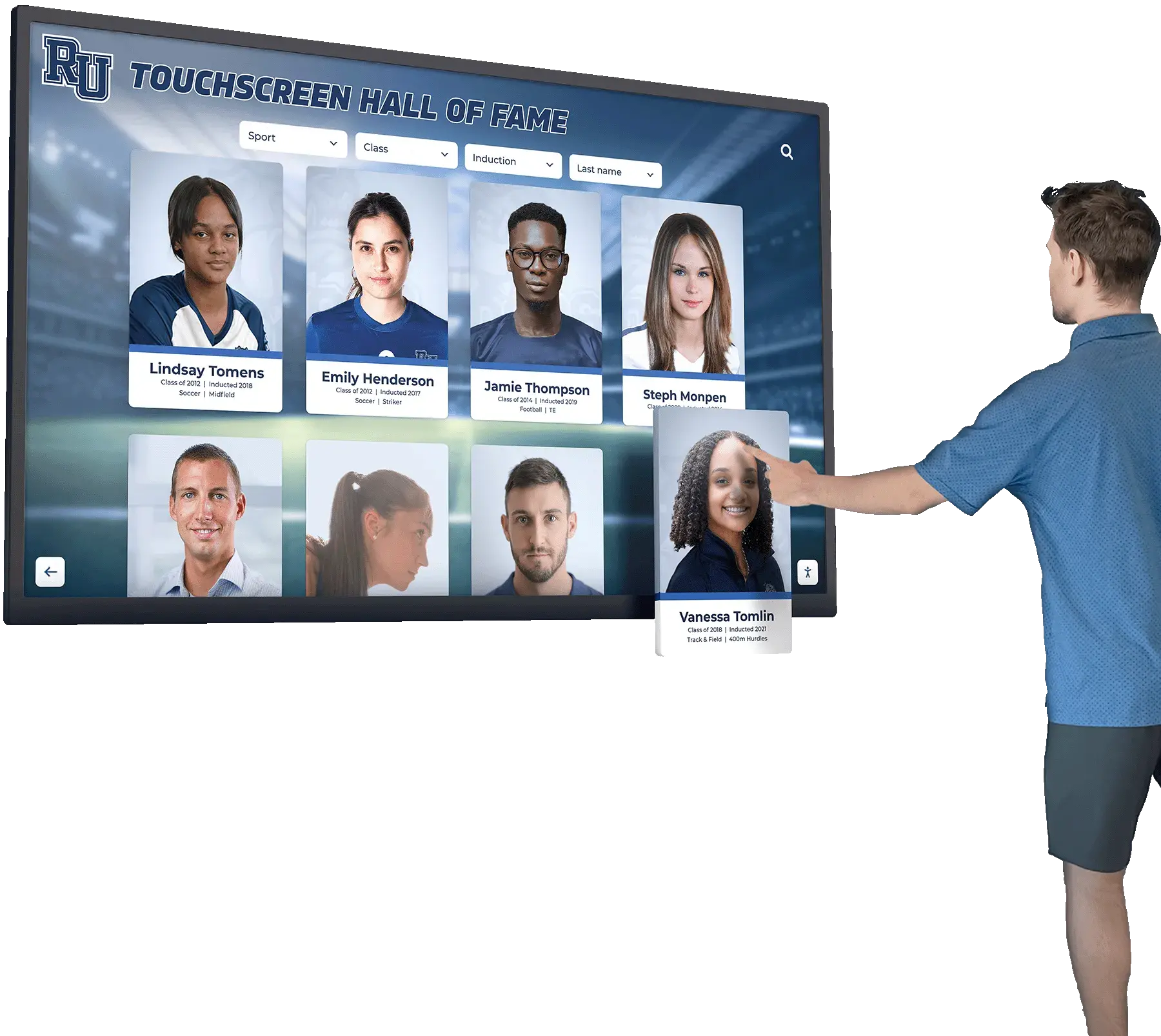
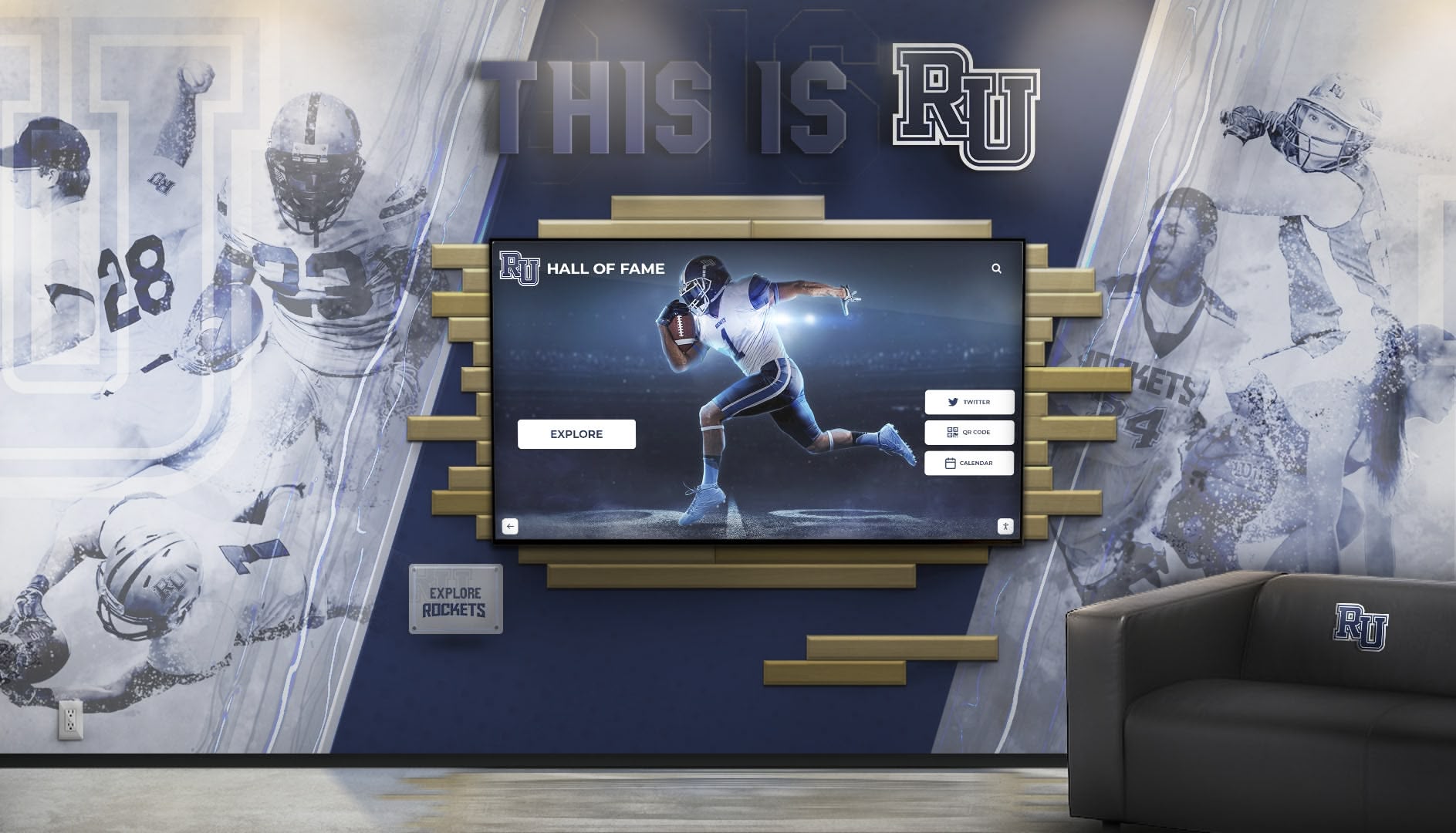
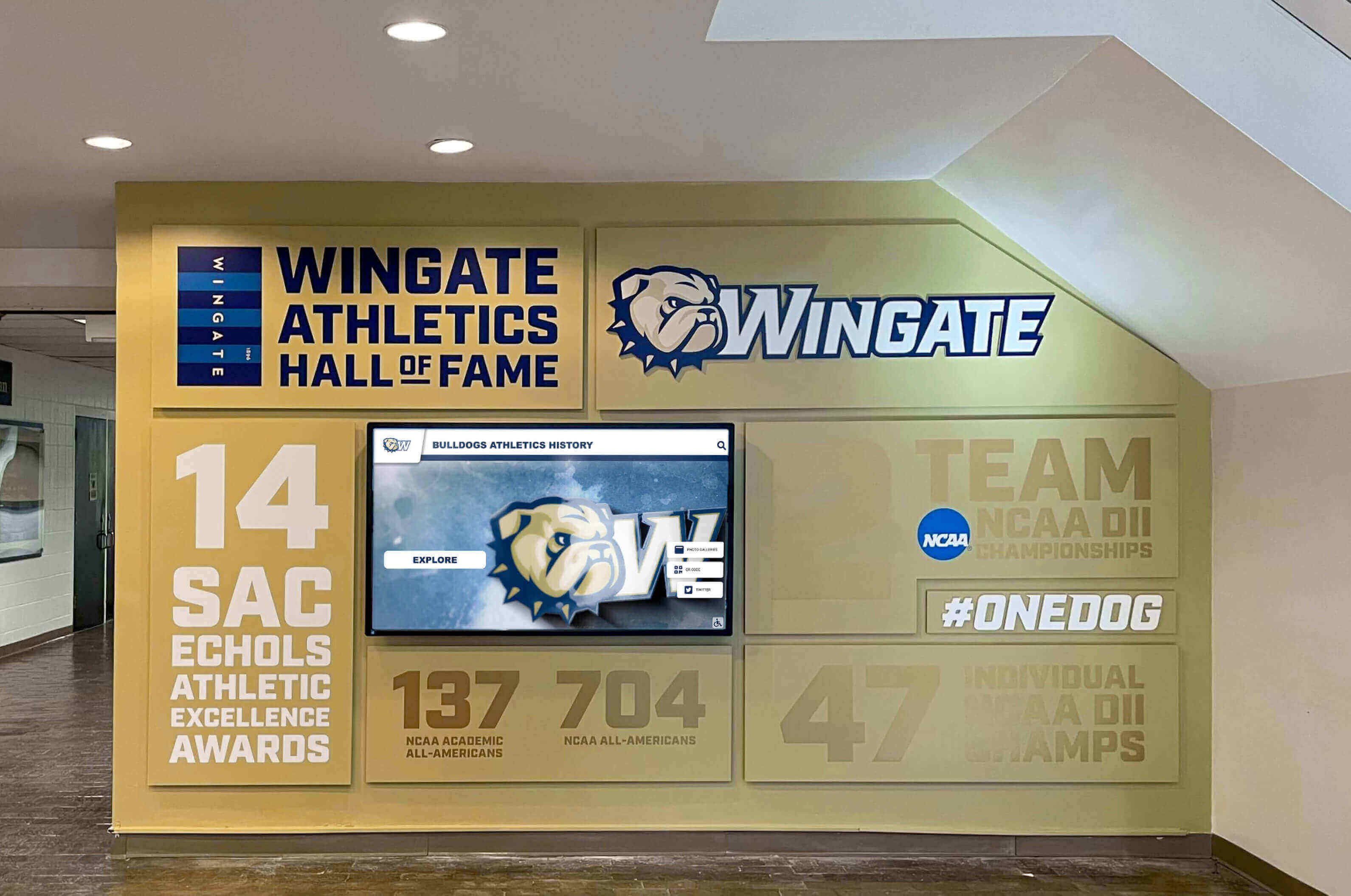
Solutions like Rocket Alumni Solutions enable schools to showcase athletic recognition content beyond banquet nights through permanent interactive touchscreen displays that preserve banquet honors year-round while inspiring current athletes.
Honoring Seniors and Creating Lasting Memories
Senior recognition requires special attention as banquets often mark final formal team gatherings for graduating athletes.
Meaningful Senior Tributes
Individual Senior Spotlights:
Dedicate focused time to each senior with biographical information and journey highlights, coach testimonials about character and contributions, video montages of their athletic careers, statistics and achievement summaries, and college or post-graduation plans.
Consider having younger teammates or fellow seniors introduce each honoree, adding peer perspective and emotional resonance traditional coach introductions might lack.
Senior Gifts and Keepsakes:
Beyond standard awards, provide meaningful keepsakes seniors will treasure including framed team photos with personal messages from coaches, personalized jerseys or warmup gear, engraved items like watches, rings, or plaques, photo albums or scrapbooks documenting careers, and letters of recommendation or reference for future use.
Some programs create senior-specific awards like “Legacy Award” recognizing four-year impact or “Pioneer Award” for athletes who helped establish developing programs.
Parent and Family Recognition
Athletic success requires family support through transportation to practices, attendance at competitions, financial investments in equipment and travel, emotional support through challenges, and countless other sacrifices. Acknowledge this support through parent recognition segments, small appreciation gifts like flowers or certificates, opportunities for parents to share brief memories, and explicit thank-you messaging from coaches and team leadership.
Creating moments recognizing family contributions adds emotional depth while teaching younger athletes about gratitude and community support required for athletic success.
Modern Digital Recognition Solutions
While traditional sports banquets celebrate achievements on single nights, modern digital recognition extends those honors throughout subsequent years, creating lasting institutional memory while inspiring future athletes.
The Value of Permanent Recognition
Banquet awards eventually move to trophy cases, mantels, or storage boxes, but digital recognition maintains permanent public visibility. When athletic achievements earn placement in digital hall of fame systems, they become accessible indefinitely to visiting recruits, returning alumni, current team members, and community members celebrating athletic traditions.
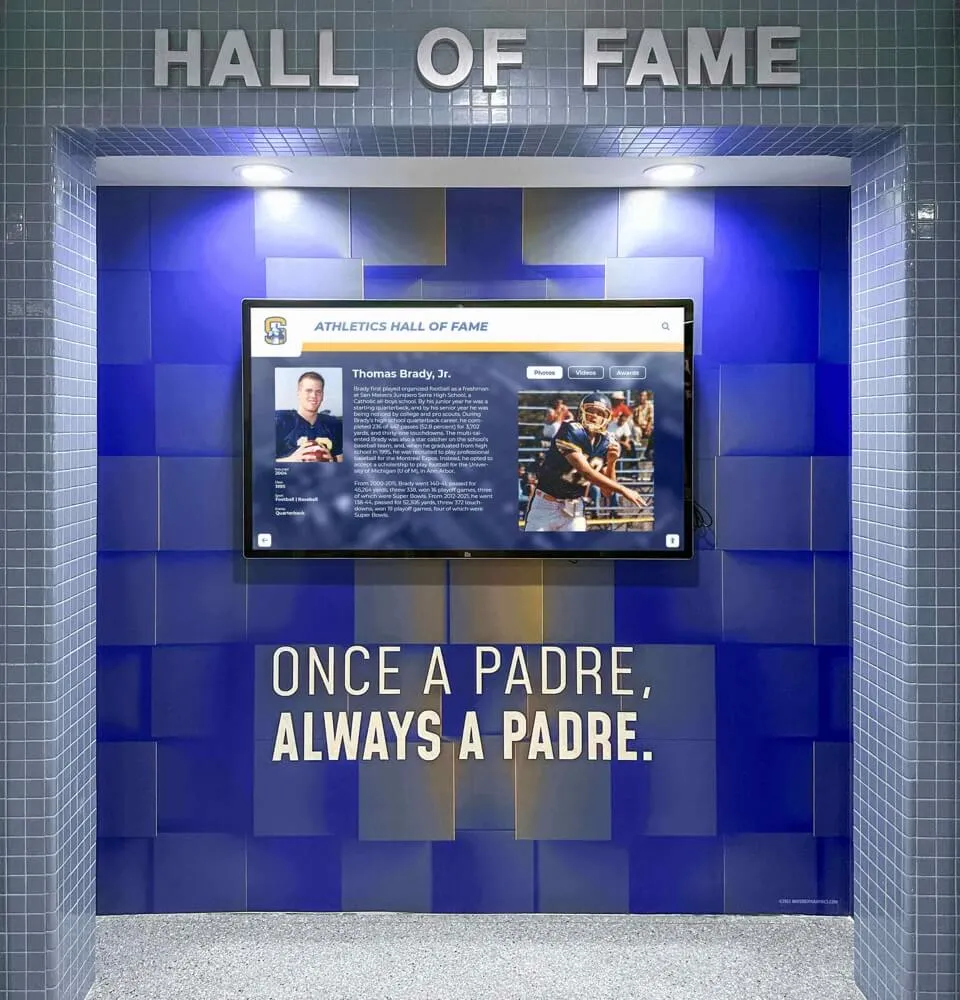
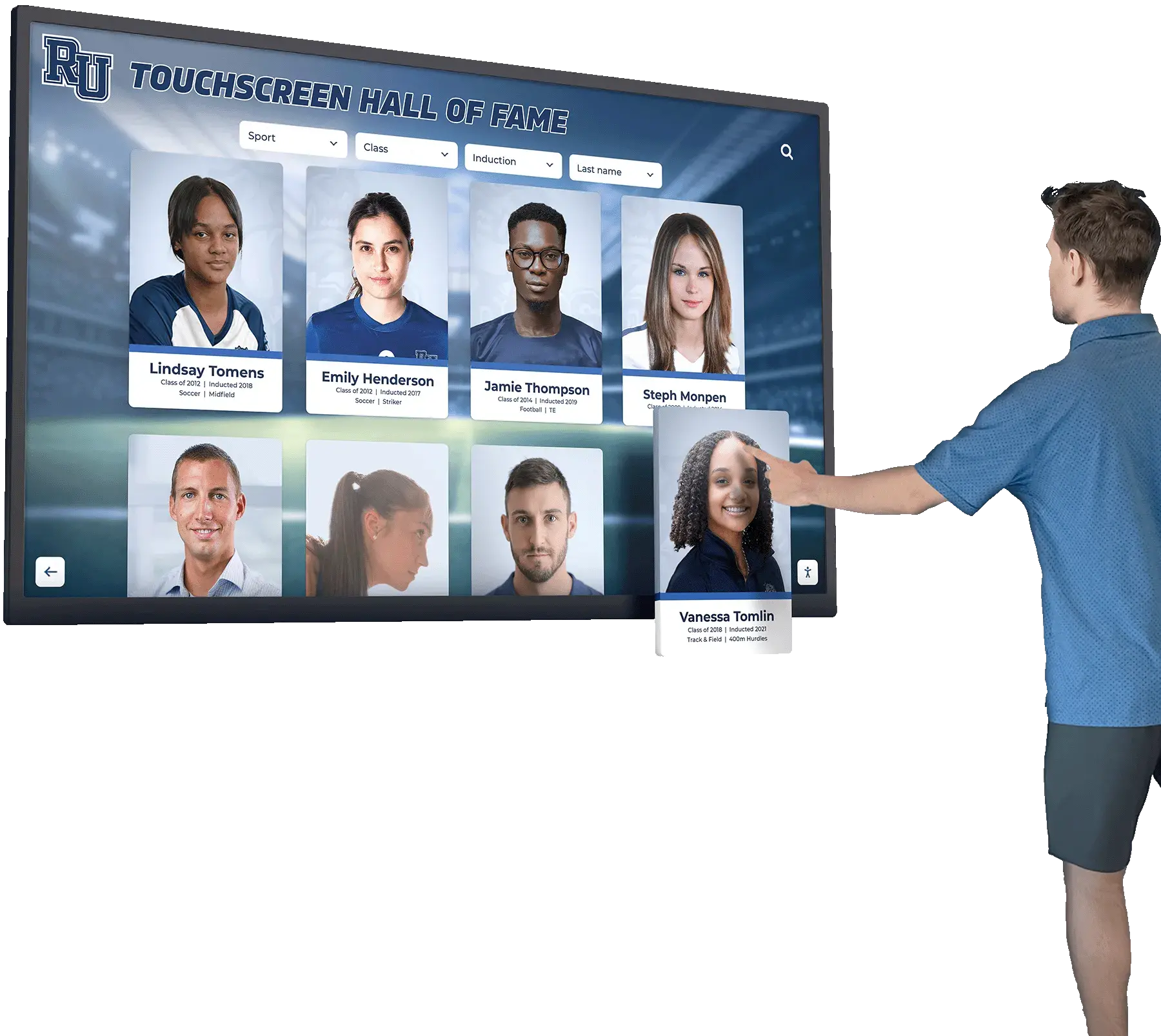
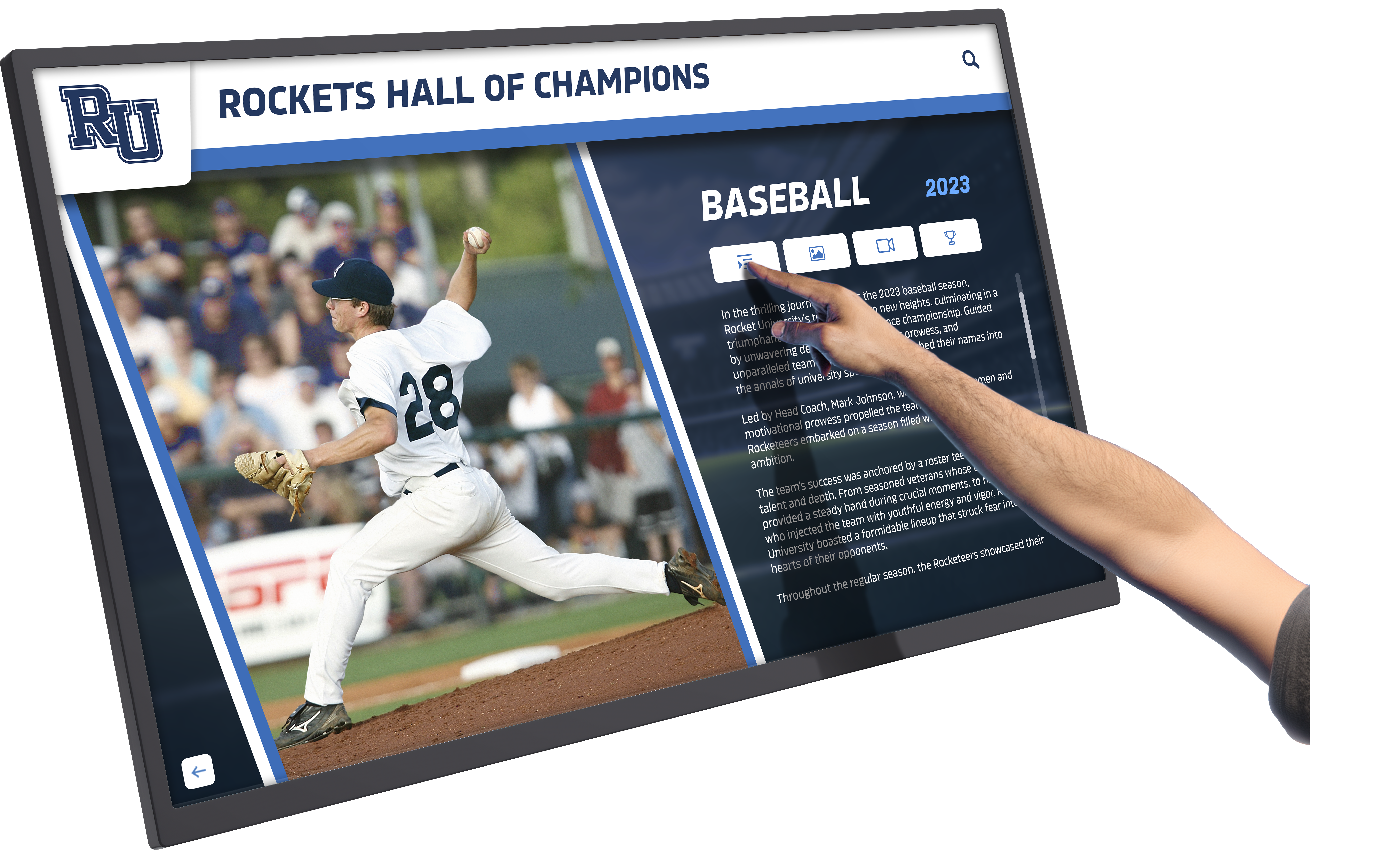
Digital systems showcase award winners, championship teams, record holders, and distinguished athletes through comprehensive profiles including photos, videos, statistics, and biographical information. These platforms transform momentary banquet recognition into enduring institutional legacy.
Integrating Banquet Recognition Digitally
Forward-thinking programs connect banquet honors to permanent digital displays in multiple ways:
Award Winner Archives:
Document every year’s award recipients across all categories, creating searchable historical records showing program evolution, multi-year winners, and achievement patterns. Families revisit these records years later, and current athletes explore past honorees for inspiration.
Senior Class Recognition:
Create comprehensive senior class profiles documenting complete athletic careers with banquet awards listed among other achievements. This preservation ensures senior honors remain accessible long after banquet programs are discarded.
Championship Season Documentation:
When banquets celebrate championship seasons or exceptional teams, preserve complete documentation including roster information, season statistics, tournament results, team photos, and awards distributed at banquets.
Modern solutions like Rocket Alumni Solutions provide comprehensive platforms designed specifically for athletic recognition, enabling schools to maintain permanent digital records of banquet honors while creating inspiring displays that celebrate excellence year-round.
Communication and Invitations
Effective communication ensures strong attendance while building anticipation and providing essential logistical information.
Invitation Strategy and Timing
Multi-Channel Communication:
Reach families through varied channels including printed invitations sent home with athletes, email invitations to parent addresses, text message reminders through team communication systems, social media posts on team pages, and announcements at final competitions or practices.
Send initial invitations 4-6 weeks before events, with reminders at two weeks and again at one week prior. Include clear RSVP instructions with firm deadlines enabling accurate catering counts.
Essential Information to Include:
Comprehensive invitations specify date, time, and detailed venue location with parking information, dress code expectations (formal, semi-formal, casual), cost per person if applicable, RSVP deadline and method, menu options if offering selections, and schedule overview so attendees know what to expect.
For digital invitations, platforms like Eventbrite, SignUpGenius, or Google Forms streamline RSVP collection, payment processing, and communication management.
Building Attendance and Excitement
Generate enthusiasm through countdown posts on social media, teaser content about award categories or special guests, highlight videos previewing banquet content, and personal outreach to senior families emphasizing importance of attendance.
Strong attendance validates athlete efforts while creating energetic atmospheres that elevate overall experience. Programs sometimes struggle with senior parent attendance at spring sports banquets competing with graduation preparations—early communication emphasizing significance helps prioritize these important celebrations.
Budget-Friendly Tips Without Sacrificing Quality
Quality sports banquets don’t require unlimited budgets. Strategic decisions maximize impact while respecting financial constraints.
Cost-Saving Strategies
Venue Alternatives:
School facilities eliminate venue rental costs, while outdoor spaces like pavilions or parks offer unique free or low-cost settings for appropriate weather seasons. Some religious institutions or community centers provide reduced rates for youth sports programs.
Volunteer Coordination:
Tap parent volunteers for decoration setup, registration table management, photography coverage, program printing through school resources, and technical support for presentations and AV.
Simplified Catering:
Consider off-peak timing for potential rate reductions, limited but high-quality buffet options rather than extensive spreads, dessert-focused receptions rather than full meals, or partnerships with local restaurants providing food at cost or donation rates.
Award Efficiency:
Order awards early avoiding rush fees, purchase quality certificates with professional printing over trophies for some categories, create meaningful non-physical awards like “coach for a day” experiences, or secure award donations or sponsorships from local businesses.
Digital Program Materials:
Email digital programs reducing printing costs, project program content rather than printing copies, or create simple single-page printed programs focusing budget elsewhere.
Day-Of Execution and Troubleshooting
Even with meticulous planning, successful events require attentive execution and ability to address unexpected issues.
Final Preparation Checklist
Week Before Event:
Confirm final headcount with caterer, complete awards organization with presentation order list, test all AV equipment and presentations, print programs and other materials, brief all speakers on time limits and expectations, confirm volunteer roles and timing, and prepare decoration materials for efficient setup.
Day-Of Timeline:
Arrive 3-4 hours early for venue setup, complete room arrangement and decoration, test AV systems again in actual conditions, organize awards in presentation order, set up registration area, conduct brief walkthrough with committee and volunteers, and remain available as point person for all issues.
Common Issues and Solutions
Technical Failures:
Backup all presentation files on multiple devices, bring spare adapters, cables, and equipment, have printed materials available if digital displays fail, and designate technically skilled volunteer for troubleshooting.
Catering Problems:
Build buffer into headcount preventing shortfalls, have contact information for catering manager, prepare alternatives if dietary accommodations are missed, and maintain flexible timing if service runs longer than planned.
Attendance Surprises:
Maintain slight overcount with caterer accommodating unexpected guests, have extra programs available, and seat additional guests gracefully without disruption.
Schedule Delays:
Build discretionary time into programs allowing flexibility, empower emcee to adjust pacing as needed, and identify content that can be abbreviated if necessary without diminishing core recognition.
Post-Event Follow-Up and Evaluation
Banquet success extends beyond final guest departure through thoughtful follow-up maintaining enthusiasm while improving future events.
Immediate Follow-Up Actions
Thank You Communications:
Send appreciation notes or emails to volunteers who contributed time, sponsors who provided financial or in-kind support, speakers who shared time and wisdom, venue staff who accommodated needs, and families for attendance and support.
Photo and Video Sharing:
Compile and share banquet photos through secure online galleries, post highlight videos on team social media, tag and acknowledge attendees in posts, and provide group team photos to athletes and families.
Recognition Extension:
Announce award winners through school communications, submit achievements to local media outlets, and update athletic program websites and digital recognition displays with current year honors.
Evaluation and Continuous Improvement
Schedule post-event committee debrief within two weeks discussing what worked well, what didn’t meet expectations, budget performance against projections, and suggestions for future improvements.
Collect feedback through brief surveys sent to attendees covering program pacing and length, venue satisfaction, food quality and variety, recognition meaningfulness, and suggestions for enhancement.
Document lessons learned while details remain fresh, creating institutional knowledge that helps future planners avoid repeated mistakes while building on successful elements.
Multi-Sport vs. Individual Team Banquets
Programs face decisions about whether to hold unified banquets covering all athletics or sport-specific celebrations. Each approach offers distinct advantages.
Combined Multi-Sport Banquets
Advantages:
Unified celebrations emphasize comprehensive athletic program excellence, create efficient use of volunteer time and resources, generate larger attendance creating energetic atmosphere, allow cross-sport recognition and relationships, and demonstrate school-wide athletic department unity.
Multi-sport formats work particularly well for smaller schools with manageable total athlete counts or programs seeking to elevate sports receiving less individual attention throughout seasons.
Challenges:
Combined banquets risk excessive length testing attendee patience, create difficulties providing adequate time for each sport, present challenges maintaining engagement when large portions don’t involve particular attendees, and can feel impersonal for athletes seeking sport-specific celebration.
Sport-Specific Banquets
Advantages:
Focused celebrations allow comprehensive coverage of individual team seasons, create intimate atmosphere strengthening team bonds, enable sport-specific programming and inside humor, provide flexibility for team-preferred timing and formats, and offer more meaningful family experience where all content relates to their athletes.
Challenges:
Multiple separate banquets require repeated volunteer effort, multiply costs across several events, create scheduling challenges especially during spring seasons, and may receive lower attendance for individual sports than combined events.
Many programs adopt hybrid approaches with major sports hosting individual banquets while combining smaller programs into unified celebrations balancing advantages of both strategies.
Conclusion: Creating Celebrations That Honor Excellence
Sports banquets represent defining moments in athletic seasons—occasions when months of dedication, training, and competition receive formal recognition before communities gathered to honor achievement. When thoughtfully planned and genuinely executed, these celebrations create lasting memories for athletes, validate family sacrifices, strengthen team bonds, and inspire younger participants to pursue their own athletic excellence.
The most unforgettable sports banquets share common characteristics regardless of budget or venue. They honor athletes authentically through meaningful recognition extending beyond top performers to celebrate diverse contributions. They create engaging experiences through thoughtful programming balancing efficiency with appropriate ceremony. They involve families actively in celebrations while expressing genuine appreciation for support enabling athletic success. They establish traditions becoming anticipated highlights of athletic calendars year after year.
Whether you’re organizing an intimate single-team gathering or an elaborate multi-sport gala, fundamental principles remain constant: honor achievement meaningfully, celebrate contributions authentically, create welcoming inclusive atmospheres, and maintain focus on recognizing the student-athletes whose dedication justifies the celebration.
As you plan your next sports banquet, remember that you’re not simply organizing an event—you’re creating experiences athletes will remember throughout their lives, establishing traditions that will inspire future participants, and demonstrating through action that athletic excellence matters and receives the recognition it deserves.
Ready to Elevate Your Athletic Recognition Program?
Explore how digital athletic recognition systems extend banquet honors beyond single nights, or learn about comprehensive solutions for celebrating sports achievements year-round through permanent displays that inspire current athletes while preserving proud traditions.
For guidance on creating recognition programs that complement banquet celebrations with lasting institutional memory, contact Rocket Alumni Solutions to discover how modern recognition technology helps schools honor athletic excellence through engaging displays that celebrate achievements long after banquet applause fades.