



Key Takeaways
Comprehensive guide to planning successful high school sports banquets. Learn venue selection, award strategies, program design, recognition displays, and engaging celebration ideas that honor athletic achievement.
Understanding the Purpose and Types of High School Sports Banquets
Before diving into logistics, clarifying your banquet’s specific purpose and format ensures planning decisions align with your goals and community expectations.
Core Purposes of Athletic Recognition Banquets
Effective sports banquets serve multiple interconnected functions that extend beyond simply distributing awards:
Celebrating Achievement: The primary purpose remains publicly honoring athletic accomplishments—individual performances, team successes, championship seasons, and record-breaking achievements. Recognition validates the significant time, effort, and sacrifice athletes invest throughout their competitive seasons.
Building Team Community: Banquets bring together athletes, coaches, families, administrators, and community supporters in shared celebration. These gatherings strengthen relationships, create unity across different sport programs, and reinforce the sense that individual teams represent parts of a larger athletic community.
Inspiring Future Excellence: Recognition ceremonies demonstrate that achievement leads to lasting acknowledgment, motivating younger athletes and creating aspirational goals. When underclassmen see seniors honored for their dedication and accomplishments, excellence becomes tangible and achievable.
Preserving Athletic Legacy: Formal recognition events document program history and create traditions connecting past achievements with current and future athletes. These occasions provide opportunities to acknowledge historical accomplishments and maintain institutional memory.
Strengthening Family and Community Engagement: Banquets involve families directly in athletic program celebration, creating positive touchpoints that build support networks and community investment in athletic success.
Common Banquet Format Options
High schools typically employ several different banquet structures, each offering distinct advantages:
All-Sports Banquets combine recognition for all athletic programs into single comprehensive events. These larger gatherings celebrate the entire athletic department, recognize multi-sport athletes efficiently, and create economy of scale for smaller schools. However, all-sports formats reduce individual sport recognition time and can feel impersonal when programs have dramatically different season outcomes.
Individual Sport Banquets provide focused celebrations for specific teams or sports programs. These intimate events allow extensive individual recognition, deeper reflection on season experiences, and stronger team bonding. Sport-specific banquets work well for larger schools with extensive participation and programs with strong individual identities and booster support.
Seasonal Athletic Banquets group fall, winter, and spring sports into three annual recognition events. This middle-ground approach maintains some cross-sport community building while providing more focused recognition than all-sports formats. Seasonal banquets balance efficiency with personalization and naturally align with athletic calendar structures.
Senior Recognition Banquets specifically honor graduating athletes across all sports in unified celebrations. These events focus on career athletic accomplishments, academic achievements, and post-graduation plans while creating special moments for seniors and their families. Schools often combine senior banquets with other recognition formats, hosting both season-specific and culminating senior celebrations.
Championship Celebrations recognize specific teams achieving exceptional success—conference championships, state tournament appearances, or record-breaking seasons. These special-purpose events can occur immediately following achievements or integrate into broader banquet structures with enhanced recognition segments.
Understanding which format best serves your athletic program, community culture, and available resources guides all subsequent planning decisions.
Establishing Budget and Timeline Foundations
Successful banquets require realistic financial planning and adequate preparation time—two foundational elements that prevent last-minute complications and disappointing compromises.
Developing Comprehensive Banquet Budgets
💰 Typical Budget Categories
Venue Rental: $200-$2,000 depending on location and capacity
Catering: $15-$35 per person for meal service
Awards and Recognition: $500-$3,000 for trophies, plaques, and certificates
Decorations: $200-$800 for centerpieces, banners, and ambiance
Program Materials: $150-$500 for printed programs and displays
Entertainment/AV: $200-$1,000 for sound systems, presentations, speakers
Staff Support: $0-$500 for event coordination assistance
📊 Budget Optimization Strategies
Booster Organization Funding: Athletic boosters often provide primary financial support
Ticket Sales: Charging athletes/families $10-$25 per attendee
Sponsorships: Local business support through monetary donations or in-kind contributions
School General Funds: Athletic department operational budgets
Fundraising Events: Dedicated fundraisers specifically supporting recognition programs
Cost Sharing: Splitting expenses across multiple sport programs
Per-Person Cost Planning: Most successful high school sports banquets target $25-$50 total cost per attendee, though this varies significantly based on venue choice, meal selection, and recognition approach. Schools in smaller communities or serving economically disadvantaged populations often aim toward the lower end of this range, while programs in affluent areas or with strong booster support may budget higher amounts creating more elaborate celebrations.
Scalability Considerations: Build budgets with flexibility to accommodate attendance variations. Planning for 150 attendees but having 200 appear creates serious problems if catering, seating, and materials run short. Most experienced planners budget for 10-15% higher attendance than conservative estimates, recognizing that confirmations often undercount actual participation.
Hidden Costs to Remember: Beyond major expense categories, budget for often-overlooked items including invitation printing and postage, additional parking or security if needed, audiovisual equipment rental if venue doesn’t provide adequate systems, photography or videography services capturing event memories, and contingency funds for unexpected last-minute needs.
Creating Realistic Planning Timelines
Adequate preparation time prevents stress and ensures quality outcomes. Most successful banquets require 8-12 weeks of planning, though experienced committees with established processes may manage shorter timelines.
12 Weeks Before: Initial Planning Phase
- Form planning committee with clear role assignments
- Determine banquet format, date, and approximate budget
- Identify and reserve venue options
- Establish preliminary attendee count estimates
- Create master task list and assignment schedule
8-10 Weeks Before: Logistics and Communication
- Finalize venue contract and catering arrangements
- Order awards, trophies, and recognition materials
- Design and distribute save-the-date communications
- Recruit volunteers for event support roles
- Begin developing program content and speaking assignments
4-6 Weeks Before: Detail Development
- Send formal invitations with RSVP requirements
- Finalize menu selections and dietary accommodation plans
- Create detailed program agenda and script
- Prepare recognition materials—certificates, slideshow content, speeches
- Confirm audiovisual requirements and arrangements
- Order decorations and centerpiece materials
2-3 Weeks Before: Final Preparations
- Track RSVPs and adjust catering numbers
- Finalize seating arrangements if using assigned tables
- Complete program printing and recognition materials
- Conduct venue walkthrough confirming setup details
- Prepare volunteer assignments and briefing materials
- Test all presentation technology and backup systems
Week Of Event: Final Details
- Confirm final attendance count with caterer
- Print any last-minute program additions
- Organize recognition materials in presentation order
- Conduct volunteer briefing session
- Complete venue decoration setup
- Perform final audiovisual system testing
Starting early and maintaining organized timelines prevents the rushed, chaotic final days that undermine event quality and create unnecessary stress for organizers.
Selecting and Preparing the Perfect Venue
Venue choice dramatically impacts guest experience, budget requirements, and logistical complexity. Thoughtful selection aligned with your specific needs creates the foundation for successful celebrations.
Evaluating Venue Options
School Facilities: Many programs host banquets in school cafeterias, gymnasiums, or auditoriums. These on-campus options minimize venue costs, provide familiar comfortable settings, create logistical convenience, and strengthen connections between recognition events and daily athletic experiences. However, school spaces may feel institutional rather than special, require significant decoration efforts to transform ambiance, and involve setup/cleanup responsibilities that external venues handle professionally.
Restaurants and Banquet Halls: Commercial event spaces offer professional atmospheres, full-service catering, experienced event staff, attractive pre-decorated environments, and reduced setup/cleanup burdens. These advantages come with higher costs, potential scheduling limitations during peak seasons, and transportation considerations for families unfamiliar with locations.
Community Centers and Recreational Facilities: Municipal venues often provide middle-ground options between school facilities and commercial spaces. They typically offer reasonable rental rates, adequate capacity and parking, professional presentation spaces, and community connection symbolism. Catering flexibility varies—some allow external caterers while others require approved vendor lists.
Hotels and Conference Centers: Larger programs or combined multi-sport banquets may require hotel conference spaces providing substantial capacity, professional service, convenient amenities, and impressive presentation value. Premium pricing makes these options appropriate primarily for well-funded programs or major championship celebrations.
Critical Venue Evaluation Factors:
Capacity: Ensure comfortable seating for expected attendance plus 15% buffer. Cramped spaces diminish experience while excessive space creates empty, impersonal atmospheres.
Accessibility: Verify ADA compliance for guests with mobility limitations. Consider parking adequacy, entrance accessibility, and restroom facilities meeting diverse needs.
Audiovisual Capabilities: Assess sound system quality, projection equipment availability, screen visibility from all seating areas, and technical support availability. Recognition programs heavily dependent on video presentations require excellent AV infrastructure.
Setup Flexibility: Confirm table arrangement options, stage or presentation area adequacy, and space for recognition displays or photo opportunities. Understanding setup/cleanup timing and responsibilities prevents day-of-event conflicts.
Catering Requirements: Clarify whether venues provide in-house catering, allow external caterers, or operate under exclusive catering partnerships affecting food quality and pricing.
Atmosphere and Character: Consider how venue style aligns with your desired banquet tone. Formal elegant spaces suit traditional recognition ceremonies, while casual contemporary venues match relaxed celebration atmospheres. Ideally, venue character should complement rather than fight against your program culture and community expectations.
Venue Setup and Decoration Strategies
Transforming selected venues into celebratory athletic recognition spaces requires thoughtful planning:
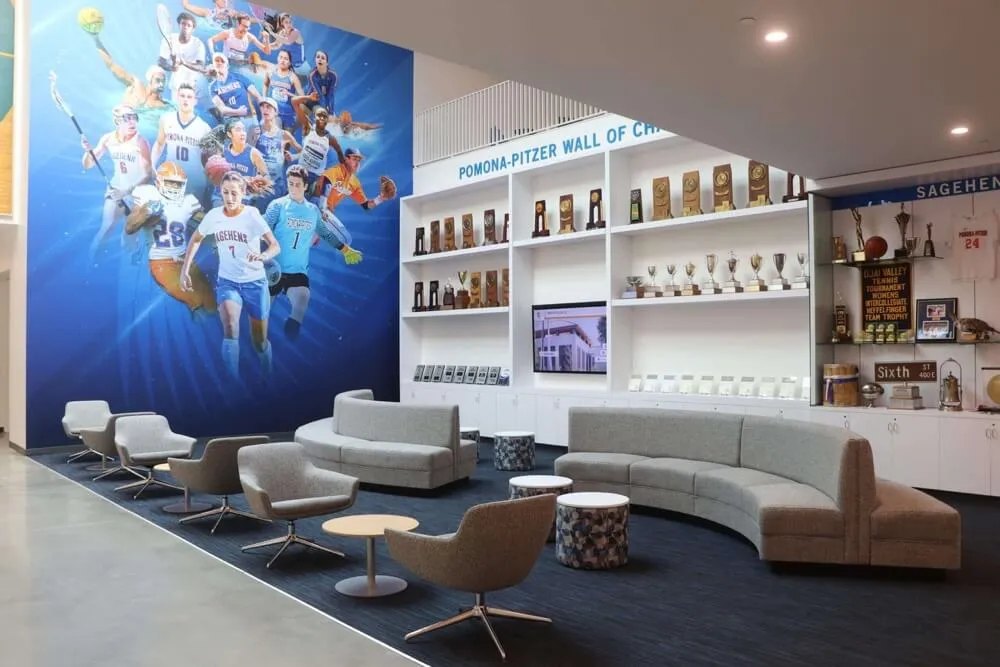
Entrance and Welcome Areas: Create impressive first impressions through welcome signage featuring team logos and colors, registration tables for check-in or program distribution, photo opportunity backdrops with team branding, and recognition display areas showcasing trophies or achievement highlights. These entry experiences set the tone for the entire event.
Dining and Seating Arrangements: Consider whether assigned seating by team creates community or open seating encourages cross-program interaction. Most successful banquets seat athletes with their specific teams and coaches, enabling natural conversation and team bonding. Providing programs at each place setting, along with team-specific centerpieces when possible, personalizes experiences.
Presentation Stage and Recognition Areas: Ensure clear visibility from all seating positions, adequate space for award presentations without crowding, professional backdrop aesthetics for photographs, and proper lighting highlighting honorees. Testing sightlines from various seating locations prevents disappointing situations where guests can’t see recognition moments.
Visual Environment Enhancement: Transform spaces through strategic decoration—hanging team banners and championship commemorations, using balloon arrangements or ceiling treatments in school colors, creating photo montage displays celebrating season highlights, incorporating athletic equipment as decorative elements, and employing professional lighting to enhance ambiance beyond standard venue lighting.
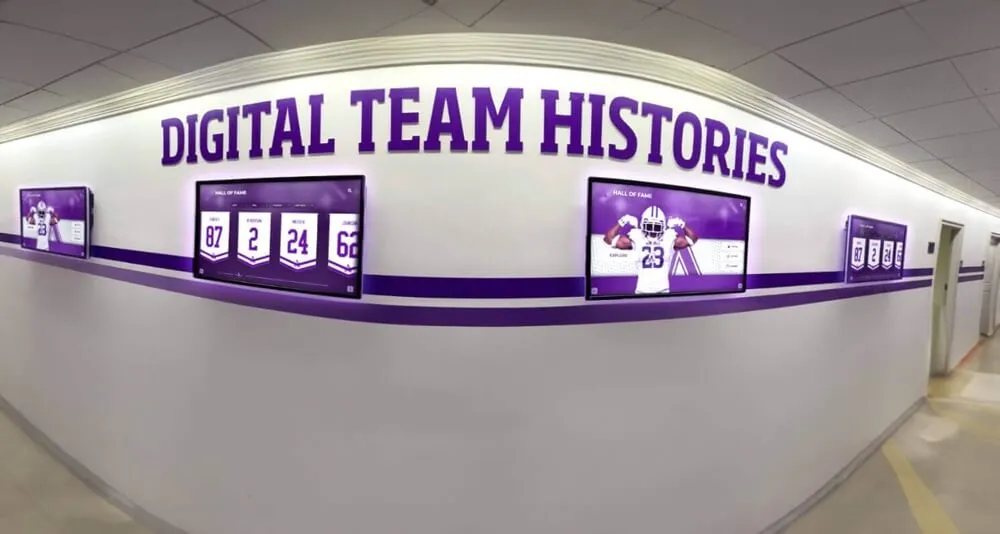
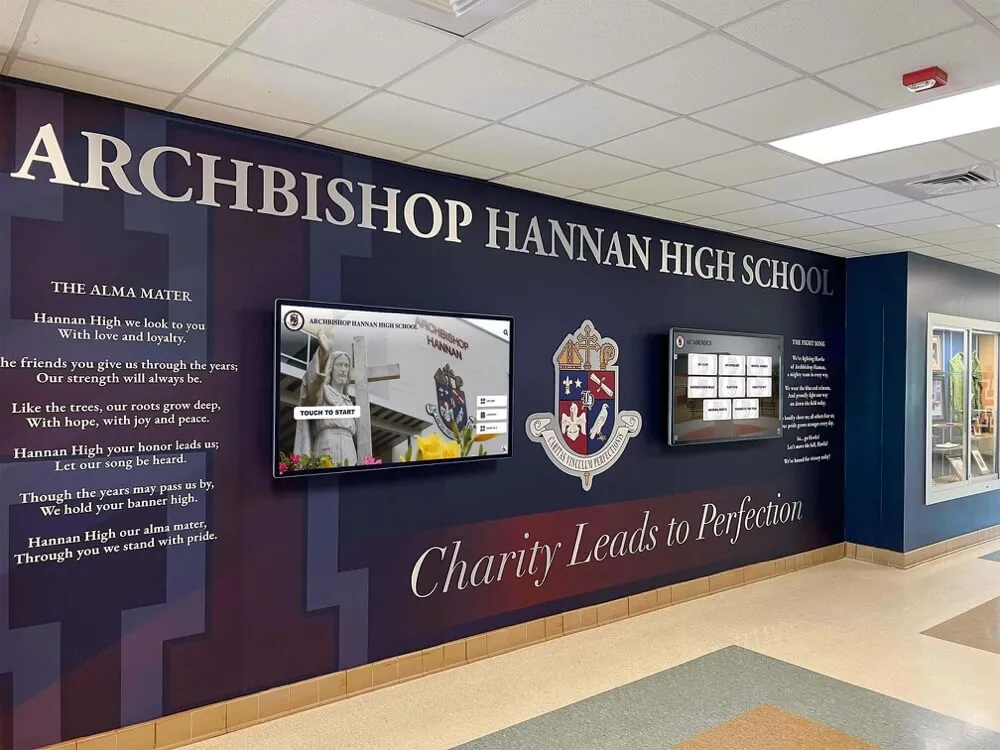
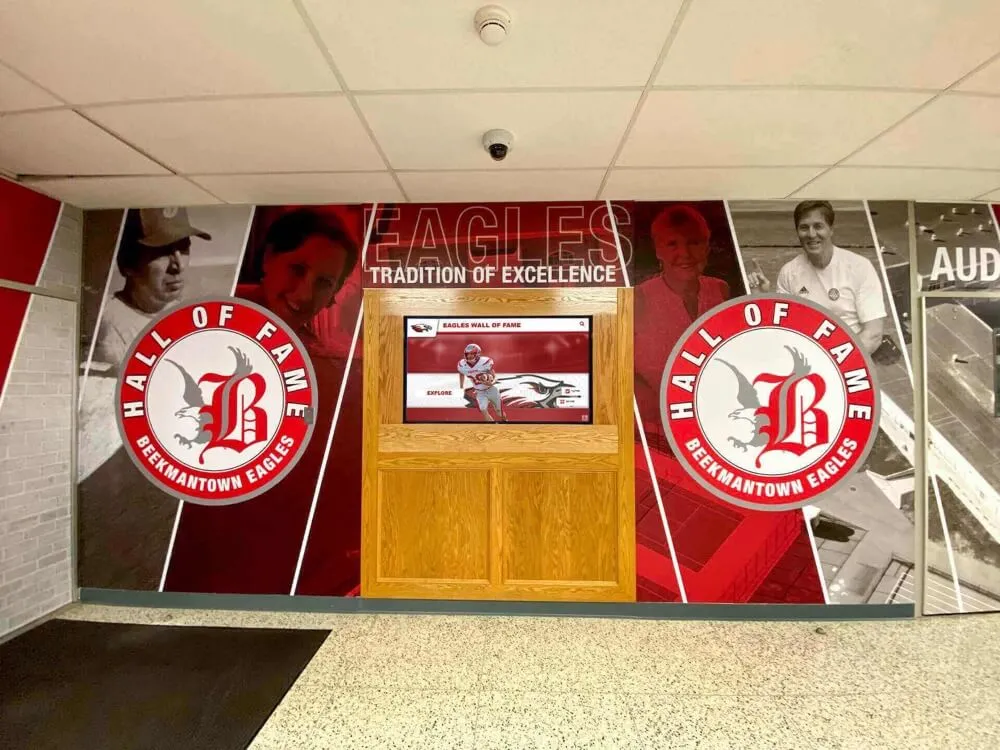
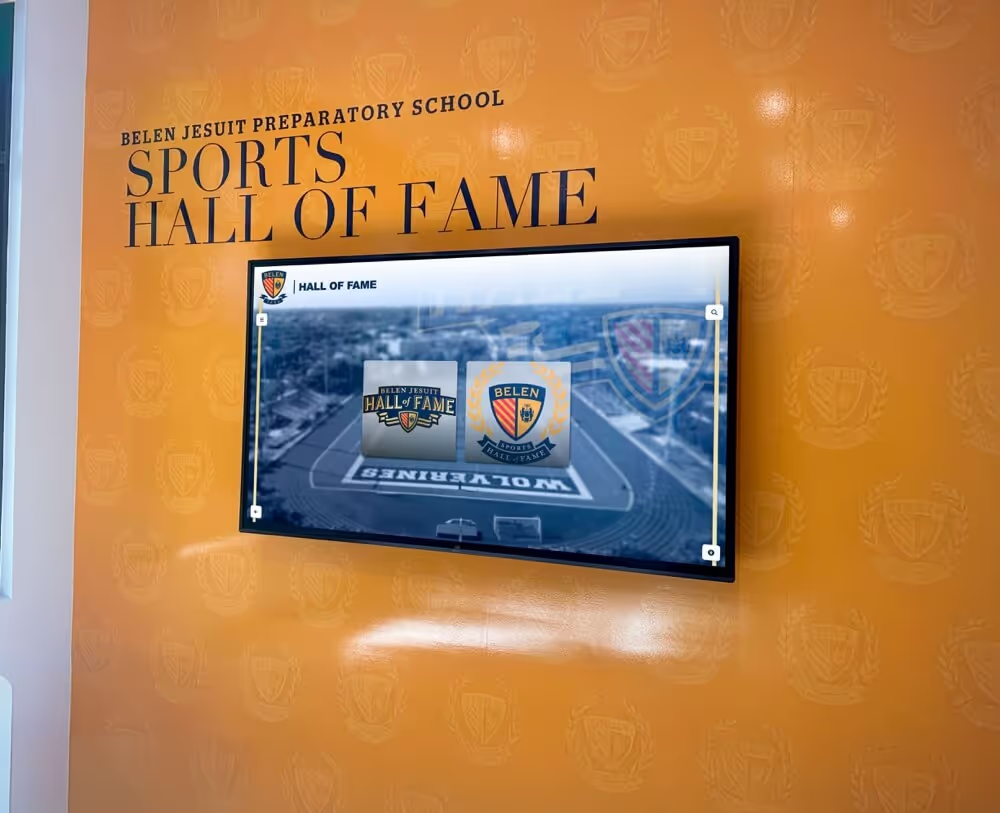
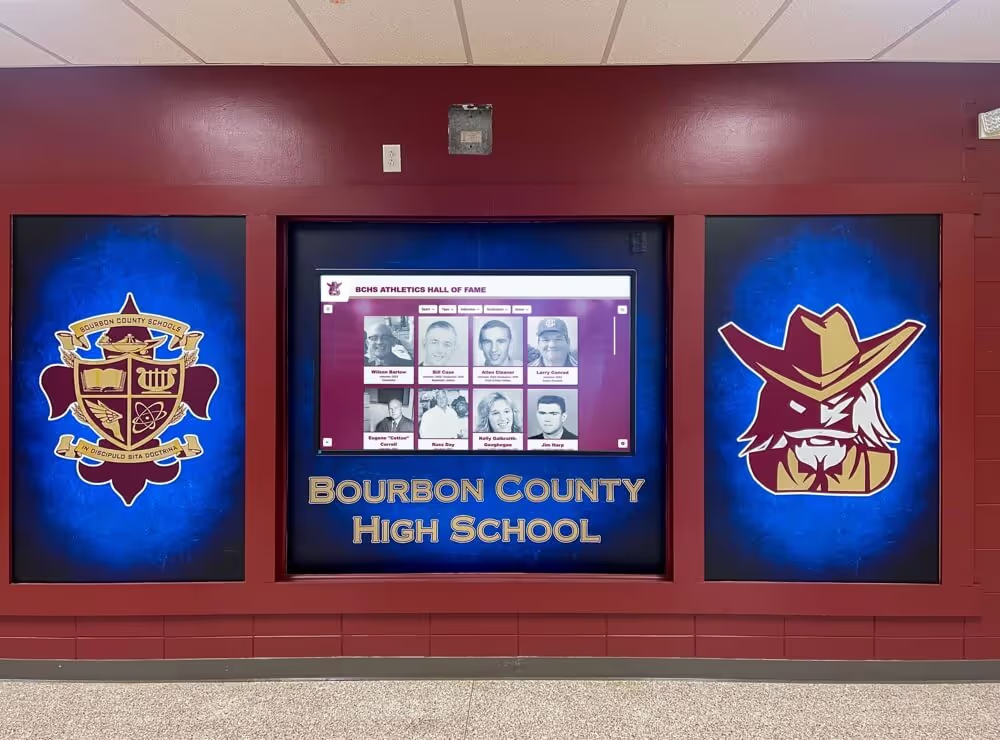
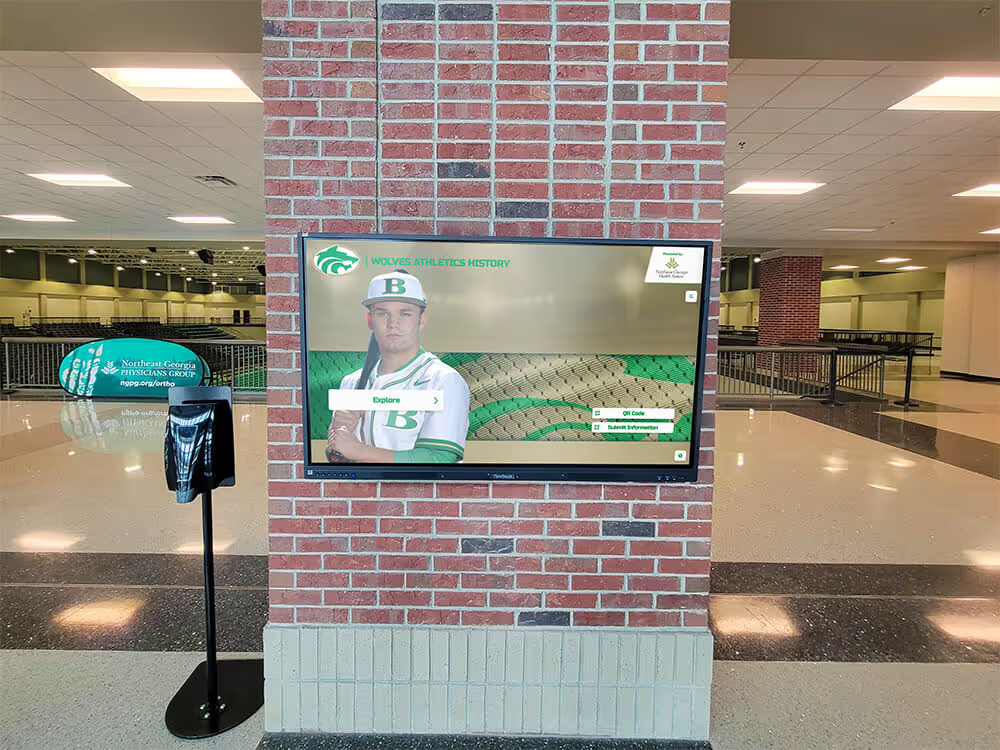
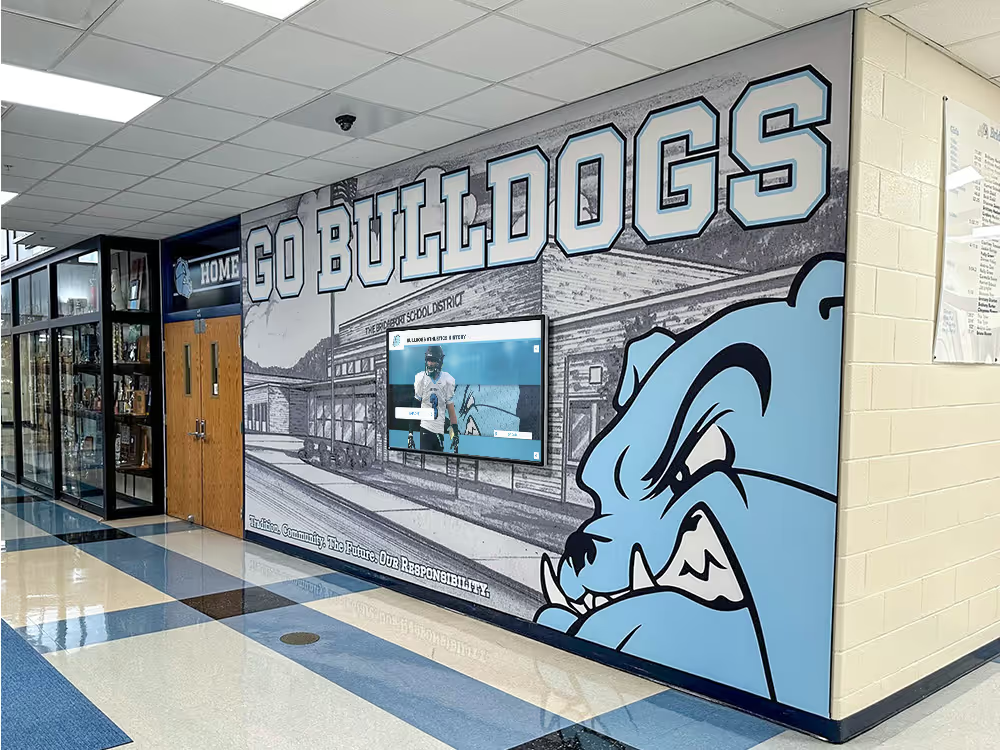
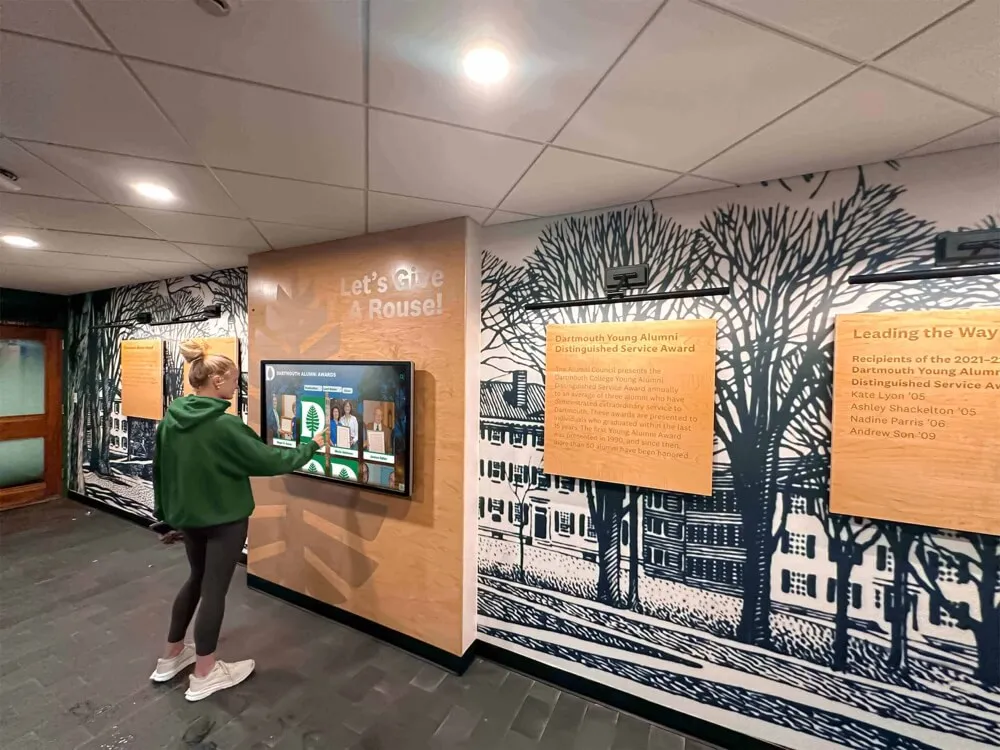
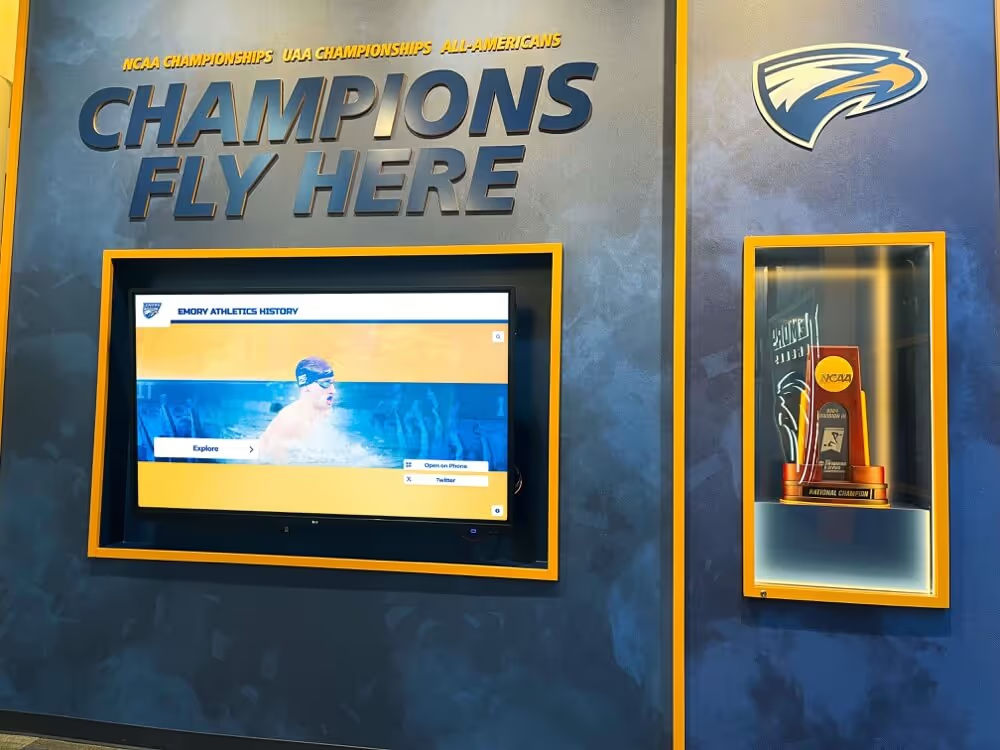
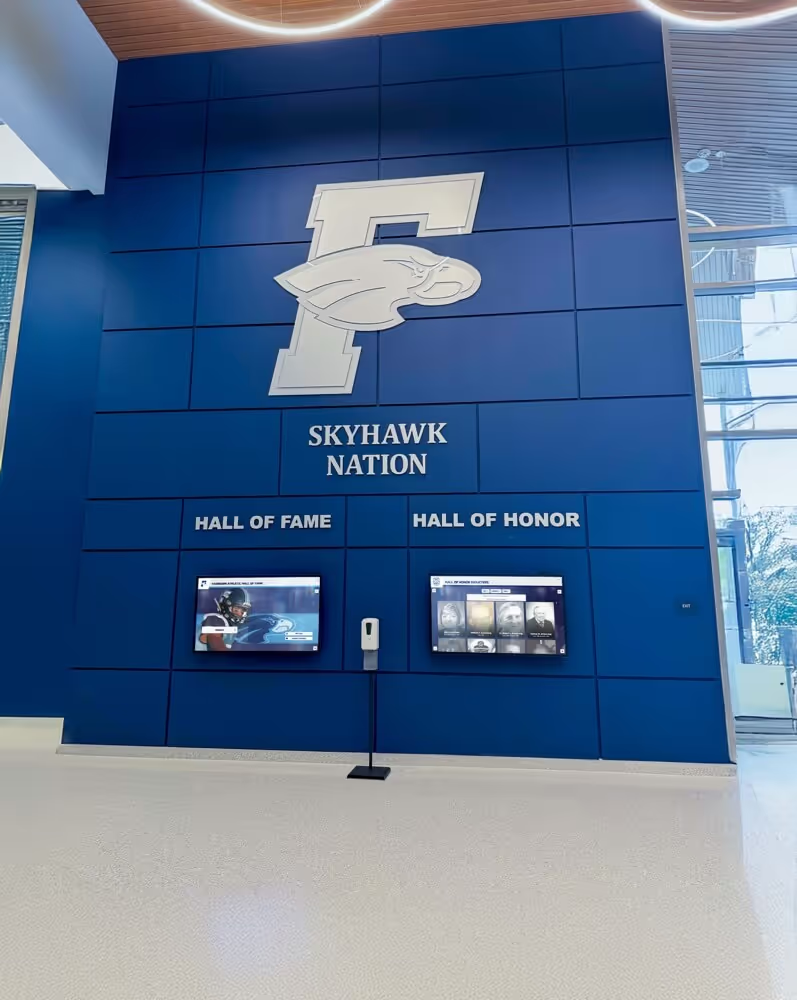
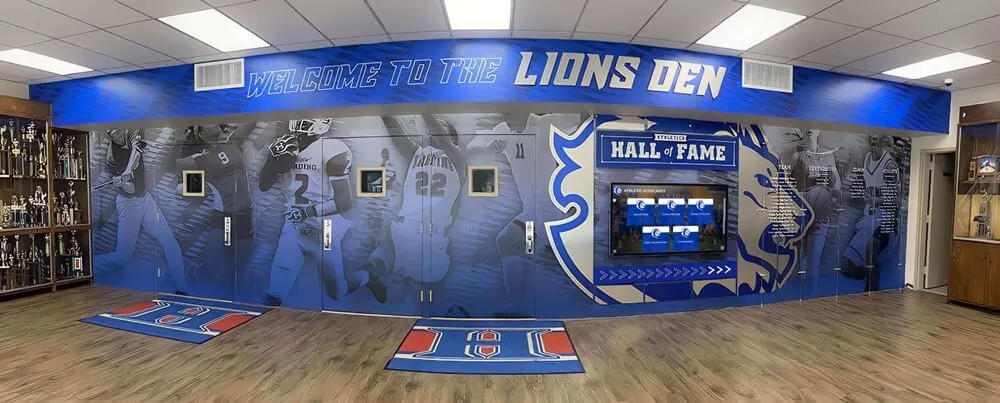
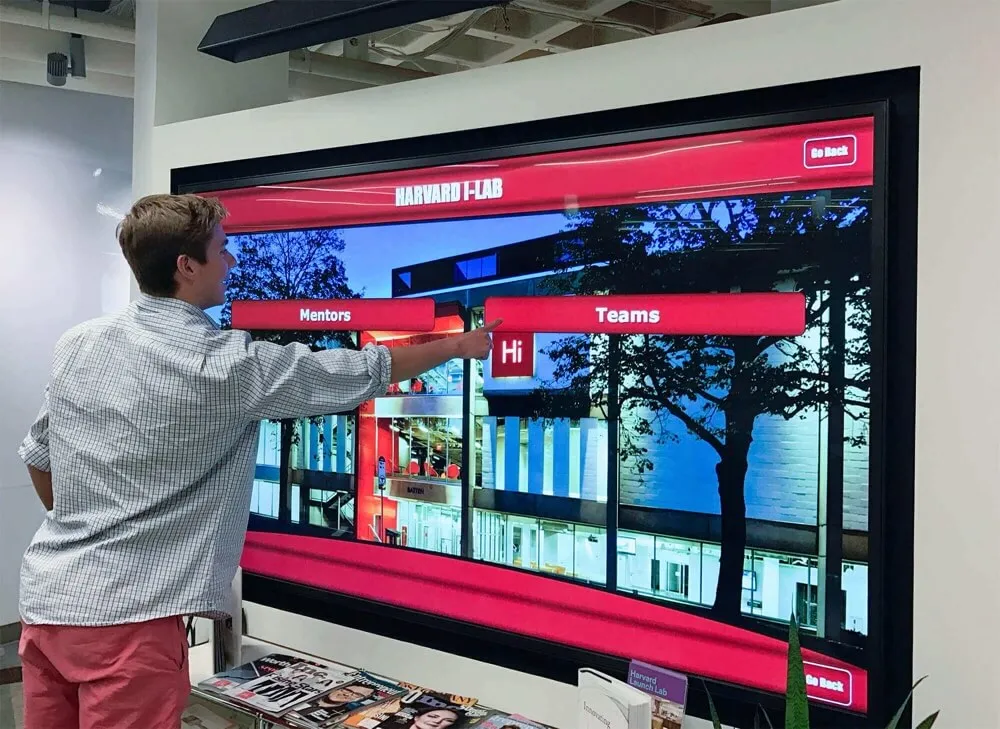
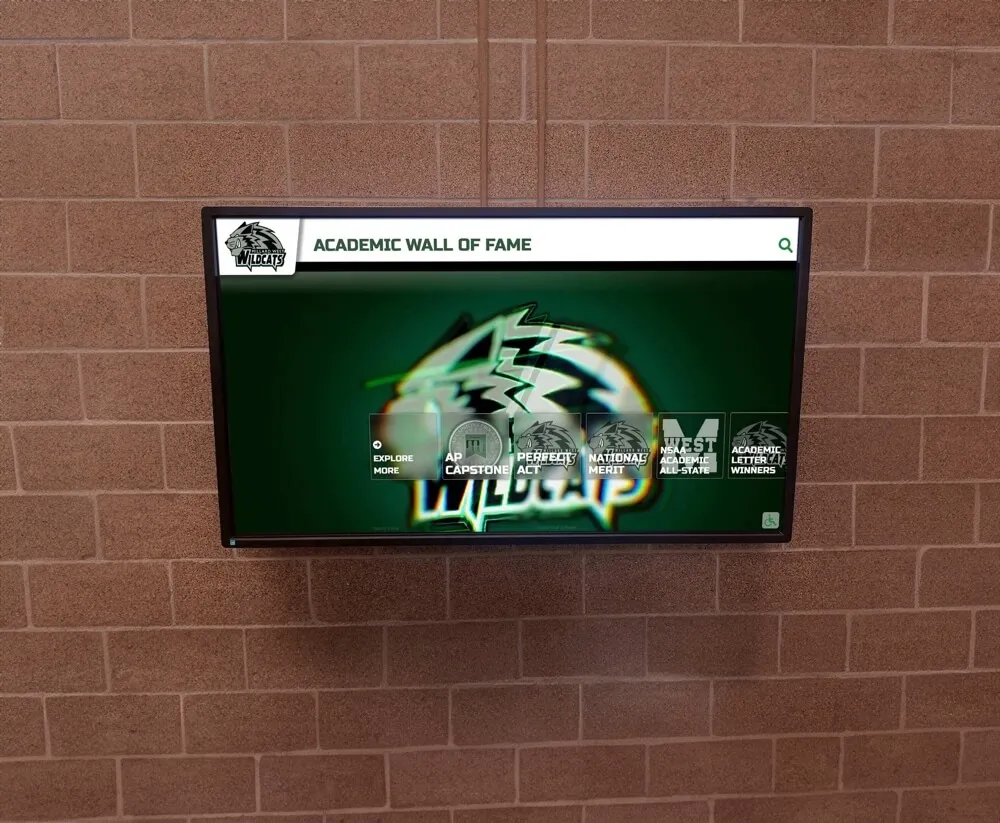
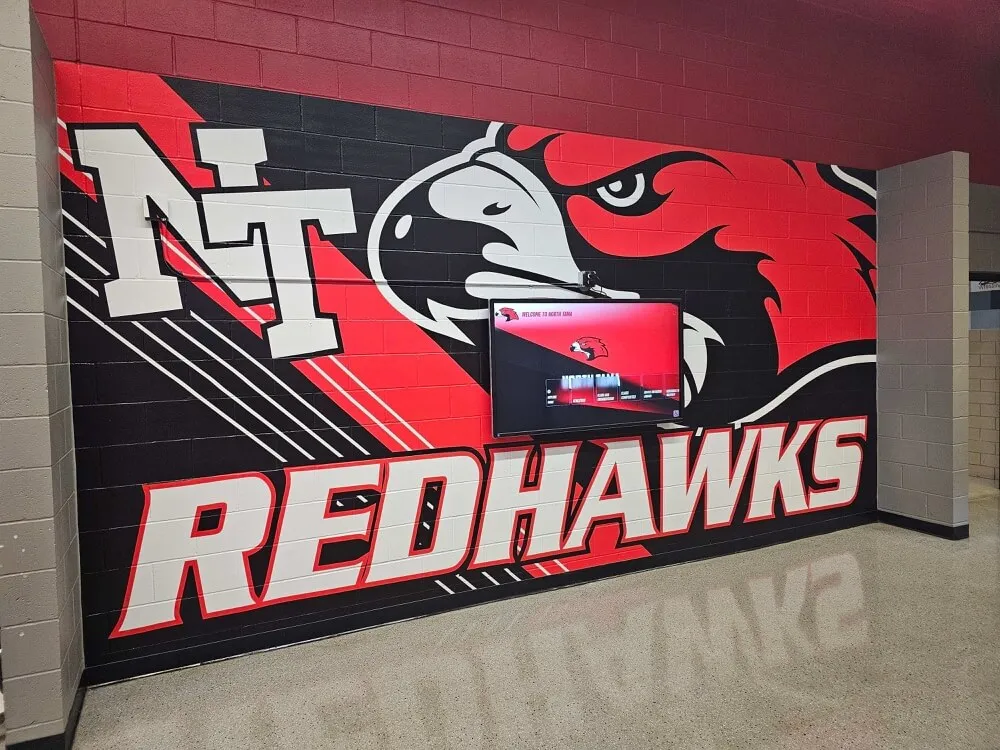
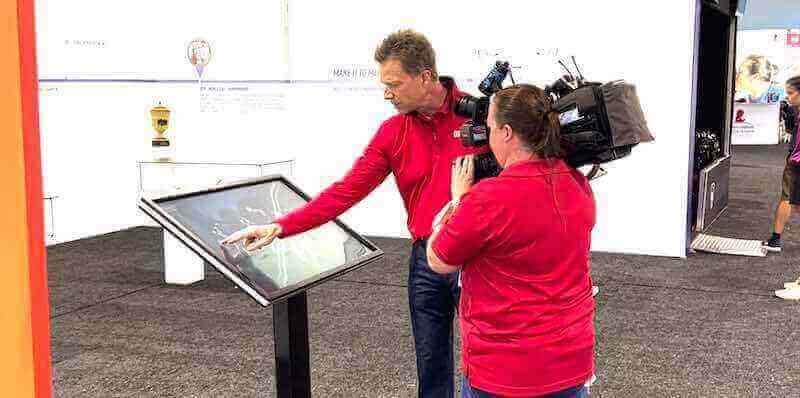
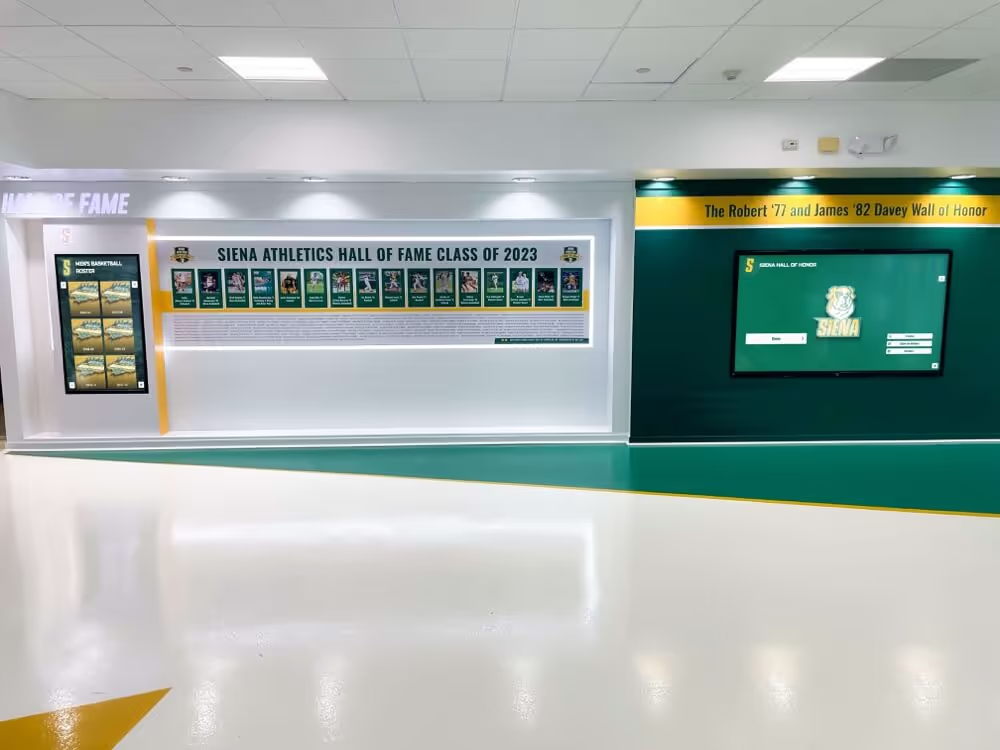
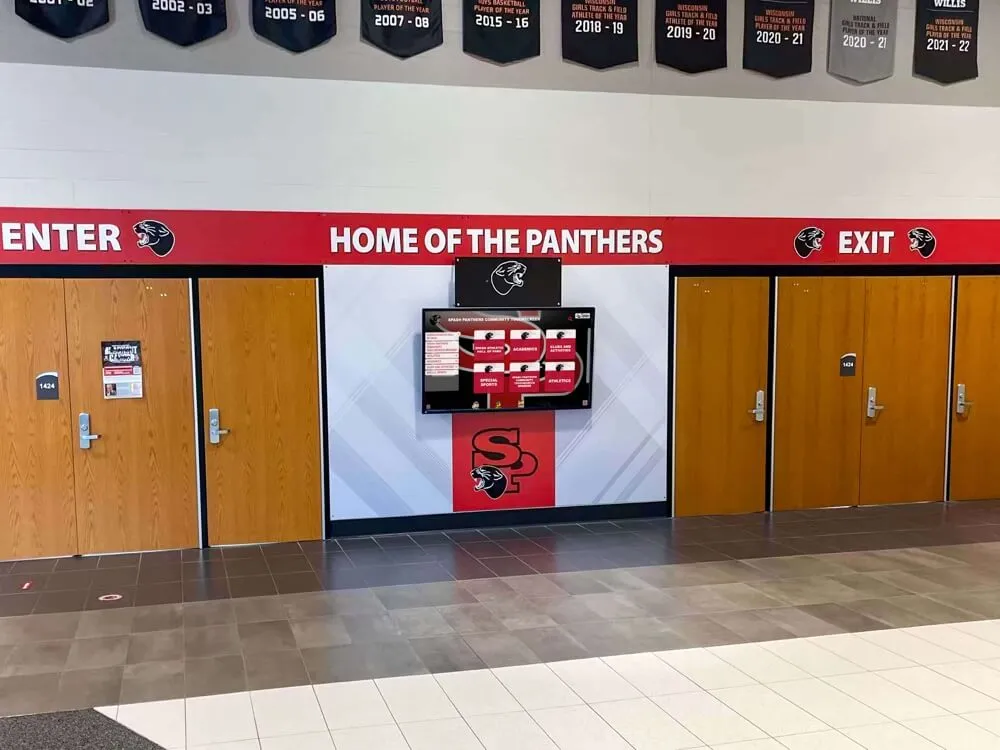
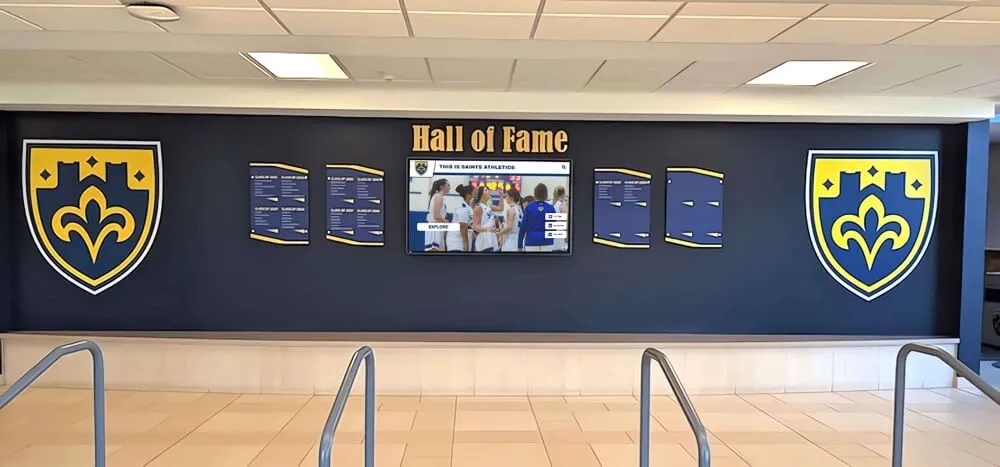
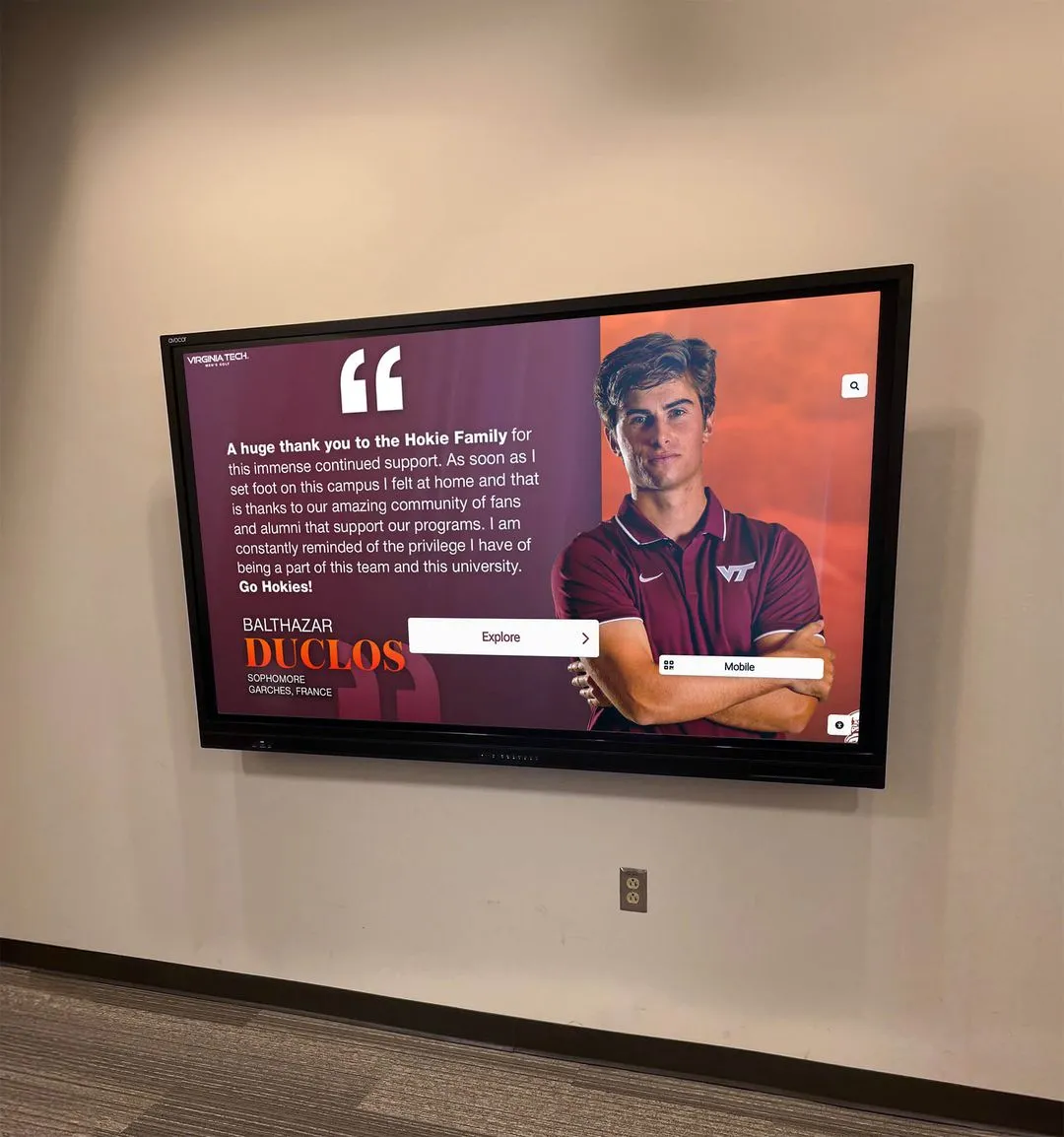
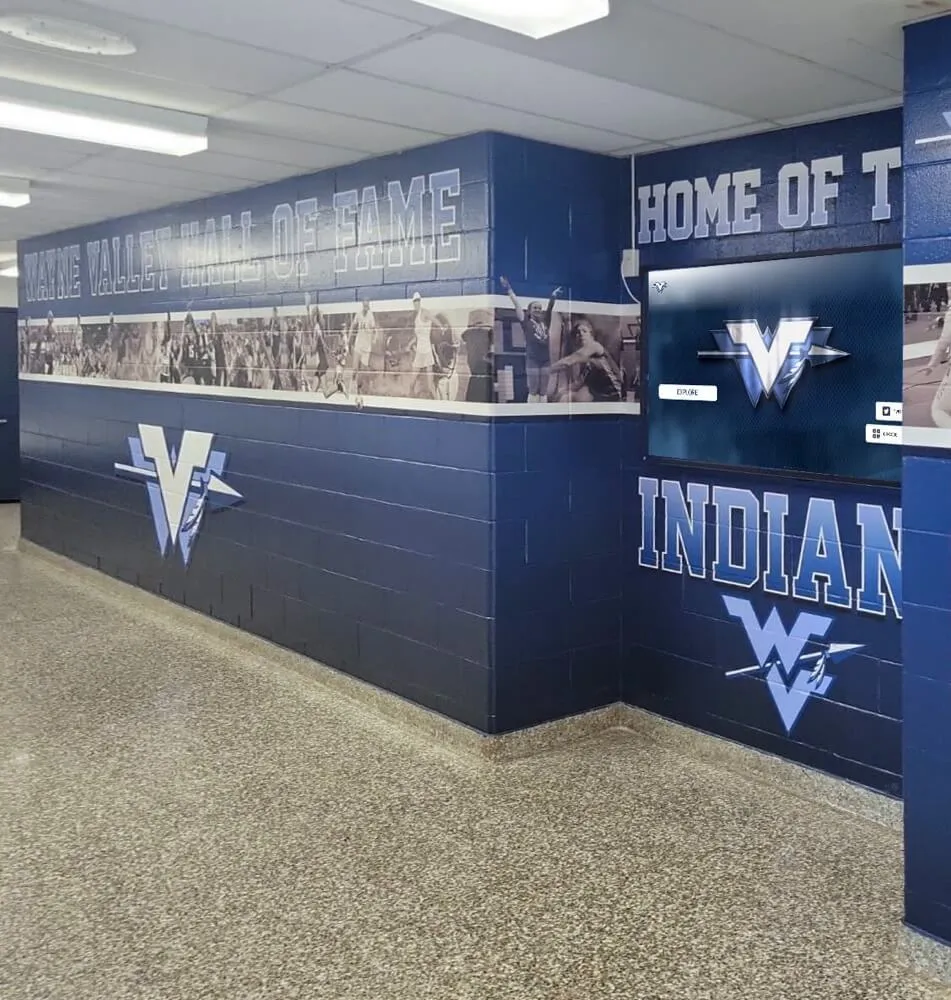
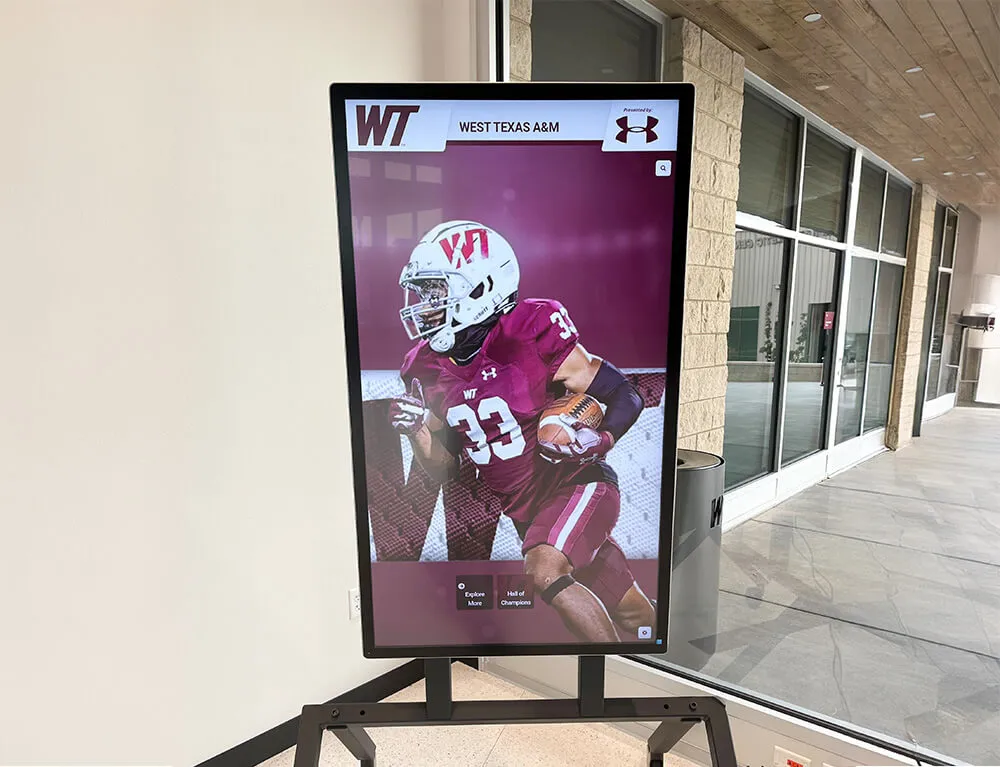
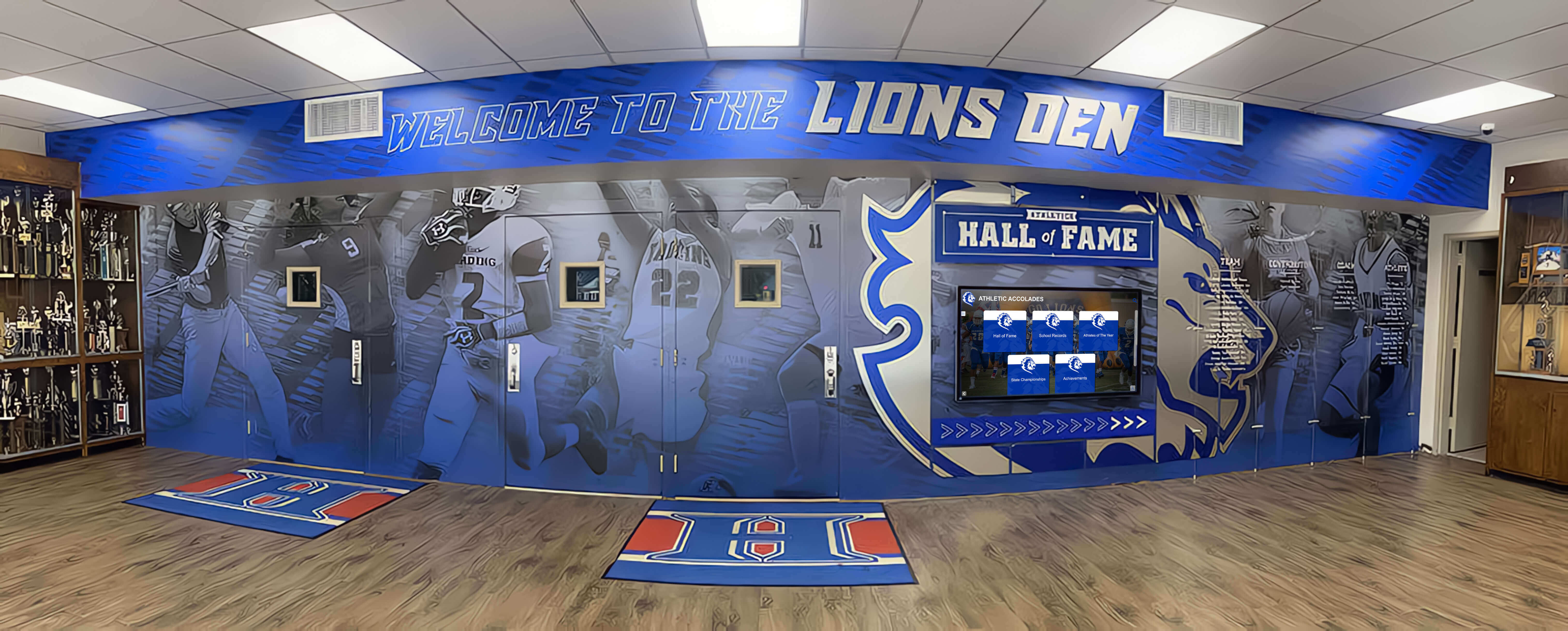
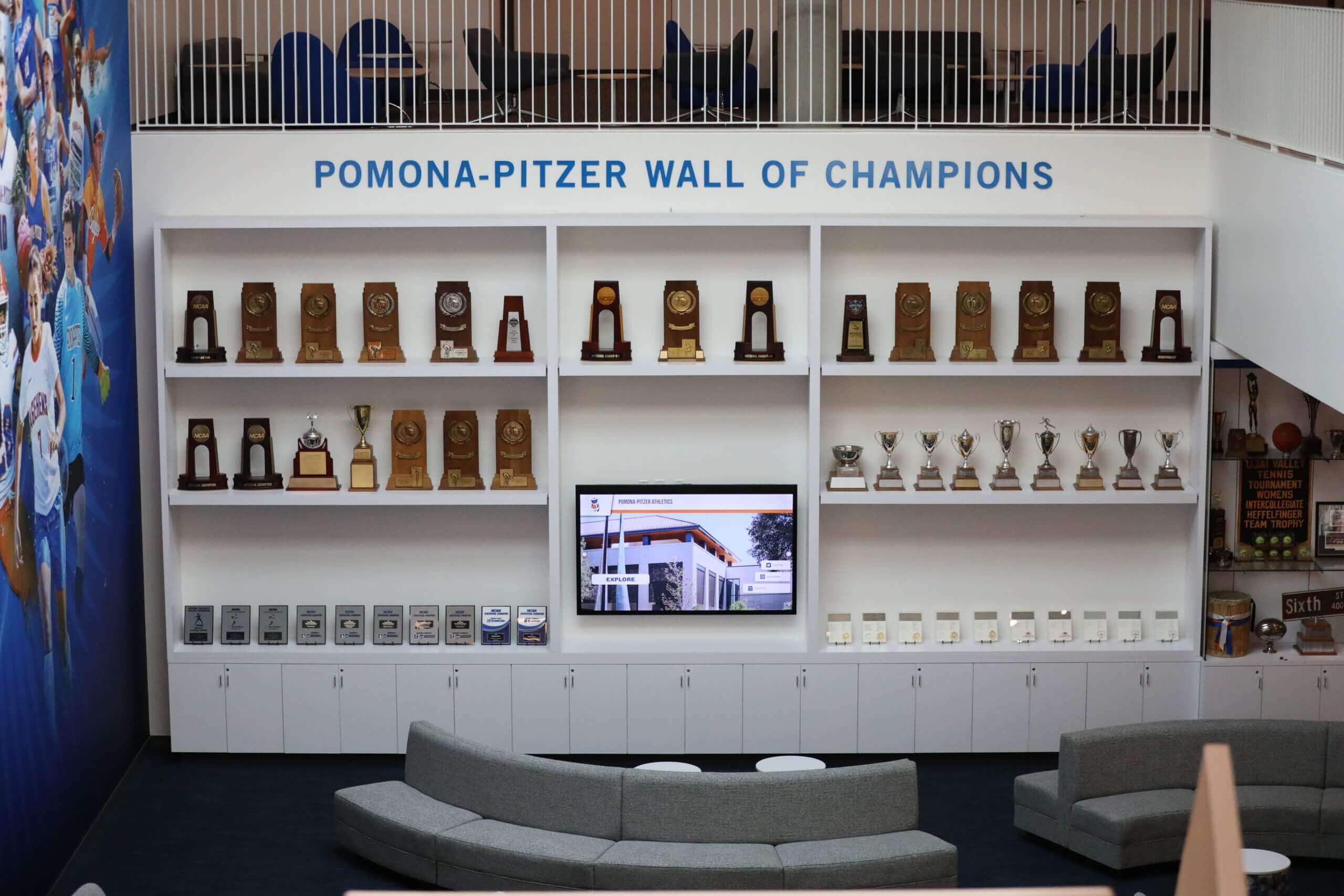
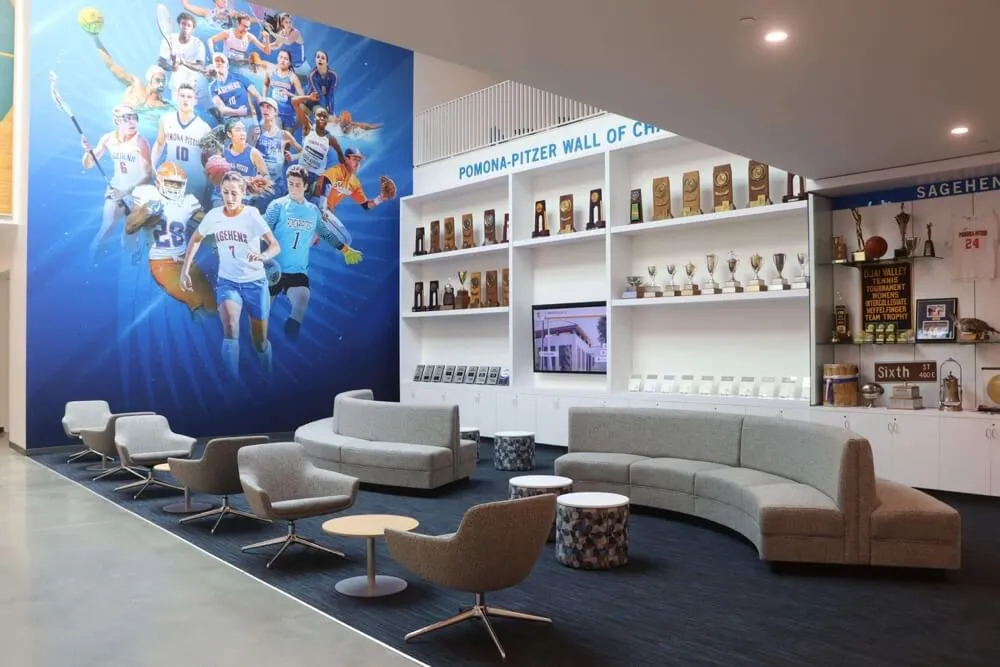
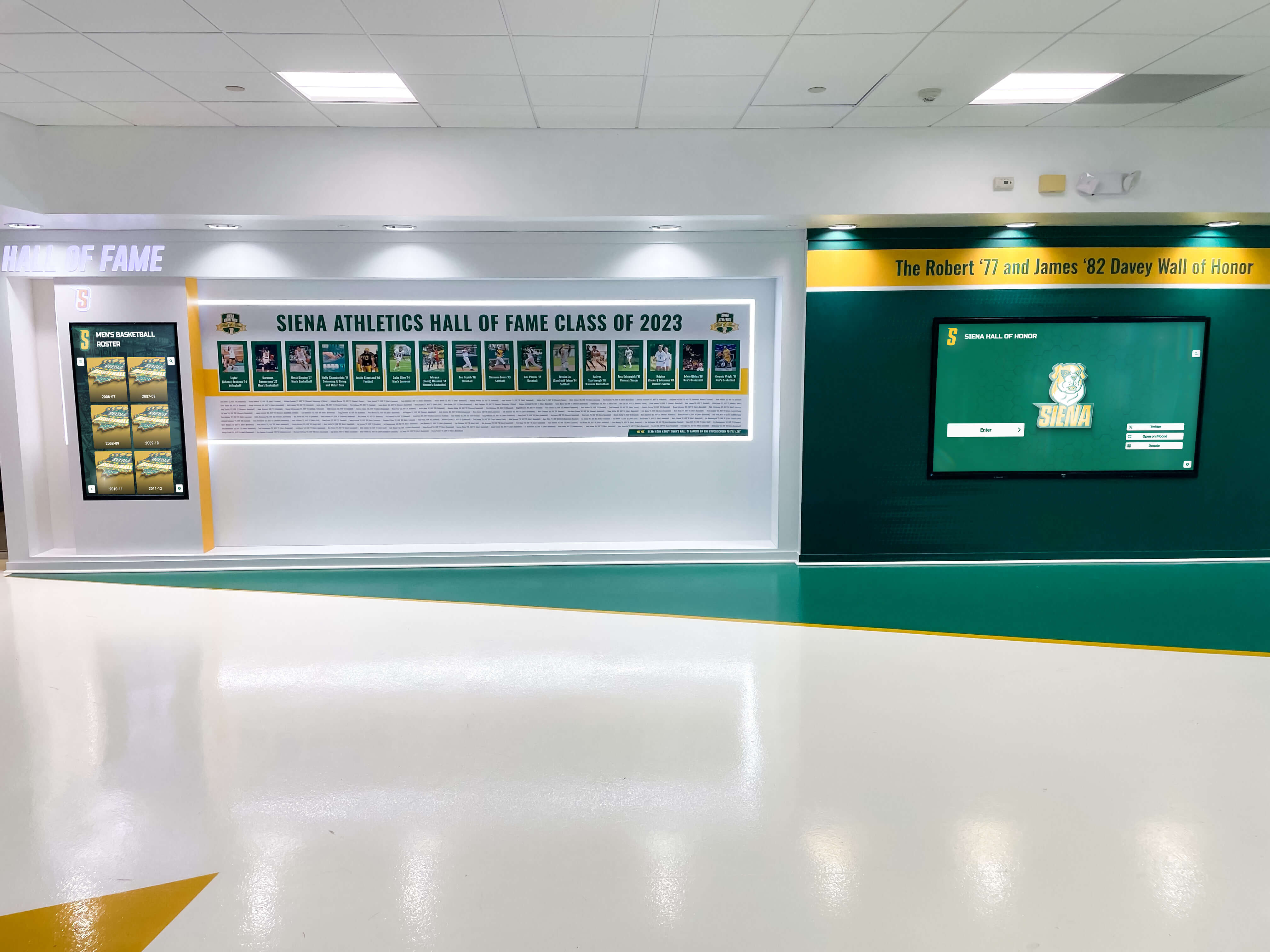
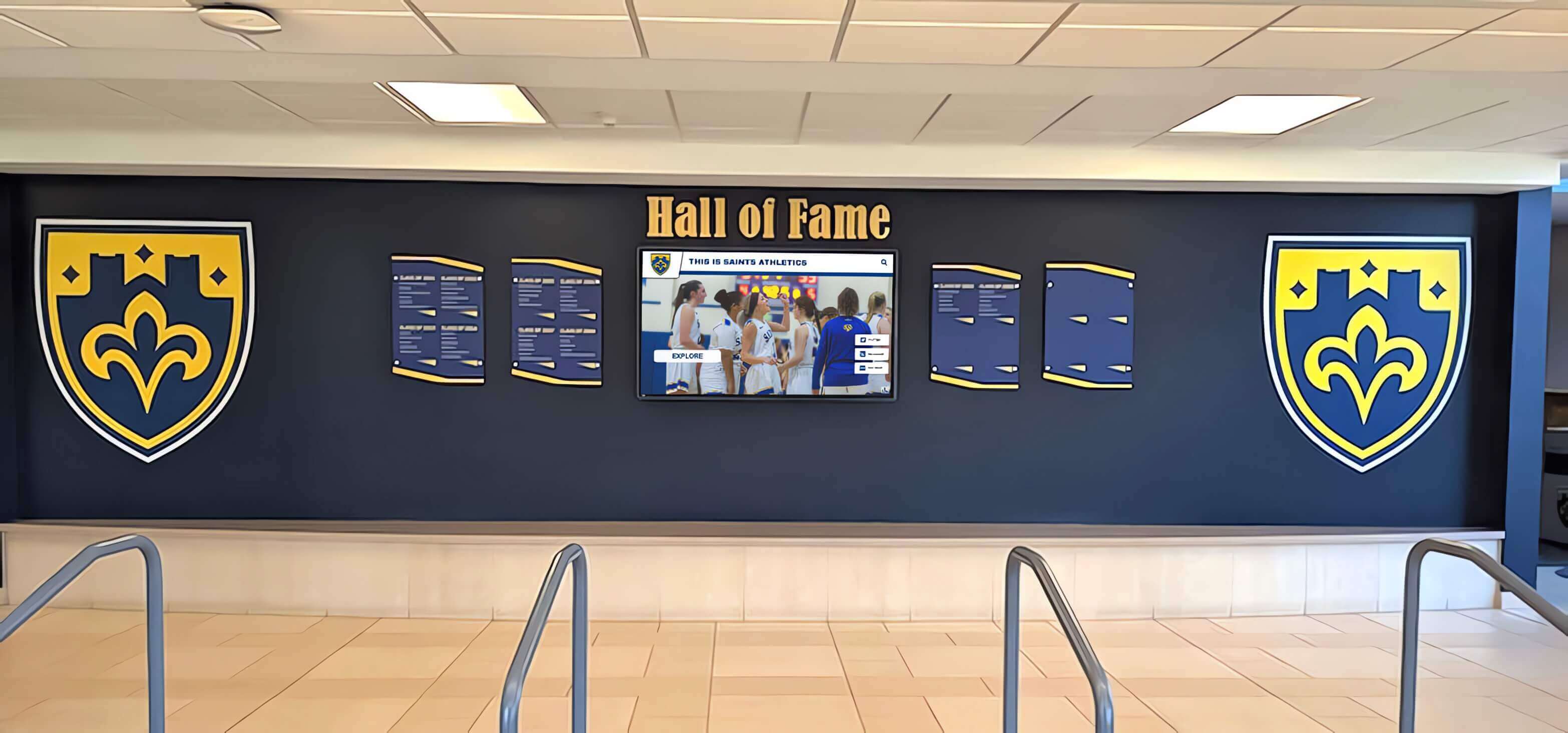
Technology Integration: Modern recognition increasingly incorporates digital display solutions showcasing season highlights, individual achievements, and program histories. Slideshow presentations, video tribute compilations, live social media feeds, and interactive recognition kiosks all enhance traditional banquet experiences when implemented thoughtfully.
Developing Comprehensive Recognition and Award Strategies
The heart of any sports banquet lies in how you recognize achievement. Thoughtful award structures celebrate excellence while maintaining inclusivity and meaning.
Balancing Recognition Breadth and Selectivity
Programs face fundamental tension between recognizing broad participation versus maintaining award prestige through selectivity:
Inclusive Recognition Philosophy ensures every athlete receives meaningful acknowledgment—participation certificates, letter awards, or recognition for specific contributions. This approach celebrates the reality that athletic programs depend on every roster member regardless of playing time or statistical production. Inclusive recognition particularly benefits younger athletes building program commitment and students whose greatest achievements involve personal growth rather than competitive outcomes.
Selective Excellence Recognition reserves special awards for truly outstanding achievement—Most Valuable Player, All-Conference selections, record-breaking performances, and exceptional leadership. Maintaining selectivity preserves award significance and creates aspirational goals motivating athletes toward higher performance levels. The challenge lies in defining excellence criteria that athletes perceive as fair and achievable through dedication rather than simply natural talent.
Multi-Tiered Recognition Systems successfully balance these competing values by implementing several award levels. For example:
- Universal Recognition: Every athlete receives participation acknowledgment and letter award eligibility
- Achievement Recognition: Specific accomplishment awards for statistical thresholds, improvement milestones, or competitive success
- Excellence Recognition: Highly selective awards for the season’s most outstanding performances and contributions
- Character Recognition: Awards emphasizing leadership, sportsmanship, dedication, and team-first attitudes regardless of competitive outcomes
This layered approach ensures everyone feels valued while maintaining special recognition for exceptional achievement.
Common Award Categories and Selection Criteria
Standard Athletic Awards:
Varsity Letters and Letter Jackets remain traditional recognition cornerstone elements. Establish clear earning criteria—minimum participation levels, competitive season completion, practice attendance standards, or academic eligibility maintenance. Many programs create progressive lettering systems with distinctive pins or patches for second, third, and fourth-year letter winners, visually representing sustained athletic commitment.
Most Valuable Player Awards recognize athletes contributing most significantly to team success. Selection should balance statistical production, leadership impact, competitive performance under pressure, practice dedication, and overall team influence. Transparent selection processes—whether coach-determined, team-voted, or committee-based—maintain award integrity and prevent favoritism perceptions.
Coaches’ Awards provide flexibility to recognize athletes exemplifying program values beyond competitive statistics. These awards might honor exceptional work ethic, outstanding leadership, dramatic improvement, or invaluable team contributions that statistics don’t capture. Coaches’ awards should come with clear explanatory narratives explaining why specific athletes earned this recognition.
Statistical and Performance Awards celebrate specific measurable achievements—highest scoring average, most assists, lowest ERA, fastest time, furthest distance, or best winning percentage. Clear statistical criteria make these awards objective and transparent.
Beyond Performance Awards:
Academic Achievement Recognition honors student athletes maintaining excellence in classroom and competition simultaneously. Consider awards for highest GPA, honor roll achievement throughout season, or balancing particularly demanding academic programs with athletic participation. This recognition reinforces that student comes before athlete in student-athlete identity.
Leadership and Captaincy Recognition formally acknowledges athletes who served as team captains or demonstrated exceptional leadership qualities. Leadership awards might recognize mentorship of younger athletes, positive influence on team culture, or representing programs with distinction in broader school community.
Sportsmanship and Character Awards celebrate athletes who consistently demonstrate respect, integrity, and positive sporting behavior. These character-focused awards send powerful messages about values beyond winning, particularly important for younger athletes forming understandings of athletic participation purposes.
Dedication and Improvement Awards recognize athletes showing greatest development or maintaining exceptional commitment despite challenges. These awards particularly resonate with athletes who may not achieve top competitive outcomes but invest tremendous effort pursuing excellence within their abilities.
Senior Recognition: Graduating athletes deserve special acknowledgment regardless of other awards received. Consider presenting each senior with personalized recognition including photos, brief biographical tributes, highlights of their athletic careers, and acknowledgment of post-graduation plans. This comprehensive senior recognition creates meaningful closure and honors complete athletic journeys rather than just final season performances.
Special Recognition Opportunities
Beyond standard awards, consider incorporating additional recognition elements:
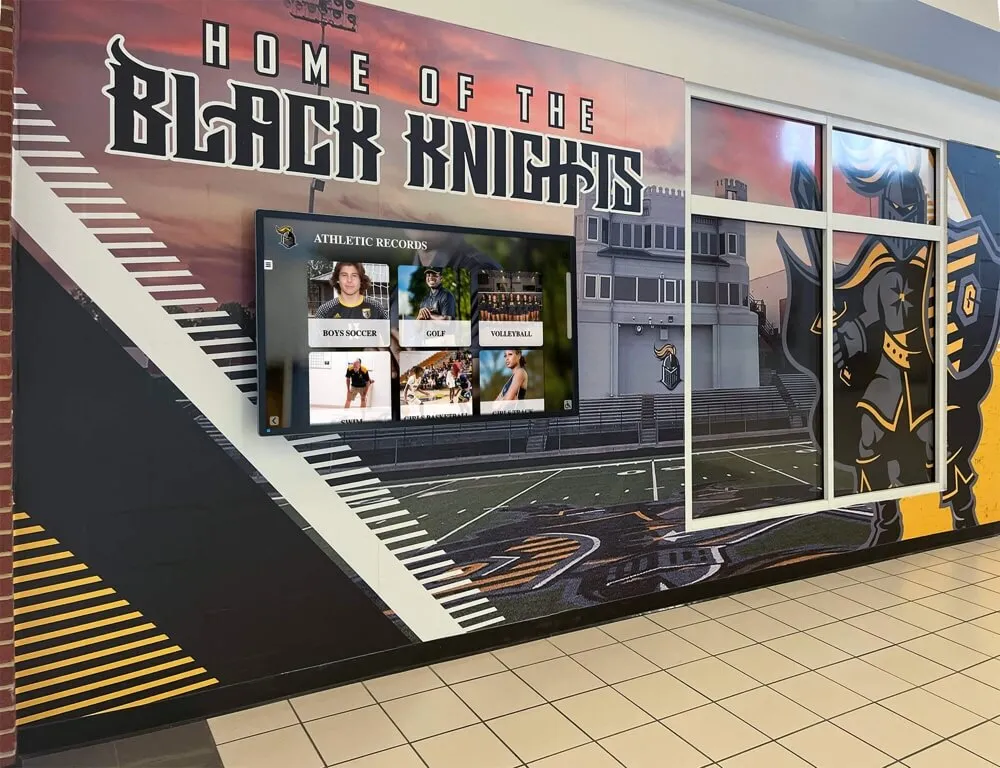
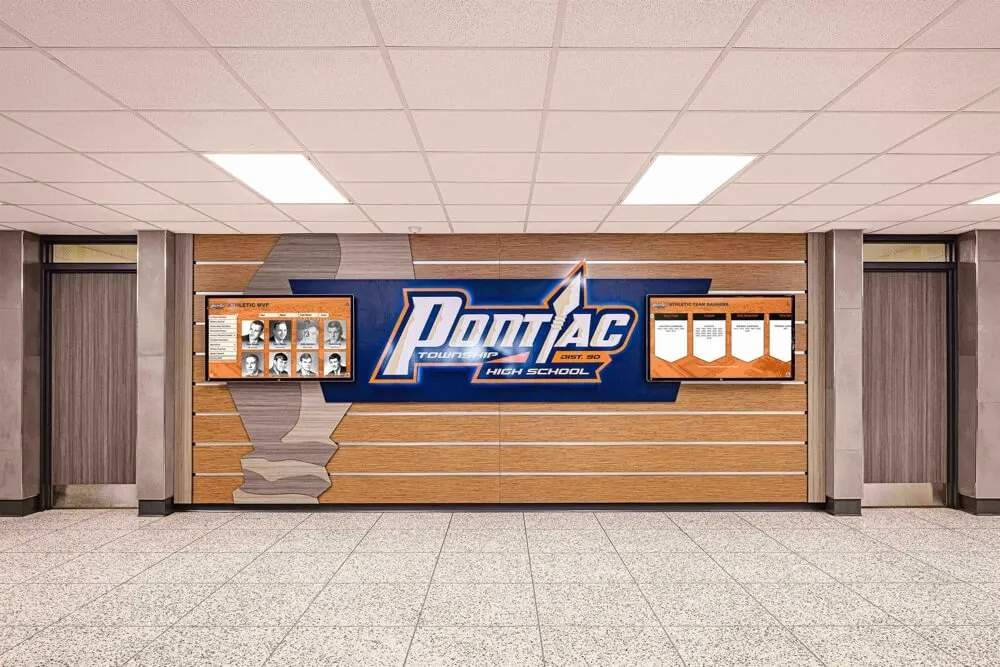
Historical Achievement Recognition: Acknowledge athletes who broke school records, achieved All-State or All-Conference honors, or reached competitive milestones. Comparing current achievements to program history connects present accomplishments with institutional legacy. Solutions like digital record boards provide dynamic ways to showcase evolving program records and historical context.
Multi-Sport Athlete Recognition: Students participating in multiple sports deserve special acknowledgment for their year-round athletic commitment and diverse talents. Multi-sport recognition reinforces athletic program unity beyond individual team identities.
Community Service and Citizenship: Some programs recognize athletes’ community contributions, volunteer service, or positive representation of athletic programs in broader community contexts. These awards demonstrate that athletic programs value citizenship alongside competitive achievement.
Alumni Achievement Updates: Including updates about former athletes’ ongoing success—college athletics, professional careers, or life accomplishments—connects current athletes with program legacy while demonstrating that high school athletics represents beginning rather than culmination of athletic journeys.
Designing Engaging Programs and Presentations
Strong program structure keeps banquets moving efficiently while maintaining appropriate balance between formal recognition and celebratory atmosphere.
Creating Effective Program Flow
Optimal Banquet Timeline: Most successful events run 2-3 hours total, structured to maintain energy while respecting guests’ time commitments. Typical flow includes:
Welcome & Social Time
15-30 minutes for arrivals, socializing, finding seats, and settling in before formal program begins
Meal Service
45-60 minutes for dining, allowing casual conversation and relaxed atmosphere before recognition begins
Formal Program
60-90 minutes for welcome remarks, recognition presentations, special speeches, and award distributions
Closing & Social
15-30 minutes for photographs, informal conversations, congratulations, and gradual departure
Managing Recognition Segment Length: The formal recognition portion requires careful timing. For all-sports banquets with multiple teams, allocate 5-8 minutes per team for coach remarks, season highlights, and primary awards. Individual sport banquets can extend recognition to 45-60 minutes including detailed season recaps, extensive individual recognition, video highlights, and special presentations.
Maintaining Audience Engagement: Long recognition segments where families wait through many teams before their athlete receives acknowledgment challenge audience attention. Strategies for maintaining engagement include:
- Alternating between different types of recognition rather than processing everything by team
- Incorporating multimedia elements—video highlights, photo slideshows, musical interludes
- Breaking longer programs into distinct segments with brief transitions
- Including unexpected elements—humor, special guests, surprise recognitions
- Providing printed programs enabling guests to follow along and anticipate upcoming recognition
Speaker Selection and Management
Keynote or Featured Speakers can add significant value or consume excessive time depending on selection and preparation:
Appropriate Speaker Selection: Consider former athletes who achieved notable success, current college athletes with local connections, sports media personalities with area ties, coaches or athletic directors with inspiring messages, or community leaders with athletic backgrounds. Speakers should have relevant connections to your program and clear understanding of high school athletic contexts.
Speaker Preparation and Expectations: Provide speakers with clear time expectations (typically 10-15 minutes), audience context (ages, sports represented, community culture), and desired themes (inspiration, character development, perseverance, balancing athletics with academics). Request that speakers avoid inside jokes, controversial topics, or overly personal stories that don’t resonate with diverse audiences.
Coach Presentations: Each coach typically provides brief remarks about their season, acknowledges key contributors, and presents team awards. Coach preparation prevents rambling or excessive length—suggest coaches practice presentations maintaining 5-8 minute timeframes. Providing coaches with presentation templates or structure recommendations ensures consistency across multiple team presentations.
Student Athlete Voices: Consider incorporating senior speeches, team captain reflections, or athlete testimonials. Student perspectives add authenticity and relatability that adult speakers cannot match. However, provide students with guidance, practice opportunities, and time limits preventing nervousness from creating problematic situations.
Multimedia and Technology Integration
Season Highlight Videos represent powerful recognition tools showcasing competitive action, emotional moments, team bonding, and individual achievements. Effective highlight videos should:
- Run 3-5 minutes per team maintaining attention without dragging
- Include diverse footage representing all roster members, not just stars
- Feature quality editing with appropriate music and smooth transitions
- Incorporate humor and personality alongside competitive footage
- Celebrate both victories and character-building challenges
Many programs involve student video production classes or tech-savvy parent volunteers in creating these presentations, turning highlight videos into community collaboration opportunities.
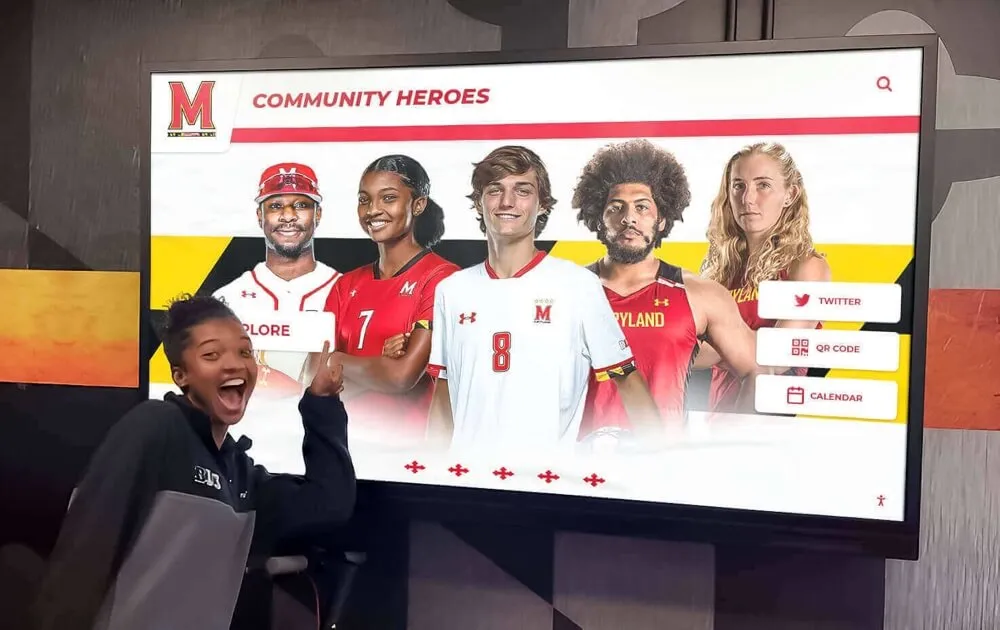
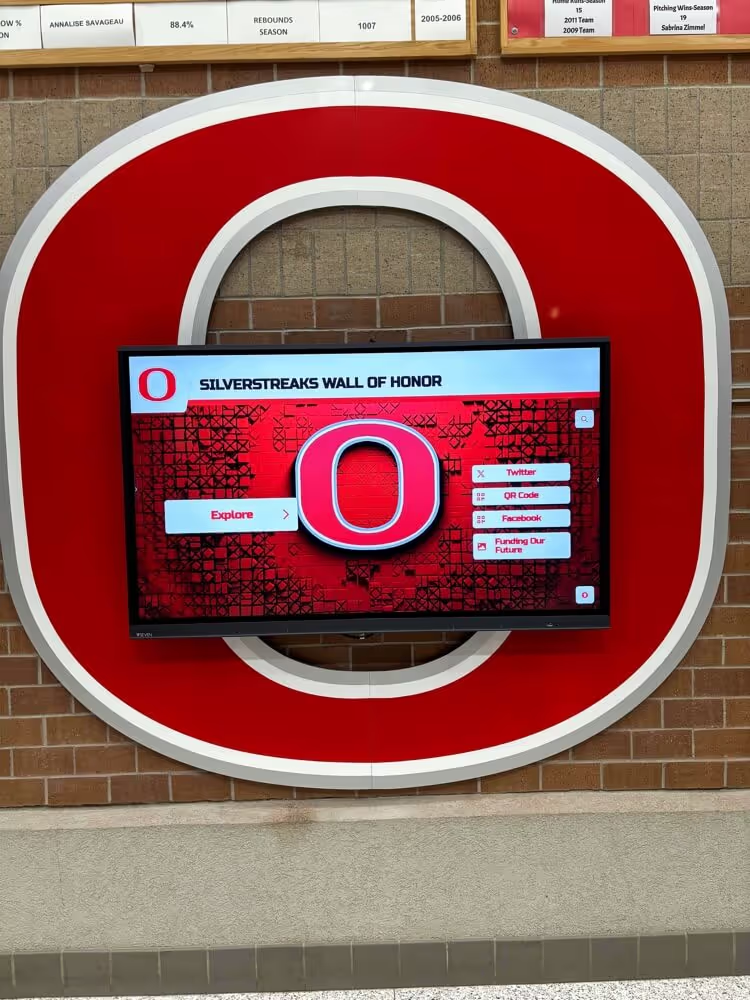
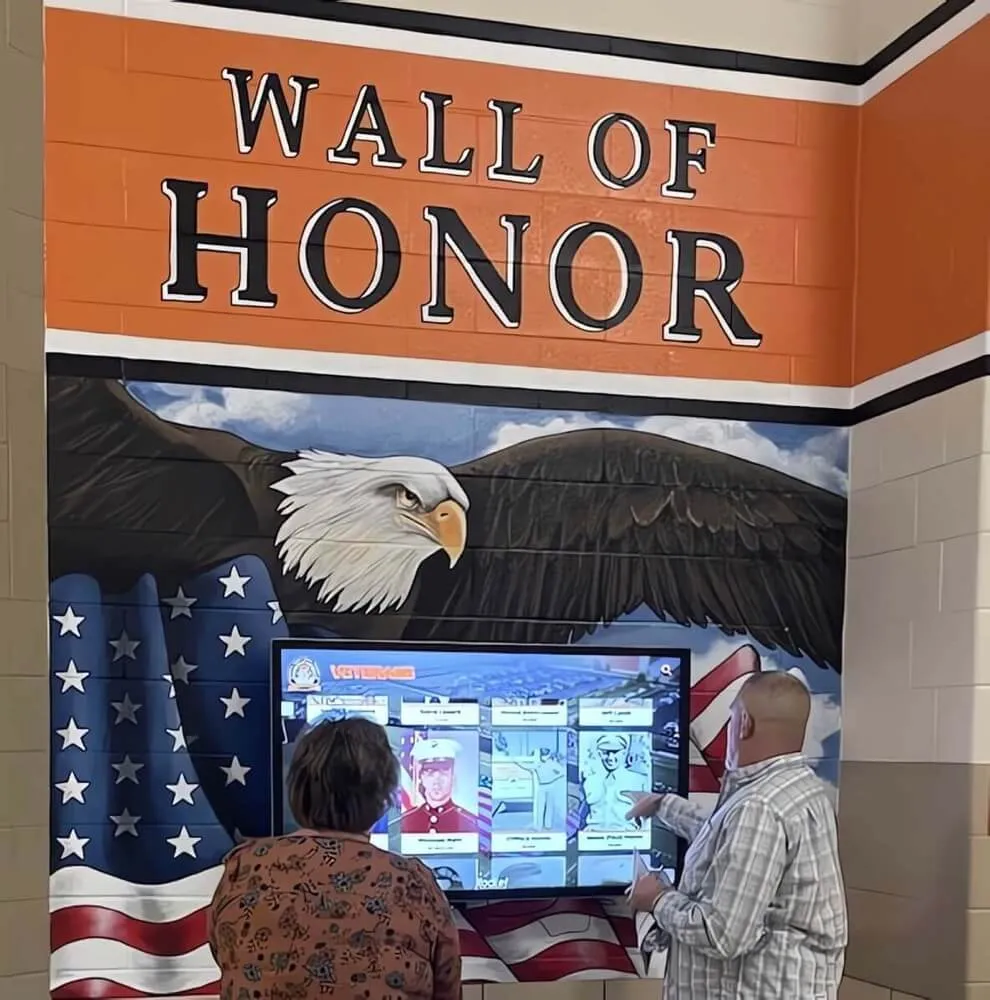
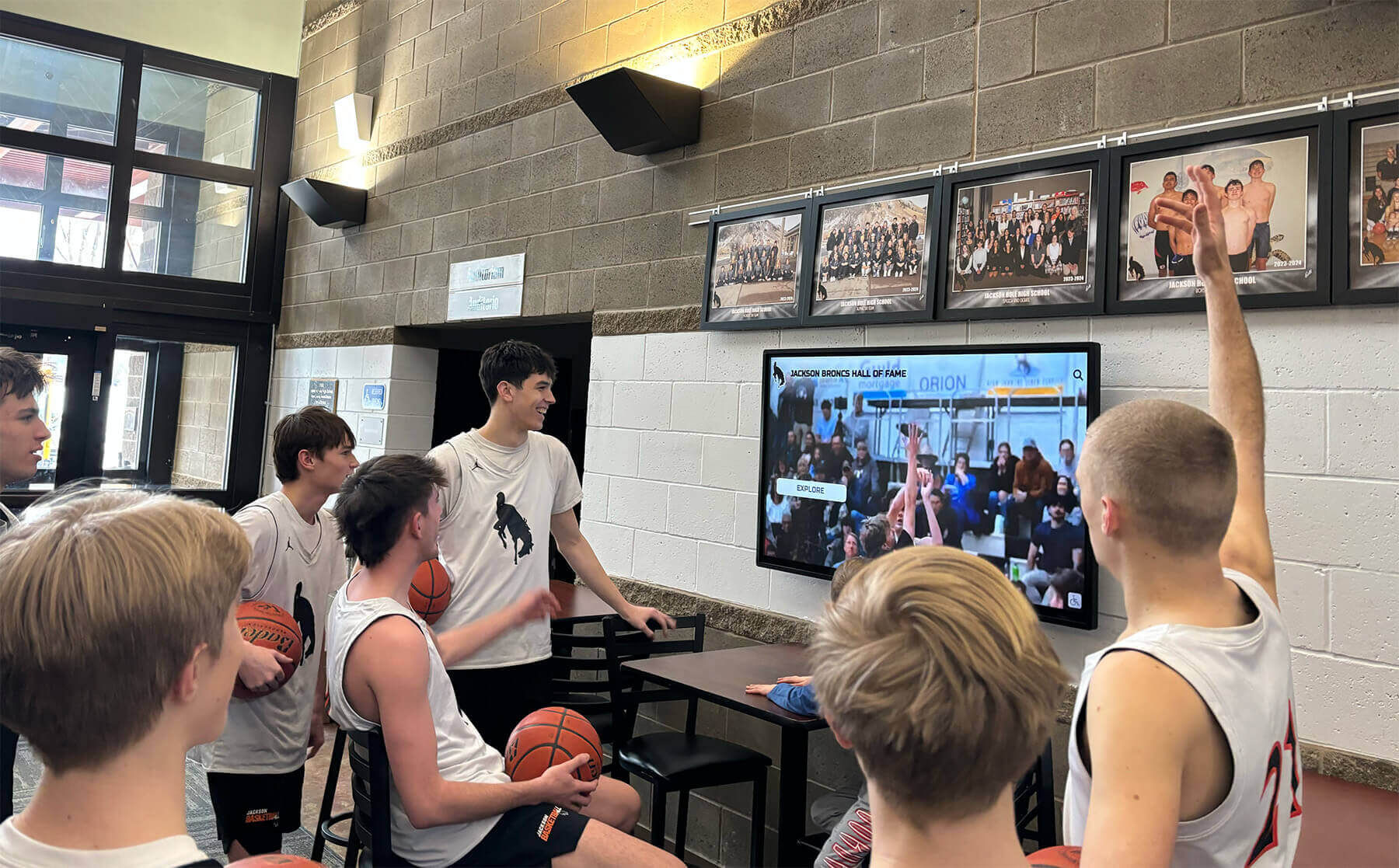
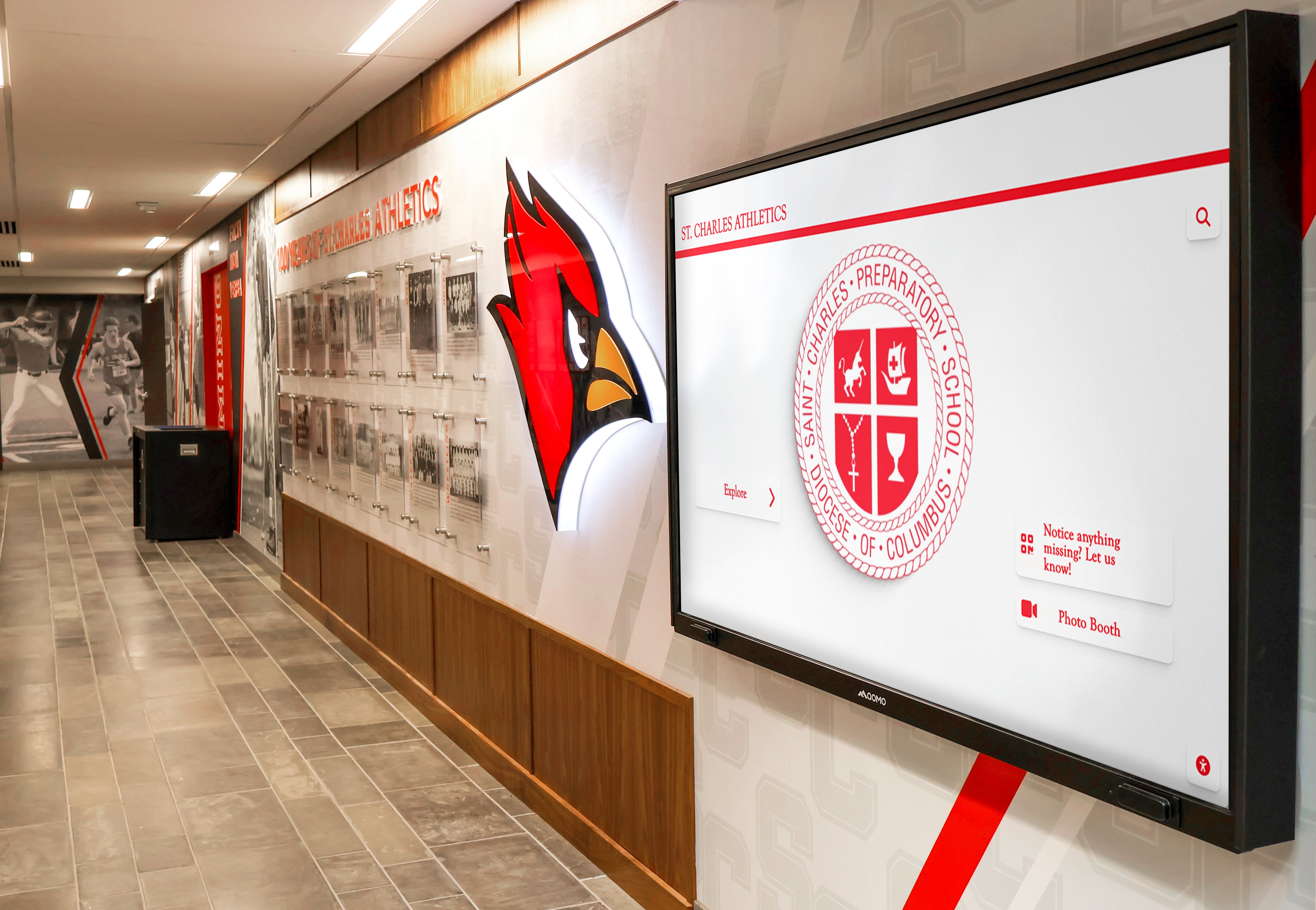
Digital Recognition Displays: Modern technology enables innovative recognition approaches including interactive kiosks with searchable athlete profiles and career statistics, live social media feeds displaying real-time family photos and congratulations, digital athletic record displays showing updated program records, and photo booth stations with custom team-branded backdrops. These technology elements create interactive experiences beyond traditional podium presentations.
Presentation Technology Reliability: Technology failures during banquets create embarrassing disruptions and lost recognition moments. Essential technology preparation includes:
- Testing all equipment at venue several days before event
- Preparing backup systems—extra laptops, alternative projection methods, printed materials as failsafes
- Designating technology manager responsible for troubleshooting during event
- Arriving early on event day for final technology verification
- Keeping presentations simple enough that technology enhances rather than controls proceedings
Food Service and Hospitality Planning
Meal quality and service significantly impact guest satisfaction and overall banquet success.
Menu Selection Strategies
Budget-Appropriate Options: Catering represents typically 40-50% of total banquet budgets, making menu selection crucial to financial planning:
Economical Options ($12-$20 per person): Buffet-style service with pasta dishes, baked chicken, seasonal vegetables, salads, rolls, and simple desserts. Pizza parties work well for smaller teams or informal celebrations.
Mid-Range Options ($20-$30 per person): Plated meals or enhanced buffets featuring carved meats, premium side dishes, expanded salad options, and upgraded dessert selections. This range suits most high school banquet contexts.
Premium Options ($30+ per person): Plated multi-course dinners with appetizers, salad courses, choice of premium entrees, vegetables, starches, and dessert service. Reserved primarily for major championship celebrations or well-funded programs.
Menu Considerations: Select foods appealing to diverse ages—accommodating both young children and adult guests. Avoid overly exotic or polarizing options while providing enough variety that most guests find appealing choices. Consider presentation quality alongside taste—attractive buffet arrangements or well-plated meals enhance perceived value.
Dietary Accommodations: Modern banquets must address diverse dietary needs:
Vegetarian and Vegan Options: Ensure meaningful alternatives beyond just removing meat from standard dishes. Quality vegetarian entrees demonstrate respect for dietary choices.
Food Allergies: Collect dietary restriction information during RSVP process, communicating critical allergies to caterers. Common allergens include peanuts/tree nuts, dairy, gluten, shellfish, and eggs.
Religious Dietary Requirements: Consider kosher, halal, or other religiously-motivated dietary needs represented in your community. Even schools without large populations following specific dietary laws benefit from inclusive planning.
Health-Conscious Choices: Provide options for guests managing diabetes, heart health concerns, or other medical dietary requirements without requiring they publicly identify restrictions.
Service Format Decisions
Plated Service: Wait staff serve pre-selected meals to each guest at their table. This formal approach provides elegant presentation, controlled portions for accurate budgeting, efficient coordinated service, and minimizes congestion from buffet lines. However, plated service costs more due to staffing requirements, offers limited guest choice, and creates timing challenges if program segments interrupt service.
Buffet Service: Guests select preferred items from displayed food stations. Buffets provide menu variety accommodating different preferences, visual food presentation, generally lower service costs, and flexibility in timing. Challenges include managing flow to prevent long lines, maintaining food temperature and quality throughout service, and difficulty controlling portions for accurate planning.
Family-Style Service: Large platters delivered to each table for guests to serve themselves. This middle-ground approach creates communal sharing atmosphere, controls portions better than buffets, and costs less than individual plated service. It works best for smaller events with limited menu options.
Casual Formats: Smaller team banquets might employ pizza delivery, taco bars, barbecue stations, or other casual dining formats. These relaxed approaches suit informal celebration cultures and significantly reduce costs while maintaining focus on recognition over elaborate dining experiences.
Managing Registration, Communication, and Logistics
Behind-the-scenes operational excellence ensures smooth guest experiences and prevents day-of-event crises.
Invitation and RSVP Systems
Invitation Timeline and Methods: Send save-the-date notifications 6-8 weeks before events, followed by formal invitations 3-4 weeks prior. Utilize multiple communication channels ensuring information reaches families:
- Email invitations to athlete families through school communication systems
- Physical invitations sent home with athletes
- Posted announcements in locker rooms and team spaces
- Social media posts on team pages and athletic department accounts
- Website calendar postings with registration links
RSVP Management: Implement systems tracking expected attendance for catering and space planning. Online forms through Google Forms, SignUpGenius, or school platforms work effectively. Collect:
- Athlete name and team
- Number of guests attending (establish maximum if space limited)
- Meal selections if offering choices
- Dietary restrictions or allergies
- Contact information for last-minute communications
Set RSVP deadlines 10-14 days before events, providing adequate catering finalization time. Follow up with non-responding families through personal outreach rather than assuming non-attendance.
Ticket Sales and Payment Collection: If charging attendance fees, establish clear payment systems—online payments through school systems, checks collected by coaches or athletic offices, or cash payment at door if necessary. Communicate pricing clearly including what’s covered (meals, programs, awards) and any additional costs (photos, special memorabilia).
Day-of-Event Coordination
Volunteer Recruitment and Organization: Successful banquets require volunteer support for:
- Registration and check-in management
- Program and materials distribution
- Award organization and presentation staging
- Photography and video documentation
- Decoration setup and post-event breakdown
- Audiovisual operation and troubleshooting
- Hospitality and guest assistance
- Coordinating athlete movement for recognition segments
Create detailed volunteer assignments with clear responsibilities and timing expectations. Conduct pre-event briefings ensuring volunteers understand their roles and have necessary materials and information.
Setup and Logistics Checklists: Develop comprehensive checklists preventing overlooked details:
Venue Preparation:
- Table and chair arrangement per diagram
- Linens, place settings, centerpieces installation
- Stage/presentation area setup
- Audiovisual equipment installation and testing
- Registration table preparation
- Directional signage installation
- Lighting adjustment for dining and presentations
- Temperature control verification
Materials Organization:
- Programs sorted for distribution
- Award presentations organized by presentation order
- Backup printed recognition lists
- Name tags or table assignments if applicable
- Photo booth props and equipment
- Emergency supplies (tape, scissors, markers, safety pins)
Technology Verification:
- Presentation slides loaded and tested
- Video content playback verified
- Microphones tested and backup available
- Sound levels appropriate for room
- Lighting controls located and tested
- Photography/video stations positioned
Enhancing Banquets with Modern Recognition Technology
Digital recognition displays and interactive technology add contemporary elements enhancing traditional banquet experiences while extending recognition impact beyond single-night events.
Interactive Recognition Displays at Banquets
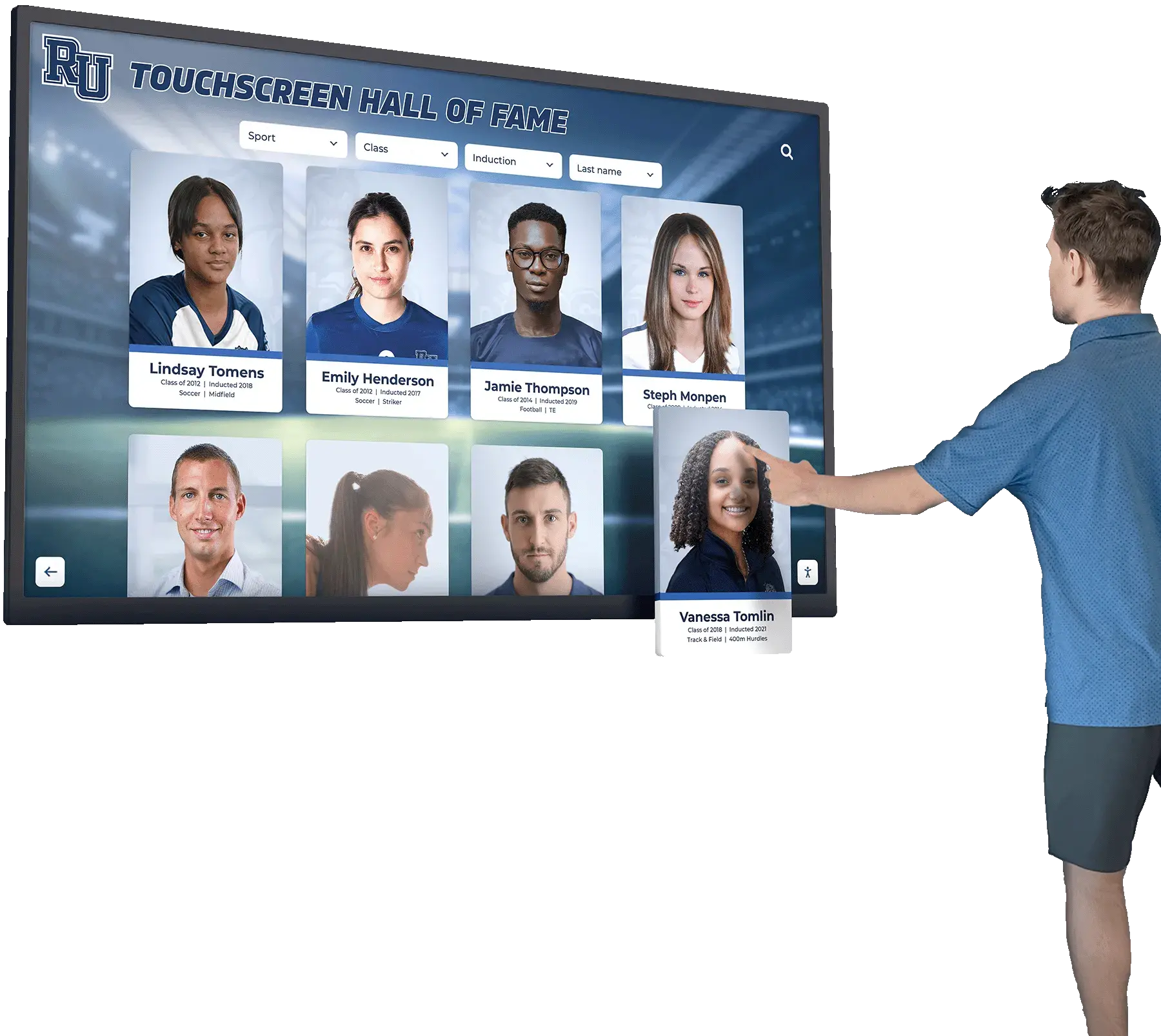
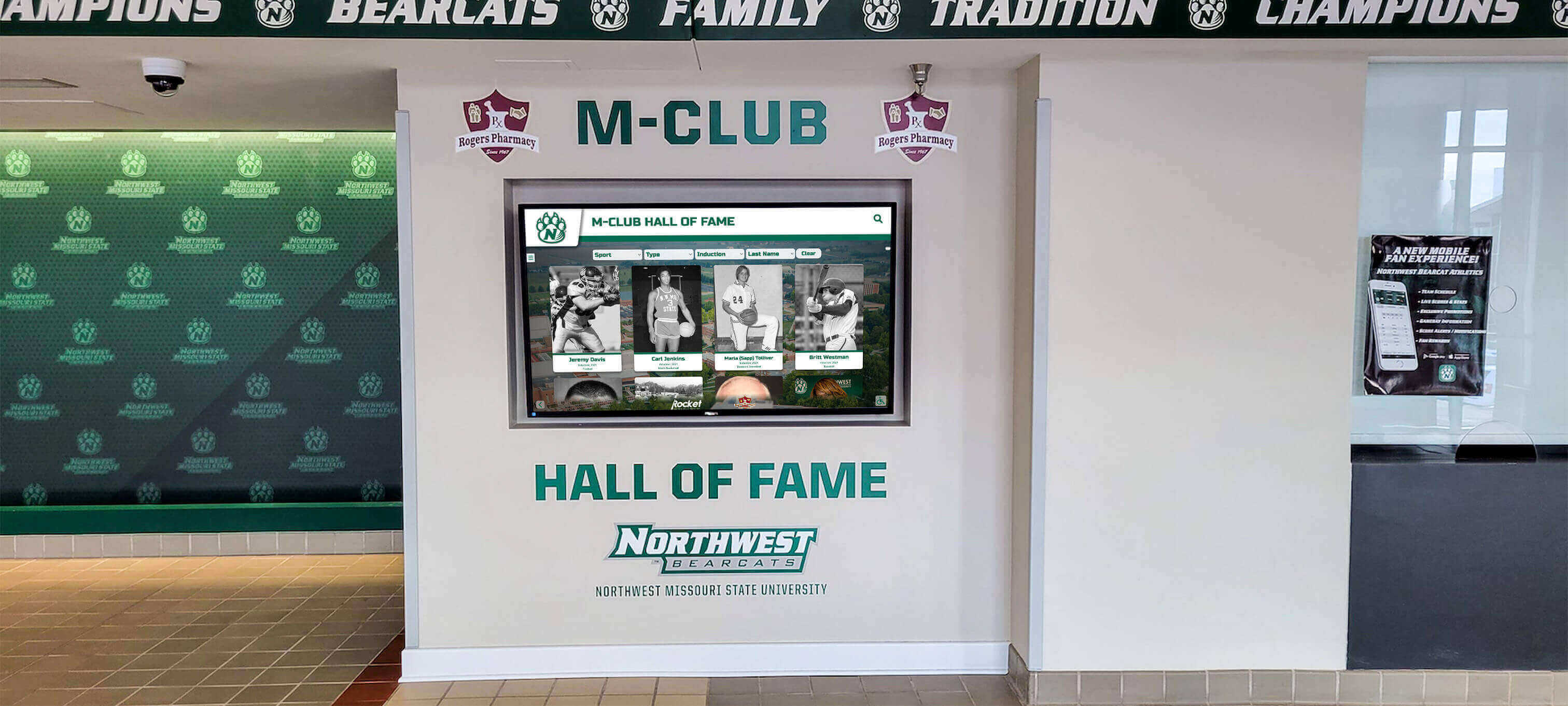
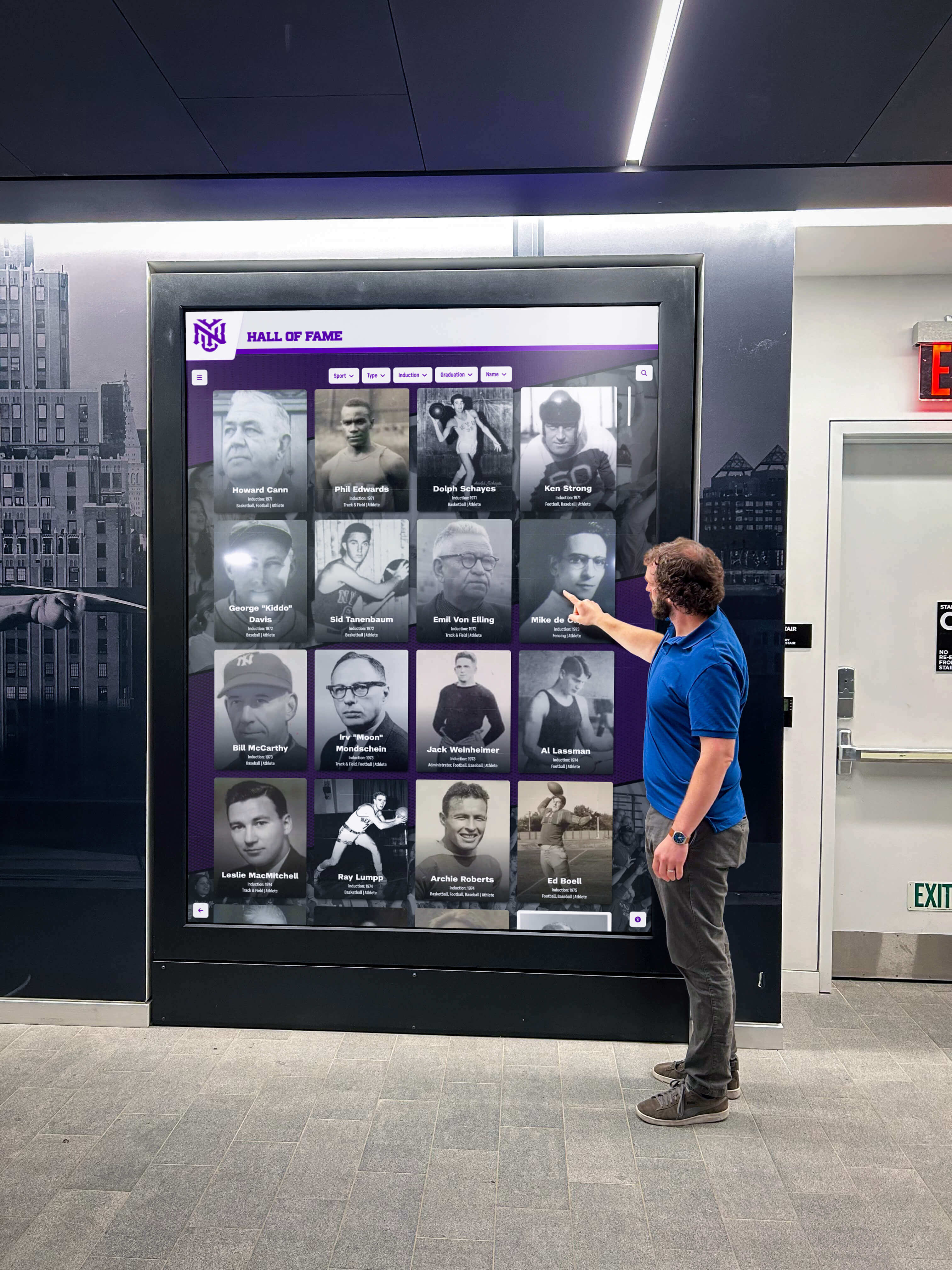
Modern sports banquets increasingly incorporate interactive touchscreen displays that guests explore during social times before meals and programs begin. These digital installations showcase:
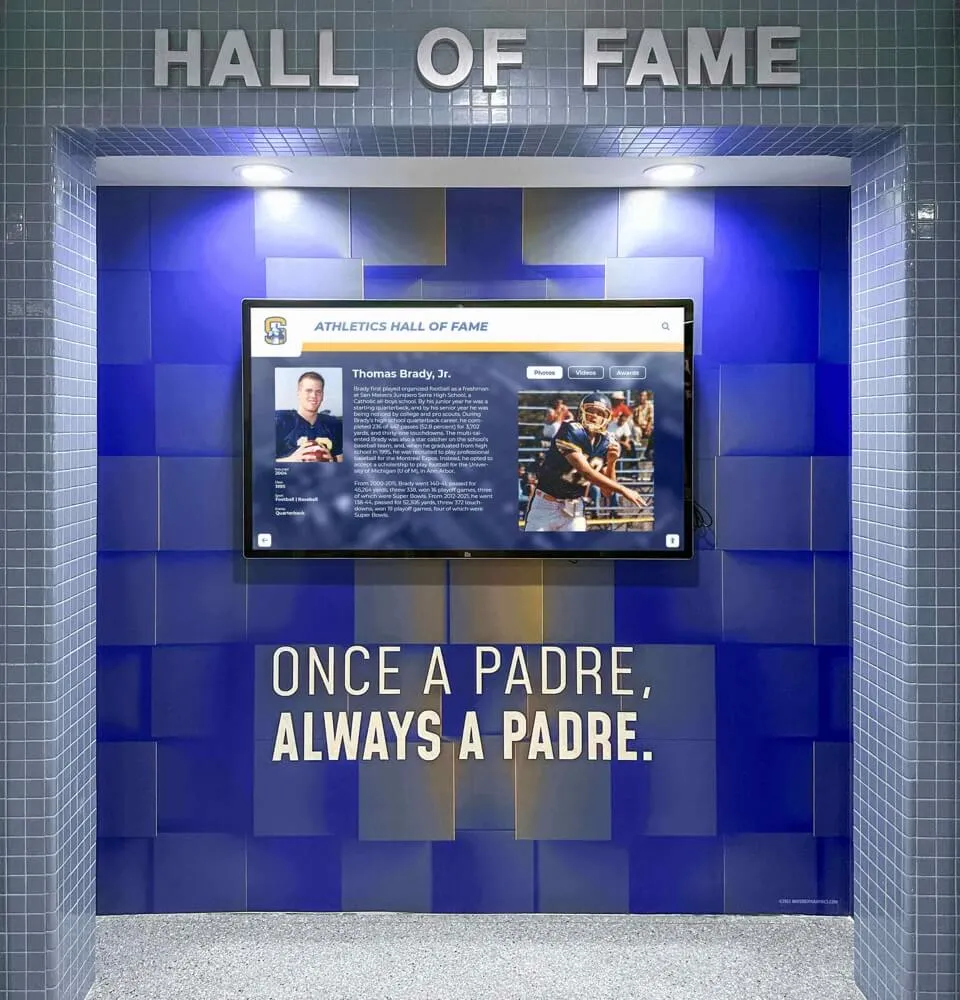
Comprehensive Athlete Profiles: Detailed biographical information, career statistics, achievement timelines, photos from multiple seasons, and personal narratives telling complete athletic stories beyond what brief podium recognition can cover.
Season Highlight Collections: Searchable video and photo libraries from the season enabling families to explore and share moments featuring their athletes. Interactive displays let guests control what they view rather than watching predetermined slideshows.
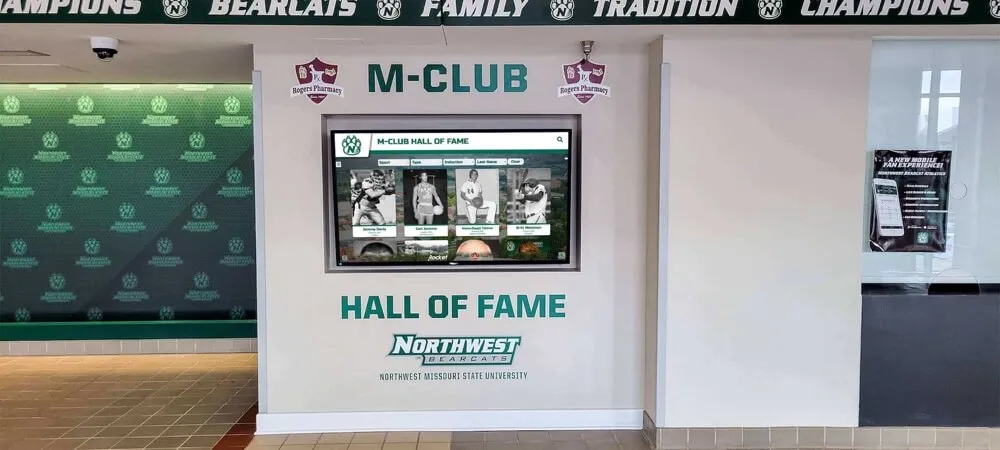
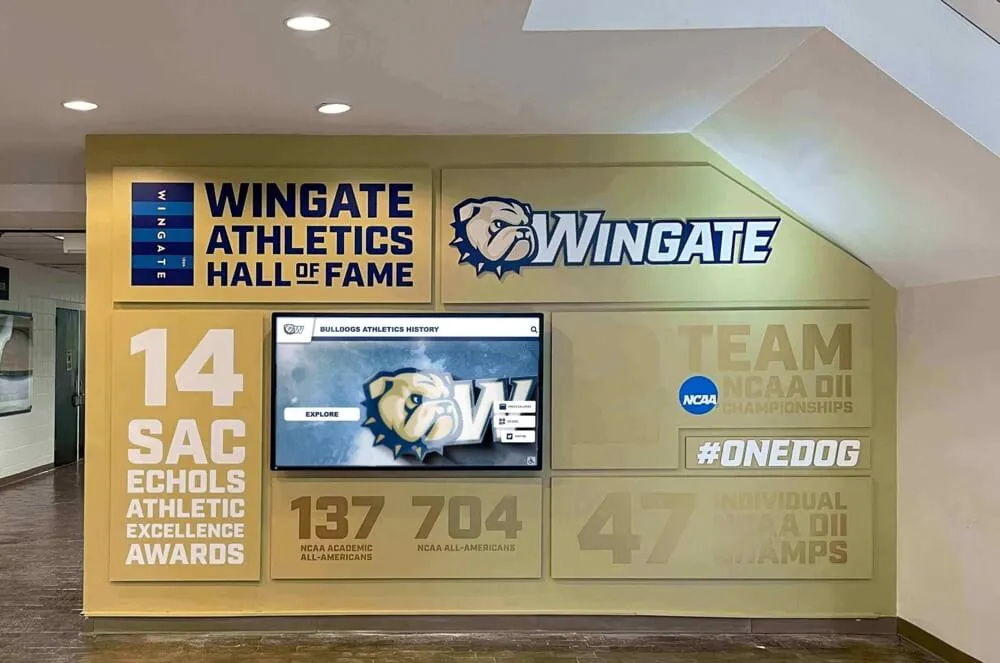
Historical Program Records: Digital record boards displaying evolving school records, championship histories, conference standings, and program milestones. Guests can explore how current achievements compare to historical accomplishments and see their athletes’ names added to legacy recognition.
Social Sharing Capabilities: Modern recognition displays enable guests to share profiles, photos, and achievement highlights directly to social media platforms or via email, extending recognition reach far beyond attendees physically present at banquets. This amplification creates broader community awareness and pride while giving families convenient access to official recognition content.
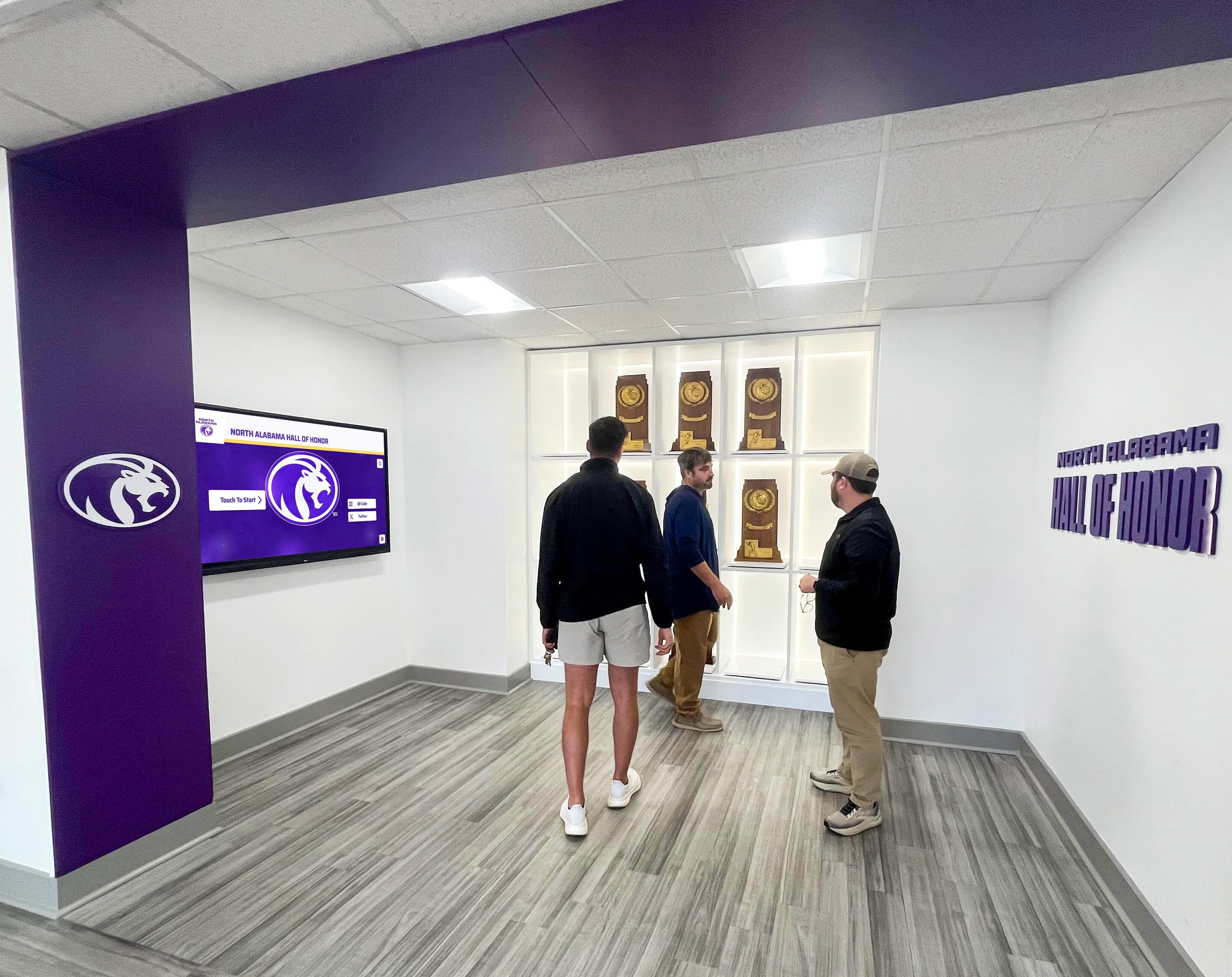
These interactive elements transform banquets from entirely passive experiences into engaging explorations where families actively discover content relevant to their interests and athletes. Solutions like those from Rocket Alumni Solutions provide schools with permanent digital recognition installations that serve year-round functions while also enhancing special event experiences.
Extending Recognition Beyond the Event
Digital Recognition Permanence: While banquets represent single memorable evenings, digital recognition platforms create year-round accessibility ensuring achievements receive ongoing visibility rather than brief spotlight moments. Consider how banquet recognition integrates with broader athletic recognition strategies:
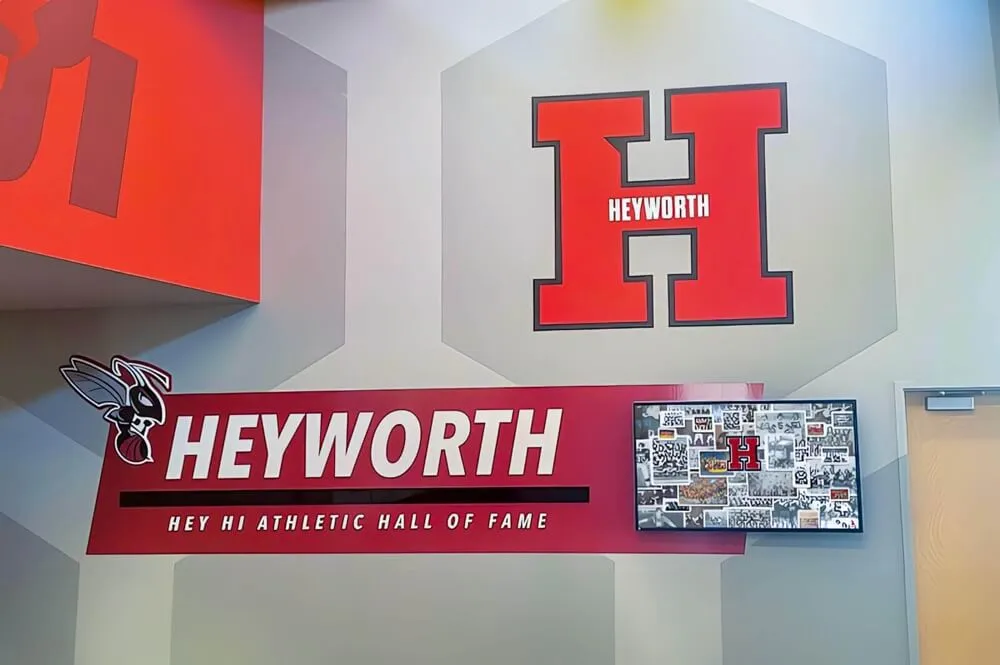
Permanent Hall of Fame Installations: Schools implementing comprehensive digital halls of fame in athletic facilities can feature banquet honorees in searchable databases accessible throughout the year. This integration transforms single-night recognition into lasting institutional acknowledgment.
Online Recognition Platforms: Web-based athlete profile systems enable families to access recognition content indefinitely, share achievements with distant relatives, and revisit banquet memories years later. Online platforms particularly benefit athletes whose families couldn’t attend banquets in person.
Social Media Amplification: Strategic social media campaigns following banquets—posting individual award winner announcements, sharing event photos and video clips, and highlighting achievement stories—extend recognition reach to broader school communities including students, alumni, and community members who weren’t physically present.
Connection to College Recruiting: For athletes pursuing collegiate competition, well-documented digital recognition creates portfolio materials supporting recruiting efforts. Comprehensive achievement documentation, career statistics, and video highlight collections become valuable resources when connecting with college coaches. Resources on showcasing college recruiting commitments demonstrate how digital recognition supports athletes’ future opportunities.
Post-Banquet Follow-Up and Continuous Improvement
Successful banquets don’t end when the last family leaves—thoughtful follow-up maximizes impact while gathering insights improving future events.
Immediate Post-Event Actions
Thank You Communications: Express appreciation to everyone who contributed to banquet success:
- Send thank you messages to volunteers within 2-3 days
- Acknowledge sponsors publicly through social media and school communications
- Thank venue staff and caterers for their service
- Recognize planning committee members’ efforts
- Express gratitude to families for attending and supporting athletic programs
Photo and Video Sharing: Make event memories accessible to families:
- Post photo galleries to school websites or shared drives
- Share video clips on social media platforms
- Provide families with links to download high-resolution versions
- Consider creating commemorative highlight videos combining content from banquet and season
- Ensure proper permissions before publicly sharing content featuring minors
Financial Reconciliation: Complete budget accounting documenting actual expenses versus projections. This financial review identifies budget areas requiring adjustment for future planning and closes out any outstanding vendor payments or reimbursements.
📋 Evaluation and Feedback
Gather insights improving future banquets through post-event surveys sent to athletes, families, and coaches asking about satisfaction levels, favorite elements, aspects needing improvement, and suggestions for future enhancements. Planning committee debriefs identify what worked well and what challenged smooth execution.
📝 Documentation for Future Planning
Create comprehensive event documentation including master timeline with actual timing notes, vendor contact information and performance evaluations, budget actuals versus projections, volunteer role descriptions and staffing levels, technology setup procedures and troubleshooting solutions, and award criteria and selection processes.
This documentation becomes invaluable when planning next year’s banquet, preventing reinvention and preserving institutional knowledge even when planning committee membership changes.
Building Long-Term Recognition Traditions
Establishing Consistent Excellence: The most memorable and impactful sports banquets result from continuous improvement rather than radical changes each year. Establish core elements that remain consistent—award categories, program structure, venue relationships—while incorporating incremental enhancements based on feedback and fresh ideas.
Connecting to Broader Recognition Ecosystems: View banquets as important components of comprehensive athletic recognition programs rather than isolated annual events. Successful programs integrate multiple recognition touchpoints:
- Season-opening parent nights establishing expectations and building community
- Mid-season acknowledgments celebrating milestones and maintaining momentum
- Senior night ceremonies honoring graduating athletes during their final home competitions
- Championship celebrations immediately following significant achievements
- Year-end banquets providing comprehensive season recognition
- Permanent athletic halls of fame documenting program history and ongoing excellence
When banquets connect with these other recognition elements, they feel like meaningful culminations of season-long celebration rather than isolated events attempting to accomplish all recognition in single evenings.
Involving Alumni in Banquet Traditions: Consider incorporating alumni recognition elements into current athlete banquets. Inviting distinguished former athletes to present awards, featuring updates about alumni achievements, or creating moments where current athletes learn about program traditions from those who built them strengthens connections between past and present while inspiring future excellence.
Conclusion: Creating Memorable Celebrations of Athletic Excellence
High school sports banquets represent far more than procedural award distributions—they’re opportunities to create lasting memories, strengthen athletic program culture, inspire continued excellence, and demonstrate that achievement receives meaningful recognition. The most successful banquets balance logistical efficiency with genuine celebration, formal acknowledgment with warm personal moments, and individual recognition with team unity.
Effective planning makes the difference between routine obligatory events and genuinely memorable celebrations that athletes and families discuss for years. By establishing realistic budgets and timelines, selecting appropriate venues, developing thoughtful award strategies, designing engaging programs, incorporating modern recognition technology, and maintaining focus on honoring achievement rather than merely completing checklists, athletic directors and planning committees create banquets worthy of the dedication student athletes invest throughout their seasons.
Remember that perfection isn’t required—authenticity and genuine appreciation matter far more than flawless execution. Athletes and families remember heartfelt coach speeches more than centerpiece aesthetics, meaningful personal recognition more than elaborate multimedia presentations, and genuine celebration of their accomplishments more than precisely executed logistics. Stay focused on why banquets exist—honoring athletic achievement and the young people who pursue excellence—and the specific how details become means to those meaningful ends rather than ends themselves.
As you plan your next sports banquet, consider how recognition extends beyond single-night events. Modern digital recognition solutions create year-round visibility for athletic achievement while simplifying banquet planning through integrated systems that serve multiple purposes. Permanent installations provide lasting acknowledgment while also enhancing special event experiences with interactive elements that families explore and share.
The investment you make in thoughtfully planning sports banquets pays dividends in program culture, student motivation, family engagement, and community support that extend far beyond the actual event evenings. Well-executed recognition demonstrates that your athletic program values the commitment athletes make, creating environments where excellence flourishes and traditions strengthen with each passing season.
Ready to Elevate Your Athletic Recognition Program?
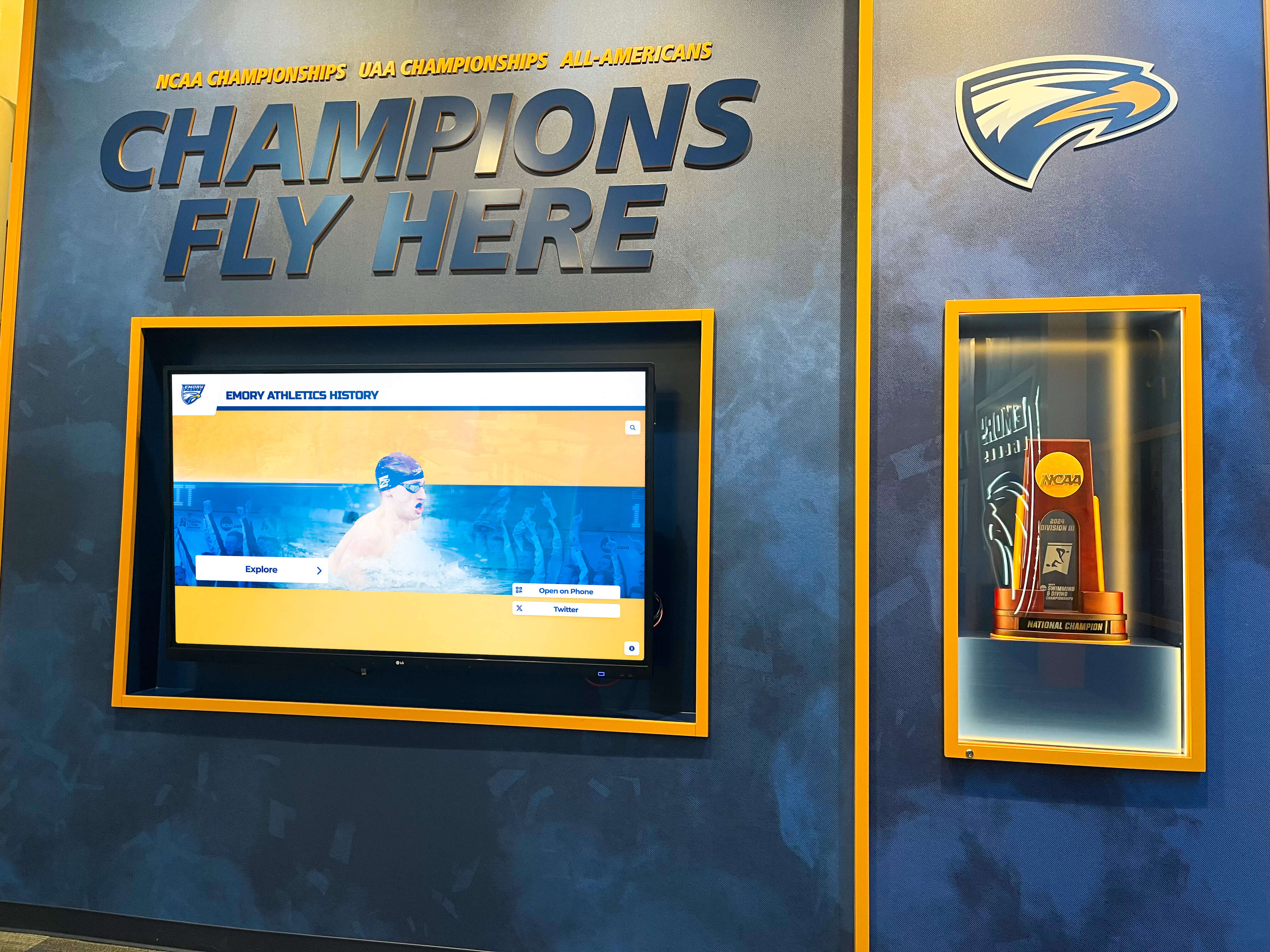
Explore how digital recognition displays can enhance your sports banquets and provide year-round visibility for athletic achievement. Discover comprehensive solutions for end-of-season celebrations that honor excellence while strengthening program traditions. Learn about student athlete recognition strategies that celebrate commitment across all participation levels.
For personalized guidance on integrating modern recognition technology with your sports banquet traditions, contact Rocket Alumni Solutions to explore how interactive digital displays and comprehensive recognition platforms can transform how you celebrate athletic achievement—at banquets and throughout the year.